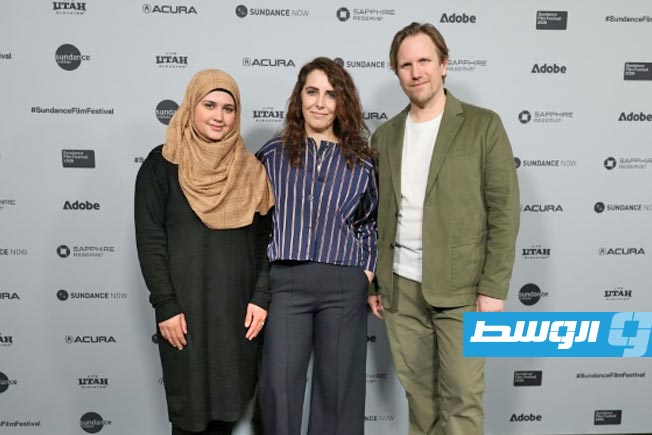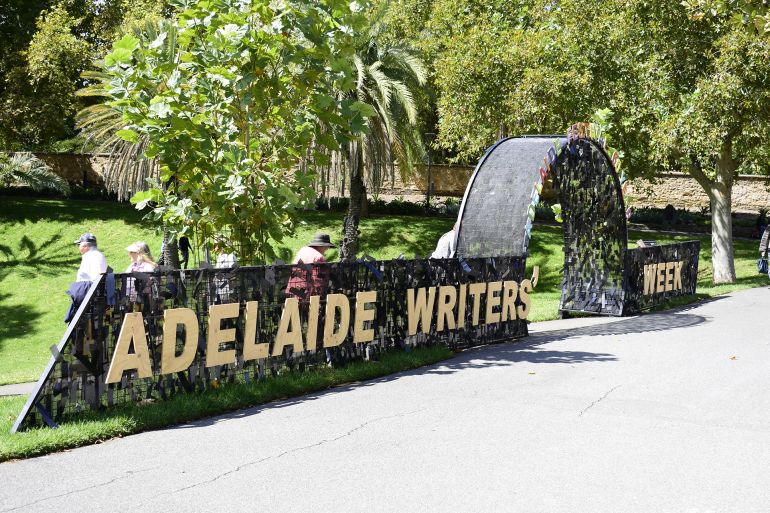
The exclusion of Palestinian-Australian writer Randa Abdel-Fattah from the 2026 Adelaide Festival’s Writers’ Week has become one of the widest cultural crises Australia has witnessed in recent years.
The event itself collapsed following an unprecedented wave of withdrawals involving hundreds of international writers and cultural figures, and the resignation of the organizing body’s board.
The festival management was forced to issue an official apology and postpone reinviting Randa Abdel-Fattah for the 2027 edition, in an attempt to contain the fallout of the crisis without reversing the exclusion decision for the 2026 edition.
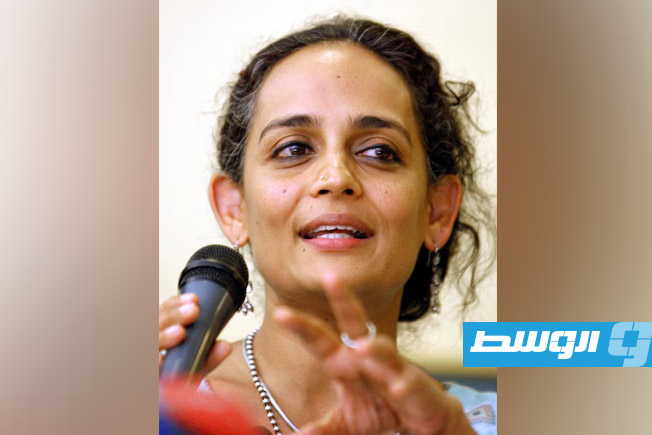
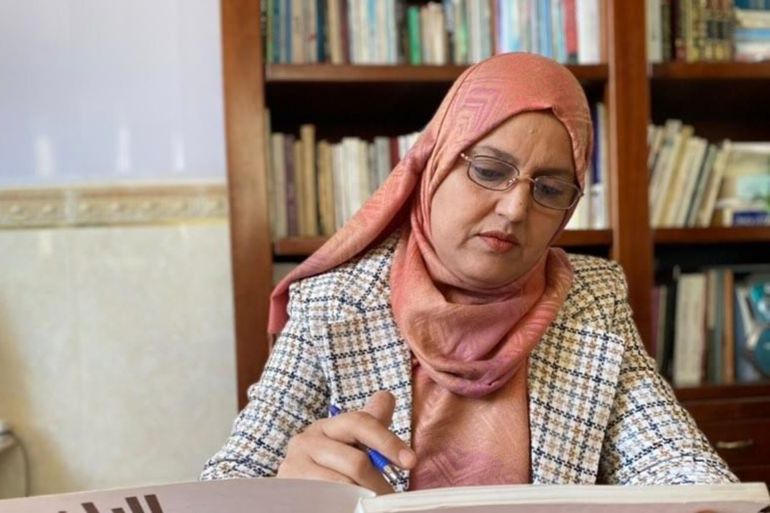
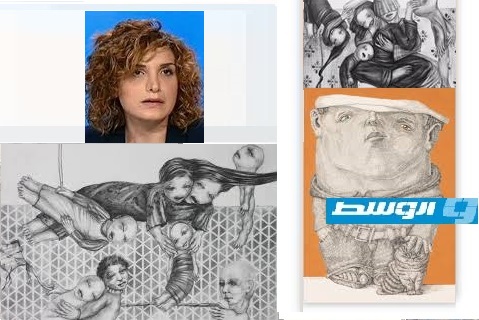
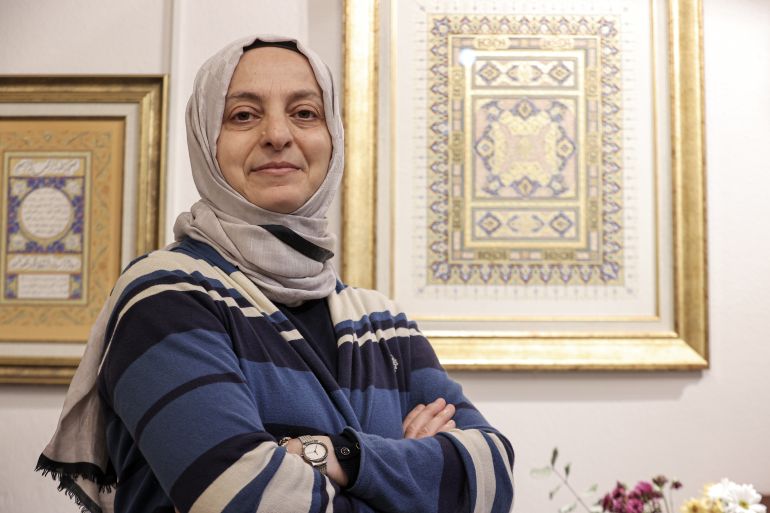
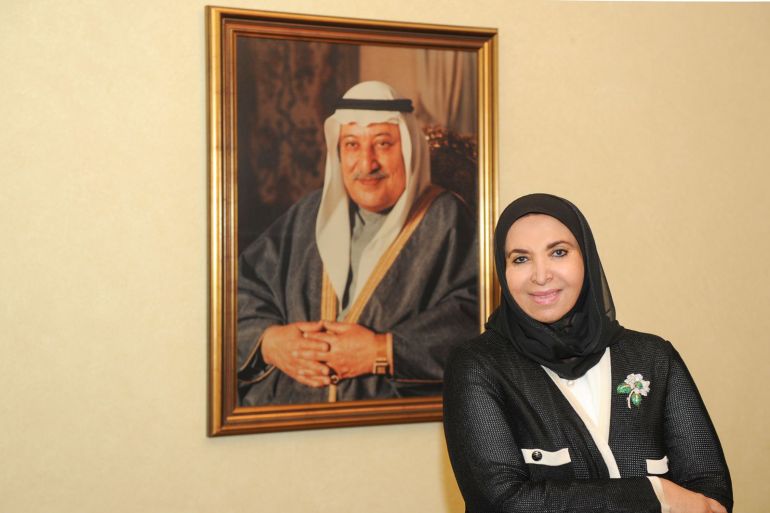
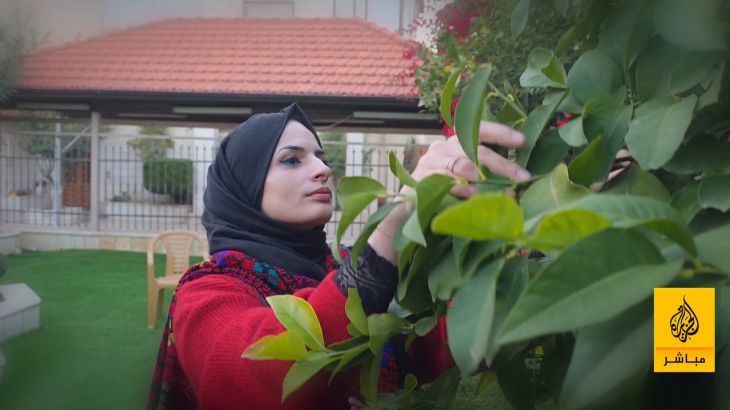
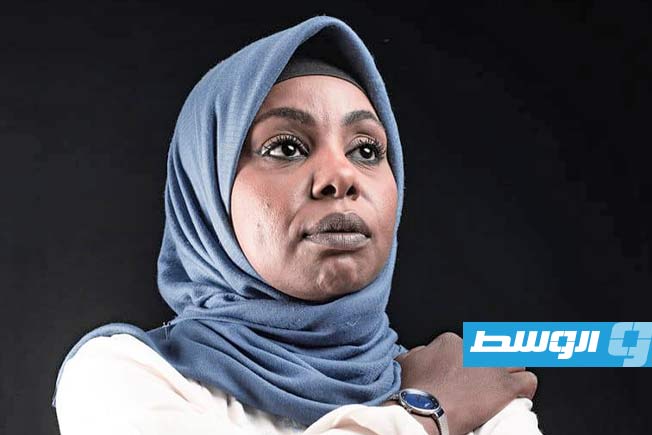
Randa Abdel-Fattah is an Australian writer and academic of Palestinian origin, specializing in media, culture, and politics studies, and holds a PhD in Media and Communication. She works as a university lecturer and researcher on issues of racism, settler colonialism, identity, and freedom of expression.
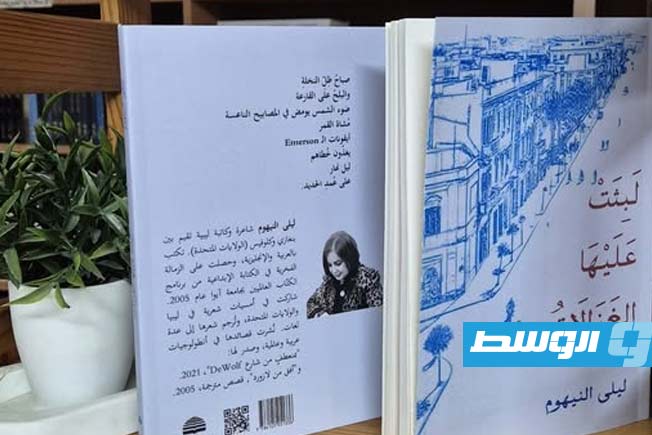
She has published several literary works, most notably the novels “Does My Head Look Big in This?” and “When Michael Met Mina,” in addition to her latest research book “Discipline” in 2025, which sparked a wide debate about institutional censorship.
Abdel-Fattah is known for her public positions in support of Palestine and critical of Israeli policies, making her a prominent and controversial voice in the Australian cultural scene.
The Pretext of “Cultural Sensitivity”
The crisis began on January 8, 2026, when the Adelaide Festival board announced the cancellation of writer Randa Abdel-Fattah’s scheduled participation in Adelaide Writers’ Week, which was set to be held from February 28 to March 5, 2026.
The board explained that, considering her previous statements, it concluded that participation “would not be culturally sensitive” shortly after the Bondi attack in Sydney, an individual stabbing incident that occurred at the Westfield shopping center in Bondi Junction in April 2024, while simultaneously confirming it was not implying any link between Abdel-Fattah or her writings and the tragedy.
The stated justifications raised immediate questions because they combined two logics: one specific to the event (timing after Bondi) and one specific to the speaker (previous statements).
Reports in Australia and internationally also noted that Abdel-Fattah has long publicly criticized Israeli policy and strongly defended the Palestinian cause, positions that have placed her at the heart of recurring controversy over discourse concerning Gaza in cultural and academic circles.
At the same time, multiple reports pointed to pressure from pro-Israel groups in the community. According to reports, the decision to exclude Randa Abdel-Fattah came after the Adelaide Festival management received a memo from the Jewish Community Council of South Australia expressing concerns about her continued invitation to participate in the program.
The council’s letter considered that the appearance of the writer, known for her public positions critical of Israeli policies, might not be “appropriate” given the charged community climate following the Bondi Beach attack in Sydney, calling for a reconsideration of her participation on the grounds of “cultural sensitivity.”
Although the council did not officially link Abdel-Fattah to the incident, its request became one of the factors the organizing body relied on to justify the exclusion decision, which later drew widespread criticism within literary circles, who saw the move as succumbing to political pressure outside the cultural framework.
Randa Abdel-Fattah publicly responded by condemning the decision, describing it as anti-Palestinian racism and an example of how institutions treat Palestine as uniquely “unsafe” discourse.
In her remarks, the issue was not just a single invitation to a festival, but represented a broader pattern of censorship of discourse concerning Gaza, where “sensitivity” can become a tool for exclusion rather than protection.
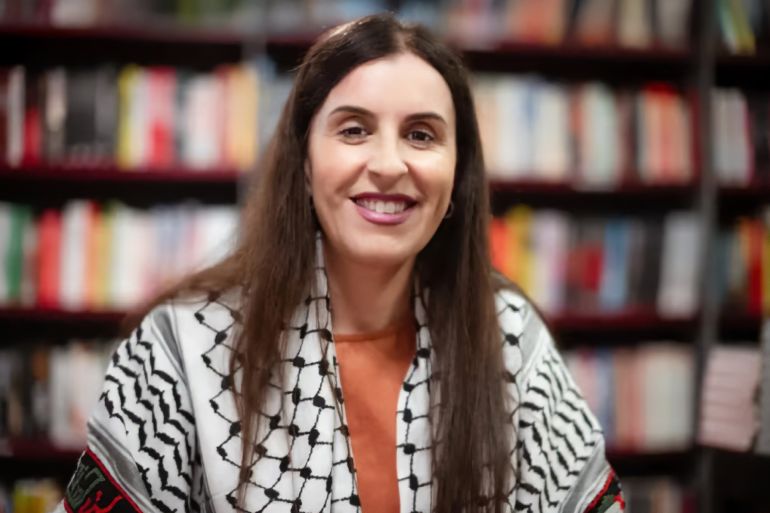
The programming dispute also had a literary dimension, as Abdel-Fattah was scheduled to speak about her new book “Discipline,” published in 2025, which addresses contemporary Australian politics and the emotional and civic repercussions of global conflicts, including