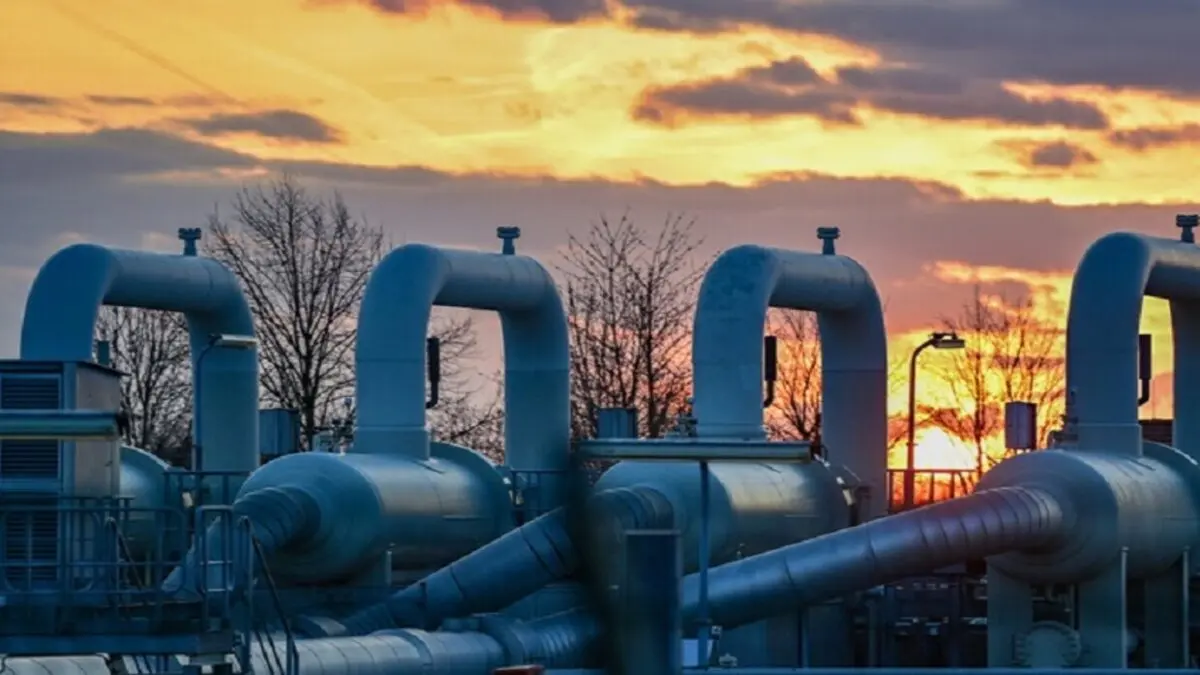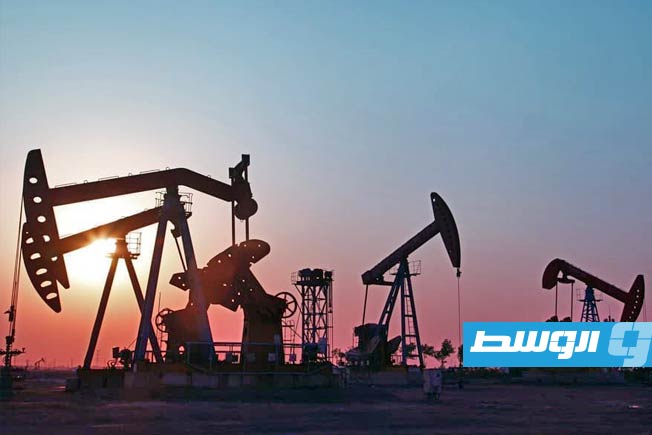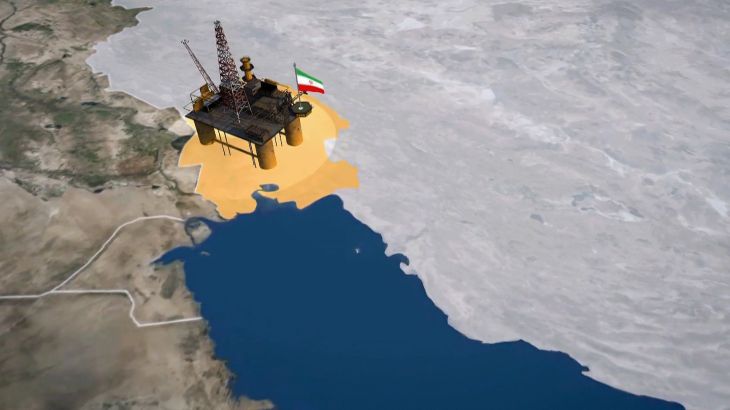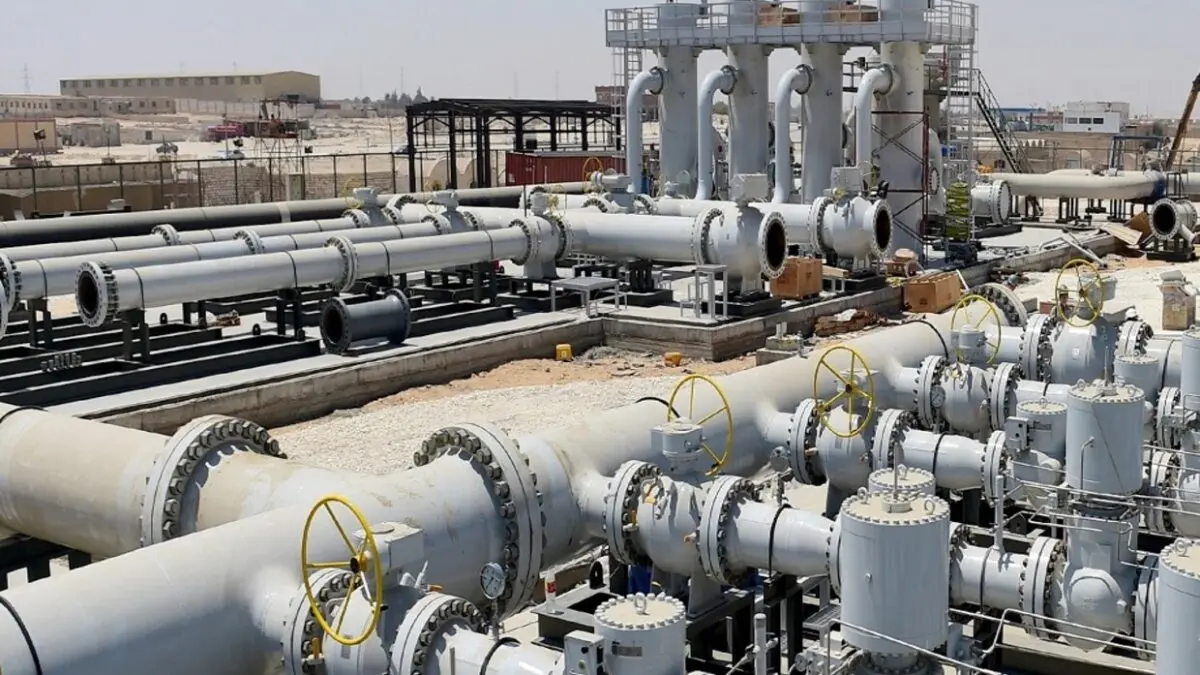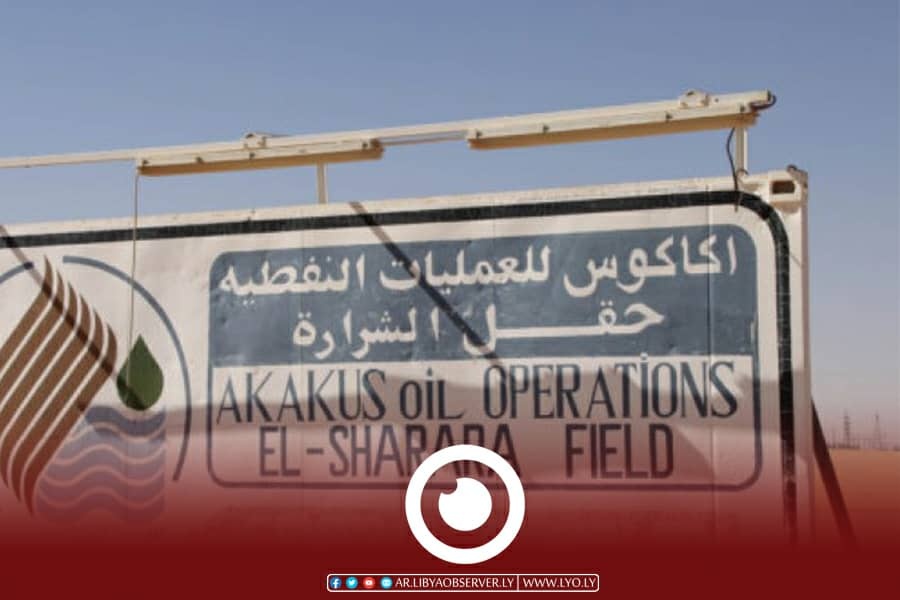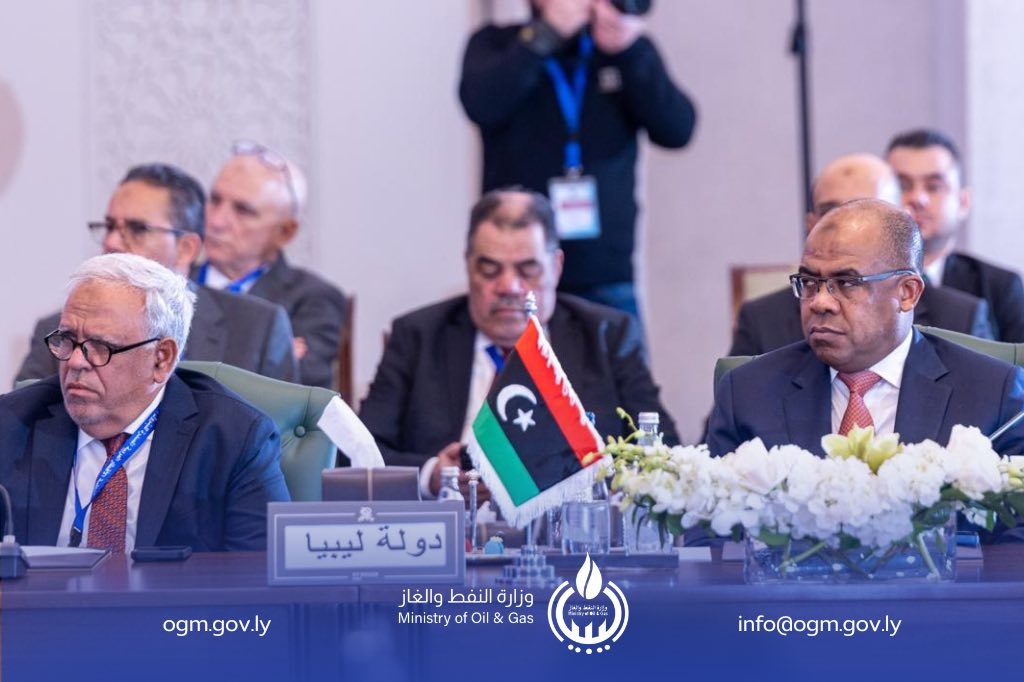
The deal to import gas from Israel has returned to the forefront of controversy once again, after being officially finalized, opening a wide door for debate between those who view it as an economic decision governed by supply and demand equations, and those who see it as a step inseparable from more complex political, regional, and international considerations.
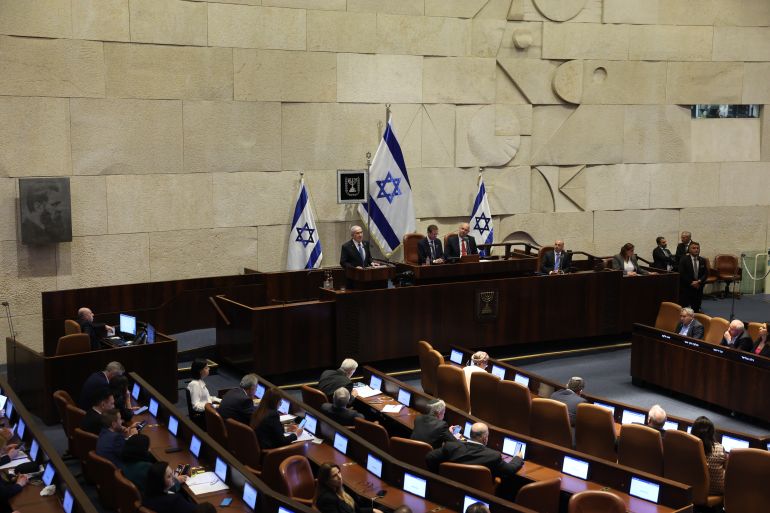
The Israeli Prime Minister announced on Wednesday the approval of an agreement in the field of natural gas with Egypt, describing it as the “largest gas deal” in history.
Amid Egyptian official confirmations of the purely commercial nature of the deal, and expert estimates who see an inseparable intertwining between economics and politics, fundamental questions arise about the gains for both parties and the biggest beneficiary of this deal.
Official Position
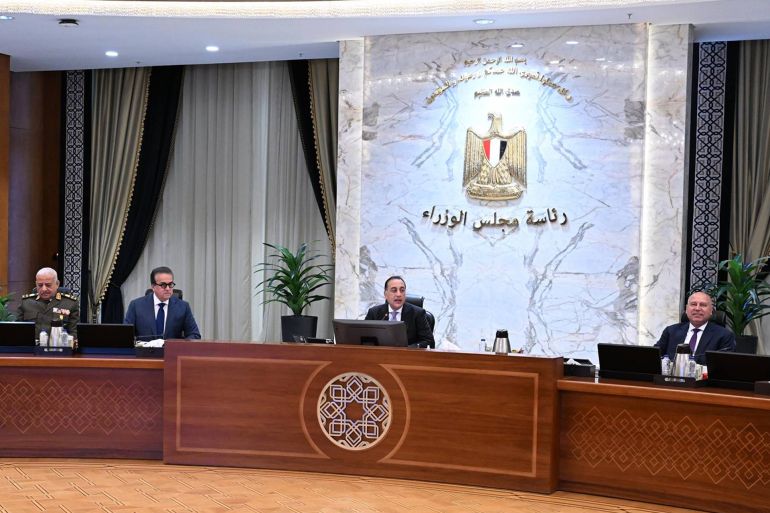
In an attempt to contain the ongoing debate, the head of the Egyptian State Information Service emphasized that the gas deal with Israel falls within the framework of economic deals subject to market rules and international investment mechanisms, and carries no political dimensions or implications.
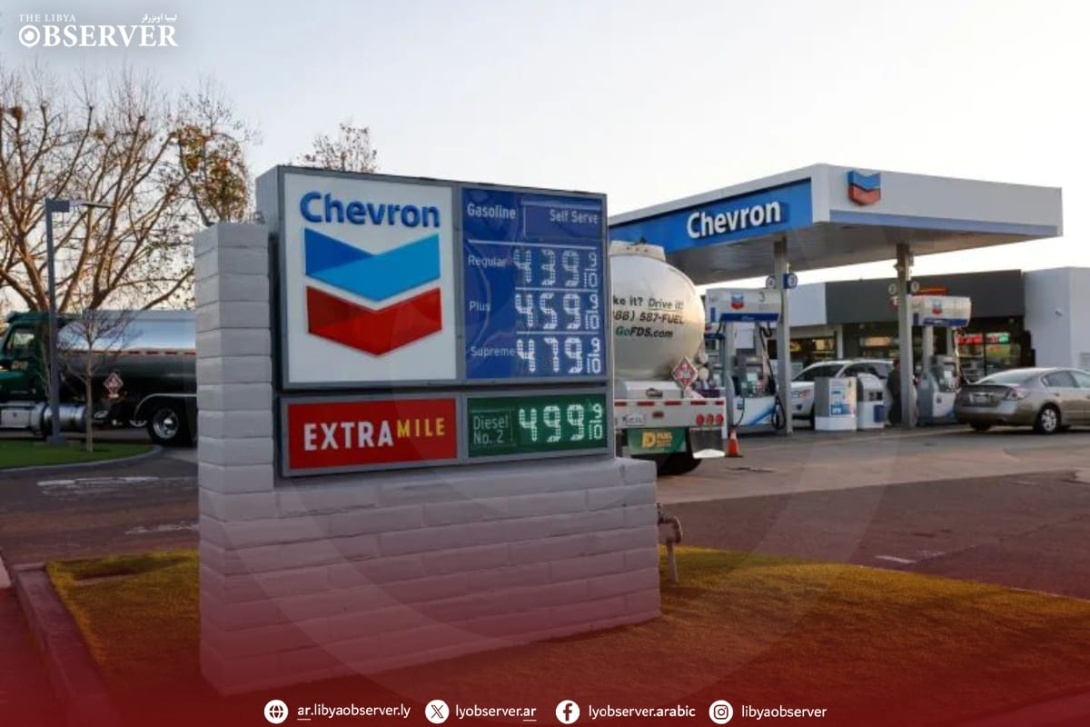
He confirmed in an official statement that the parties to the agreement are purely commercial companies, including the American company “Chevron,” alongside Egyptian companies specialized in receiving, transporting, and trading gas, without direct government intervention in concluding these contracts.
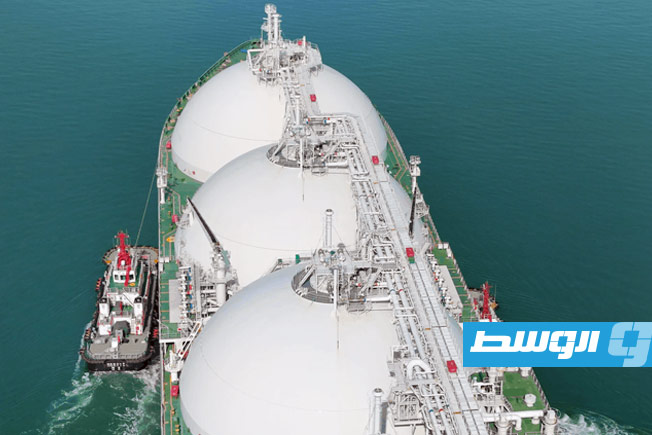
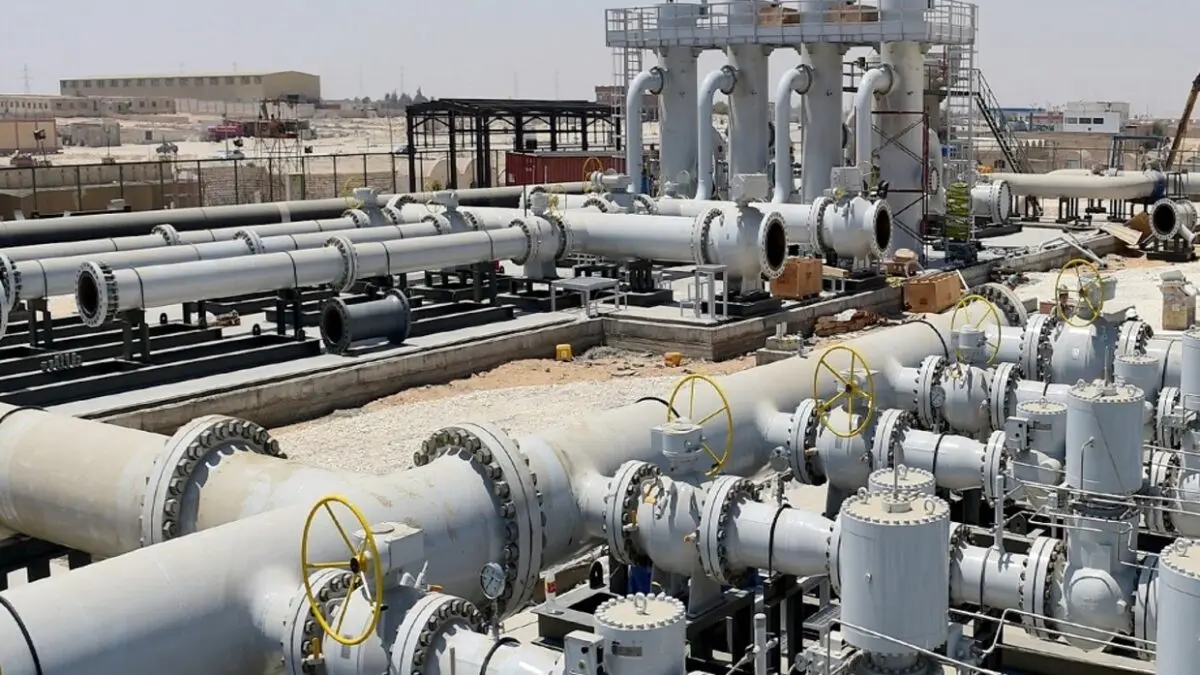
He considered that the agreement serves a strategic interest for Egypt, represented in strengthening its position as the sole regional center for gas trading, relying on its advanced infrastructure and liquefaction stations capable of meeting regional and international market needs.
A Purely Economic Decision
For his part, an economic expert stressed that the deal is, in essence, a purely economic decision, explaining that the gas market is divided into 3 main types in terms of cost:
- Local gas at a cost of approximately $4
- Pipeline gas at a cost of about $7.60
- Liquefied gas, the cost of which reaches about $13.
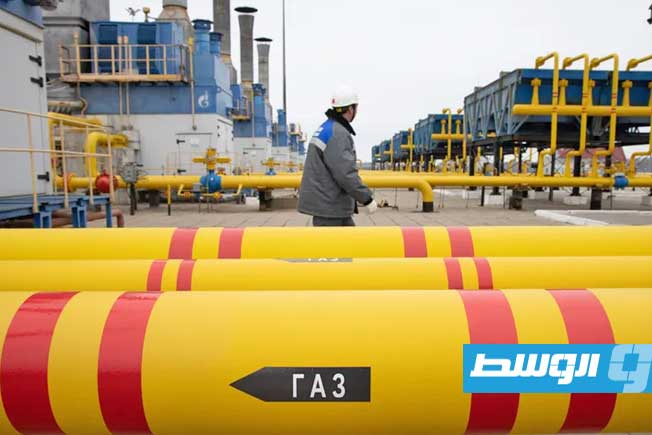
The expert pointed out that the cost of Israeli gas is approximately half that of pipeline gas, which explains Egypt’s direction towards importing pipeline gas, noting that the gas deal with Israel will provide Egypt with about one billion cubic meters, covering approximately 40% of the volume of domestic consumption.
He added that the alternative to this deal would have cost the state between $3 and $3.2 billion annually, excluding operating expenses, confirming that the deal is primarily economic and should not be loaded with dimensions beyond this framework.
Are There American Pressures?
In contrast, a former Egyptian ambassador believes that a complete separation between economics and politics is unrealistic, confirming in statements that the deal – although announced as economic – is not devoid of clear political considerations.
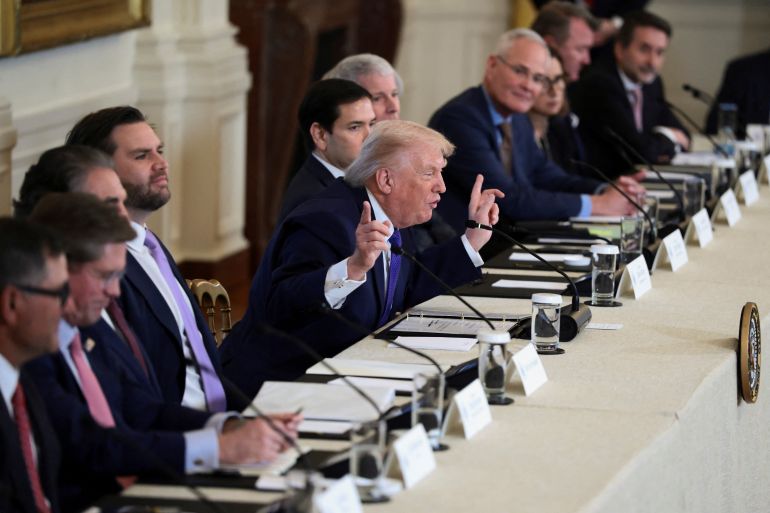
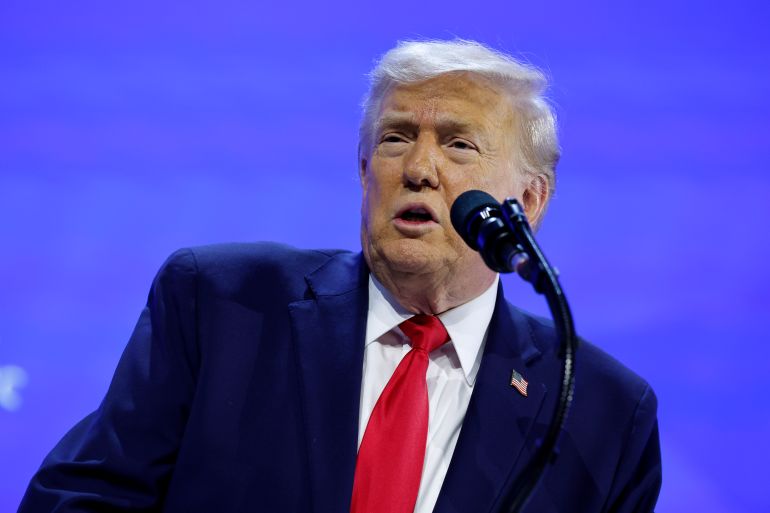
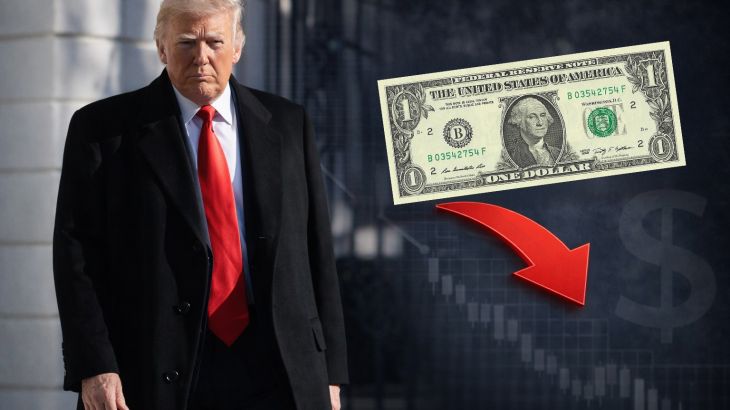
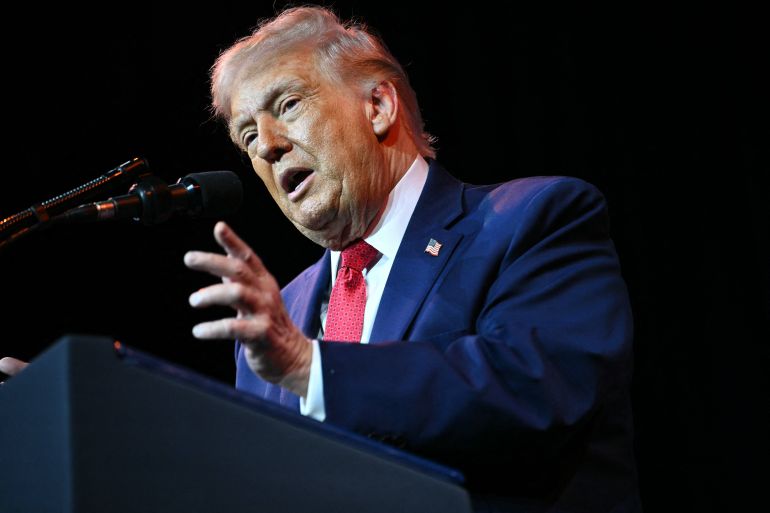
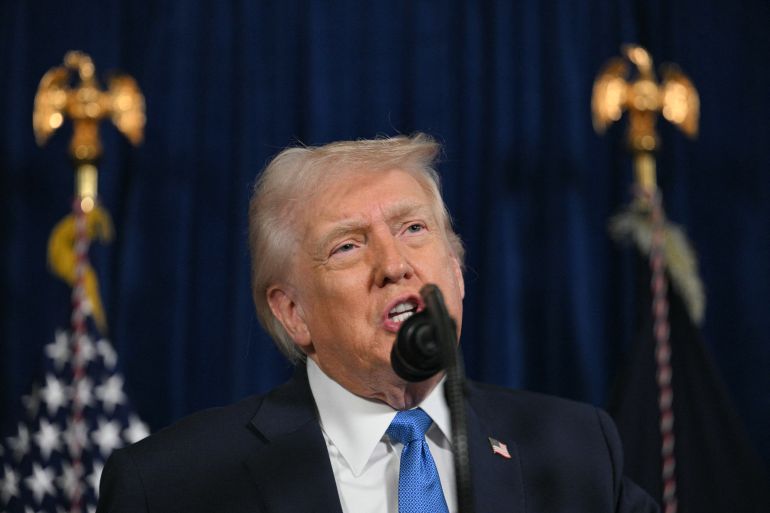
He believes that Israel’s approval to complete the deal came in response to American pressures “aimed at achieving personal gains for the American president and his family, given their large share of shares in Chevron, the main foreign investor in the Leviathan field, from which the gas is extracted.”
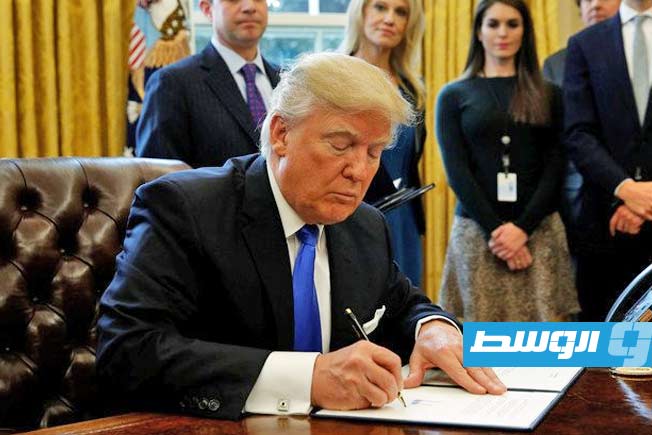
The deal also serves, in his estimation, efforts to bring Israel out of its international isolation and integrate it into the region, and to promote that as one of the achievements of the Trump administration.
On the economic level, he explained that the declared gains of the deal consist of obtaining gas at a price lower than the market for domestic use, while exporting the surplus to Europe at higher prices. However, he warned that these calculations remain hostage to the continuation of European demand linked to the war and the failure to reach a political settlement.
He added that any change in this equation and a drop in global prices could cause the deal to lose a large part of its expected gains, a possibility strongly present given the fluctuations in the global energy market.
He indicated that