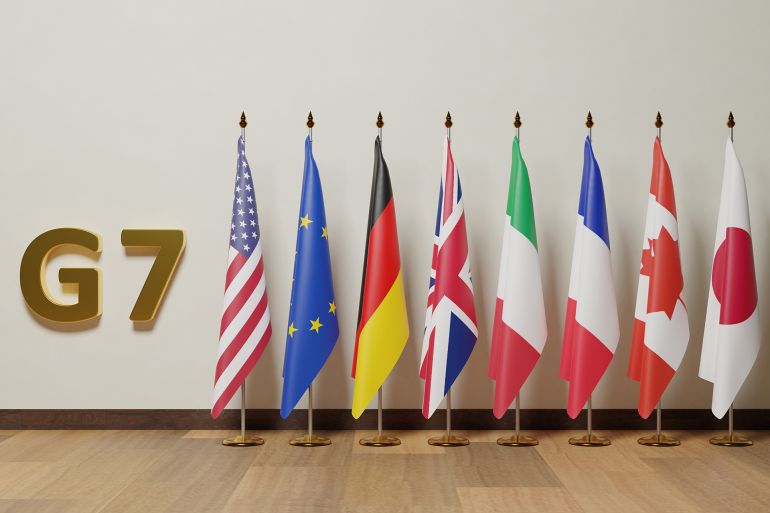
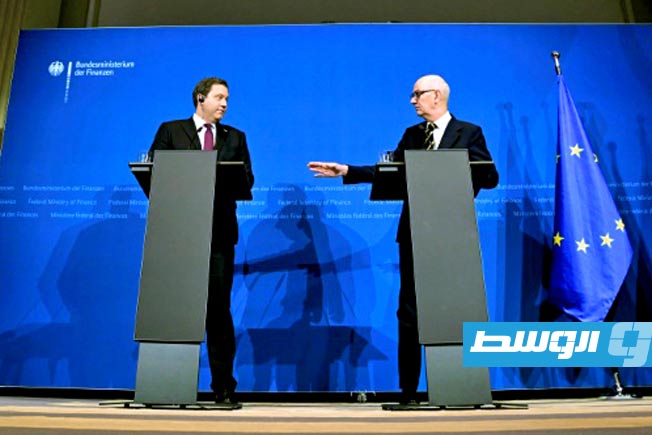
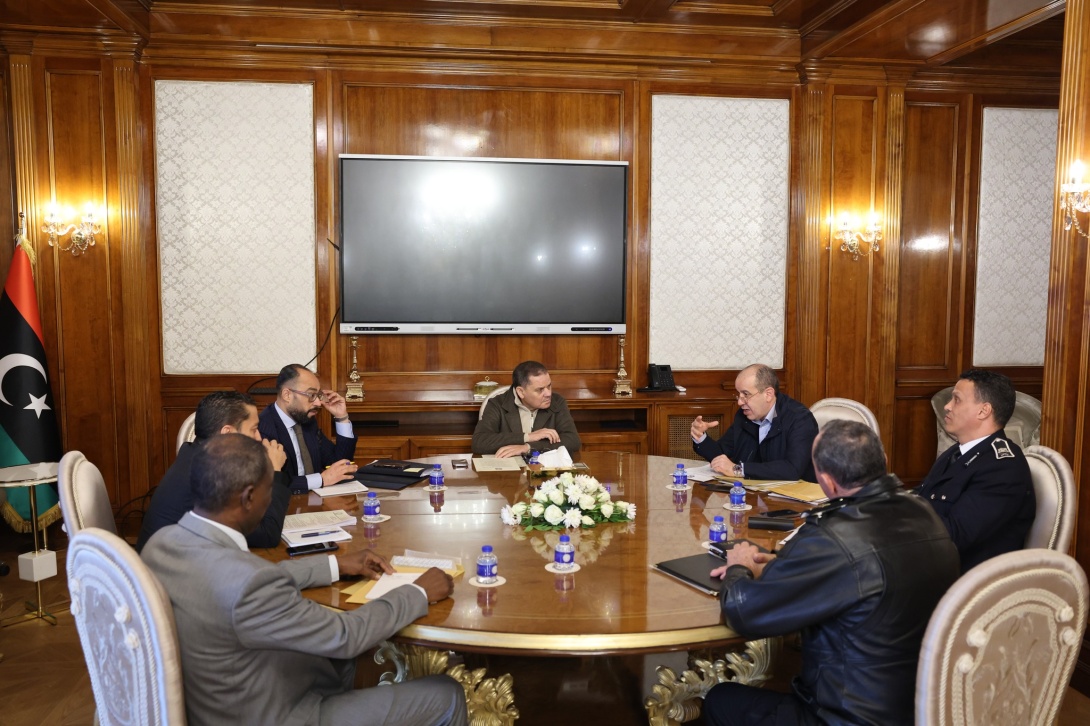
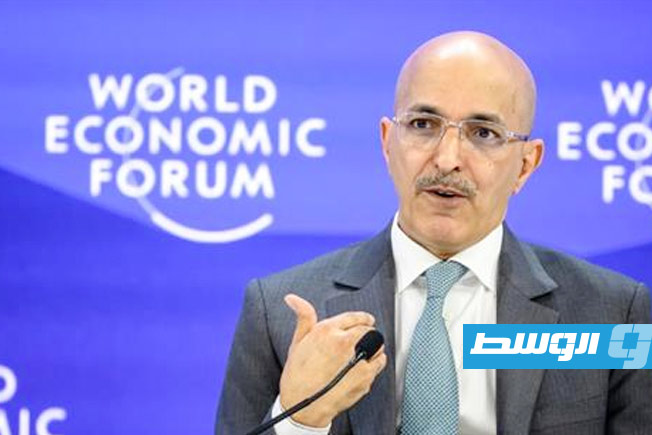
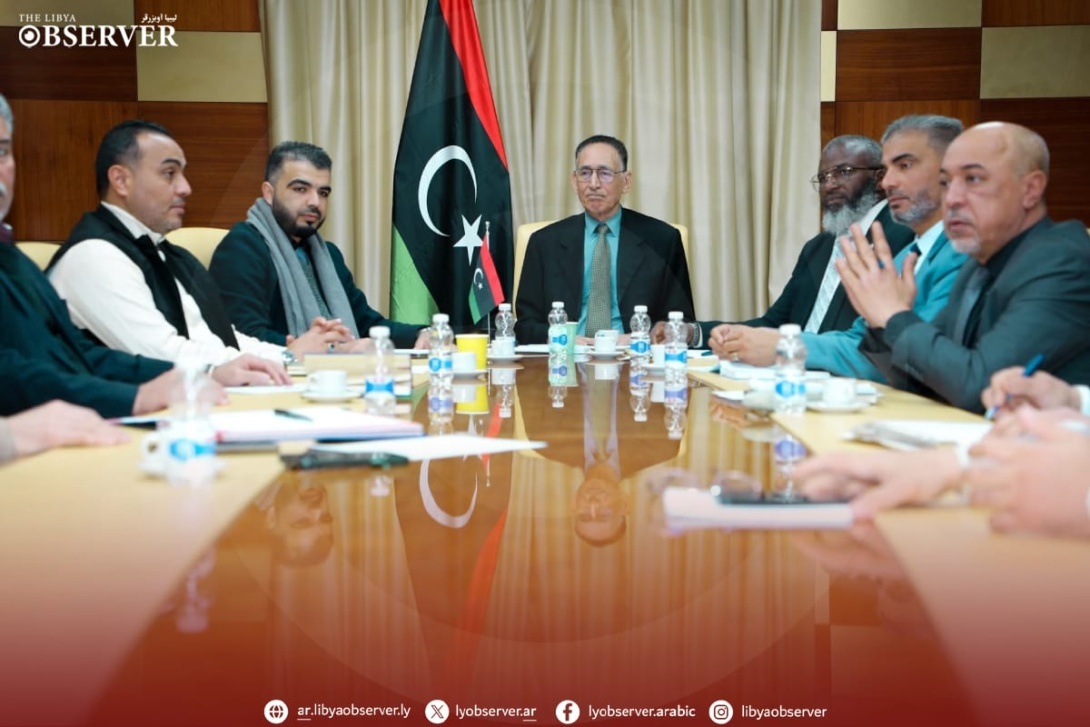
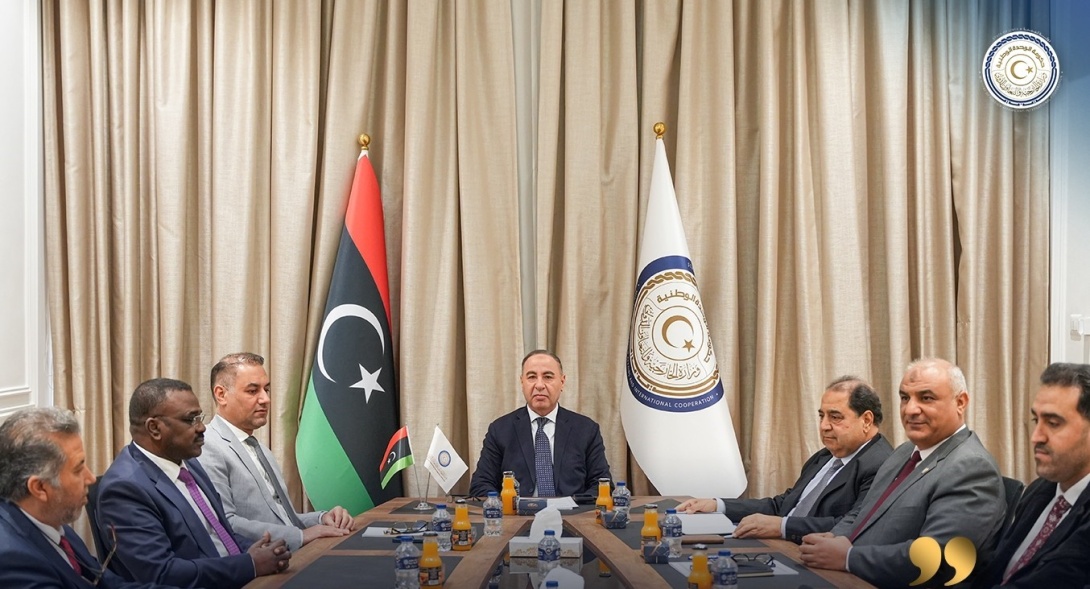
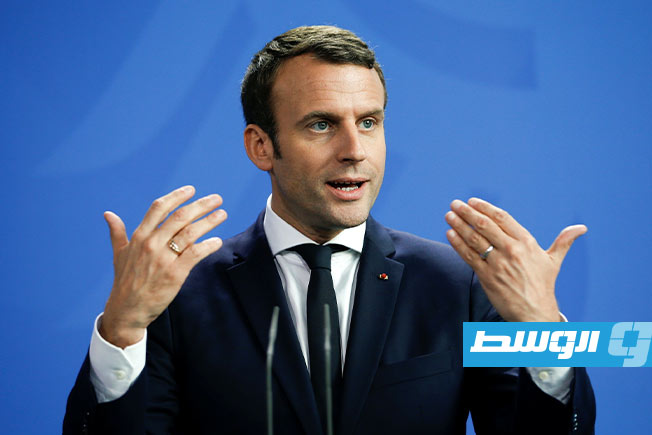
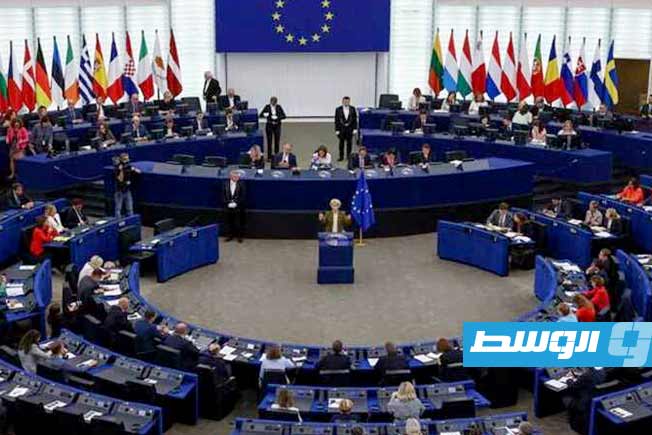
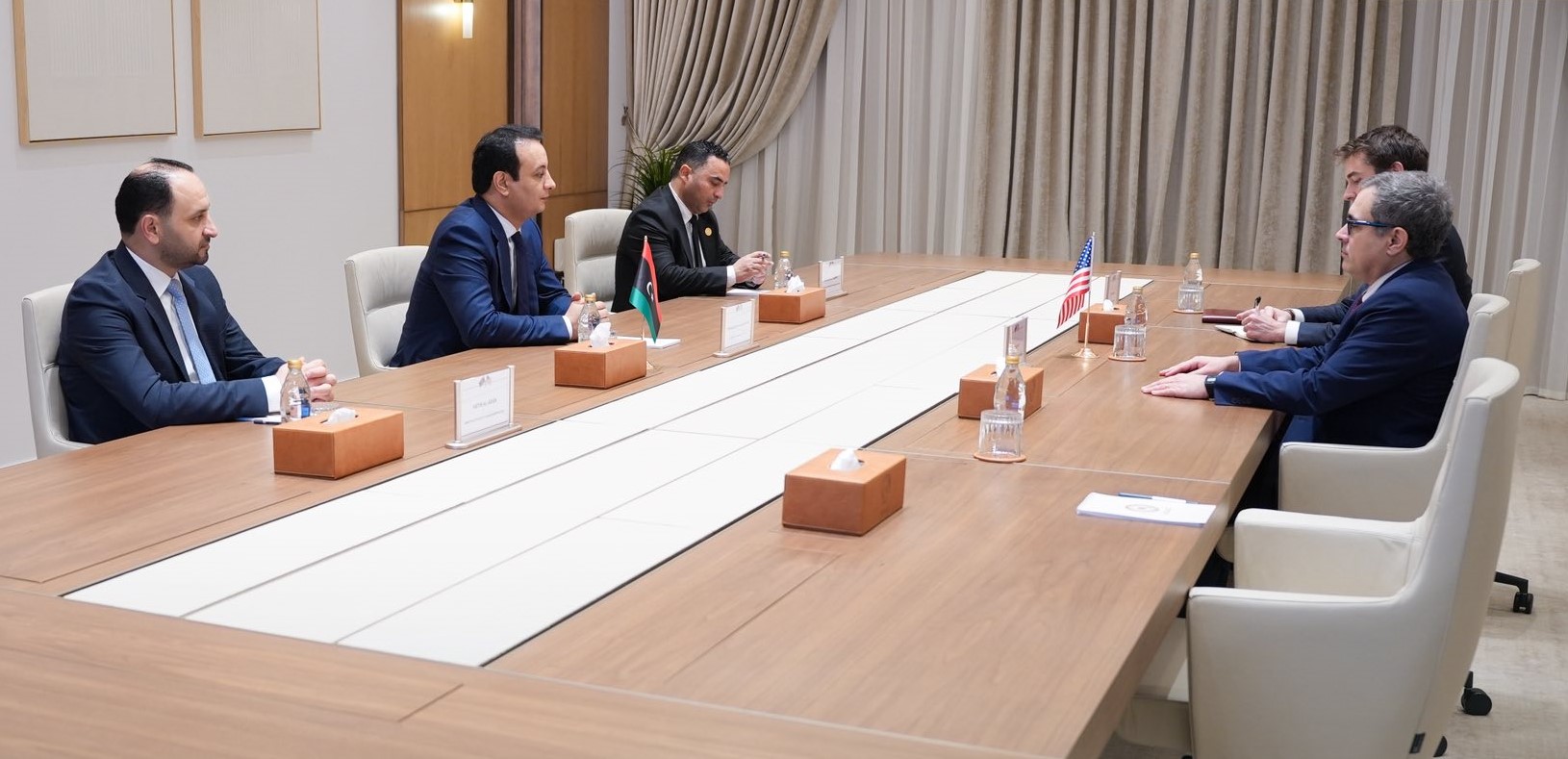
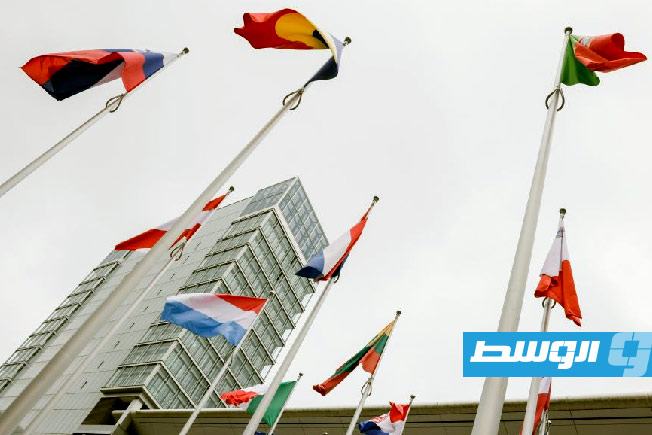
G7 countries will hold the first meeting of finance ministers under the French presidency on Tuesday, with a focus on securing strategic raw material supplies and continuing support for Ukraine.
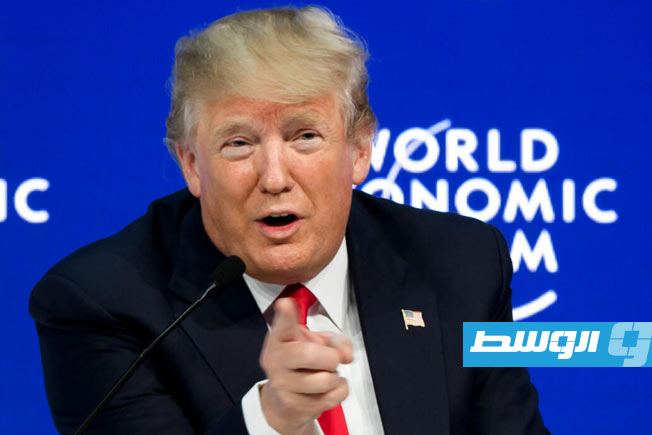
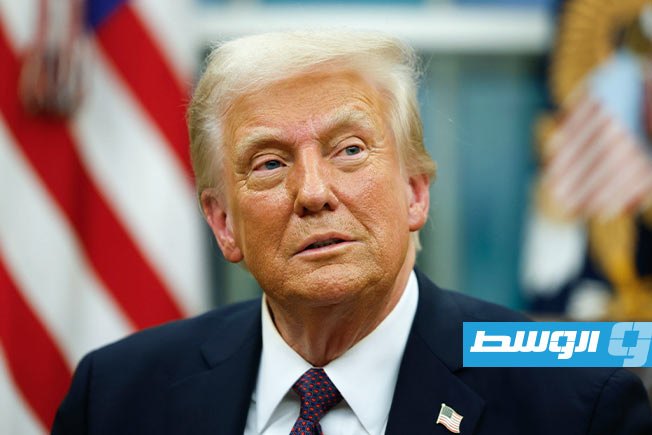
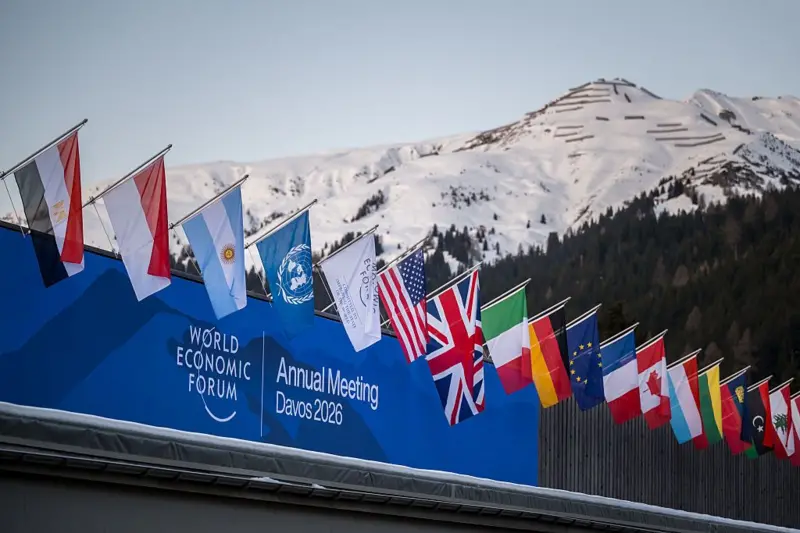
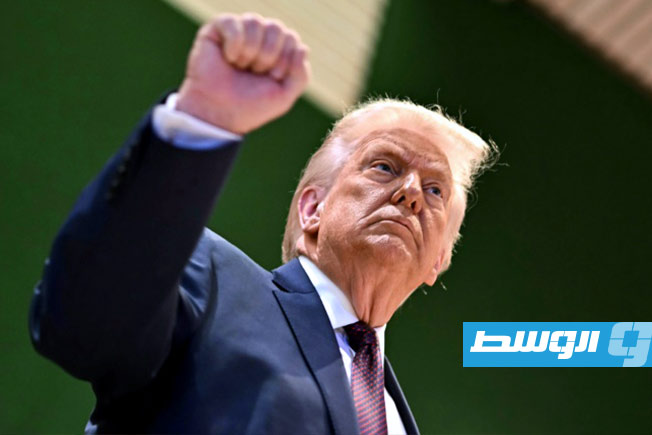
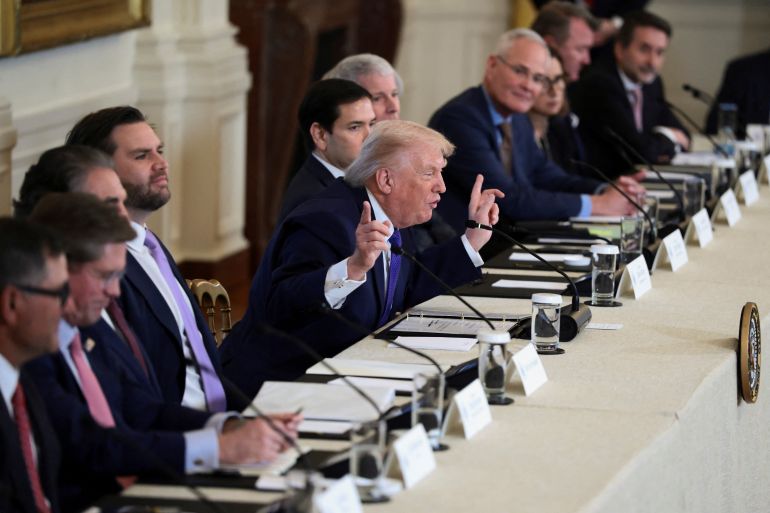
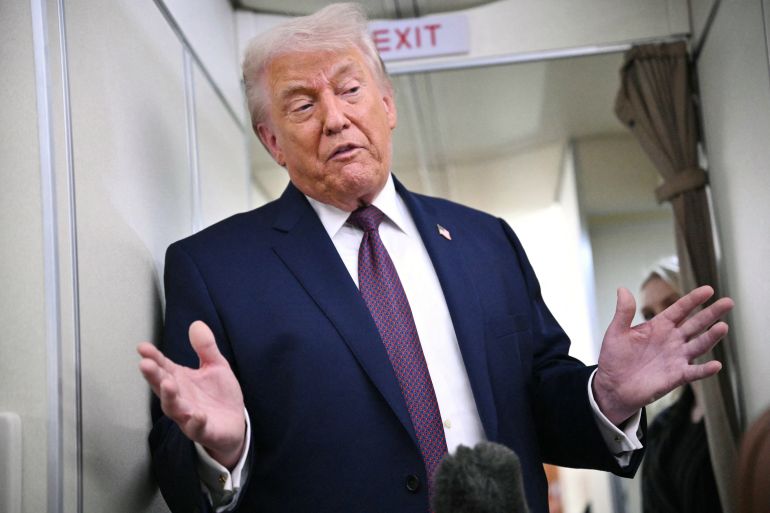
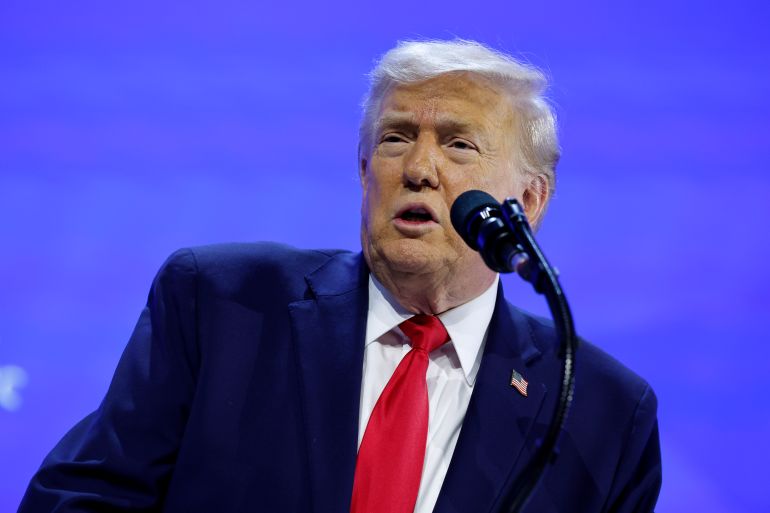
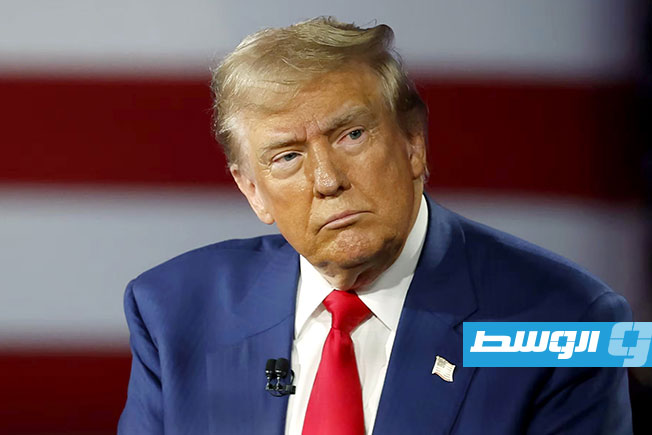
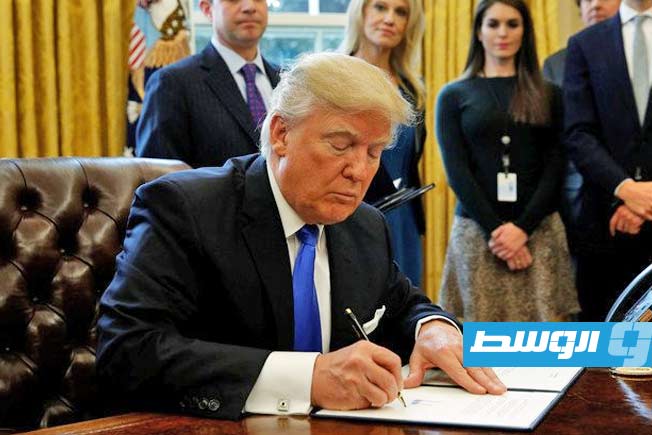
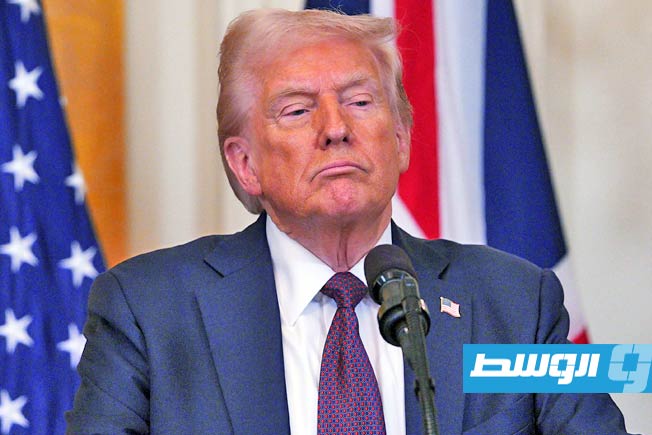
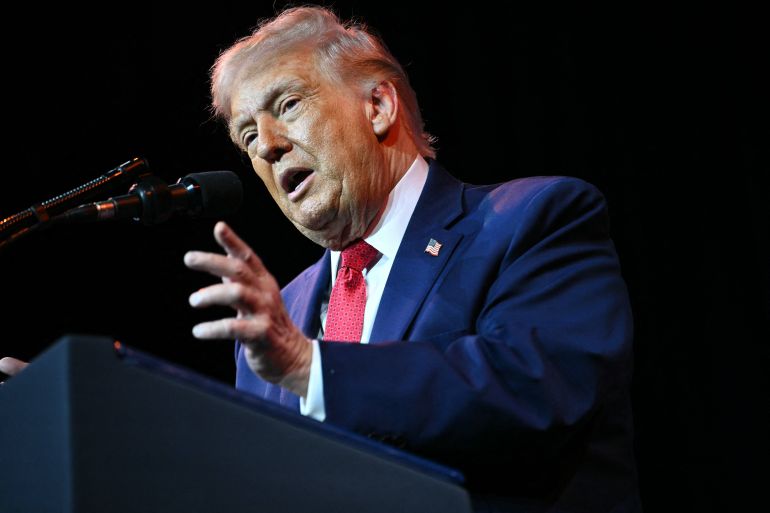
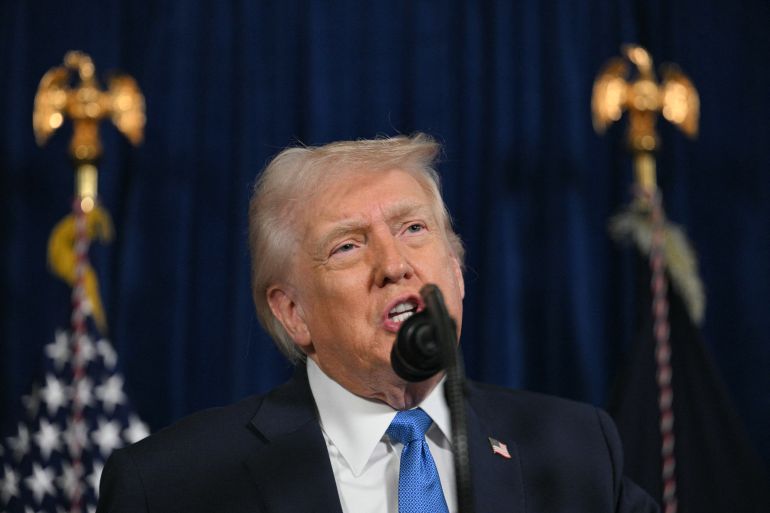
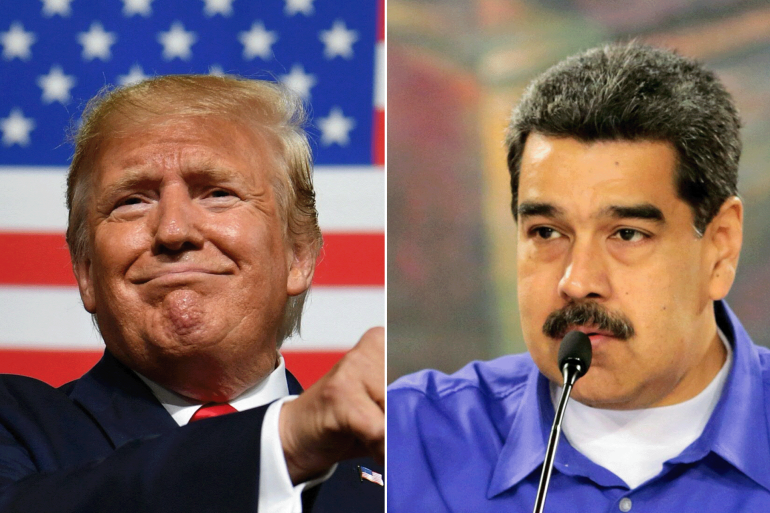
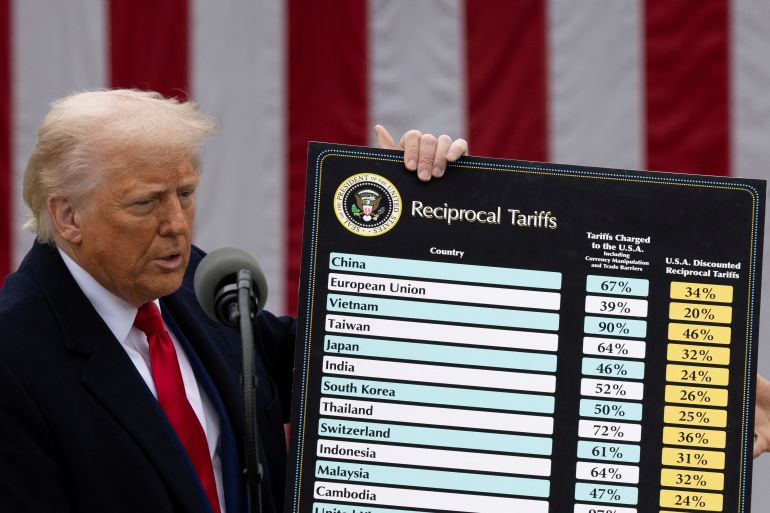
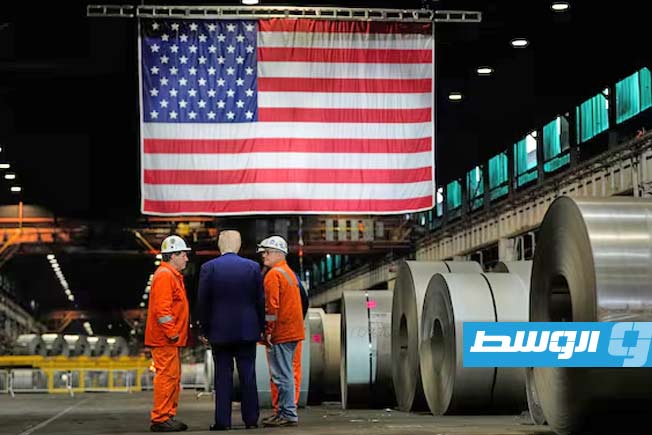
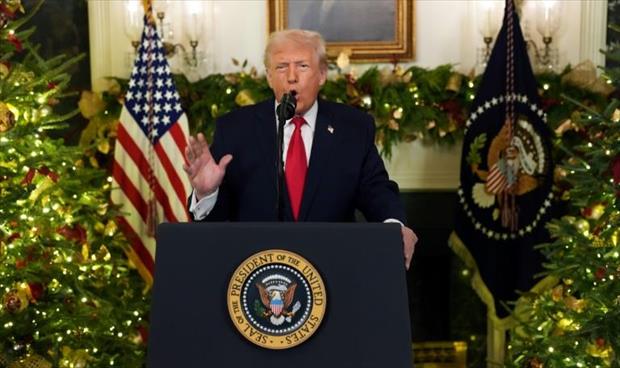
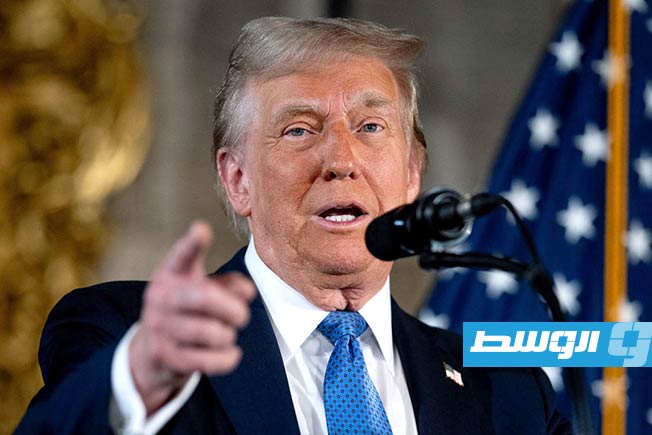
The French Ministry of Finance clarified that all finance ministers will participate via video conference, along with representatives from the European Union and the International Monetary Fund. The meeting was postponed from last week due to “scheduling constraints related to the Davos Forum,” amid tensions following threats by the US President to impose tariffs on European countries.
The agenda also includes an item concerning the “continuation of support for Ukraine,” as indicated by the French organizers of the meeting.
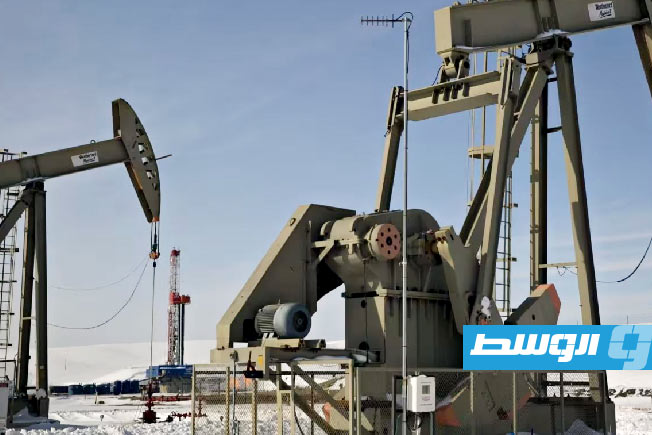
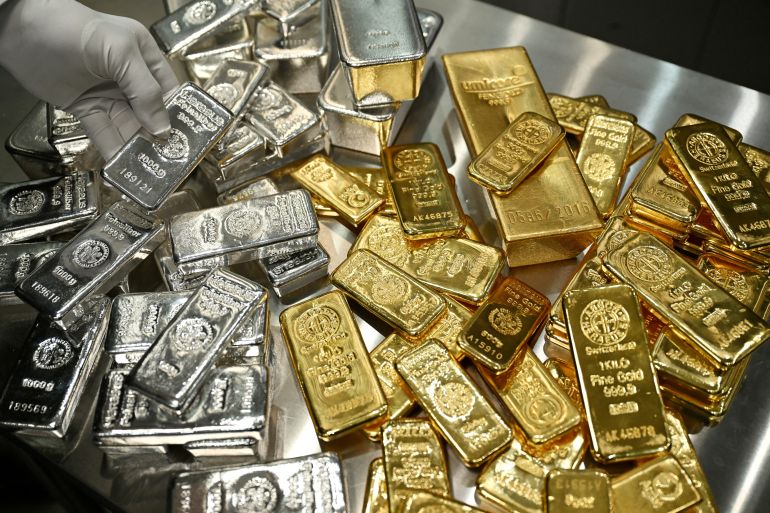
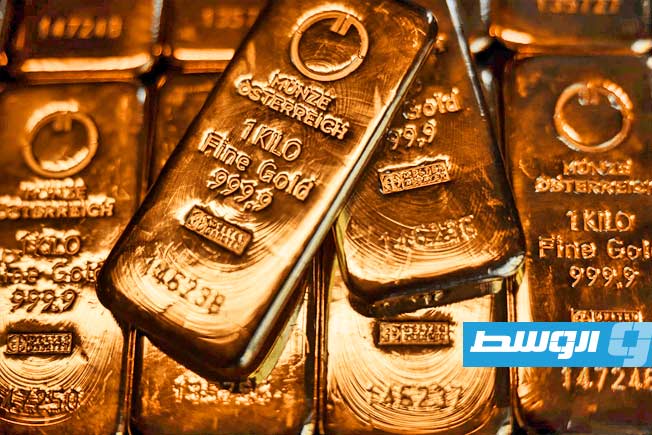
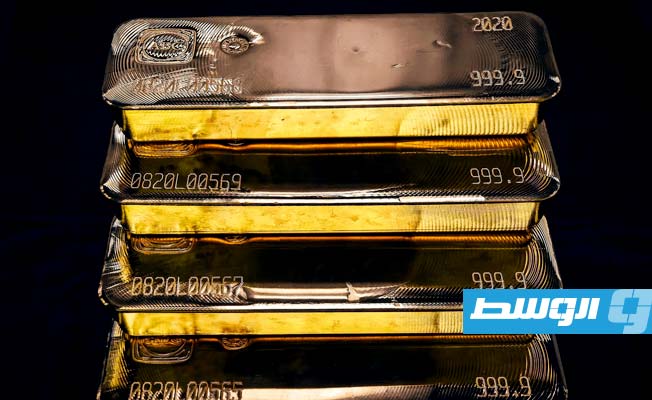
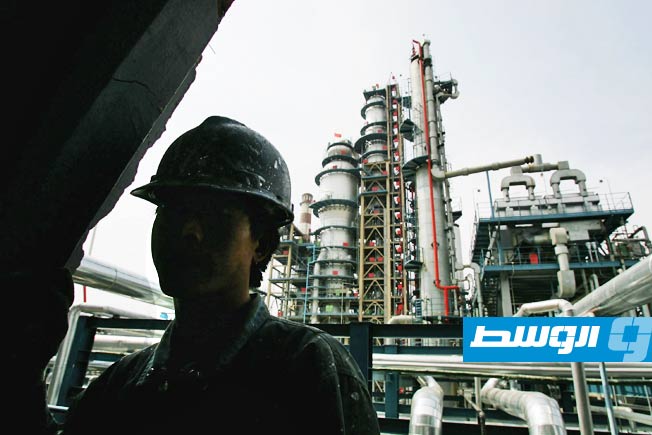
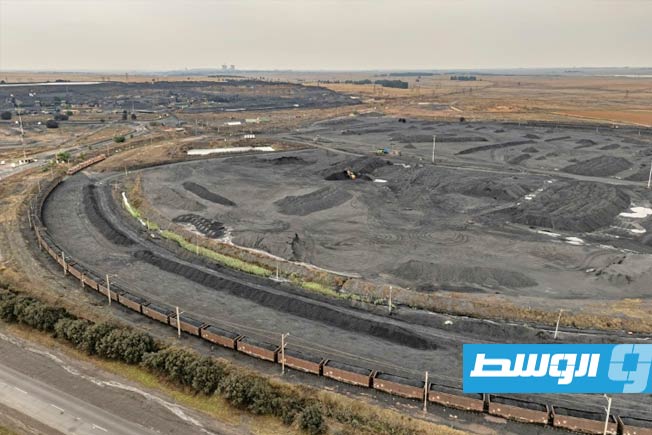
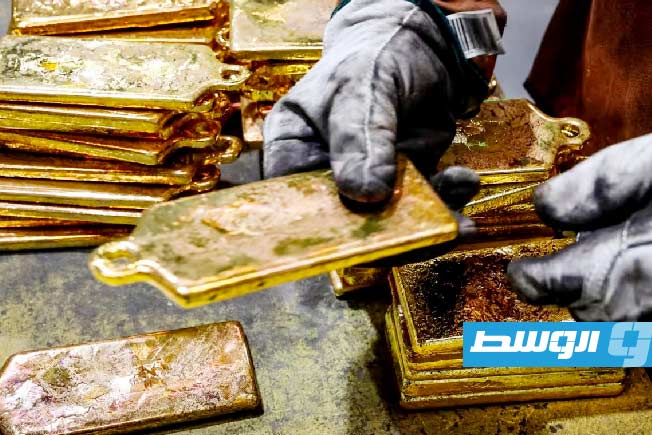
The ministry stated that “strategic raw material value chains” will be a key topic of discussion, alongside “support for Ukraine” and the issue of “rebalancing global imbalances and creating a new framework for international partnerships.”
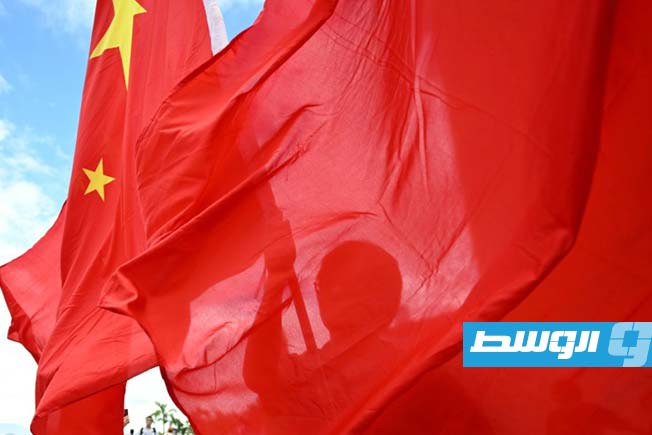
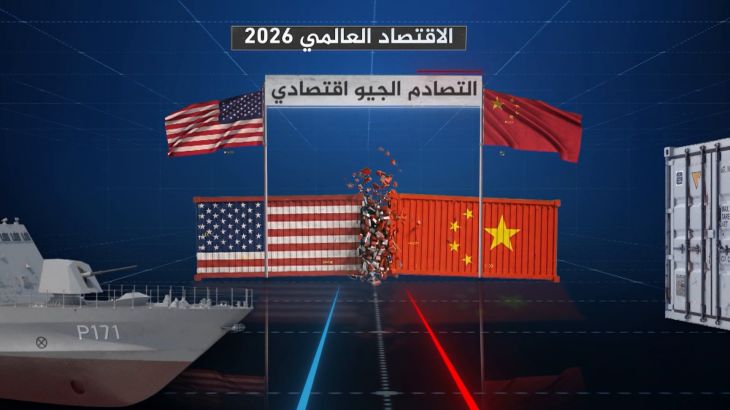
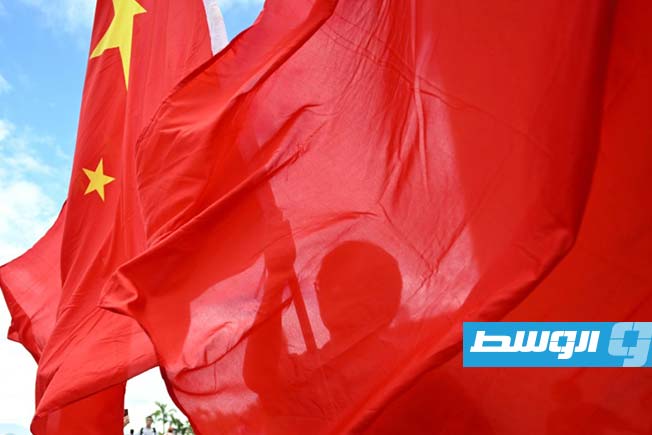
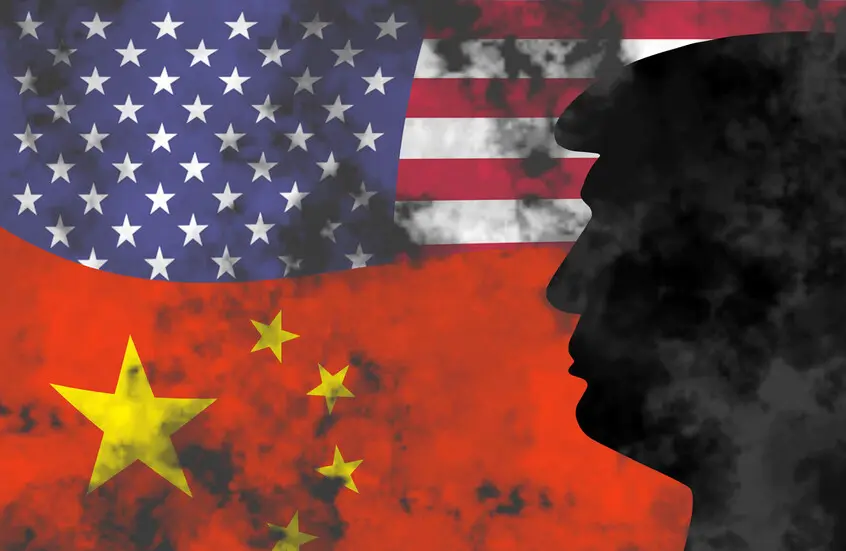
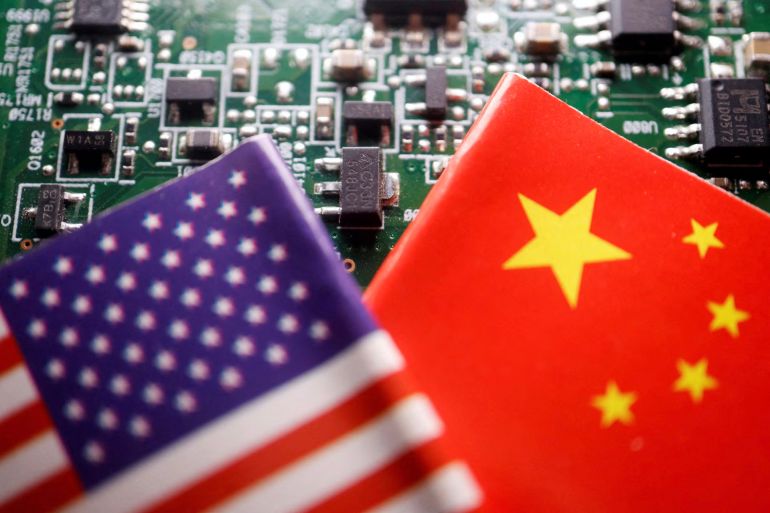
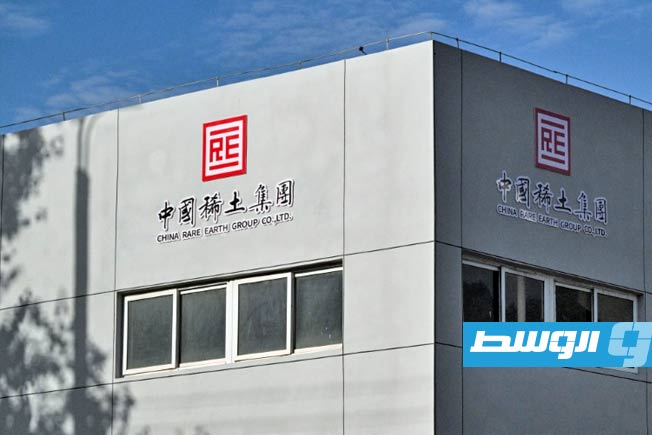
This comes in the context of broader Western moves to counter China’s dominance in rare earth elements.
Canada
Canada is a North American country formed in 1867 through Confederation, evolving from Indigenous homelands and earlier French and British colonies. It is known for its vast natural landscapes, multicultural society, and a parliamentary democracy that recognizes both English and French as official languages.
France
France is a Western European country with a rich history dating back to ancient Gaul, later shaped by Roman conquest, the rise of the monarchy, and the influential French Revolution of 1789. It is globally renowned for its cultural contributions in art, philosophy, cuisine, and fashion, and is home to iconic landmarks like the Eiffel Tower and the Palace of Versailles.
Germany
Germany is a country in Central Europe with a complex history, most notably marked by its division into East and West Germany after World War II and its peaceful reunification in 1990. Culturally, it is renowned for its contributions to philosophy, music, and science, as well as landmarks like the Brandenburg Gate and Cologne Cathedral.
Italy
Italy is a country in Southern Europe with a rich cultural history that dates back to the ancient Roman Empire, which was a foundational civilization for Western law, government, and engineering. Its numerous cultural sites, such as the Colosseum in Rome and the Renaissance art of Florence, reflect its profound influence on art, architecture, and religion over many centuries.
Japan
Japan is an island nation in East Asia with a history spanning millennia, characterized by periods of imperial rule, feudal shogunates, and rapid modernization following the Meiji Restoration of 1868. Its rich cultural heritage includes ancient traditions like Shinto and Buddhism, classical arts such as tea ceremony and kabuki, and globally influential modern contributions in technology and pop culture.
United Kingdom
The United Kingdom is a sovereign nation comprising England, Scotland, Wales, and Northern Ireland, with a history of unification spanning centuries following the 1707 Acts of Union between England and Scotland. It developed into a global power, notably during the British Empire, and is a constitutional monarchy with a parliamentary democracy whose modern political and cultural influence remains significant worldwide.
United States
The United States is a federal republic founded in 1776 following a war for independence from Great Britain. Its history is marked by westward expansion, a civil war over slavery, and its emergence as a global superpower in the 20th century. The nation is defined by its diverse population, democratic institutions, and significant cultural influence worldwide.
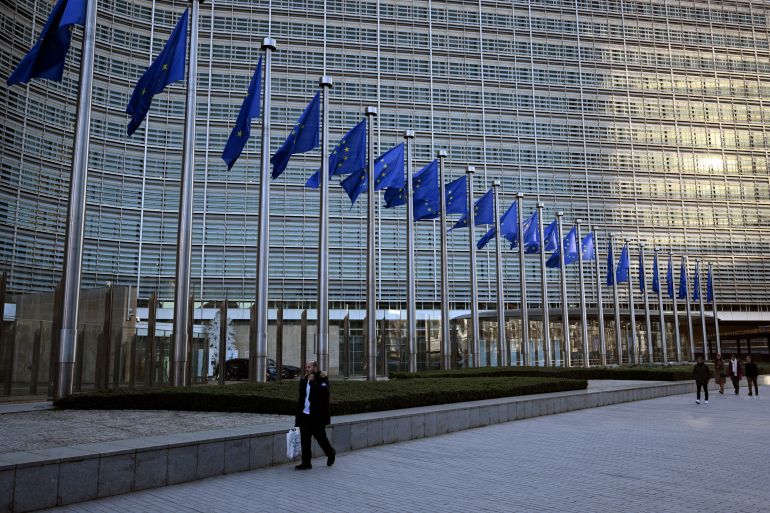
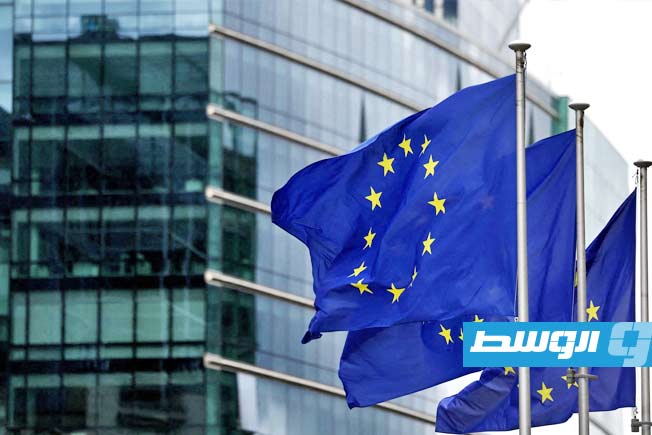
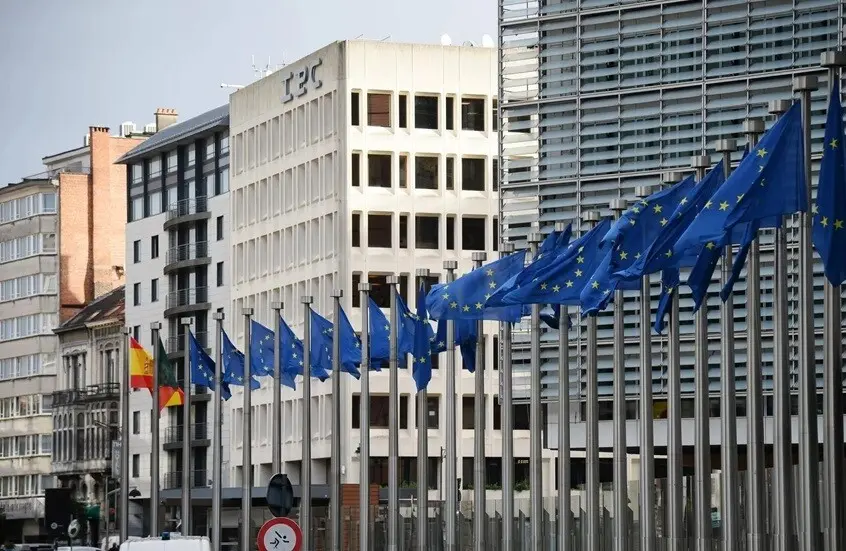
European Union
The European Union (EU) is a political and economic union of 27 European countries, formally established in 1993 by the Maastricht Treaty. It evolved from earlier post-World War II economic cooperations, most notably the European Coal and Steel Community founded in 1951, with the core aim of fostering peace, stability, and shared prosperity through integration.
Ukraine
Ukraine is a country in Eastern Europe with a long and complex history, having been a center of early Slavic statehood with the medieval Kyivan Rus’. It experienced centuries of foreign rule before gaining independence in 1991 following the dissolution of the Soviet Union. The nation is known for its rich cultural heritage, including Orthodox Christian cathedrals, Cossack traditions, and a distinct language and literature.
Davos Forum
The Davos Forum, officially known as the World Economic Forum (WEF), is an annual meeting held in Davos, Switzerland, that brings together global political and business leaders. Founded in 1971 by economist Klaus Schwab, it was initially focused on European business management practices but has since evolved into a major platform for discussing global economic, political, and social issues.
China
China is one of the world’s oldest continuous civilizations, with a recorded history spanning over four millennia. It is home to numerous UNESCO World Heritage sites, such as the Great Wall and the Forbidden City, which reflect its long imperial past and profound cultural achievements. In the modern era, it has developed into a major global power with a unique blend of ancient traditions and rapid technological advancement.