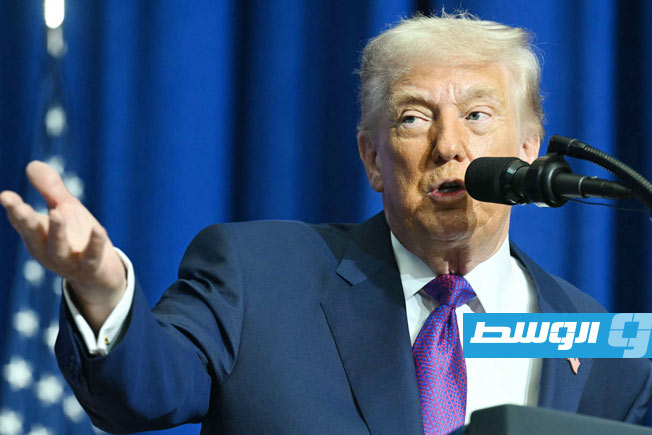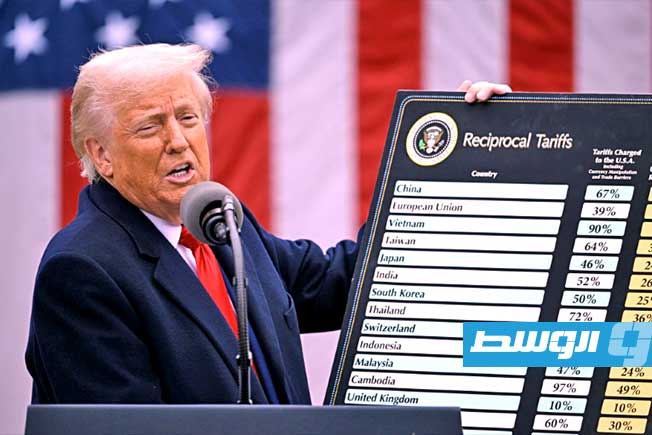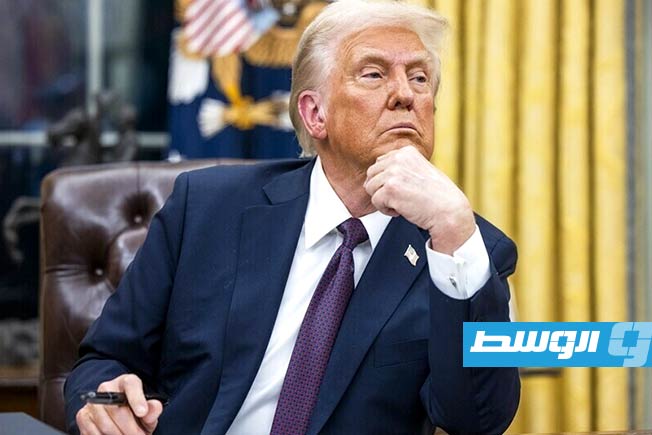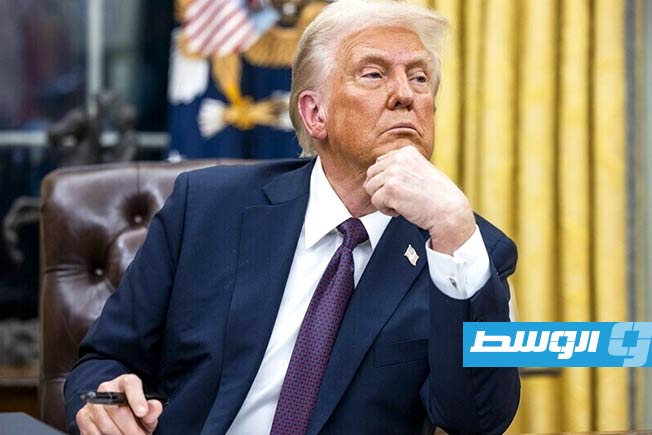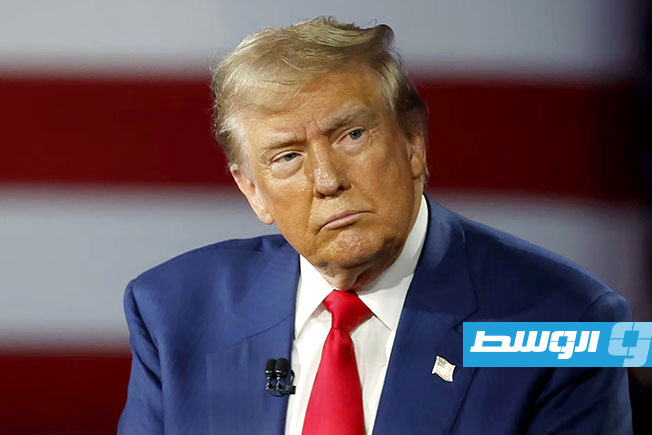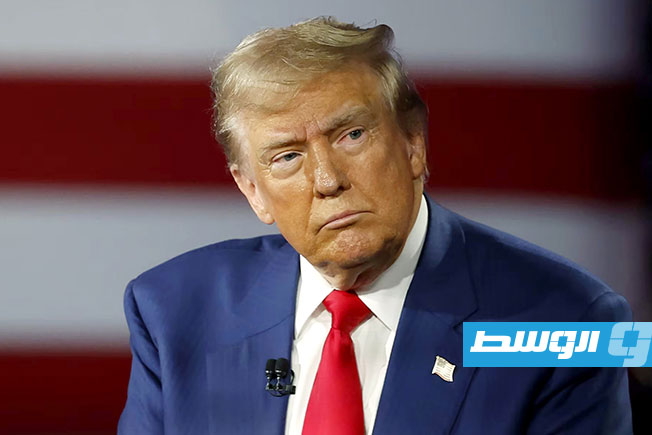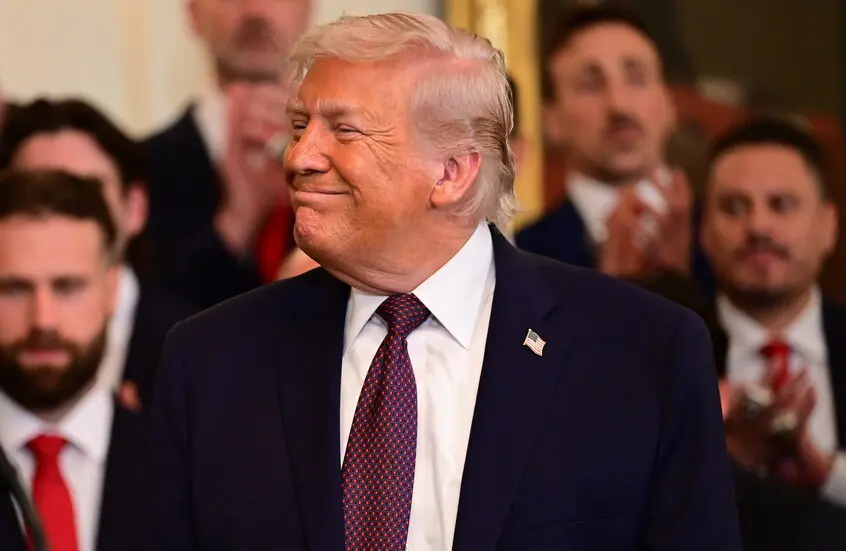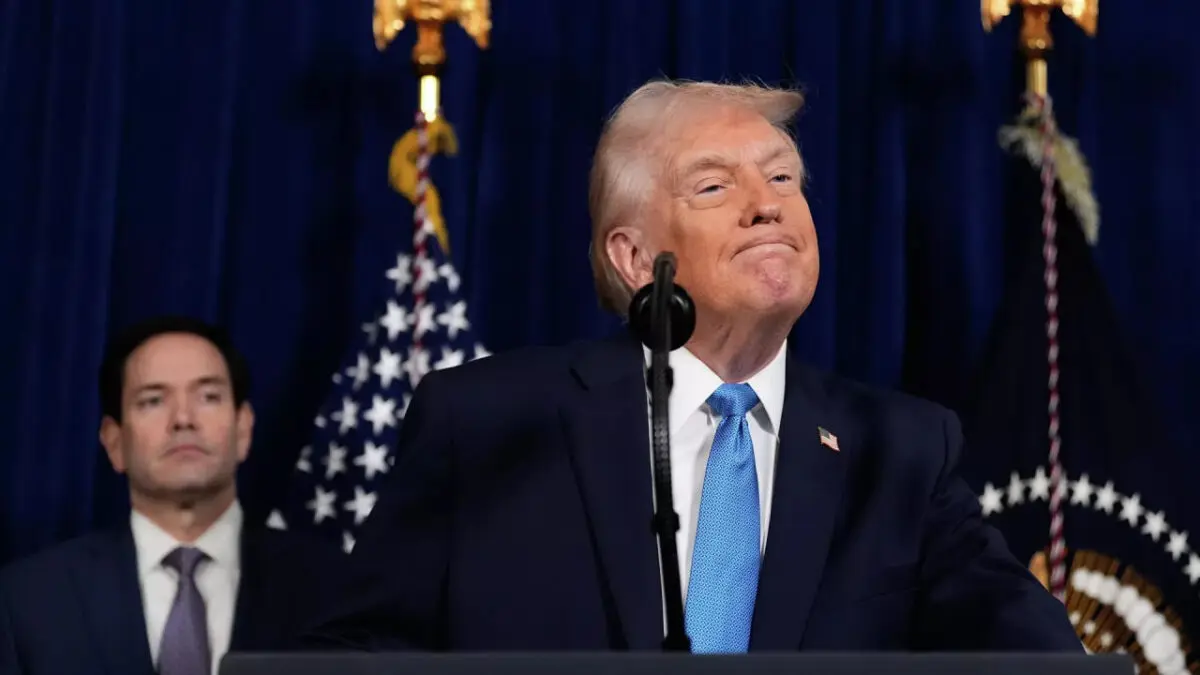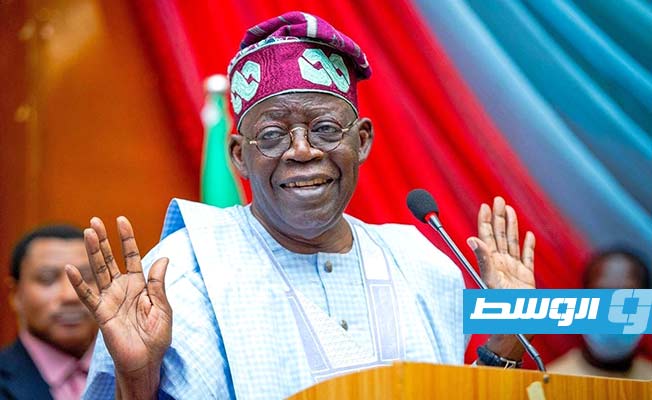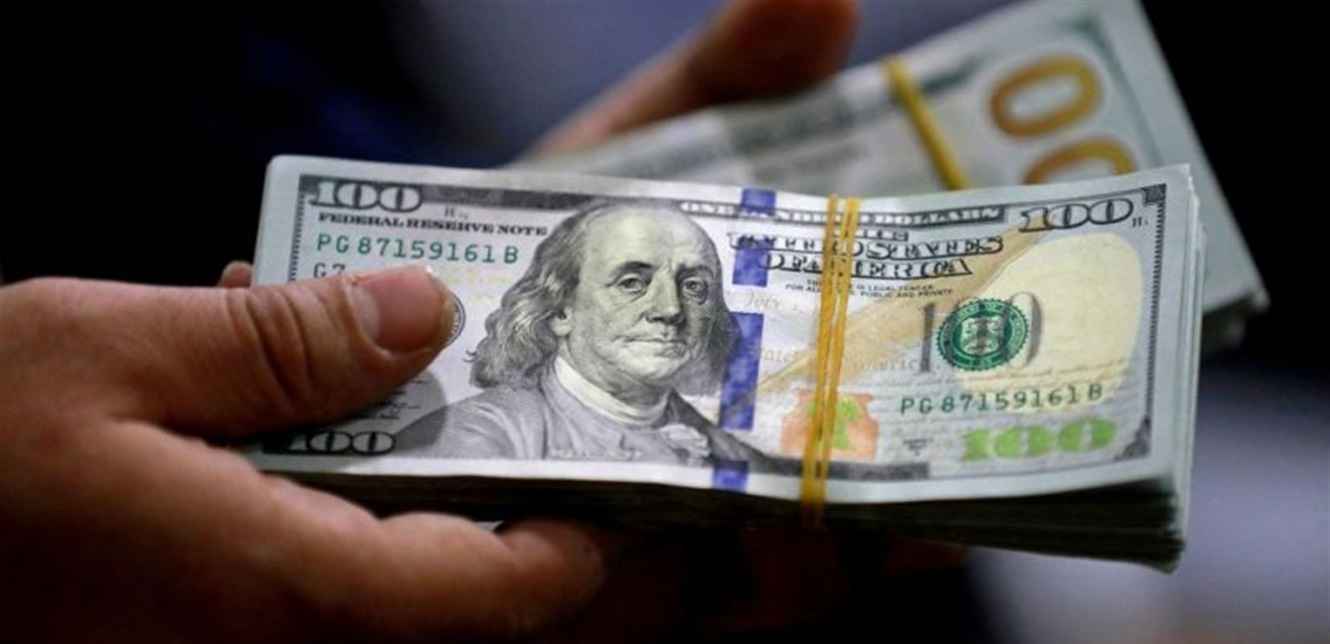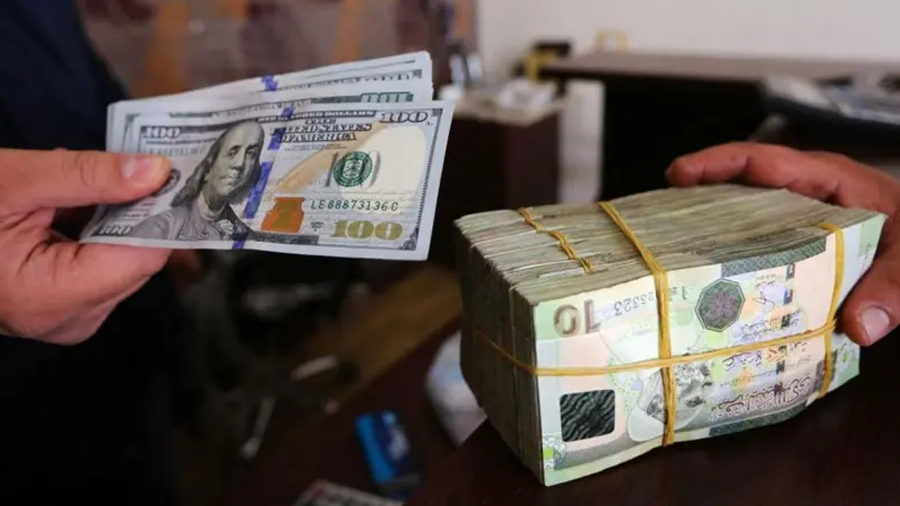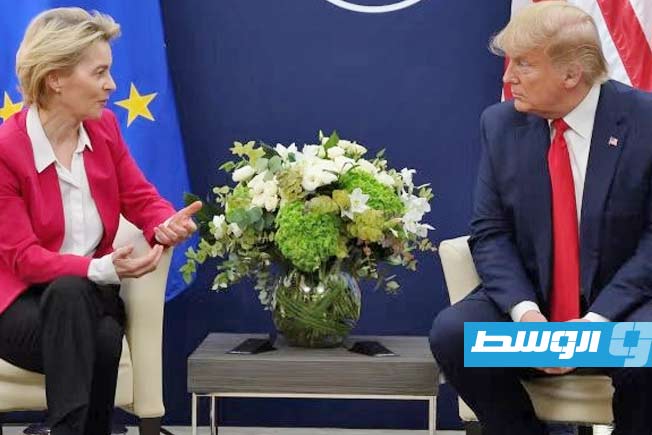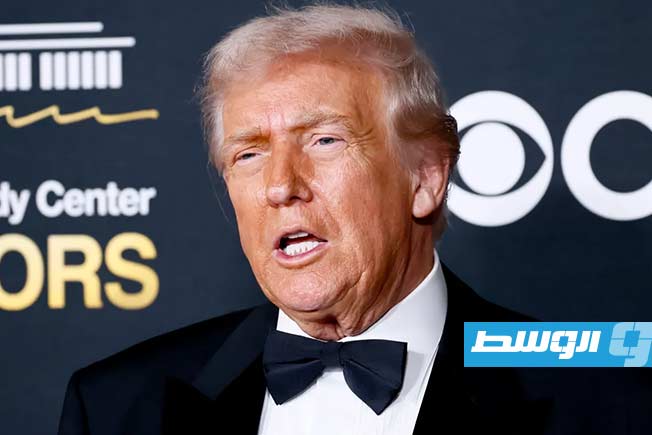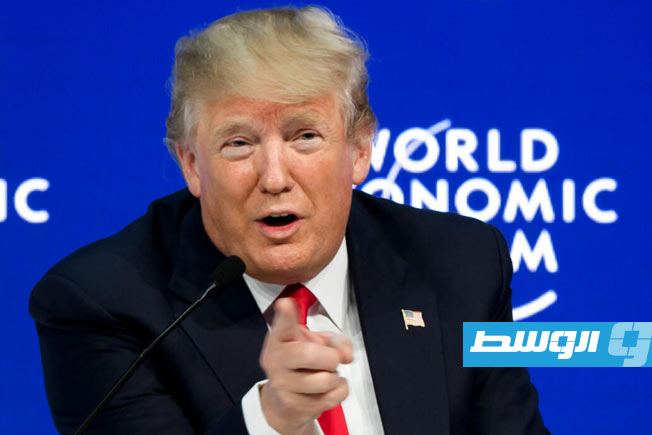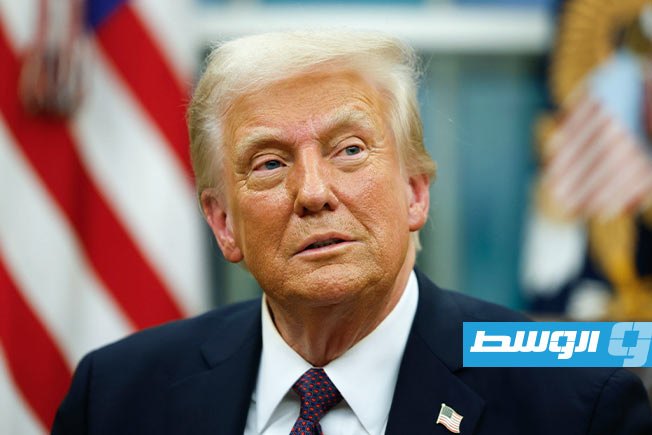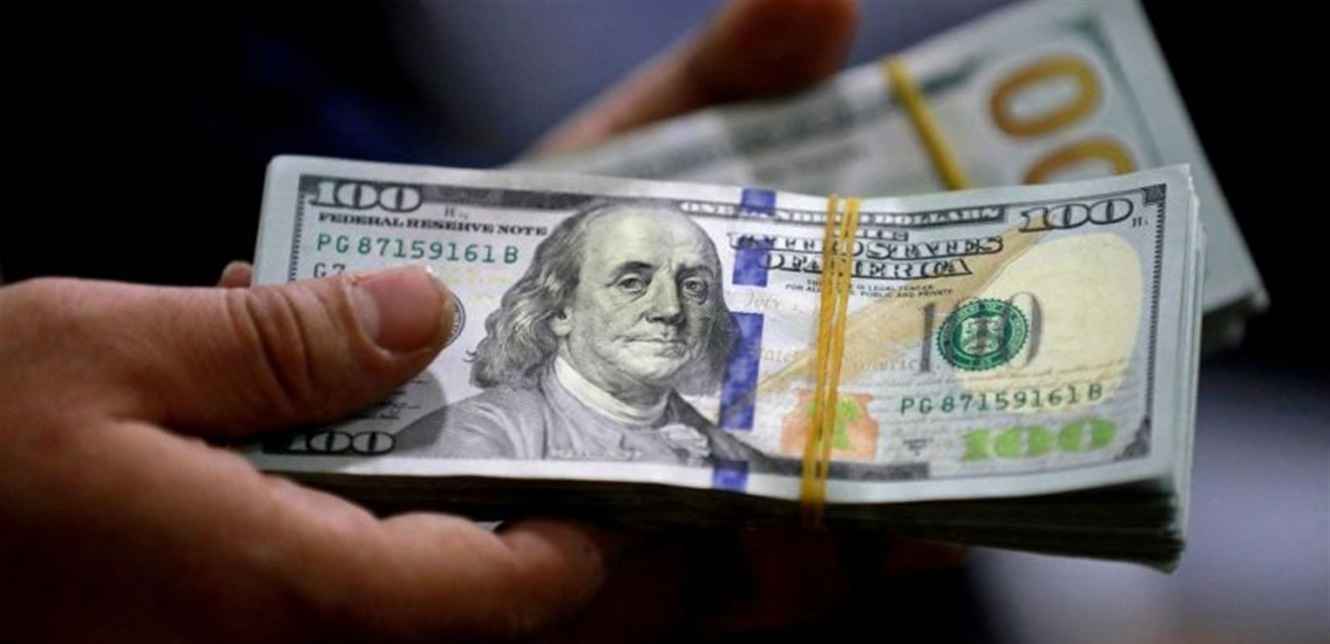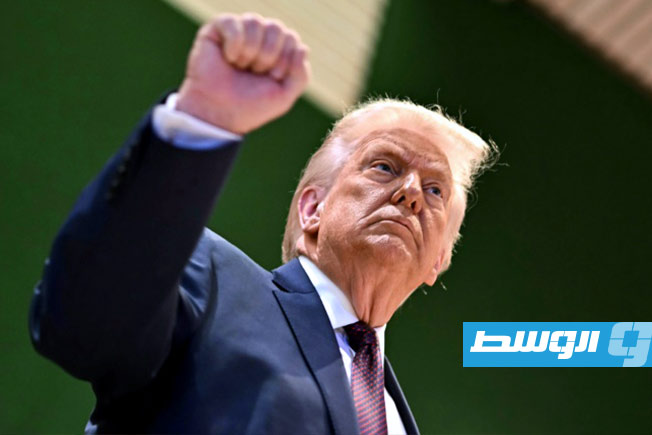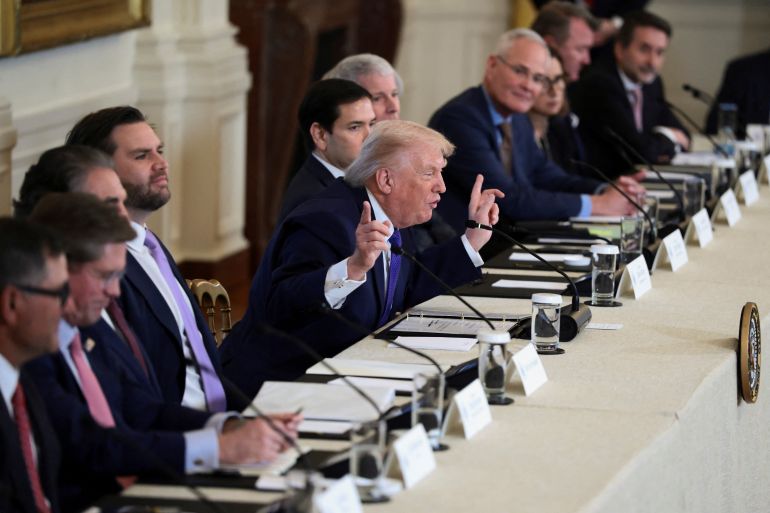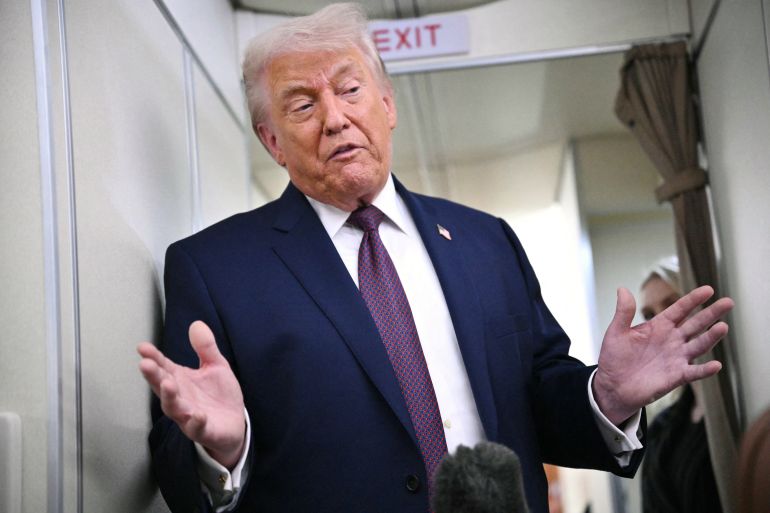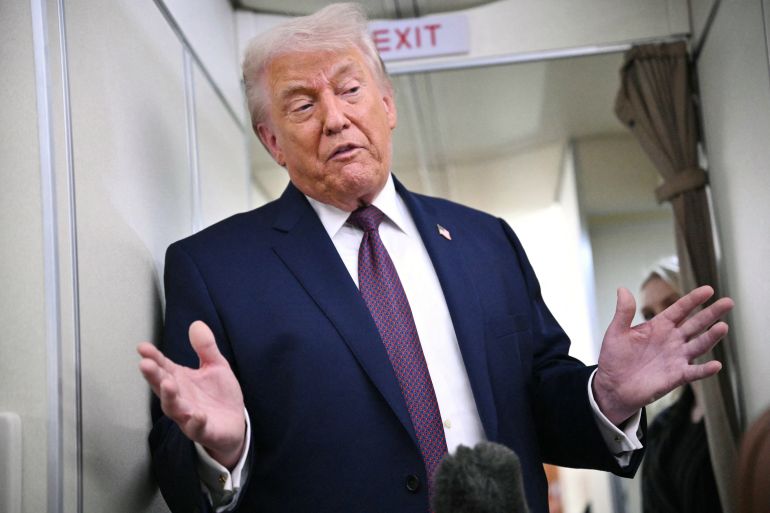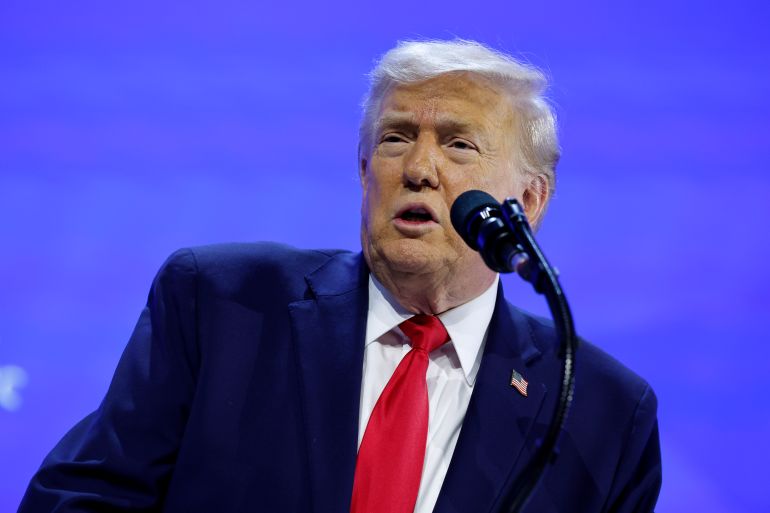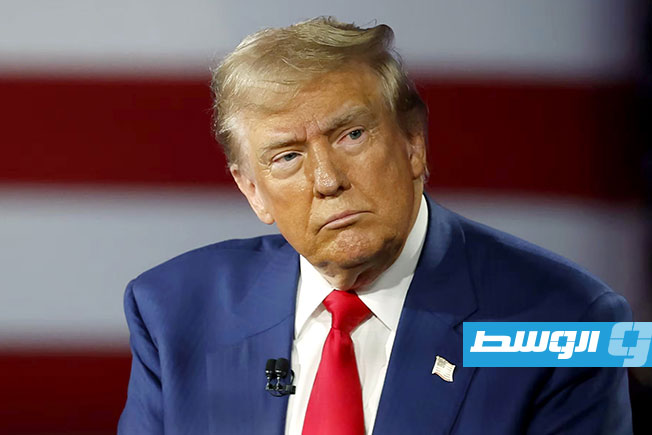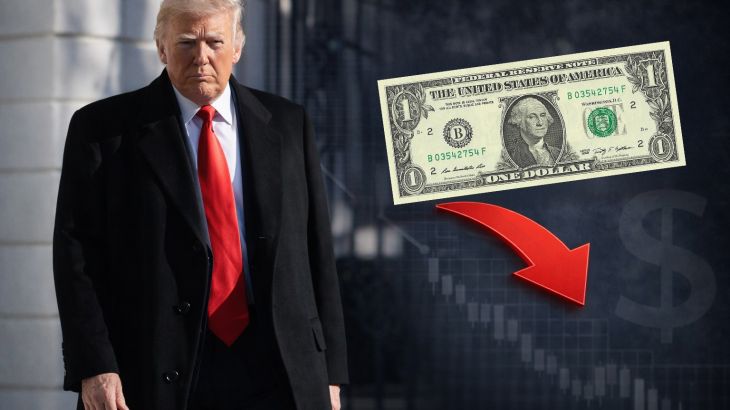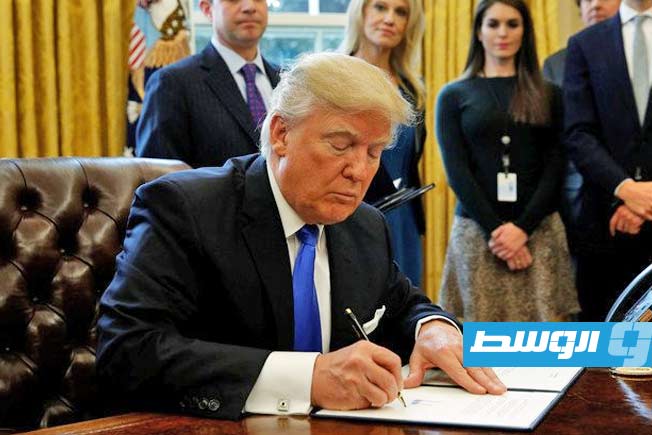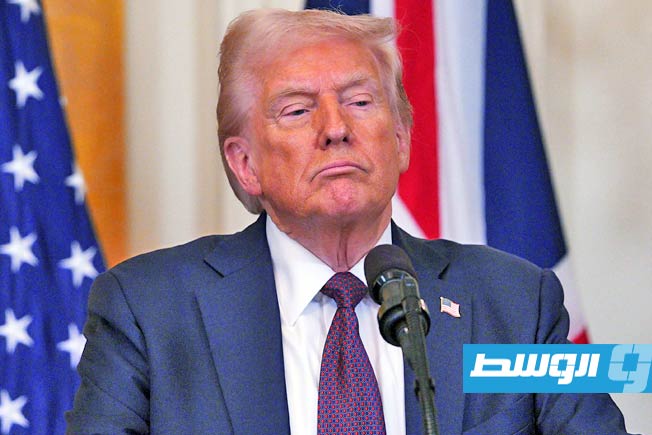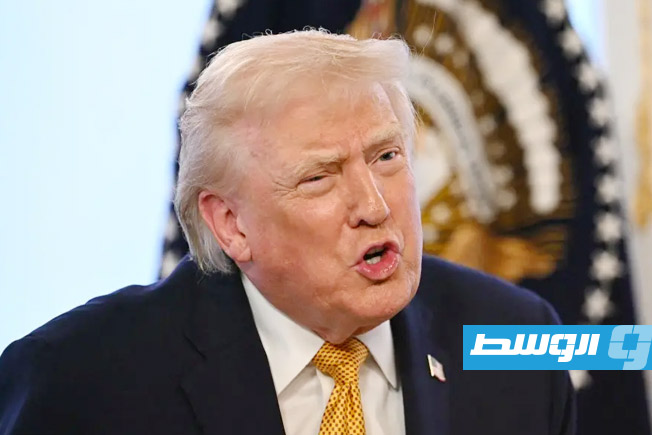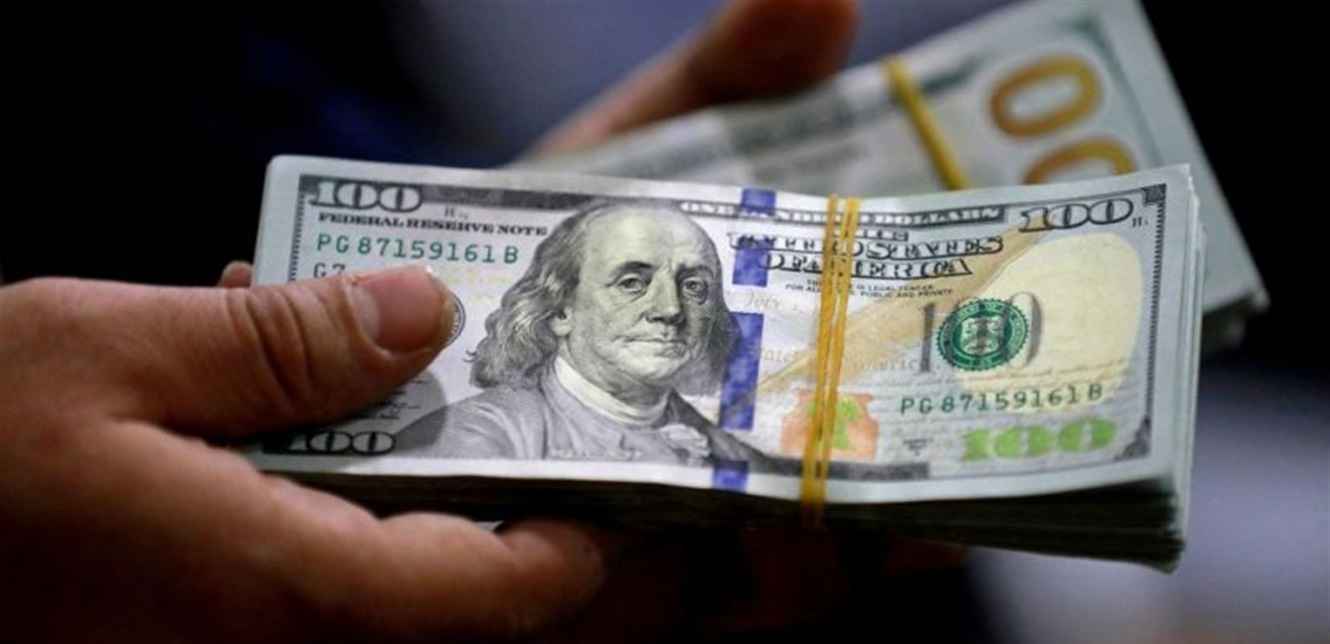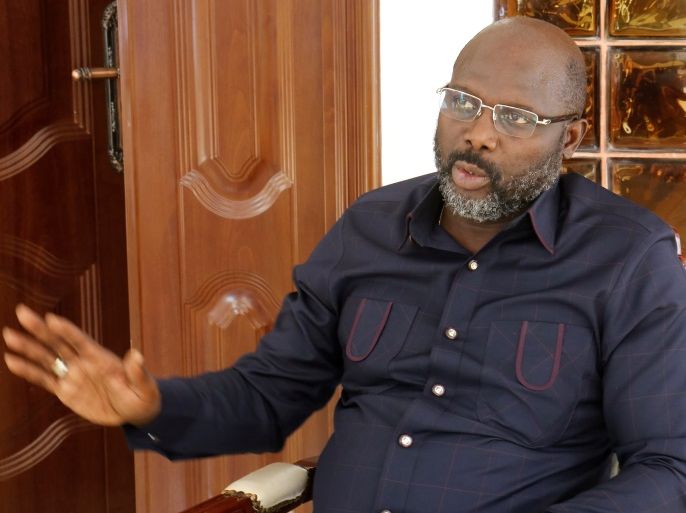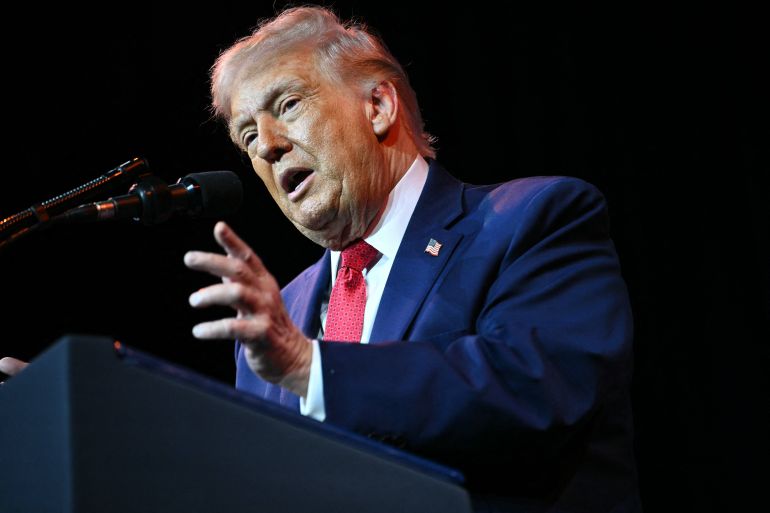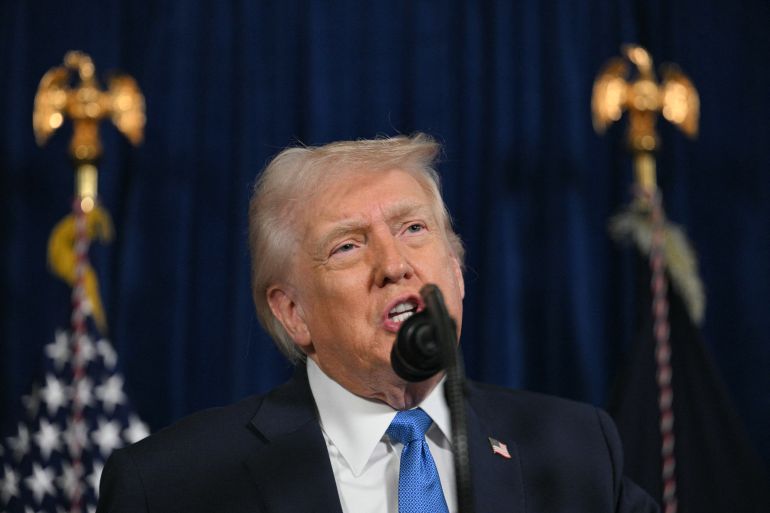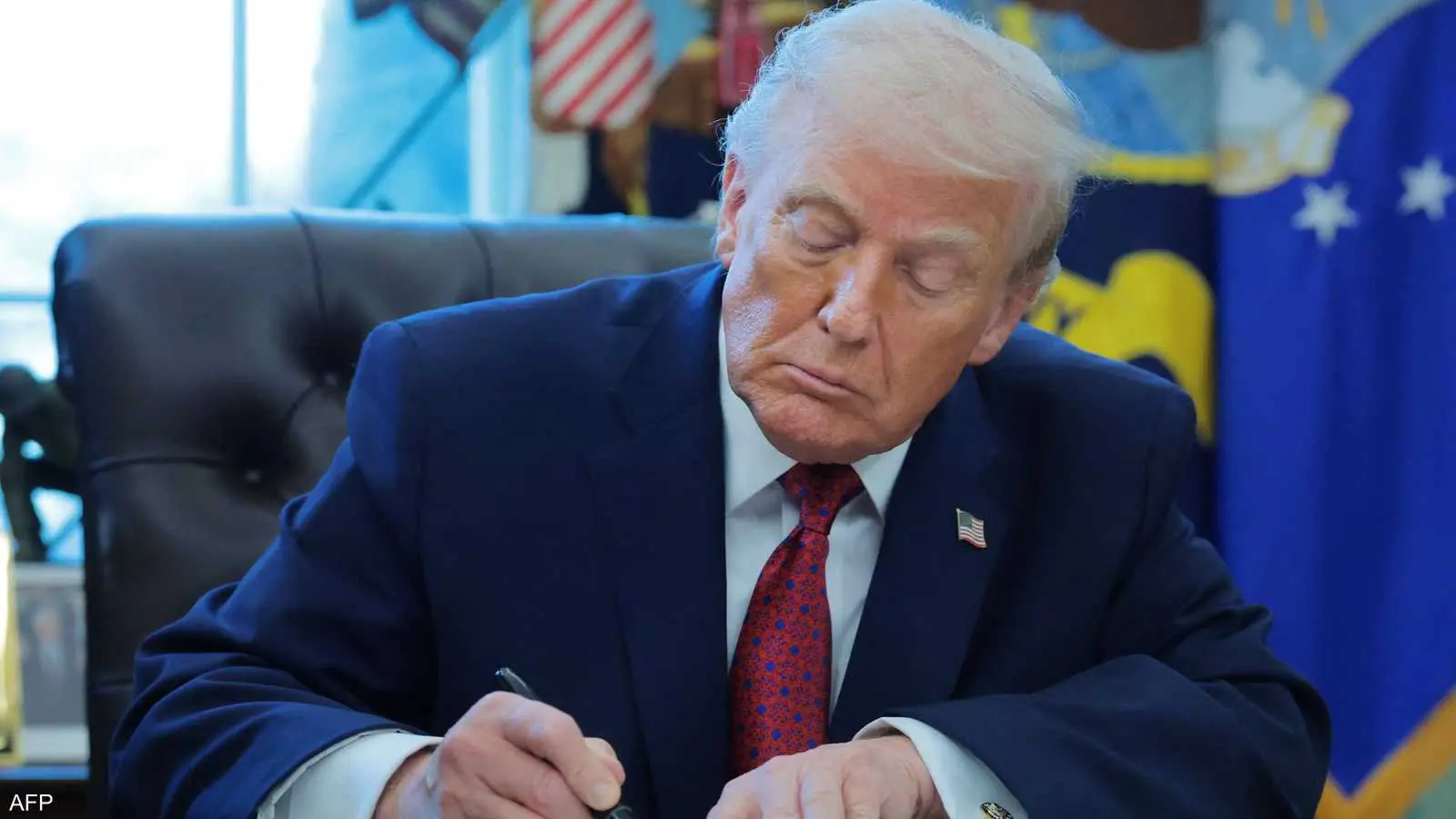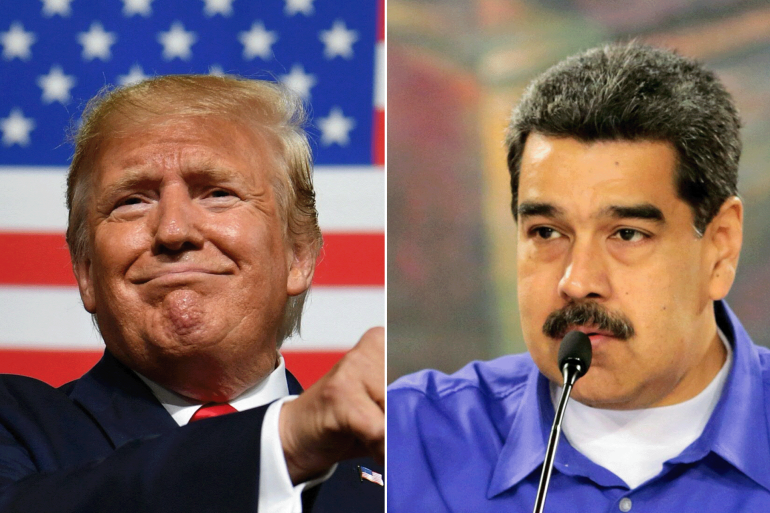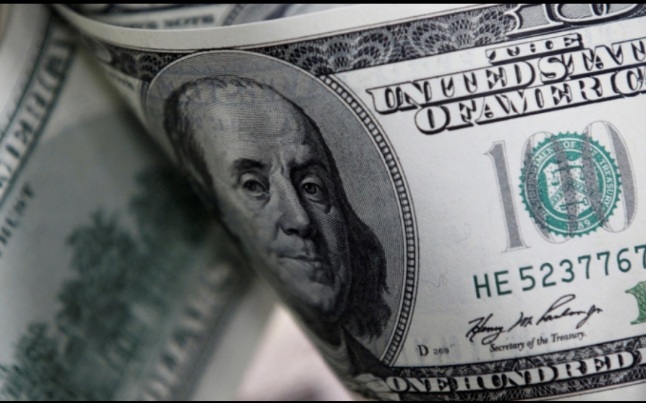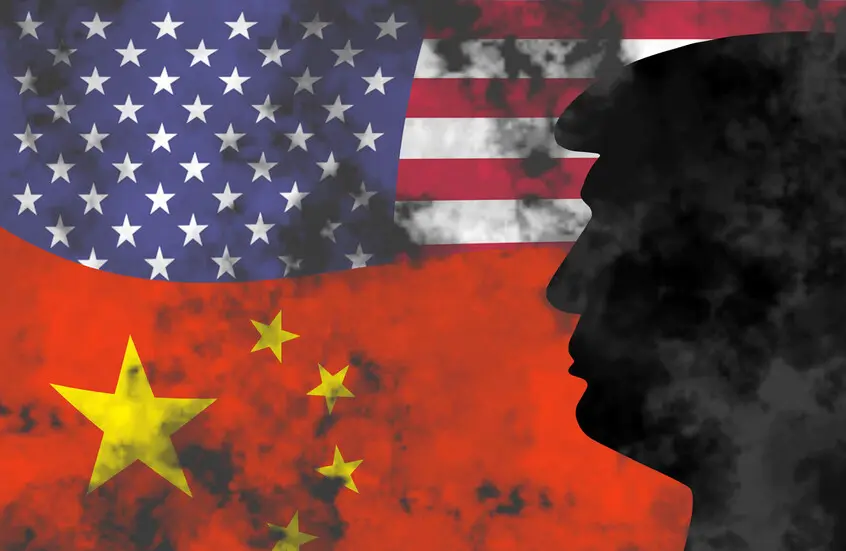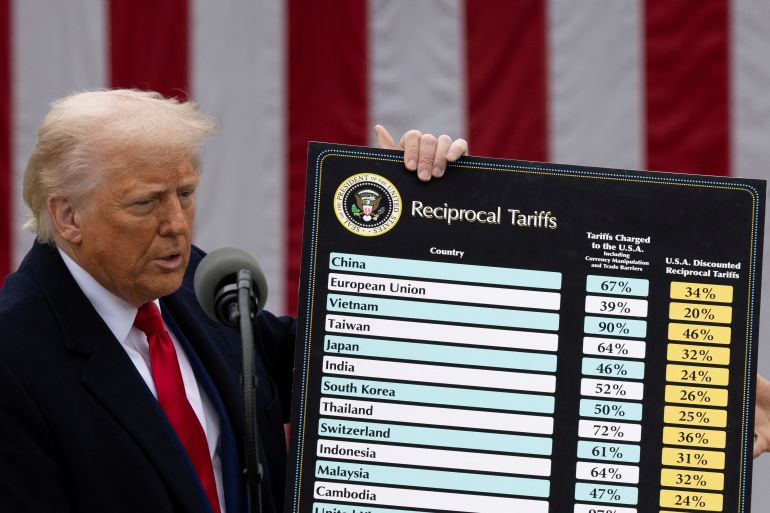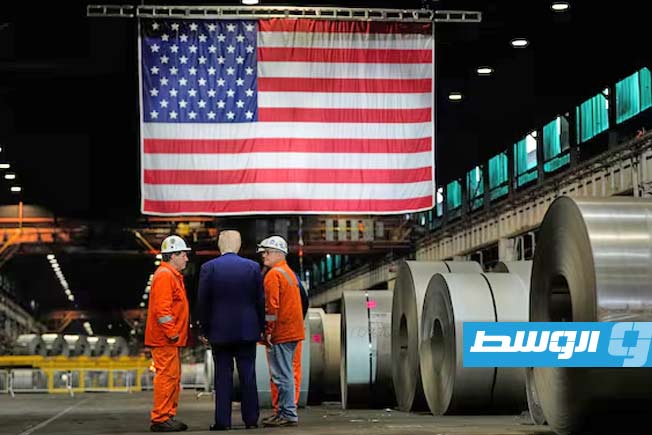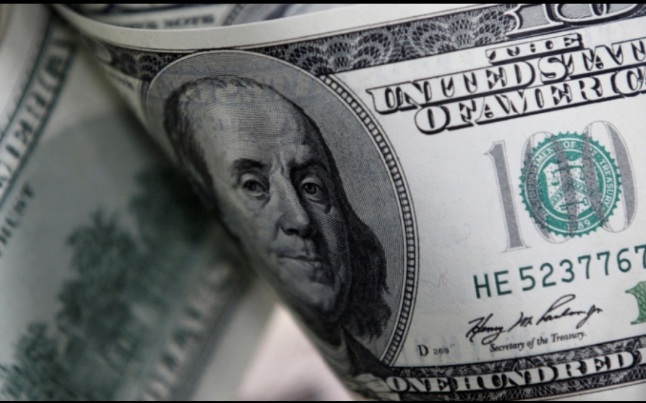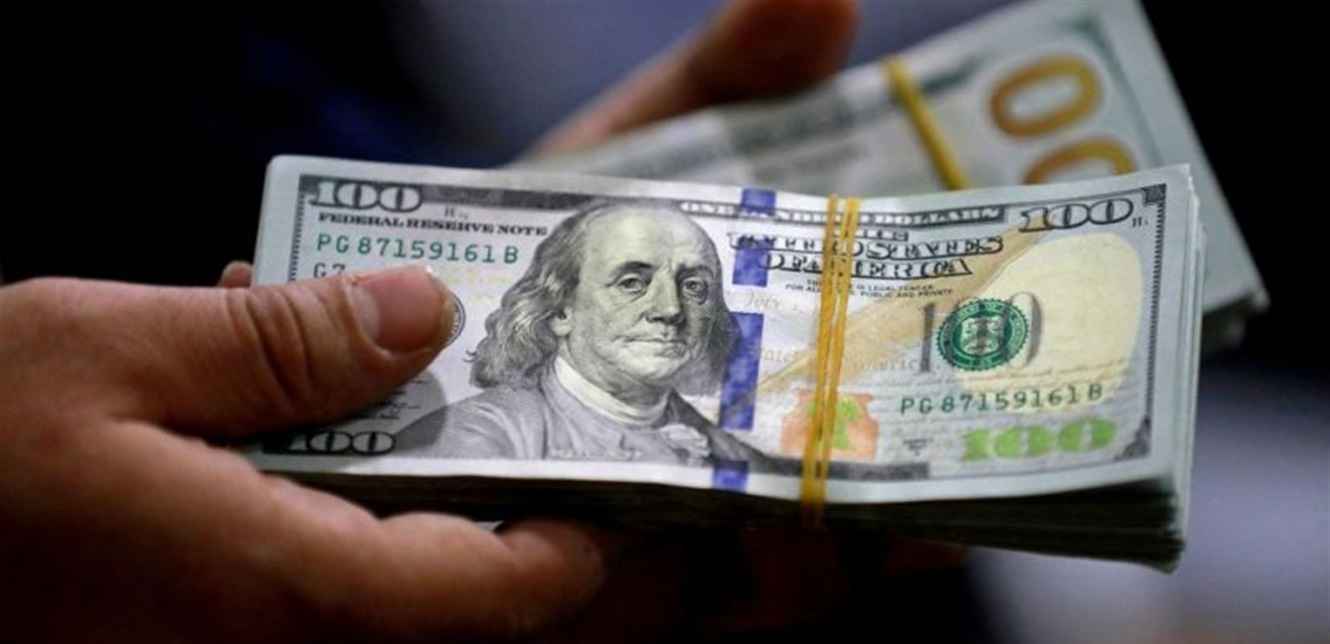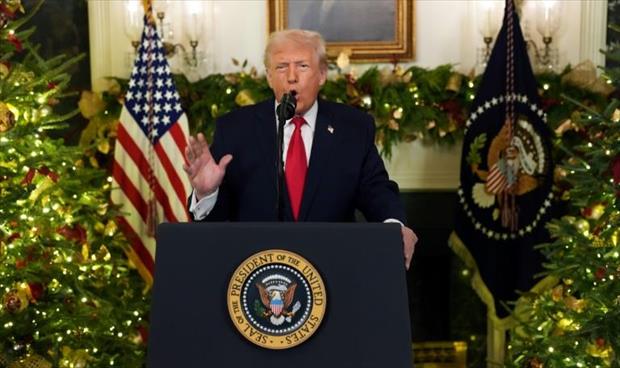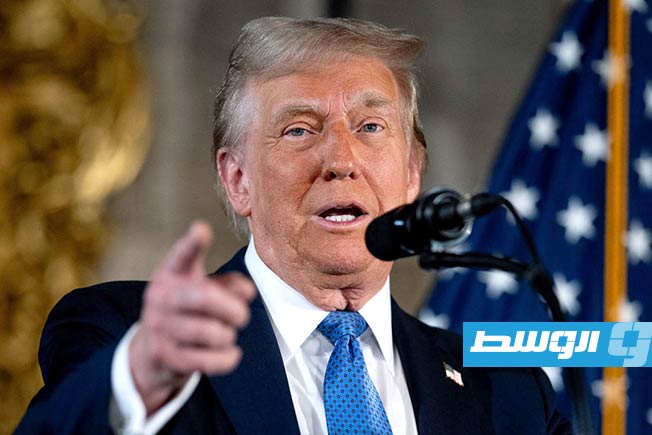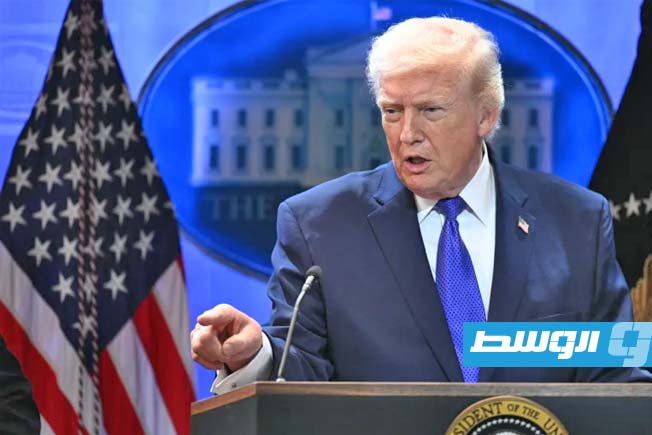
U.S. President Donald Trump announced on Saturday a new comprehensive tariff increase from 10% to 15% “with immediate effect.” This comes after the Supreme Court the previous day invalidated a significant portion of the tariffs he had imposed since returning to the presidency.
Trump stated on his social media platform “Truth Social” that after a comprehensive review of the court’s decision, which he described as “extremely anti-American,” he decided to raise import duties “to the fully permissible, legally tested level, which is 15%.”
He pointed out that many countries “have been taking advantage of the United States for decades, with no response until I came along.” He added: “Over the next few months, the Trump administration will determine and issue the new, legally permissible tariffs, which will continue our exceptionally successful process of making America great again.”
The U.S. Supreme Court’s decision, issued by a 6-3 majority on Friday, invalidated some of the tariffs Trump imposed at the beginning of his term. The justices upheld a lower court’s ruling that the U.S. President’s use of the 1977 International Emergency Economic Powers Act does not grant him the authority he claimed allowed him to impose tariffs.
Supreme Court Oversight
Within hours of the ruling, Trump imposed new 10% duties on imports from all countries to the United States for an initial 150 days under a different law. This prompted analysts to warn of the possibility of further actions, threatening more confusion for businesses and investors.
The ruling, authored by conservative Chief Justice John Roberts, was clear in its scope and impact, leaving no room for anyone to argue that the tariffs were legitimate. It unequivocally rejected them without addressing implications related to refunds, trade agreements, or the Republican President himself.
In doing so, the Court reaffirmed its oversight role over other branches of government and the President as well, following a year in which doubts had increased from a number of critics and legal scholars.
An expert in constitutional law and the presidency stated: “The Court has proven that it does not necessarily provide legal cover for every item in Trump’s program.”