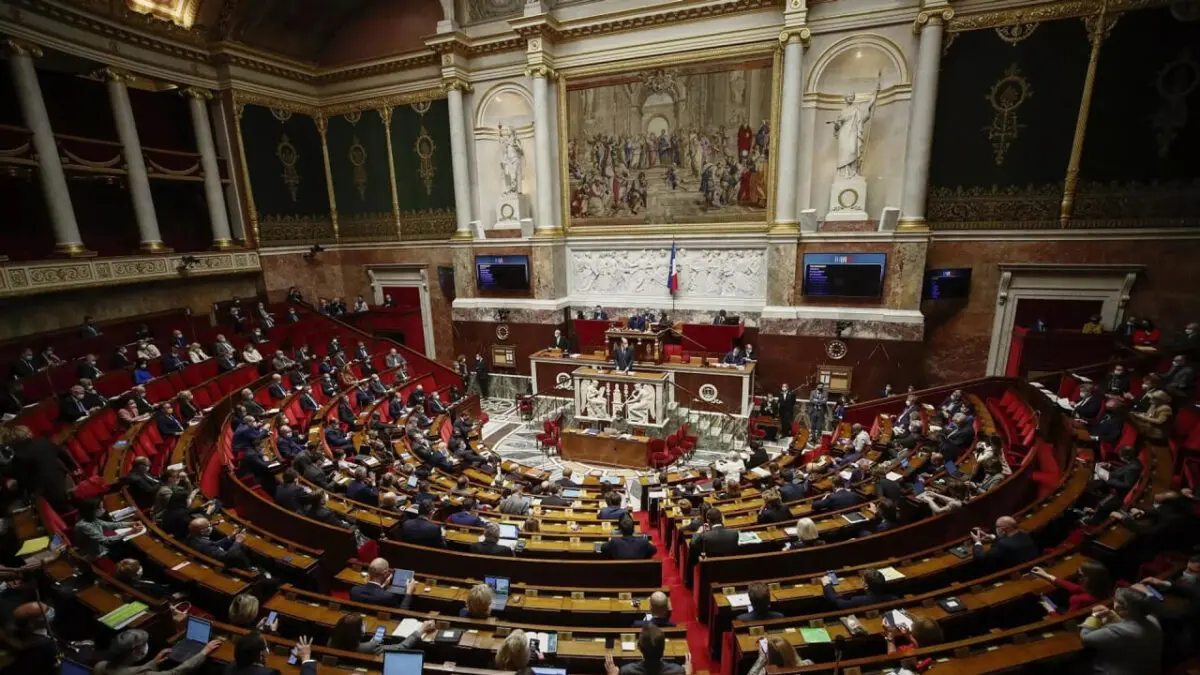
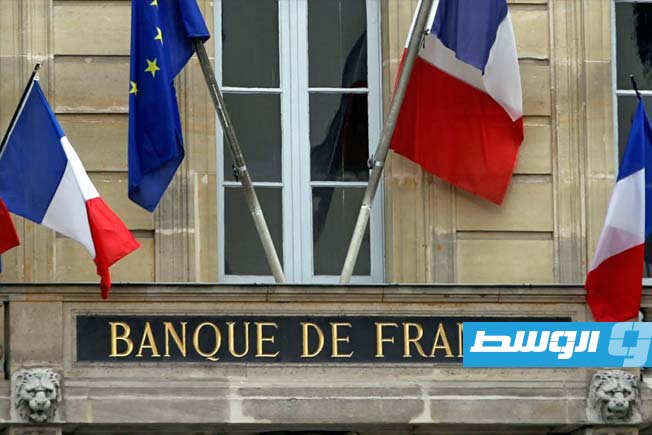
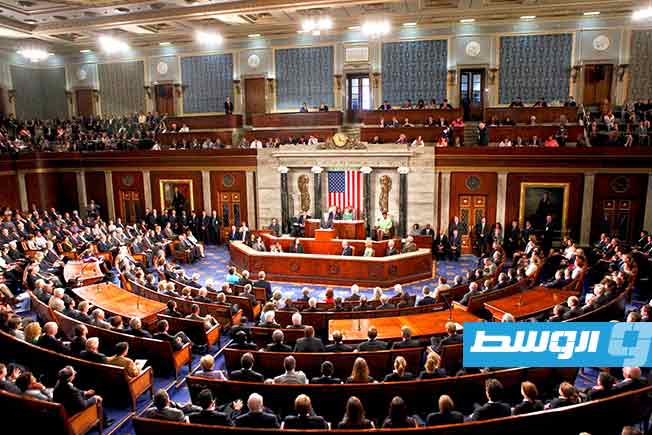
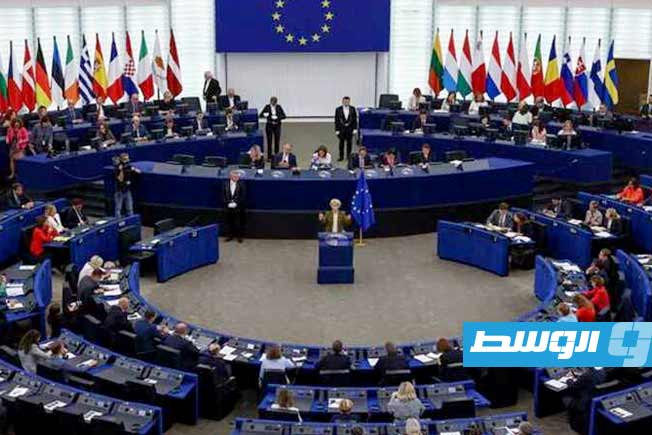
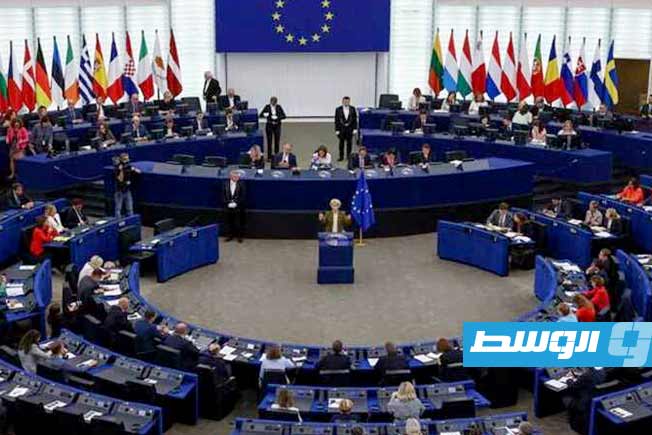
The French government, led by Prime Minister Sebastian Lecornu, survived two no-confidence votes in Parliament, presented by the far-right National Rally party and the left-wing bloc, following objections to the government’s use of Article 49.3 of the Constitution to pass the 2026 state budget.
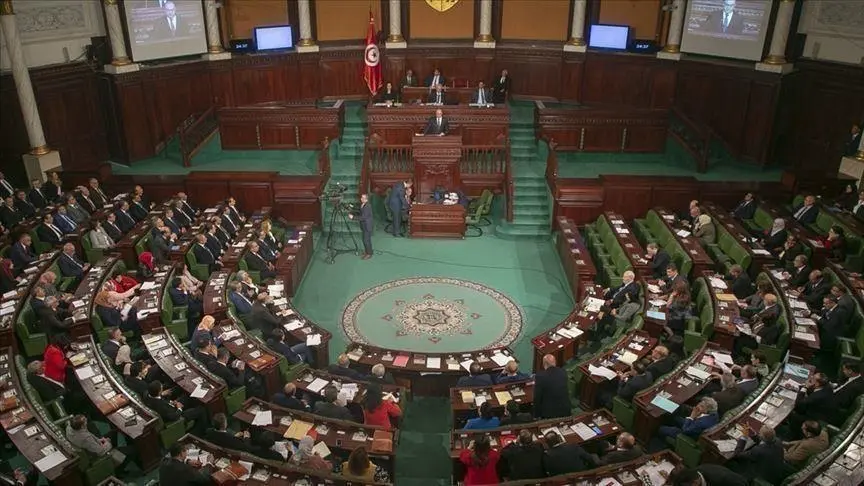
Members of the French Parliament reportedly rejected the no-confidence proposals, allowing the budget bill to be definitively adopted. Prime Minister Sebastian Lecornu confirmed that France has finally obtained a budget with clear priorities that focuses on essential needs.
The Prime Minister added on his account on the “X” platform: “This text is not the government’s text; it is the result of a parliamentary compromise incorporating amendments from all groups. For this reason, it has been referred to the Constitutional Council to ensure the finance law fully complies with the Constitution.”
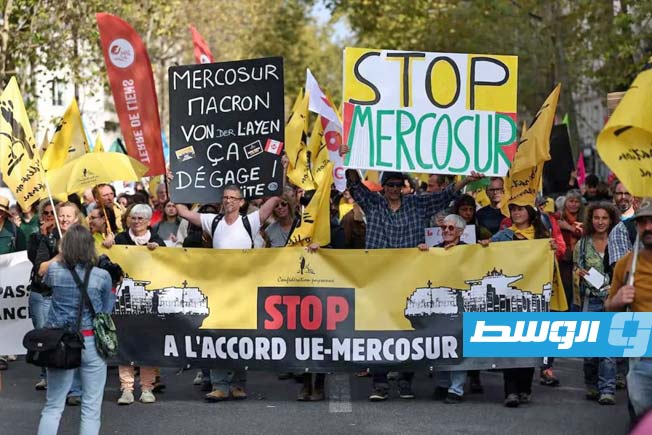
On January 30, Prime Minister Sebastian Lecornu resorted to invoking Article 49.3 to bypass a parliamentary vote on the budget. This led opposition parties to submit unsuccessful no-confidence motions. Parliament had previously rejected similar proposals on two occasions in protest against a trade agreement with Mercosur.
Article 49.3 of the French Constitution grants the government the authority to pass laws without a parliamentary vote but allows parties to submit no-confidence motions.
This article is considered an exceptional option, typically used to overcome parliamentary deadlock. The last time the government used it in France was several years ago during sensitive finance bills.
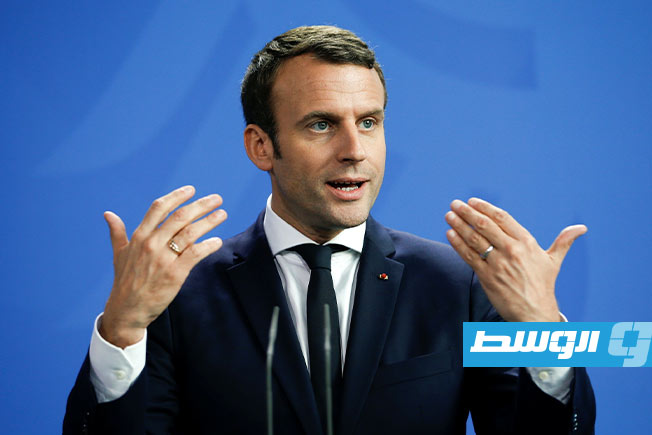
Prime Minister Sebastian Lecornu was reappointed in October 2025 by French President Emmanuel Macron to form the new French government following parliamentary elections, amid economic and political challenges including disagreements over trade agreements and the general budget.
France
France is a country in Western Europe with a rich history dating back to ancient Gaul, later evolving into a powerful monarchy and a center of the Enlightenment. It is globally renowned for its cultural influence, from art and philosophy to cuisine and fashion, with iconic landmarks like the Eiffel Tower and the Palace of Versailles. The French Revolution of 1789 was a pivotal event that established modern republican ideals, shaping the nation’s contemporary identity.
French Parliament
The French Parliament is the bicameral legislature of France, consisting of the lower house, the National Assembly, and the upper house, the Senate. Its modern form was established by the Constitution of the Fifth Republic in 1958, though its origins trace back to the French Revolution and the formation of the National Constituent Assembly in 1789.
National Rally party
The National Rally (formerly the National Front) is a French political party founded in 1972 by Jean-Marie Le Pen, historically known for its nationalist, anti-immigration, and Eurosceptic platform. Under the leadership of Marine Le Pen since 2011, the party has sought to broaden its appeal through a strategy of “de-demonization” while maintaining its core populist and sovereigntist positions.
Mercosur
Mercosur, or the Southern Common Market, is a South American trade bloc established in 1991 by the Treaty of Asunción. Its founding members—Argentina, Brazil, Paraguay, and Uruguay—aimed to promote regional economic integration and political cooperation. Over time, it has expanded to include additional member and associate states, though it has faced challenges in achieving its full economic union goals.
Constitutional Council
The Constitutional Council is a French institution established in 1958 under the Fifth Republic to ensure the constitutionality of laws and oversee electoral processes. It consists of nine appointed members and former presidents, and its role has expanded over time to become a key guardian of fundamental rights and the separation of powers.
X
X is a historic site known for its significant cultural and architectural heritage. It was originally constructed during [specific period or dynasty] and served as [primary function or importance]. Today, it stands as a major landmark and symbol of [region or culture’s] history.