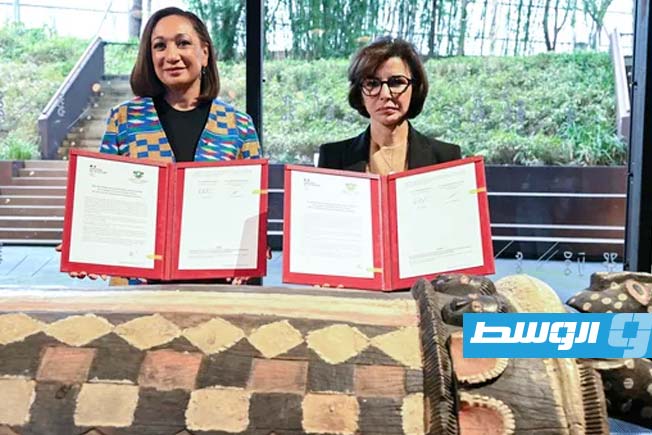
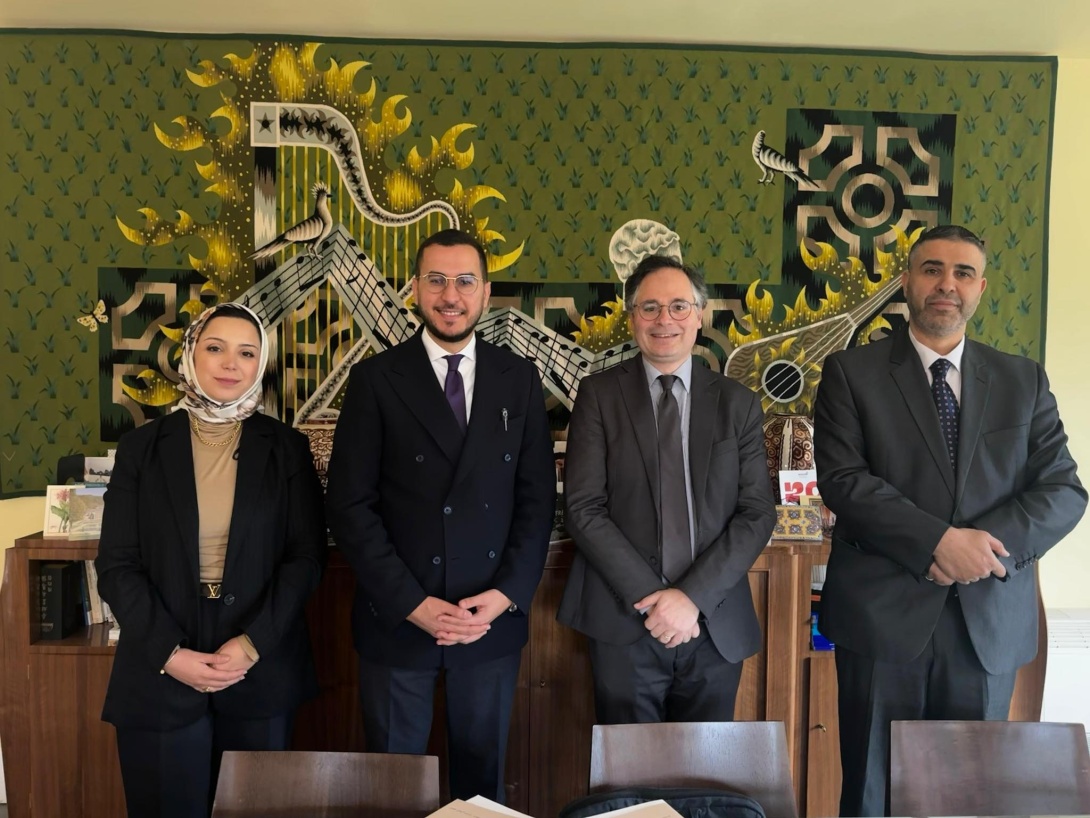
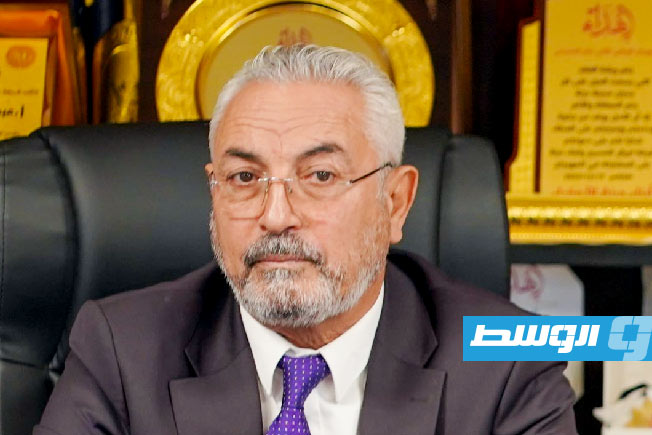
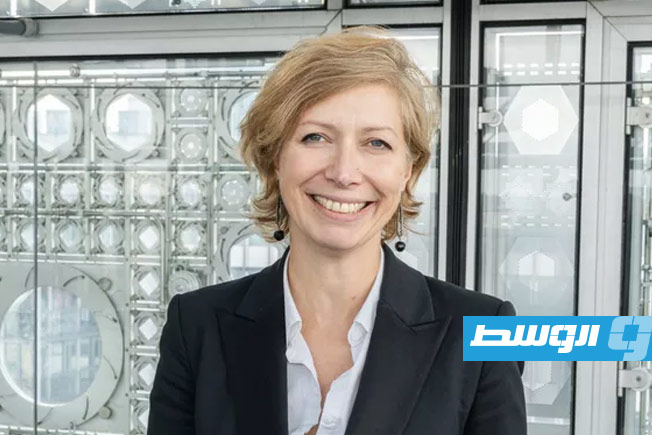
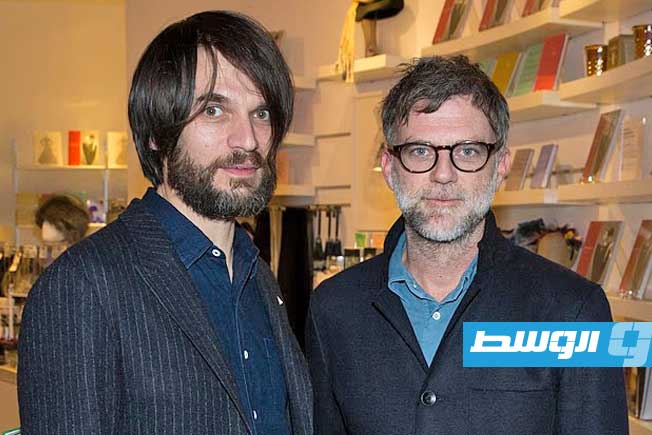
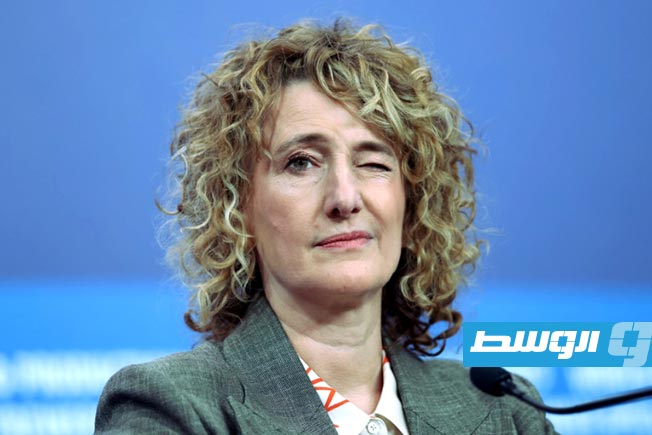
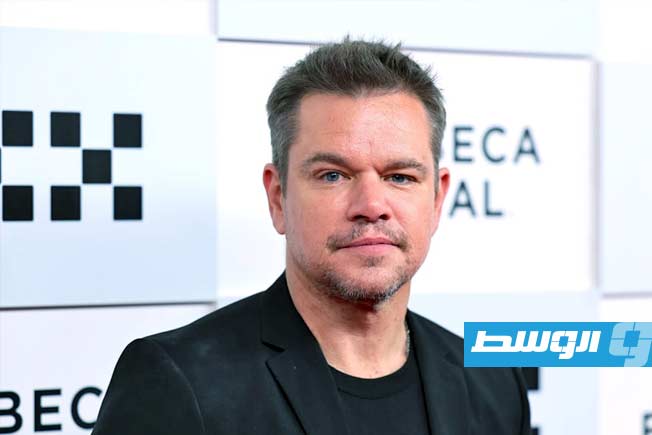
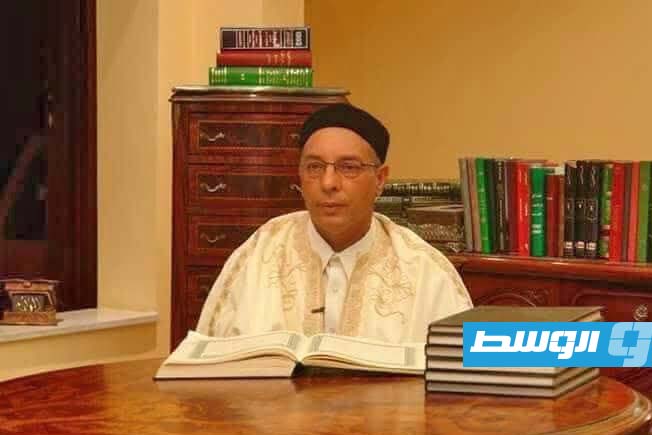
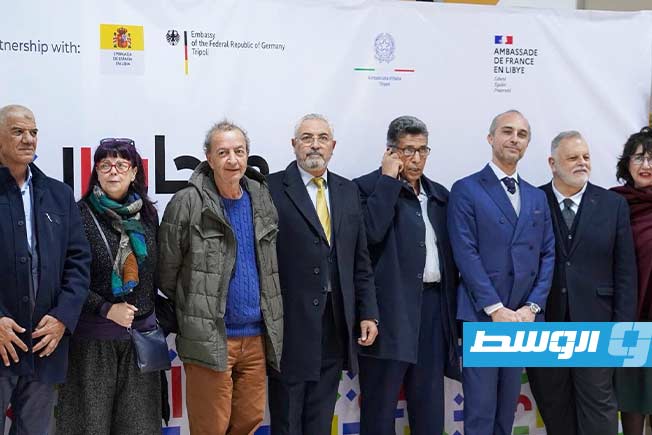
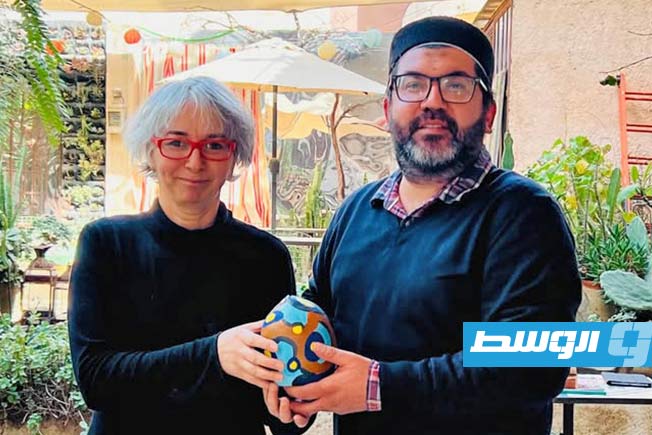
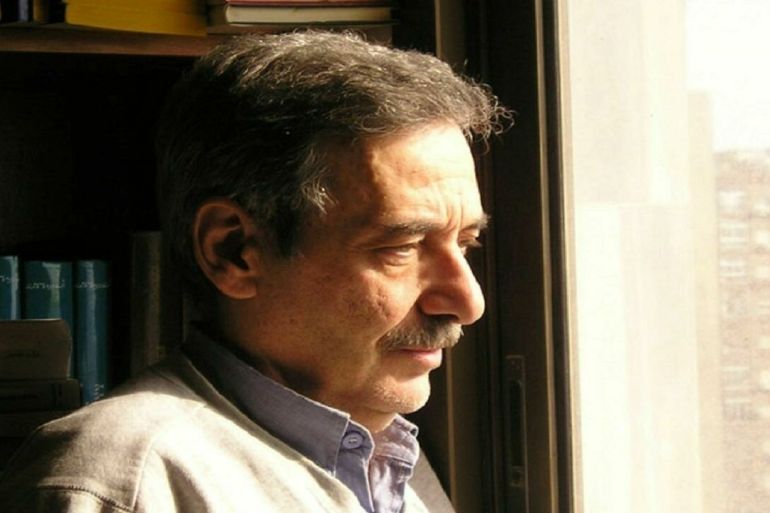
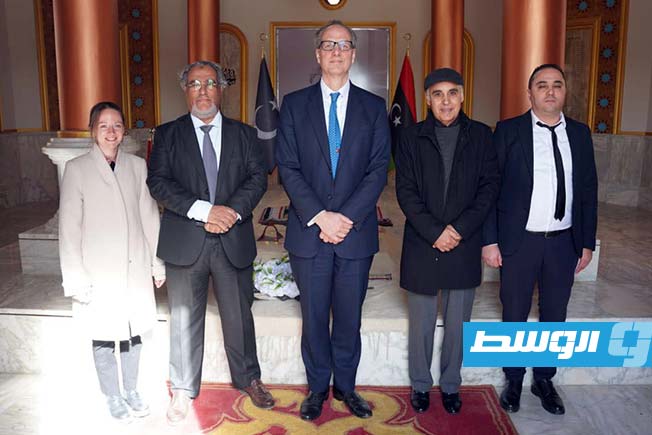
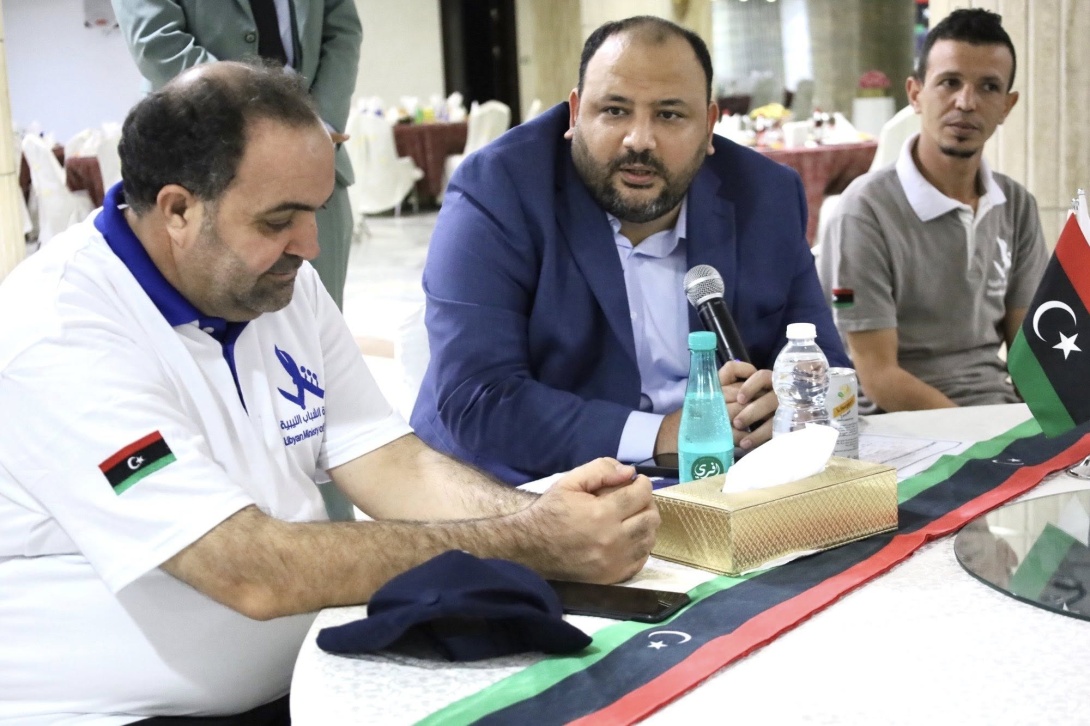
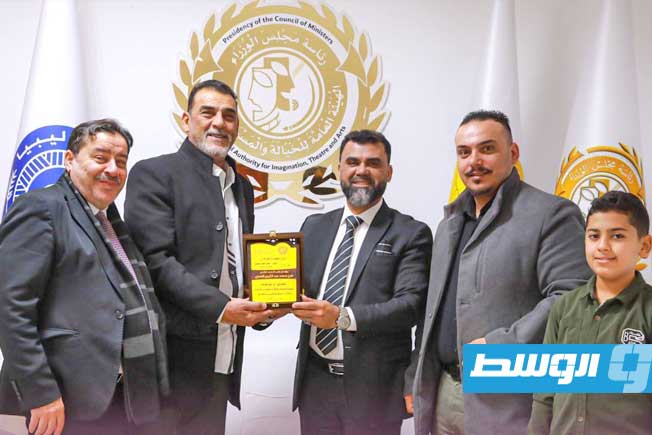
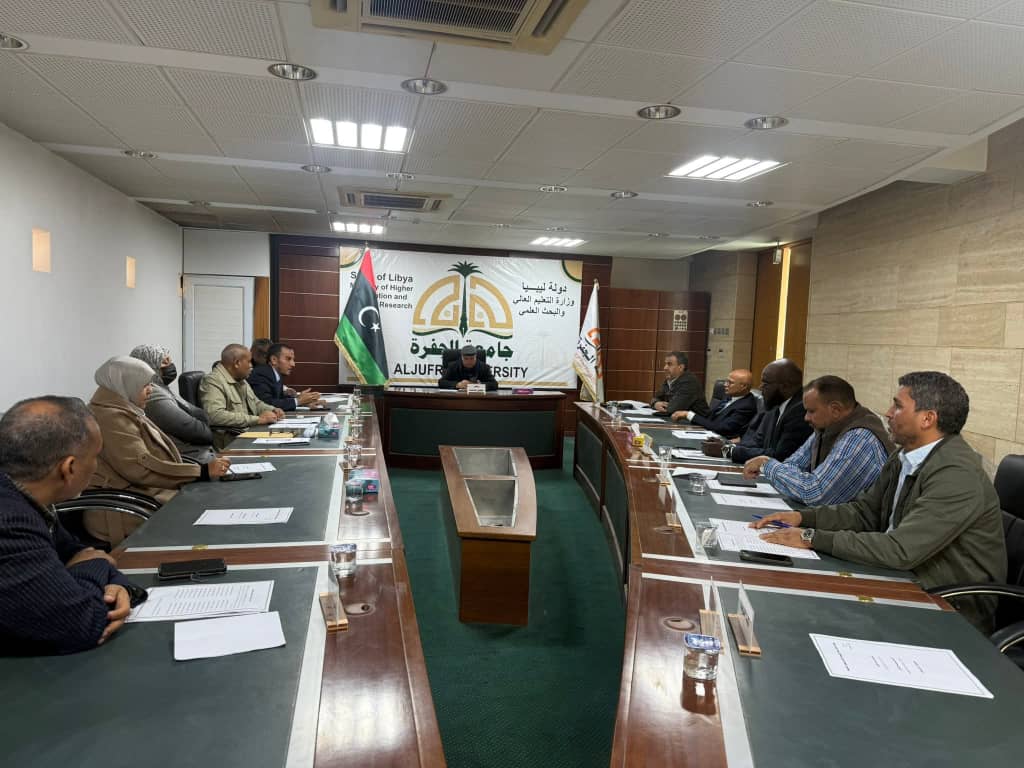
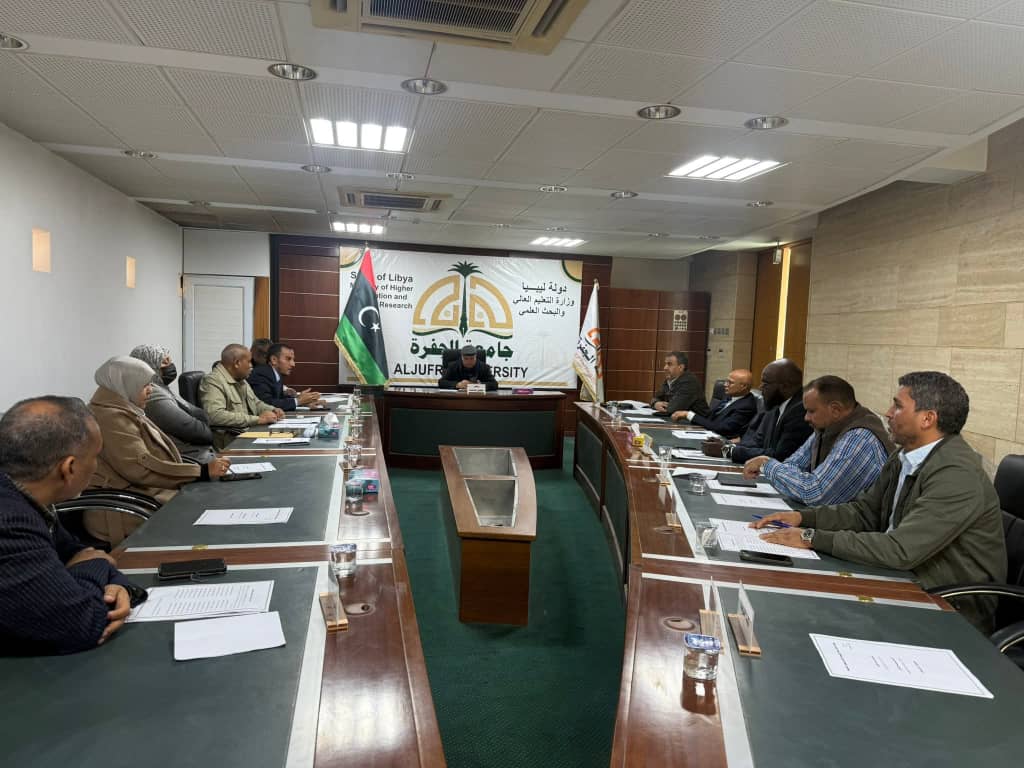
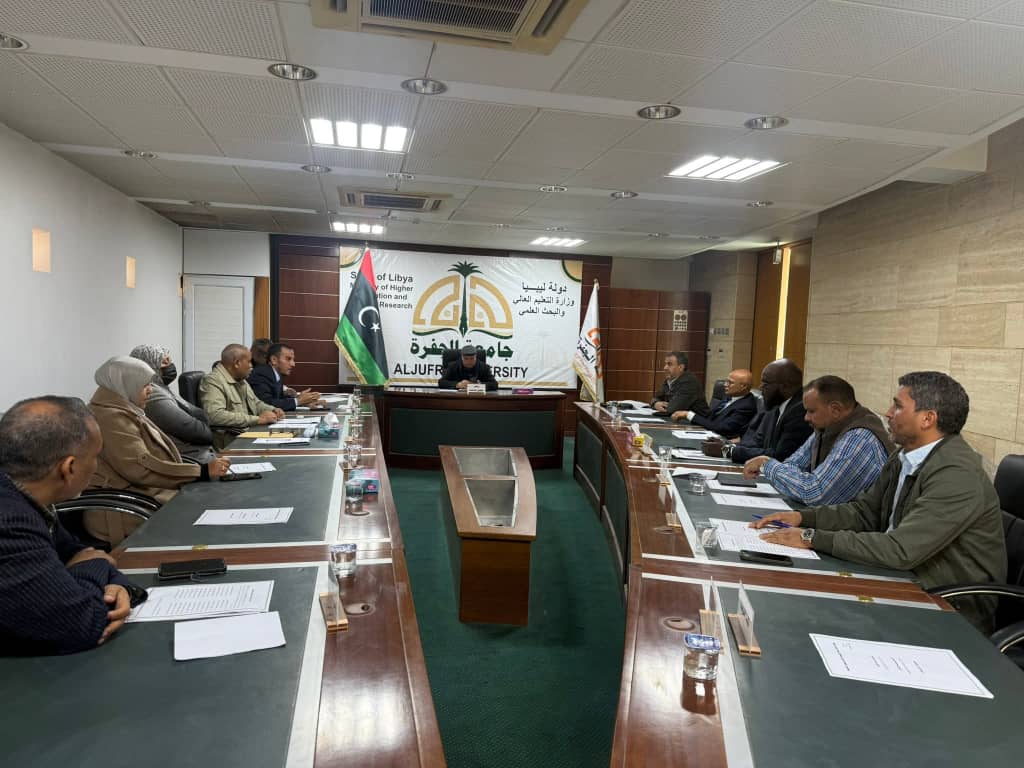
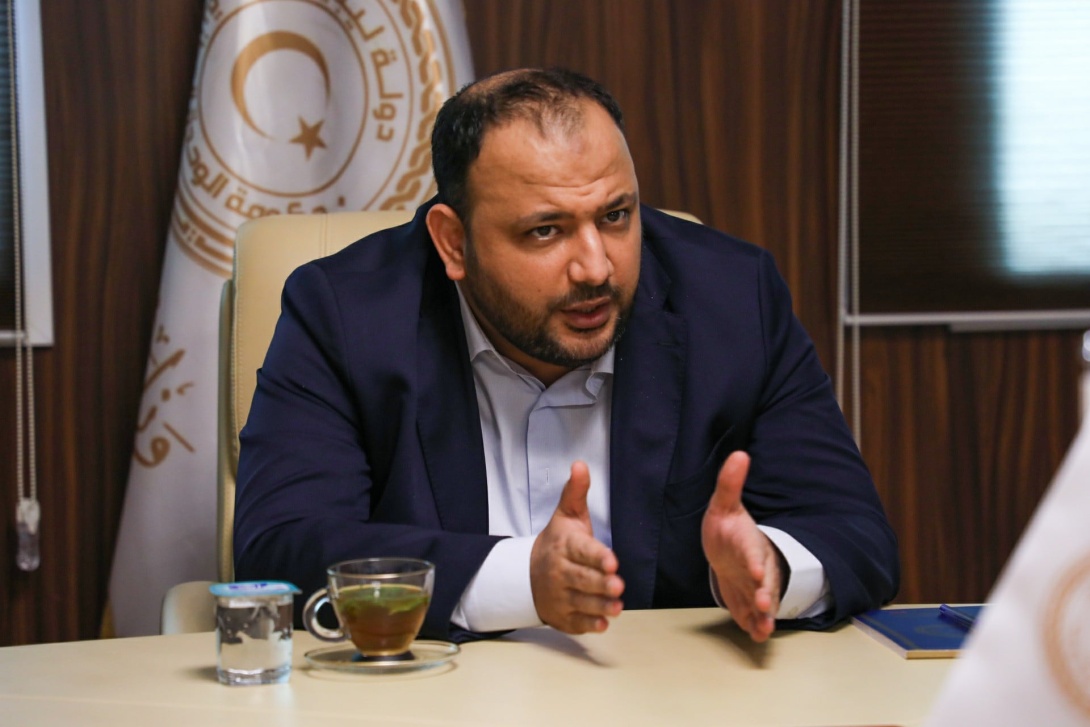
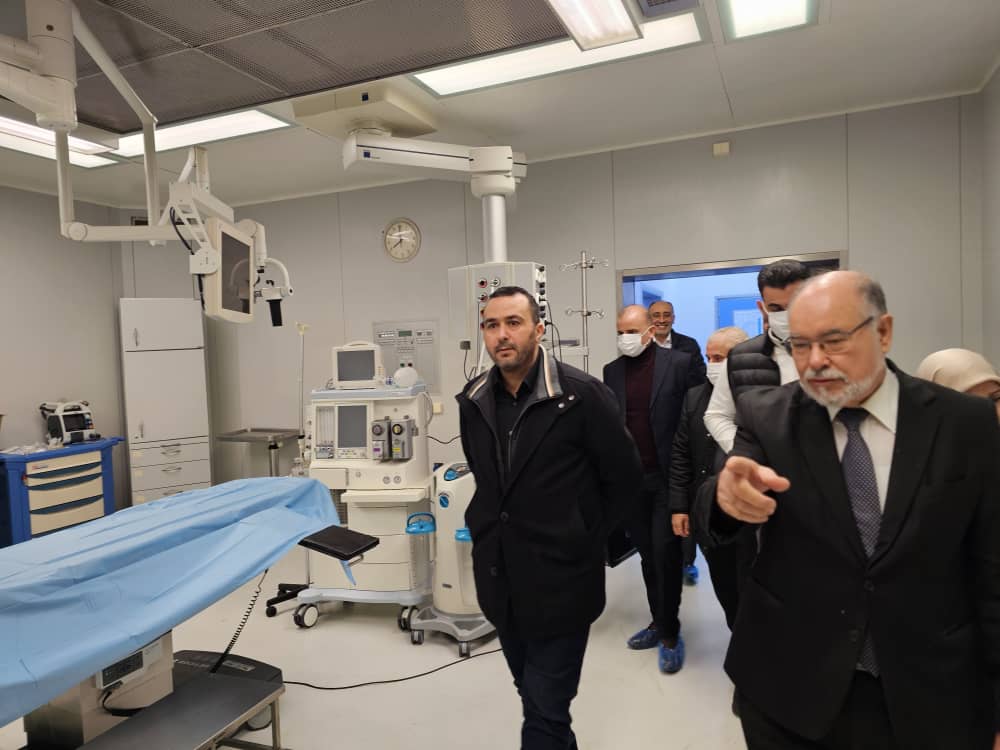
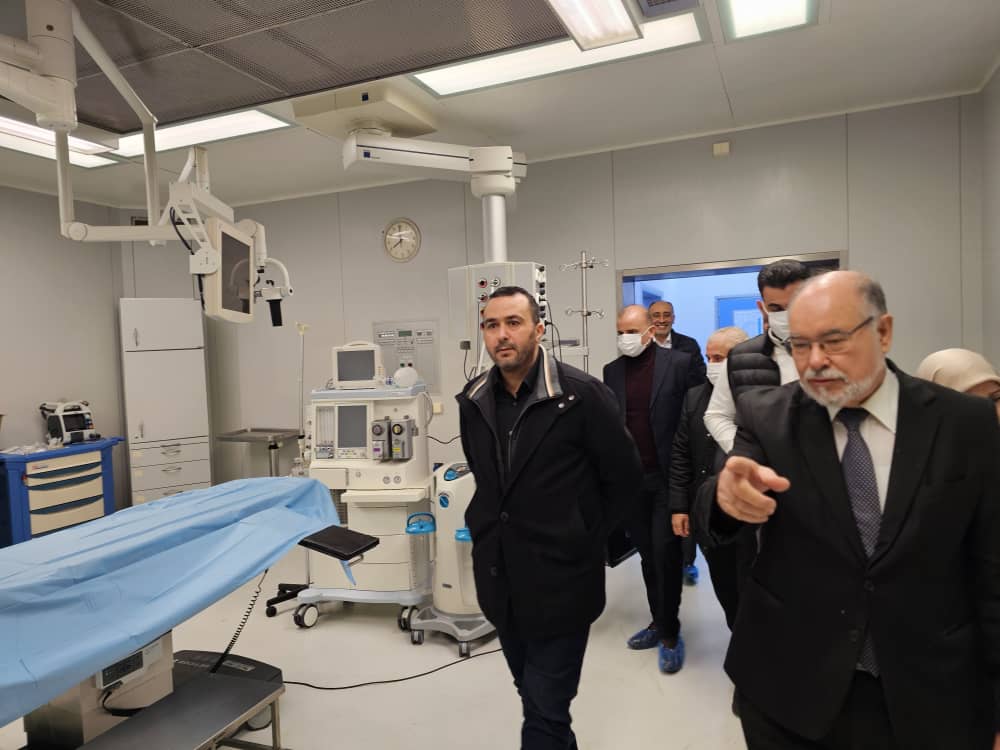
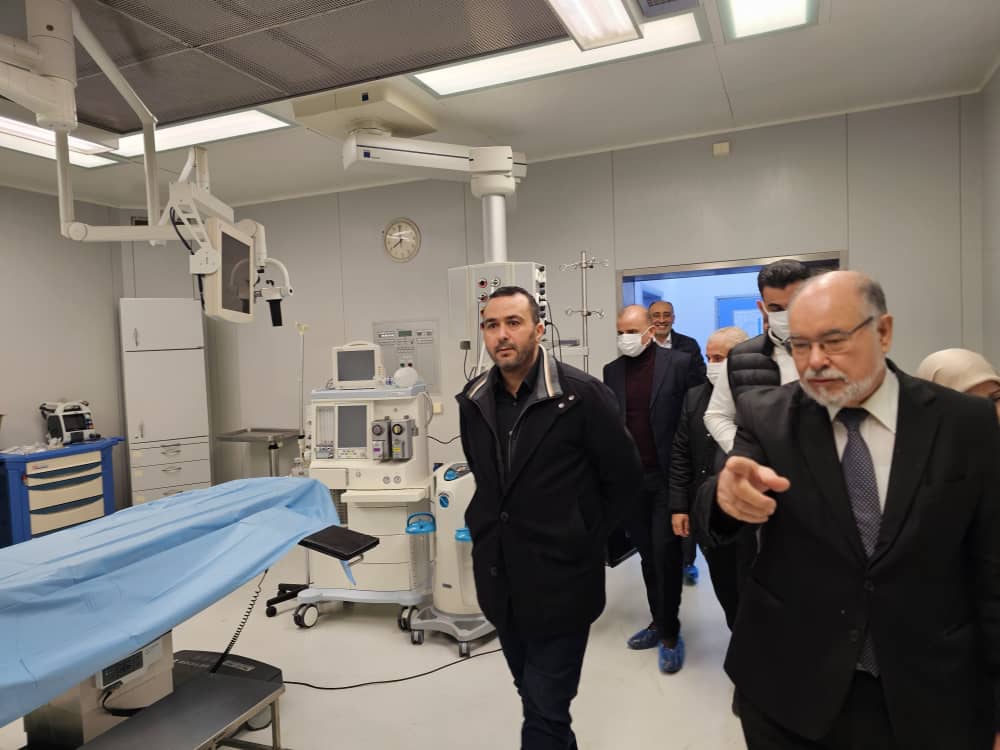
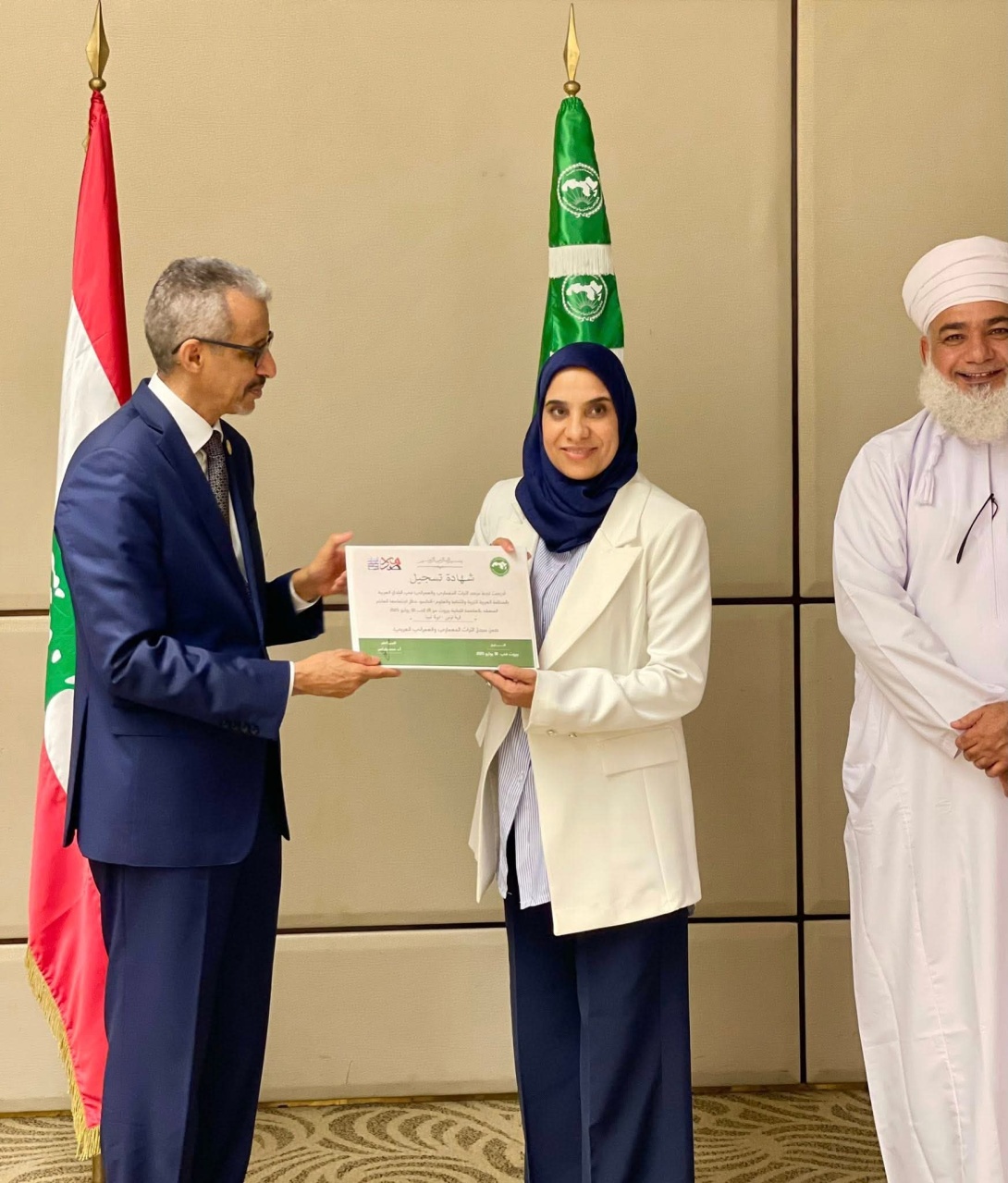
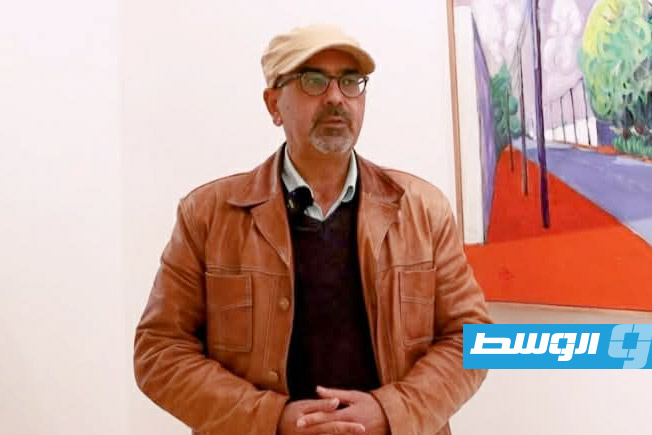
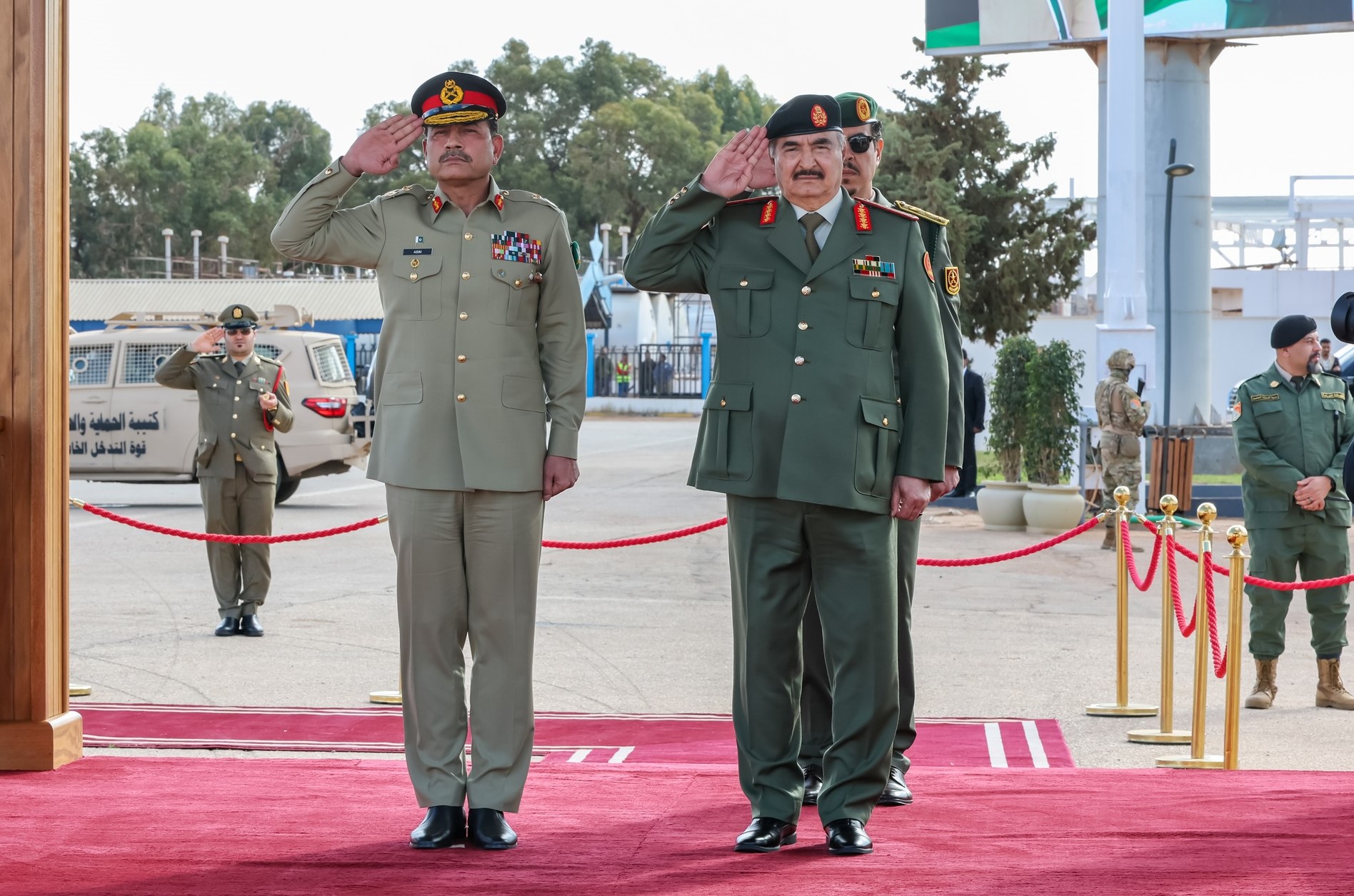
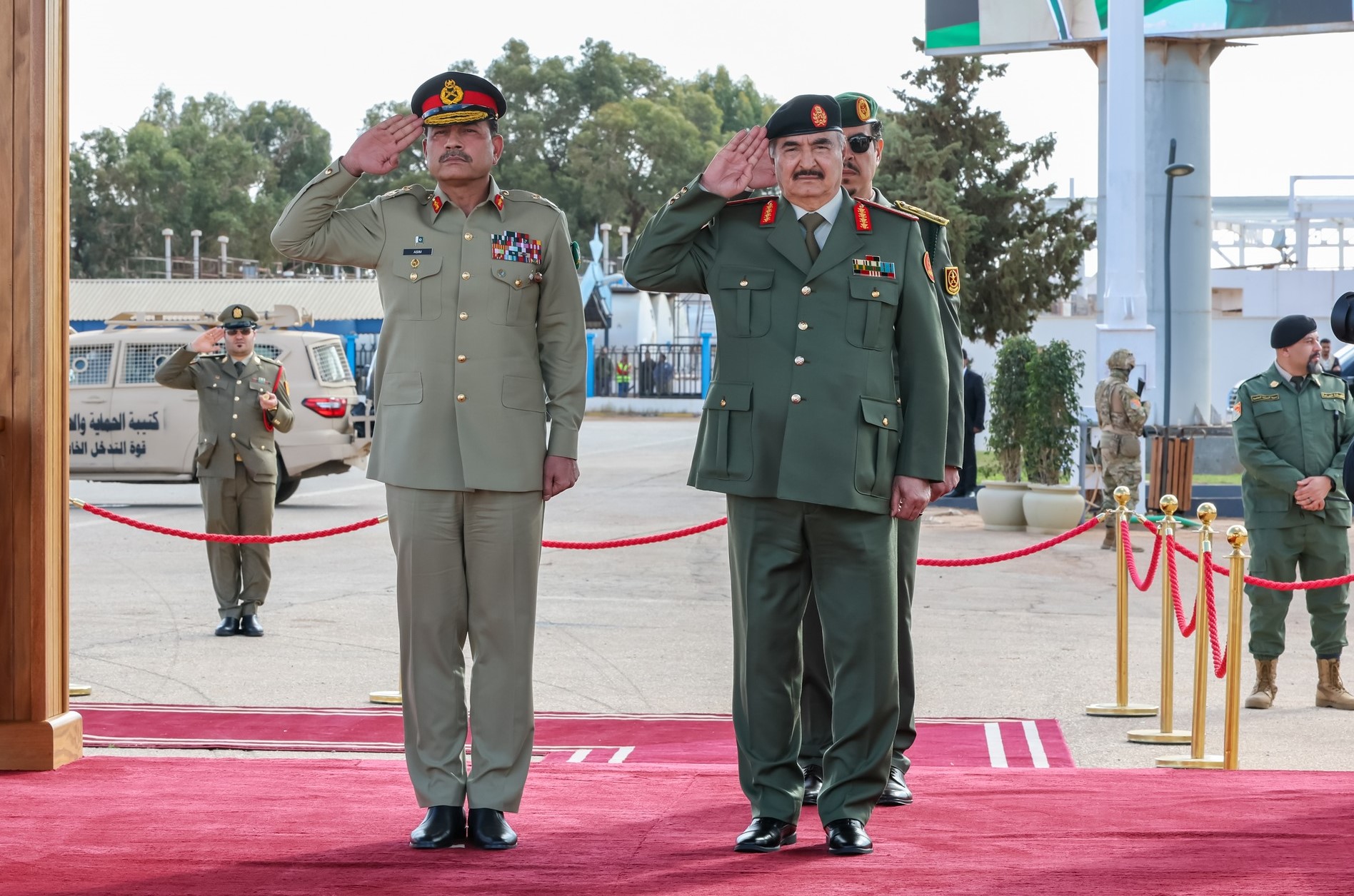
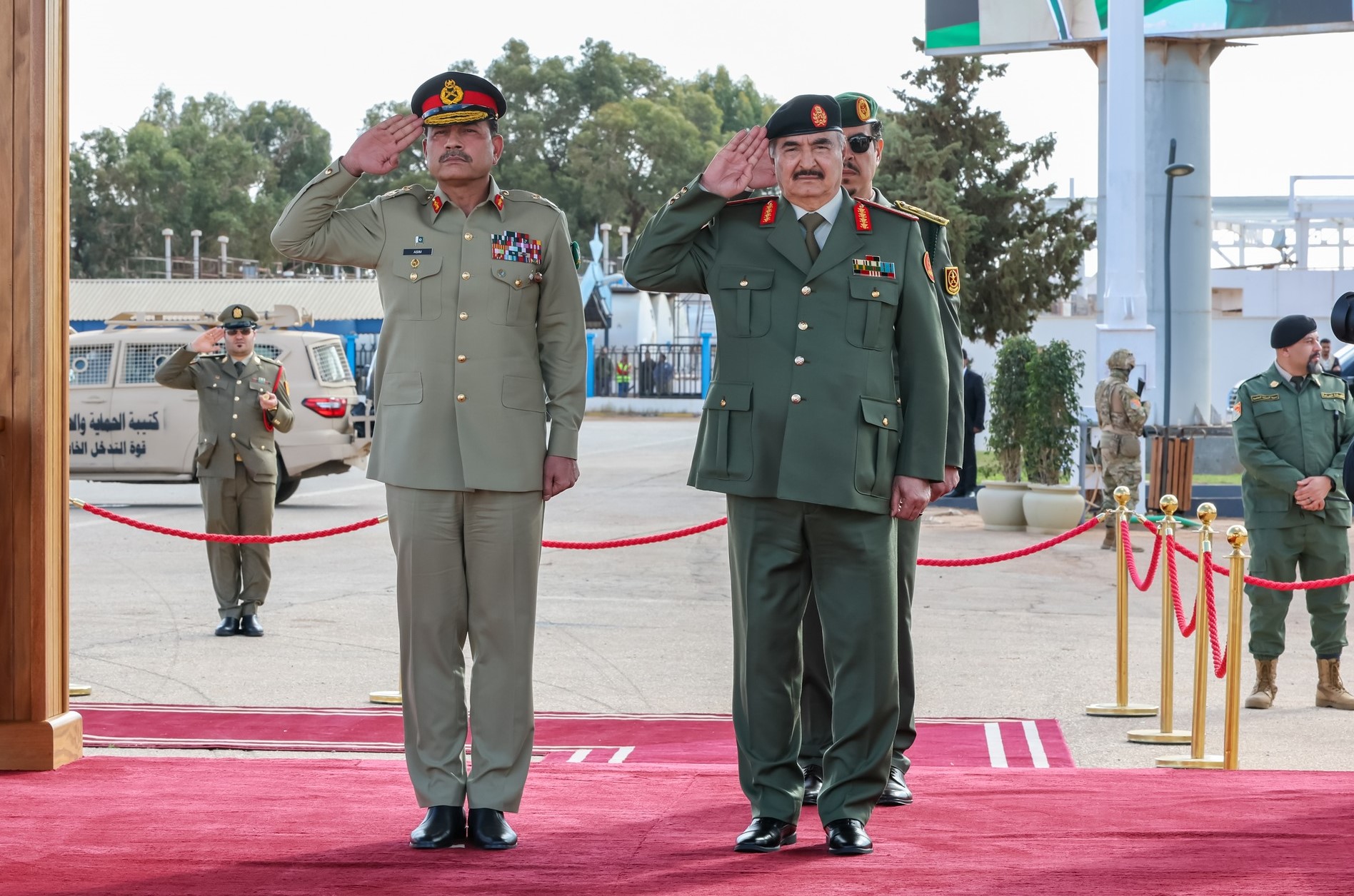
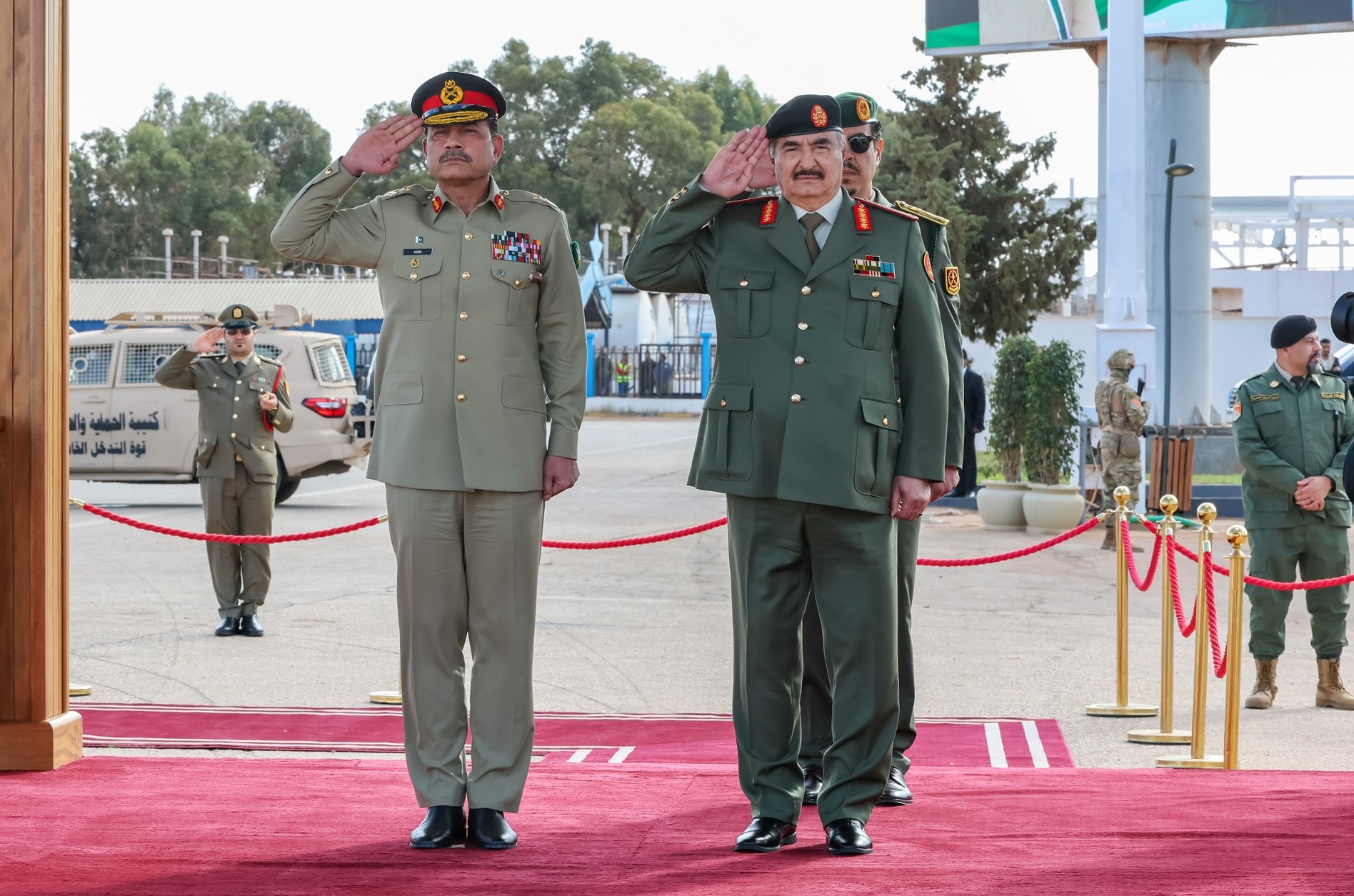
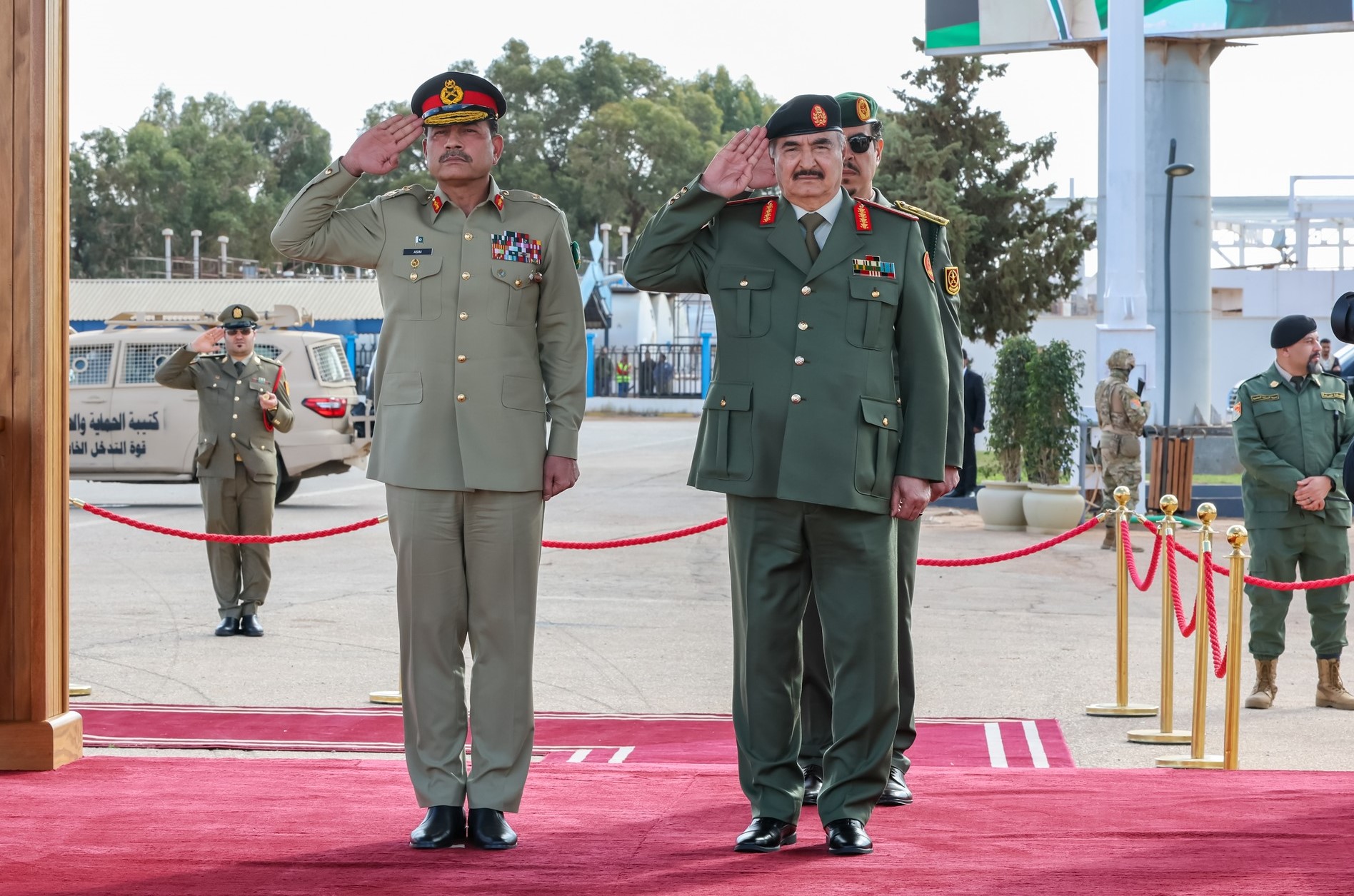
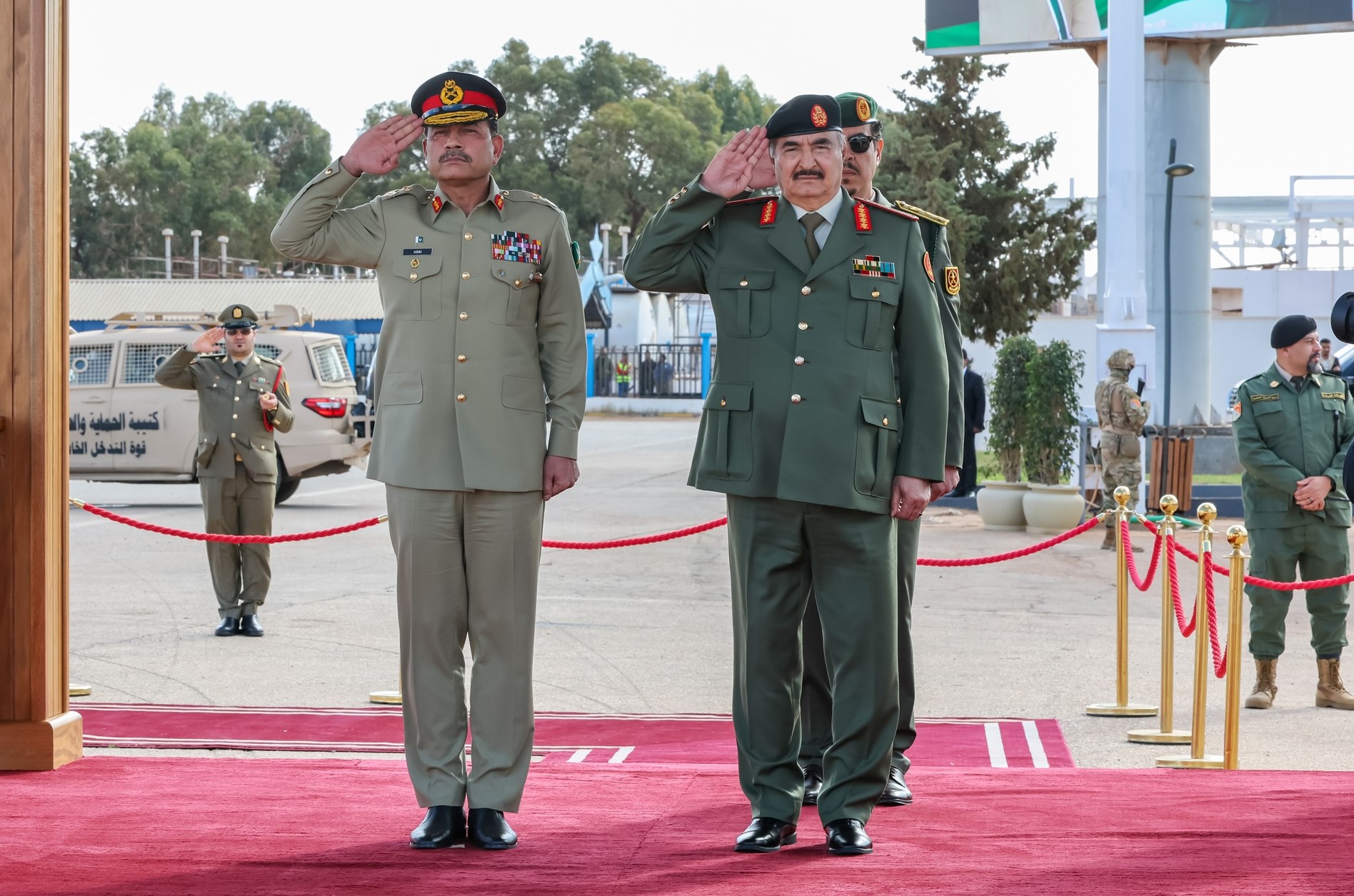
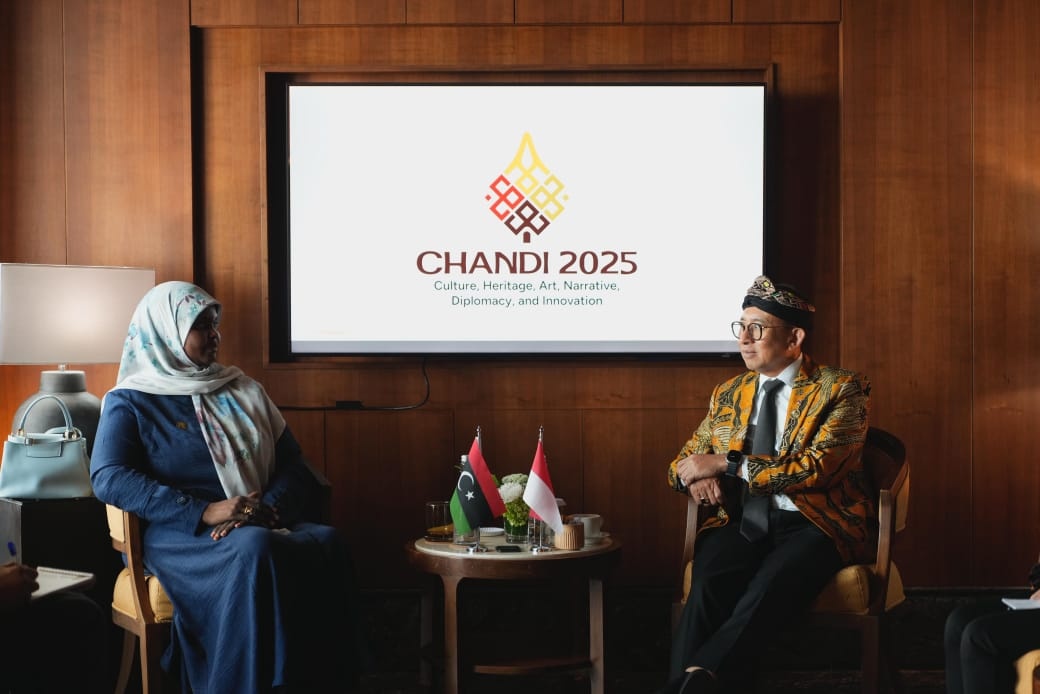
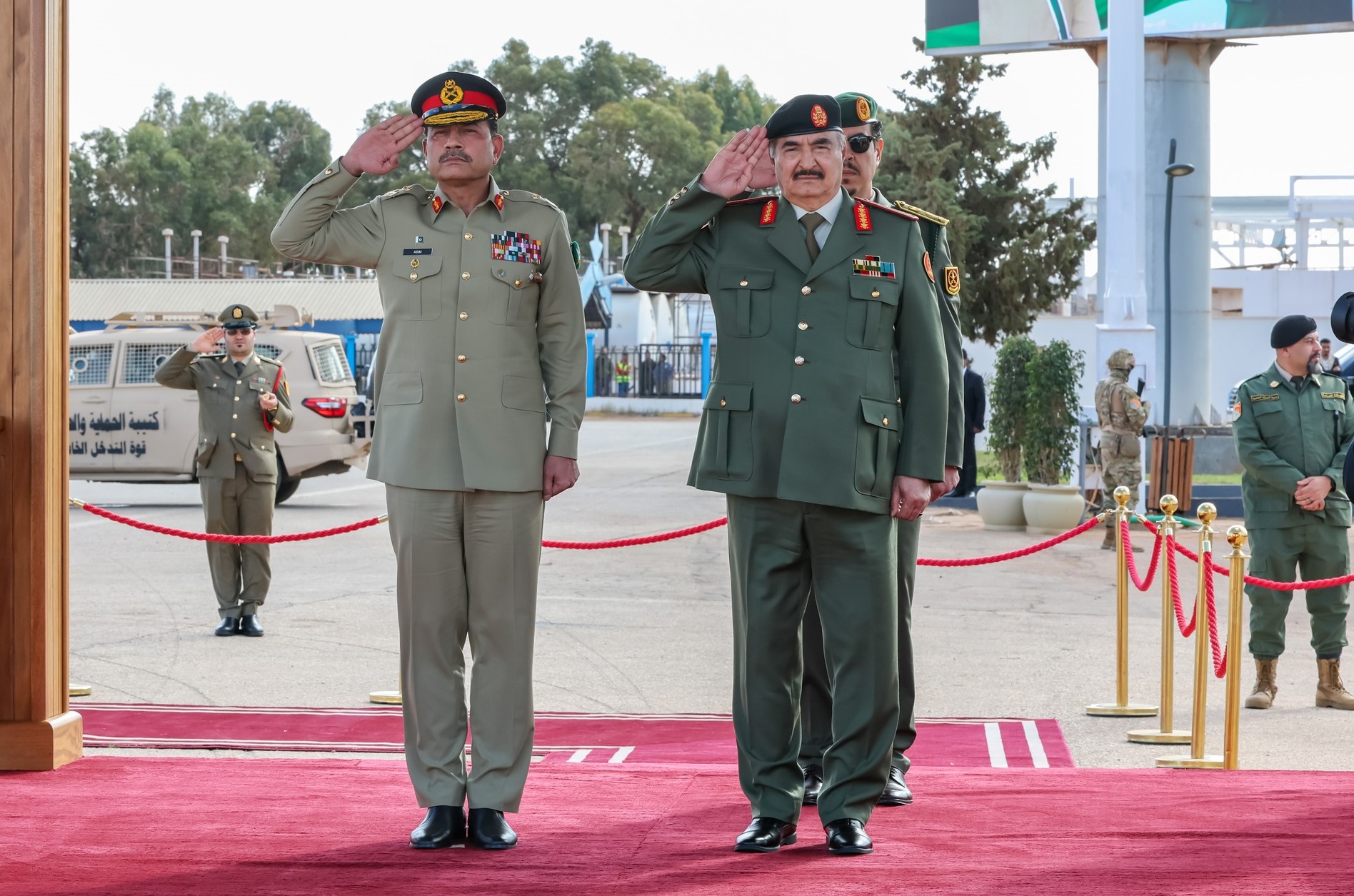
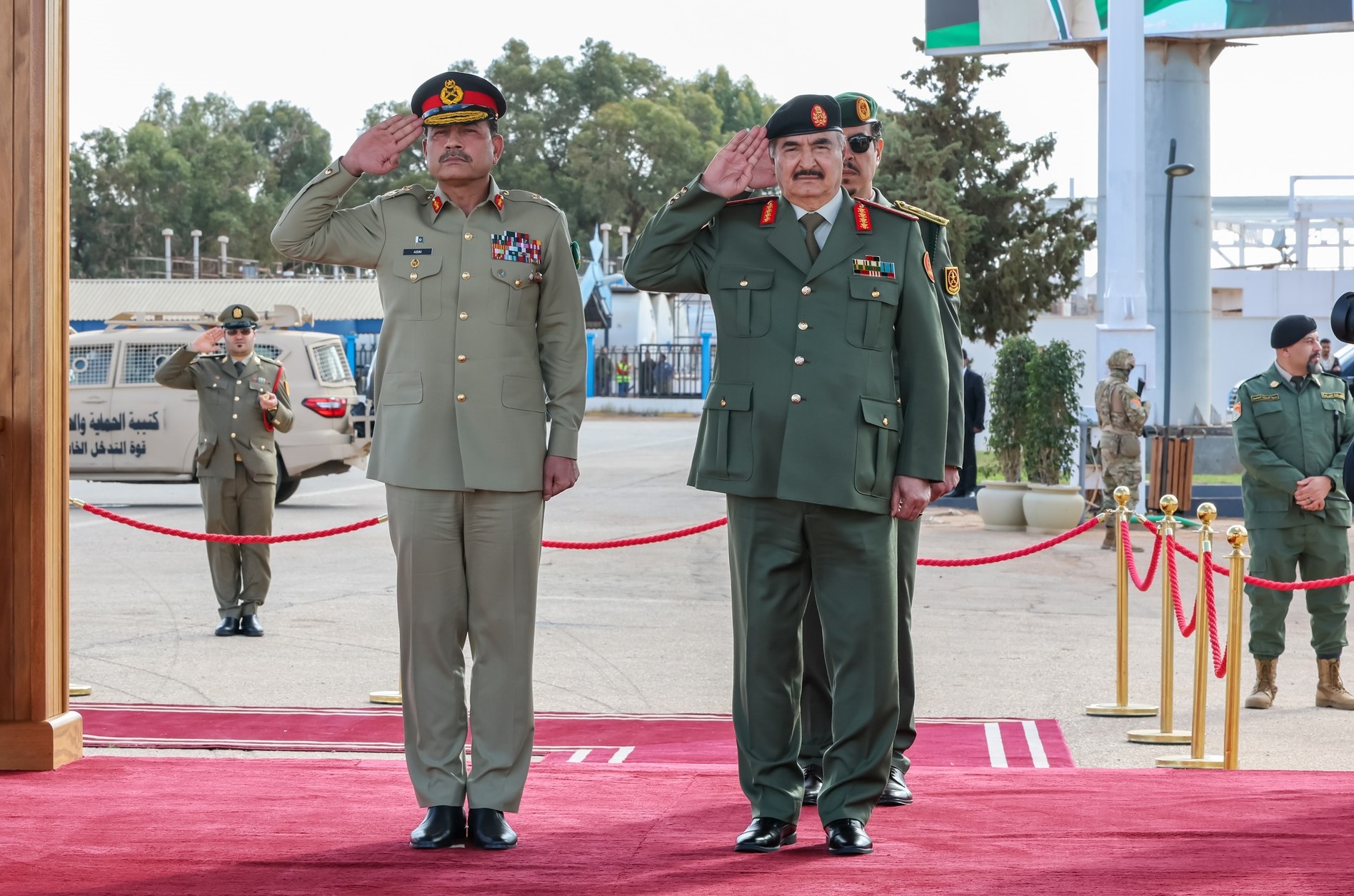
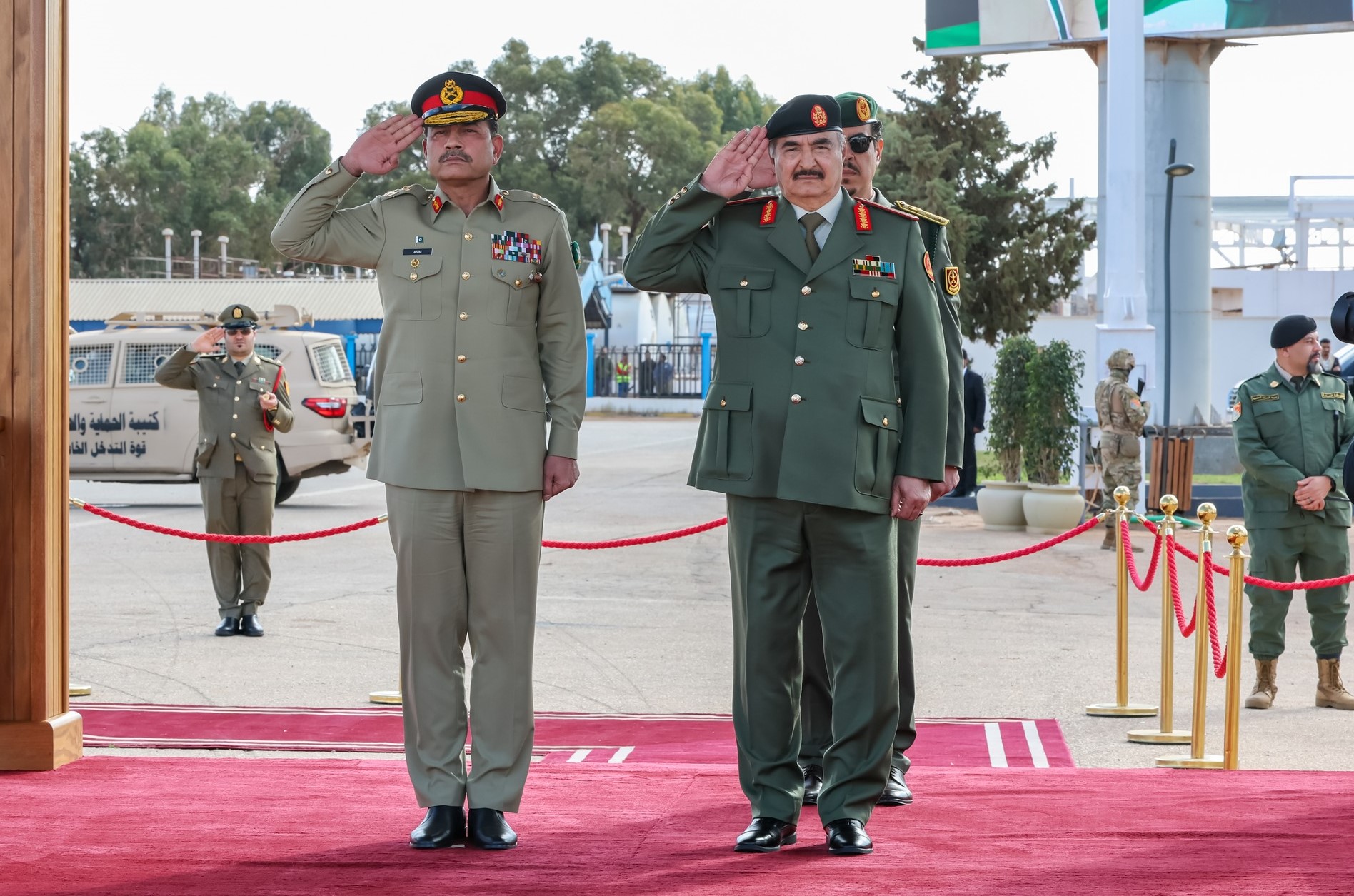
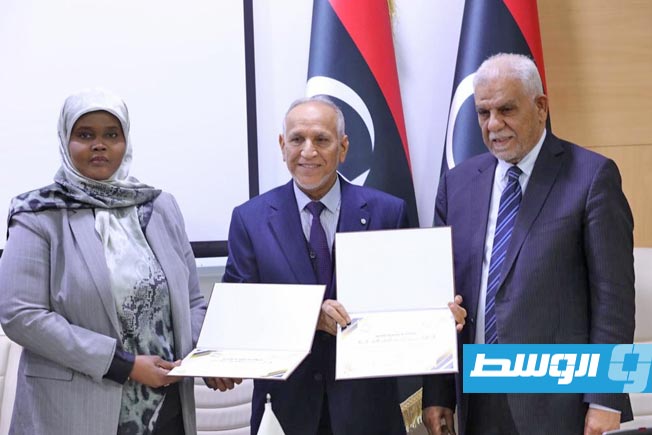
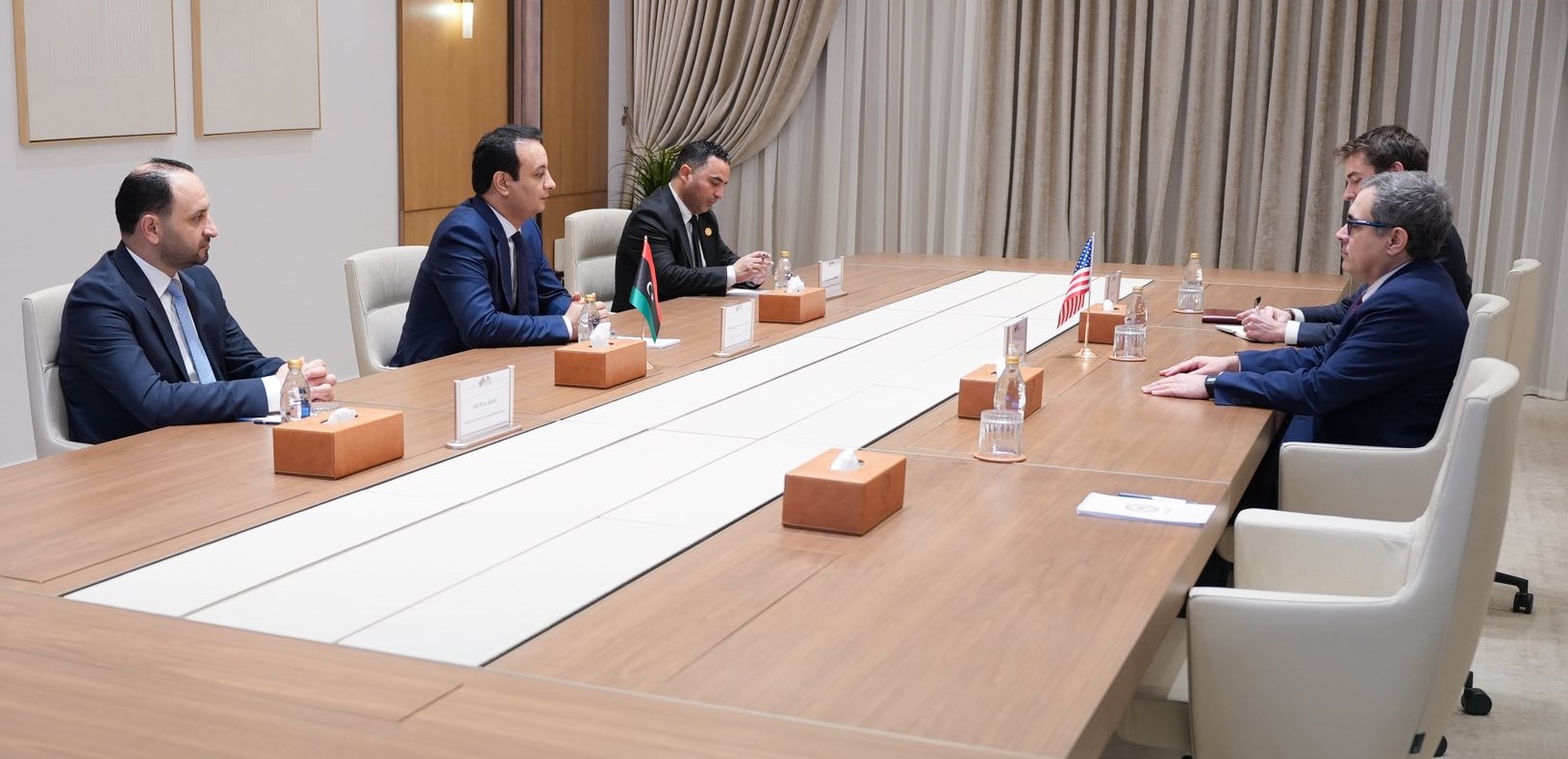
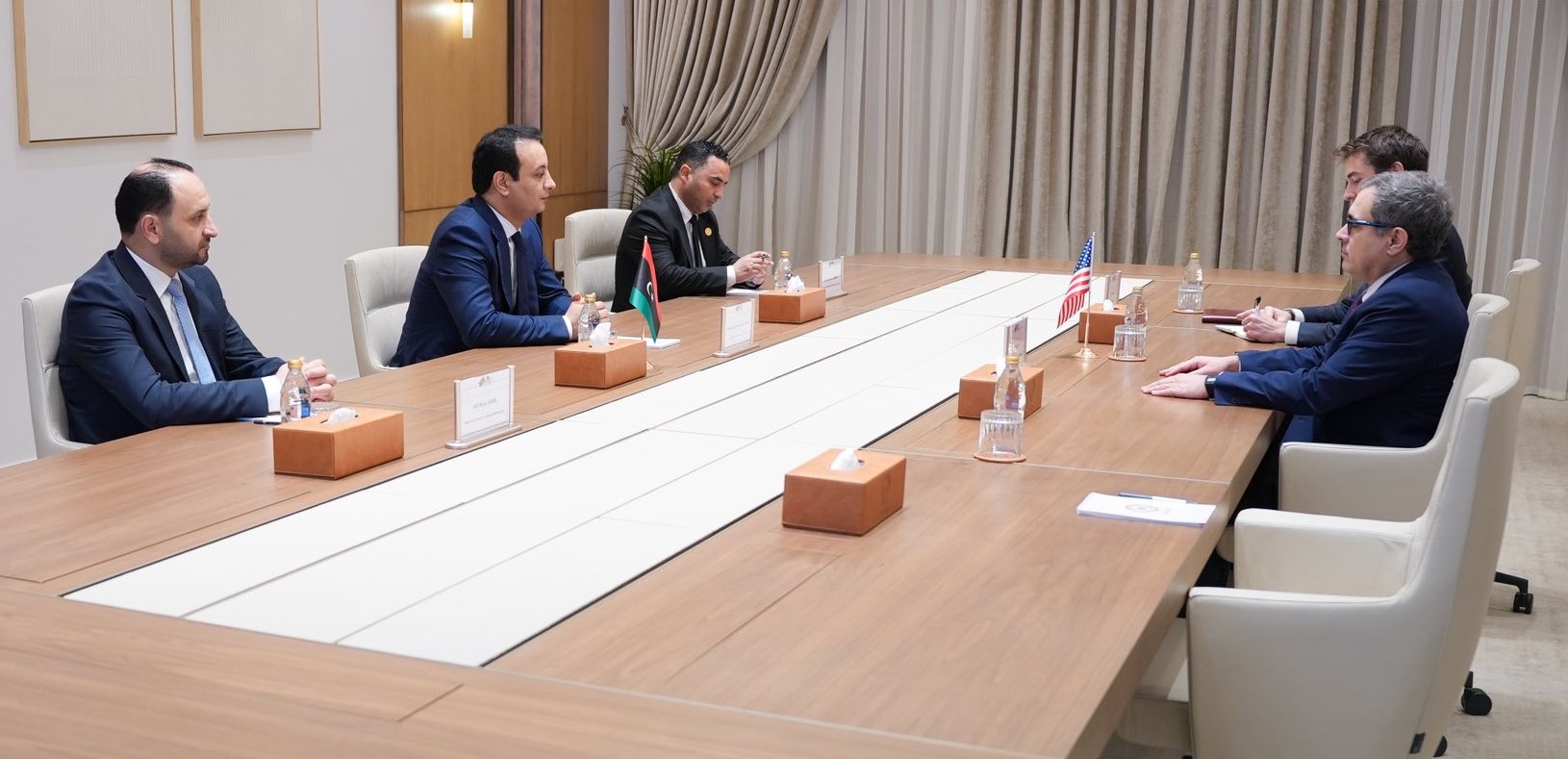
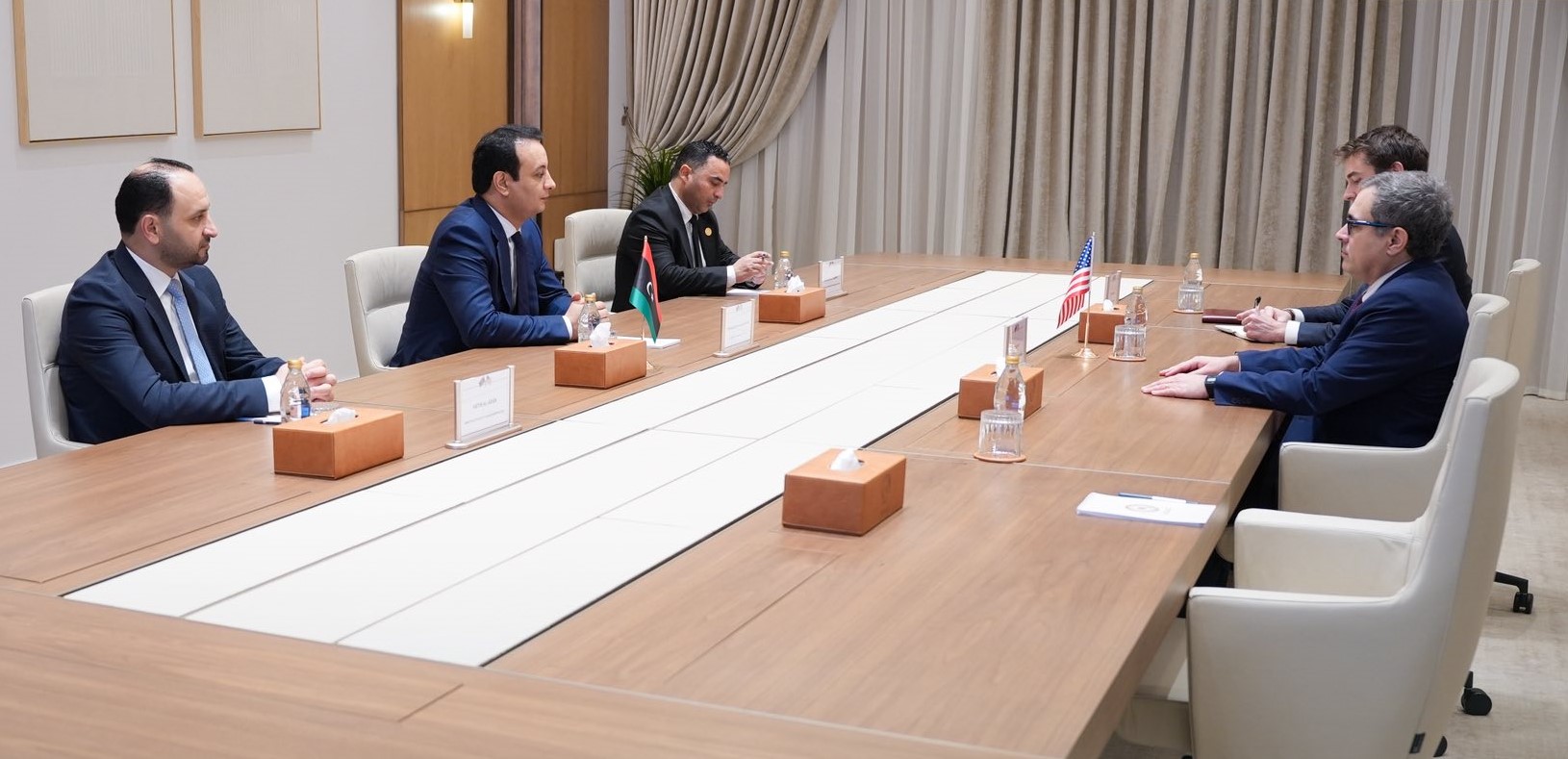
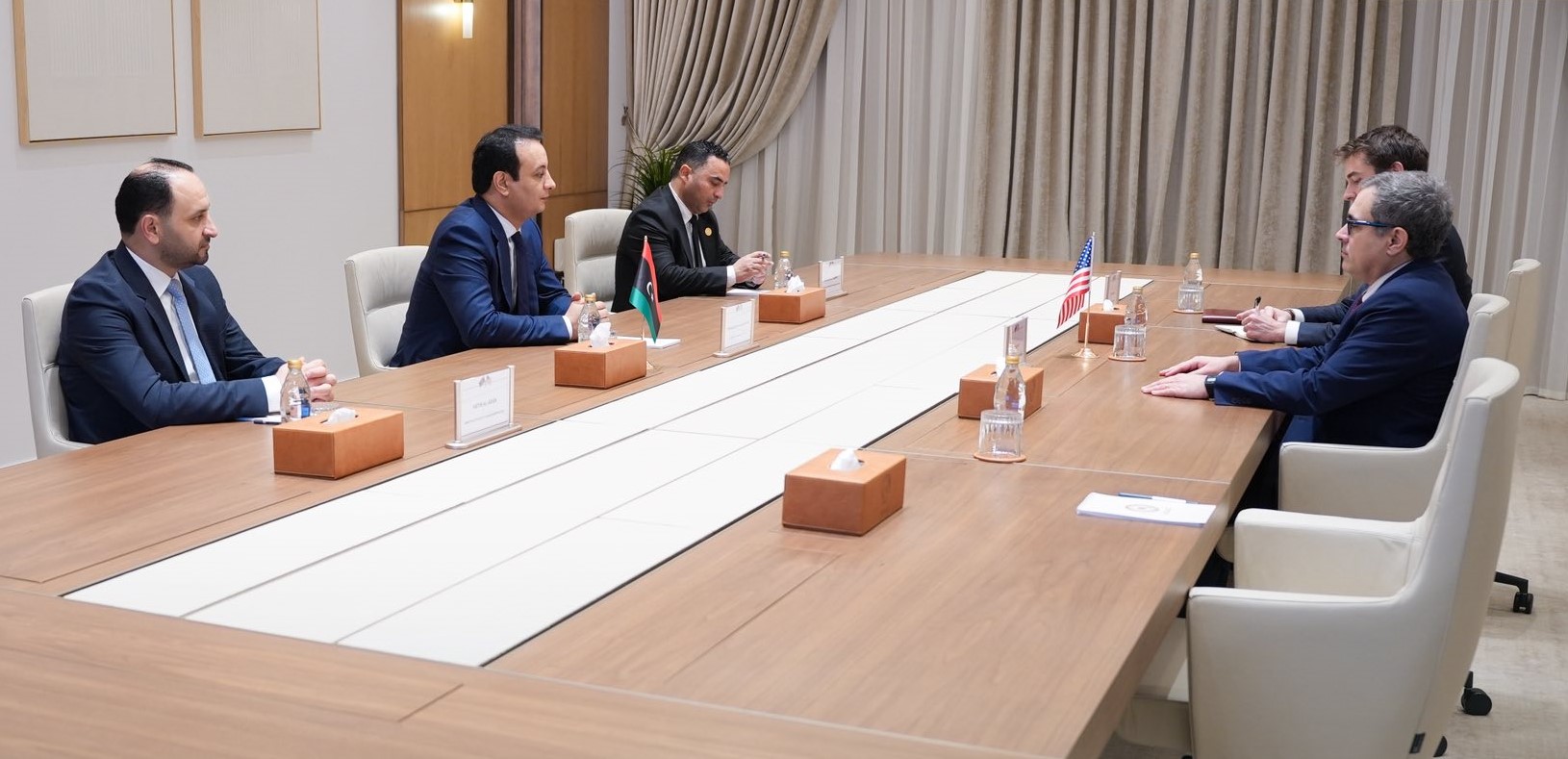
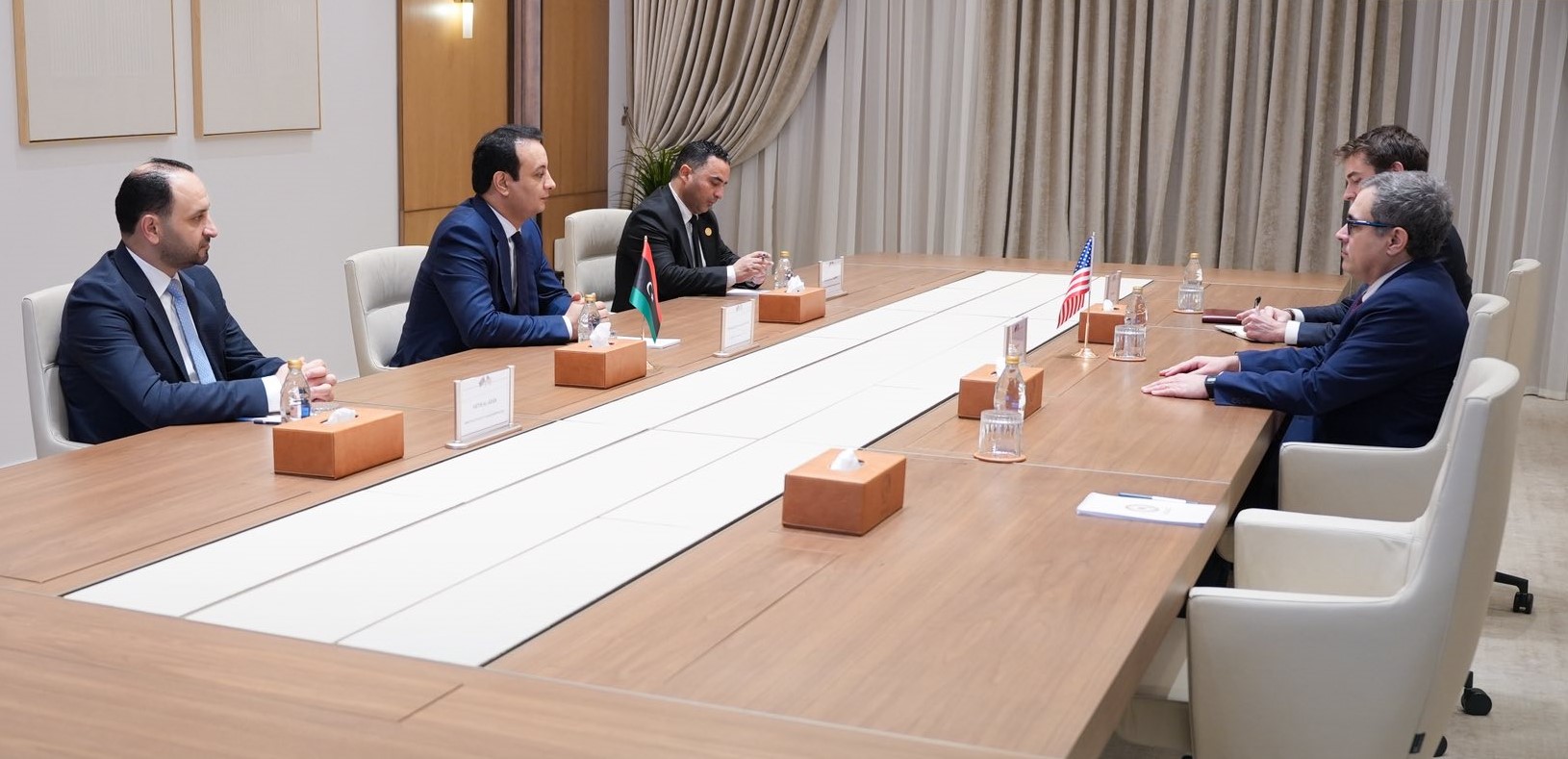
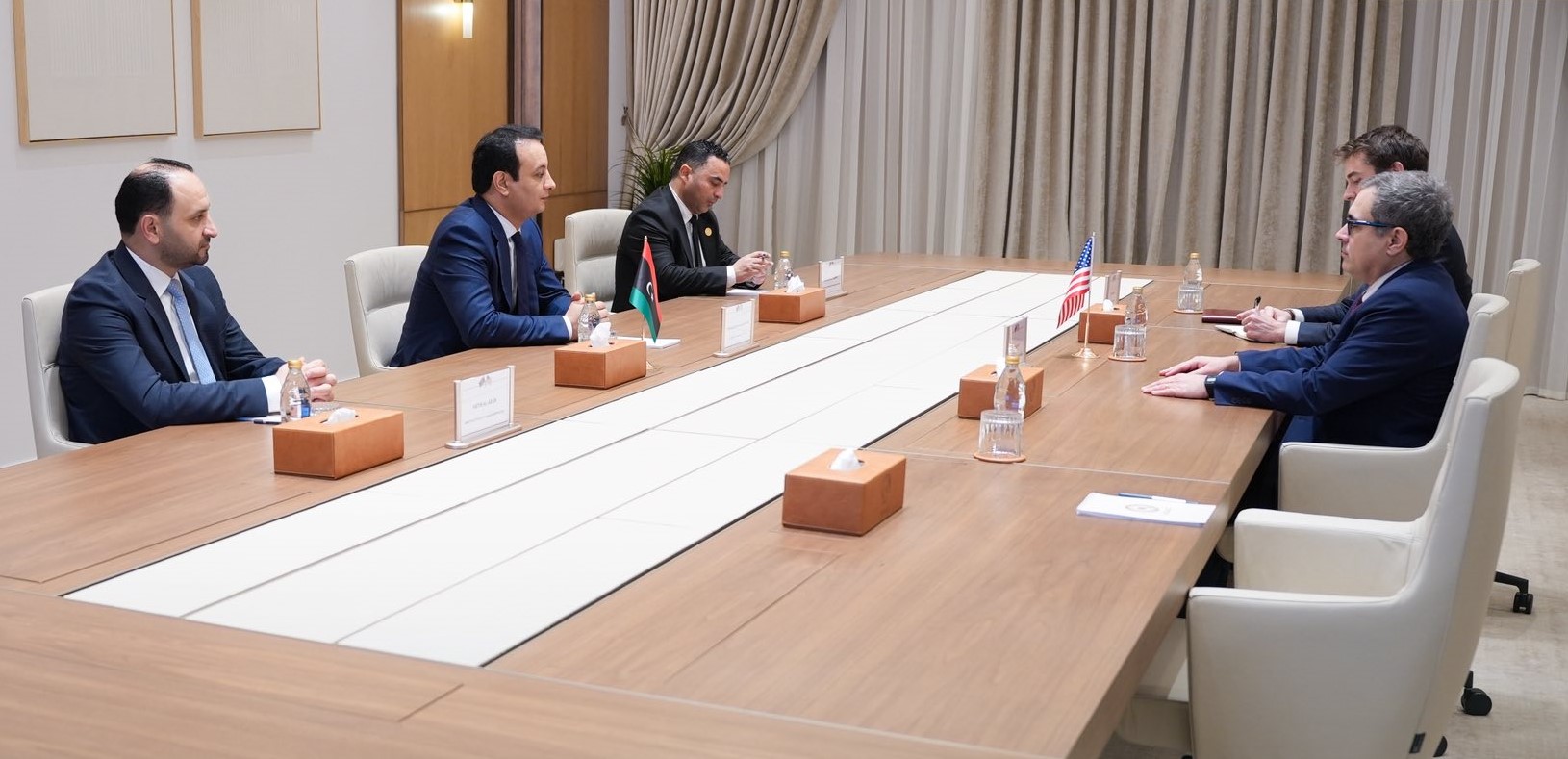
French Minister of Culture and Ivorian Minister of Culture during the signing ceremony for the transfer of ownership of the sacred drum ‘Djédjé Ayokwé’ to the Republic of Côte d’Ivoire, on February 20, 2026.
In an official ceremony held at the Quai Branly Museum in Paris this Friday, the French Minister of Culture signed the document transferring ownership of the sacred drum ‘Djédjé Ayokwé’ to the Republic of Côte d’Ivoire.
This drum, which is four meters long and weighs 430 kilograms, is a central symbol for the memory of the ‘Ebrié’ people. It was seized by colonial authorities in 1916 as a punitive measure before being transferred to France in 1929.
This return fulfills a commitment made by the French President in 2021 and was finalized by a parliamentary decision in 2025. This decision exceptionally allowed the removal of this artifact’s status as state property, bypassing the principle of the ‘inalienability’ of public collections.
The Ivorian Minister of Culture confirmed that the entire country is ready to welcome this cultural treasure, which left its people 110 years ago. The drum will hold a prominent place in the National Museum in Abidjan upon its scheduled arrival before next summer.
–
–
–
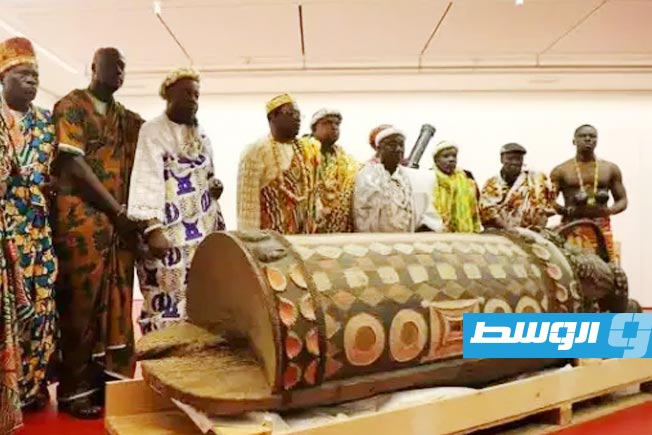
The ‘Djédjé Ayoké’ is more than just a musical instrument; it was a vital communication tool for transmitting ritual messages and warning villagers of forced recruitment during the colonial era.
‘Heritage Diplomacy’
Ivorian officials stated earlier last year that although expectations pointed to its return in 2023, legislative hurdles in the French parliament delayed the final handover until early 2026. This delay was to ensure all legal procedures permitting its permanent exit from French national collections were met.
Its recovery represents the first step on a list of 148 artworks that Côte d’Ivoire is seeking to reclaim. It also strengthens the ‘heritage diplomacy’ path initiated by France with the return of the ‘Abomey’ treasures to Benin and the sword of ‘El Hadj Omar’ to Senegal. This is part of a new French legislative trend to facilitate the exit of colonial-era properties from national collections.
Ivorian officials stand before the ‘Sacred Drum’ after its restoration in Paris, during a ceremony hosted by the Quai Branly Museum in November 2022.
France
France is a Western European country with a rich cultural and historical legacy, dating from ancient Gaul through the rise of the Frankish Empire and its pivotal role in events like the French Revolution. It is globally renowned for its influential art, philosophy, cuisine, and landmarks such as the Eiffel Tower and the Palace of Versailles.
Côte d’Ivoire
Côte d’Ivoire, also known as Ivory Coast, is a West African nation with a rich history as a pre-colonial kingdom and a major hub of the French colonial trade in ivory and slaves. It gained independence from France in 1960 and is renowned for its cultural diversity, exemplified by traditional arts like wooden mask carving and the Goli festival. Today, it is the world’s largest producer of cocoa and a significant economic power in the region.
Djédjé Ayokwé
Djédjé Ayokwé is a sacred forest located in southern Benin, traditionally revered by the local Adja people as a spiritual sanctuary. It is historically significant as a place of worship and rituals, believed to be protected by deities and ancestors. The site represents an important part of the region’s indigenous religious heritage and cultural identity.
Quai Branly Museum
The Quai Branly Museum in Paris, France, opened in 2006 and is dedicated to the indigenous art and cultures of Africa, Asia, Oceania, and the Americas. Its collection, assembled from former French museums, is housed in a distinctive building designed by architect Jean Nouvel.
Paris
Paris is the capital of France, historically founded as the Roman town of Lutetia in the 3rd century BC. It is globally renowned as a center for art, fashion, and culture, home to iconic landmarks like the Eiffel Tower, the Louvre Museum, and Notre-Dame Cathedral.
Ebrié
The Ebrié are an ethnic group primarily located in southern Ivory Coast, historically known as the “people of the water” for their settlements along the Ébrié Lagoon. Their society developed with a strong fishing and trading culture, and they are particularly known for their traditional wooden sacred masks used in religious and initiation ceremonies.
National Museum
The National Museum is a major institution dedicated to preserving and showcasing a nation’s cultural heritage and history, often through extensive collections of art, artifacts, and historical objects. Its history typically begins with its founding, often in the 19th or early 20th century, to consolidate national treasures and promote public education. These museums serve as central repositories of a country’s identity, documenting its journey from ancient civilizations to the modern era.
Abidjan
Abidjan is the economic capital and largest city of Côte d’Ivoire, originally established as a colonial railway terminus in the early 20th century. It grew rapidly after the construction of the Vridi Canal in 1950, which connected its lagoon to the Atlantic Ocean and transformed it into a major West African port city. Known for its striking modern skyline, including the iconic St. Paul’s Cathedral, it remains a vital commercial and cultural hub.
Djédjé Ayoké
Djédjé Ayoké is a sacred forest and cultural site located in the Mé region of southern Benin, traditionally revered by the local Aja and Fon peoples. It holds historical significance as a place of worship and spiritual rituals, deeply connected to the veneration of deities and ancestral spirits within the Vodun religion. The forest serves as a vital repository of indigenous biodiversity and cultural heritage, preserving centuries-old traditions and ecological knowledge.
Abomey
Abomey is a city in southern Benin that served as the capital of the historic Dahomey Kingdom from the 17th to the 19th centuries. It is renowned for its Royal Palaces, a UNESCO World Heritage site, which were built by successive kings and contain bas-reliefs documenting the kingdom’s history and power.
Benin
Benin refers to both a modern West African country and the historic Kingdom of Benin, which was a major pre-colonial power centered in what is now southern Nigeria. The kingdom, renowned for its sophisticated art, especially bronze and ivory sculptures, flourished from the 13th to the 19th century before being annexed by the British Empire in 1897. The modern Republic of Benin, formerly known as Dahomey, gained independence from France in 1960.
El Hadj Omar
El Hadj Omar is a town in northeastern Mali named after the 19th-century West African Islamic scholar and military leader El Hadj Umar Tall. It serves as a local administrative center and is situated in a historically significant region associated with the Toucouleur Empire founded by Umar Tall during his jihad in the 1800s.
Senegal
Senegal is a West African nation with a rich history shaped by powerful pre-colonial empires, French colonization, and its role as a major hub in the transatlantic slave trade. It gained independence in 1960 and is known for its cultural heritage, including the UNESCO-listed Island of Gorée and the vibrant city of Dakar. The country is celebrated for its tradition of “Teranga” (hospitality), its influential music and arts scene, and its stable democracy in the region.