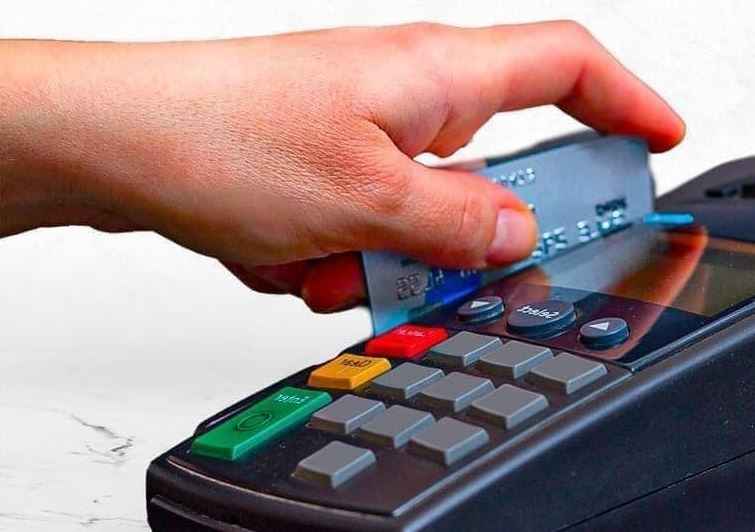
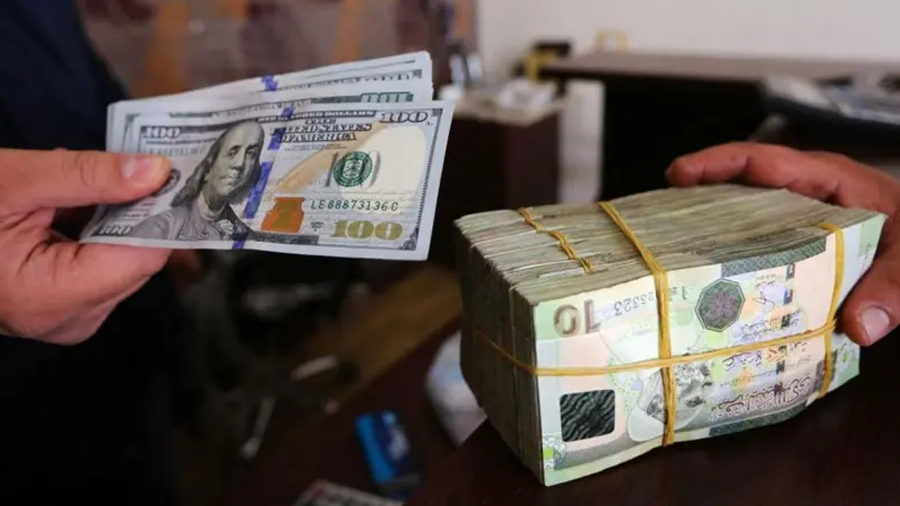
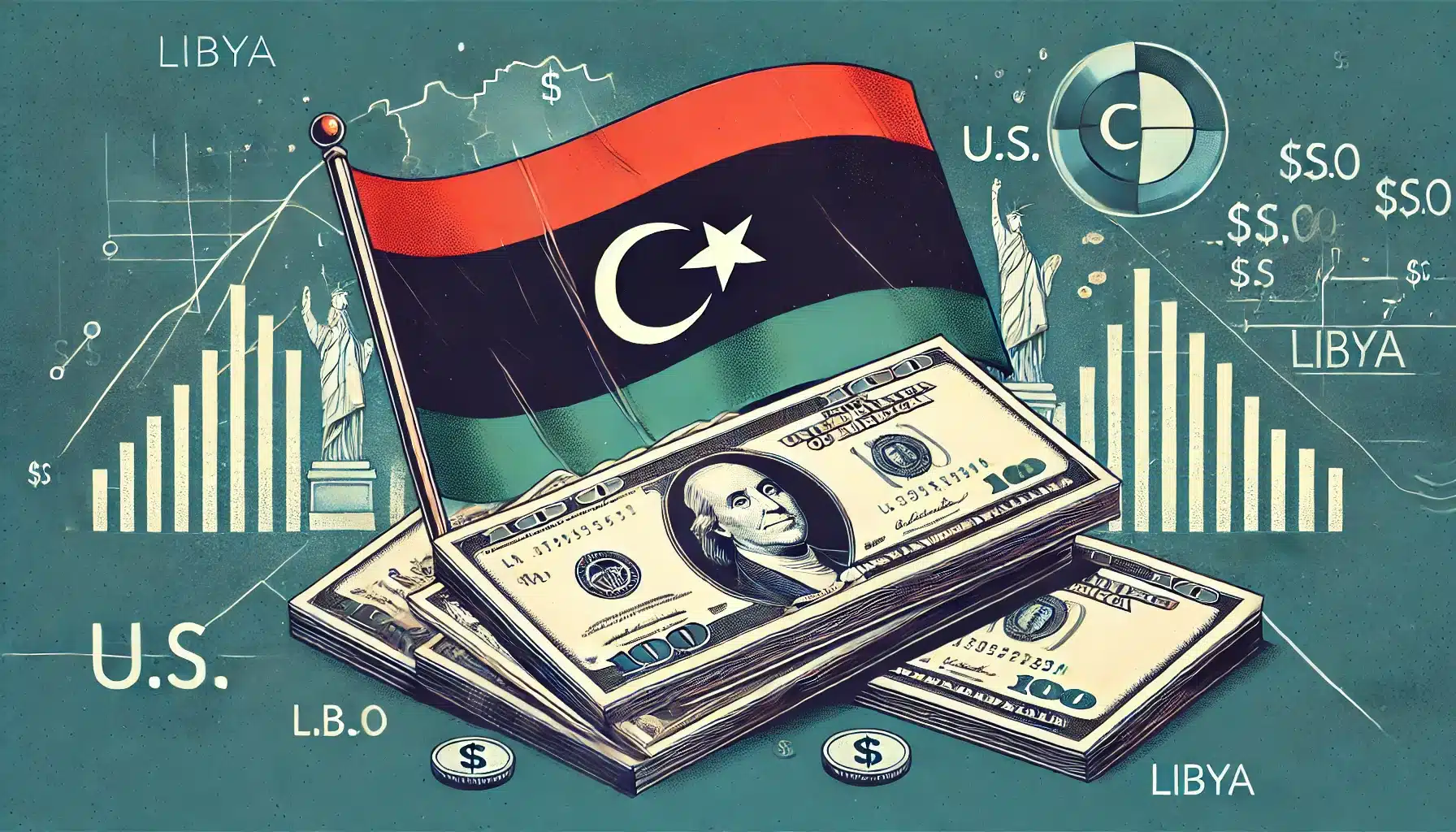
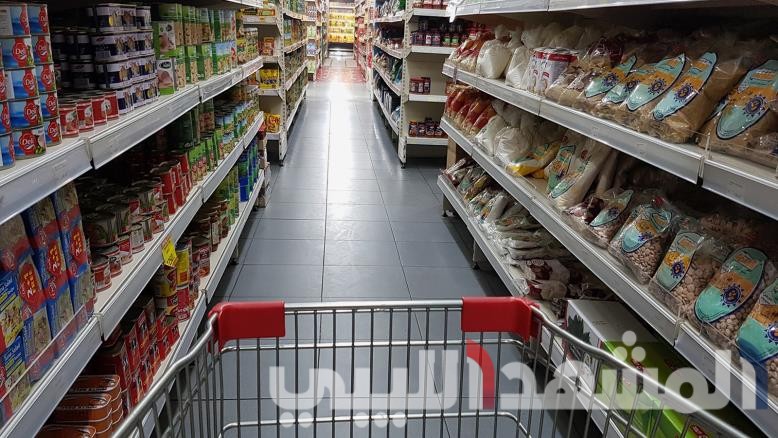
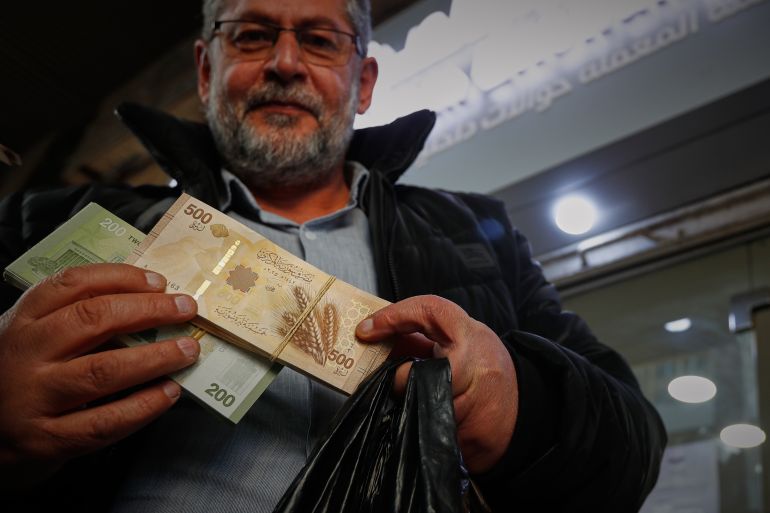
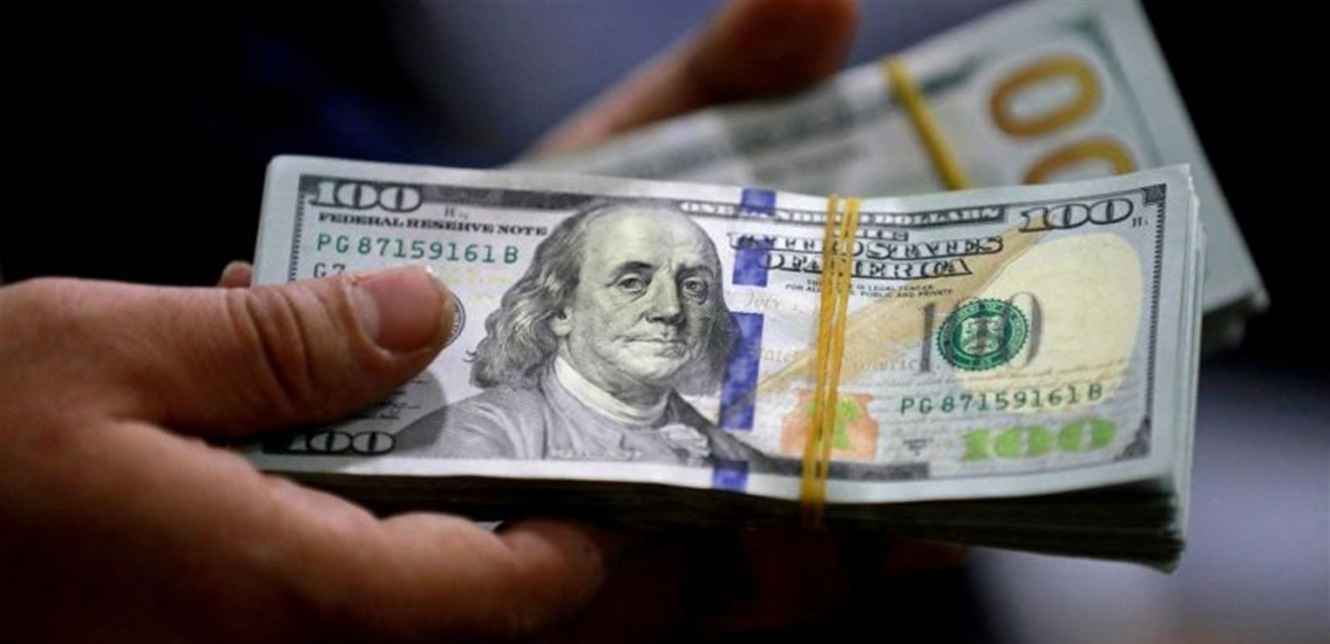
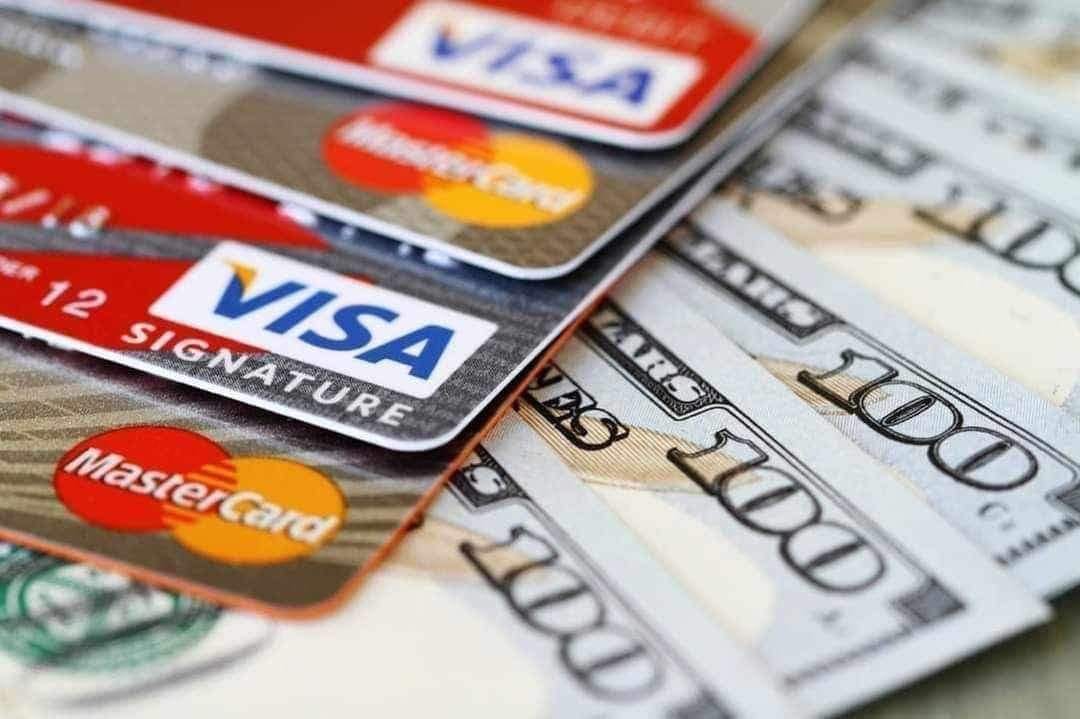
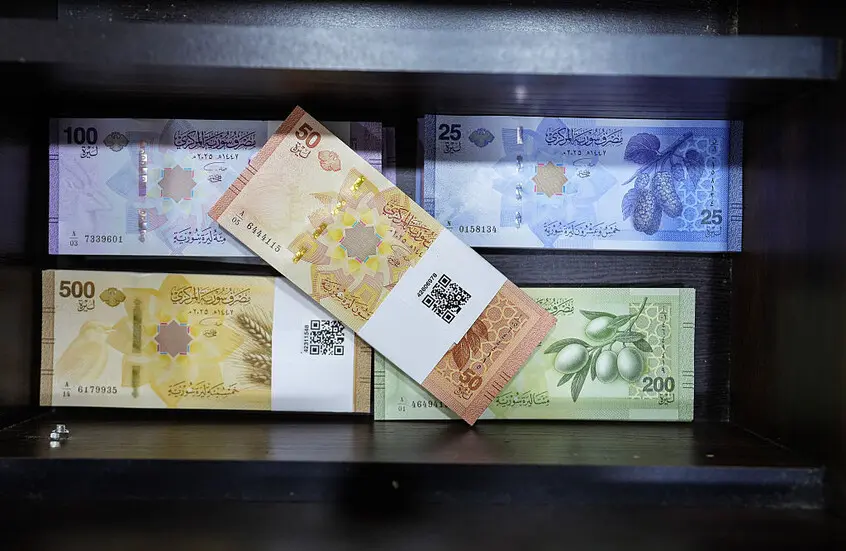
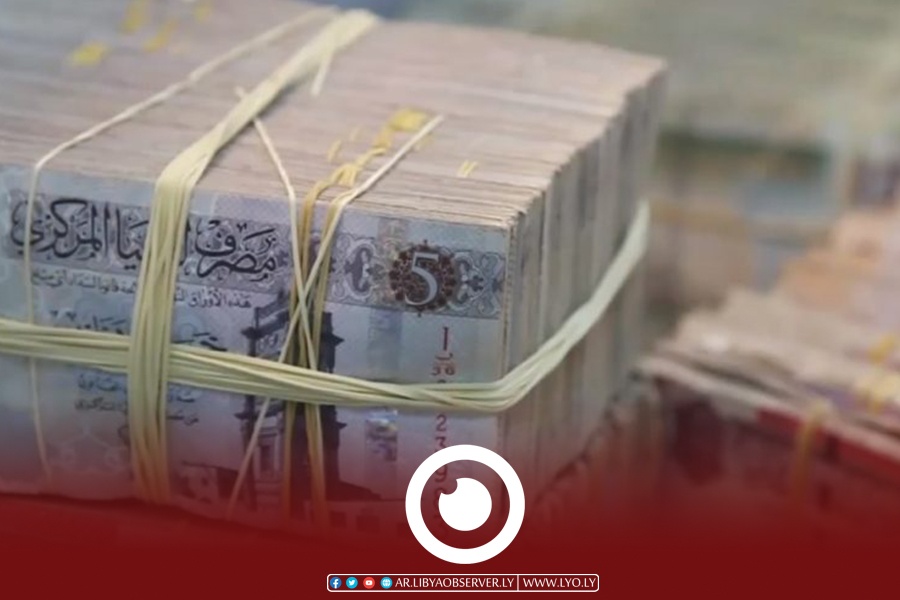
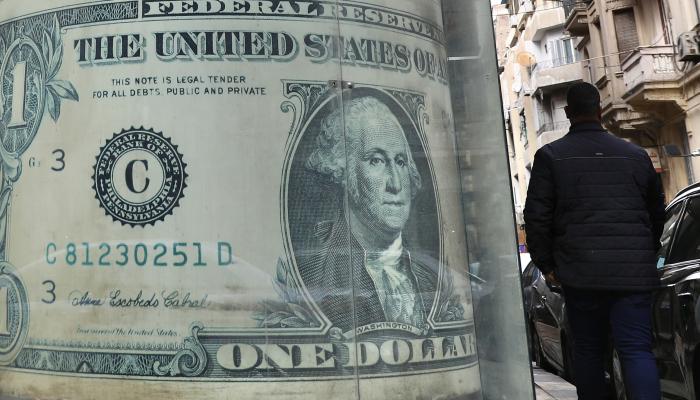
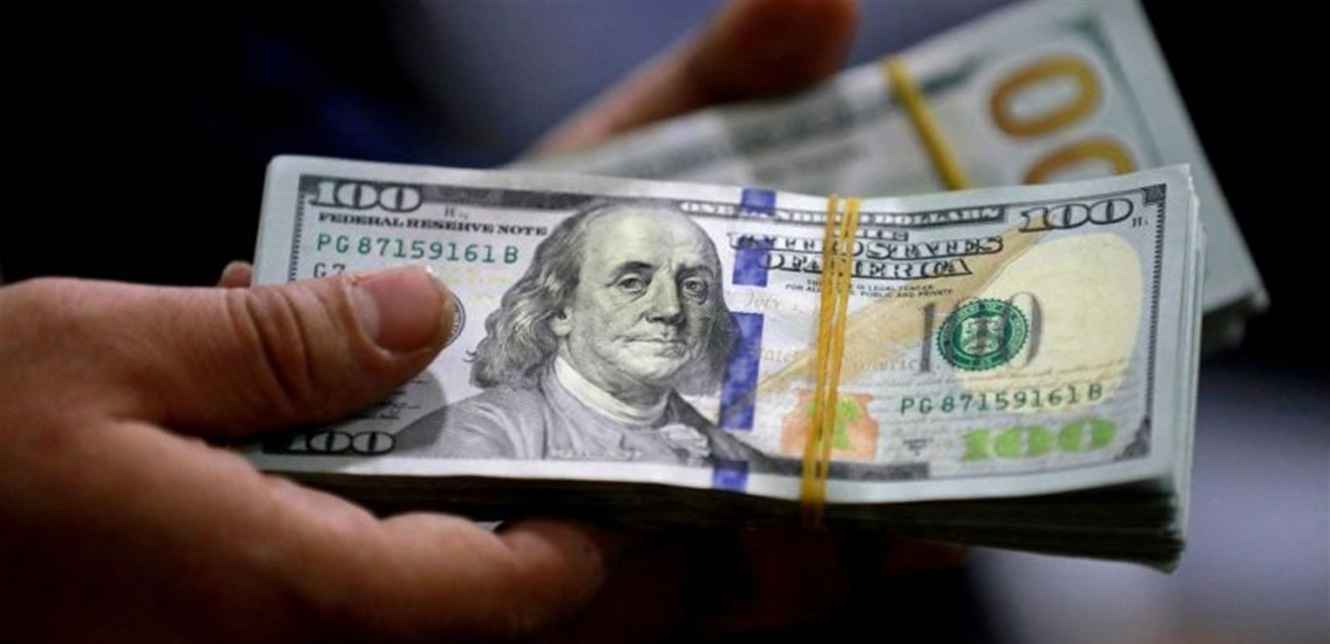
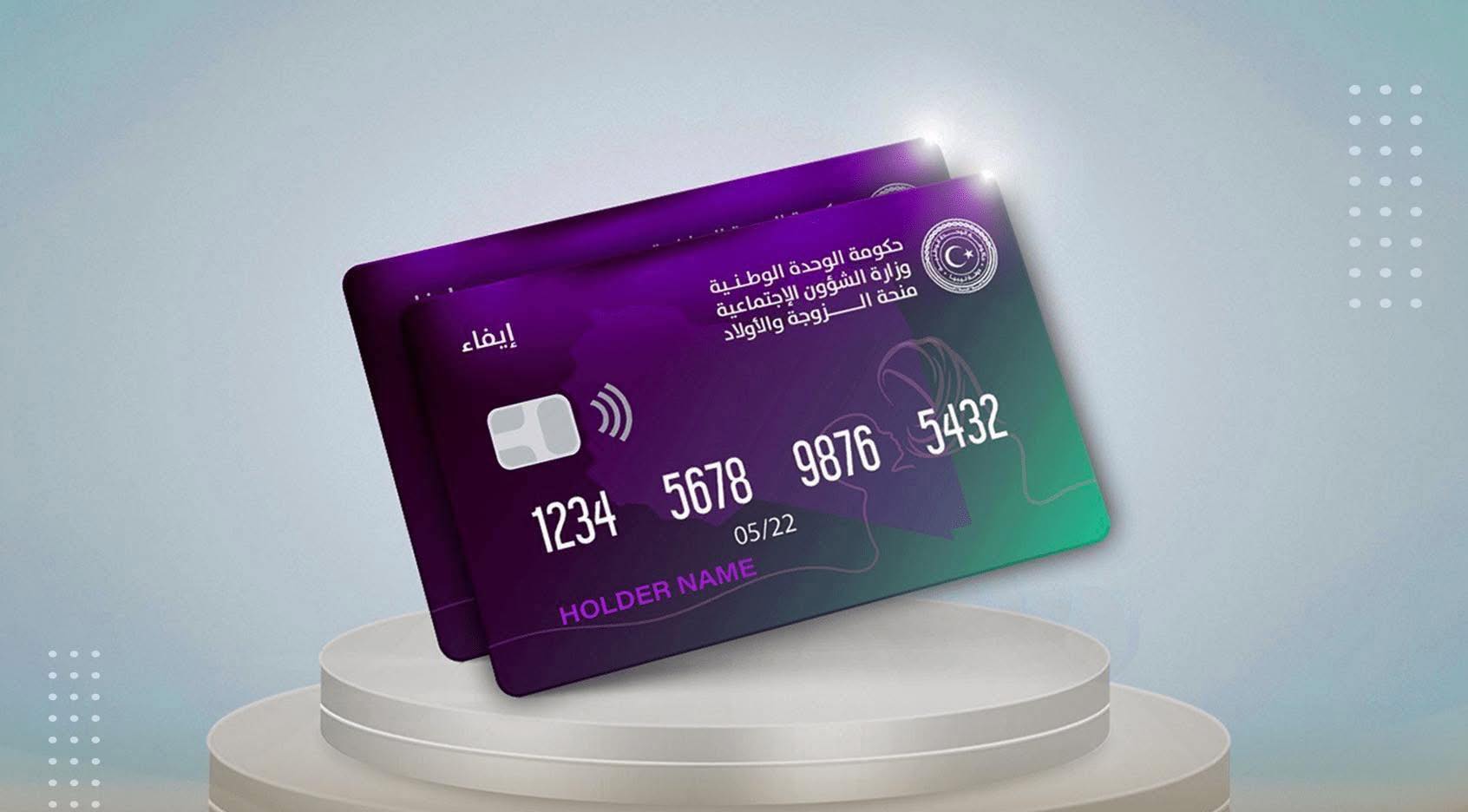
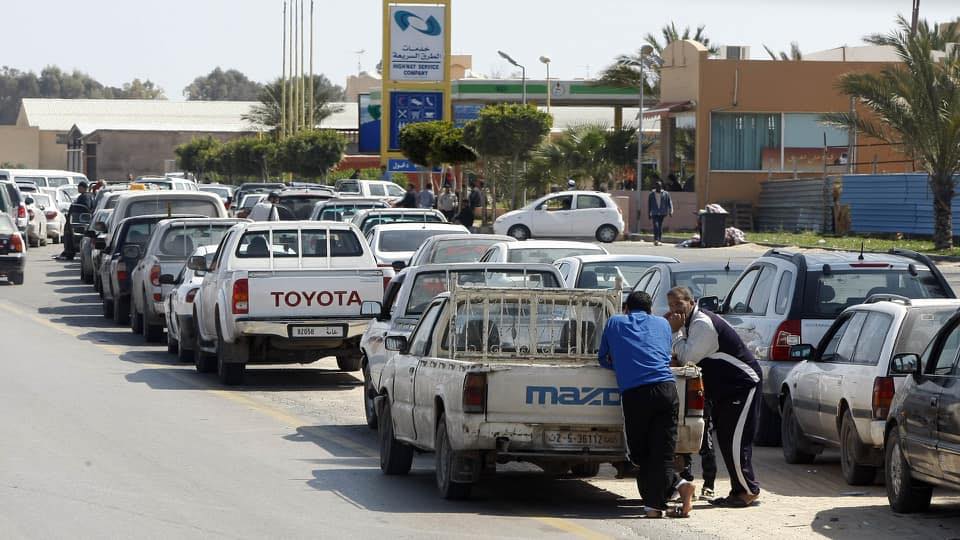
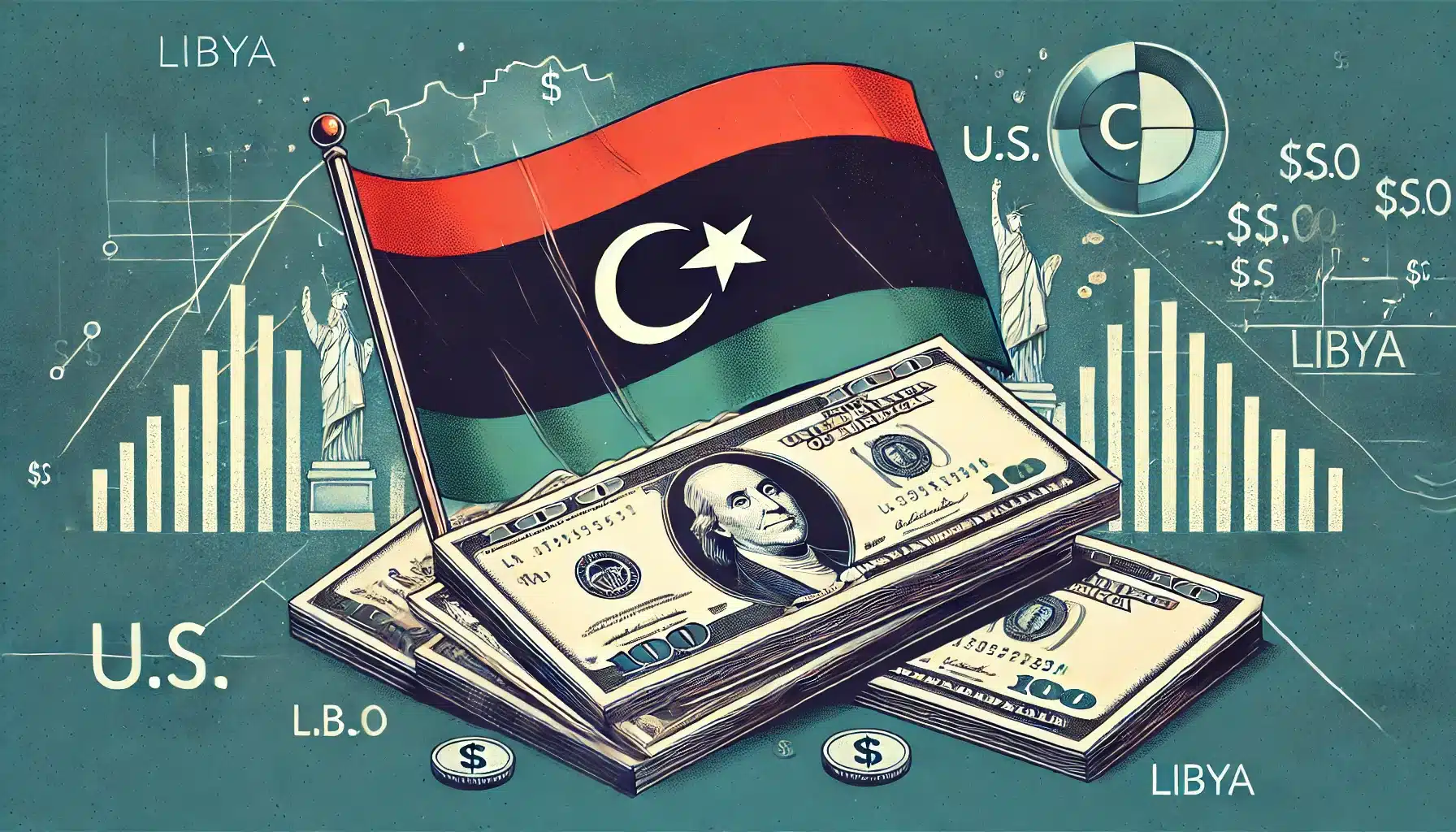
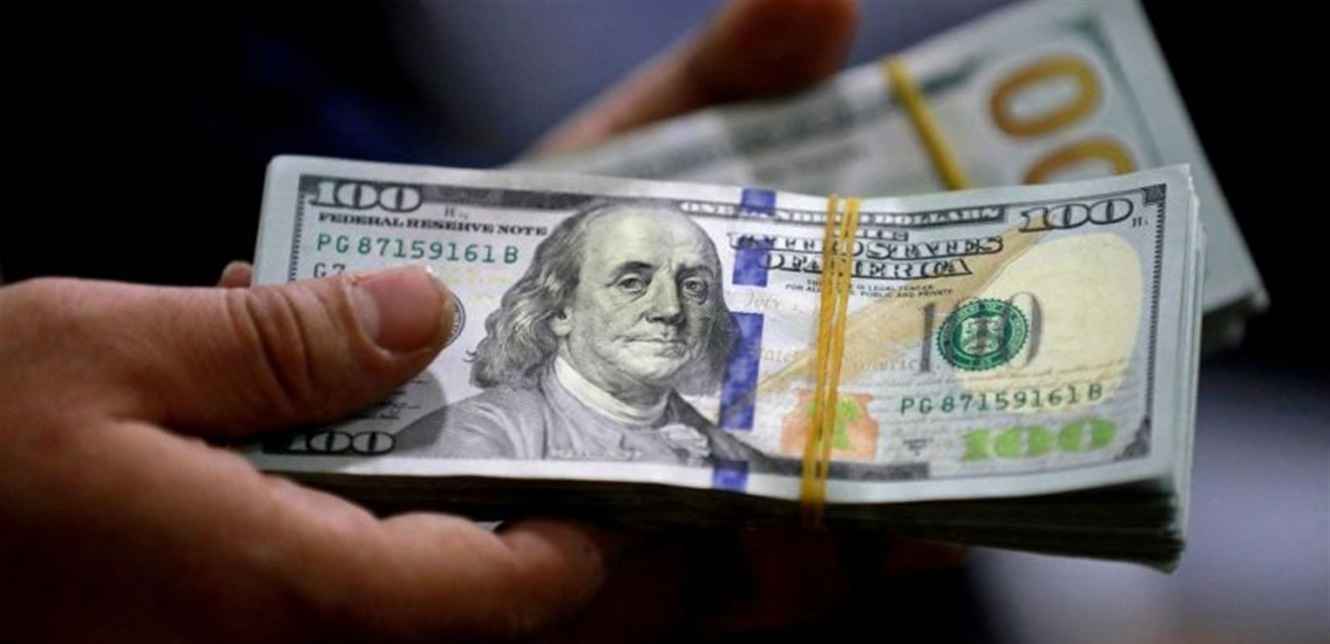
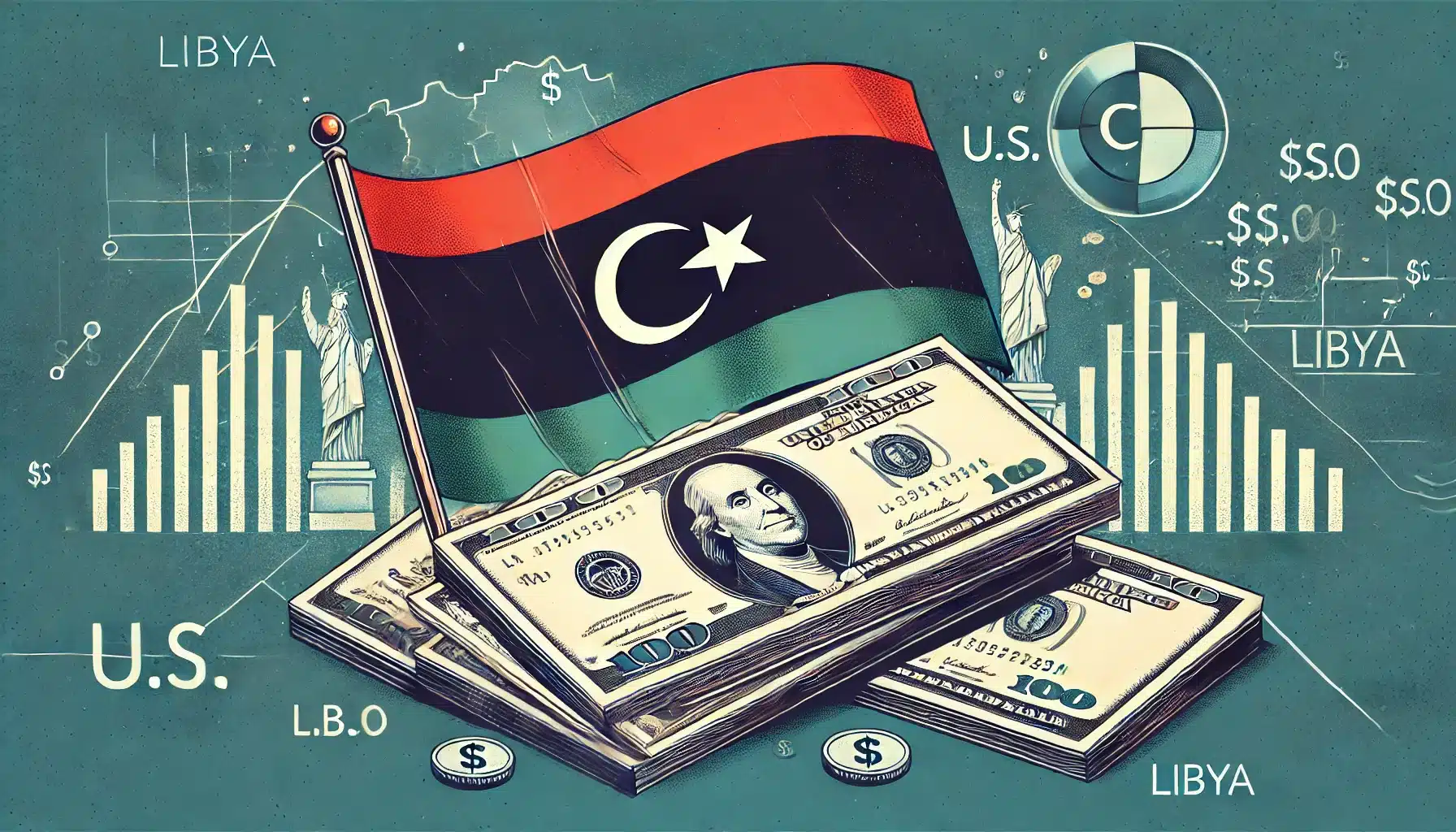
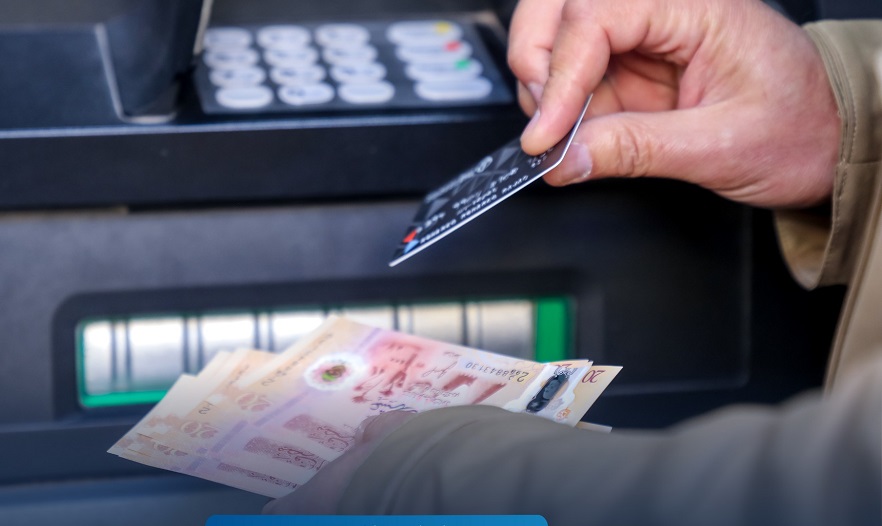
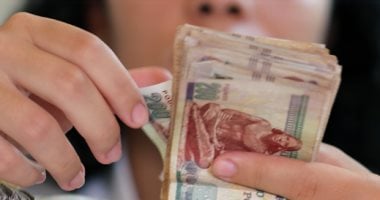
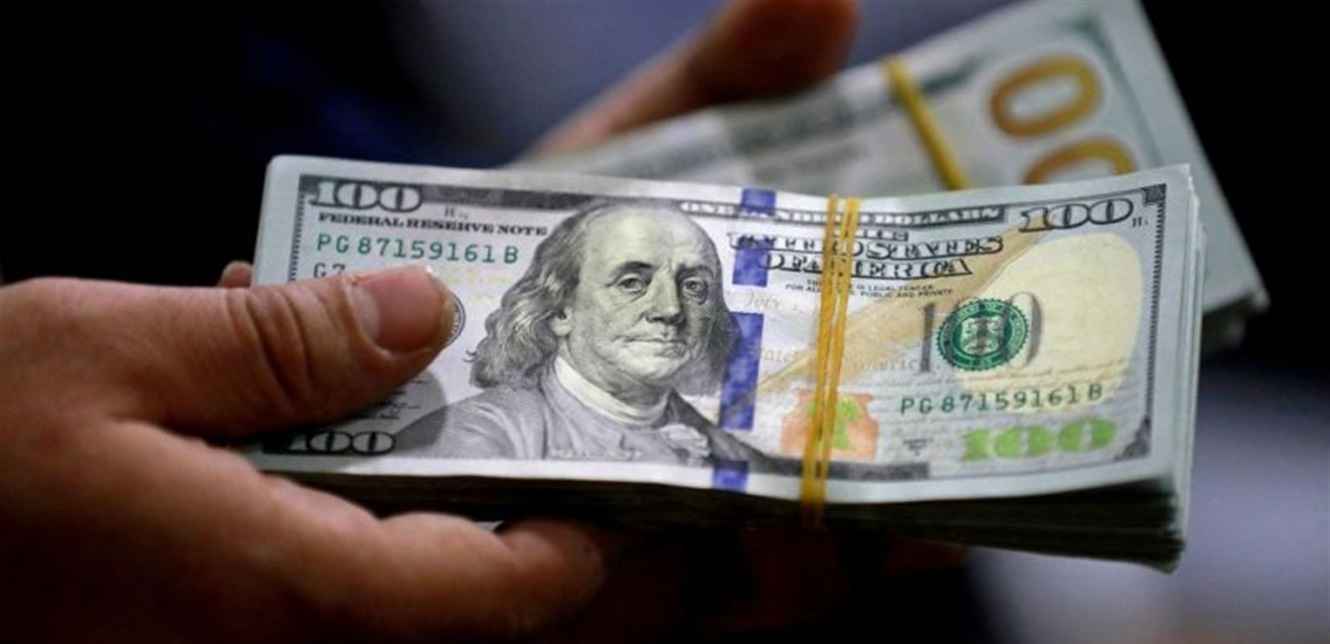
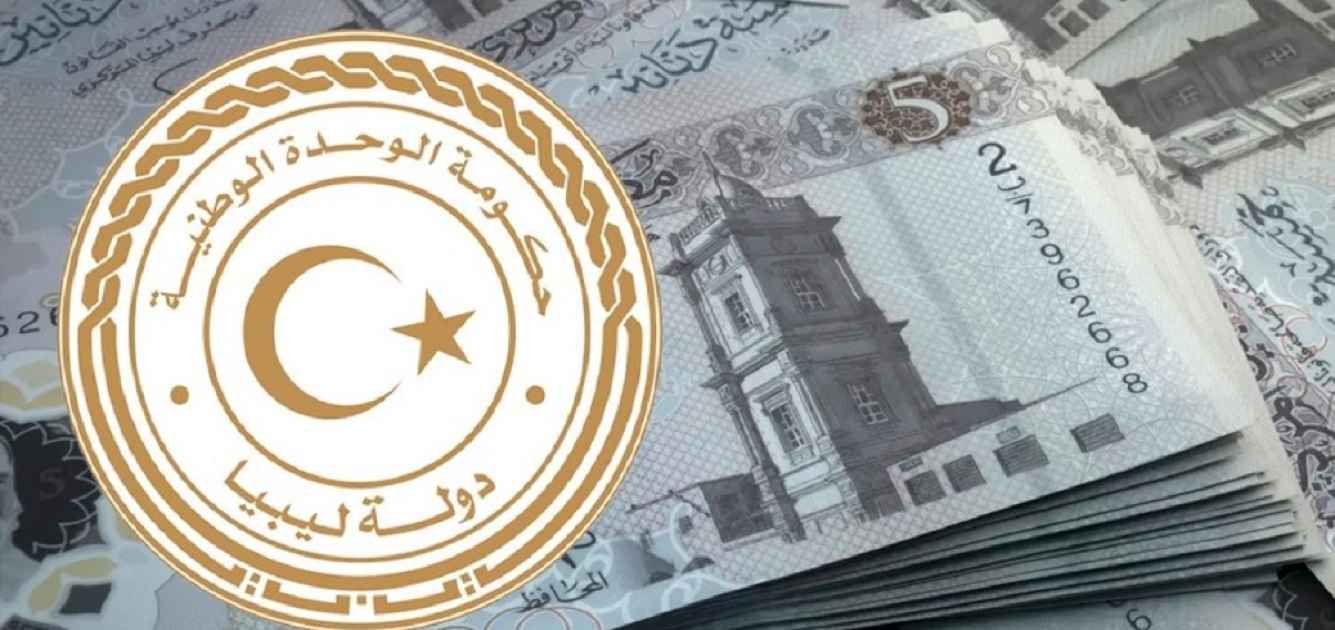
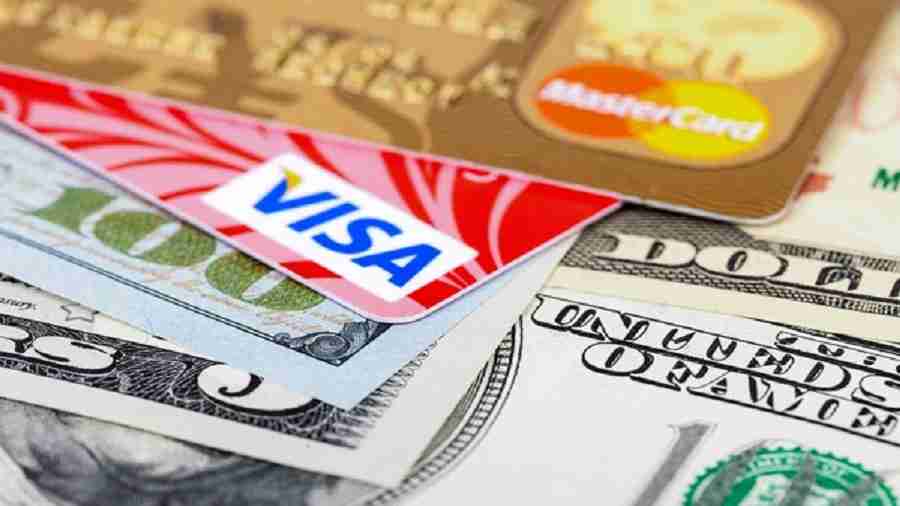
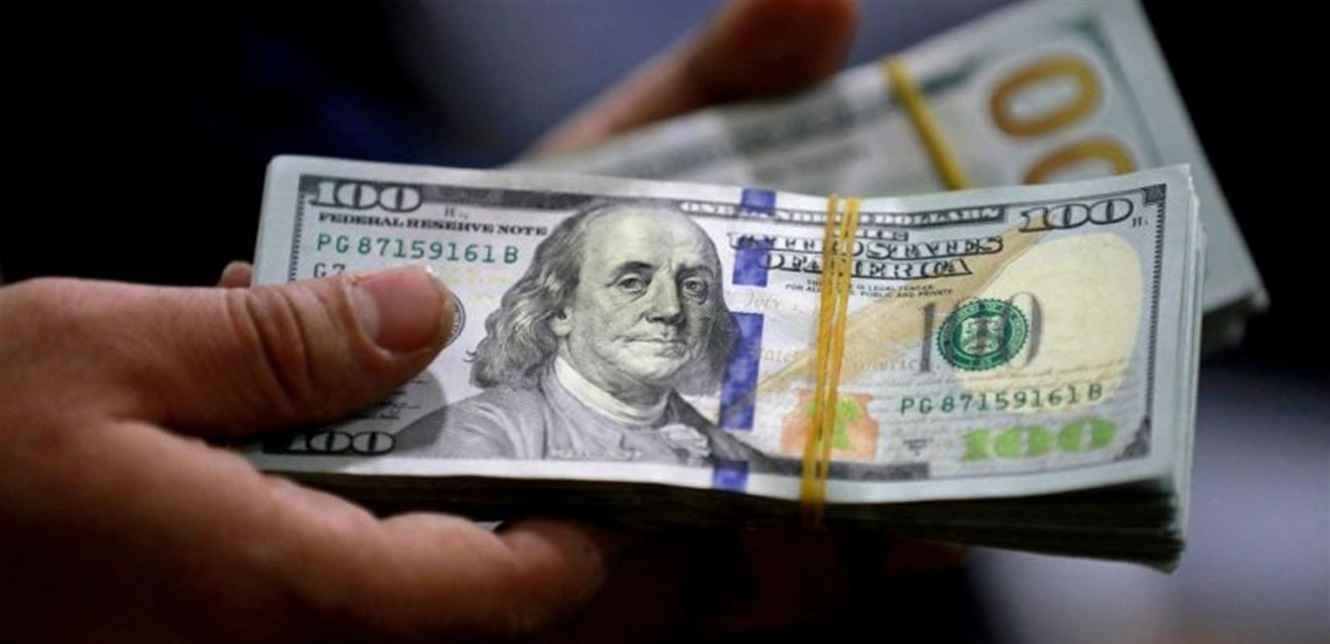
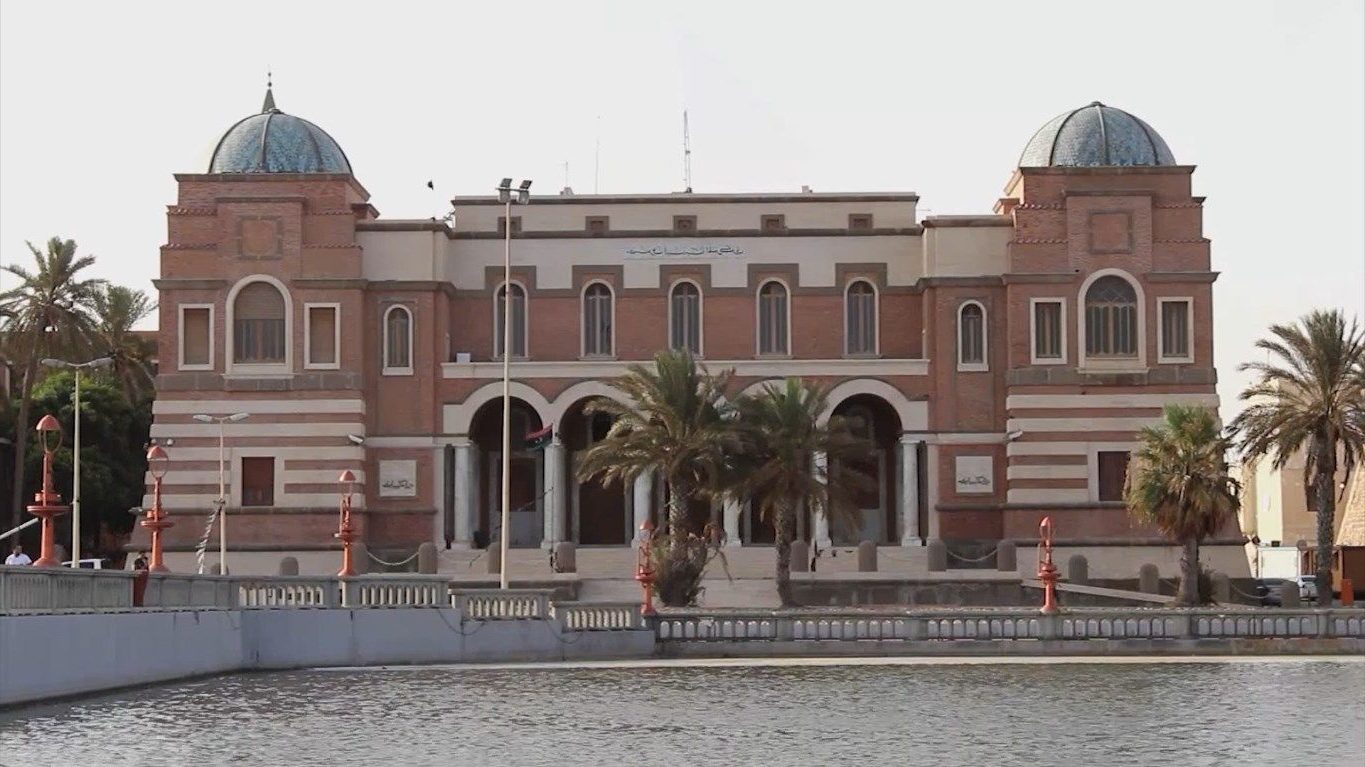
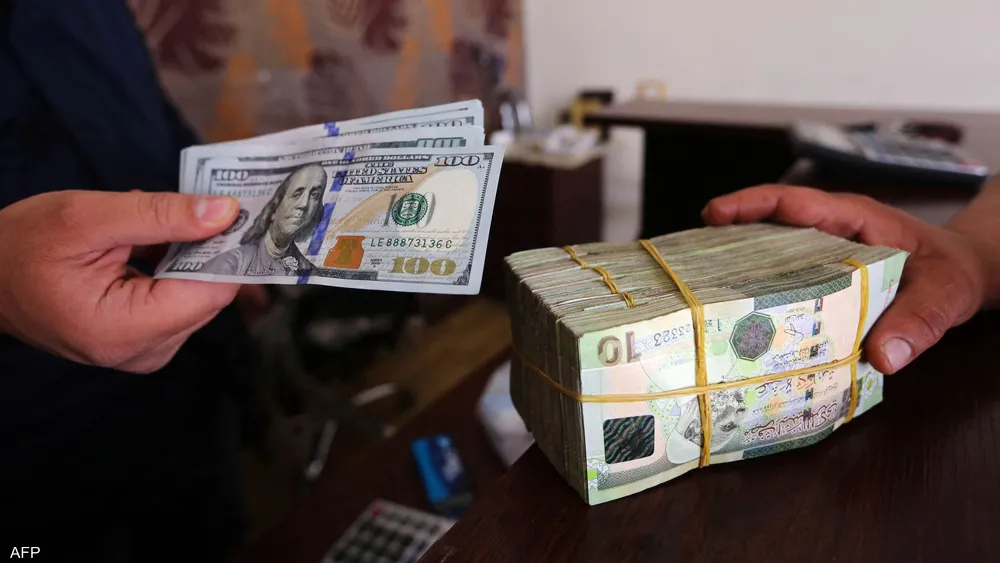
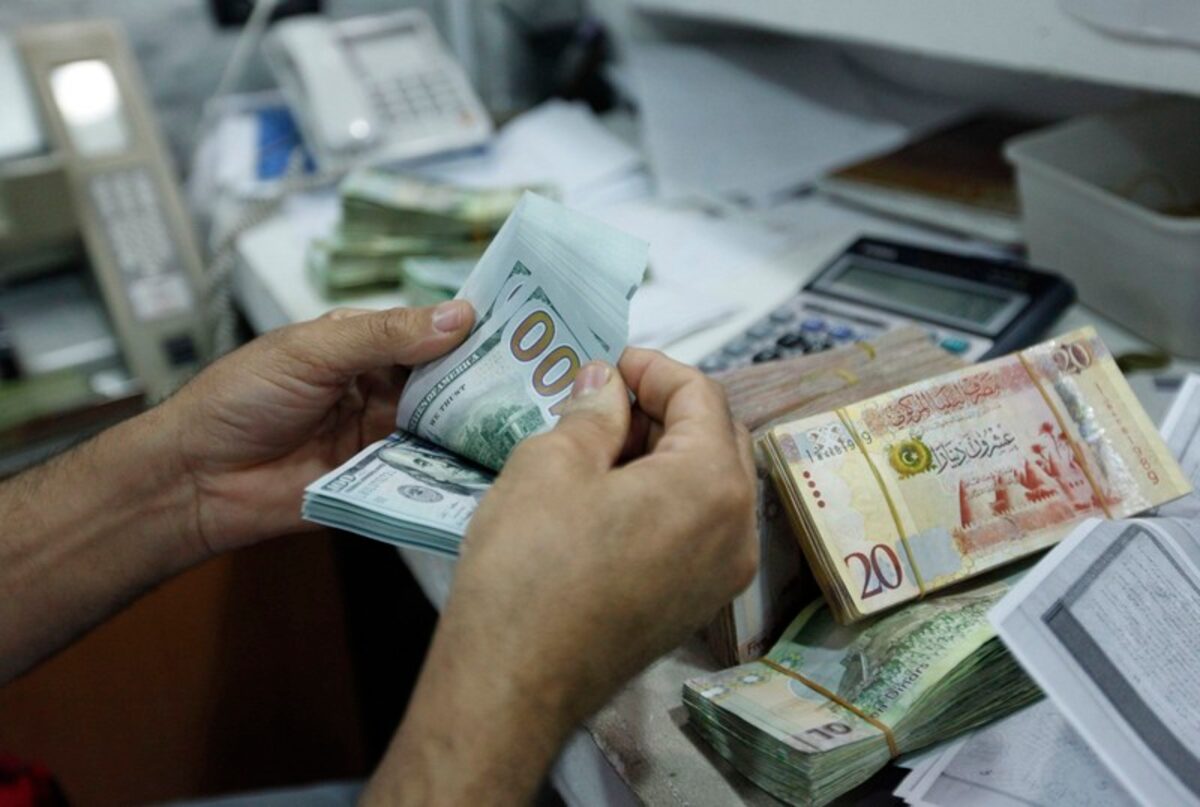
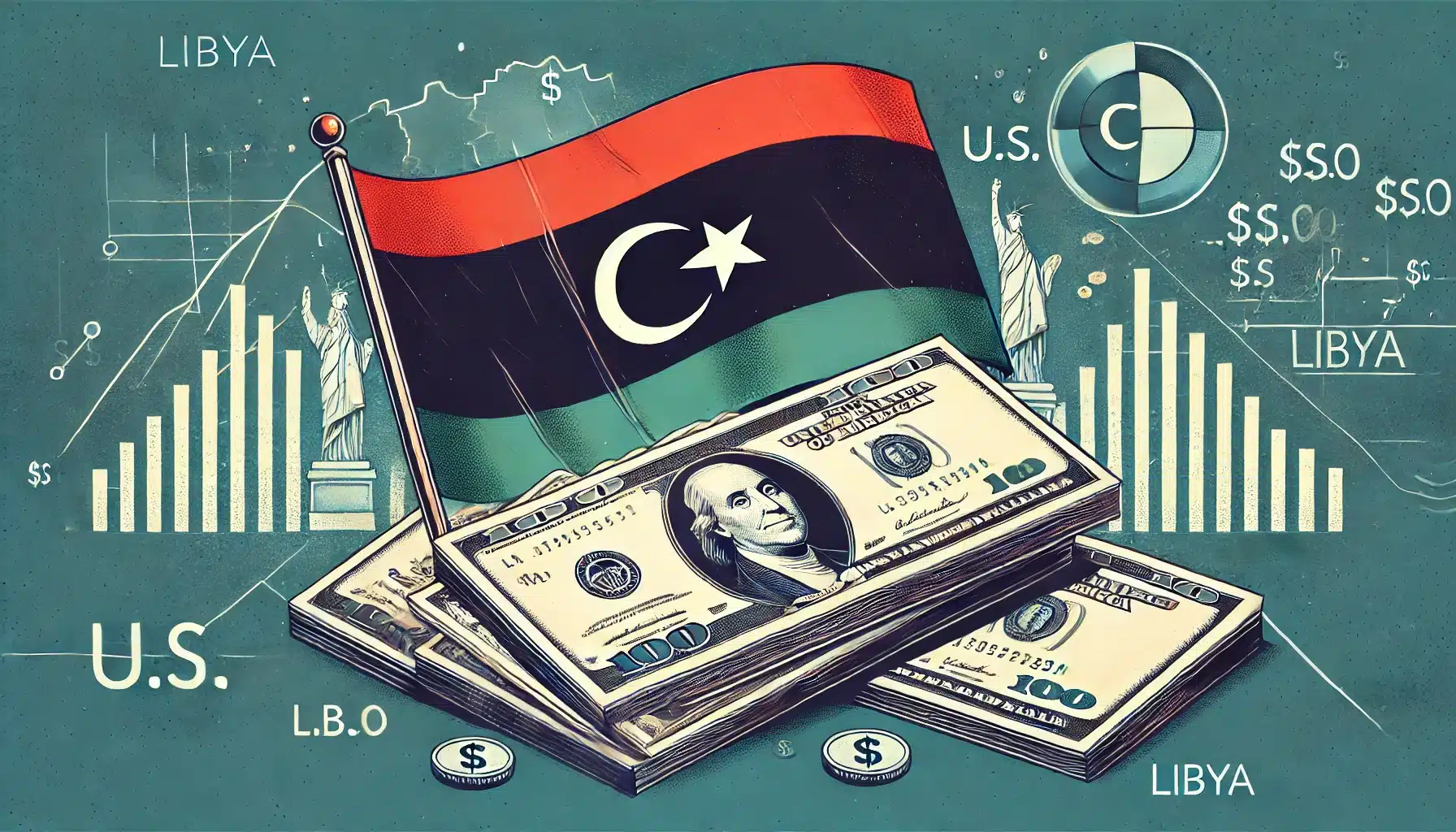
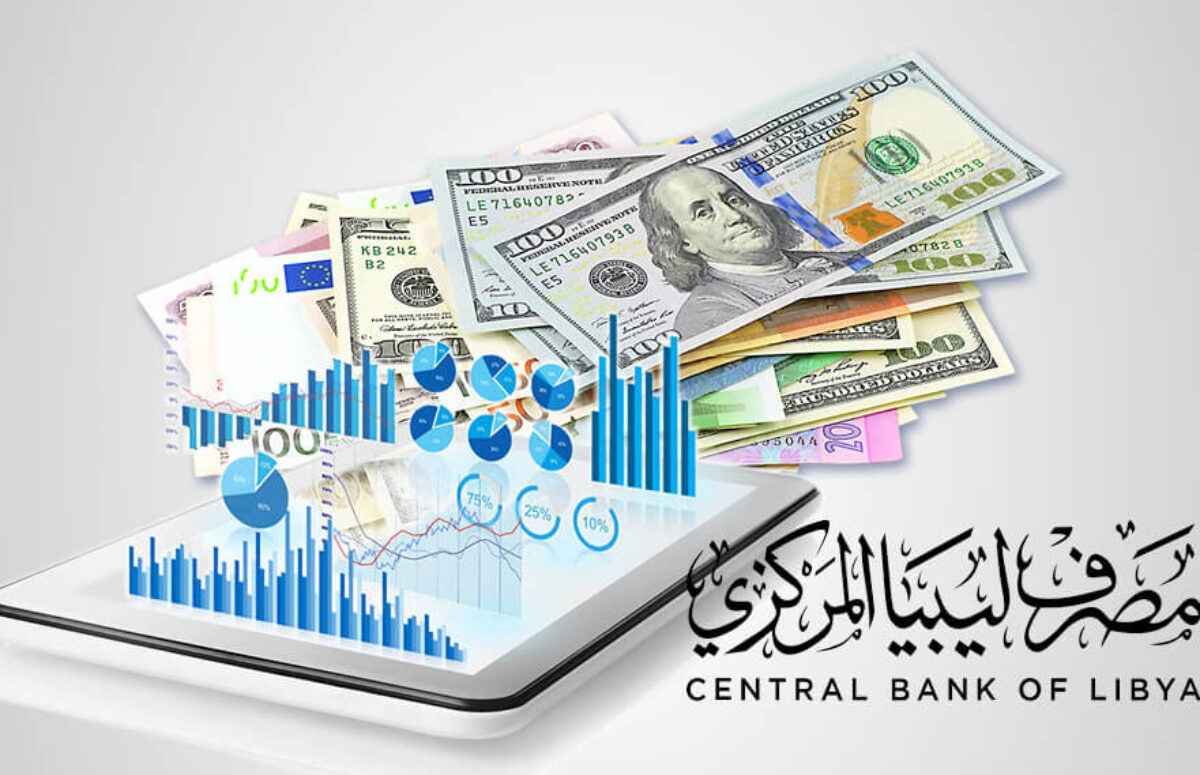
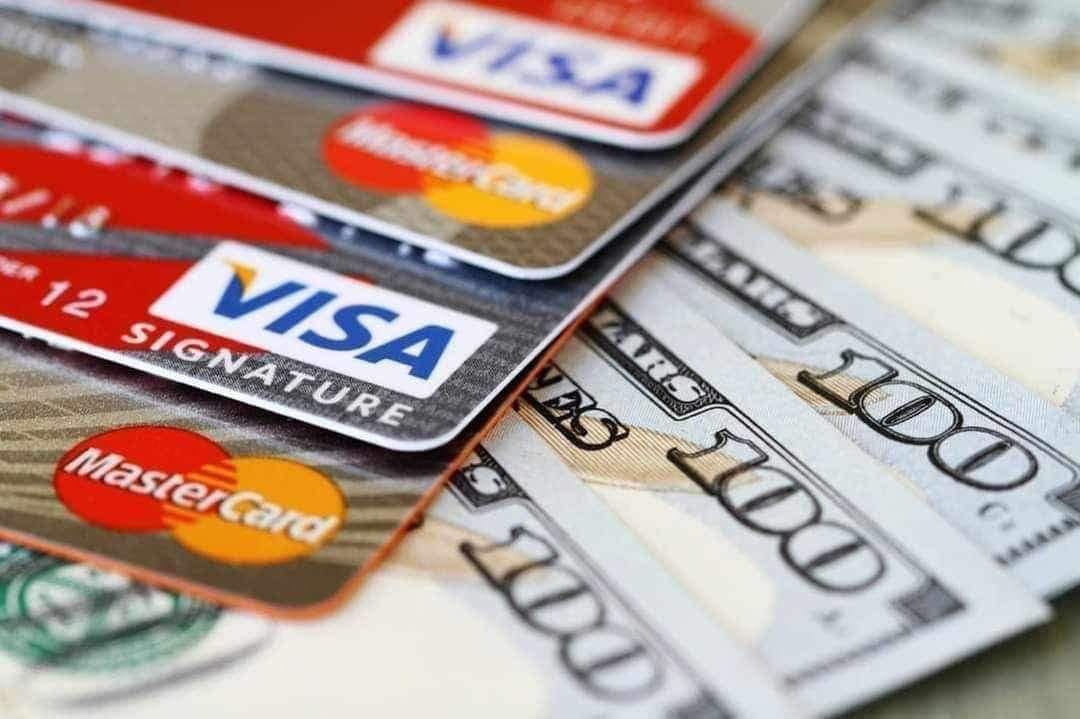
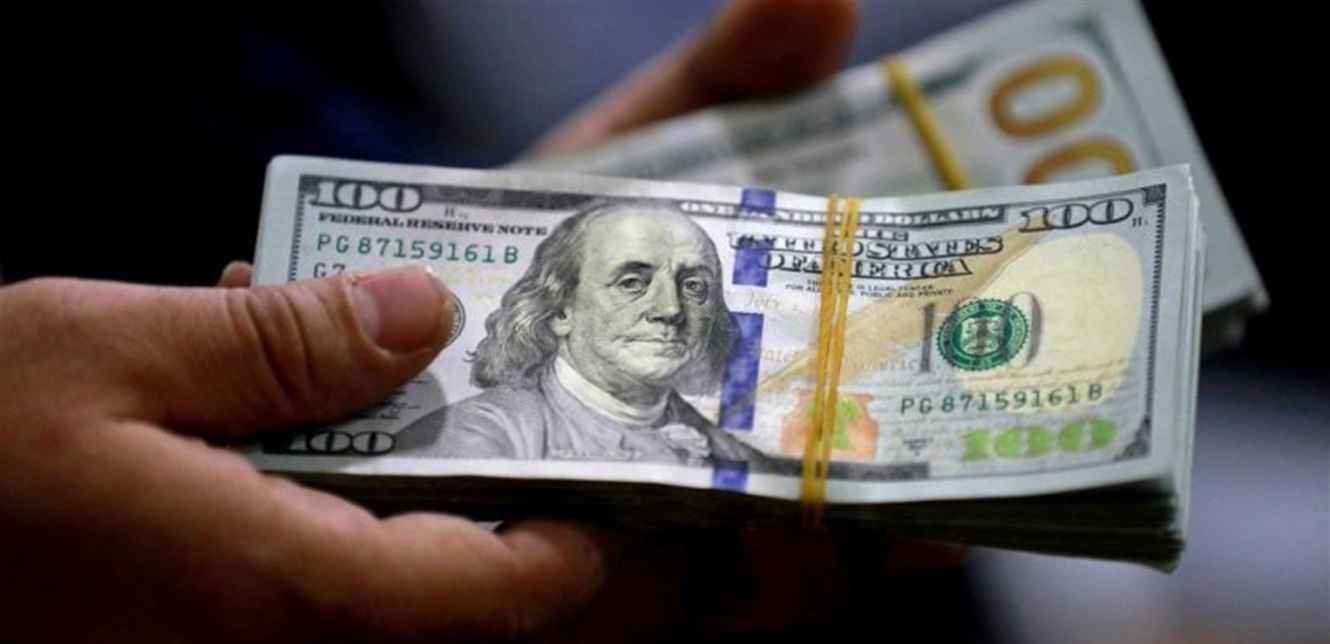
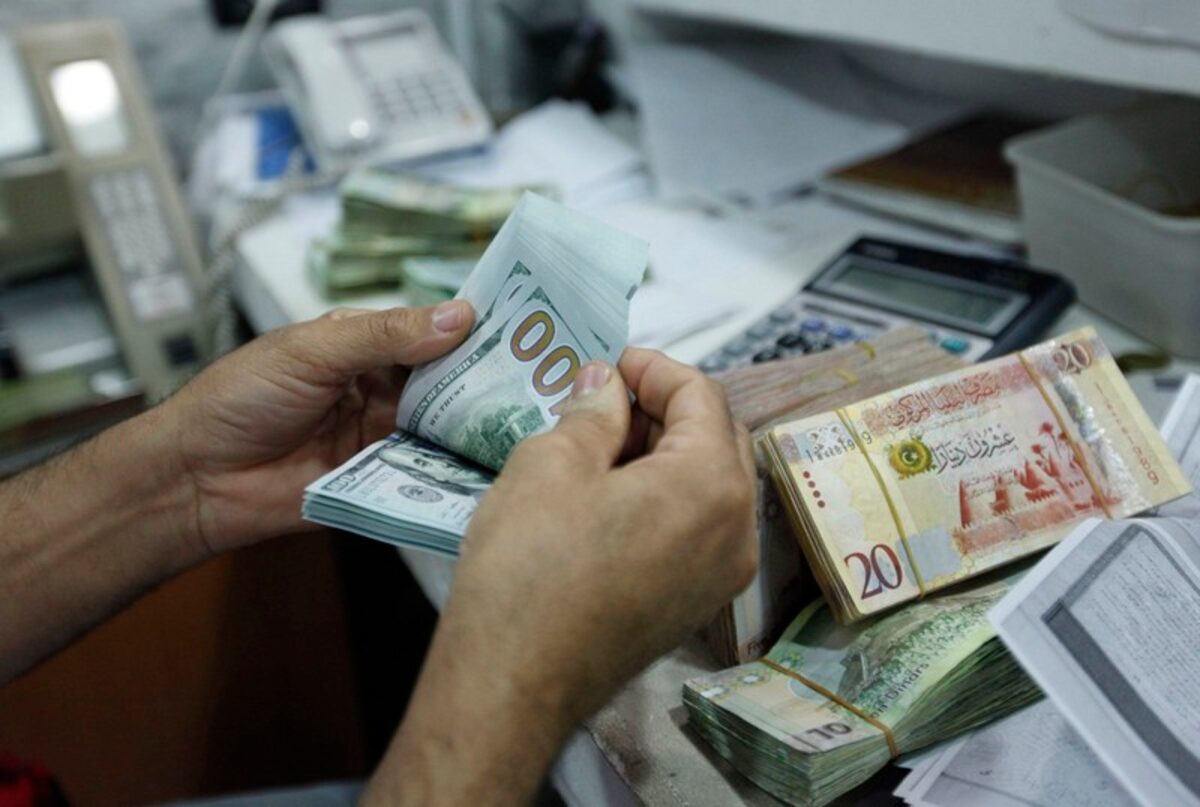
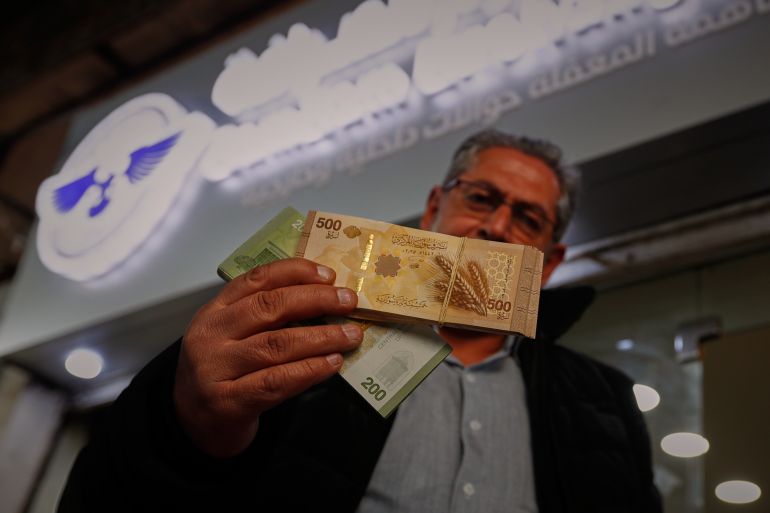
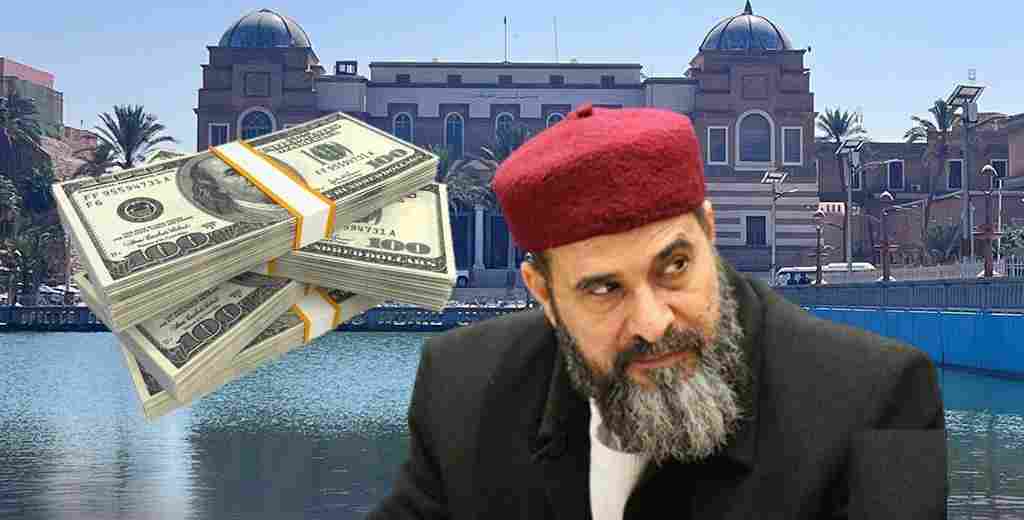
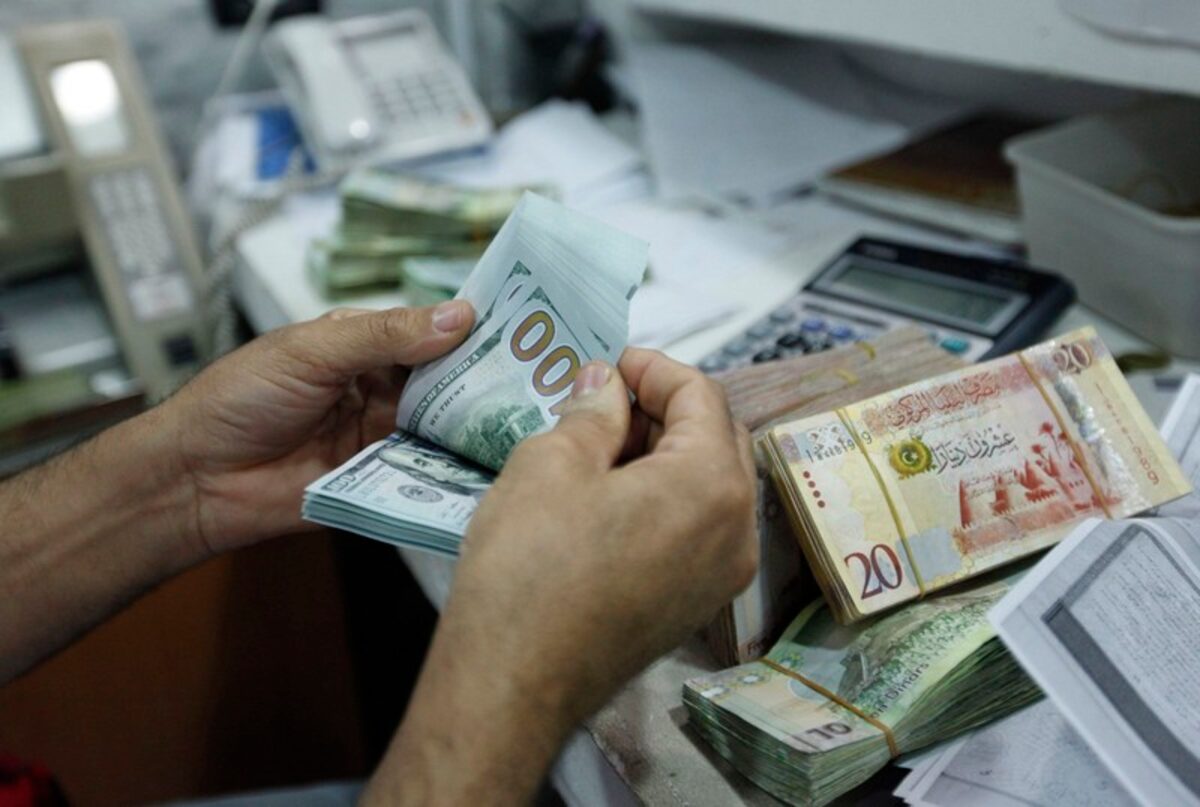
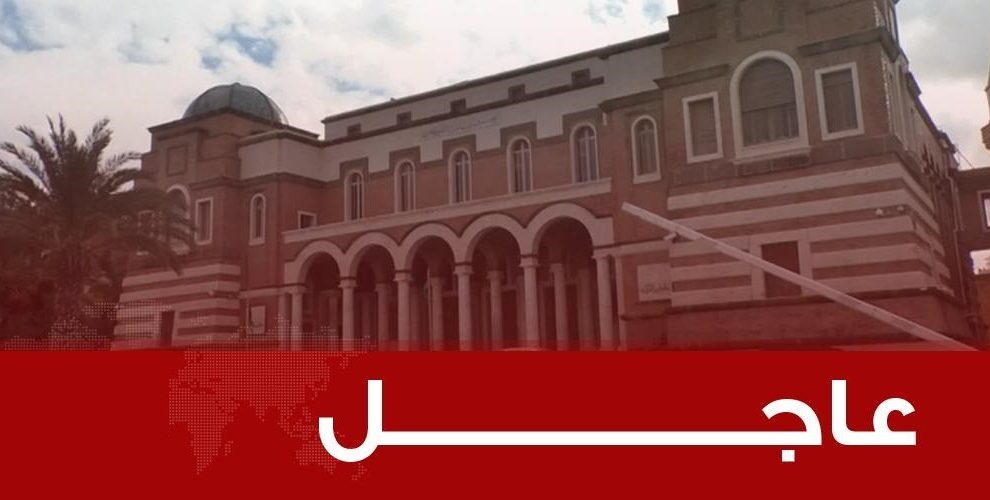
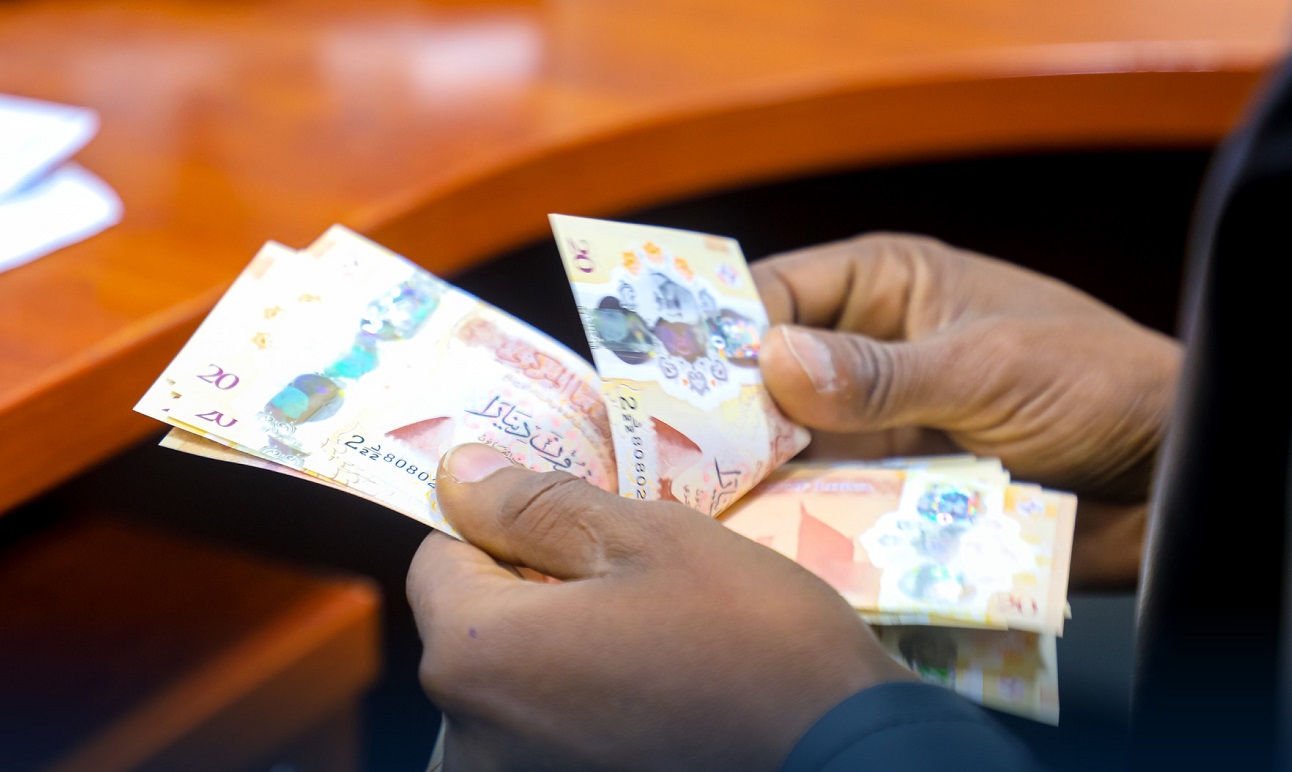
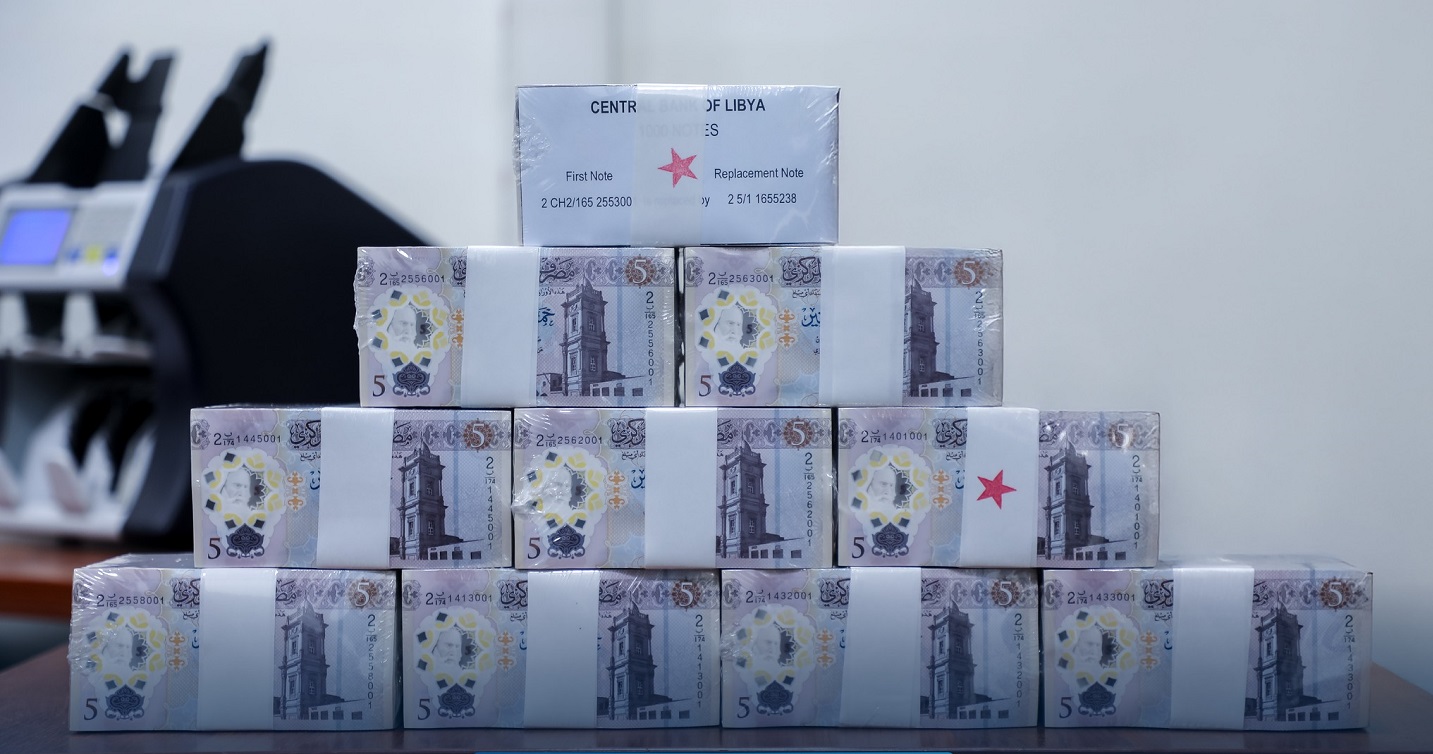
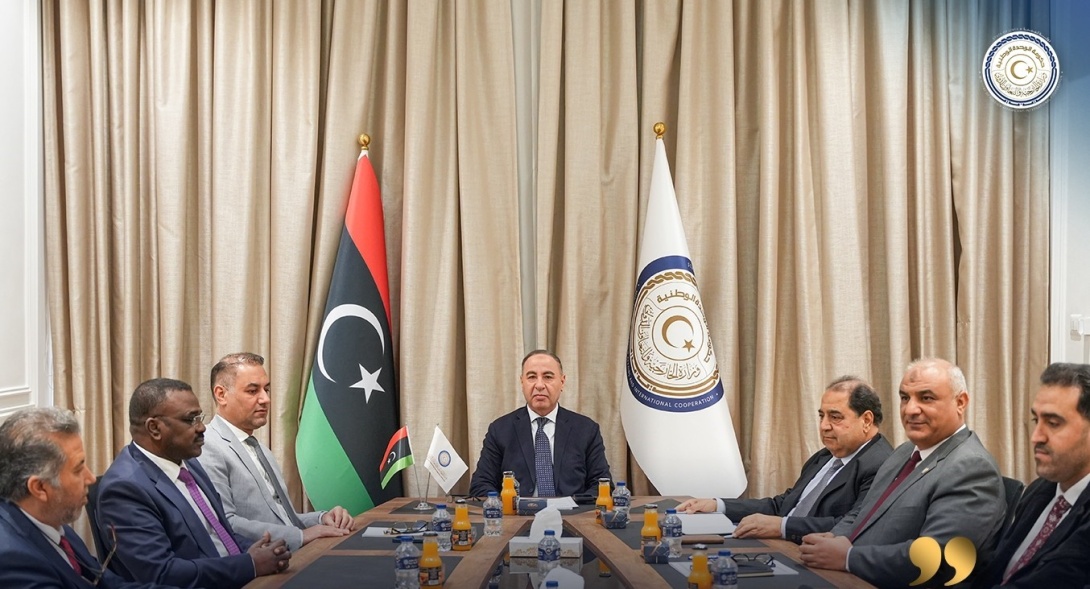
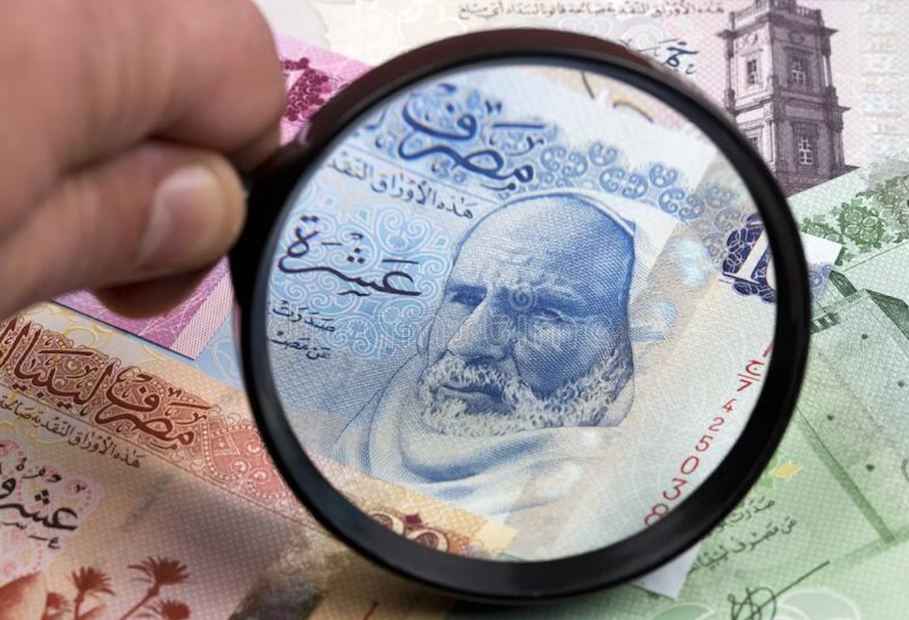
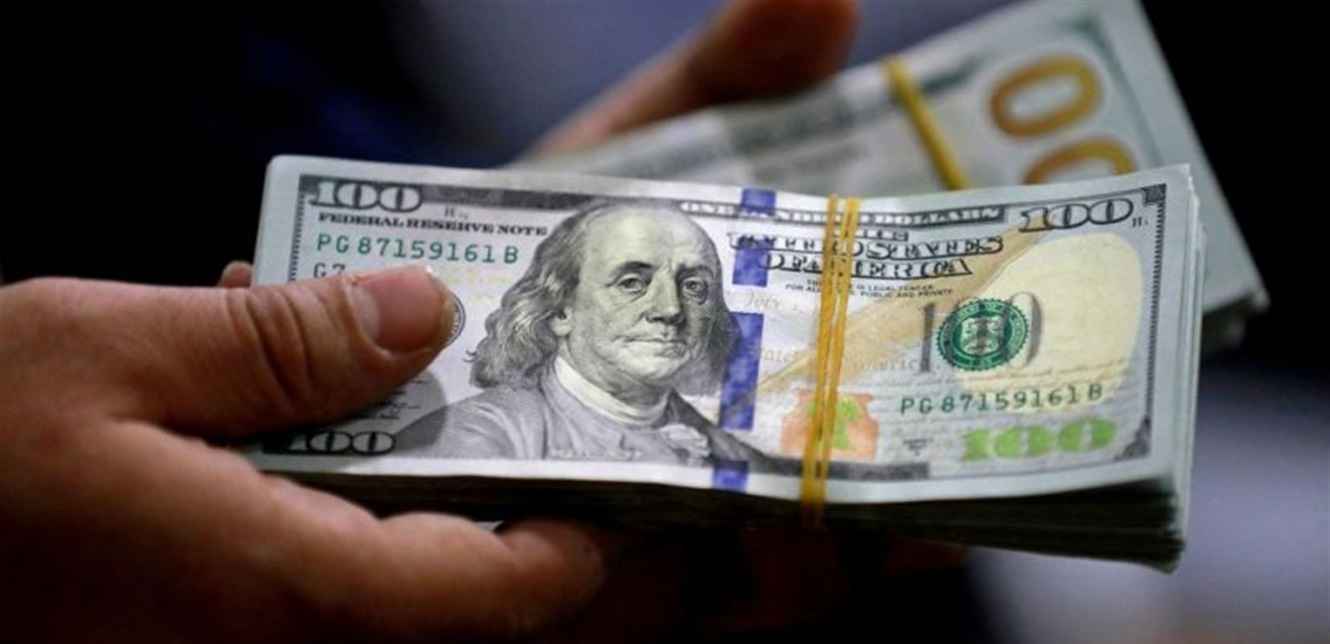
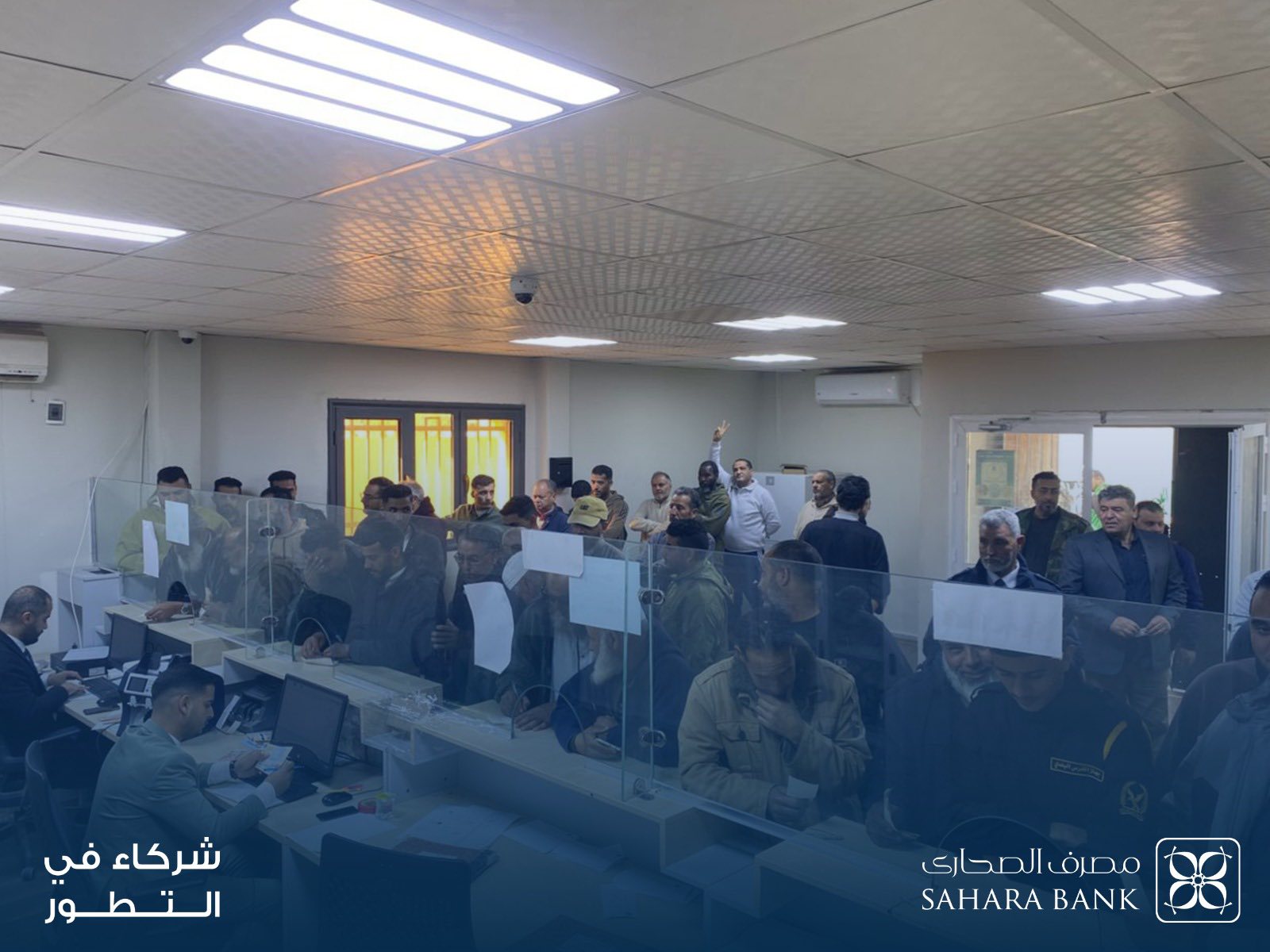
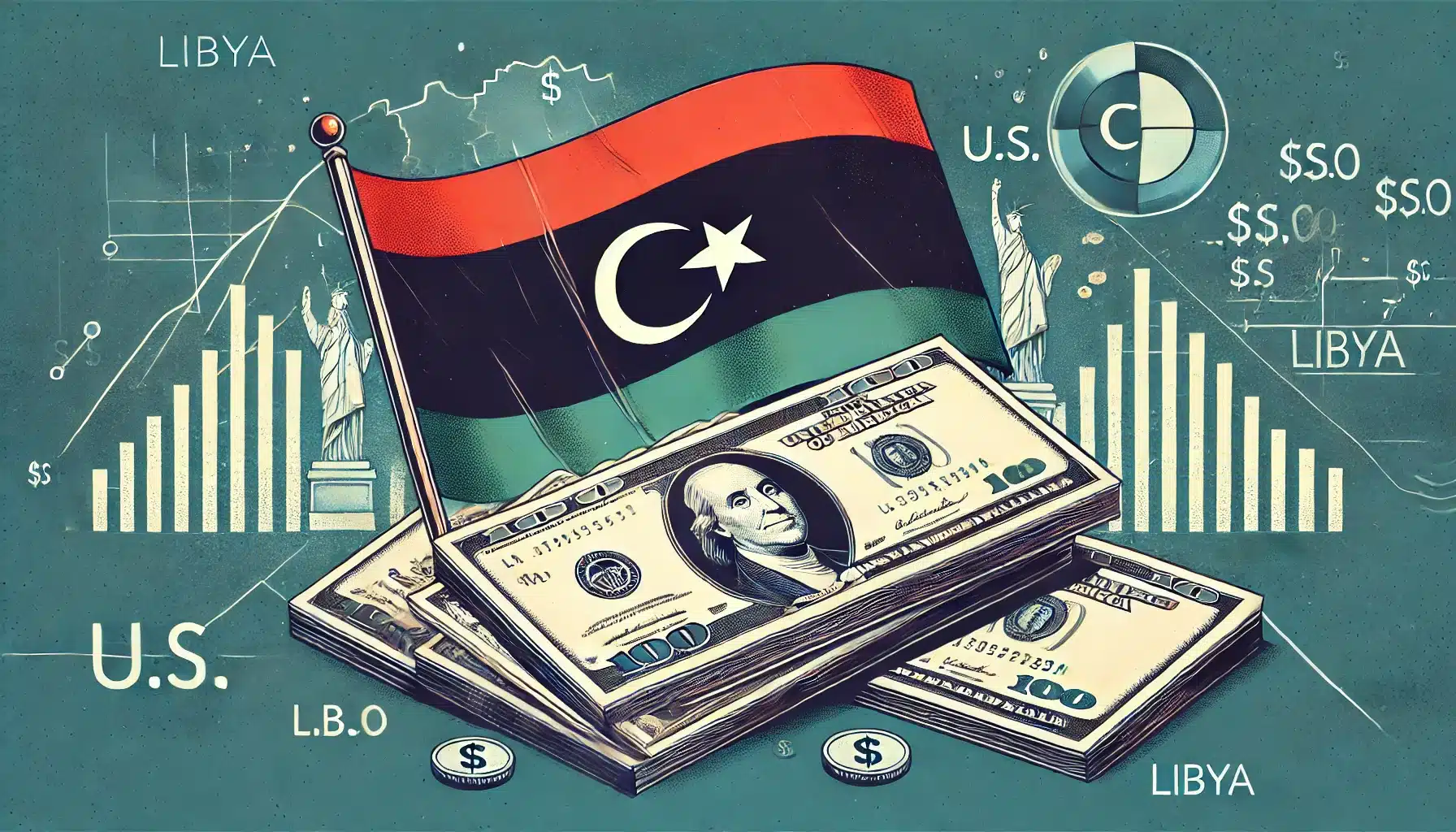
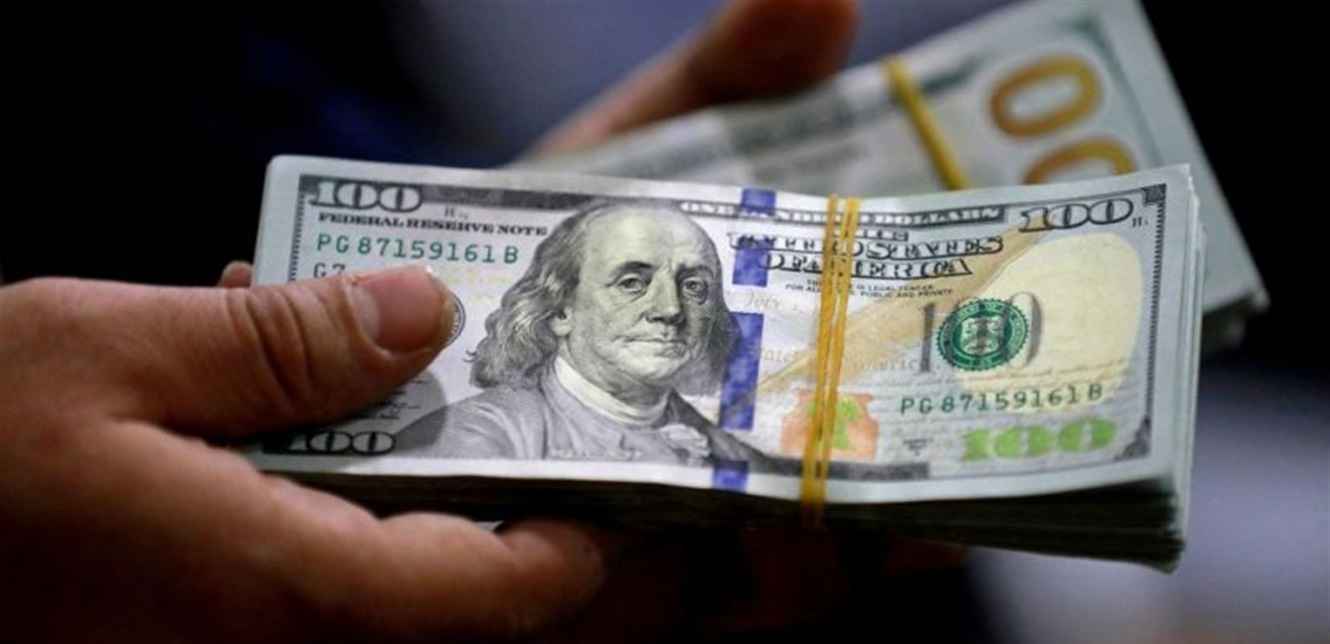
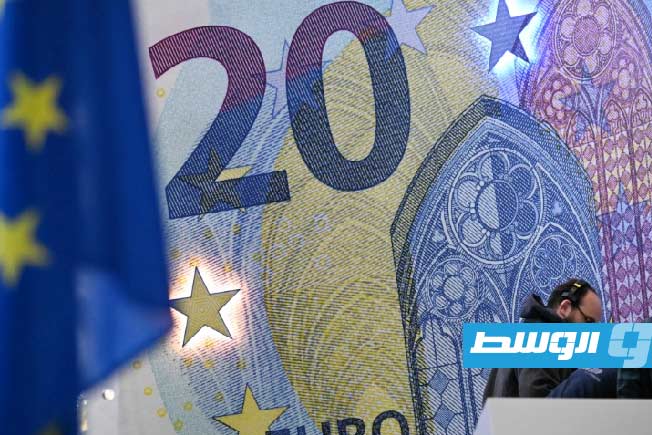
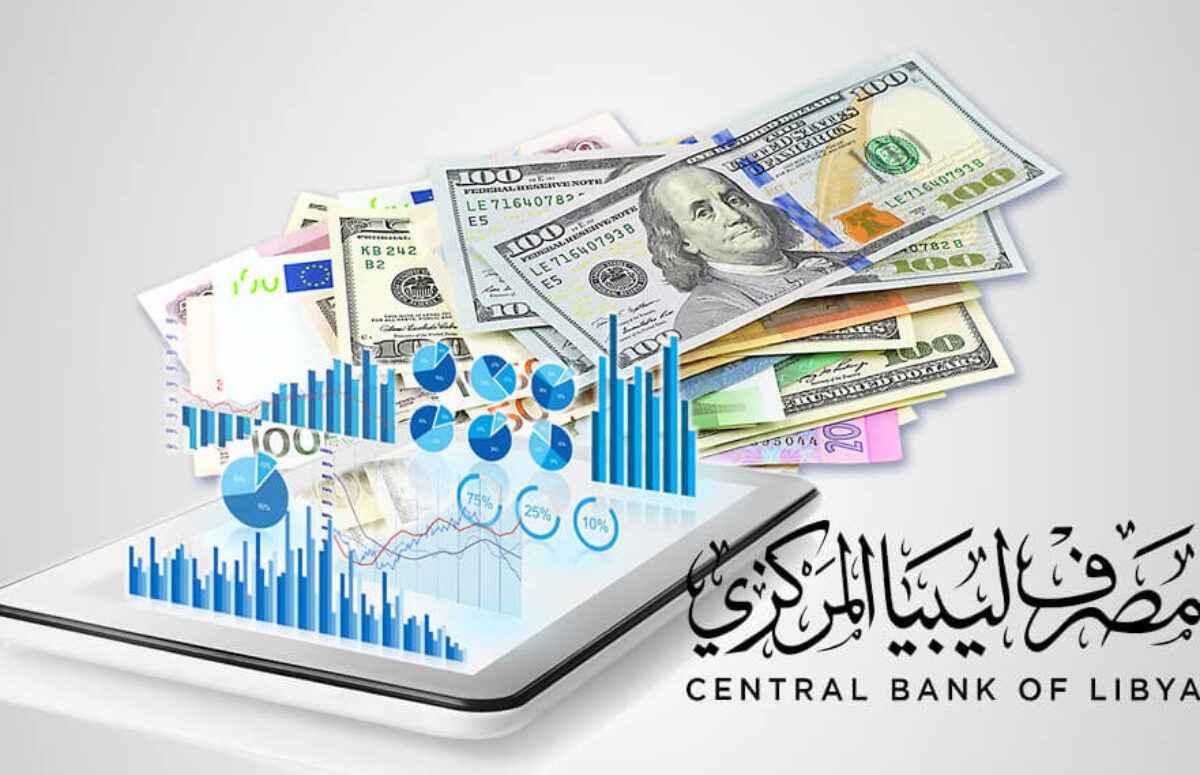
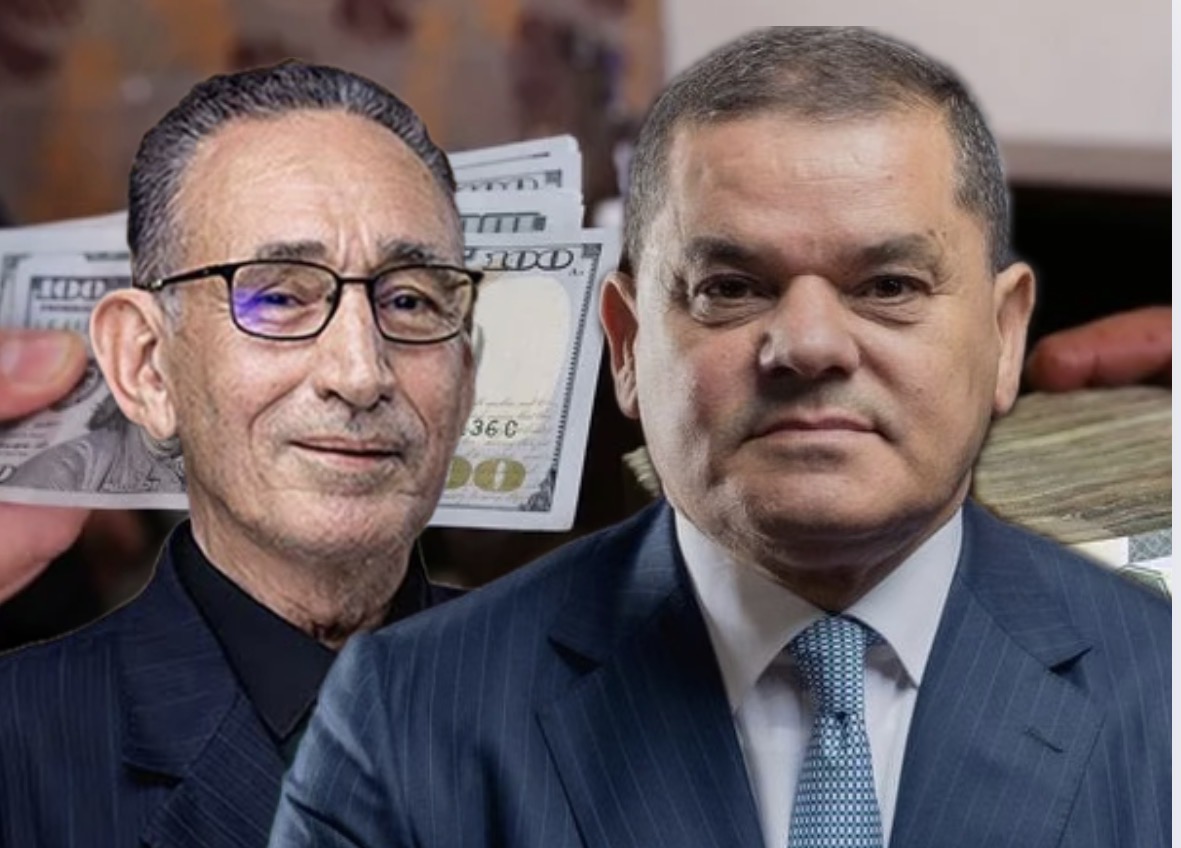
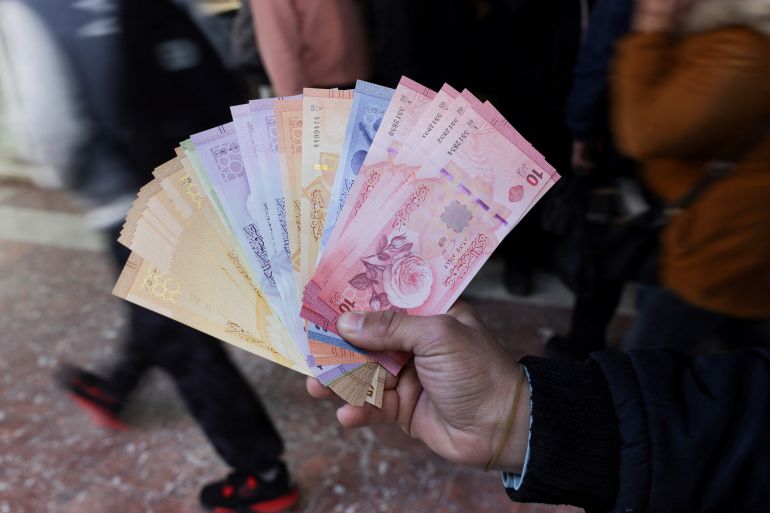
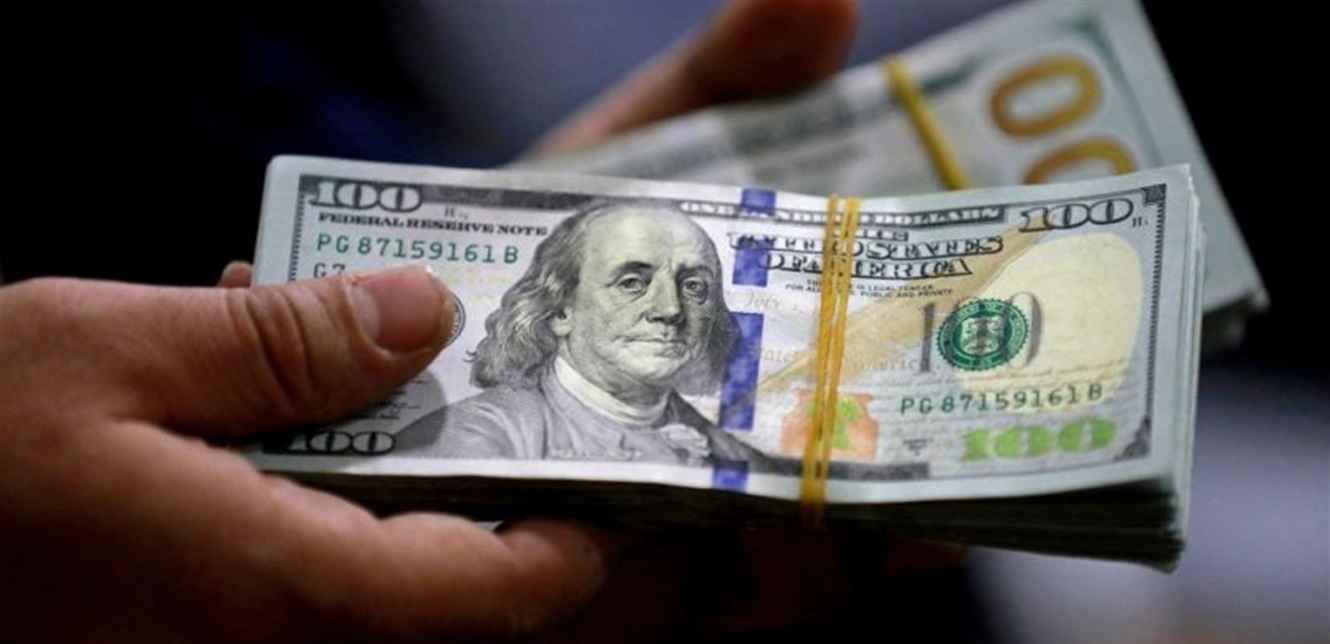
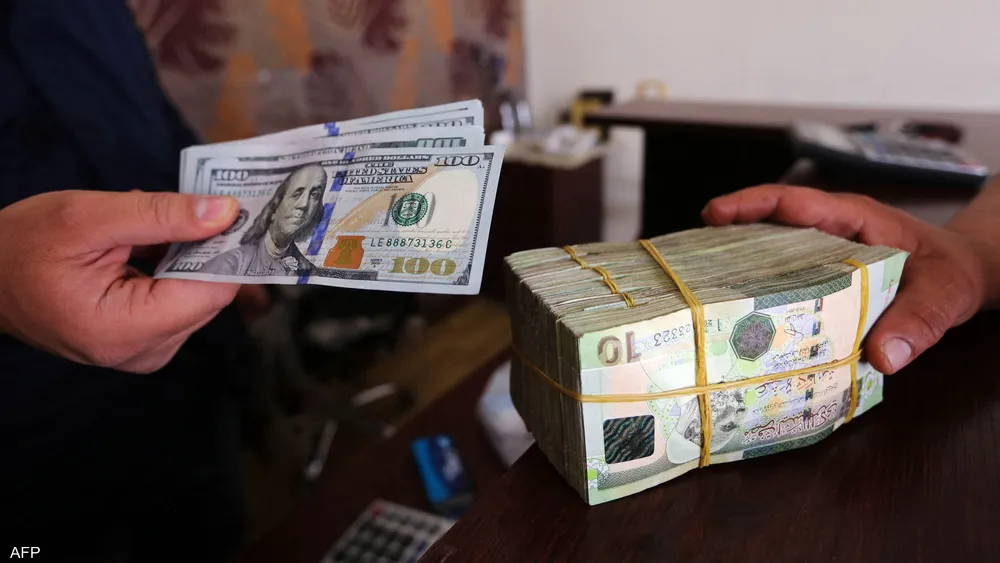
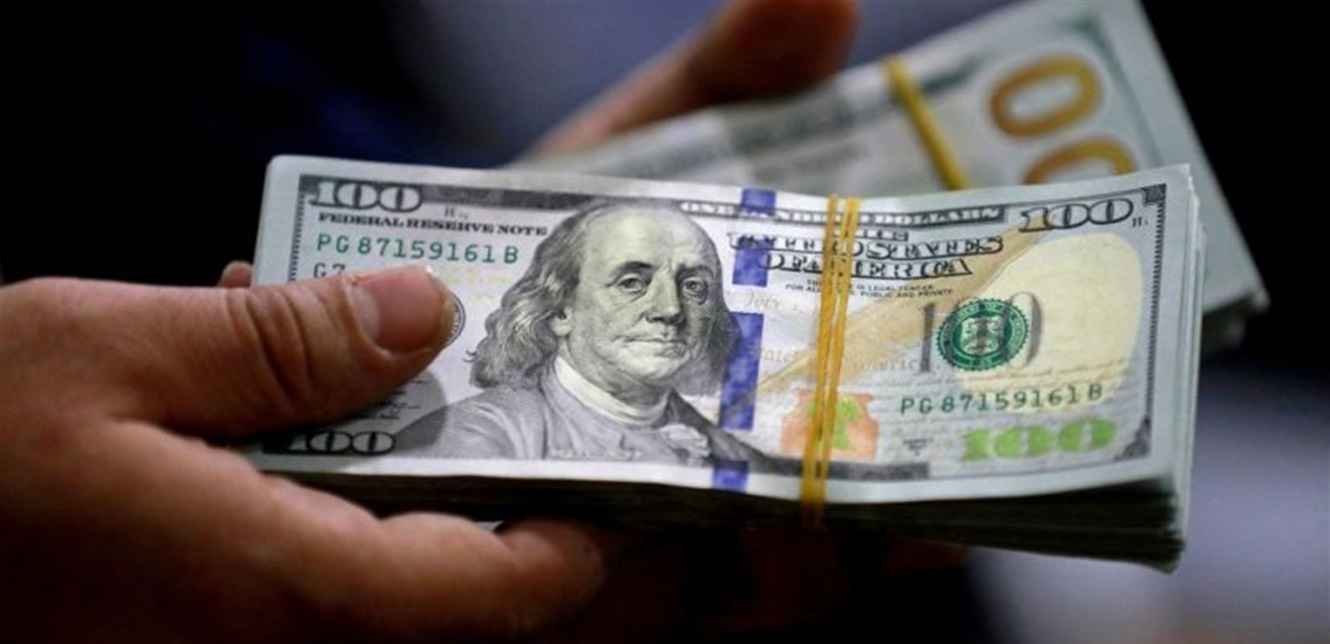
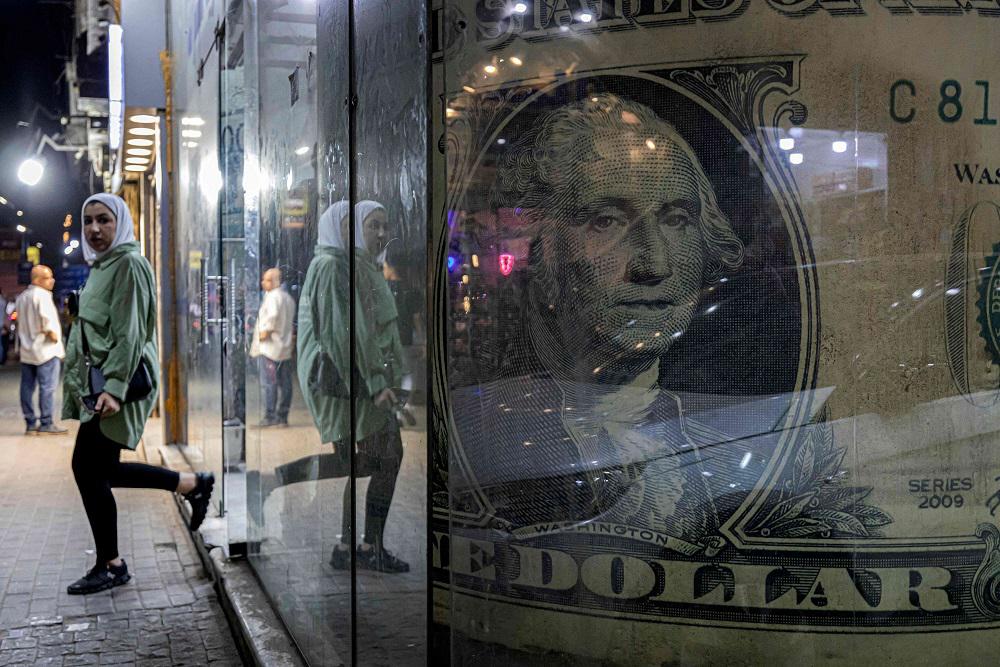
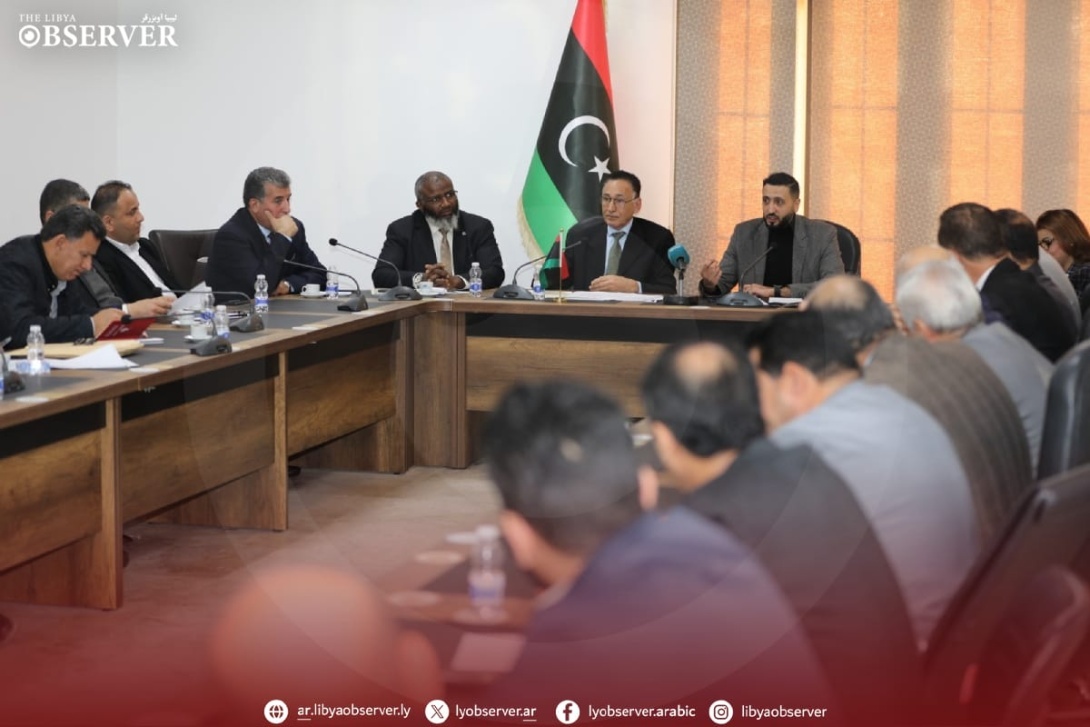
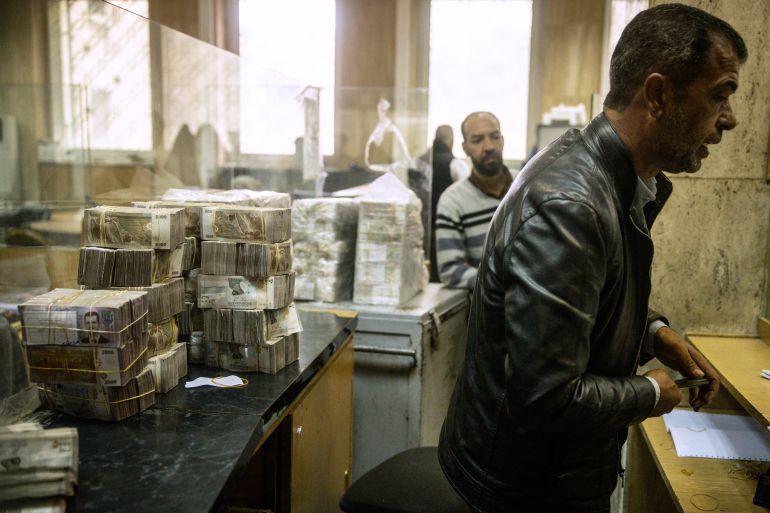
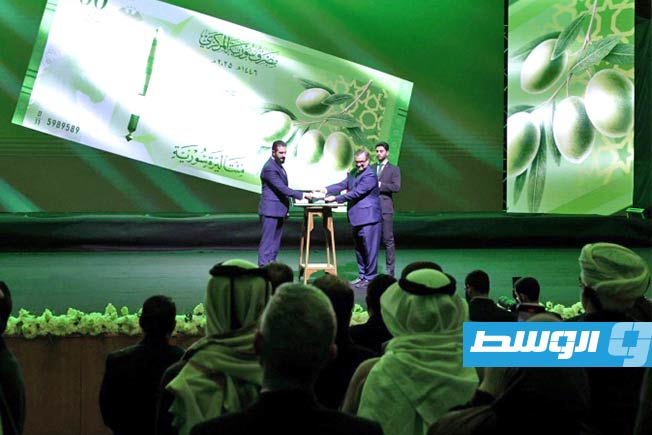
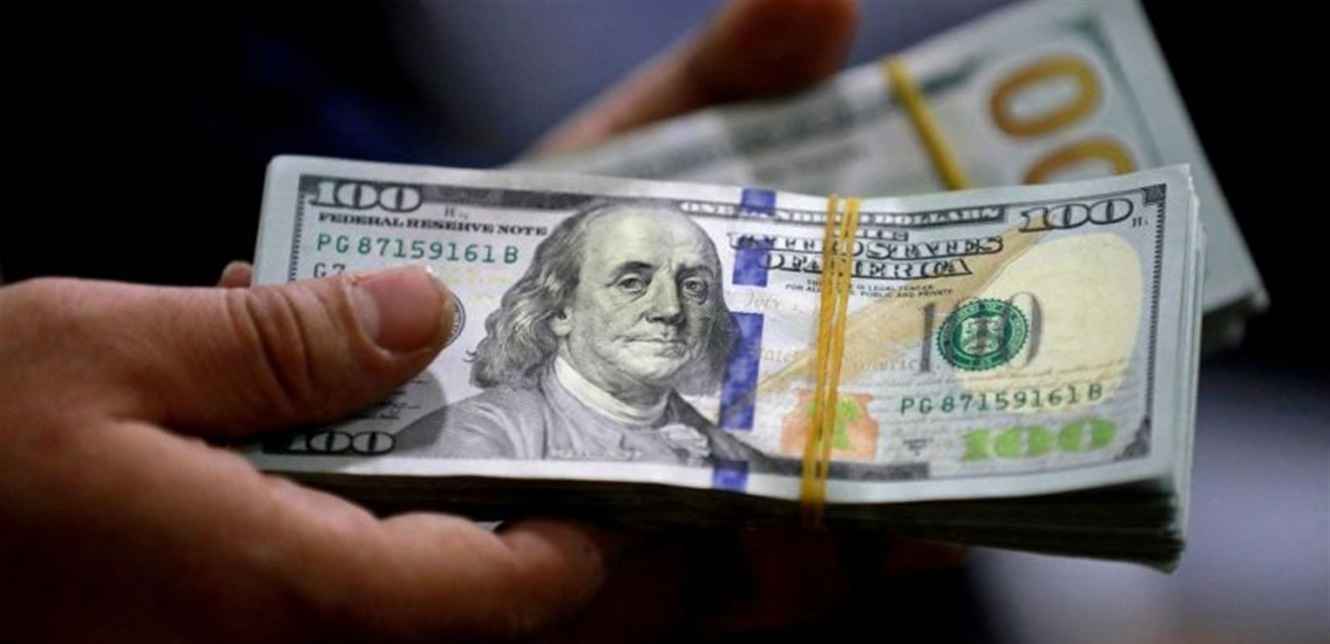
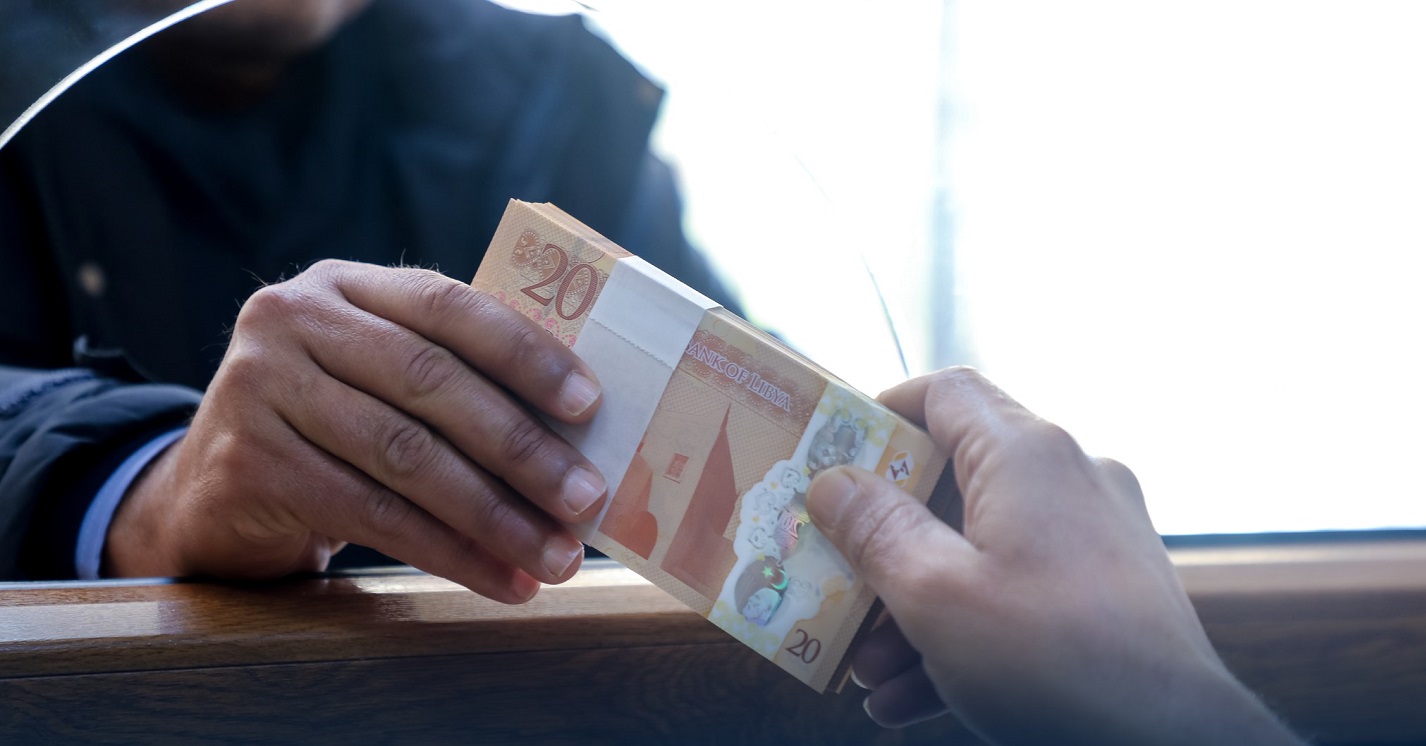
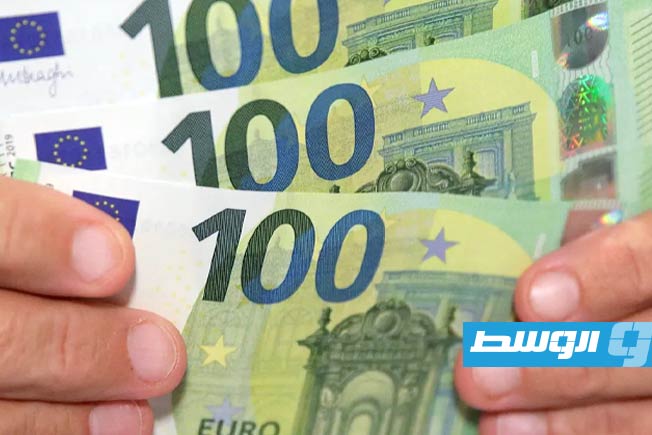
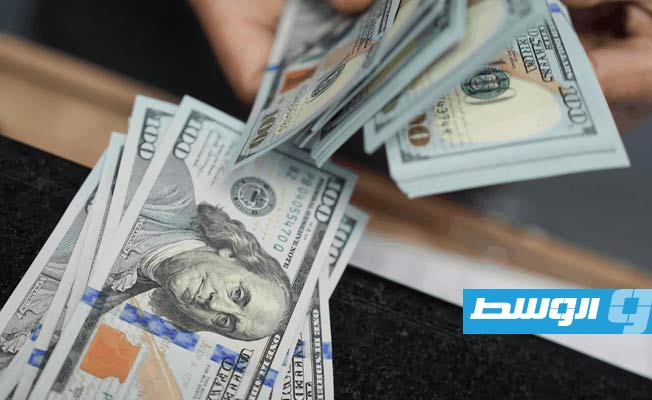
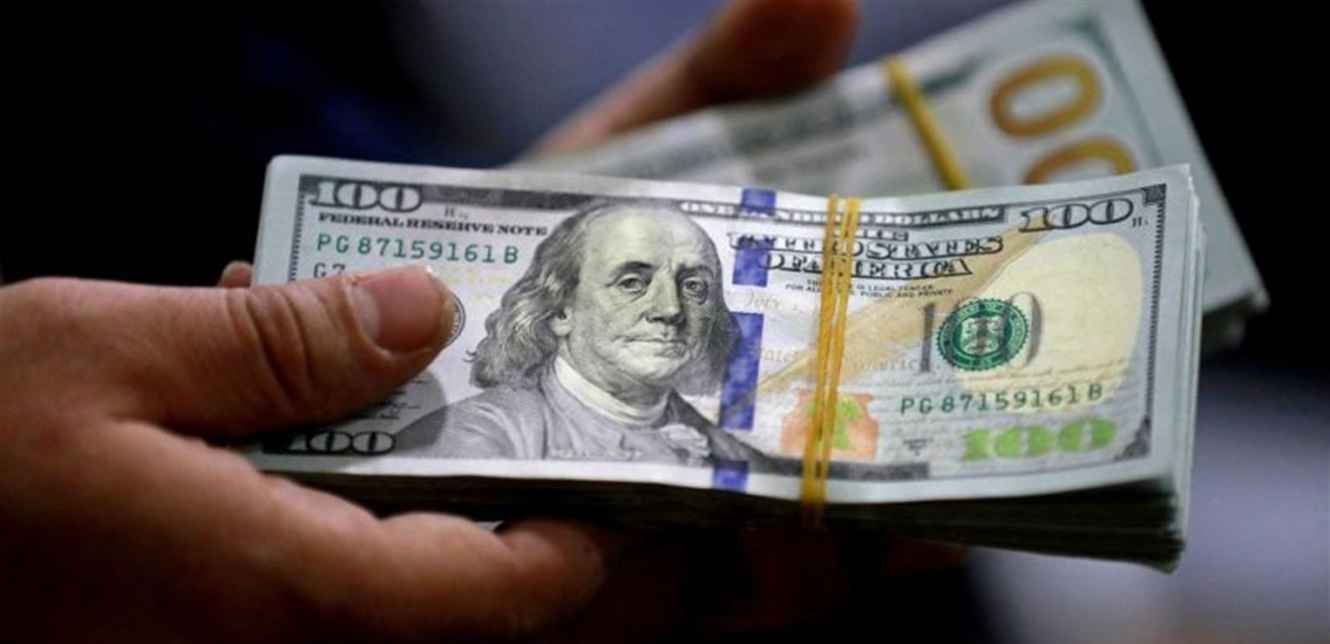
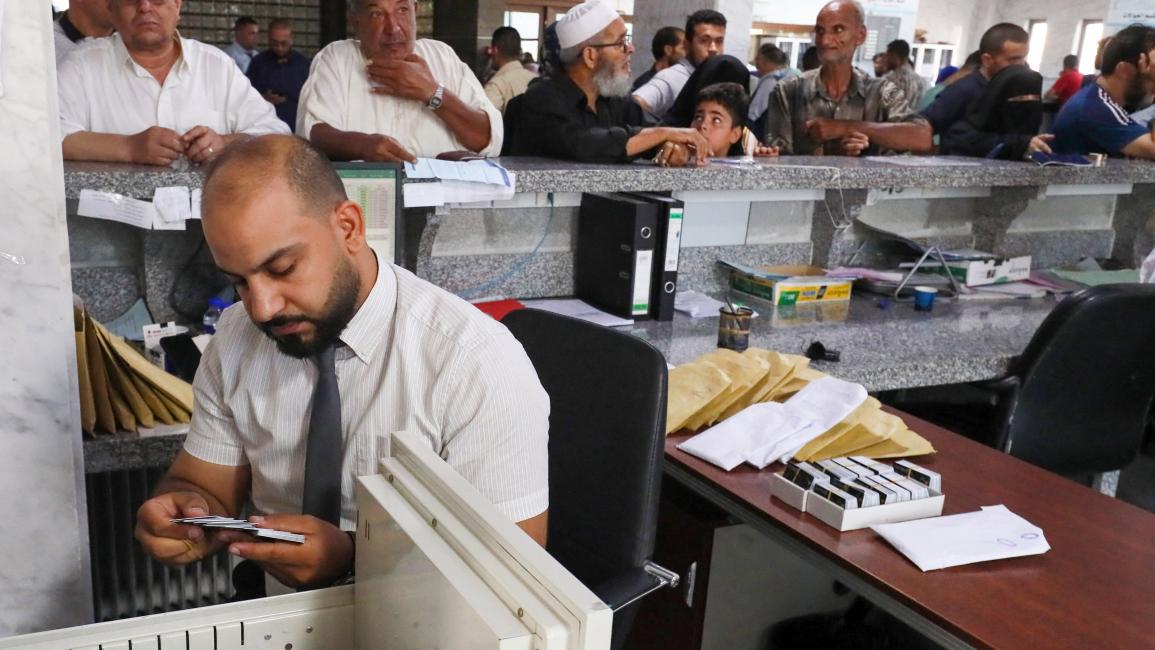
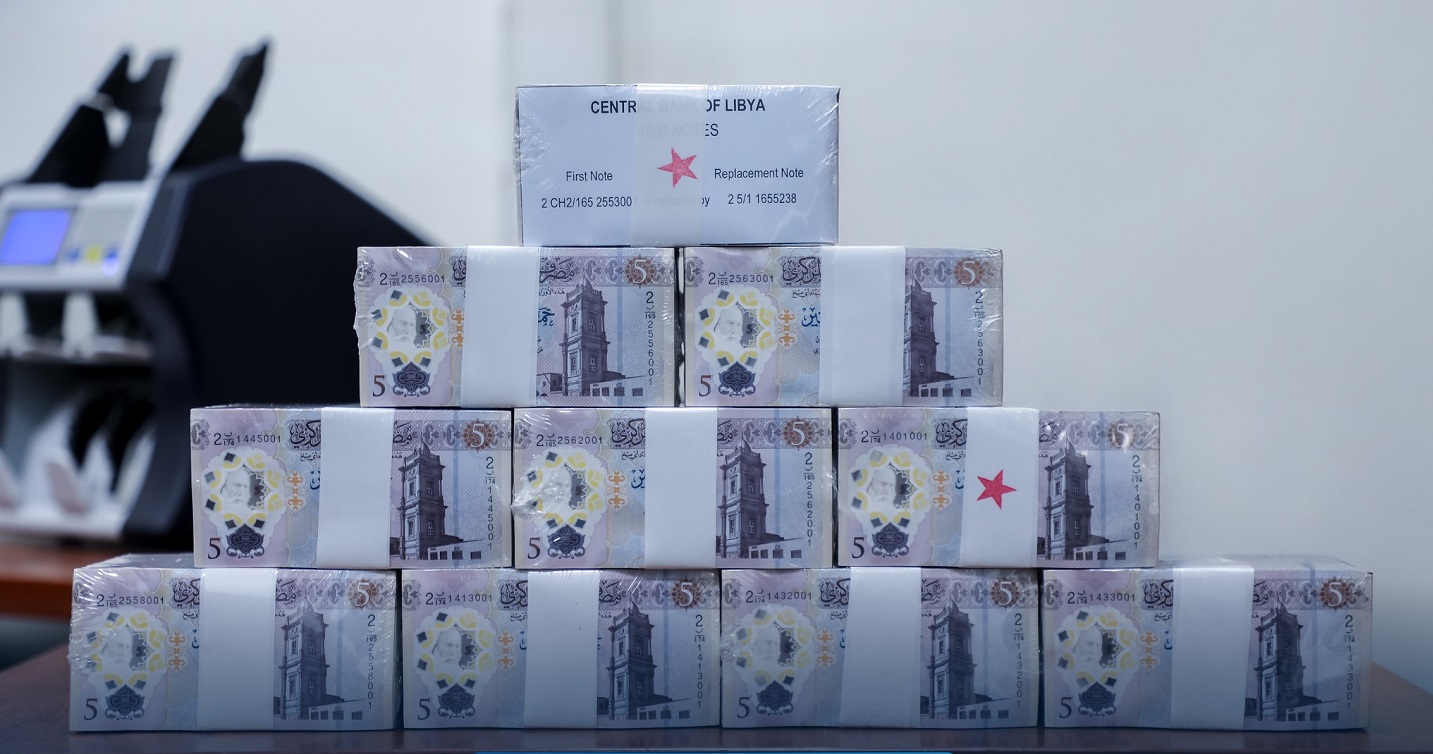
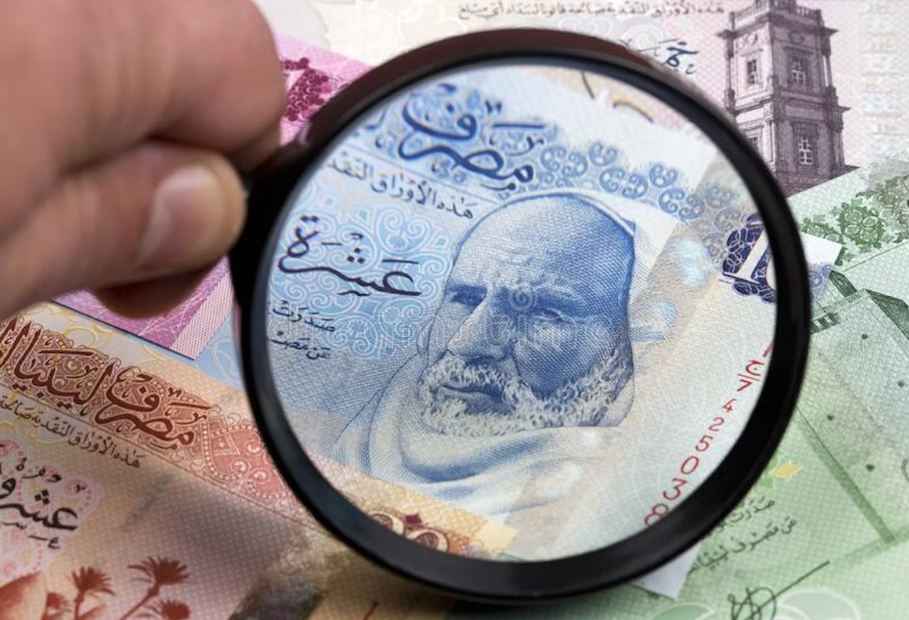
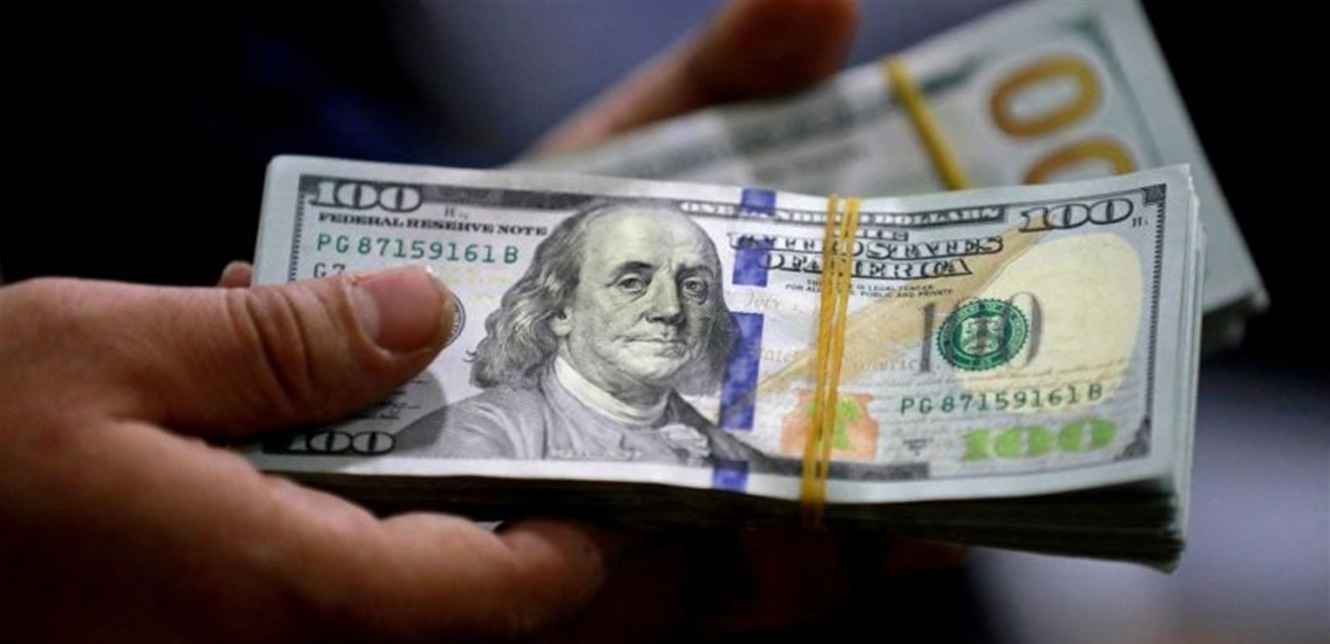
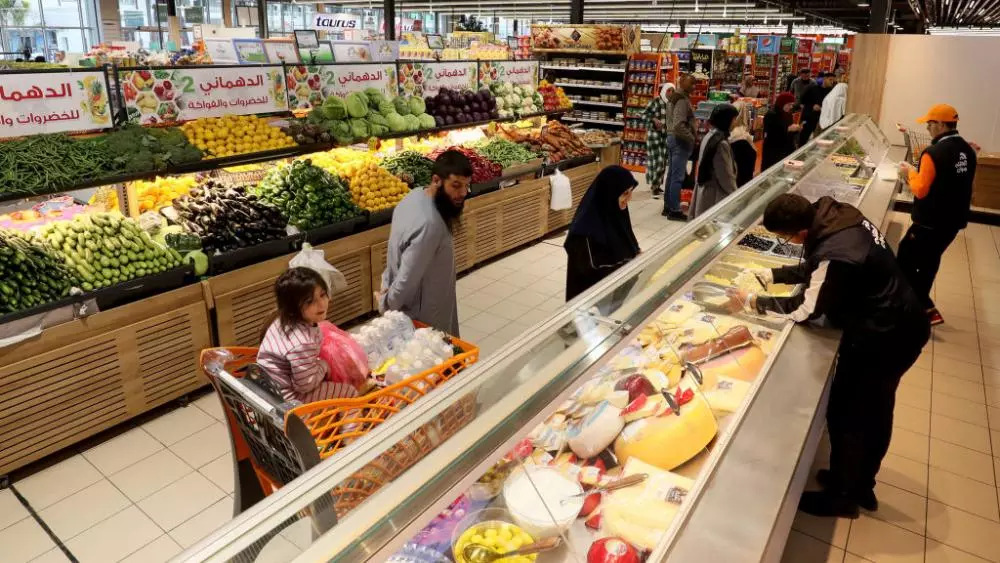
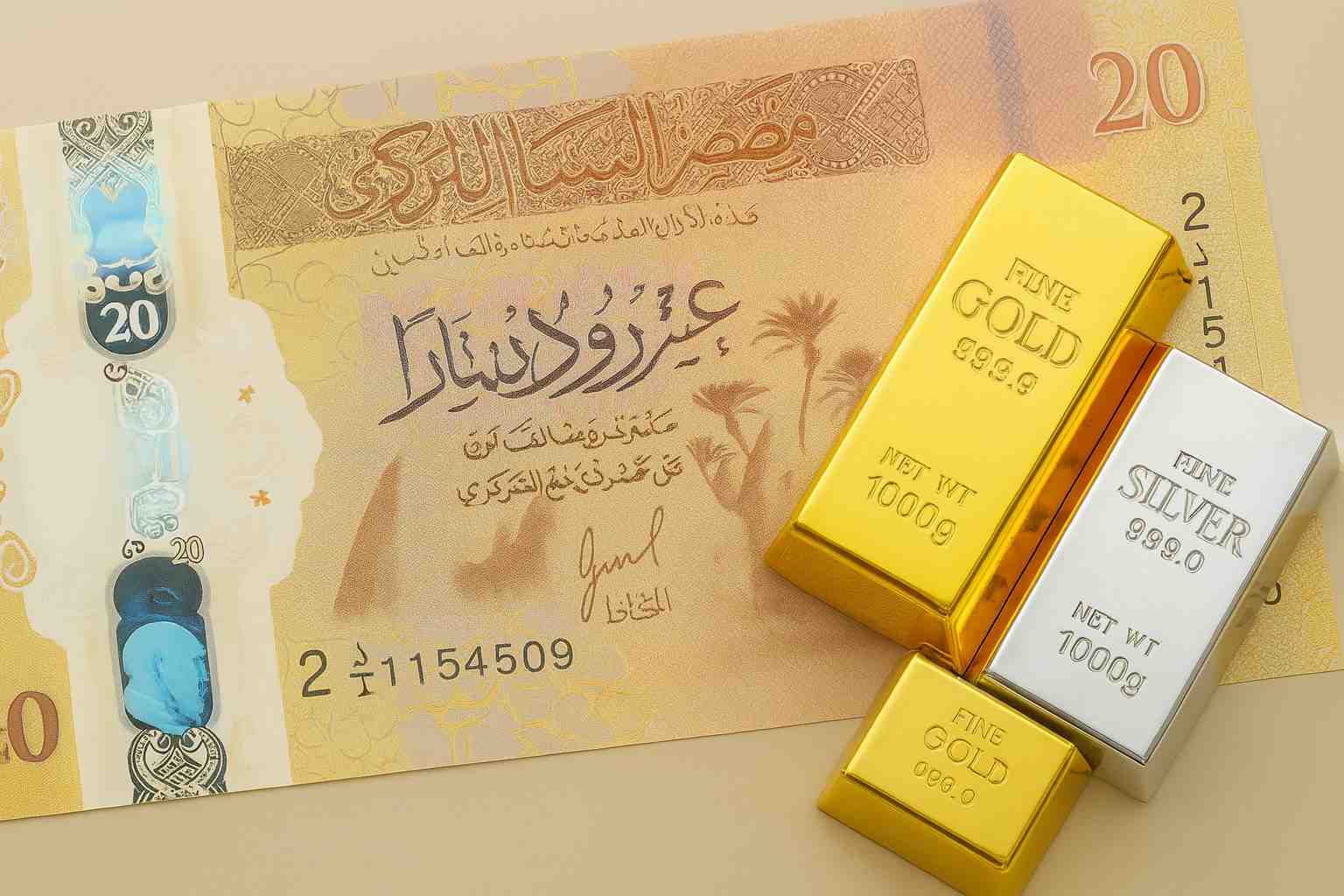
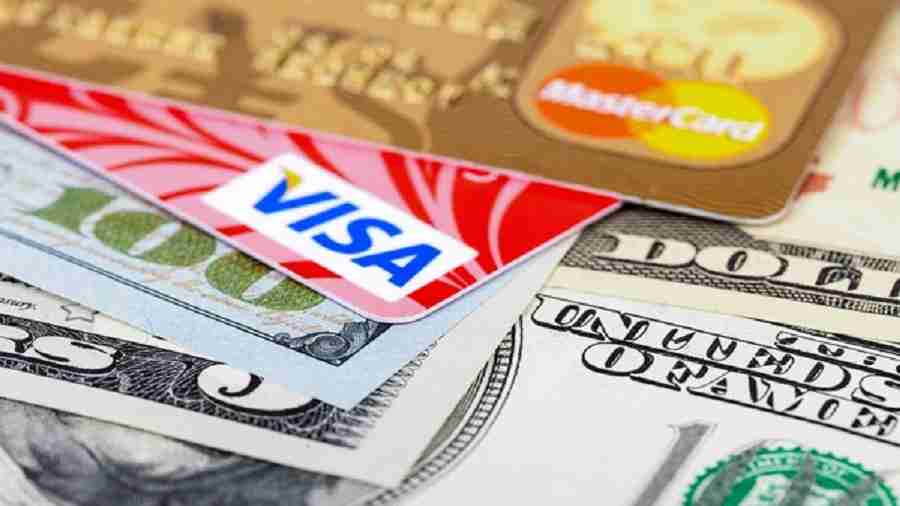
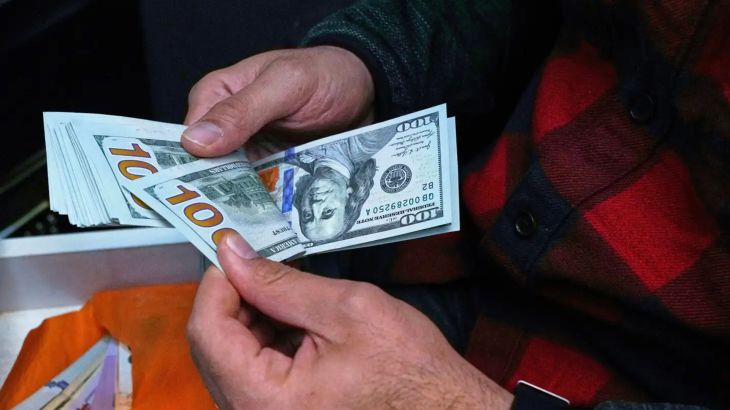
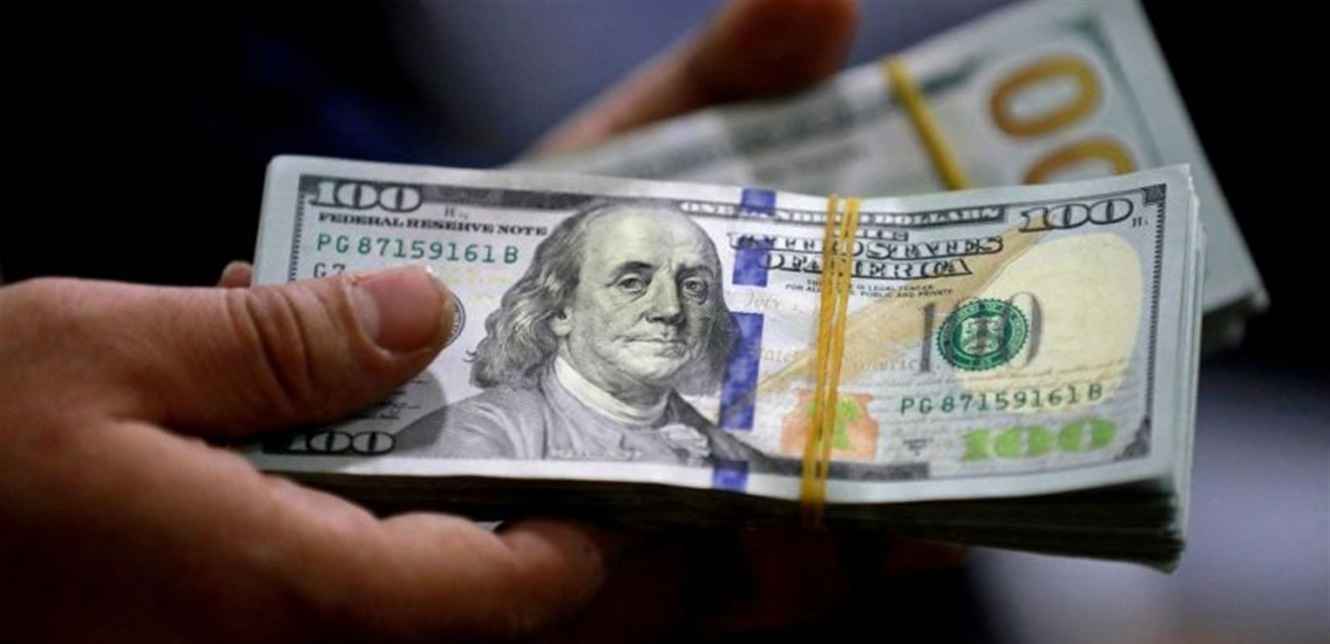
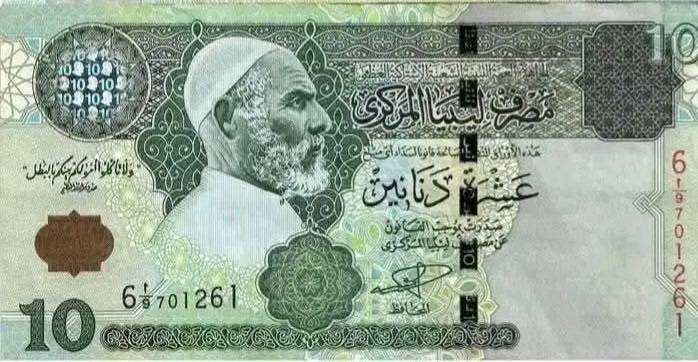
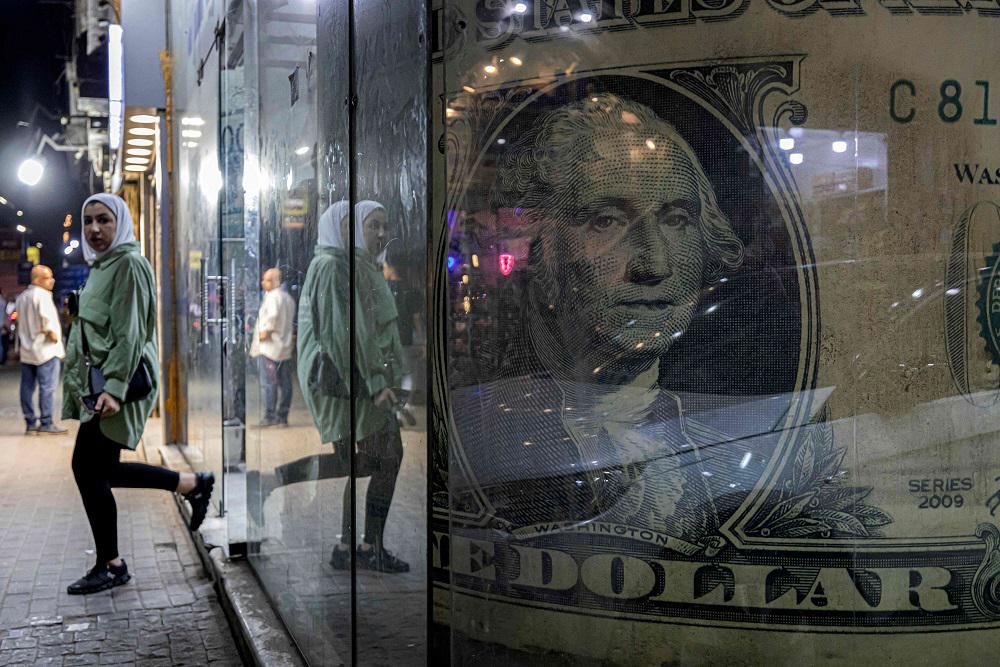
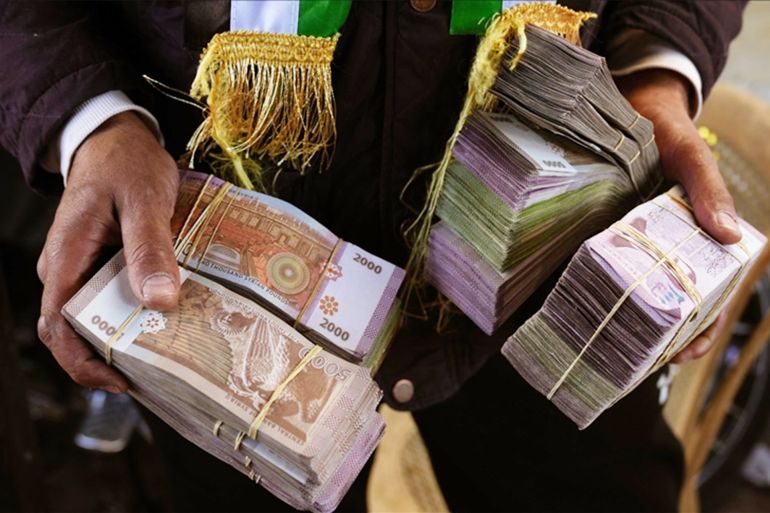
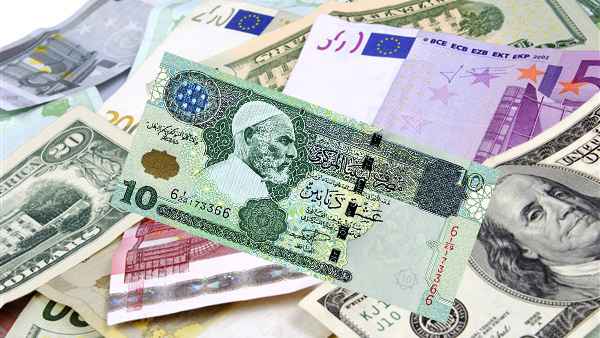
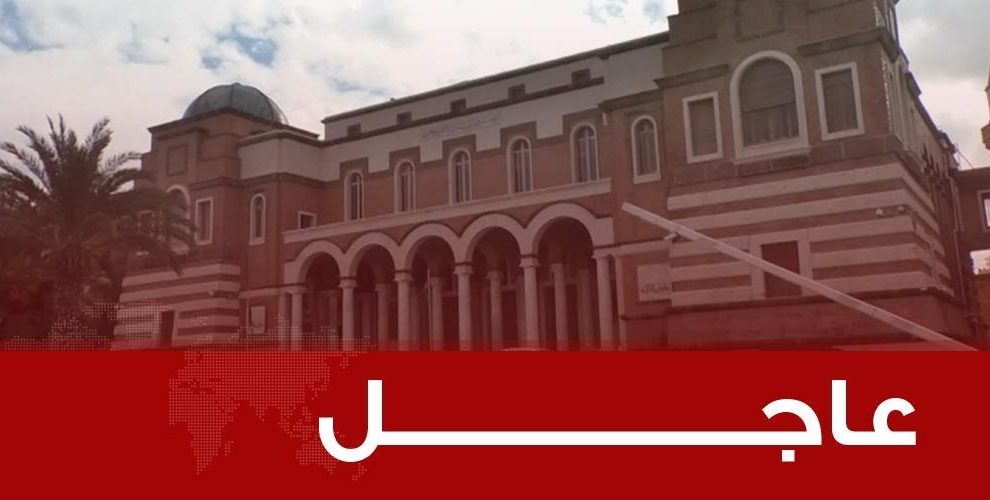
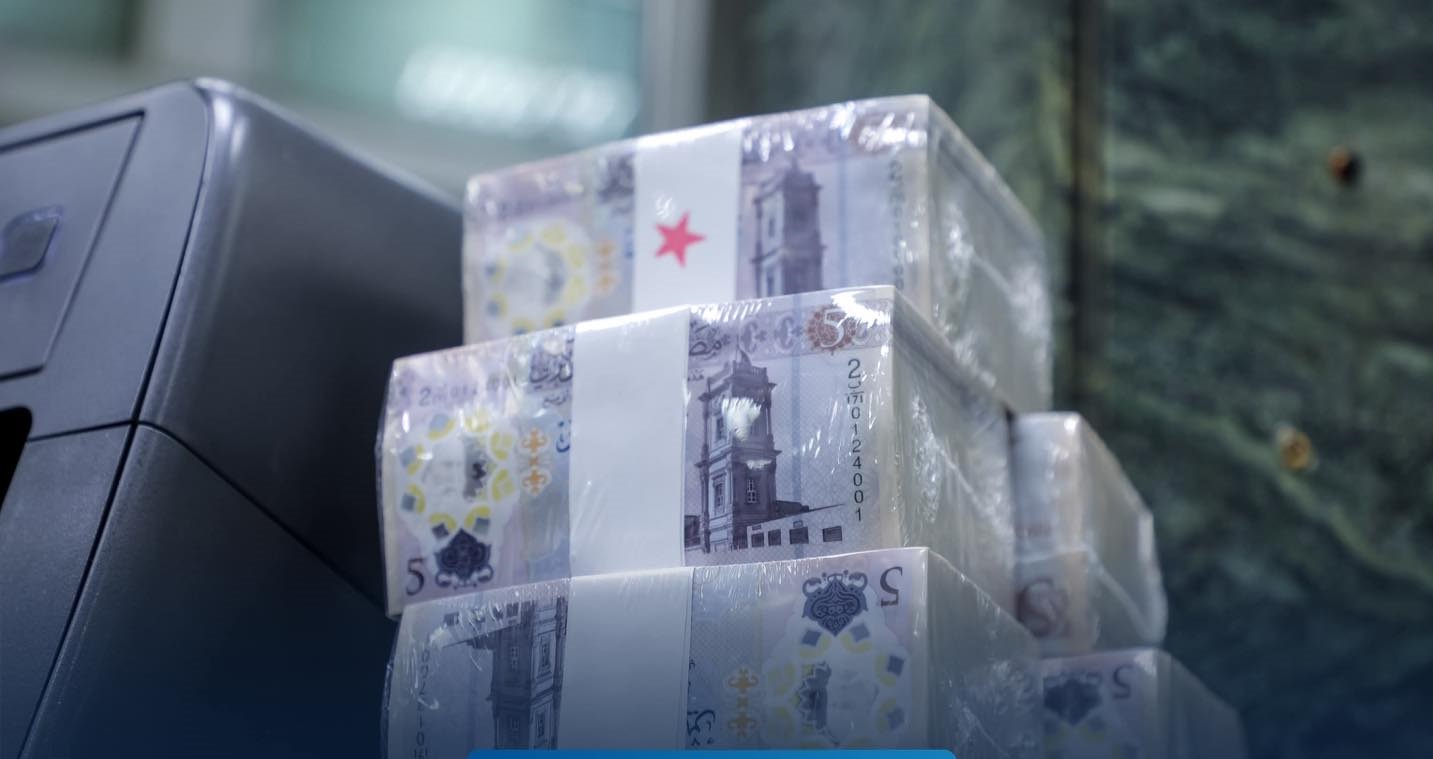
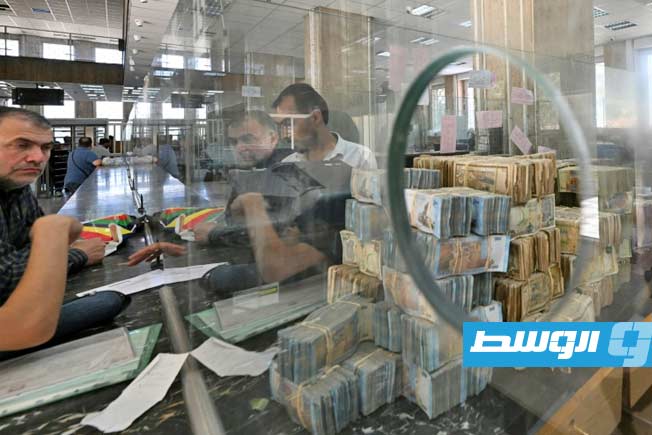
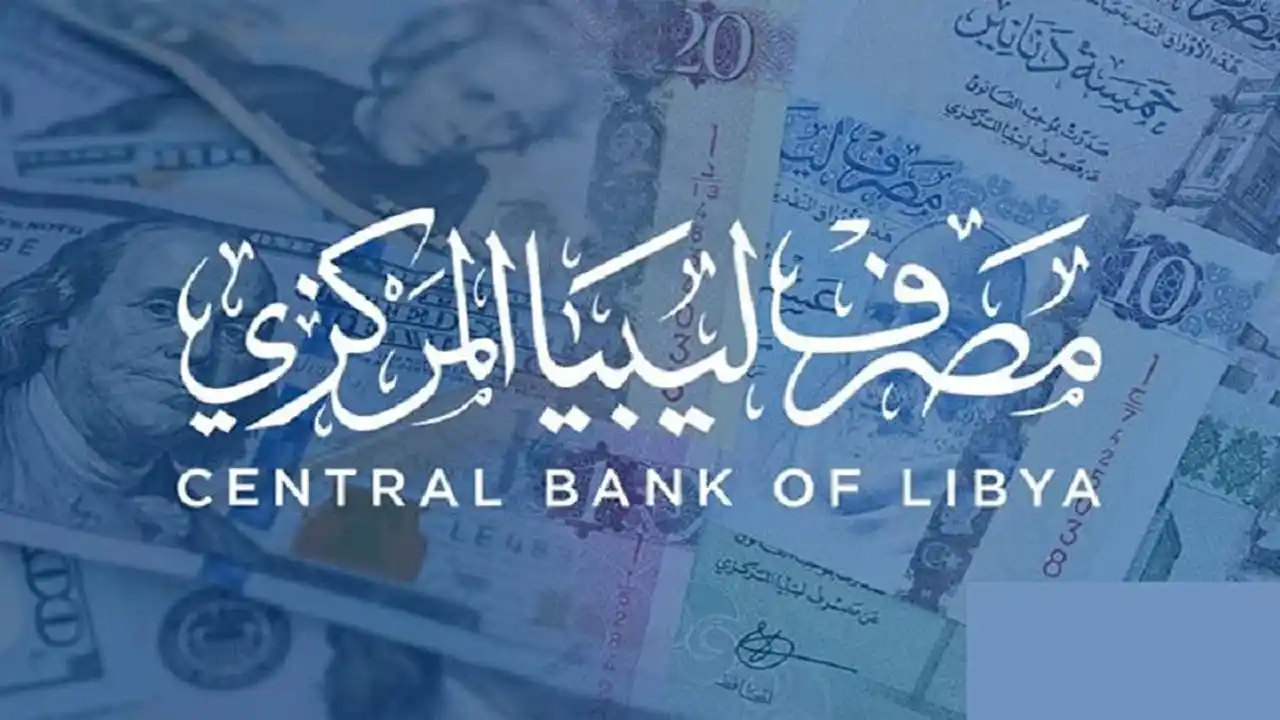
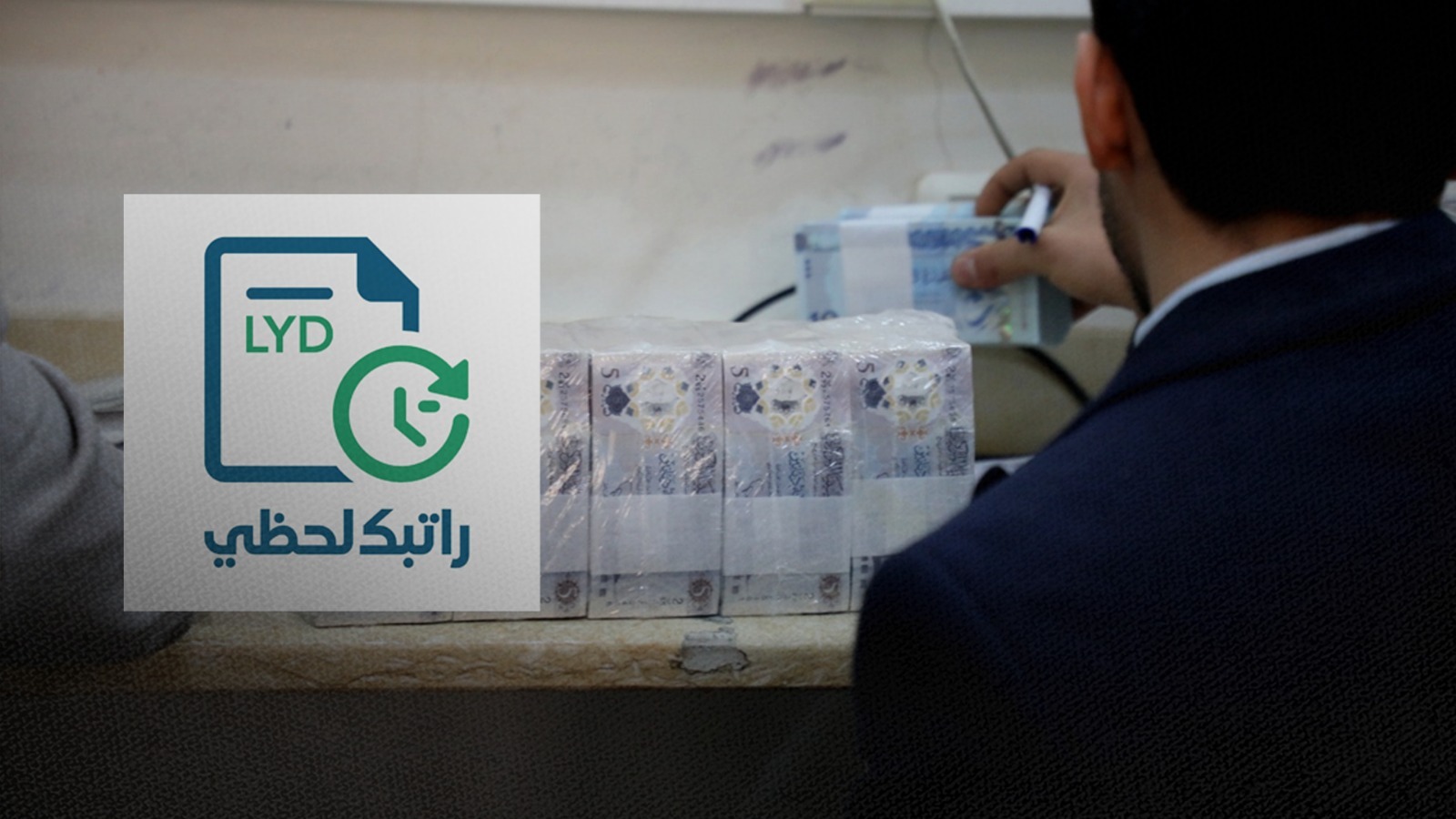
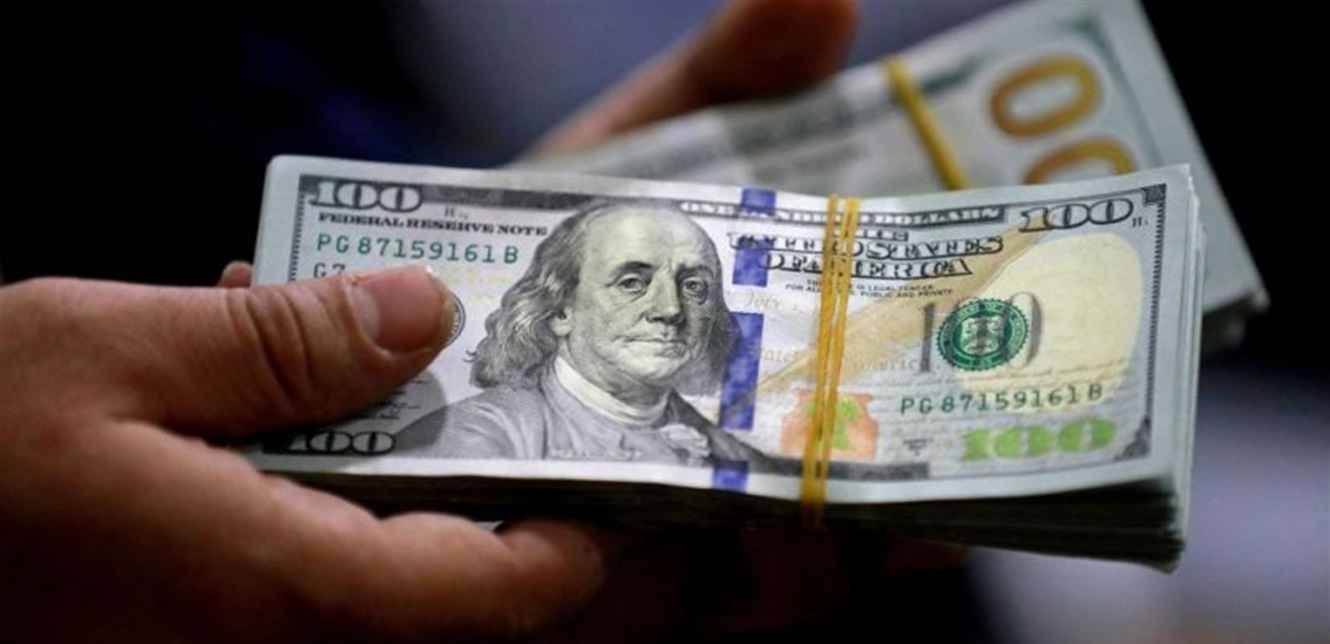
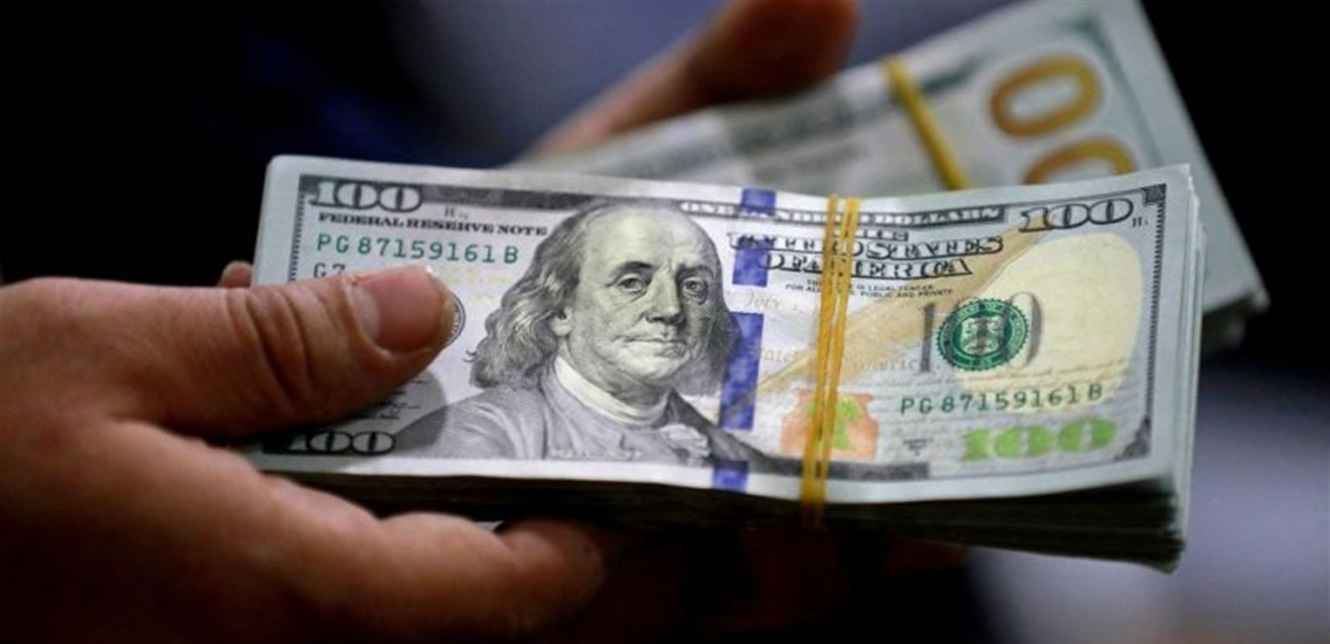
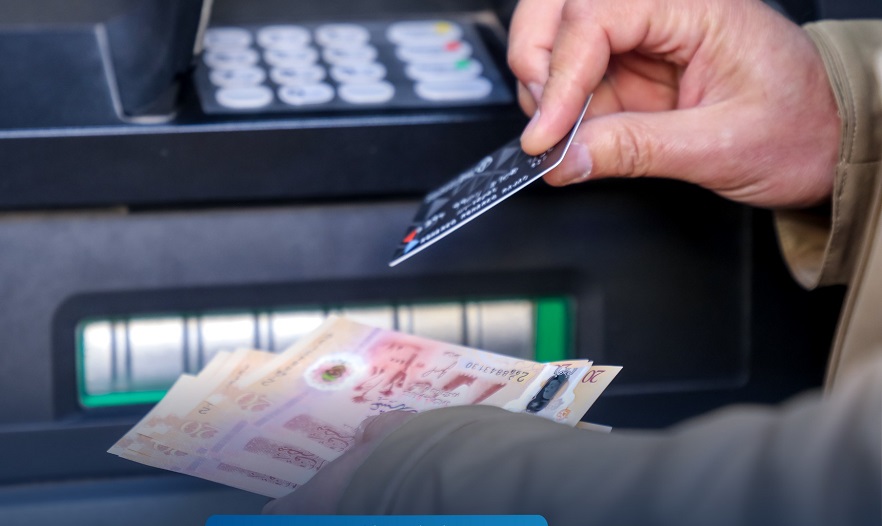
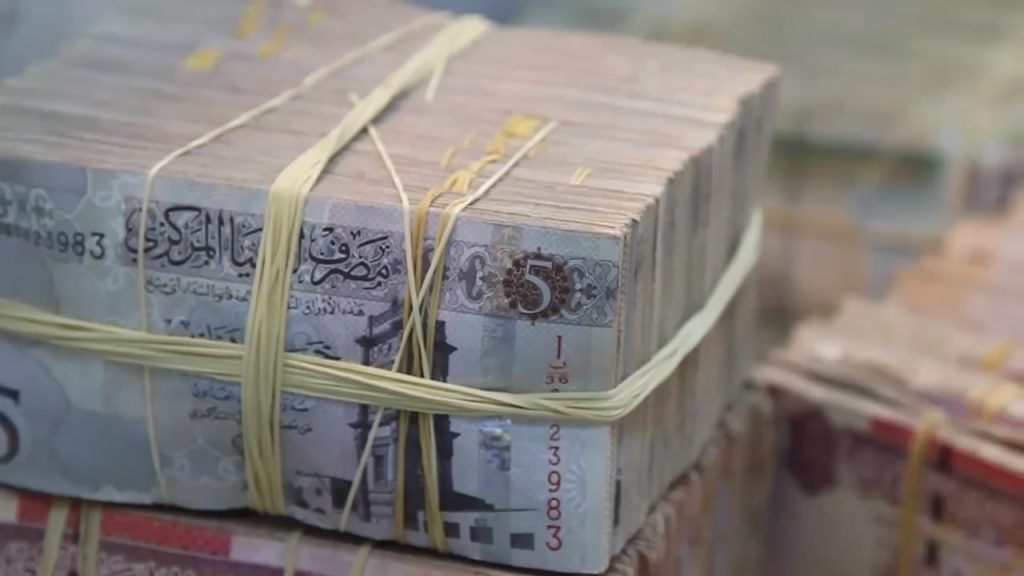
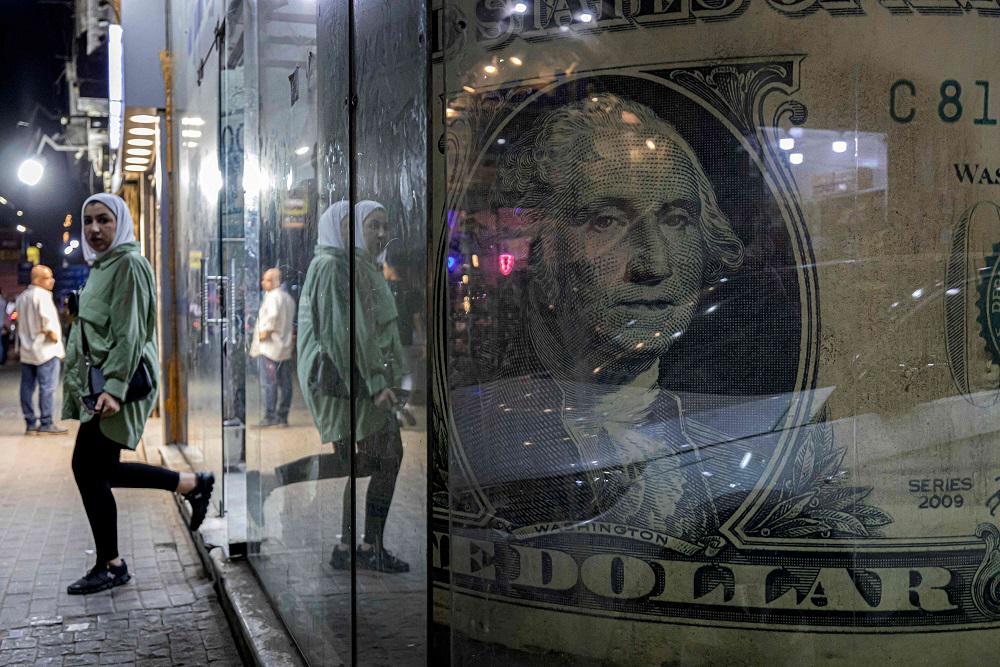
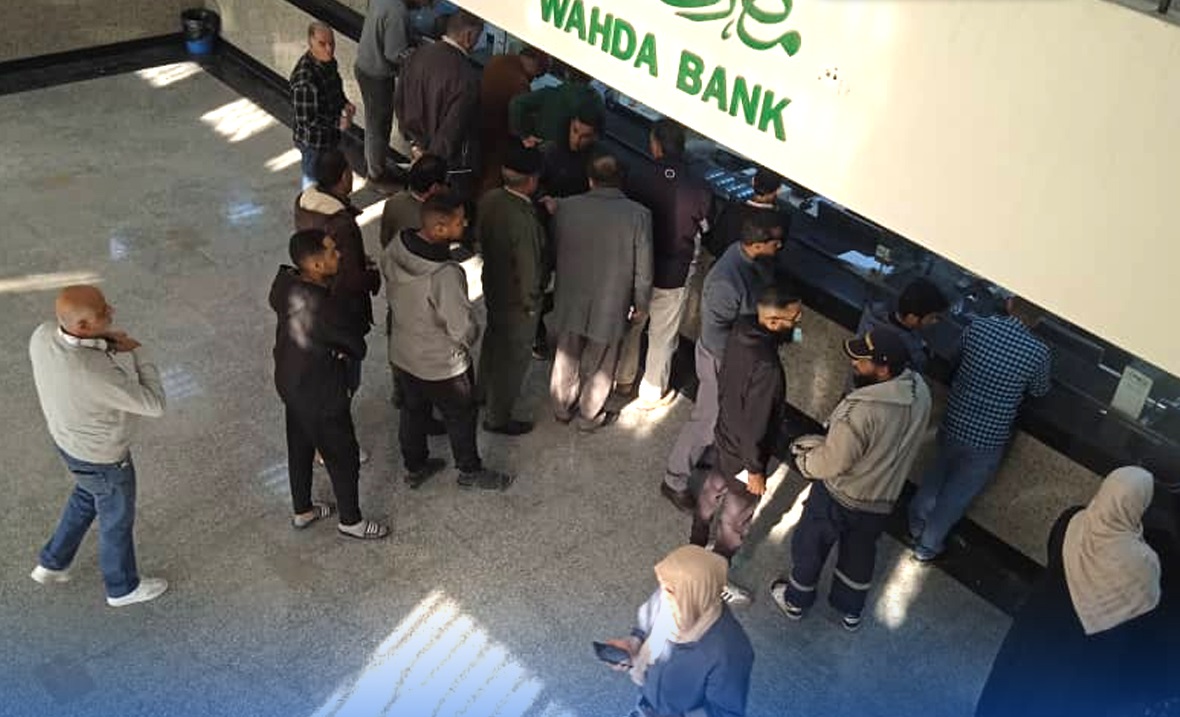
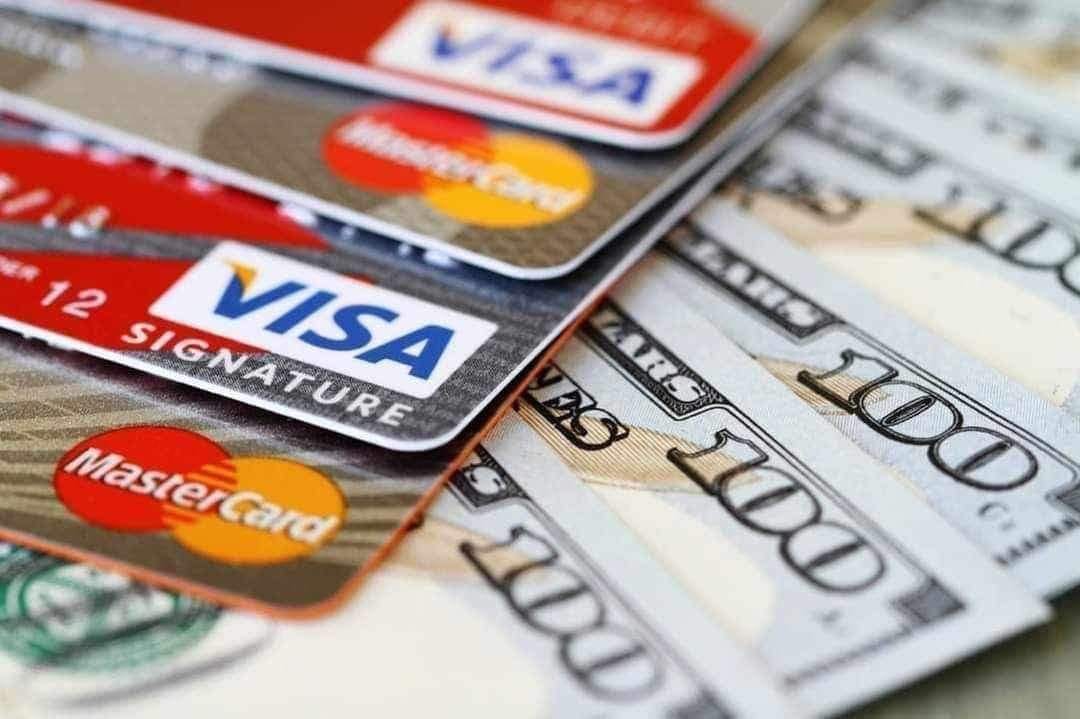
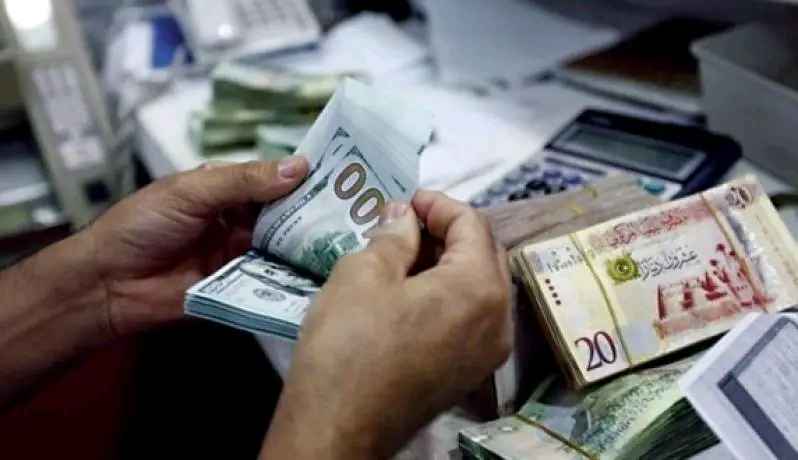
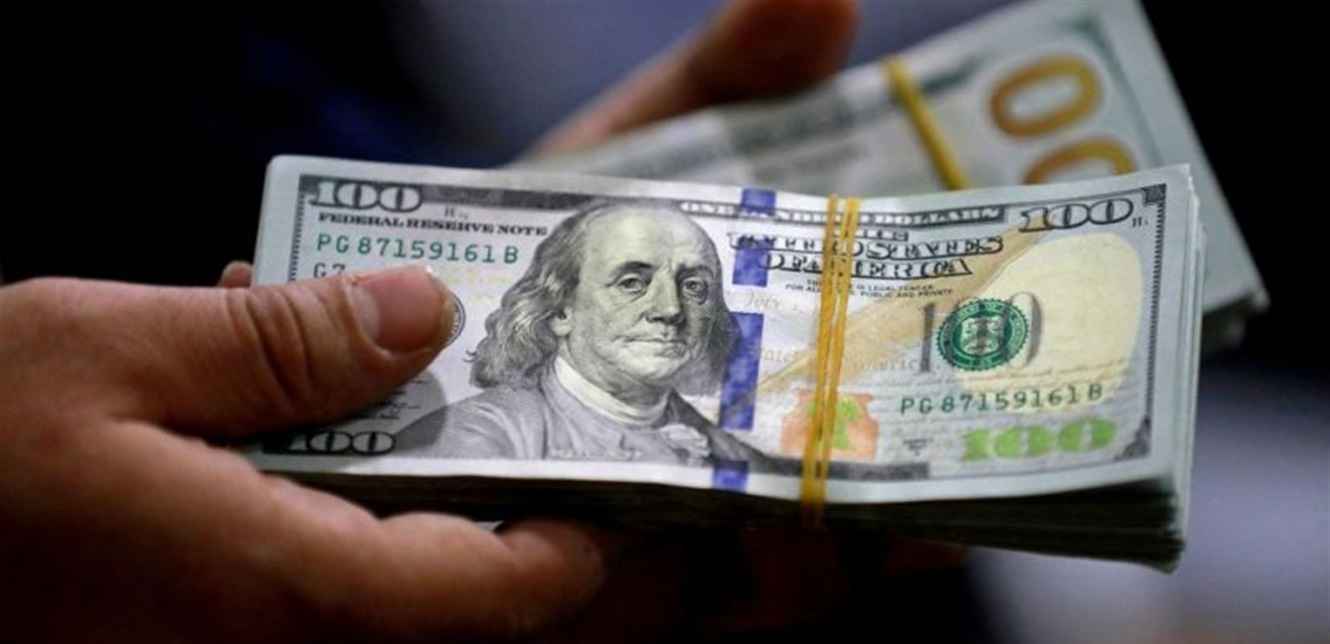
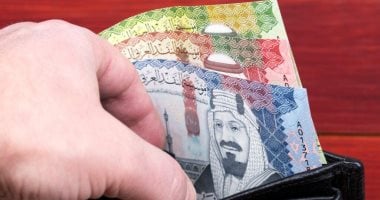
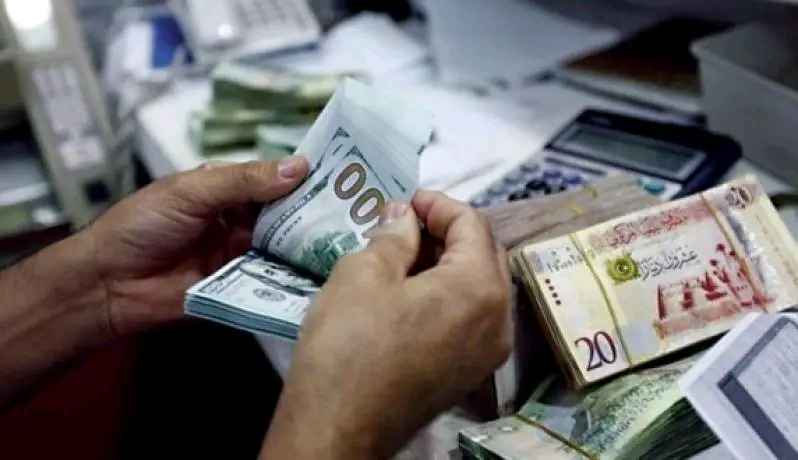
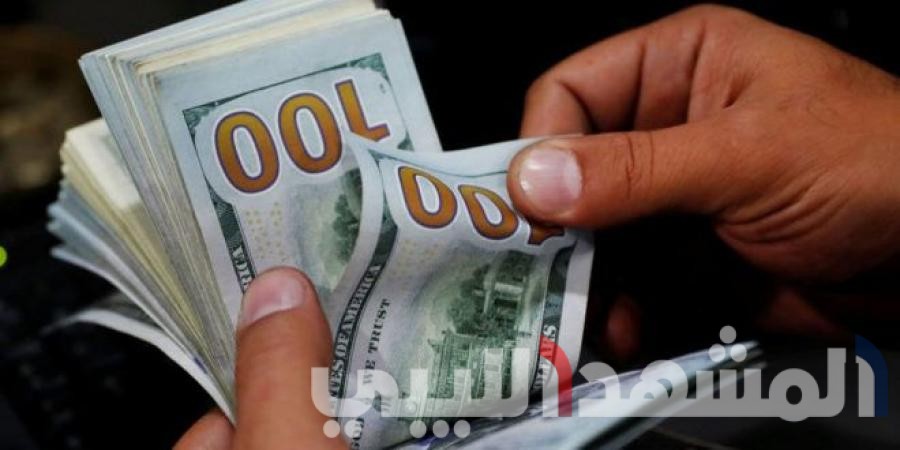
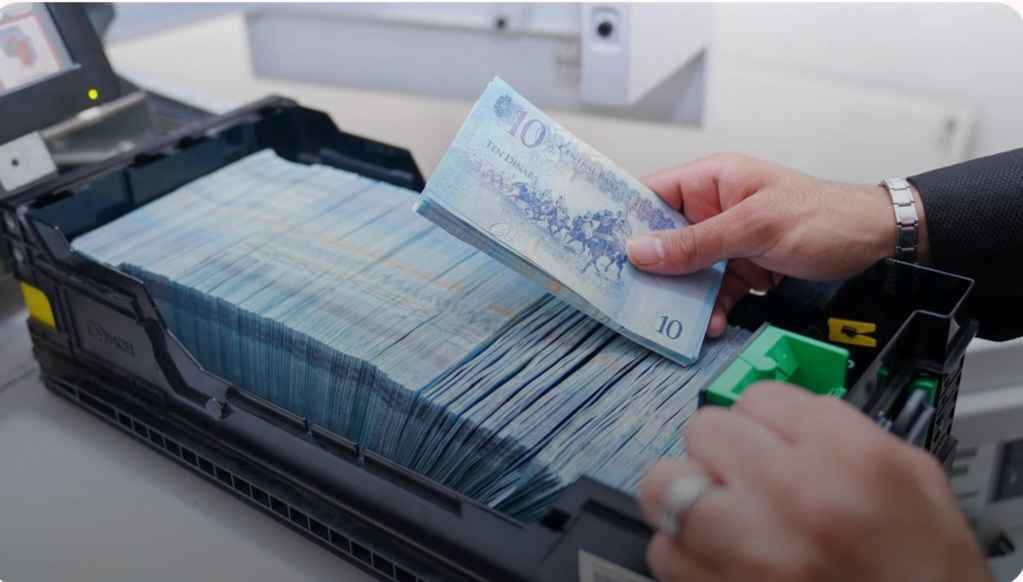
Tripoli – The escalating debate over payment methods, specifically cash versus checks, has been criticized, with emphasis placed on the fact that the core issue is not the payment instrument itself, but rather its ability to facilitate transactions for citizens.
It was clarified that focusing on the methods without considering the fundamental goal of making people’s lives easier complicates the economic landscape and distracts from real priorities. The need is for practical solutions that ensure the smooth and easy flow of financial transactions, away from debates that do not serve the citizen under the current economic conditions.
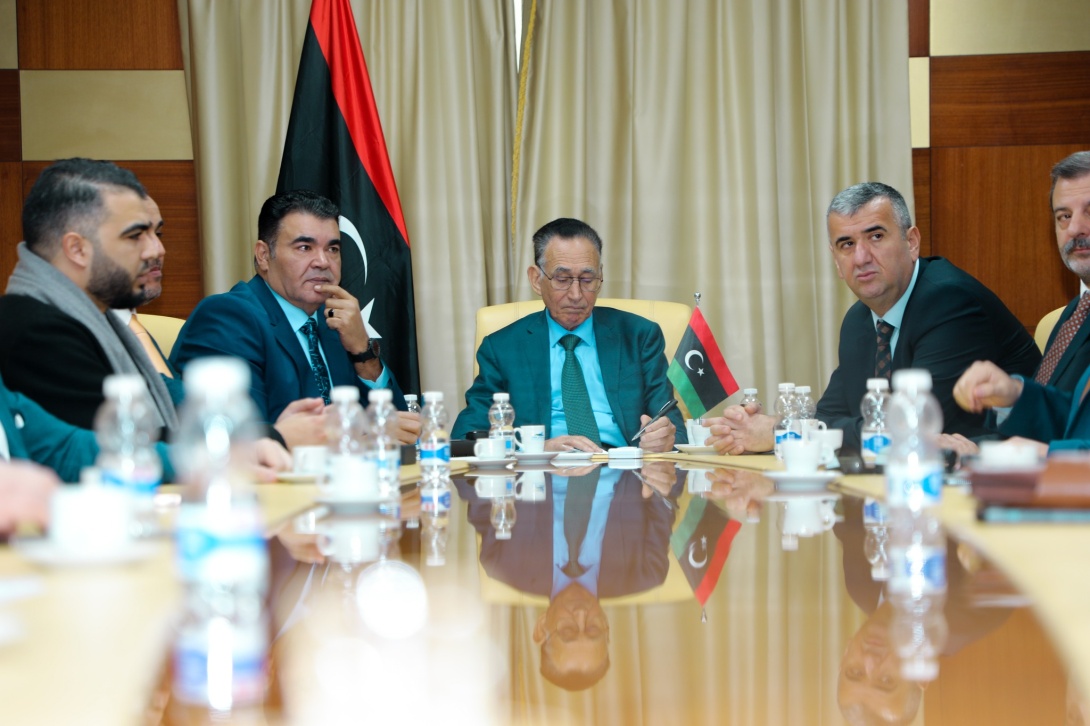
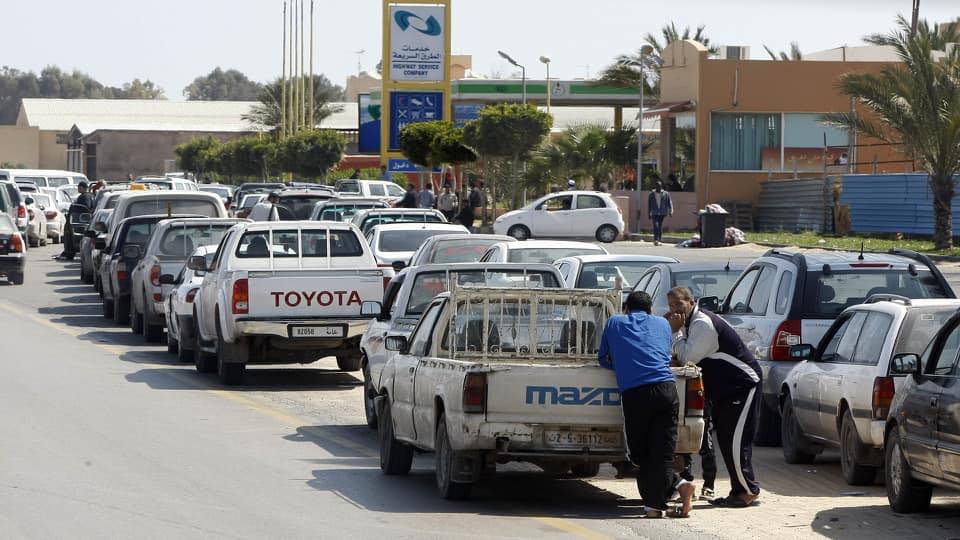
This statement comes at a time when Libya is witnessing broad discussions about the feasibility of relying on checks versus cash, amid financial and living challenges facing citizens that necessitate more flexible policies for managing daily transactions.
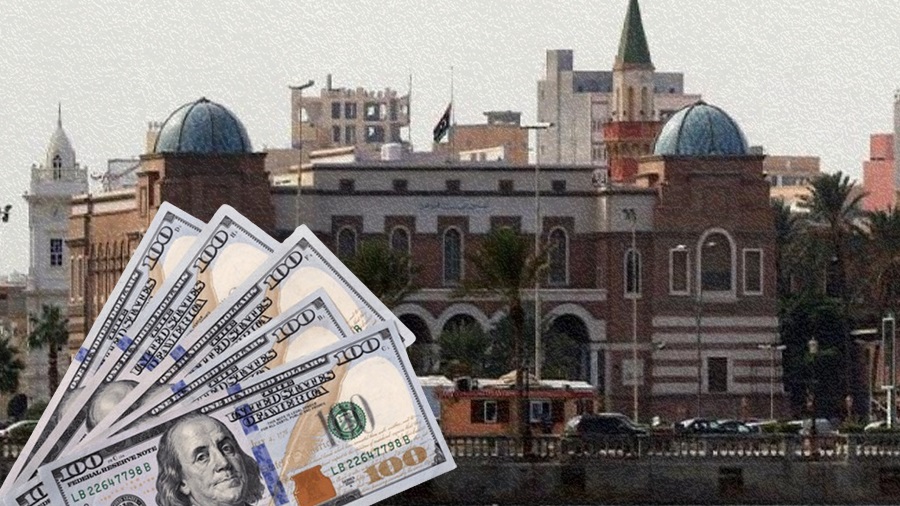
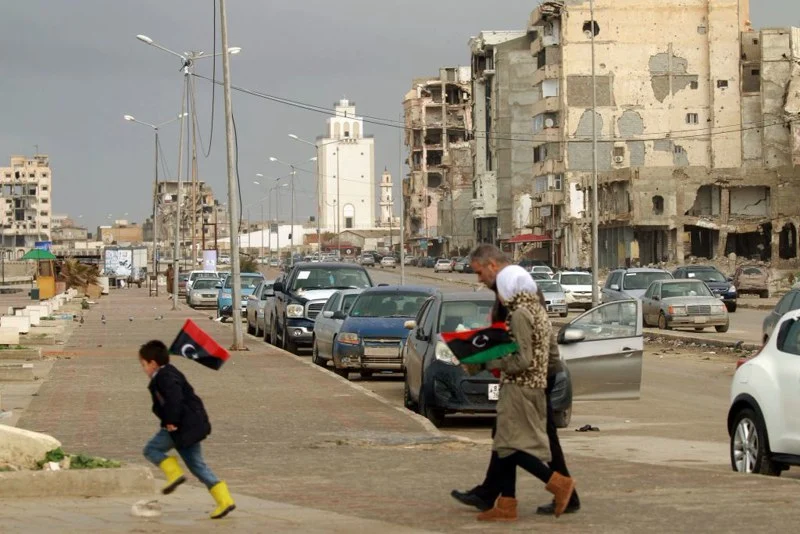
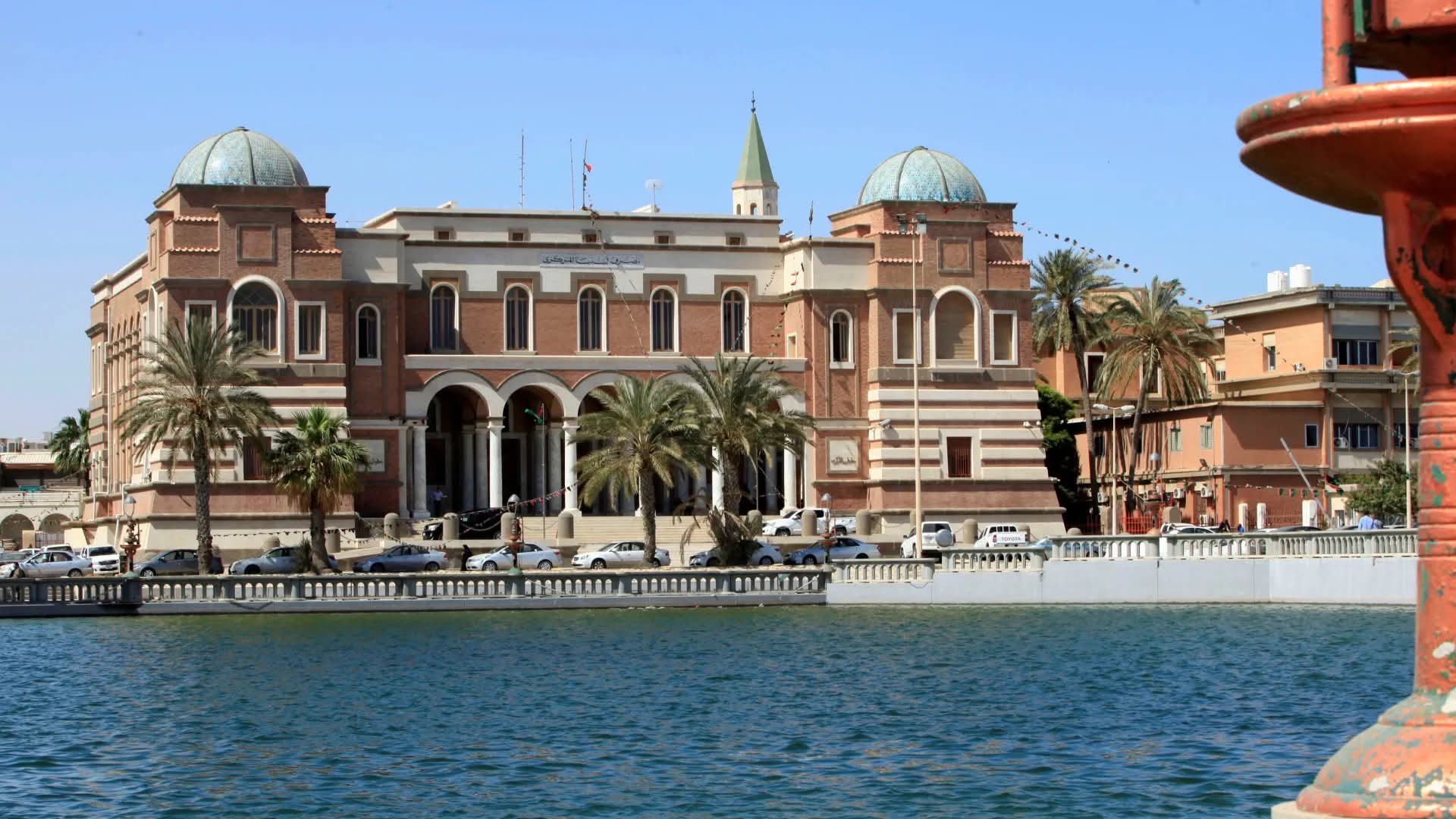
Tripoli
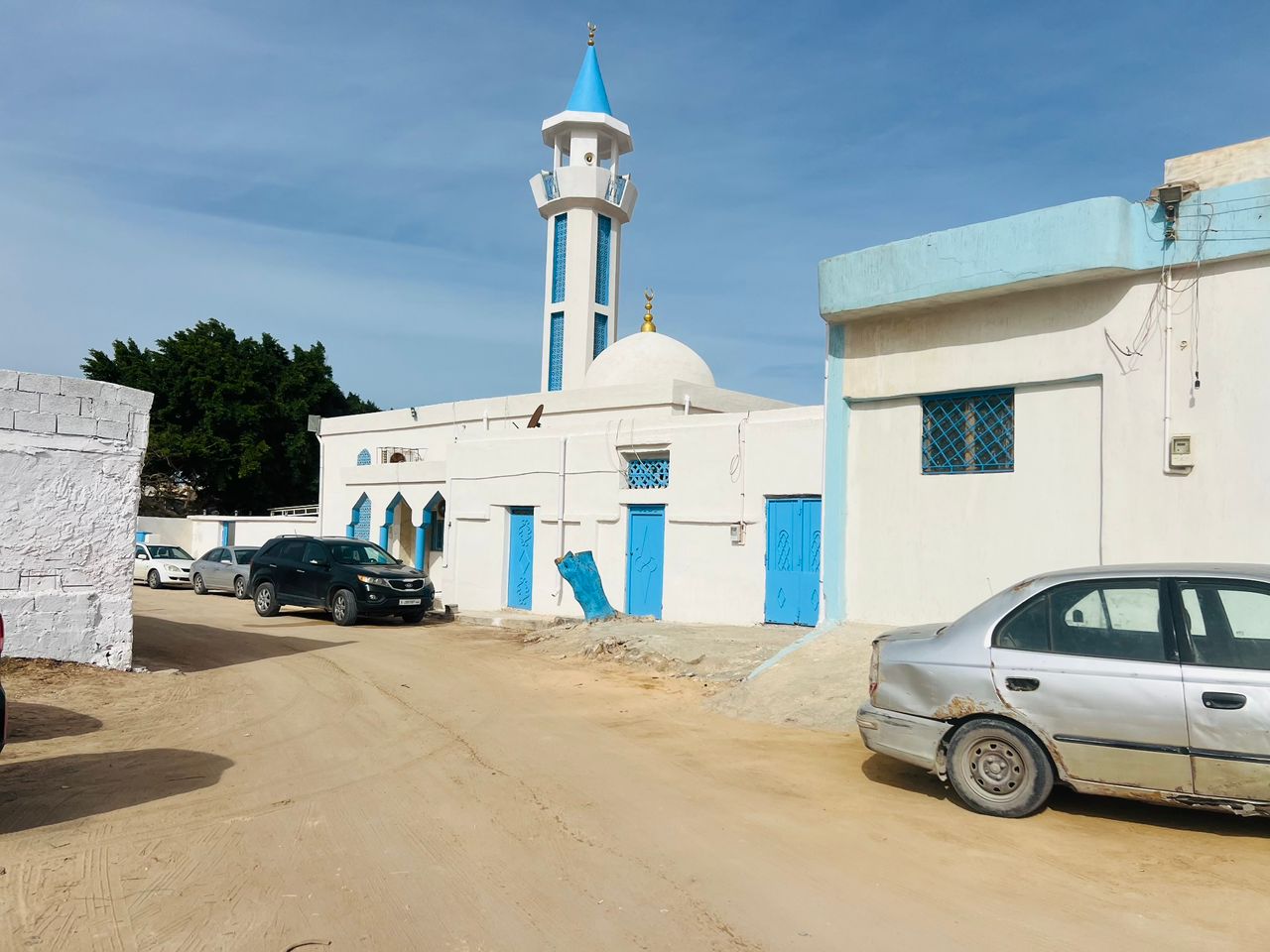
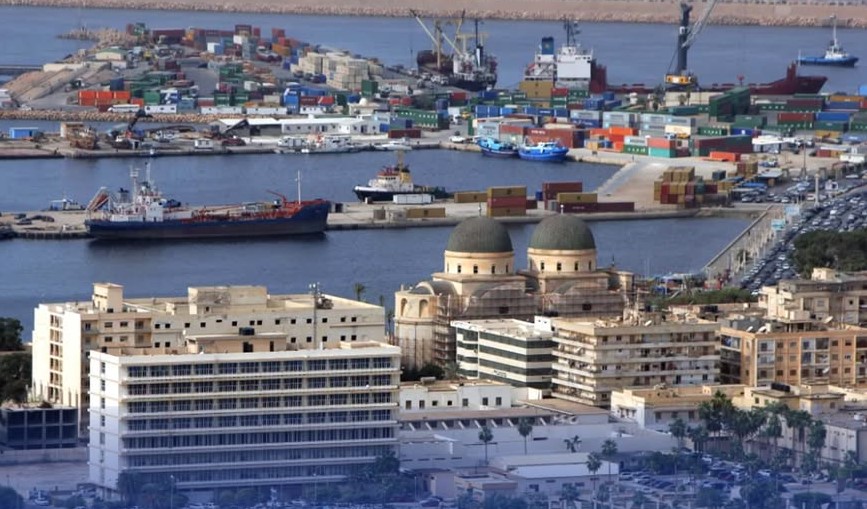
Tripoli is the capital and largest city of Libya, located on the country’s Mediterranean coast. Historically, it was founded by the Phoenicians in the 7th century BC and has since been ruled by the Romans, Arabs, Ottomans, and Italians, serving as a major port and cultural crossroads. Its historic center, the medina, contains significant landmarks like the Arch of Marcus Aurelius and the Red Castle (Assai al-Hamra).
Libya
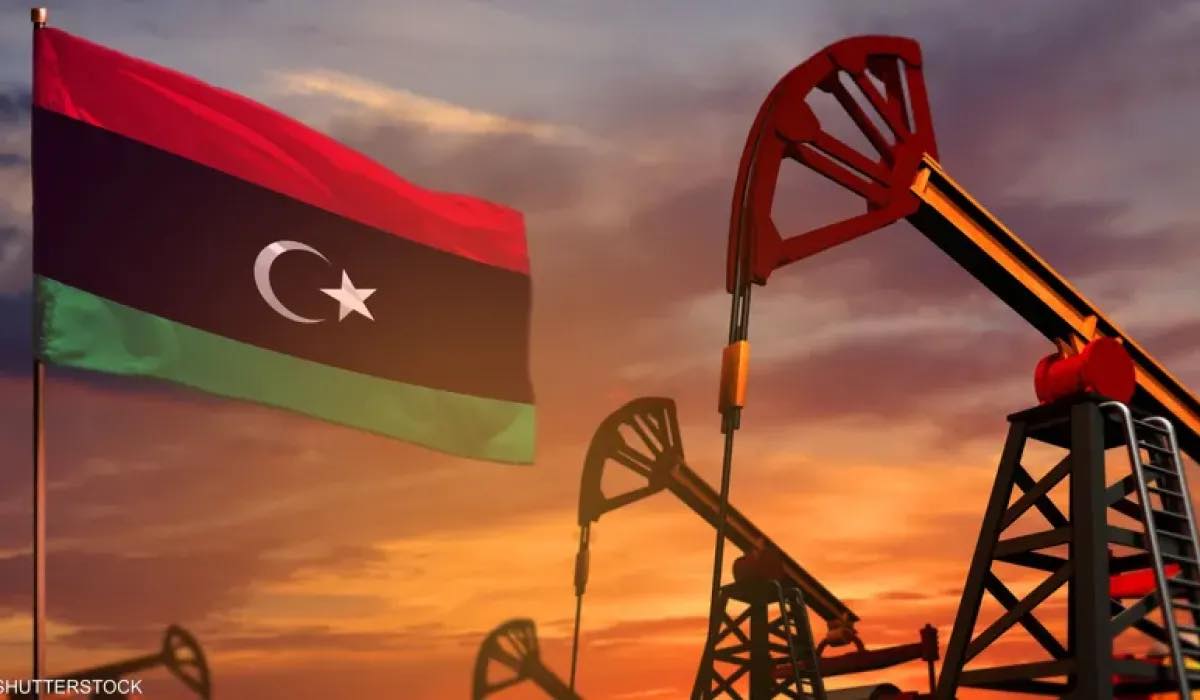
Libya is a North African country with a rich history rooted in ancient civilizations like the Phoenicians and Romans, followed by centuries of Arab and Ottoman influence. In the modern era, it was an Italian colony before gaining independence in 1951, later becoming known for Muammar Gaddafi’s lengthy rule from 1969 until the 2011 revolution. The country is home to UNESCO World Heritage sites, such as the ancient Greek city of Cyrene and the Roman ruins of Leptis Magna.