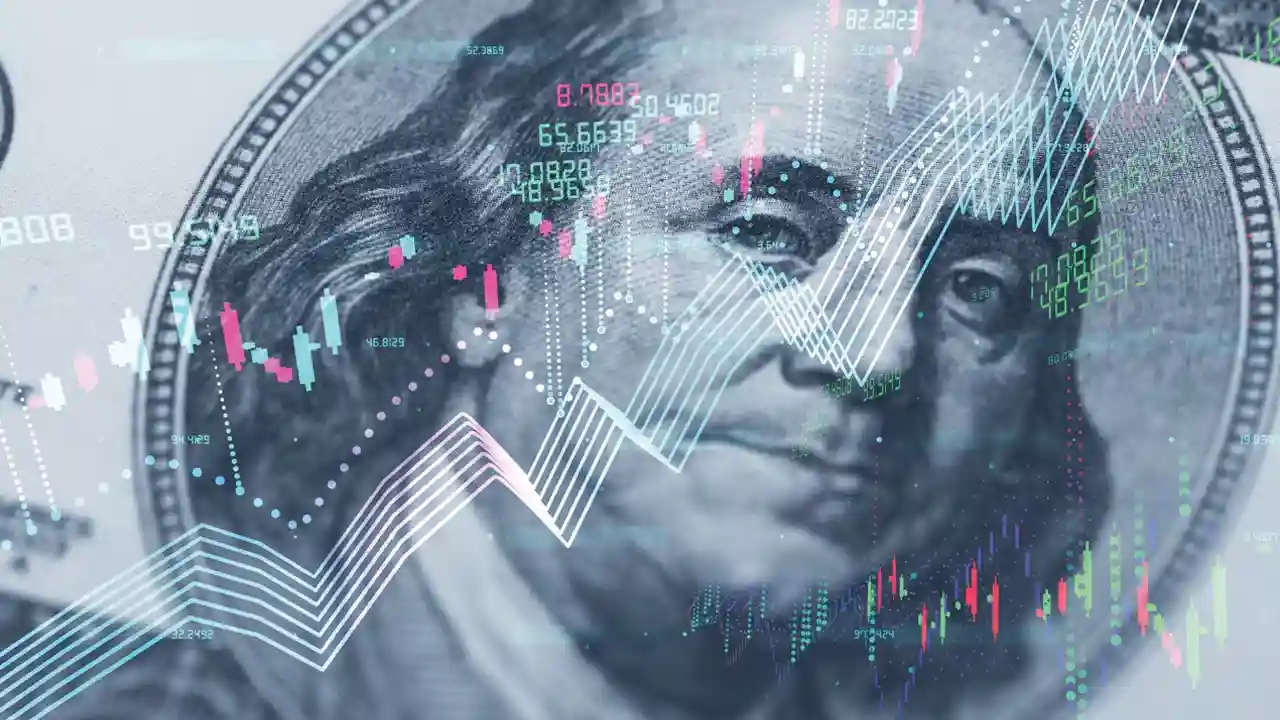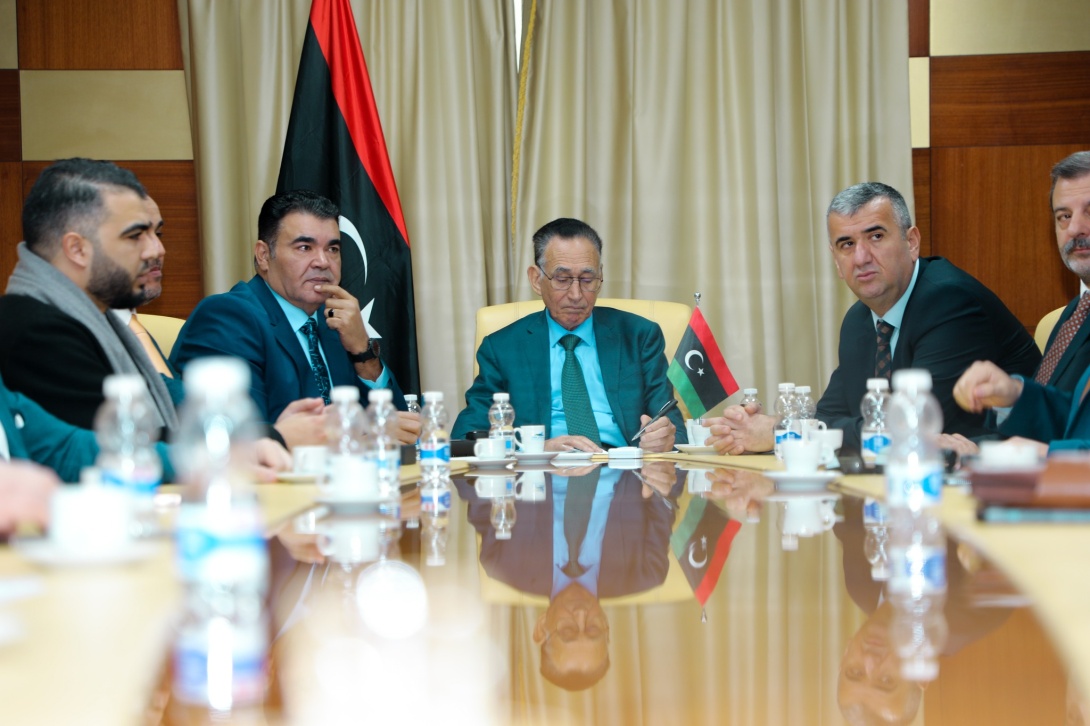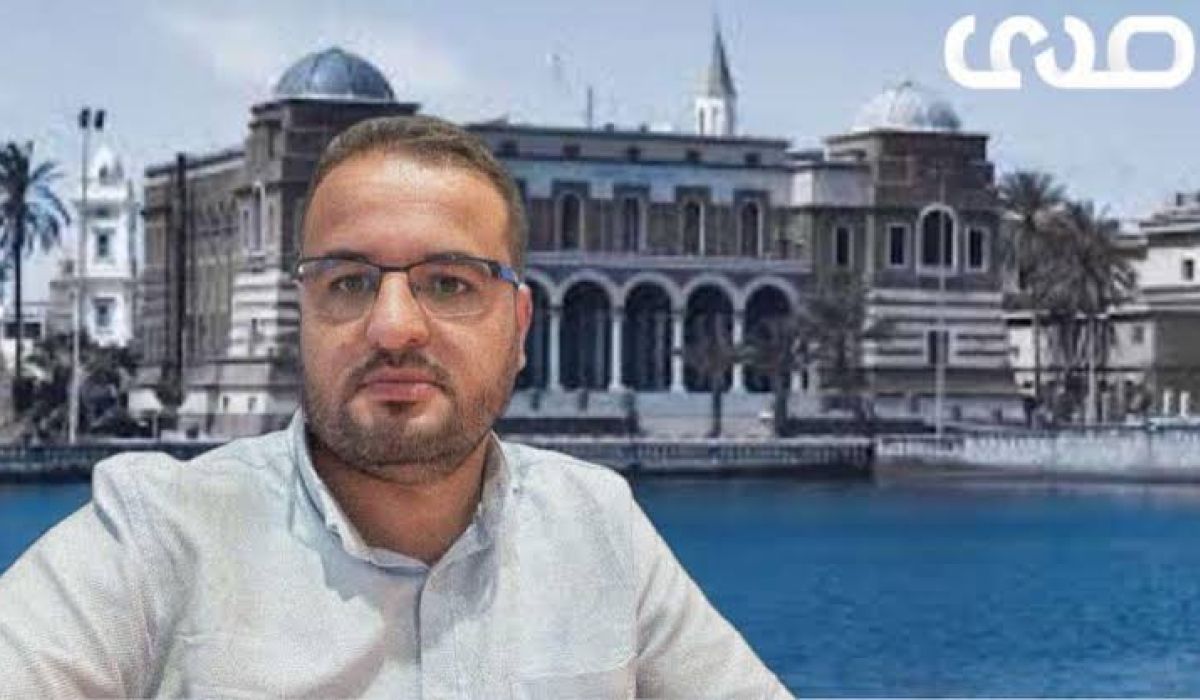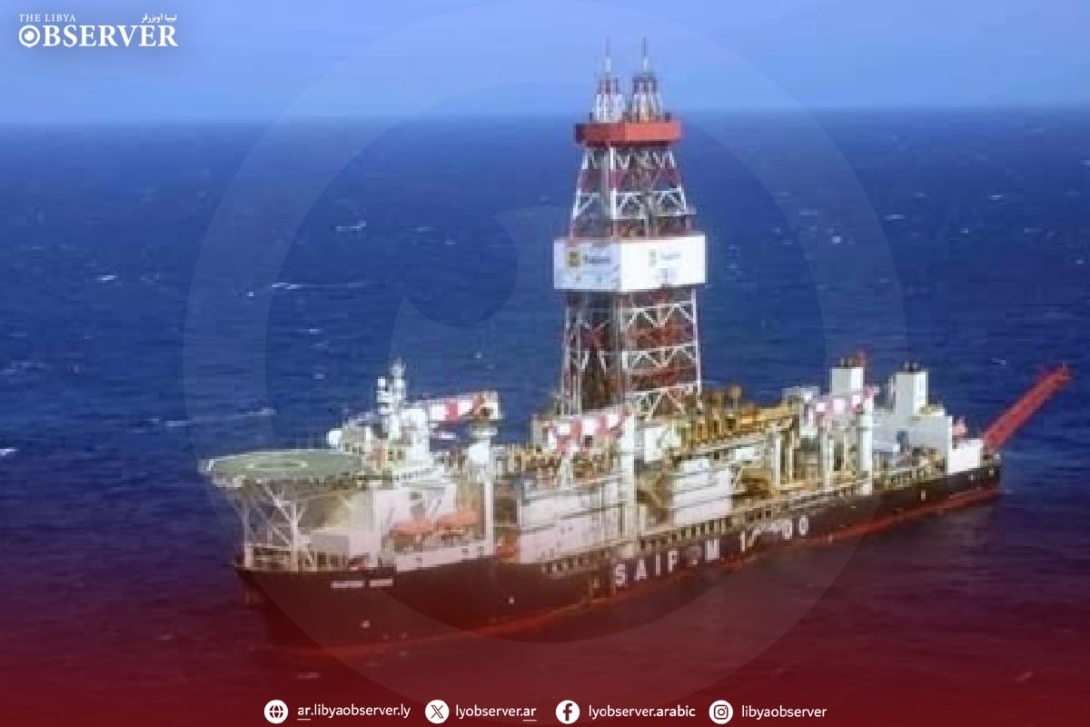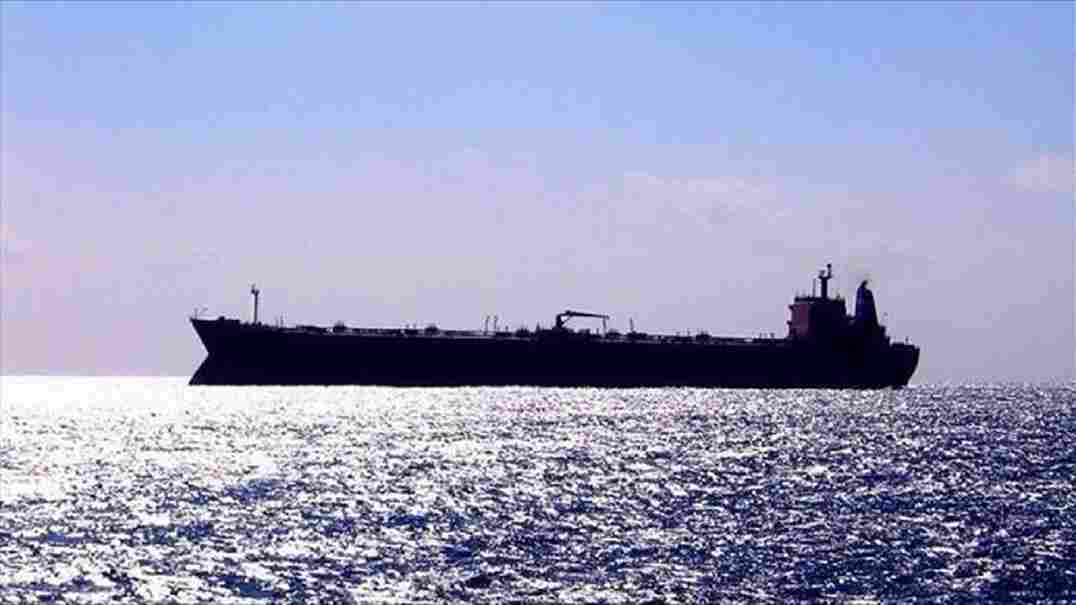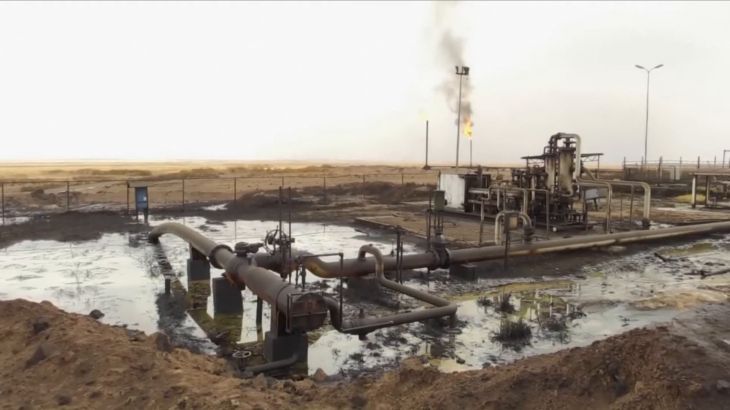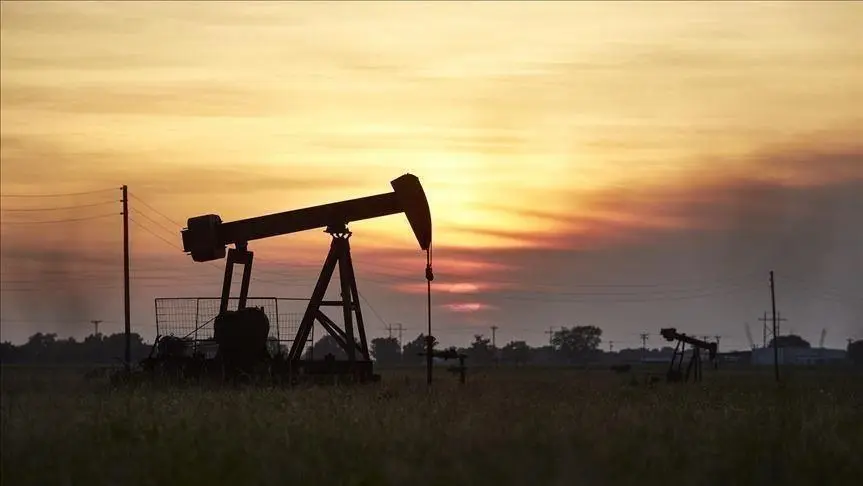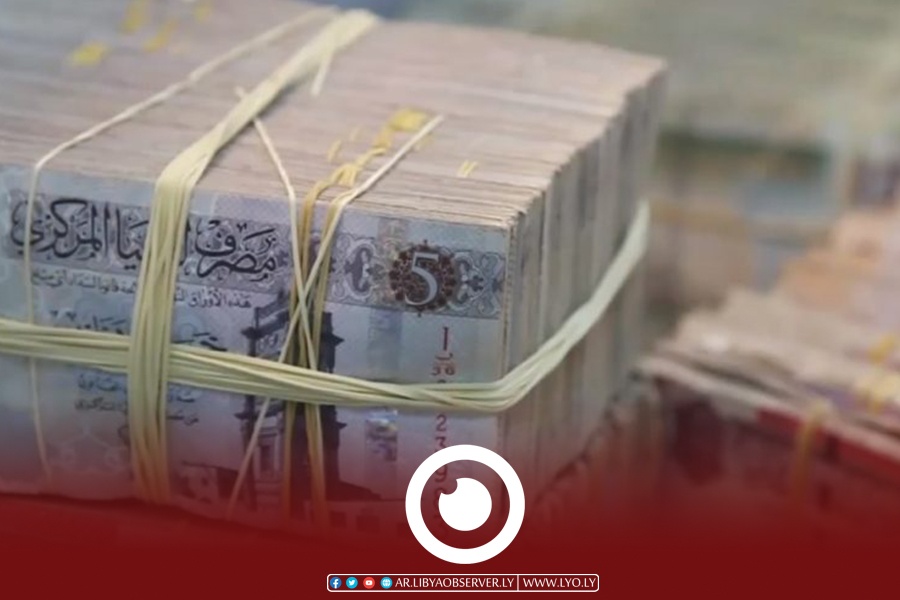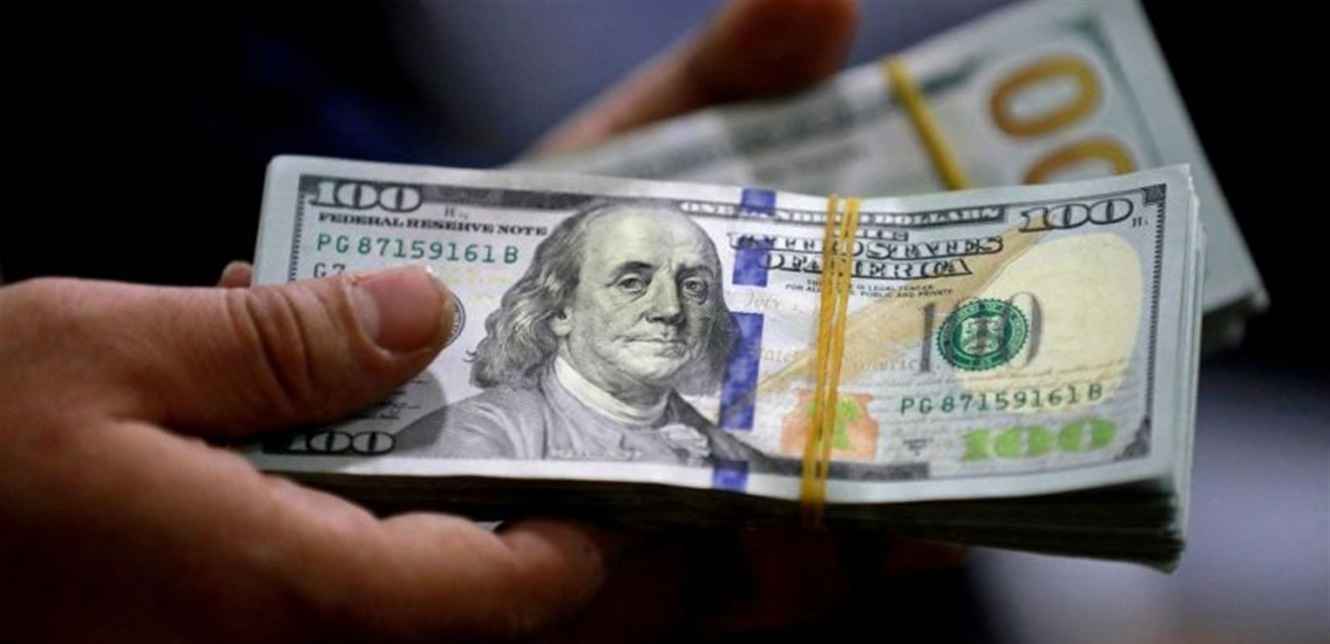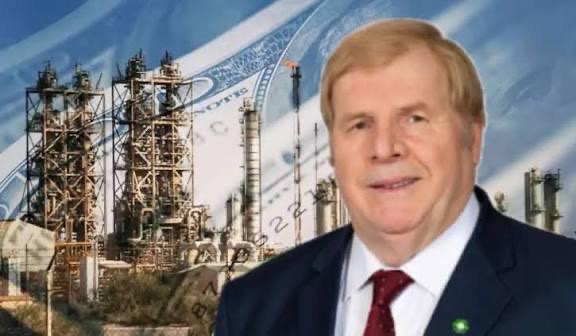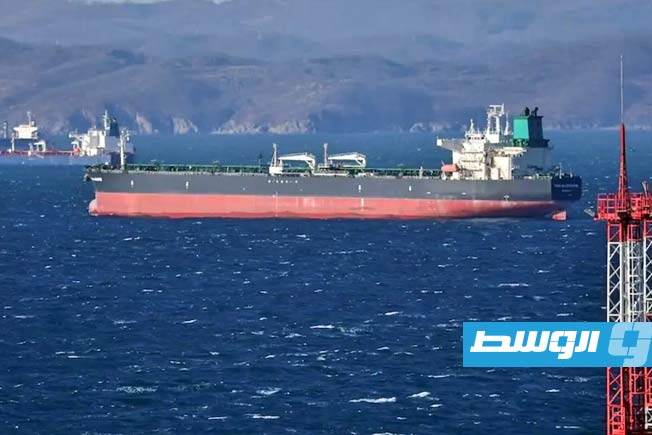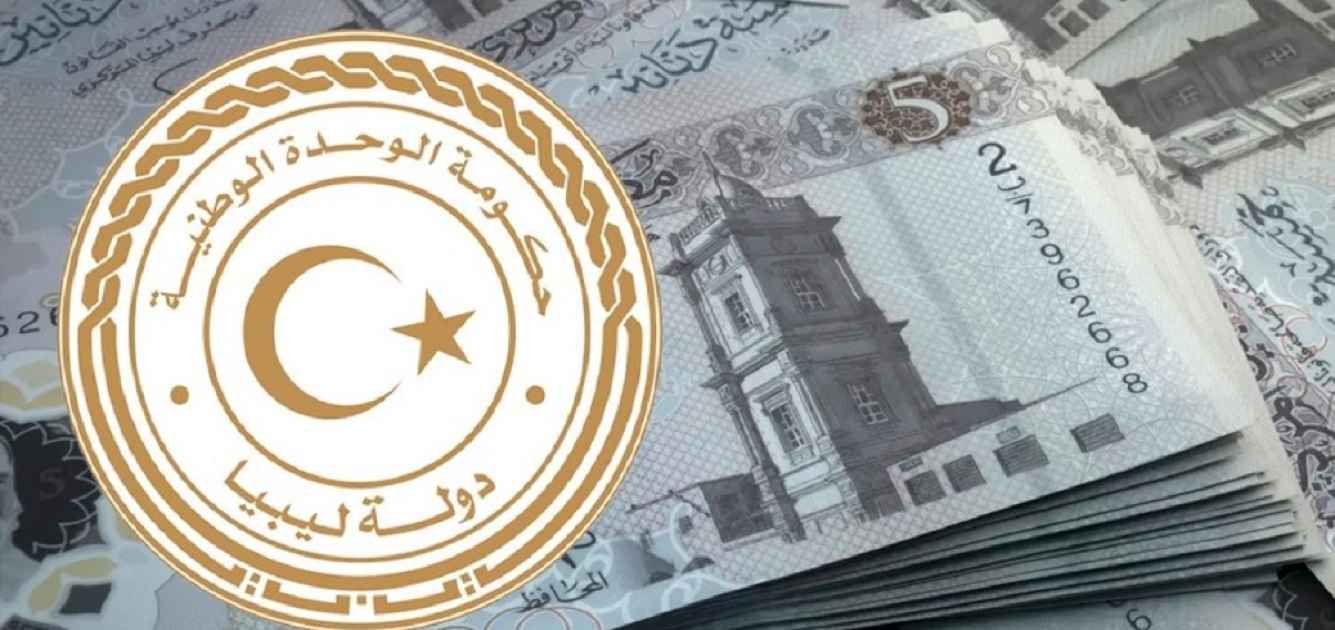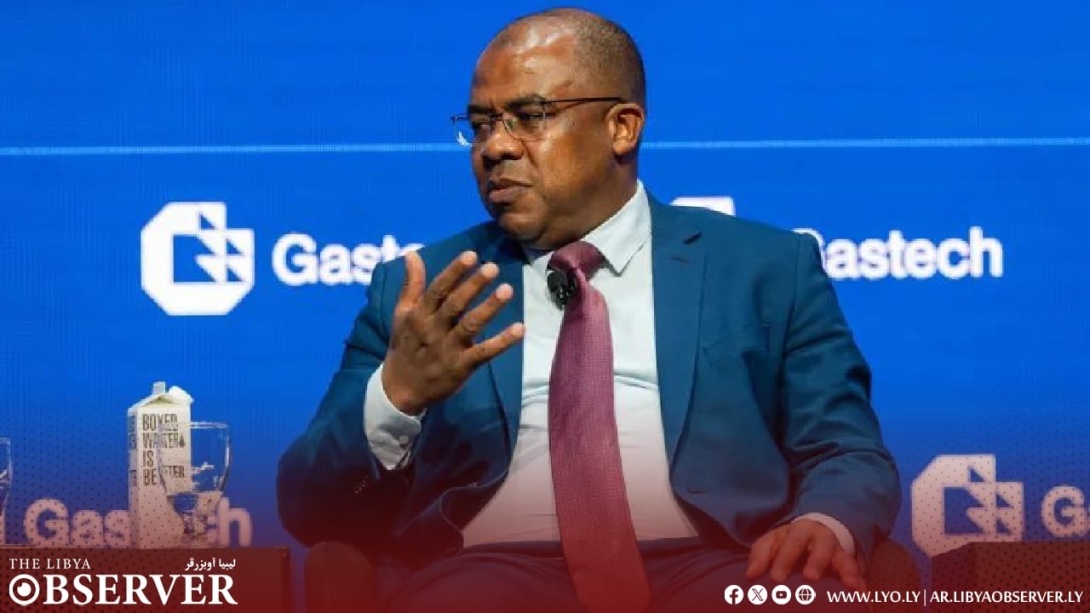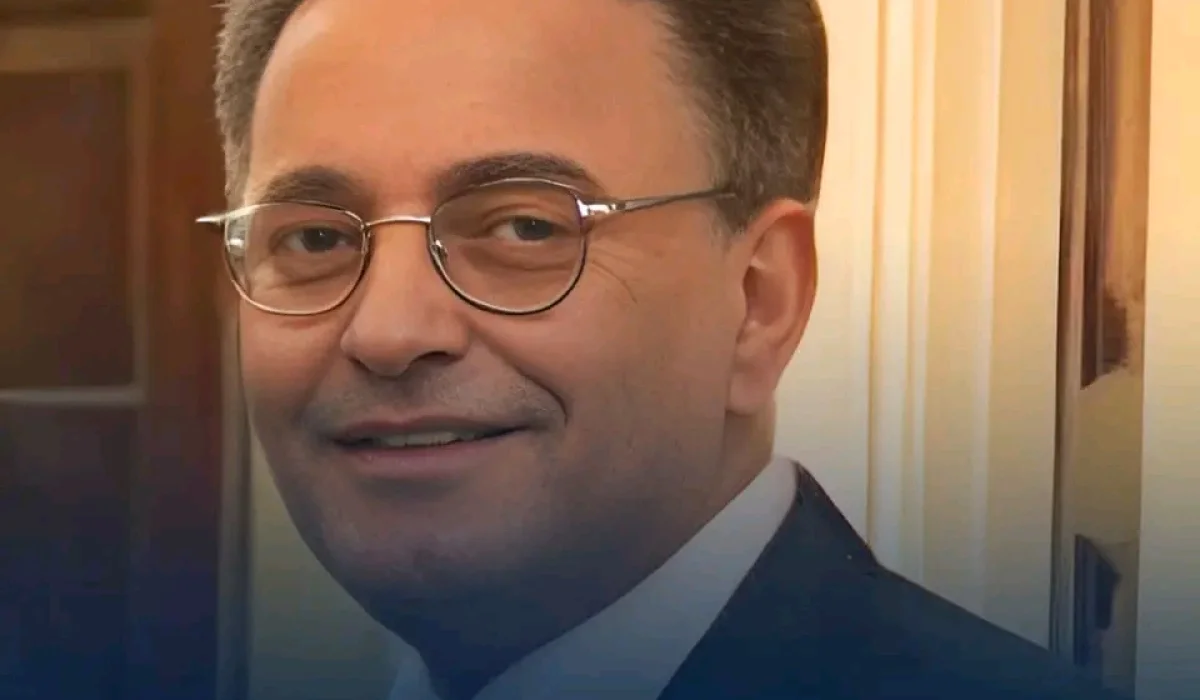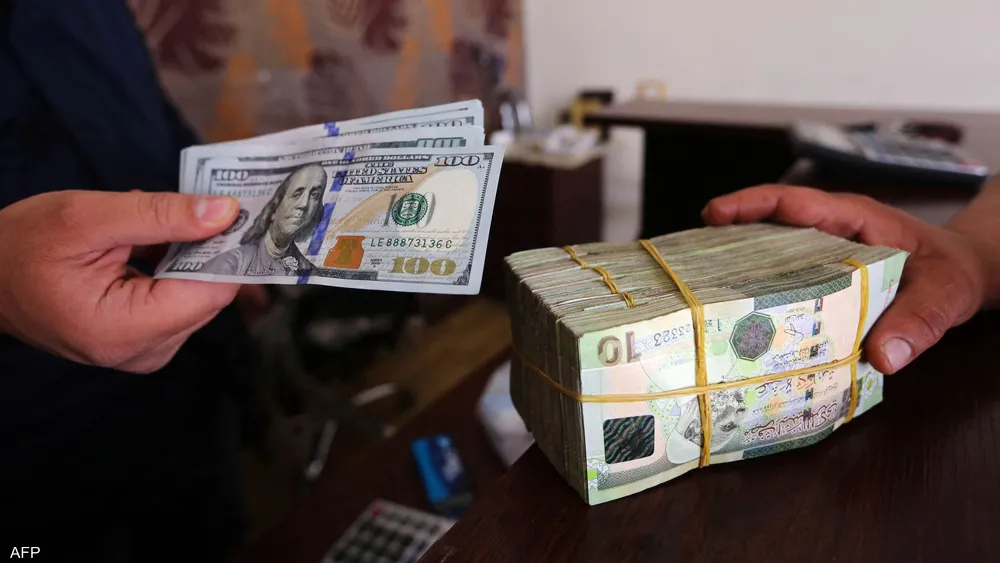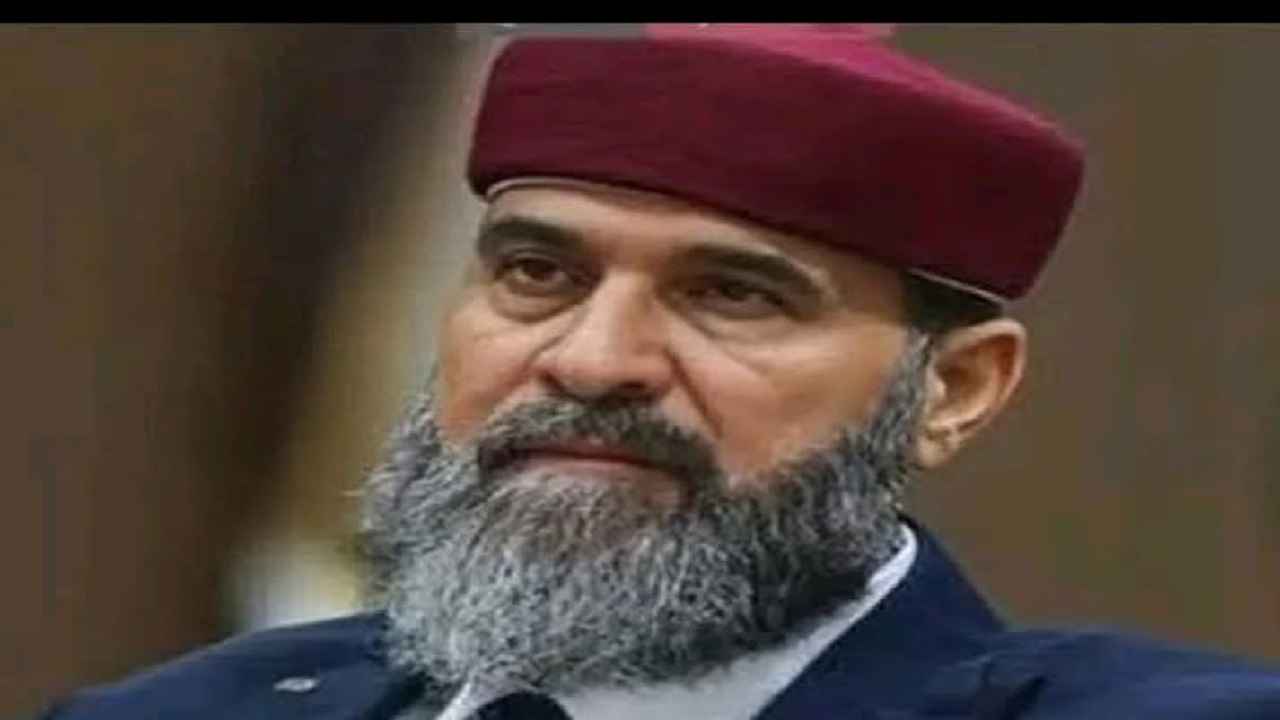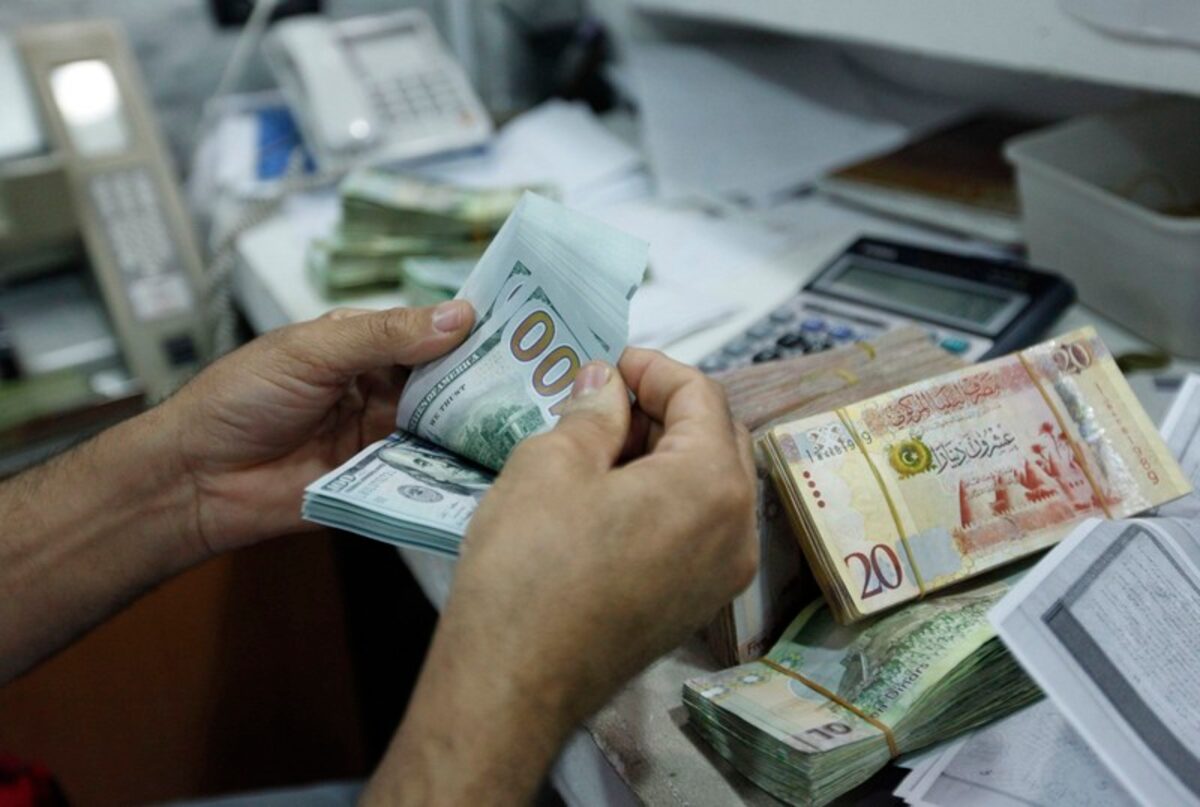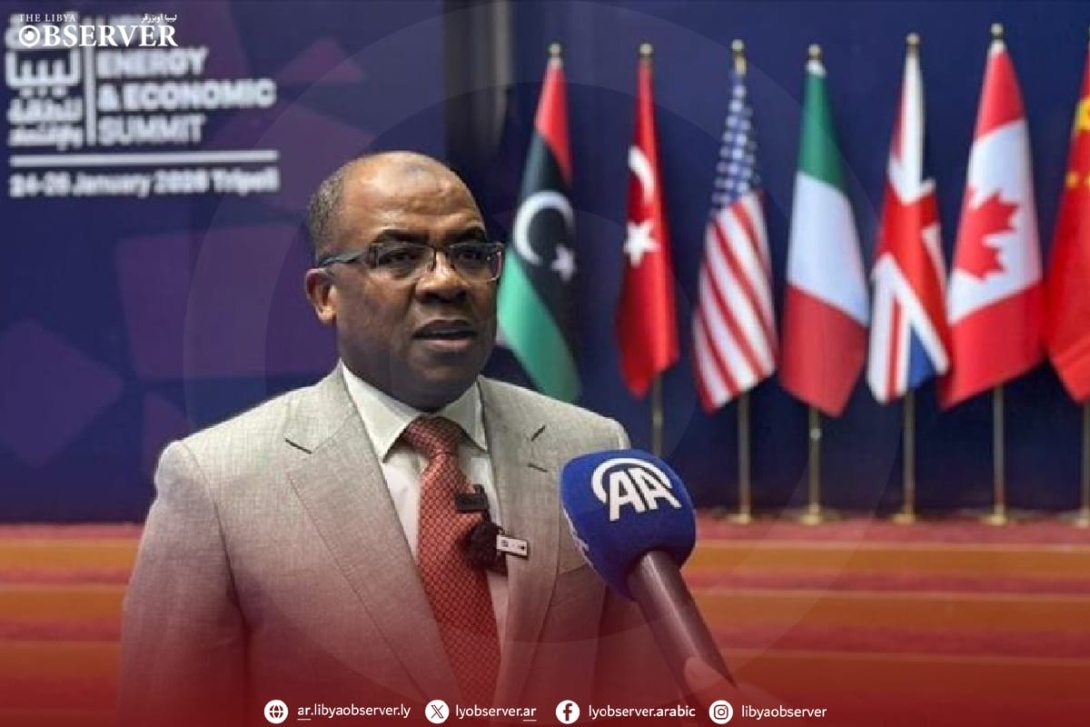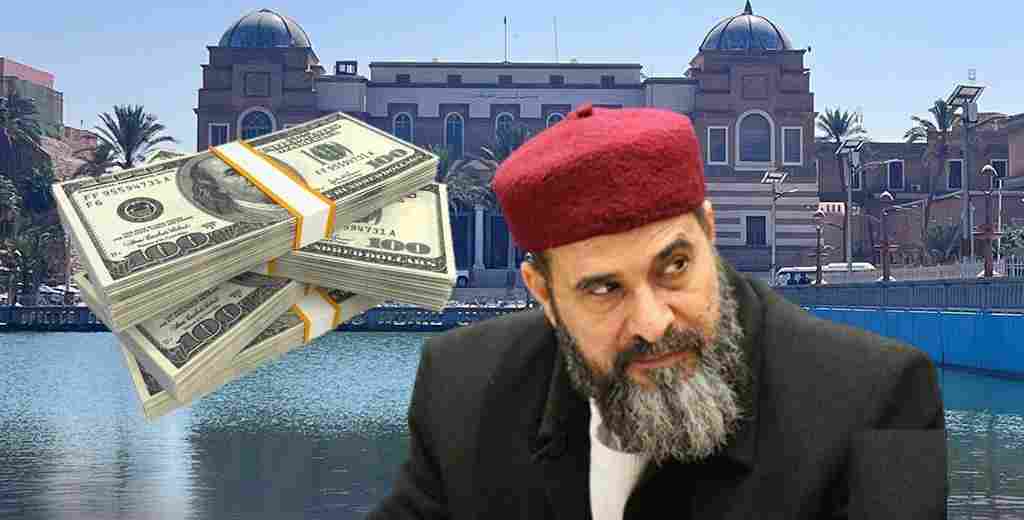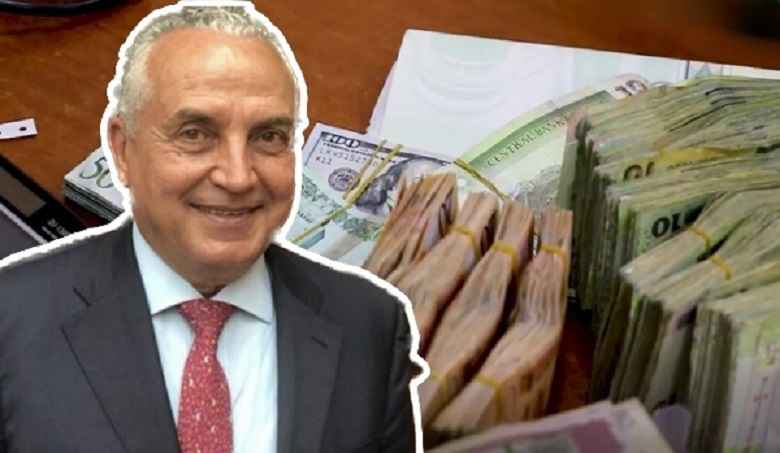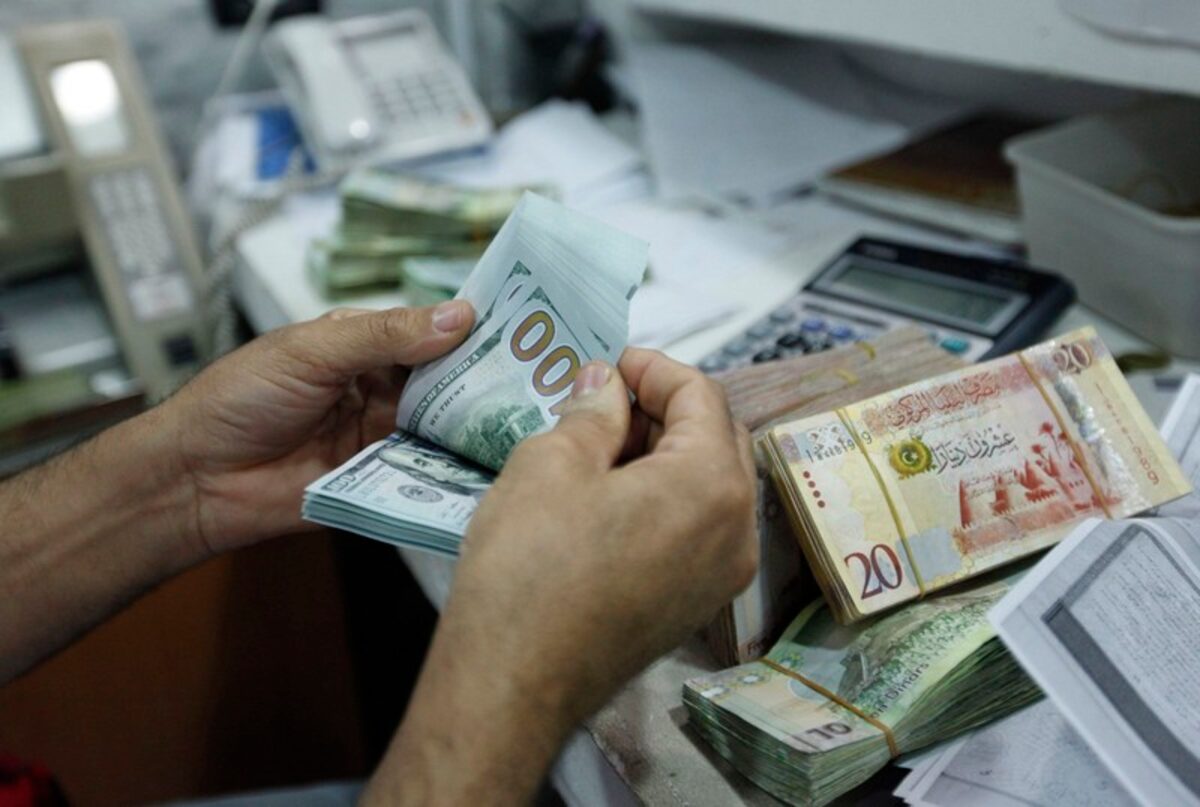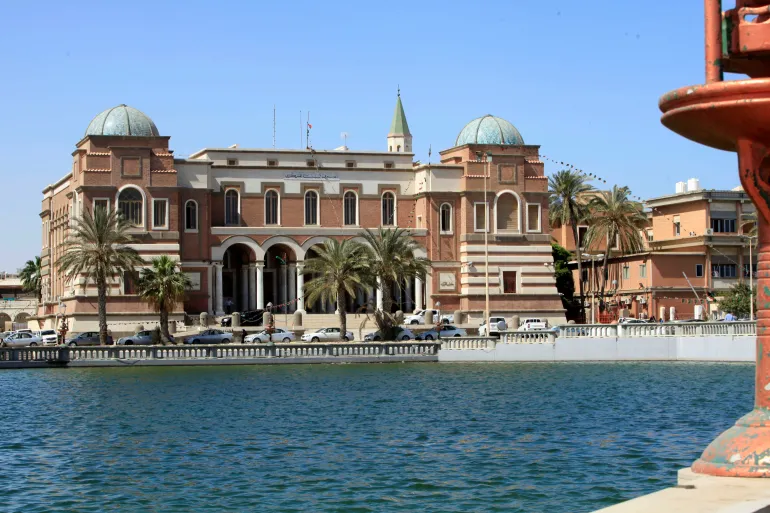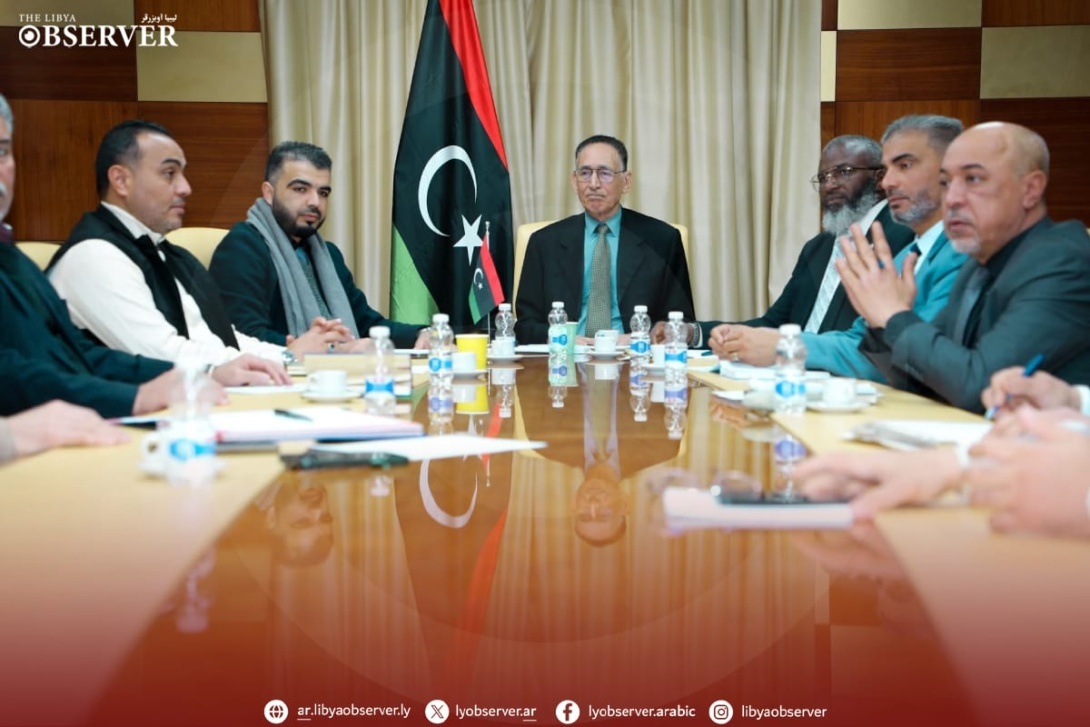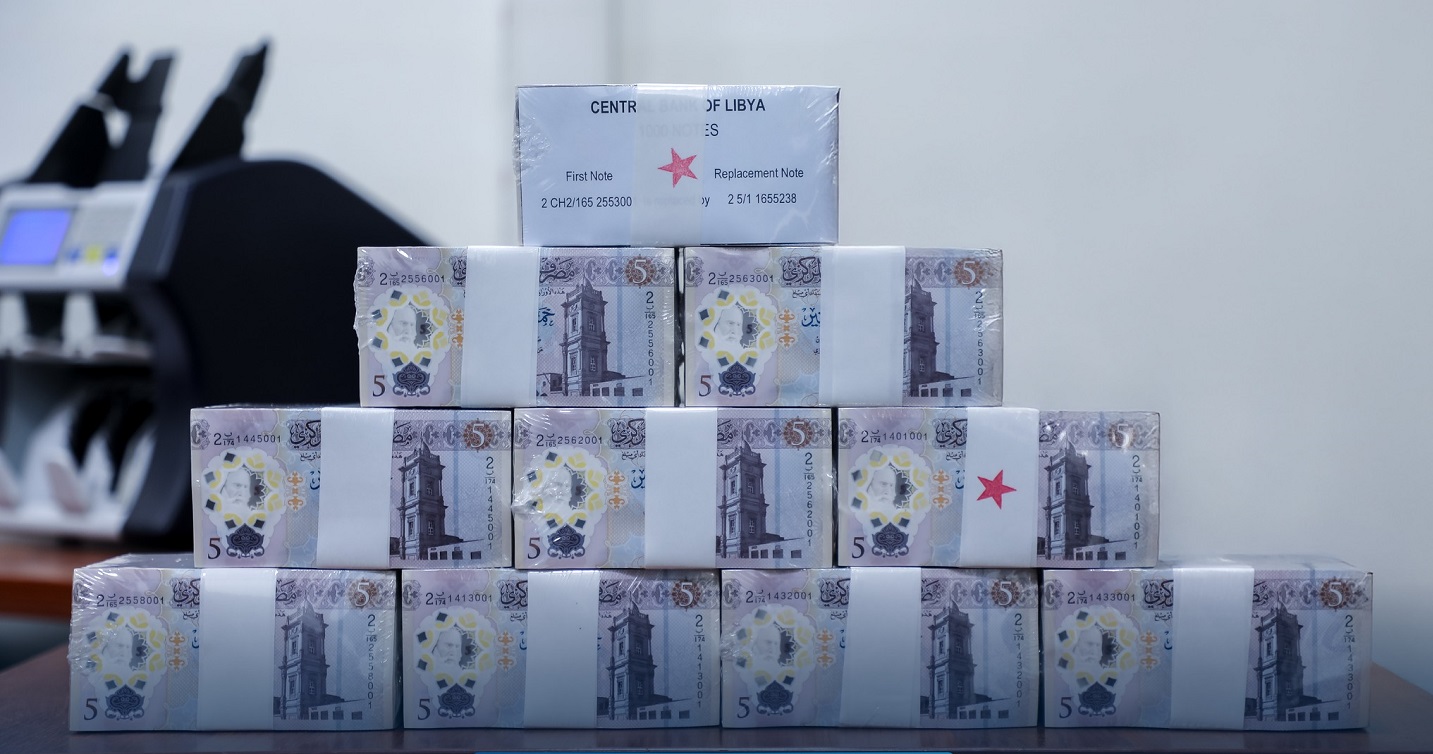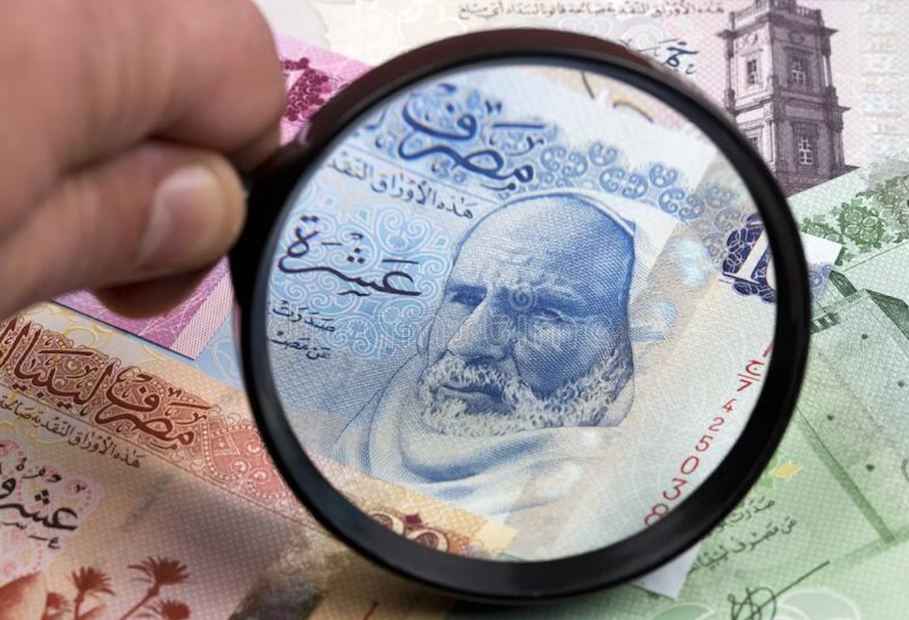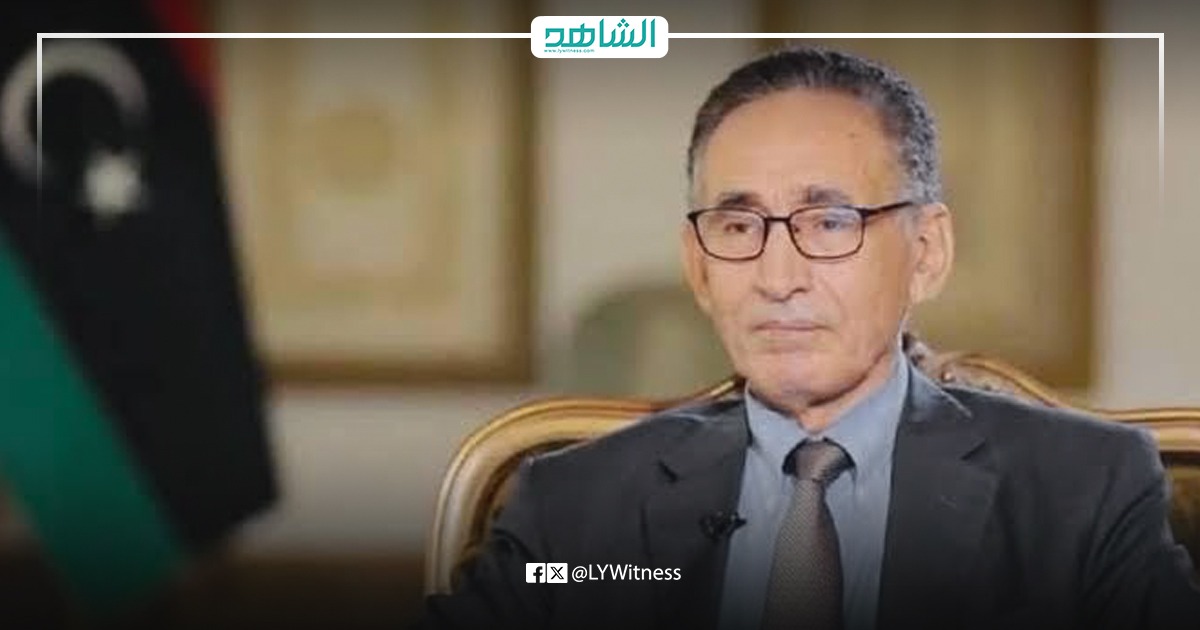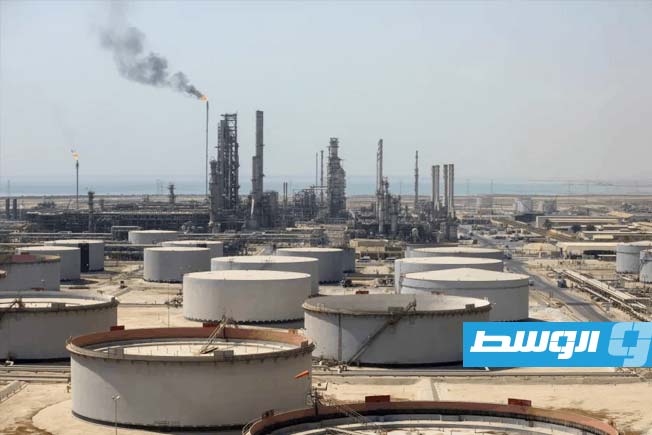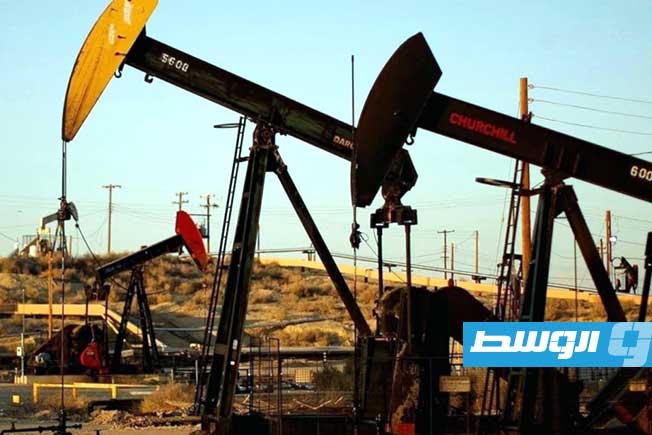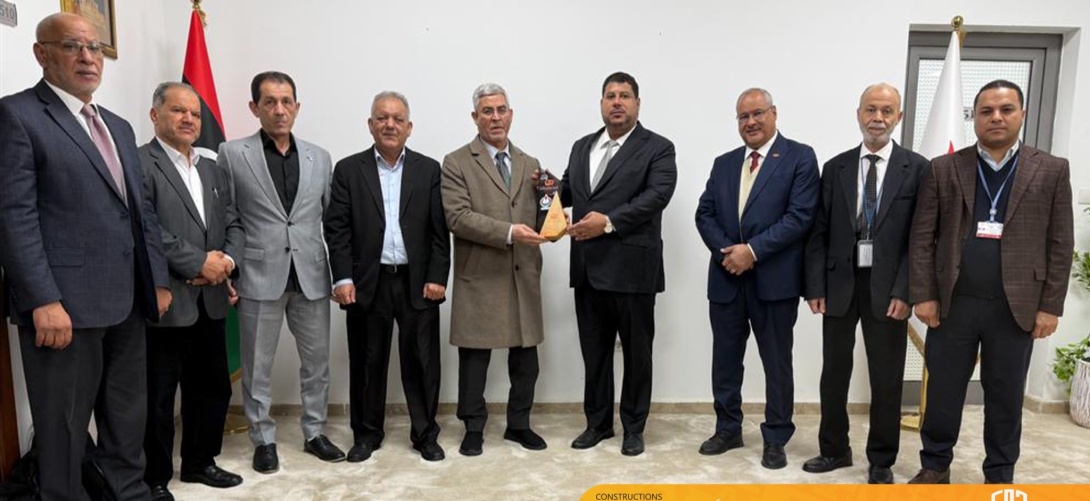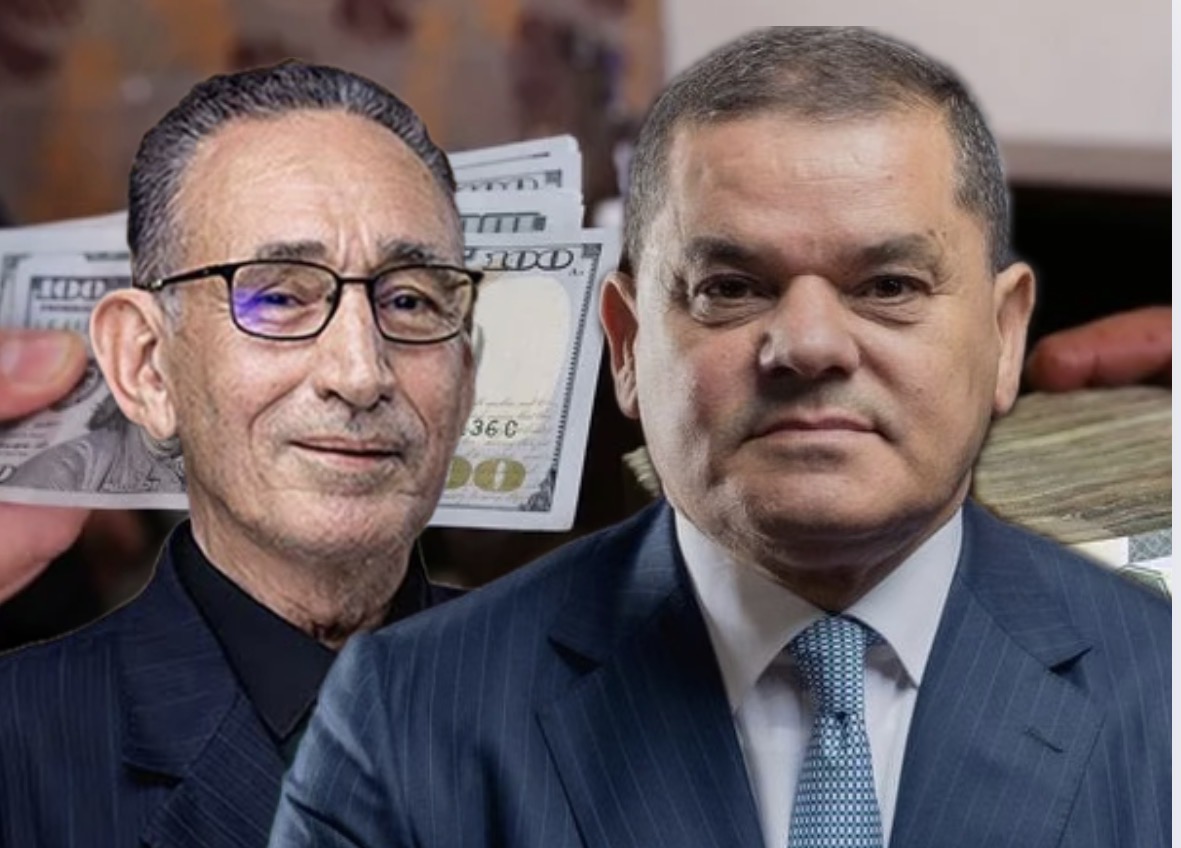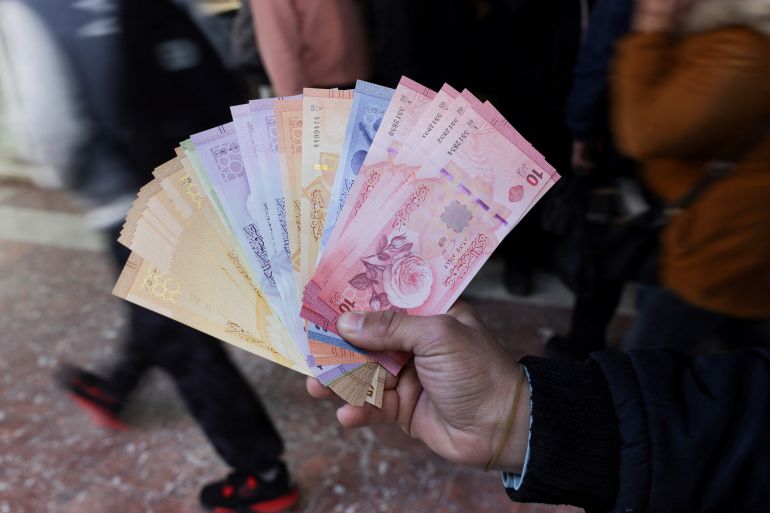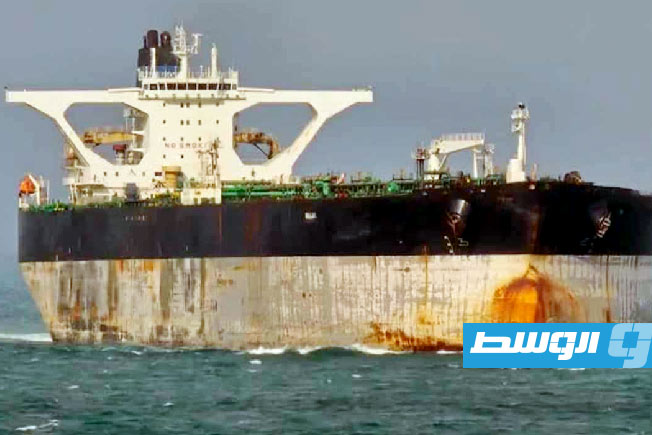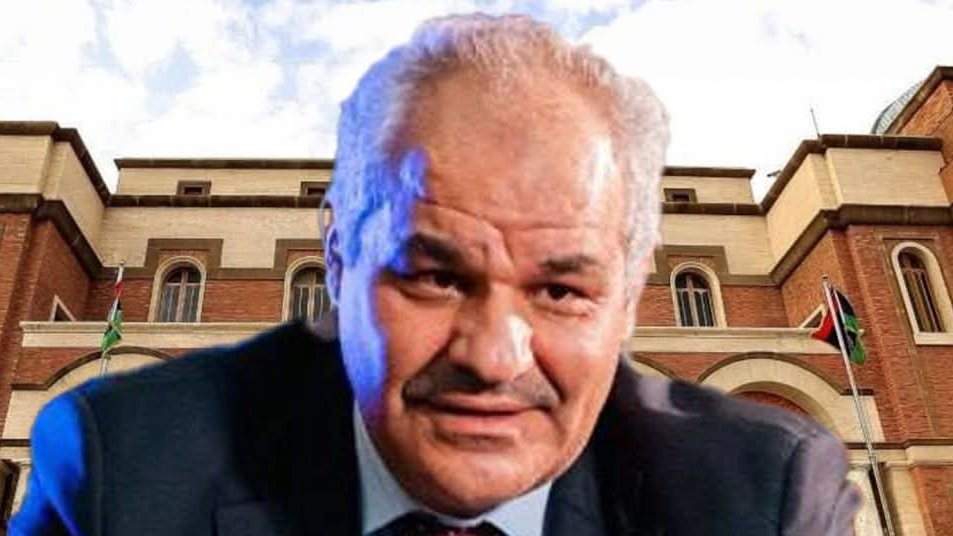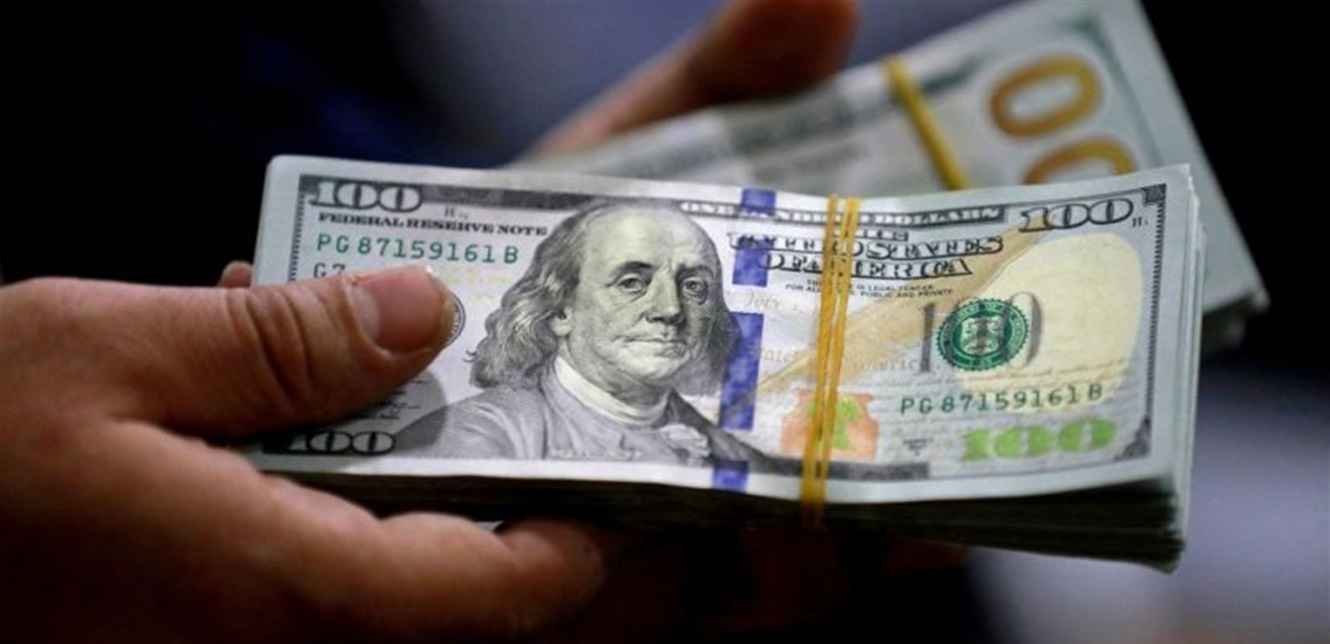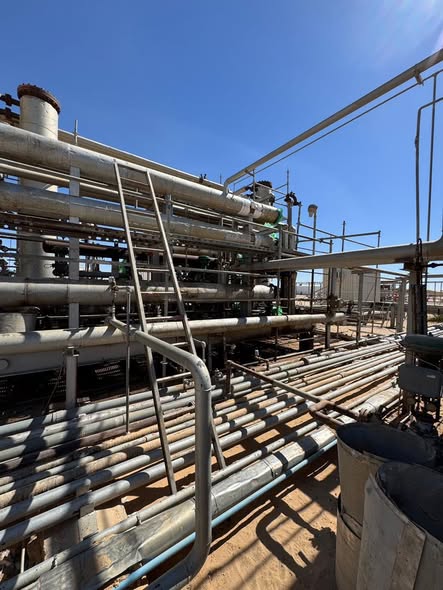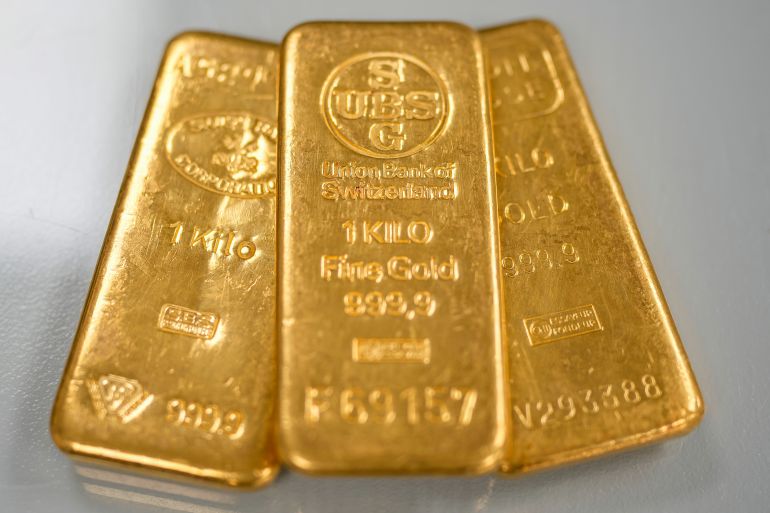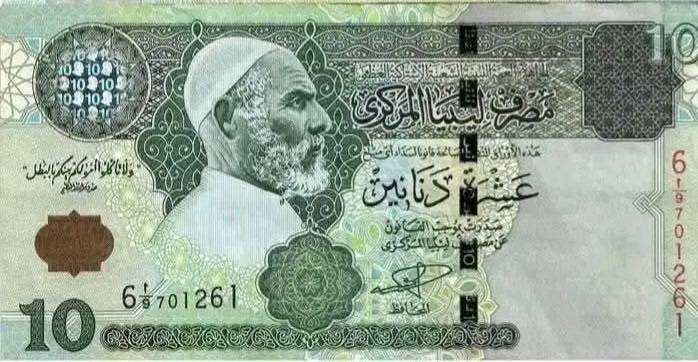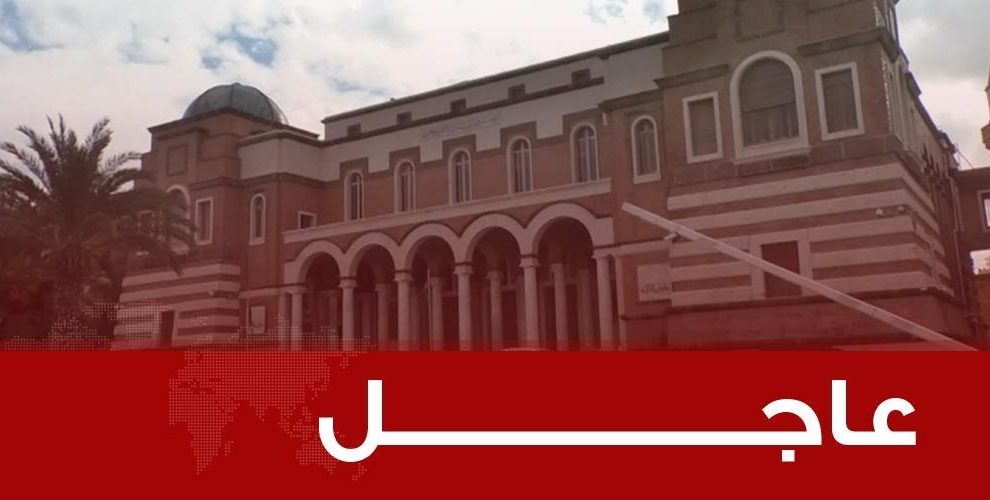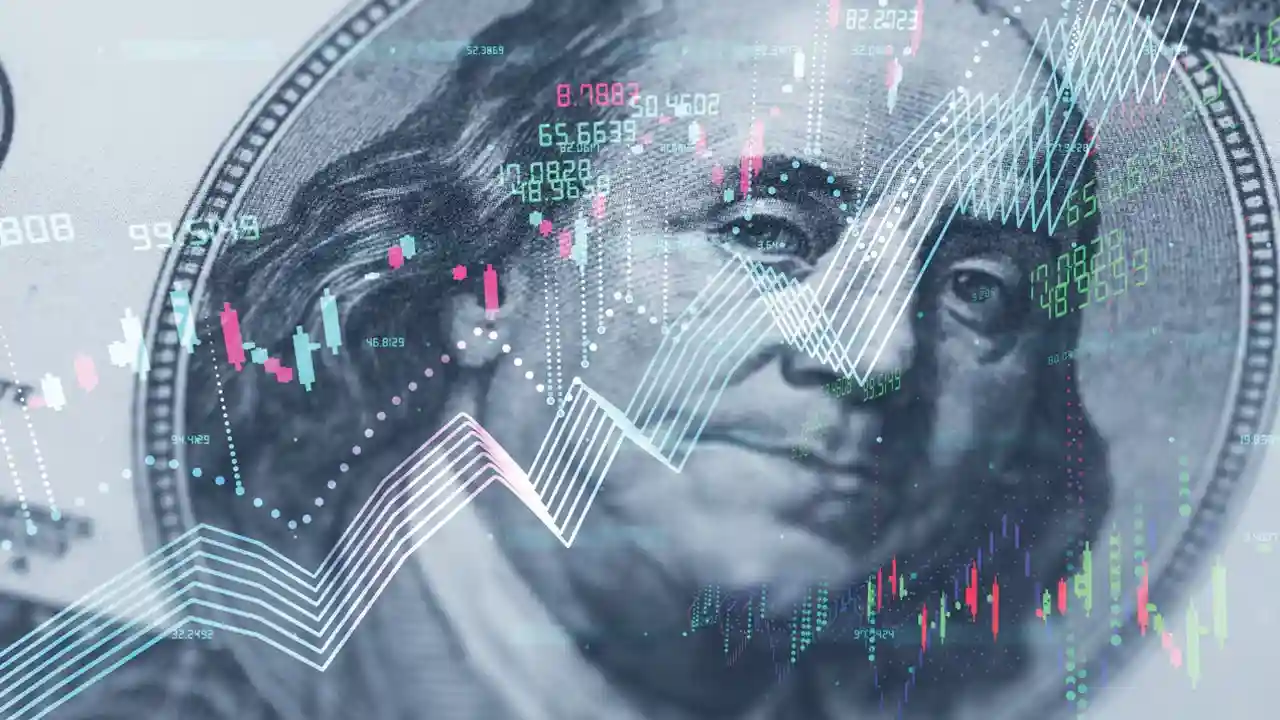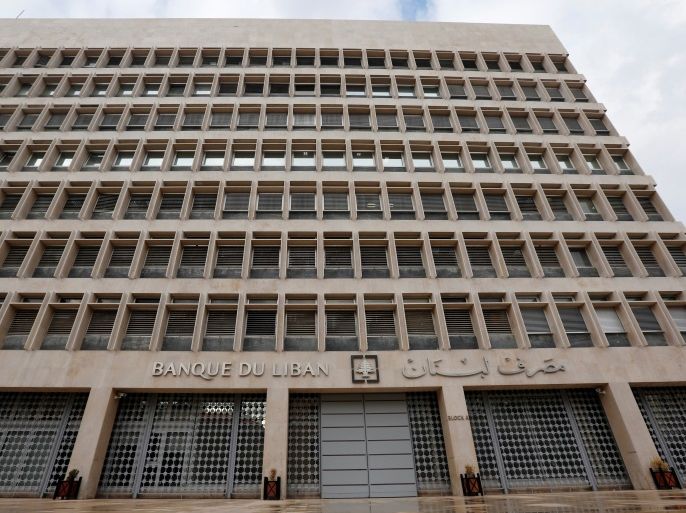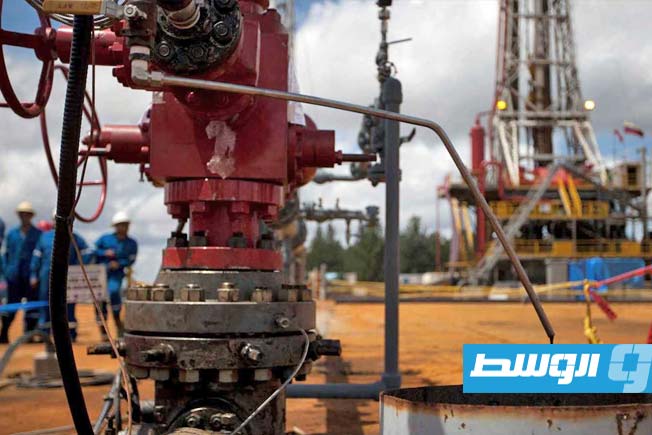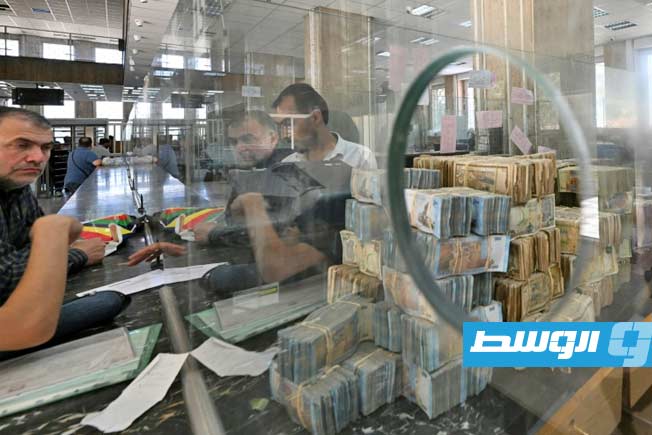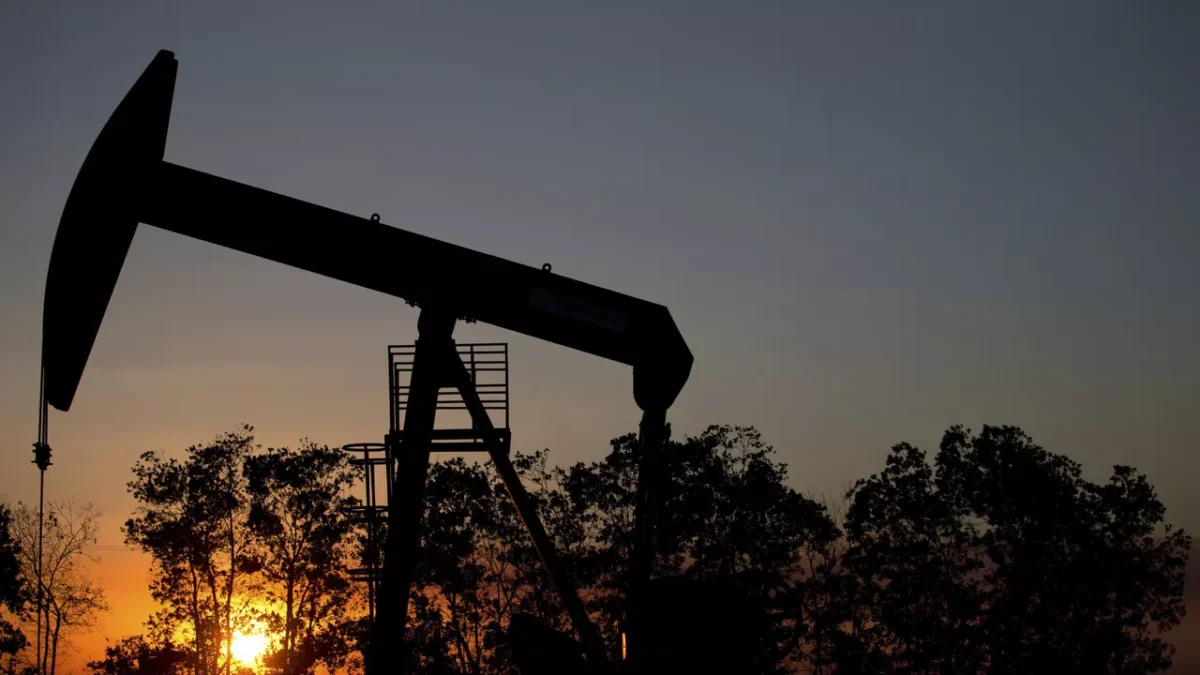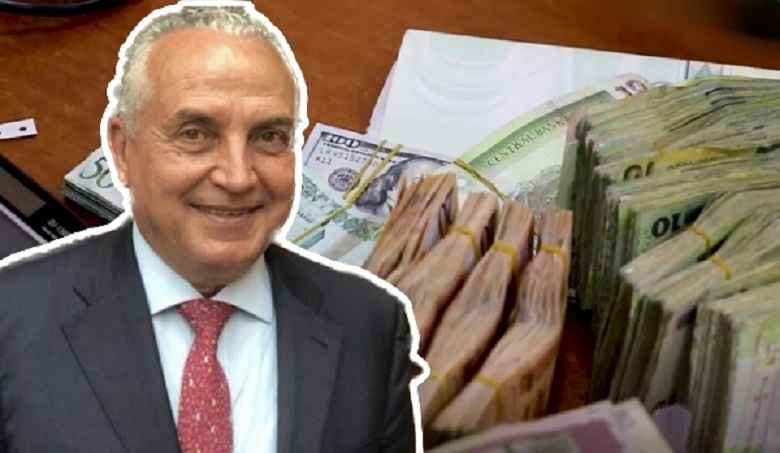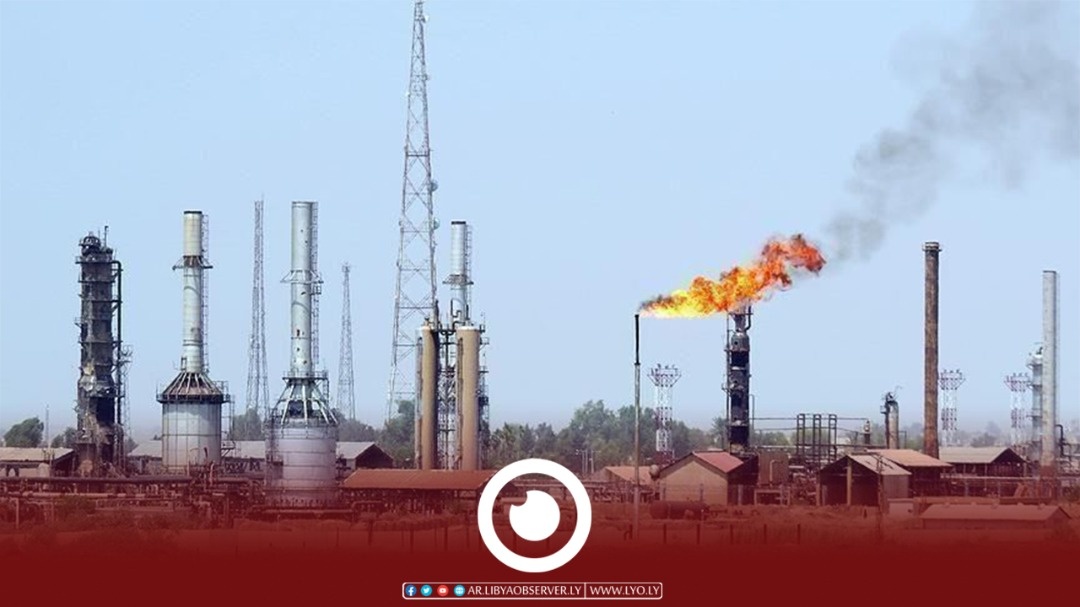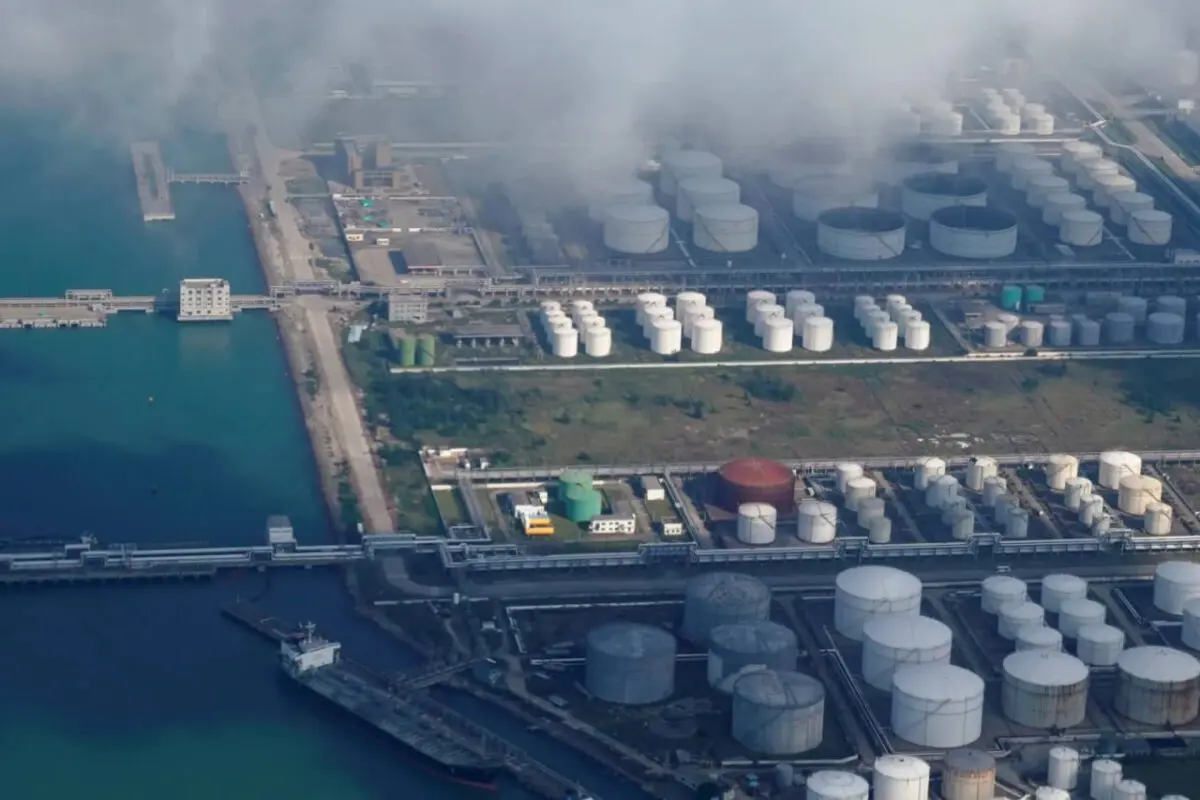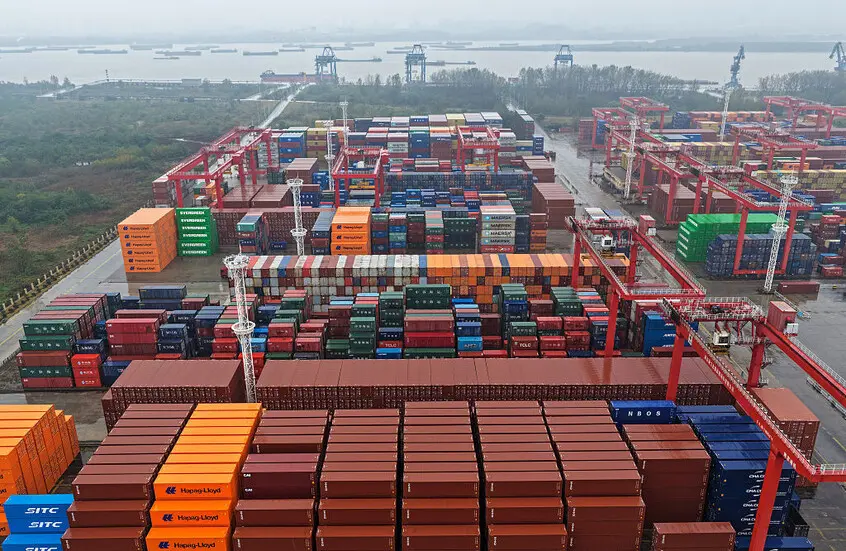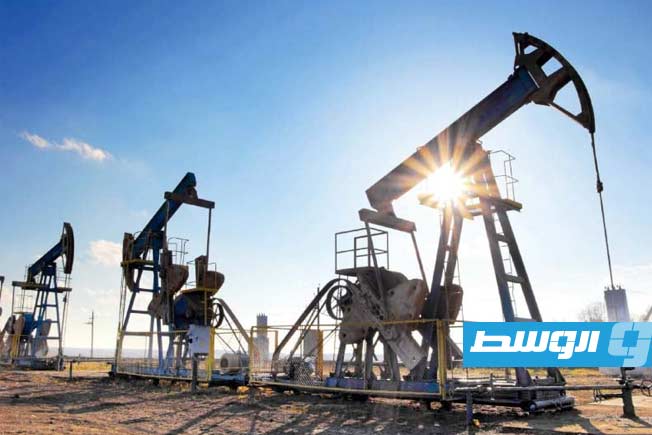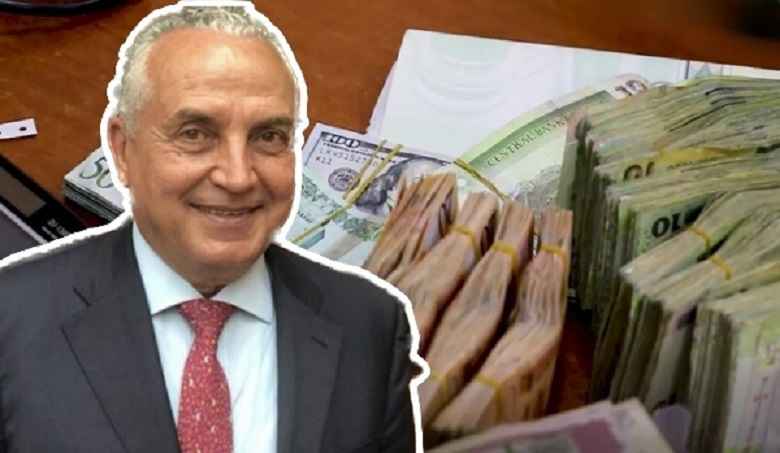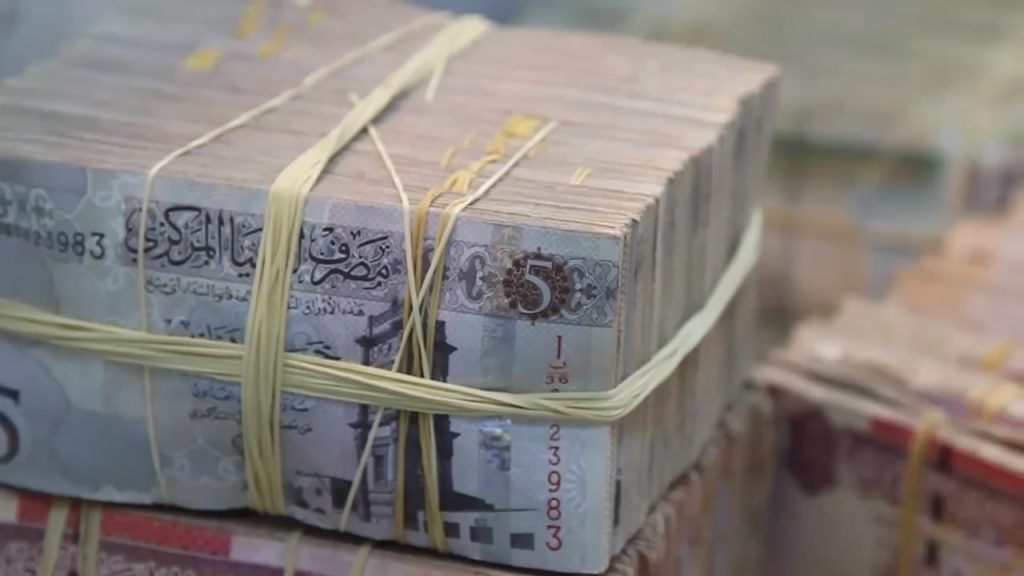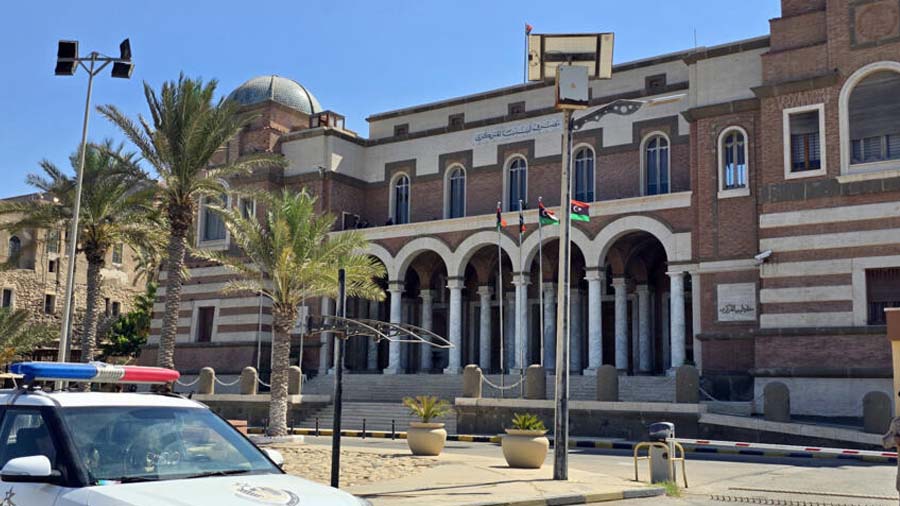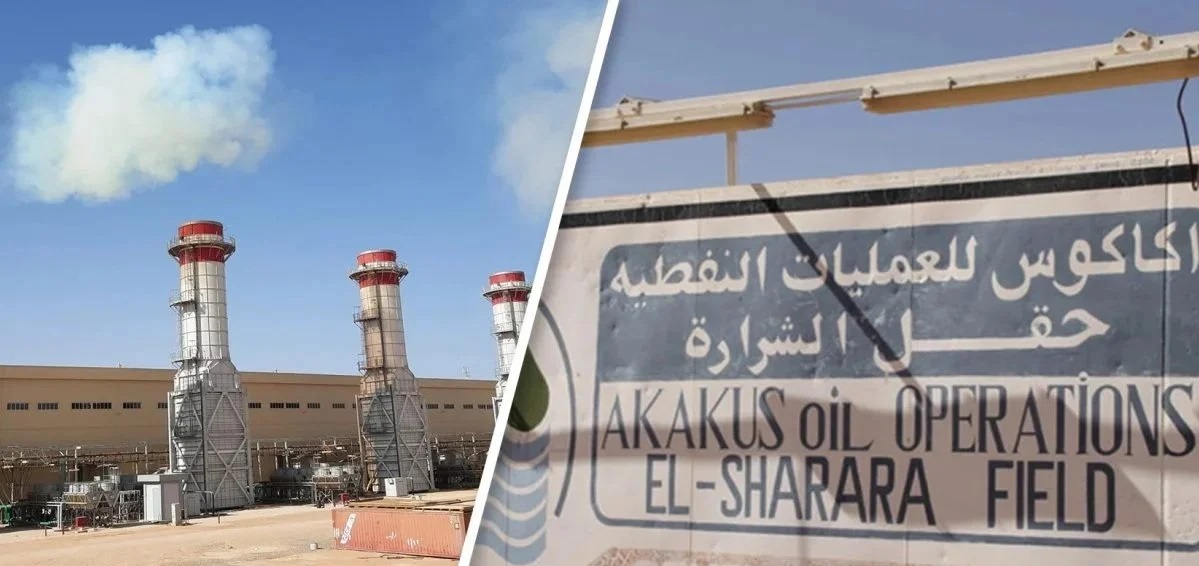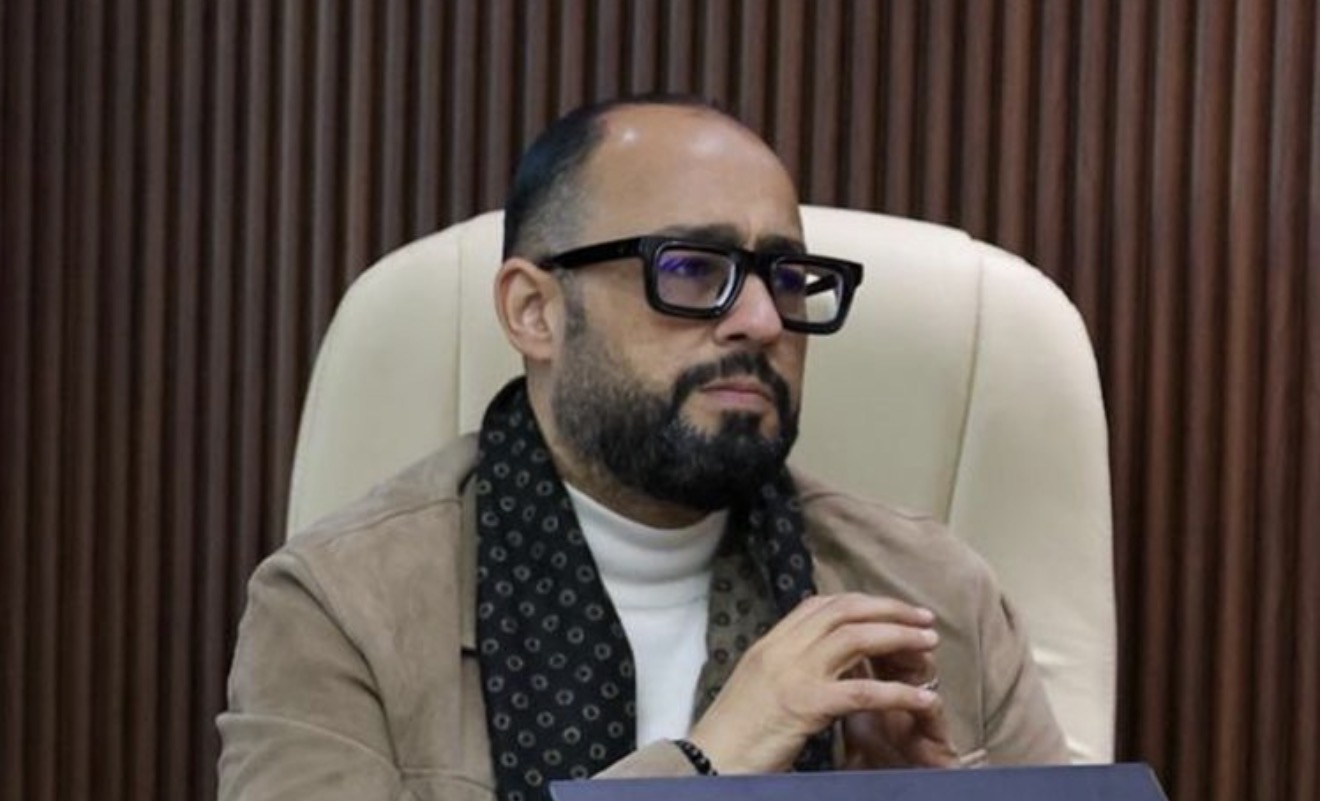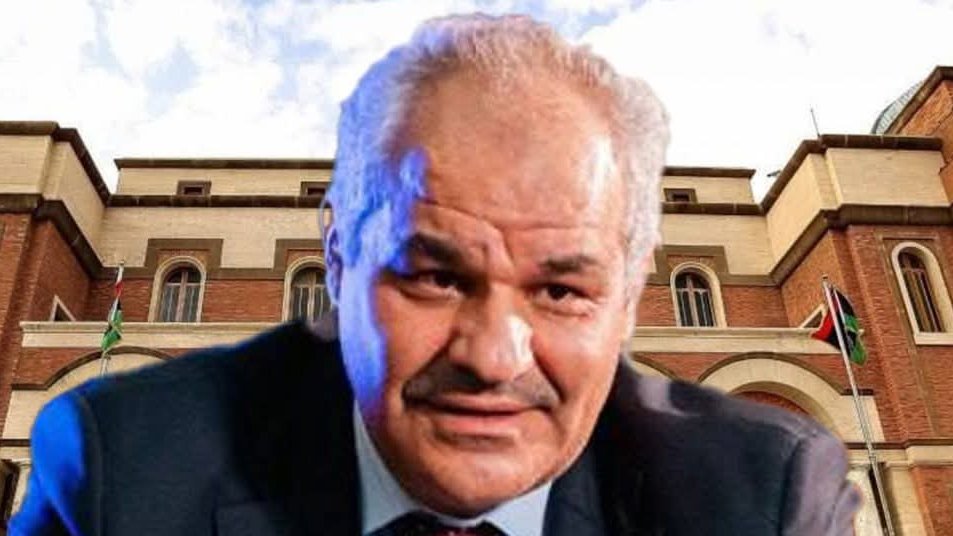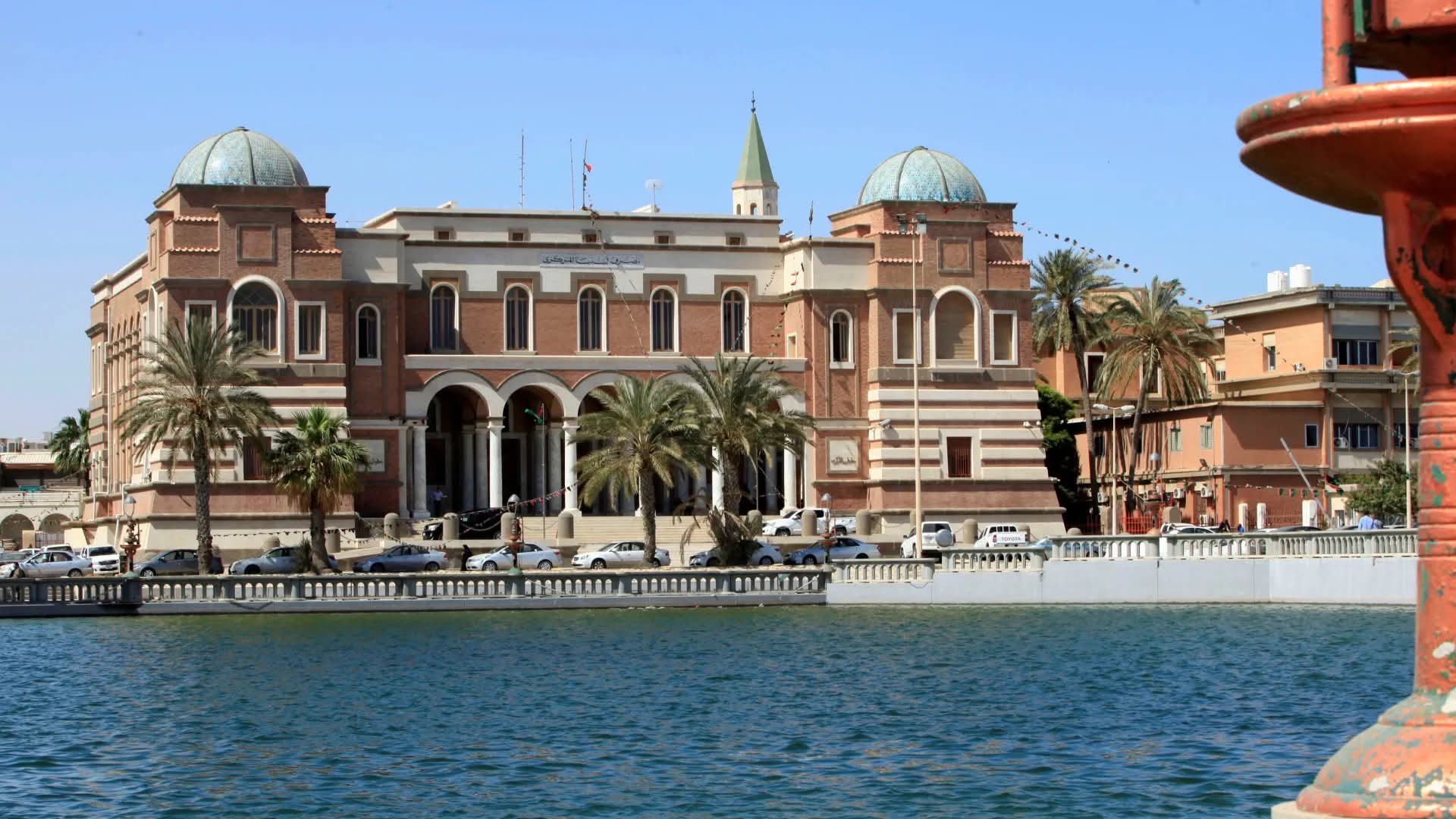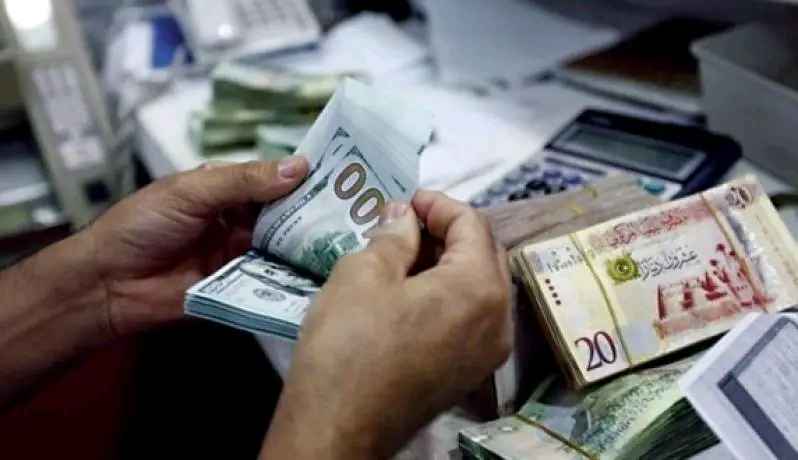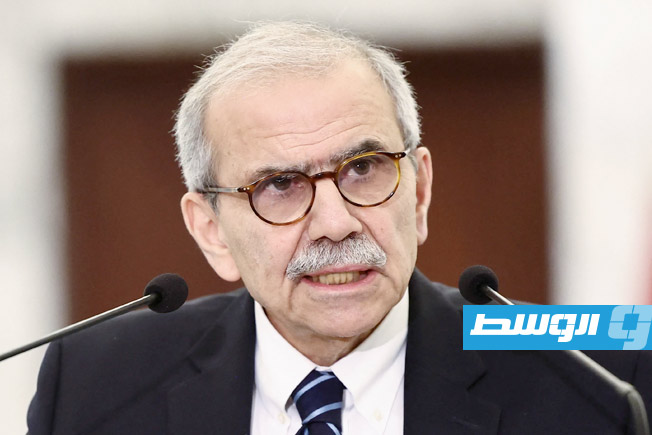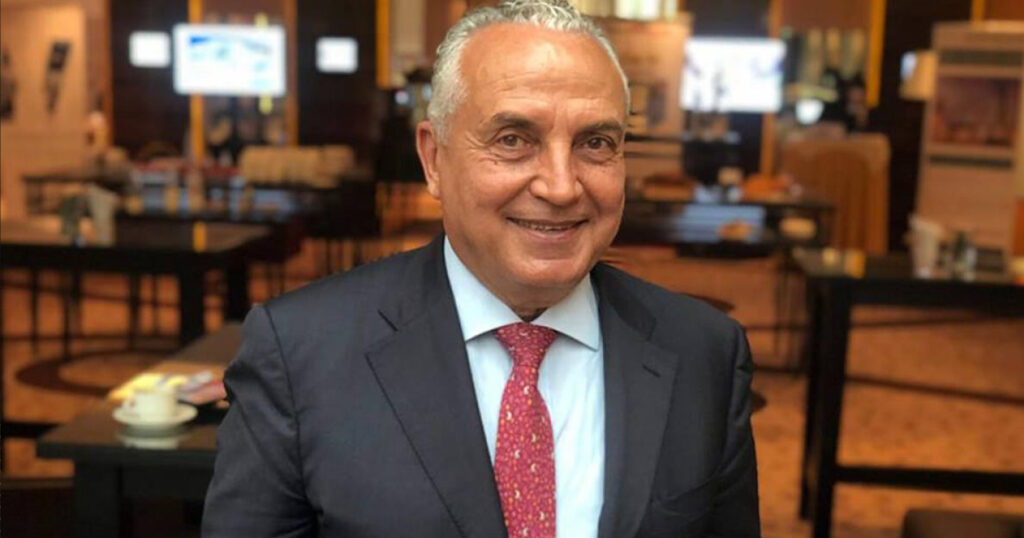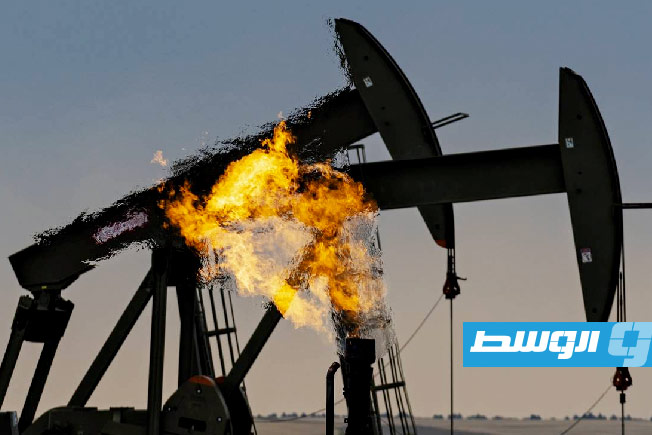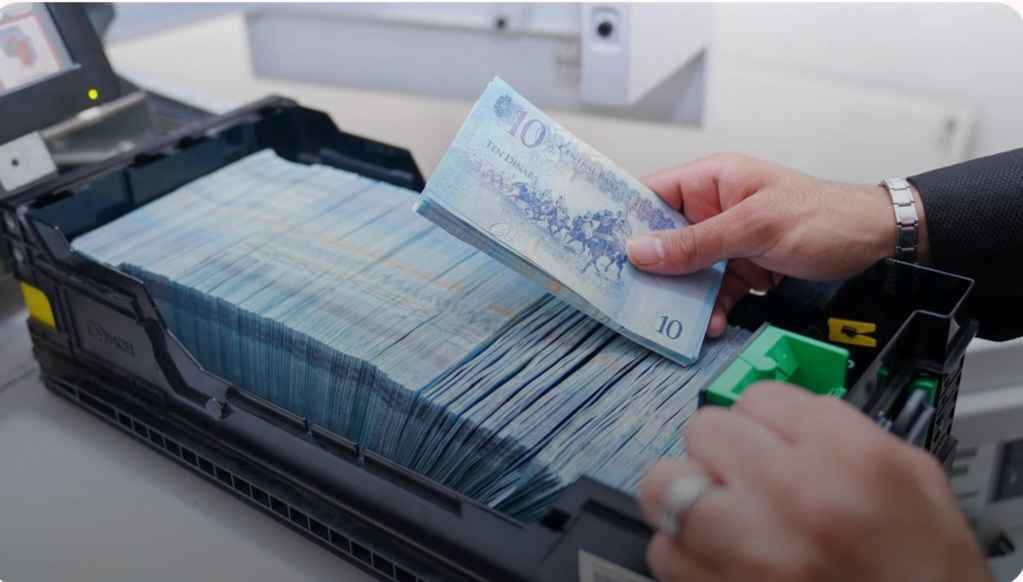
The former Minister of Finance and Economy stated that the gap between actual oil revenues and the amount actually transferred to the Central Bank of Libya during the years 2021–2024 reached approximately 200 billion dinars, according to international trade data. He considered that this enormous figure cannot be explained by corruption in the oil-for-fuel swap file alone.
He explained that this discrepancy points to the existence of serious external manipulation of the country’s economy by parties that have not yet been identified, warning that the continuation of this situation threatens the state’s financial stability.
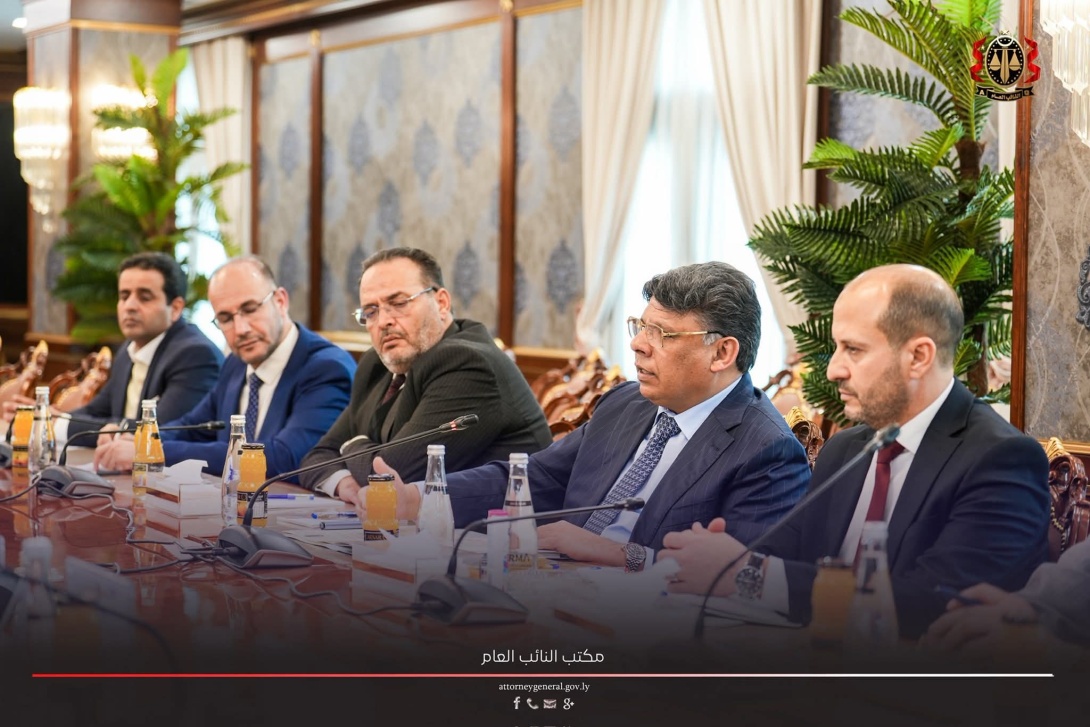
He affirmed that the tracking system demanded by the Attorney General will expose these parties and help stop what he described as the major corruption system draining Libya’s resources.