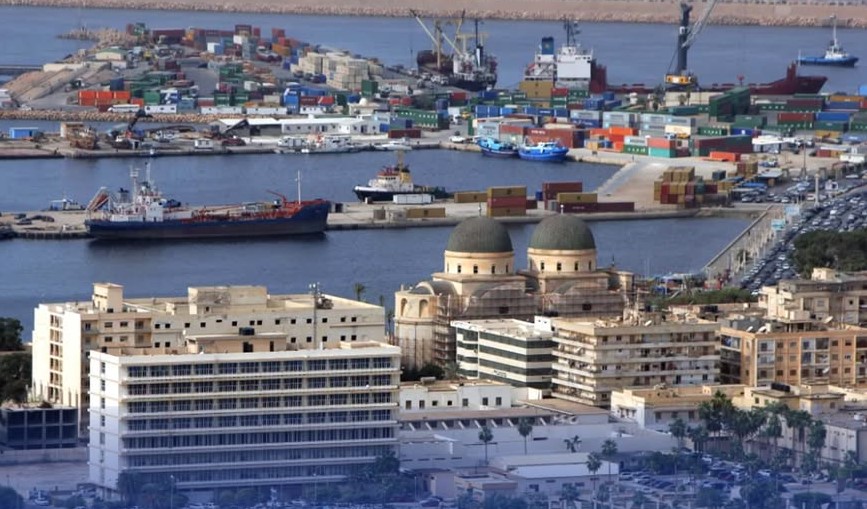
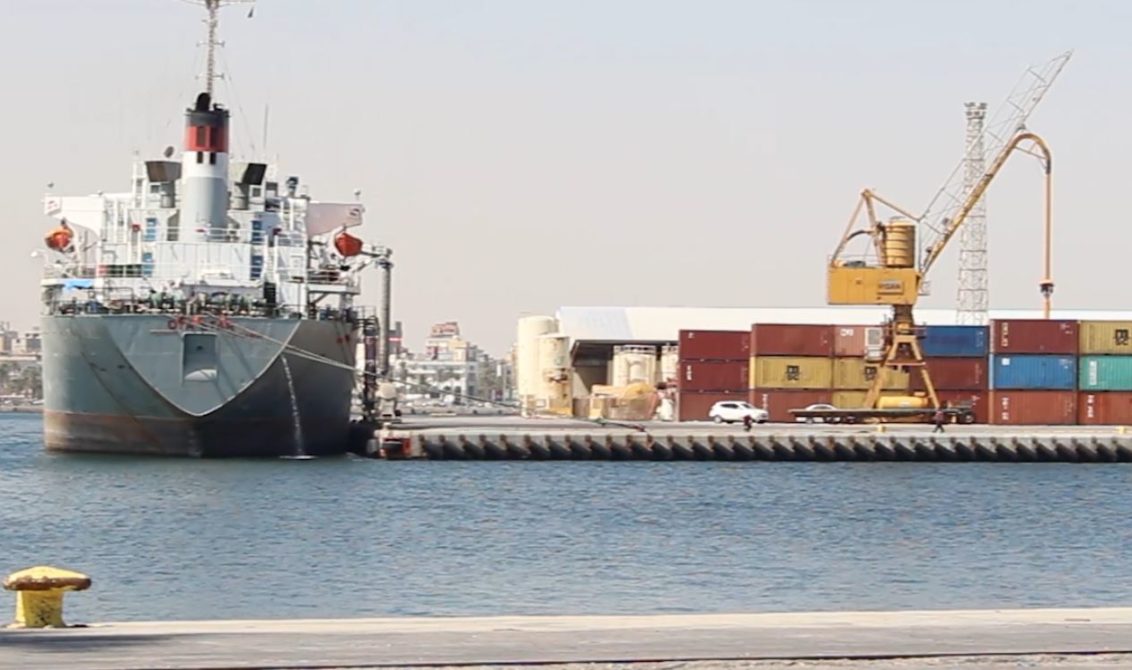
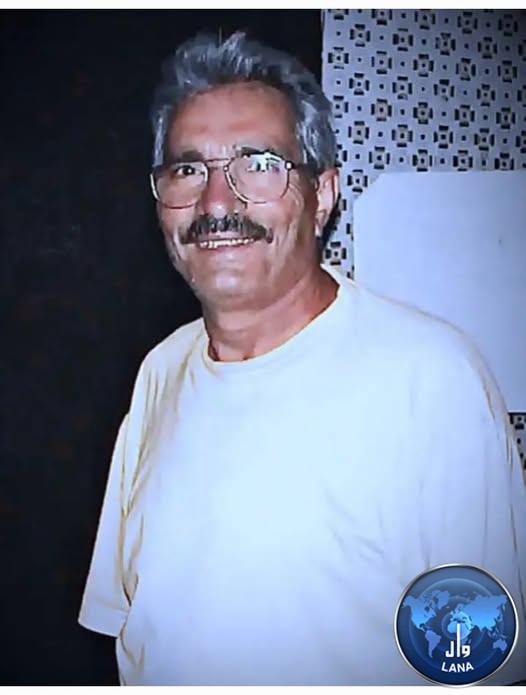
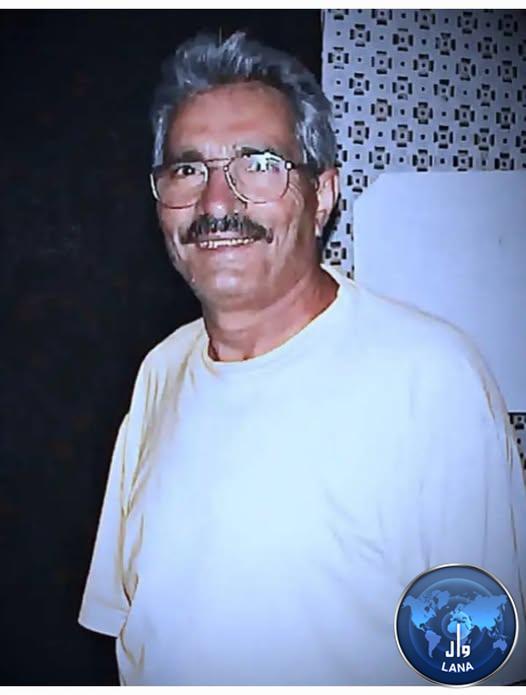
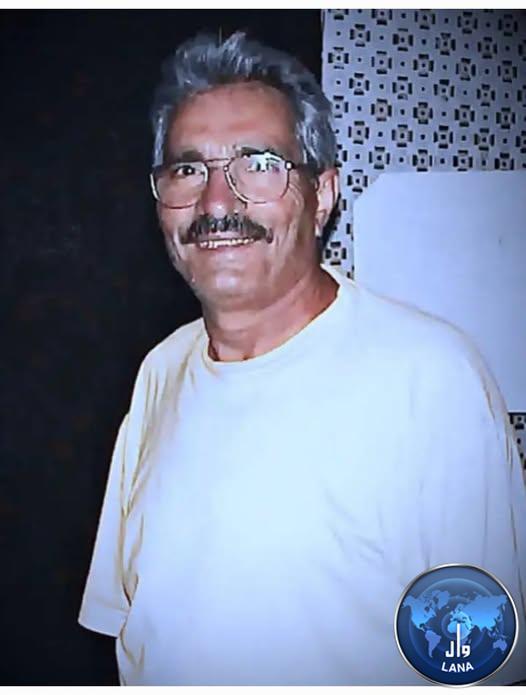
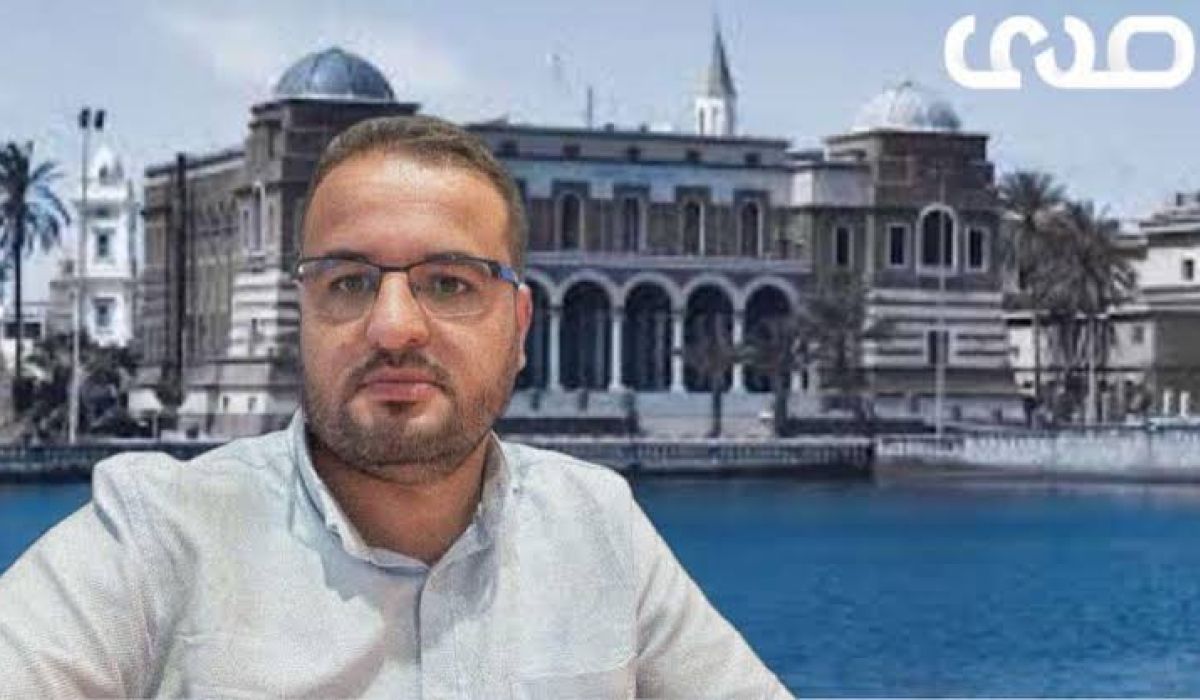
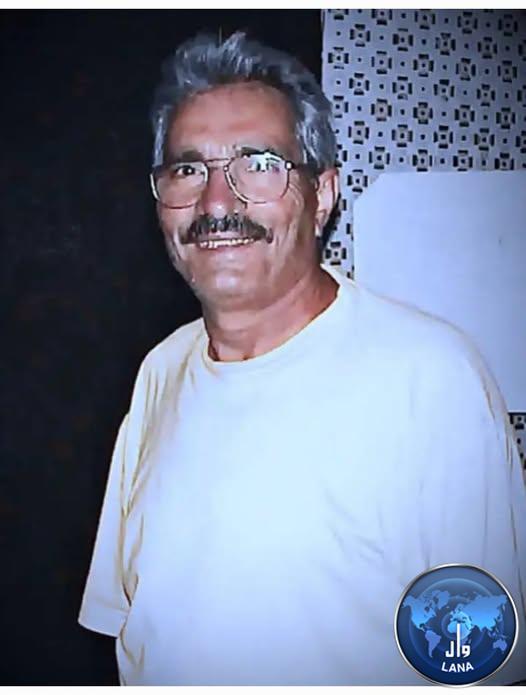
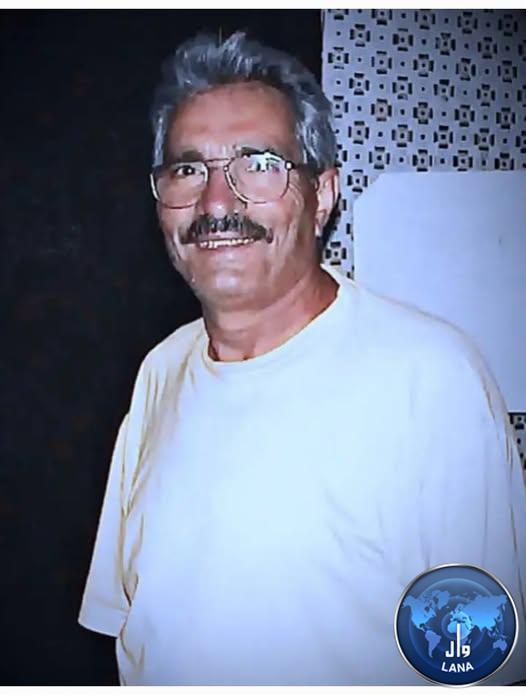
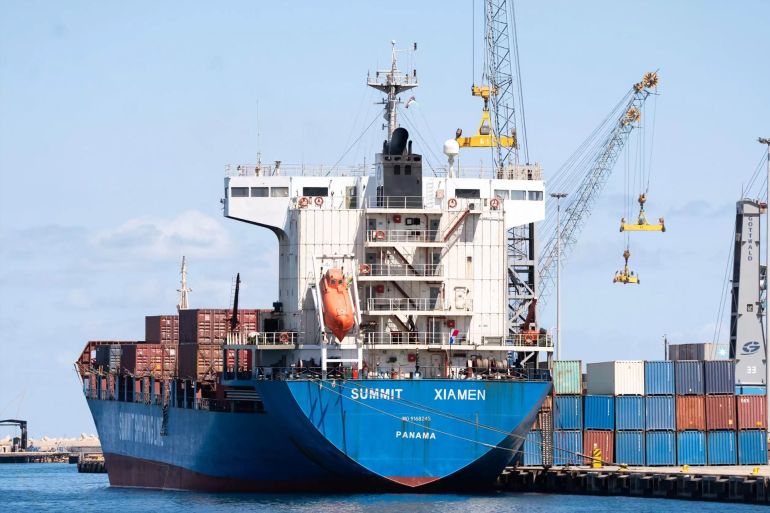
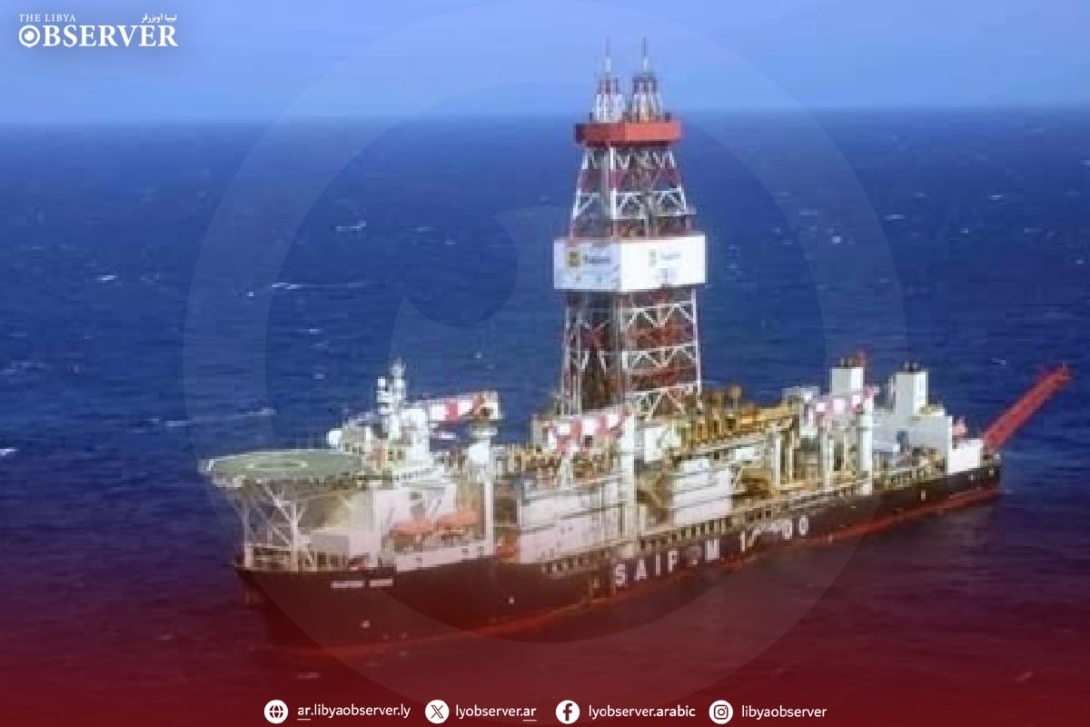
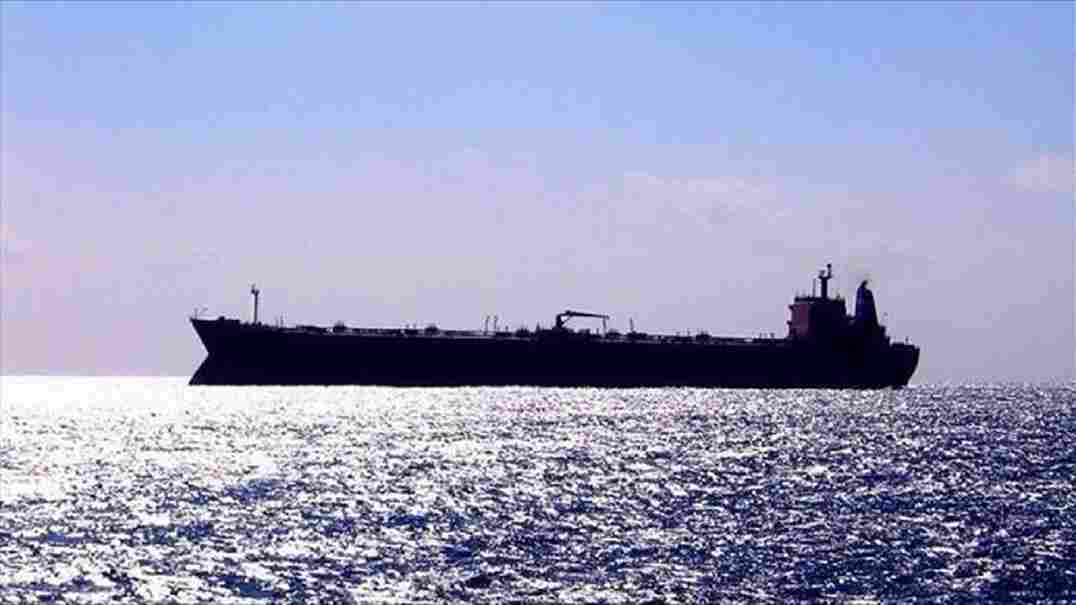
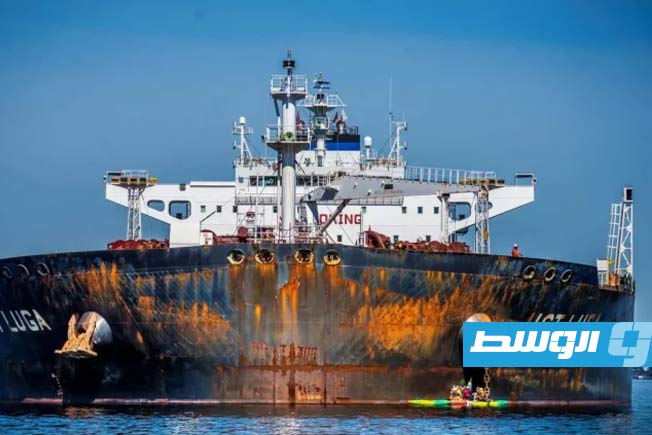
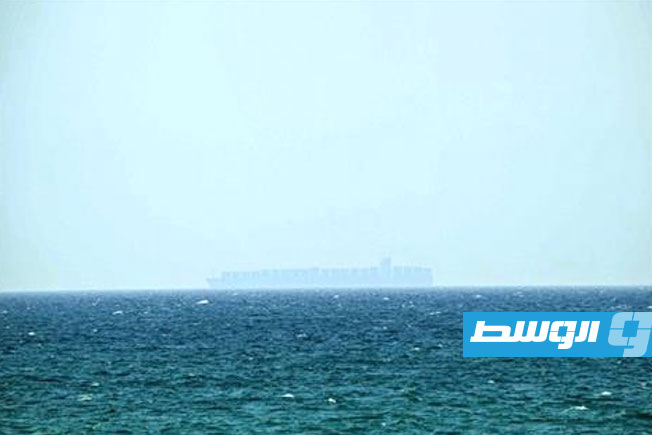
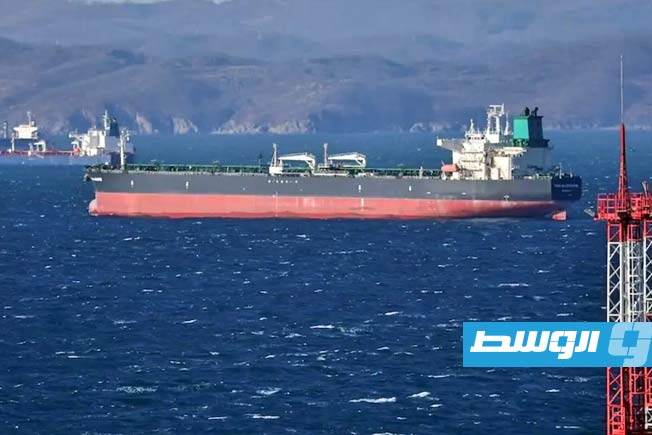
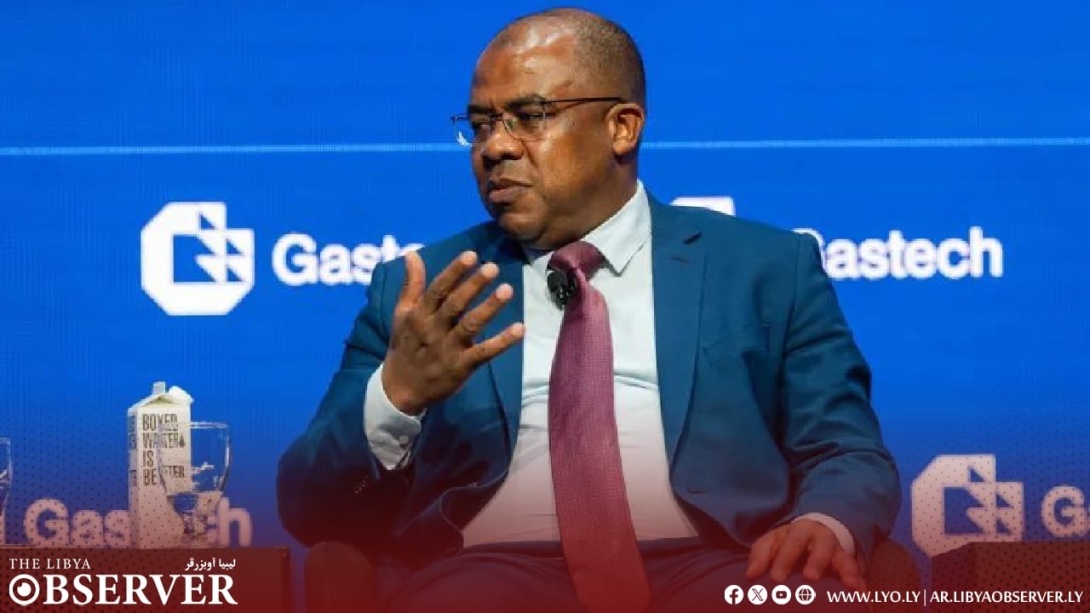
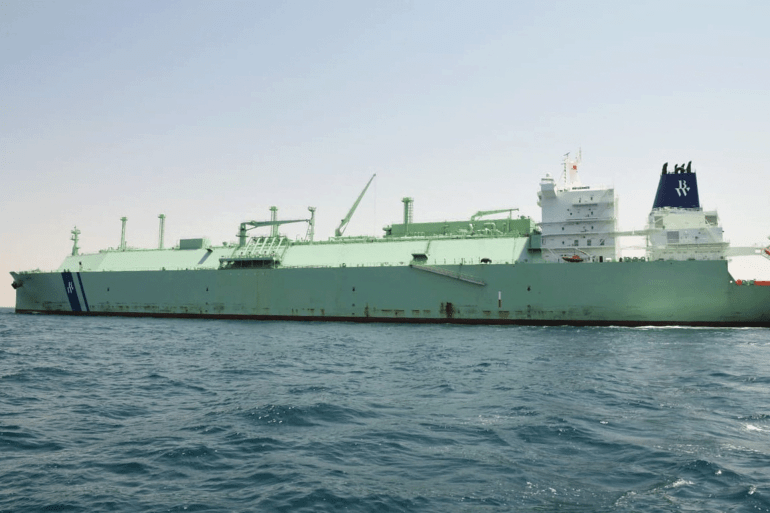
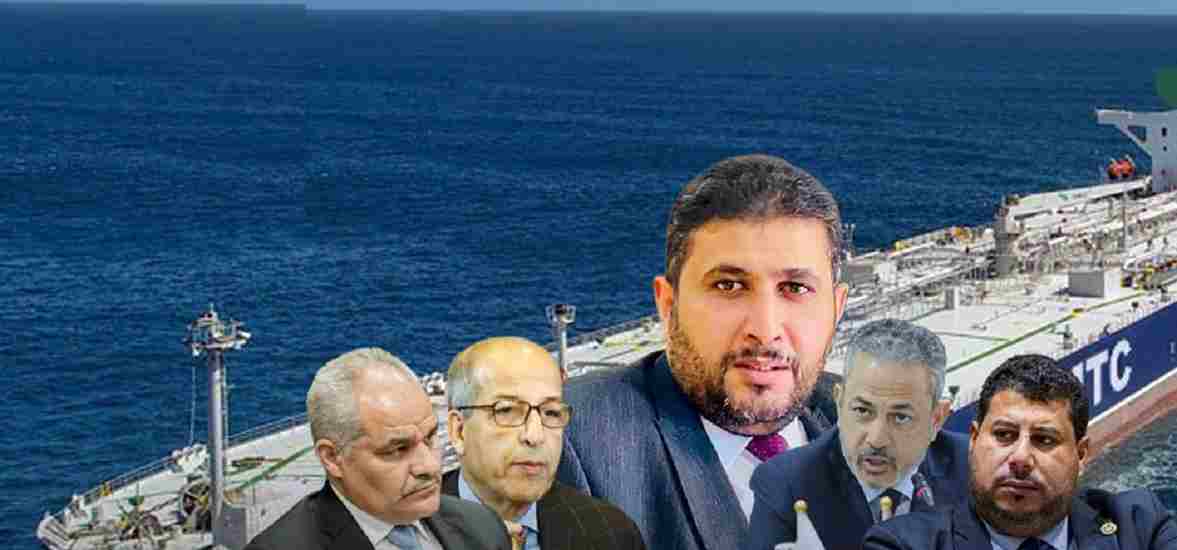
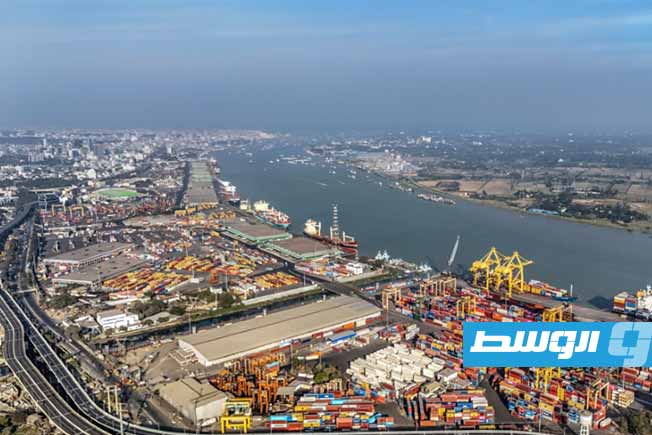
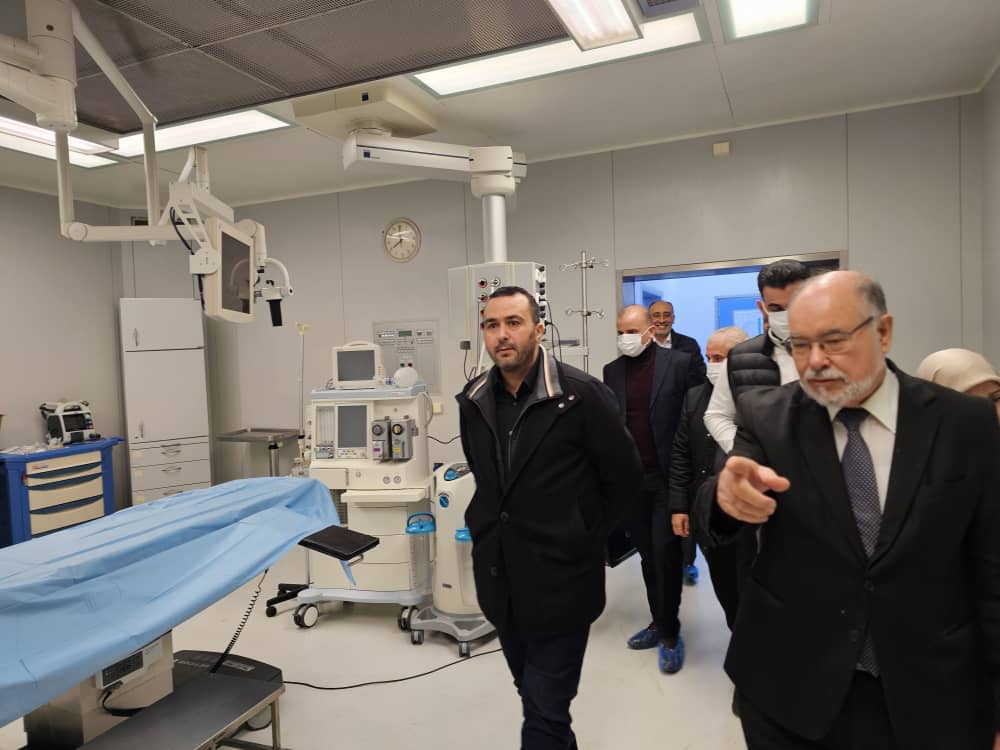
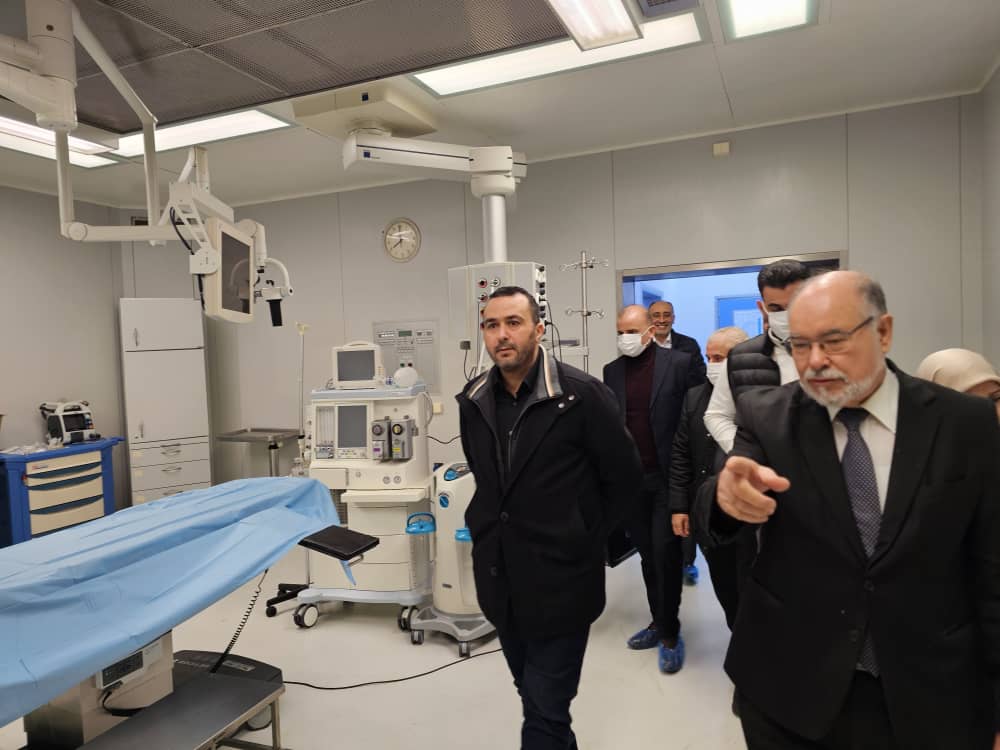
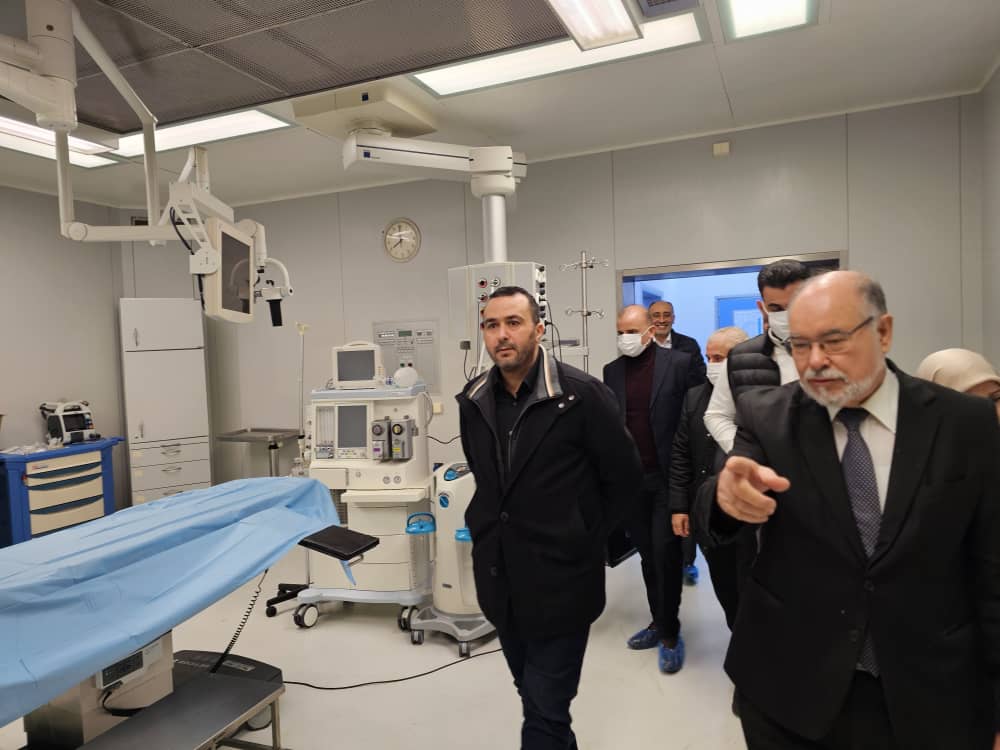
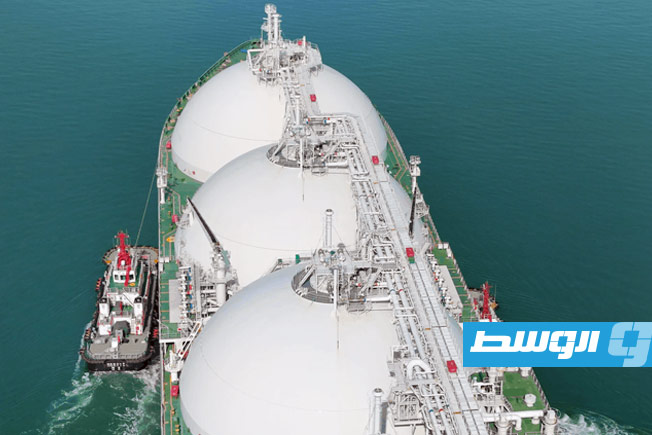
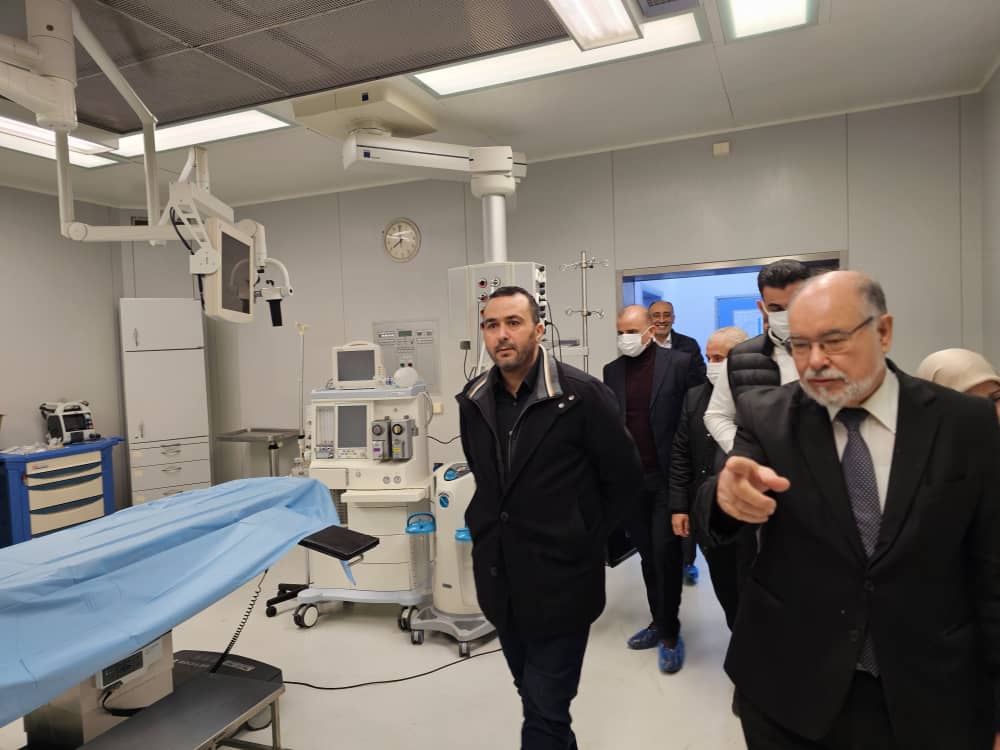
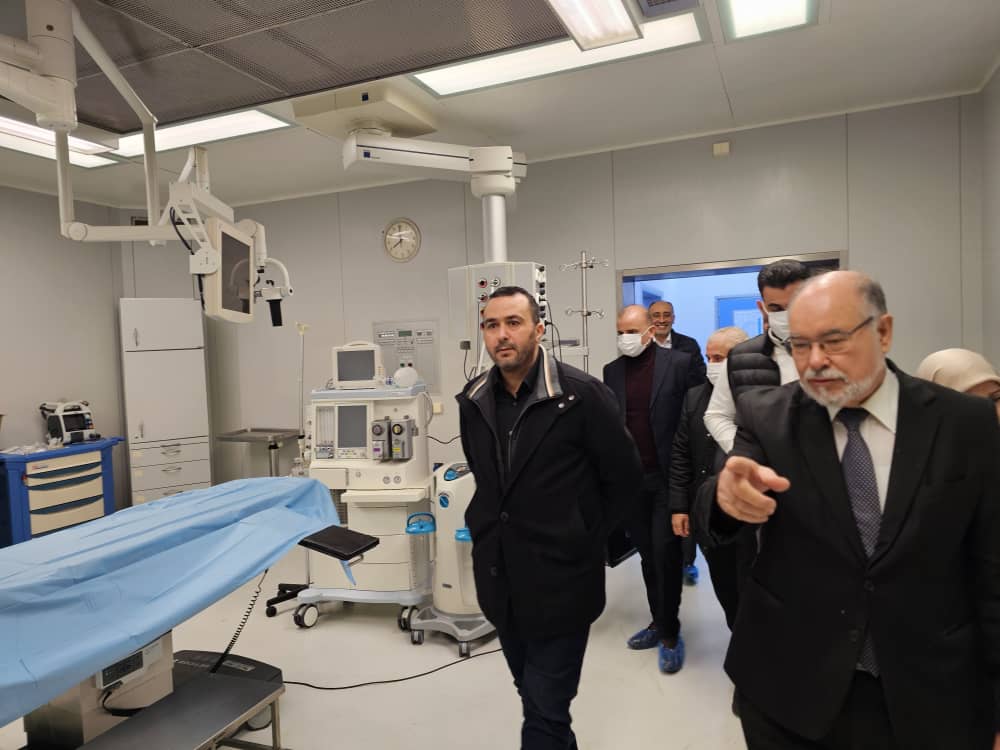
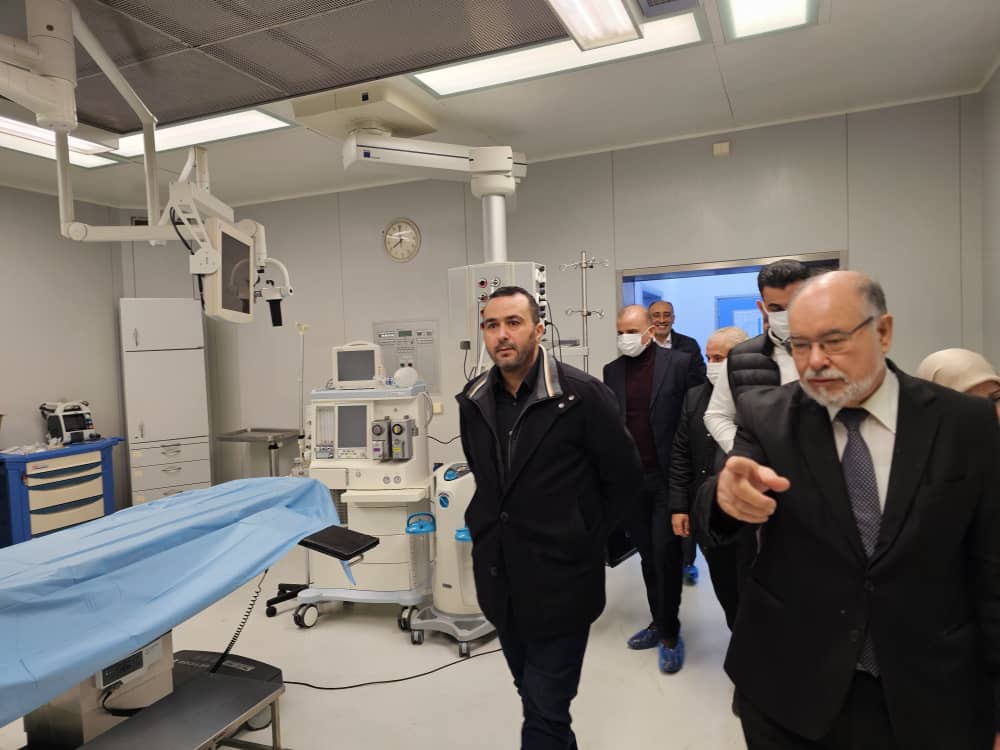
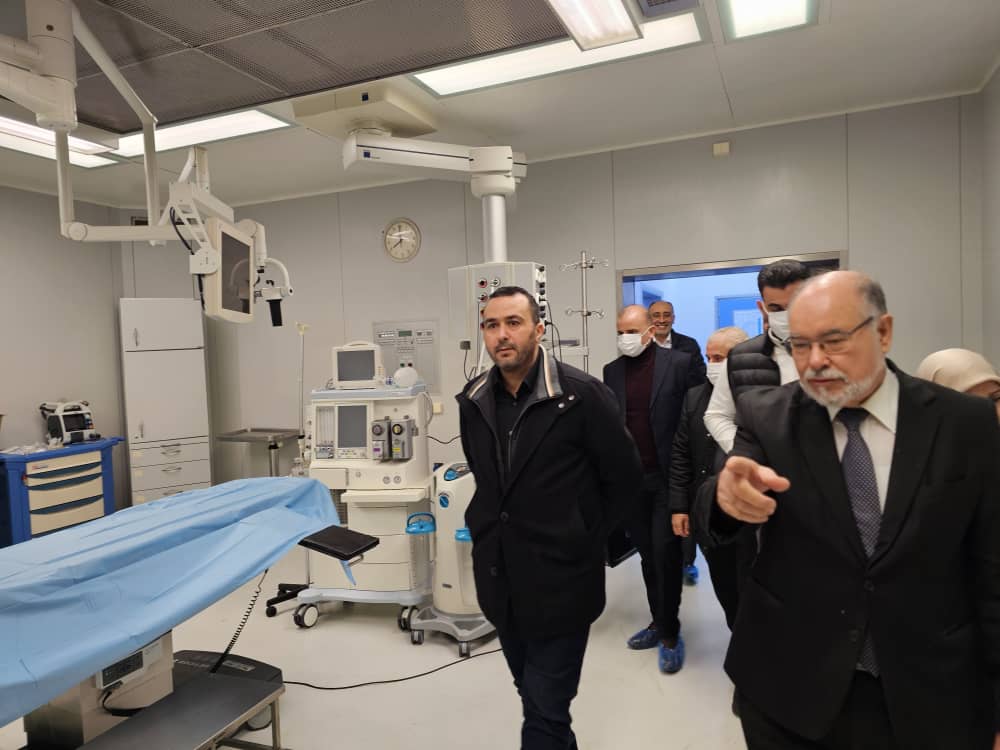
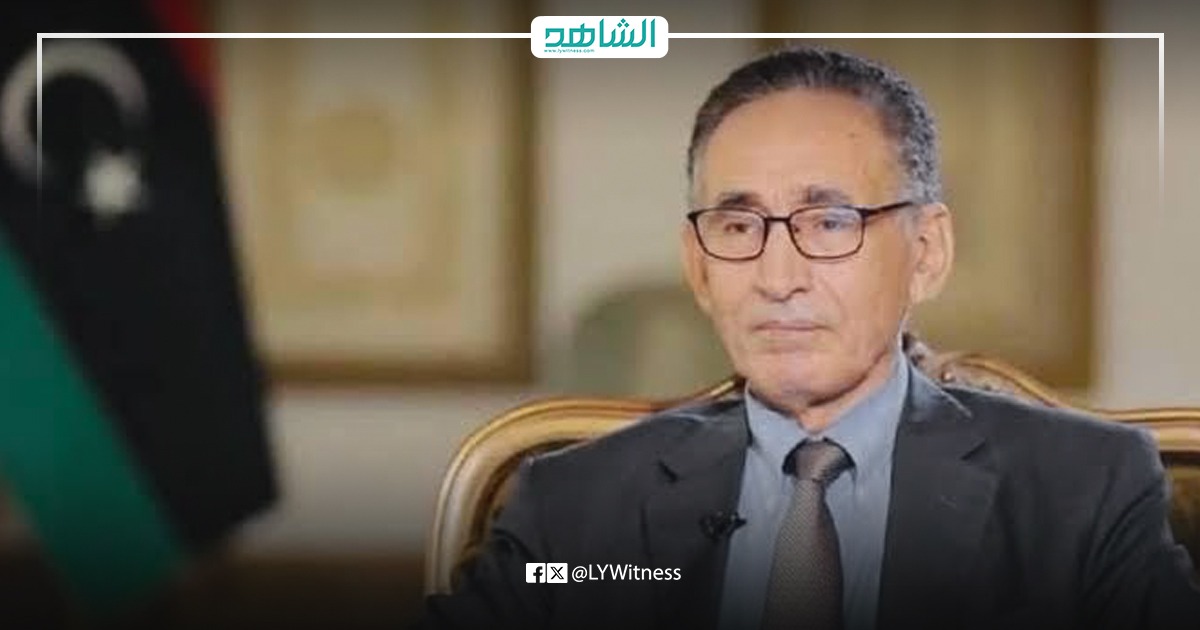
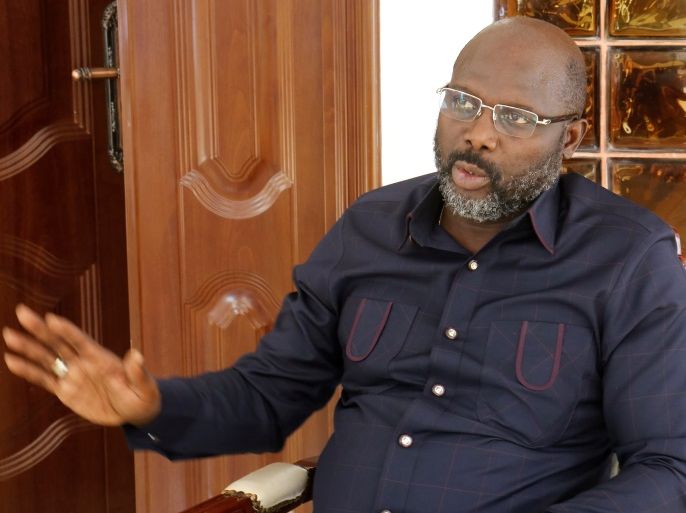
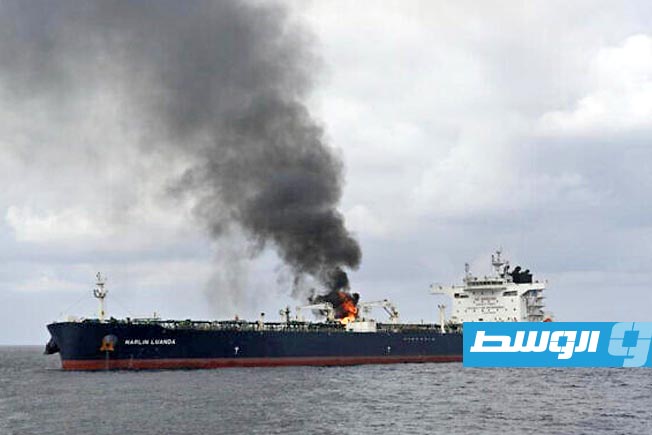
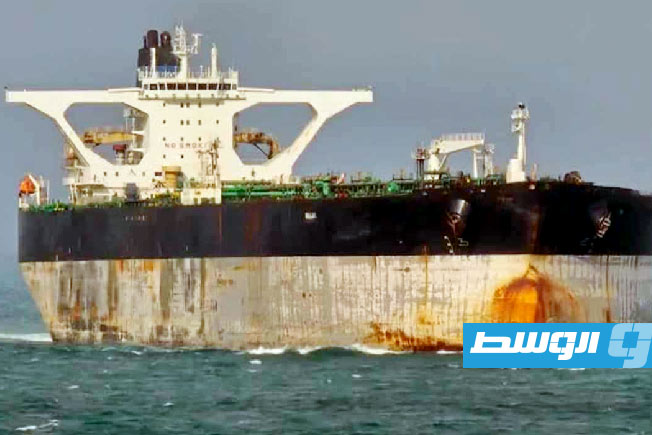
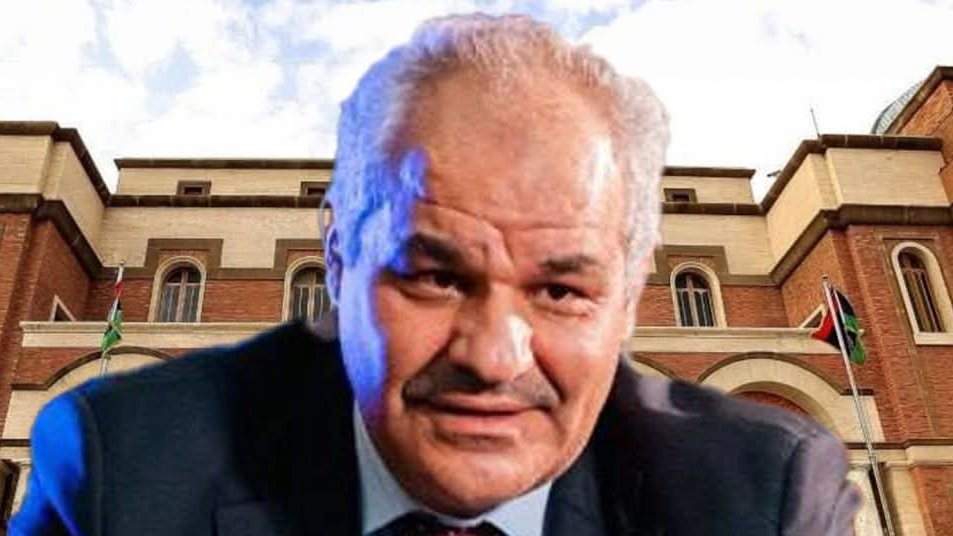
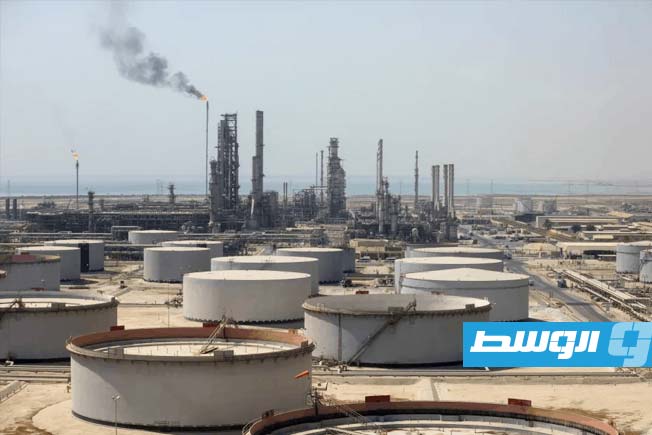
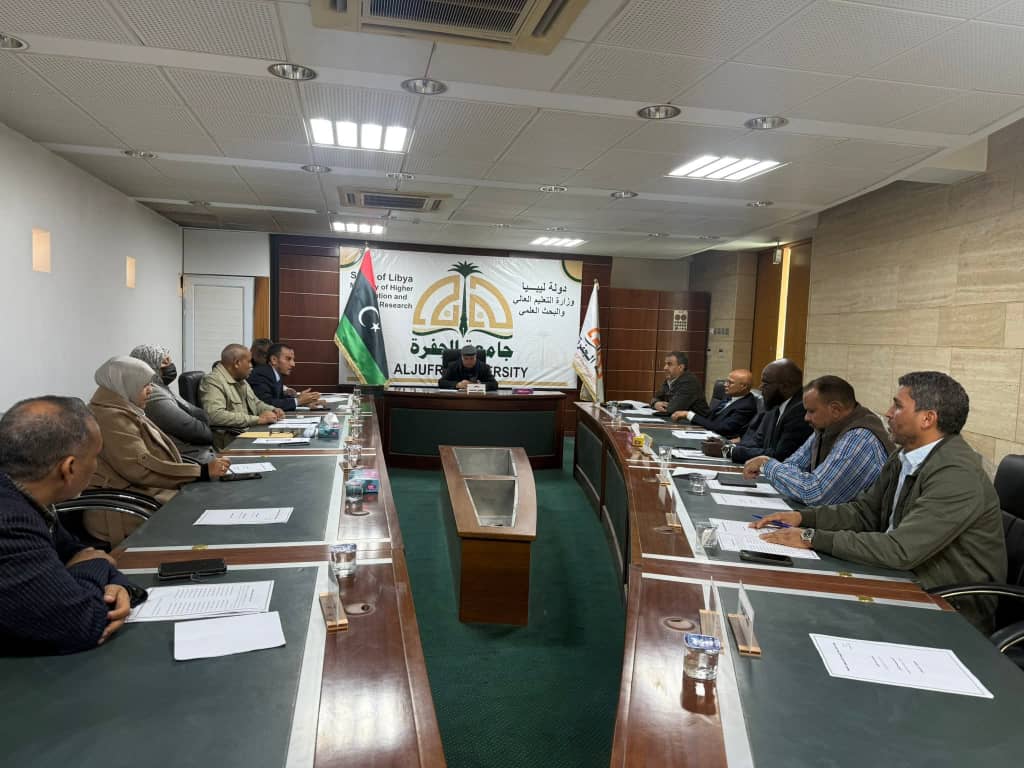
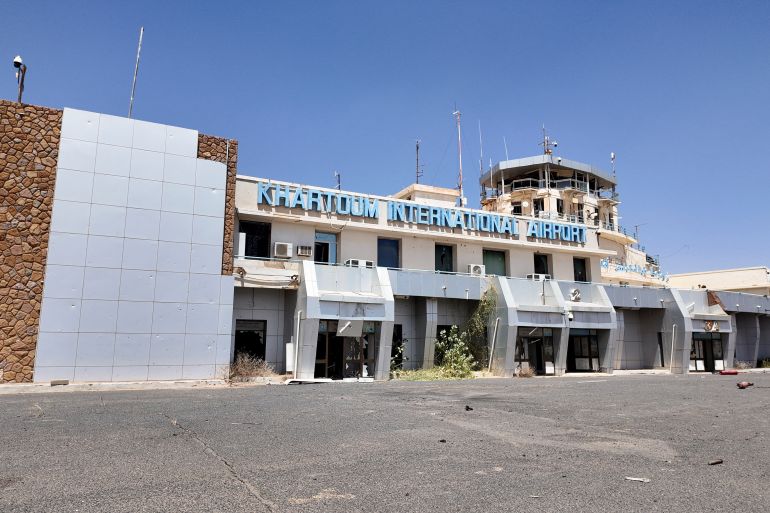
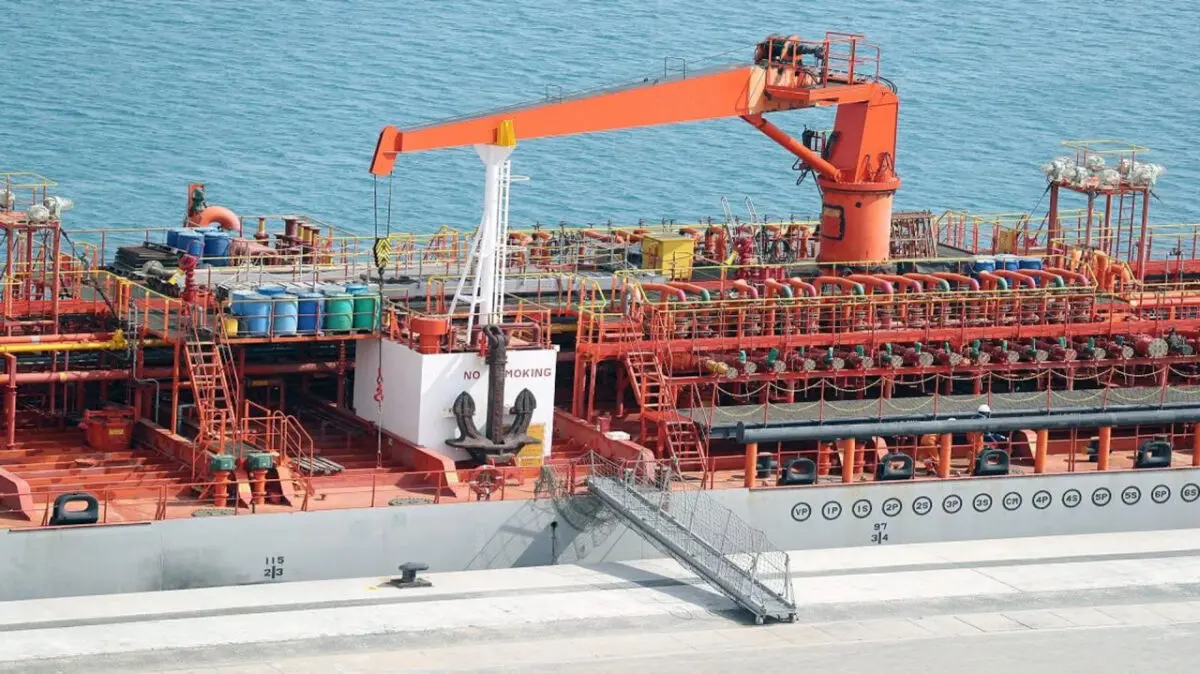
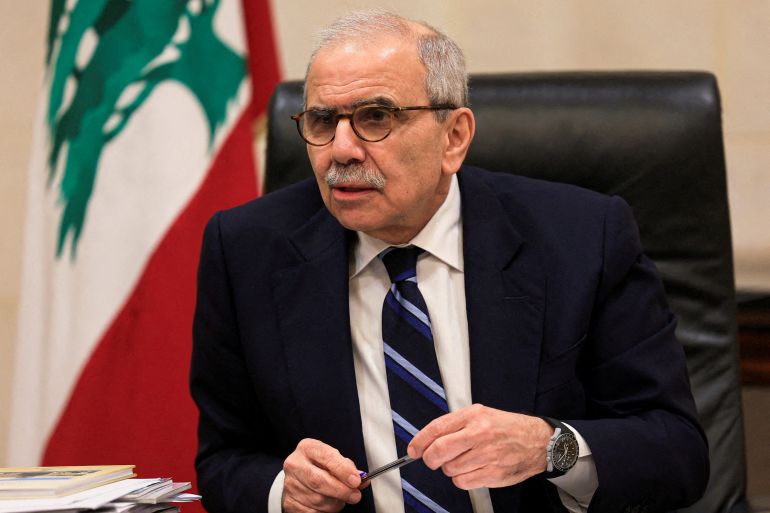
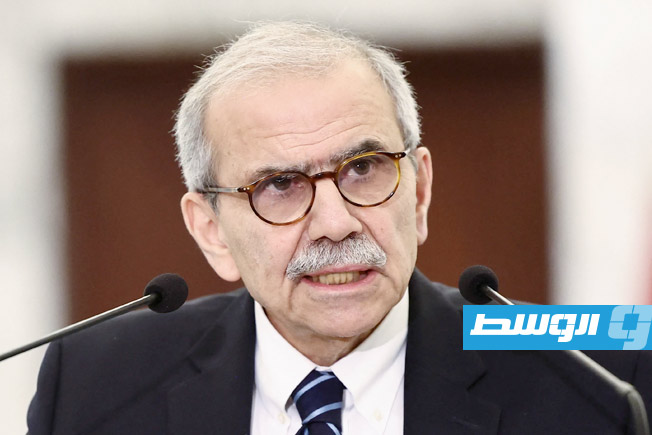
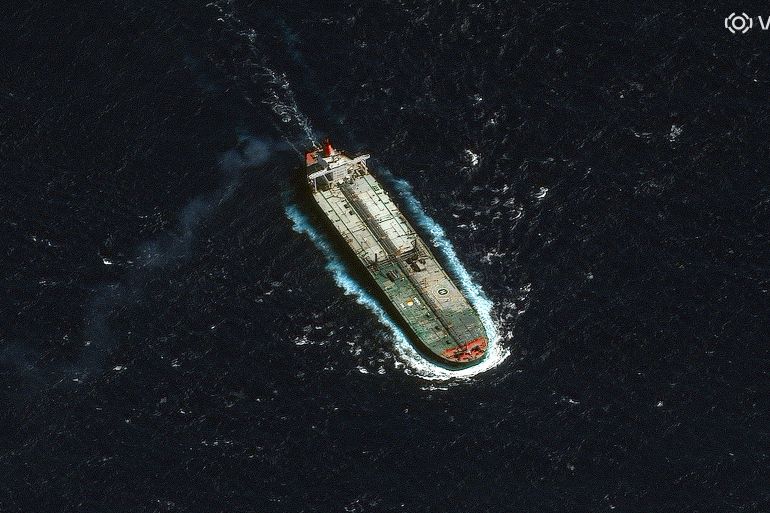
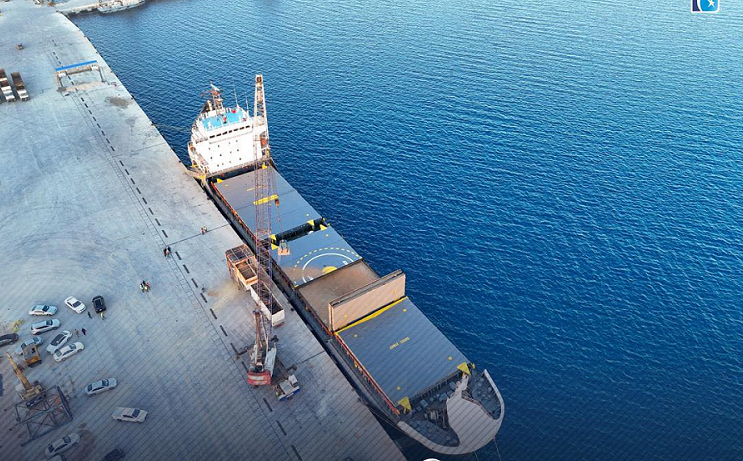
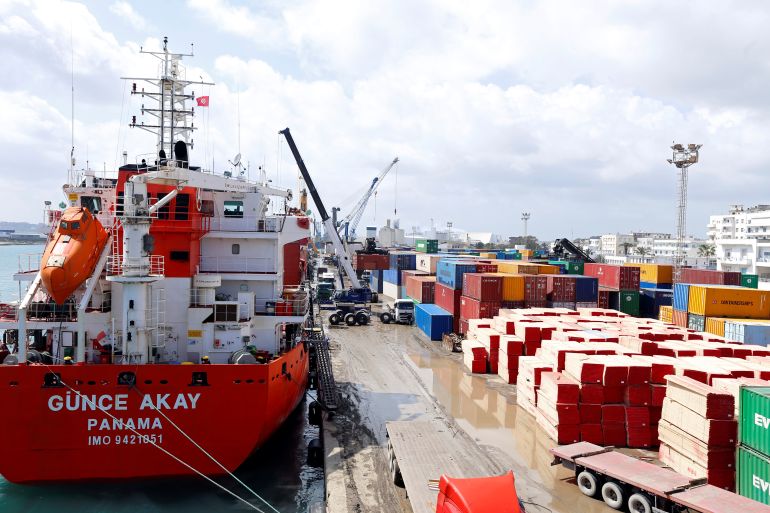
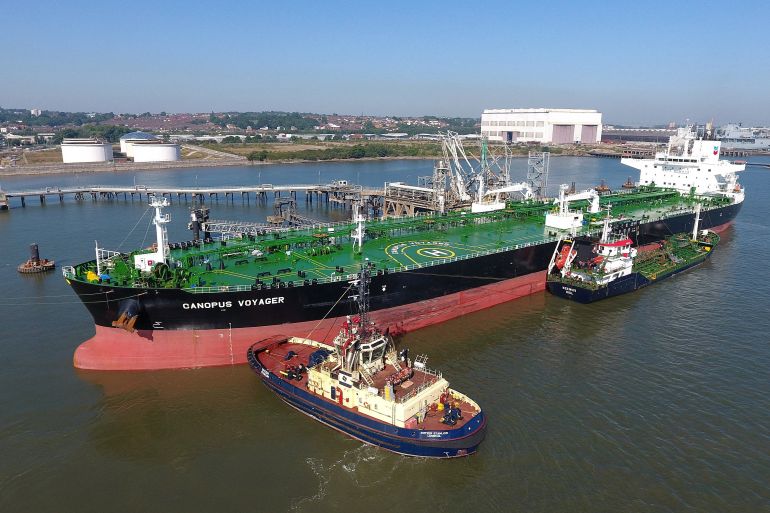
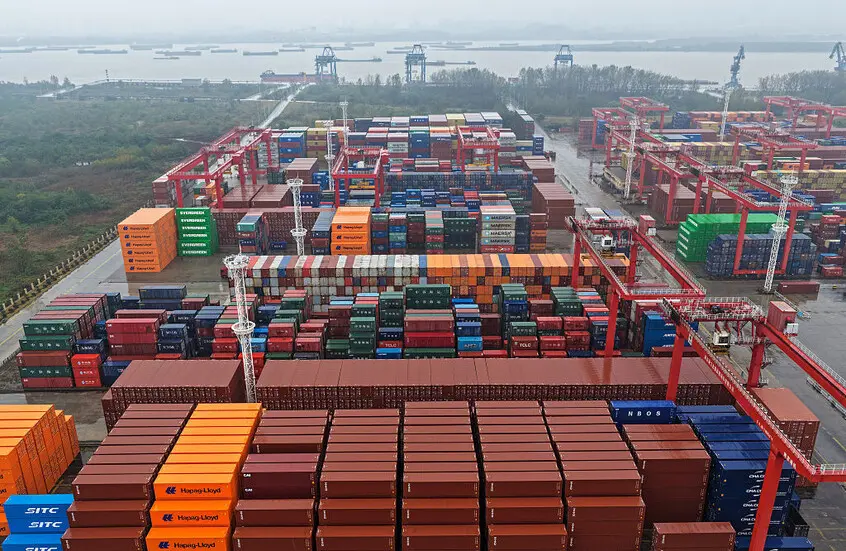
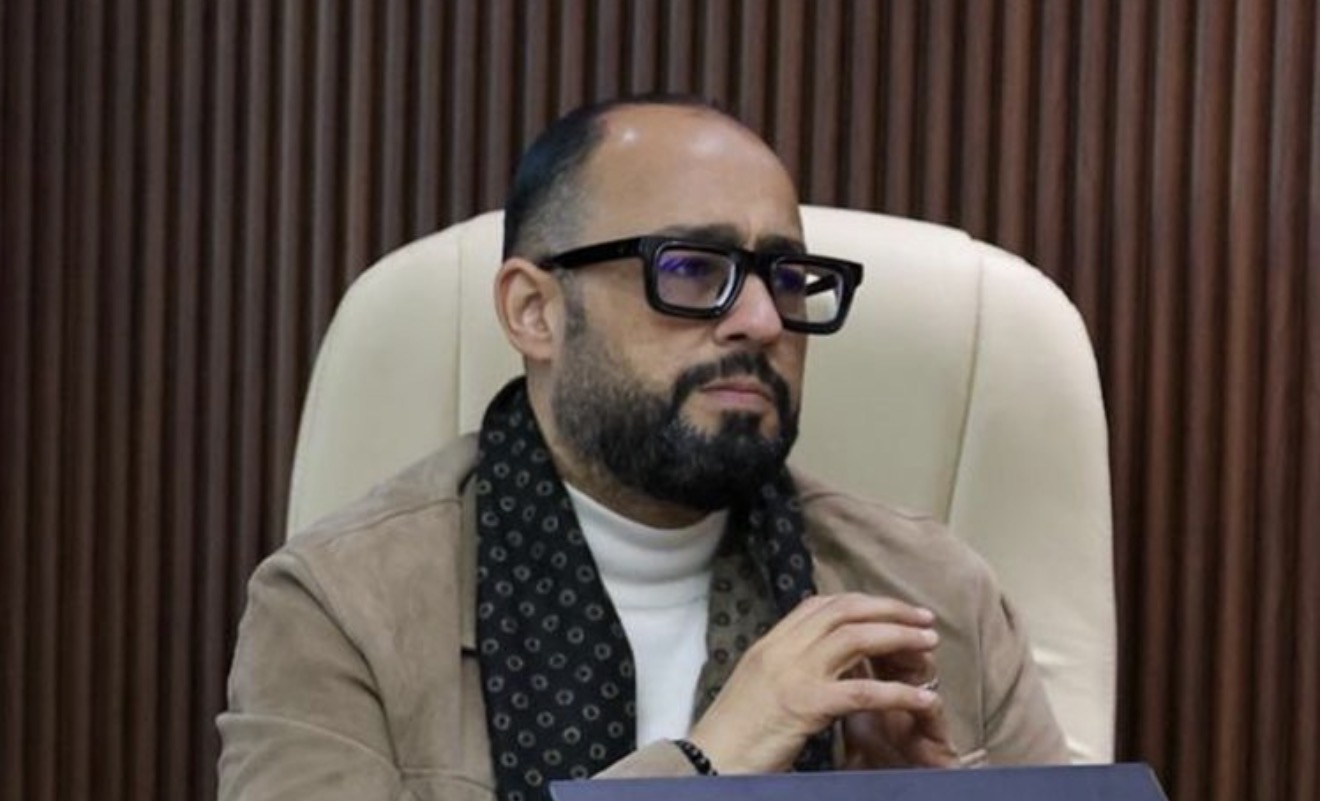
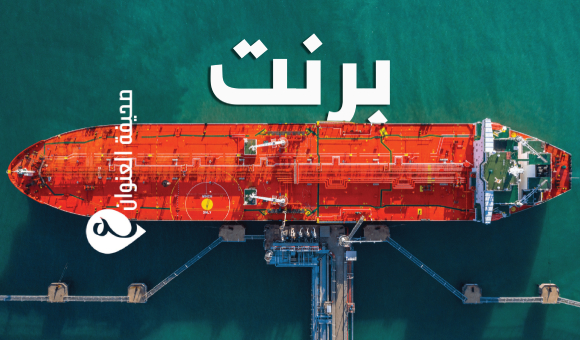
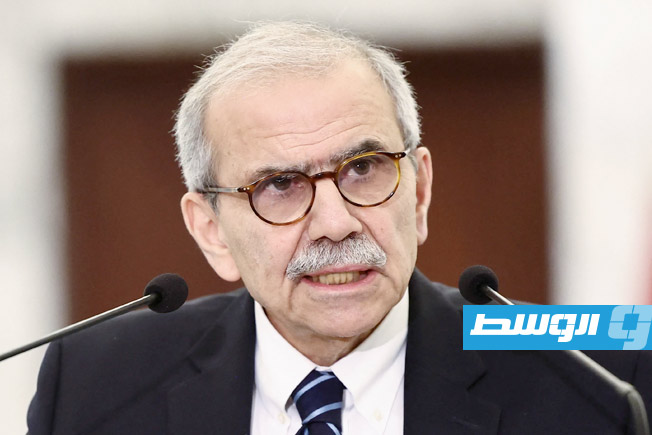
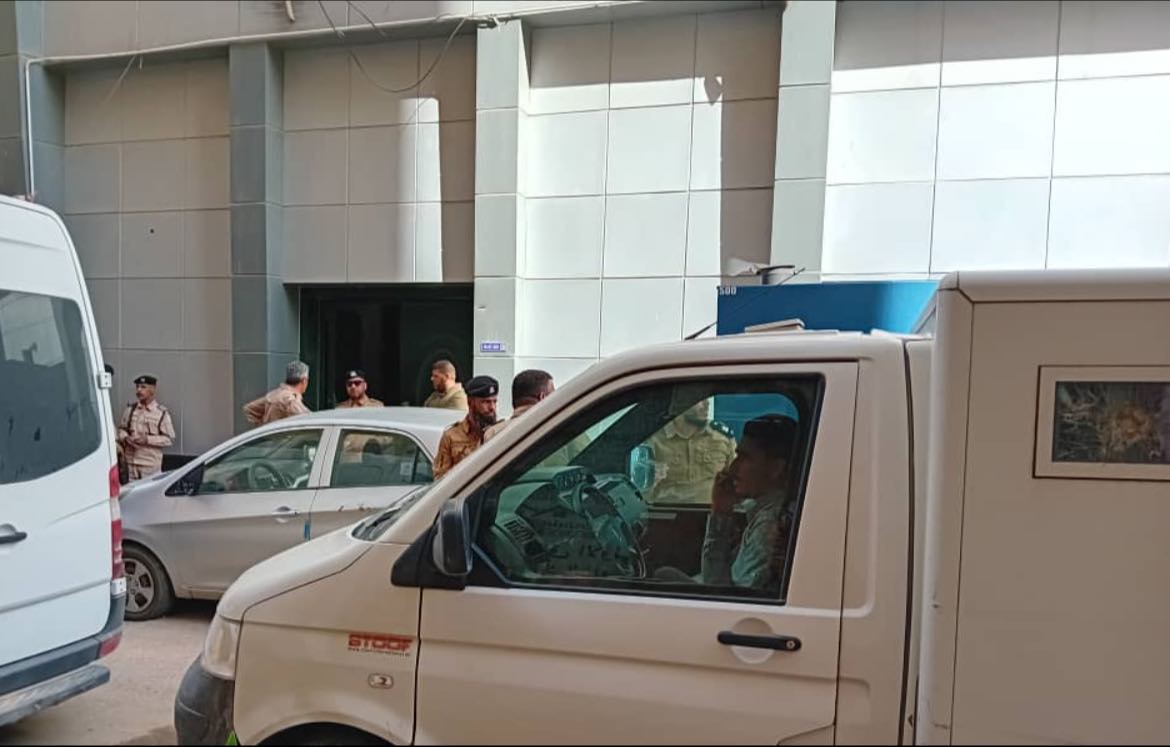
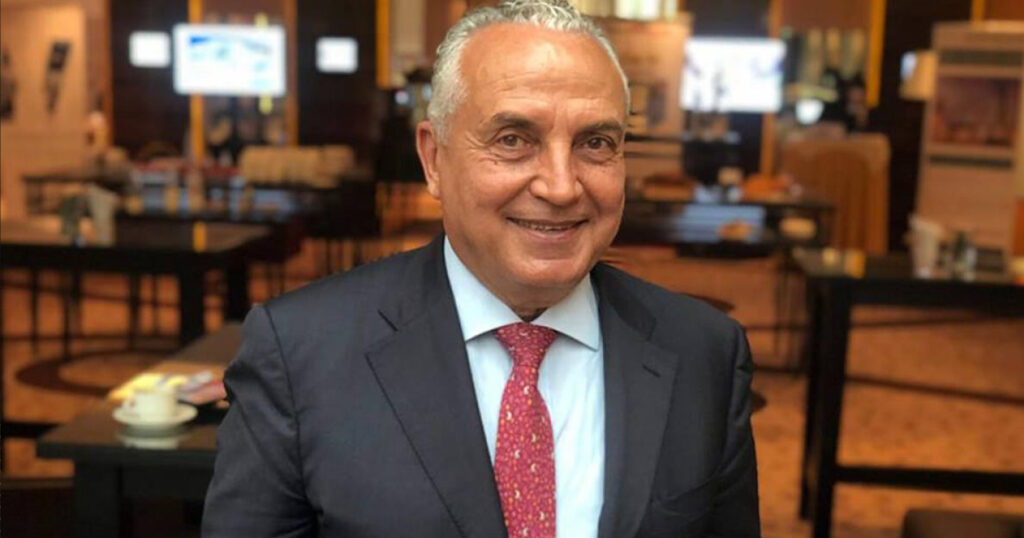
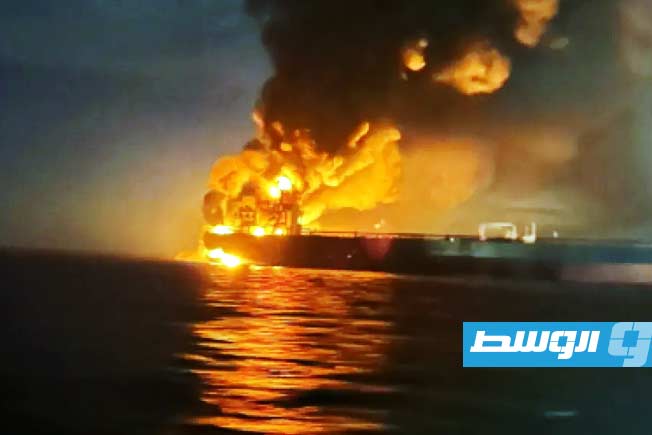
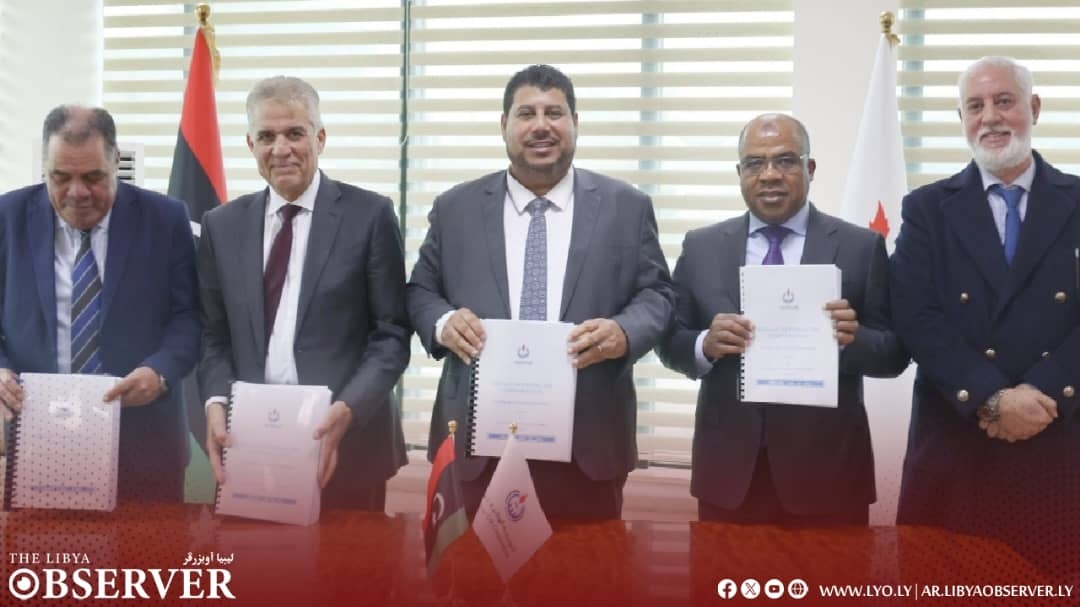
The former president of the Libyan Marine Transport Company, Khaled Al-Tawati, revealed that one of the reasons for his kidnapping and torture was to force him to drop the lawsuit filed by the company to recover its oil tanker “Badr,” which has been detained since 2017 in the port of Burgas, Bulgaria.
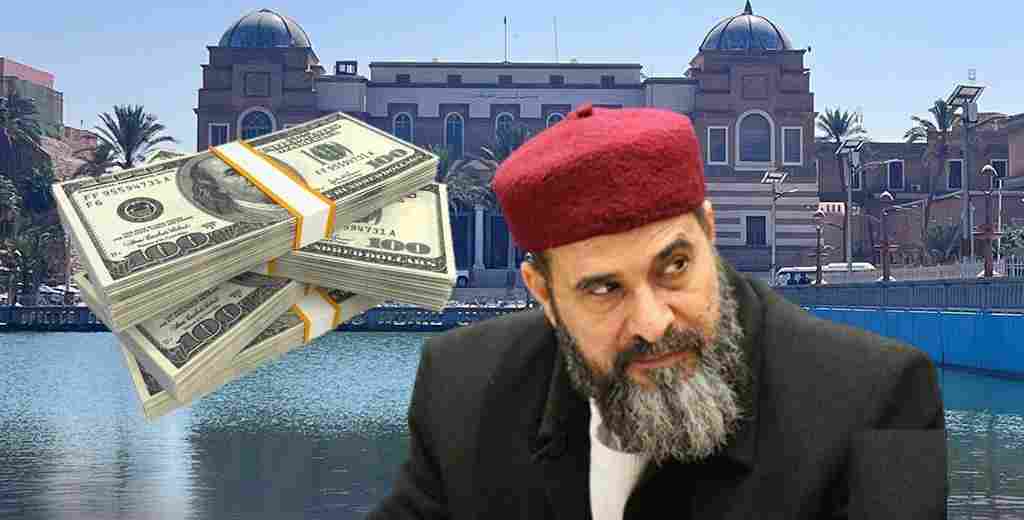
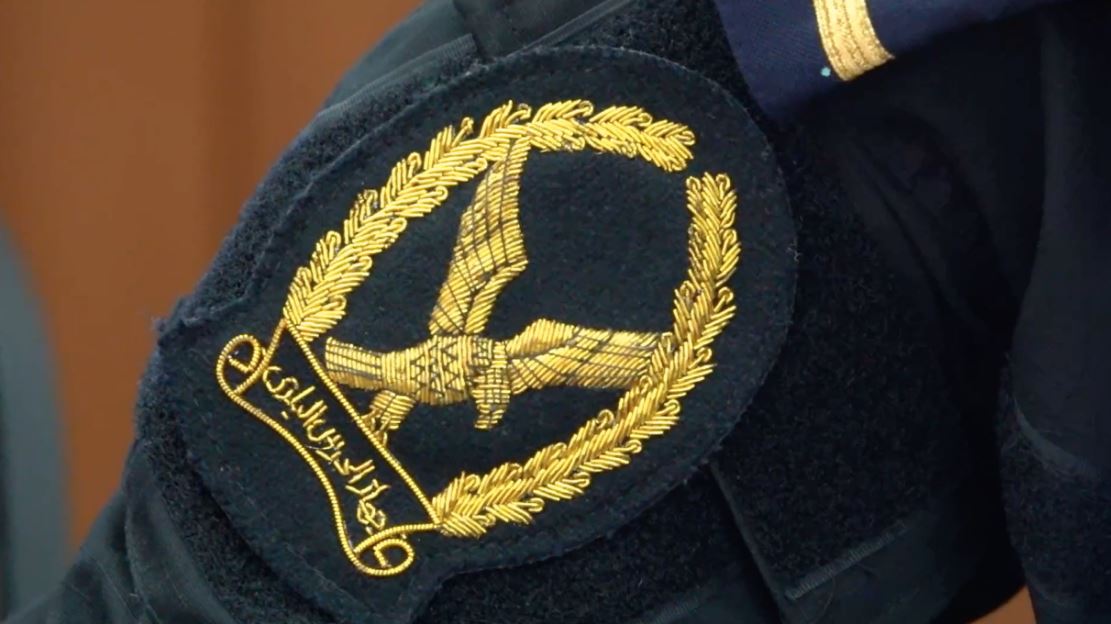
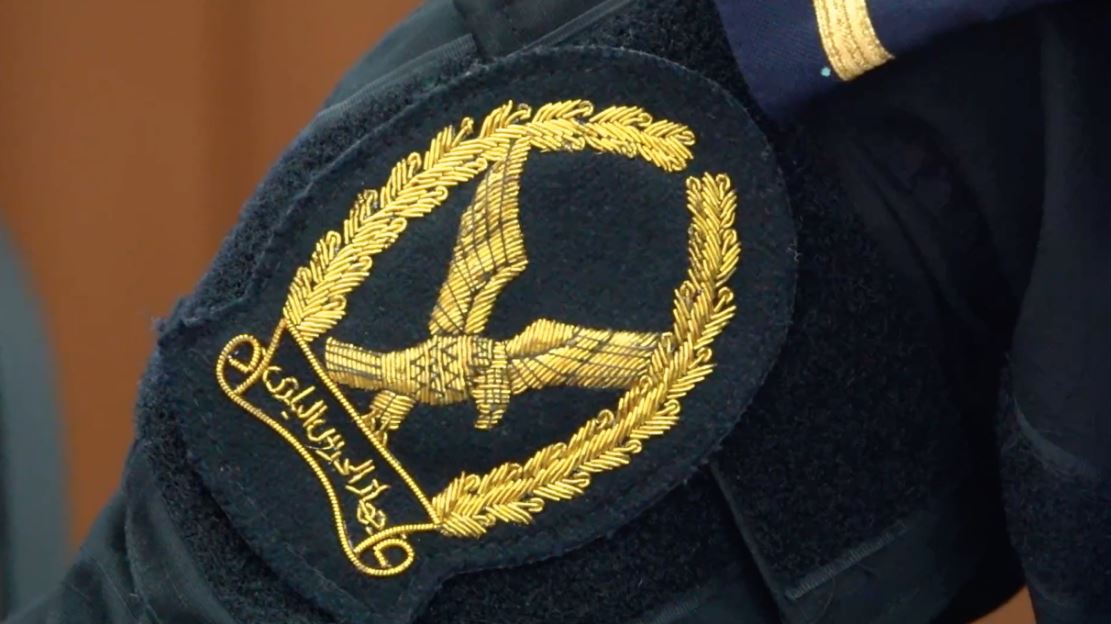
Al-Tawati explained that the kidnapping was carried out by the head of the Facilities Security Authority, Osama Talish, and the head of the Internal Security Apparatus, Lotfi Al-Harari, under the patronage of Al-Senussi, indicating that their motives were linked to “personal interests.”
Al-Tawati praised the decision of the Bulgarian Supreme Court issued days ago, which ruled to return the tanker to its legal owner, considering the ruling a legal victory for the Libyan company after years of dispute.
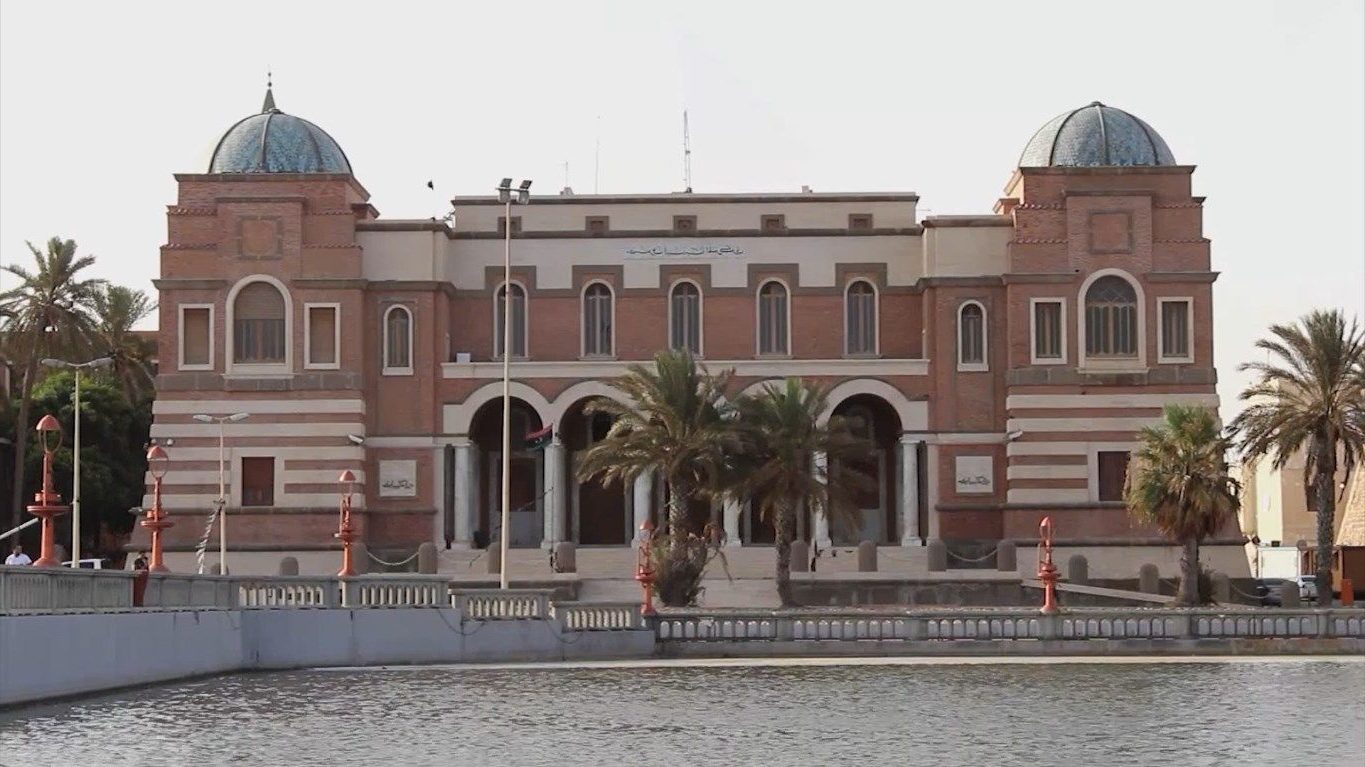
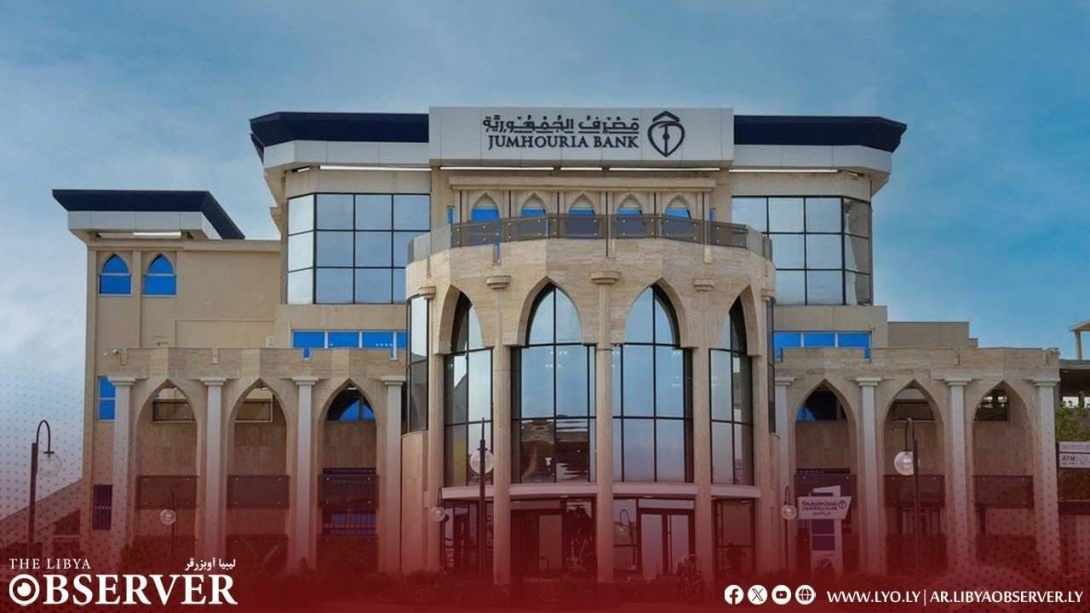
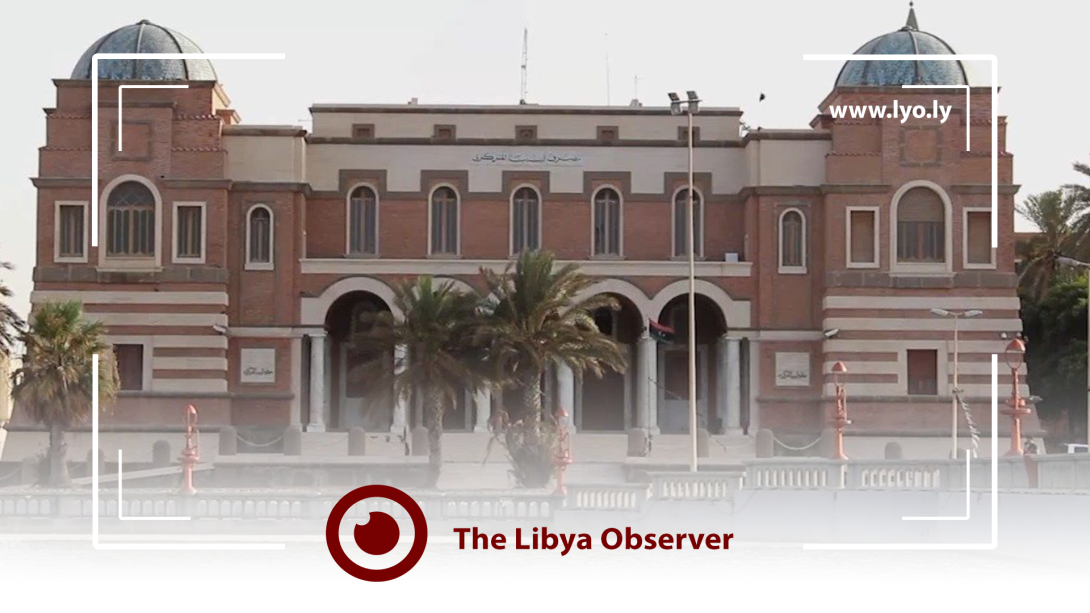
Libyan Marine Transport Company
The Libyan Marine Transport Company (LMTC) was established in 1975 as the national maritime carrier for Libya, primarily to manage the transport of the country’s oil exports. Its history is closely tied to Libya’s petroleum industry and economic policies, though its operations have been significantly impacted by international sanctions and domestic instability over the decades.
Badr
Badr is a city in Saudi Arabia’s Al-Madinah Province, historically renowned as the location of the Battle of Badr in 624 CE, a pivotal early military victory for the Muslims led by Prophet Muhammad. Today, it is a modern city that serves as an important agricultural center in the region.
Burgas
Burgas is a major city and seaport on Bulgaria’s Black Sea coast, historically developed from a small fishing village into an important economic center during the 19th century under Ottoman rule. Its growth accelerated after the region became part of modern Bulgaria in 1885, with its port and later its coastal resorts becoming key to its identity. Today, it is known for its seaside parks, cultural festivals, and as a gateway to the southern Bulgarian coast.
Bulgaria
Bulgaria is a Southeastern European country with a rich history dating back to ancient Thracian, Roman, and Byzantine civilizations, later forming the First and Second Bulgarian Empires. Its cultural heritage is exemplified by sites like the medieval Boyana Church and the rock-hewn churches of Ivanovo, both UNESCO World Heritage sites. The country also features diverse natural landscapes, ranging from the Black Sea coast to the mountainous interior.
Facilities Security Authority
The Facilities Security Authority (FSA) is a fictional or generic entity, not a widely recognized specific cultural or historical site. Therefore, no established history or summary about it as a place of cultural significance exists.
Internal Security Apparatus
The Internal Security Apparatus is a state institution responsible for domestic intelligence and counterintelligence operations, often associated with monitoring political dissent and maintaining regime stability. Its history is typically rooted in the consolidation of power by ruling authorities, with its specific formation and evolution varying by country and often remaining opaque to the public.
Bulgarian Supreme Court
The Bulgarian Supreme Court of Cassation is the highest appellate court in Bulgaria, established in 1878 after the country’s liberation from Ottoman rule. It serves as the final arbiter on the correct application of law, ensuring uniformity in legal interpretation across the judiciary.