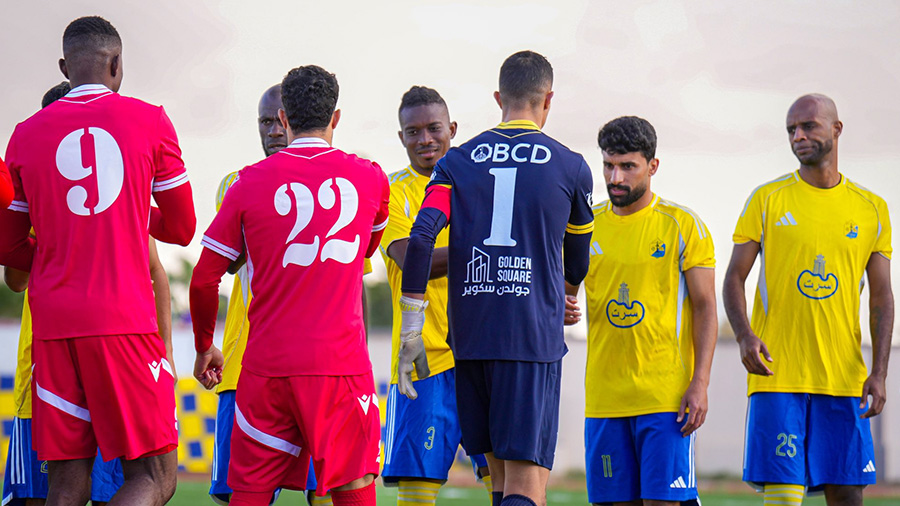
After more than two years of forced absence, football has returned to knock on the doors of life in the Gaza Strip, not on green grass or complete stands, but amidst the rubble of war and the ruins of buildings, in a scene that encapsulates humanity’s struggle with death and its grip on hope.
On a dilapidated five-a-side football pitch, surrounded by destroyed buildings and barren land, the first football league in the sector since the outbreak of the war was held, a symbolic step carrying more than just sporting and humanitarian meaning.
The starting whistle amidst the destruction
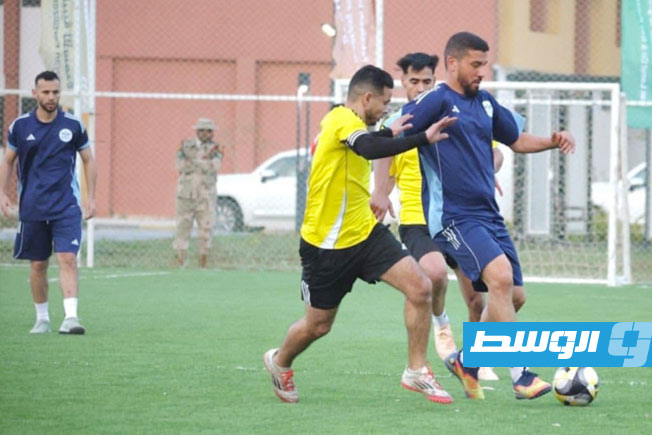
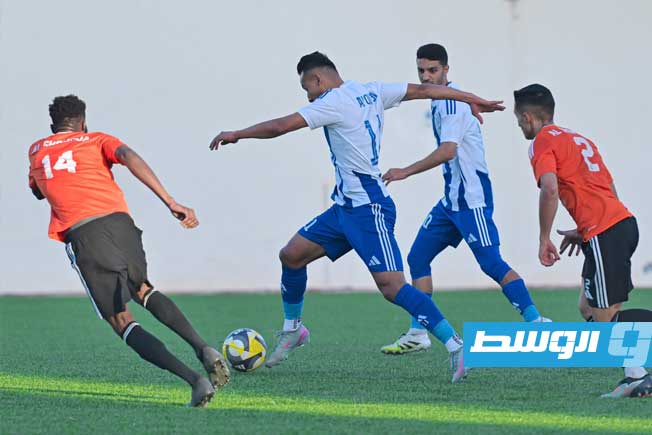
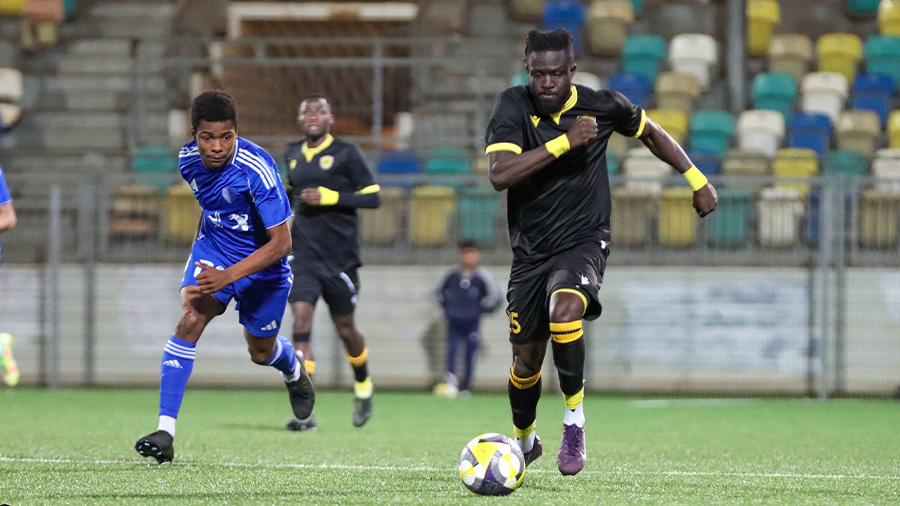
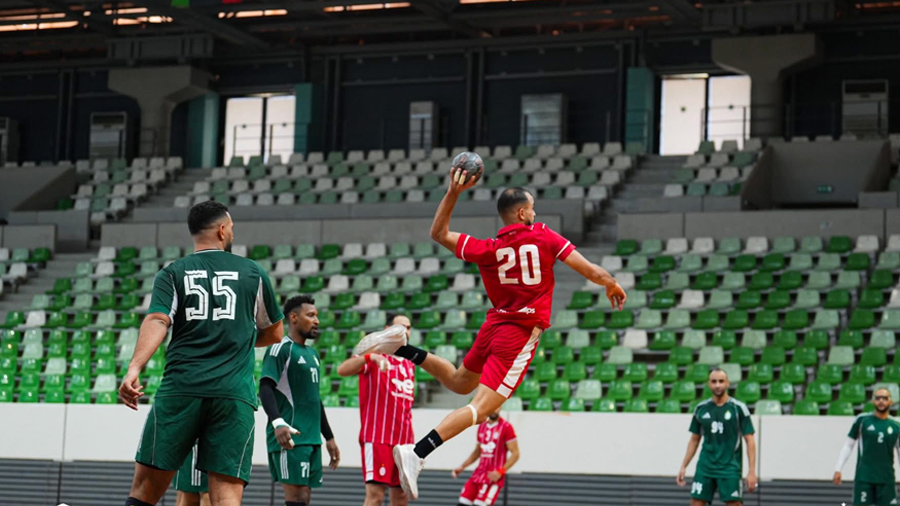
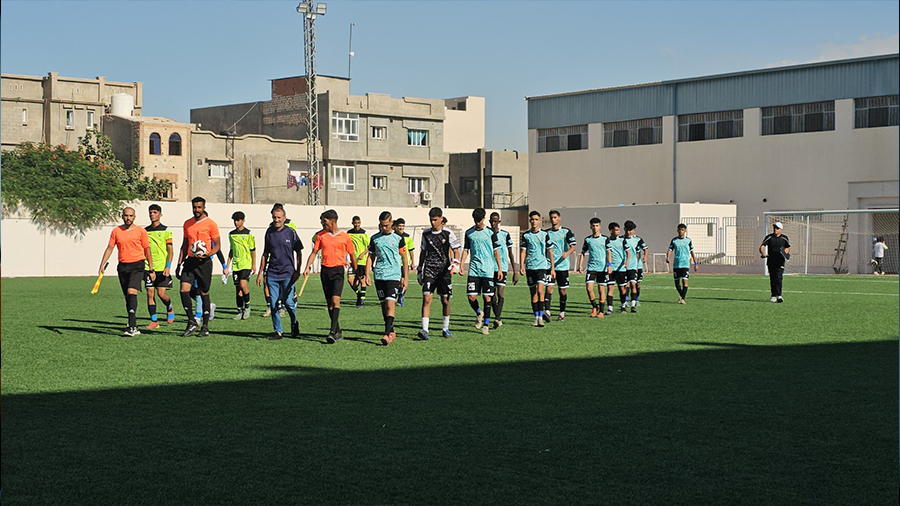
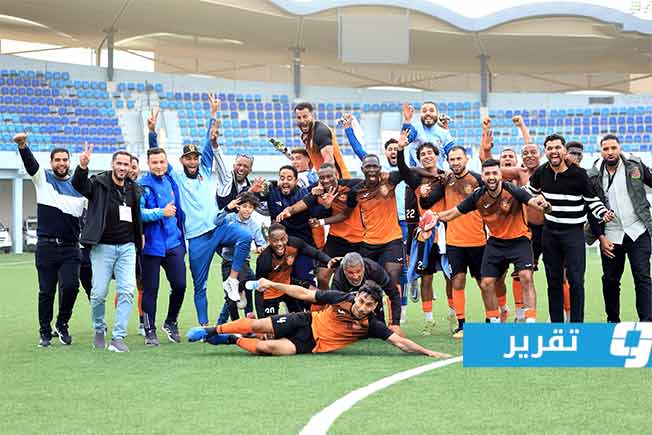
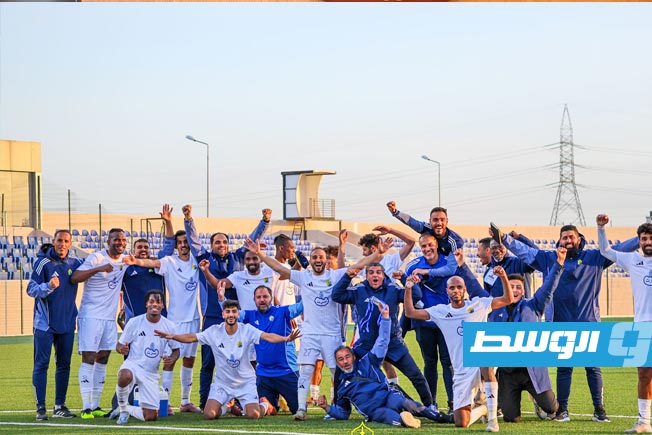
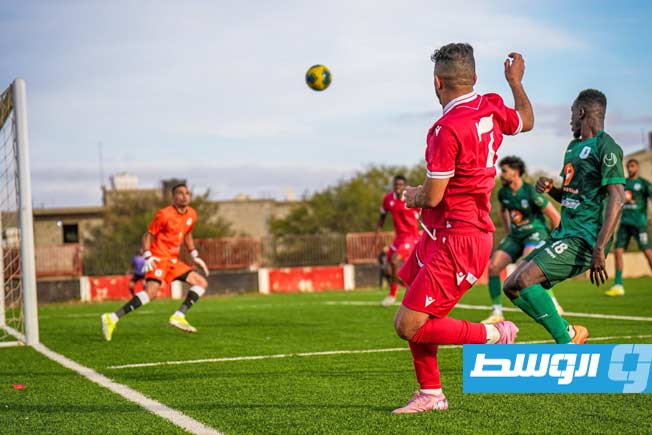
The Palestine Sports Club stadium in the Tel al-Hawa neighborhood of Gaza City witnessed the launch of the first league matches, where Shabab Jabalia met Al-Sadaka, while the second match brought together the teams of Beit Hanoun and Al-Shuja’iya.
Both encounters ended in a draw, but the result was a minor detail compared to the bigger event: the return of the ball to Gaza after a long interruption imposed by war and destruction.
An audience from among the rubble
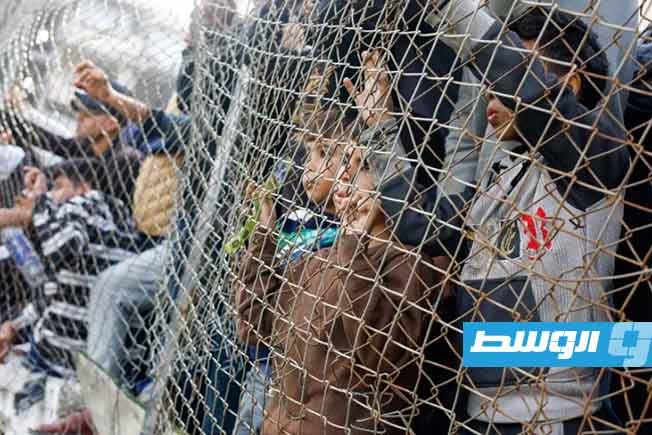
Harsh conditions and the absence of stands did not prevent fans from attending; dozens gathered around the metal fence of the pitch, while children and young men resorted to climbing the demolished concrete walls or watching the match through holes in the rubble.
Cheers rose despite the debris, as one fan beat a simple drum made from primitive tools, creating an atmosphere of support that restored the stadium’s lost spirit.
Players between joy and sorrow
Youssef Jundia (21 years old), a player for Shabab Jabalia, expressed mixed feelings that accompanied his return to the pitch, saying the feeling combines joy and sorrow at the same time, given the harsh reality the people of the sector are living.
He explained that the players now live in tents and spend long hours searching for water and food, but football gave them a brief chance to escape reality and express the joy latent within them, even if only for a few hours.
Incomplete joy and painful absence
Jundia pointed out that the return to the pitches came after an interruption of nearly two and a half years, through a revitalization tournament organized by the Palestinian Football Association to restore the sporting atmosphere to Gaza, but the joy remained incomplete.
He added that a number of his fellow players were killed during the war, while others were injured or forced to travel for treatment outside the sector, which made the moment of return to the pitches mixed with pain and longing.
Pitches turned into displacement camps
Before the war, matches were held at the Yarmouk Stadium, one of Gaza’s largest stadiums, with a capacity of up to nine thousand spectators, but Israeli forces destroyed it during military operations and used it as a detention center.
Today, the stadium has turned into a displacement camp, where white tents are spread over an earthen ground that replaced the green grass, in a scene that summarizes the scale of the transformation that has affected life in the sector.
Modest efforts to revive sports
Despite the absence of any real reconstruction process four months after the ceasefire came into effect, the Palestinian Football Association managed to prepare a pitch at half its size to host matches.
The efforts included removing the rubble of a collapsed wall, clearing debris from the old artificial turf, and erecting a temporary fence, in an attempt to restore the minimum requirements for playing.
Football is a message of life
For his part, Amjad Abu Ouda (31 years old), a player for the Beit Hanoun team, said that holding the league carries a clear message to the world, affirming that Palestinians continue to live despite the destruction and war of annihilation.
He explained that participating in the league aims to prove that sports and life cannot stop, no matter the losses, stressing that continuing to play is a form of daily resistance.
Between rubble and hope
In Gaza, the ball was not just a game; it was an act of defiance and steadfastness, and a message that life can be born from under the rubble. And between a referee’s whistle and a child’s cheer, the green rectangle returned, even if colored with dust, to give the people of the sector a small space for hope, awaiting a full return of life and stadiums together.