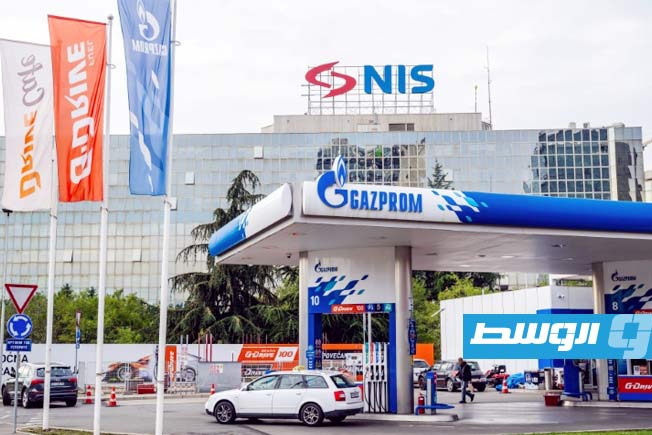
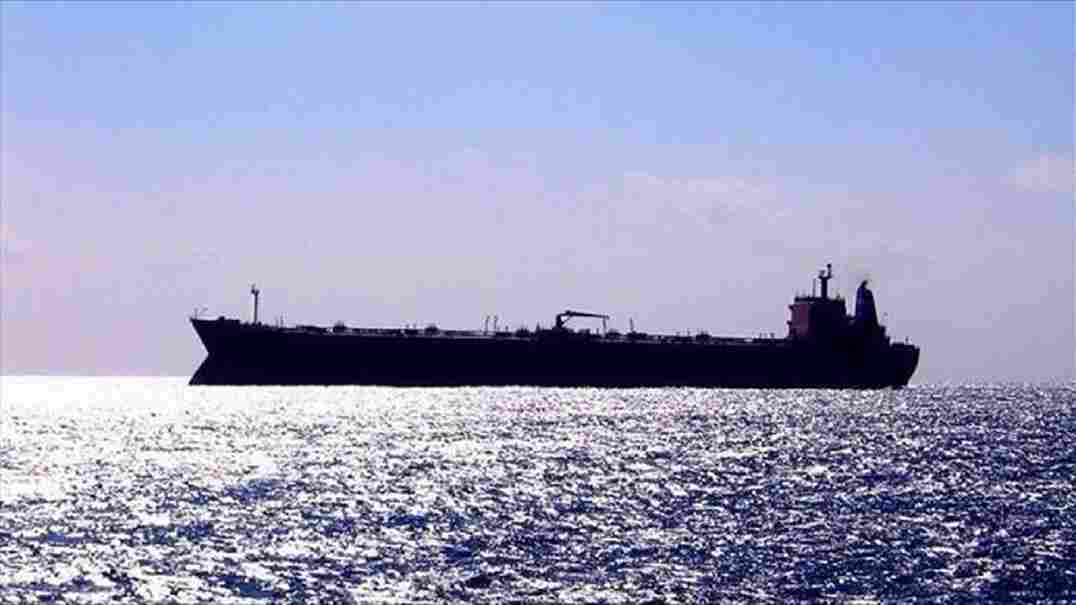
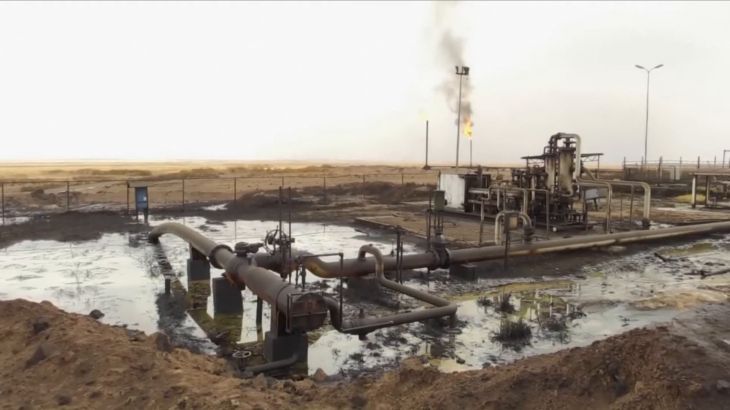
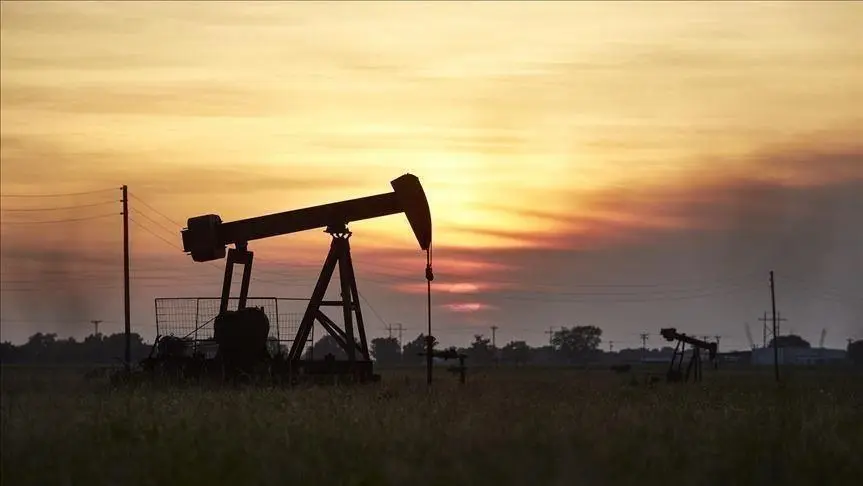
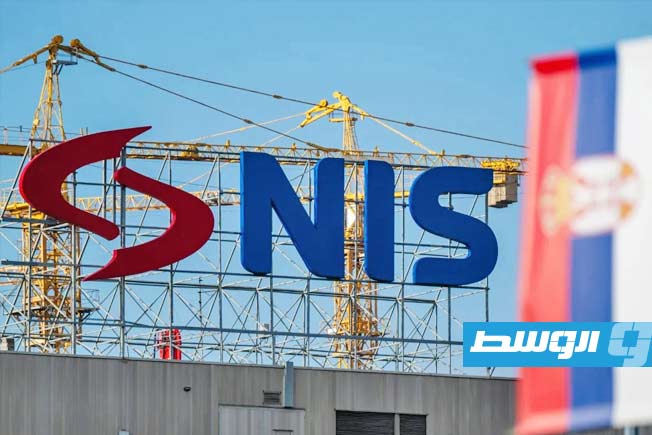
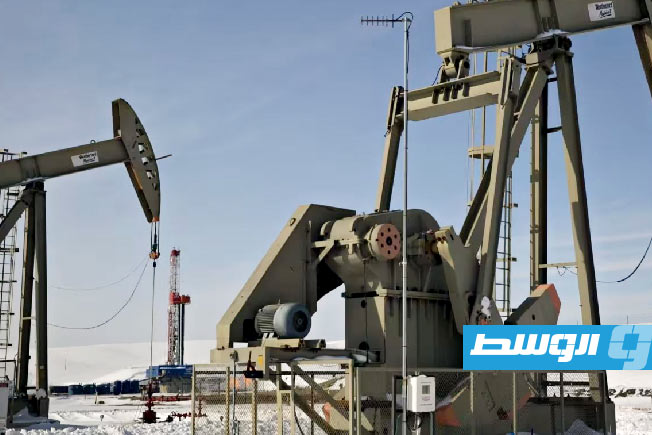
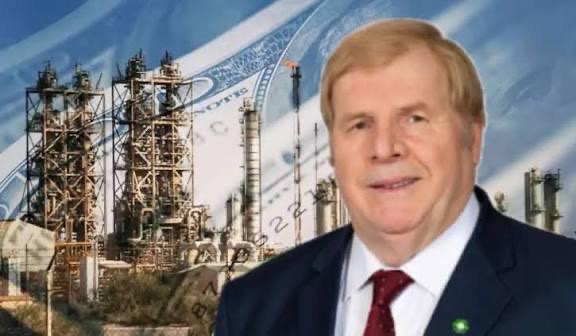
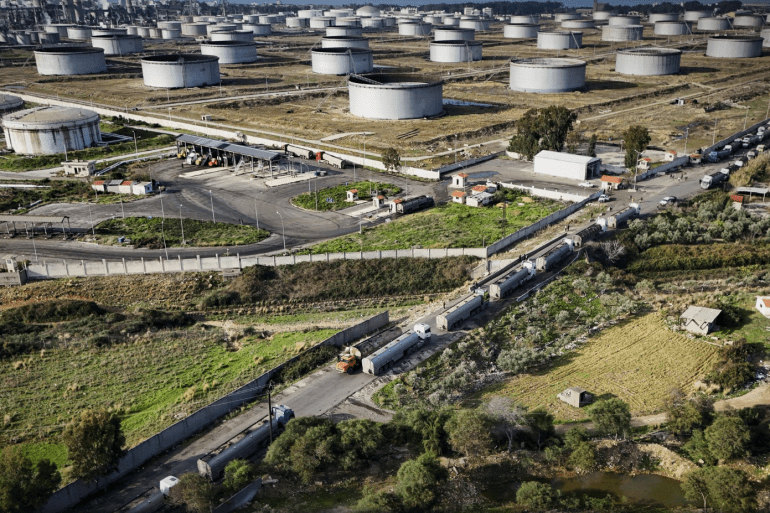
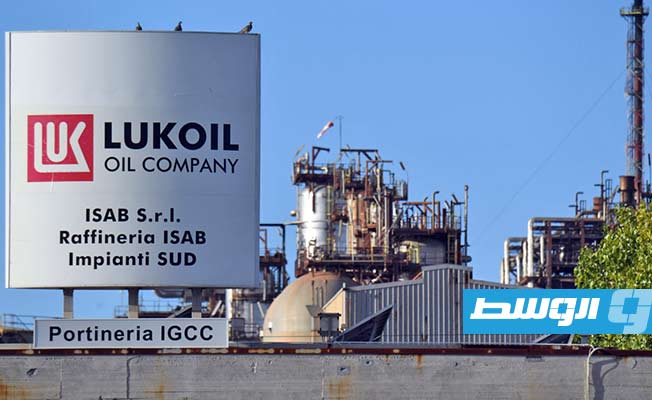
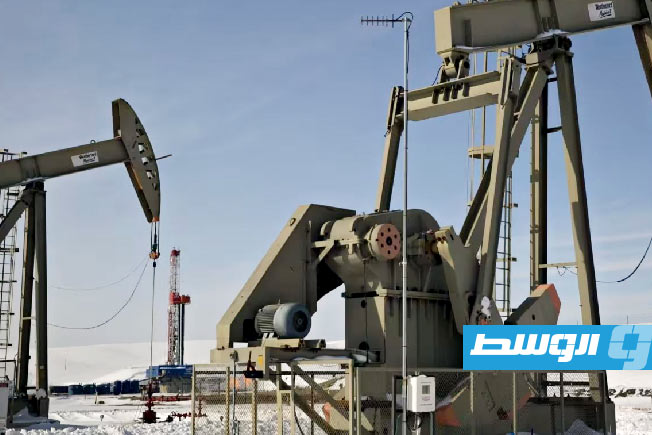
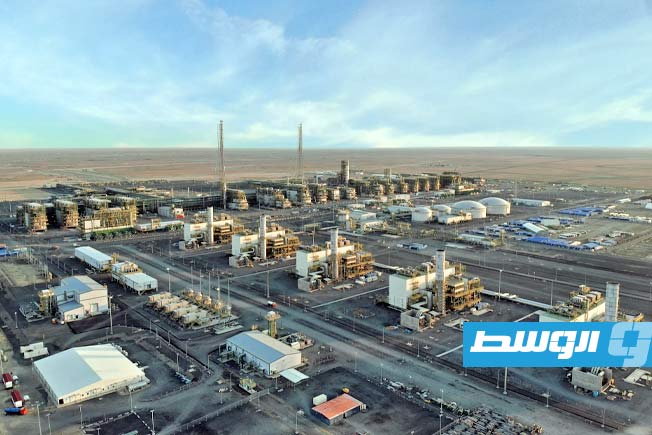
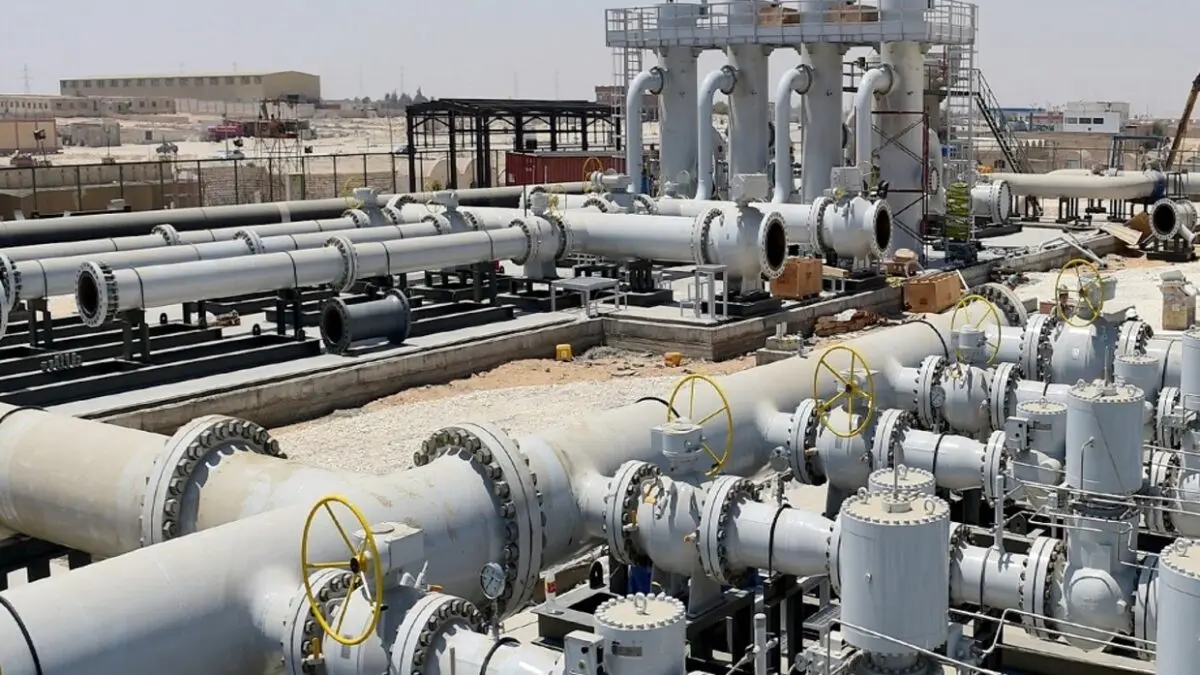
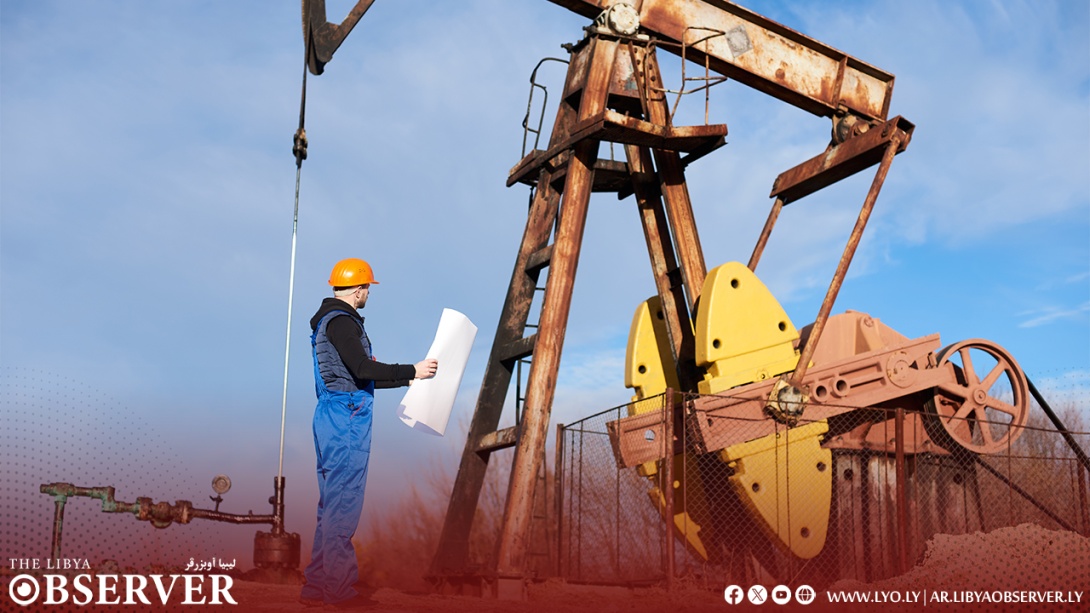
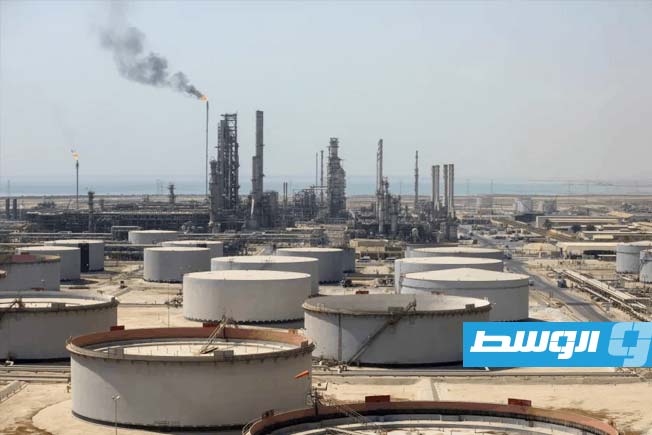
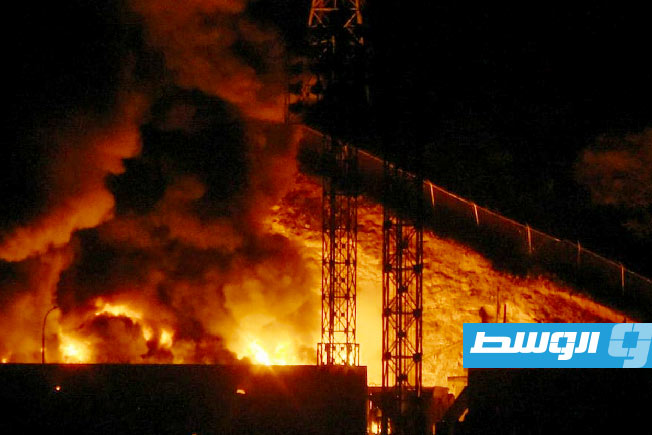
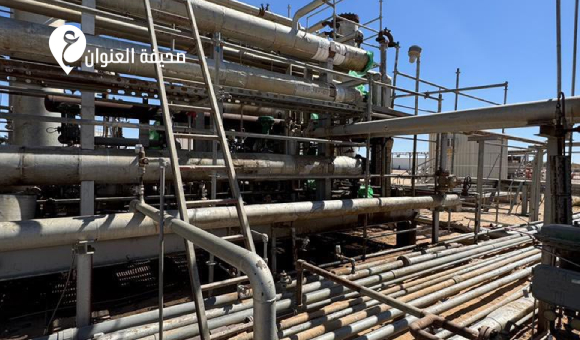
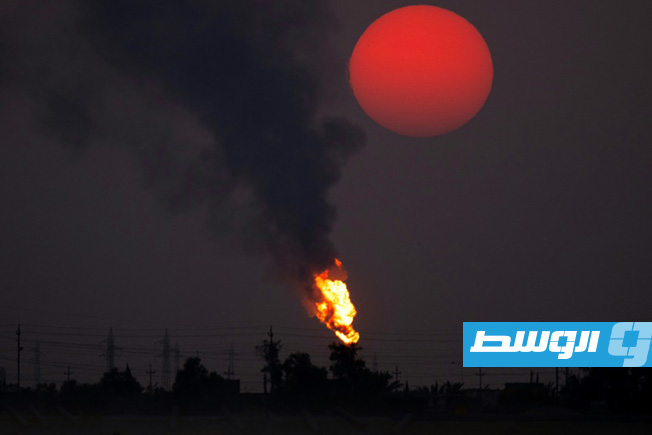
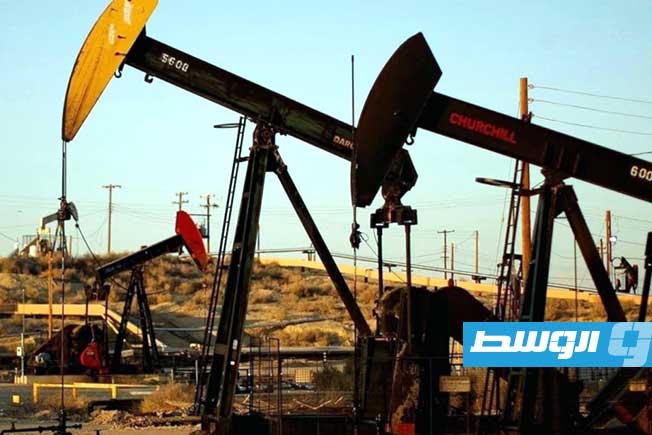
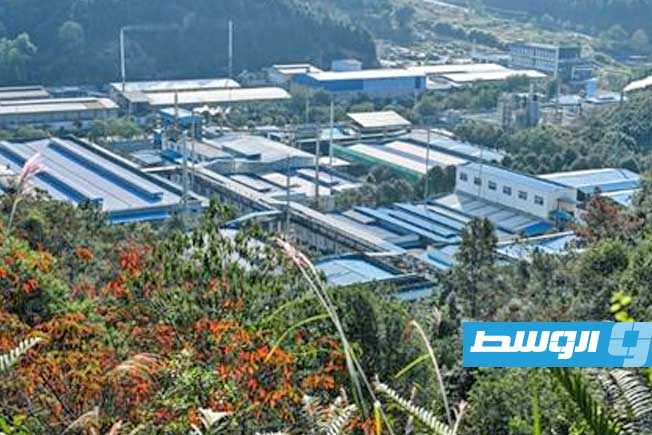
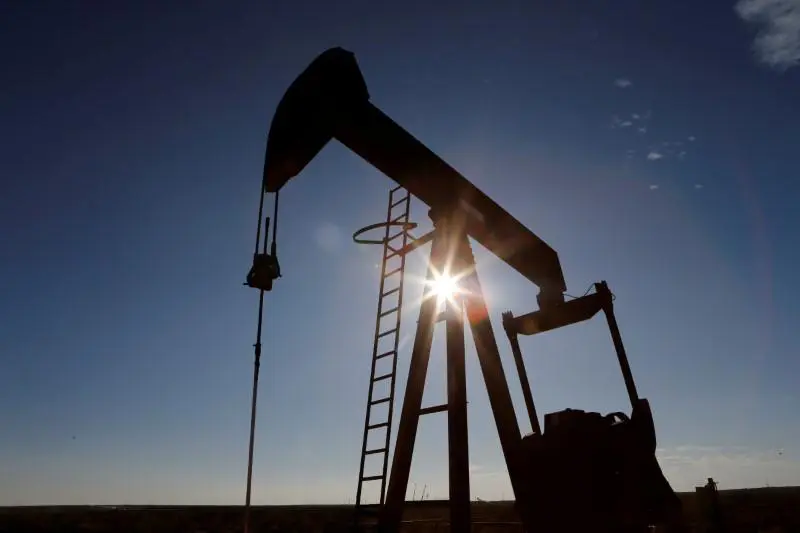
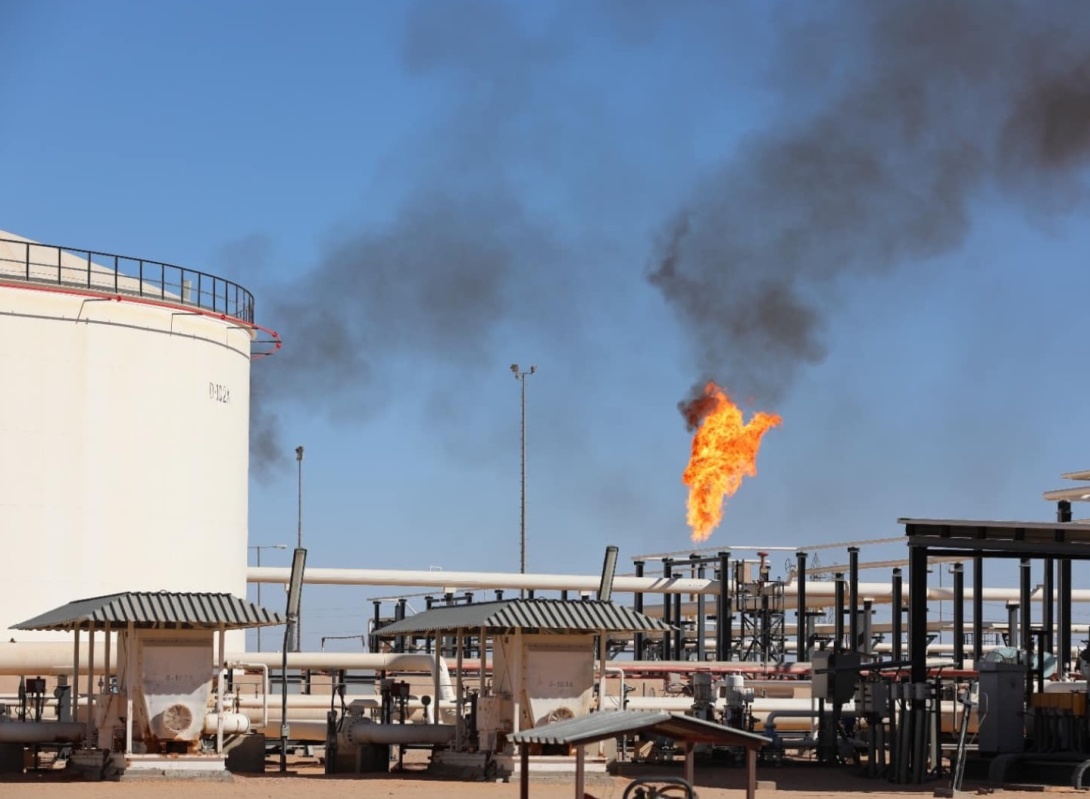
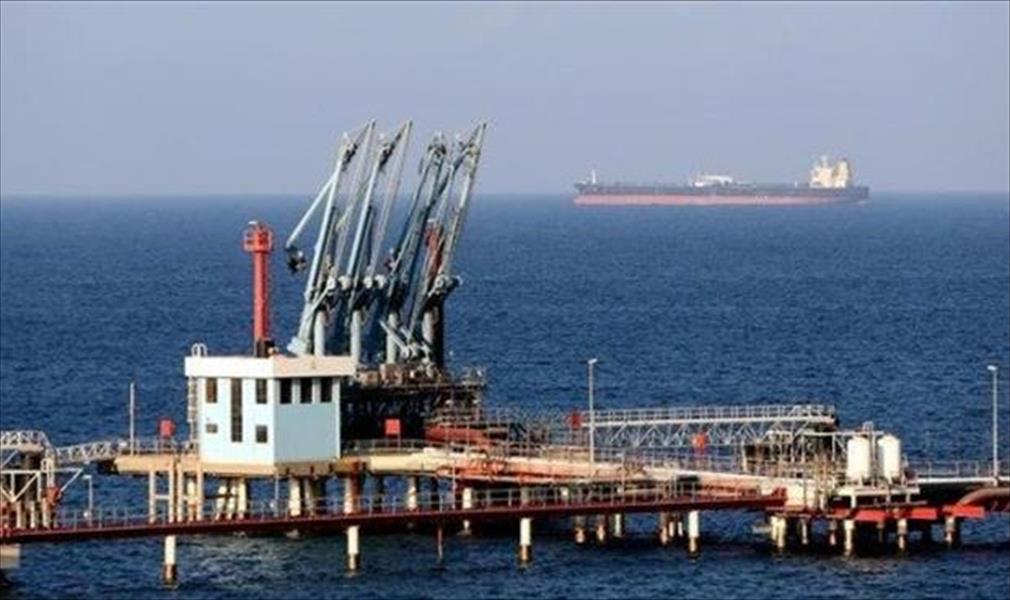
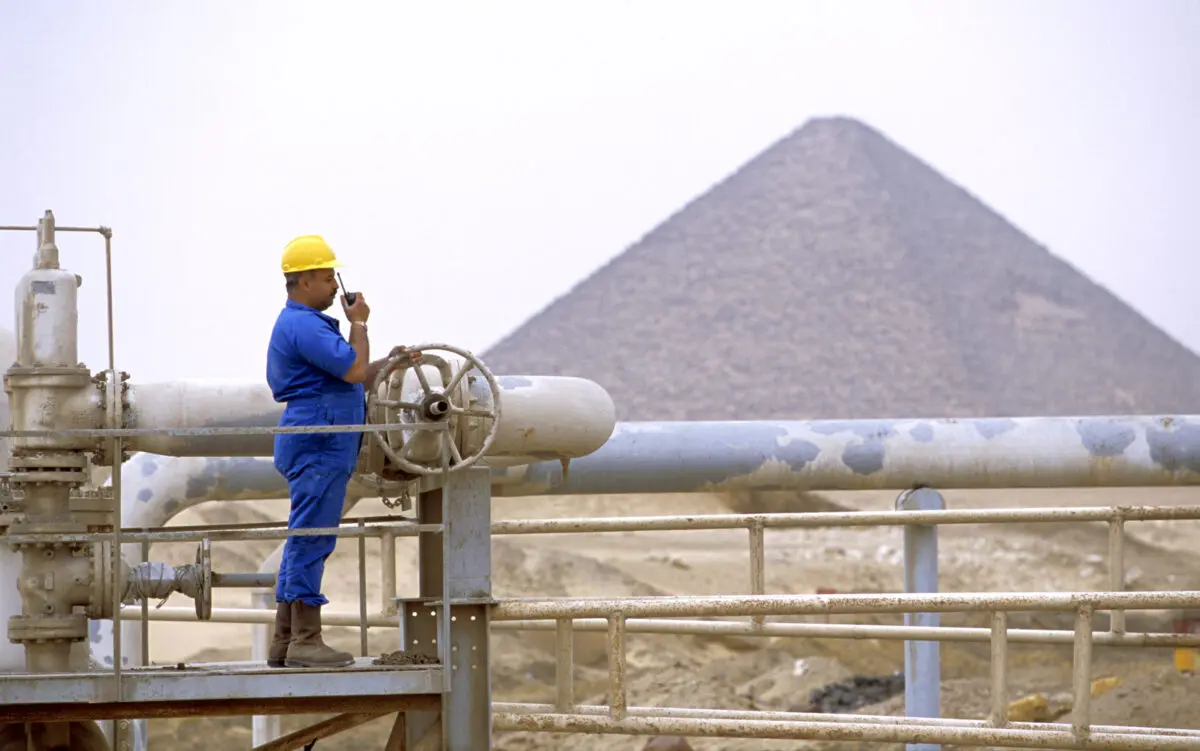
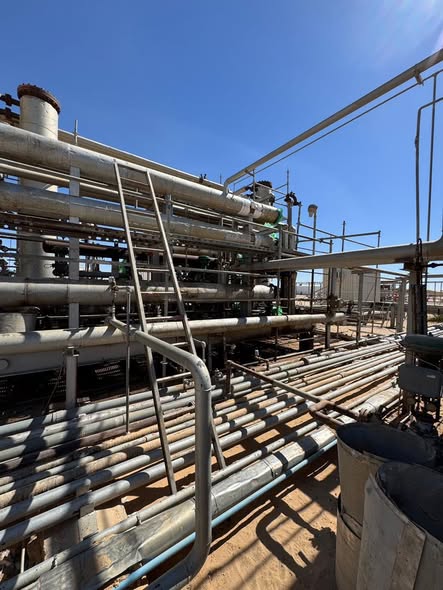
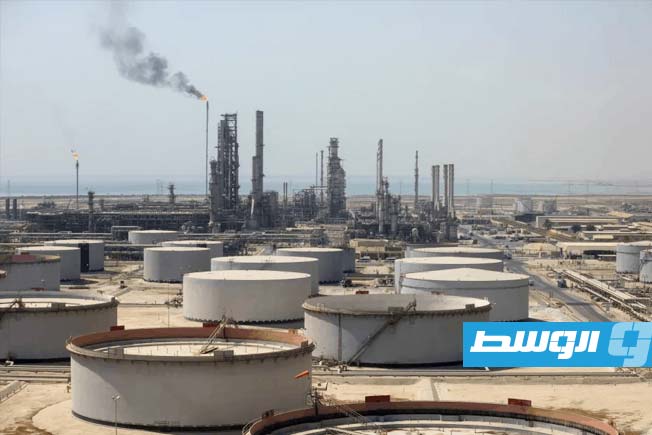
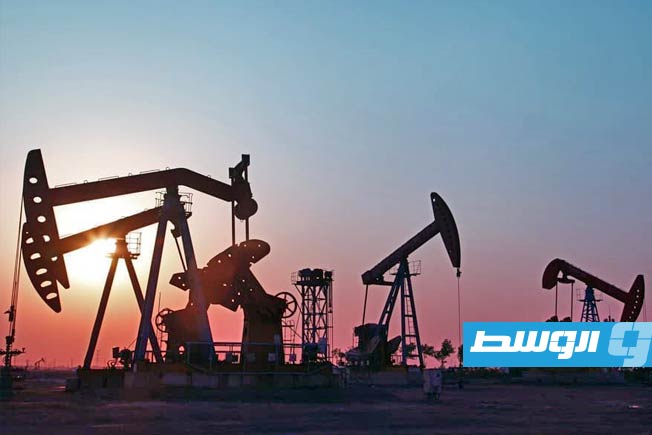
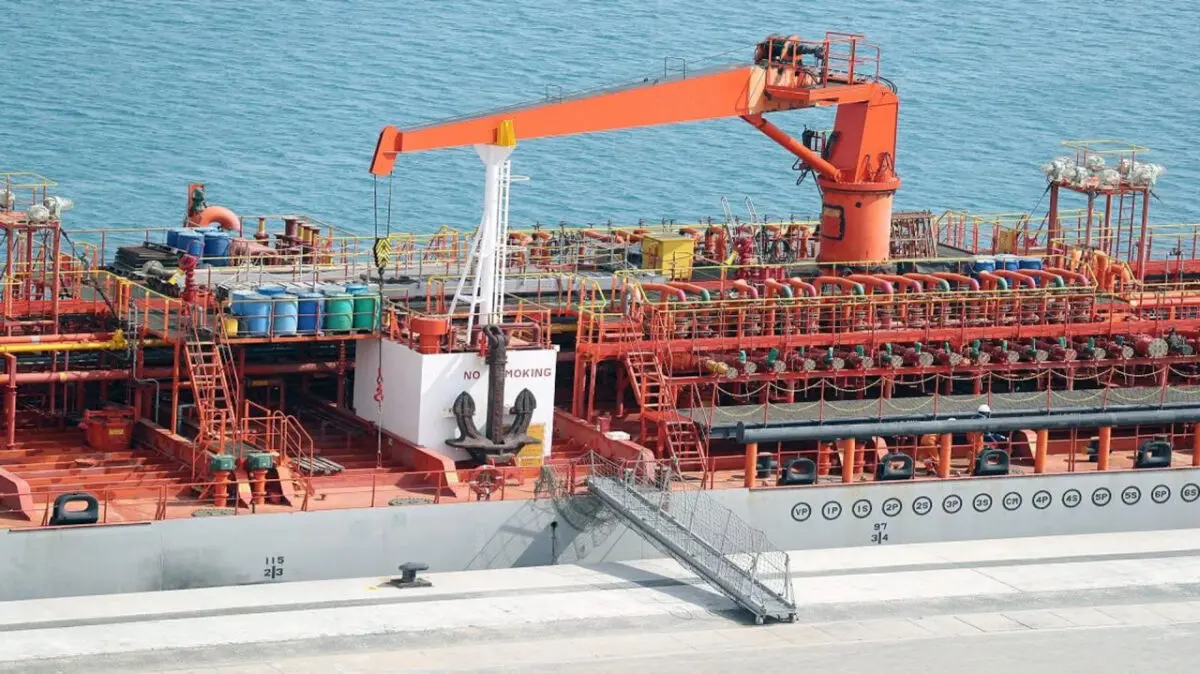
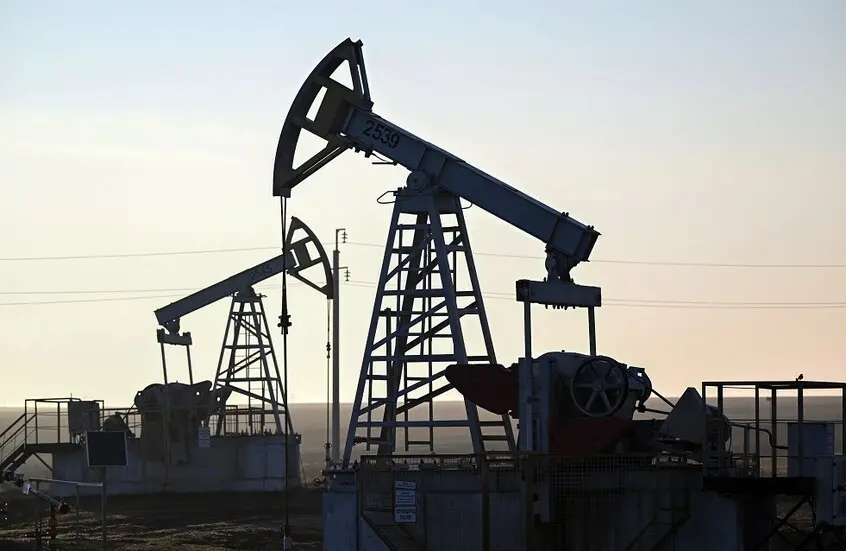
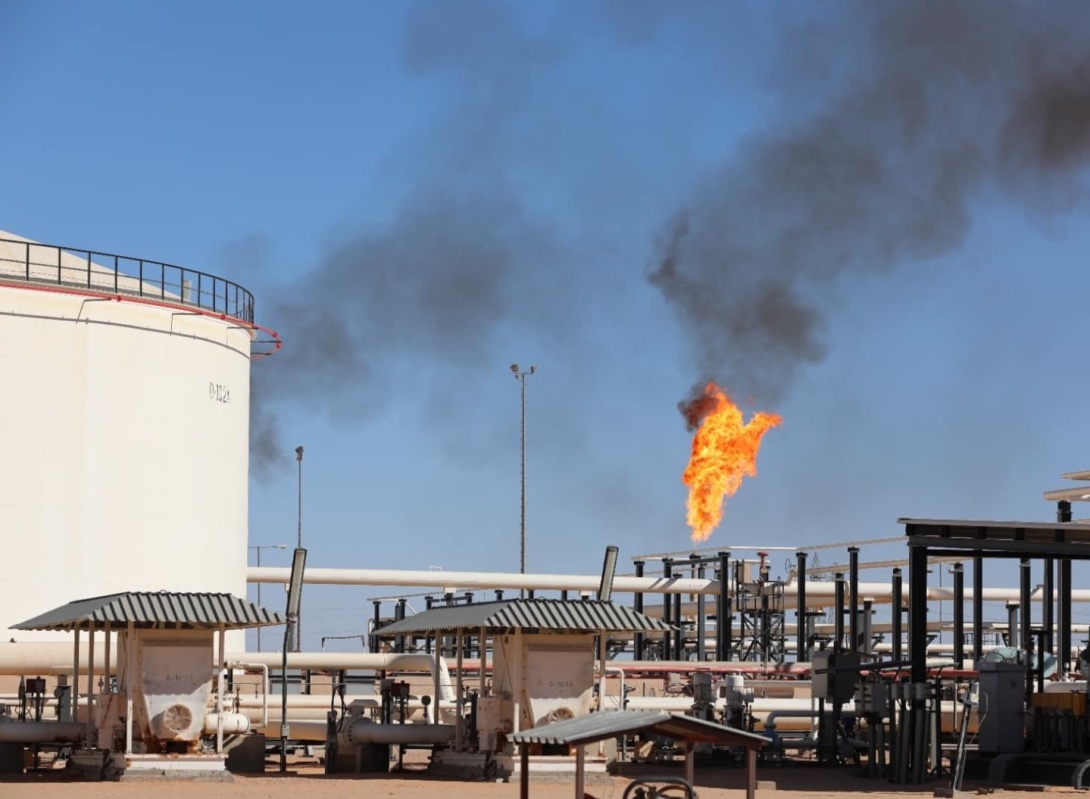
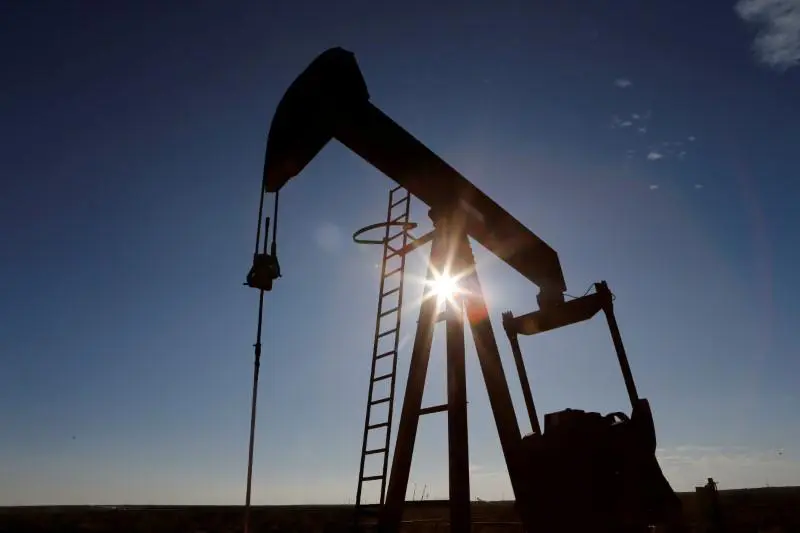
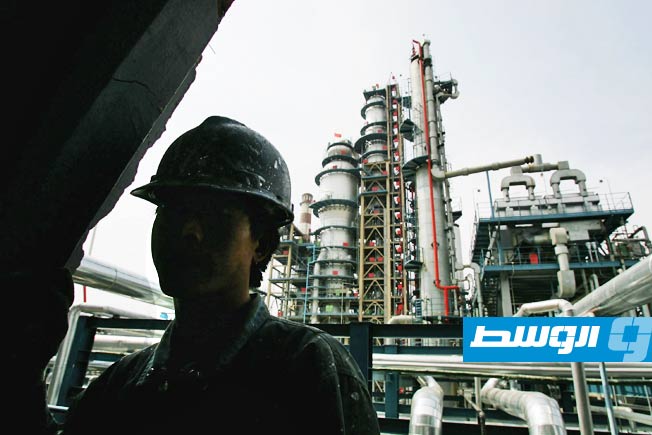
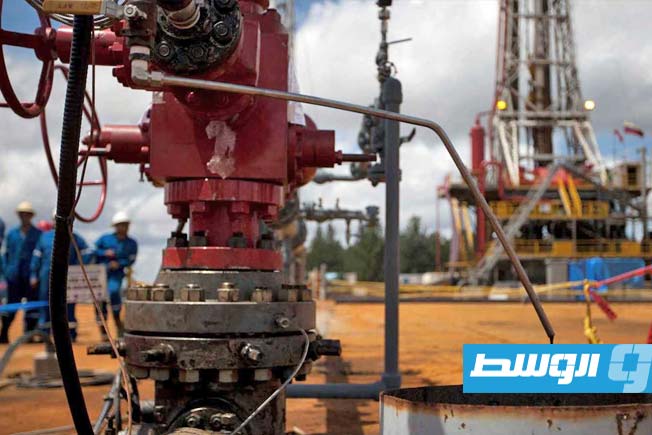
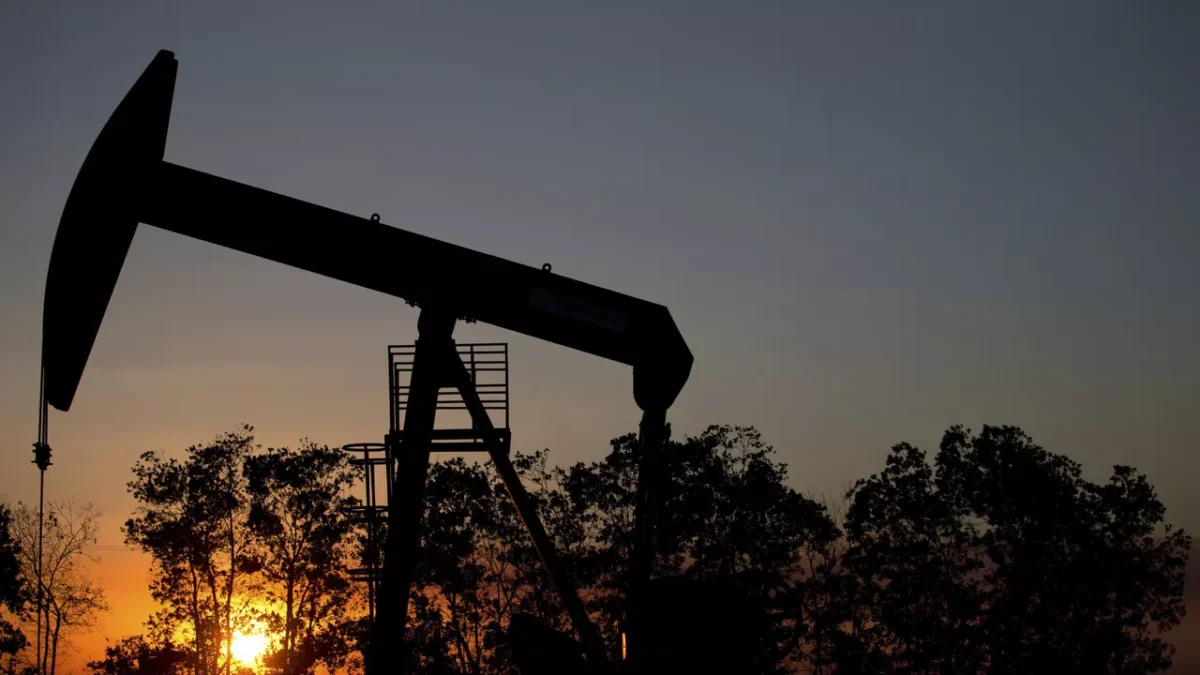
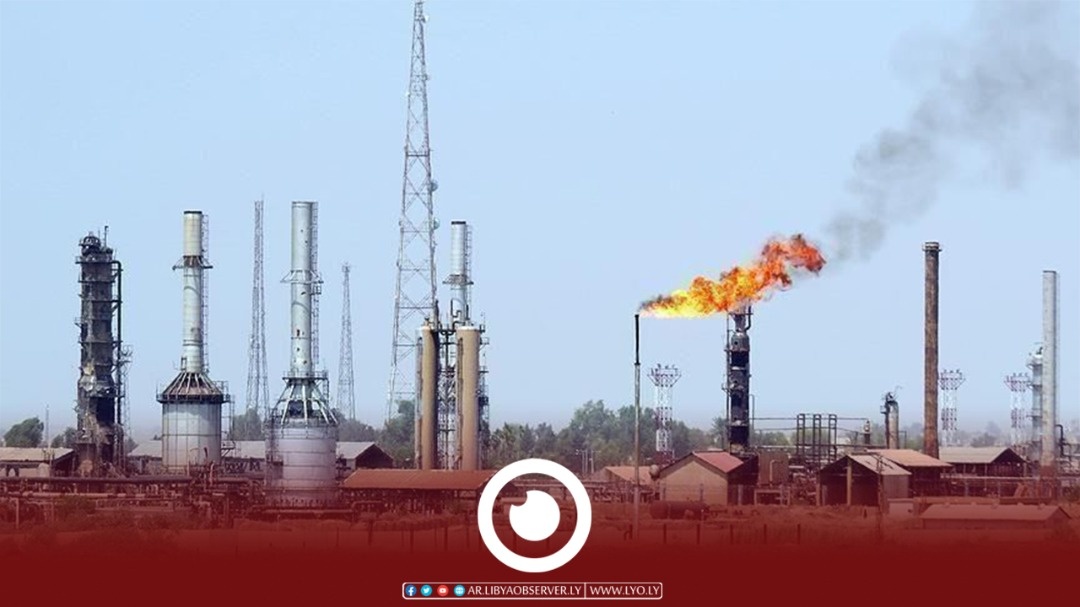
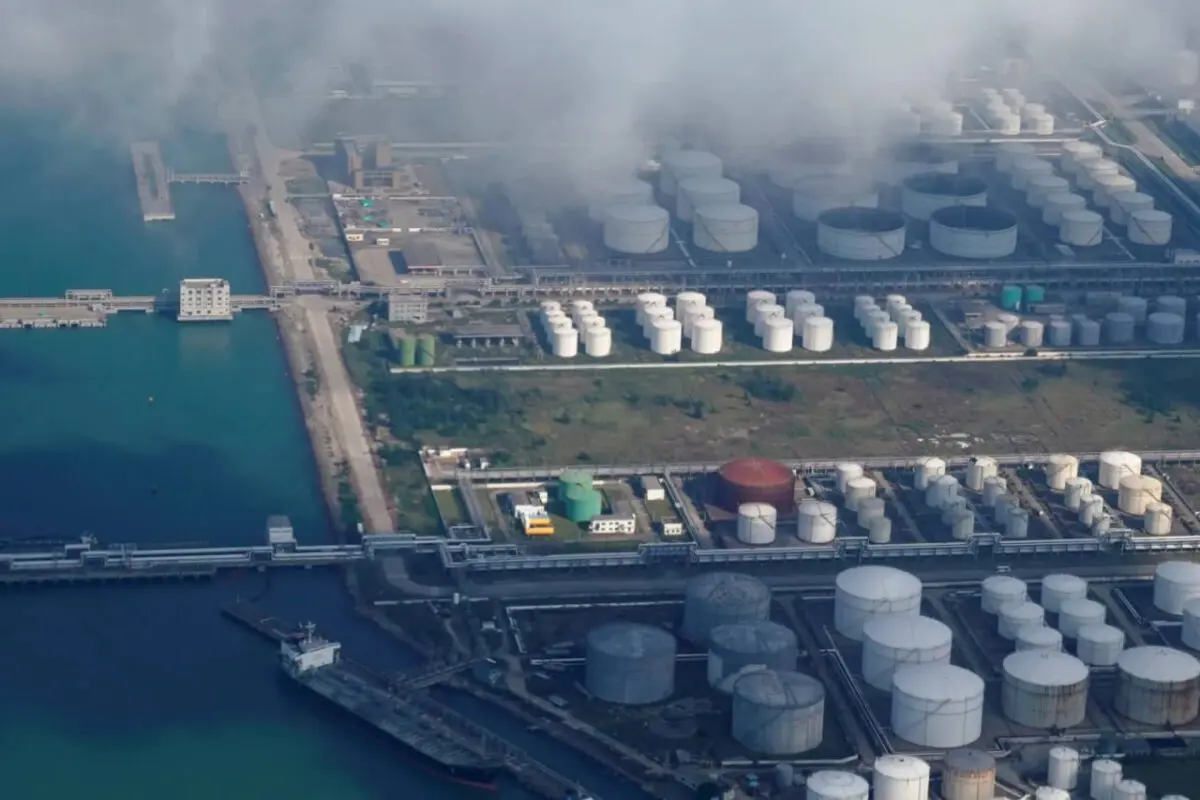
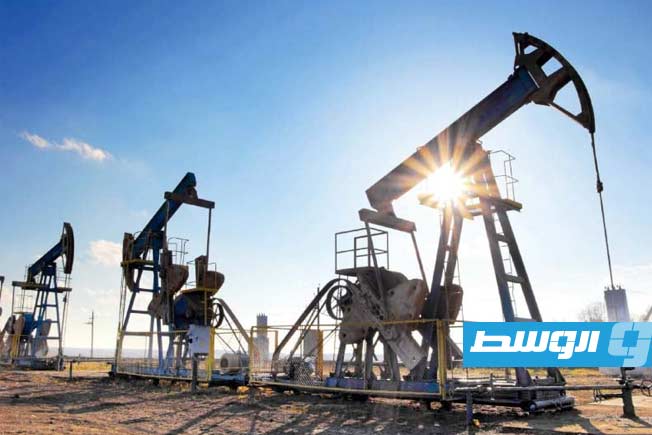
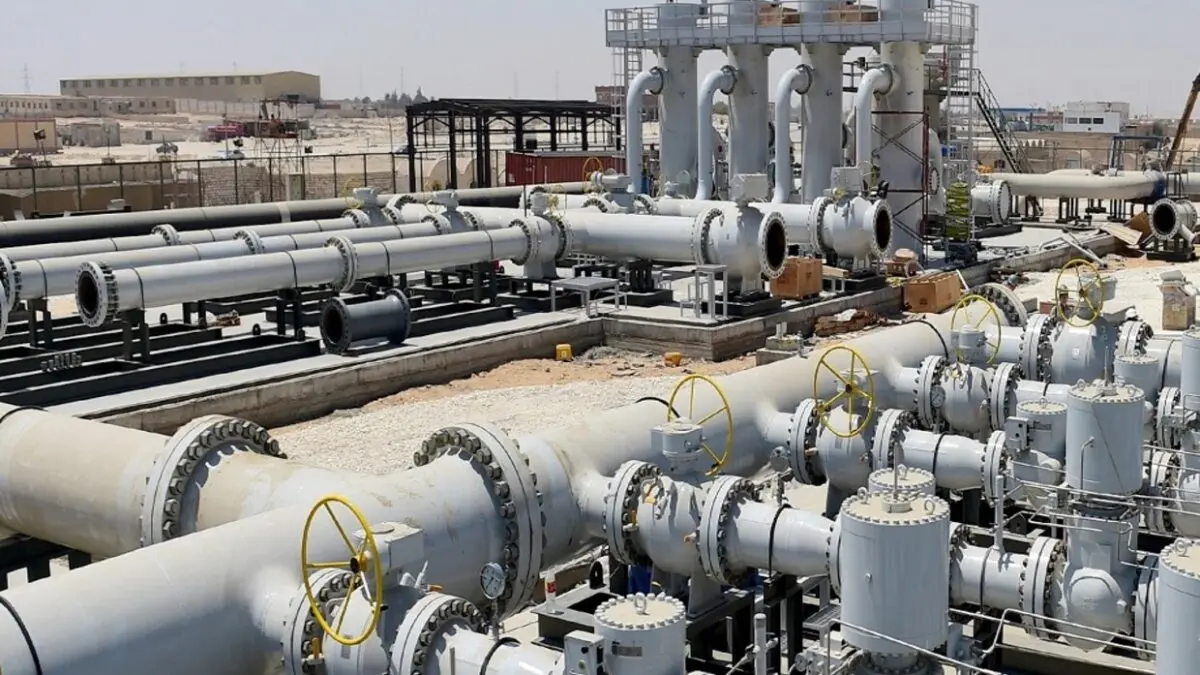
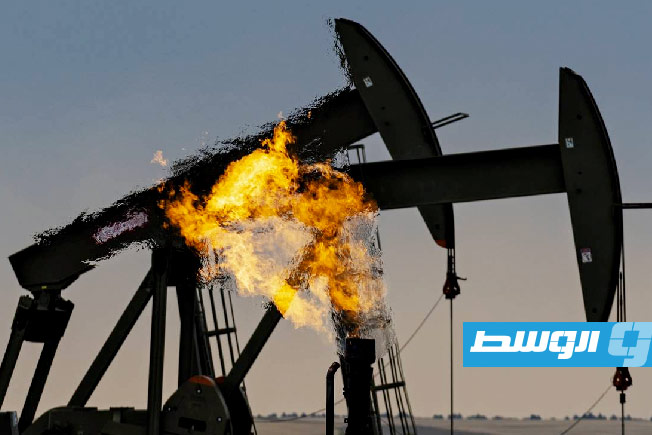
Serbia’s only oil refinery, majority-owned by Russian companies, resumed operations on Sunday, taking advantage of a temporary suspension of US sanctions imposed in the context of the Russian-Ukrainian war, according to the Serbian Energy Minister.
The US sanctions imposed on the Serbian oil company NIS as part of its campaign against the Russian energy sector forced the refinery to halt operations in early December. It is noted that the refinery supplies about 80% of Serbia’s fuel needs. However, on December 31, the United States granted the company a temporary suspension of sanctions.
NIS obtained a license from the US Office of Foreign Assets Control (OFAC) allowing it to continue operations until January 23, in addition to a license to negotiate a sale until March 24.
The Serbian Energy Minister stated on her Instagram account, “After a stoppage lasting about two months, the production of petroleum derivatives at the Pančevo refinery began today.”
European Diesel to be Available
She added that she was “proud that we kept our promise to the citizens” that there would be no consequences from the sanctions imposed on the national oil refinery, announcing that European diesel would be available at fuel stations by January 27.
These measures severely affected Serbia, a key Kremlin ally and one of the few European countries that has not imposed sanctions on Russia over the Ukrainian war.
After nine months of consecutive delays, Washington imposed sanctions on NIS, Serbia’s largest oil company, on October 9, demanding the complete exit of Russian shareholders and preventing the refinery from receiving supplies.
Gazprom is negotiating with the Hungarian fossil fuel company MOL to sell a 56% stake controlled by Gazprom Neft and Intelligns, subsidiaries of the Russian giant.
Agreement to Purchase Russian Shares
In an interview on Friday, it was stated that the Hungarian oil company MOL and Gazprom Neft are expected to reach an agreement to purchase the Russian shares in NIS within one to three days. It was said that this would allow for a preliminary extension of the license from the Office of Foreign Assets Control.
It was added that the Abu Dhabi National Oil Company (ADNOC) is also participating in negotiations with MOL to join the potential purchase. 45% of NIS shares are owned by the US-sanctioned Gazprom Neft.
The parent company Gazprom transferred its 11.3% stake in the Serbian oil company in September to another Russian company, Intelligns. The Serbian state owns nearly 30% of NIS shares, while a minority of shareholders owns the remaining portion.
Serbia
Serbia is a country in Southeast Europe with a rich history that includes being the core of several medieval kingdoms and later a key part of the former Yugoslavia. Its cultural sites, such as the medieval monasteries of Studenica and Sopoćani (UNESCO World Heritage Sites), reflect its deep Orthodox Christian heritage and artistic legacy. The capital, Belgrade, is one of Europe’s oldest continuously inhabited cities, with a historic fortress at the confluence of the Danube and Sava rivers.
US
The United States is a federal republic founded in 1776 after declaring independence from Great Britain. Its history is marked by westward expansion, a civil war over slavery, and its emergence as a global superpower in the 20th century.
Russian-Ukrainian war
The Russian-Ukrainian war is an ongoing international armed conflict that began in 2014 with Russia’s annexation of Crimea and its support for separatist forces in eastern Ukraine. The conflict escalated dramatically in February 2022 with a full-scale Russian invasion, marking the largest conventional military action in Europe since World War II.
NIS
NIS is the National Intelligence Service of South Korea, originally established in 1961 as the Korean Central Intelligence Agency (KCIA). It has undergone several reforms and name changes, evolving from a politically involved agency during authoritarian rule to a modern intelligence organization focused on national security and counter-espionage.
United States
The United States is a federal republic founded in 1776 after declaring independence from Great Britain, with its modern government established by the Constitution in 1789. Its history encompasses westward expansion, the Civil War, industrialization, and its emergence as a global superpower in the 20th century. The nation is defined by its diverse population, democratic ideals, and significant cultural and economic influence worldwide.
US Office of Foreign Assets Control (OFAC)
The US Office of Foreign Assets Control (OFAC) is a financial intelligence and enforcement agency of the US Treasury Department that administers and enforces economic and trade sanctions. It was formally created in 1950, though its origins trace back to the Trading with the Enemy Act of 1917, and its primary mission is to target foreign regimes, terrorists, international narcotics traffickers, and other threats to national security.
Pančevo refinery
The Pančevo Oil Refinery is a major industrial facility in Serbia, originally built in the early 20th century and significantly expanded under state control during the socialist era. It has been a cornerstone of the regional economy but has also faced environmental challenges, notably suffering damage during NATO bombing in 1999.
European diesel
“European diesel” is not a specific place or cultural site, but a term referring to diesel fuel and engine technology standards prevalent in Europe. Historically, Europe has been a leader in diesel passenger car adoption since the mid-20th century, driven by fuel efficiency and tax policies. The cultural association of “European diesel” is often linked to automotive engineering, environmental regulations like the Euro emissions standards, and a significant shift in the market following the Dieselgate scandal of 2015.
Kremlin
The Kremlin is a historic fortified complex at the heart of Moscow, serving as the official residence of the President of Russia. Originally constructed in the 12th century, it has been the political and cultural center of Russian power for centuries, housing cathedrals, palaces, and government buildings within its iconic red walls.
Russia
Russia is the world’s largest country by area, spanning Eastern Europe and Northern Asia. Its history is marked by the rule of the Tsars, the Soviet Union era following the 1917 revolution, and its establishment as the Russian Federation in 1991. It is renowned for its vast landscapes, rich literary and artistic traditions, and influential cultural figures like Tolstoy and Tchaikovsky.
Ukrainian war
The Ukrainian war refers to the ongoing conflict that began in 2014 with Russia’s annexation of Crimea and the outbreak of fighting in the Donbas region, escalating significantly with Russia’s full-scale invasion in February 2022. It is rooted in historical tensions, Ukraine’s post-Soviet independence, and geopolitical struggles over sovereignty and regional influence.
Washington
Washington, D.C., is the capital city of the United States, founded in 1790 following the ratification of the U.S. Constitution. It was established as a federal district through the Residence Act and named after the nation’s first president, George Washington, with its design largely planned by Pierre Charles L’Enfant. The city is home to iconic national monuments, museums, and the branches of the U.S. government.
Gazprom
Gazprom is a Russian majority state-owned multinational energy corporation, originally founded as the Soviet Ministry of Gas Industry in 1965 before being corporatized in 1989. It is the world’s largest natural gas company and a crucial entity in Russia’s economy and geopolitical strategy, controlling extensive reserves and pipeline networks.
Hungarian fossil fuel company MOL
MOL is a Hungarian multinational oil and gas company founded in 1991, following the restructuring of the state-owned oil and gas trust. It has since grown into a leading integrated Central and Eastern European corporation with operations spanning from exploration and production to refining and retail.
Gazprom Neft
Gazprom Neft is a major Russian oil company, formed in 1995 as Sibneft before being acquired by the state-owned Gazprom conglomerate in 2005 and renamed. It is now one of Russia’s largest oil producers and refiners, playing a significant role in the country’s energy sector.
Intelligns
“Intelligns” does not correspond to a widely recognized place or cultural site. It may be a misspelling or a reference to a very specific, lesser-known location. Without further context, a historical summary cannot be provided.
Hungarian oil company MOL
MOL is a Hungarian multinational oil and gas company, founded in 1991 following the merger of state-owned entities. Its history traces back to the Hungarian oil industry’s nationalization after World War II, and it has since grown into a leading integrated corporation in Central and Eastern Europe.
Abu Dhabi National Oil Company (ADNOC)
The Abu Dhabi National Oil Company (ADNOC) is the state-owned oil and gas company of the United Arab Emirates, founded in 1971. It manages the exploration, production, refining, and distribution of the country’s hydrocarbon resources, playing a central role in the economic development of Abu Dhabi and the UAE.