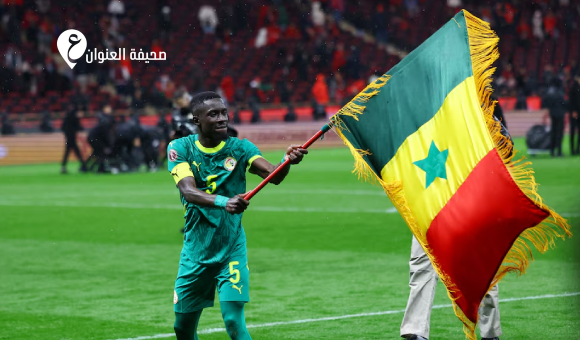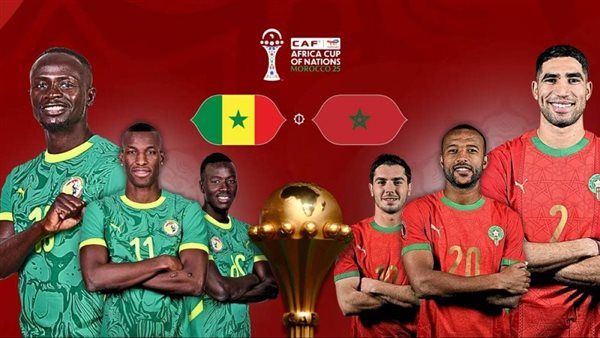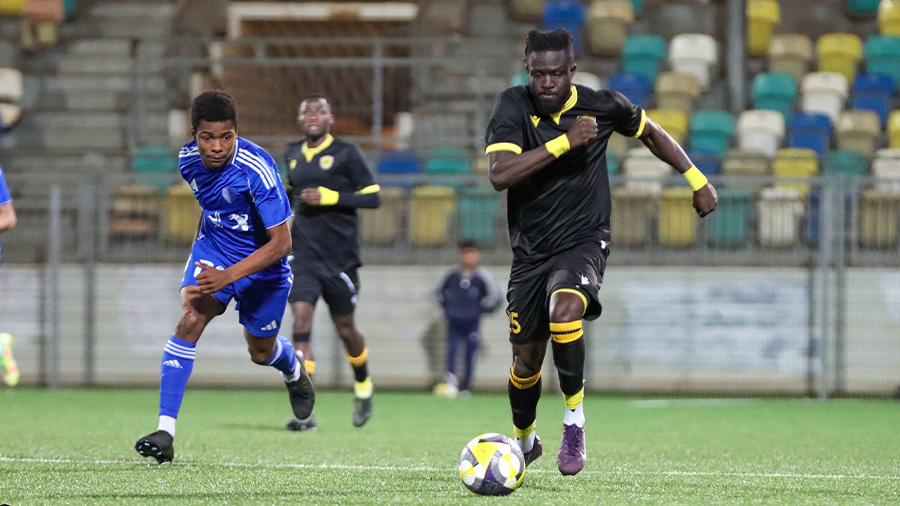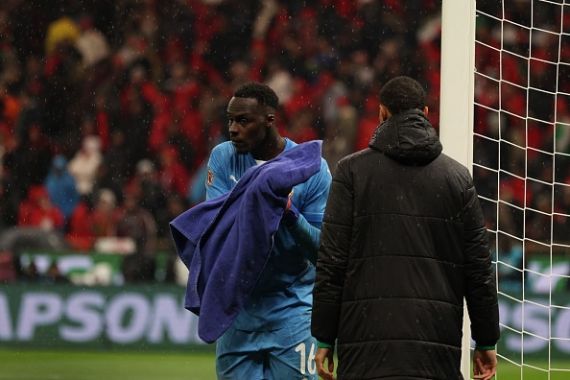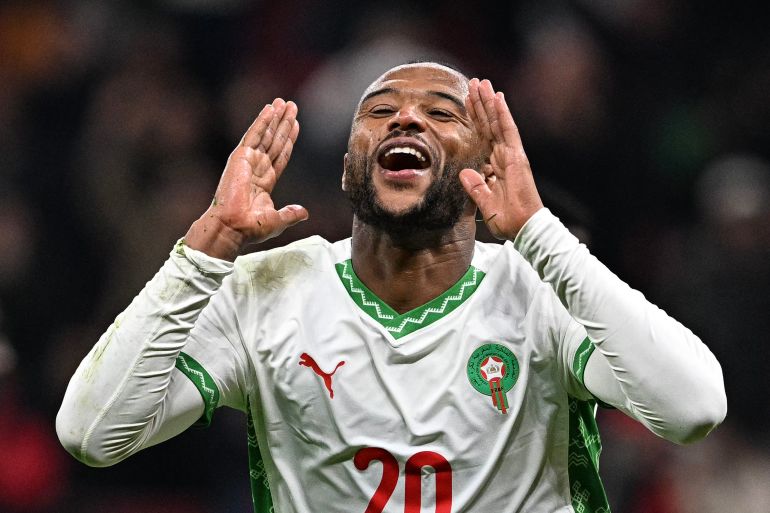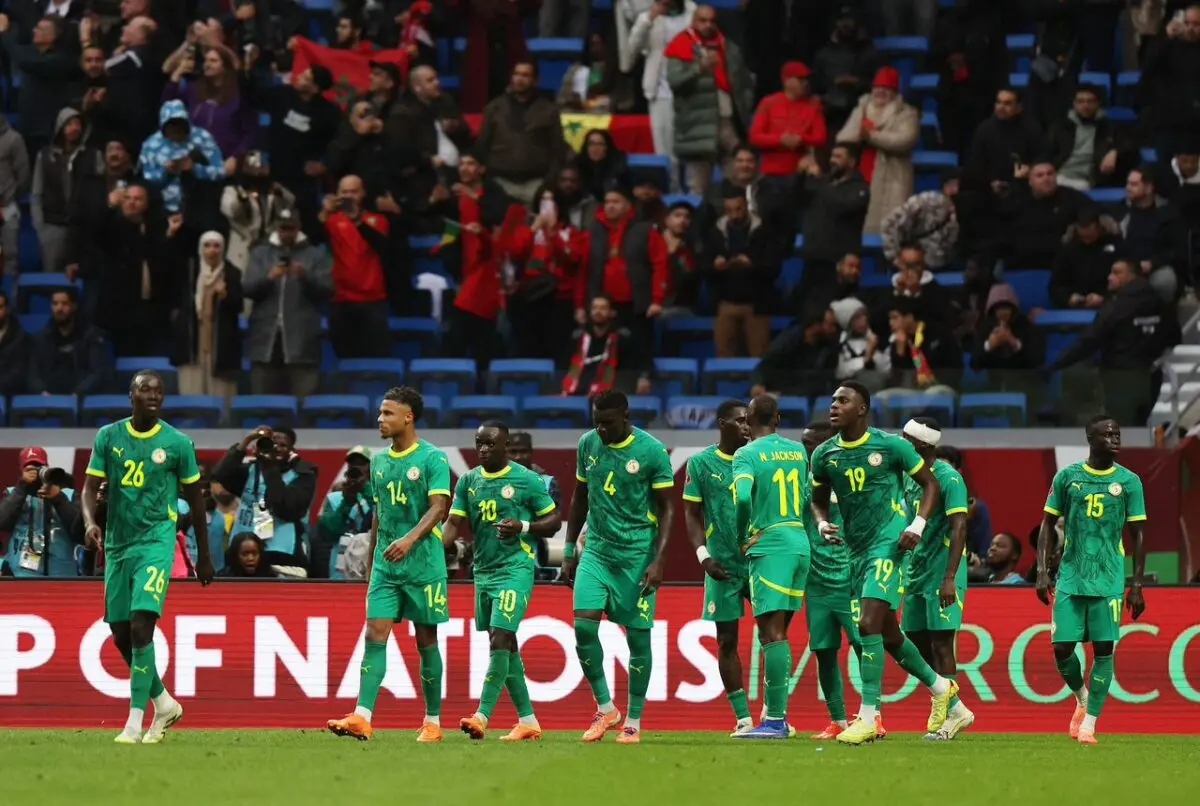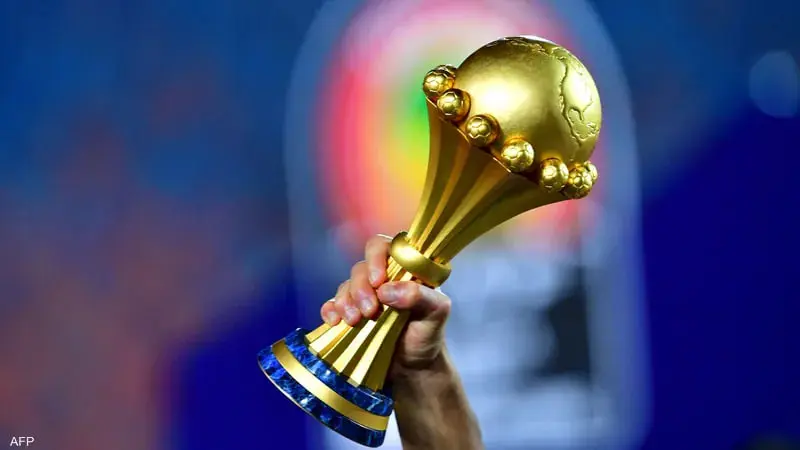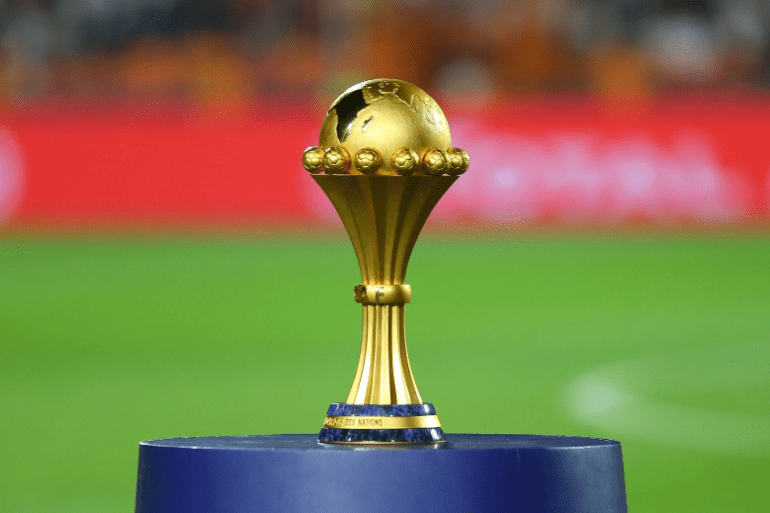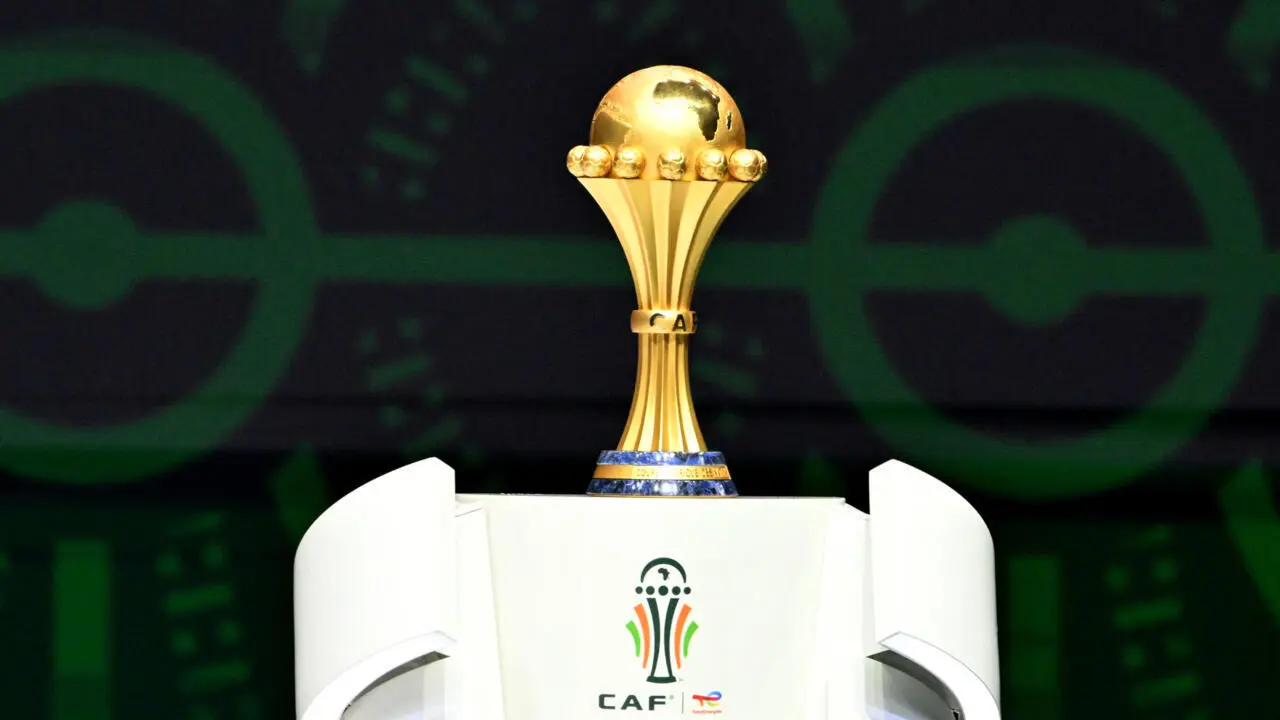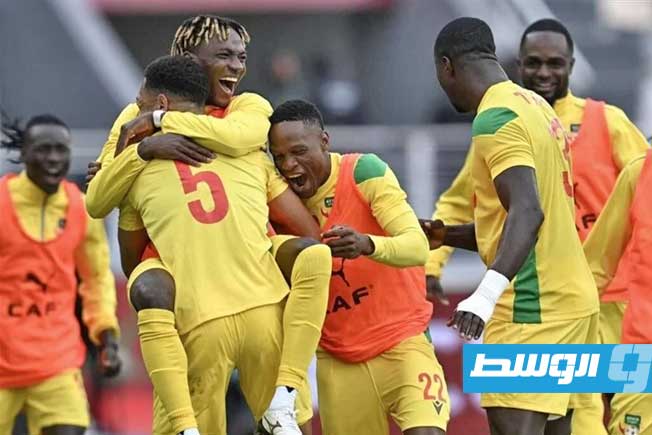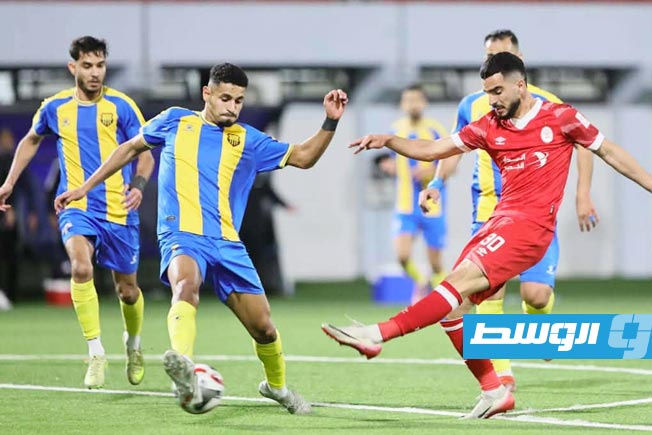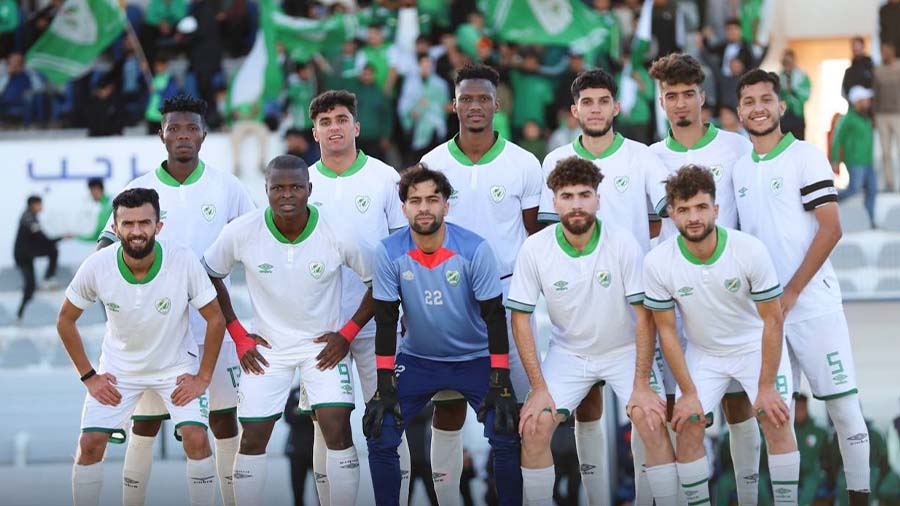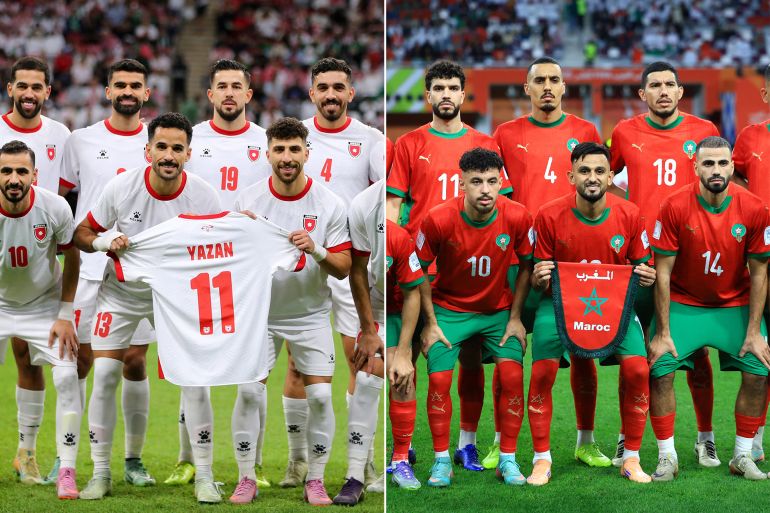
The Senegalese Football Federation announced on Saturday its acceptance of the disciplinary sanctions imposed by the Confederation of African Football (CAF) following the incidents that accompanied the Africa Cup of Nations final against Morocco.
In a statement, the Senegalese Federation stated it had officially reviewed the decision issued by the CAF Disciplinary Committee on January 28, 2026, adding that it had decided not to appeal the sporting and financial sanctions imposed on it.
It clarified that the decision not to appeal also includes the individual sanctions against national team coach Pape Thiaw, and players Ismaïla Sarr and Iliman Cheikh Barro Ndiaye.
The Senegalese Federation confirmed in its statement that it “bears full financial responsibility for all fines imposed on the Federation, its technical staff, and its players,” in accordance with the applicable disciplinary regulations.
It emphasized its commitment to defending its legitimate rights and interests within legal frameworks, while respecting the regulations of the Confederation of African Football and working to preserve the integrity of the game.
CAF Sanctions on Senegal and Morocco
CAF had published a statement on its website outlining the sanctions imposed on the Senegalese side, which included:
- Suspension of Senegal national team coach Pape Thiaw for 5 matches in CAF competitions and a fine of $100,000 USD “for unsporting behavior contrary to the principles of fair play, integrity, and bringing the game of football into disrepute.”
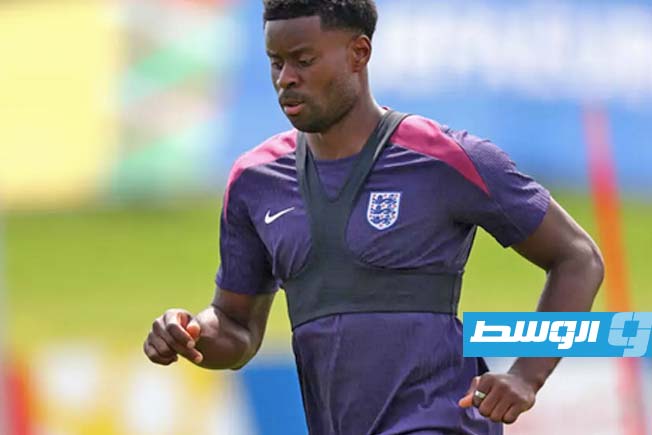
- Suspension of Senegal national team player Cheikh Barro Ndiaye for 2 matches in CAF competitions “for his unsporting behavior towards the referee.”
- Suspension of player Ismaïla Sarr for 2 matches in CAF competitions “for his unsporting behavior towards the referee.”
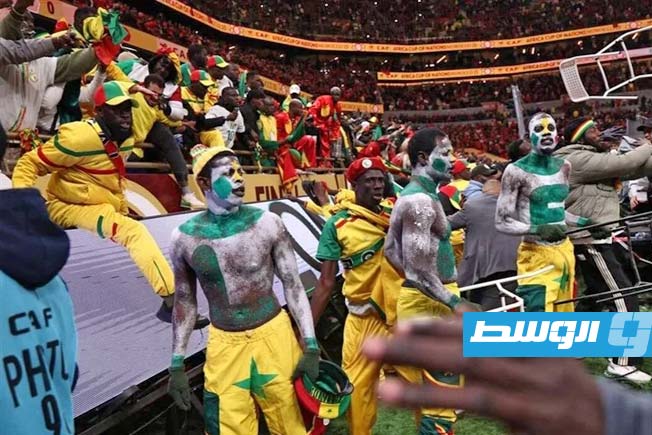
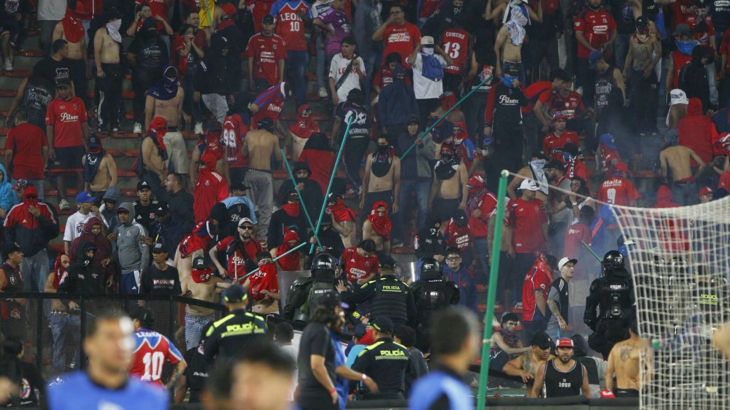
- A fine of $300,000 USD imposed on the Senegalese Football Federation “for the inappropriate behavior of its supporters.”
- A fine of $300,000 USD imposed on the Senegalese Football Federation “for the unsporting behavior of its players and technical staff.”
- A fine of $15,000 USD imposed on the Senegalese Football Federation “for the misconduct of its national team, resulting from 5 of its players receiving cautions.”
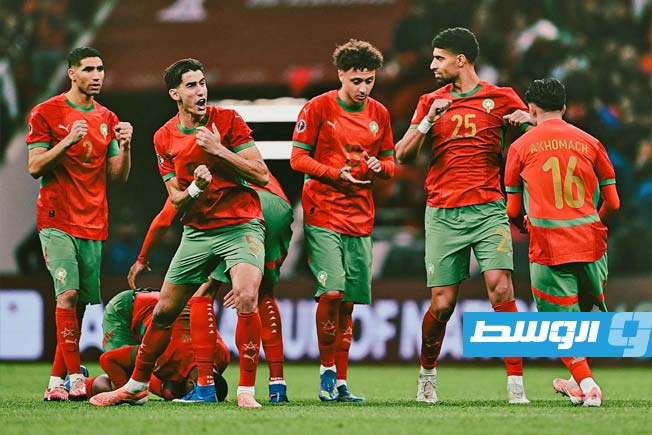
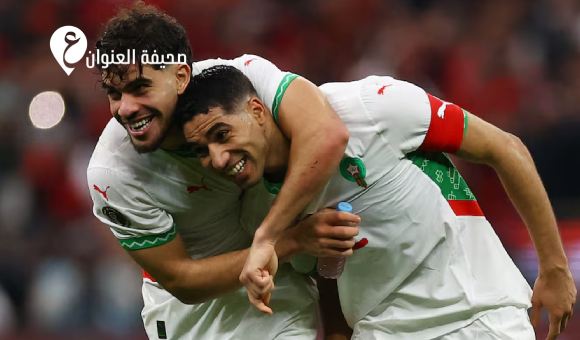
On the other hand, the African football governing body imposed sanctions on the Moroccan side, which included:
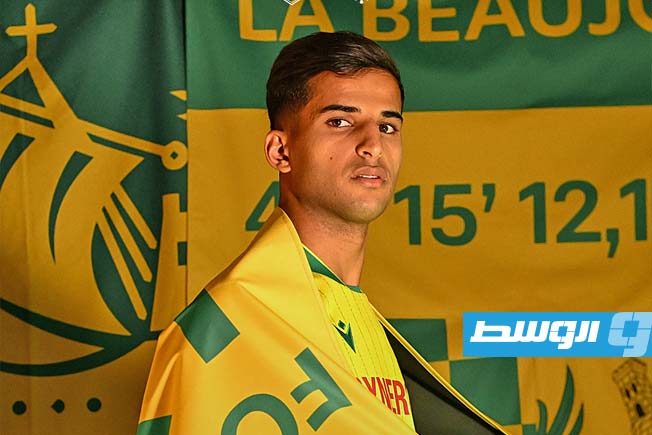
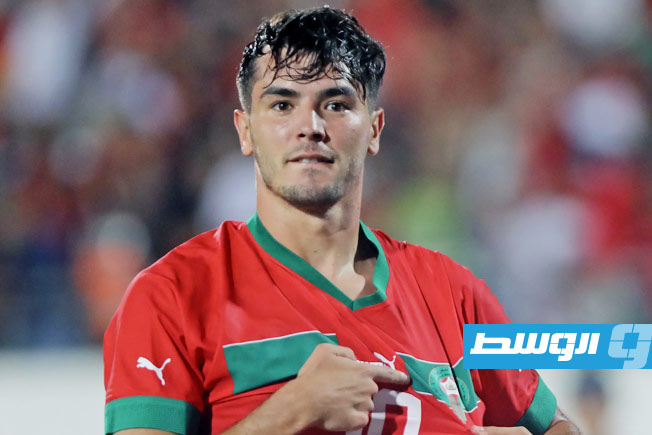
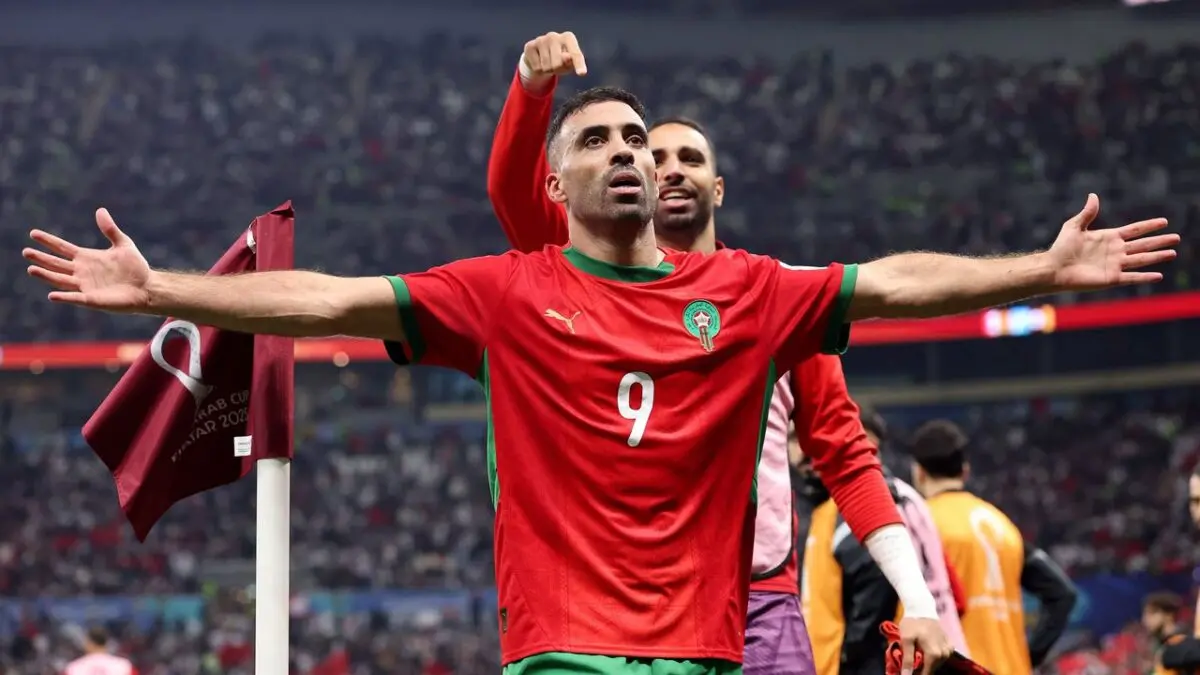
- Suspension of player Ismaïl Saibari for 3 matches and a fine of $100,000 USD “for his unsporting behavior.”
- Suspension of player Achraf Hakimi for 2 matches in CAF competitions, one of which is suspended for one year, “for his unsporting behavior.”
- A fine of $200,000 USD imposed on the Royal Moroccan Football Federation “for the inappropriate behavior of the ball collectors” during the final match.
- A fine of $100,000 USD imposed on the Royal Moroccan Football Federation “for the inappropriate behavior of the national team players and technical staff, who invaded the Video Assistant Referee (VAR) technical review area and obstructed the referee’s work.”
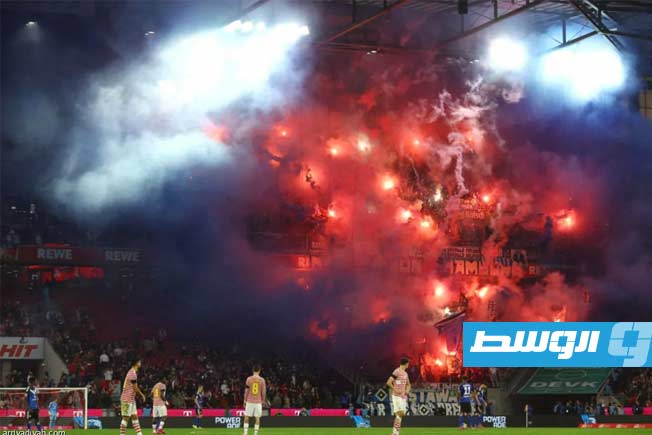
- A fine of $15,000 USD imposed on the Royal Moroccan Football Federation “for the use of lasers by its supporters during the match.”
The Disciplinary Committee announced the rejection of the protest submitted by the Moroccan side regarding allegations that the Senegalese Federation violated Articles 82 and 84 of the Africa Cup of Nations regulations.
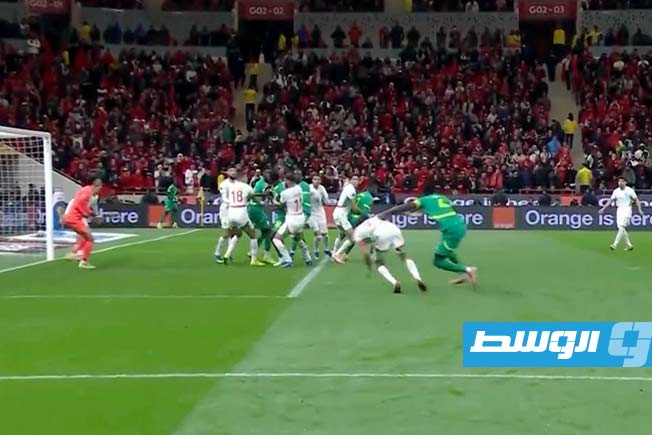
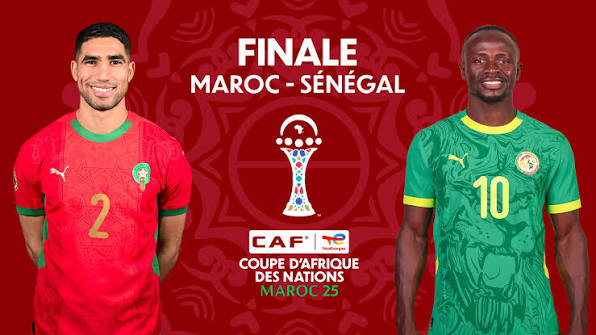
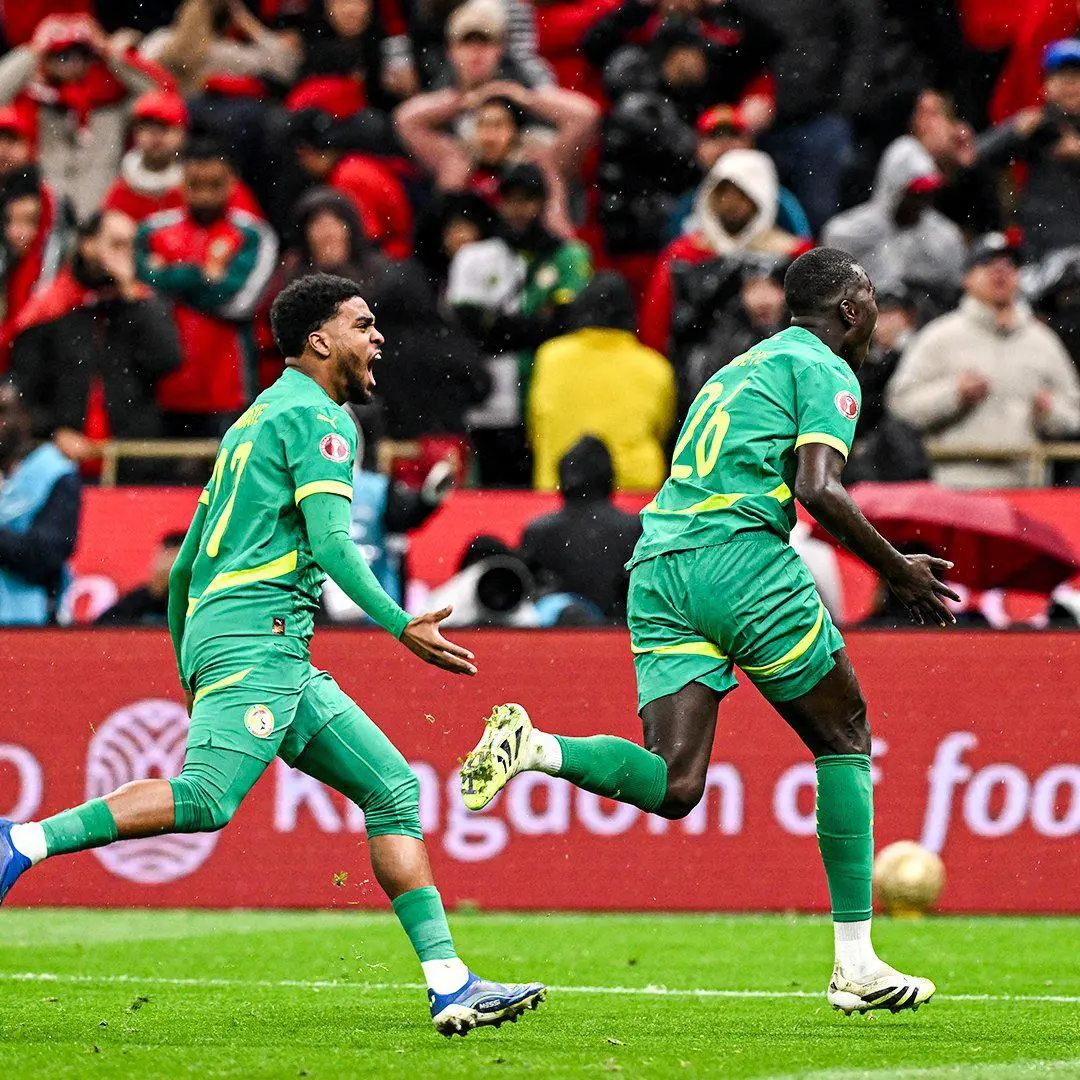
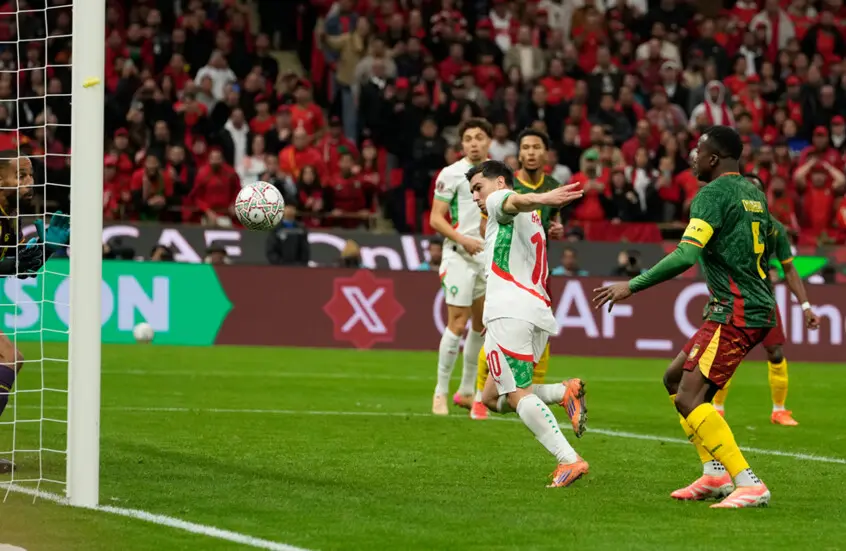
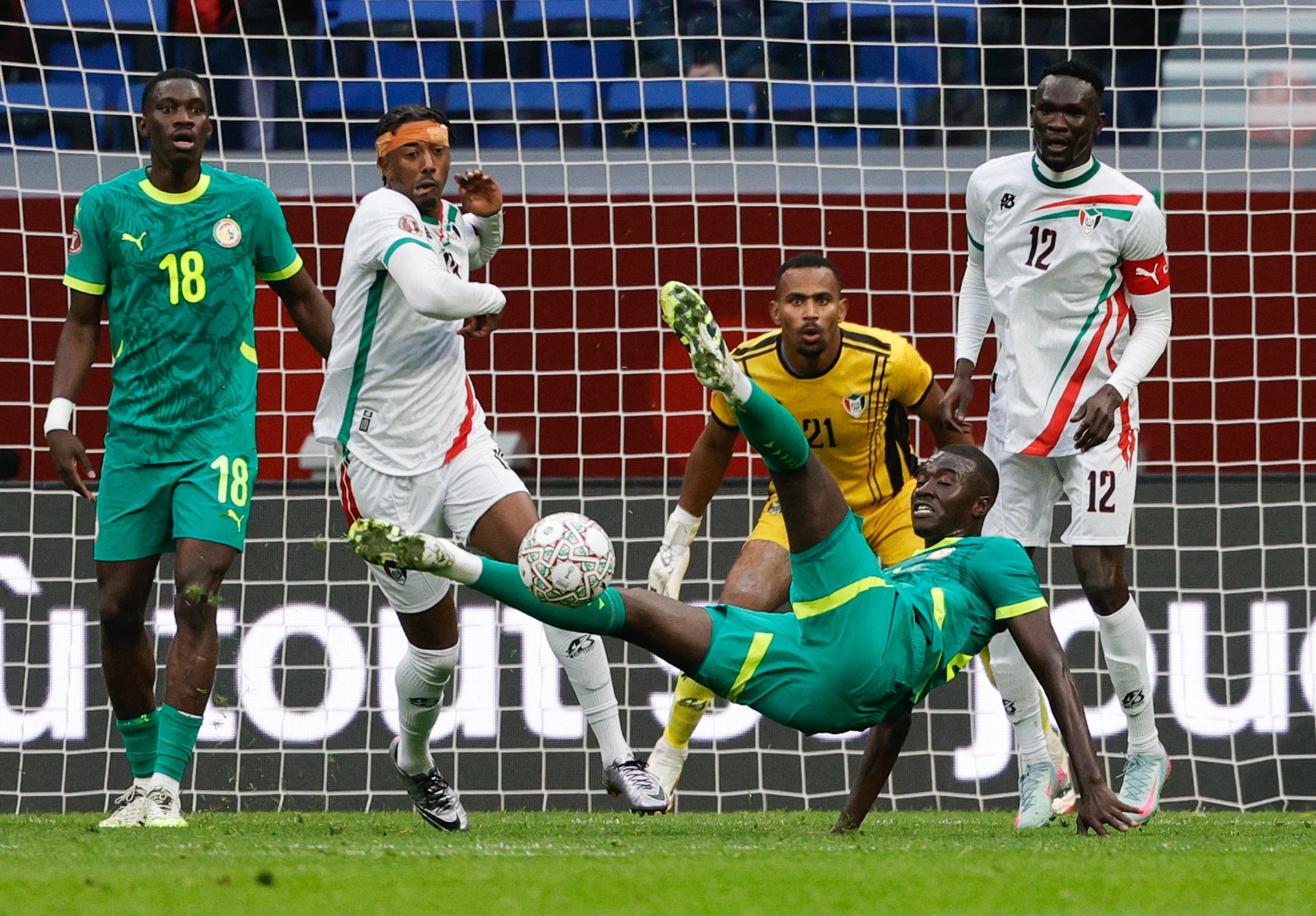
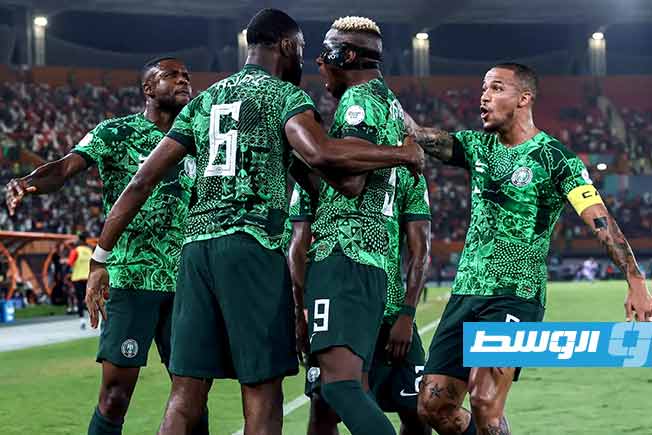
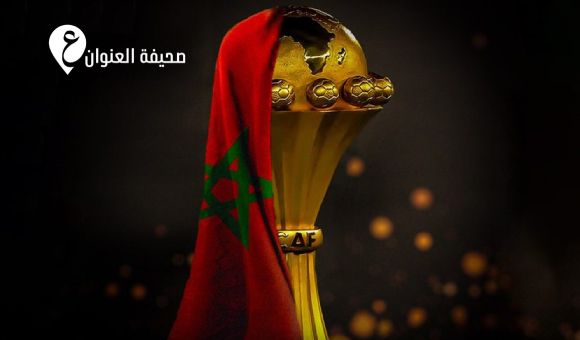
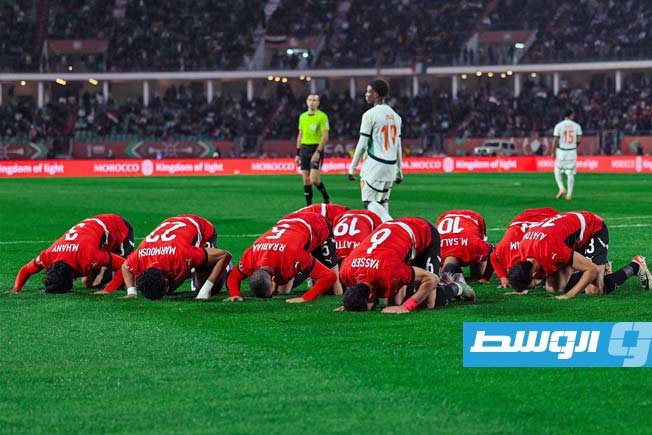
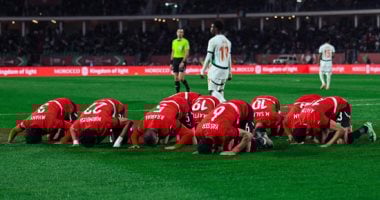
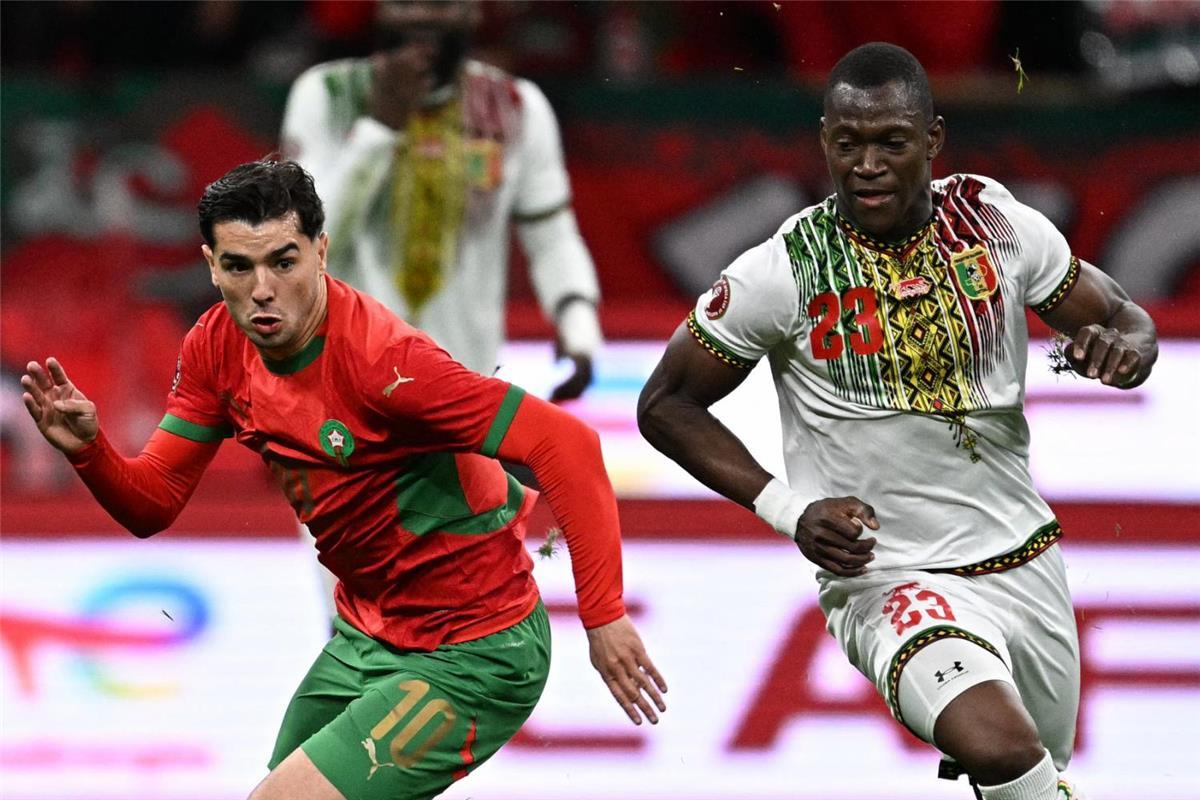
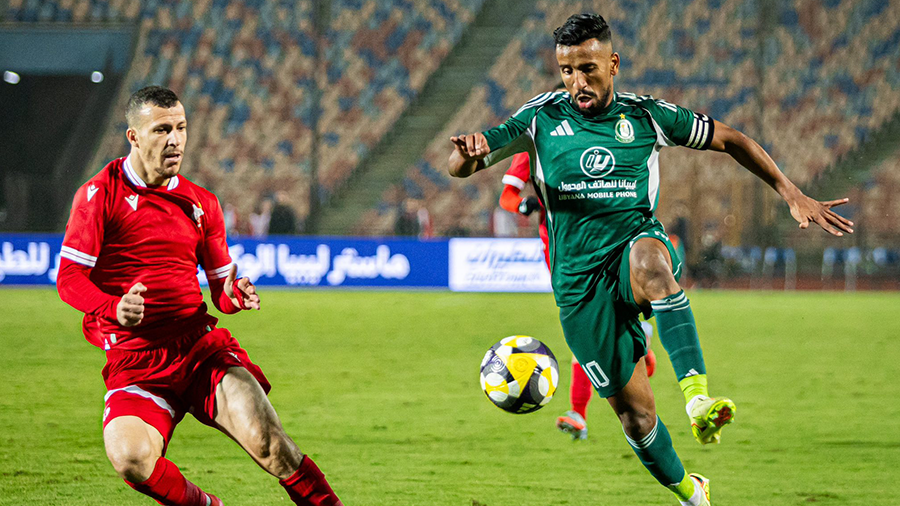
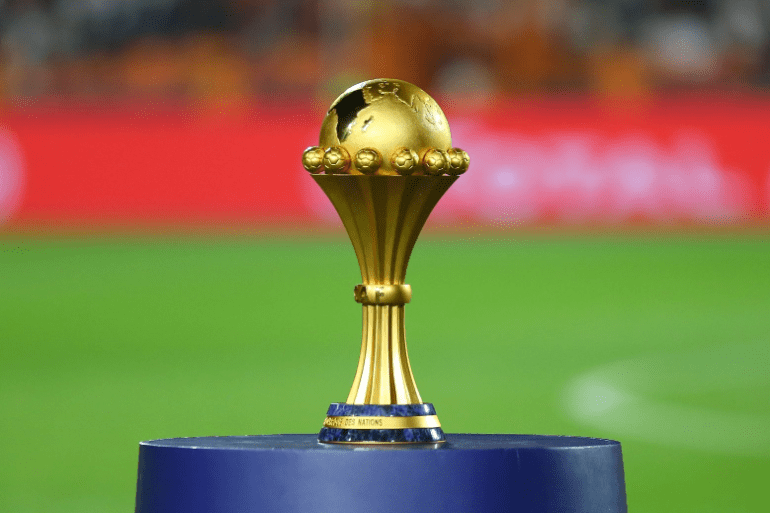
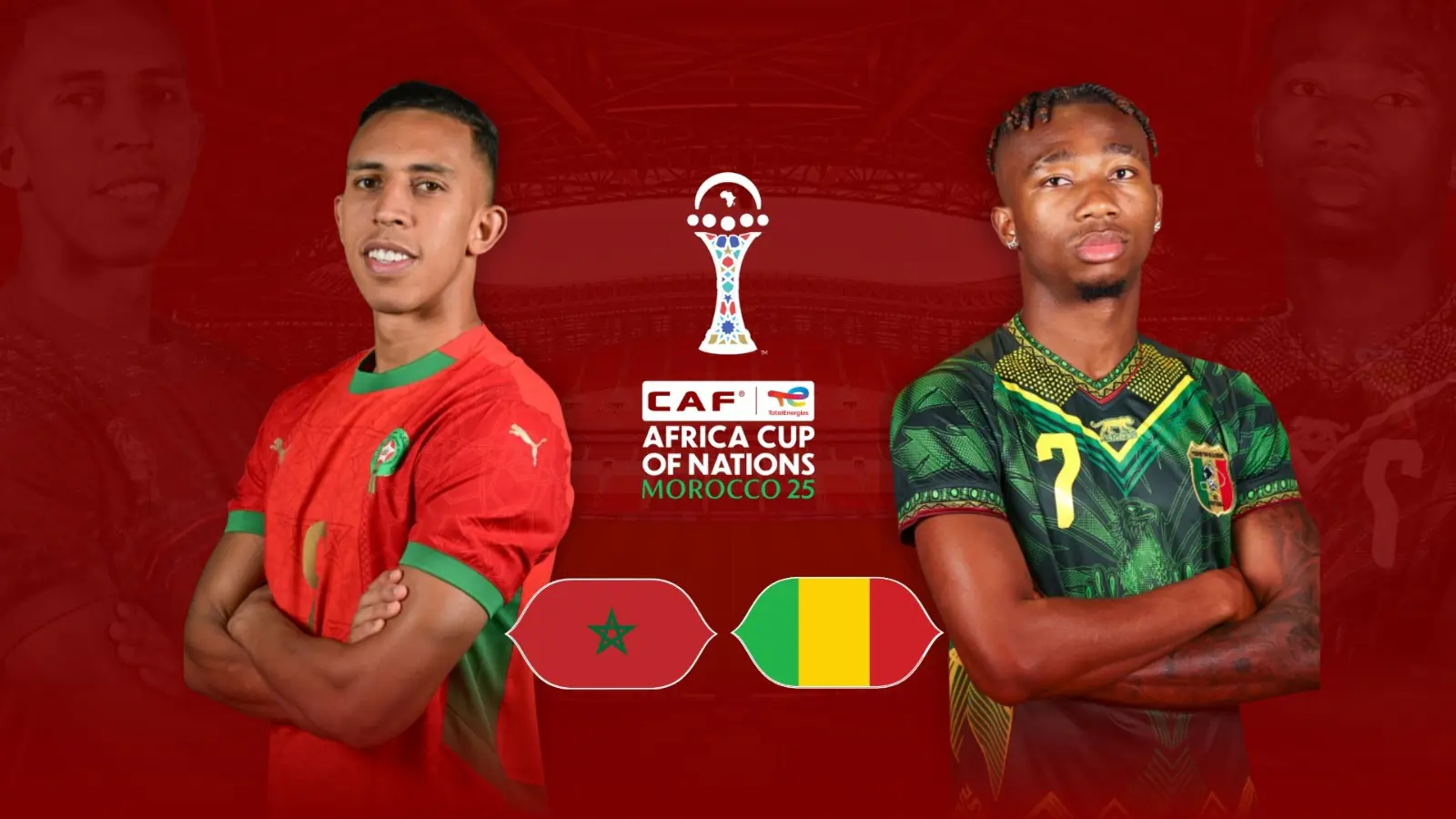
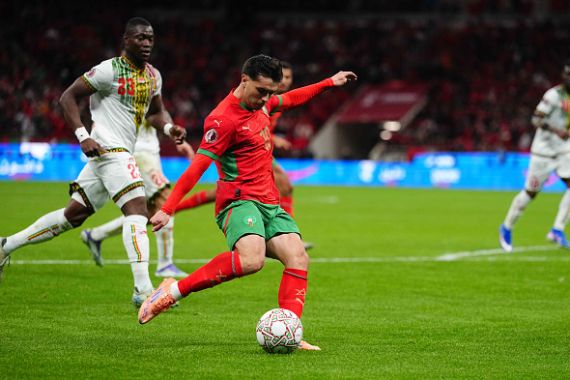
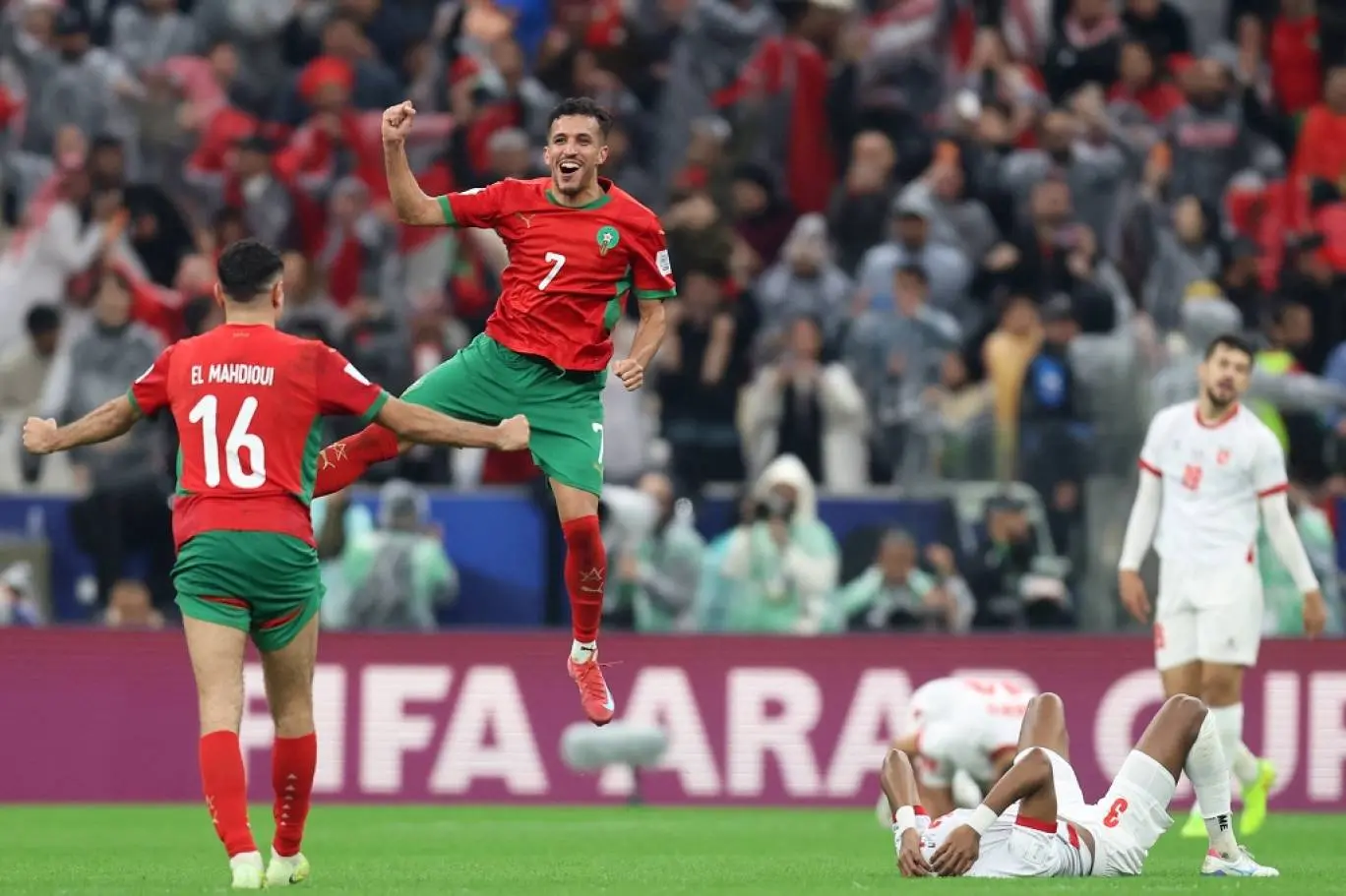
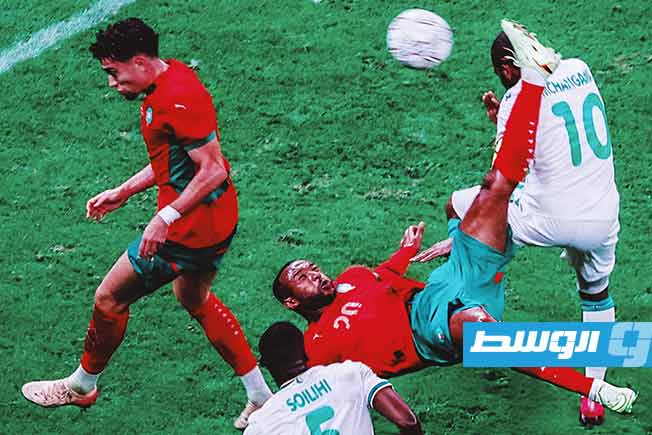
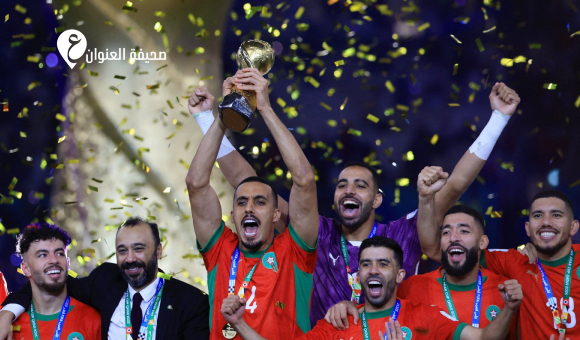
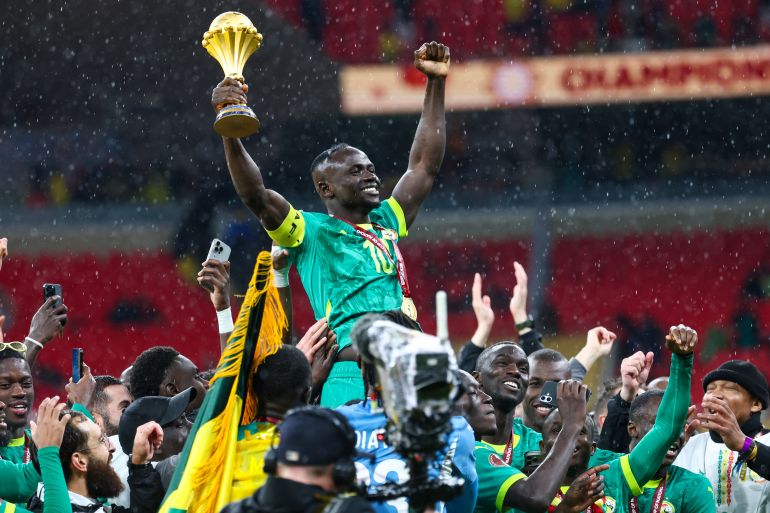
The Senegal national team was crowned African Cup of Nations champions after defeating Morocco 1-0 in the final held in Rabat on January 18 of this year.
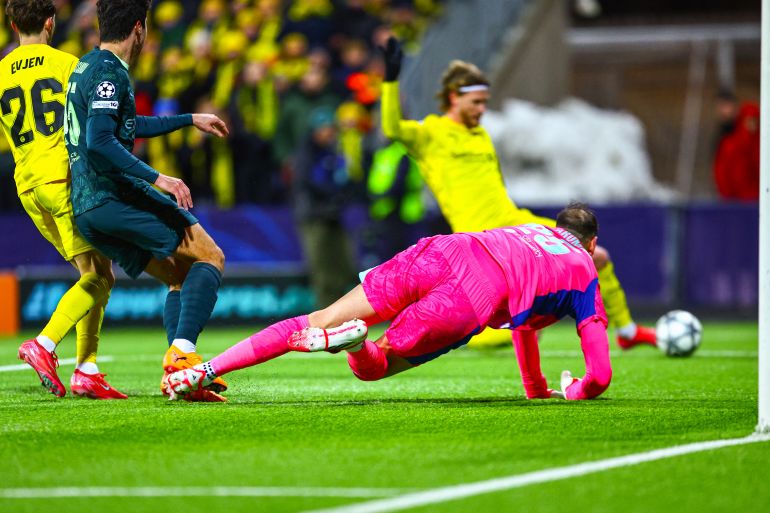
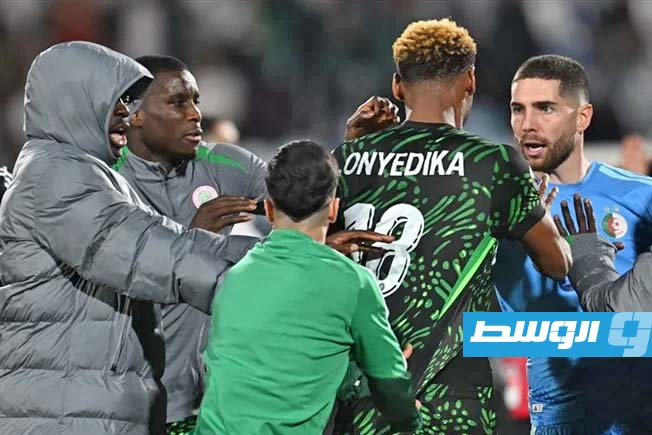
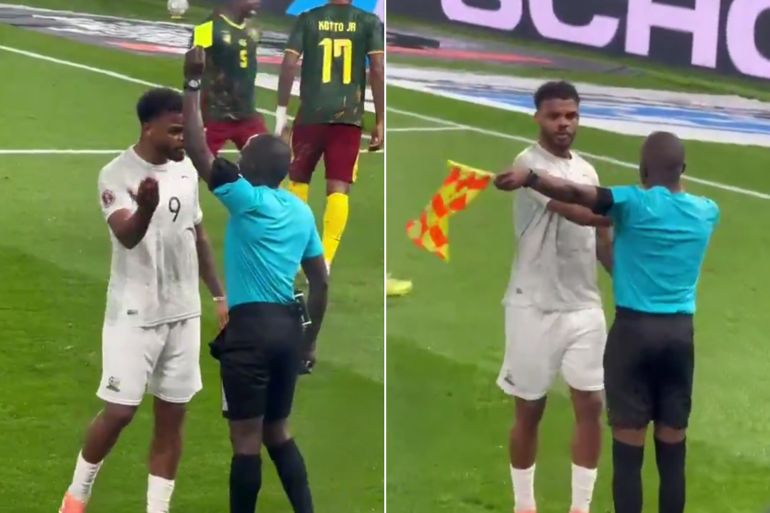
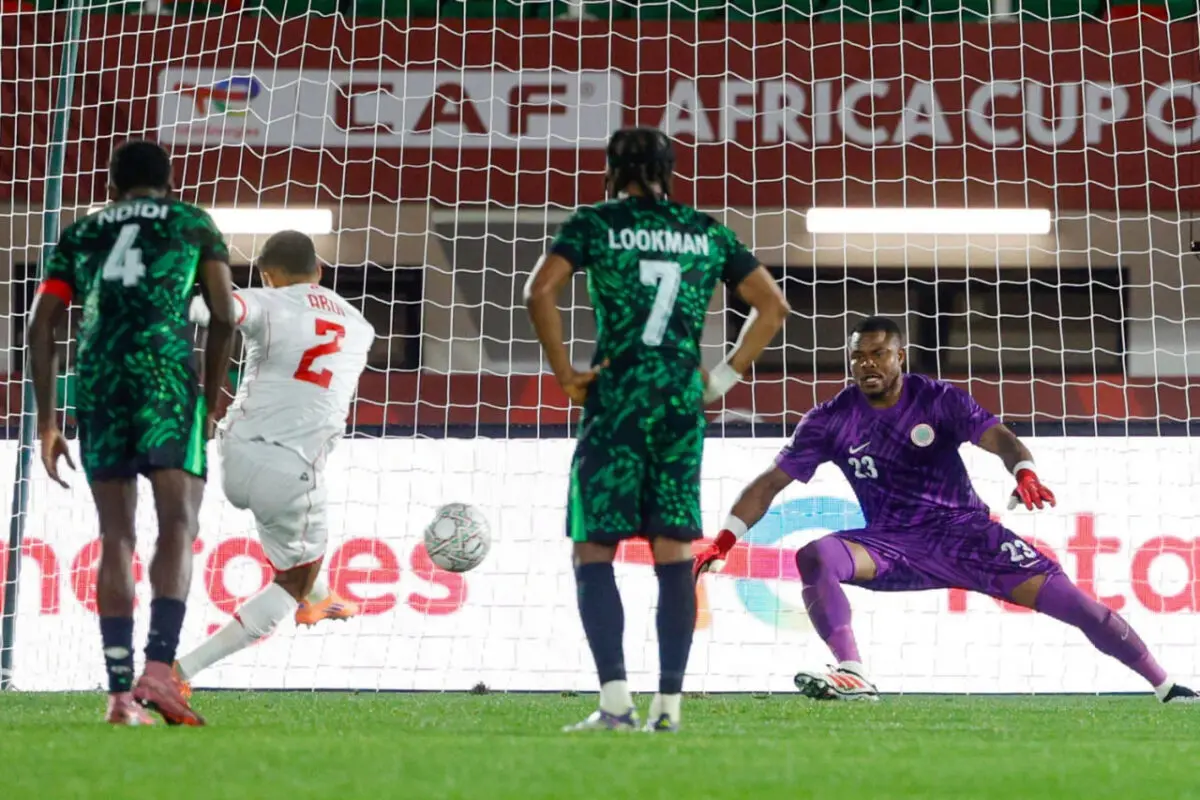
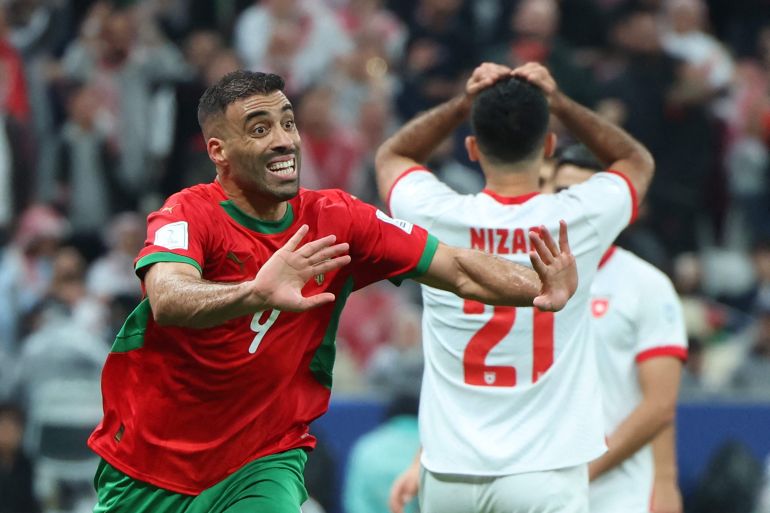
The match witnessed significant tension. The awarding of a penalty kick in favor of the Moroccan national team at the end of regular time, following the cancellation of a Senegalese goal earlier in the match, led to several players of the “Lions of Teranga” leaving the pitch before returning at the request of their star Sadio Mané.
In extra time, Pape Gueye scored the winning goal for Senegal with a powerful shot.