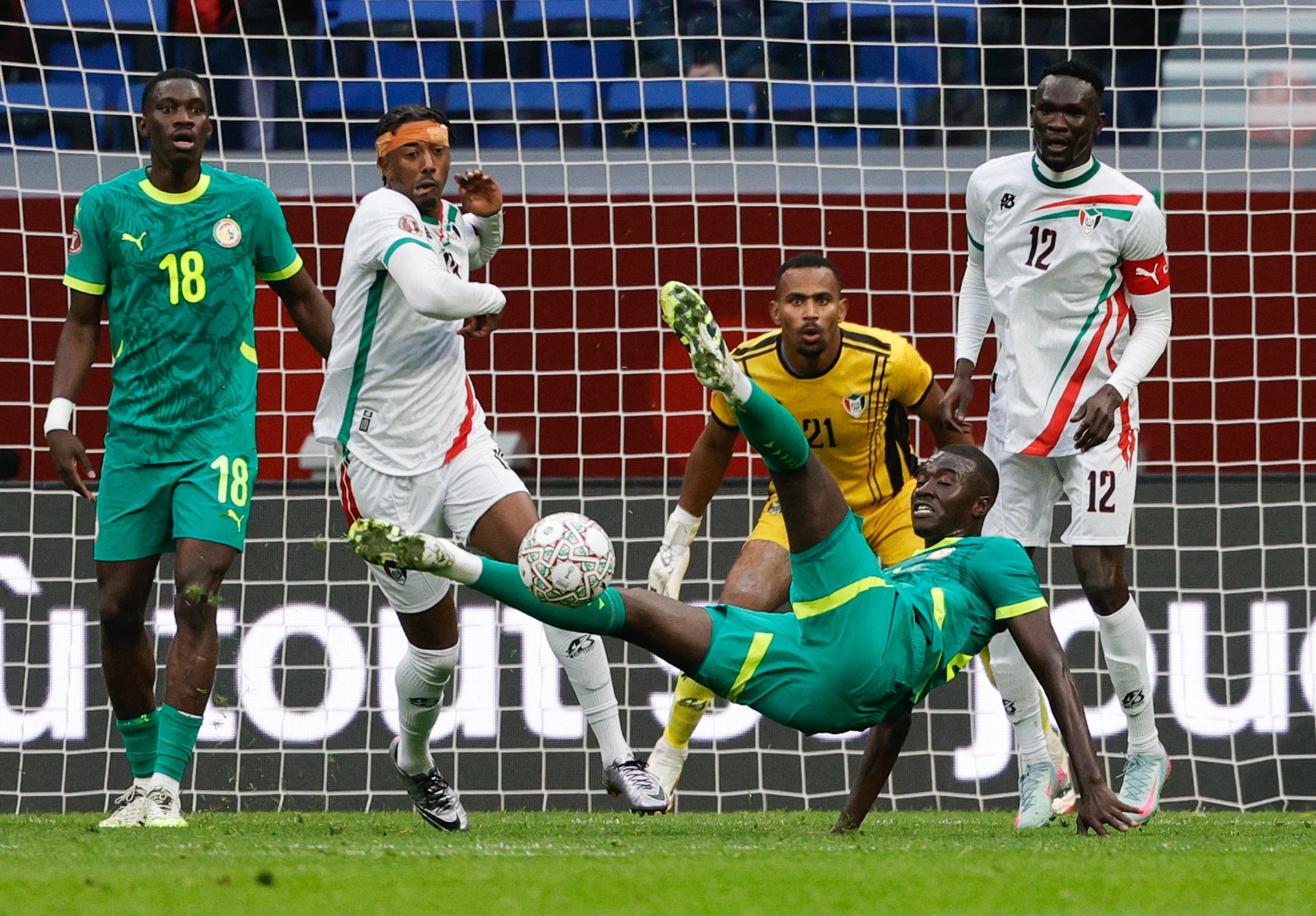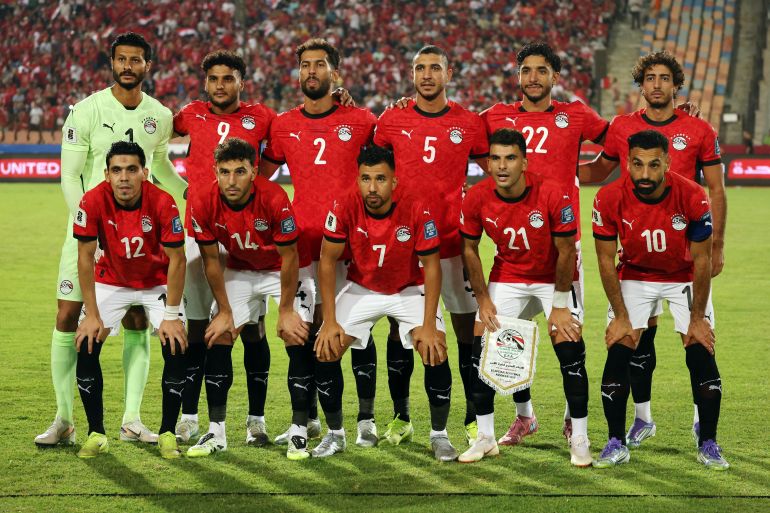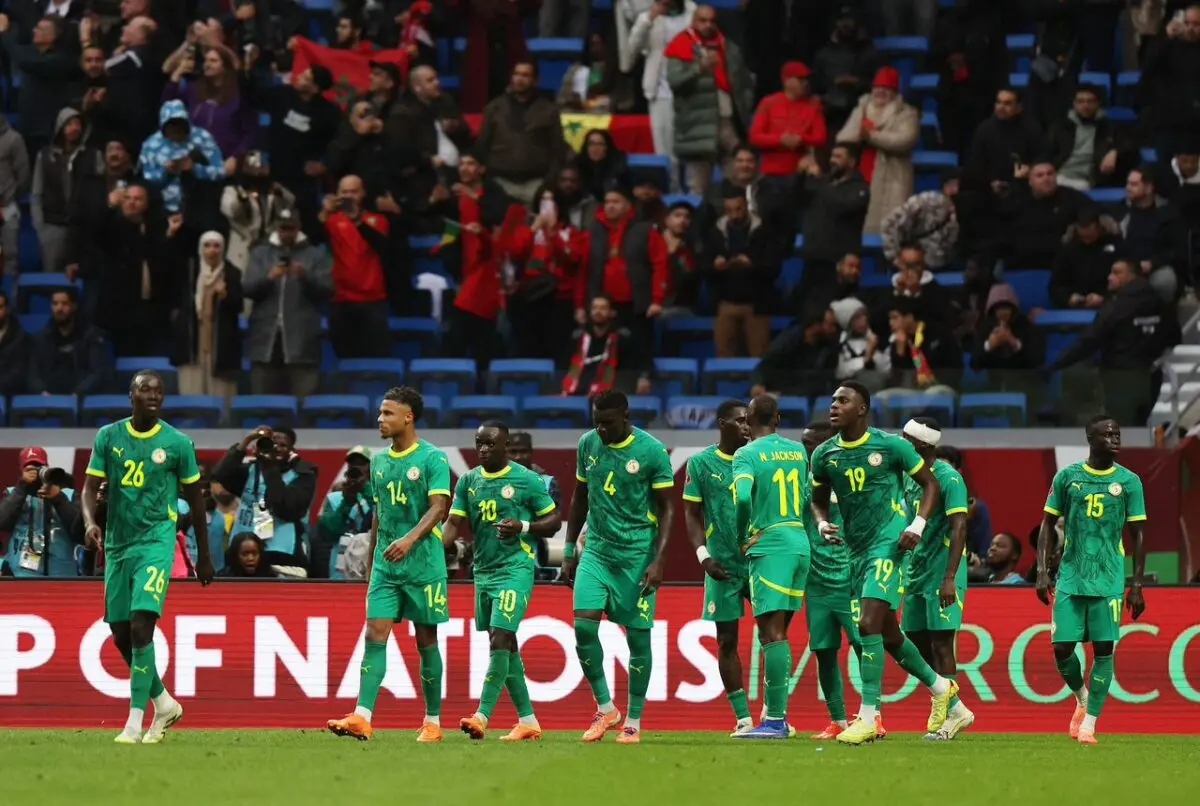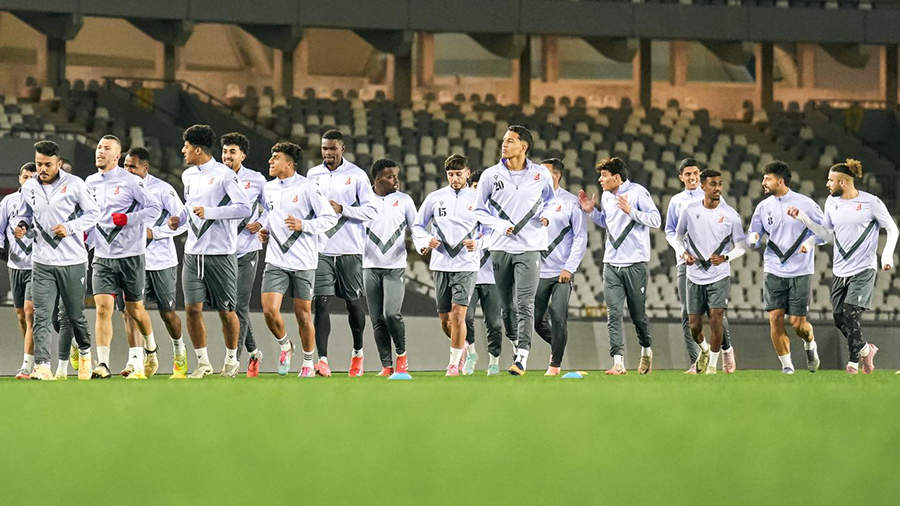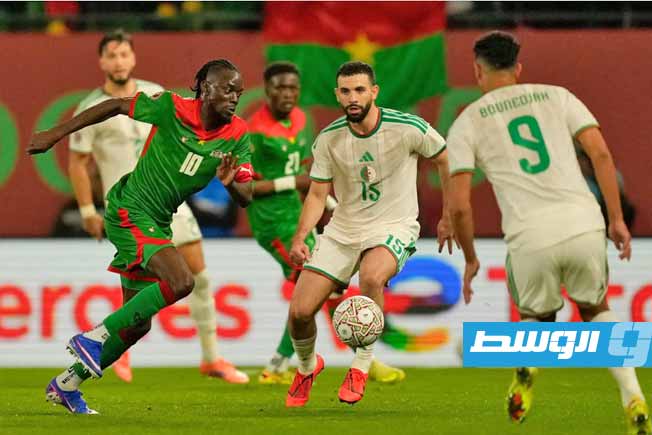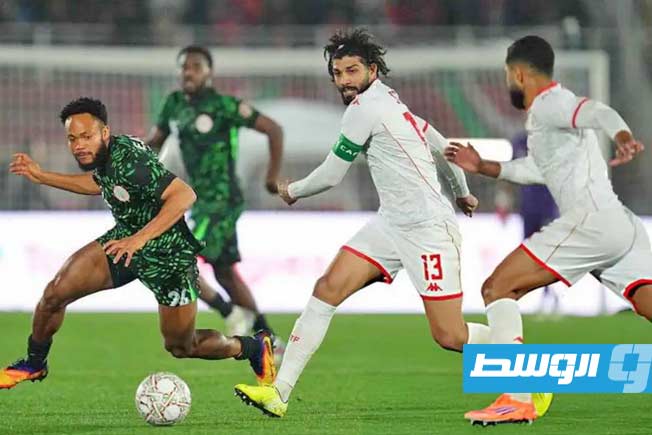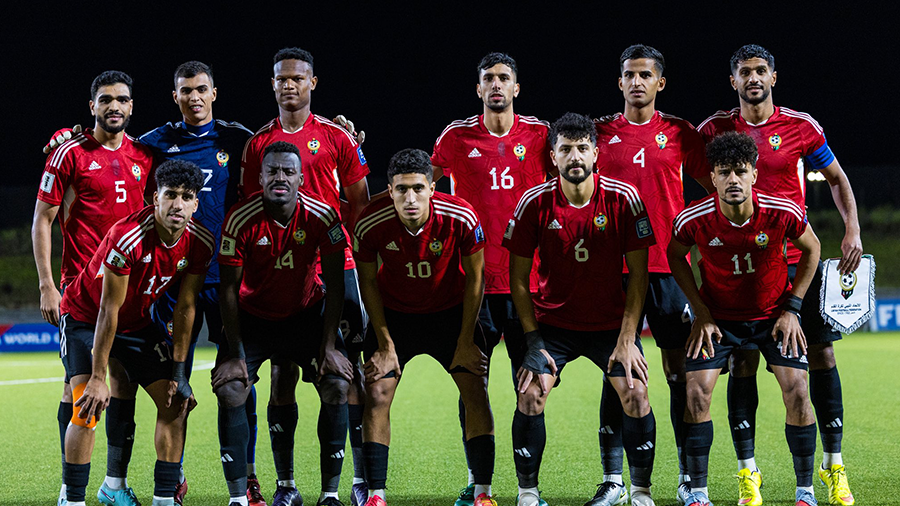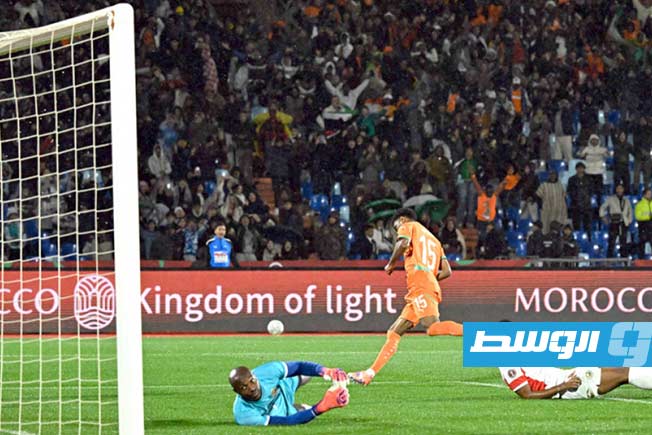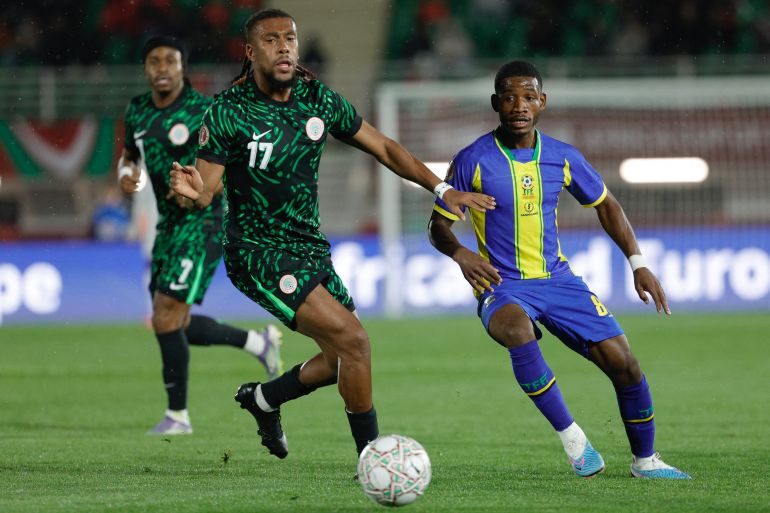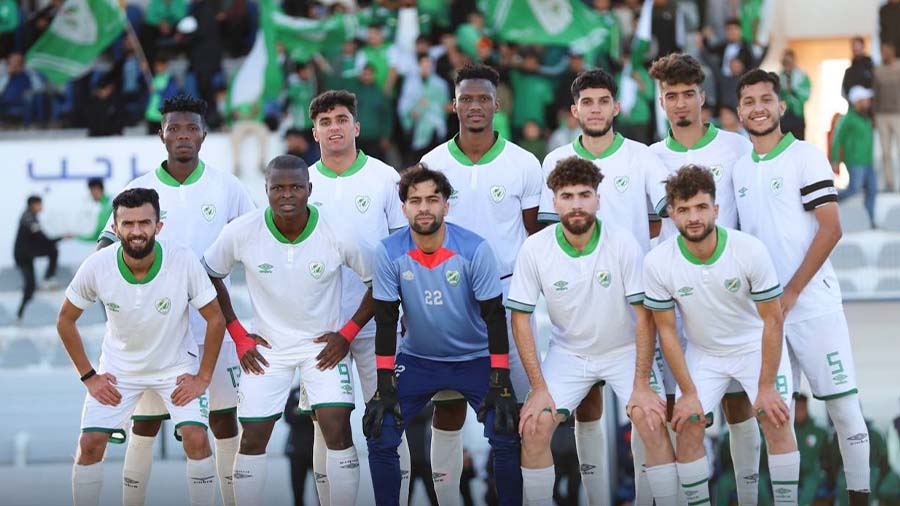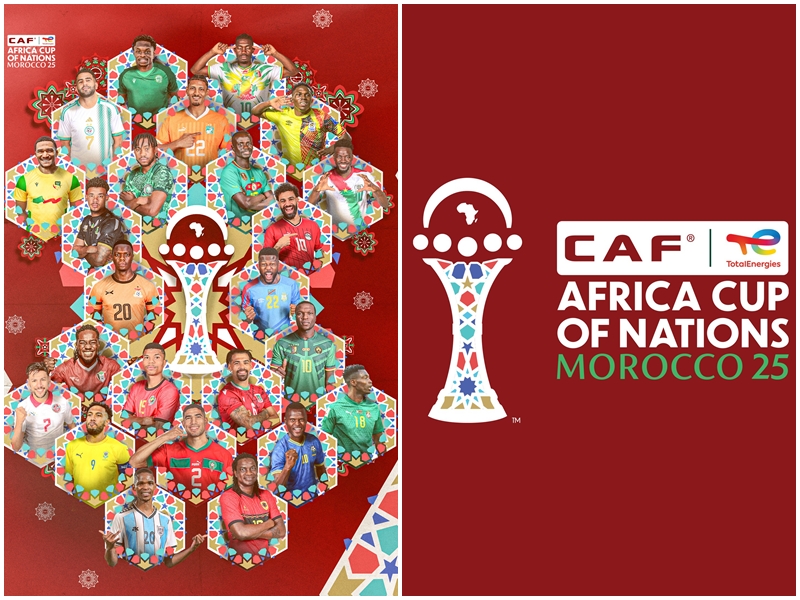
Morocco – The excitement continues in the first round of the 2025 Africa Cup of Nations with three matches carrying a special character, blending historic ambition with the desire for a perfect start, as Mali meets Zambia, South Africa faces Angola, and the day concludes with the match between Egypt and Zimbabwe.
Mali vs. Zambia: A Test of Ambition Against Continental Experience
- Stadium: Mohammed V – Casablanca
- Time: 6:00 PM Muscat Time. The Mali national team seeks to break its opening-match jinx and move closer to its dream of a first title, while Zambia enters the encounter driven by a rich continental history highlighted by the 2012 title, looking to end a negative streak of ten matches without a win in the finals.
South Africa vs. Angola: A Historic Complex on the Line
- Stadium: Marrakech
- Time: 9:00 PM Muscat Time. South Africa looks to confirm its historic dominance over Angola, having not lost to them in four previous tournament meetings. Angola, meanwhile, enters the match with the ambition of breaking this complex and achieving a positive start that reflects its technical stability after reaching the quarter-finals in the last edition.
Egypt vs. Zimbabwe: The Pharaohs Launch Their Journey to Reclaim the Throne
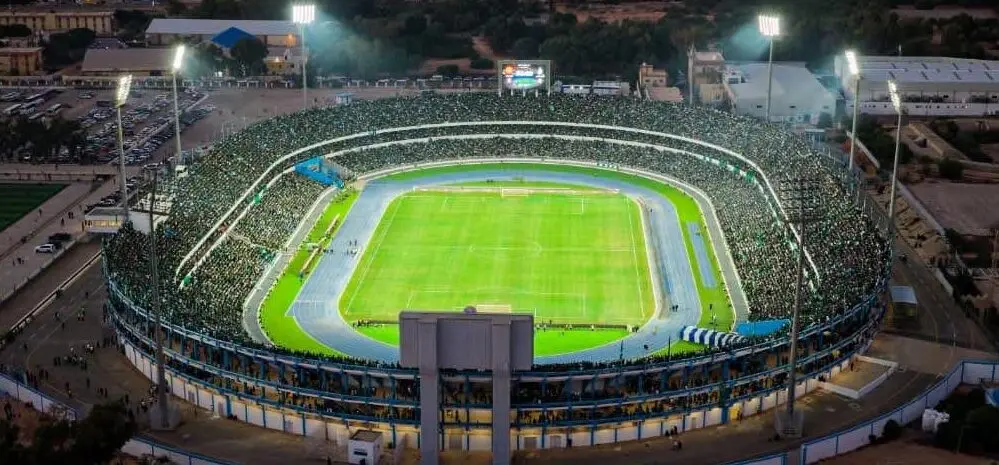
- Stadium: Adrar – Agadir
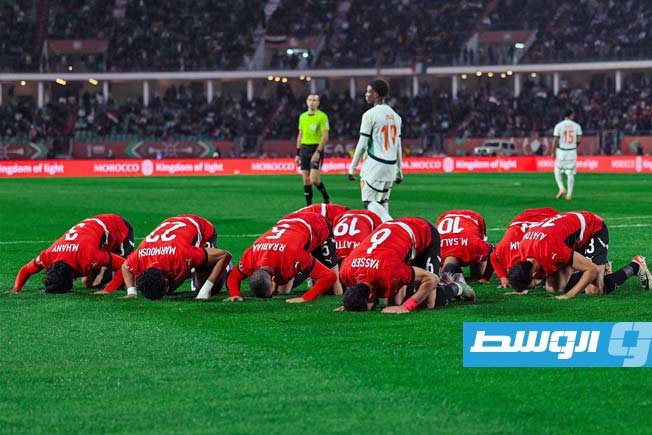
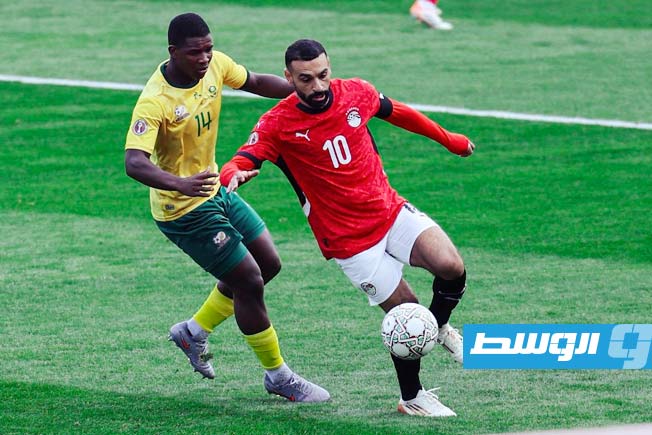
- Time: 12:00 Midnight Muscat Time. The Egyptian national team, record-holder with seven titles, begins its journey to reclaim continental glory absent since 2010, backed by extensive experience in the tournament. On the other hand, the Zimbabwe national team seeks to break the curse of the group stage that has plagued it in all its previous participations, in a difficult but historically opportunistic match.
Morocco
Morocco is a North African country with a rich history shaped by indigenous Amazigh (Berber) cultures, Arab influence from the 7th century, and successive dynasties like the Almoravids and Almohads. Its cultural sites, such as the ancient Roman ruins of Volubilis and the historic medinas of Fez and Marrakech, reflect this diverse heritage.
Africa Cup of Nations
The Africa Cup of Nations (AFCON) is the premier international men’s football competition in Africa, first held in 1957. It was founded to foster unity and sporting excellence among African nations, with Egypt winning the inaugural tournament.
Mali
Mali is a West African nation historically renowned as the heart of the medieval Mali Empire, a vast and wealthy Islamic state famed for its center of learning in Timbuktu and its ruler Mansa Musa. Today, it is home to significant UNESCO World Heritage Sites, including the ancient cities of Timbuktu and Djenné, the latter noted for its distinctive adobe Great Mosque. The country faces contemporary challenges but retains a rich cultural heritage rooted in its powerful historical empires.
Zambia
Zambia is a landlocked country in southern Africa, known for its diverse wildlife and the spectacular Victoria Falls along its border with Zimbabwe. Historically, the region was home to various Bantu-speaking kingdoms before becoming a British protectorate in the late 19th century, gaining independence in 1964. Its culture is deeply influenced by its many ethnic groups, with traditional ceremonies and music playing a central role in national identity.
South Africa
South Africa is a country located at the southern tip of the African continent, known for its diverse cultures, languages, and dramatic landscapes. Its modern history is profoundly shaped by colonialism and the institutionalized racial segregation of apartheid, which ended in 1994 with the establishment of a constitutional democracy and the election of Nelson Mandela as president.
Angola
Angola is a country in southwestern Africa with a rich history shaped by powerful pre-colonial kingdoms like Kongo and Ndongo, followed by centuries of Portuguese colonization until it gained independence in 1975. Its cultural sites include the Fortress of São Miguel in Luanda, a historic Portuguese fort, and the Tundavala Gap, a stunning natural landscape. The nation’s culture reflects a blend of indigenous traditions and Portuguese influences, particularly in its music and language.
Egypt
Egypt is home to one of the world’s oldest civilizations, with a recorded history spanning over 5,000 years, famously known for its pharaohs, pyramids, and the Nile River. Its cultural landscape is dominated by iconic ancient monuments like the Giza pyramid complex and the Valley of the Kings, alongside significant Islamic, Coptic, and modern historical layers.
Zimbabwe
Zimbabwe is a country in southern Africa, named after the ancient stone city of Great Zimbabwe, which was the capital of a powerful kingdom from the 11th to 15th centuries. The modern nation gained independence from British colonial rule in 1980 and is known for its diverse landscapes, including Victoria Falls, and rich cultural heritage.
Mohammed V
Mohammed V is a major avenue and public square in central Rabat, Morocco, named in honor of Sultan Mohammed V, a key figure in the country’s independence movement. The site is known for its surrounding administrative buildings, such as the Parliament and the central bank, which blend traditional Moorish and modern architectural styles. It serves as a symbolic heart of the modern Moroccan state, commemorating the leader who reigned from 1927 to 1961 and guided the nation to sovereignty from French and Spanish protectorates.
Casablanca
Casablanca is Morocco’s largest city and a major economic hub, originally settled by Berbers and later developed under French colonial rule in the 20th century. It is renowned for its iconic Art Deco architecture and the Hassan II Mosque, one of the world’s largest mosques, which features a minaret that is the tallest in the world.
Marrakech
Marrakech is a historic city in Morocco, founded in 1062 by the Almoravid dynasty, which established it as a political, economic, and cultural capital. It is renowned for its ancient medina, a UNESCO World Heritage site, and iconic landmarks like the Koutoubia Mosque and the bustling Jemaa el-Fnaa square.
Adrar
Adrar is a historical region and province in southwestern Algeria, known for its desert landscapes and ancient ksour (fortified villages). It is part of the larger Sahara Desert and is historically significant as a crossroads for trans-Saharan trade routes and home to early Berber settlements. The region is famed for the UNESCO World Heritage site of the Ksar of the Beni Hammad, an 11th-century capital that showcases early Islamic architecture.
Agadir
Agadir is a major coastal city in Morocco, known today for its modern beach resorts. Its history is marked by a devastating earthquake in 1960 that destroyed much of the old city, leading to a complete reconstruction a few kilometers south of the original site.