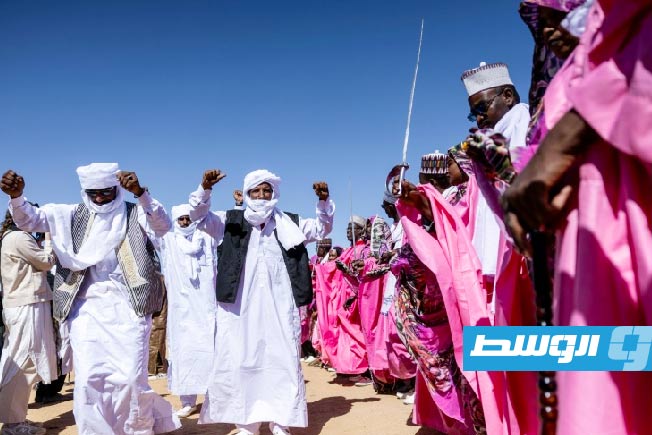
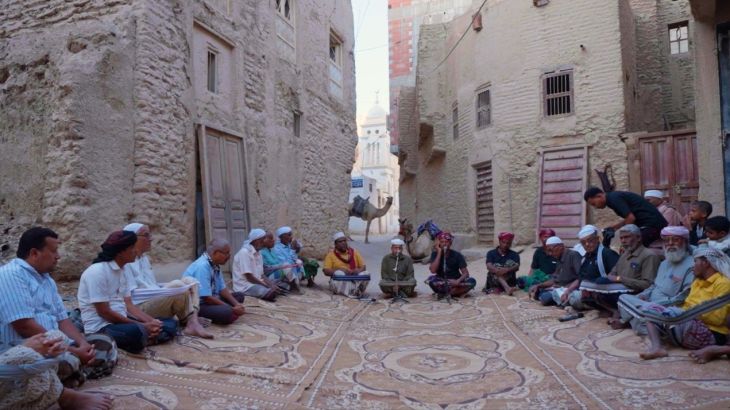
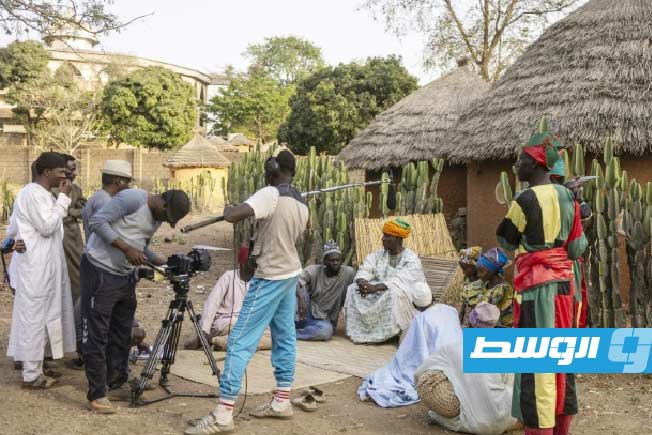
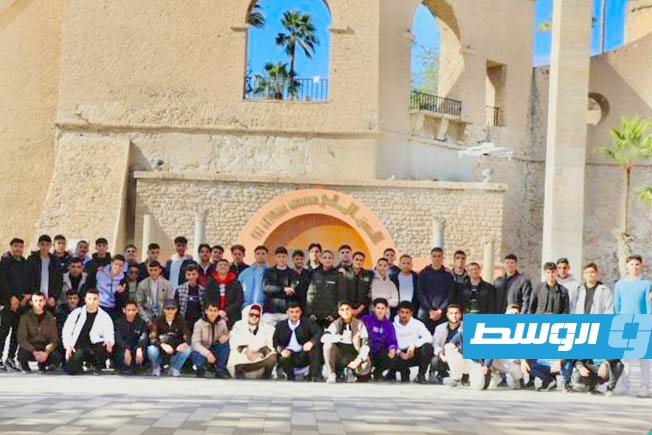
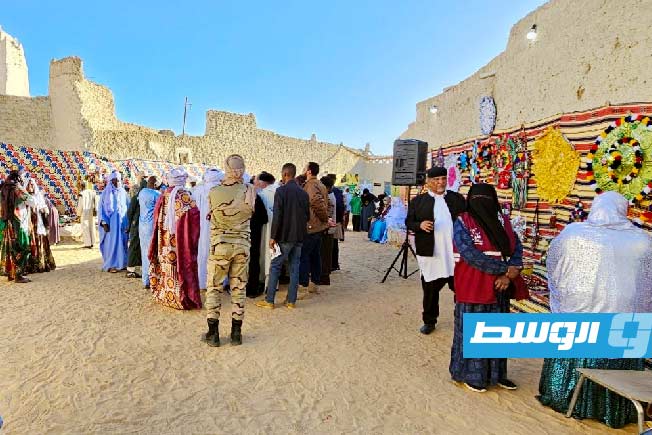
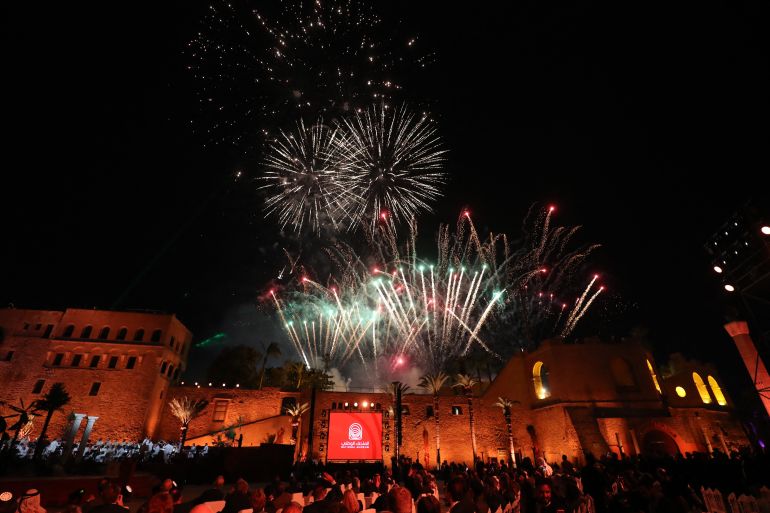
After a seven-year hiatus, the Am Djeras International Festival of Desert Cultures returns to northeastern Chad, celebrating the cultures of the peoples of the Sahara region until February 13th, with Niger as the guest of honor.
Since Saturday, dance performances and concerts by artists from various regions of Chad, as well as from Niger, Burkina Faso, and Mauritania, have brought vibrancy to this city near the Sudanese border.
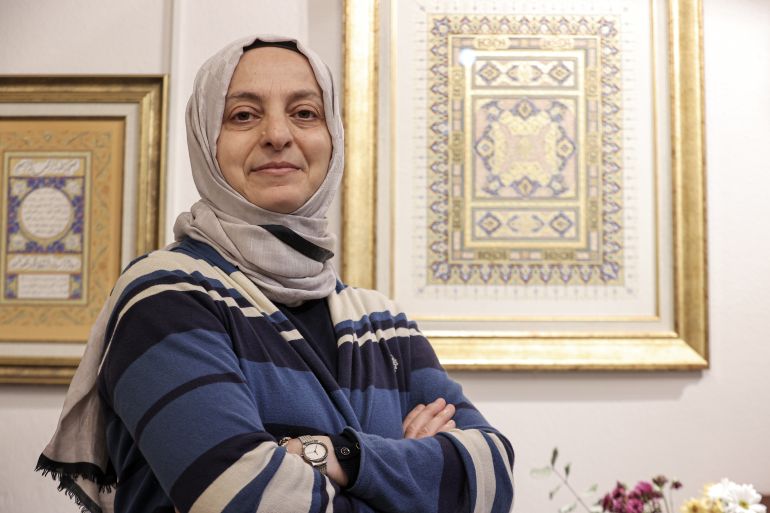
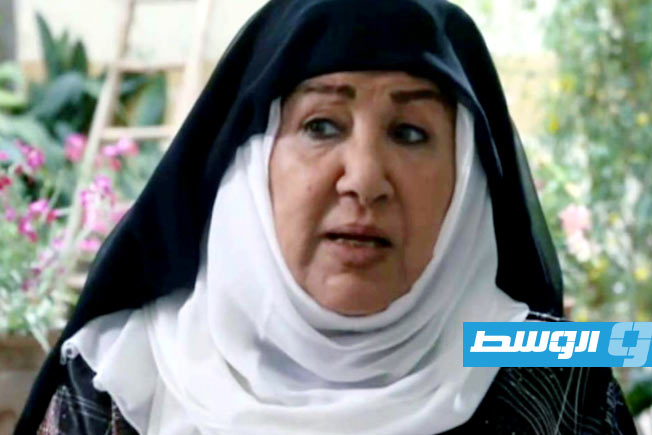
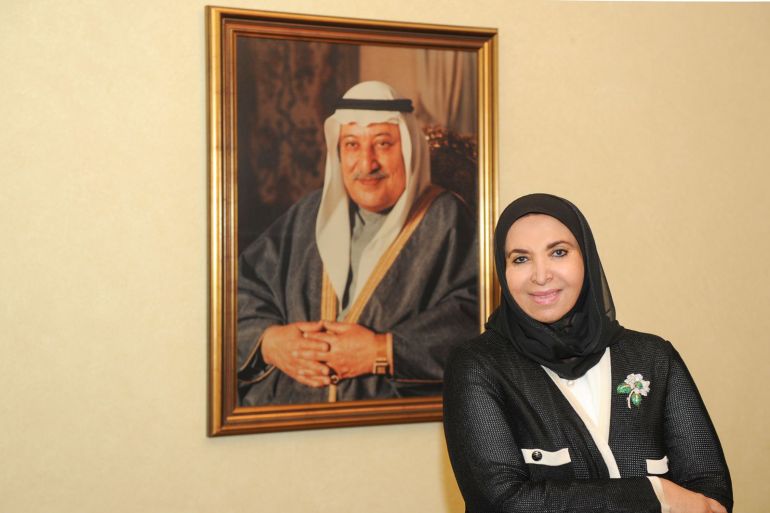
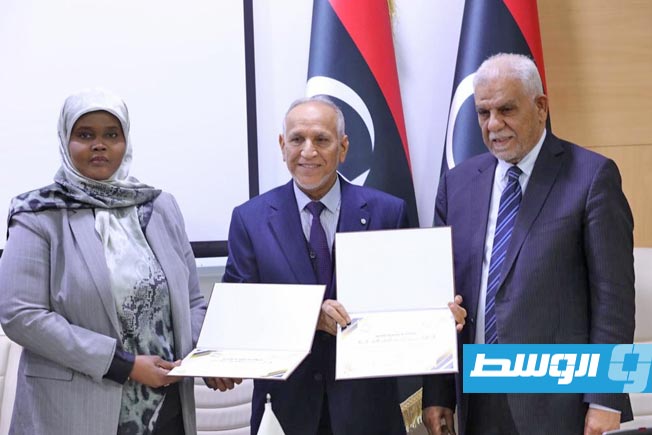
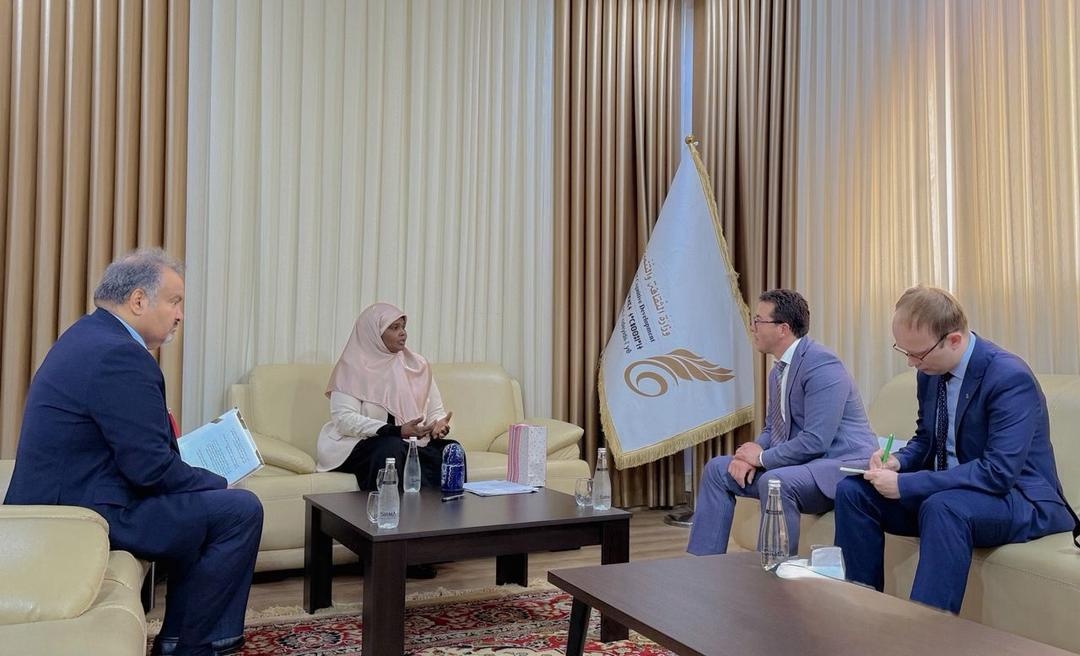
The Nigerien Minister of Handicrafts and Tourism stated at the opening of the festival’s sixth edition: “In a world suffering from tensions, crises, and misunderstandings, culture remains a space for meeting and dialogue; it enables us to understand each other, respect each other, and build together.”
She continued, amid warm applause from the audience: “Our countries certainly benefit from joining forces to make culture a tool for peace, development, and job creation.”
Part of the Living Heritage of Humanity
For his part, the Chadian Prime Minister affirmed his government’s commitment “to making the desert, culture, and tourism fundamental pillars of our development.”
He expressed his ambition for “the recognition of desert cultures as part of the living heritage of humanity.”
As for the founder and organizer of the Am Djeras International Festival of Desert Cultures, the event represents “an important economic, political, and cultural lever” serving “cooperation among countries of the Global South.”
It is worth noting that Am Djeras was the stronghold of President Idriss Déby Itno, who was killed in clashes with rebels after thirty years at the head of the country.
After the death of the late President, his son, Mahamat Idriss Déby Itno, was declared transitional president in April 2021, before being elected president in May 2024 in controversial elections.
Chad
Chad is a landlocked country in north-central Africa, with a history marked by ancient Saharan trade routes and powerful pre-colonial kingdoms like the Kanem-Bornu Empire. It gained independence from France in 1960 and has since experienced significant political instability and conflict. The country’s cultural landscape is diverse, comprising over 200 ethnic groups and notable sites like the lakes and archipelagos of the UNESCO-listed Ennedi Massif.
Am Djeras International Festival of Desert Cultures
The Am Djeras International Festival of Desert Cultures is an annual event held in the oasis town of Am Djeras, Algeria, celebrating the heritage of Saharan communities. It was established to preserve and promote the traditional music, crafts, poetry, and nomadic lifestyles of the region’s diverse ethnic groups. The festival serves as a significant cultural gathering that highlights the history and resilience of desert peoples.
Sahara
The Sahara is the world’s largest hot desert, spanning much of North Africa. Historically, it was not always arid, with evidence of a greener environment and human settlements during the Neolithic Subpluvial thousands of years ago. Its landscape has been shaped by trade routes, such as those of the trans-Saharan caravans, and it remains a region of significant geological and climatic importance.
Niger
Niger is a landlocked country in West Africa named after the Niger River, with a history shaped by ancient trans-Saharan trade routes and powerful empires like the Songhai. It gained independence from France in 1960 and is known for its significant uranium deposits and diverse cultures, including the Tuareg and Hausa peoples. A prominent cultural site is the historic city of Agadez, a UNESCO World Heritage site renowned for its distinctive Sudano-Sahelian architecture and its role as a centuries-old crossroads of the caravan trade.
Burkina Faso
Burkina Faso is a landlocked West African nation with a history shaped by several empires, including the Mossi kingdoms, before becoming a French colony known as Upper Volta. It gained independence in 1960 and was renamed “Burkina Faso” (meaning “Land of Honest People”) in 1984 under President Thomas Sankara. The country is known for its rich cultural traditions, such as mask ceremonies and oral storytelling, and sites like the ancient ruins of Loropéni, a UNESCO World Heritage site.
Mauritania
Mauritania, officially the Islamic Republic of Mauritania, is a country in Northwest Africa with a history shaped by ancient Berber kingdoms, trans-Saharan trade routes, and later French colonial rule, from which it gained independence in 1960. Its cultural landscape is profoundly influenced by its Moorish heritage, featuring historic sites like the ancient trading centers of Chinguetti and Ouadane, which are UNESCO World Heritage Sites.
Sudanese border
The Sudanese border is a political boundary shaped largely by colonial-era agreements, particularly the Anglo-Egyptian Condominium (1899–1955). It separates Sudan from its seven neighbors and has been a source of conflict and displacement, especially in regions like Darfur and South Kordofan.
Coachella
Coachella is a major annual music and arts festival held in the Colorado Desert of California, first launched in 1999. It has grown into a globally influential cultural event known for its diverse musical lineup, large-scale art installations, and celebrity attendance, shaping modern festival culture.
California desert
The California desert, primarily encompassing the Mojave and Colorado deserts, is a vast arid region shaped by geological forces over millions of years. Historically, it has been home to Indigenous peoples for millennia and later saw exploration, mining booms, and the establishment of iconic protected areas like Joshua Tree National Park.
Gaza
Gaza is a coastal city in the Palestinian territories with a history dating back over 3,000 years, having been ruled by various empires including the Egyptians, Philistines, Romans, and Ottomans. It is a densely populated urban center and holds significant cultural and religious importance in the region. In recent decades, it has been the focus of intense political conflict and humanitarian crises.
55th International Desert Festival
The 55th International Desert Festival is an annual cultural event held in Douz, Tunisia, celebrating the traditions of the Sahara and its nomadic communities. Established in 1910 to honor the date harvest, it was revitalized in 1967 to preserve and showcase local heritage through music, poetry, camel races, and traditional crafts.
Tuaregs
The Tuaregs are a historically nomadic Berber people indigenous to the Sahara Desert, primarily across Mali, Niger, Algeria, Libya, and Burkina Faso. Traditionally organized into confederations, they are known as the “Blue People” for their distinctive indigo-dyed clothing and have a long history as caravan traders and guides. Their society has faced significant challenges in the modern era, including conflicts over autonomy and integration within contemporary African nation-states.
Algerian Sahara
The Algerian Sahara is a vast desert region in North Africa, historically inhabited by Berber peoples and later crossed by trans-Saharan trade routes. It is home to significant cultural sites like the ancient rock art of Tassili n’Ajjer, a UNESCO World Heritage Site that chronicles prehistoric life and environmental changes in the area.
Sebiba festival
The Sebiba festival is an annual Tuareg celebration held in Djanet, Algeria, commemorating the resolution of an ancient tribal conflict. It features distinctive rhythmic drumming, singing, and dances performed by women, with roots tracing back to pre-Islamic times. Recognized by UNESCO, the festival is a living tradition that marks the Islamic Ashura day.
Living Heritage of Humanity
The “Living Heritage of Humanity” refers to UNESCO’s Intangible Cultural Heritage list, established in 2003 to safeguard traditions, practices, and expressions passed down through generations. This includes elements like performing arts, rituals, festivals, and traditional crafts from around the world, recognizing their role in maintaining cultural diversity.
Global South
The term “Global South” refers broadly to countries in Africa, Latin America, Asia, and Oceania that are often characterized by lower levels of economic development and historical experiences of colonialism. It is not a specific geographic site but a socio-political and economic concept that emerged in the latter half of the 20th century to highlight issues of inequality, dependency, and a shared post-colonial perspective among these nations.
Am Djeras
Am Djeras is a traditional open-air cultural center located in N’Djamena, Chad, which serves as a vital hub for Chadian music, dance, and social gatherings. Its history is rooted in the post-independence era, established to preserve and promote local artistic heritage and provide a communal space for cultural expression.