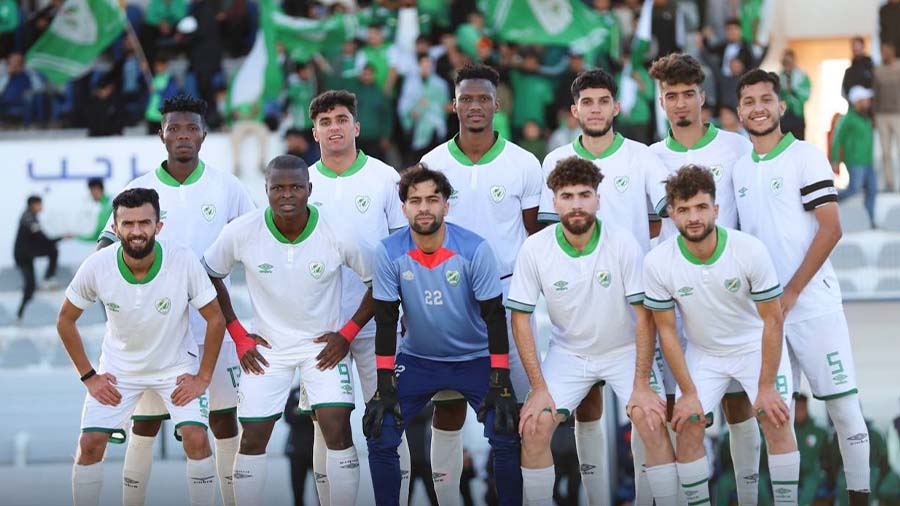
Farewell to the Professionals and Strengthening the Ranks: Al-Ahli Benghazi Opens a New Chapter Under the Watch of Ben Suwaid.
libyawire.org > News > Sport > Farewell to the Professionals and Strengthening the Ranks: Al-Ahli Benghazi Opens a New Chapter Under the Watch of Ben Suwaid.
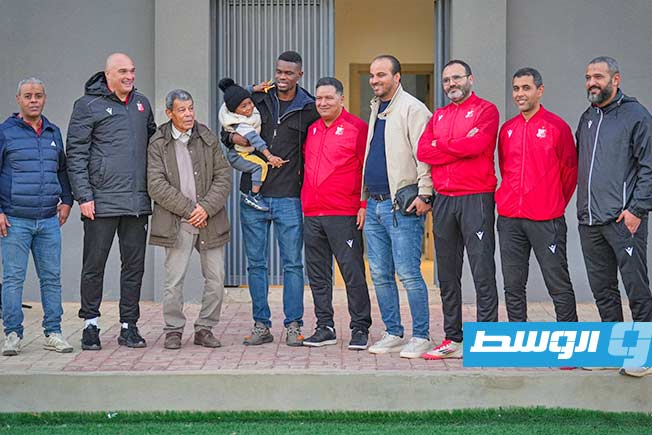
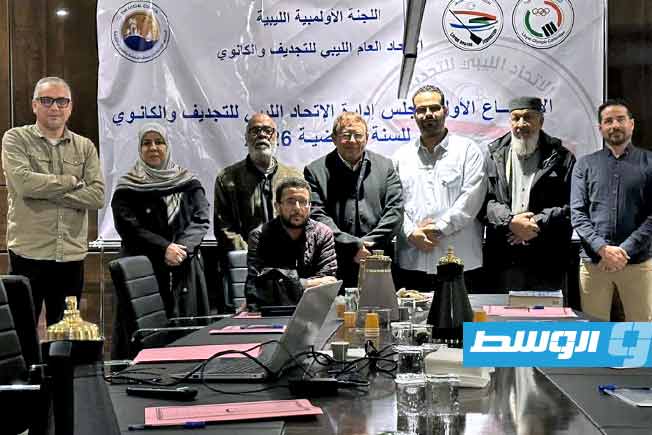
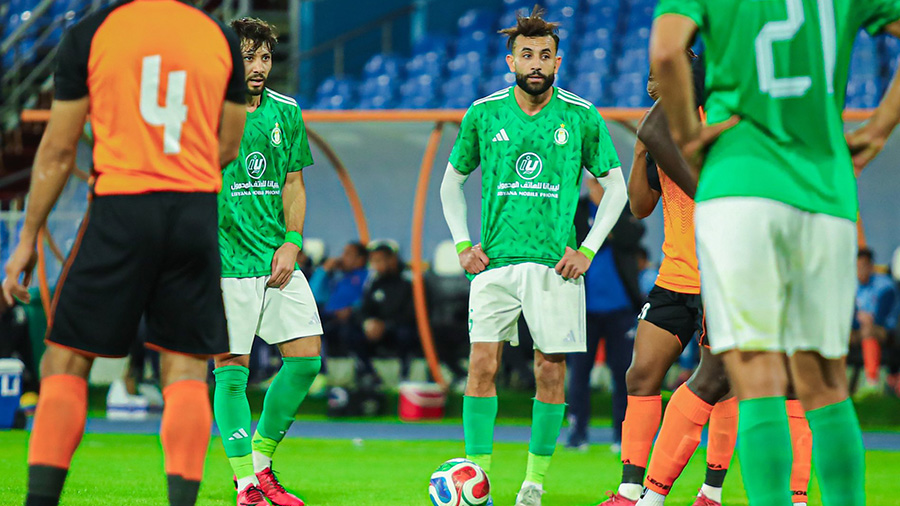
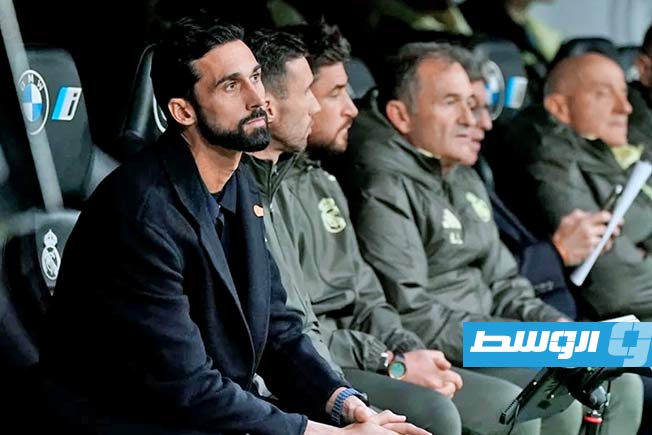
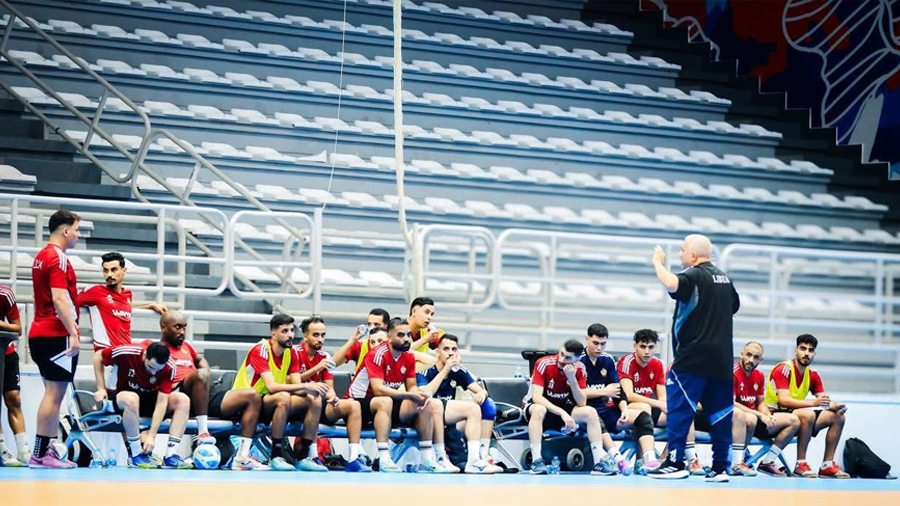
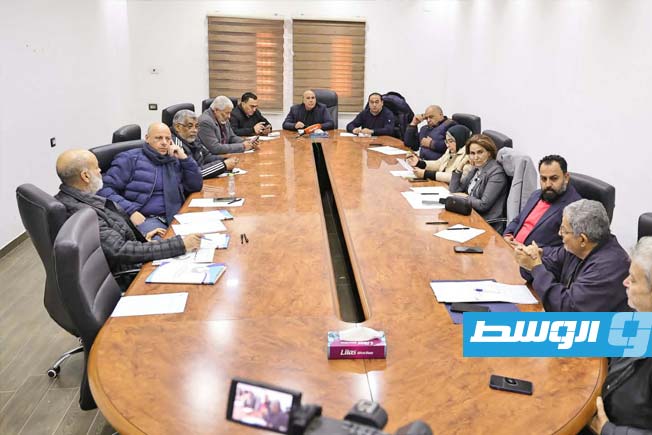
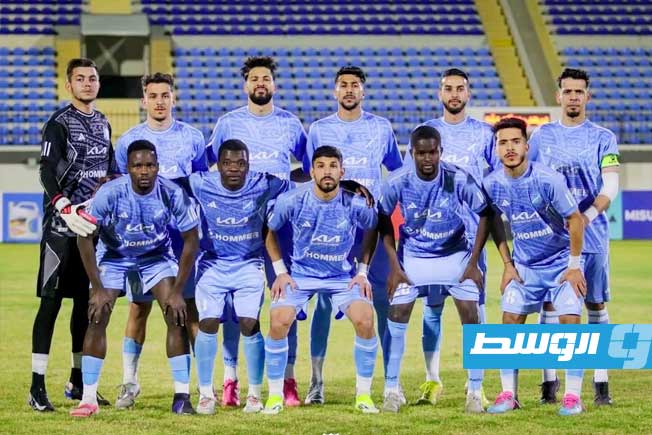
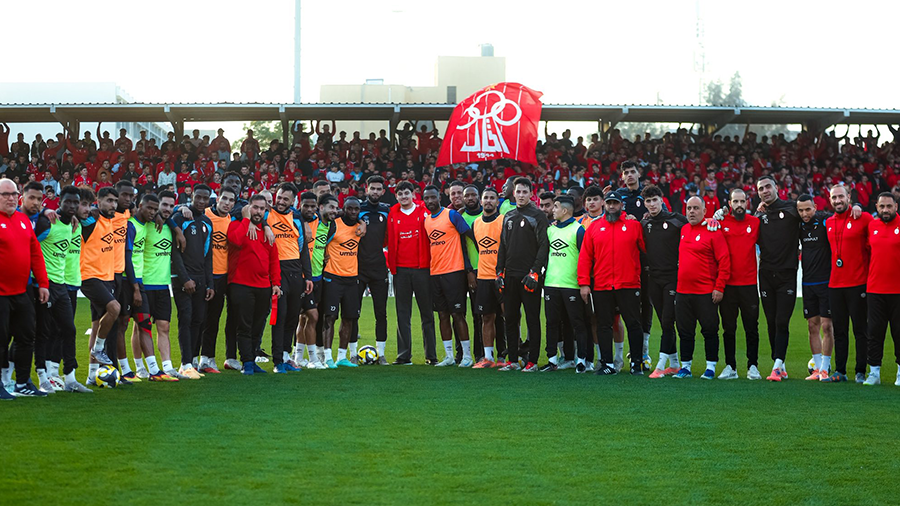
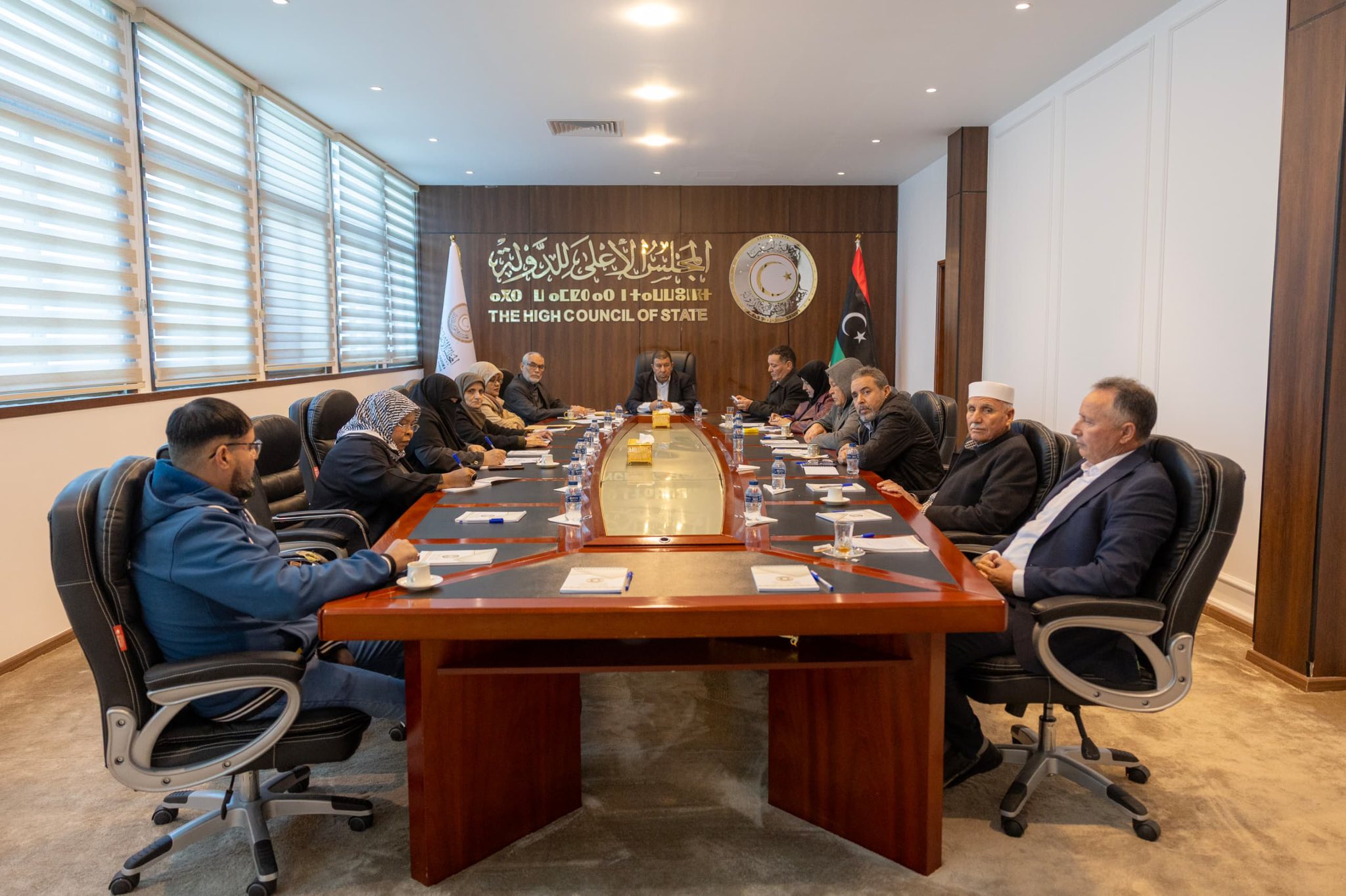
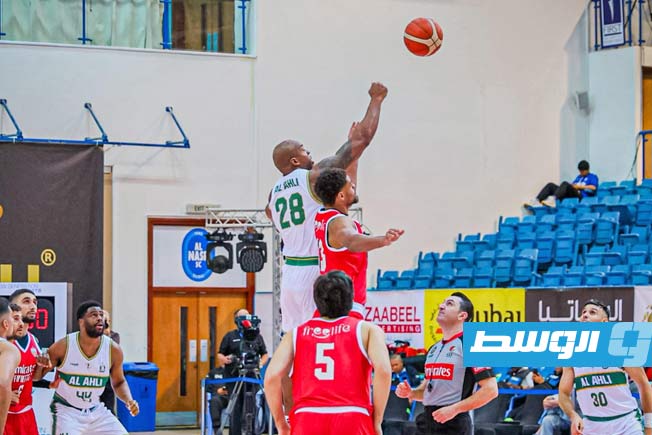
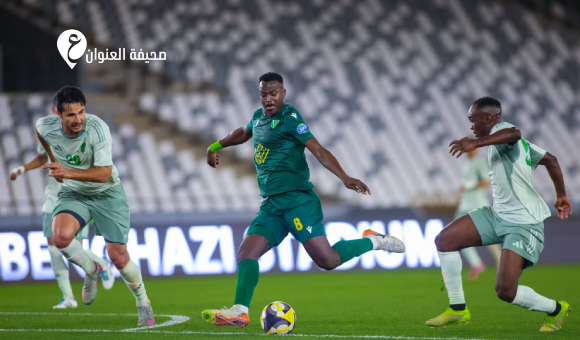
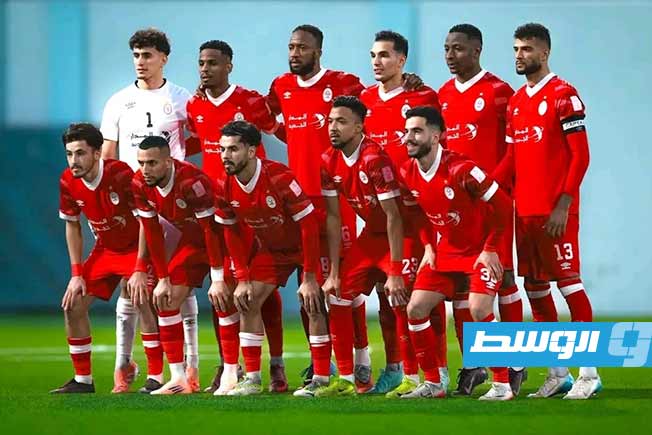
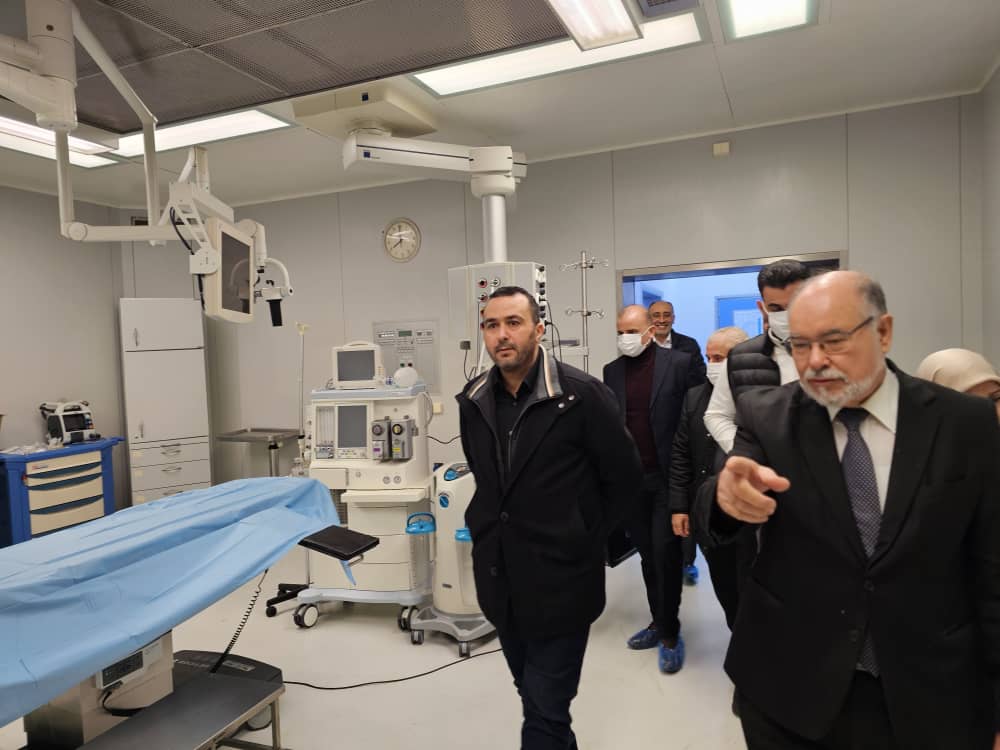
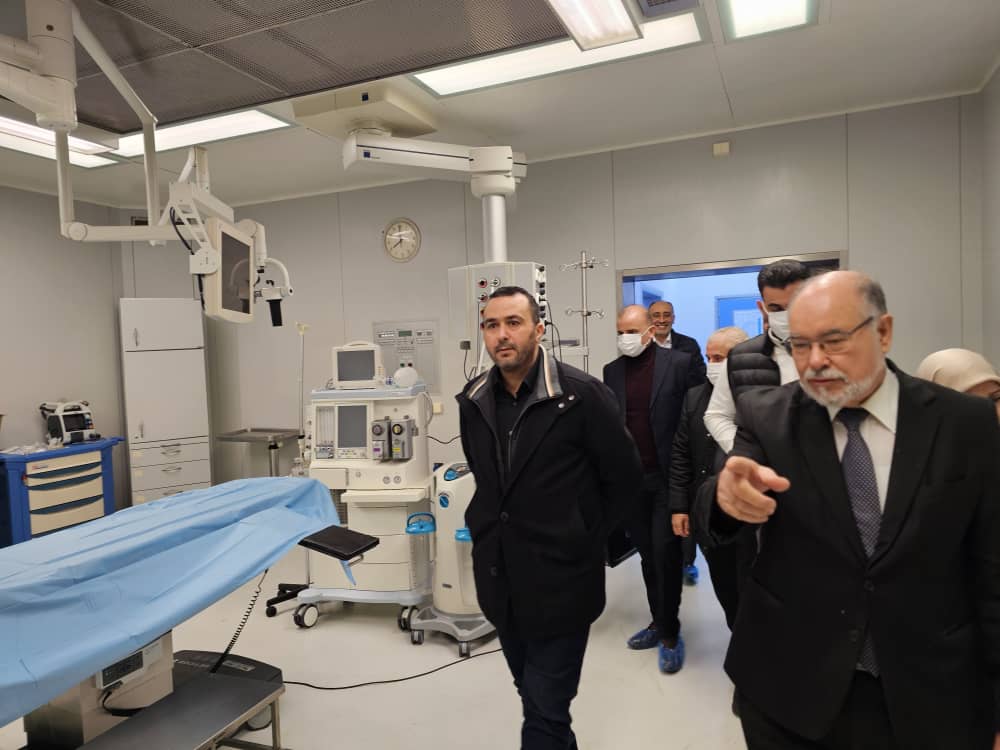
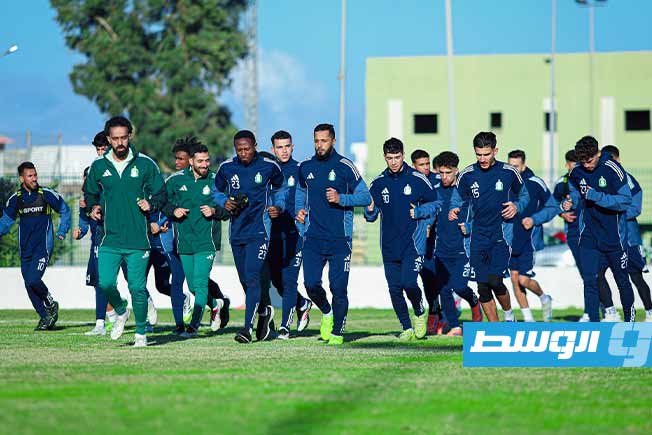
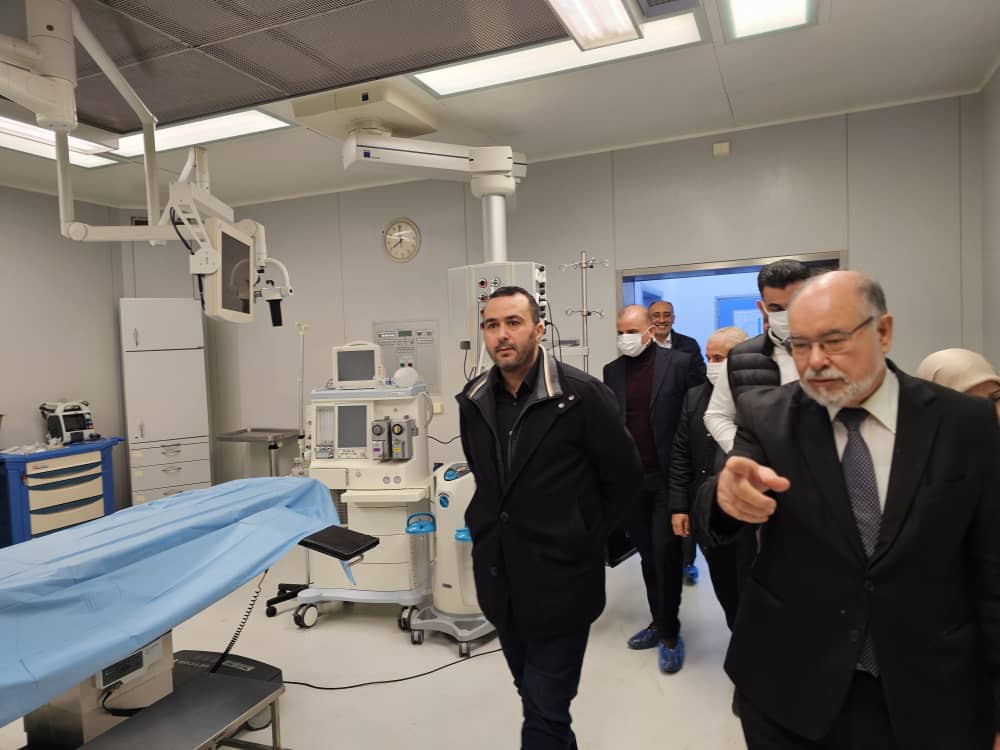
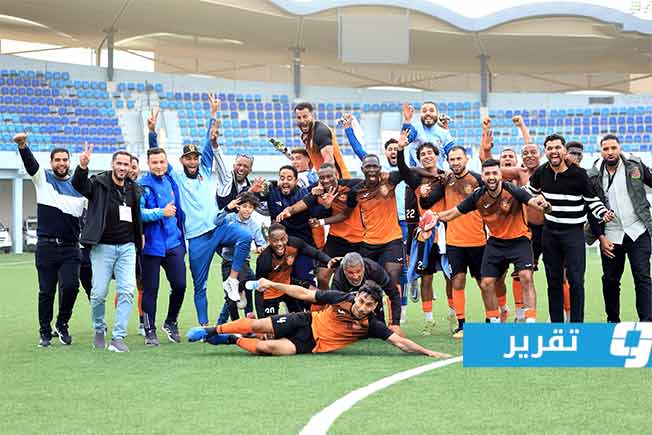
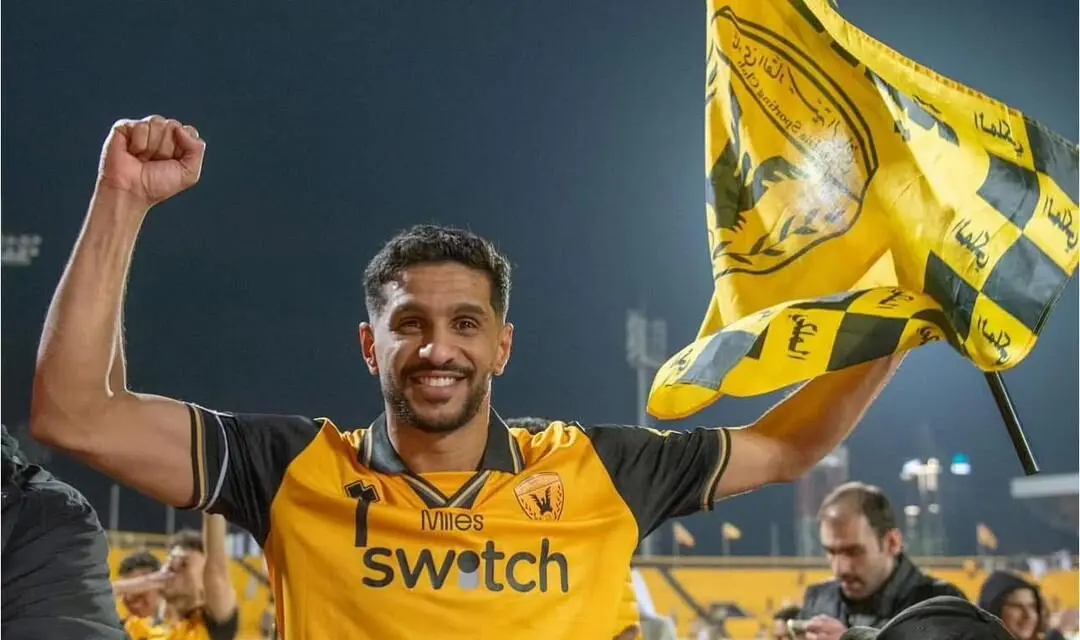
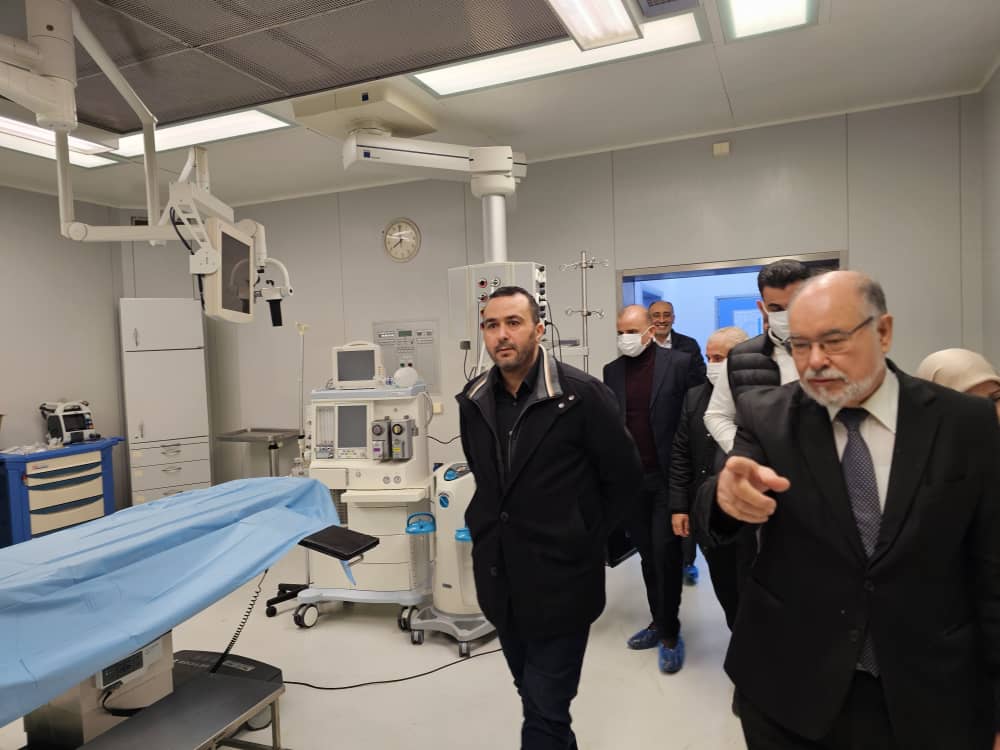
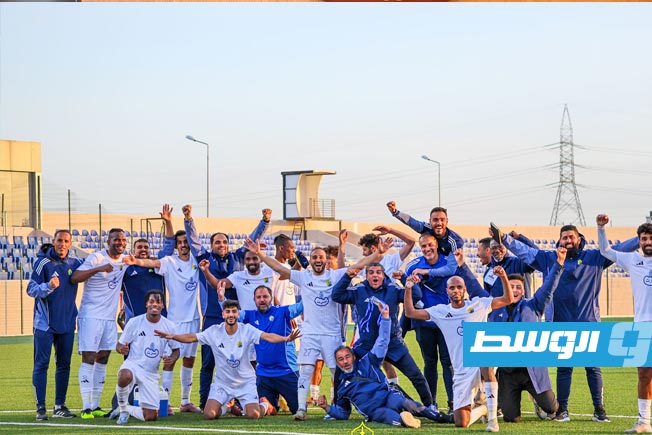
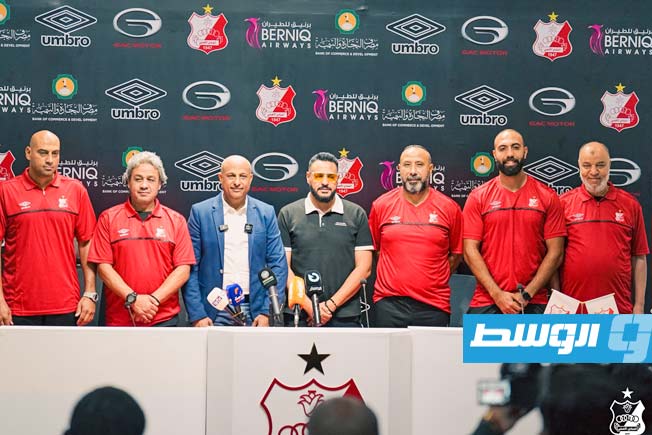
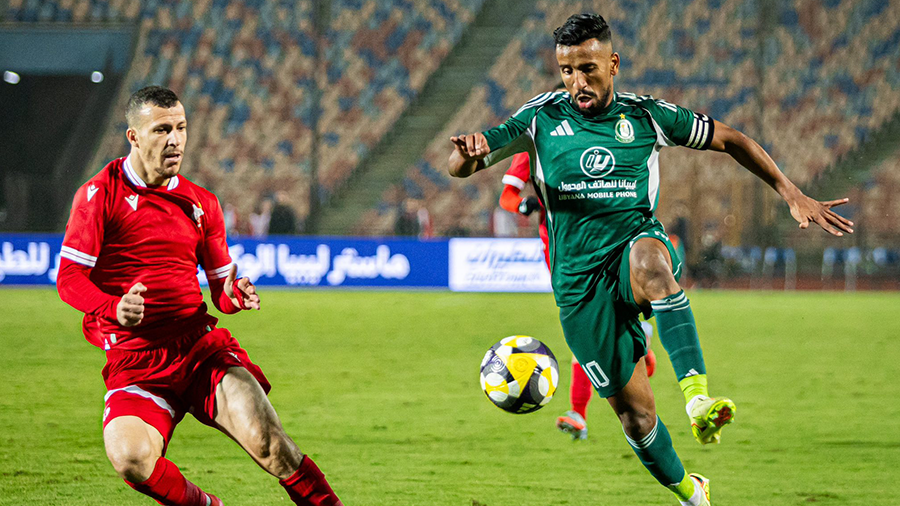
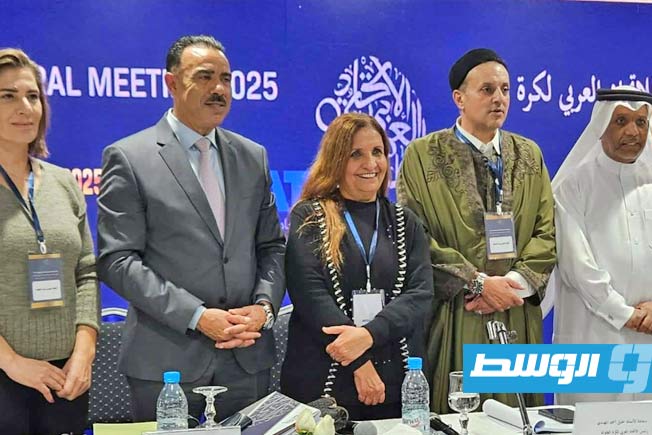
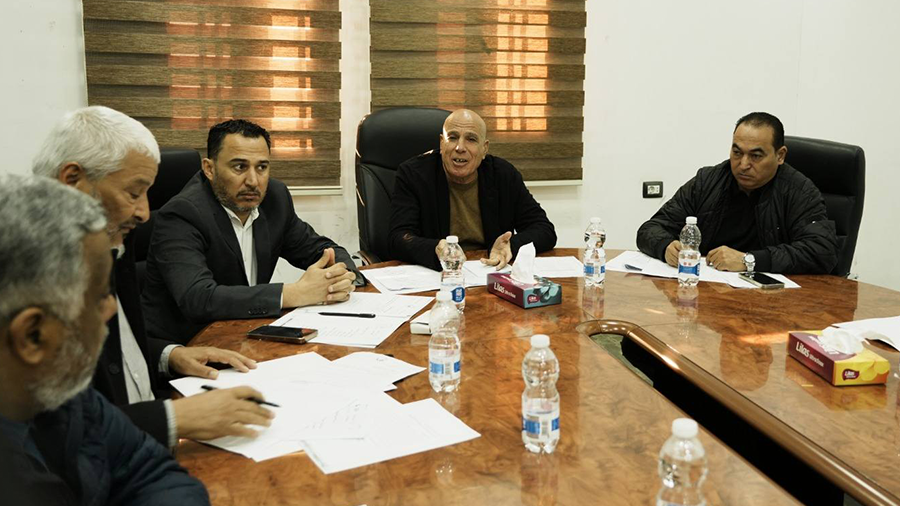
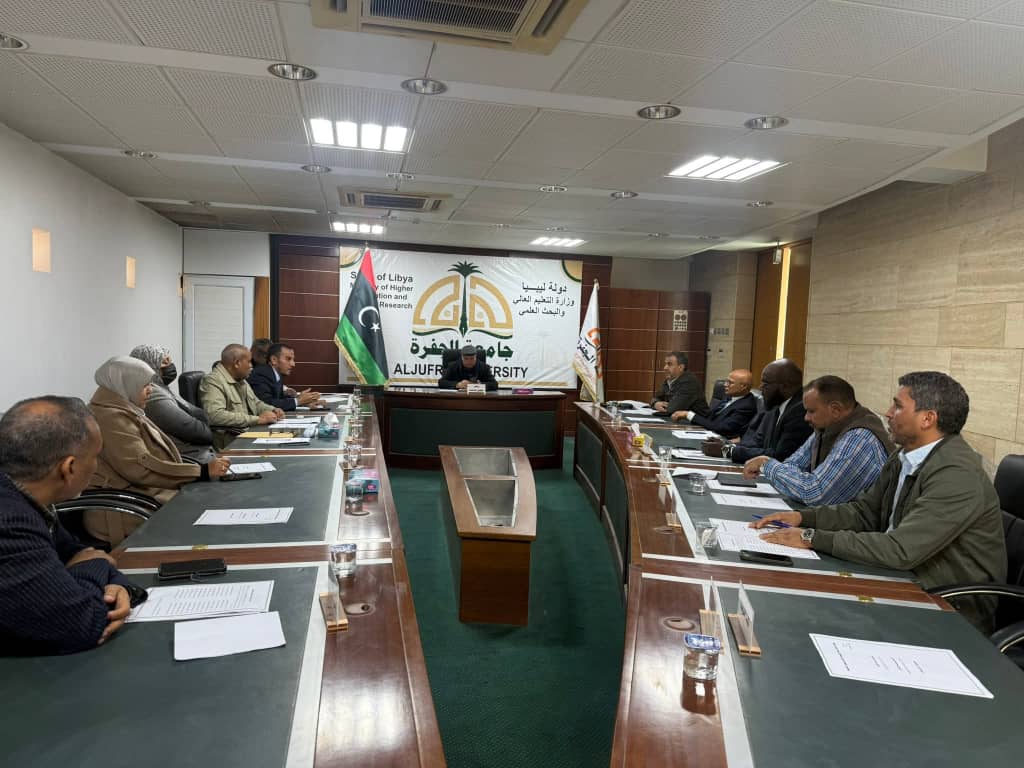
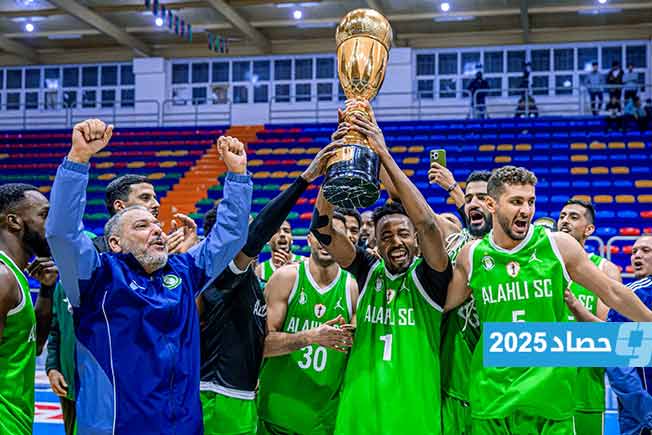
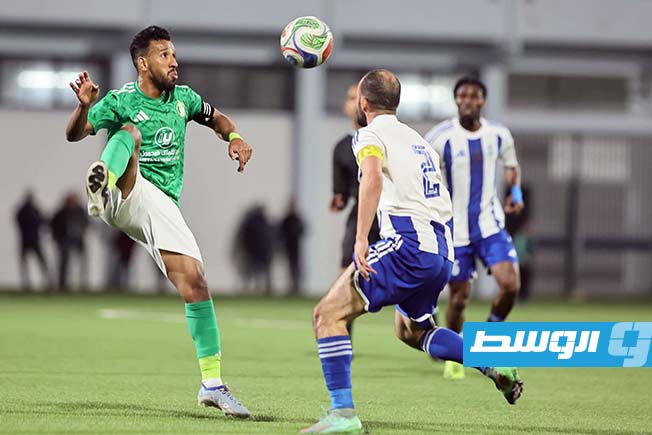
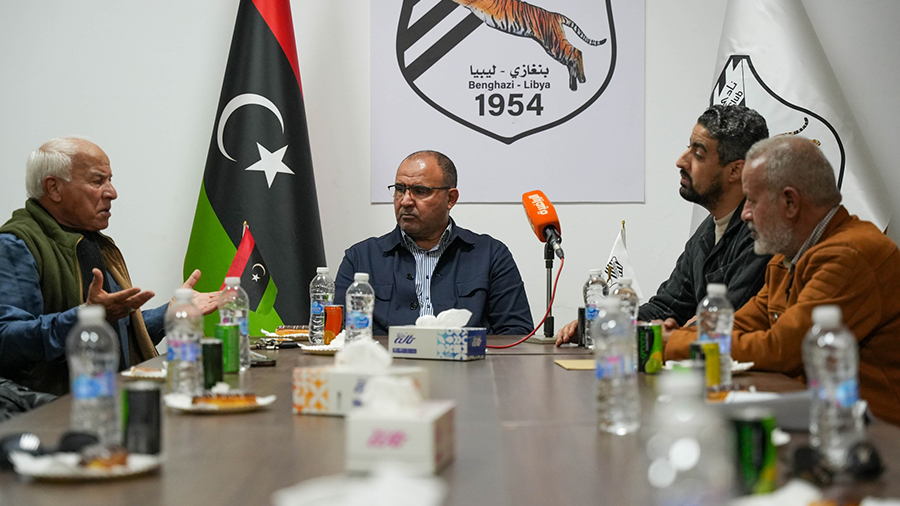
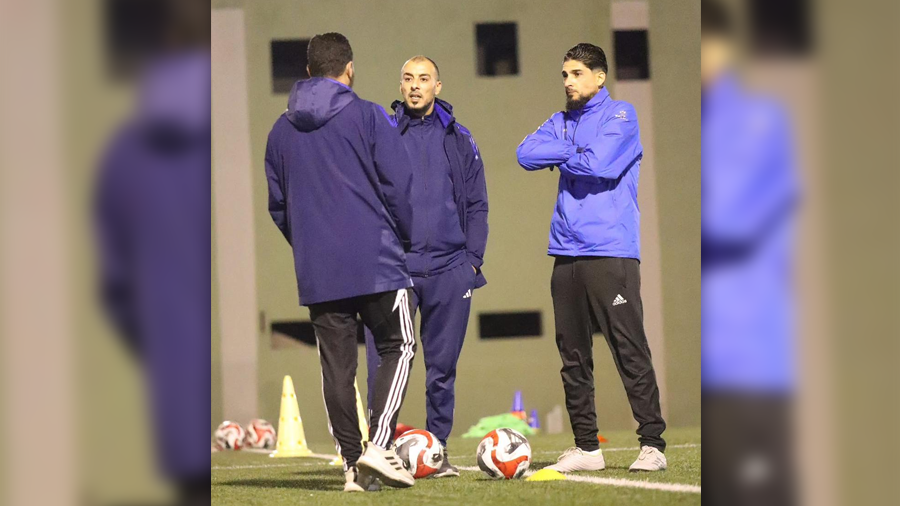
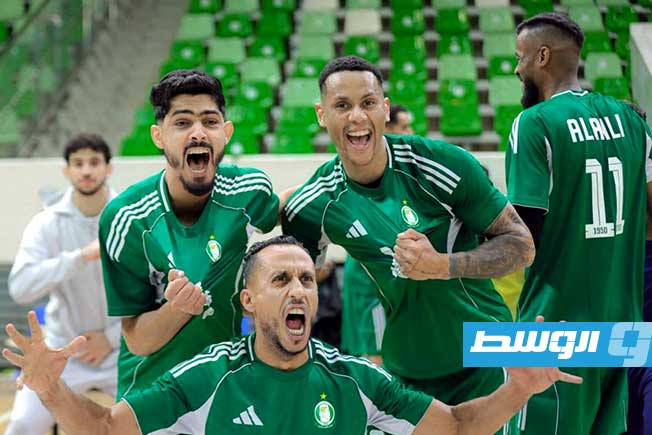
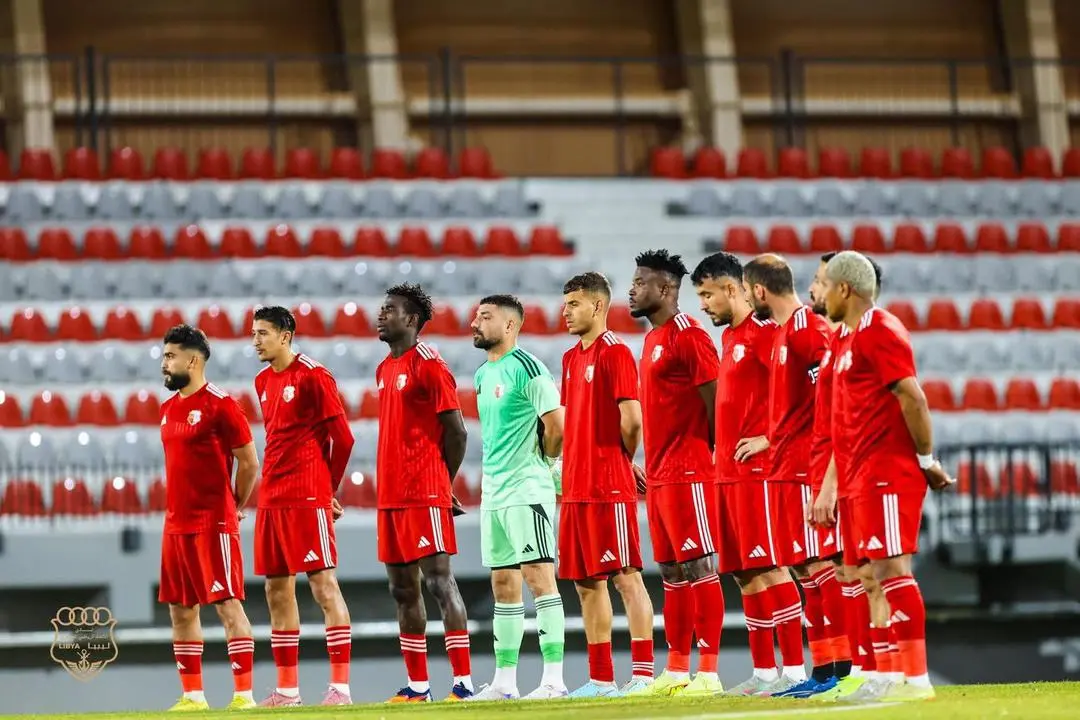
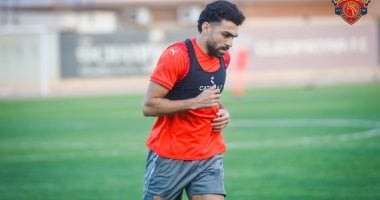
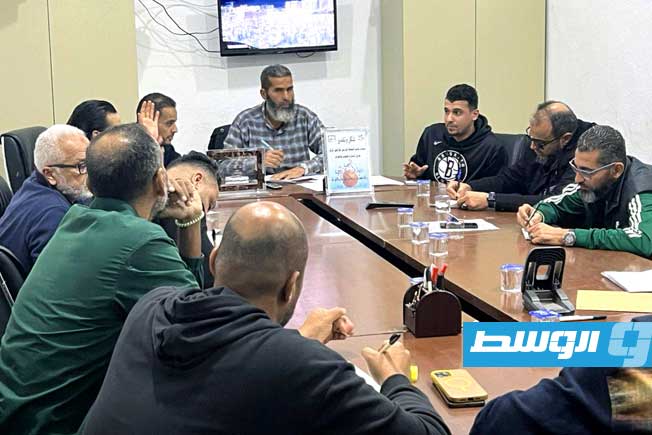
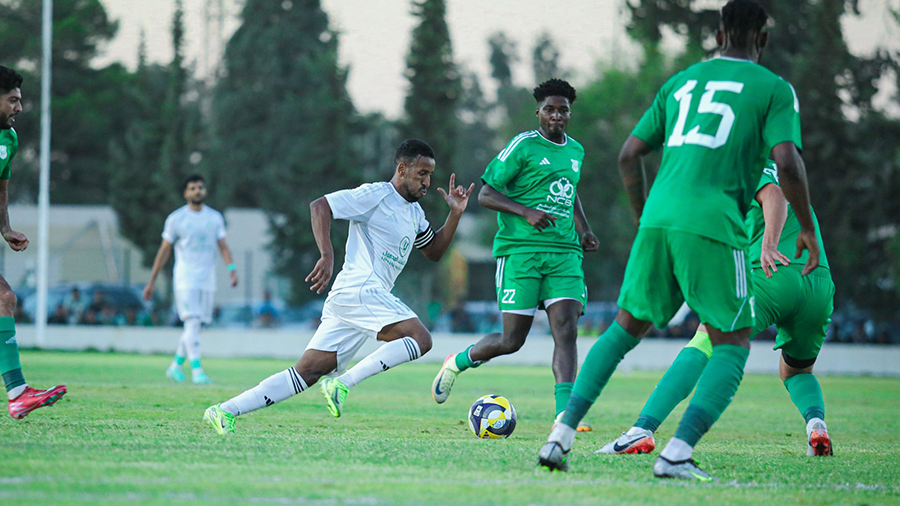
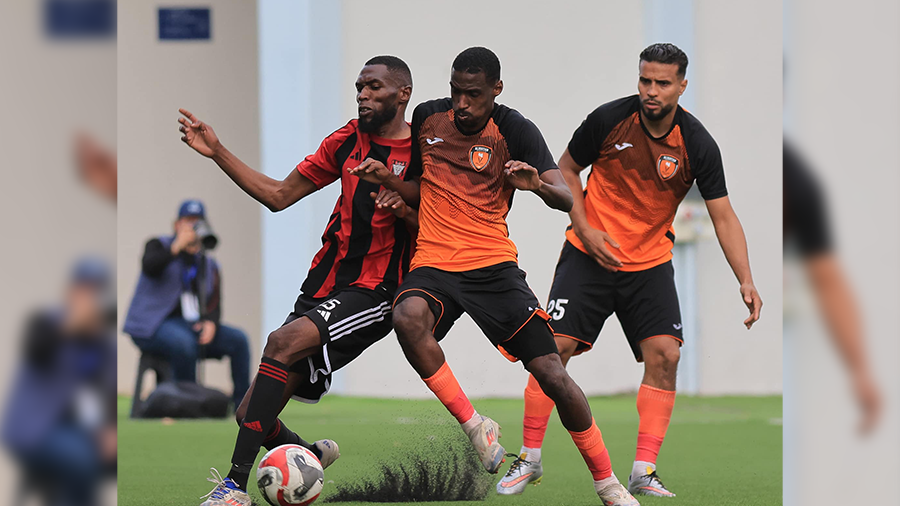
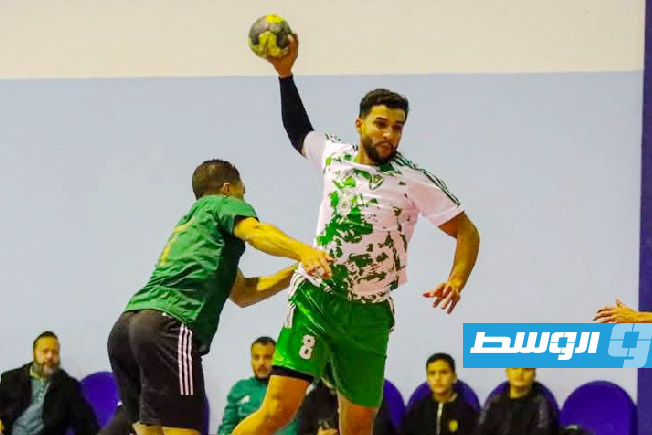
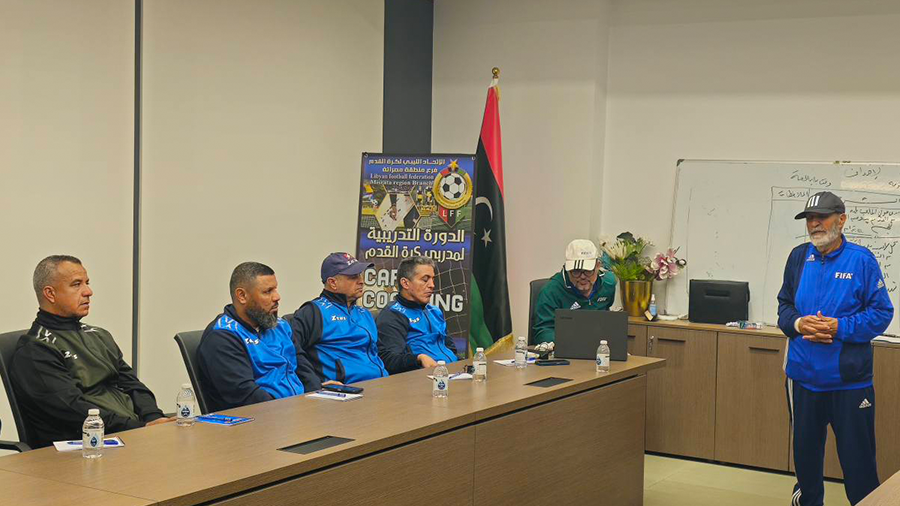
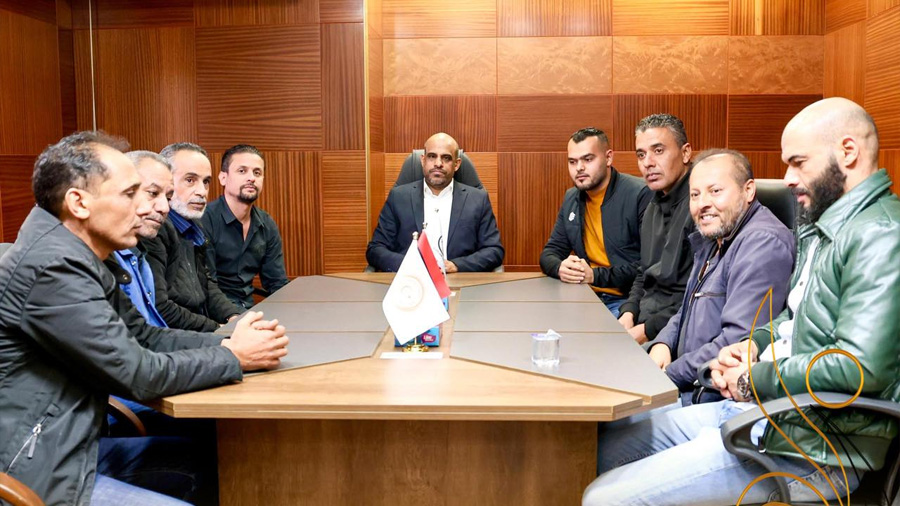
The board of directors of Al-Ahli Benghazi club has begun implementing a package of urgent technical reforms to correct the course of the football team. This step aims to return the team to the forefront of competition and the podium, amidst a positive and optimistic atmosphere, and under the watchful eyes of a number of the club’s historical figures.
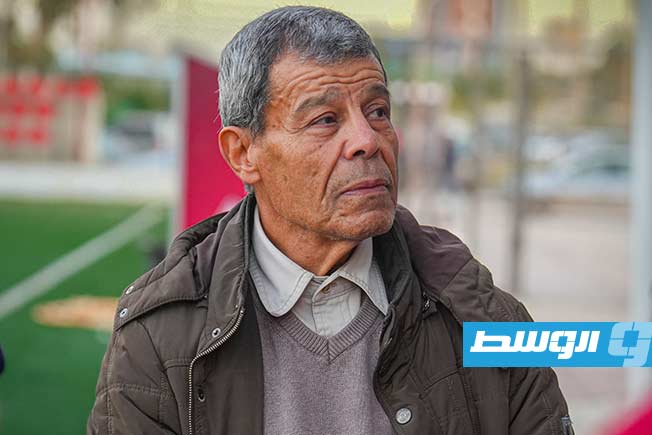
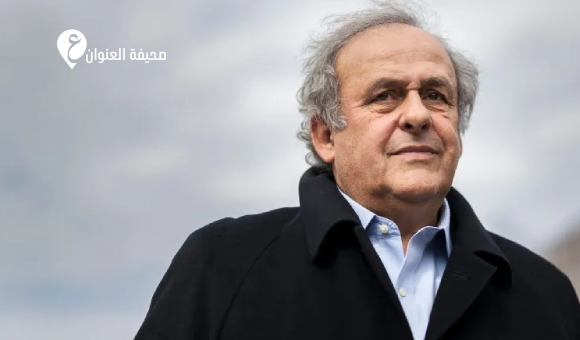
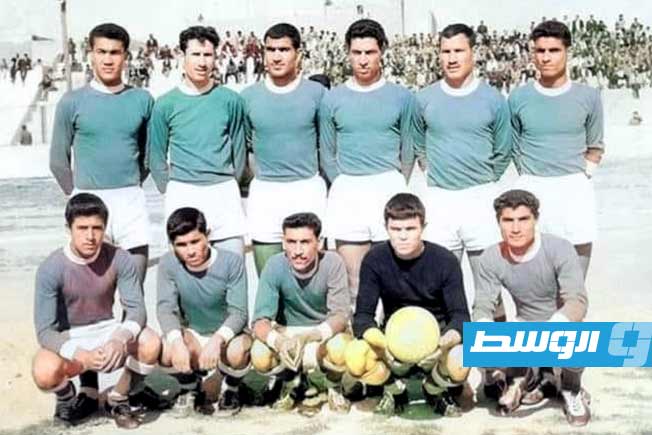
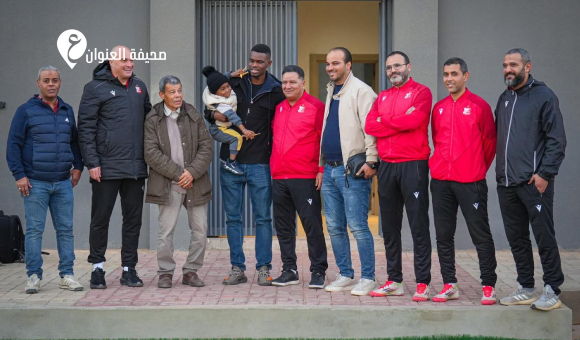
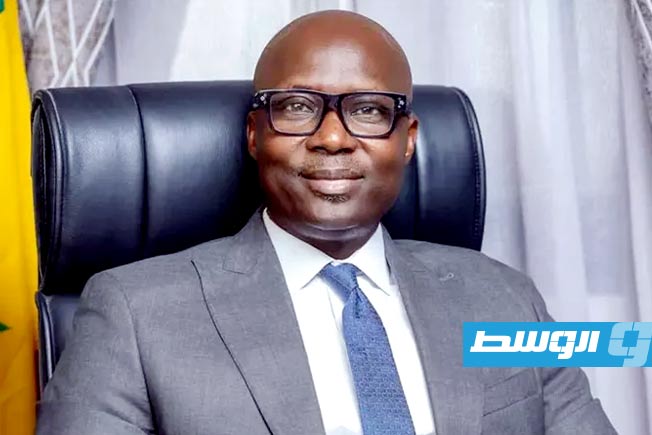
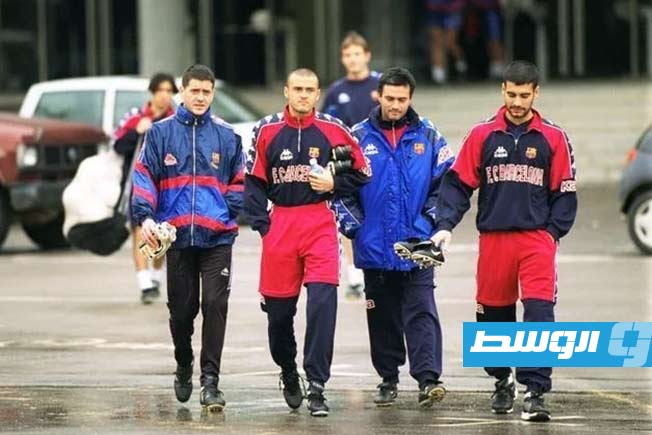
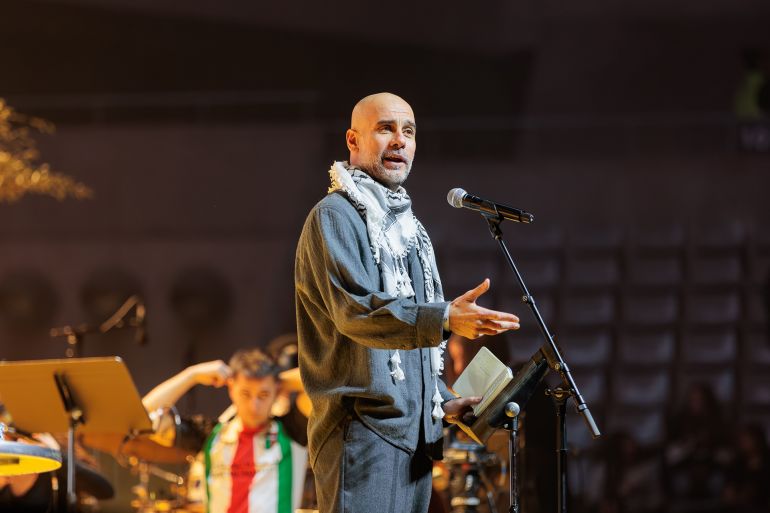
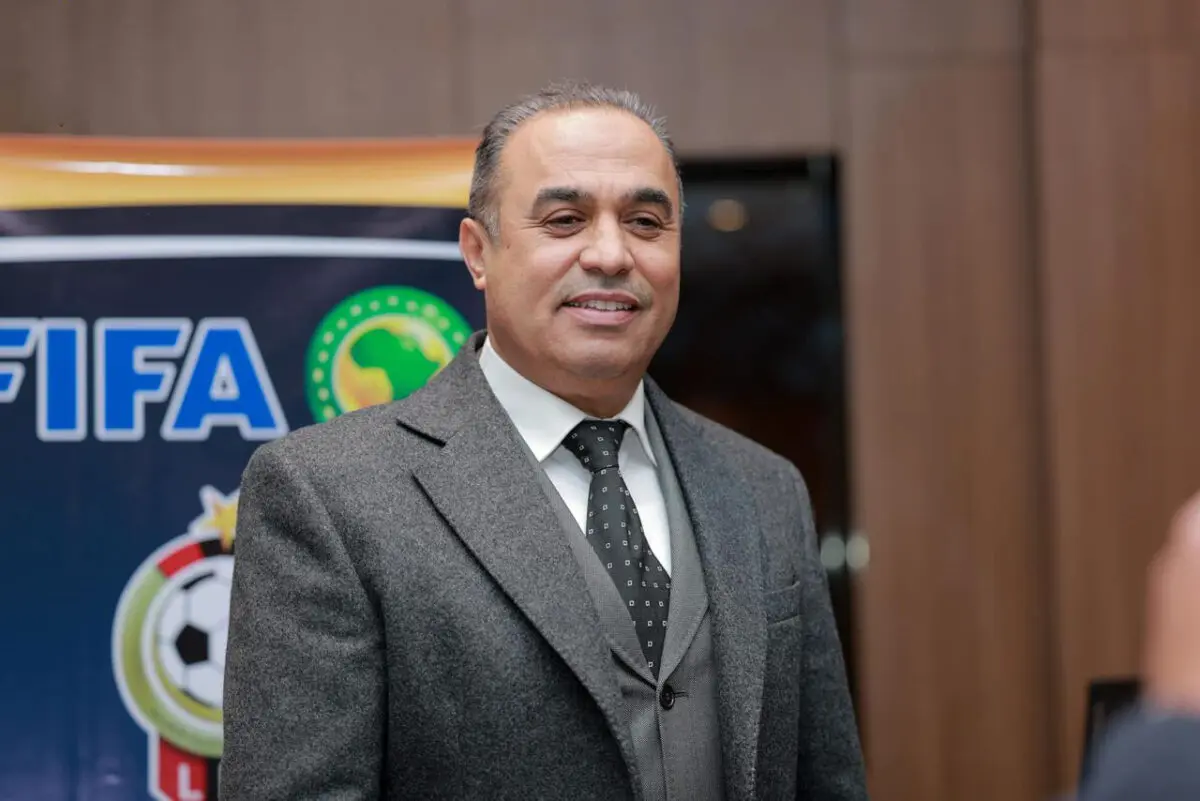
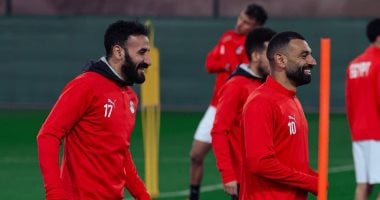
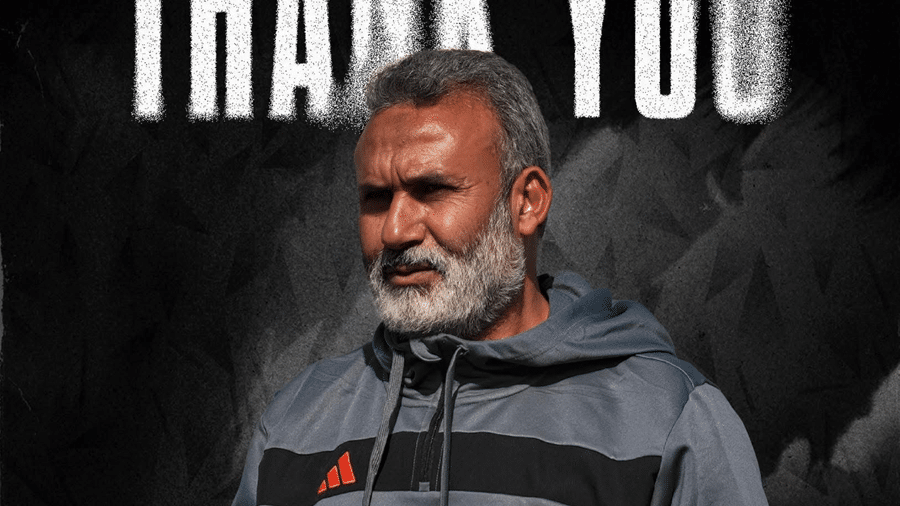
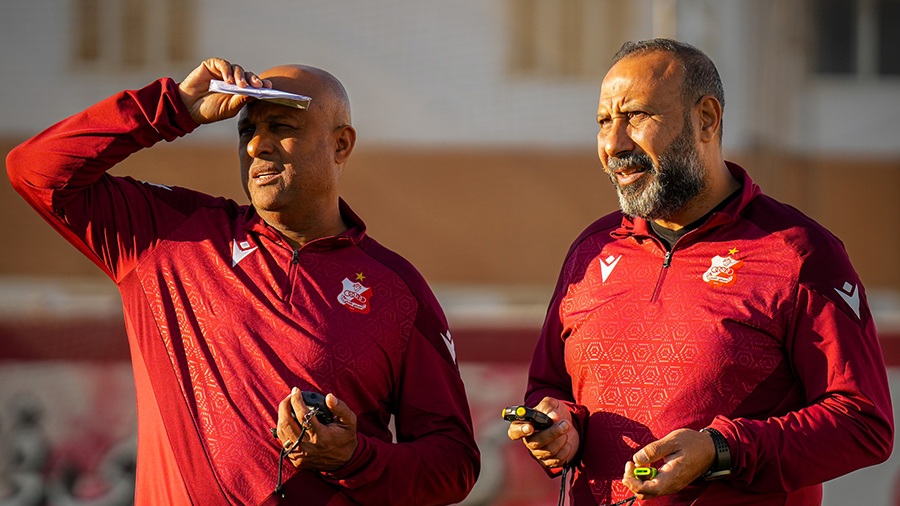
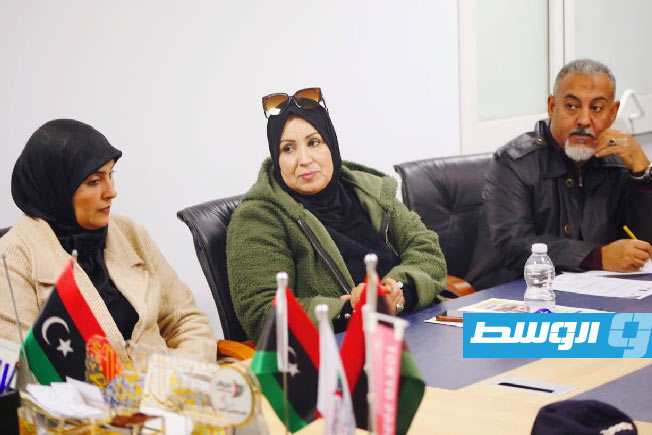
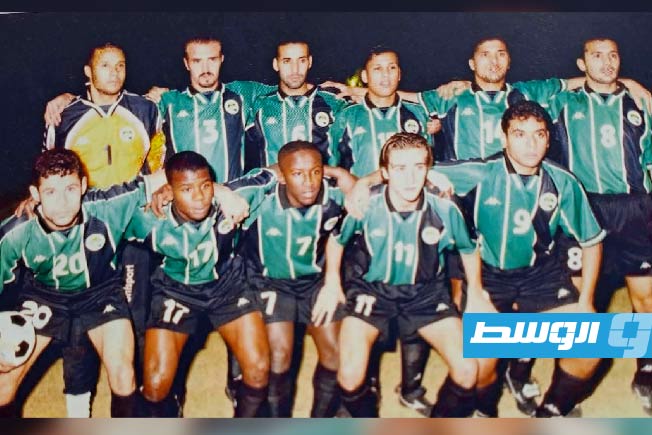
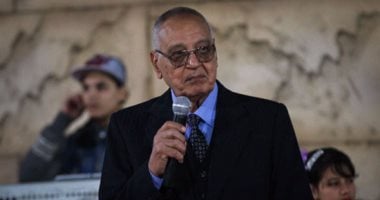
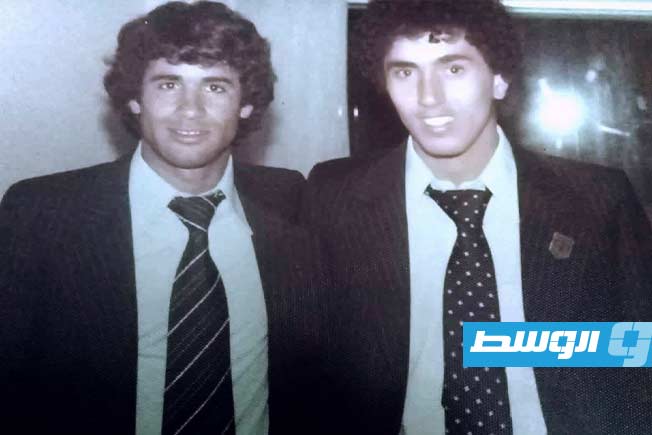
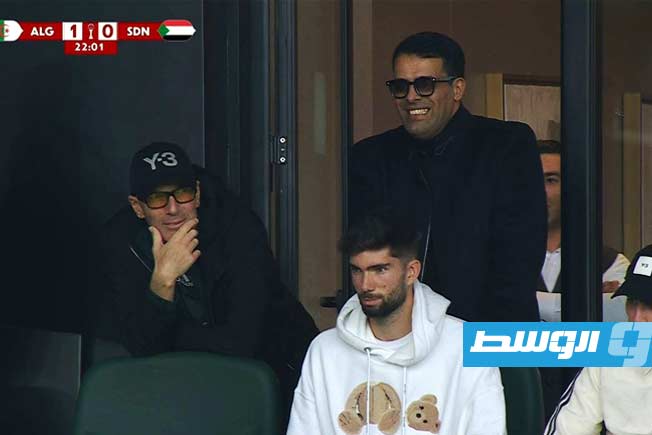
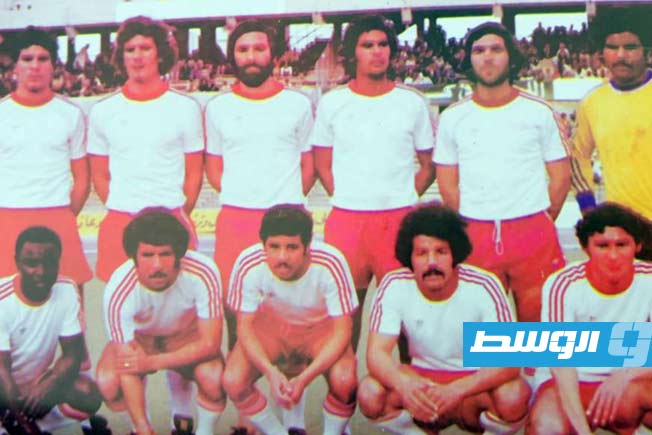
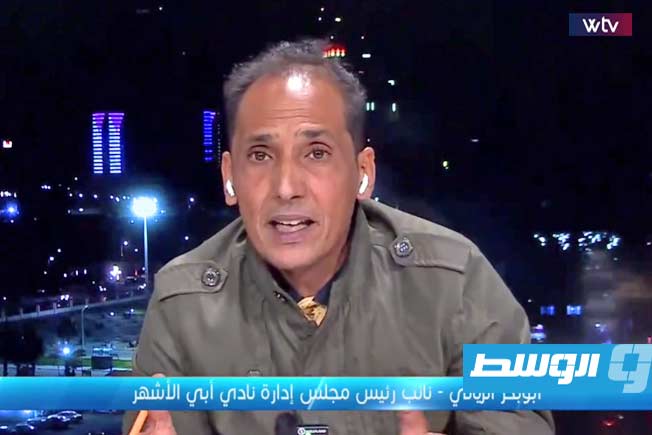
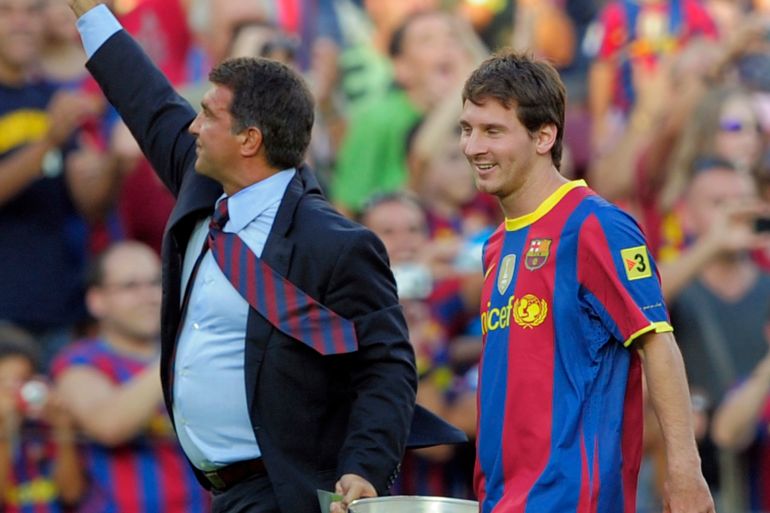
These steps were witnessed by the great historical star, who announced his full support and backing for the efforts of the current administration, confirming his stance behind the new technical project for the benefit of the club and its return to its natural place among the elite.
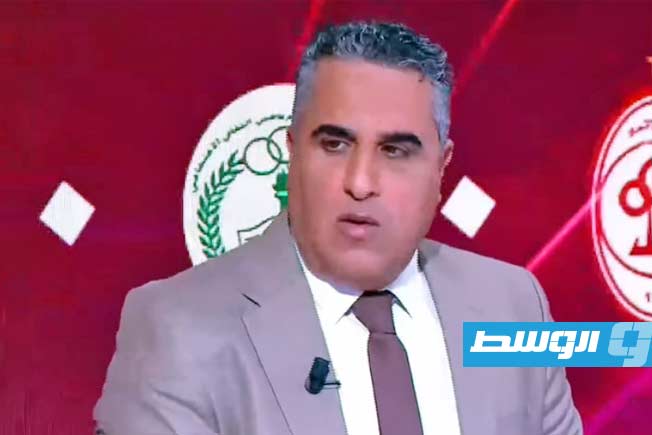
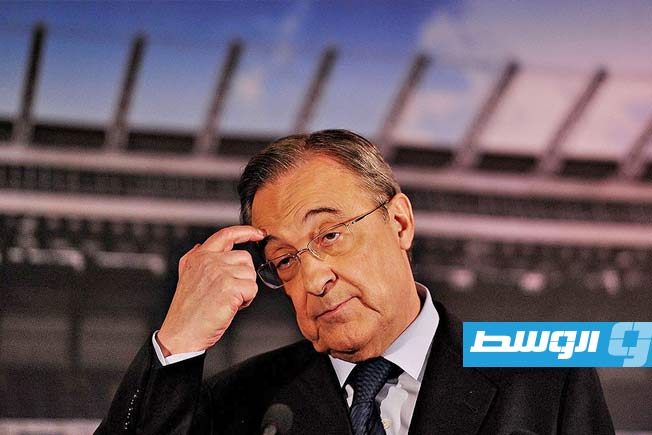
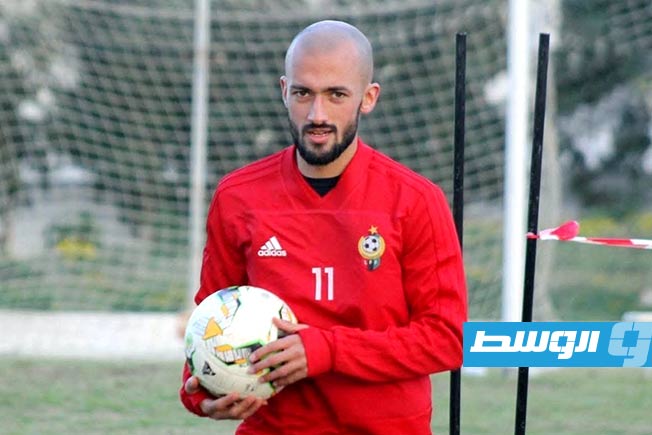
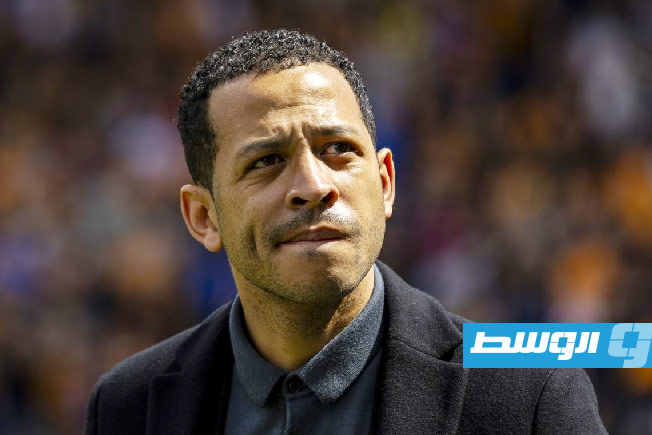
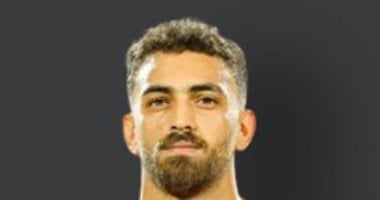
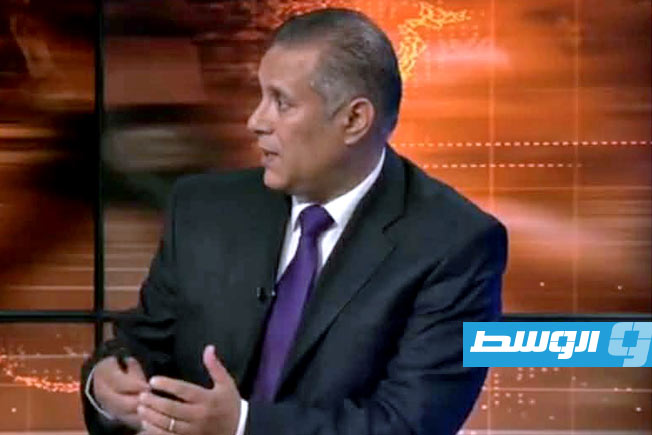
The former international player also attended, who has strongly returned to the football scene and currently holds the position of Vice Chairman of the club’s board of directors, overseeing football affairs directly.
Releasing 5 professionals at once
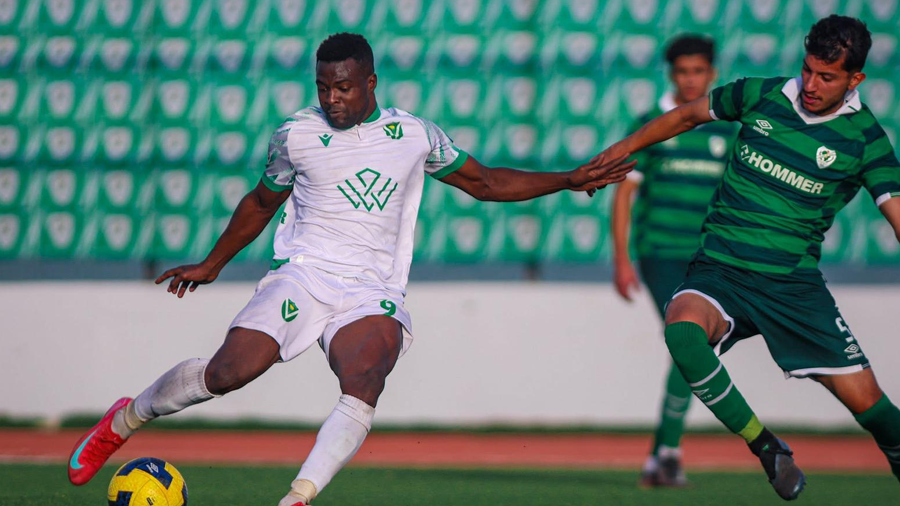
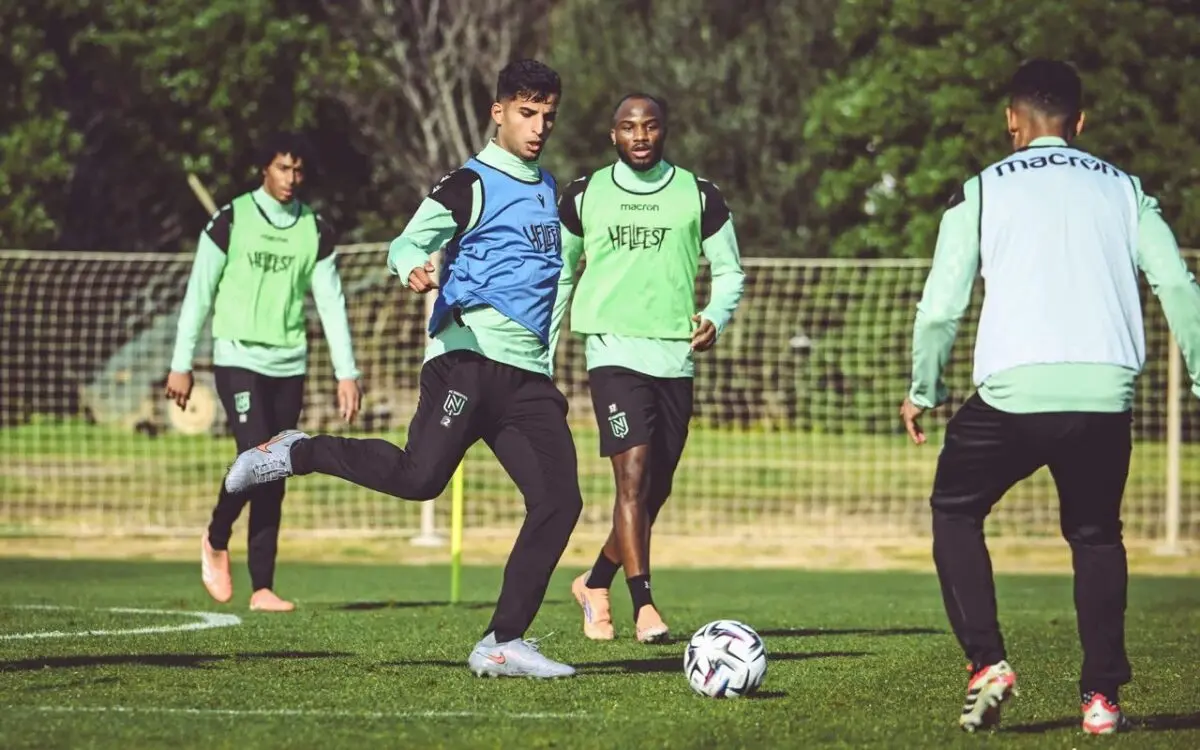
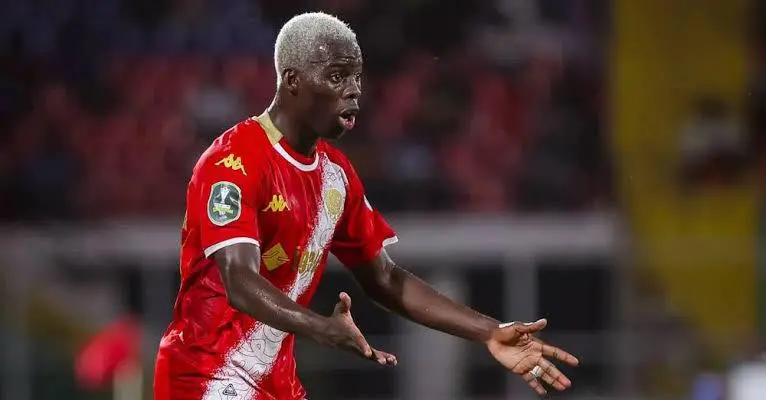
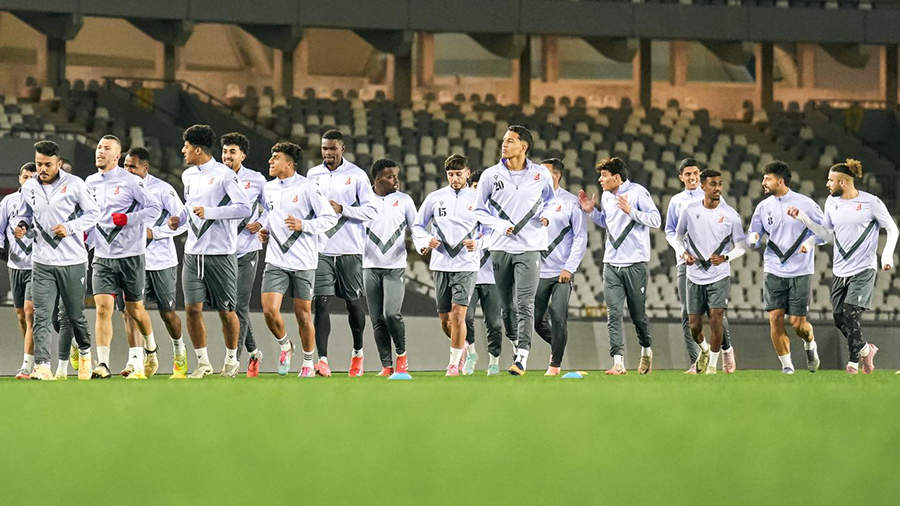
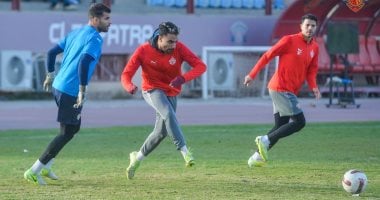
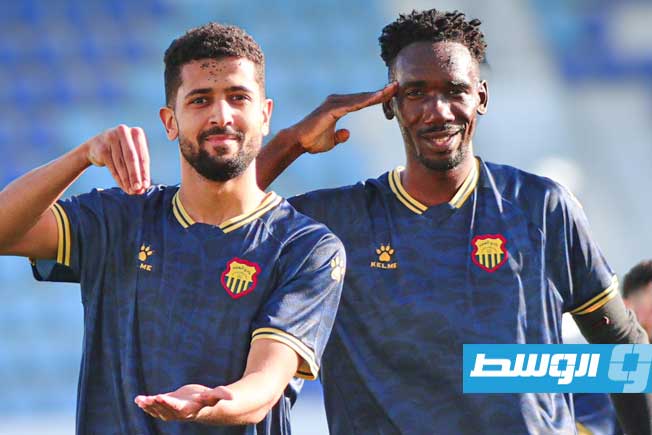
The first practical steps of the technical reform began with the decision to release five professional players at once, as part of restructuring the team and searching for elements capable of providing the required addition in the upcoming phase.
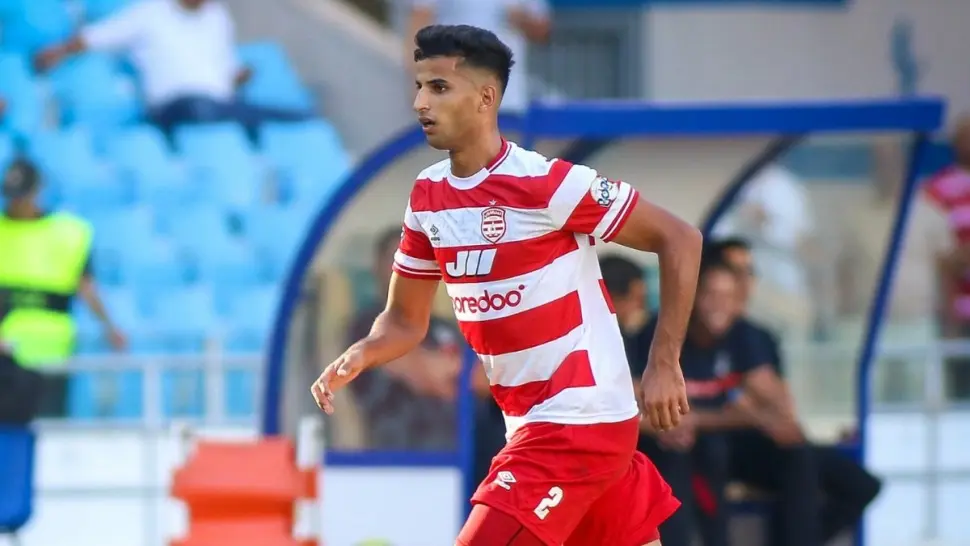
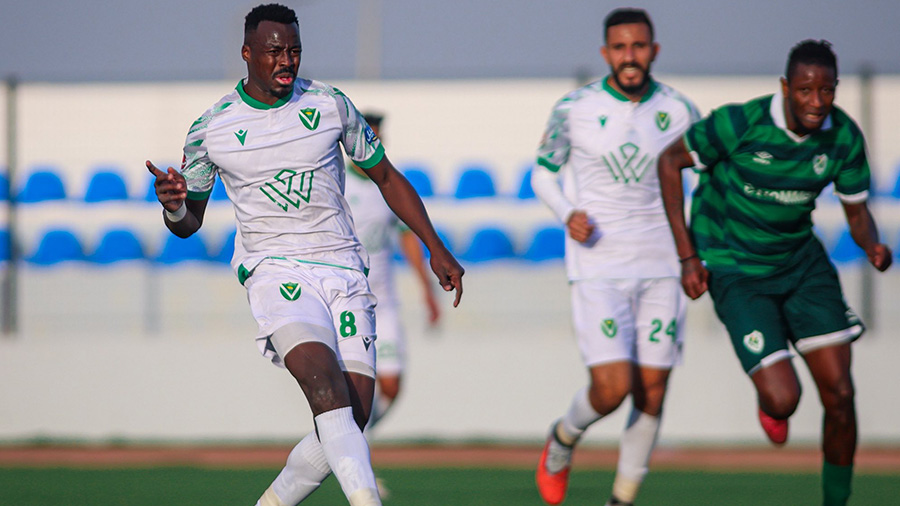
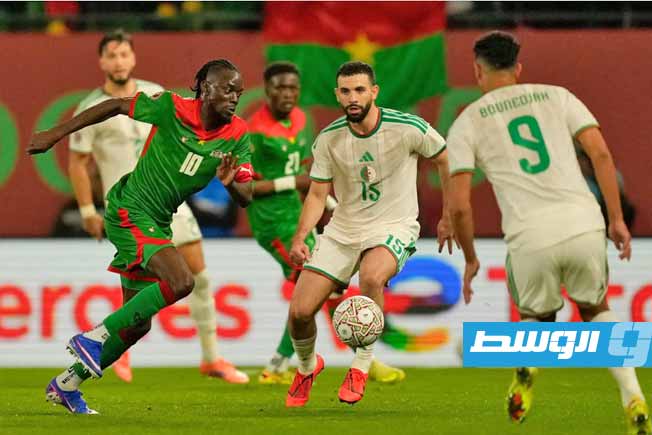
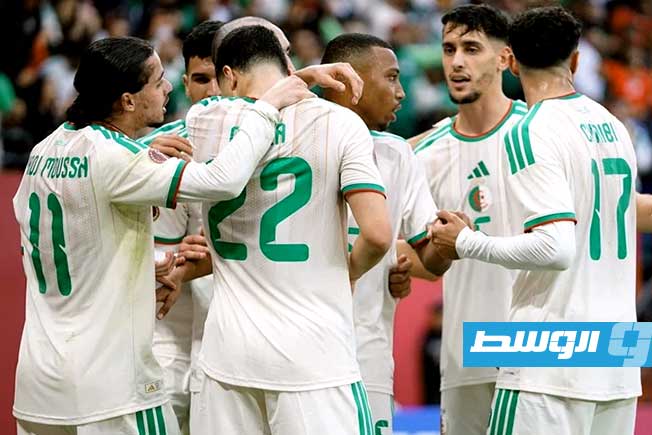
The release decision included the Malian Boubacar Traoré, the Ghanaian Emuah, and the Algerians Zakaria Mansouri, Mouad Haddad, and Djibril Ourok.
A farewell ceremony worthy of Al-Ahli Benghazi’s history
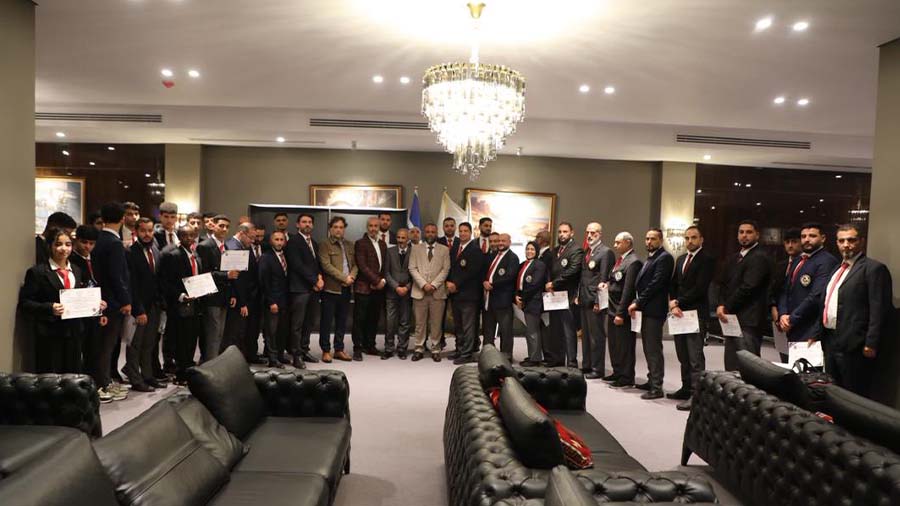
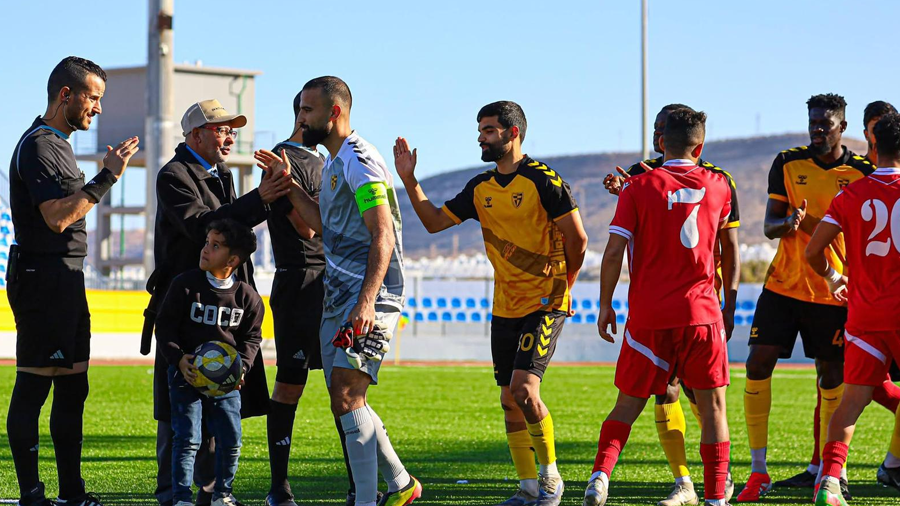
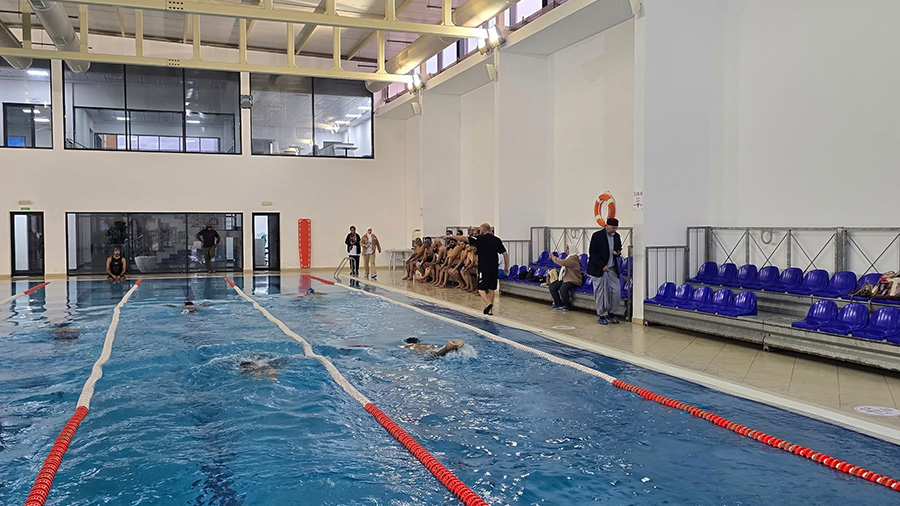
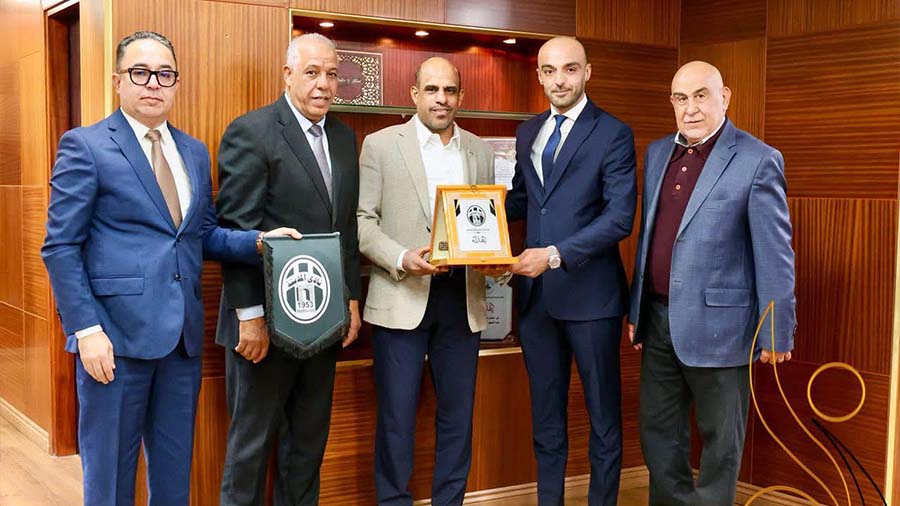
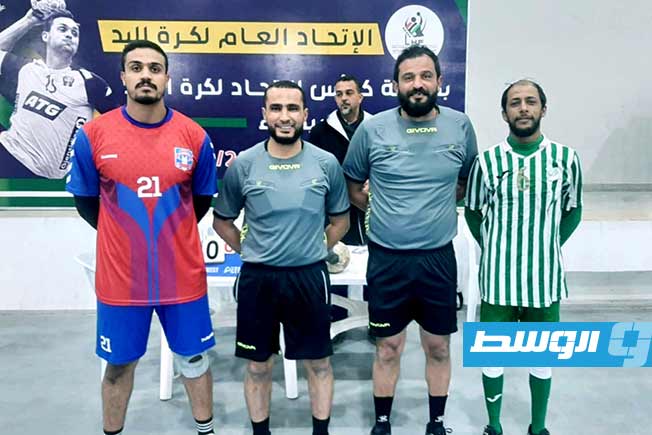
The club’s administration was keen to hold a special farewell ceremony for the departing professionals, in appreciation of what they provided to the team during the past period. This gesture reflects the values and status of Al-Ahli Benghazi as a historic club that respects its players and appreciates their efforts on and off the field.
Strengthening the ranks with new professionals
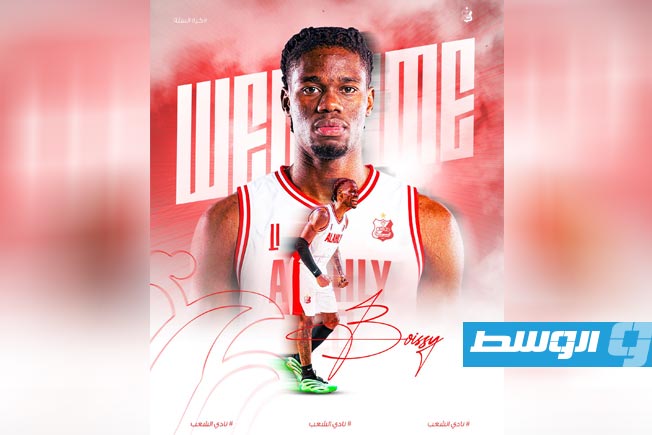
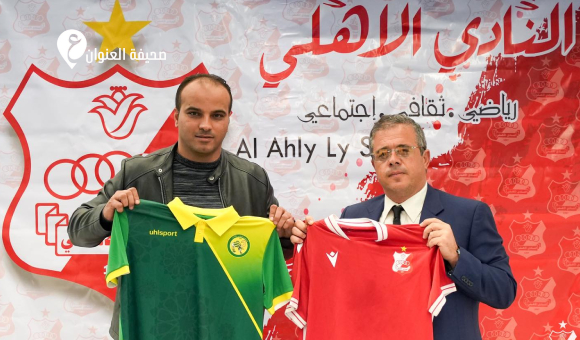
Conversely, the administration moved quickly to compensate for the departure of the quintet, by contracting with a number of new professionals, most notably: Luís Mixioni (Mozambique), who has previous experience with Al-Ahly of Egypt and Simba of Tanzania, and Djibril Sila (Gambia), coming from ES Sétif of Algeria. This is within the framework of supporting the ranks with elements possessing the experience and readiness to compete in the upcoming challenges.
Moroccan technical staff leads the correction project
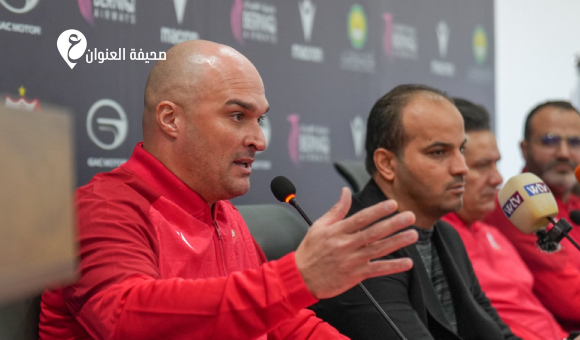
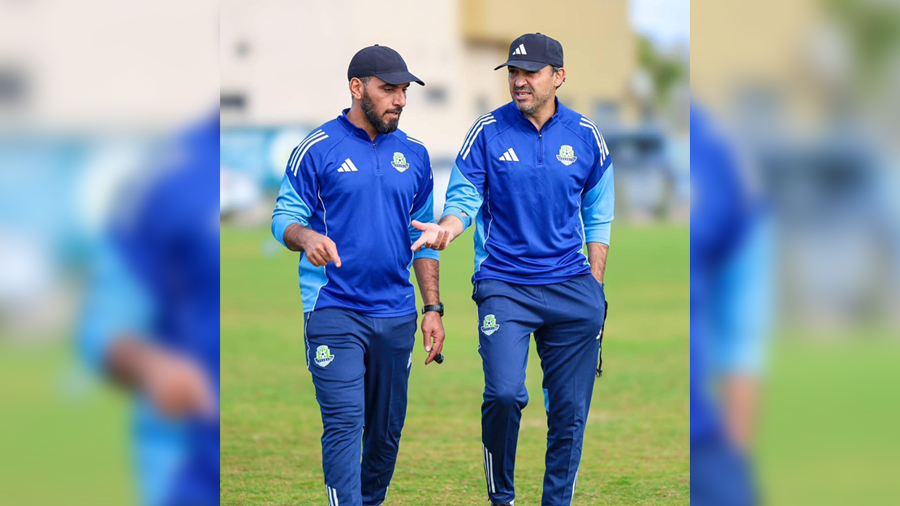
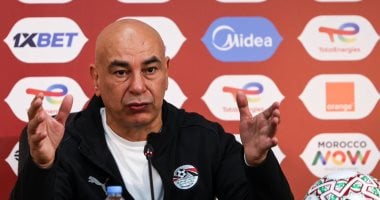
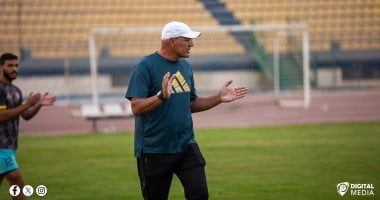
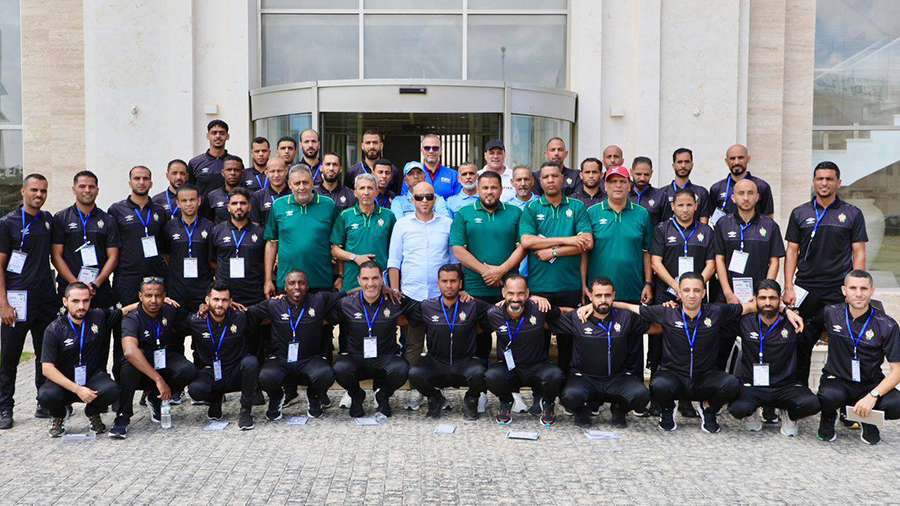
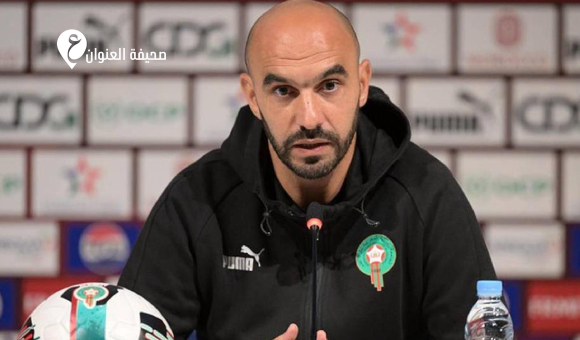
It is worth mentioning that Al-Ahli Benghazi contracted at the beginning of last January with a new Moroccan technical staff led by coach Reda Hakam, who conducted a comprehensive evaluation of the team and its players, and assessed the level and readiness of the local and professional elements, before taking these technical decisions in full coordination with the club’s administration.
The team’s position in the league and cup
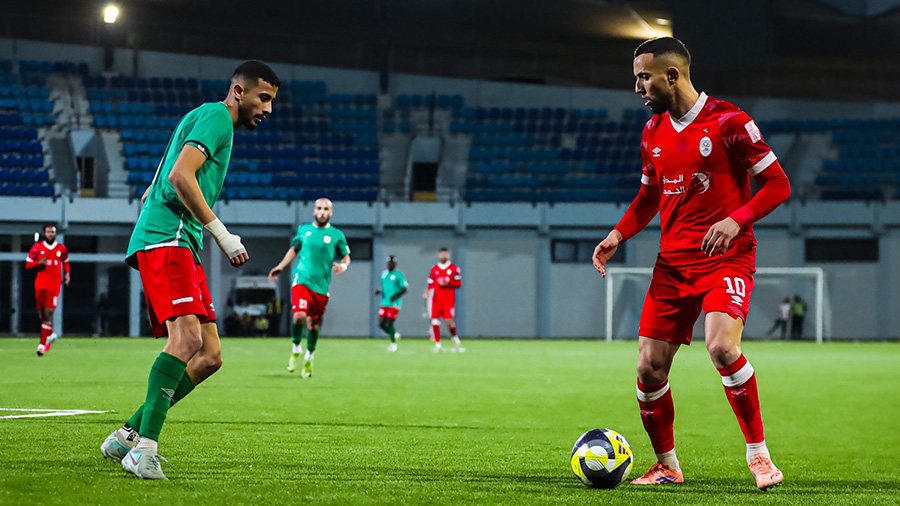
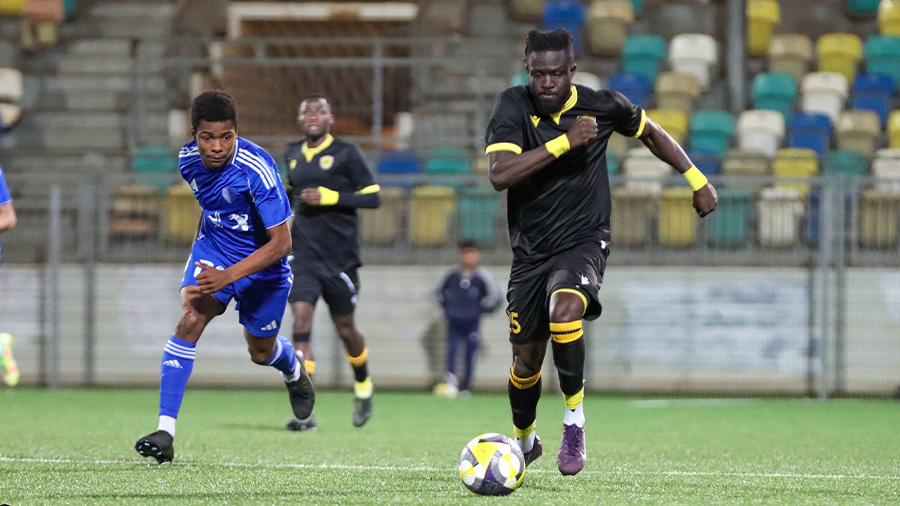
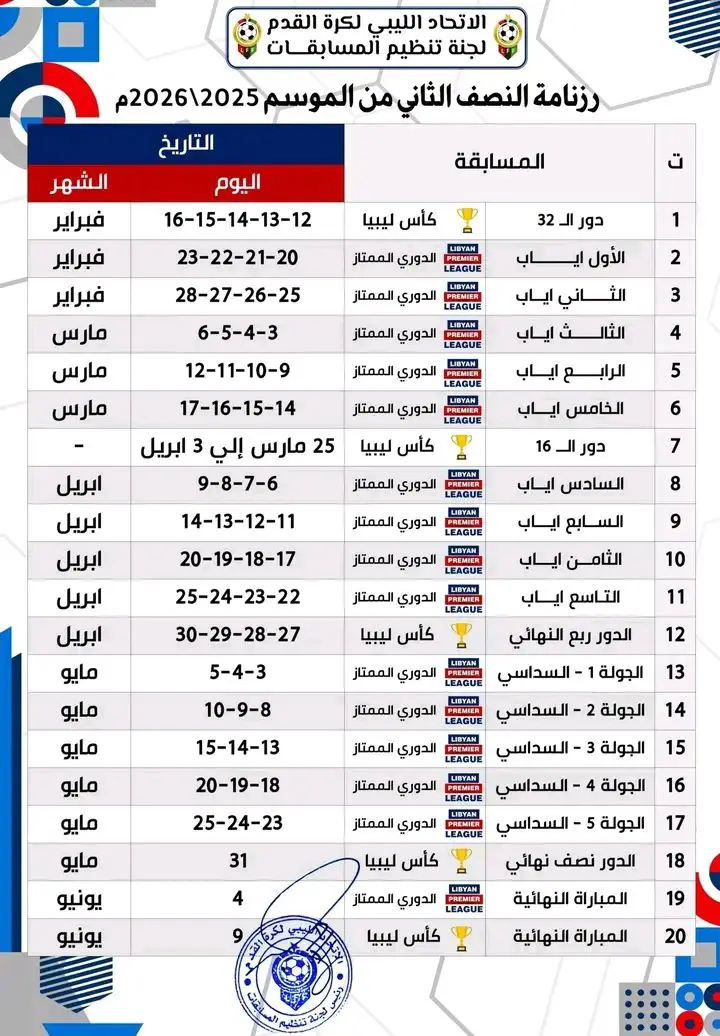
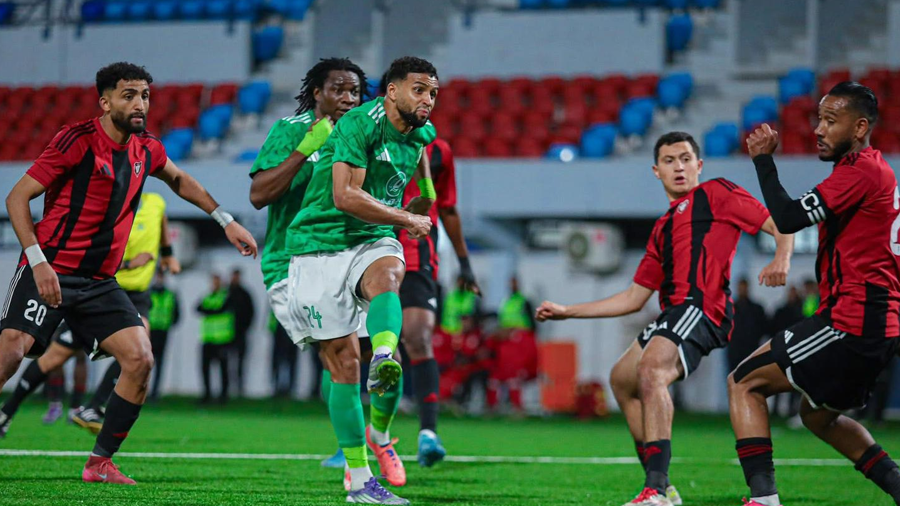
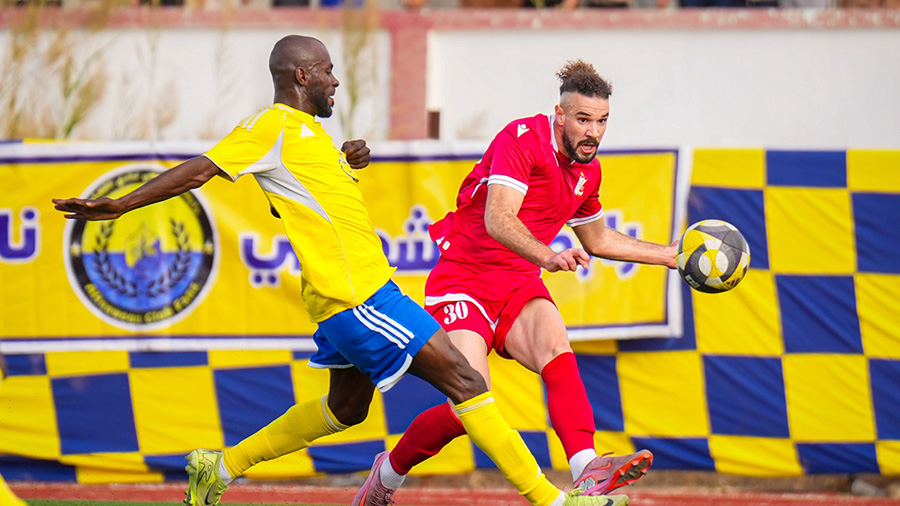
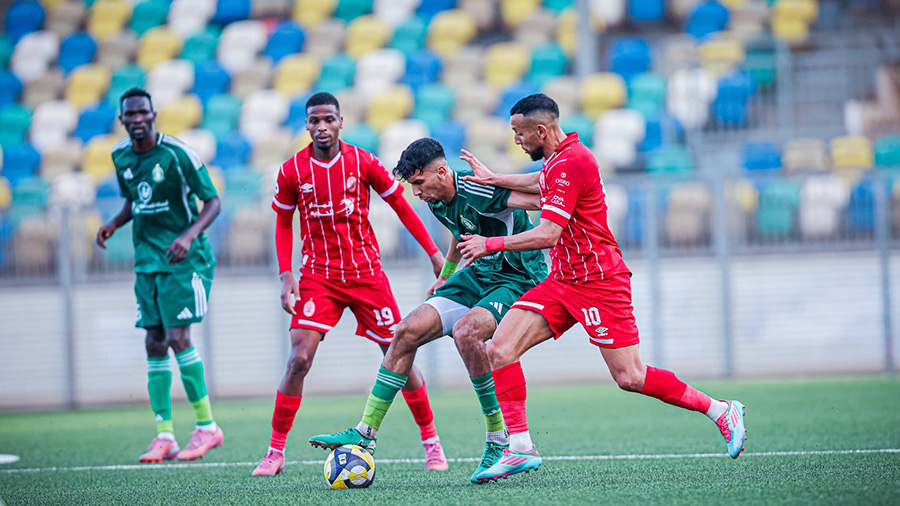
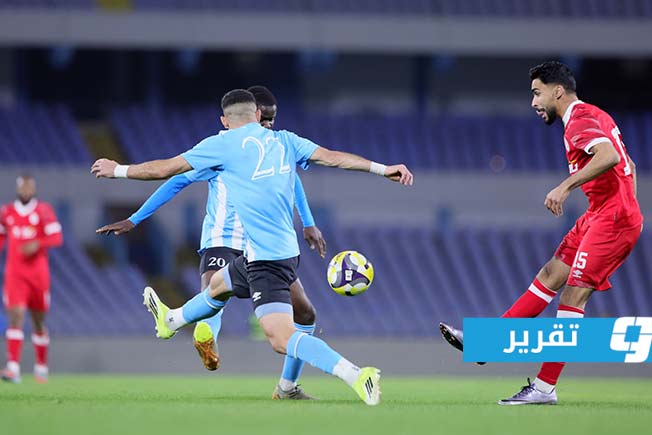
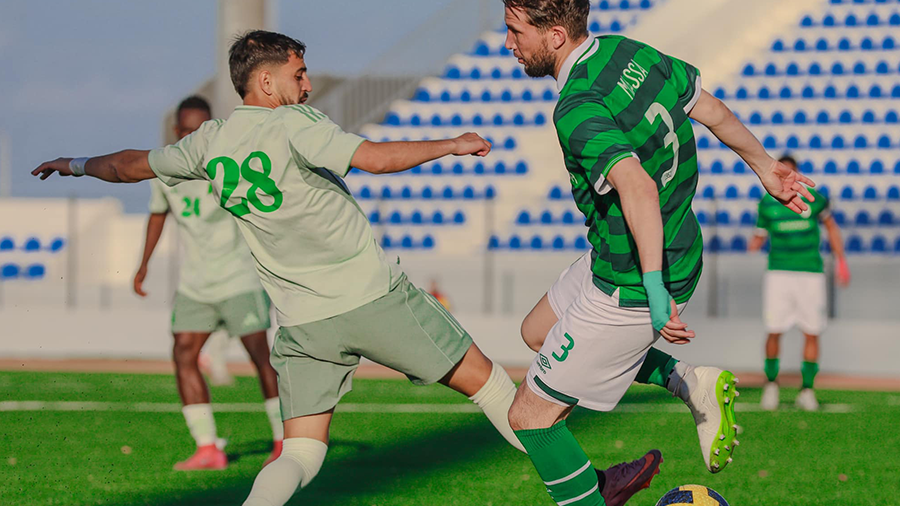
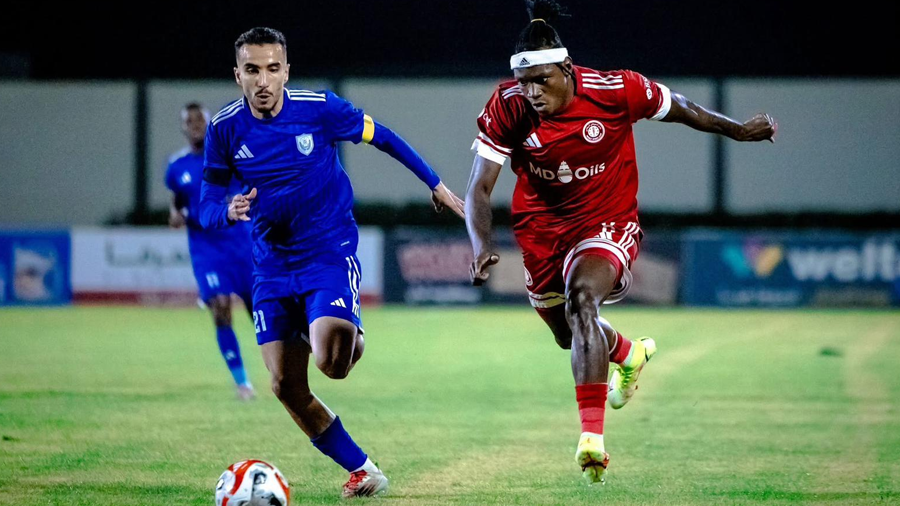
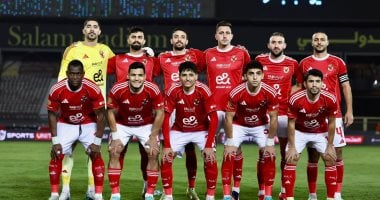
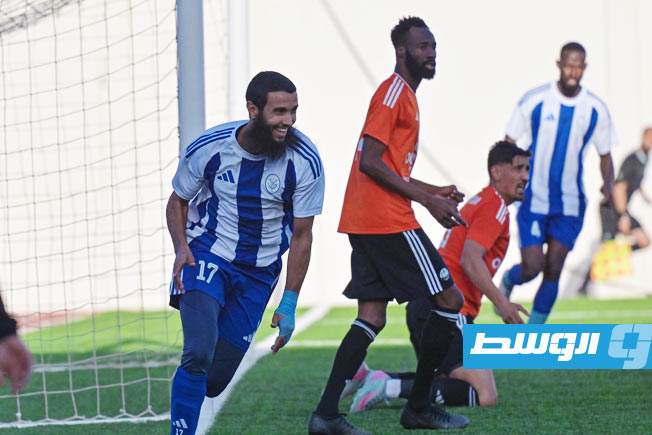
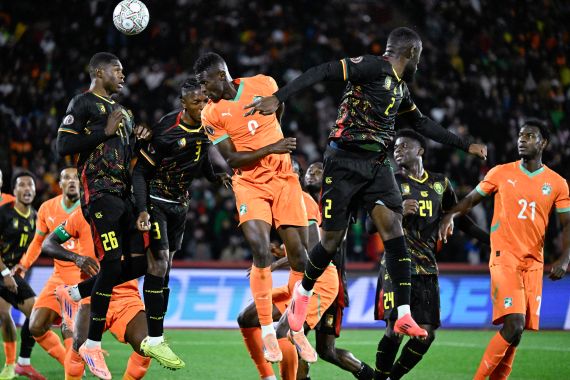
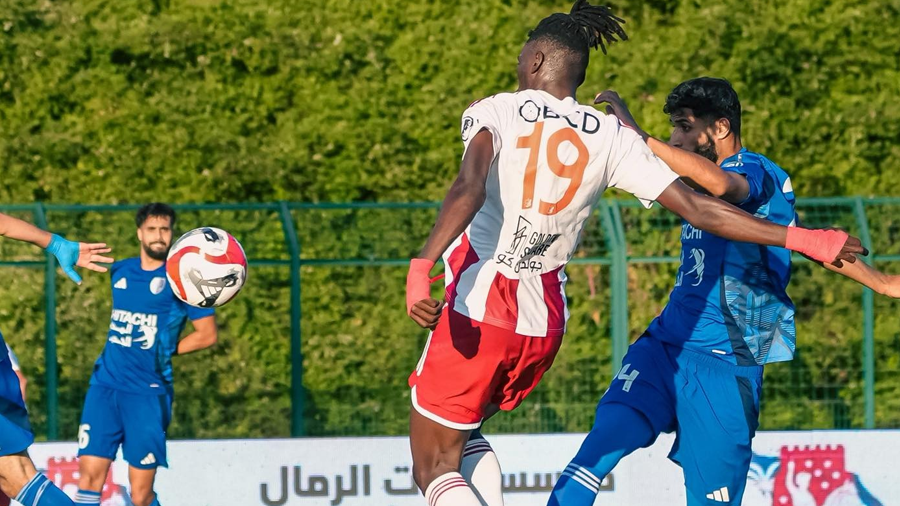
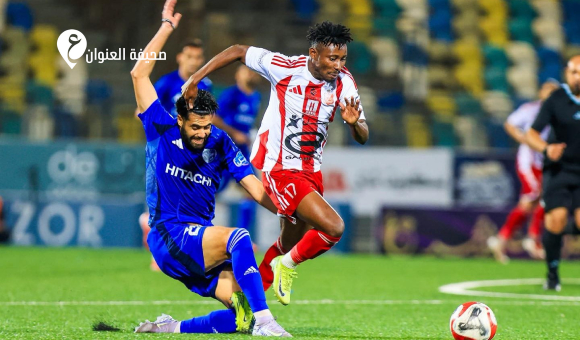
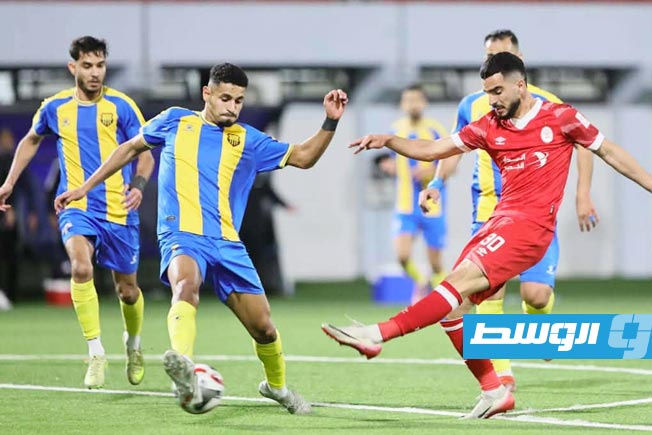
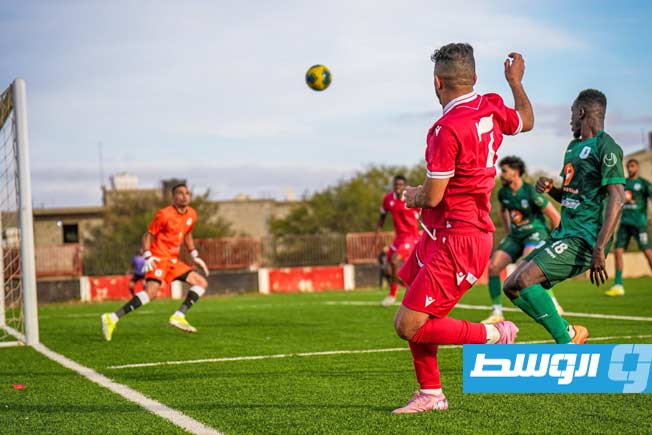
Al-Ahli Benghazi competes in Group Three of the Libyan Football League championship, where it currently occupies fourth place temporarily with 9 points, after playing five matches, winning two and drawing three, without suffering any loss so far.
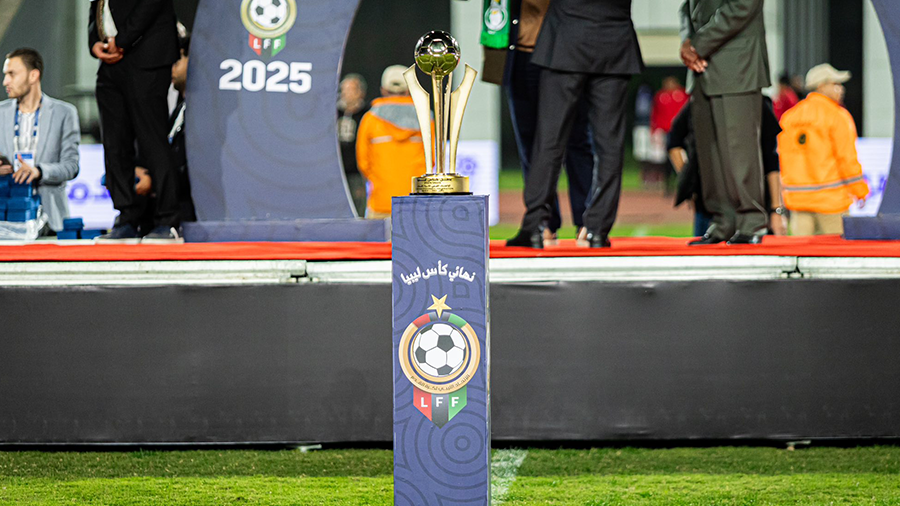
On the level of the Libyan Cup championship, the team is preparing to play its next match in the round of 32 against Al-Burouq team, in a new test of the team’s capabilities after the recent technical changes.
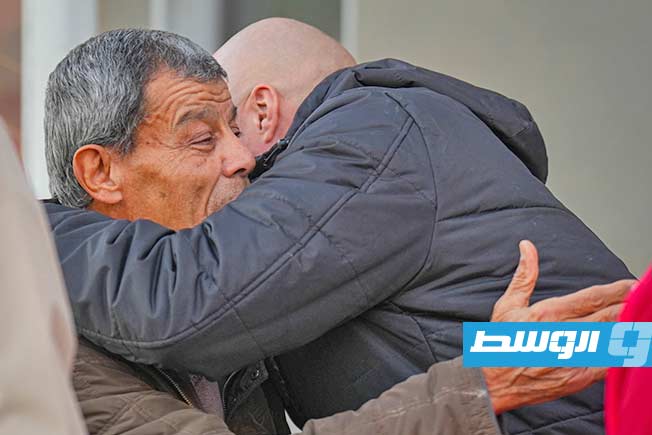
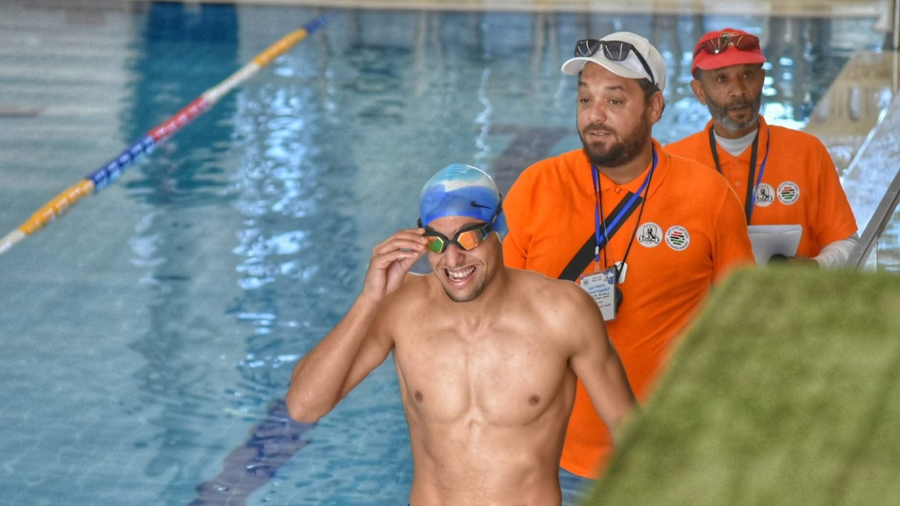
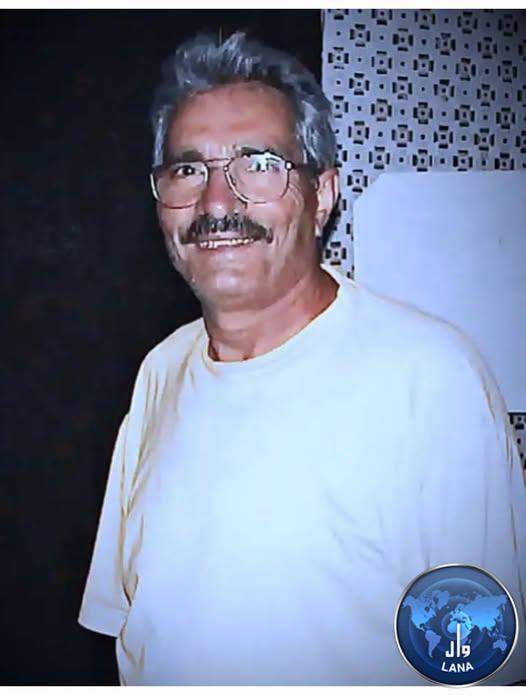
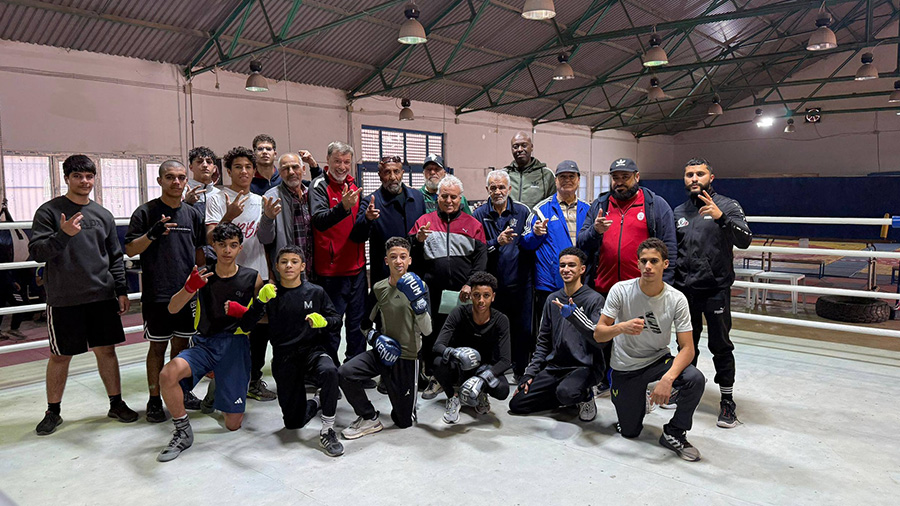
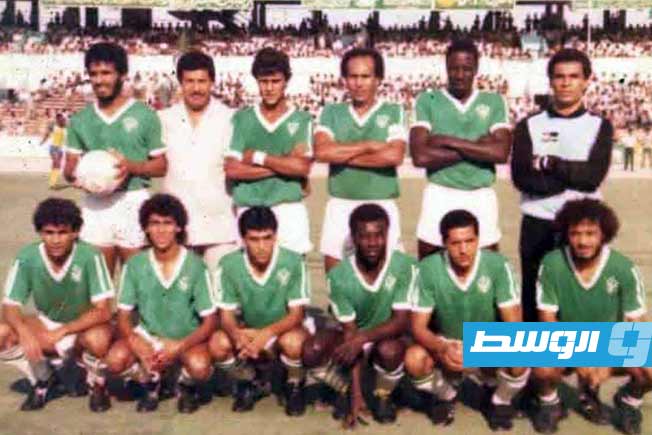
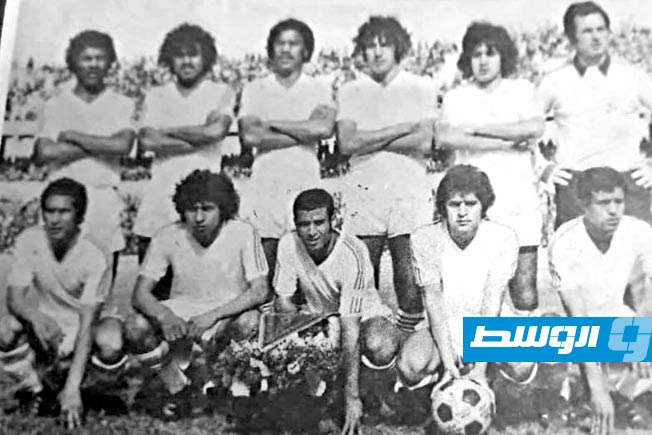
A historical symbol of Al-Ahli Benghazi club.A warm embrace for a great symbol of Al-Ahli Benghazi club.
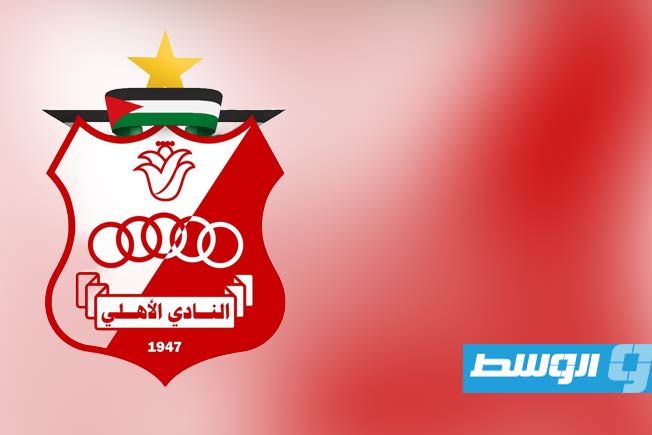
Al-Ahli Benghazi club
Al-Ahli Benghazi is a major sports club in Libya, most famous for its football team, and was founded in 1947. It is one of the oldest and most successful clubs in the country, historically representing the city of Benghazi and serving as a significant cultural and social institution.
Benghazi
Benghazi is a major city in eastern Libya, historically significant as a key Mediterranean trade hub dating back to ancient Greek times when it was founded as Euesperides. It later served as the provisional capital of Libya following the 2011 revolution and has been a central site in the country’s modern political upheavals.
Mali
Mali is a West African nation historically renowned as the seat of several powerful empires, most notably the Mali Empire, which flourished from the 13th to 16th centuries and was famed for its wealth and centers of learning like Timbuktu. Today, it is home to significant UNESCO World Heritage Sites, including the ancient cities of Djenné and Timbuktu, though many of its cultural treasures face threats from conflict and environmental degradation.
Ghana
Ghana is a West African nation known for its rich history as the first sub-Saharan country to gain independence from colonial rule in 1957. Its cultural heritage is deeply tied to the historic Ashanti Empire and numerous coastal forts, which serve as poignant reminders of the transatlantic slave trade. Today, it is celebrated for its vibrant traditions, democratic stability, and as a major hub of pan-Africanism.
Algeria
Algeria is a North African nation with a rich history shaped by ancient Berber kingdoms, Roman rule, and centuries of Ottoman influence. It gained independence in 1962 after a prolonged war against French colonial occupation, which lasted from 1954. Today, it is the largest country in Africa and the Arab world, known for its diverse landscapes ranging from the Sahara Desert to a Mediterranean coastline.
Mozambique
Mozambique is a country in Southeast Africa with a rich history shaped by Bantu-speaking peoples, Arab trade, and Portuguese colonization that lasted nearly five centuries until independence in 1975. Its cultural heritage is reflected in its music, cuisine, and historic sites like the Island of Mozambique, a UNESCO World Heritage site that was a major Portuguese trading post.
Al-Ahly of Egypt
Al-Ahly of Egypt is a historic sports club based in Cairo, founded in 1907. It is one of Africa’s most successful football clubs, with a record number of continental titles, and has long been a symbol of national pride and sporting excellence in Egypt.
Simba of Tanzania
Simba is a town in Tanzania’s Dodoma Region, historically known as a key stop along the Central Line railway built during German colonial rule in the early 20th century. Today, it serves primarily as a local administrative and trading center within the region.
Gambia
The Gambia is a small West African country known for being almost entirely surrounded by Senegal and for the Gambia River, which runs through its center. Historically, it was a significant part of the trans-Saharan and later trans-Atlantic slave trades, and it became a British colony until gaining independence in 1965. Its cultural sites include the Kunta Kinteh Island (formerly James Island) and related ruins, which are a UNESCO World Heritage Site commemorating the history of the slave trade.
ES Sétif
ES Sétif is a professional football club based in Sétif, Algeria, founded in 1958 during the Algerian War for Independence. It is one of the country’s most successful clubs, historically significant for its role as a symbol of national identity and resistance during the colonial period.
Algeria
Algeria is a North African country with a rich history shaped by ancient Berber kingdoms, Roman rule, and centuries as a core province of the Ottoman Empire. It was colonized by France in the 19th century before gaining independence in 1962 after a protracted war of liberation. Today, its cultural heritage includes numerous UNESCO World Heritage sites, such as the Roman ruins of Timgad and the historic Casbah of Algiers.
Morocco
Morocco is a North African country with a rich history shaped by indigenous Amazigh (Berber) cultures, Arab influence from the 7th century, and successive dynasties like the Almoravids and Almohads. Its cultural sites, such as the ancient city of Fez and the Koutoubia Mosque in Marrakech, reflect this blend of Arab, Islamic, and Amazigh heritage. The country’s historic medinas, kasbahs, and varied landscapes from the Sahara Desert to the Atlas Mountains are central to its identity.
Libyan Football League
The Libyan Football League is the top professional football division in Libya, founded in 1963. It has experienced periodic suspensions due to political instability and conflict within the country, most notably during the 2011 civil war and subsequent unrest.
Libyan Cup
The Libyan Cup is the premier domestic knockout football competition in Libya, first held in 1975. It features clubs from across the country competing annually, with its history reflecting the nation’s sporting culture through periods of political change.
Al-Burouq team
“Al-Burouq team” is not a recognized historical place or cultural site, but rather appears to be the name of a contemporary sports team or organization, likely in the Arab world. Without specific historical context, it is not possible to provide a summary of a physical location or its history.