Travel in 2026 will not be confined to chasing picturesque landscapes or taking photos in front of mountains and seas. Instead, it is moving towards new forms of experiences that place the human, the place, and the moment at the heart of the journey. Upcoming tourism trends reflect a clear shift from “what we see” to “what we feel and live,” with the rise of travel styles that are more profound and connected to the sky, memory, local communities, and even the individual self.
Astro-Tourism: Looking at the Sky Instead of the Horizon
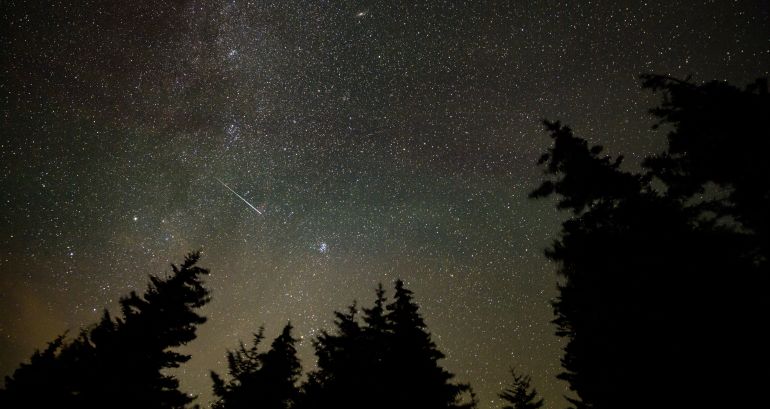
One of the most prominent features of this transformation is the rise of astro-tourism, where the night sky becomes the main attraction. With the approach of the total solar eclipse on August 12, 2026, interest in traveling to places with dark, pristine skies has increased, also driven by the spread of aurora borealis and lunar eclipse sightings in recent years.
Destinations like the Atacama Desert in Chile, the Aoraki Mackenzie Dark Sky Reserve in New Zealand, and Arizona in the USA top the list of the best places for stargazing. Utah, meanwhile, has the largest number of internationally certified Dark Sky Parks, with 26 parks. All seats for eclipse-viewing trips to Spain in 2026 have reportedly sold out, while the number of trips to Egypt in 2027 has doubled due to high demand, particularly from middle-aged travelers and multi-generational families.
Nostalgia-Driven Travel: Reclaiming Childhood
In a parallel trend, nostalgia is returning to drive travel decisions, as many seek to relive childhood feelings and experiences from an adult perspective. Travel is no longer just about exploring new places, but an attempt to return to a sense of wonder and simplicity, by staying in small historic towns or embarking on adventures that recreate the feeling of first discovery.
This type of travel is linked to deep personal and emotional experiences, reflecting a desire to escape the fast pace of life for warmer, more human moments that leave a long-lasting impact beyond superficial photos and memories.
Community Experiences Instead of Crowded Destinations
Travelers are also moving away from crowded tourist destinations and overexposed landmarks in favor of authentic community and cultural experiences. Data from specialized tourism companies indicates that bookings for trips focusing on interaction with local communities have doubled in 2026 compared to the previous year.
This includes learning traditional skills passed down through local communities for thousands of years, or living for short periods with residents of remote areas. This gives the traveler a deeper sense of the place and its people, transforming the journey from a fleeting sightseeing trip into a mutual human experience.
Solo Travel: Freedom of Choice and Experience
The year 2026 is also witnessing an unprecedented boom in solo travel. A growing number of people are choosing to travel alone, either motivated by independence or by not wanting to wait for others. Insurance and tourism companies confirm increased demand for services tailored to solo travelers of all age groups.
Destinations like Bali, Thailand, and Japan top the choices for this travel style, alongside the rise of Albania as a new destination for solo adventurers. Even cruise trips, traditionally associated with couples, have begun adapting to this trend, with the launch of itineraries and ships dedicated entirely to solo travelers.
The year 2026 is also witnessing an unprecedented boom in solo travel.
Growing Awareness of the Impact of Overtourism
Alongside all this, a new factor is strongly influencing travel decisions: awareness of the impact of overtourism. A growing number of travelers now prefer to avoid overcrowded destinations, seeking places that are less crowded and more respectful of local communities.
This shift has been reflected in booking patterns, with a decline in demand for Southern Europe during
Atacama Desert
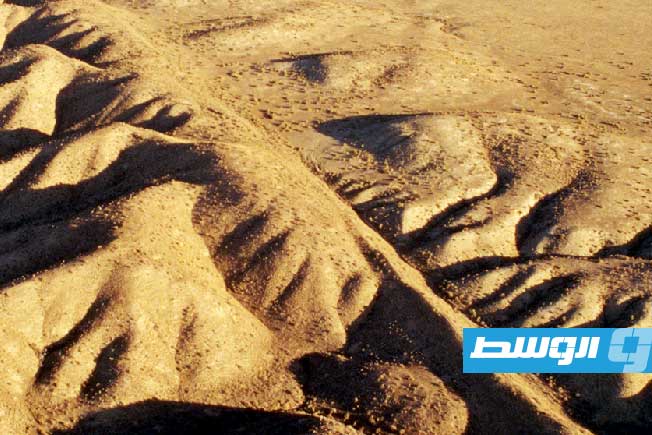
The Atacama Desert, located in northern Chile, is one of the driest places on Earth, with some areas having never recorded rainfall. Its history includes ancient indigenous settlements and a significant mining boom in the 19th and 20th centuries for nitrates and copper. Today, its extreme aridity and clear skies make it a prime location for astronomical observatories.
Chile
Chile is a long, narrow country stretching along South America’s western edge, known for its diverse landscapes ranging from the Atacama Desert to Patagonian glaciers. Its history is marked by pre-Columbian cultures like the Mapuche, Spanish colonization beginning in the 16th century, and independence achieved in 1818. Modern Chile is recognized for its stable democracy and significant cultural contributions in literature and the arts.
Aoraki Mackenzie Dark Sky Reserve
The Aoraki Mackenzie Dark Sky Reserve in New Zealand’s South Island is the largest dark sky reserve in the world, established in 2012. Its history is tied to the region’s long-standing commitment to light pollution control, which began in the 1980s to protect the views of the Mount John Observatory.
New Zealand
New Zealand is an island country in the southwestern Pacific Ocean, first settled by Polynesian explorers who developed the Māori culture from around 1300 AD. It was later colonized by the British, with the signing of the Treaty of Waitangi in 1840 forming the basis of its modern nationhood. Today, it is known for its diverse landscapes, indigenous Māori heritage, and unique biodiversity.
Arizona
Arizona is a southwestern U.S. state known for its desert landscape and iconic natural wonders like the Grand Canyon. Historically, it was inhabited by Native American tribes for millennia before becoming part of Mexico and later a U.S. territory, achieving statehood in 1912.
USA
The United States of America is a federal republic founded in 1776 after declaring independence from Great Britain. Its history is marked by westward expansion, industrialization, and its emergence as a global superpower in the 20th century, built upon a diverse cultural foundation shaped by immigration.
Utah
Utah is a state in the western United States known for its diverse landscapes, including deserts, mountains, and the Great Salt Lake. Historically, it was settled by Mormon pioneers in 1847 and became the 45th state in 1896. The state is also famous for its numerous national parks, such as Arches and Zion, and its deep connection to the history of the Church of Jesus Christ of Latter-day Saints.
Spain
Spain is a country in southwestern Europe with a rich and complex history, shaped by Roman rule, the Moorish conquest, and the unification of its kingdoms under the Catholic Monarchs. Its cultural sites, from the Alhambra palace to Gaudí’s Sagrada Família, reflect this diverse heritage and its global influence during the Age of Exploration.
Egypt
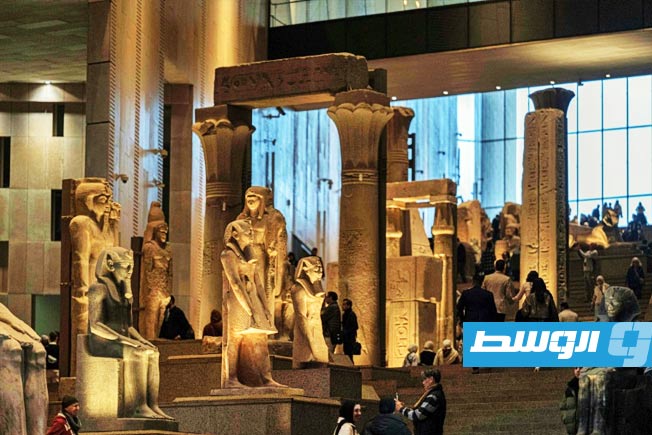
Egypt is home to one of the world’s oldest civilizations, with a recorded history spanning over 5,000 years, famously centered around the Nile River and the pharaonic kingdoms that built the iconic pyramids and Sphinx at Giza. Its rich cultural heritage includes ancient temples, hieroglyphic writing, and significant contributions to mathematics and architecture, later influenced by Greek, Roman, Coptic Christian, and Islamic periods. Modern Egypt remains a pivotal cultural and political center in the Arab world, with Cairo as its bustling capital.
Bali
Bali is an Indonesian island renowned for its lush landscapes, vibrant Hindu culture, and iconic temples like Tanah Lot. Its history is distinct within Muslim-majority Indonesia, having developed a unique Hindu society influenced by centuries of kingdoms and trade, notably the Majapahit Empire’s legacy in the 14th-16th centuries. Today, it is a major global tourist destination celebrated for its arts, ceremonies, and natural beauty.
Thailand
Thailand is a Southeast Asian nation with a rich history dating back to ancient kingdoms like Sukhothai and Ayutthaya, which were major regional powers before the establishment of the current Chakri dynasty in 1782. It is renowned for its ornate Buddhist temples, vibrant street food culture, and tropical beaches, and it is unique in the region for never having been colonized by a European power.
Japan
Japan is an island nation in East Asia with a rich cultural history spanning millennia, from its ancient Shinto traditions and imperial rule to the feudal era of samurai and the modernizing Meiji Restoration. Today, it is known for blending deep historical heritage, such as its numerous temples and castles, with cutting-edge technology and global pop culture.
Albania
Albania is a country in Southeastern Europe with a rich history shaped by Illyrian tribes, Roman and Byzantine rule, and nearly five centuries under the Ottoman Empire. It declared independence in 1912 and later endured a strict communist regime before transitioning to a democracy in the early 1990s. Today, its cultural heritage is reflected in ancient sites, Ottoman architecture, and unique traditions like iso-polyphony.
Southern Europe
Southern Europe is a region encompassing countries such as Italy, Spain, Greece, and Portugal, renowned as the cradle of Western civilization. Its history is profoundly shaped by ancient Greek and Roman empires, the Renaissance, and its role as a major center for Christianity. The area’s cultural identity is deeply tied to its classical heritage, Mediterranean climate, and significant influence on global art, architecture, and philosophy.