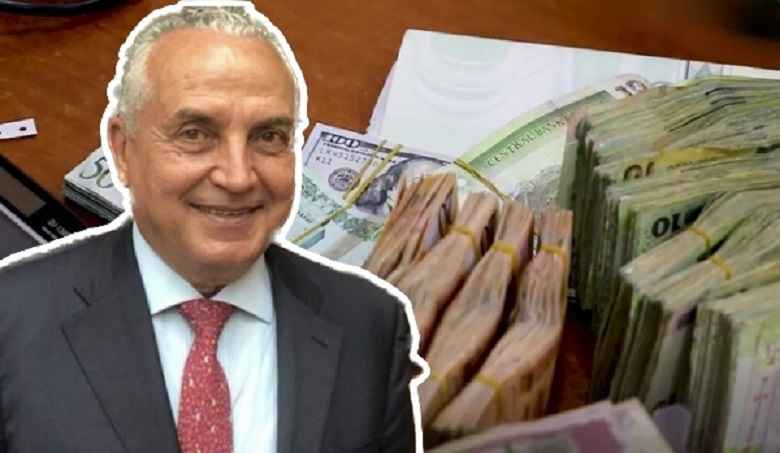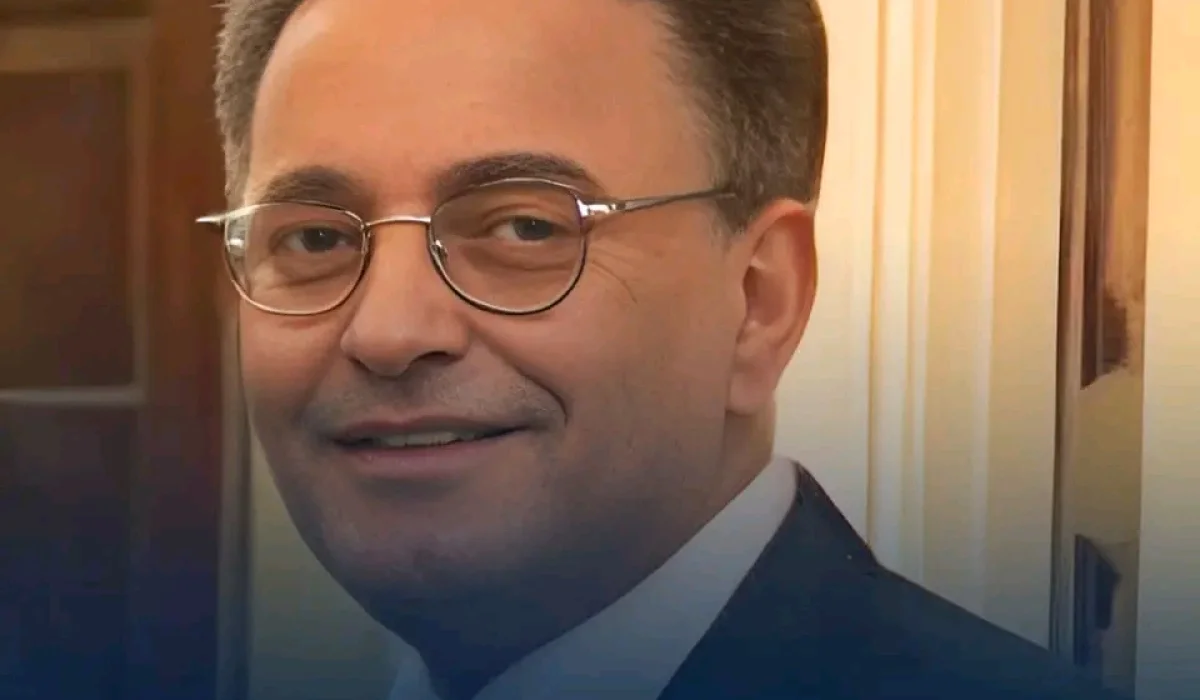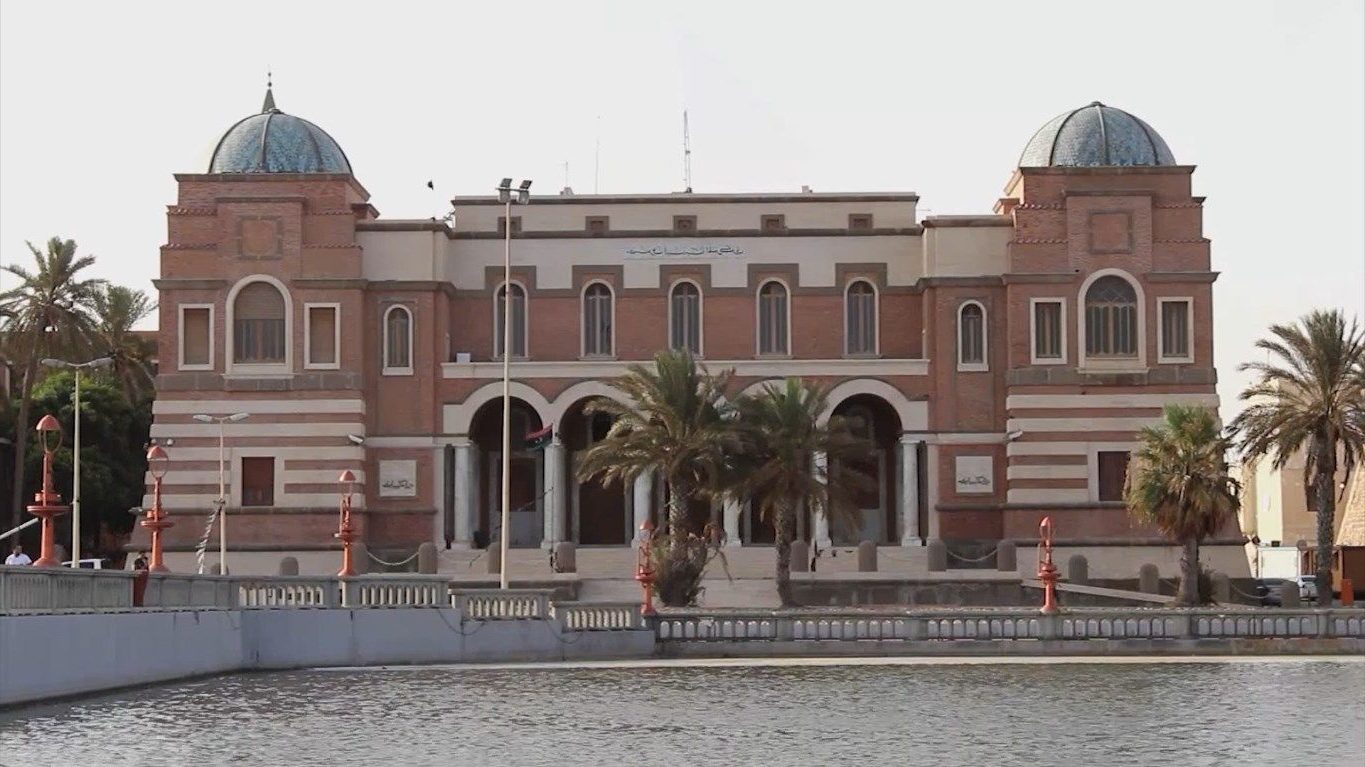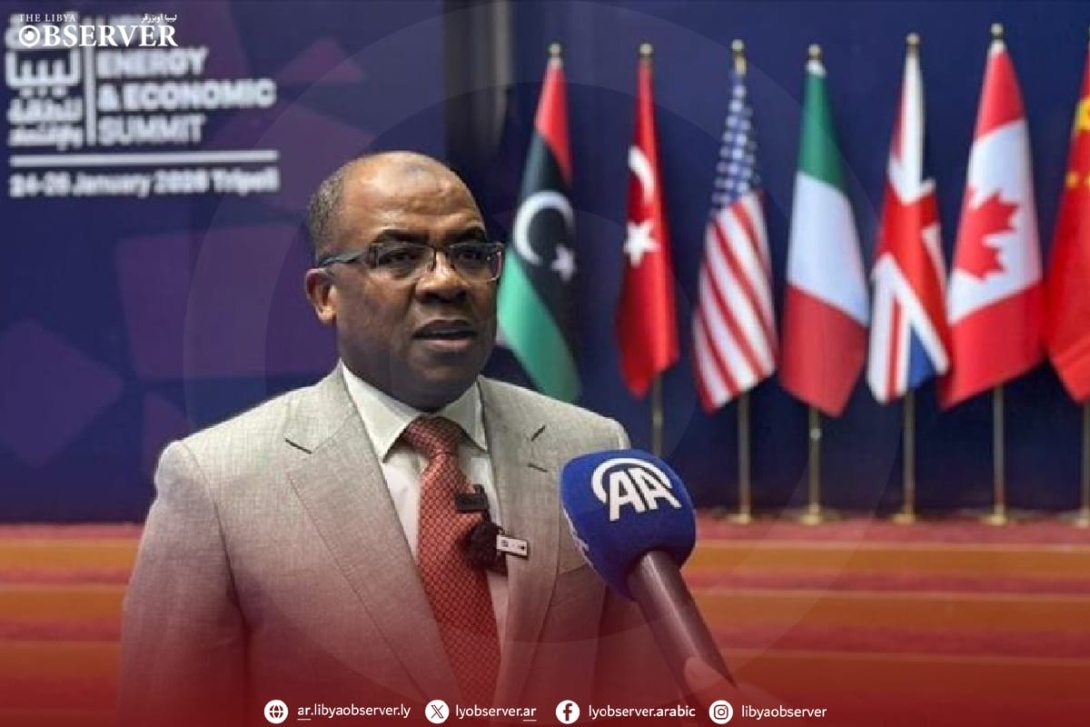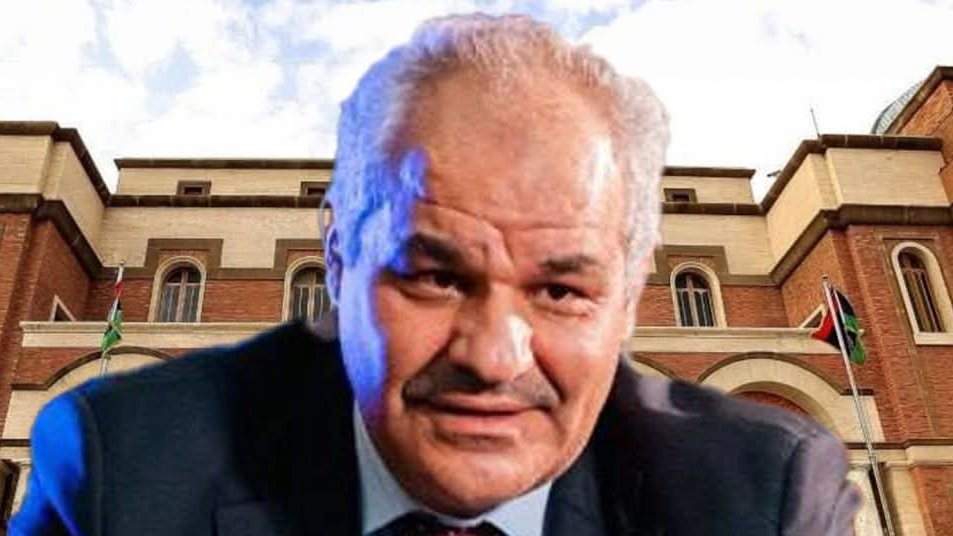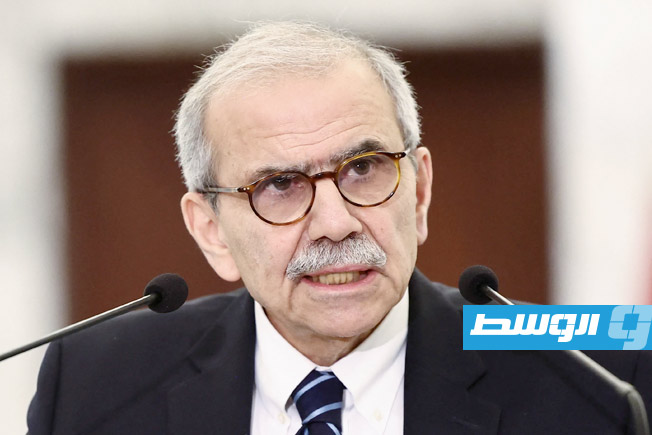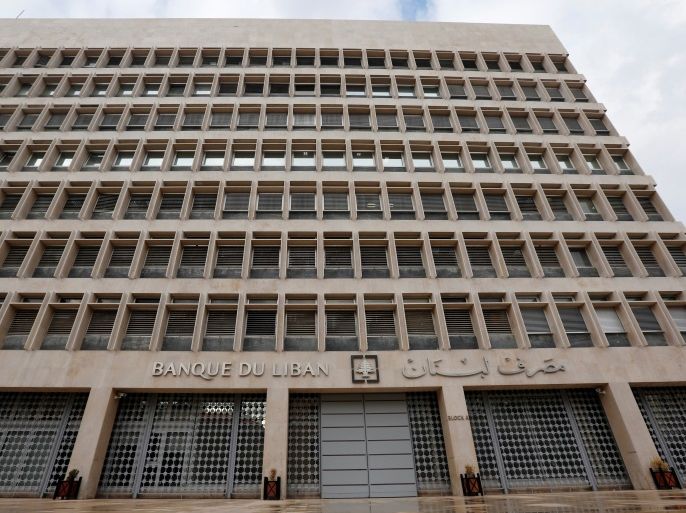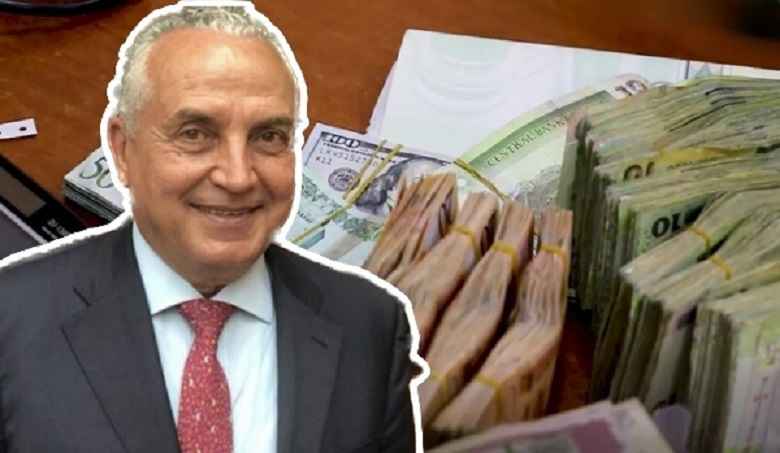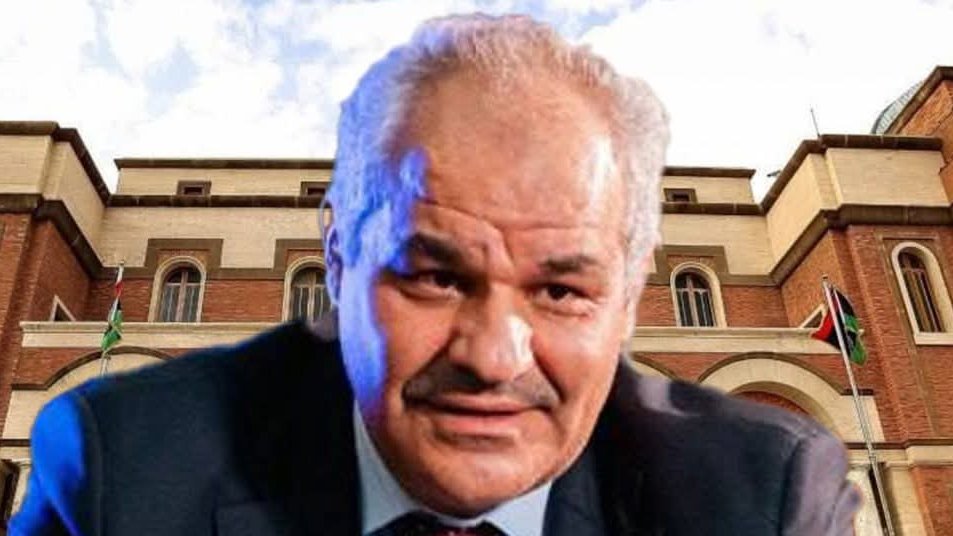
The economic expert spoke exclusively regarding the exchange rate adjustment, stating: The central bank’s decision is a repetition of failure, a new experiment among the experiments it has been conducting for years. It is clear to specialists from the beginning that these are experiments that will fail even before they start, and even though they prove their failure afterward, they are not changed, nor are the failures held accountable. Instead, they are repeated, waiting for different results.
He added: I must emphasize here that Libya’s economic problem is primarily a financial problem, not a monetary one. It is a financial problem represented by runaway spending and oil revenues that are stolen and not fully transferred to the central bank. Therefore, the radical solution is for spending to be according to a budget approved by Parliament. This parliament, which managed to impose a tax on Libyans, is supposed to be capable of imposing a unified budget for the two governments.
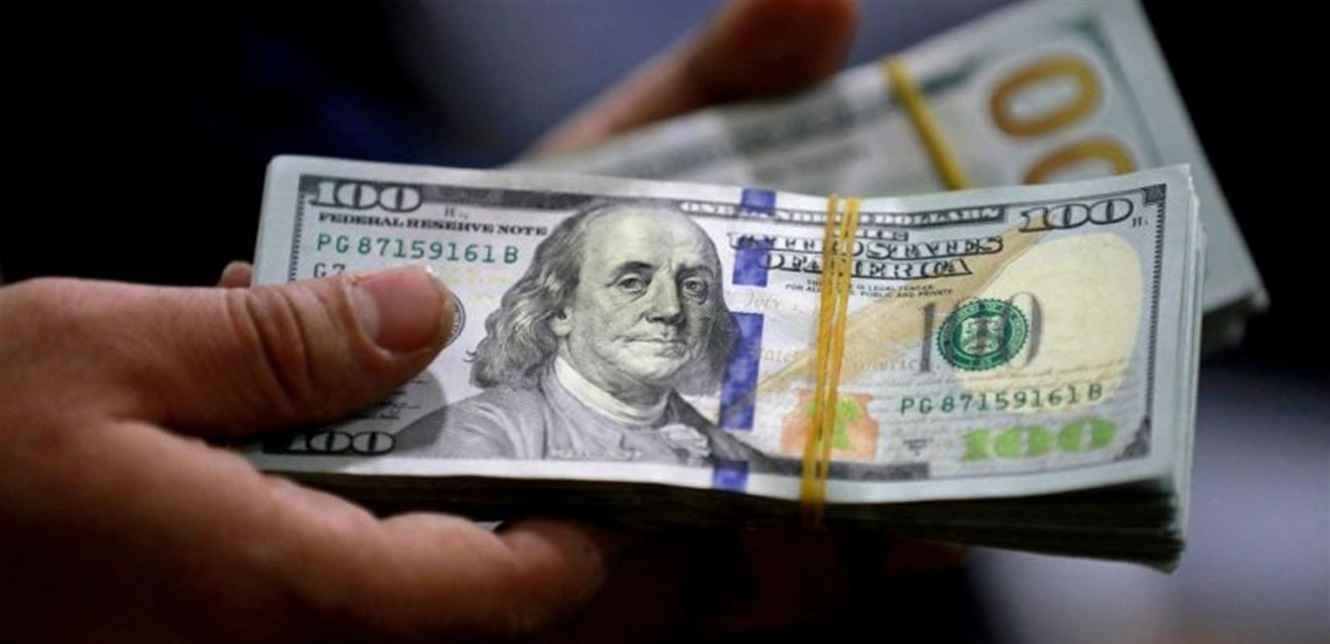
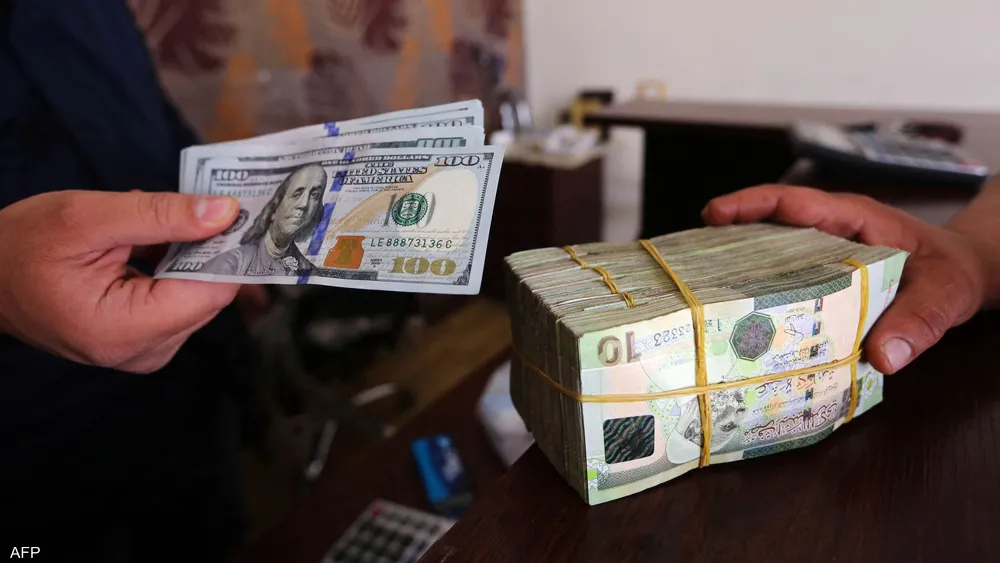
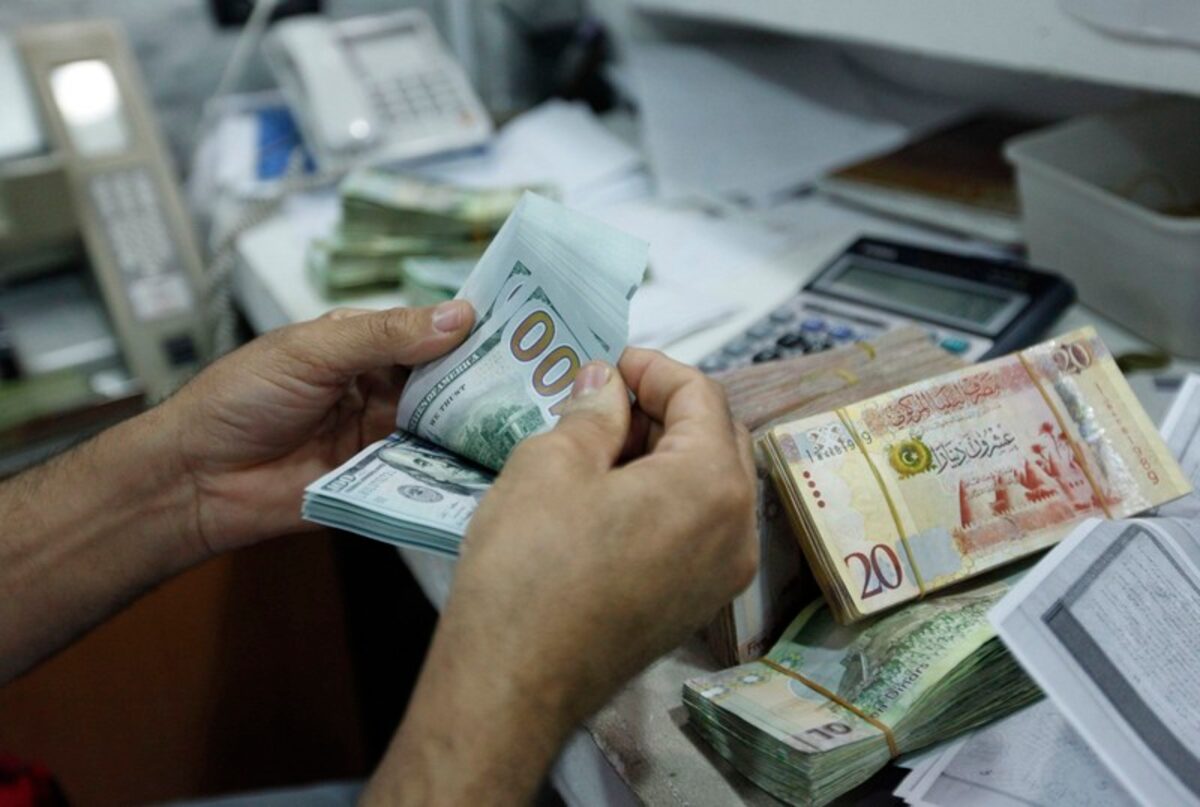
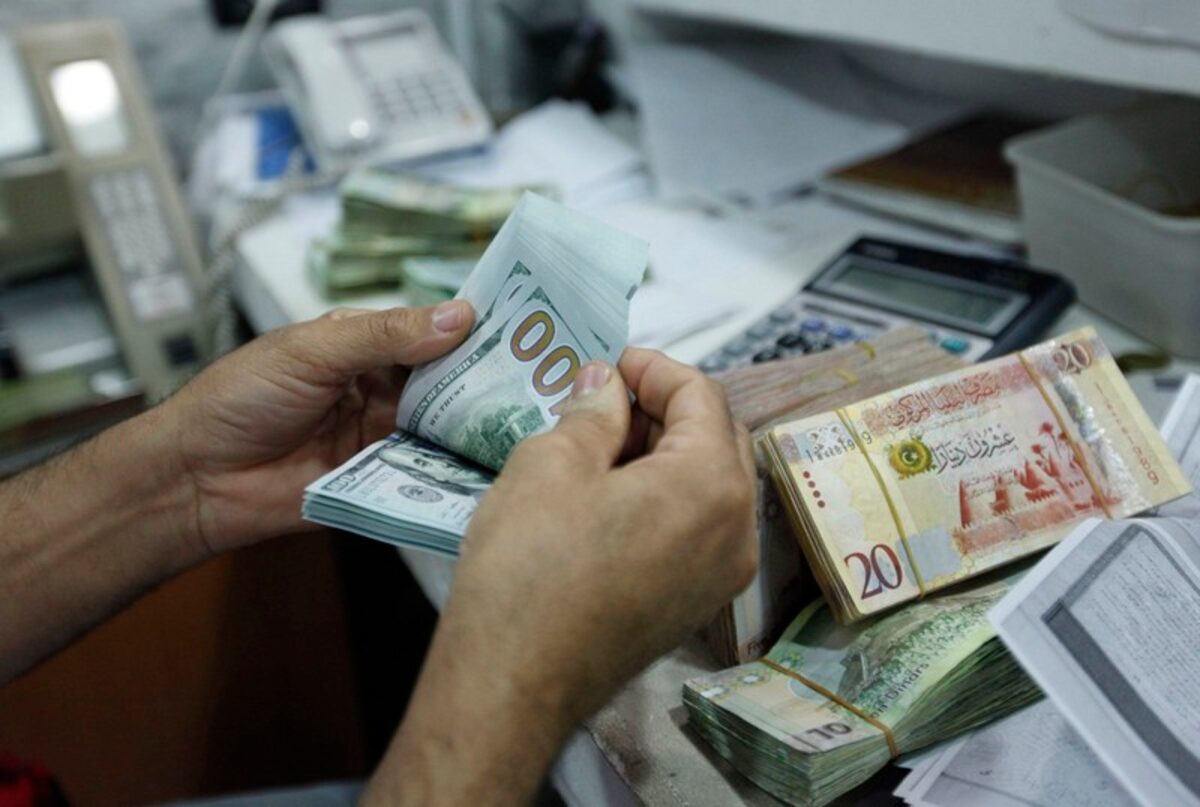
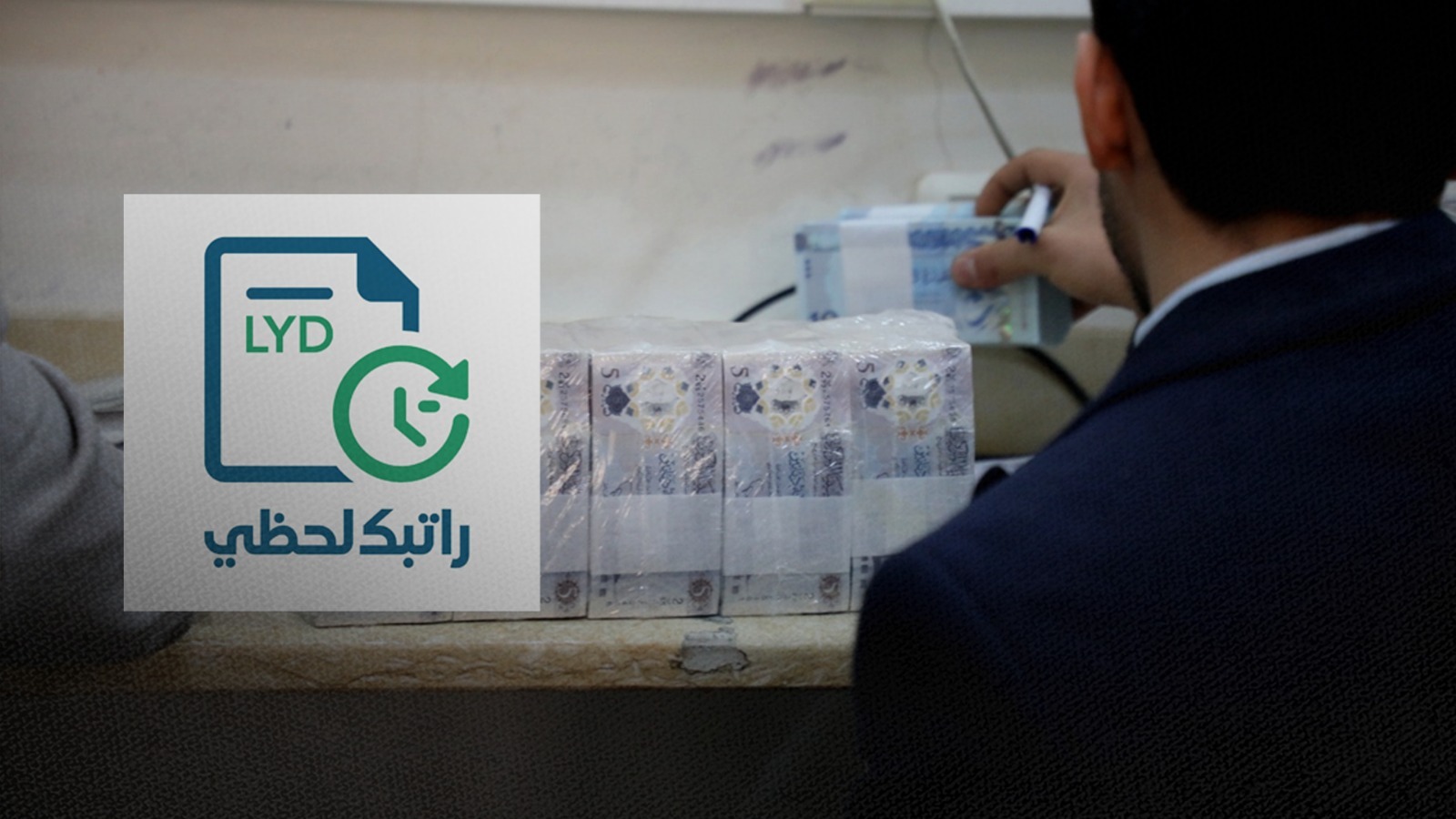
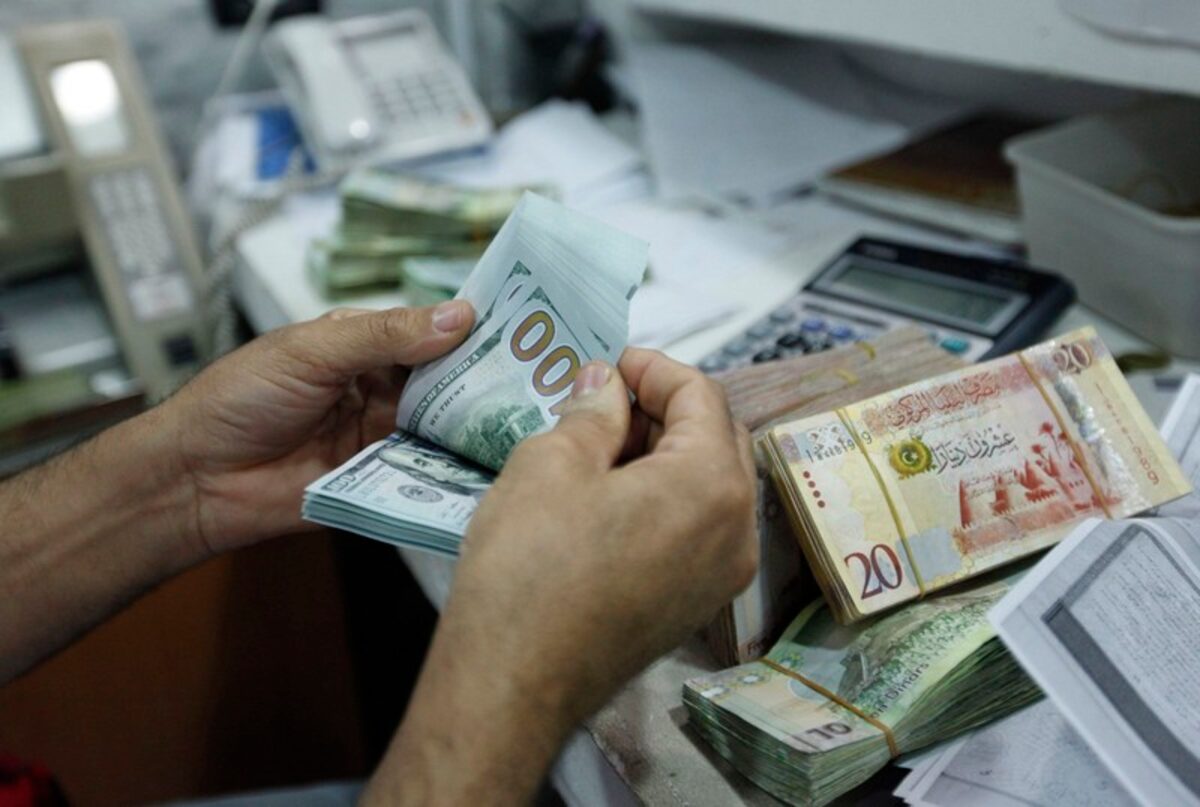
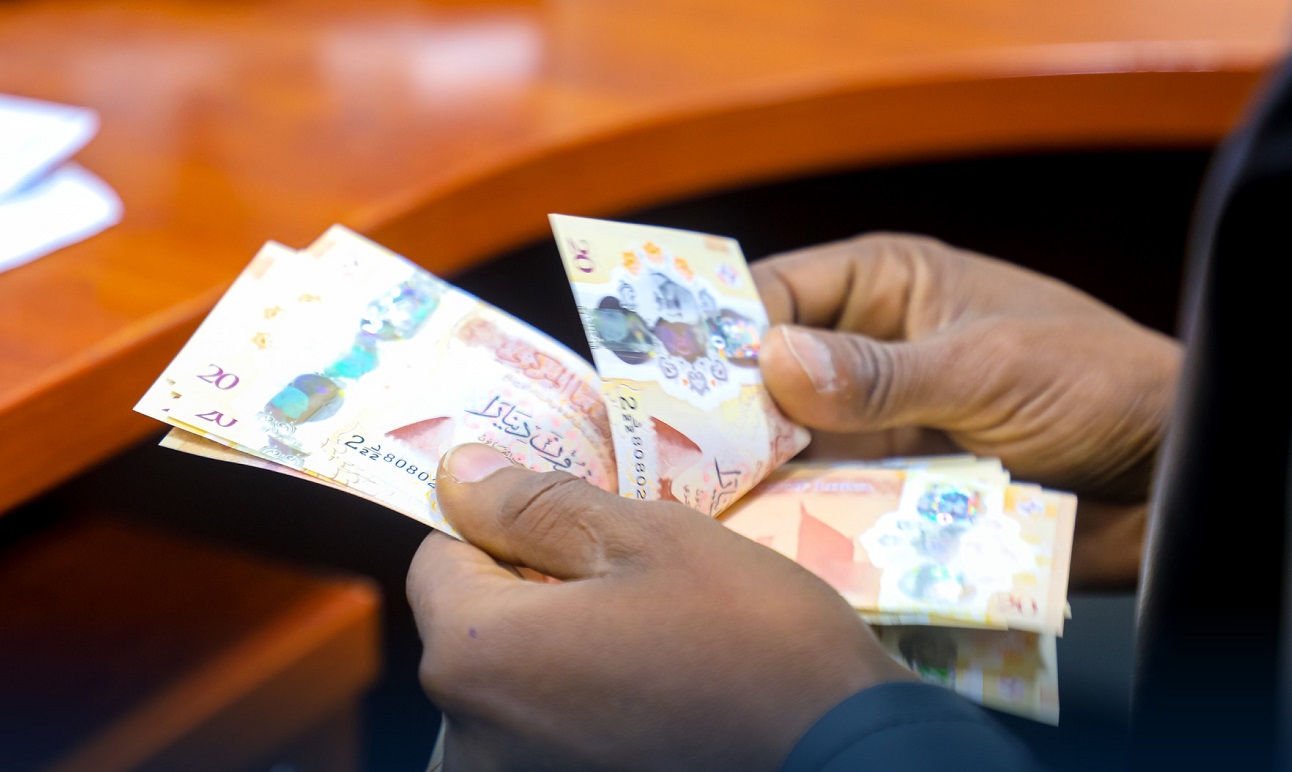
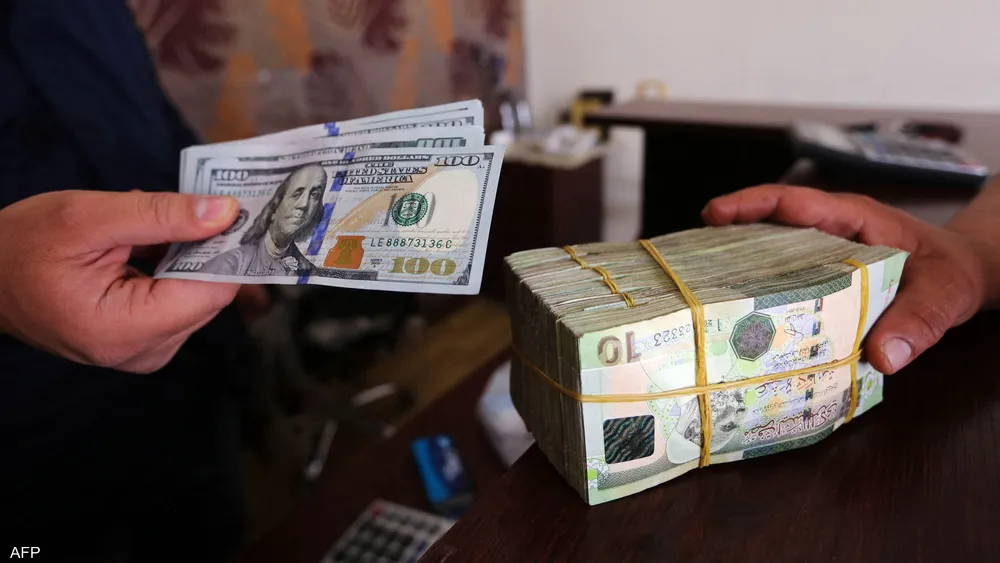
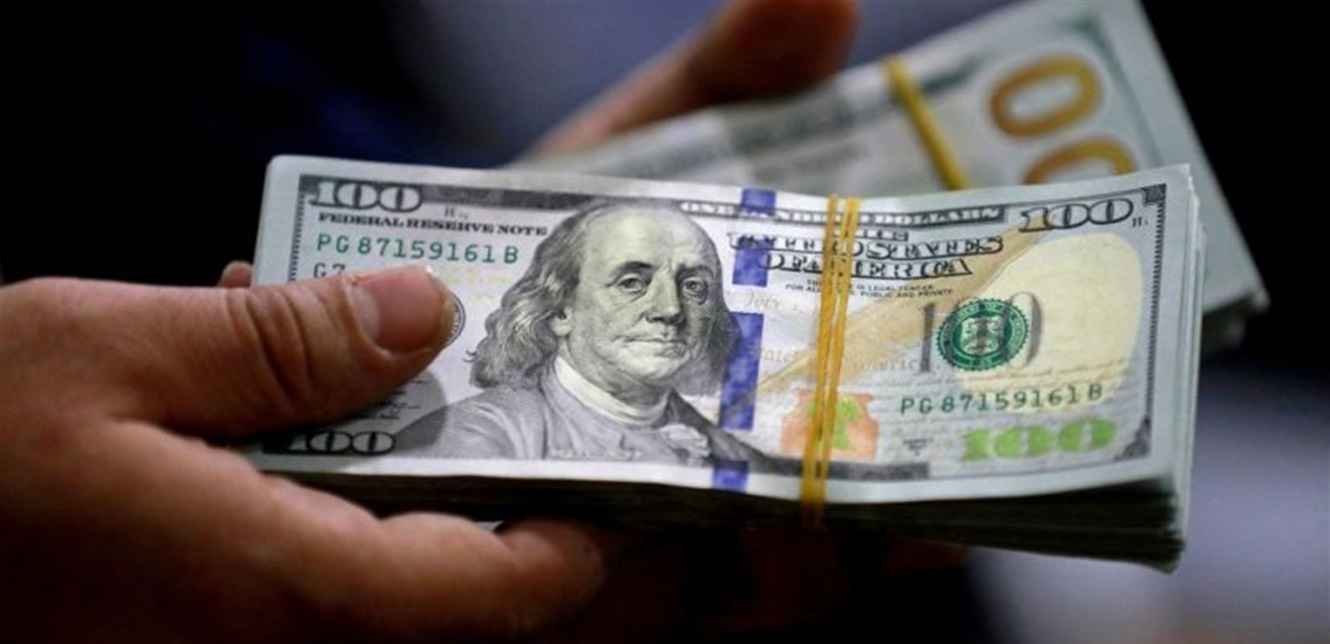
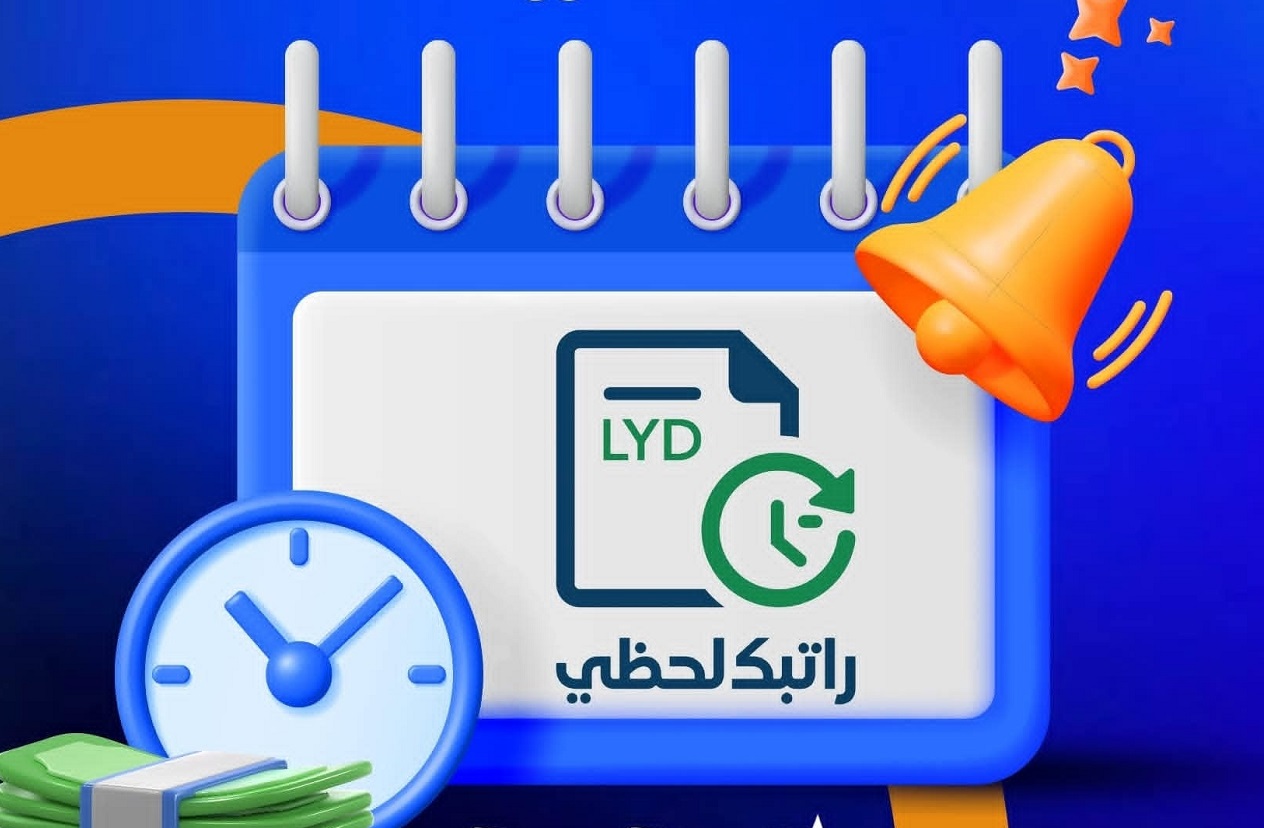
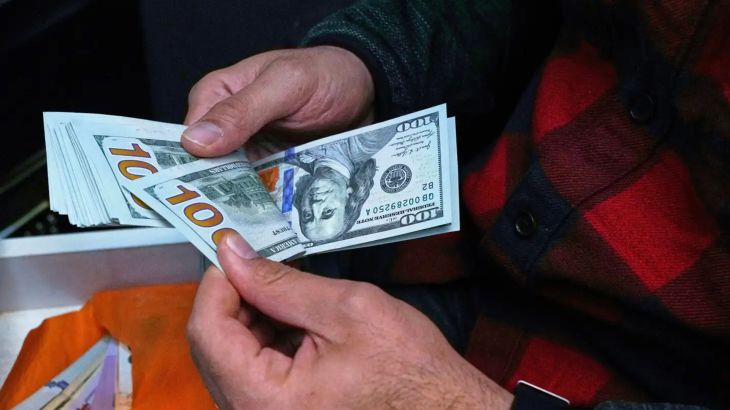
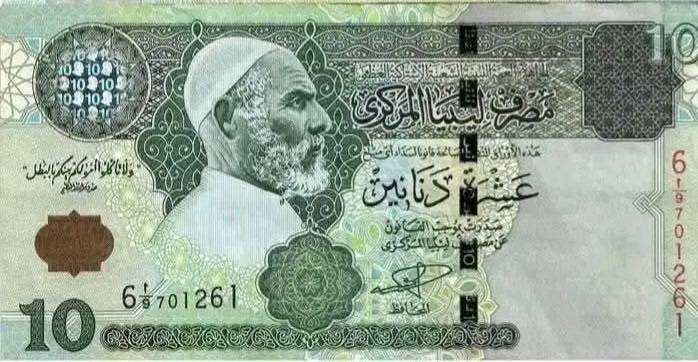
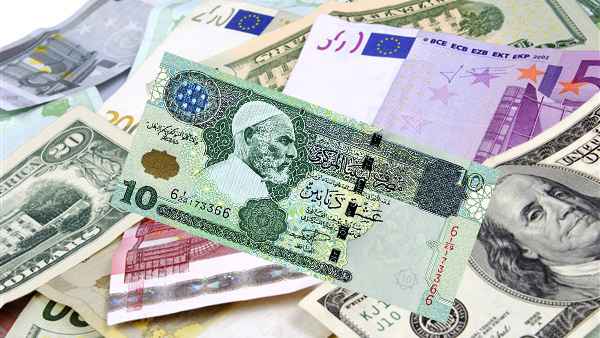
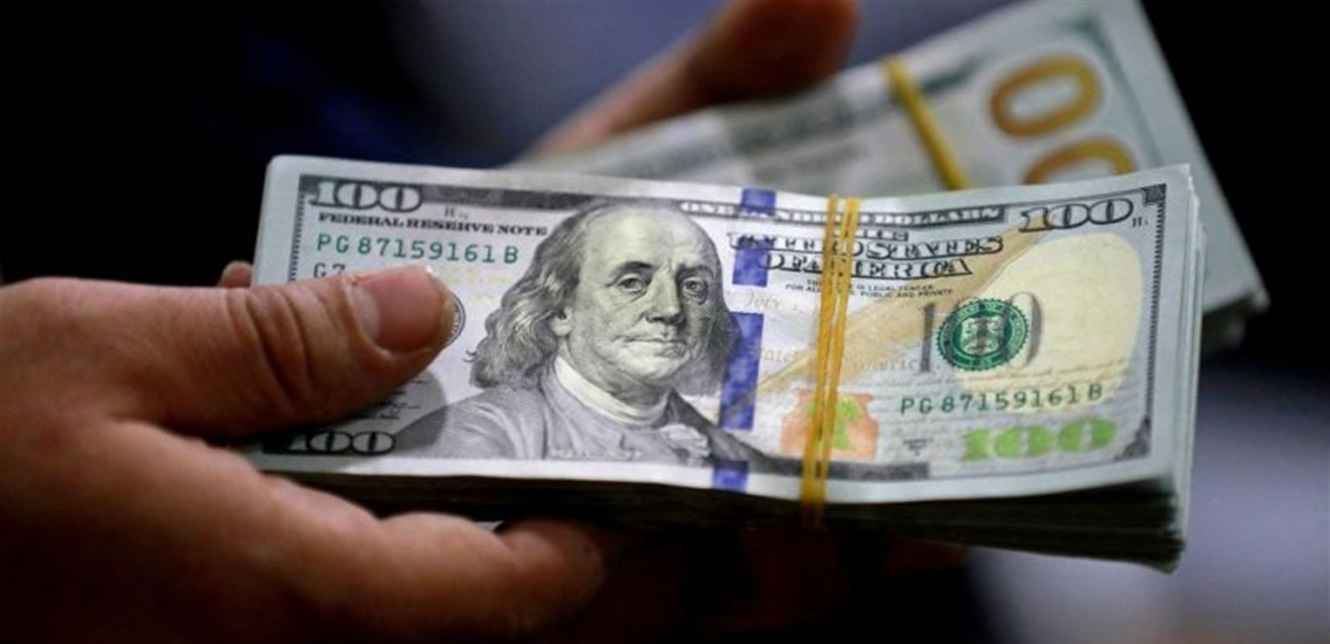
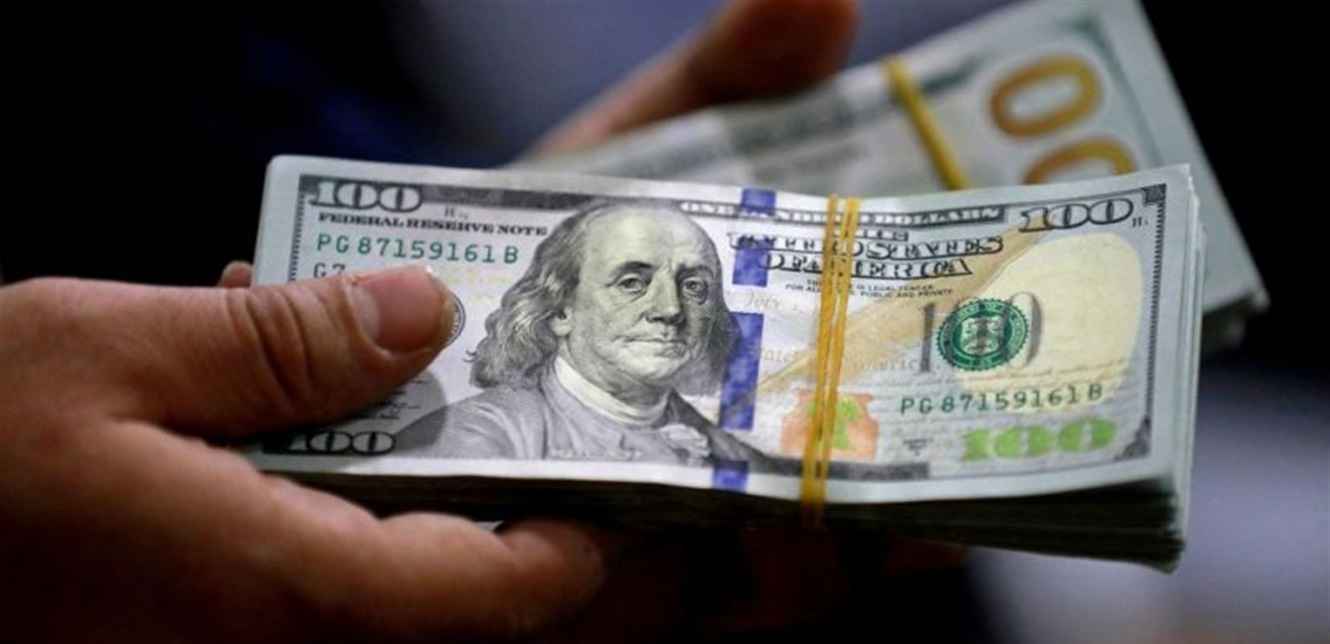
He also said: The central bank must compel Parliament to approve a unified budget where expenditures are less than revenues, just as it managed to compel many public entities to deal with the ‘Your Salary Instantly’ system. It is capable of compelling Parliament to approve a unified budget and transfer all oil revenues to it by adjusting the exchange rate to a rate it can defend, even if that rate is ten dinars. The current adjustment and imposing taxes will worsen the situation because the gap between the official rate and the black market rate will persist and increase, corruption in credits will continue, and the central bank will not be able to meet the demand for dollars. Therefore, what the central bank has done now is like taking half the treatment, and half the treatment will not cure the dire state the Libyan economy has reached.
According to him: The central bank must stop being silent and neutral and take a strong stance to protect reserves, adjusting the exchange rate to high figures it can defend until the financial situation improves. Only if a unified budget less than revenues is approved and revenues are fully transferred to the central bank, can the central bank then reduce the exchange rate.
He continued: Now the central bank bears full responsibility due to its neutrality, its alignment with the governments, and its failure to confront the runaway financial situation. But if it clarifies the situation to the Libyan people and adjusts the exchange rate to high figures, popular pressure in this case will shift from the central bank to Parliament and the governments, forcing them to reduce expenditures.
He concluded: Finally, the existence of two exchange rates is evidence of the central bank’s failure, while the existence of a single exchange rate and its decline is a result of financial conditions, corruption, and smuggling. Therefore, if the gap between the official rate and the black market rate is eliminated, then the bank will have performed its role.
However, if we find that the official rate has dropped from 6 to 8 then to 10, and this rate at the bank is equal to the rate in the parallel market, this means that the governments have failed, not the central bank. What we are experiencing today is the failure of both the governments and the central bank.