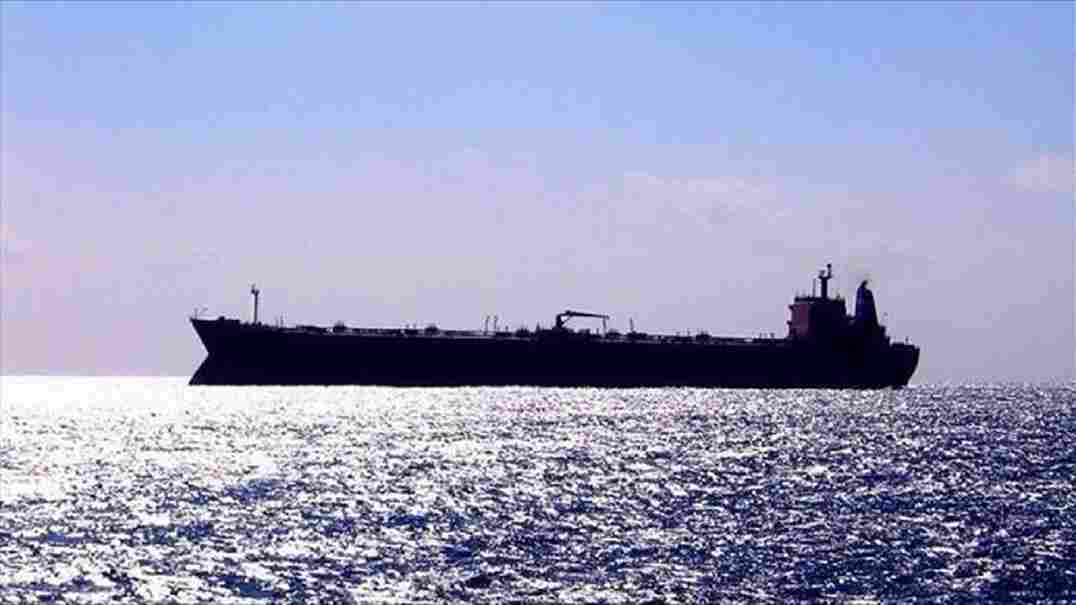
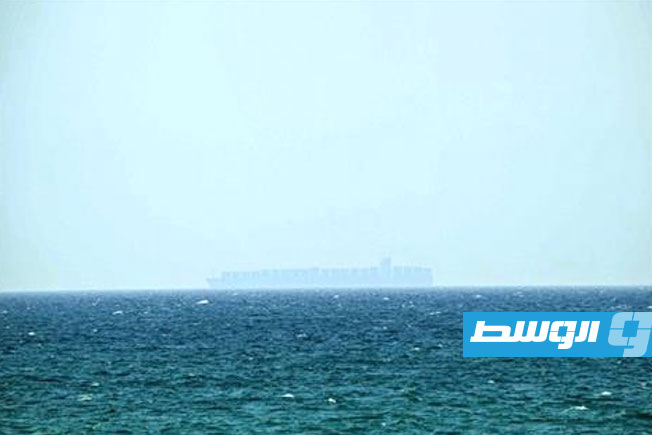
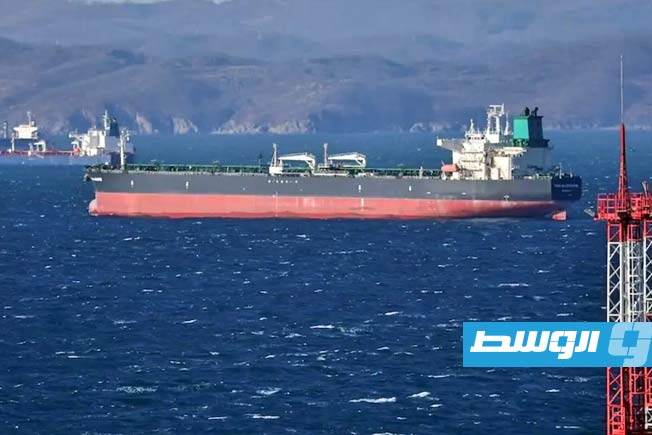
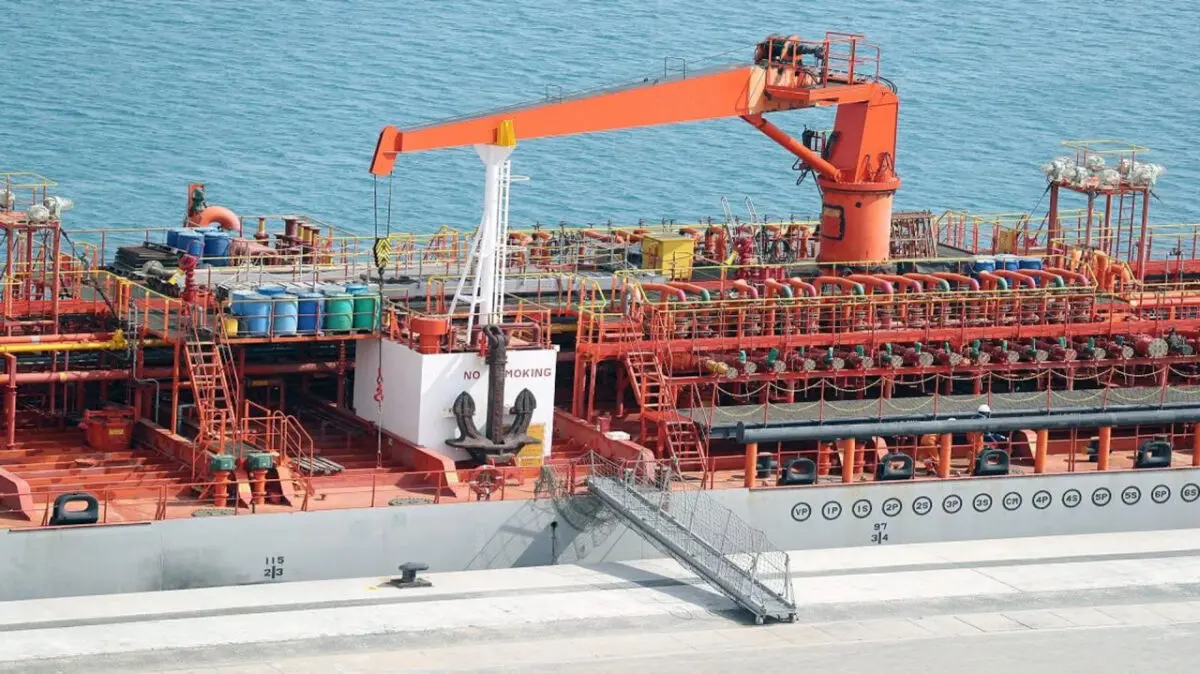
The Libyan Ports and Maritime Transport Authority has issued an urgent navigational circular revealing new details about a maritime incident that occurred off the Libyan coast. Here are the complete details of what happened:
The Beginning of the Sinking and Loss of Control
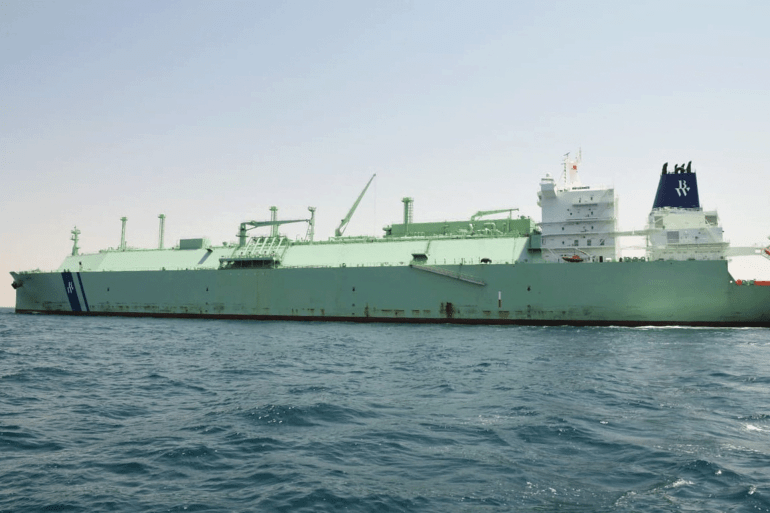
The Authority confirmed in its statement No. (1.4/ 5.8 / 00) issued on January 20, 2026, that it had received an official report concerning the cargo ship named “Mini Star” (M/V MINI STAR):
- Flag and Origin: The ship flies the flag of “St. Kitts and Nevis”.
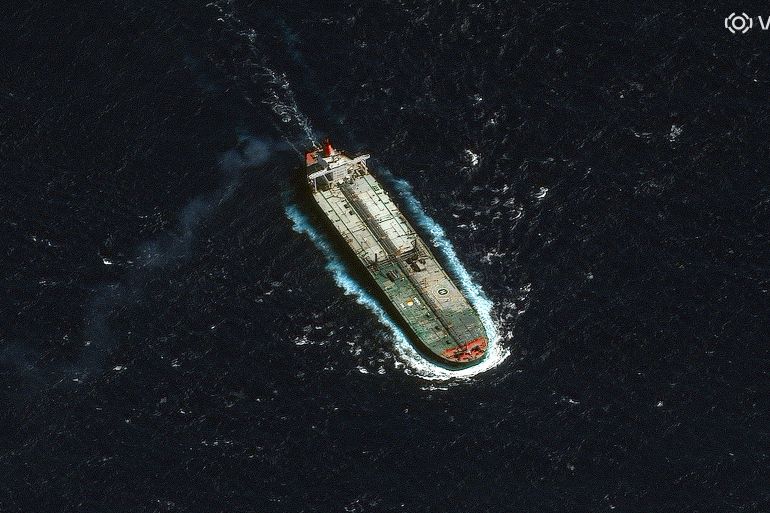
- Zero Hour: The ship was observed in the initial stages of actual sinking at 16:16 on Sunday, January 18, 2026.
- Geographical Location: The incident occurred approximately 50 nautical miles north of the Al Jabal Al Akhdar region.
The Fate of the 11-Person Crew
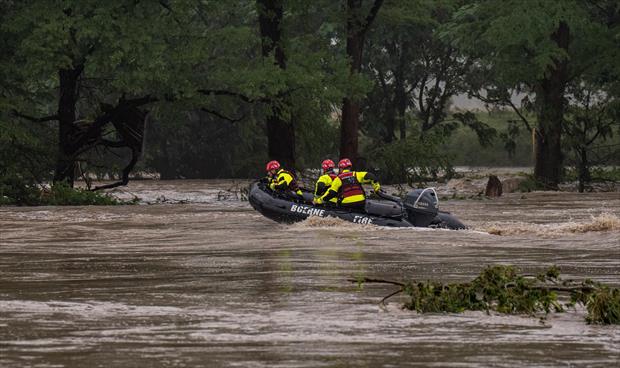
In a successful rescue operation, the safety of all crew members was confirmed:
- Rescue Operation: The ship (M/V GOLDEN BEIJIN) participated in the operation and rescued all 11 crew members.
- Current Destination: The rescued crew was directed to Malta.
What Was the Ship Carrying? And What Was Its Destination?
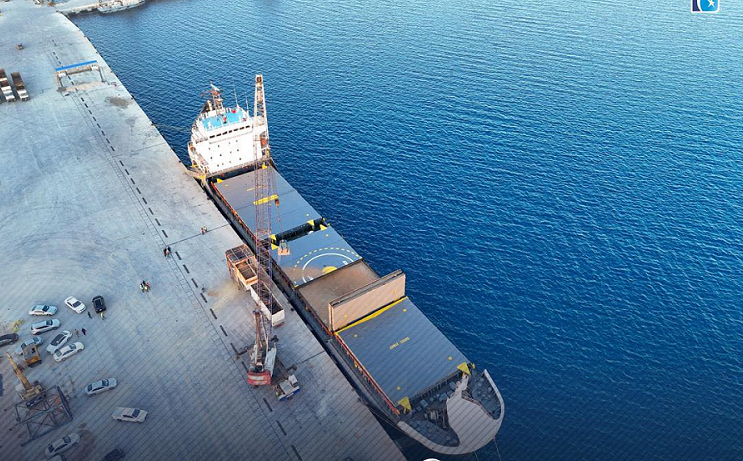
The statement clarified that the sinking ship was en route to the port of Sidon in Lebanon. It was carrying a cargo consisting of heavy machinery and marble.
Official Measures
This report was directed to the Naval Forces Chief of Staff, the Coast Guard Authority, and all port operating authorities to ensure navigational safety and take the necessary measures.
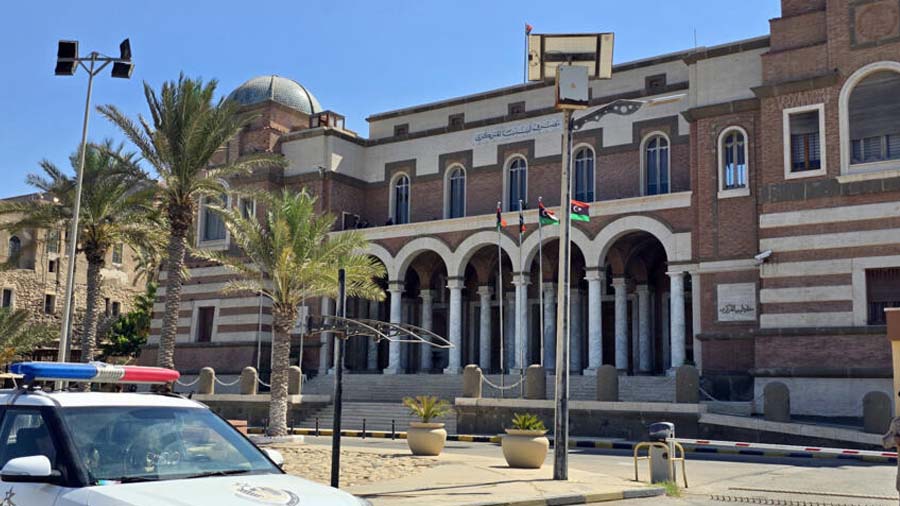
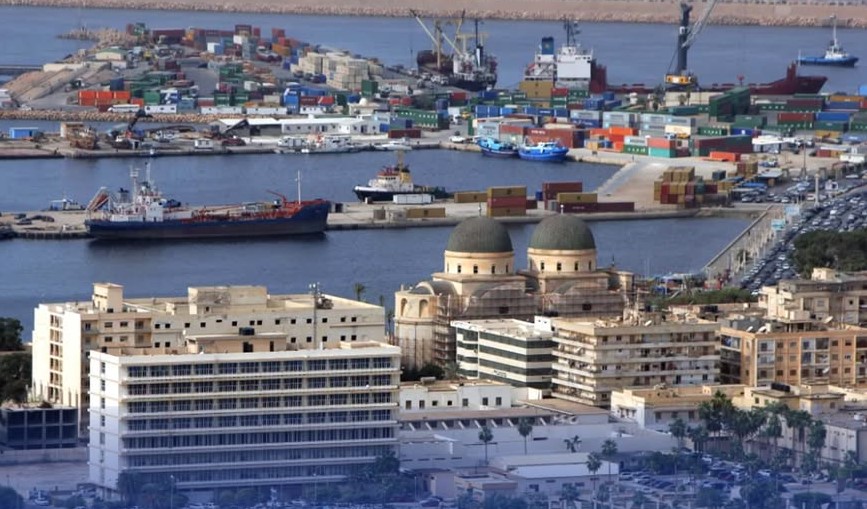
Libyan Ports and Maritime Transport Authority
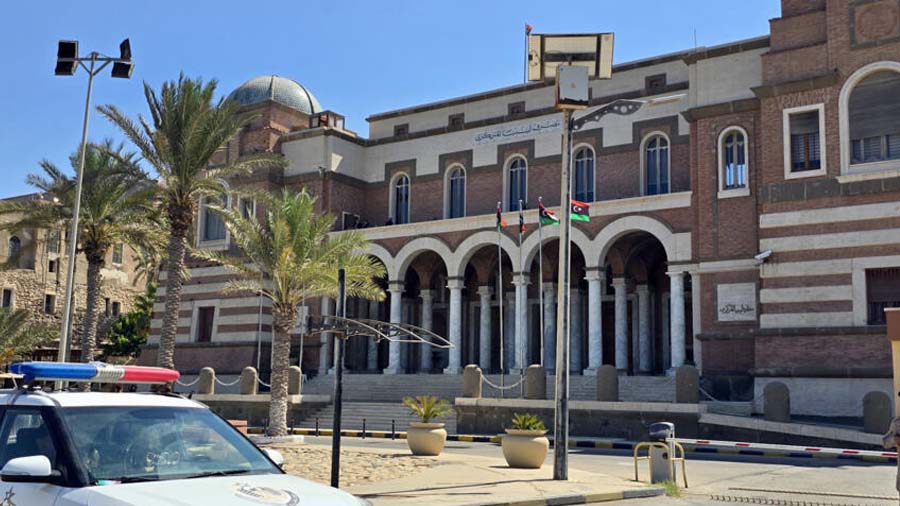
The Libyan Ports and Maritime Transport Authority is the state body responsible for managing and regulating Libya’s seaports and maritime activities. It was established to oversee the nation’s critical port infrastructure, which has historically been vital for trade and the economy, particularly in the oil and gas sector. Its history is intertwined with Libya’s economic development and the ongoing challenges of maintaining and modernizing port operations amid periods of instability.
Libyan coast
The Libyan coast stretches along the southern Mediterranean Sea and has been a historically significant region since antiquity, serving as the heart of the Phoenician and Roman empires in North Africa. In modern times, its major cities, such as Tripoli and Benghazi, have been central to Libya’s political and economic life, while its waters have more recently become a focal point for migration and maritime patrols.
Al Jabal Al Akhdar
Al Jabal Al Akhdar, or “The Green Mountain,” is a mountainous region in northeastern Libya, historically significant as a natural fortress and a center for resistance during the Italian colonization in the early 20th century. Its cooler climate and fertile highlands have long supported agriculture, distinguishing it from the surrounding desert landscapes.
St. Kitts and Nevis
St. Kitts and Nevis is a two-island nation in the Caribbean, historically significant as the first British and French colony in the region. Its economy was long dominated by sugar plantations, and the well-preserved Brimstone Hill Fortress, a UNESCO World Heritage site, stands as a testament to its colonial past and strategic importance. Today, the islands are known for their natural beauty and as a popular tourist destination.
Malta
Malta is a small Mediterranean archipelago nation with a rich history shaped by successive rulers, including the Phoenicians, Romans, Moors, Knights of St. John, French, and British. Its capital, Valletta, is a UNESCO World Heritage site founded by the Knights in the 16th century, and the islands are globally renowned for their well-preserved prehistoric temples, which are among the oldest free-standing structures in the world.
Sidon
Sidon is an ancient port city on the Mediterranean coast of Lebanon, historically one of the most important Phoenician city-states. It was a major center for trade, glass production, and the purple dye industry, with a history of settlement dating back over 6,000 years. The city features notable archaeological sites like the Sea Castle and the Temple of Eshmun.
Lebanon
Lebanon is a country in the Middle East with a rich history as a crossroads of civilizations, including the Phoenicians, Romans, and Ottomans. It is known for its diverse cultural and religious heritage, as well as historic sites such as the ancient city of Byblos and the Roman ruins at Baalbek.
Naval Forces Chief of Staff
The Naval Forces Chief of Staff is a senior military officer responsible for leading and administering a nation’s navy. The position’s history is tied to the formal organization of modern naval forces, often evolving from earlier roles like “Lord High Admiral” or “First Naval Lord” in countries like the United Kingdom, to become the principal naval advisor to the government.
Coast Guard Authority
The Coast Guard Authority is a maritime security and law enforcement agency responsible for coastal defense, search and rescue, and maritime safety. Its history typically traces back to national efforts to combat smuggling, enforce customs laws, and protect territorial waters, with modern organizations often formed by consolidating various maritime services.