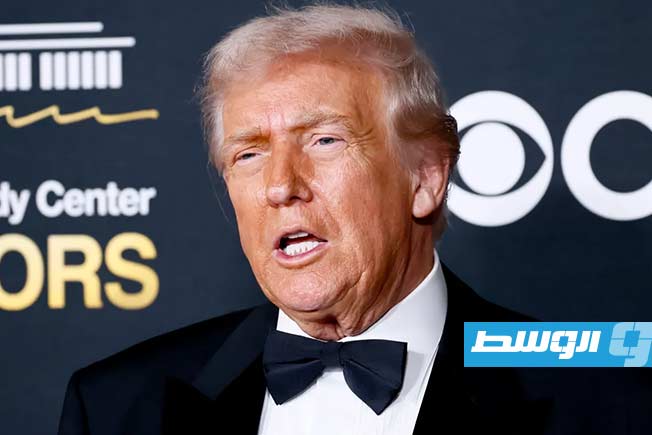
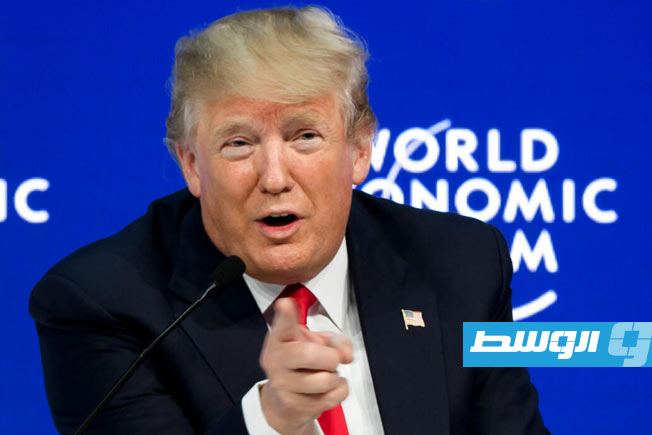
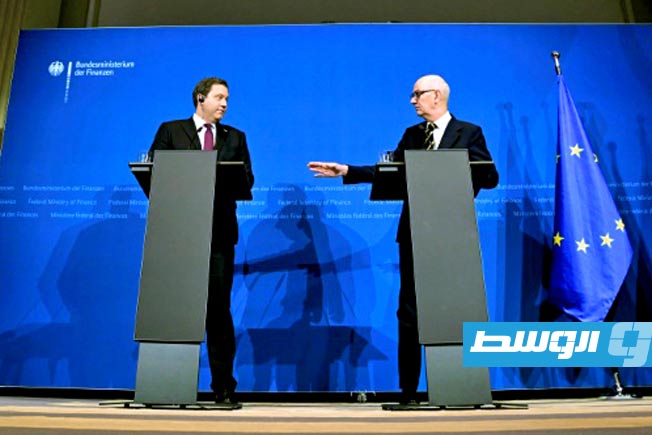
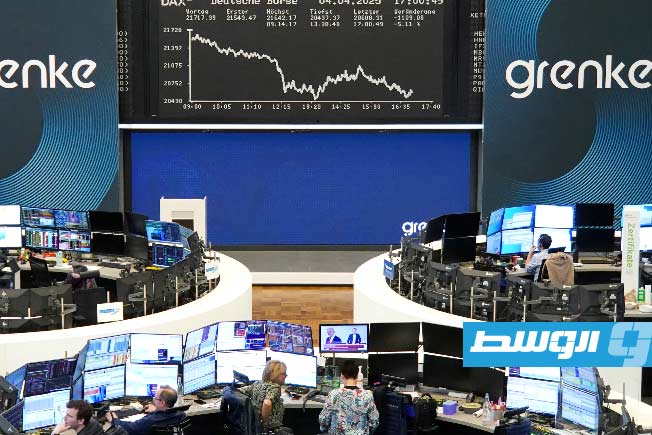
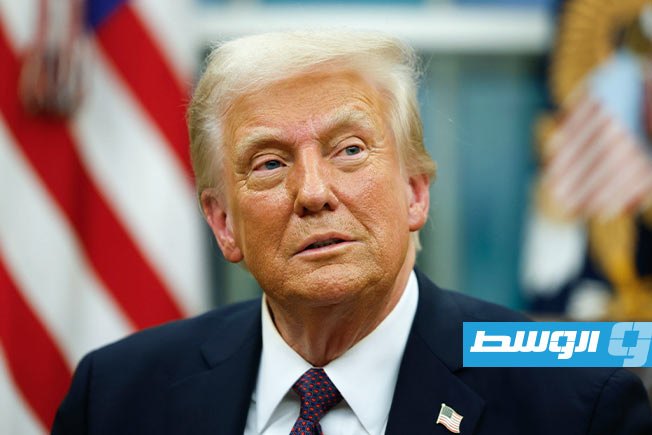
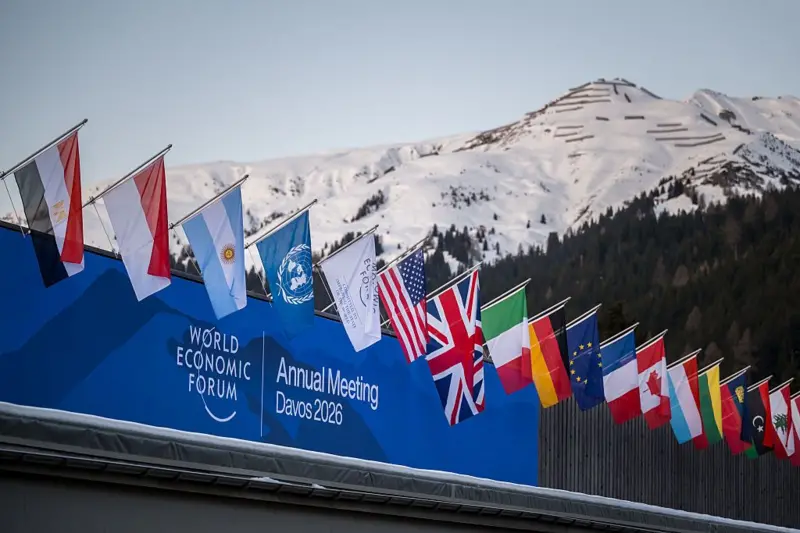
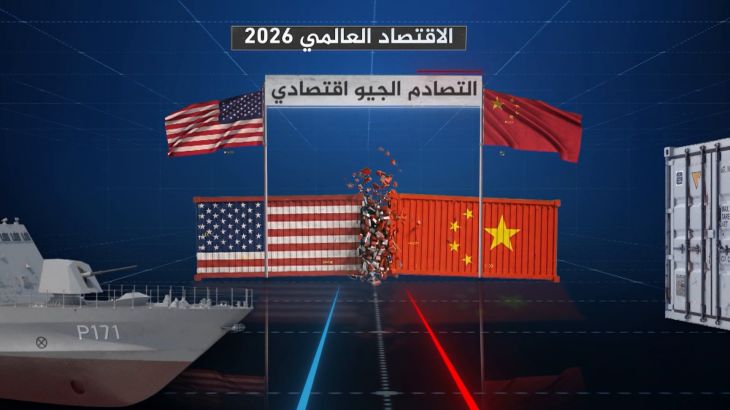
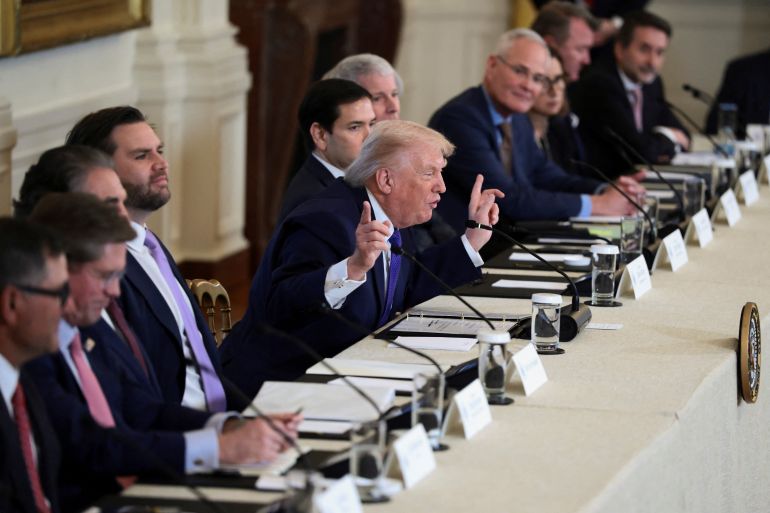
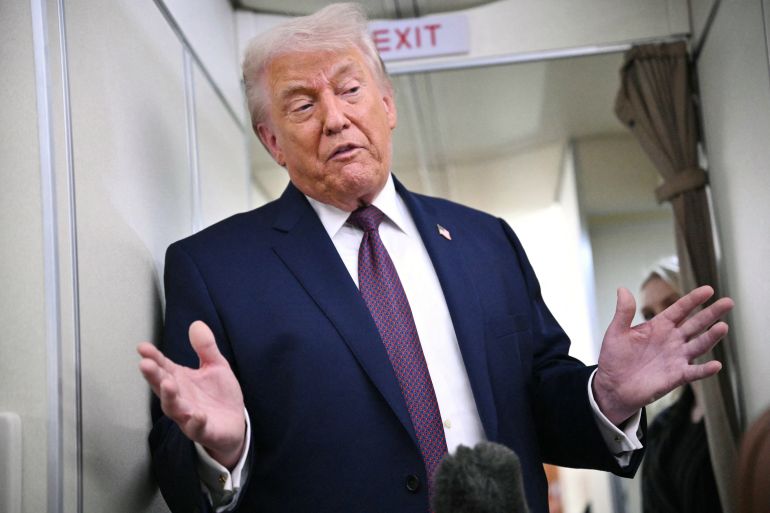
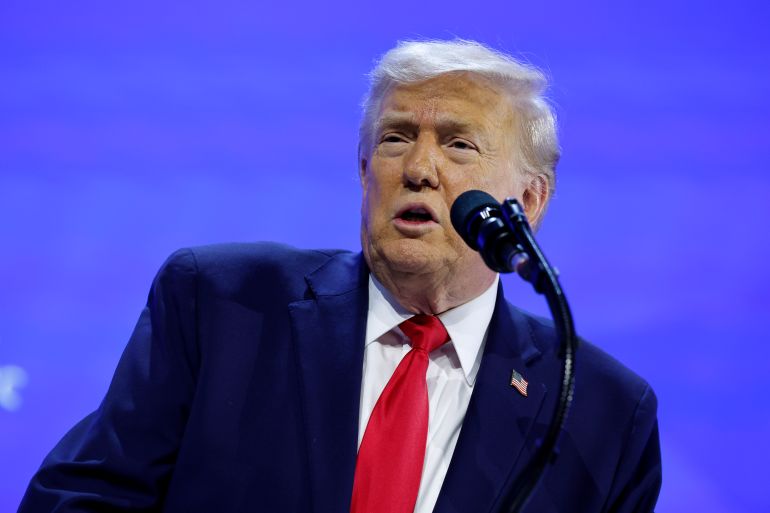
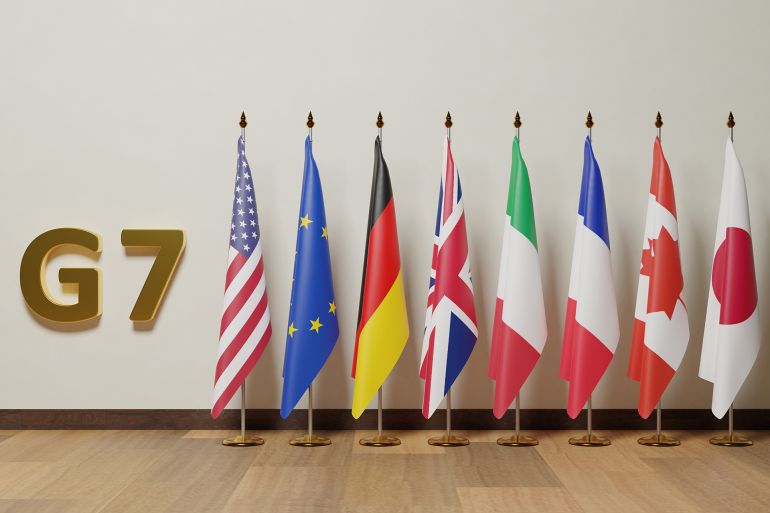
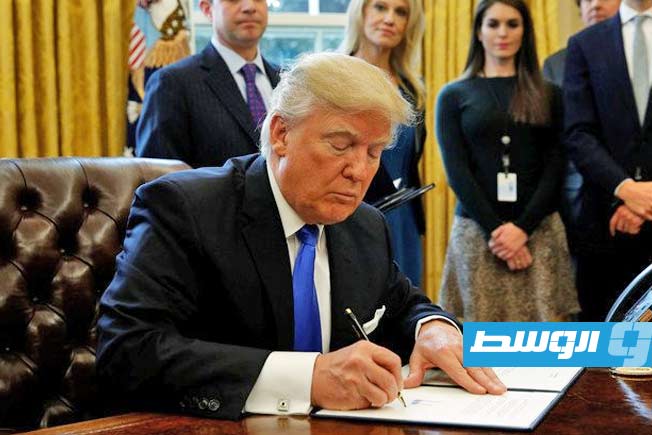
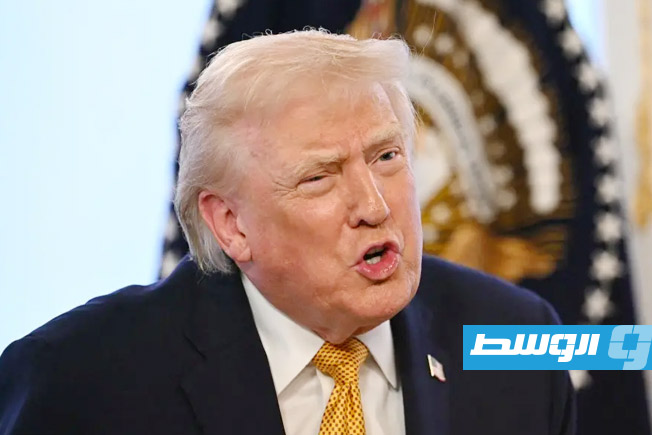
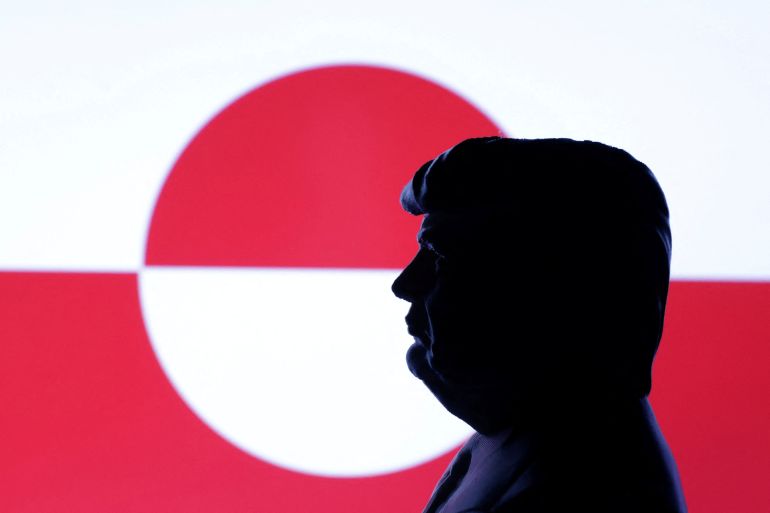
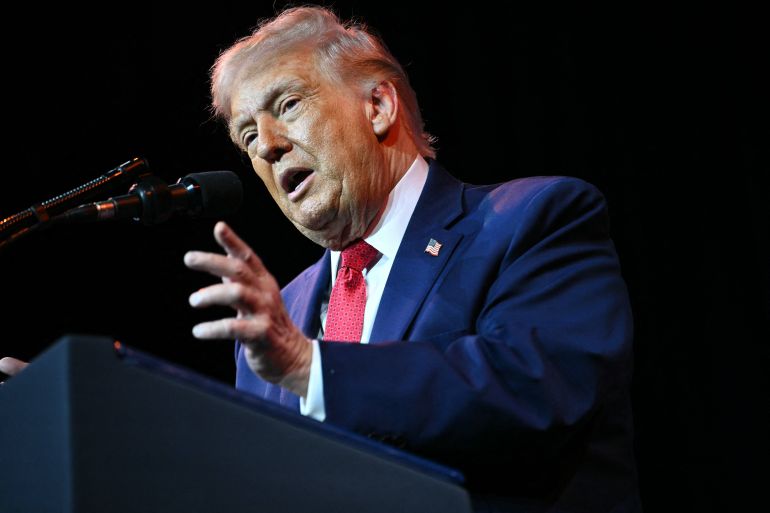
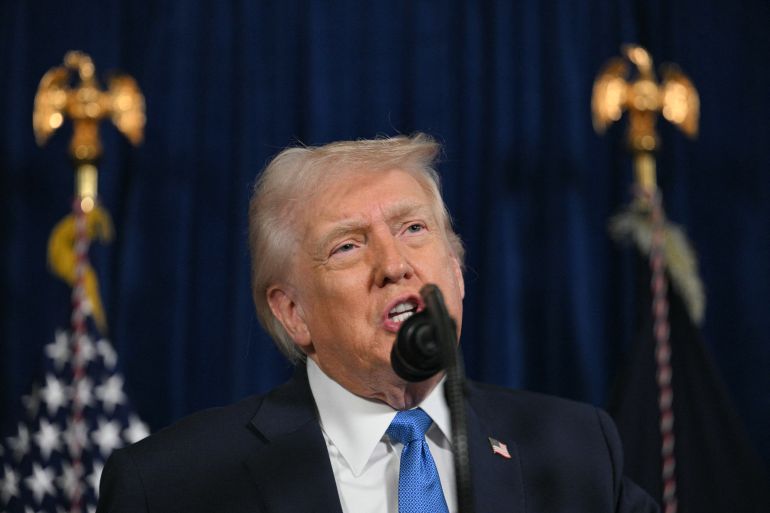
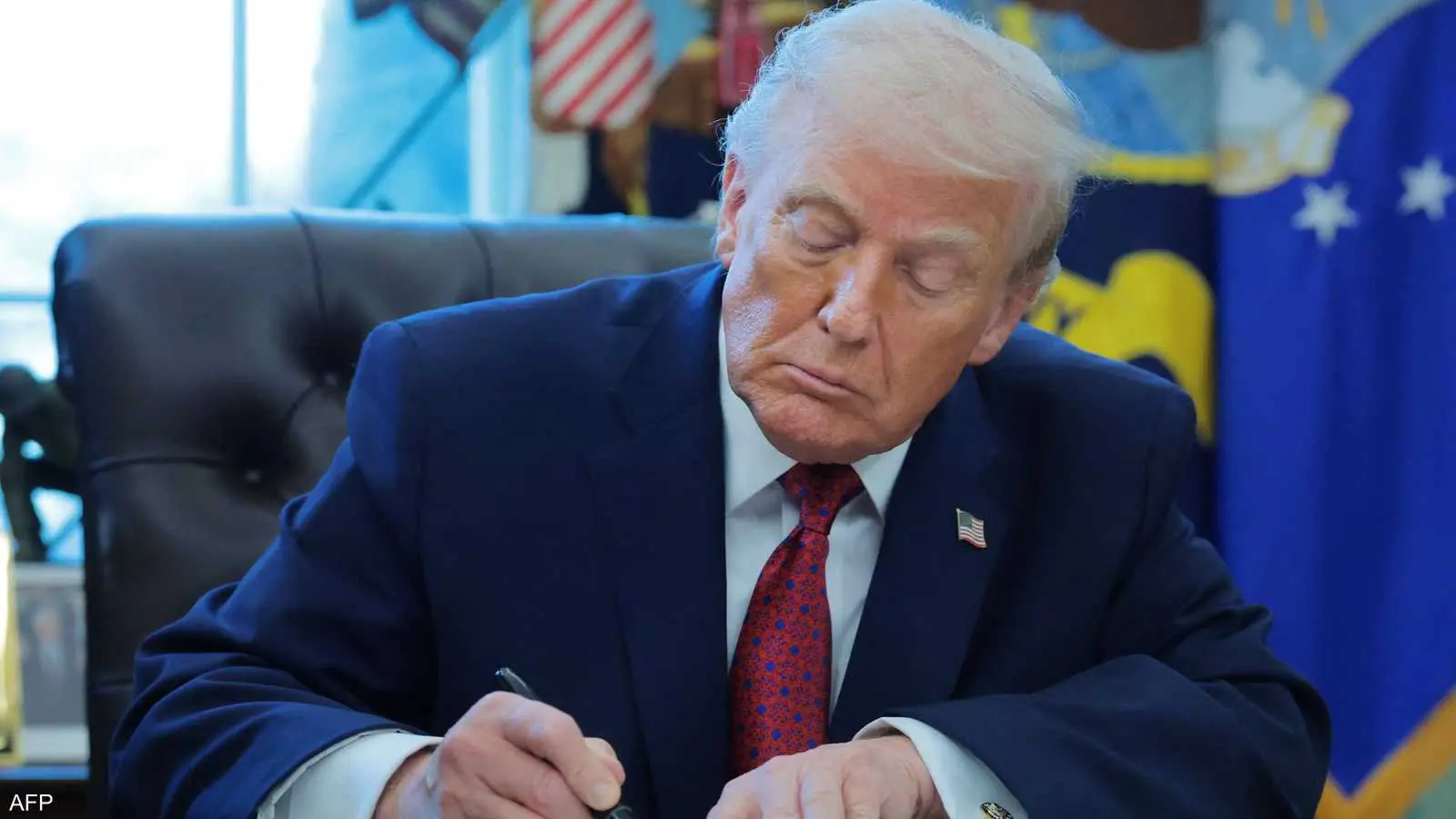
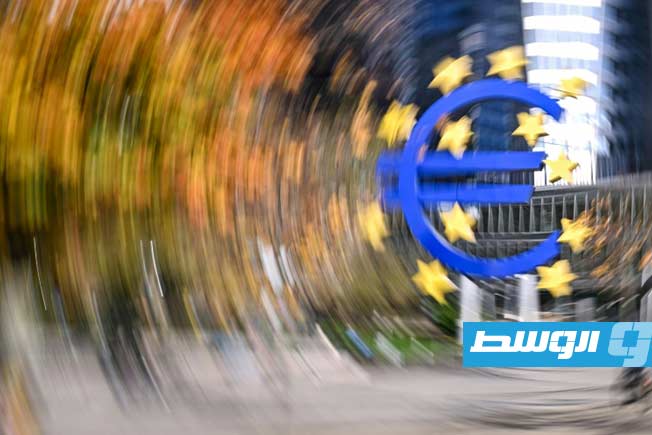
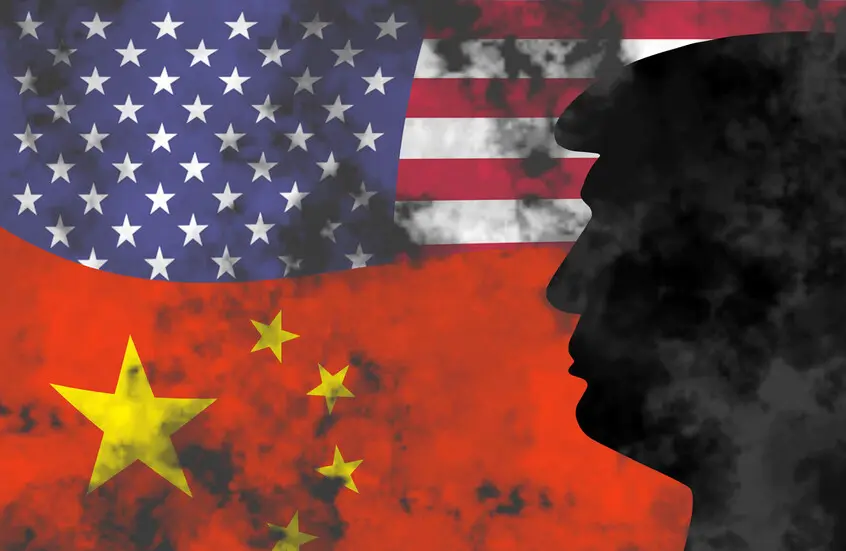
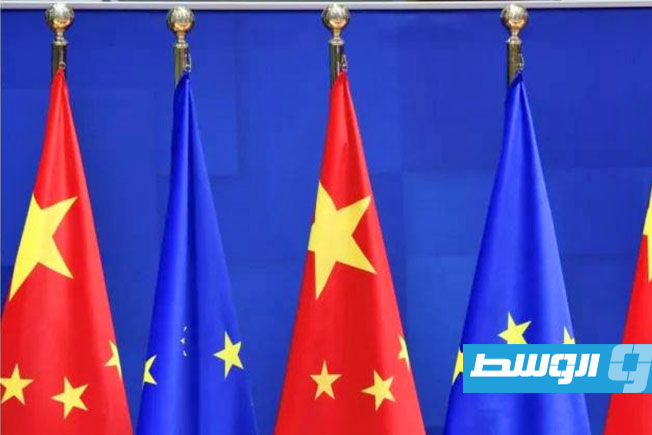
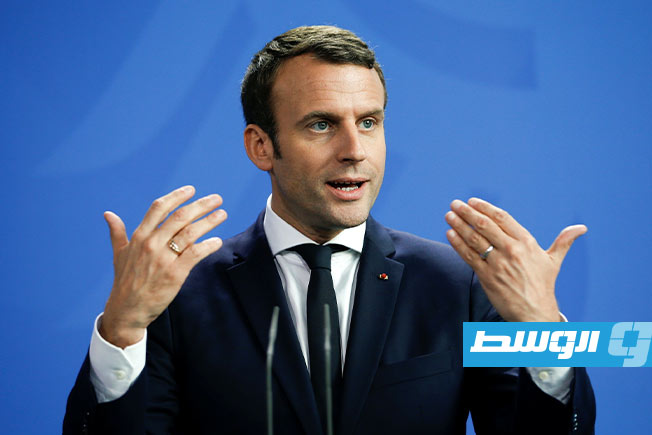
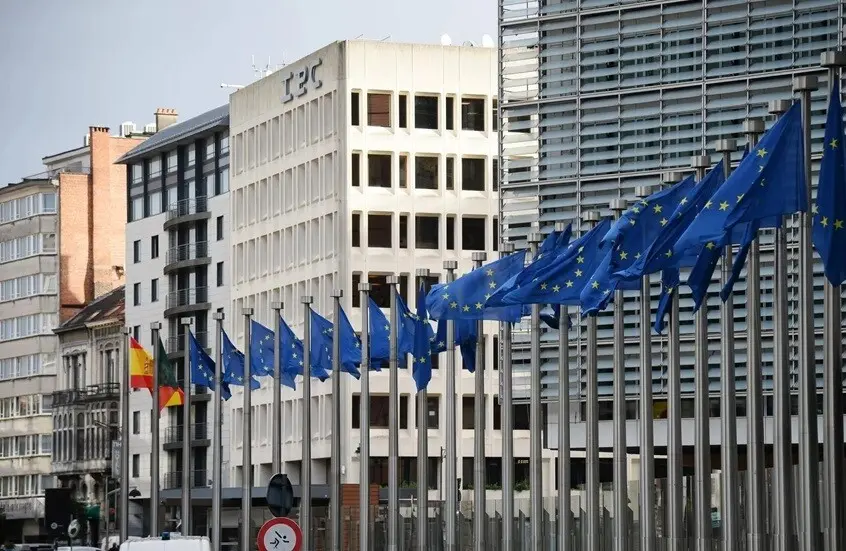
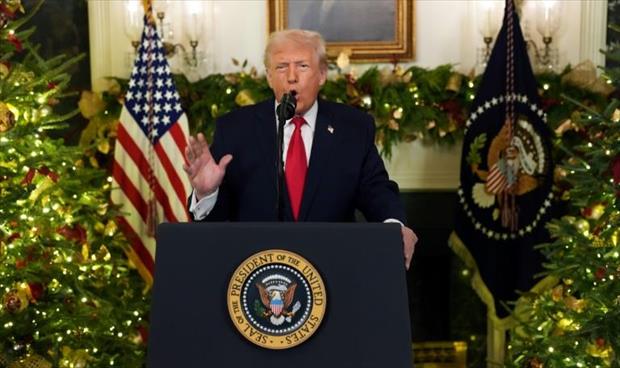
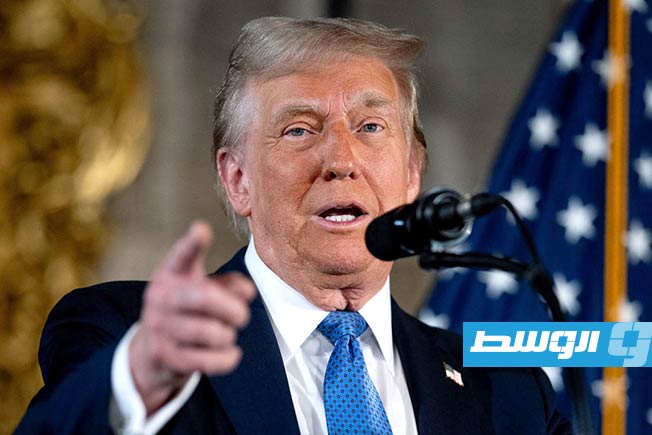
European Union leaders appear to be preparing for a new round of trade war with the United States, following repeated threats from President Donald Trump regarding Greenland and his announcement of new 10% tariffs on eight European countries.
The European countries have a number of available options that could be used to respond forcefully to Trump, including retaliatory trade measures, downgrading defense relations, and using anti-coercion trade tools.
Economic Pressure
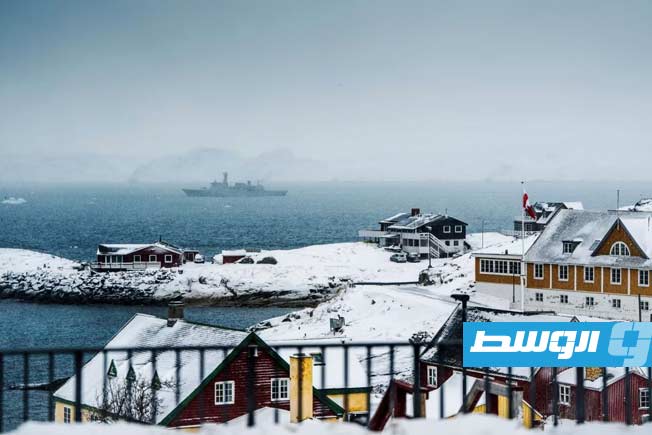
Separately, it is said that the eight countries threatened by Trump with economic pressure cannot act on the new tariffs individually, but the European bloc as a whole could move to raise the cost of using tariffs to extract concessions regarding Greenland. Greenland follows Denmark and is an autonomous region.
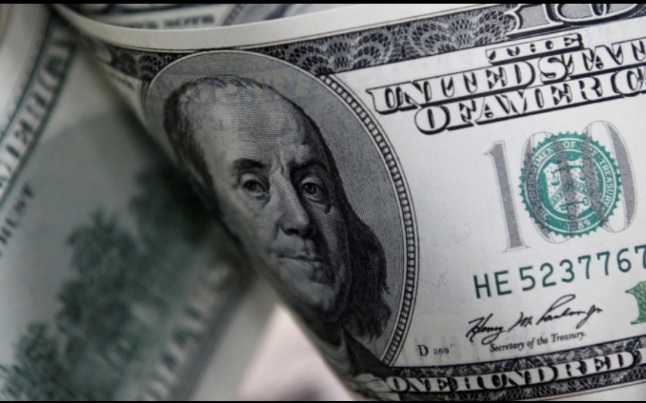
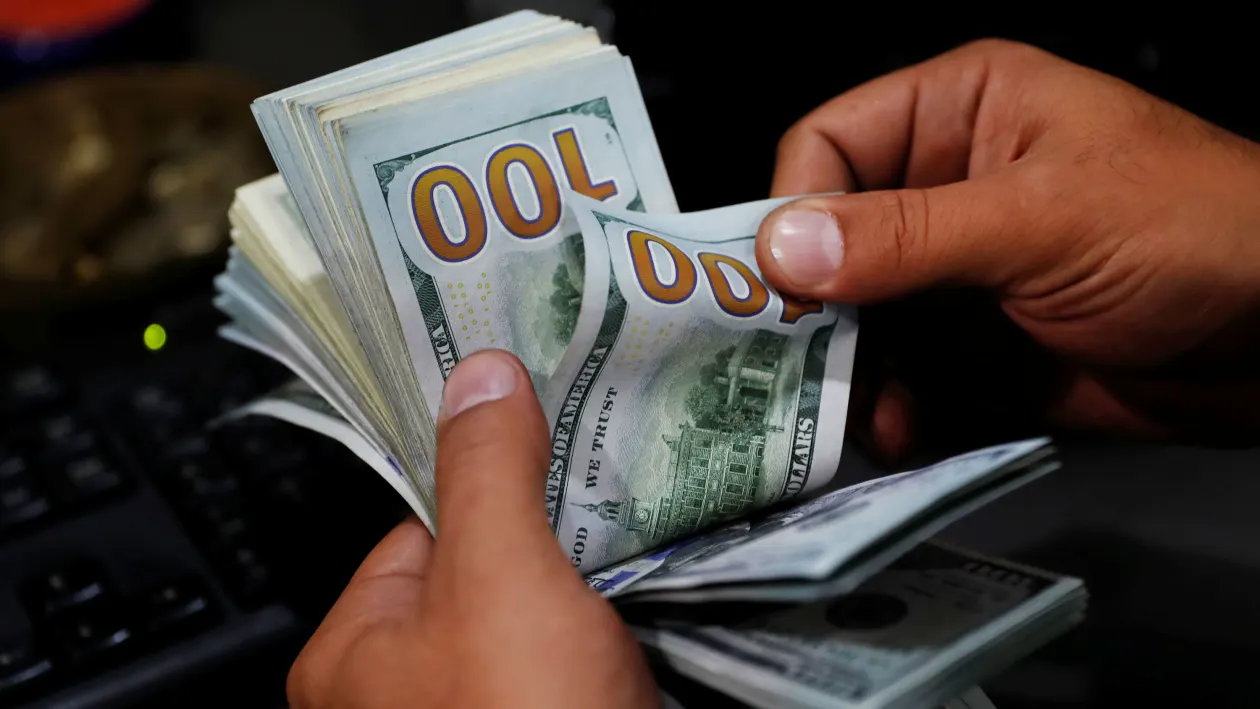
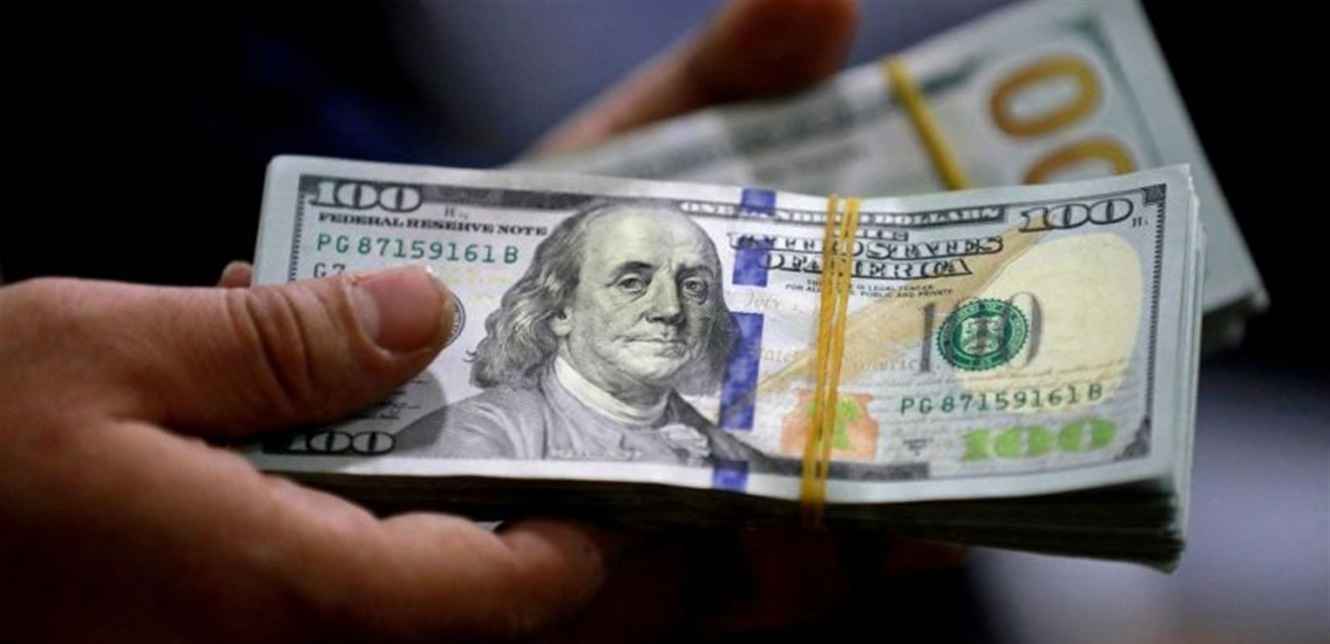
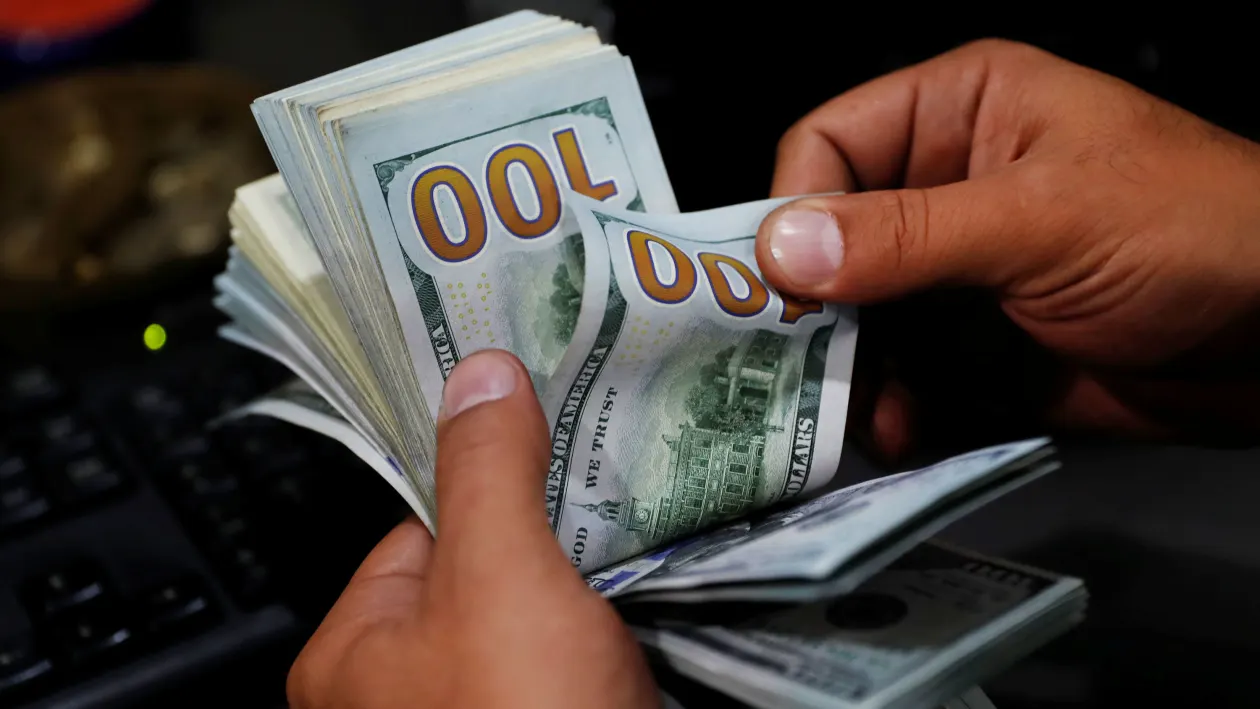
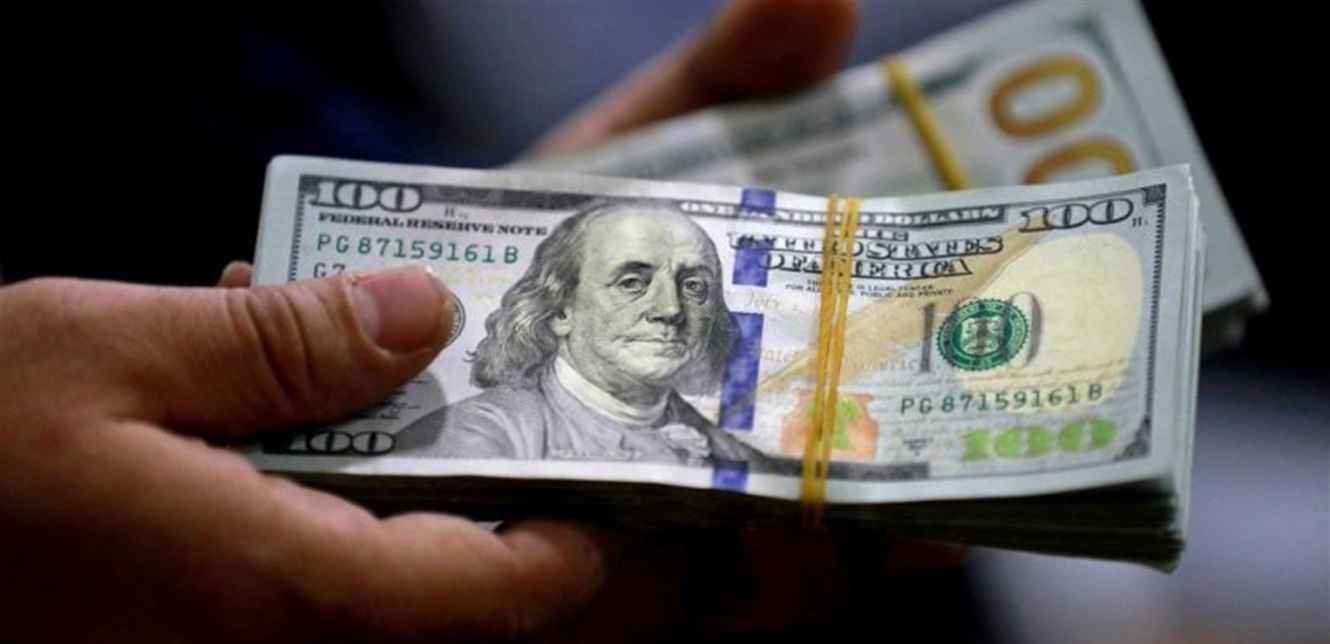
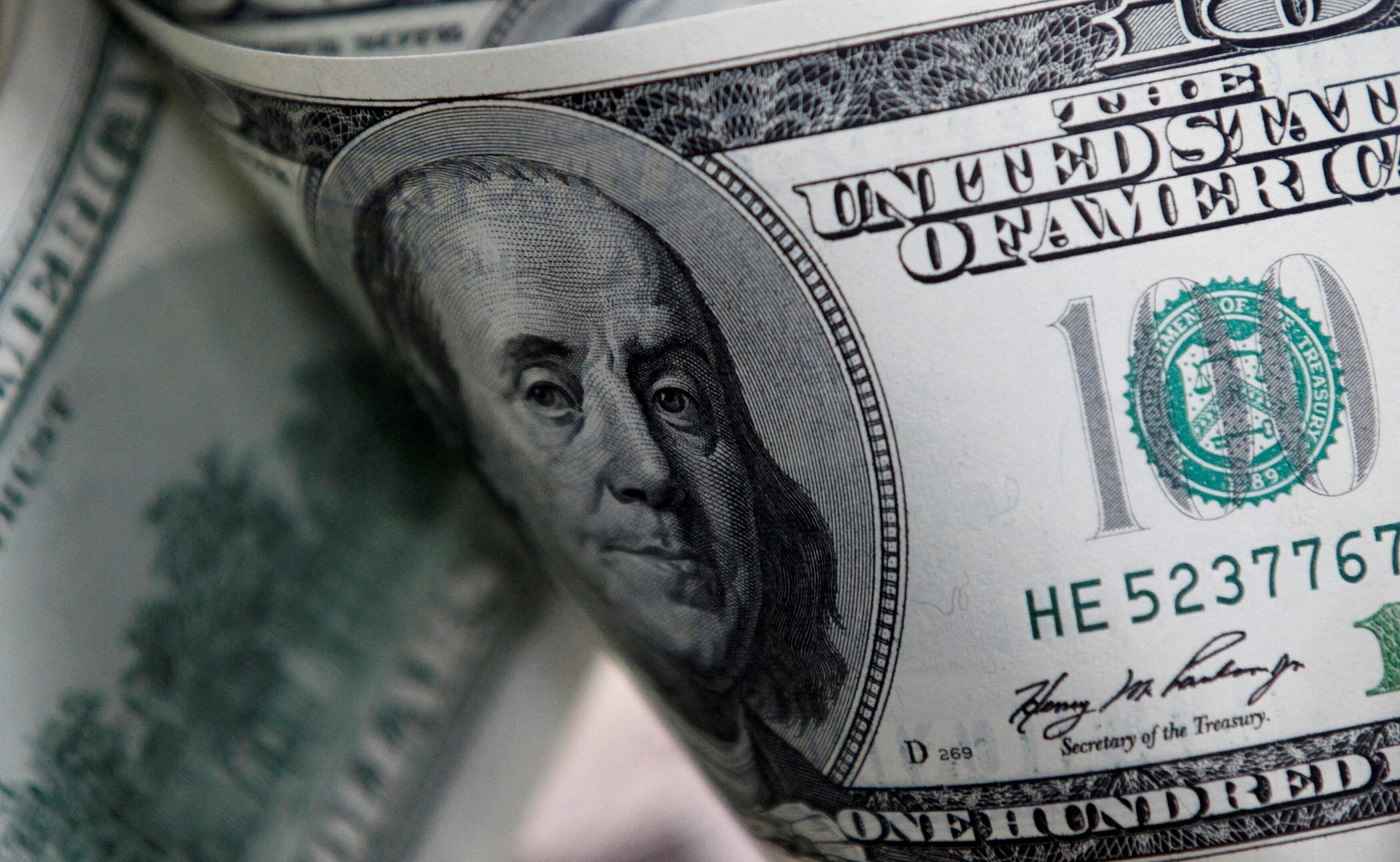
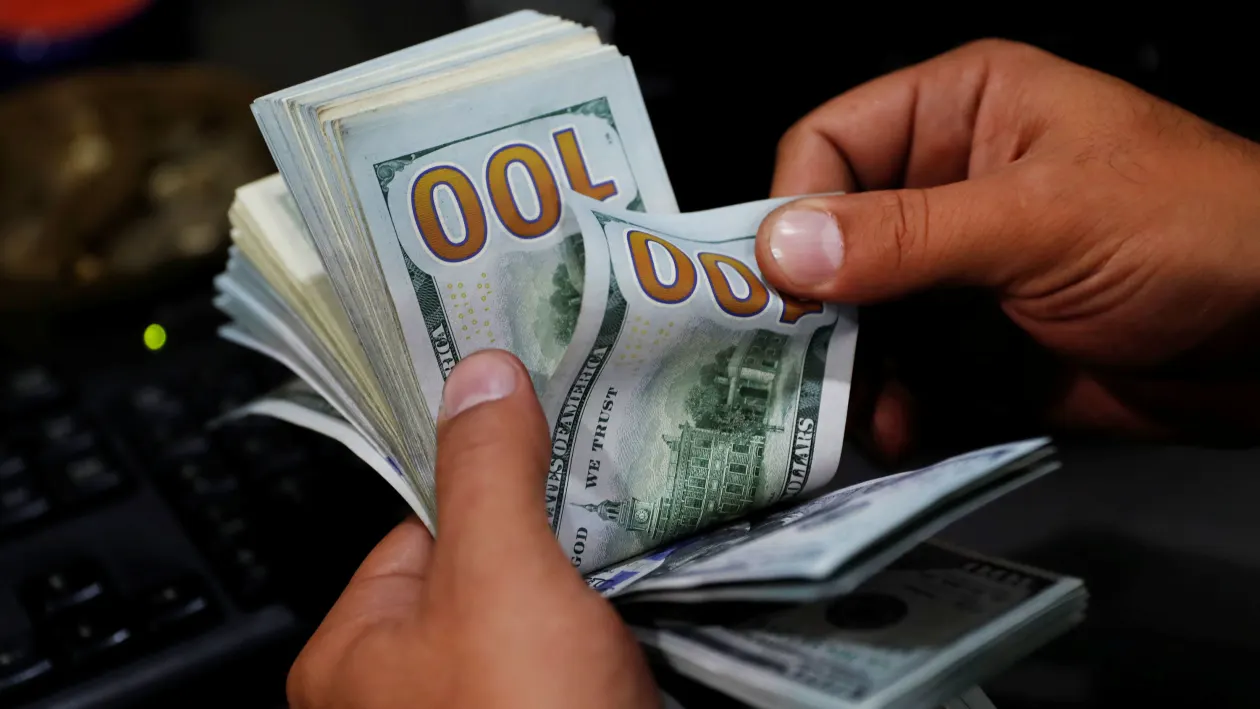
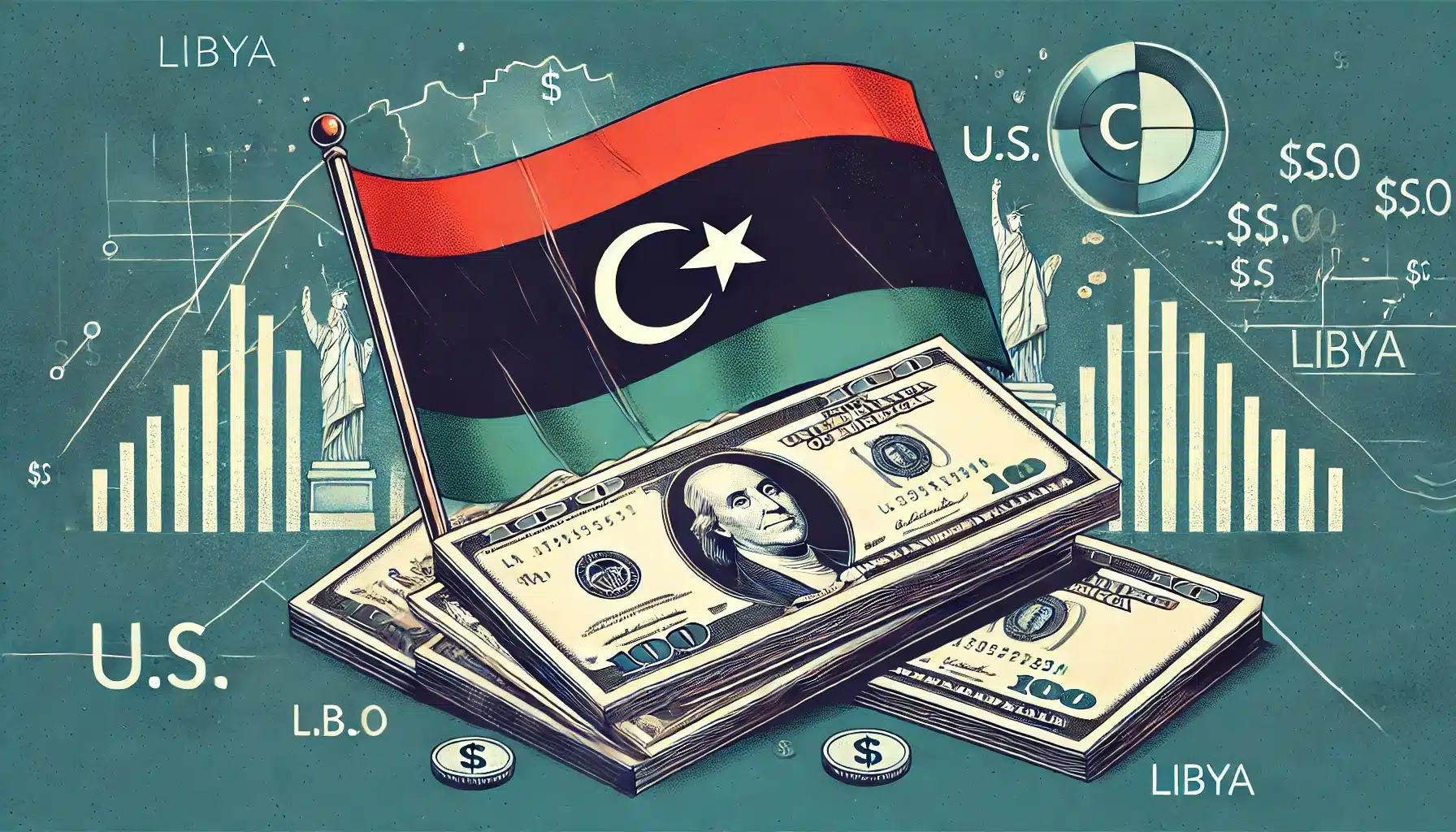
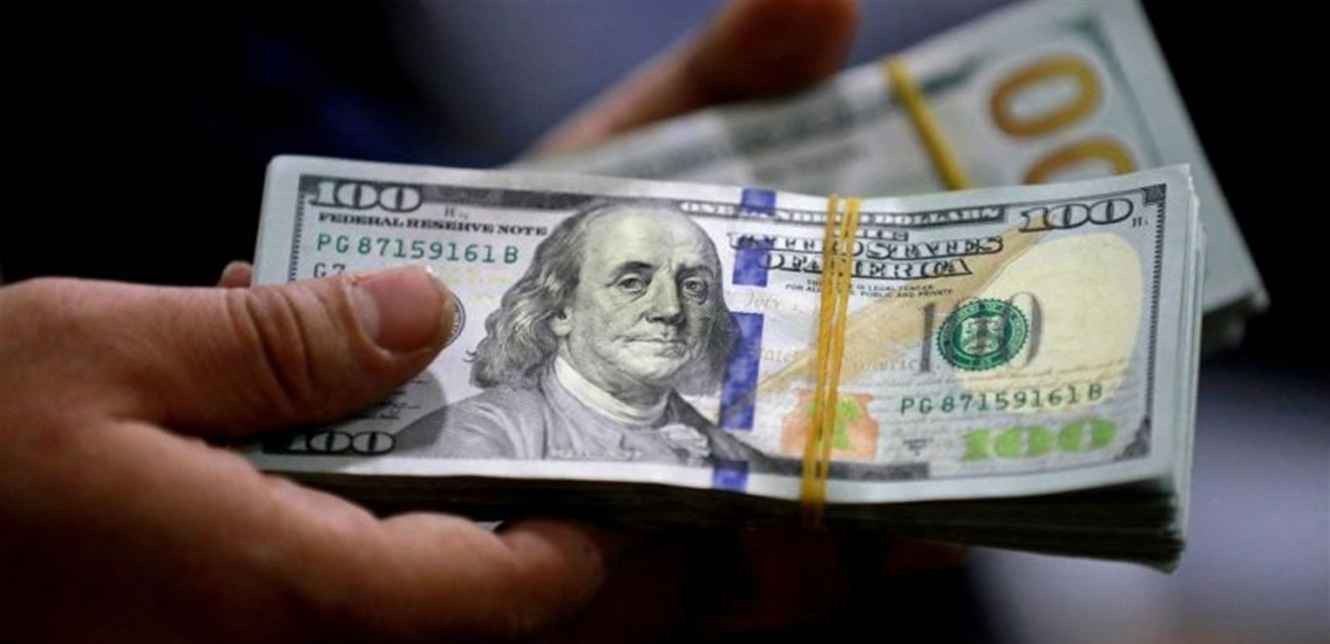
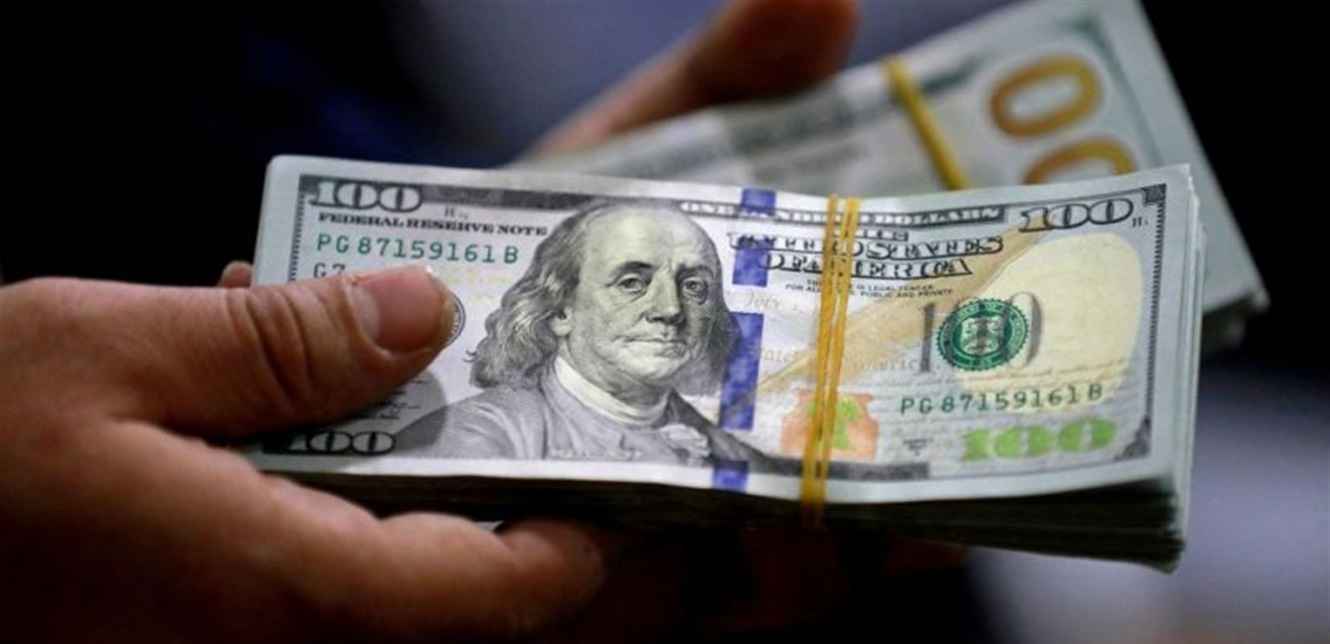
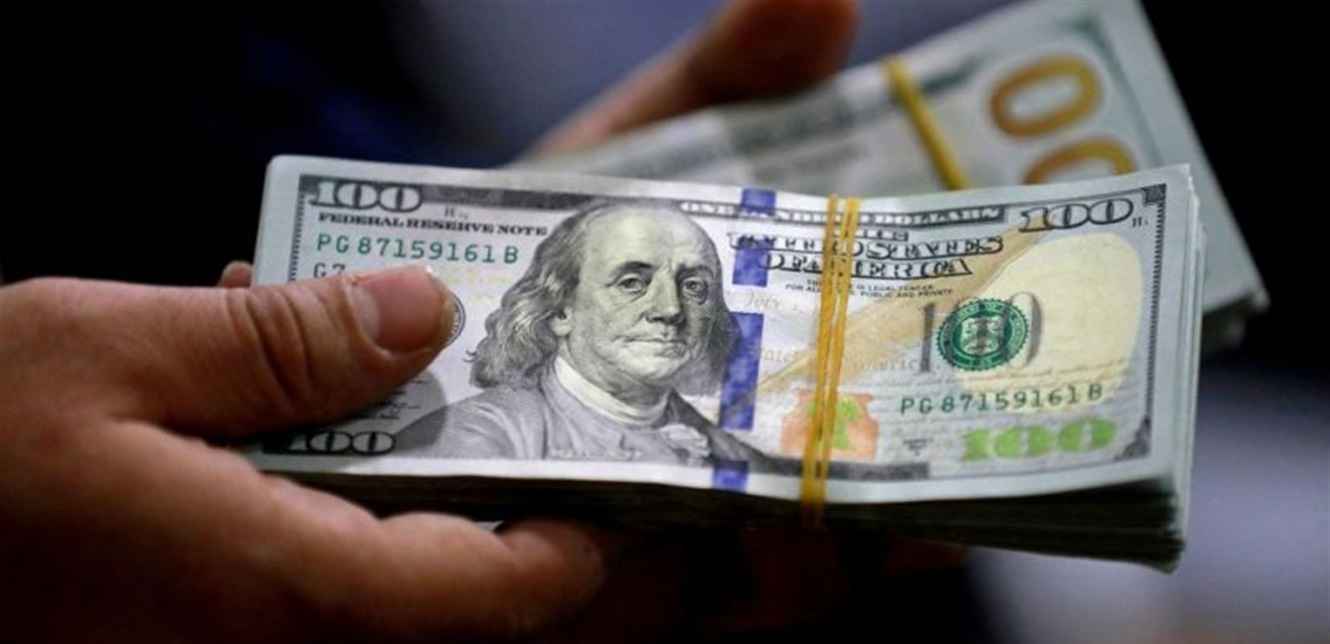
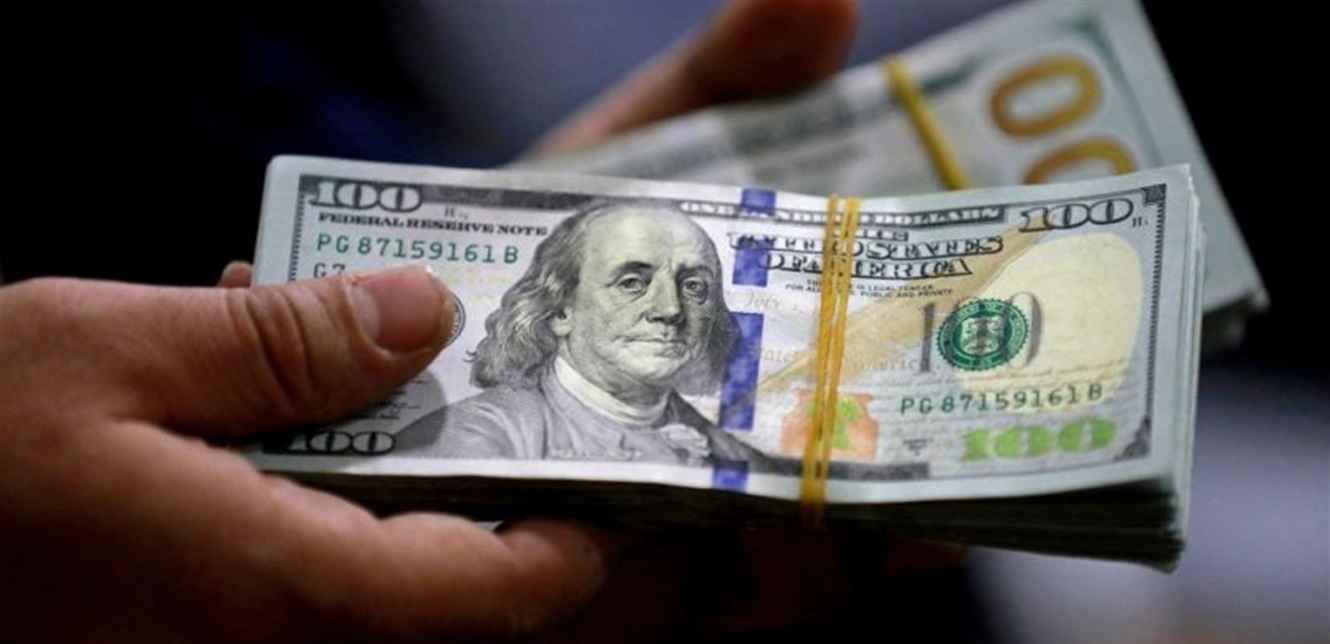
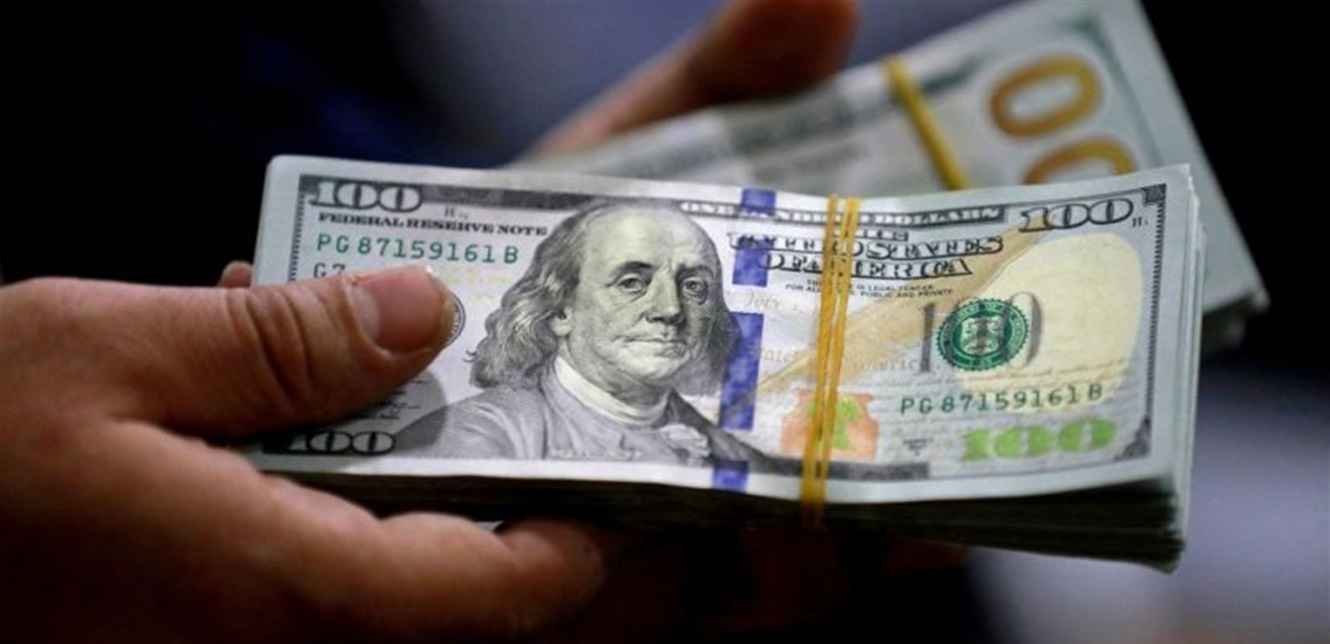
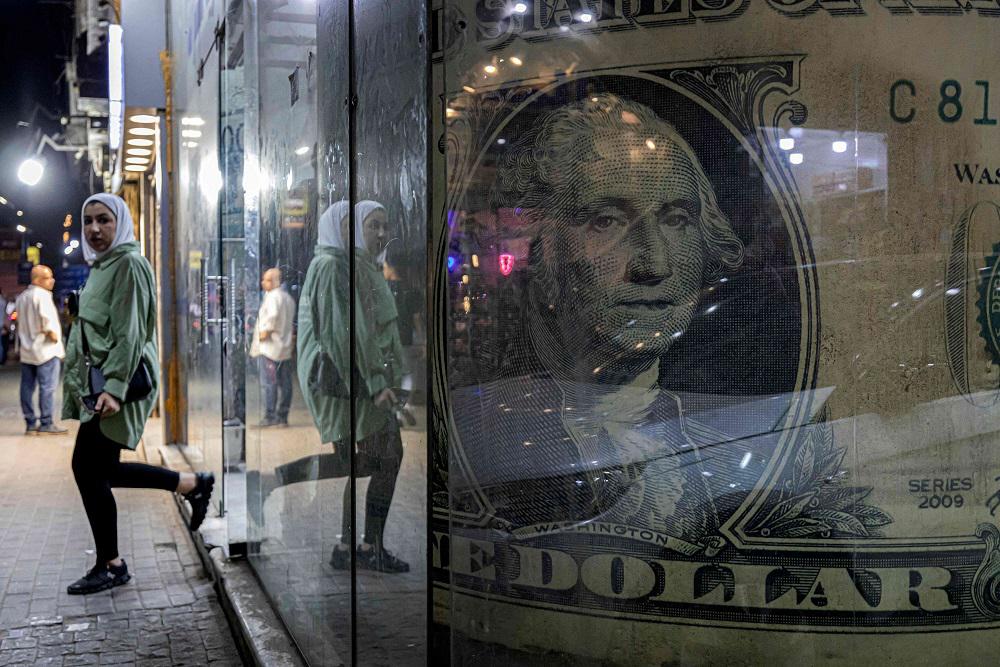
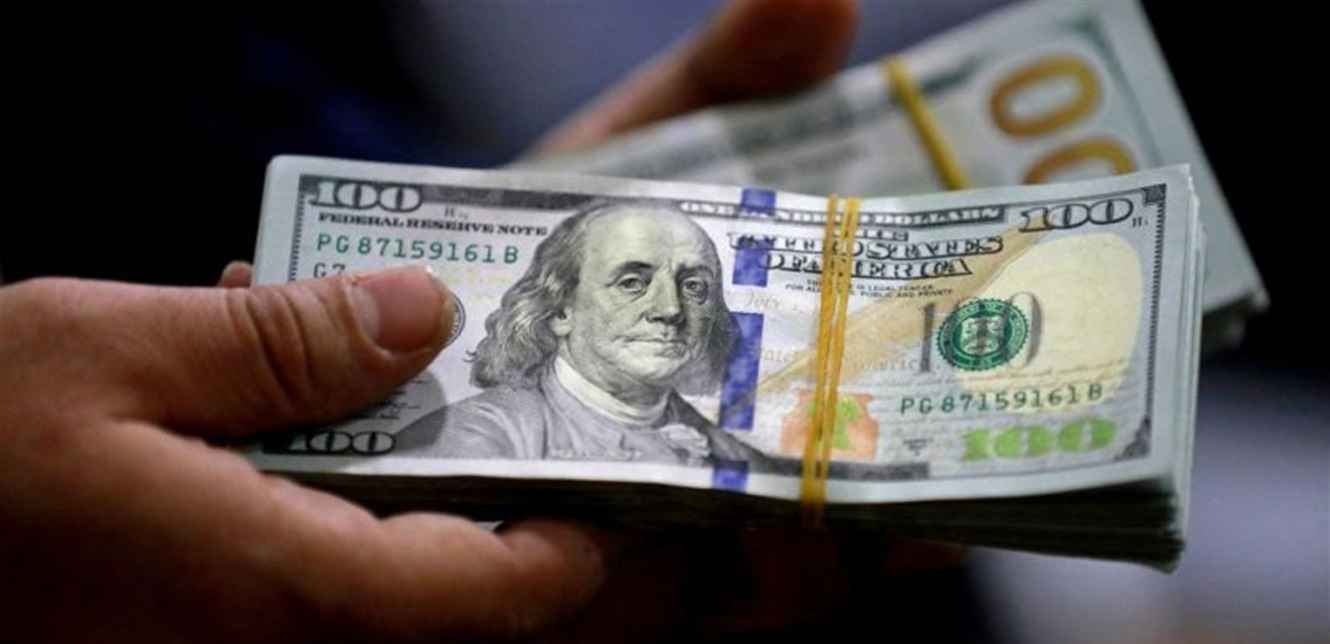
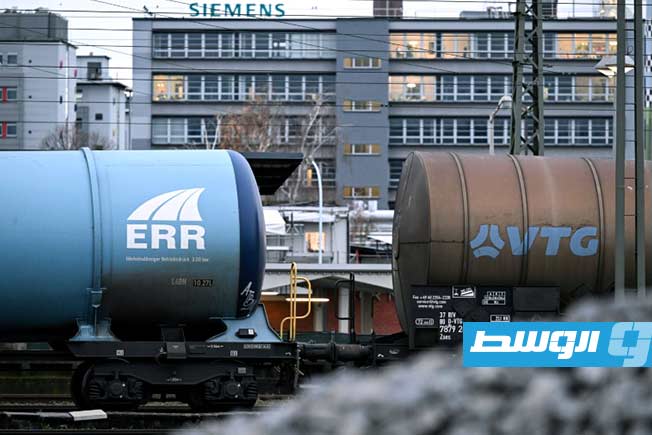
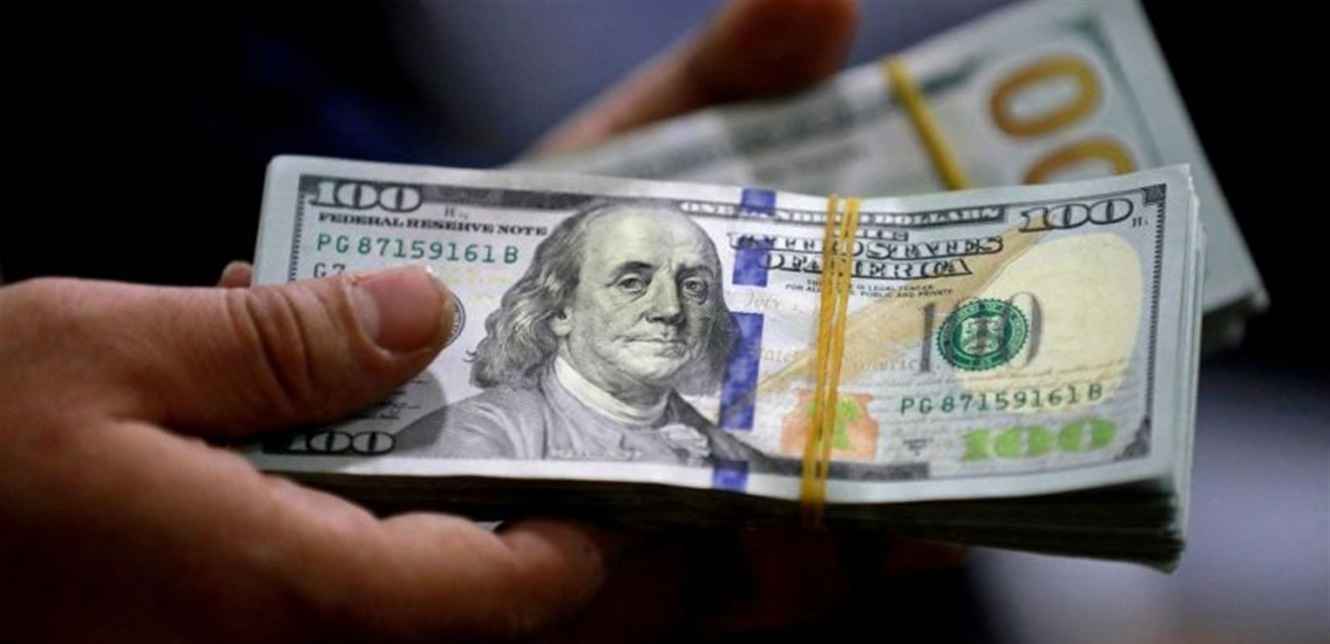
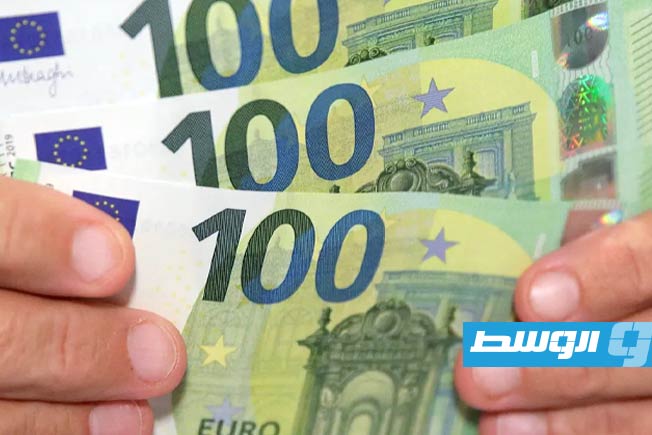
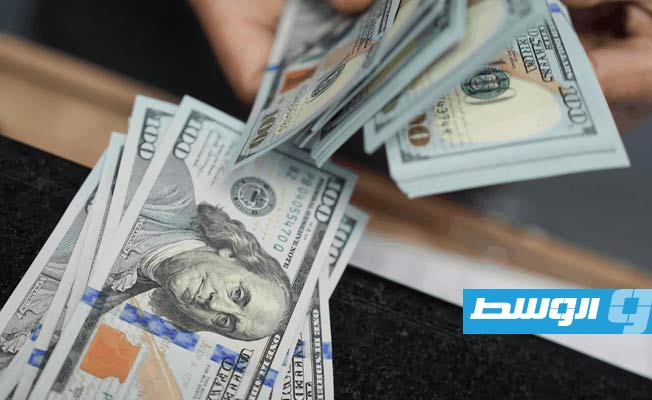
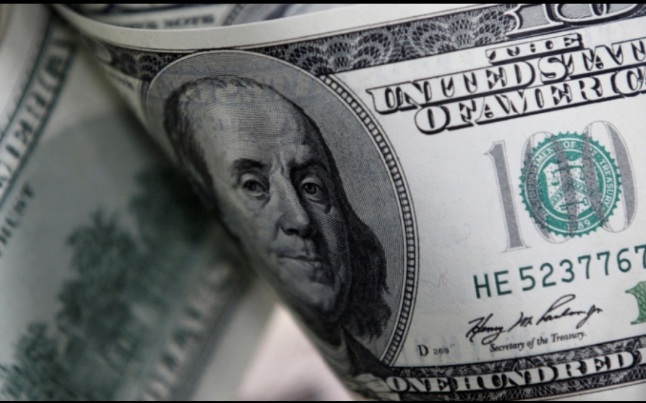
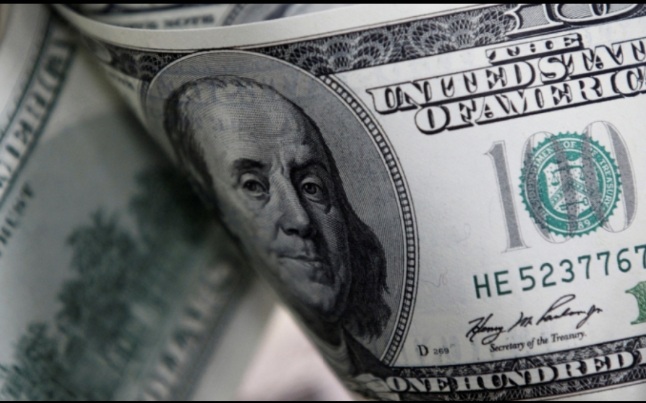
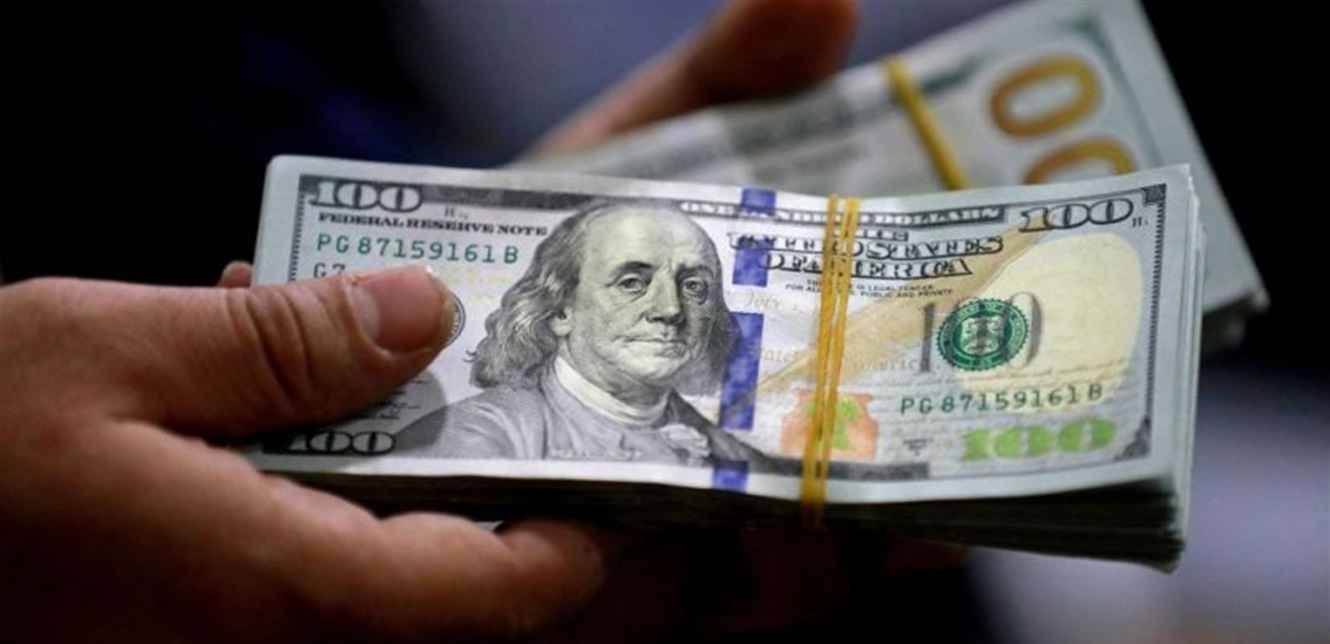
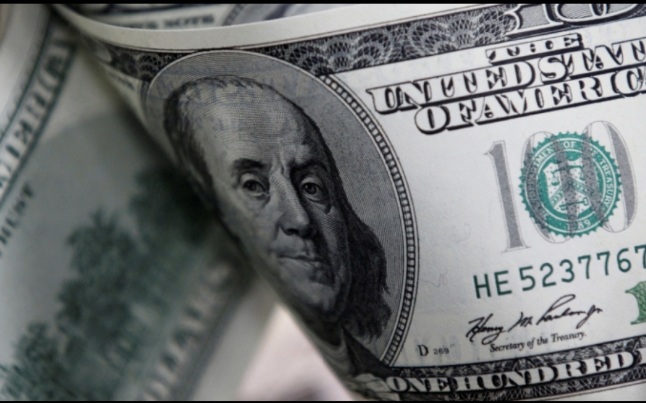
European sources have hinted in the past two days at the possibility of imposing tariffs on American goods worth over $100 billion. The European bloc has also decided to suspend the trade agreement signed with the United States last July.
Activating the ‘Bazooka’ Mechanism
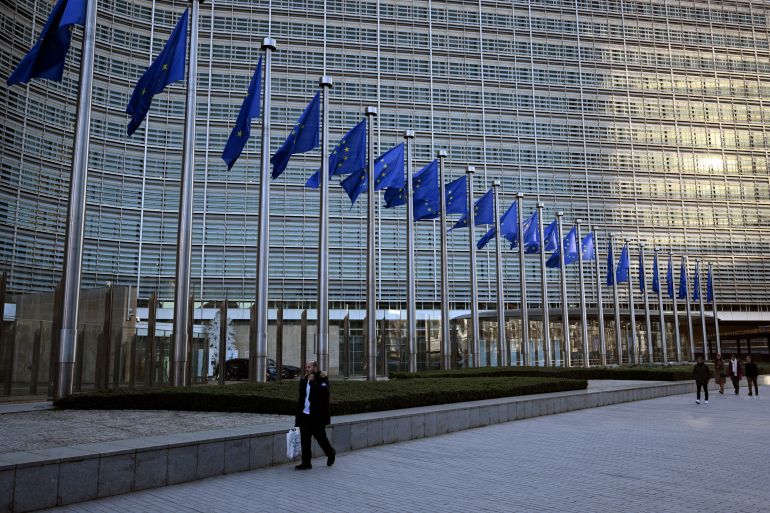
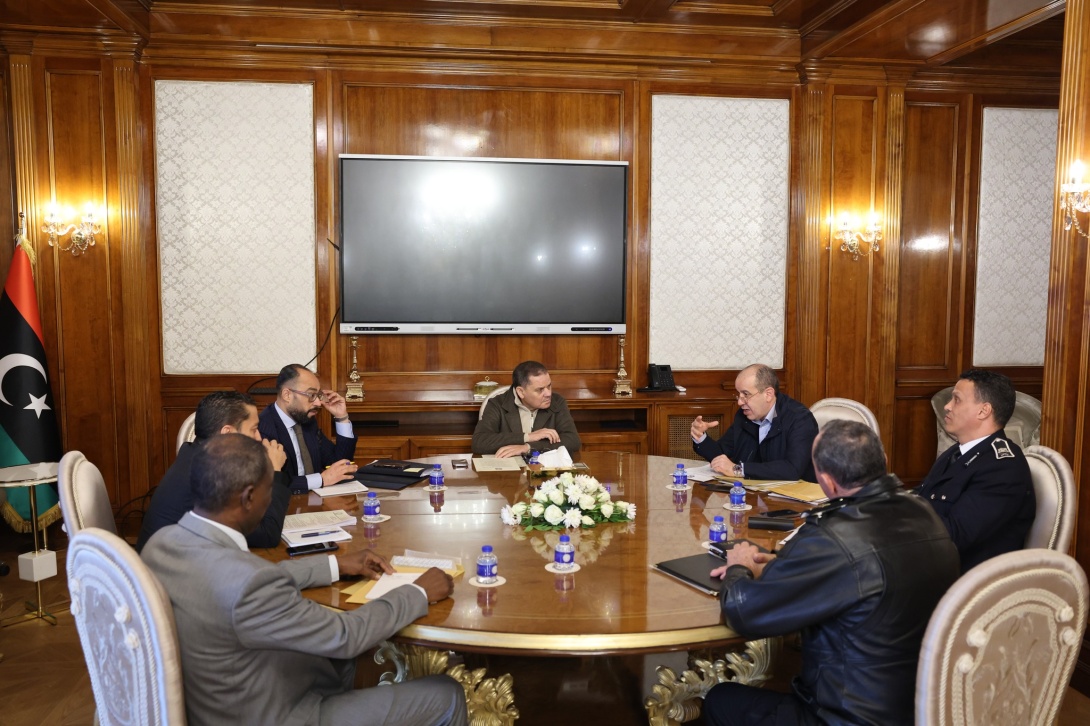
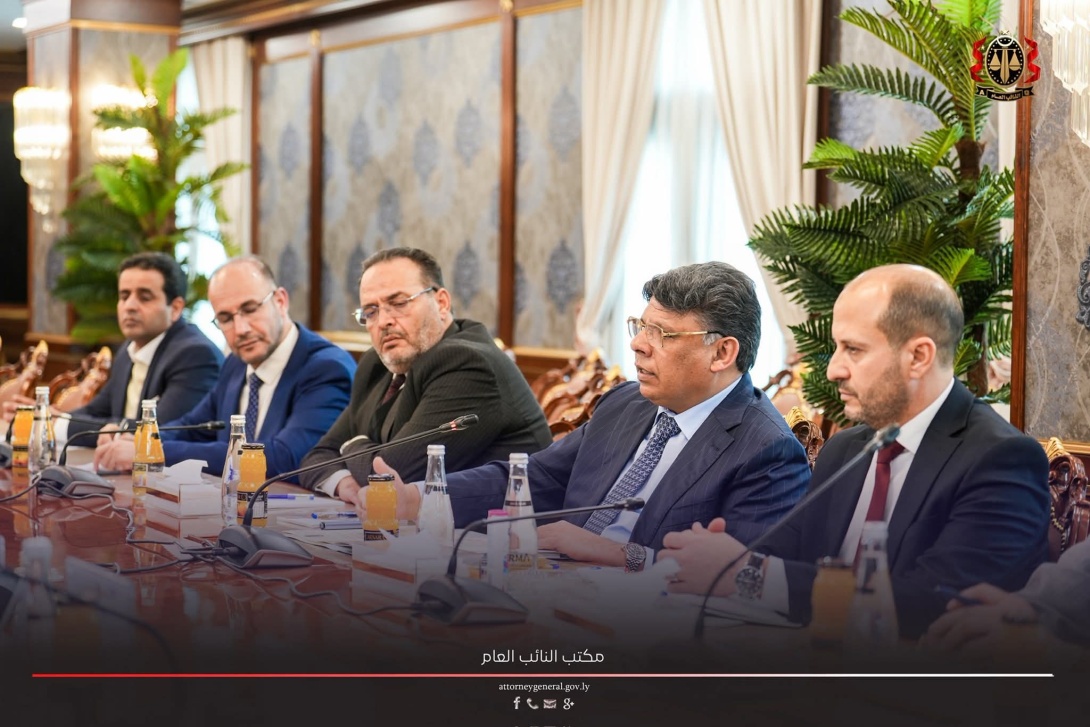
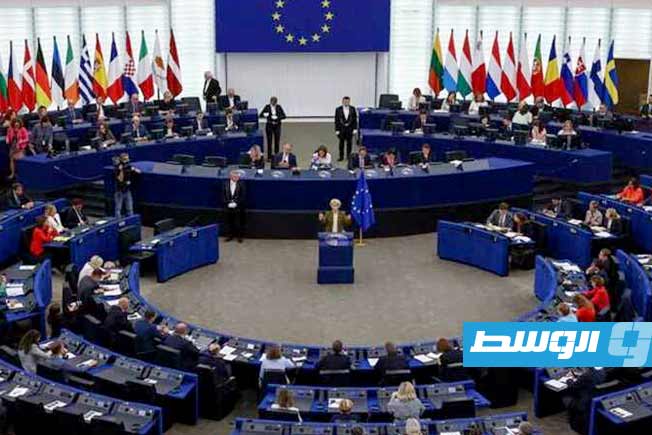
European Union ambassadors, in a meeting yesterday Sunday, discussed activating a previously unused mechanism known as the anti-coercion instrument, or ‘Bazooka’, which allows them to respond forcefully with a series of economic and trade measures.
In principle, the ‘Bazooka’ trade instrument grants the European Union broad powers to implement export controls, impose tariffs on services, restrict intellectual property rights, limit the ability of American companies to compete for public contracts in Europe, along with other measures.
This instrument is based on a European regulation that came into effect over two years ago but has never been used to impose trade measures. Under this law, the EU can deem the actions of another country ‘official economic coercion’, a step that would open the door to a wide arsenal of economic responses if this alleged coercion does not cease.
It was stated: “If there is one circumstance that fully justifies activating the anti-coercion instrument, this is the circumstance,” referring to Trump’s threat to impose tariffs on Greenland.
The ambassadors did not reach a final decision on the response path during their meeting. Diplomats said there is ample time for negotiations with the United States, and internal deliberations within the European bloc continue.
Imposing Retaliatory Tariffs
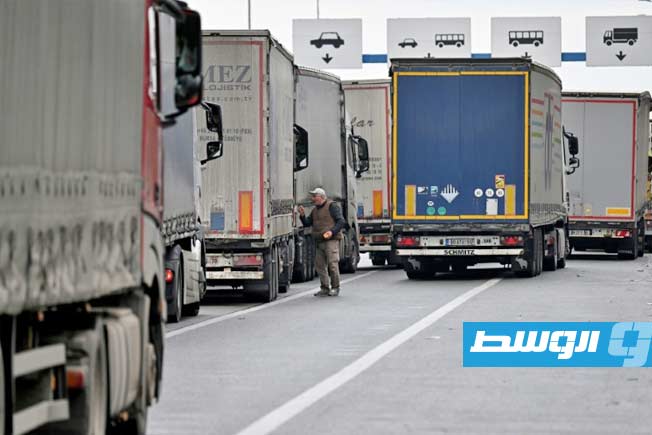
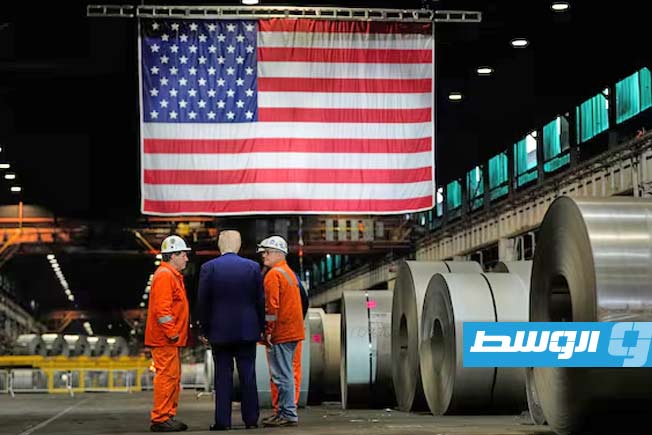
It is reported that the European Union could impose retaliatory tariffs on American goods worth over $100 billion. The list of goods includes peanut butter and motorcycles.
This retaliatory measure would anger the Trump administration and ignite the fuse for a similar escalation. However, analysts believe that economic actions related to Greenland might be enough to push the bloc to respond by imposing similar tariffs.
Downgrading Defense Cooperation
Some in Brussels are also calling for strengthening European defenses in Greenland in the face of the American threat. Many European leaders, especially members of the North Atlantic Treaty Organization (NATO), fear that allowing Trump to gain control over Greenland means opening the door for a similar move targeting other European territories.
Furthermore, Trump’s threat jeopardizes the sanctity of the military alliance and has implications for Ukraine in case of an invasion by Russia.
Therefore, Europe could resort to intensifying its military presence in Greenland, accelerating plans to increase military and defense spending, and shifting military equipment purchases away from the United States.
Among the more extreme options available to Brussels is limiting or completely ending U.S. use of military bases in Europe, such as the massive Ramstein Air Base in Germany, which employs over 12,000 American military and civilian personnel.
Europe ‘Must Respond’
It was also stated: “There is a feeling this time that the European Union must respond, and that the price they are paying for American support in the context of NATO and Ukraine has become too high.”
However, it was simultaneously ruled out that the EU would take concrete steps before the new tariffs come into effect on the first of next February, as announced by Trump.
Europe
Europe is a continent with a rich and complex history, shaped by ancient civilizations like Greece and Rome, the Middle Ages, the Renaissance, and transformative events such as the Industrial Revolution and two World Wars. It is home to a vast array of cultural sites, from prehistoric cave paintings to medieval castles and modern architectural marvels, reflecting its diverse nations and shared heritage.
United States
The United States is a federal republic founded in 1776 after declaring independence from Great Britain, establishing itself through a revolutionary war and the ratification of its Constitution in 1789. It grew from thirteen original colonies into a global superpower, with a history shaped by westward expansion, industrialization, and significant internal conflicts such as the Civil War. Its diverse culture is a product of immigration and its influential political and economic systems.
Greenland
Greenland is the world’s largest island, located between the Arctic and Atlantic Oceans, and is an autonomous territory within the Kingdom of Denmark. It has been inhabited for millennia, first by Paleo-Eskimo peoples and later by the Norse, starting with Erik the Red in the 10th century, before the modern Inuit culture became established.
Denmark
Denmark is a Scandinavian country in Northern Europe with a rich history dating back to the Viking Age, when it was a major seafaring power. Today, it is known for its constitutional monarchy, modern welfare society, and cultural landmarks like the Tivoli Gardens and Kronborg Castle, the setting of Shakespeare’s *Hamlet*.
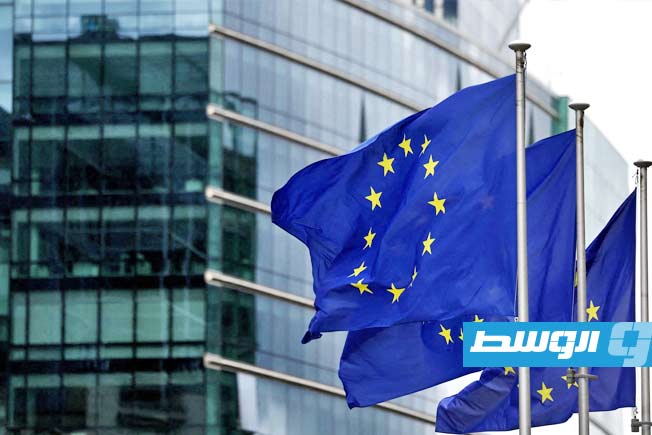
European Union
The European Union (EU) is a political and economic union of 27 European countries, established to foster cooperation and prevent conflict after World War II. Its foundations were laid with the 1951 European Coal and Steel Community, which evolved through key treaties into a single market with common policies and a shared currency, the euro, used by 20 member states.
Brussels
Brussels is the capital city of Belgium and the de facto administrative capital of the European Union. Its history dates back to a 10th-century fortress settlement, and it grew into a major commercial center during the medieval period, later becoming a hub for international politics and diplomacy in the 20th century. The city is renowned for its Grand Place, a UNESCO World Heritage site, and its mix of Gothic and Art Nouveau architecture.
Ukraine
Ukraine is a country in Eastern Europe with a rich history dating back to the medieval state of Kyivan Rus. It has experienced periods of independence as well as rule by various empires, before regaining its sovereignty with the dissolution of the Soviet Union in 1991. The country is known for its diverse cultural heritage, Orthodox Christian cathedrals, and the Chernobyl historical site.
Russia
Russia is the world’s largest country by area, spanning Eastern Europe and Northern Asia. Its history is marked by the rule of the Tsars, the rise and fall of the Soviet Union in the 20th century, and its establishment as the modern Russian Federation in 1991. It is renowned for its vast landscapes, rich cultural heritage in literature, music, and art, and iconic sites like the Kremlin and Red Square in Moscow.
North Atlantic Treaty Organization
The North Atlantic Treaty Organization (NATO) is a military alliance established in 1949 by the United States, Canada, and several Western European nations to provide collective security against the Soviet Union during the Cold War. Its foundational principle is Article 5, which states that an attack on one member is an attack on all. Following the Cold War, NATO expanded eastward and has adapted its missions to include crisis management and counter-terrorism operations.
NATO
NATO, the North Atlantic Treaty Organization, is a military alliance established in 1949 by the Washington Treaty as a collective defense pact against the threat of Soviet expansion during the Cold War. Its core principle is Article 5, which states that an attack on one member is considered an attack on all. Following the Cold War, NATO has evolved, expanding its membership and taking on roles in crisis management and cooperative security.
Ramstein Air Base
Ramstein Air Base is a major United States Air Force installation located in southwestern Germany, serving as the headquarters for United States Air Forces in Europe – Air Forces Africa. It was established in 1951 under a NATO agreement and became a critical hub for air operations, airlift, and medical evacuations, notably during the Cold War and subsequent conflicts. The base is also widely known for the tragic 1988 Ramstein airshow disaster.
Germany
Germany is a country in Central Europe with a complex history, having been a collection of states for centuries before unifying in 1871. It was a central power in both World Wars, and its post-World War II division into East and West Germany symbolized the Cold War, before reunifying in 1990. Today, it is a leading economic and political force in the European Union, known for its rich cultural heritage in philosophy, music, and science.