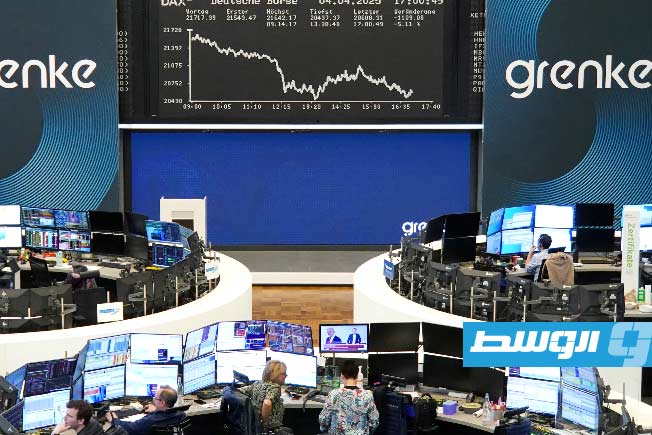
Employment prospects in Germany remain bleak for the coming year, particularly in the industrial sector which forms the backbone of the economy that the government is trying to stimulate, according to a study published on Monday.
The investigation found that only eight professional associations anticipate an increase in hiring next year, while 22 associations expect job cuts compared to 2025, and 15 associations anticipate an economic downturn. Consequently, the overall balance remains negative, although it shows a slight improvement from the previous year.
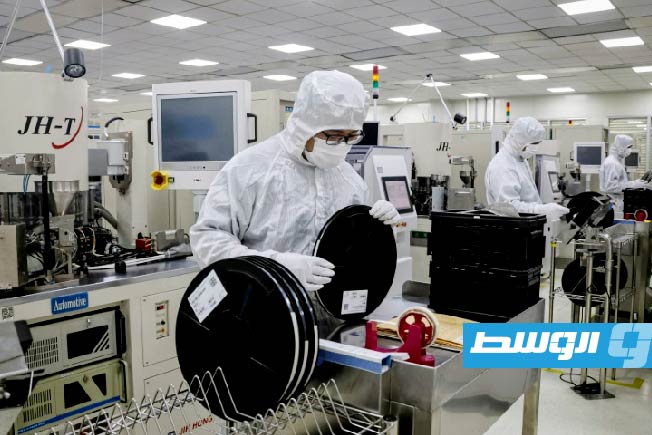
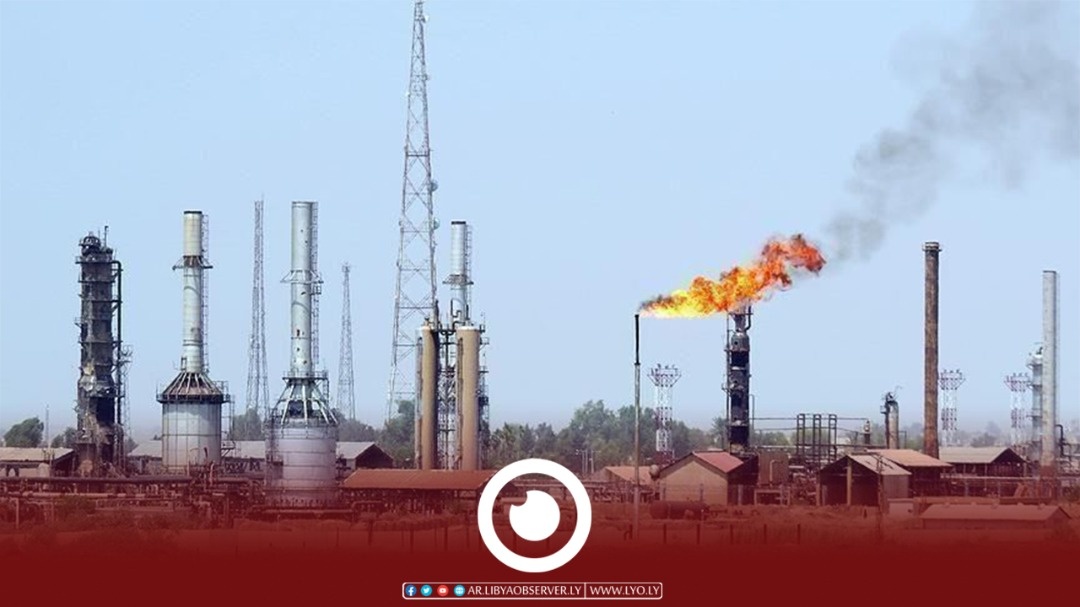
The situation remains particularly concerning in industry, where a majority of sectors expect to reduce their workforce in 2026, especially in key areas such as automotive manufacturing, chemicals, machinery, and equipment.
Significant increase in hiring
In contrast, sectors such as pharmaceuticals, aerospace, shipbuilding, and marine technology anticipate a significant increase in hiring, according to the study.
After three years of recession, the coalition government launched a large-scale public investment campaign worth hundreds of billions of euros last May. This is accompanied by corporate tax cuts, a “high-tech agenda,” and a reduction in energy costs by ten billion euros starting in 2026.
During a routine press conference on Monday, a government spokesperson stated that “the federal government is on a very good track.” The institute noted that these measures are beginning to bear fruit. An economic expert explained, “We are observing, for example, better prospects in construction and security technology manufacturing, two sectors linked to the investment programs.”
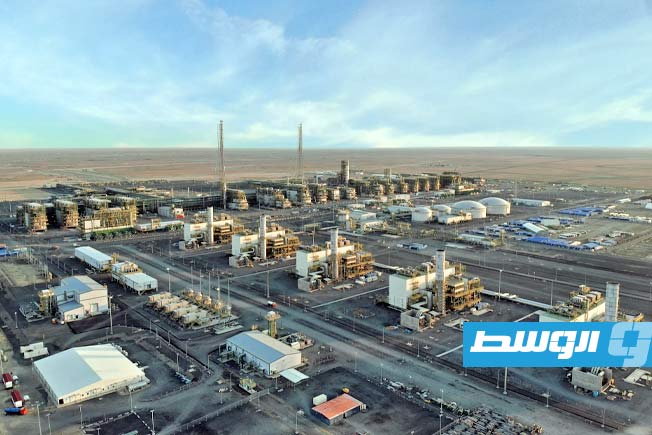
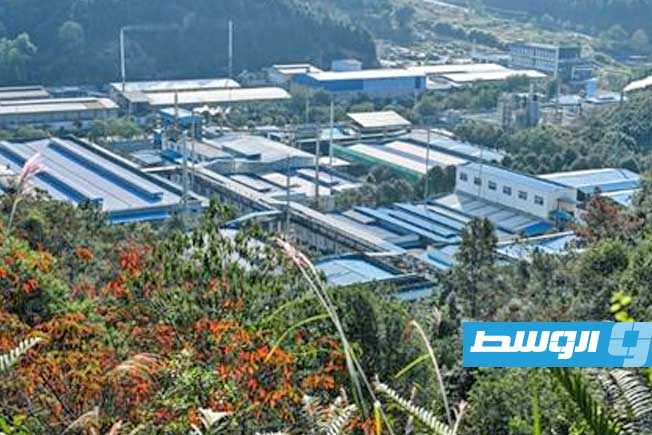
However, the country’s industrial heartland continues to face pressure, having lost 120,300 jobs over the past year (a 2.2% decline), and approximately 272,000 jobs since 2019 (a 4.8% decline), according to a study office.
Automotive sector hardest hit
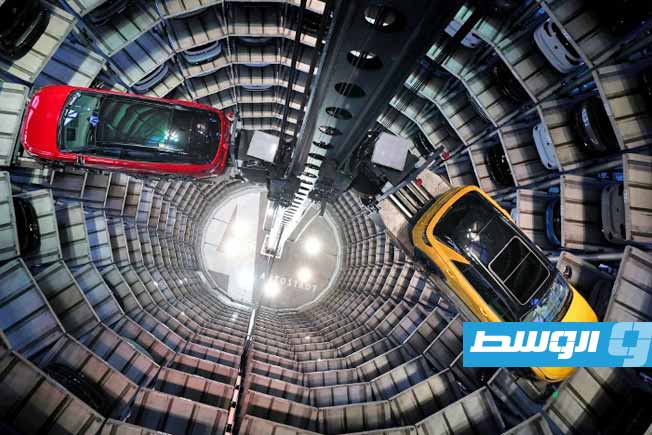
The hardest-hit sector is automotive, which recorded the elimination of 48,800 jobs over the past year, representing over 6% of its workforce. Two major companies plan to eliminate tens of thousands of jobs by 2030. An expert stated, “No turnaround is expected in industrial employment.”
He explained that this situation results from several structural challenges, such as geopolitical and trade tensions, weak supply chains, access to essential raw materials, as well as the shift towards decarbonization in energy-intensive industries and the automotive industry’s transition to electric vehicles.
He warned that “these factors are permanently reflected in investment and hiring decisions.”
In contrast, the public sector and the services sector are experiencing employment growth, particularly in health and security, influenced by an aging population. However, the institute considered this trend insufficient to compensate for the losses in the industrial sector.
Germany
Germany is a country in Central Europe with a complex history, having been a collection of states until unification in 1871. It was central to both World Wars, was divided during the Cold War, and reunified in 1990, becoming a leading economic and political power in the European Union. Its rich cultural heritage includes contributions to philosophy, music, science, and is marked by numerous historic sites, museums, and memorials reflecting its past.
industrial sector
The industrial sector refers to the segment of the economy concerned with manufacturing goods and processing raw materials. Its modern history is rooted in the Industrial Revolution of the 18th and 19th centuries, which introduced mechanized production and transformed societies from agrarian to industrial economies. Today, it encompasses diverse activities from heavy manufacturing to high-tech production, driving technological innovation and global trade.
automotive manufacturing
Automotive manufacturing refers to the industrial process of producing motor vehicles, which began in the late 19th century with pioneers like Karl Benz and Henry Ford. The introduction of the moving assembly line by Ford in 1913 revolutionized the industry, enabling mass production and making cars affordable to the general public. Today, it is a global, highly automated industry central to the economies of many nations.
chemicals
The term “chemicals” does not refer to a specific place or cultural site. It is a broad scientific classification for substances with a distinct molecular composition. Historically, the study and use of chemicals, from ancient alchemy to modern industry, has fundamentally shaped human technology and society.
machinery
Machinery, as a cultural concept, often refers to the Industrial Revolution’s transformative impact, which began in the 18th century and fundamentally changed production, economies, and daily life through mechanization. This shift from hand production to machines established factories and new social structures, symbolizing both human ingenuity and the complex relationship between technology and society.
equipment
“Equipment” is not a specific place or cultural site, so it cannot be summarized in that context. The term generally refers to the set of tools or machinery needed for a particular purpose.
pharmaceuticals
The pharmaceutical industry is not a single place or cultural site, but a global sector dedicated to the research, development, and production of medicinal drugs. Its modern history began in the late 19th century with the synthesis of chemical compounds like aspirin, evolving from apothecaries and herbalism into a science-driven field. This industry has been central to major medical advancements, including the development of antibiotics, vaccines, and treatments for chronic diseases.
aerospace
The term “aerospace” broadly refers to the Earth’s atmosphere and outer space, and the industry dedicated to flight within them. Its modern history began with early 20th-century aviation pioneers like the Wright brothers and rapidly accelerated during the Cold War space race, leading to satellite technology and human spaceflight. Today, it encompasses both aeronautics (aircraft) and astronautics (spacecraft), driving global communication, exploration, and defense.
shipbuilding
Shipbuilding is the industrial process of constructing vessels, historically crucial for exploration, trade, and naval power. Its development evolved from wooden craftsmanship to iron and steel construction during the Industrial Revolution, fundamentally shaping global connectivity and economies. Modern shipbuilding is a high-tech industry concentrated in key maritime nations, producing everything from container ships to naval vessels.
marine technology
Marine technology refers to the engineering and equipment used for ocean exploration, resource extraction, and maritime transport, evolving from ancient shipbuilding to modern submersibles and offshore platforms. Its history is deeply tied to global trade, naval power, and scientific discovery, with significant advancements like sonar and GPS revolutionizing our ability to navigate and study the sea.
construction
The construction of the Great Wall of China began as early as the 7th century BC, with the most famous sections built during the Ming Dynasty (1368–1644) to protect against northern invasions. Today, it stands as a UNESCO World Heritage site and a monumental symbol of Chinese engineering and perseverance.
security technology manufacturing
“Security technology manufacturing” refers to the industrial sector focused on producing devices and systems designed to protect assets, information, and people. Its modern history accelerated significantly in the late 20th century with the digital revolution, leading to innovations from electronic alarm systems to advanced cybersecurity software and biometric identification tools. This field continues to evolve rapidly in response to new physical and digital threats.
industrial heartland
The term “industrial heartland” typically refers to a region central to a nation’s manufacturing and heavy industry, such as the Ruhr Valley in Germany or the American Rust Belt. These areas historically powered economic growth through sectors like steel, coal, and automotive production from the 19th century onward. Many have since undergone significant deindustrialization and economic transformation in the late 20th century.
automotive sector
The automotive sector refers to the global industry involved in the design, development, manufacturing, marketing, and selling of motor vehicles. Its history began in the late 19th century with pioneers like Karl Benz, leading to mass production innovations by Henry Ford in the early 20th century. It has since evolved into a major economic force, undergoing significant transformations with the rise of automation, globalization, and the shift toward electric vehicles.
public sector
The public sector refers to the part of the economy owned and operated by government entities, providing essential services like education, healthcare, and infrastructure. Its modern form expanded significantly in the 20th century, particularly following World War II, as many governments adopted policies to manage key industries and ensure social welfare.
services sector
The services sector refers to the portion of the economy that produces intangible goods and activities, such as retail, finance, healthcare, and hospitality. Historically, it grew to dominate advanced economies following the Industrial Revolution, as technological progress reduced the relative size of agriculture and manufacturing. Today, it represents the largest share of economic output and employment in most developed nations.
health
The Acropolis of Athens is an ancient citadel located on a rocky outcrop above the city, containing the remains of several historically significant buildings, most notably the Parthenon. Its construction, primarily in the 5th century BCE during the Golden Age of Athens under Pericles, symbolizes the achievements of ancient Greek civilization and is dedicated to the goddess Athena. It remains a universal symbol of classical spirit and is a UNESCO World Heritage Site.
security
The Berlin Wall was a guarded concrete barrier that divided Berlin from 1961 to 1989, constructed by the German Democratic Republic to prevent East Germans from fleeing to the West. Its fall in 1989 became a powerful symbol of the end of the Cold War and the reunification of Germany. Today, fragments of the wall stand as memorials and art galleries, most notably the East Side Gallery.