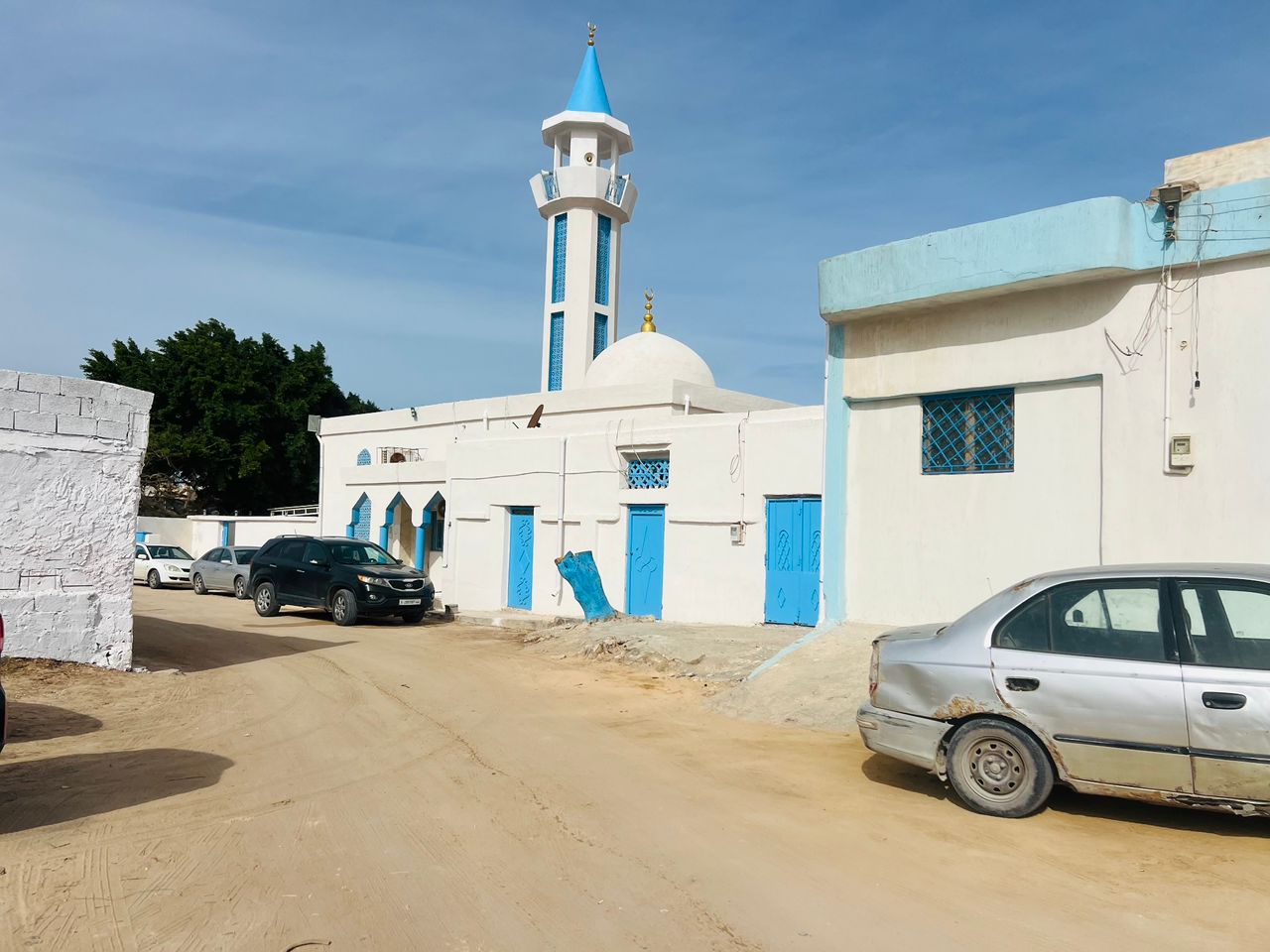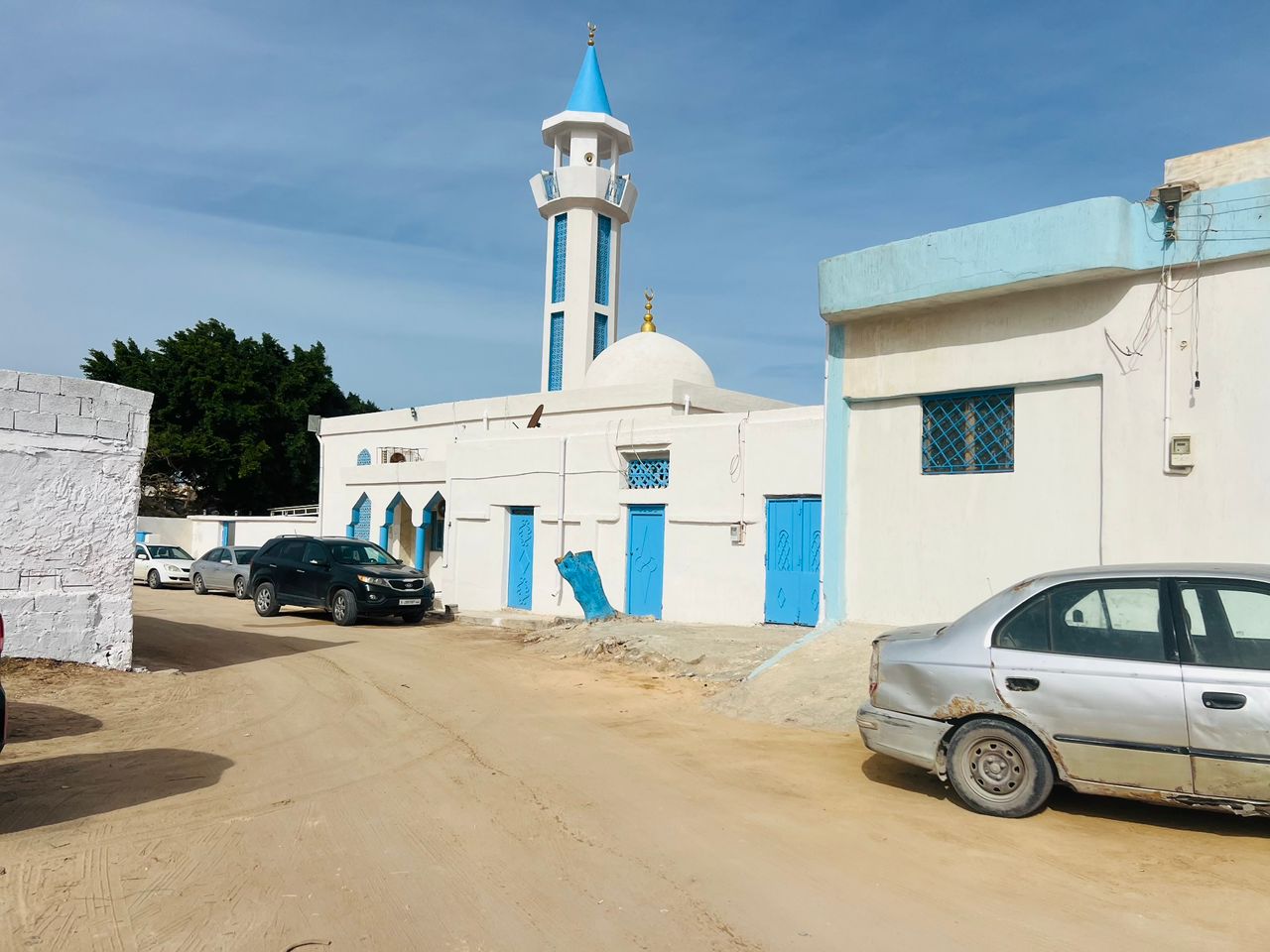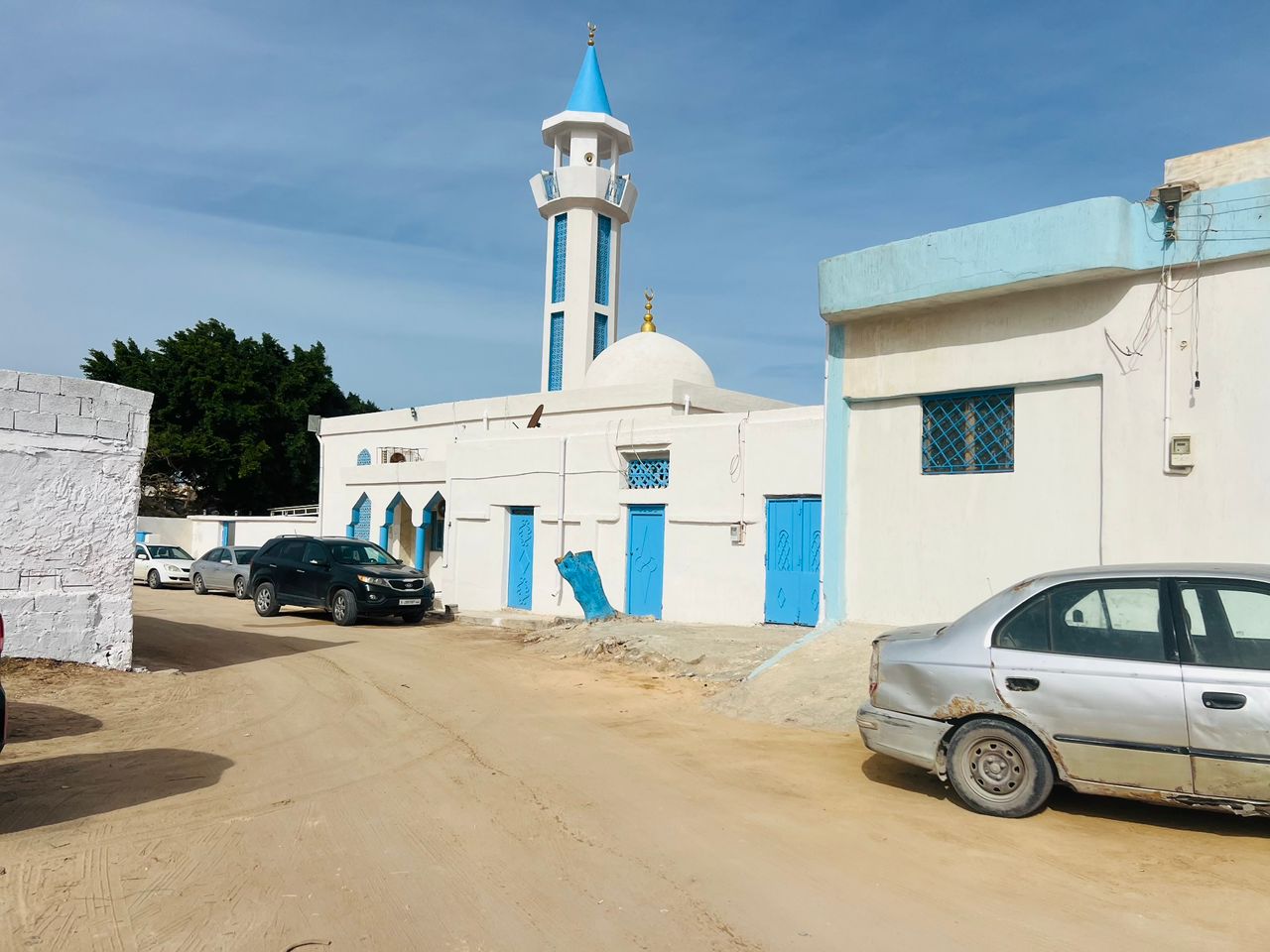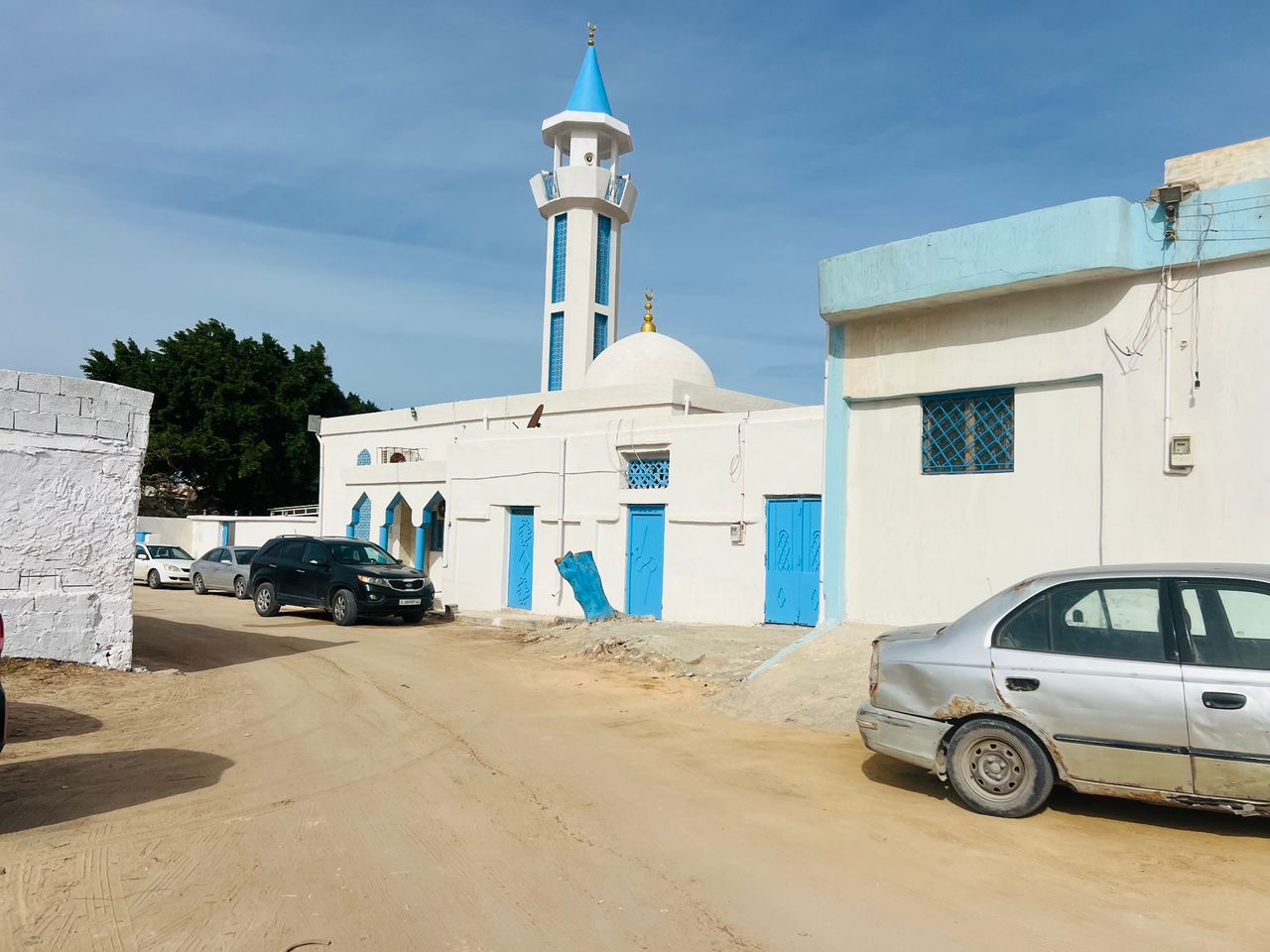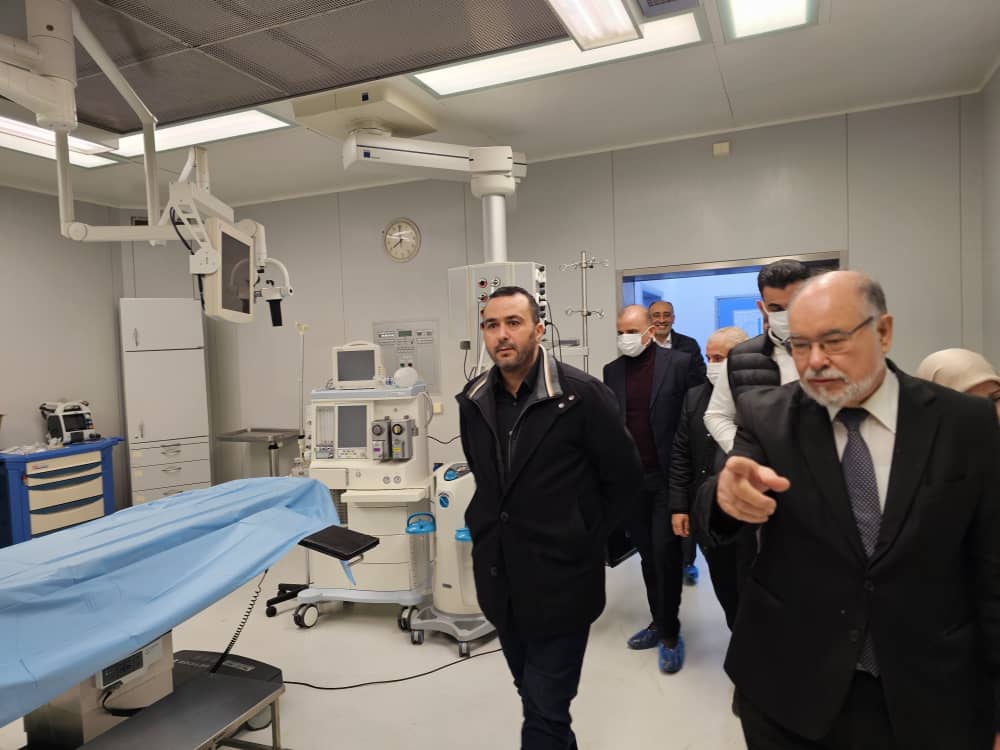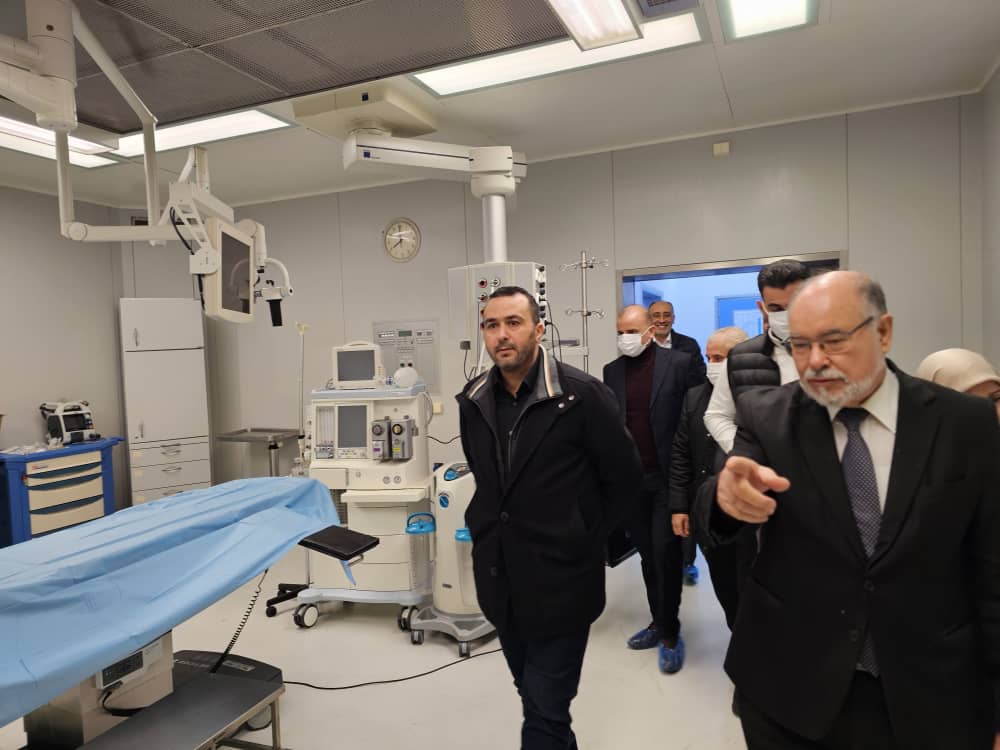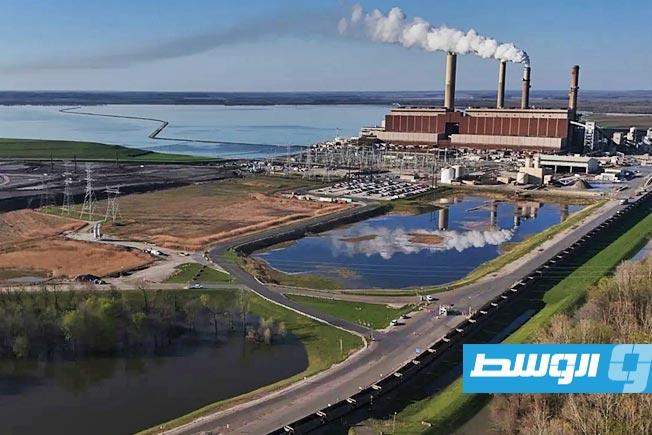
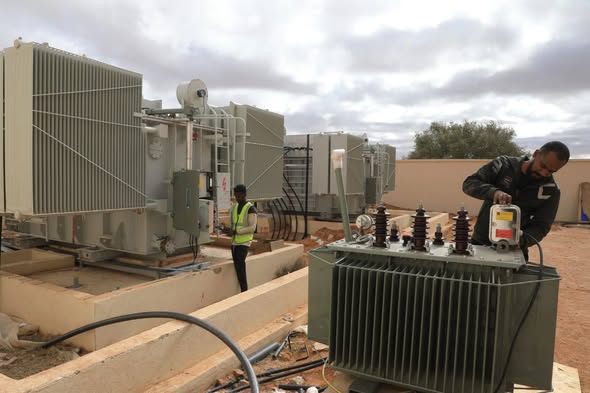
Gharyan – February 19, 2026 – The General Electricity Company announced today, Thursday, that it continues to complete pre-operational testing for the Abu Ghaylan substation project with a capacity of 11/30 kV in the city of Gharyan. This follows the completion of the installation of all its equipment, including 11/30 kV cells and two transformers, each with a capacity of 20 megawatts. The company explained that the station will work to supply a large part of the Abu Ghaylan area and its surroundings, maintaining network stability and ensuring its continuity with the highest efficiency.
Gharyan
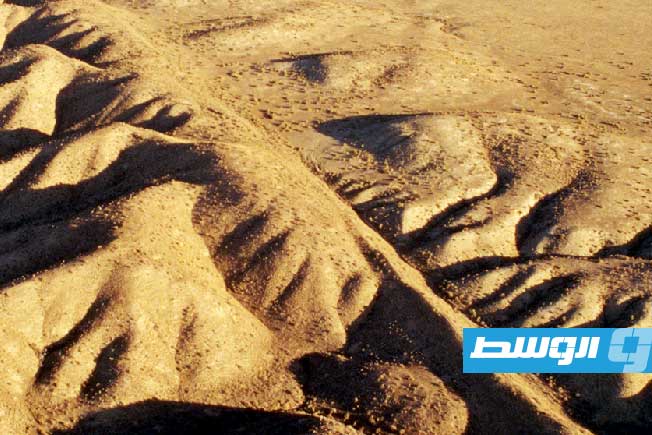
Gharyan is a historic town in northwestern Libya, renowned for its traditional underground and hillside cave dwellings that provided natural insulation from the region’s extreme temperatures. Historically, it served as a significant market and administrative center, with its old town featuring distinctive Ottoman-era architecture.
Abu Ghaylan substation
The Abu Ghaylan substation is an electrical substation located in Libya, which was severely damaged during the country’s civil conflict in 2011. Its destruction was a significant event, as it was a key part of the national grid and its loss contributed to widespread power outages across the region.
Abu Ghaylan area
The Abu Ghaylan area is a historical region in Libya, primarily known for the ancient fortified settlement (ksar) of Abu Ghaylan. This pre-Saharan ksar served as a crucial caravan stop and defensive stronghold along trans-Saharan trade routes, with its origins dating back several centuries. Its distinctive multi-story mudbrick architecture reflects traditional Berber building techniques adapted to the desert environment.
General Electricity Company
The General Electricity Company (GEC) was a major British industrial conglomerate founded in 1886, originally known as The General Electric Apparatus Company. It became a global leader in electrical engineering, manufacturing, and consumer appliances throughout much of the 20th century. The company was broken up and its various divisions were sold or rebranded from the late 1980s onward.