Tripoli, February 8, 2026 – The Public Prosecutor’s Office has uncovered a new case of forgery in civil registry data that enabled a foreign national to obtain national identification numbers, assume official and security duties.
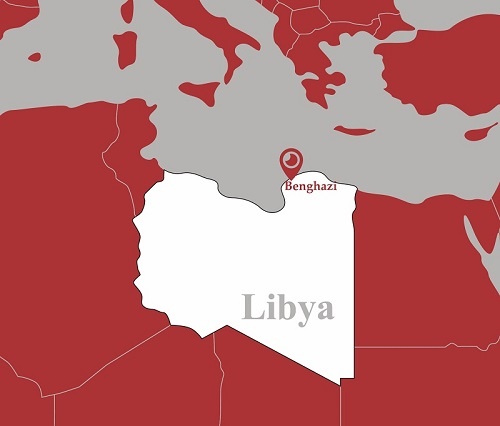
The office stated that the Public Prosecution ordered the detention of a foreign national on charges of forging citizenship data from the Jalu Civil Registry Office, assuming a public position at the Ministry of Transportation, and affiliating with the Internal Security Apparatus in 2018. This is part of an investigation into cases of forgery of civil status data within the jurisdiction of the Benghazi Attorney General’s Office.
A statement issued by the Public Prosecutor’s Office on Sunday indicated that investigators of civil status data forgery cases, under the Benghazi Attorney General’s Office, tracked evidence of an Egyptian migrant using a family record fraudulently attributed to the Jalu Civil Registry Office.
The statement added that the investigation framework established the validity of the migrant’s act of forging citizenship data and using it as a pretext that enabled him to assume a public position at the Secretariat of the General People’s Committee for Transportation and Maritime Navigation in 1985; then to affiliate with the Internal Security Apparatus in 2018; the forged data also facilitated obtaining nine national identification numbers used by his family members to obtain administrative documents and benefit from rights derived from citizenship.
According to the statement, based on this, the Public Prosecution decided to suspend documents based on the forgery act, track benefits obtained from it, ordered the preventive detention of the foreign national pending investigation, and directed the search for the office employee responsible for the forgery incident.
Tripoli
Tripoli is the capital and largest city of Libya, located on the country’s Mediterranean coast. Historically, it was founded by the Phoenicians in the 7th century BC and later became a significant Roman city, with its old town, the medina, reflecting centuries of influence from Arab, Ottoman, and Italian rule.
Public Prosecutor’s Office
The Public Prosecutor’s Office is a key legal institution responsible for representing the state in criminal proceedings, investigating crimes, and upholding the law. Its modern form and independence evolved significantly in the 19th and 20th centuries, influenced by systems like the French *parquet* and the principle of prosecutorial discretion.
Jalu Civil Registry Office
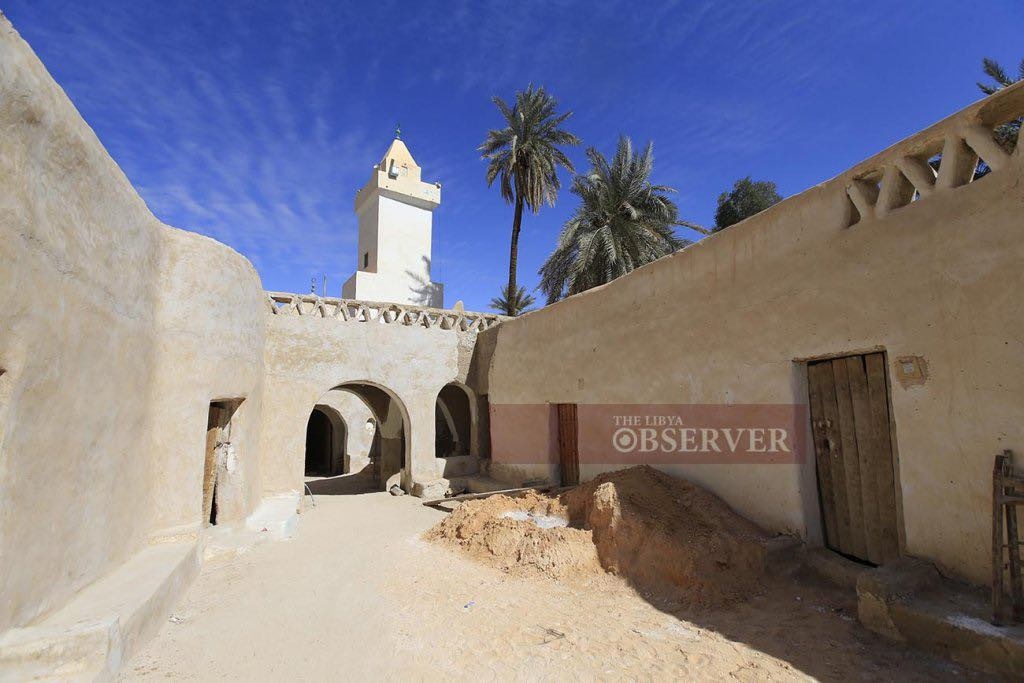
The Jalu Civil Registry Office is a local administrative building in the town of Jalu, Libya, primarily responsible for recording births, marriages, and deaths. Historically, such offices were established across Libya during the 20th century as part of modern state-building efforts to formalize citizen documentation and vital records.
Ministry of Transportation
The Ministry of Transportation is a governmental department responsible for overseeing and regulating a nation’s transport systems, including roads, railways, and aviation. Its history typically involves its establishment to centralize and modernize transport infrastructure, often evolving from earlier railway or public works departments in the 19th or 20th centuries.
Internal Security Apparatus
The Internal Security Apparatus is a state institution responsible for domestic intelligence and security operations, often with a history rooted in maintaining political stability and monitoring internal threats. Its specific functions and historical development vary significantly by country, typically evolving in response to perceived domestic security challenges.
Benghazi Attorney General’s Office
The Benghazi Attorney General’s Office is a key judicial institution in eastern Libya, historically central to the region’s legal affairs. Its modern history has been significantly shaped by the instability following the 2011 revolution and the subsequent civil conflicts, during which it has been a focal point for efforts to address security and justice in a divided country.
Egyptian
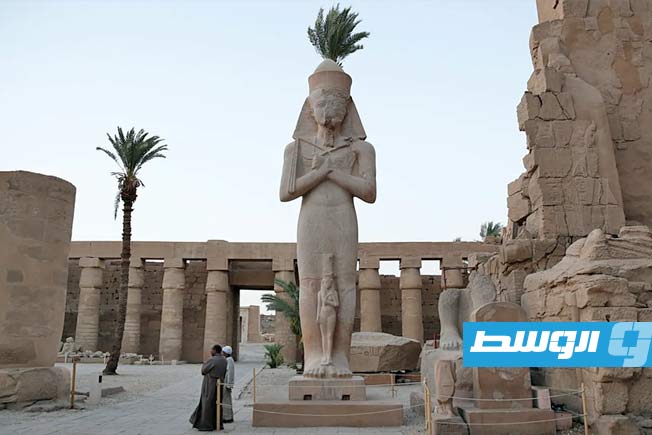
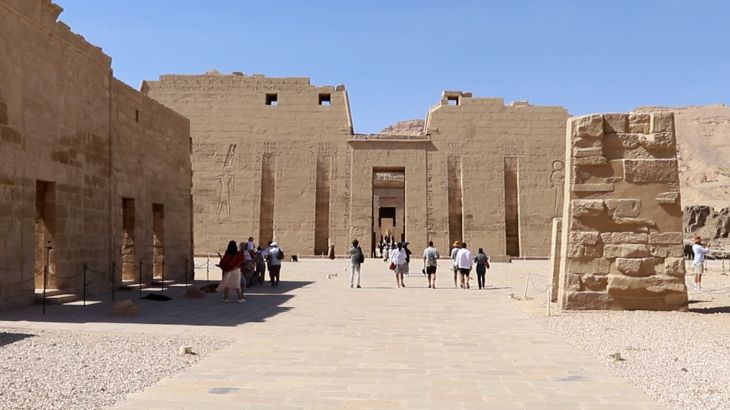
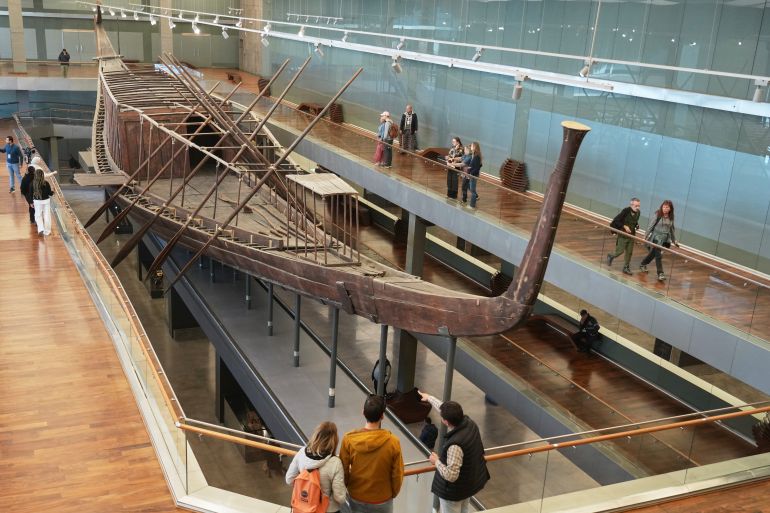
The term “Egyptian” broadly refers to the culture, people, and history of Egypt, one of the world’s oldest civilizations. A quintessential cultural site is the Giza pyramid complex, which includes the Great Pyramid built as a tomb for Pharaoh Khufu around 2580–2560 BC. These monumental structures are enduring symbols of ancient Egypt’s advanced engineering and profound religious beliefs concerning the afterlife.
Secretariat of the General People’s Committee for Transportation and Maritime Navigation
The Secretariat of the General People’s Committee for Transportation and Maritime Navigation was a key government ministry in Libya during the period of Muammar Gaddafi’s rule, operating under the structure of the Jamahiriya system established in 1977. It was responsible for overseeing the nation’s transport infrastructure and maritime policies until the government’s dissolution following the 2011 civil war.