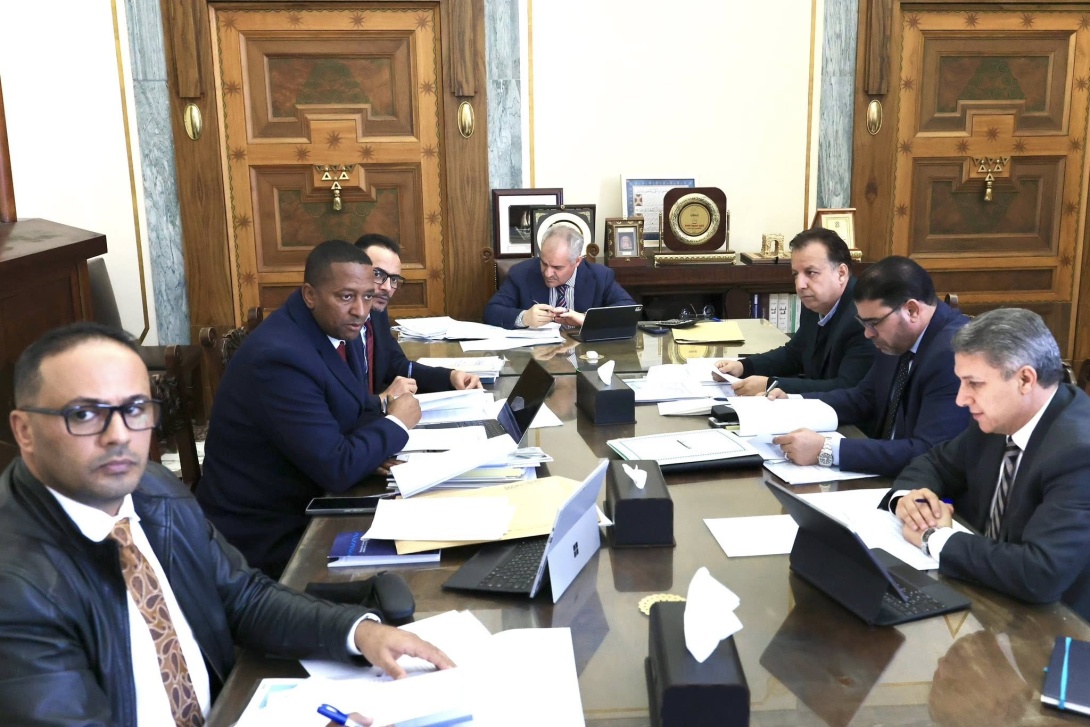
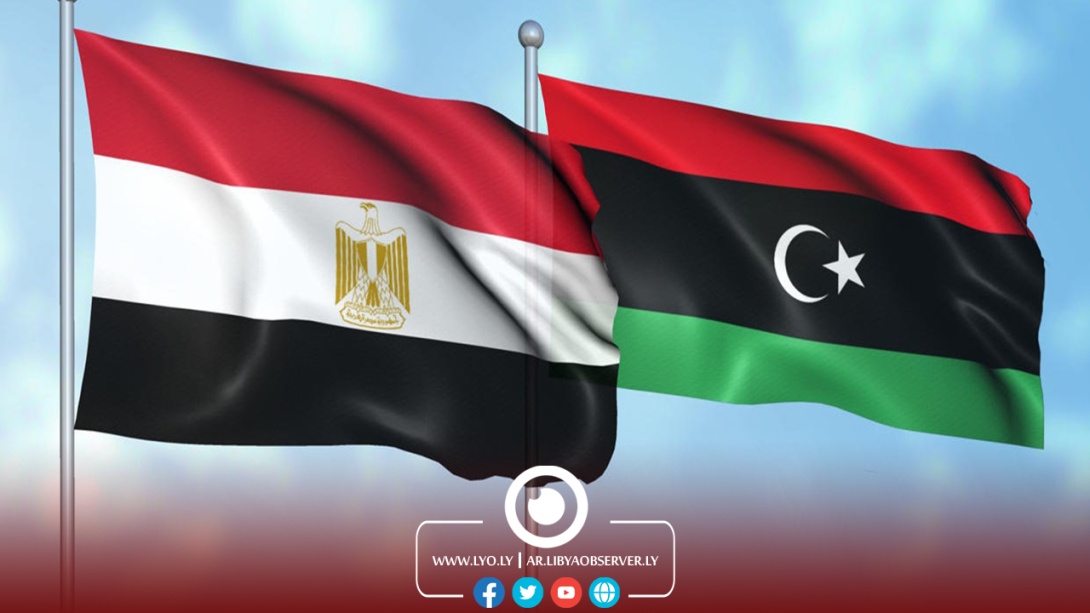
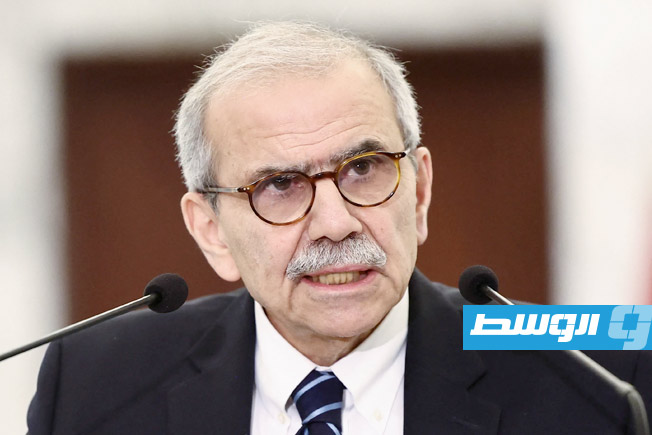
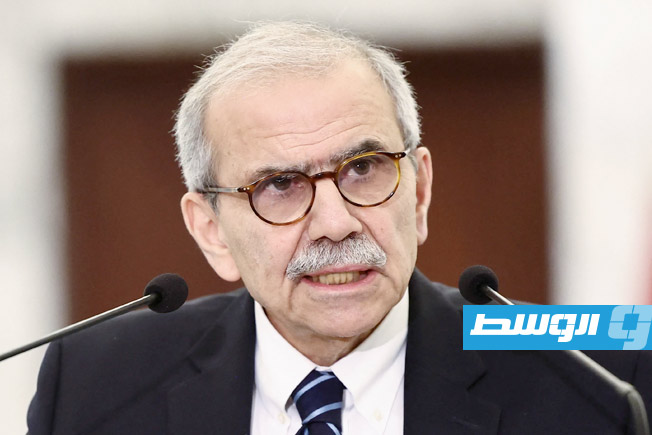
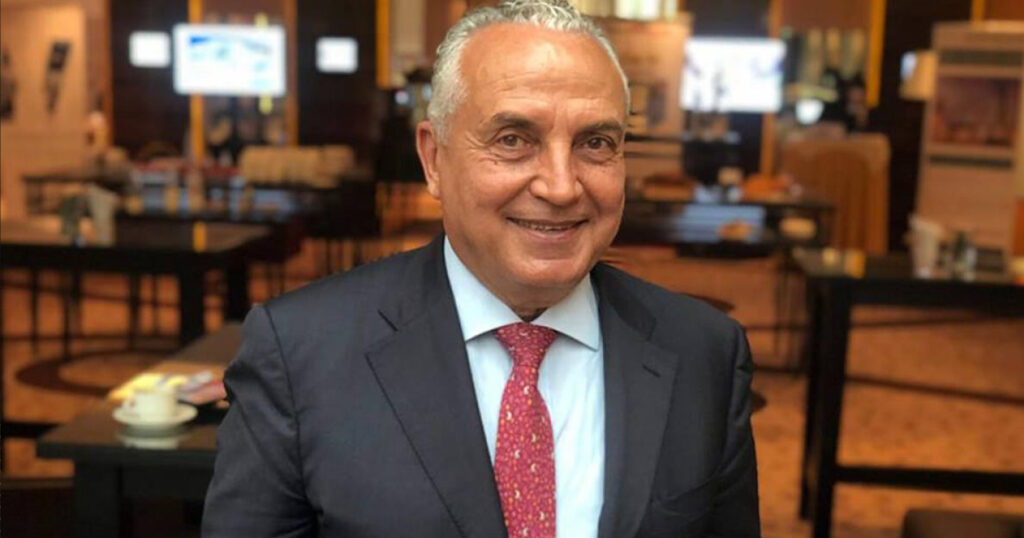
Egyptian Foreign Minister Badr Abdel Ati confirmed that any threat to Egypt’s share of the Nile River waters is an existential threat and a red line that directly impacts Egyptian national security, stressing that Cairo will not tolerate any action that harms its historical water rights.
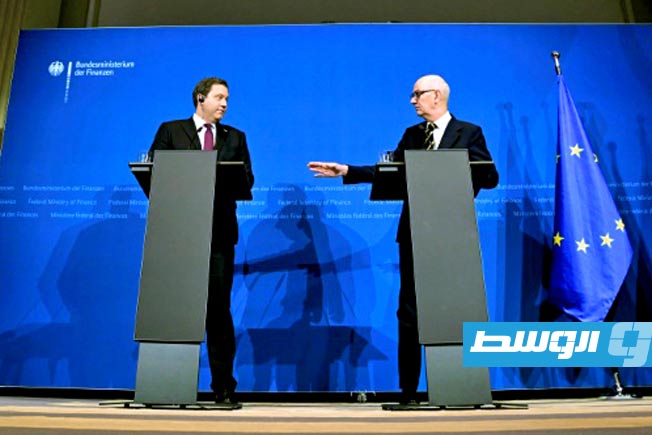
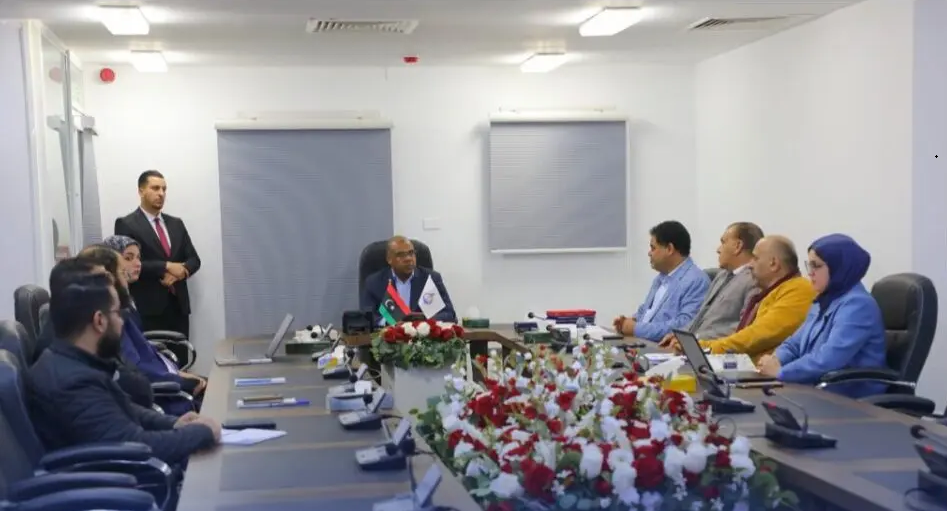
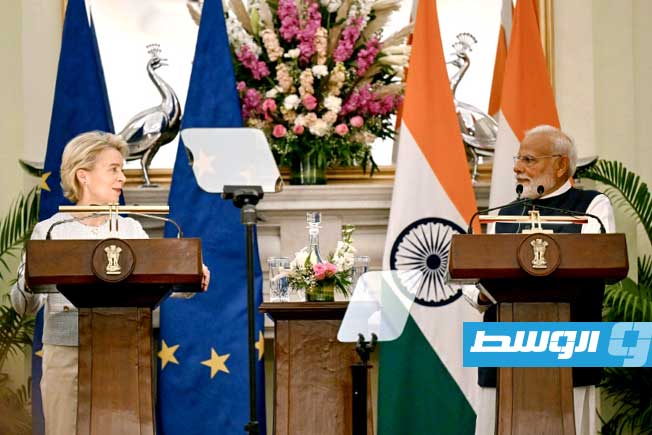
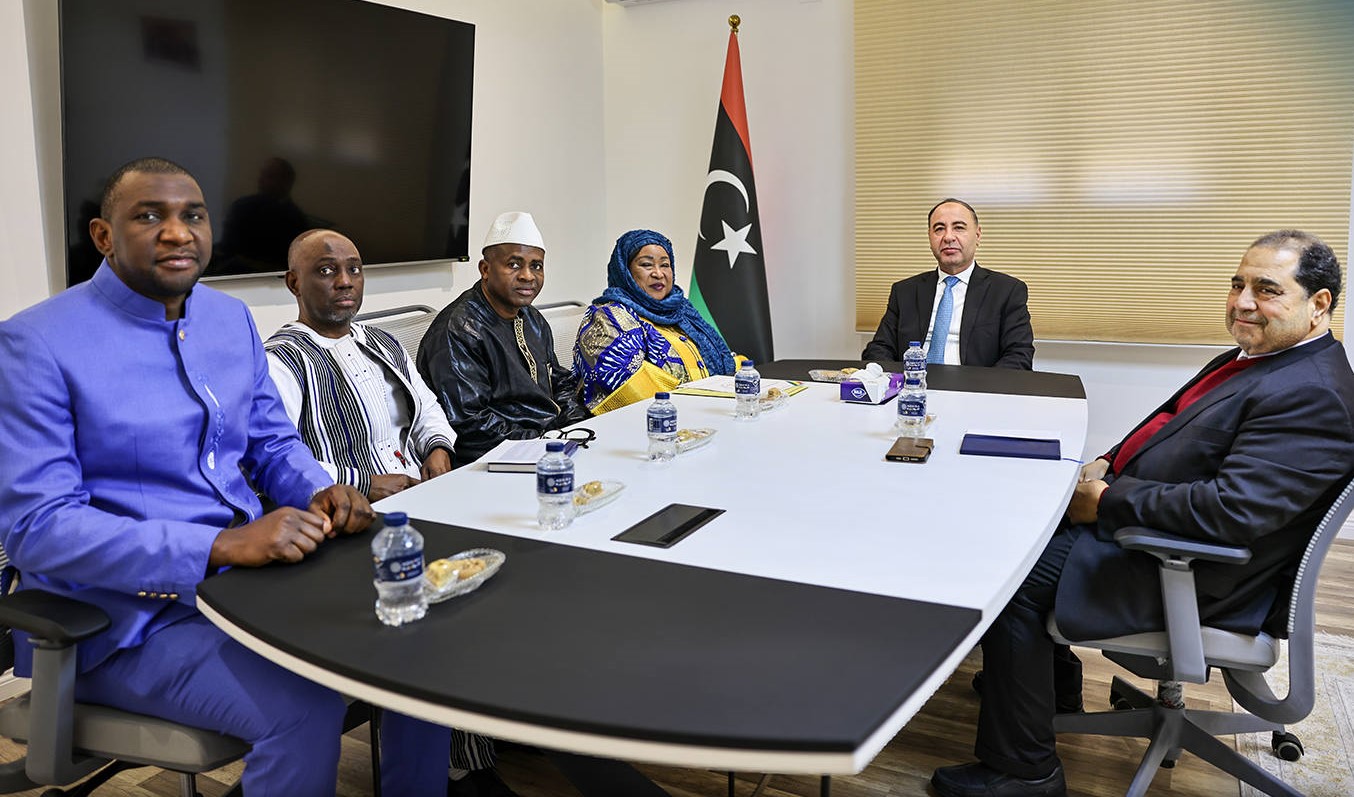
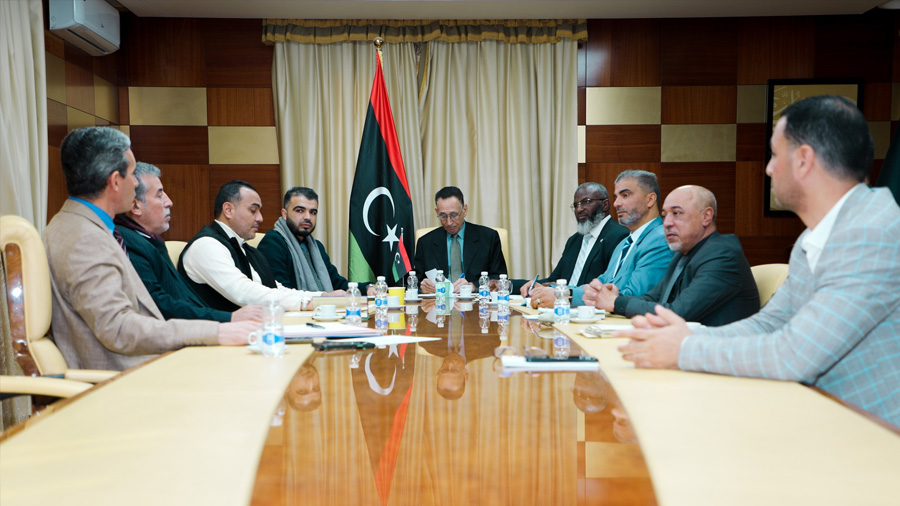
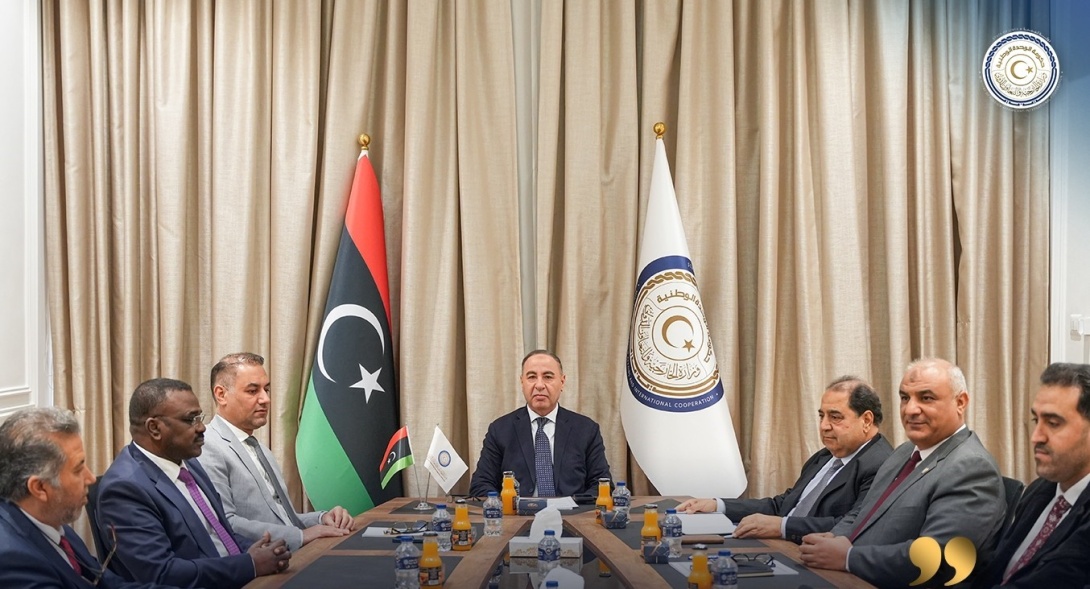
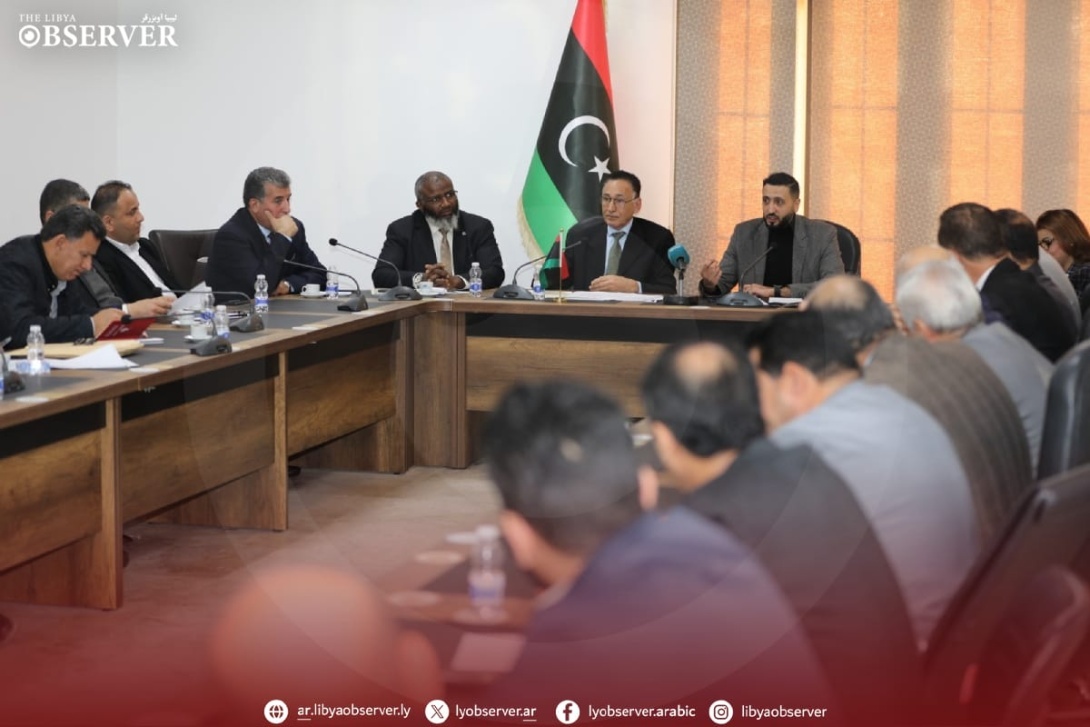
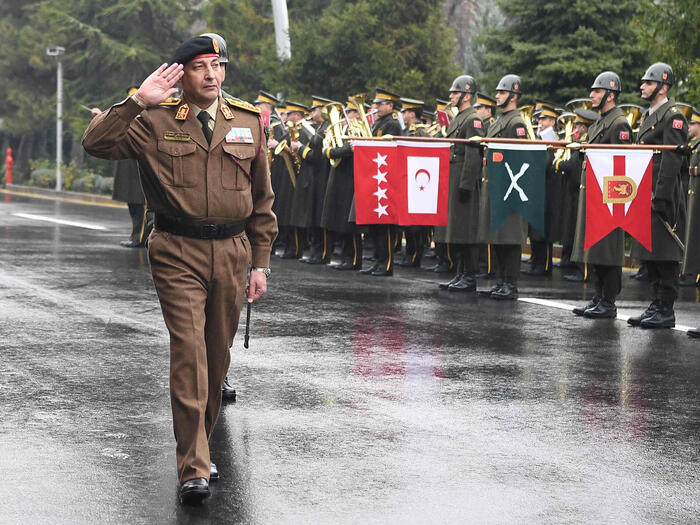
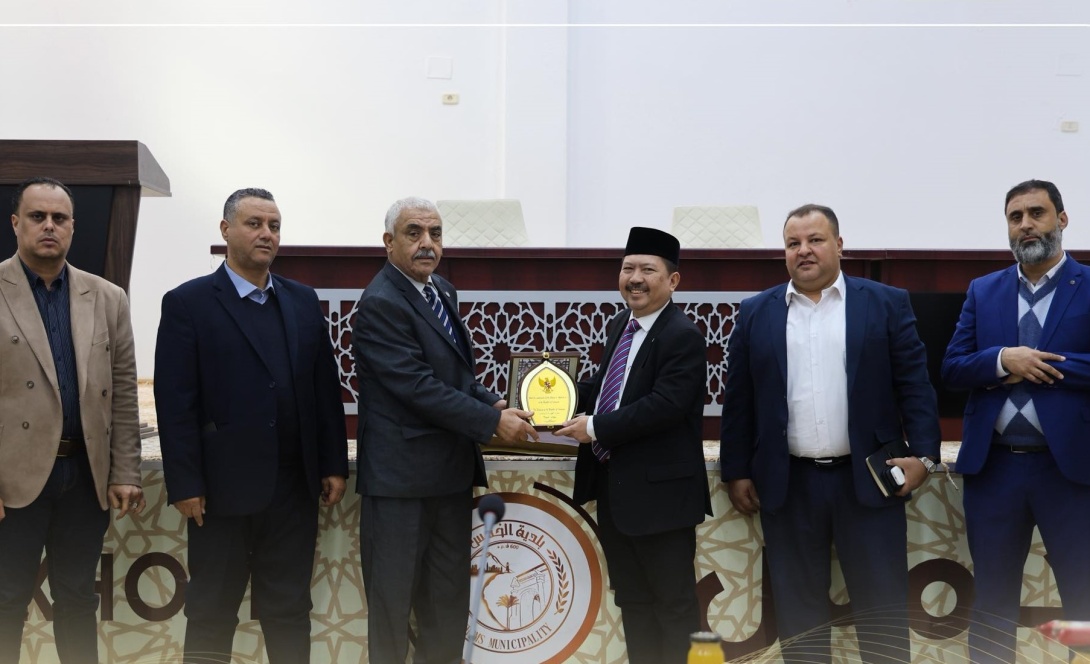
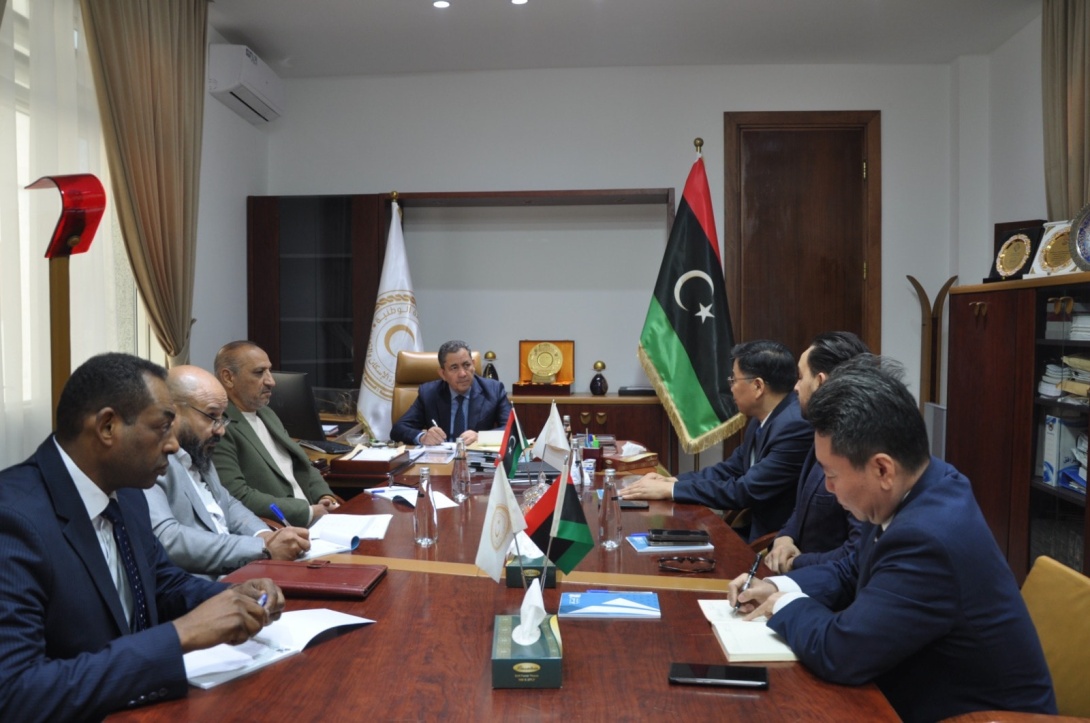
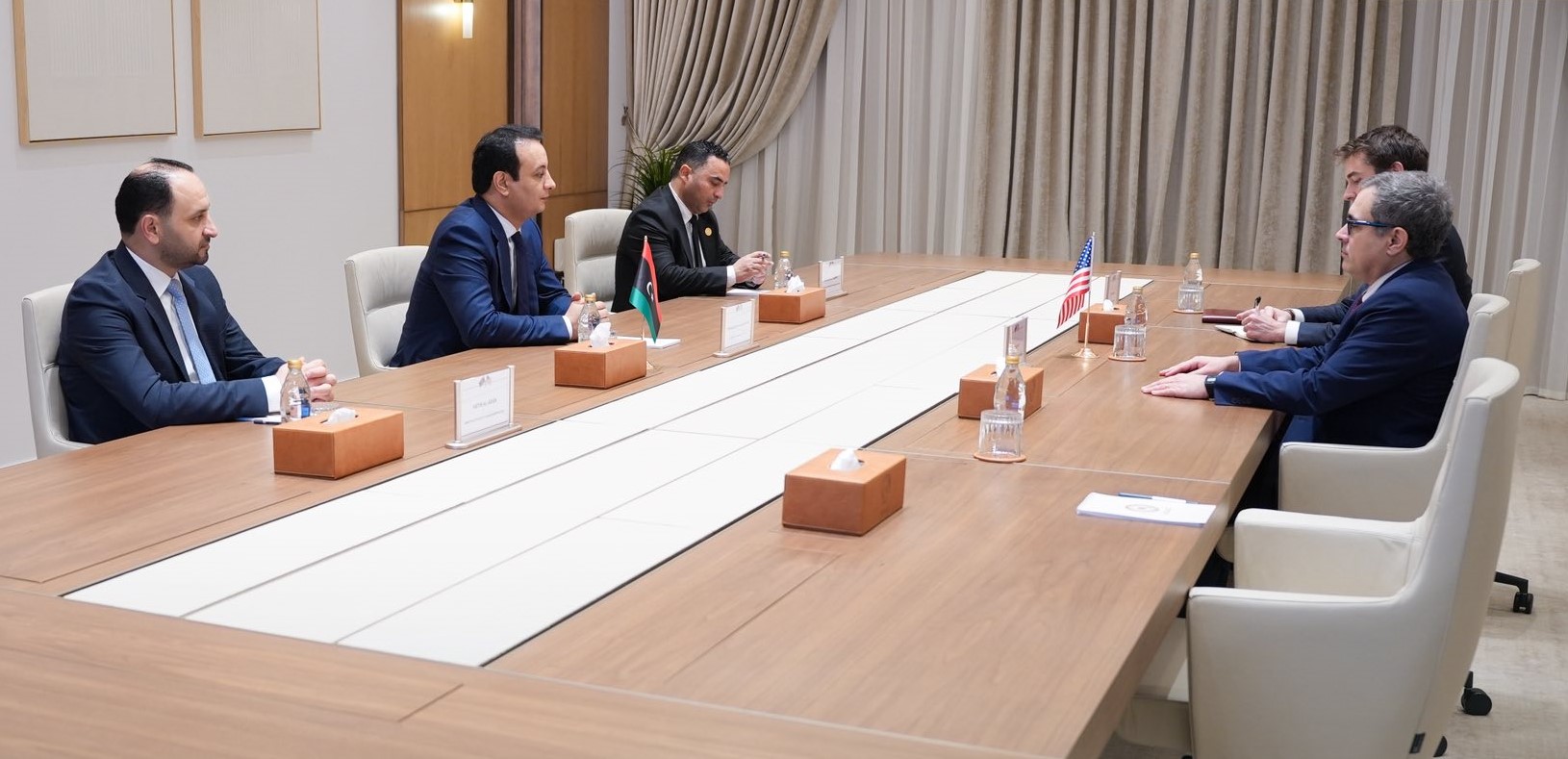
The minister explained during a joint press conference with the South Sudanese Foreign Minister, Monday Simaya Kumba, that the water file was the focus of extensive discussions with the South Sudanese side, affirming Egypt’s hope for a positive and constructive role from Juba within the ongoing consultative process regarding the Cooperative Framework Agreement (CFA).
Abdel Ati pointed to the positive outcomes of the recent ministerial meeting held in Burundi in a “3 + 4” format, which brought together Egypt, Sudan, Kenya, and the Democratic Republic of the Congo on one side, and South Sudan, Uganda, and Burundi on the other. He clarified that the participants agreed to continue consultations and remain open to adding new protocols to the framework agreement and making amendments based on collective consensus, while taking into account the interests of downstream countries and the four countries that have not yet signed or ratified the agreement.
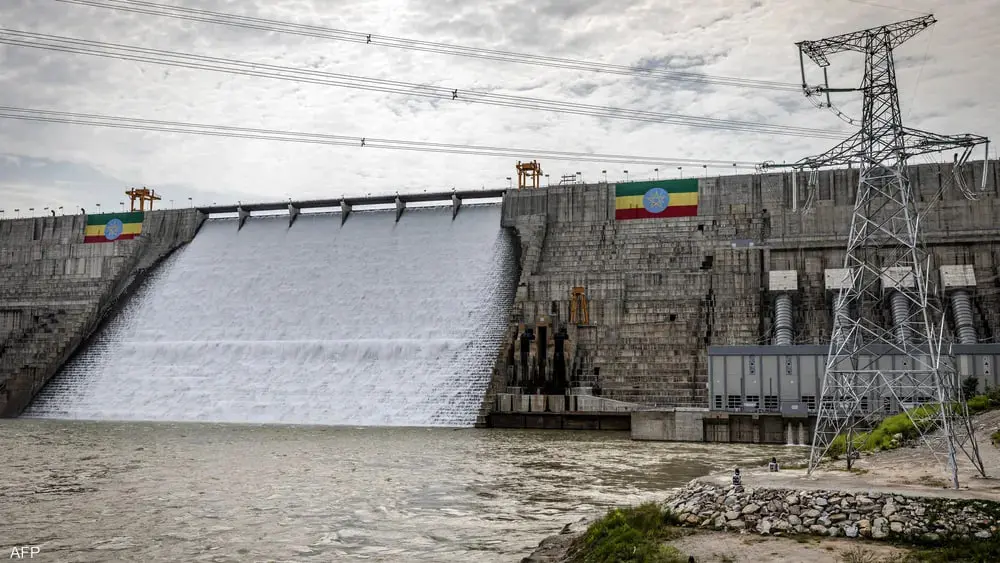
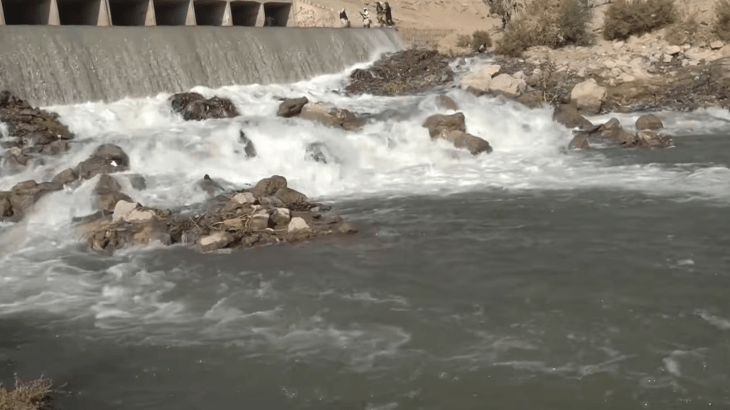
The Grand Ethiopian Renaissance Dam (GERD) is considered the largest infrastructure project in Ethiopia’s history and continues to spark regional and international debate. Egypt views the dam as a threat to its historical share of the Nile’s waters, while Ethiopia asserts that the project contributes to its development plans and electricity generation, placing the region before complex water and strategic challenges.
The Nile River represents a lifeline for Egypt, as the country relies on it for over 90% of its water needs, making any threat to its share a direct existential issue.
Disputes over the GERD date back to the project’s announcement in 2011. Since then, tensions have escalated between Egypt, Sudan, and Ethiopia due to concerns over the dam’s impact on water, agricultural, and economic security.
Egypt continues its diplomatic efforts to ensure its interests and protect its historical rights, while the Ethiopian side seeks to expand development projects and energy generation. This necessitates the continuation of regional and international consultative processes to avoid any potential escalation and resolve the dispute through dialogue and collective consensus.
Egypt
Egypt is home to one of the world’s oldest civilizations, with a recorded history spanning over 5,000 years and famed for its pharaonic monuments like the Pyramids of Giza and the Sphinx. Its rich cultural legacy includes significant contributions to writing, architecture, and religion, later influenced by Greco-Roman, Coptic Christian, and Islamic periods following its conquests. Today, its ancient sites along the Nile River continue to be major archaeological and tourist destinations.
Nile River
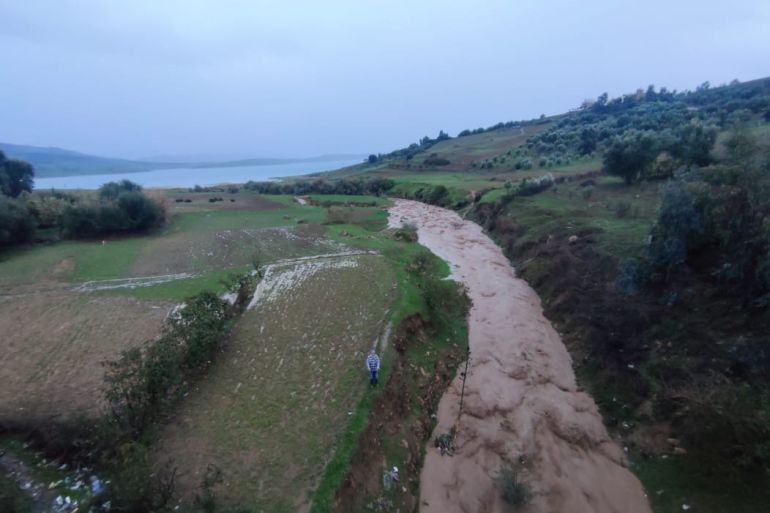
The Nile River is a major north-flowing river in northeastern Africa, historically considered the longest river in the world. It is most famous for being the lifeblood of ancient Egyptian civilization, providing water, fertile soil through annual flooding, and a crucial transportation route that allowed the pharaonic kingdoms to flourish for millennia.
Cairo
Cairo is the sprawling capital of Egypt, founded in 969 CE by the Fatimid dynasty and situated near the ancient pyramids of Giza. It has long been a major cultural and political center of the Arab and Islamic world, historically famed for its medieval Islamic architecture, including the Citadel and the Al-Azhar Mosque and University.
South Sudan
South Sudan is the world’s youngest country, having gained independence from Sudan in 2011 after decades of civil war. Its history is deeply marked by conflict, including a long struggle for autonomy and a subsequent internal civil war that began in 2013. The country is rich in cultural diversity, with numerous ethnic groups and traditions, but it faces significant challenges in building stable institutions and infrastructure.
Juba
Juba is the capital and largest city of South Sudan, located on the White Nile. It served as a regional hub during the Anglo-Egyptian Sudan era and later became the administrative center of the Equatoria Province before becoming the national capital upon South Sudan’s independence in 2011.
Cooperative Framework Agreement (CFA)
The Cooperative Framework Agreement (CFA) is an international treaty, signed in 2010 by several Nile Basin riparian states, intended to establish a permanent framework for the equitable and sustainable use of the Nile River’s waters. Its history is rooted in long-standing disputes over colonial-era agreements, primarily the 1929 and 1959 treaties, which heavily favored Egypt and Sudan’s water usage. The CFA has not been ratified by all basin countries, leaving its full implementation pending and the Nile’s water management a subject of ongoing negotiation.
Burundi
Burundi is a small, landlocked country in East Africa, known for its hilly terrain and as part of the African Great Lakes region. Its history includes the Kingdom of Burundi, which ruled for centuries, followed by colonization by Germany and later Belgium before gaining independence in 1962. The nation has since experienced significant ethnic conflict and political instability.
Sudan
Sudan, located in Northeast Africa, is home to ancient civilizations, most notably the Kingdom of Kush, which ruled from Napata and Meroë and even conquered Egypt to establish the 25th Dynasty. In the modern era, it was under Anglo-Egyptian condominium rule before gaining independence in 1956, and its recent history has been marked by prolonged civil conflict and the secession of South Sudan in 2011.
Kenya
Kenya is a country in East Africa known for its diverse landscapes, wildlife, and rich cultural heritage, including over 40 ethnic groups. Historically, it was a hub of trade, a British colony until gaining independence in 1963, and is famed for archaeological sites like the Turkana Basin, a key area for early human fossils. Today, it is a major economic and tourism center in Africa, home to iconic sites such as the Maasai Mara National Reserve.
Democratic Republic of the Congo
The Democratic Republic of the Congo, located in Central Africa, is a vast country with a complex history marked by the pre-colonial Kingdom of Kongo, a brutal period as the personal colony of King Leopold II of Belgium, and a turbulent post-independence era since 1960. It is renowned for its immense biodiversity, including the Congo Rainforest, and significant mineral resources, though it has faced prolonged instability and conflict.
Uganda
Uganda is a landlocked East African nation known for its diverse landscapes, including the source of the Nile River and mountain gorilla habitats. Its history includes powerful pre-colonial kingdoms like Buganda, followed by British colonization until independence in 1962, and a subsequent period of political turmoil. Today, it is recognized for its rich cultural heritage and wildlife tourism.
Grand Ethiopian Renaissance Dam (GERD)
The Grand Ethiopian Renaissance Dam (GERD) is a major hydroelectric dam on the Blue Nile River in Ethiopia, whose construction began in 2011. It is central to Ethiopia’s development goals for energy production but has been a source of prolonged diplomatic tension with downstream countries Egypt and Sudan over water rights and Nile River usage.
Ethiopia
Ethiopia is a historically rich nation in the Horn of Africa, widely recognized as one of the world’s oldest countries and the only African nation to never be permanently colonized. It is home to ancient sites like the rock-hewn churches of Lalibela and the ruins of Aksum, which was a major empire from the 1st to the 8th centuries.