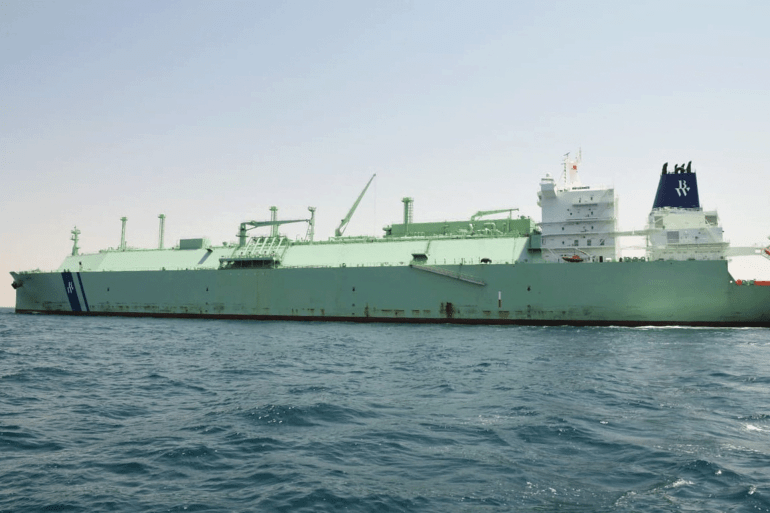
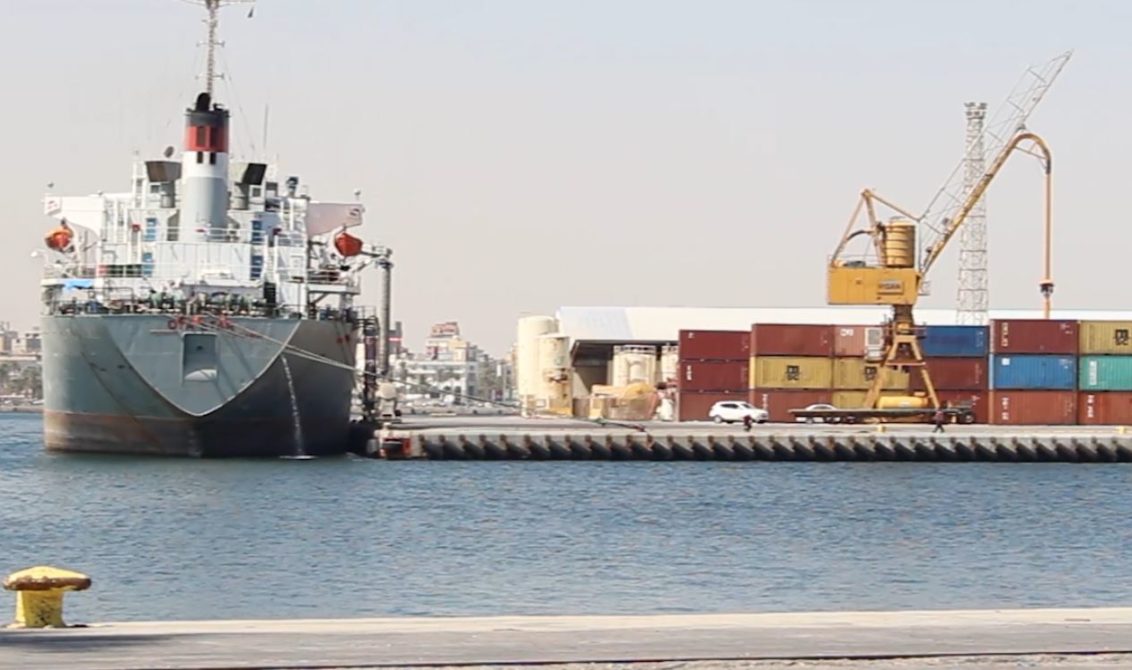
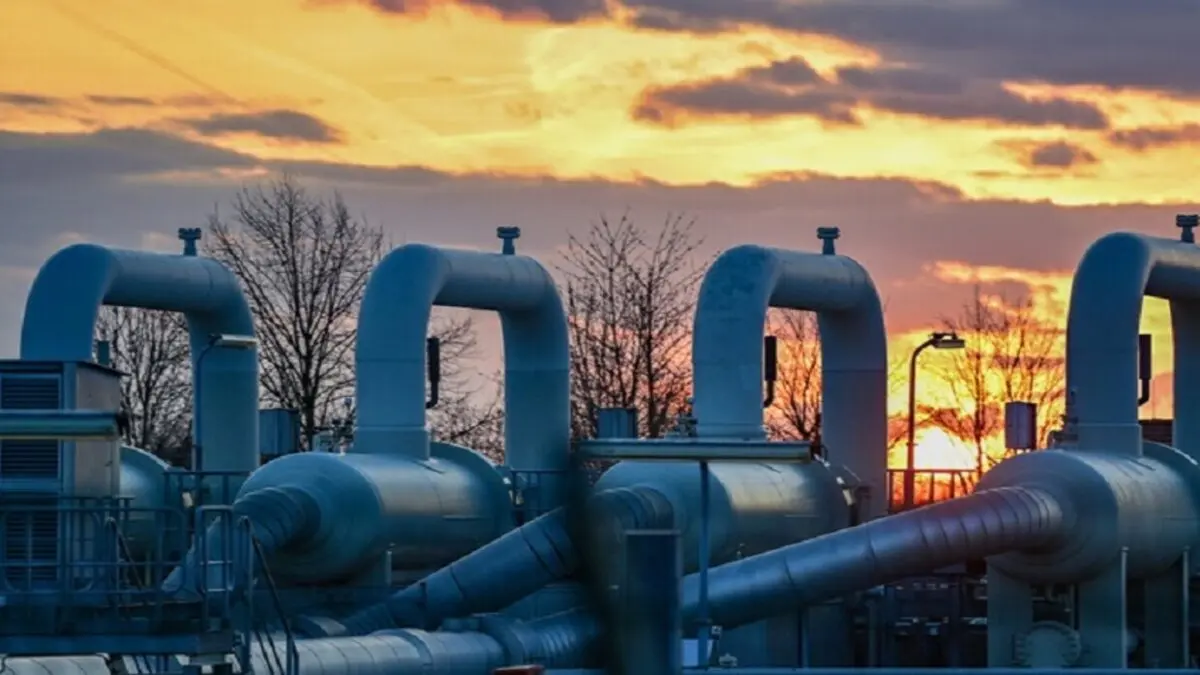
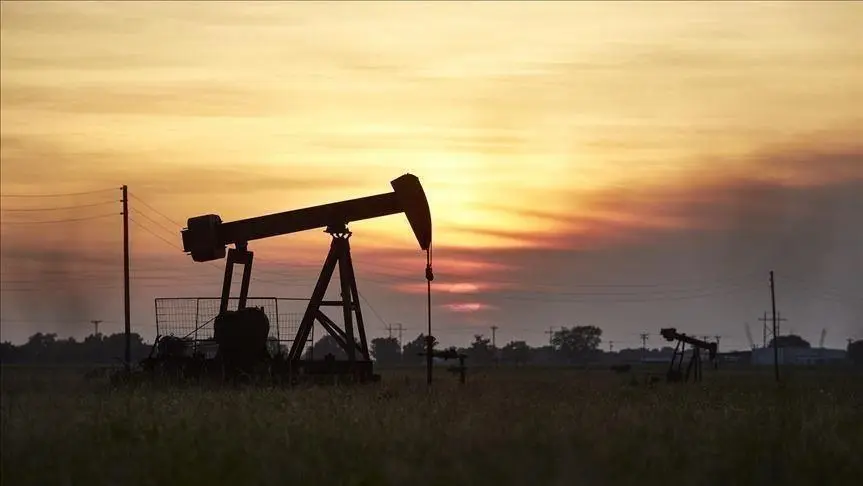
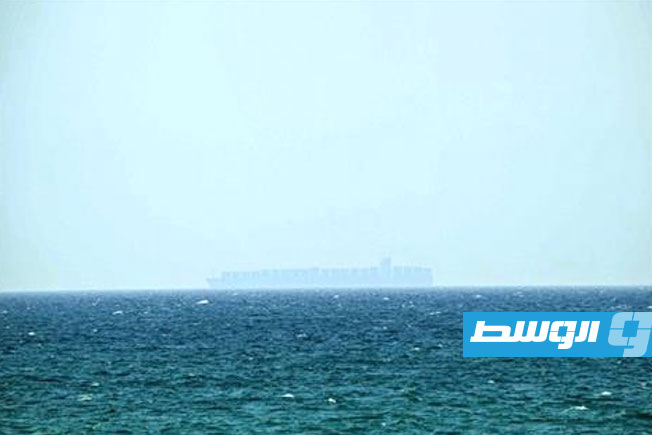
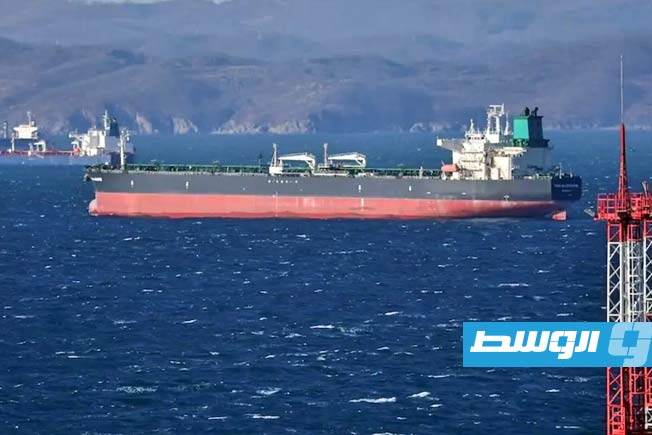
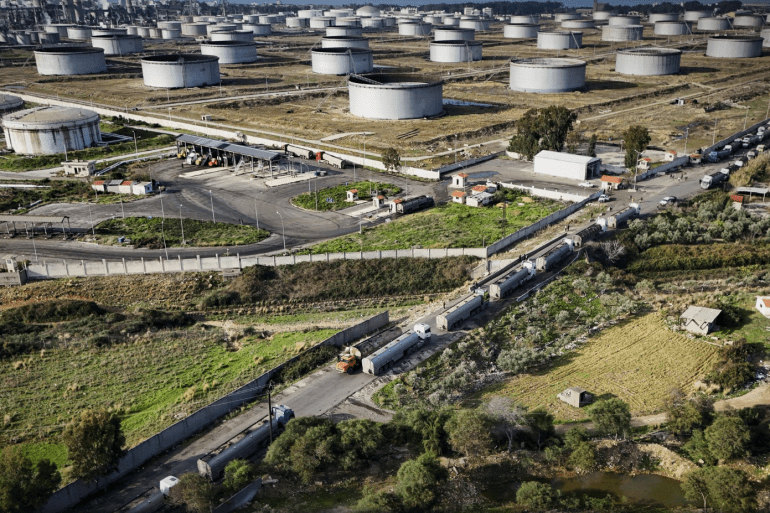
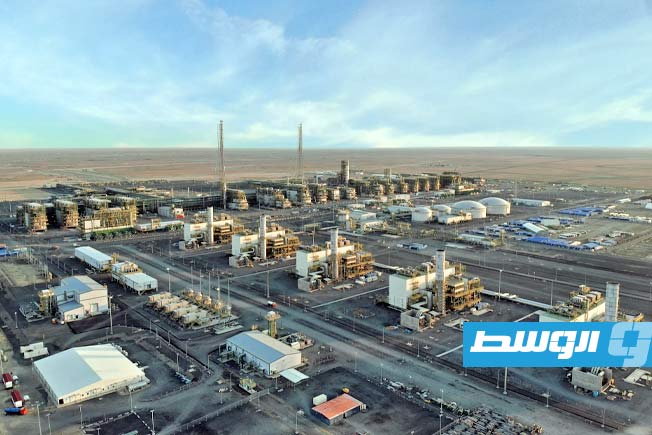
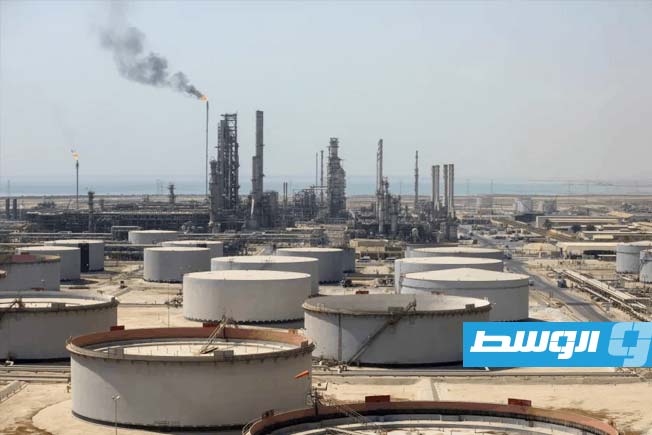
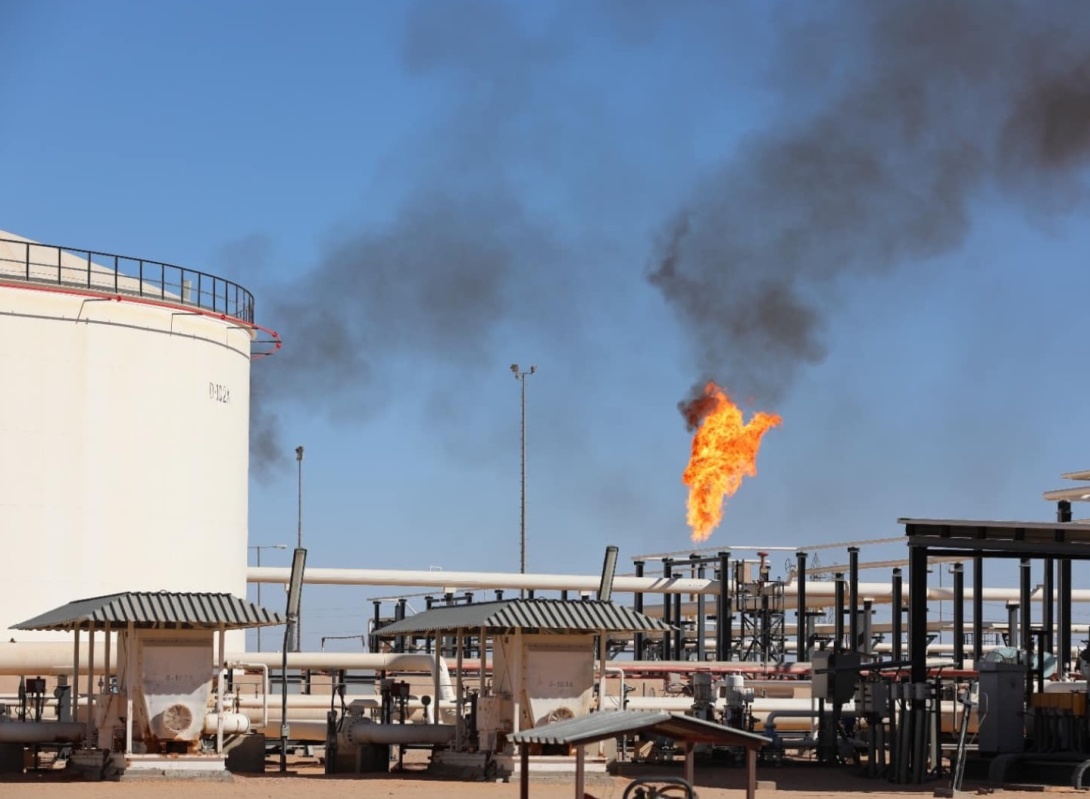
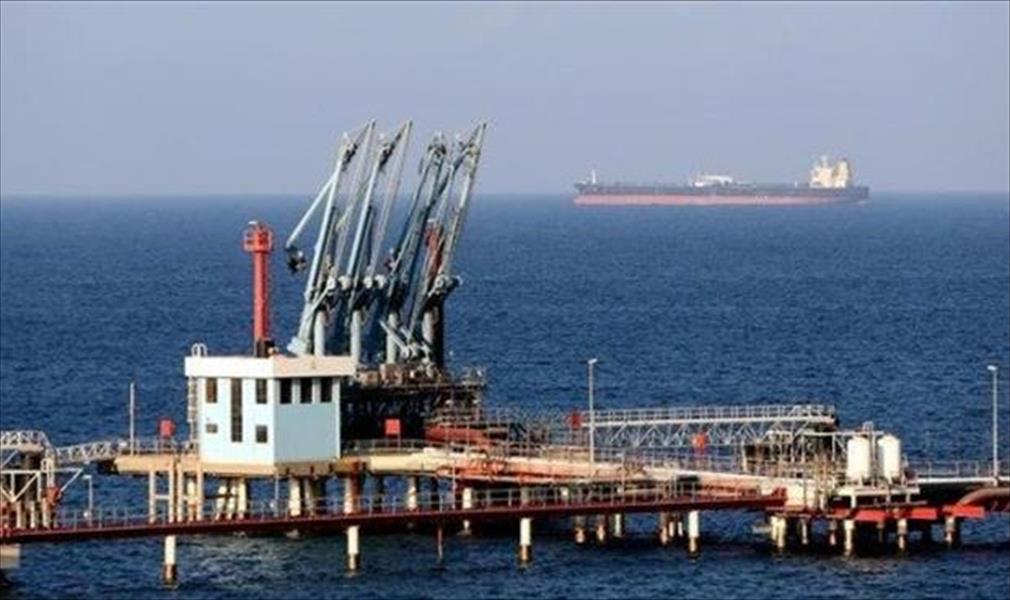
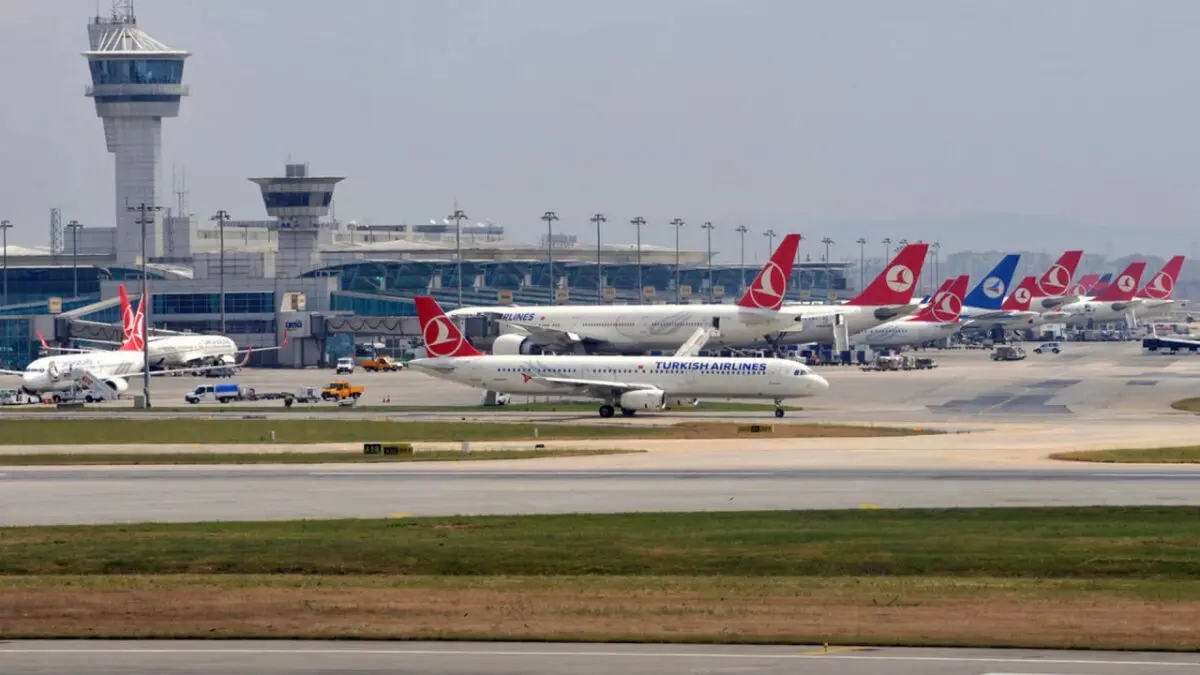
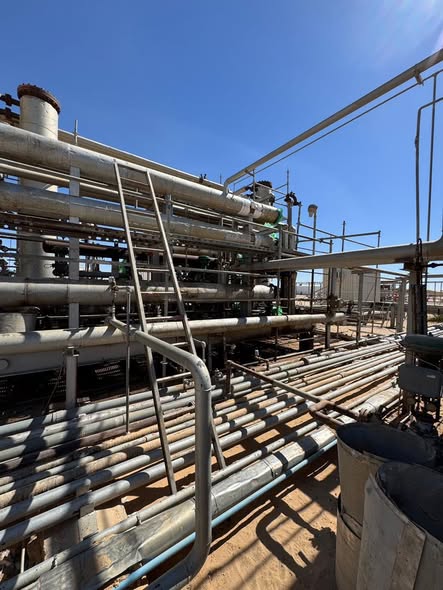
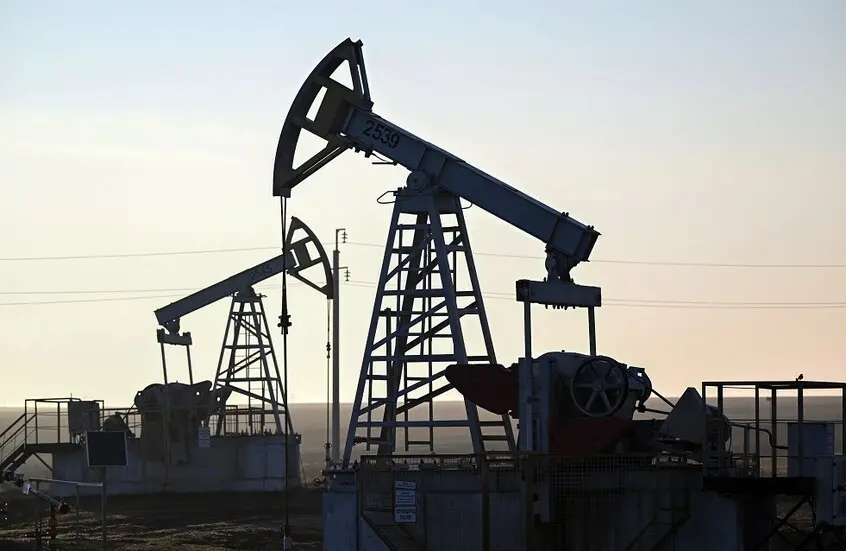
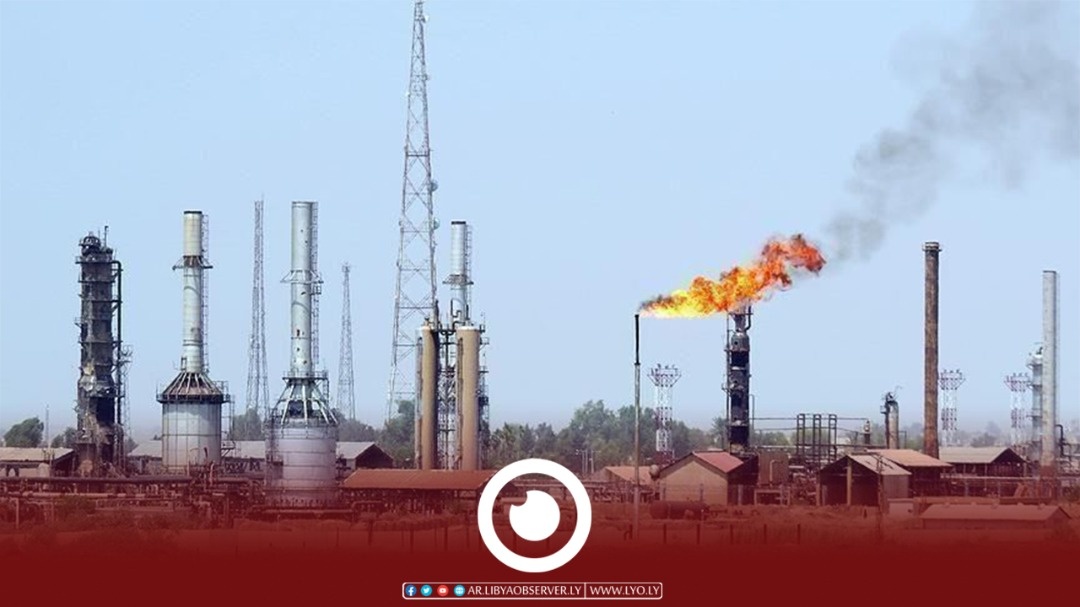
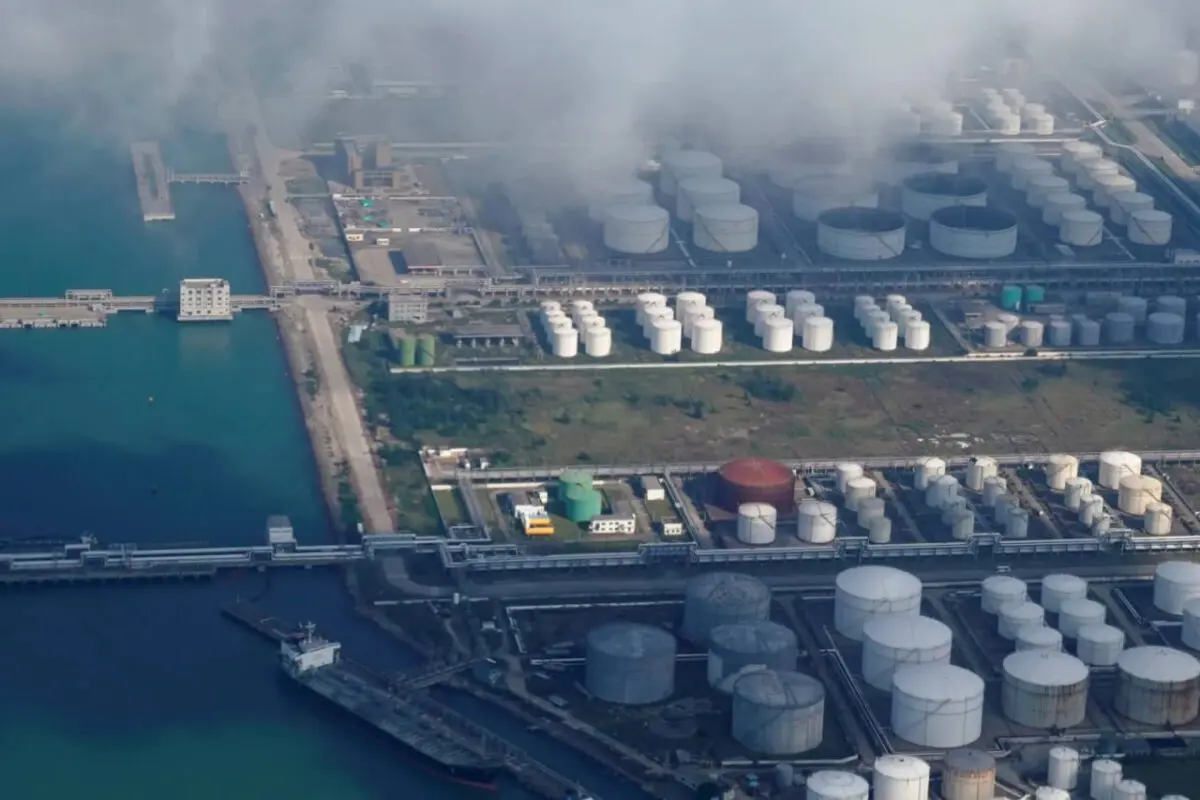
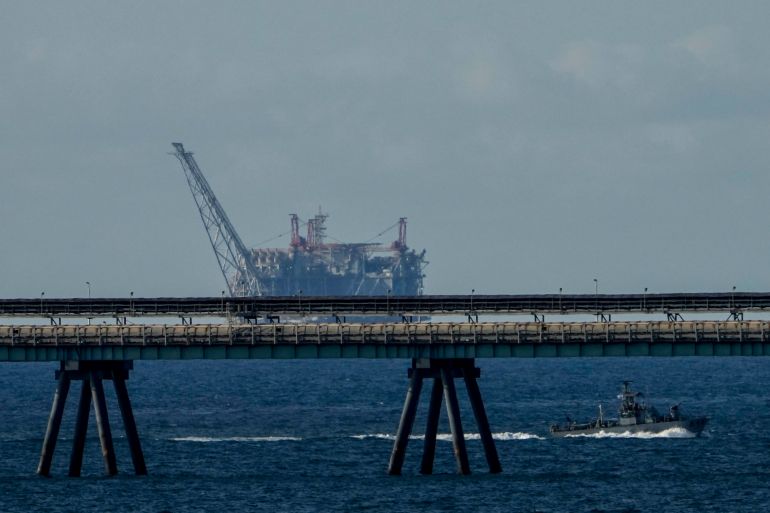
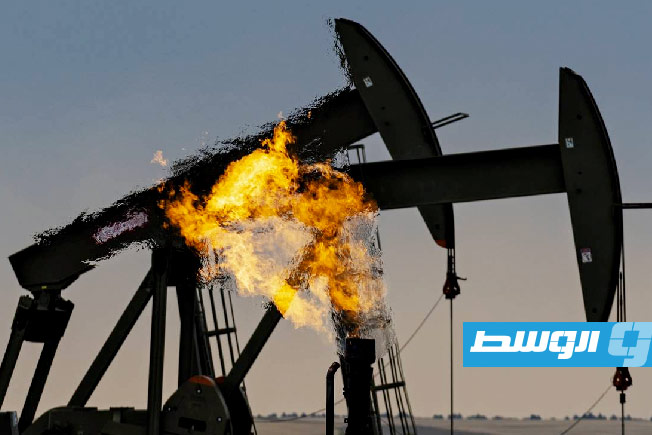
The Egyptian Ministry of Petroleum and Mineral Resources announced on Monday the export of a new shipment of liquefied natural gas (LNG) during the current month of January from the Idku liquefaction complex, destined for a Turkish port.
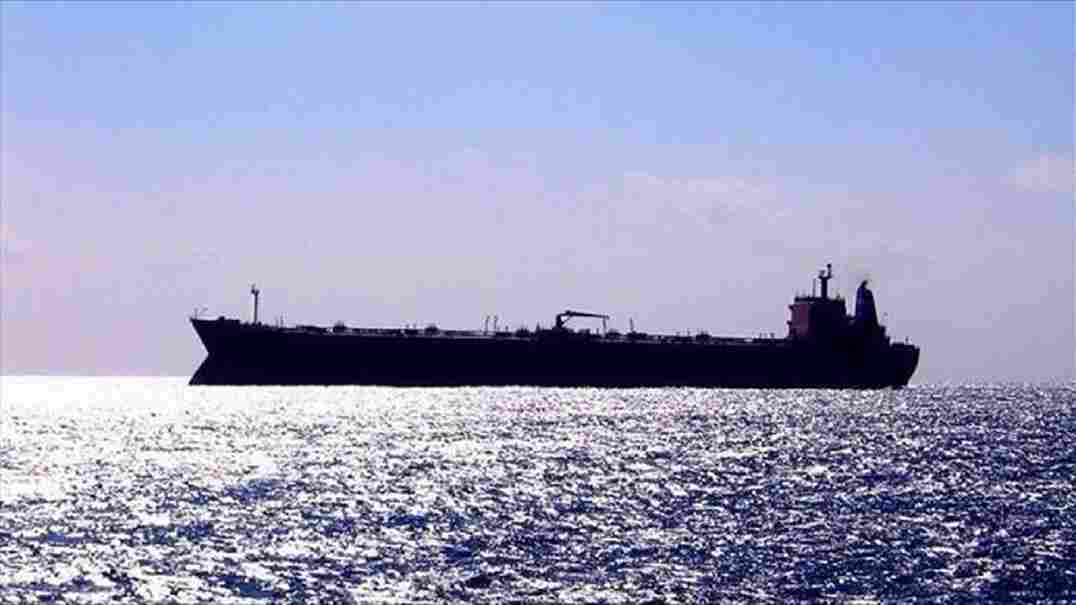
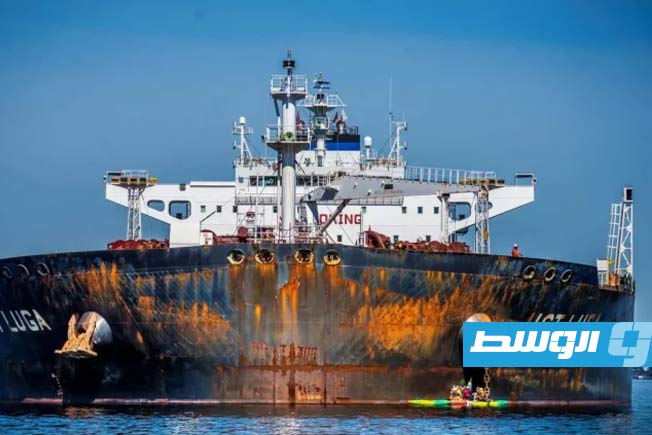
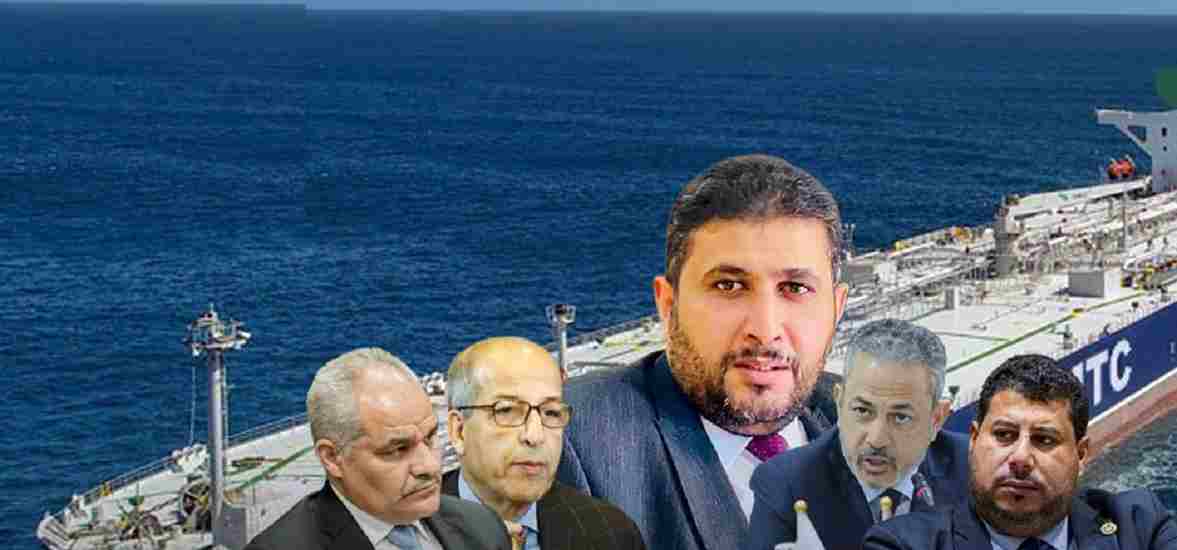
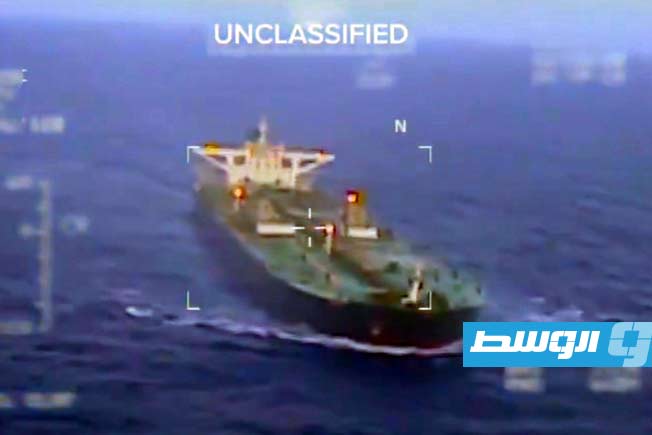
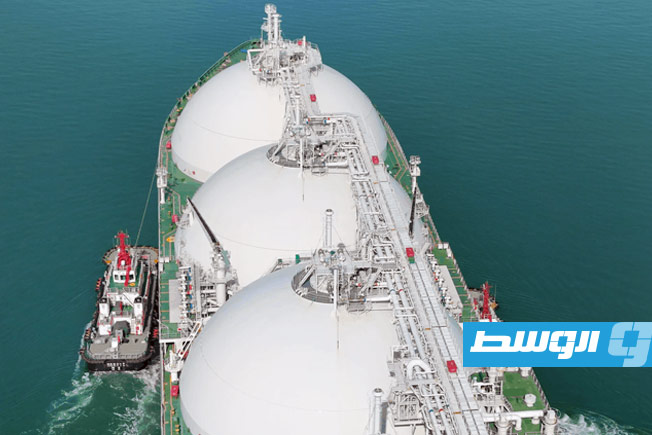
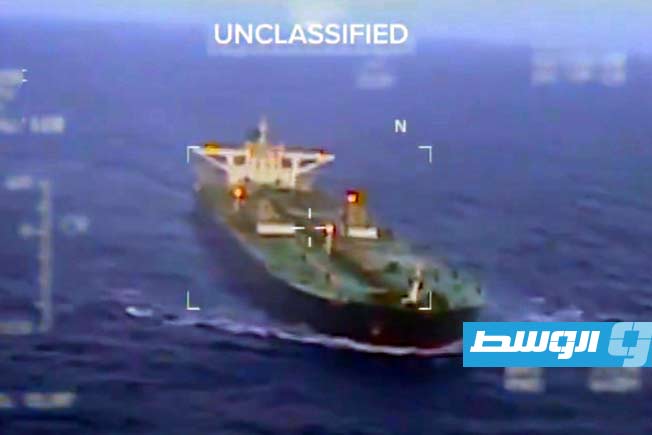
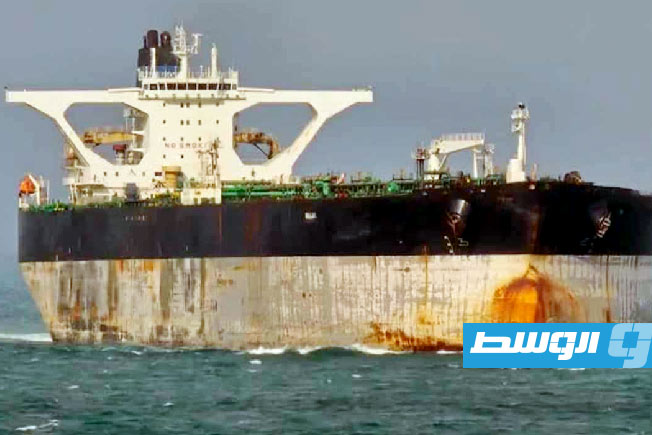
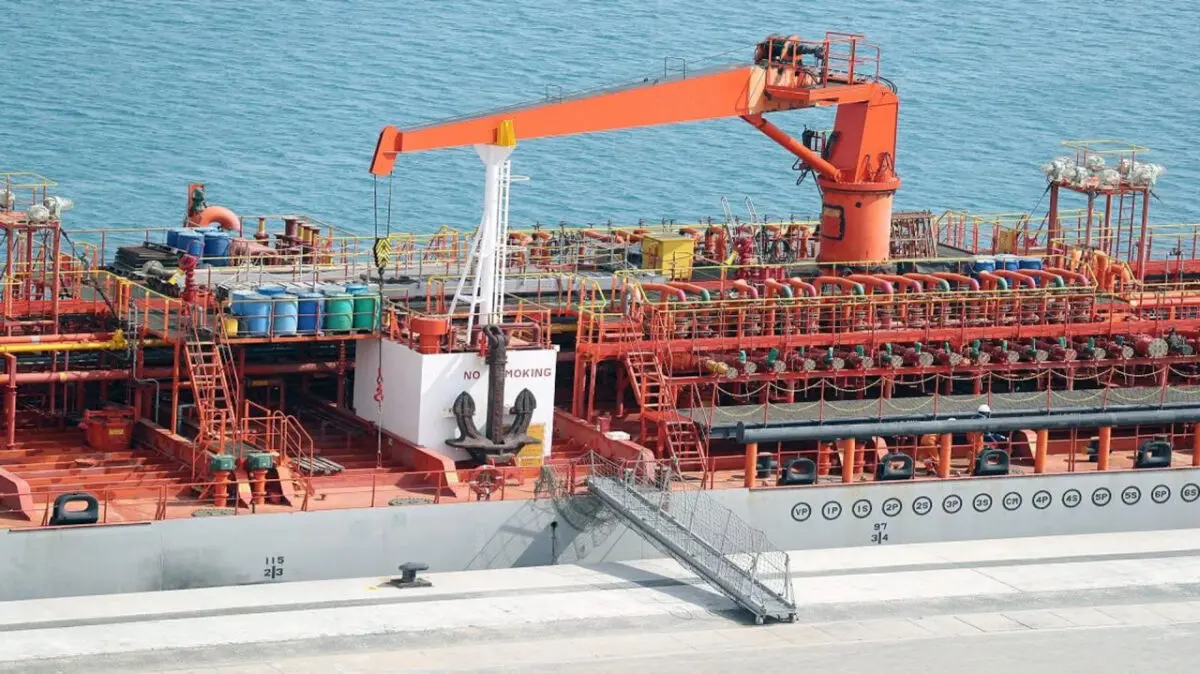
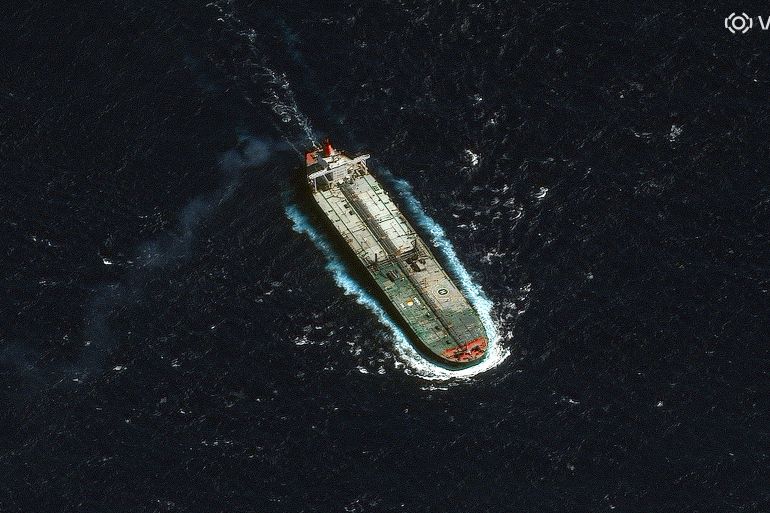
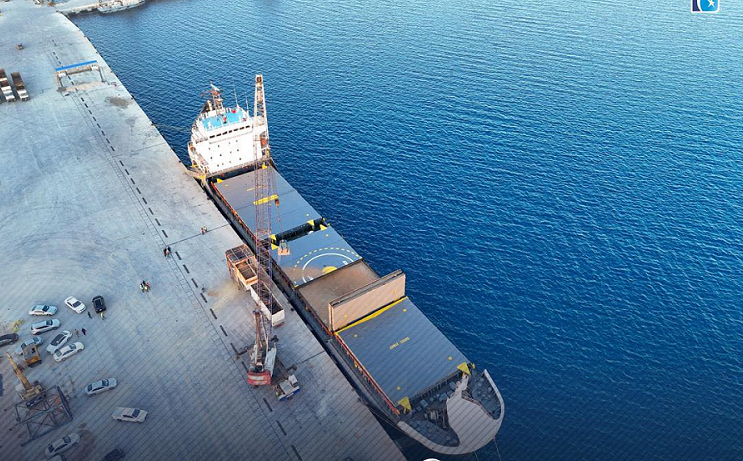
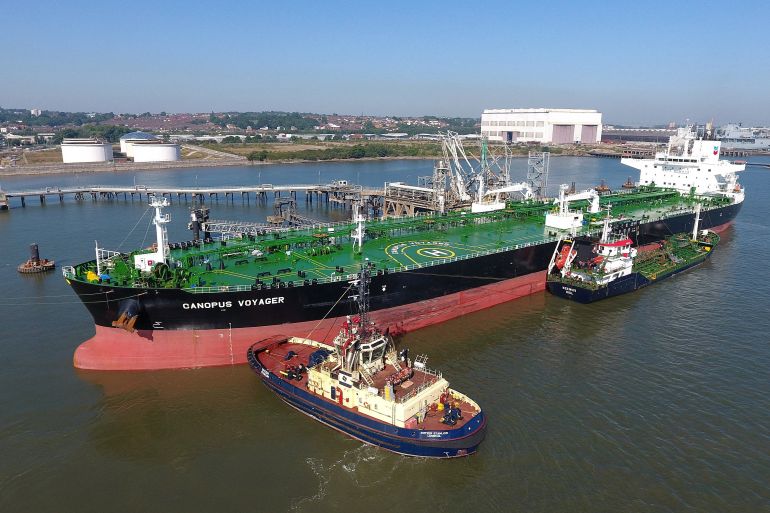
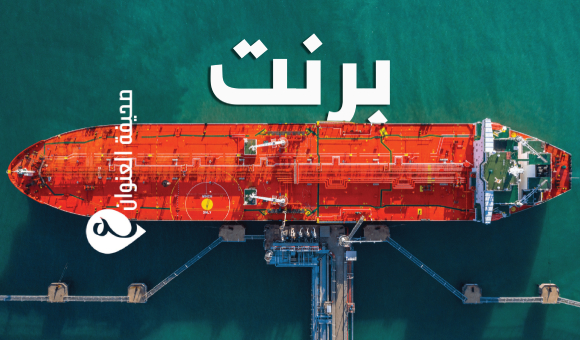
The ministry stated in a release that the shipment amounts to approximately 150,000 cubic meters of LNG and was loaded onto the gas carrier “METHANE BECKI ANNE,” as part of a plan to export a number of LNG shipments in the current period.
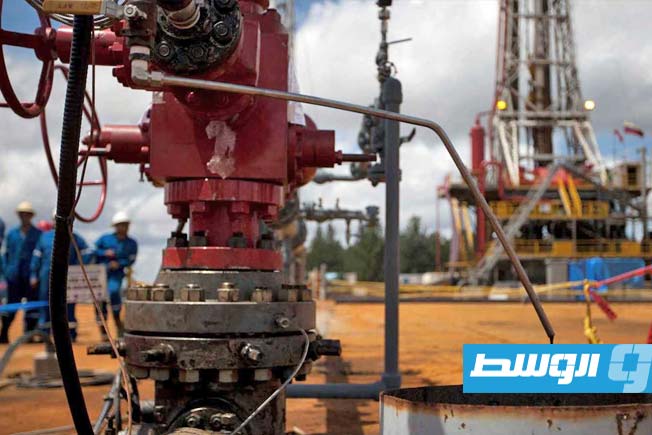
The release added that the export of this shipment comes as part of fulfilling contractual obligations with foreign investment partners, which contributes to encouraging them to pump additional investments to increase domestic gas production and achieve added value for the Egyptian economy, in addition to maximizing the utilization of liquefaction plant capacities.
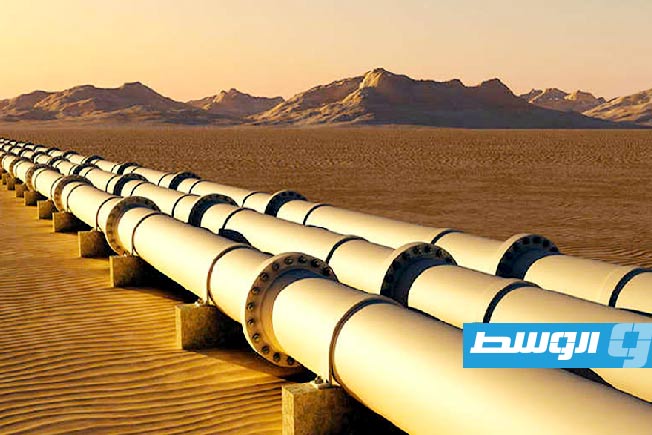
The Ministry of Petroleum confirmed that this step falls within the strategy of supporting Egypt’s role as a regional hub for gas trade and exchange, benefiting from the advanced infrastructure Egypt possesses in the field of liquefying and exporting natural gas on the Mediterranean coast.
Re-export
In a statement dated December 30, 2025, the Egyptian Ministry of Petroleum announced the signing of the government agreement to transfer gas from the Cypriot “Kronos” field to Egypt in February 2025, during the opening of the EGYPS conference.
This path culminated with the signing of commercial agreements in October 2025 to transfer gas from the “Kronos” field and re-export it through Egyptian infrastructure, relying on the capabilities of Egyptian LNG complexes. An agreement was also reached for cooperation regarding linking the Cypriot “Aphrodite” field to Egyptian infrastructure in February 2025.
Egypt resumed exporting a number of LNG shipments during 2025, as part of an approach aimed at maximizing the economic return from liquefaction complexes and enhancing the country’s position as a regional hub for gas exchange and trade, in addition to encouraging foreign partners to increase investments in exploration and production activities.
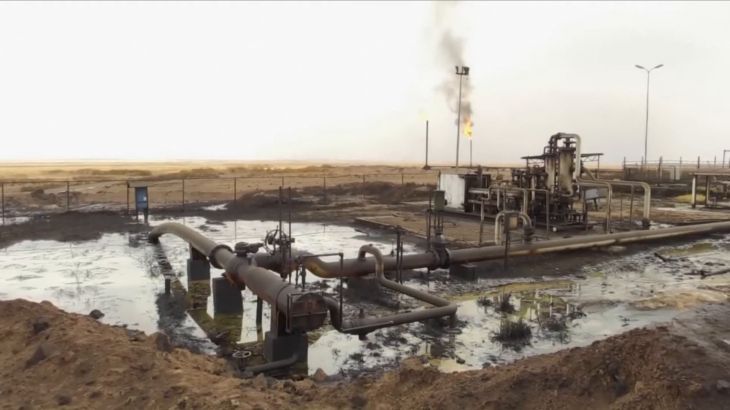
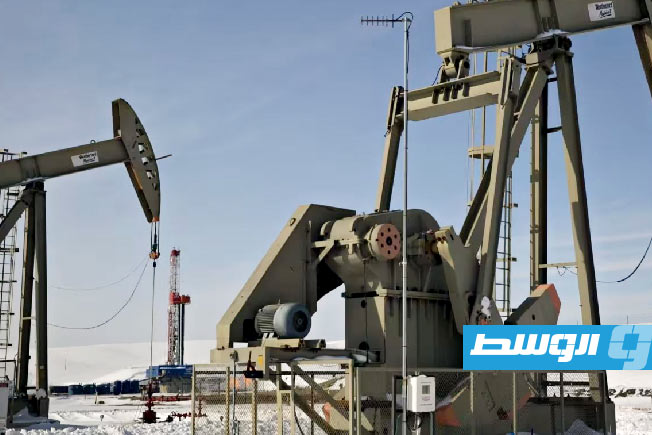
According to energy research data, Egypt’s gas production decreased to 4.10 billion cubic feet per day (35.43 billion cubic meters) during the period from January to the end of October 2025, compared to 4.85 billion cubic feet per day (41.9 billion cubic meters) in the same period the previous year.
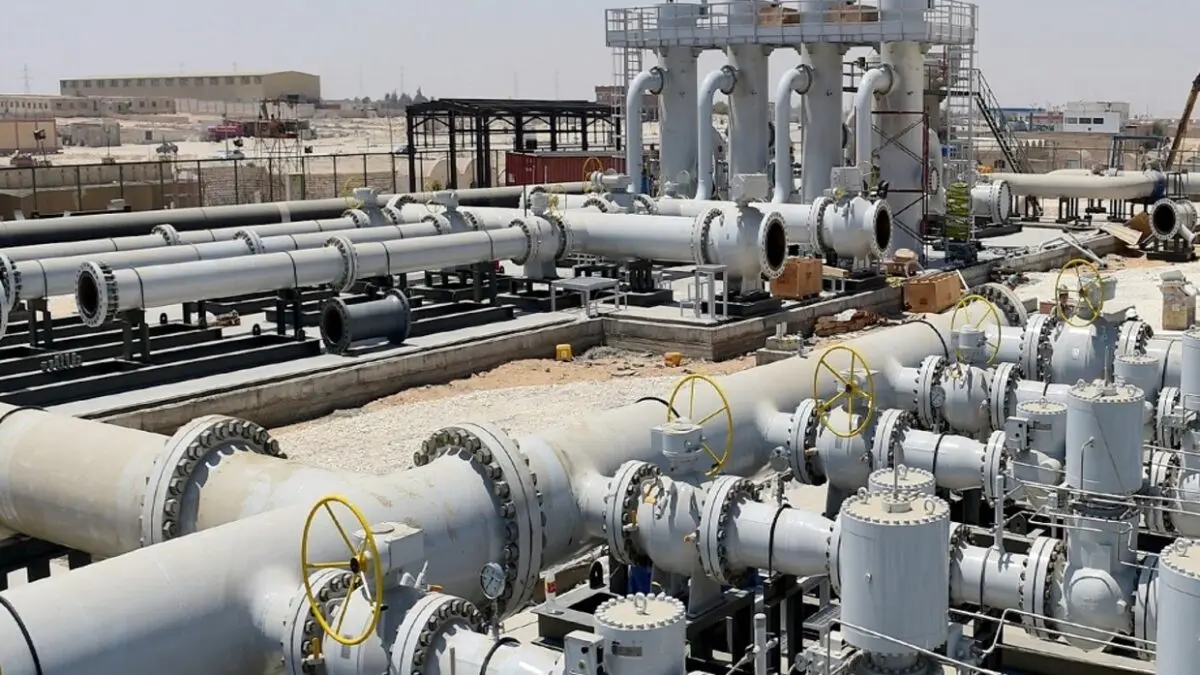
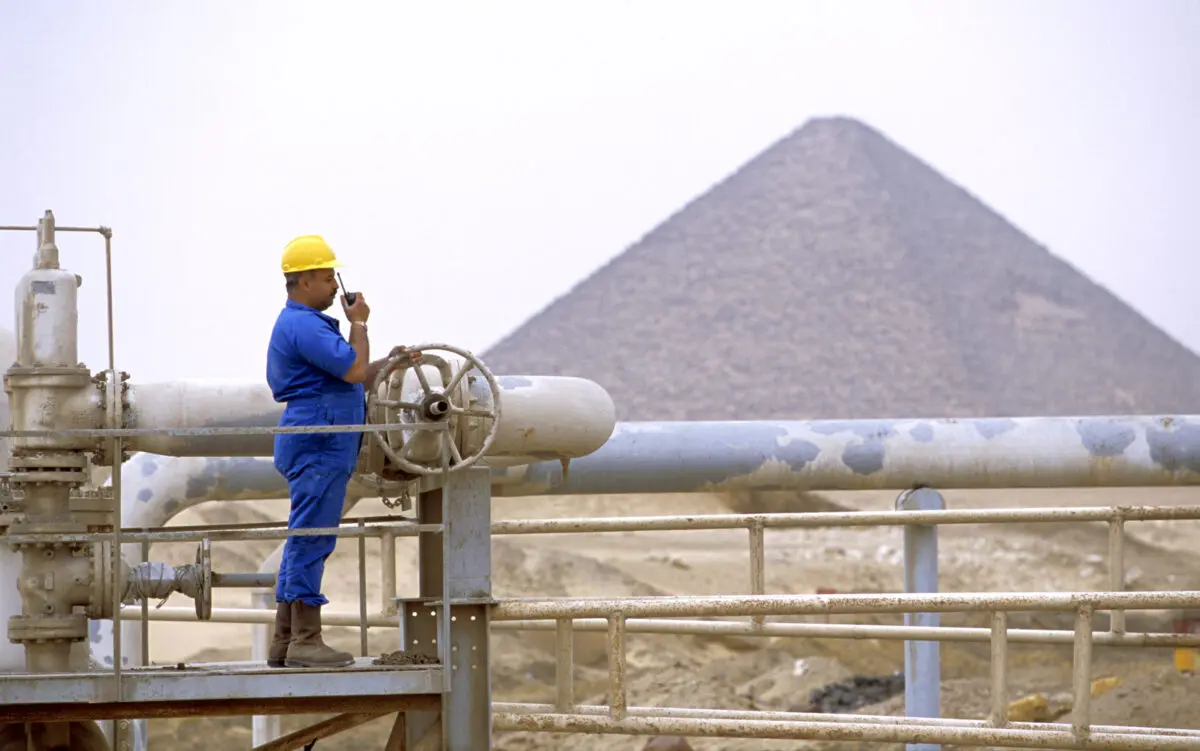
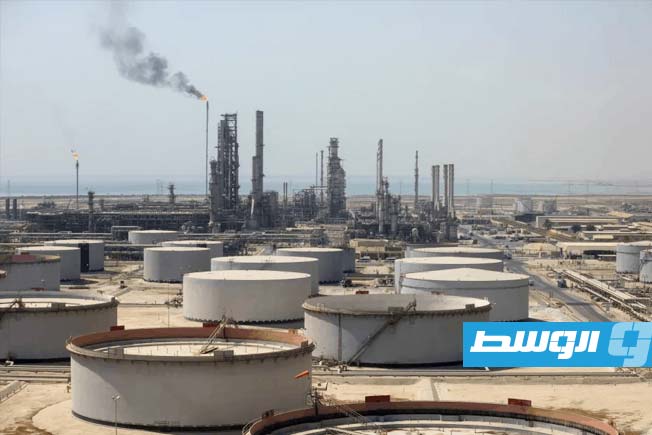
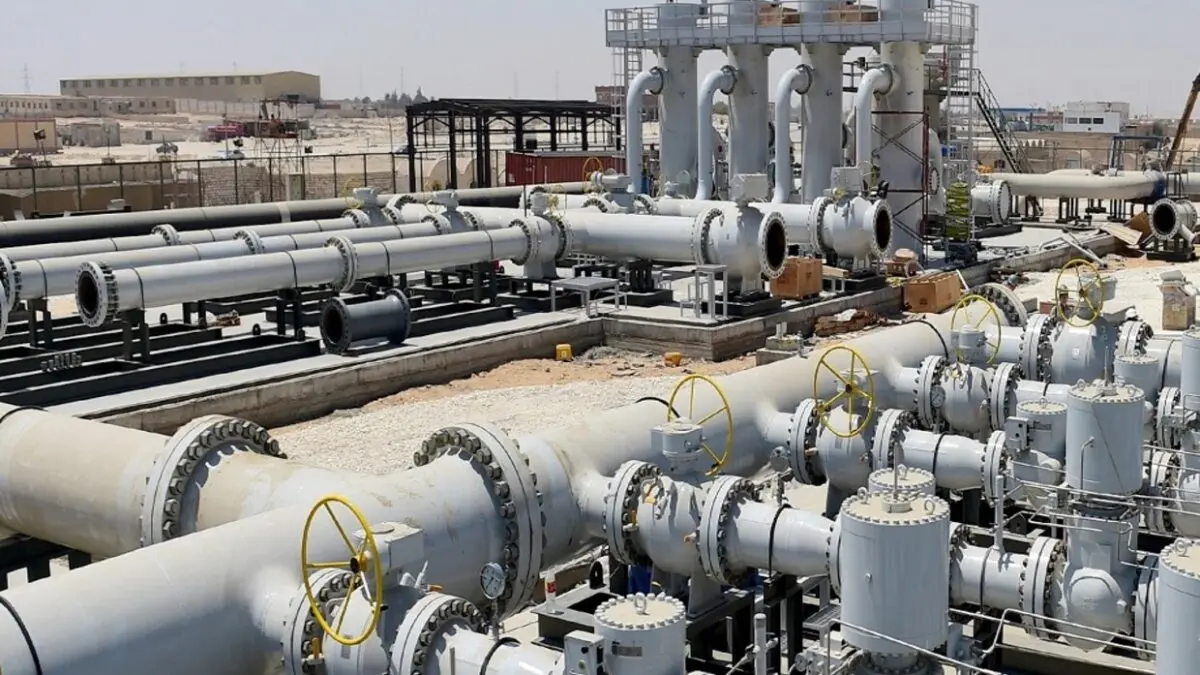
Egypt possesses two main plants for converting natural gas into its liquefied state and exporting it, with a production capacity exceeding 12 million tons annually: the Idku plant (7.2 million tons) and the Damietta plant (5.2 million tons).
BW Lesmes
BW Lesmes refers to the Basilica of San Lesmes Abad in Burgos, Spain, a Roman Catholic church dedicated to Saint Lesmes, the patron saint of the city. Originally founded in the 11th century, it was rebuilt in the Gothic style during the 14th and 15th centuries and houses the saint’s tomb. The basilica is a key example of Burgos’ religious heritage and stands near the famous Camino de Santiago pilgrimage route.
Oil Products Tanker BURRI
The Oil Products Tanker BURRI is a modern chemical and products tanker built in 2016, operated by the Norwegian company Odfjell. It is part of a fleet specializing in the global seaborne transportation of chemicals and other liquid bulk products. The vessel’s history is defined by its service in this specific industrial maritime sector.
Suez Canal
The Suez Canal is a man-made waterway in Egypt connecting the Mediterranean Sea to the Red Sea, providing a crucial maritime shortcut between Europe and Asia. It was officially opened in 1869 after a decade of construction, though its concept dates back to ancient times. The canal’s strategic and economic importance has made it a focal point of international conflict and diplomacy throughout its modern history.
Egypt
Egypt is a country in northeastern Africa with a rich history centered on the ancient Nile Valley civilization, known for its pharaohs, pyramids, and temples dating back over 5,000 years. Its cultural heritage includes iconic sites like the Giza pyramid complex and the Valley of the Kings, which emerged from one of the world’s earliest and most influential societies. Modern Egypt is a predominantly Arab nation where this ancient legacy continues to shape its national identity and global cultural significance.
Idku liquefaction complex
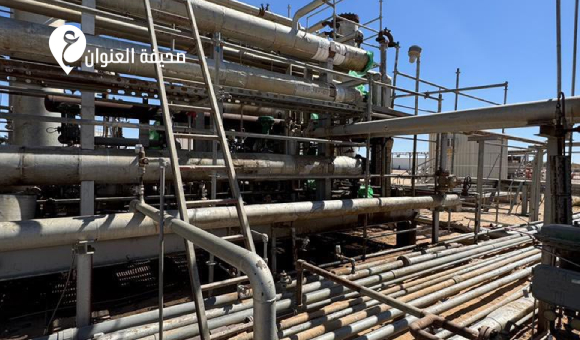
The Idku liquefaction complex is a major natural gas processing and export facility located near Alexandria, Egypt. It was inaugurated in 2005 and plays a key role in Egypt’s energy sector by cooling natural gas into liquefied natural gas (LNG) for international shipment.
Turkish port
The Turkish port of Istanbul, historically known as Byzantium and later Constantinople, has been a vital maritime hub for over two millennia, controlling the strategic Bosphorus Strait between Europe and Asia. It served as the capital of the Byzantine and Ottoman Empires, making it a crucial center for trade, culture, and political power throughout history. Today, it remains one of the busiest ports in the region, connecting global shipping routes.
METHANE BECKI ANNE
“METHANE BECKI ANNE” does not correspond to a known, verifiable place or cultural site. It appears to be a nonsensical or fictional phrase with no established history or cultural significance in available records. Therefore, no factual summary can be provided.
Mediterranean coast
The Mediterranean coast is a historically significant region that has been home to numerous ancient civilizations, including the Phoenicians, Greeks, Romans, and Ottomans. Its shores have served as vital hubs for trade, cultural exchange, and conflict for millennia. Today, it remains a major area for tourism, agriculture, and maritime activity across Southern Europe, North Africa, and the Middle East.
Cypriot “Kronos” field
The Cypriot “Kronos” field is a natural gas field located in the exclusive economic zone of Cyprus in the Eastern Mediterranean. It was discovered in 2011 and is part of the broader Aphrodite gas field area, representing a significant energy resource for the region.
EGYPS conference
The EGYPS conference is an annual international petroleum exhibition and conference held in Cairo, Egypt, focused on the oil and gas industry in the North Africa and Mediterranean region. It was first launched in 2017 under the patronage of the Egyptian Ministry of Petroleum and Mineral Resources to serve as a major platform for energy dialogue, deal-making, and showcasing technological advancements. The event highlights Egypt’s strategic role as a regional energy hub, particularly following significant domestic gas discoveries.
Cypriot “Aphrodite” field
The “Aphrodite” gas field is a major natural gas reservoir located in the exclusive economic zone of Cyprus in the Eastern Mediterranean. It was discovered in 2011 and is named after the ancient Greek goddess Aphrodite, who according to mythology was born from the sea near Cyprus. The field’s development is a significant economic and geopolitical project for Cyprus and the region.
Idku plant
The Idku plant is a major natural gas liquefaction facility located in Egypt, operational since 2005. It was developed to process and export natural gas from the Mediterranean, playing a key role in Egypt’s energy export industry.
Damietta plant
The Damietta plant is a major natural gas liquefaction facility located in Egypt, operational since 2005. It was developed to export liquefied natural gas (LNG) from Egypt’s offshore reserves and has played a significant role in the country’s energy export economy.