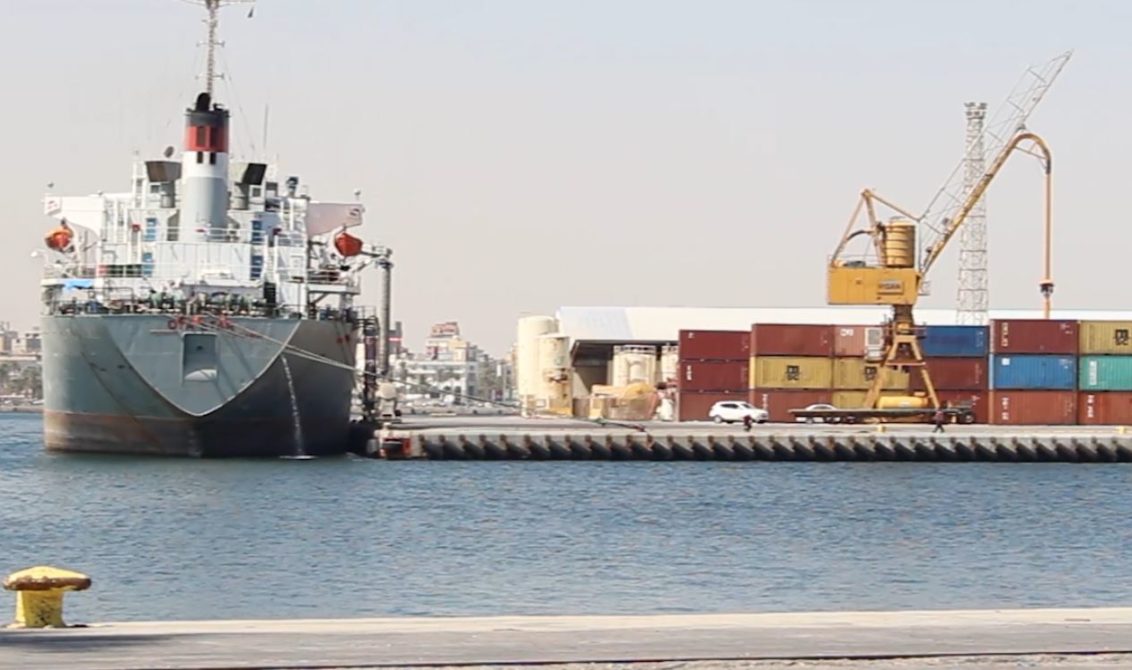
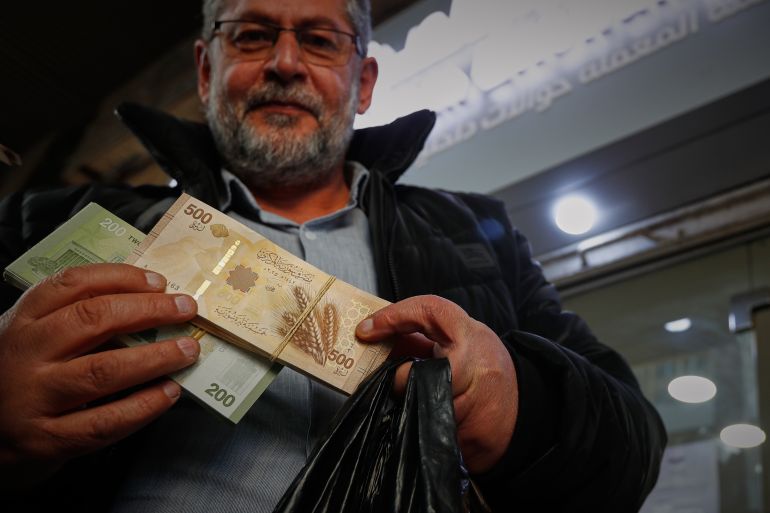
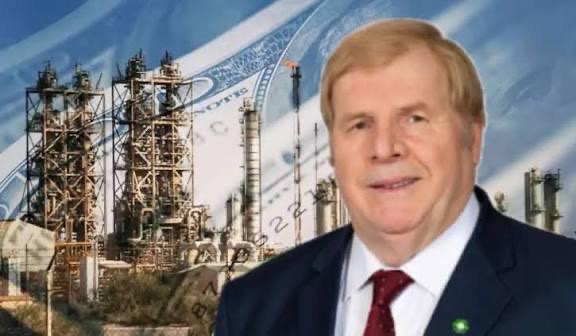
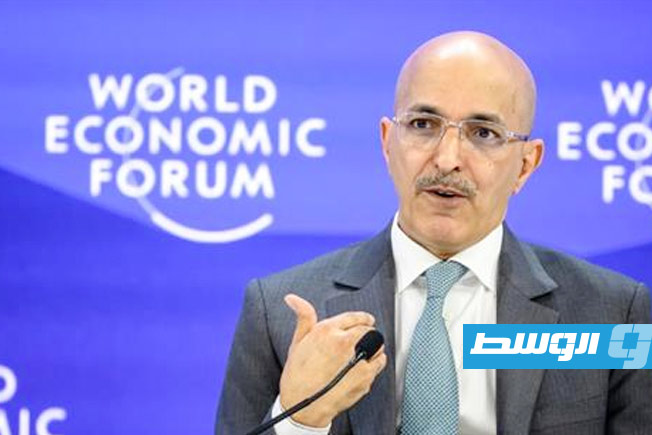
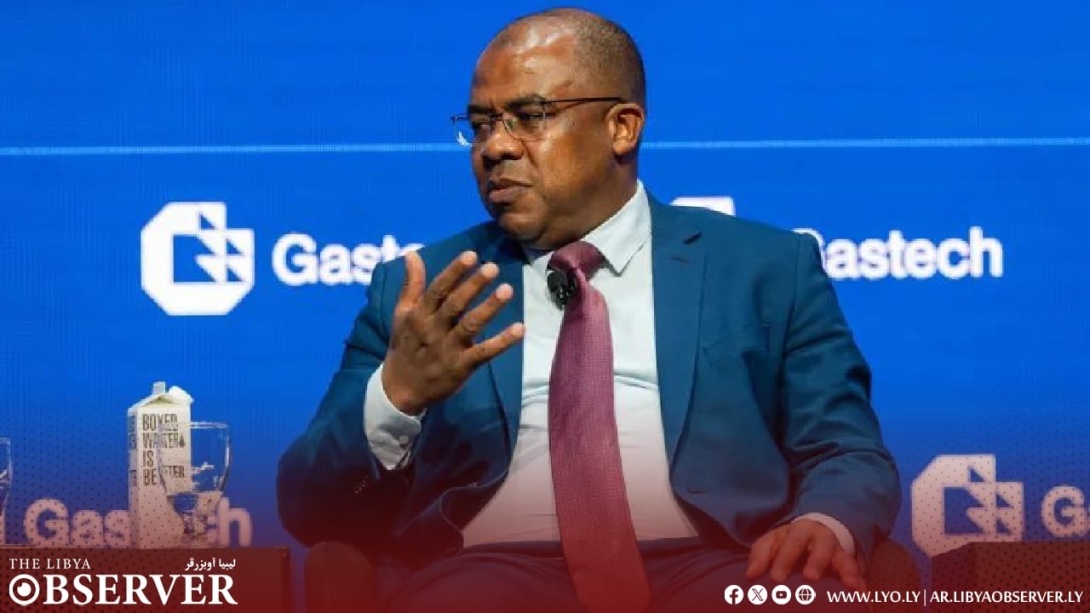
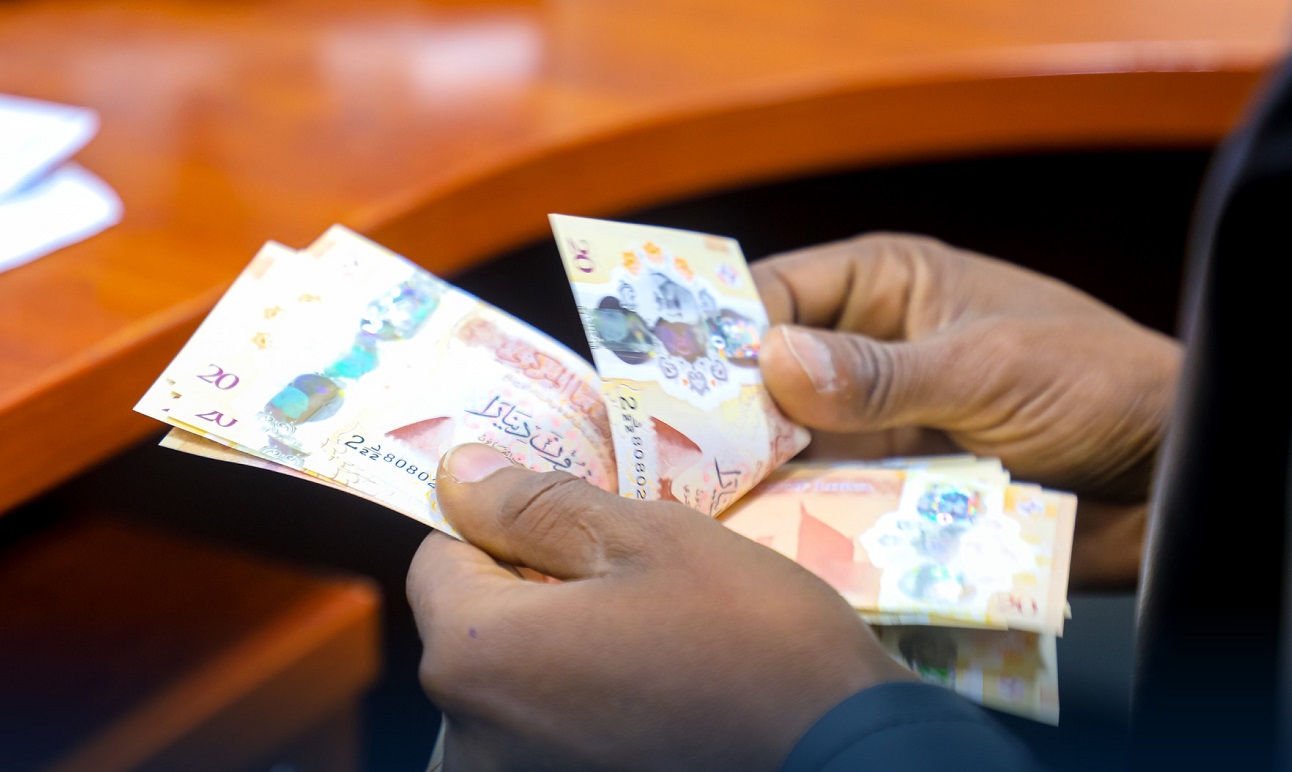
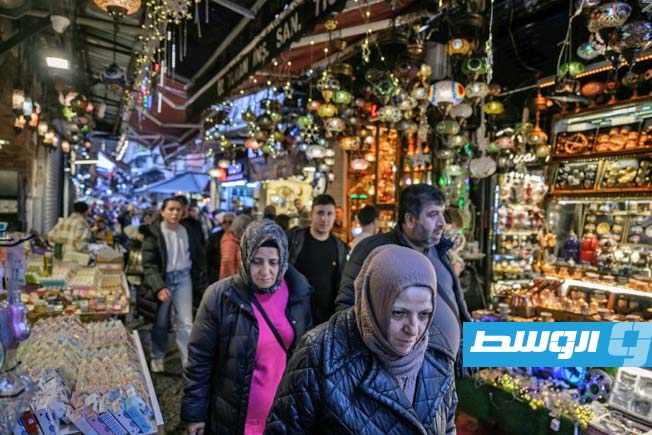
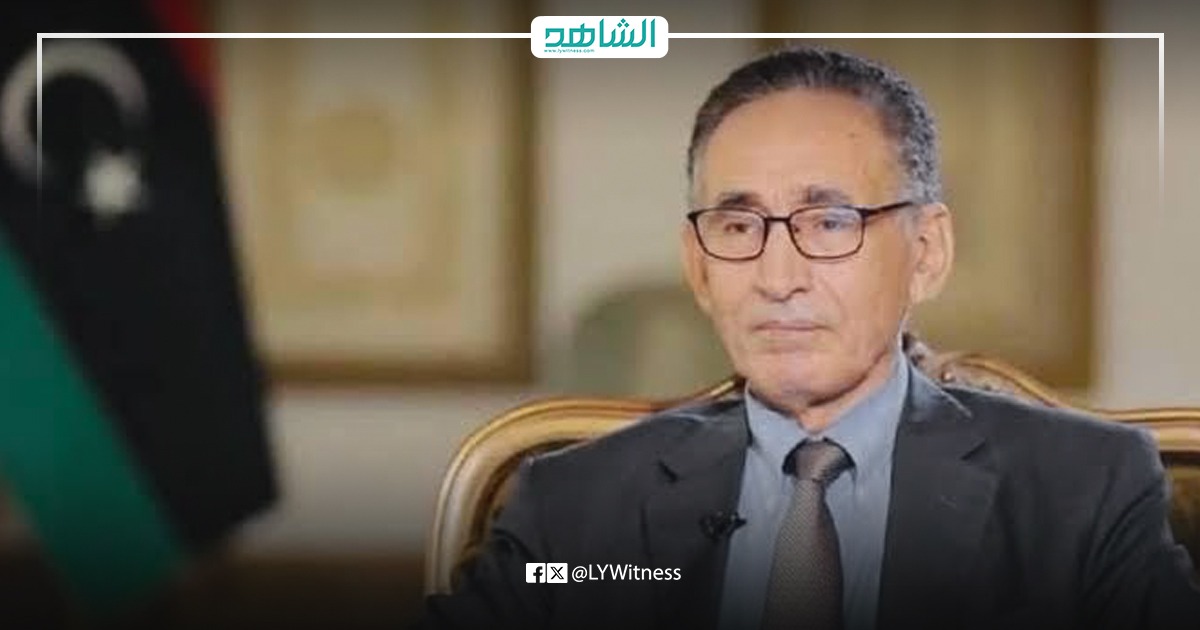
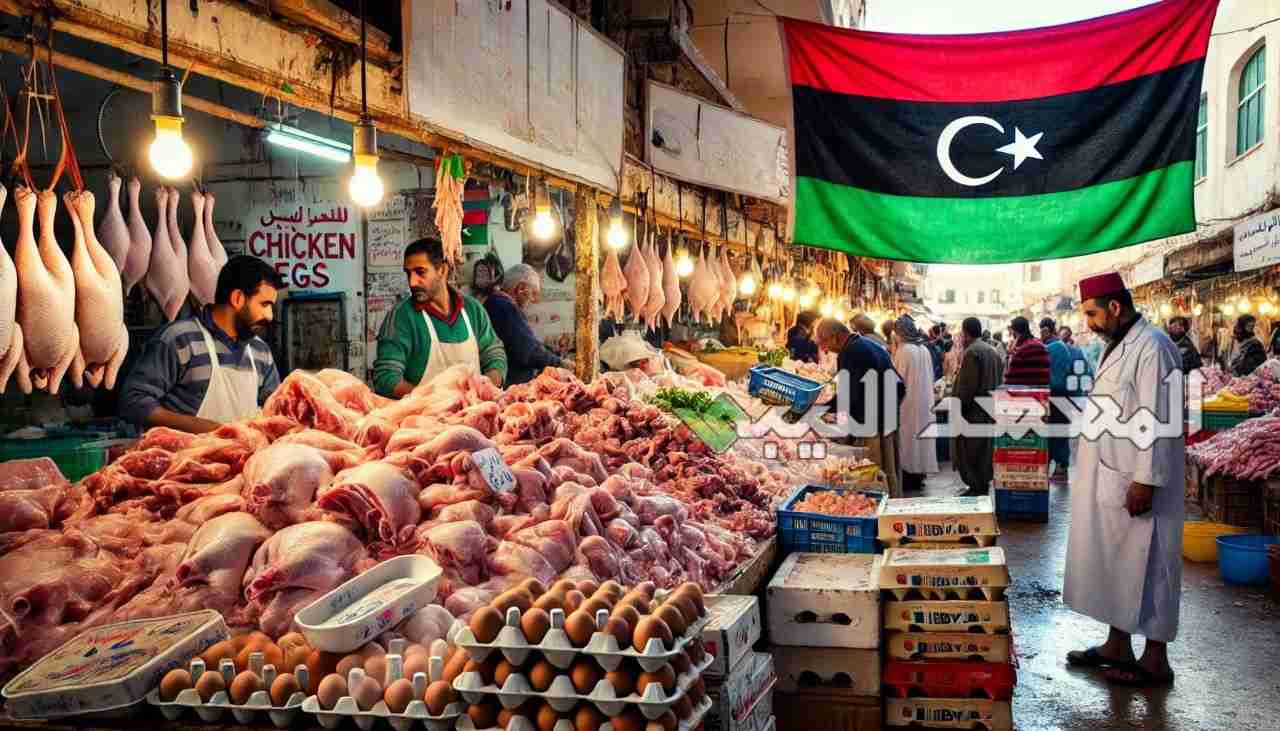
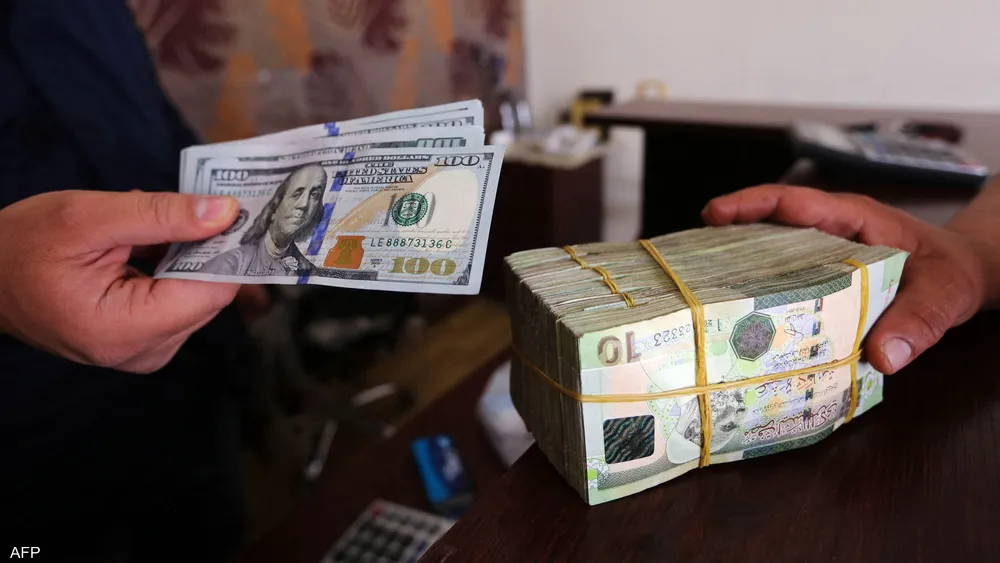
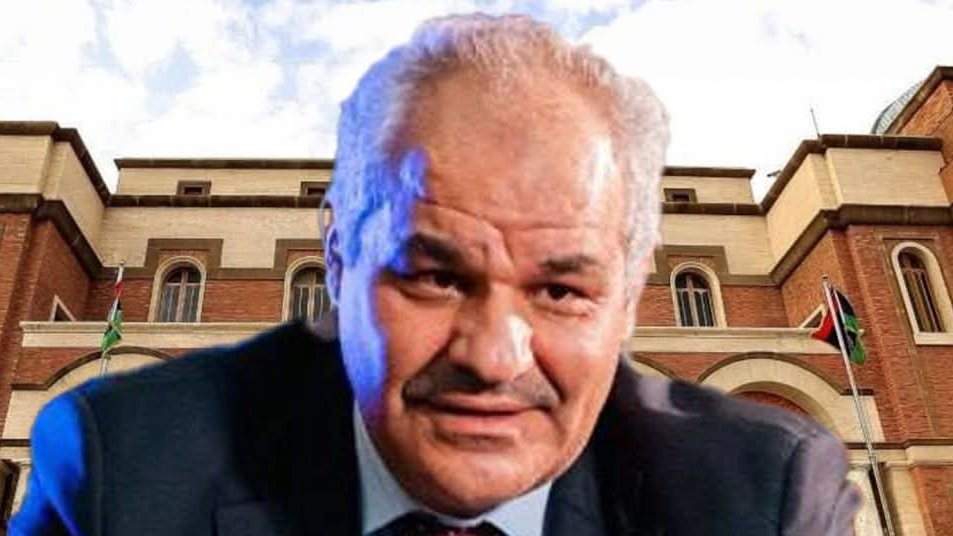
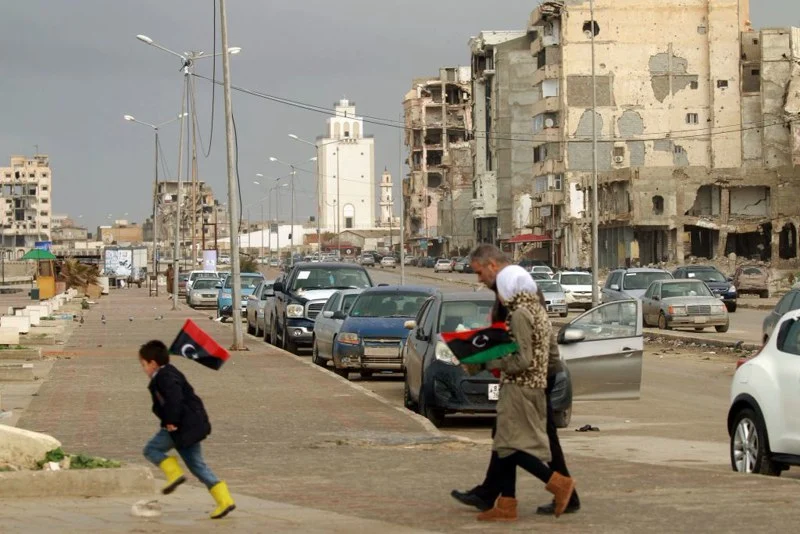
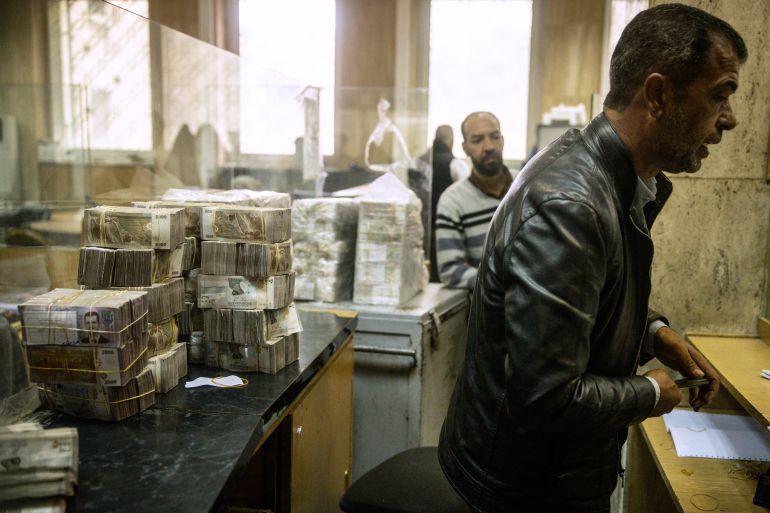
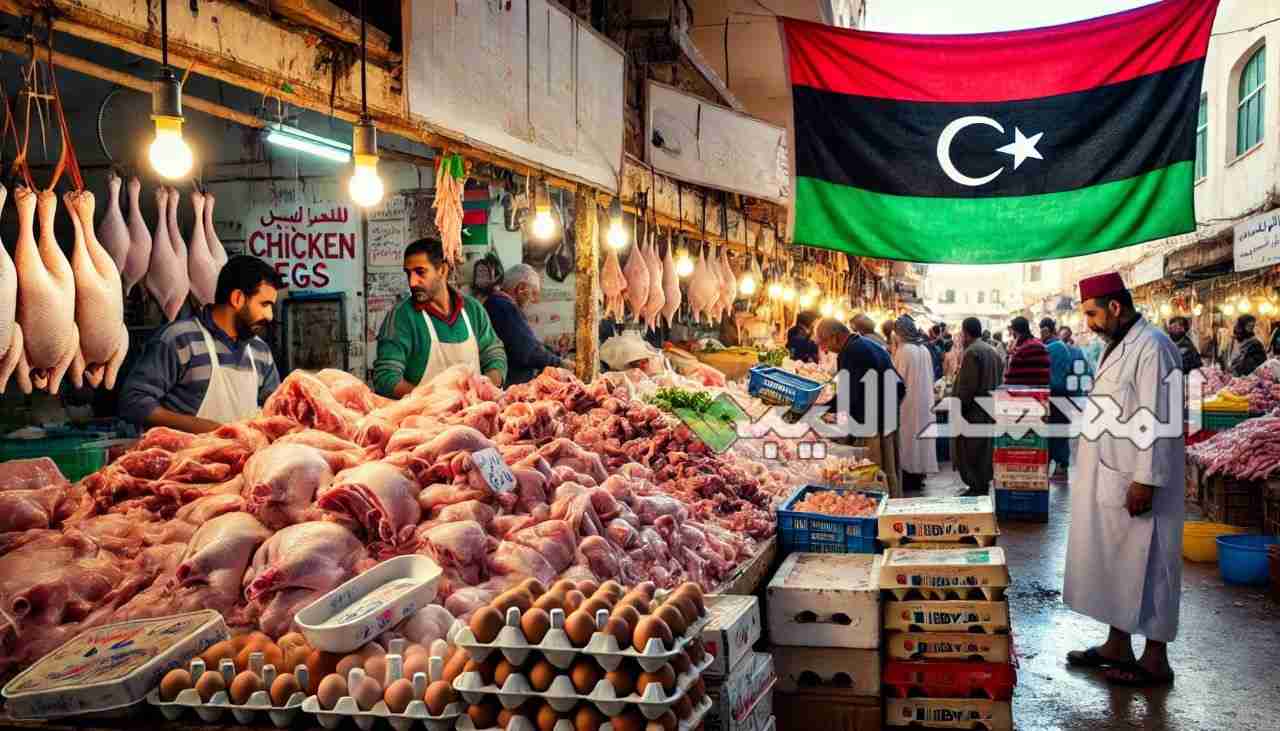
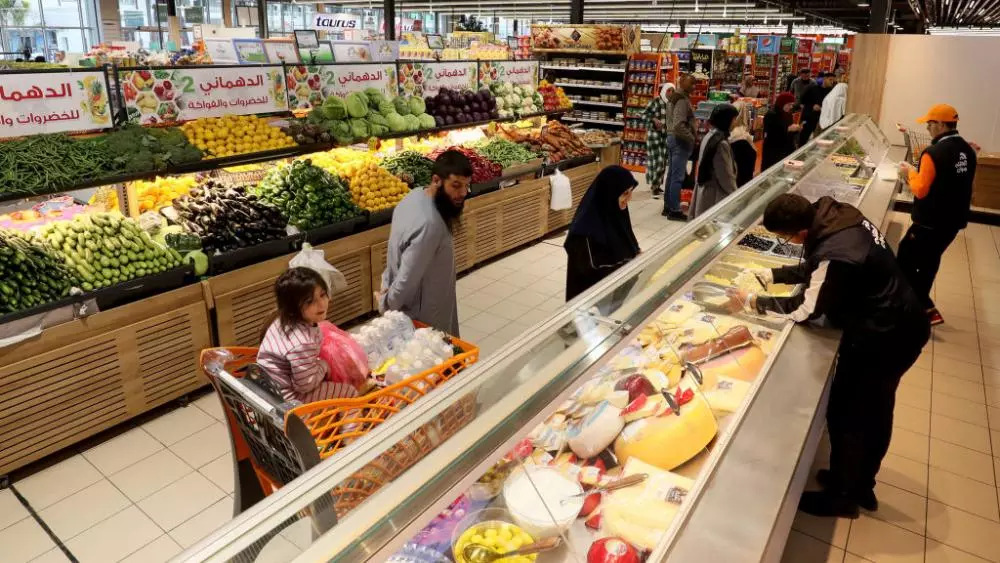
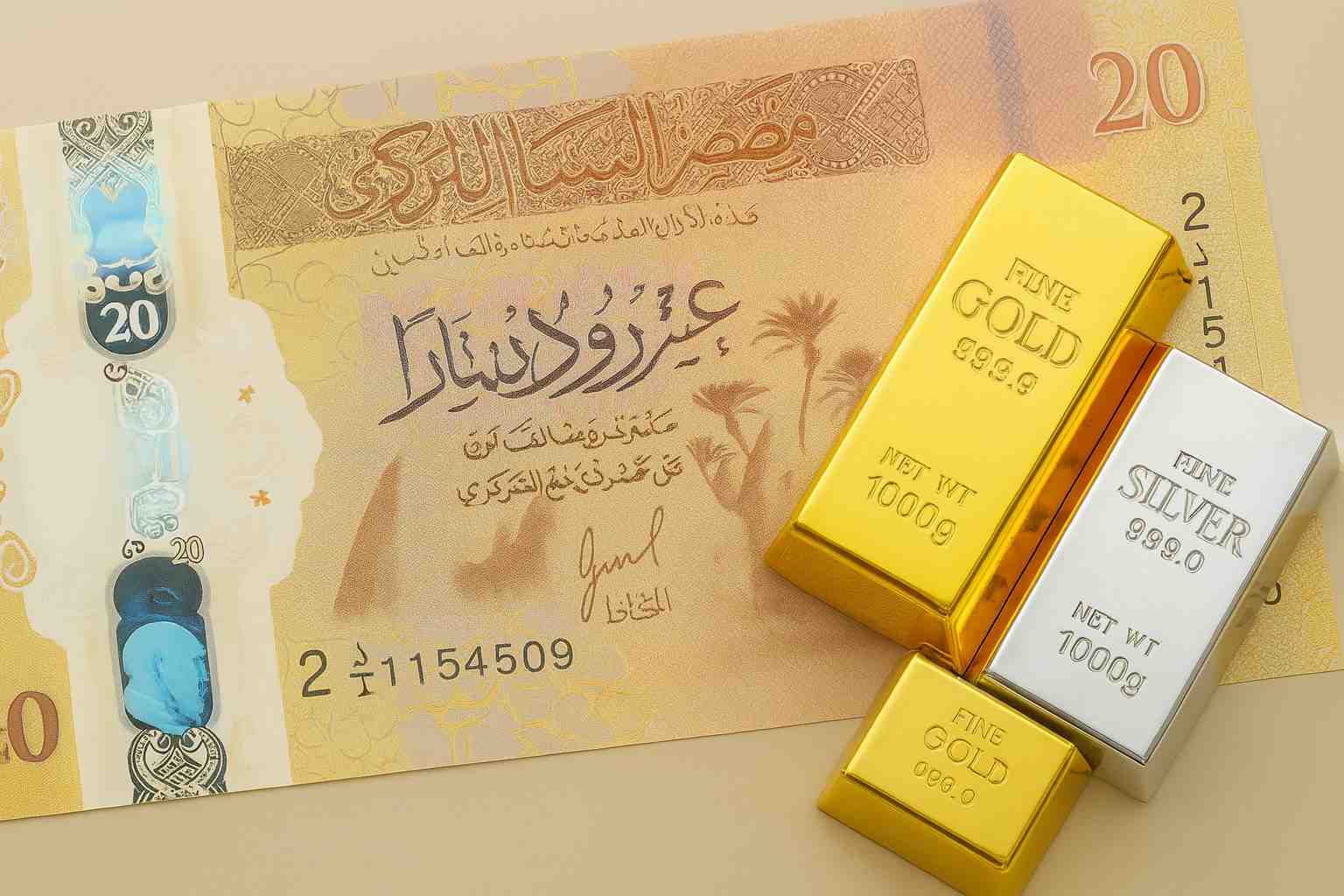
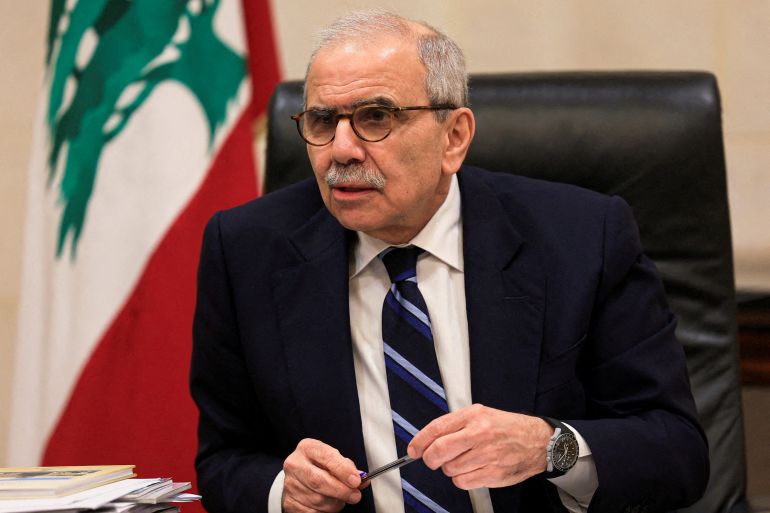
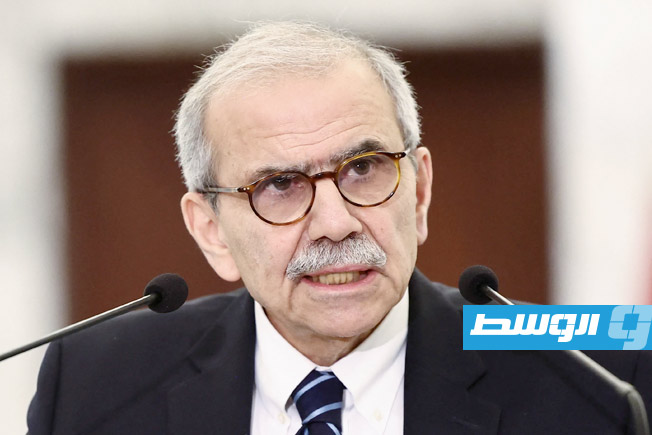
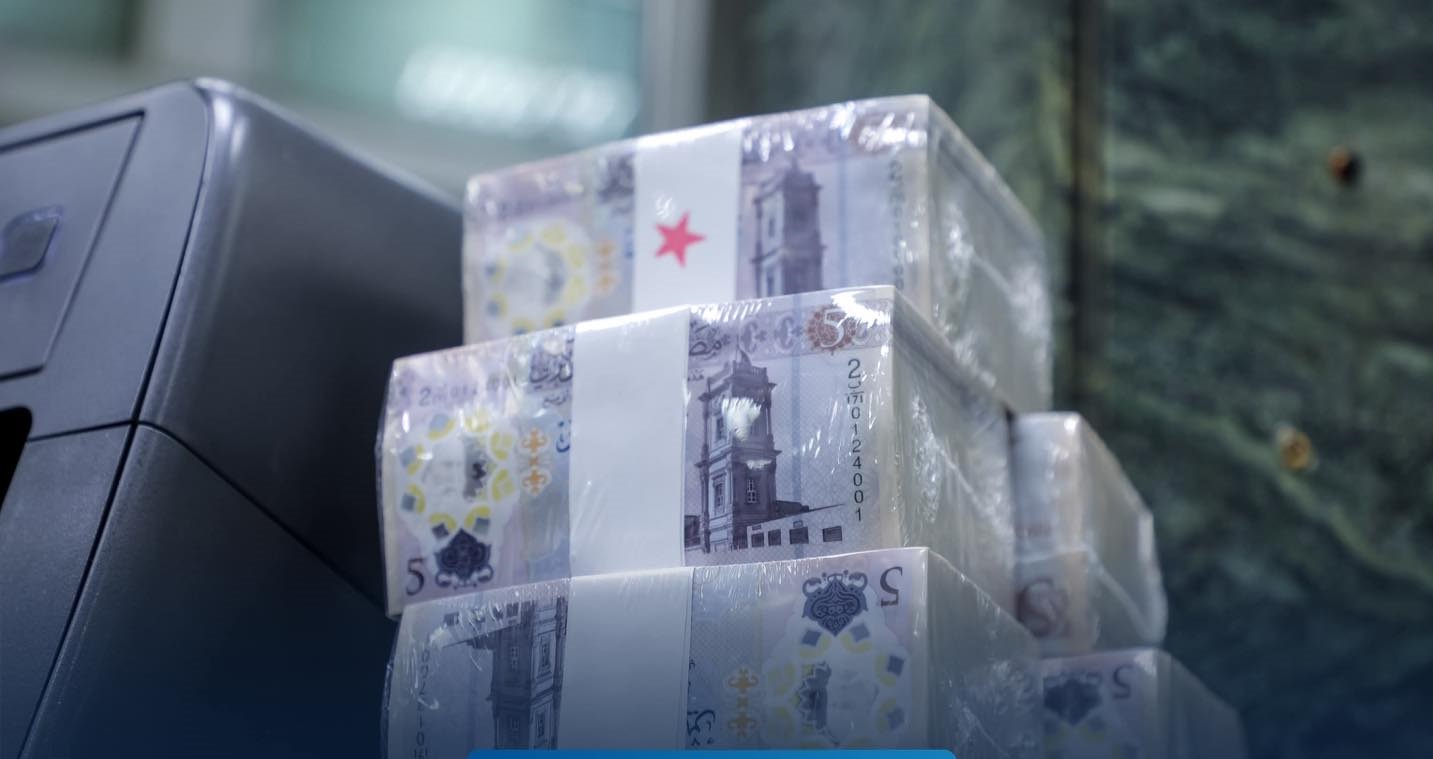
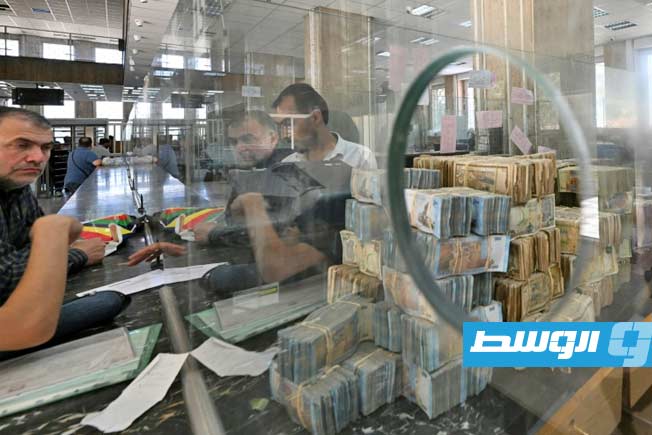
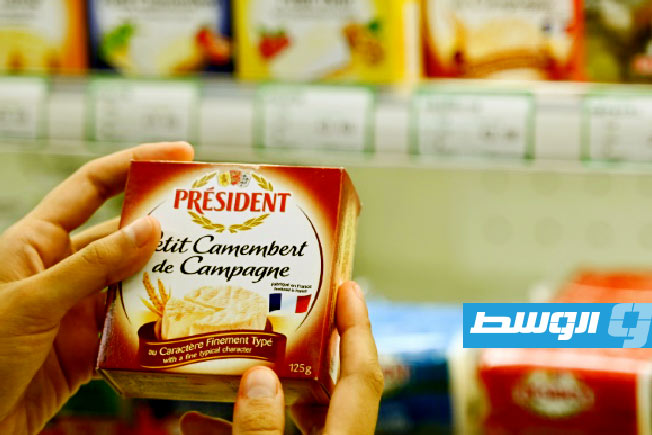
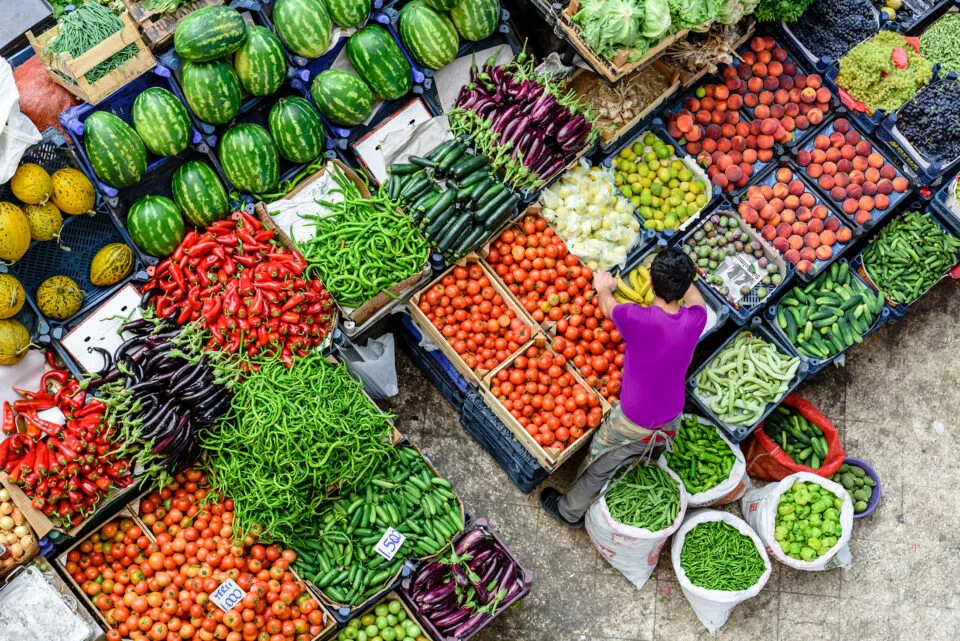
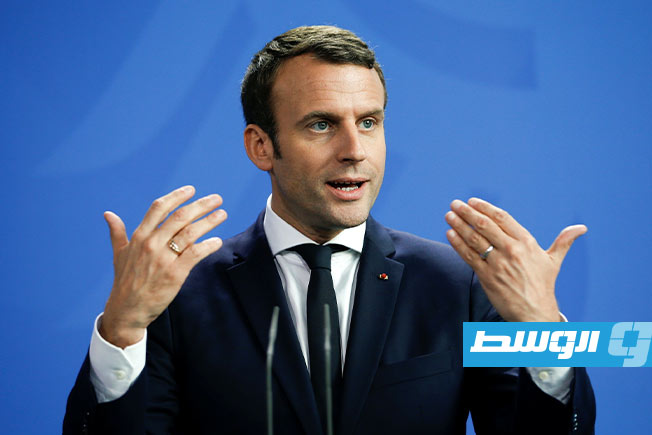
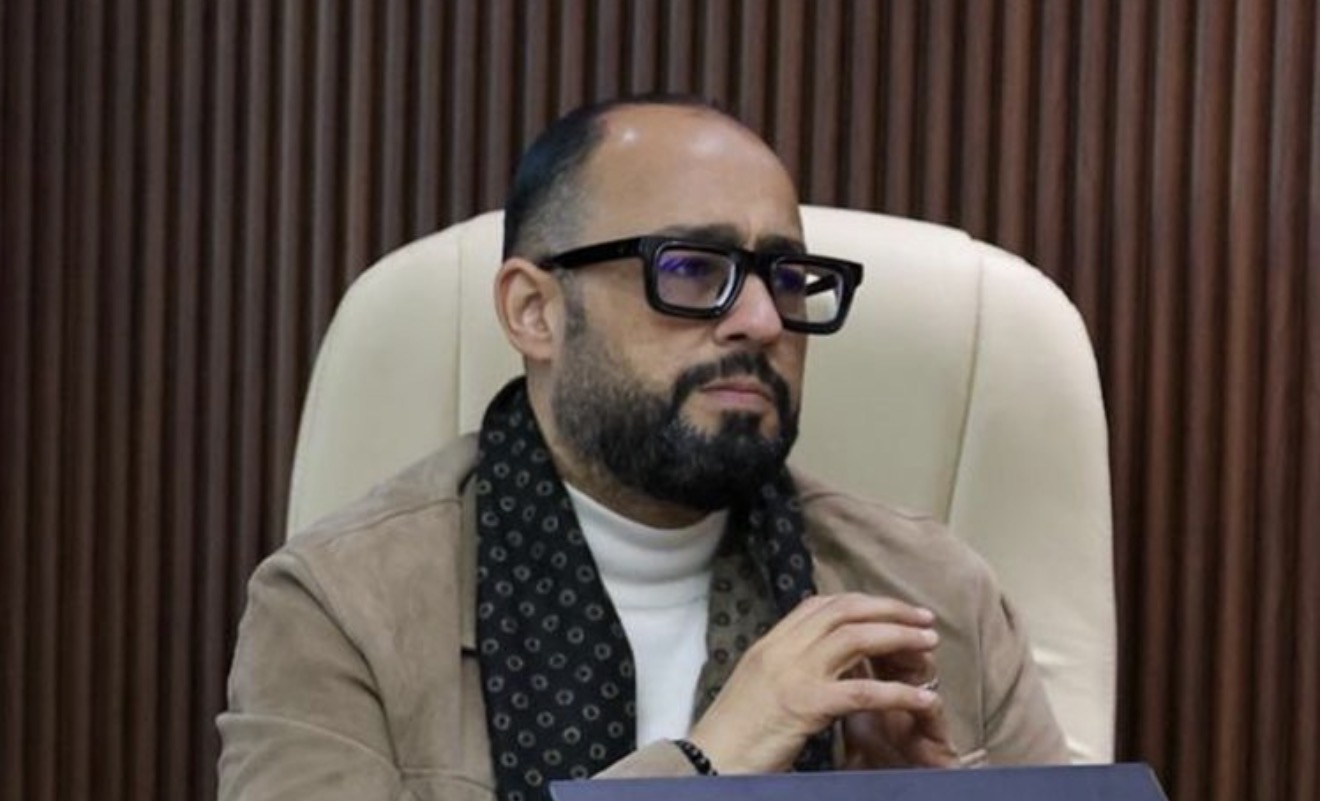
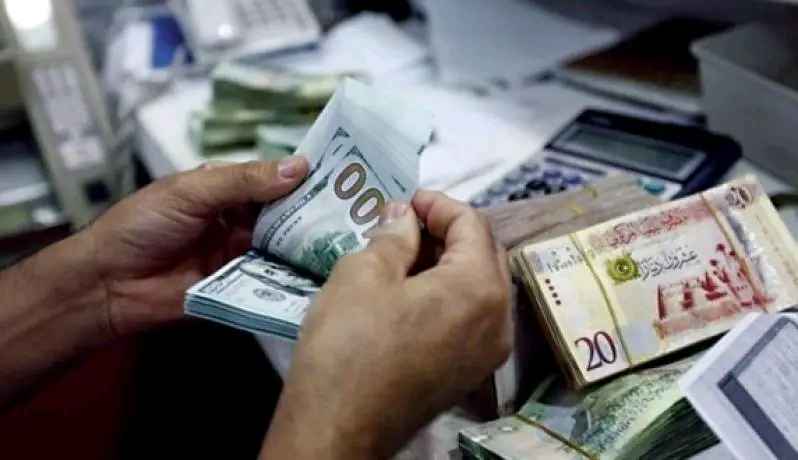
The Minister of Economy and Trade announced a package of measures and procedures aimed at regulating the domestic market and curbing prices.
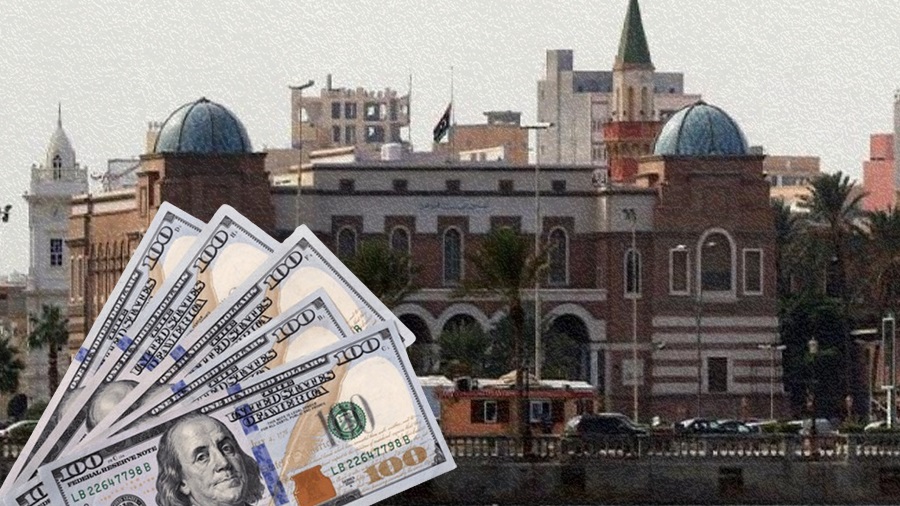
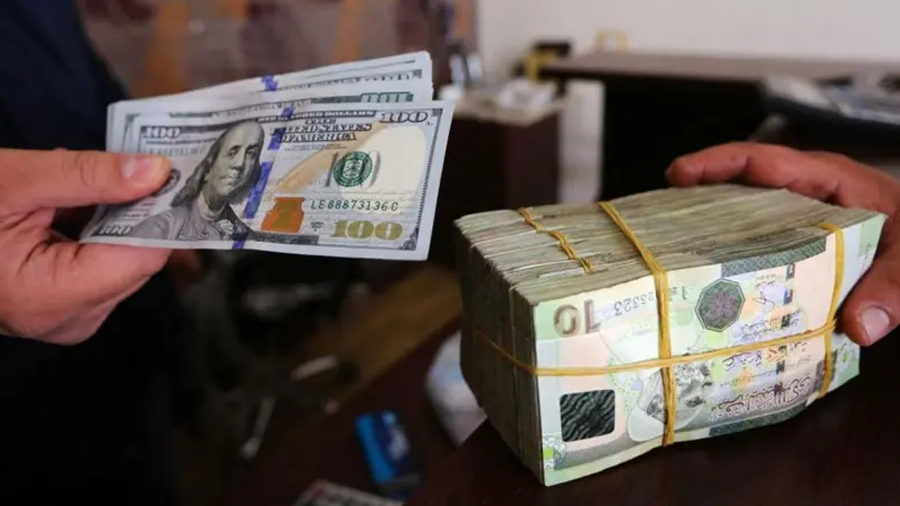
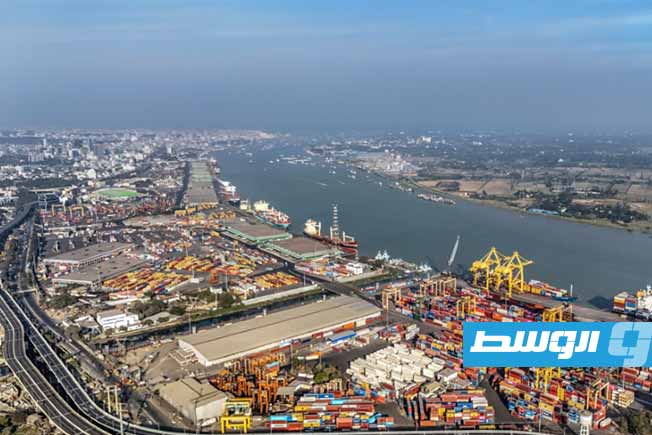
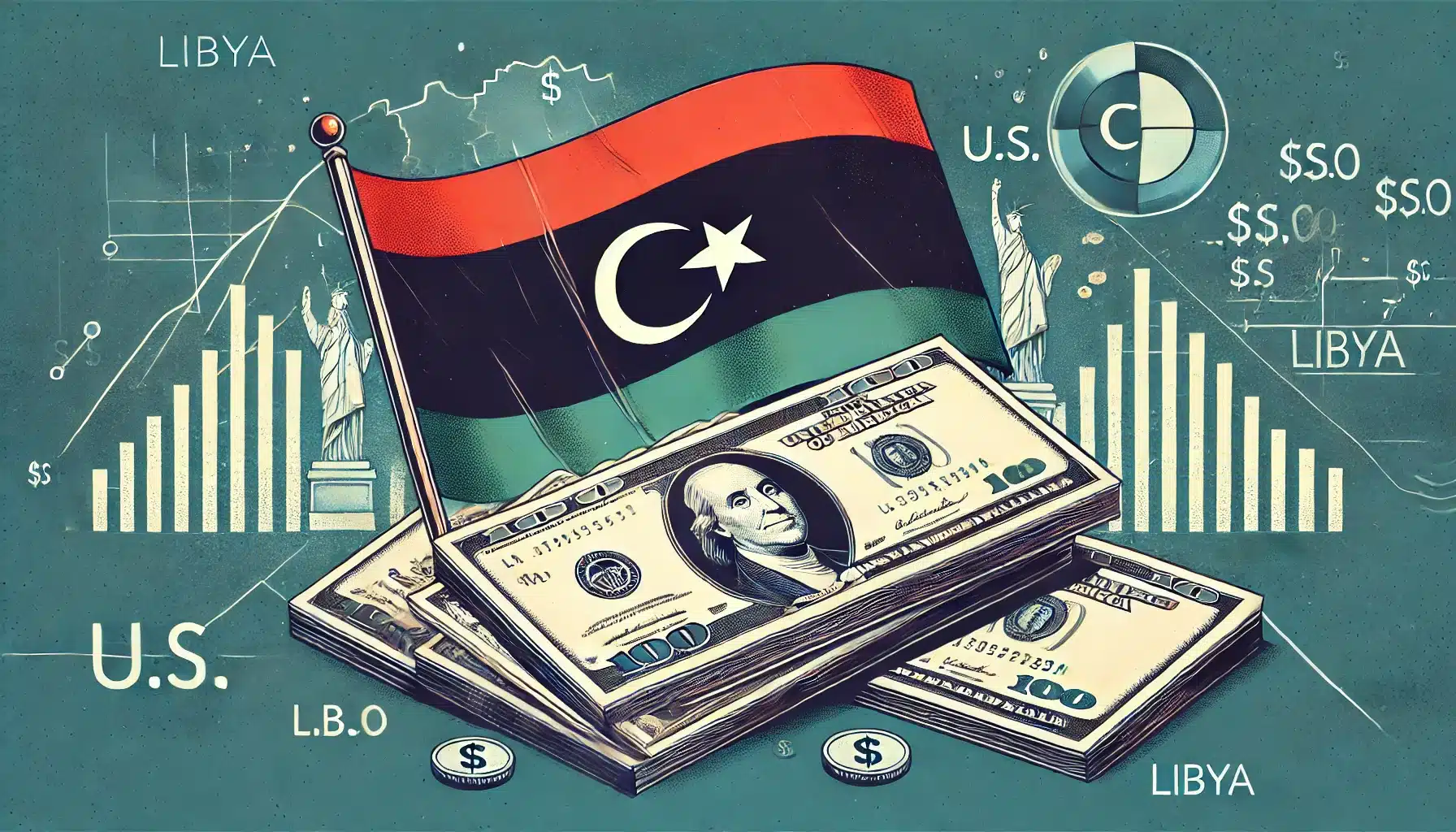
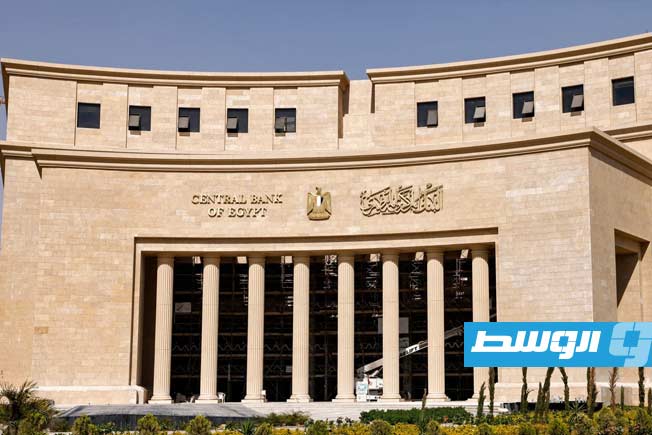
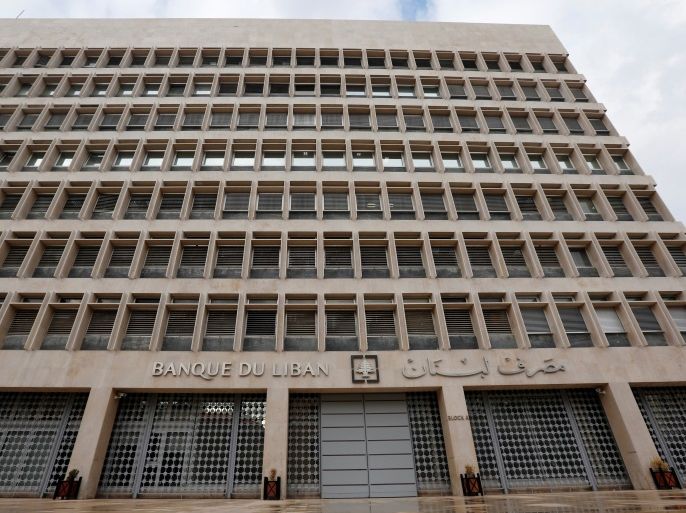
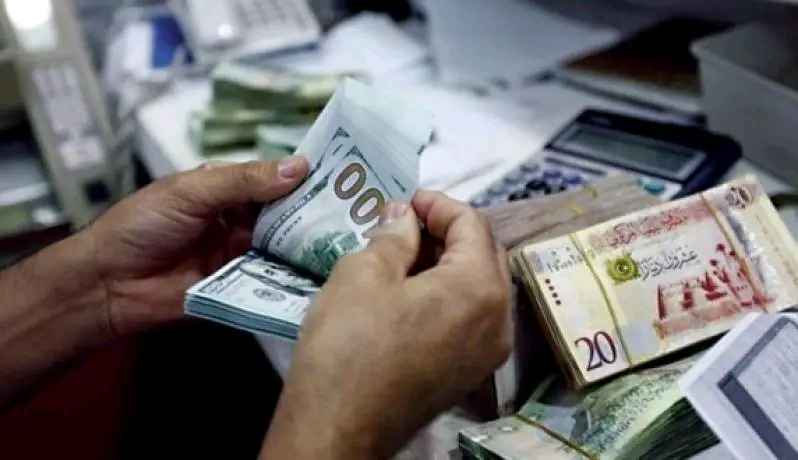
The measures include the start of implementing an indicative import budget that sets supply priorities, in coordination with the Central Bank of Libya, as well as contacting the Council of Ministers to activate the Grain Authority and restructure the Price Balance Fund in line with current developments. The steps are intended to support the ministry’s plan to organize imports, control goods and prices, and ensure stability in the local market.
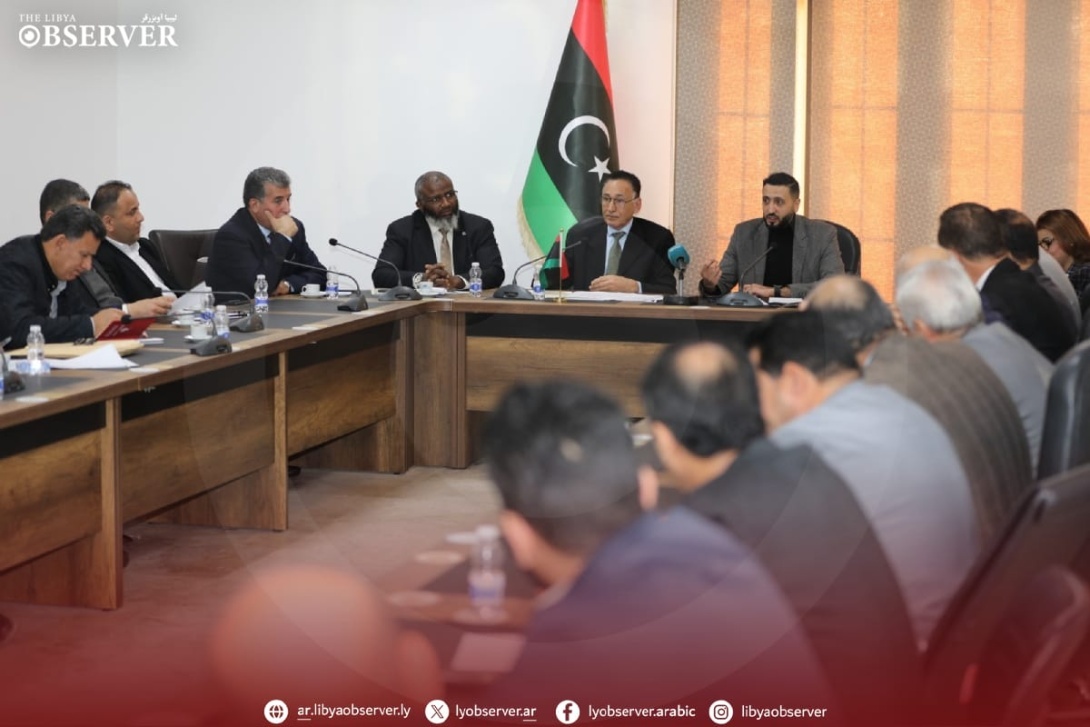
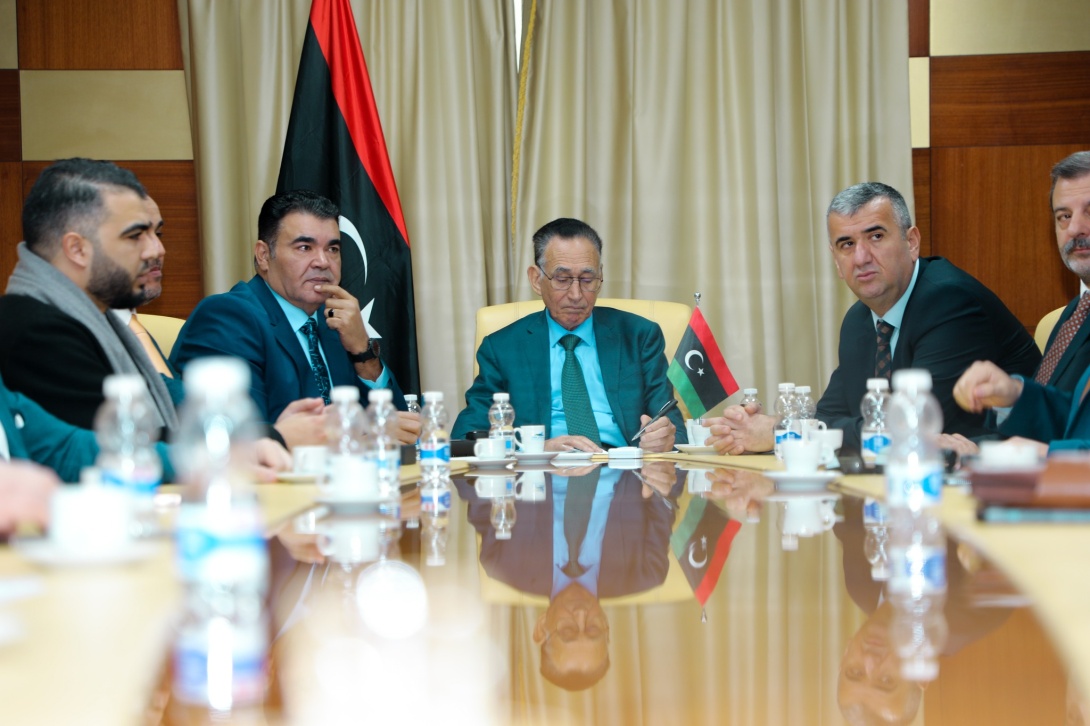
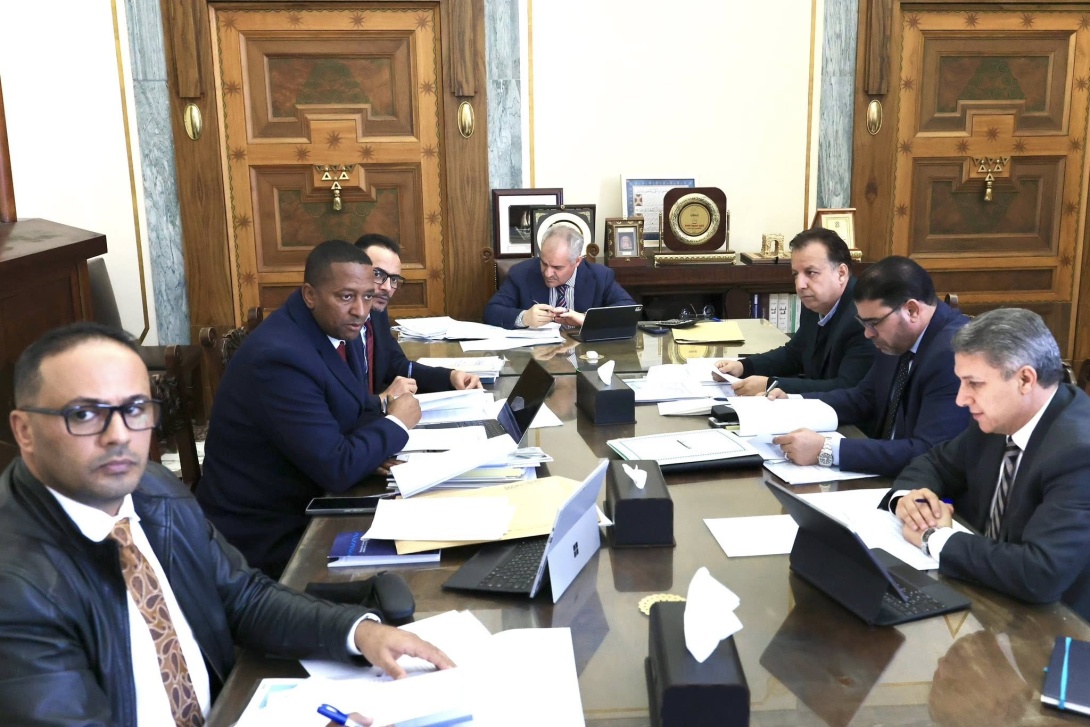
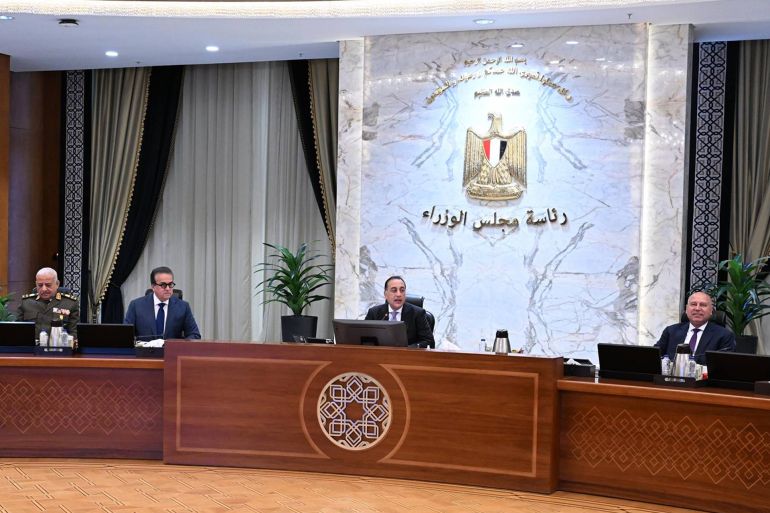
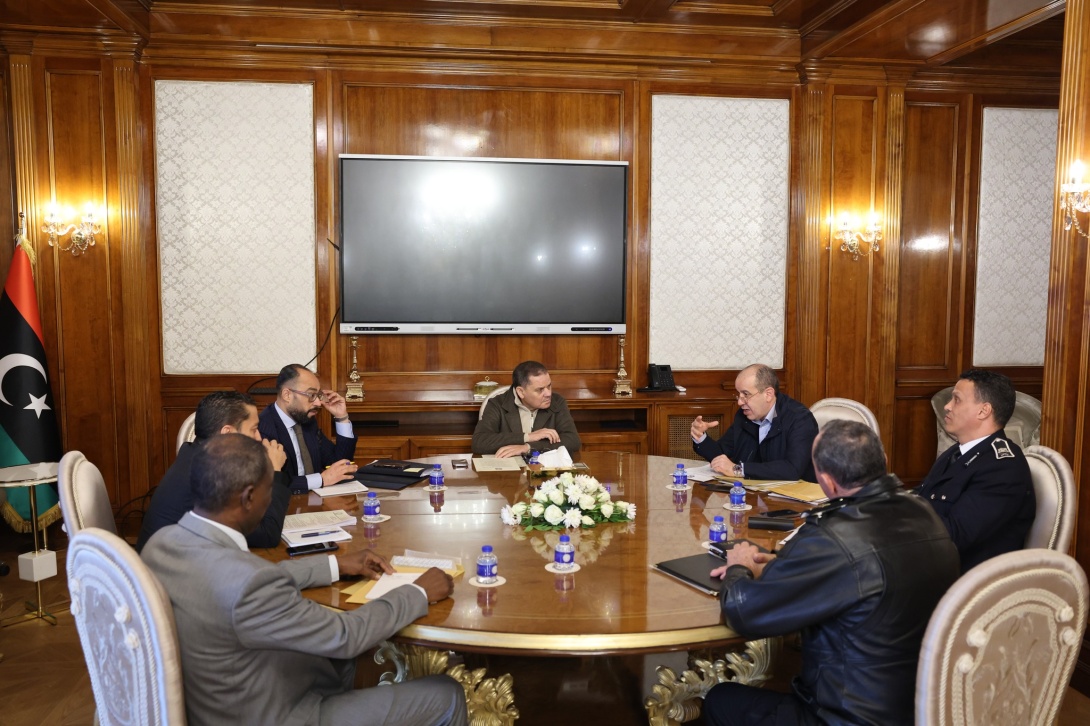
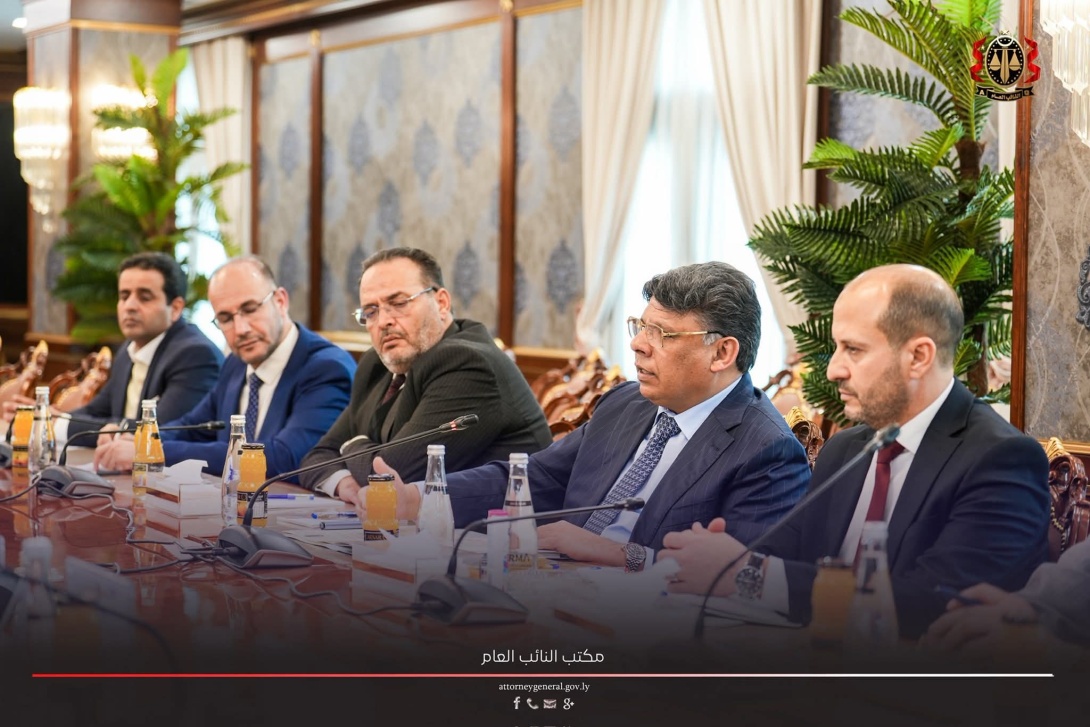
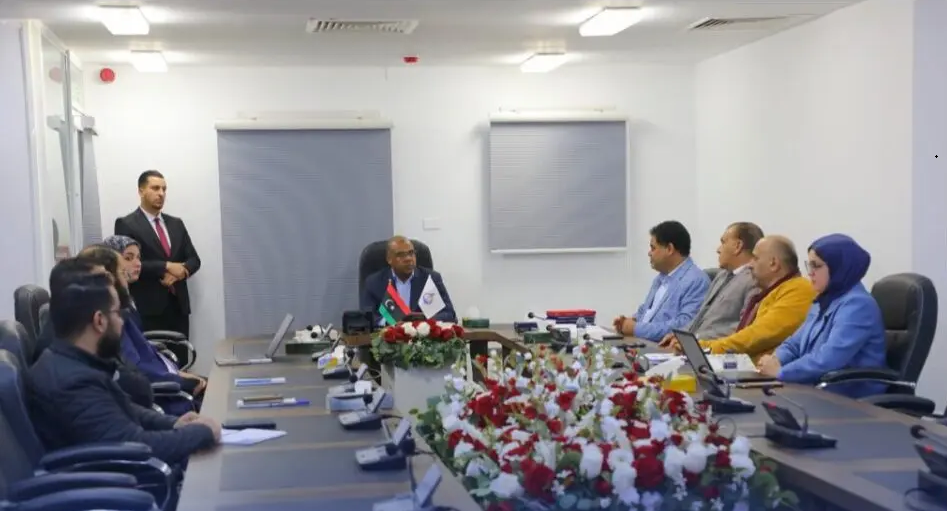
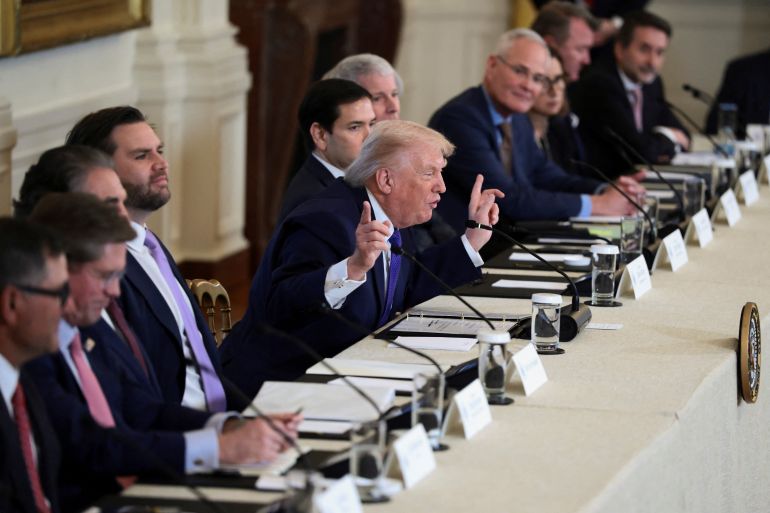
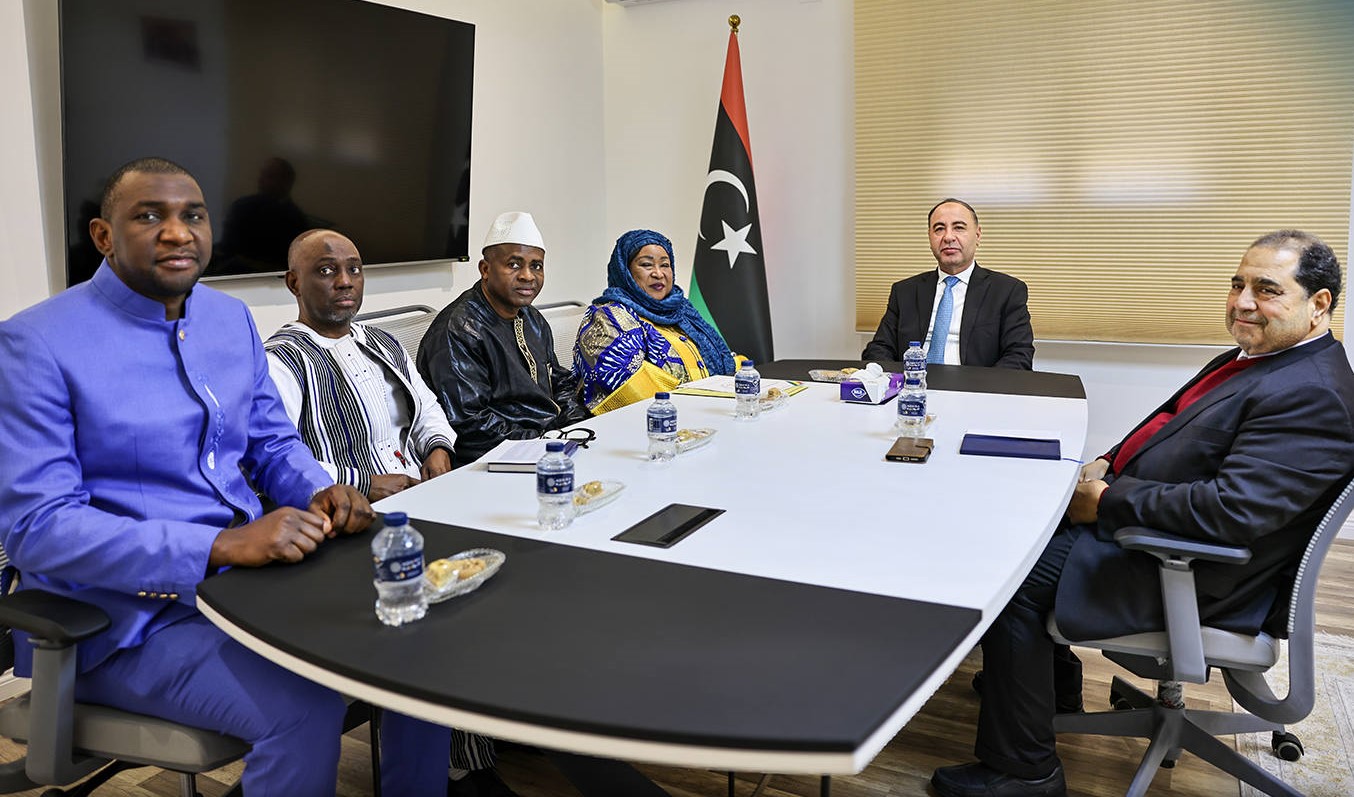
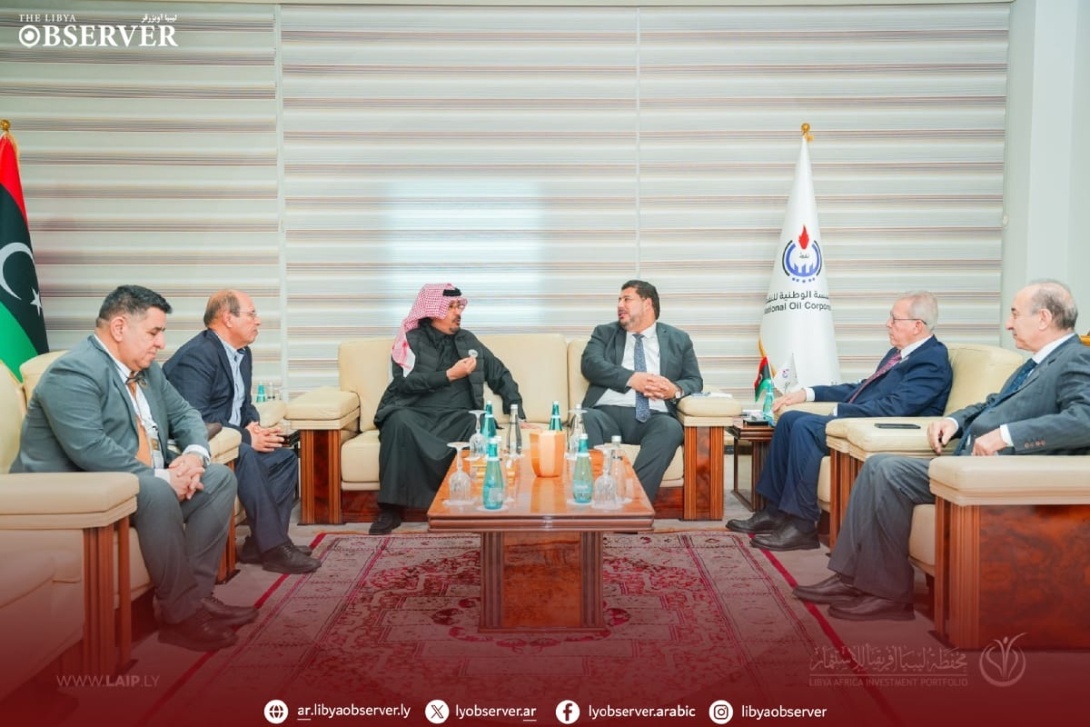
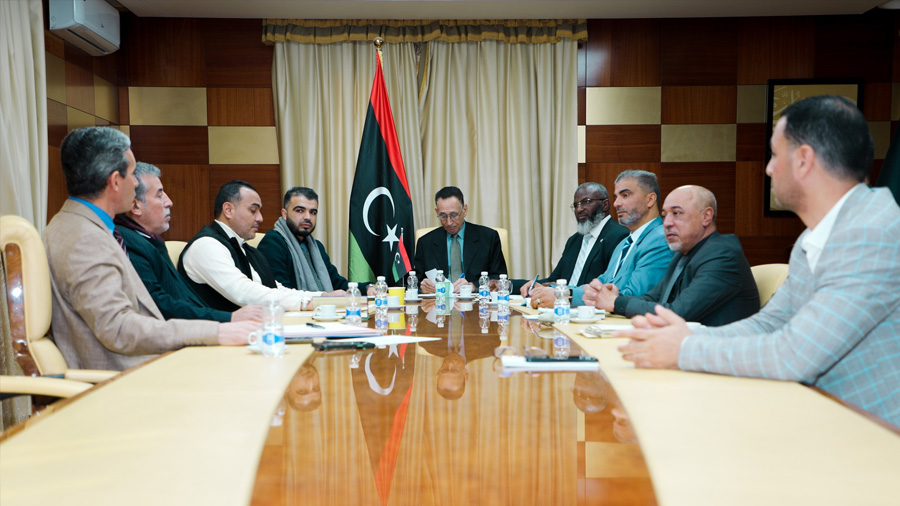
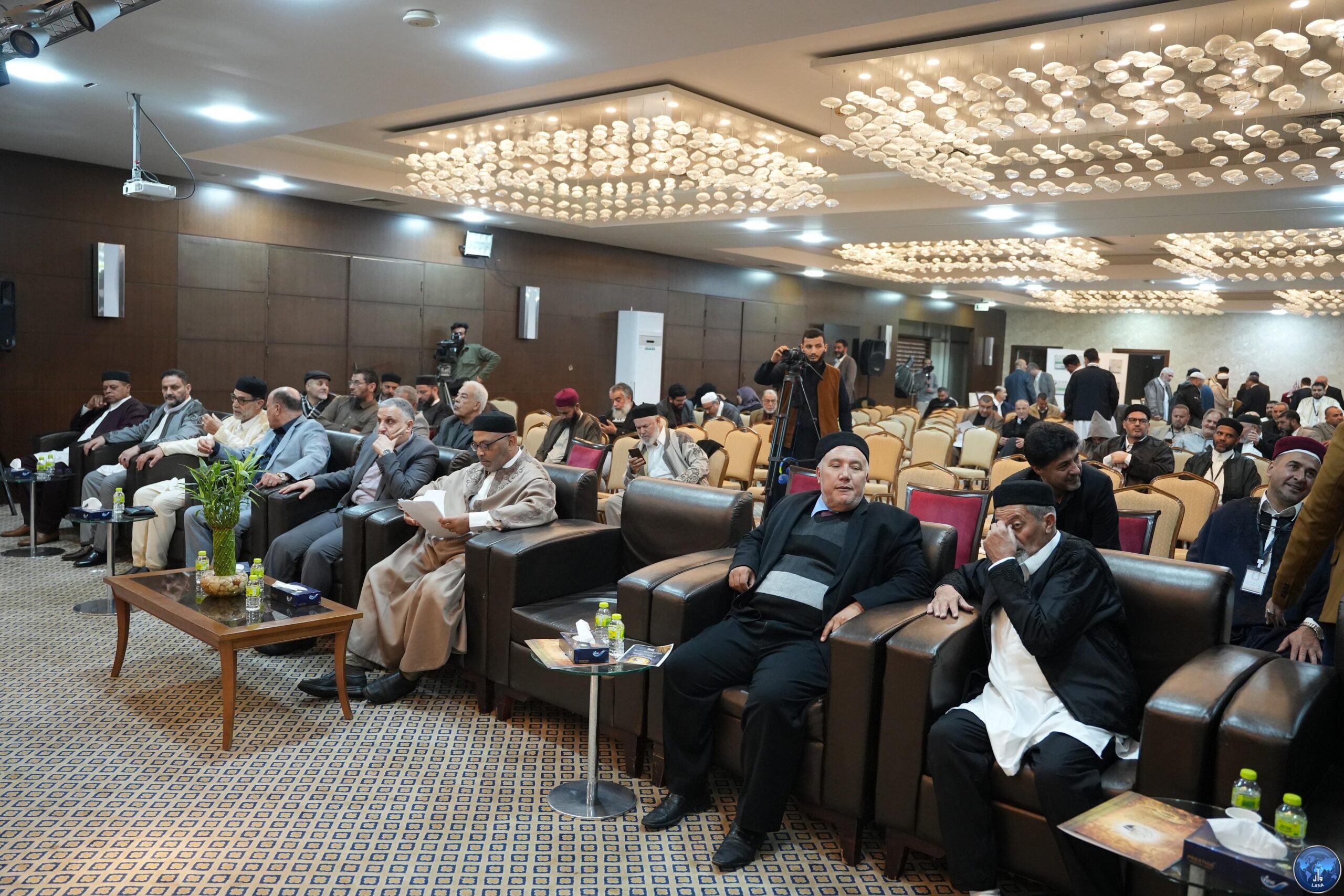
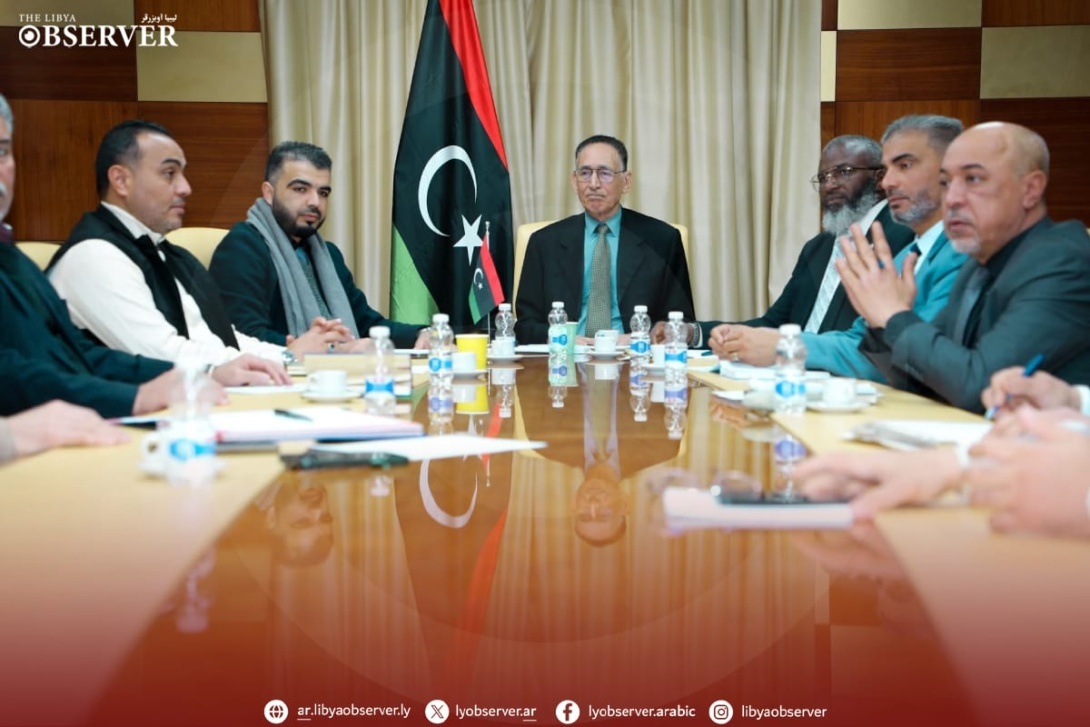
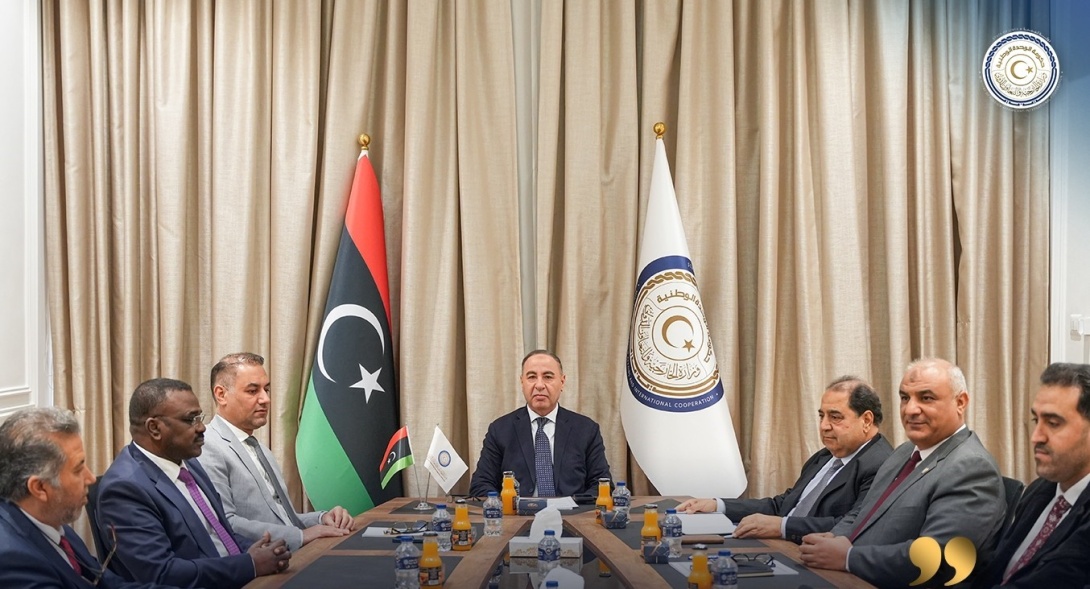
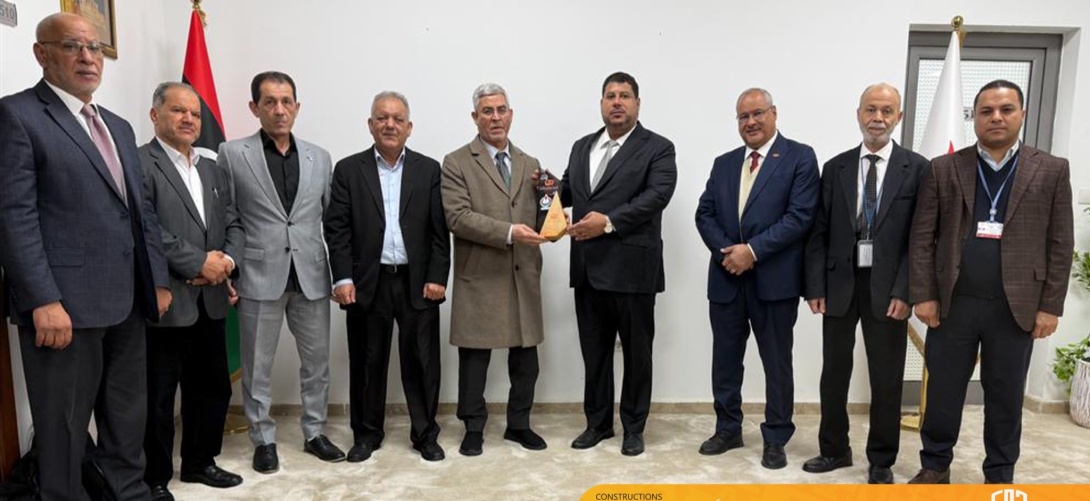
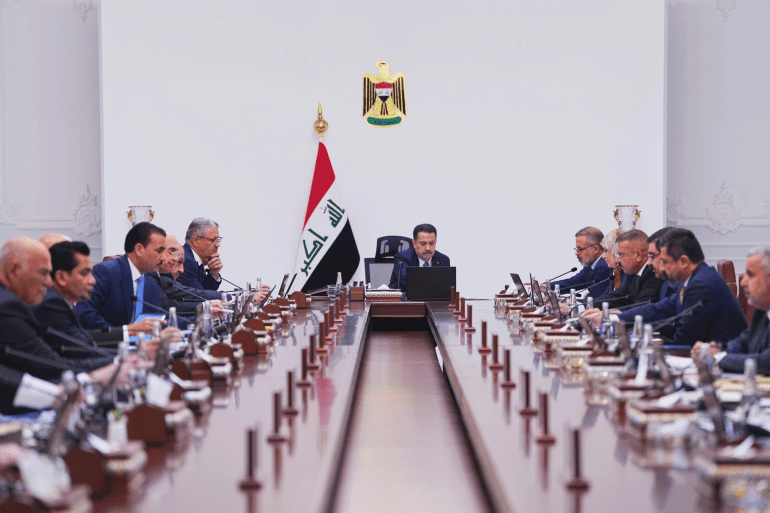
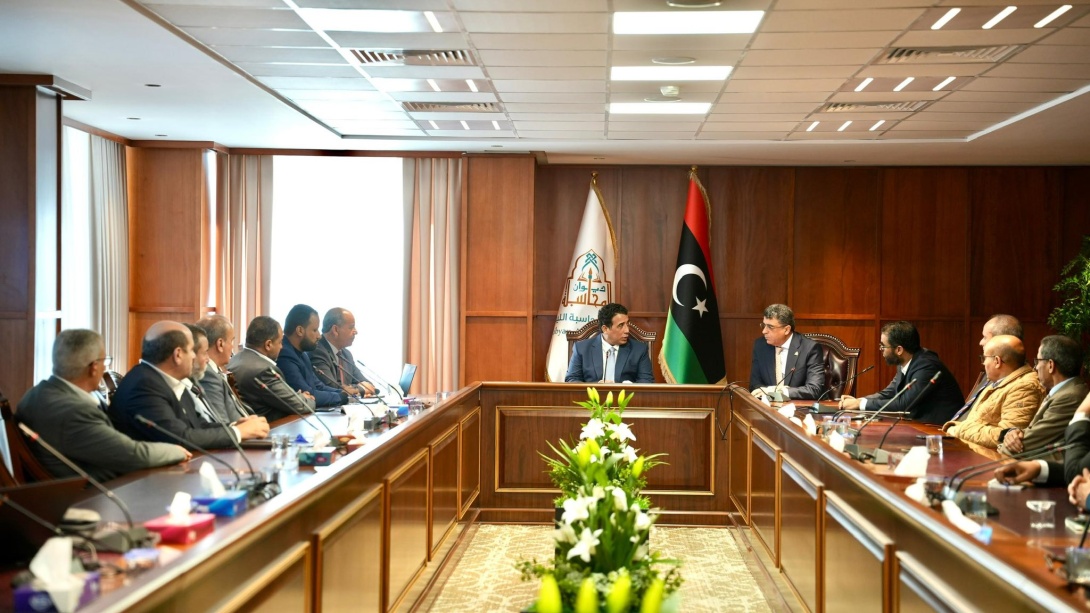
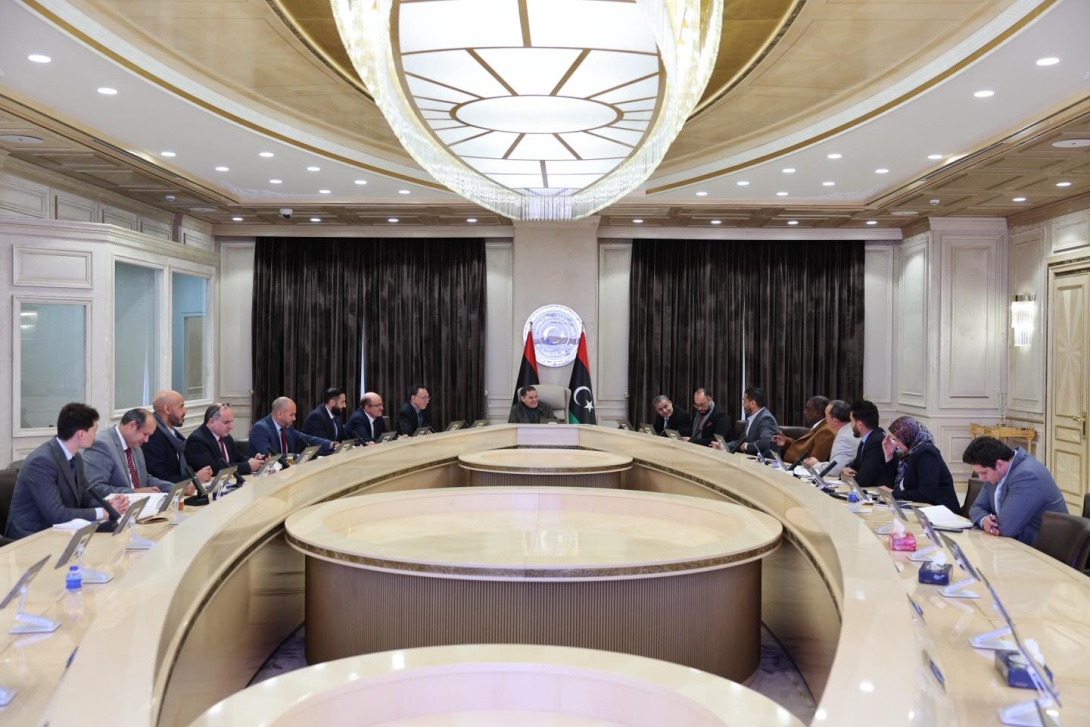
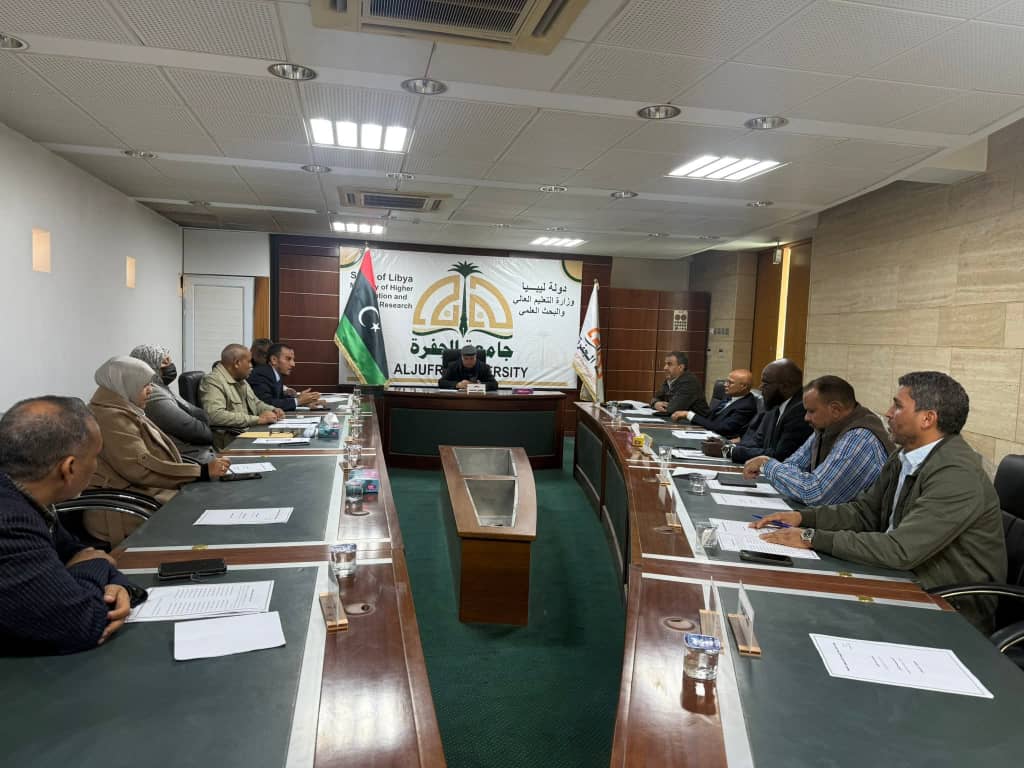
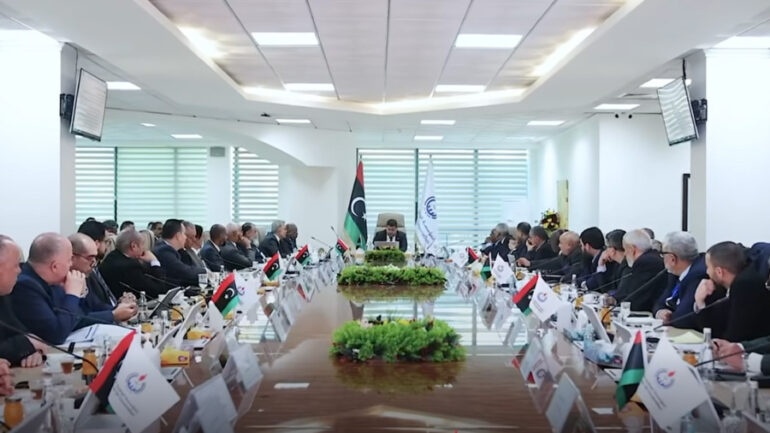
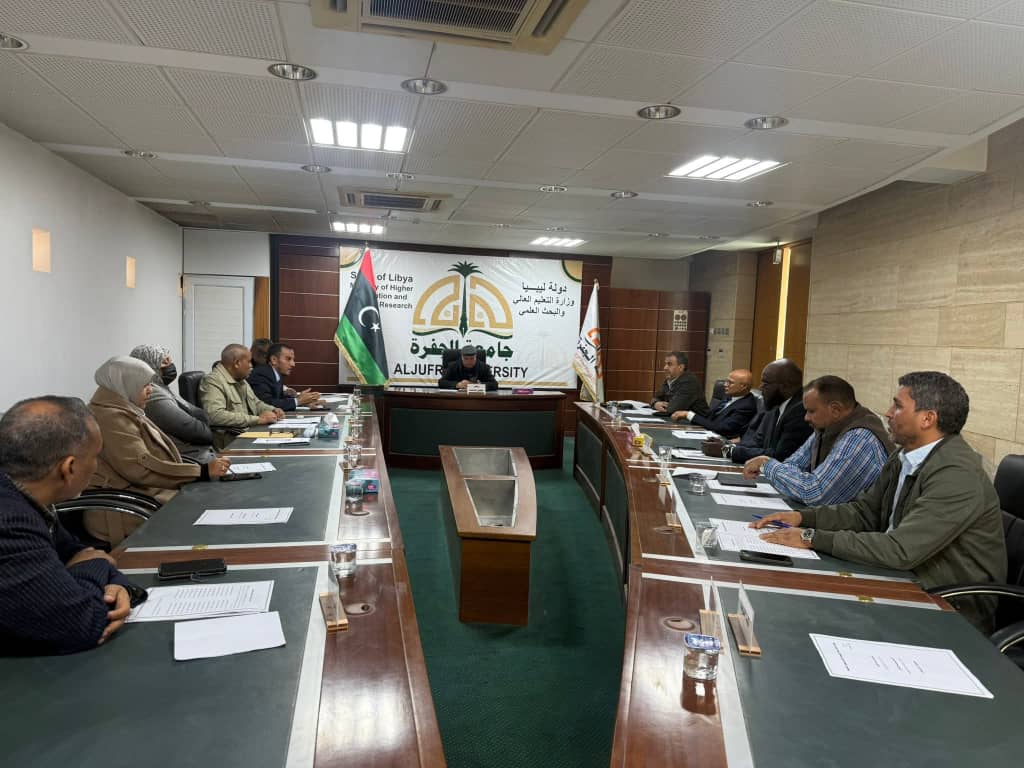
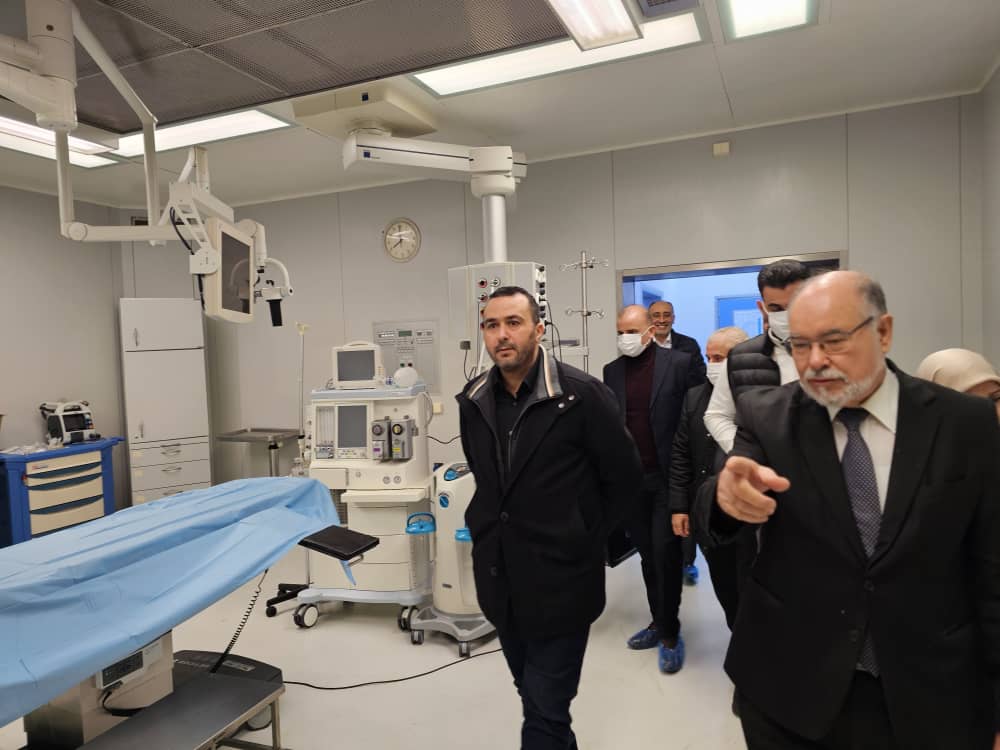
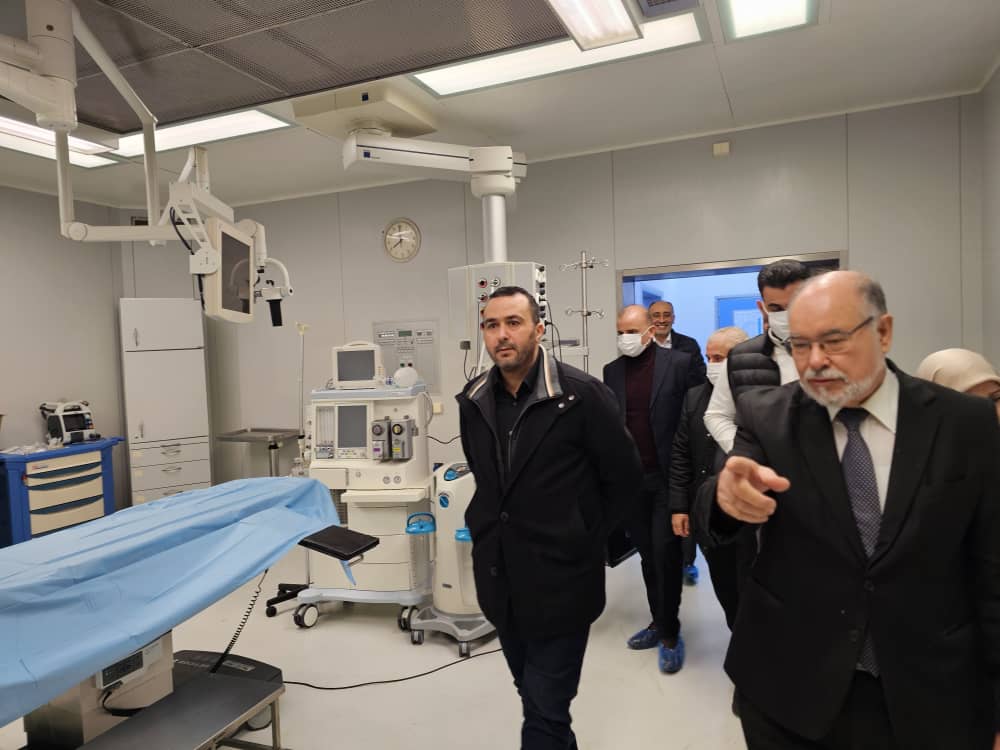
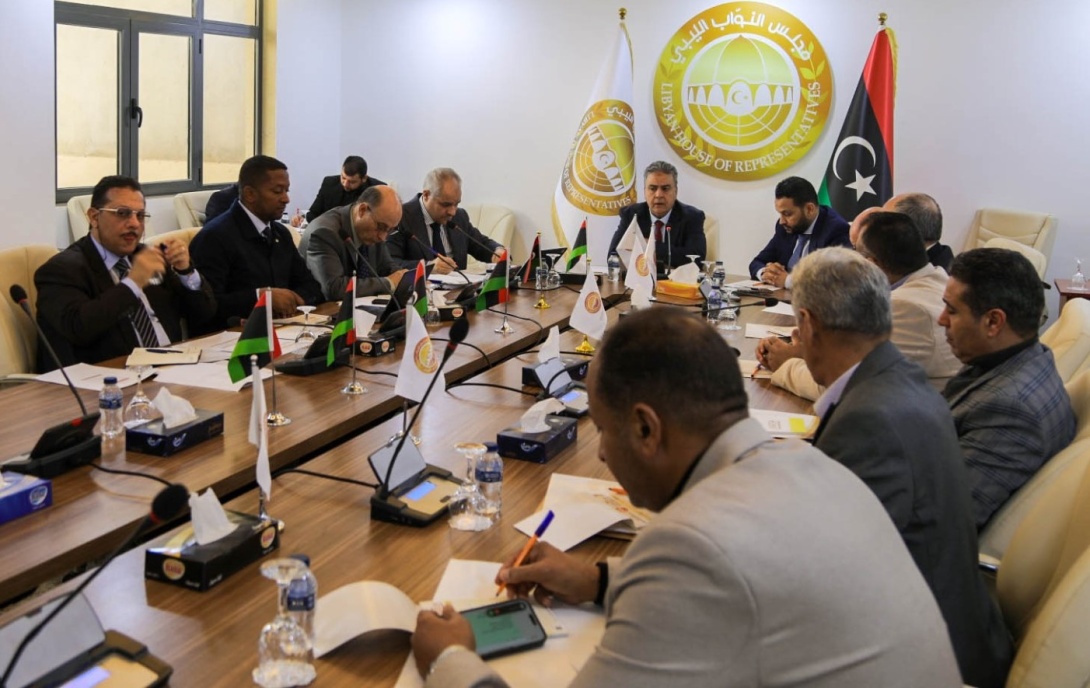
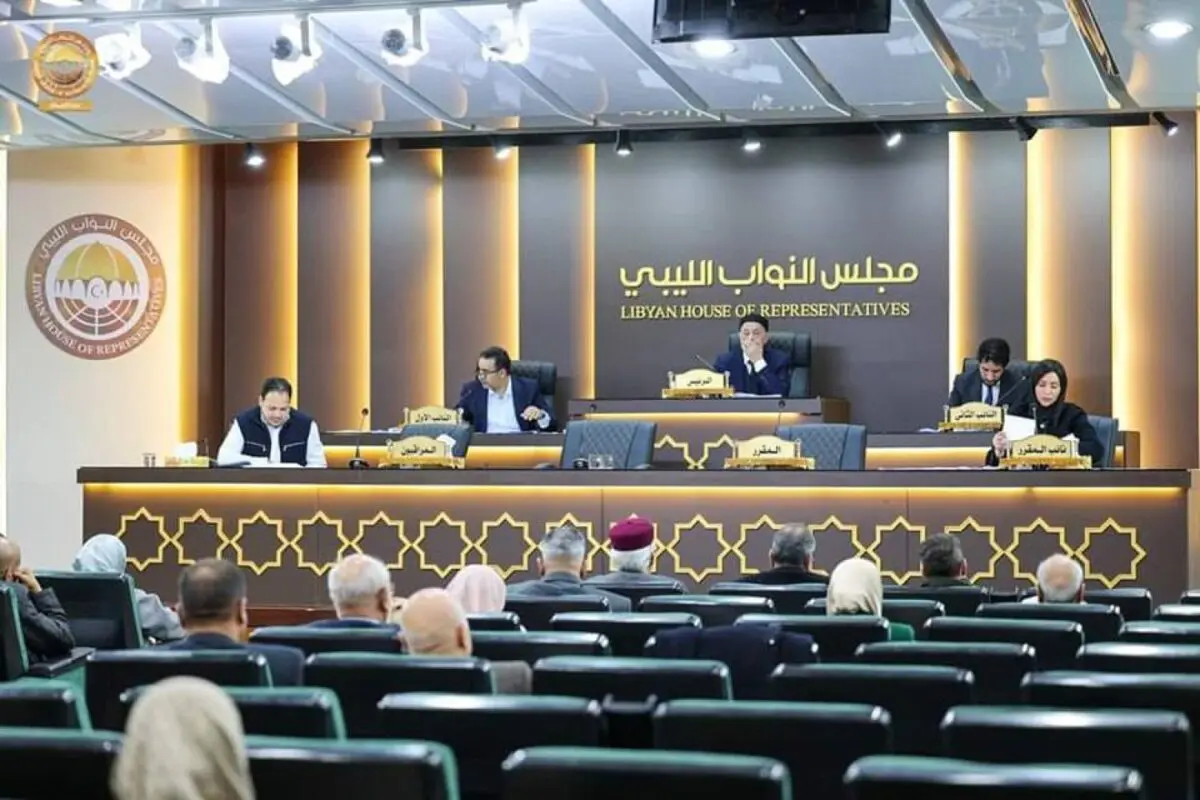
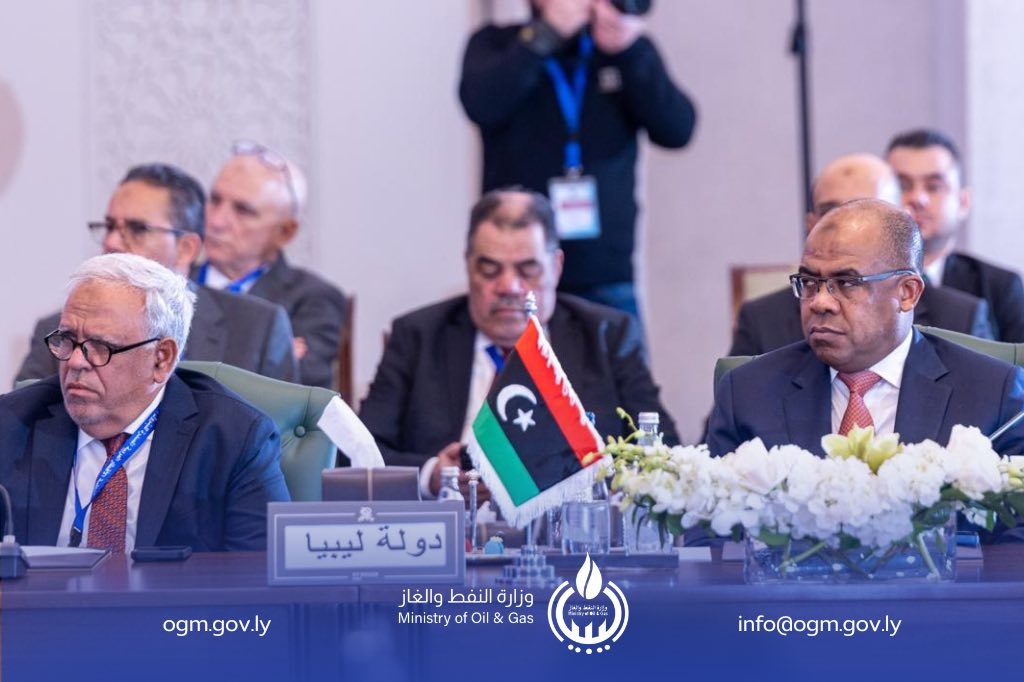
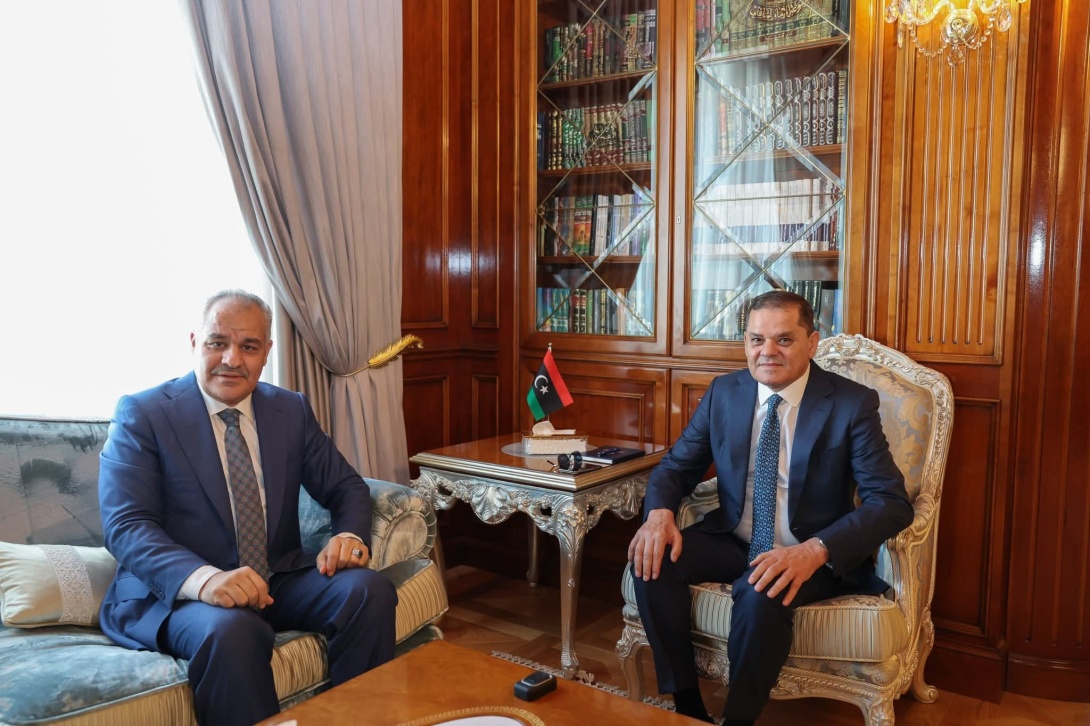
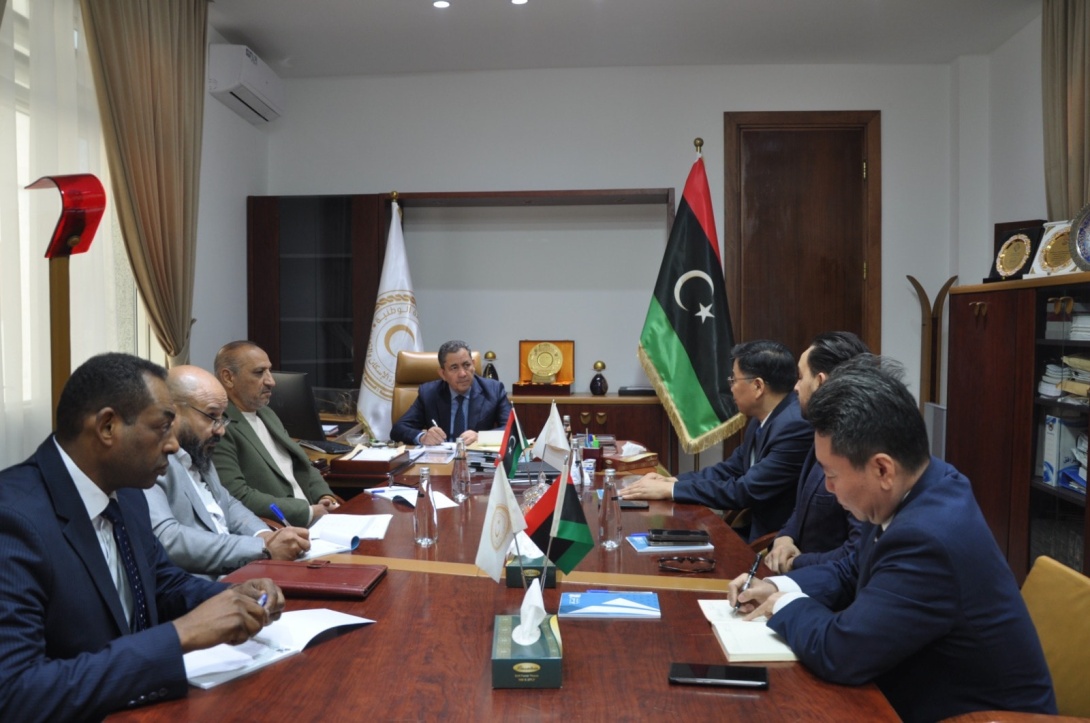
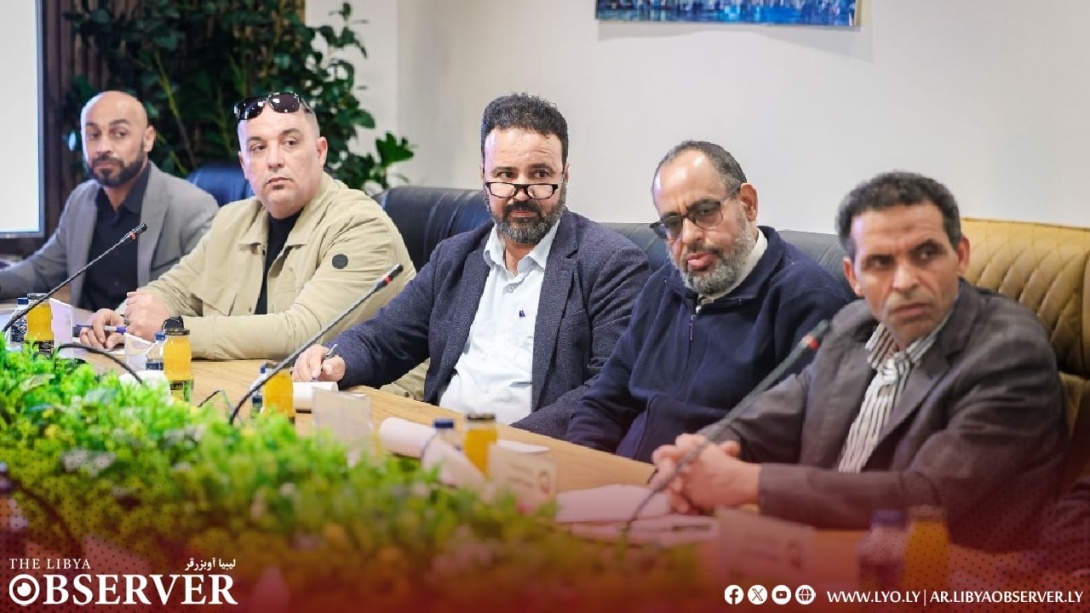
The announcement was made during an expanded meeting to discuss technical reports on the domestic market, the availability of goods, and price levels, as well as to review the performance of the ministry’s technical departments tasked with regulating and monitoring the market.
The meeting also reviewed completed work aimed at safeguarding food and pharmaceutical security and protecting consumers, according to a ministry statement posted on January 08.
The Minister instructed that a draft decision setting prices for strategic basic commodities be finalized for approval and referred to the relevant enforcement bodies for implementation in the market.
He also called for cooperation with regulatory and law-enforcement agencies to organize wholesale trade distribution, tighten oversight of commercial activities, and enforce regulations related to the employment of foreign labor.
The meeting also addressed observations regarding the performance of the ministry’s technical departments and offices, the executive program to develop work mechanisms, and efforts to empower technical departments to carry out their assigned duties.
The Minister urged enhanced coordination between the foreign and domestic trade departments, chambers of commerce, and the Central Bank to monitor the flow of goods and services in line with approved mechanisms, organize supply chains, stabilize prices in the local market, and establish a real-time pricing platform involving the relevant authorities.
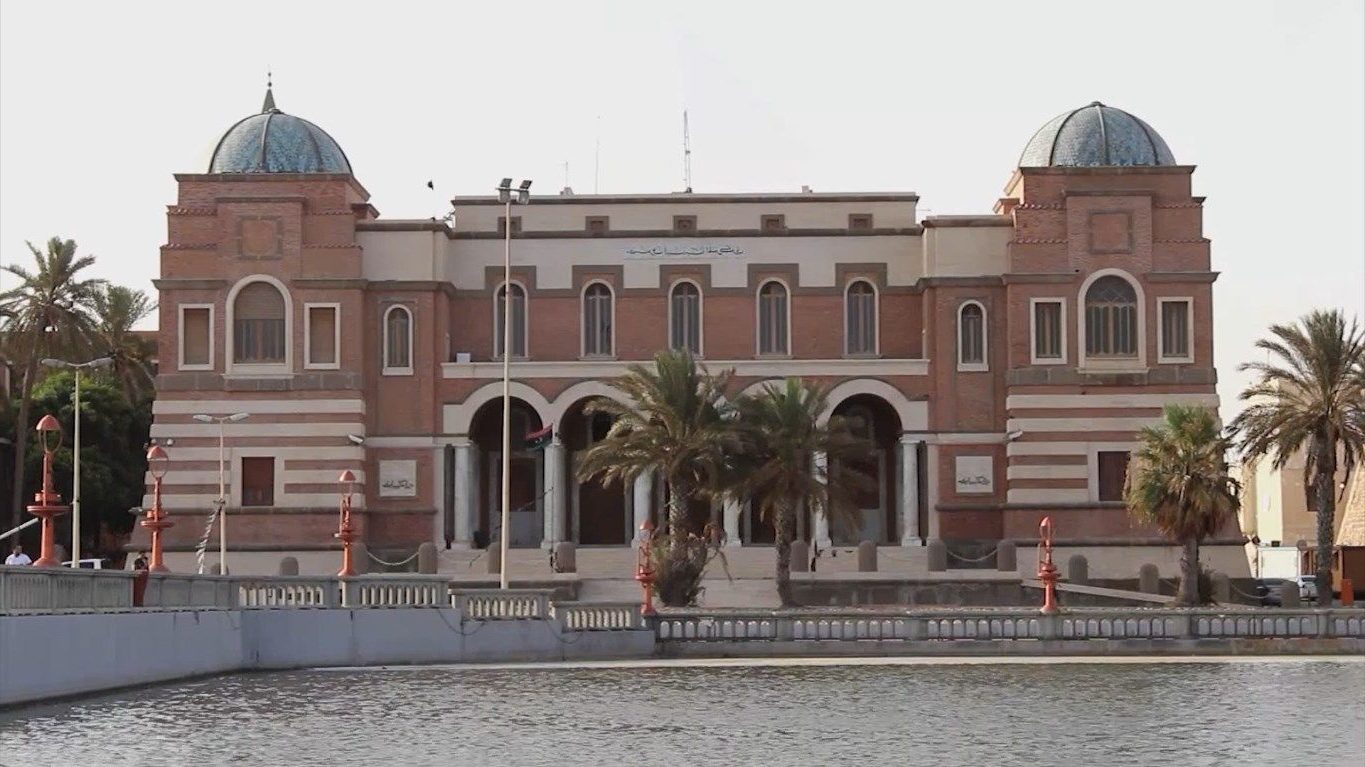
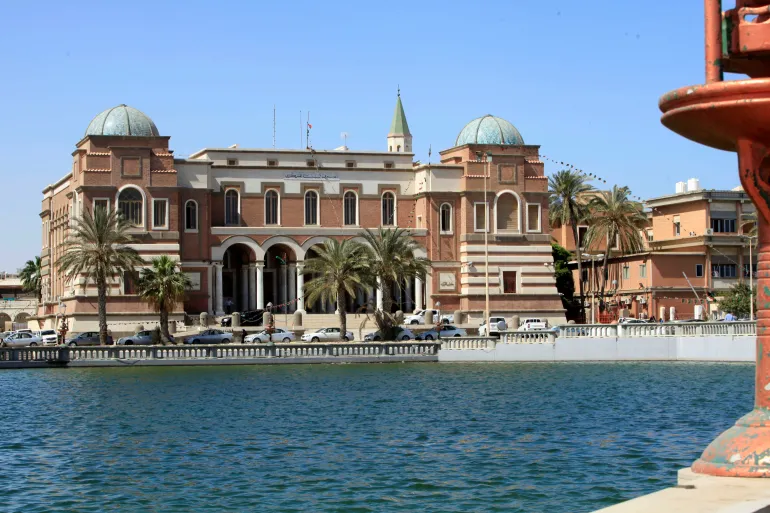
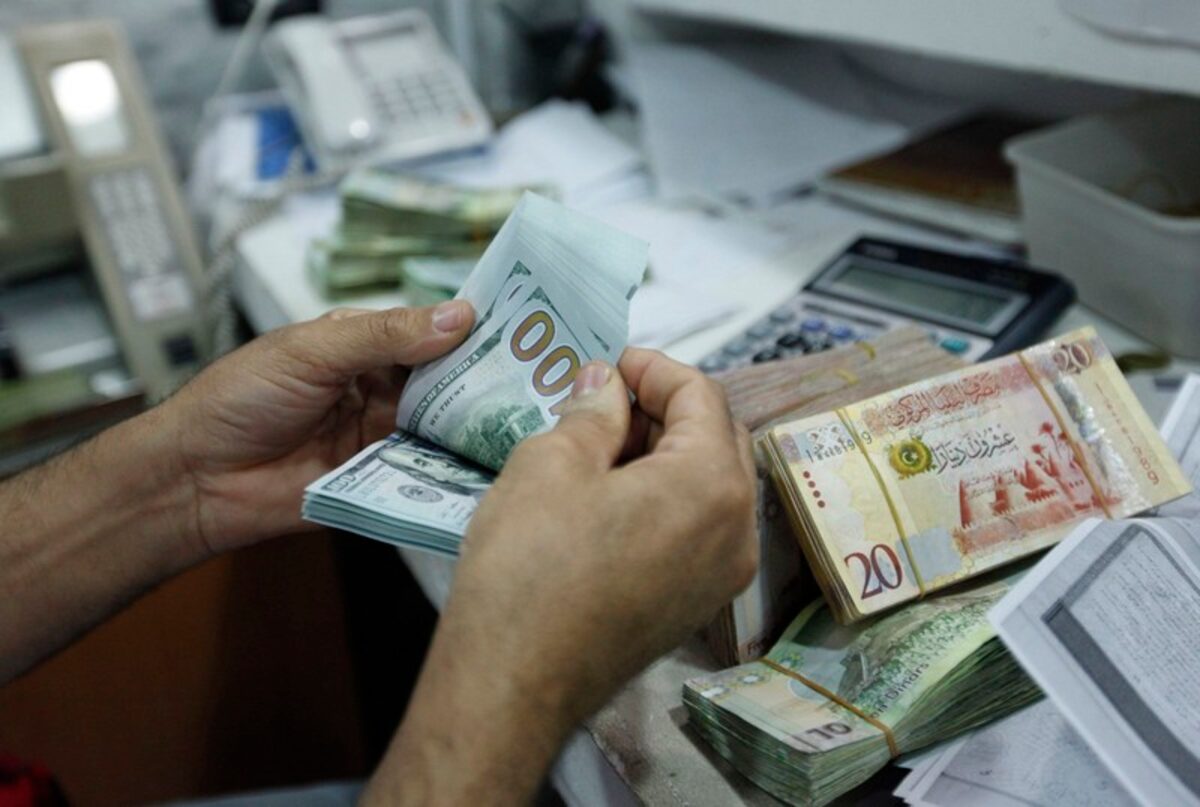
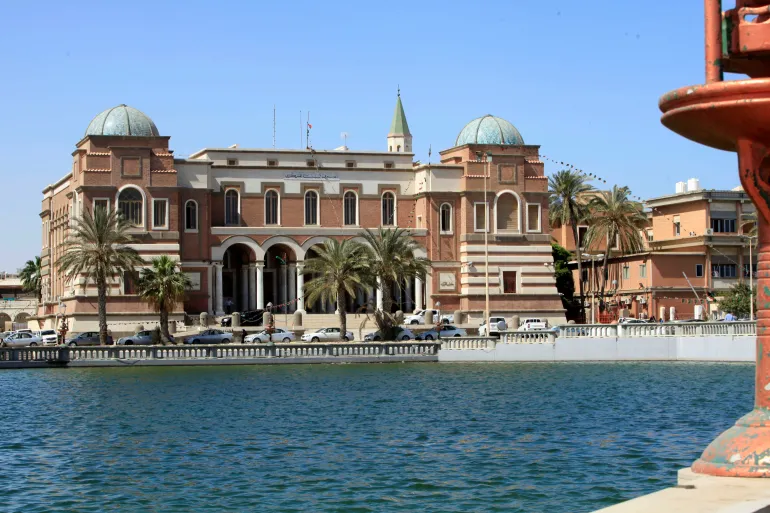
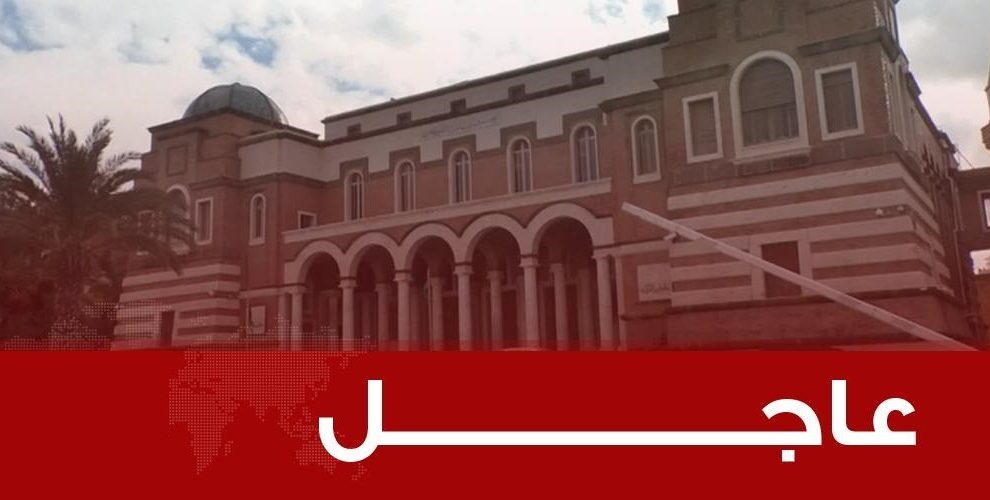
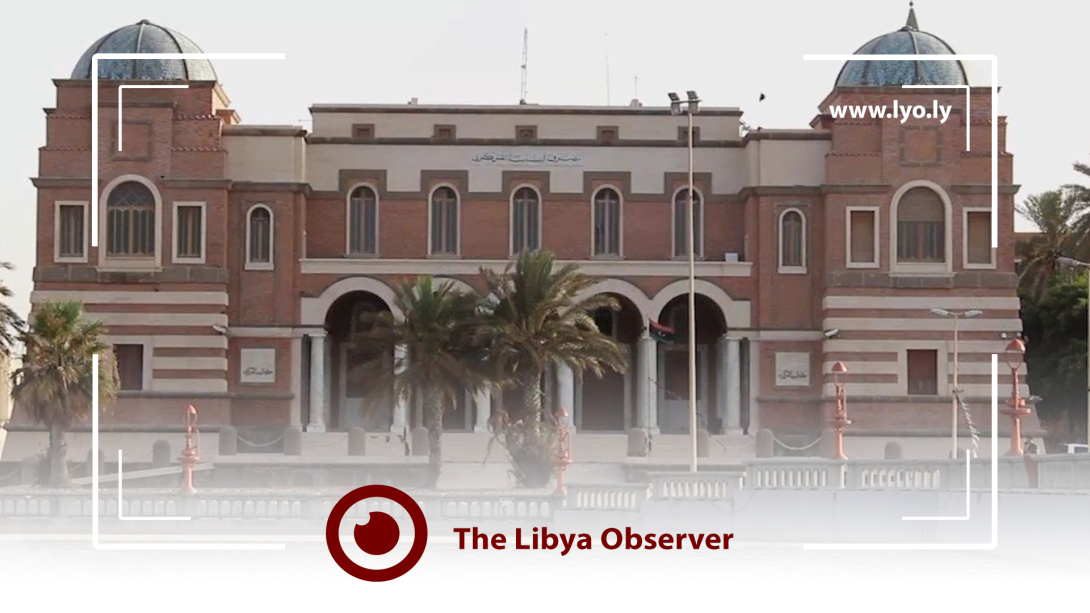
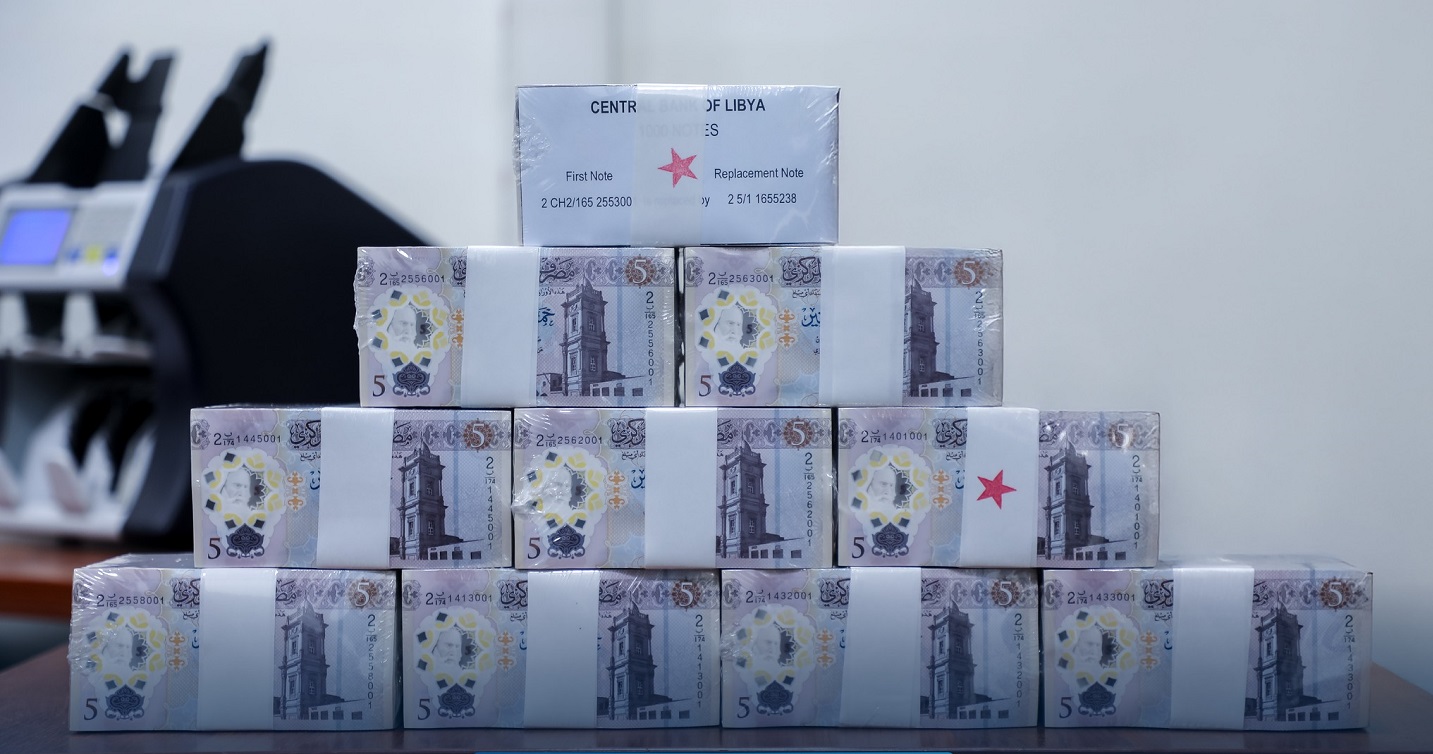
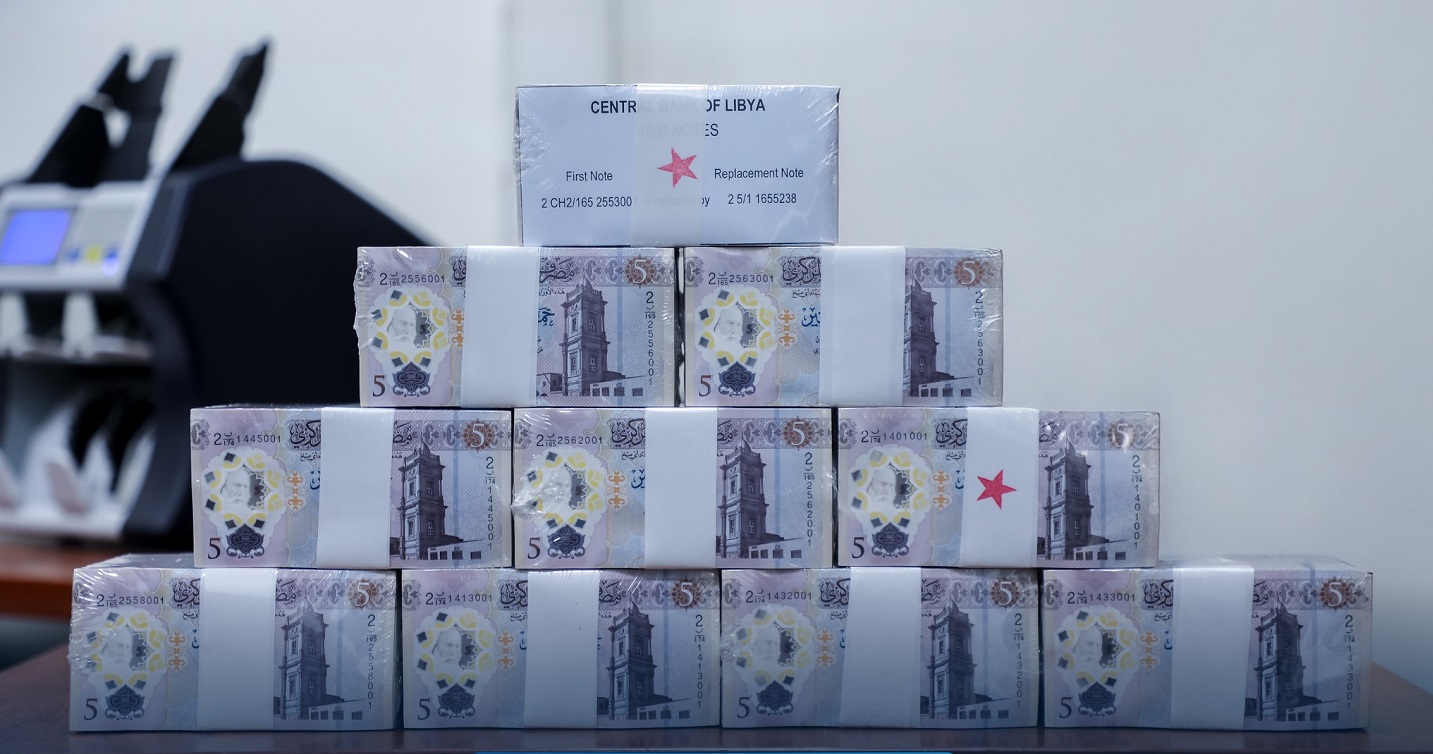
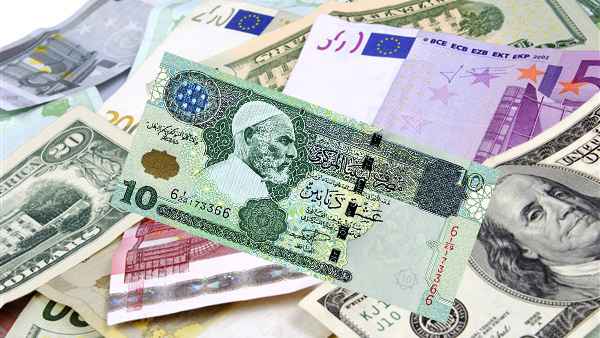
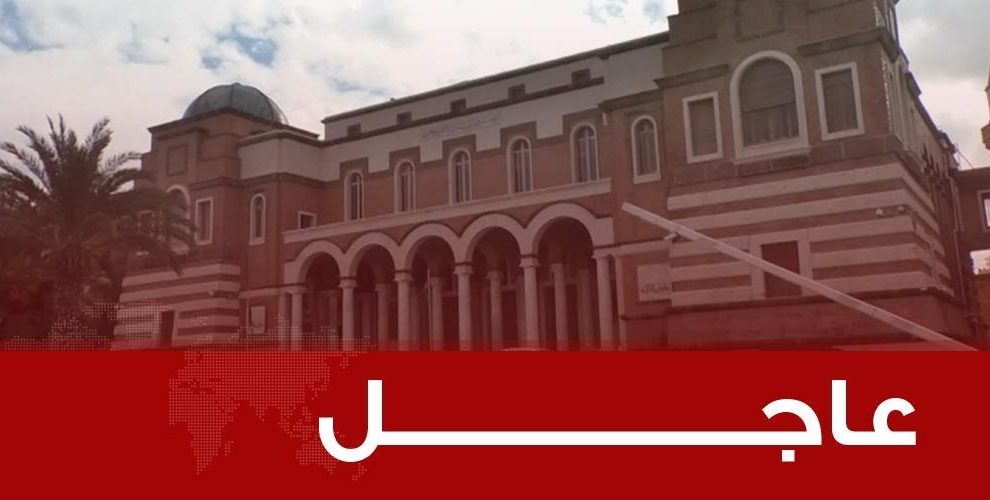
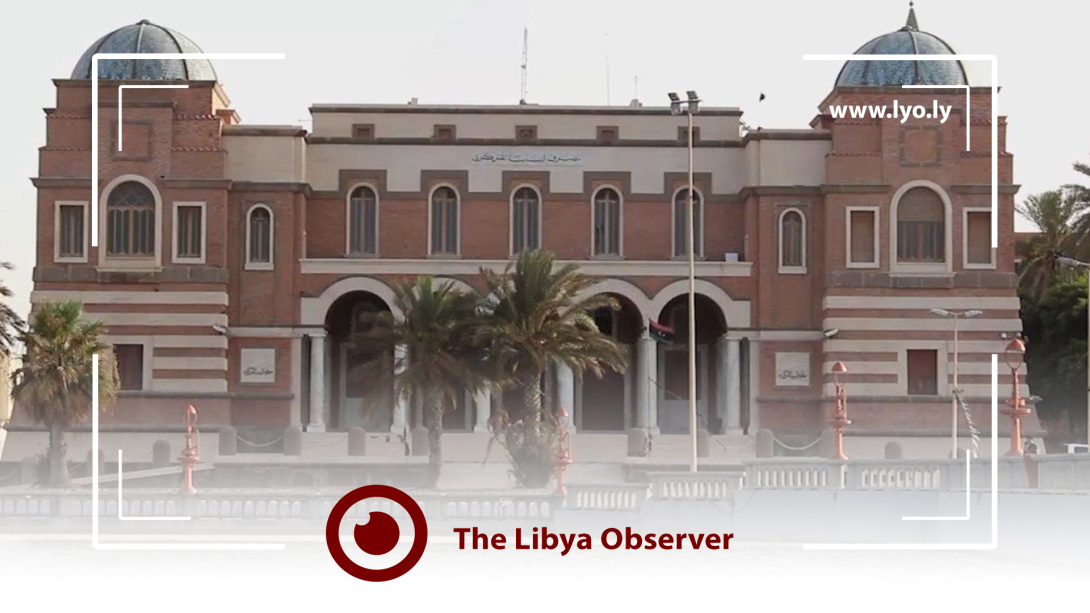
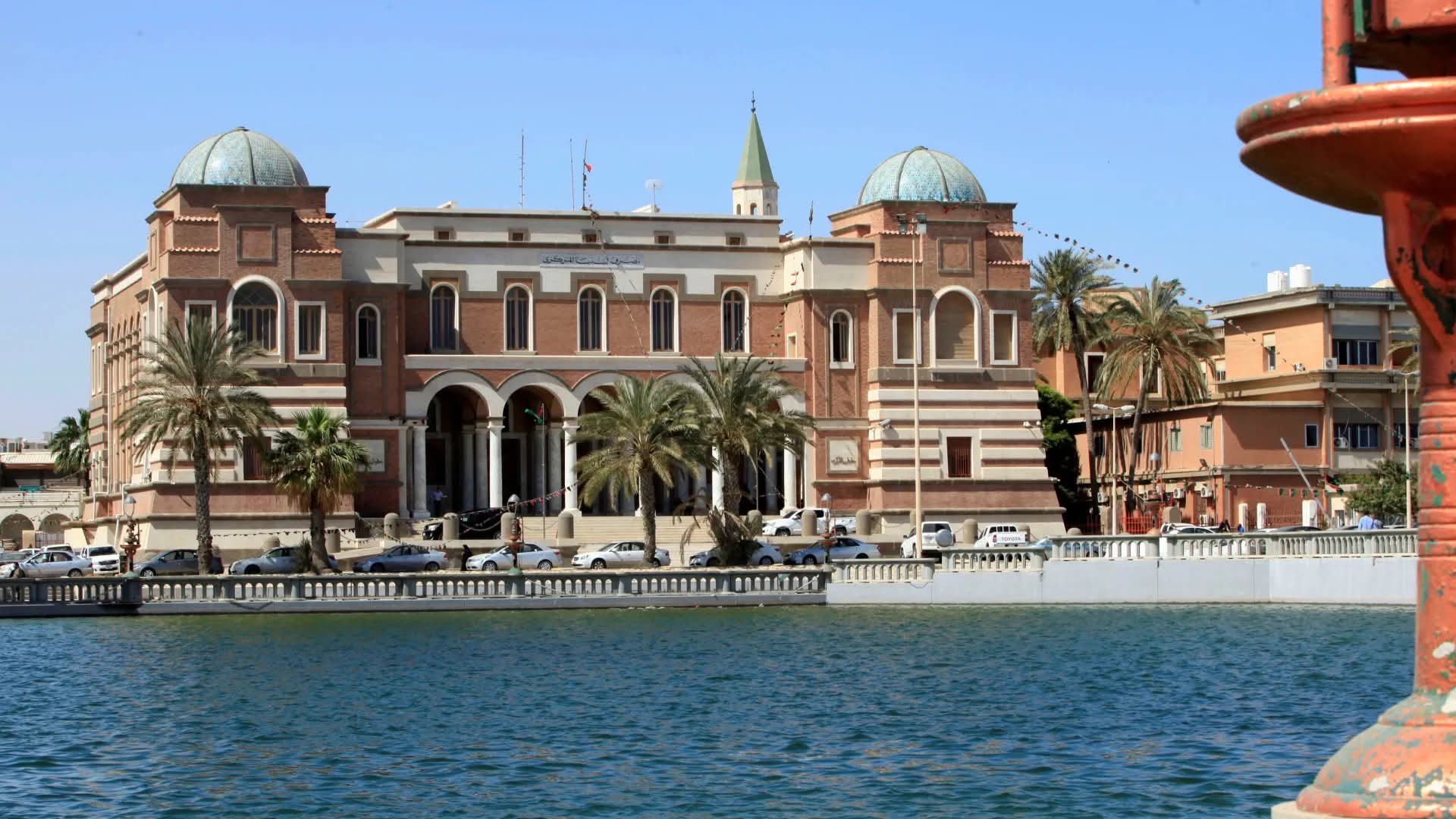
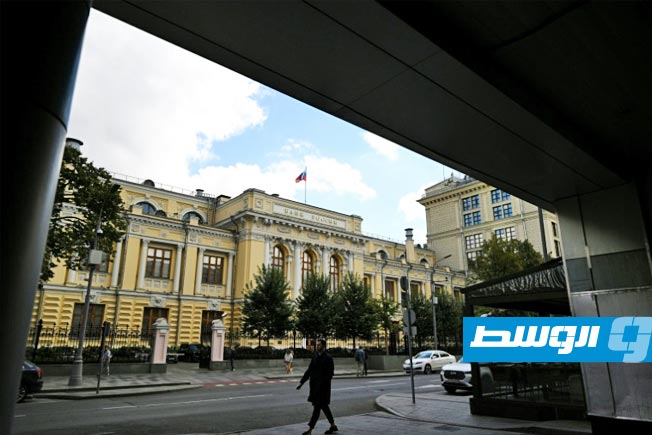
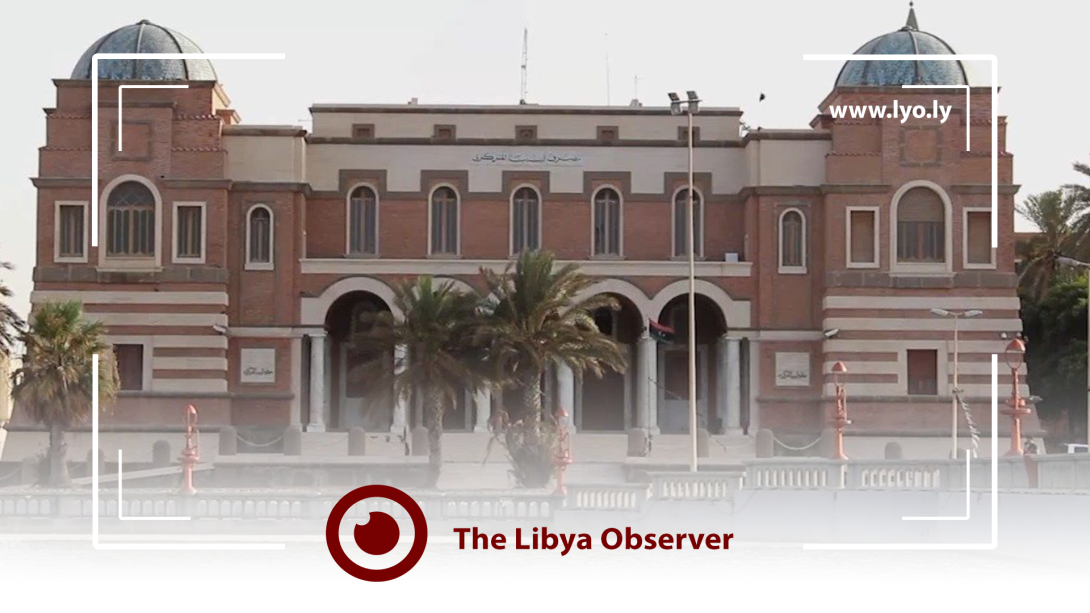
Central Bank of Libya
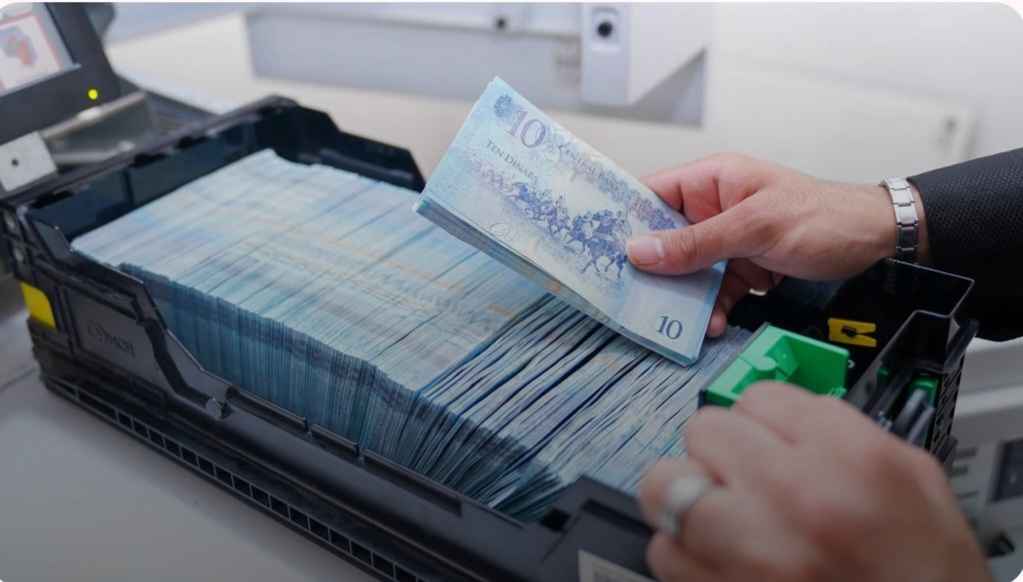
The Central Bank of Libya is the country’s primary monetary authority, established in 1956 to issue currency and manage monetary policy. It has played a critical and often divisive role in Libya’s recent history, notably functioning as a unified financial institution during the post-2011 civil war period despite the country’s political fragmentation.
Council of Ministers
The Council of Ministers is the principal executive and administrative authority of the European Union, responsible for proposing legislation and implementing decisions. It consists of government ministers from each EU member state, with its origins tracing back to the founding treaties of the 1950s that established the European Communities.
Grain Authority
The Grain Authority, often associated with historical state-controlled agricultural bodies, refers to organizations that managed grain procurement, storage, and distribution, particularly in planned economies. Such authorities were historically established to ensure food security and stabilize markets, playing a central role in agrarian policy during the 20th century in various countries.
Price Balance Fund
The Price Balance Fund is a financial mechanism, historically used in some planned economies, to stabilize the prices of essential goods. It typically involved government subsidies to producers or distributors to offset costs and maintain consumer prices at an affordable level.
Tassheel
Tassheel is a cultural and social services center in the United Arab Emirates, primarily known for providing streamlined government and community services to residents. It was established to facilitate processes related to visas, identity cards, and other civil transactions, reflecting the UAE’s focus on efficient public administration and digital integration.
Libya
Libya is a North African country with a rich history rooted in ancient civilizations like the Phoenicians and Romans, followed by centuries of Arab and Ottoman influence. In the modern era, it was an Italian colony before gaining independence in 1951, later becoming known for Muammar Gaddafi’s lengthy rule from 1969 until the 2011 revolution. The country is home to UNESCO World Heritage sites, such as the ruins of Leptis Magna, which testify to its significant historical legacy.
Tunisia
Tunisia is a North African country with a rich history shaped by ancient civilizations, including the Phoenicians who founded Carthage, followed by Roman, Arab, Ottoman, and French influences. It is renowned for its well-preserved archaeological sites, such as the ruins of Carthage and the expansive Roman amphitheater at El Jem. The nation is also celebrated as the birthplace of the Arab Spring, a pivotal series of pro-democracy uprisings that began in 2010.