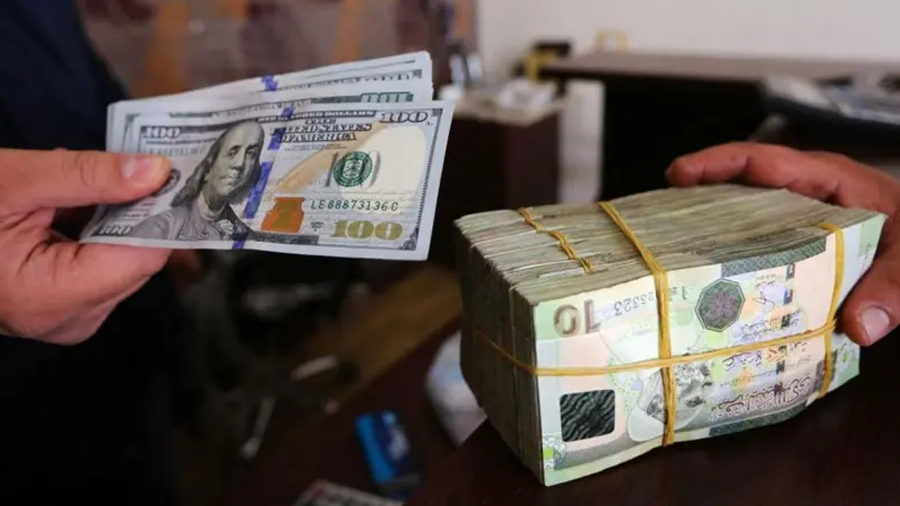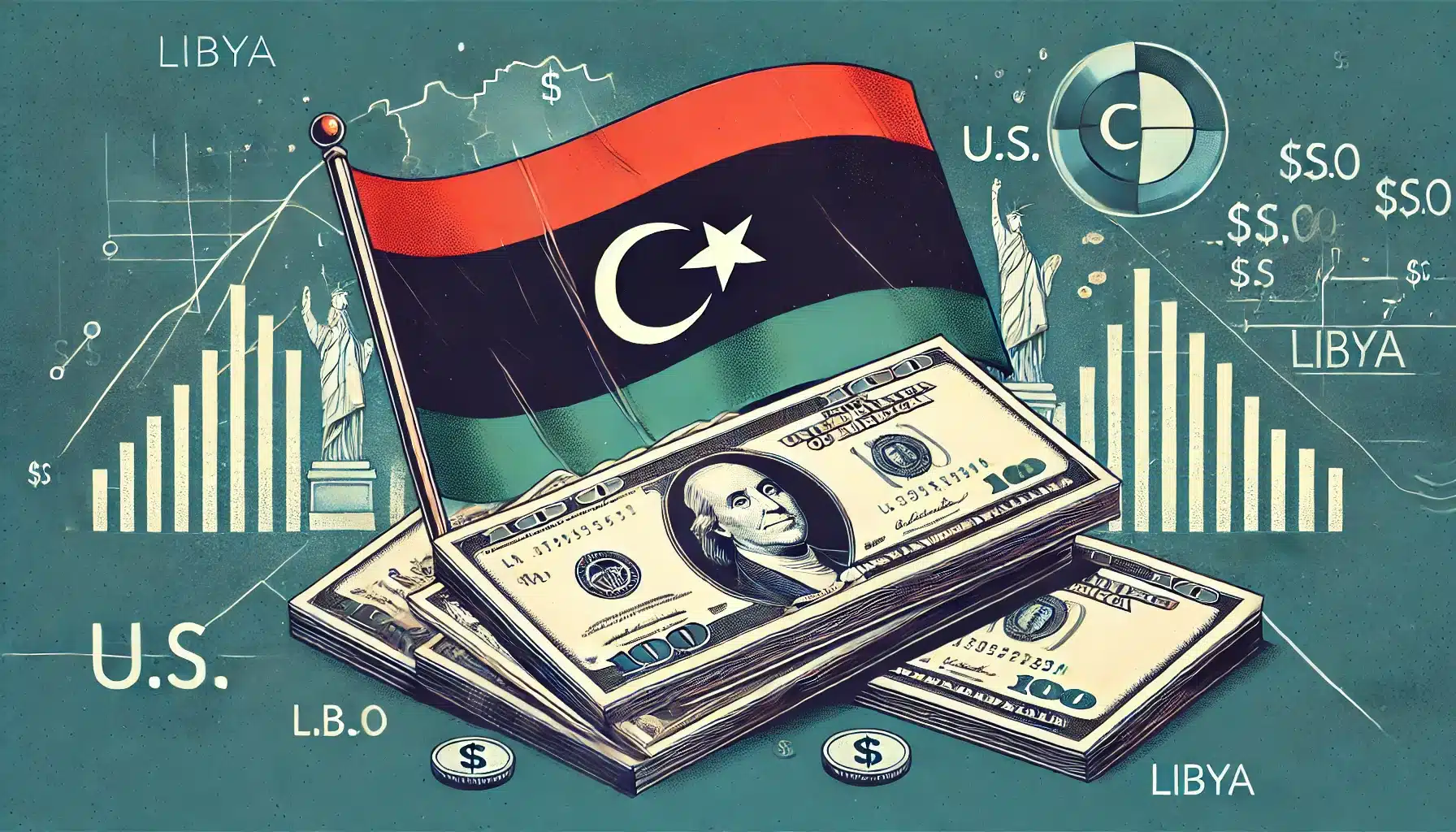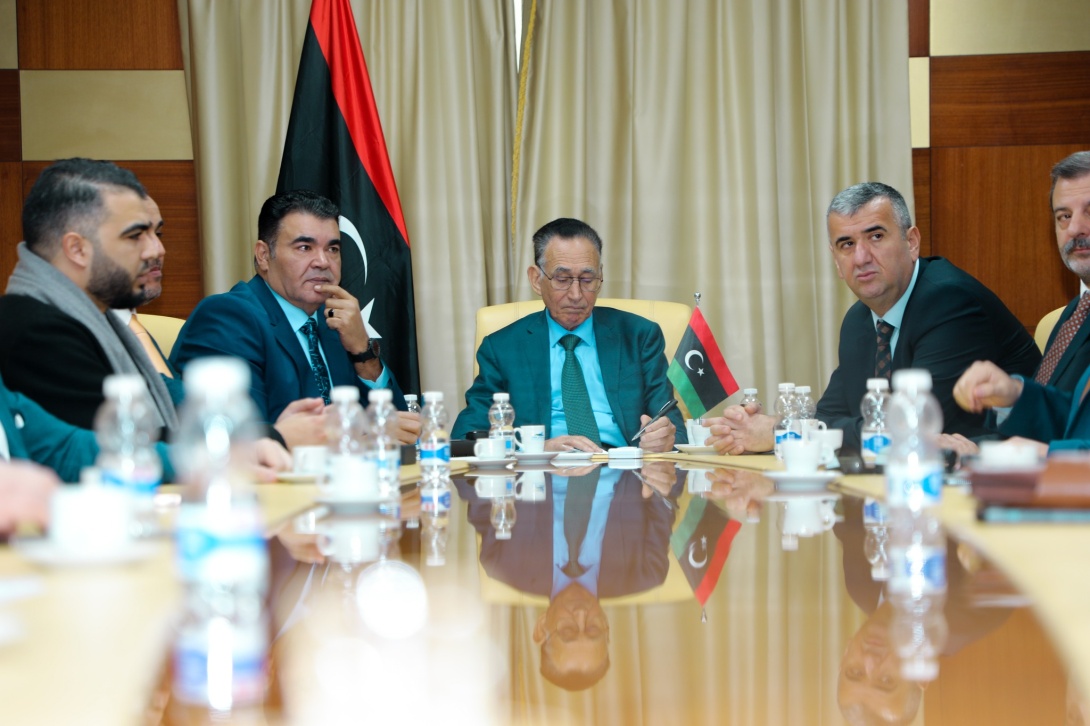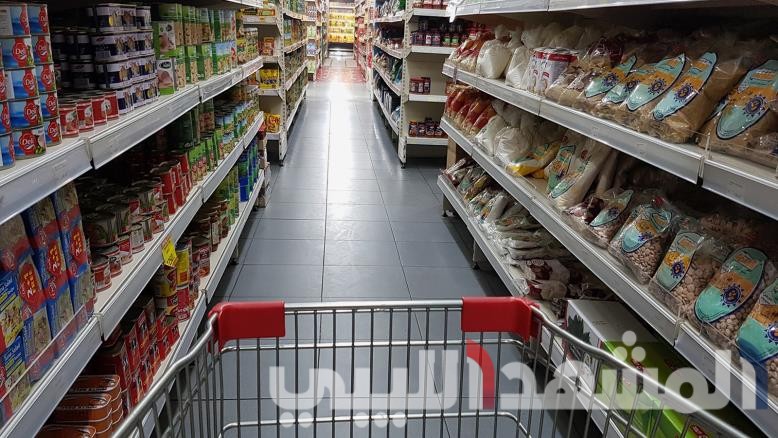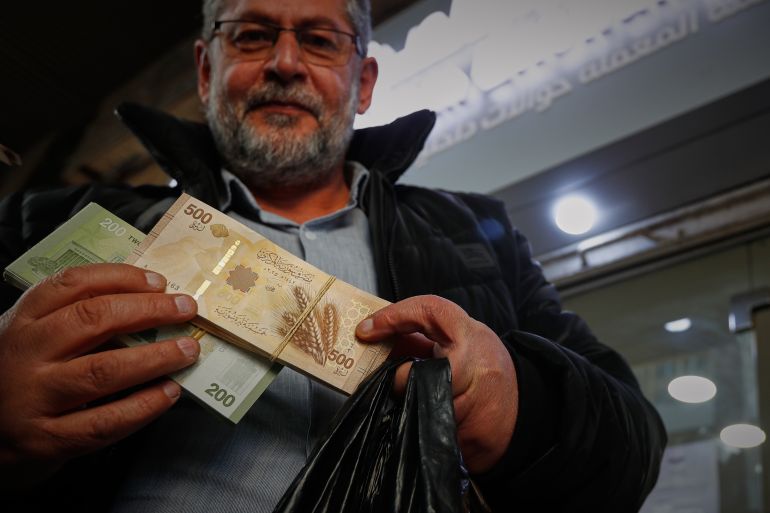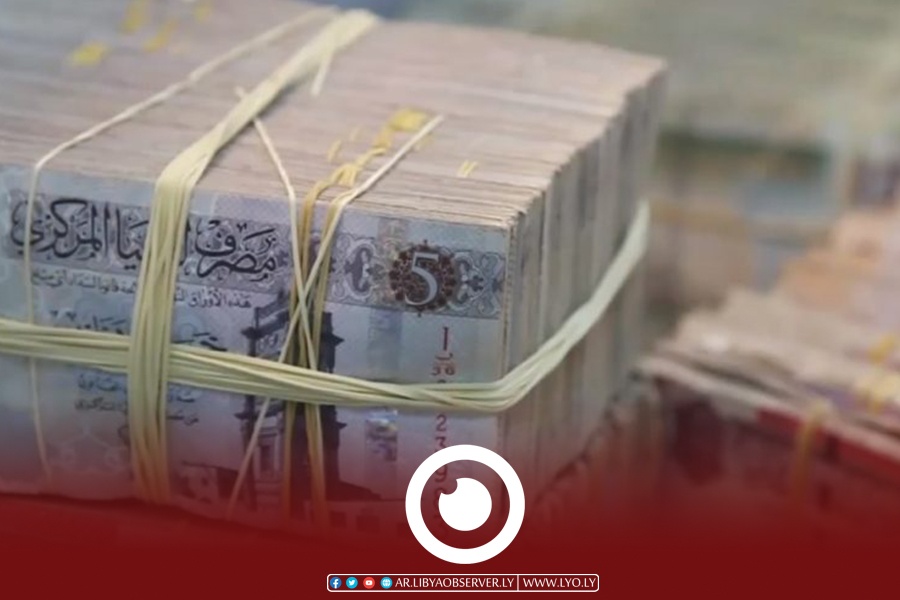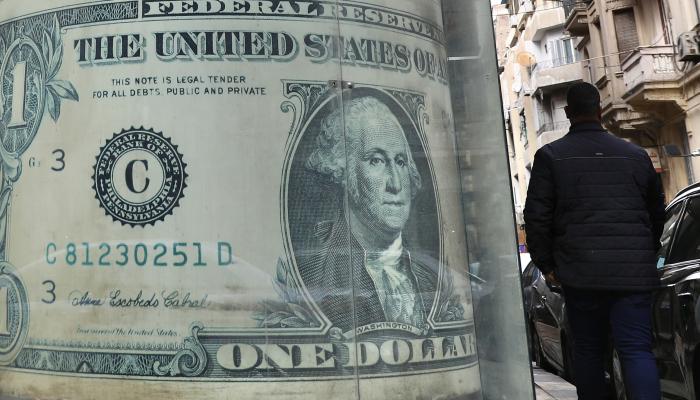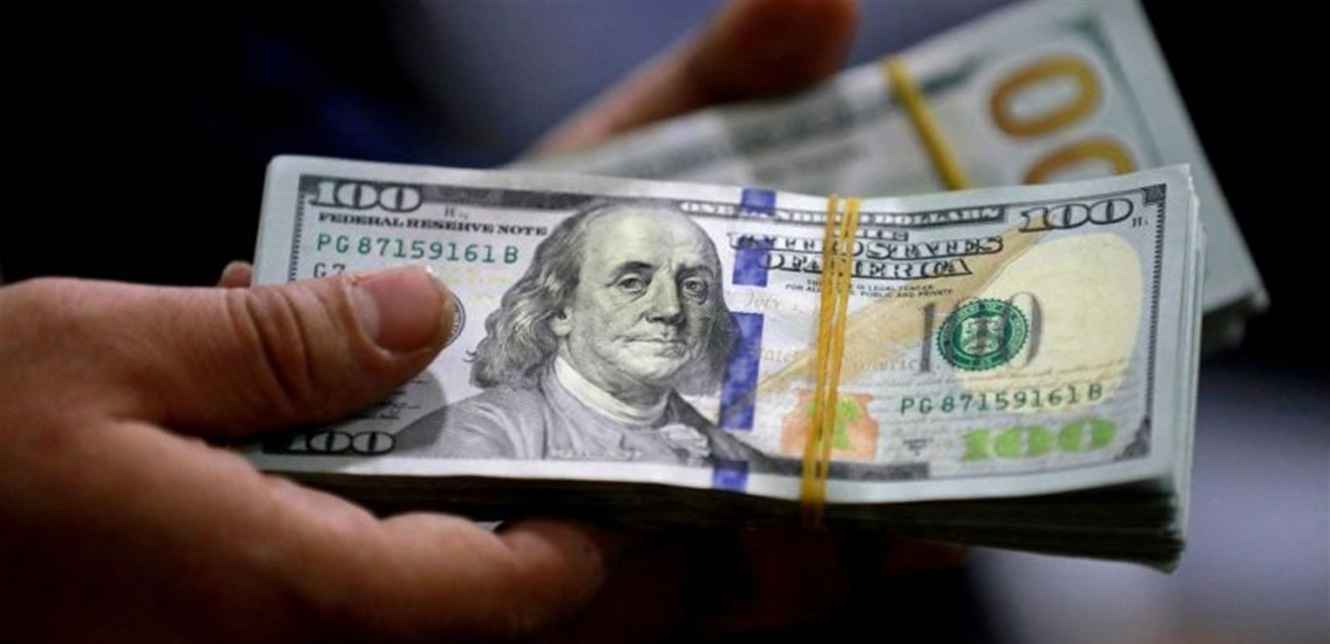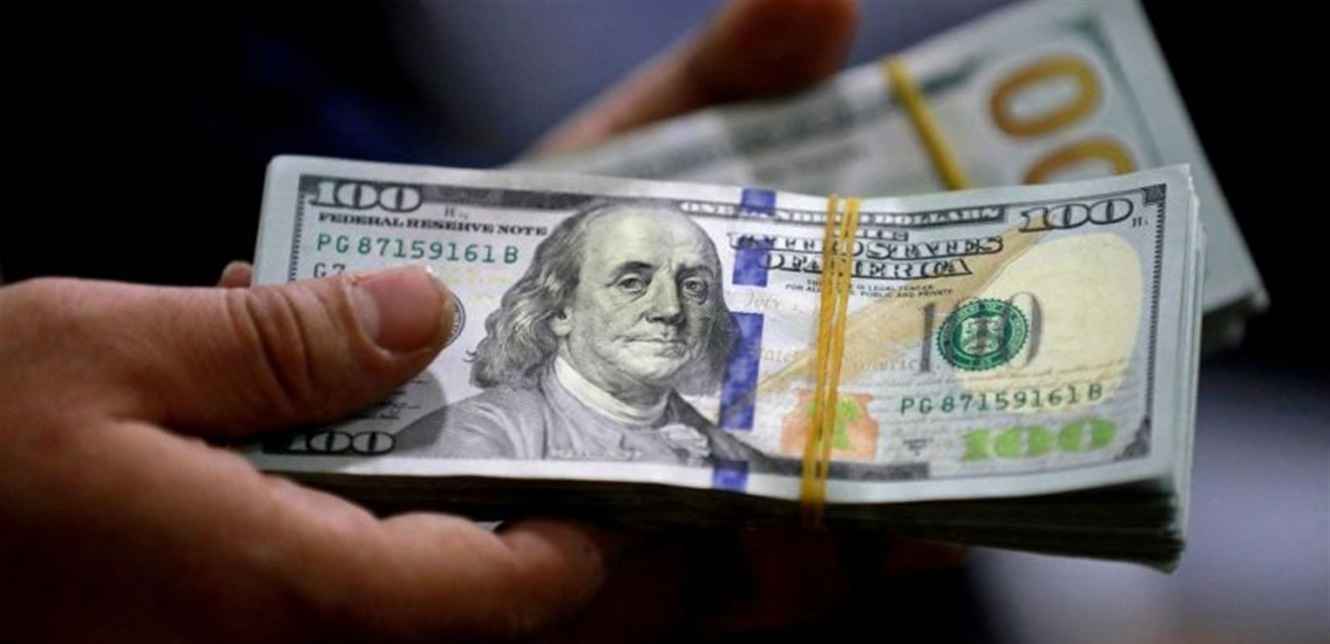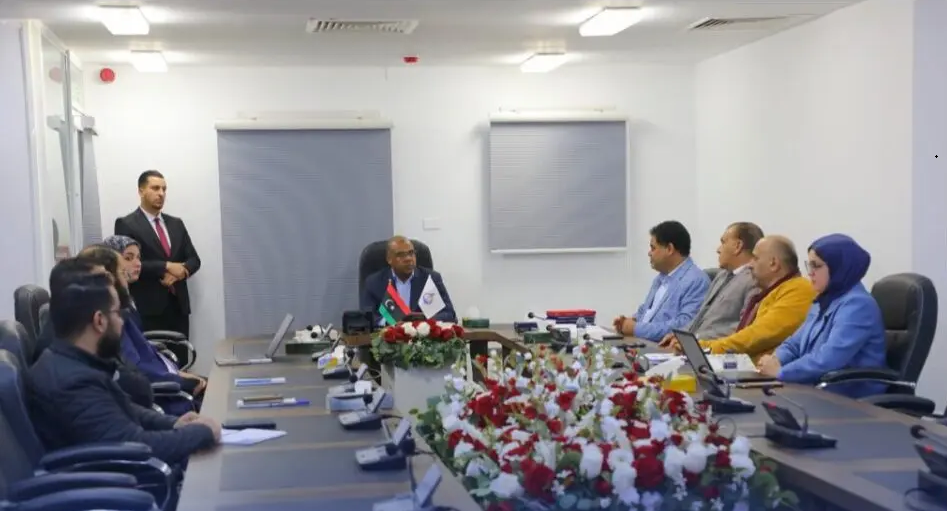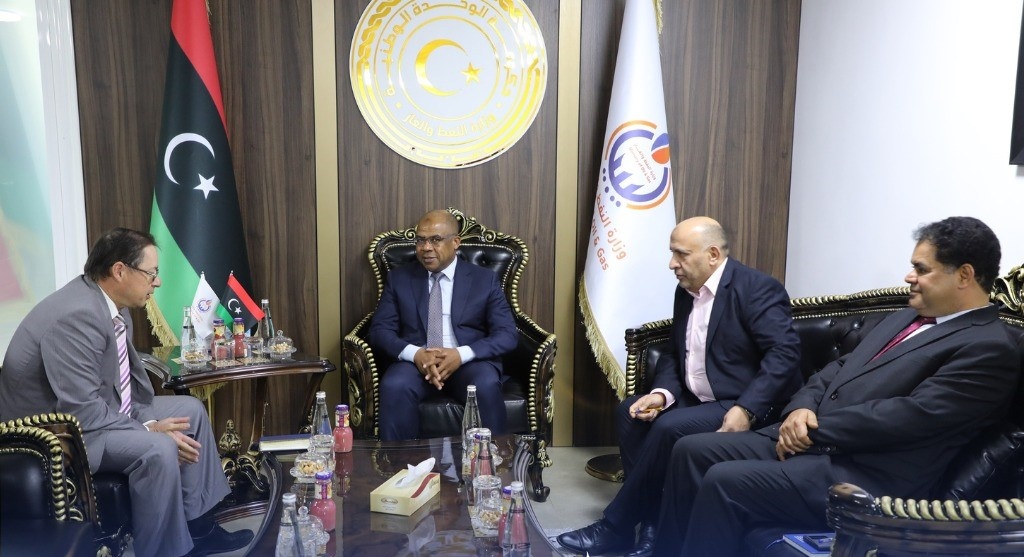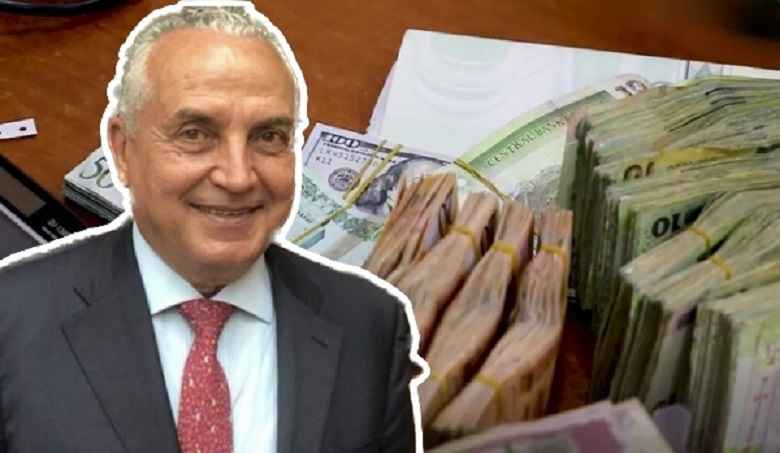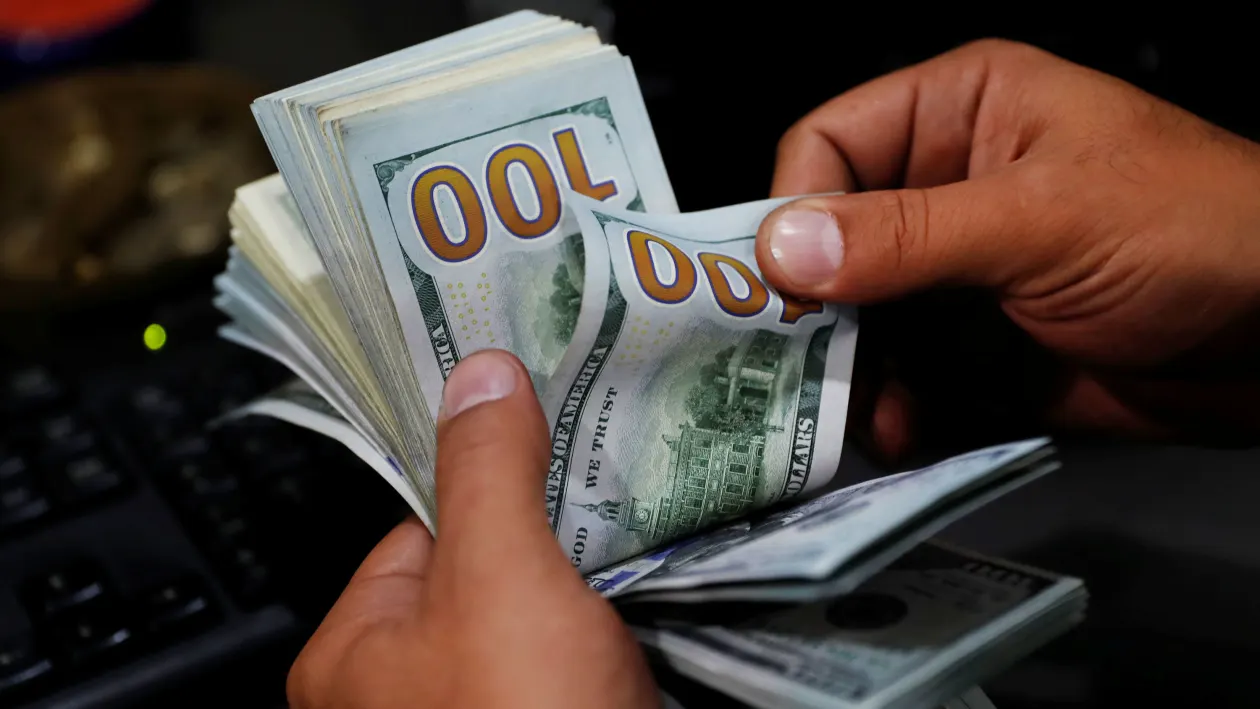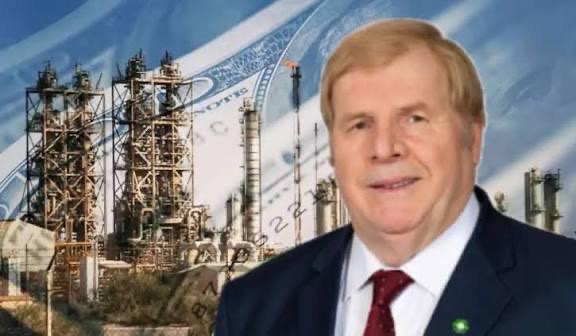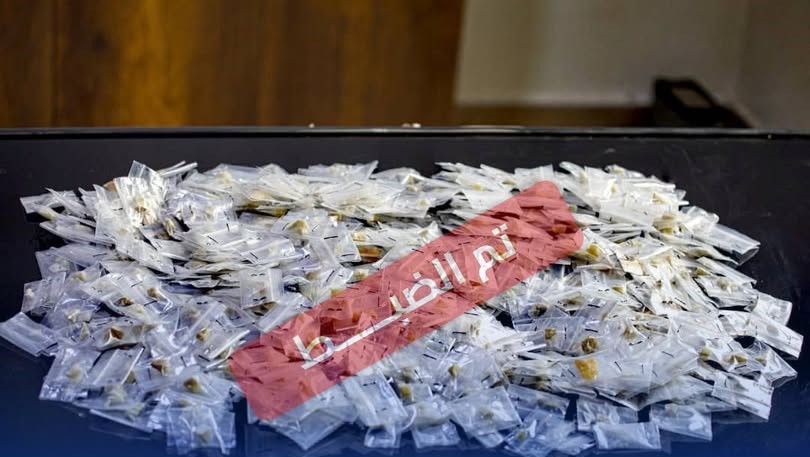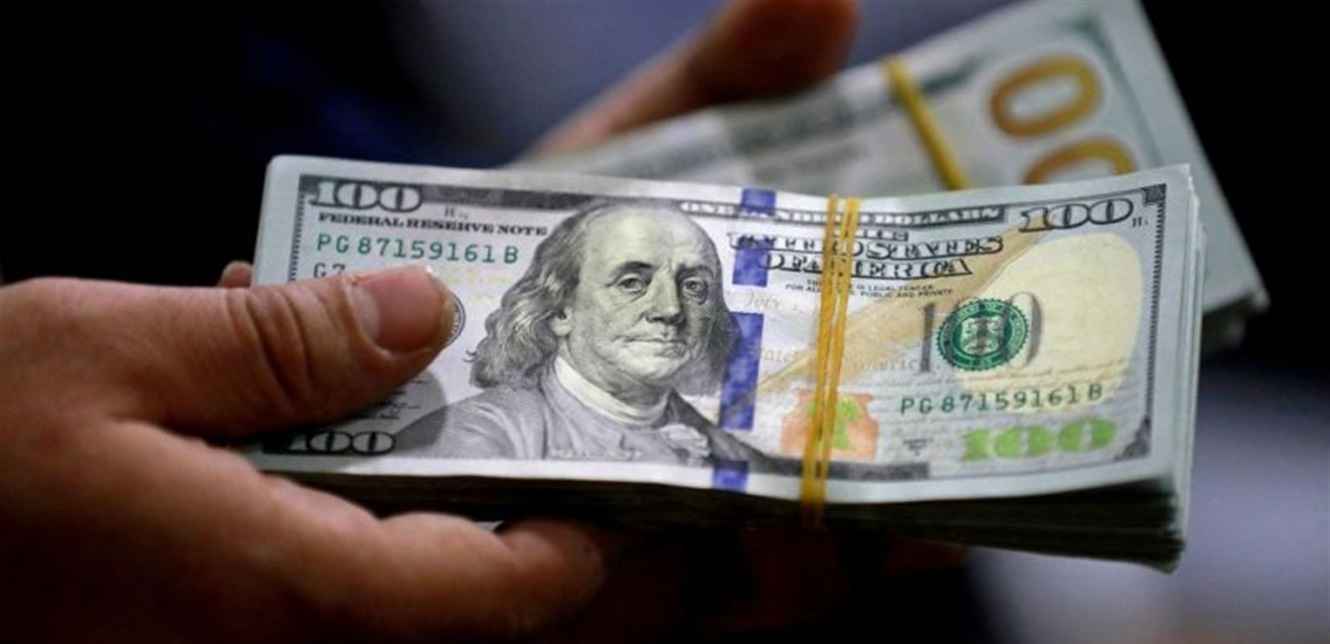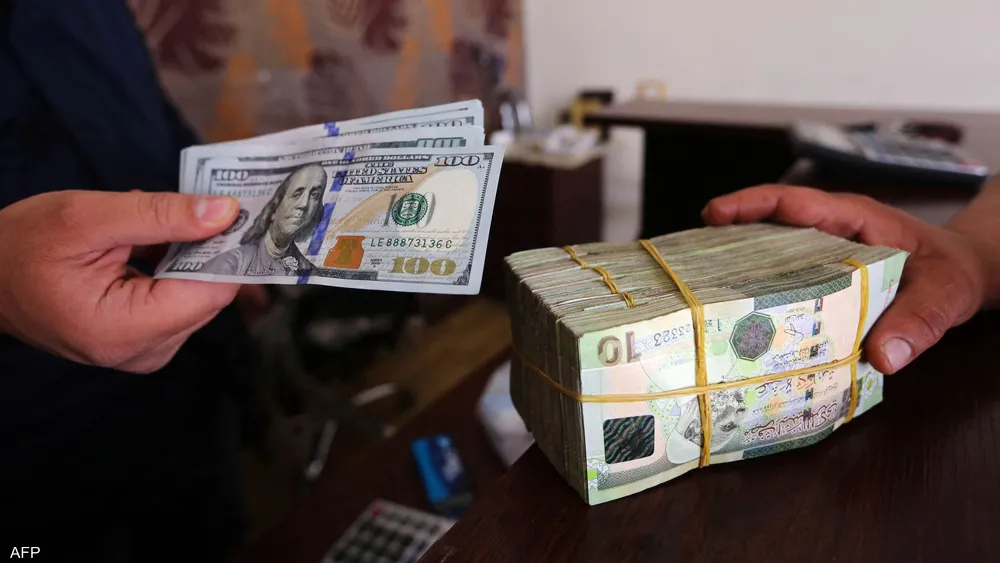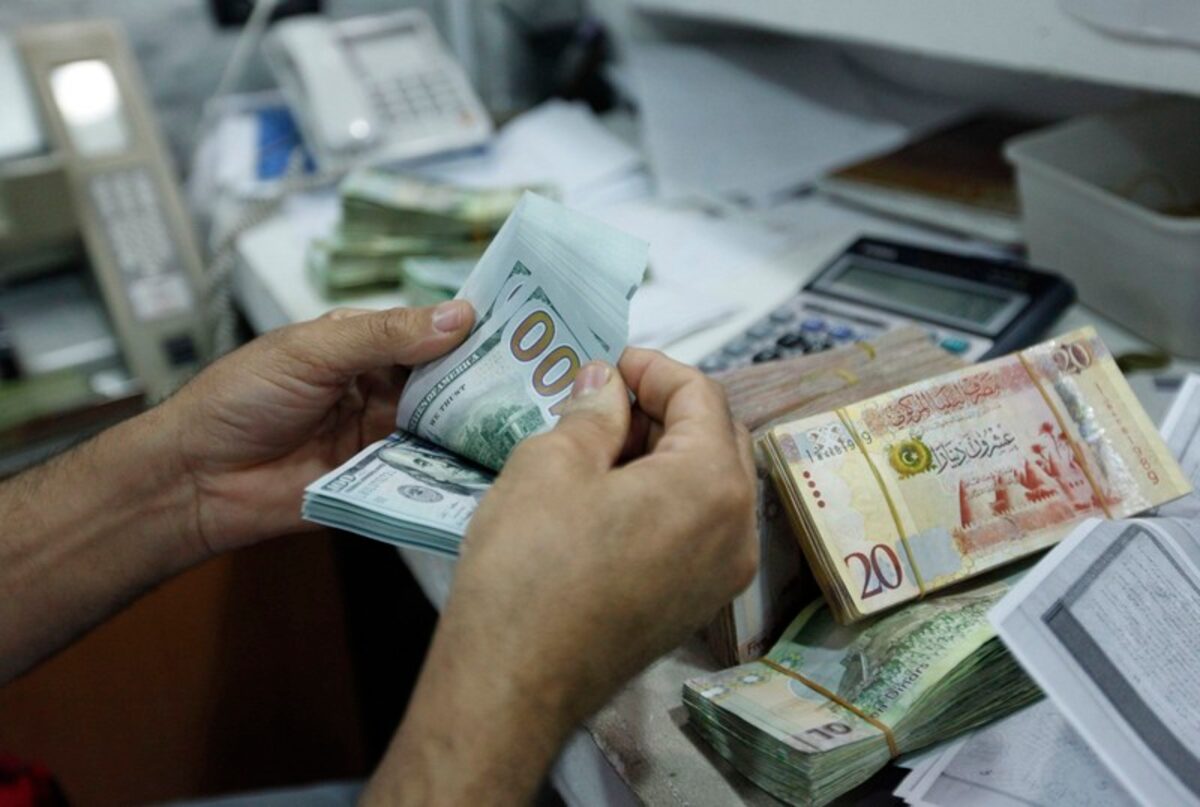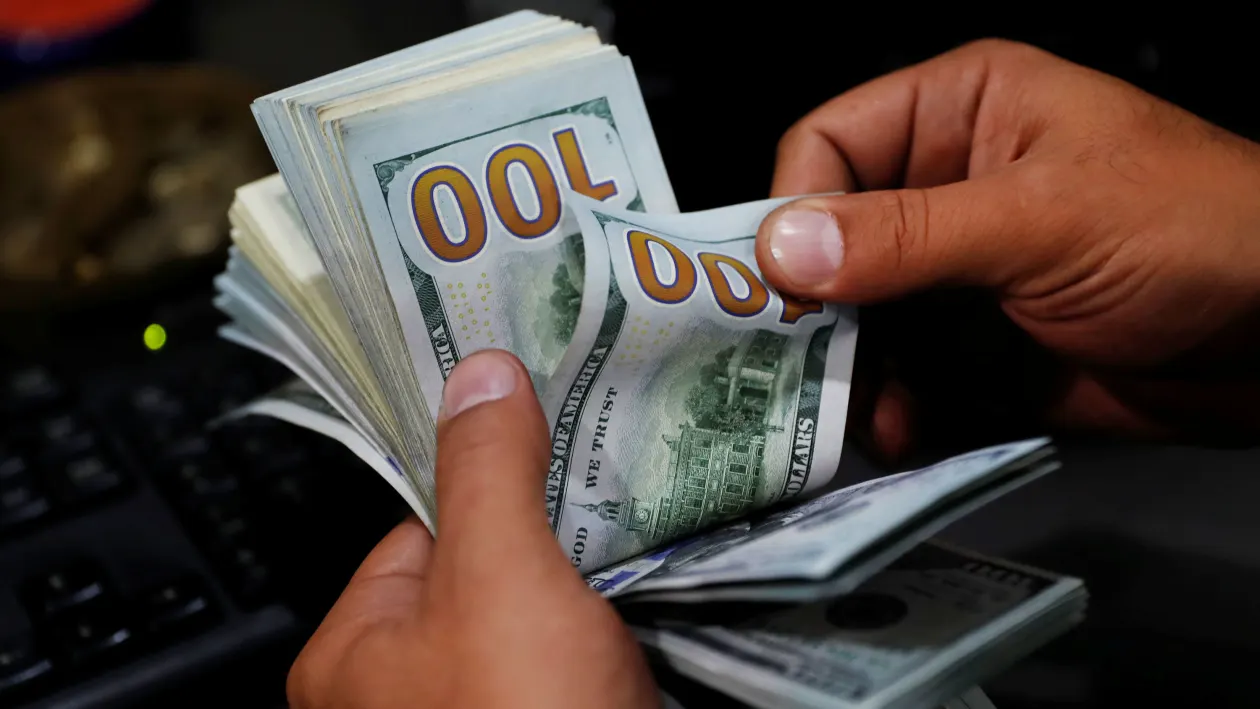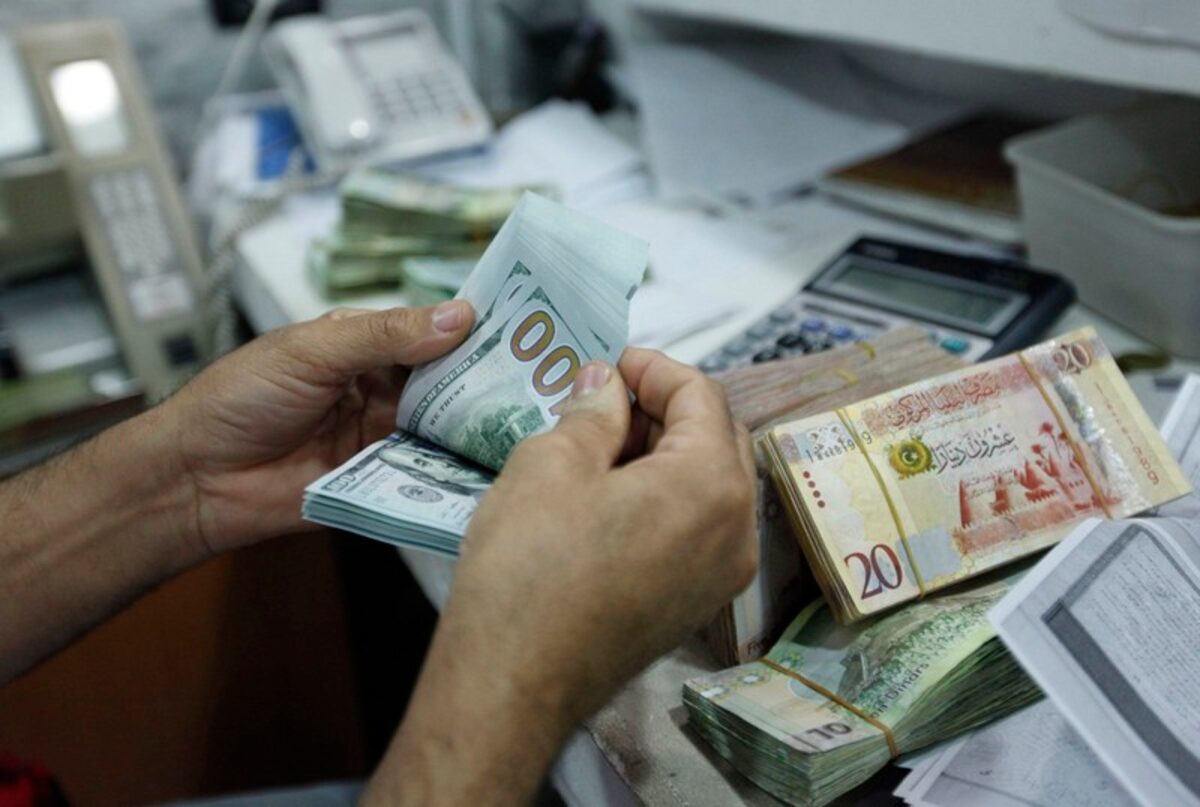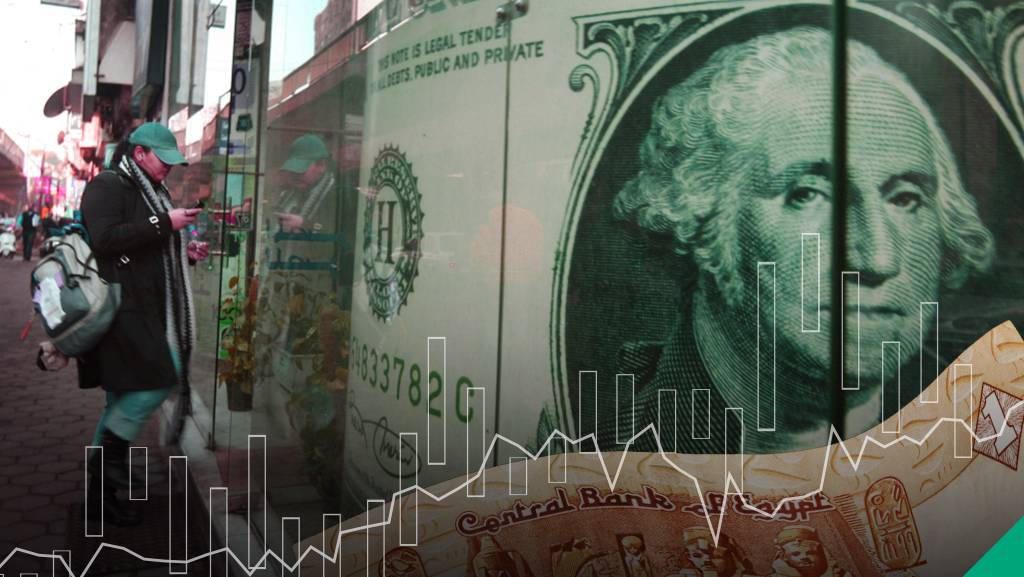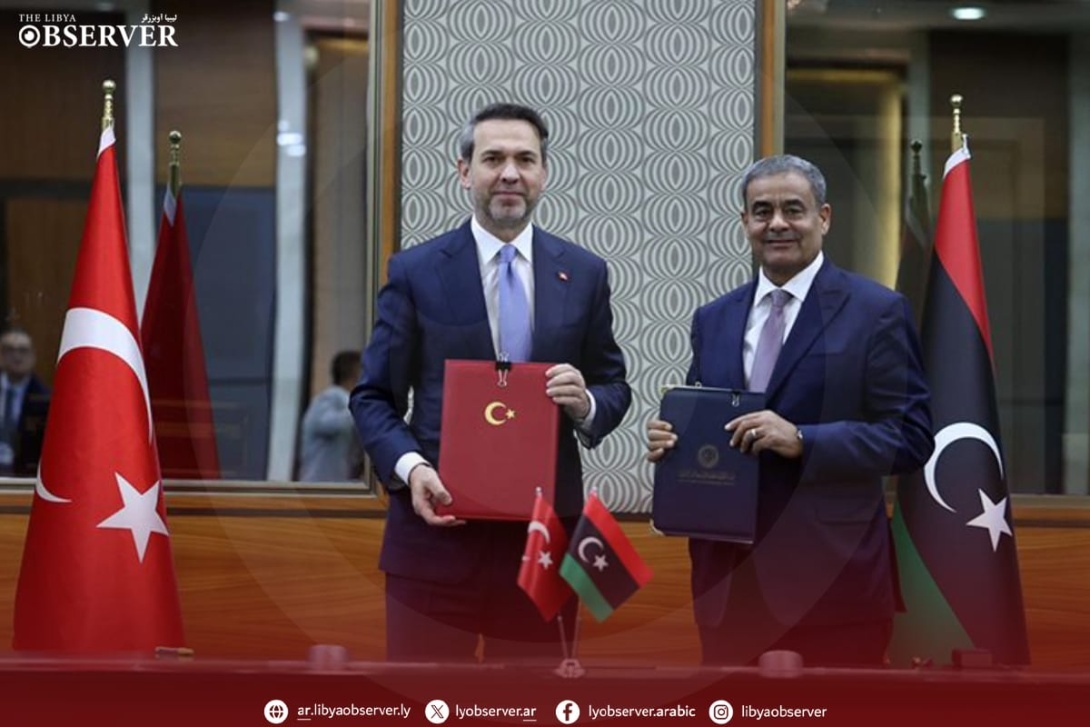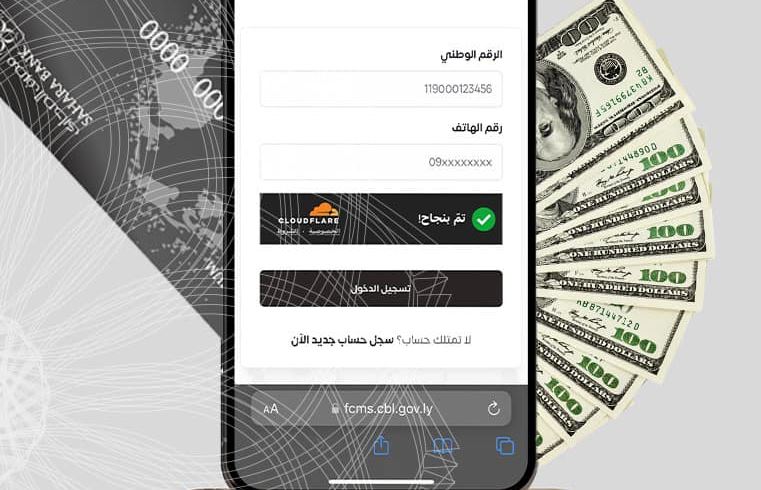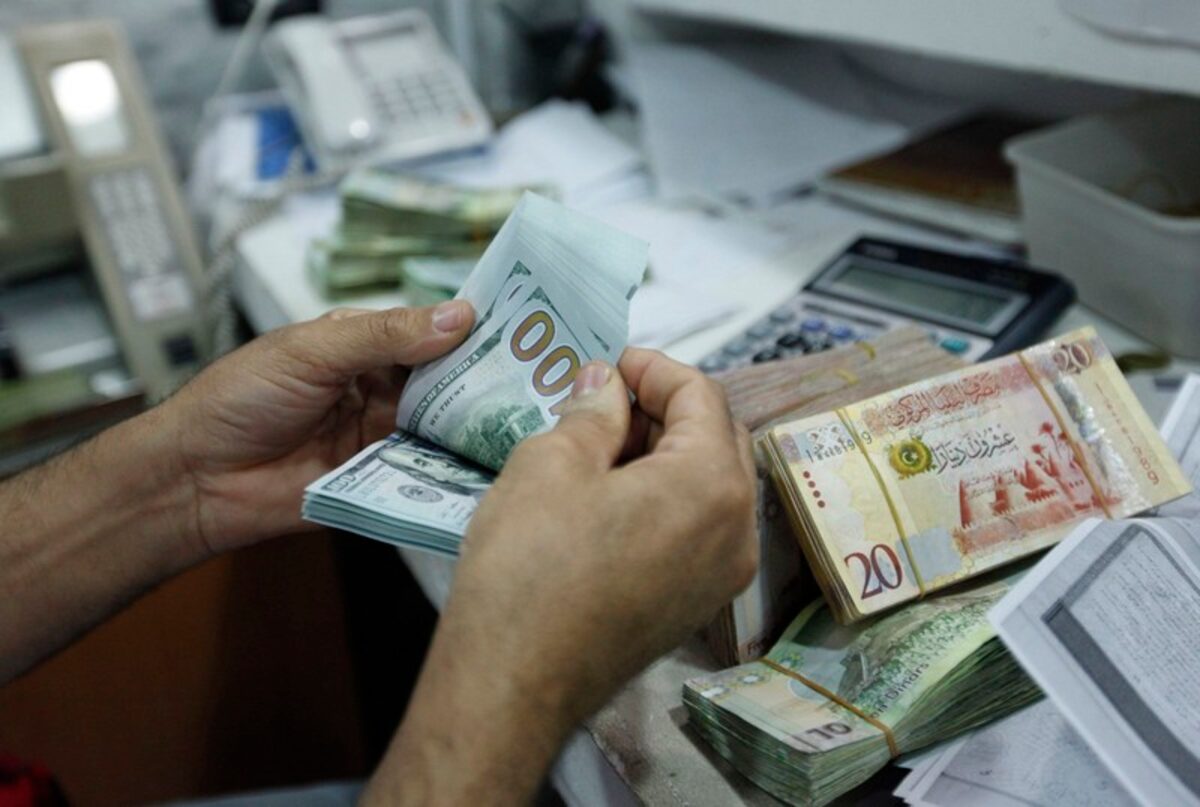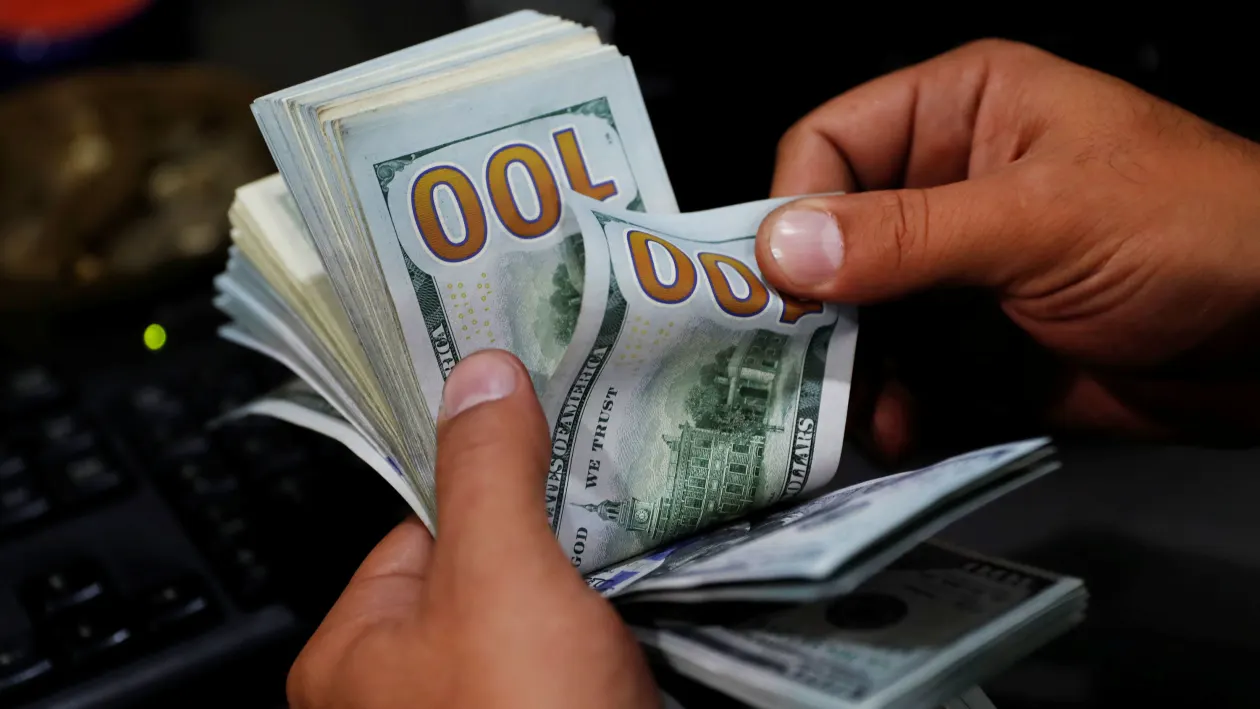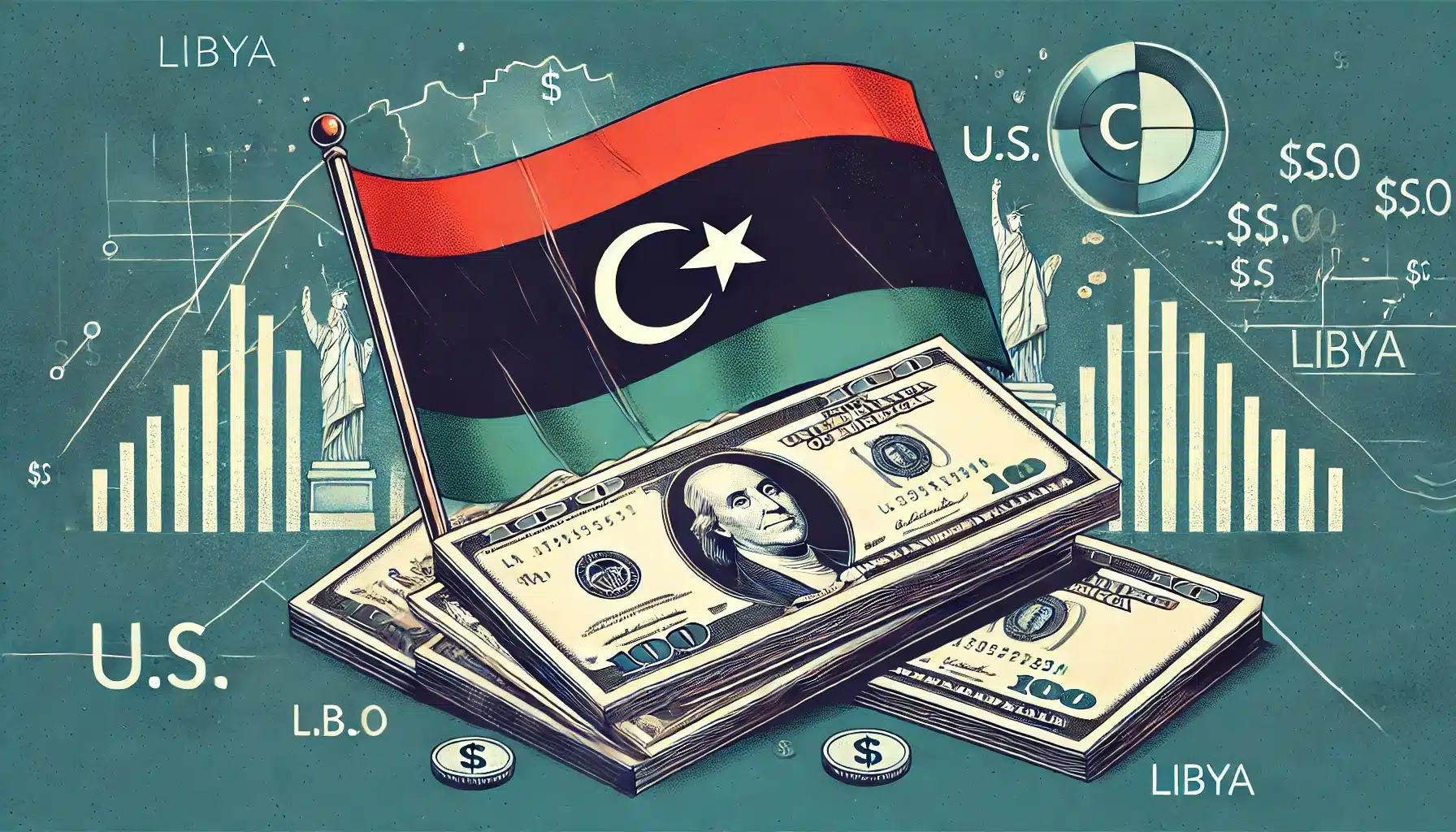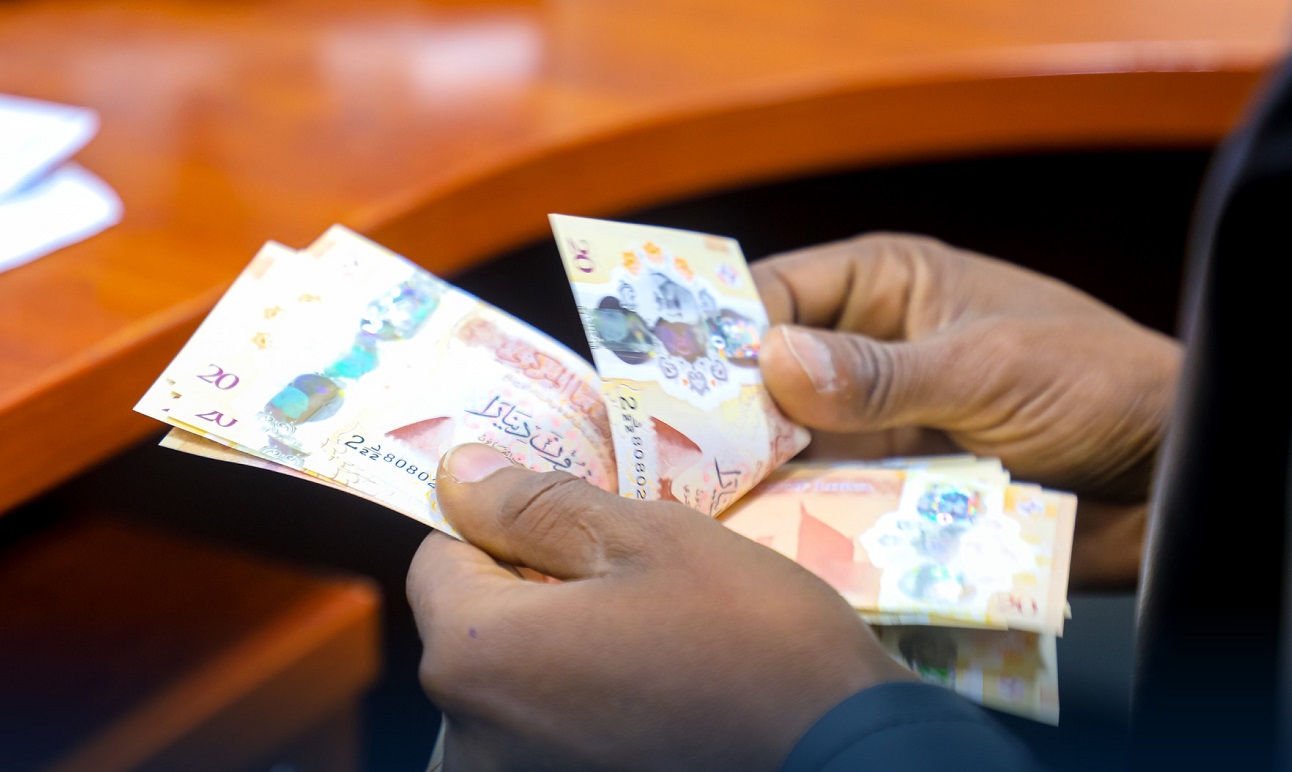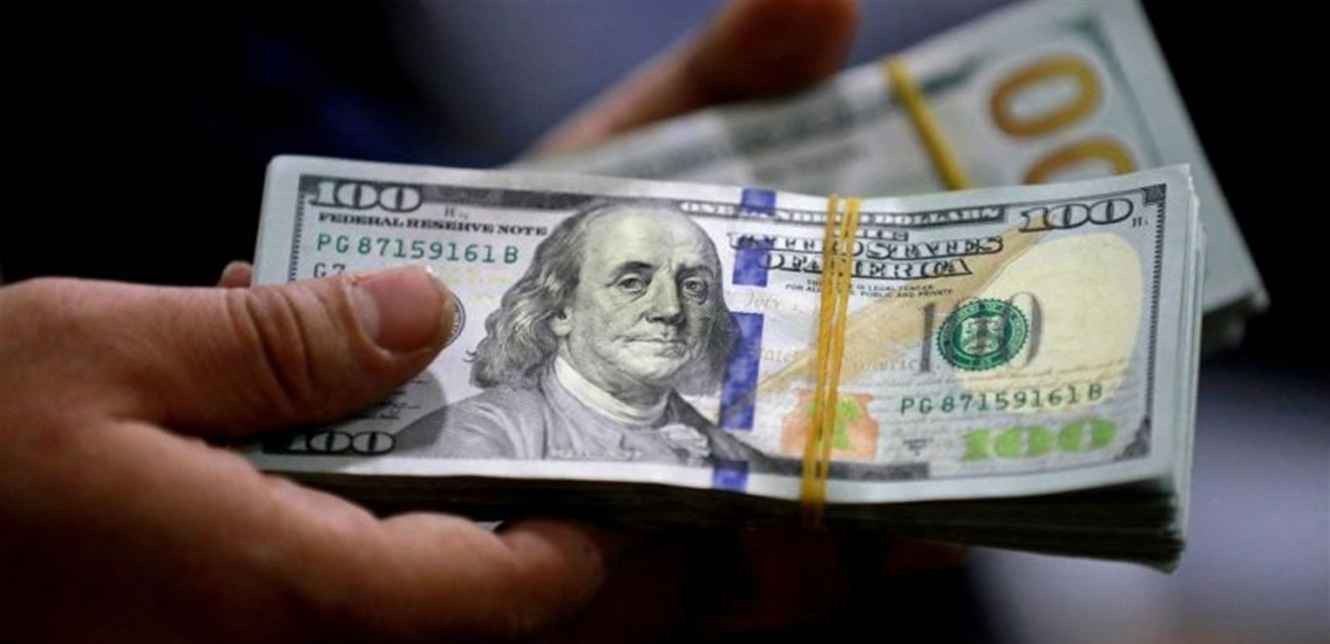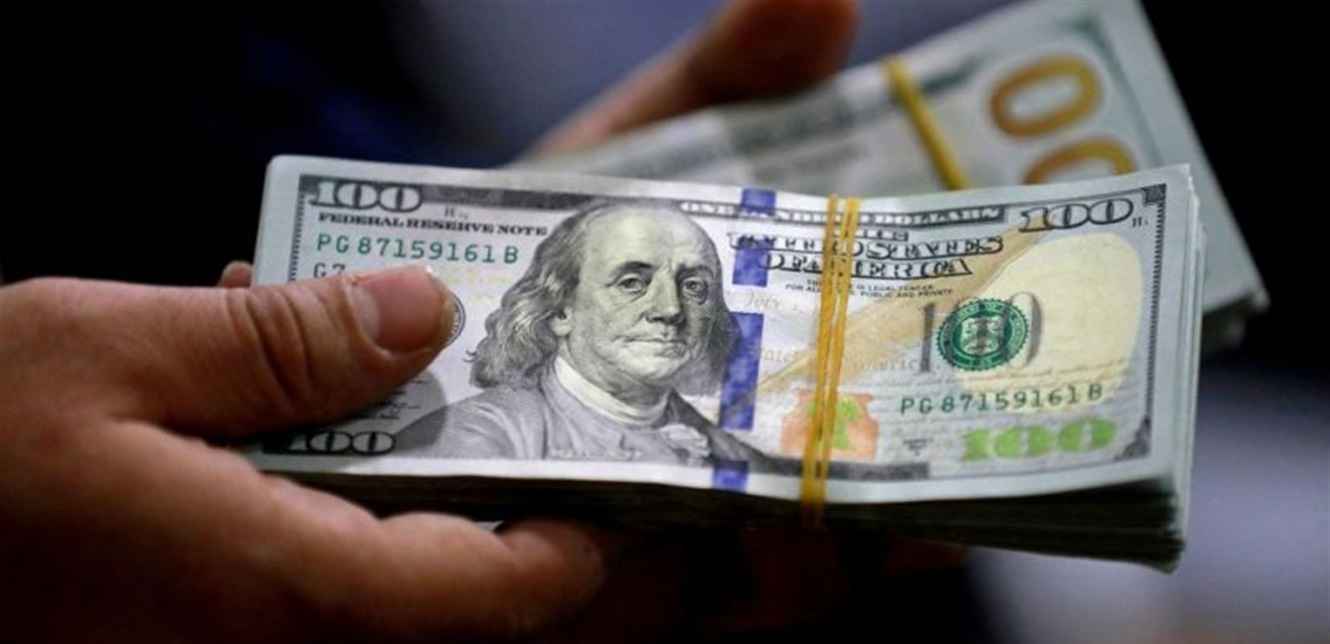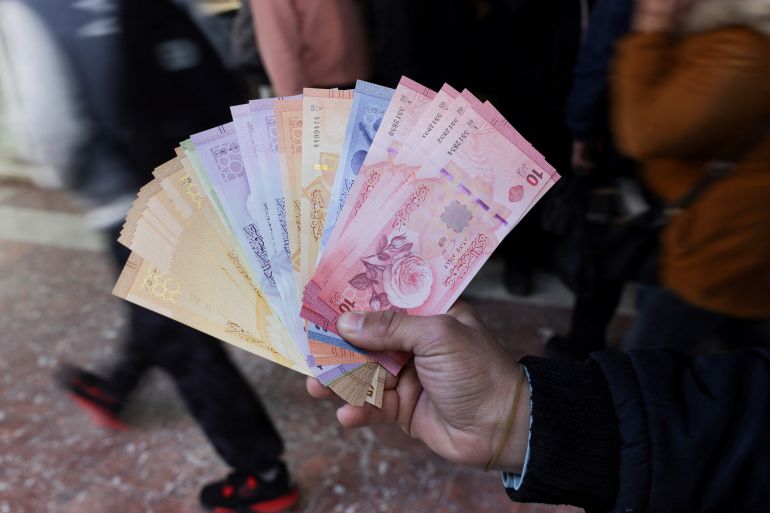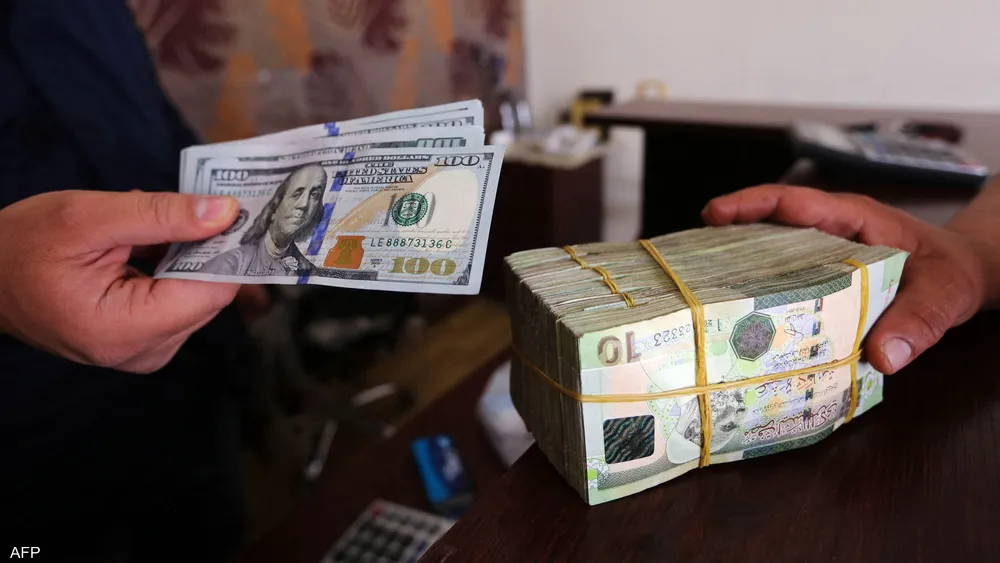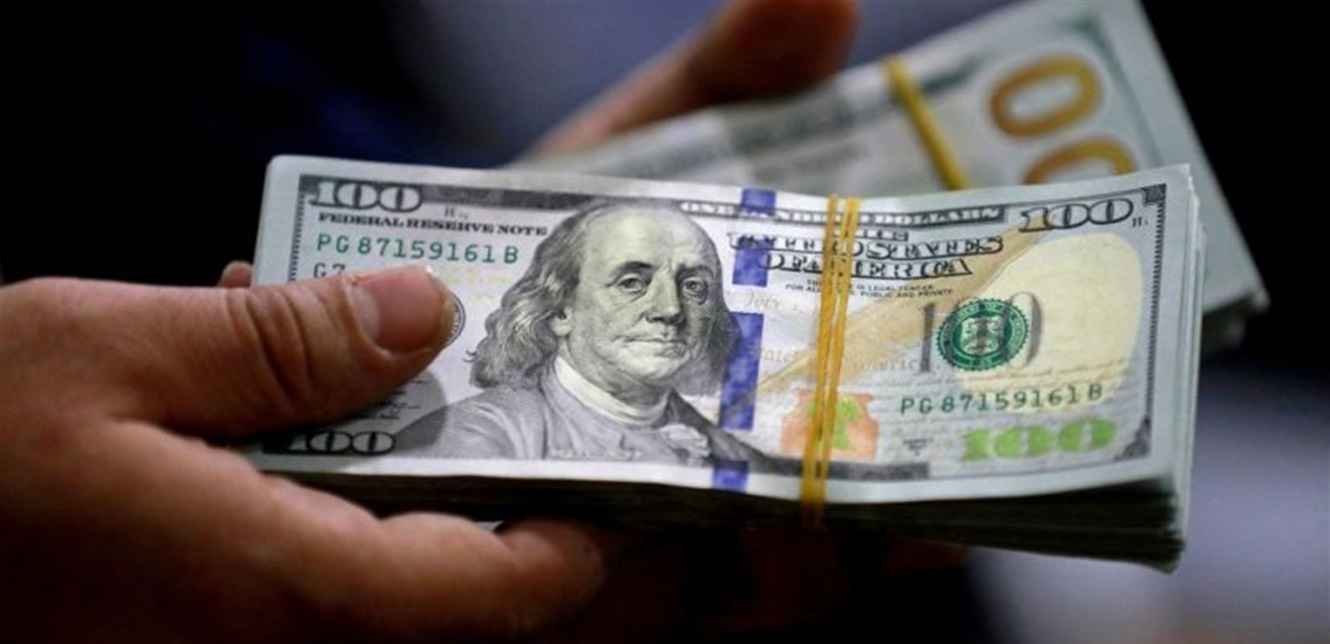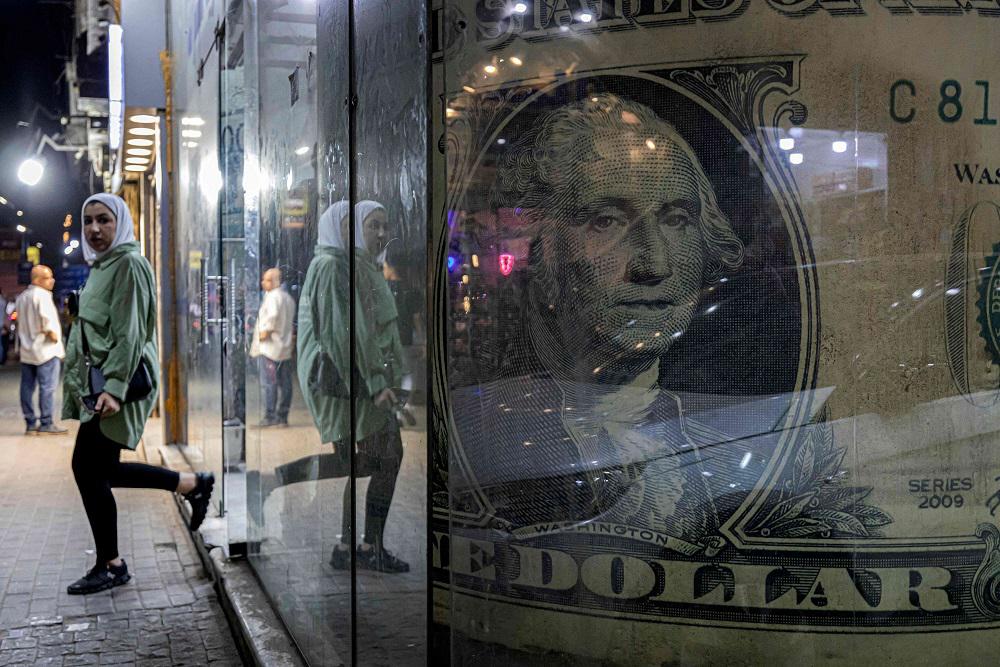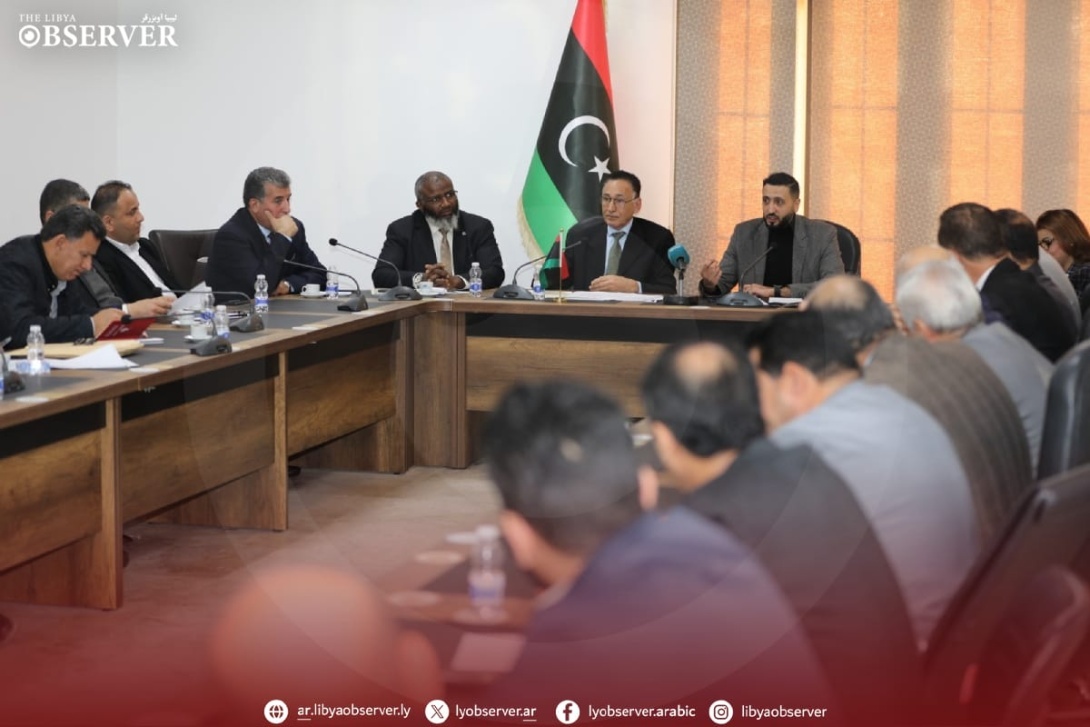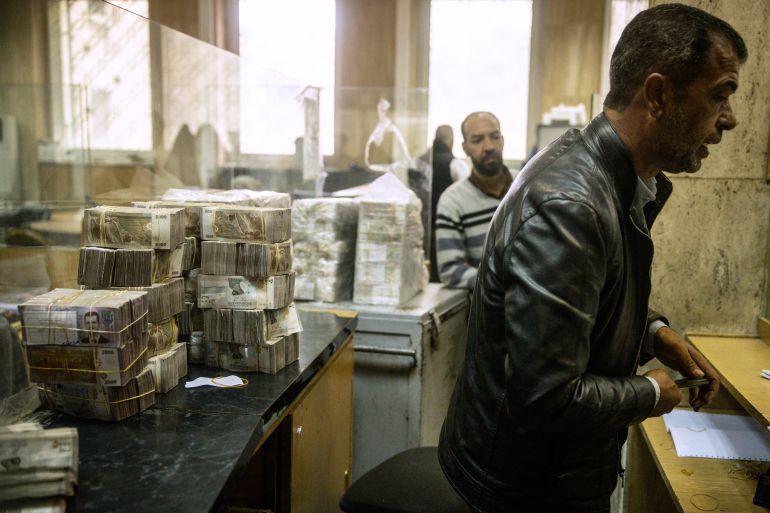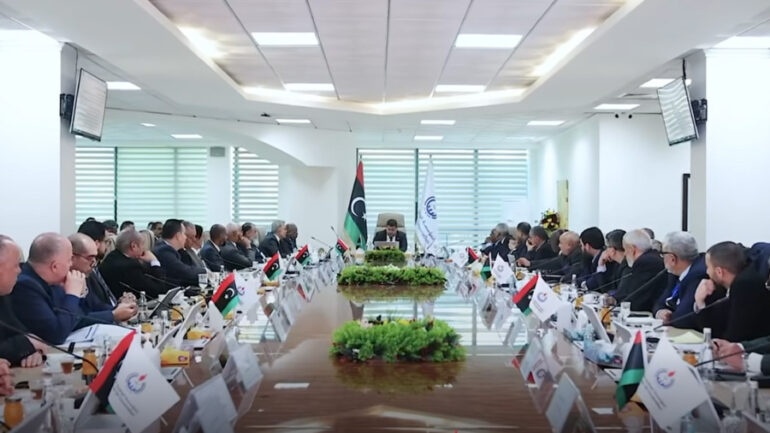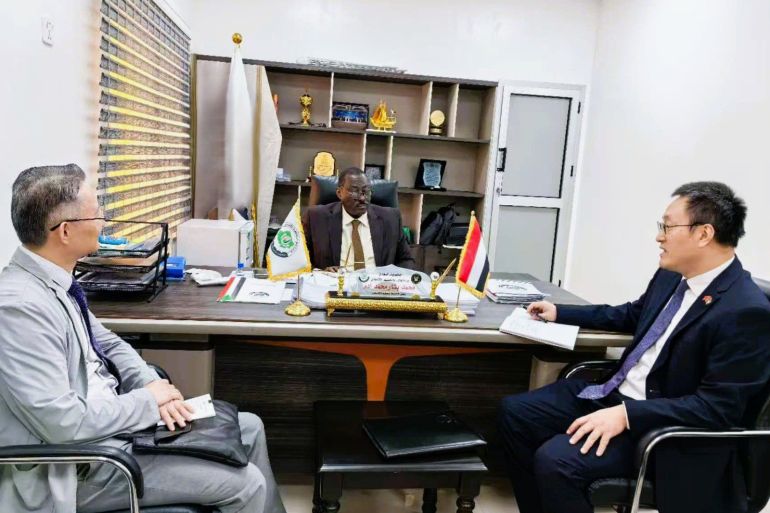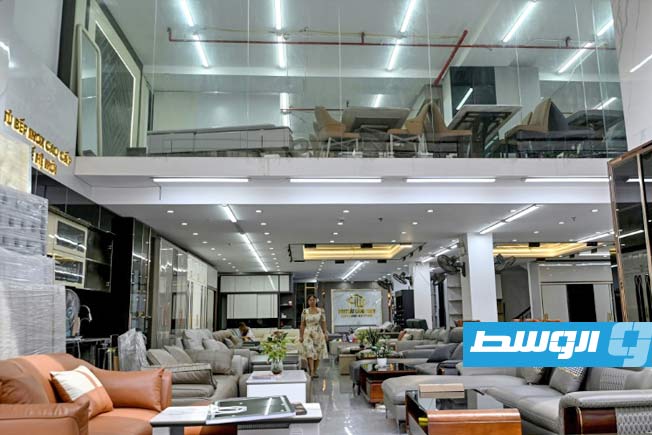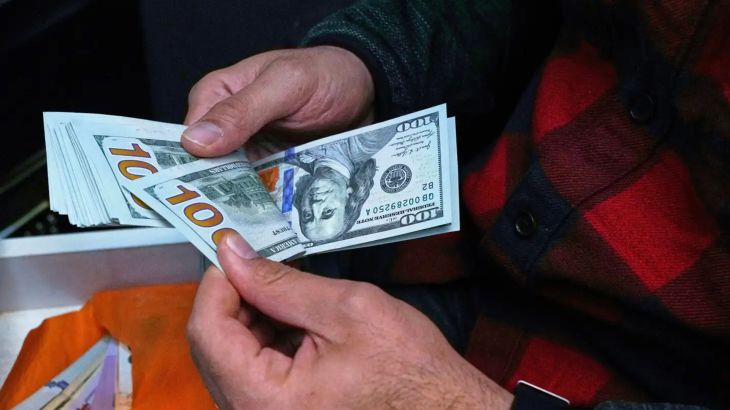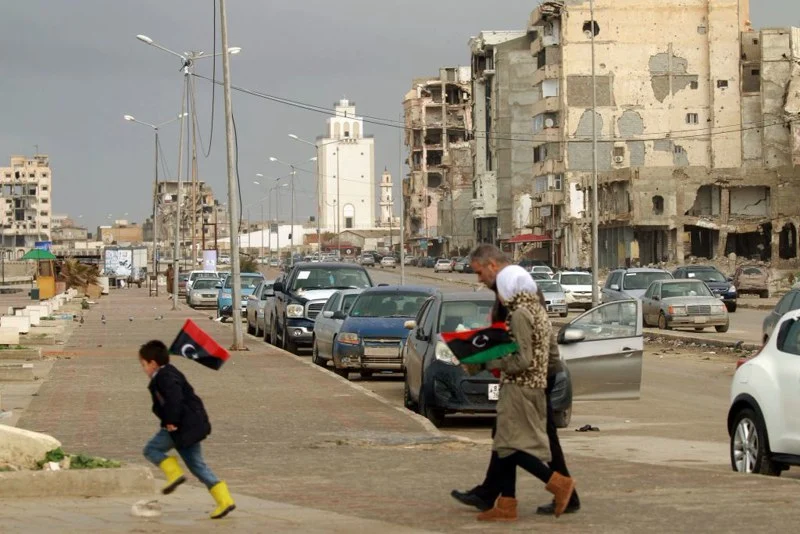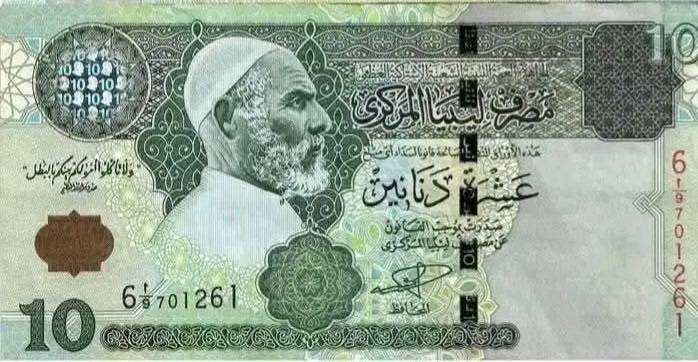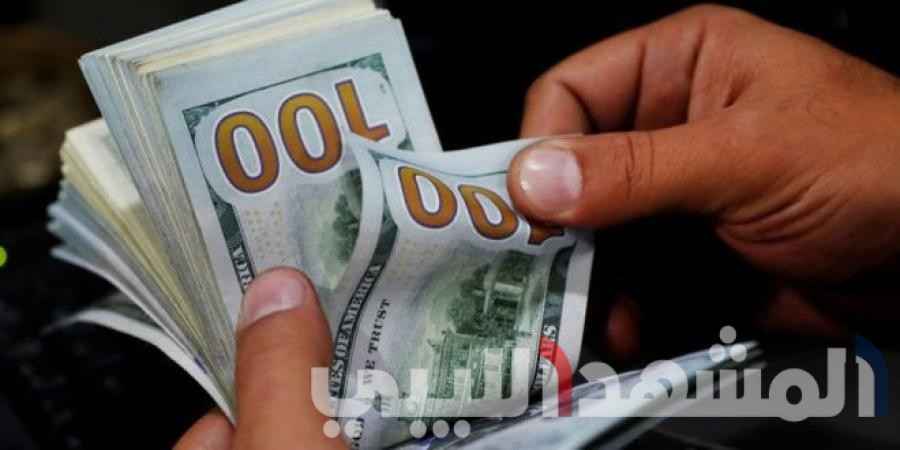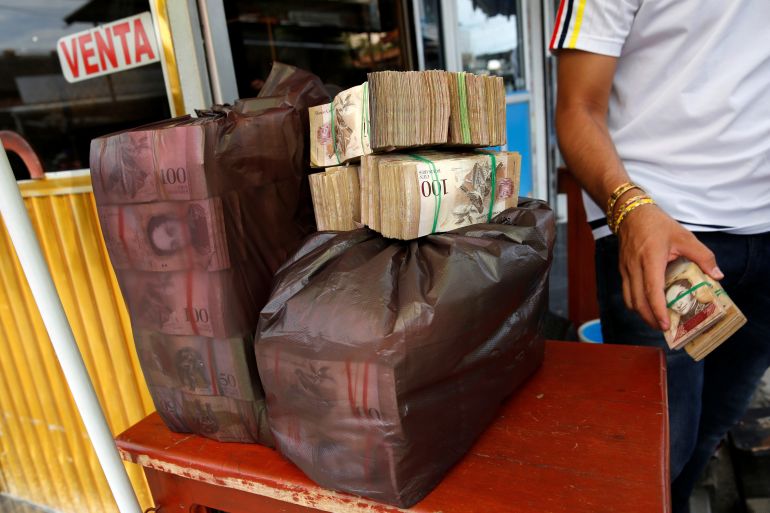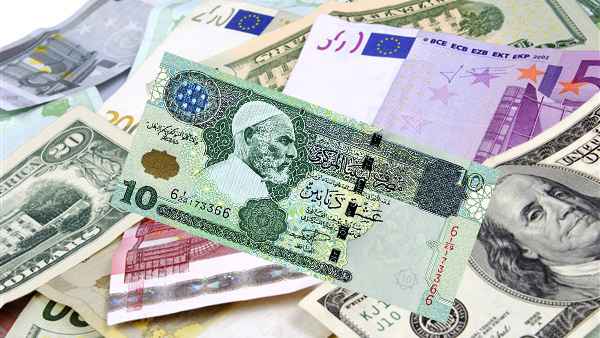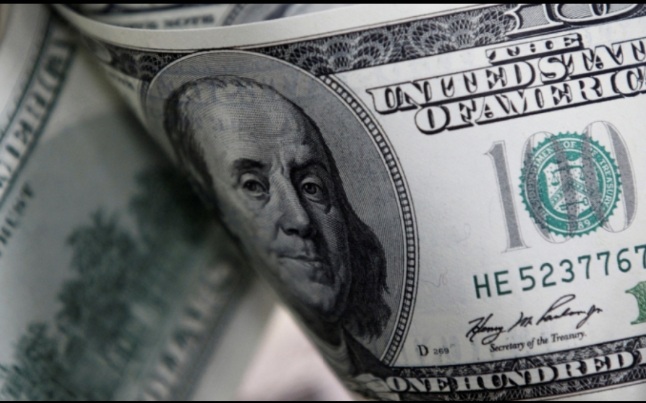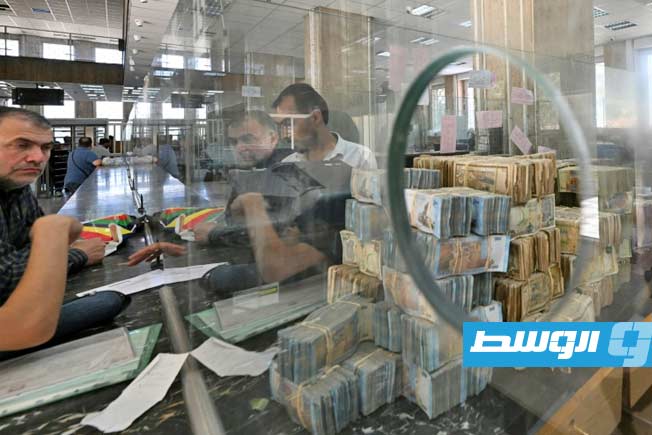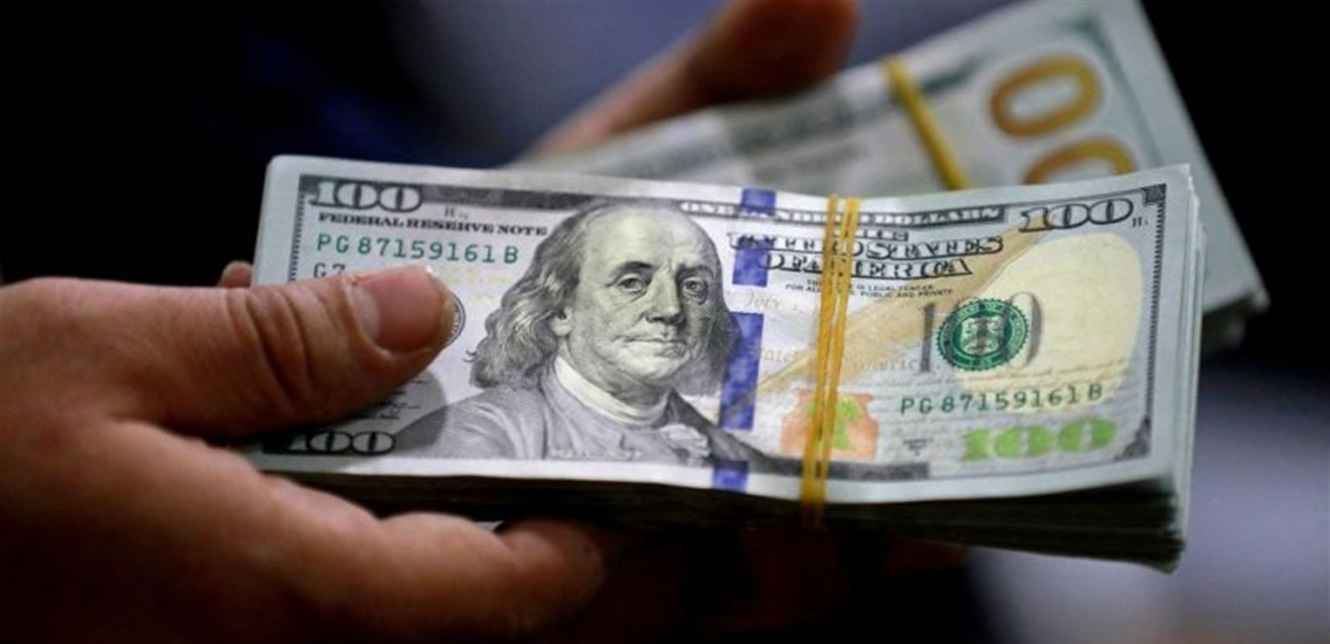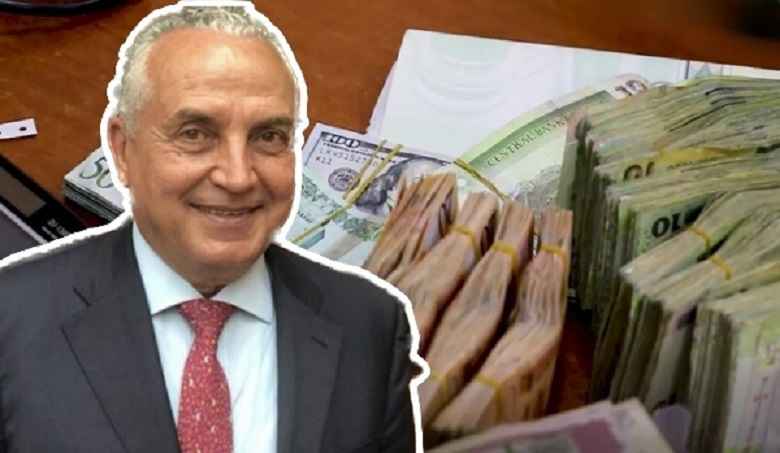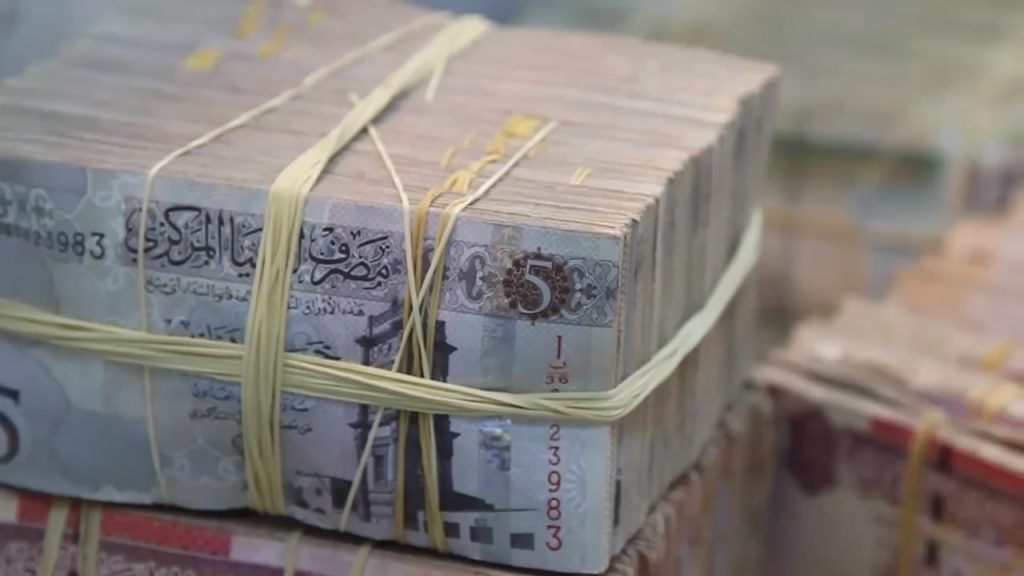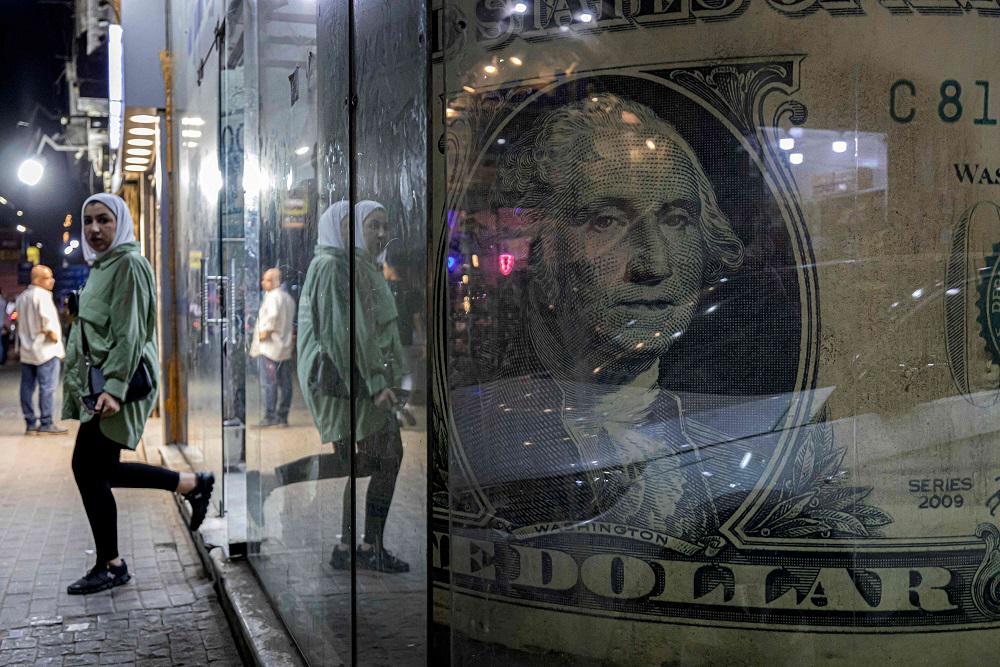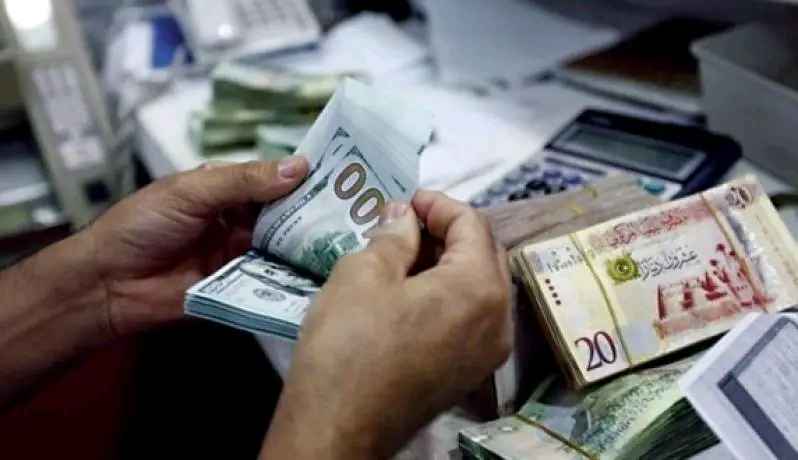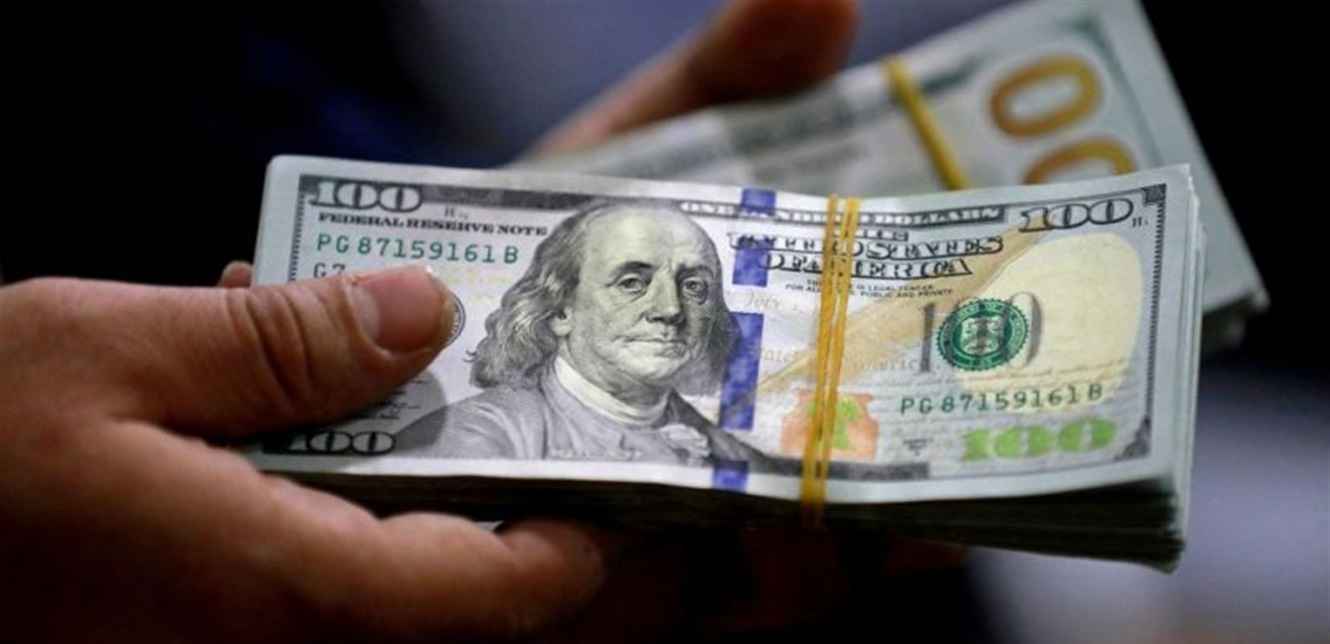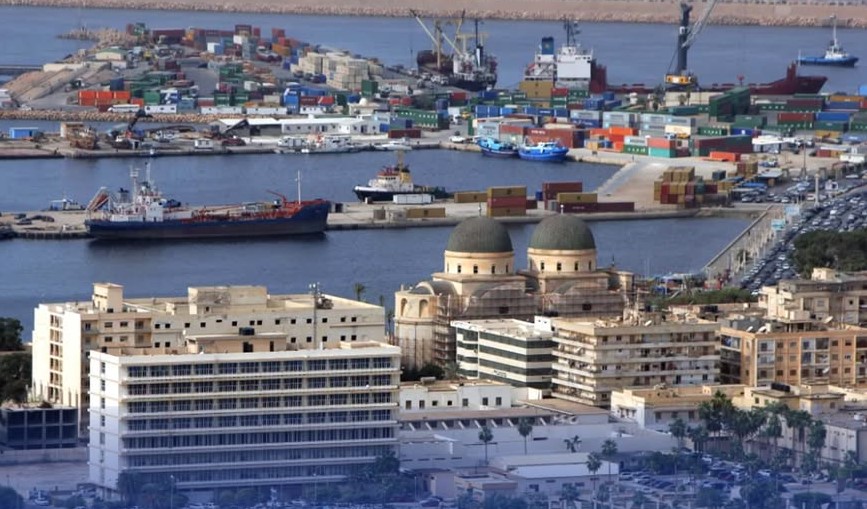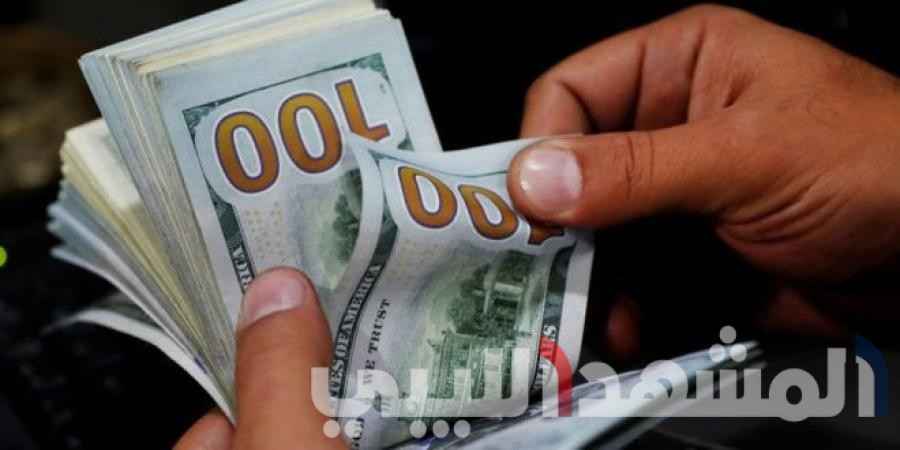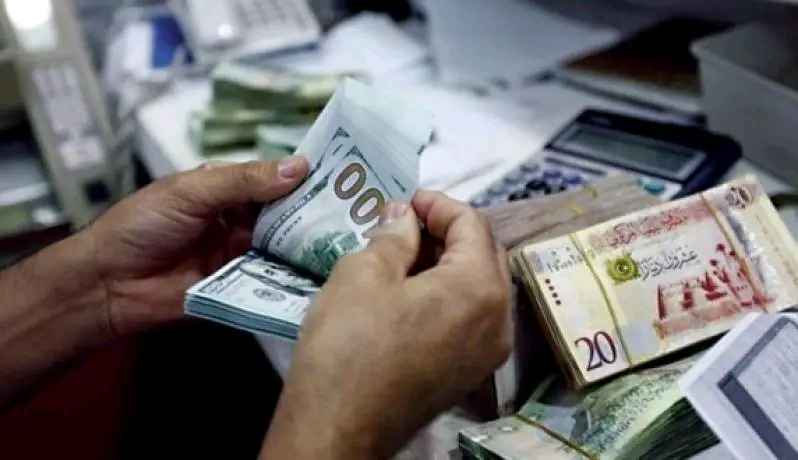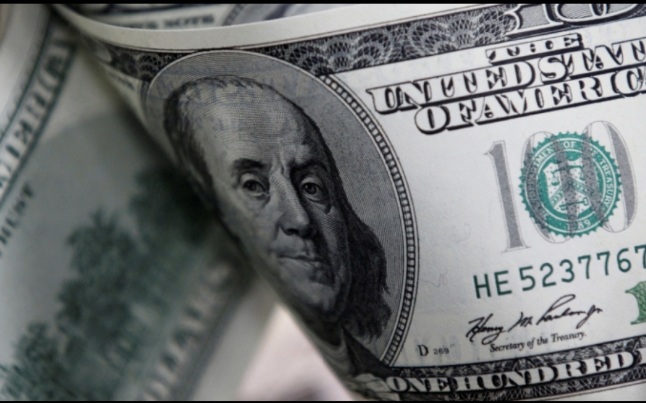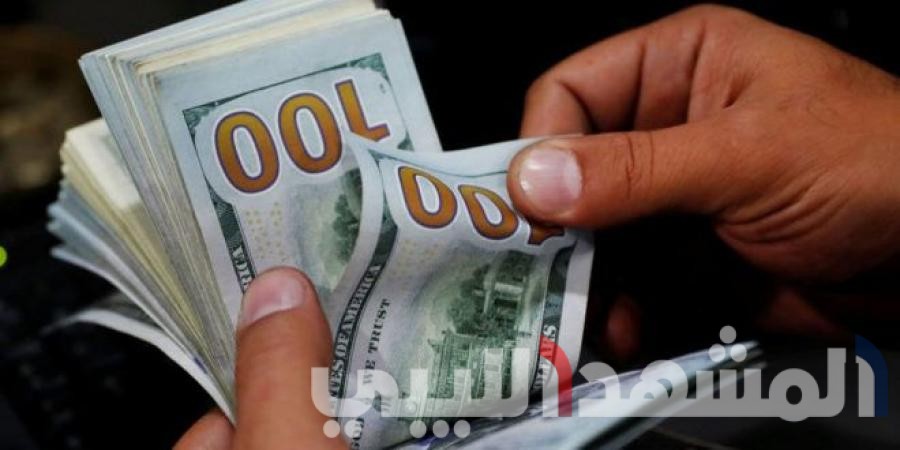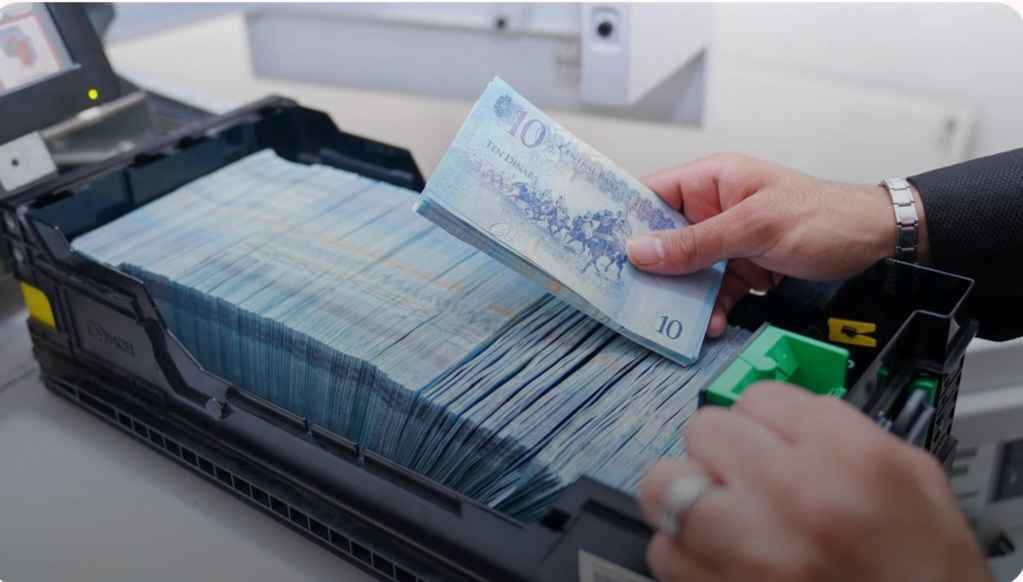
The Ministry of Economy and Trade of the Government of National Unity announced on Monday that it has granted 118 import companies of cleaning materials and hardware a one-week deadline to reduce their prices in line with their actual supply costs. The Ministry confirmed that these companies obtained documentary credits worth approximately $271.69 million at a subsidized exchange rate of 6.2 dinars per dollar, but are selling their products to consumers at parallel market prices of around ten dinars per dollar.
The Ministry stressed that it will take strict measures after the deadline expires. Companies that fail to comply with the price reduction will be referred to the Tax Authority to estimate their profits based on parallel market pricing policies. Their lists will also be sent to the Central Bank of Libya to stop granting them approvals for imports via documentary credits, and to the Commercial Registry to suspend their registration certificates in the importers’ register.
Regarding companies that benefited from the subsidized dollar but did not supply their goods to the market, the Ministry confirmed it will match the customs directorates’ letters deposited with banks with the customs clearance documents for the goods, to identify violators and refer them to the relevant authorities for legal action.
Last week, the Ministry clarified that it had monitored some home appliance, electronics, and phone companies pricing their products according to the parallel market rate, despite obtaining credits at the subsidized exchange rate. This has imposed additional, undisclosed burdens on citizens, amounting to an unjustified increase of about 60%.
According to Ministry data, 392 home appliance and electronics companies obtained documentary credits worth over $8.136 billion, while more than $2.237 billion was allocated to phone companies, totaling over $11 billion. The Ministry confirmed that these practices violate commercial activity laws, where the beneficiaries are the companies and major distribution chains, while the direct victim is the citizen who pays an undisclosed tax through high prices.