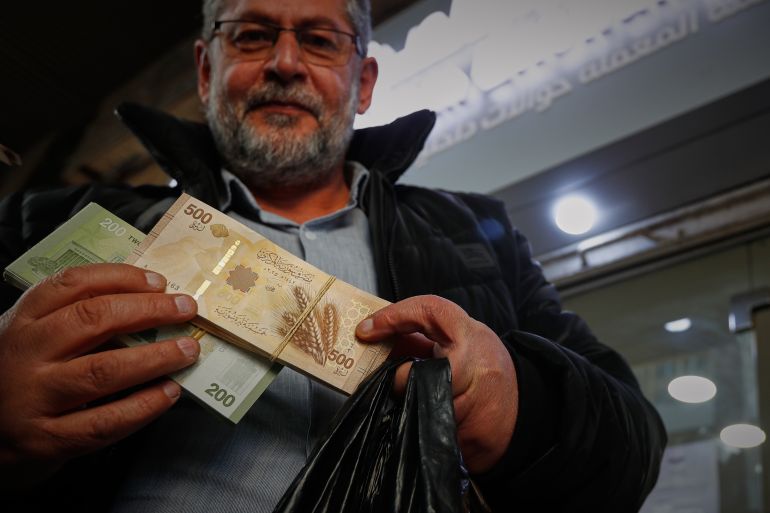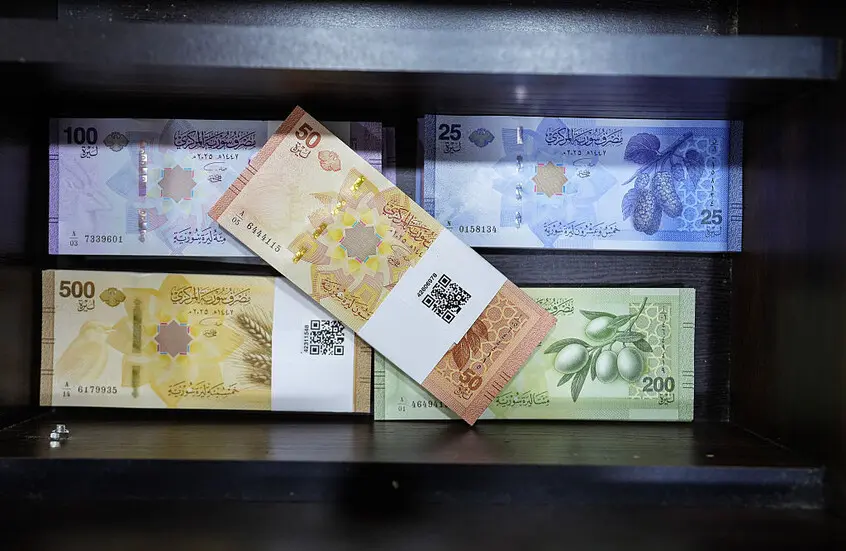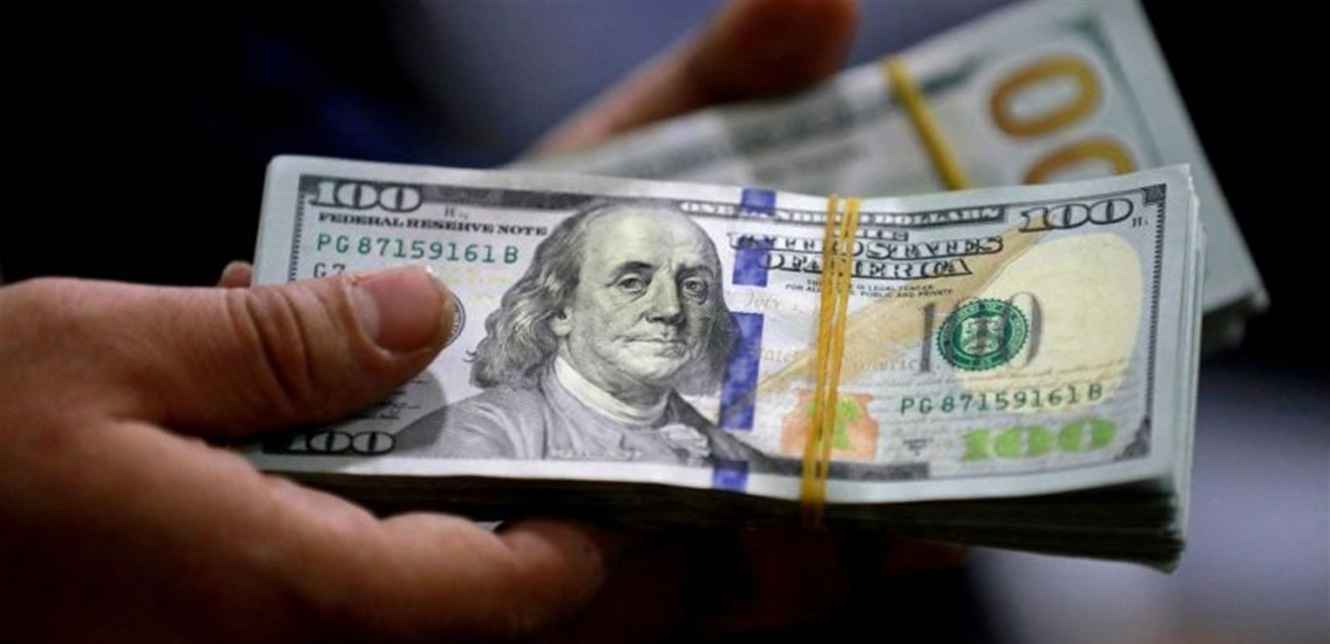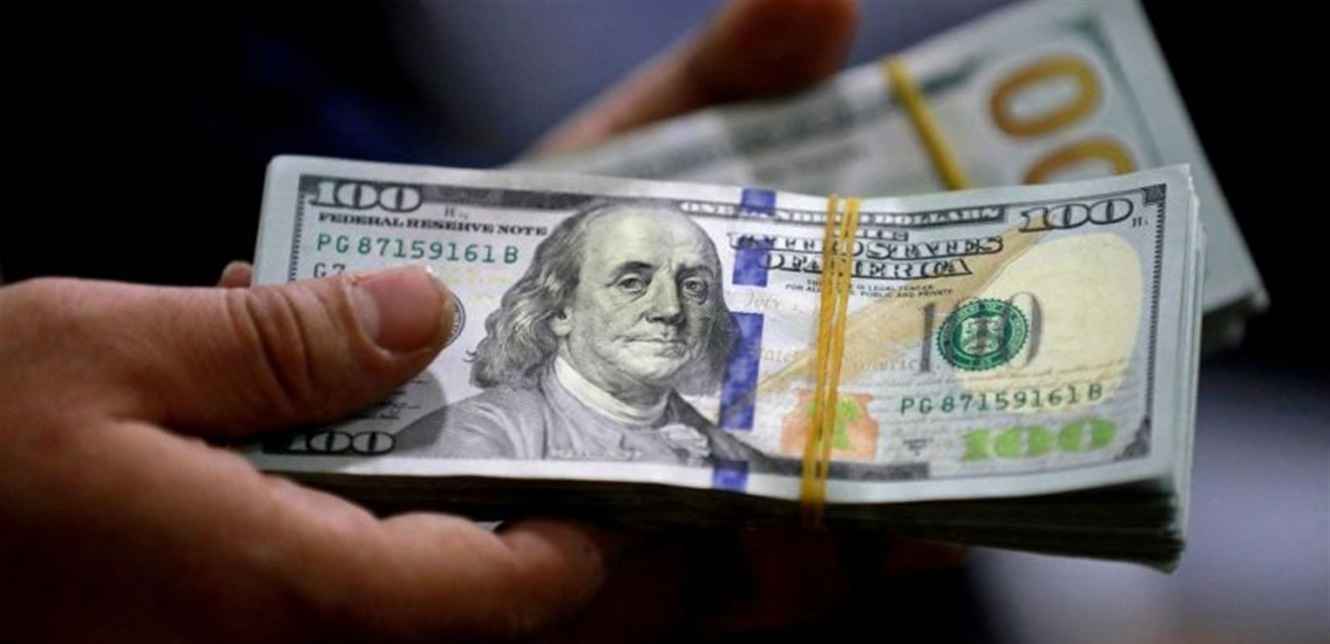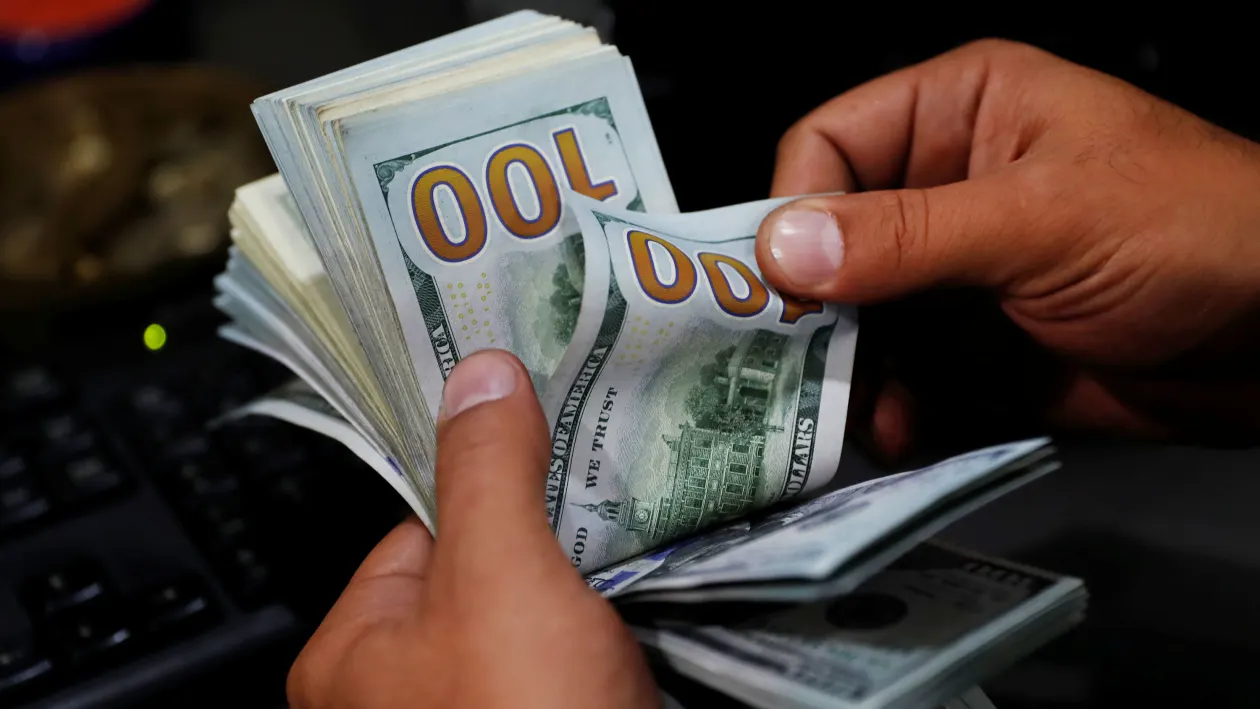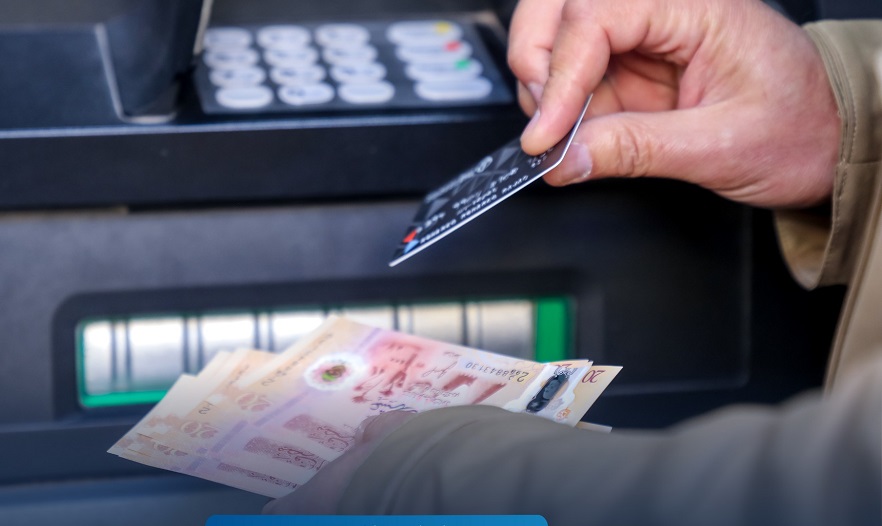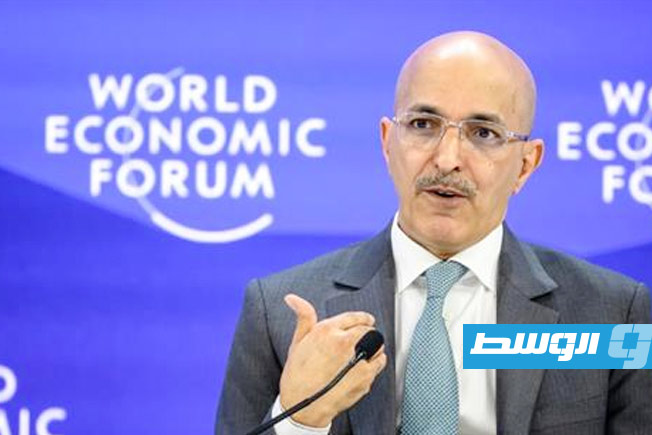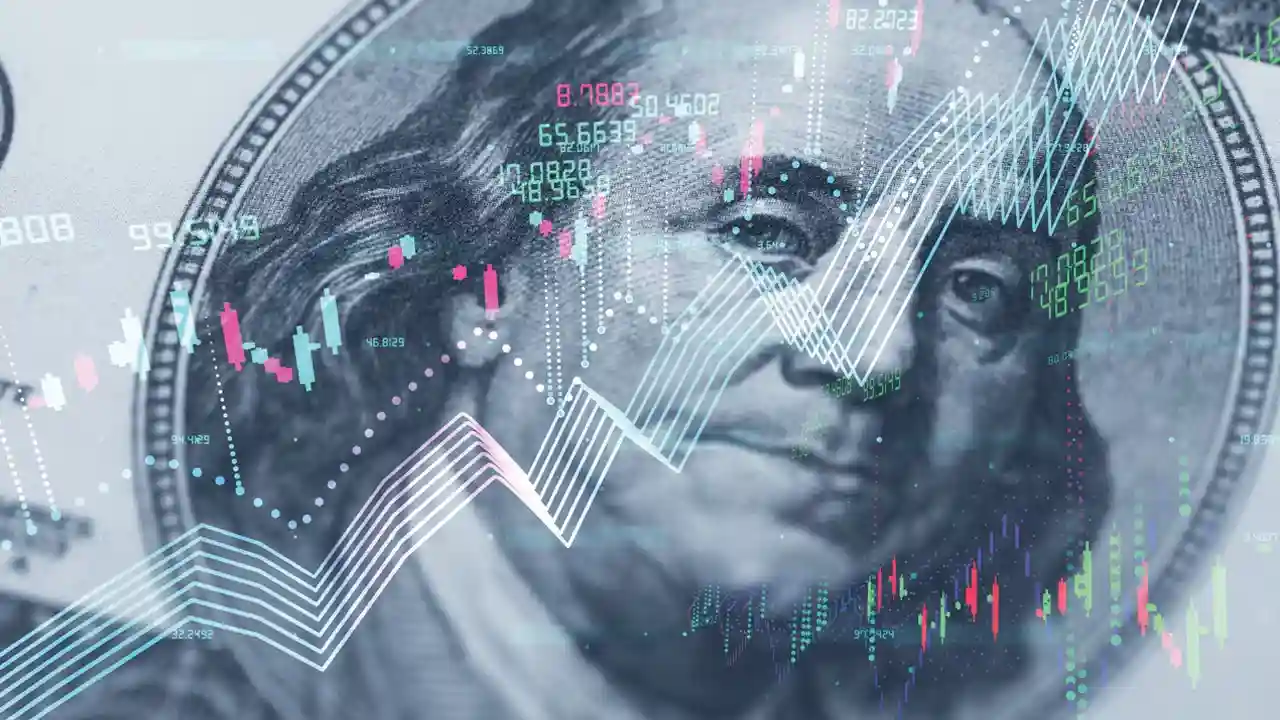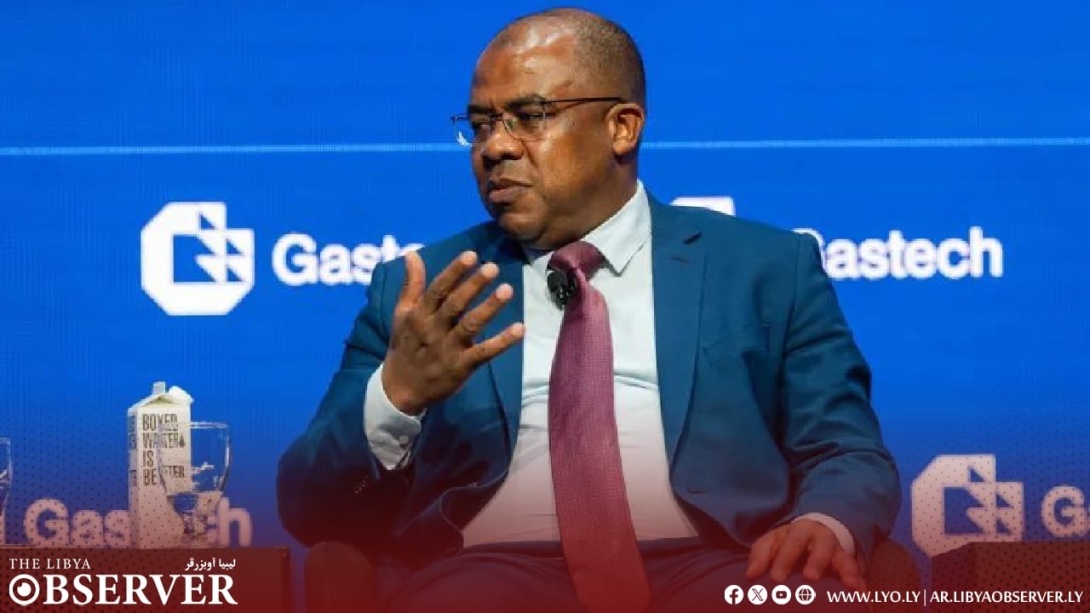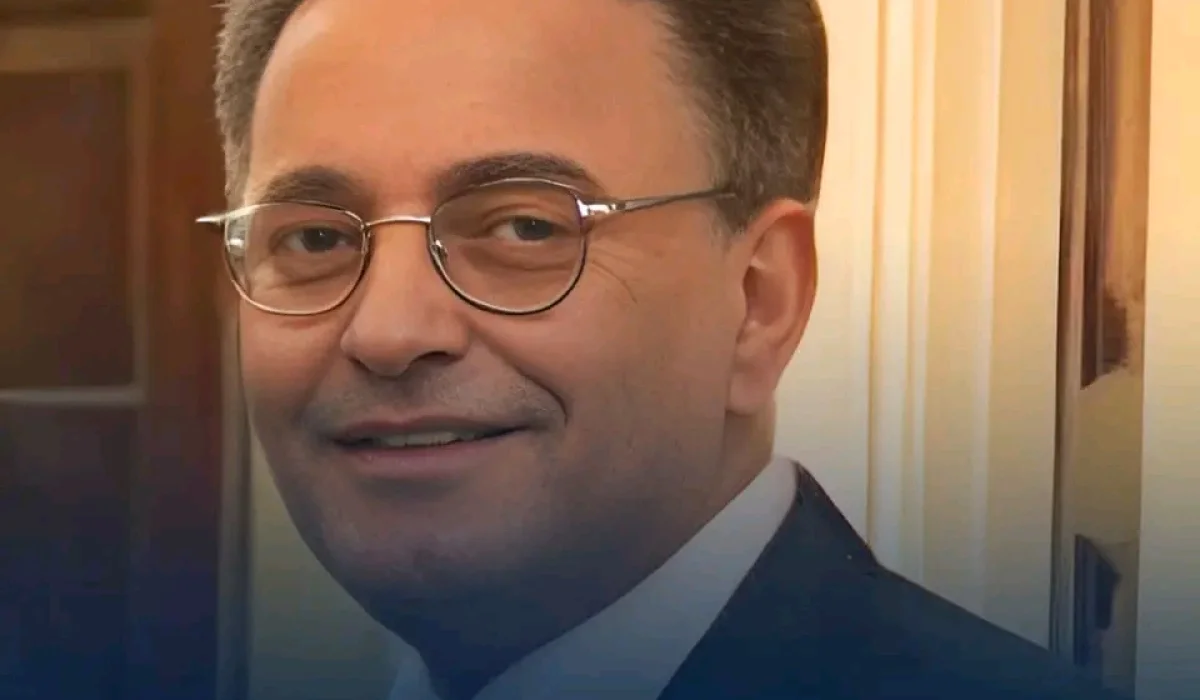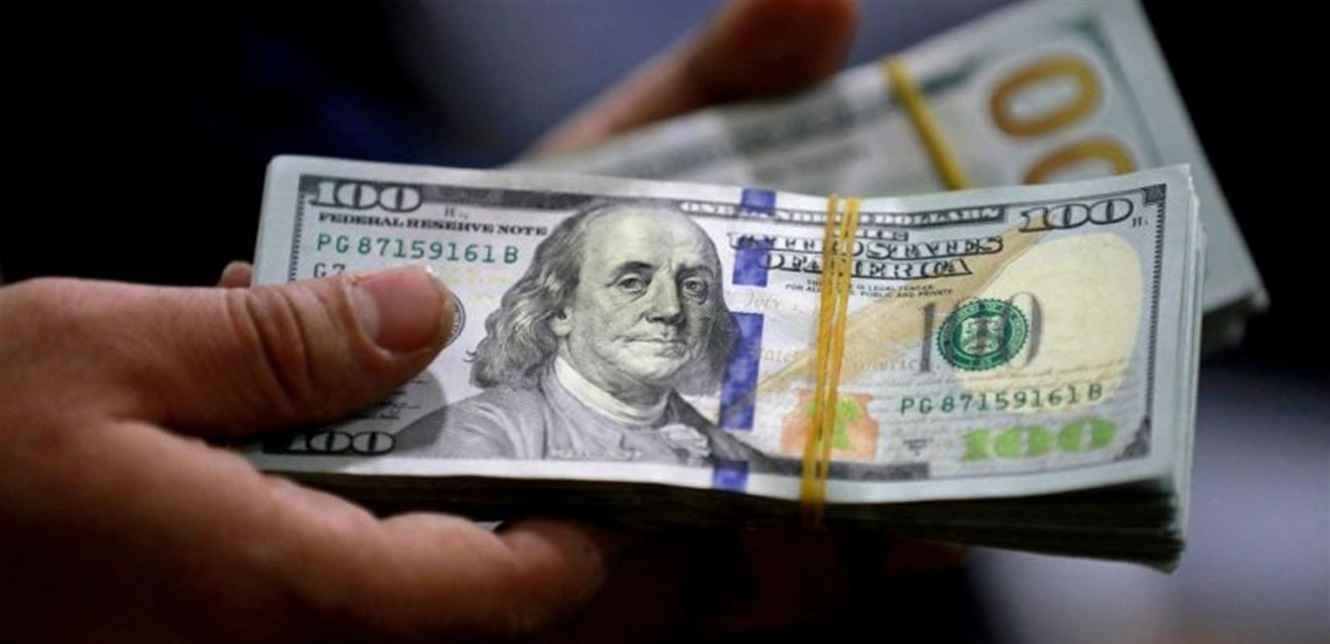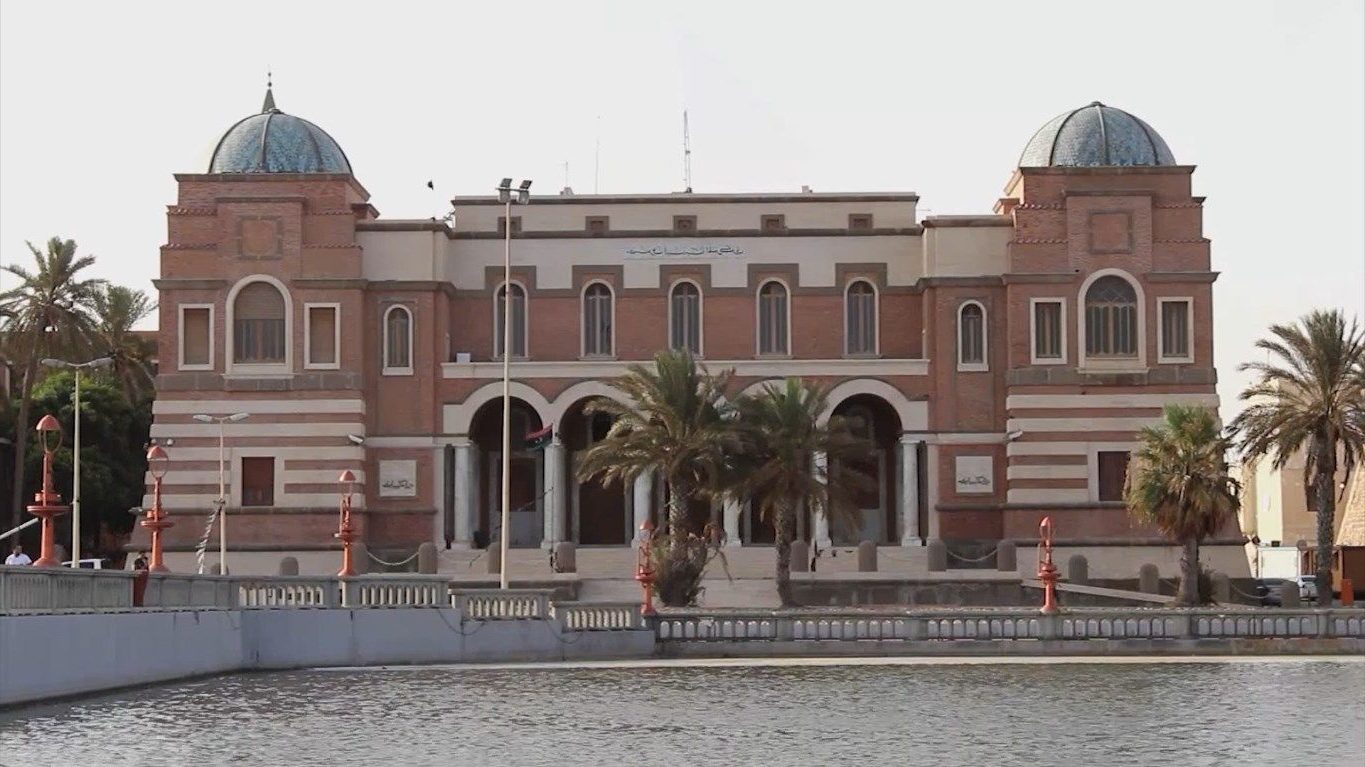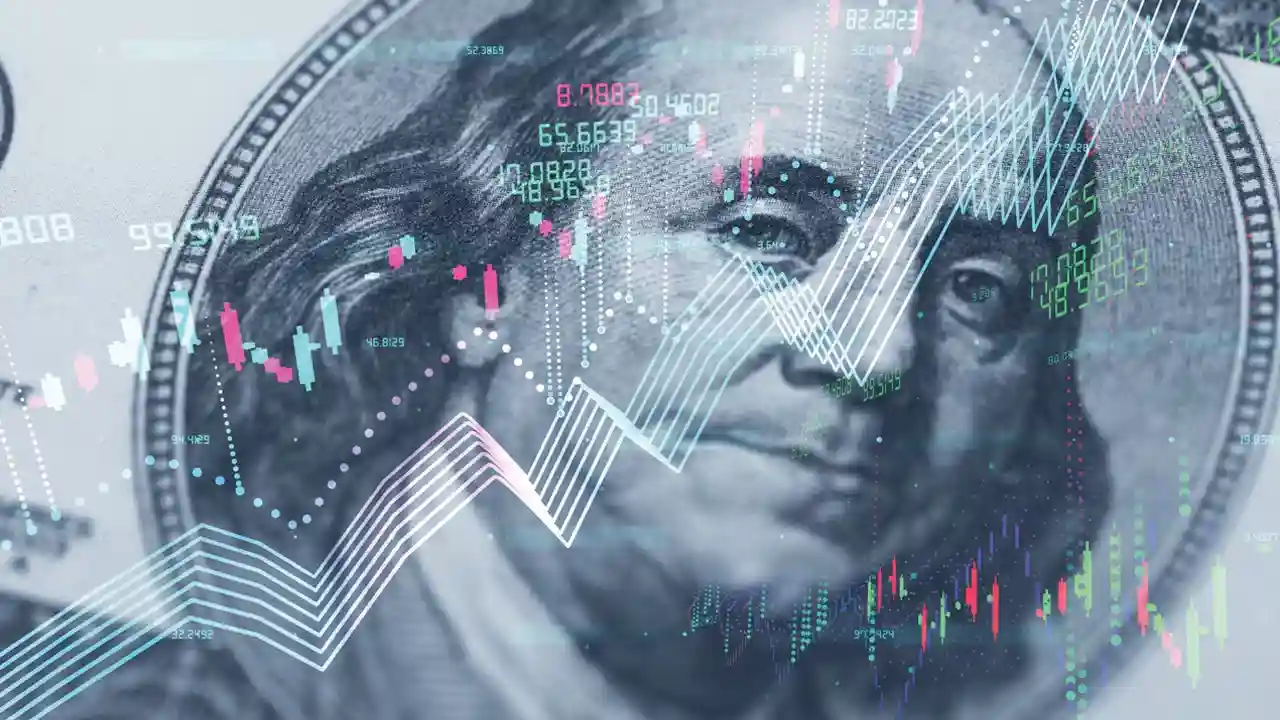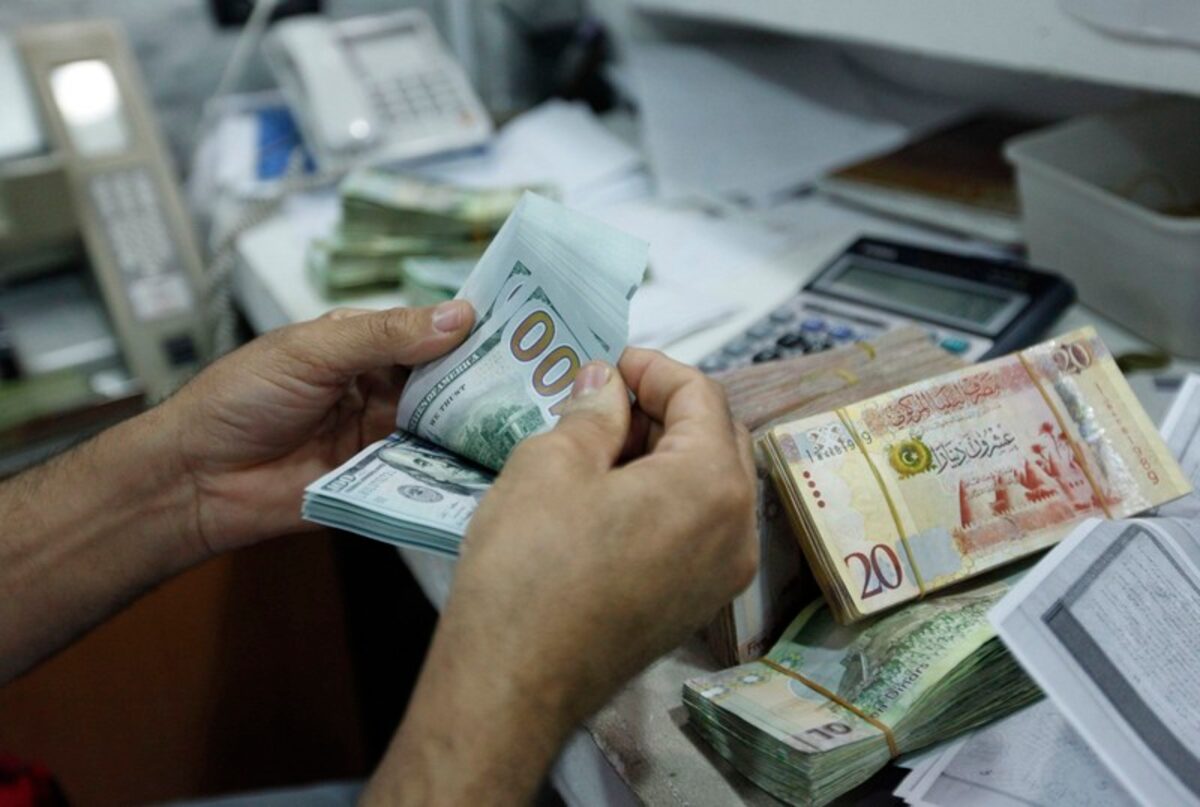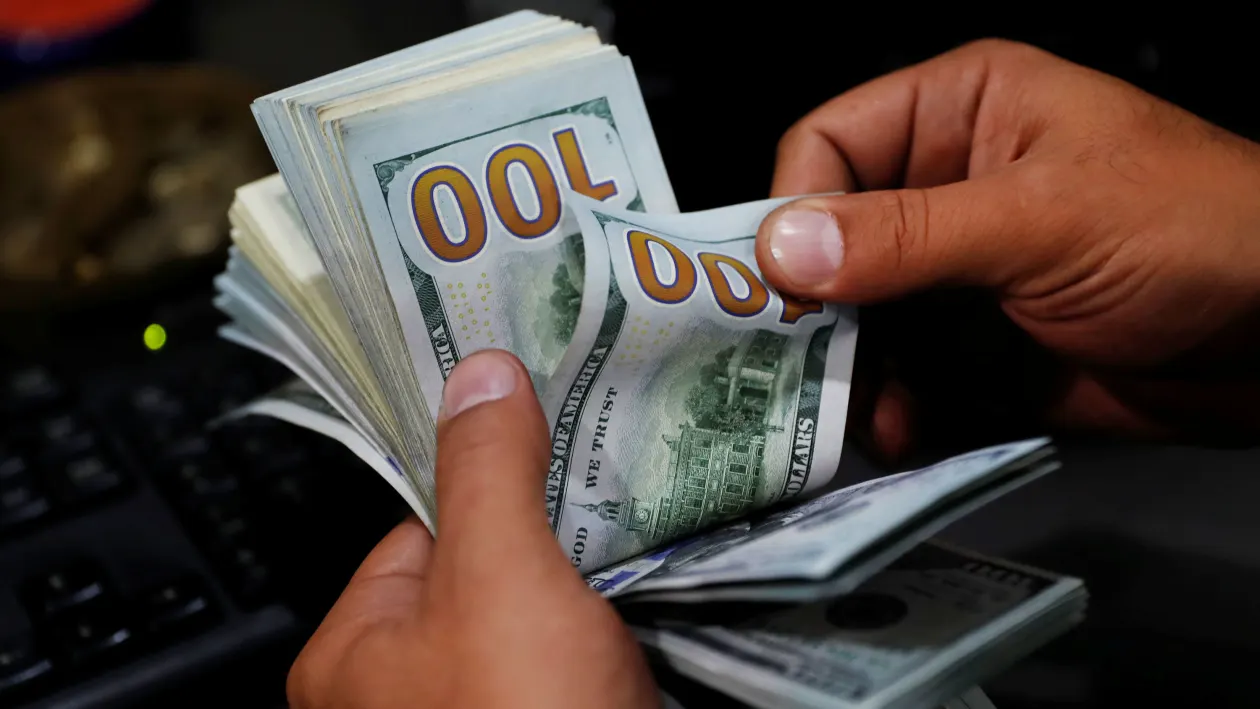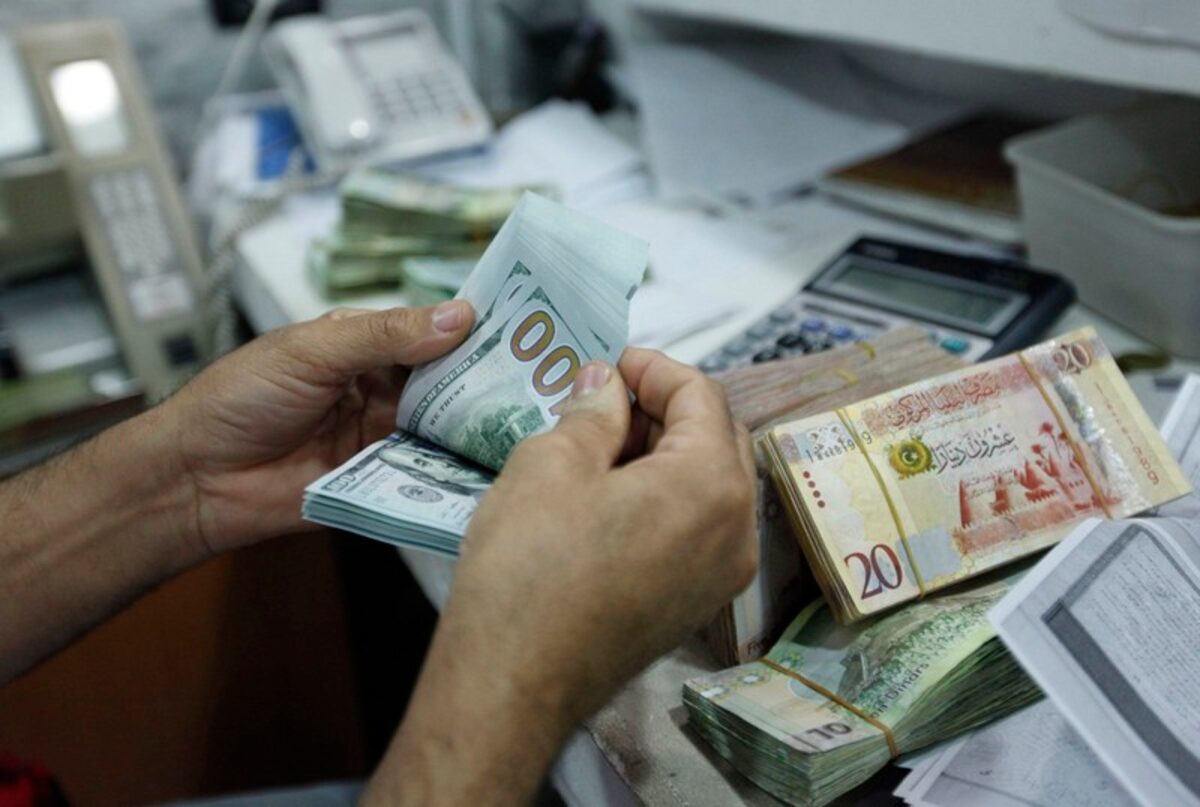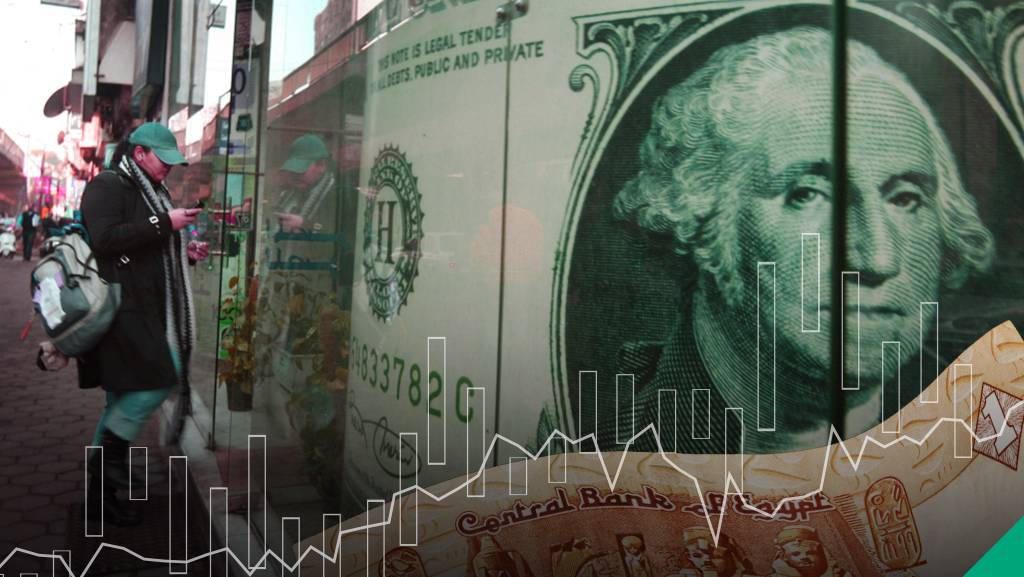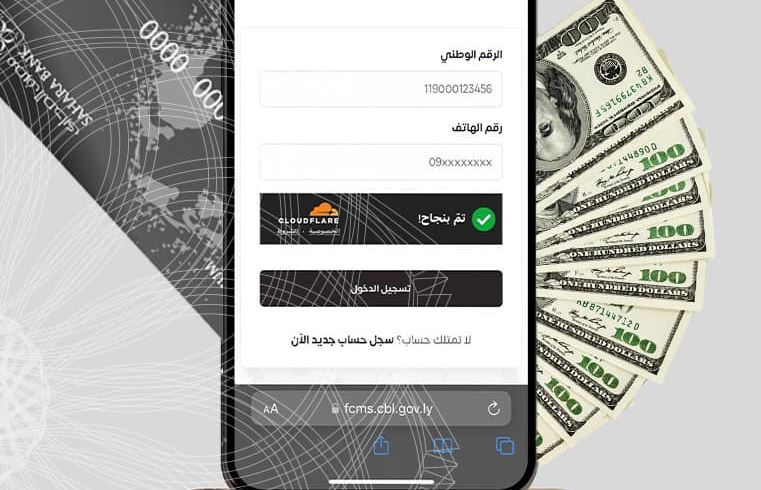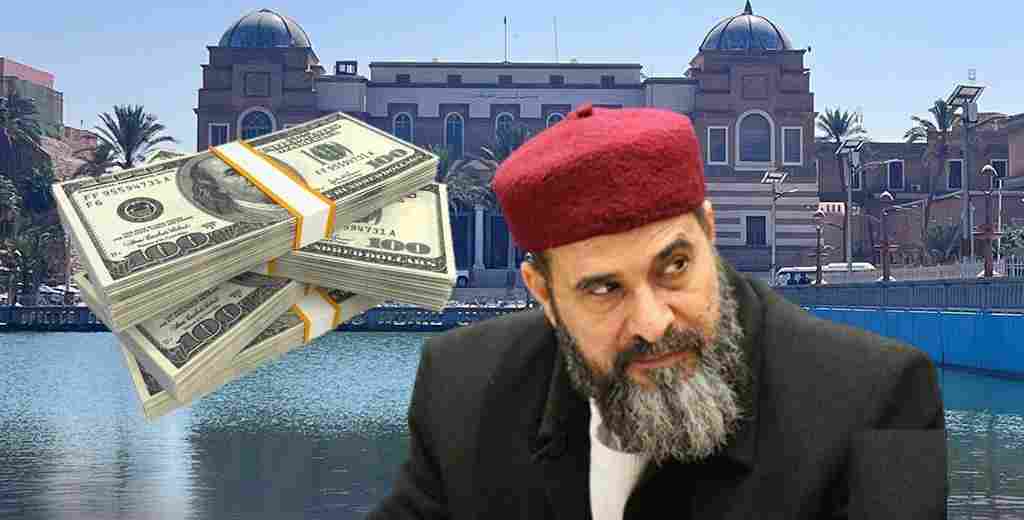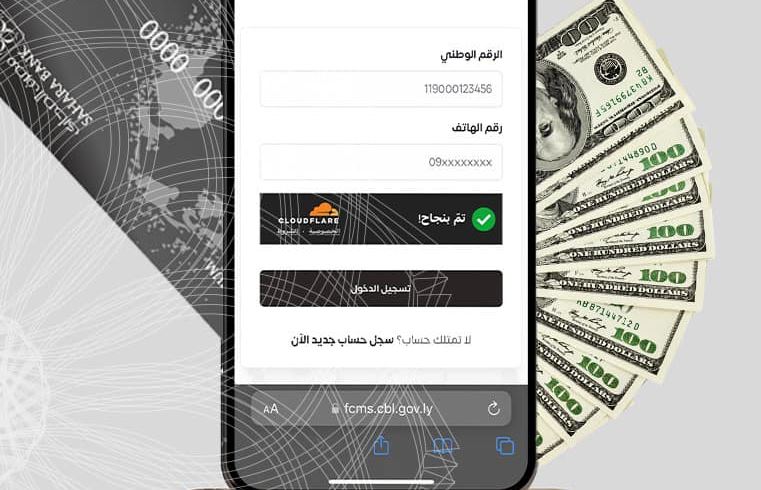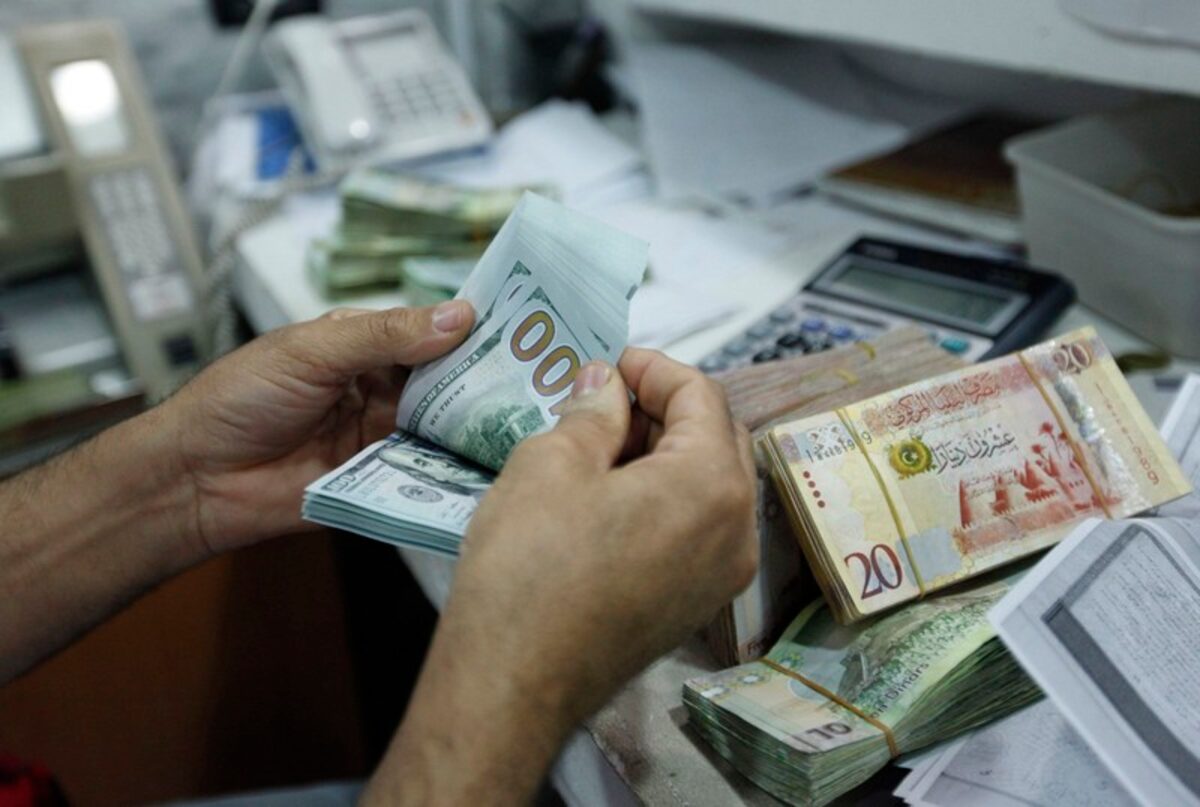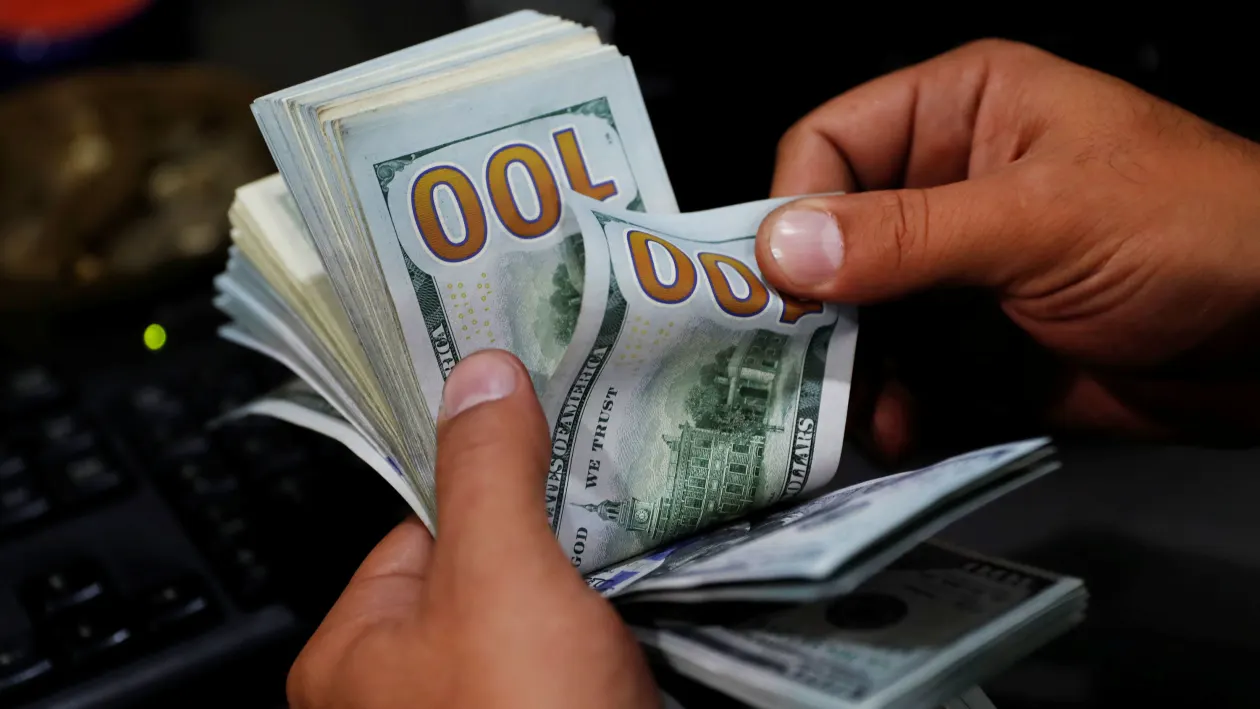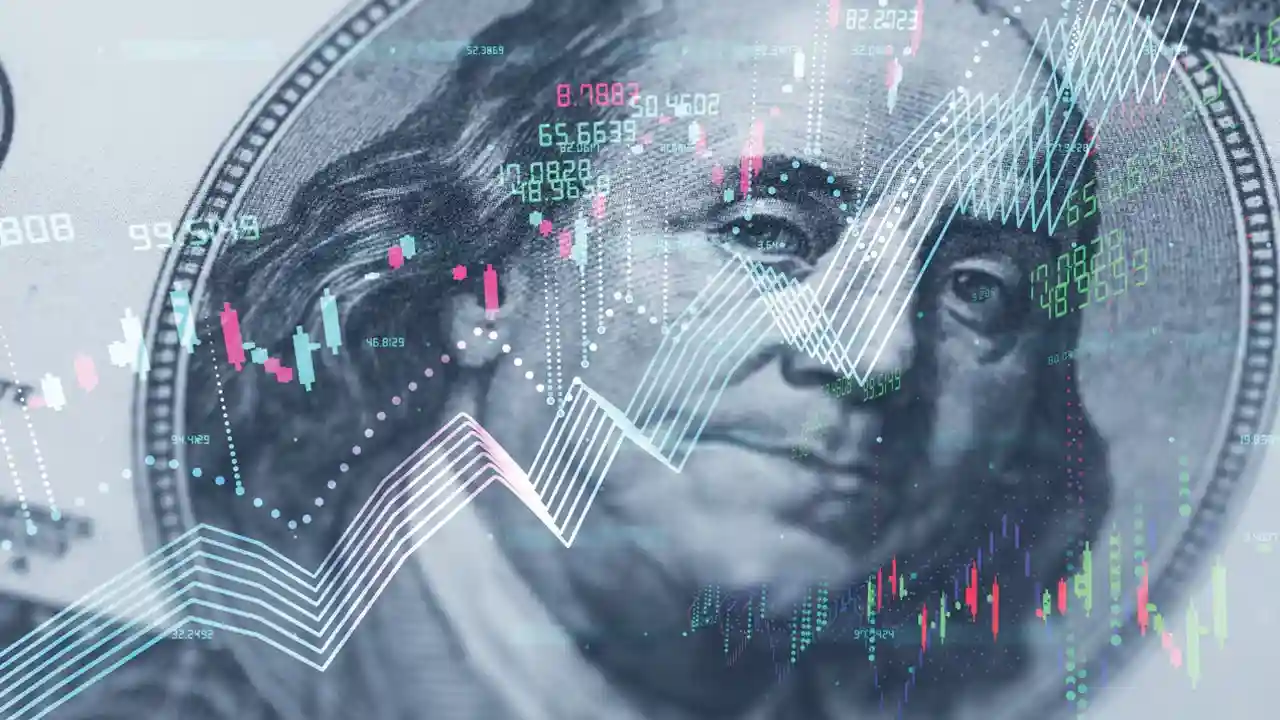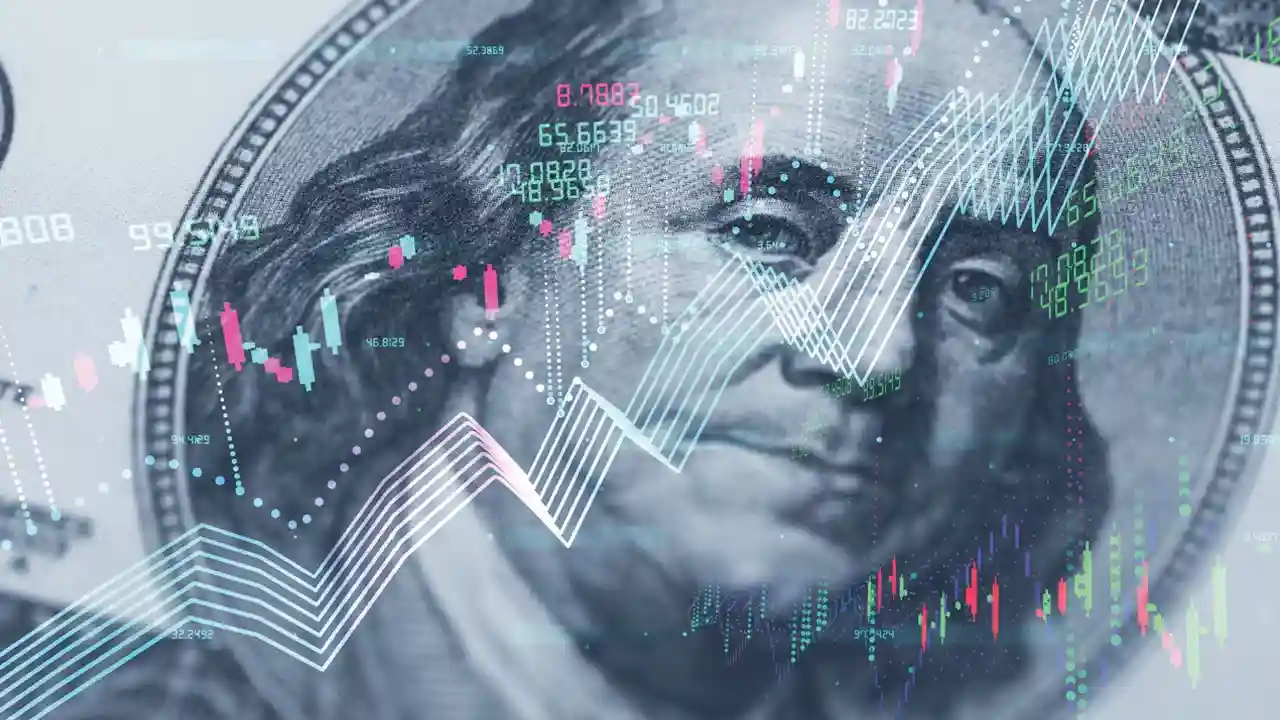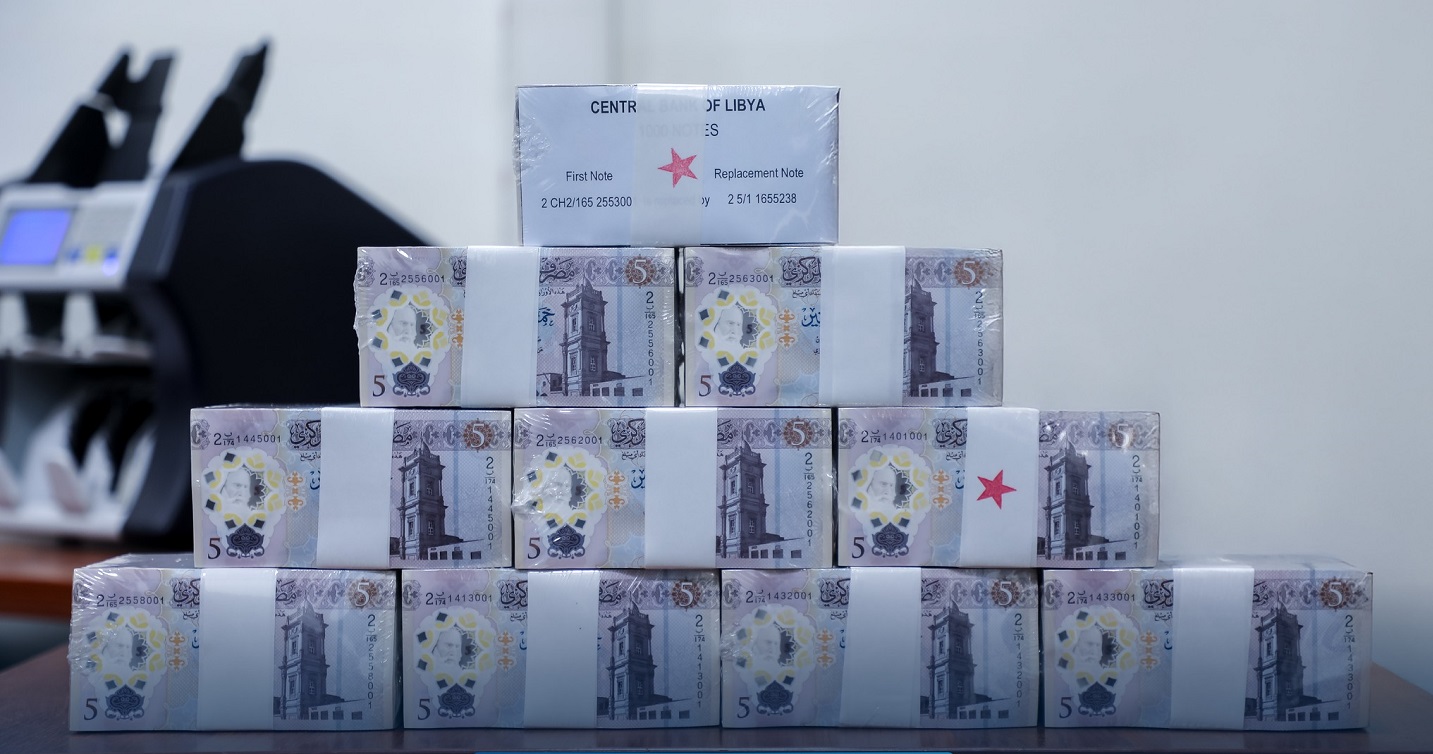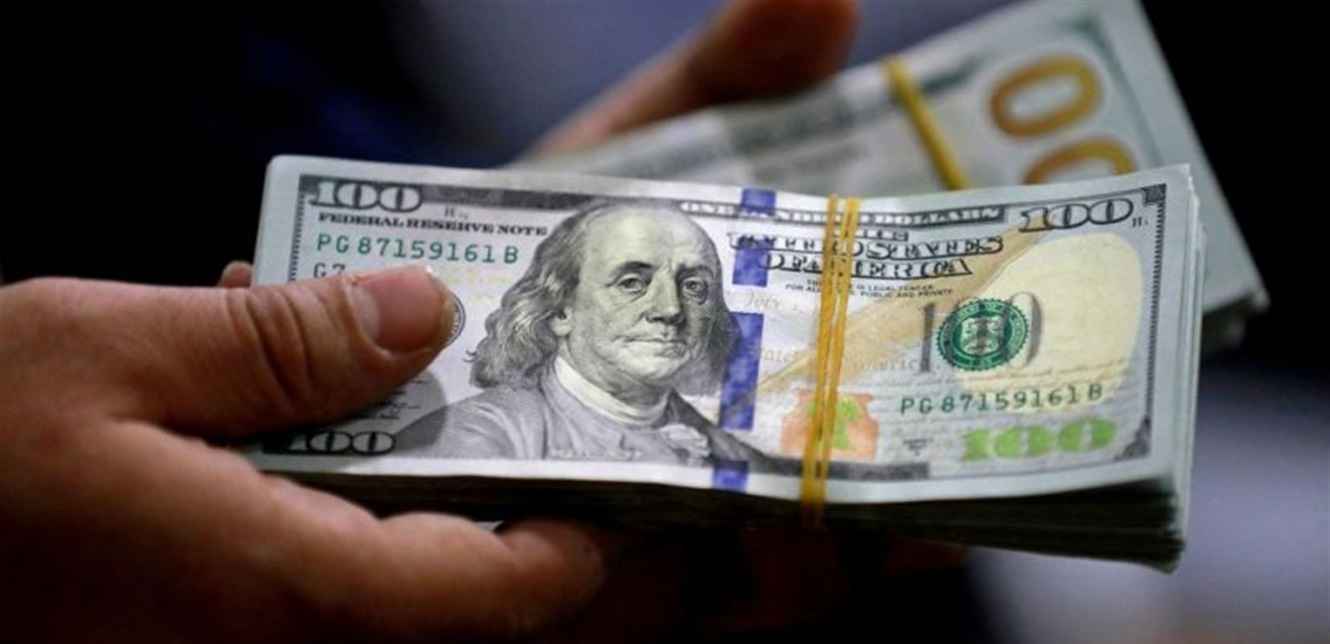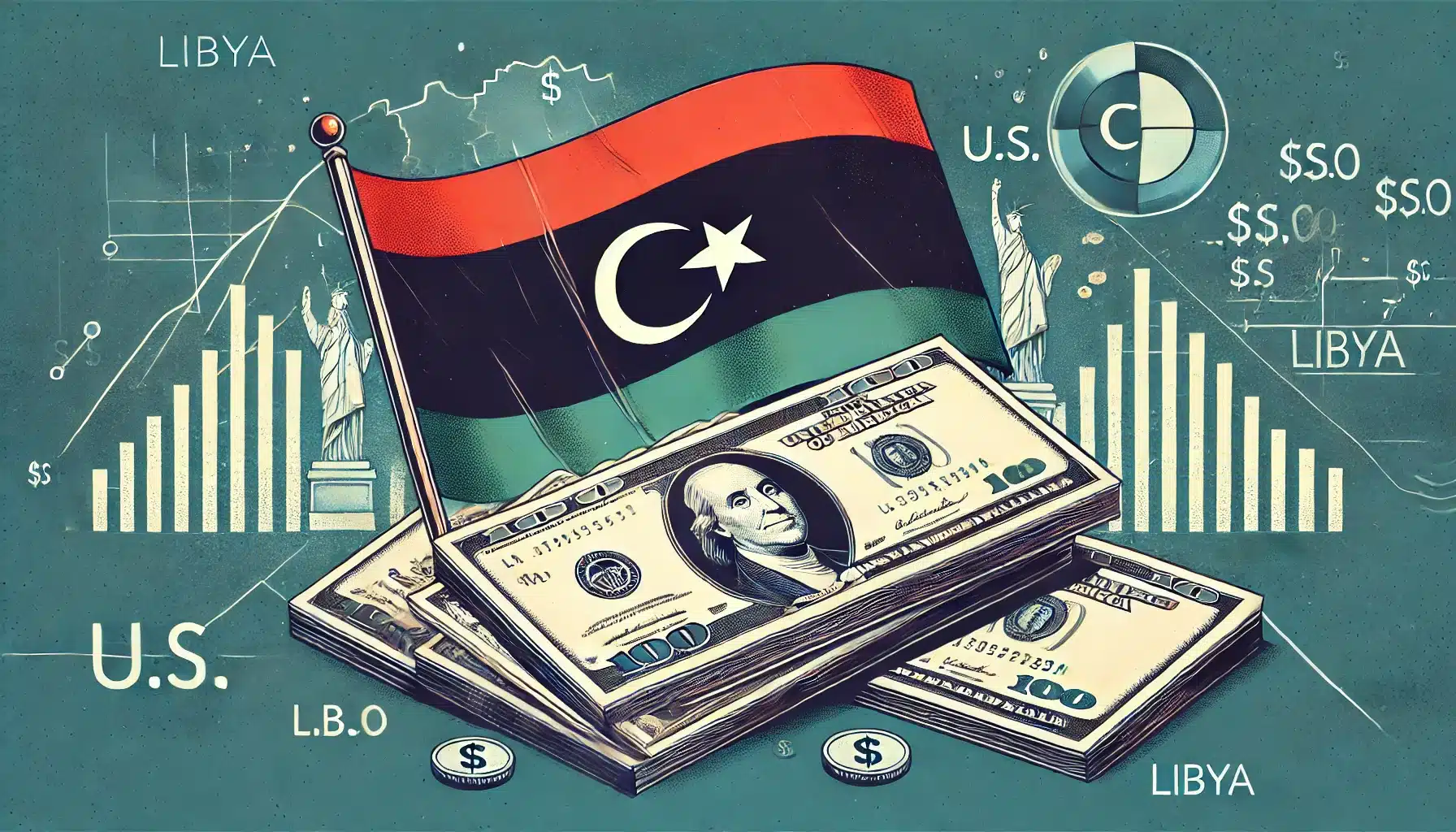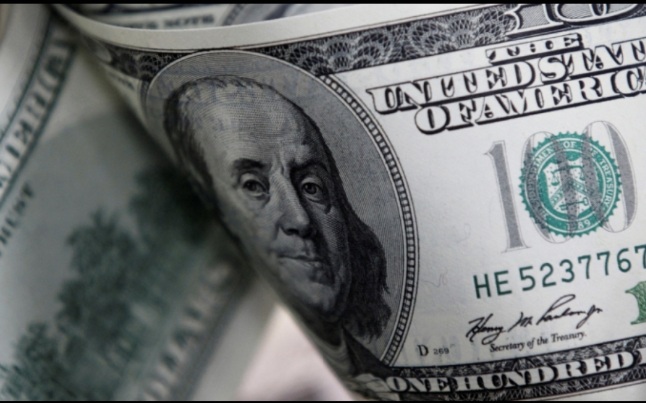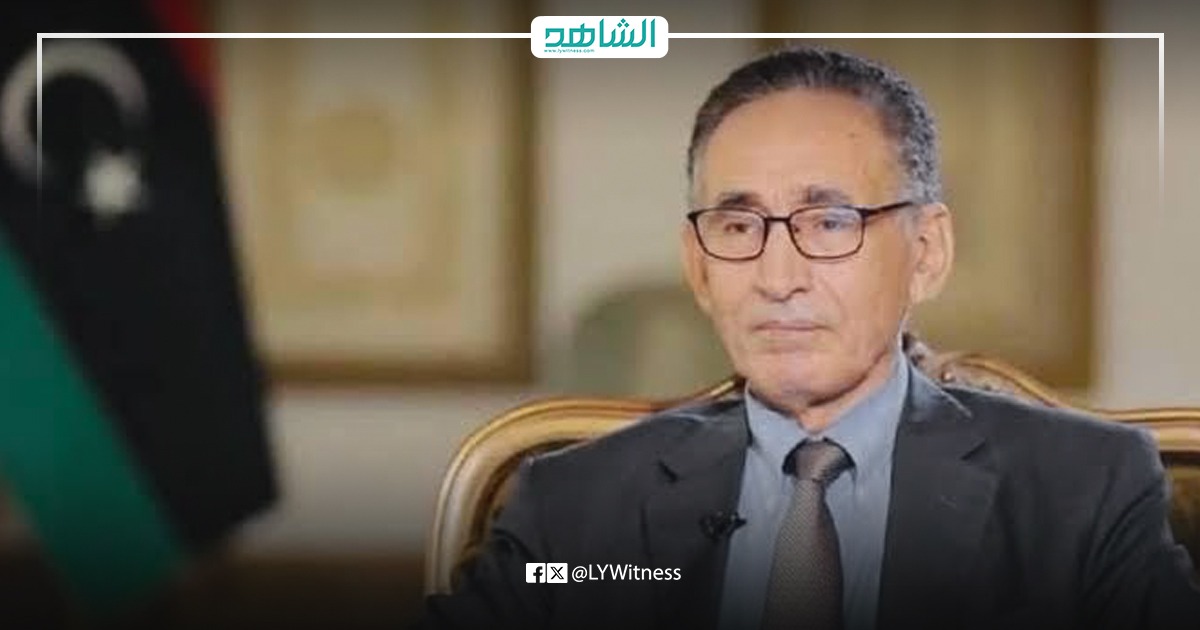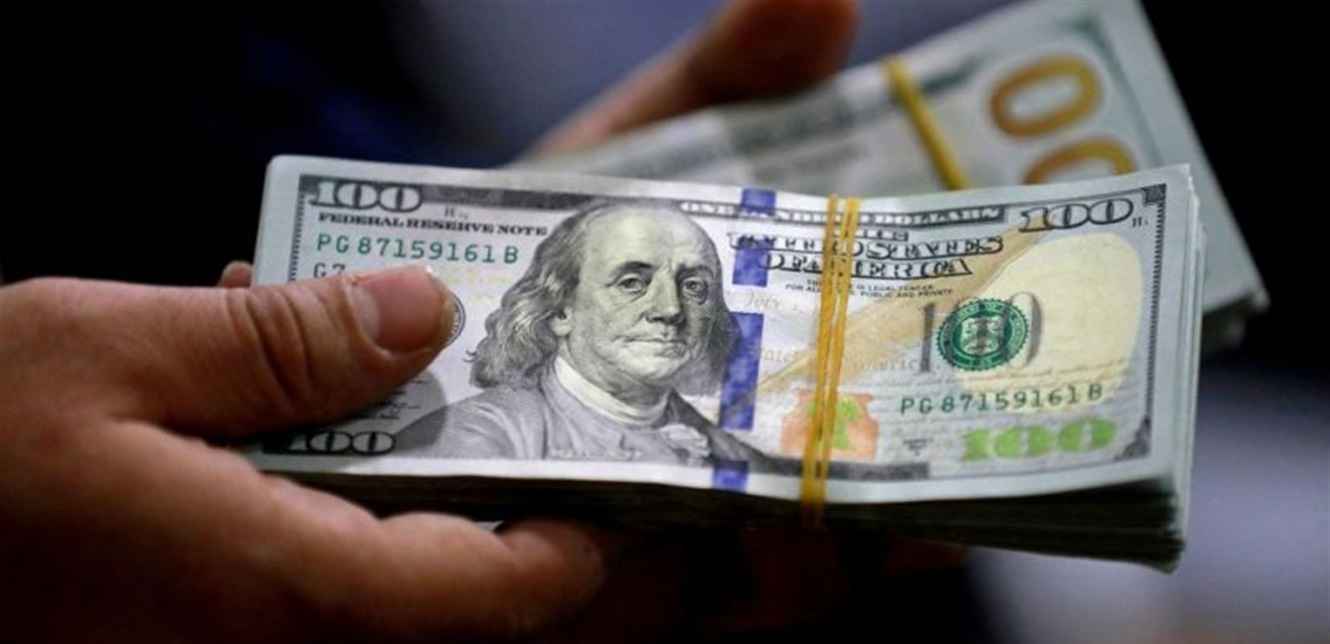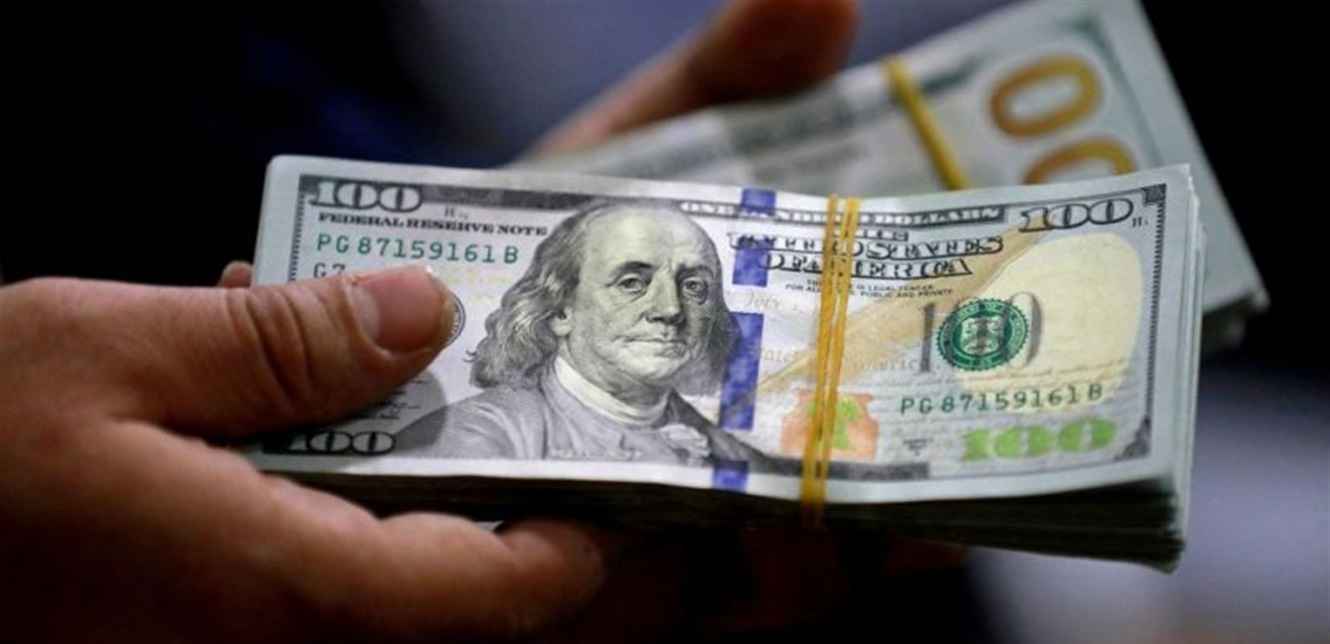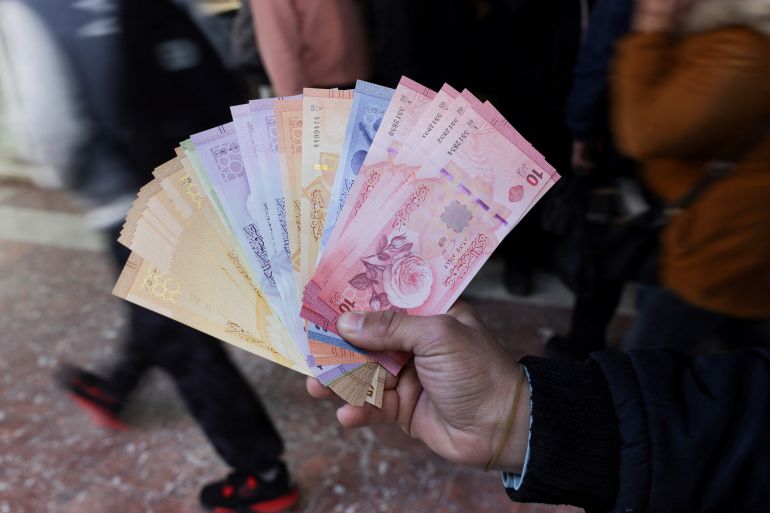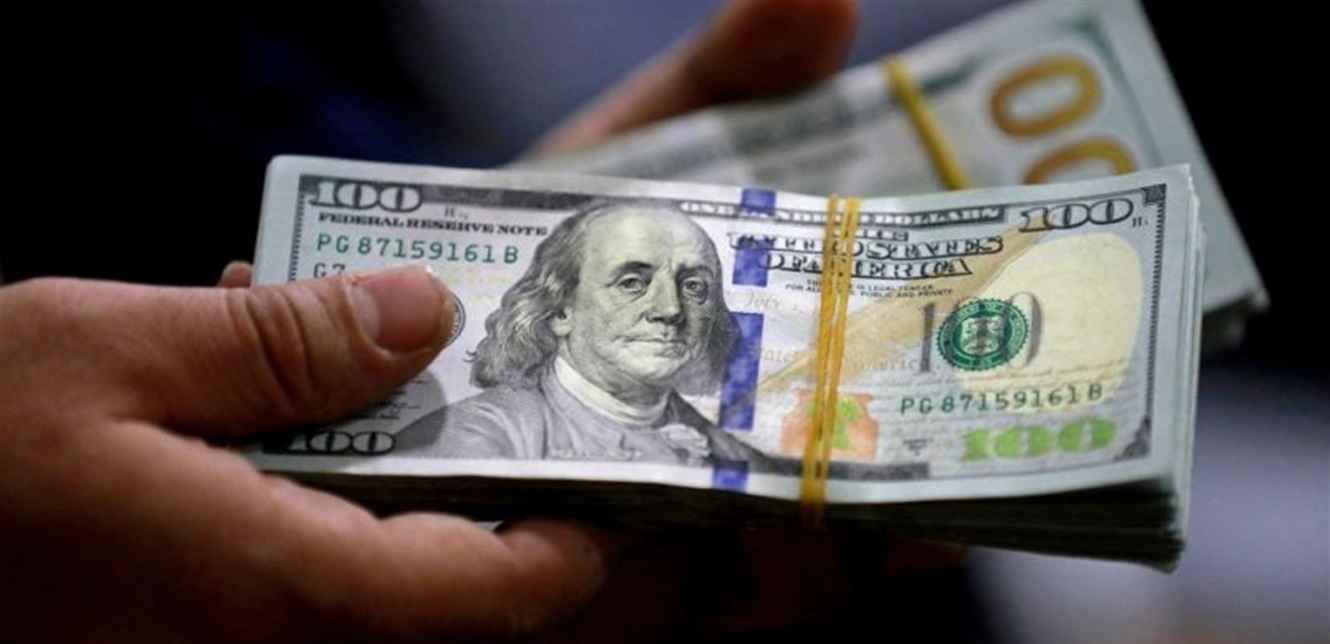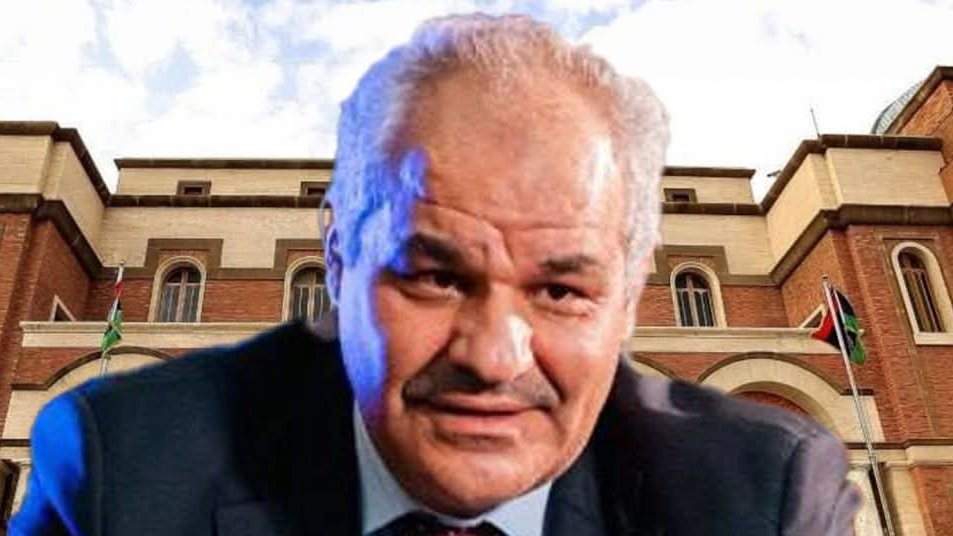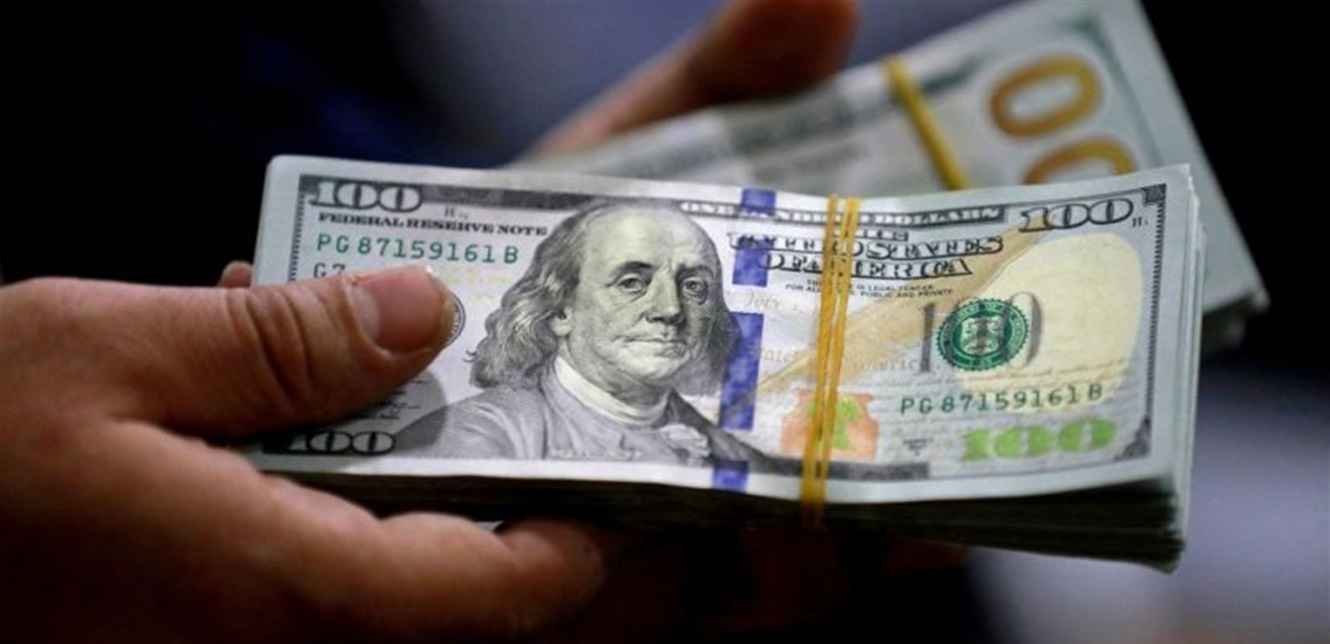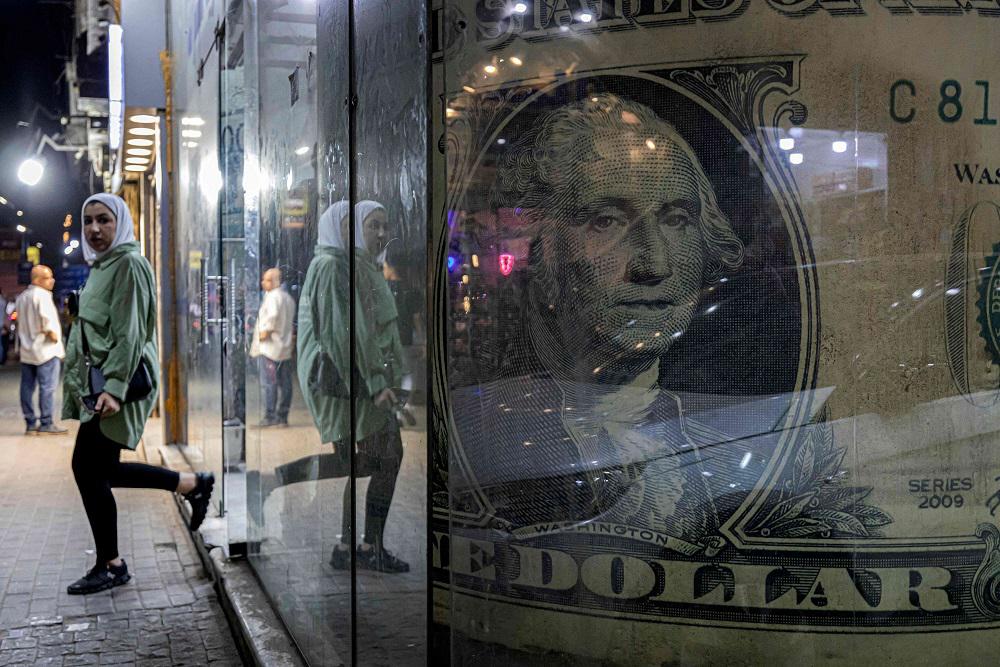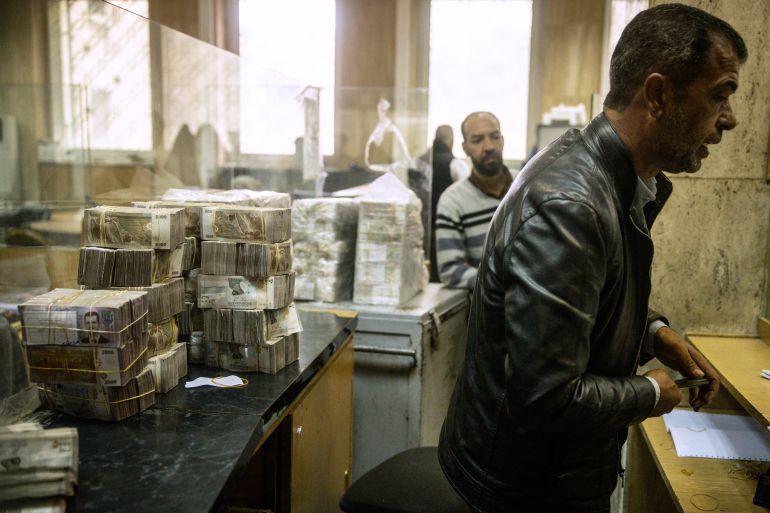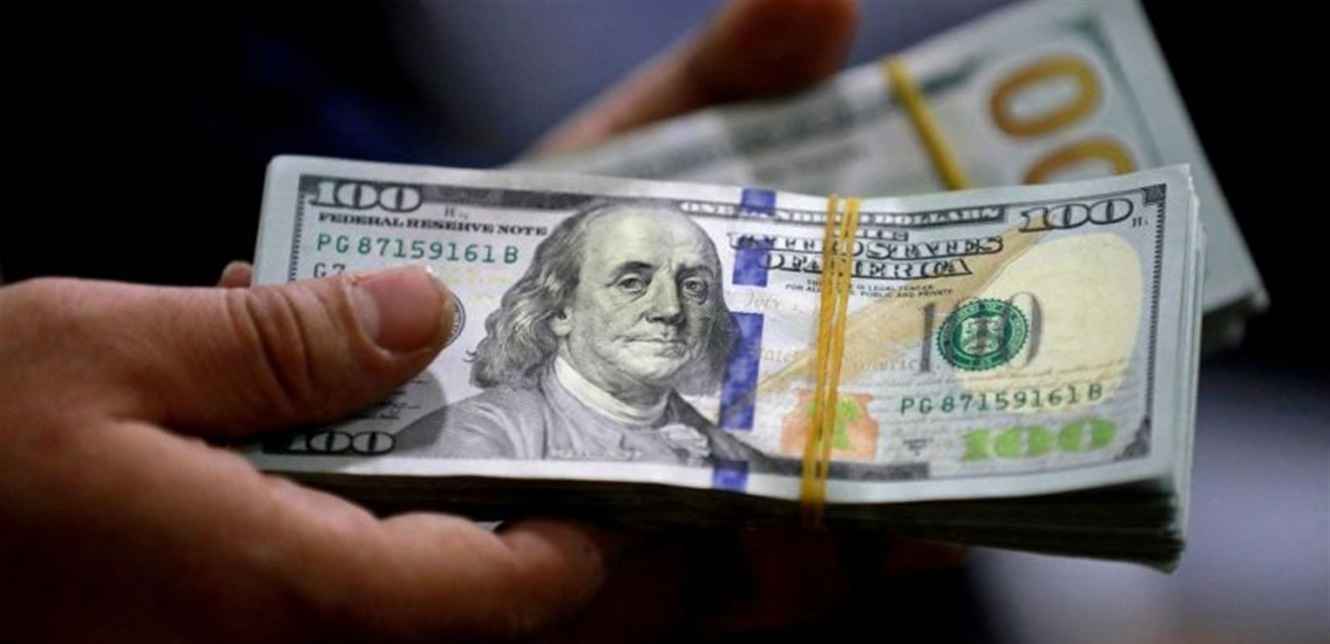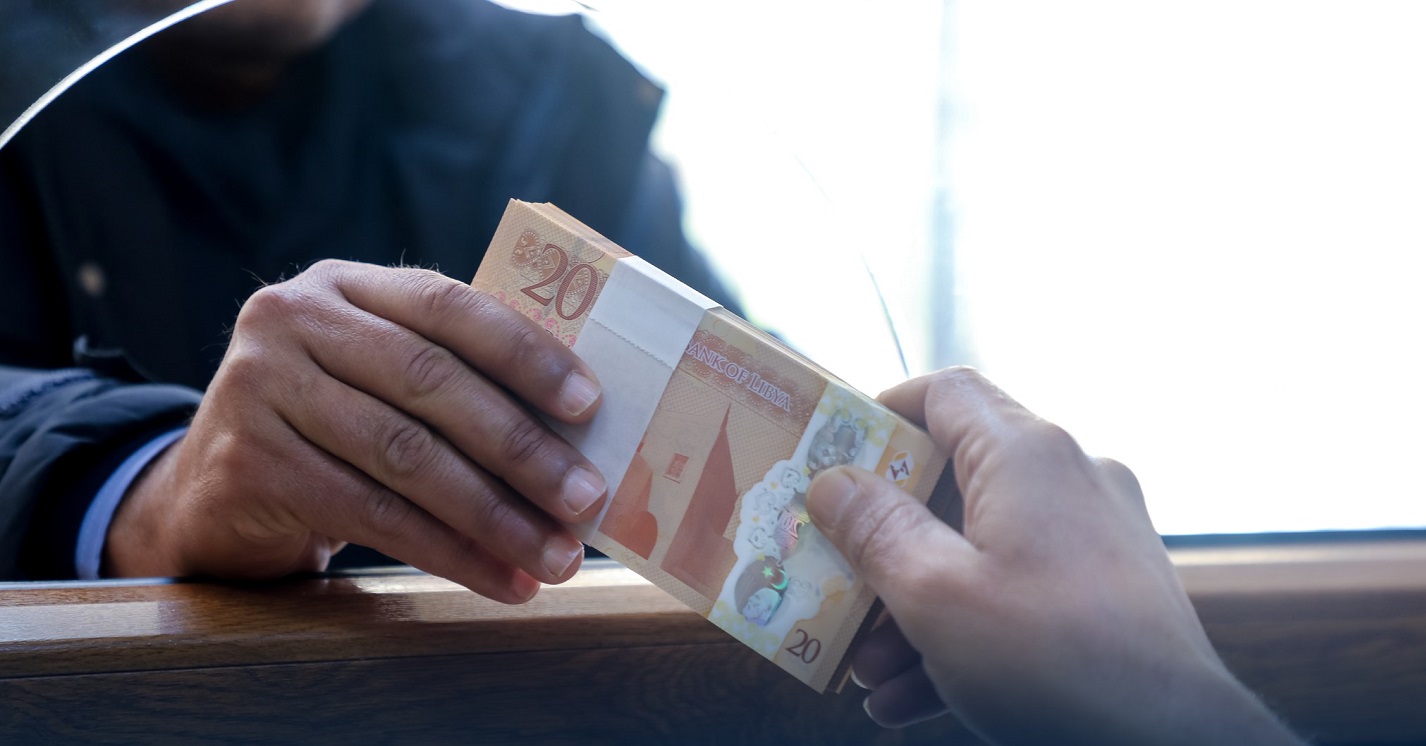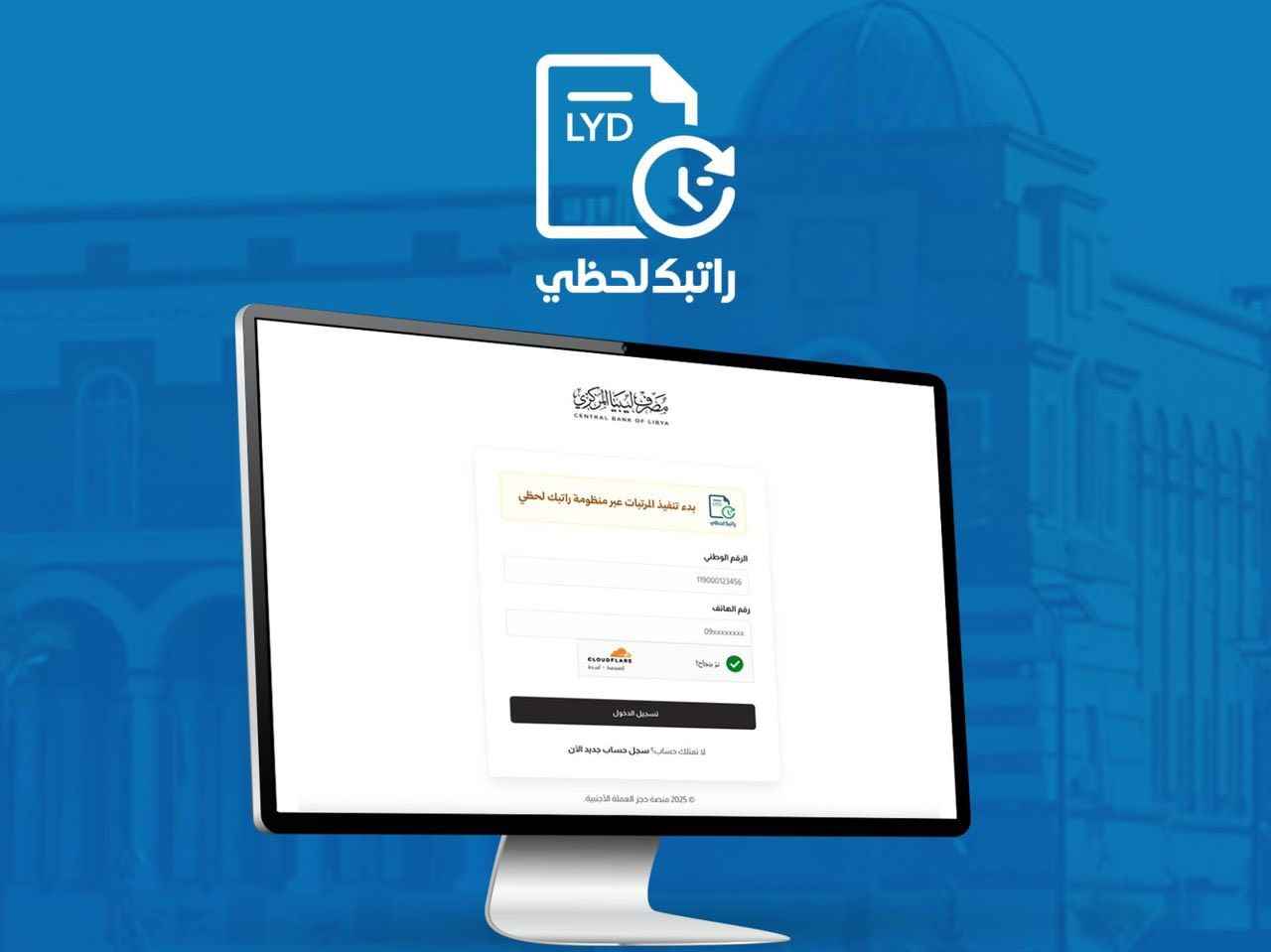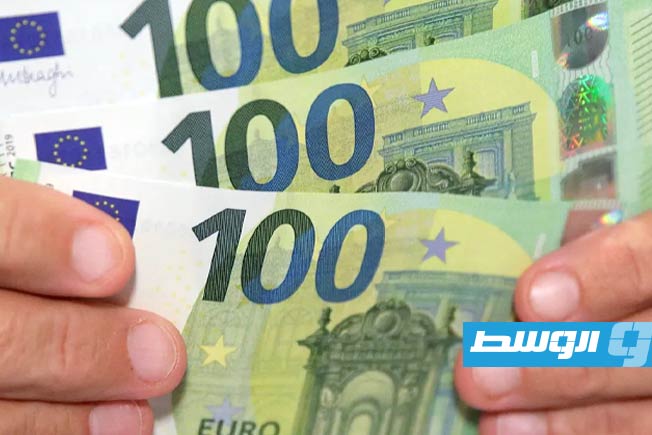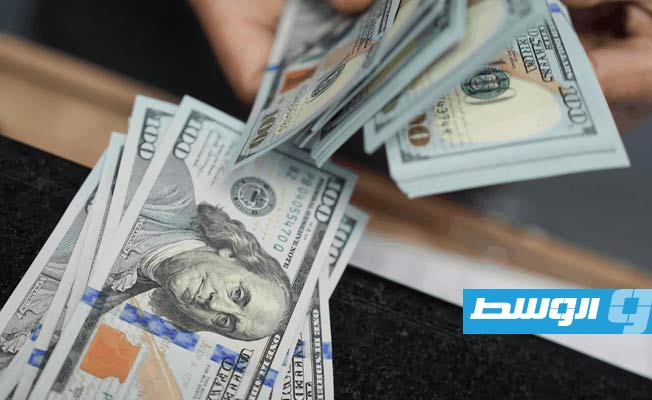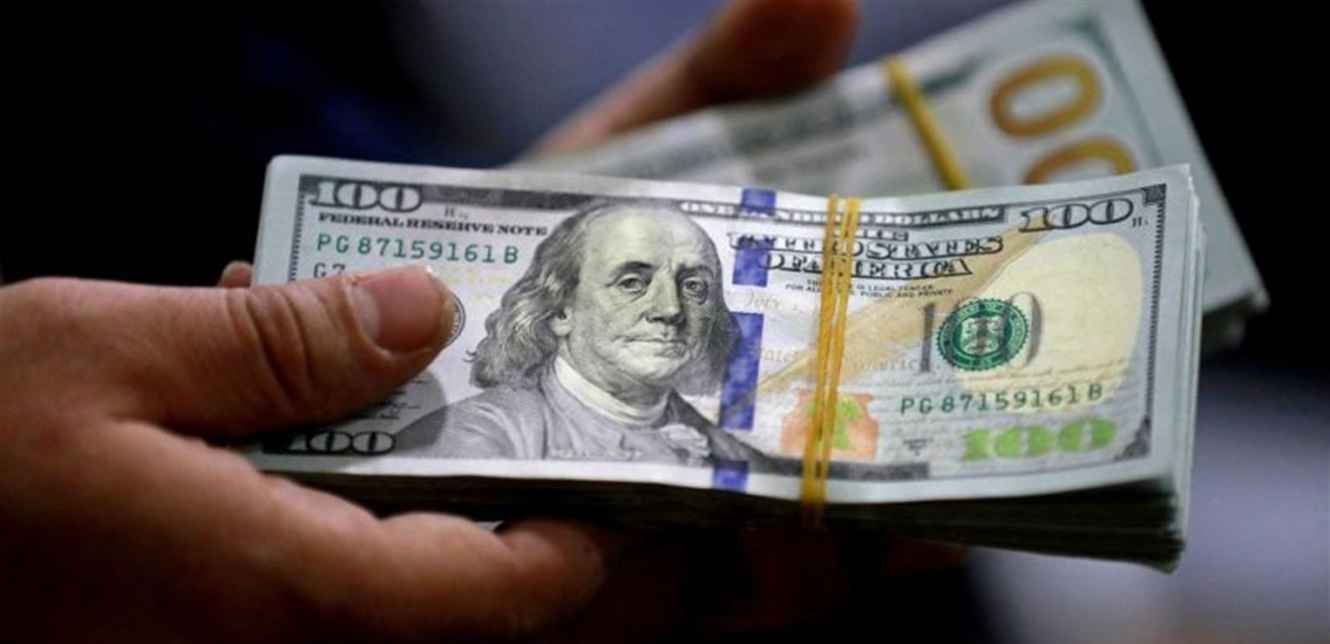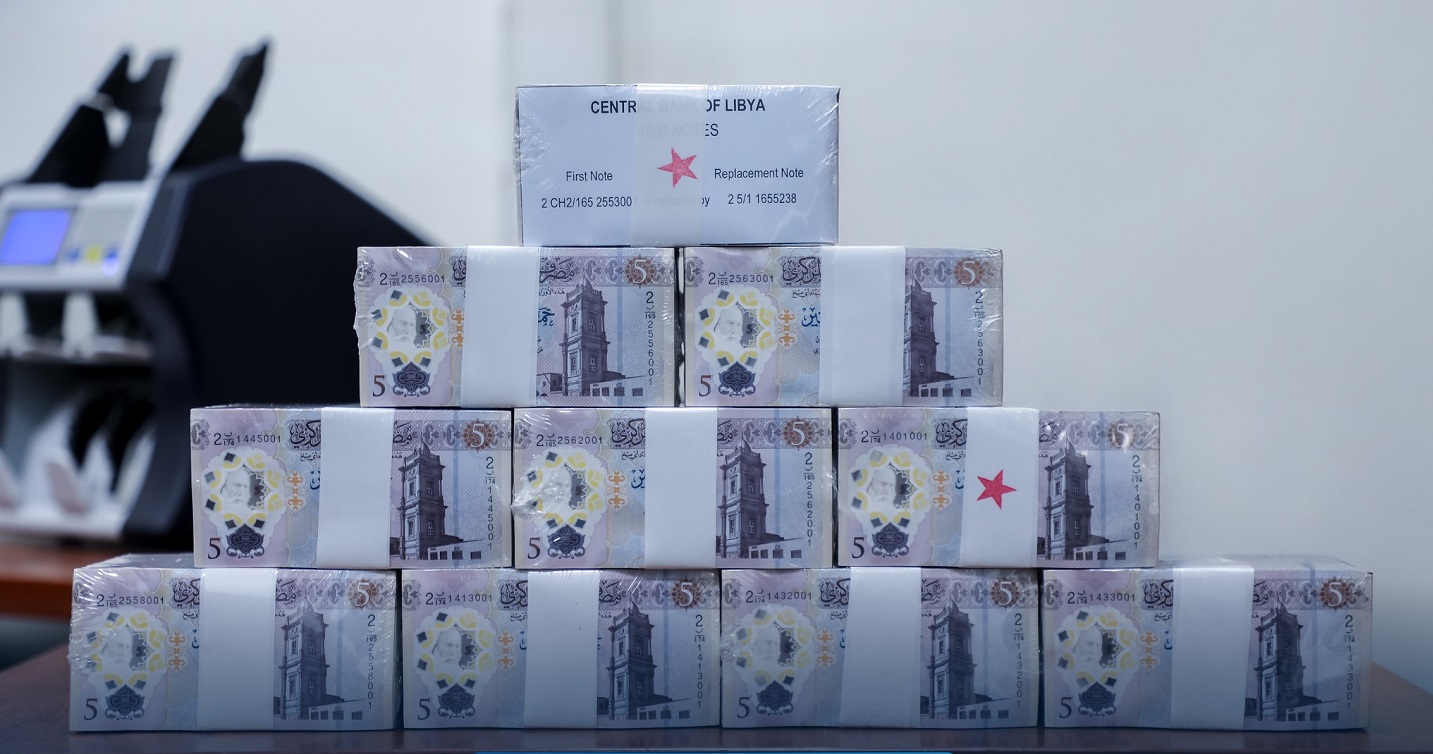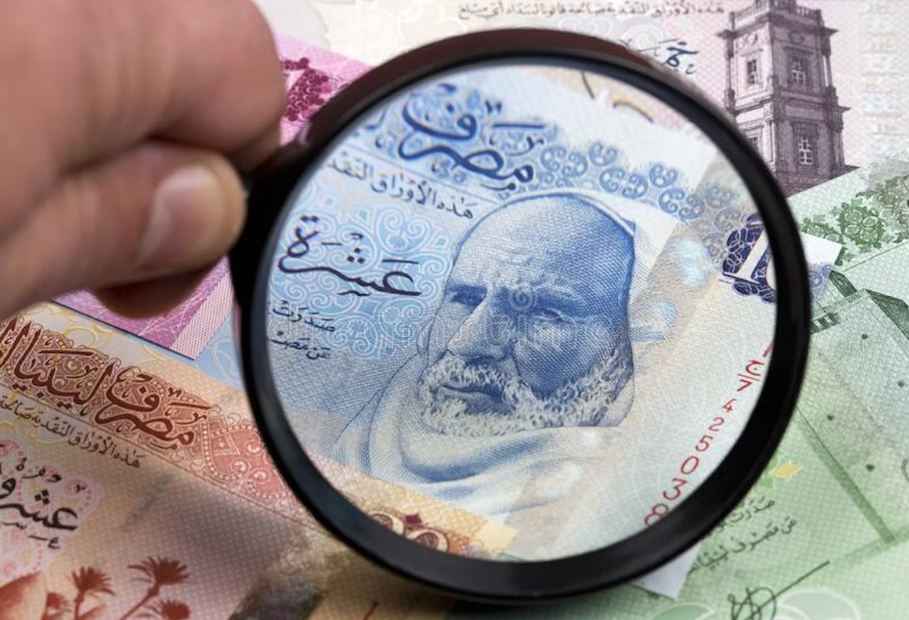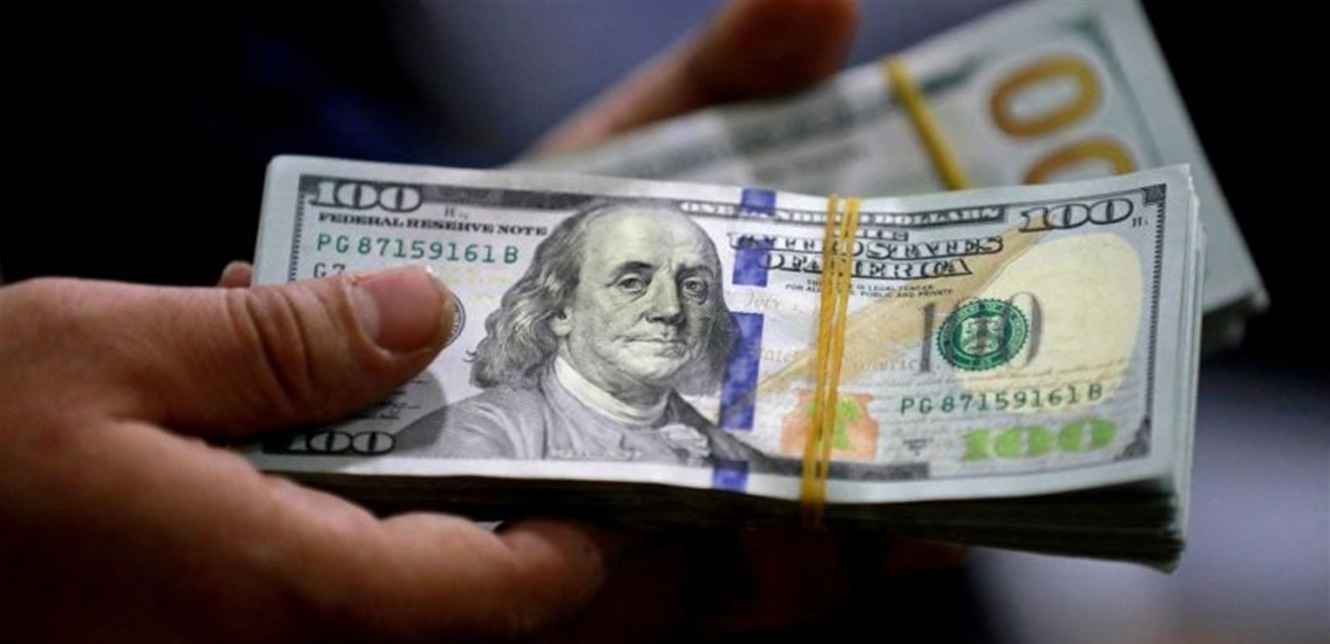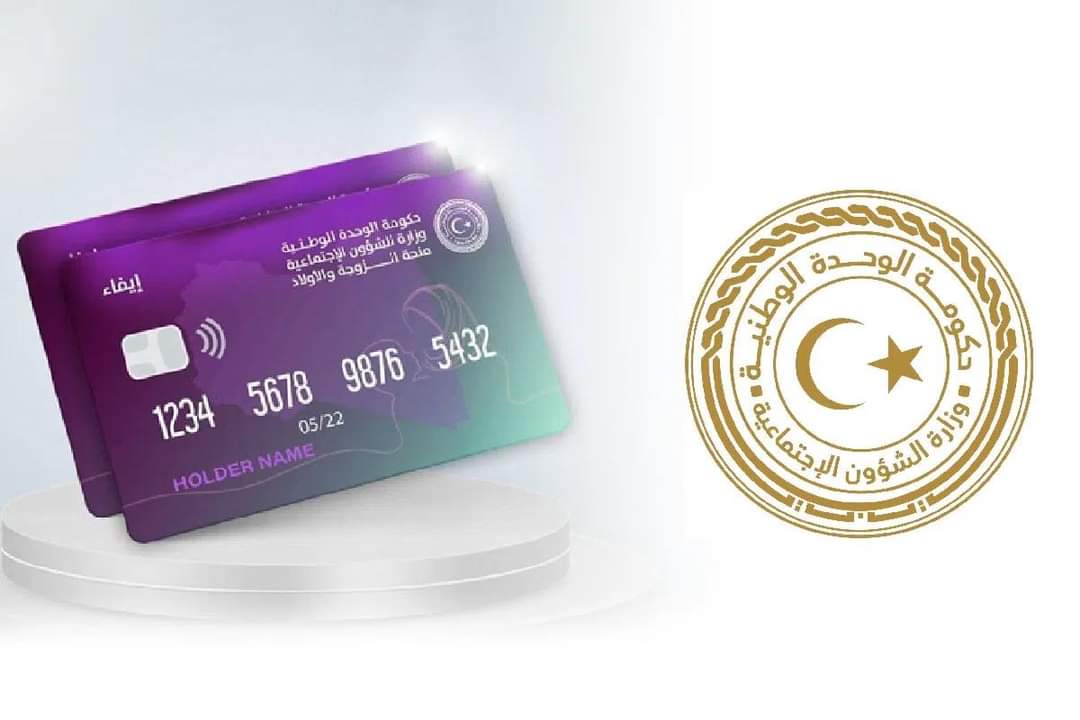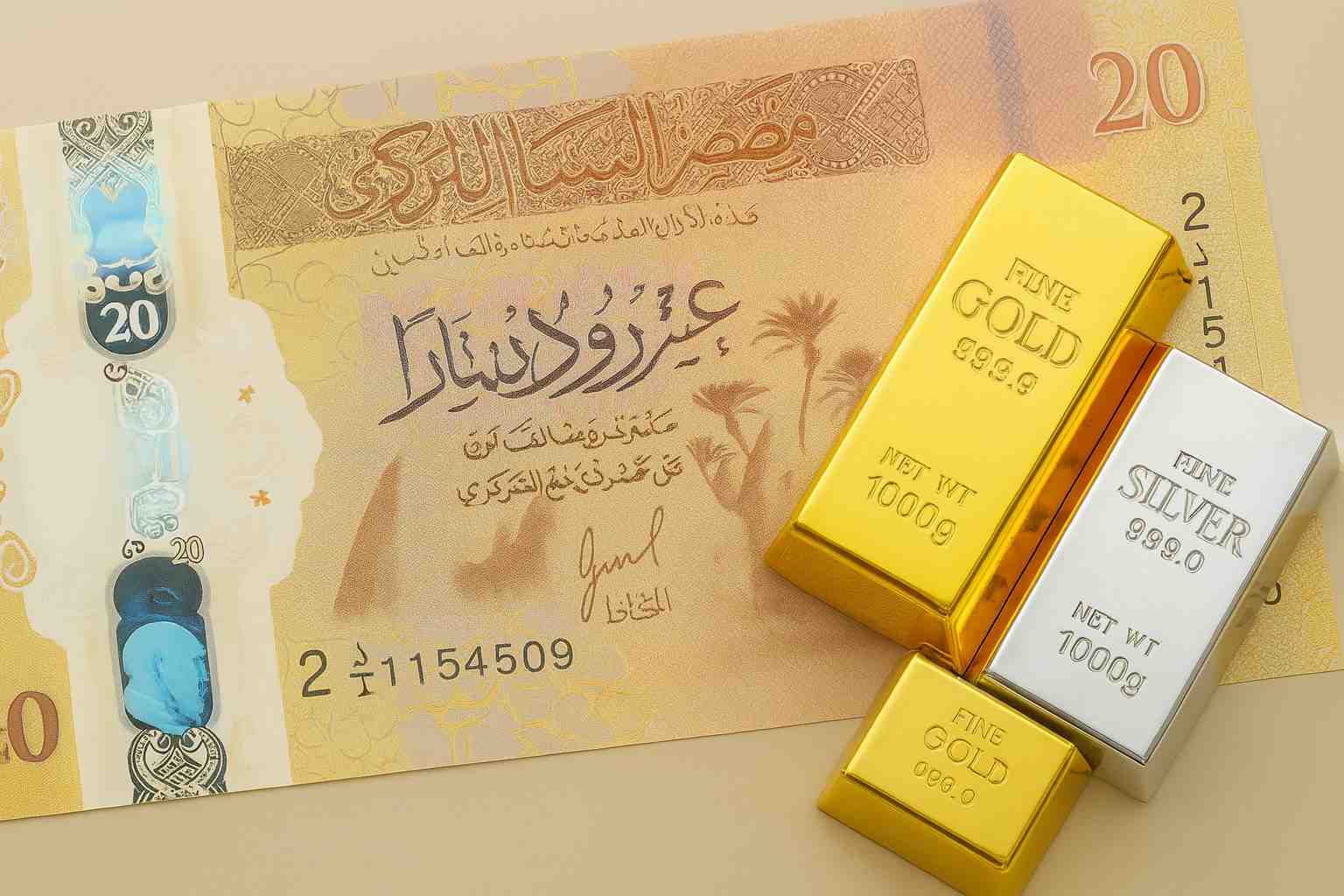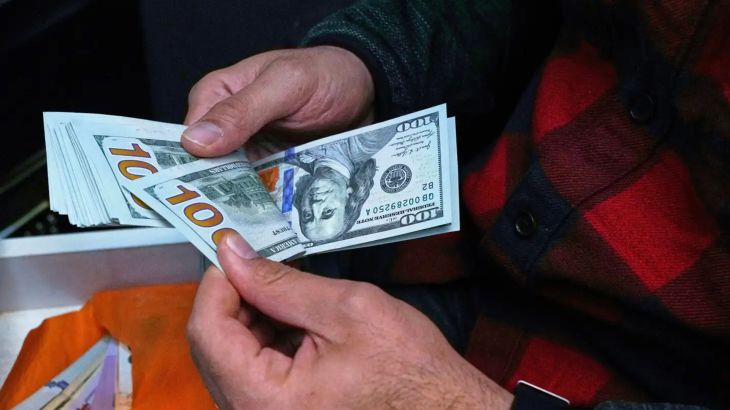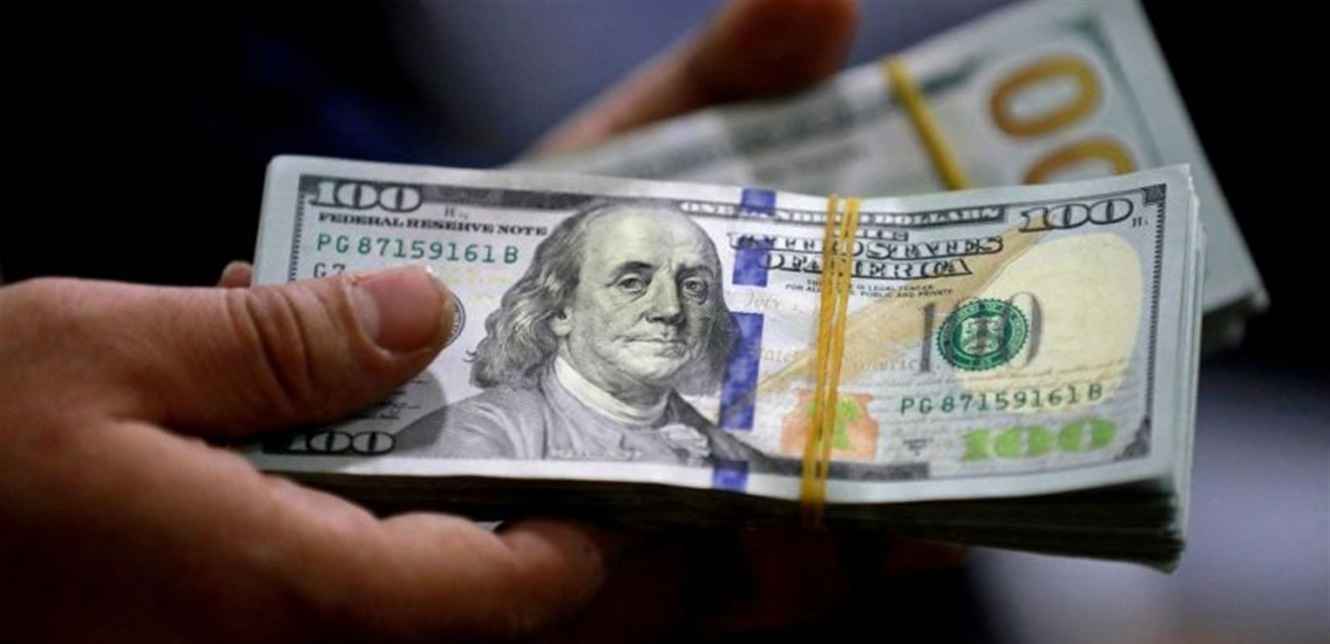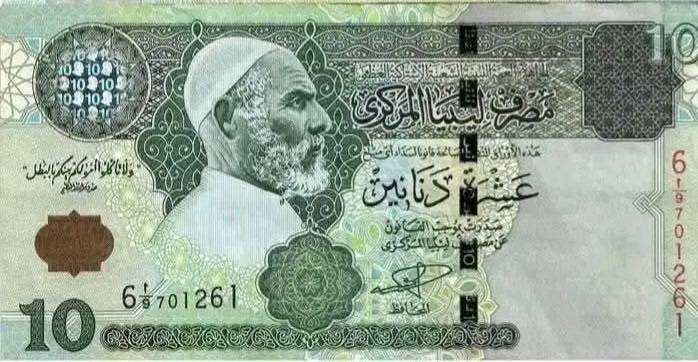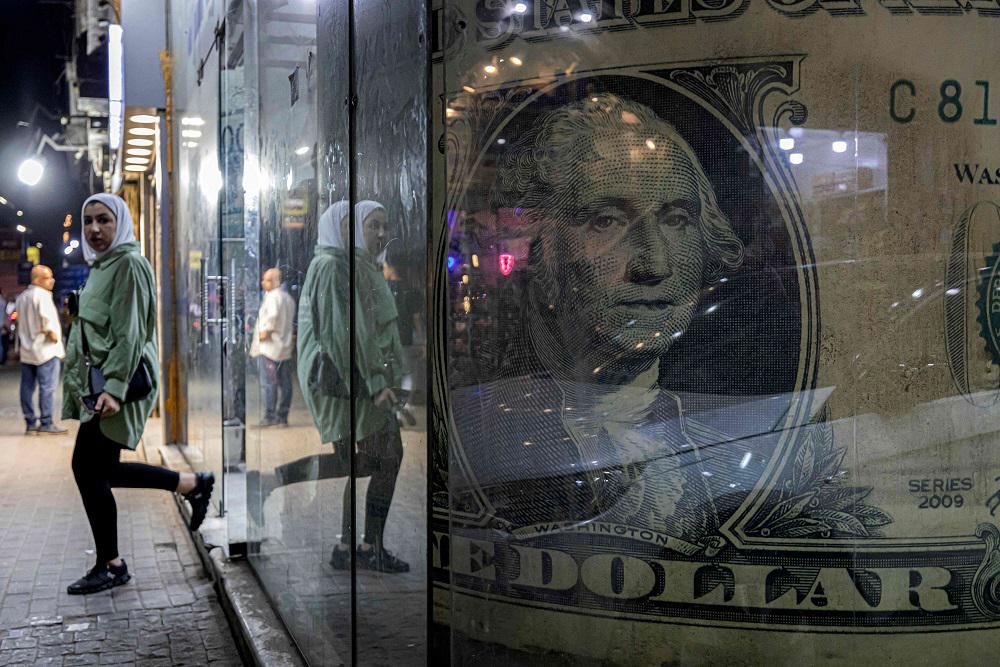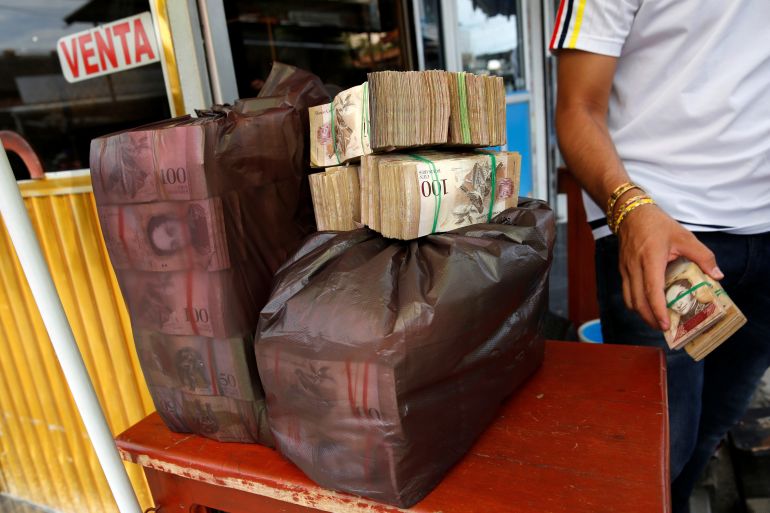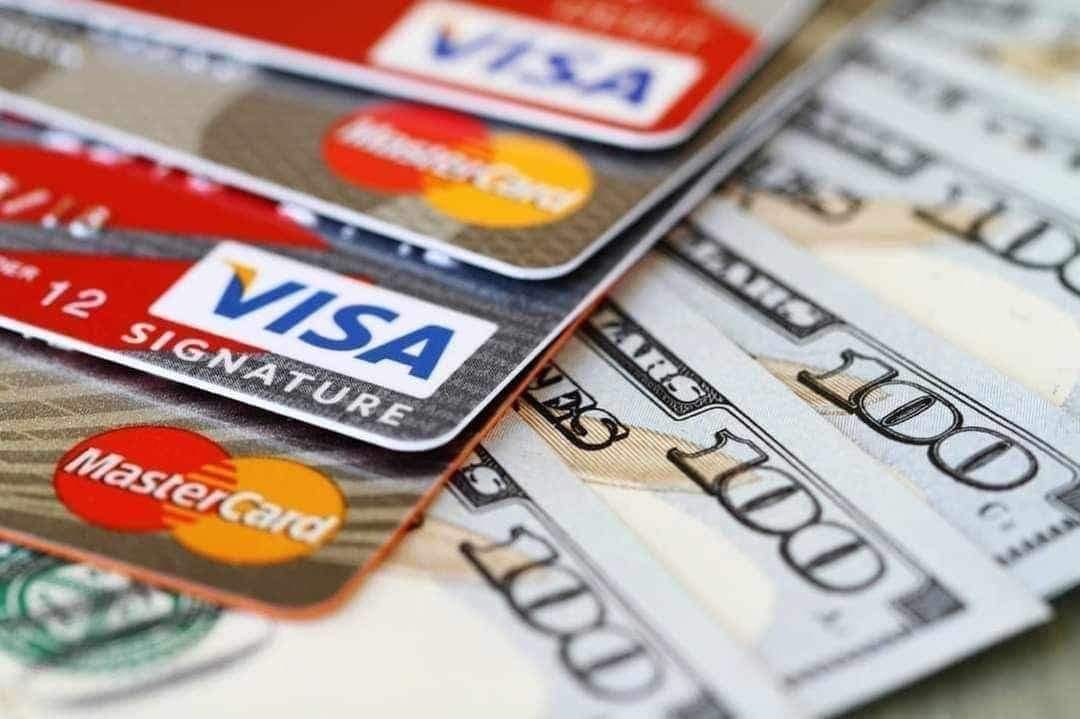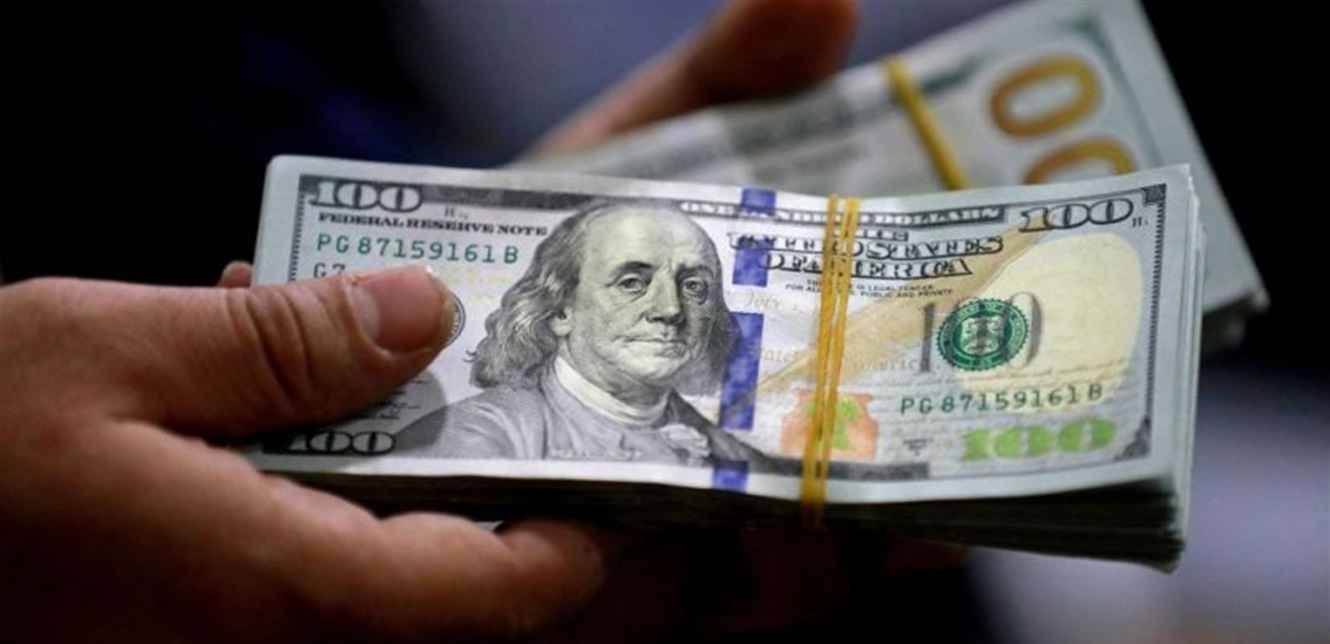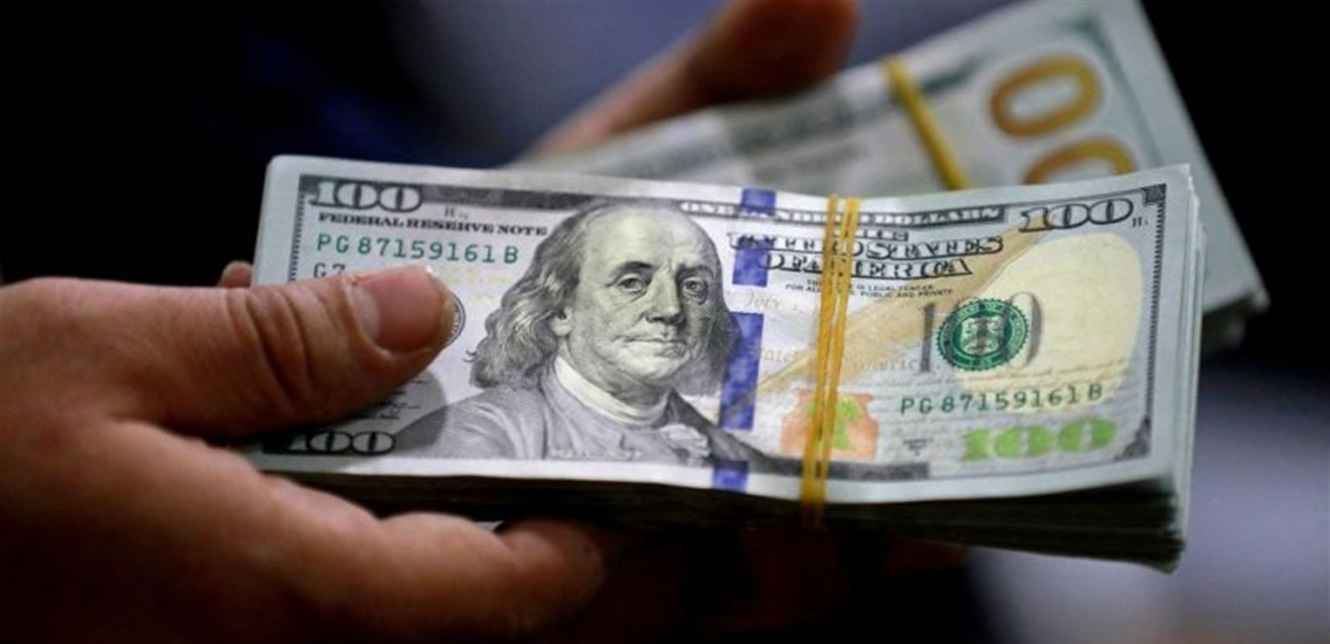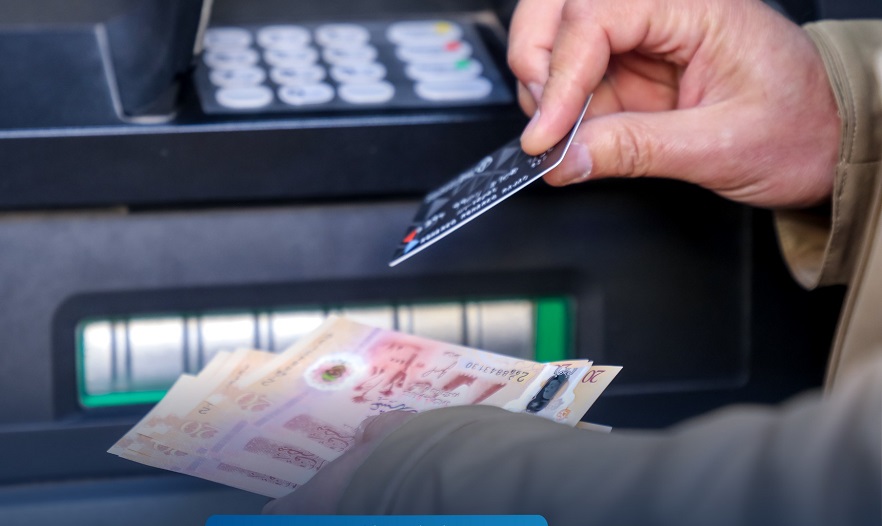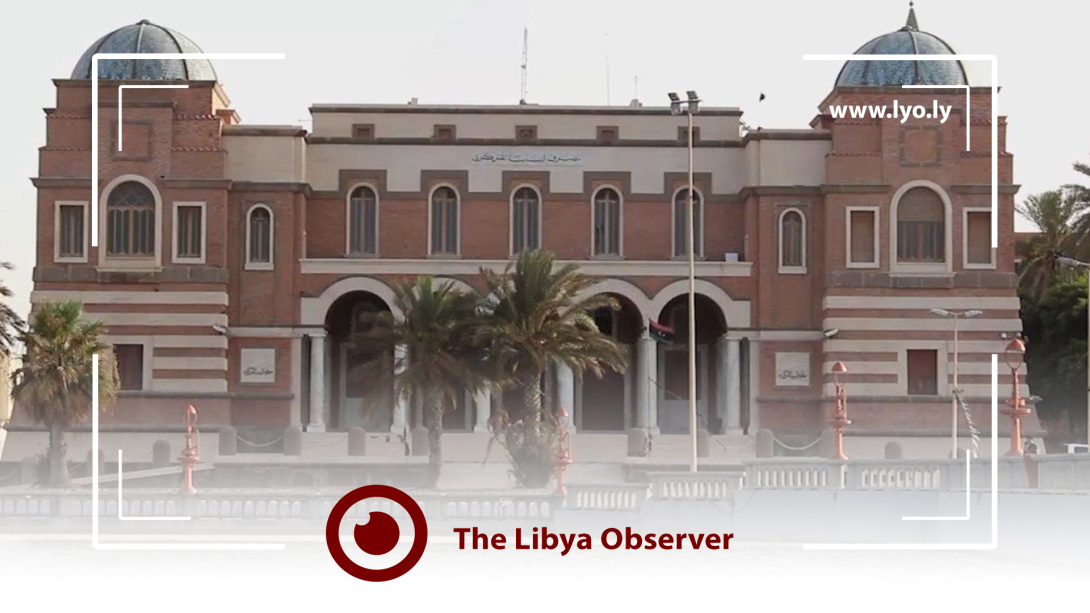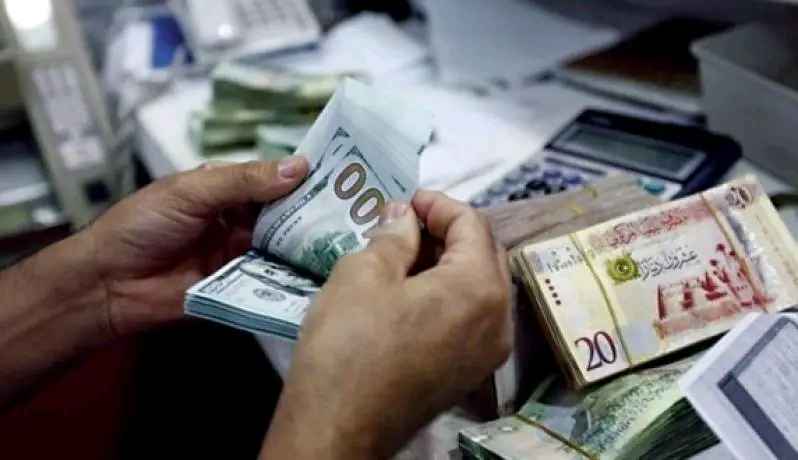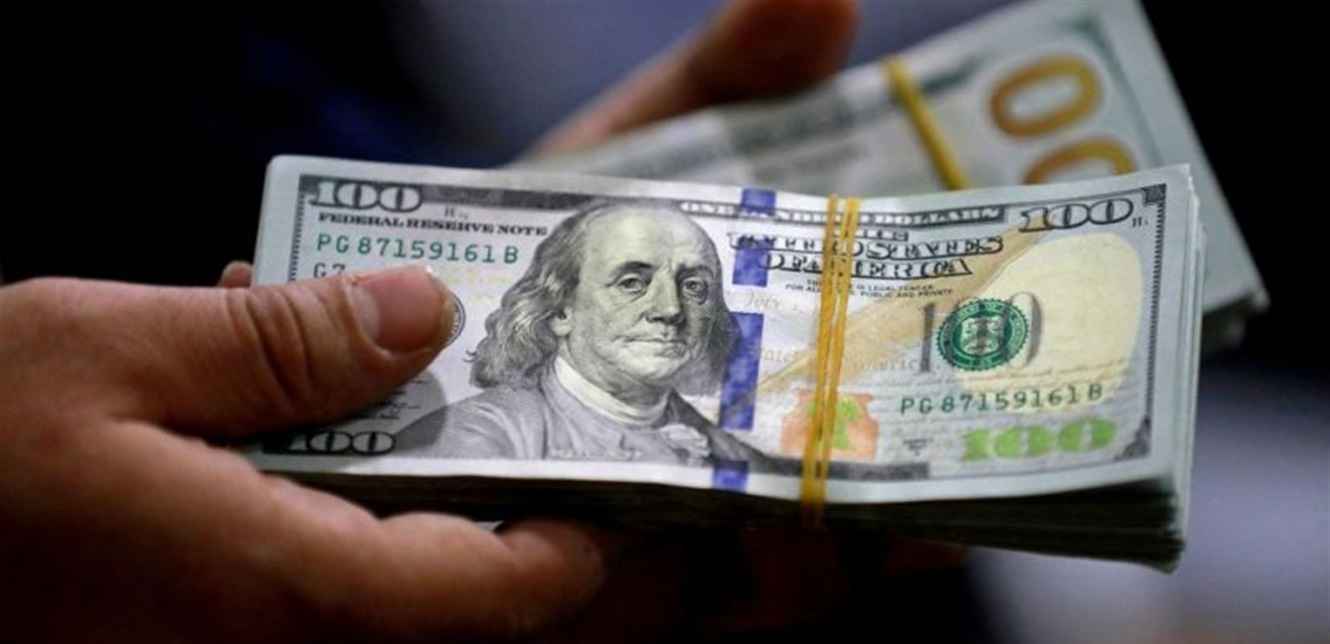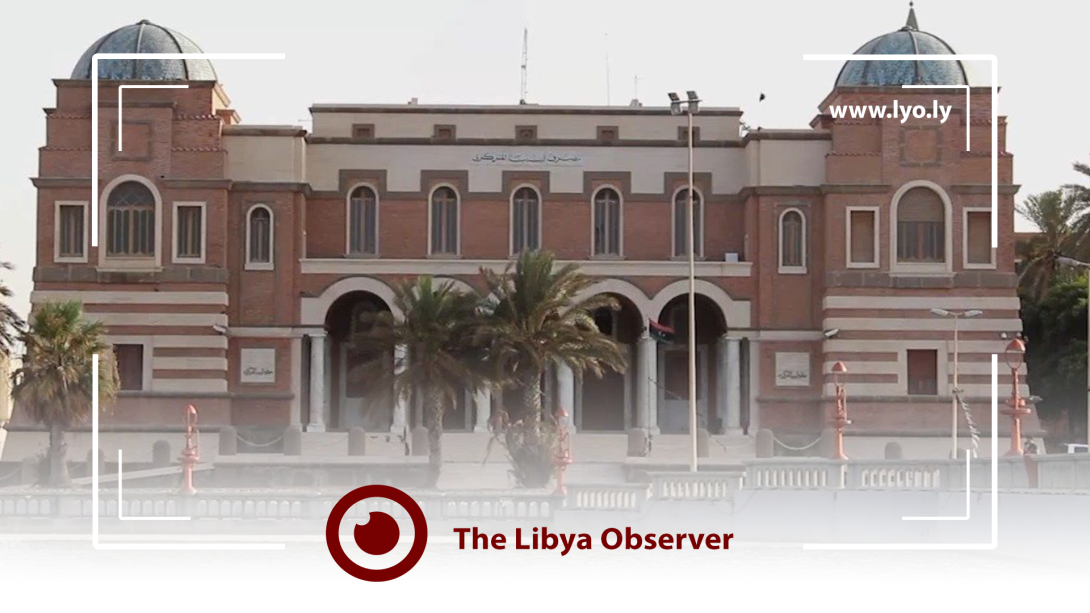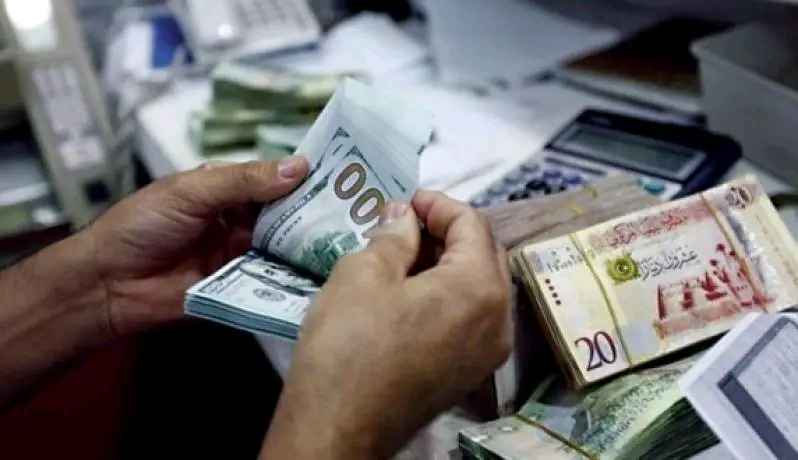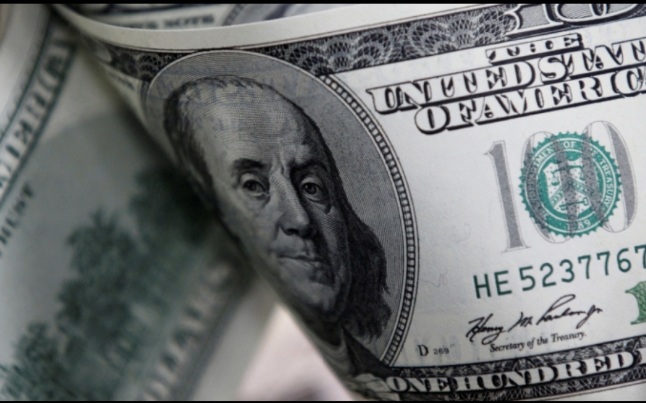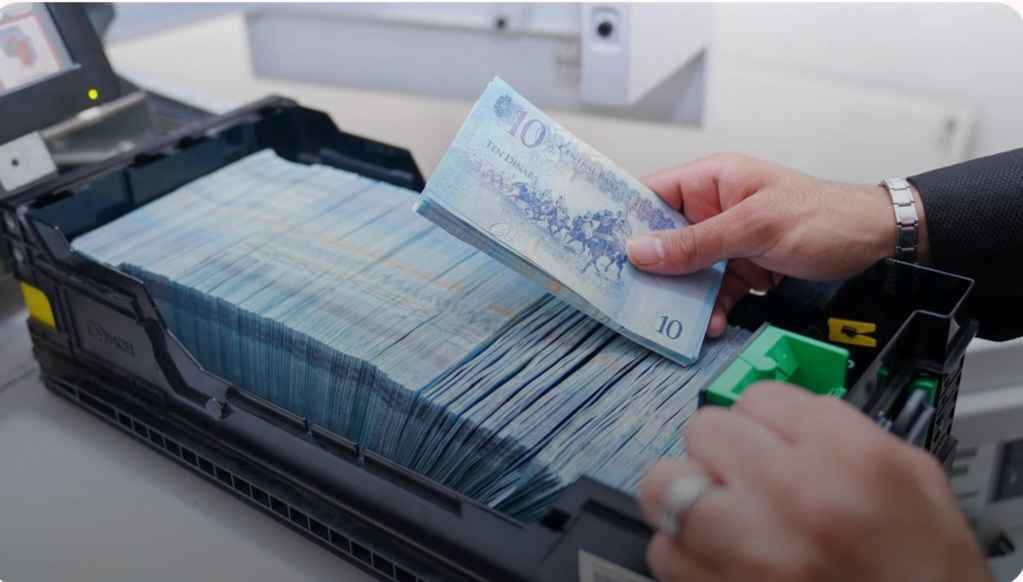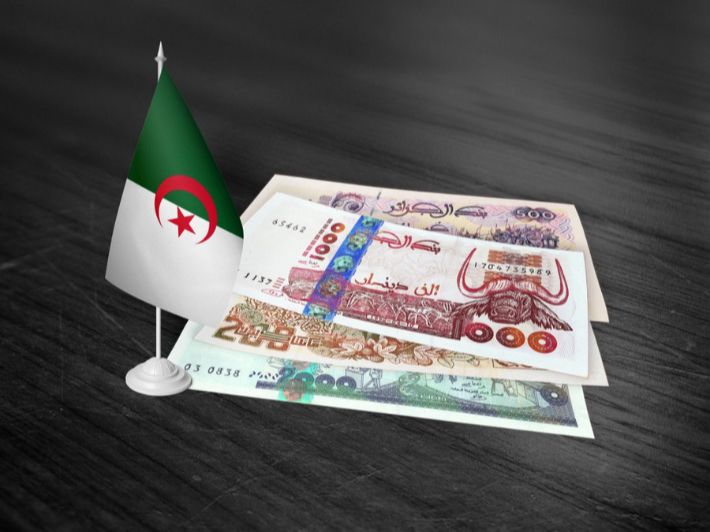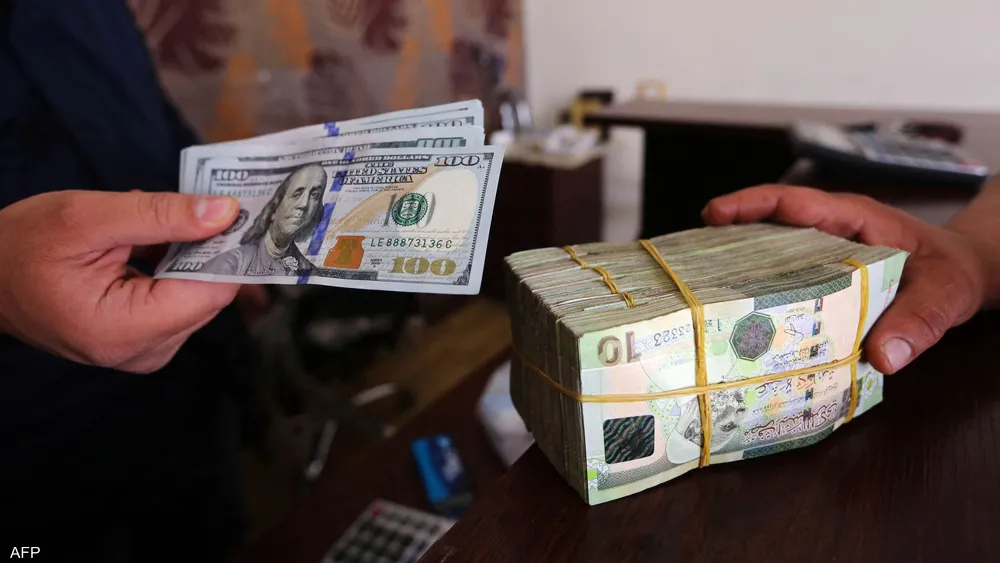
The economic analyst confirmed that the mechanism for reserving foreign currency, which is being activated, represents a regulatory step that could help curb parallel market activity, but it will not be a radical solution unless supported by strict oversight and transparent settlements that prevent its exploitation or circumvention. He explained that the success of this mechanism requires periodic updates to the exchange rate to reflect market reality; otherwise, loopholes will persist, and parallel market activity will continue through alternative channels.
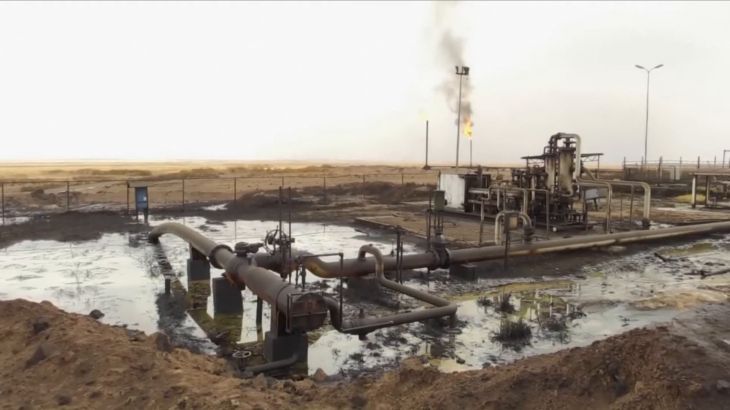
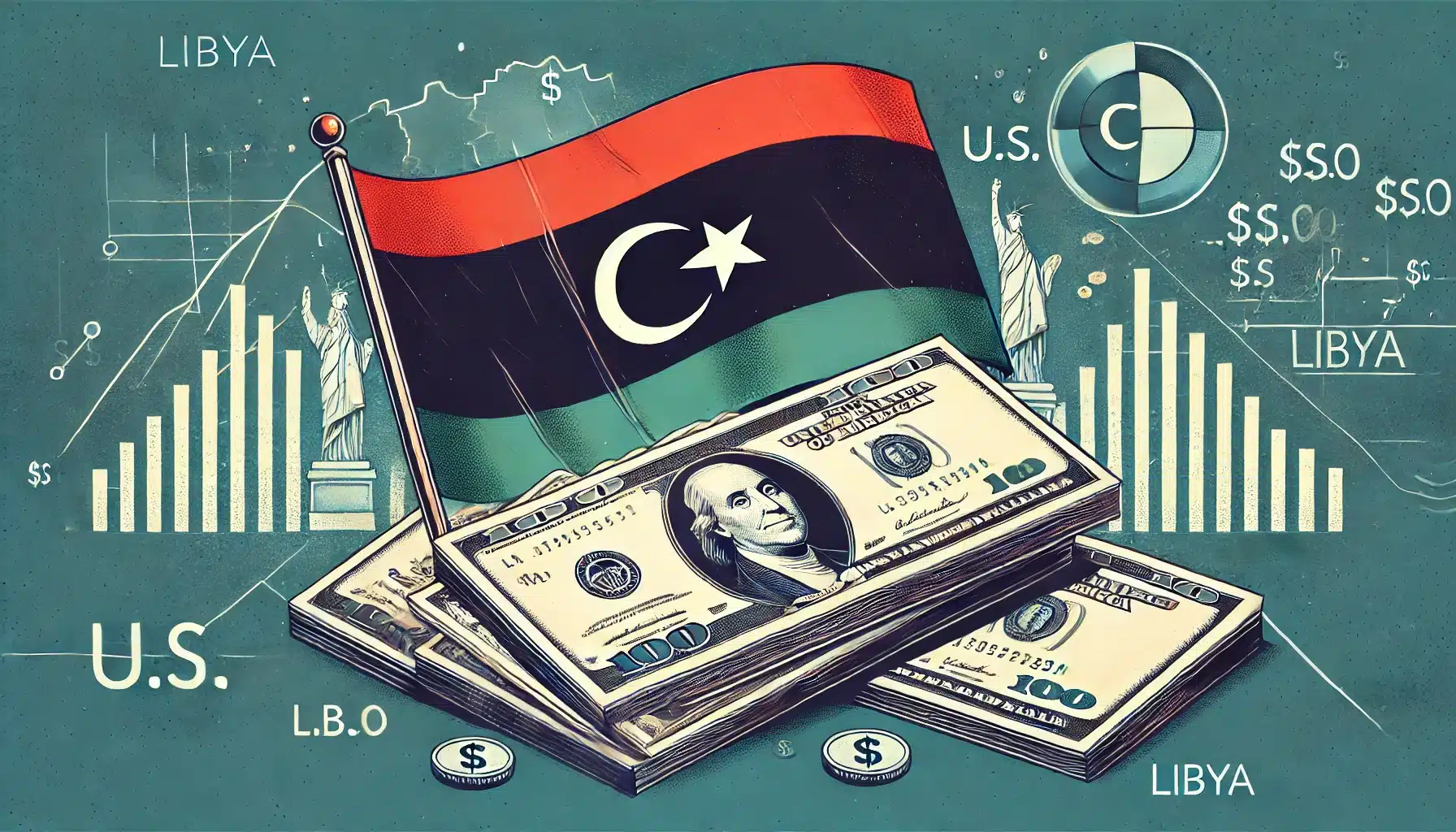
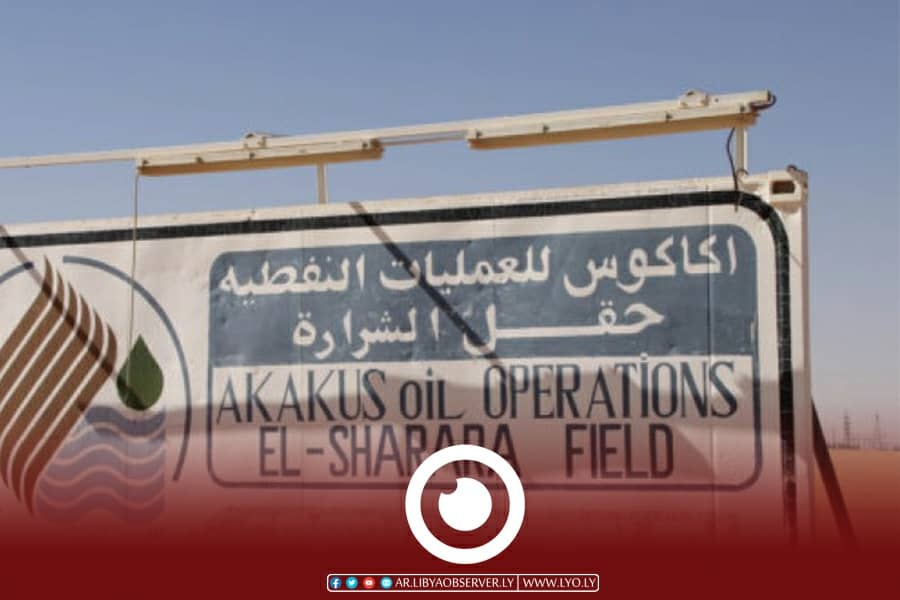
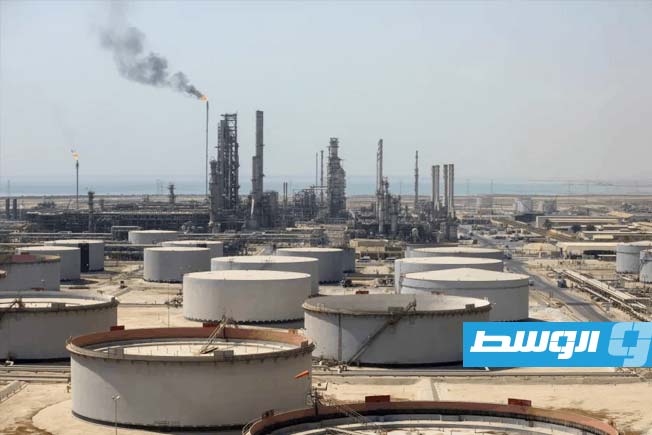
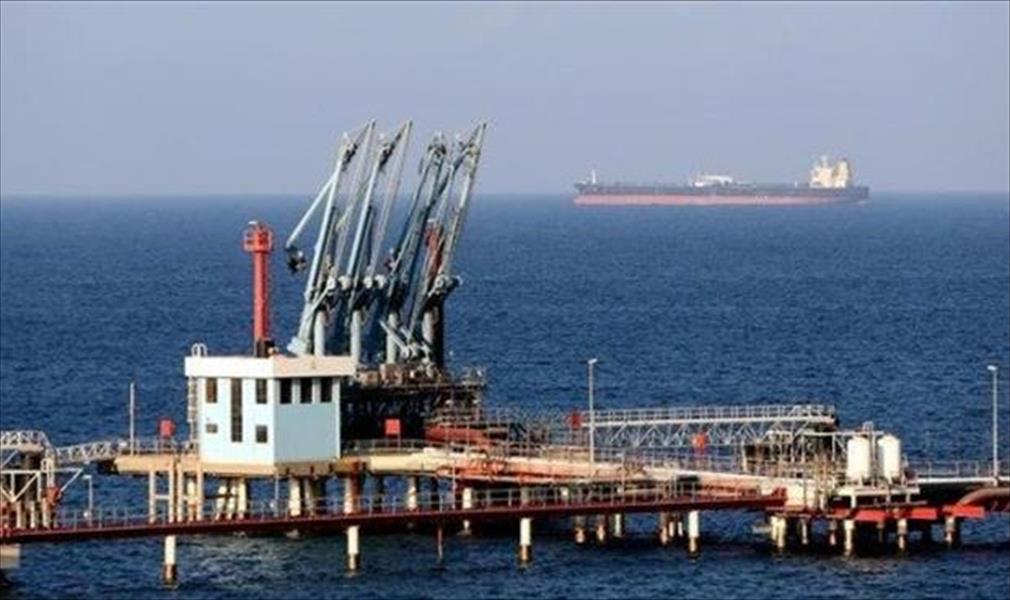
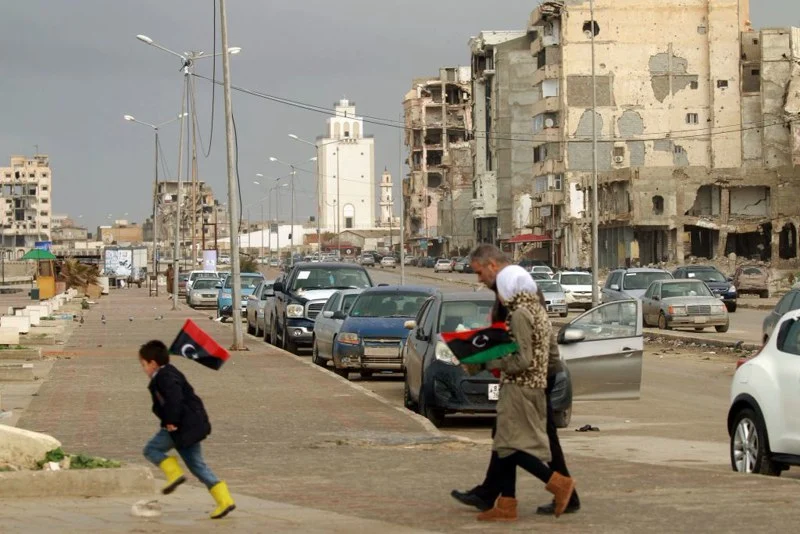
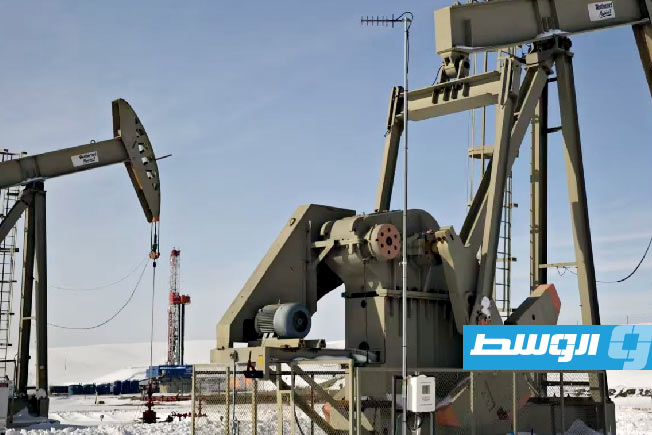
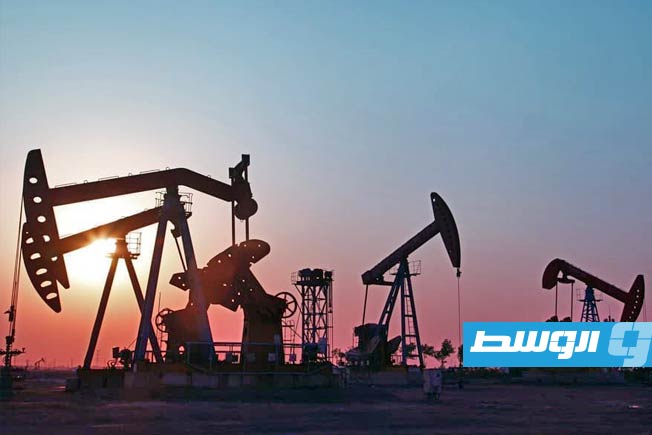
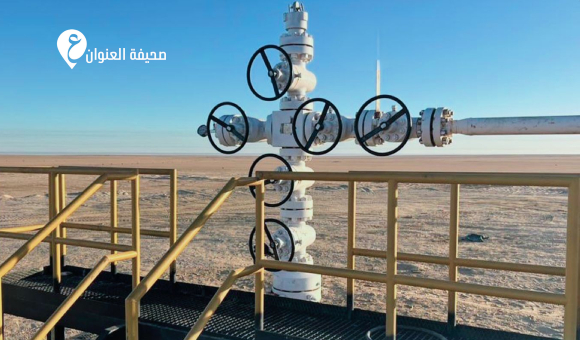
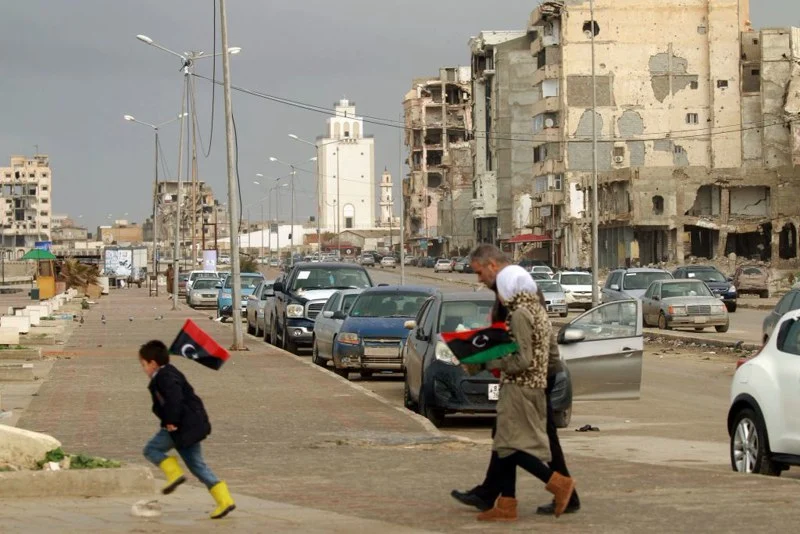
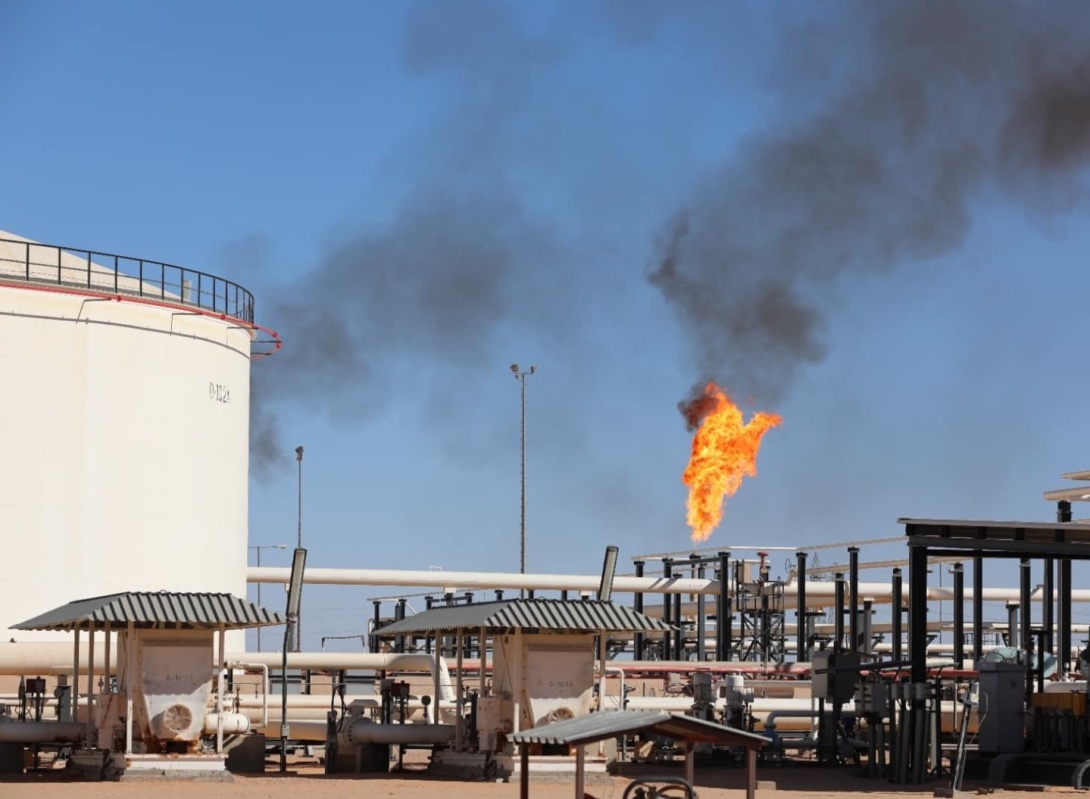
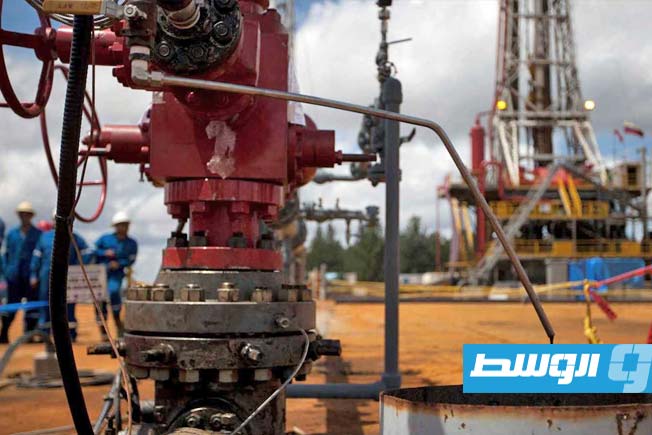
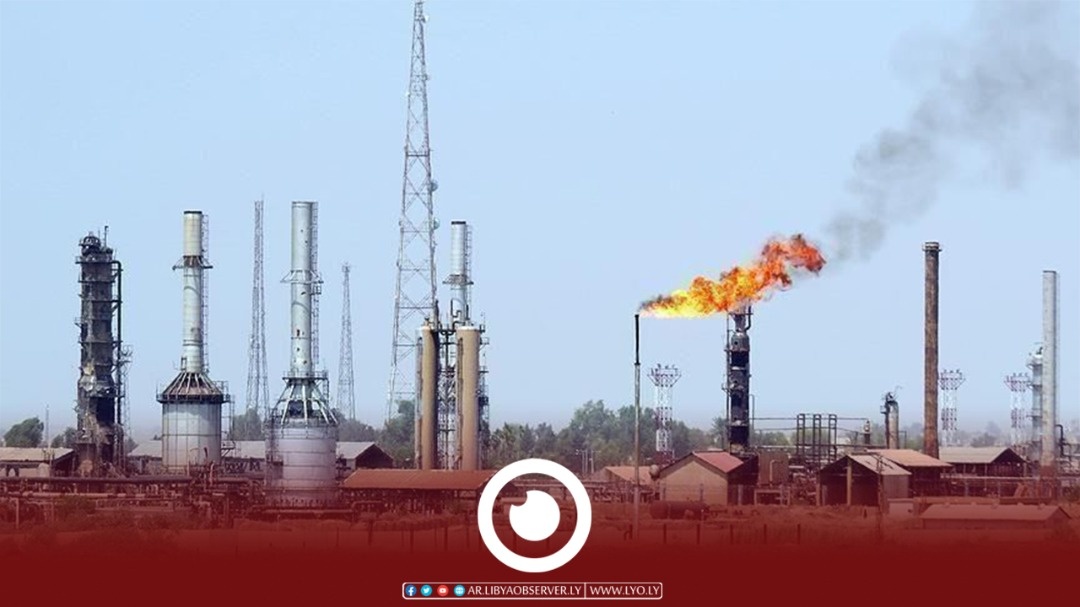
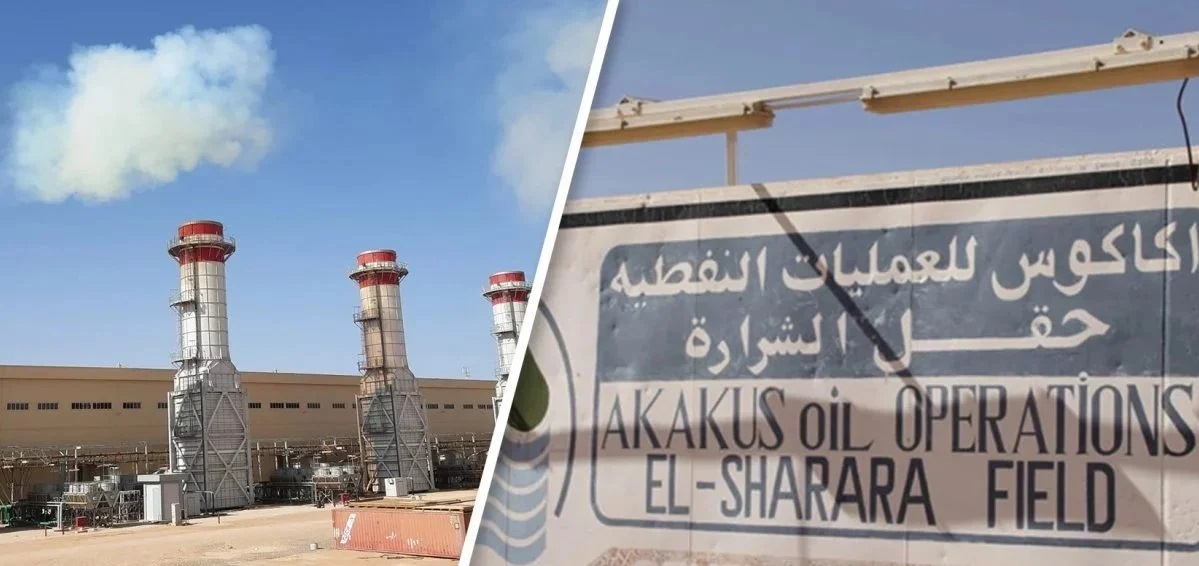
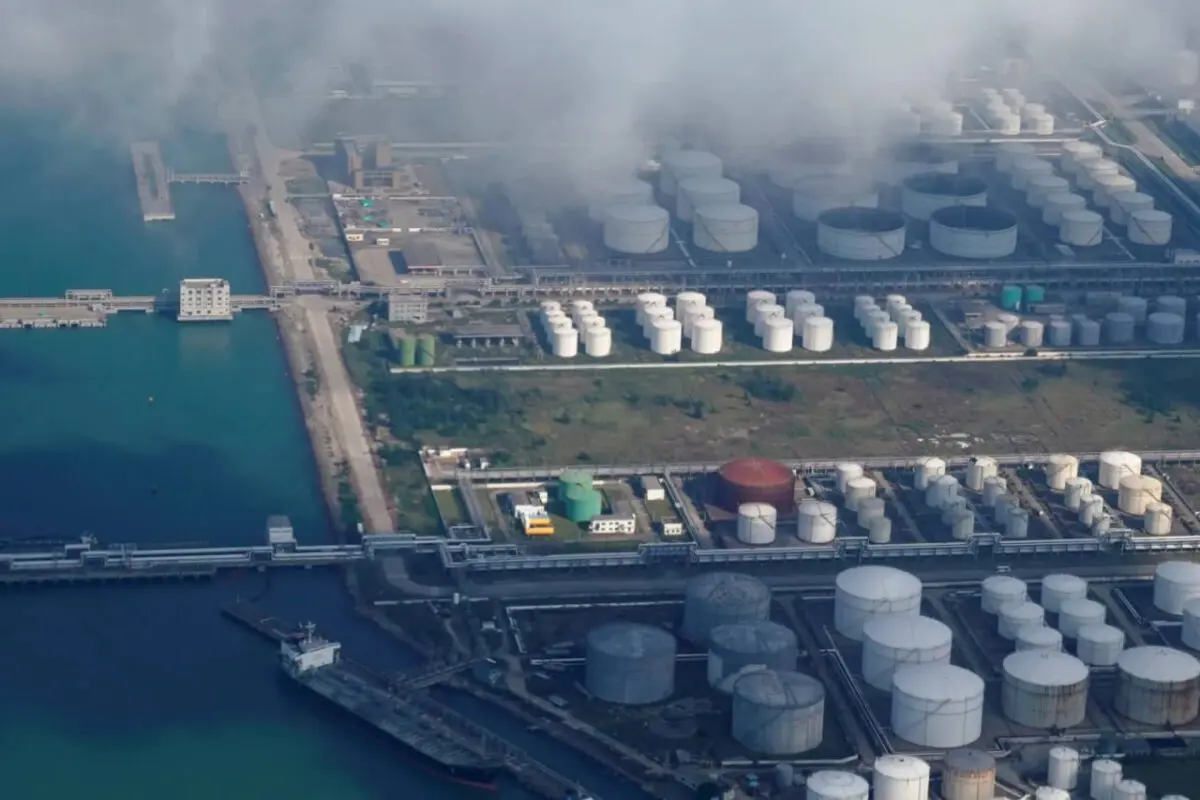
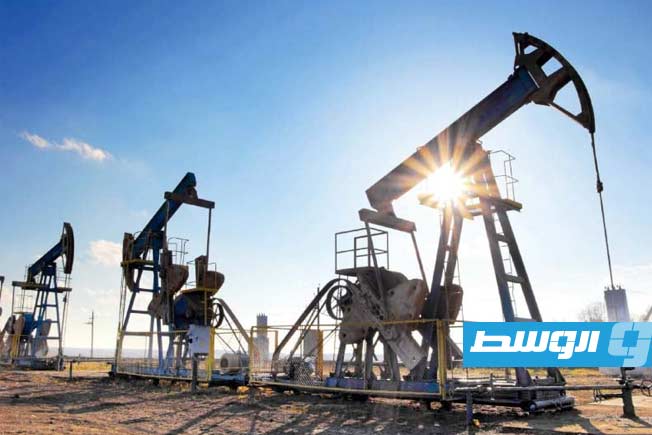
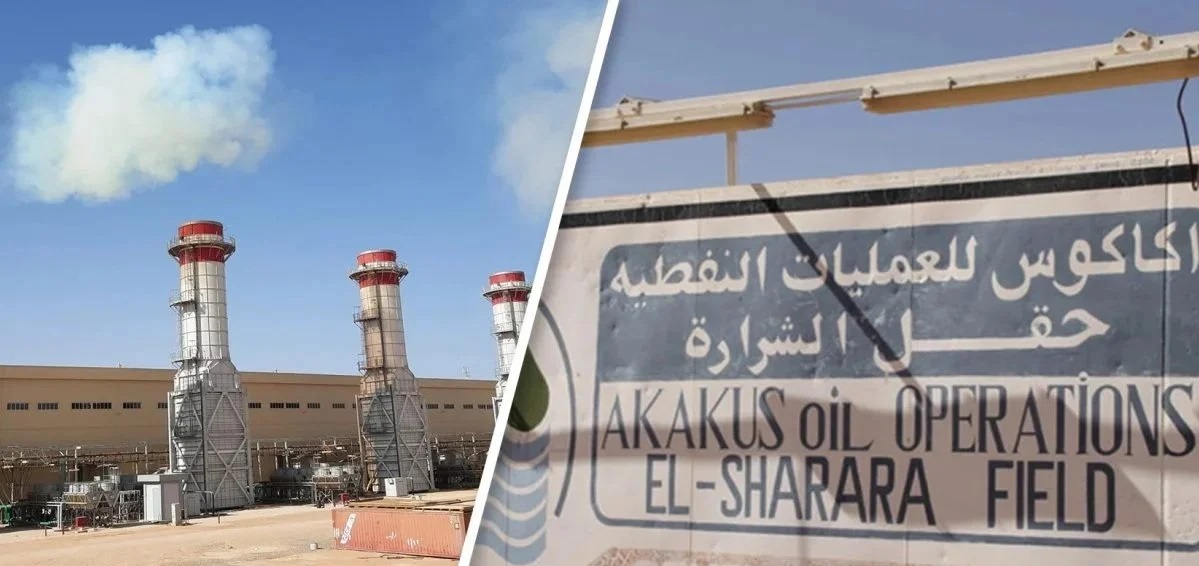
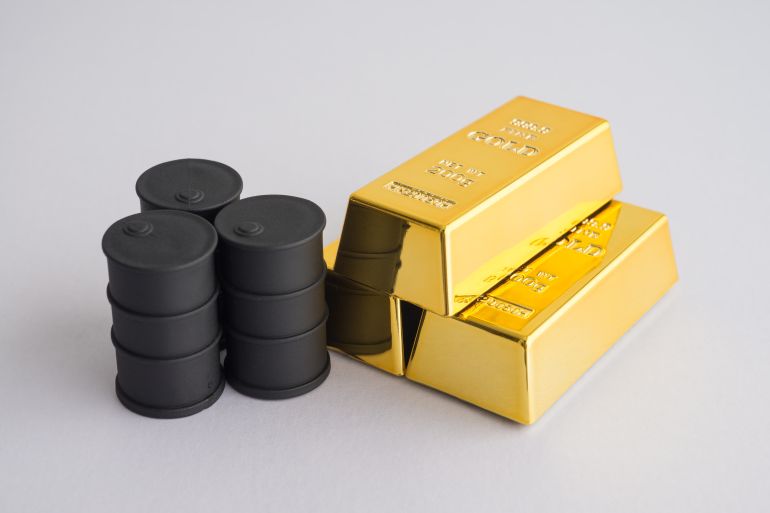
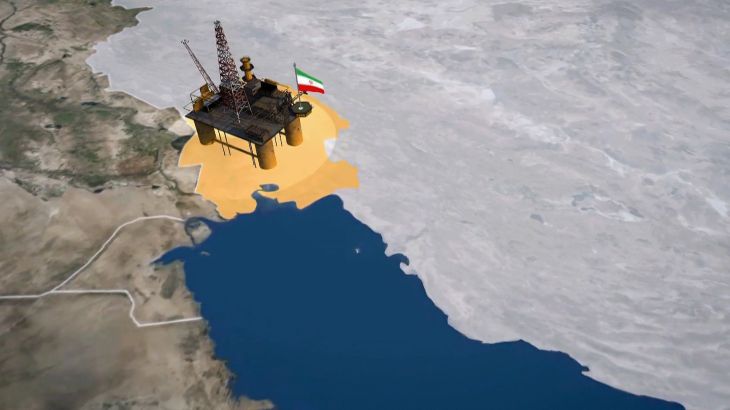
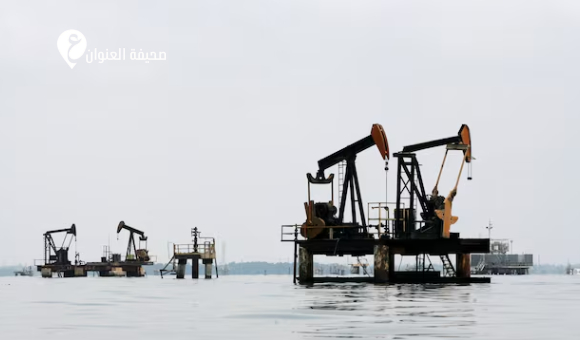
He pointed out that the Libyan economy, being a rentier economy that relies on oil for approximately 96% of its revenue, makes the dollar a limited resource. Therefore, any monetary measure needs political backing and real integration between fiscal and monetary policies.
He considered that the new system might alleviate immediate pressure on the exchange rate and increase transparency in meeting personal demand for dollars, but it will not achieve medium-term stability unless monetary reserves are managed efficiently and the official exchange rate is adjusted when necessary.
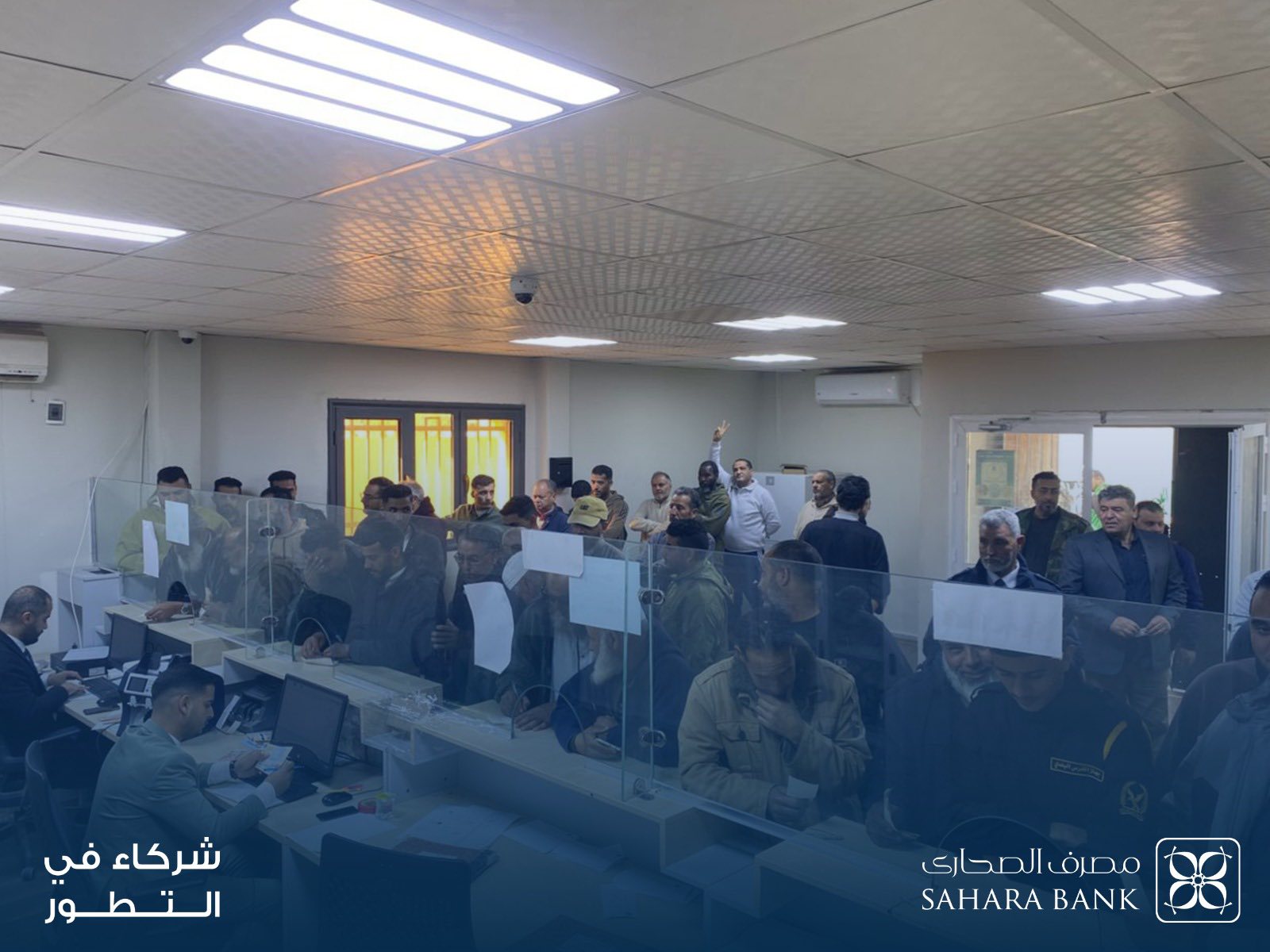
He added that the mechanism alone will not end the exchange rate crisis unless integrated into a broader package of economic reforms, noting that potential risks to dinar liquidity within banks depend on the volume of demand and supply and the planning of foreign currency flows. He warned that a shortage of hard currency could lead to new monetary pressures and a contraction in liquidity.
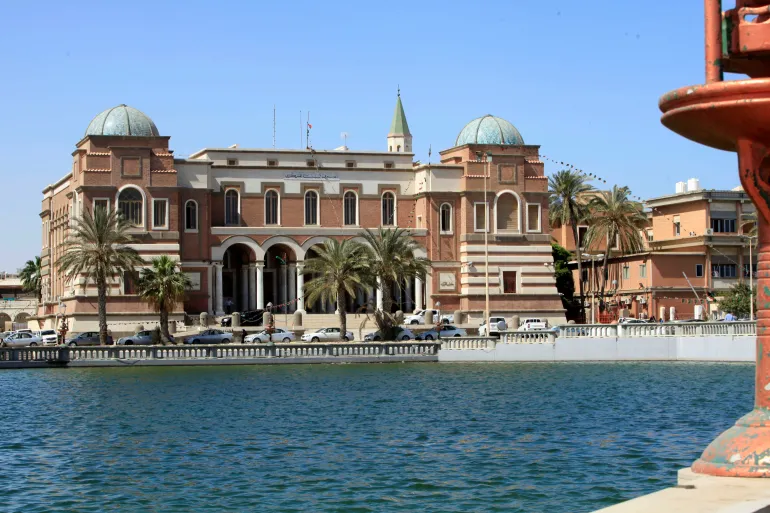
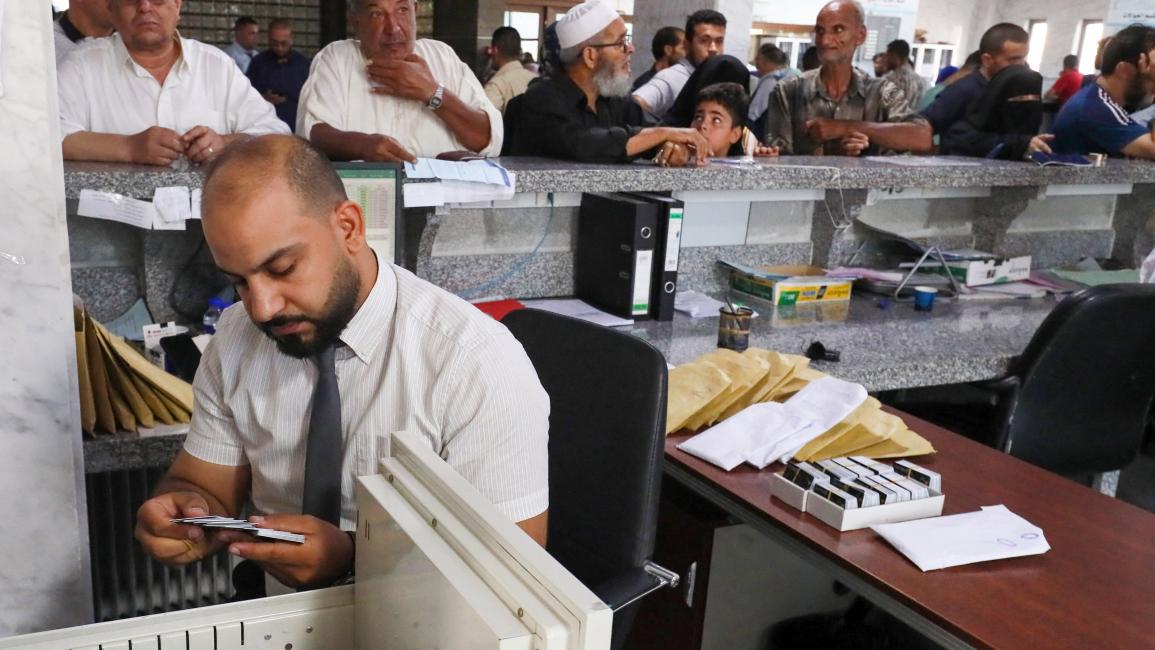
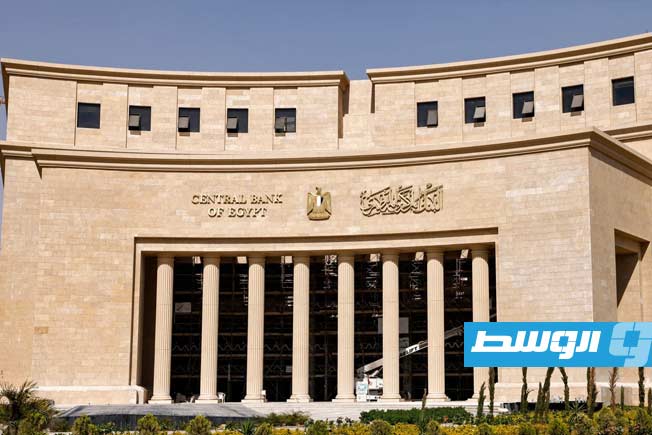
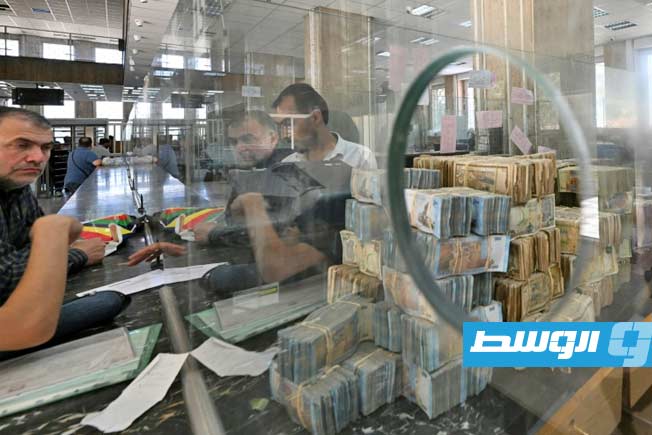
He also emphasized that regulating exchange companies requires a strong regulatory framework, including instant reporting, clear penalties, and effective oversight mechanisms, stressing that the success of the experiment depends on the existence of secure and integrated data exchange between the central bank and regulatory authorities.