An experienced doctor with 30 years of practice, who heads a Swiss association for anti-aging and preventive medicine, adopts an approach that goes against the mainstream dietary trends of recent decades, which are based on reducing or avoiding entire food groups. He does not adhere to a strict diet, believing that “there is no single perfect healthy diet.”
He says, “I don’t favor diets, and I only eat what’s in season. Right now, we are in autumn or approaching winter, and there are no strawberries, so why would I eat them?”
Before the invention of refrigeration and global importation, people ate foods in their seasons. Today, this healthy practice is returning to re-establish harmony between our diet and the rhythm of nature, and to naturally support the body’s changing needs throughout the year, as it provides the maximum nutritional value at the right time.
Eating Seasonally is Not a Fad
According to a nutrition research institute, eating seasonally encourages “dietary diversification,” which supports gut health and reduces the risk of chronic diseases. The seasons naturally change to offer new sets of nutrients the body needs.
Summer berries provide anthocyanins that “support brain and heart health,” while autumn vegetables offer “fiber and slow-digesting carbohydrates that make you feel full and energetic.”
Eating according to the seasons is considered “smart nutrition,” a practice based on scientific principles, and an opportunity to nourish your body with fresh produce harvested at peak ripeness “to get the best flavor and nutritional value.” This is because fruits and vegetables “begin to lose nutrients as soon as they are harvested,” and buying seasonal products means “shorter transport and storage times, and more vitamins and antioxidants.”
For example, freshly picked leafy greens retain a greater amount of folic acid (essential for metabolism and cell health) “compared to those harvested a long time ago.”
These findings were confirmed by a certified nutrition specialist with a master’s degree in public health, who stated, “If you can buy fresh produce, the flavors will definitely be better, and the nutritional value will be higher than shipped and transported products. When fruits and vegetables are transported long distances, factors like temperature and storage periods can lead to the loss of vitamins and minerals.”
She explained that seasonal foods “help the body adapt to changing weather.” Refreshing summer fruits like watermelon help hydrate the body, while rich winter options, like beets and sweet potatoes, provide more calories for cold days.
For her part, a certified nutrition specialist with the American Heart Association confirms that “the longer the time between harvesting crops and consuming them, the more likely their nutritional value is to decrease.” She adds, explaining that “vitamins, especially vitamin C, degrade during storage, meaning that apples stored for several months may contain fewer nutrients compared to fresh apples.”
Getting the Most Out of Your Meals
Eating foods in their season achieves harmony with your body’s needs: “Spring cleanses the body, summer hydrates it, autumn strengthens it, and winter nourishes it.” By diversifying your diet throughout the year, “you improve nutrient absorption, reduce inflammation, and enhance long-term disease prevention,” as stated in a report by an American wellness magazine.
The report clarifies that seasonal foods provide maximum nutritional value at their harvest time, according to the following sequence:
Spring
This is the season of rebalancing after the body sheds winter lethargy. We benefit from leafy greens to detoxify and renew energy. Its light foods support the liver, kidneys, digestive system, and cell renewal, making it a crucial period for cancer prevention efforts. Key foods include:
- Asparagus: Rich in folic acid and antioxidants that help flush out toxins.
- Artichoke: Supports liver function.
- Spinach and leafy greens: Rich in chlorophyll to enhance detoxification pathways.
- Strawberries, apricots, berries, and cherries: Rich in vitamin C to support immunity and skin health.
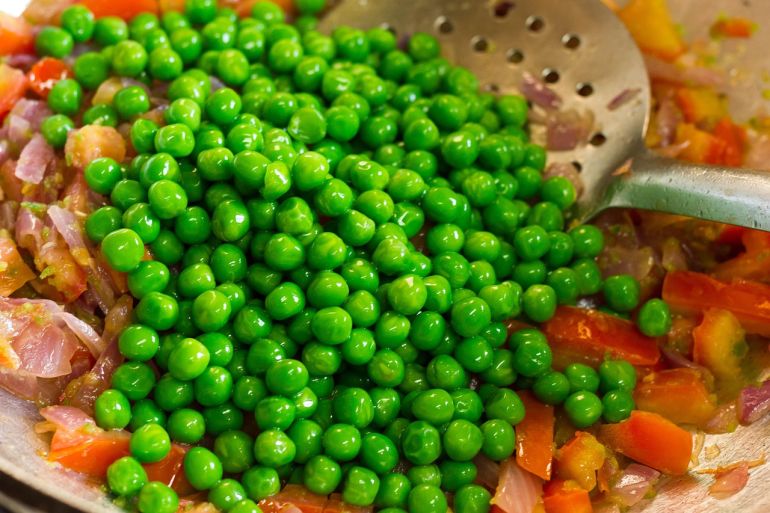
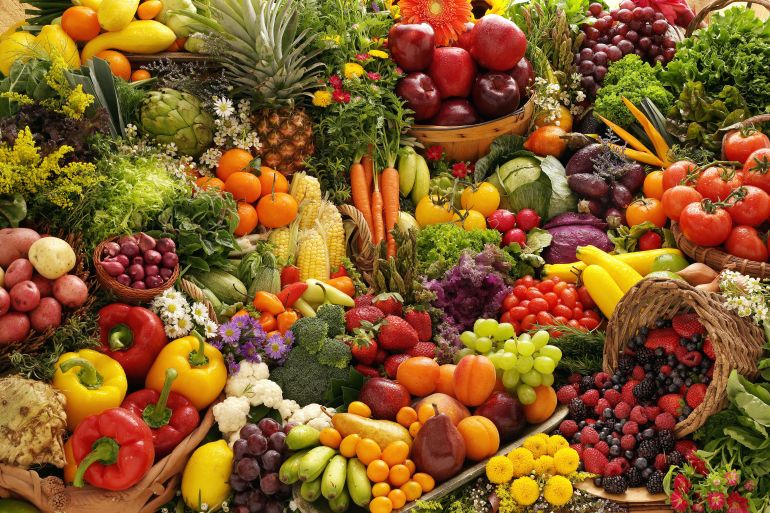
Spring also offers an abundance of fresh vegetables perfect for salads or quick cooking, including: beets, broccoli, carrots, cauliflower, cabbage, lettuce, mushrooms, and peas.