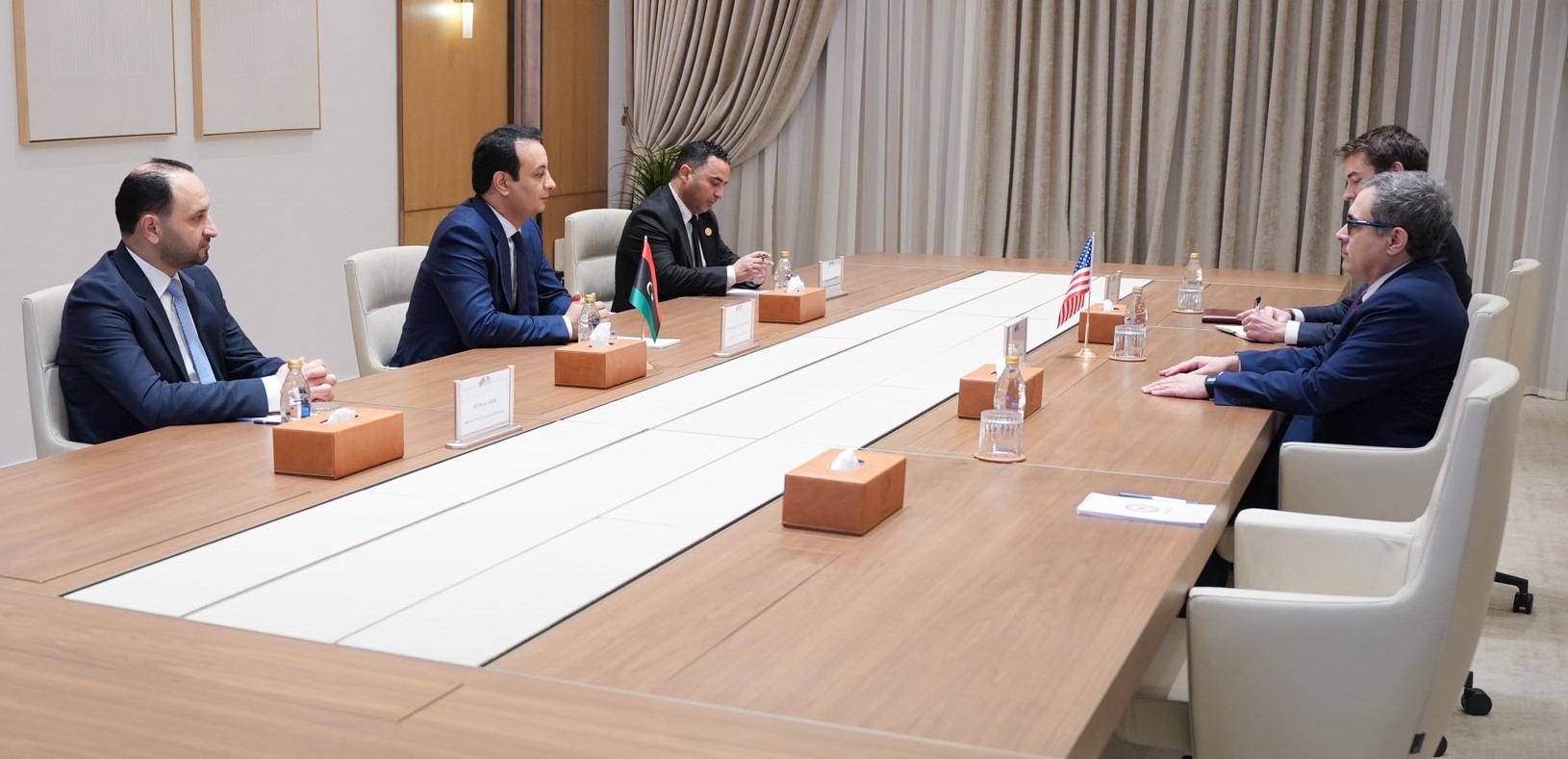
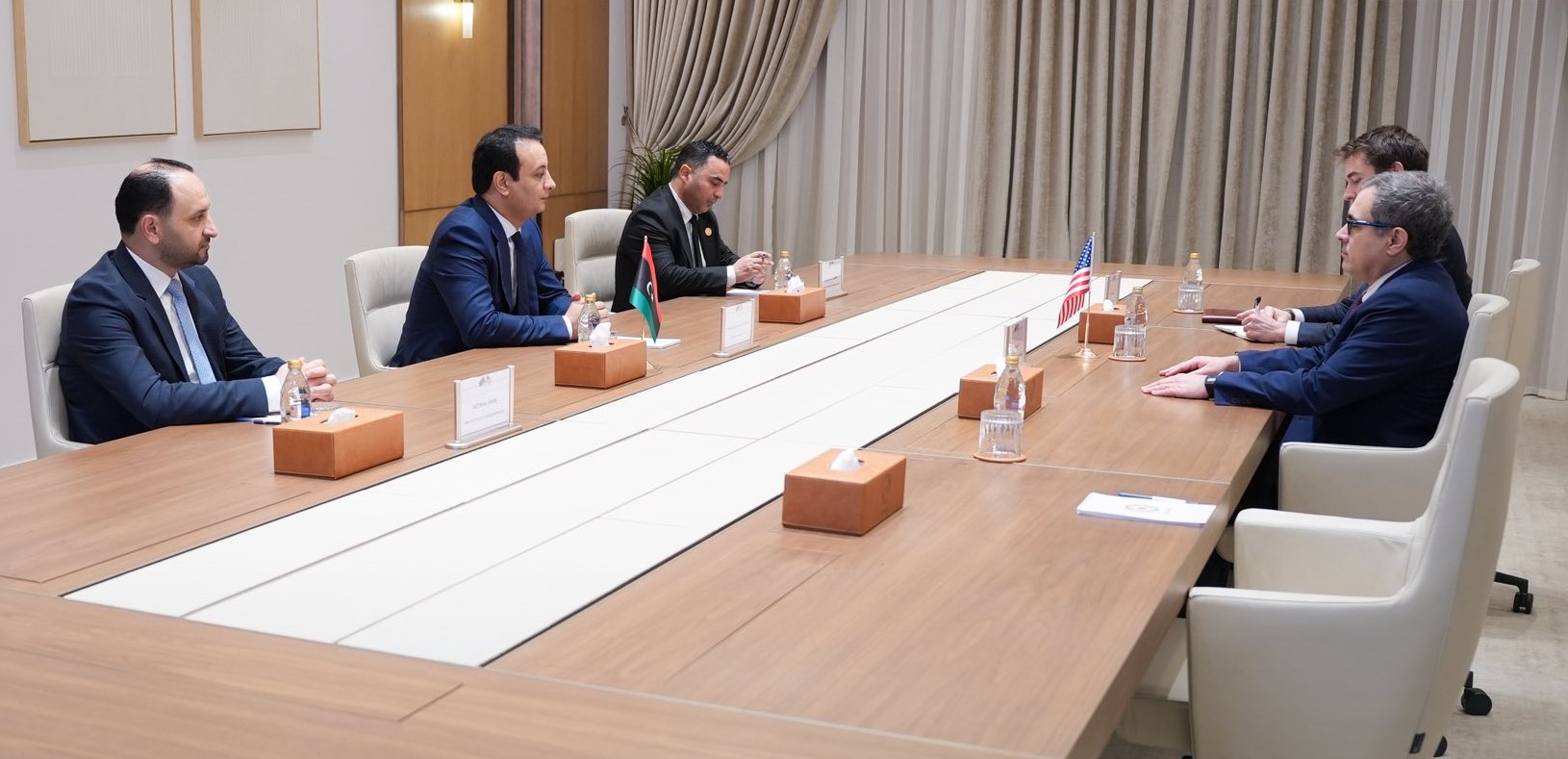
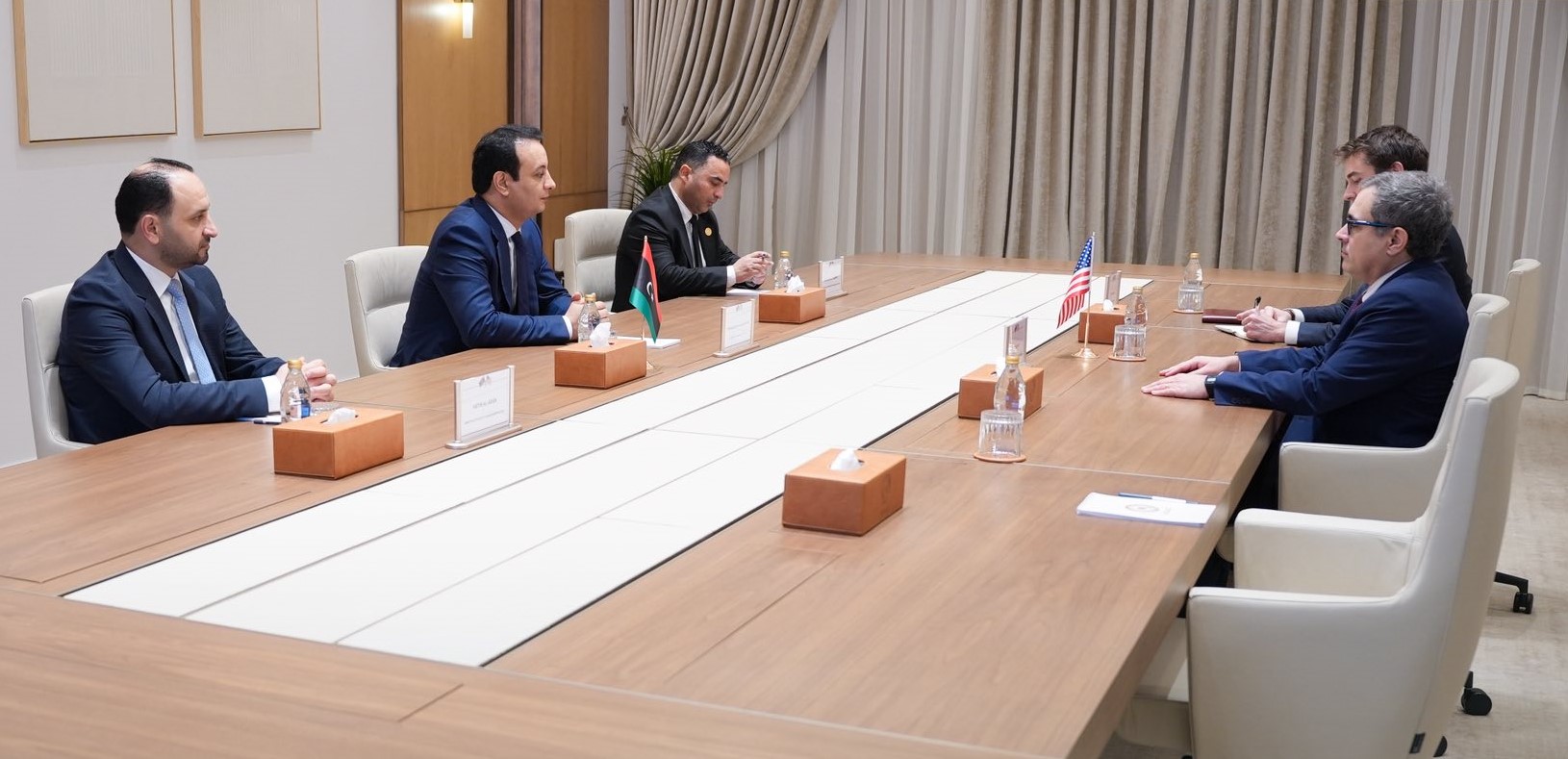
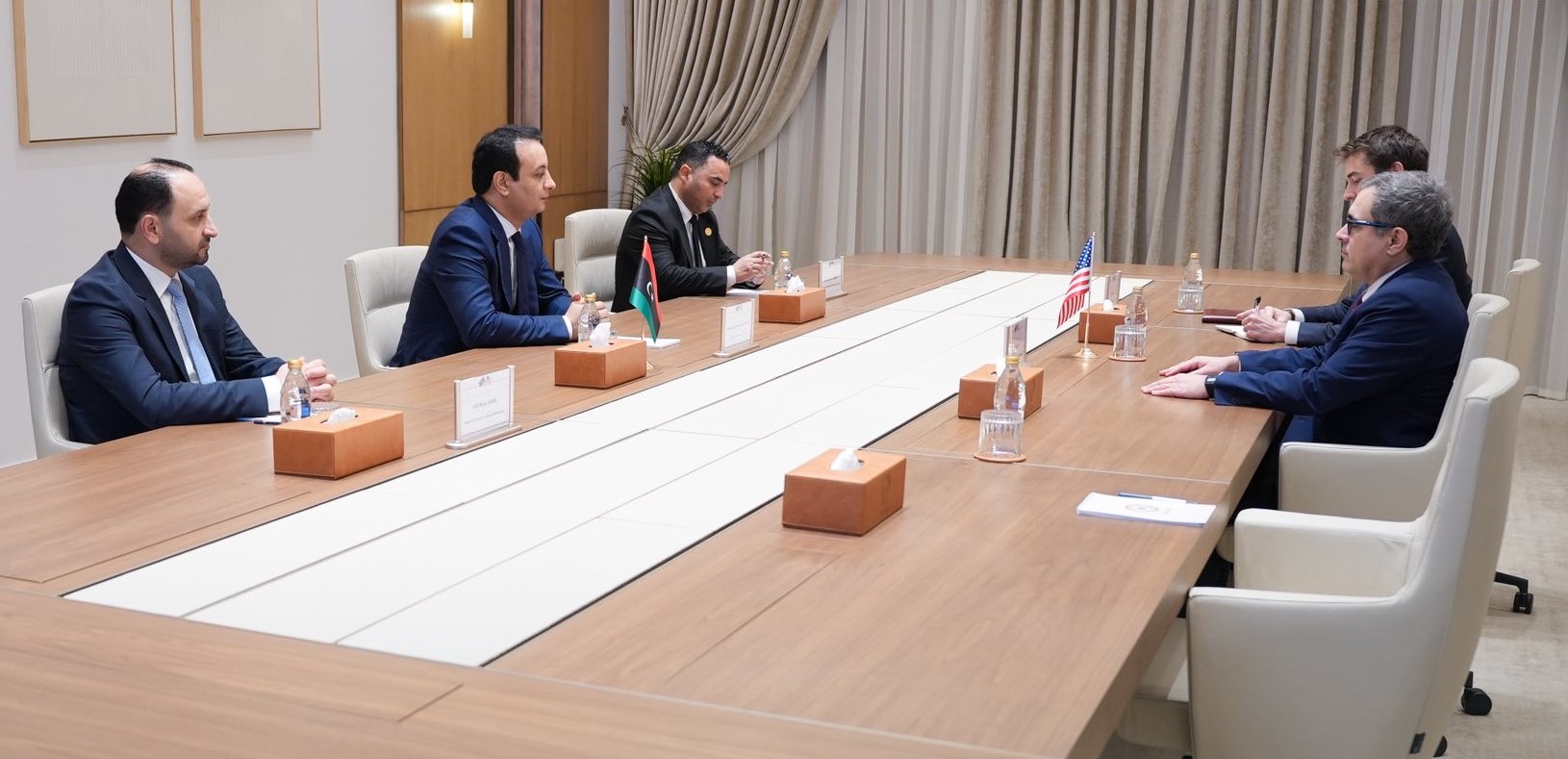
During her meeting with a number of ambassadors in Tunisia: (Hanna Titeh) stresses the urgent need for member states to support the outcomes of the structured dialogue.
libyawire.org > News > Science > During her meeting with a number of ambassadors in Tunisia: (Hanna Titeh) stresses the urgent need for member states to support the outcomes of the structured dialogue.
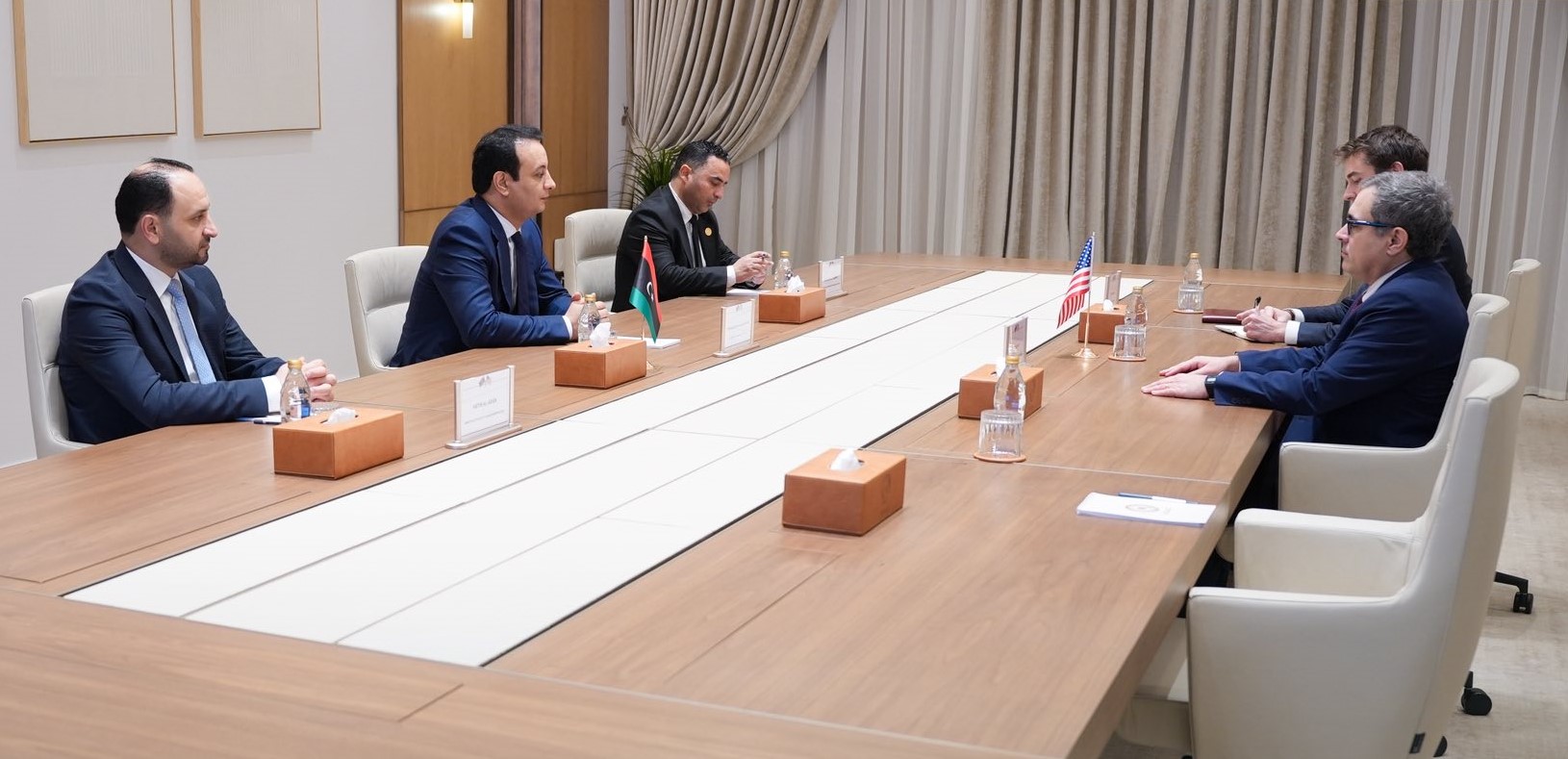
Tripoli, January 26, 2026 – The Special Representative of the UN Secretary-General for Libya emphasized the urgent need for member states to support the outcomes of the structured dialogue facilitated by the UN mission in Libya.
This came during her meeting today in Tunis with ambassadors from Sweden, Finland, Ukraine, Argentina, Brazil, Poland, Belgium, Japan, Portugal, and the Czech Republic, hosted by the Swiss Ambassador.
According to a publication on the UN mission’s website, she briefed the ambassadors on the progress in implementing the political roadmap of the UN Support Mission in Libya and the advancements in the structured dialogue tracks, stressing the urgent need for member states to support the outcomes of this dialogue.
She also reviewed the current political landscape with the ambassadors, highlighting the increasingly pressing economic situation and its connection to the persistence of the status quo, in addition to the political and security repercussions of failing to take action to resolve the situation.
These meetings fall within the mission’s mandate to facilitate a comprehensive, Libyan-led political process and to build international consensus to promote stability, unity, and democratic governance in Libya.
…
Tripoli
Tripoli is the capital and largest city of Libya, with a history dating back to the 7th century BC when it was founded by the Phoenicians. It later became a significant part of the Roman Empire, the Ottoman Empire, and an Italian colony, which is reflected in its diverse architecture, such as the historic Medina and the Red Castle (Assai al-Hamra).
UN
The United Nations (UN) is an international organization founded in 1945 after World War II to promote peace, security, and cooperation among nations. Its headquarters in New York City serves as the primary meeting place for its member states to address global issues through diplomacy and international law.
Libya
Libya is a North African country with a rich history rooted in ancient civilizations like the Phoenicians and Romans, followed by centuries of Arab and Ottoman influence. In the modern era, it was an Italian colony before gaining independence in 1951, later becoming known for Muammar Gaddafi’s lengthy rule from 1969 until the 2011 revolution. Its cultural sites include well-preserved Roman ruins at Leptis Magna and the historic old town of Ghadames.
Tunis
Tunis is the capital city of Tunisia, historically founded by the Berbers and later established as a major center under the Hafsid dynasty in the 13th century. Its medina, a UNESCO World Heritage site, exemplifies traditional Islamic urban architecture and remains the historic heart of the city.
Sweden
Sweden is a Nordic country in Northern Europe with a history dating back to the Viking Age. It became a major regional power in the 17th century and is known today for its constitutional monarchy, welfare state, and contributions to design, innovation, and music.
Finland
Finland is a Nordic country in Northern Europe with a cultural history shaped by centuries of Swedish and Russian rule before declaring independence in 1917. It is known for its vast forests, thousands of lakes, design aesthetics, and the sauna tradition, which is deeply embedded in everyday life.
Ukraine
Ukraine is a country in Eastern Europe with a rich history dating back to the medieval state of Kyivan Rus, which emerged in the 9th century. It has experienced periods of independence, foreign rule, and was a key part of the Soviet Union before regaining its sovereignty in 1991. The country is known for its diverse cultural heritage, Orthodox Christian cathedrals, and the Black Sea coastline.
Argentina
Argentina is a South American nation with a rich cultural heritage shaped by indigenous traditions, Spanish colonization, and later waves of European immigration. Its history includes the May Revolution of 1810, leading to independence from Spain in 1816, and the subsequent development of a distinct national identity famous for tango music, gaucho culture, and its literary and cinematic contributions.
Brazil
Brazil is the largest country in South America, known for its vast Amazon rainforest and vibrant cultural exports like samba and football. Its modern history began with Portuguese colonization in 1500, followed by independence as an empire in 1822 and the establishment of a republic in 1889. Today, it is a federal republic celebrated for its diverse ethnic heritage and annual Carnival festivities.
Poland
Poland is a Central European country with a rich and complex history, marked by its establishment as a kingdom in 1025, a period of partition among neighboring empires for over a century, and its resilient restoration as a sovereign state in 1918. Its cultural heritage is deeply shaped by Roman Catholicism and a tradition of resistance, with historic sites like the medieval Old Town of Kraków and the Warsaw Old Town, the latter meticulously rebuilt after its near-total destruction in World War II.
Belgium
Belgium is a Western European country known for its medieval towns, Renaissance architecture, and as the headquarters of the European Union and NATO. Its history is marked by its formation in 1830 after a revolution against Dutch rule, and it has since been a crossroads of Germanic and Latin cultures, often called the “battlefield of Europe” due to its strategic location in major conflicts.
Japan
Japan is an island nation in East Asia with a history spanning over two millennia, evolving from a feudal society of shoguns and samurai into a modern constitutional monarchy. It is renowned for its unique cultural heritage, including traditional arts like tea ceremony and kabuki, as well as iconic sites such as ancient Shinto shrines, Buddhist temples, and historic castles.
Portugal
Portugal is a country in southwestern Europe on the Iberian Peninsula, with a history deeply shaped by exploration. It established a vast maritime empire beginning in the 15th century, becoming a major global power during the Age of Discoveries. Key cultural sites reflecting this heritage include the Jerónimos Monastery and the Tower of Belém in Lisbon, both UNESCO World Heritage Sites.
Czech Republic
The Czech Republic is a Central European country formed in 1993 after the peaceful dissolution of Czechoslovakia. Its history is deeply rooted in the medieval Kingdom of Bohemia, a significant power within the Holy Roman Empire, and it features renowned cultural sites like the historic centers of Prague and Český Krumlov.
Swiss
Switzerland, officially the Swiss Confederation, is a federal republic in Central Europe with a history of neutrality dating back to the 1648 Peace of Westphalia. Its cultural identity is strongly defined by its multilingual composition, Alpine traditions, and its political system of direct democracy.