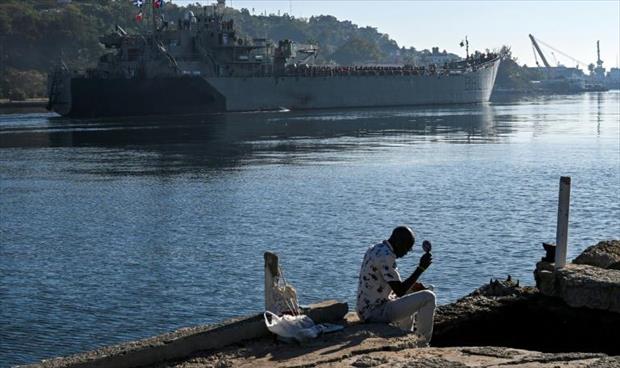
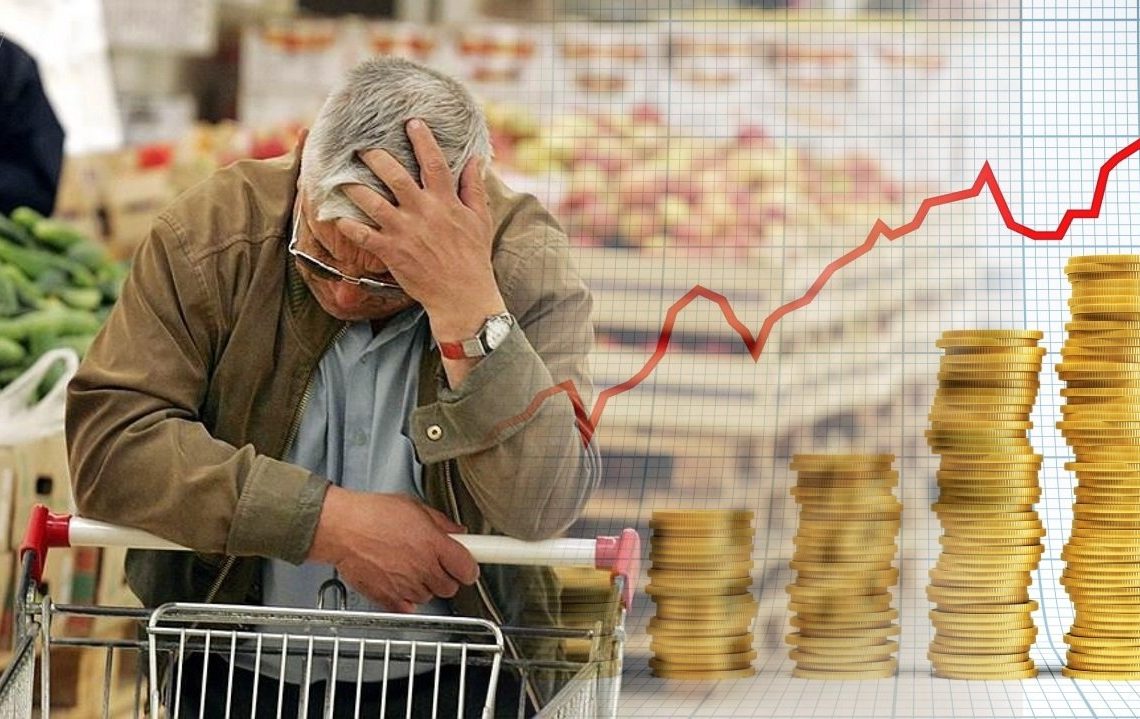
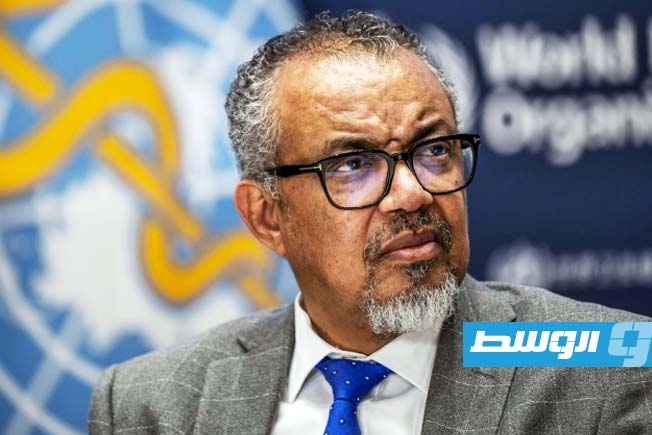
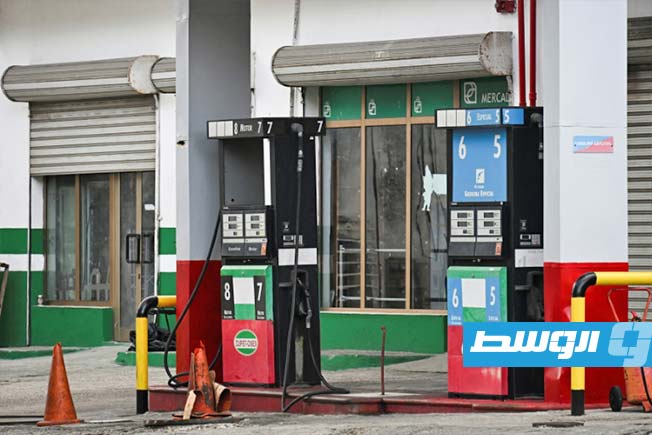
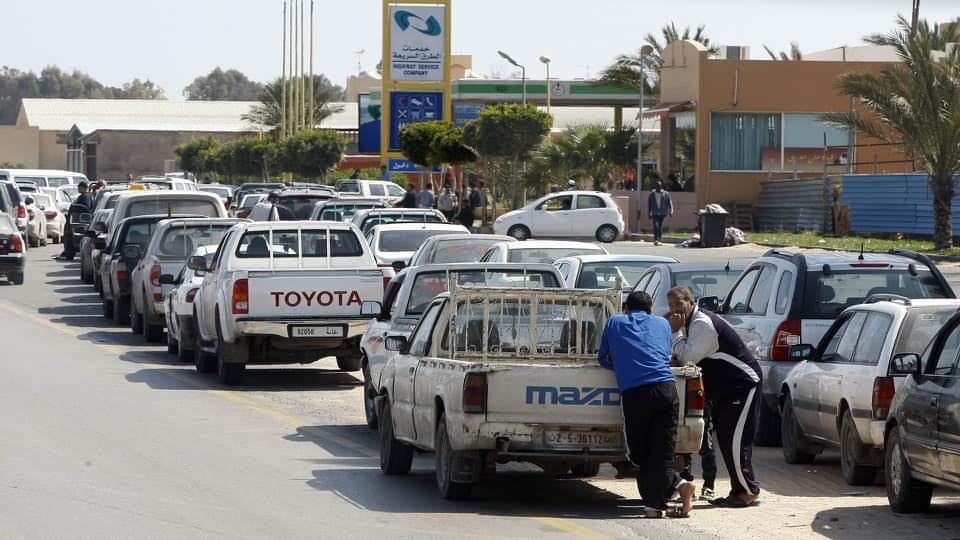
On Friday, the UN High Commissioner for Human Rights expressed “grave concern” over the deteriorating social and economic situation in Cuba, which is facing a severe fuel crisis amid pressures exerted by the United States.
A spokesperson stated at a press conference in Geneva: “The UN High Commissioner for Human Rights reiterates his call for all states to lift unilateral measures targeting specific sectors, given their significant impact on populations without discrimination.”
The spokesperson added: “Political objectives cannot justify measures that violate human rights.” The High Commission affirmed that “imposing sanctions on entire sectors causes economic difficulties and weakens the state’s ability to meet its core responsibilities,” noting that “this increases the risk of social unrest in Cuba.”
Cuba Under Financial and Commercial Blockade
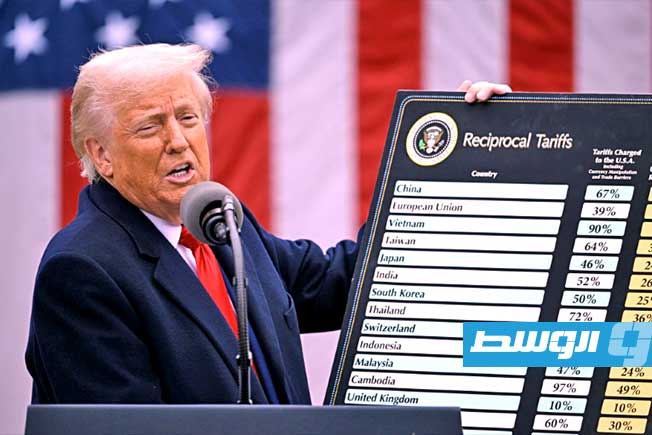
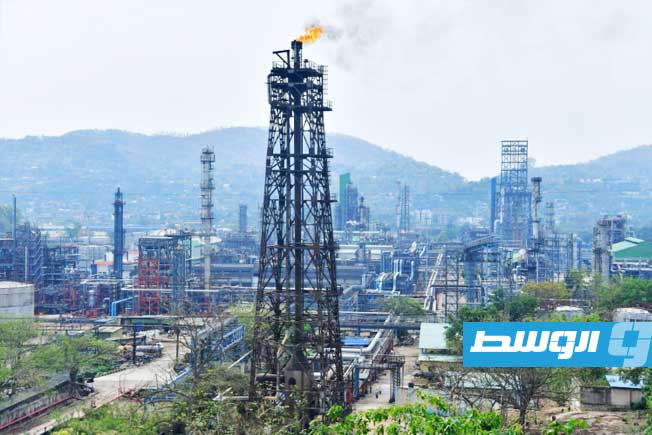
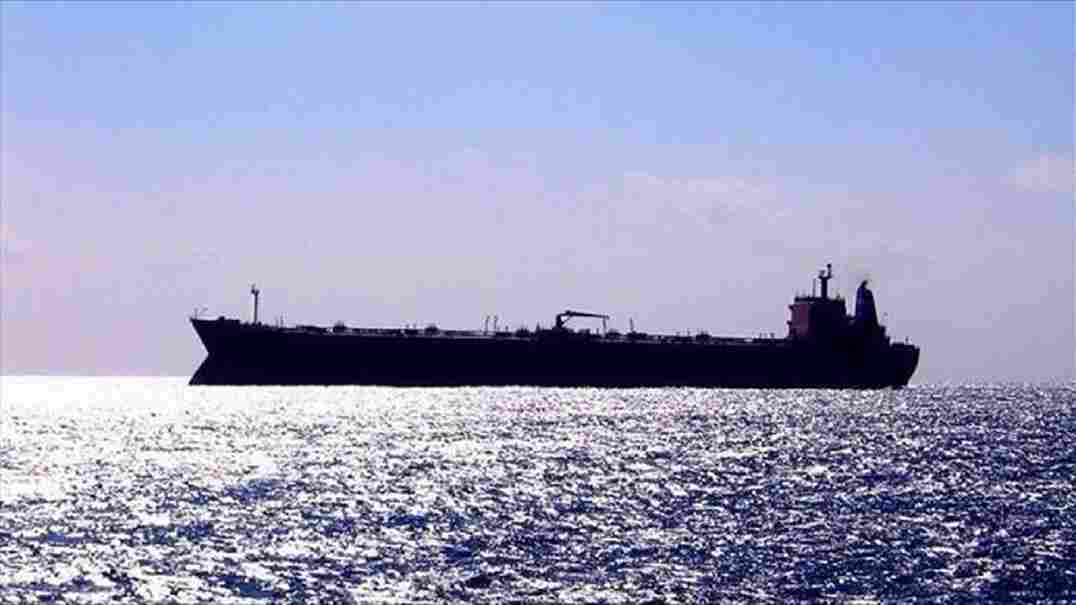
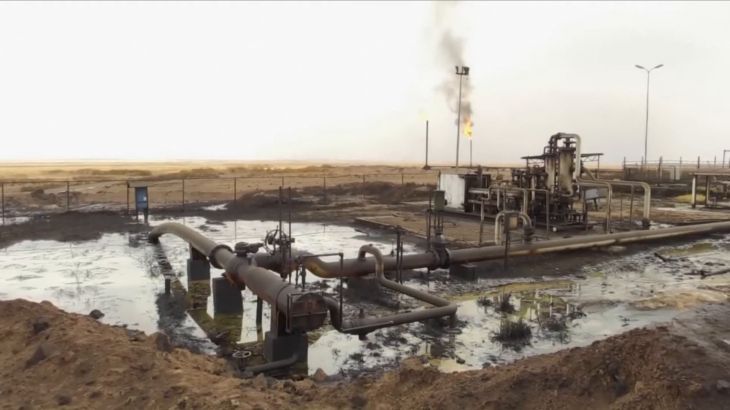
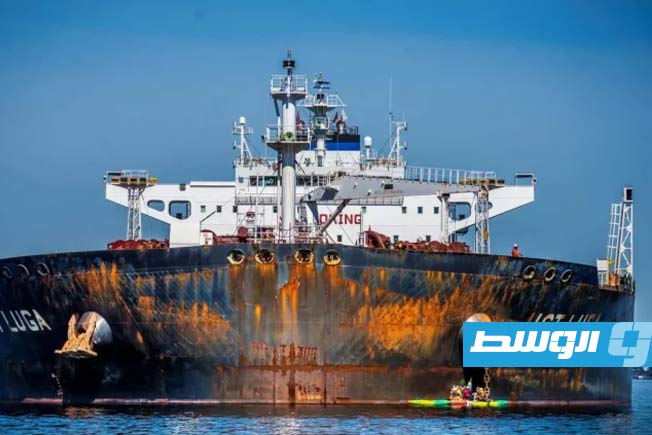
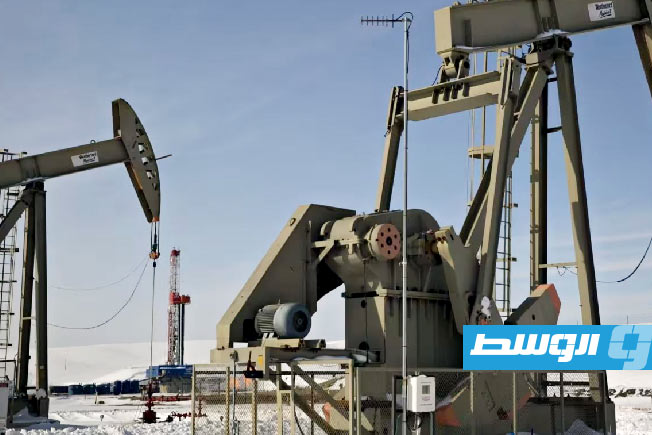
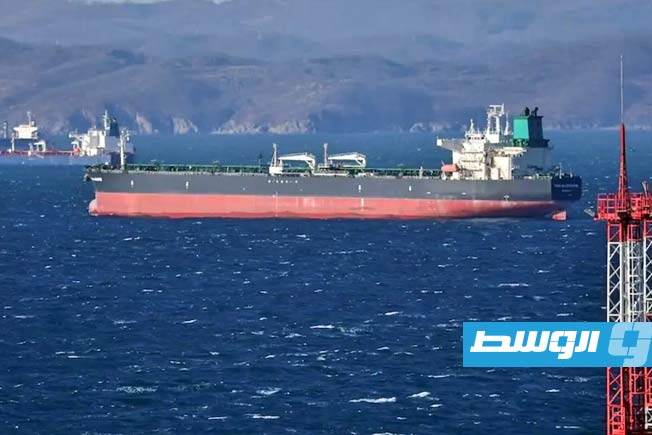
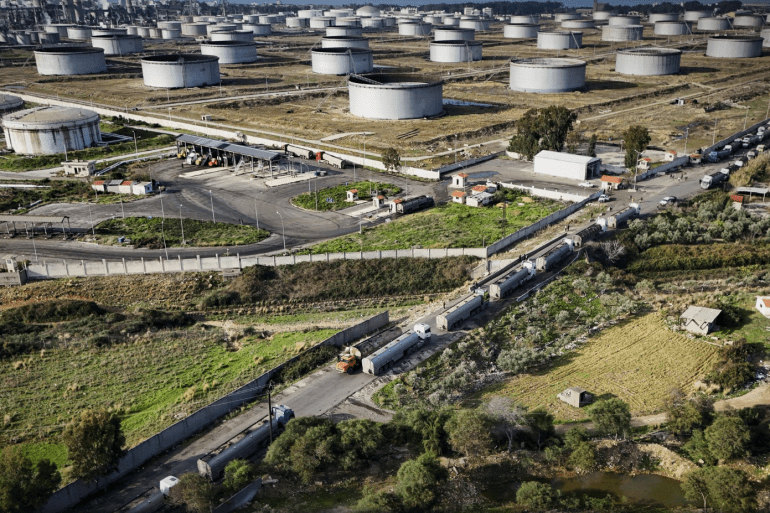
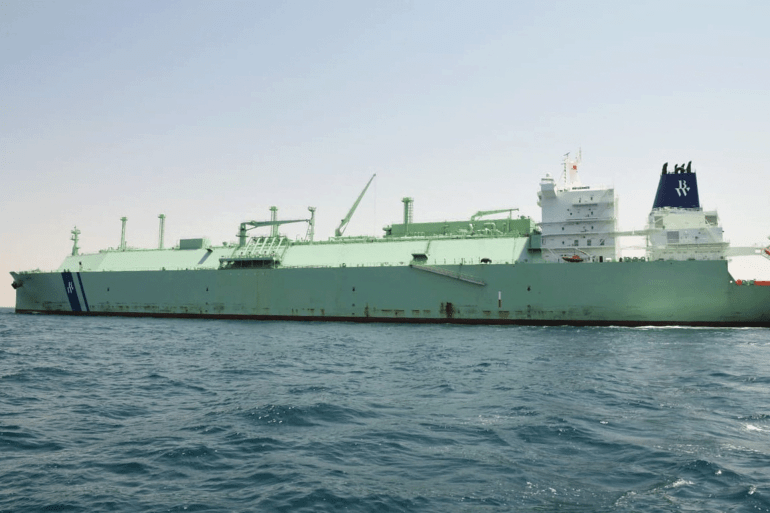
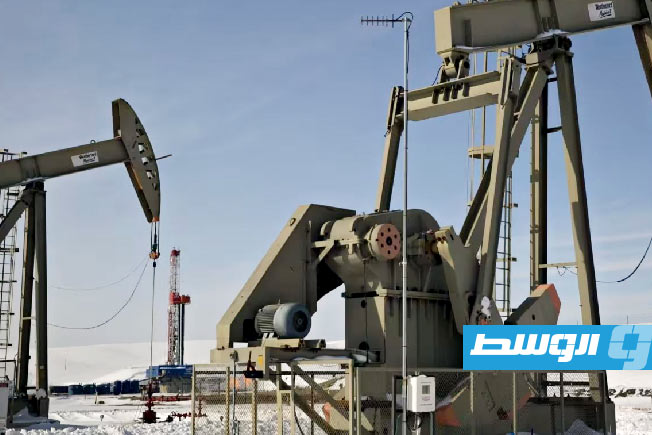
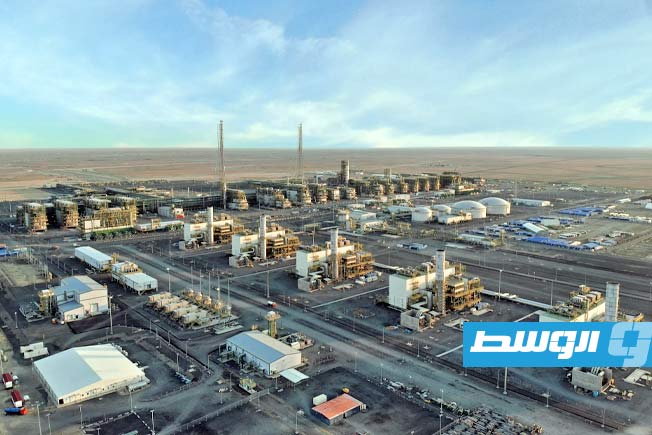
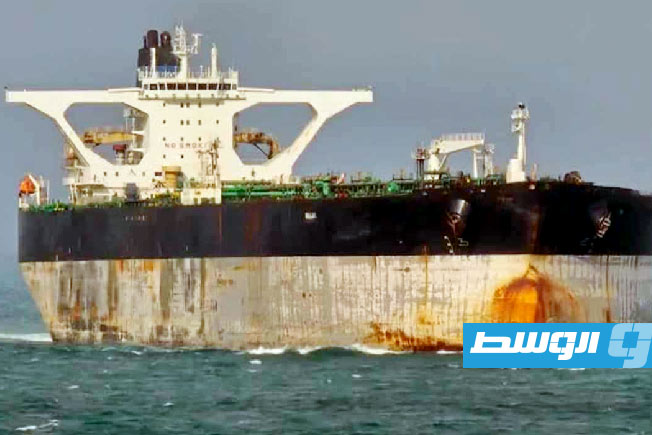
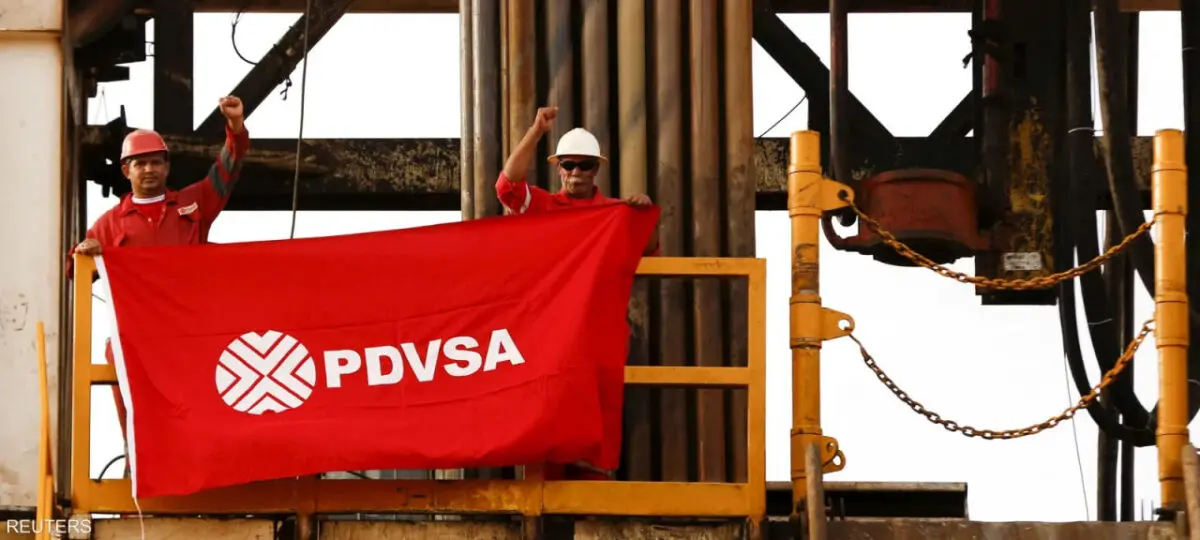
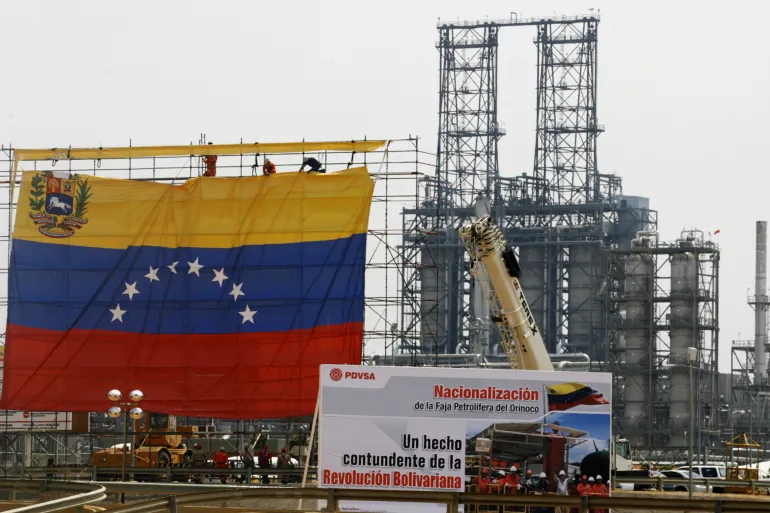
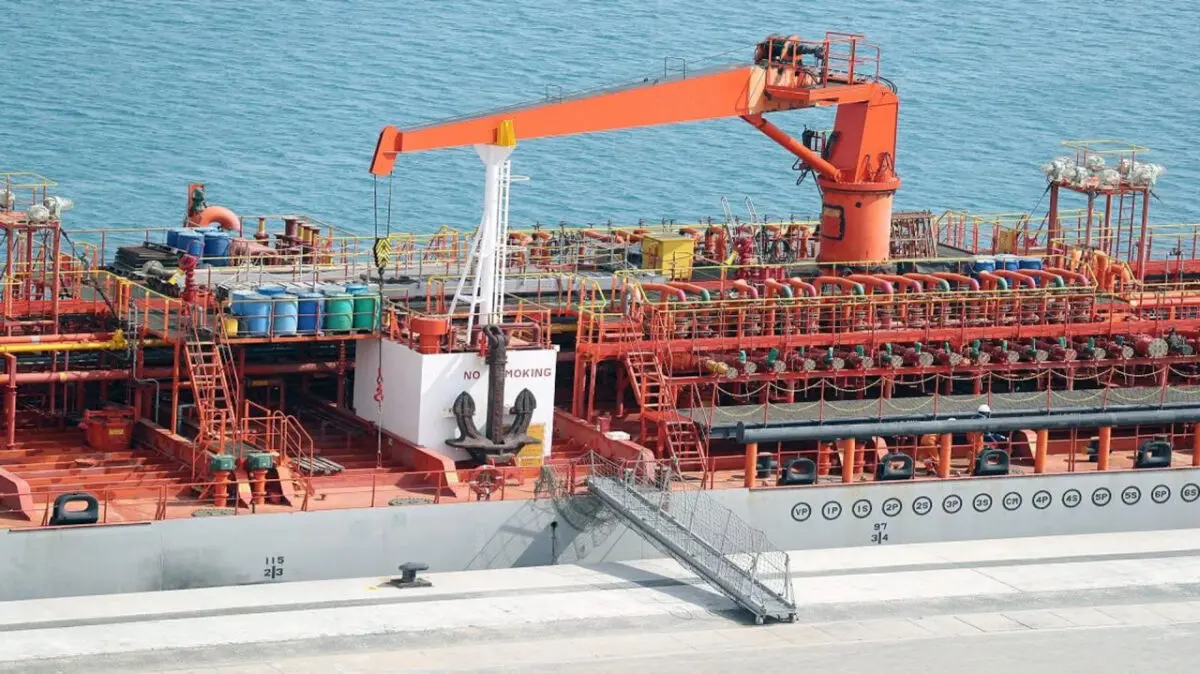
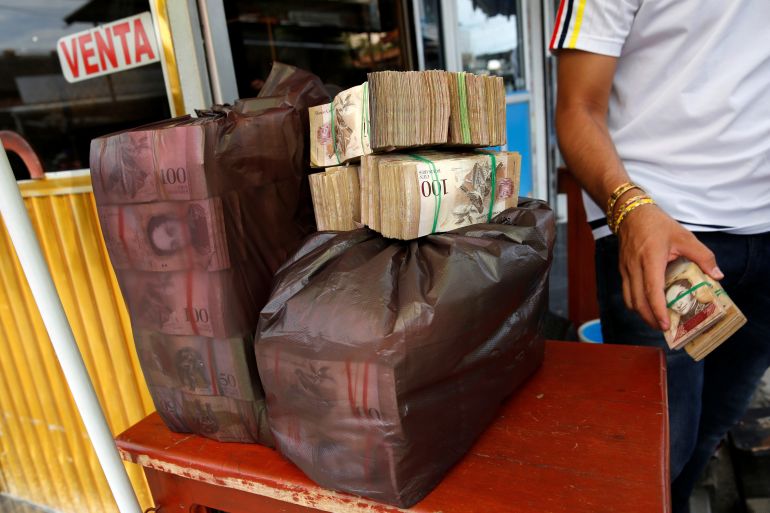
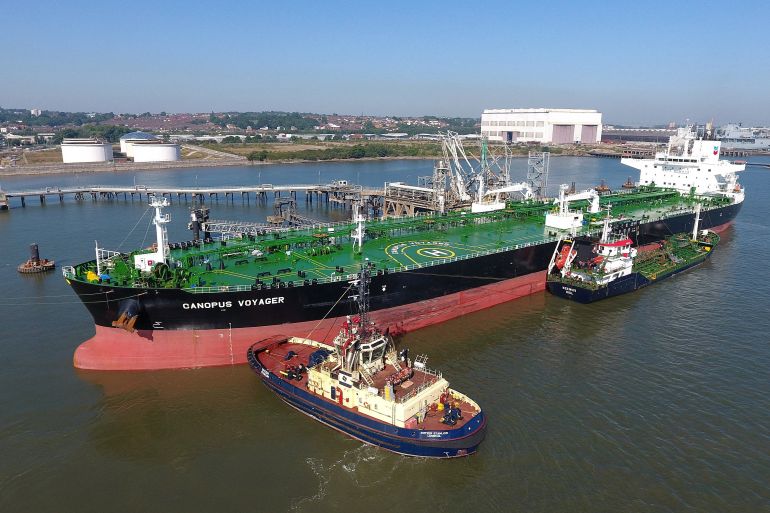
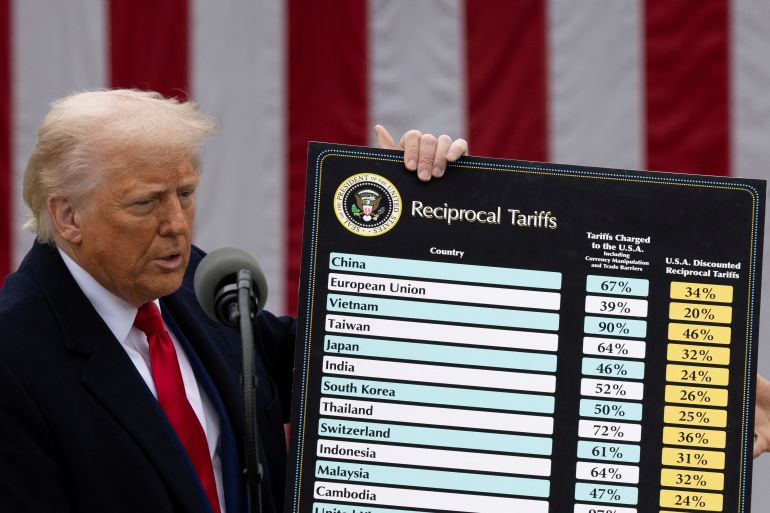
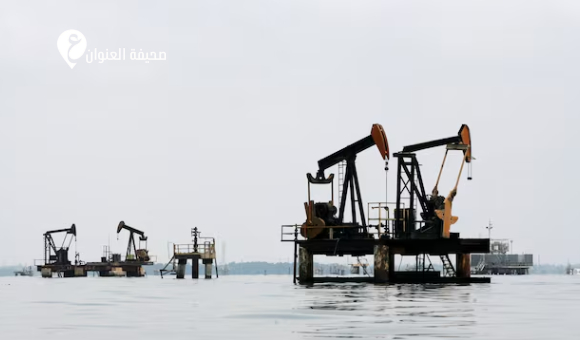
The situation in Cuba, governed by a communist system with a population of 9.6 million, has worsened since Venezuelan oil supplies were halted under US pressure. The US has threatened to impose tariffs on any country exporting oil to Cuba.
–
–
The spokesperson also said: “We are deeply concerned about the worsening social and economic crisis in Cuba, amid the decades-long financial and commercial blockade, extreme weather phenomena, and recent American actions that restrict oil supplies,” explaining: “This situation is leading to increasingly serious repercussions for human rights in Cuba.”
This UN warning comes a day after Mexico delivered humanitarian aid to Cuba. Other countries, including Russia, have expressed their intention to send aid to the island.
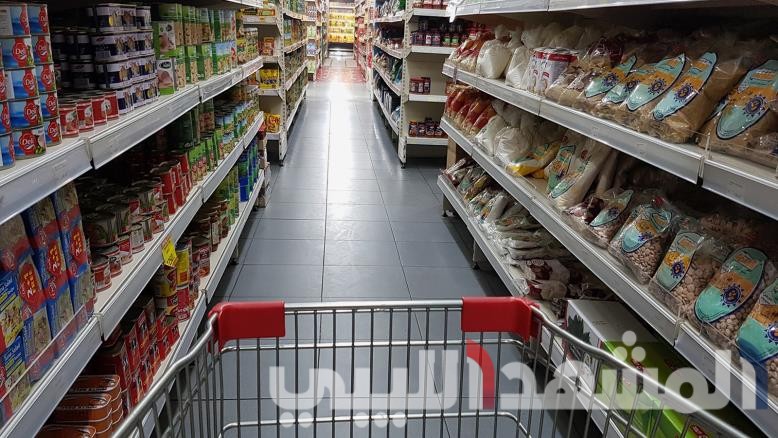
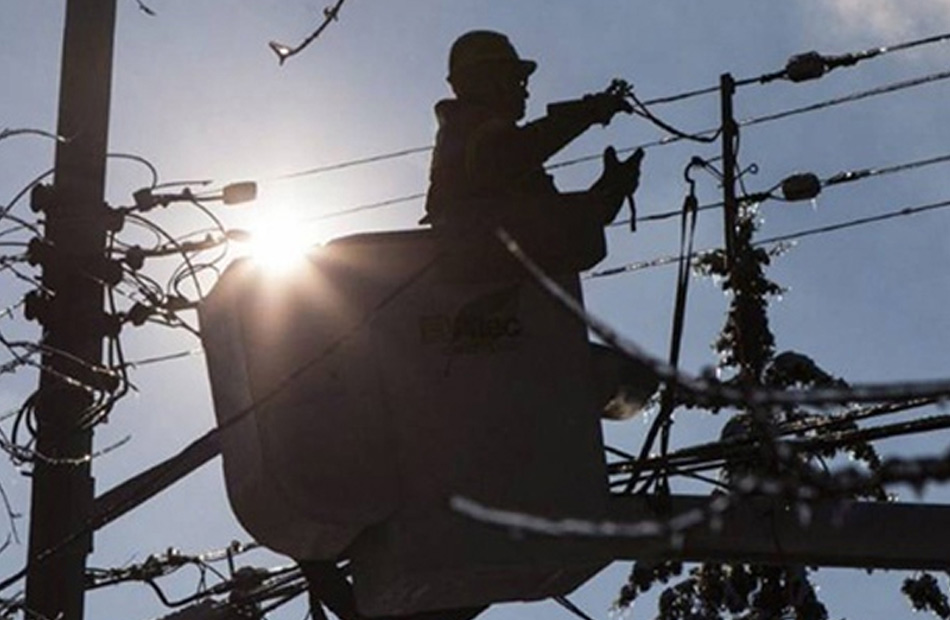
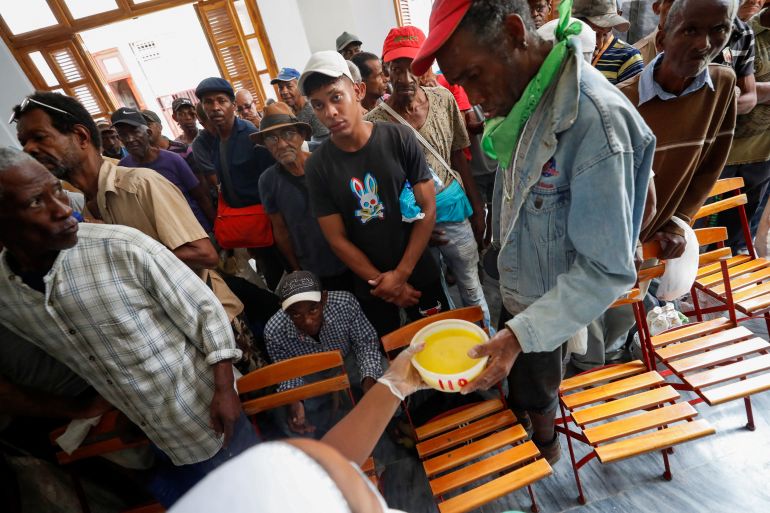
The spokesperson stated: “Given the dependence of health, food, and water systems on imported fuel, the current oil shortage threatens to halt essential services in Cuba. Access to essential goods and services, including food, water, and medicine, must be guaranteed, as well as the provision of sufficient supplies of fuel and electricity, as they are fundamental to ensuring the right to life and the ability to enjoy many other rights.”
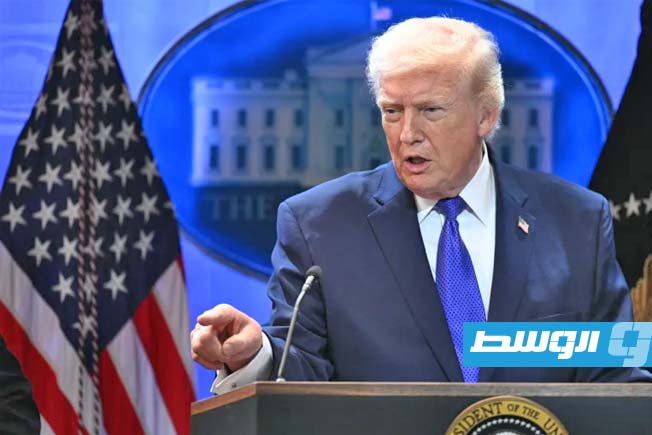
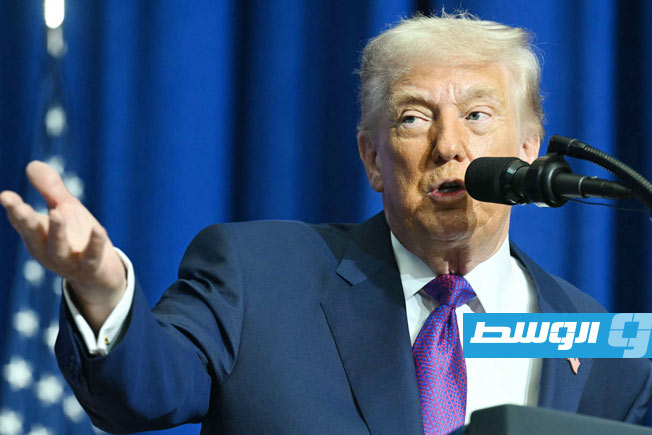
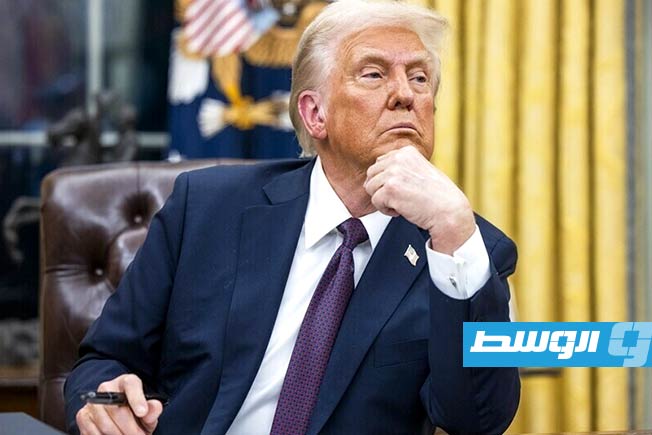
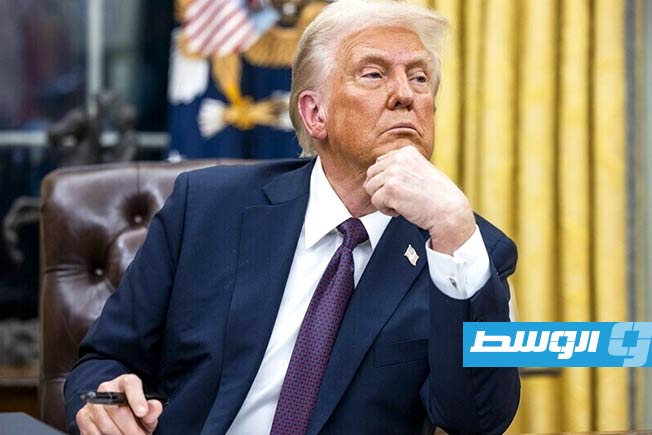
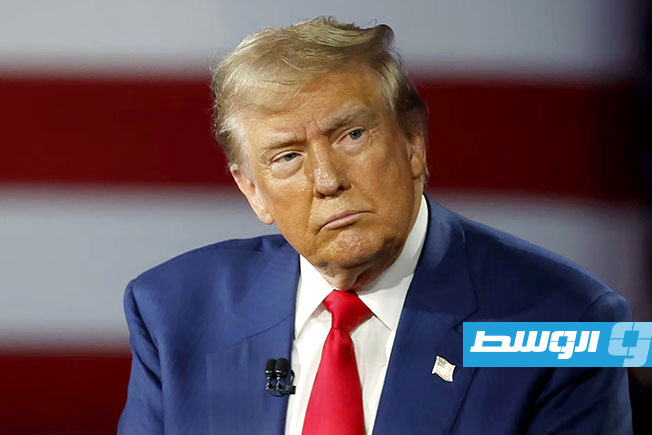
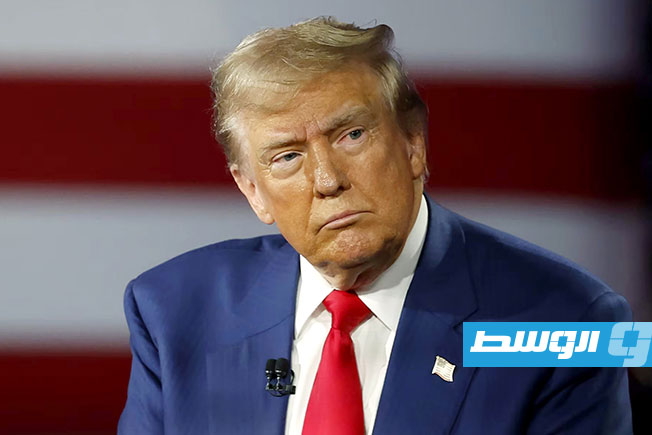
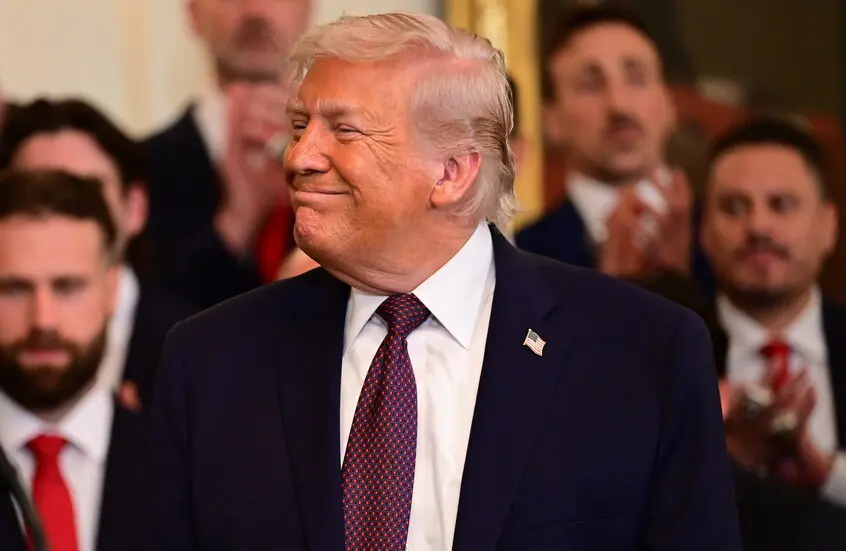
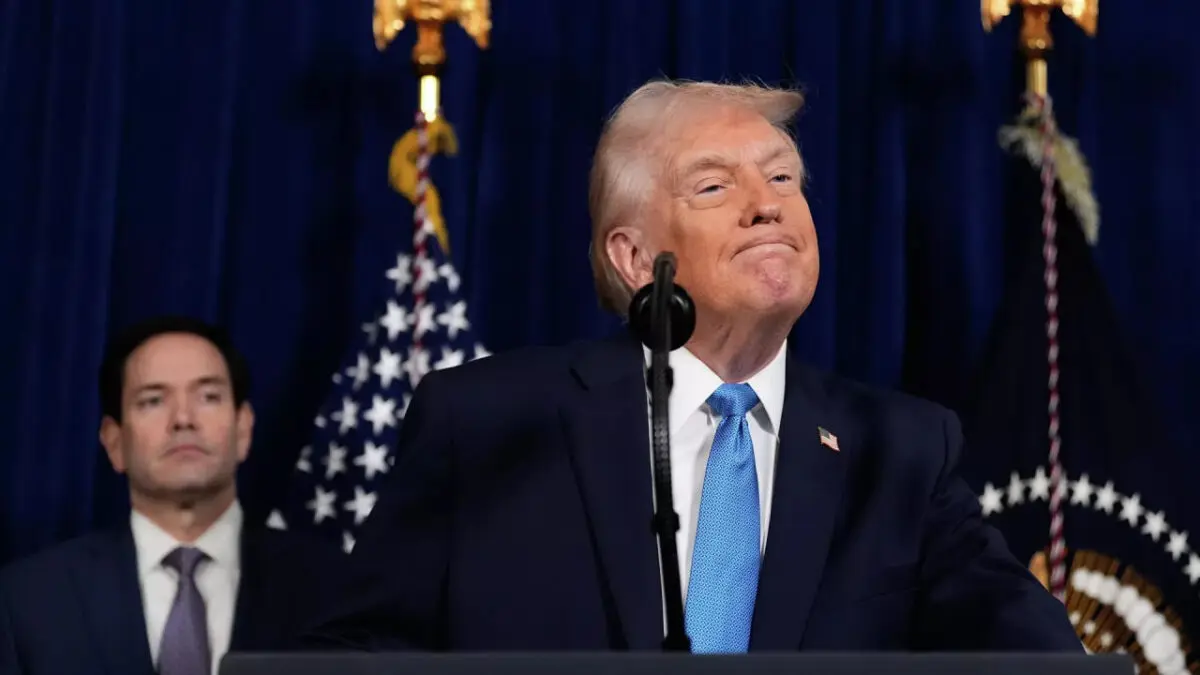
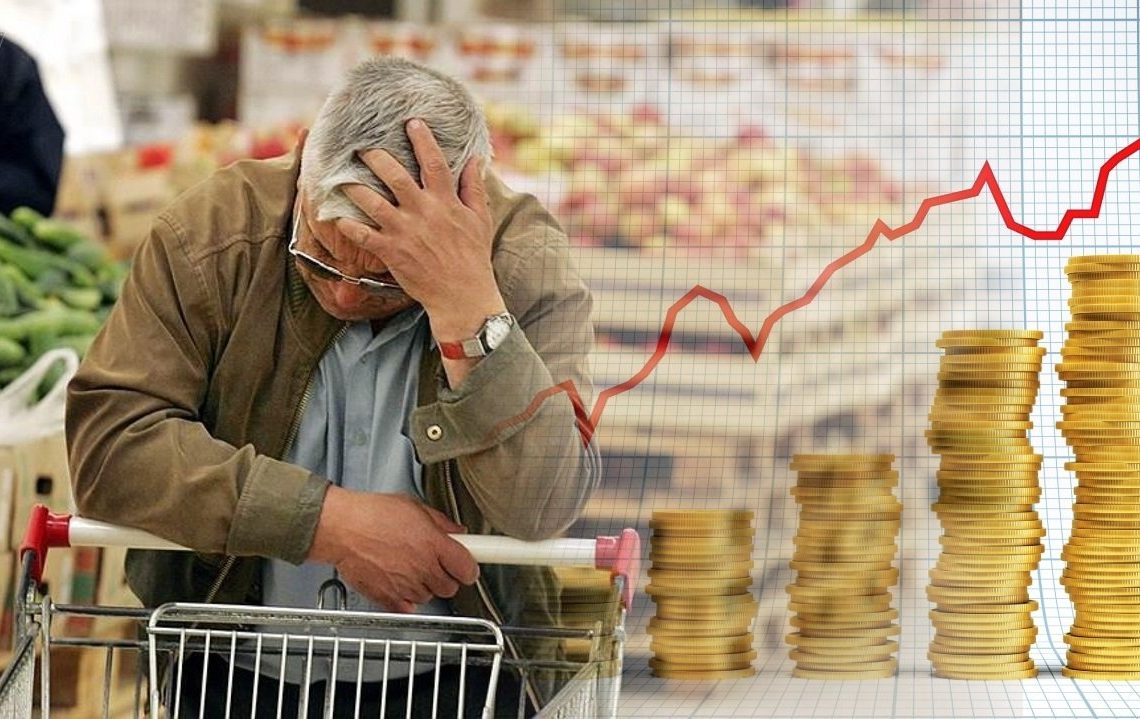
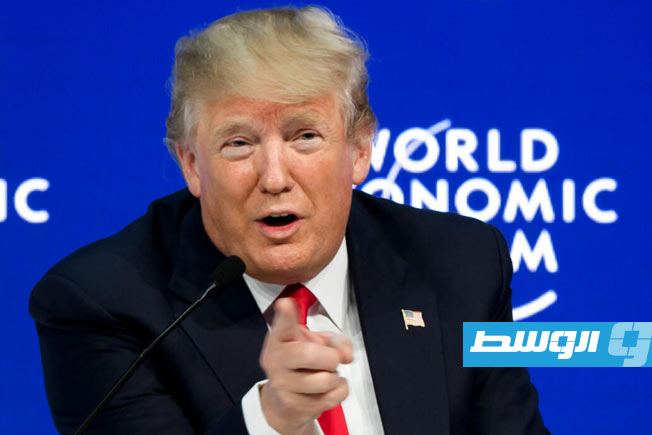
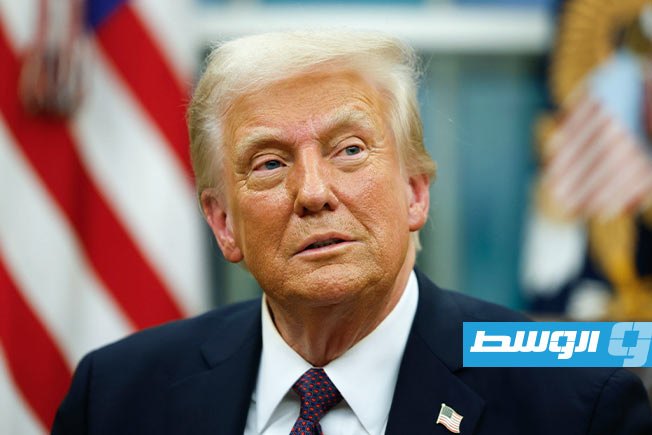
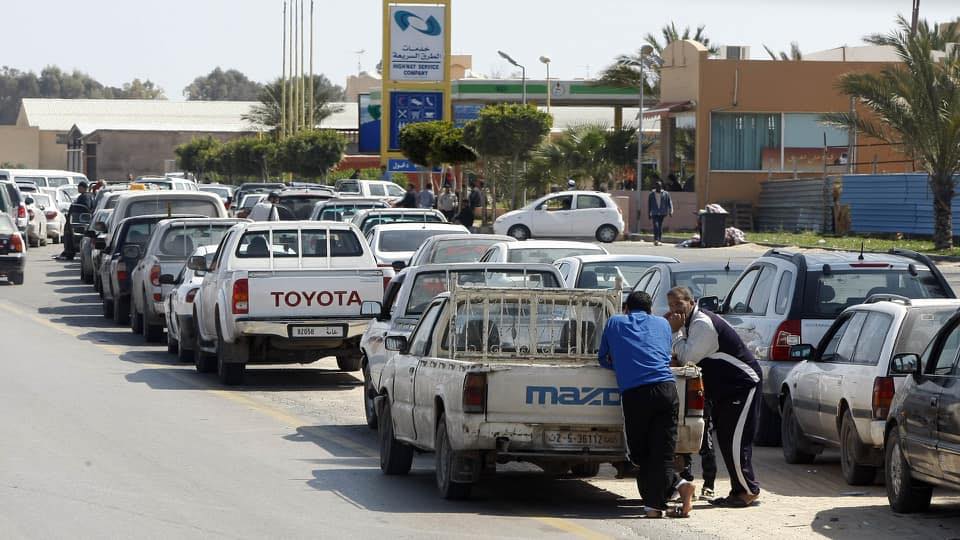
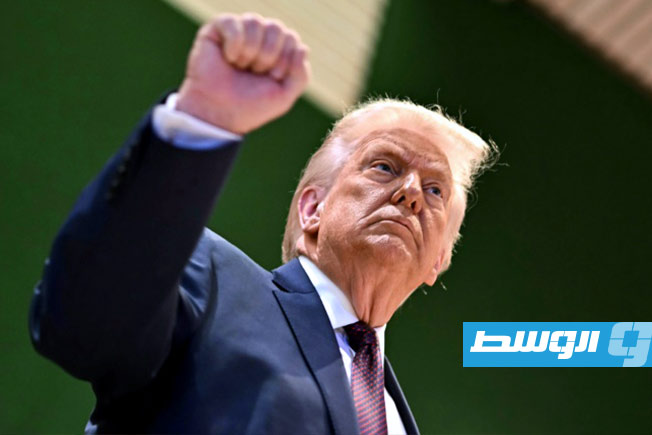
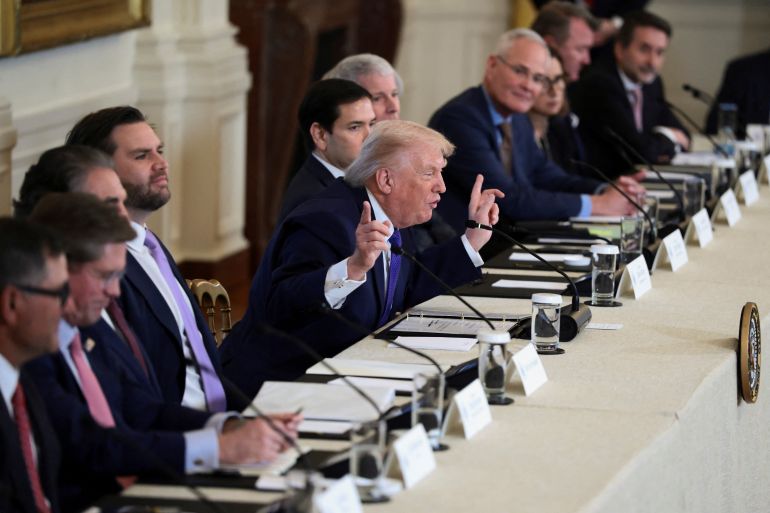
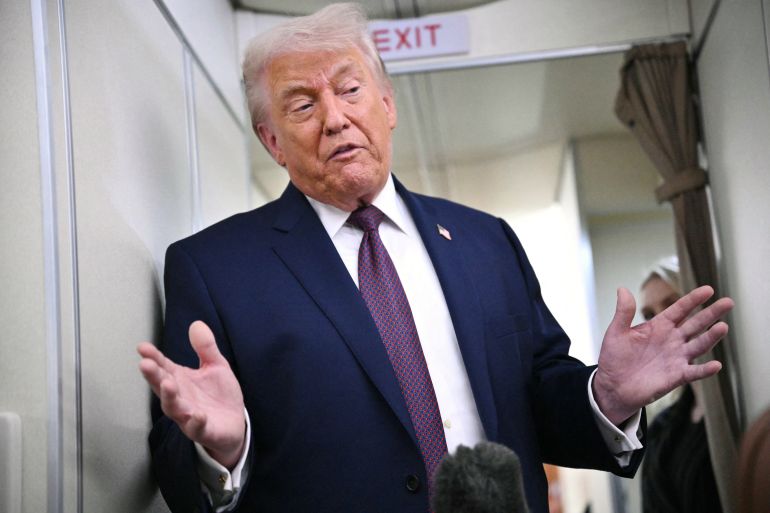
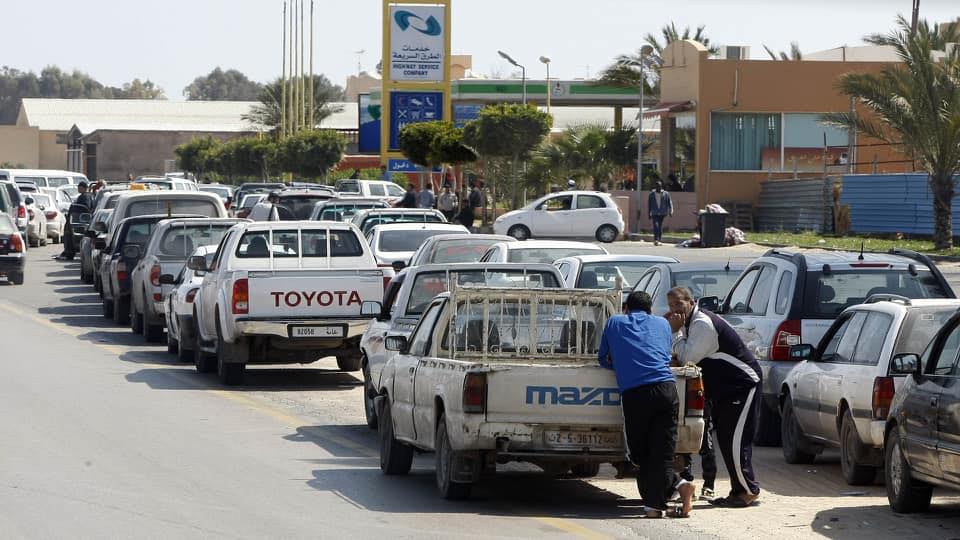
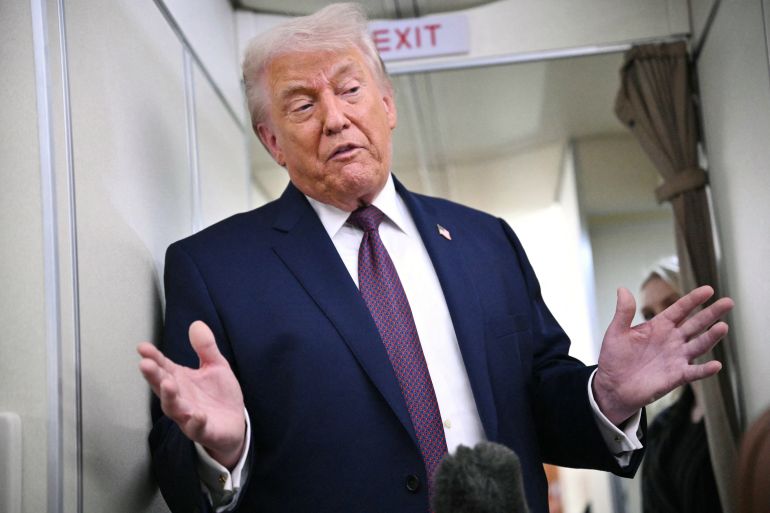
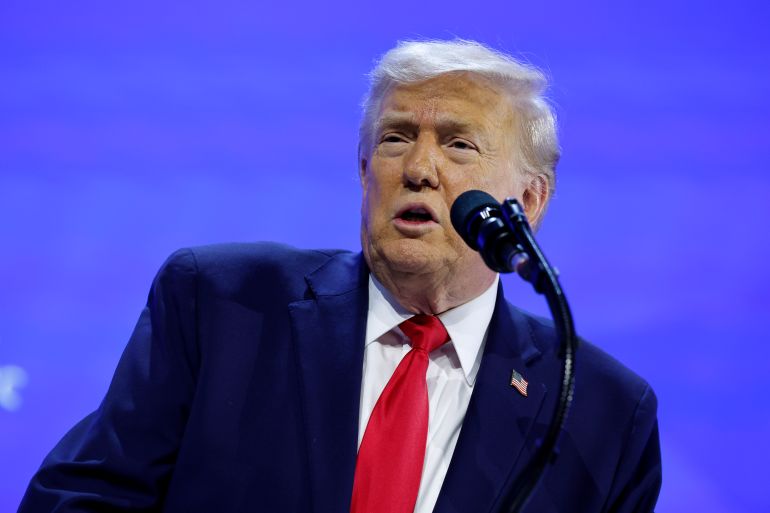
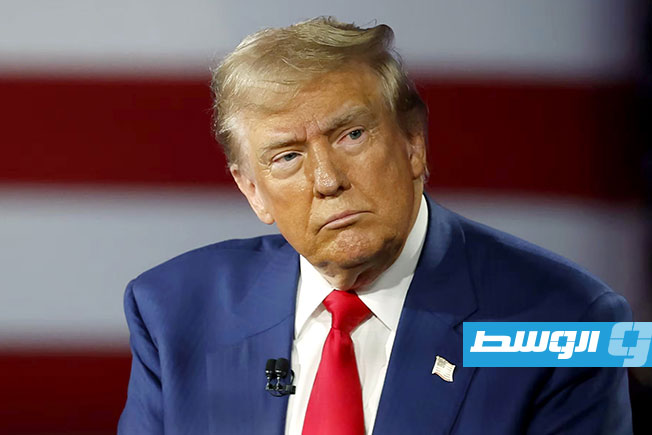
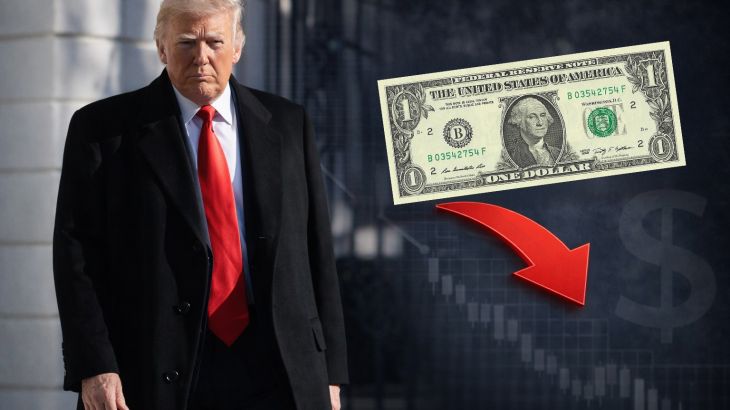
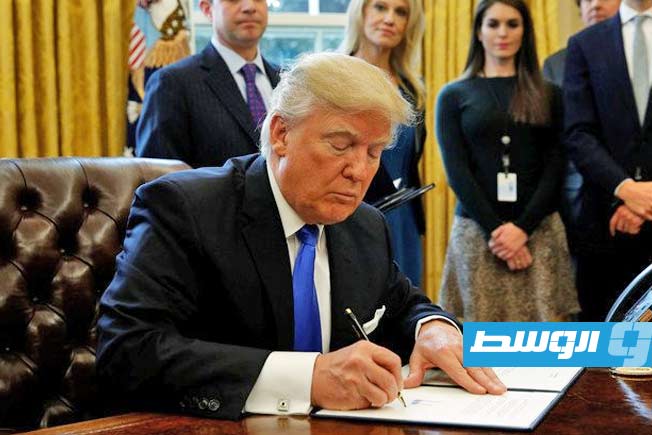
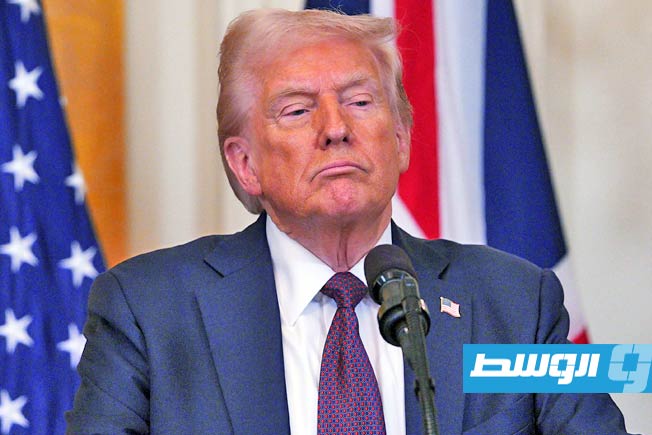
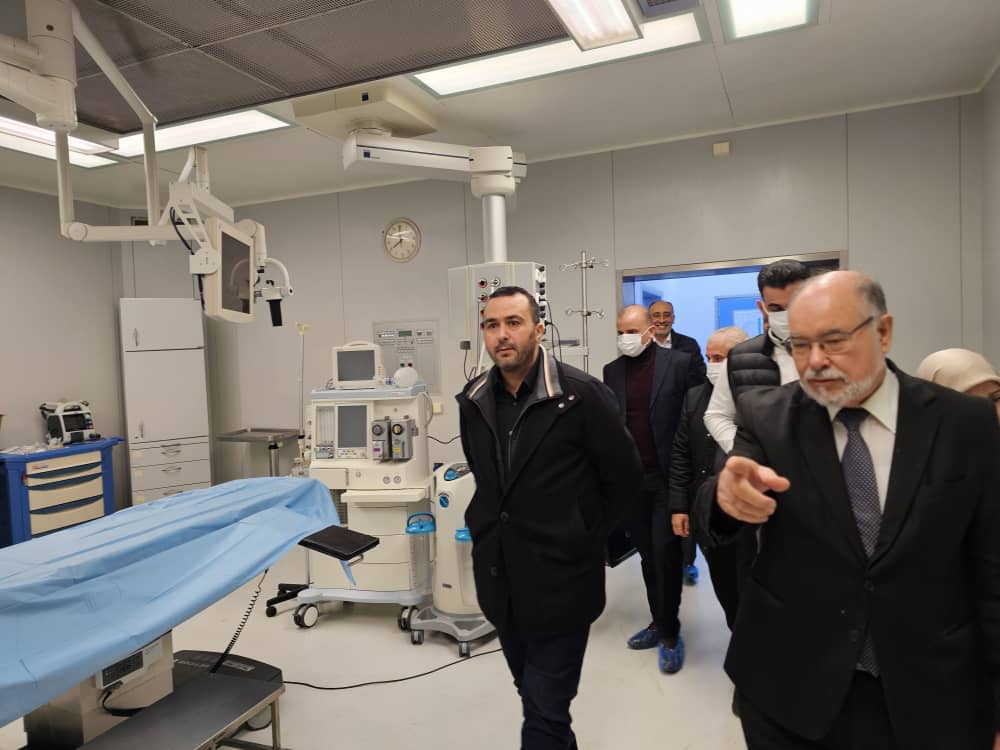
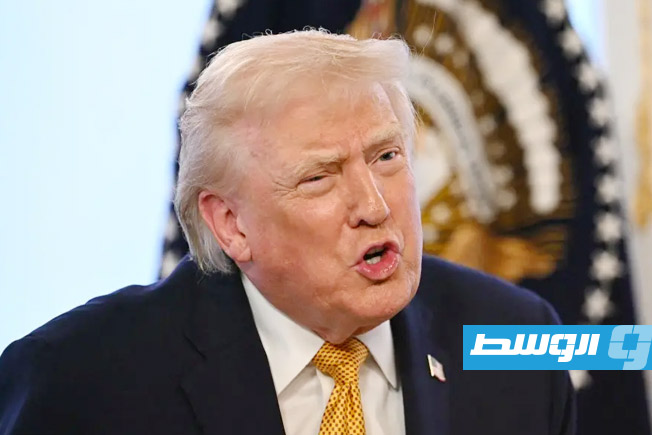
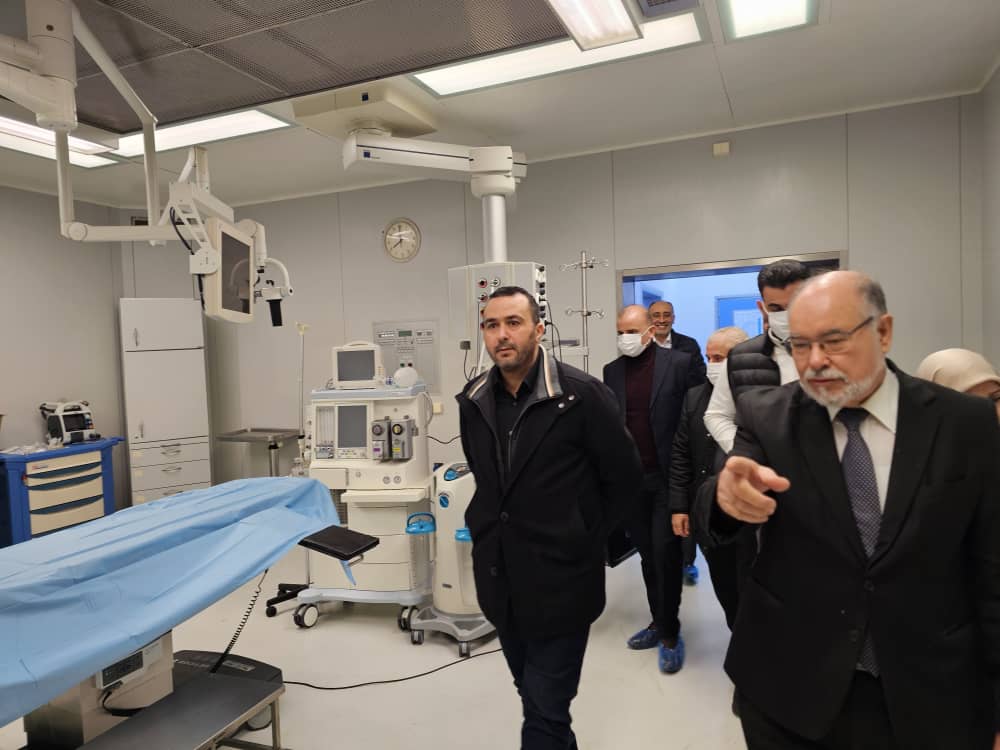
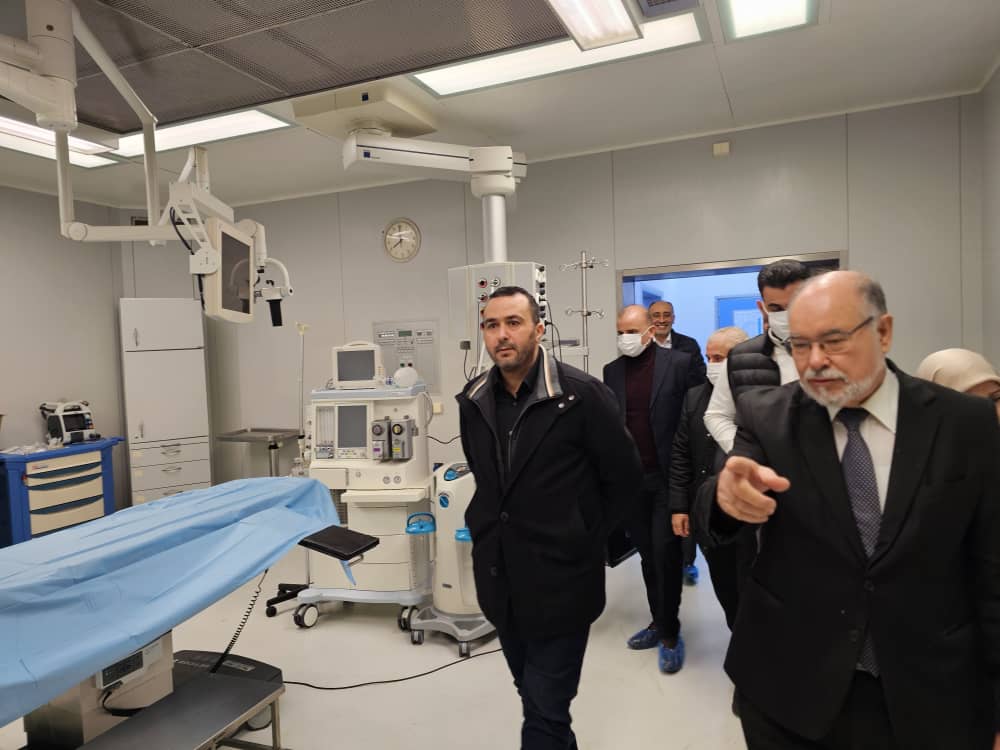
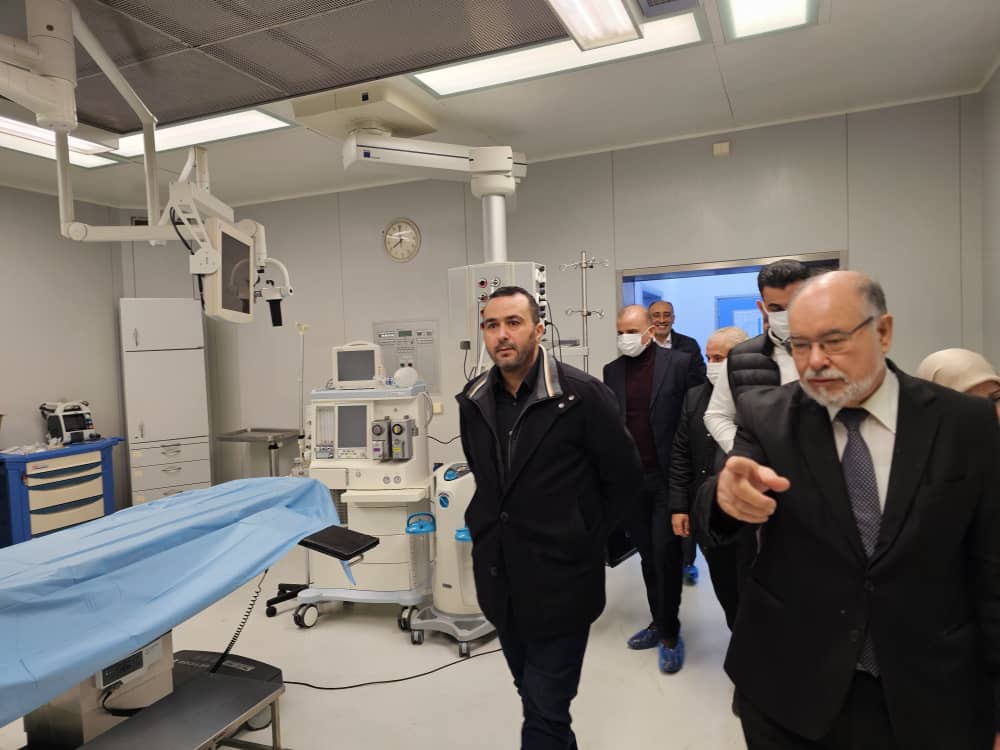
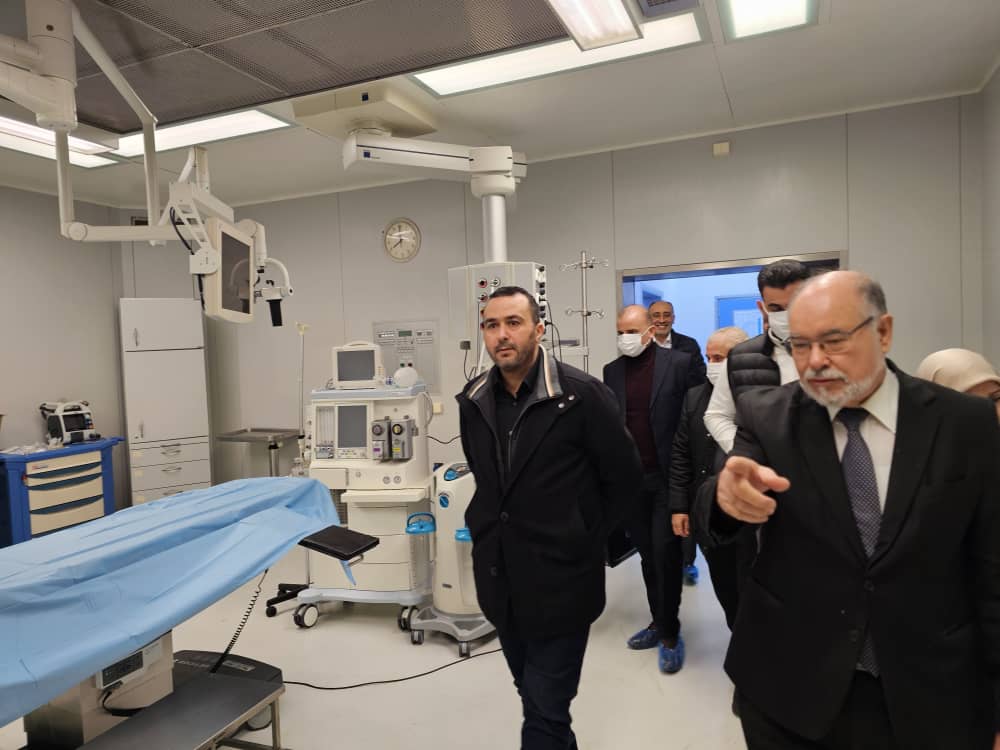
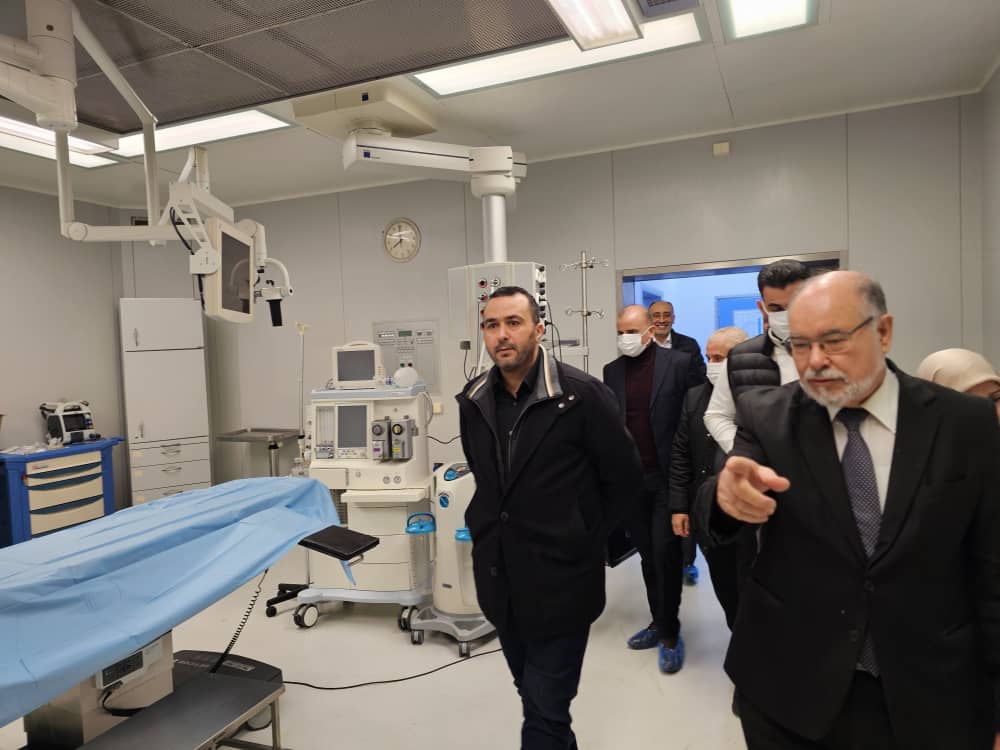
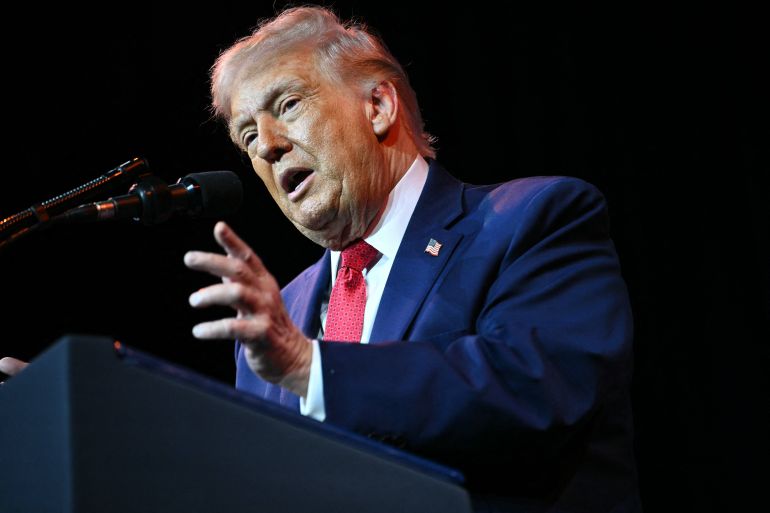
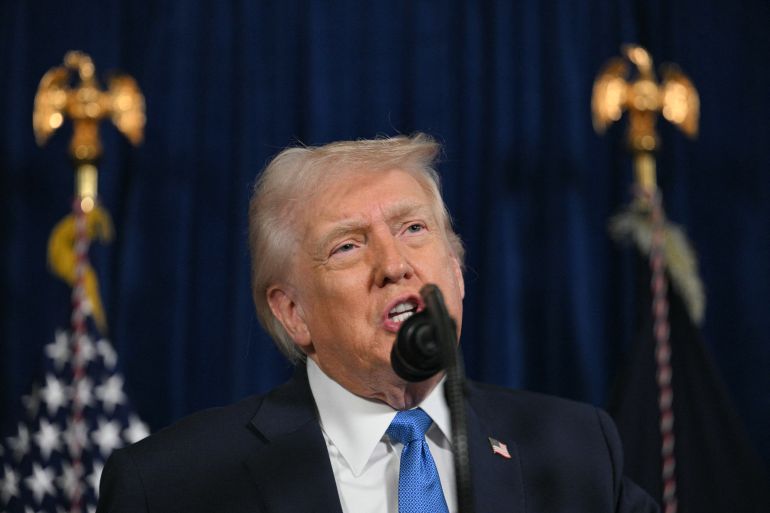
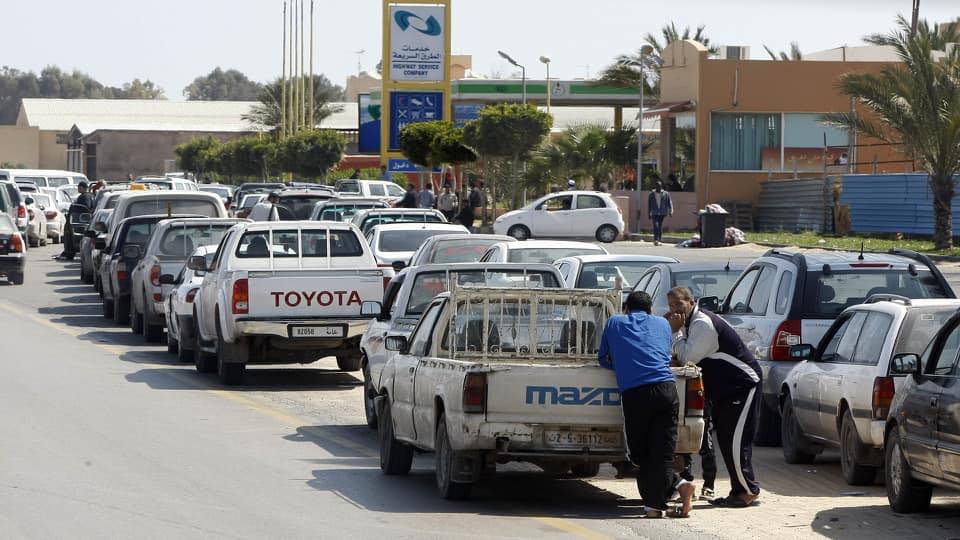
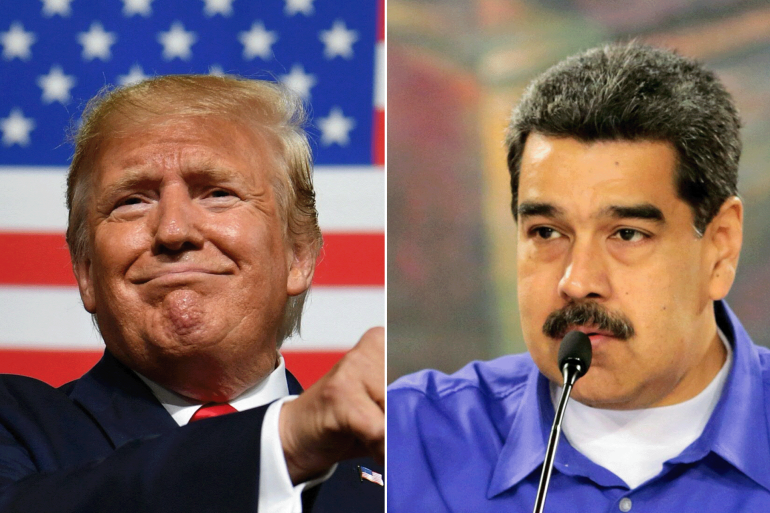
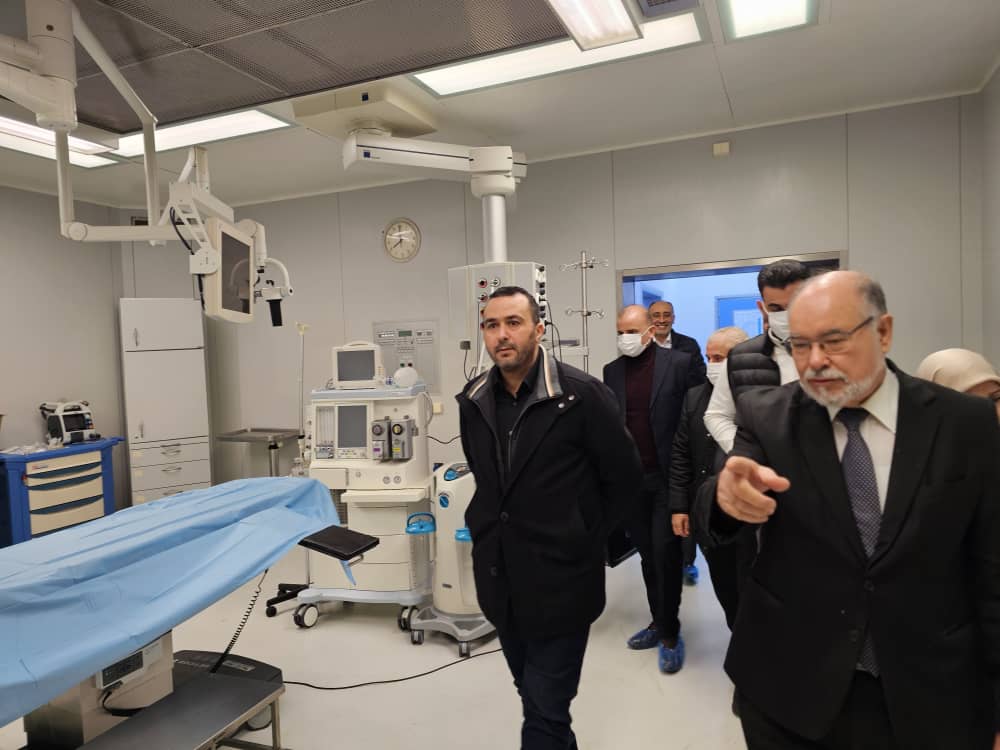
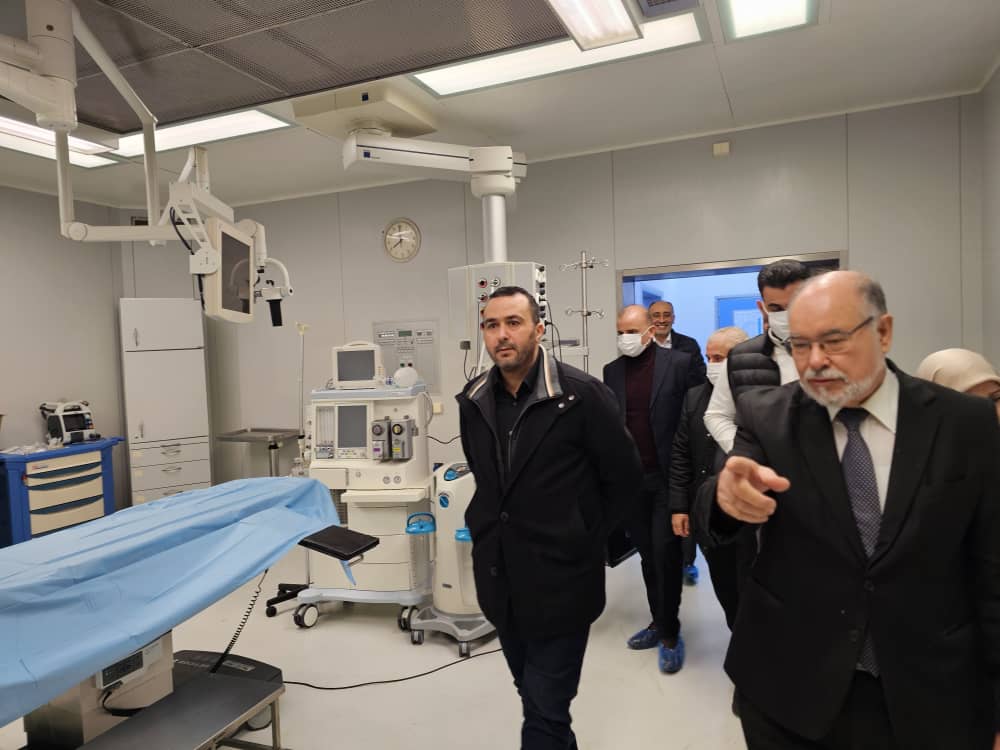
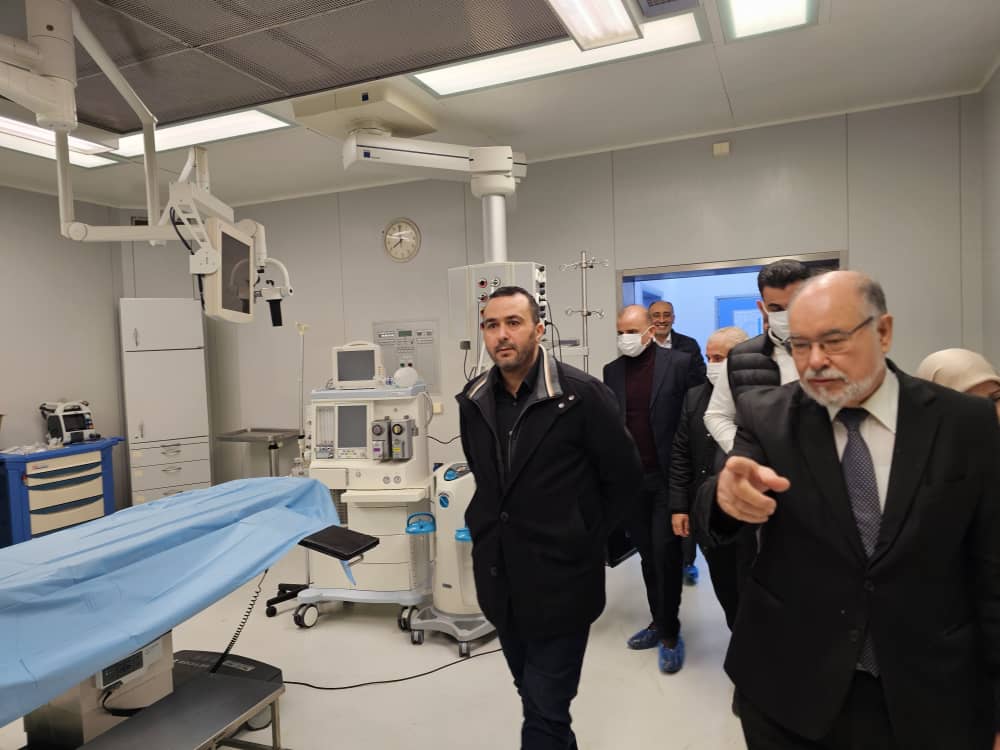
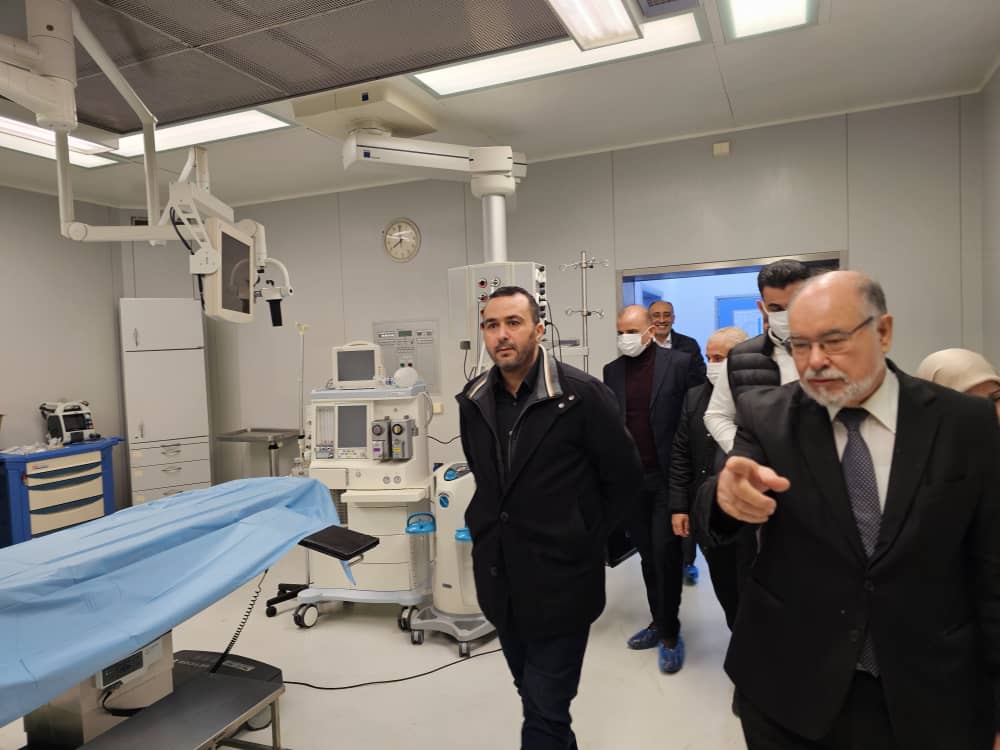
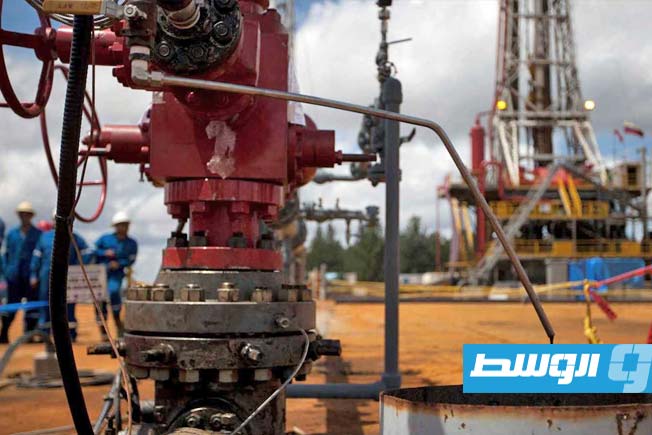
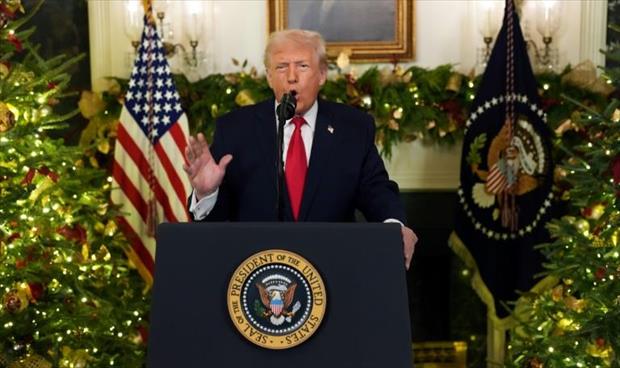
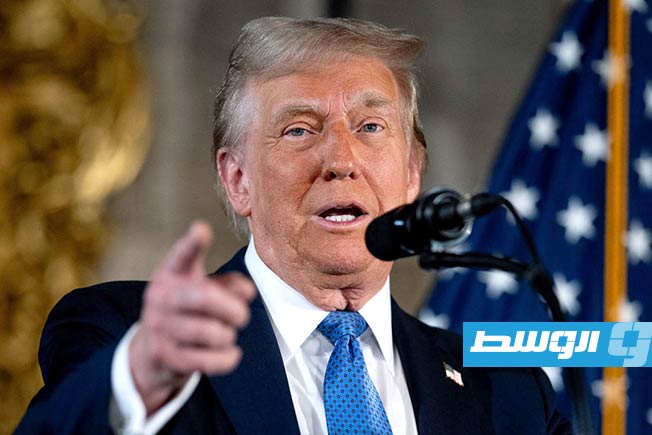
Havana accuses US President Donald Trump of seeking to “strangle” the island’s economy. Emergency measures have been in effect since Monday, such as gasoline rationing, reducing the work week to four days in government offices, remote work, and online university studies. The fuel shortage has also forced health authorities to reduce staff numbers in hospitals and postpone non-essential surgeries.
United Nations
The United Nations is an international organization founded in 1945 after World War II to promote peace, security, and cooperation among nations. It replaced the League of Nations and is headquartered in New York City, with 193 member states working on issues ranging from humanitarian aid to climate change.
Cuba
Cuba is an island nation in the Caribbean with a complex history shaped by Spanish colonization, the Atlantic slave trade, and its 1959 socialist revolution. Its culture is a renowned fusion of Spanish, African, and other influences, evident in its music, dance, and architecture. Key historical sites include Old Havana, a UNESCO World Heritage site with well-preserved colonial-era buildings.
United States
The United States is a federal republic founded in 1776 after declaring independence from Great Britain, establishing itself through a revolutionary war and the adoption of a constitution in 1787. Its history is marked by westward expansion, industrial growth, and its emergence as a global superpower in the 20th century. The nation is defined by its diverse cultural heritage, democratic institutions, and significant economic and political influence worldwide.
Geneva
Geneva is a major global city in Switzerland, historically known as a center for the Protestant Reformation under John Calvin in the 16th century. It is now a key hub for international diplomacy, hosting numerous United Nations agencies and the Red Cross.
Venezuela
Venezuela is a South American country with a history of indigenous inhabitation before Spanish colonization in the 16th century, leading to its independence in 1811 under Simón Bolívar. It is known for its significant oil reserves, biodiverse landscapes like the Andes Mountains and Angel Falls, and cultural landmarks such as the historic center of Coro, a UNESCO World Heritage site.
Mexico
Mexico is a country with a rich pre-Columbian history, including advanced civilizations like the Maya and Aztec, which were later colonized by Spain in the 16th century. It gained independence in 1821 and is now known for its vibrant cultural heritage, encompassing traditions in food, music, and art, as well as numerous UNESCO World Heritage sites like ancient pyramids and colonial cities.
Russia
Russia is the world’s largest country by area, spanning Eastern Europe and Northern Asia, with a history that dates back to the establishment of the Kievan Rus’ state in the 9th century. It evolved through the Tsardom of Russia, the Russian Empire, the Soviet Union, and into the modern Russian Federation, playing a major role in global politics, culture, and science throughout. Its cultural heritage is vast, encompassing iconic sites like the Kremlin and Red Square in Moscow and the historic center of Saint Petersburg.
Havana
Havana is the capital city of Cuba, founded by the Spanish in 1519. It became a major port for the Spanish treasure fleet and is renowned for its well-preserved colonial architecture in Old Havana, a UNESCO World Heritage Site. The city’s history is deeply shaped by Spanish colonialism, the Atlantic slave trade, and the 20th-century Cuban Revolution.
Donald Trump
Donald Trump is a businessman and media personality who served as the 45th President of the United States from 2017 to 2021. His presidency was marked by a populist and unconventional political style, significant tax reforms, and a focus on immigration restriction and “America First” foreign policy.