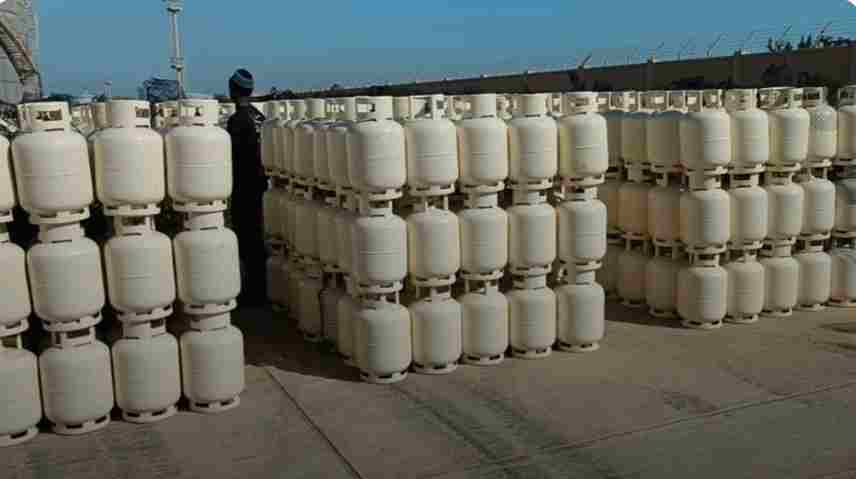
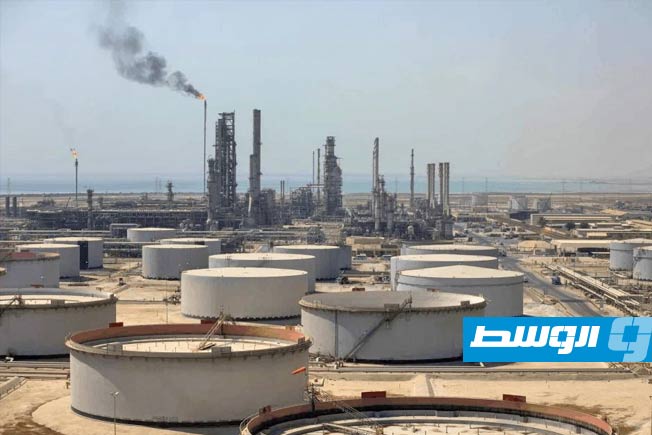
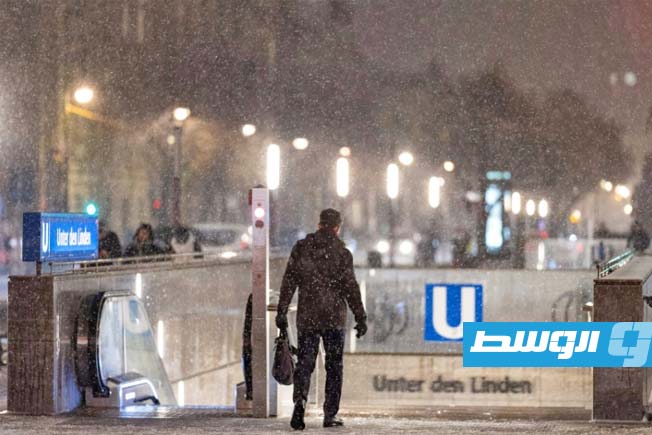
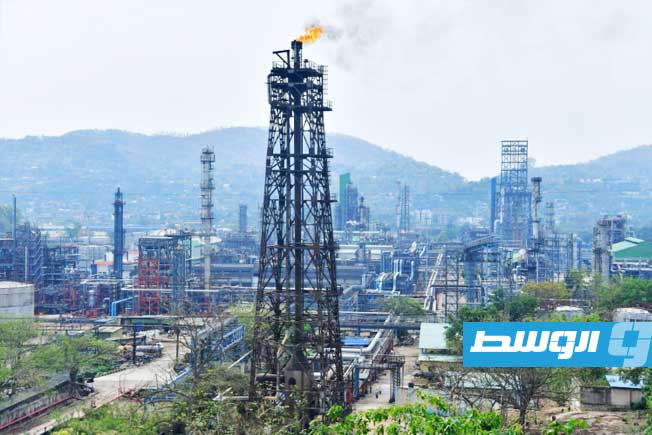
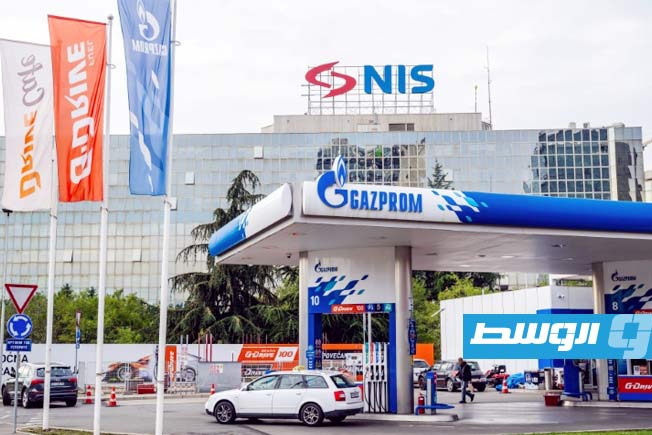
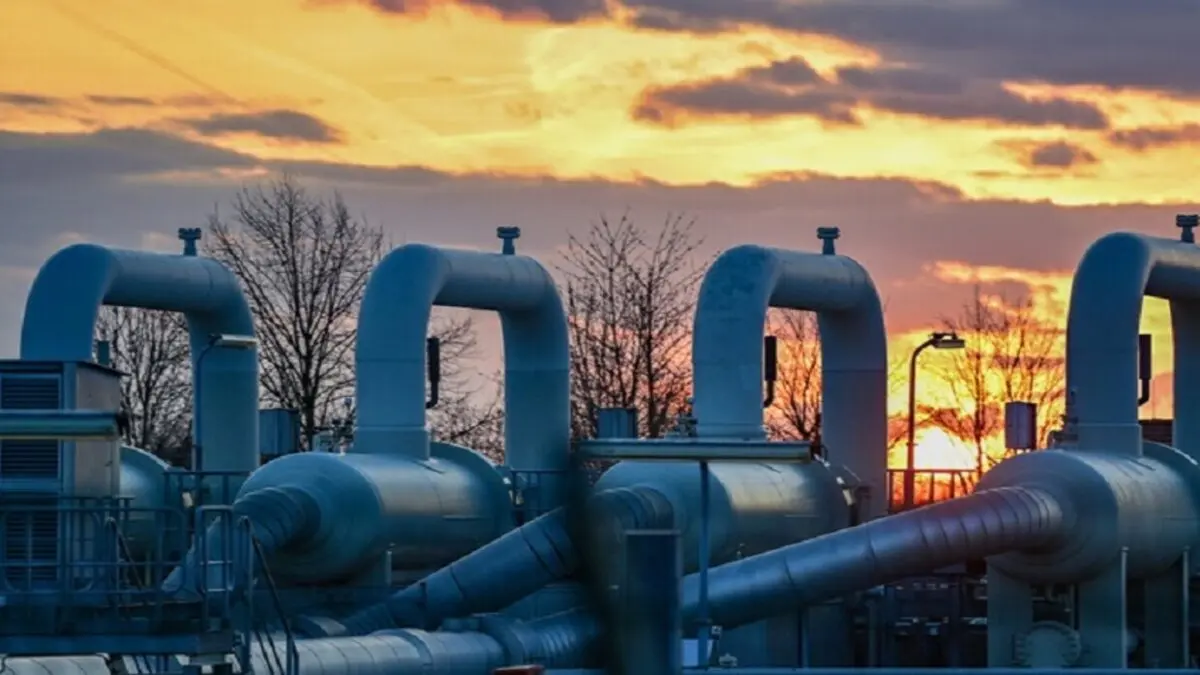
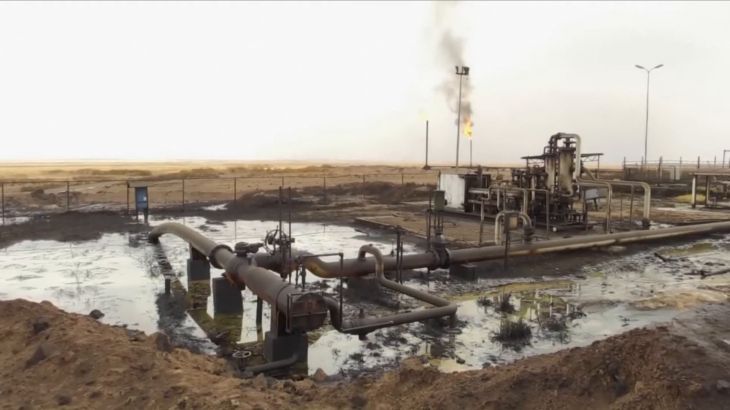
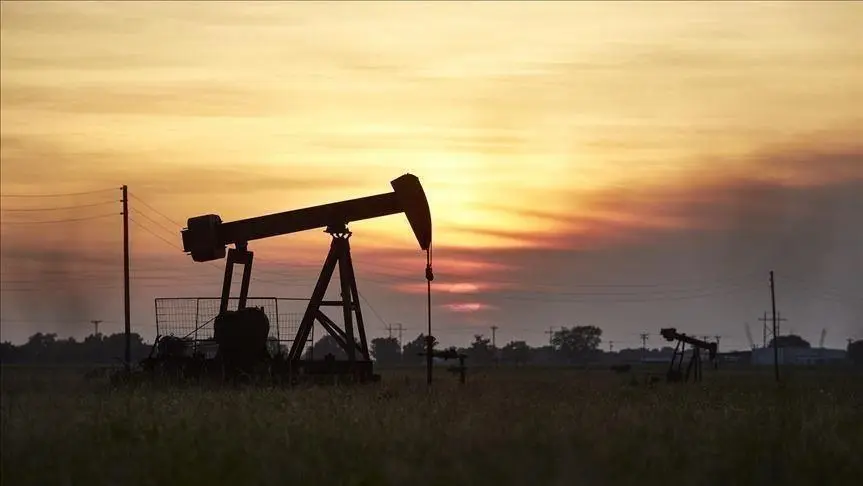
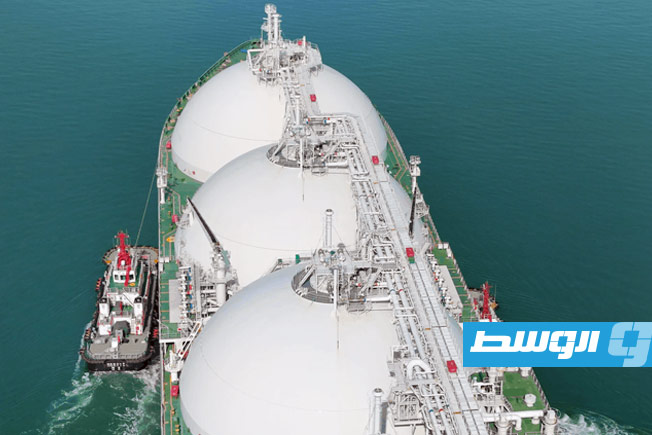
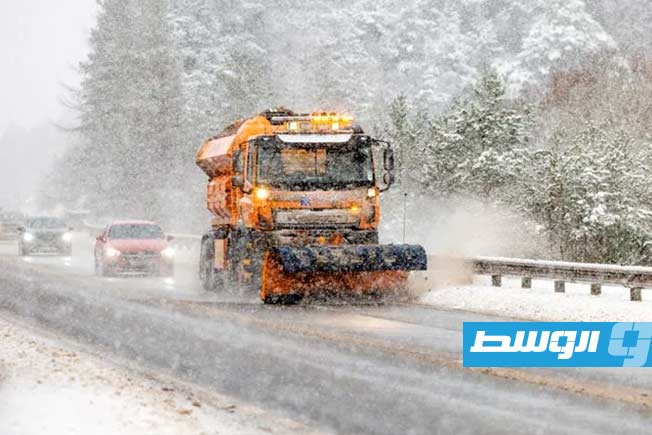
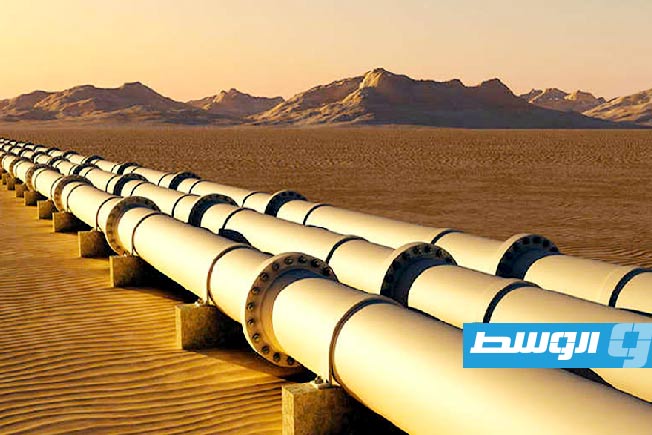
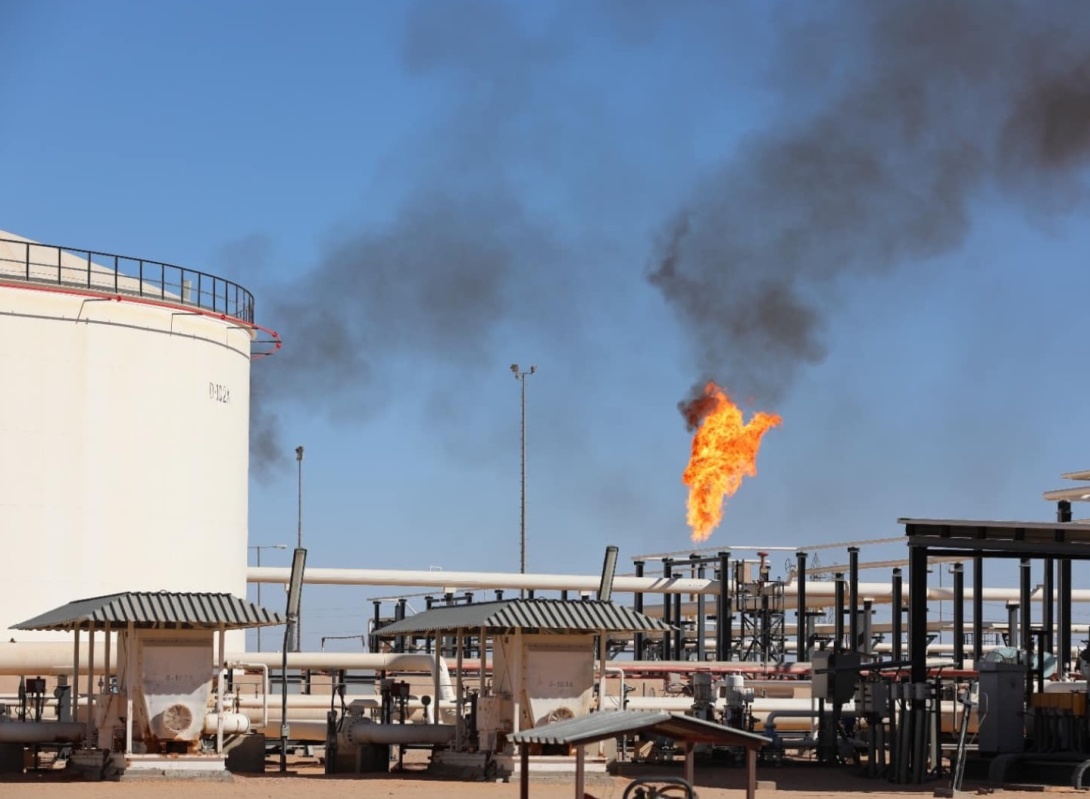
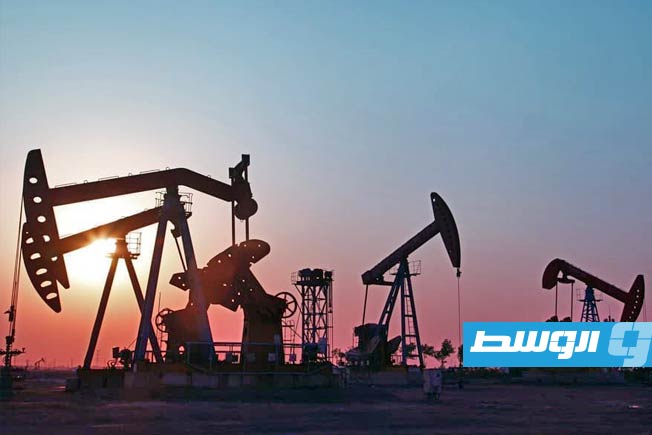
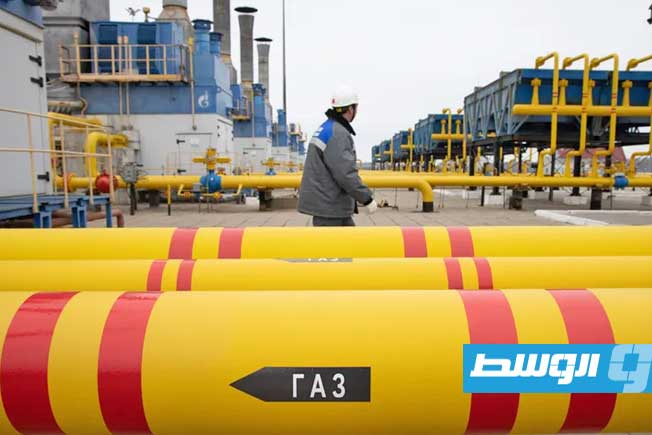
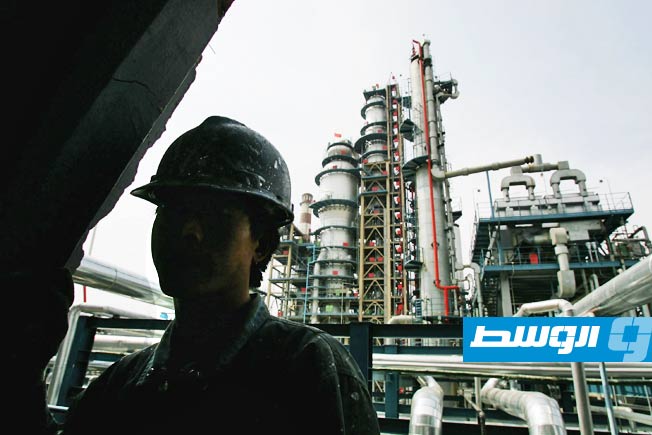
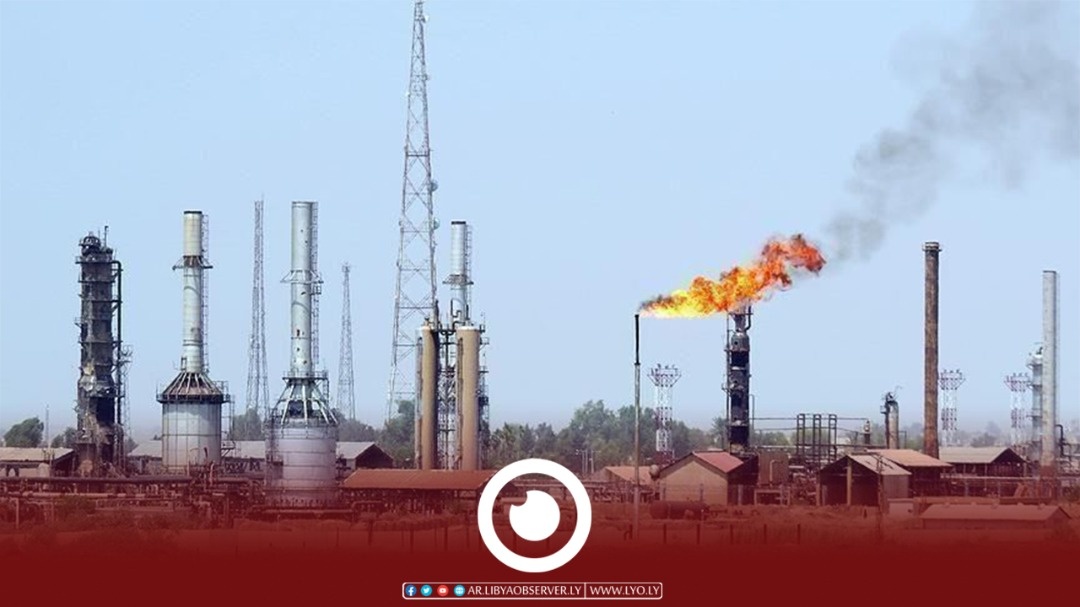
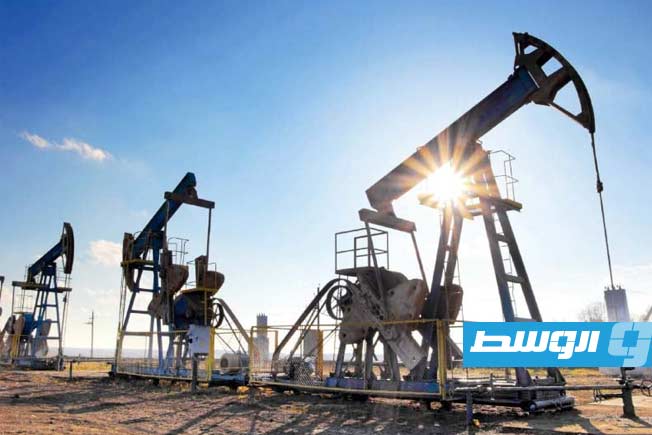
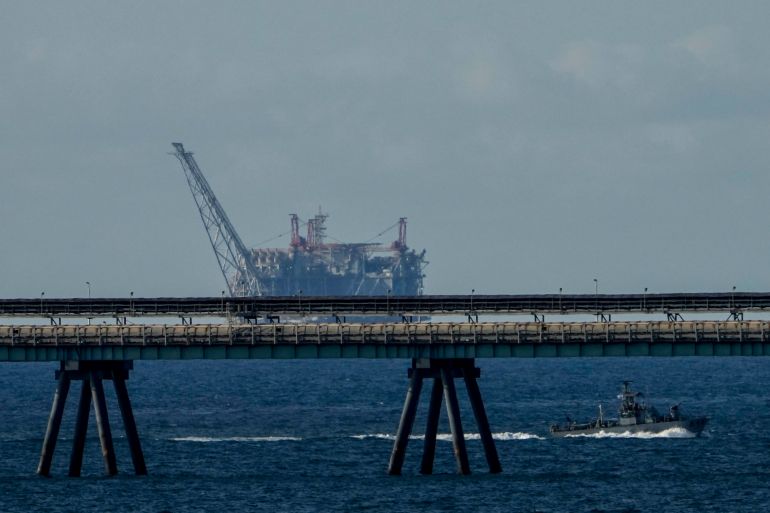
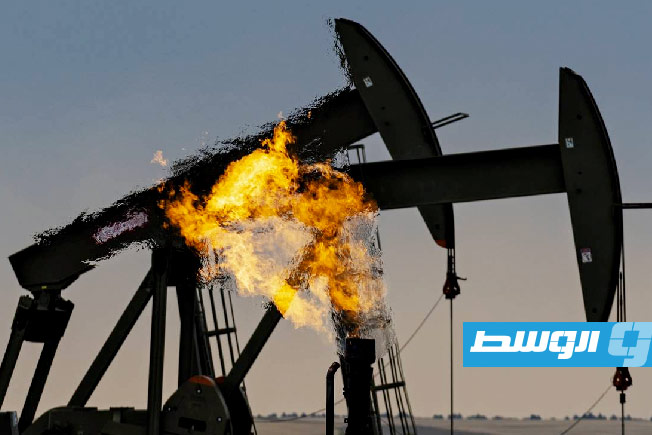
The Russian giant Gazprom announced on Friday that it has set a new record for gas supplies to consumers in Russia for the fourth consecutive day this month to combat the frost.
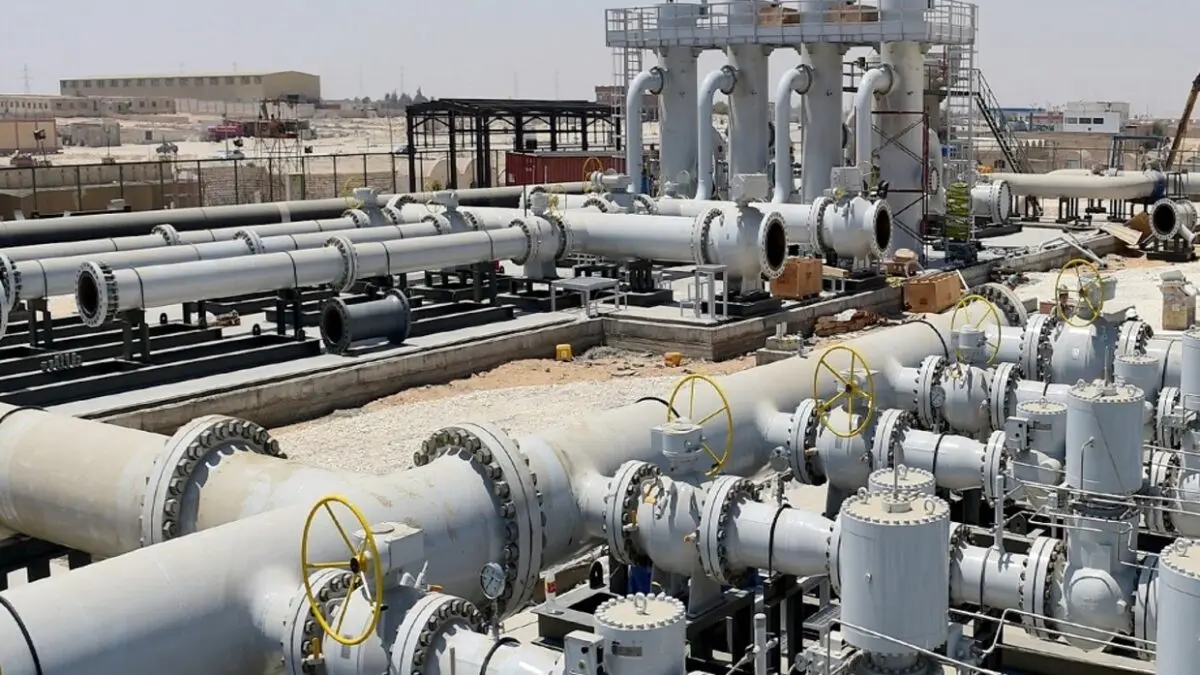
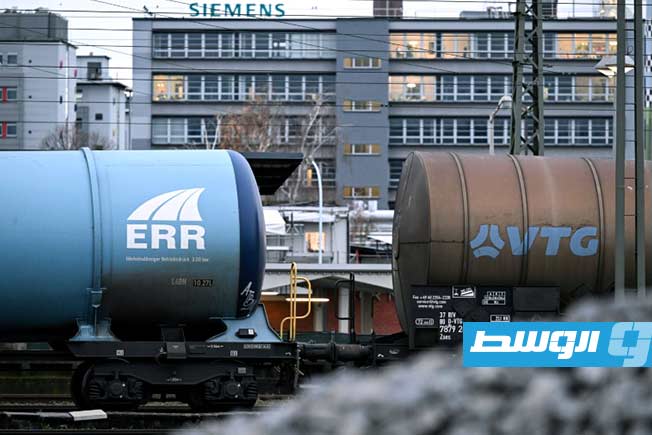
The company stated in a release that as the weather grew colder, “Russian consumers were supplied with record volumes through the unified gas supply system,” noting that supplies reached 1.835 billion cubic meters of gas on February 4.
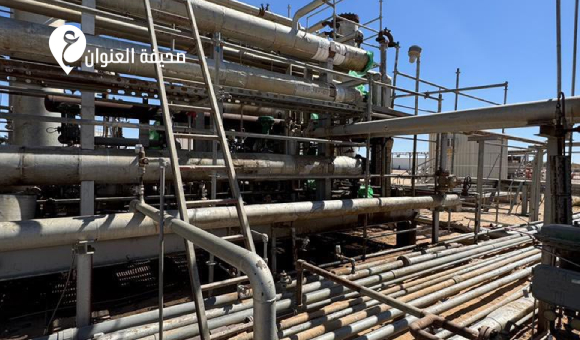
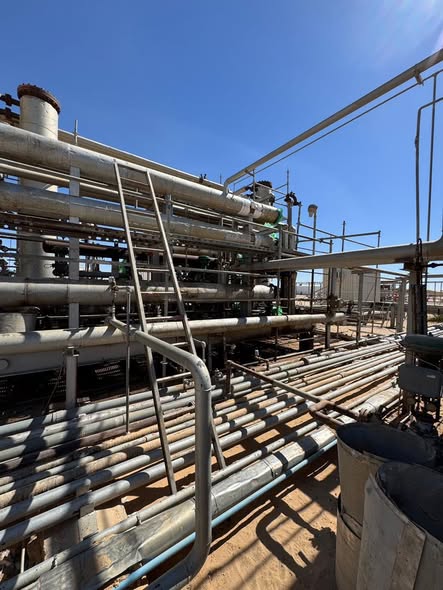
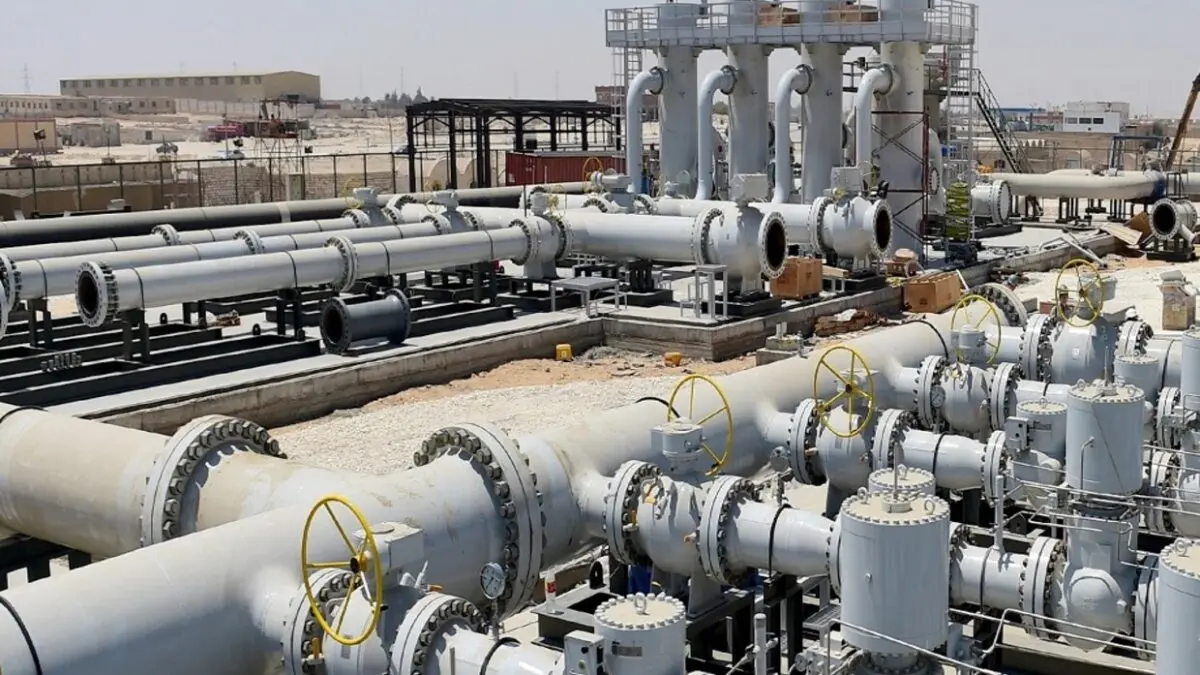
The company emphasized its “confidence in the capabilities of the gas supply transportation system, especially with the operation of underground gas storage facilities.”
Frost Wave Increases Consumption
The giant had previously announced a record for gas supplies during last January, reaching 51.275 billion cubic meters of gas.
In the same context, it was reported that the company “provides services to over 33 million subscribers, in addition to more than 380,000 institutions and social infrastructure sites.”
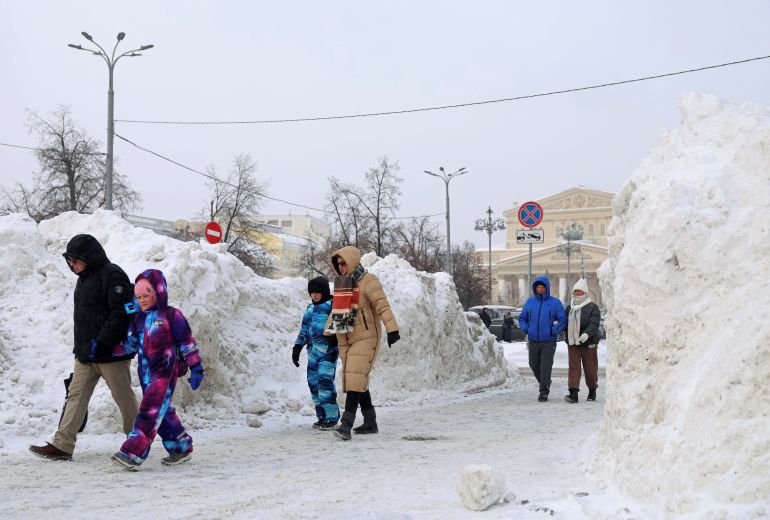
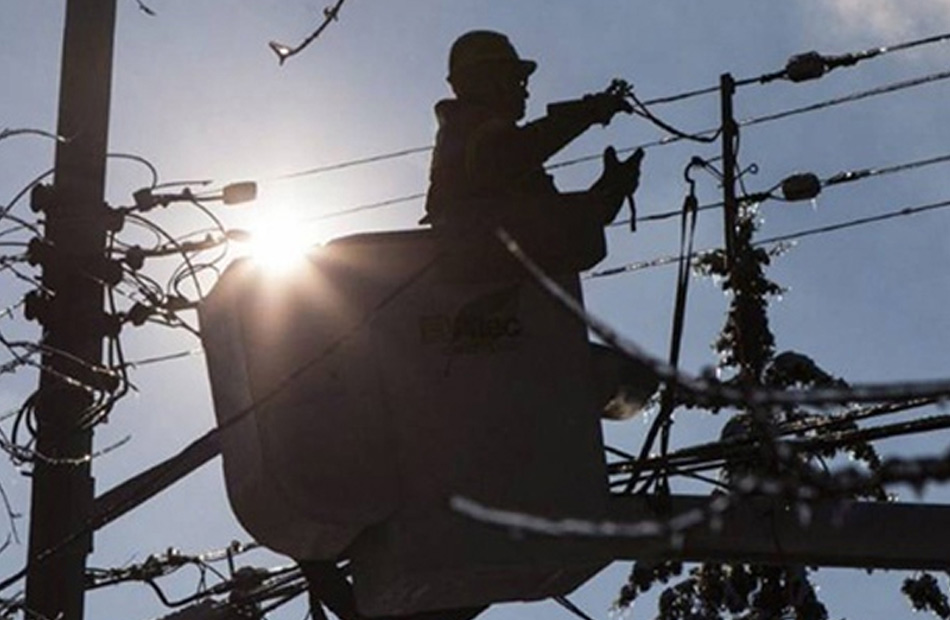
It was added that the company’s emergency teams are working daily, in cooperation with local authorities, to deal with the frost wave that hit the center of the country and the North Caucasus.
It was reported that the less cold winter last year led to a decrease in heating gas consumption, which contributed to an increase in gas reserve levels.
Gazprom
Gazprom is a Russian majority state-owned multinational energy corporation, originally founded in 1989 as the Soviet Ministry of Gas Industry. It is the world’s largest natural gas producer and a crucial entity in Russia’s economy and geopolitical strategy, controlling extensive pipeline networks and vast reserves.
Belgrade
Belgrade is the capital of Serbia, situated at the strategic confluence of the Danube and Sava rivers. Its history is marked by frequent conflict and change of rule, having been fought over in 115 wars and razed 44 times since ancient times when it was a key Roman settlement. Today, it is a vibrant modern city where its turbulent past is visible in landmarks like the Belgrade Fortress.
Serbia
Serbia is a country in Southeast Europe with a rich history dating back to the Roman Empire and the medieval Serbian Kingdom, which reached its peak in the 14th century under Tsar Stefan Dušan. Culturally, it is known for Orthodox Christian monasteries like Studenica, a UNESCO site, and historic events such as the 1389 Battle of Kosovo, which are central to its national identity.
Russia
Russia is the world’s largest country by area, spanning Eastern Europe and Northern Asia, with a history that dates back to the establishment of the Kievan Rus’ state in the 9th century. It evolved through the Tsardom of Russia, the Russian Empire, the Soviet Union, and into the modern Russian Federation, playing a major role in global politics, culture, and science throughout. Its cultural heritage is vast, encompassing landmarks like the Kremlin and Red Square in Moscow and the historic center of Saint Petersburg.
Bolshoi Theatre
The Bolshoi Theatre is a historic Russian theater in Moscow, founded in 1776 by Empress Catherine the Great. It is renowned for its world-class ballet and opera performances and has been a central cultural institution through the Imperial, Soviet, and modern eras.
Moscow
Moscow is the capital and largest city of Russia, with a recorded history dating back over 800 years to its first mention in 1147. It grew from a medieval fortress, the Kremlin, to become the political and cultural heart of the Russian state, serving as the capital of the Tsardom of Russia, the Soviet Union, and the modern Russian Federation. The city is renowned for its iconic landmarks such as Red Square, St. Basil’s Cathedral, and the Moscow Metro.
North Caucasus
The North Caucasus is a mountainous region in southern Russia, historically known for its diverse ethnic groups and complex history of resistance to external rule, including during the Caucasian War of the 19th century. It is home to distinct cultures and republics such as Chechnya and Dagestan, and its history has been shaped by both conflict and rich traditions.