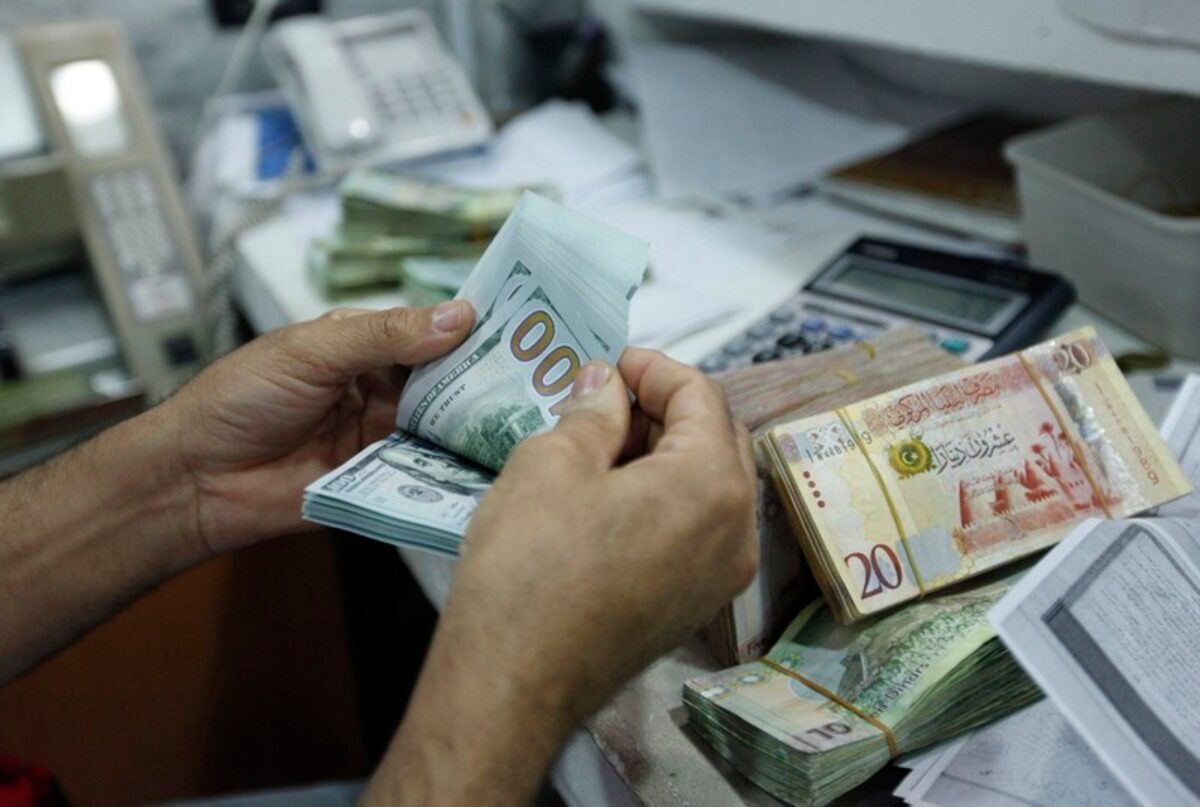
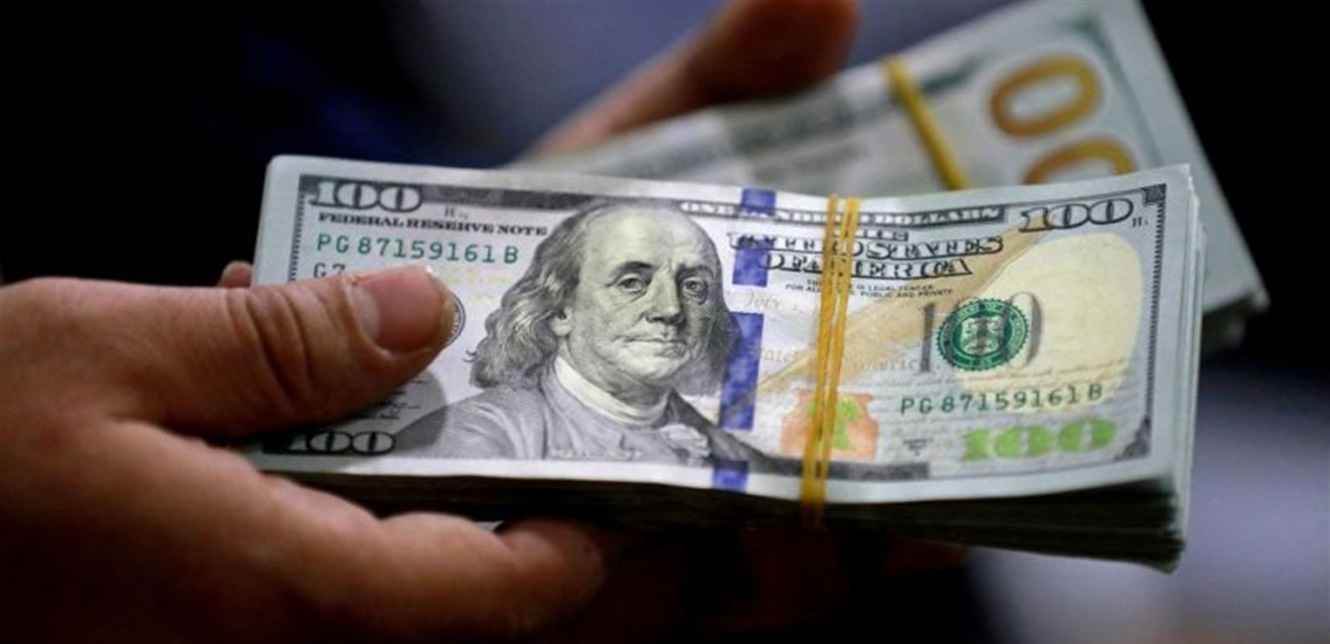
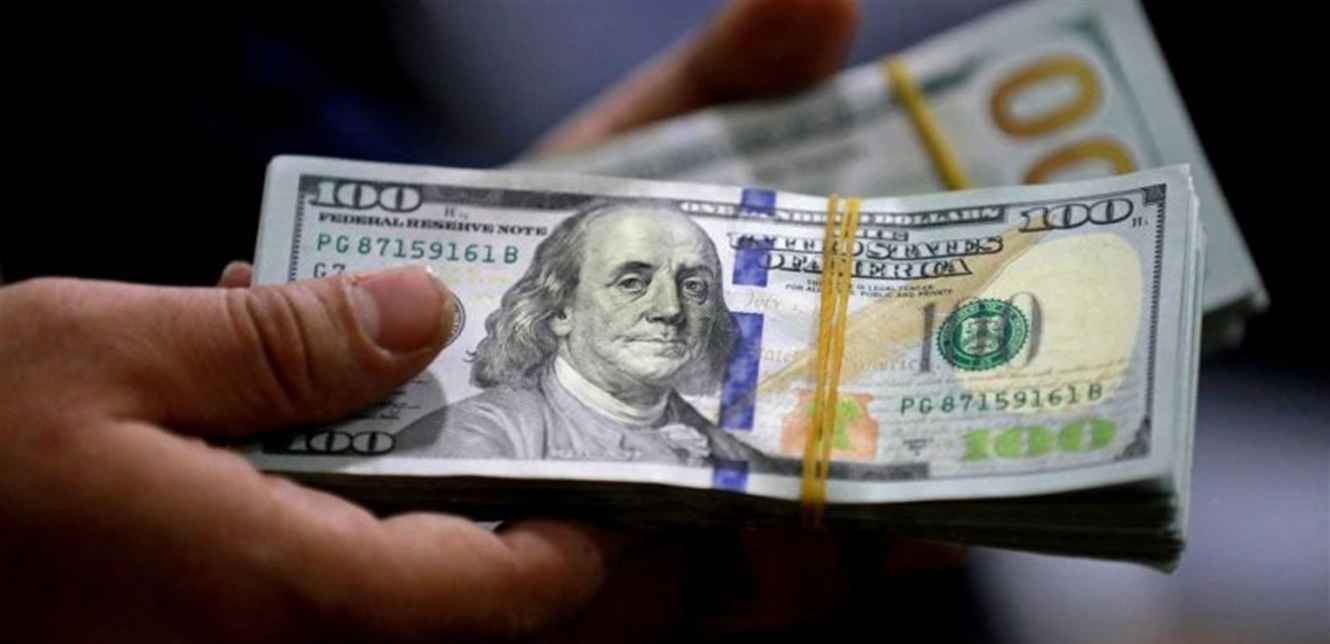
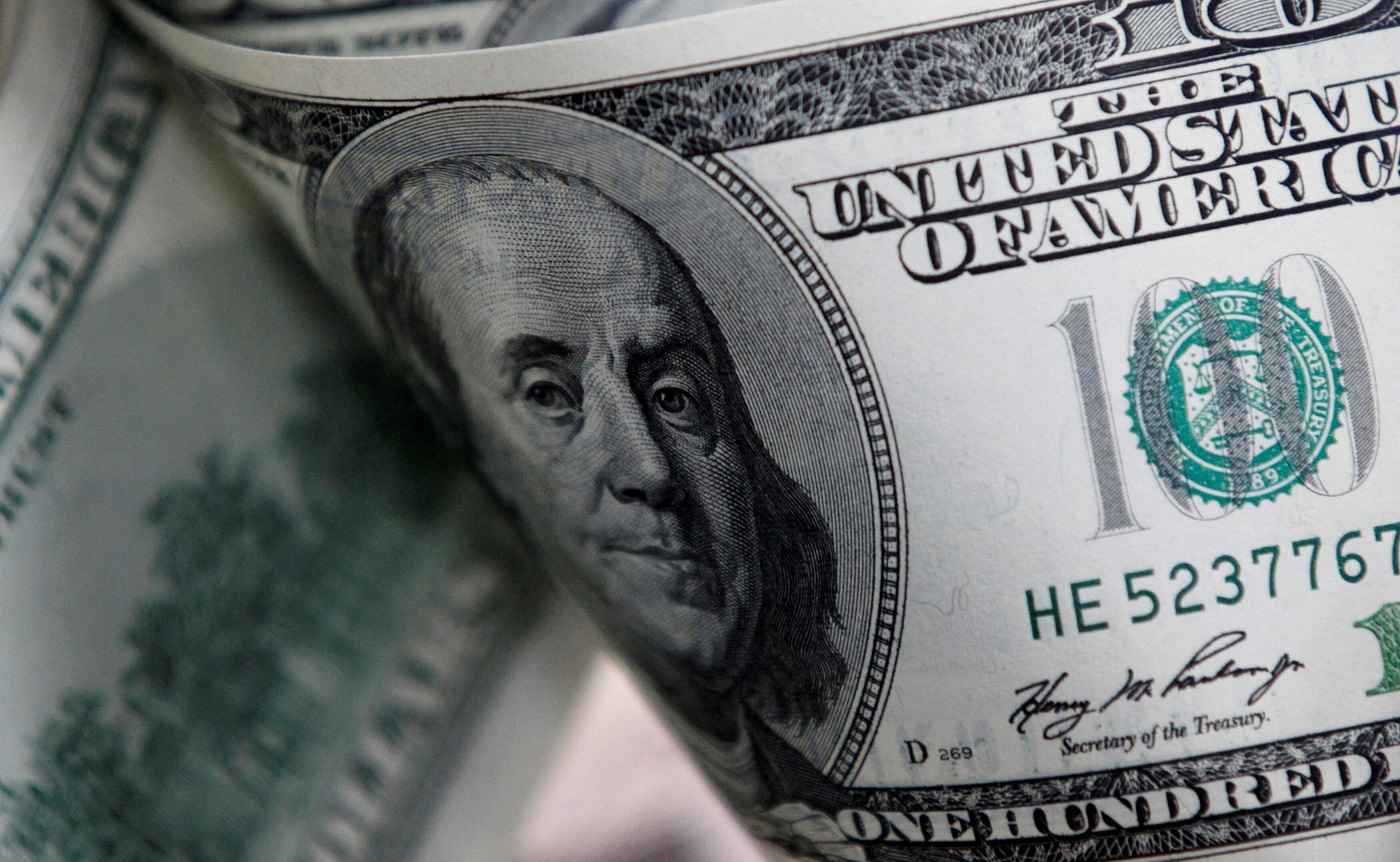
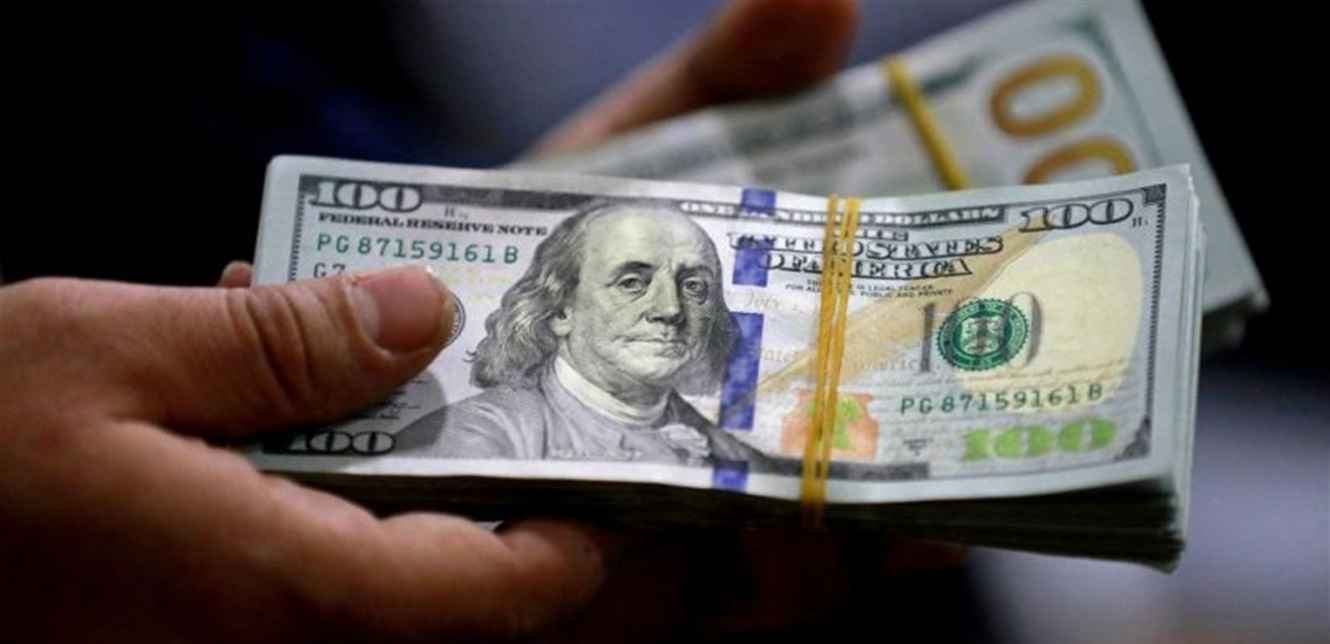
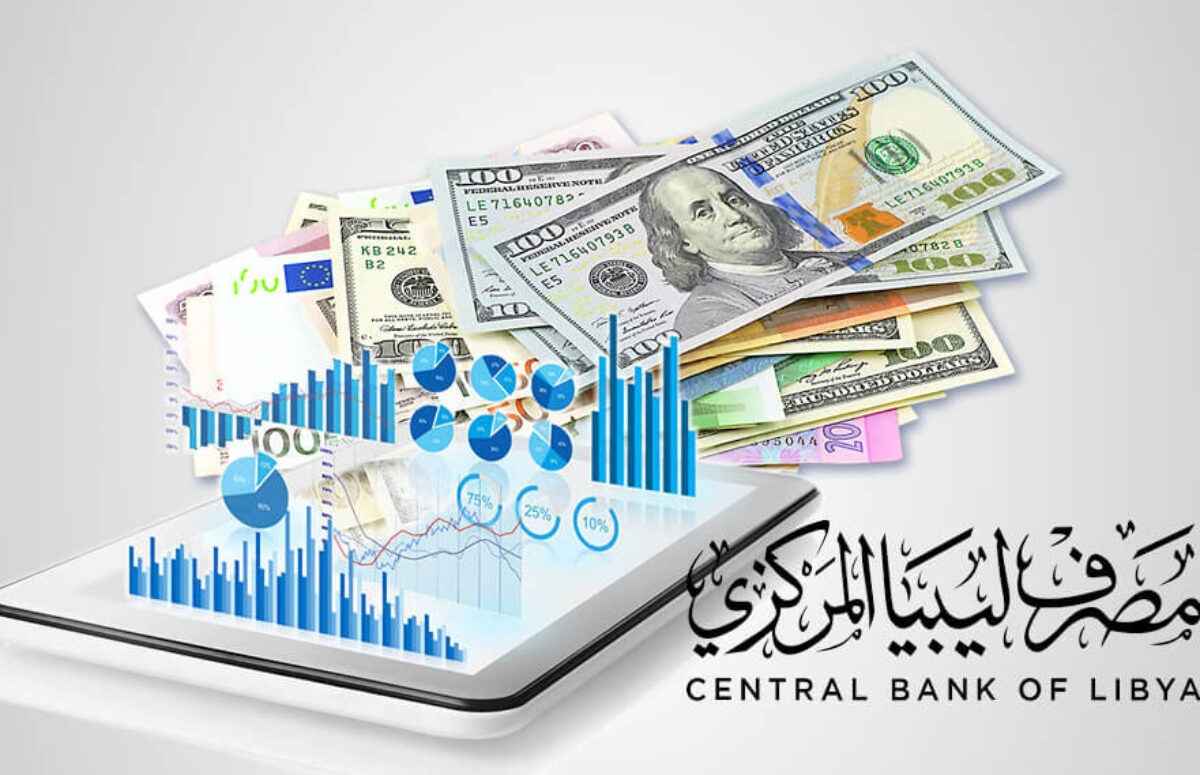
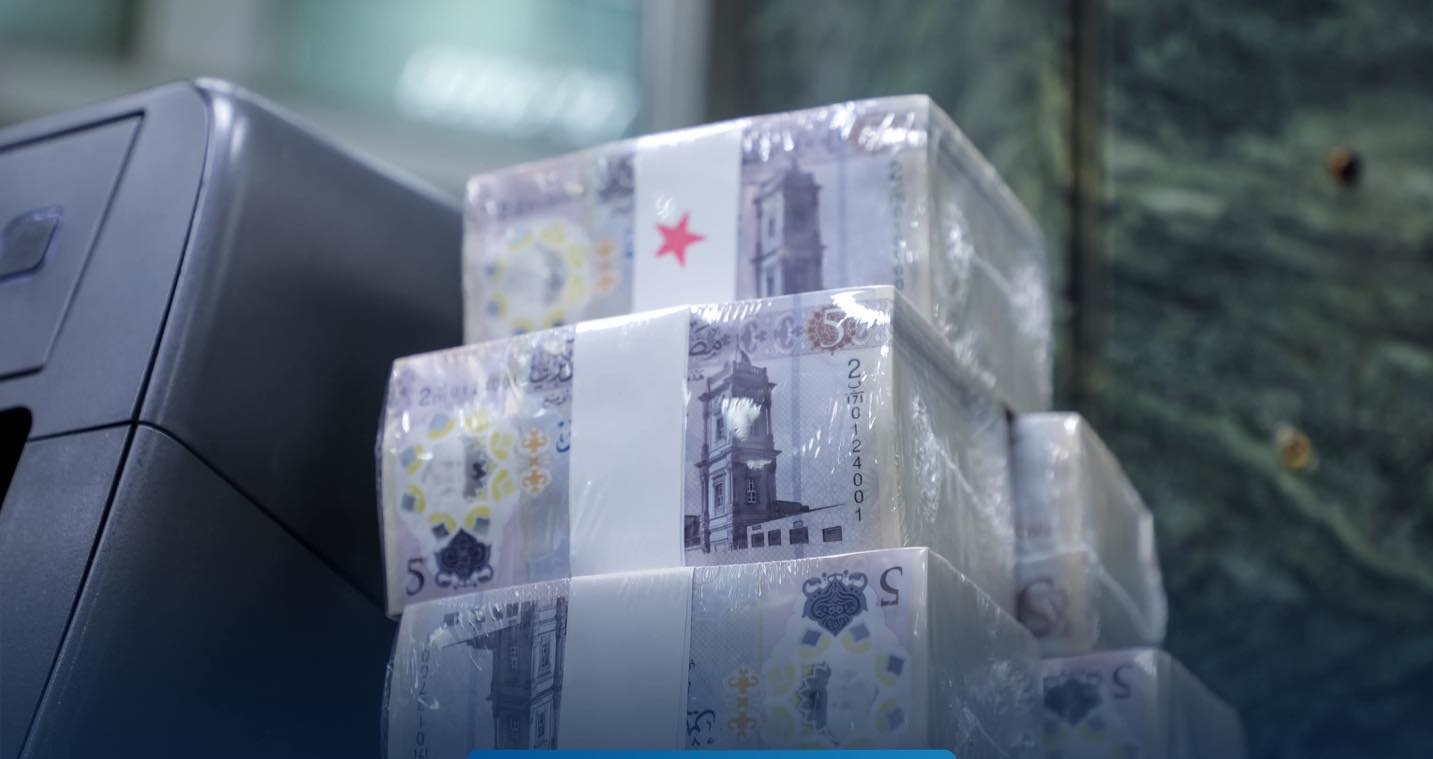
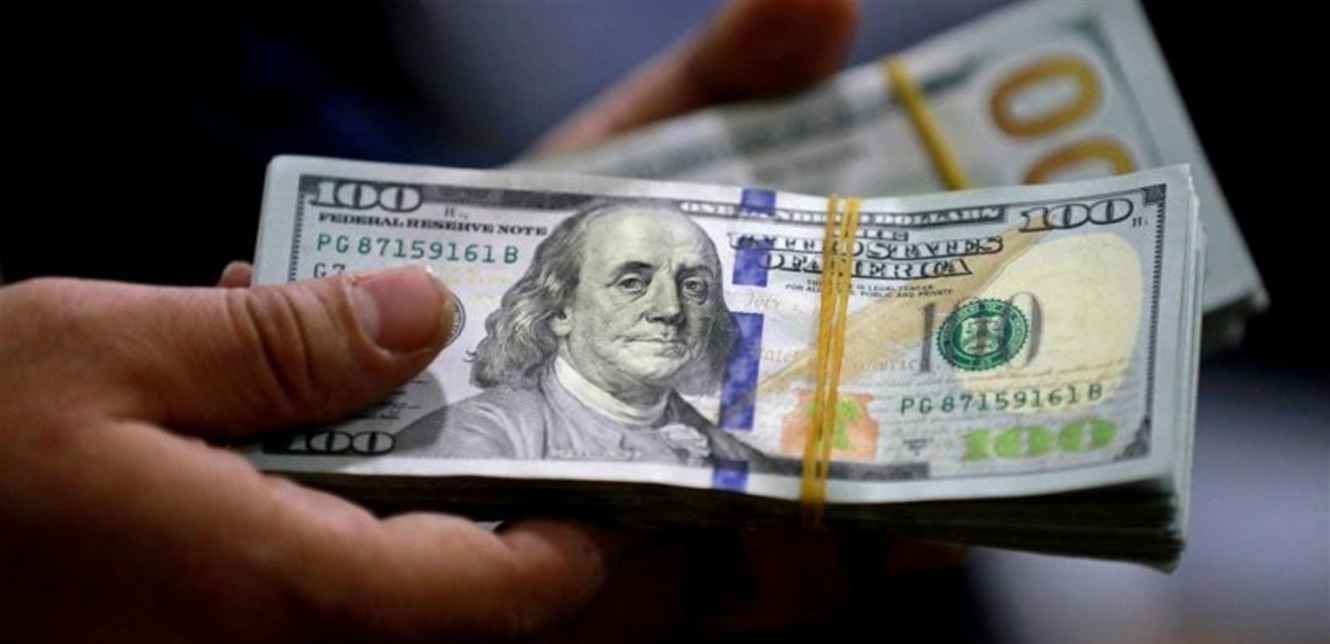
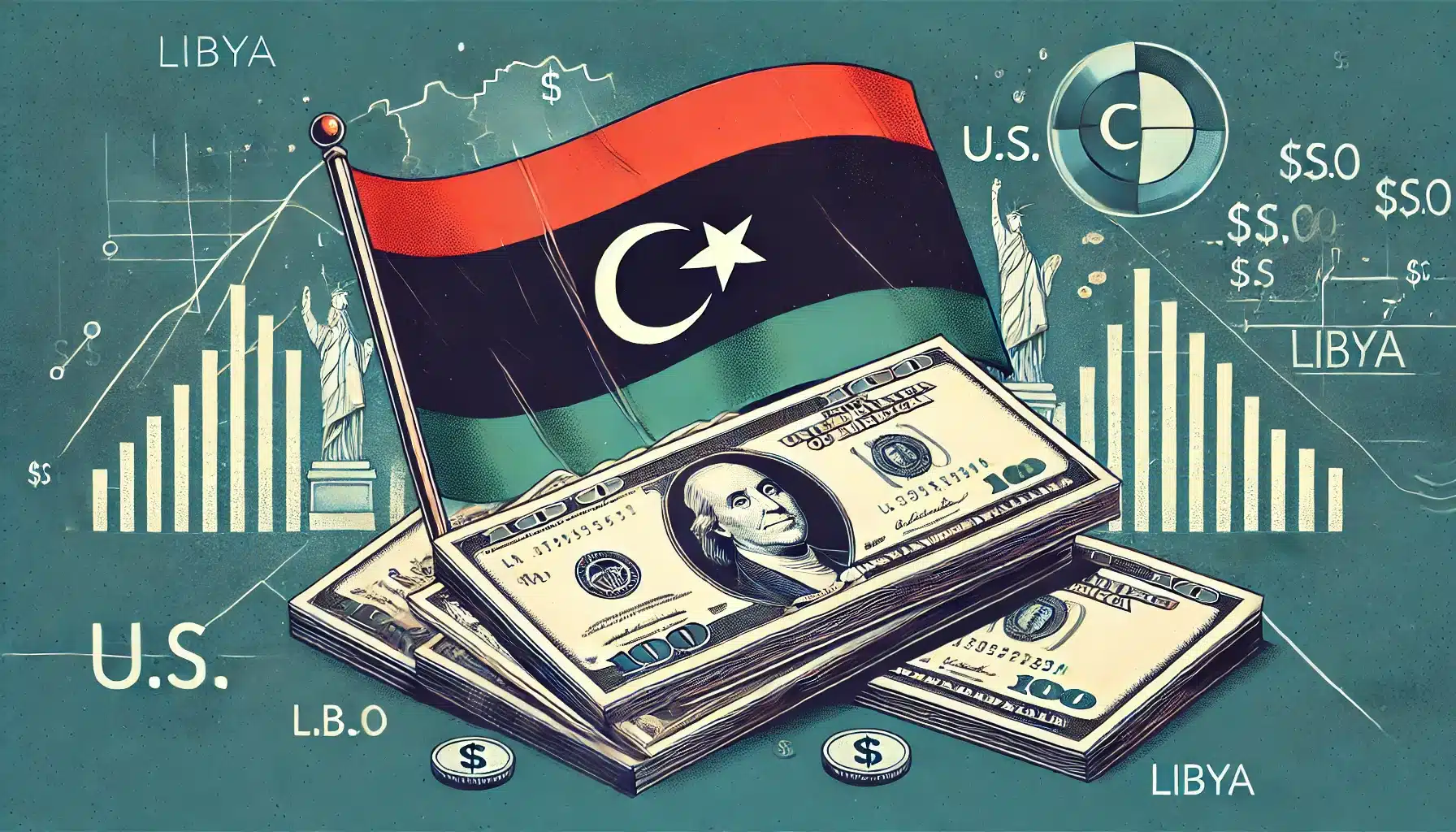
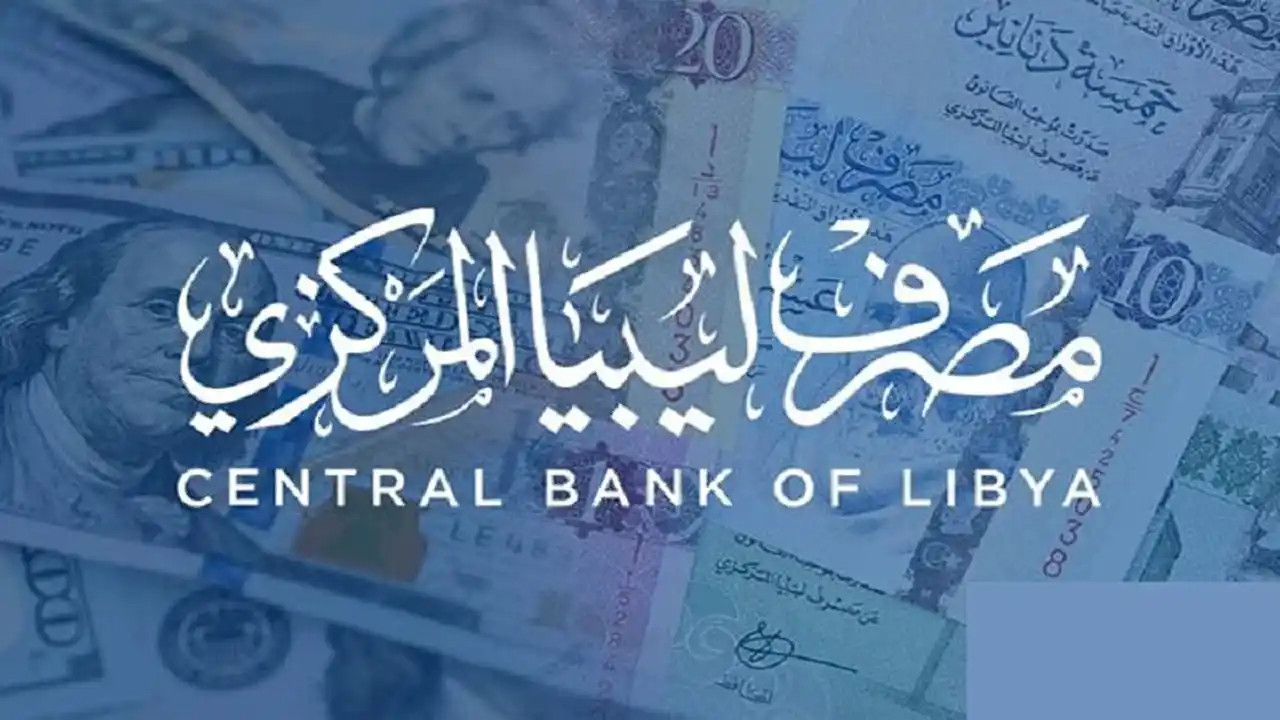
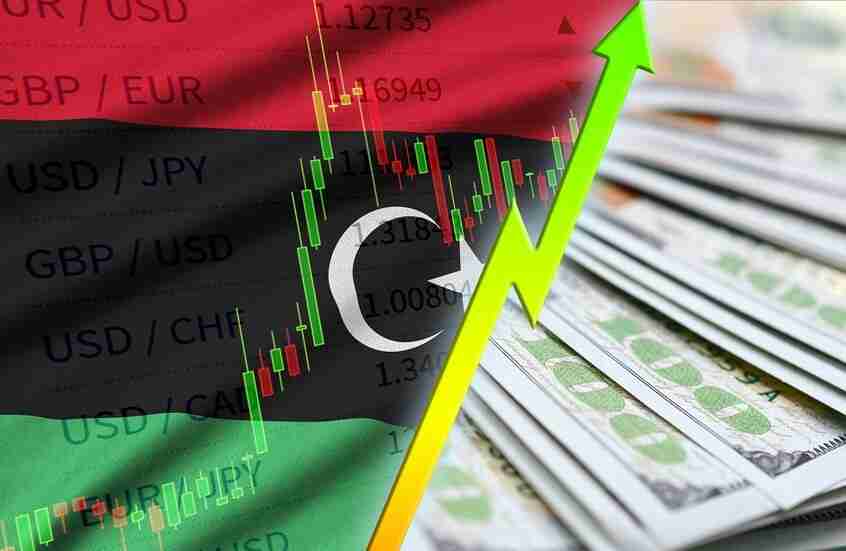
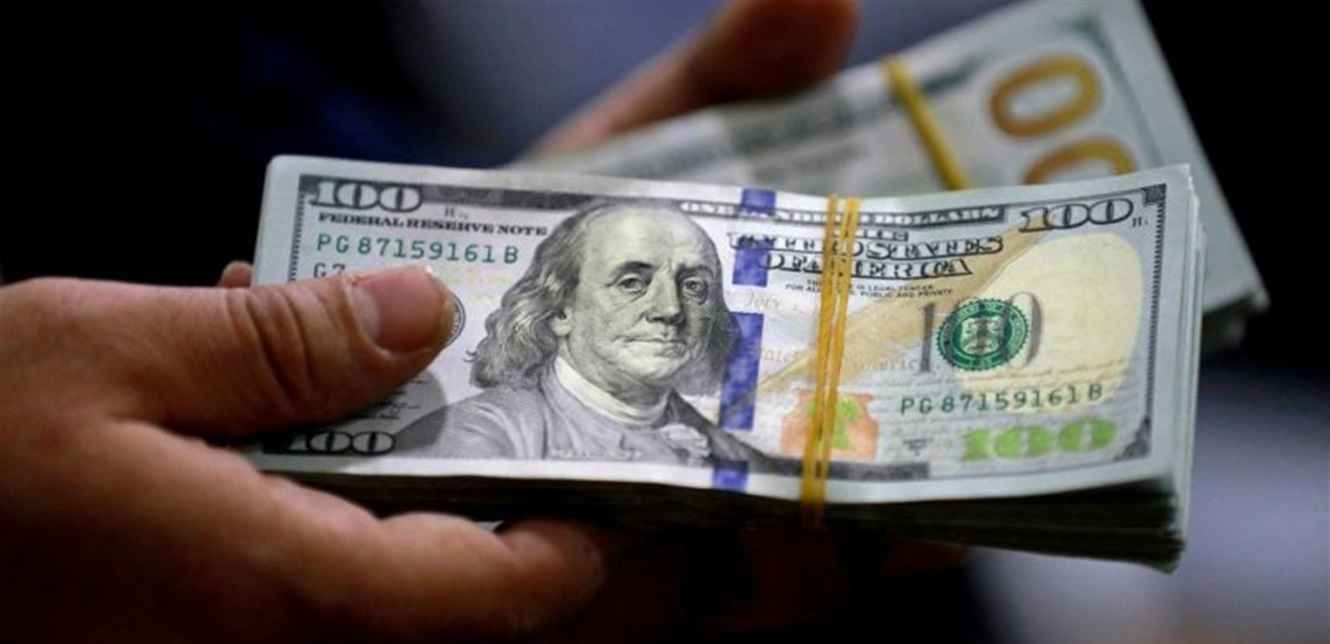
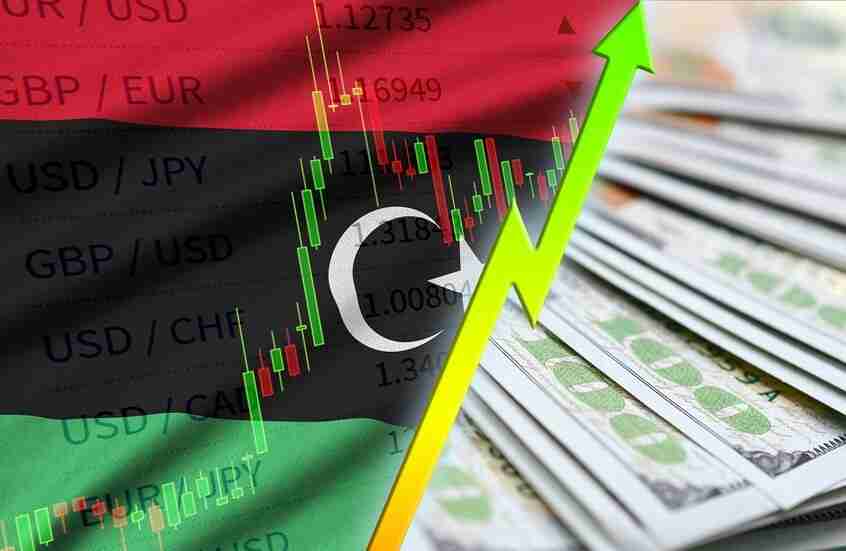
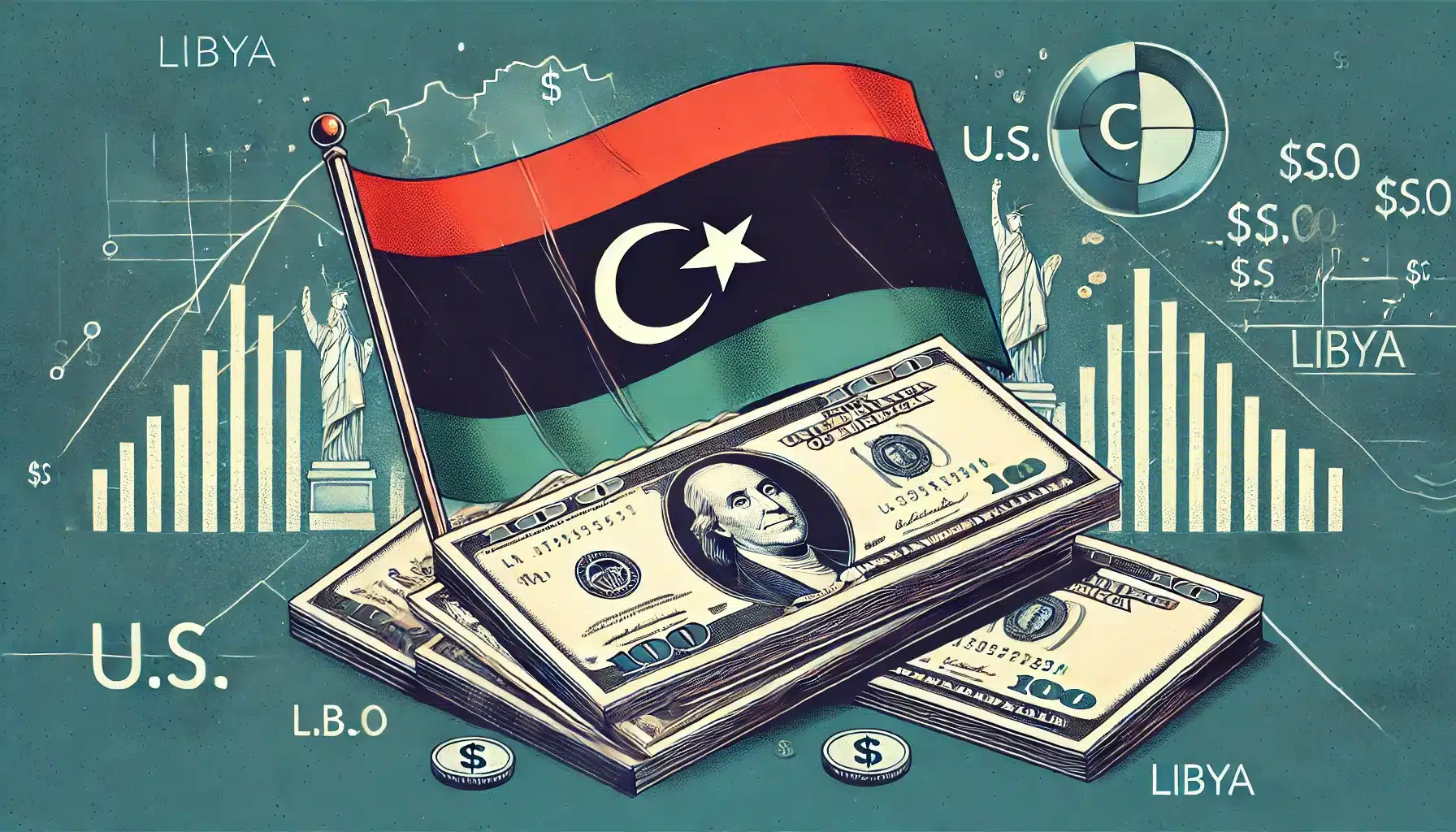
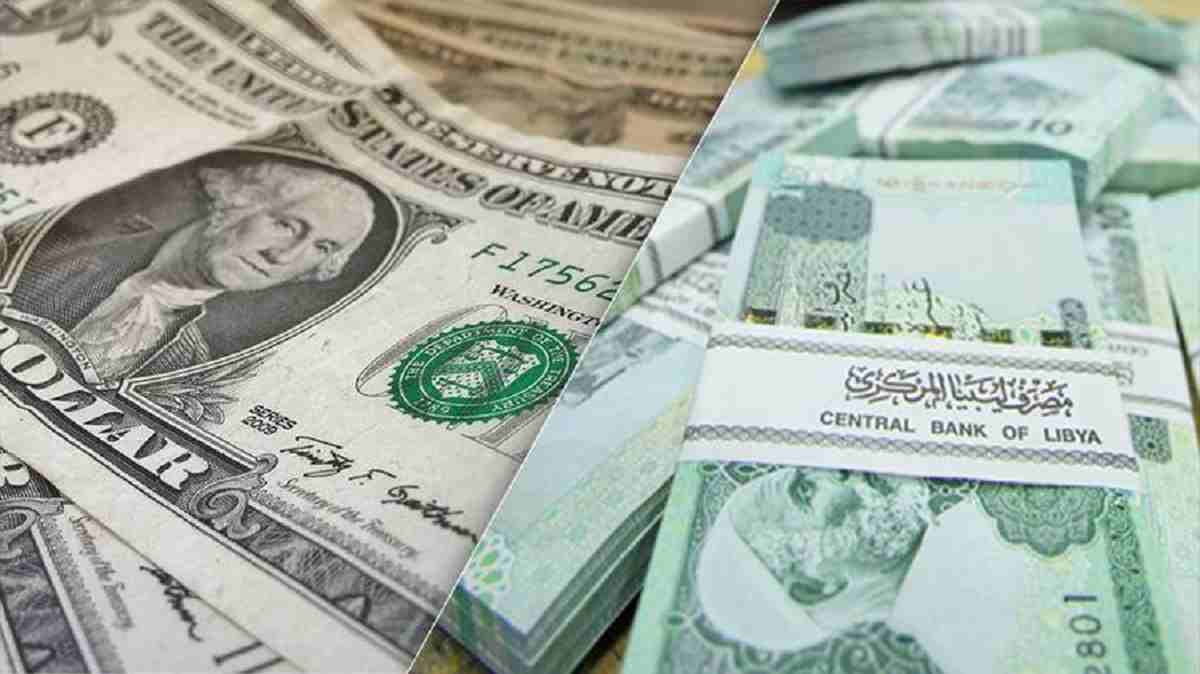
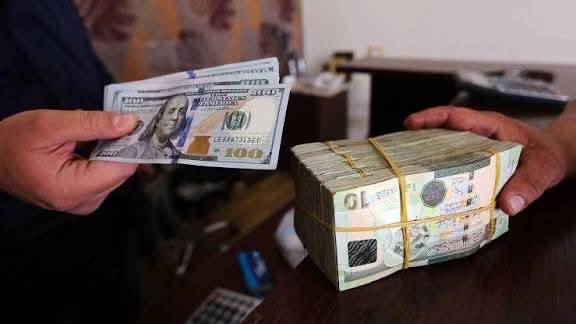
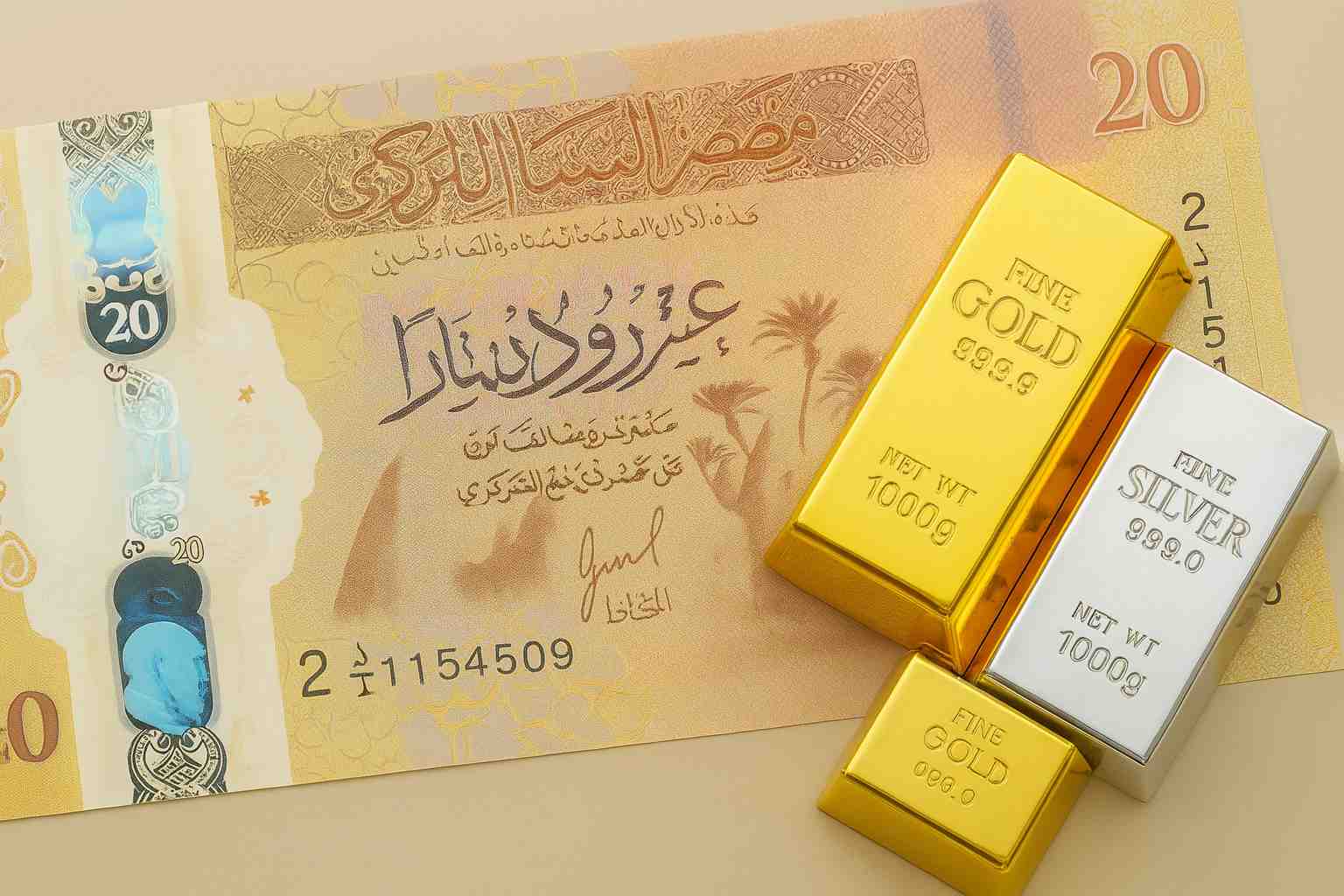
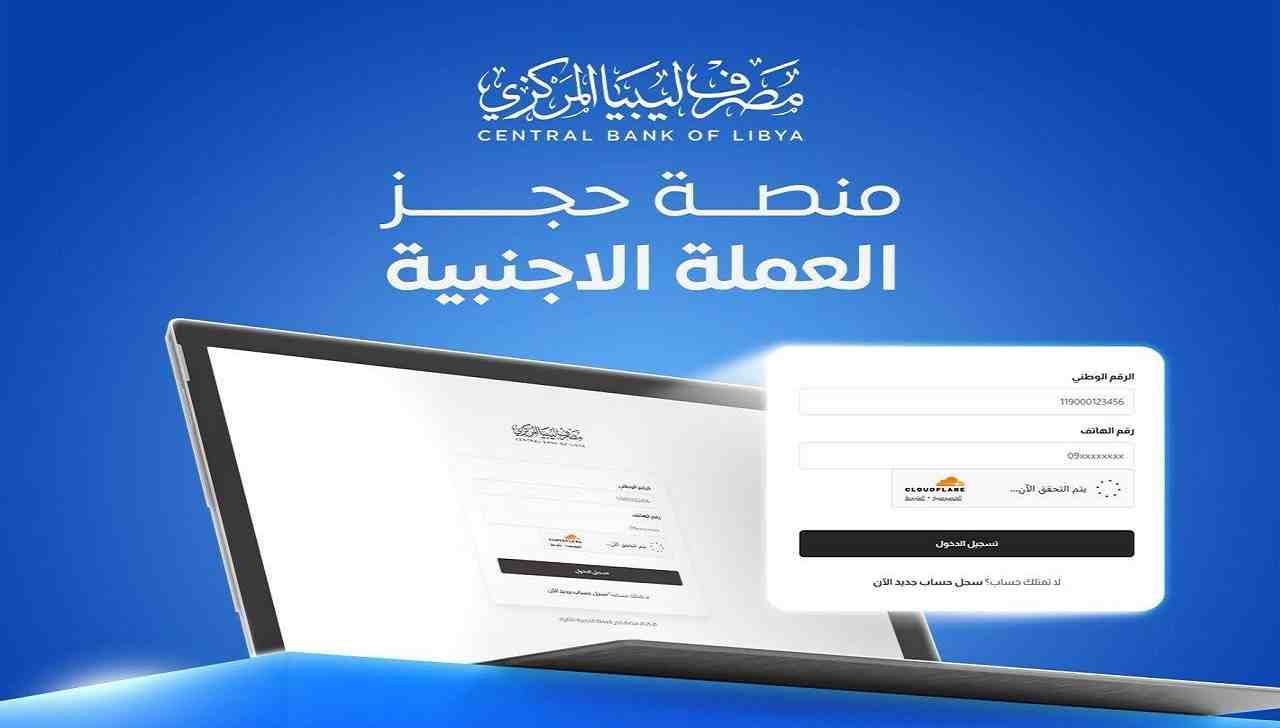
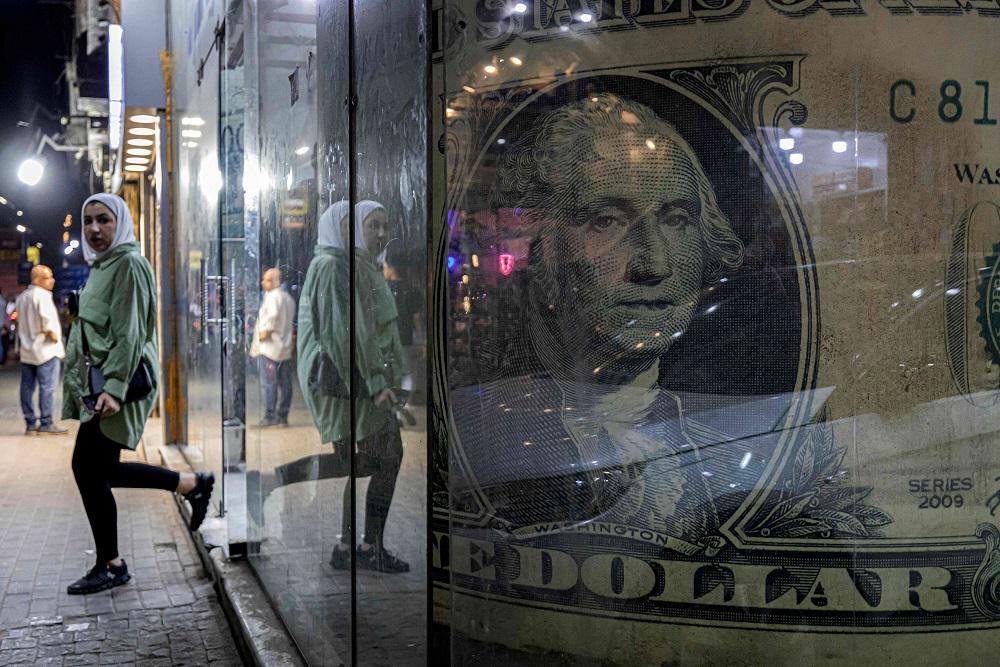
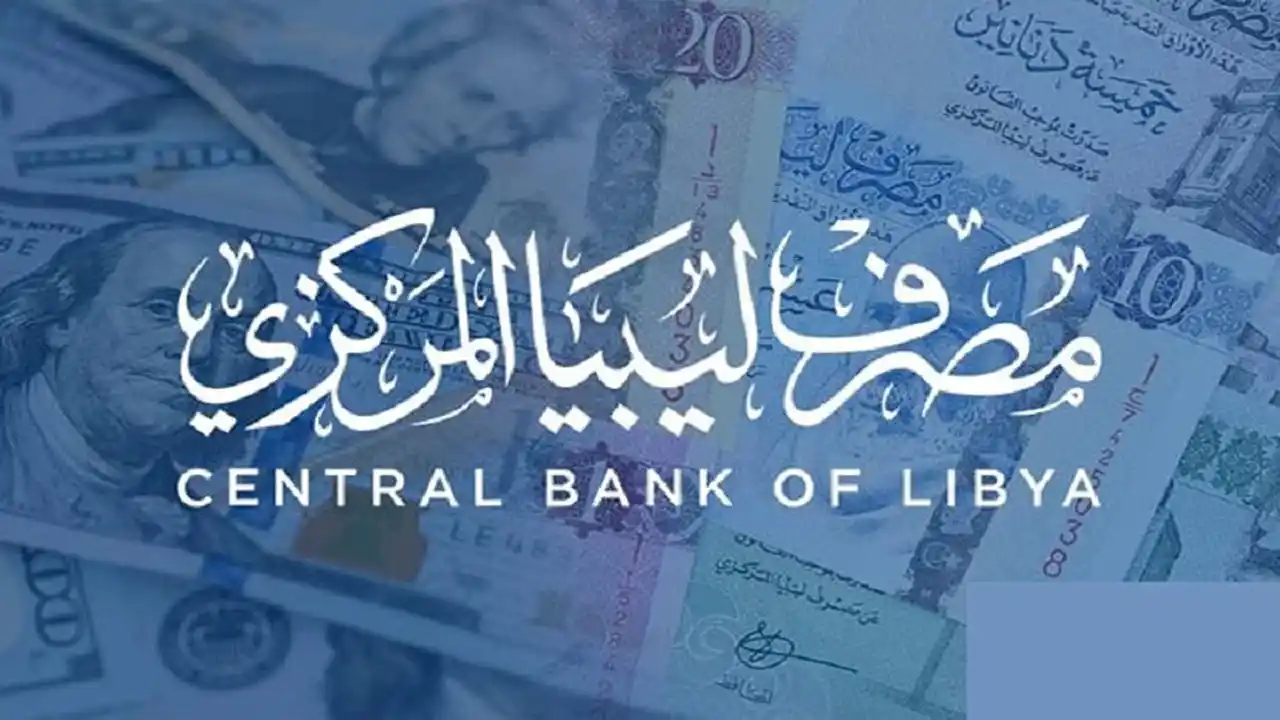
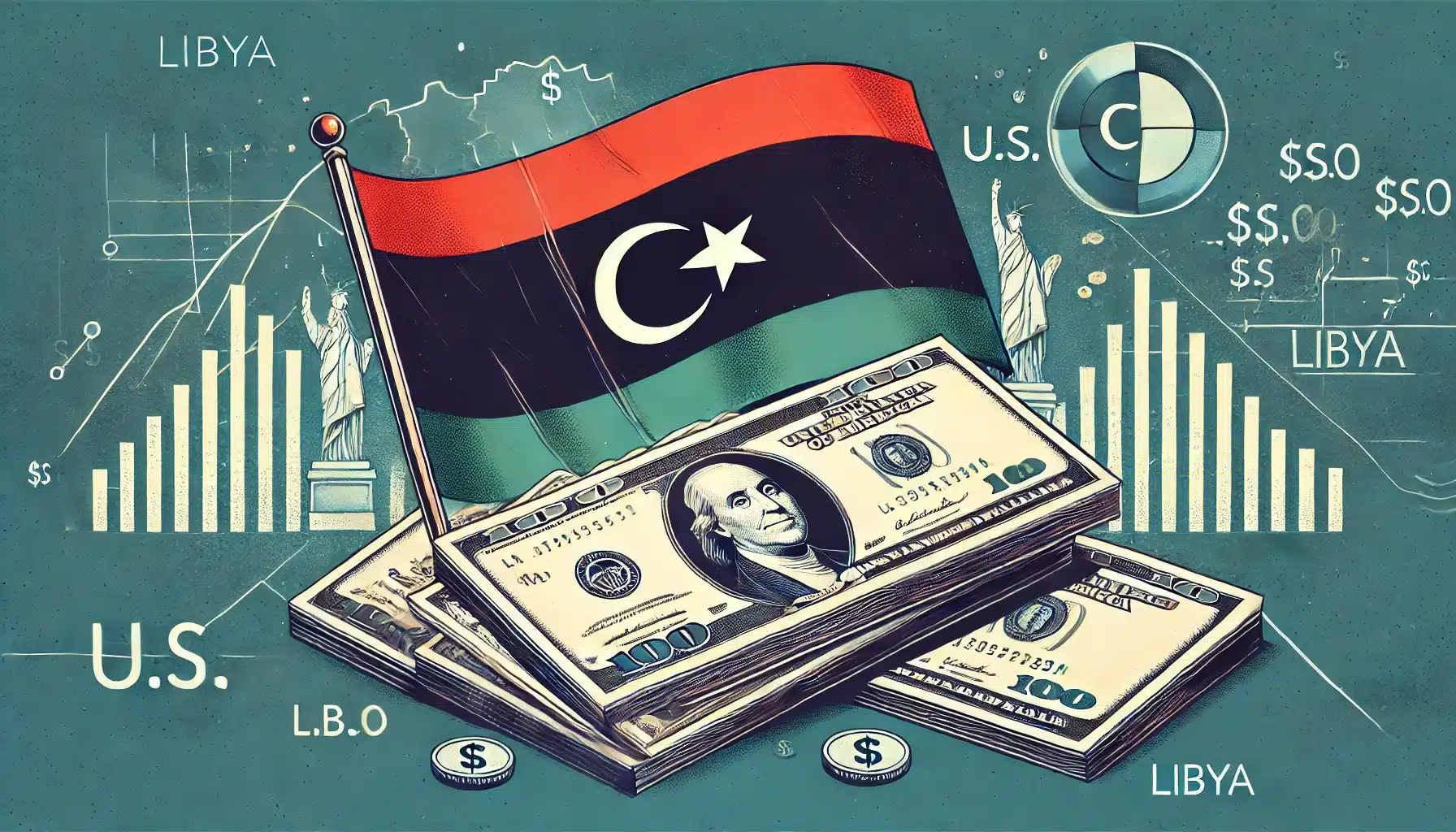
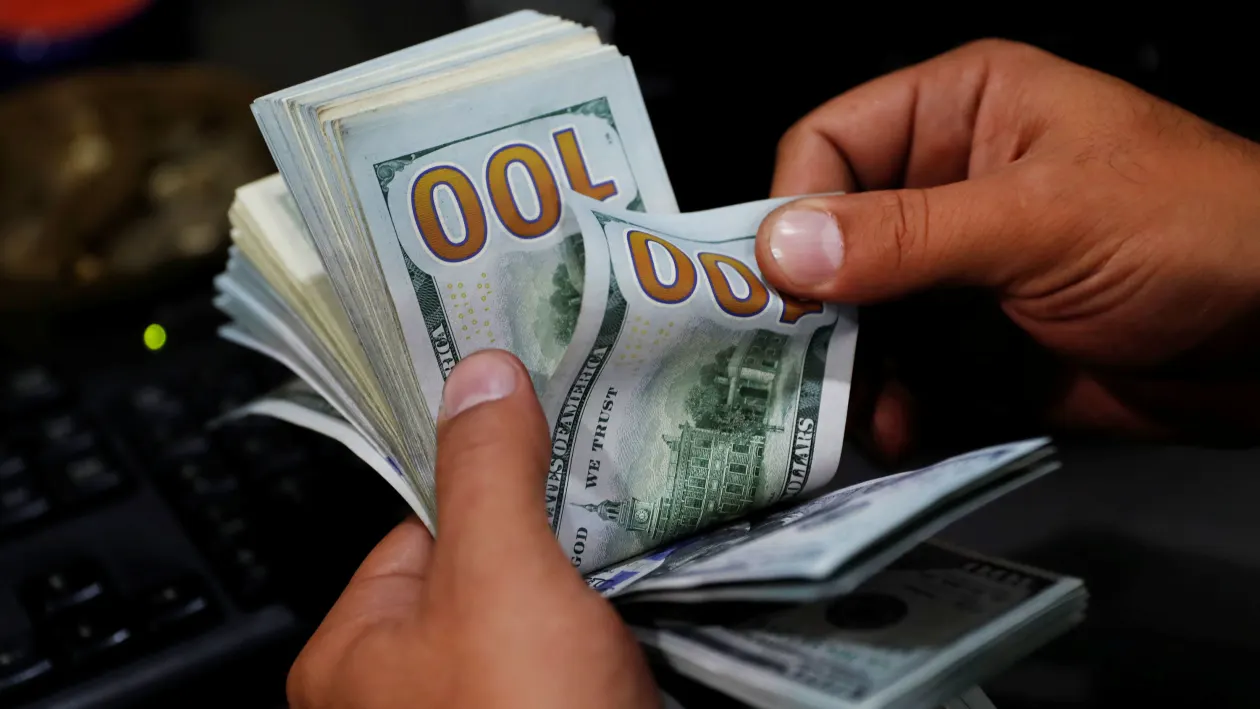
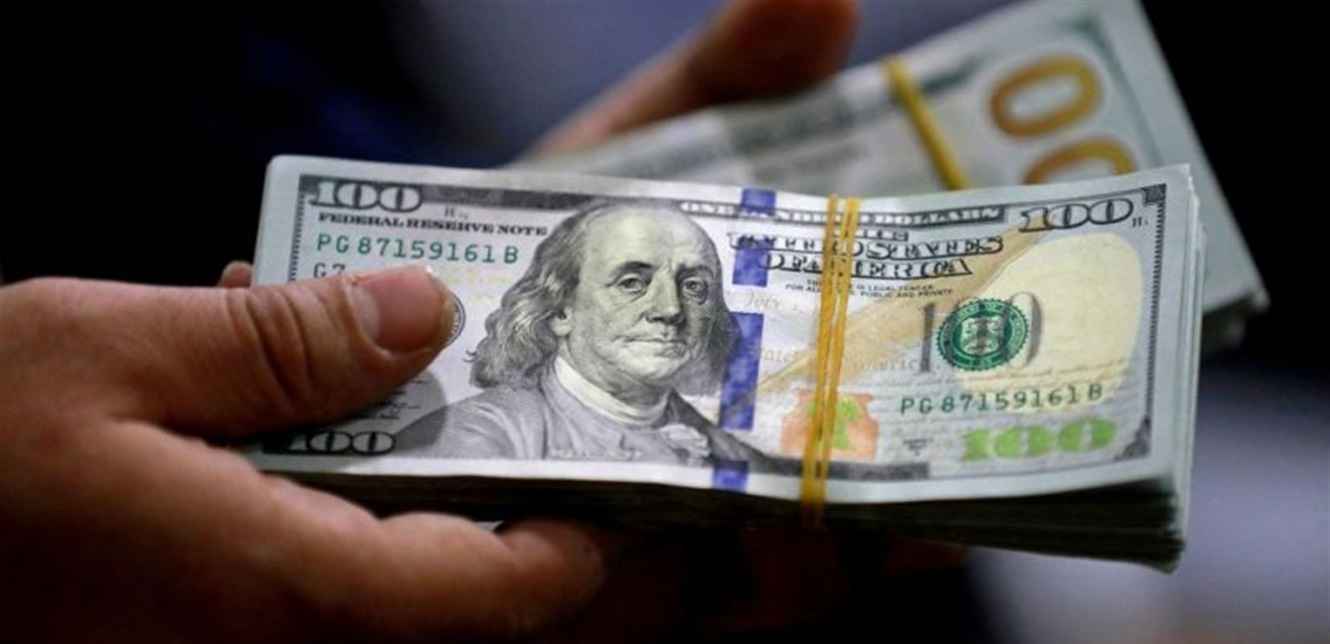
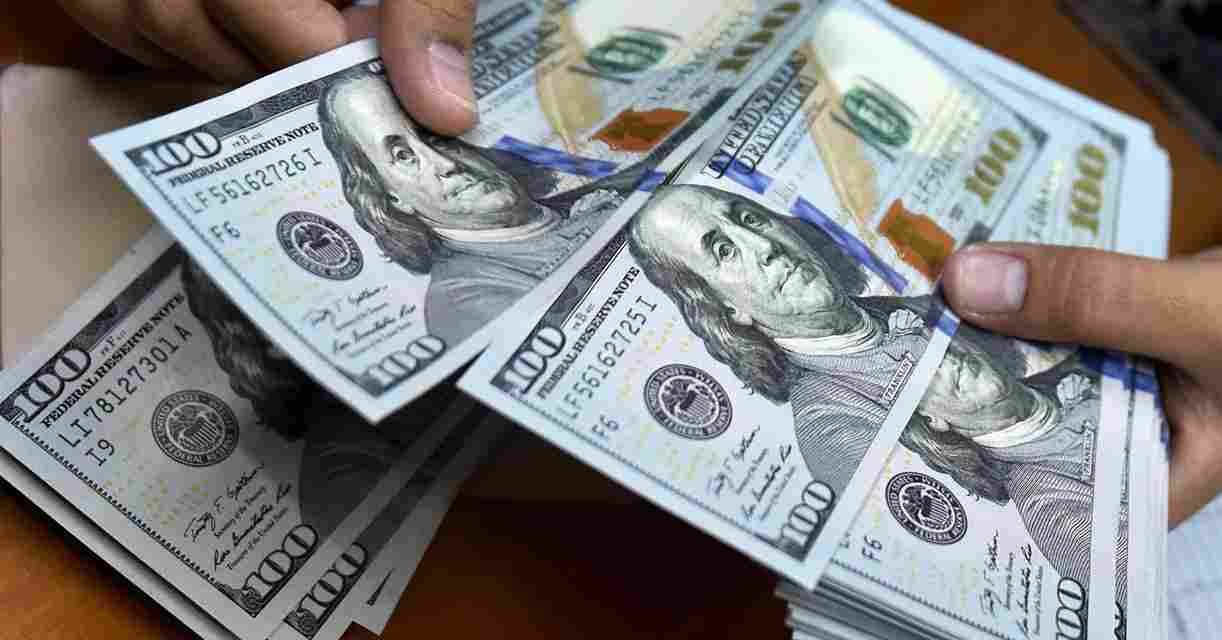
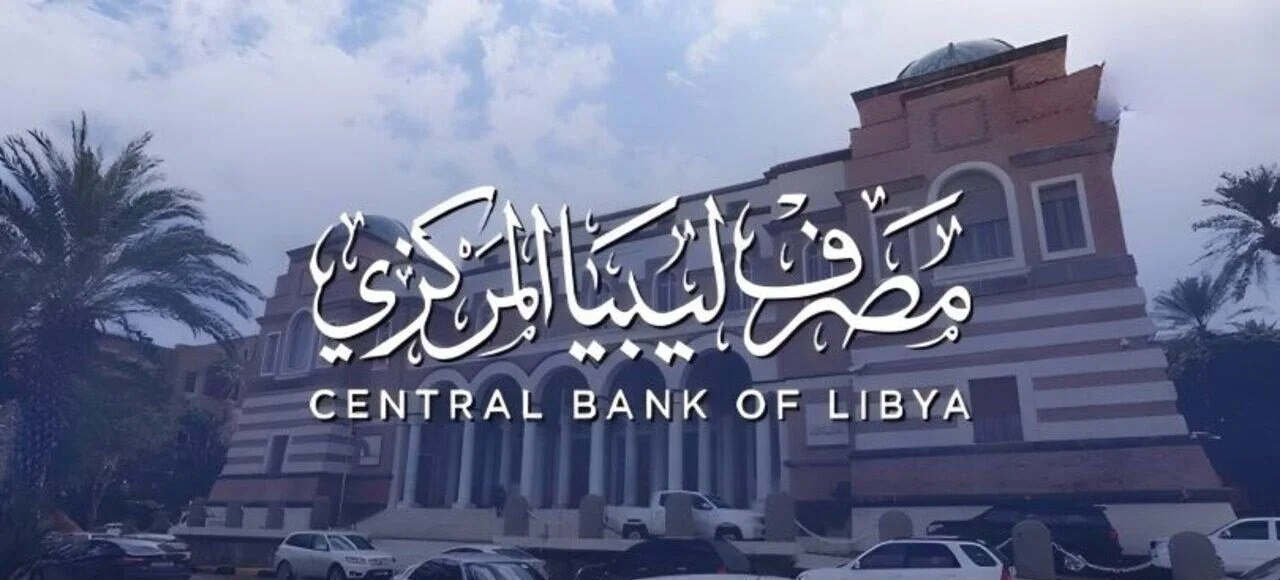
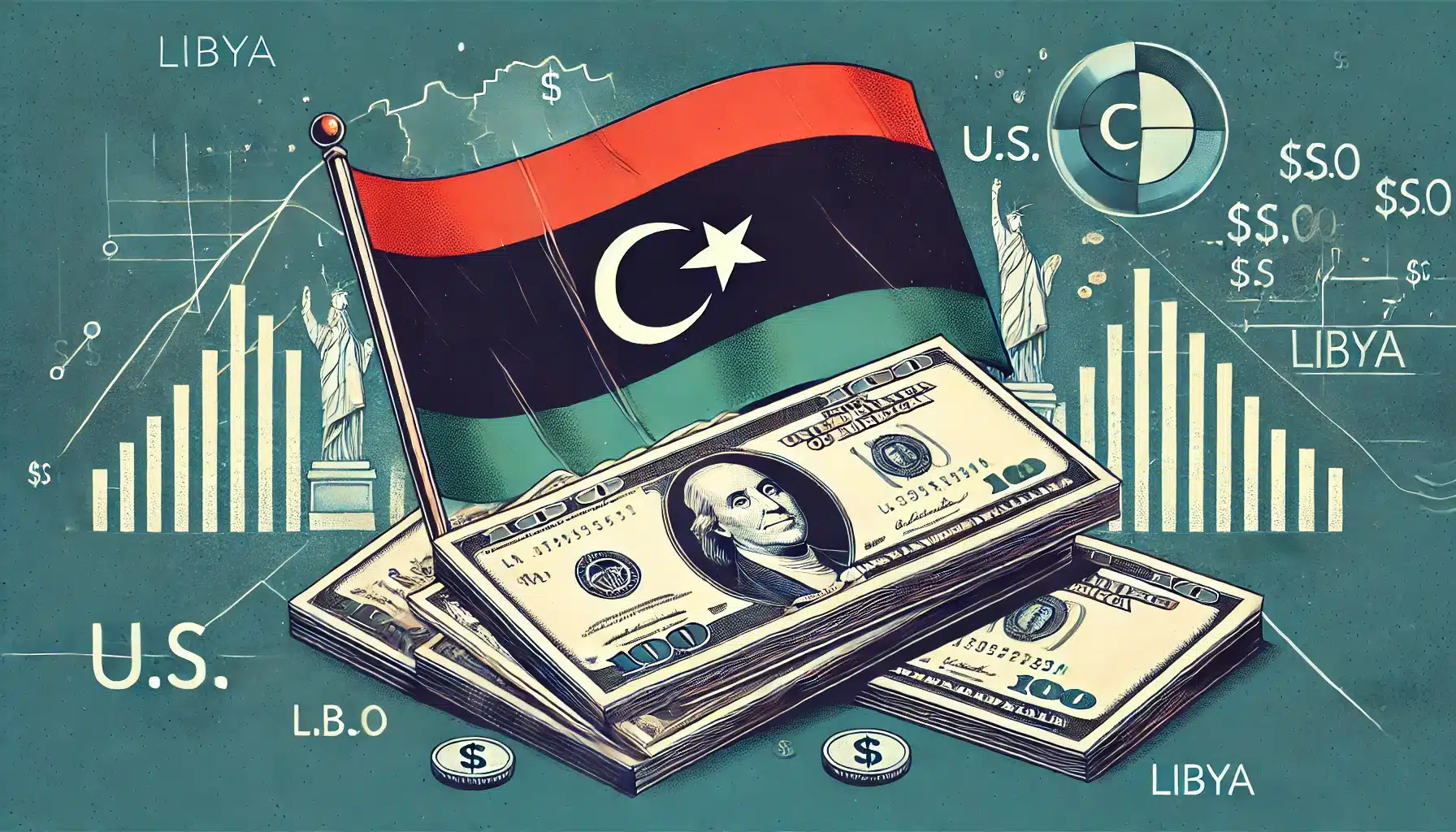
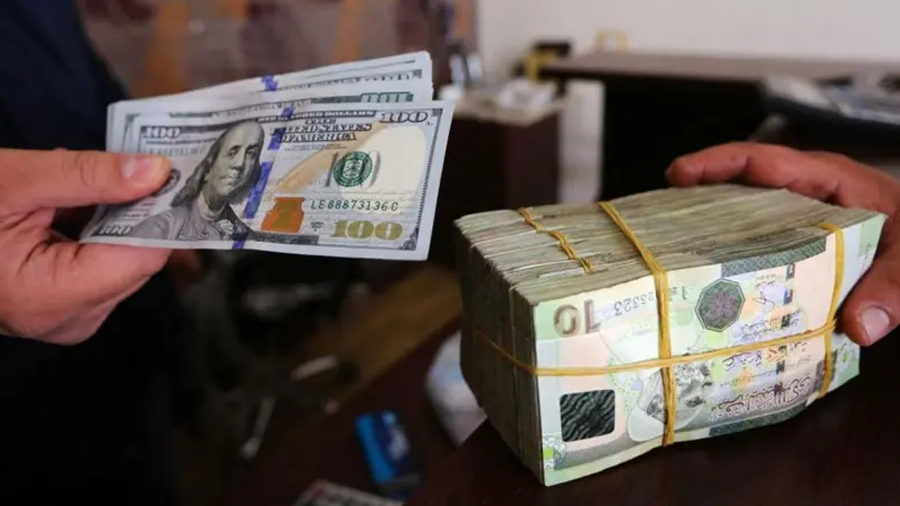
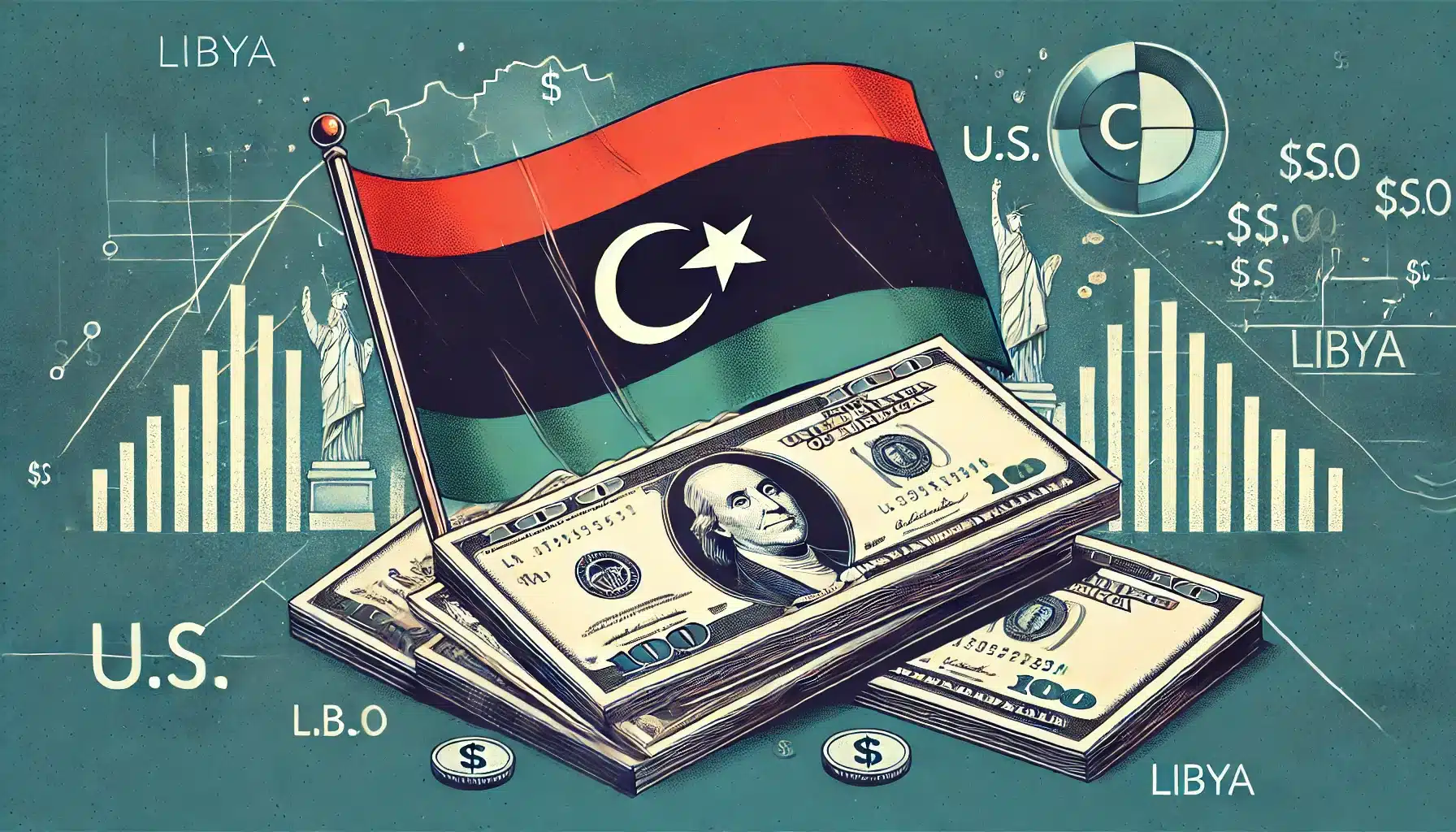
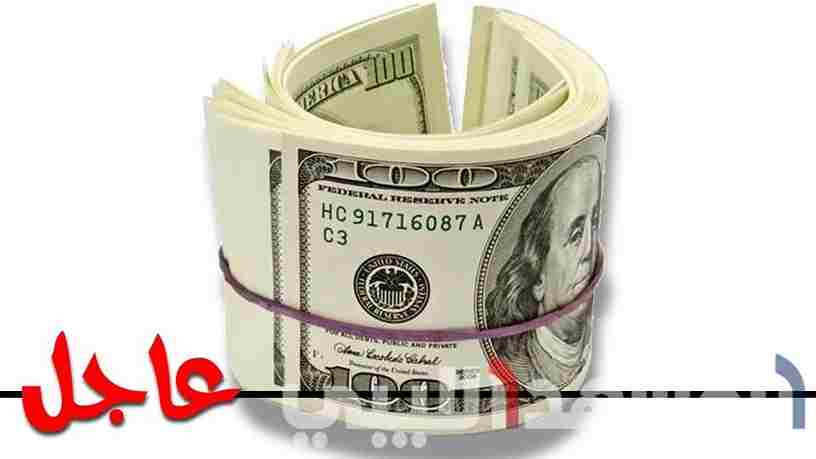
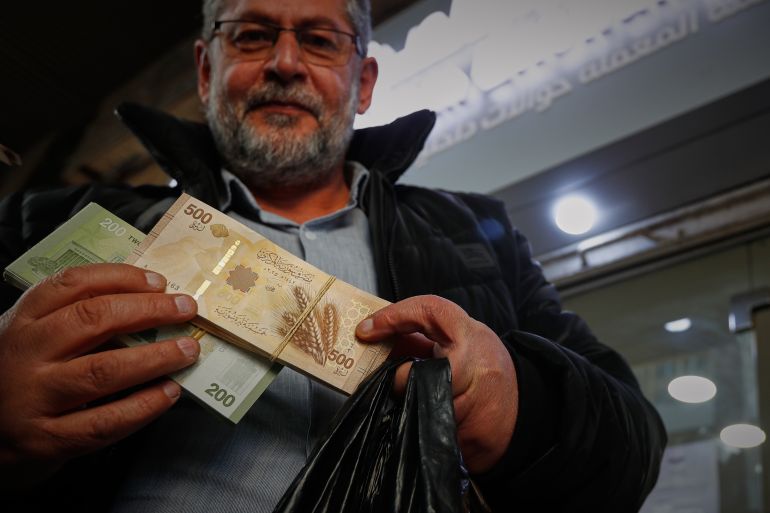
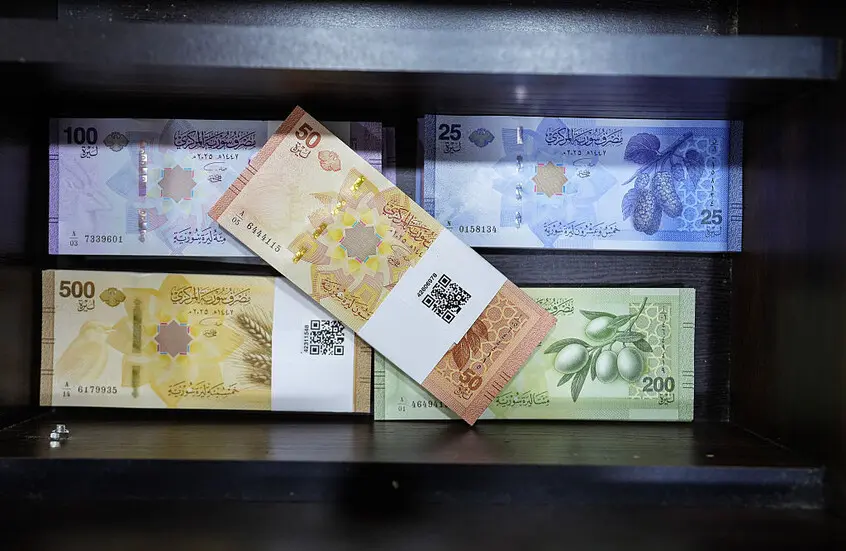
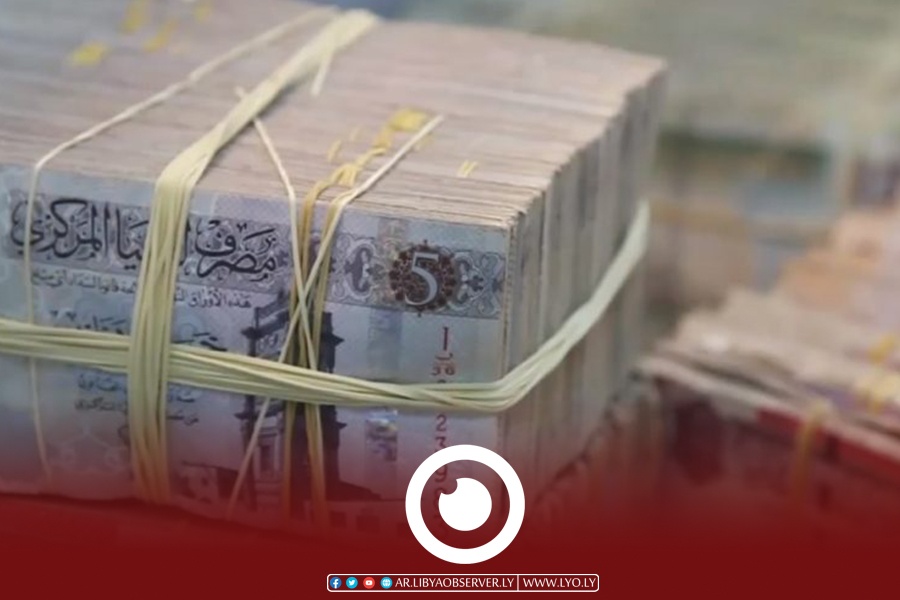
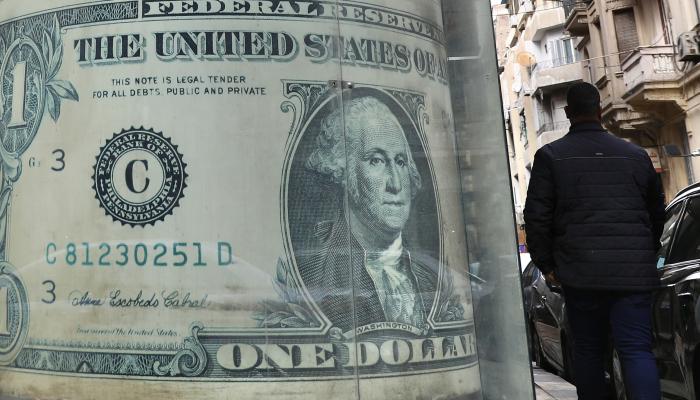
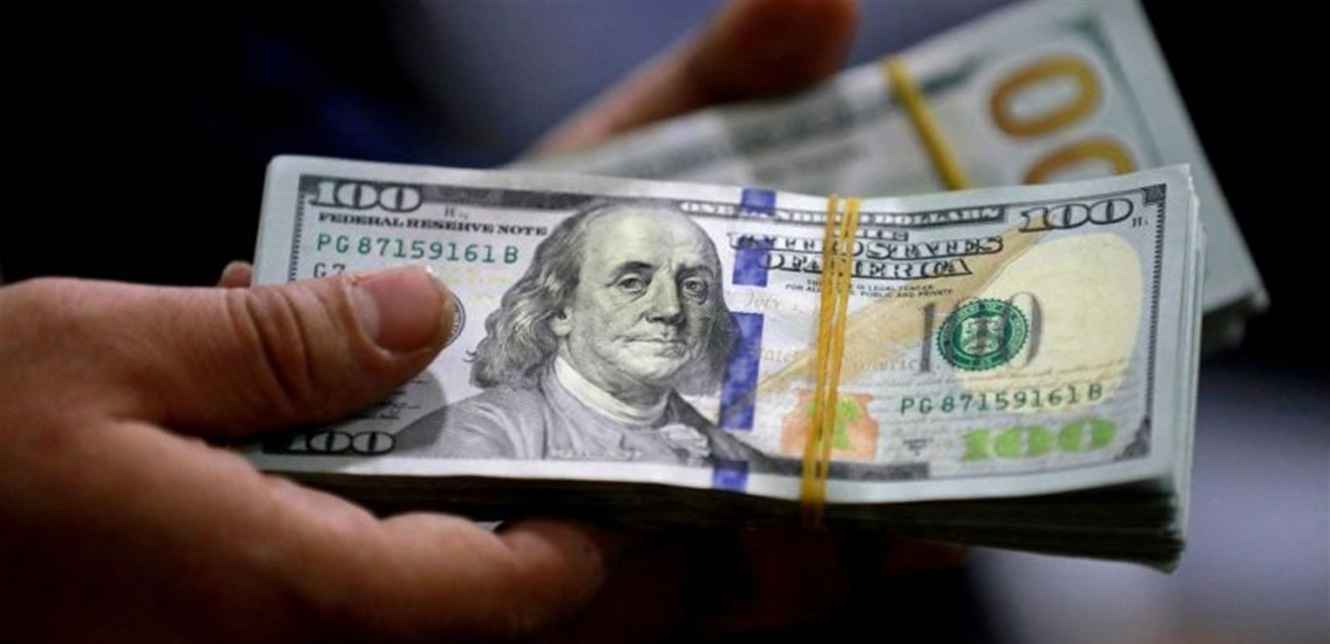
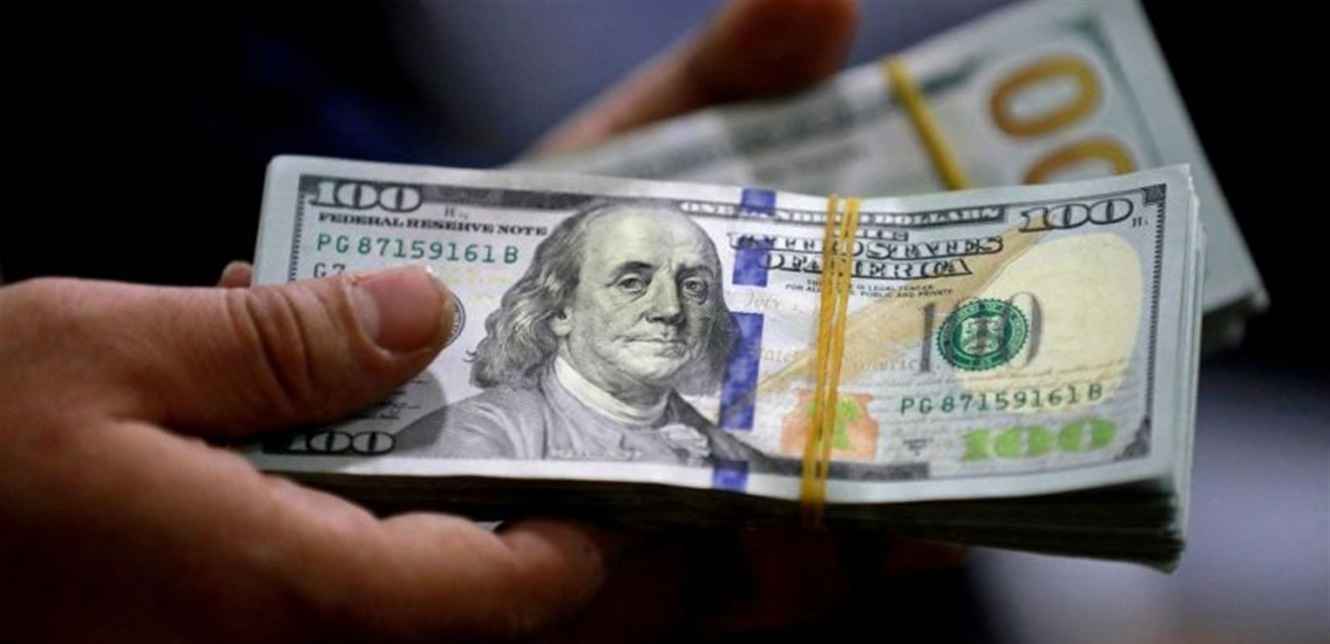
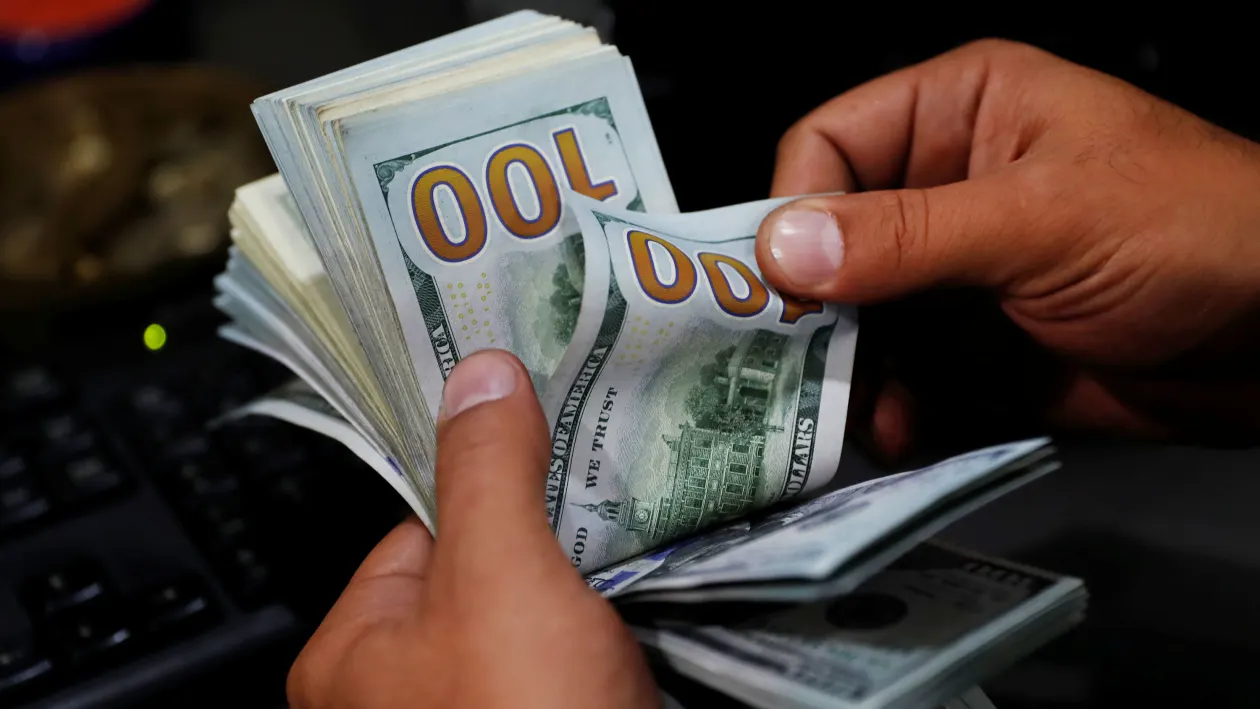
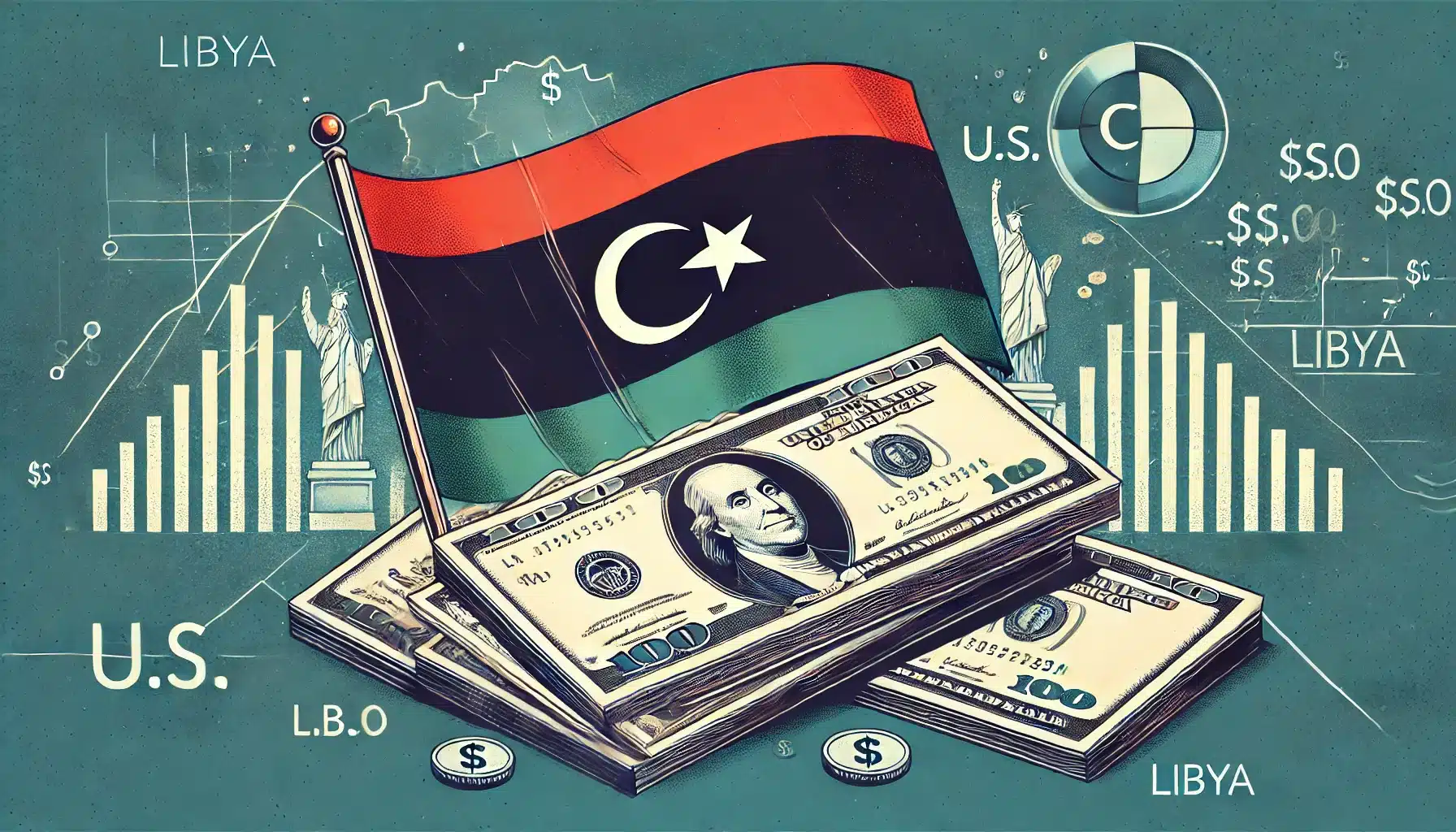
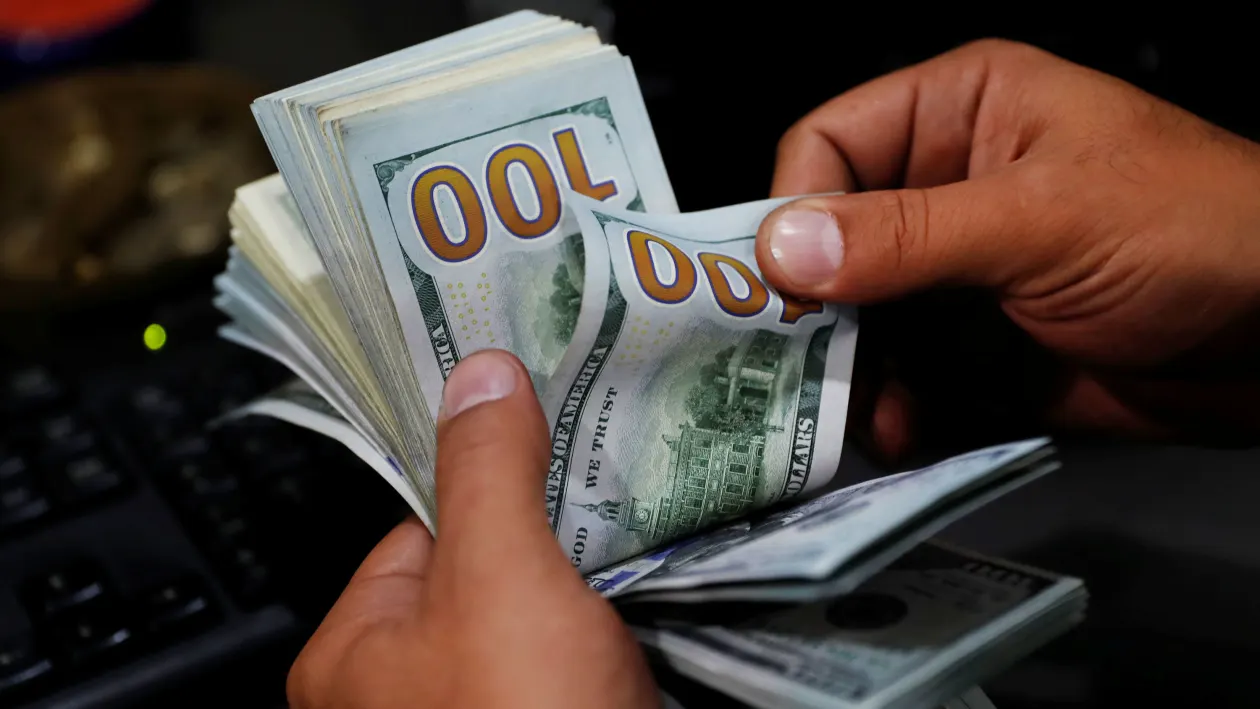
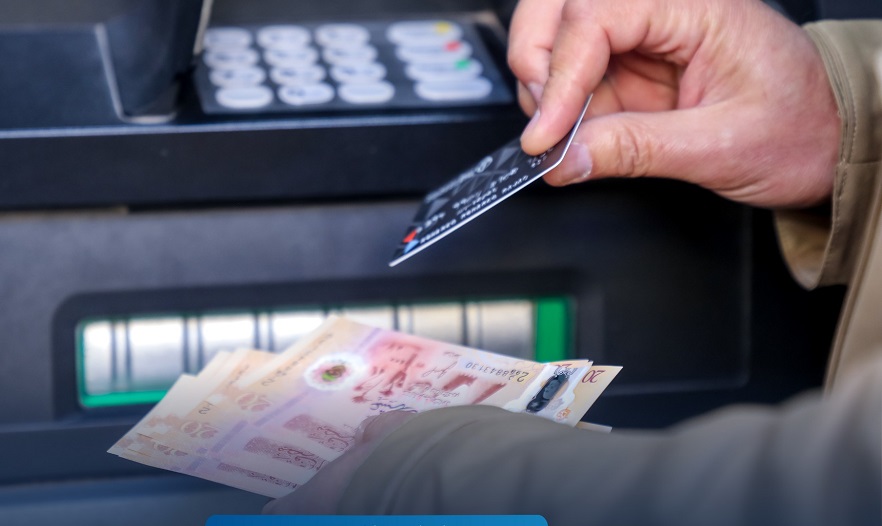
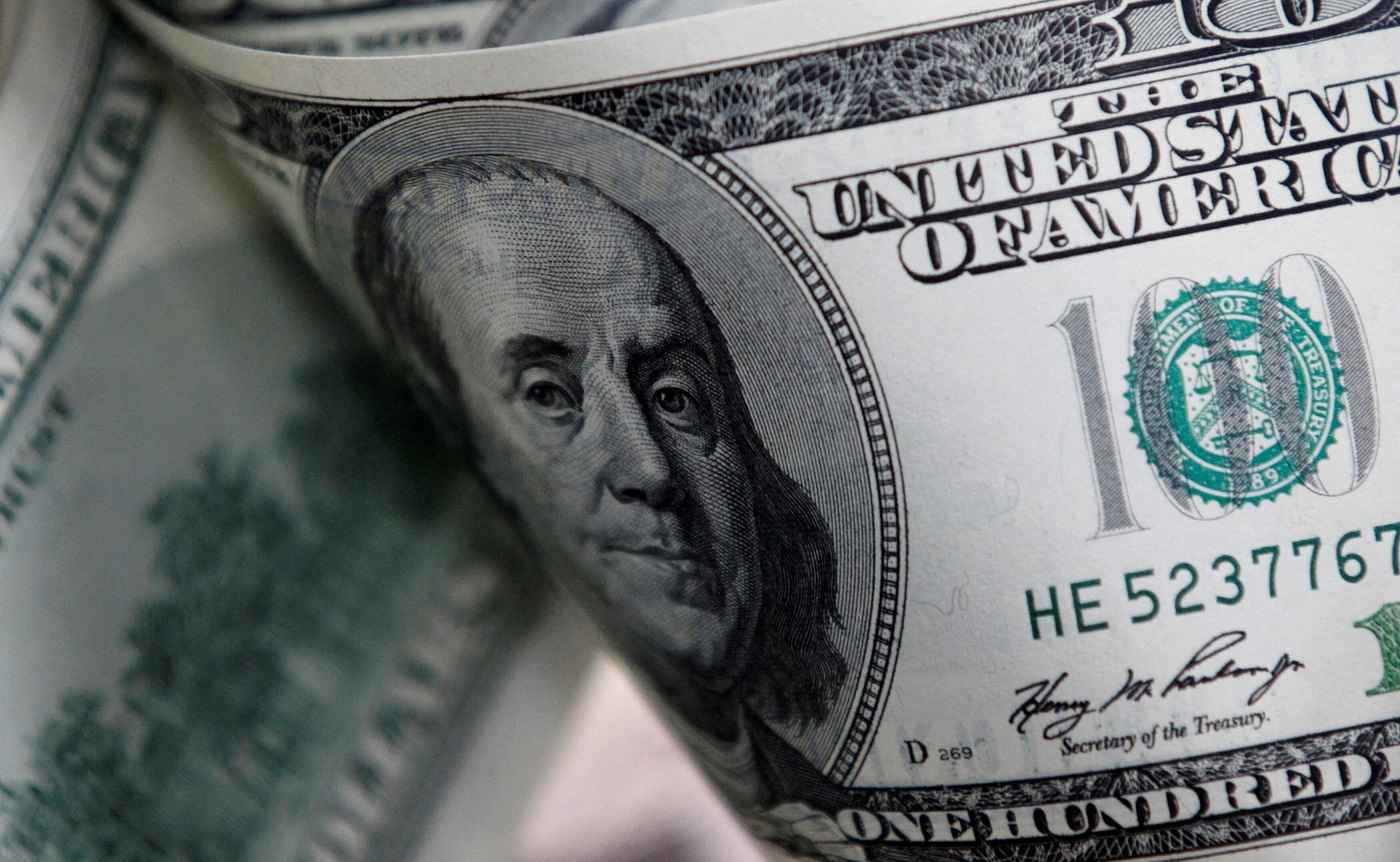
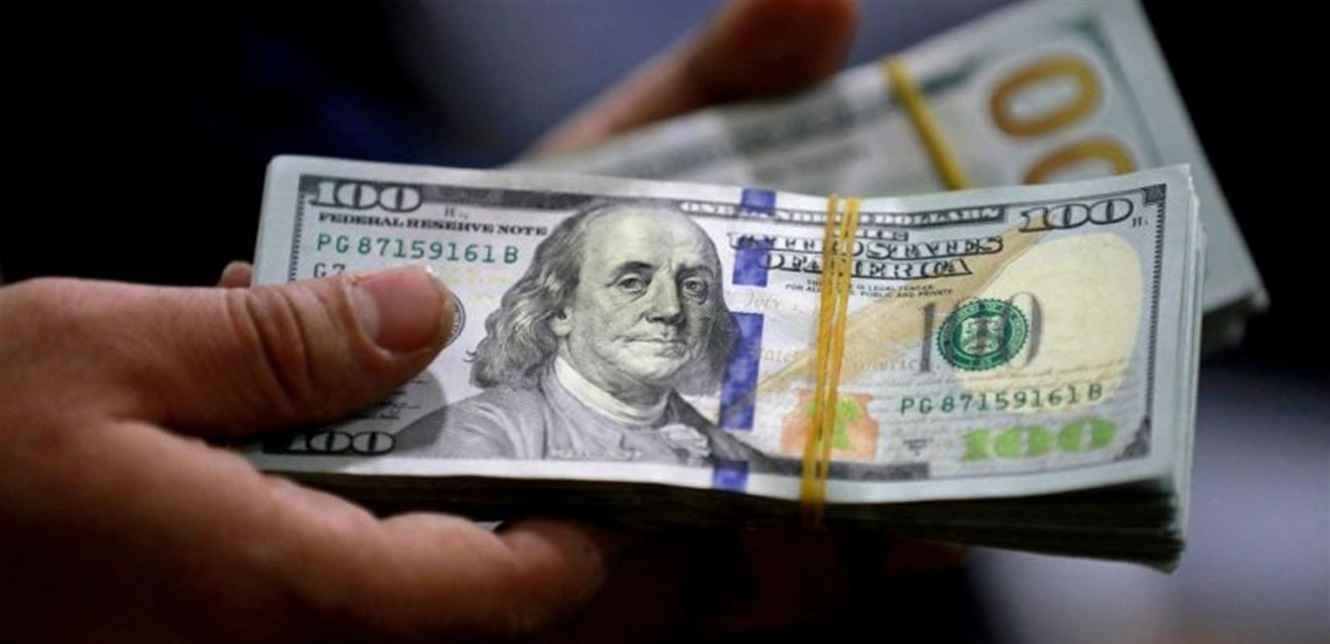
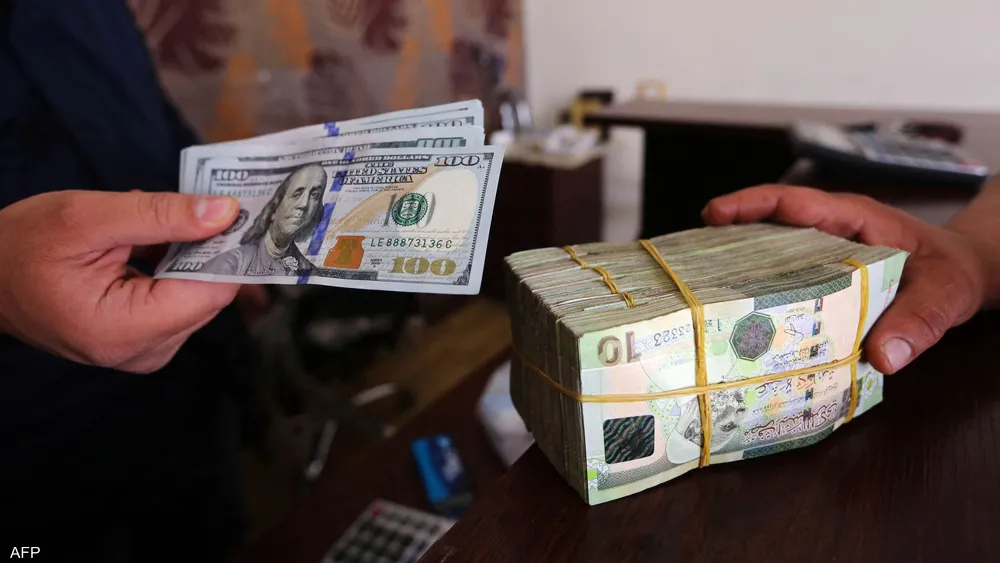
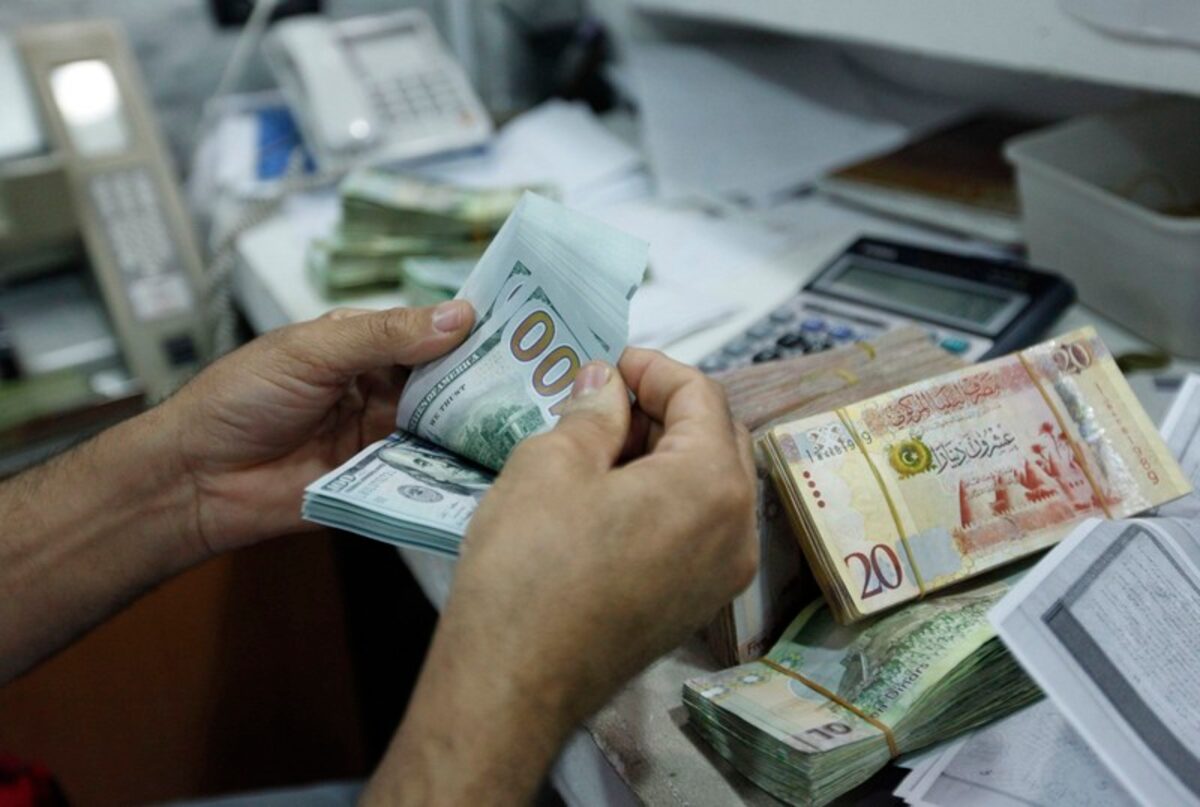
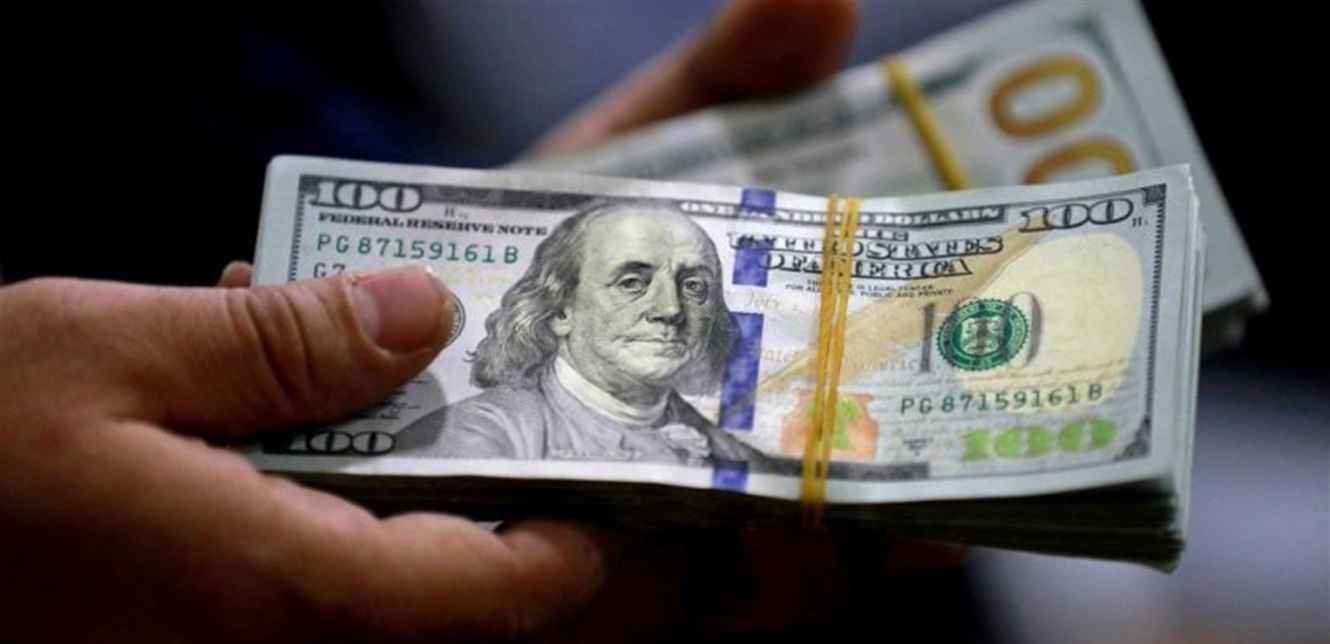
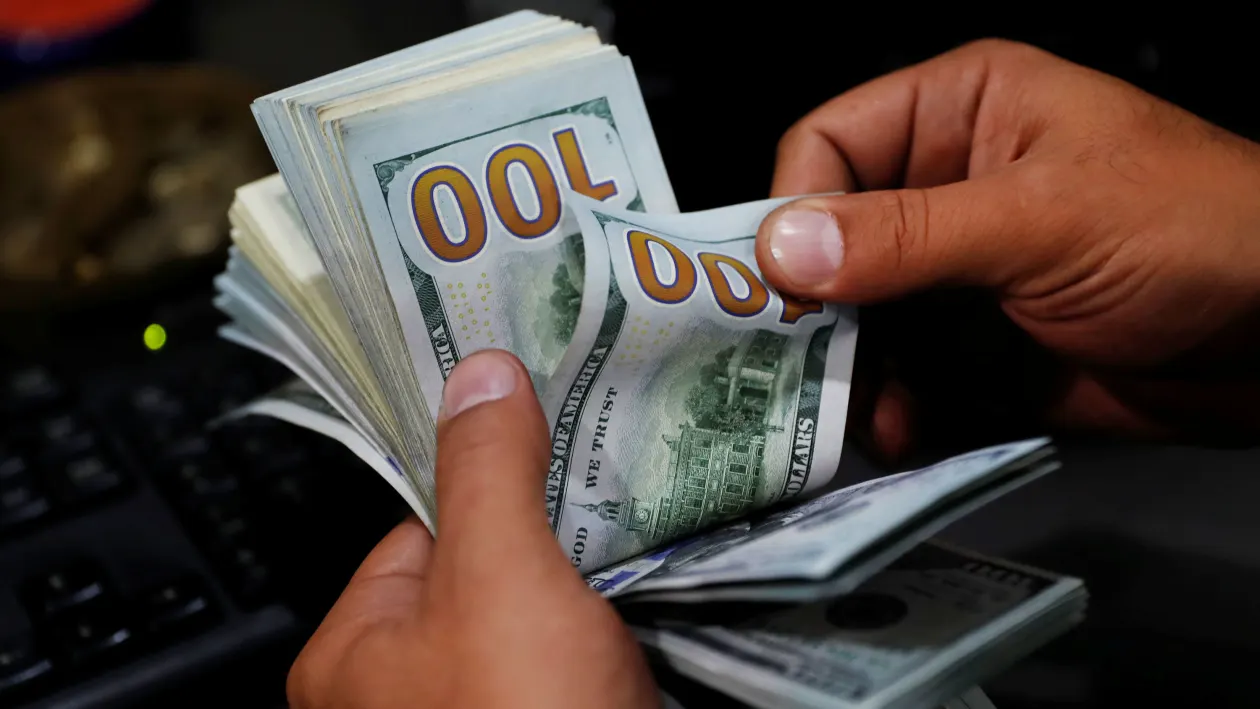
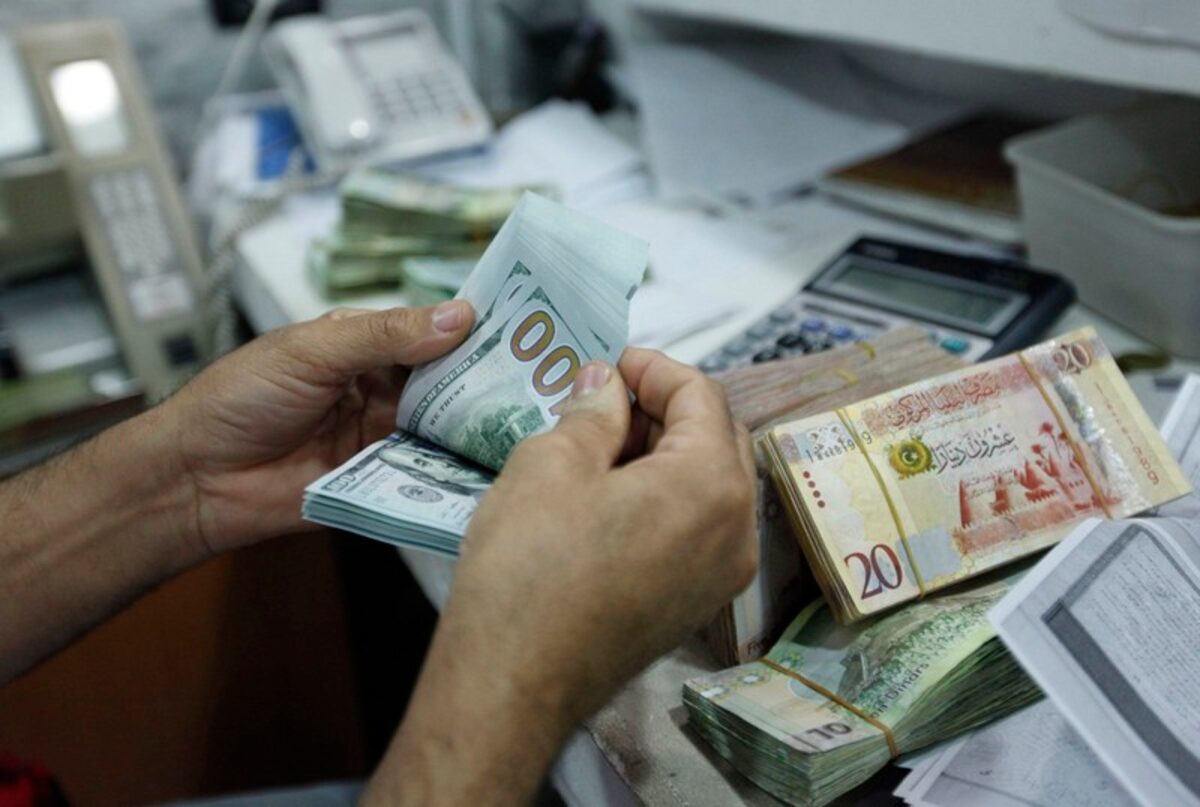
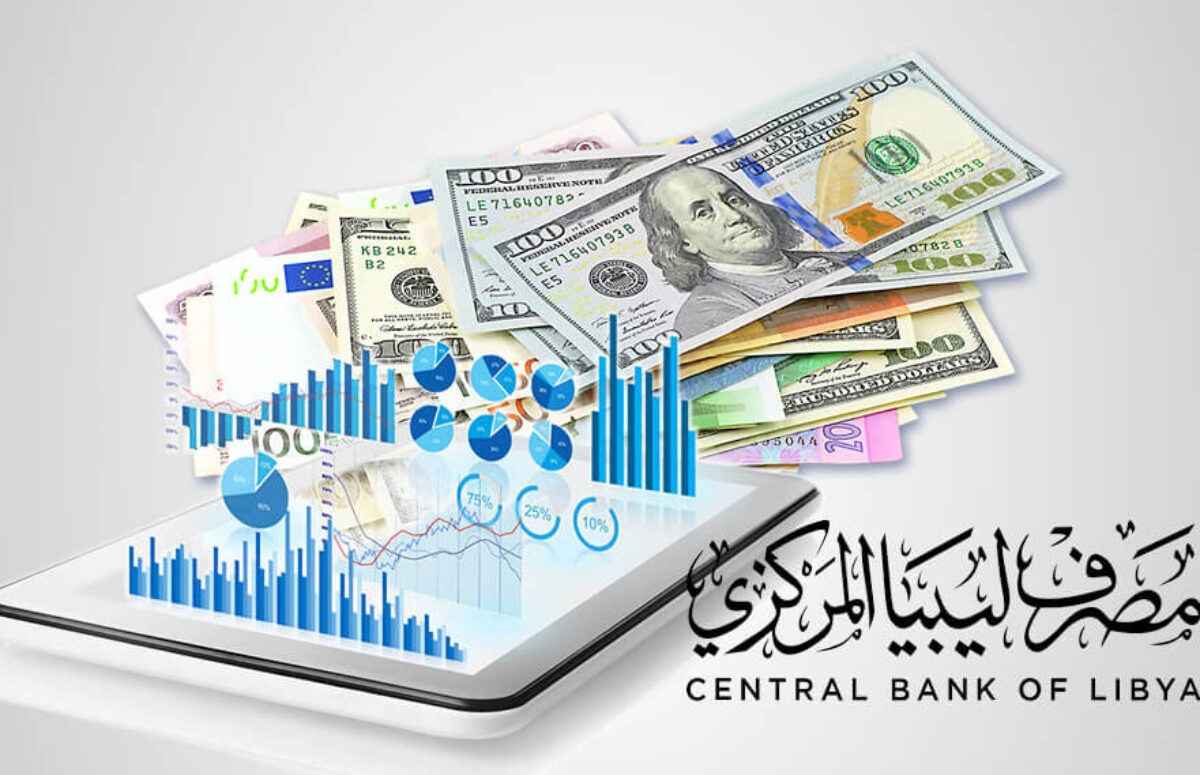
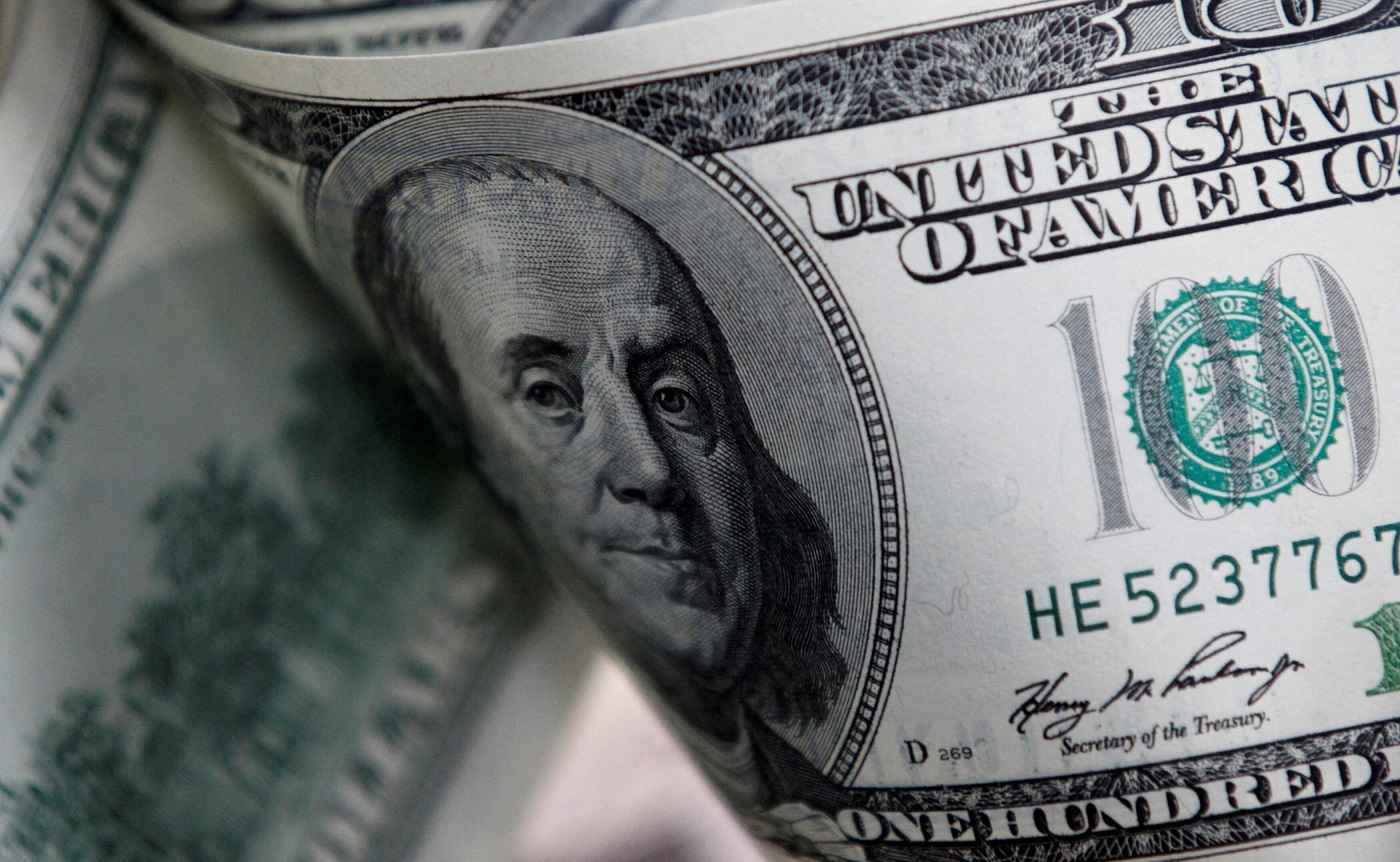
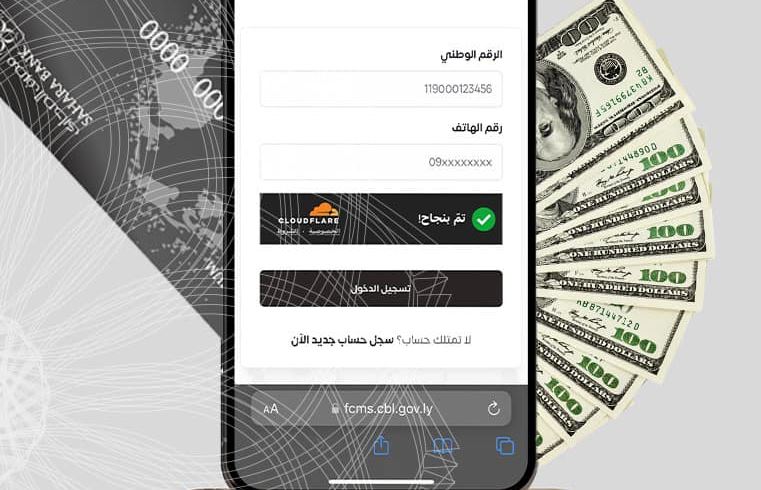
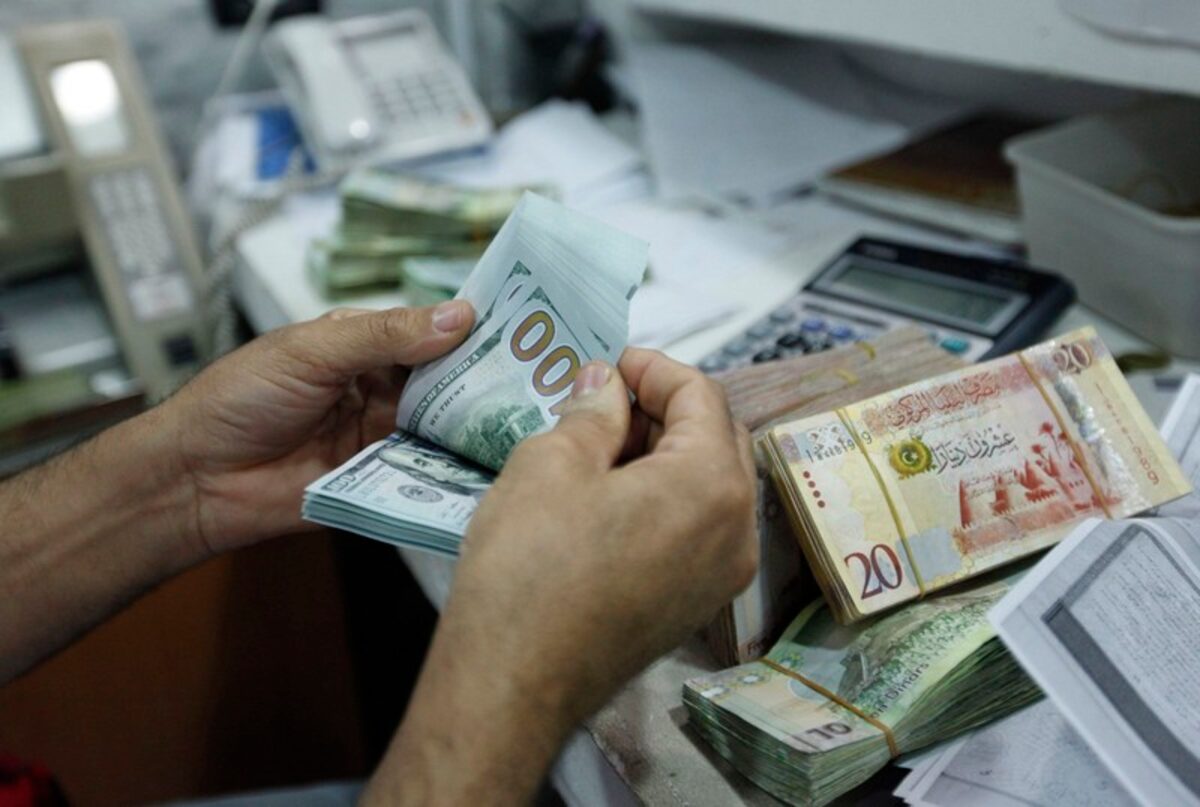
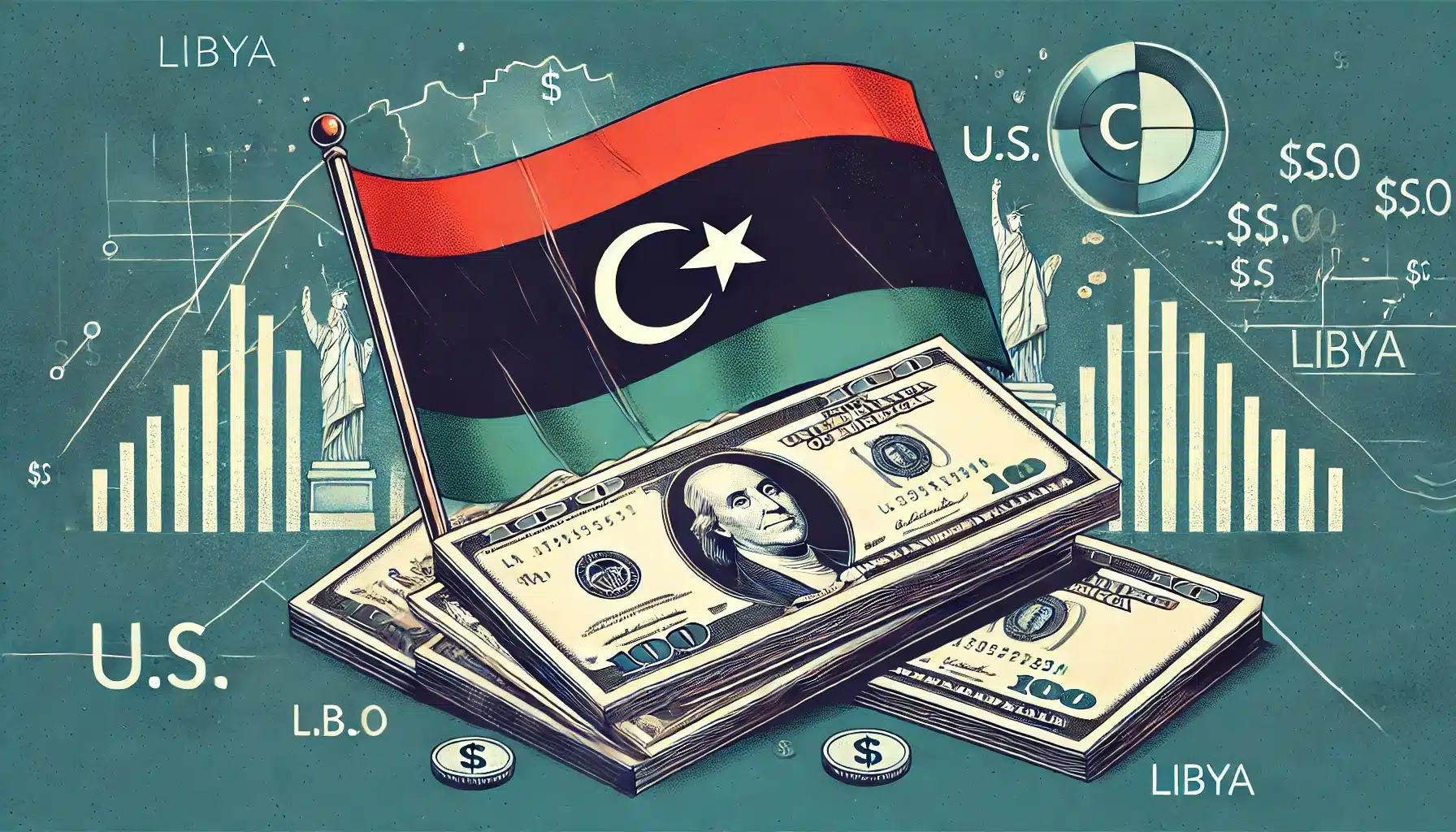
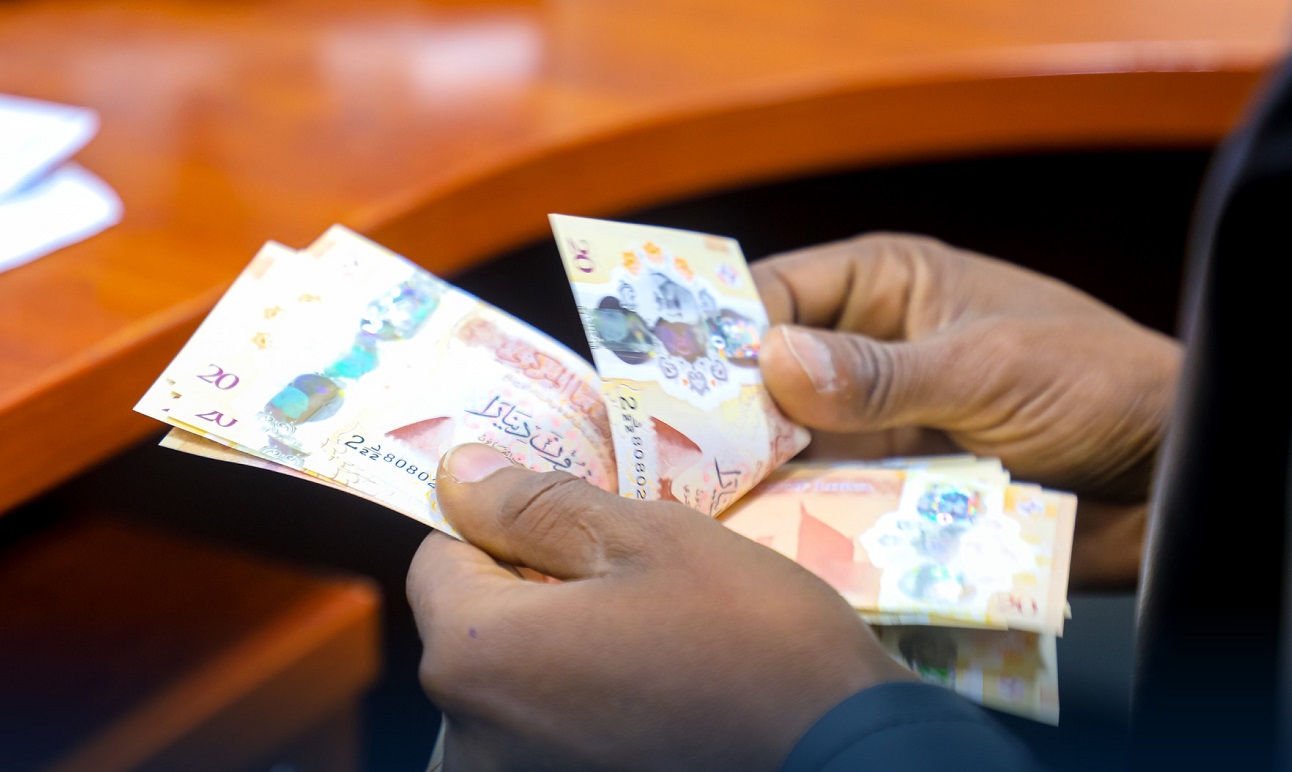
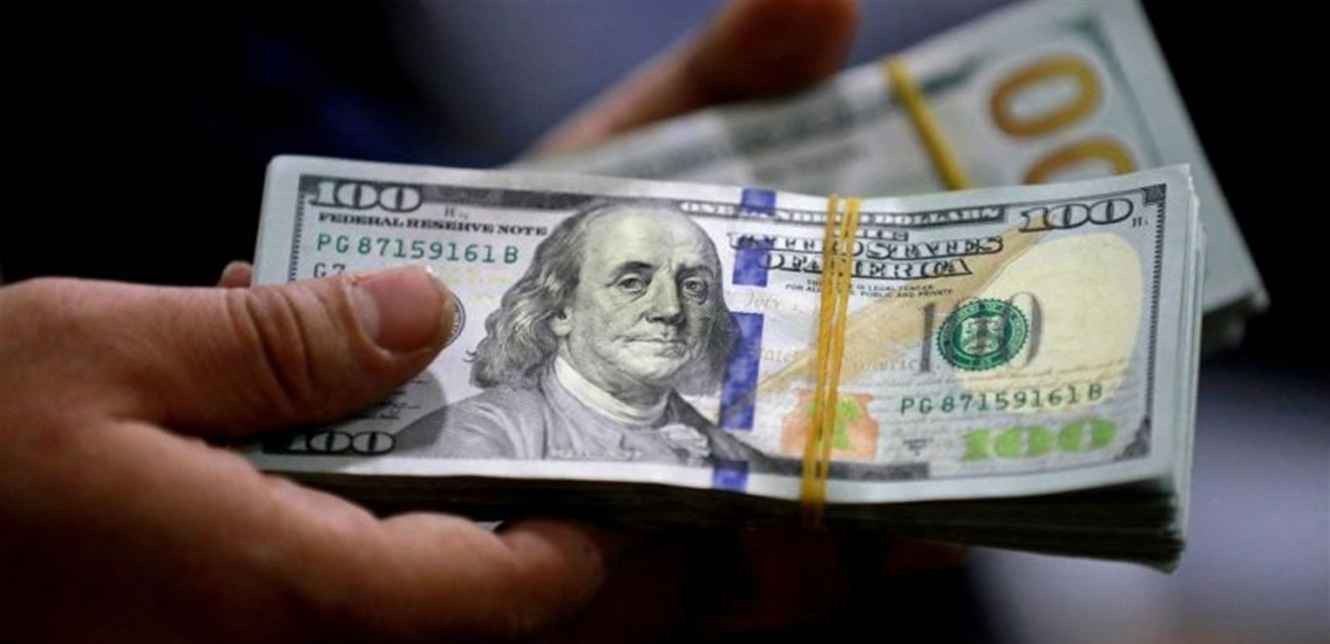
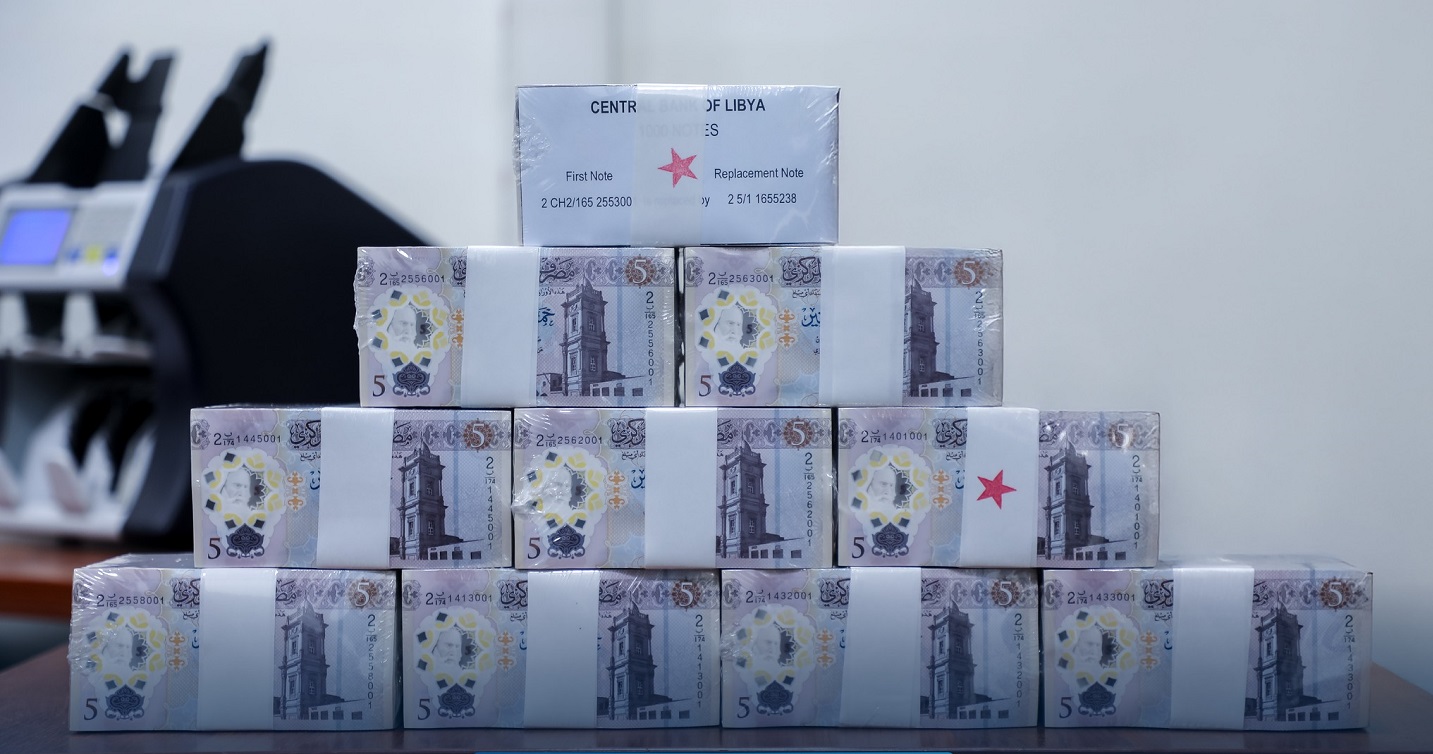
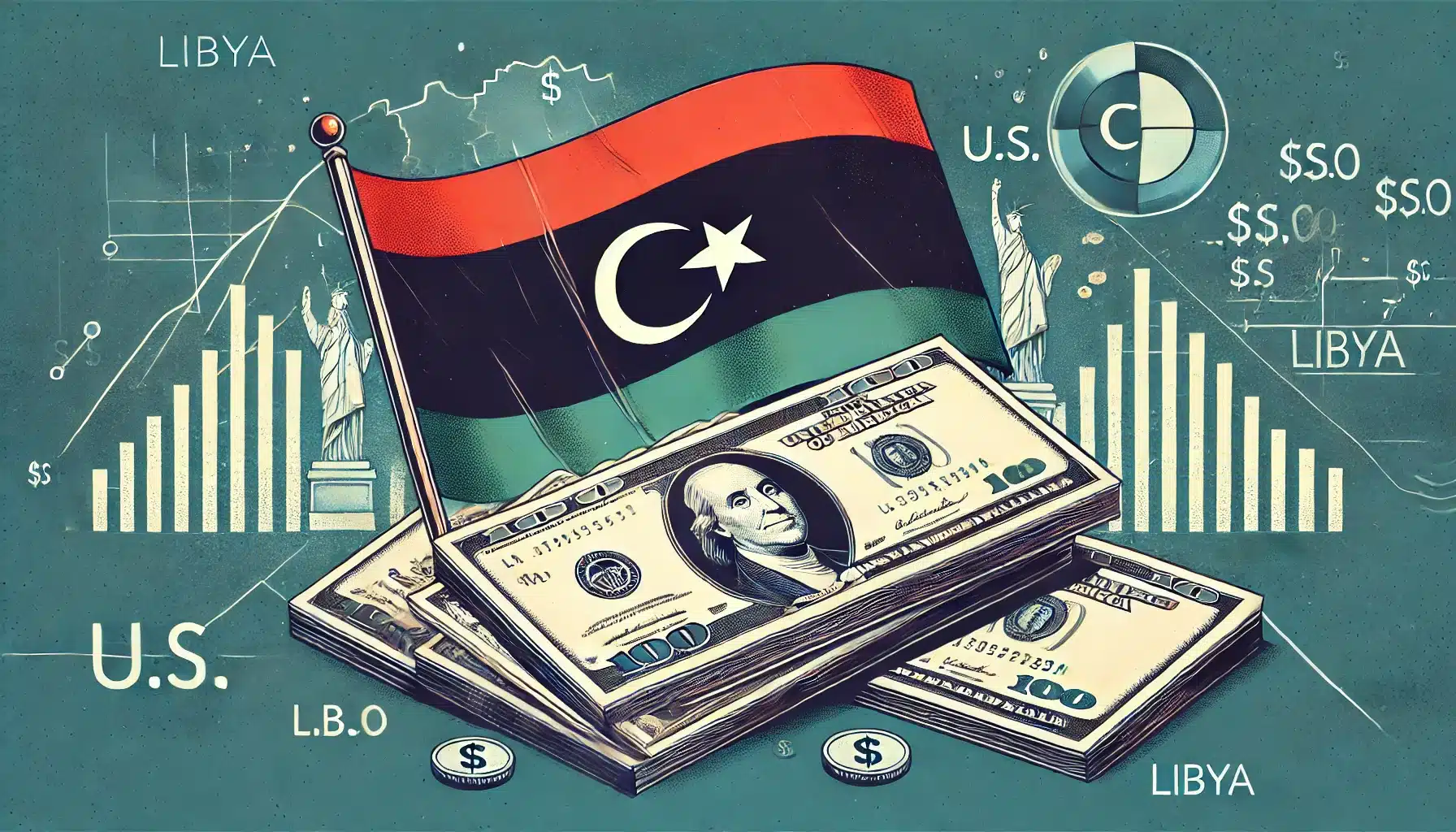
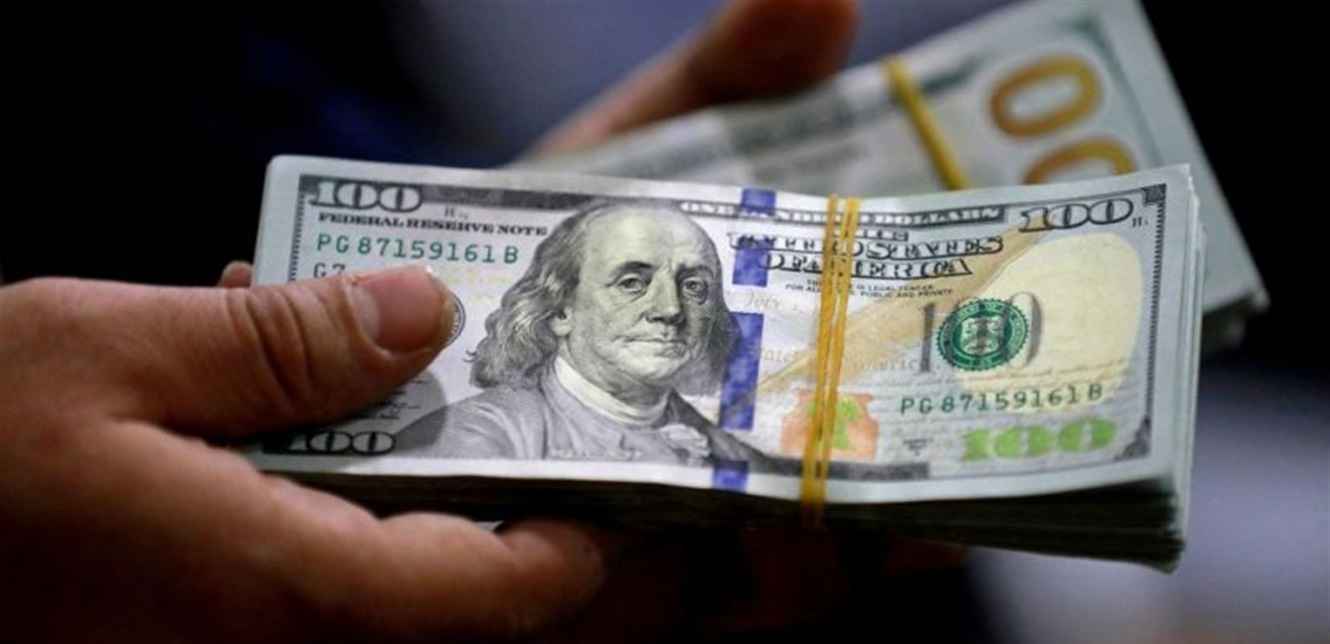
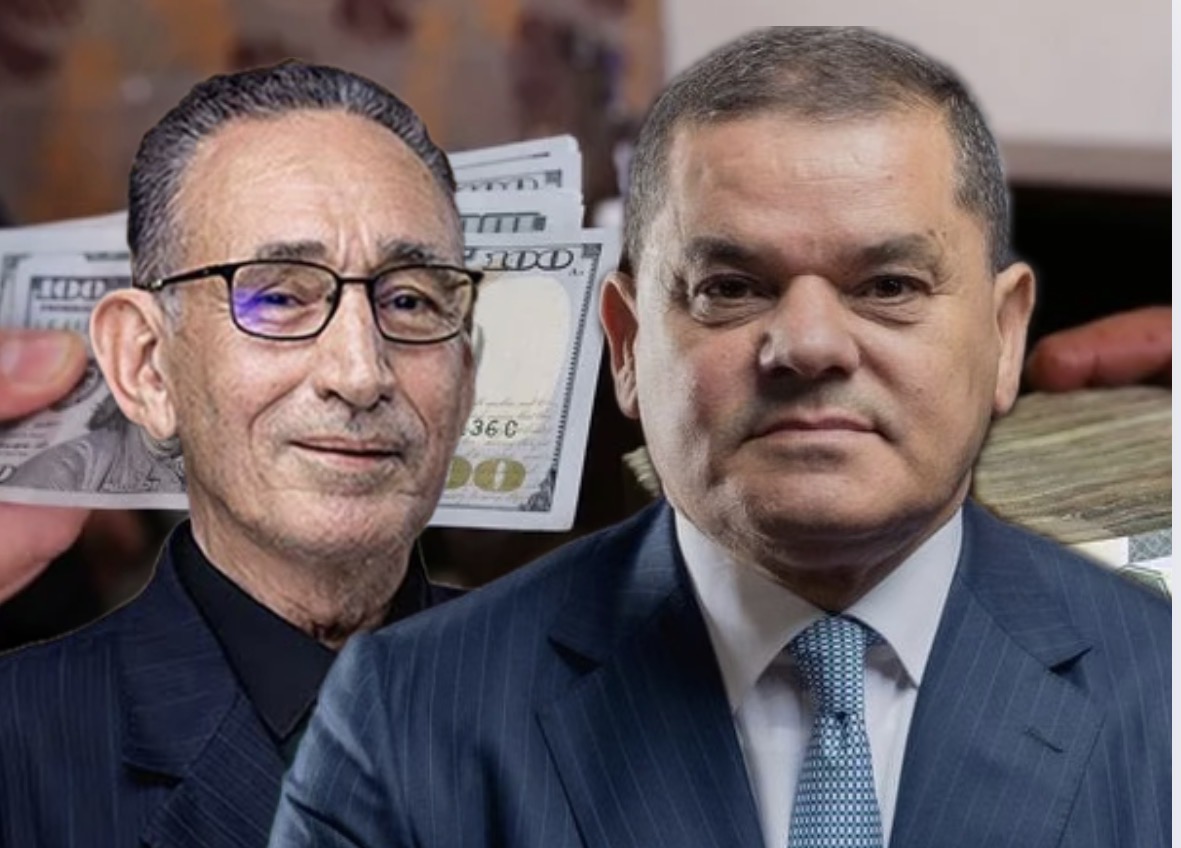
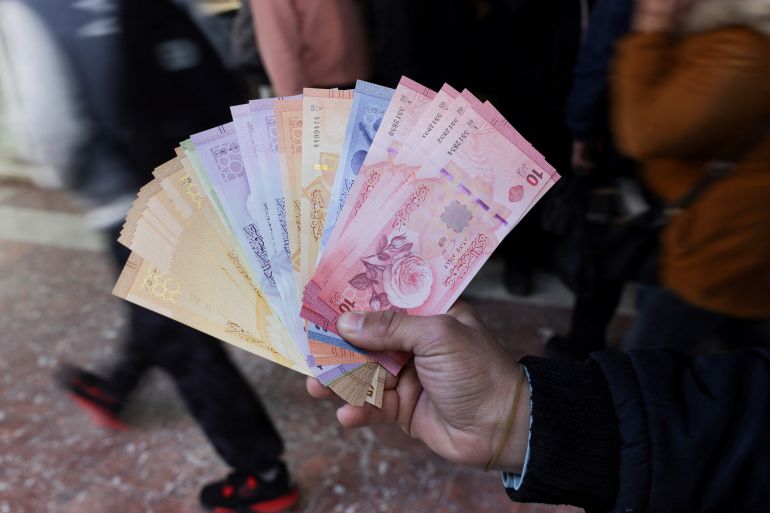
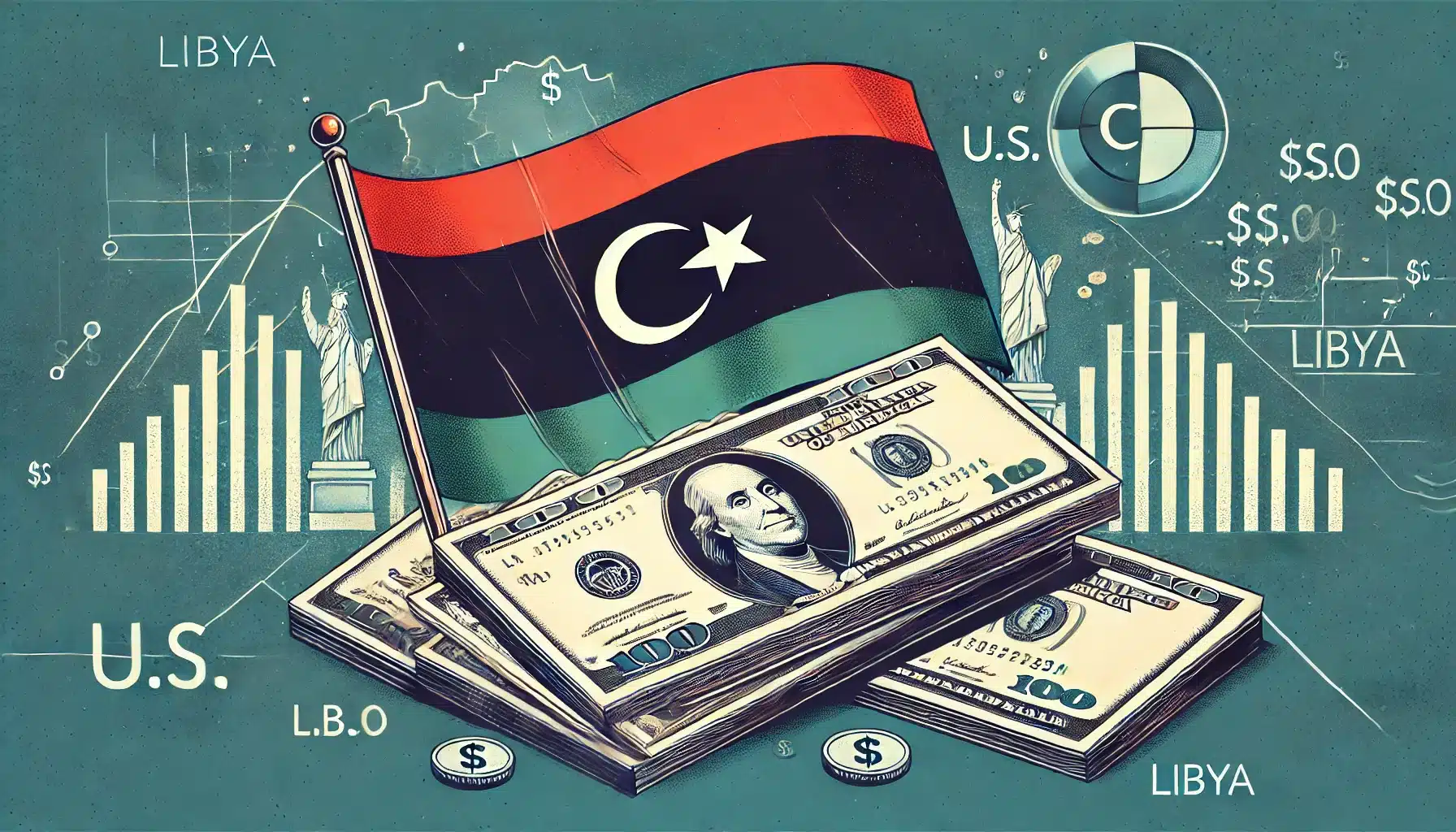
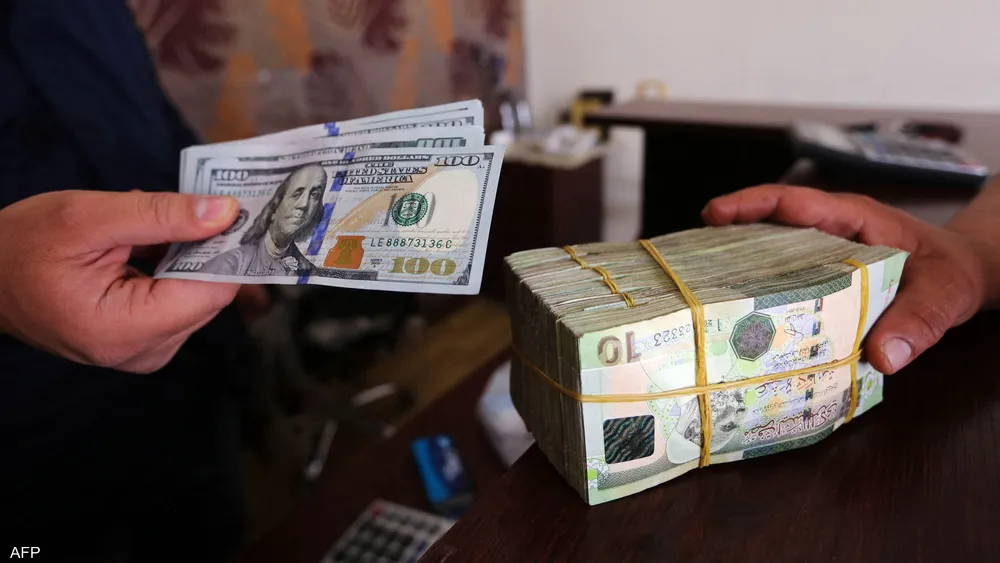
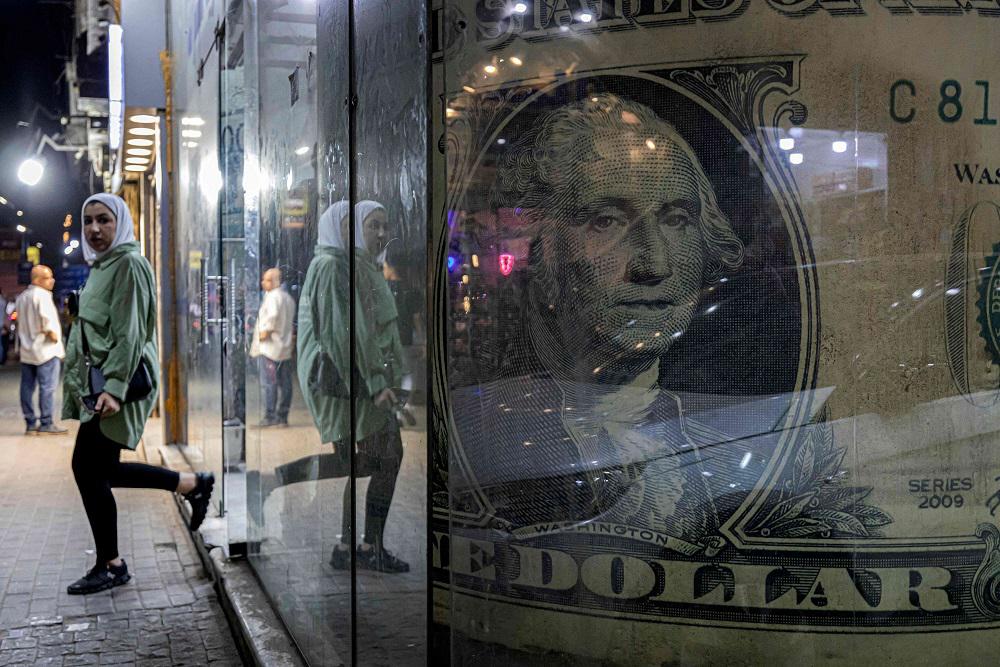
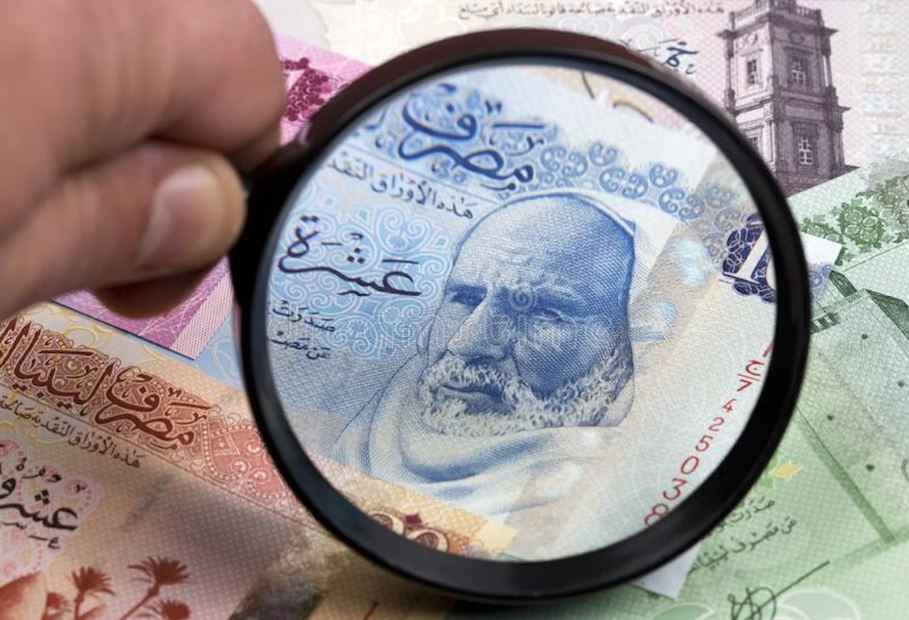
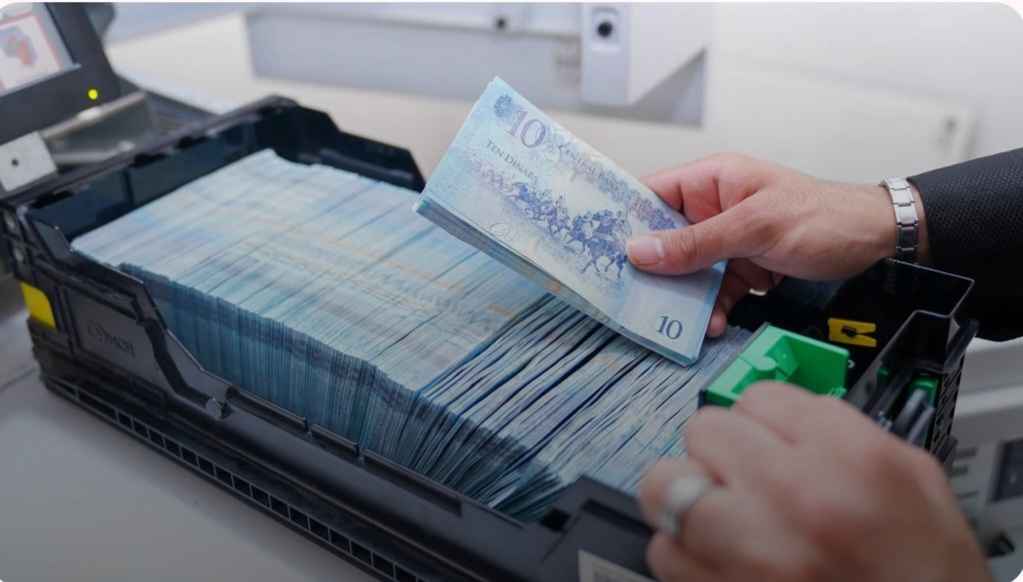
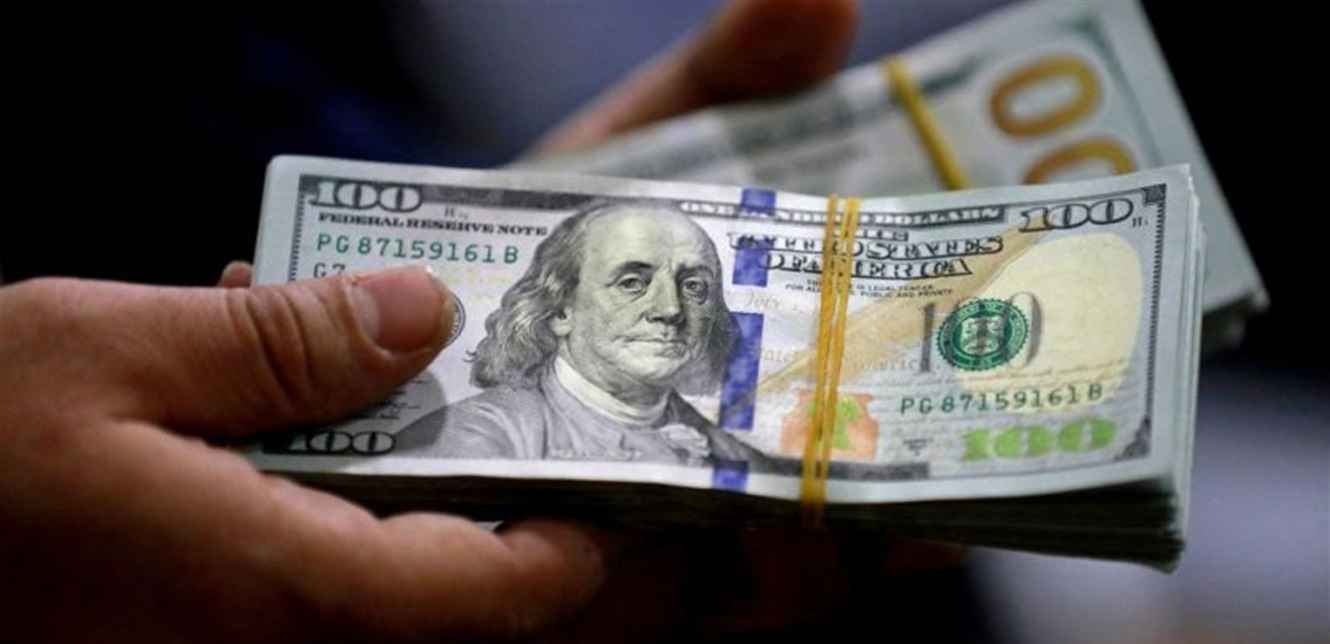
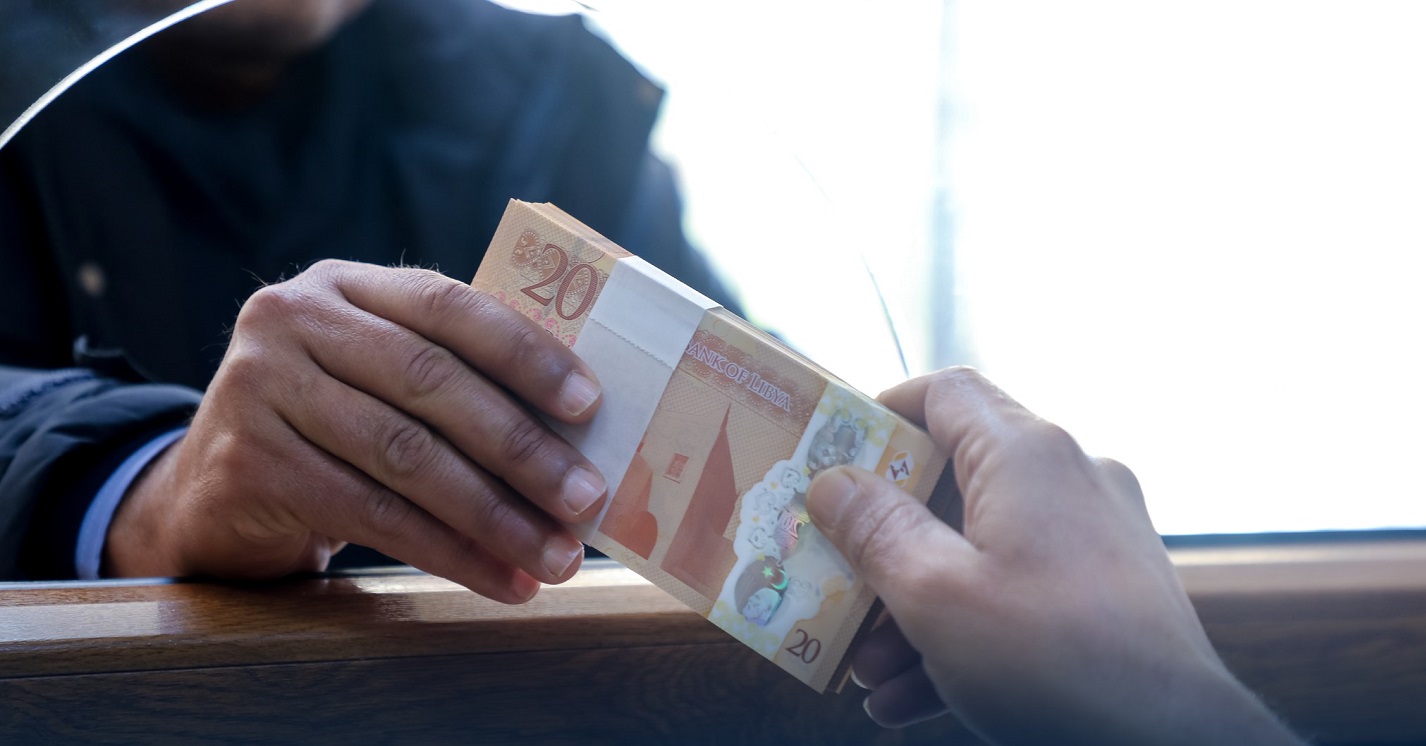
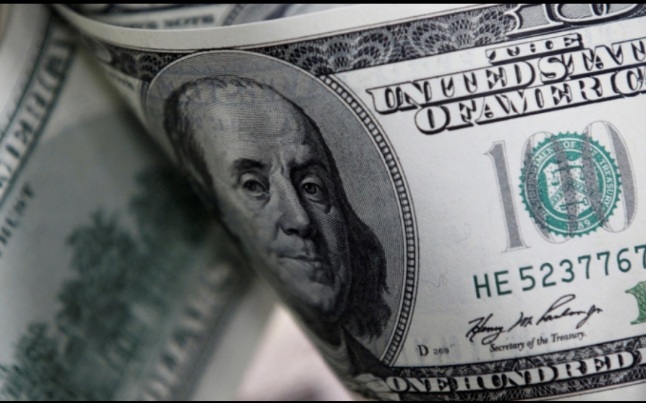
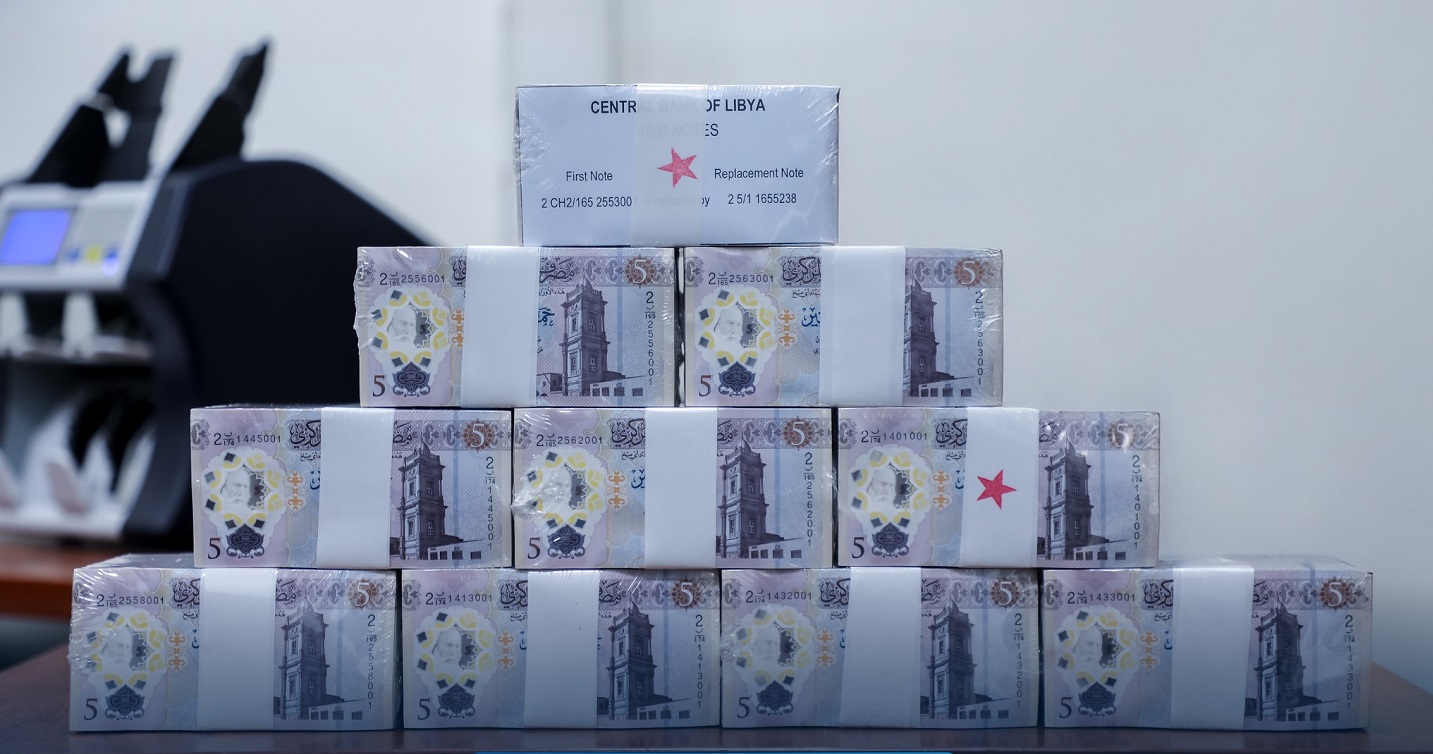
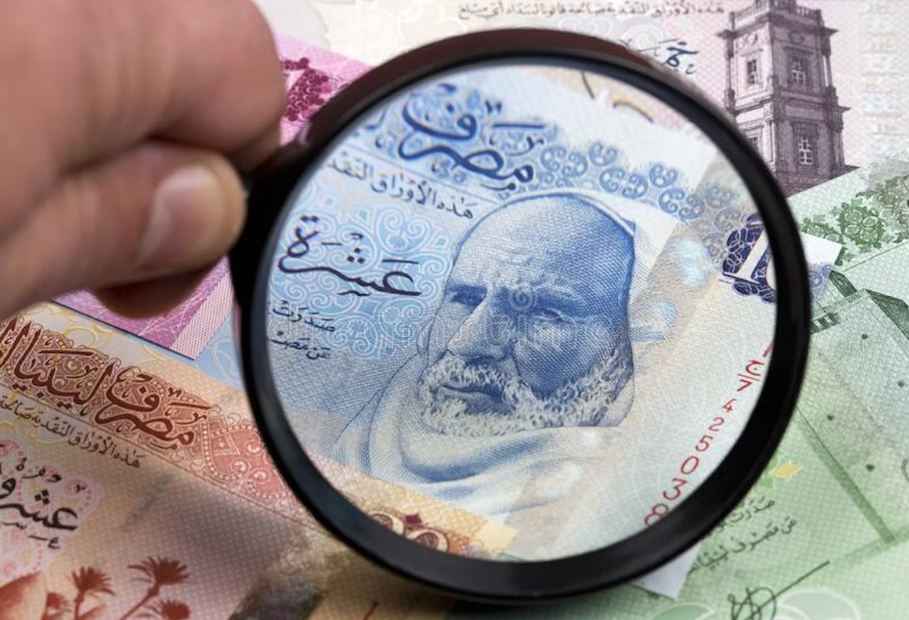
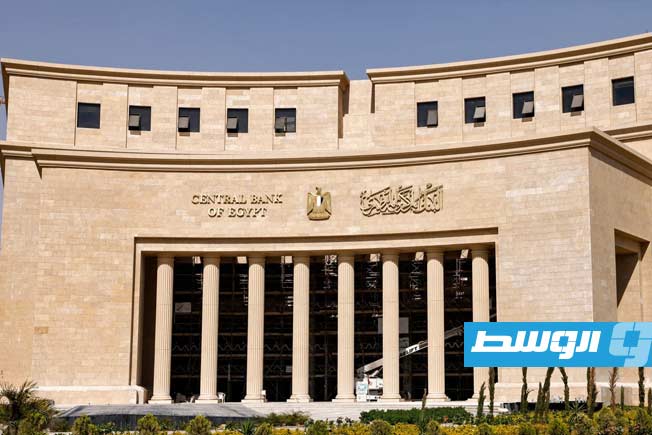
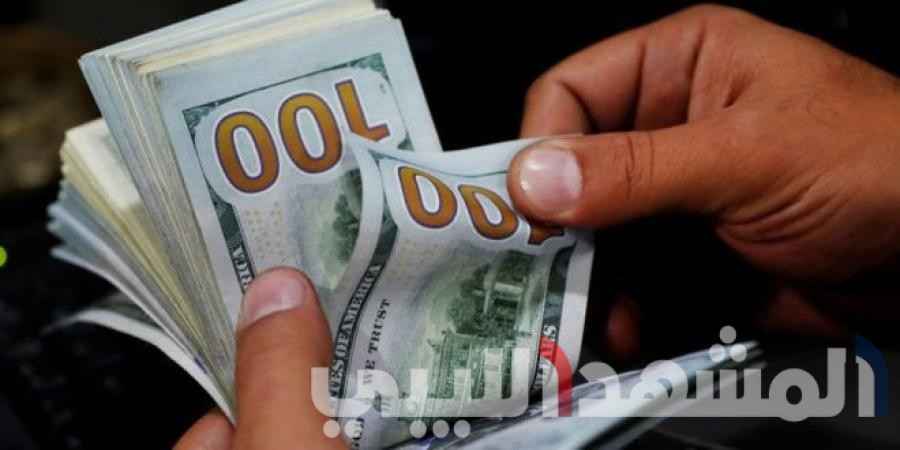
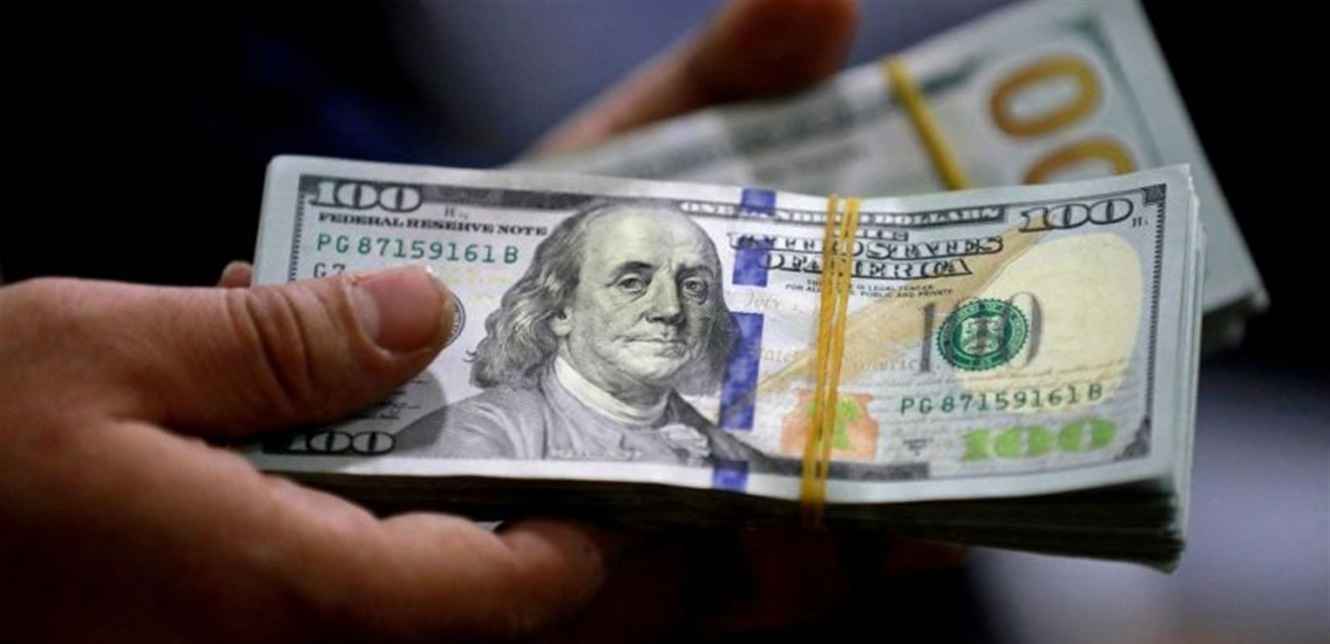
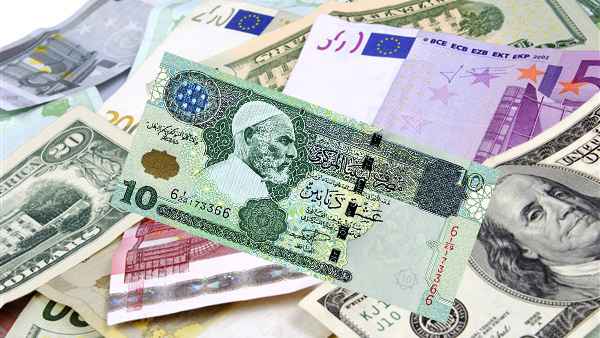
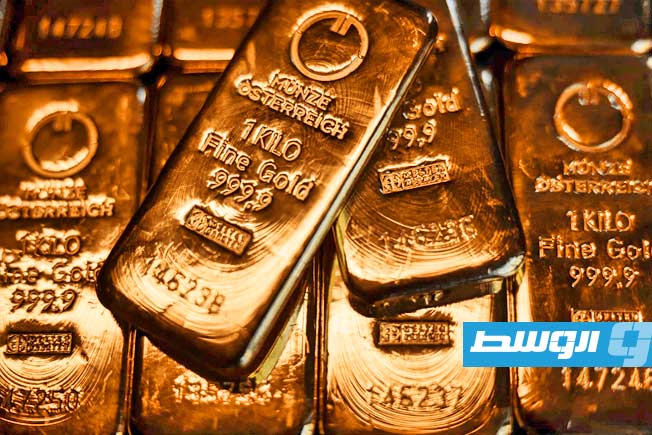
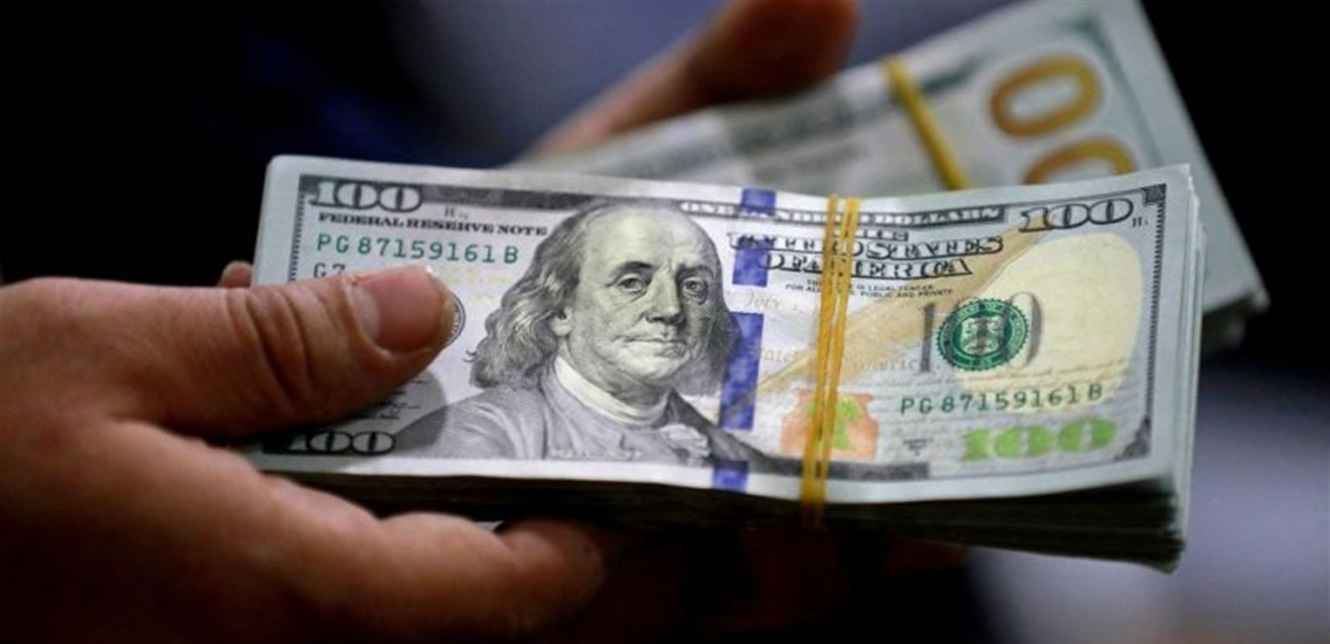
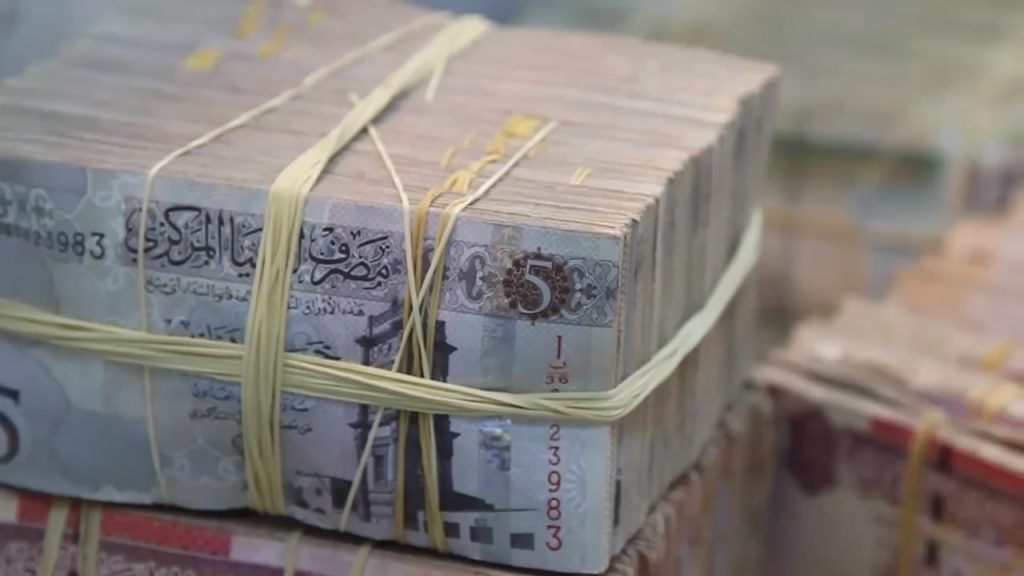
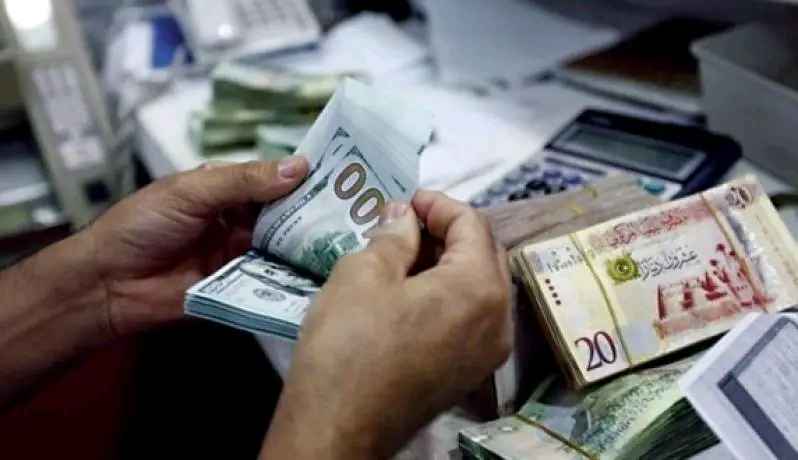
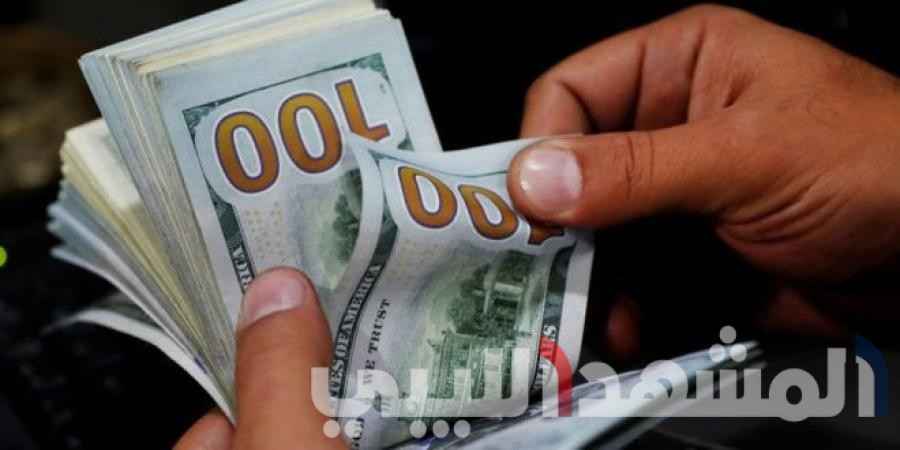
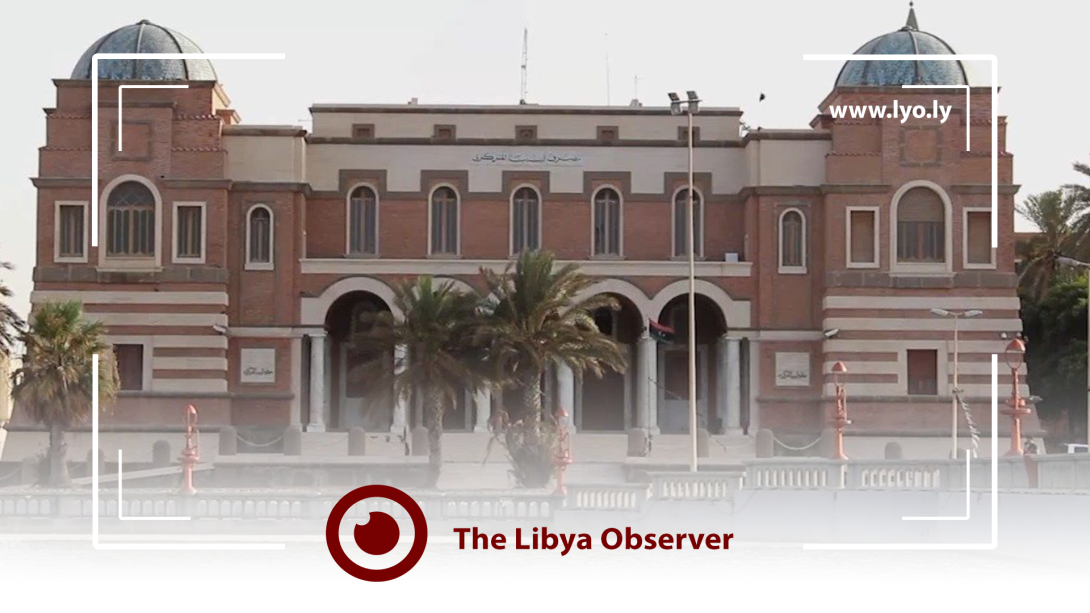
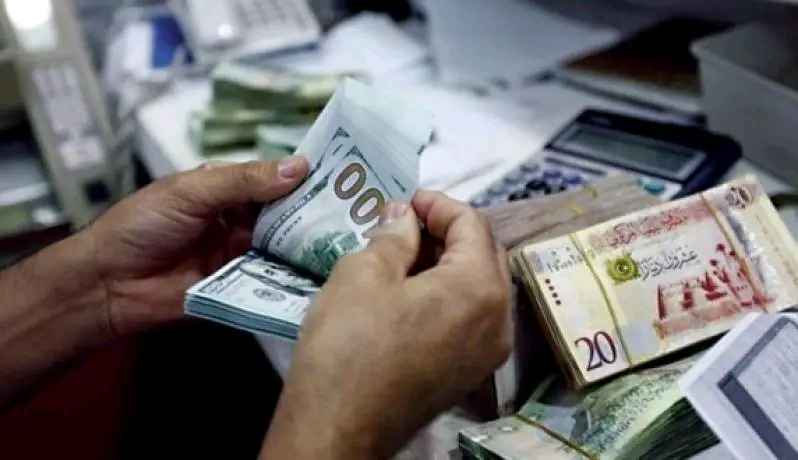
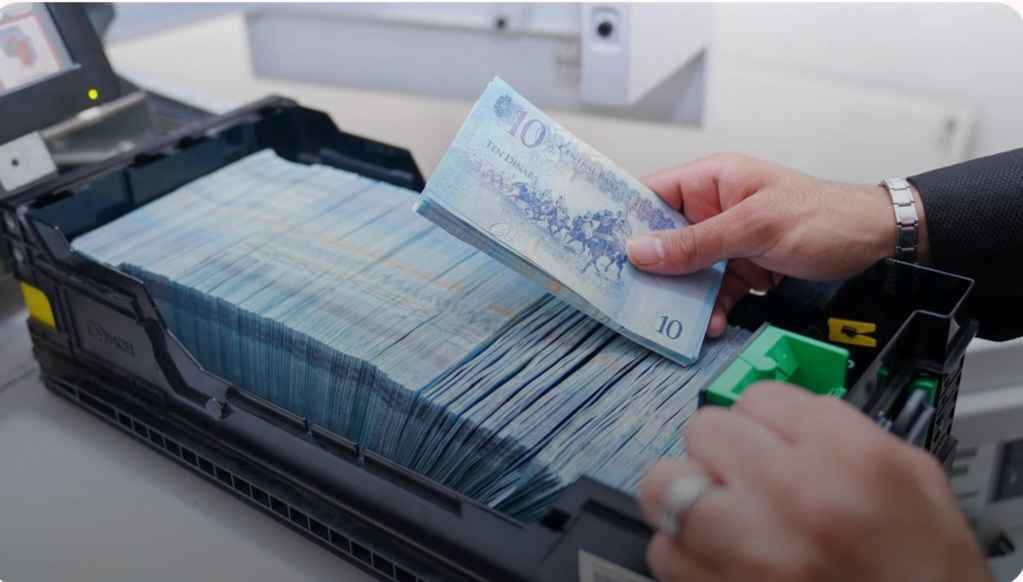
Exchange rates in Libya’s official market witnessed a new rise in the US dollar price and variation in several foreign currencies against the Libyan dinar on Wednesday, according to data from the Central Bank of Libya.
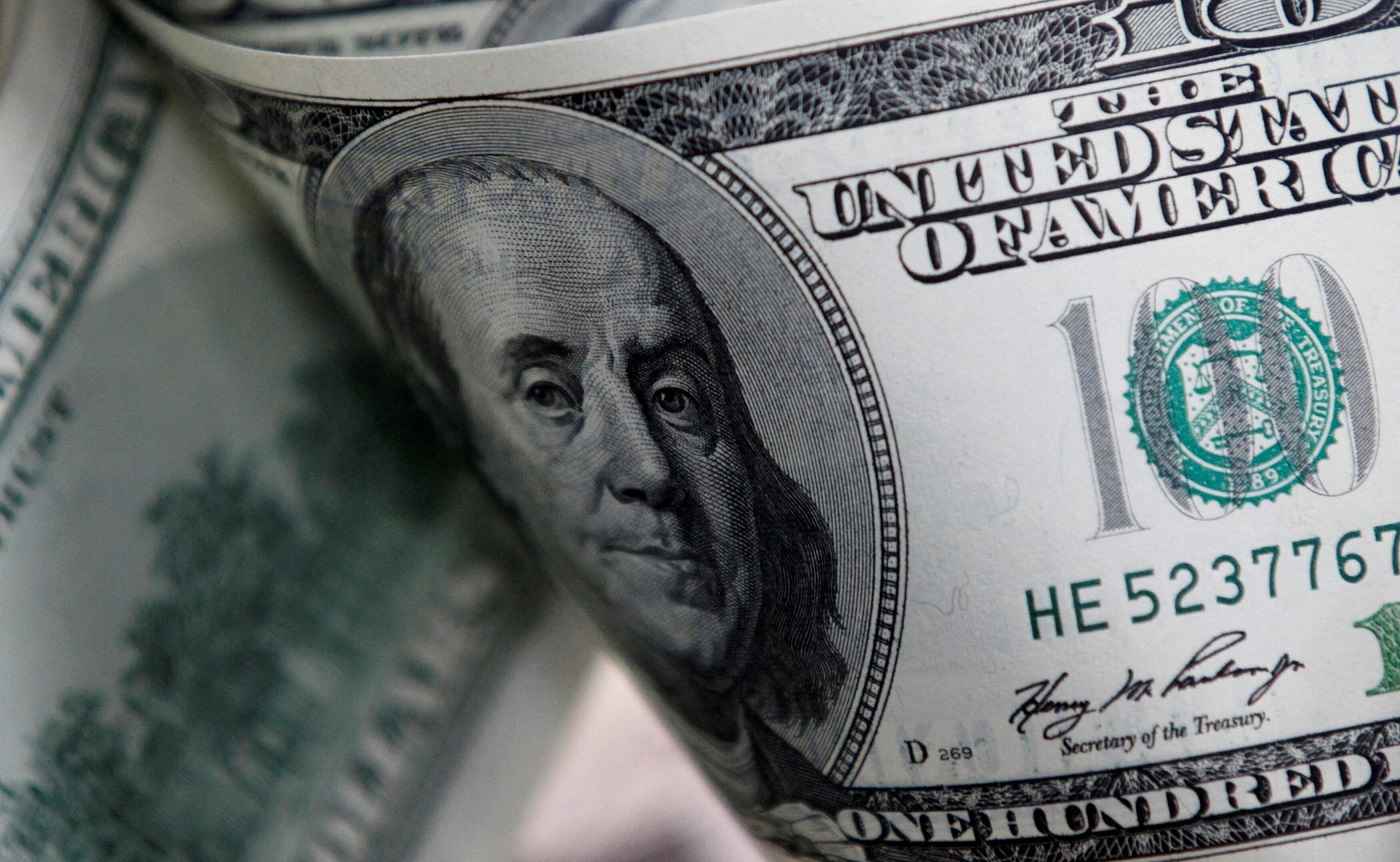
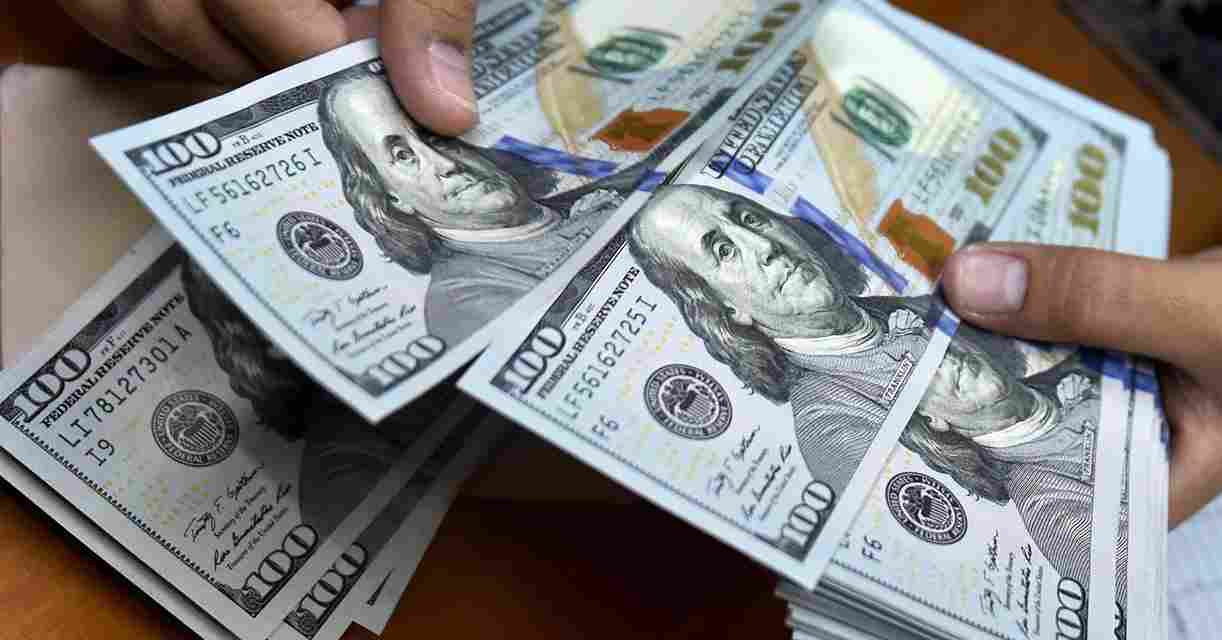
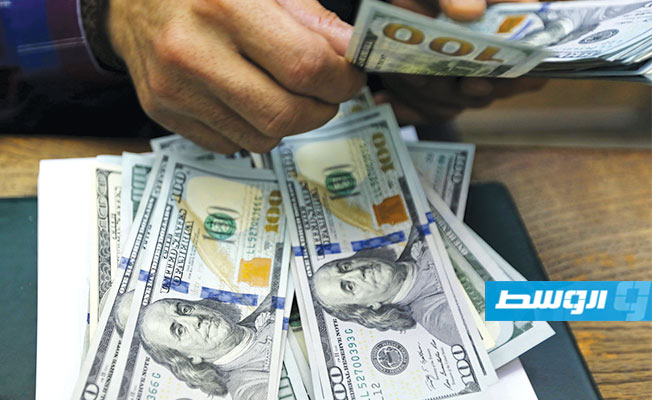
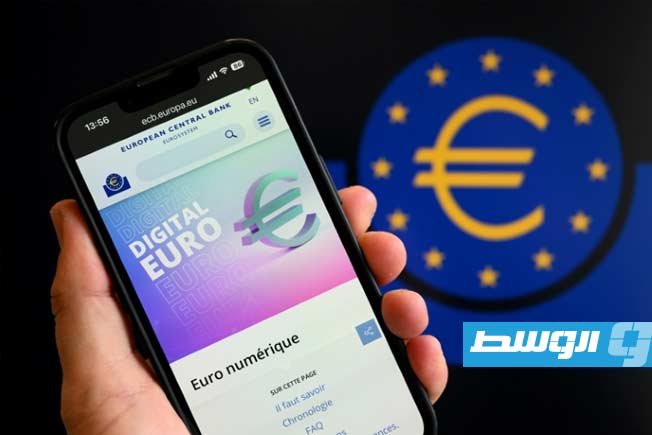
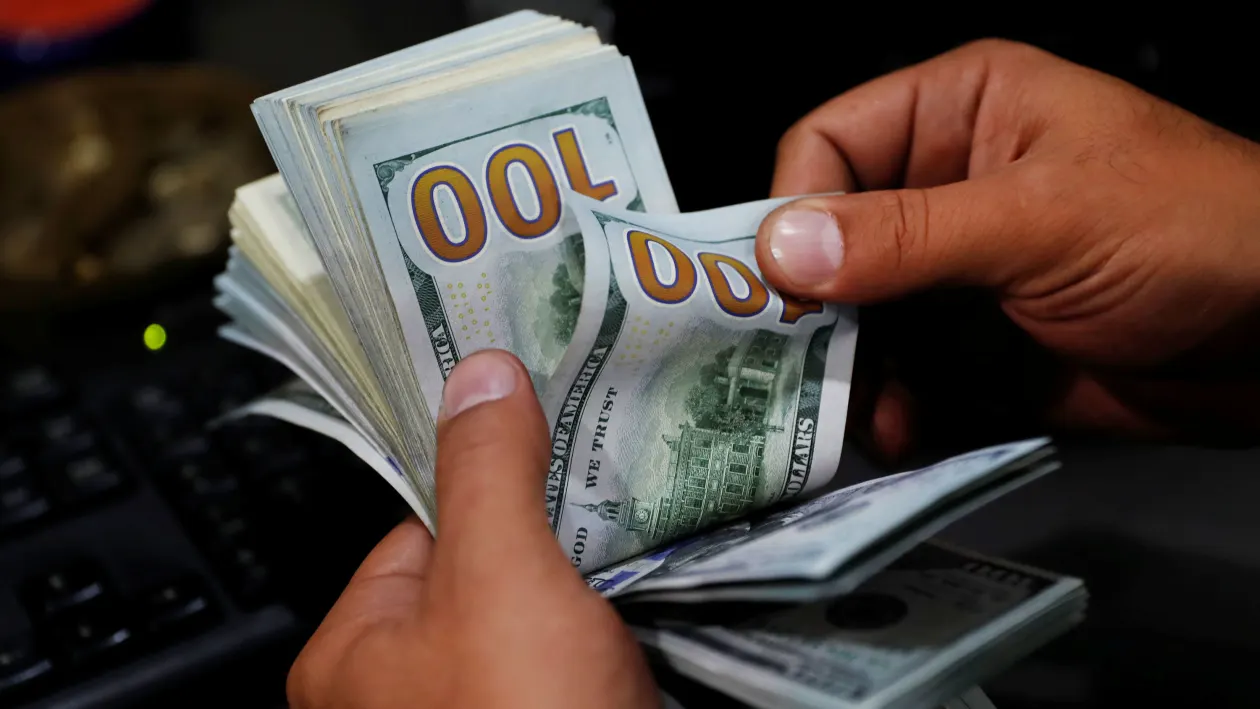
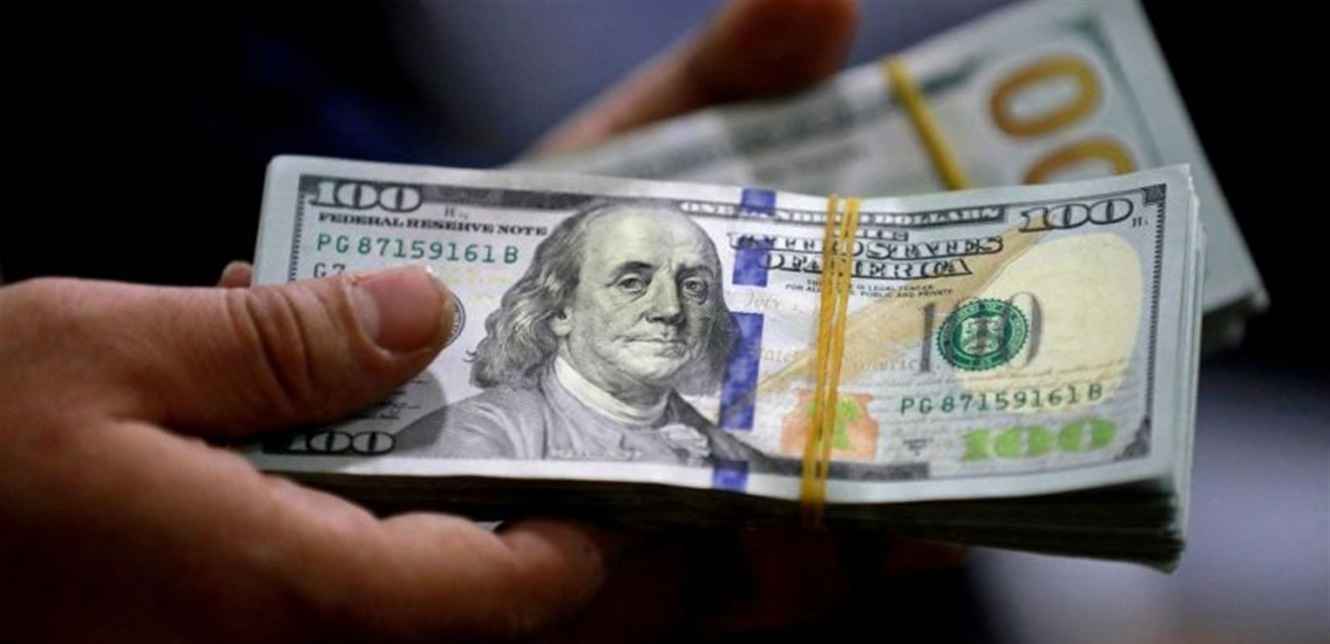
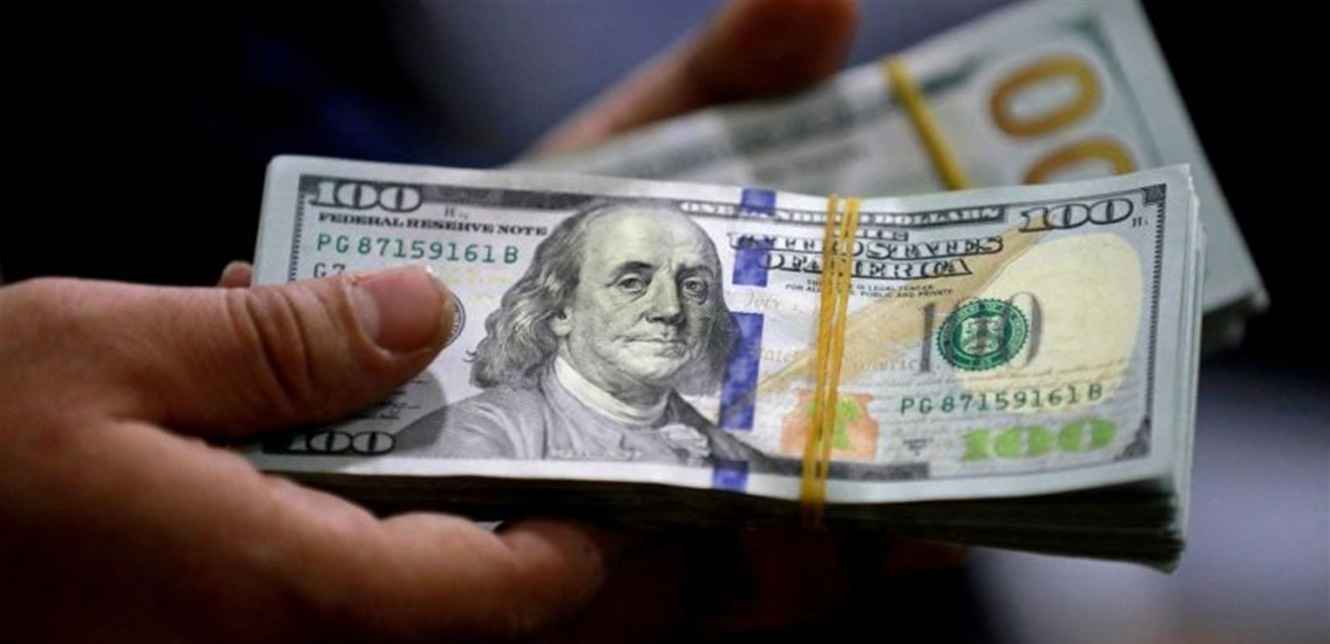
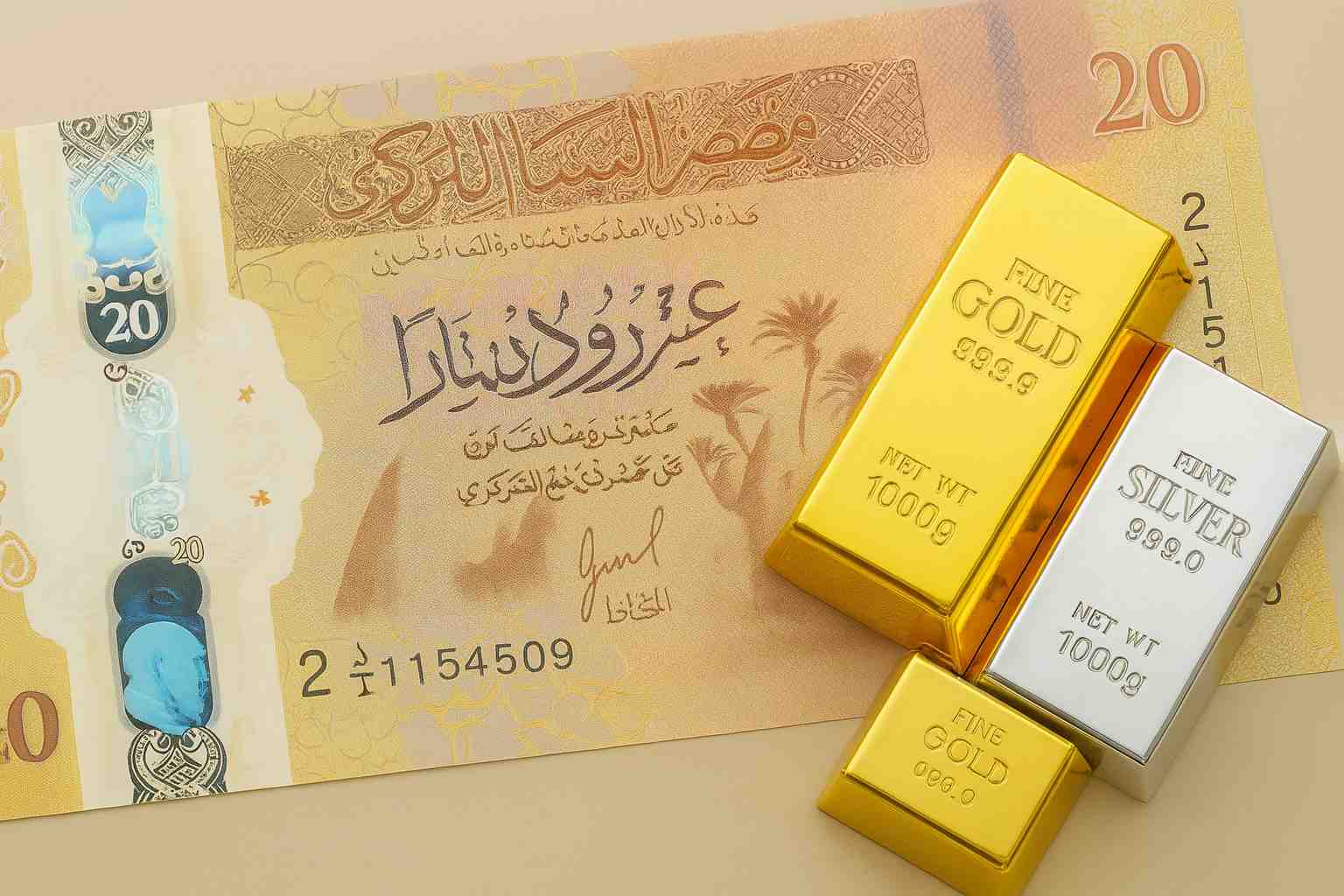
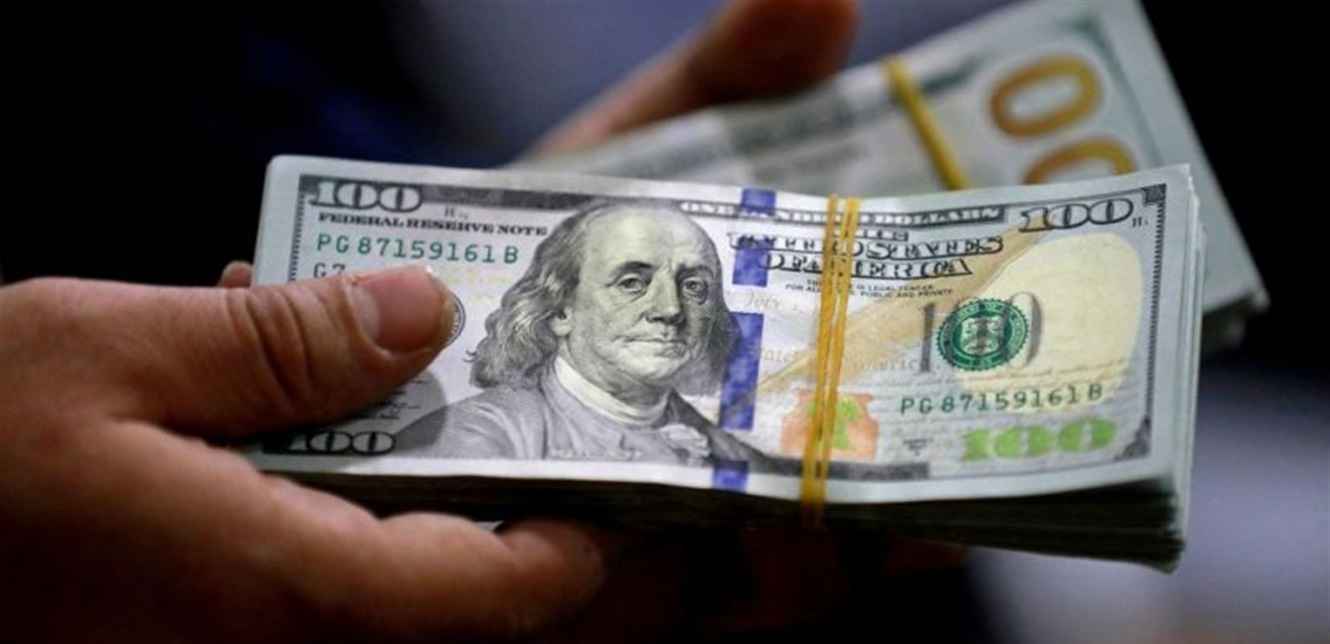
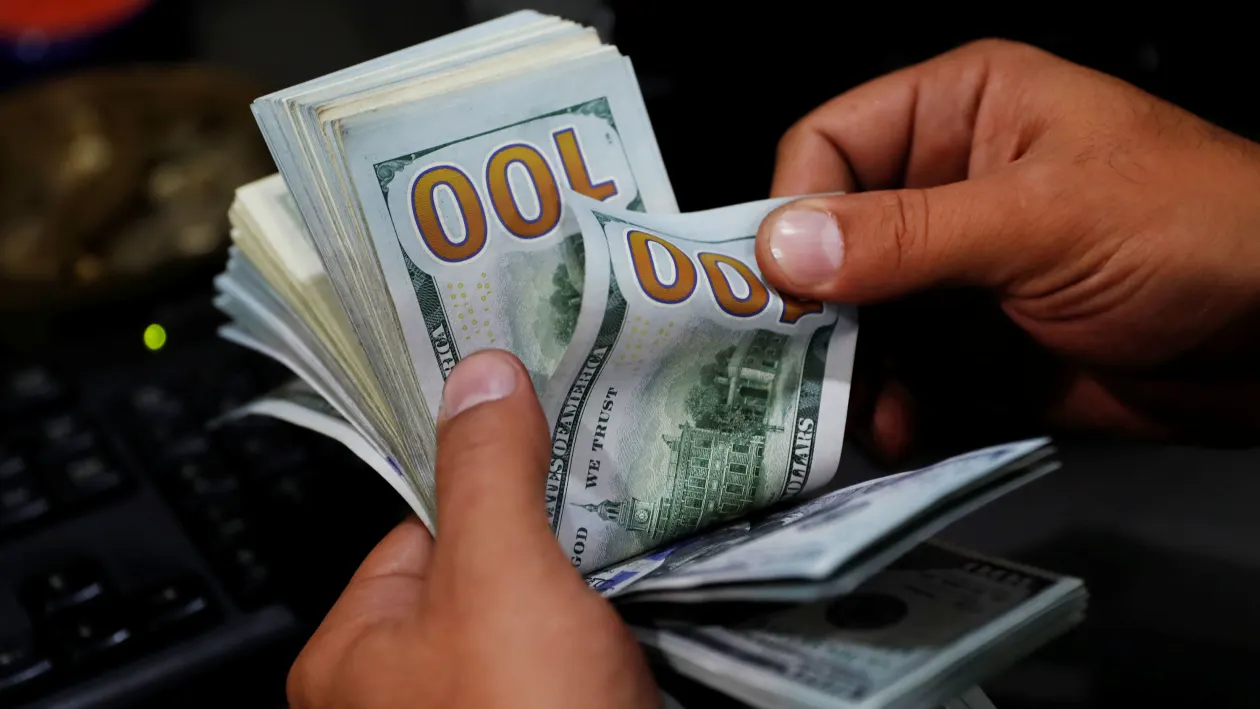
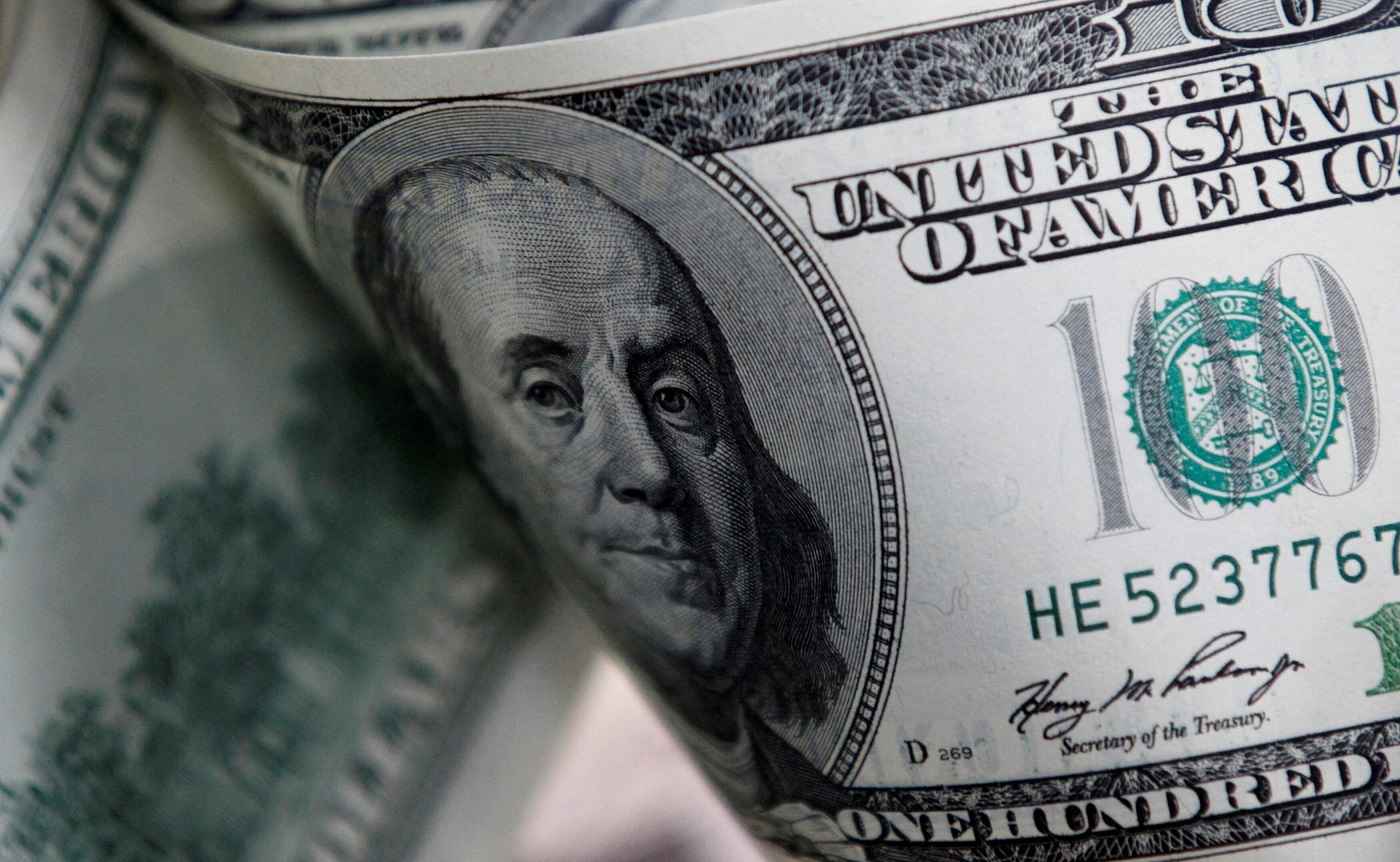
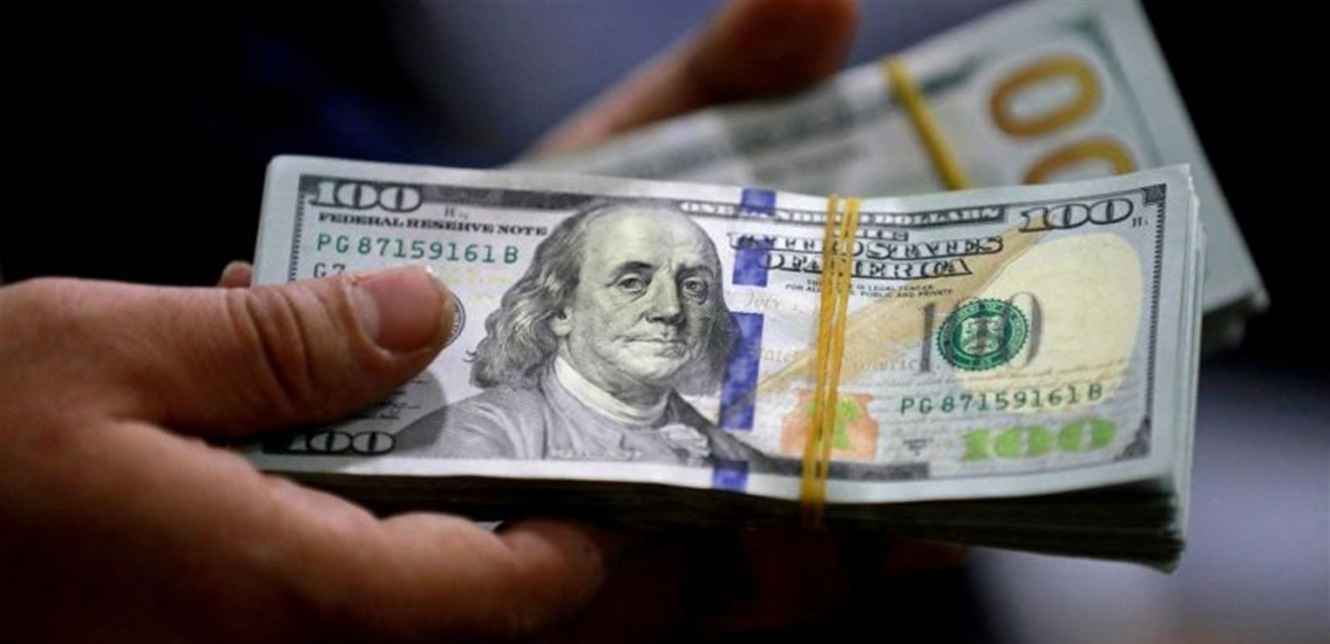
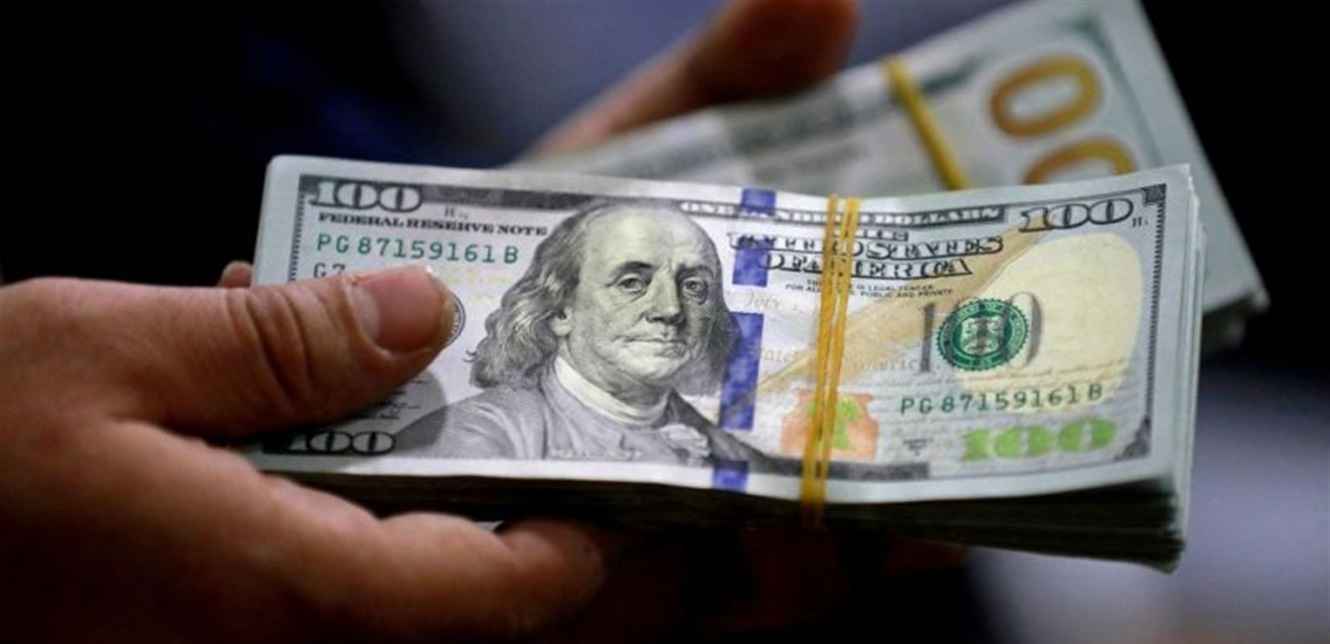
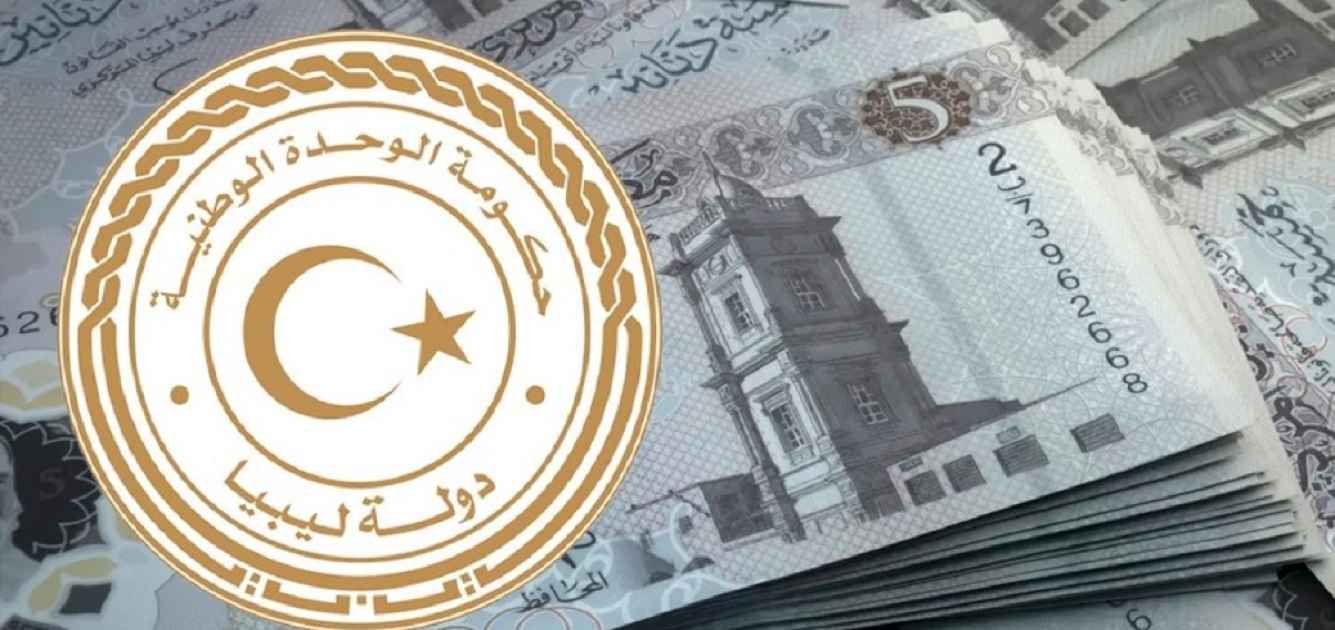
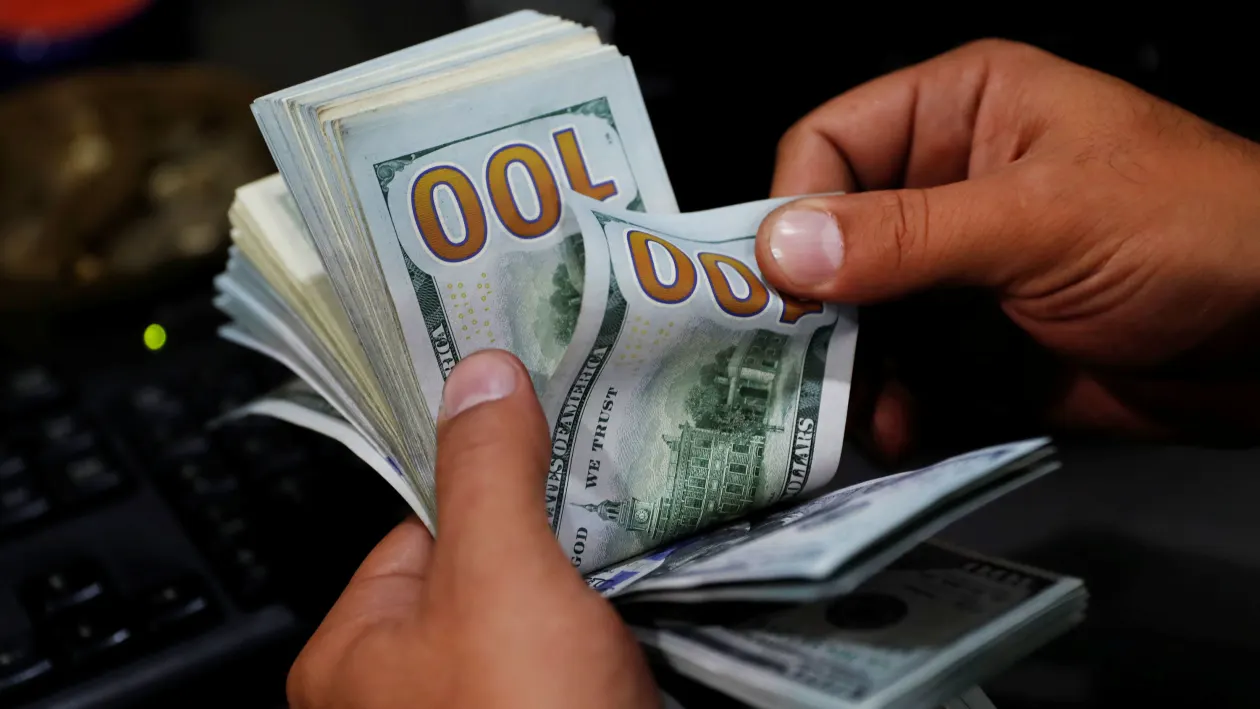
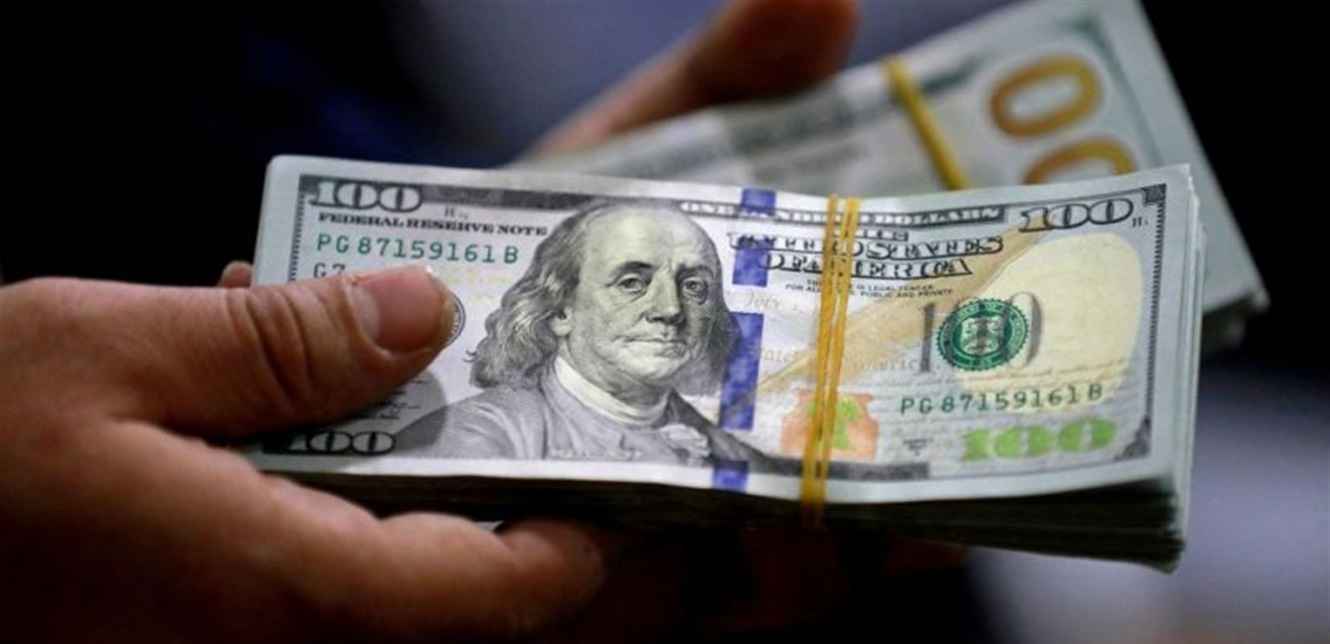
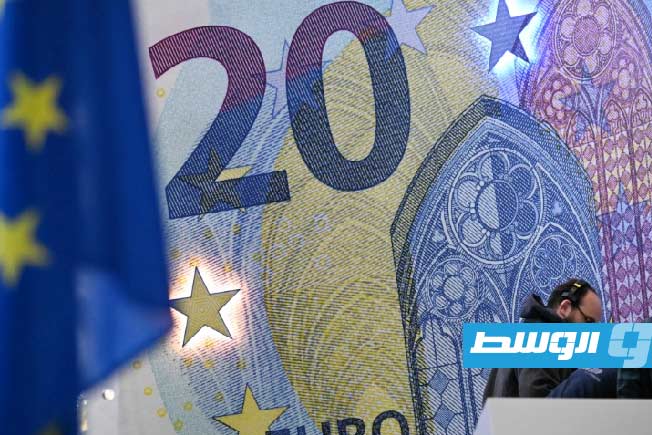
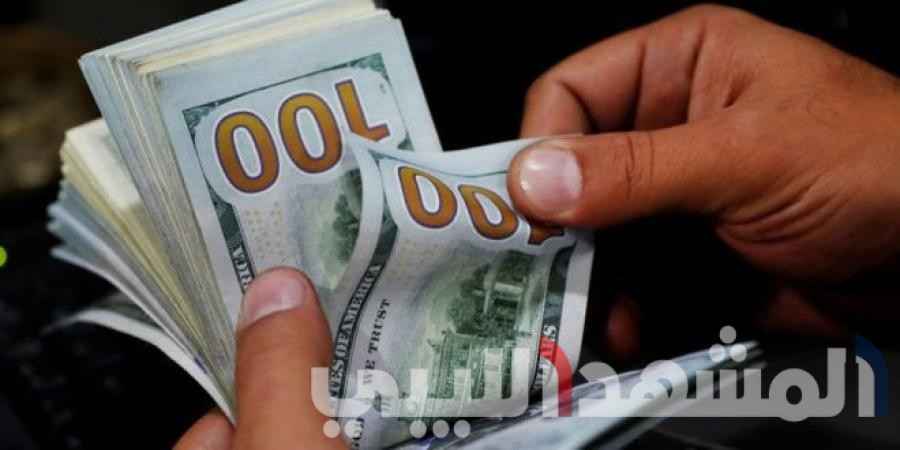
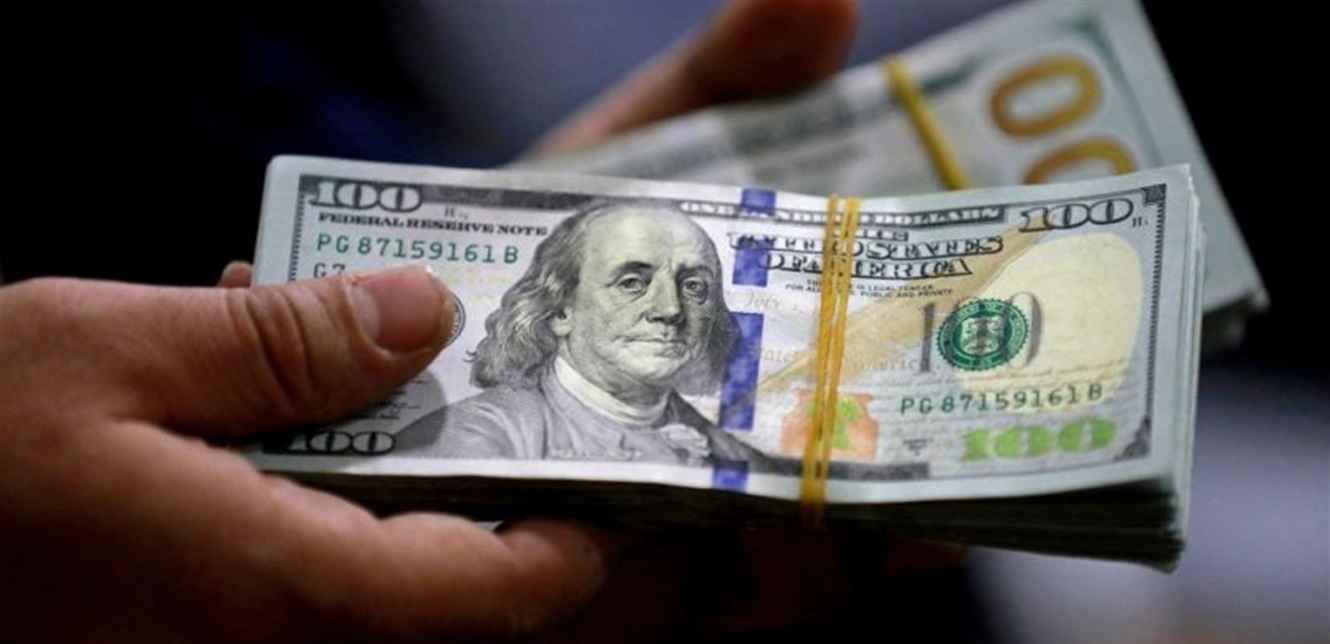
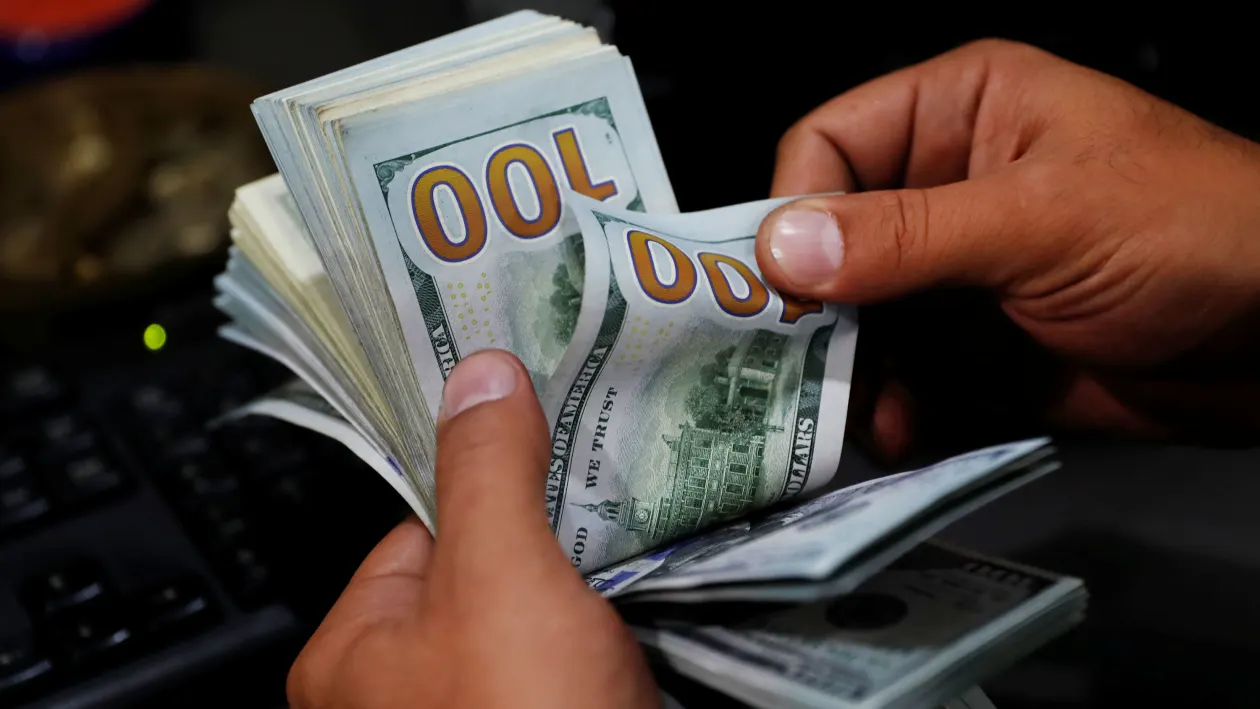
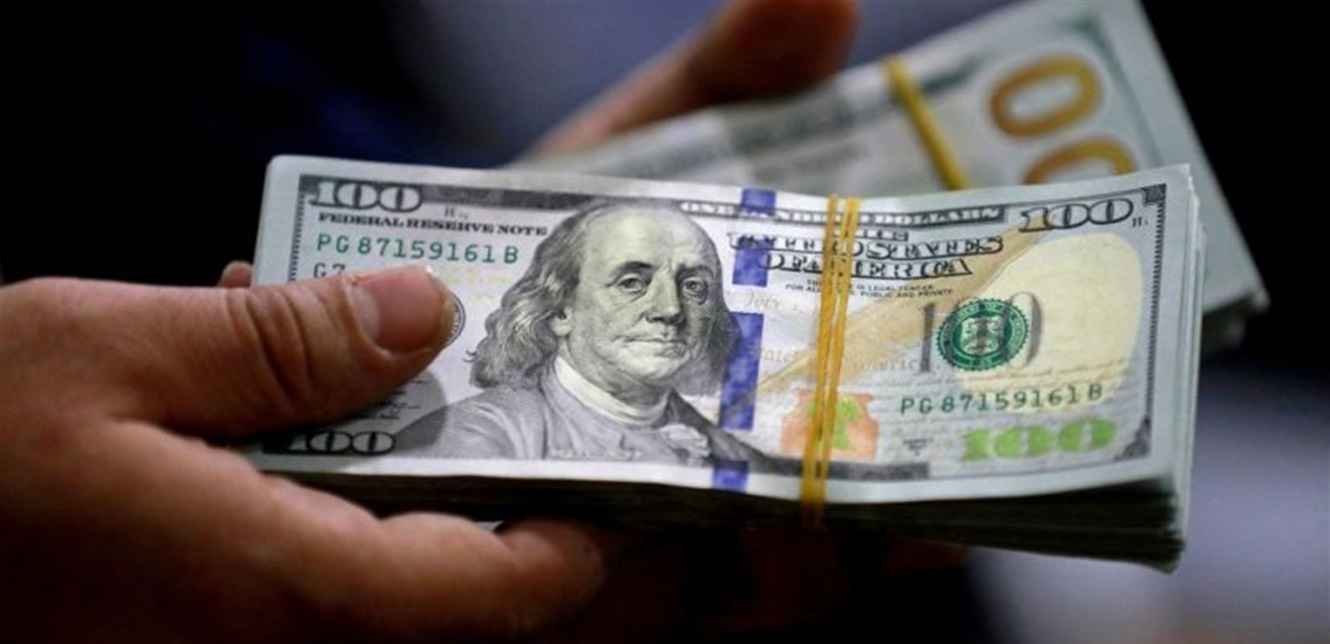
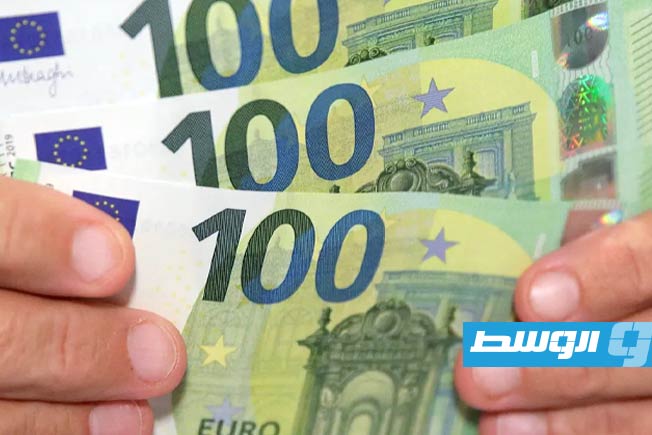
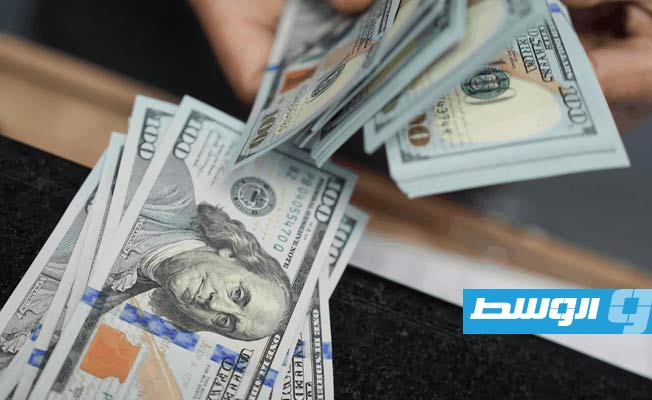
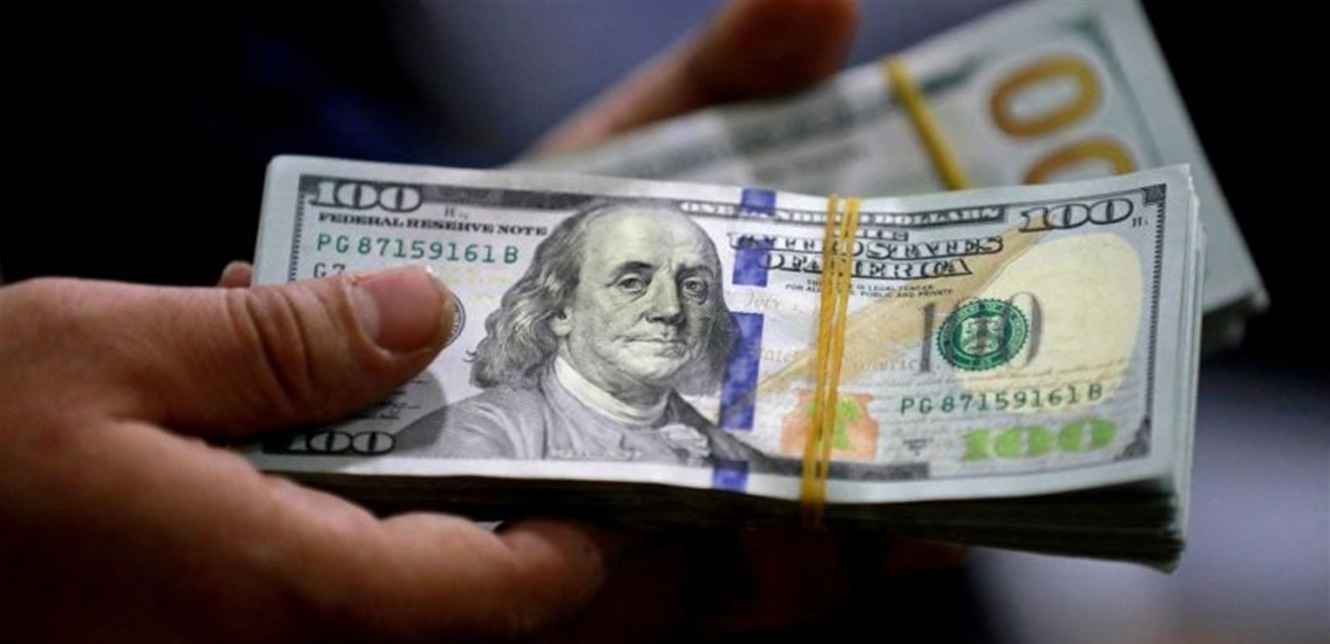
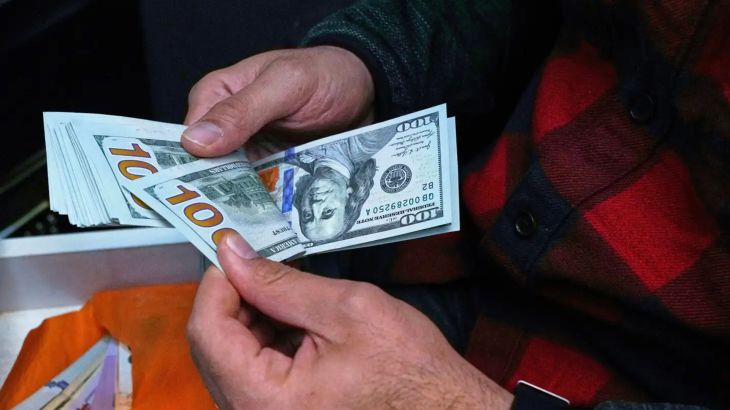
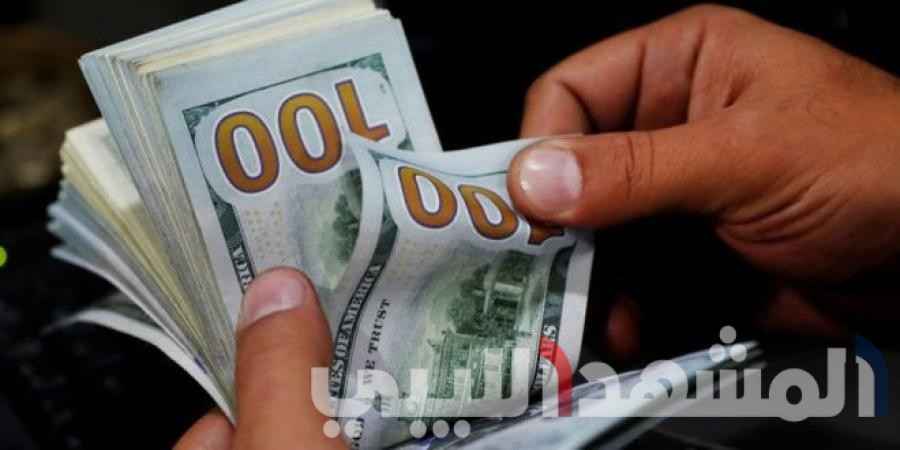
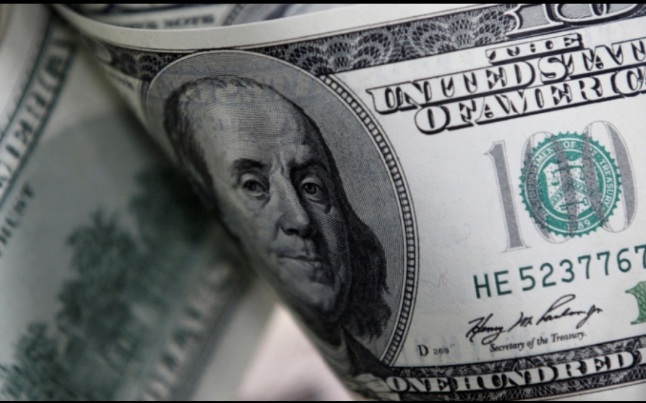
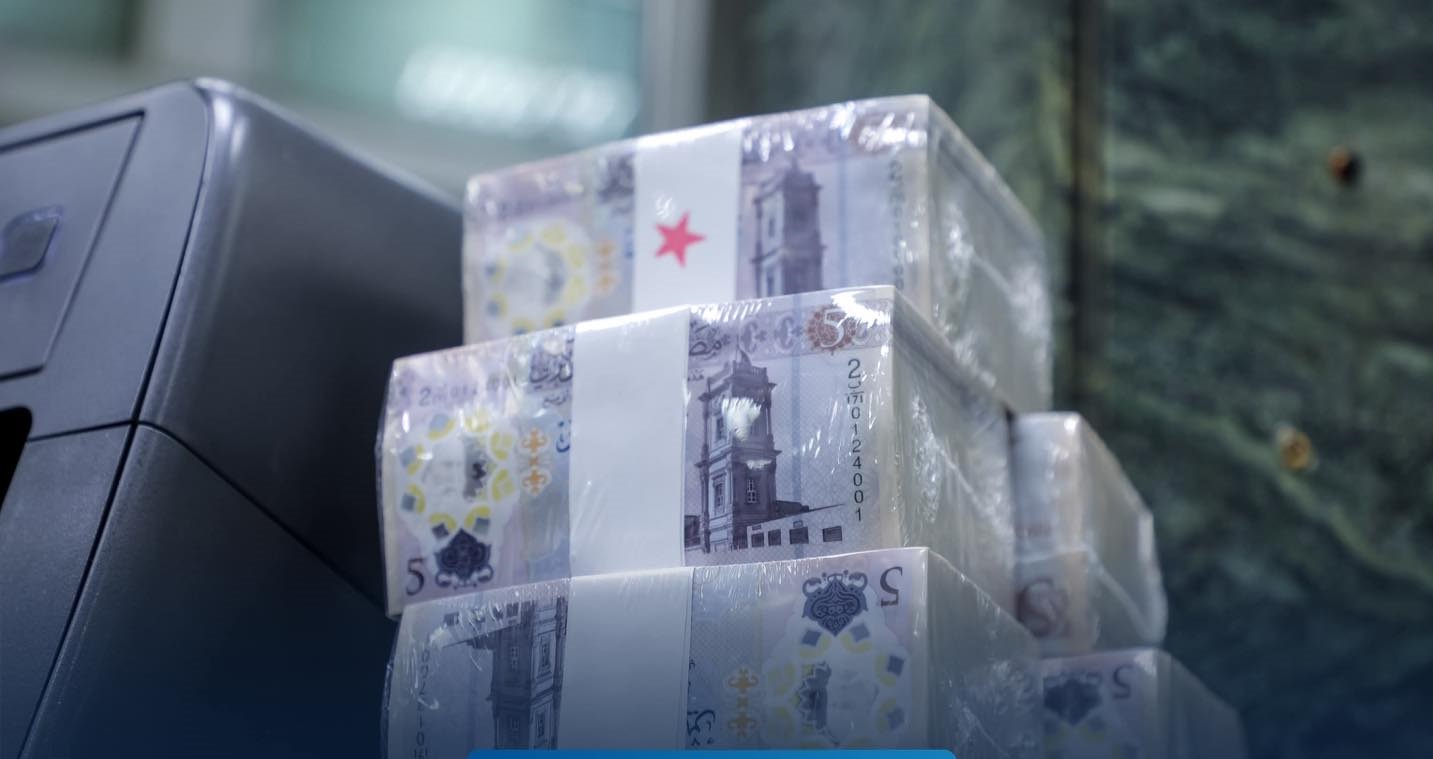
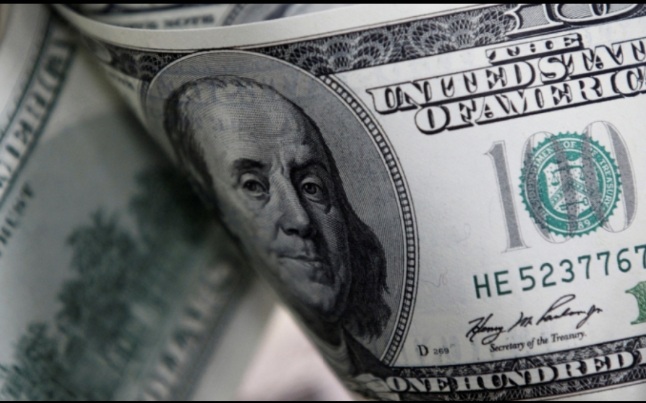
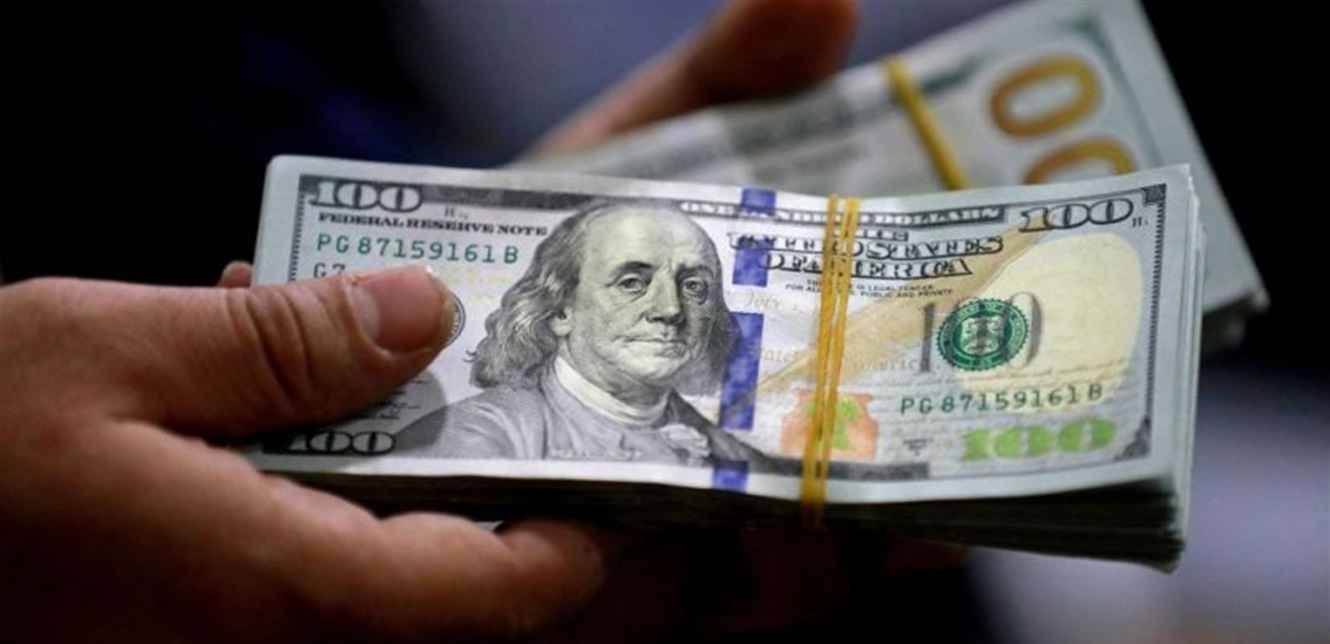
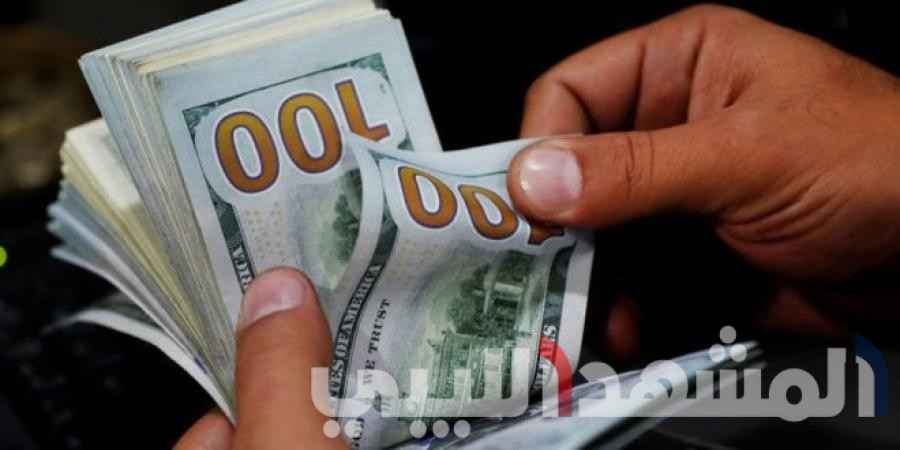
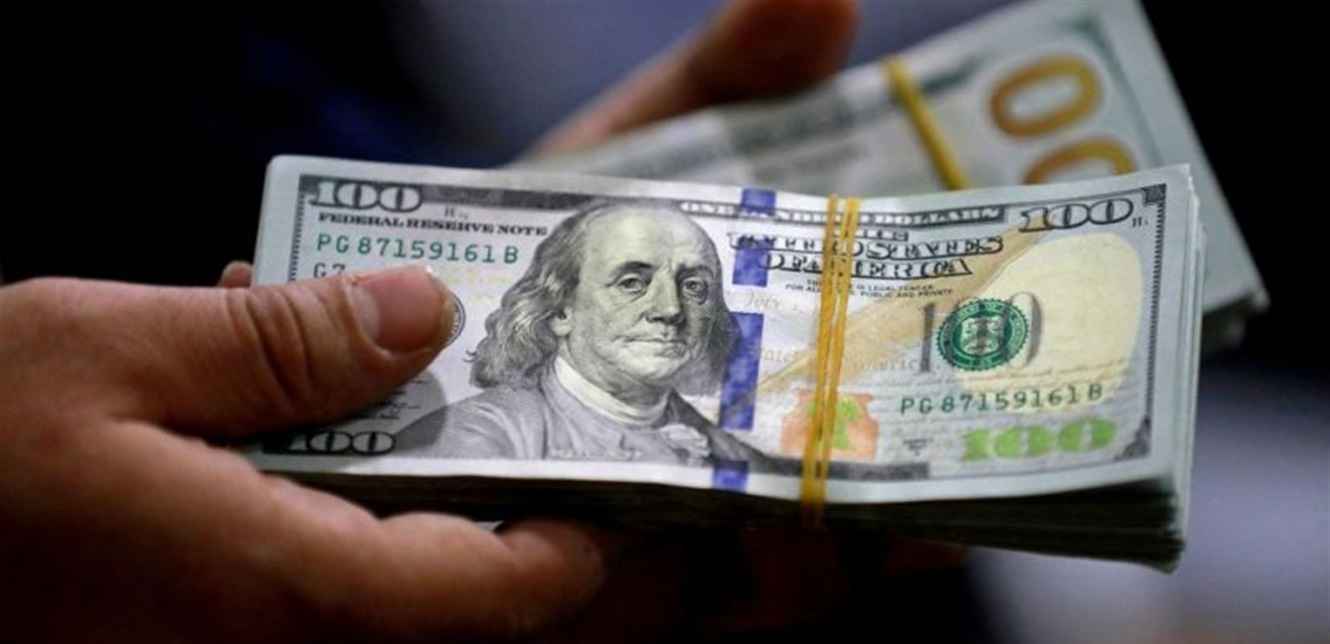
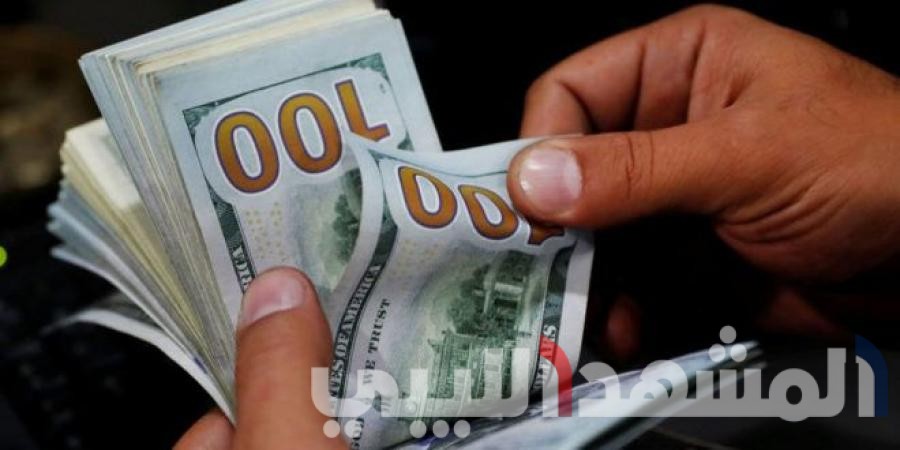
The average exchange rate for the US dollar against the Libyan currency rose to 6.3135 dinars, according to the currency table announced by the Central Bank of Libya. The average exchange rate for the Euro was 7.477 dinars, and for the British Pound Sterling, it was 8.5592 dinars.
Regarding the exchange rates for Arab currencies, the Saudi Riyal was recorded at 1.6835 dinars, while the UAE Dirham was recorded at 1.7188 dinars, and the Tunisian Dinar at 2.2132 dinars.
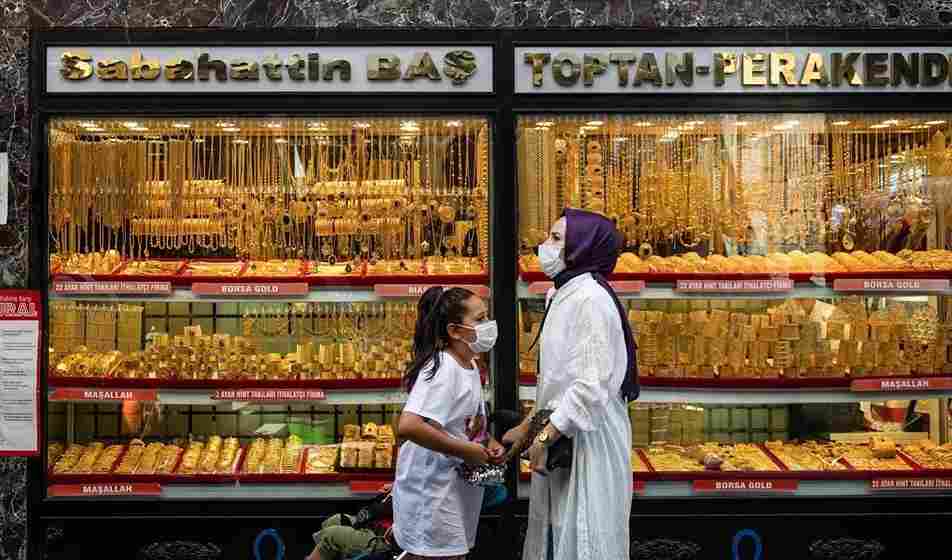
The rates for the Turkish Lira and the Chinese Yuan against the Libyan currency were recorded at 0.1443 dinars and 0.9144 dinars, respectively.
Libya
Libya is a North African country with a rich history rooted in ancient civilizations like the Phoenicians and Romans, followed by centuries of Arab and Ottoman influence. In the modern era, it was an Italian colony before gaining independence in 1951, later becoming known for Muammar Gaddafi’s lengthy rule from 1969 until the 2011 revolution. The country is home to UNESCO World Heritage sites, such as the ruins of Leptis Magna, which testify to its significant historical legacy.
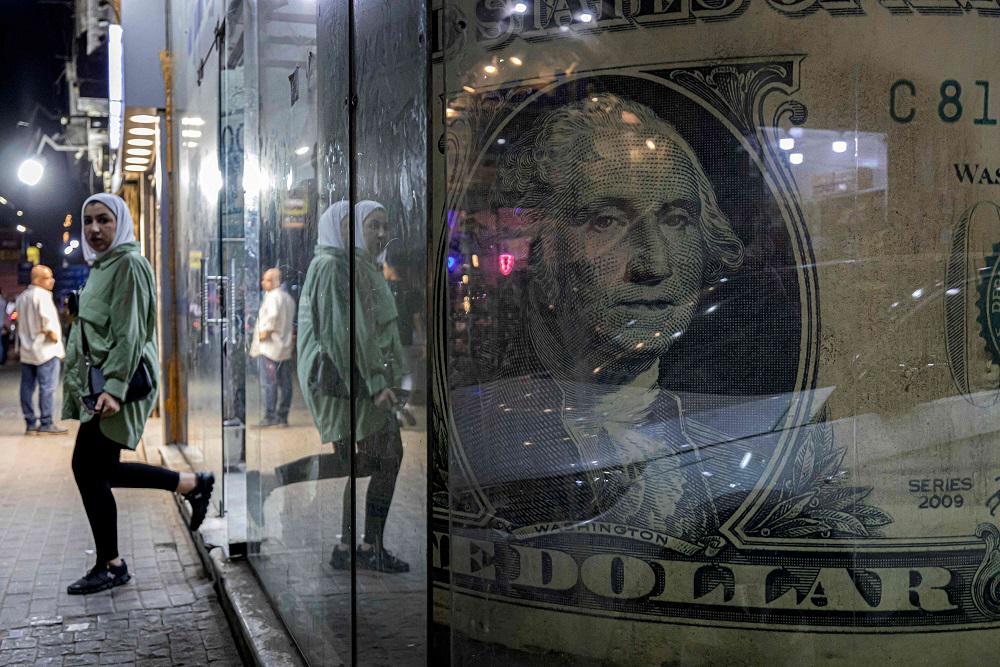
US dollar
The US dollar is the official currency of the United States, established by the Coinage Act of 1792. It evolved from a system based on Spanish milled dollars and became the world’s primary reserve currency following the Bretton Woods Agreement in 1944.
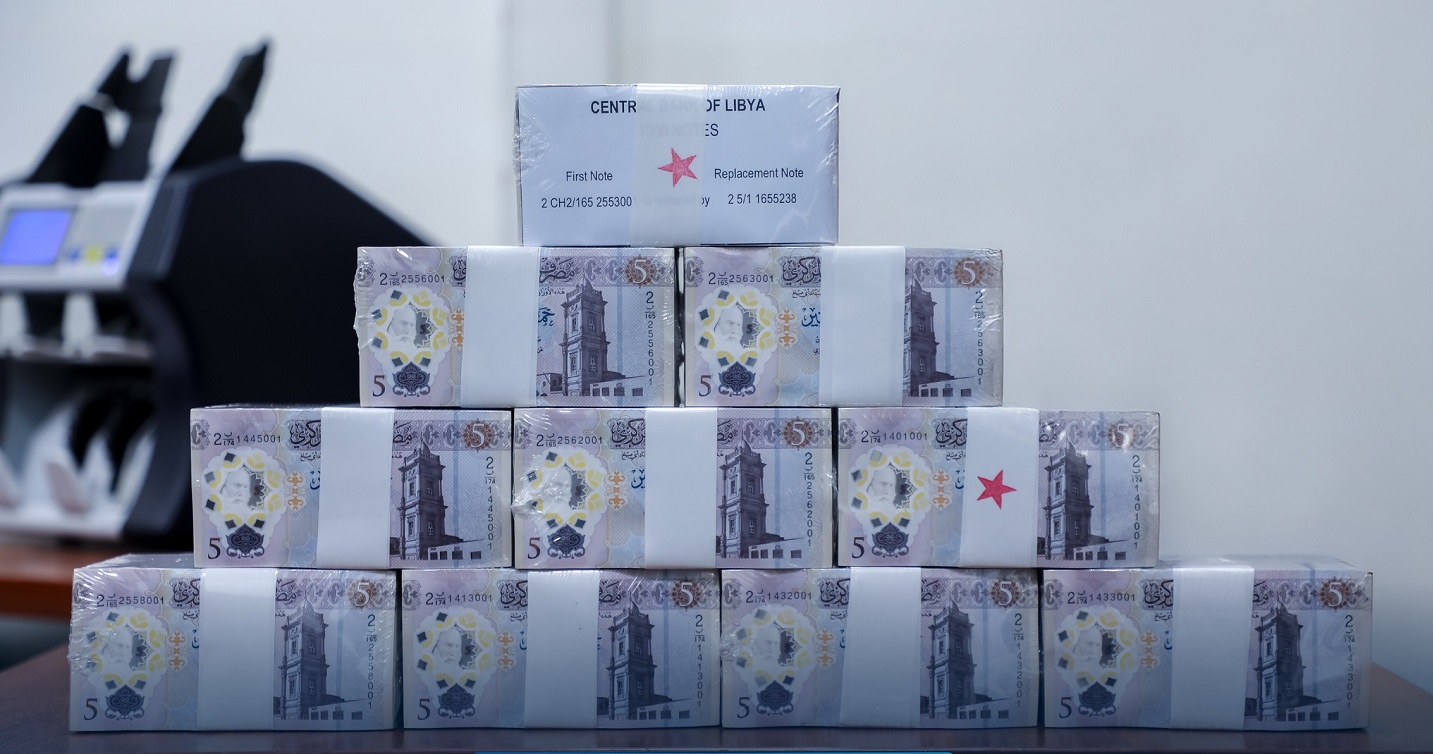
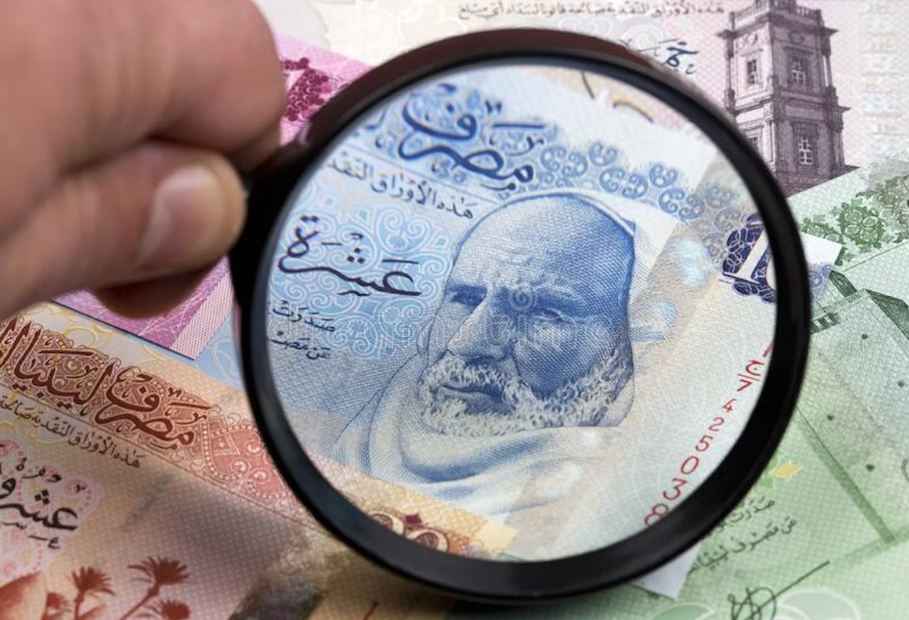
Libyan dinar
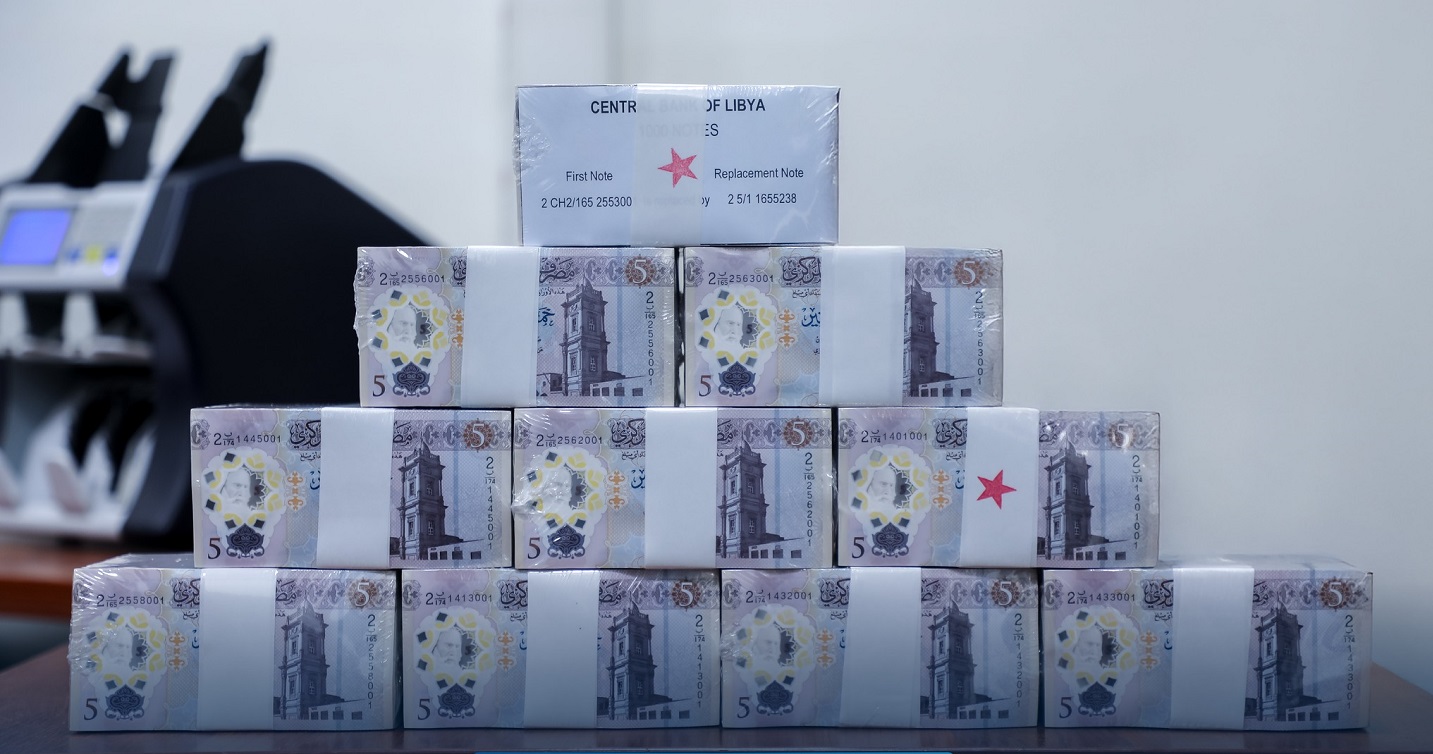
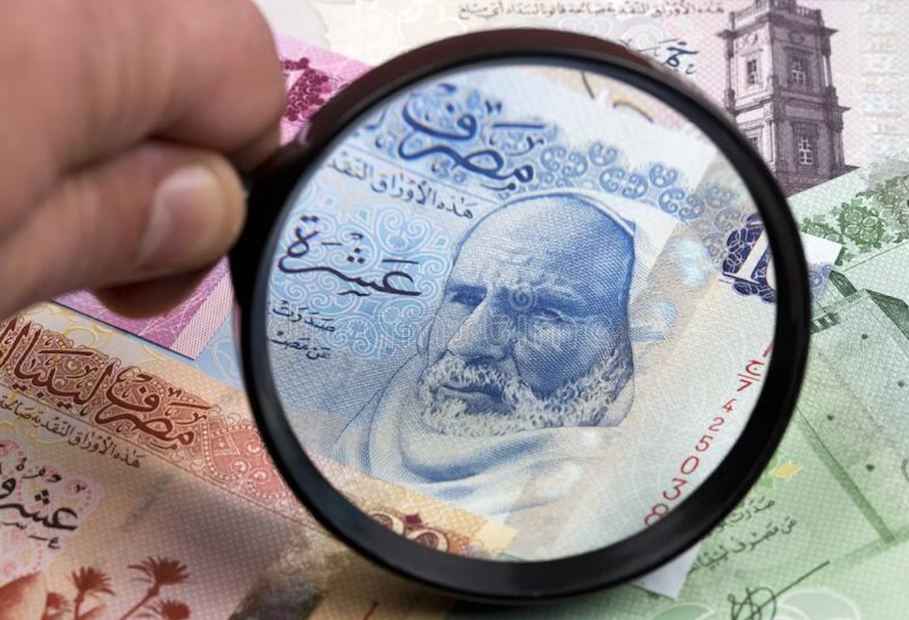
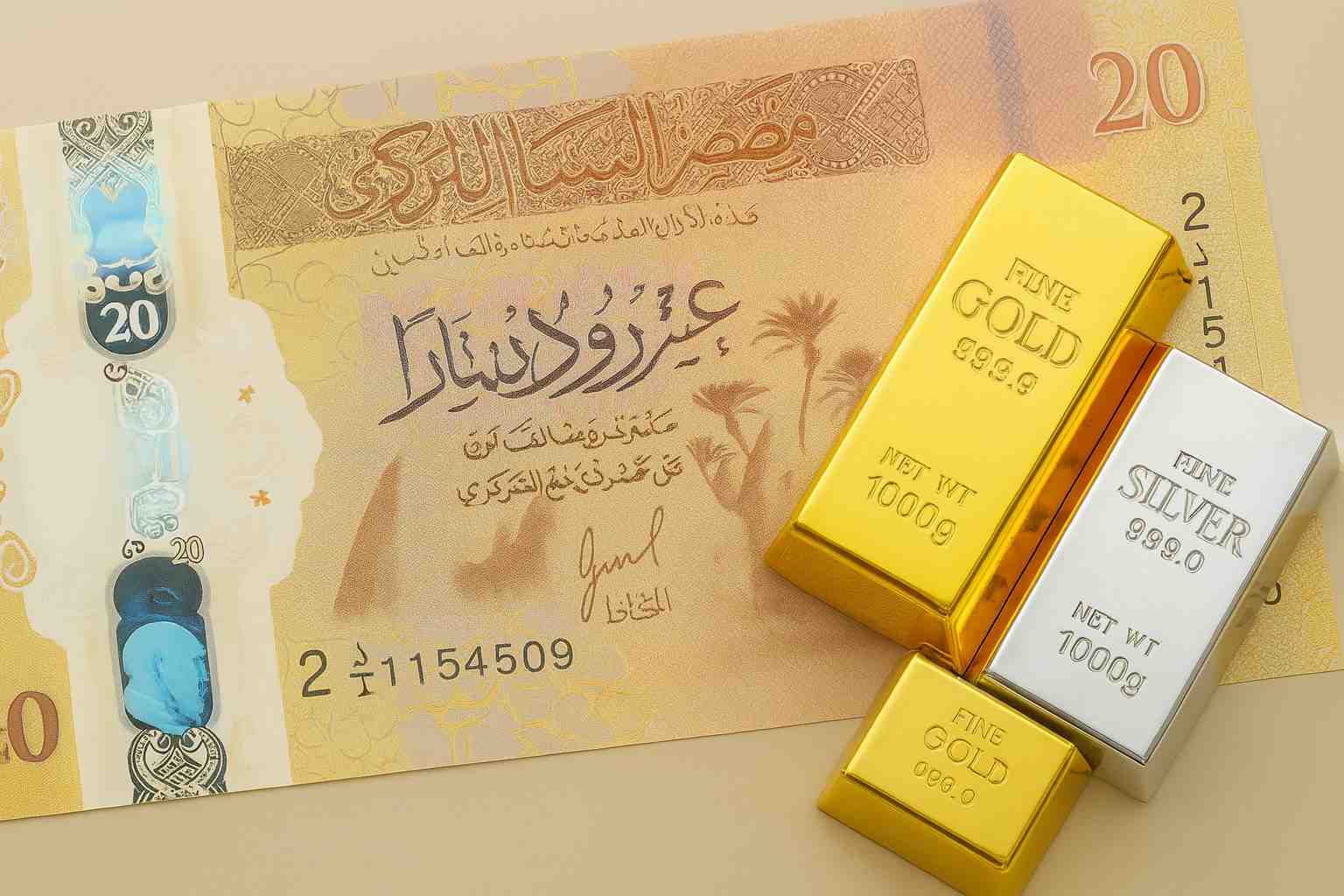
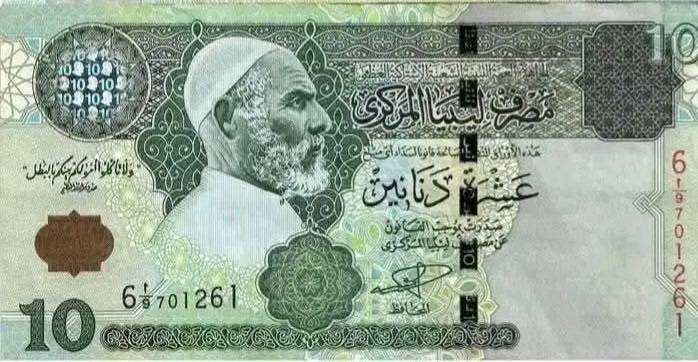
The Libyan dinar is the official currency of Libya, introduced in 1971 to replace the Libyan pound. It was established following the 1969 revolution that brought Muammar Gaddafi to power, symbolizing a move toward economic independence.
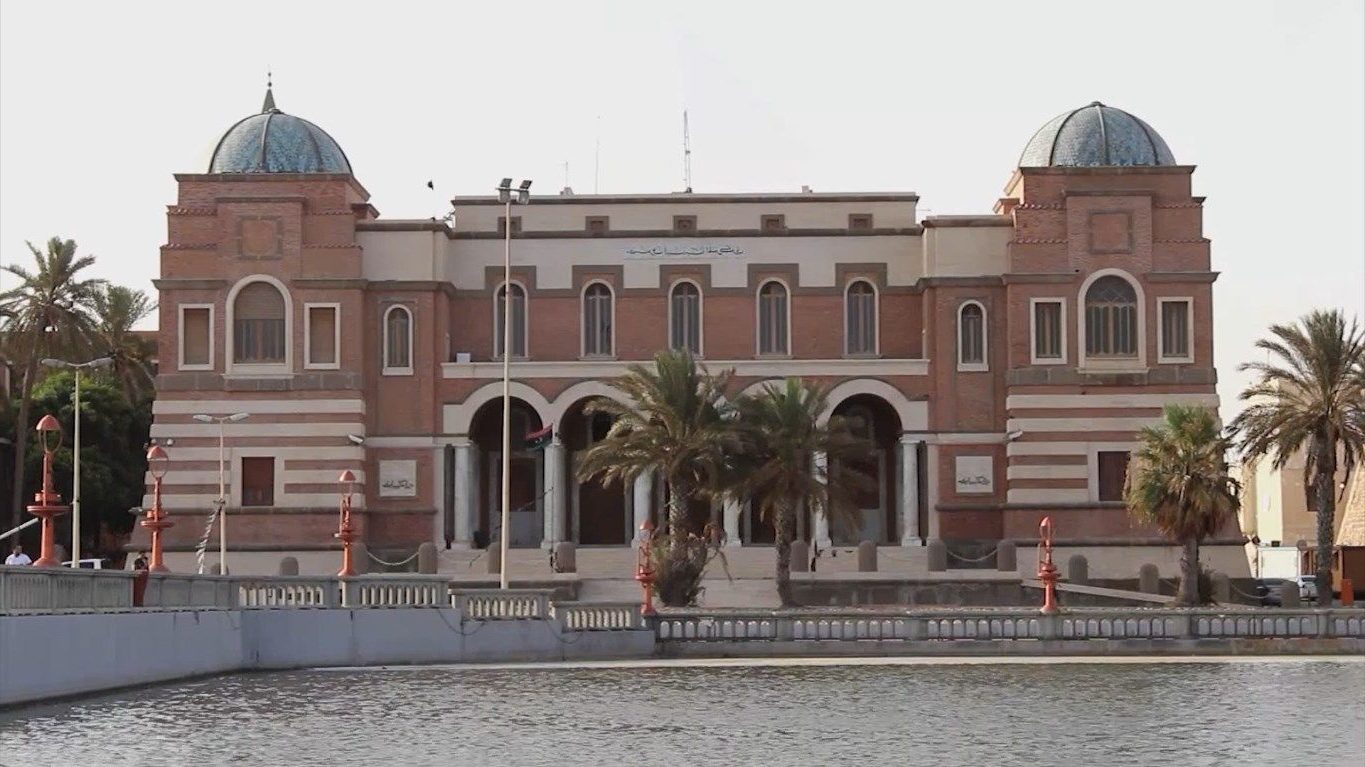
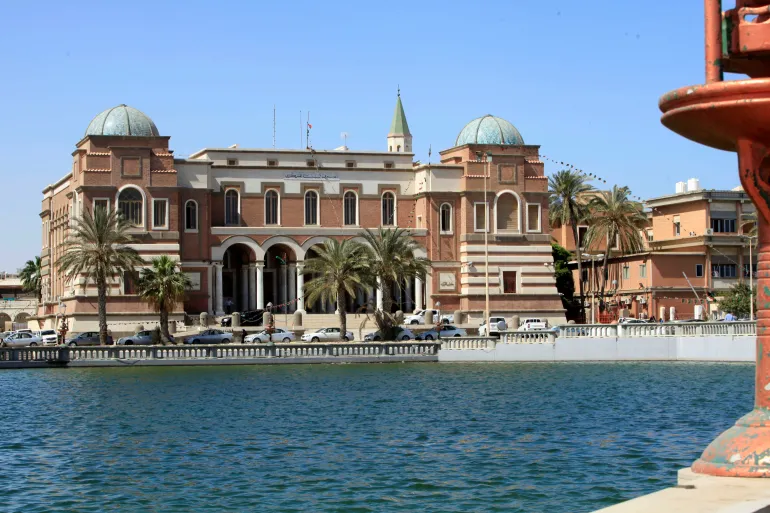
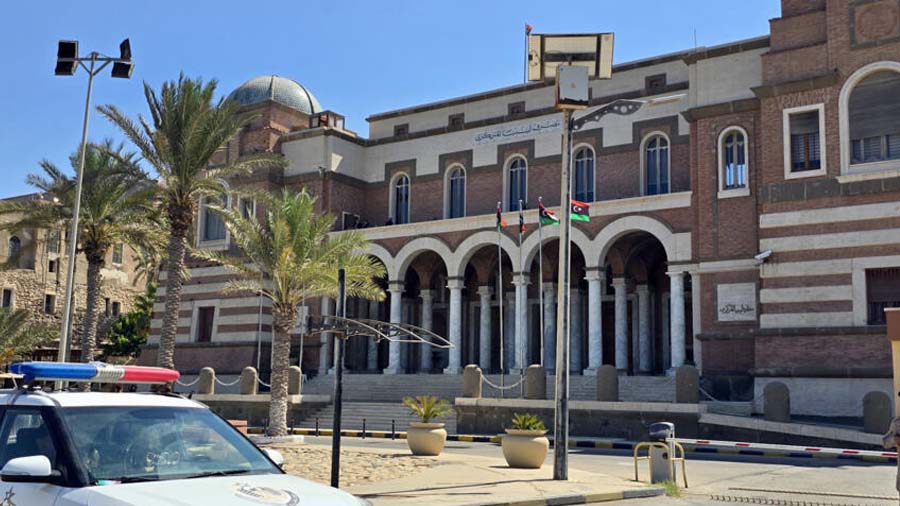
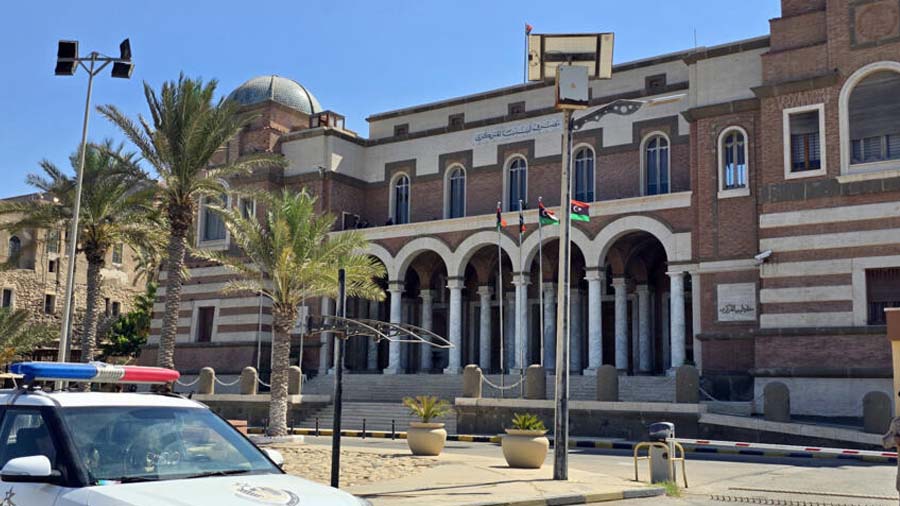
Central Bank of Libya
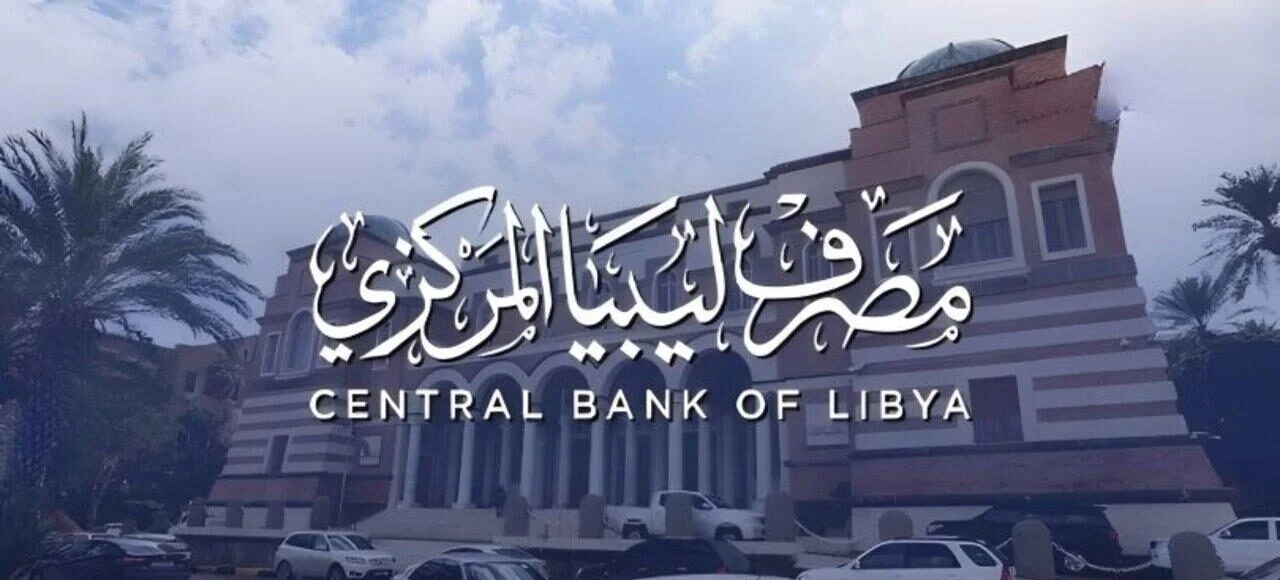
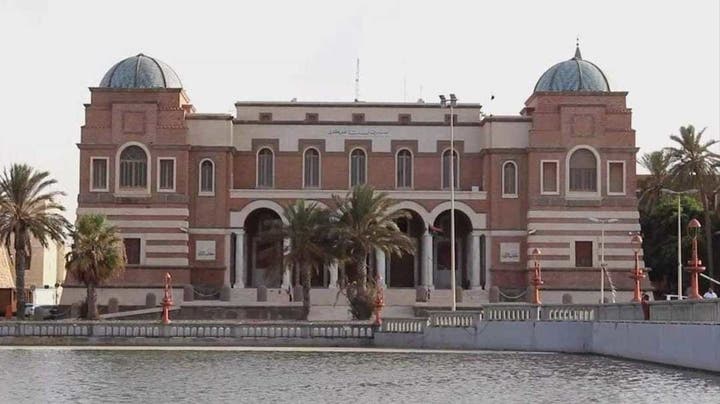
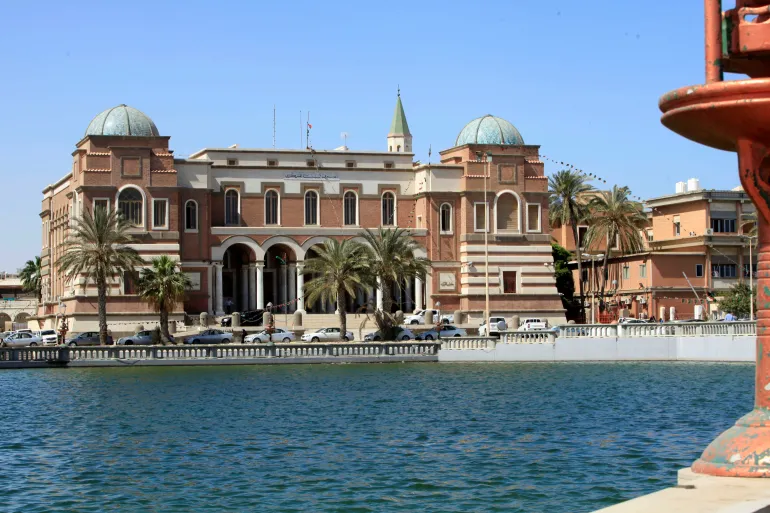
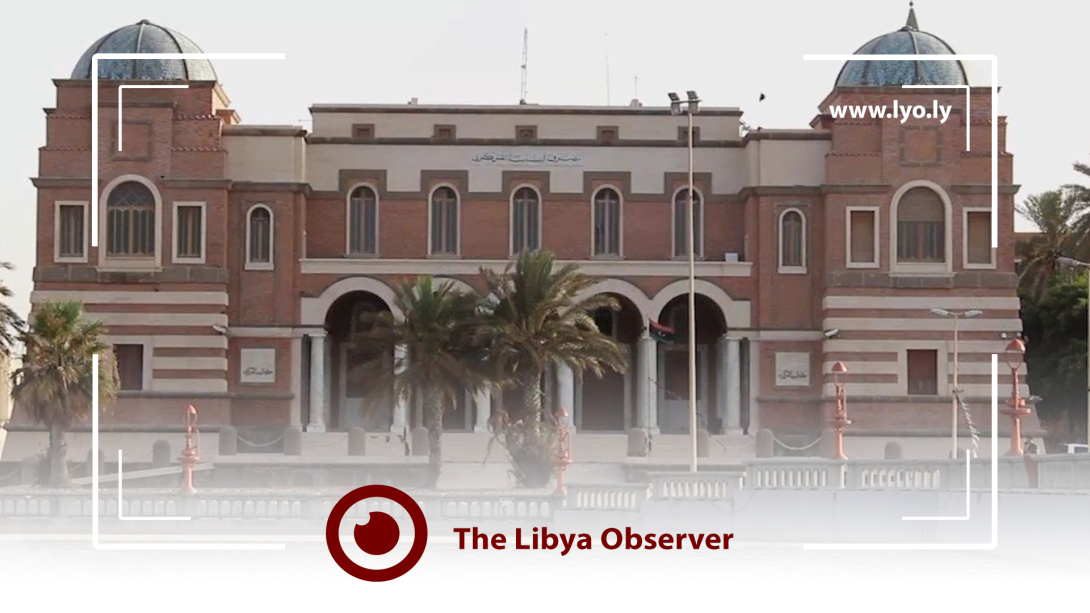
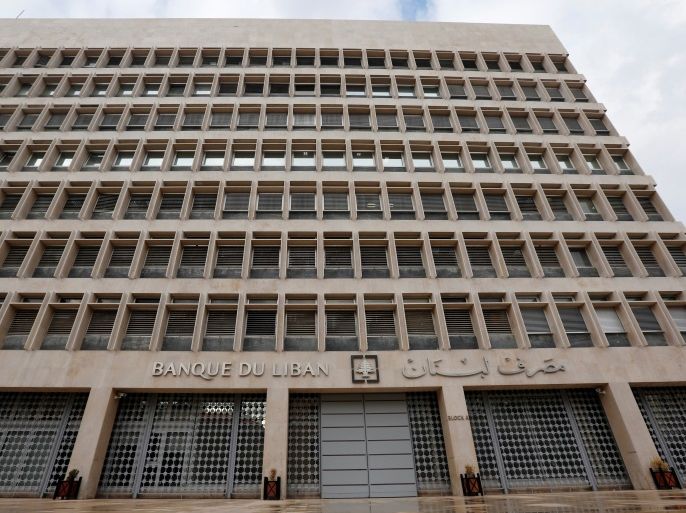
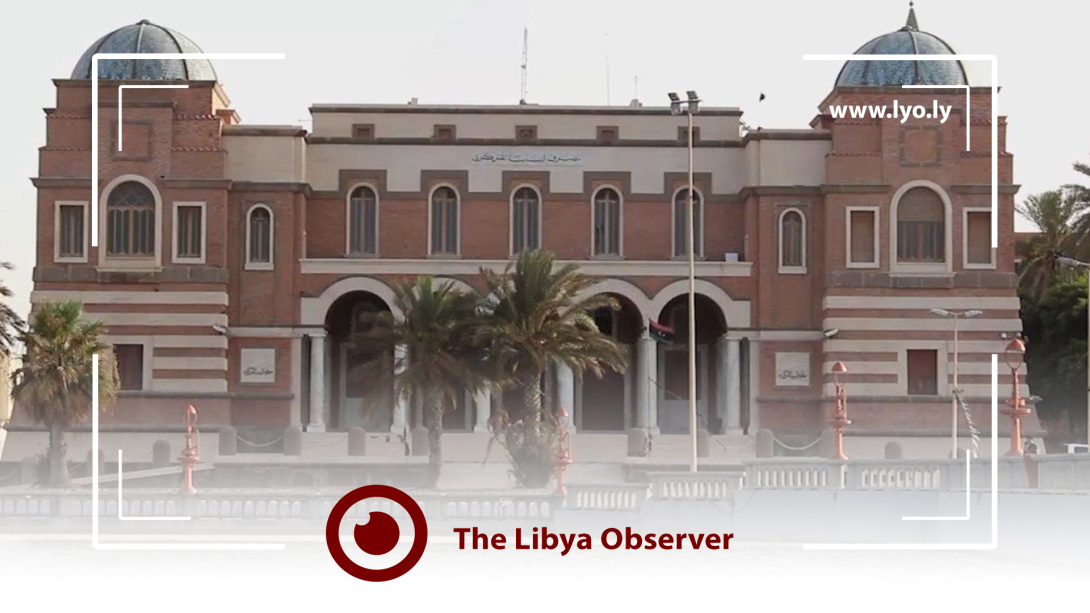
The Central Bank of Libya is the country’s primary monetary authority, established in 1956 to issue currency and manage monetary policy. It has played a critical and often divisive role in Libya’s recent history, with parallel institutions emerging in the east and west during the post-2011 civil conflict.
Euro
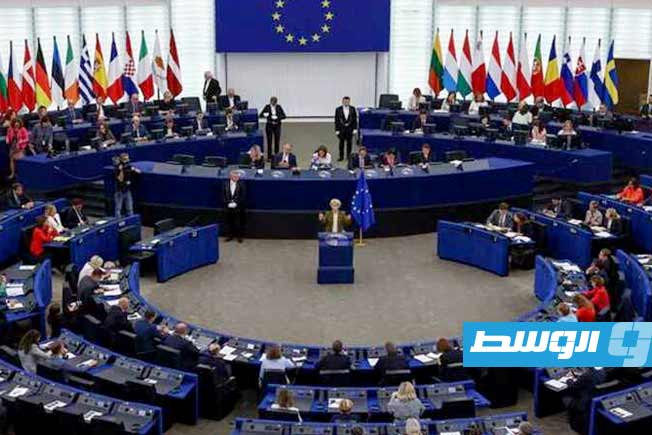
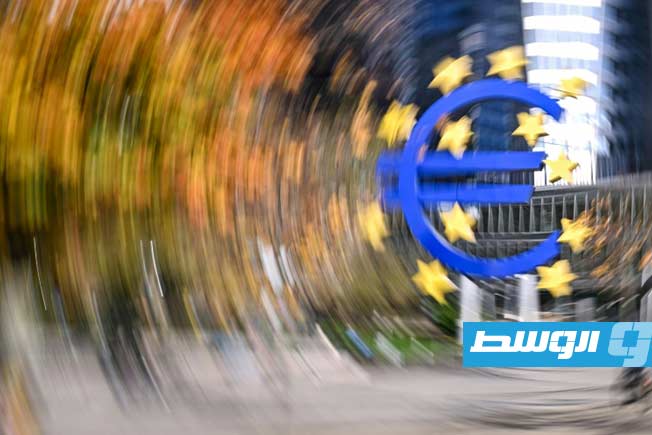
The Euro is the official currency of the Eurozone, which consists of 20 of the 27 member states of the European Union. It was introduced in non-physical form in 1999 and as banknotes and coins in 2002, marking a major step in European economic integration following the Maastricht Treaty.
British Pound Sterling
The British Pound Sterling, often simply called the pound, is the official currency of the United Kingdom and is the world’s oldest currency still in use, with origins dating back over 1,200 years. Its history is deeply tied to the British Empire’s economic power, and it remains a major global reserve currency despite the UK’s adoption of decimalisation in 1971.
Saudi Riyal
The Saudi Riyal is the official currency of Saudi Arabia, introduced in 1935 to replace the Hejaz riyal. It is issued by the Saudi Central Bank and has been pegged to the U.S. dollar since 1986, reflecting the kingdom’s economic foundations in oil and international trade.
UAE Dirham
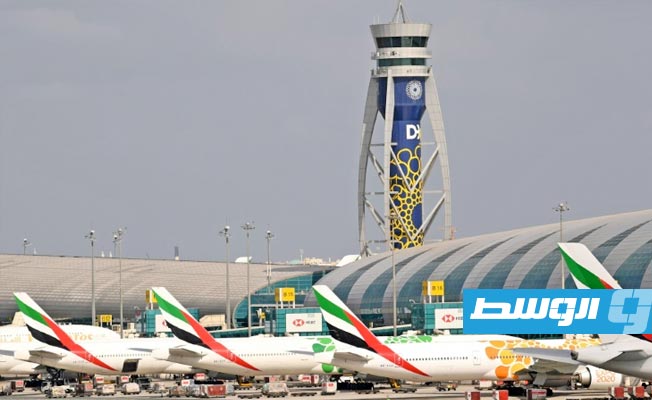
The UAE Dirham is the official currency of the United Arab Emirates, introduced in 1973 to replace the Qatar and Dubai Riyal. It was established following the formation of the UAE in 1971, symbolizing the economic unity of the seven emirates.
Tunisian Dinar
The Tunisian dinar is the official currency of Tunisia, introduced in 1960 to replace the Tunisian franc as part of the country’s post-independence economic reforms. Its issuance is controlled by the Central Bank of Tunisia, and it is subdivided into 1,000 millimes.
Turkish Lira
The Turkish Lira is the official currency of Turkey and the Turkish Republic of Northern Cyprus, introduced in 1923 to replace the Ottoman lira following the foundation of the Republic of Turkey. It has undergone significant revaluations and redenominations, most notably in 2005 when the “new Turkish lira” was introduced to combat hyperinflation.
Chinese Yuan
The Chinese Yuan, also known as the Renminbi (RMB), is the official currency of the People’s Republic of China, issued by the People’s Bank of China. Its modern form was introduced in 1948 by the Communist Party of China, replacing the various currencies that were in circulation during the Republican era.