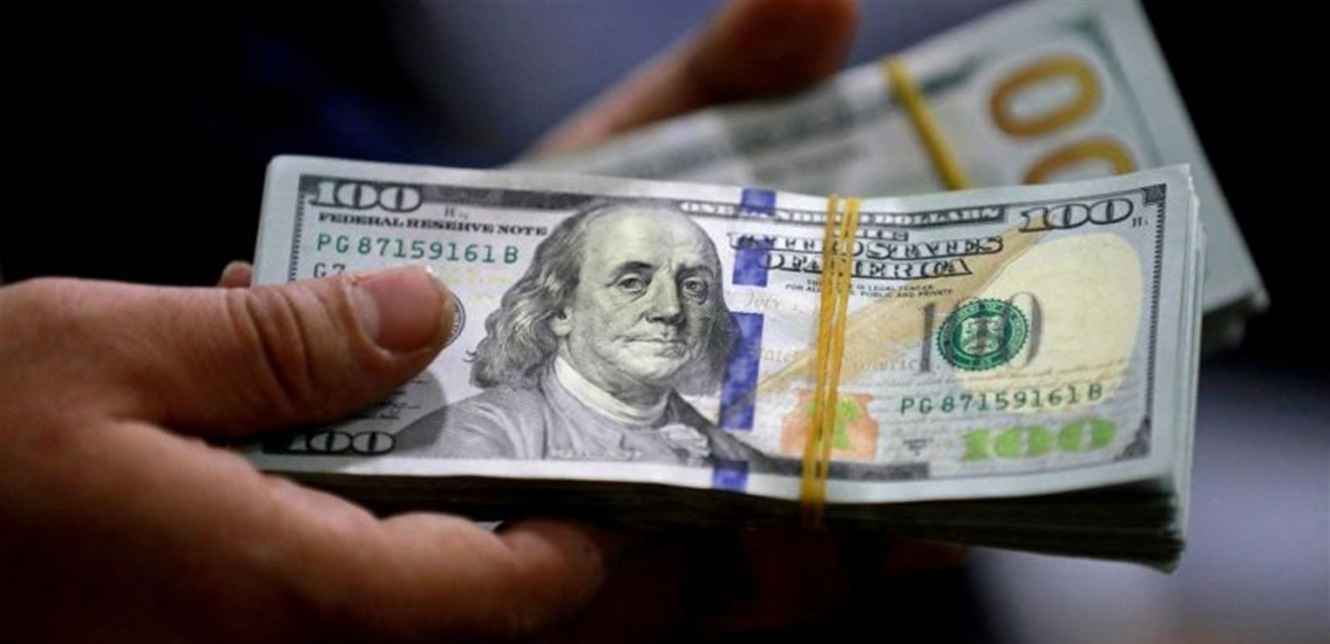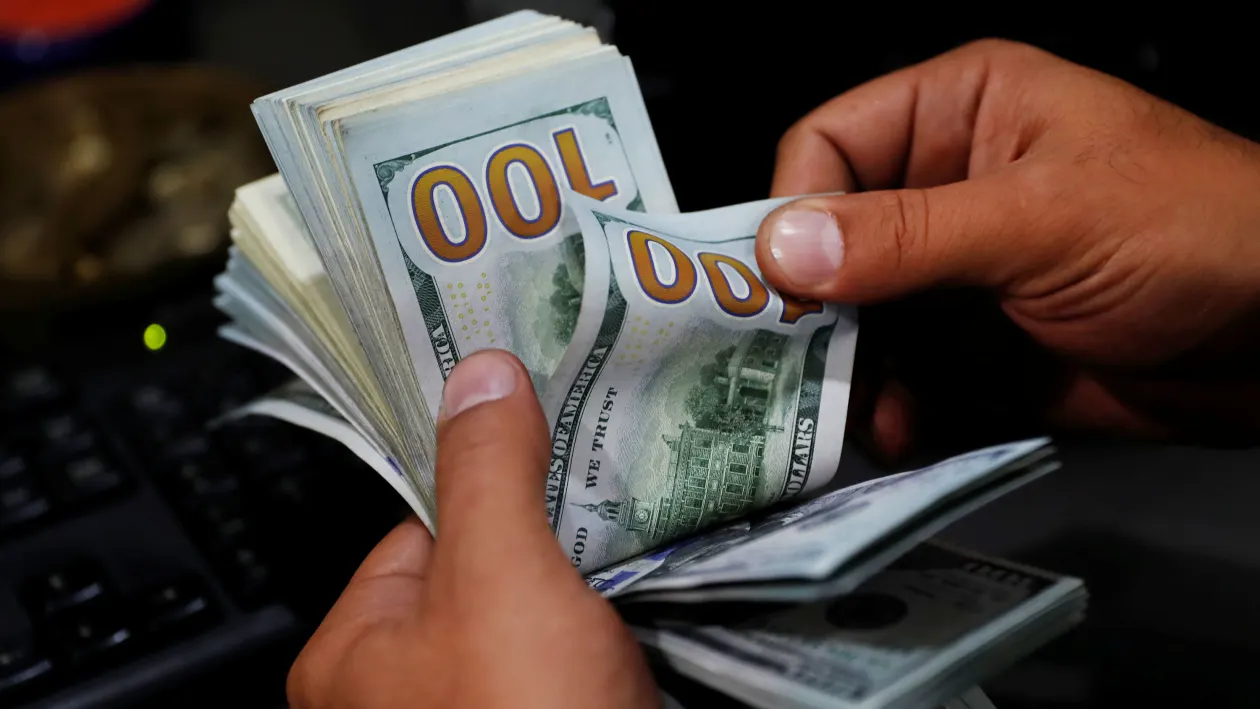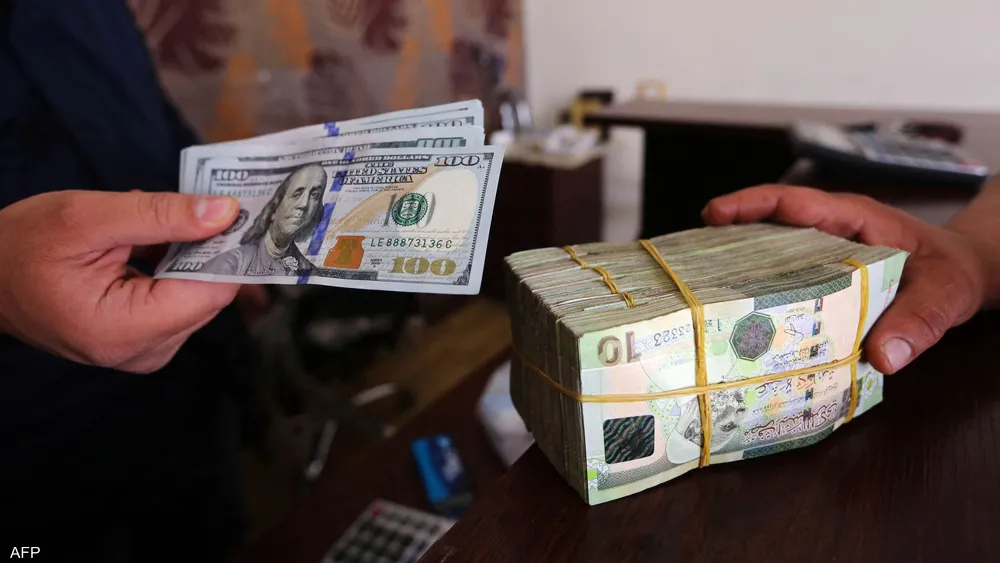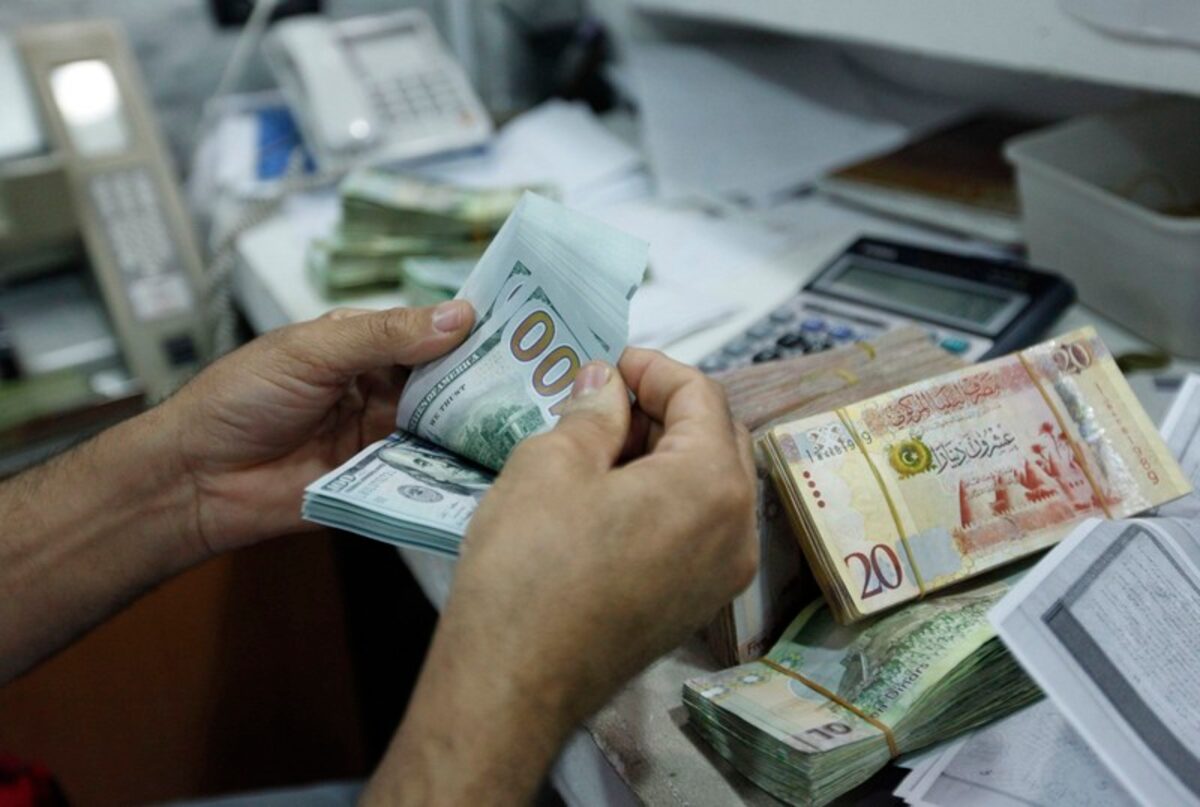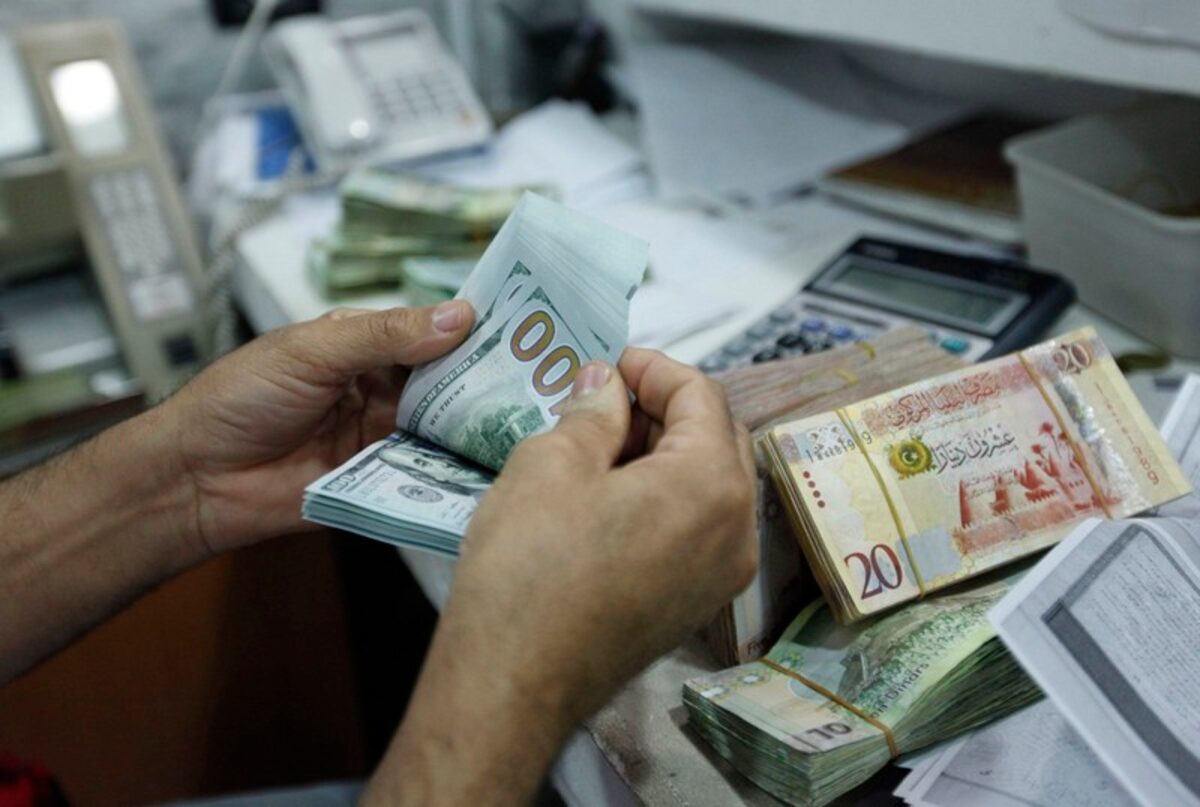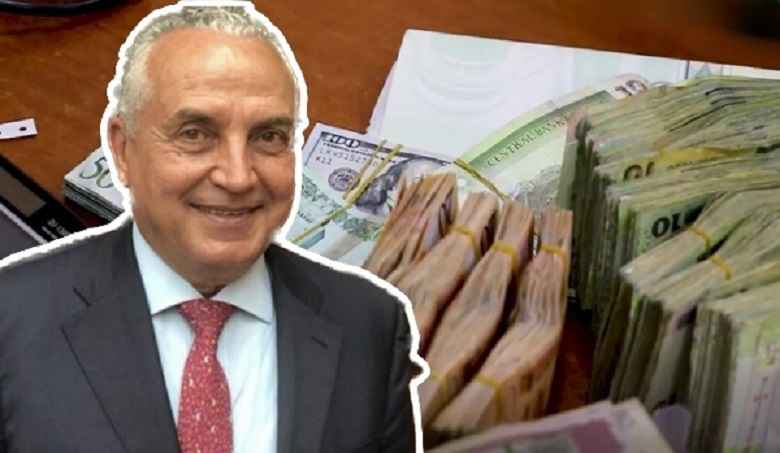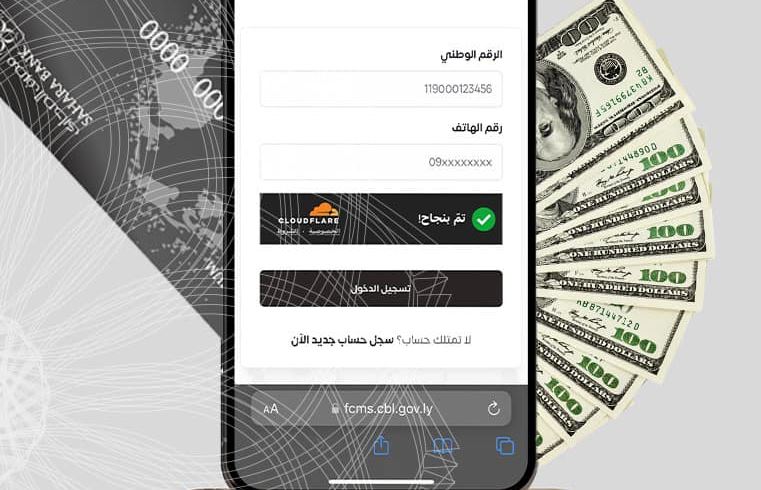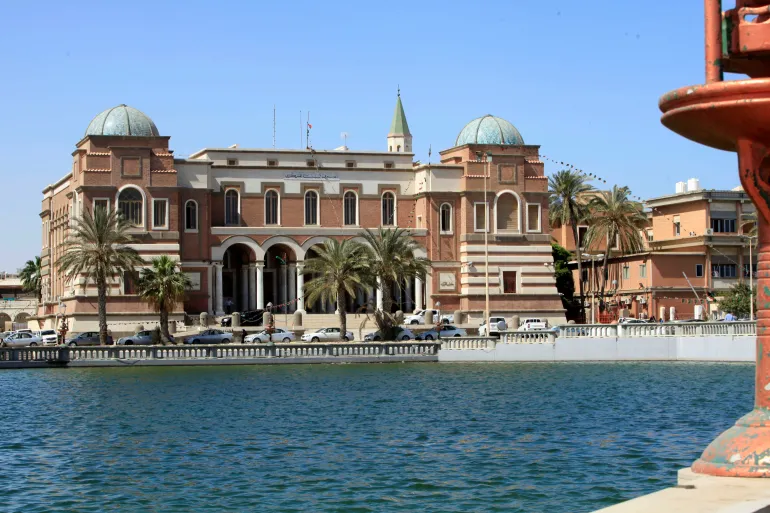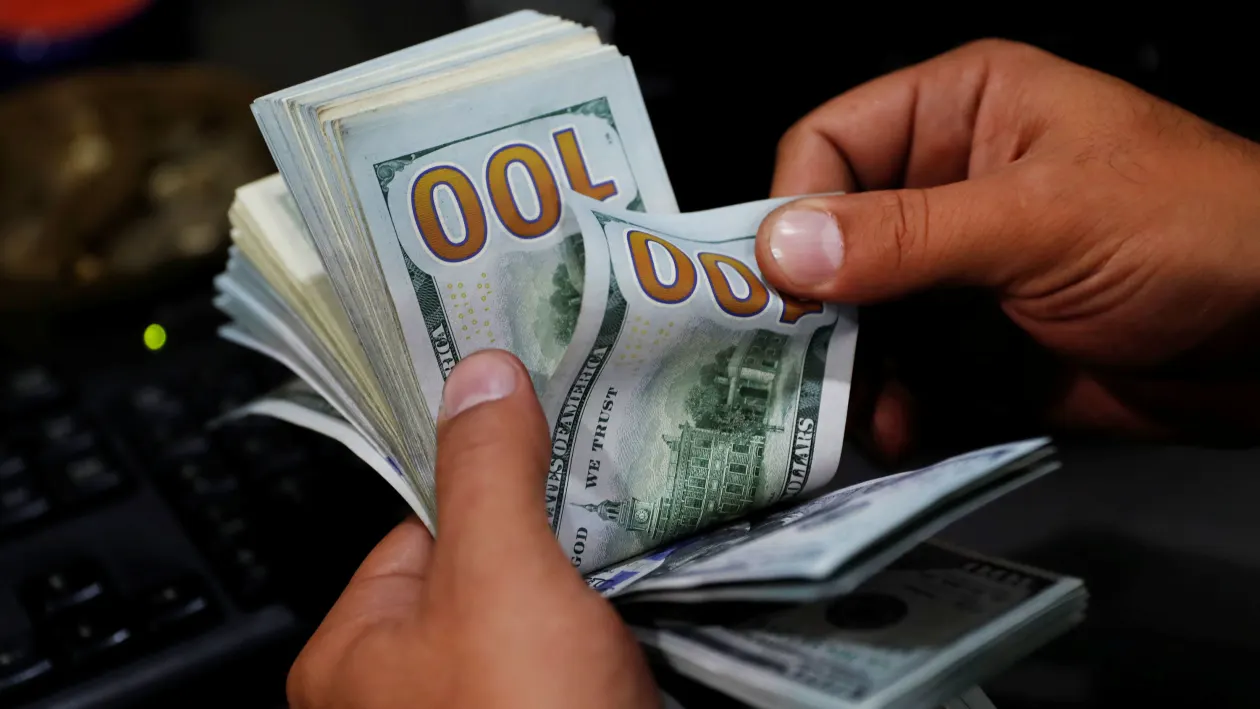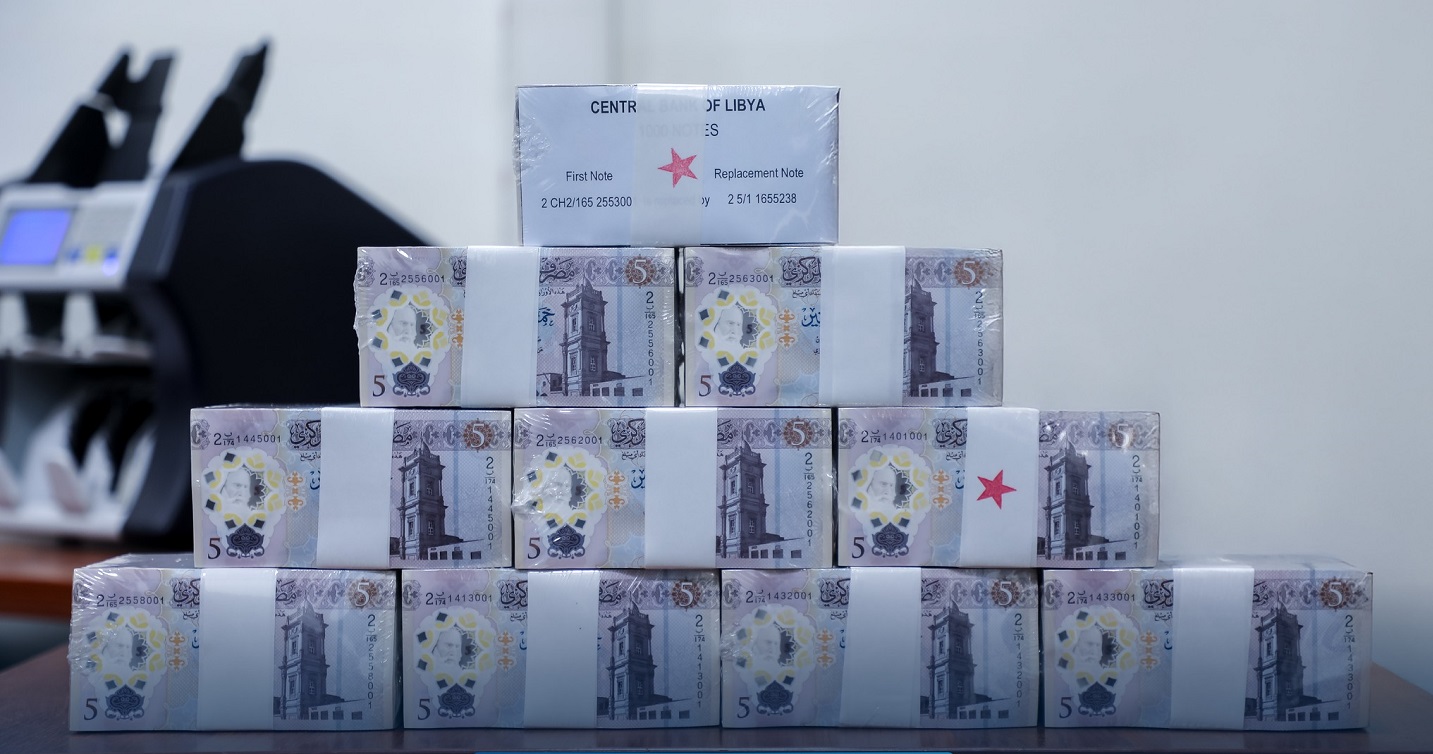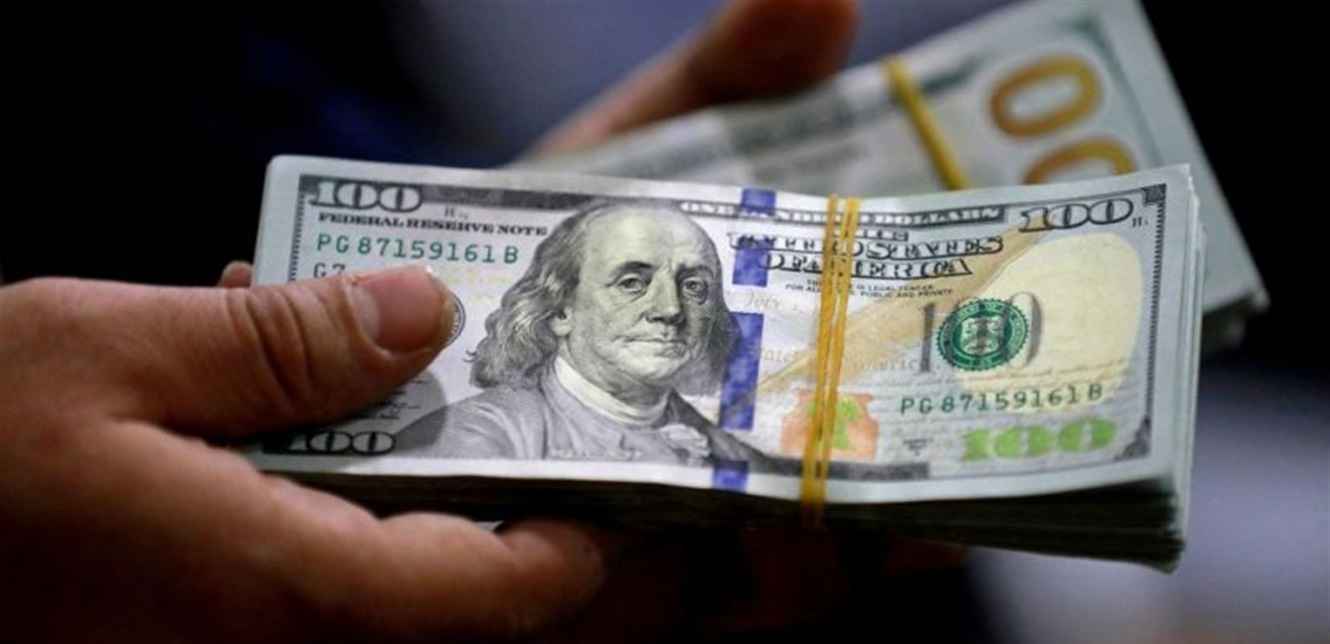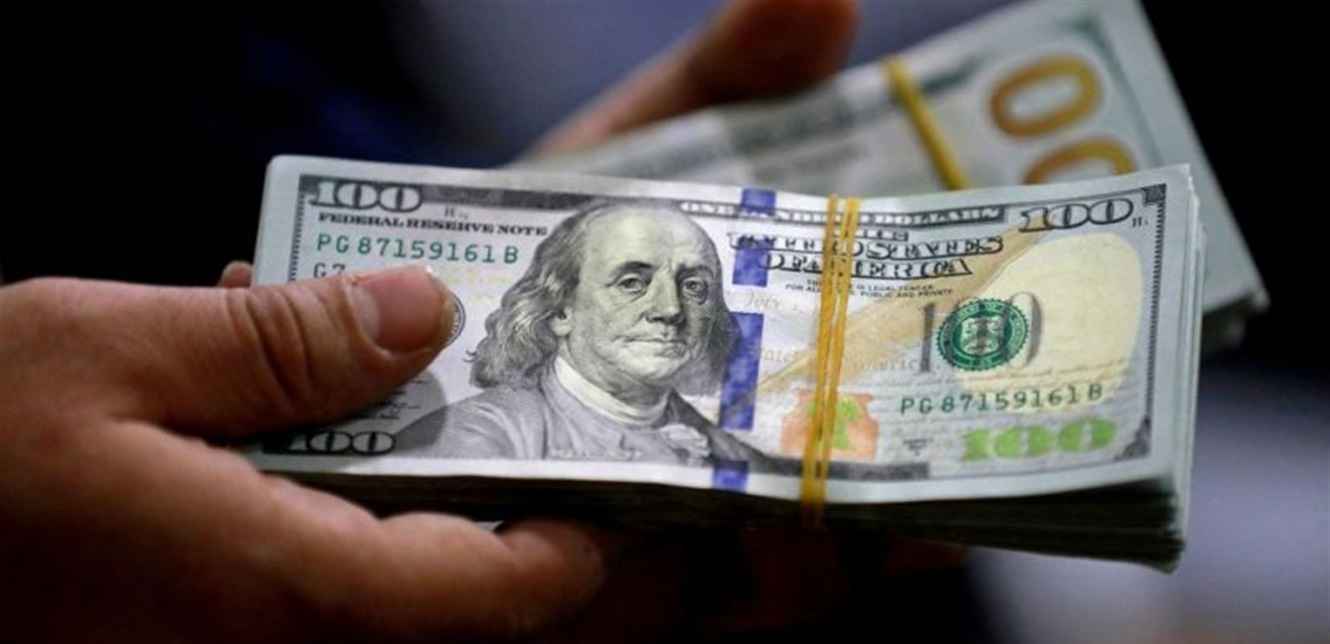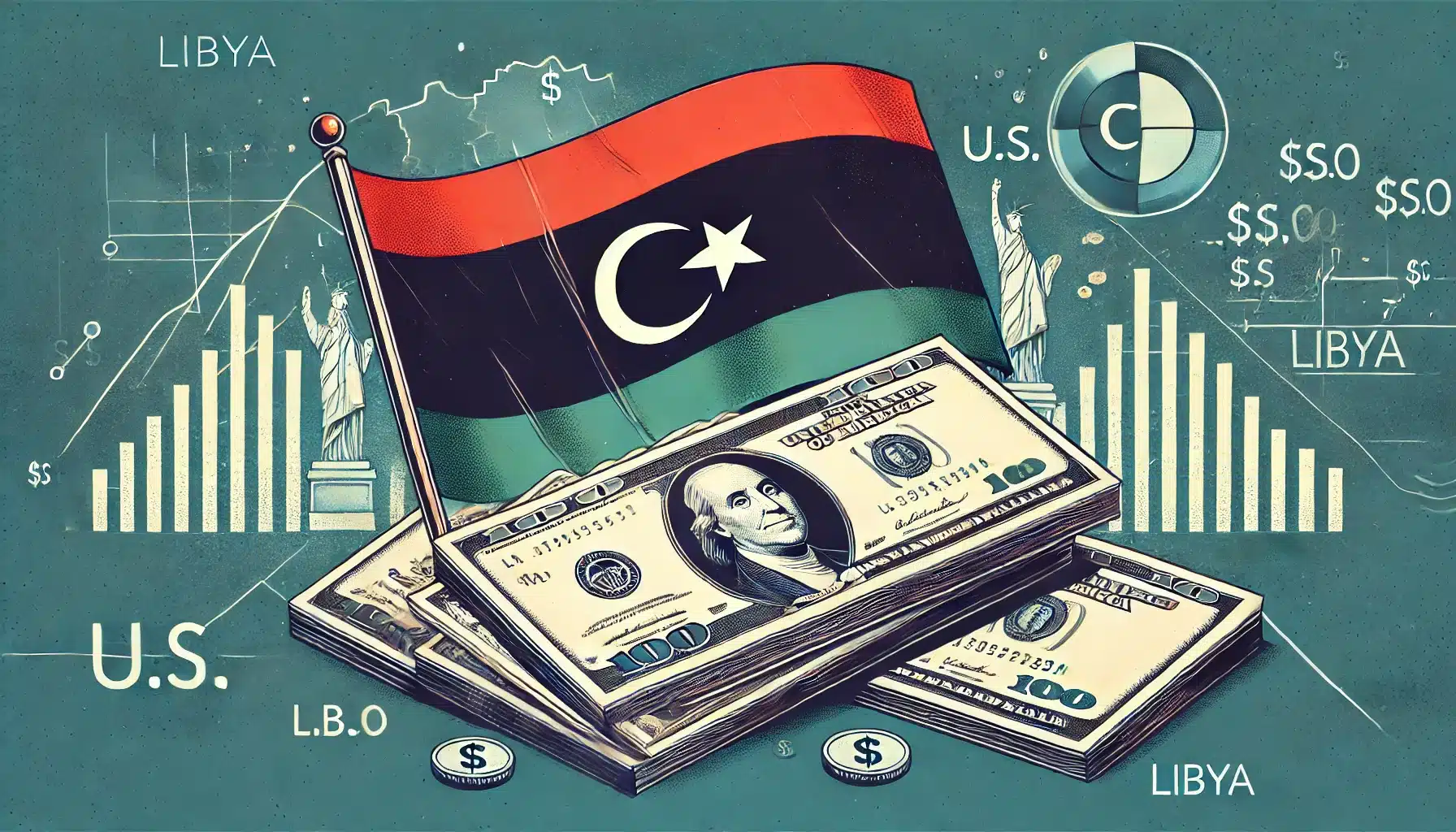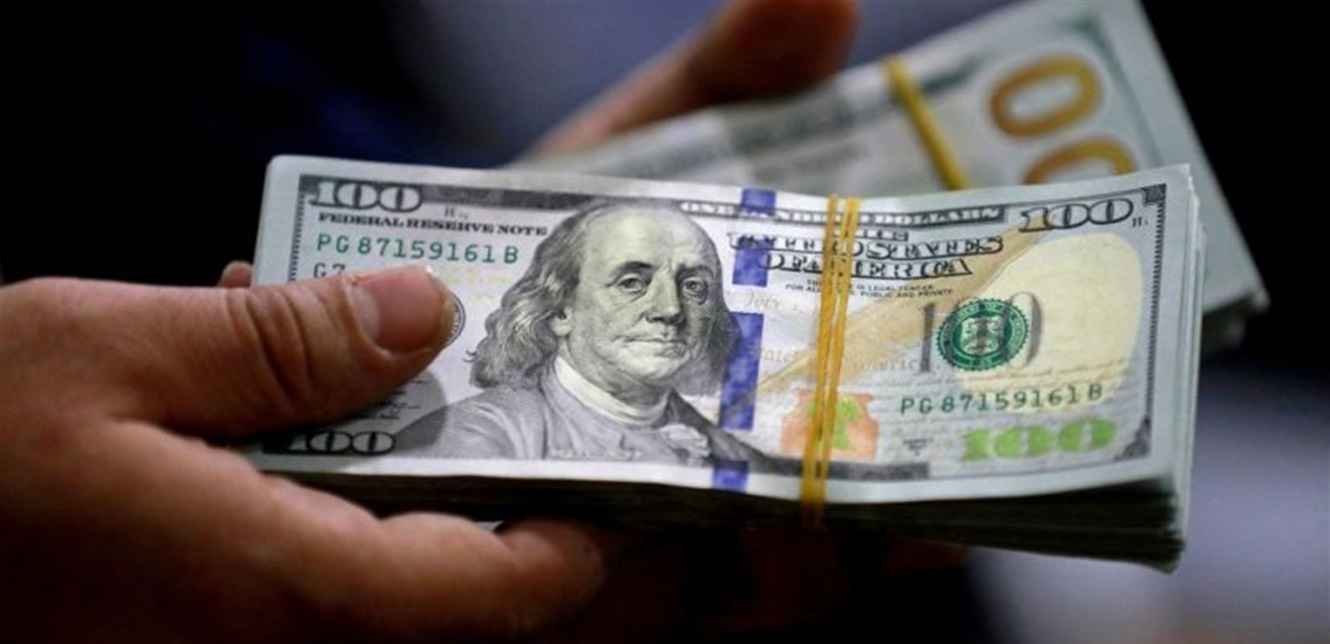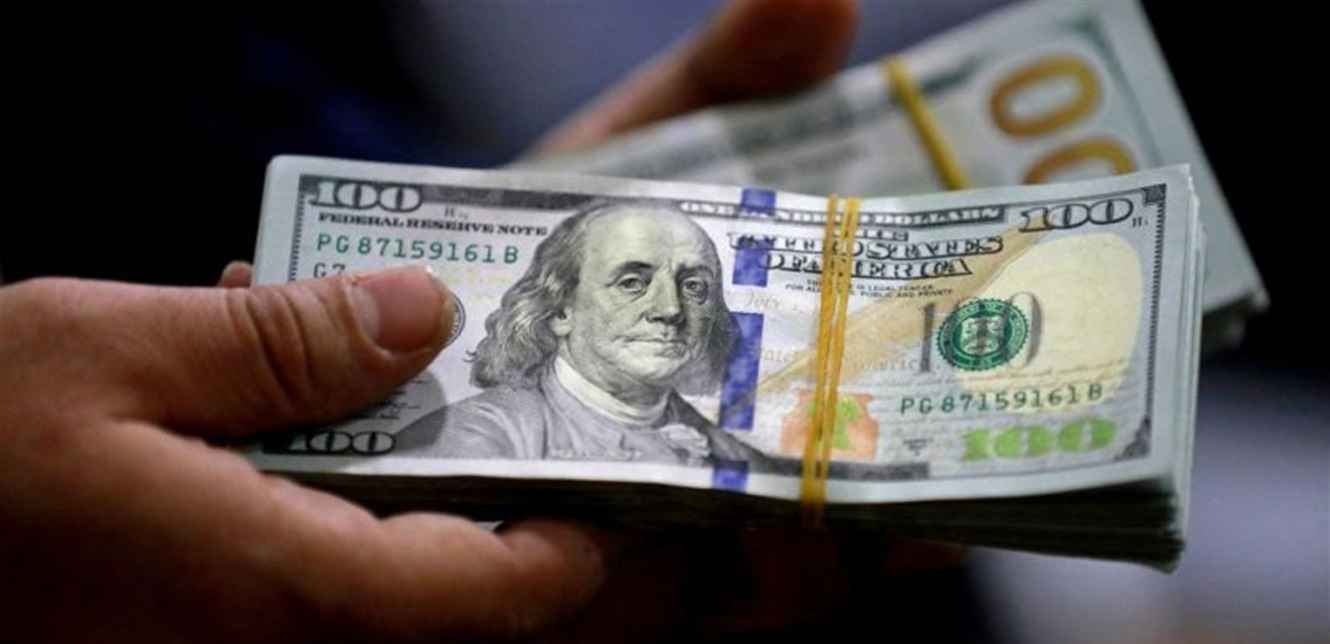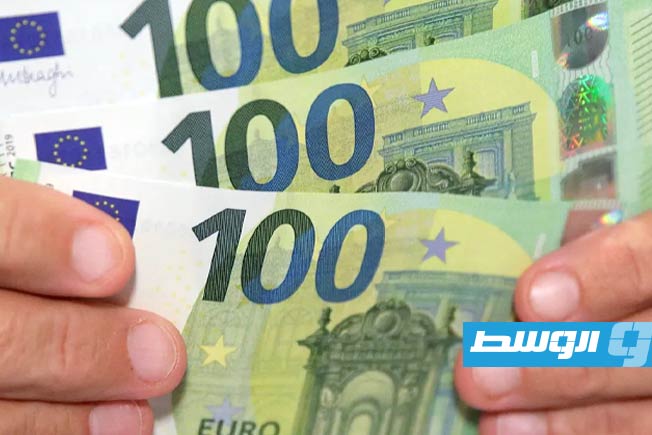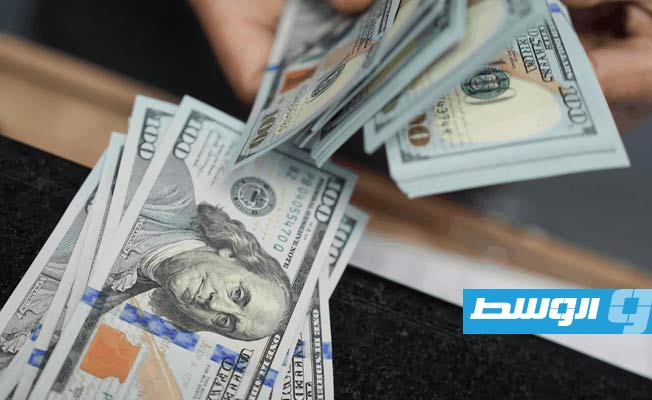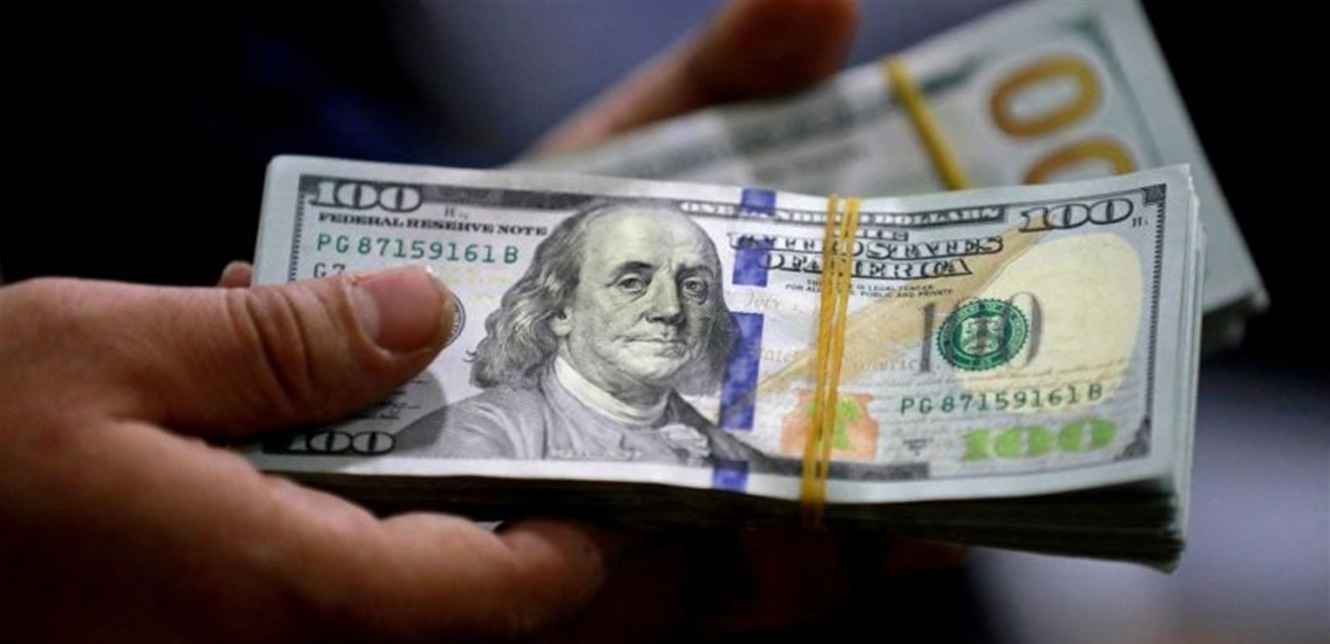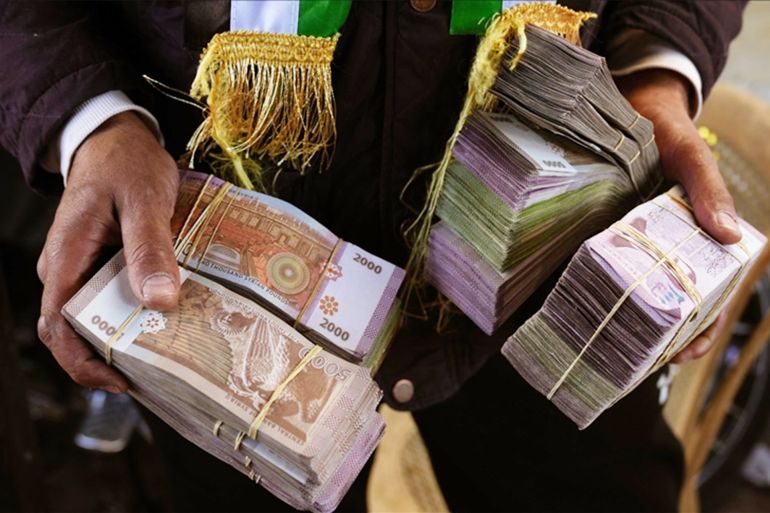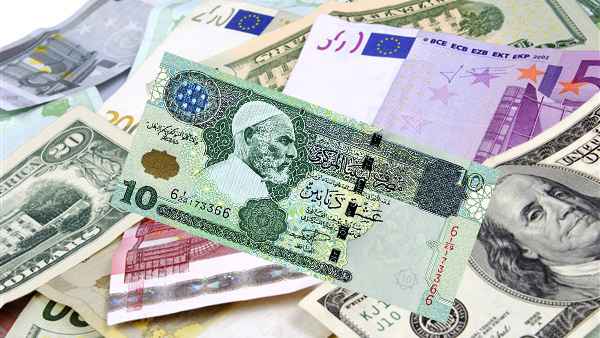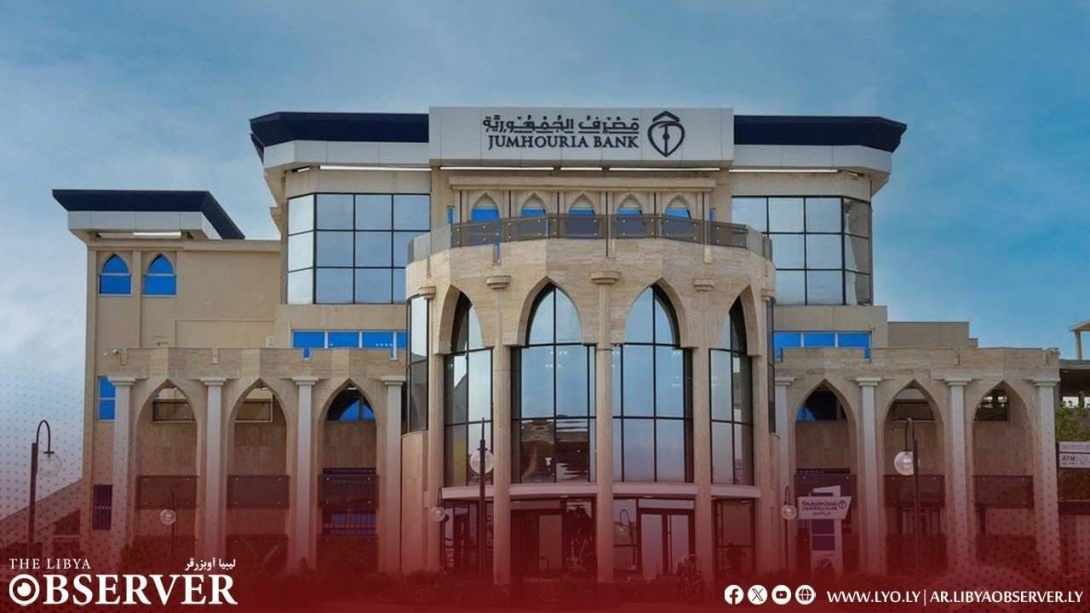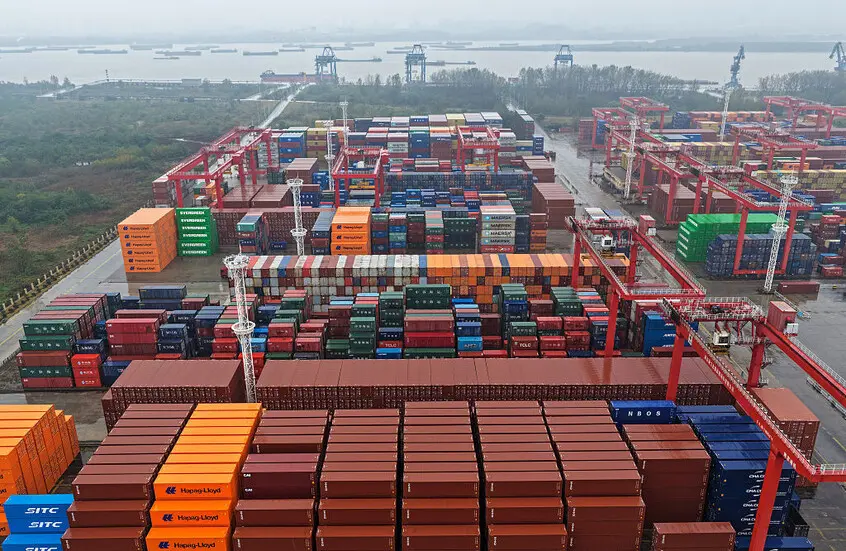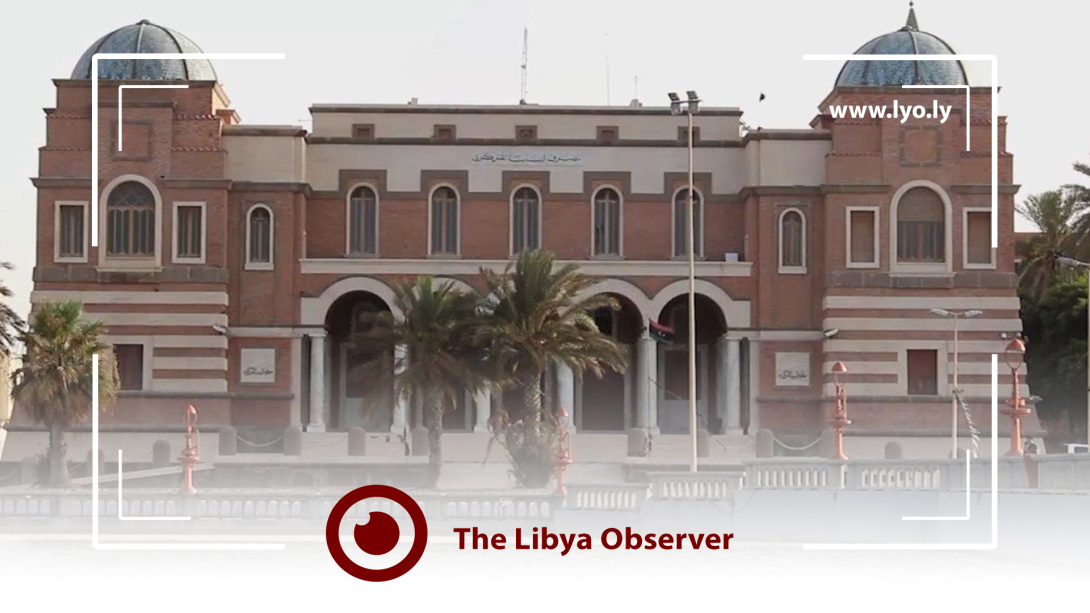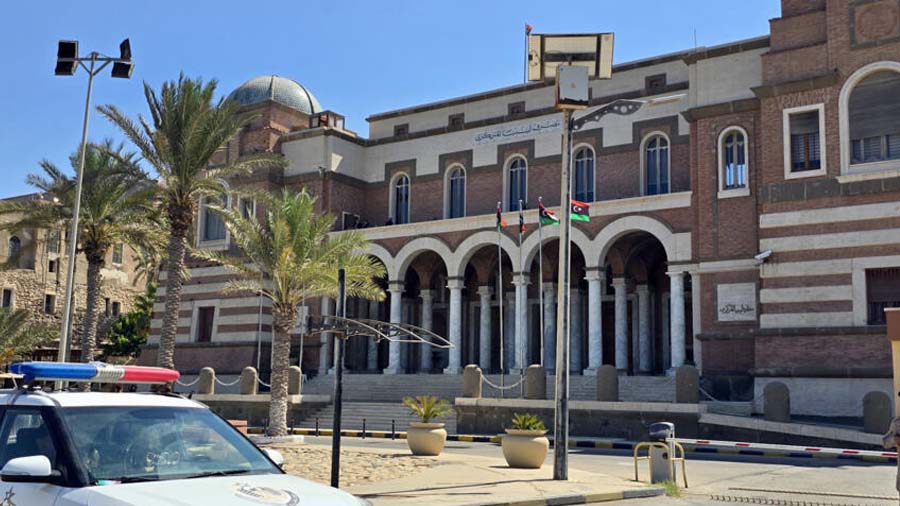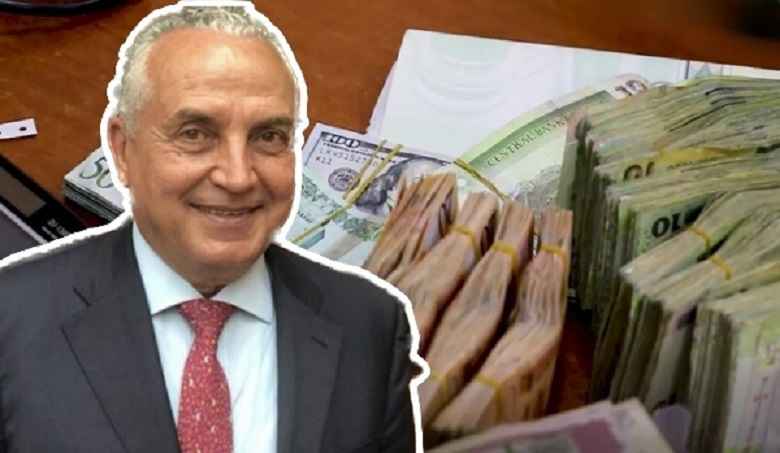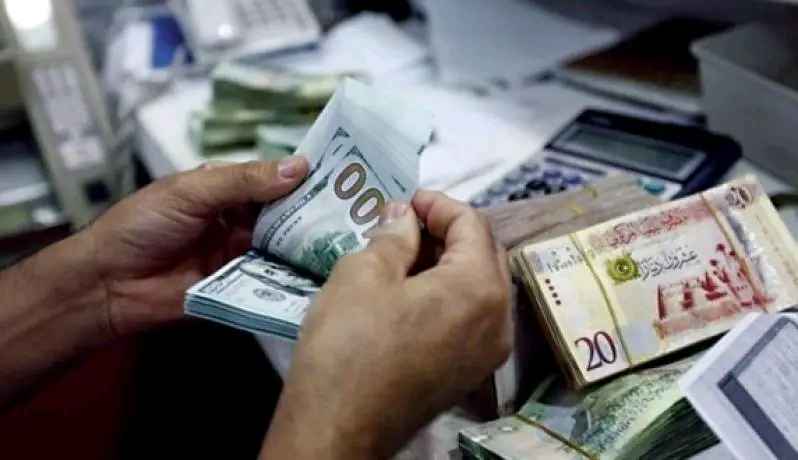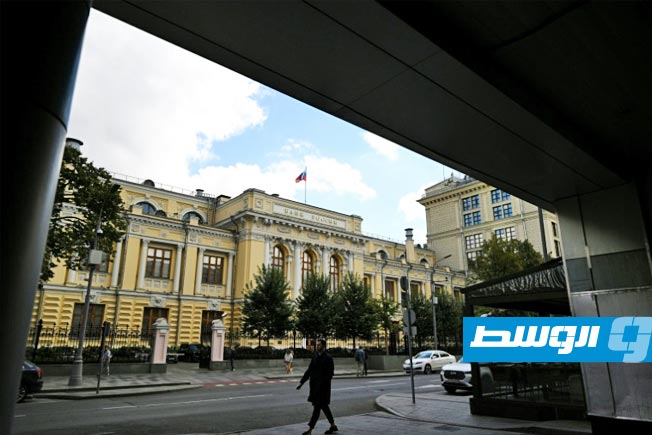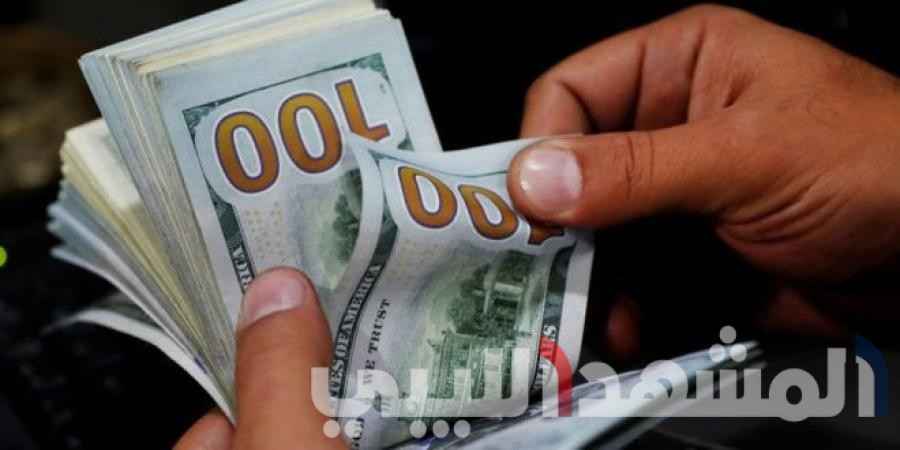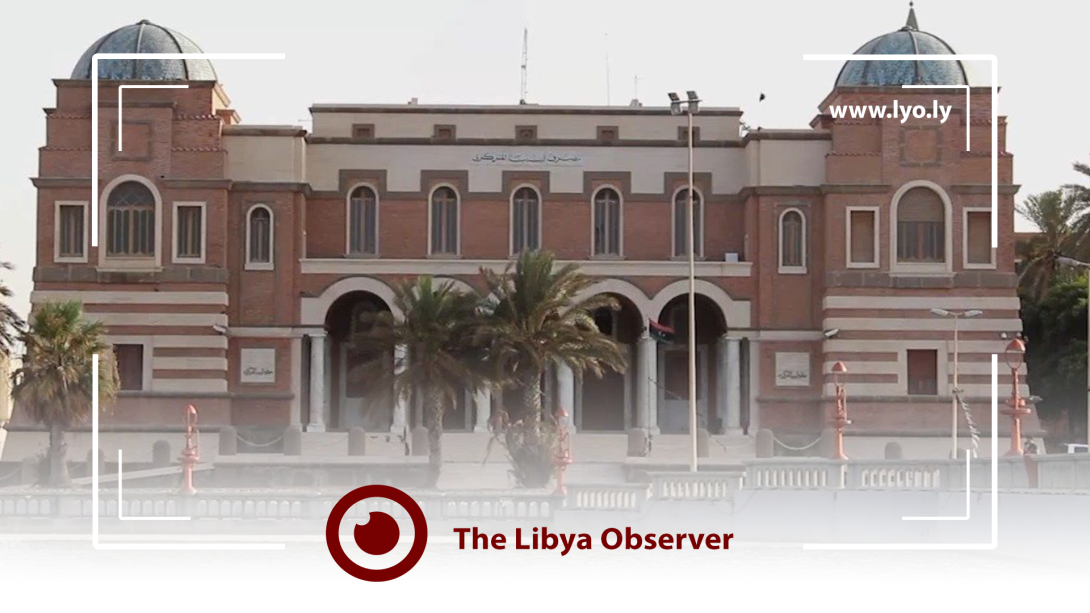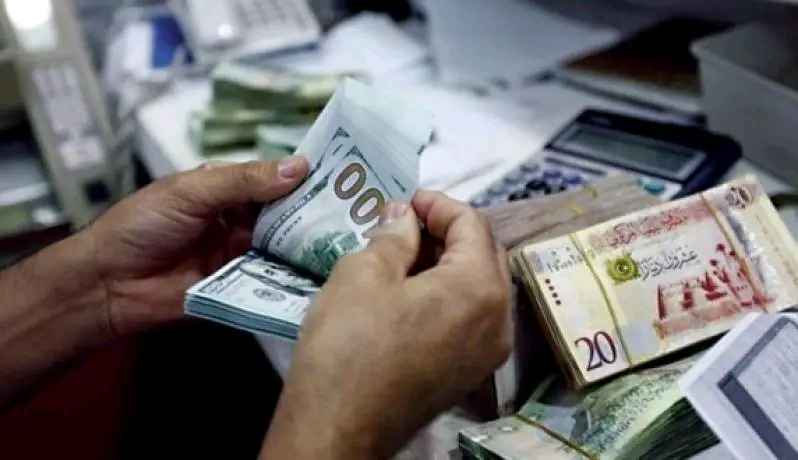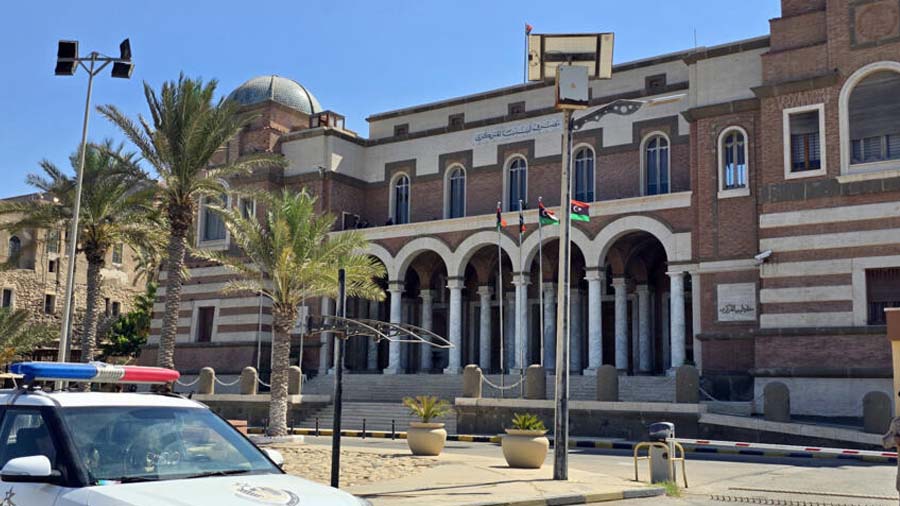
The Central Bank of Libya reported executing documentary credits worth $1.5 billion during the first half of the current month of December.
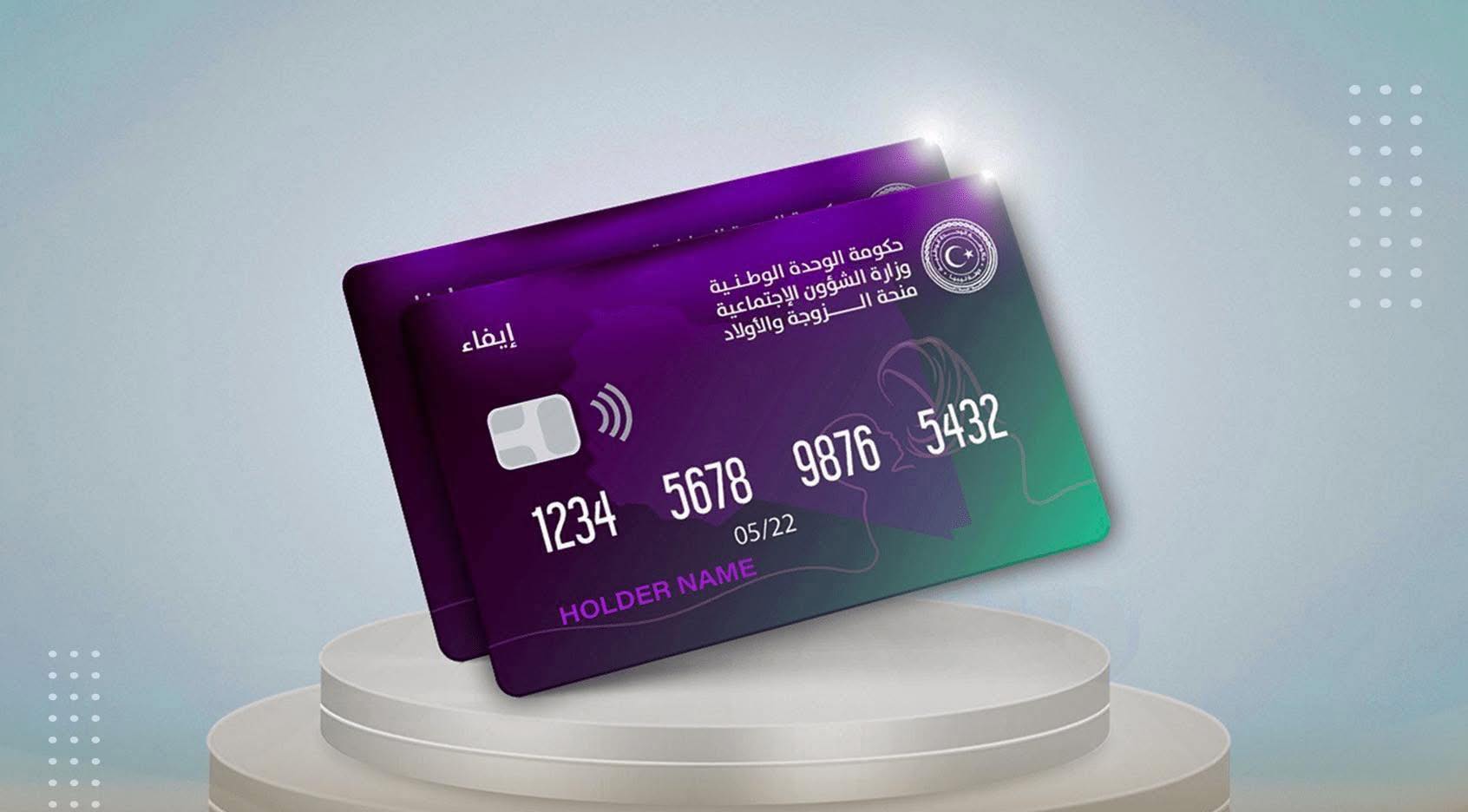
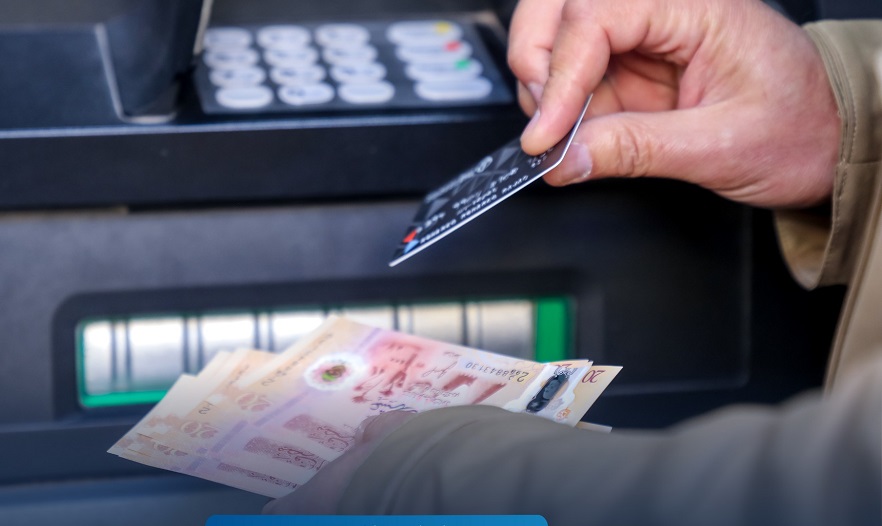
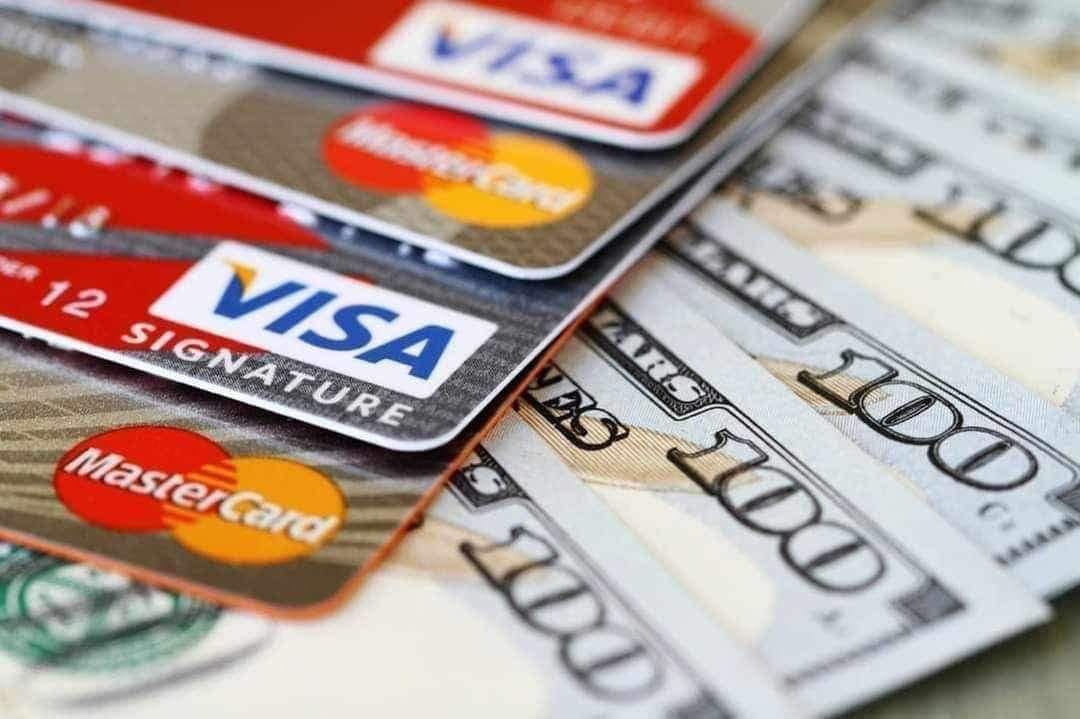
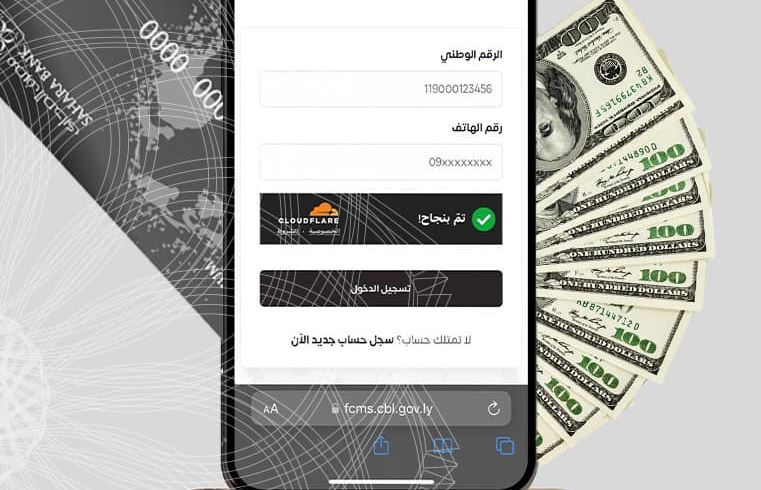
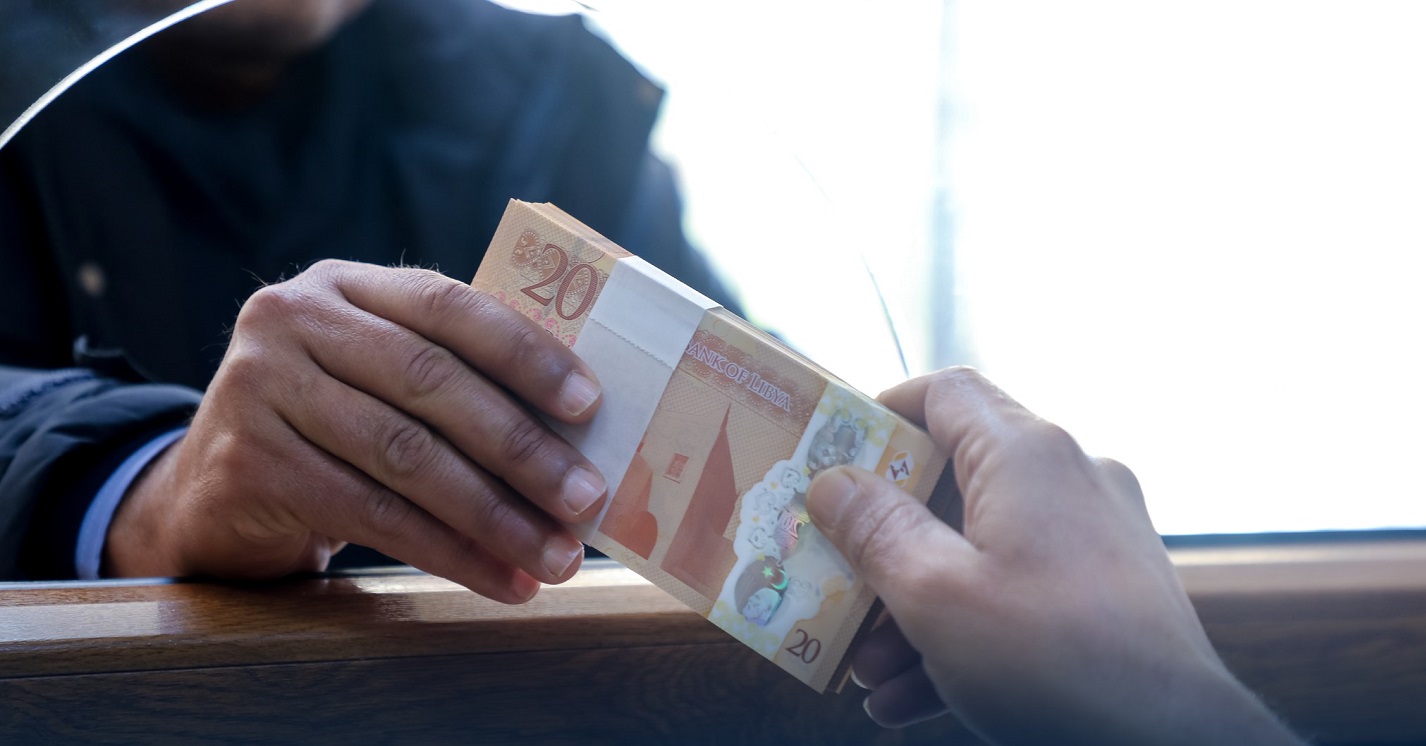
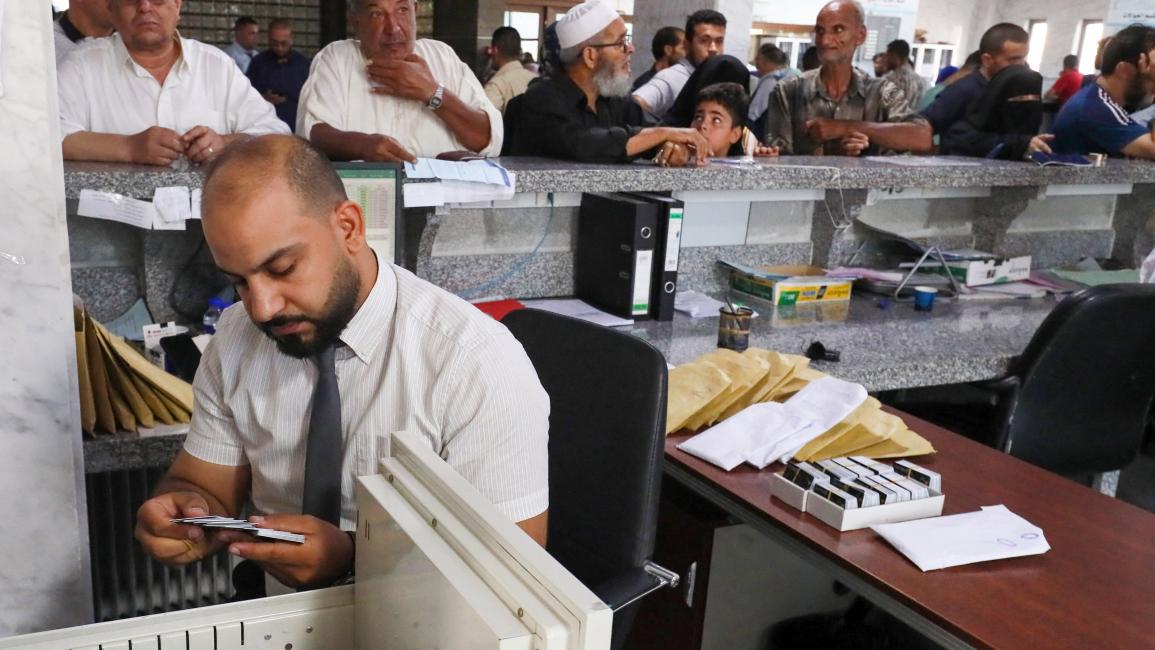
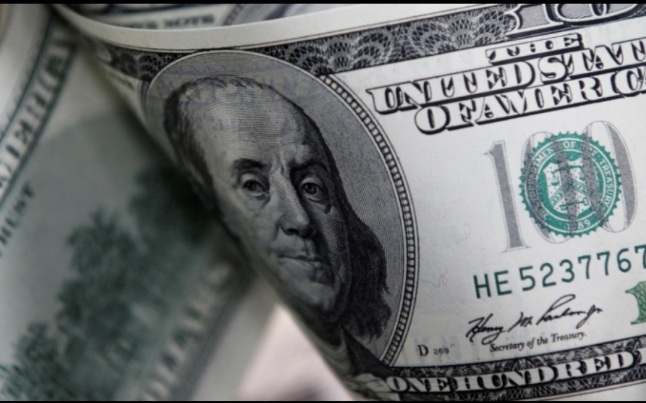
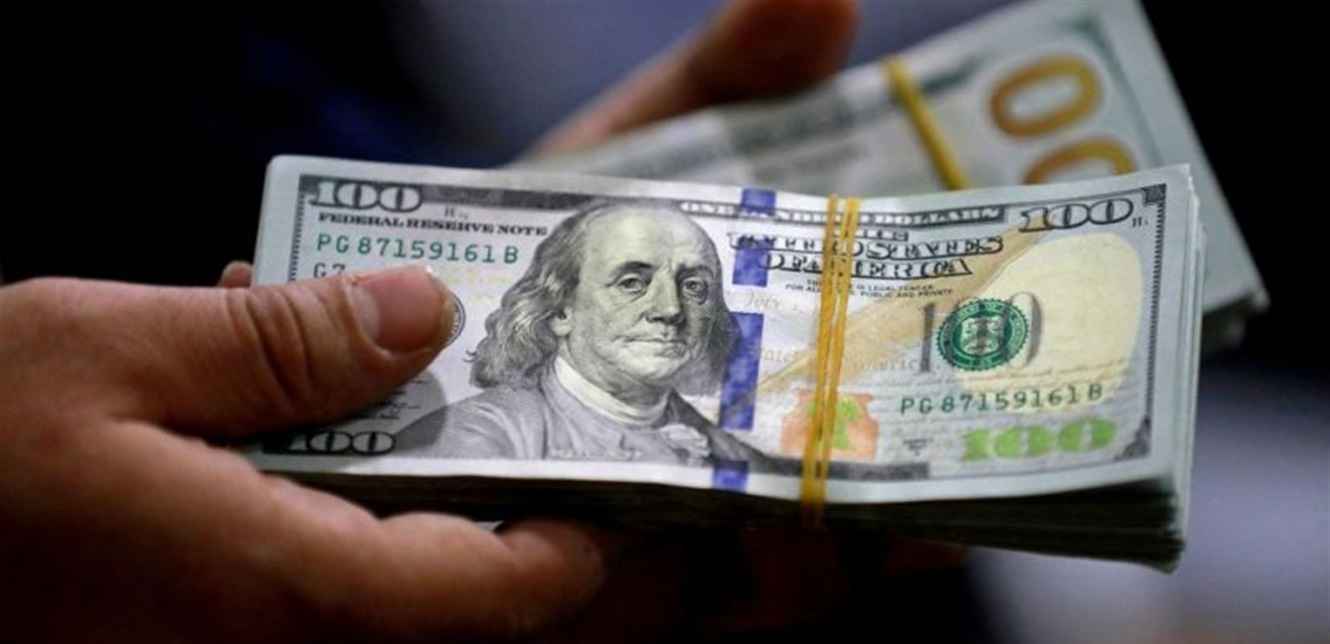
According to the Central Bank’s statement, the value of remittances reached $146 million, personal purposes amounted to $334.3 million, and small merchant cards totaled $50.4 million.
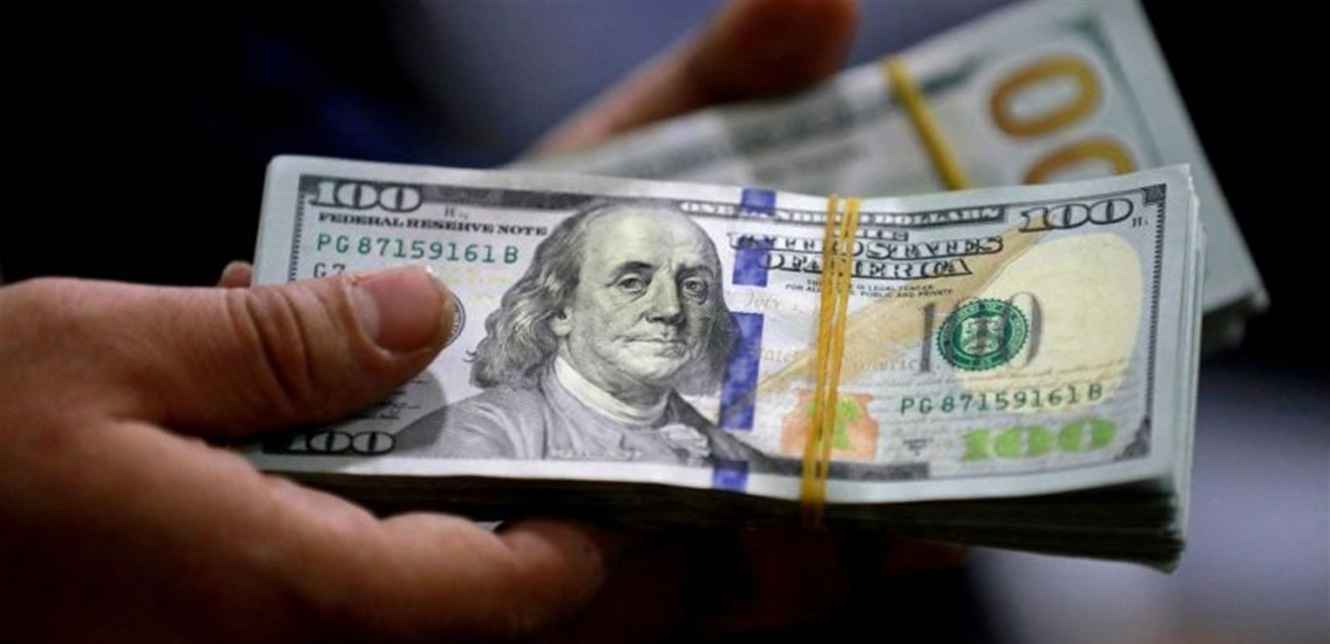
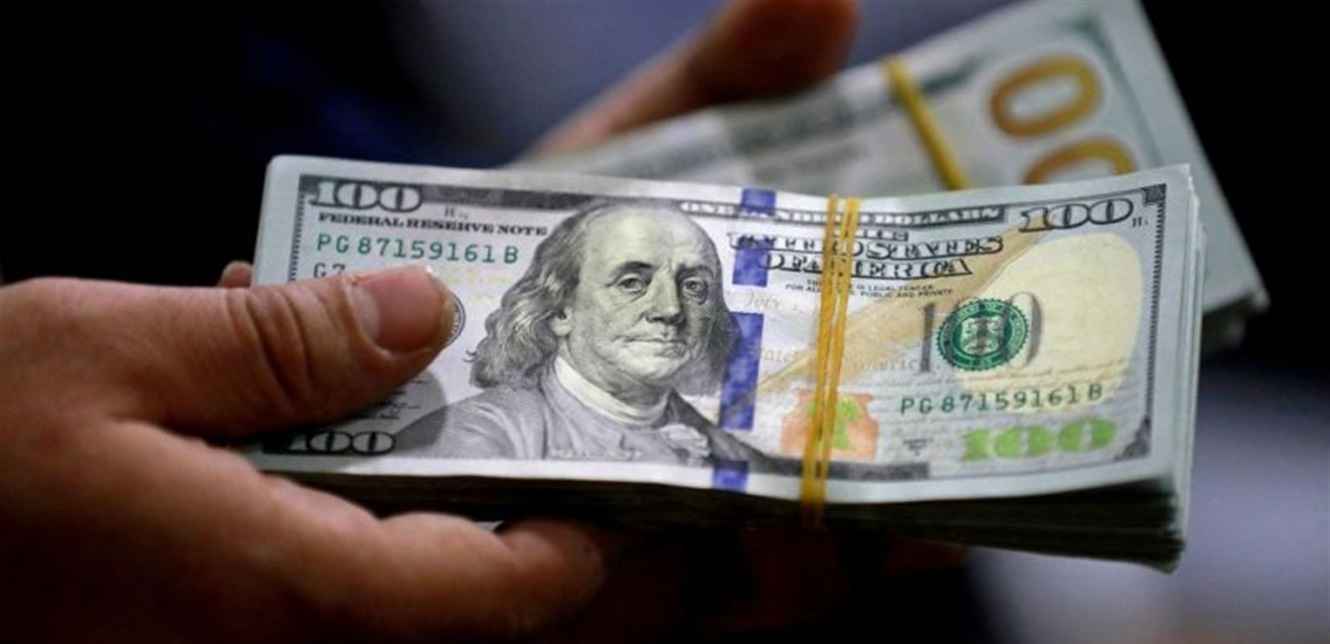
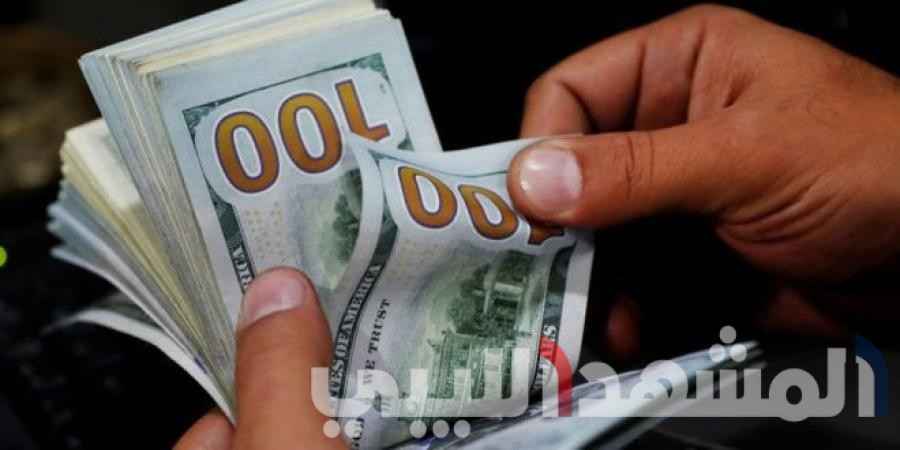
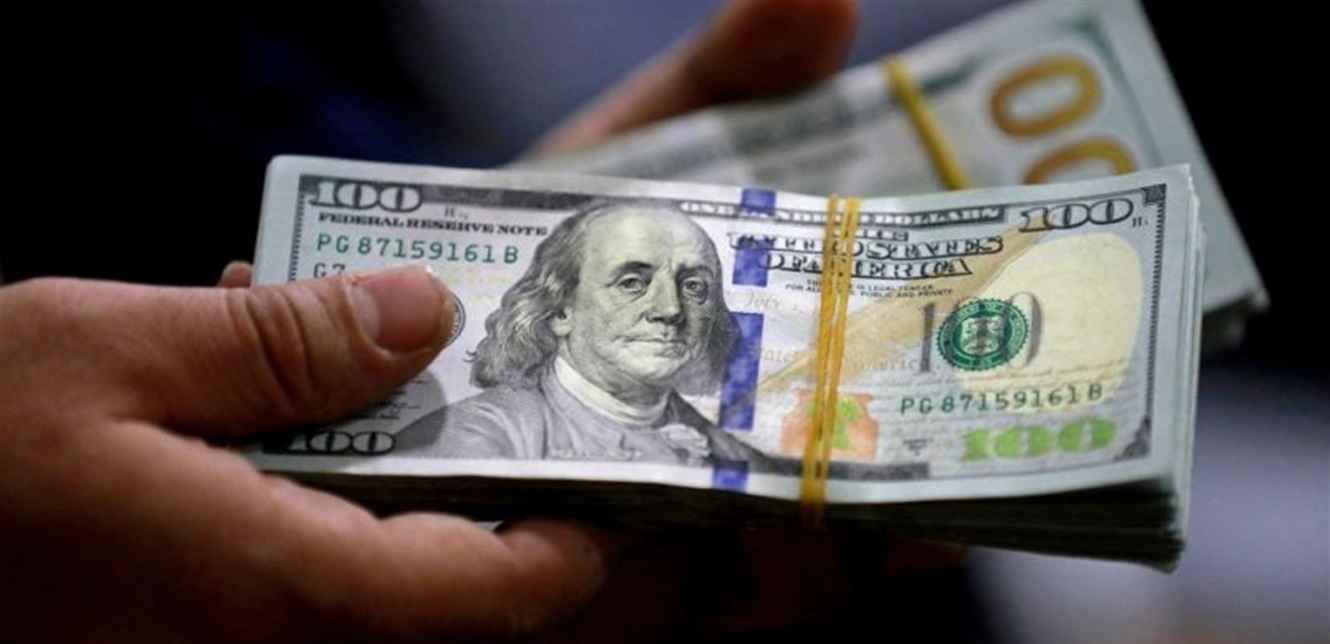
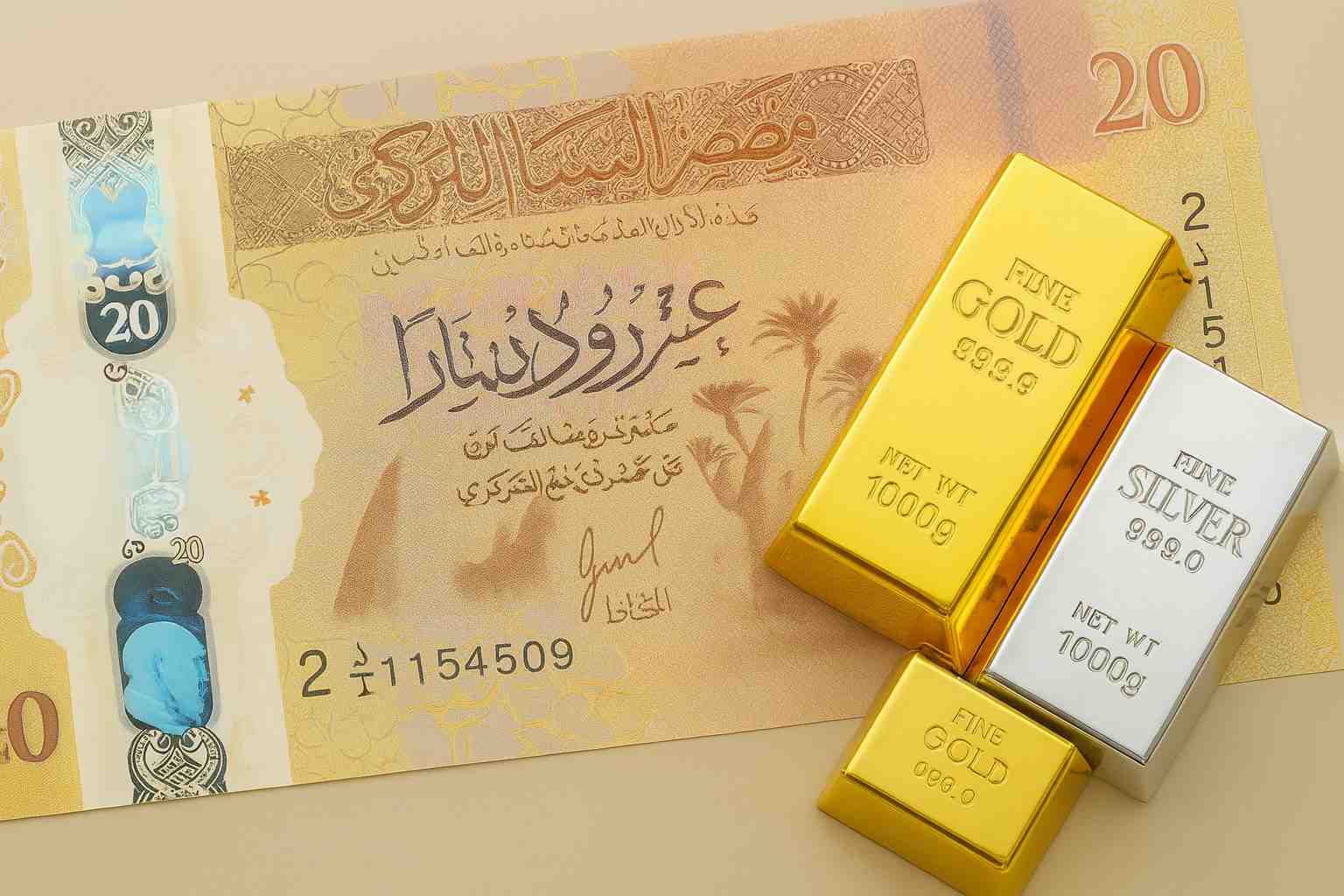
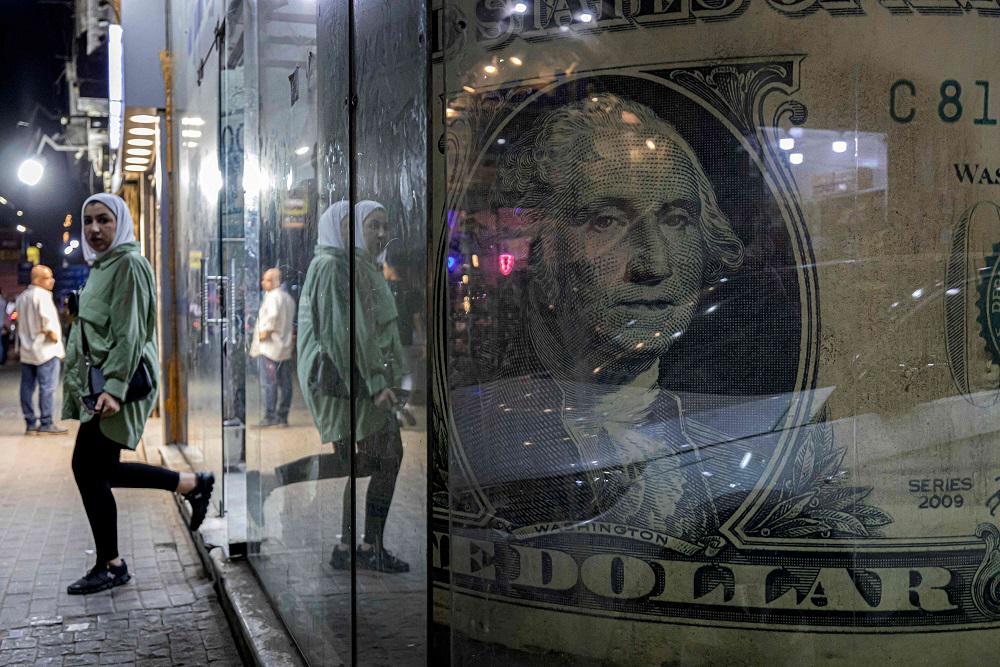
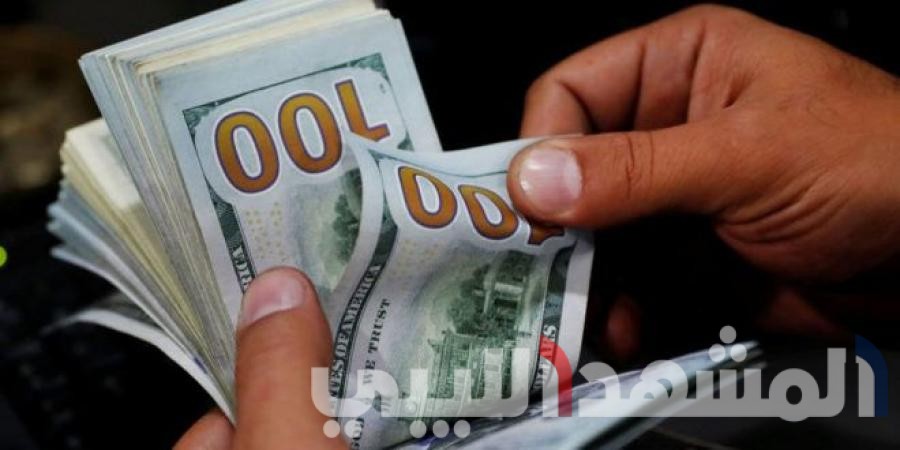
According to the data, the total foreign currency sold was $2.1 billion during the same period, while the value of unsold documentary credits and remittances reached $1.9 billion.
The pending value for personal purposes reached $388 million, and for small merchant cards, $23 million.
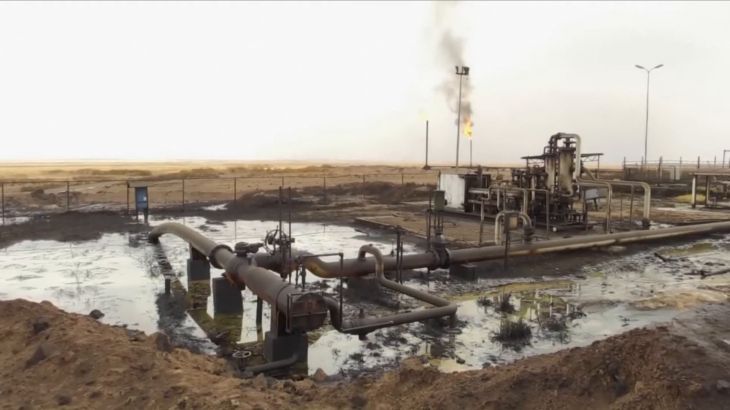
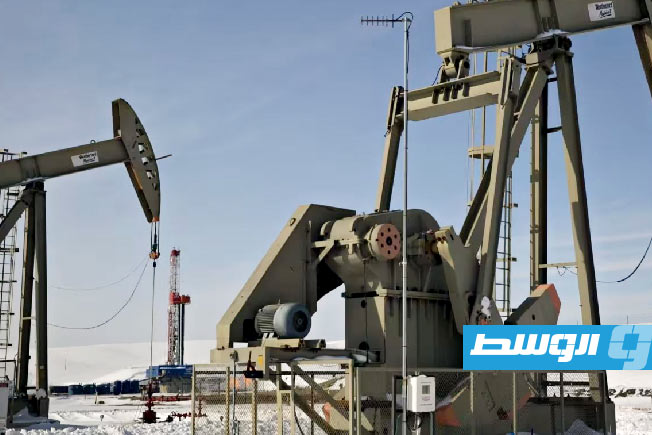
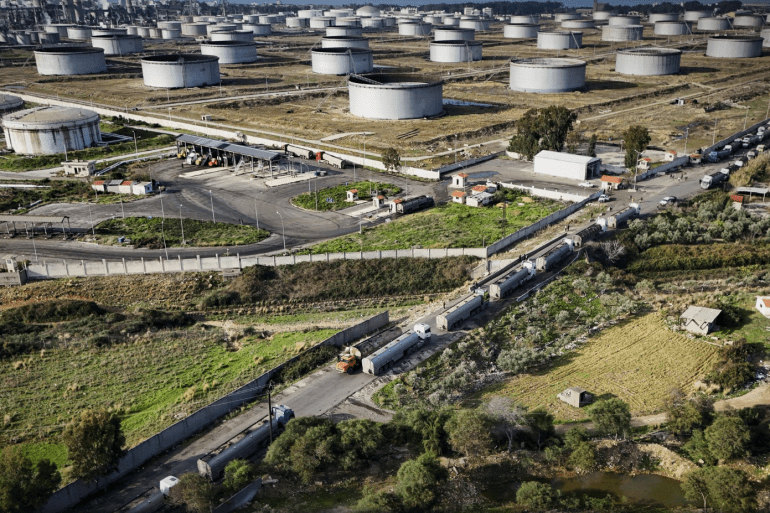
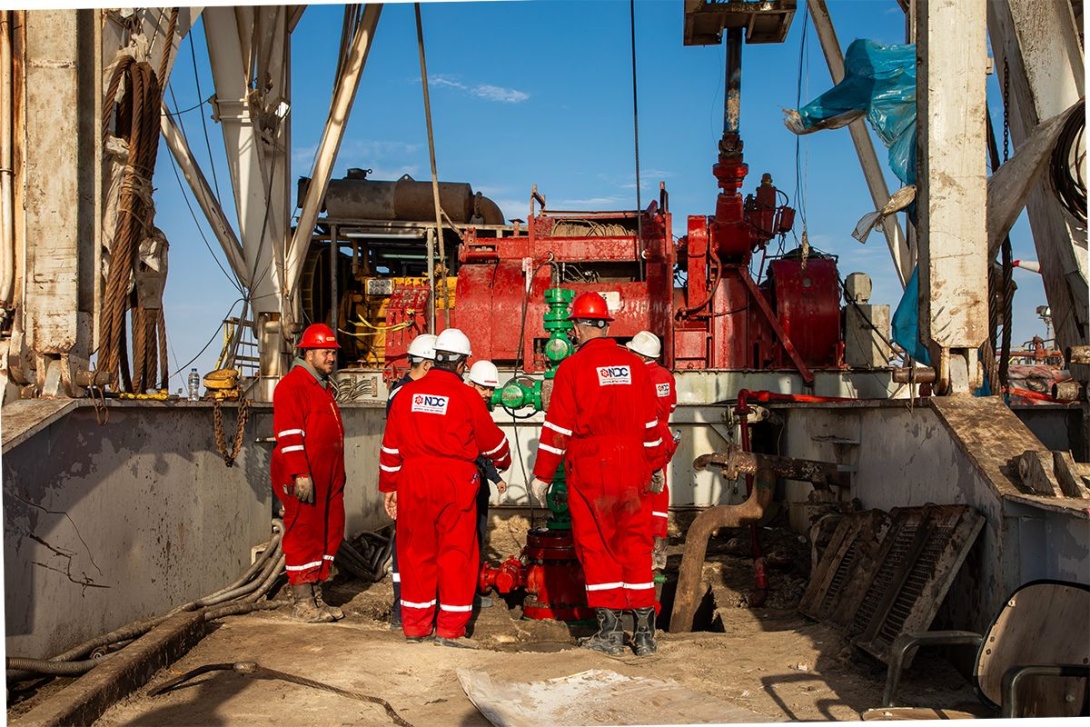
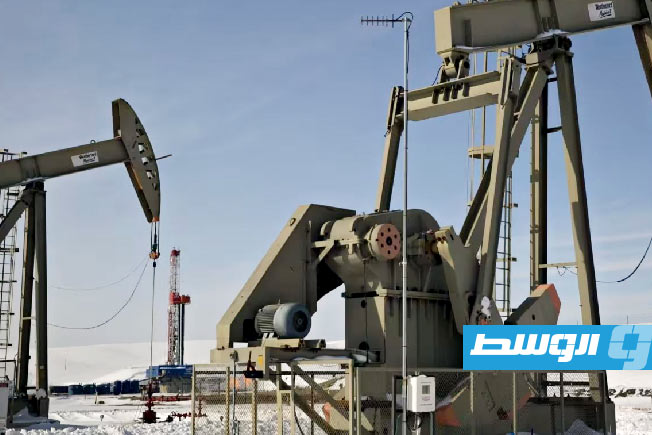
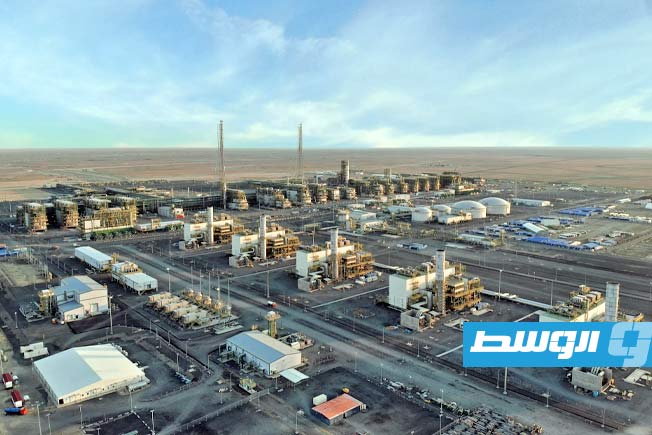
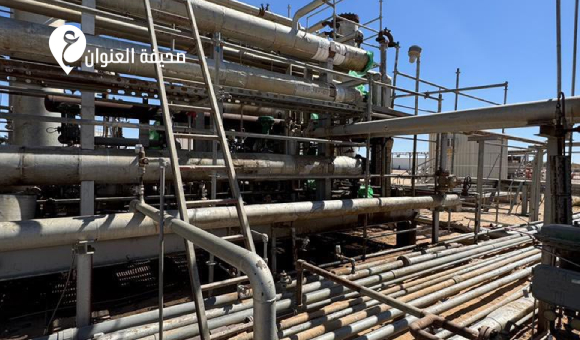
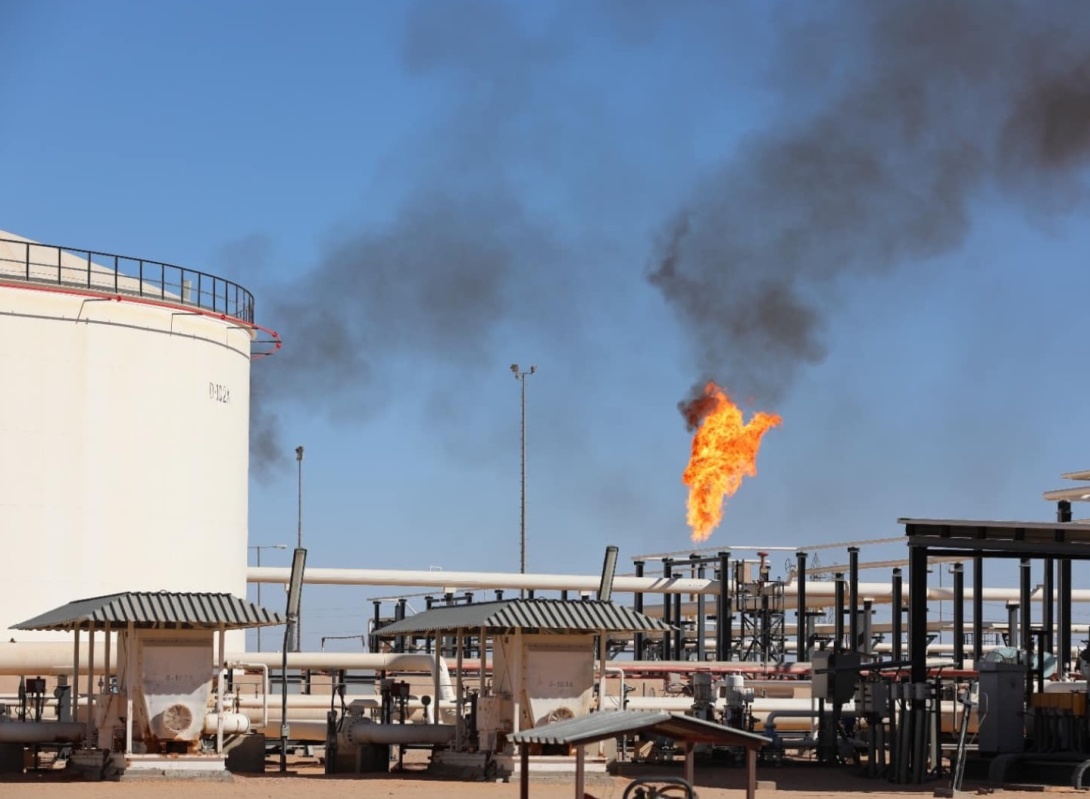
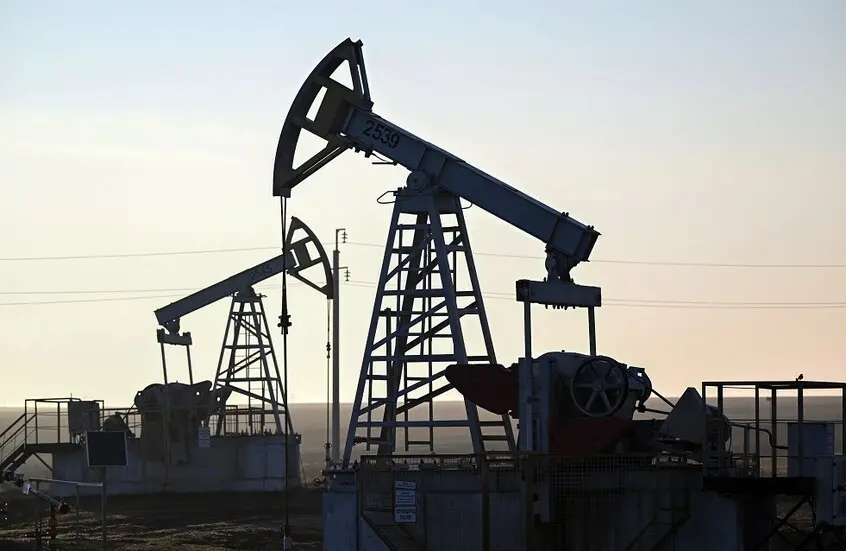
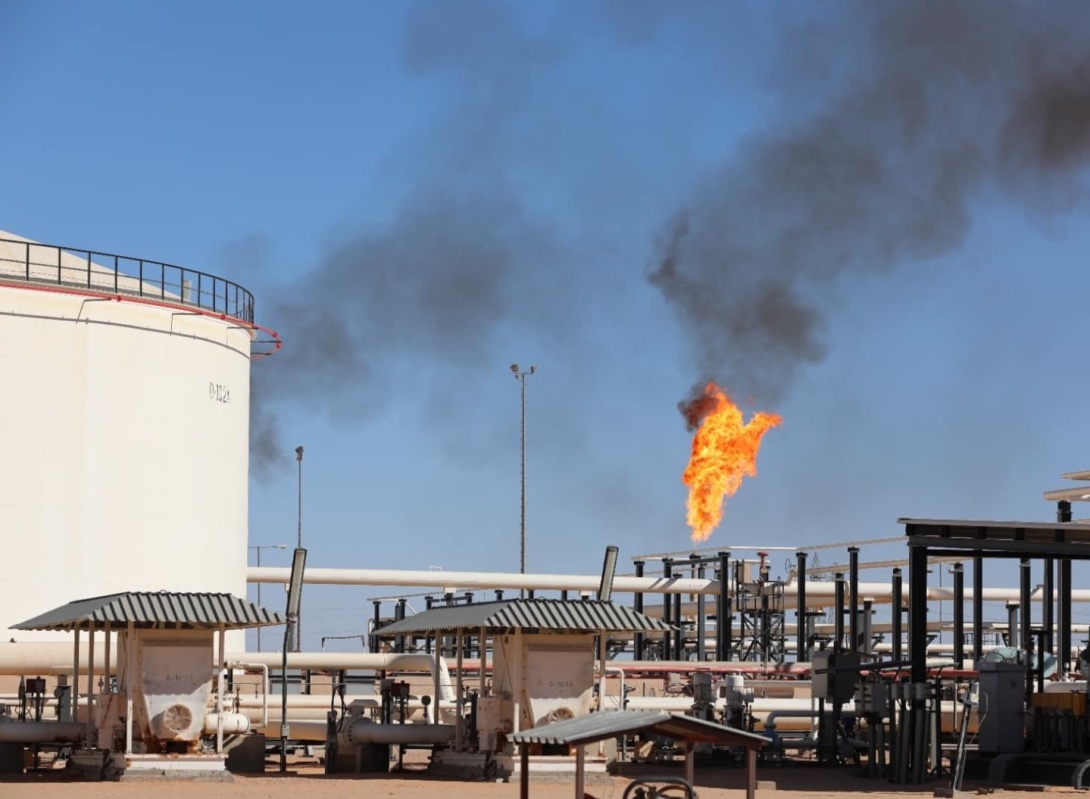
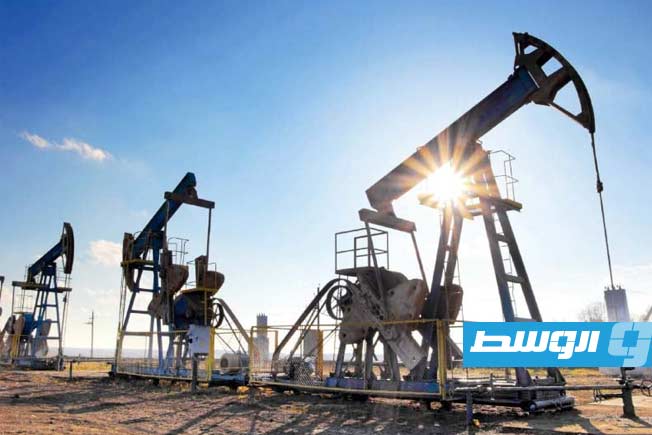
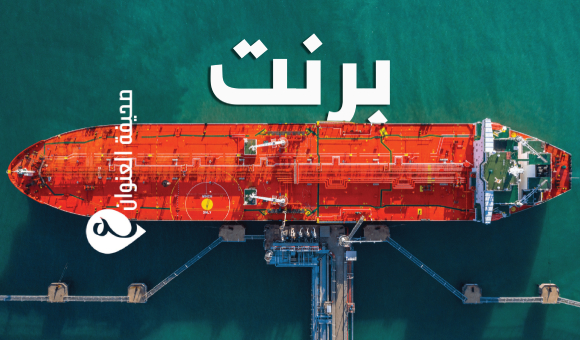
Regarding incoming oil revenues, the Central Bank revealed that revenues received during the period from the 1st to the 16th of December reached $410 million US dollars.
The bank confirmed its continued implementation of foreign currency sales operations regularly and at rates that meet market needs.
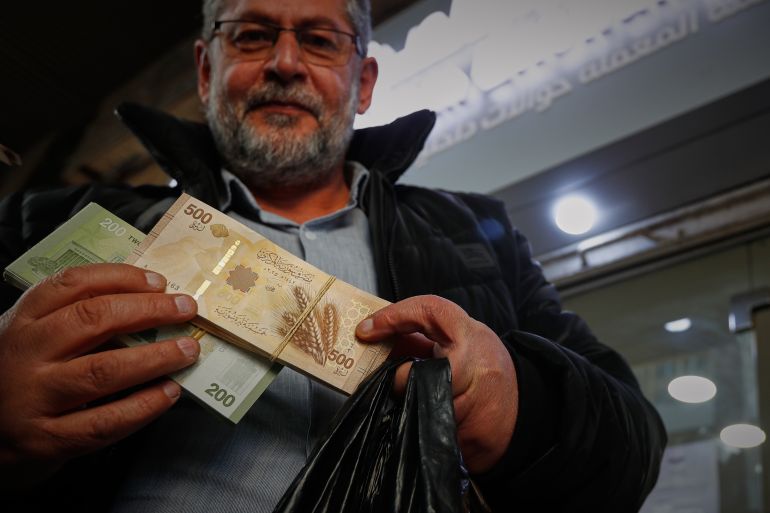
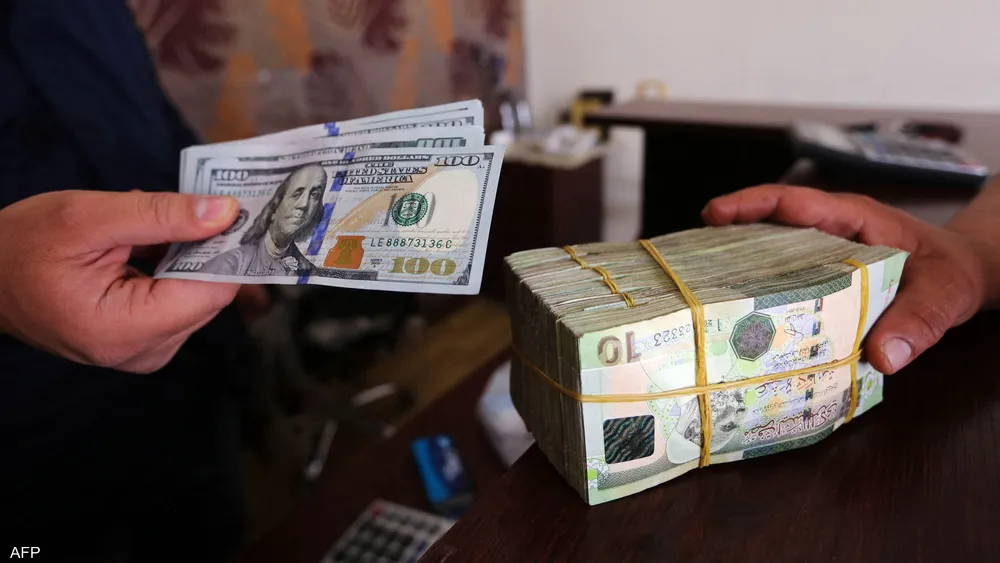
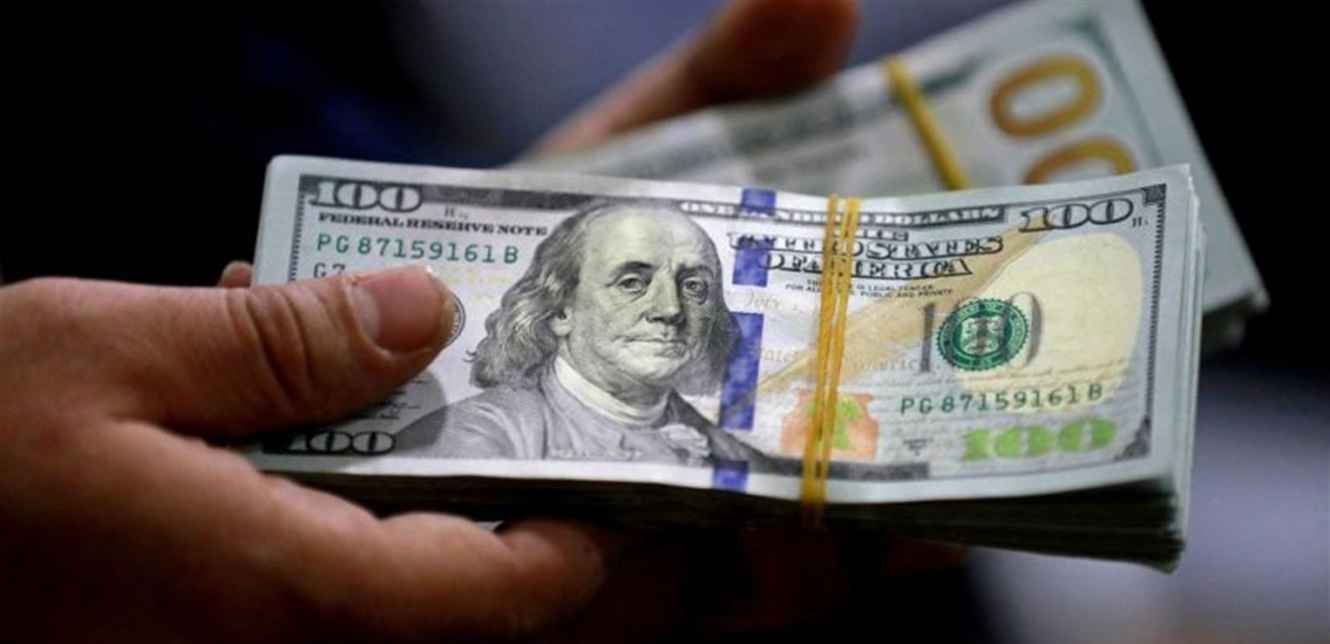
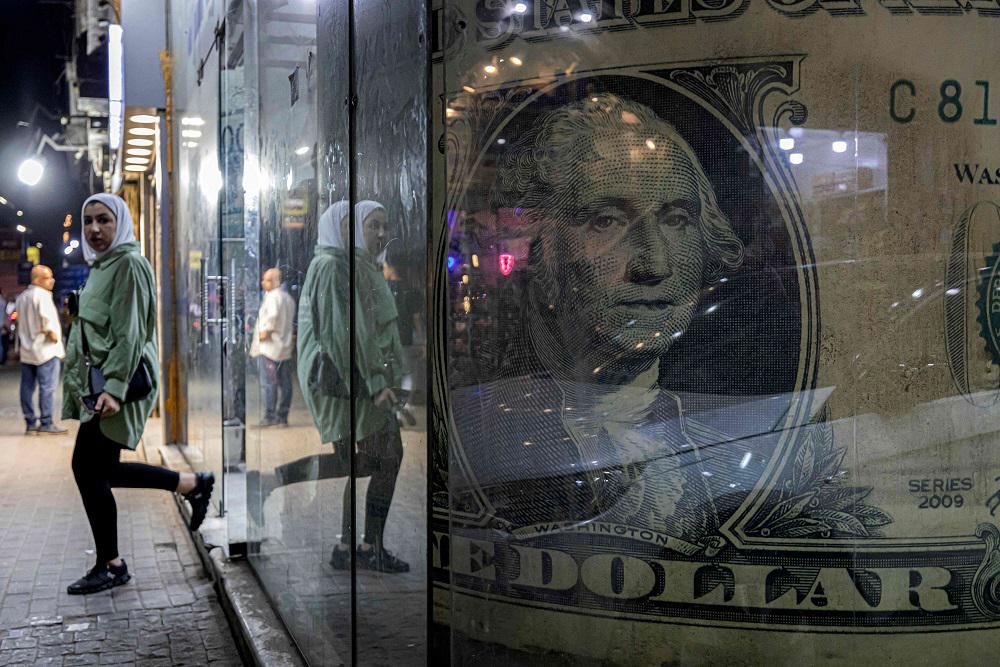
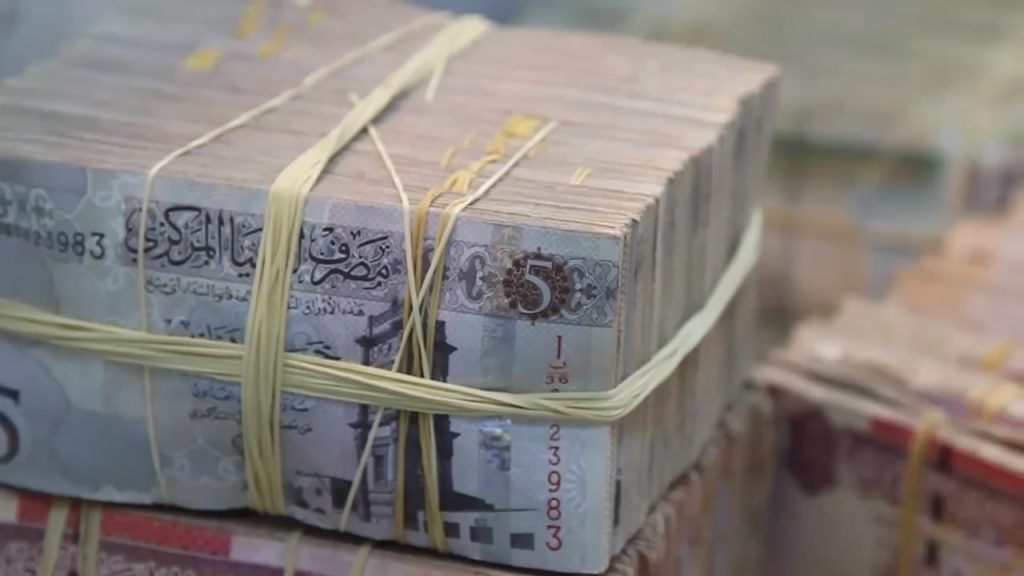
The Central Bank also clarified that the recorded increases in the parallel market exchange rate are due to speculative activities resulting from closures witnessed in some markets, tightened auditing, anti-money laundering controls, and counter-terrorism financing measures with international parties, which were implemented starting in November 2025.
The Central Bank urged the concerned ministries to take the necessary measures to regulate import operations and the entry of goods through black market channels without oversight and follow-up on the sources of funds.