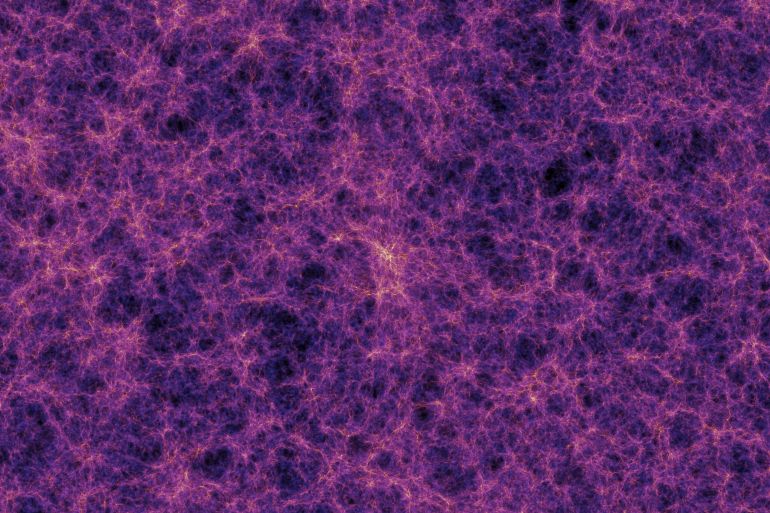
When scientists use their telescopes in an attempt to understand the distribution of galaxies in the universe through a comprehensive sky survey, they find that galaxies are not distributed evenly. Instead, they form interconnected filaments with vast, nearly empty voids of space between them.
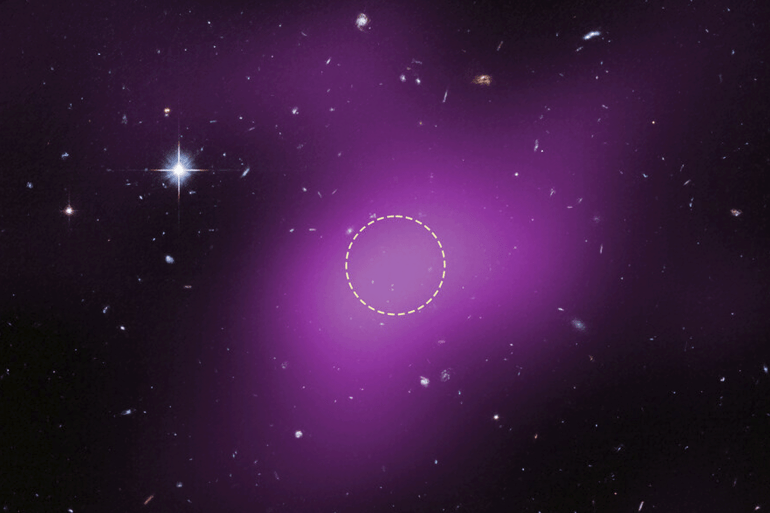
It resembles pieces of sponge, or that delicious piece of cheese from “Tom and Jerry” cartoons. At the points where these filaments intersect, we find dense galaxy clusters containing thousands of galaxies, with filaments of galaxies stretching between them.
This is what we call the cosmic web. It is the grandest structure of the observable universe, and scientists are keen to study it in the hope of understanding the origin of the universe billions of years ago.
In the following video designed by scientists, you can observe how galaxies are distributed in dense regions, with voids between them, and filaments composed of galaxies stretching across:
A Whirlwind of Galaxies
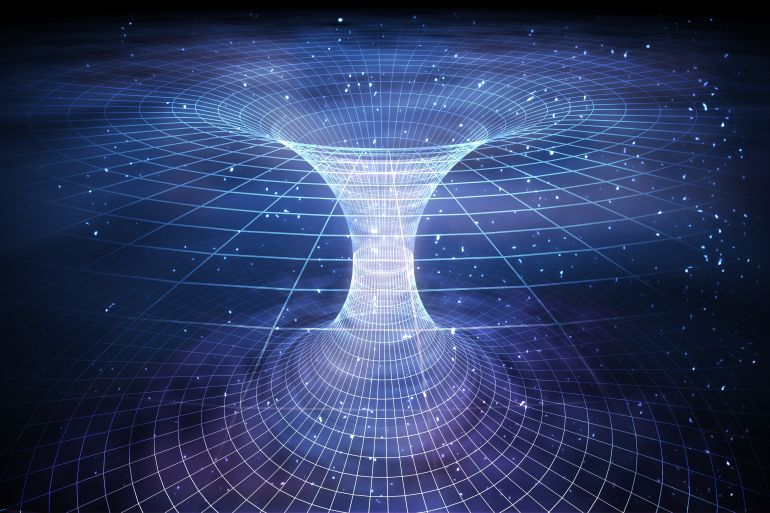
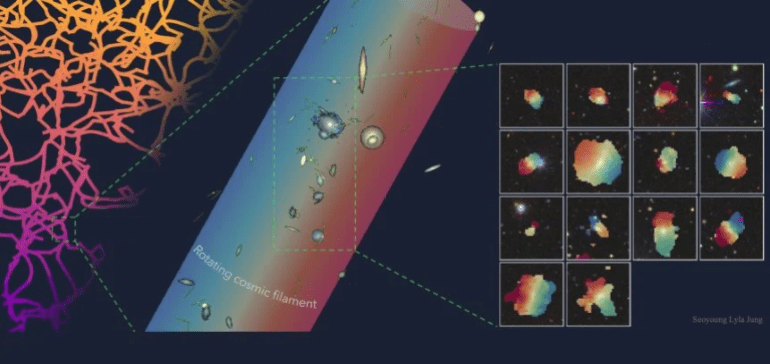
It appears that physicists and astronomers have deepened this understanding significantly. Recent observations they conducted reveal that these filaments between galaxy clusters are rotating, somewhat like the spinning teacup ride at an amusement park—where each cup spins individually, and the entire platform also rotates. Or perhaps it resembles a whirlwind spinning around a central point, taking the shape of a funnel or thread.
The scientists recorded the existence of an extremely thin (relatively speaking) chain containing 14 hydrogen-rich galaxies aligned in a line approximately 5.5 million light-years long and about 117,000 light-years wide.
According to the research published by the team, this chain is not alone; it is part of a larger cosmic filament comprising more than 280 galaxies and stretching nearly 50 million light-years in length, located roughly 140 million light-years away from us.
A single light-year is approximately 10 trillion kilometers, meaning this cosmic filament is about 500 million trillion kilometers long.
For comparison, the circumference of our Earth is only about 40,000 kilometers. Circling the entire planet in a jet plane would take roughly 45 hours of flight time.
Immense Speed
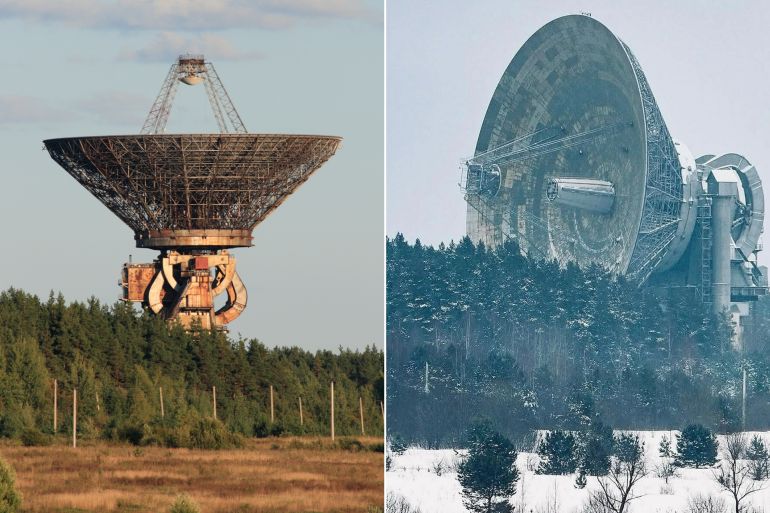
You might ask: How did scientists know this immense structure is rotating? The idea isn’t that someone saw it spinning with their own eyes, but rather that scientists measured the motion of the galaxies and the gas spread between them. They found that galaxies on opposite sides of the filament’s column are moving in opposite directions, a typical signature of a structure rotating around its axis.
Using models of filament dynamics, they deduced a rotational speed of approximately 110 kilometers per second.
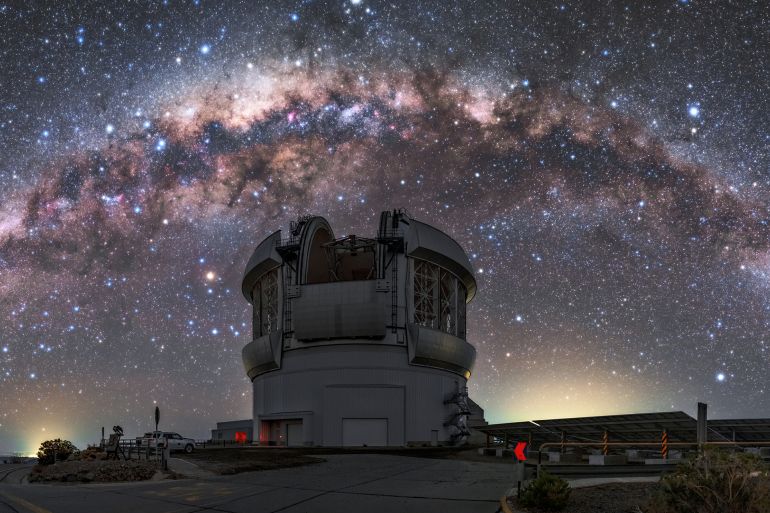
The data came from combining observations from a radio telescope in South Africa to capture the signature of hydrogen—the fuel for star formation—with optical observations from a digital sky survey and a spectroscopic instrument to determine the galaxies, their structure, and their velocities with greater accuracy.
If this discovery is confirmed by searching for more examples of similar filaments in broader surveys, it will push scientists to reconsider many of their theoretical models that explain the structure of the cosmic web. This, in turn, will affect our understanding of the nature of galaxies and dark matter.
Tom
Is there a specific Tom you’re thinking of, or would you like to know more about the name’s origin, famous Toms, or something else?