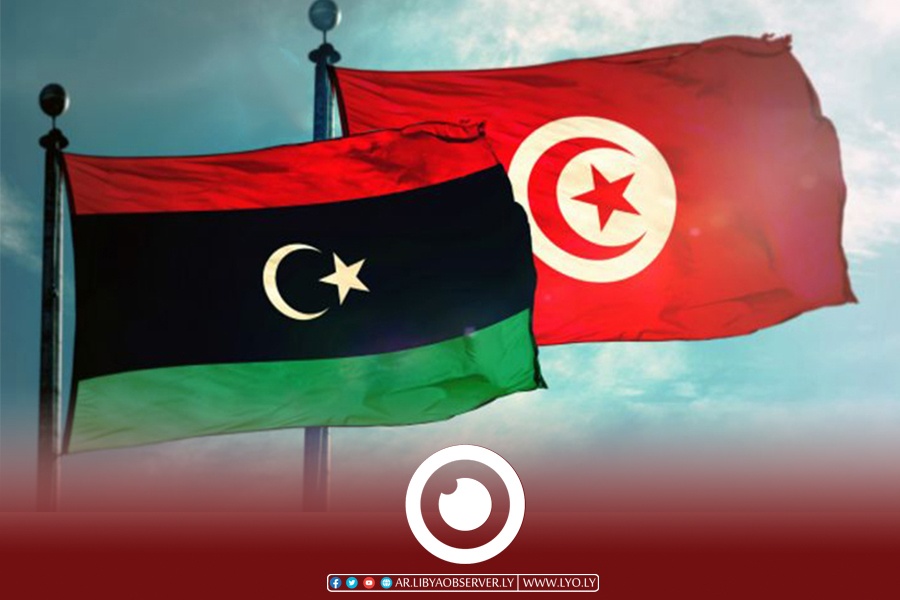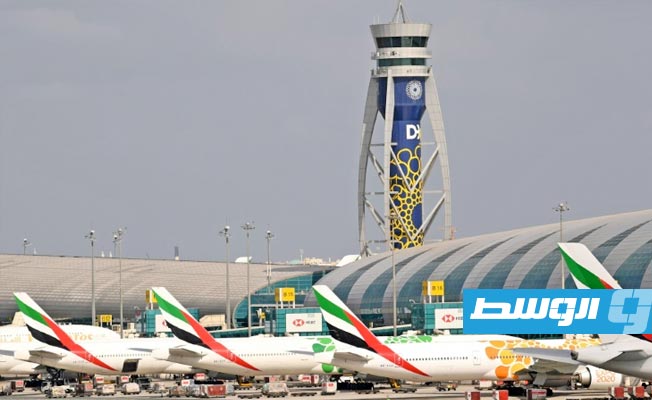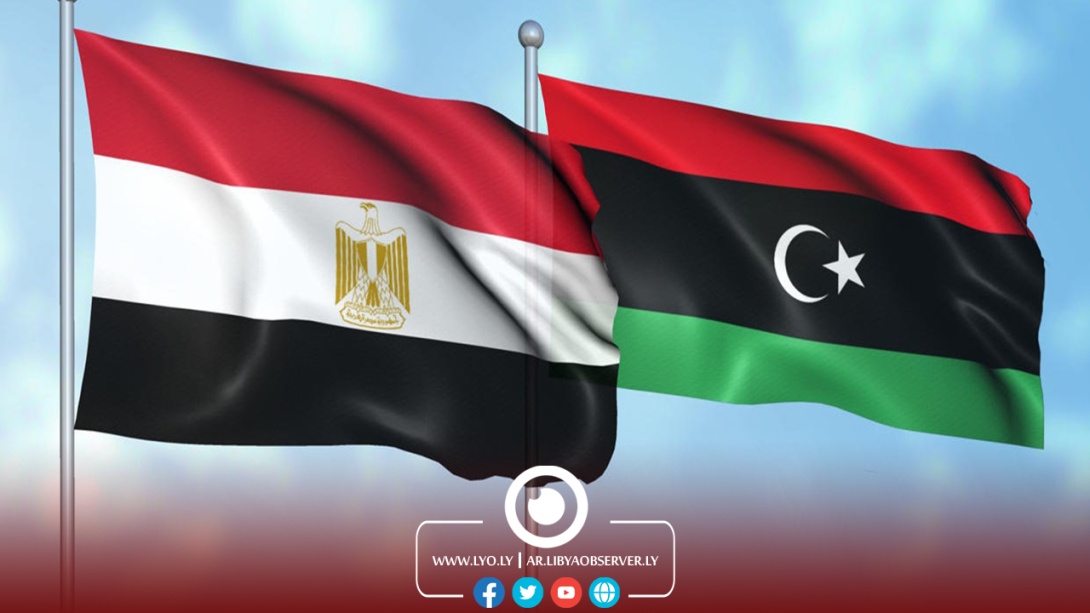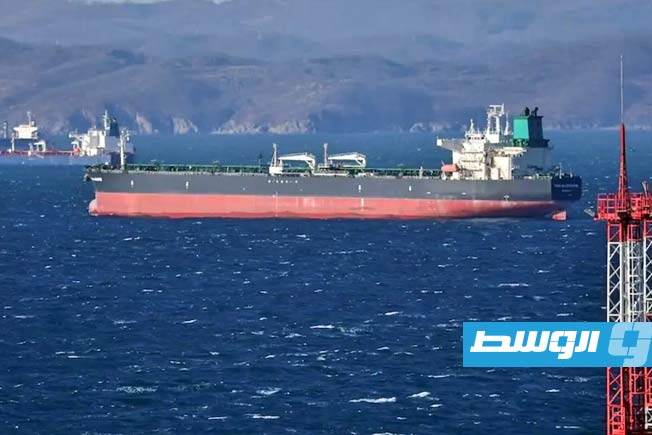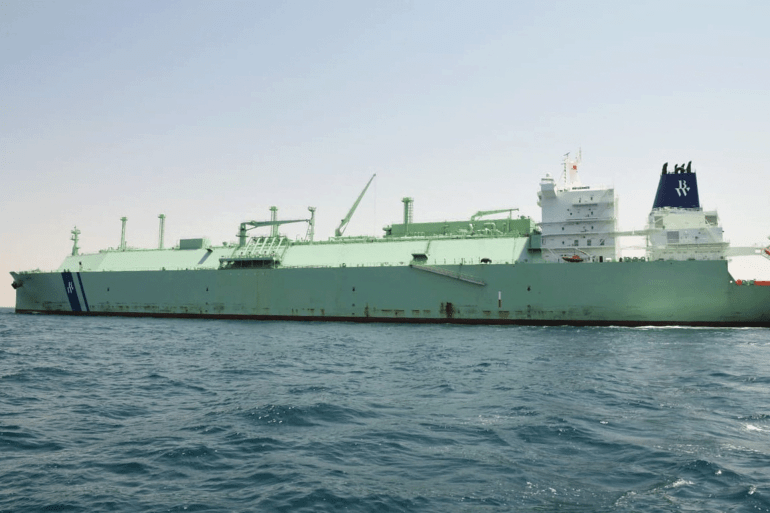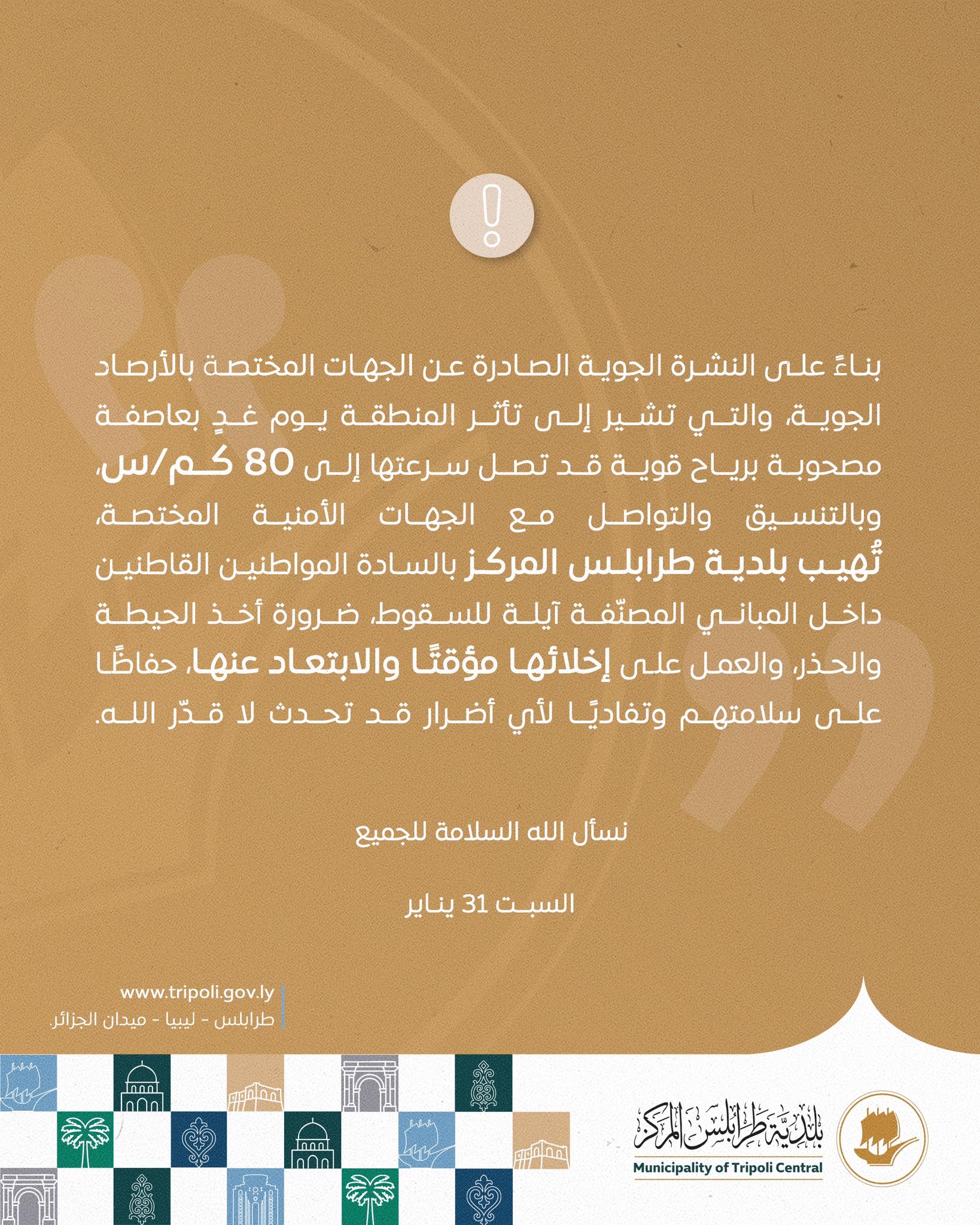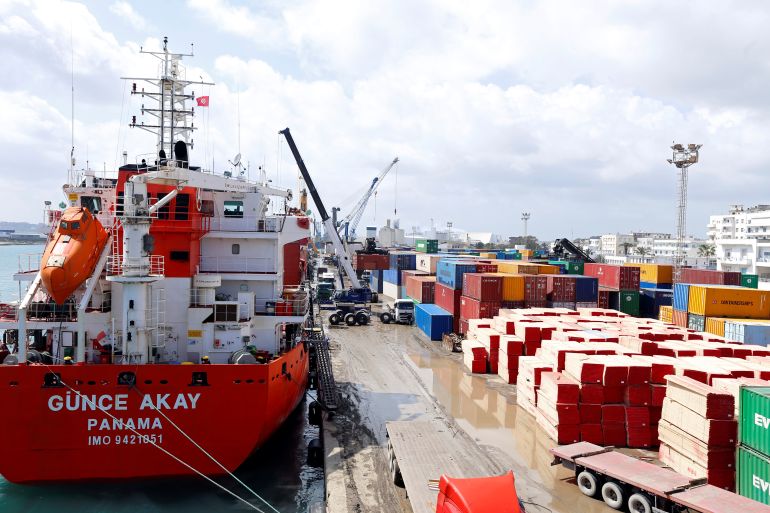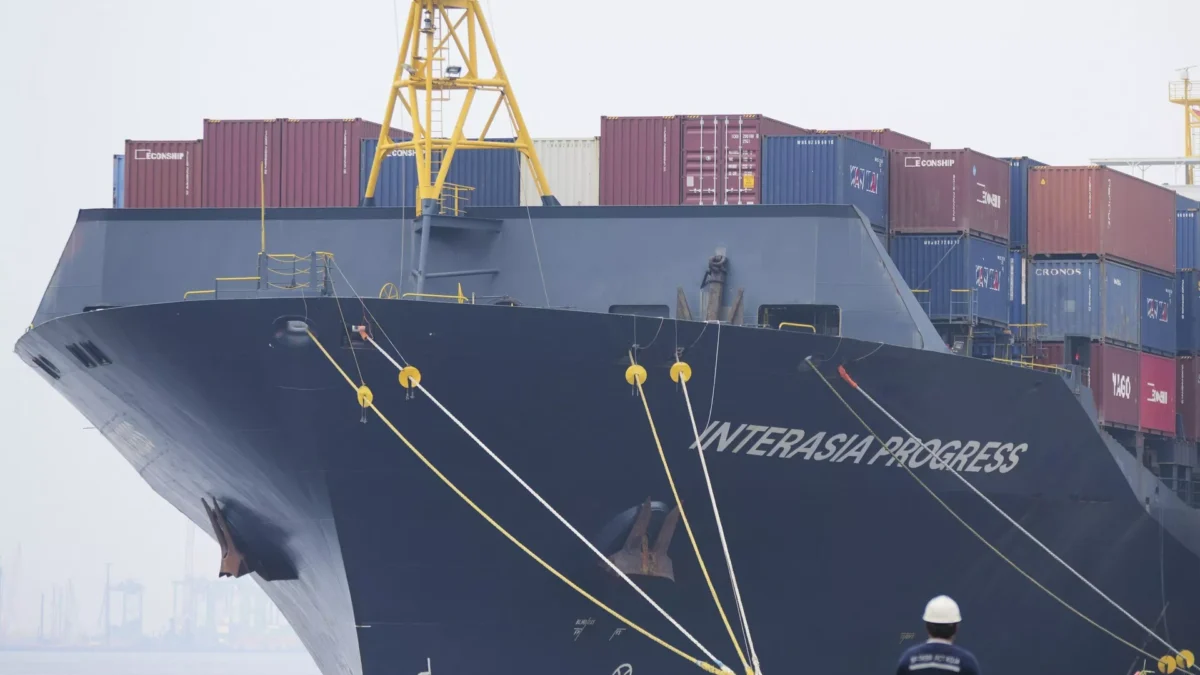
Tunisia and Egypt are studying the establishment of a direct maritime line linking the two countries, alongside enhancing air connectivity, in a step aimed at developing bilateral cooperation in the transport and logistics sector, which would support trade and stimulate economic and tourist activity.
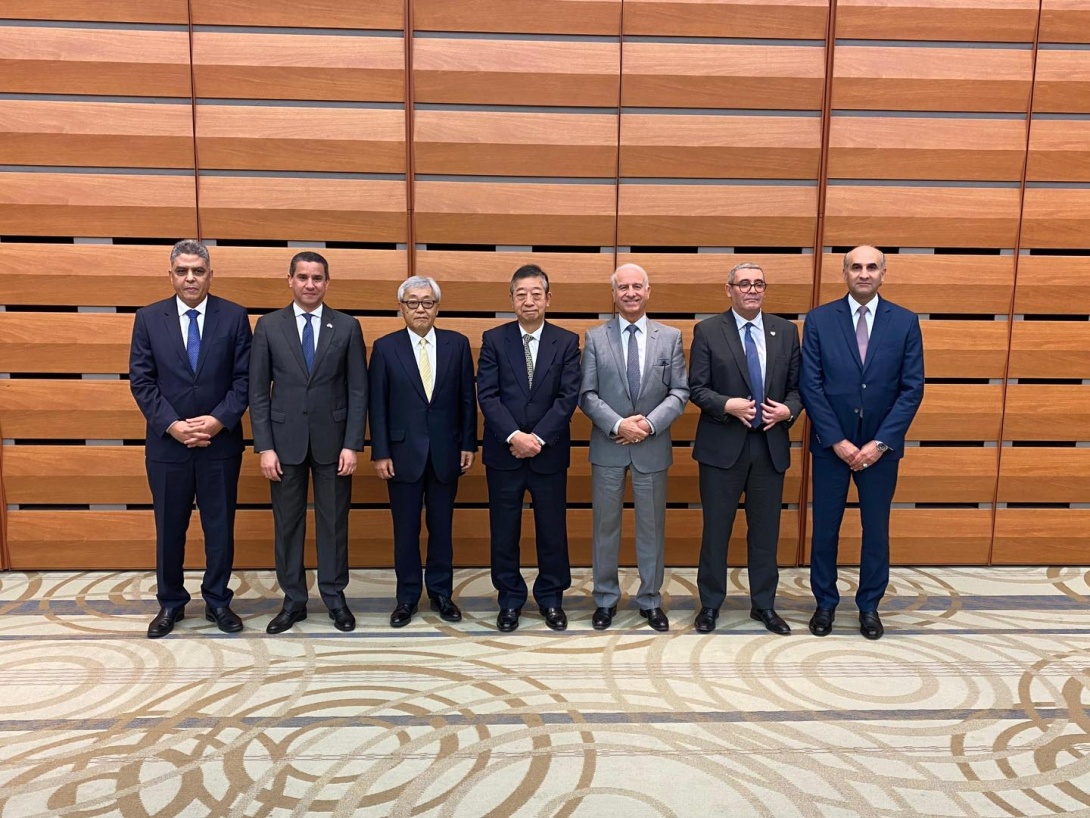
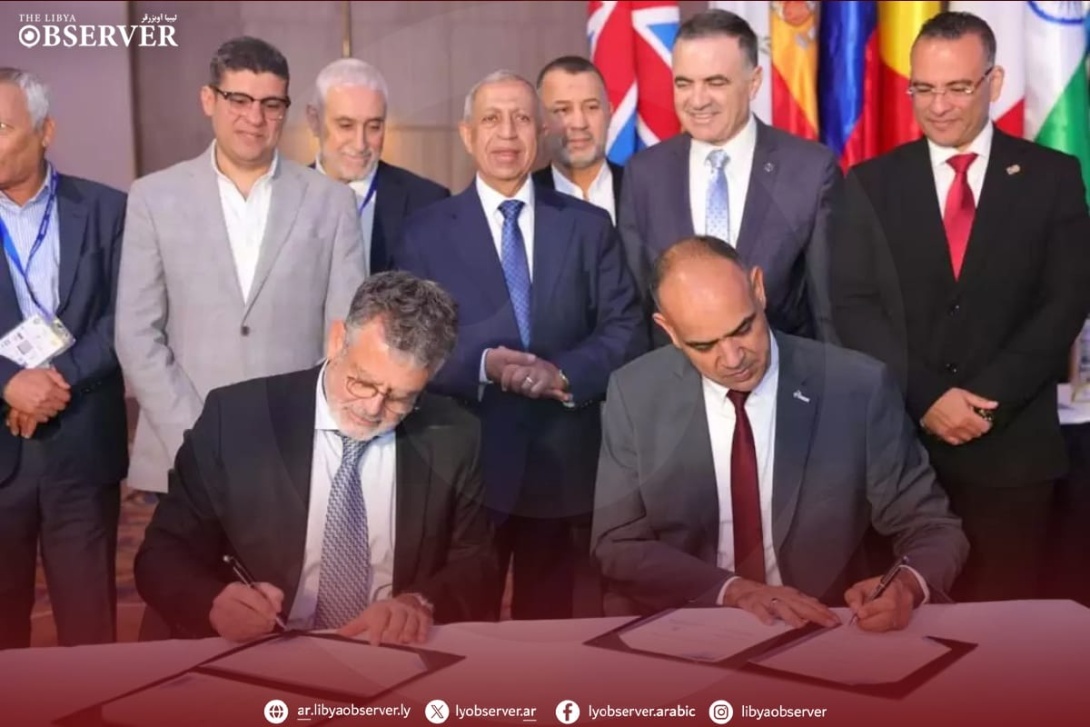
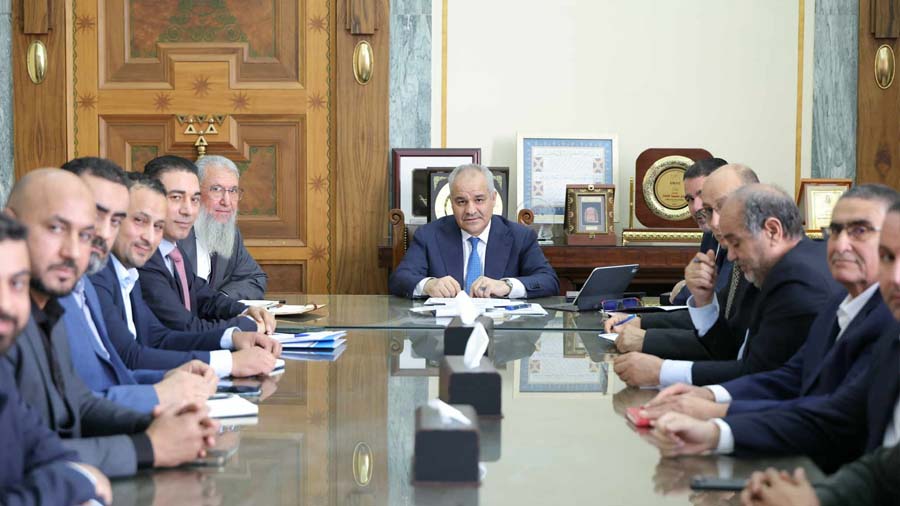
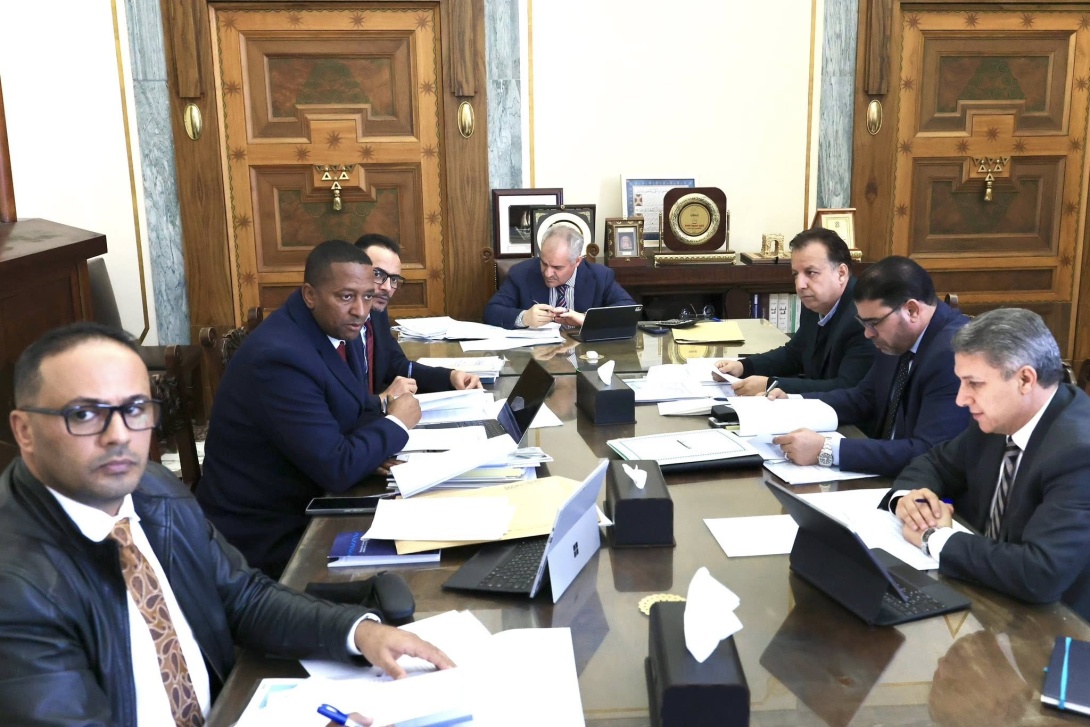
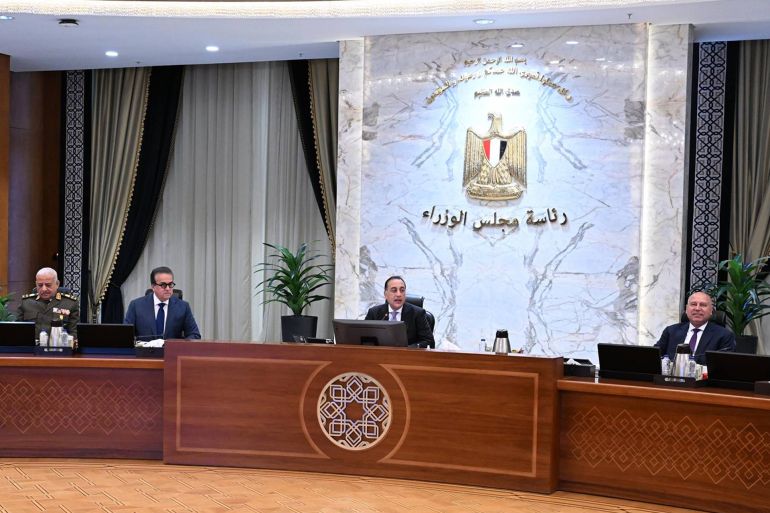
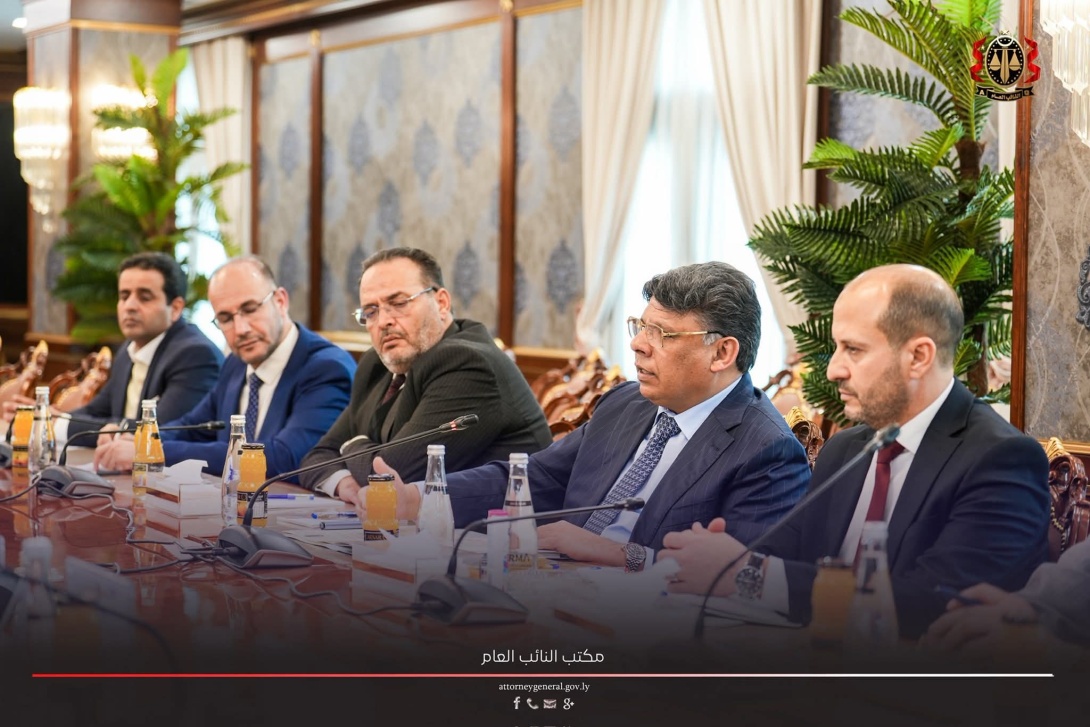
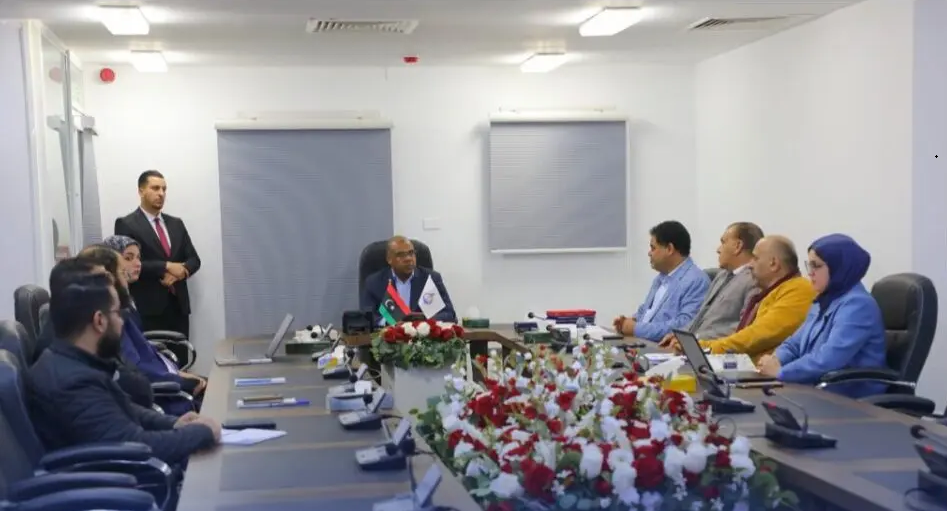
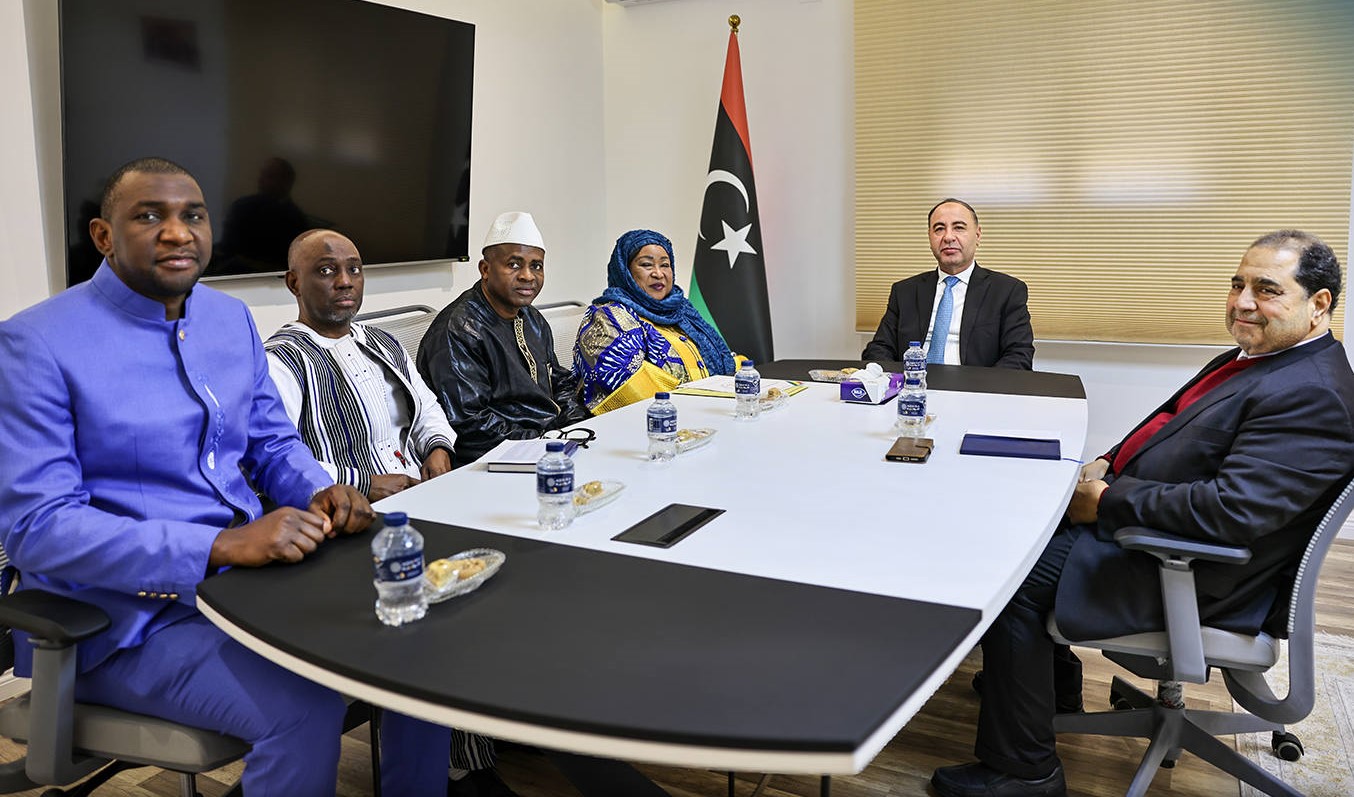
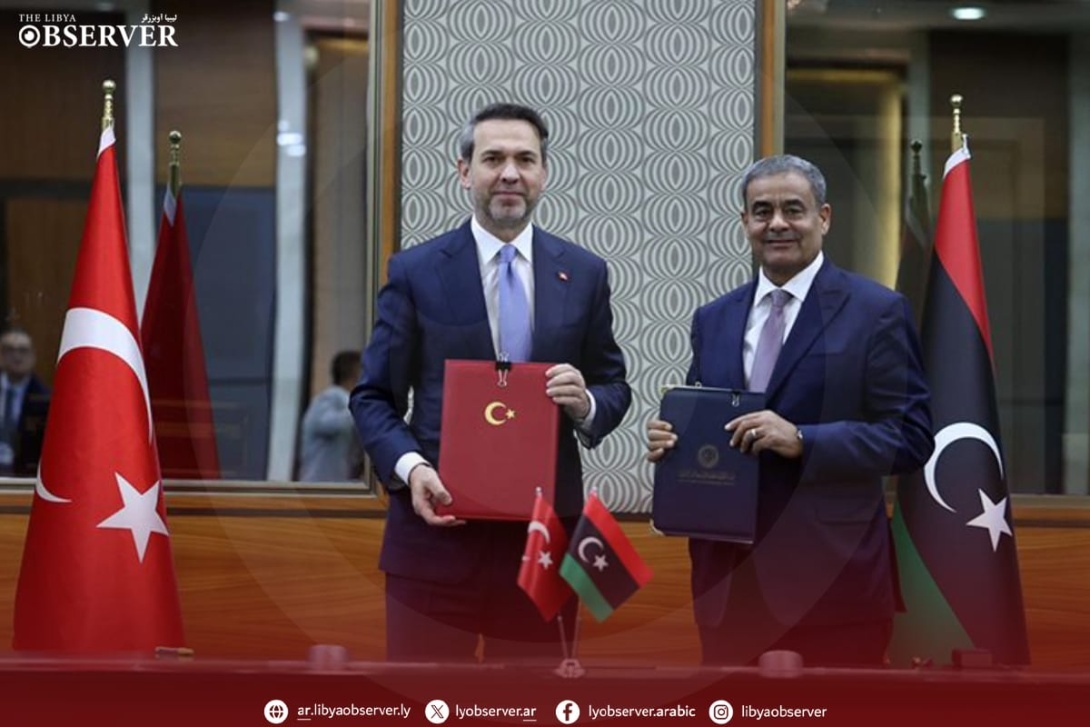
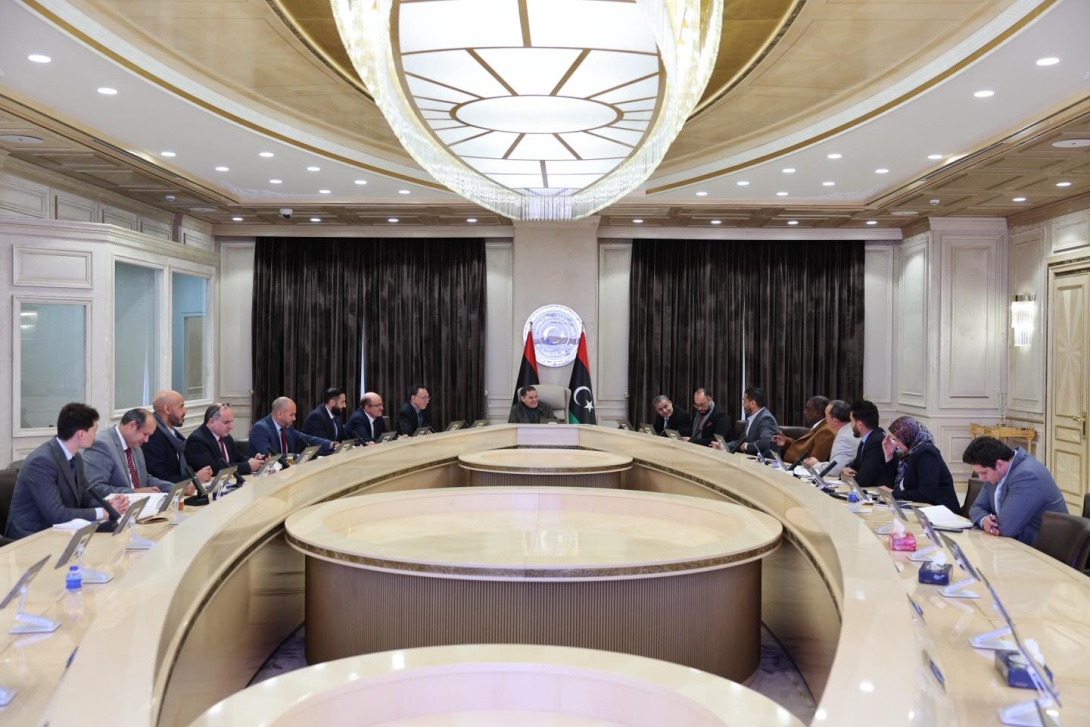
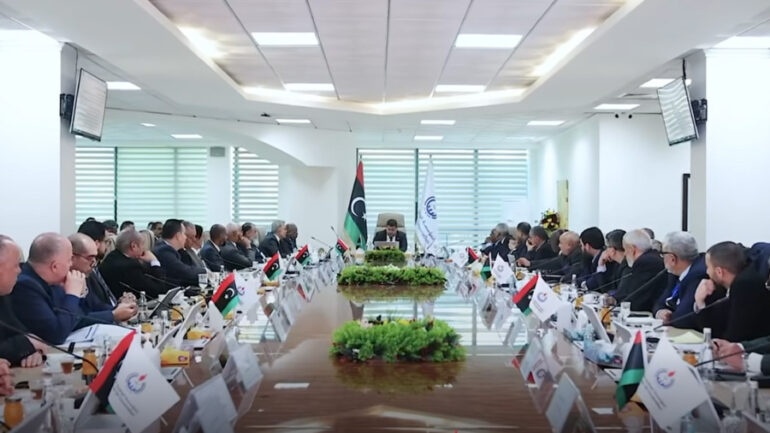
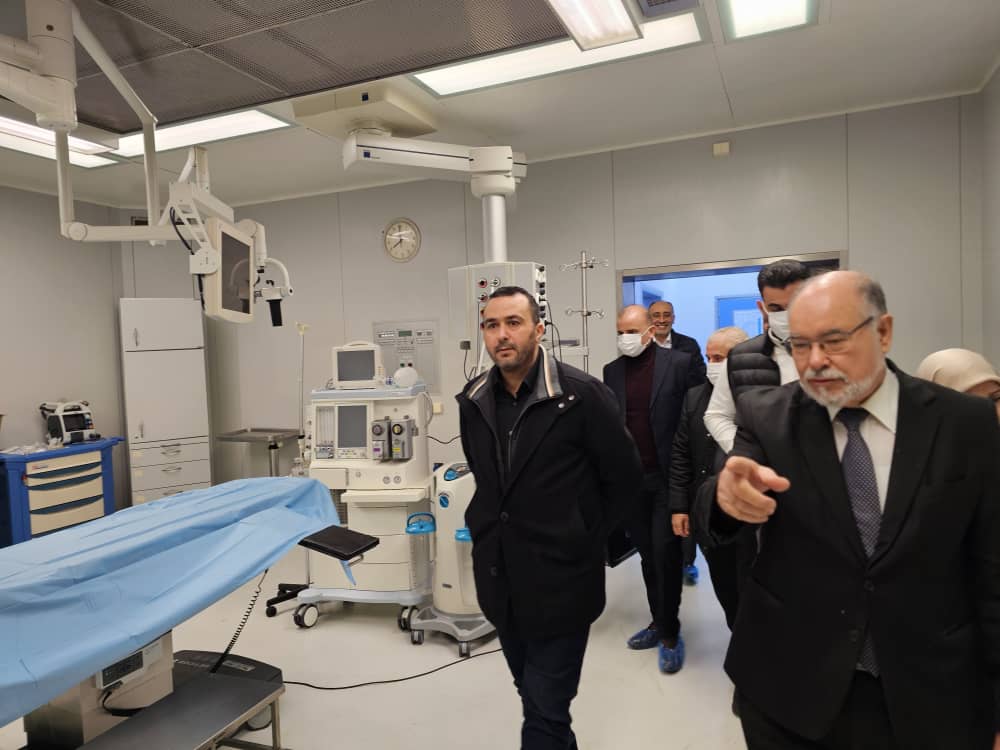
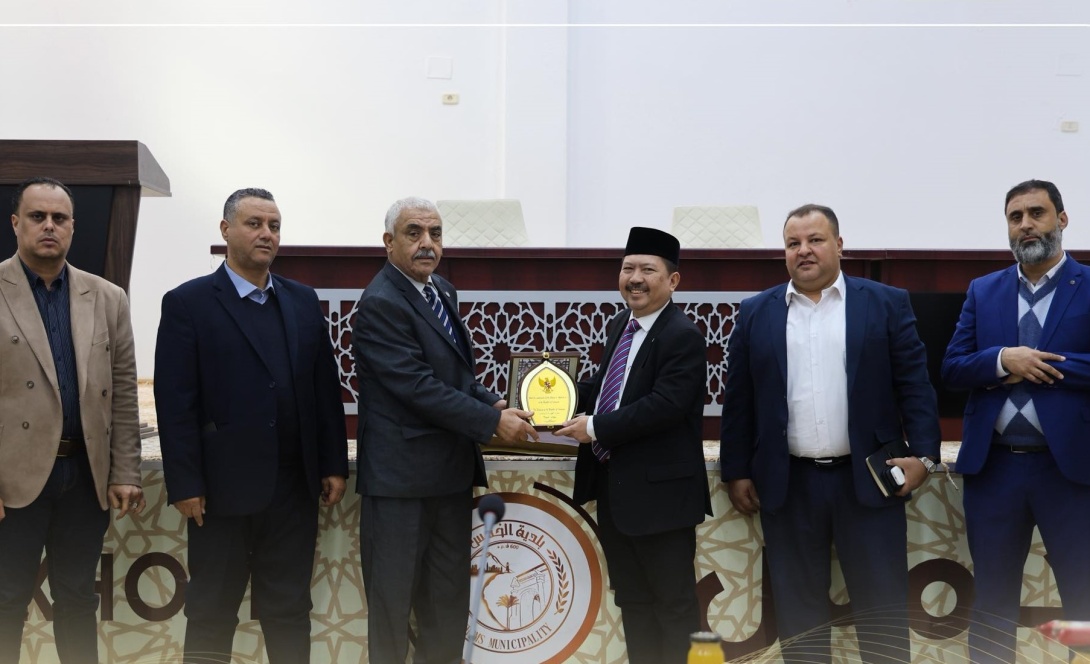
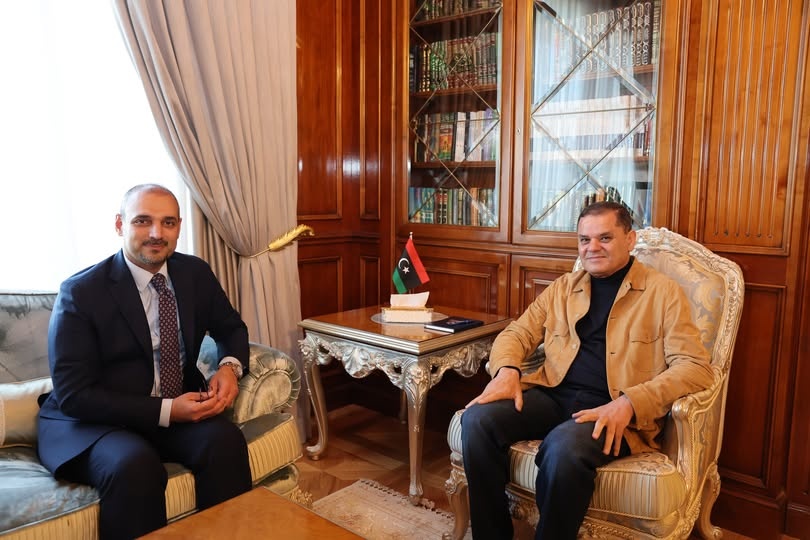
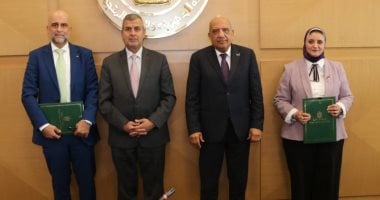
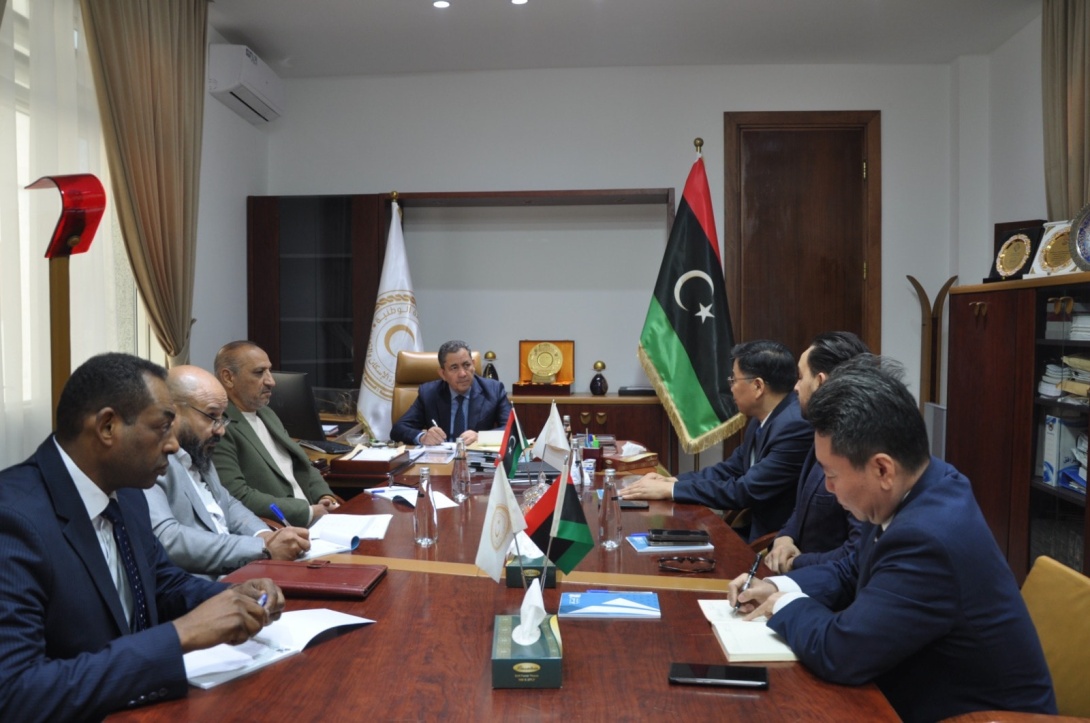
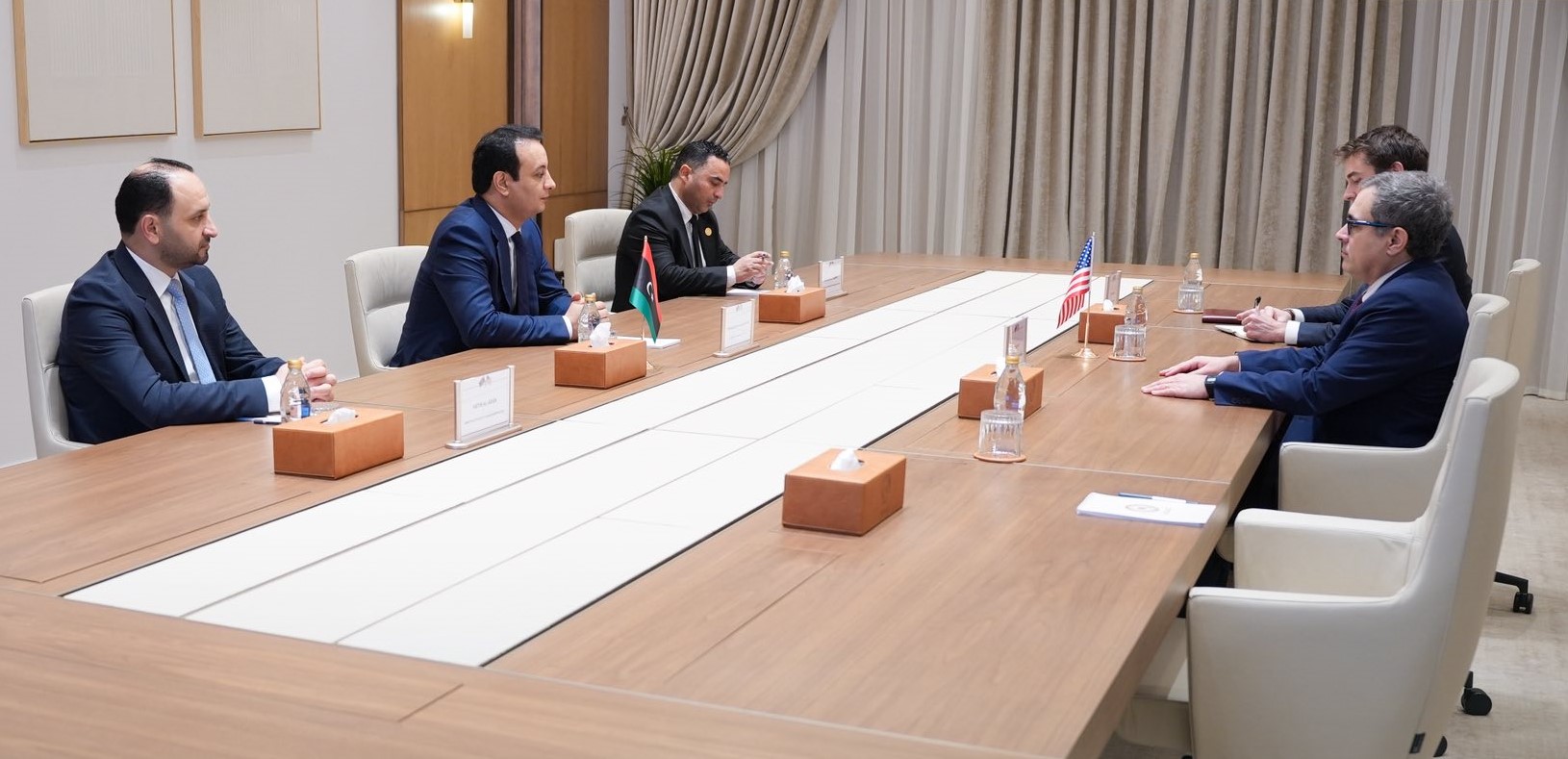
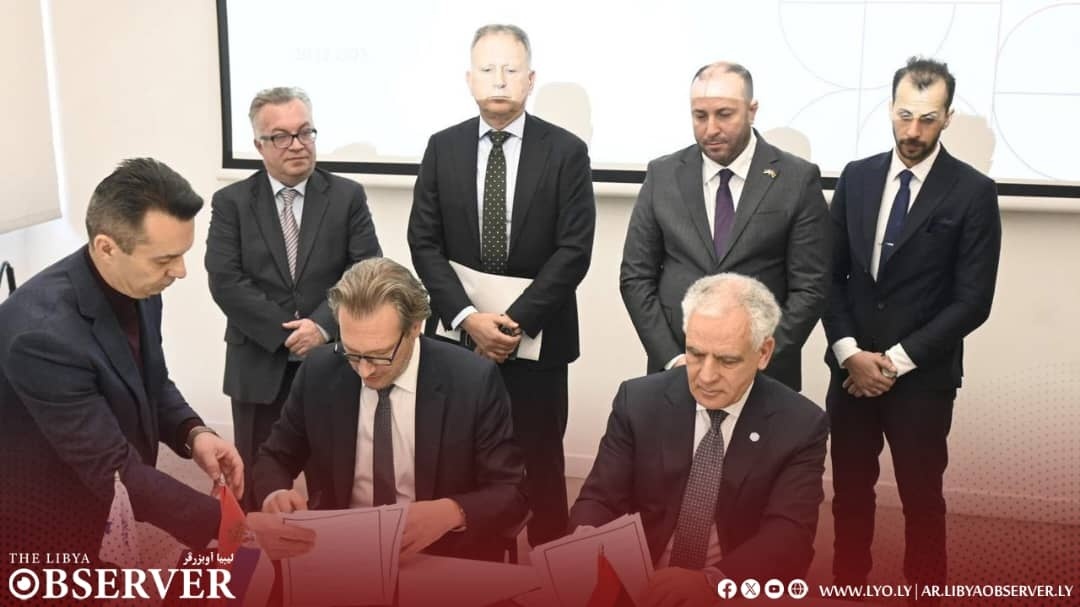
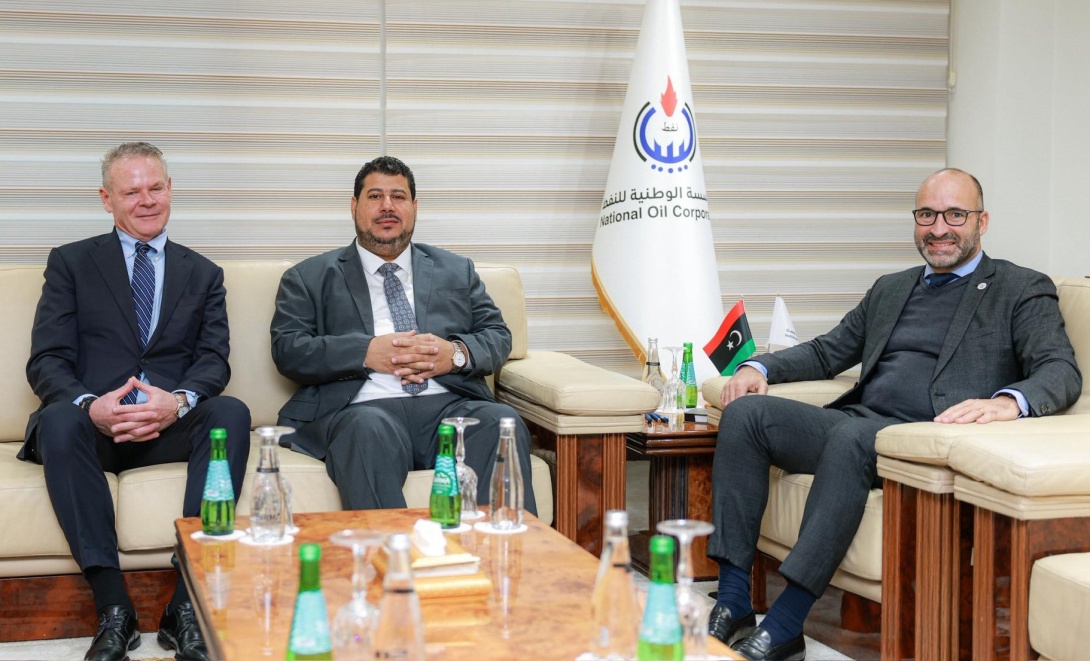
This follows a meeting held at the beginning of this week, where emphasis was placed on accelerating the implementation of bilateral transport agreements and activating them across all modes, including air, sea, and logistics transport.
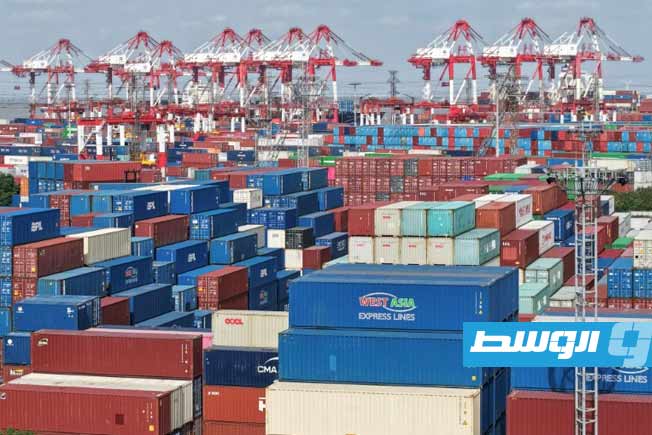
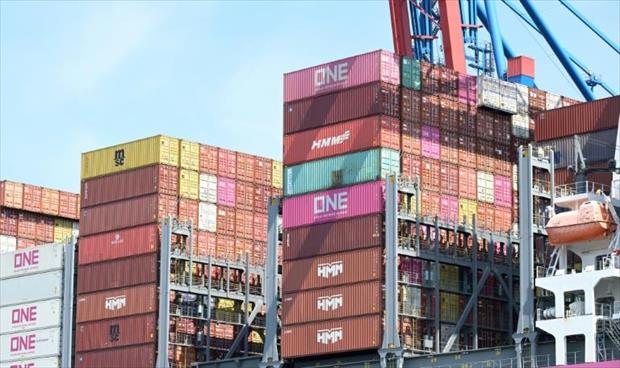
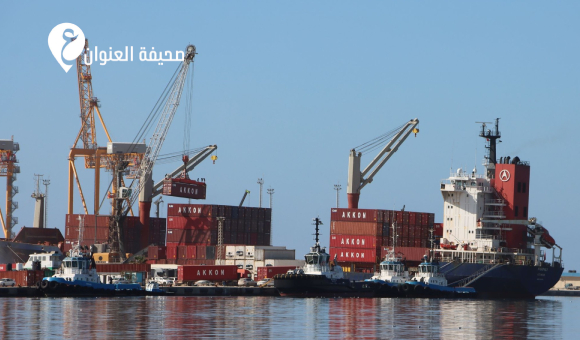
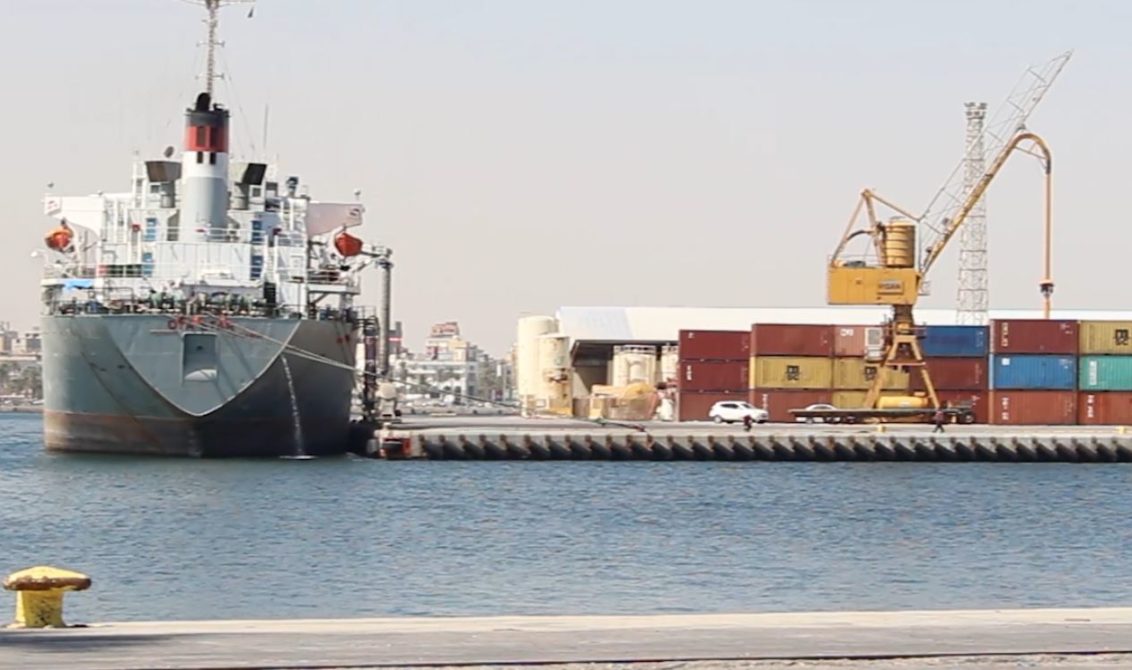
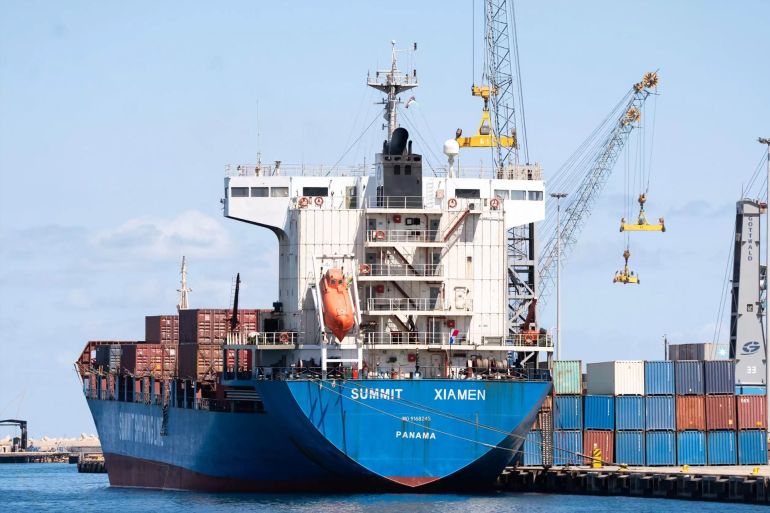
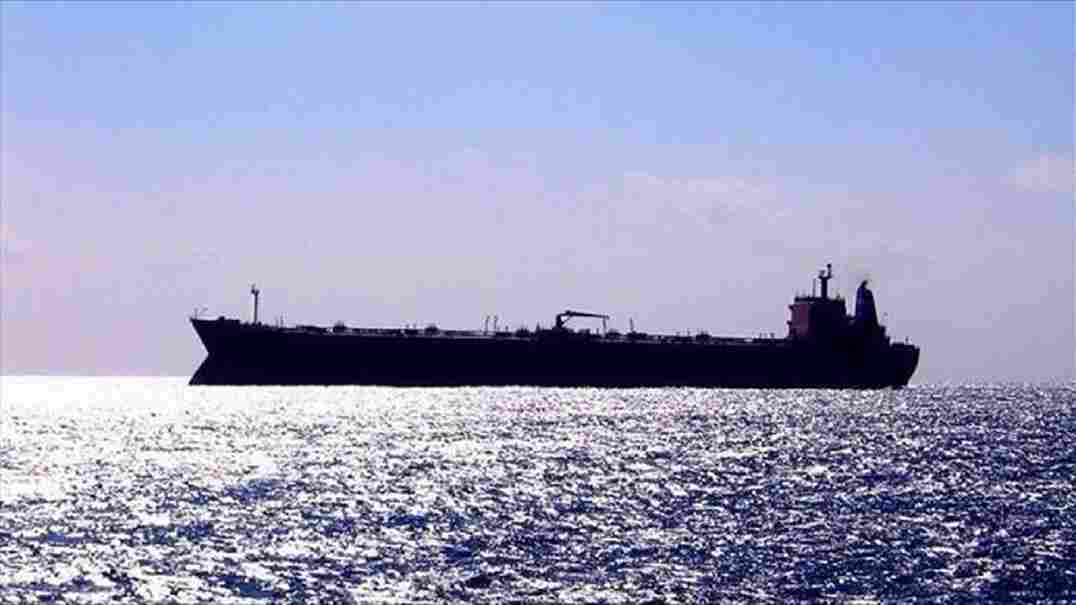
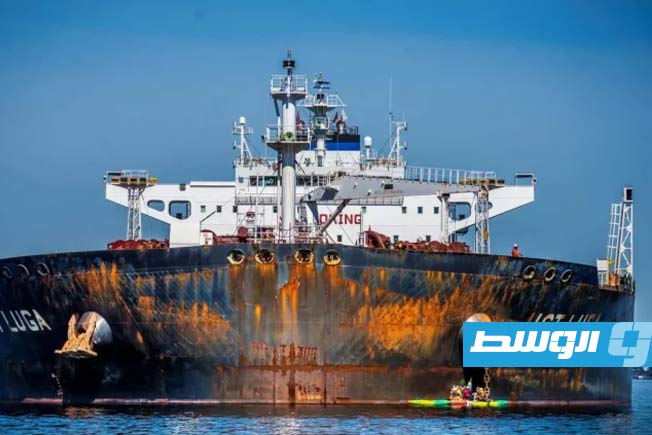
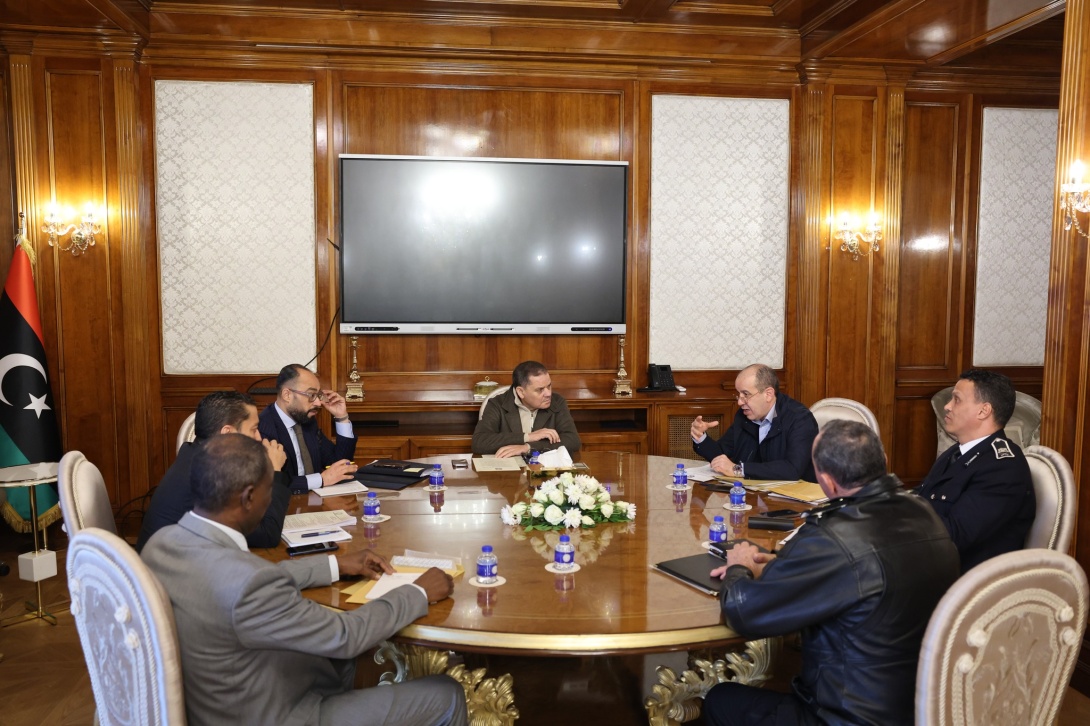
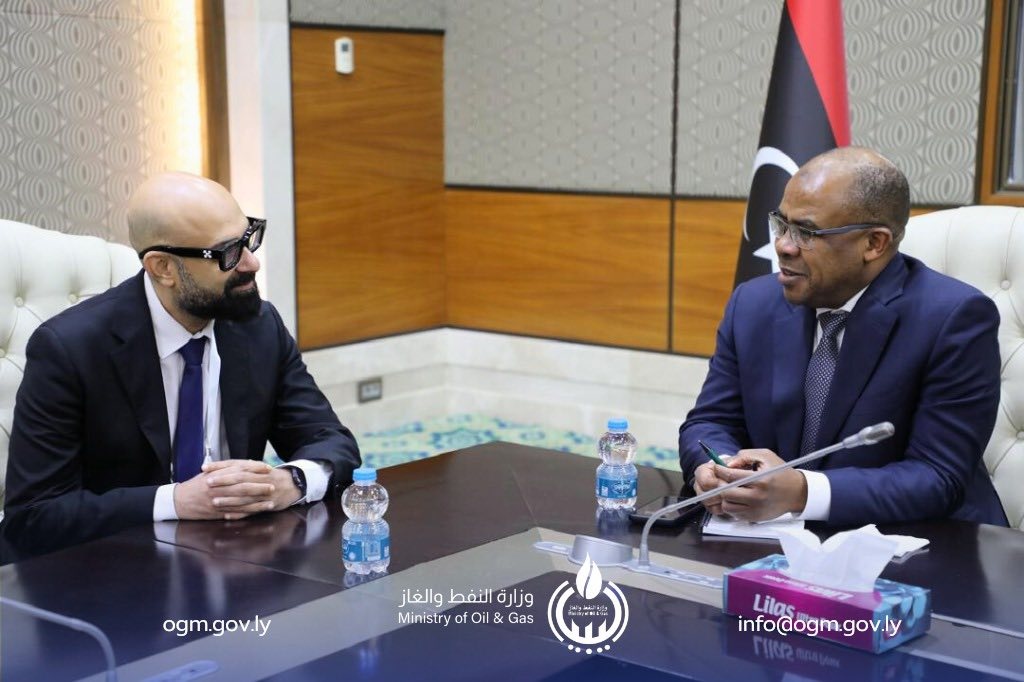
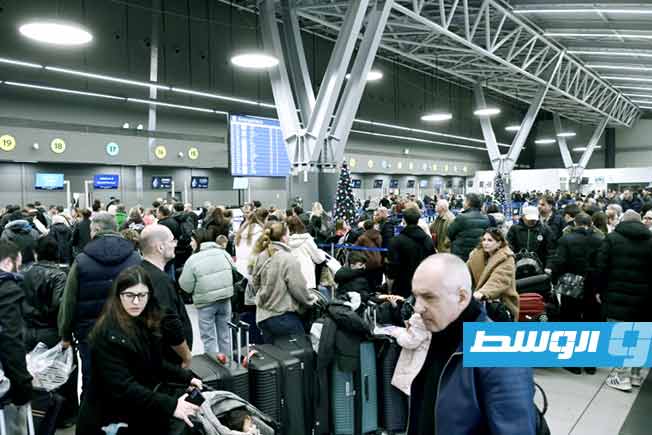
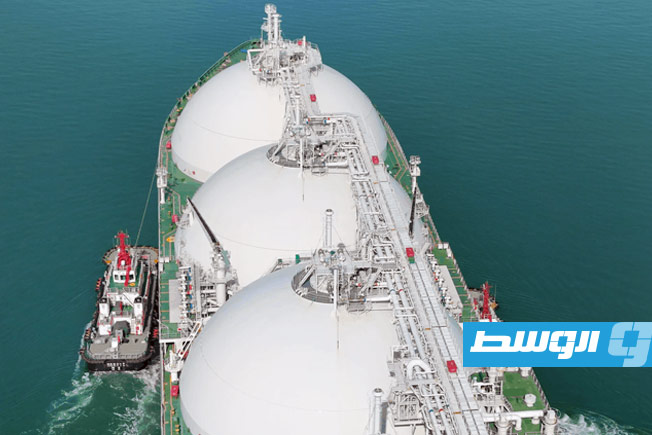
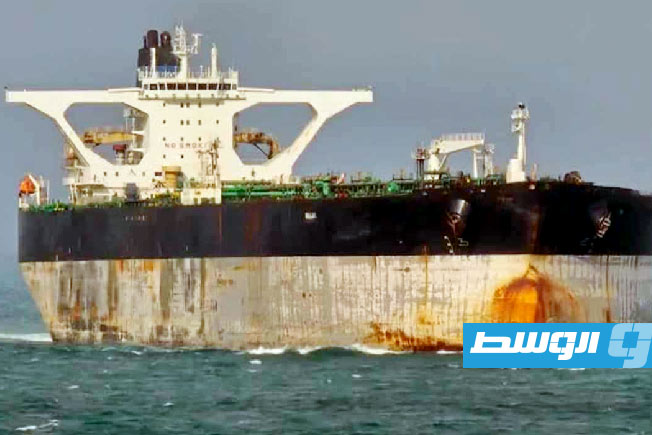
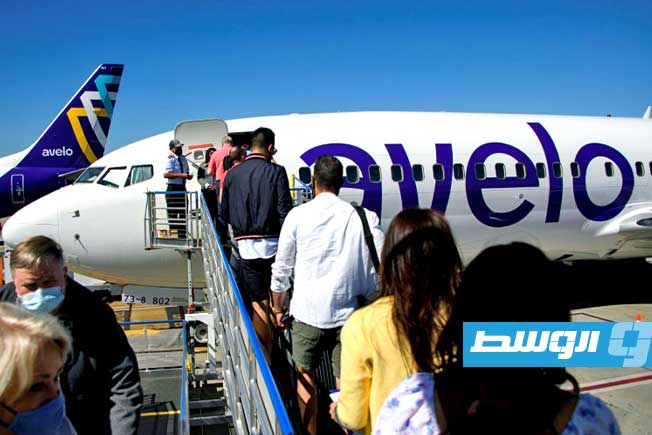
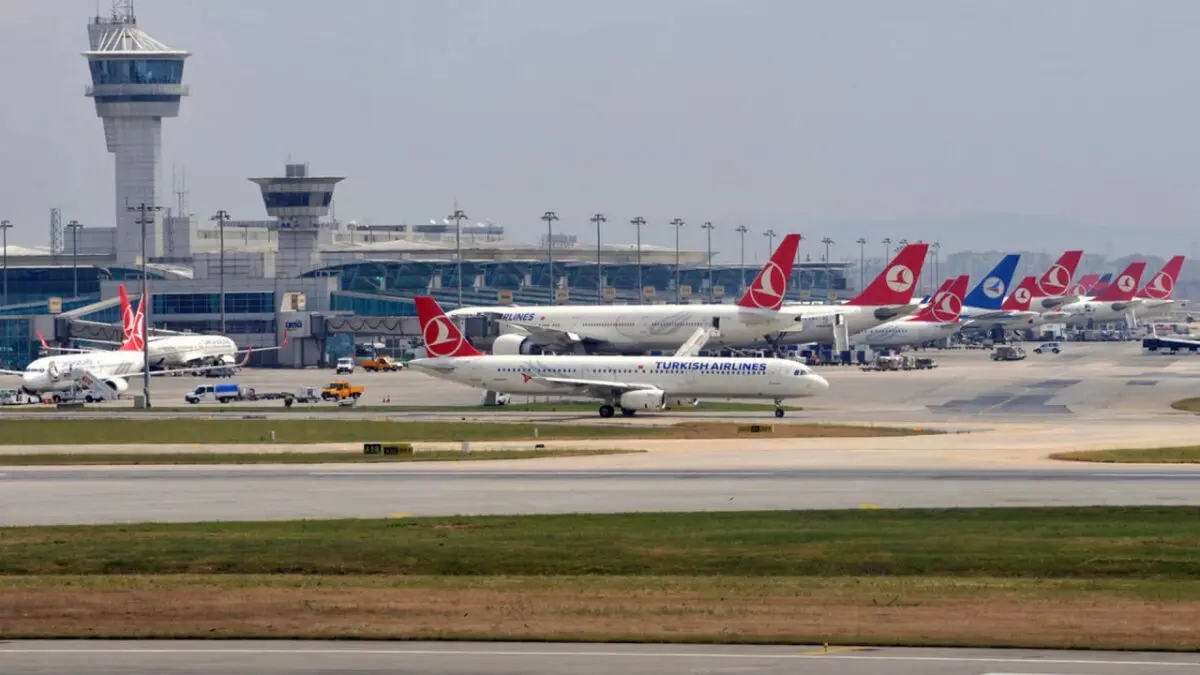
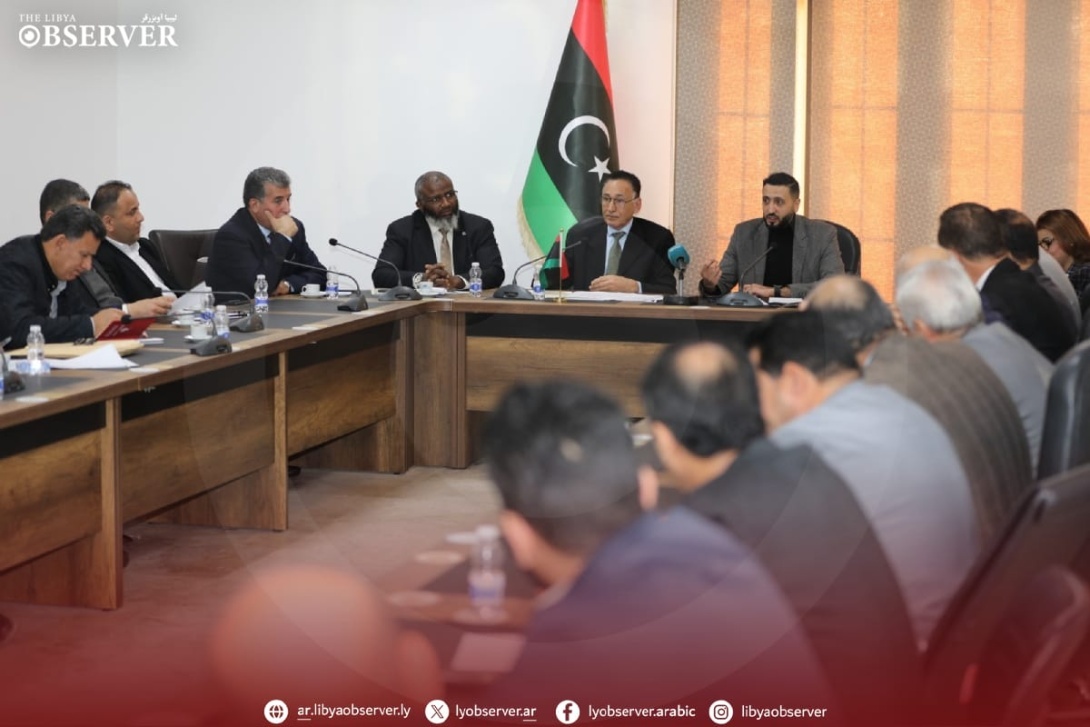
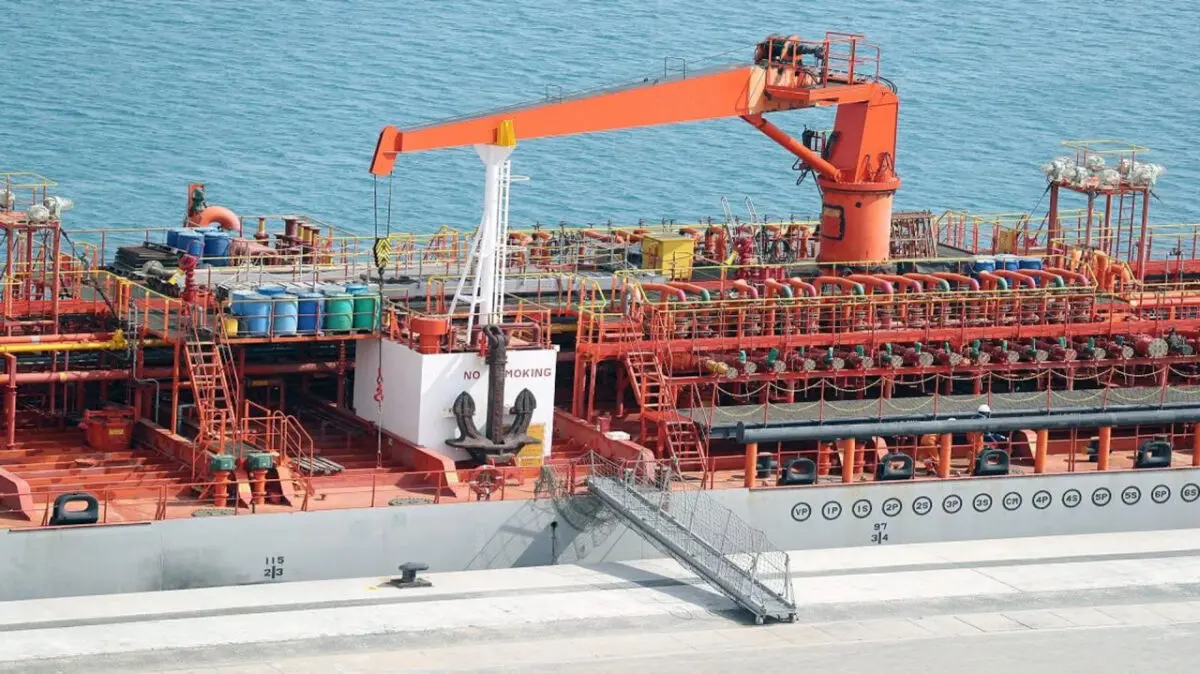
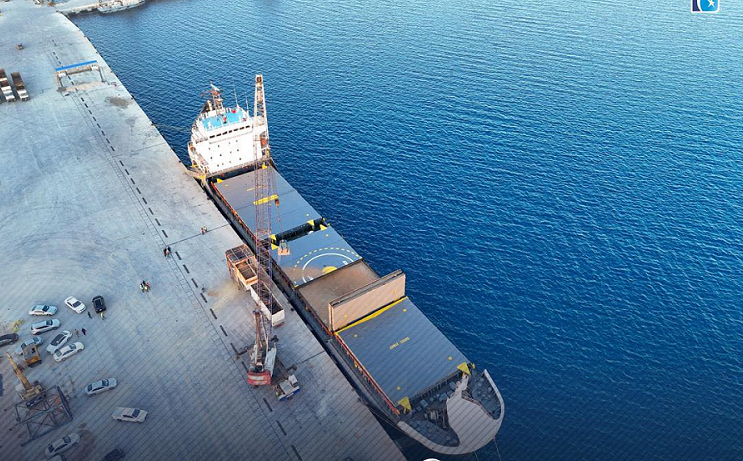
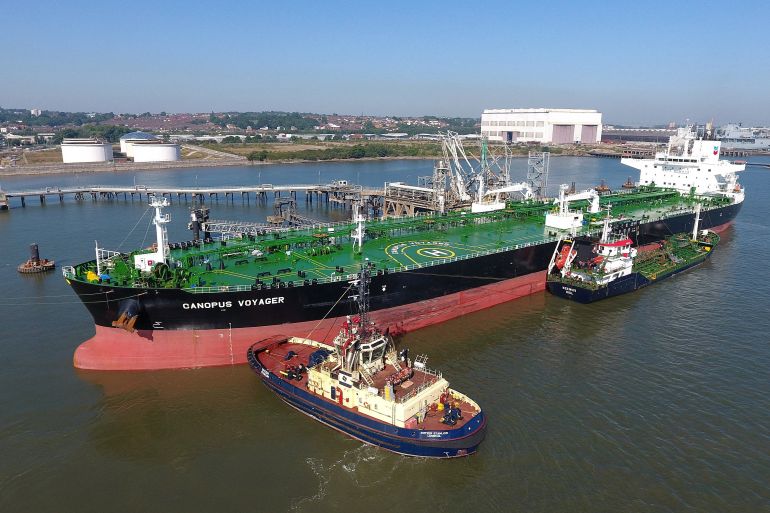
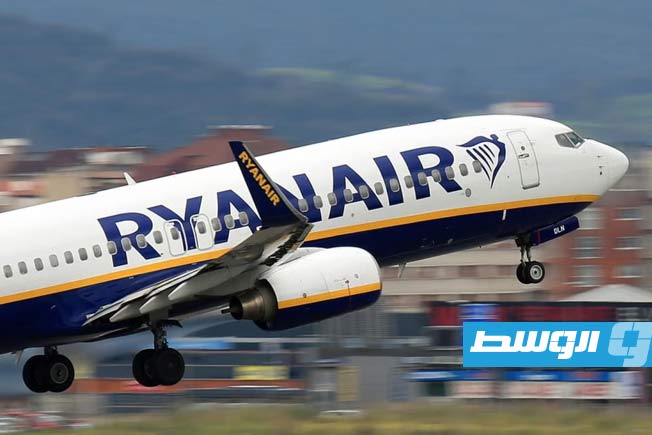
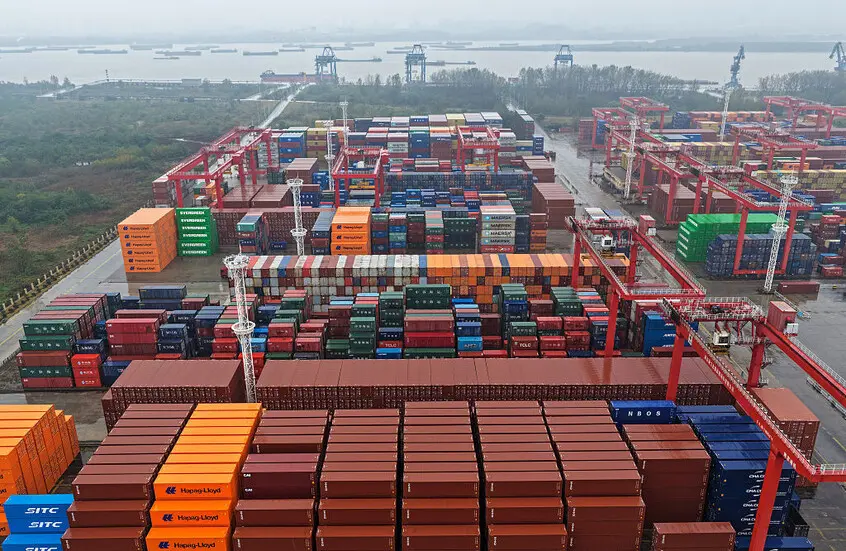
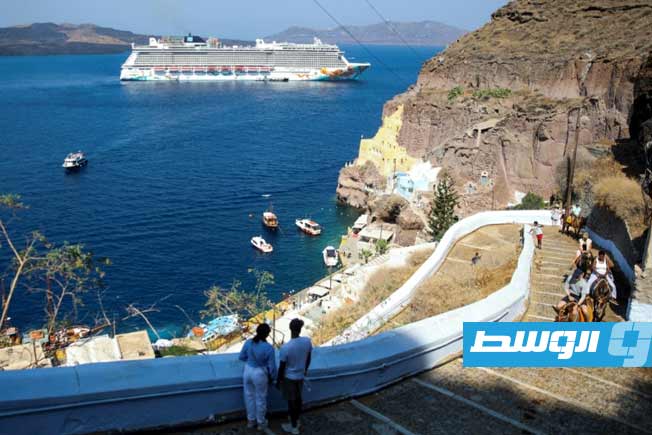
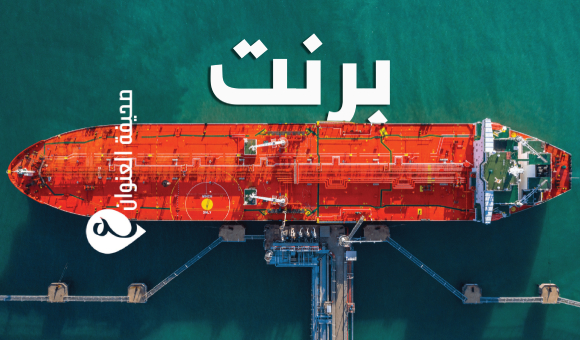
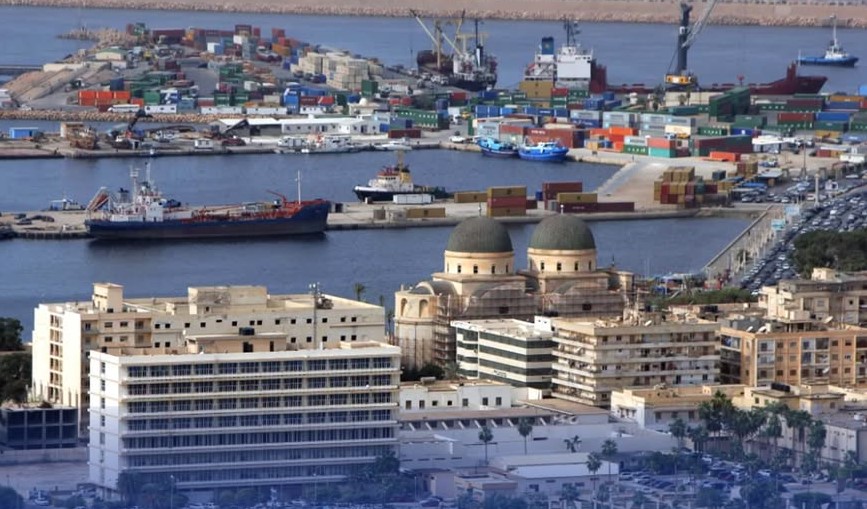
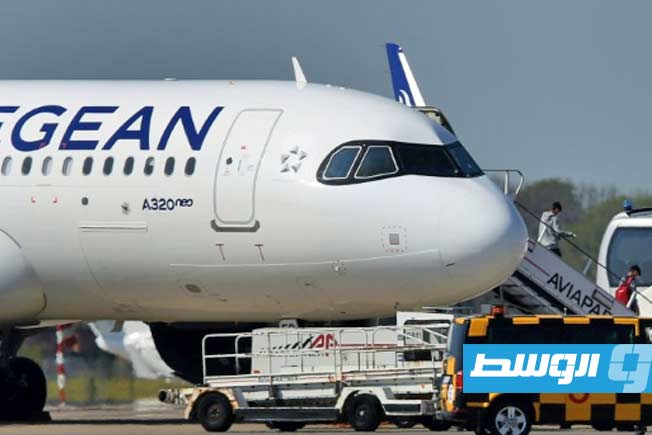
During the meeting, both sides stressed the importance of enhancing connectivity between Tunisian and Egyptian airports, alongside studying the feasibility of establishing a maritime line to facilitate the movement of goods and passengers, serving mutual interests, according to an official statement.
The meeting also discussed ways to enhance cooperation in the transport sector and activate relevant bilateral partnership programs, contributing to elevating the historical and distinguished relations between Tunisia and Egypt.
It was expressed that there is a keen interest in expanding areas of bilateral cooperation, confirming a desire to contribute to the implementation of major projects in Tunisia’s transport sector, reflecting an orientation towards strengthening regional economic partnerships.
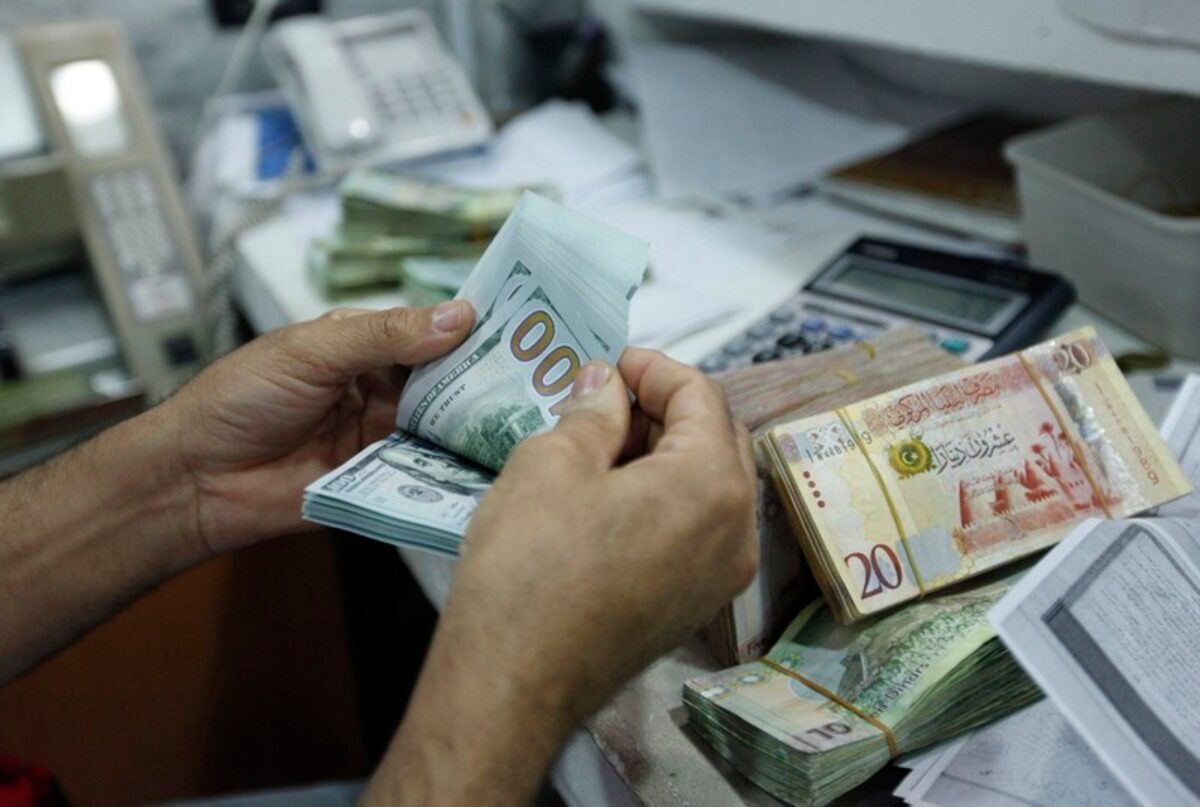
According to official data, the volume of trade exchange between Tunisia and Egypt reached approximately $418 million in 2024, with aspirations to raise it to $1 billion over the next three years, supported by improved transport networks and facilitated movement of goods and people.
Observers believe that developing maritime and air connectivity between the two countries could form a new lever for economic and tourist integration in North Africa, increasing opportunities for investment and trade exchange between the two shores.
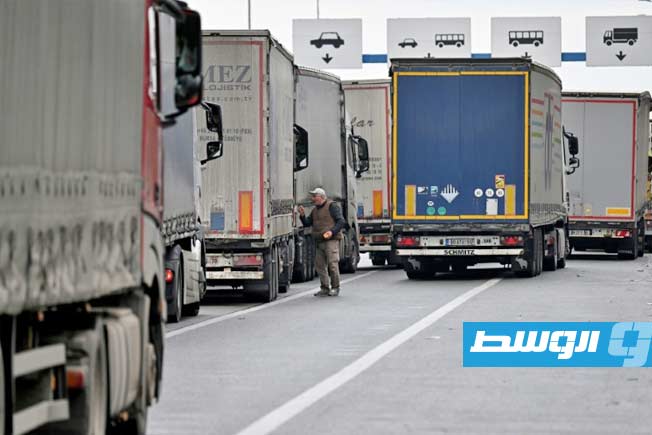
In recent years, Tunisia and Egypt have sought to enhance economic and commercial cooperation amid increasing regional and international challenges, which require improving logistical connectivity and facilitating the movement of goods and people. The transport sector is viewed as one of the main obstacles to the growth of trade exchanges, despite agreements allowing the flow of goods without customs duties.
Both sides hope that establishing a direct maritime line and enhancing flights will contribute to lowering logistical costs and opening new horizons for investment and tourist cooperation, within the framework of broader efforts to promote regional integration and connect African and Mediterranean markets through more effective transport networks.