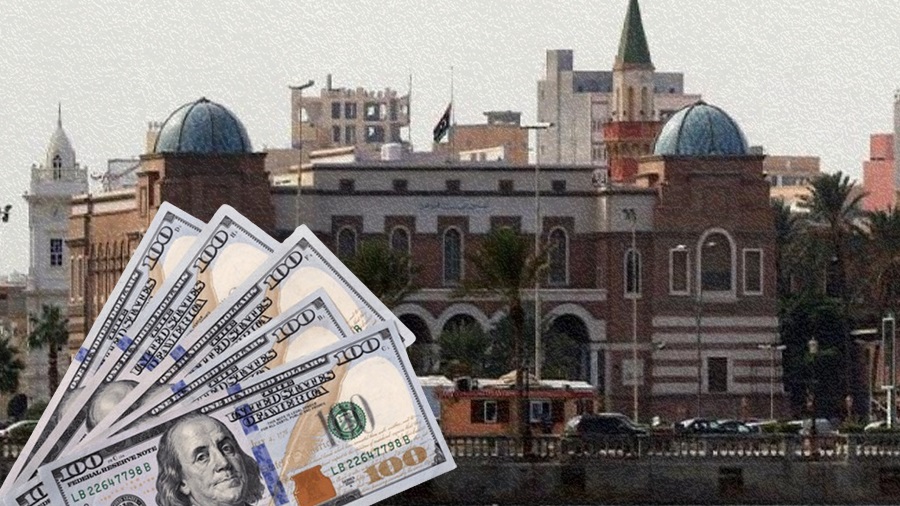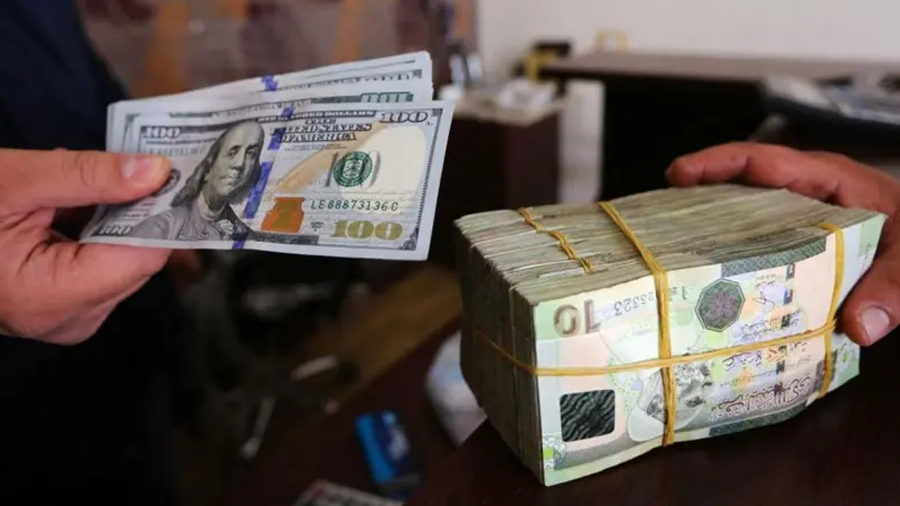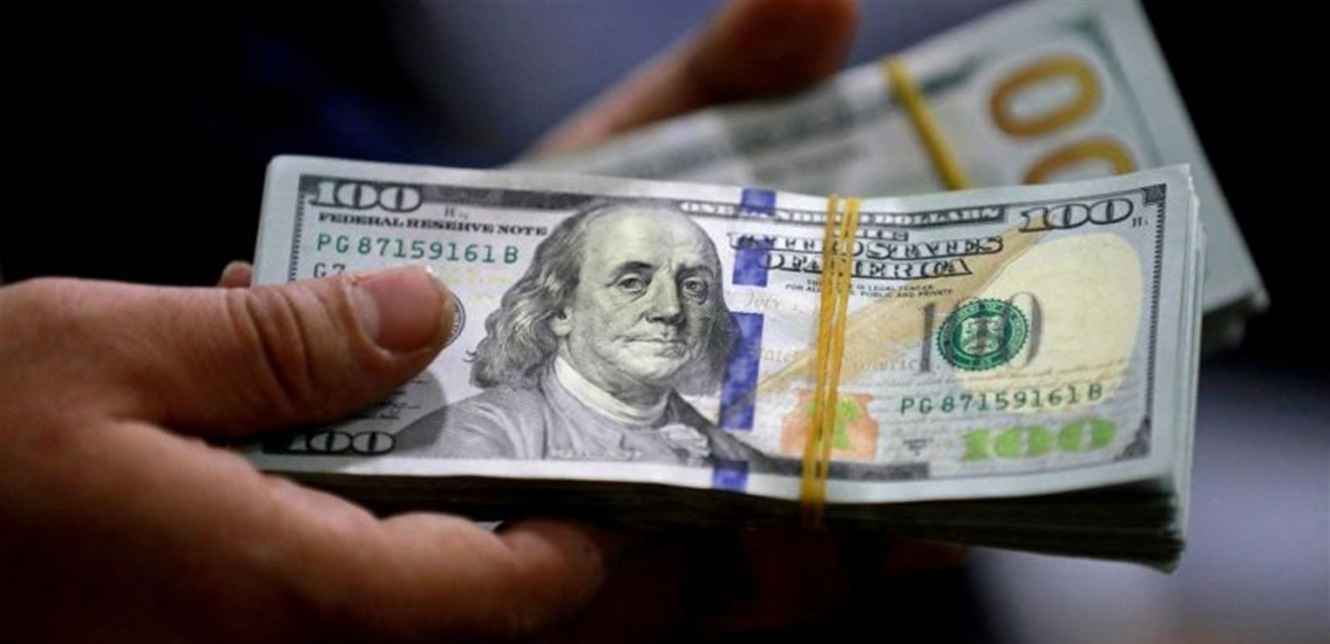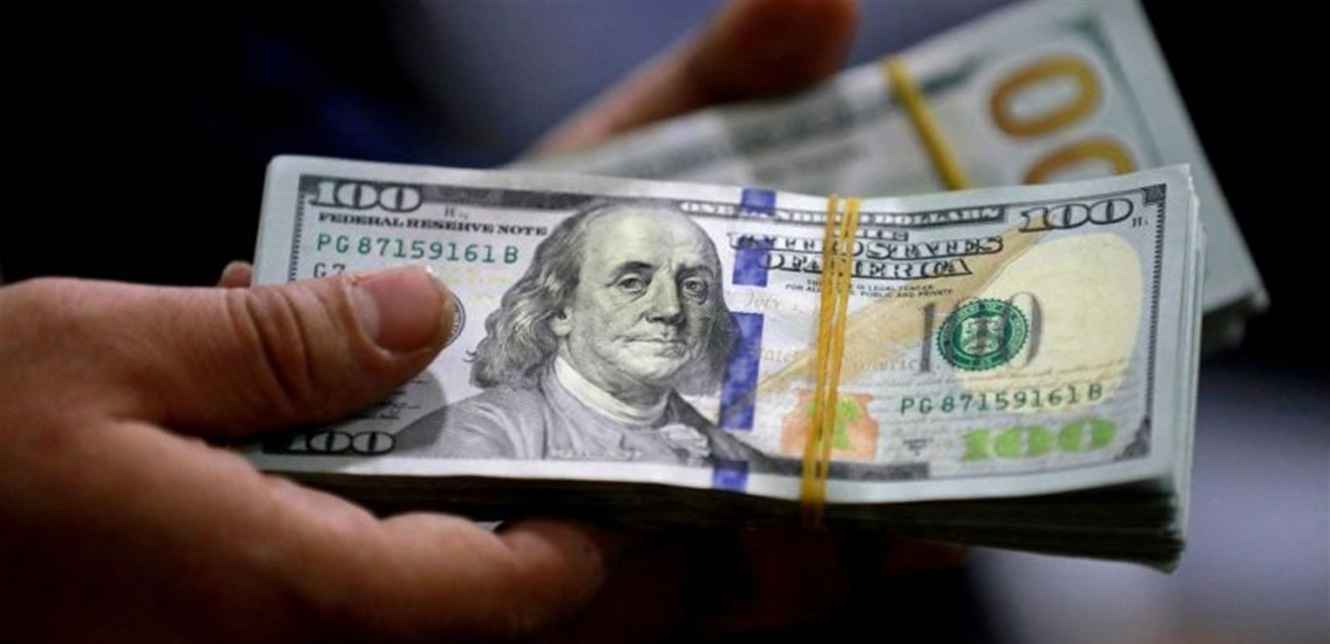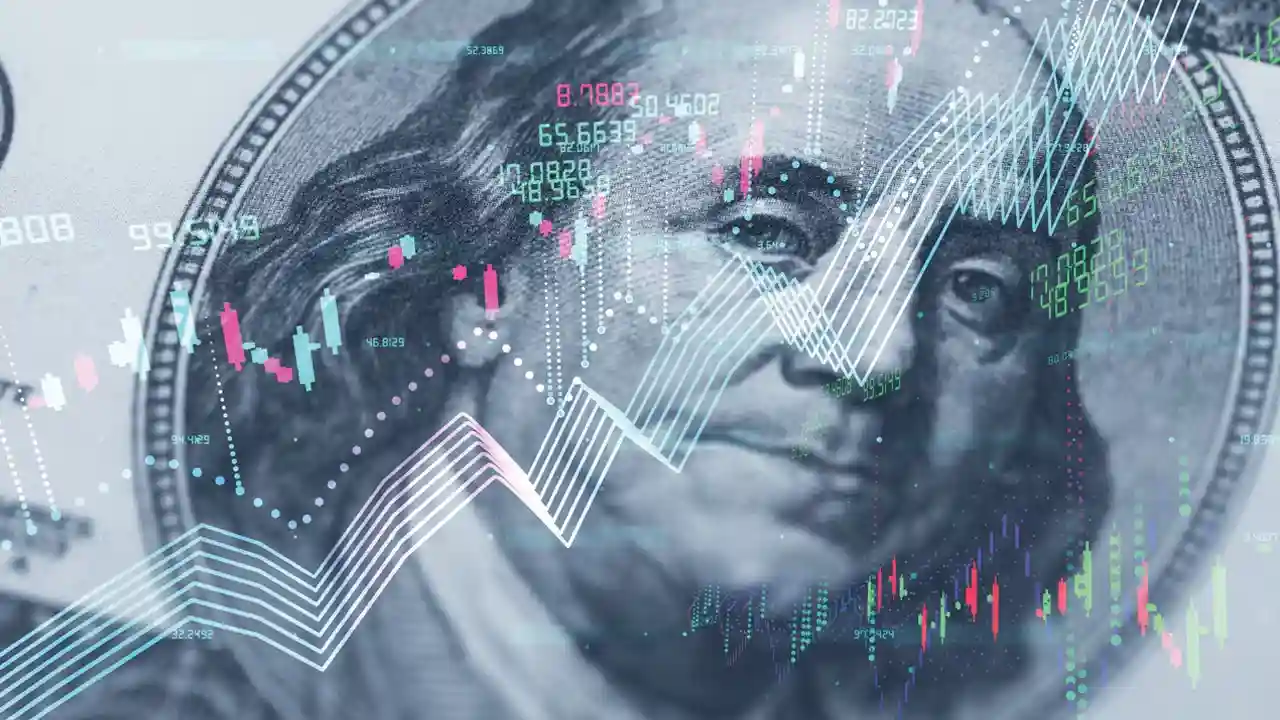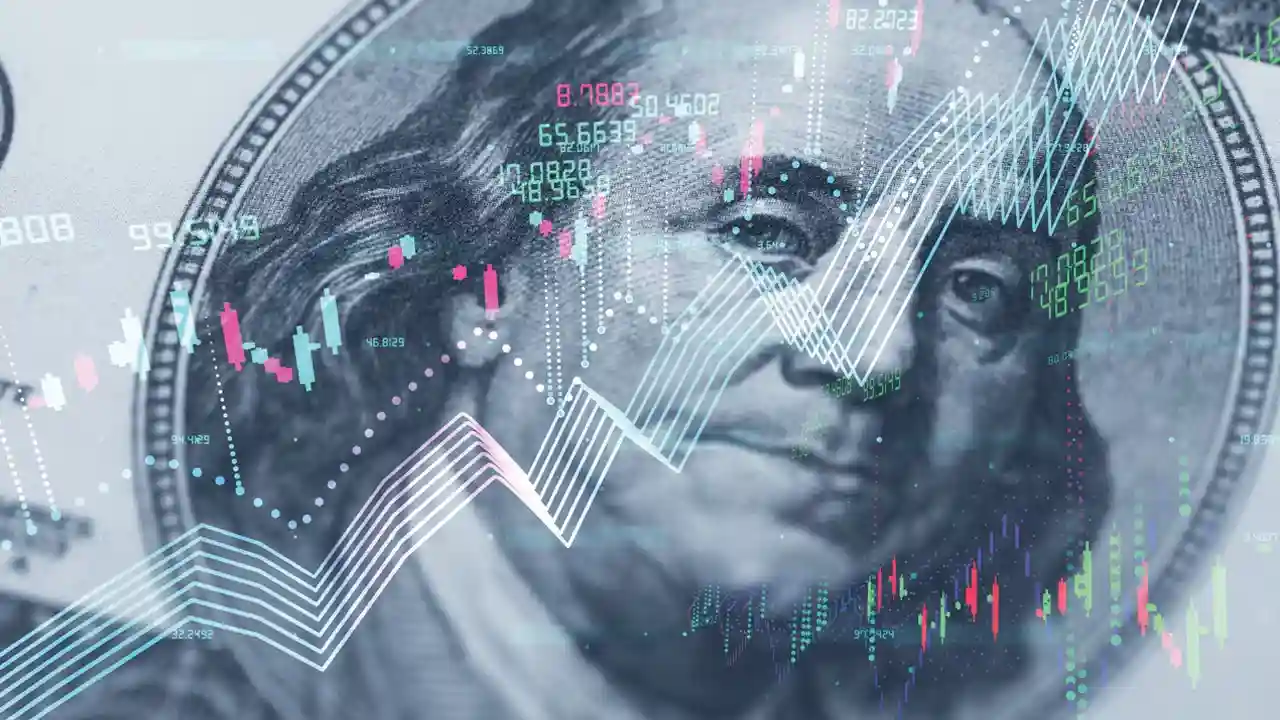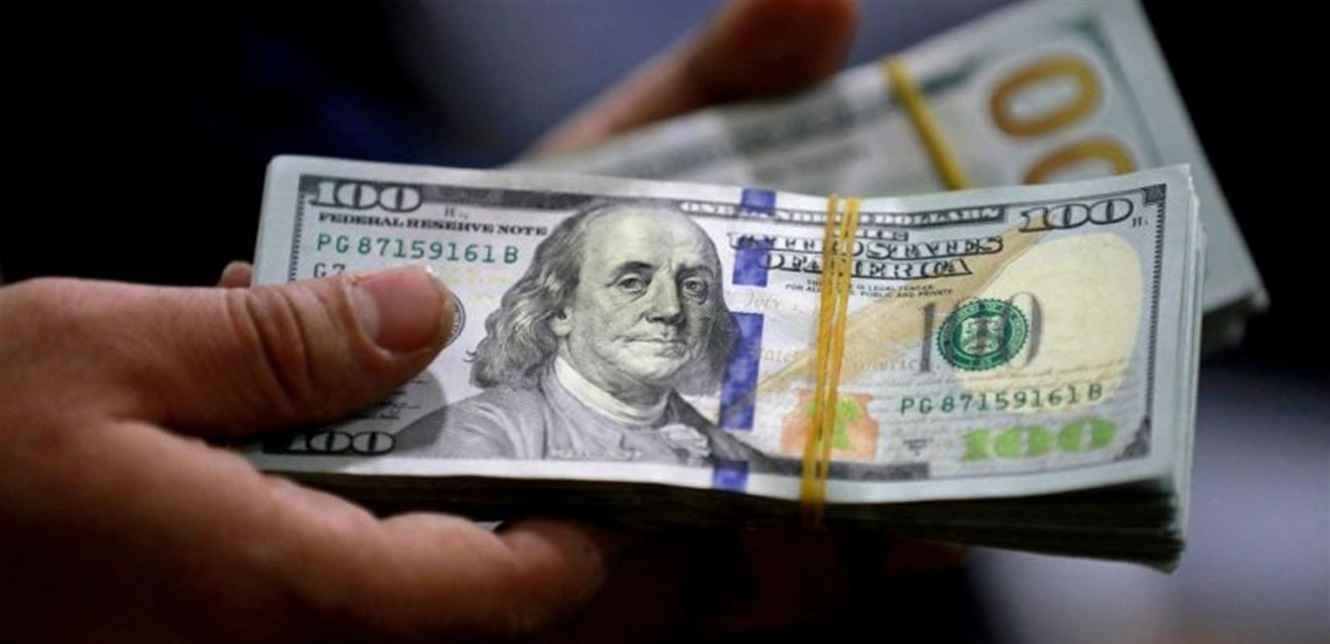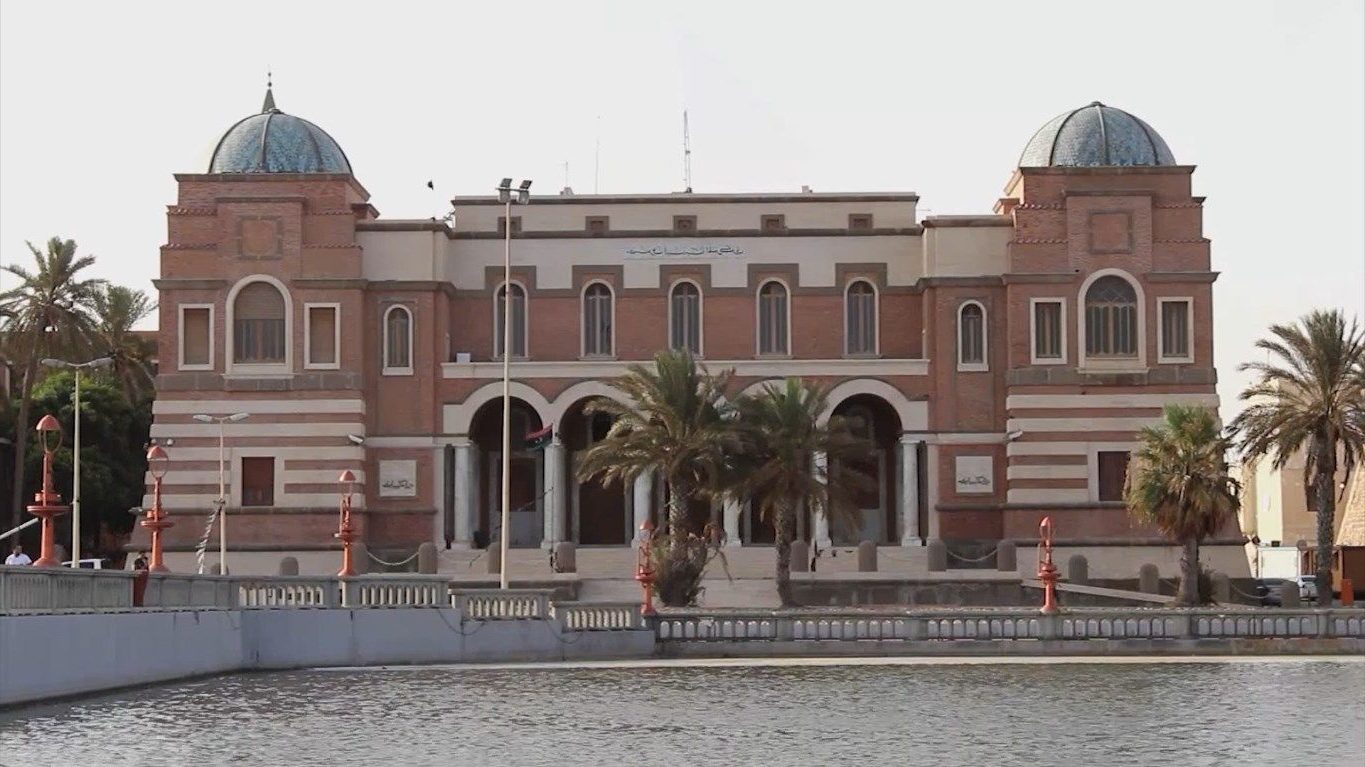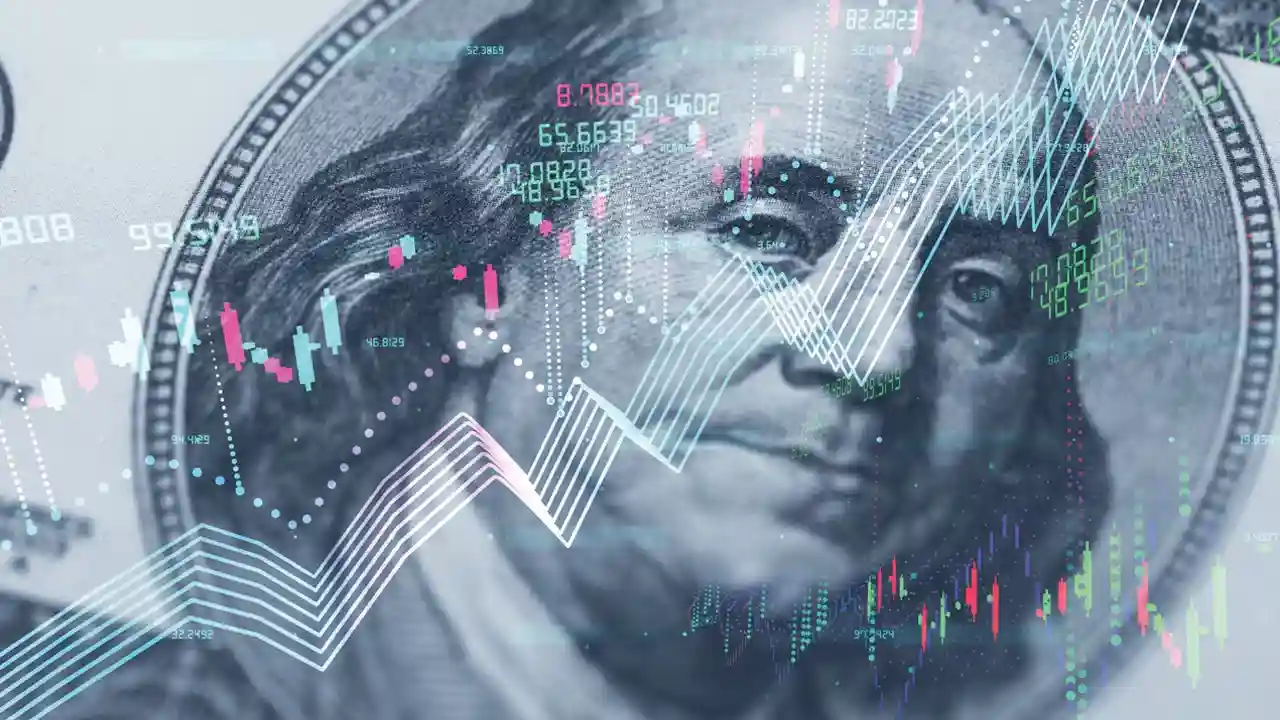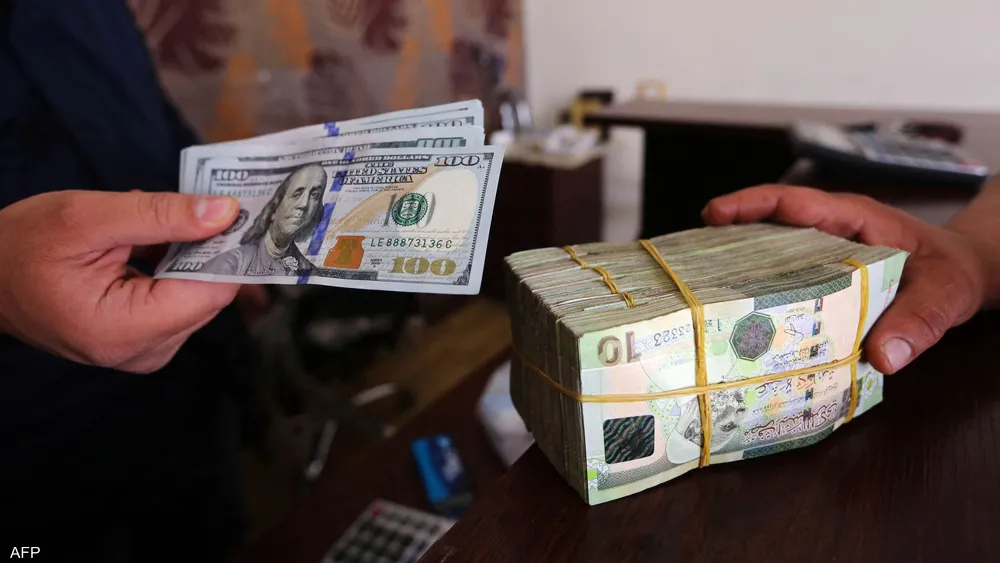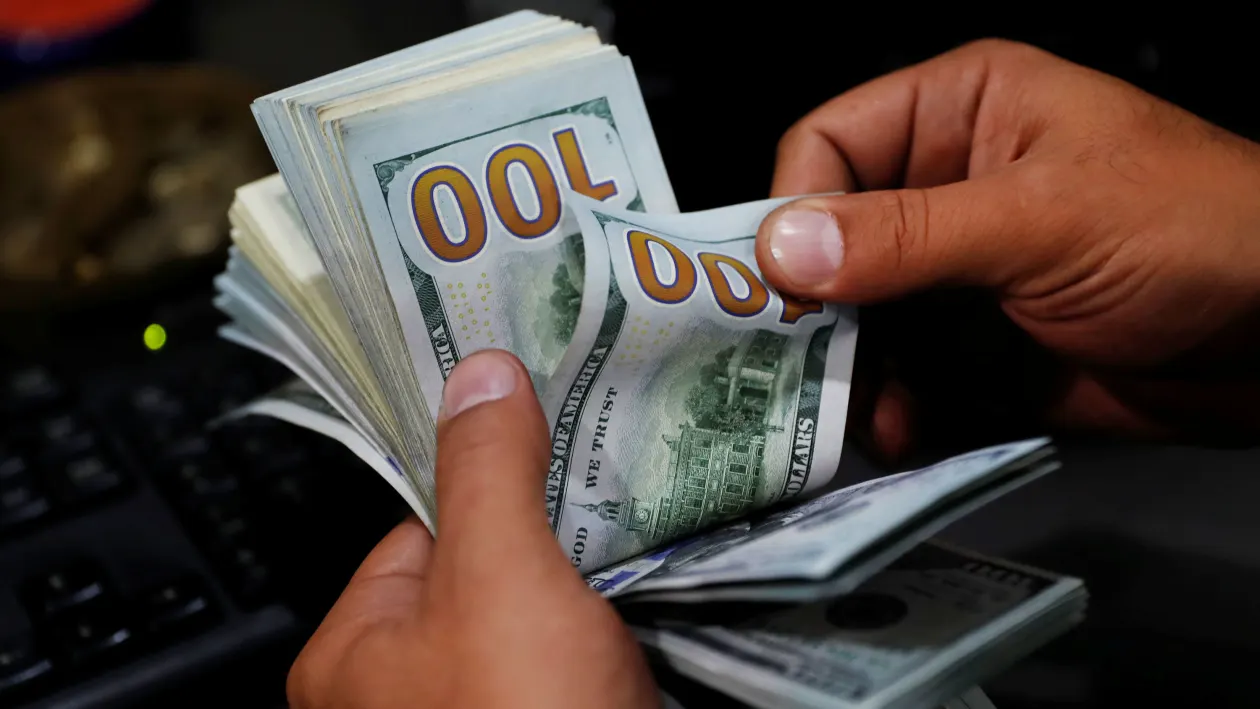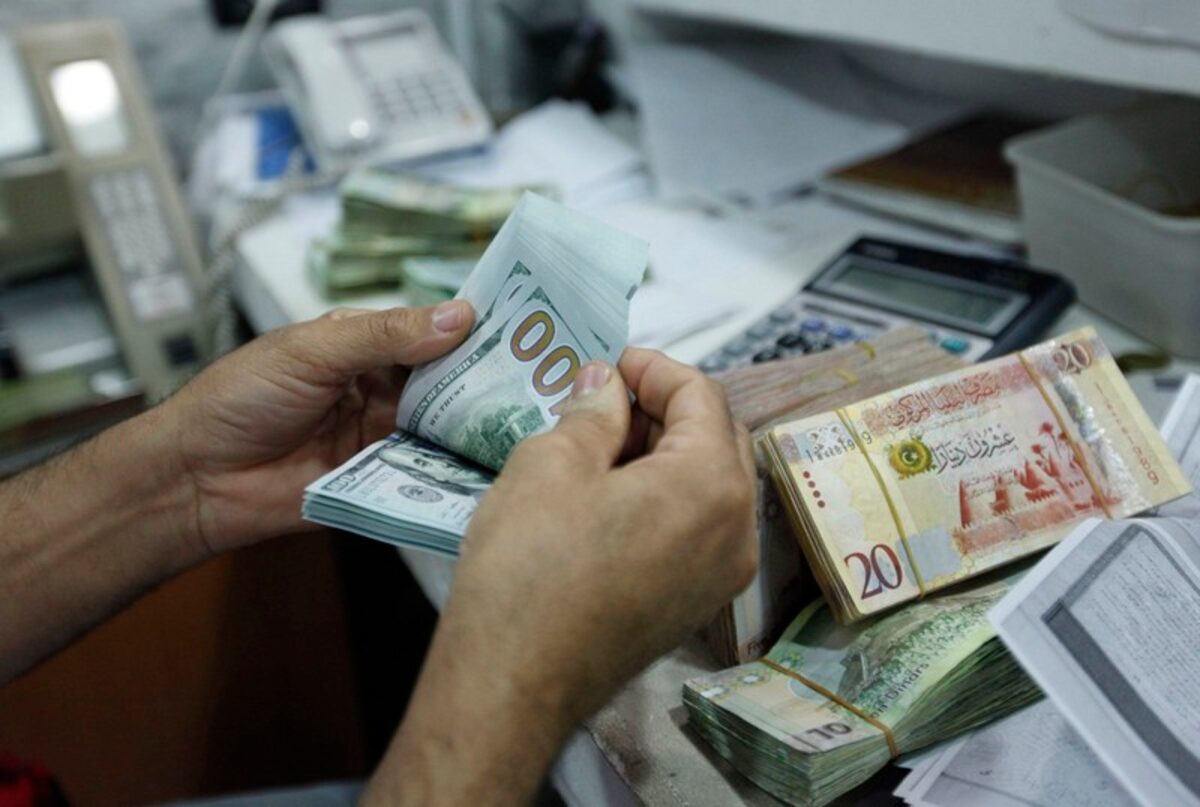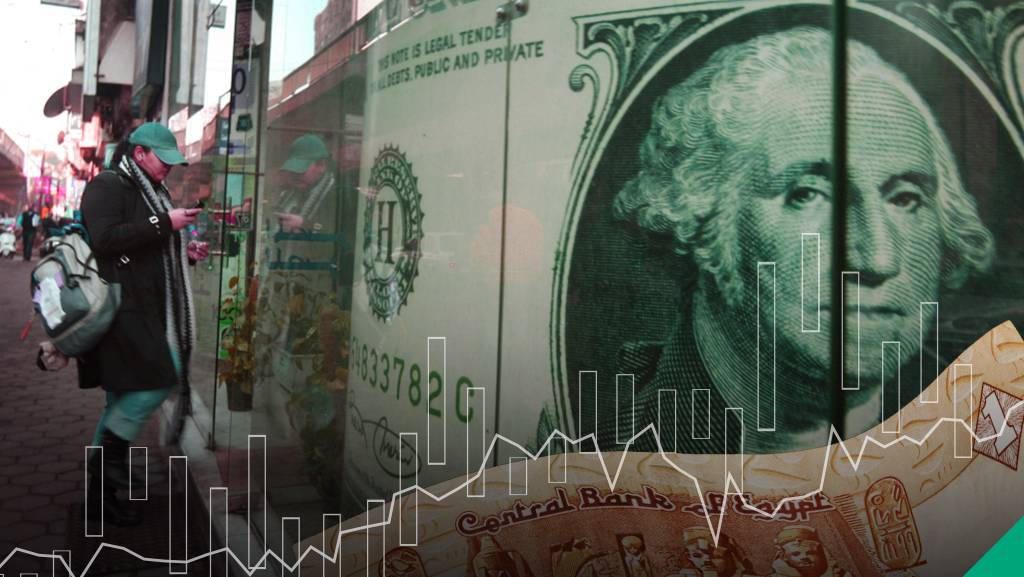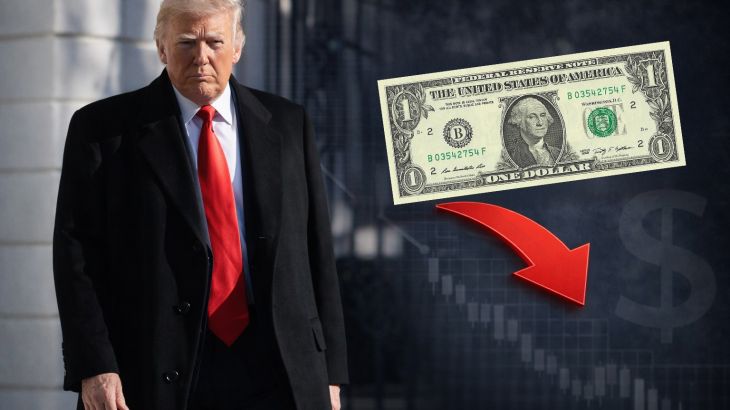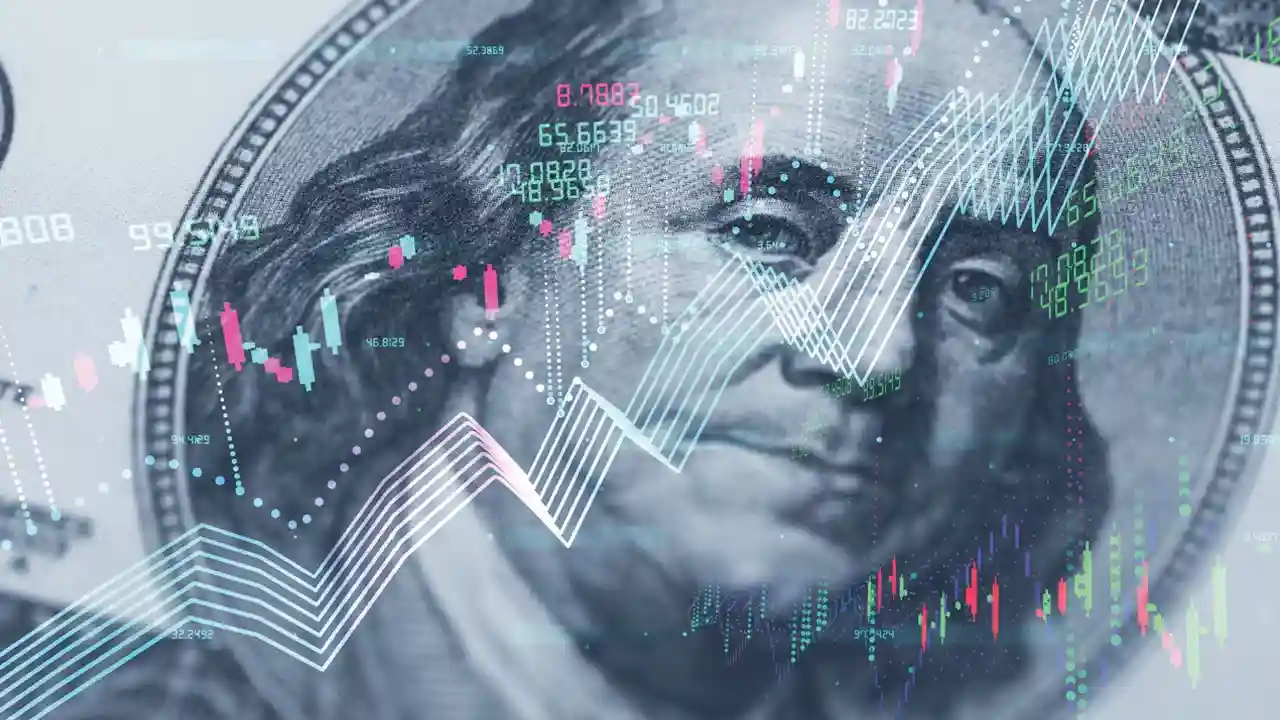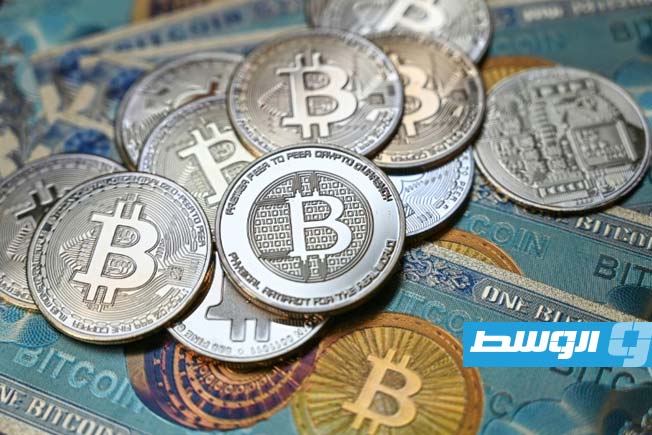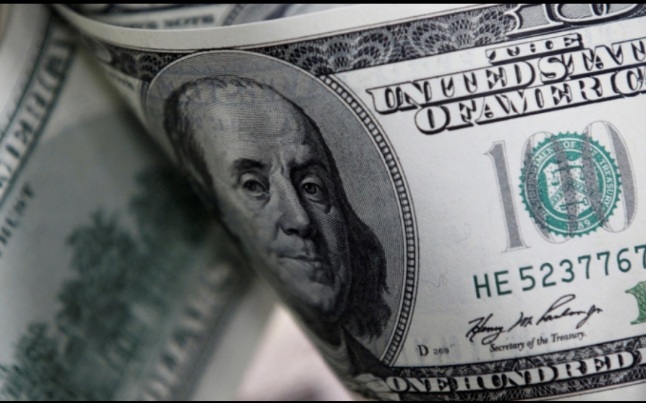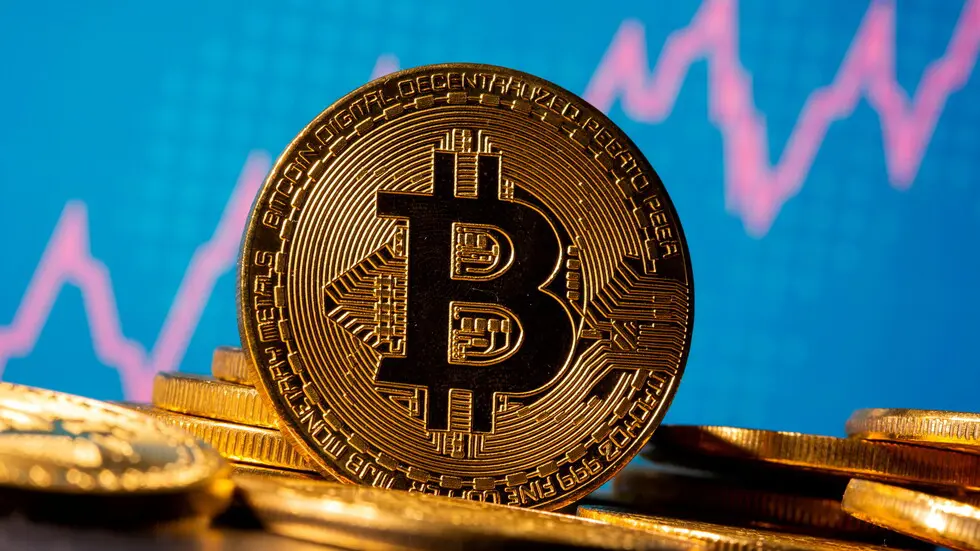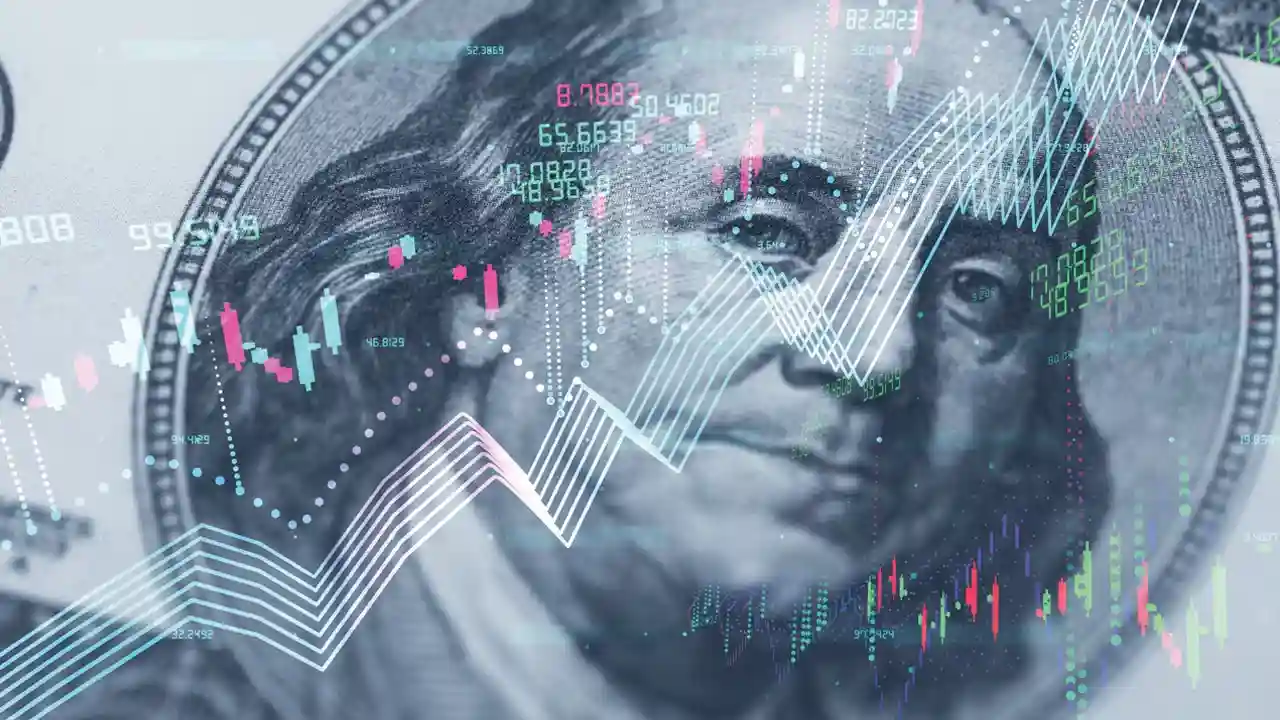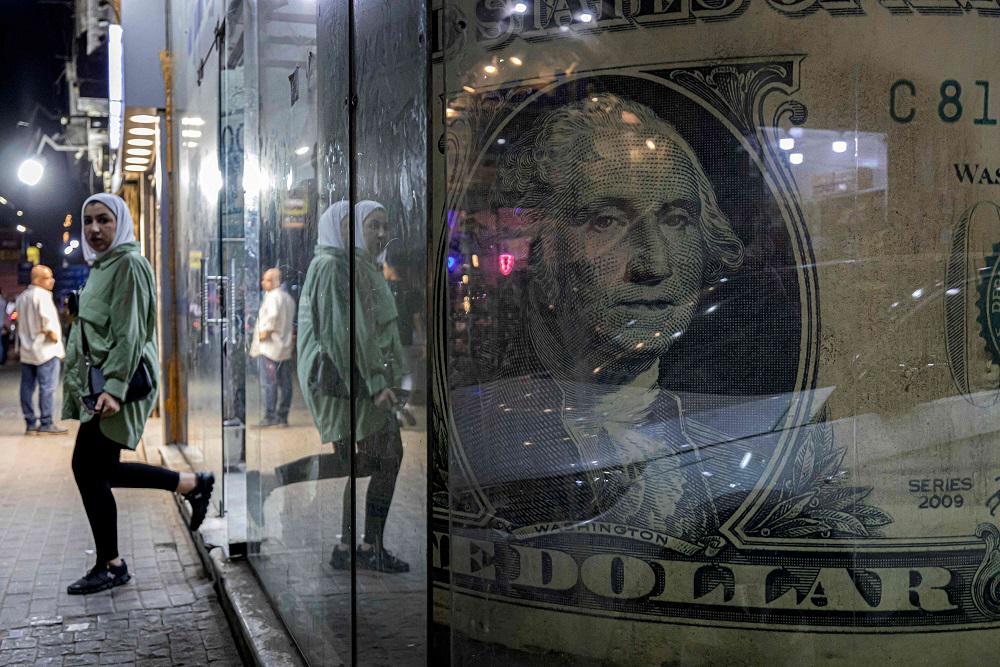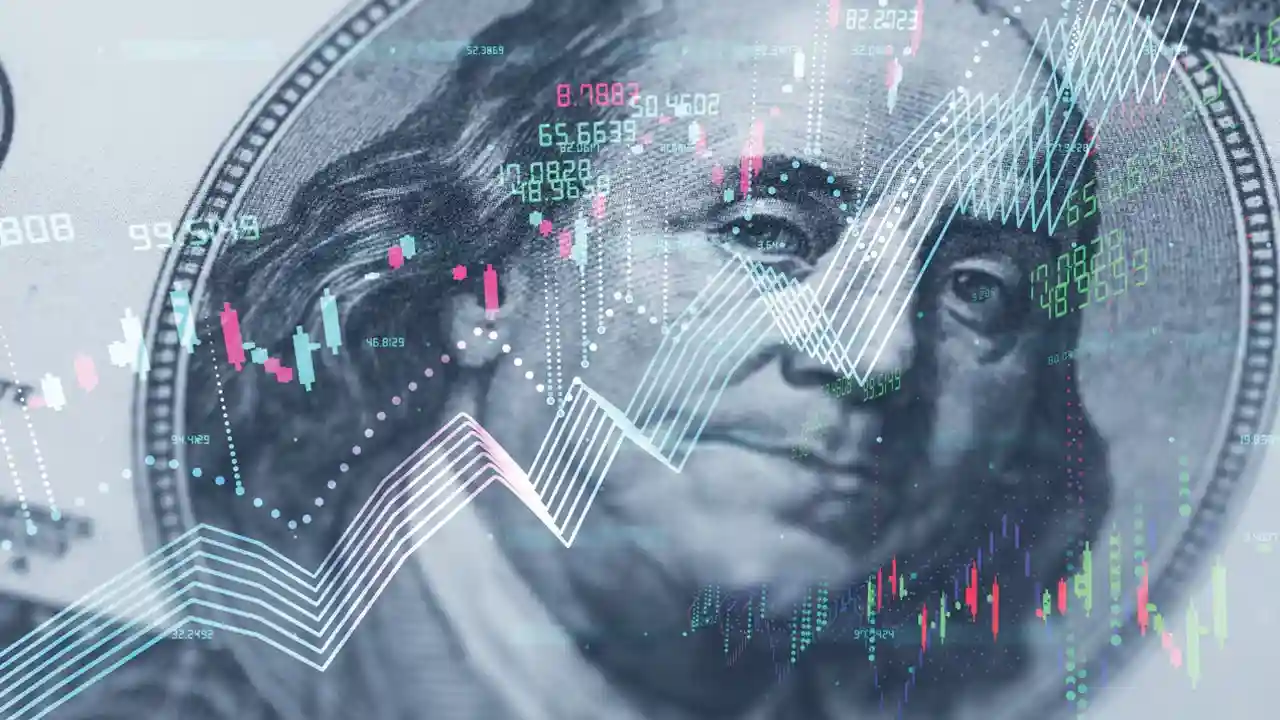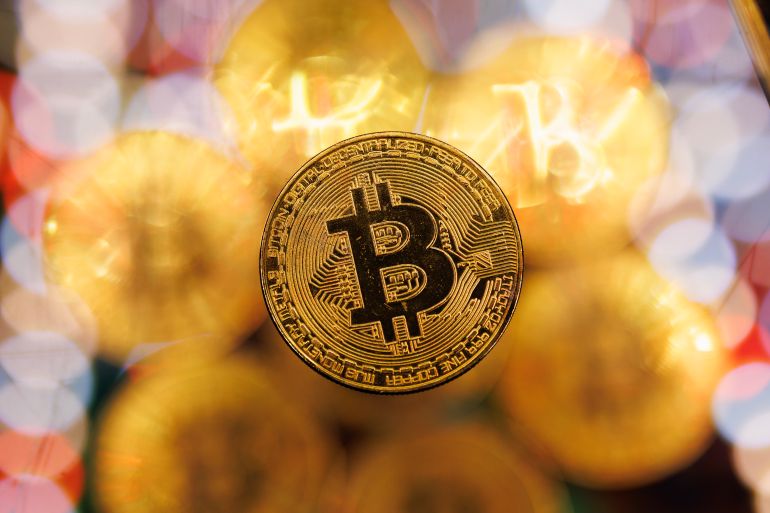
Digital currencies are no longer a marginal sector that can be ignored or ridiculed. According to an analysis, they have transformed into a financial and political force that now threatens the historical position of banks within the US financial system, and even within the Republican Party itself.
The report begins by recalling the saying often misattributed to Gandhi: “First they ignore you, then they laugh at you, then they fight you, then you win.”
This is a phrase Gandhi never actually said, but it has become a popular slogan in the digital currency industry, which sees itself as having genuinely moved from the stage of marginalization to the stage of influence.
Regulatory Breakthroughs and Political Surge
The analysis indicates that 2025 was an exceptional year for both banks and the digital asset industry. Digital currencies benefited from the legal clarity provided by the “GENIUS Act” passed in July, which established a clear regulatory framework for stablecoins.
In contrast, bank stocks have risen by about 35% since the presidential election victory, driven by expectations of a more friendly regulatory environment.
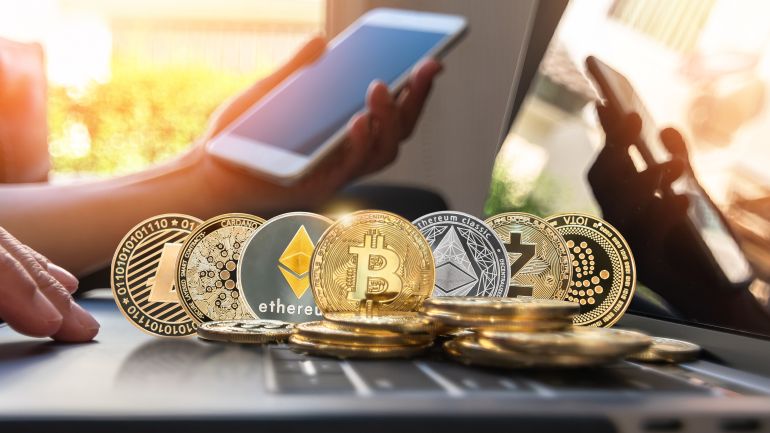
The analysis notes that very few bankers, even those who politically oppose the current administration, prefer the regulatory approach that prevailed during the previous administration, reflecting the extent of the frustration caused by the previous regulatory strictness.
However, this apparent improvement hides rising tension. The analysis argues that “the threat coming from digital currencies is now much greater than bankers believed,” and that the traditional status of banks as the “financial aristocracy” is now less secure with the rise of new players from the world of digital currencies.
Stablecoins: A Loophole That Worries Banks
Stablecoins are the focus of the most urgent concern for banks. While the GENIUS Act prohibits these currencies from paying direct yields to their holders in an attempt to prevent the draining of bank deposits, the analysis points to a “clear workaround” for this restriction.
Companies like Circle, the issuer of the USDC stablecoin, can share their revenue with trading platforms like Coinbase, which in turn pay “rewards” to users.
Although these payments are not officially called yields, banks see them as a direct undermining of the legislation’s primary purpose and are pushing to close this loophole.
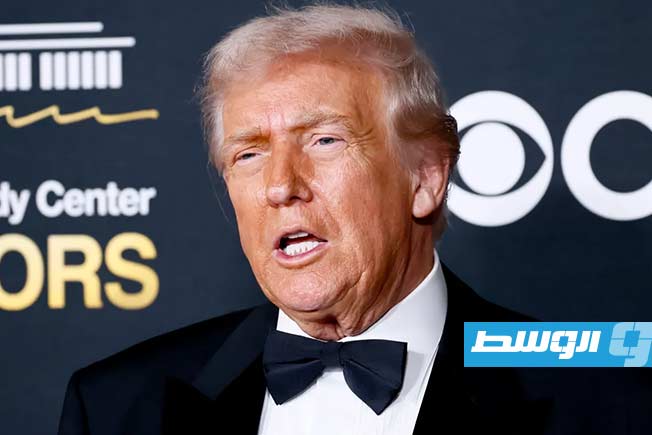
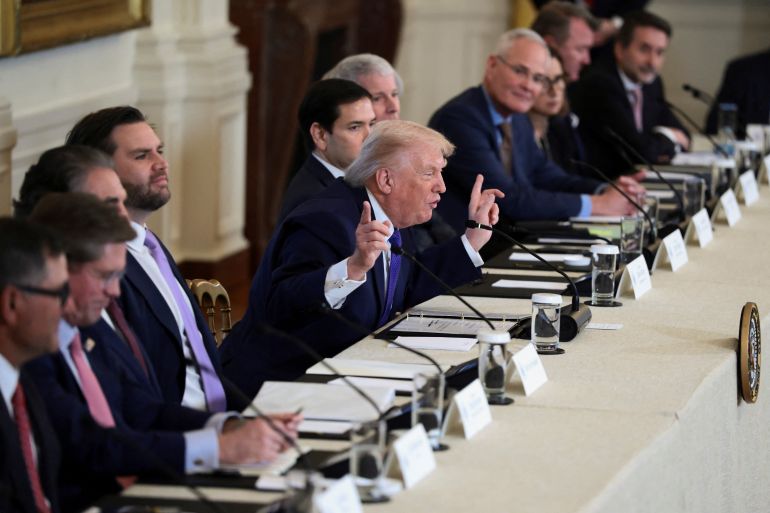
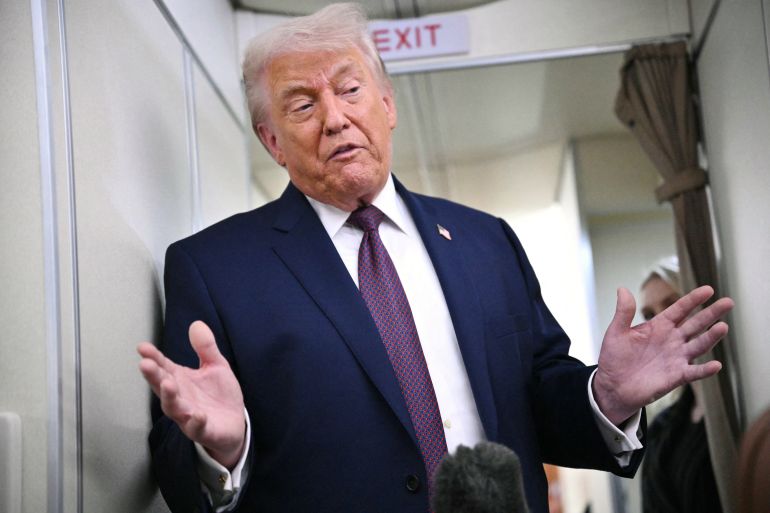
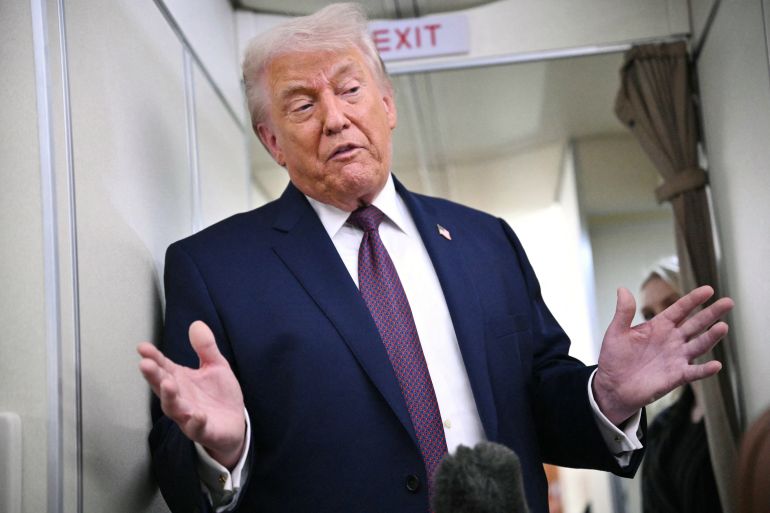
The concern is not limited to the issue of yields. In October, a statement by a prominent political figure caused alarm in banking circles by hinting at the possibility of granting more companies direct access to the central bank’s payment systems.
Although the statement was later walked back, with assurances that such access would remain conditional on obtaining a banking license, the hint was enough to raise concerns.
Breaching the Banking System
The analysis points out that the most important shift occurred on December 12, when a US banking regulator approved granting “national trust bank” licenses to five digital finance companies, including Circle and Ripple.
While these licenses do not permit accepting deposits or lending, they allow these companies to provide nationwide custody services instead of relying on fragmented state-level licenses.
 <figcaption
Gandhi
### Key Contributions & Beliefs:
– **Nonviolence (Ahimsa):** Advocated peaceful protest, civil disobedience, and truth as means to achieve political and social change.
– **Civil Disobedience:** Led movements like the **Salt March** (1930) and **Quit India Movement** (1942) against British policies.
– **Simplicity & Self-Reliance:** Promoted spinning khadi (homespun cloth) and living modestly to reject colonial economic exploitation.
– **Social Reforms:** Campaigned against untouchability, promoted Hindu-Muslim unity, and supported rural uplift.
### Legacy:
– Inspired global figures like Martin Luther King Jr., Nelson Mandela, and movements for civil rights and freedom worldwide.
– Assassinated in 1948 by a Hindu nationalist who opposed his inclusive vision for India.
Gandhi’s ideas continue to influence peace movements, and he is remembered in India as the **”Father of the Nation.”**
Circle
Here’s a breakdown of its main meanings:
### 1. Geometric Shape
* **Definition:** A perfectly round, two-dimensional shape where every point on its edge is equidistant from a central point.
* **Key Elements:** The **center**, **radius** (distance from center to edge), **diameter** (distance across through the center), and **circumference** (the perimeter).
* **Example:** “She drew a perfect **circle** with a compass.”
### 2. A Group of People or Things
* **Definition:** A group of people connected by shared interests, social activity, or affiliation.
* **Example:** “She introduced me to her **circle** of friends.” or “He moves in influential **circles**.”
### 3. A Verb (To Circle)
* **To move in a circular path:** “The birds **circle** above the field.”
* **To form a ring around something:** “The students **circled** the teacher.”
* **To draw a circle around something:** “He **circled** the important dates on the calendar.”
### 4. Symbolic and Abstract Meanings
* **Unity & Wholeness:** The circle is a universal symbol with no beginning or end, representing eternity, cycles, and completeness (e.g., a wedding ring).
* **Cycle & Repetition:** Refers to recurring processes, like the **circle of life**, the seasons, or a vicious **circle** (a repeating problem).
* **Inclusion & Community:** As in “inner circle” (a trusted group) or “circle of trust.”
### 5. In Specific Contexts
* **Geography:** An **Arctic Circle** or **Antarctic Circle**.
* **Performance Arts:** A **circle** in a circus or theater.
* **Mathematics/Logic:** A **circular argument** (one that assumes its own conclusion).
### In a Nutshell:
At its core, a **circle** represents **roundness, connection, and cyclicity**—whether it’s a physical shape, a social group, a type of motion, or a profound symbol.
Would you like to explore any of these meanings in more detail?
Coinbase
### **What Coinbase Offers:**
1. **Cryptocurrency Trading** – Buy, sell, and trade a wide range of cryptocurrencies (Bitcoin, Ethereum, Solana, etc.).
2. **Wallet Services** – A secure digital wallet to store crypto.
3. **Institutional Services** – Advanced trading and custody solutions for businesses.
4. **Coinbase Card** – A debit card that lets you spend crypto like cash.
5. **Staking & Rewards** – Earn interest on certain cryptocurrencies through staking.
6. **NFT Marketplace** – A platform to buy, sell, and discover NFTs.
### **Key Features:**
– **User-Friendly** – Known for its simple interface, great for beginners.
– **Regulated & Secure** – Compliant with U.S. regulations and offers strong security measures.
– **Global Reach** – Available in over 100 countries (services vary by region).
– **Publicly Traded** – Listed on NASDAQ (ticker: COIN).
### **Considerations:**
– **Fees** – Generally higher than some other exchanges, especially for smaller trades.
– **Customer Support** – Sometimes criticized for slow response times.
– **Limited Advanced Features** – Traders seeking complex tools may prefer Coinbase Pro (now called Advanced Trade) or other platforms.
### **Recent Developments:**
– Expanding globally and adding new cryptocurrencies regularly.
– Facing regulatory scrutiny in the U.S. and abroad.
– Investing in blockchain technology and decentralized finance (DeFi).
Whether you’re new to crypto or an experienced trader, Coinbase is often a go-to platform due to its reputation and ease of use. Would you like more details on any specific aspect?
Ripple
### 1. **Ripple (Company & Cryptocurrency)**
– **Ripple Labs Inc.**: A technology company that focuses on digital payment protocols and blockchain solutions.
– **XRP**: The cryptocurrency created by Ripple, designed for fast, low-cost international money transfers and settlements between financial institutions.
### 2. **Ripple (Effect)**
– A metaphorical term describing how a single action or event spreads outward, influencing other things (like ripples in water). Example: “The new policy created ripples throughout the industry.”
### 3. **Ripple (Wave)**
– A small wave or series of waves on the surface of water, often caused by an object dropping into it or wind blowing across it.
### 4. **Ripple (Music)**
– A song by the Grateful Dead from their 1970 album *American Beauty*.
### 5. **Ripple (Other Uses)**
– **Ripple (drink)**: A brand of inexpensive wine in the U.S.
– **Ripple (electrical)**: In electronics, small periodic variations in voltage from a power supply.
– **Ripple (fabric)**: A textured pattern in textiles.
If you have a specific context in mind, feel free to share, and I can provide more detailed information!