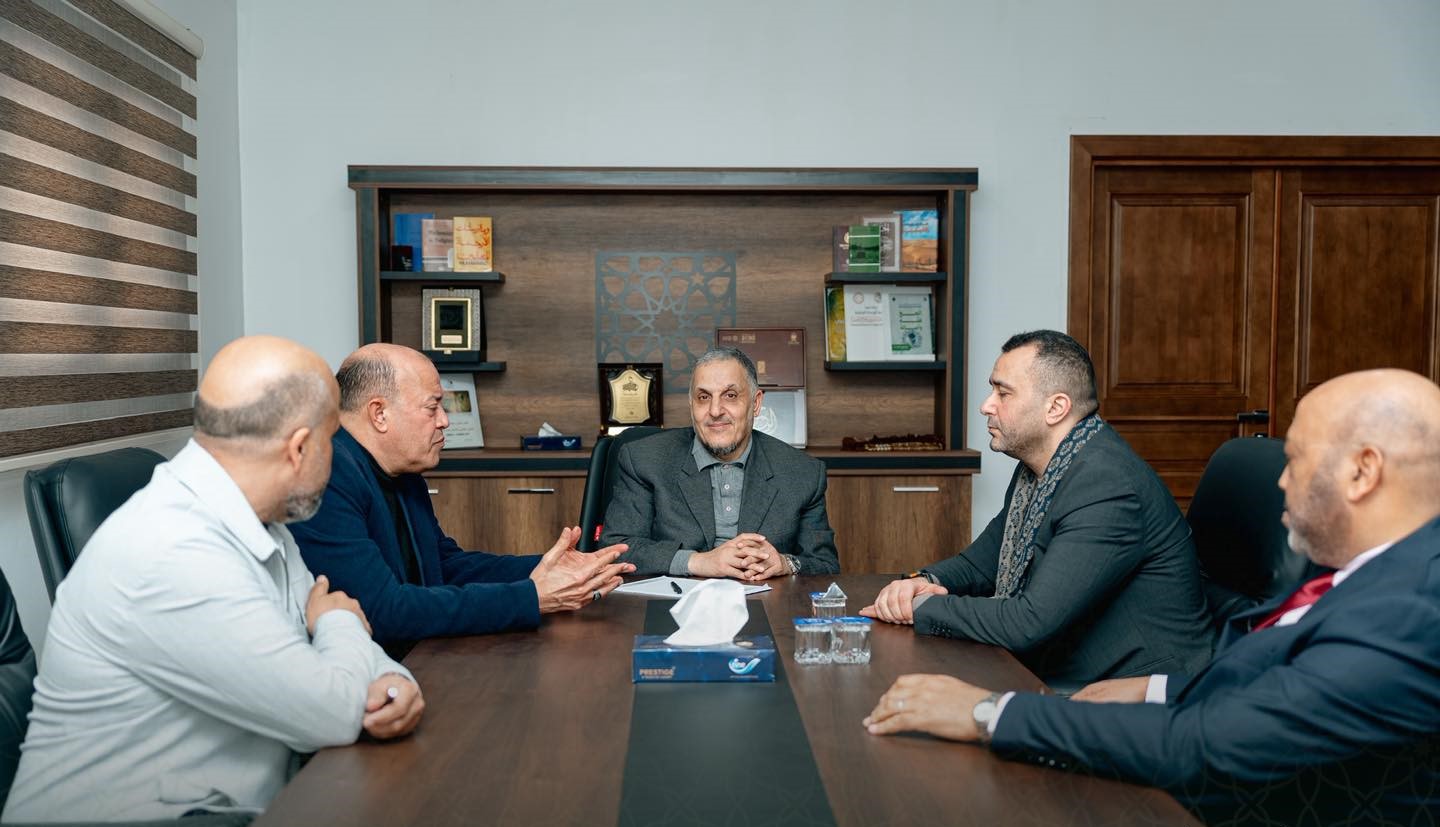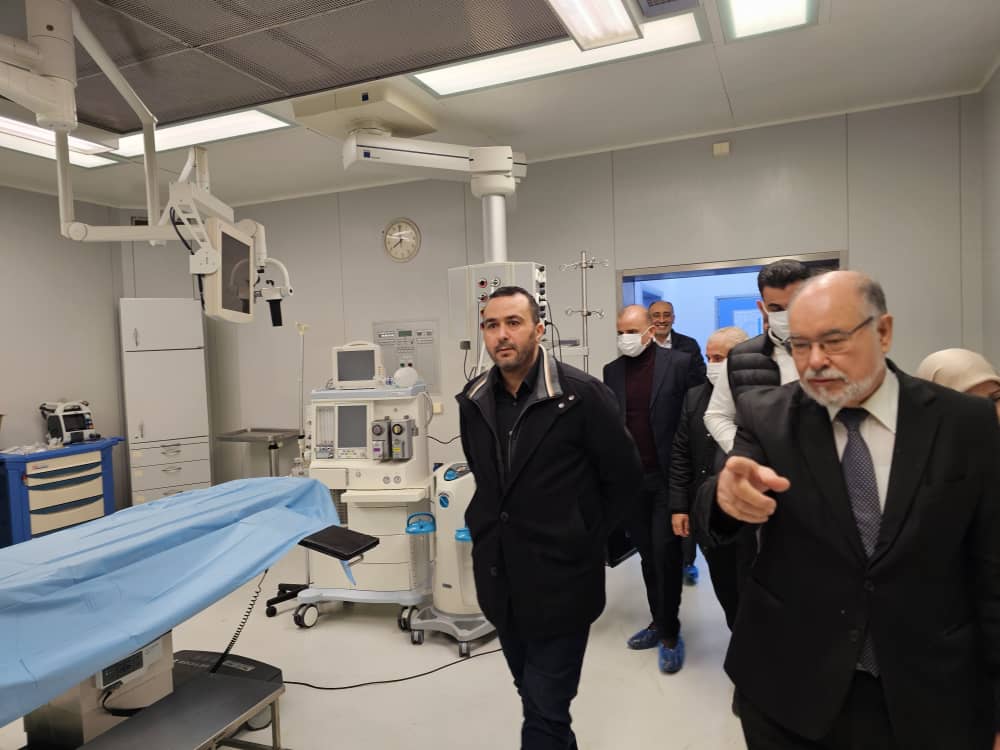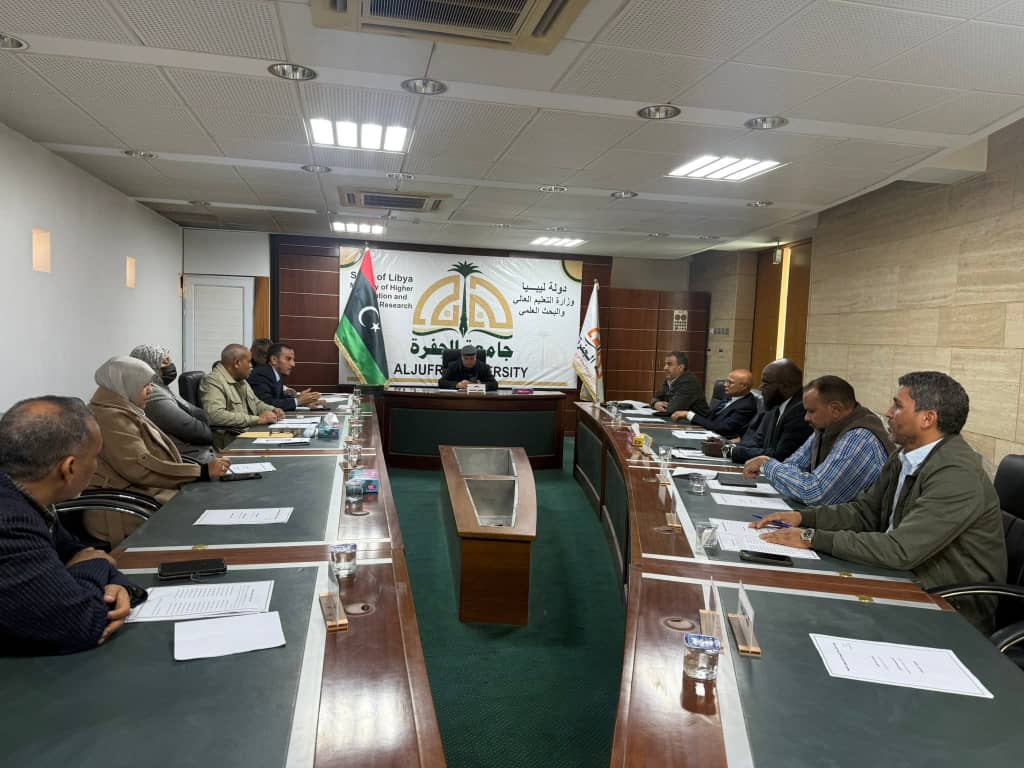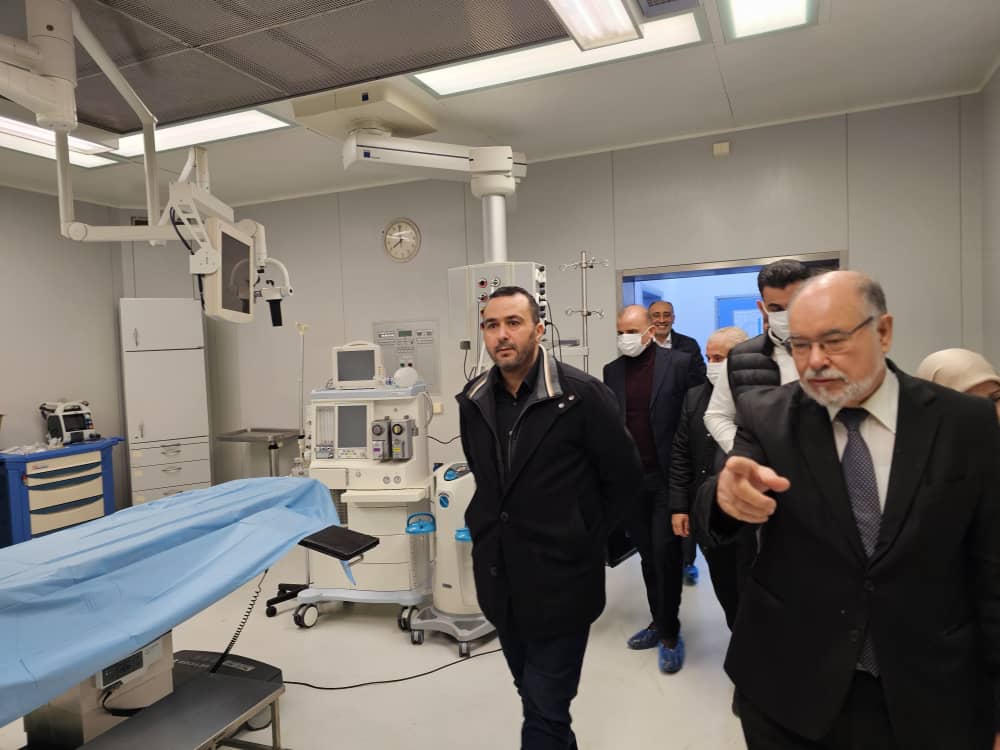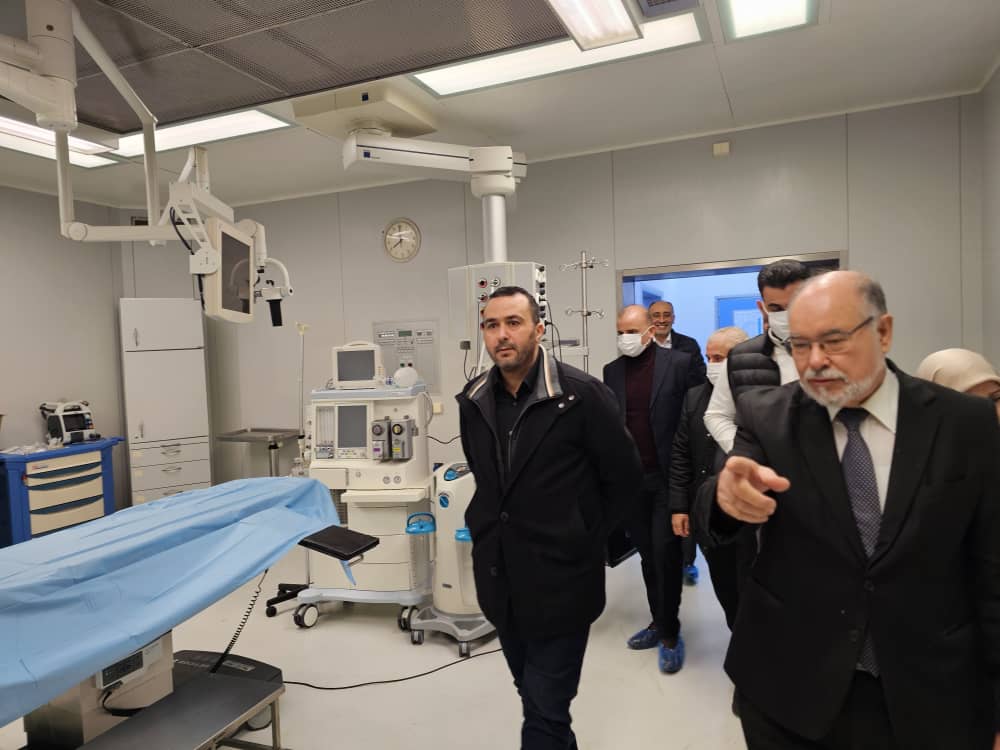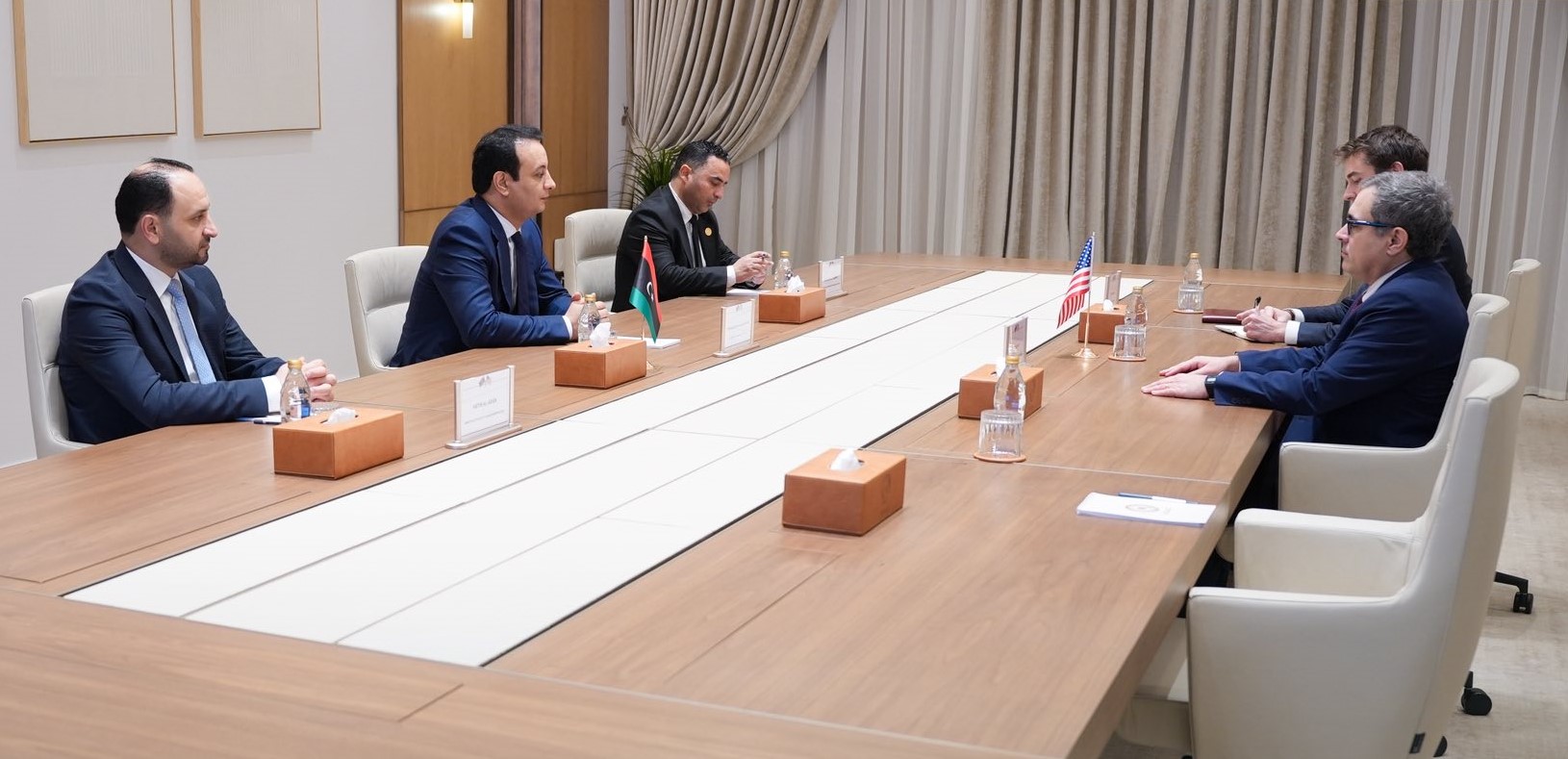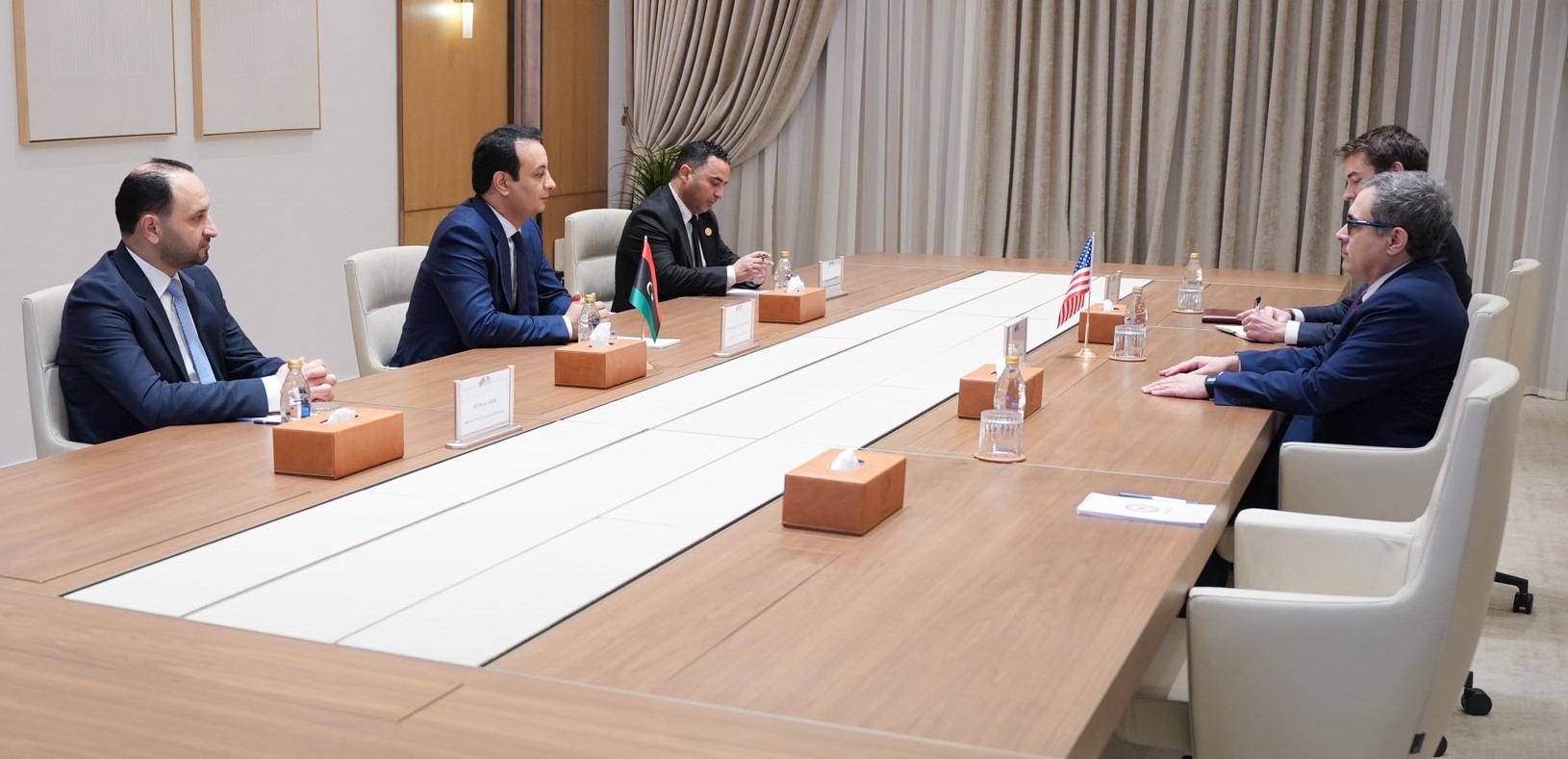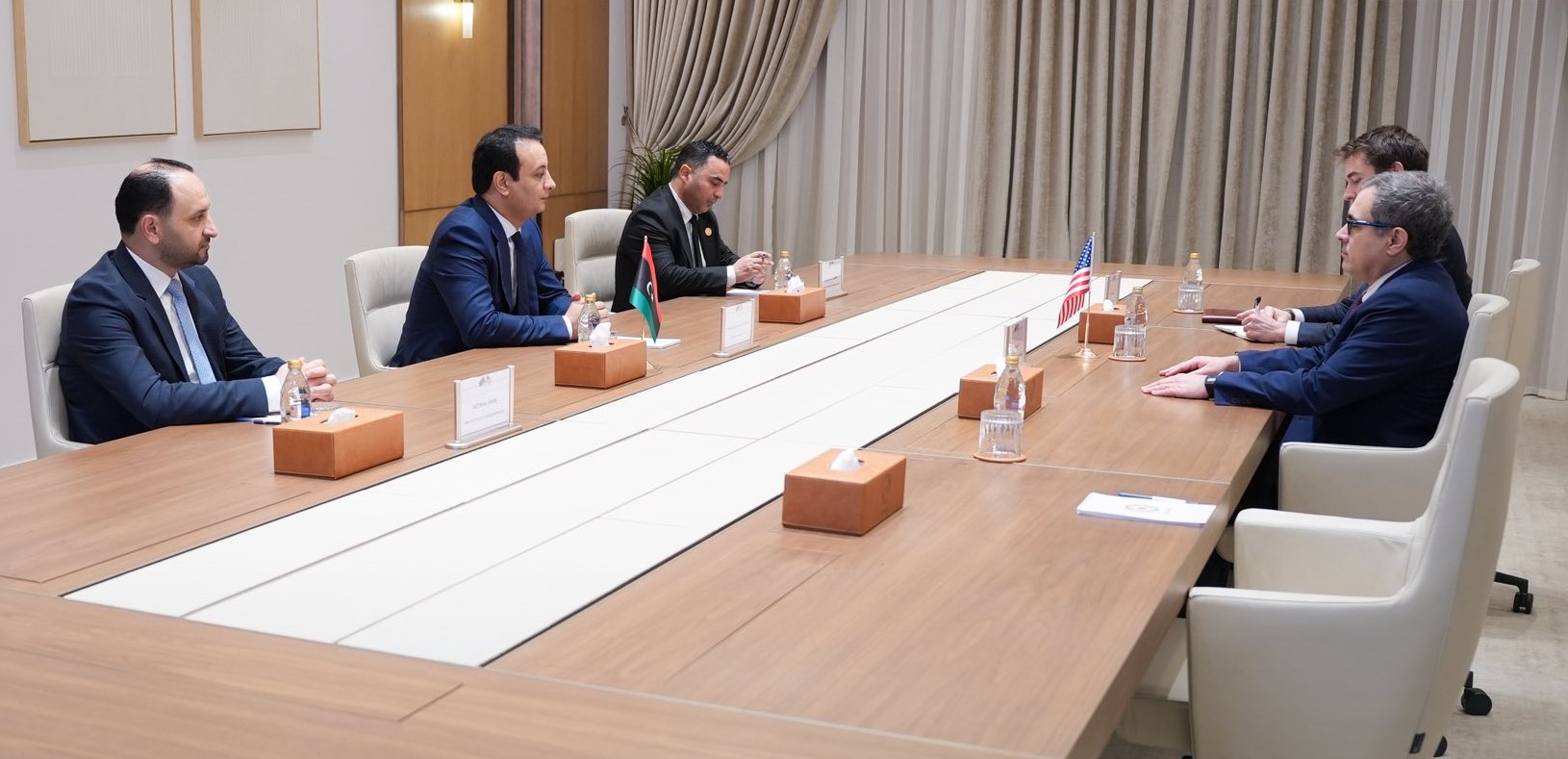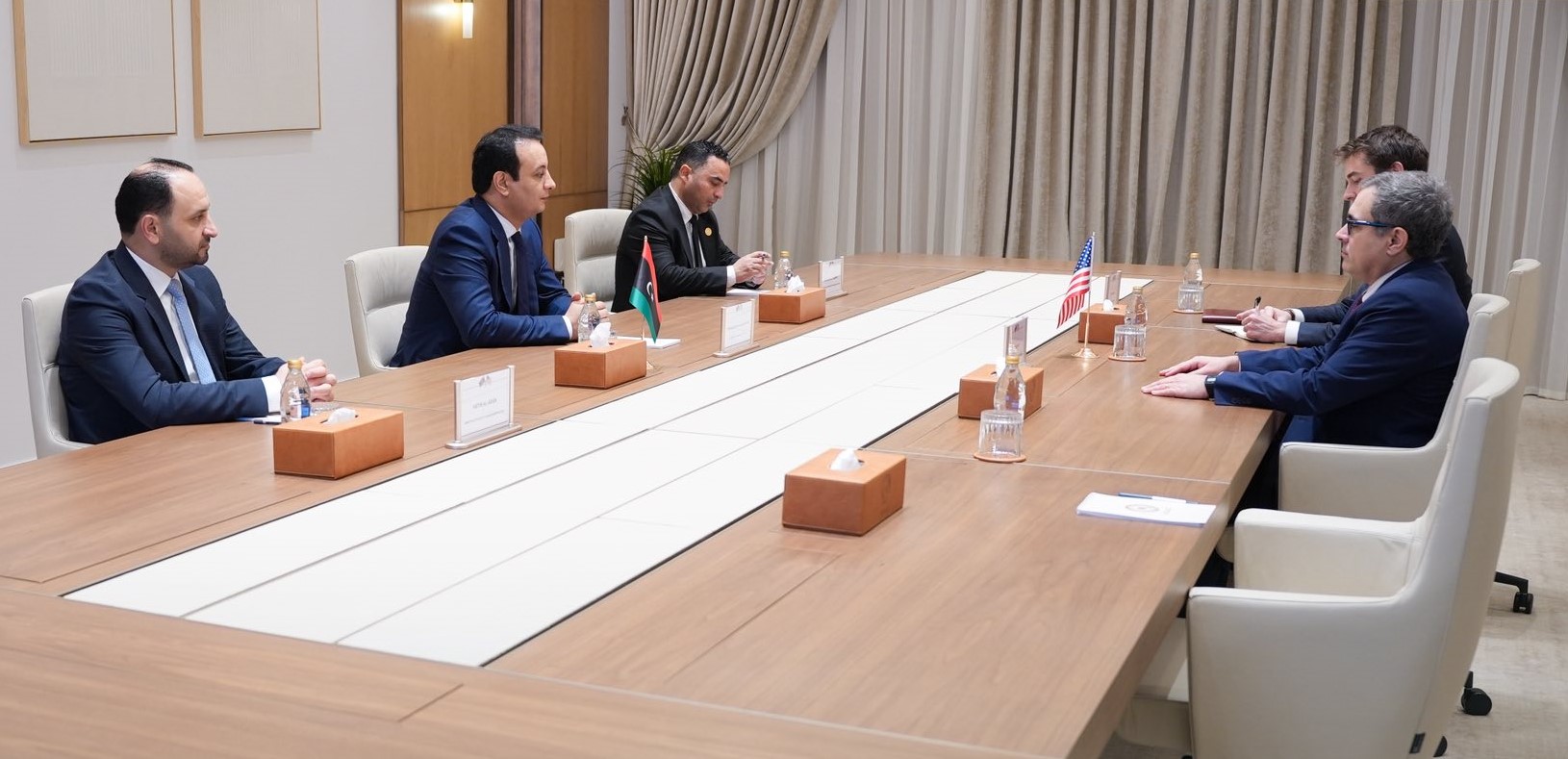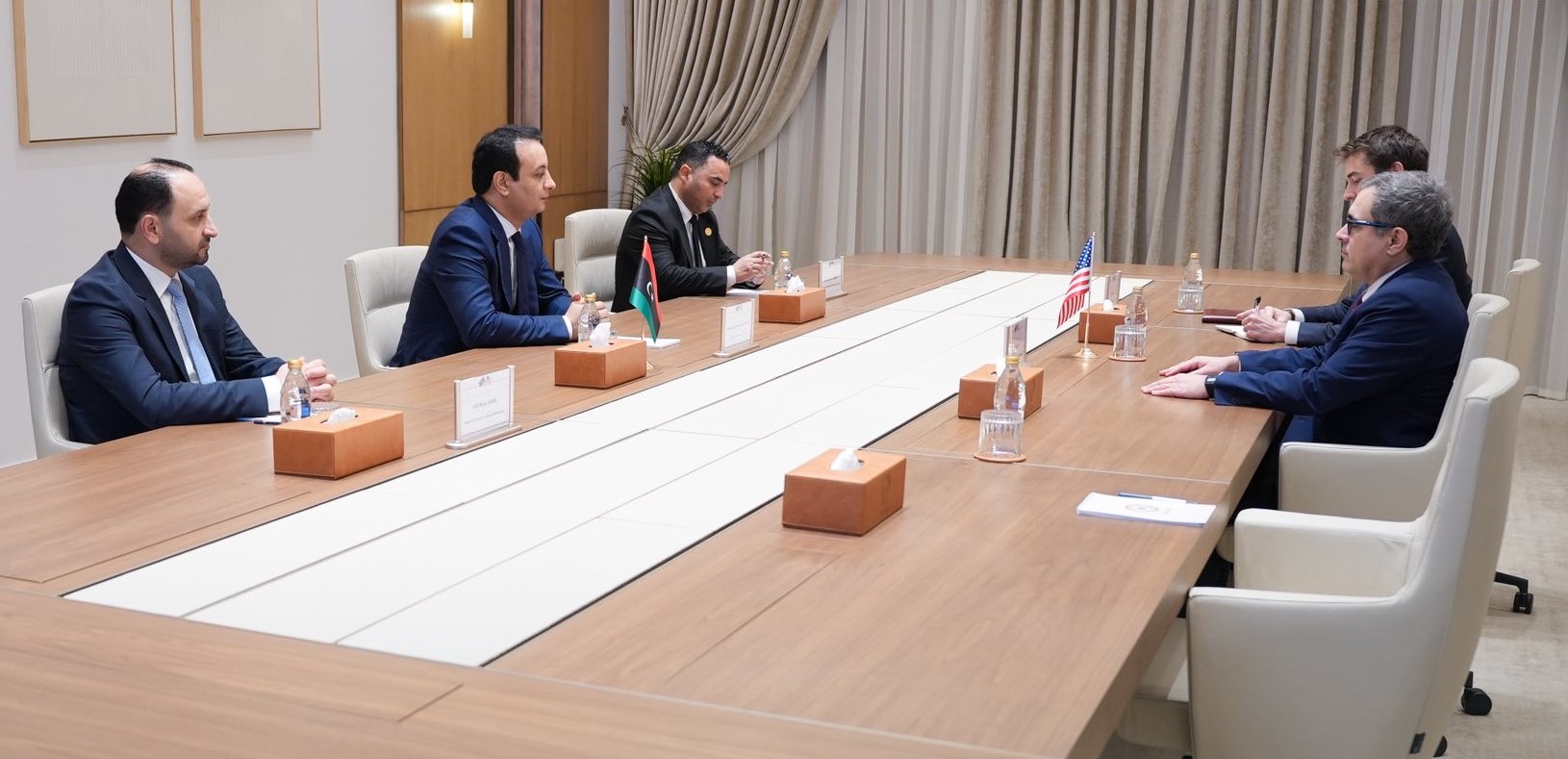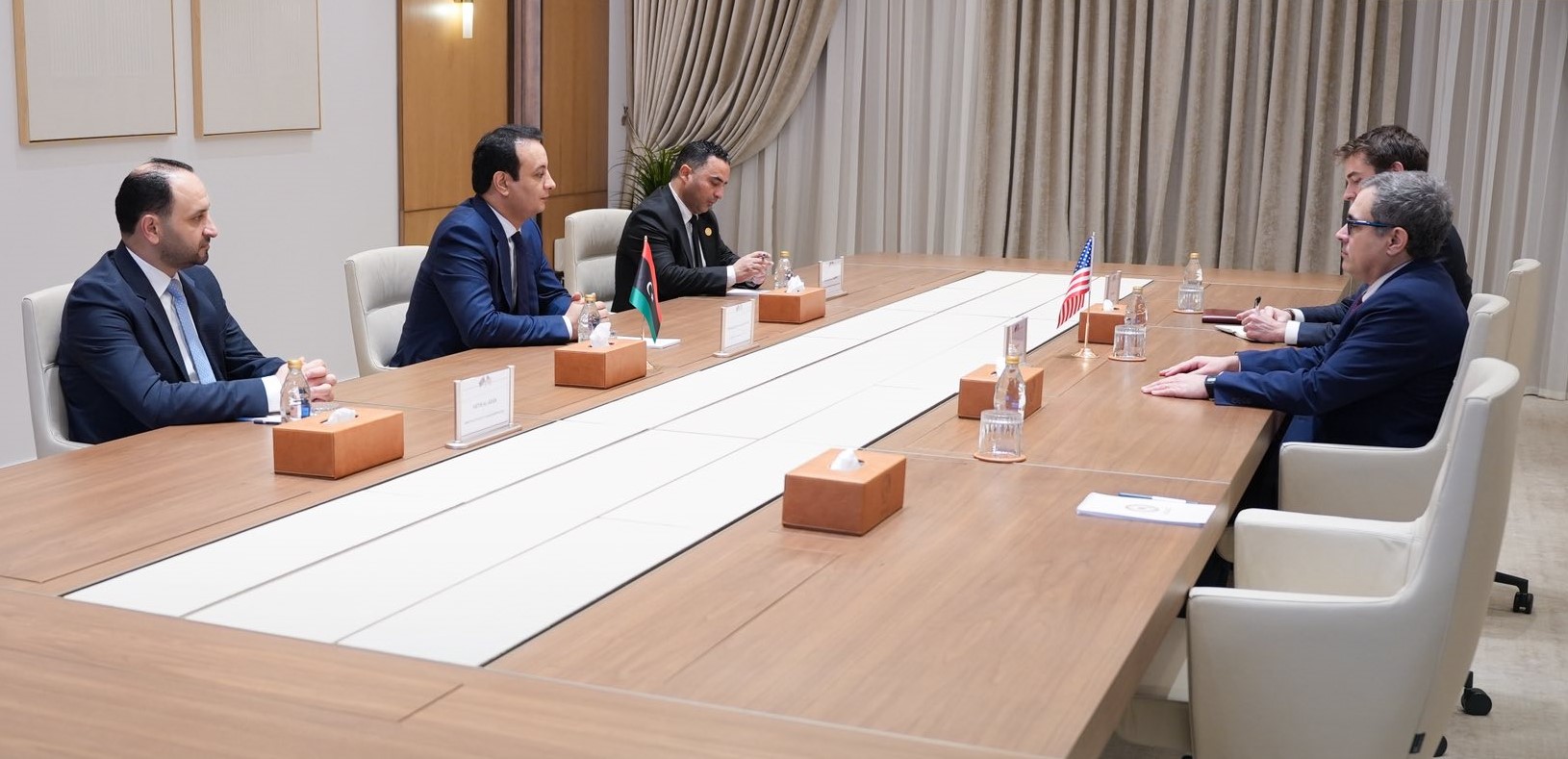
Tripoli, January 7, 2026 – A delegation from the University of Tripoli, headed by the University President, visited the headquarters of the Libyan News Agency in Tripoli on Wednesday. The visit aimed to enhance joint cooperation between the two sides. The delegation included the deans of the Faculties of Media and Communication, Arts and Languages, and Economics and Political Science, along with a number of professors from the Faculty of Media and Communication.
The visit began with a working session that discussed a range of topics related to mechanisms for activating the cooperation agreement signed between the Agency and the University of Tripoli, and explored ways to expand its areas to serve mutual interests.
In this context, the Chairman of the Board of Directors of the Libyan News Agency welcomed the university delegation, considering that this high-level visit reflects a shared commitment to supporting and developing mechanisms for implementing the signed agreement. He called for expanding the areas of bilateral cooperation to include various levels, especially in the fields of training and development.
He also welcomed the approval and adoption of the joint cooperation agreement by the University of Tripoli Council and the call to expand it to include all university faculties. He noted the university presidency’s approval to begin bilateral cooperation regarding the training of a number of the university’s media officials within the Libyan News Agency, confirming the Agency’s readiness to provide all necessary support to broaden the horizons of joint cooperation.
For his part, the President of the University of Tripoli confirmed during the session that the University Council had reviewed and approved the cooperation agreement with the Agency. He called for expanding its scope to include all university faculties, in addition to broadening the frameworks of understanding in the areas of training and development for the university’s media office officials within the Libyan News Agency.
On the sidelines of the visit, the delegation toured the newsroom, news photography departments, technical support, translation, the training management department, and the Documentation and Information Center – the National Archives – which contains historical documents and information. They were briefed on archiving and documentation mechanisms.
The delegation expressed admiration for the news cycle within the news department, from gathering news material to its delivery to the recipient, in addition to the explanations provided by department heads regarding work mechanisms within their departments.
During the delegation’s visit to the training department, they expressed a desire to open training opportunities for a number of student cadres to help link theoretical aspects with practical application.
During their tour of the National Archives, the delegation expressed great appreciation for the efforts made by the Agency’s management and its employees in preserving this important national heritage, which safeguards Libyan memory through millions of news items and newspapers issued since 1964. It serves as a fundamental reference for various Libyan state institutions and is a raw scientific material that serves a wide sector of humanities faculties, greatly benefiting the preparation of scientific research, master’s theses, and doctoral dissertations.
They added that the professional effort witnessed in preserving, classifying, and indexing documents reflects a high level of craftsmanship, confirming that the Libyan News Agency is an advanced professional model in the field of archiving and media work.
At the conclusion of the visit, the University President and the Dean of the Faculty of Media and Communication wrote messages in the archive’s guestbook expressing the longstanding heritage of the Libyan News Agency and the importance of its national archive. They praised the efforts of its management and employees, expressing their pride in the visit and the development and achievements witnessed by the delegation within the Agency.