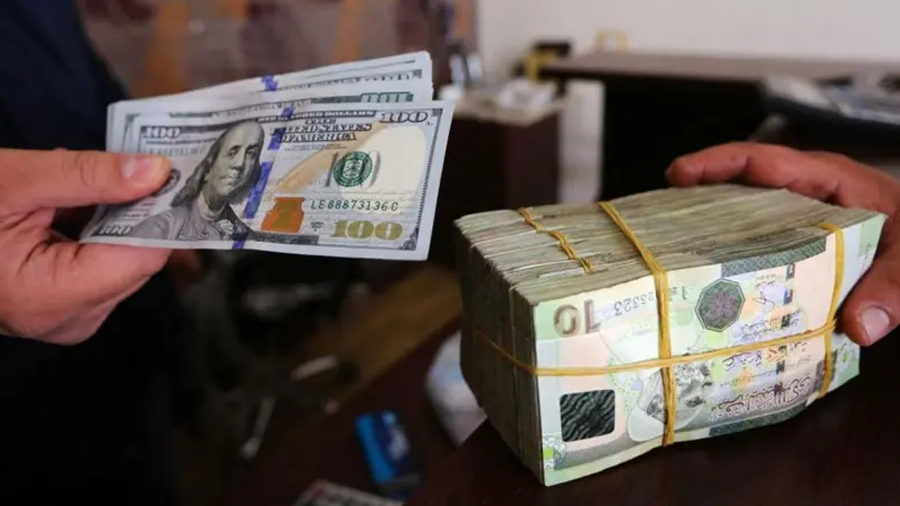
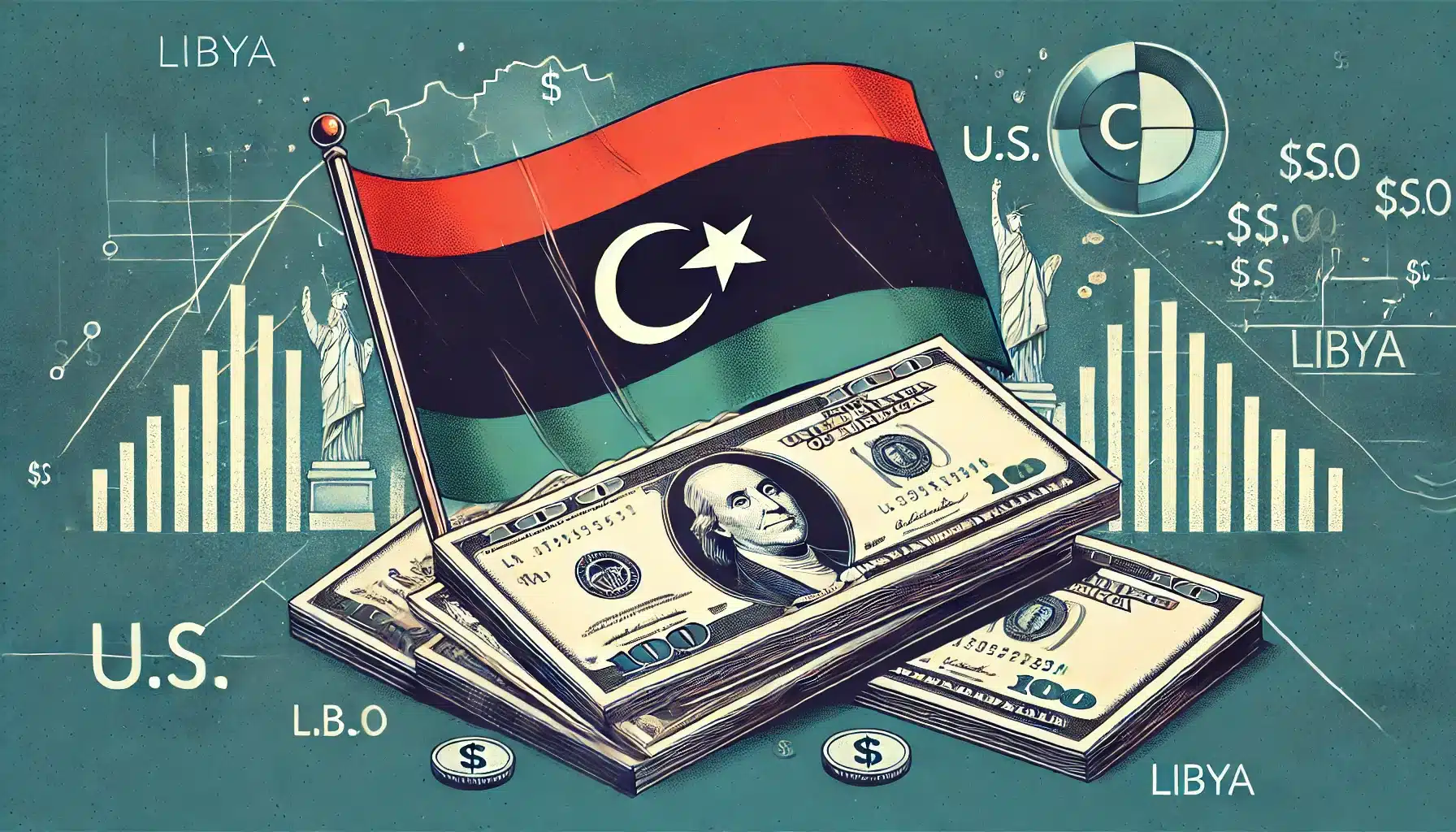
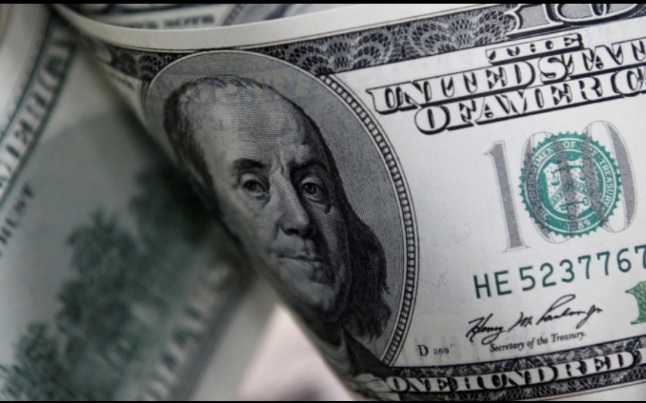
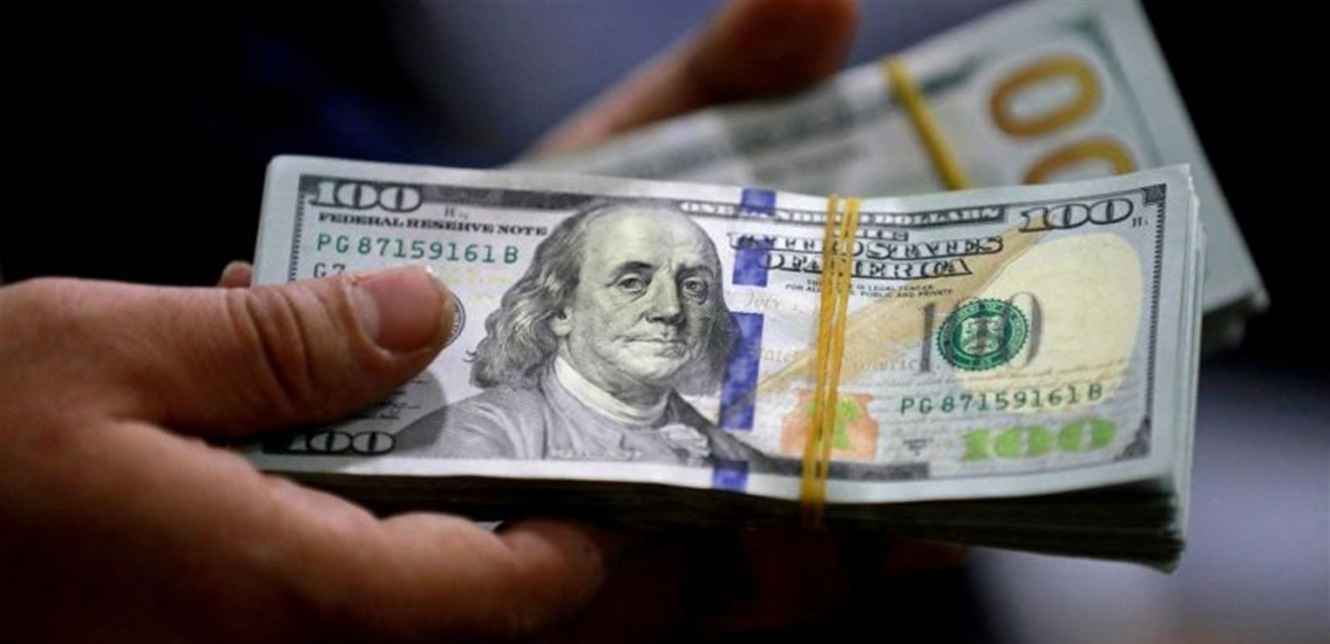
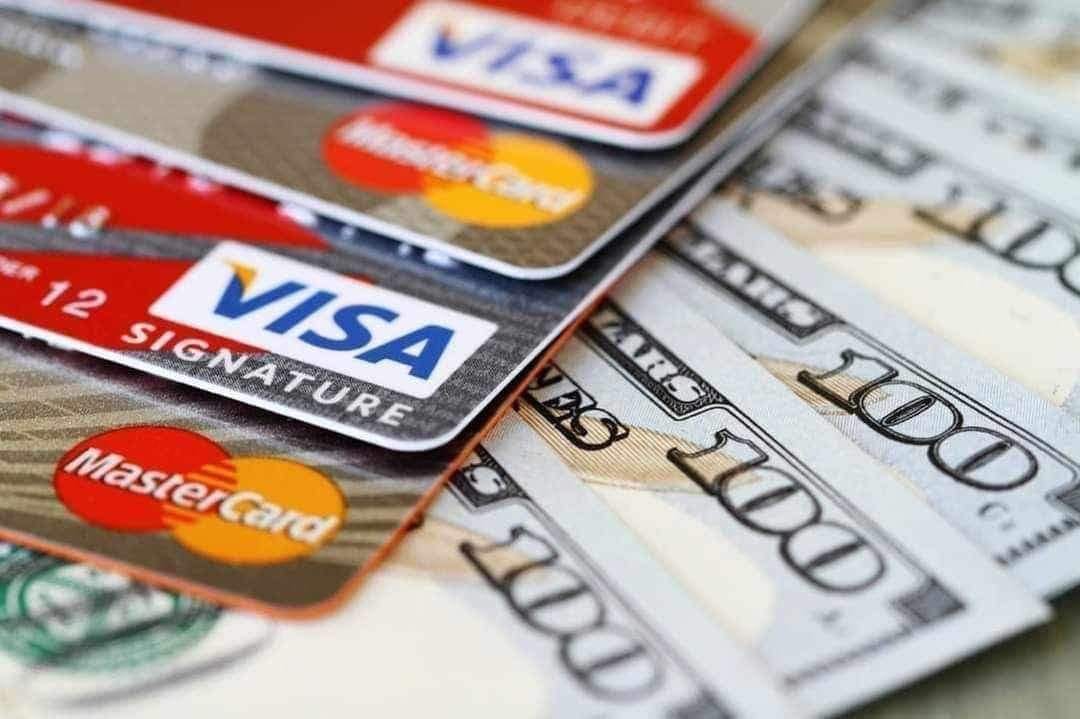
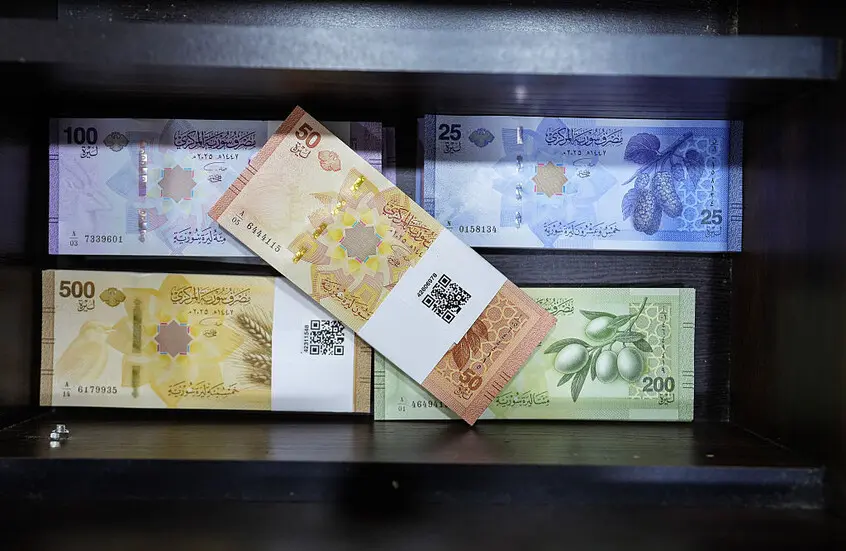
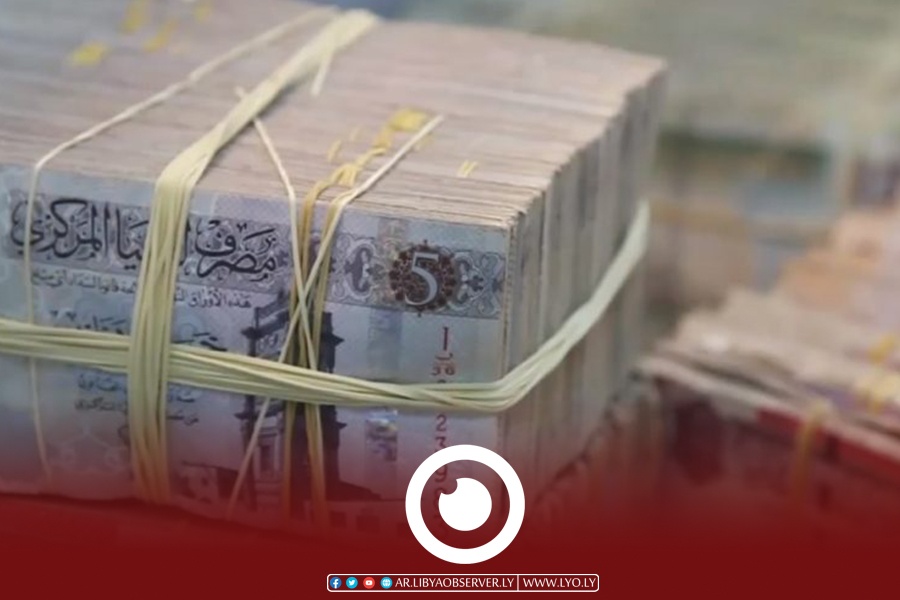
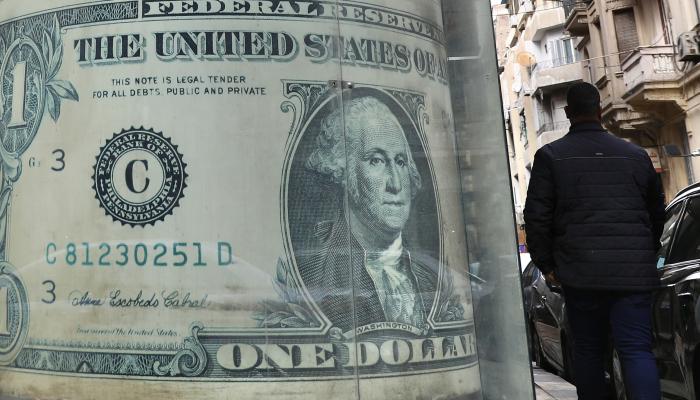
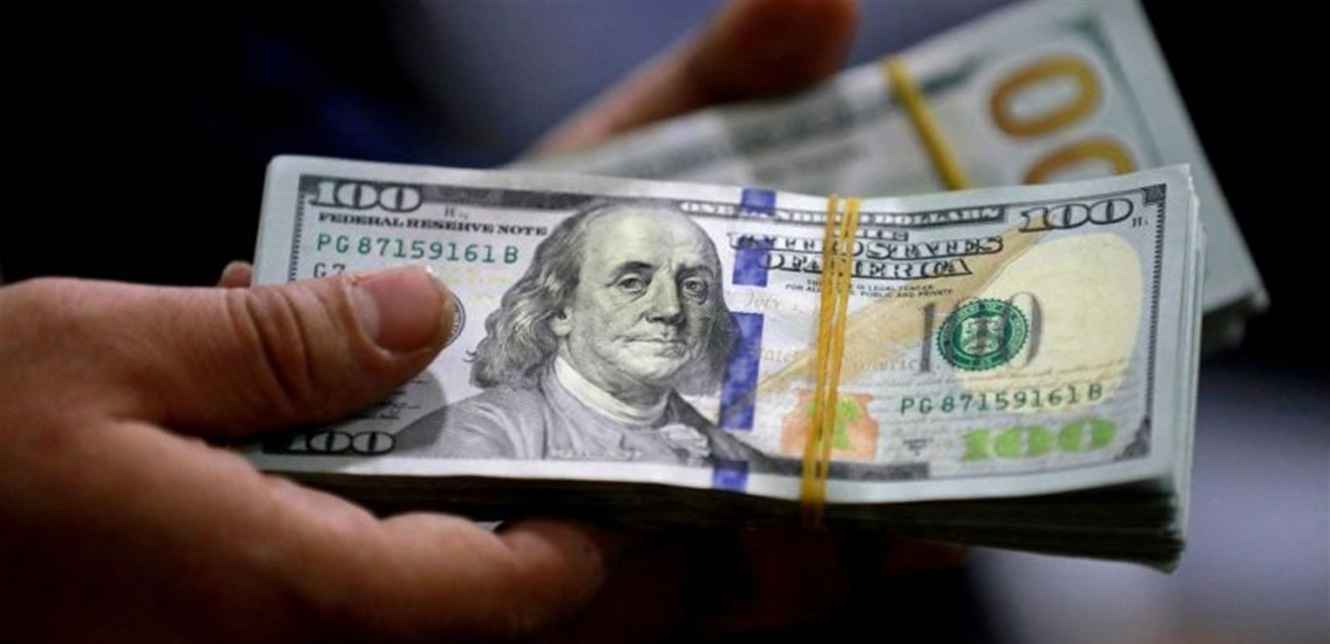
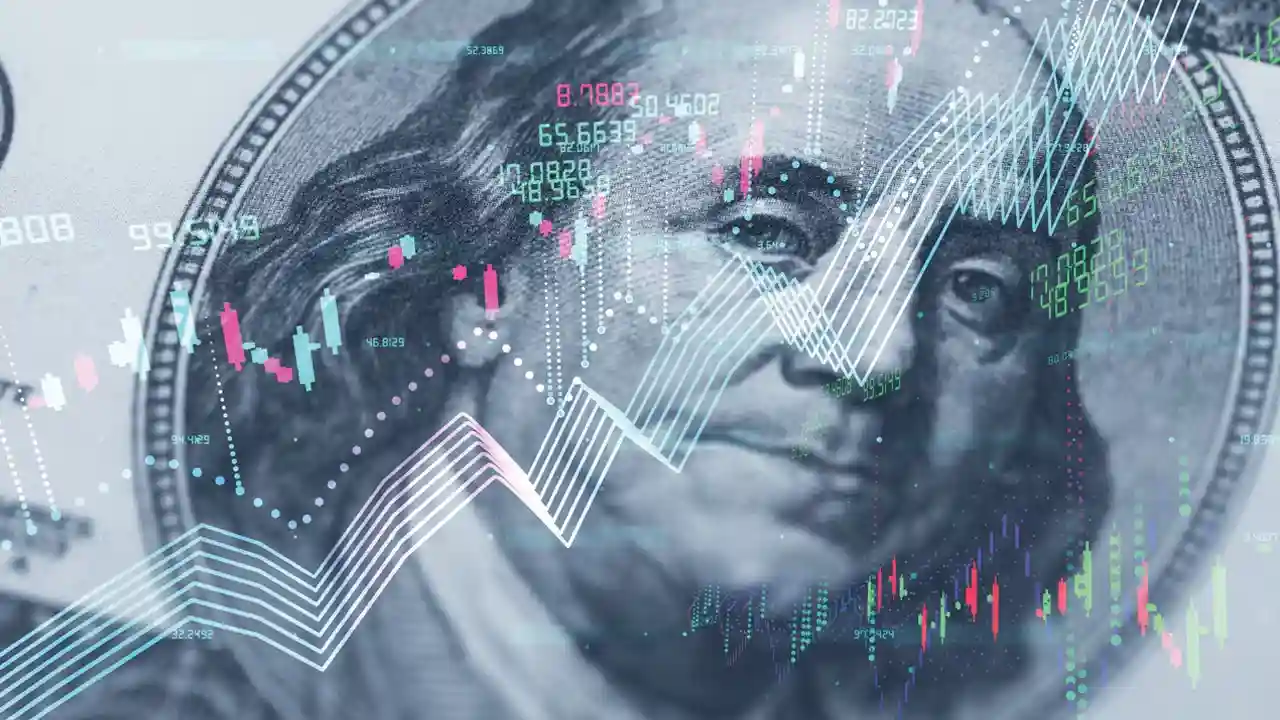
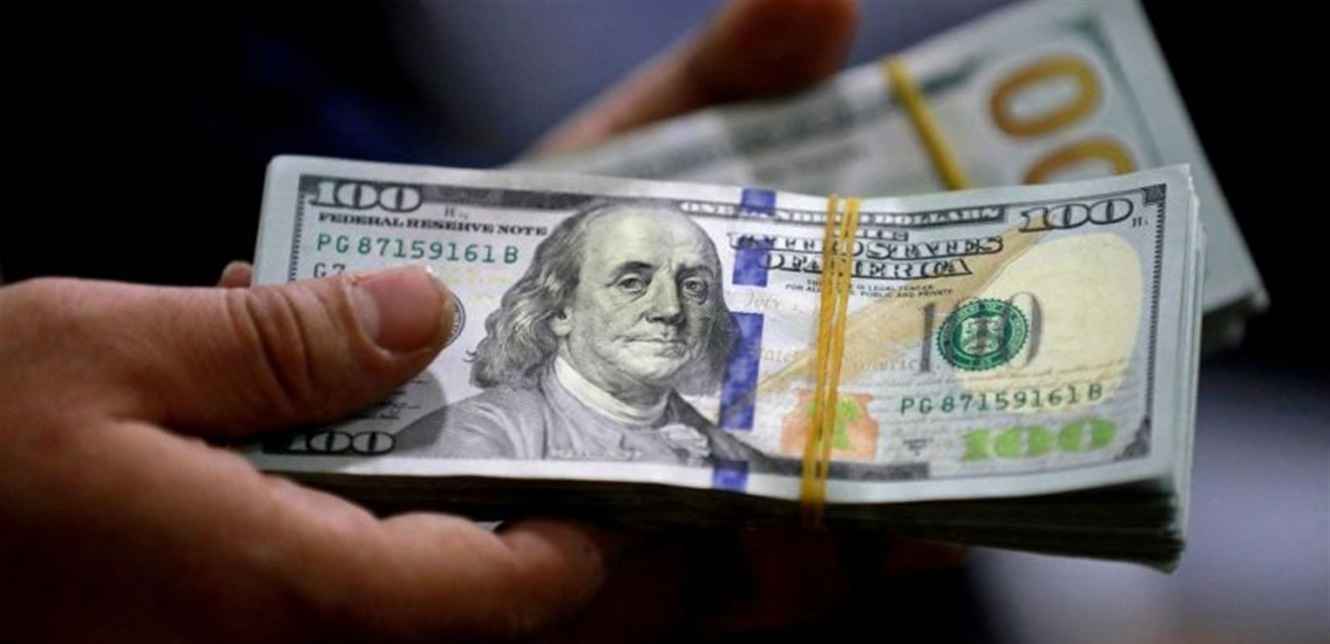
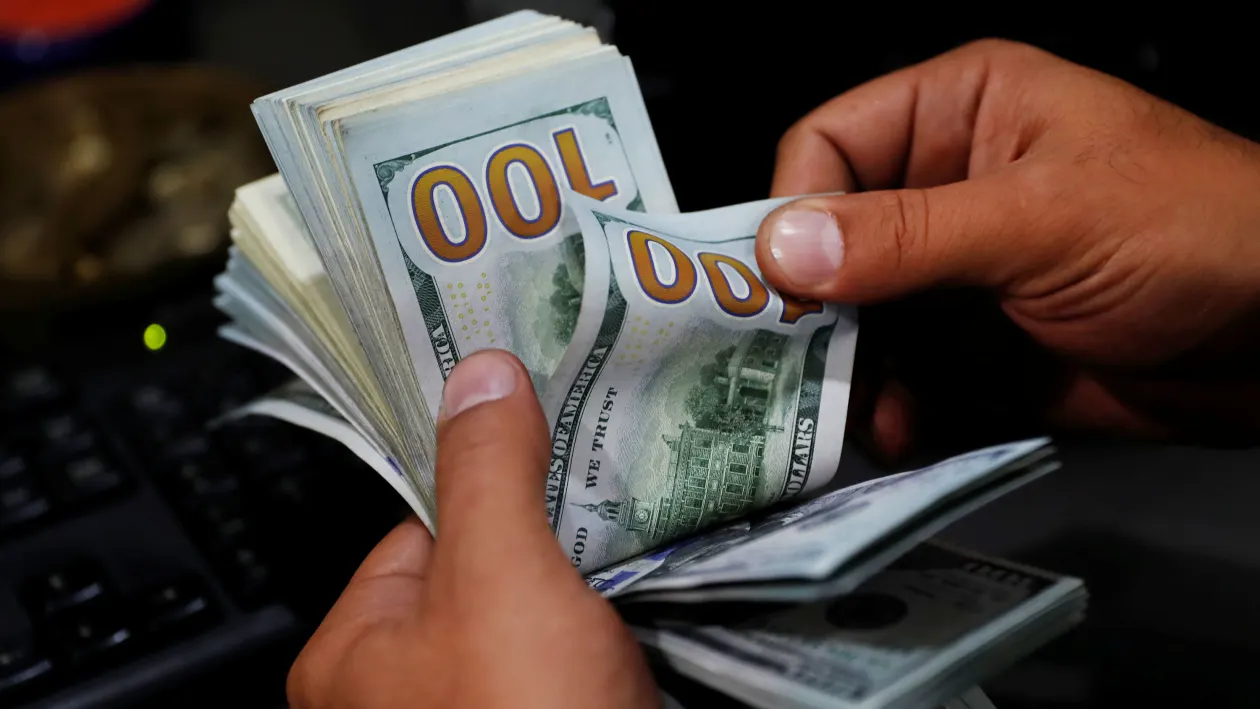
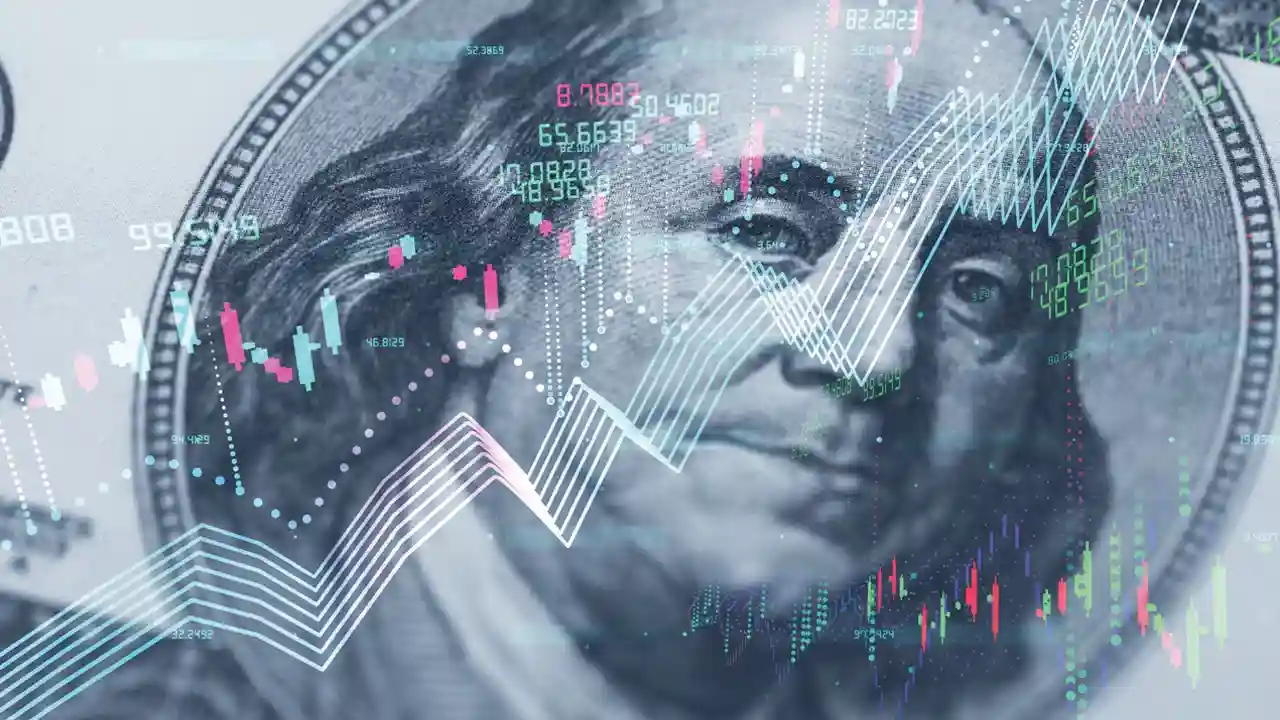
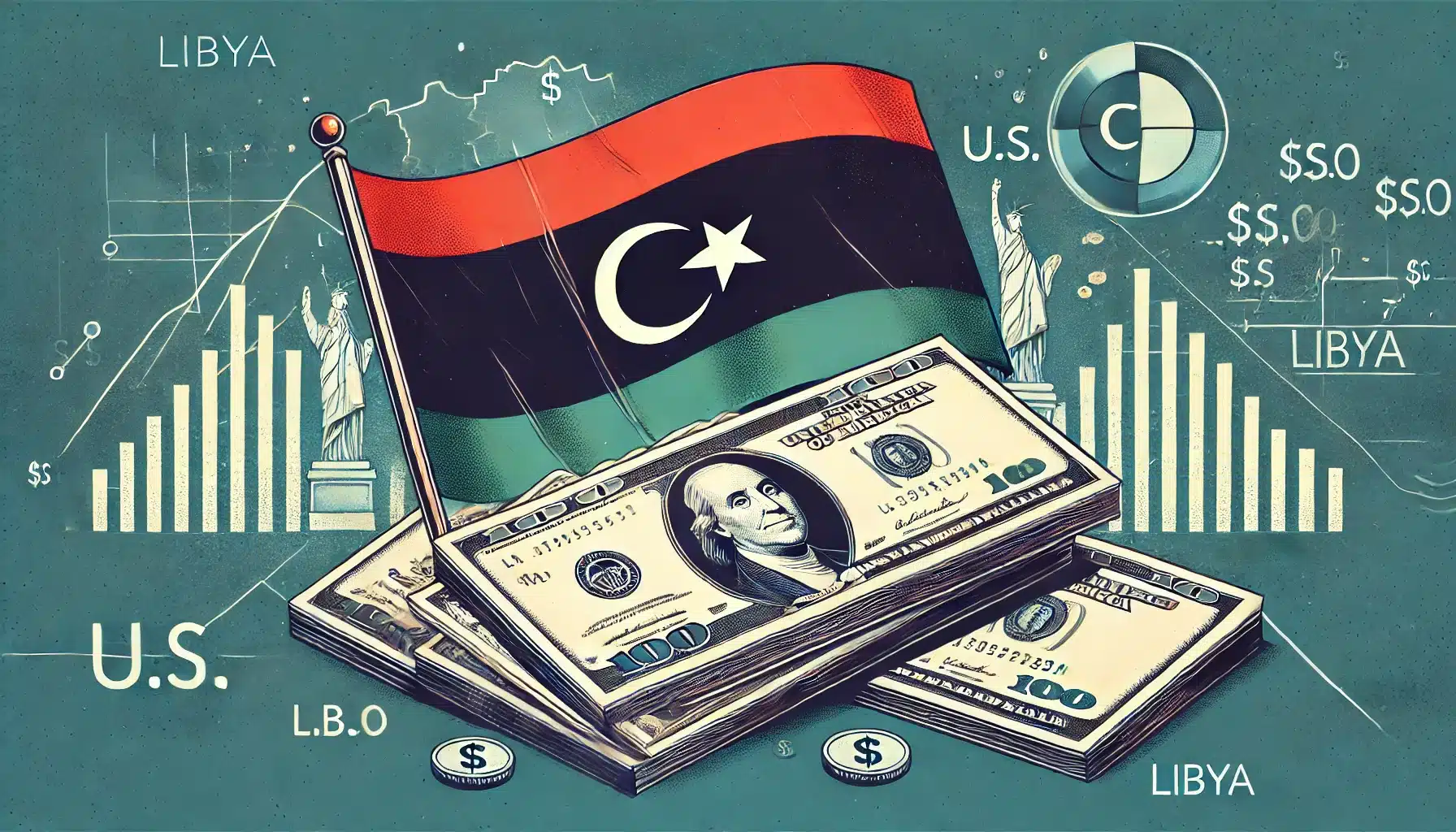
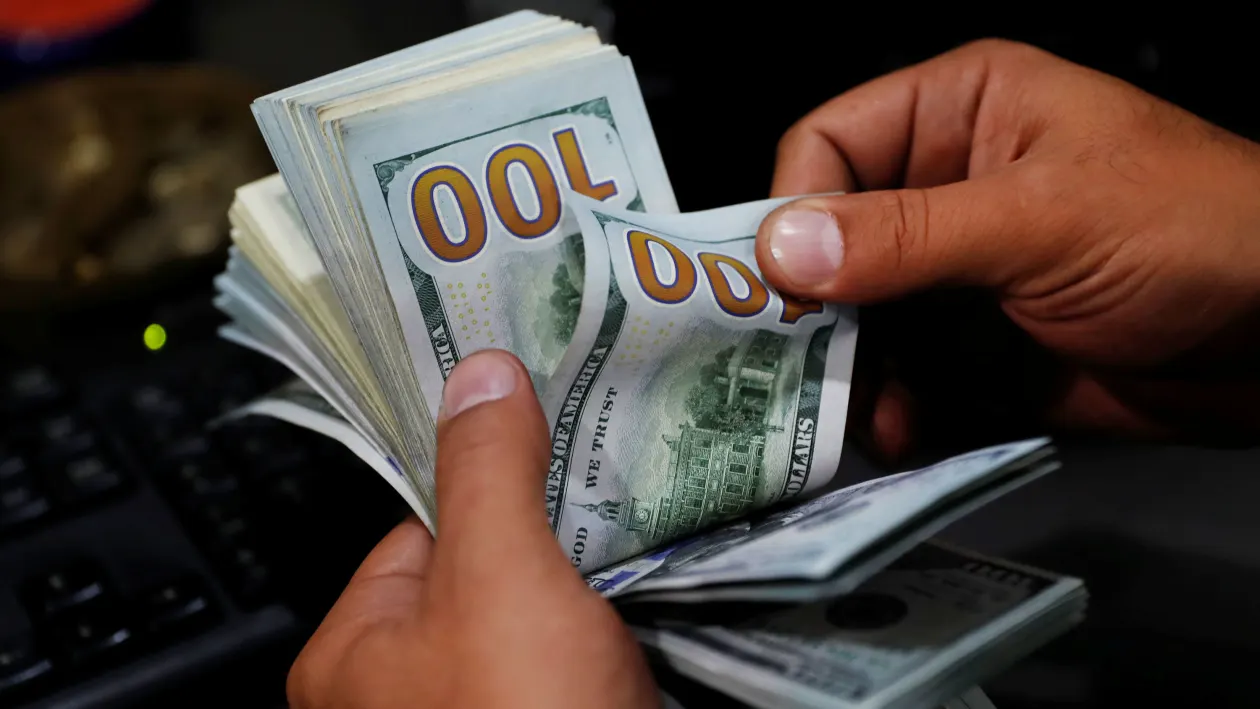
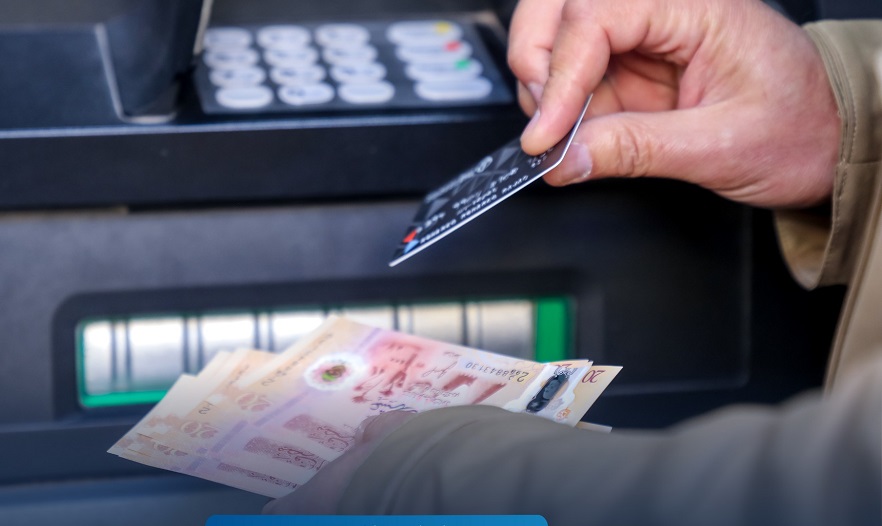
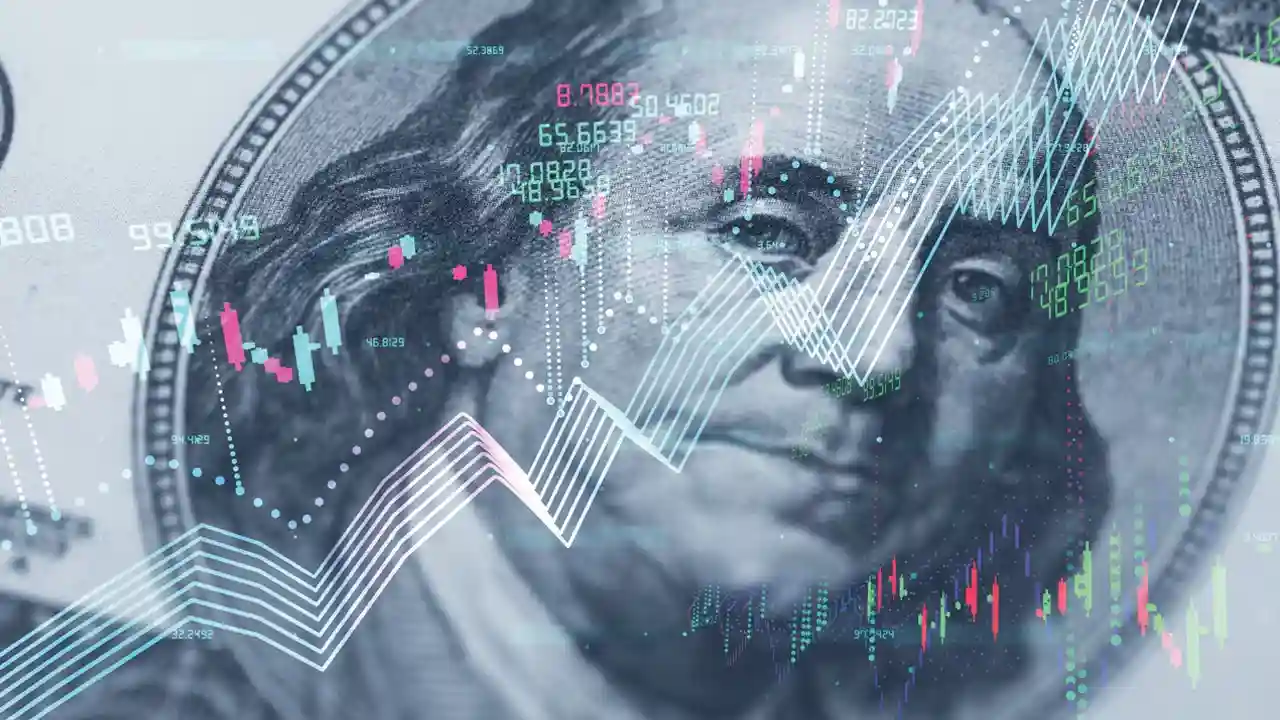
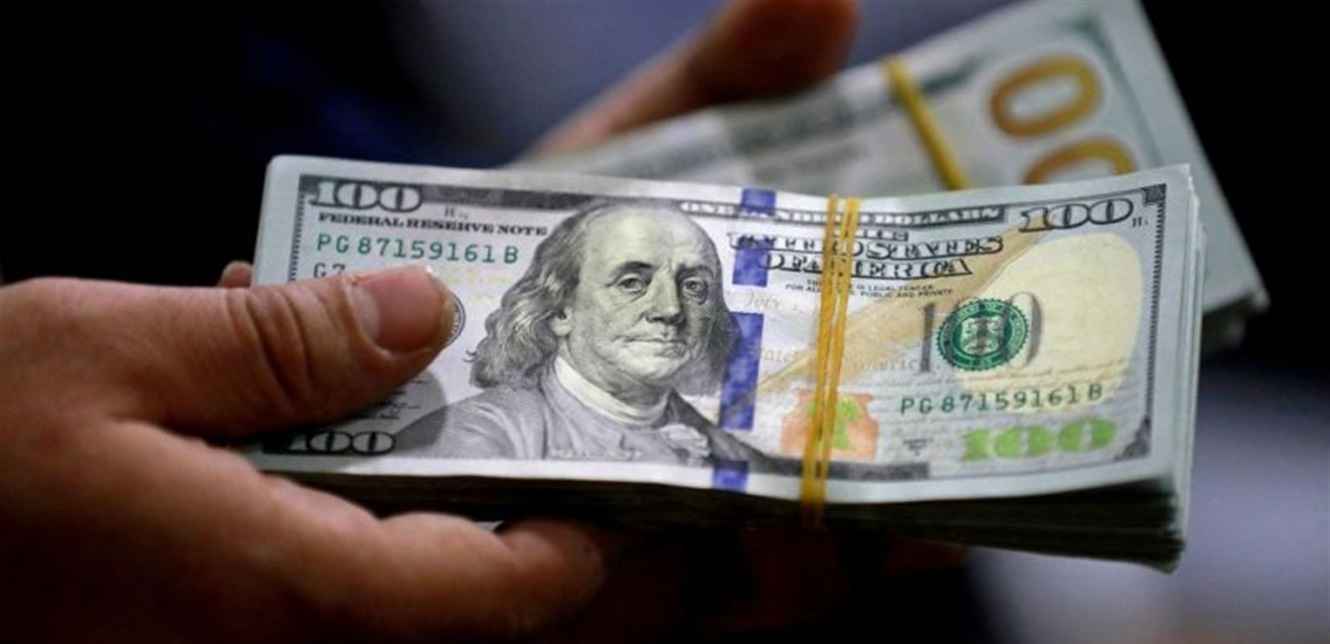
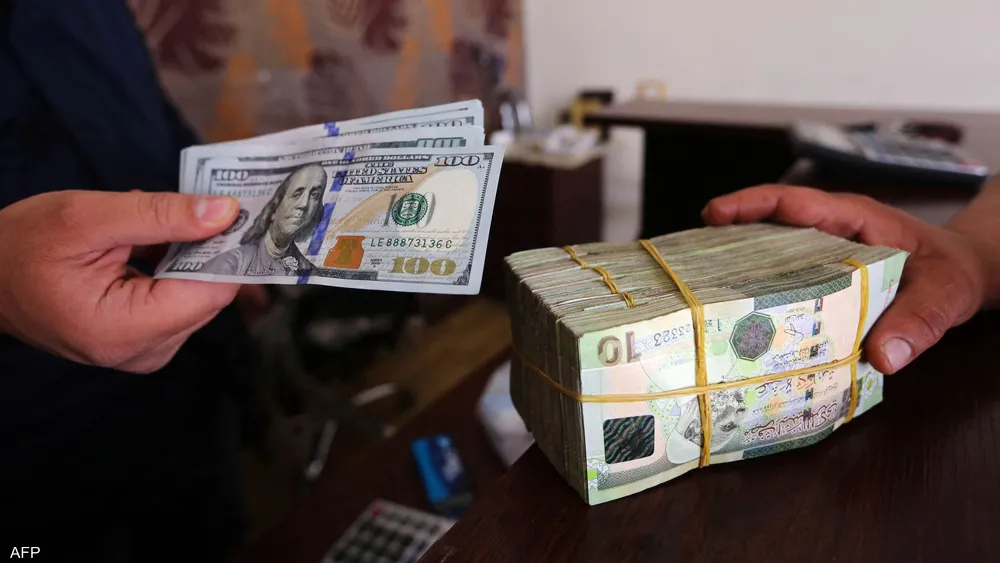
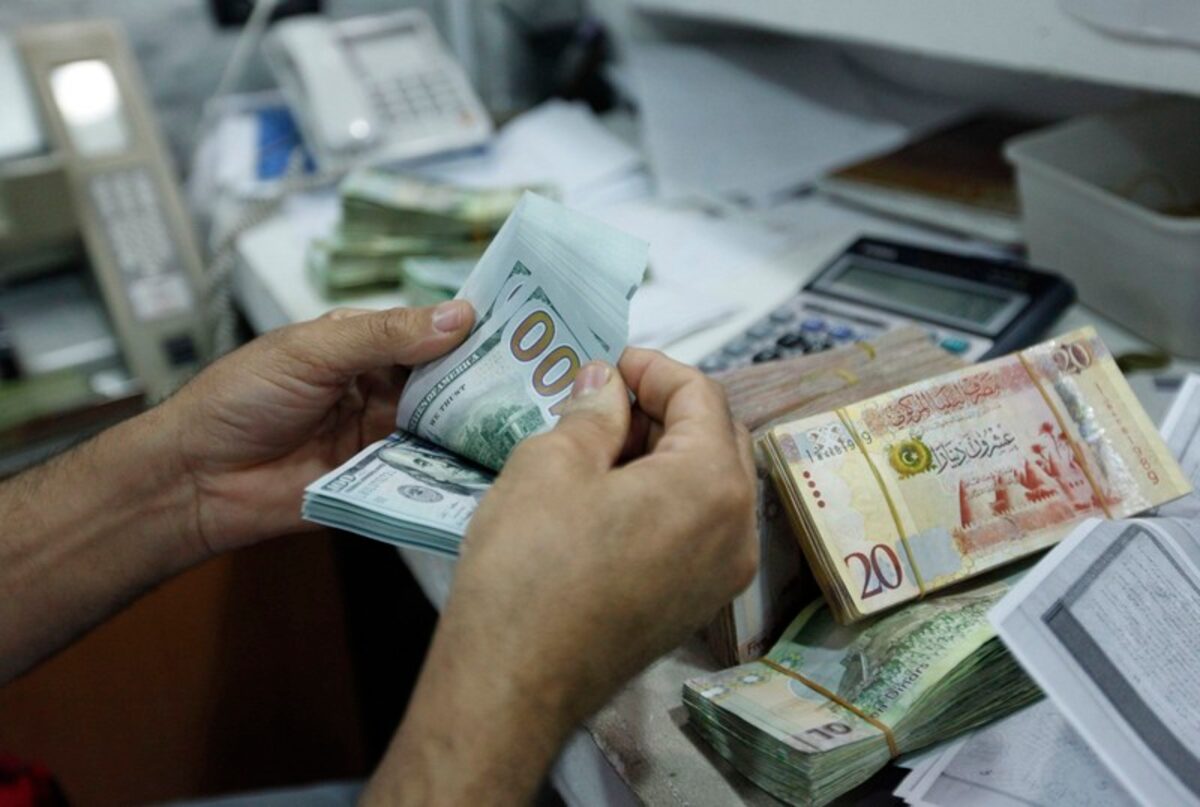
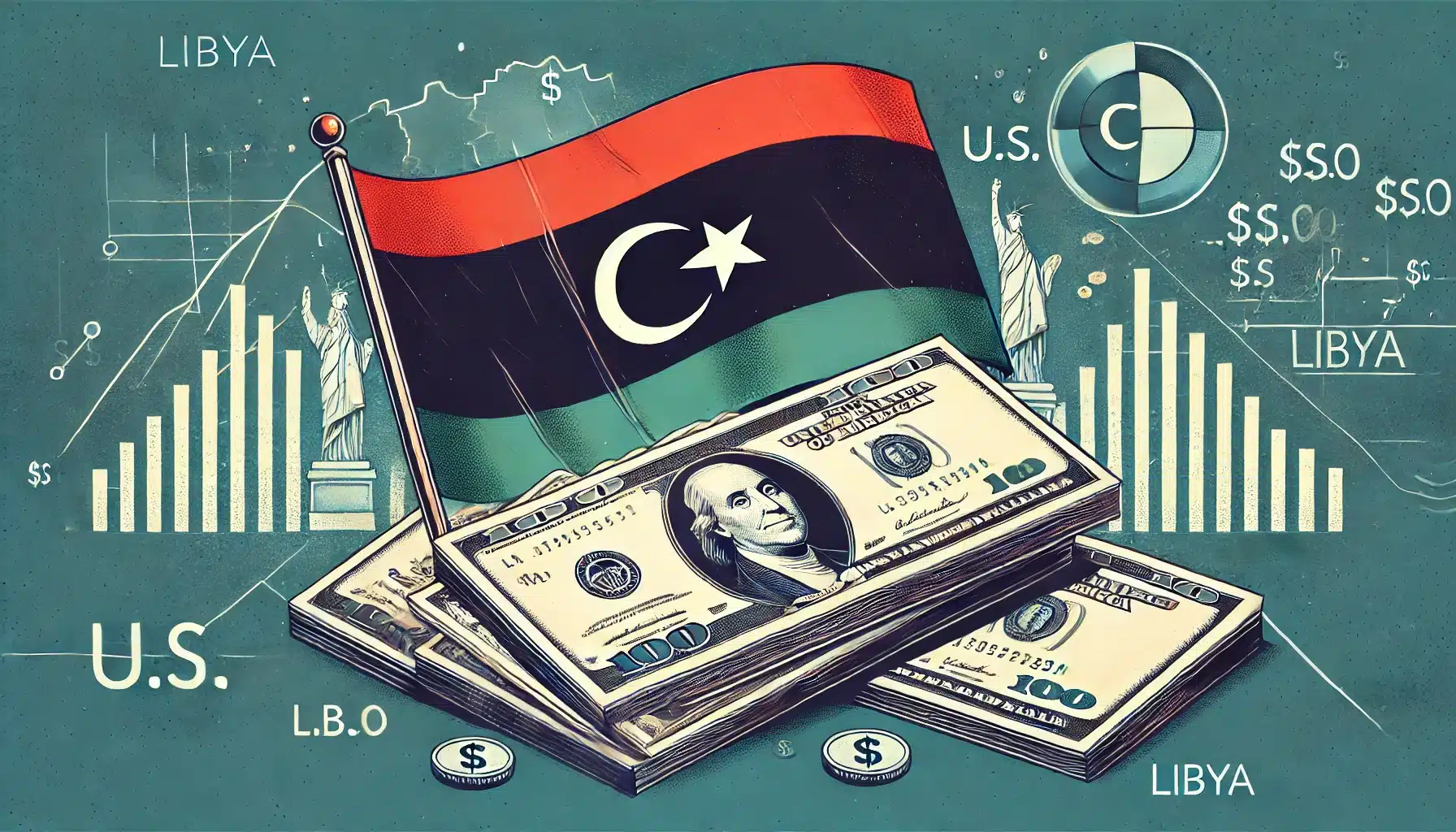
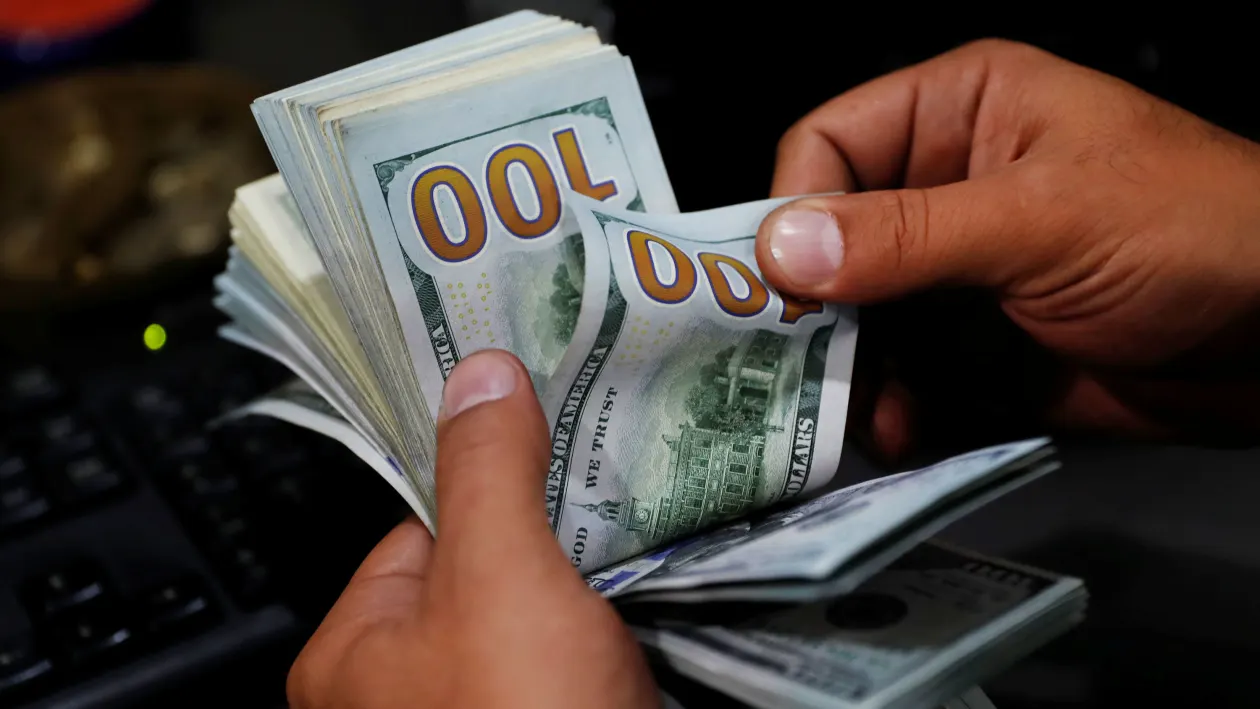
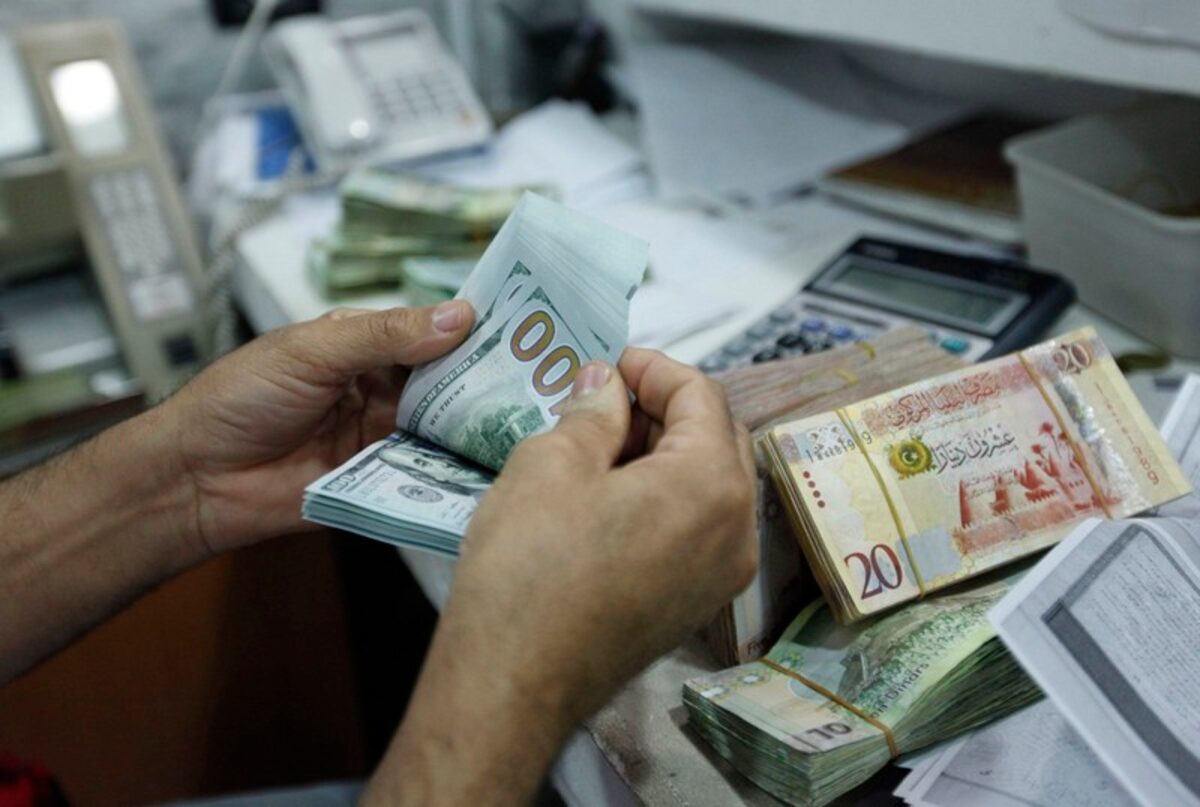
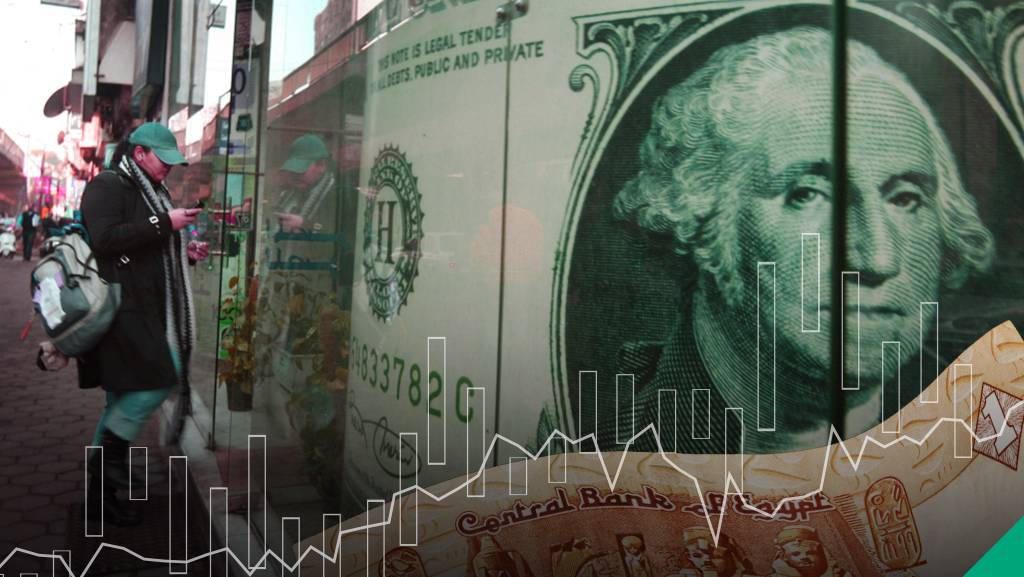
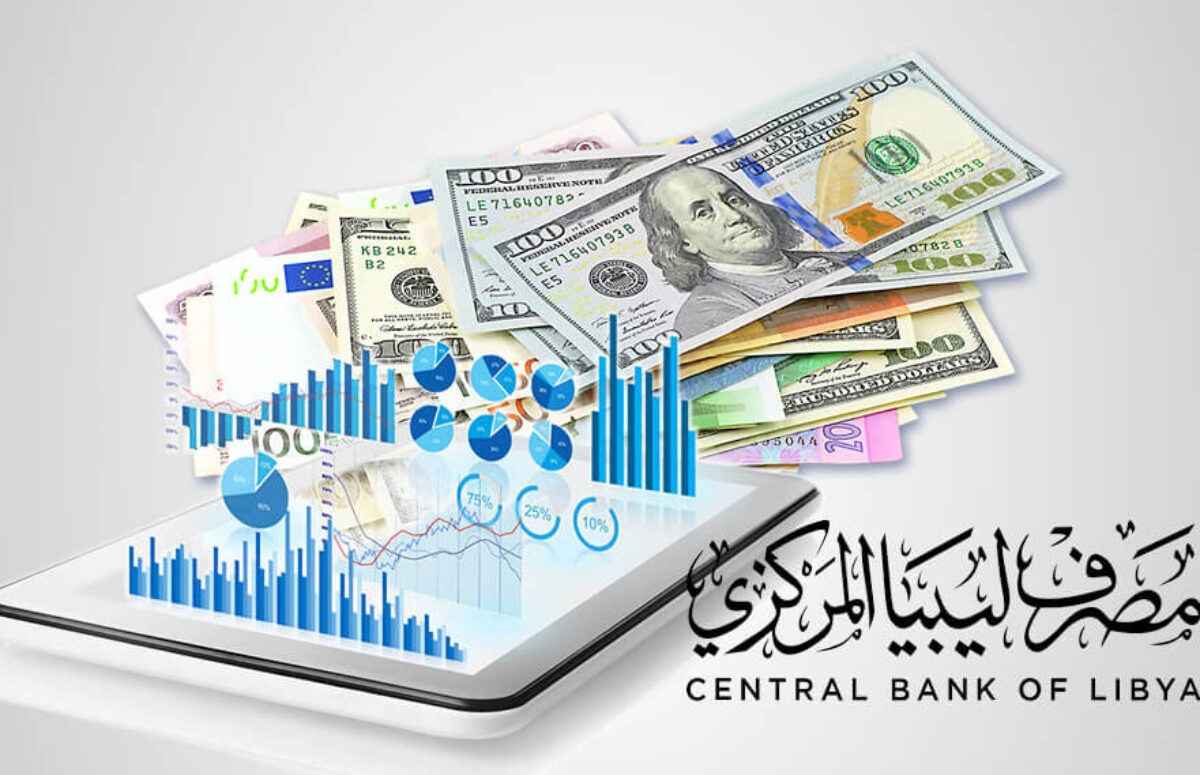
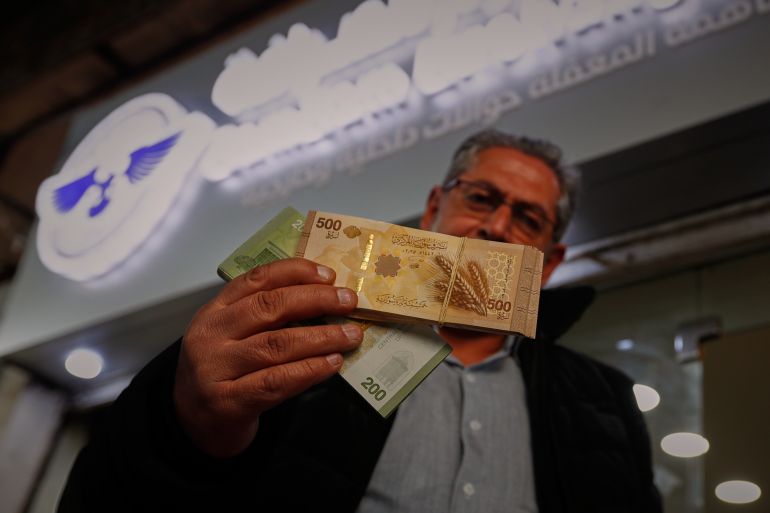
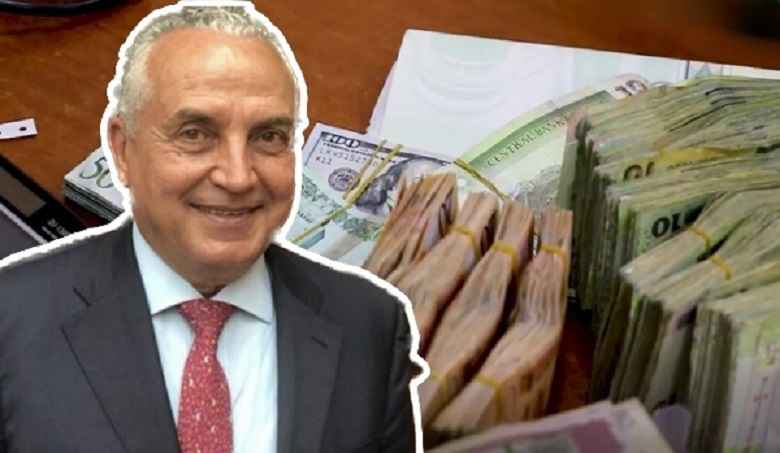
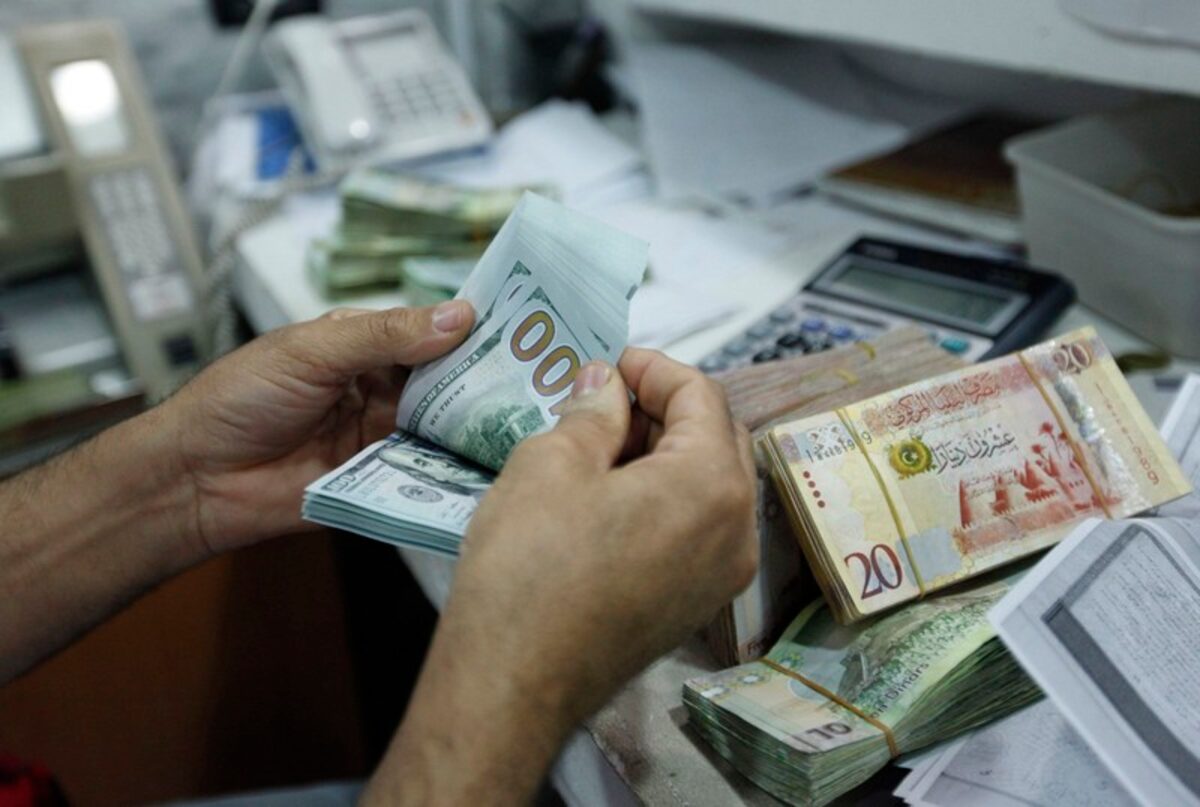
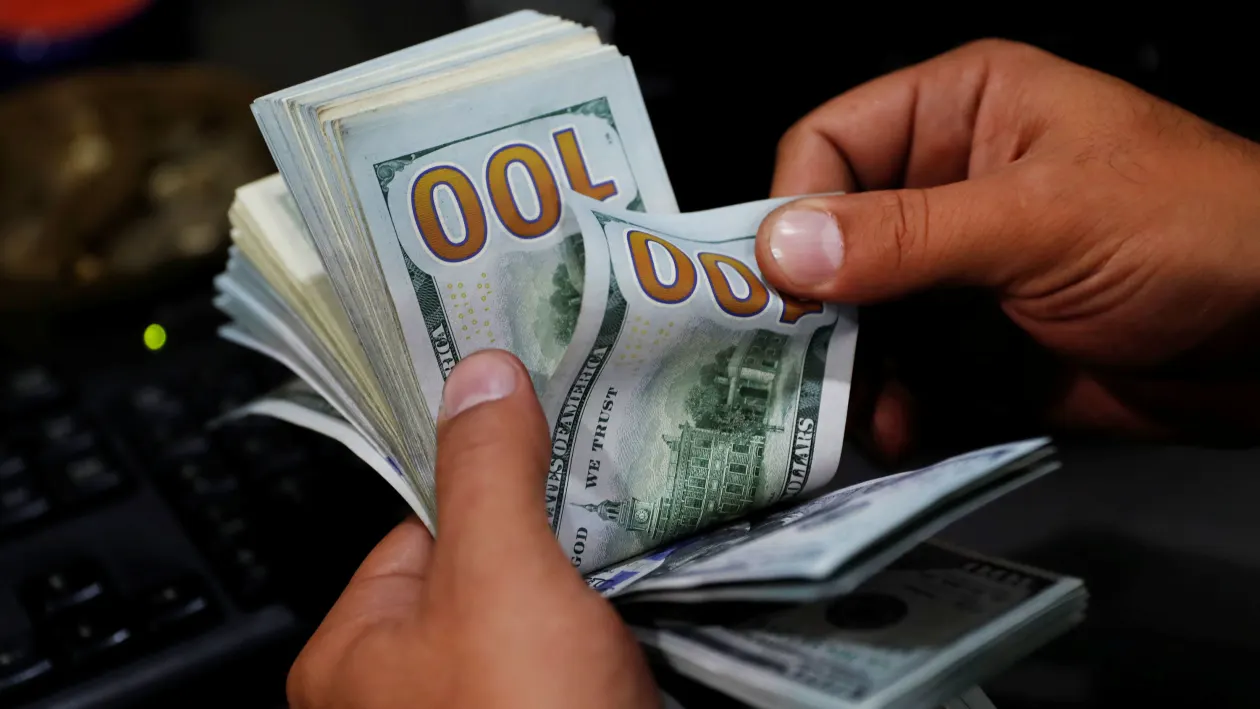
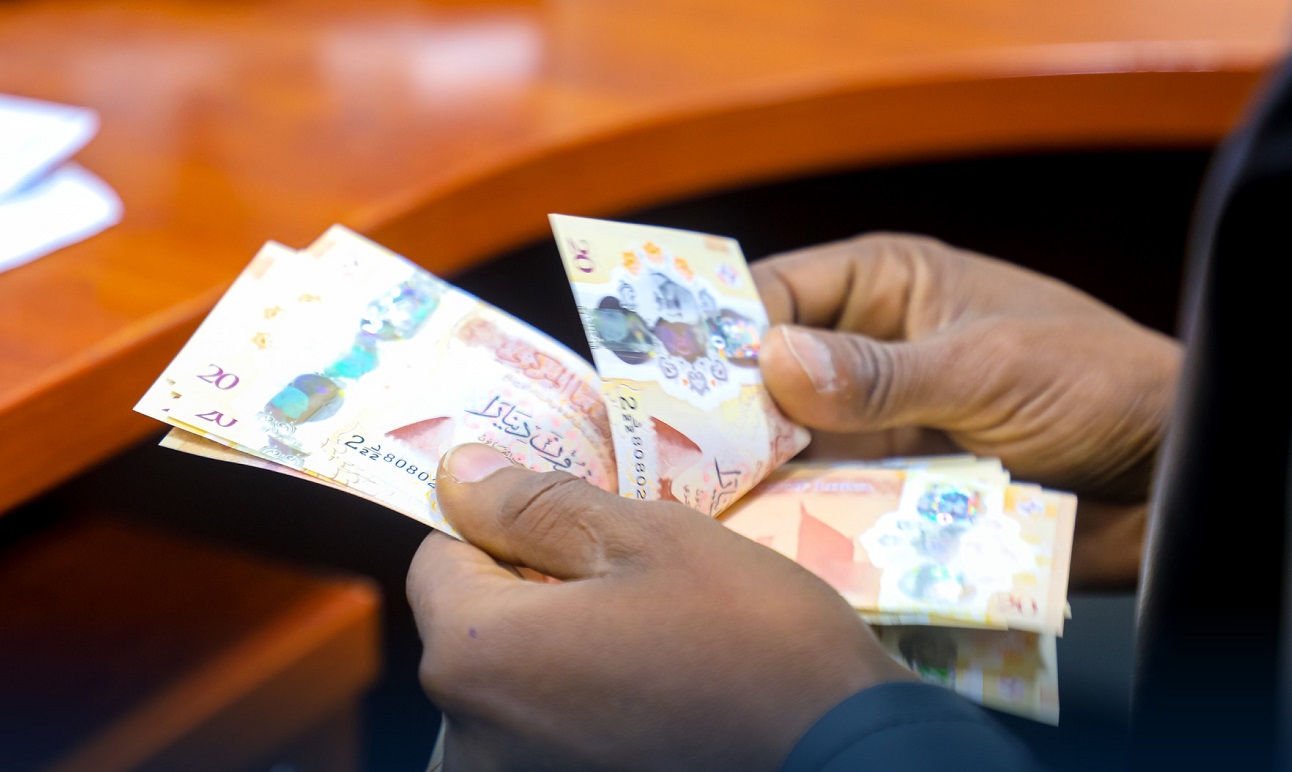
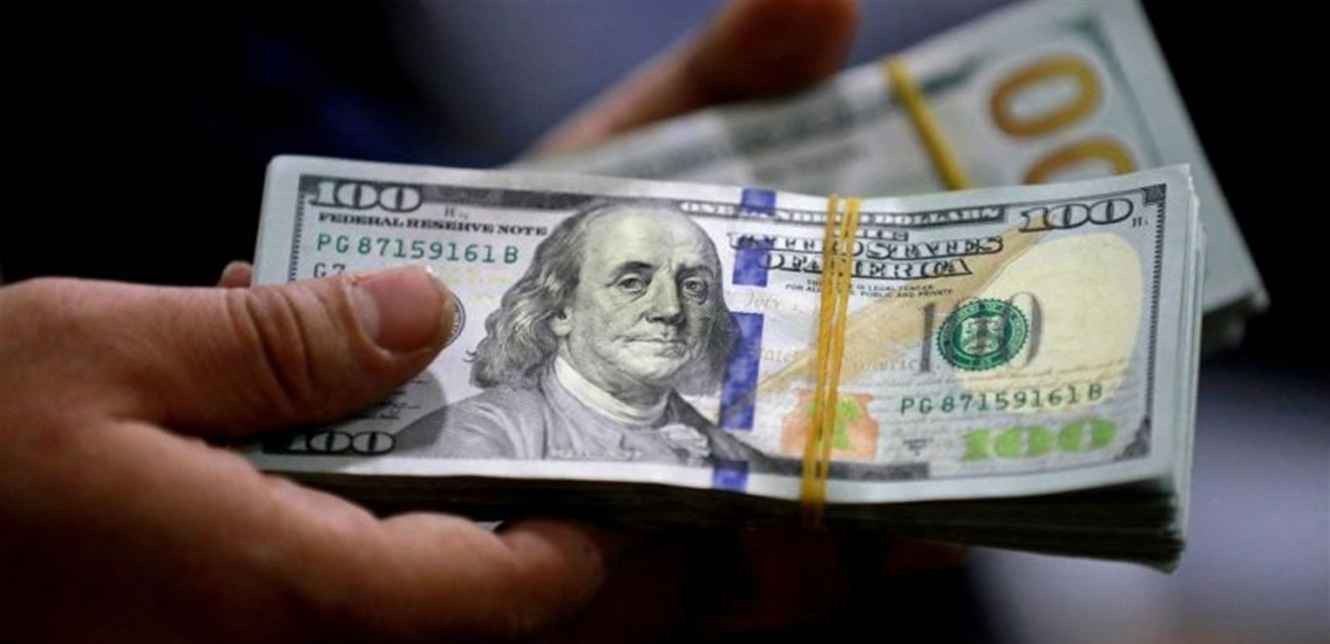
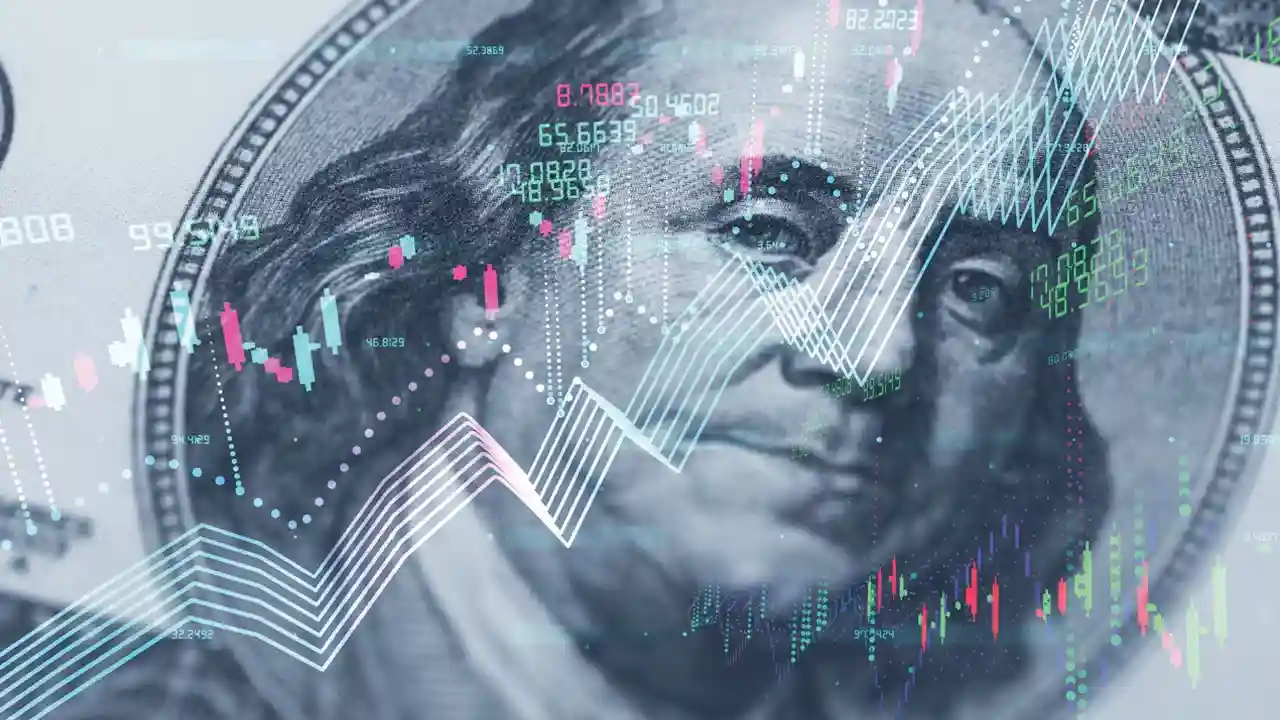
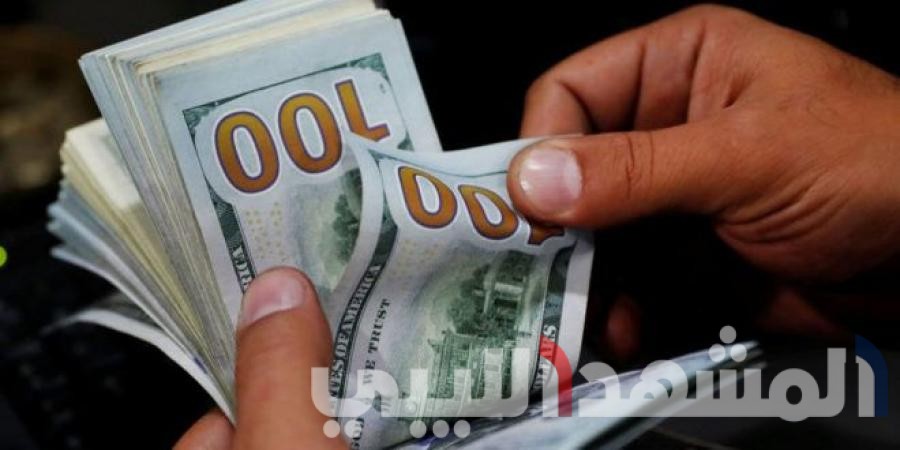
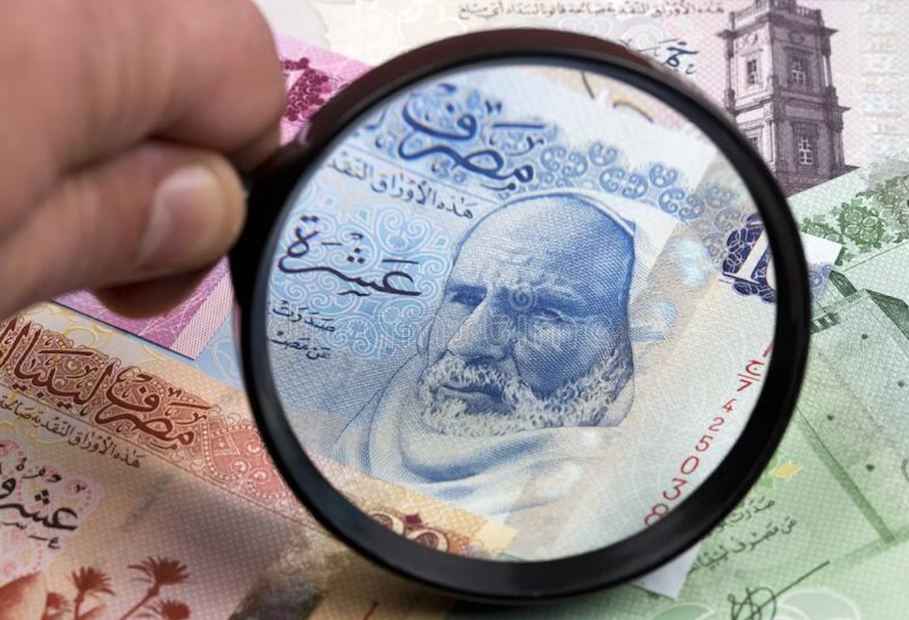
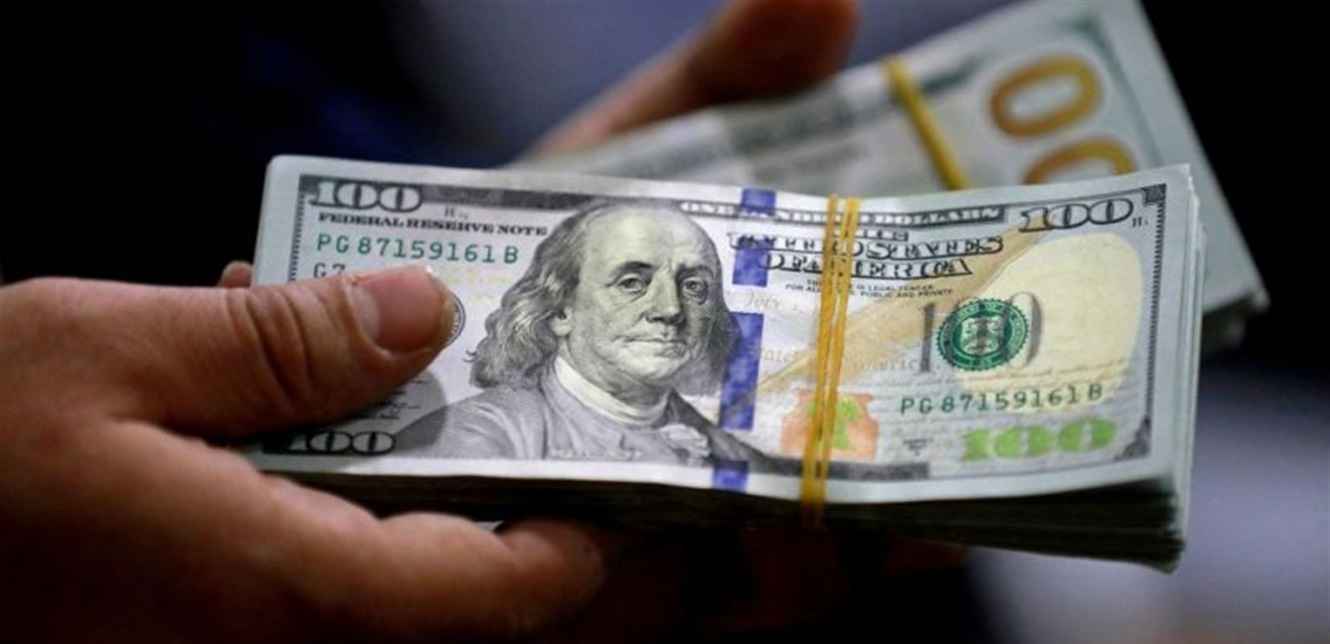
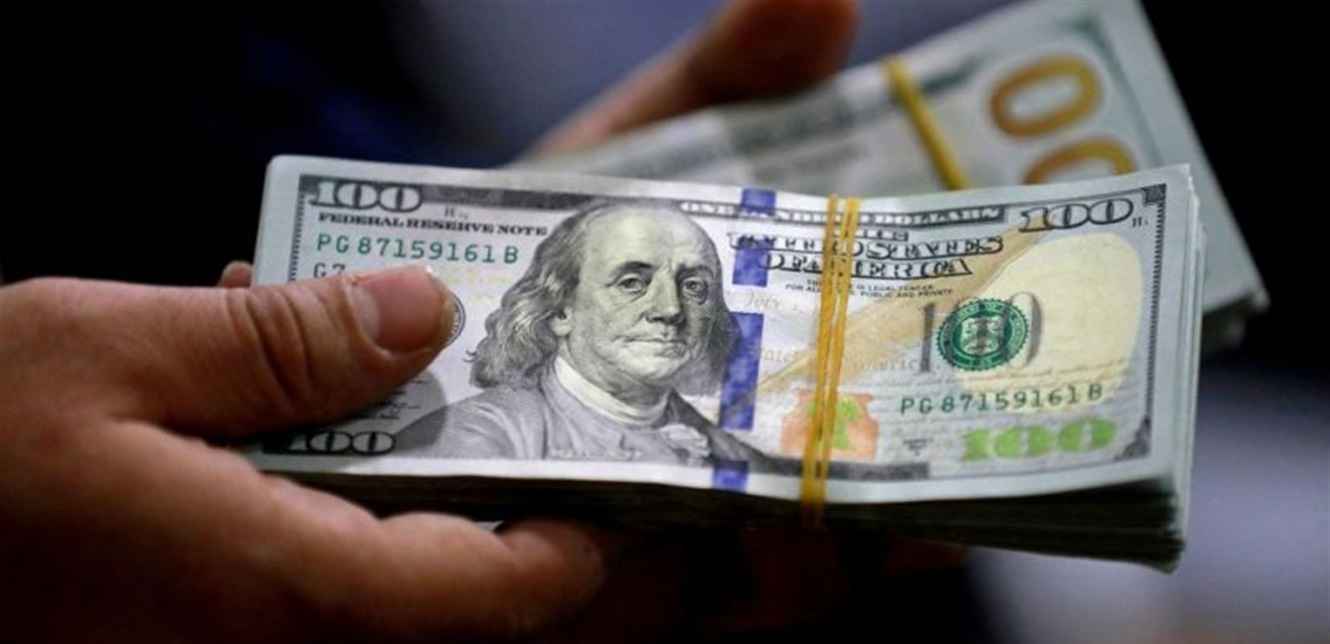
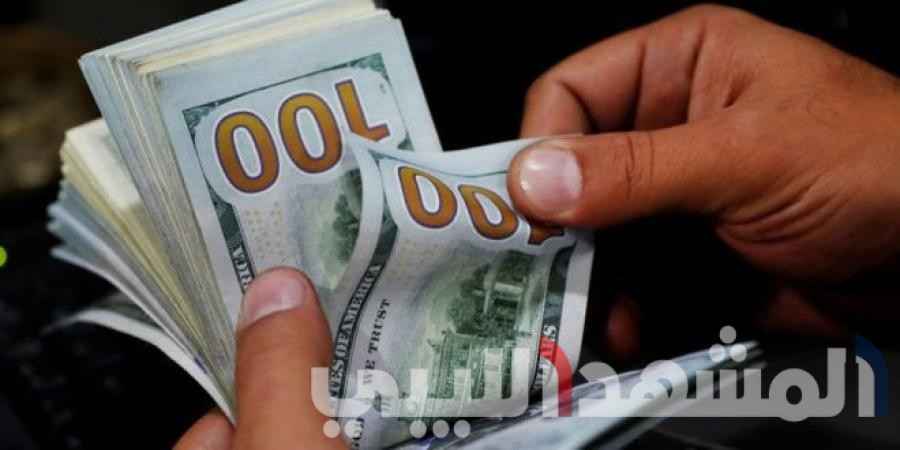
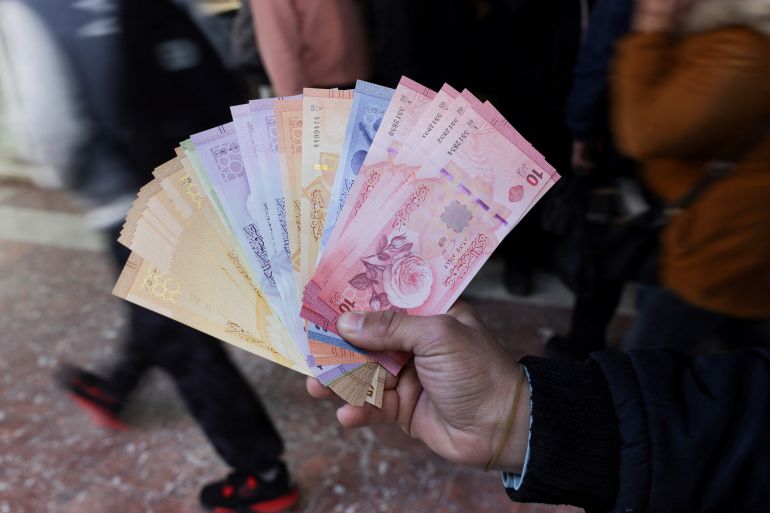
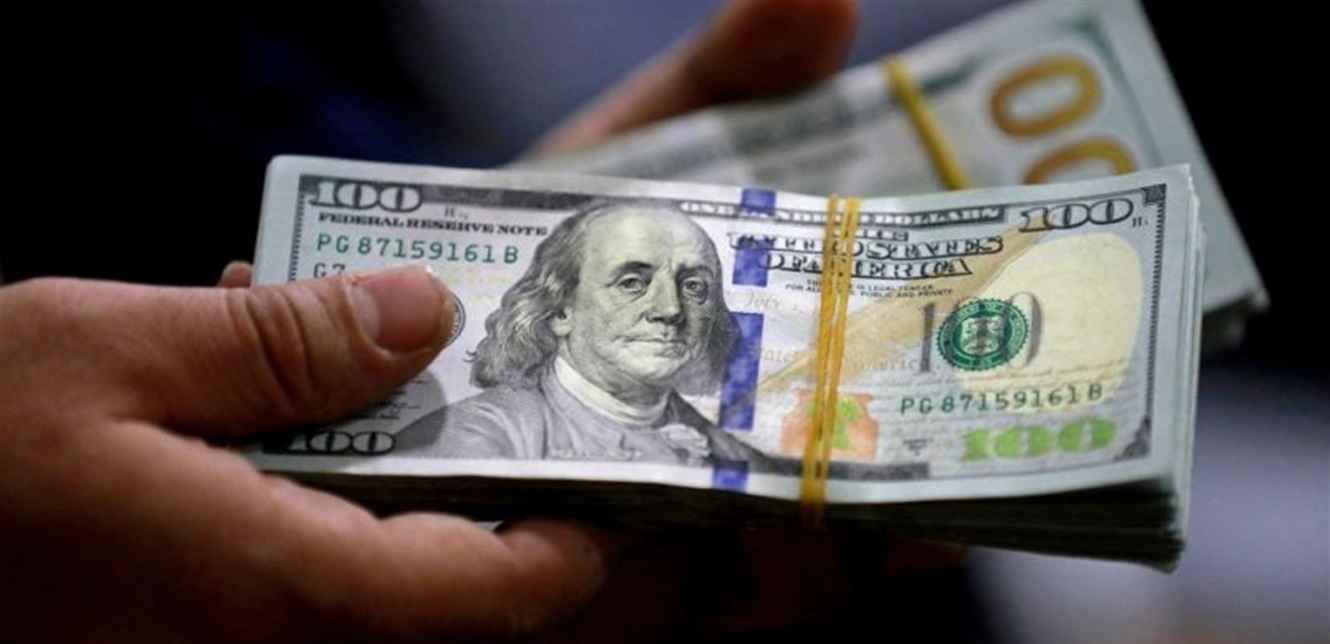
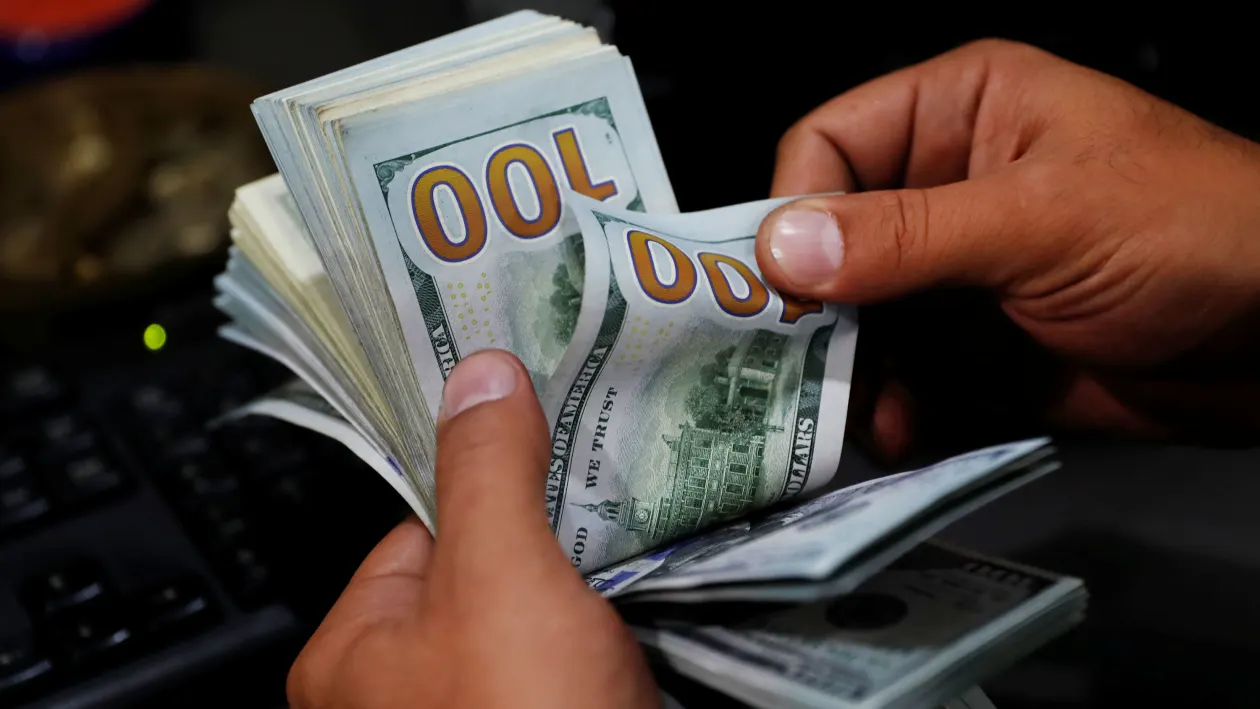
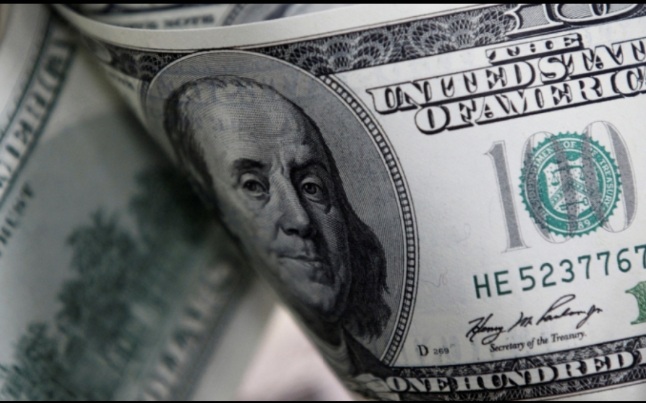
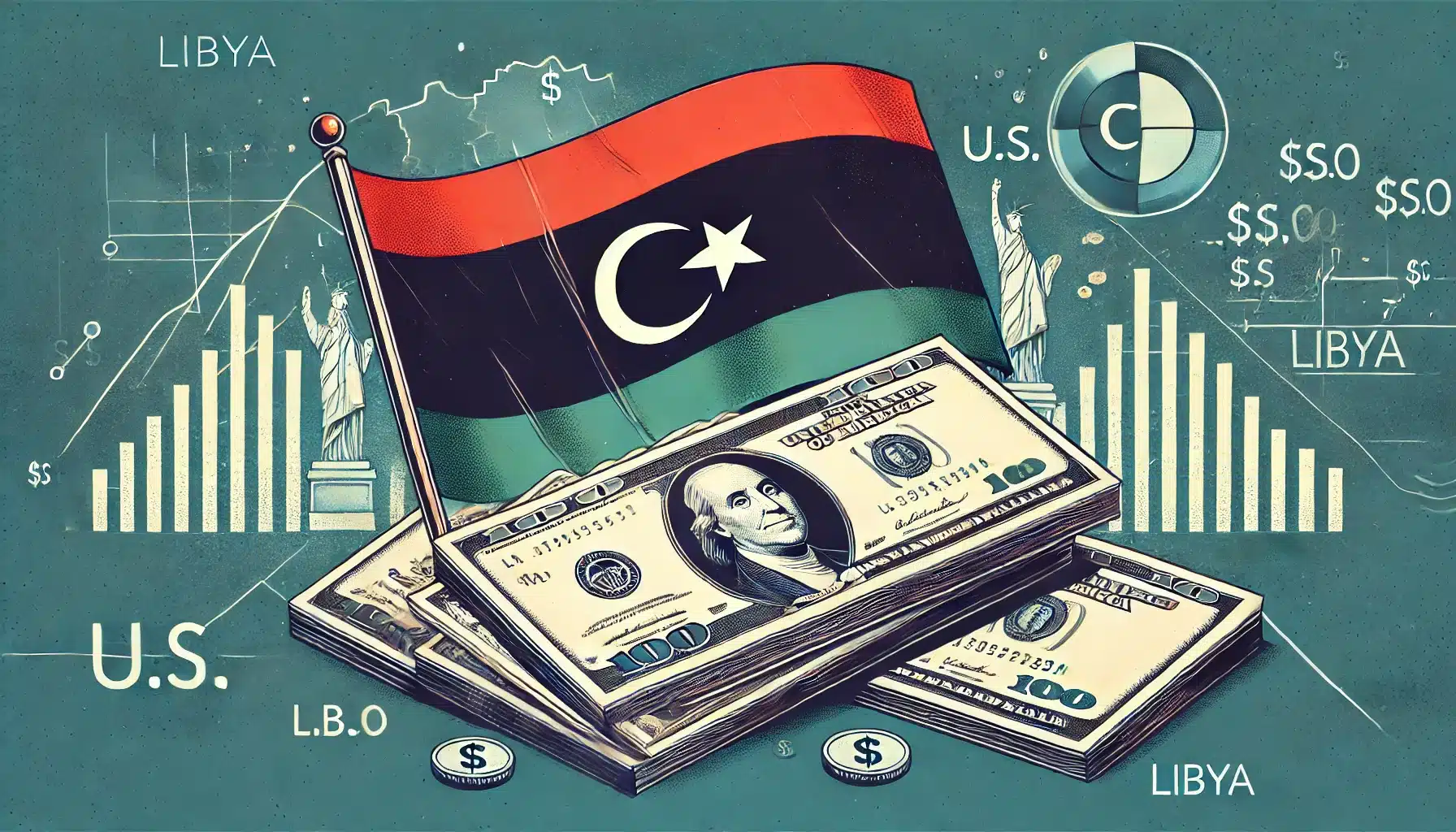
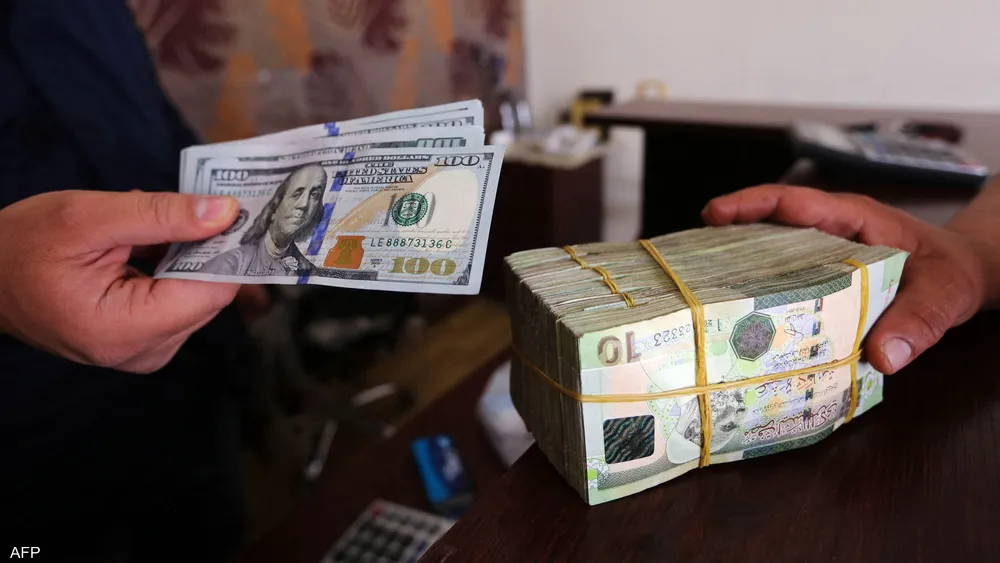
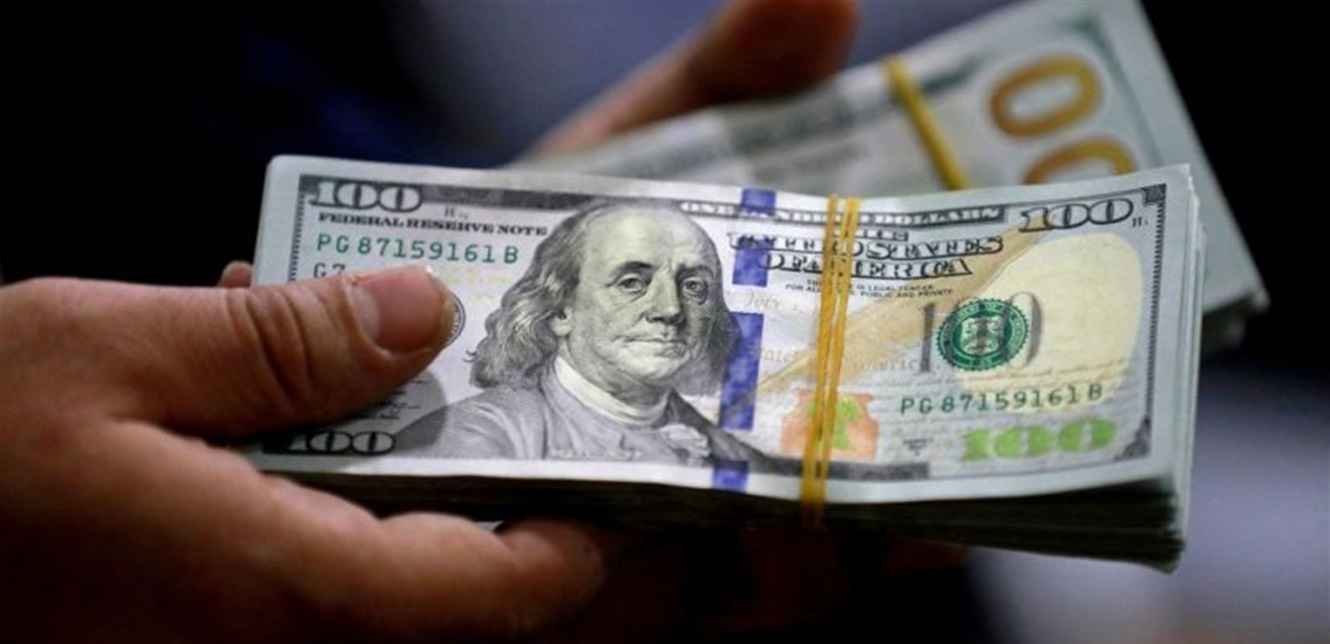
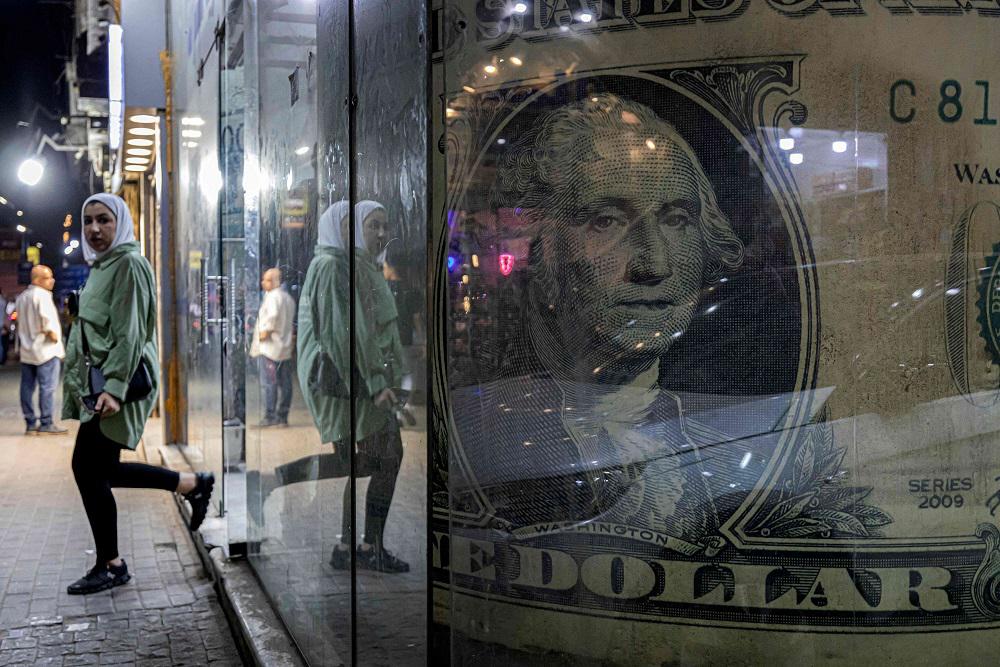
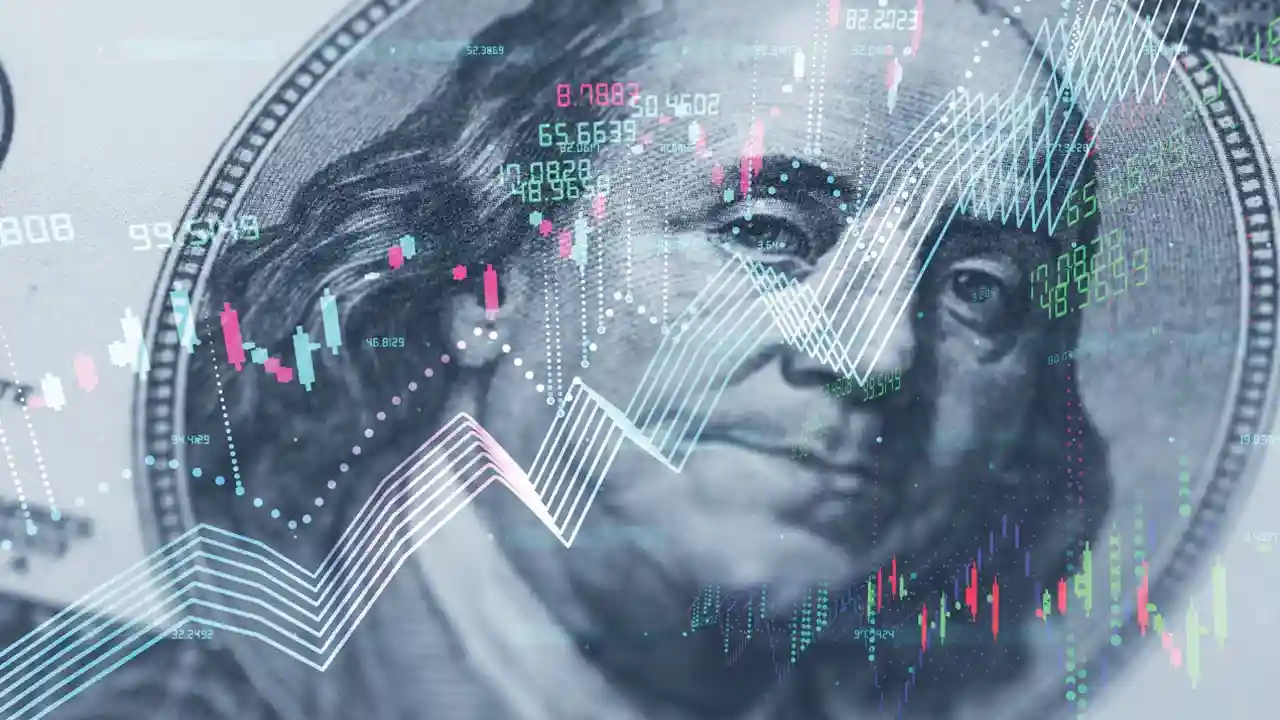
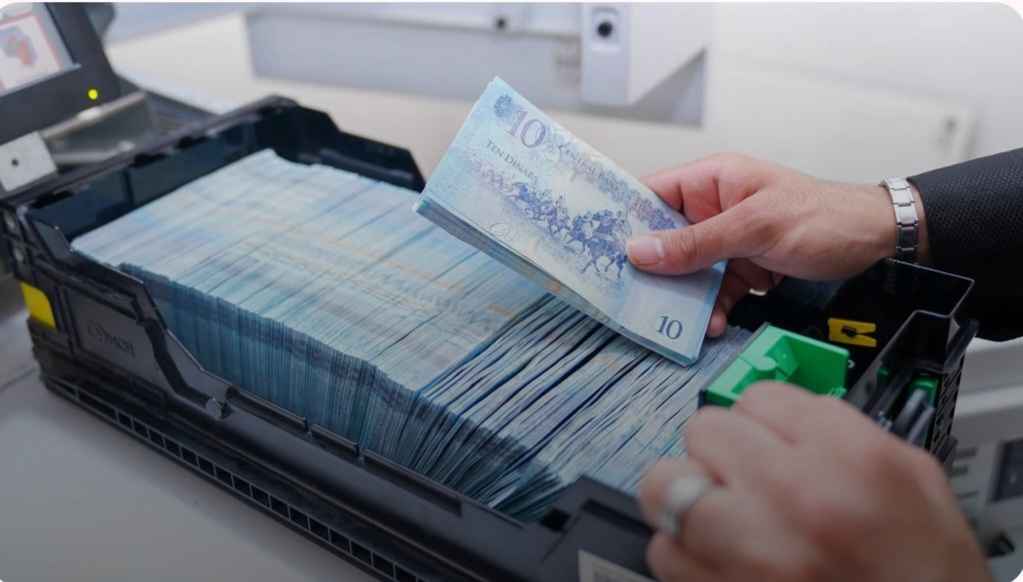
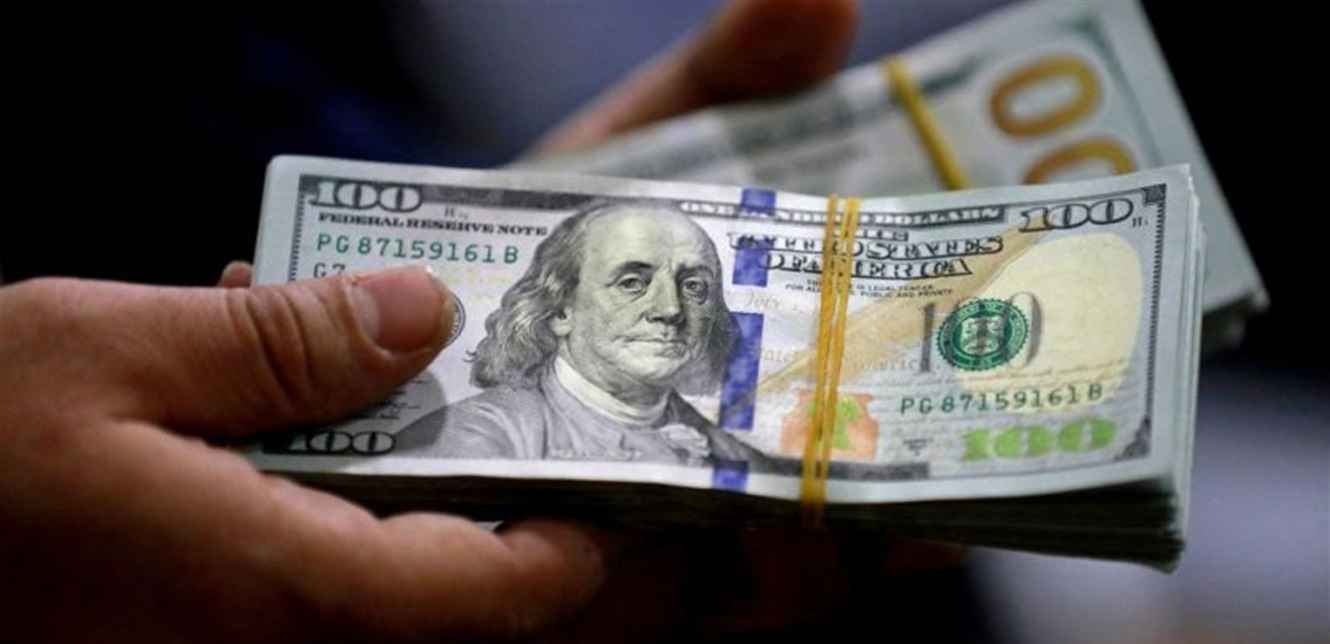
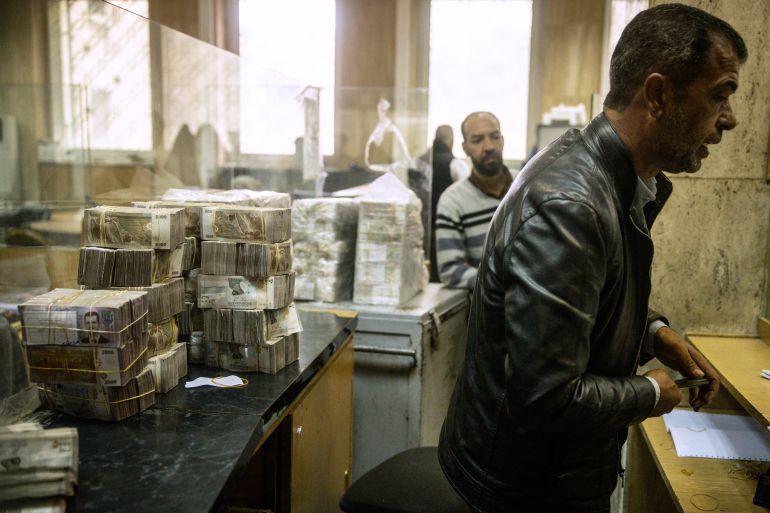
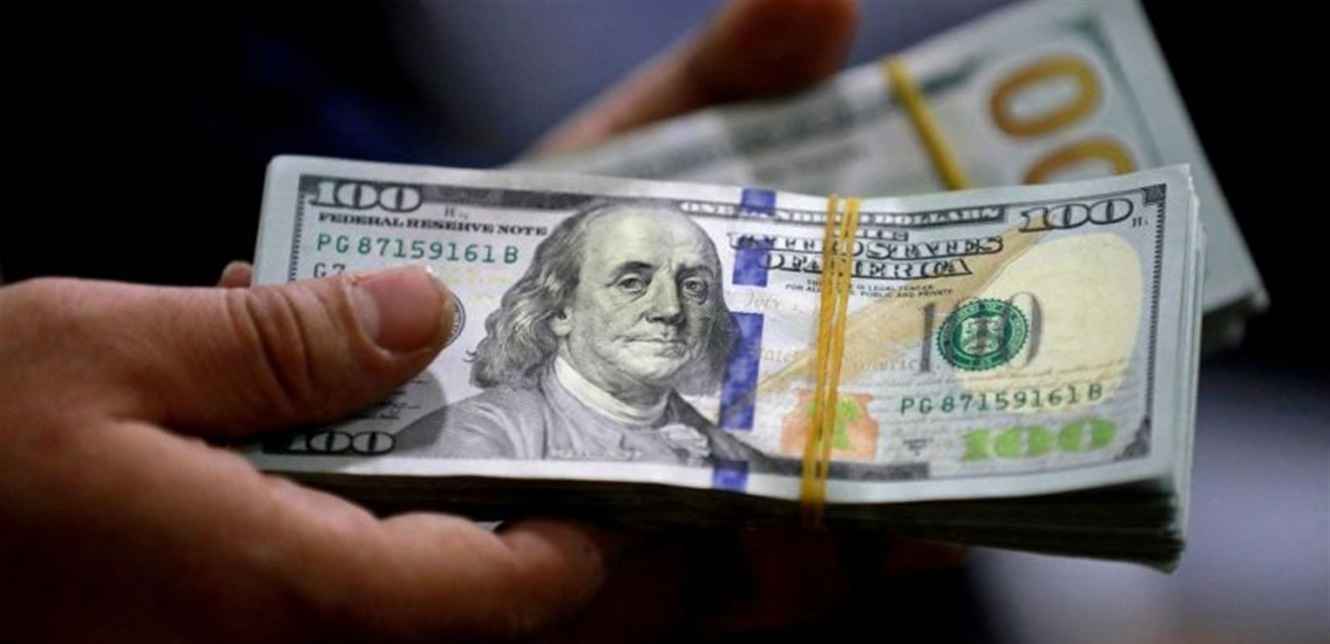
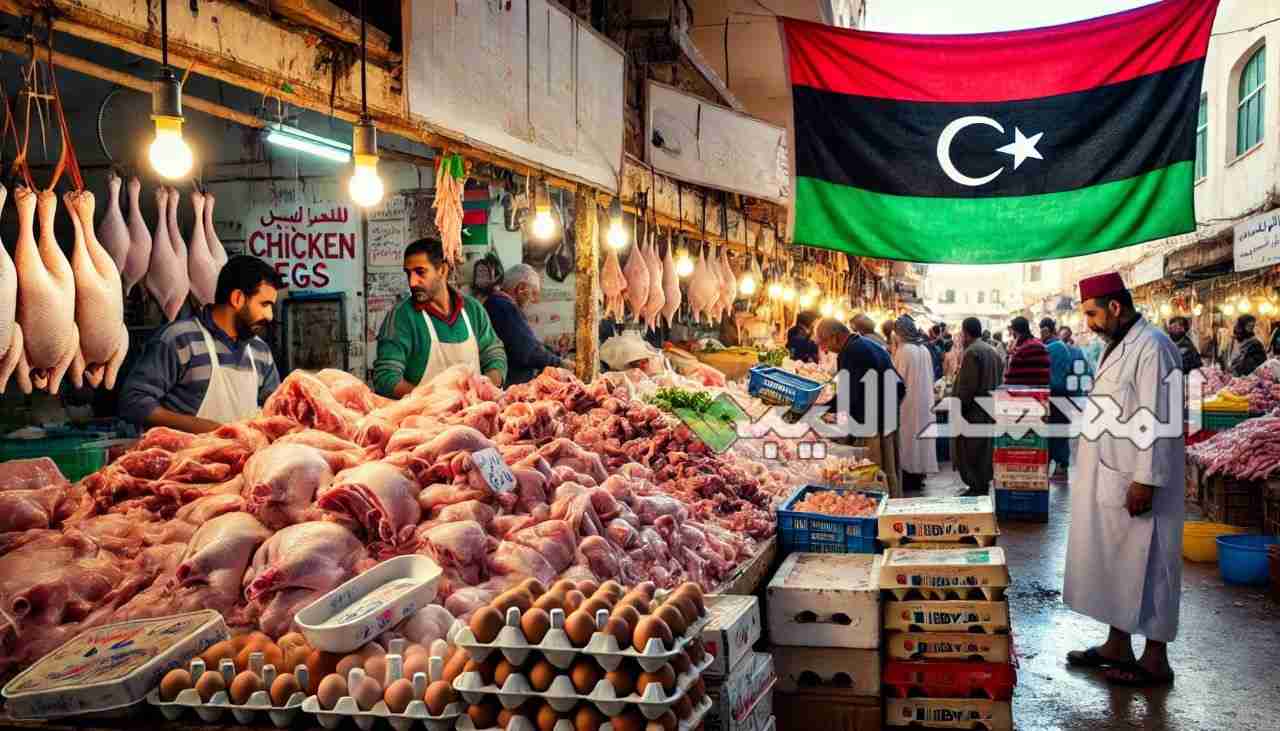
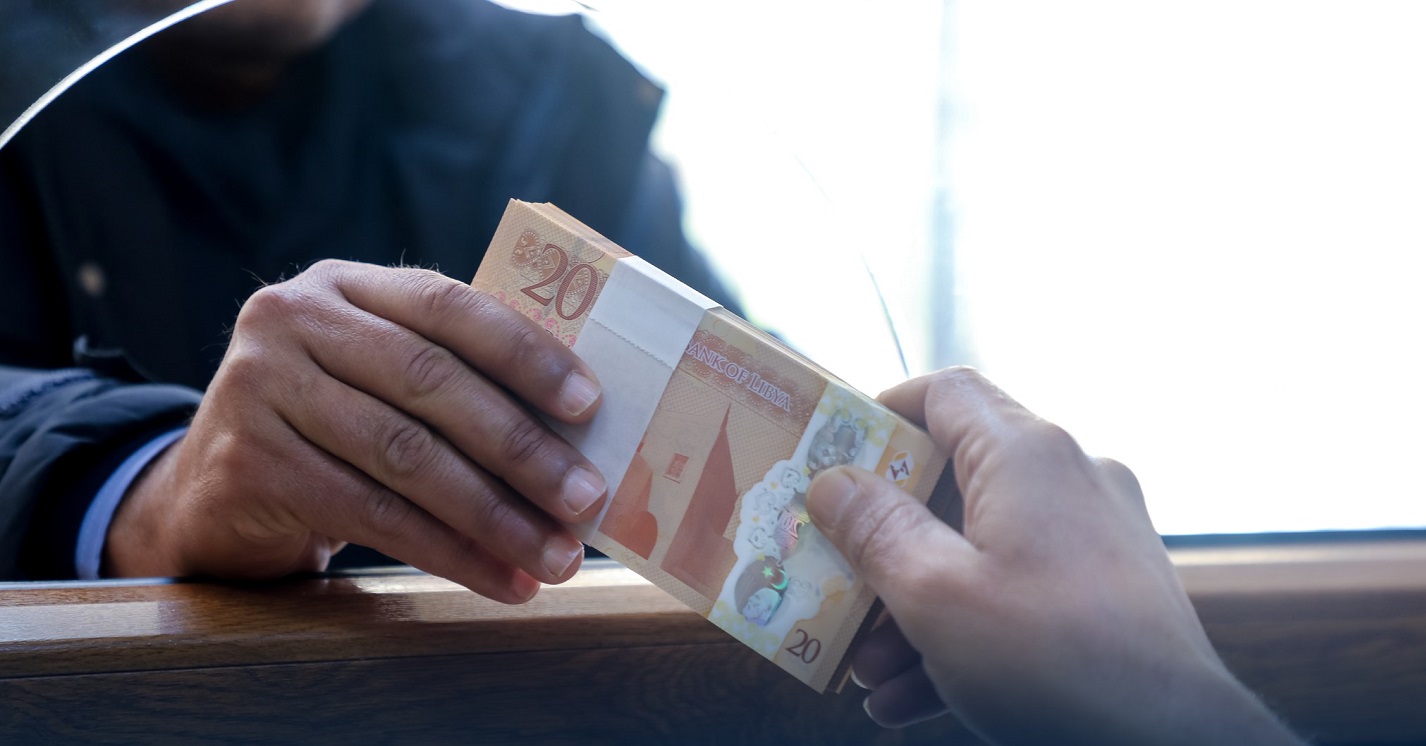
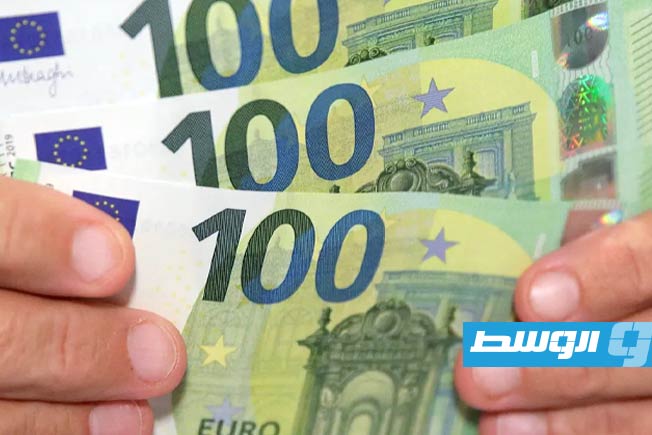
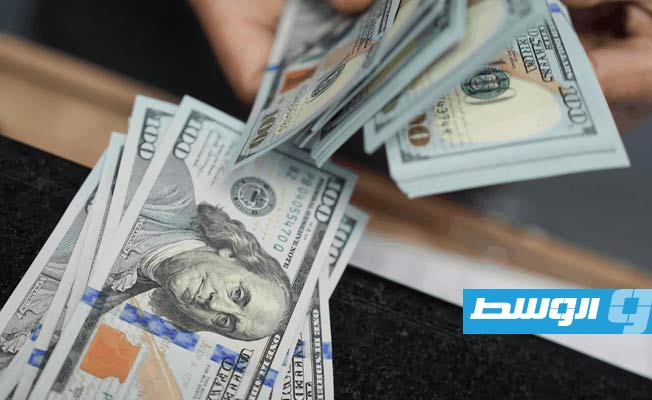
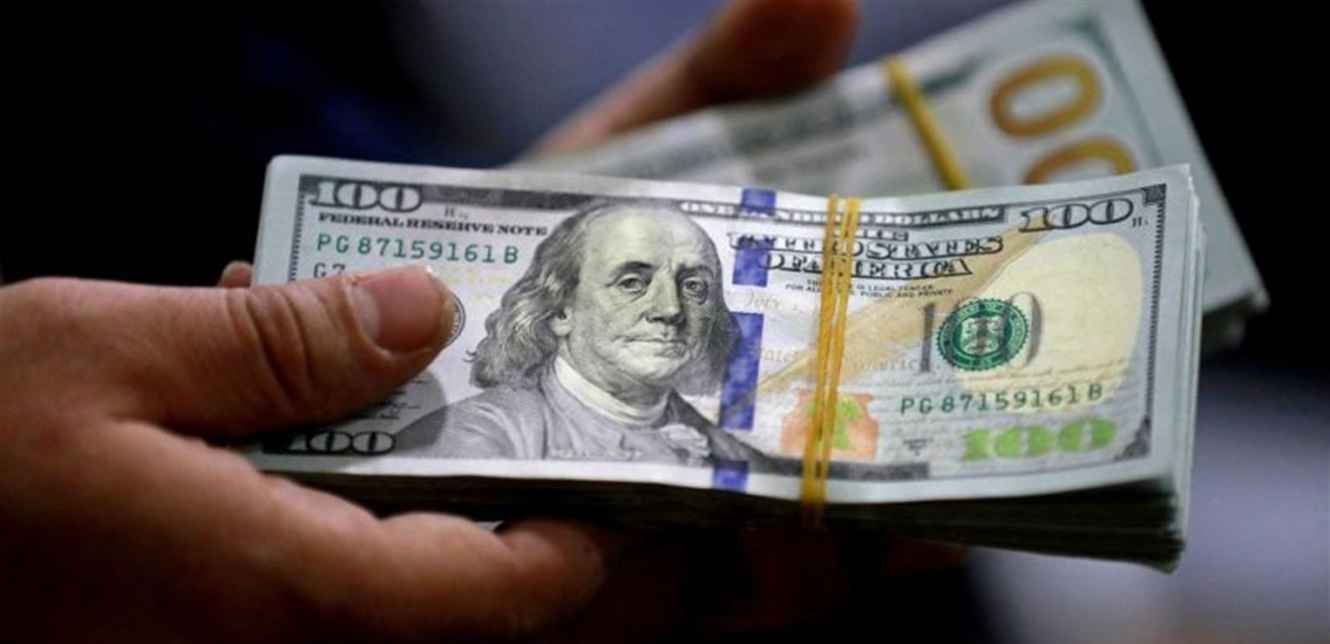
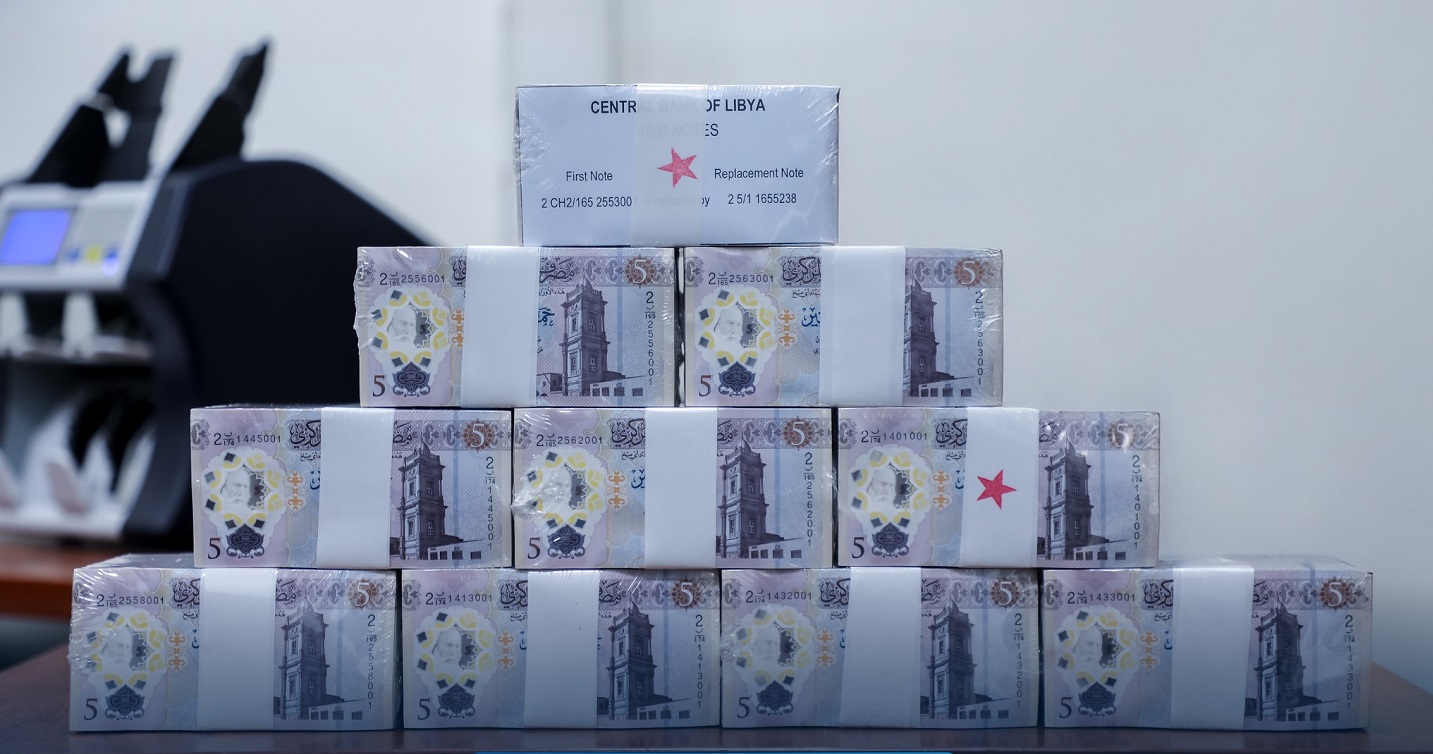
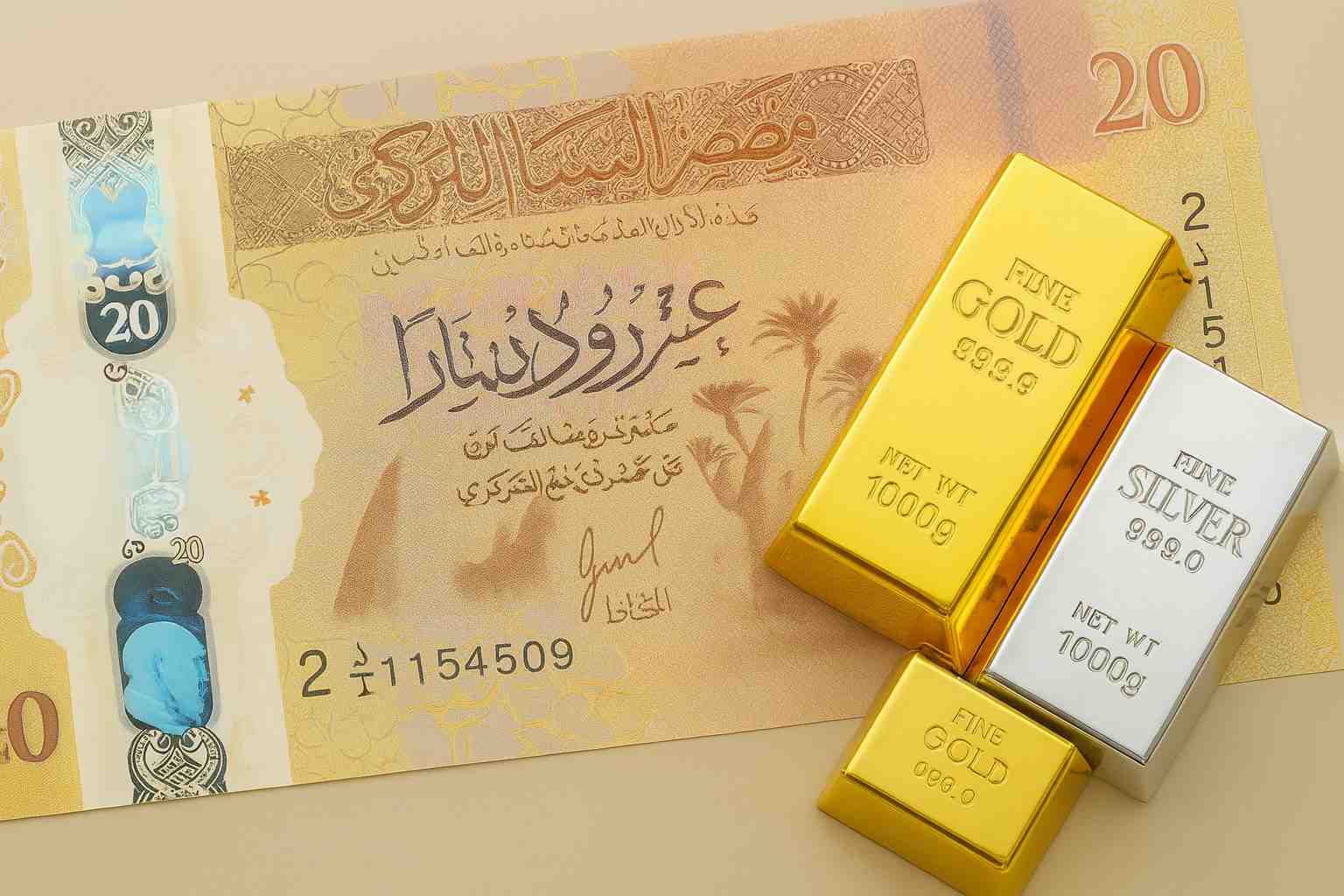
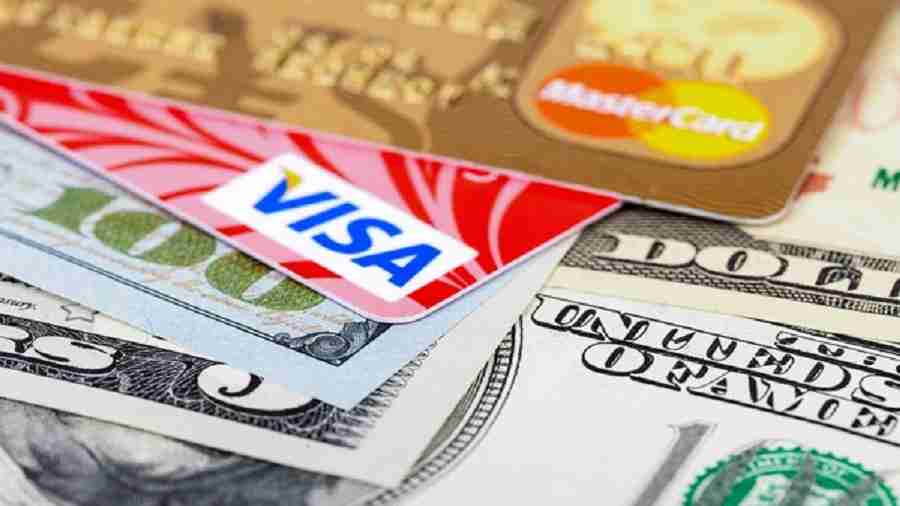
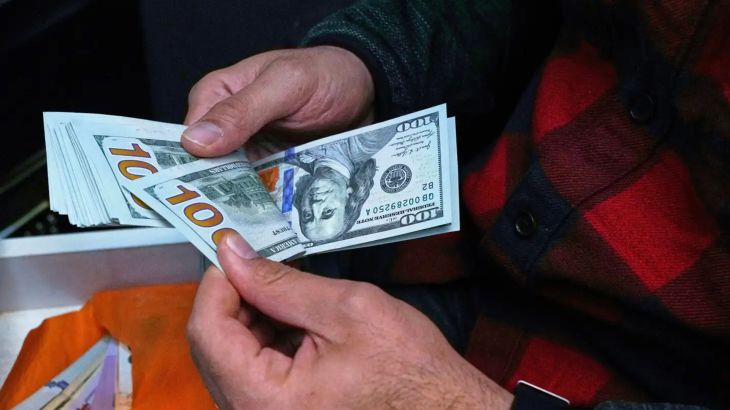
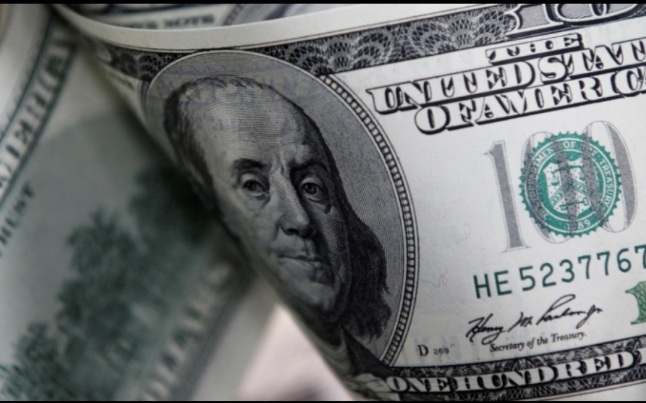
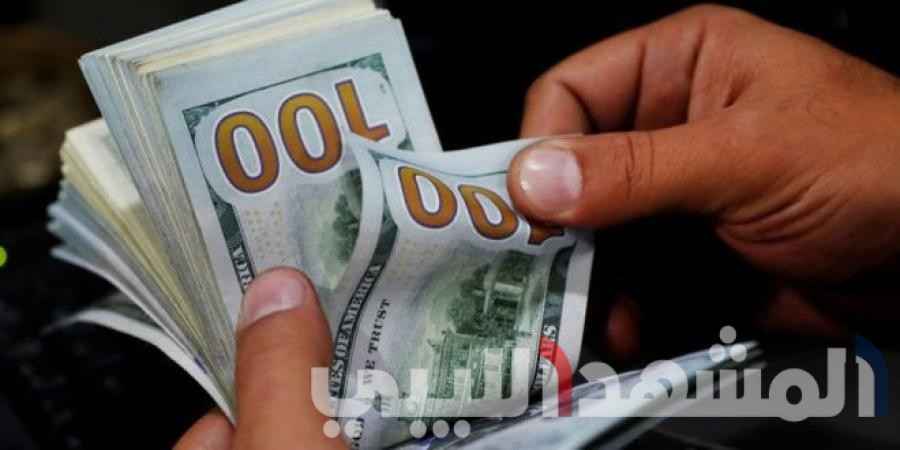
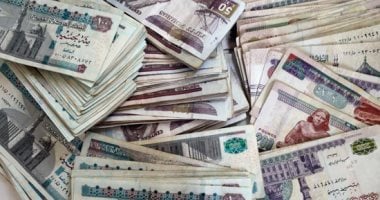
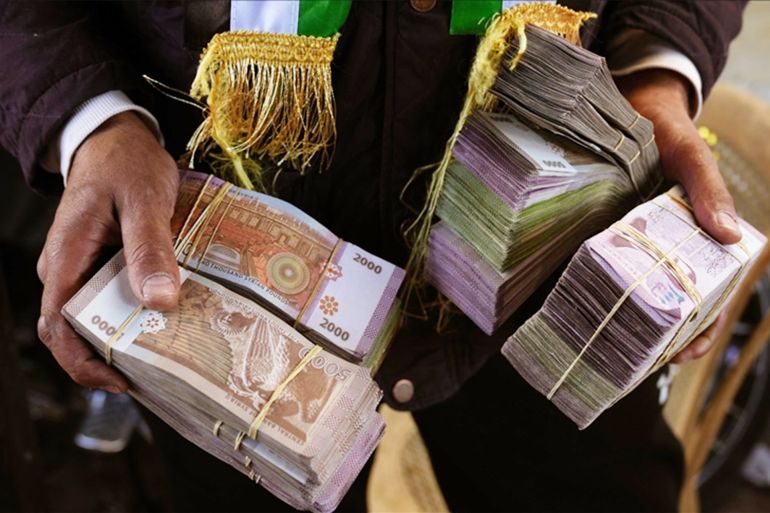
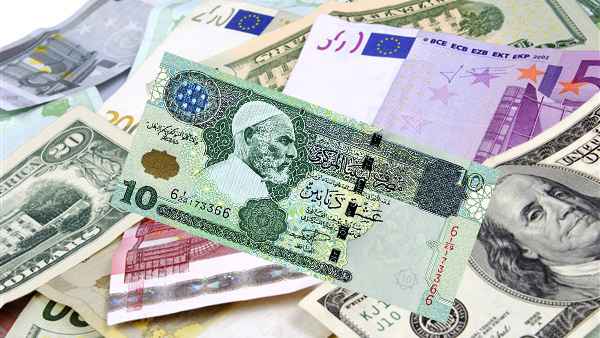
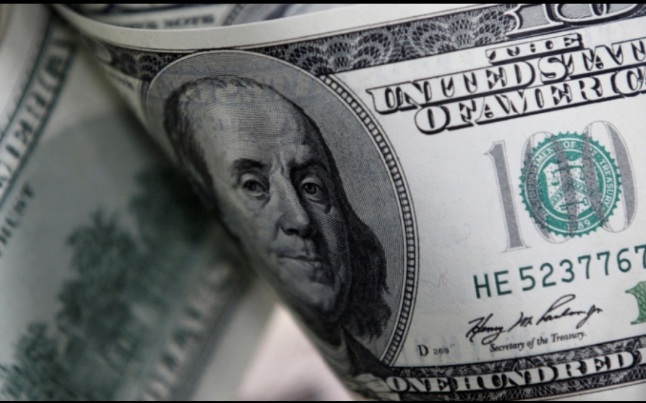
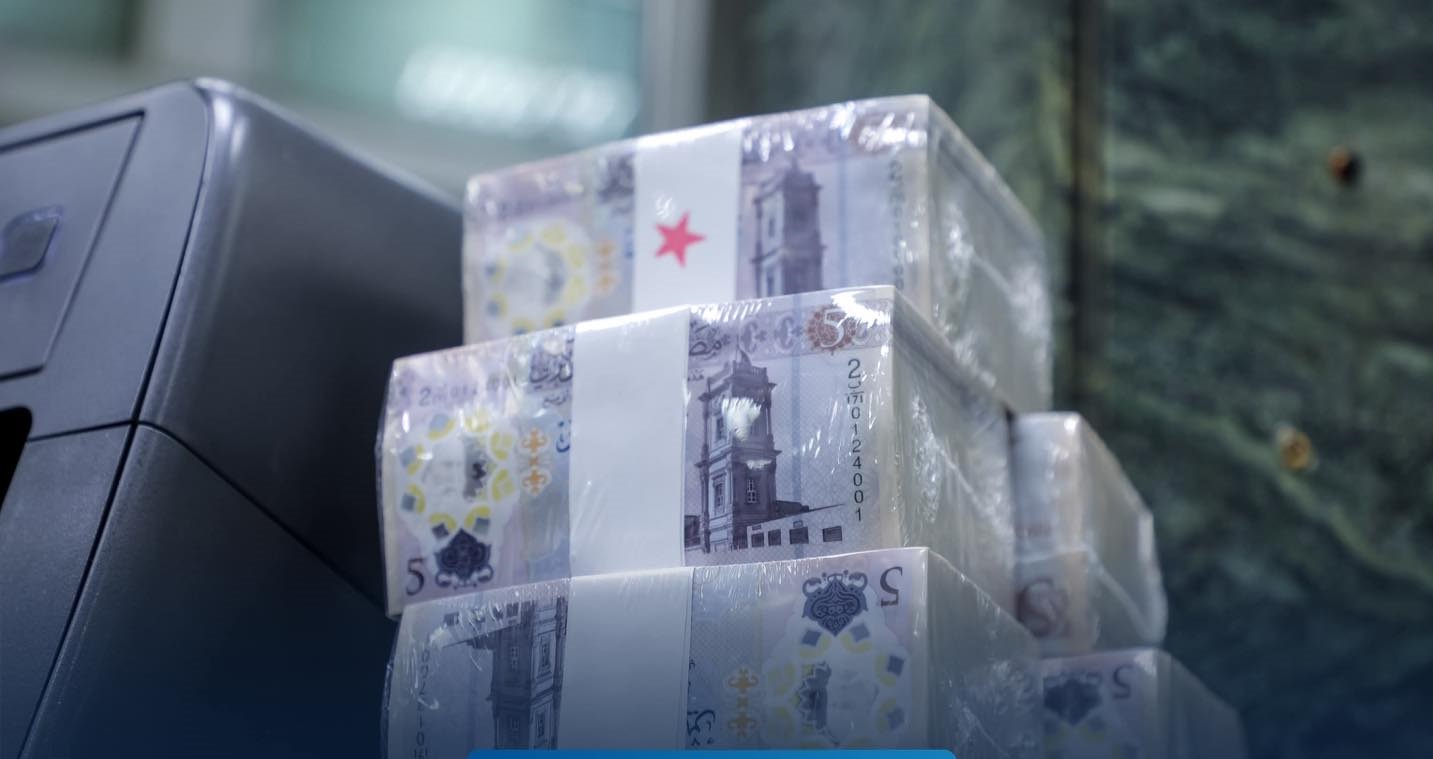
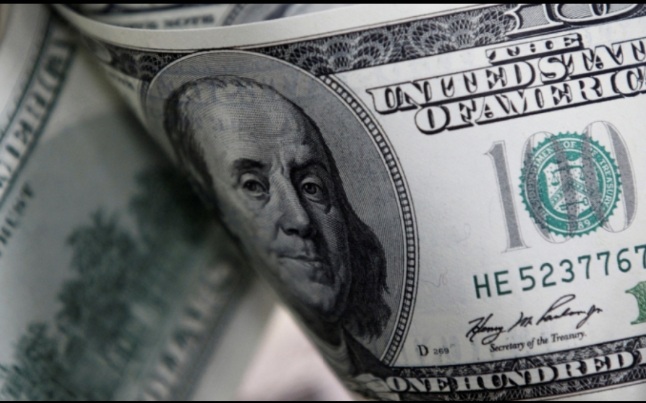
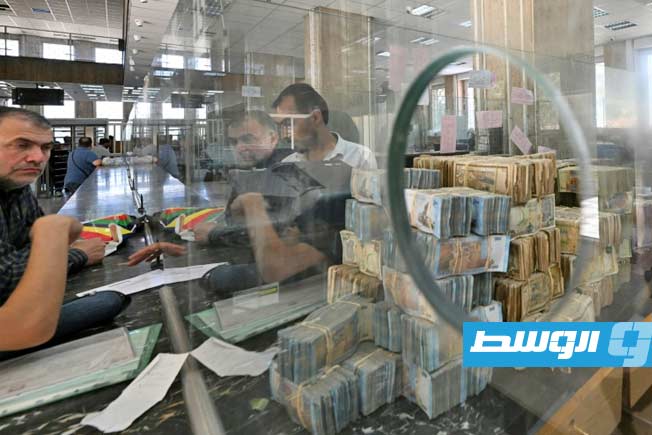
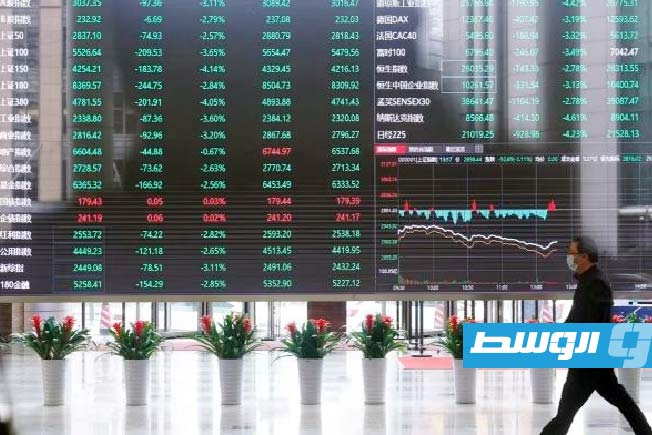
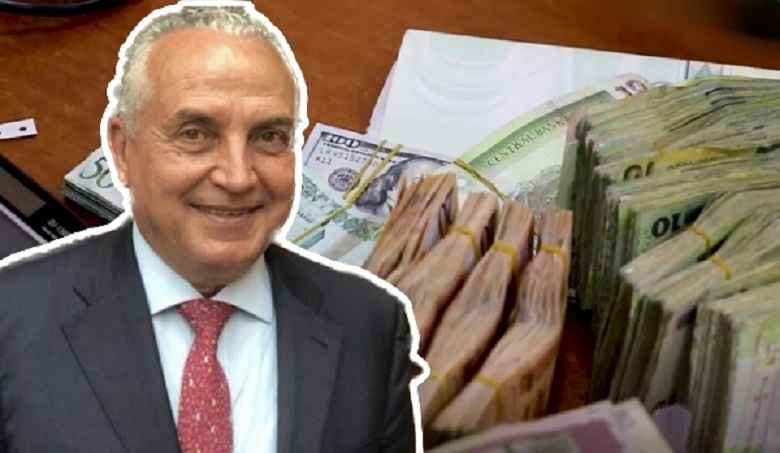
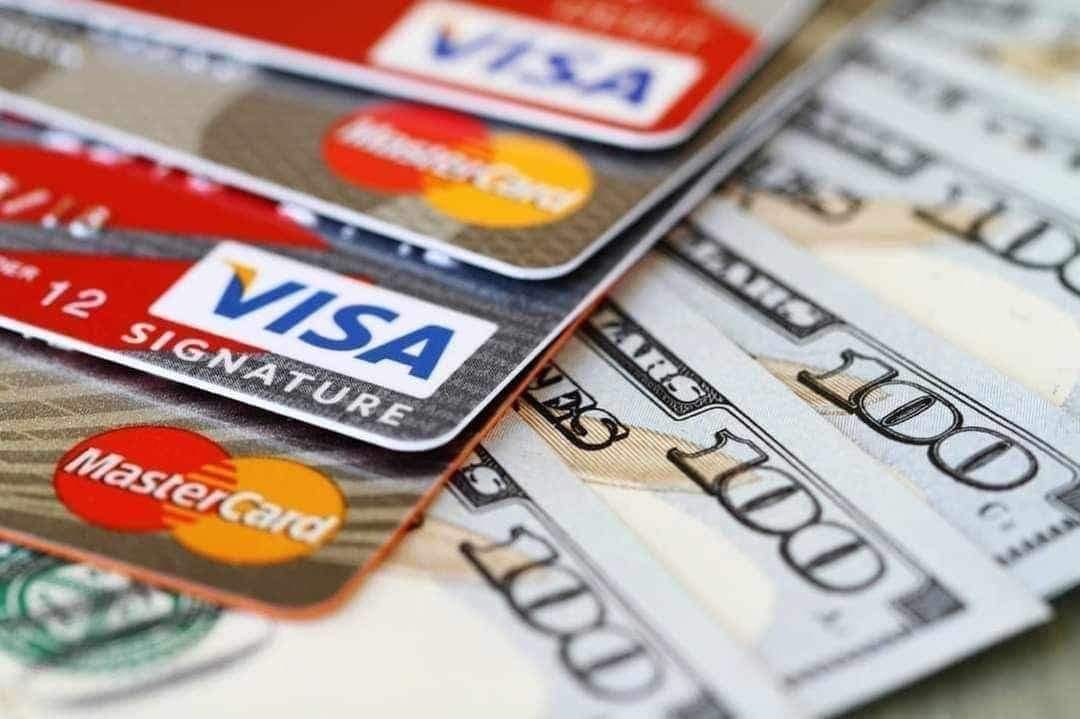
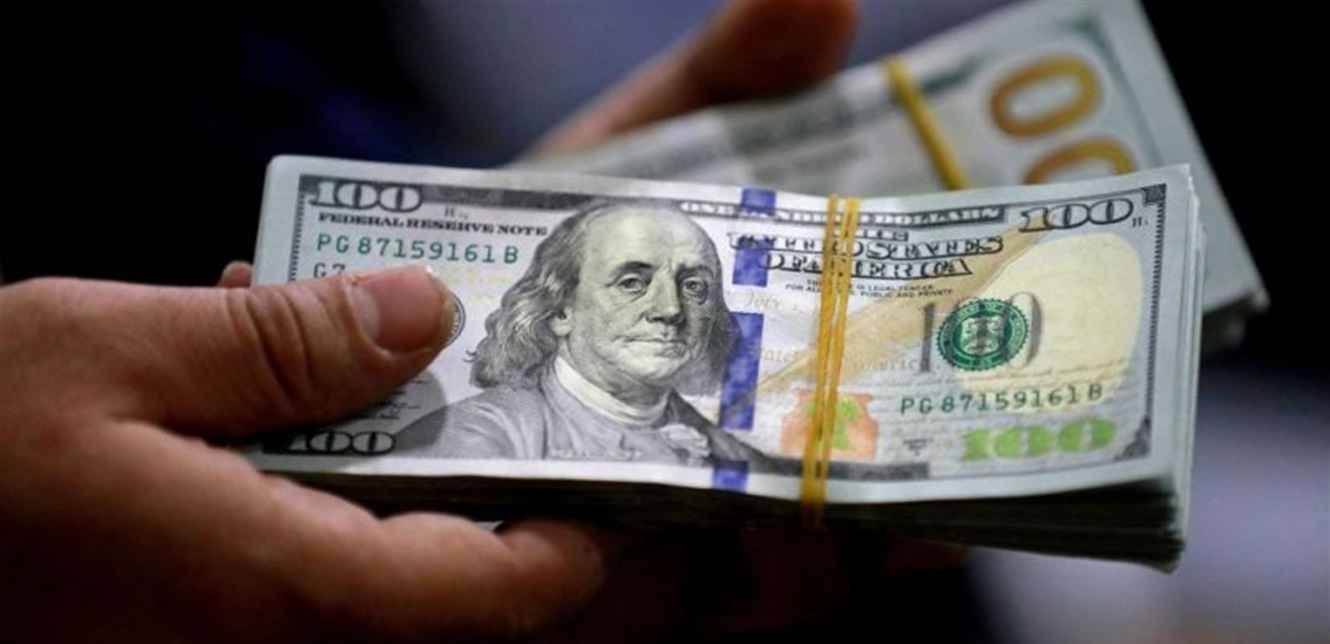
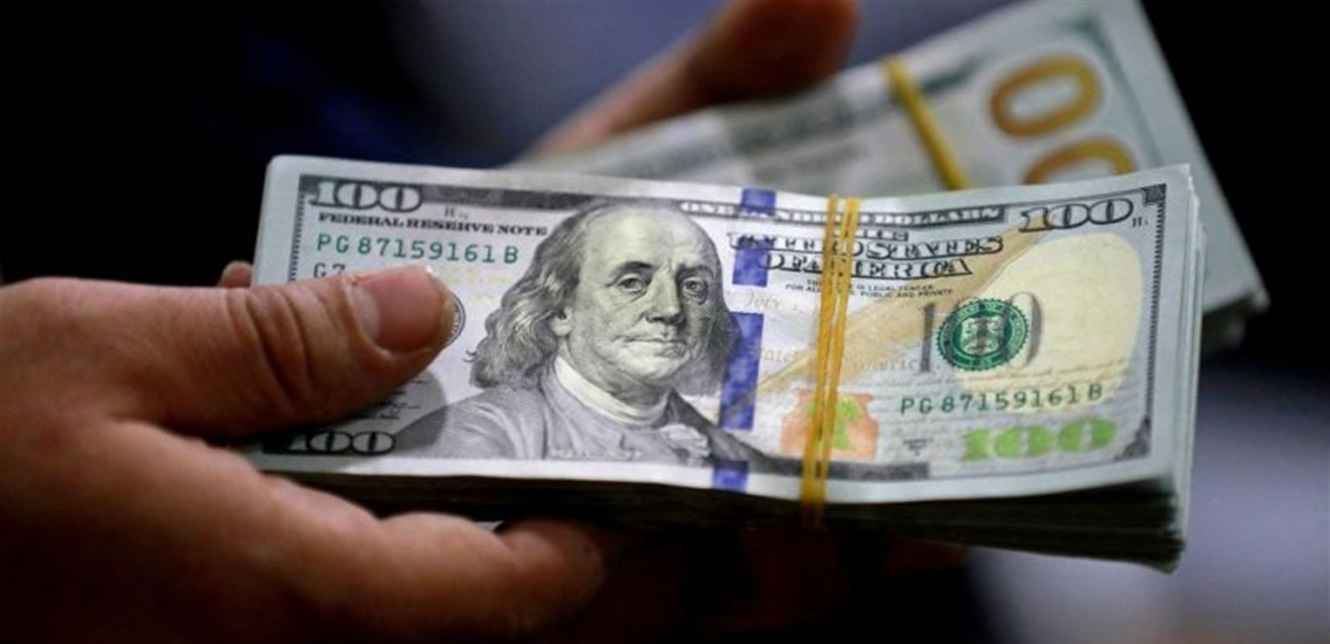
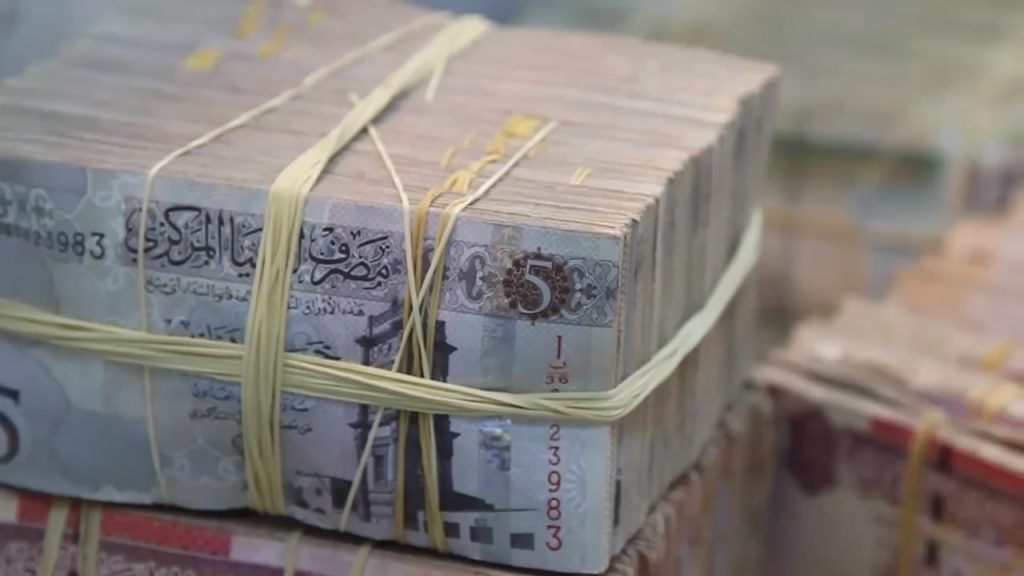
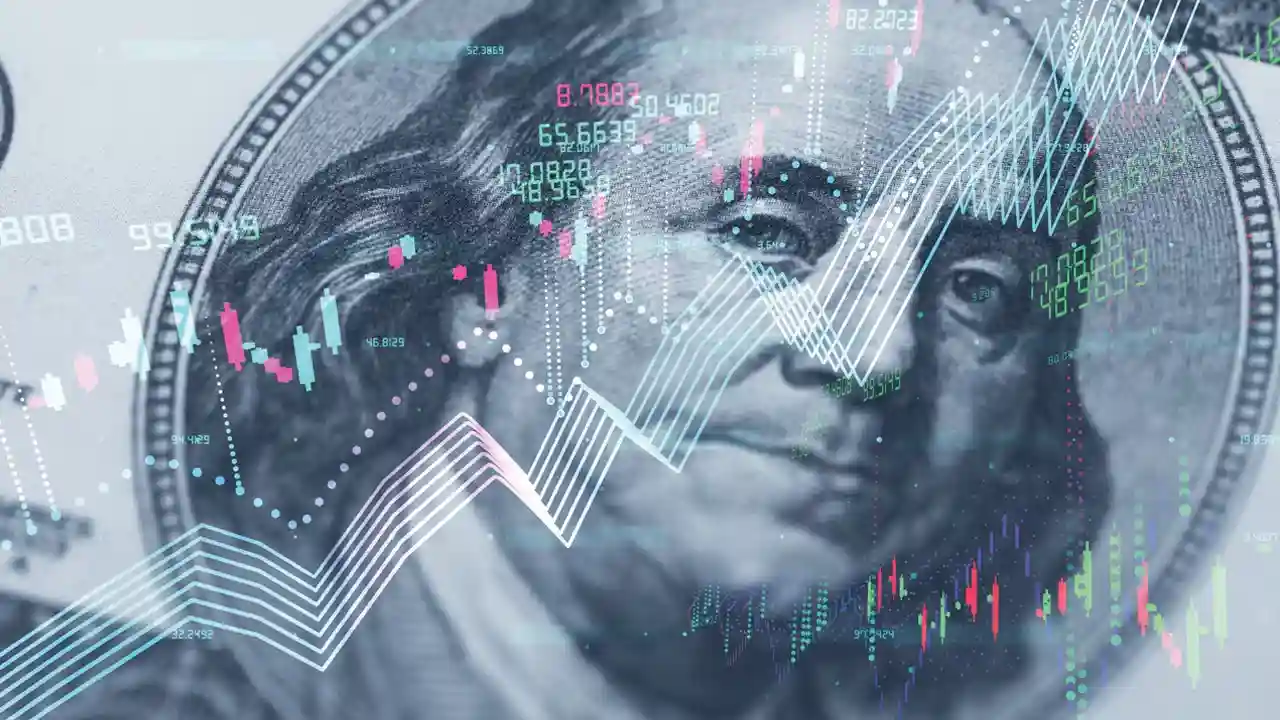
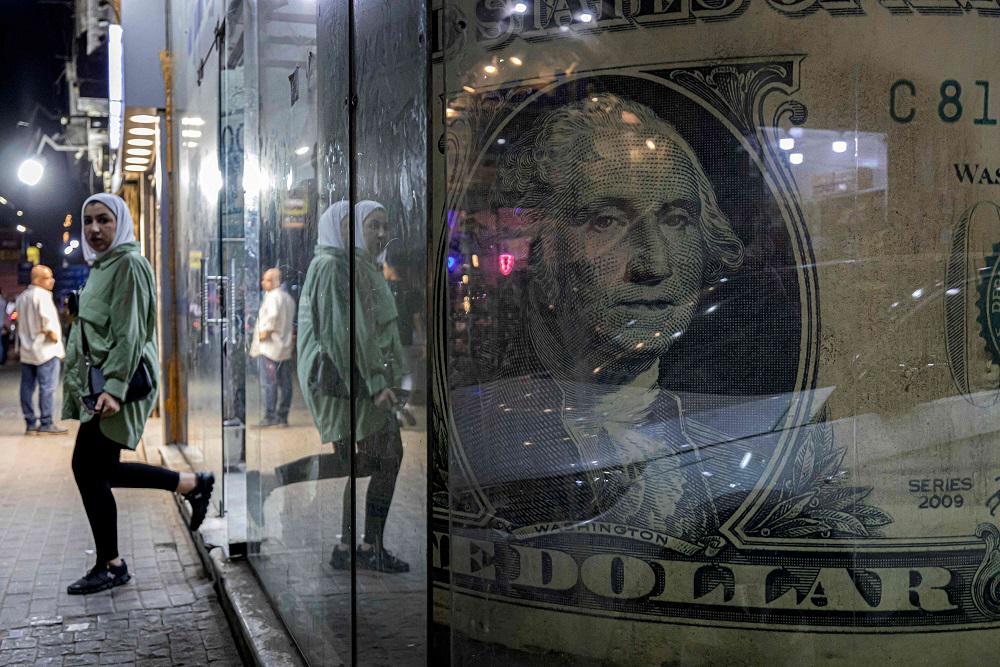
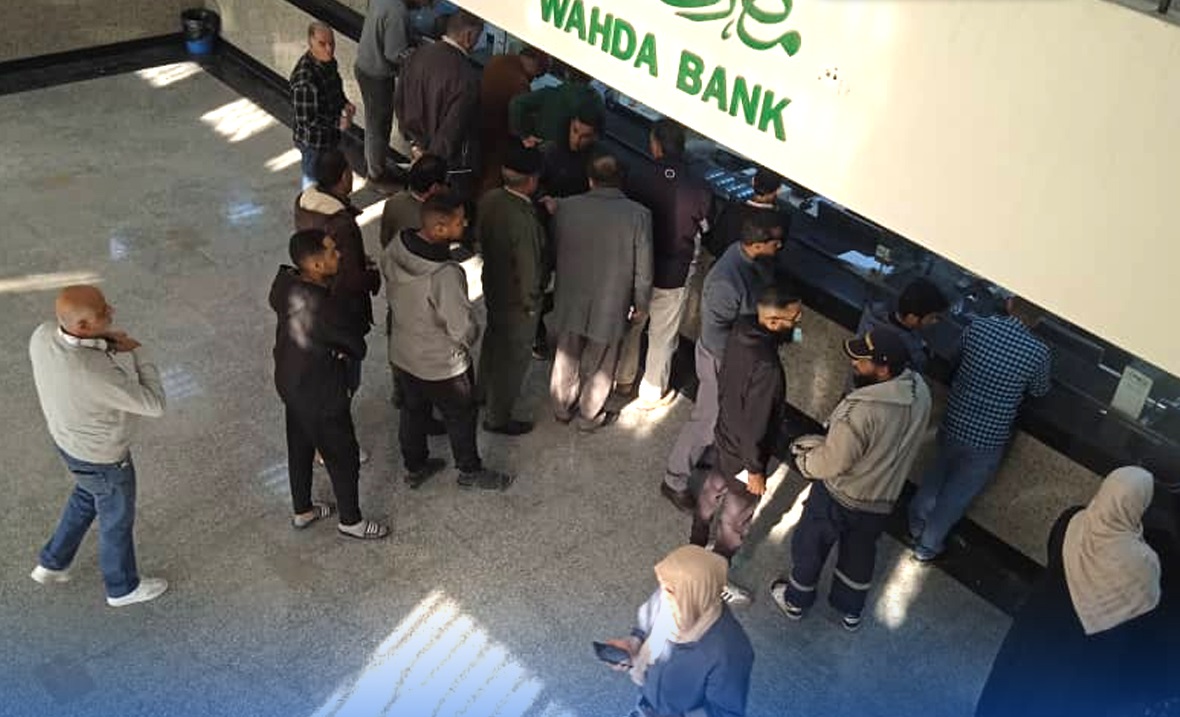
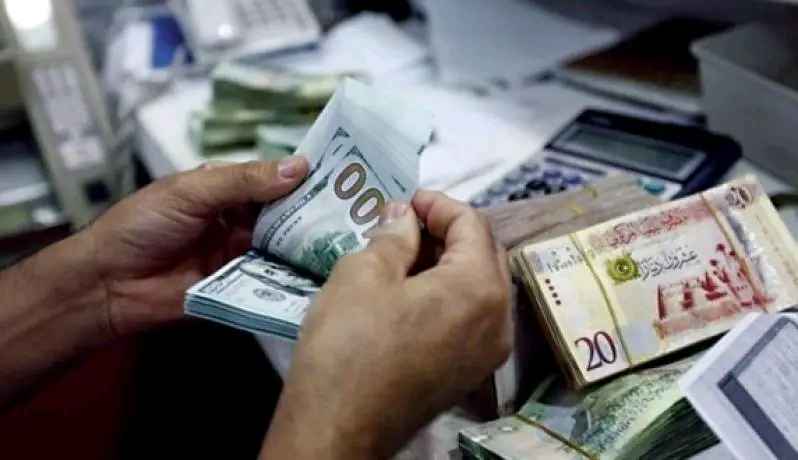
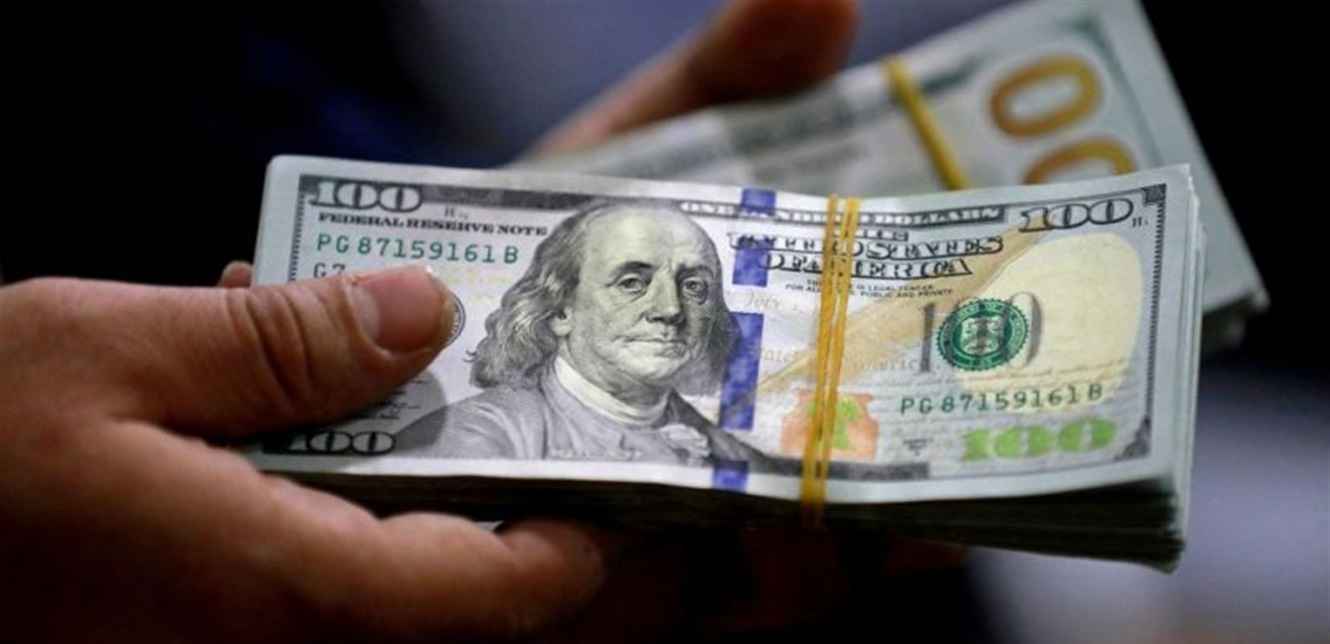
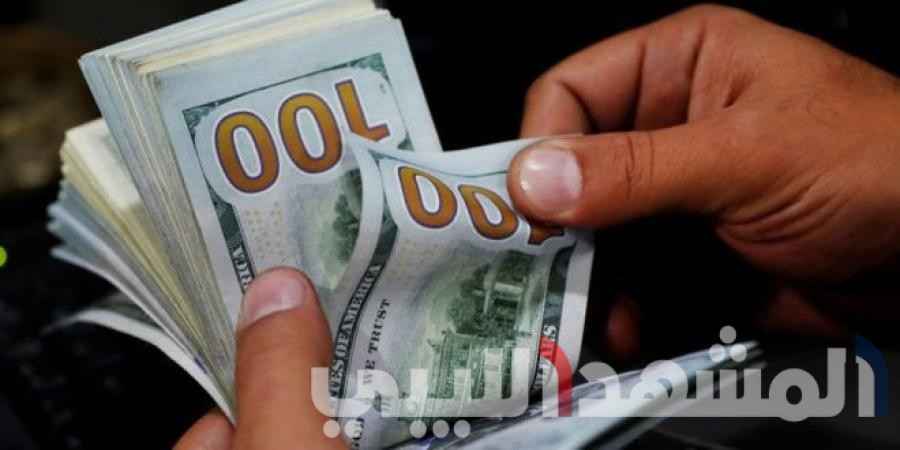
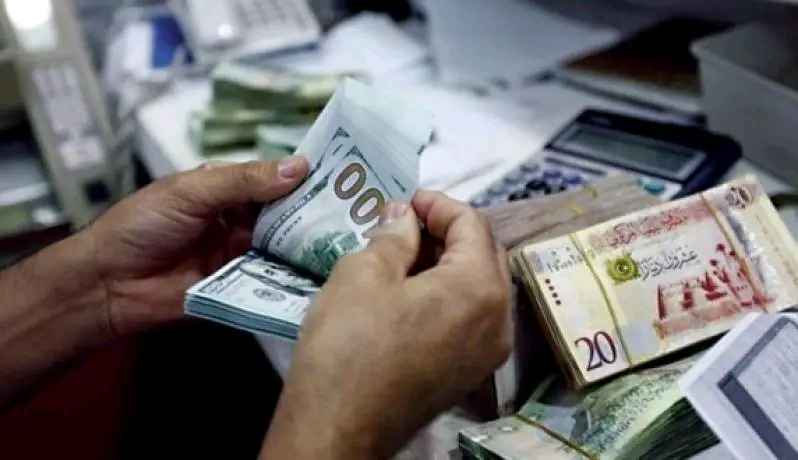
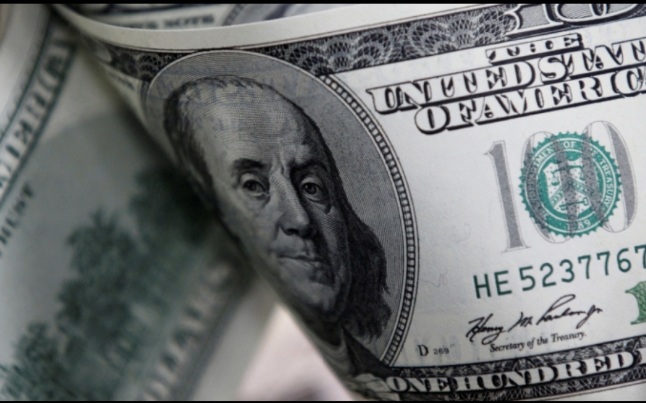
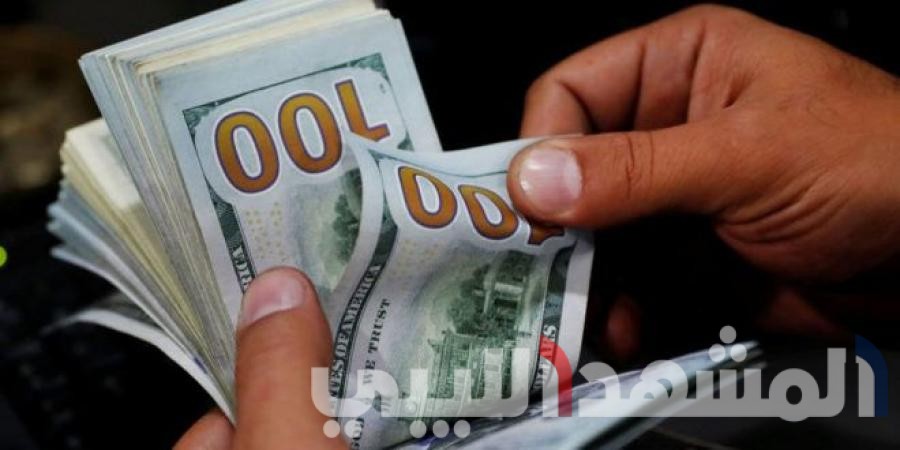
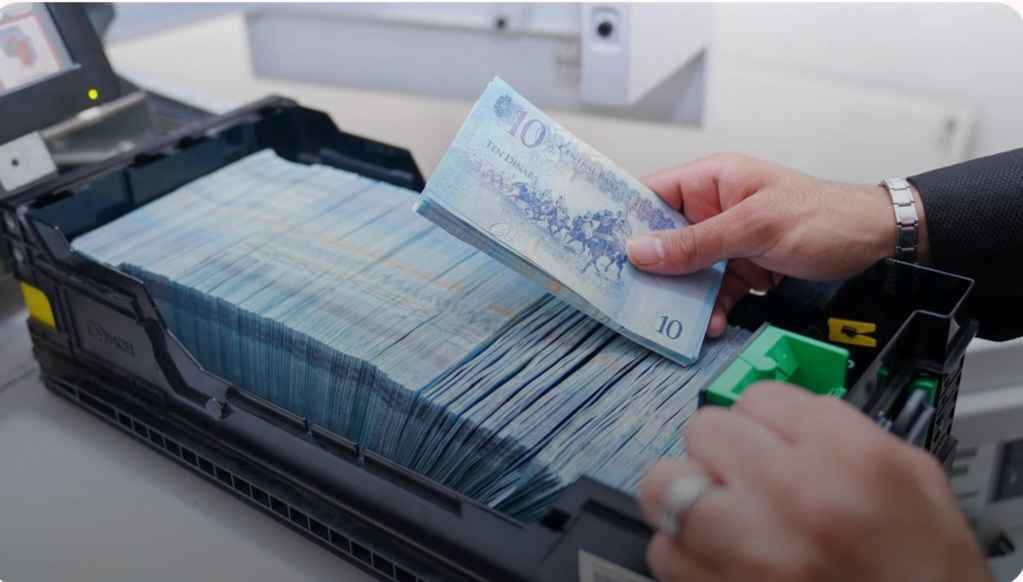
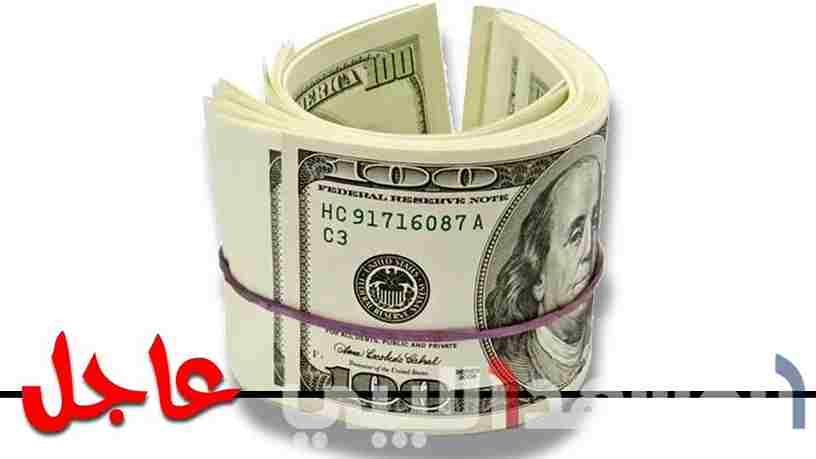
The exchange rate of the US dollar against the Libyan dinar recorded a decline during mid-session trading in the parallel market on Wednesday, settling at 8.75 dinars, compared to 8.82 dinars at the close of the previous day.
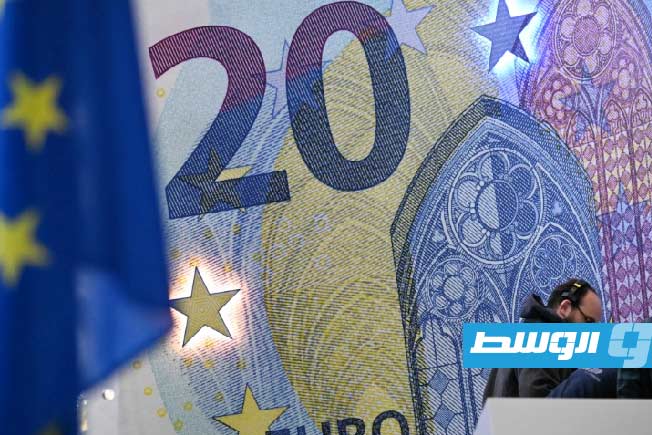
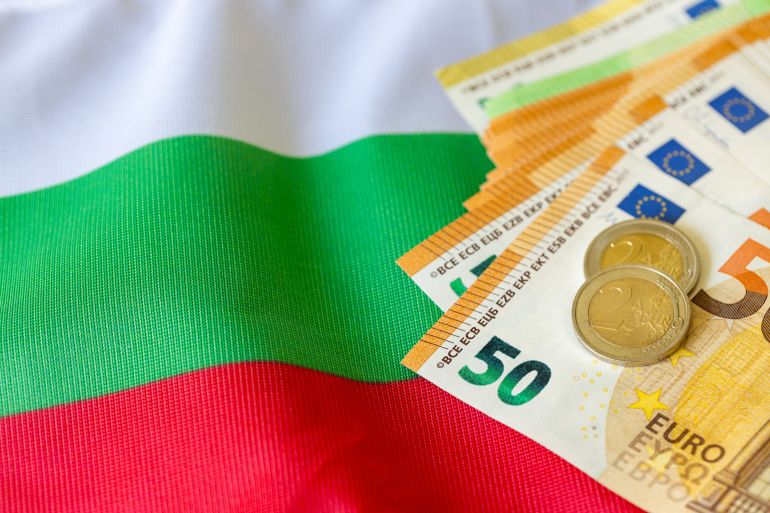
The euro also declined to 10.12 dinars compared to 10.21 dinars yesterday, and the British pound saw a relative decline to 11.50 dinars after being 11.65 dinars at the previous close.
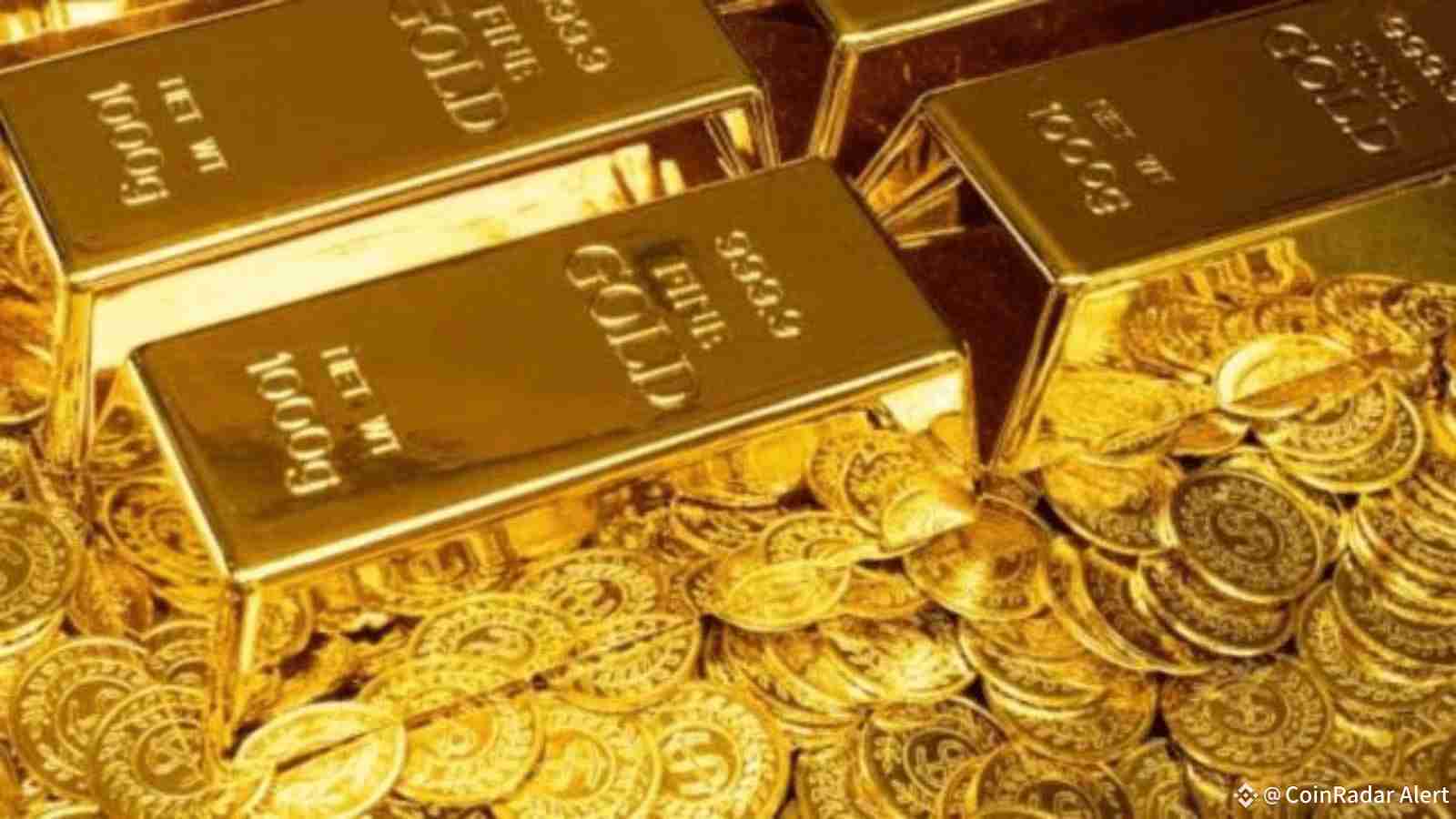
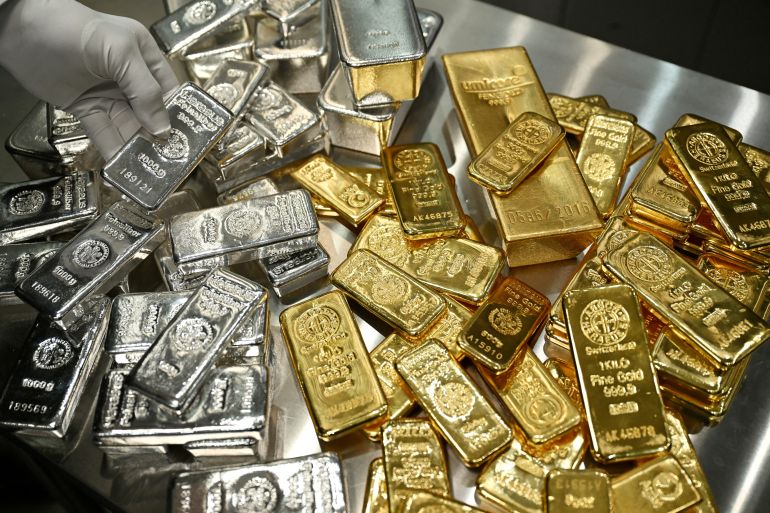
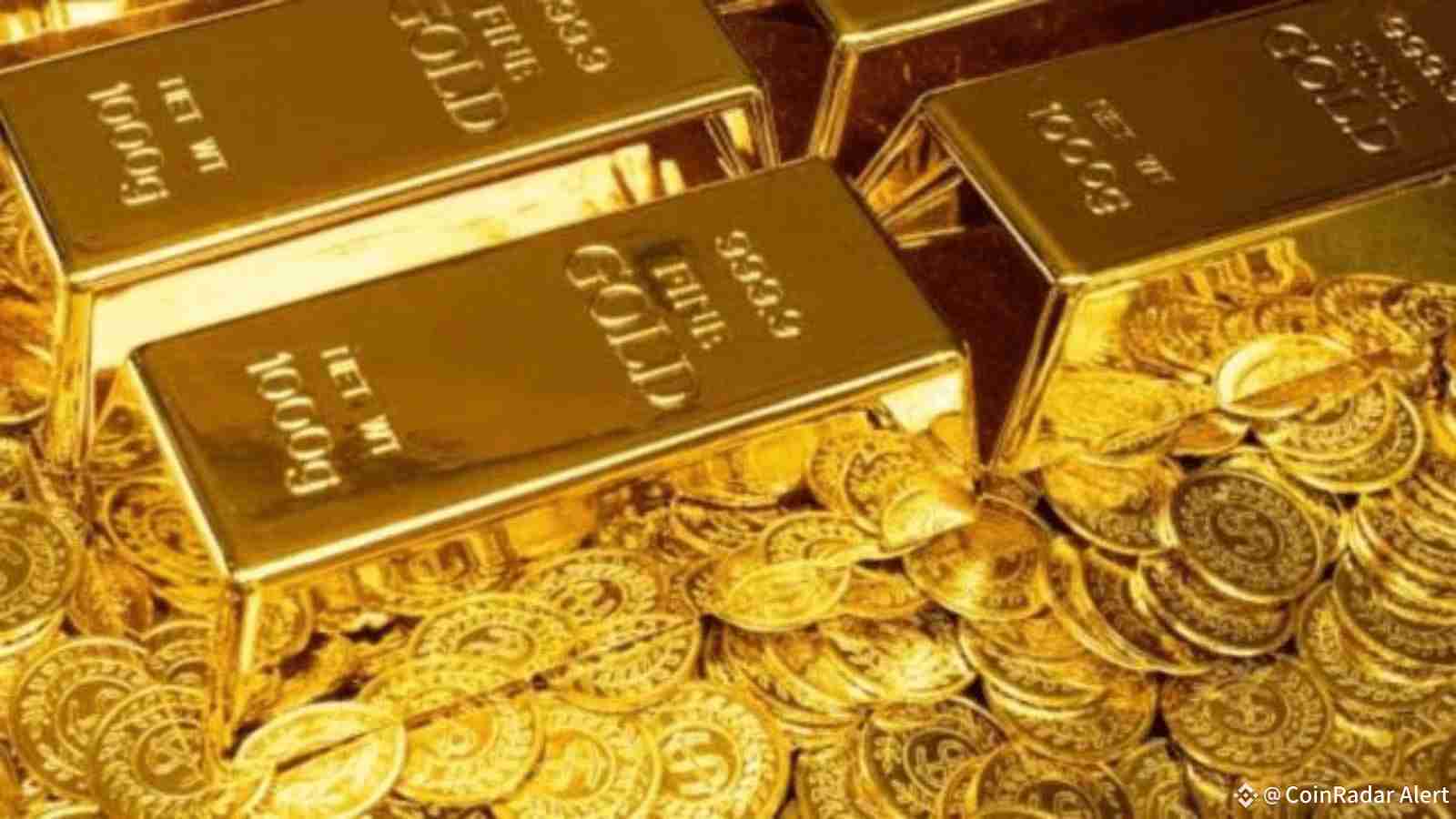
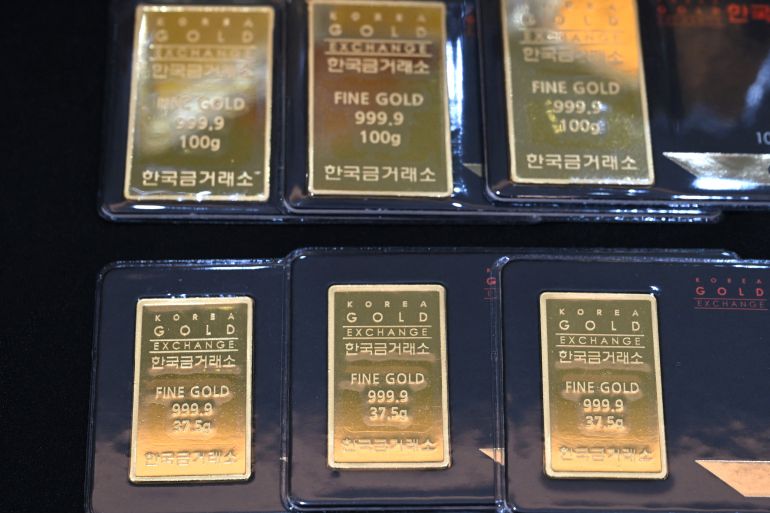
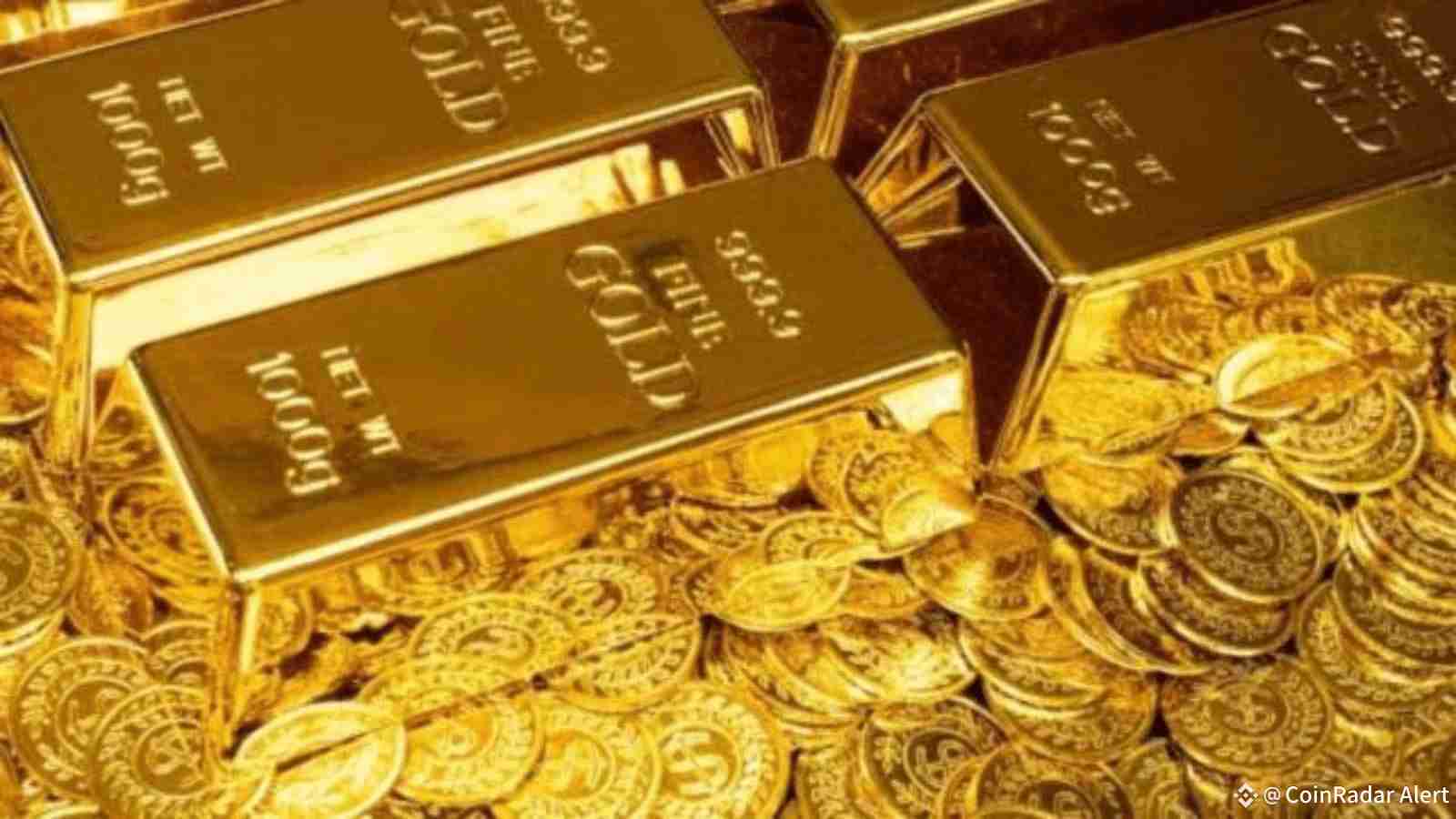
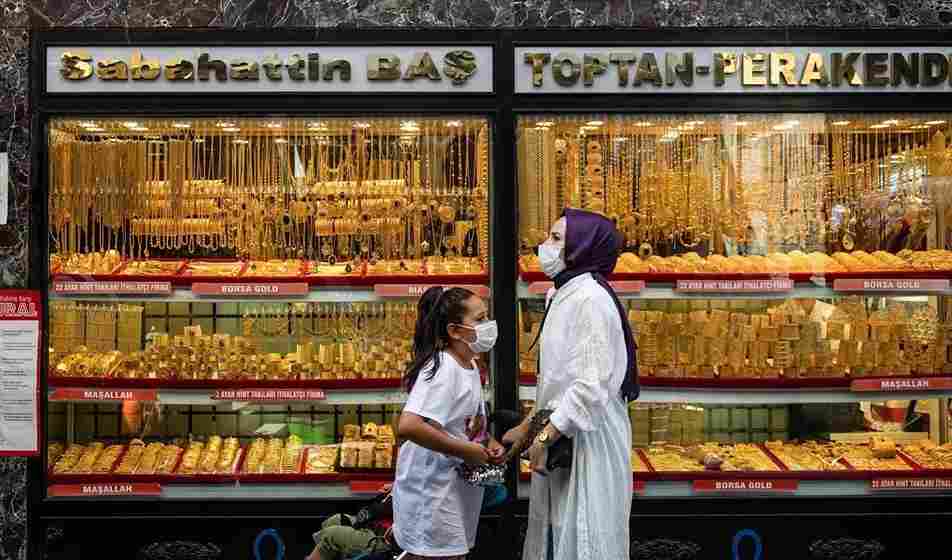
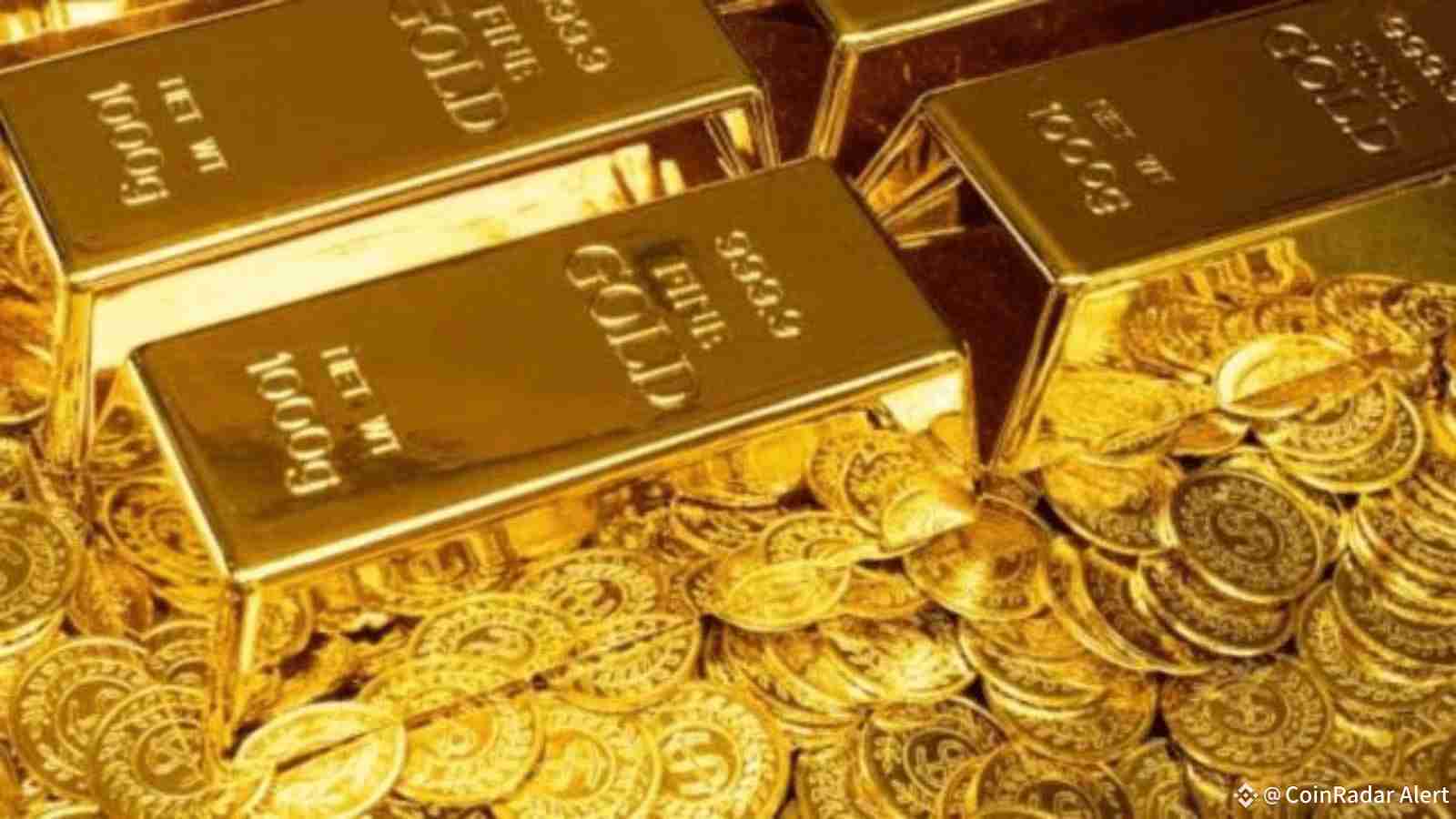
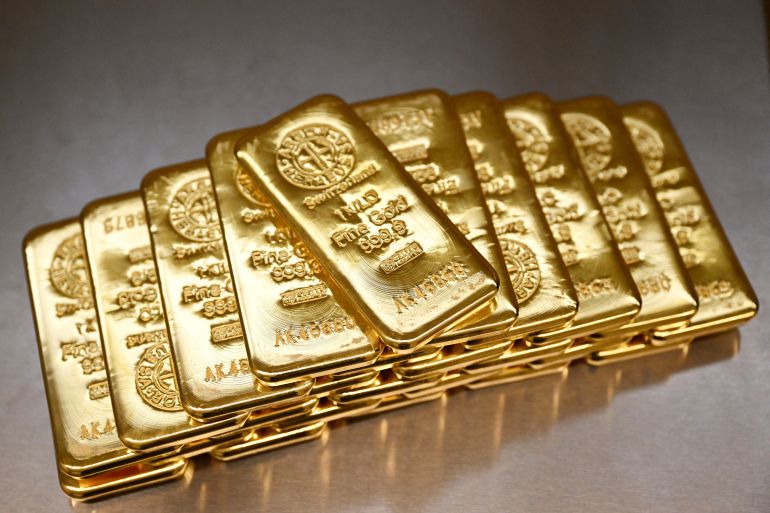
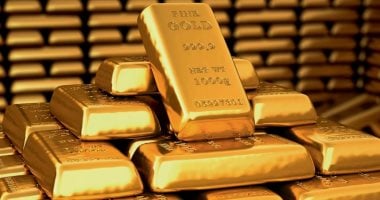
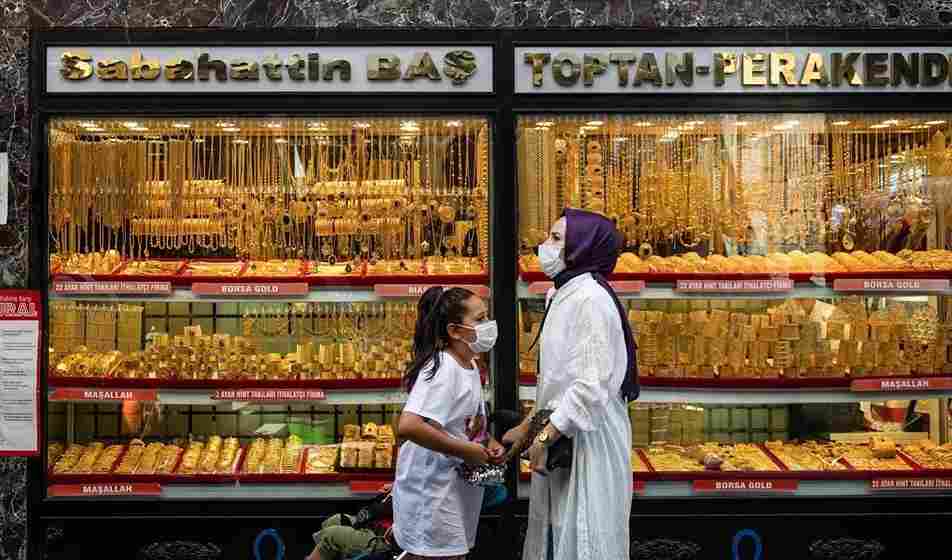
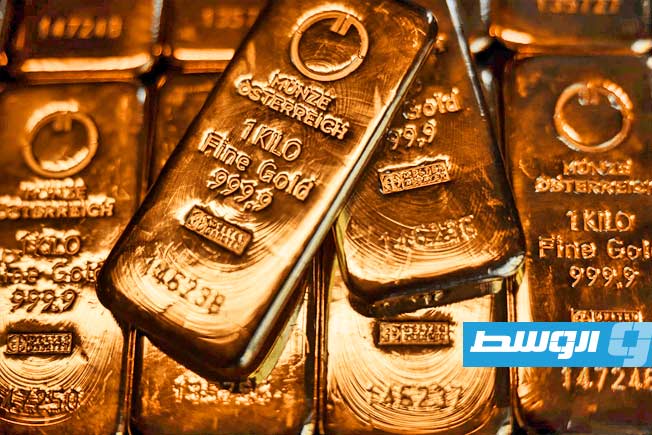
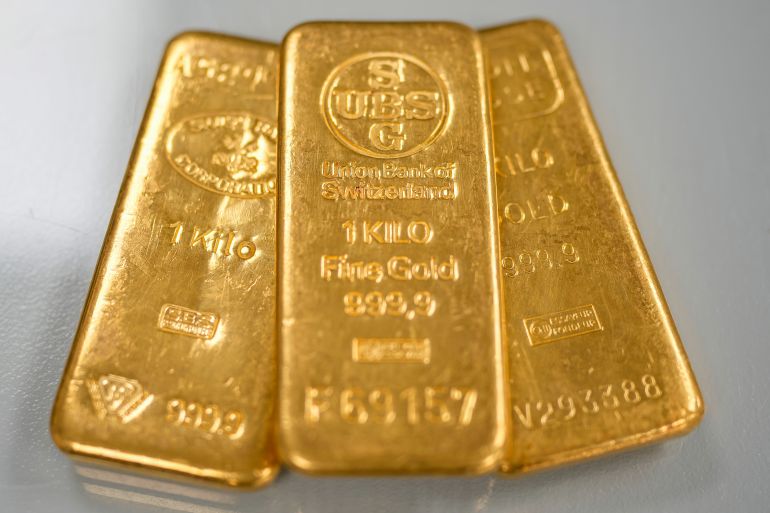
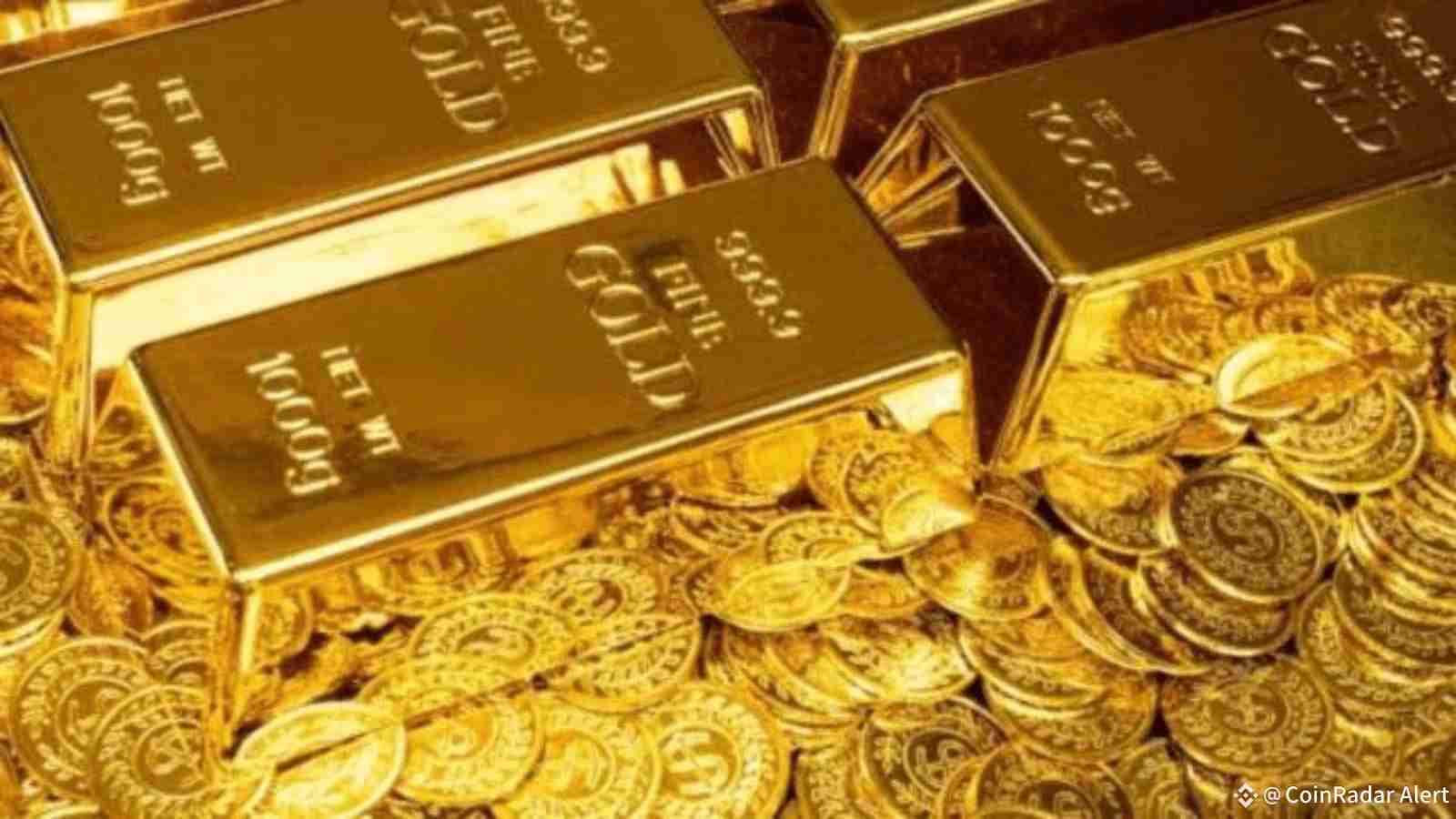
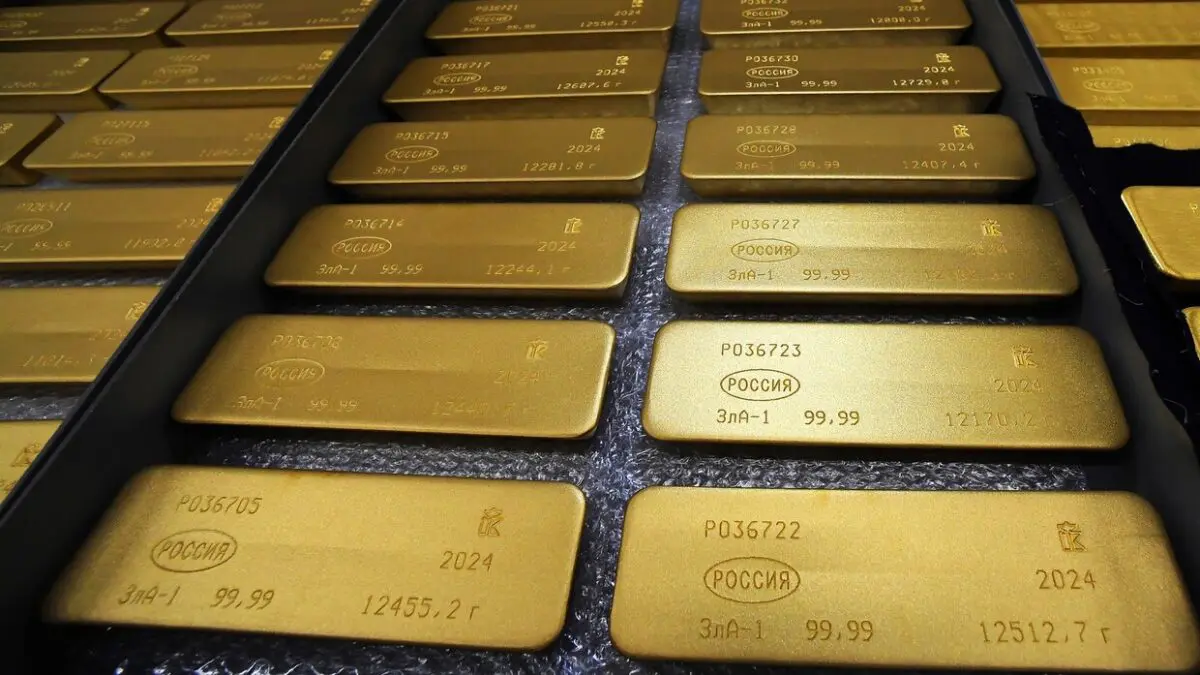
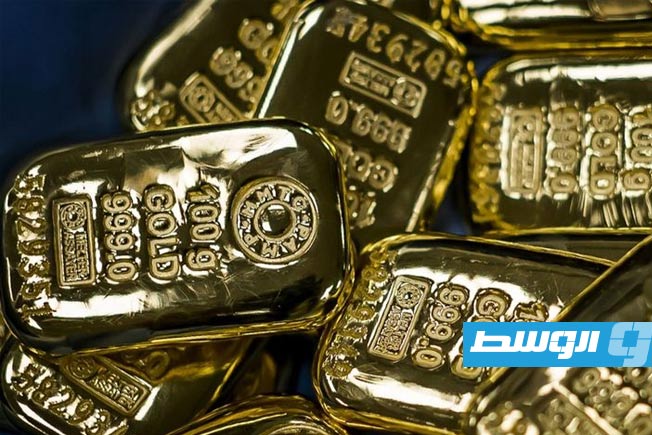
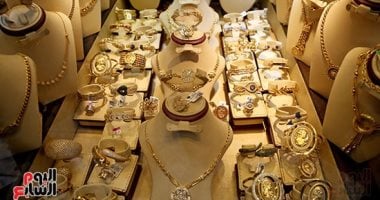
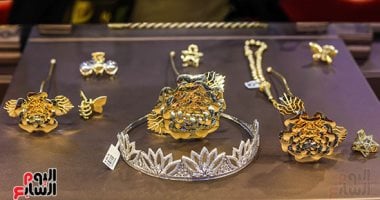
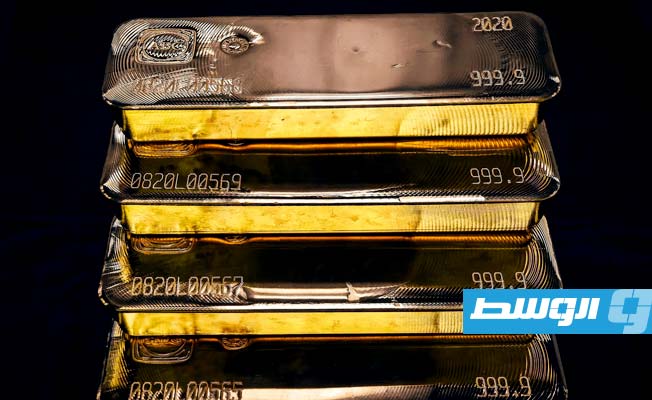
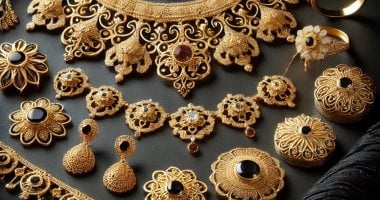
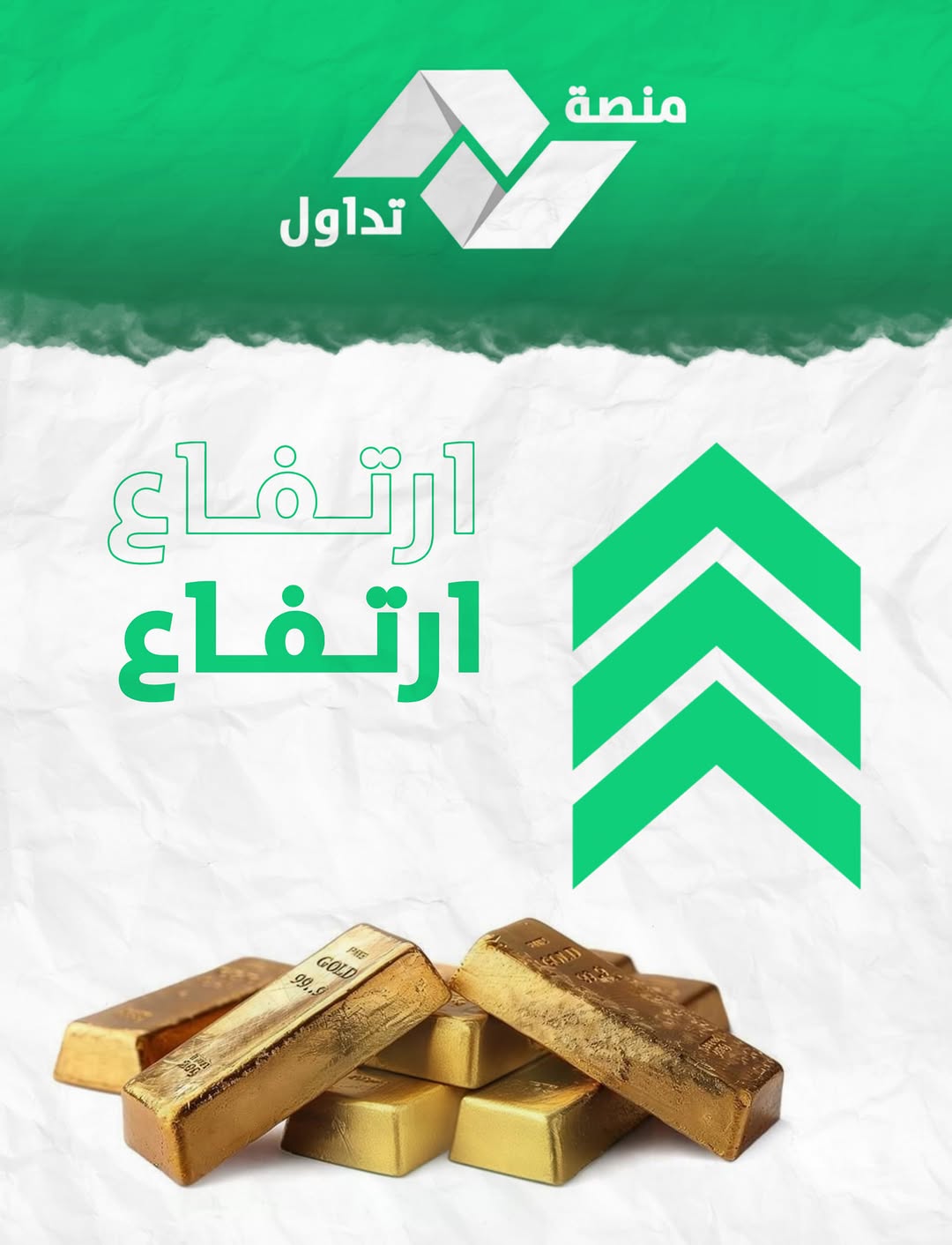
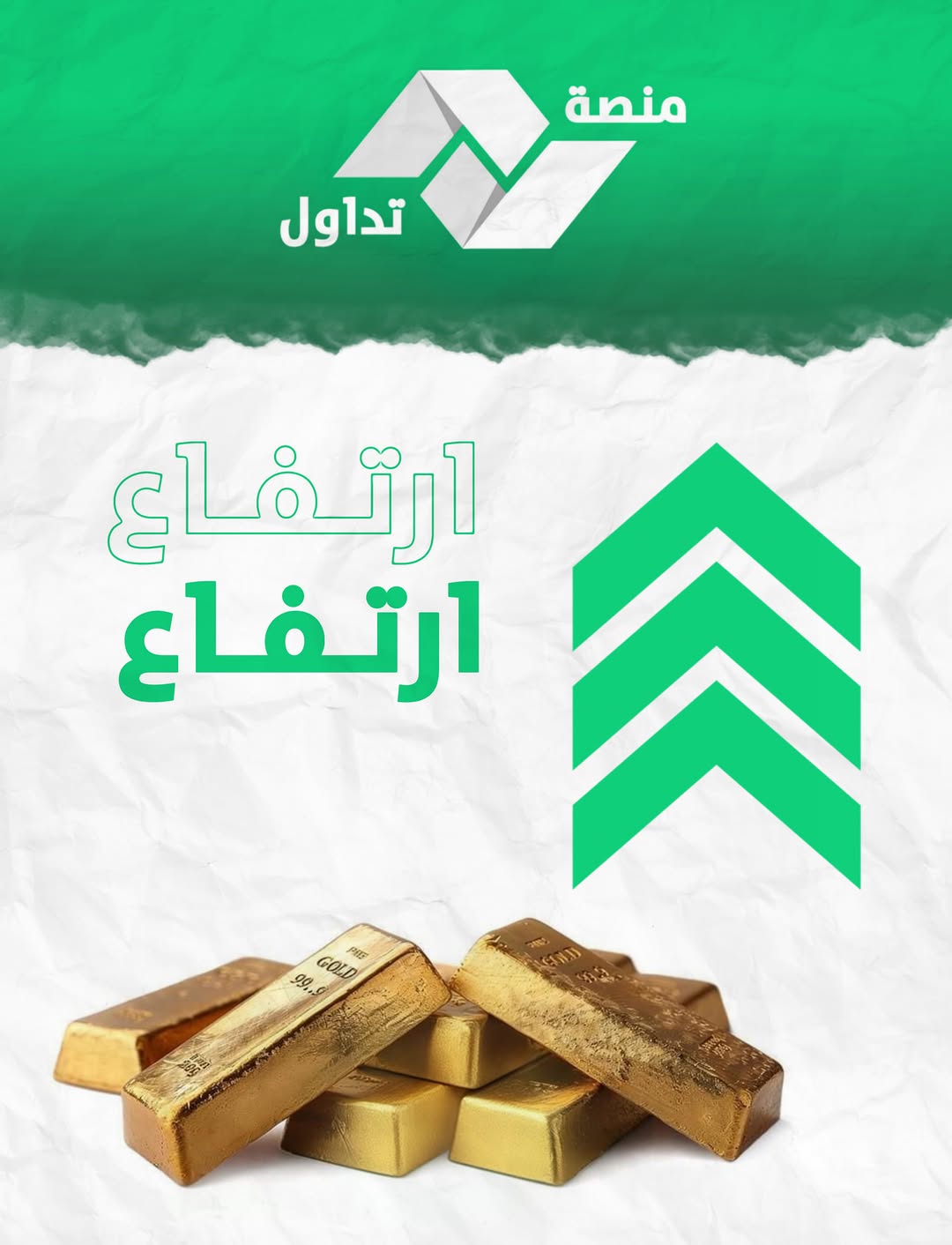
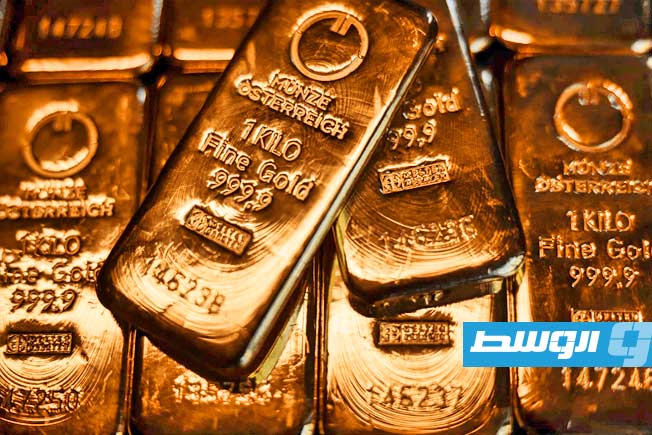
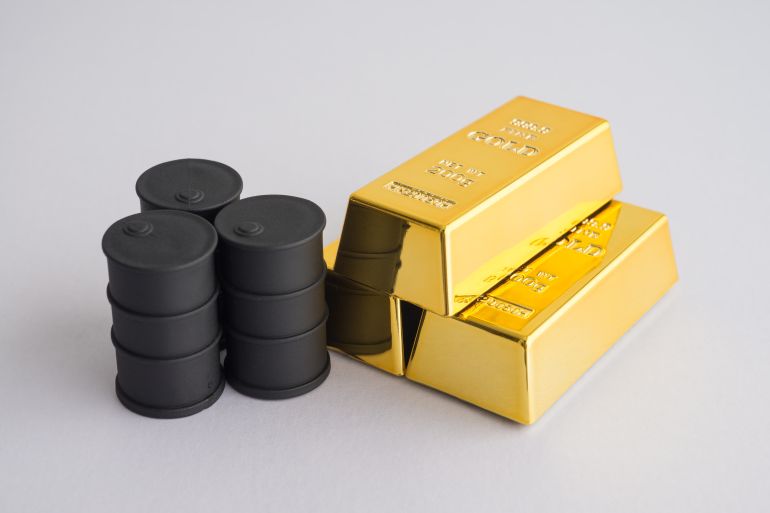
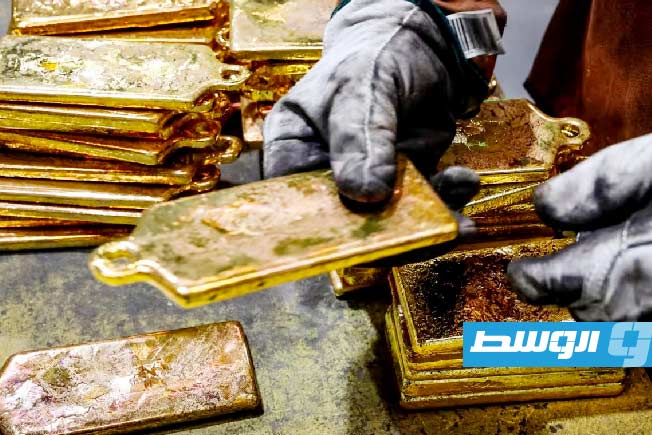
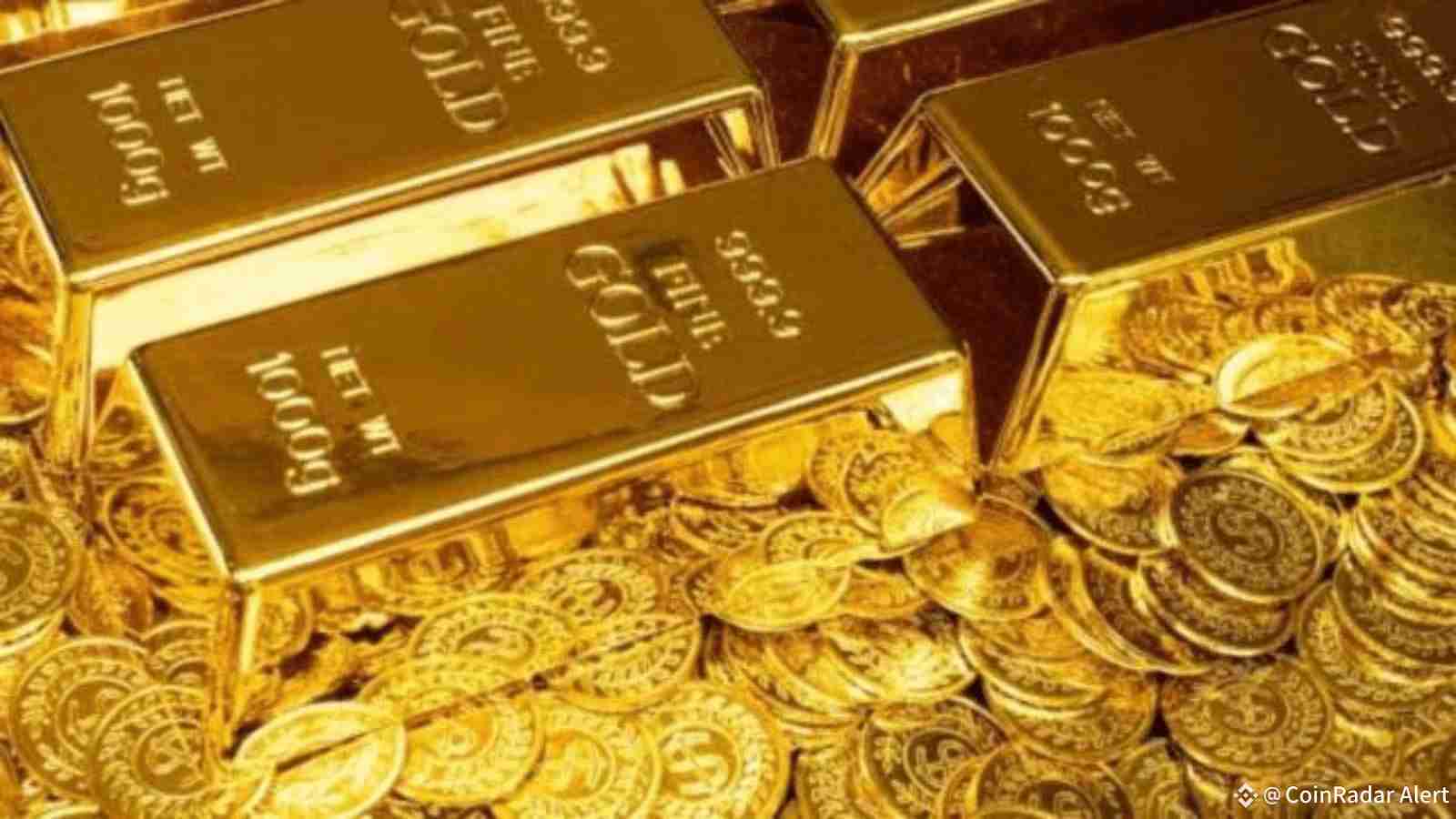
The Turkish lira remained stable at 0.200 dinars, while the Tunisian dinar remained stable at 2.82 Libyan dinars. Meanwhile, the price of 18-karat gold scrap recorded a relative decline to 895 dinars per gram, compared to 905 dinars at the close of the previous day.
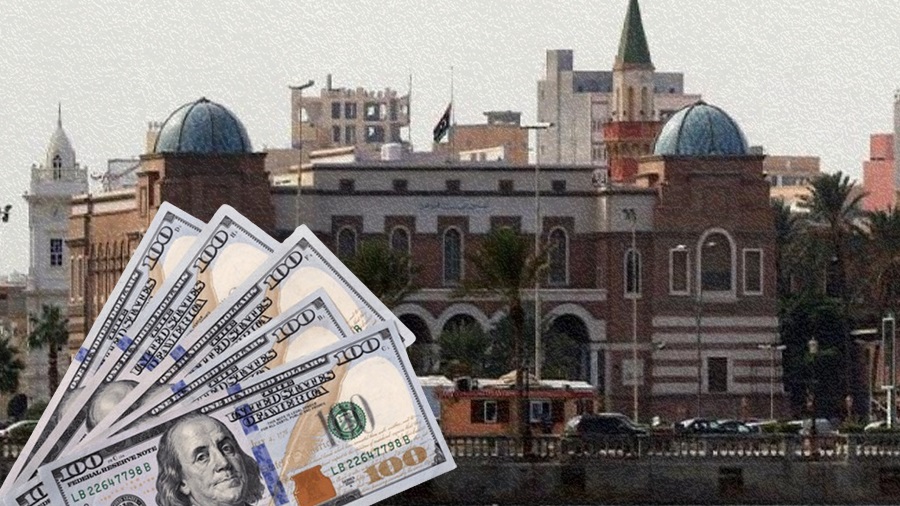
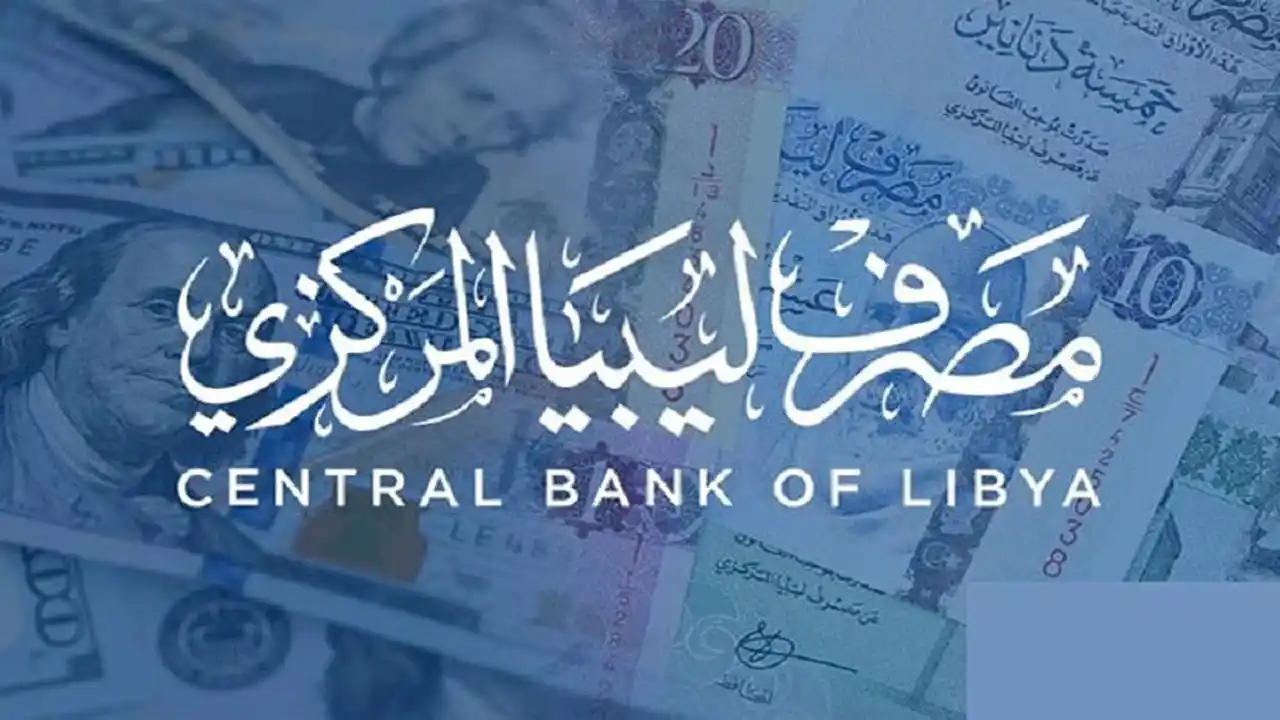
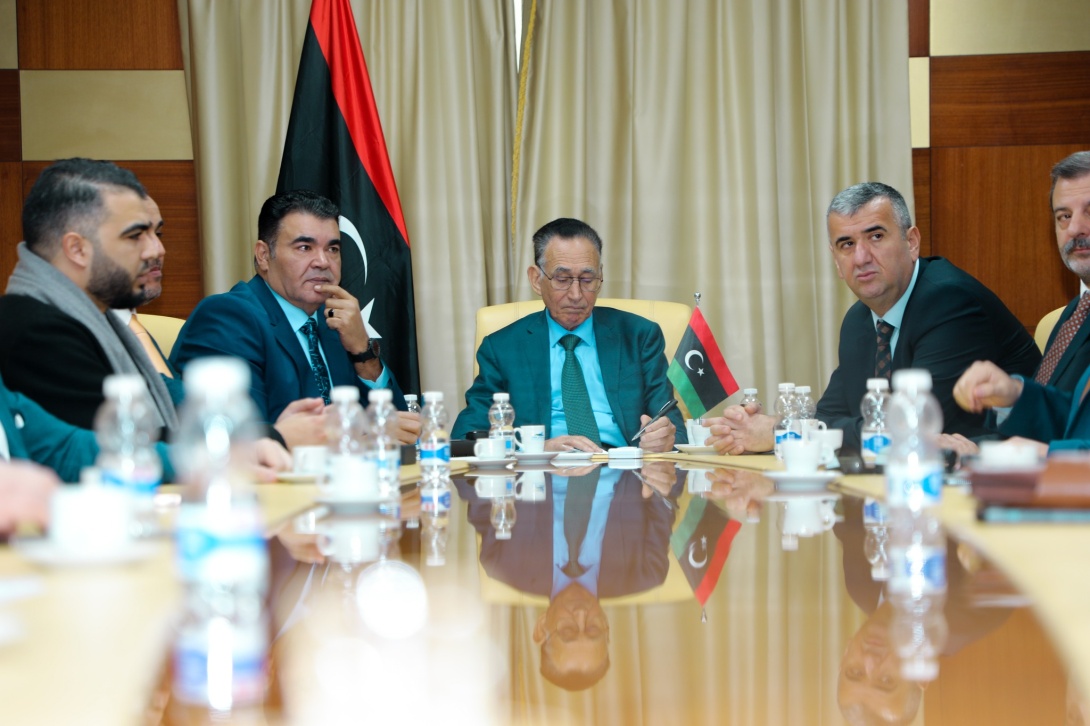
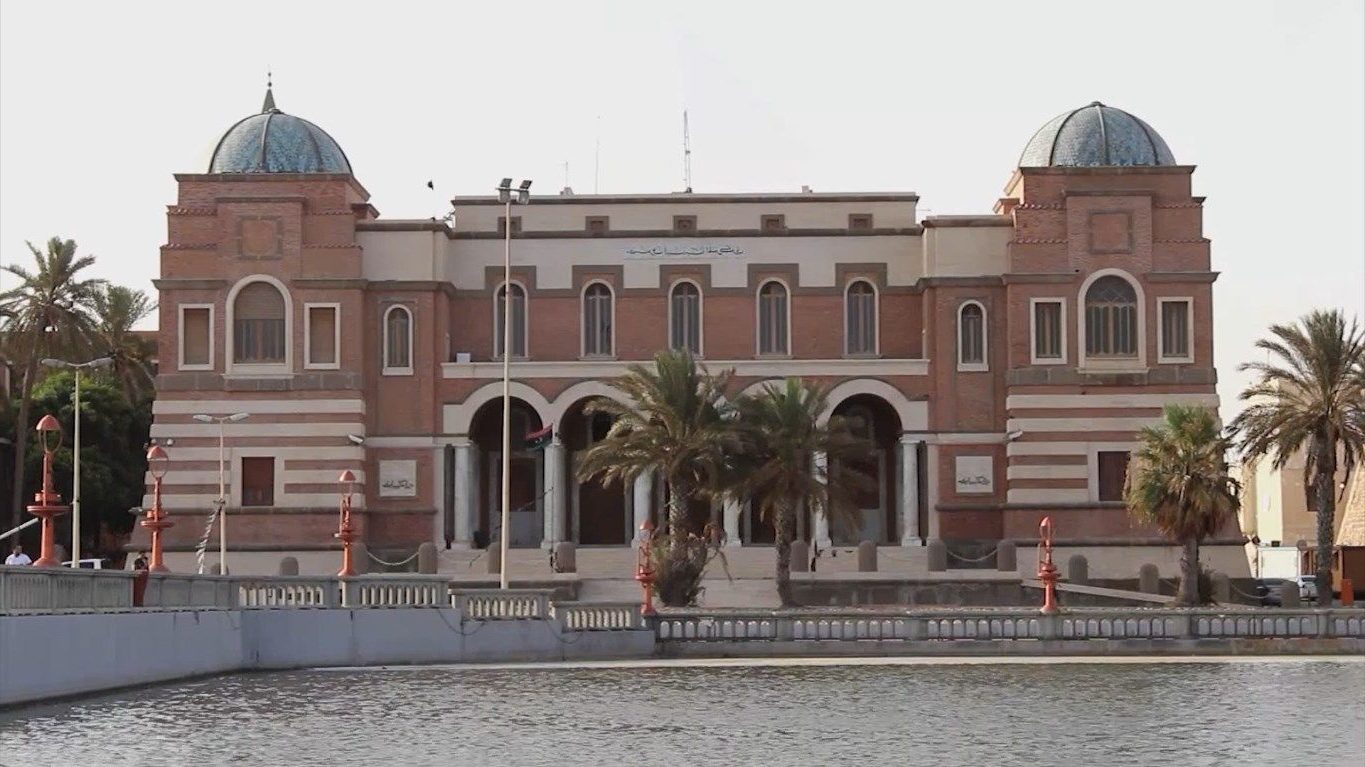
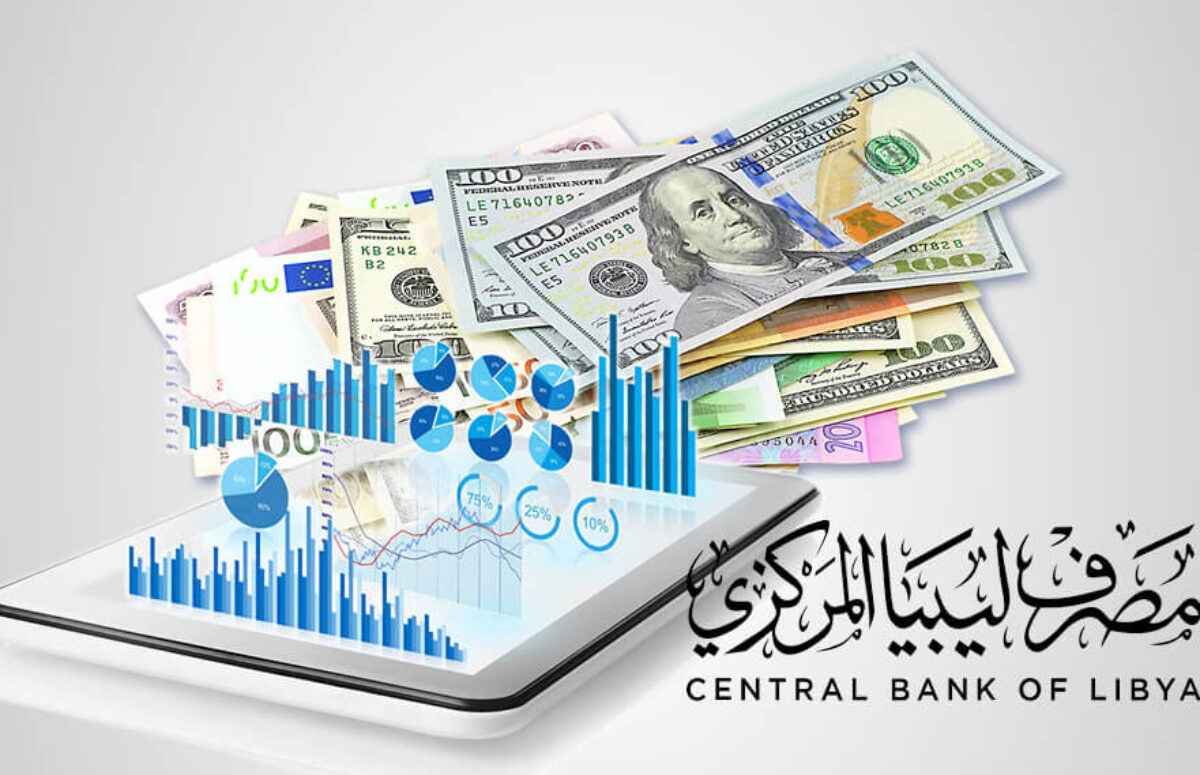
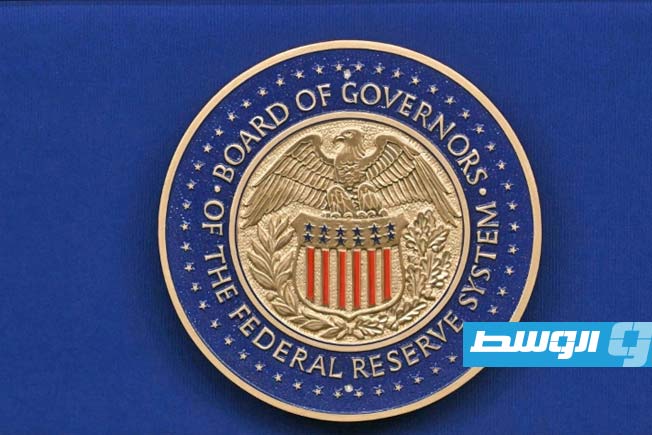
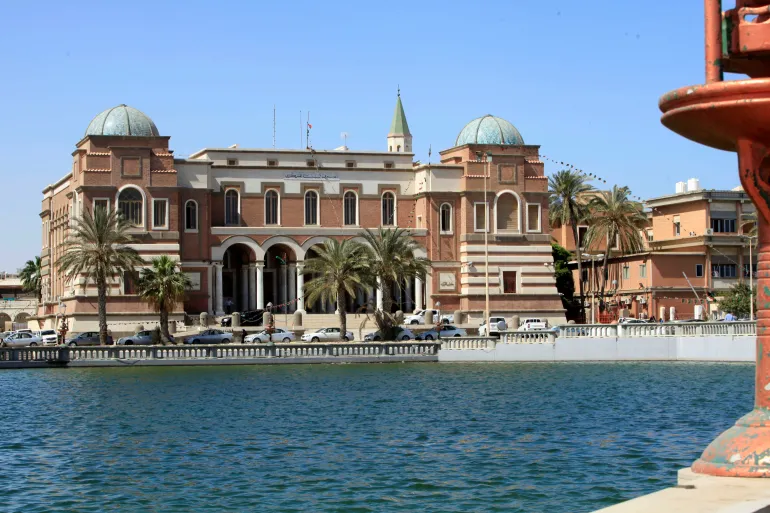
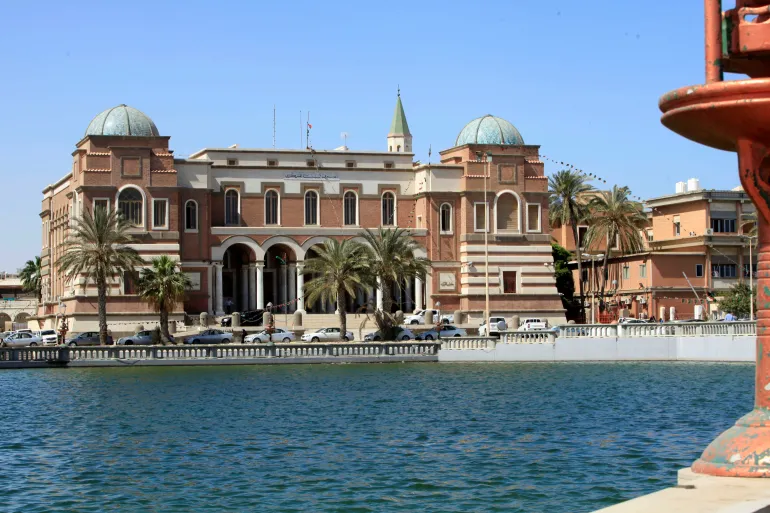
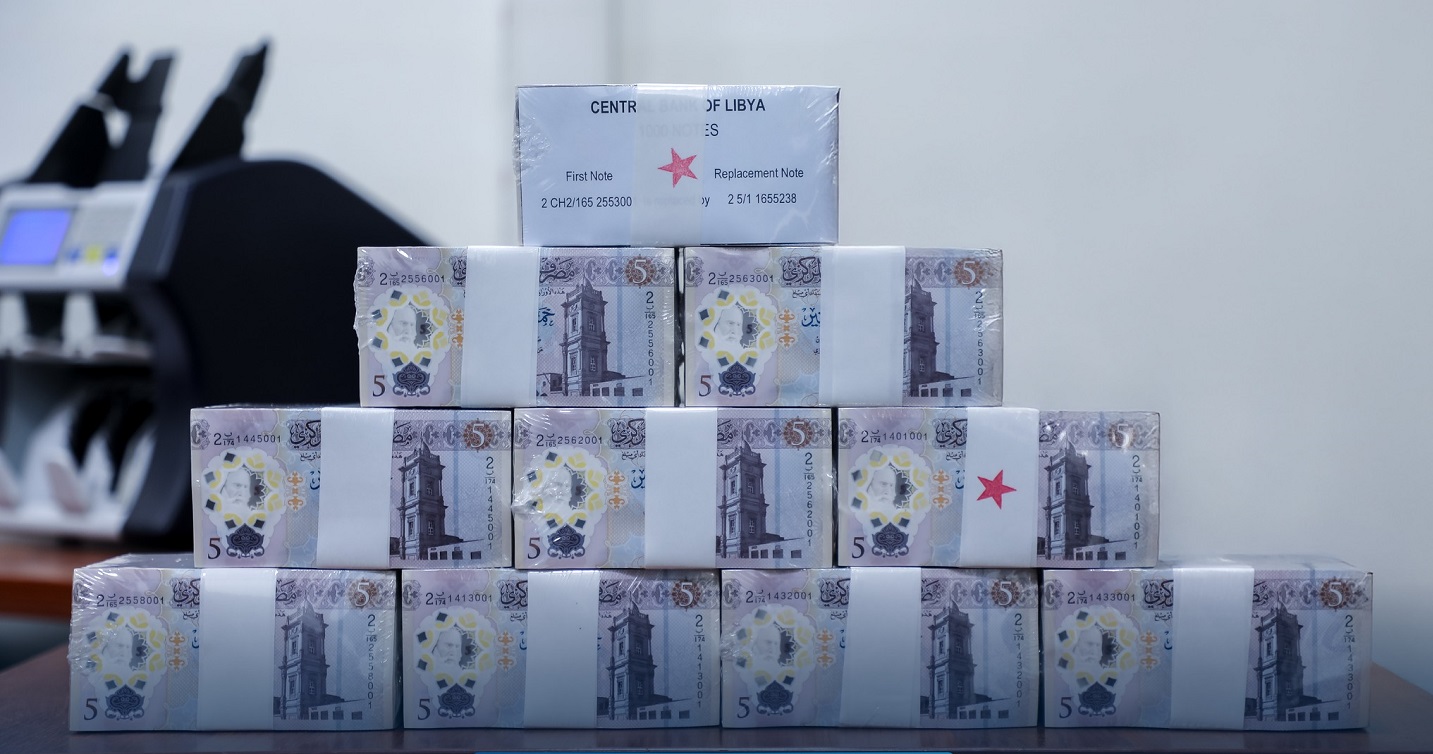
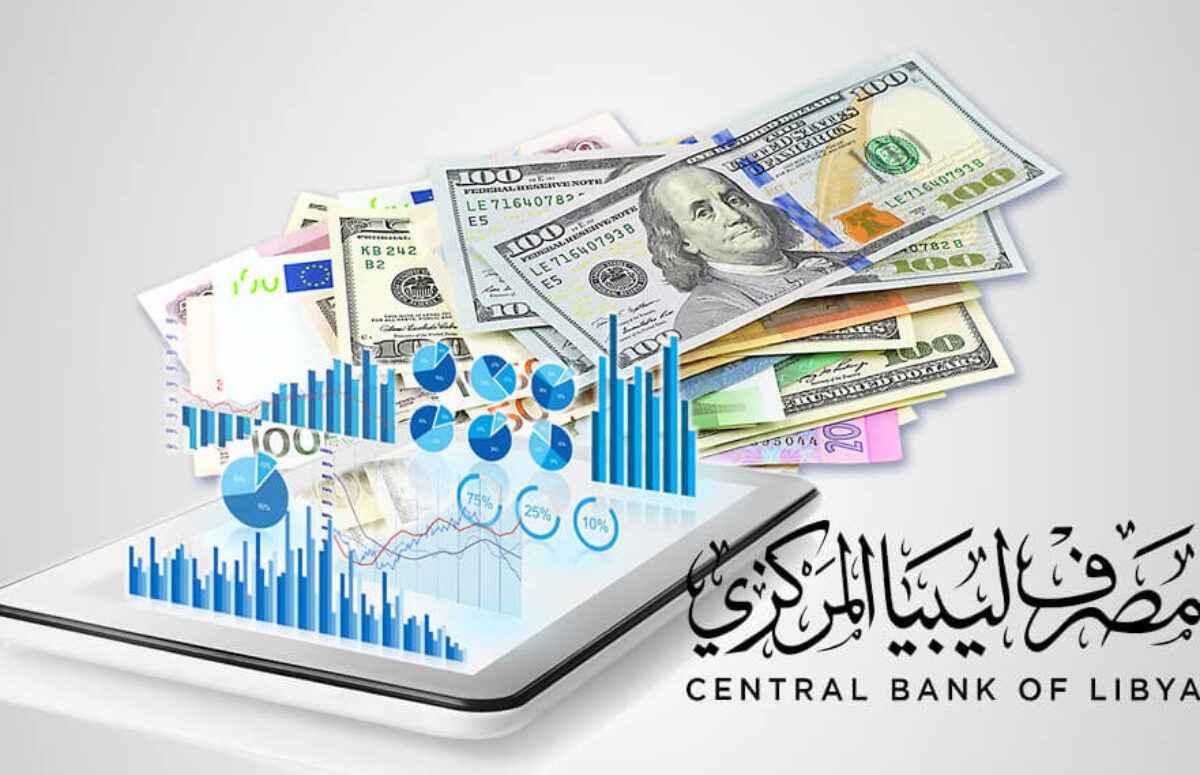
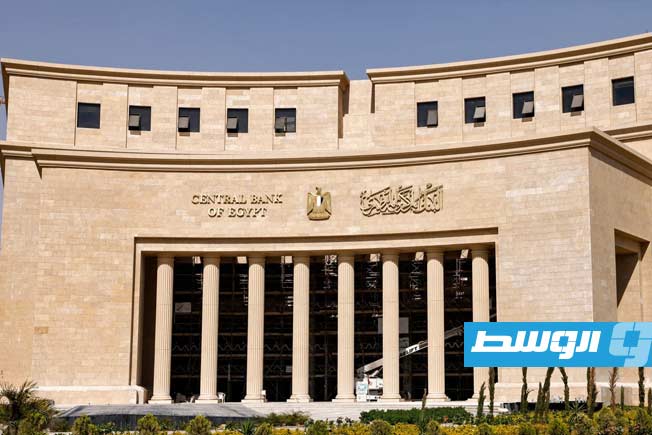
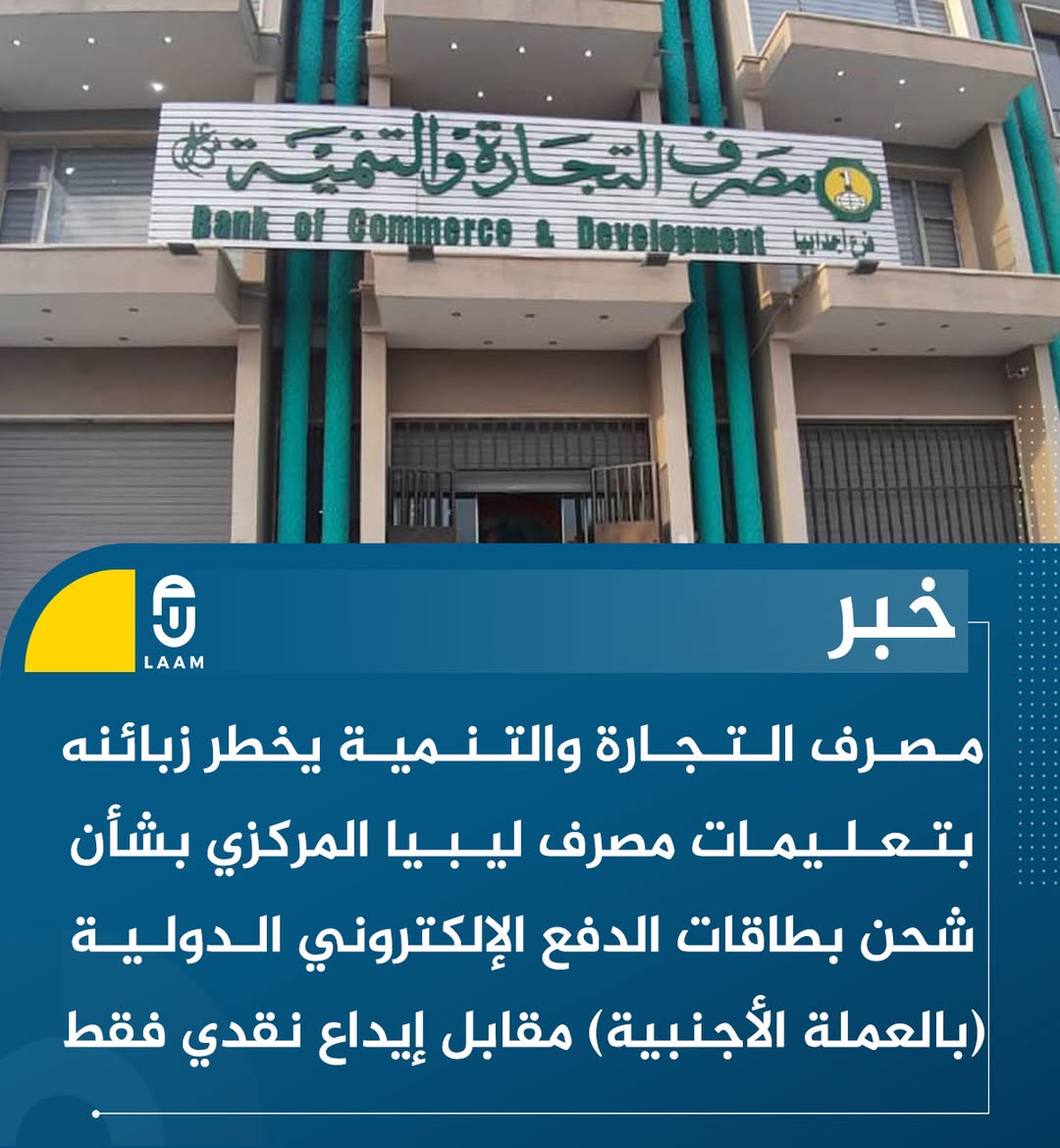
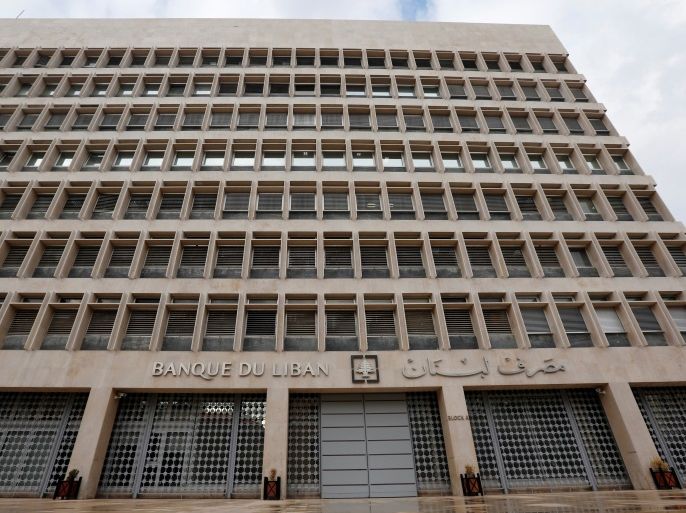
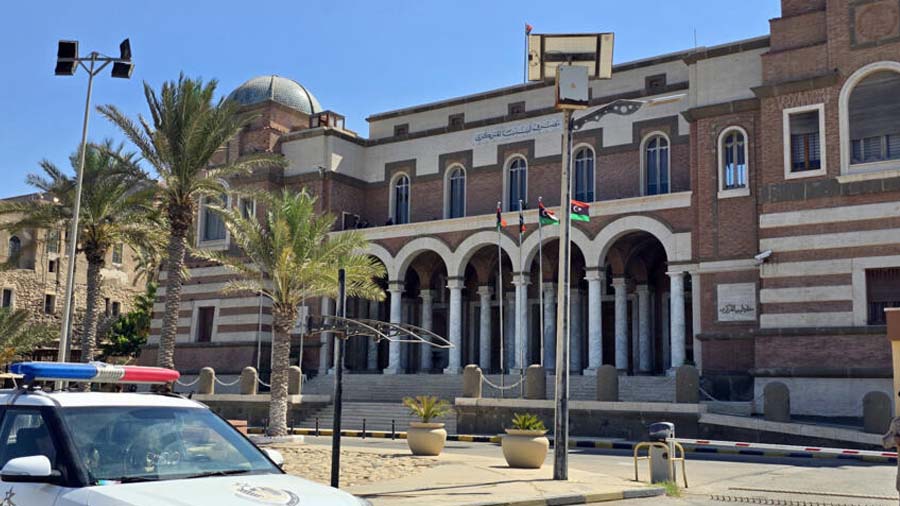
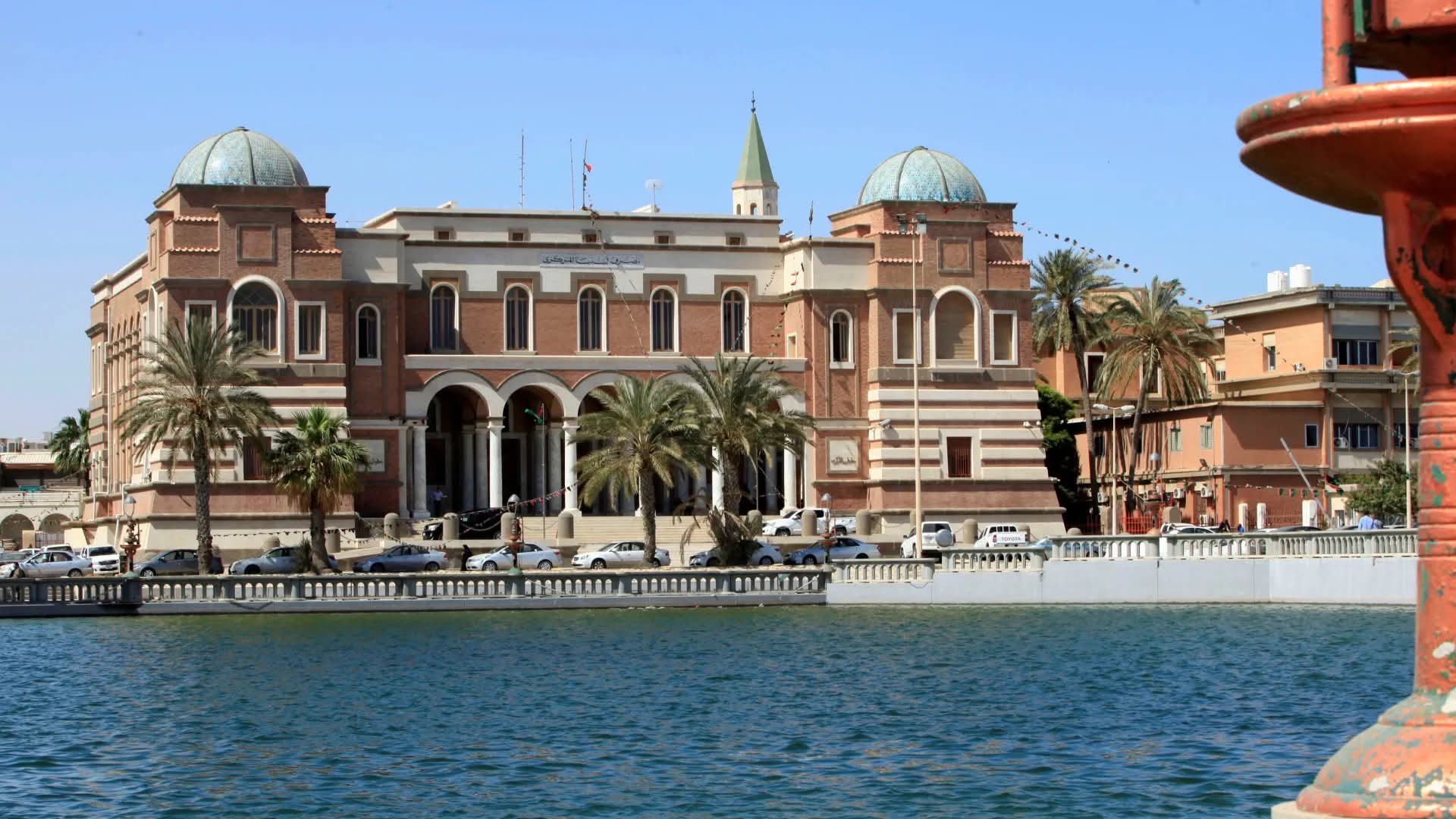
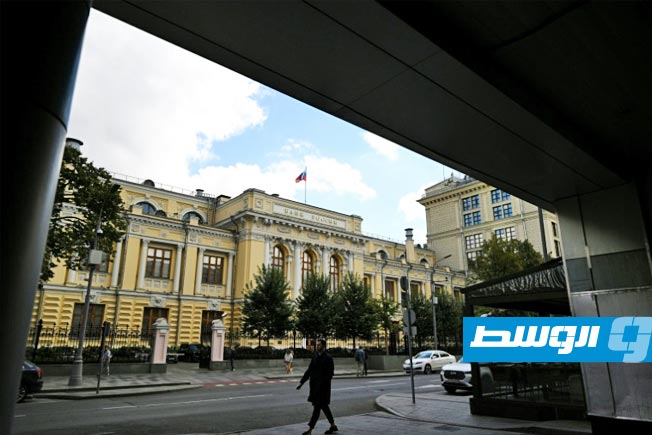
In the official market, the exchange rate for the US dollar rose to 5.41 dinars according to the exchange rate bulletin issued by the Central Bank of Libya for Wednesday, while the euro saw a slight decline to 6.35 dinars, and the British pound declined to 7.28 dinars.
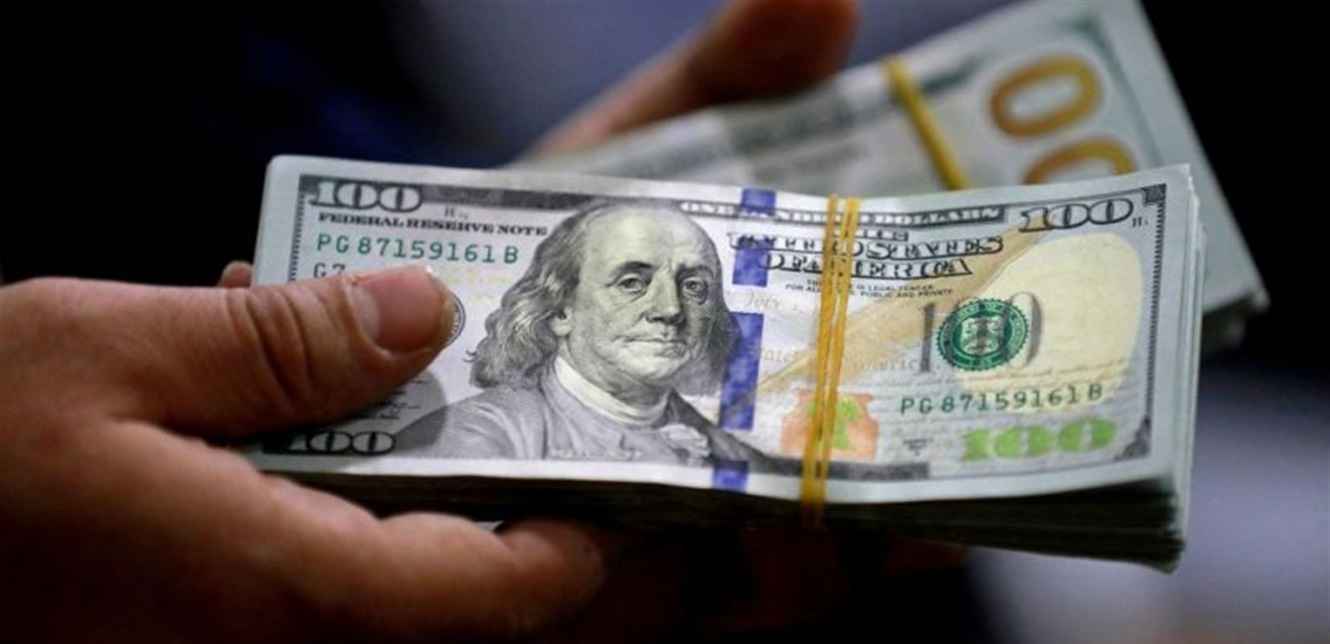
US dollar
The US dollar is the official currency of the United States, established by the Coinage Act of 1792. It evolved from a system based on Spanish milled dollars and has become the world’s primary reserve currency since the 20th century.
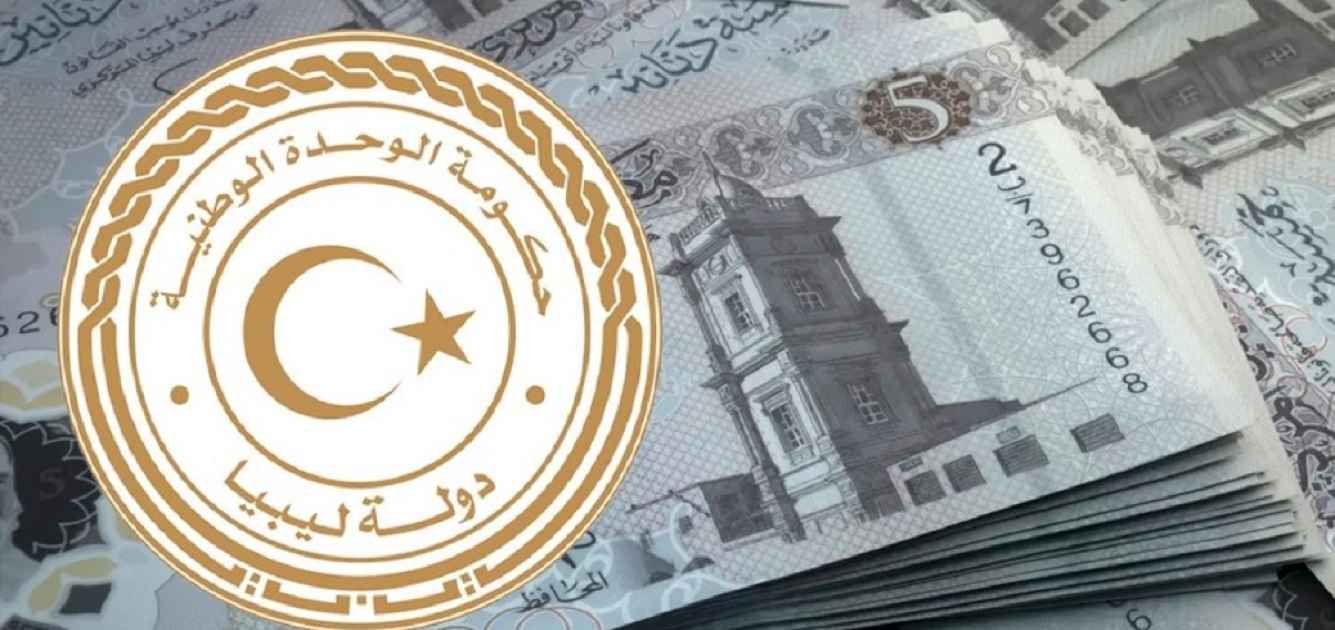
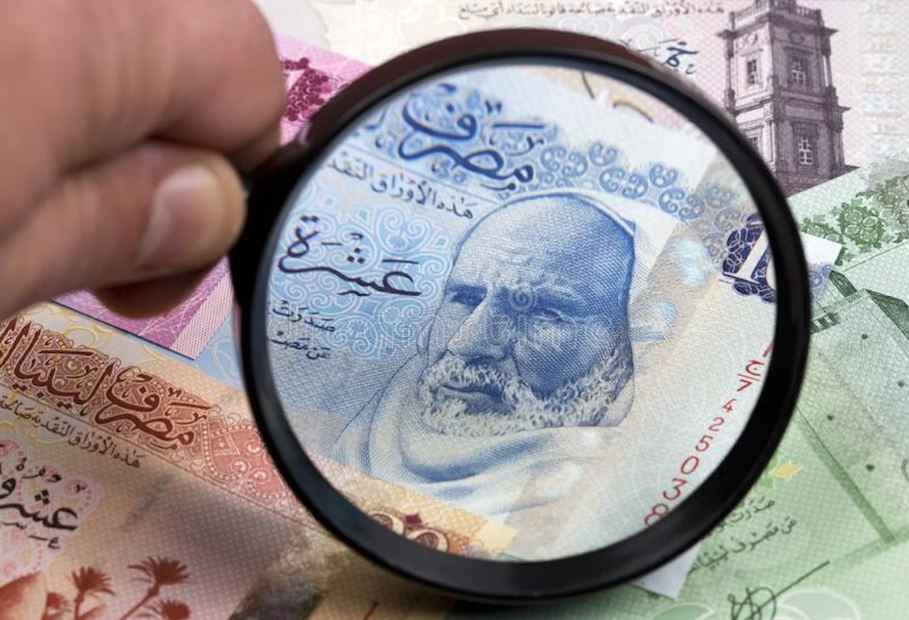
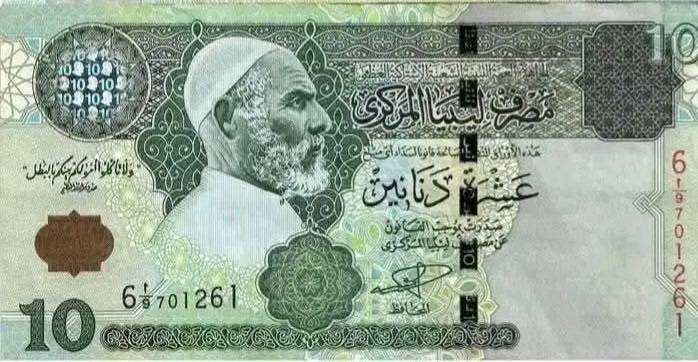
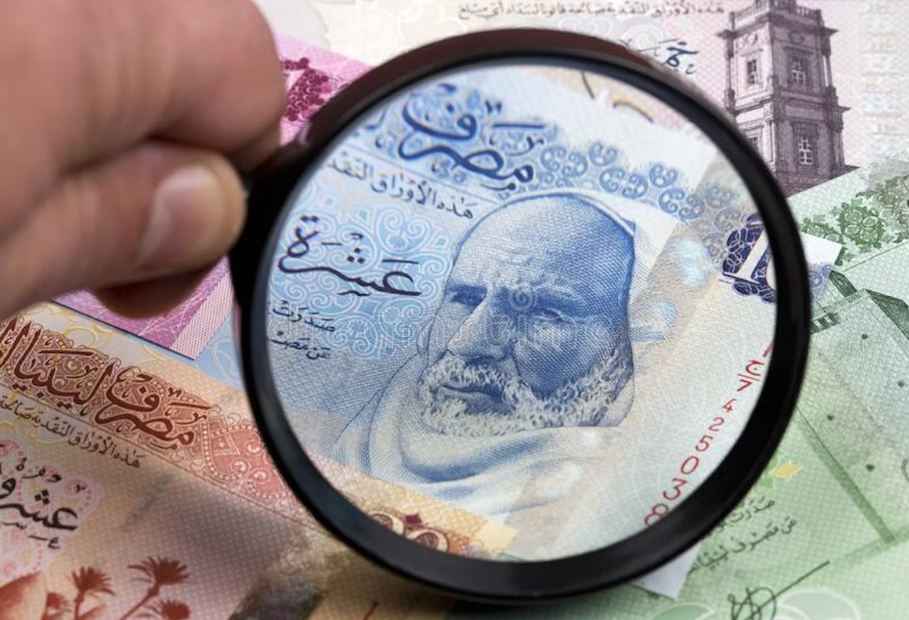
Libyan dinar
The Libyan dinar is the official currency of Libya, introduced in 1971 to replace the Libyan pound. It was established following the country’s independence and the rise of the Libyan Arab Republic, symbolizing a move toward national economic sovereignty.
euro
The Euro is the official currency of the European Union, used by 20 member states in the Eurozone. It was introduced in non-physical form in 1999 and as physical banknotes and coins in 2002, representing a major step in European economic integration.
British pound
The British pound, officially known as pound sterling, is the world’s oldest currency still in use, with origins tracing back to Anglo-Saxon times. Its name derives from the Latin “libra,” a unit of weight, and it was historically linked to silver and later the gold standard. Today, it is a major global reserve currency and the official currency of the United Kingdom.
Turkish lira
The Turkish lira is the official currency of Turkey and the Turkish Republic of Northern Cyprus. It was introduced in 1844, replacing the *kuruş*, and has undergone several revaluations, most notably in 2005 when the “new Turkish lira” removed six zeros from the old currency.
Tunisian dinar
The Tunisian dinar is the official currency of Tunisia, introduced in 1960 to replace the Tunisian franc. Its creation was part of the country’s broader economic reforms following its independence from France in 1956.
gold
Gold is not a specific place or cultural site, but a precious metal that has been mined and treasured by civilizations worldwide for thousands of years. Historically, its rarity and lustre have made it a universal symbol of wealth and power, driving exploration, trade, and economic systems like the gold standard. Culturally, it features prominently in art, religion, and ornamentation across many societies.
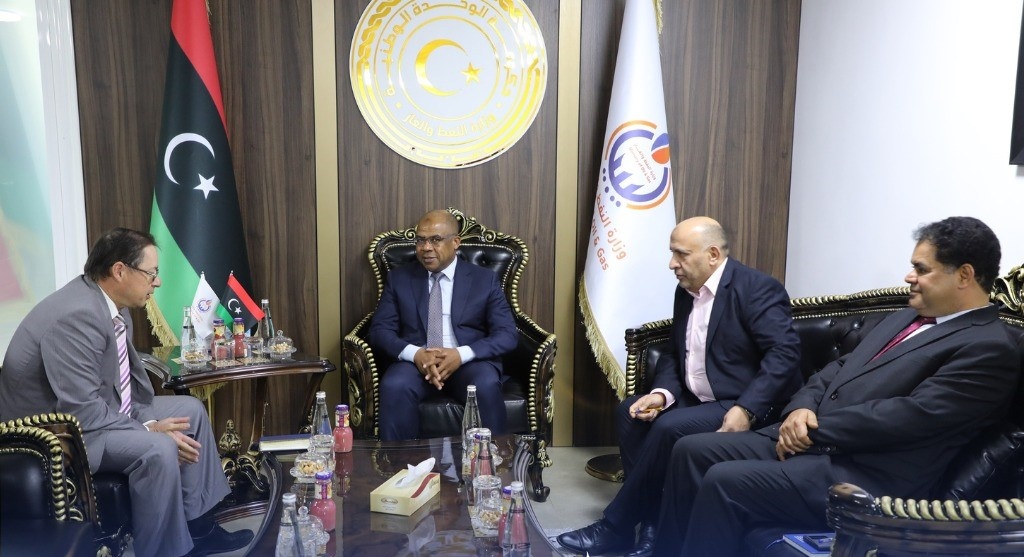
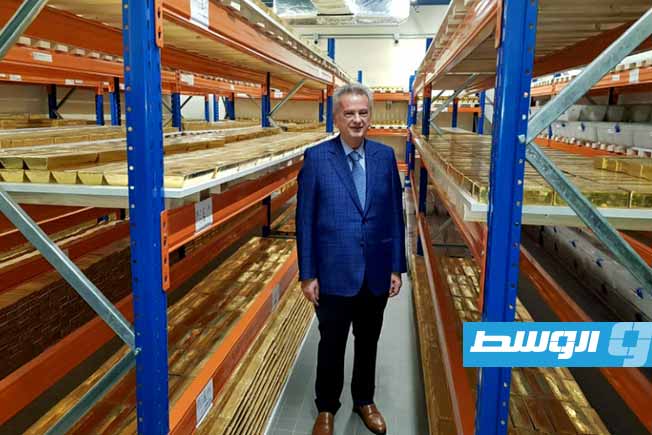
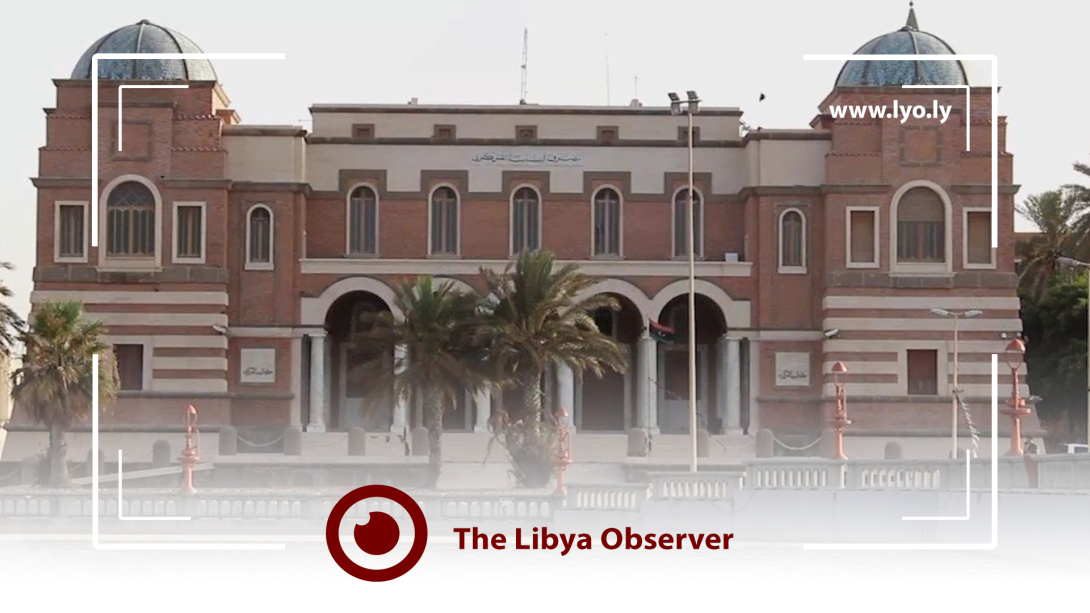
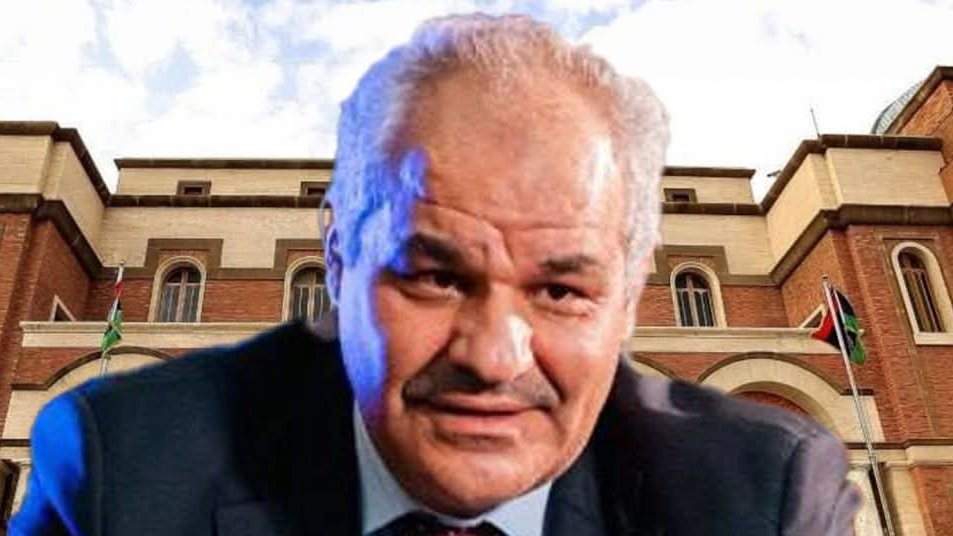
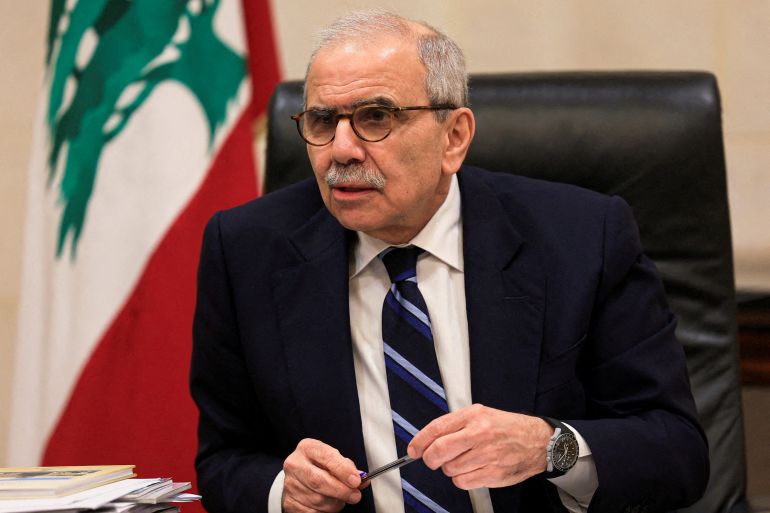
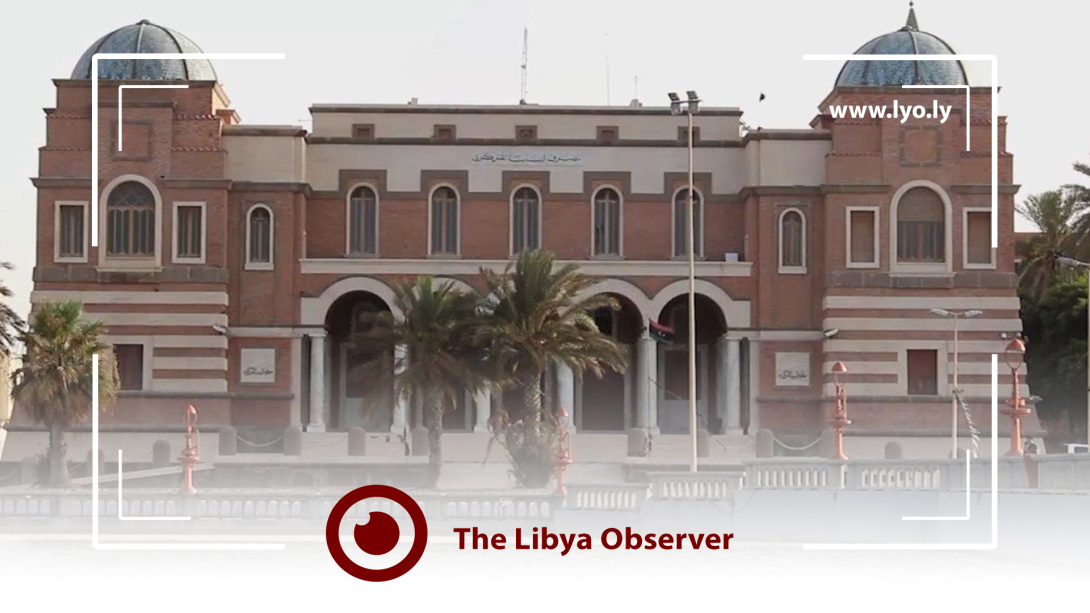
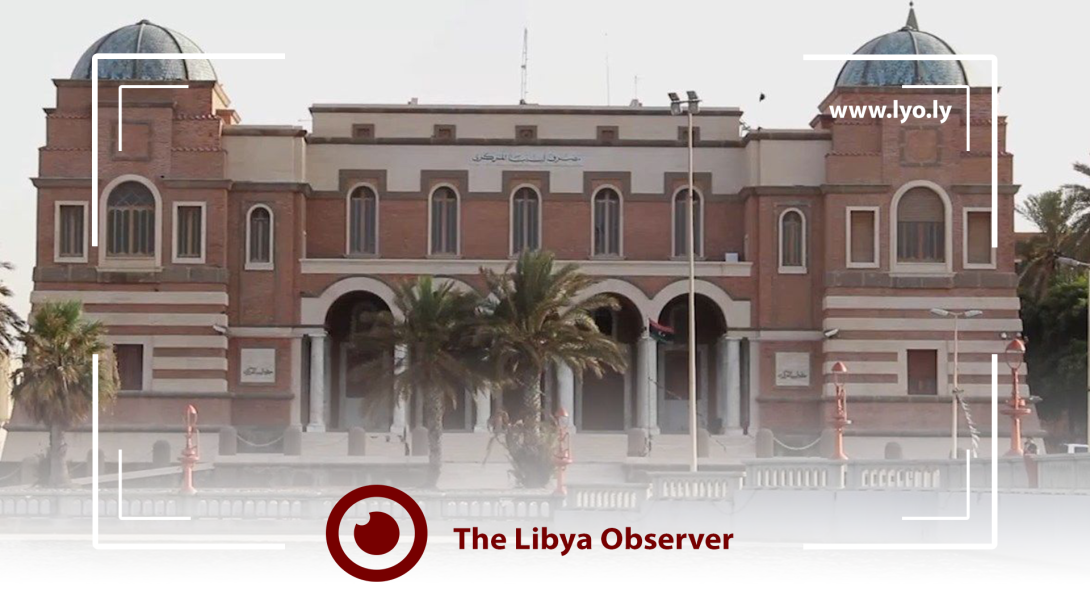
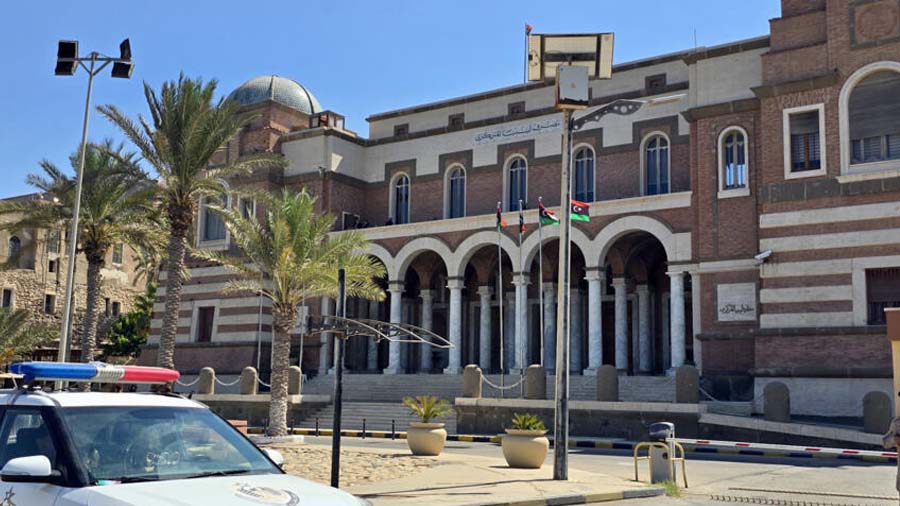
Central Bank of Libya
The Central Bank of Libya is the primary monetary authority of Libya, established in 1956 following the country’s independence. It has played a critical and often contentious role in the nation’s economy, especially in managing state finances and foreign reserves during periods of political division and conflict since 2011.