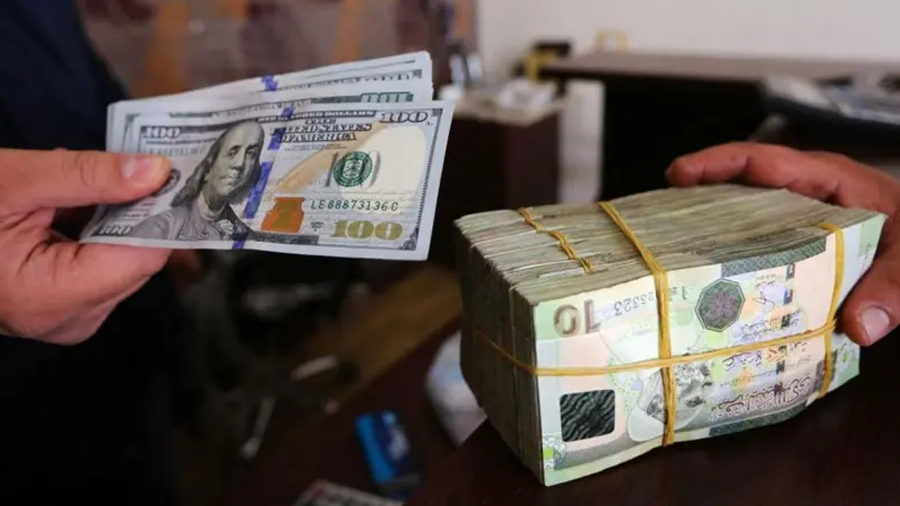
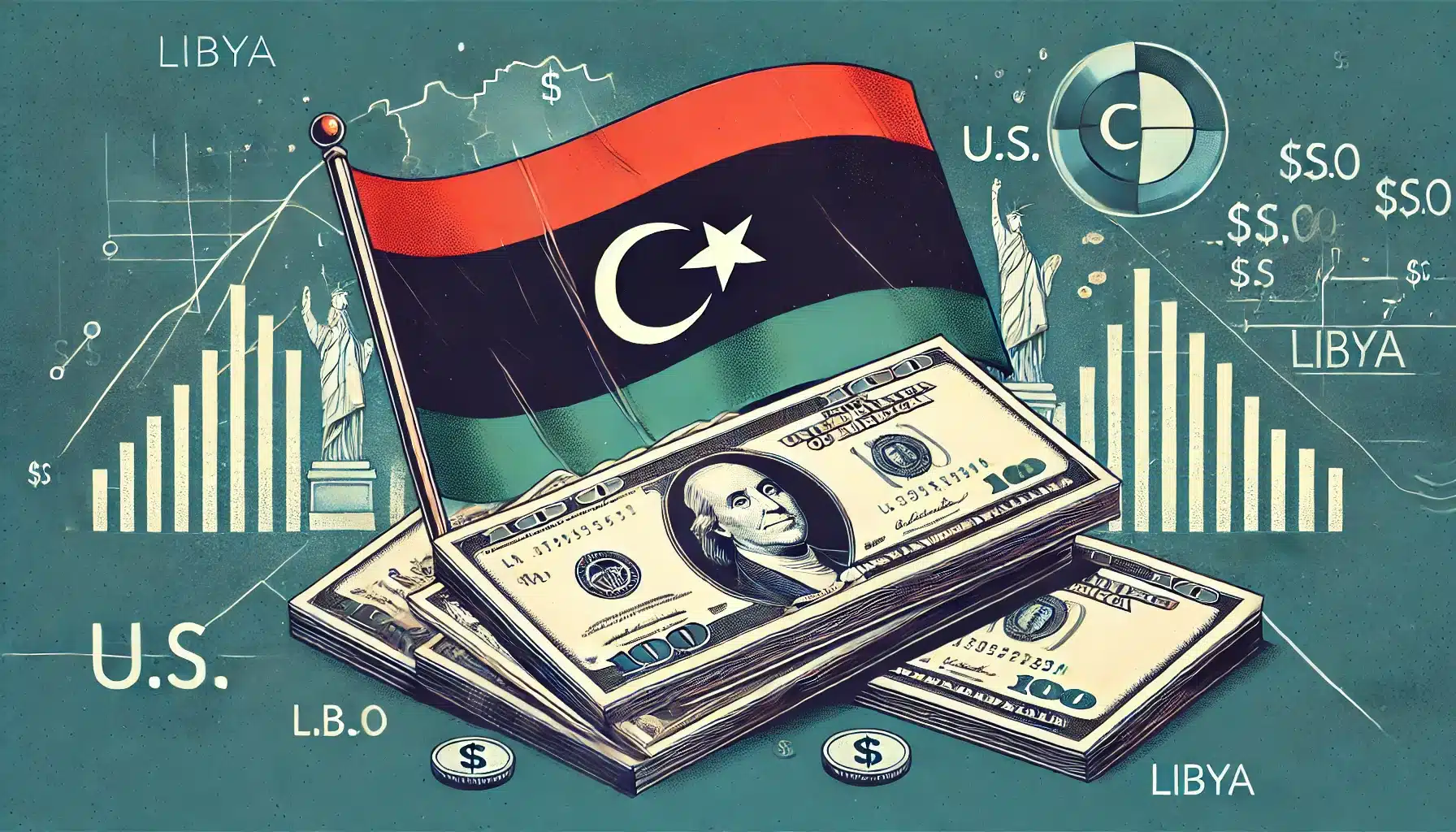
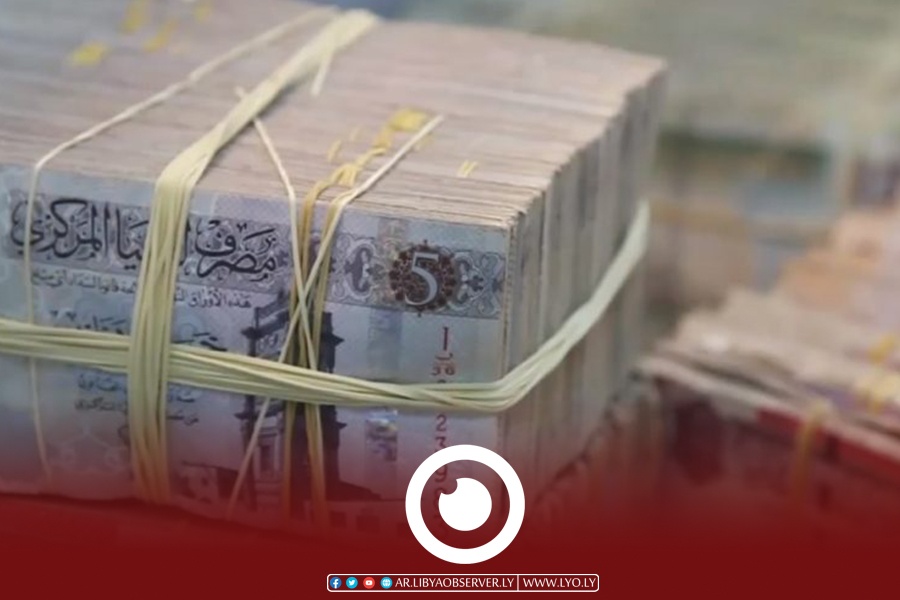
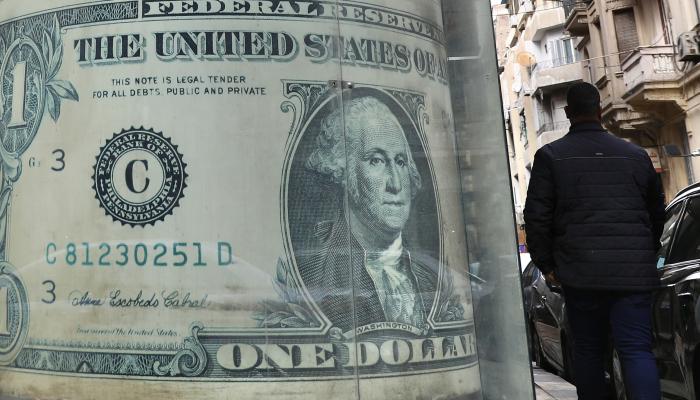
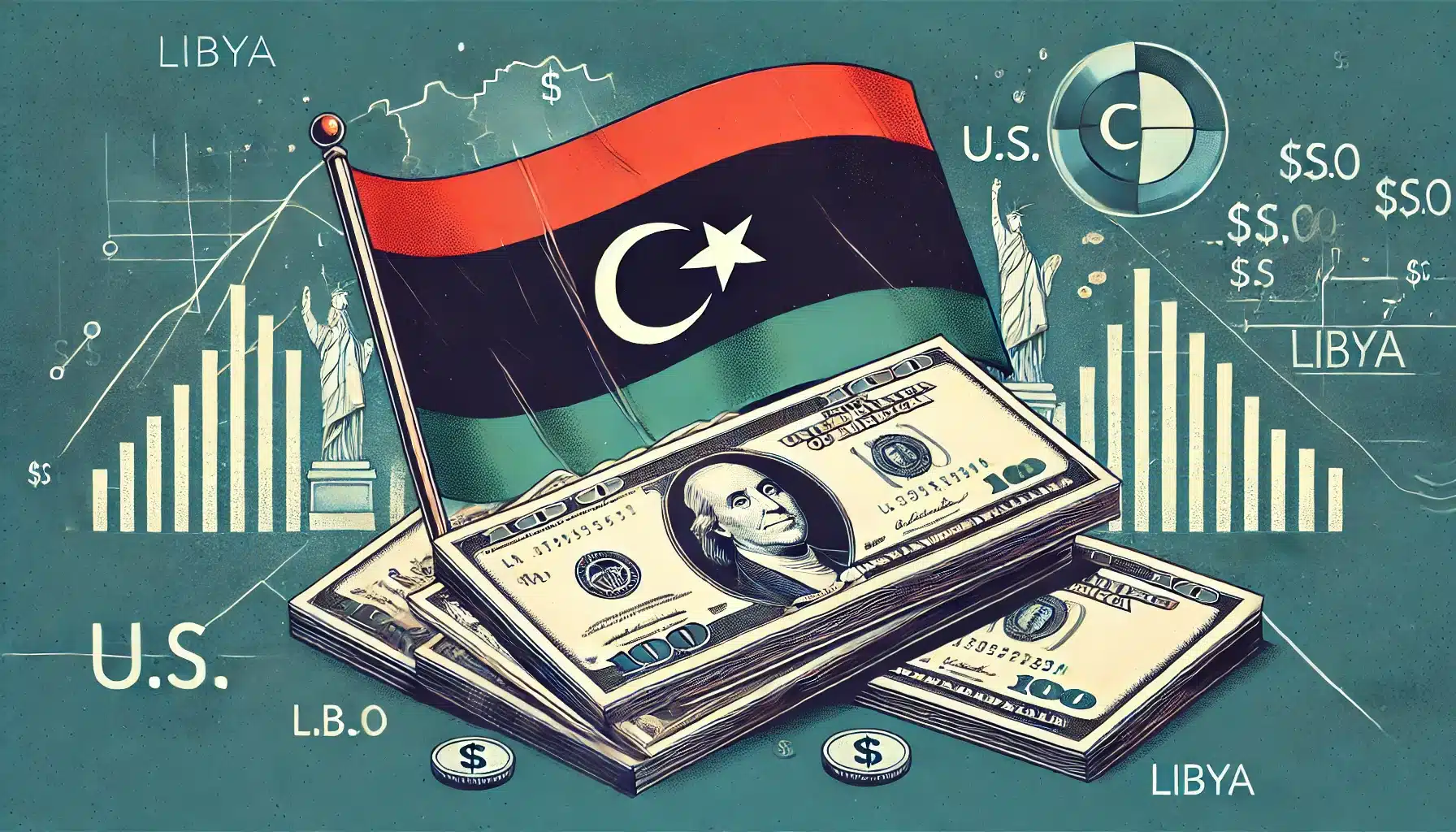
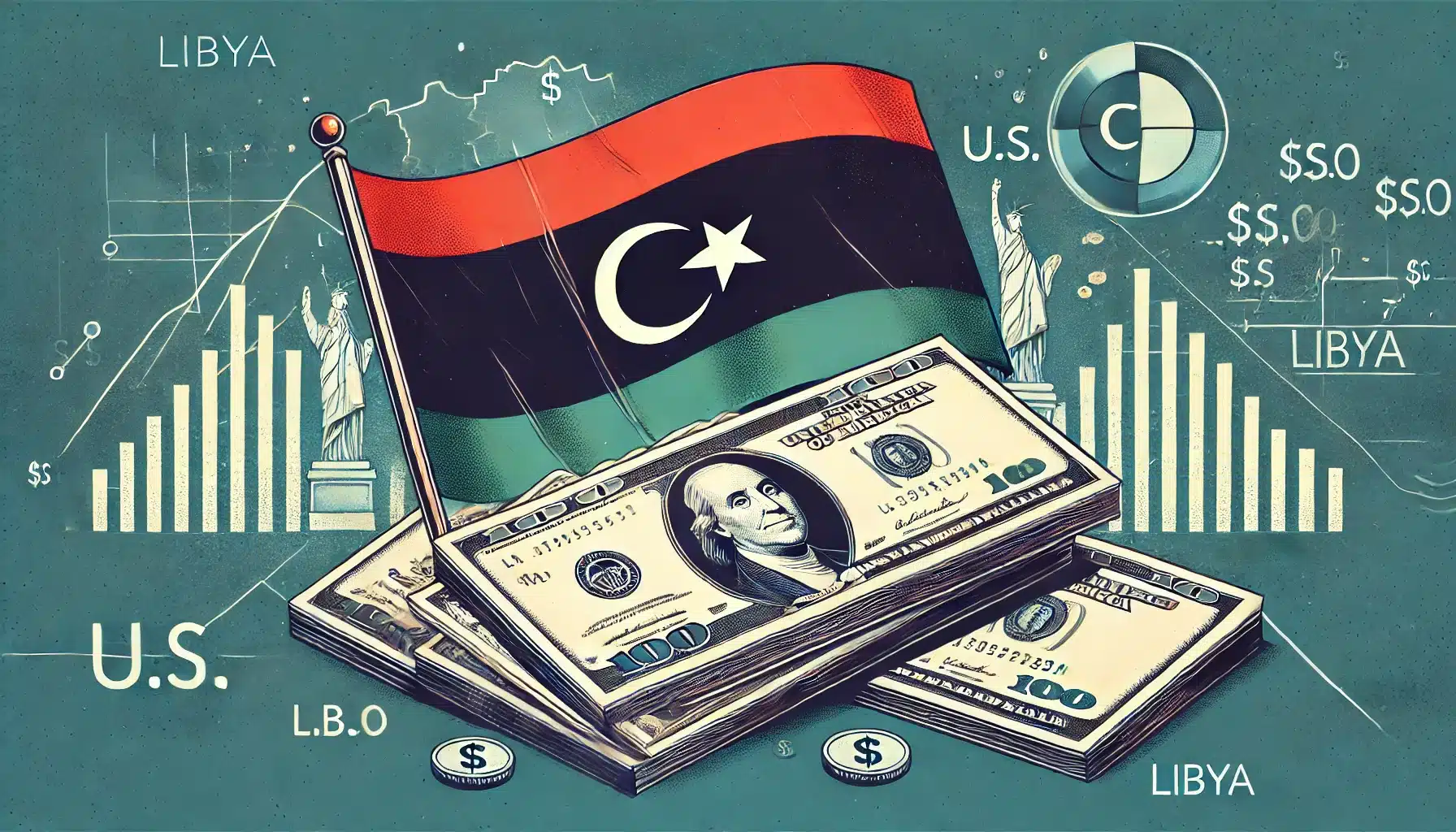
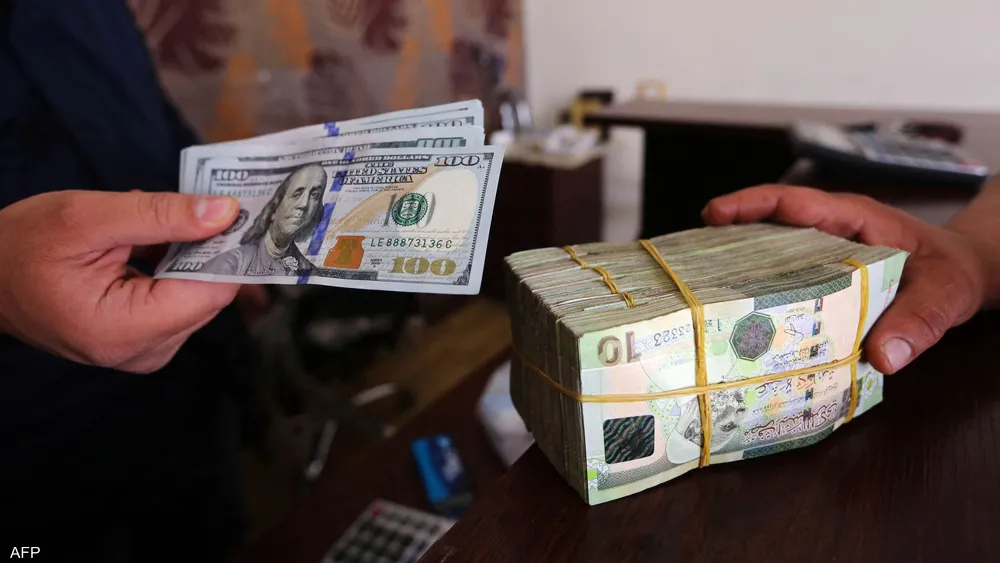
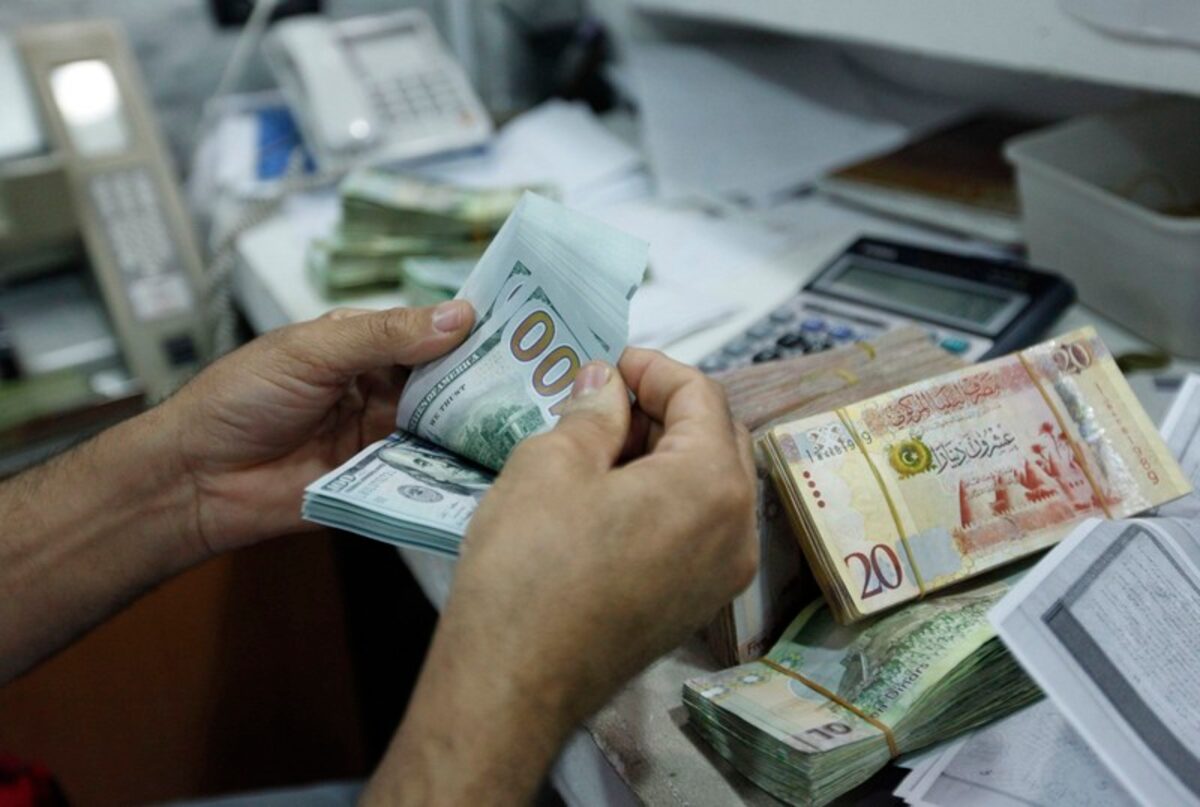
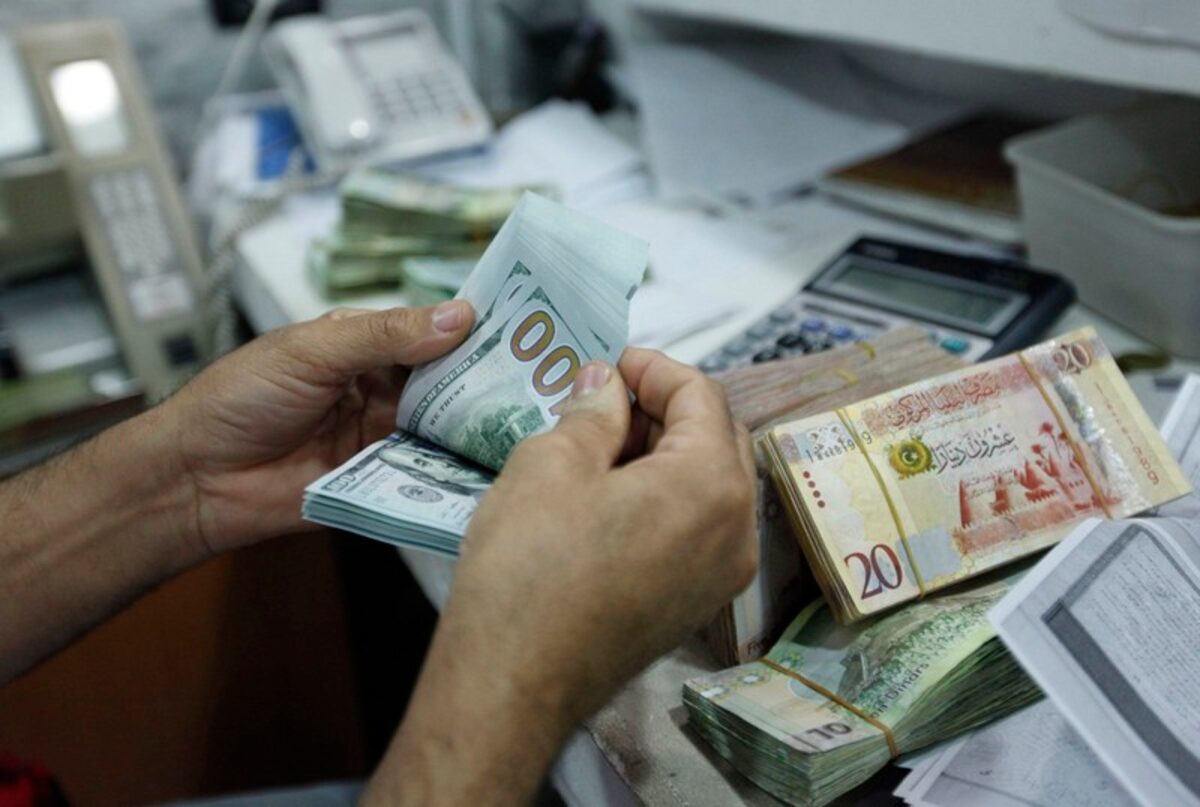
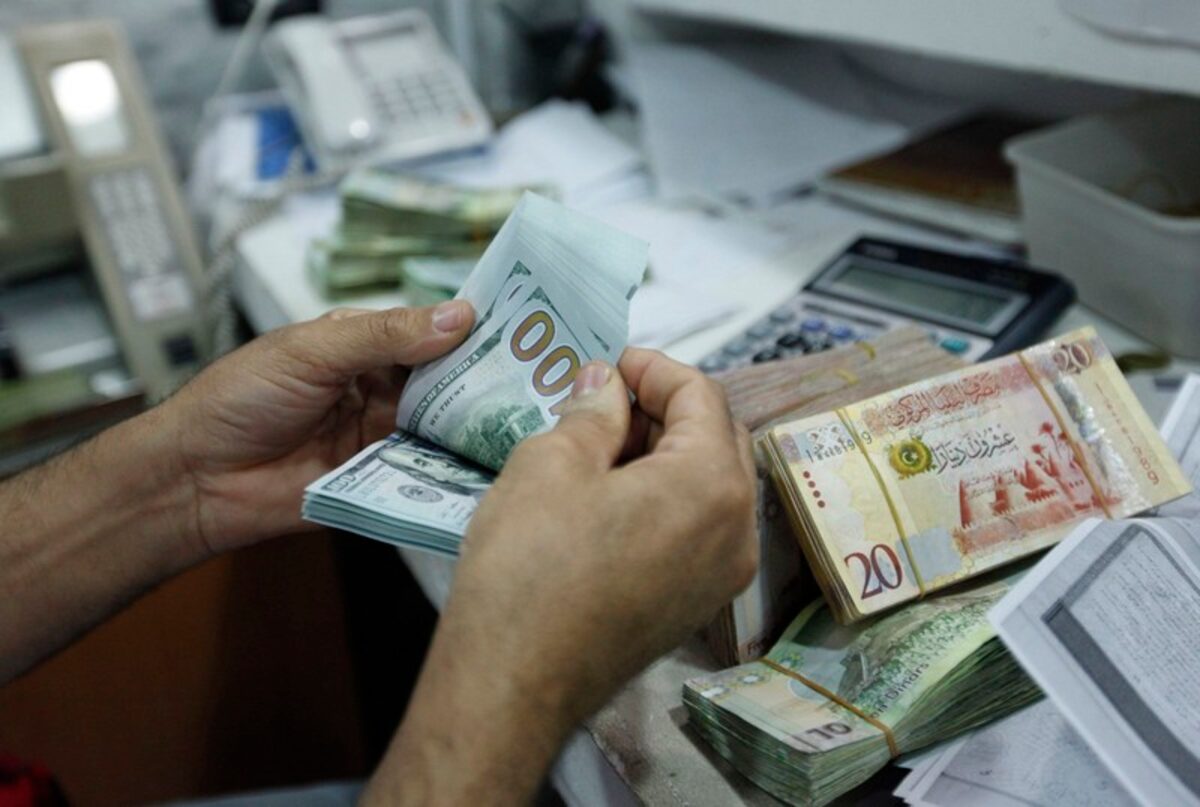
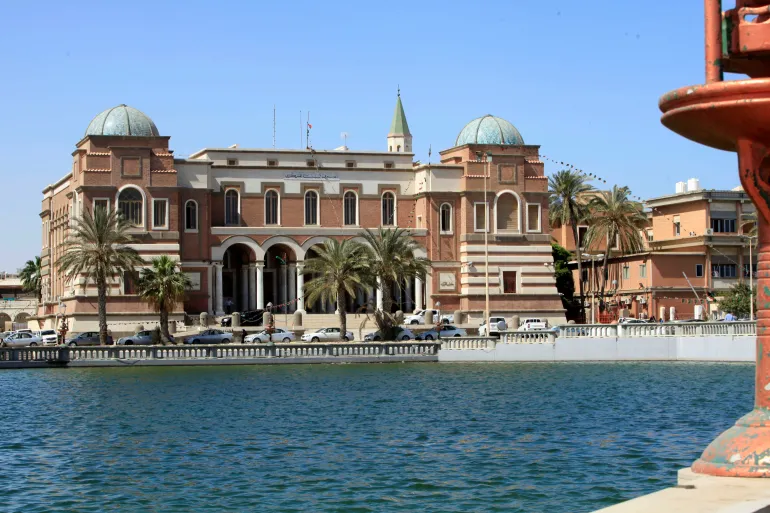
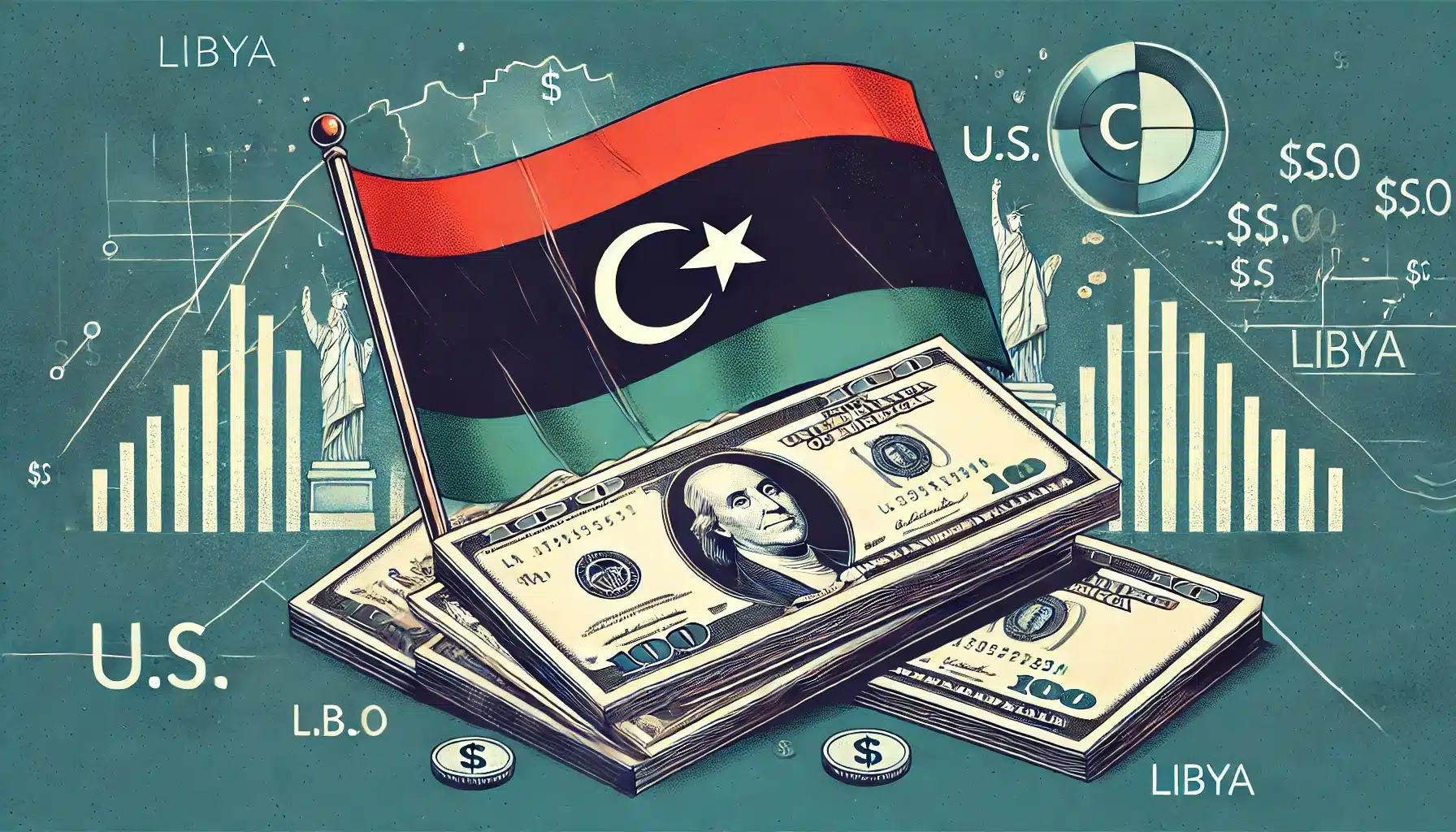
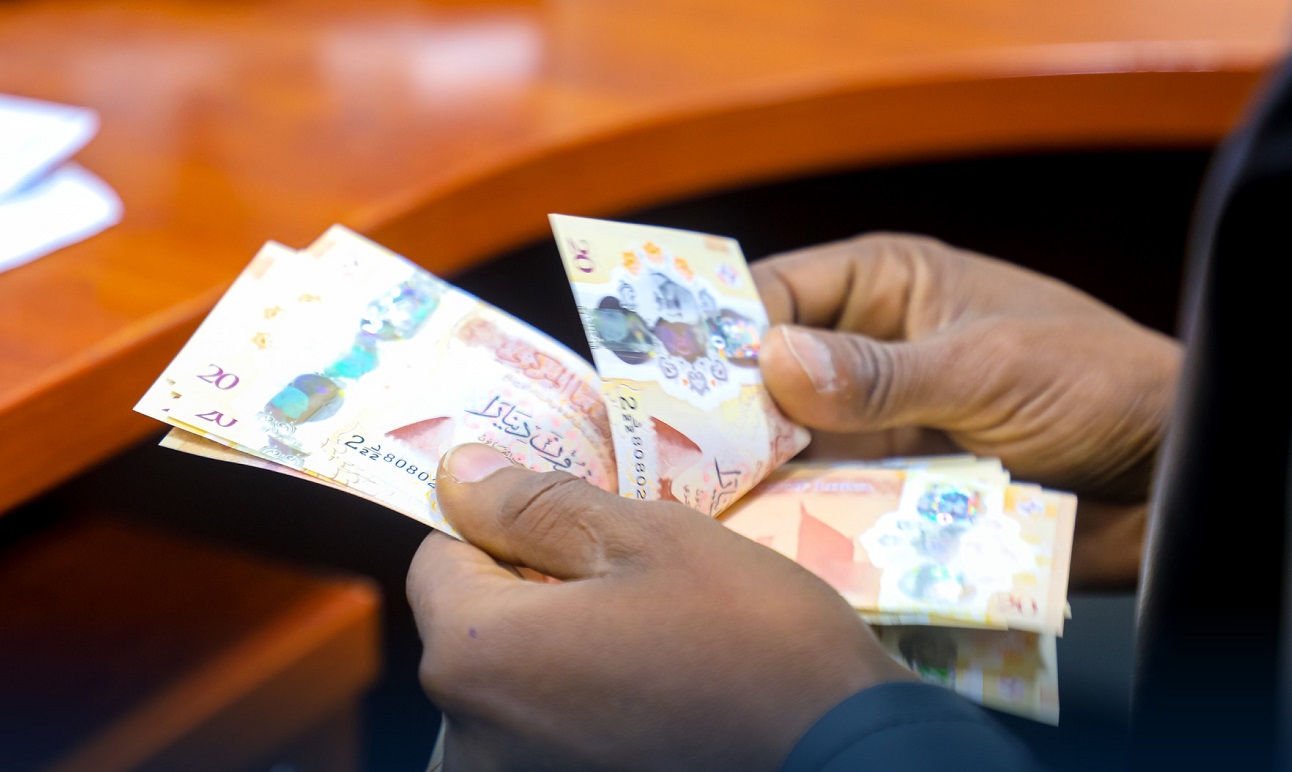
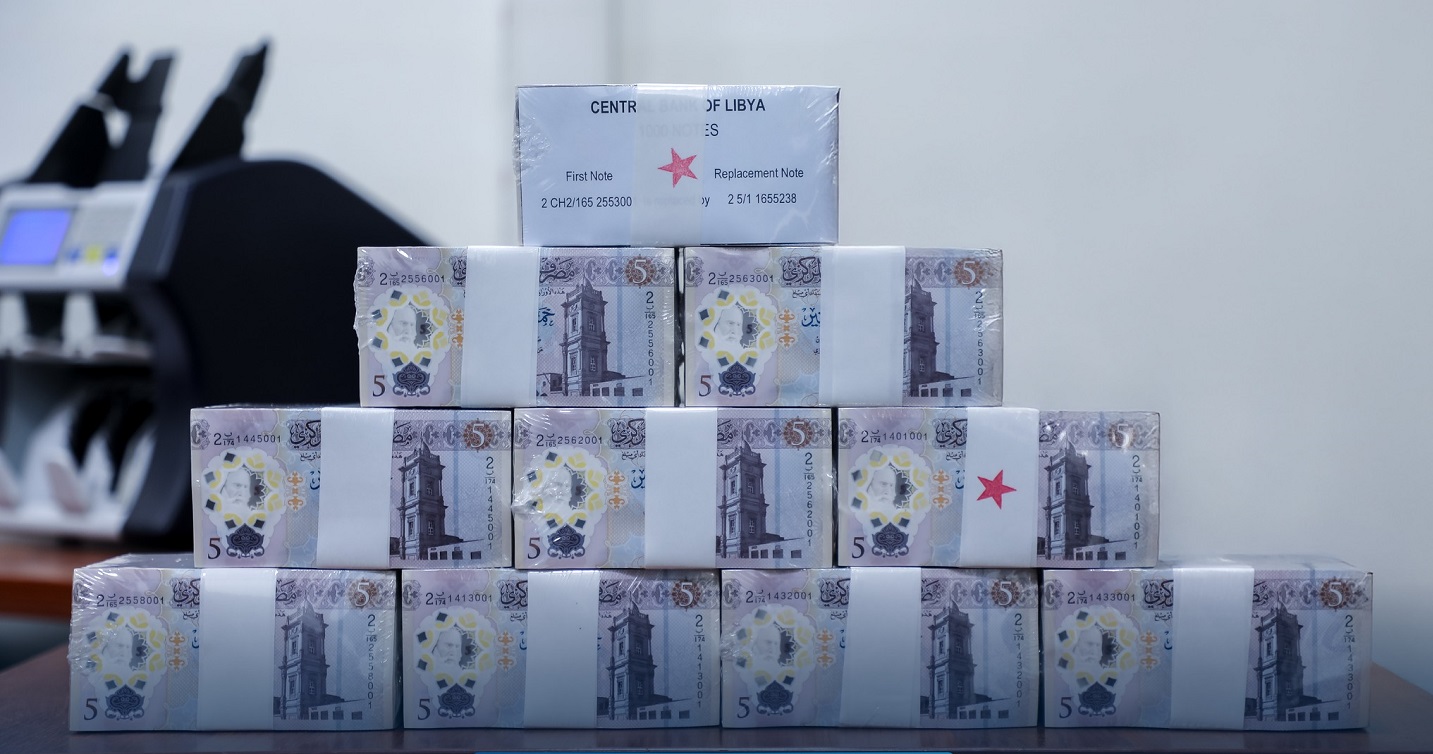
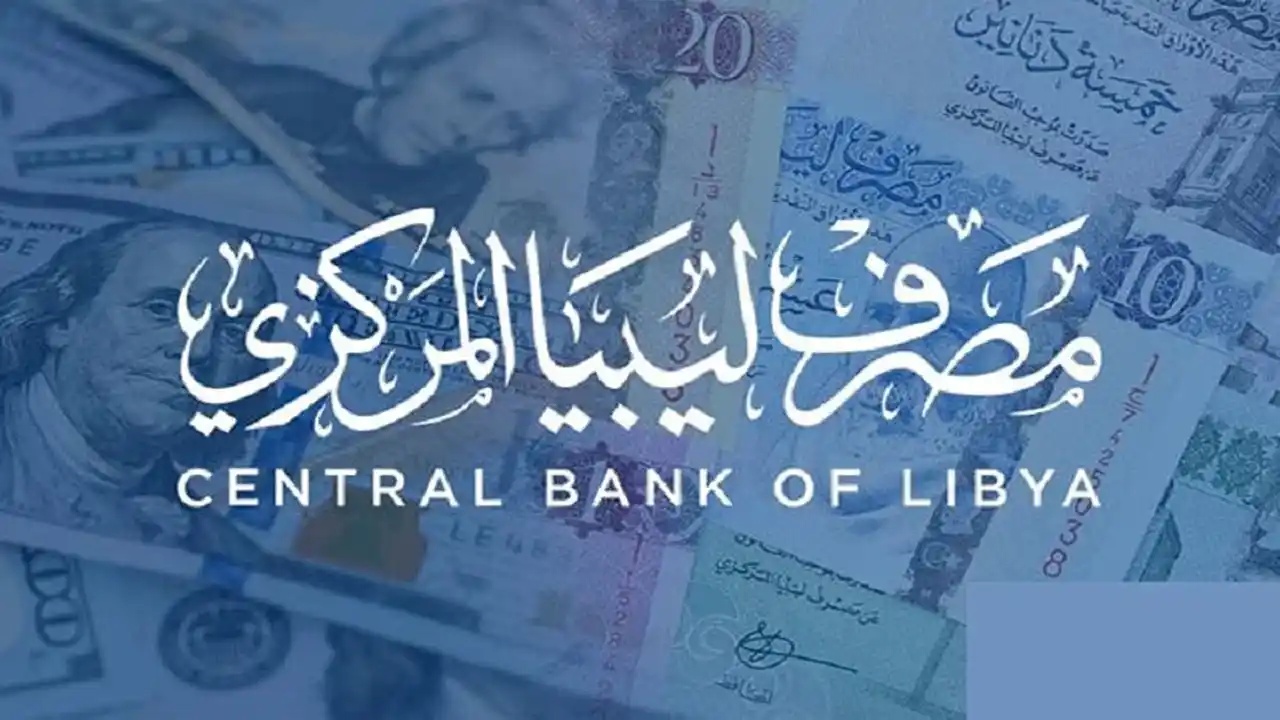
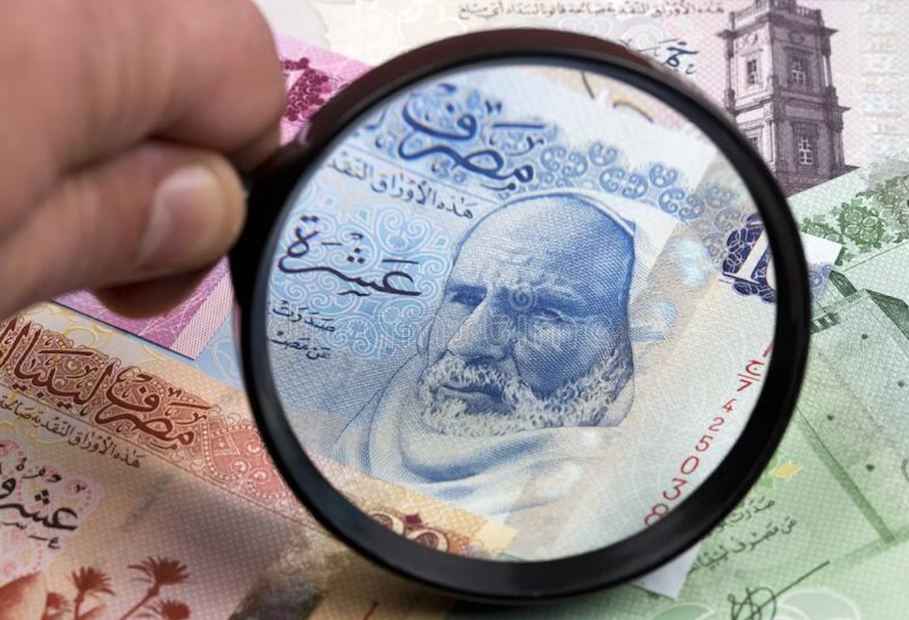
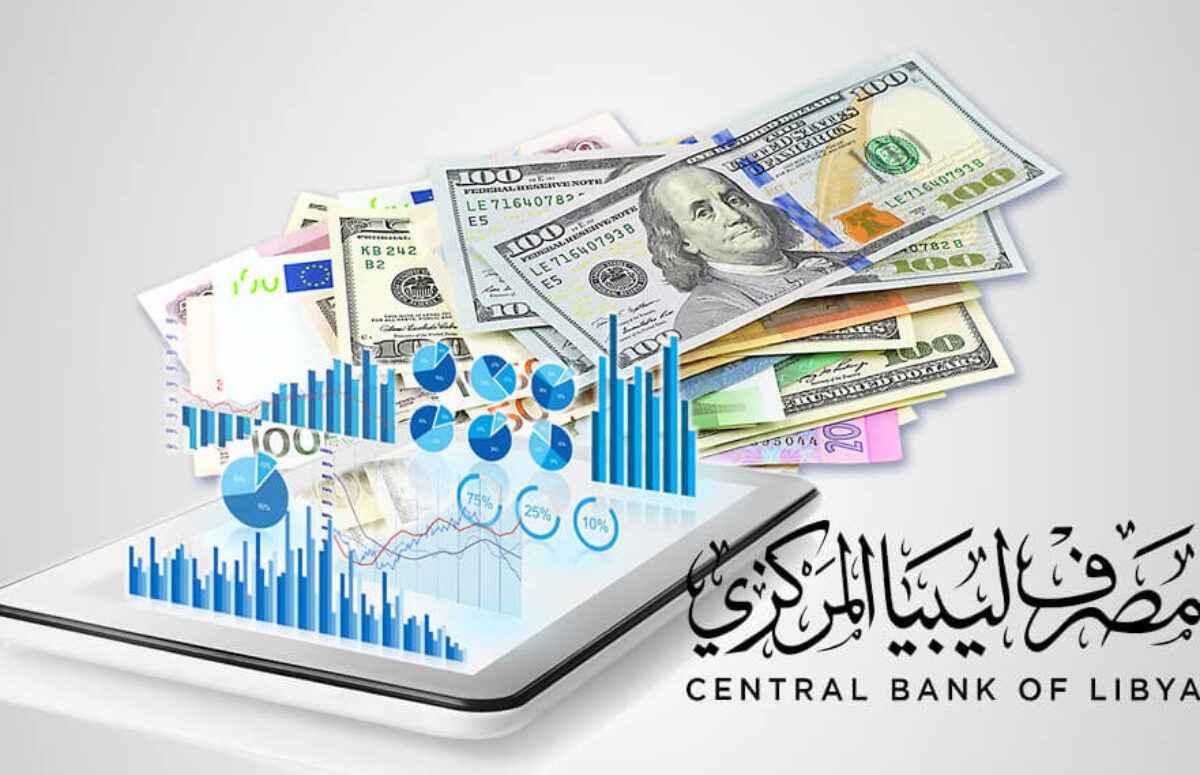
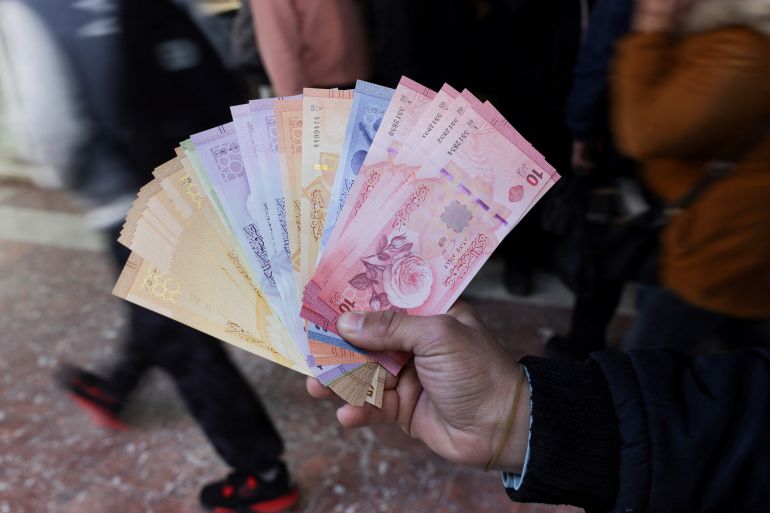
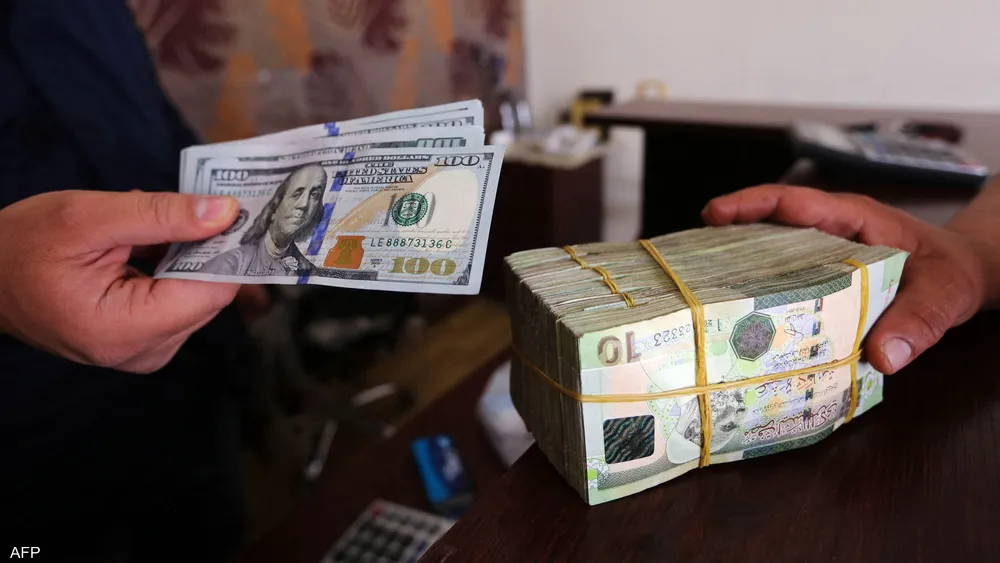
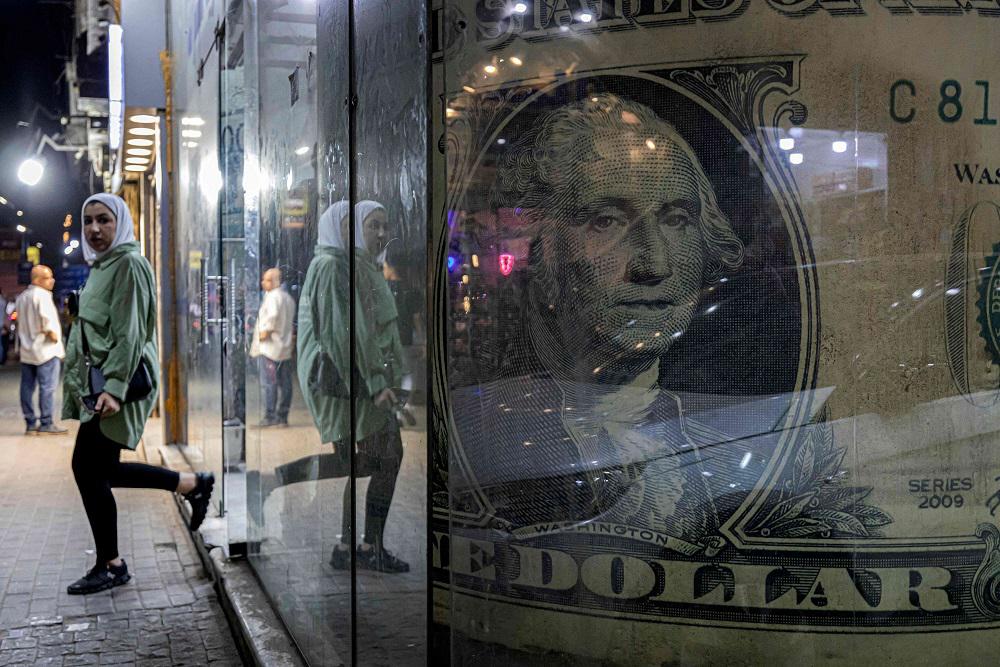
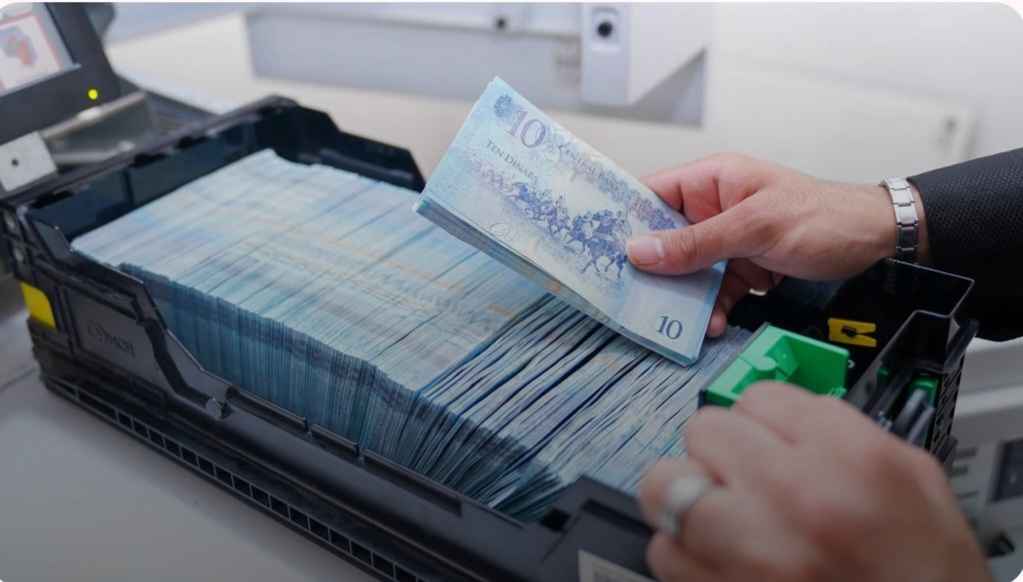
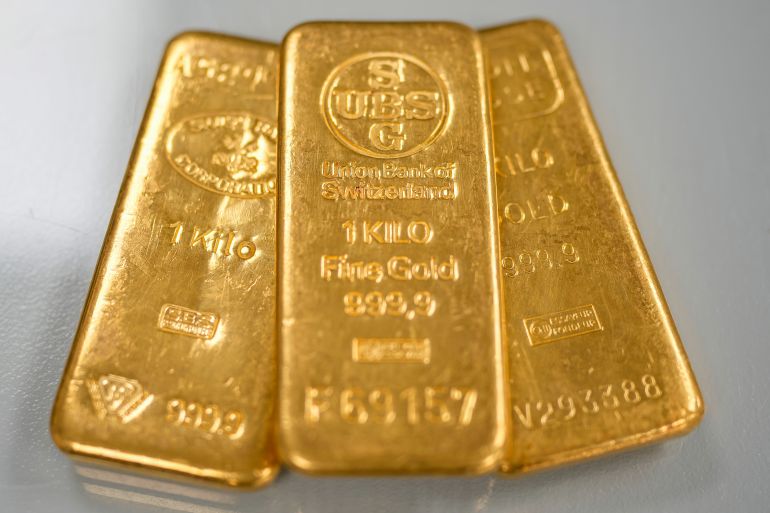
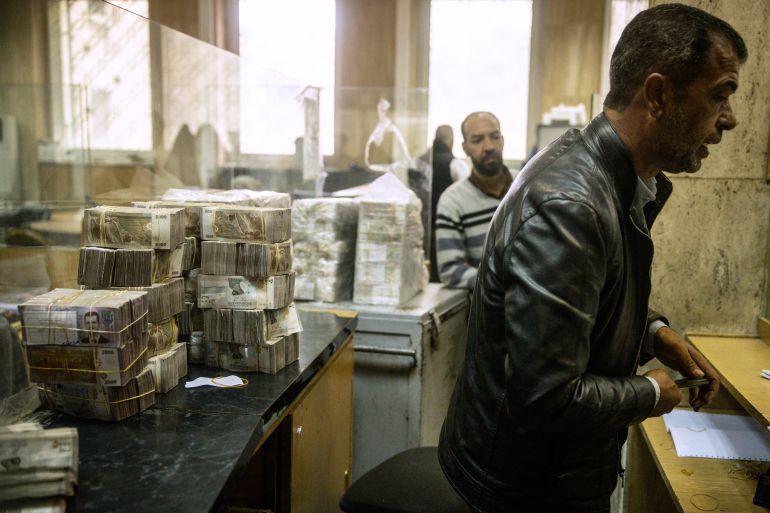
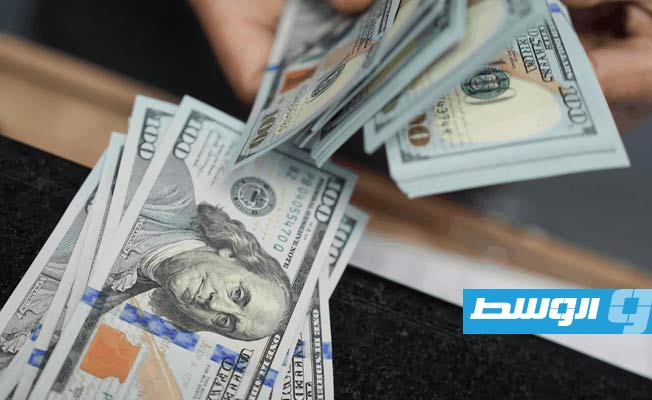
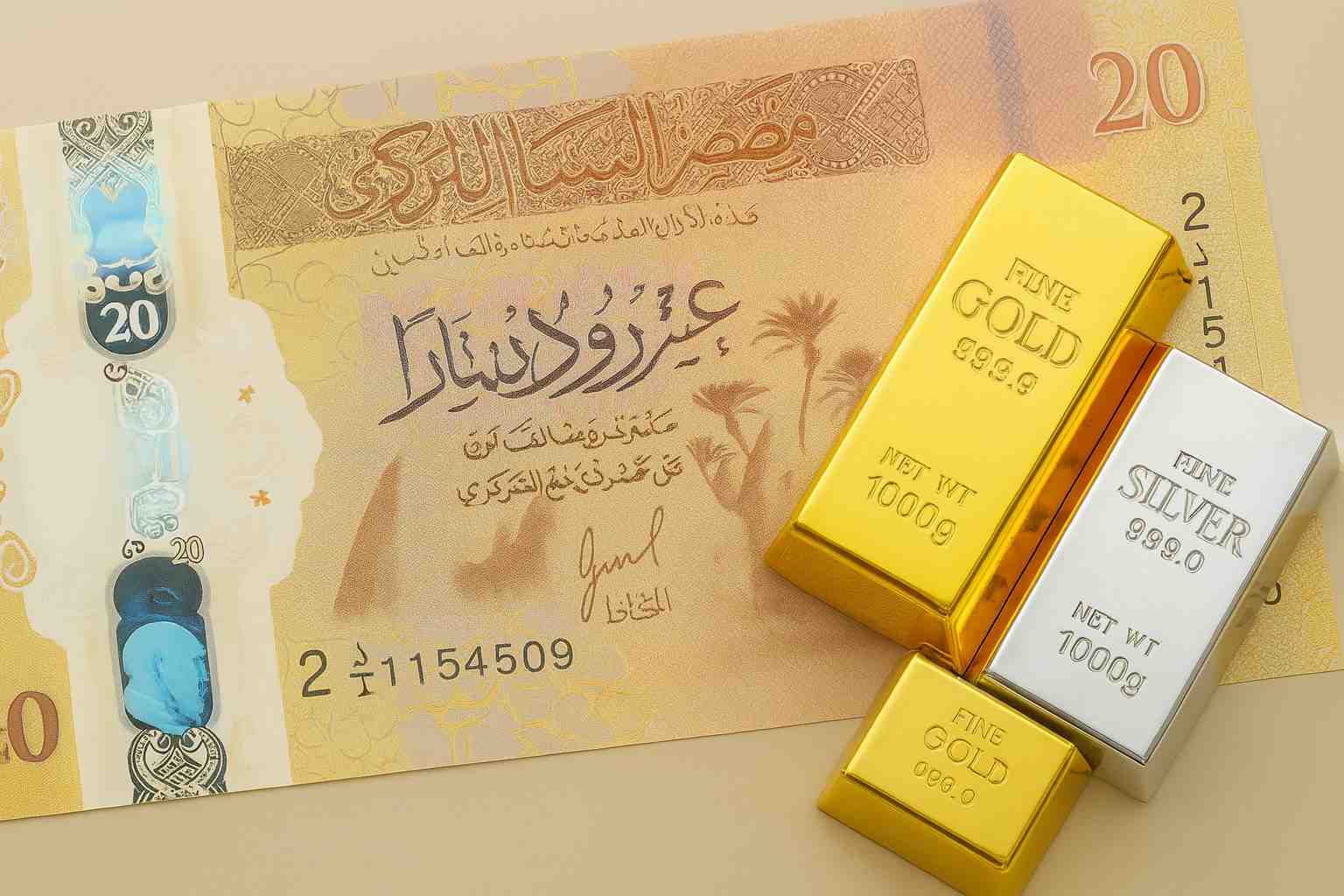
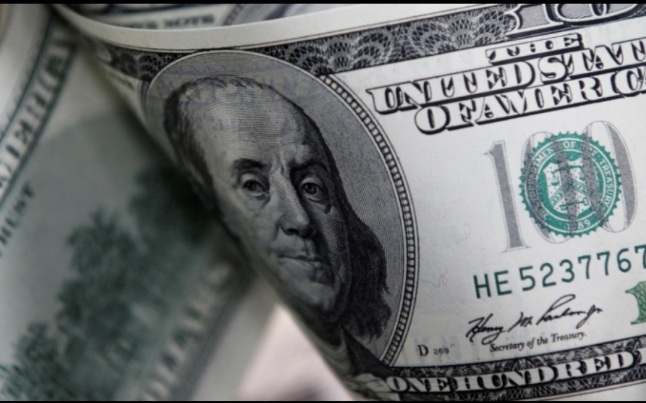
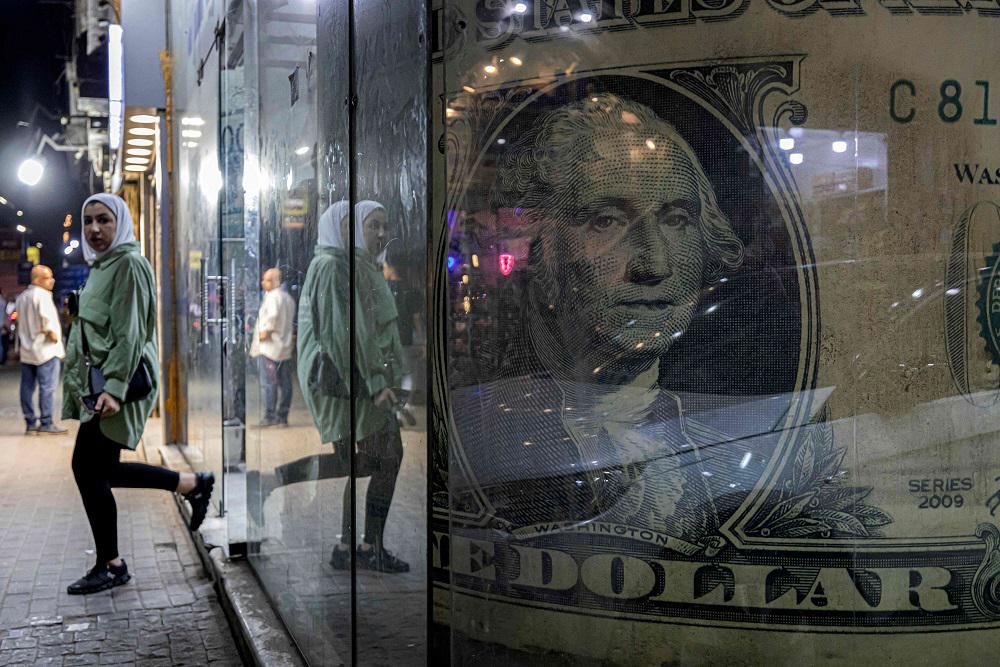
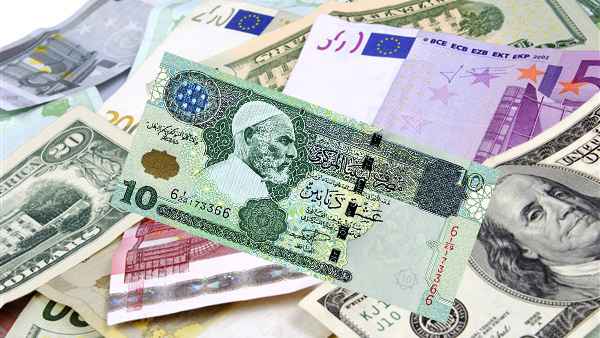
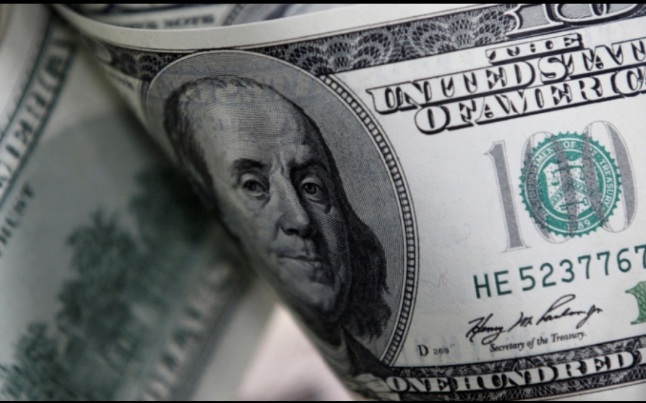
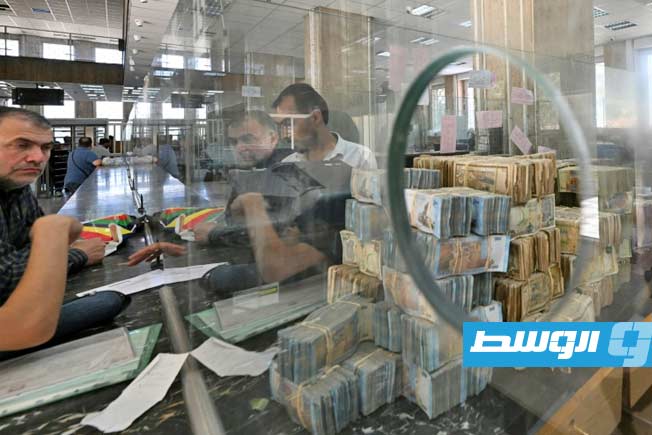
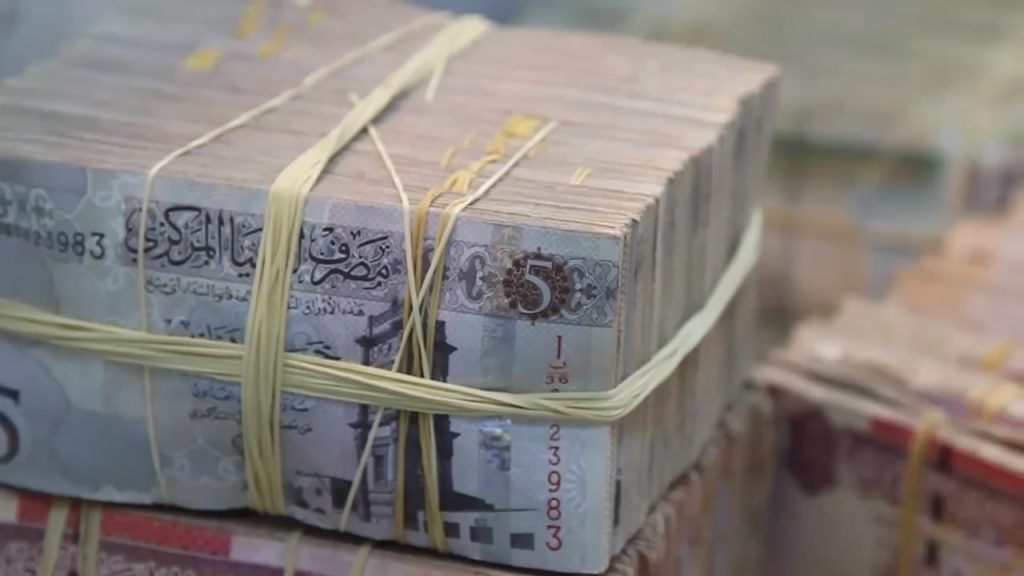
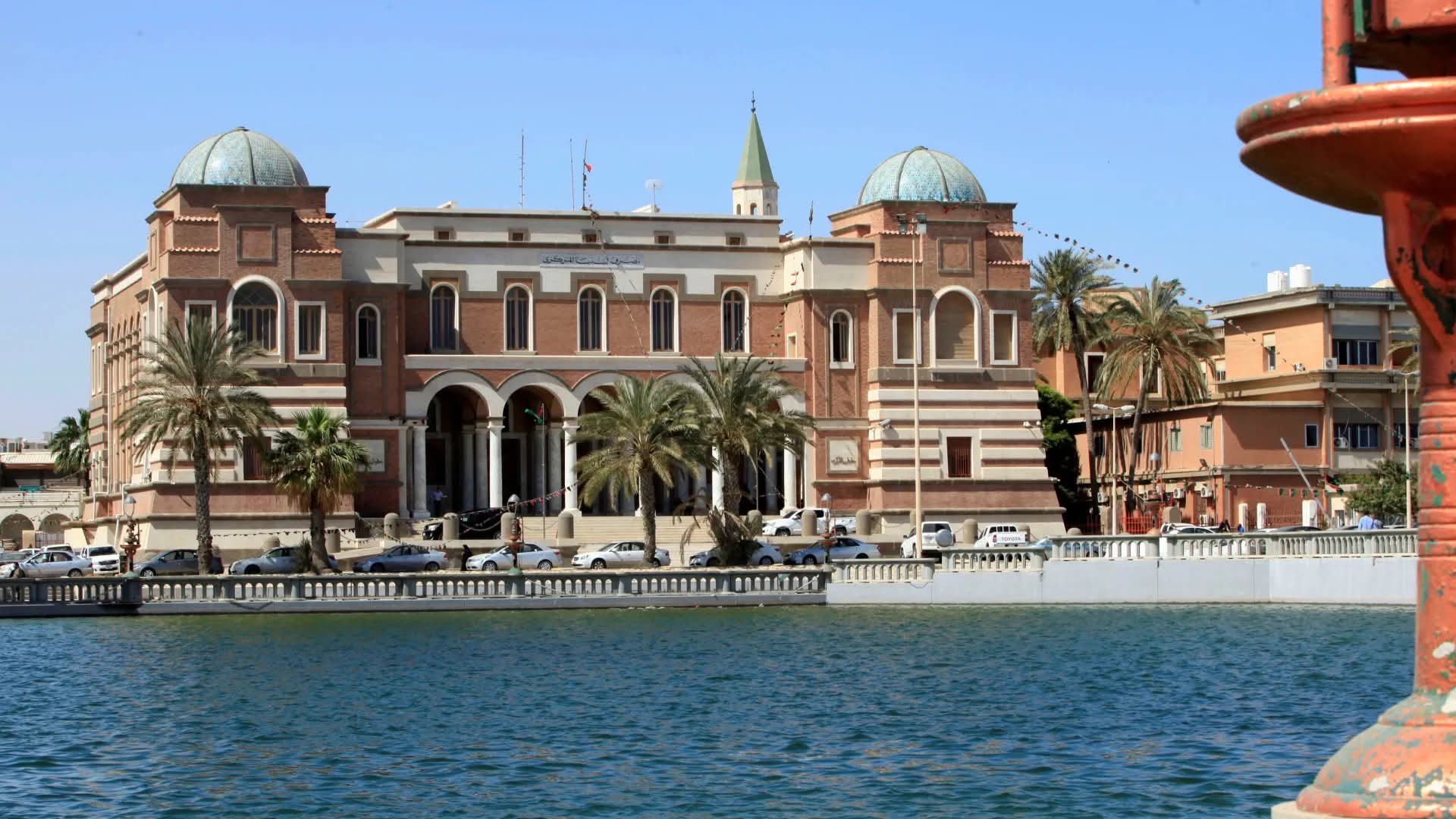
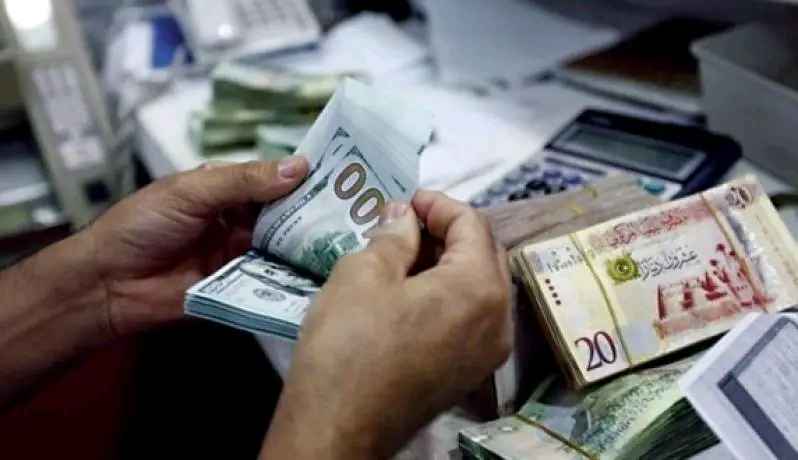
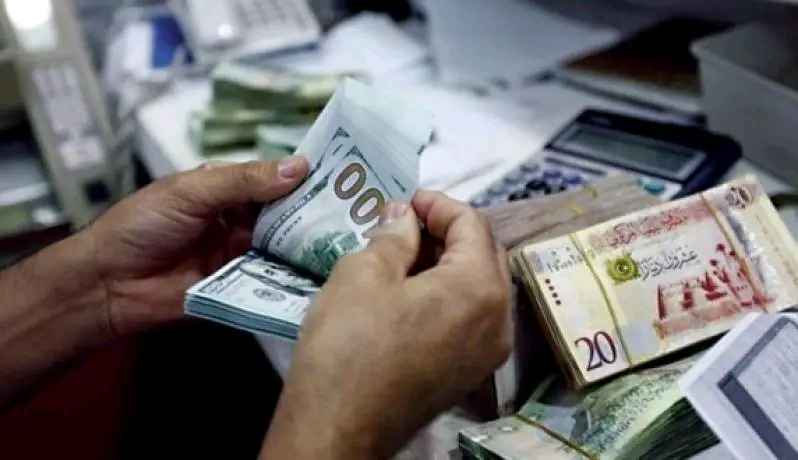
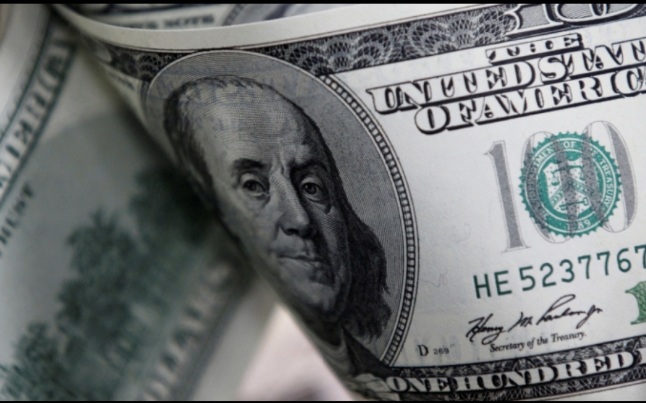
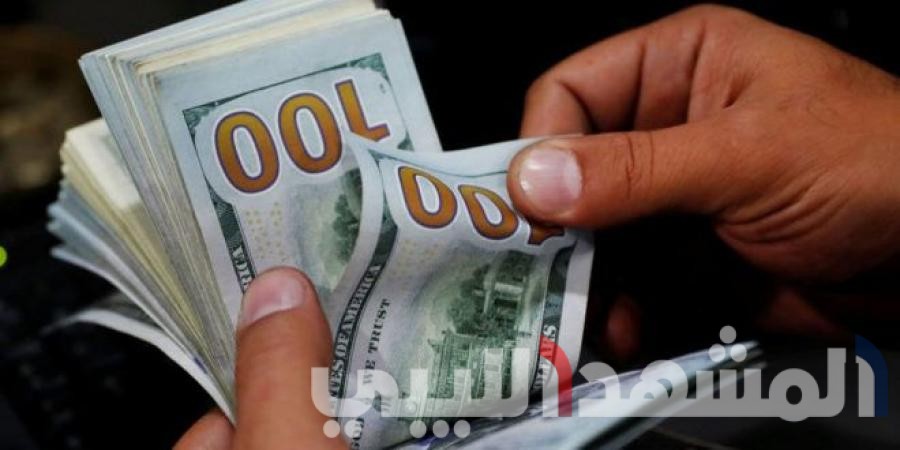
Tripoli | Economic Follow-up The exchange rates for the US dollar via bank instruments in Libya recorded a decline at the close of trading on Wednesday, December 31, 2025. Prices fell below the 10 dinar barrier in most commercial banks, dropping by about 10 qirsh from yesterday’s close.
📊 Dollar Exchange Rates via Instruments at Close
| Bank |
Selling Price |
Buying Price |
| Al Jumhouria |
9.920 |
9.9175 |
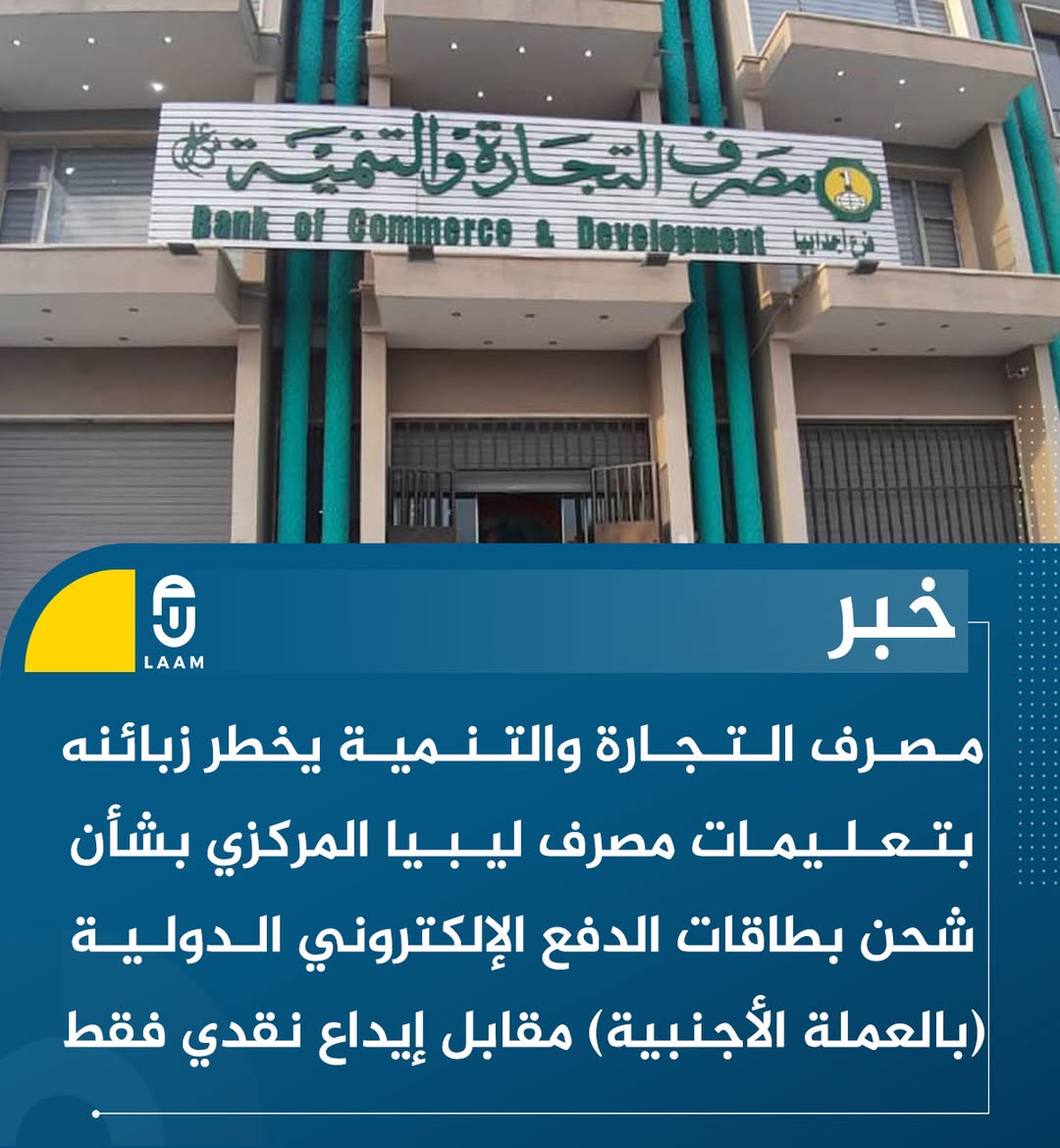
| Trade and Development/Tripoli |
9.940 |
9.9375 |
| National Commercial |
9.920 |
9.9175 |
| Al Aman |
9.920 |
9.9175 |
| Al Wahda/Tripoli |
9.940 |
9.9375 |
| Development/Benghazi |
9.980 |
9.9775 |
| Al Wahda/Benghazi |
9.980 |
9.9775 |
| North Africa |
9.920 |
9.9175 |
| Al Sahari |
9.910 |
9.9075 |
| Al Wahda |
9.920 |
9.9175 |
| Islamic |
9.910 |
9.9075 |
| Al Muttahid |
9.900 |
9.8975 |
| Al Nouran |
9.900 |
9.8975 |
Market Movement Analysis: Why Did the Price Fall Below 10?
Economic analysts see the price reaching these critical levels as being due to three main reasons:
-
Supply and Demand Gap: The continued excess of demand for hard currency compared to the supply available in the parallel market.
-
Limited Measures: The inability of current regulatory measures to effectively curb the sustained rise.
-
State of Anticipation: The price falling below the “tens digit” places traders and citizens in a state of high anticipation, which may increase pressure on the dinar in the coming days.
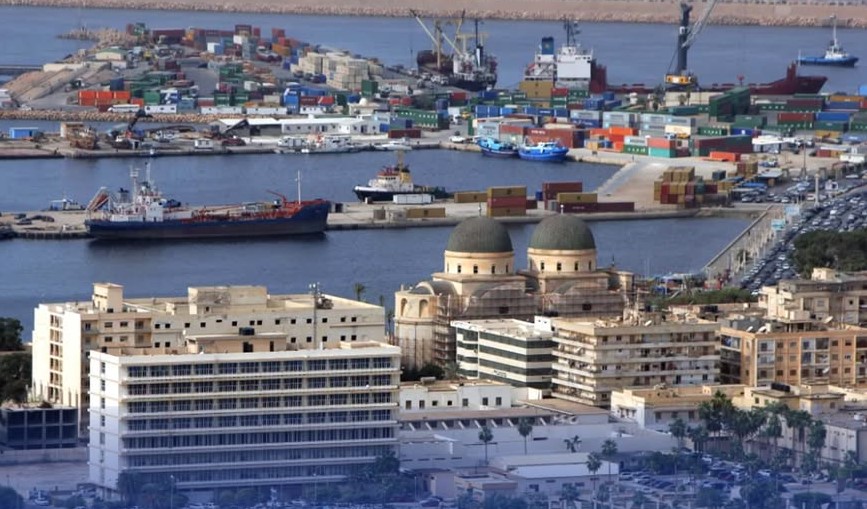
Tripoli
Tripoli is the capital and largest city of Libya, with a history dating back to the 7th century BC when it was founded by the Phoenicians. It later became a significant part of the Roman Empire and the Ottoman Empire, with its old city, the Medina, showcasing a rich blend of architectural and cultural influences from these periods.
Libya
Libya is a North African country with a rich history rooted in ancient civilizations like the Phoenicians and Romans, followed by centuries of Arab and Ottoman influence. In the modern era, it was an Italian colony before gaining independence in 1951, later becoming known for Muammar Gaddafi’s lengthy rule from 1969 until the 2011 revolution. Its cultural sites include the well-preserved Roman ruins of Leptis Magna, a UNESCO World Heritage site.
Al Jumhouria
“Al Jumhouria” is a major daily newspaper in Egypt, founded in 1953 following the Egyptian Revolution of 1952. It is known for being a state-owned publication that traditionally reflects the official government perspective on news and events.
Trade and Development
The United Nations Conference on Trade and Development (UNCTAD) is a permanent intergovernmental body established in 1964 to promote the integration of developing countries into the world economy. It was created to address concerns over the inadequacy of existing international trade institutions for supporting development goals, and it continues to provide research, policy analysis, and consensus-building on trade, investment, and development issues.
National Commercial
The National Commercial is a historic bank in Saudi Arabia, originally founded in 1953 as the first licensed commercial bank in the Kingdom. It played a pivotal role in the country’s early financial development and modernization, later merging with Samba Financial Group in 2021 to form the Saudi National Bank.
Al Aman
Al Aman is a historic caravanserai located in Jordan, believed to have been built during the Ottoman period to serve as a resting and trading post for merchants and travelers along desert routes. Its structure reflects traditional Islamic architecture, providing shelter and security within its fortified walls.
Al Wahda
Al Wahda is a major dam located in Yemen, constructed in the 1980s on the Wadi Bana. It serves as a critical source of irrigation water for the surrounding agricultural lands in the Abyan Governorate. The dam’s history is tied to regional development efforts aimed at improving water security and supporting local farming communities.
Development
Development is a broad concept referring to the process of growth, progress, or positive change, often applied to economic, social, or infrastructural advancement within nations or communities. Historically, its modern usage became prominent in the post-World War II era, focusing on economic theories and policies aimed at improving living standards and reducing poverty in less industrialized regions.
Benghazi
Benghazi is a major city in eastern Libya, historically significant as a center of trade and culture since its founding as the Greek colony of Euesperides in the 6th century BC. It later served as a joint capital of Libya and was a focal point of the 2011 revolution that overthrew Muammar Gaddafi.
North Africa
North Africa is a region encompassing countries along the Mediterranean coast and the Sahara Desert, historically home to ancient civilizations like the Egyptians, Carthaginians, and Numidians. It has been profoundly shaped by successive influences, including Roman, Arab, Ottoman, and European colonial rule, which have left enduring cultural and architectural legacies. Today, the region is defined by a predominantly Arab-Berber population and a rich blend of indigenous, Islamic, and Mediterranean traditions.
Al Sahari
Al Sahari is a historic desert region in southern Algeria, known for its vast sand dunes and traditional nomadic culture. It has been inhabited for centuries by Berber and Tuareg communities, who developed unique architectural styles and trade routes across the Sahara.
Islamic
“Islamic” is a broad term referring to the religion of Islam and its associated cultures, rather than a specific place or site. Historically, it encompasses the civilization that emerged following the revelations to the Prophet Muhammad in the 7th century, which rapidly expanded across the Middle East, North Africa, and beyond. This civilization is renowned for its profound contributions to science, philosophy, art, and architecture, including landmarks like the Dome of the Rock in Jerusalem and the Alhambra in Spain.
Al Muttahid
“Al Muttahid” is a prominent cultural and social club located in the city of Al Ain, United Arab Emirates. It was established in 1968 and has played a significant role in the community by hosting cultural events, sports activities, and social gatherings, reflecting the UAE’s emphasis on social cohesion and heritage.
Al Nouran
Al Nouran is a modern cultural and religious complex located in Cairo, Egypt, primarily known for its grand mosque and Islamic center. It was established in the early 21st century to serve as a hub for religious education and community activities, reflecting contemporary Islamic architecture and design.