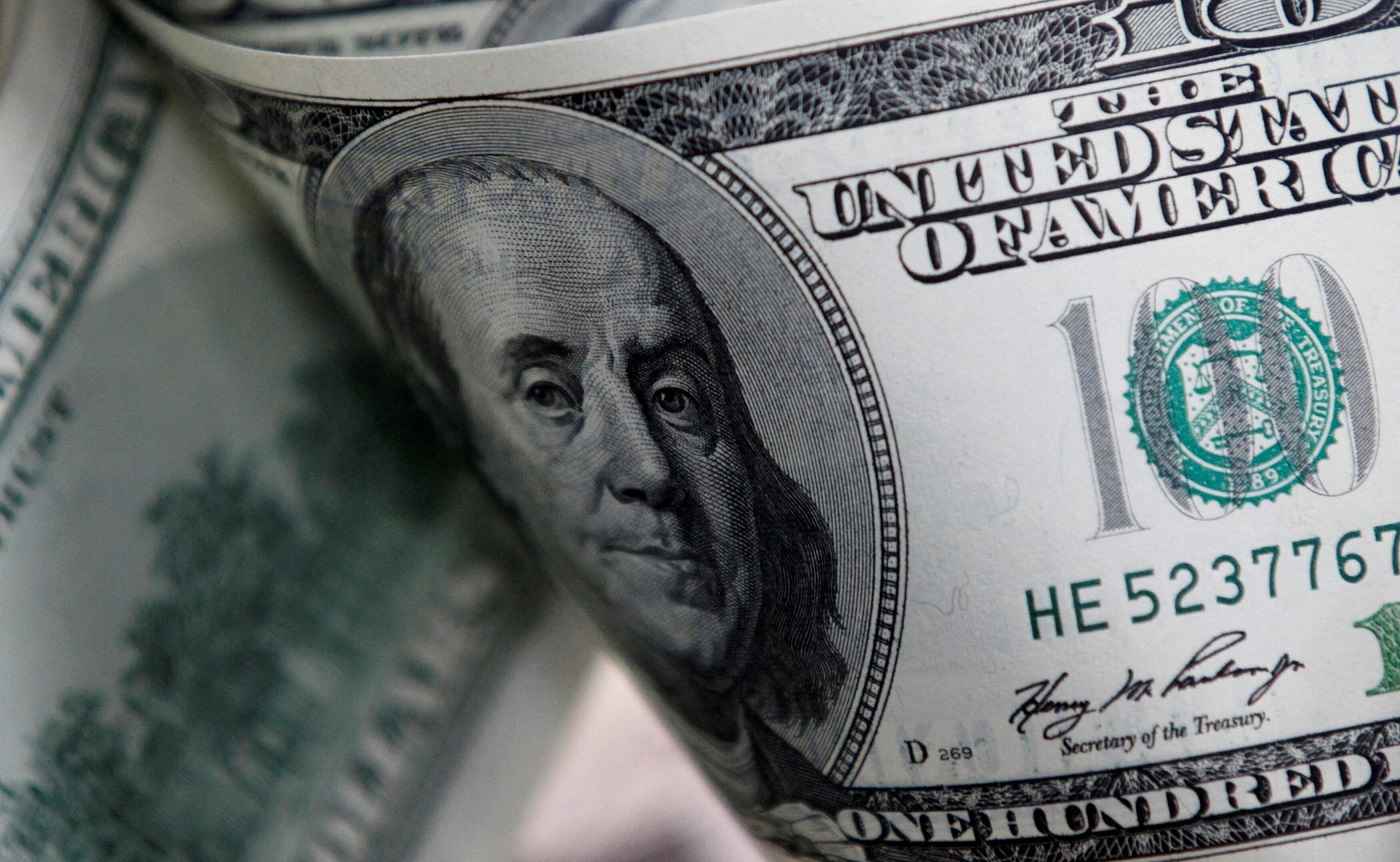
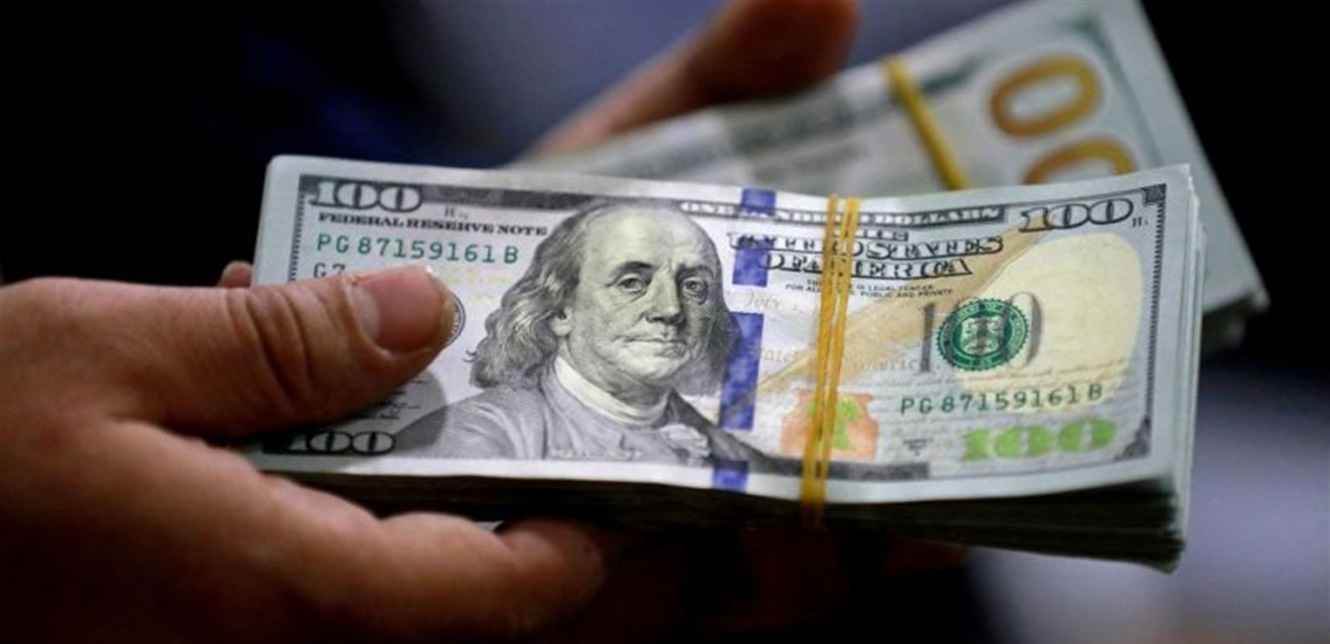
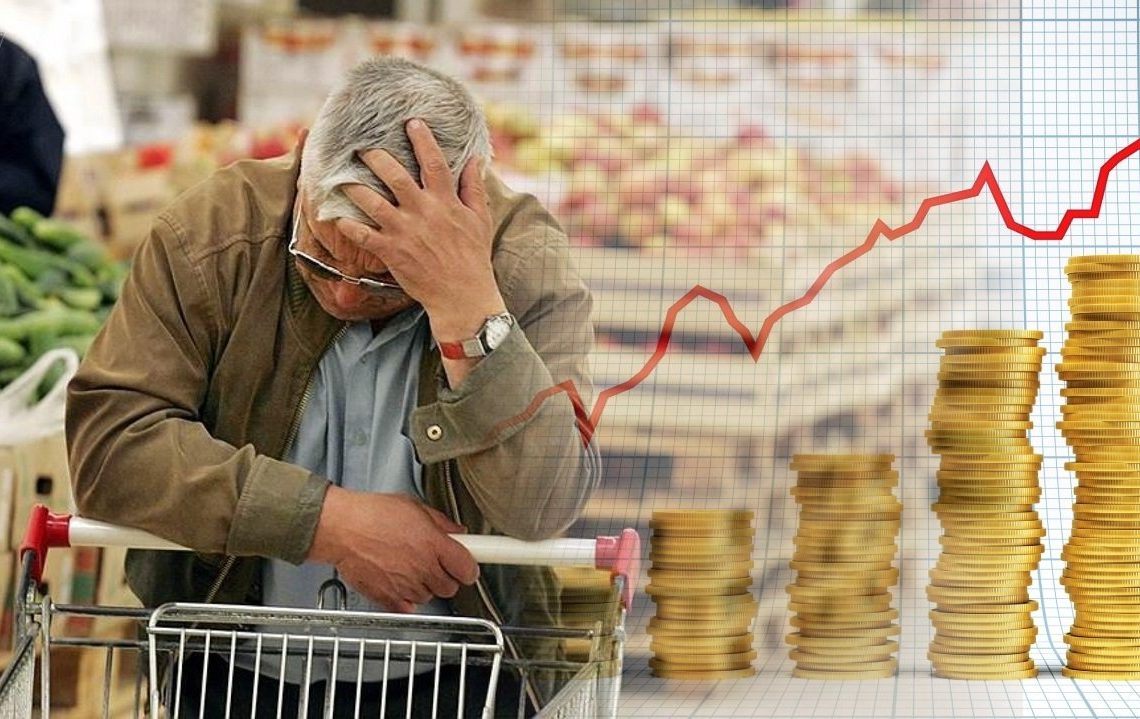
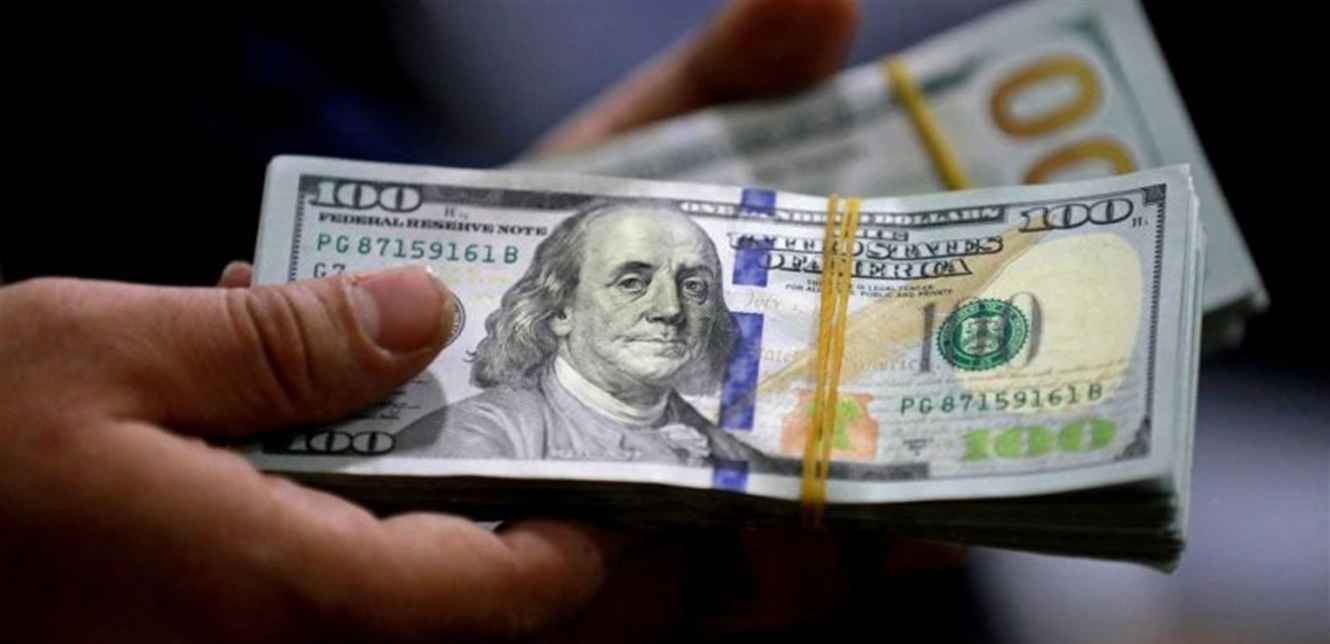
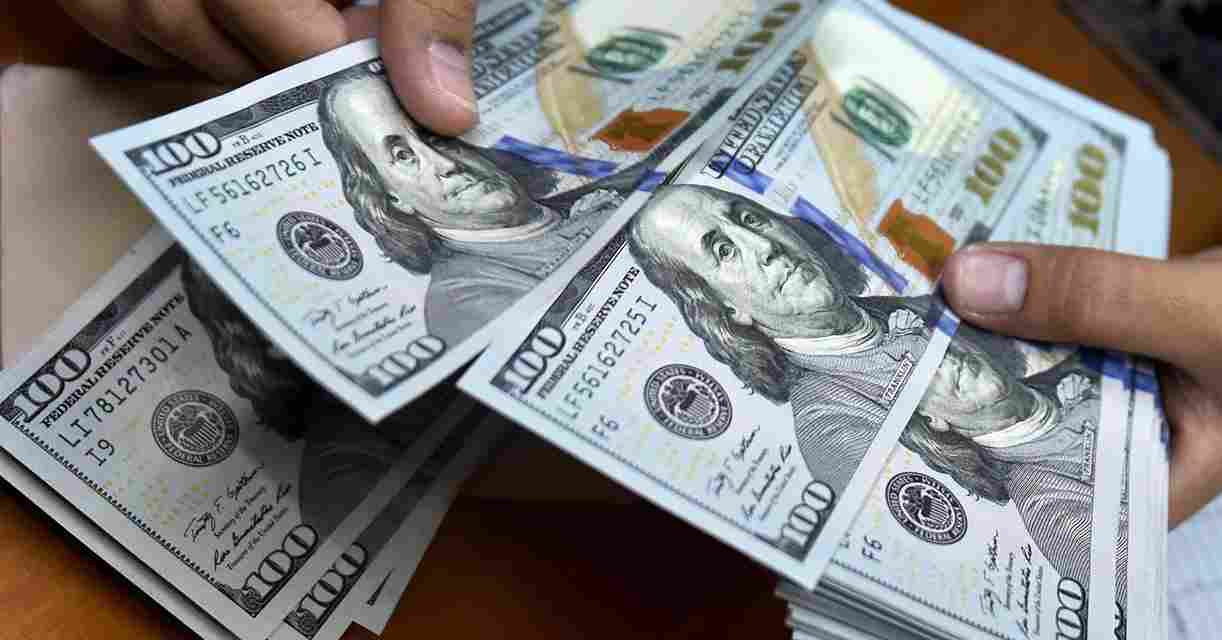
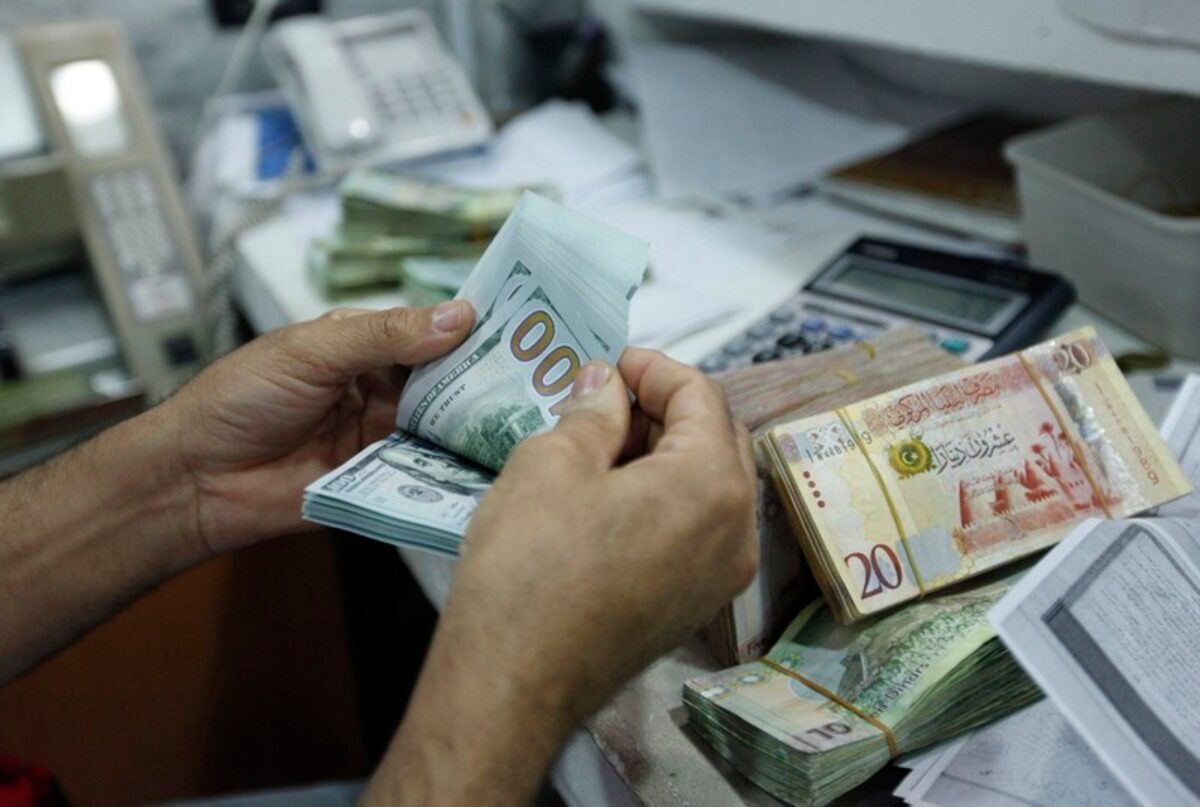
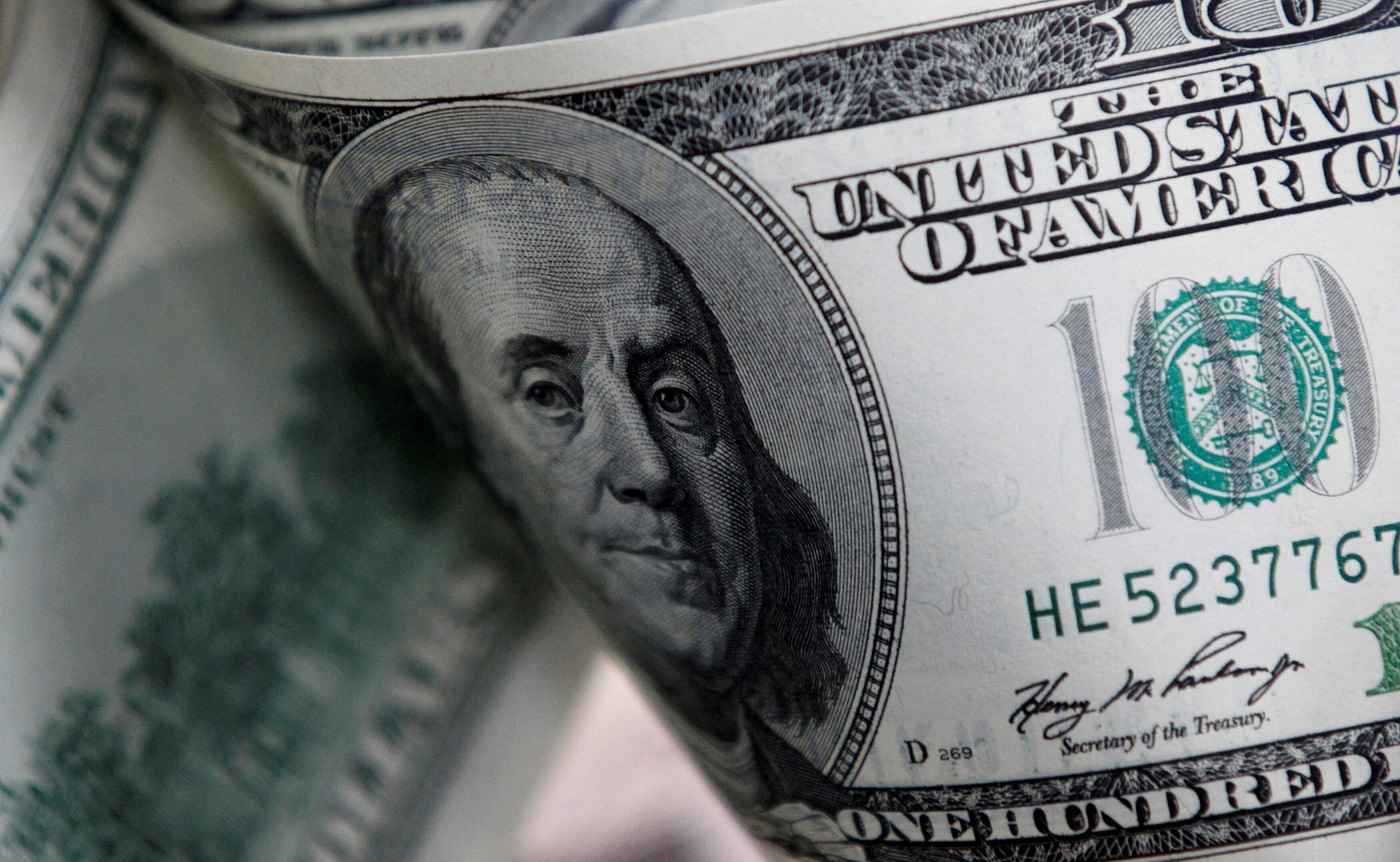
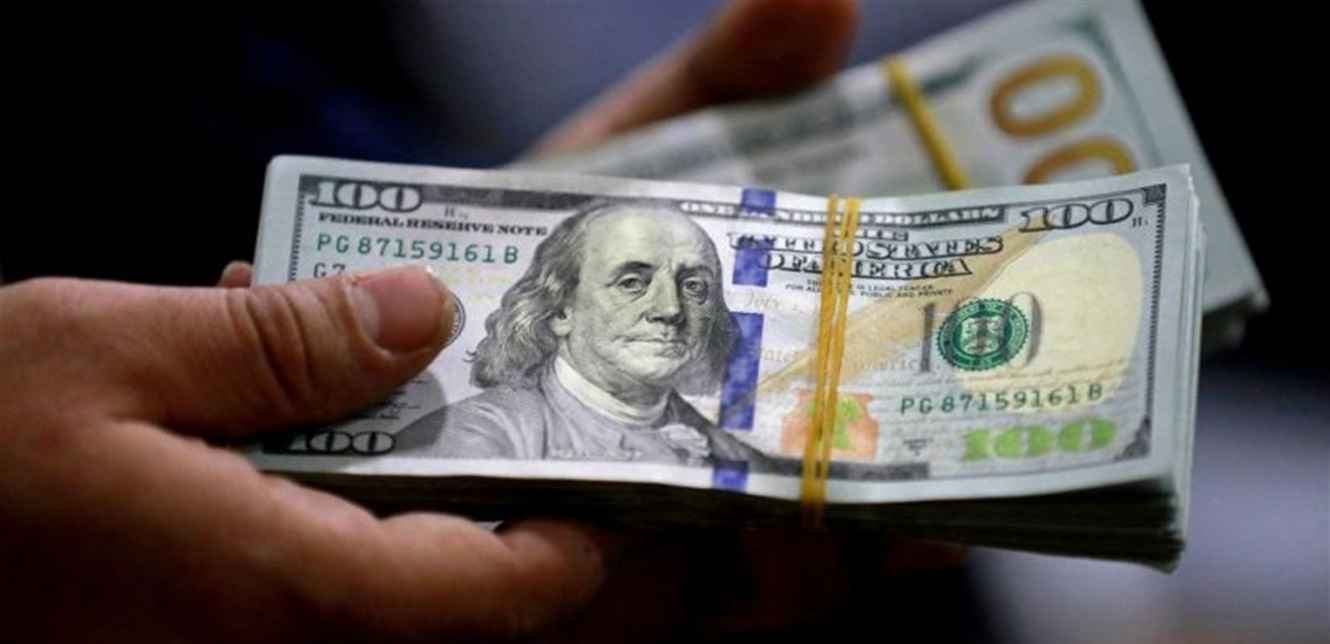
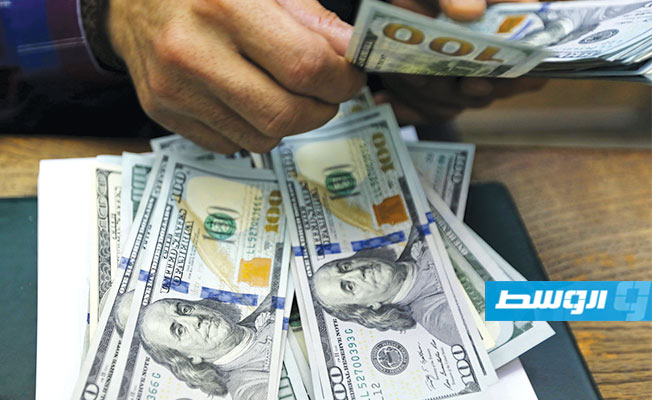
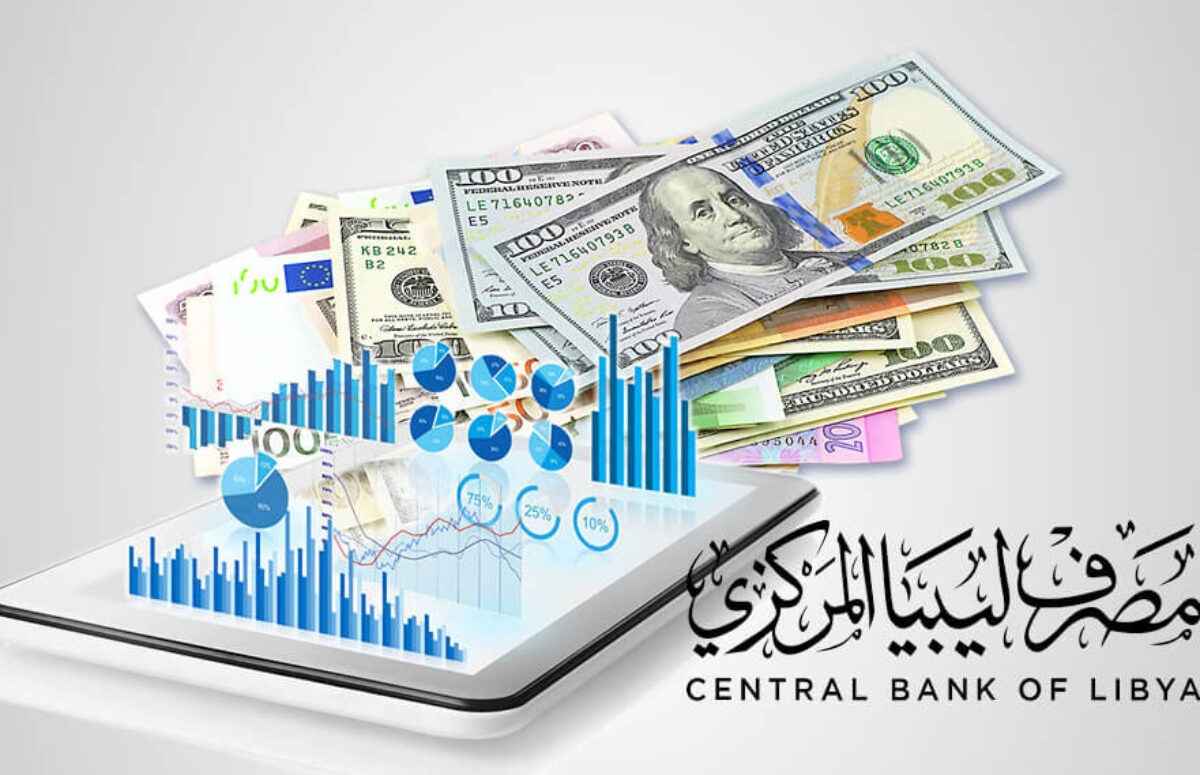
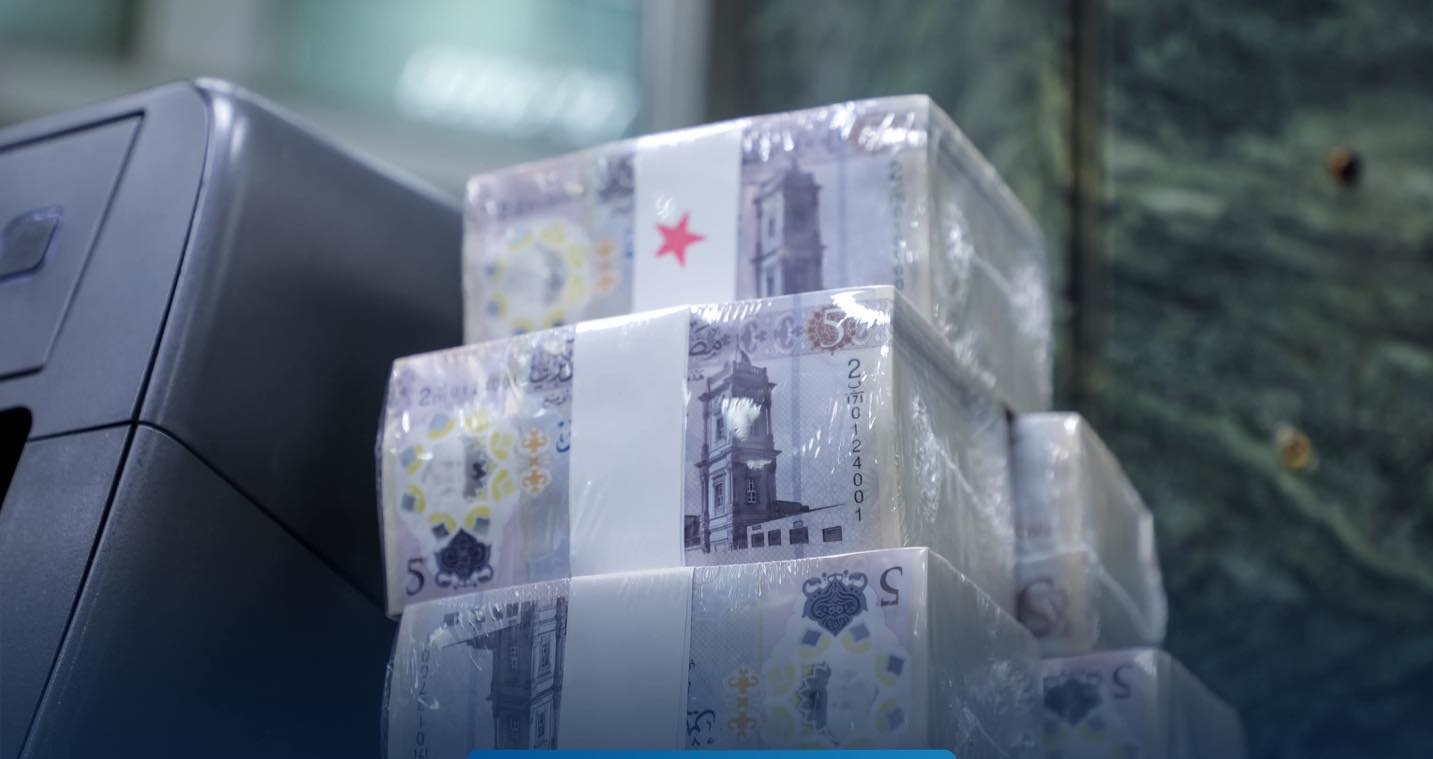
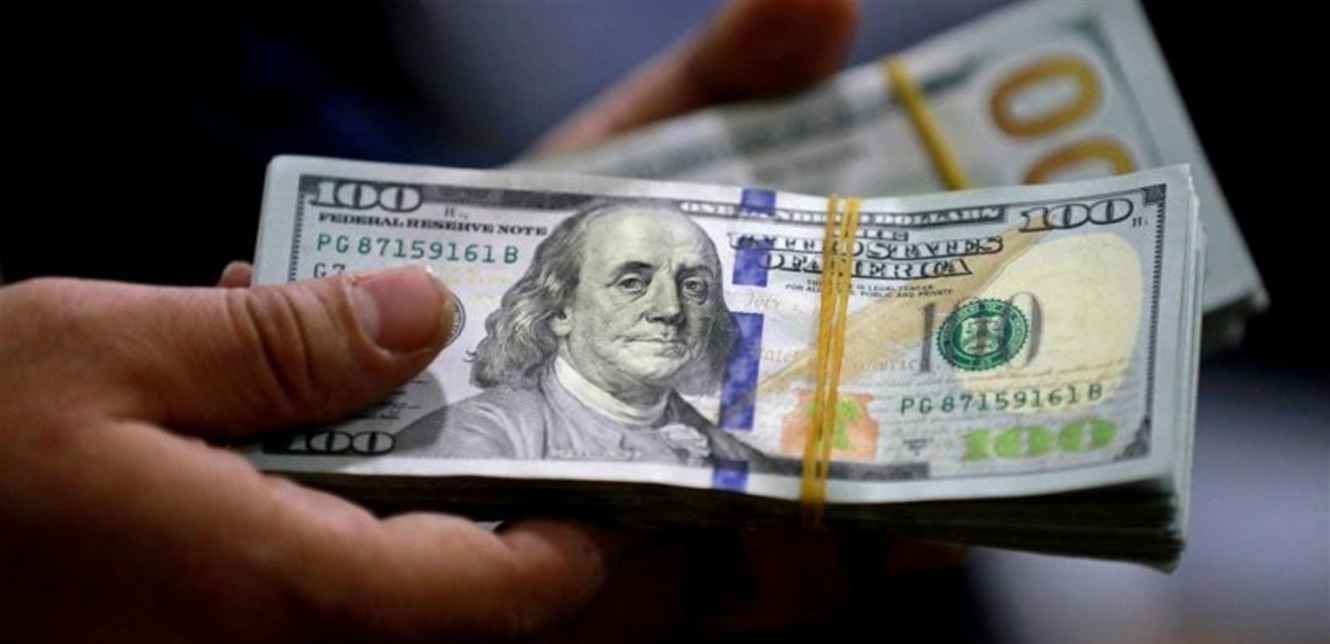
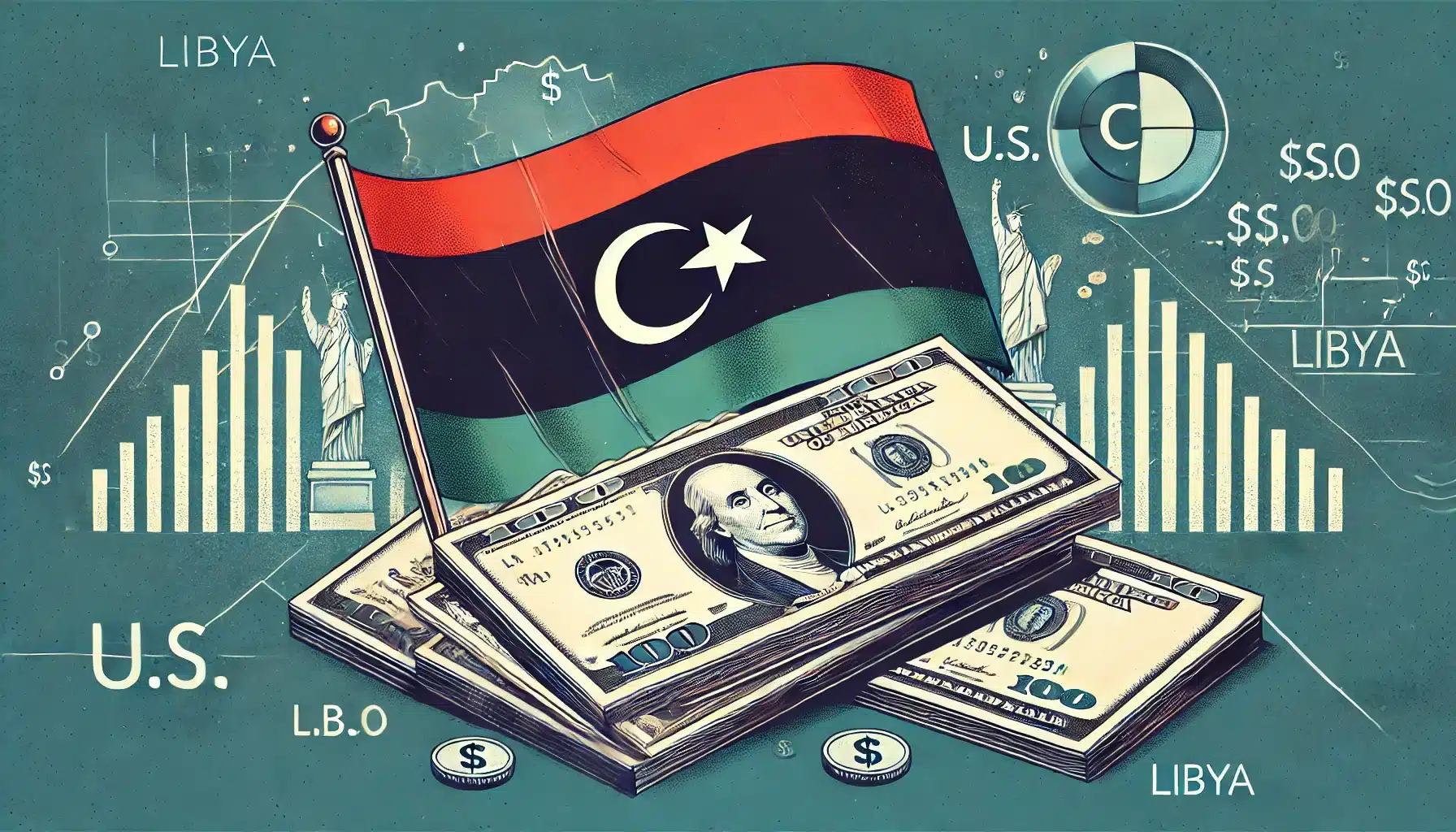
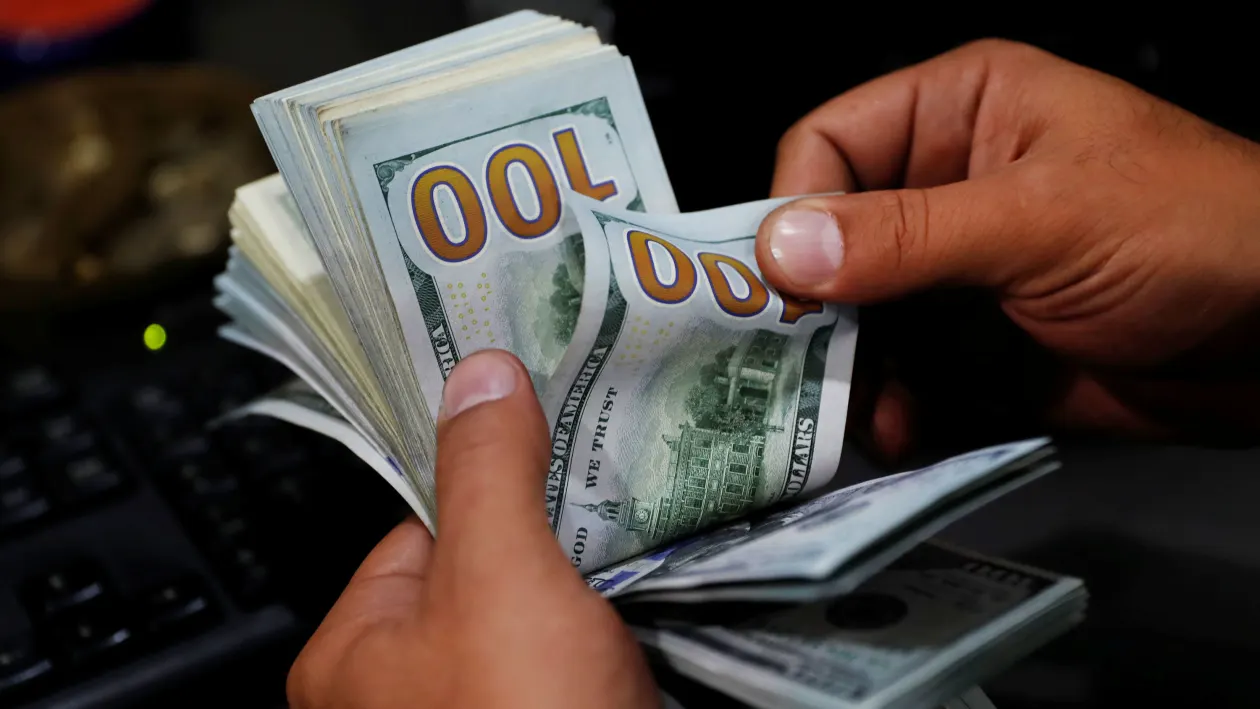
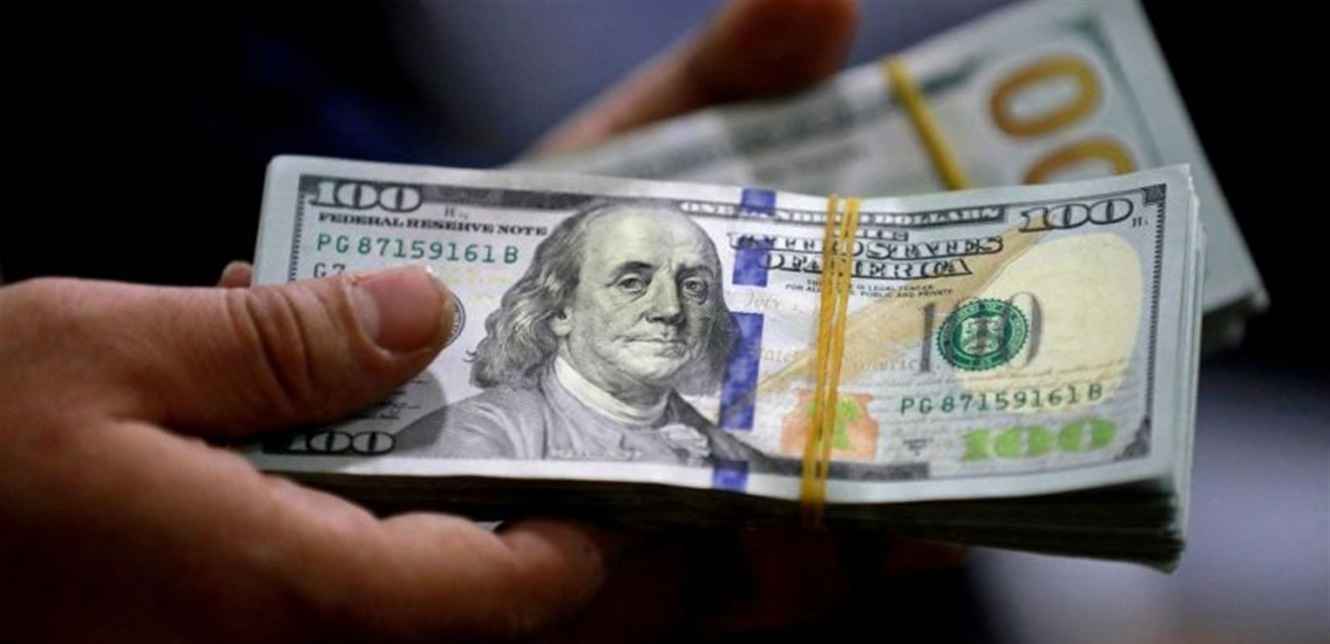
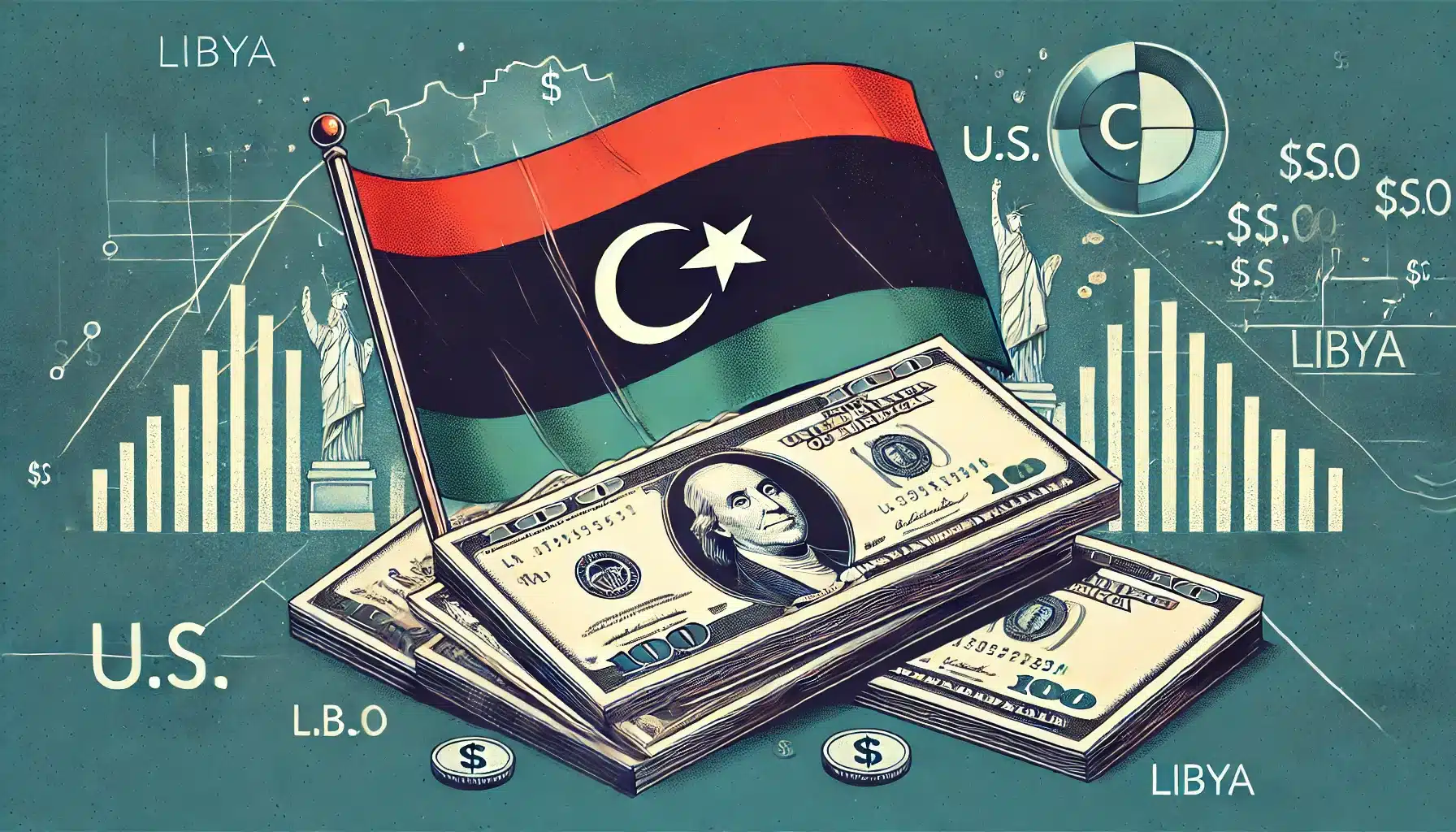
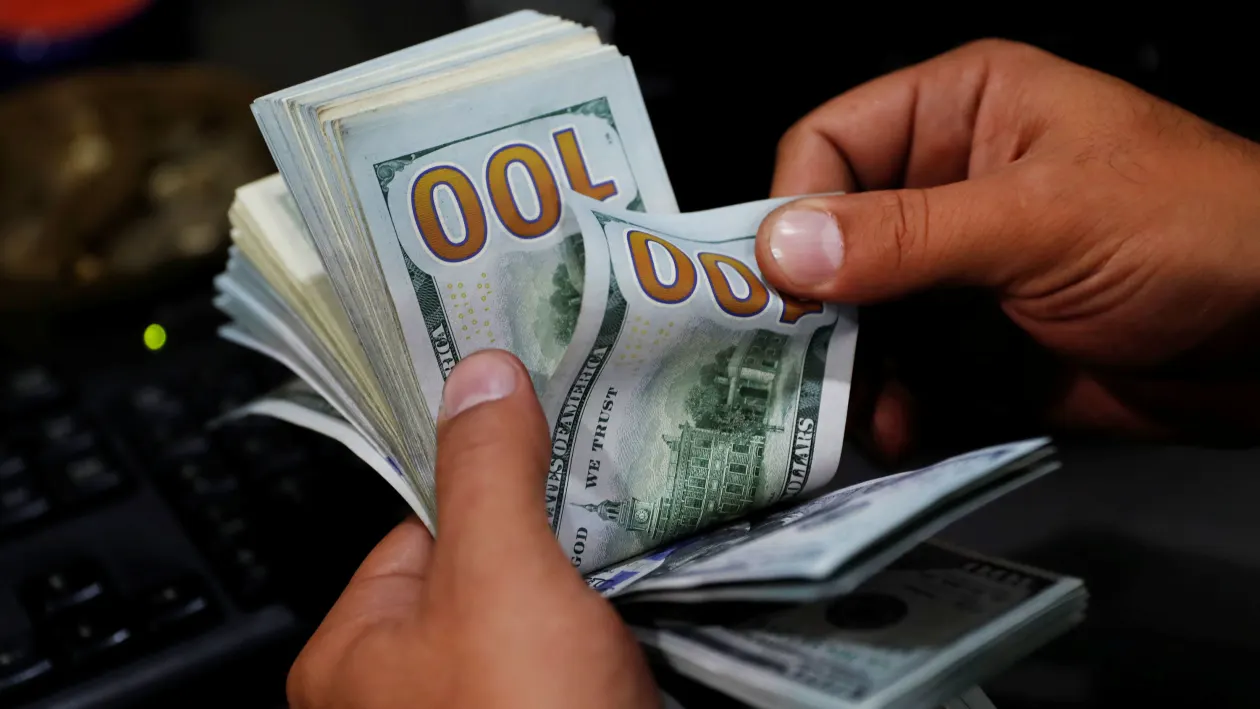
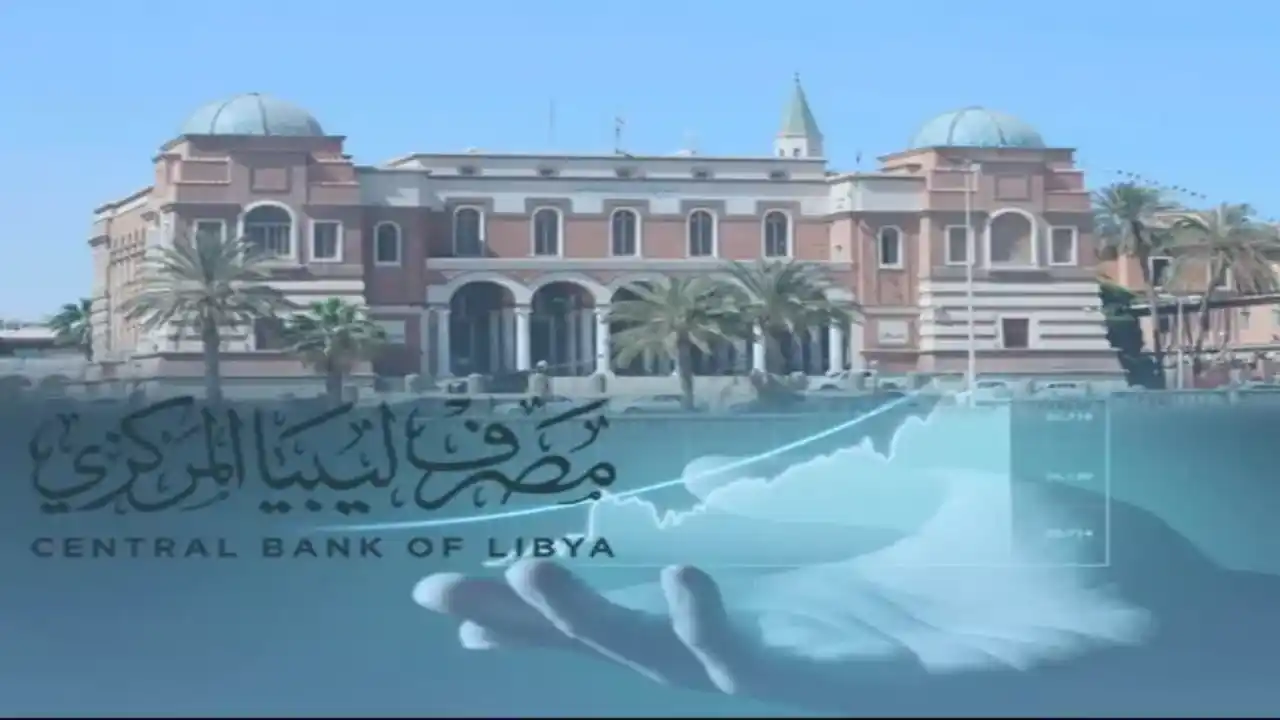
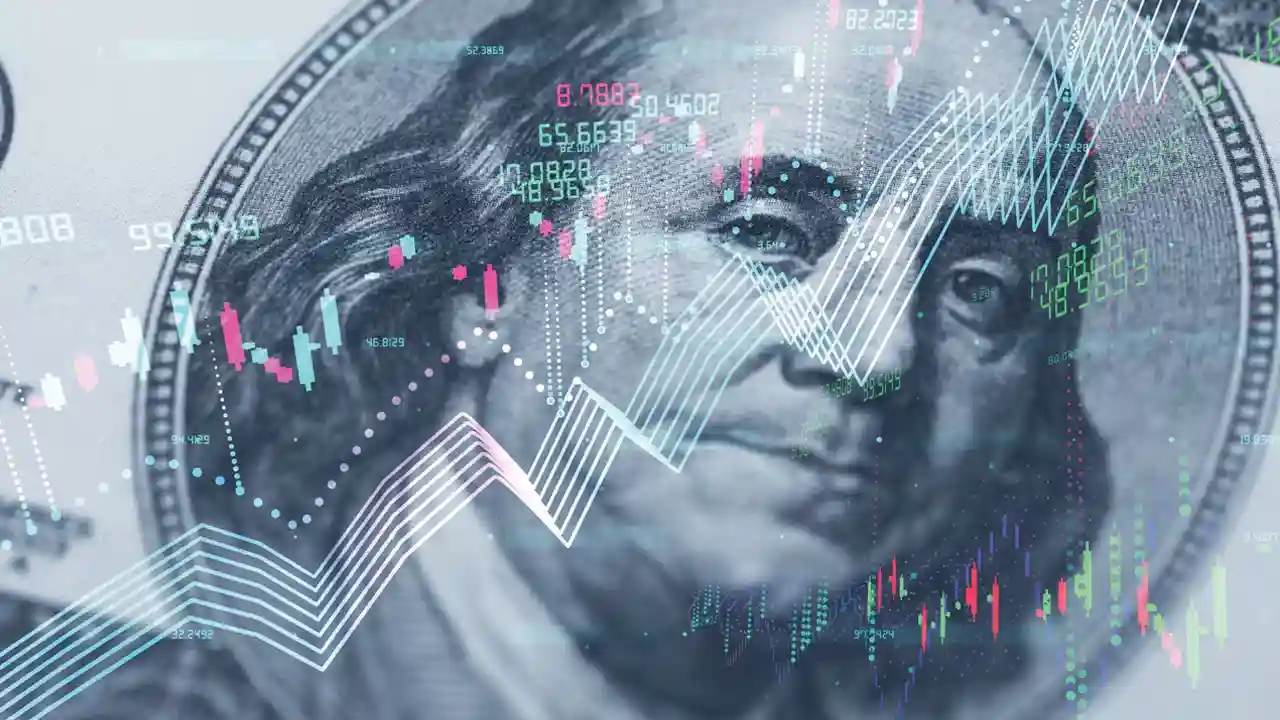
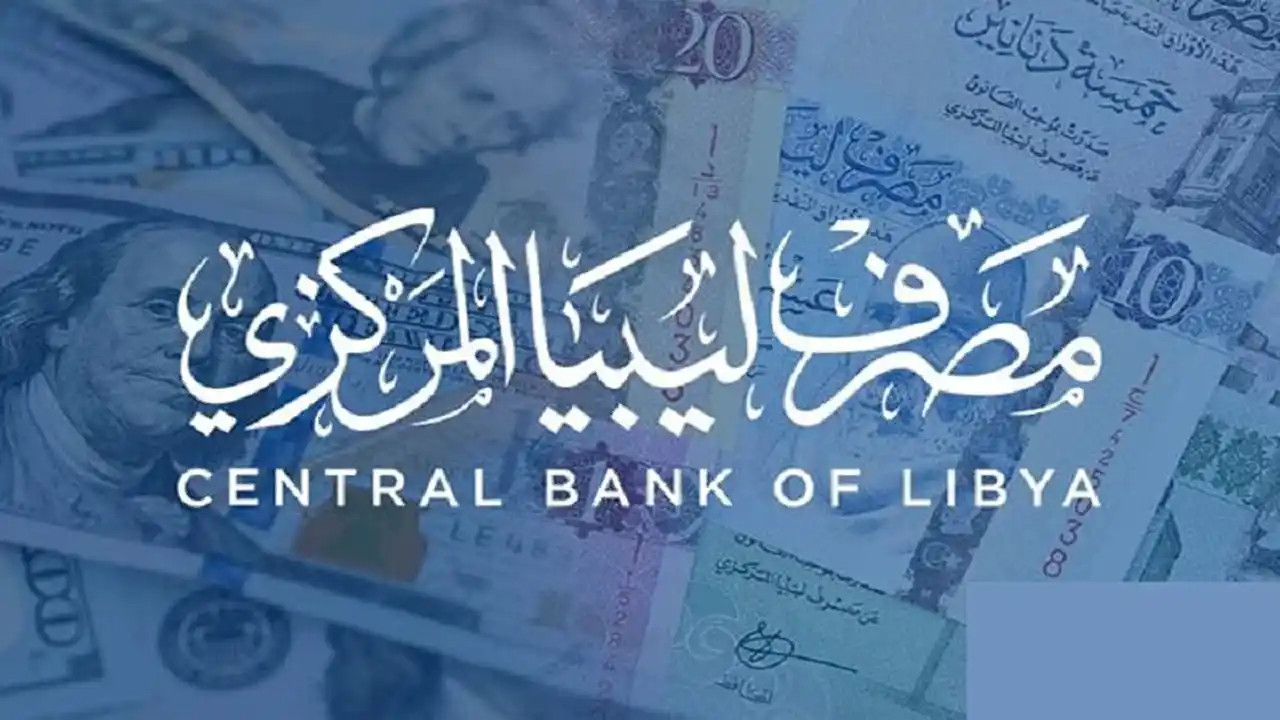
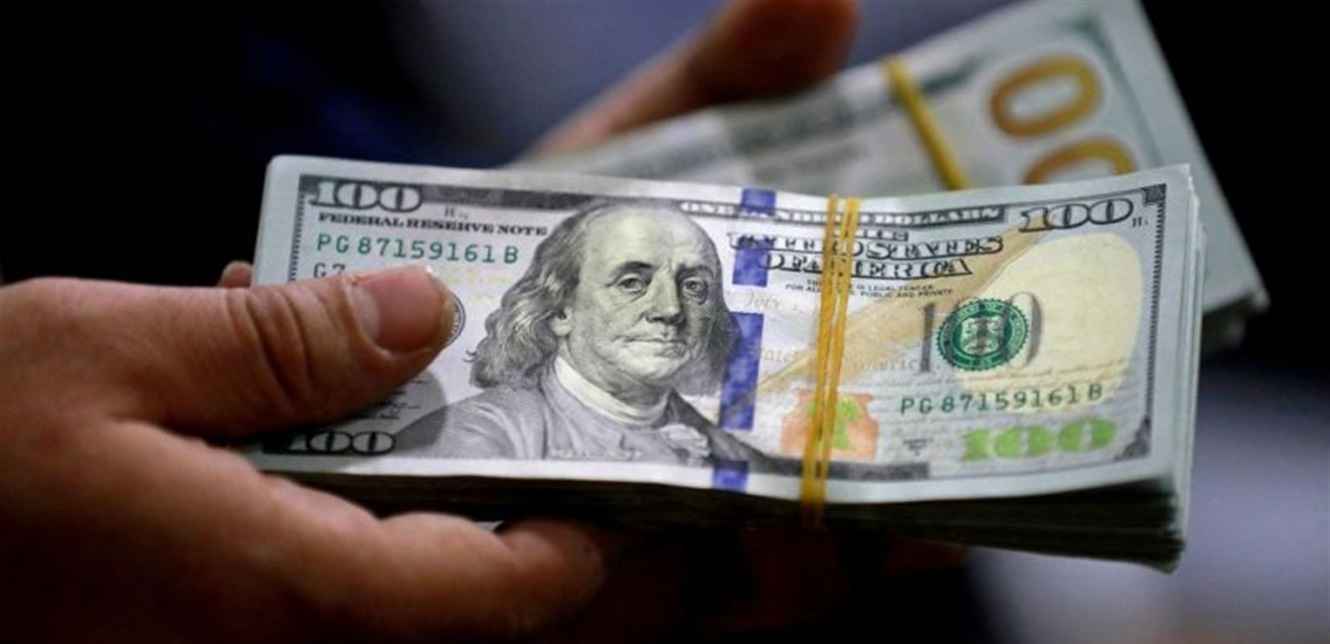
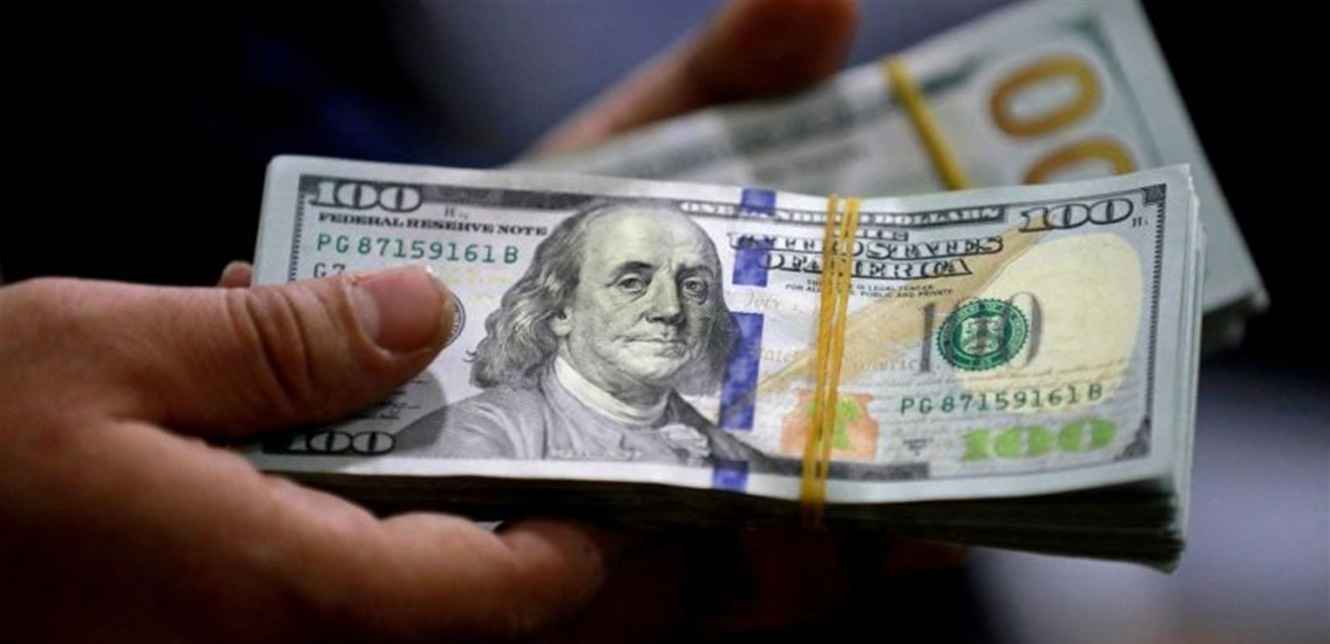
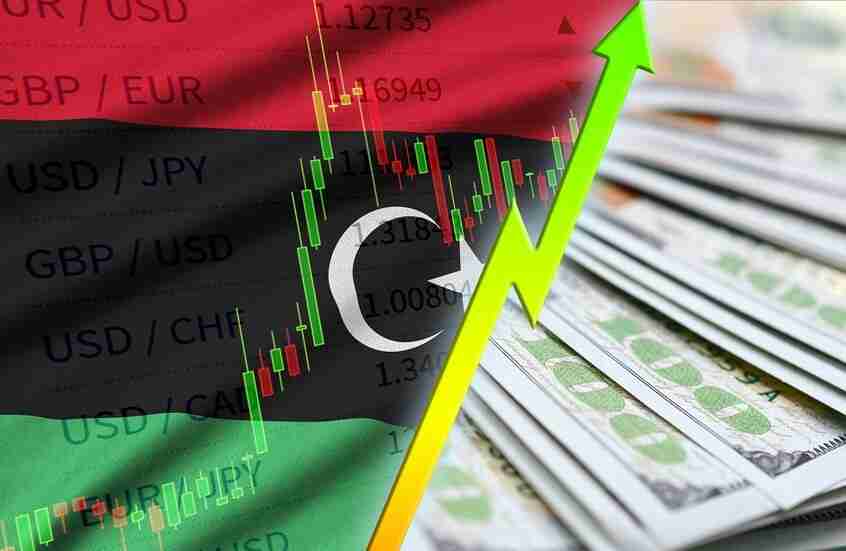
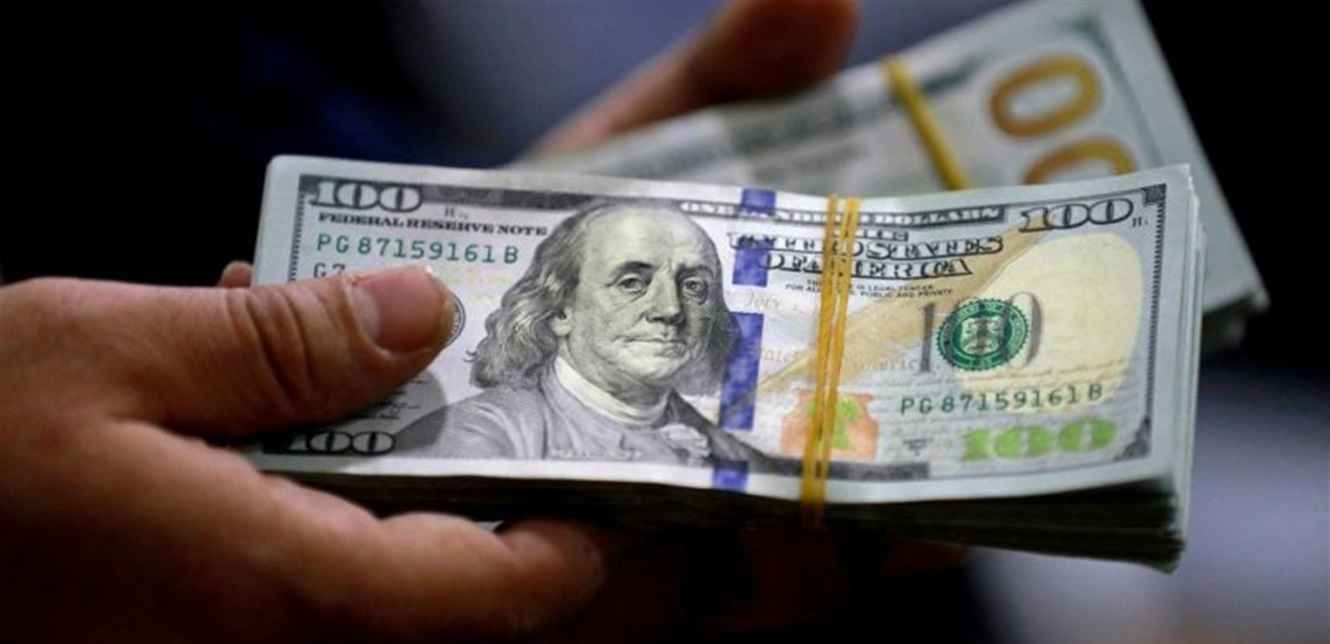
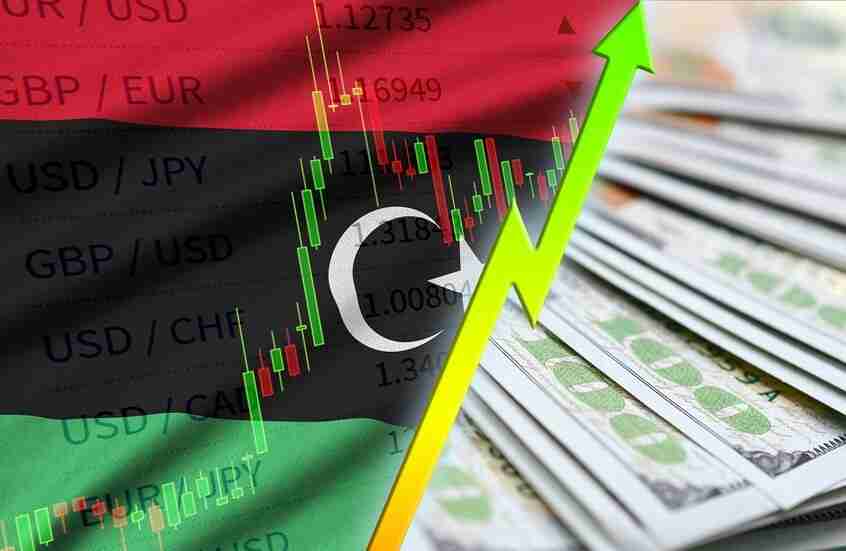
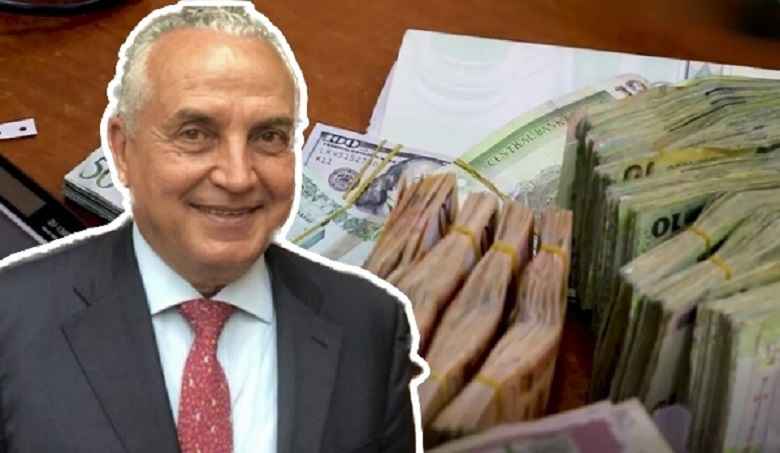
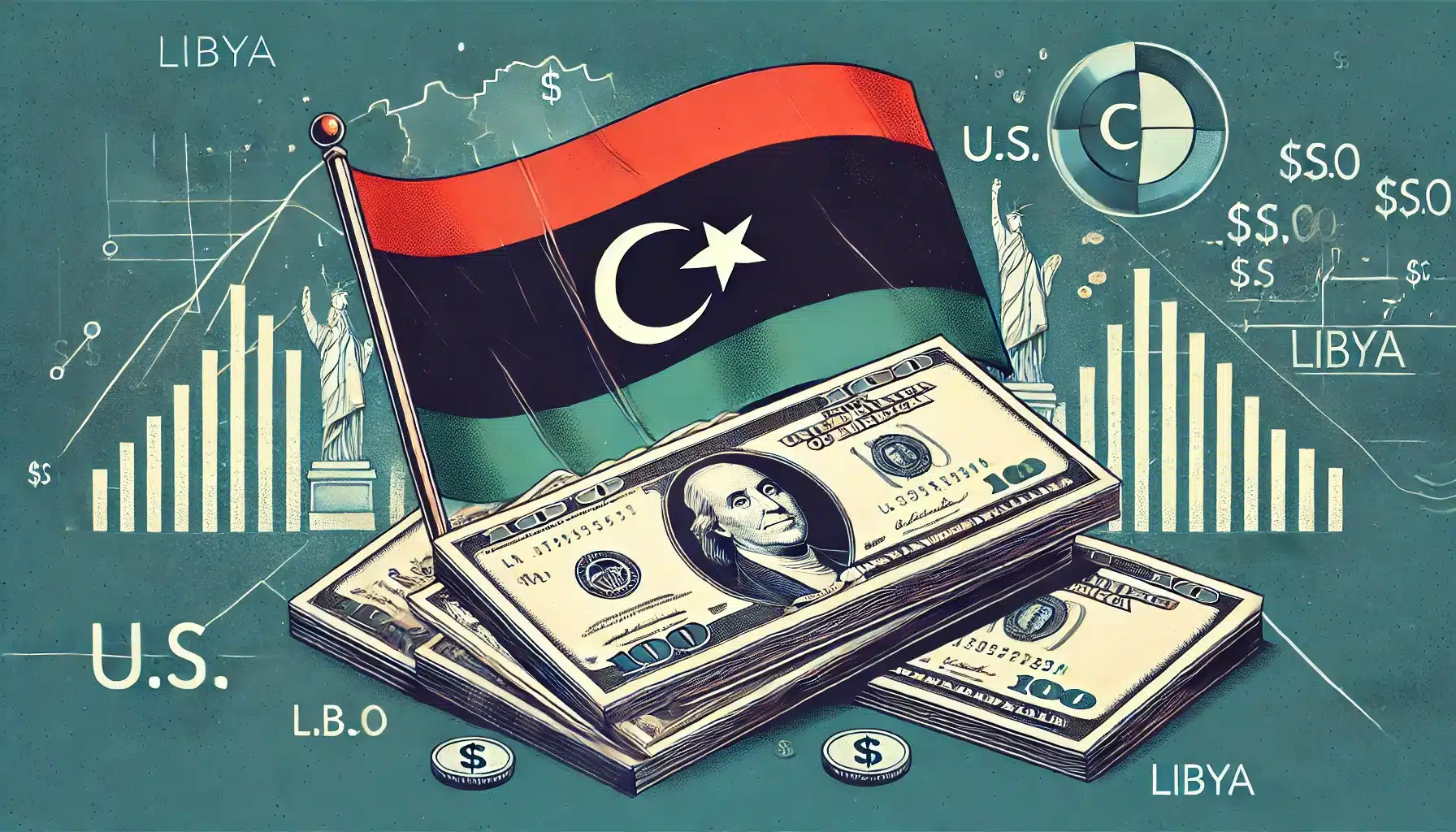
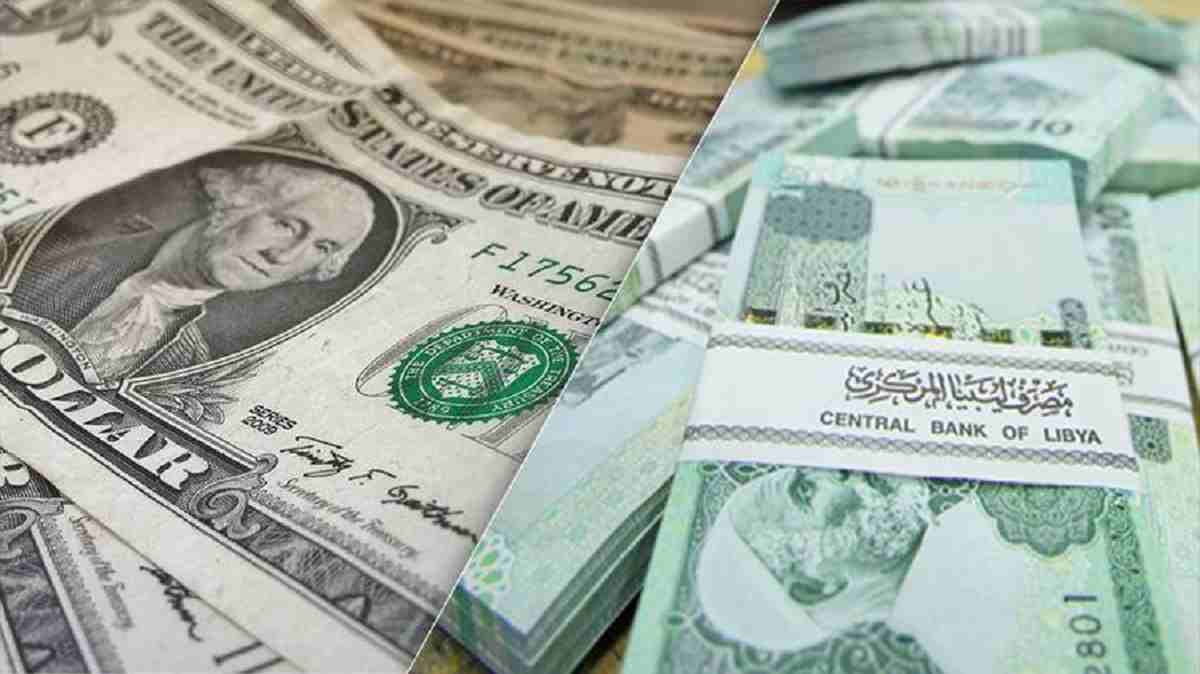
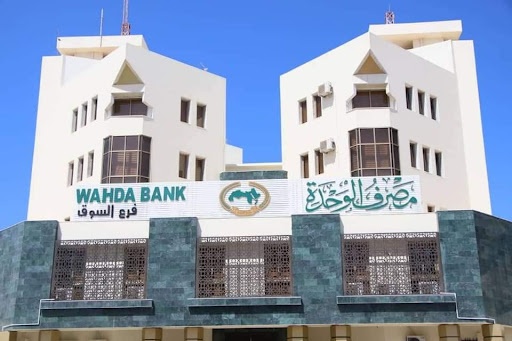
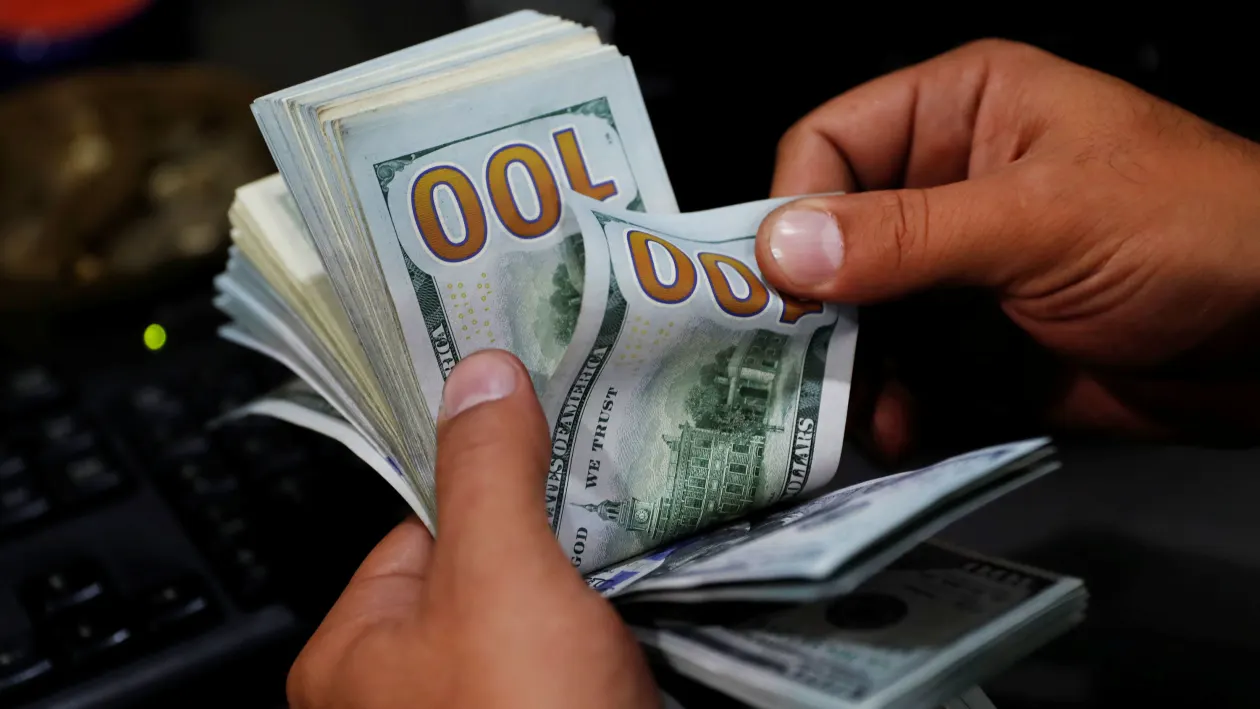
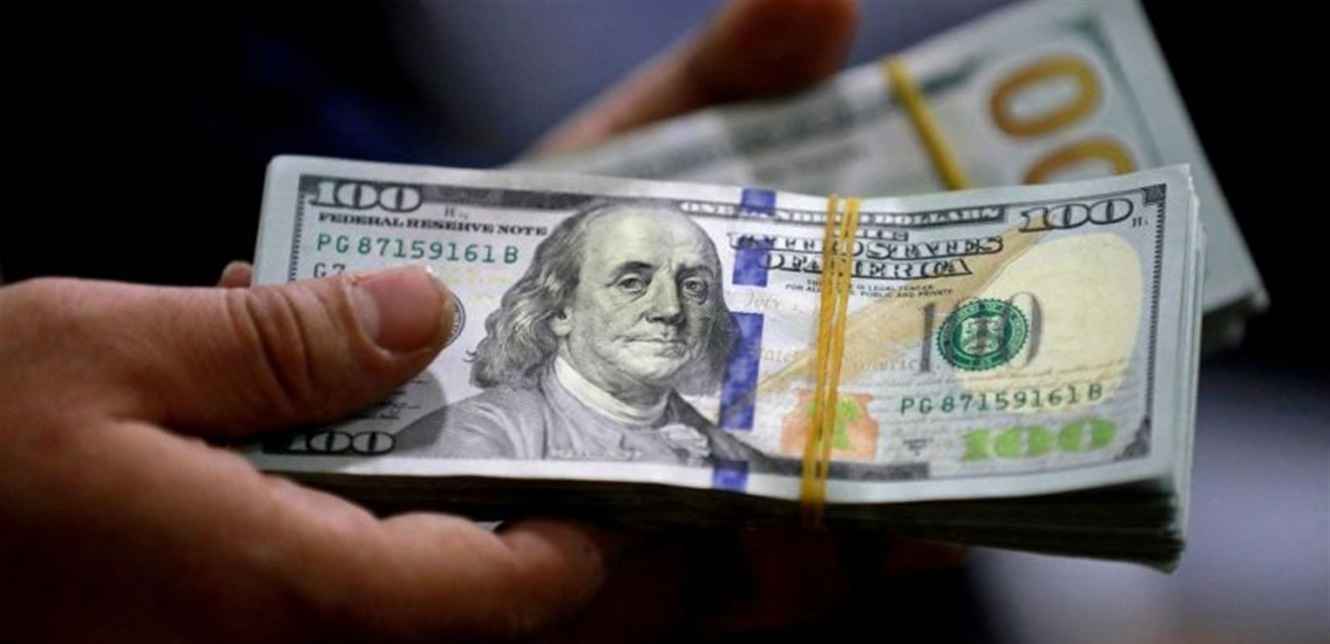
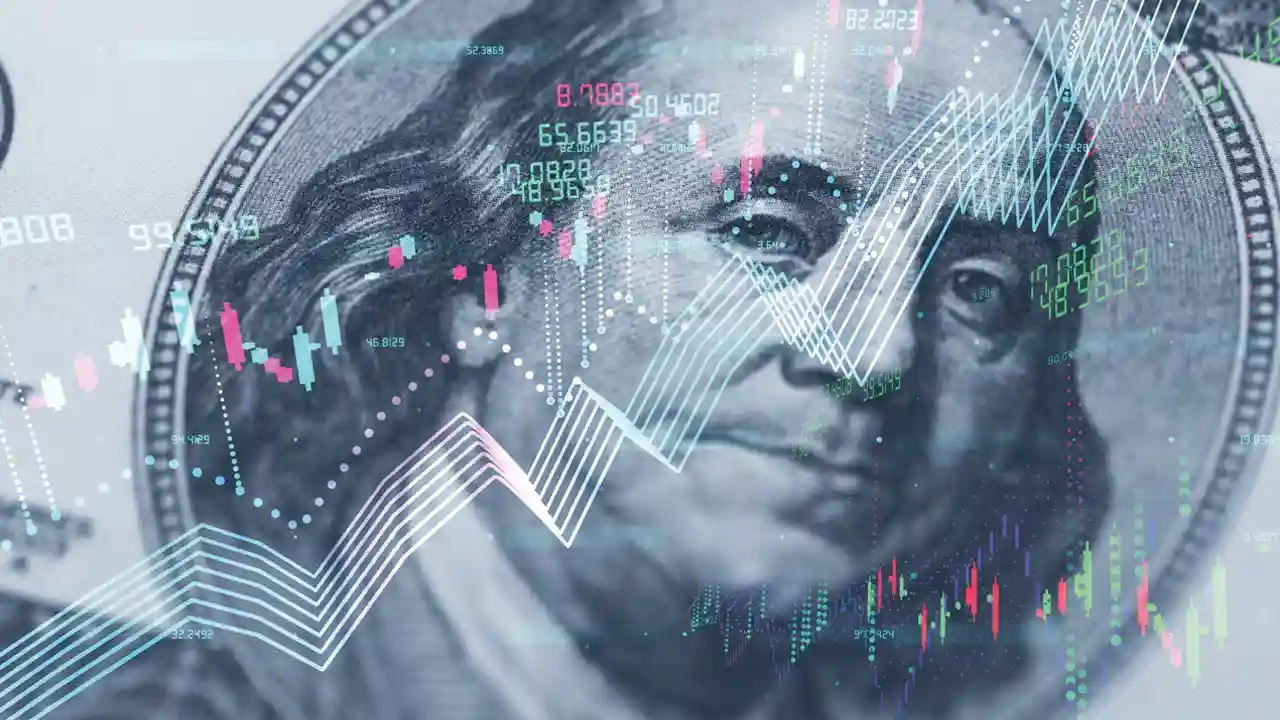
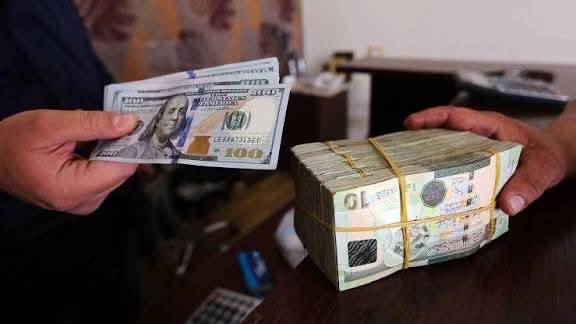
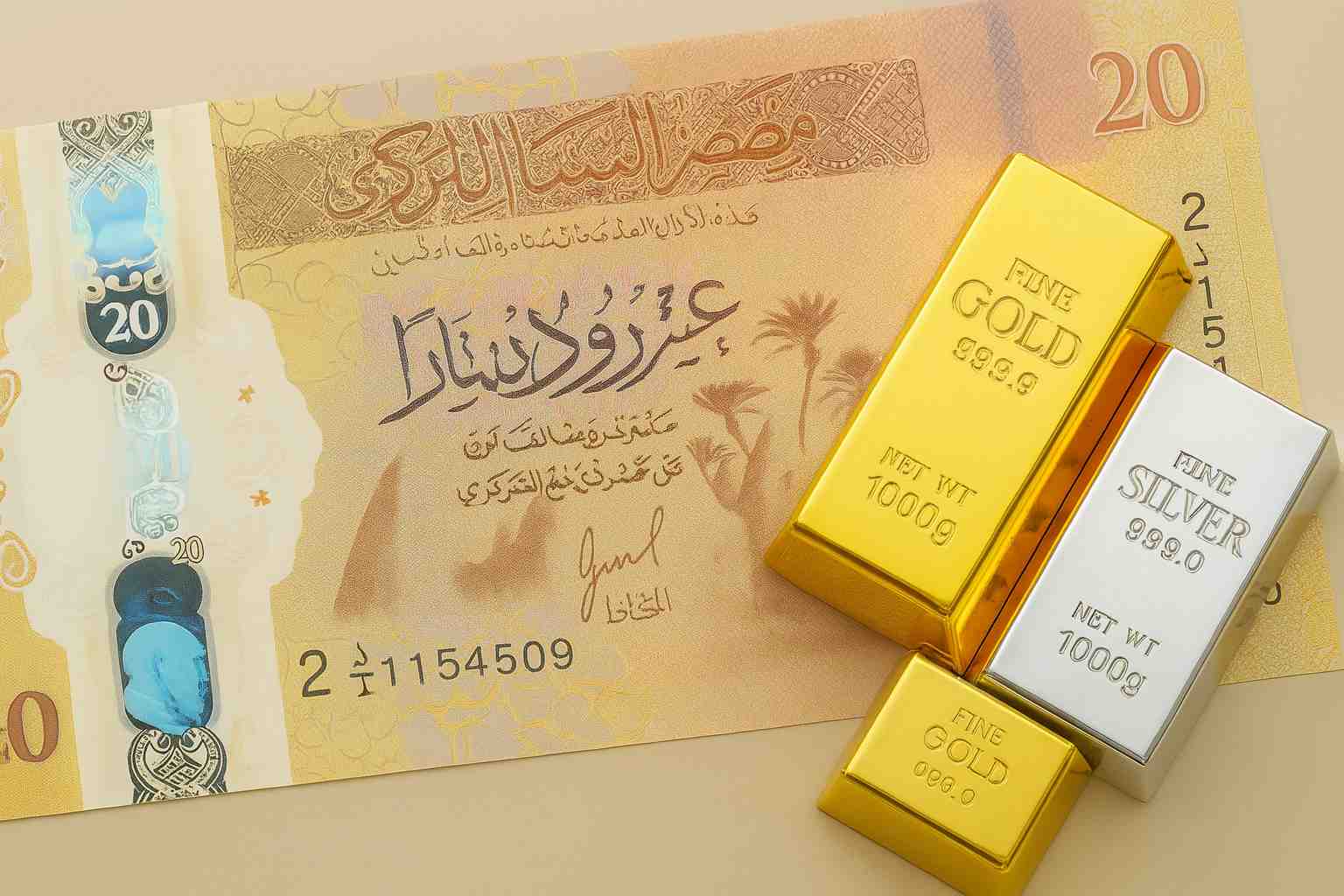
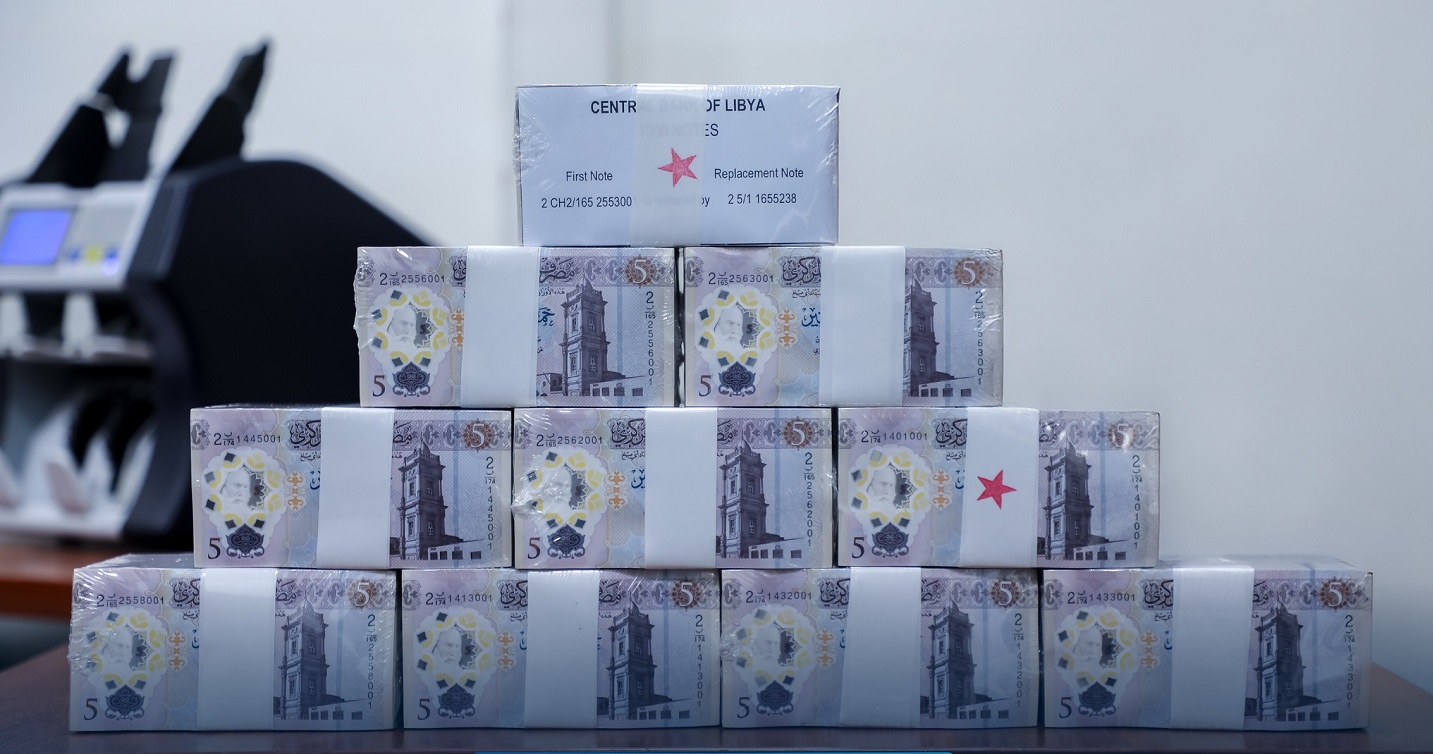
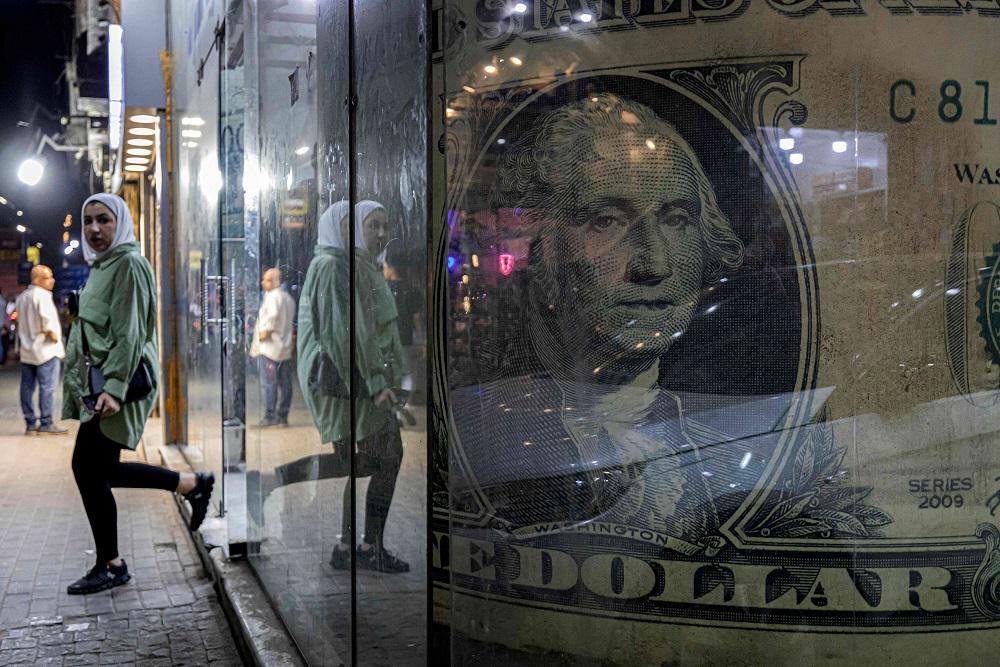
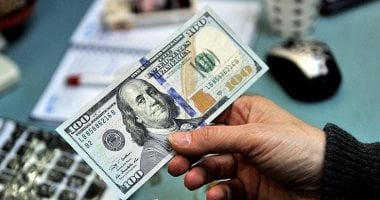
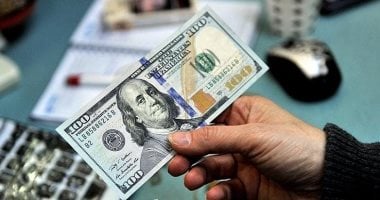
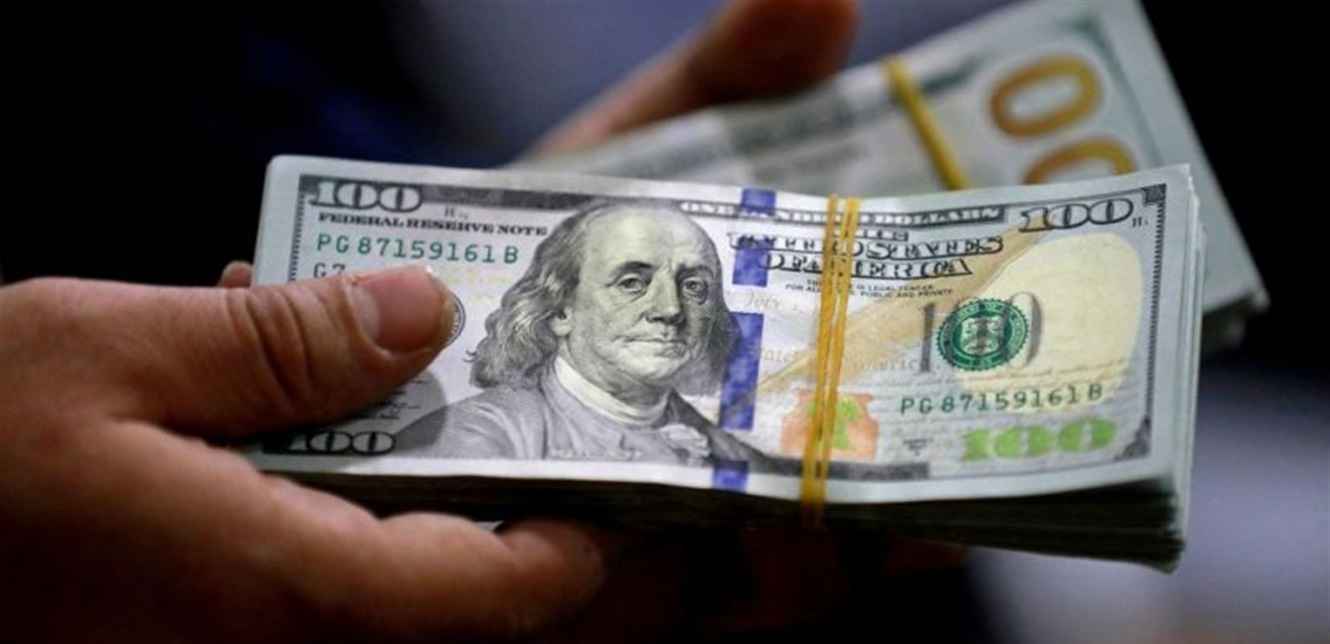
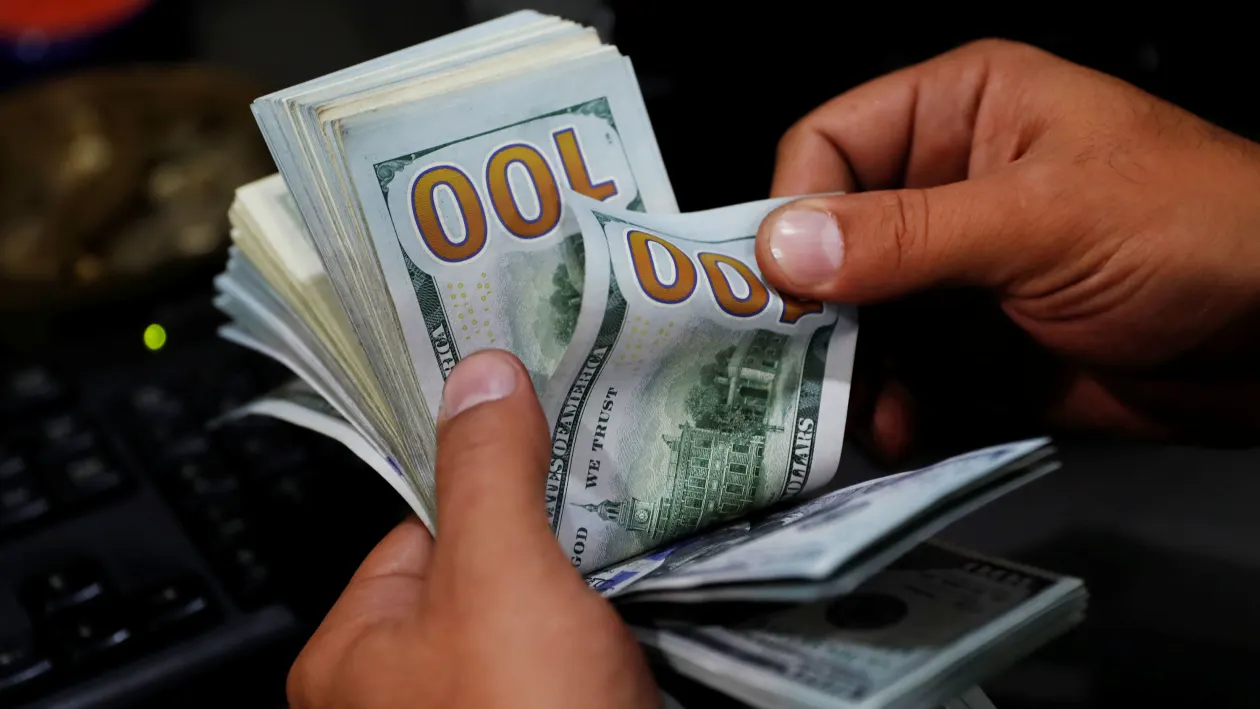
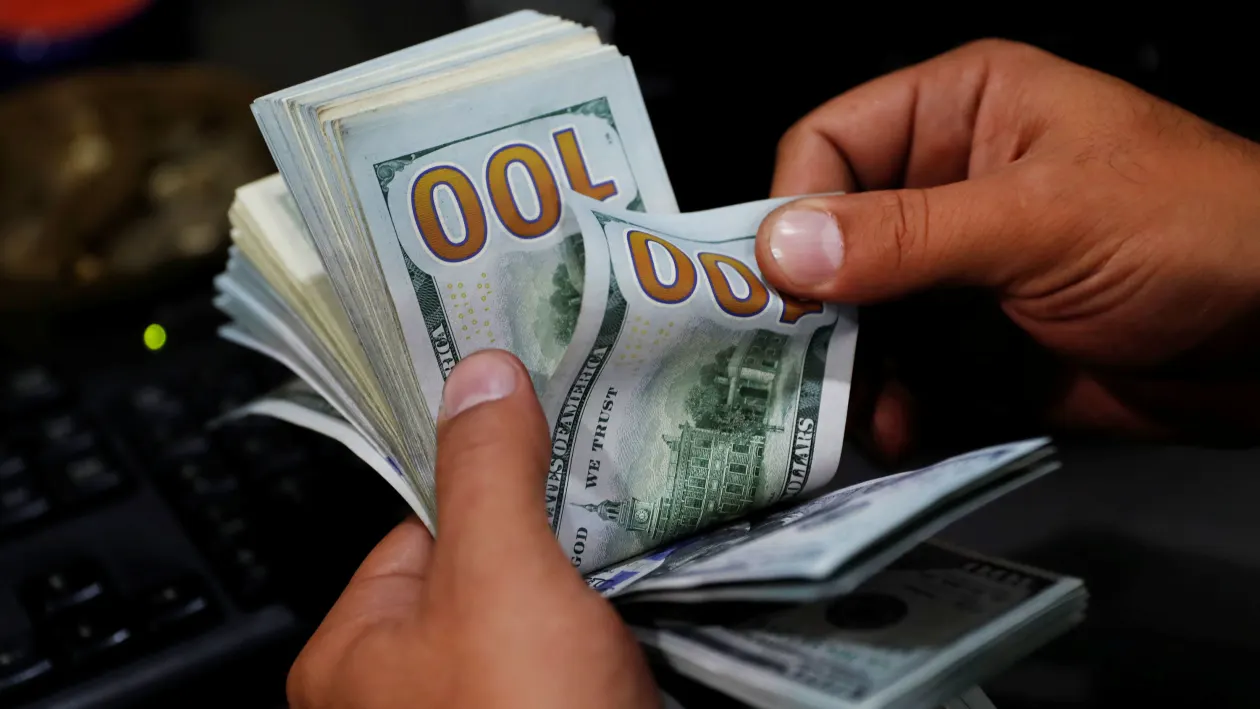
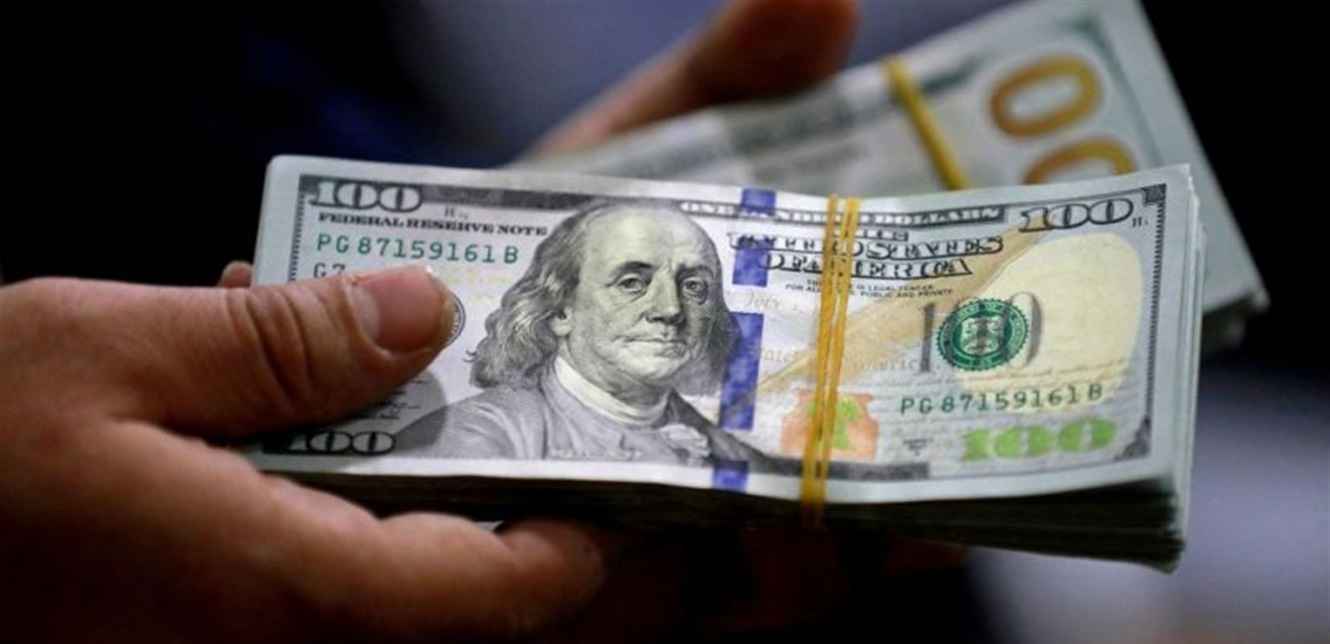
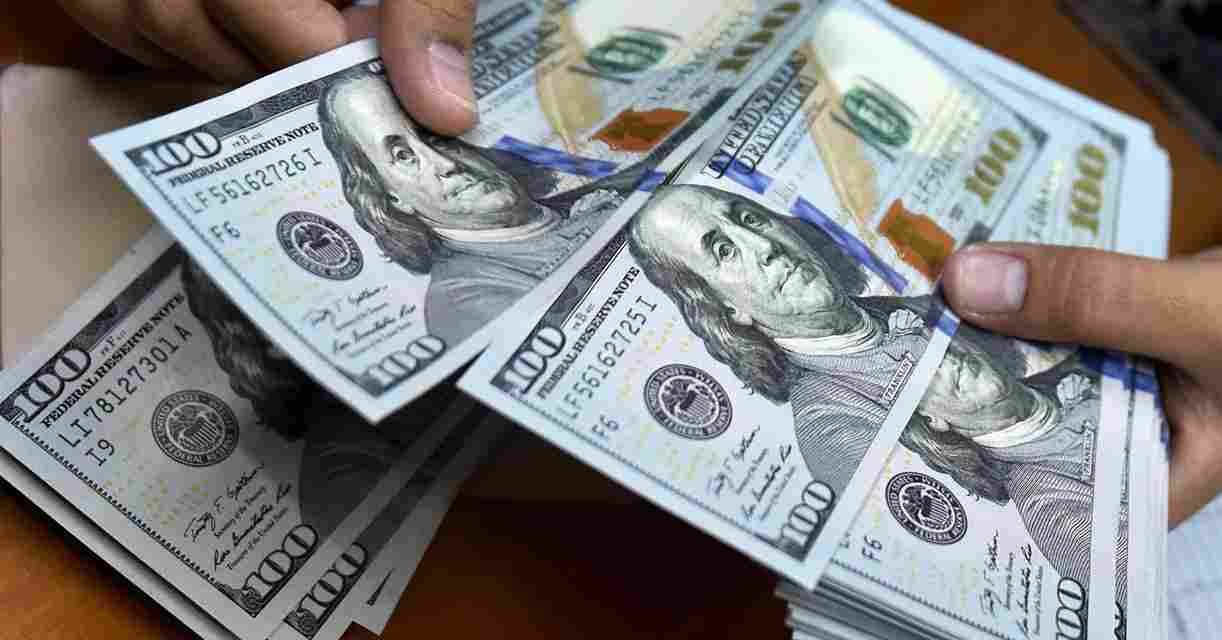
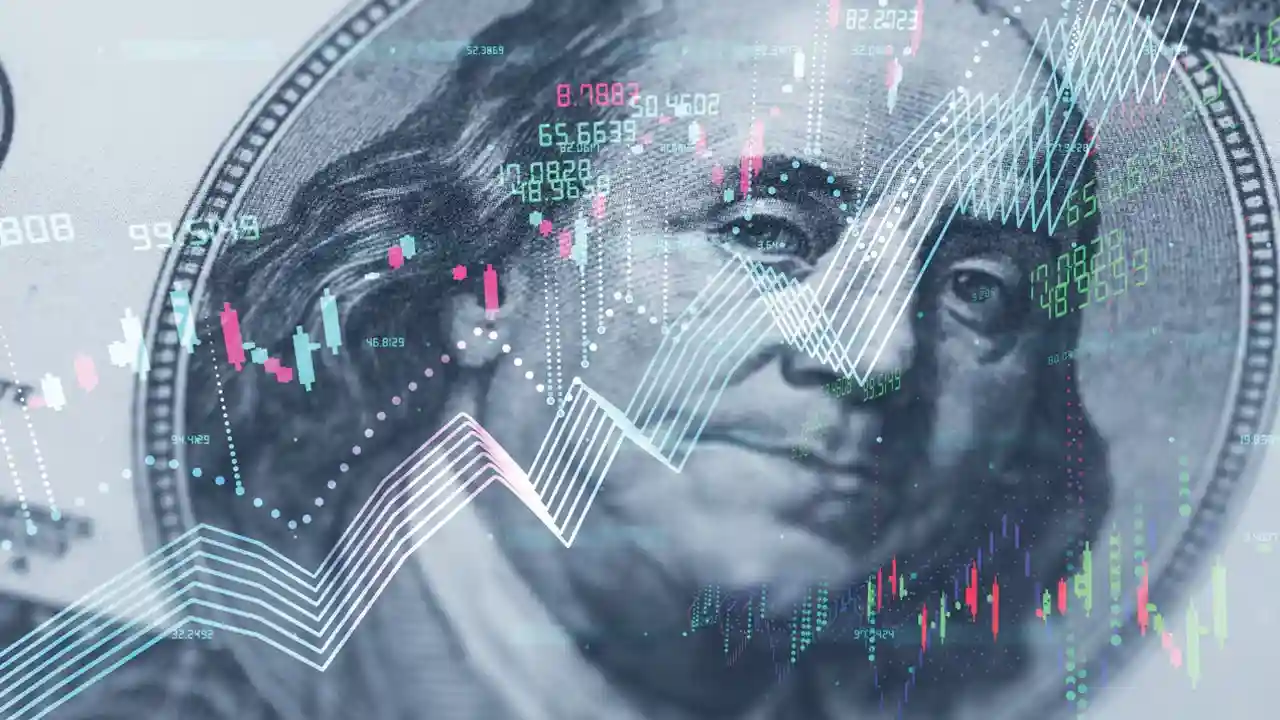
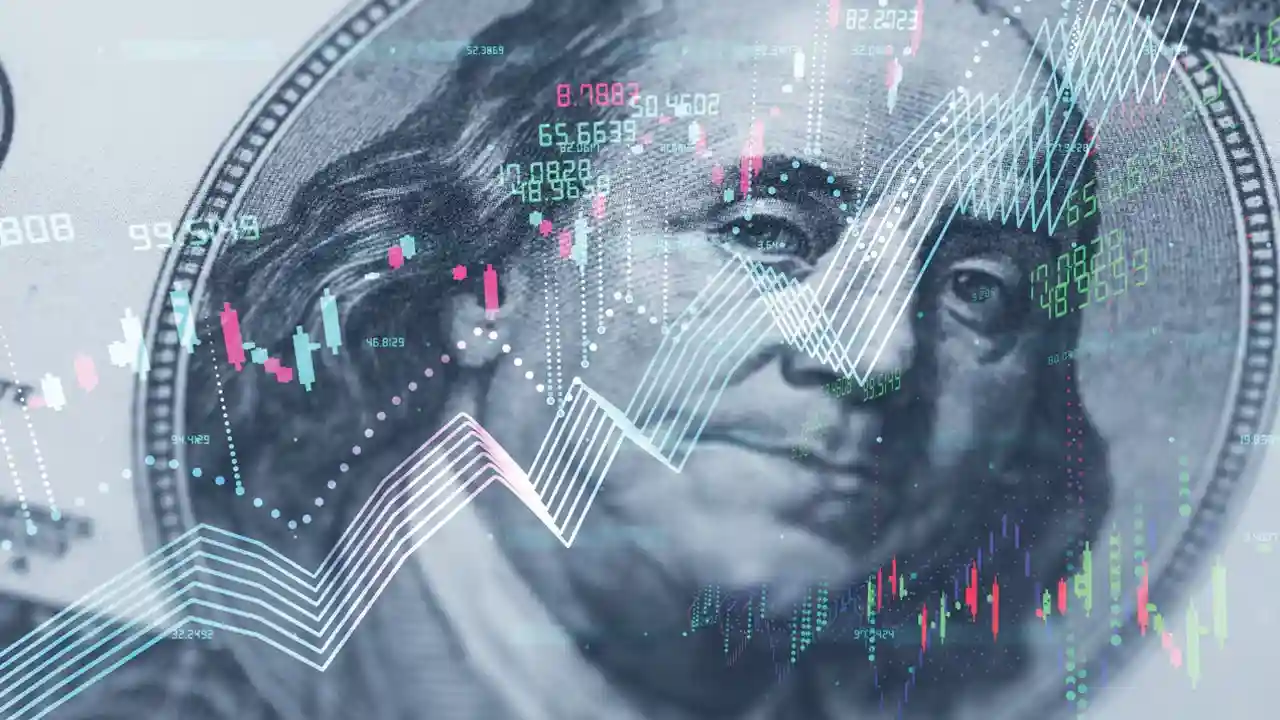
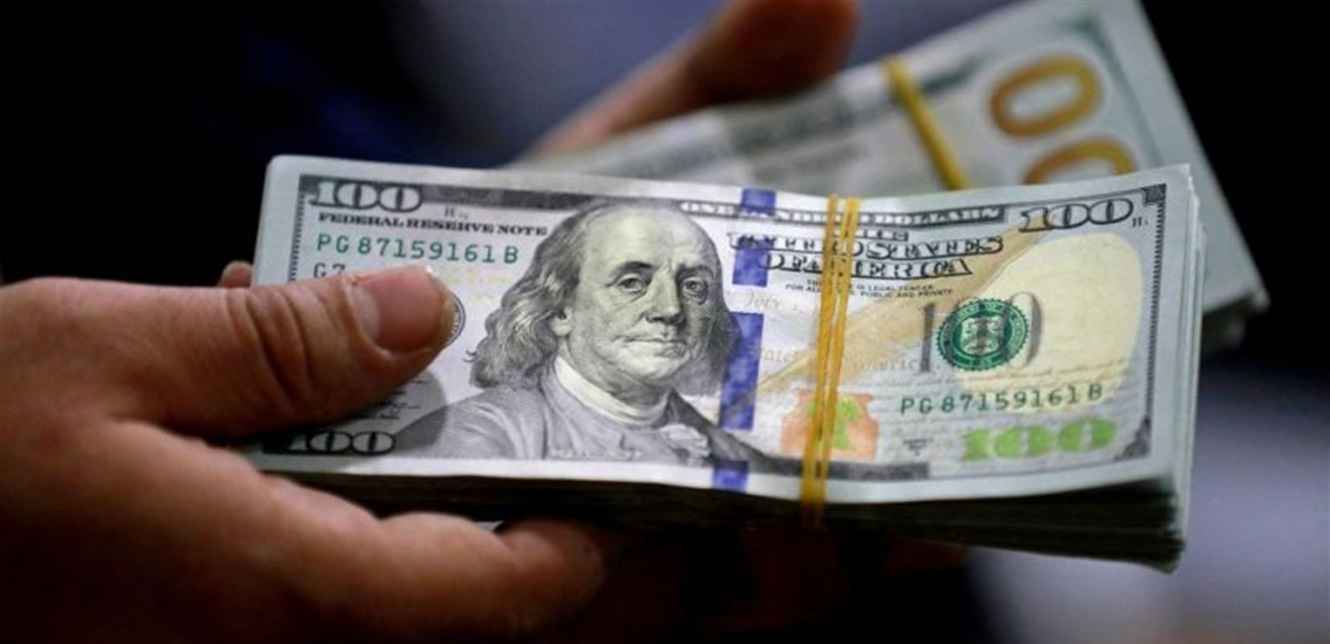
The exchange rate of the US dollar in the parallel market recorded a decline against the Libyan dinar during trading on Thursday, February 12, 2026. It closed in Tripoli at 9.58 dinars, while it saw a slight decrease in trading rooms to 9.55 dinars.
In other cities, minor differences between regions continued. The closing price in Zliten was around 9.58 dinars, while in Benghazi and Ajdabiya it recorded a level of 9.50 dinars.
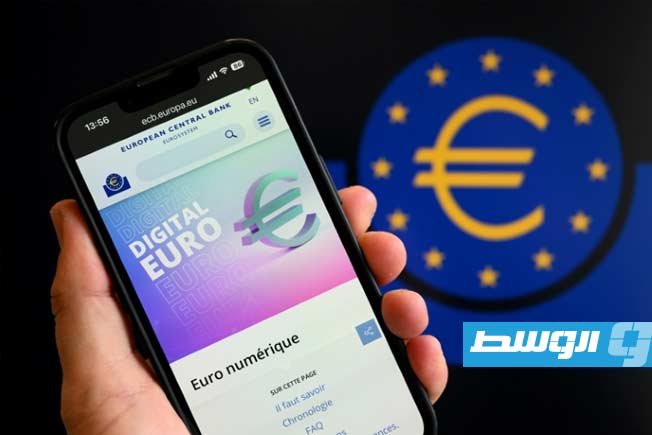
As for other foreign currencies, they continued to record high levels. The Euro rate declined to 11.26 dinars, and the British Pound Sterling saw a slight decrease to 12.50 dinars.
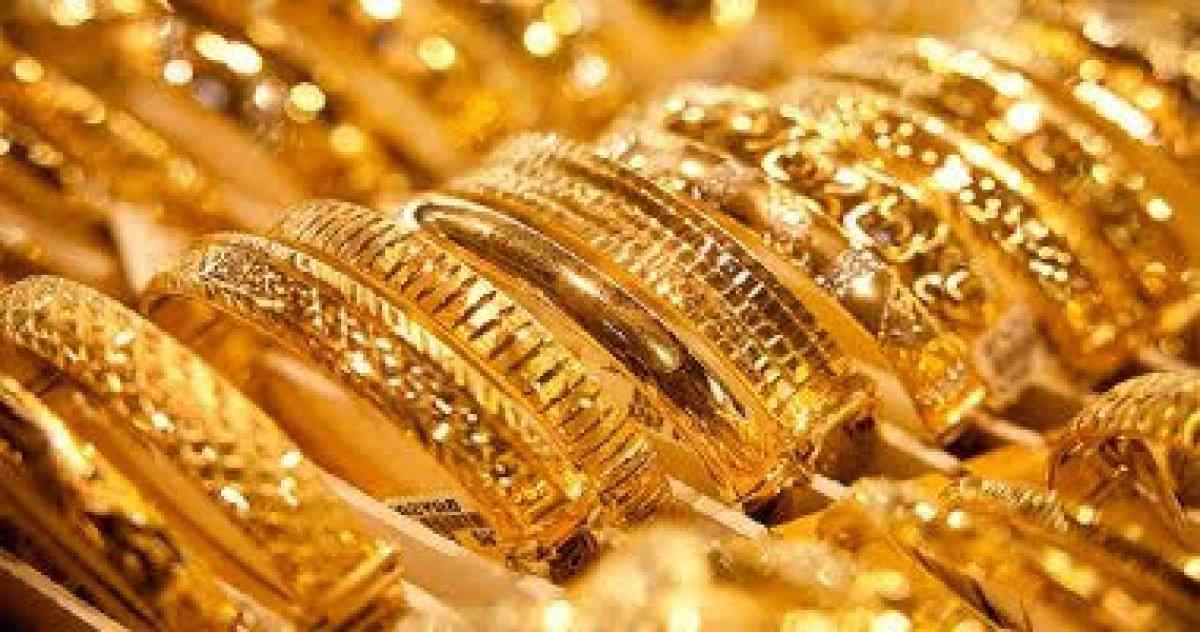
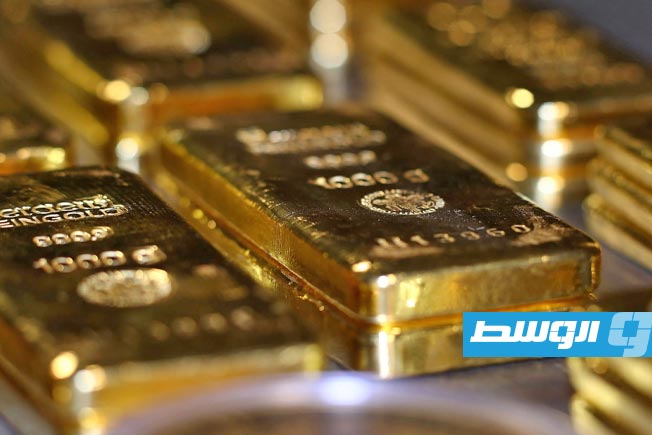
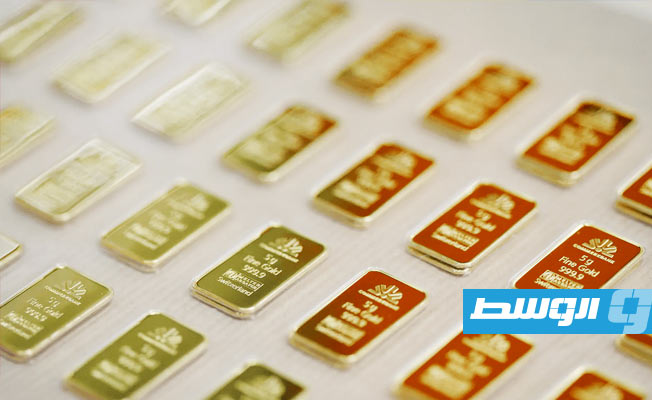
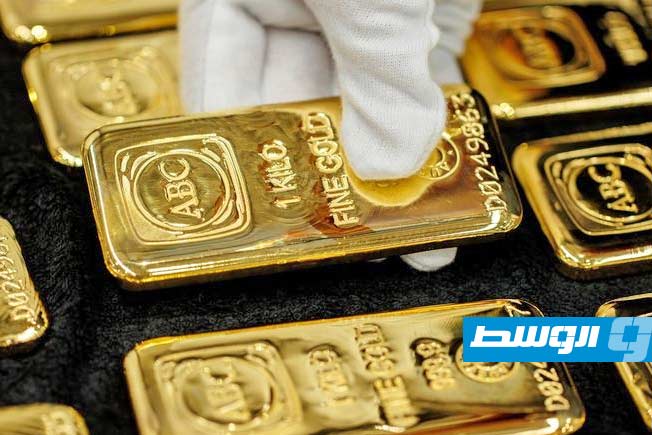
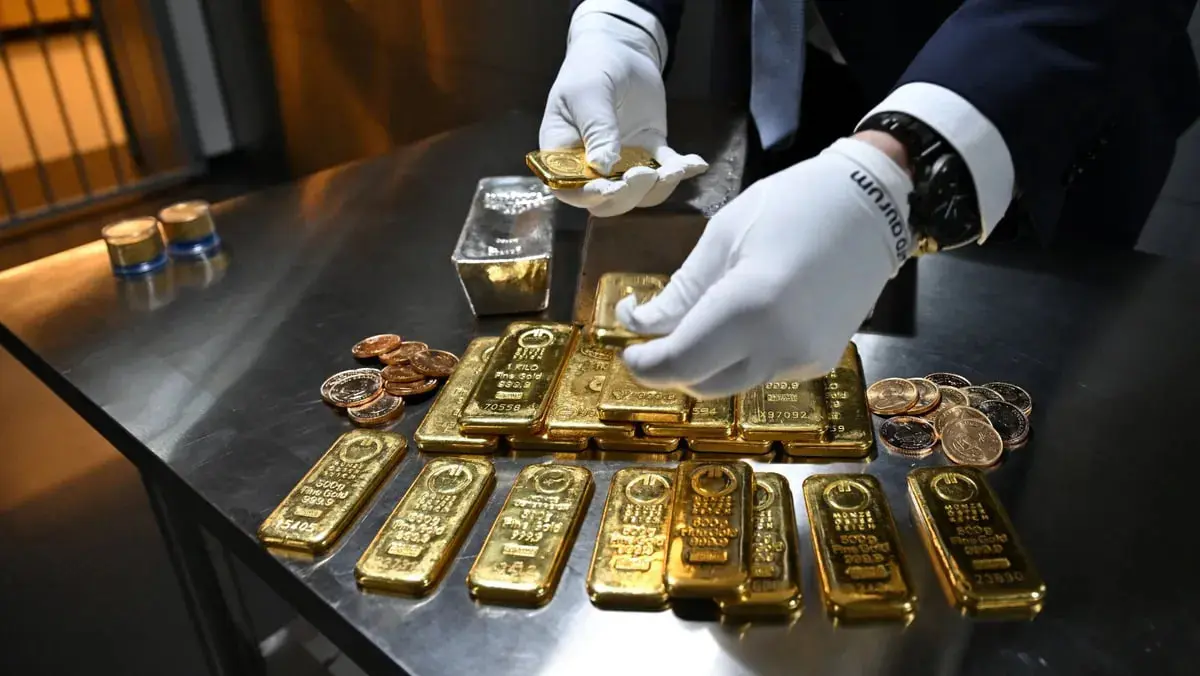
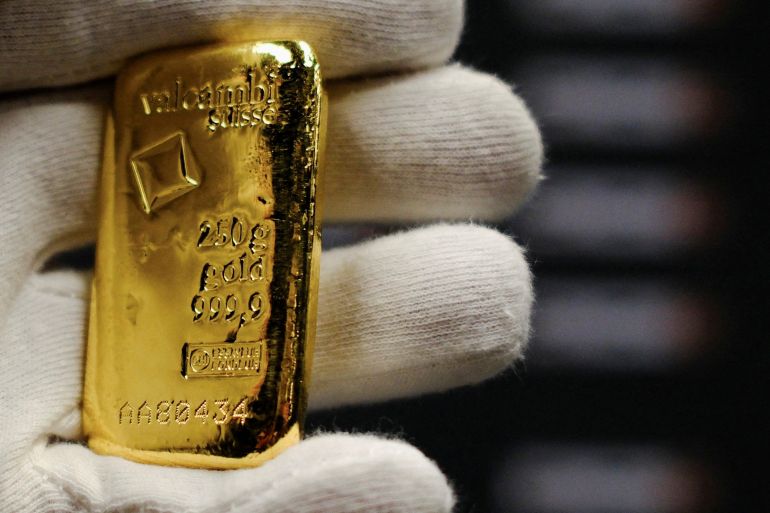
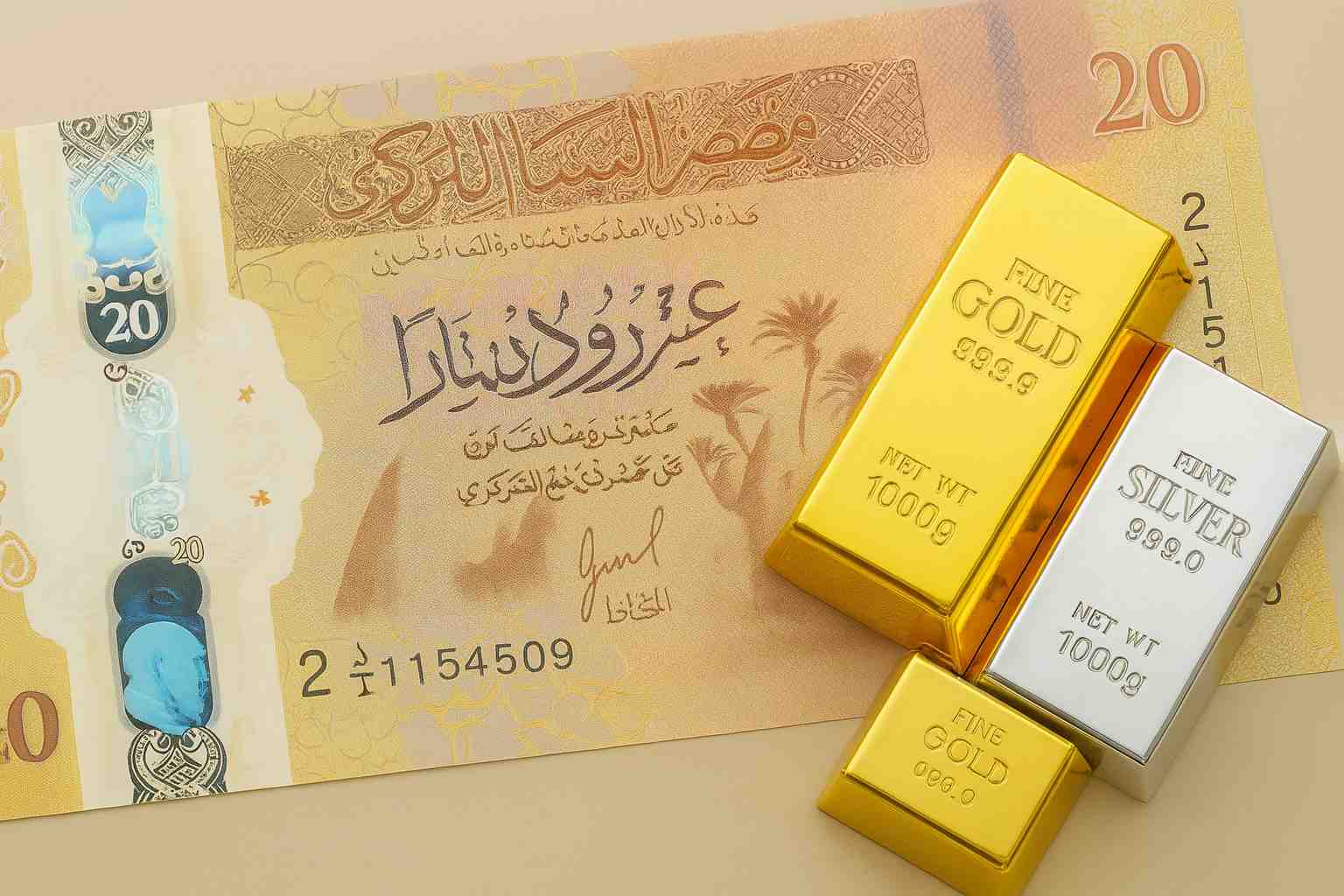
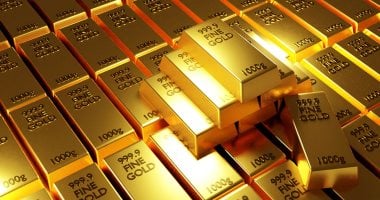
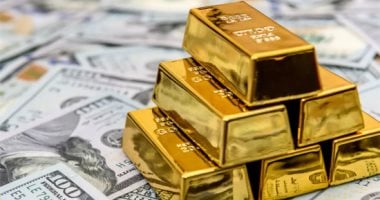
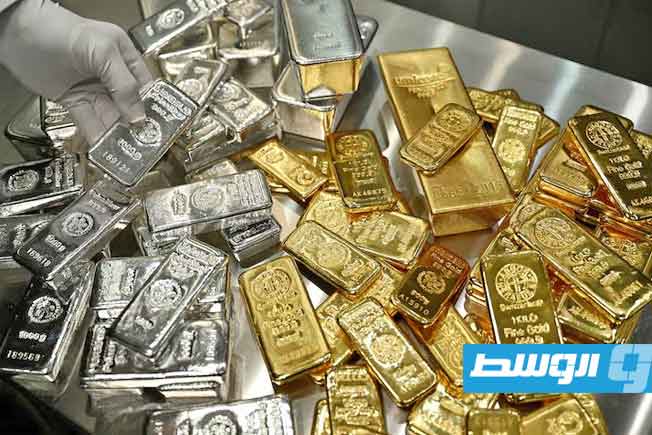
In the precious metals market, the price per gram of 18-karat scrap gold fell to 1120 dinars. Prices for external remittances also remained higher than cash rates. The dollar rate for remittances to Turkey was 9.58 dinars, and to Dubai was 9.72 dinars.
US dollar
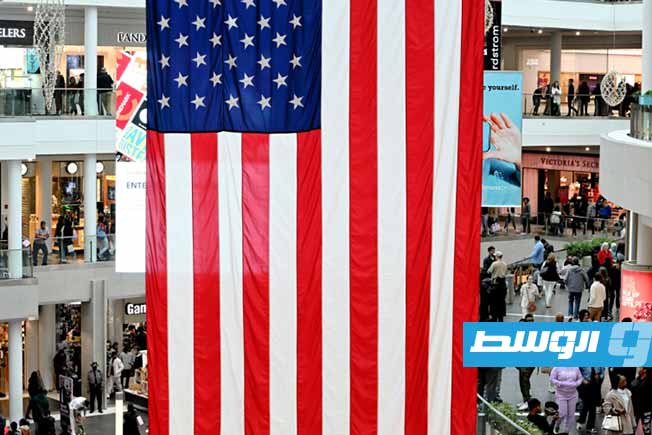
The US dollar is the official currency of the United States, established by the Coinage Act of 1792. It evolved from a system based on Spanish milled dollars and became the world’s primary reserve currency following the Bretton Woods Agreement in 1944.
Libyan dinar
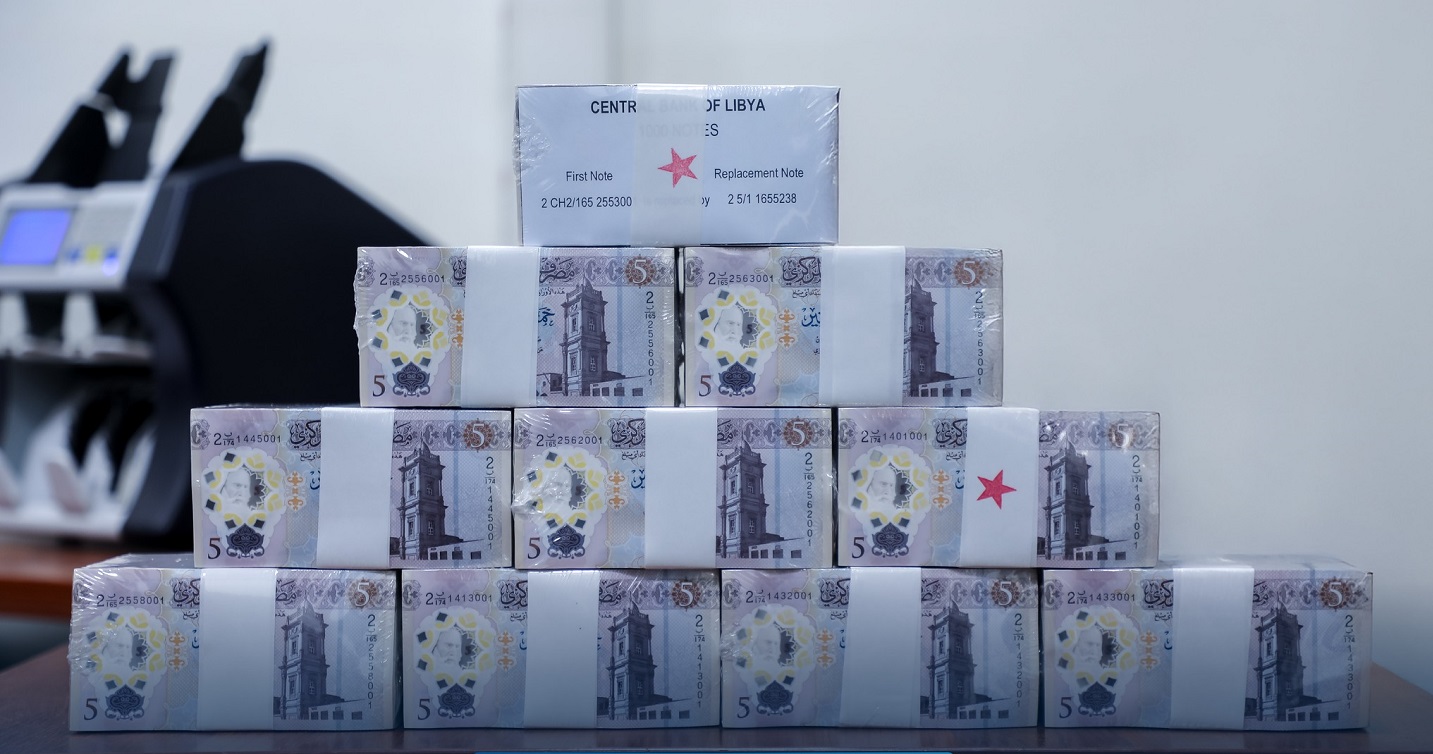
The Libyan dinar is the official currency of Libya, introduced in 1971 to replace the Libyan pound. It was established following the 1969 revolution that brought Muammar Gaddafi to power, symbolizing a move toward economic independence.
Tripoli
Tripoli is the capital and largest city of Libya, located on the country’s Mediterranean coast. Historically, it was founded by the Phoenicians in the 7th century BC and later became a significant Roman city, with its old quarter, the medina, reflecting centuries of influence from Arab, Ottoman, and Italian rule.
Zliten
Zliten is a coastal city in northwestern Libya, historically known for its Roman and Ottoman-era influences. It is particularly recognized for the Zliten Mosaic, a well-preserved Roman floor mosaic from the 2nd century AD discovered in a villa, depicting scenes of daily life and mythology. The city also holds cultural significance as the site of the Zawiyat Al-Asmari, a historic Islamic educational institution.
Benghazi
Benghazi is a major city in eastern Libya, historically significant as a center of trade and culture since its founding as the Greek colony of Euesperides. It played a pivotal role in the 2011 Libyan Civil War as a key base for the uprising against Muammar Gaddafi.
Ajdabiya
Ajdabiya is a city in northeastern Libya, historically significant as a major crossroads for trans-Saharan trade routes and a center for the Senussi religious movement in the 19th and early 20th centuries. It later became a key strategic location during the Libyan Civil War in 2011.
Euro
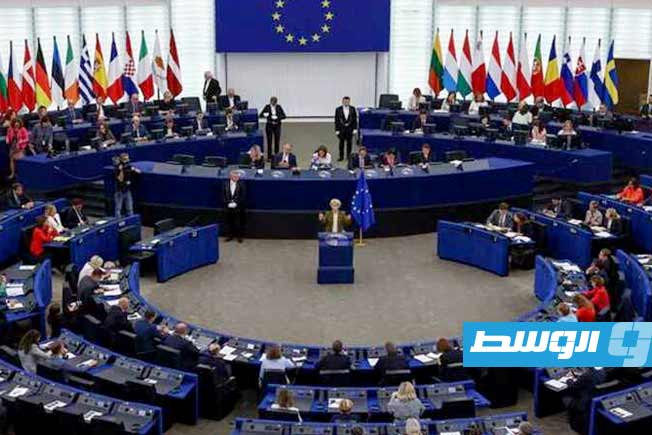
The Euro is the official currency of the Eurozone, which consists of 20 of the 27 member states of the European Union. It was introduced in non-physical form in 1999 and as physical banknotes and coins in 2002, following the Maastricht Treaty of 1992, which laid the groundwork for economic and monetary union.
British Pound Sterling
The British Pound Sterling, often symbolized as £, is the official currency of the United Kingdom and is the world’s oldest currency still in use, with origins tracing back over 1,200 years. Its history is deeply tied to the British Empire’s economic power, and it remains a major global reserve currency despite the UK’s adoption of decimalization in 1971.
Turkey
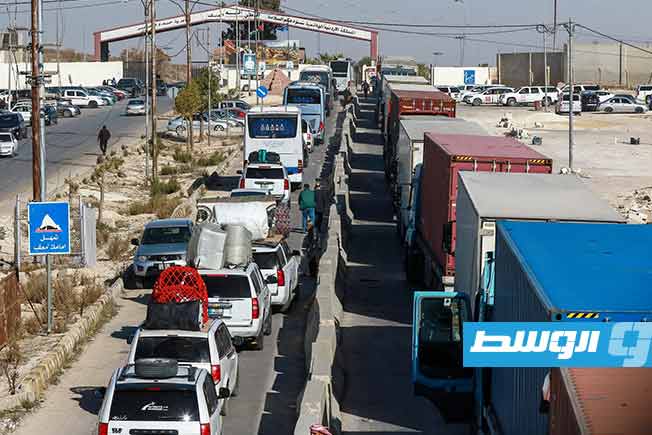
Turkey is a transcontinental nation straddling Eastern Europe and Western Asia, with a rich history as the heartland of the Byzantine and Ottoman Empires. Its cultural landscape is defined by iconic sites like the Hagia Sophia in Istanbul, which has served as a cathedral, mosque, and museum over its 1,500-year history. Modern Turkey was founded as a republic in 1923 by Mustafa Kemal Atatürk following the collapse of the Ottoman Empire.
Dubai
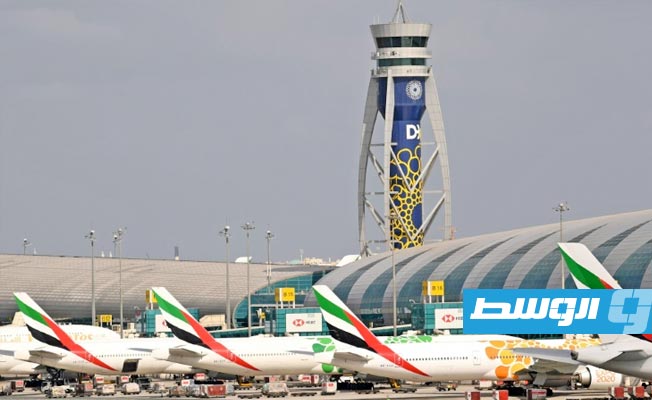
Dubai is a major global city and emirate in the United Arab Emirates, historically known as a small fishing and pearling village. Its modern transformation began with the discovery of oil in the 1960s, but it is now most famous for its ambitious architecture, luxury shopping, and tourism, having diversified its economy away from hydrocarbons. Landmarks like the Burj Khalifa and Palm Jumeirah symbolize its rapid development into a leading business and cultural hub.