Benghazi
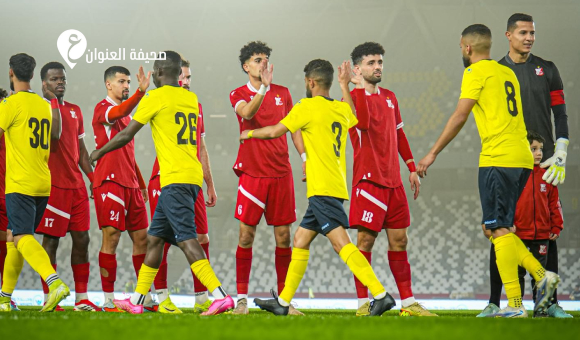
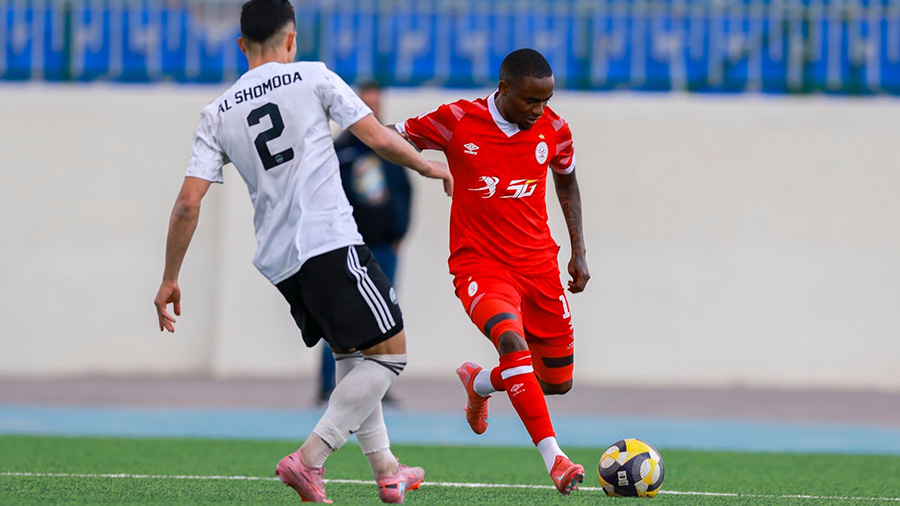
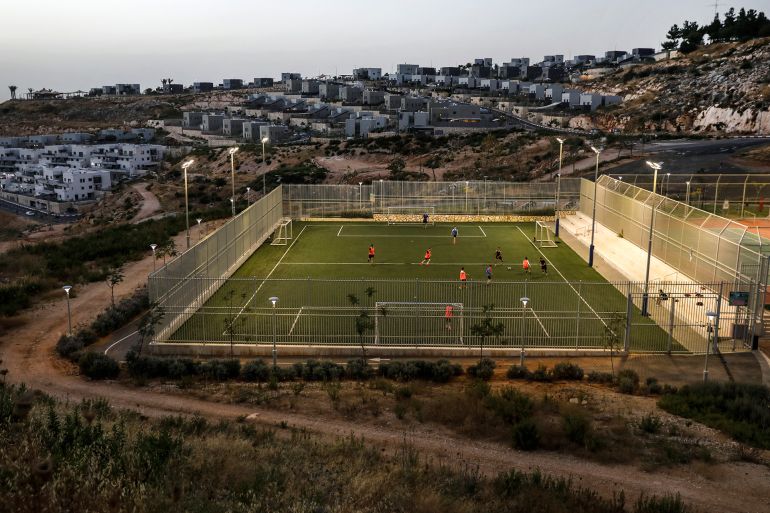
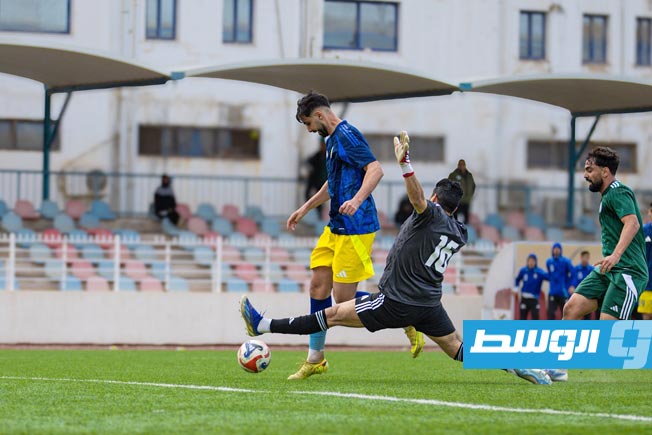
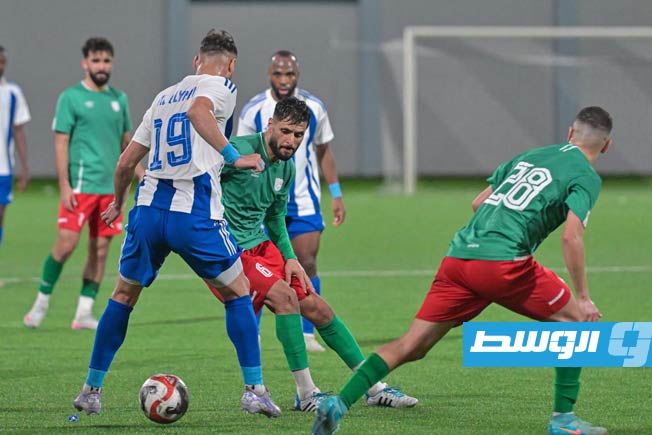
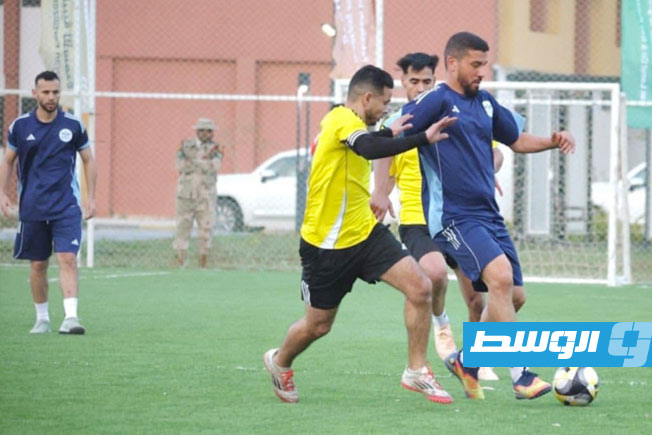
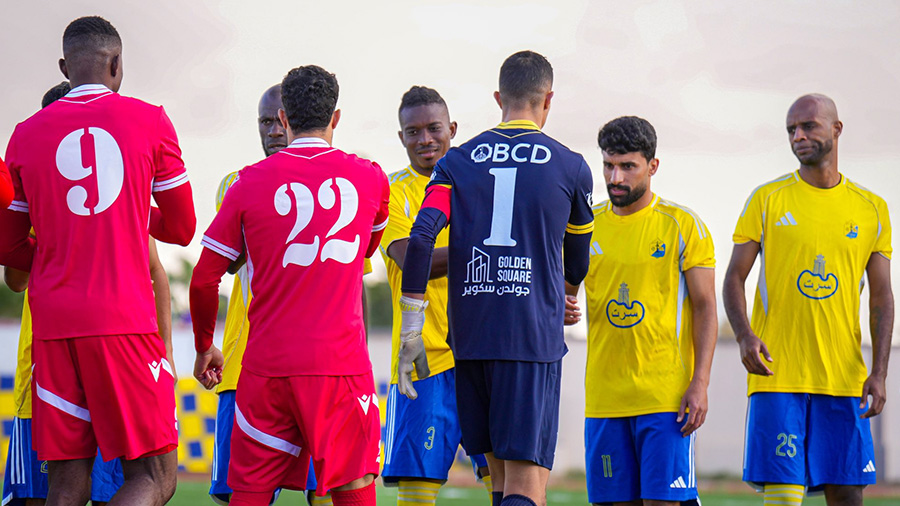
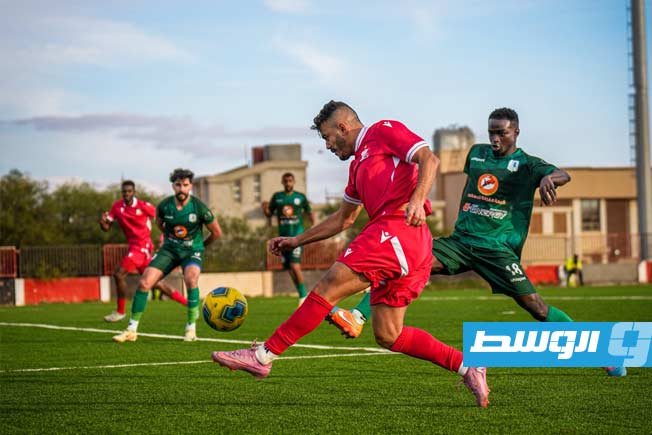
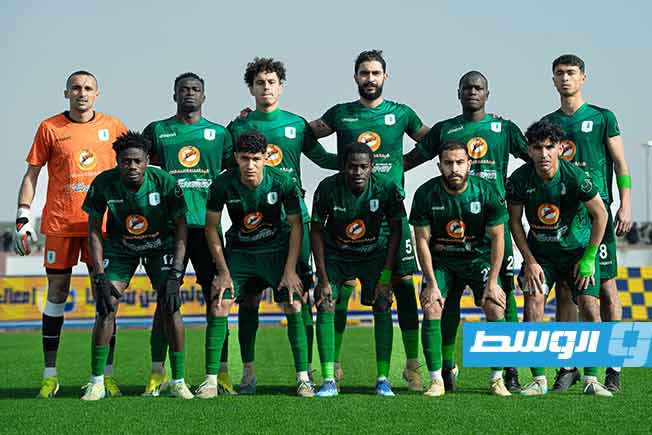
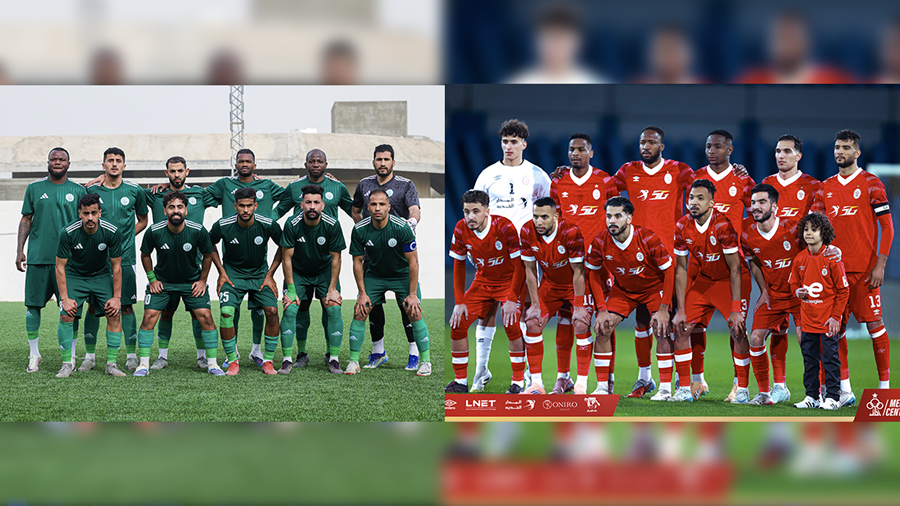
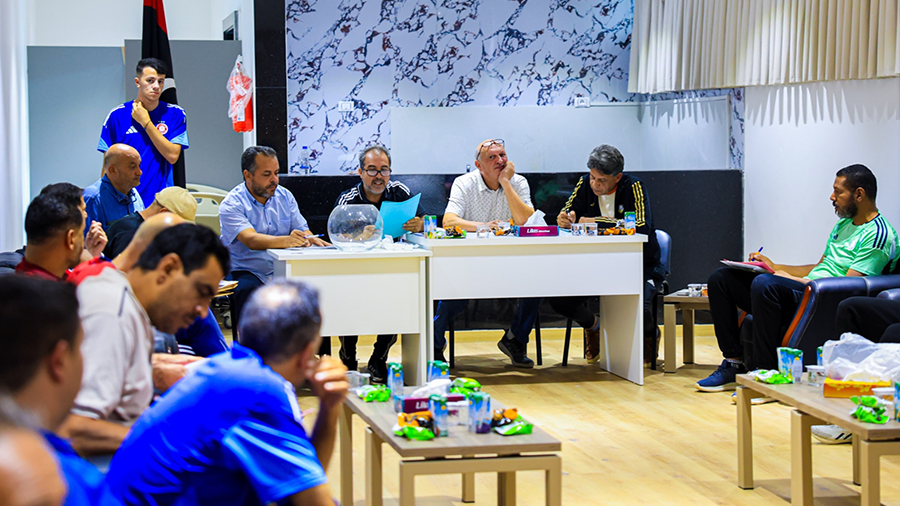
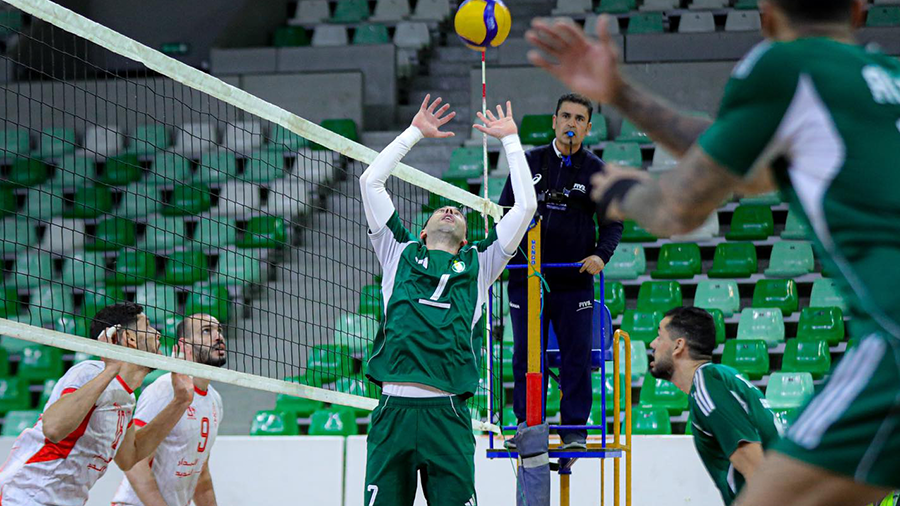
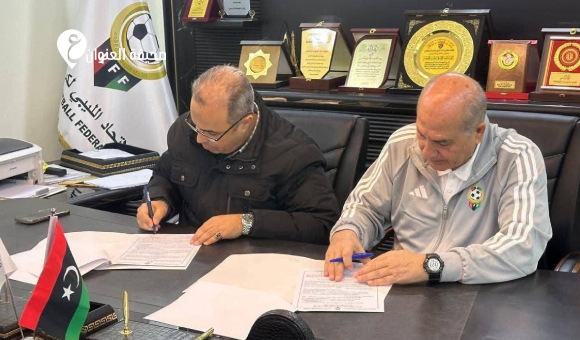
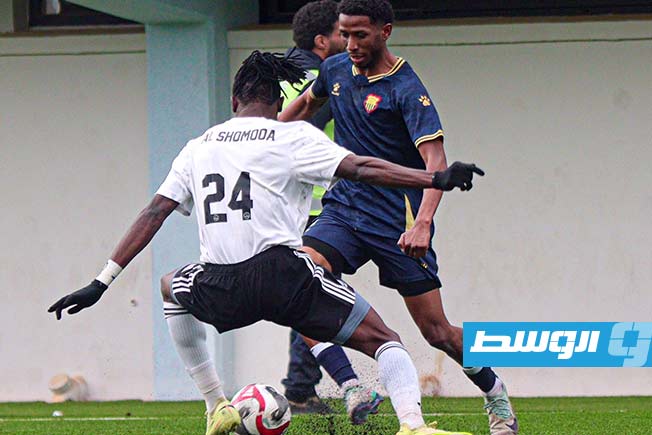
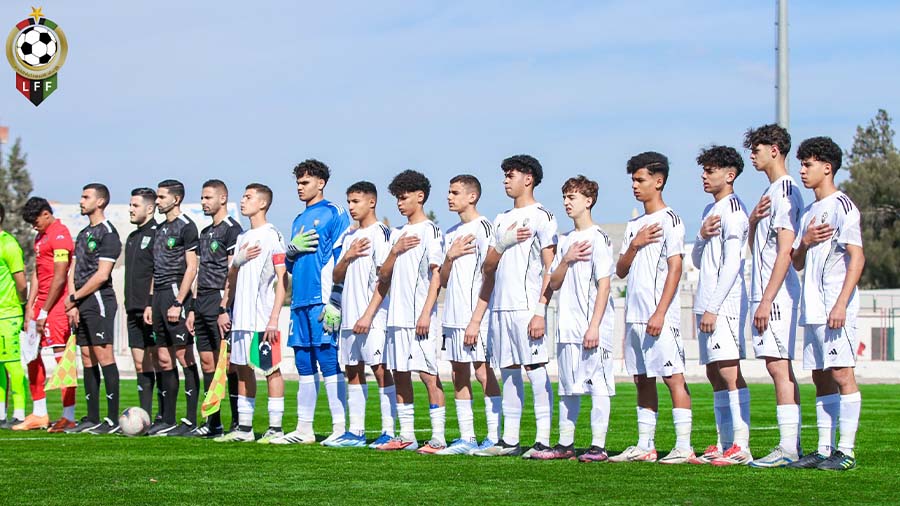
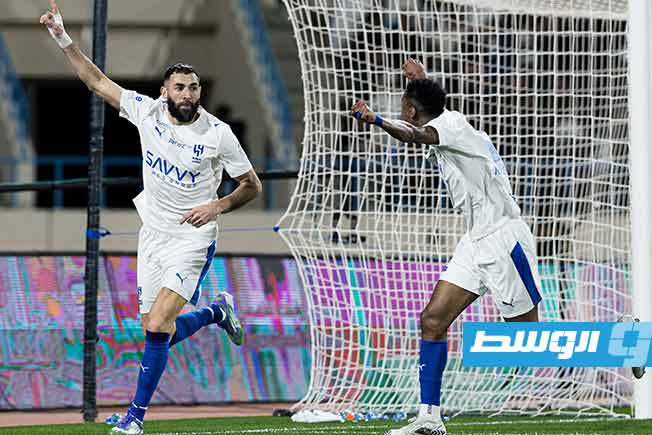
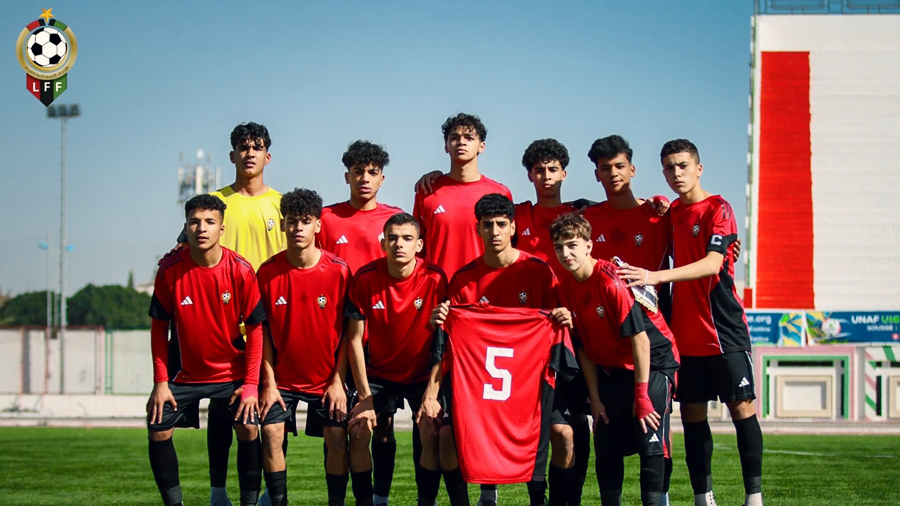
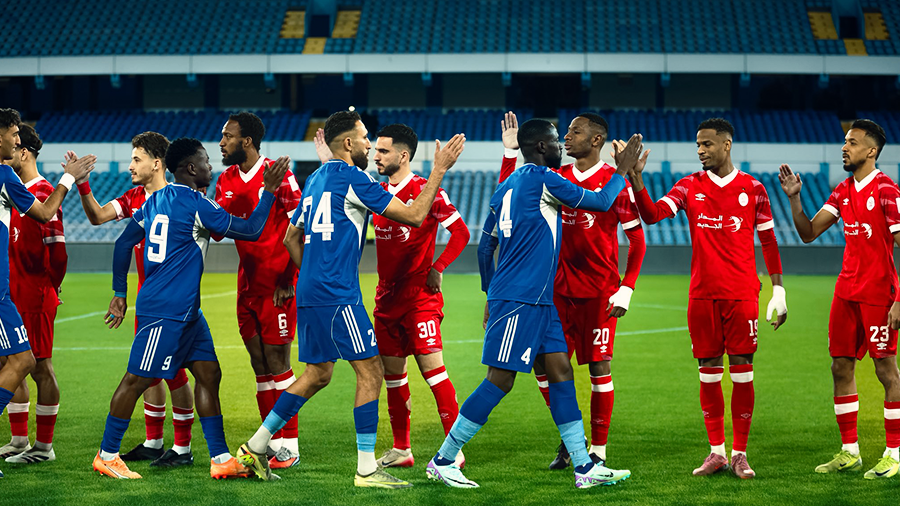
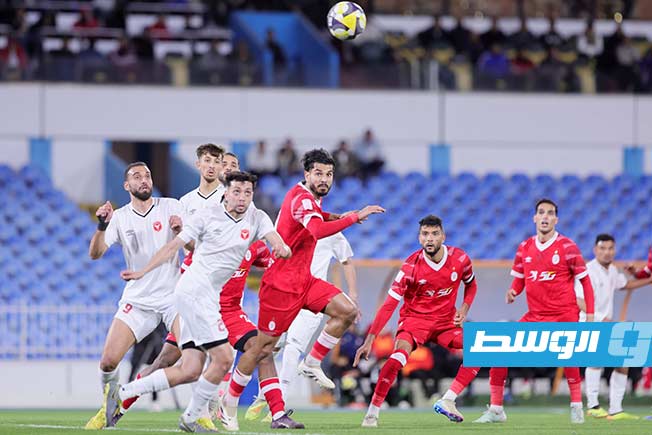
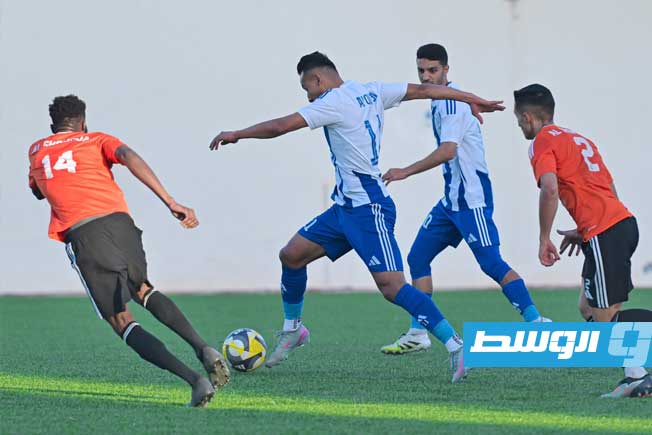
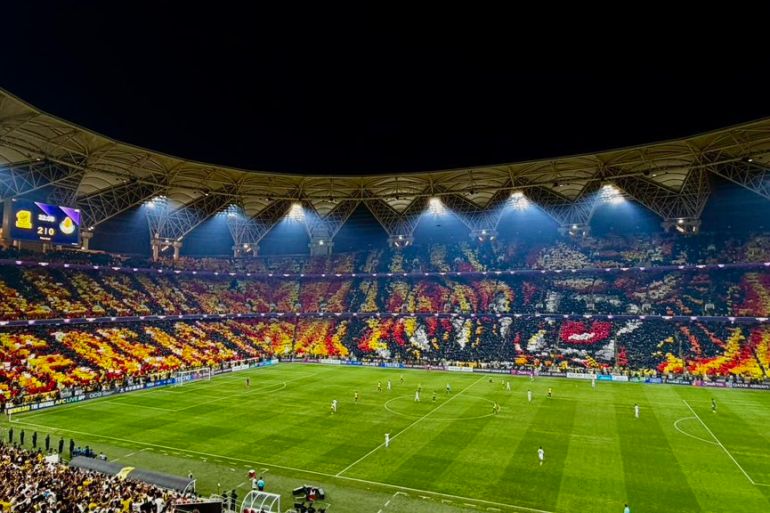
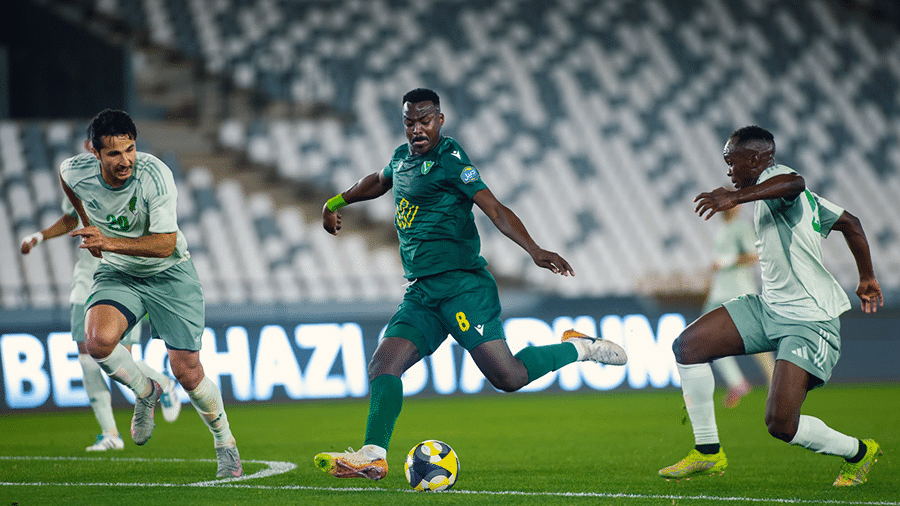
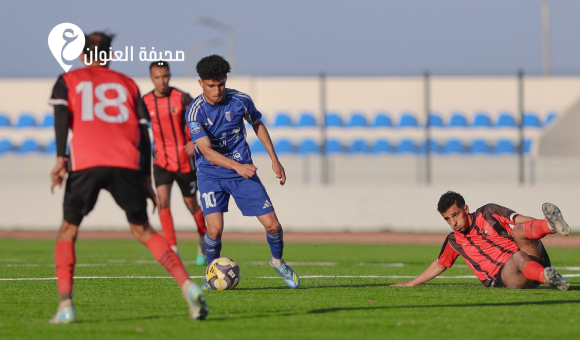
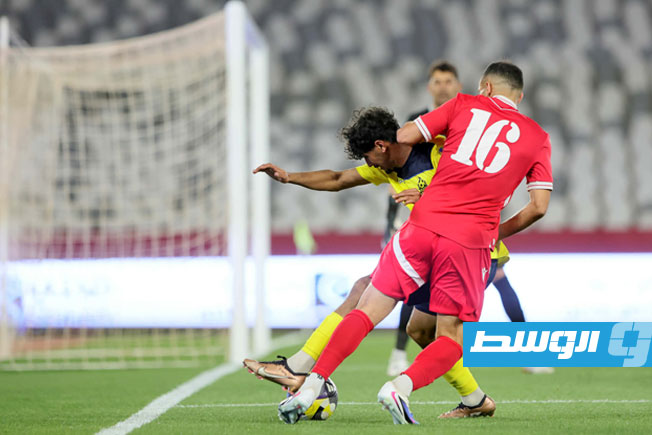
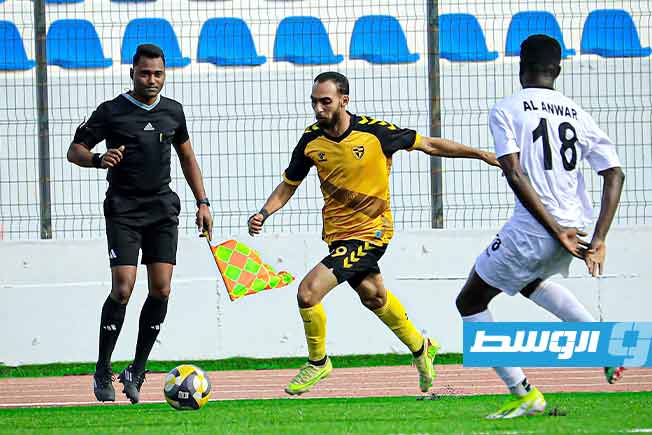
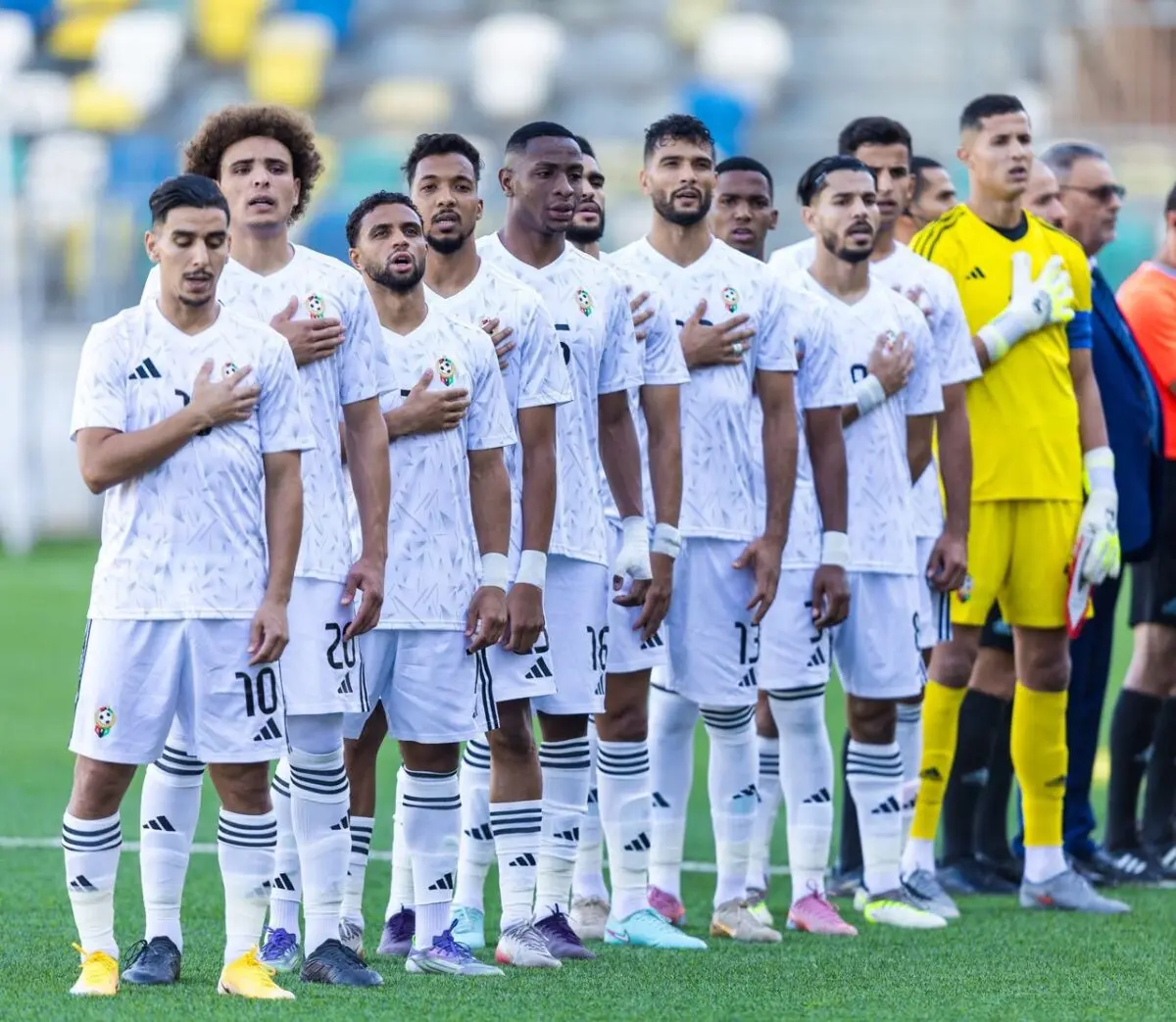
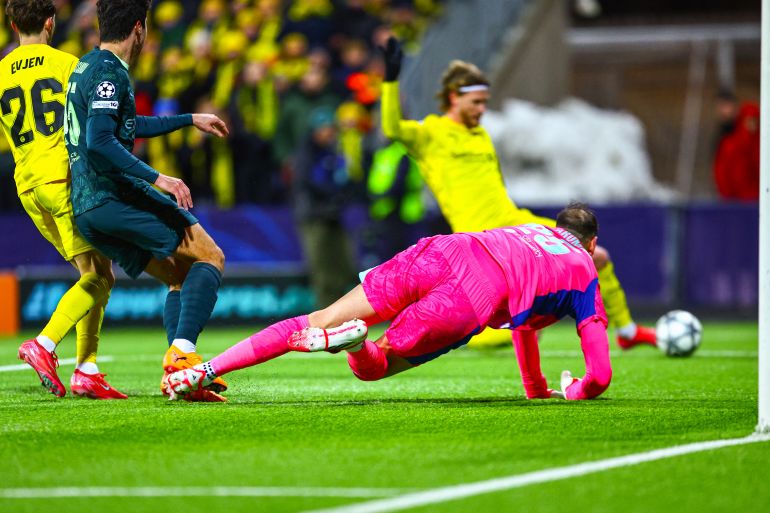
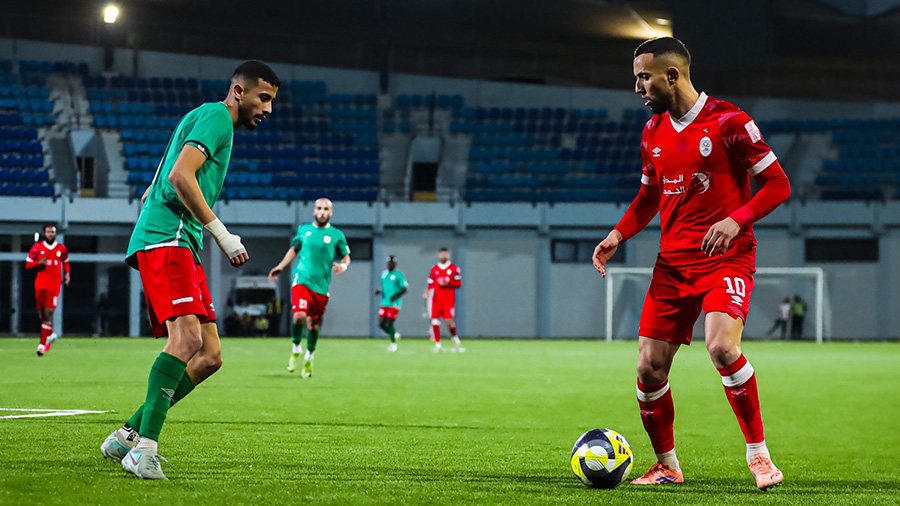
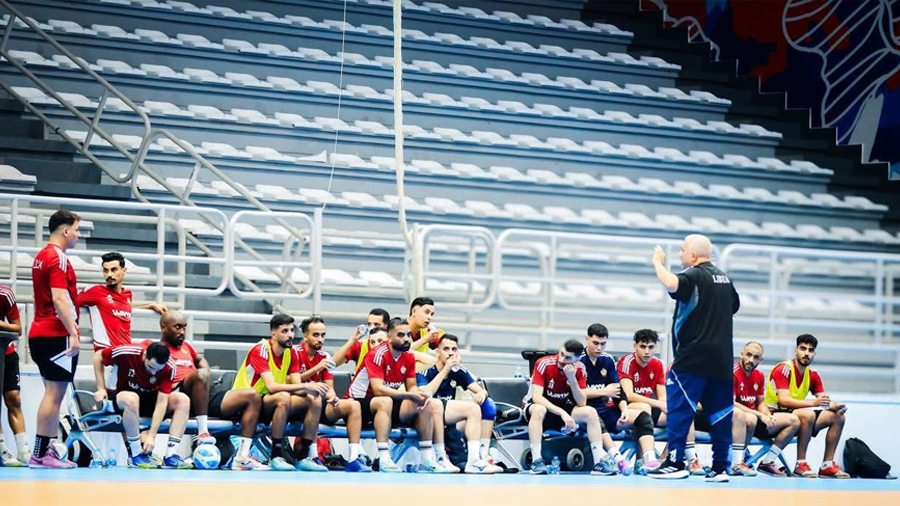
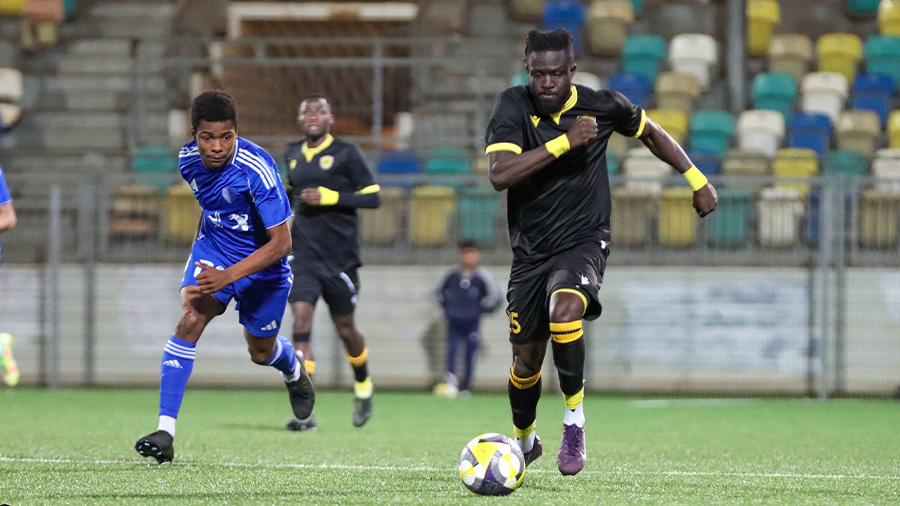
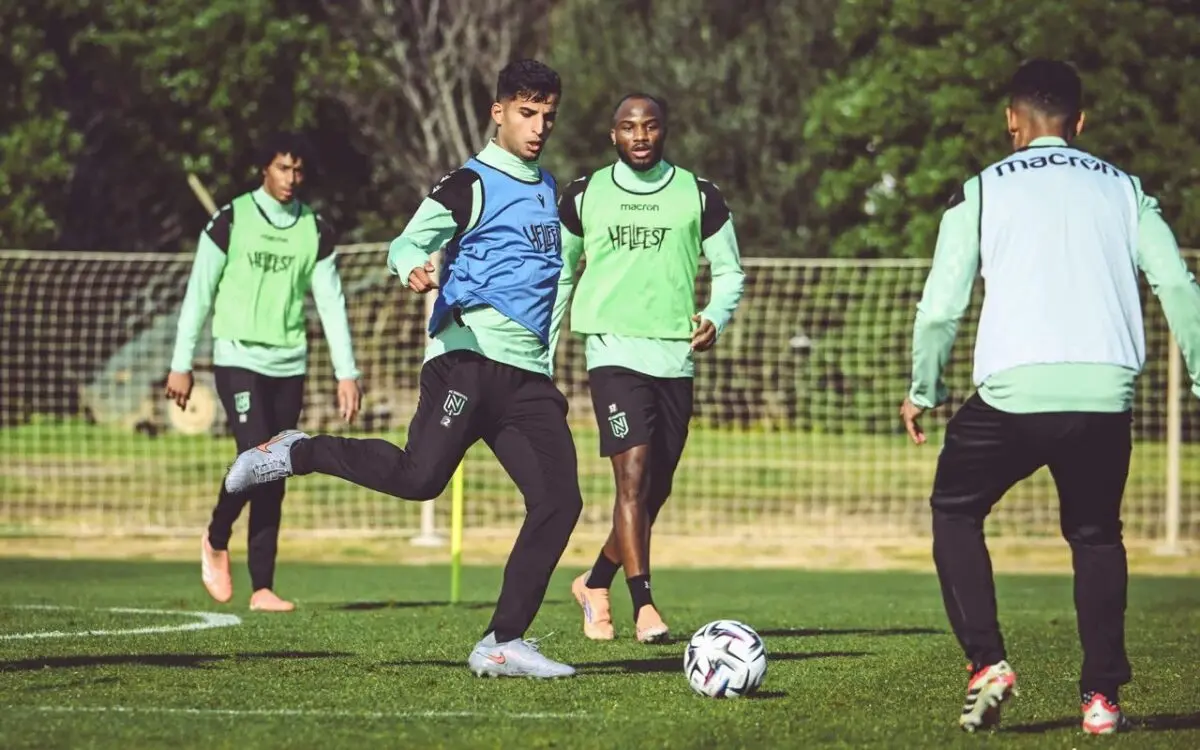
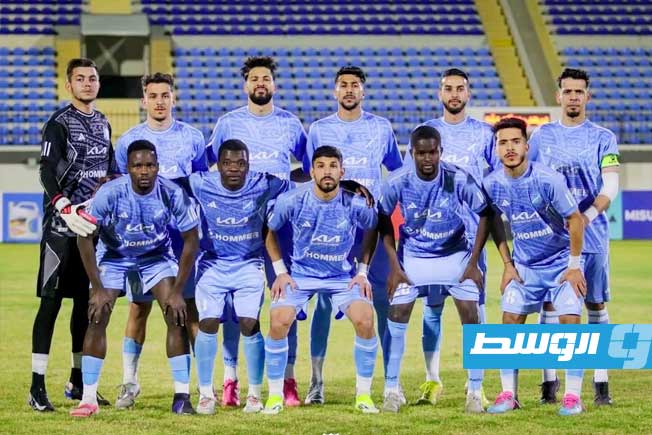
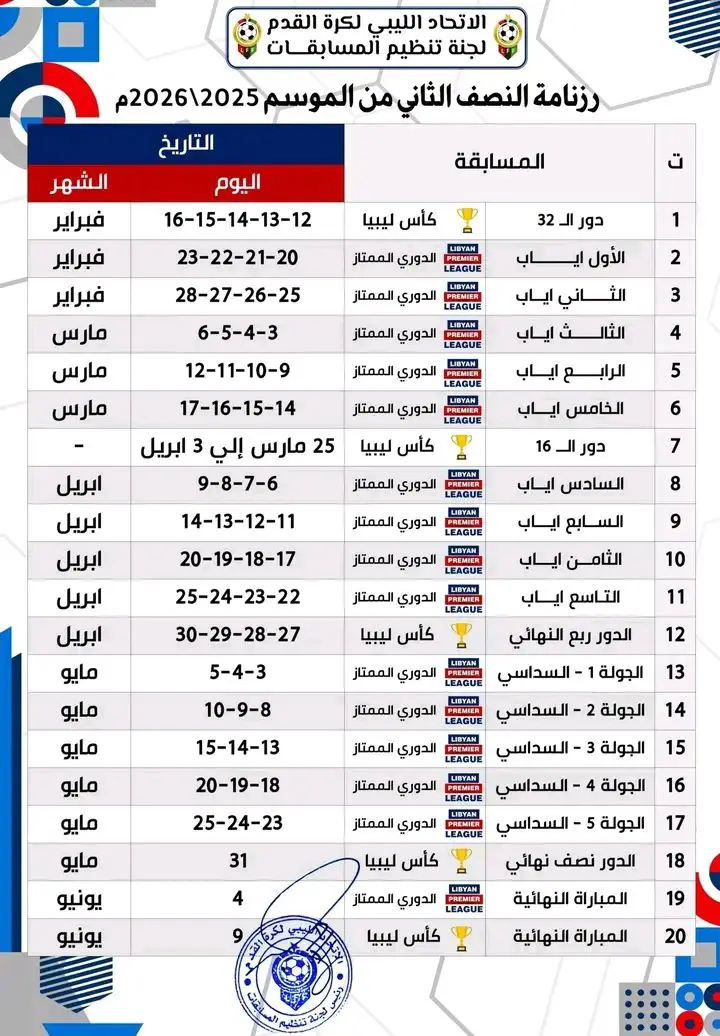
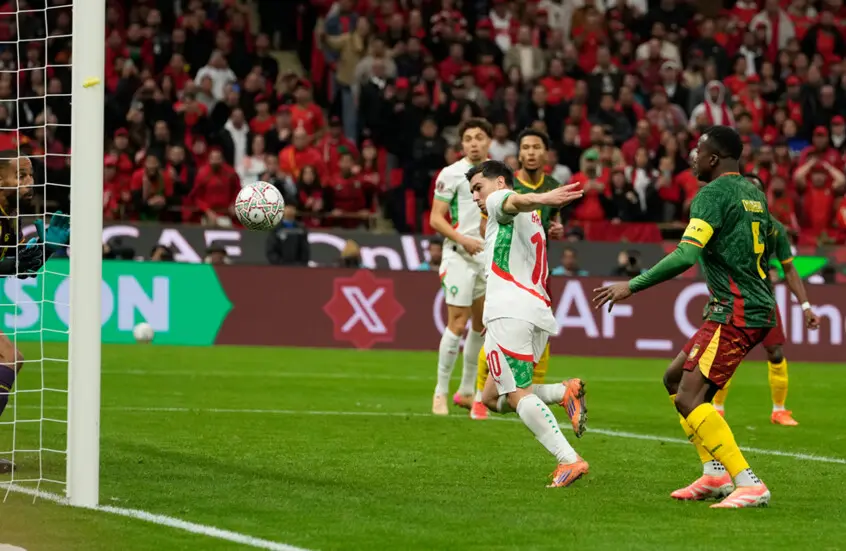
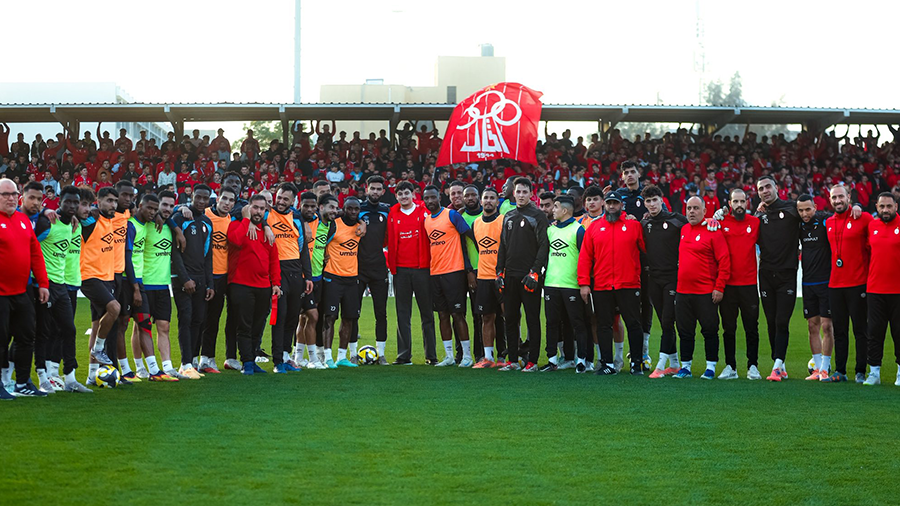
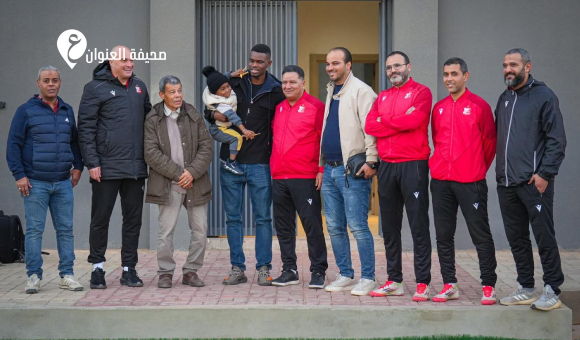
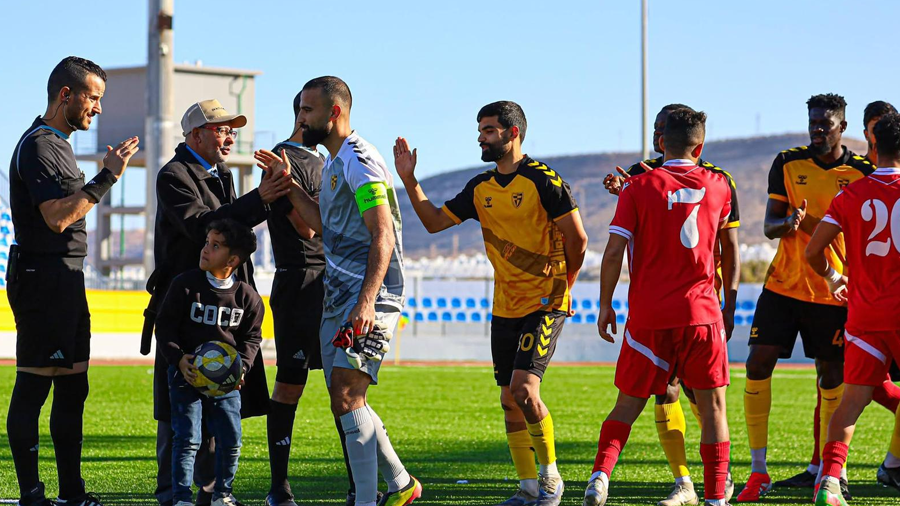
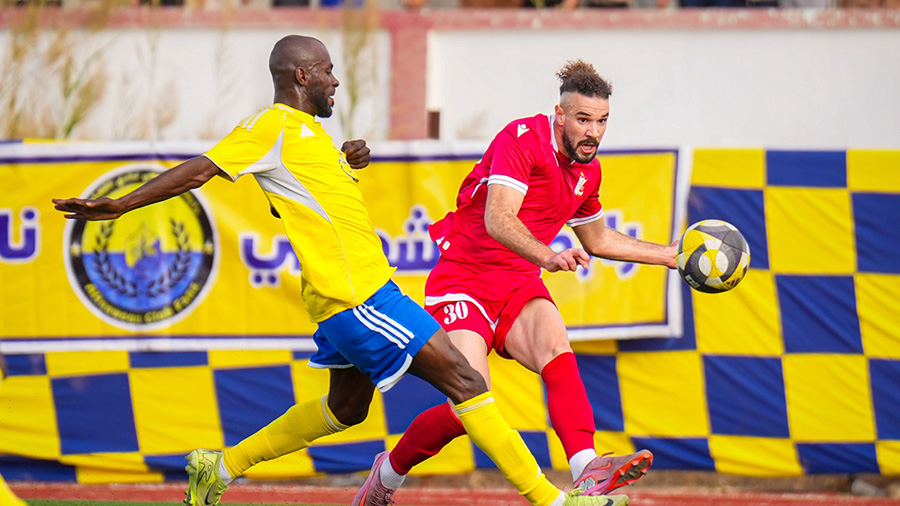
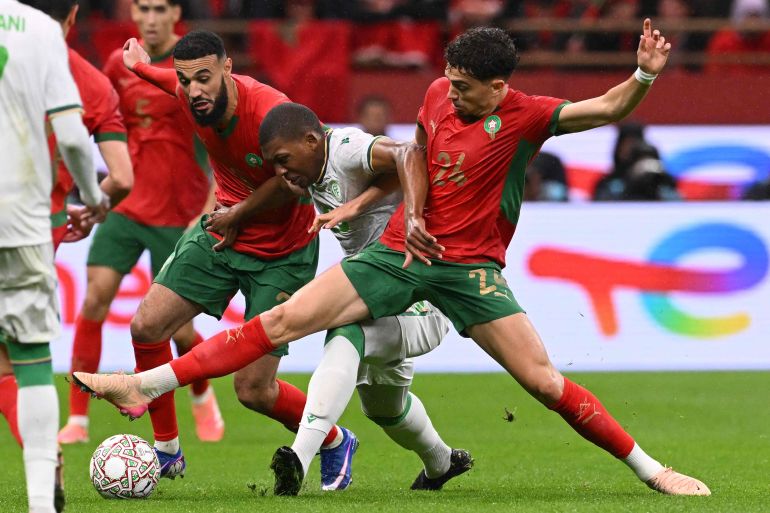
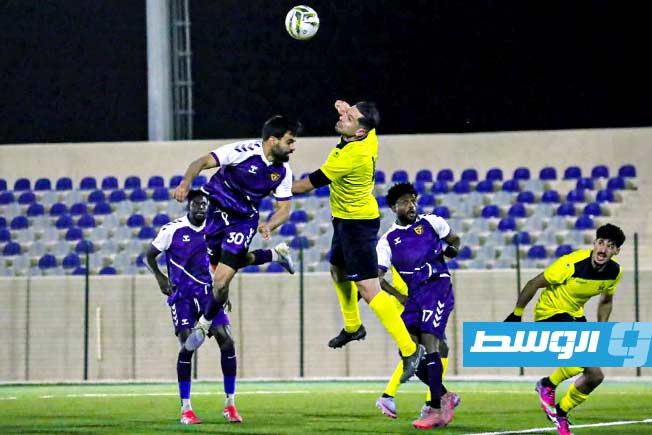
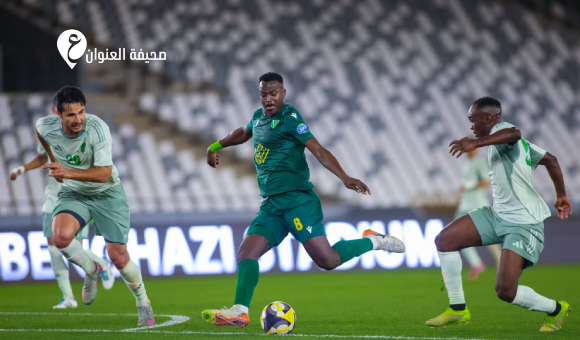
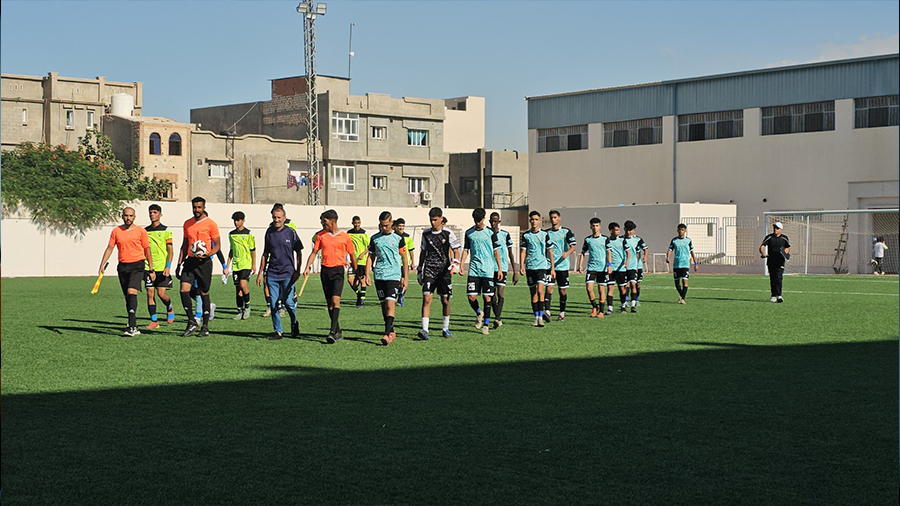
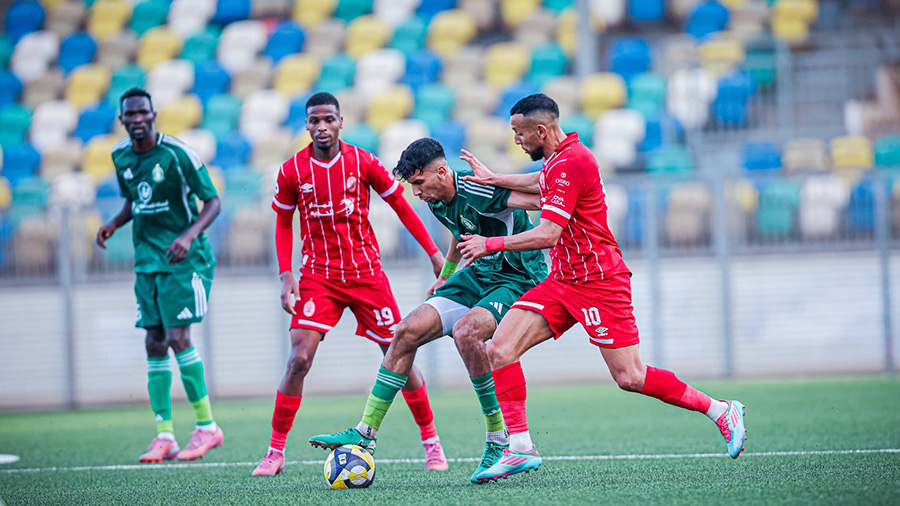
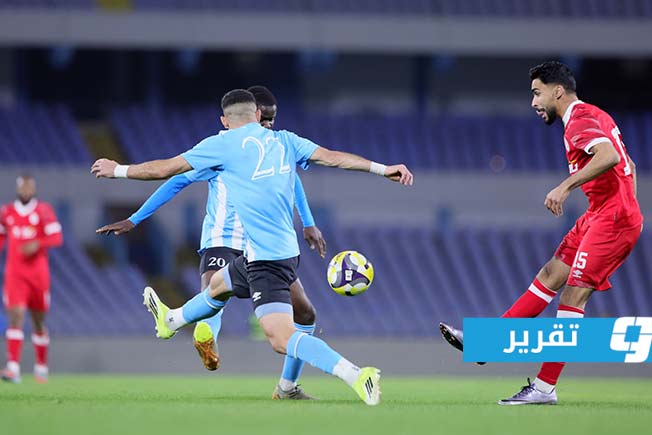
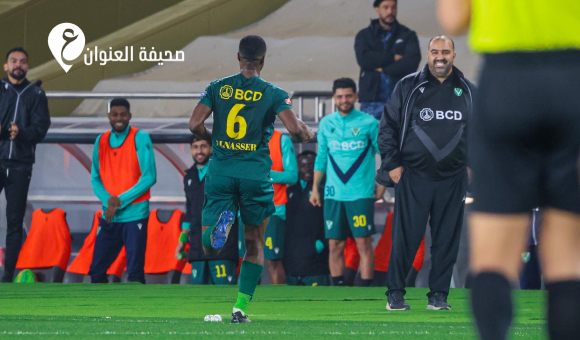
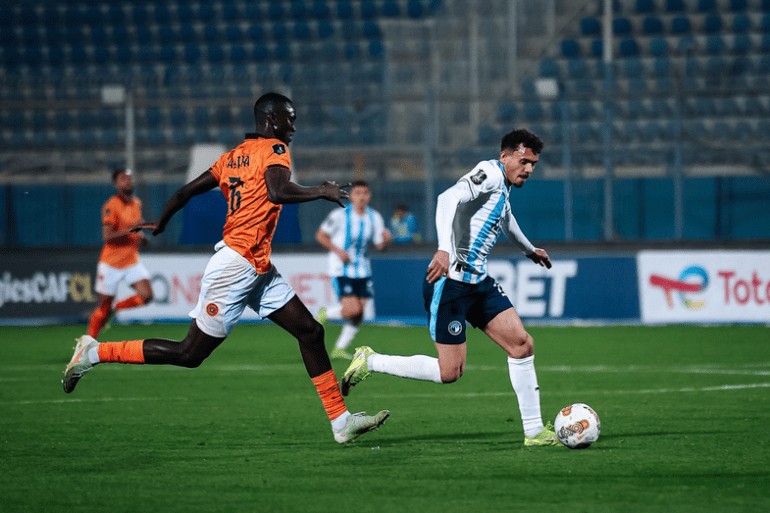
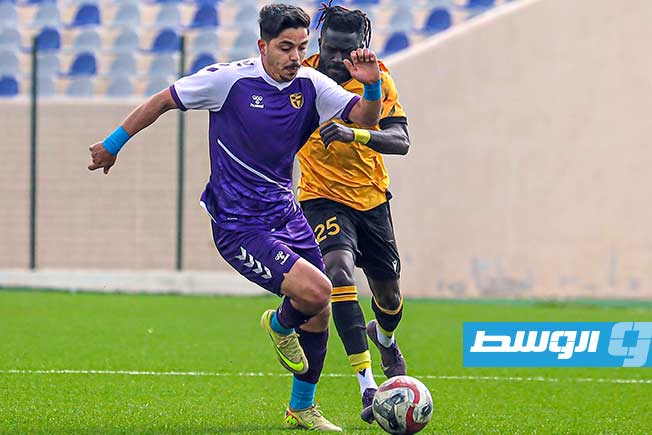
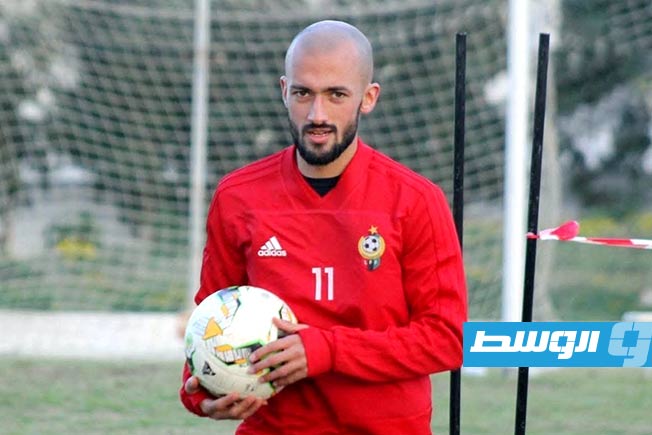
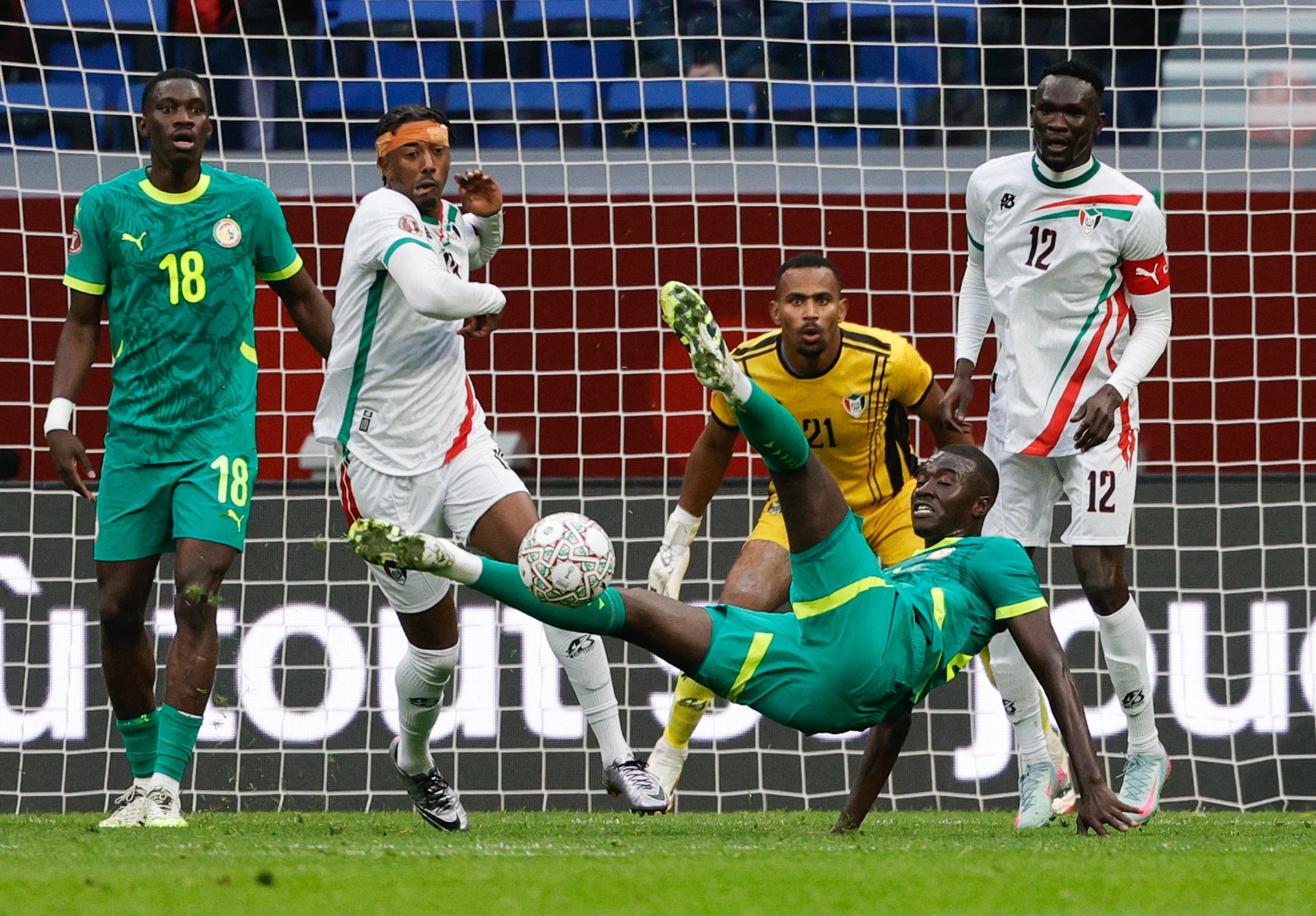
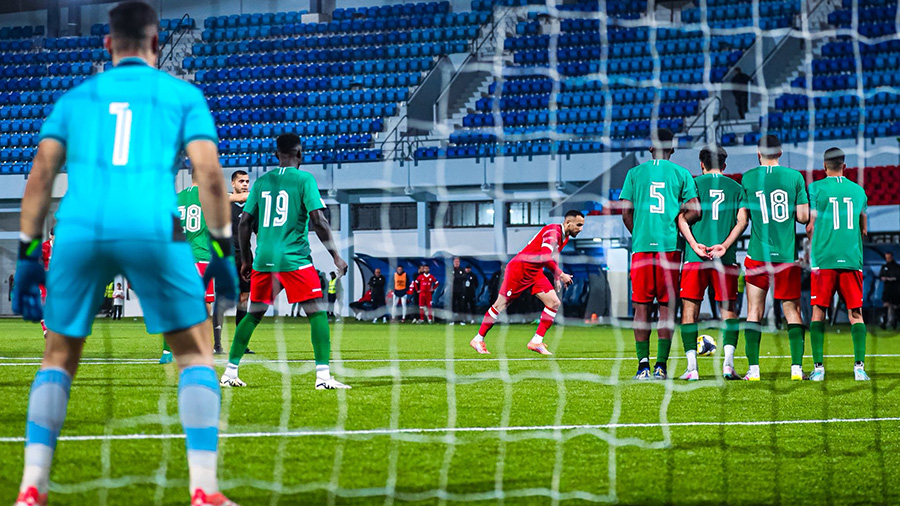
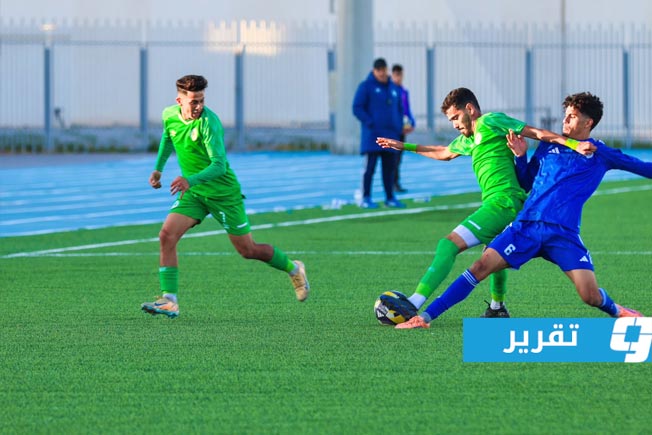
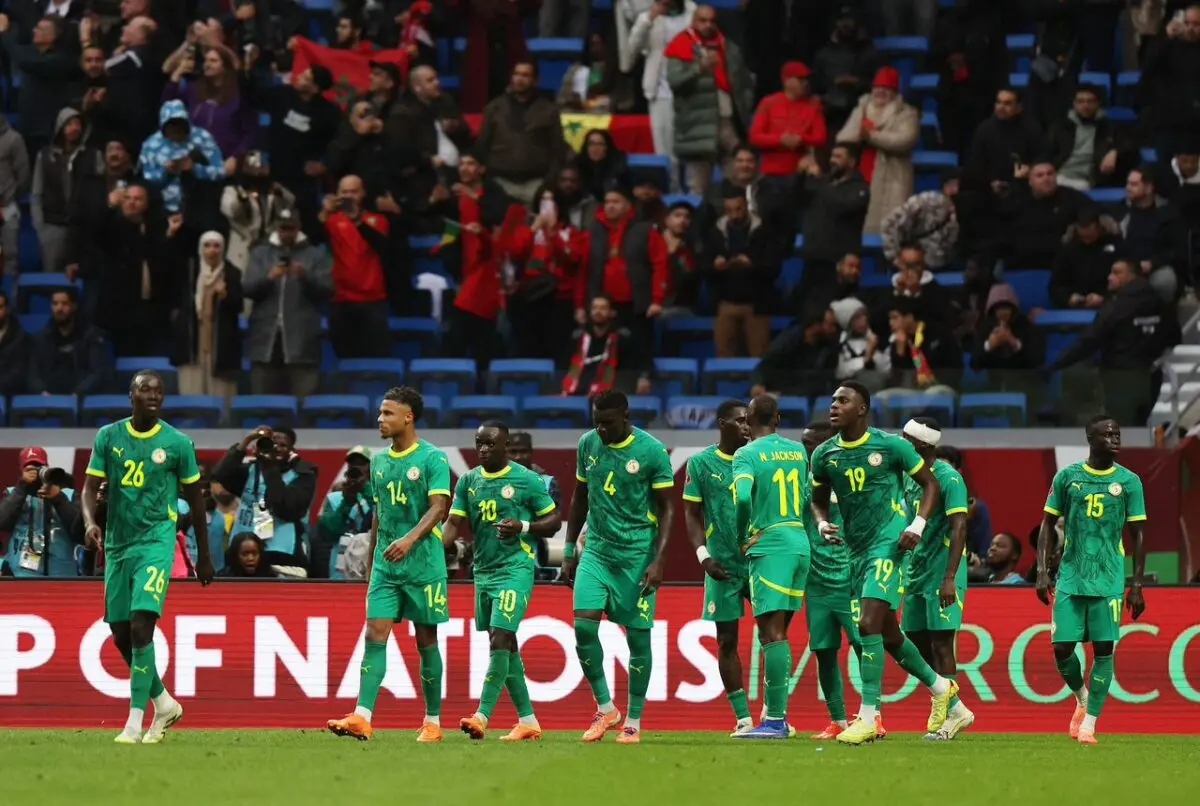
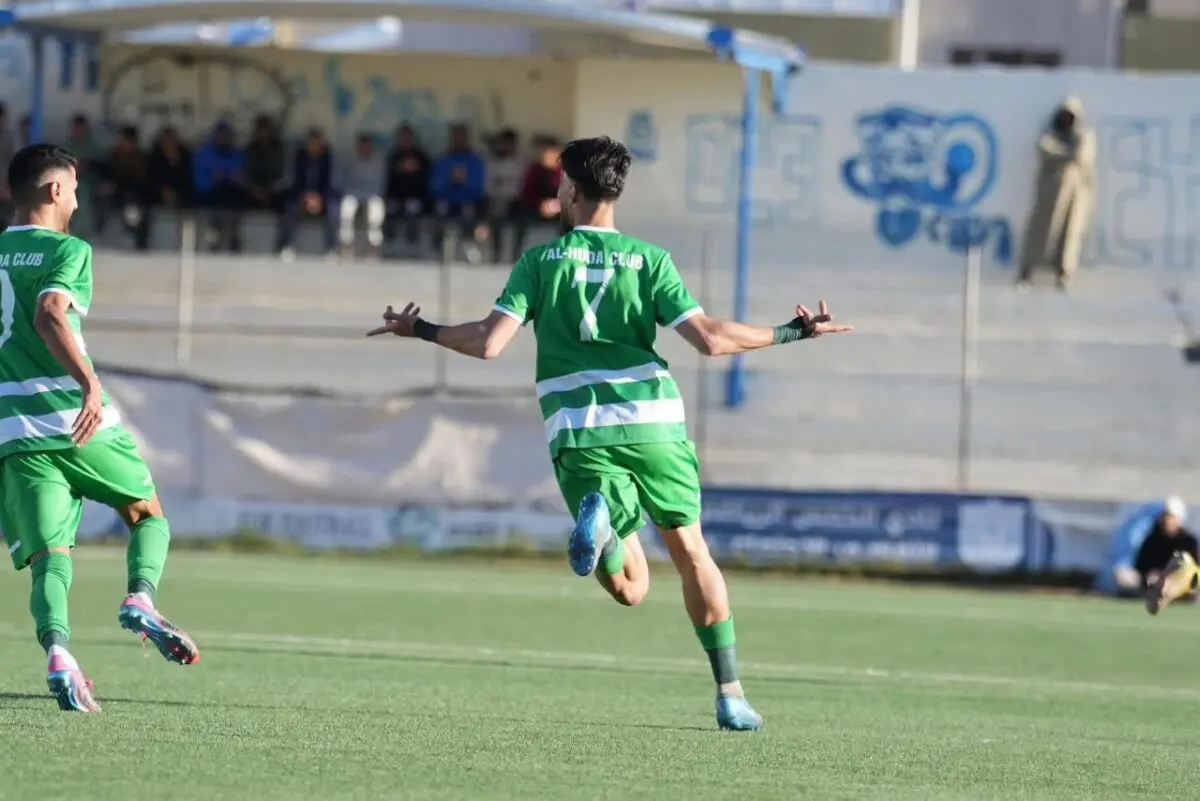
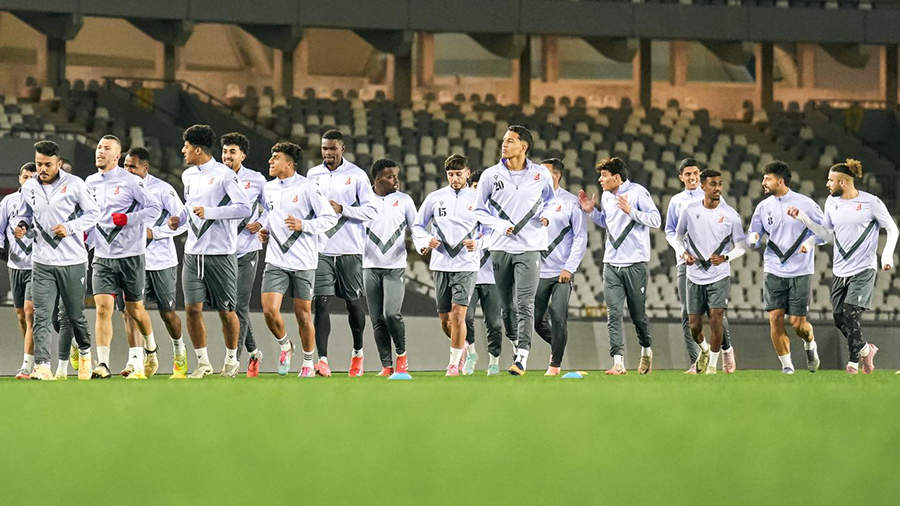
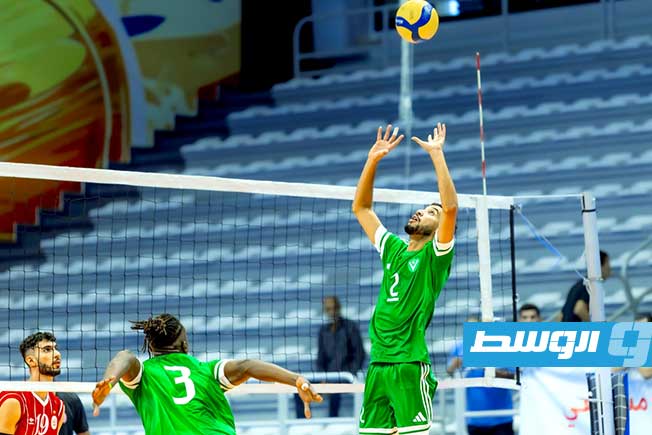
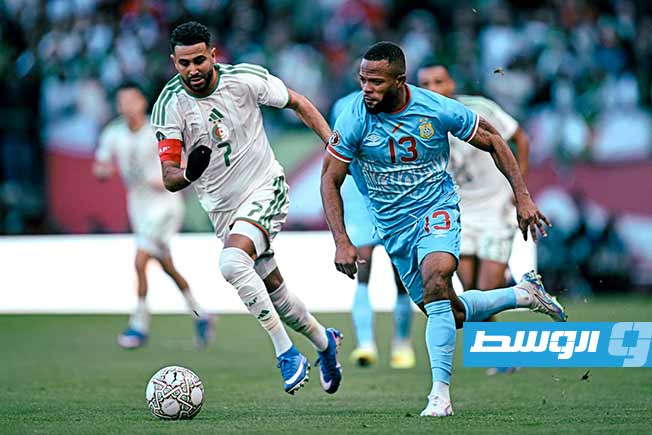
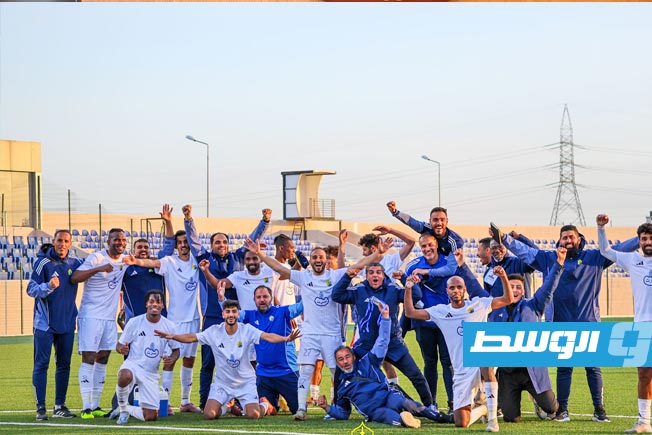
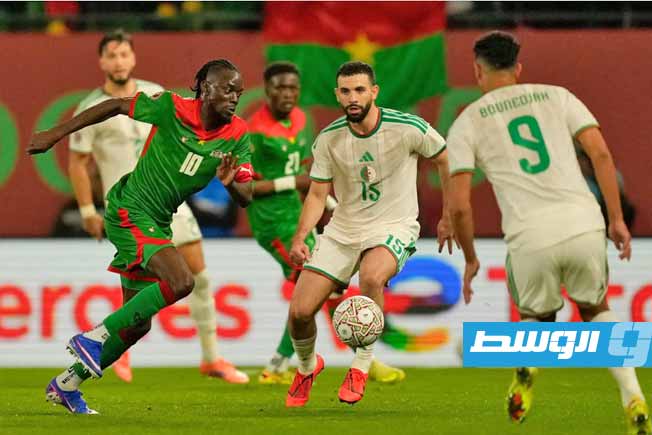
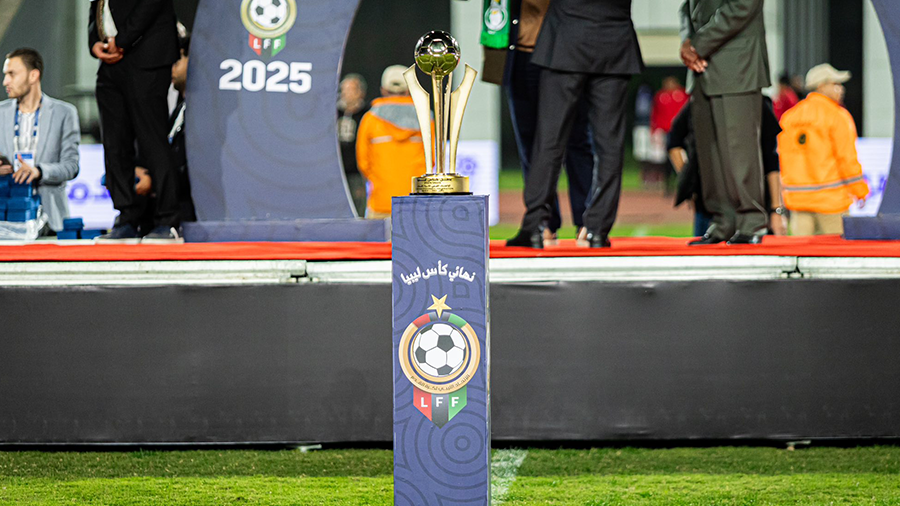
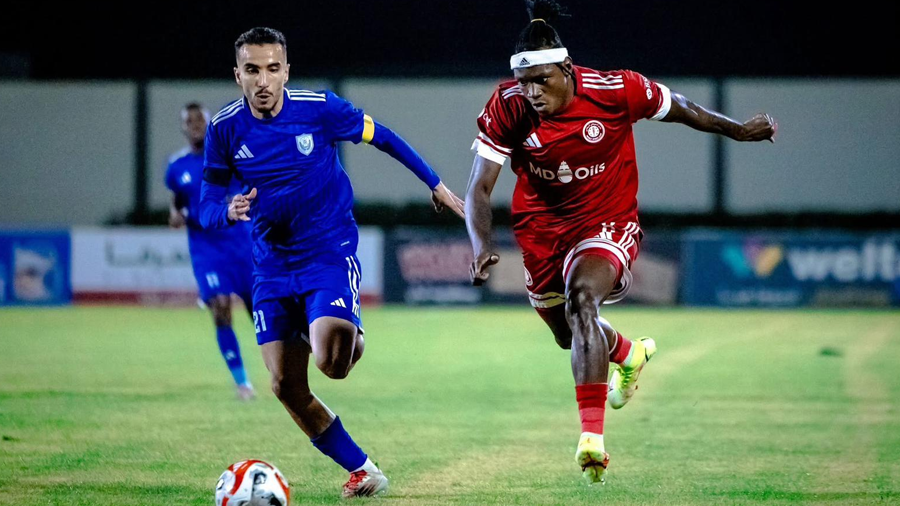
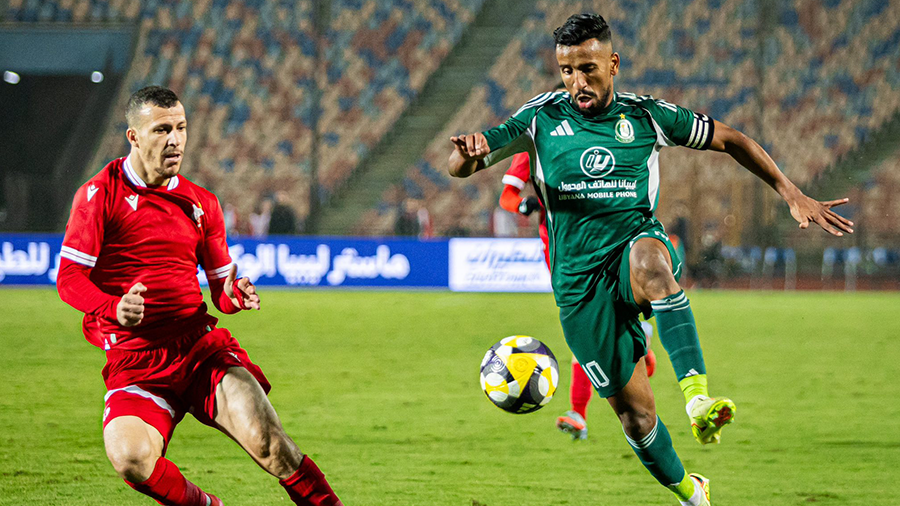
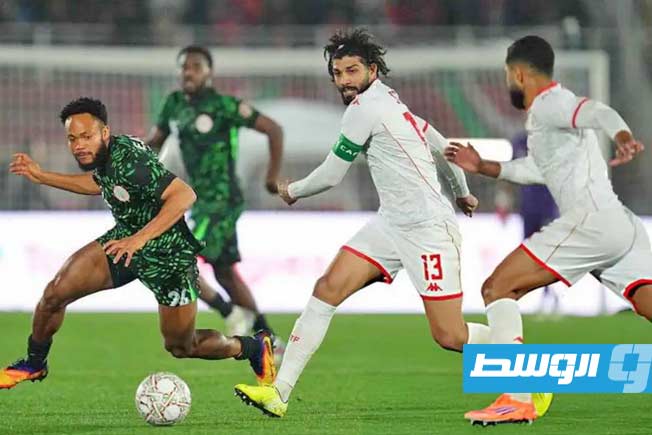
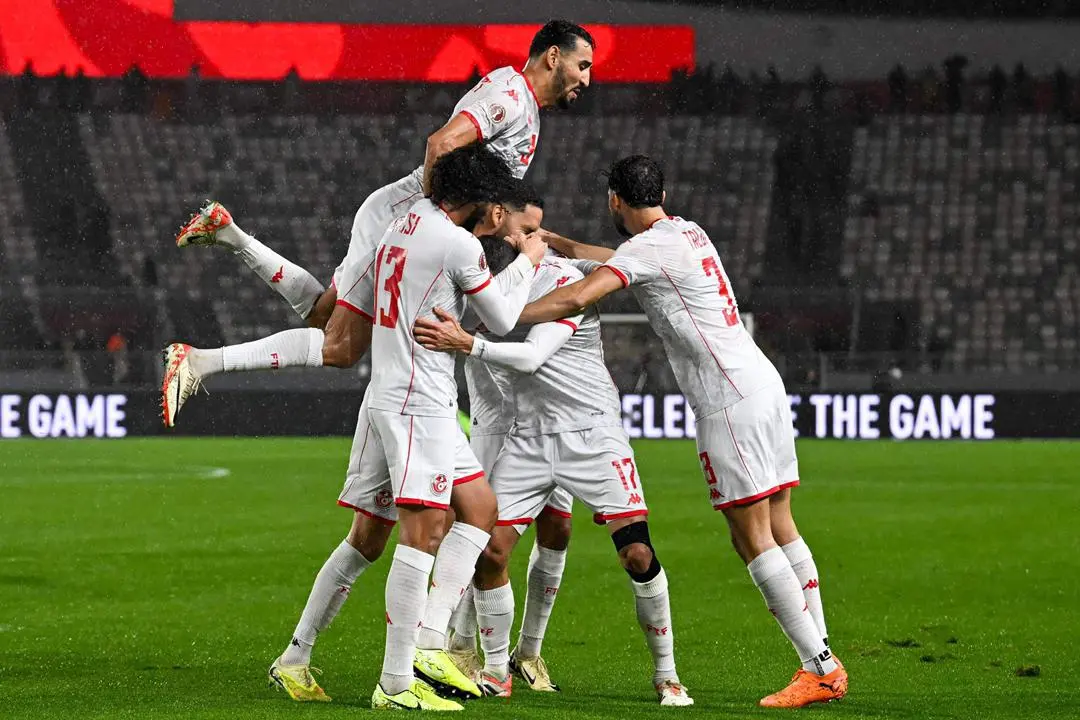
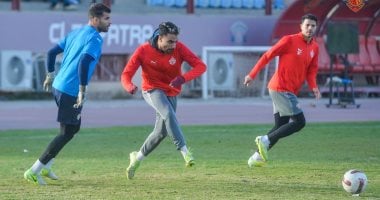
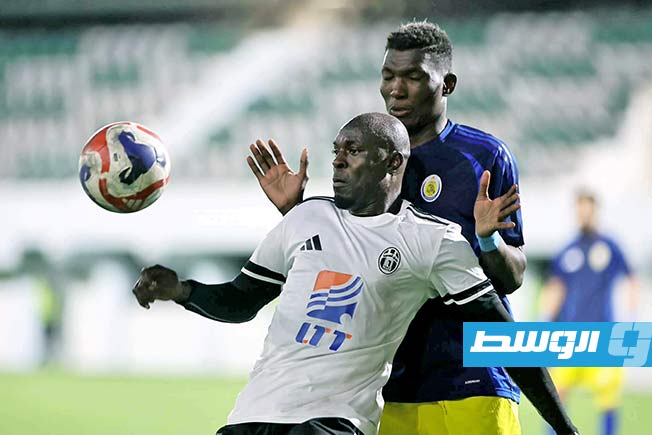
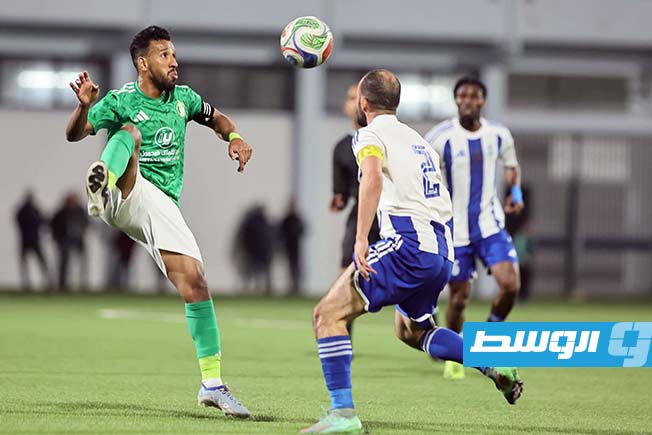
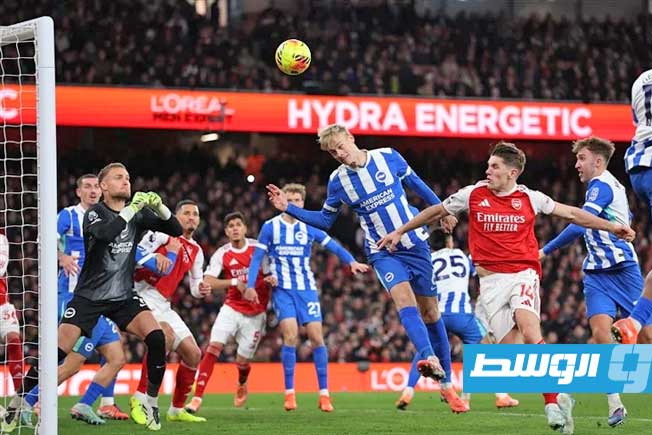
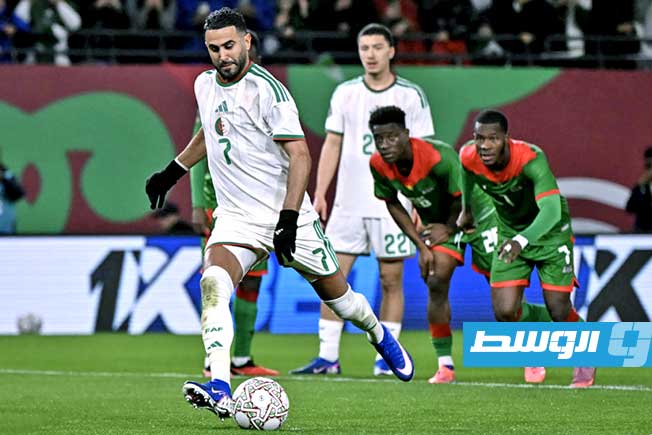
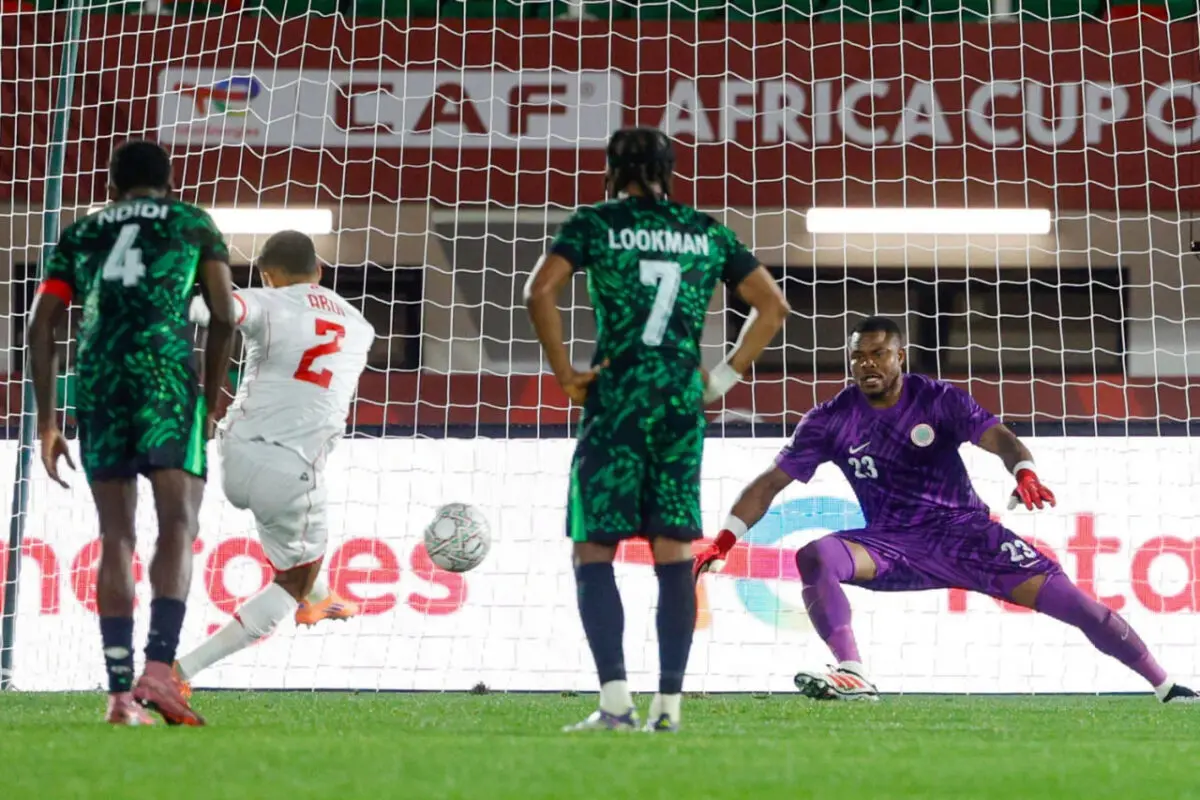
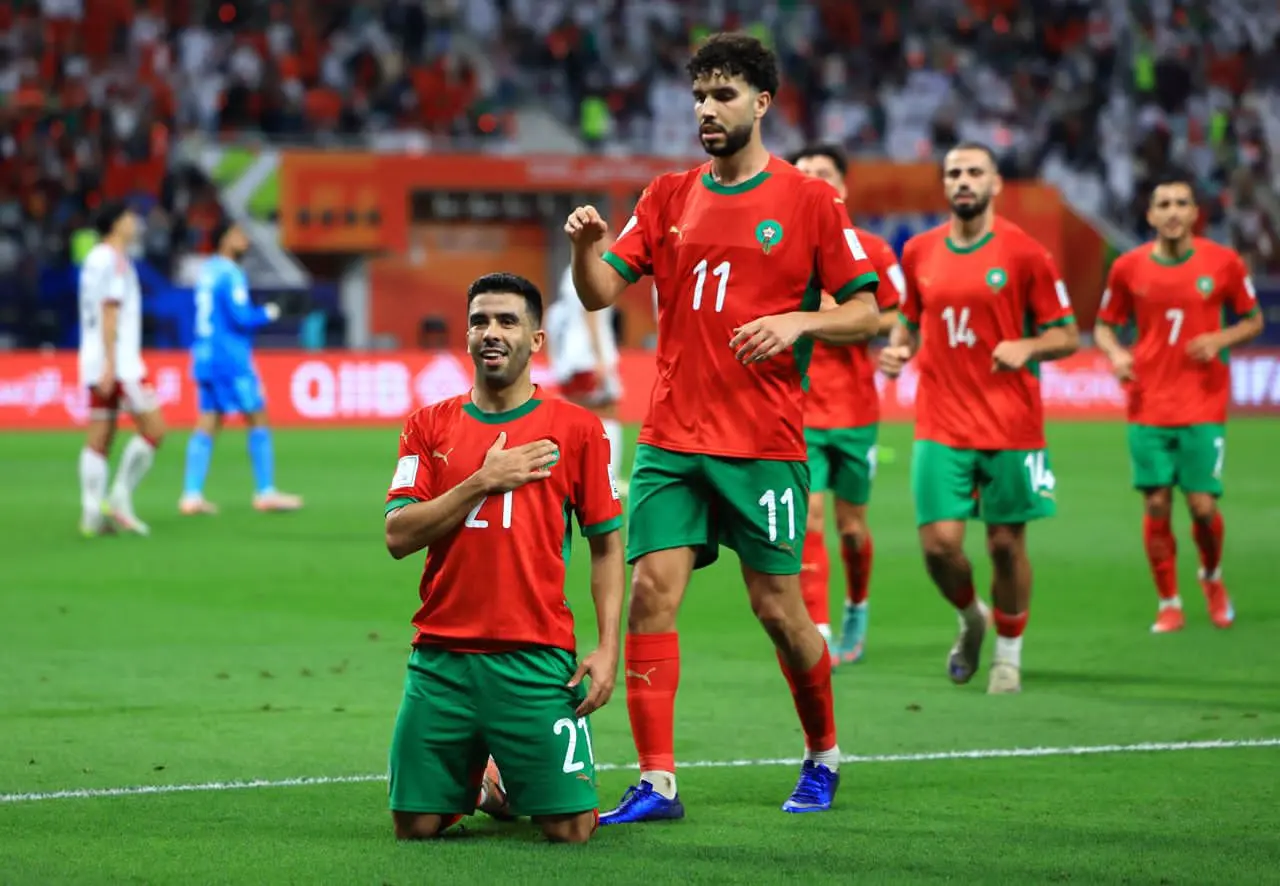
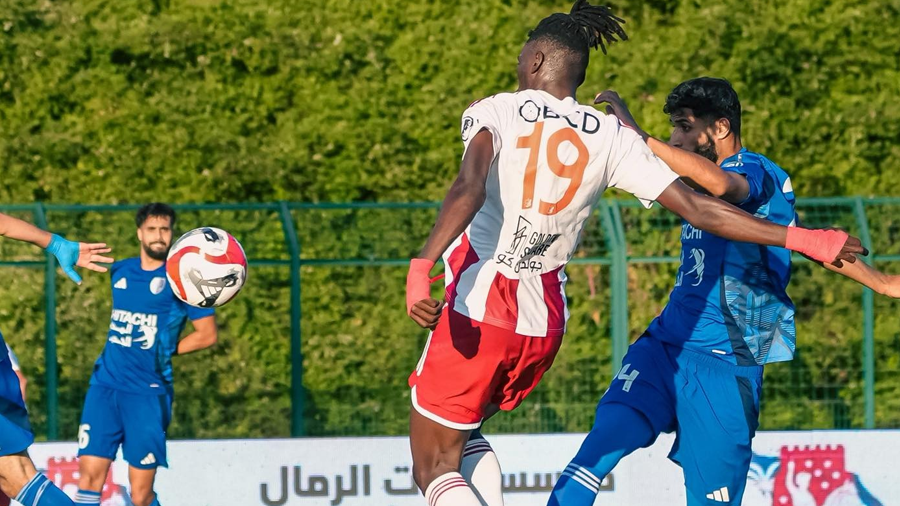
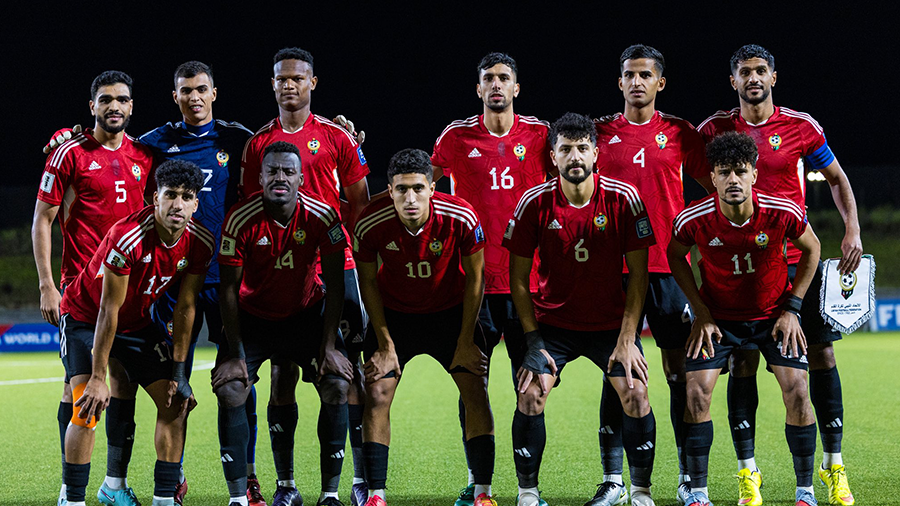
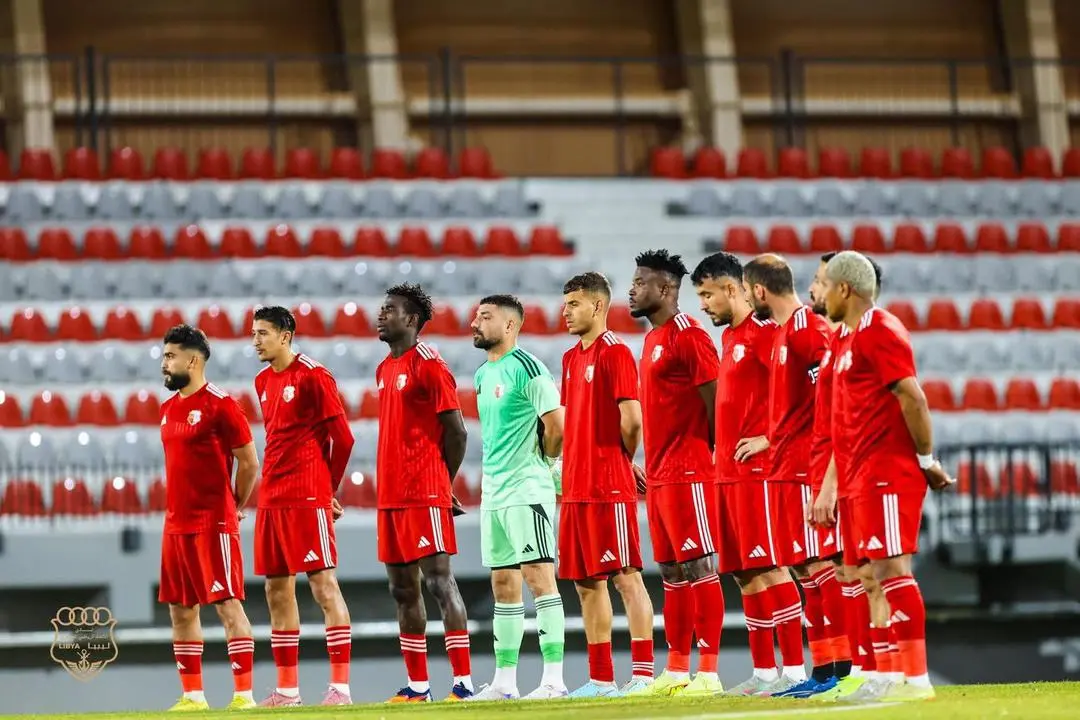
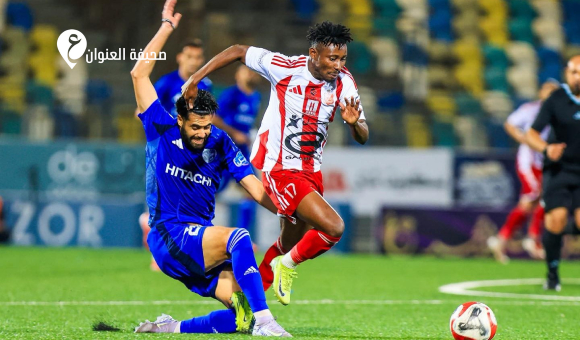
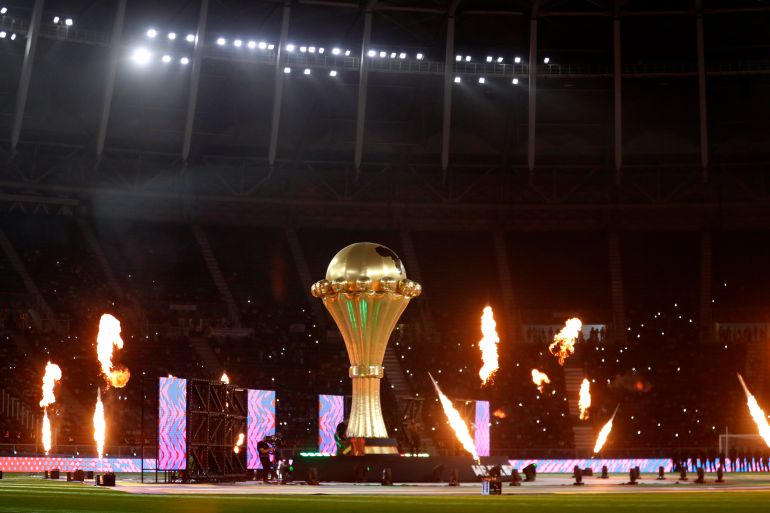
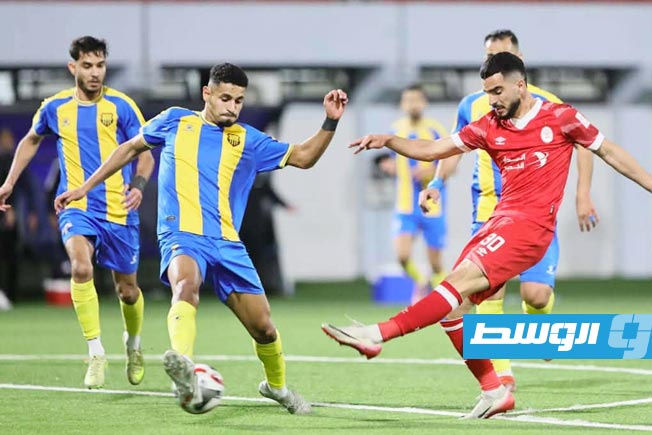
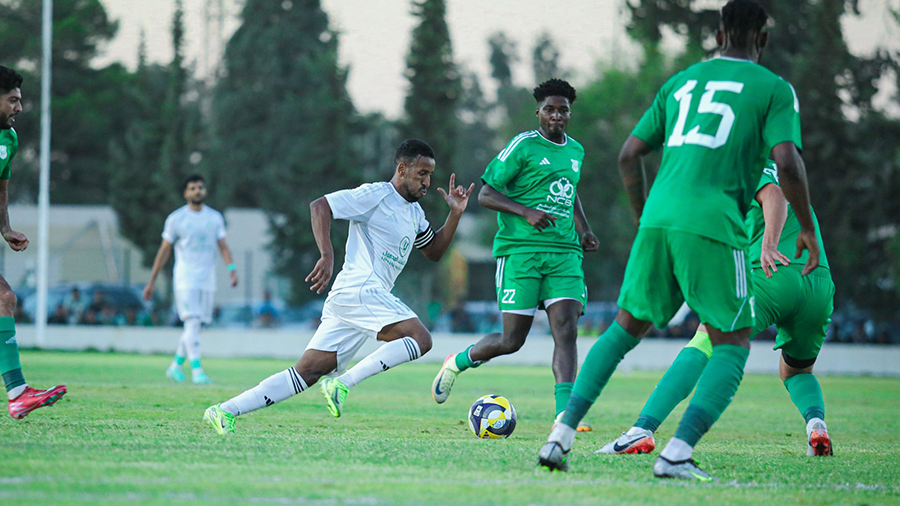
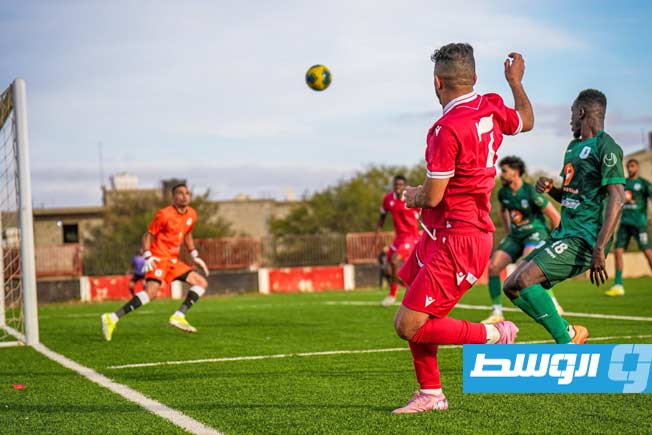
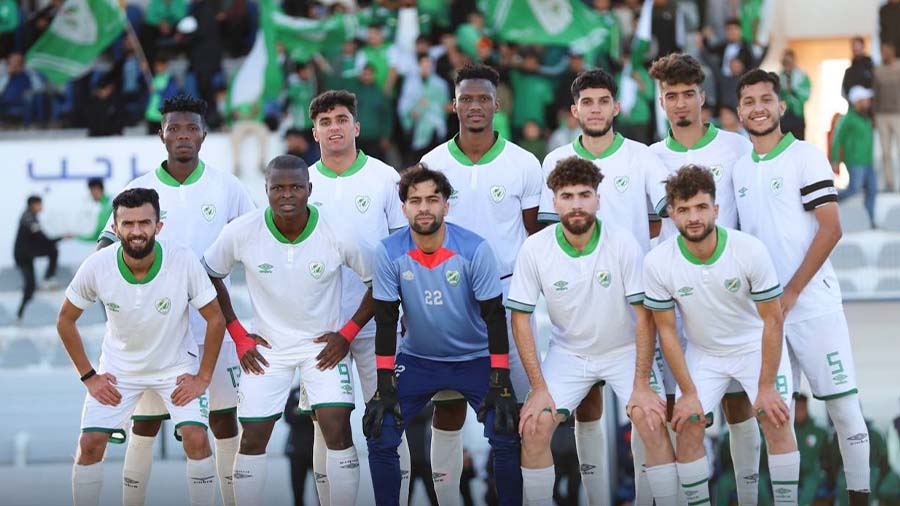
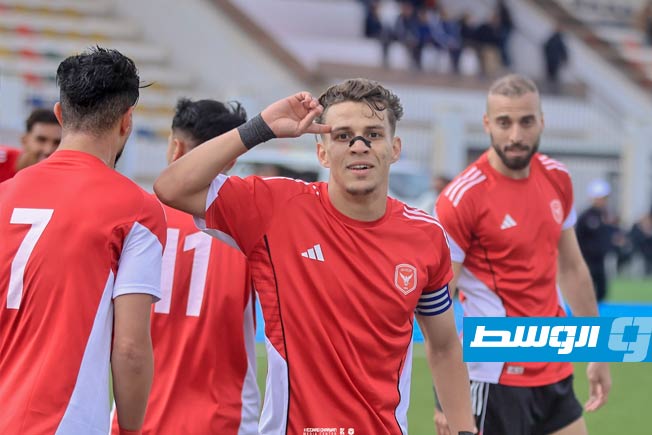
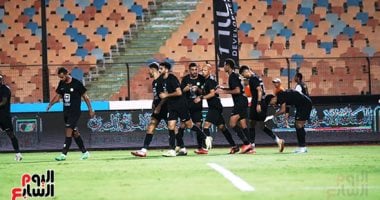
The matches of the Round of 32 in the Libya Cup football competition continue today, Saturday, with five anticipated fixtures scheduled across various stadiums in different cities. Clubs are striving to secure qualification for the next round in one of the most prominent and competitive domestic tournaments.
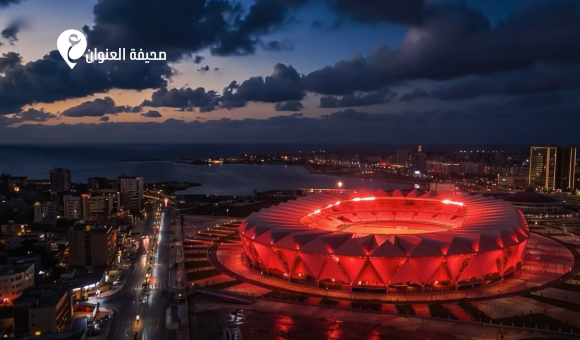
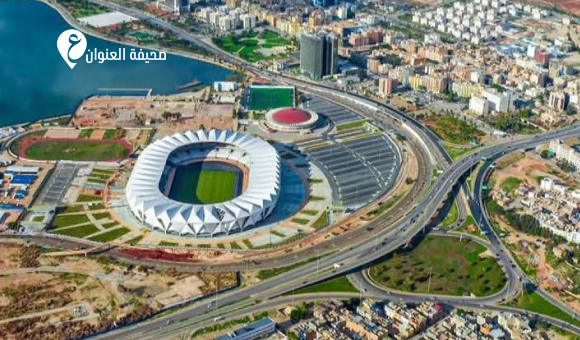
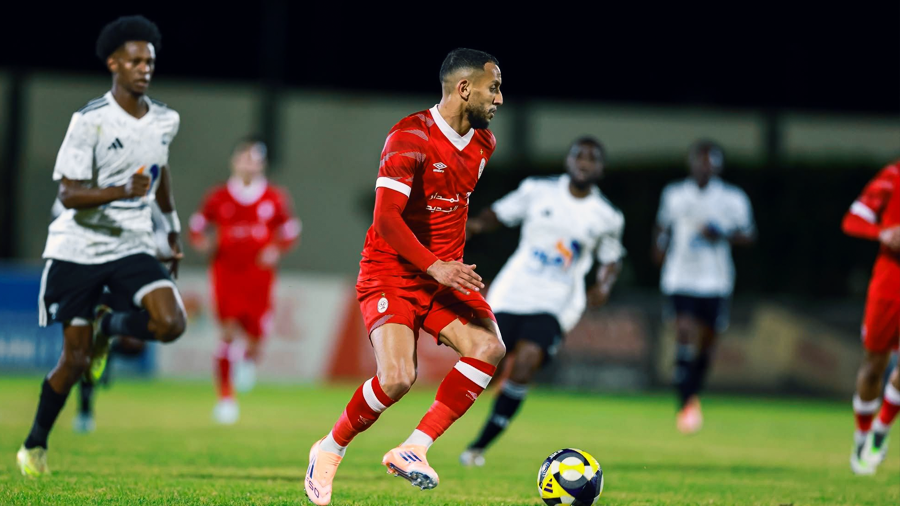
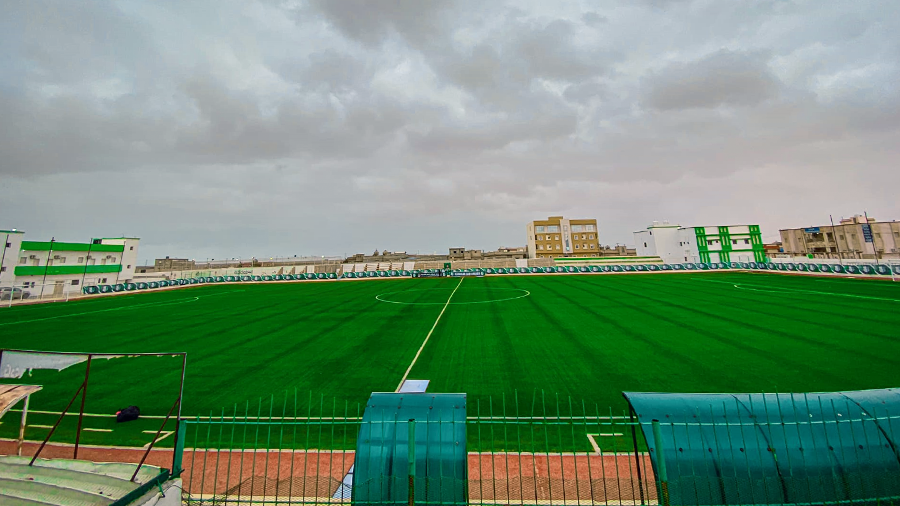
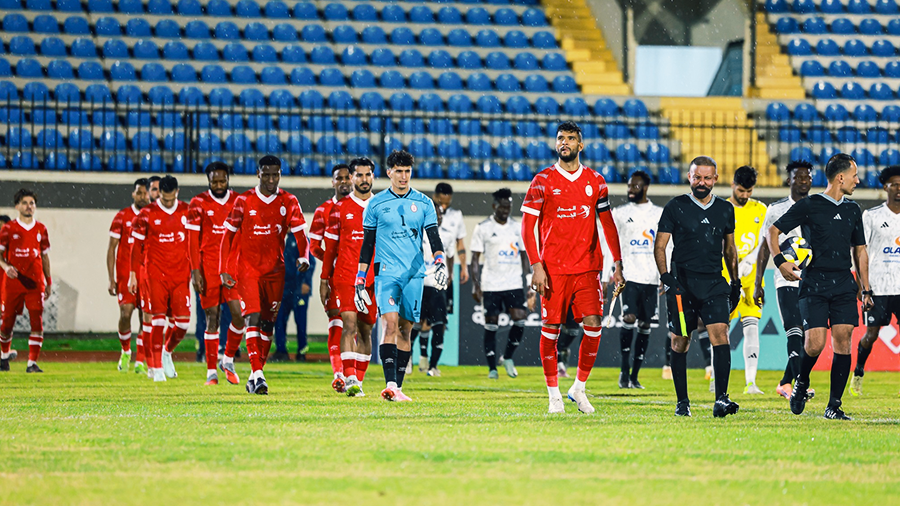
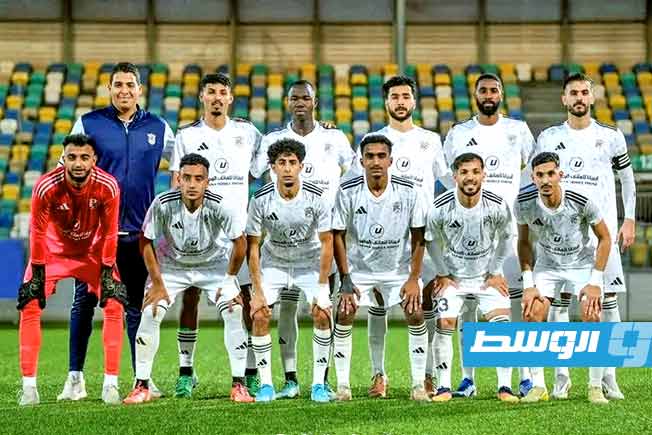
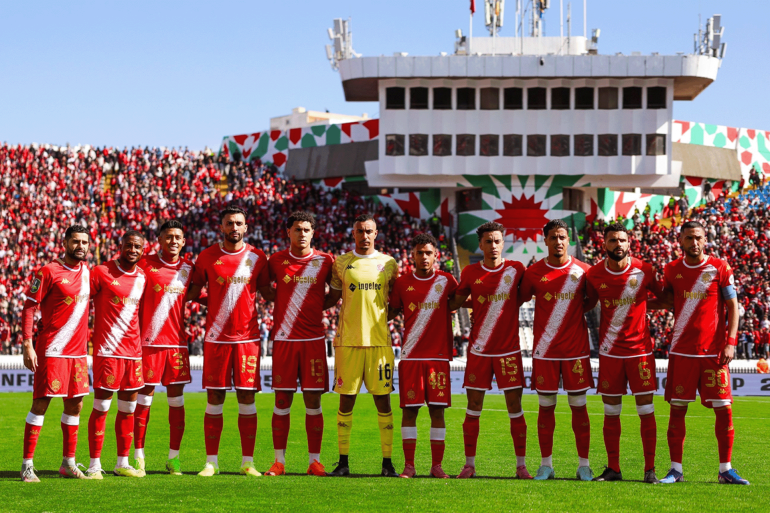
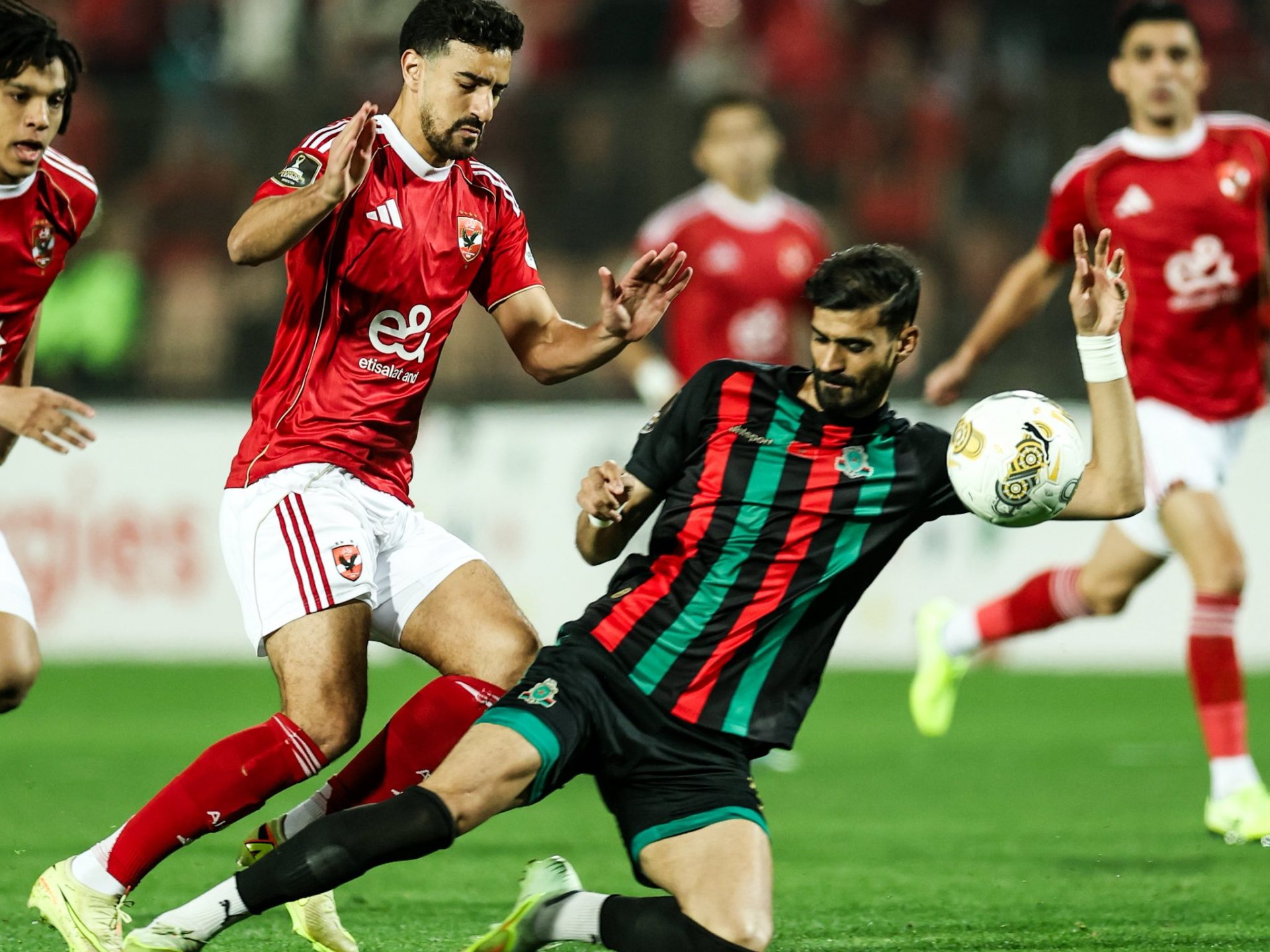
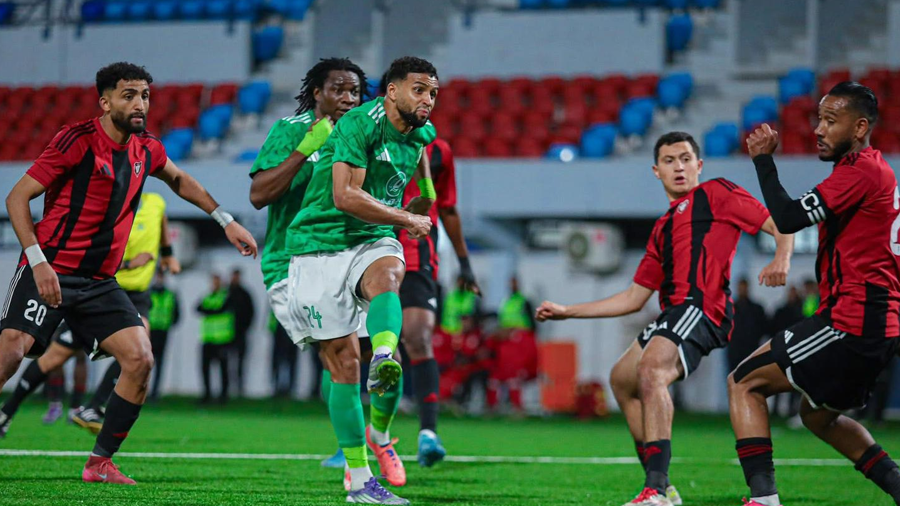
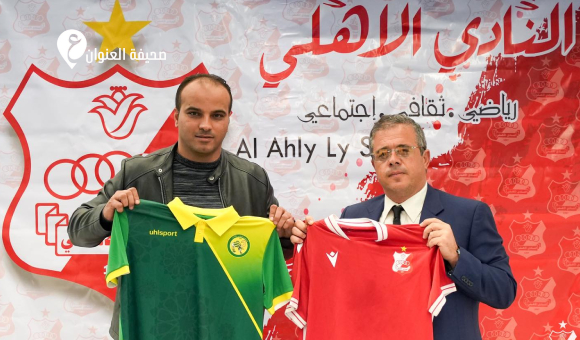
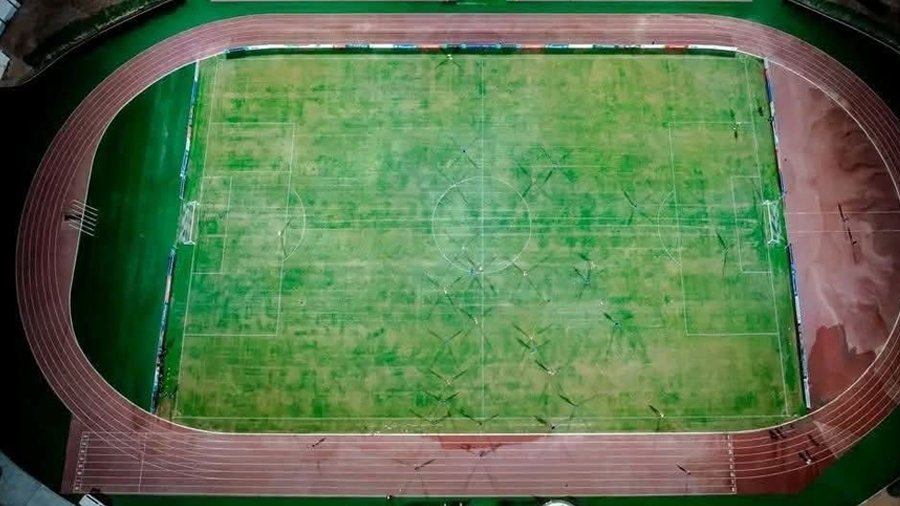
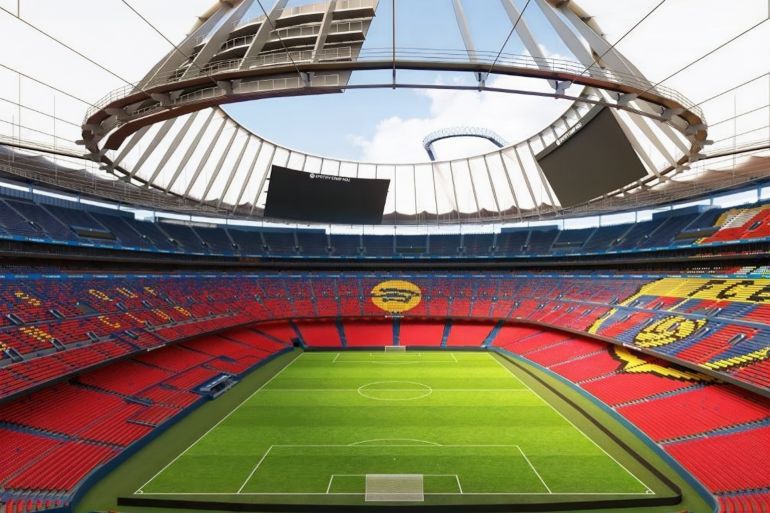
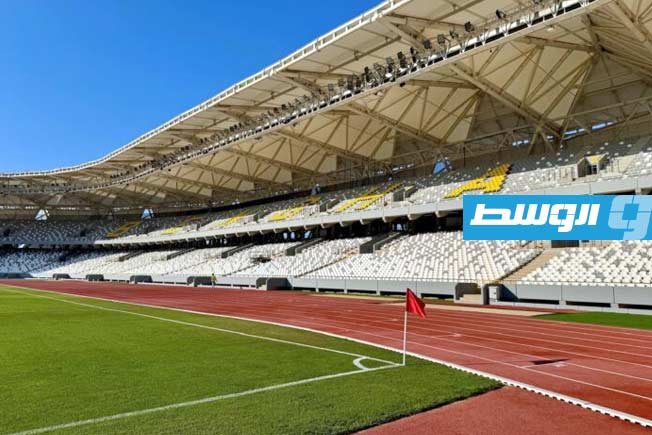
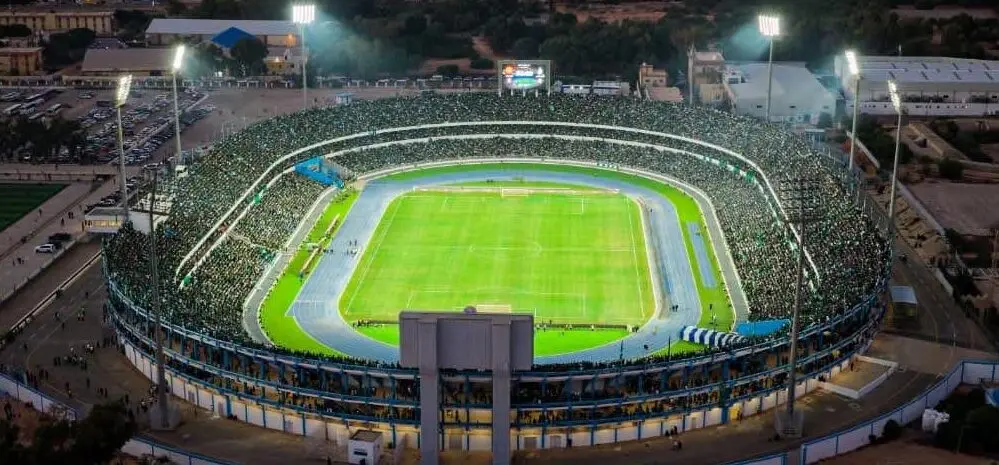
The Benghazi International Stadium in Benghazi will host a highly anticipated clash between Al-Ahli Benghazi and Al-Burug. Al-Ahli aims to continue its positive results and advance steadily towards the final stages, while Al-Burug enters the match with ambitions of causing an upset and eliminating one of the top contenders for the title.
In another match hosted at the Benina Stadium, Al-Anwar will face Al-Taawon in a game that appears balanced on paper, with a clear similarity in technical level, making all outcomes possible until the final whistle.
Additionally, the Tarhuna City Stadium will host a match bringing together Al-Malabi Al-Libi and Ittihad Gharyan, a fixture where both sides seek to secure a ticket to the next round and strengthen their presence in the competition.
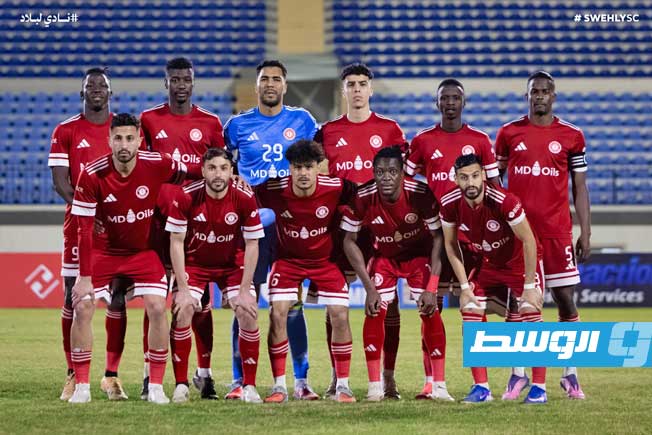
The Al-Nahr Al-Sinai Stadium will host two matches; the first brings together Al-Swehli and Al-Majd, while Al-Olympi faces Al-Khums. Both matches are expected to be closely contested, given the desire of all four teams to continue their journey towards the advanced rounds.
Matches in this same round began on Thursday and Friday with six fixtures, which resulted in Al-Nasr qualifying after defeating Wifaq Ajdabiya 1-0. Al-Ahli Tripoli also secured its qualification by overcoming Al-Qadisiyah with a score of 3-1.
For its part, Al-Hilal managed to get past Al-Suqoor with a clean 1-0 victory, while Al-Ittihad Al-Askari triumphed over Al-Muruj with the same result.
As for the matches between Al-Tahaddi and Al-Afriqi, and Al-Watan and Al-Sabah, they were decided via penalty shootouts, which granted the qualification ticket to Al-Tahaddi with a score of 4-2, and to Al-Watan with a score of 4-1.
Benghazi
Benghazi is a major city in eastern Libya, historically significant as a center of trade and culture since its founding as the Greek colony of Euesperides. It played a pivotal role in Libya’s modern history, serving as a co-capital and a focal point during the 2011 revolution.
Libya Cup
The Libya Cup is the premier domestic football knockout tournament in Libya, first established in 1975. It has been contested by clubs across the country, though its history has been interrupted at times due to political instability and conflict within the nation.
Benghazi International Stadium
Benghazi International Stadium is a major sports venue in Benghazi, Libya, originally opened in the 1960s. It has hosted significant national and international football matches but has suffered damage during periods of conflict in the country, including the 2011 Libyan Civil War.
Al-Ahli Benghazi
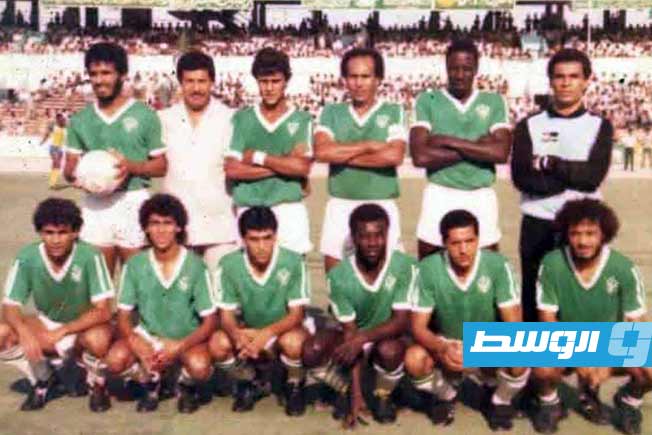
Al-Ahli Benghazi is a major sports club in Libya, most famous for its football team, which was founded in 1947 during the era of British administration in the country. It is one of Libya’s oldest and most successful clubs, with a passionate fan base and a history deeply intertwined with the social and sporting identity of the city of Benghazi.
Al-Burug
Al-Burug, also known as the Western Wall or Wailing Wall, is a significant religious site in Jerusalem’s Old City. It is a remnant of the Second Jewish Temple complex, destroyed by the Romans in 70 CE, and has served as a focal point for Jewish prayer and pilgrimage for centuries.
Benina Stadium
Benina Stadium is a multi-purpose sports venue located in Benghazi, Libya, primarily used for football matches. It was constructed in the 1950s and has since served as a home ground for several Libyan football clubs, most notably Al-Ahly Benghazi. The stadium has undergone renovations over the years to maintain its role as a key sporting facility in the city.
Al-Anwar
Al-Anwar is a historic mosque located in the city of Najaf, Iraq, originally built in the early Islamic era and traditionally associated with the burial site of the Prophet Adam. It is considered a significant religious site for Shia Muslims and has undergone several renovations throughout its history.
Al-Taawon
Al-Taawon is a Palestinian football club based in the city of Al-Bireh in the West Bank. Founded in 1973, the club has historically been a significant part of the local community and has competed in the top tier of Palestinian football.
Tarhuna City Stadium
Tarhuna City Stadium is a football stadium located in Tarhuna, Libya, historically used as a venue for local matches and community events. It gained wider notoriety during the 2011 Libyan Civil War and its aftermath, when it was reportedly used as a detention and execution site by the Kaniyat militia.
Al-Malabi Al-Libi
Al-Malabi Al-Libi is a traditional Libyan dessert, specifically a type of milk-based pudding or custard, rather than a physical place or cultural site. Its history is rooted in Libyan and North African culinary traditions, often associated with hospitality and celebrations like Ramadan. The dessert is known for its simple ingredients, such as milk, sugar, and cornstarch, and is sometimes flavored with rose or orange blossom water.
Ittihad Gharyan
Ittihad Gharyan is a football club based in the city of Gharyan, Libya, founded in 1954. The club has historically been a significant part of the local sporting culture in the northwestern region of the country.
Al-Nahr Al-Sinai Stadium
Al-Nahr Al-Sinai Stadium is a multi-purpose stadium located in the city of Rafah in the Gaza Strip. It was inaugurated in 2012 and primarily serves as the home ground for the Palestinian football club Shabab Rafah. The stadium has faced significant damage and reconstruction challenges due to the repeated conflicts in the region.
Al-Swehli
Al-Swehli is a coastal town in Libya historically known as a center for trade and Islamic scholarship, particularly during the medieval period. It is named after the prominent Sufi scholar and merchant Sidi Abdul-Salam Al-Asmar Al-Swehli, whose tomb there became a significant religious and cultural site. The town reflects the region’s history of commerce and religious influence along the North African coast.
Al-Majd
“Al-Majd” is a term meaning “The Glory” in Arabic, often used in the names of modern commercial and residential developments in the Gulf region, such as shopping malls or towers. These contemporary sites do not have a deep historical legacy but reflect the recent economic growth and architectural ambition of countries like Saudi Arabia and the United Arab Emirates.
Al-Olympi
“Al-Olympi” appears to be a misspelling or a colloquial reference to the **Olympic Stadium in Berlin**, Germany, originally built for the 1936 Summer Olympics. It was a key site for Nazi propaganda under Adolf Hitler but has since been transformed into a modern multi-purpose arena. Today, it hosts major sporting events and concerts, symbolizing a move from its fraught past to a contemporary public venue.
Al-Khums
Al-Khums is a coastal city in northwestern Libya, historically significant as the site of ancient Leptis Magna, a prominent Roman city founded in the 7th century BC. The ruins of Leptis Magna, a UNESCO World Heritage Site, represent one of the best-preserved Roman archaeological complexes in the Mediterranean.
Al-Nasr
Al-Nasr is a district in Gaza City, Palestine, historically known for its bustling market and residential areas. Its name, meaning “The Victory” in Arabic, reflects a common symbolic theme in the region, though the area has faced significant damage during recent conflicts.
Wifaq Ajdabiya
Wifaq Ajdabiya is a social and cultural institution in the city of Ajdabiya, Libya, traditionally focused on community cohesion and local heritage. Historically, such *wifaq* (meaning “accord” or “harmony”) organizations have played roles in mediation and preserving social traditions within Libyan society.
Al-Ahli Tripoli
Al-Ahli Tripoli is a major sports club in Libya, most famous for its football team, which was founded in 1954. Historically, it has been one of the country’s most successful and popular clubs, winning numerous national championships and serving as a significant cultural institution in Tripoli.
Al-Qadisiyah
Al-Qadisiyah is a historic city in modern-day Iraq, best known as the site of the decisive 7th-century Battle of al-Qadisiyyah, where the Rashidun Caliphate’s forces defeated the Sassanian Empire, leading to the Islamic conquest of Persia. Today, the name primarily refers to a governorate in Iraq, with the historical location remaining a significant symbol in Islamic and Arab historical memory.
Al-Hilal
Al-Hilal is a professional football club based in Riyadh, Saudi Arabia, founded in 1957. It is one of Asia’s most successful clubs, with a record number of Saudi Professional League titles and Asian Champions League victories, establishing a deep-rooted sporting legacy in the region.
Al-Suqoor
Al-Suqoor is a historic fortress located in the Asir region of southwestern Saudi Arabia. It was traditionally used as a defensive stronghold and administrative center, reflecting the area’s architectural style and tribal history. The site stands as a significant cultural landmark representing the heritage of the region.
Al-Ittihad Al-Askari
Al-Ittihad Al-Askari is a historic military fortress located in the city of Tripoli, Libya. It was originally constructed in the 16th century during the Ottoman era and served as a key defensive structure and barracks. Today, it stands as a significant cultural landmark representing the region’s historical military architecture.
Al-Muruj
Al-Muruj is a historical and cultural site in Riyadh, Saudi Arabia, known for its ancient rock art and inscriptions that date back thousands of years, depicting scenes of human and animal life. The area serves as an open-air museum, offering insight into the pre-Islamic civilizations and nomadic cultures of the Arabian Peninsula.
Al-Tahaddi
“Al-Tahaddi” is a cultural and social center located in the Yarmouk Camp area near Damascus, Syria. It was established to provide a space for community activities, education, and cultural preservation, particularly for Palestinian refugees and local residents. The center has played a role in supporting the community through various workshops and events, especially during periods of conflict in the region.
Al-Afriqi
“Al-Afriqi” is a historical mosque located in the city of Kairouan, Tunisia, originally founded in the 9th century. It is also known as the Mosque of the Three Doors, notable for its distinctive ornate façade featuring three arched doorways and Kufic inscriptions.
Al-Watan
Al-Watan is a cultural and entertainment destination in Riyadh, Saudi Arabia, which opened in 2017 as part of the King Salman Park development. It is designed as a celebration of Saudi heritage, nature, and arts, featuring interactive pavilions, gardens, and exhibitions that showcase the nation’s history and future aspirations.
Al-Sabah
Al-Sabah is the ruling family of Kuwait, having governed since the mid-18th century when the Al Sabah tribe settled in the region. The family established the modern State of Kuwait in 1752 and continues to lead the country as a hereditary emirate under a constitutional framework.