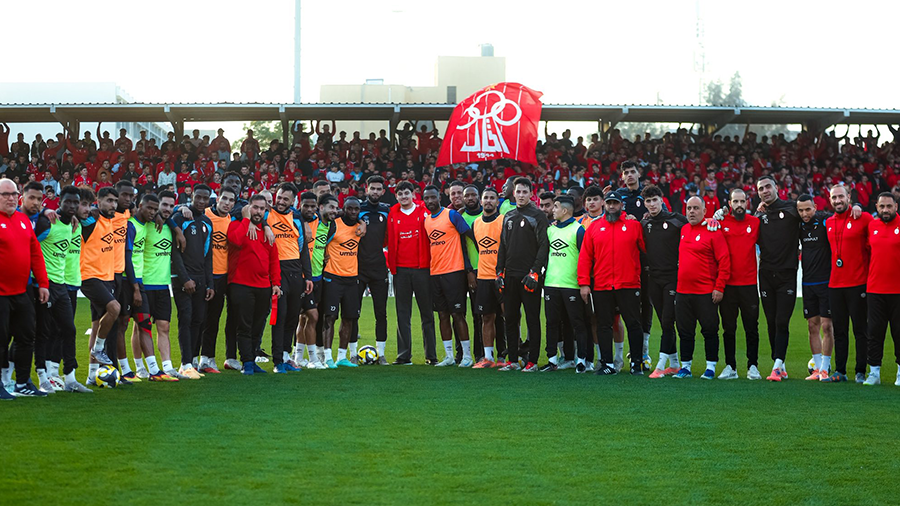
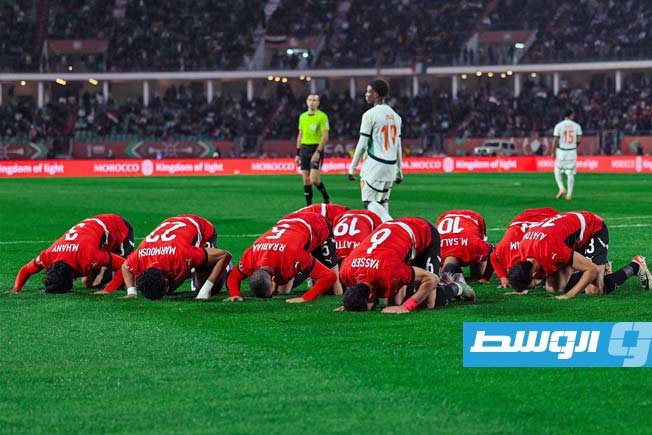
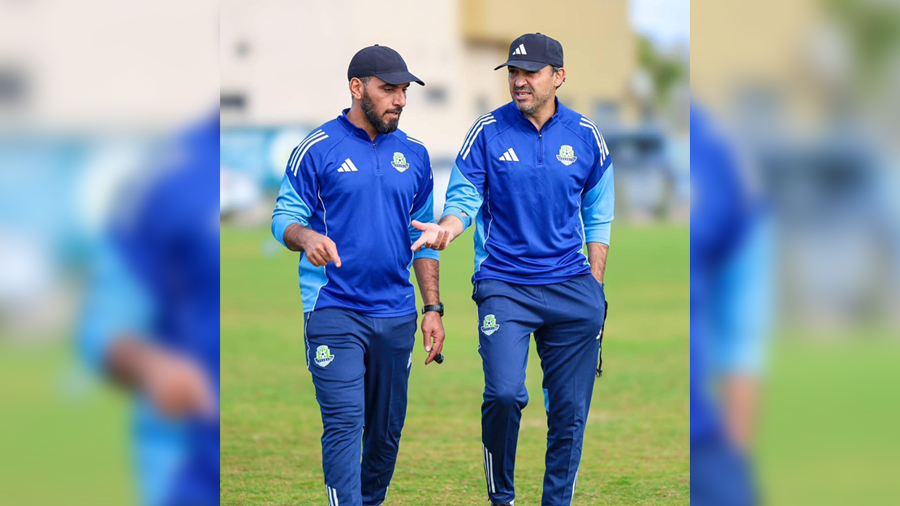
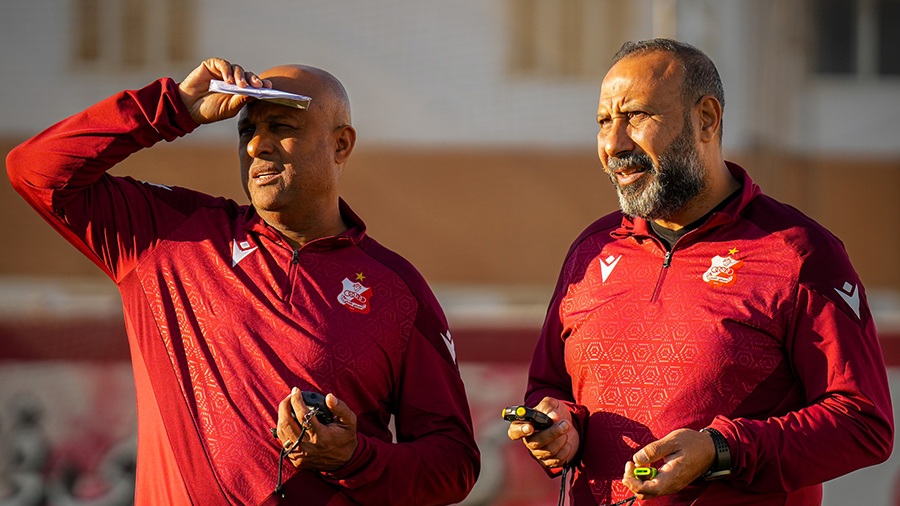
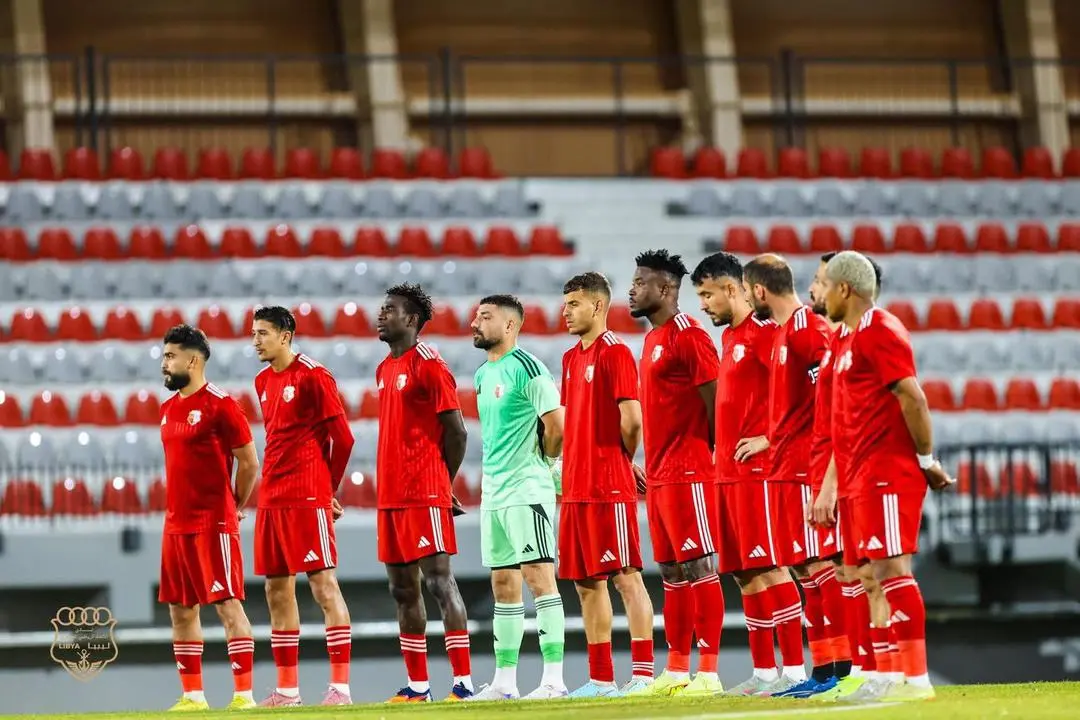
Decisive confrontations in the Libyan Cup: Al-Ahli Tripoli clashes with Al-Olympi and an exciting derby between Al-Ittihad and Abu Salim.
libyawire.org > News > Sport > Decisive confrontations in the Libyan Cup: Al-Ahli Tripoli clashes with Al-Olympi and an exciting derby between Al-Ittihad and Abu Salim.
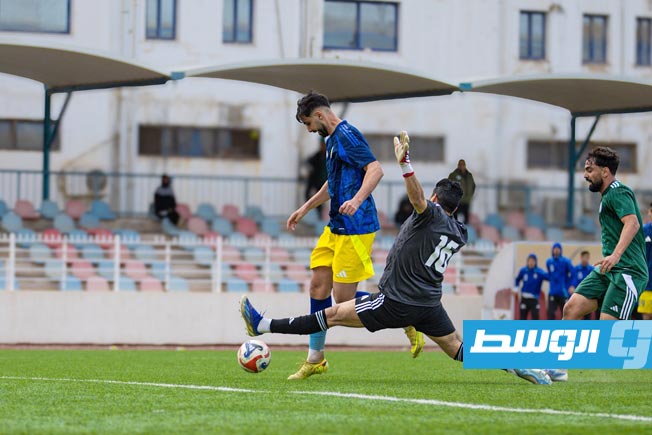
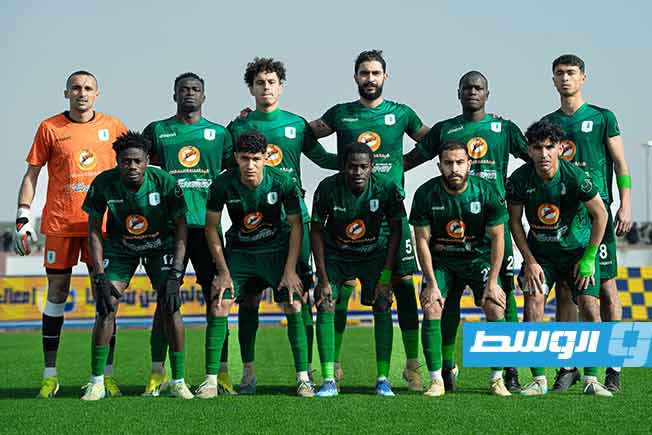
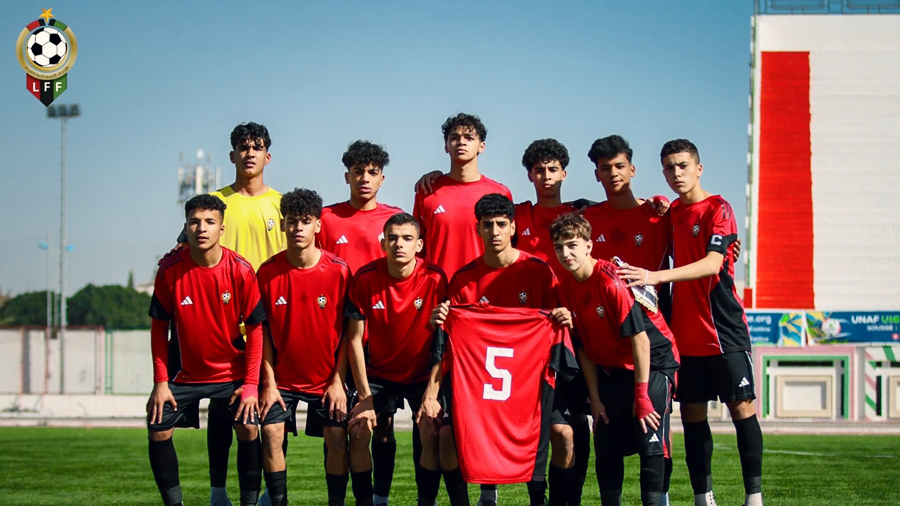
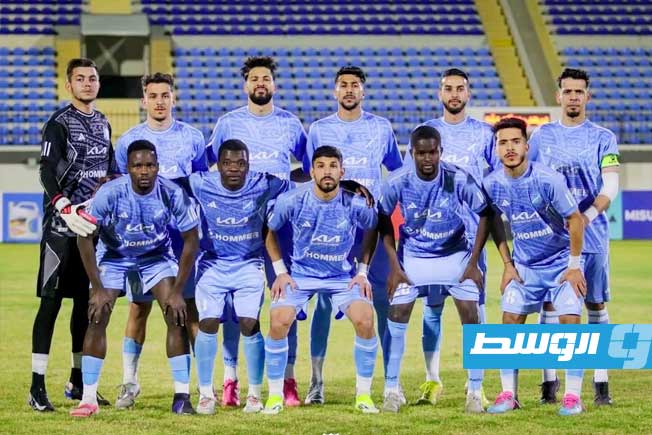
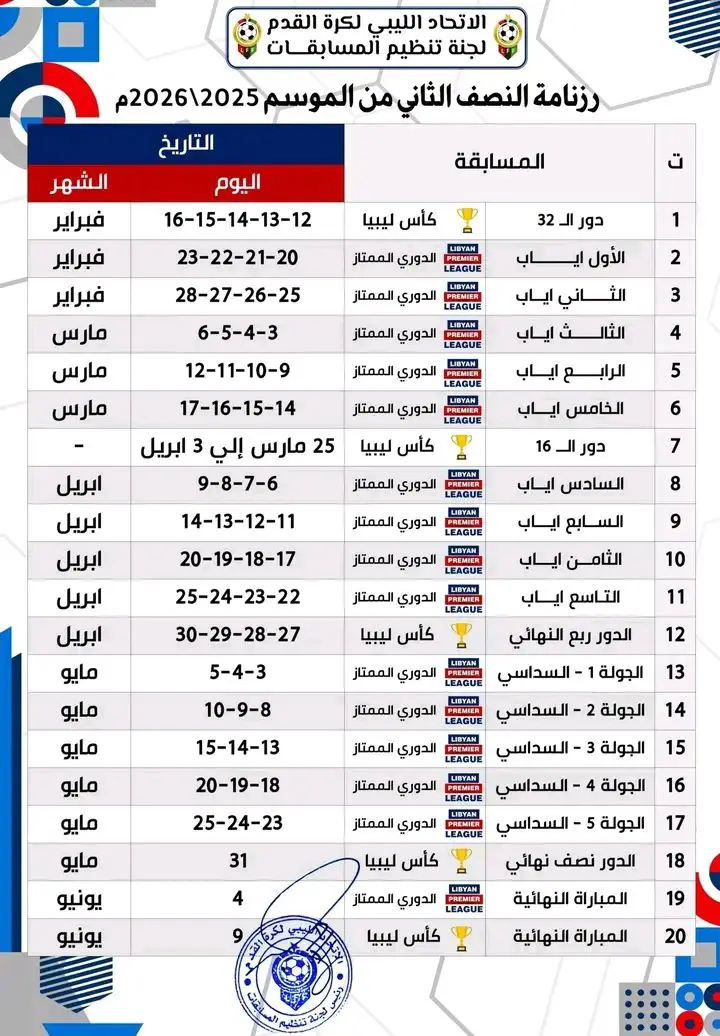
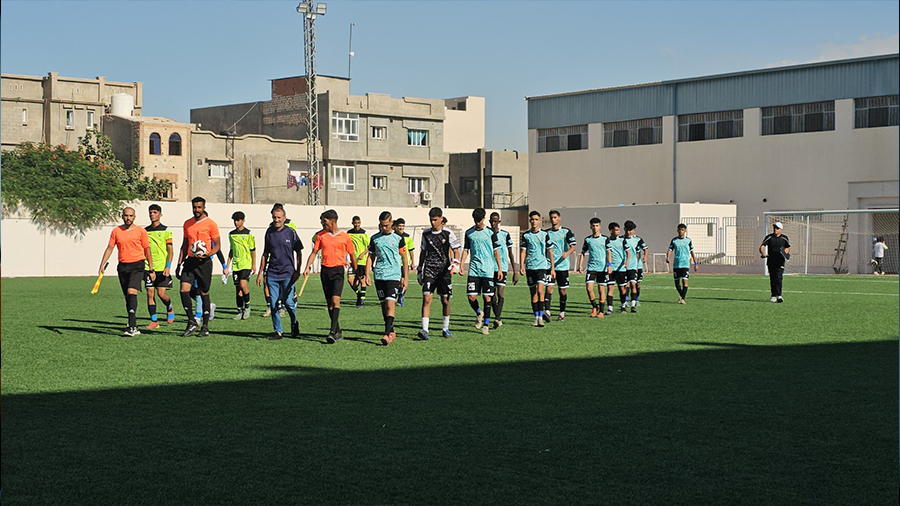
The lineup of teams qualified for the Round of 16 of the Libya Football Cup competition has been officially finalized, following the conclusion of the Round of 32 matches. This has clarified the anticipated matchups for the next stage, which promises a great deal of excitement and competitiveness as clubs harbor ambitions to continue their journey towards the title.
The previous round saw most of the favored teams advance without major surprises, with the exception of Al-Ittihad Misrata’s exit from the competition, marking the most significant surprise of this stage.
Western Region Matchups
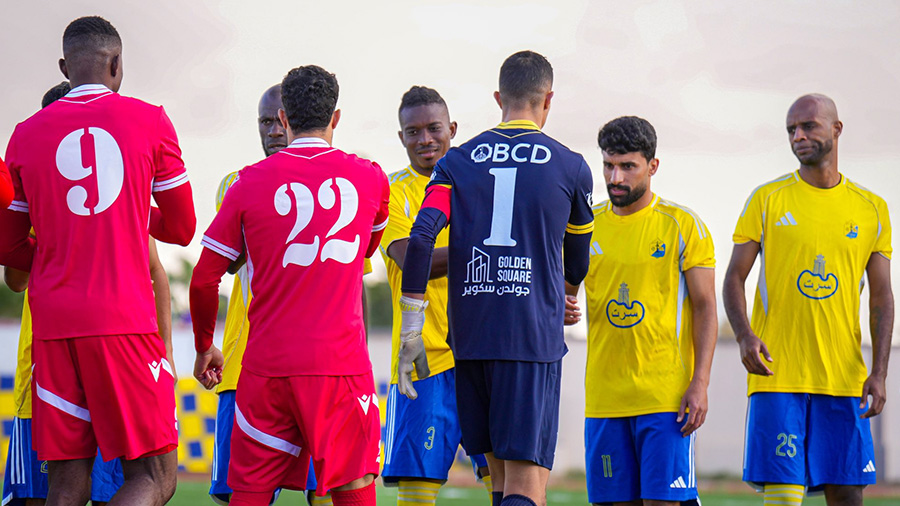
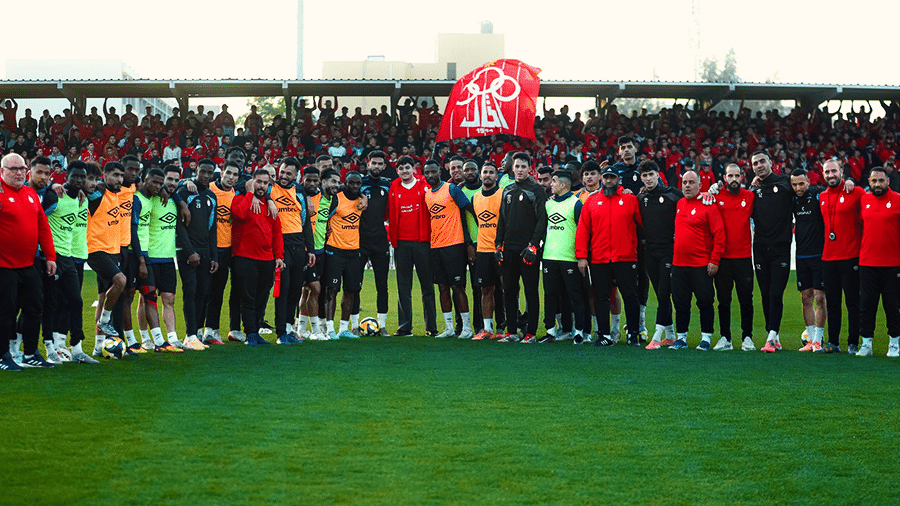
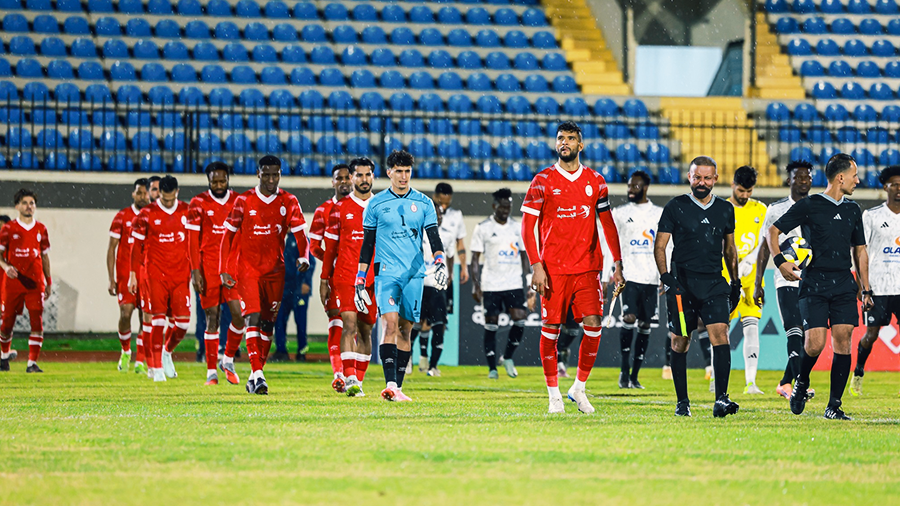
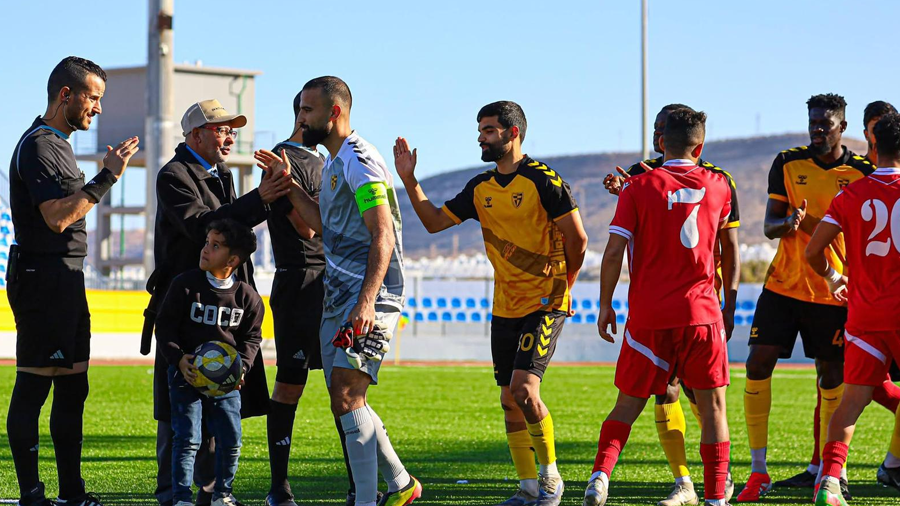
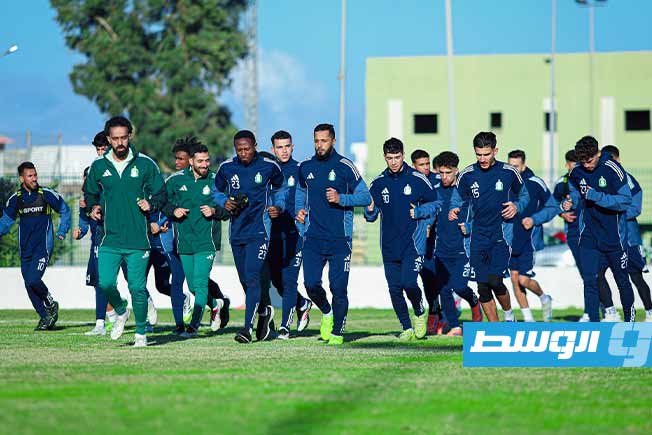
The Round of 16 draw resulted in an anticipated top clash pitting Al-Ahli Tripoli against Al-Olympi, a strong encounter between two teams with significant ambitions in the tournament.
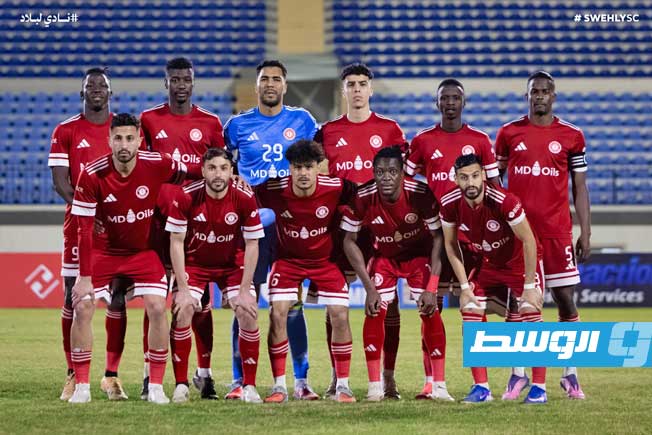
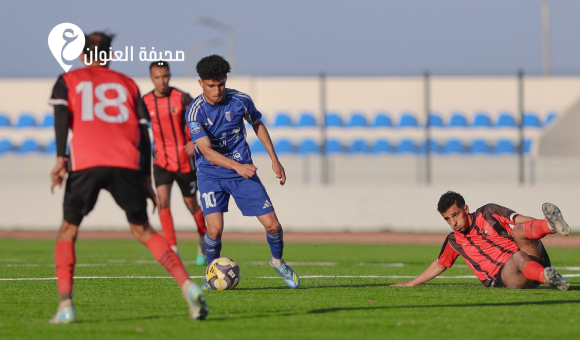
Also, Abu Salim will meet Al-Ittihad in an anticipated derby, while Al-Swehly faces the Libyan Stadium team in a balanced match.
The matches in this region conclude with a meeting between Al-Watan and Al-Madina, a clash where each side seeks to secure a qualification ticket.
Strong Clashes Await
Al-Nasr faces a difficult challenge against Al-Tahadi, in one of the most prominent matches of this round.
Al-Hilal will also meet Al-Sadaqa, while Al-Ittihad Al-Askari faces Al-Akhdar in a strong encounter.
The matchups in this region conclude with a match bringing together Al-Taawon and Al-Ahli Benghazi, in a contest open to all possibilities.
High Ambitions Towards the Title
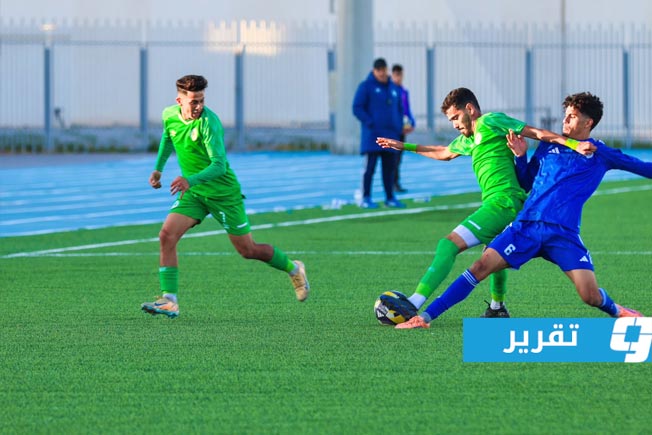
The Round of 16 matches carry great importance, as they represent a pivotal station on the path to competing for the title. Major clubs seek to confirm their presence, while other teams hope to pull off a surprise and continue their journey in one of Libya’s most prominent football competitions.
Libya Football Cup
The Libya Football Cup is the premier domestic knockout football competition in Libya, first established in 1963. It has been organized by the Libyan Football Federation and features clubs from across the country, though its scheduling has often been disrupted by political instability and conflict throughout Libya’s modern history.
Al-Ahli Tripoli
Al-Ahli Tripoli is a major sports club in Libya, most famous for its football team, which was founded in 1954. Historically, it has been one of the country’s most successful and popular clubs, winning numerous national championships and serving as a significant cultural institution in Tripoli.
Al-Olympi
“Al-Olympi” is not a widely recognized major historical or cultural site. The name may refer to a local venue, business, or a colloquial term, but it lacks a significant documented history on a global scale. Without more specific context, it is not possible to provide a substantive summary.
Al-Ittihad
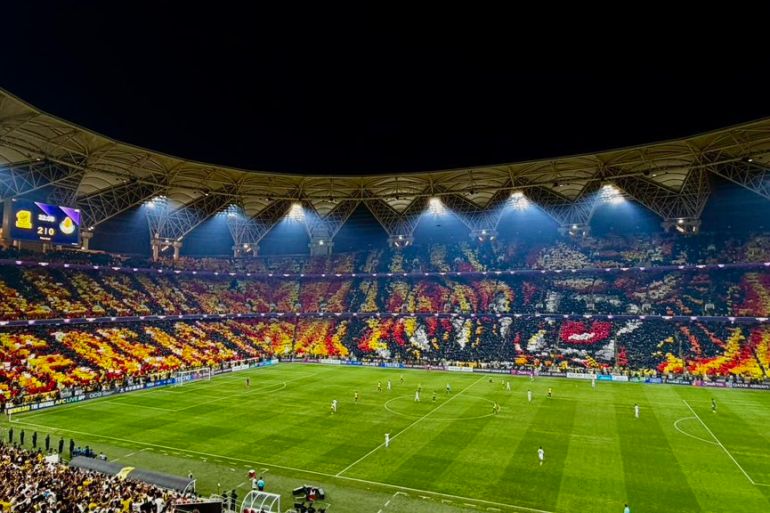
Al-Ittihad is a historic football club based in Jeddah, Saudi Arabia, founded in 1927. It is one of the most successful and popular clubs in the country and Asia, with a rich history of winning numerous domestic and continental titles, including the AFC Champions League.
Abu Salim
Abu Salim is a district in Tripoli, Libya, best known internationally for the Abu Salim prison. The prison gained notoriety after a 1996 massacre where hundreds of inmates were killed, an event that later helped spark the 2011 Libyan Civil War. Historically, the area’s name is also associated with a significant battle in 1324 between the forces of Tripoli and the Banu Salim tribe.
Al-Swehly
Al-Swehly is a neighborhood in Tripoli, Libya, historically significant as the site of the Al-Swehly Mosque and the tomb of Ramadan al-Swehly, a prominent 20th-century Libyan political and military leader who fought against Italian colonization. The area serves as a cultural and religious landmark commemorating his role in Libya’s struggle for independence.
Libyan Stadium
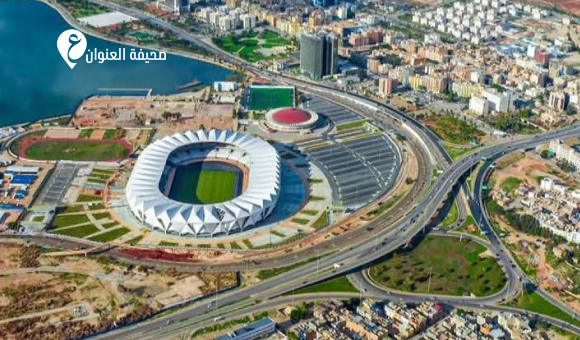
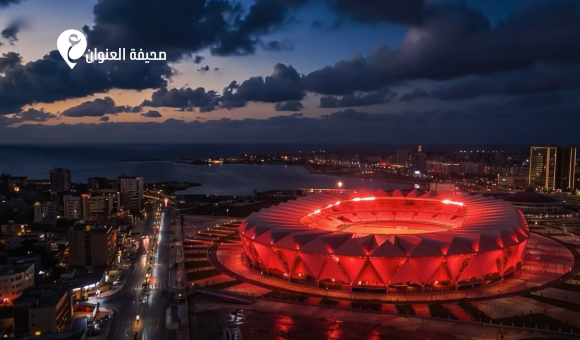
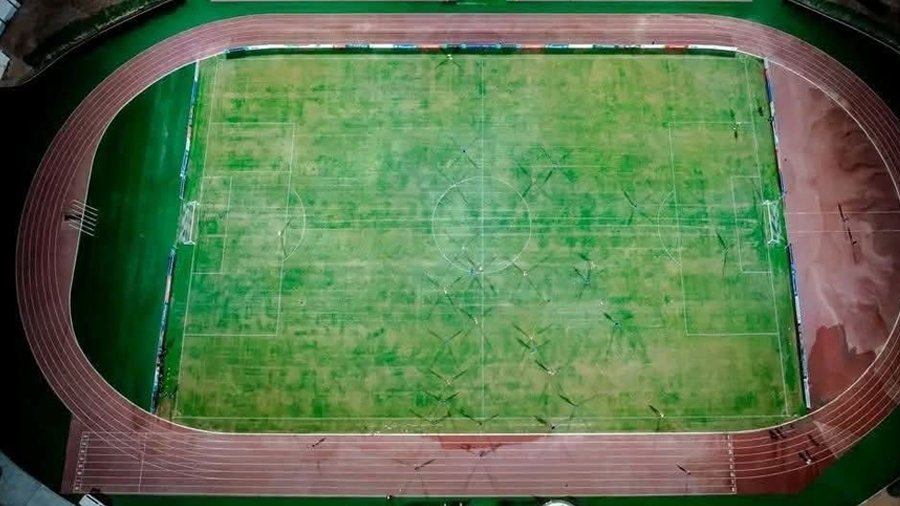
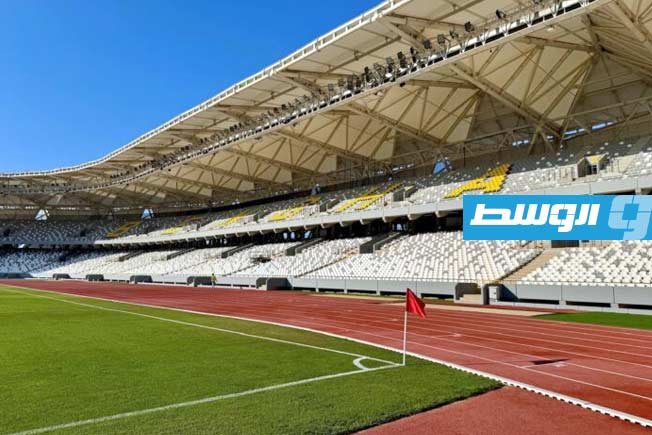
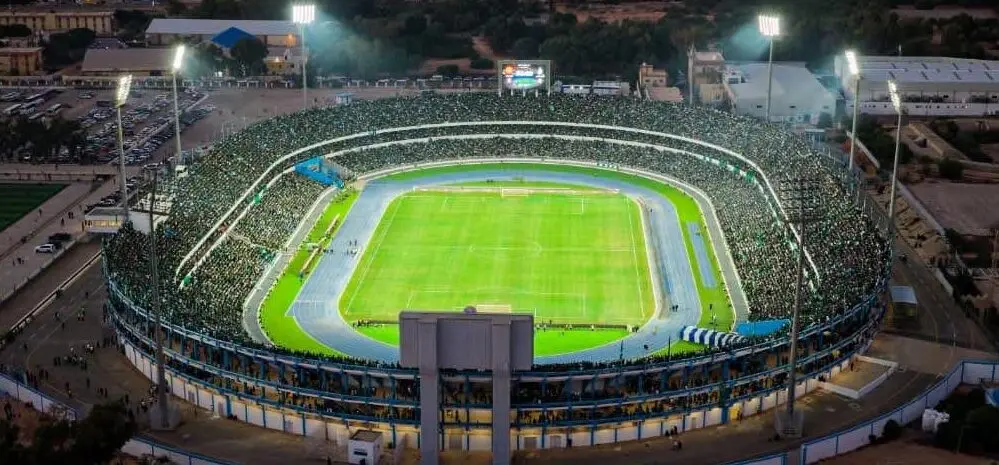
The Libyan Stadium, also known as the June 11 Stadium, is a major multi-purpose stadium in Tripoli, Libya. It was originally constructed in the 1960s and has since been renovated, serving as a primary venue for football matches and large public events in the country.
Al-Watan
Al-Watan is a cultural and entertainment destination in Riyadh, Saudi Arabia, which opened in 2017 as part of the country’s Vision 2030 initiative. It is a large-scale park and exhibition space designed to celebrate Saudi heritage, art, and national identity through interactive pavilions, gardens, and architectural displays.
Al-Madina
Al-Madina, also known as Medina, is a city in Saudi Arabia of profound religious significance in Islam. It is the site where the Prophet Muhammad migrated in 622 CE, establishing it as the first capital of the Islamic community and the location of his tomb within the Prophet’s Mosque. This migration, known as the Hijrah, marks the beginning of the Islamic calendar.
Al-Nasr
Al-Nasr, often translated as “The Victory,” is a common name for monuments, neighborhoods, and institutions across the Arab and Islamic world, with no single definitive site. Historically, the name is most famously associated with the Al-Nasr Mosque in Medina, Saudi Arabia, which is traditionally believed to mark the location where the Prophet Muhammad planted his flag after a military victory. The term broadly symbolizes triumph and is frequently used in modern contexts for sports clubs, streets, and public squares.
Al-Tahadi
Al-Tahadi is a prominent sports stadium located in Benghazi, Libya, primarily used for football matches. It was originally constructed in the 1960s and has since served as a key venue for local clubs and the Libyan national team. The stadium has undergone several renovations and remains a significant landmark for sporting events in the city.
Al-Hilal
Al-Hilal is a historic Saudi Arabian professional football club based in Riyadh, founded in 1957. It is one of Asia’s most successful clubs, with numerous domestic and continental titles, including a record four AFC Champions League trophies. The club’s name, meaning “The Crescent” in Arabic, reflects its deep cultural roots and its status as a major institution in Saudi and Middle Eastern sports.
Al-Sadaqa
Al-Sadaqa is a historic mosque located in the city of Mosul, Iraq, believed to have been originally built during the medieval Atabeg period. It is notably associated with the Islamic scholar and ruler Nur ad-Din Zangi, who commissioned its construction in the 12th century as a center for worship and learning.
Al-Ittihad Al-Askari
Al-Ittihad Al-Askari is a historic military fortress located in the city of Aleppo, Syria. It was originally constructed in the 12th century during the Ayyubid period, primarily under Sultan Al-Zahir Ghazi, to serve as a key defensive structure for the city. The fortress has undergone several modifications throughout its history, reflecting the various ruling powers in the region.
Al-Akhdar
Al-Akhdar, also known as the Green Mountain, is a prominent mountainous region in eastern Libya, historically significant as a natural fortress and a center for resistance. It served as a key stronghold for Libyan forces during the Italian colonization in the early 20th century. The area is also noted for its unique Mediterranean forest ecosystem and ancient archaeological sites.
Al-Taawon
Al-Taawon is a Palestinian football club based in the city of Al-Bireh in the West Bank. Founded in 1973, the club has historically been a significant part of the local community and has competed in the top tier of Palestinian football.
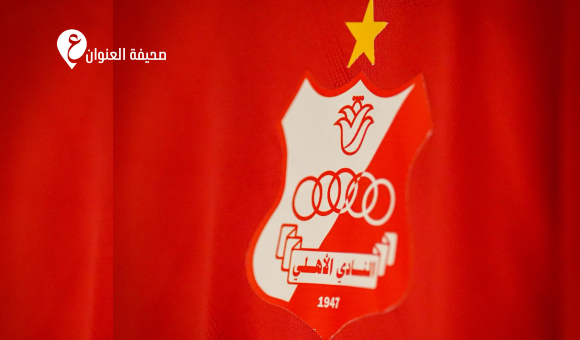
Al-Ahli Benghazi
Al-Ahli Benghazi is a major sports club in Libya, most famous for its football team, which was founded in 1947. It is one of the oldest and most successful clubs in the country, historically representing the city of Benghazi and serving as a significant cultural and social institution.
Libya
Libya is a North African country with a rich history rooted in ancient civilizations like the Phoenicians and Romans, followed by centuries of Arab and Ottoman influence. In the modern era, it was an Italian colony before gaining independence in 1951, later becoming known for Muammar Gaddafi’s lengthy rule from 1969 until the 2011 revolution. The country is home to UNESCO World Heritage sites, such as the ancient Greek city of Cyrene and the Roman ruins of Leptis Magna.