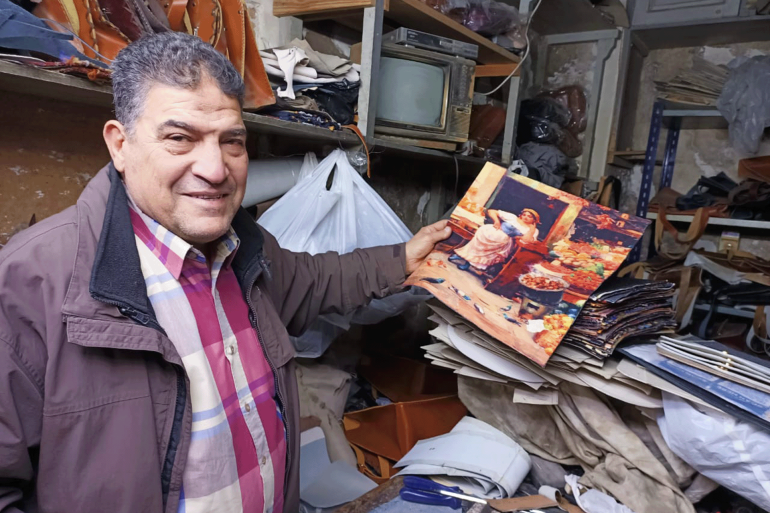
Libyan businessman Taher Al-Qawiri, owner of the “Al-Sham’adan Food Industries” company in Egypt and founder of the “Sham’adan Libya” factory in Tripoli, passed away yesterday in the city of Alexandria at the age of 82.
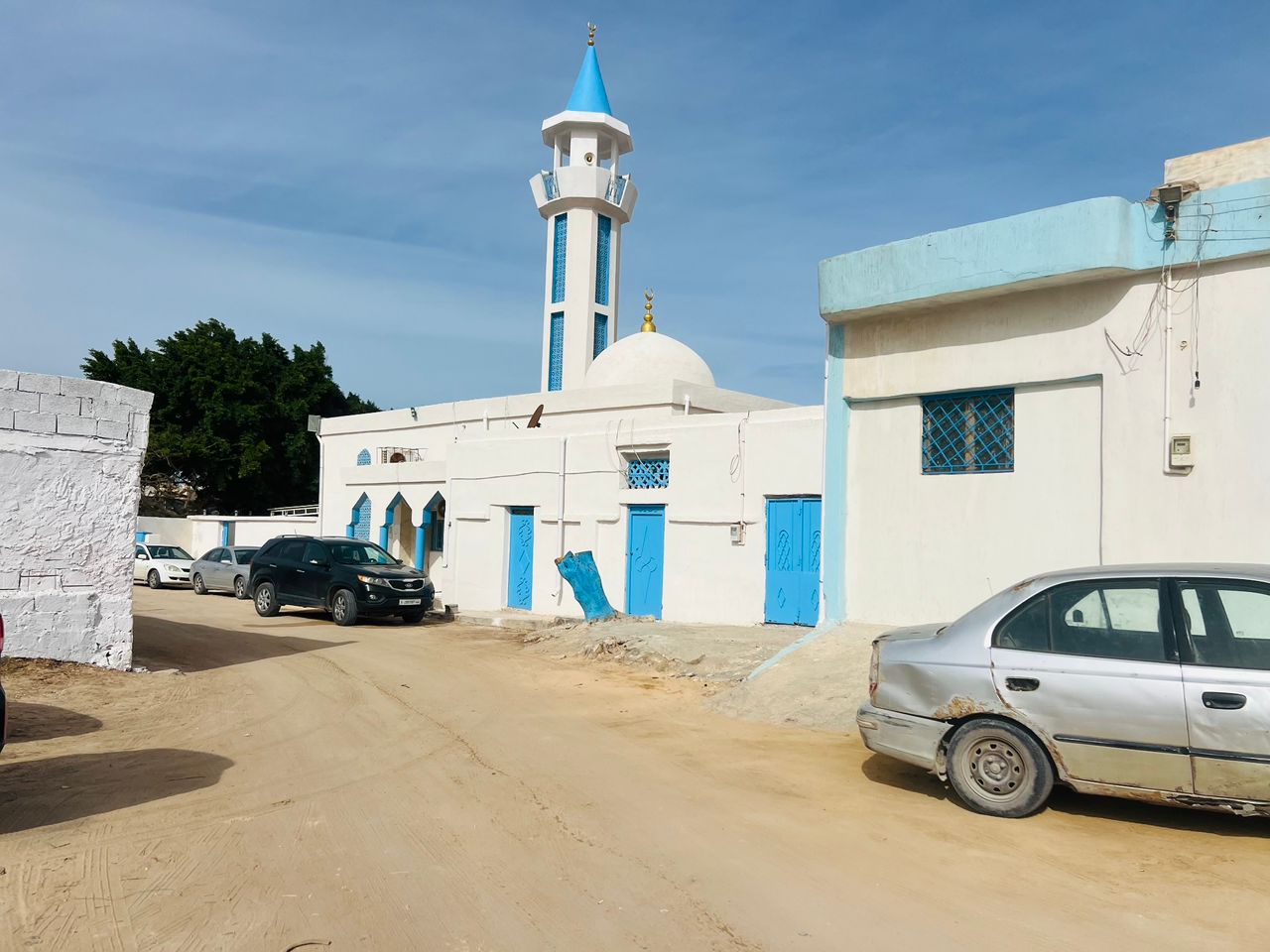
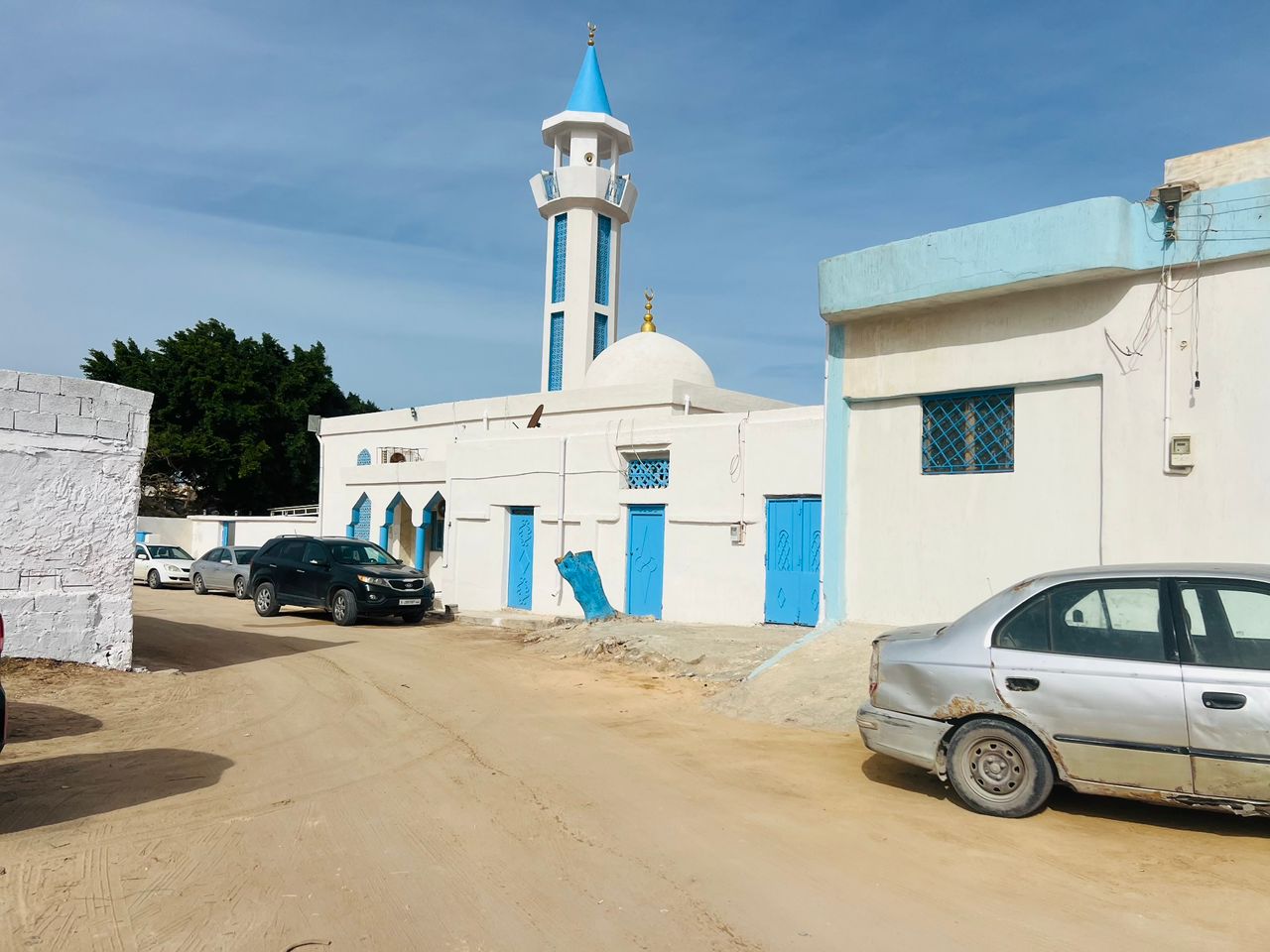
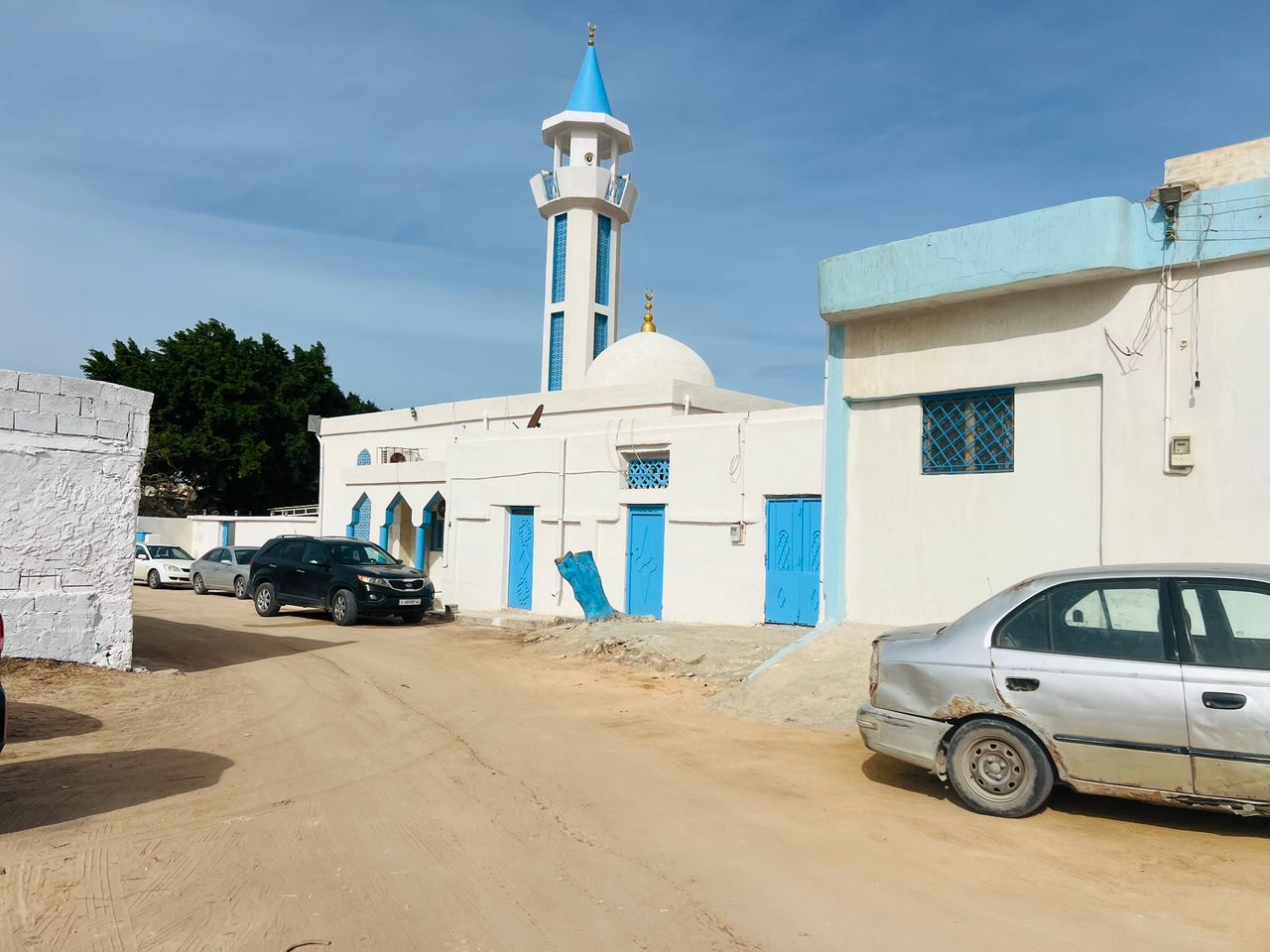
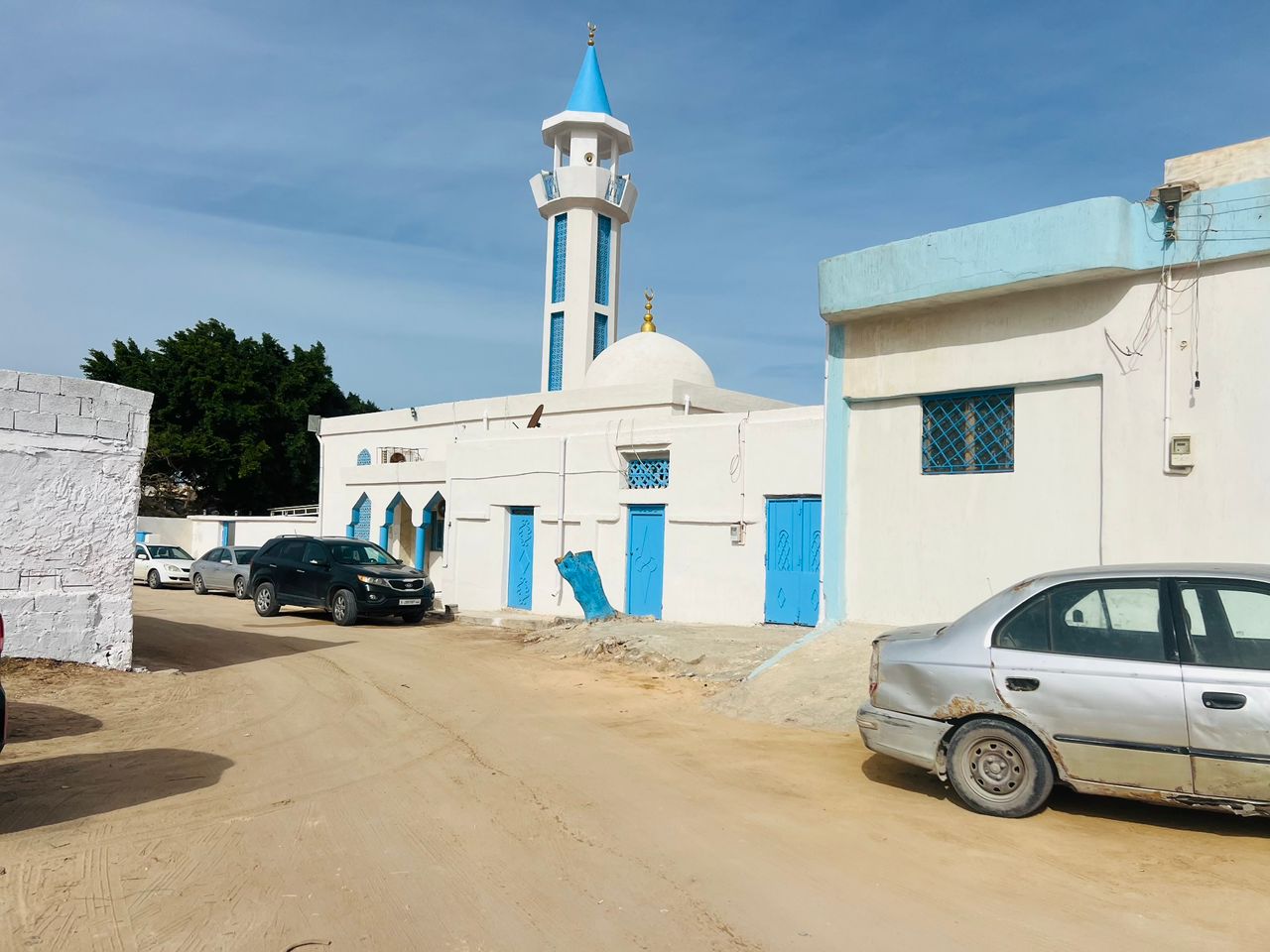
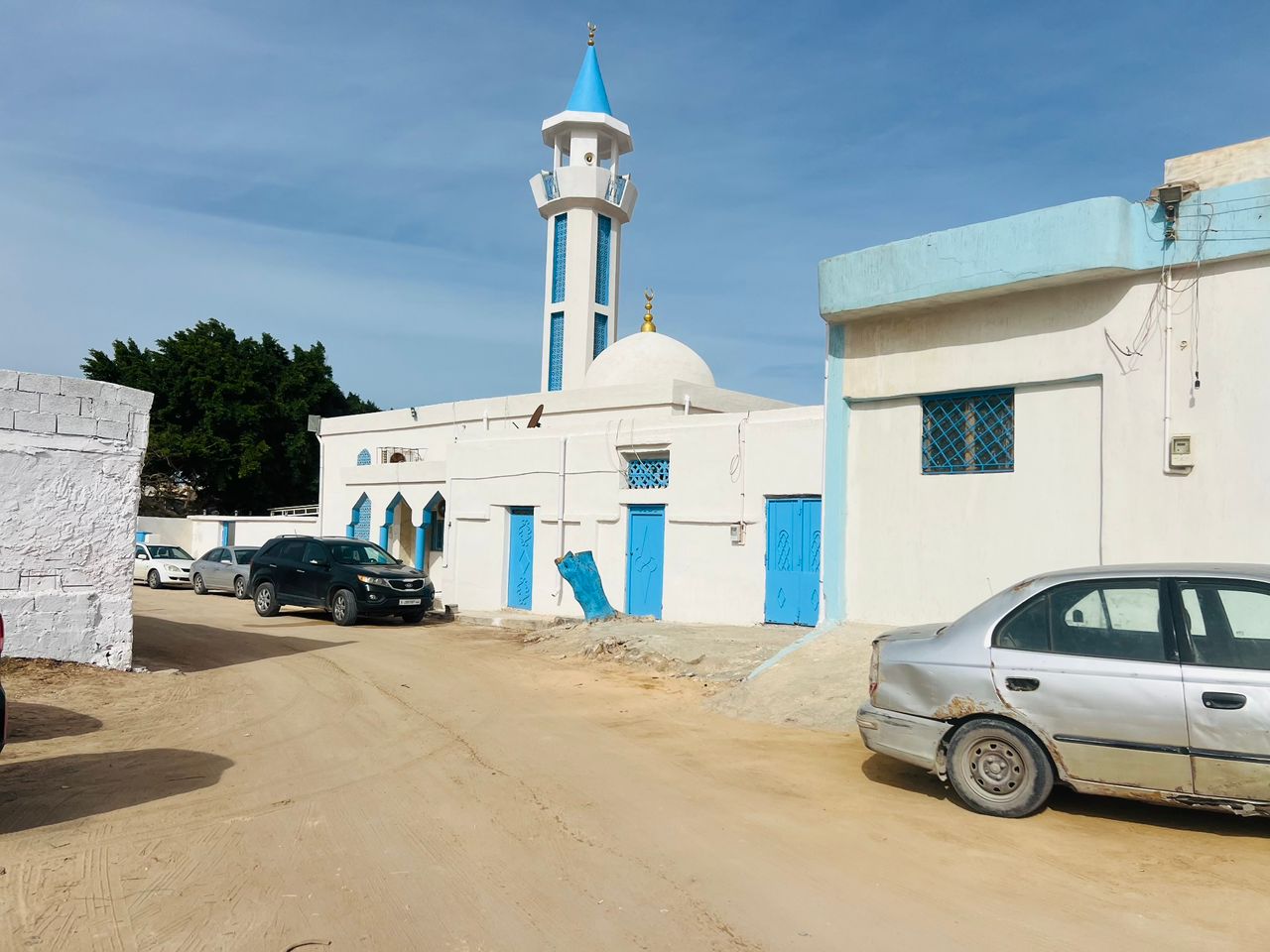
The company stated in an announcement on its official Facebook page that the funeral prayer for businessman Taher Al-Qawiri will be held on Sunday, January 18th, following the afternoon prayer at the Al-Mawasah Mosque, and he will be buried in Al-Manarah.
Al-Qawiri was from a Libyan family that lived in Alexandria. His wife, Fatimah Ahmed Madiqash, passed away last April, and he is survived by nine children. He is considered one of the most prominent pioneers in the food products sector for many decades and was a model of resilience for national industry.
During the era of the late President Gamal Abdel Nasser, the family’s factories, which were in the tea and biscuit business, were nationalized. However, his father chose to remain in Egypt and established a number of investments, the most important of which was a factory for Al-Sham’adan. During the era of the late President Mohamed Anwar El-Sadat, the Al-Qawiri family expanded and established the Samba factory for Al-Sham’adan and biscuits, to the extent that Al-Qawiri was nicknamed the “Biscuit King” in Egypt at the time.
Business Philosophy and National Industry
In the 1980s, with the launch of “Al-Sham’adan” biscuits in 1984, Al-Qawiri became one of the most famous businessmen in Egypt. He managed to compete with imported products and even export to Arab markets.
In a previous meeting, businessman Taher Al-Qawiri said that “Al-Sham’adan” biscuits began production in 1984 and were the most widely circulated type of biscuit in the Egyptian market.
Al-Qawiri expressed his sadness over the importation of biscuits from abroad, despite the presence of Egyptian companies capable of satisfying the local market.
Charitable and Humanitarian Work
According to a post, Al-Qawiri left a great legacy of charitable work through building mosques, schools, and hospitals, and contributing to economic and community development. He lived a modest life, close to and among the people, a trait he inherited from his father, Hajj Mohammed Al-Qawiri, the dean of the Libyan community in Egypt, who donated the first headquarters for the Libyan embassy in Alexandria after independence. His house and the houses of his uncles were places of reception and welcome for all Libyan immigrants and travelers.
Al-Qawiri had special care for students studying in Egyptian universities, especially Al-Azhar University students. These efforts culminated in the establishment of Al-Azhar schools in Egypt and the founding by Hajj Abdullah Al-Qawiri of the Al-Qawiri Religious Institute in the city of Misrata, which adopted the Al-Azhar curriculum, with matching exams and Al-Azhar results.
Libya
Libya is a North African country with a rich history rooted in ancient civilizations like the Phoenicians and Romans, followed by centuries of Arab and Ottoman influence. In the modern era, it was an Italian colony before gaining independence in 1951, later becoming known for Muammar Gaddafi’s lengthy rule from 1969 until the 2011 revolution. Its cultural sites include the well-preserved Roman ruins of Leptis Magna, a UNESCO World Heritage site.
Egypt
Egypt is home to one of the world’s oldest civilizations, with a recorded history spanning over 5,000 years and famed for its pharaonic monuments like the Pyramids of Giza and the Great Sphinx. Its rich cultural heritage includes significant contributions from subsequent periods, including Greco-Roman, Coptic Christian, and Islamic rule, which have all left enduring marks on the country’s art, architecture, and identity.
Tripoli
Tripoli is the capital and largest city of Libya, with a history dating back to the 7th century BCE when it was founded by the Phoenicians. It later became a significant Roman city and a major center under various empires, including the Ottoman, before becoming Libya’s capital upon independence in 1951.
Alexandria
Alexandria is a major port city on Egypt’s Mediterranean coast, founded by Alexander the Great in 331 BCE. It was renowned in antiquity for its legendary Lighthouse of Alexandria, one of the Seven Wonders of the Ancient World, and its Great Library, which was a center of Hellenistic scholarship.
Al-Mawasah Mosque
Al-Mawasah Mosque is a historic mosque located in the city of Sidon, Lebanon, believed to have been originally built during the Mamluk era in the 13th century. It is notably associated with a legend of a conciliatory meeting (“mawasah”) between two rival religious scholars, which is said to have given the mosque its name.
Al-Manarah
Al-Manarah, also known as the Lighthouse of Alexandria, was an ancient wonder located in Egypt. Constructed in the 3rd century BC during the Ptolemaic Kingdom, it served as a functional lighthouse for the city’s harbor for centuries before being destroyed by a series of earthquakes. Its name and legacy live on as a symbol of ancient engineering and maritime navigation.
Al-Sham’adan Food Industries
Al-Sham’adan Food Industries is a prominent Syrian food manufacturing company, historically known for producing a wide range of products like tahini, halawa, and oils. It was established in the mid-20th century and became a leading brand in Syria and the wider Middle East, representing a significant part of the region’s modern industrial and culinary heritage.
Sham’adan Libya
Sham’adan is a historic fortress located in the Nafusa Mountains of northwestern Libya, originally built by the Amazigh (Berber) people. It served as a key defensive structure for centuries and was later used during the Italian colonial period in the early 20th century.
Facebook
Facebook is a social media platform founded in 2004 by Mark Zuckerberg and his Harvard University roommates. It began as a network for college students before expanding globally, fundamentally changing online communication and becoming a major corporation.
Samba
Samba is a vibrant genre of music and dance that originated in Brazil, deeply rooted in the cultural traditions of African slaves and their descendants in the late 19th and early 20th centuries. It is most famously associated with the annual Carnival celebrations in Rio de Janeiro, where it evolved into the spectacular, competitive parade of samba schools.
Al-Azhar University
Al-Azhar University, located in Cairo, Egypt, is one of the world’s oldest and most prestigious Islamic institutions of learning, founded in 970 CE by the Fatimid Caliphate. Initially established as a center for Ismaili Shia scholarship, it evolved into the leading Sunni theological school and a major global authority on Islamic law and Arabic literature.
Misrata
Misrata is a major port city on the Mediterranean coast of northwestern Libya, historically known as a key trading and commercial center. It gained significant prominence during the 2011 Libyan Civil War, where it endured a prolonged and destructive siege while serving as a major stronghold for anti-Gaddafi forces.
Al-Qawiri Religious Institute
The Al-Qawiri Religious Institute is a traditional Islamic educational center, historically established to provide instruction in Quranic studies, Islamic jurisprudence, and Arabic language. It represents a longstanding tradition of religious scholarship in its region, often serving as a local hub for spiritual learning and community life.