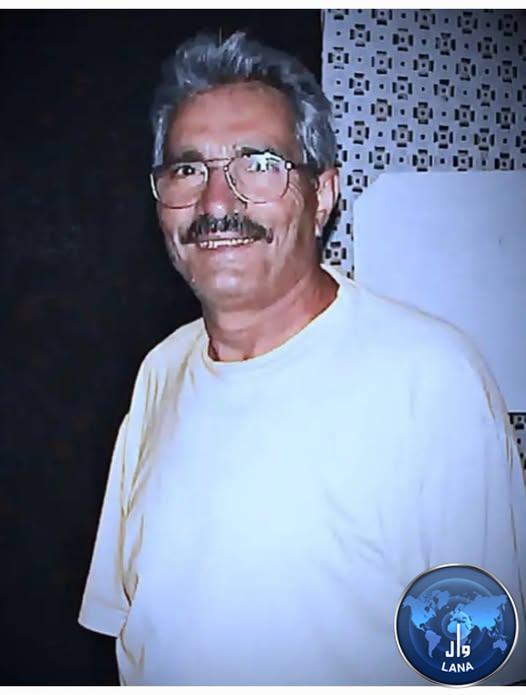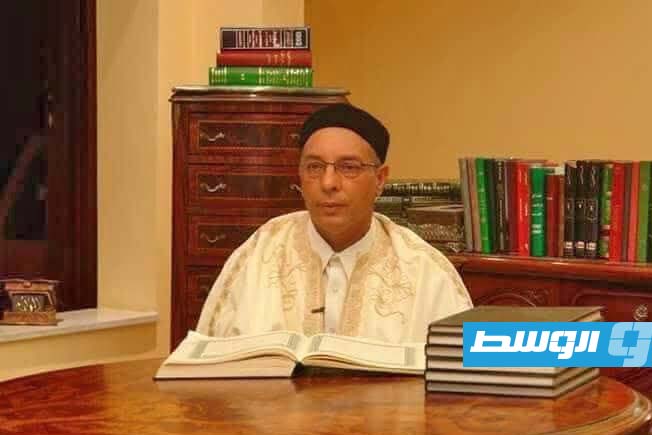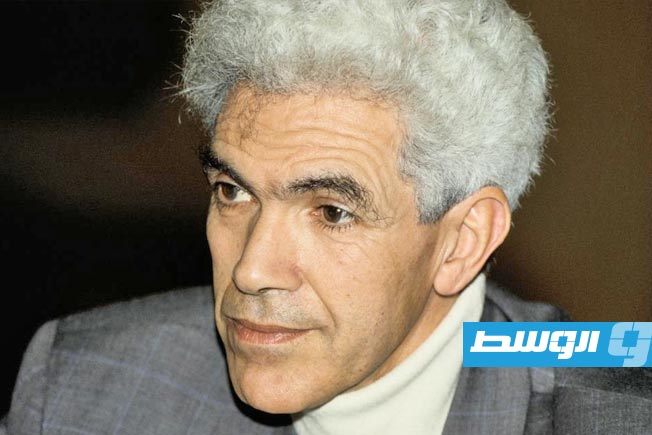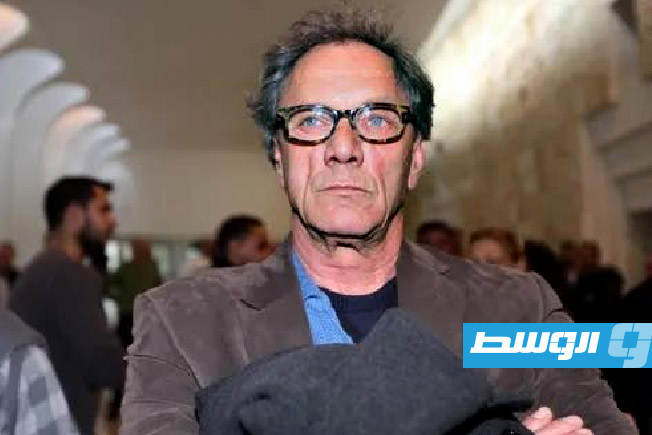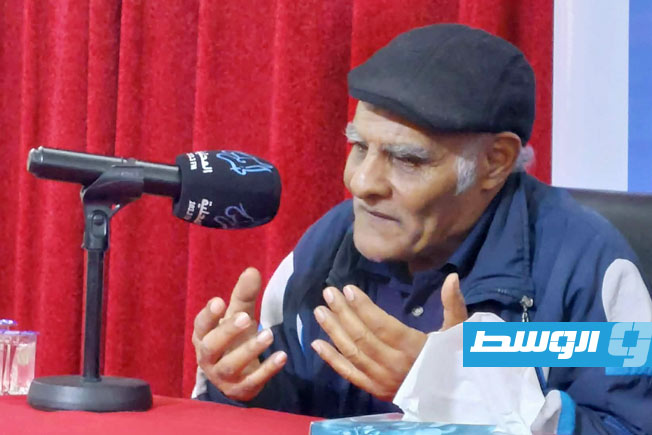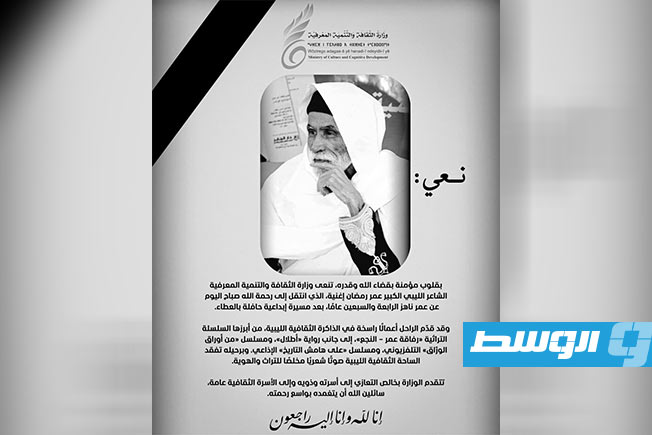
The Ministry of Culture of the “Interim Government of National Unity” mourns the writer and poet Omar Ramadan, January 4, 2026.
The Ministry of Culture and Knowledge Development of the “Interim Government of National Unity” mourns the writer and poet Omar Ramadan, who passed away after a literary career full of giving and creativity, leaving behind a rich poetic legacy that will remain etched in the memory of national culture.
The Ministry said in a statement on its page: “The deceased was an exceptional literary figure, known for the sincerity of his words and the depth of his experience. For decades, he contributed to enriching the cultural scene with his poems that touched emotions and expressed the aspirations and identity of society. He was truly a voice of love and beauty and a beacon of thought and literature.”
Farewell, knight of the word.
The statement added that the passing of poet Omar Ramadan is not only a loss for his family and loved ones, but also a great loss for the cultural and literary community in general, as the cultural scene has lost one of its most prominent knights of the word who dedicated themselves to serving their language and heritage with all sincerity.
On Sunday, the Libyan poet and writer Omar Ramadan passed away at a clinic in Tunisia, after a lifetime spent in the service of literature, media, and culture, bidding farewell to the nation in general, and the city of Sirte in particular.
The deceased is considered one of the most prominent names in the Libyan cultural scene. Throughout his creative career, he presented works that left a clear mark on the memory of Libyan writing and literature, and was a model of a creative, multi-faceted writer. He was born in 1953 in the city of Bani Walid, lived in the city of Sirte, and was known by the title “Poet of the Nation.”