A Dutch court issued a ruling yesterday, Wednesday, obliging the Netherlands to improve the protection of one of its islands and to adopt binding targets for reducing emissions across all sectors of its economy, in a verdict considered a landmark in the field of climate justice.
The judge stated, “The Dutch government is not doing enough to protect the residents of Bonaire from climate change and its consequences.” He added that the residents of this small Caribbean island, which is part of the Netherlands, “are being treated differently from residents of the Dutch mainland, without any justification.”
He noted, however, that there are “significant geographical and climatic differences between Bonaire and the mainland of the Netherlands.”
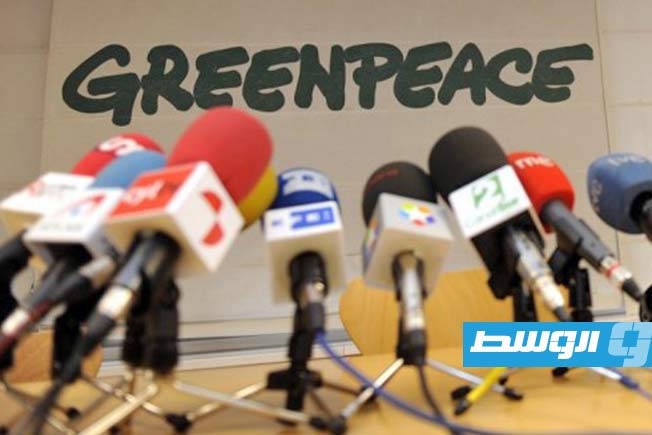
The residents of this small island located near the coast of Venezuela joined the organization Greenpeace in a lawsuit against the Dutch state, demanding concrete measures to protect them from rising sea levels.
A woman in her seventies from Bonaire who attended the hearing said: “The judges listened to us very well, and I am very happy about that.”
Second-class citizens
She added, “What really surprised me was the judge speaking about discrimination. We truly felt we were being treated as second-class citizens.”
– The 2026 ‘Tyler’ Prize goes to Dr. Toby Kerr for discovering a ‘hidden secret’ to confront the climate crisis
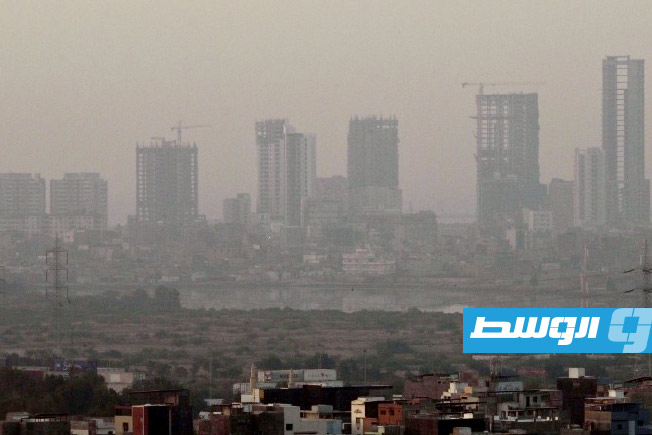
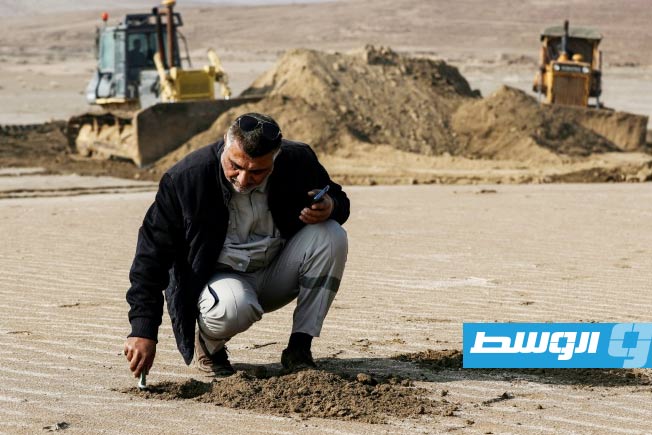
– Covering sand dunes with clay to confront sandstorms in Iraq
It is worth noting that the Netherlands, part of whose territory lies below sea level, has been known as a pioneer in building sea walls and dikes.
The plaintiffs argued that the Netherlands does not provide the same level of protection to its overseas territories, such as Bonaire.
The director of Greenpeace Netherlands stated, “This is a historic victory in every sense of the word. Finally, the residents of Bonaire are being recognized as facing discrimination from the government, which must protect them from extreme heat waves and rising sea levels.”
Netherlands
The Netherlands, often called Holland, is a country in Northwestern Europe known for its flat landscape, extensive canal systems, and historic trading ports. Historically, it emerged as a major maritime and economic power in the 17th century, known as the Dutch Golden Age, and its history is deeply shaped by water management and land reclamation.
Bonaire
Bonaire is a Caribbean island and special municipality of the Netherlands, known for its pristine coral reefs and protected marine park. Historically, it was colonized by the Spanish in the 16th century before coming under Dutch control in the 17th century, with its economy historically centered on salt production. Today, it is a renowned destination for diving and sustainable tourism.
Caribbean
The Caribbean is a region of the Americas consisting of the Caribbean Sea, its islands, and surrounding coasts, historically inhabited by indigenous peoples like the Taíno before European colonization began in the 15th century. Its complex history is marked by the transatlantic slave trade, plantation economies, and the colonial rule of various European powers, leading to a diverse cultural heritage that blends African, European, Indigenous, and Asian influences. Today, it is renowned for its vibrant cultures, languages, music, and as a major tourist destination.
Venezuela
Venezuela is a South American country known for its diverse landscapes, including the Andes Mountains, Amazon rainforest, and Caribbean coastline. Historically a Spanish colony, it gained independence in the early 19th century under Simón Bolívar and later developed a modern economy centered on its vast petroleum reserves, which are among the largest in the world.
Greenpeace
Greenpeace is an international non-governmental environmental organization founded in Vancouver, Canada, in 1971, originally focused on protesting nuclear weapons testing. It has since evolved into a global movement known for its direct-action campaigns on issues including climate change, deforestation, overfishing, and commercial whaling.
Dutch mainland
The Dutch mainland, primarily comprising the provinces of North and South Holland, Utrecht, and others, forms the core of the European territory of the Kingdom of the Netherlands. Historically, much of this land has been reclaimed from the sea through an extensive system of dikes and polders, a process spanning centuries that has fundamentally shaped the country’s landscape and identity. This region has been a major economic and cultural hub since the Dutch Golden Age in the 17th century.
sea walls
Sea walls are engineered coastal structures designed to protect shorelines from erosion and flooding. Historically, they have been used for centuries, with early examples found in ancient civilizations like the Romans, who constructed them to safeguard harbors and settlements. Modern sea walls continue to serve as critical defenses against rising sea levels and storm surges in vulnerable regions worldwide.
dikes
Dikes are human-made embankments or walls constructed to hold back water, most famously used in regions like the Netherlands to reclaim land from the sea or rivers. Their history dates back thousands of years, with sophisticated systems developed in the Low Countries from the Middle Ages onward to protect settlements and enable agriculture.
Iraq
Iraq, historically known as Mesopotamia, is often called the “Cradle of Civilization” as it was home to ancient Sumerian, Babylonian, and Assyrian empires, which pioneered writing, law, and urban development. Modern Iraq, established in the 20th century, is a country with a rich cultural heritage that includes significant archaeological sites like Babylon and Ur, though it has faced considerable conflict and political instability in recent decades.
Tyler Prize
The Tyler Prize for Environmental Achievement is an international award recognizing exceptional accomplishments in environmental science, energy, and medicine. Established in 1973 by John and Alice Tyler, it is one of the earliest and most prestigious awards in its field, often considered a precursor to a Nobel Prize for the environment.