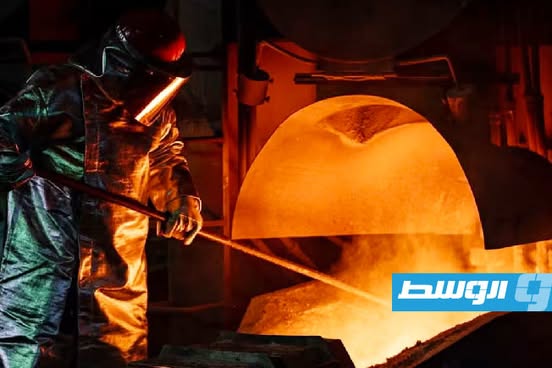
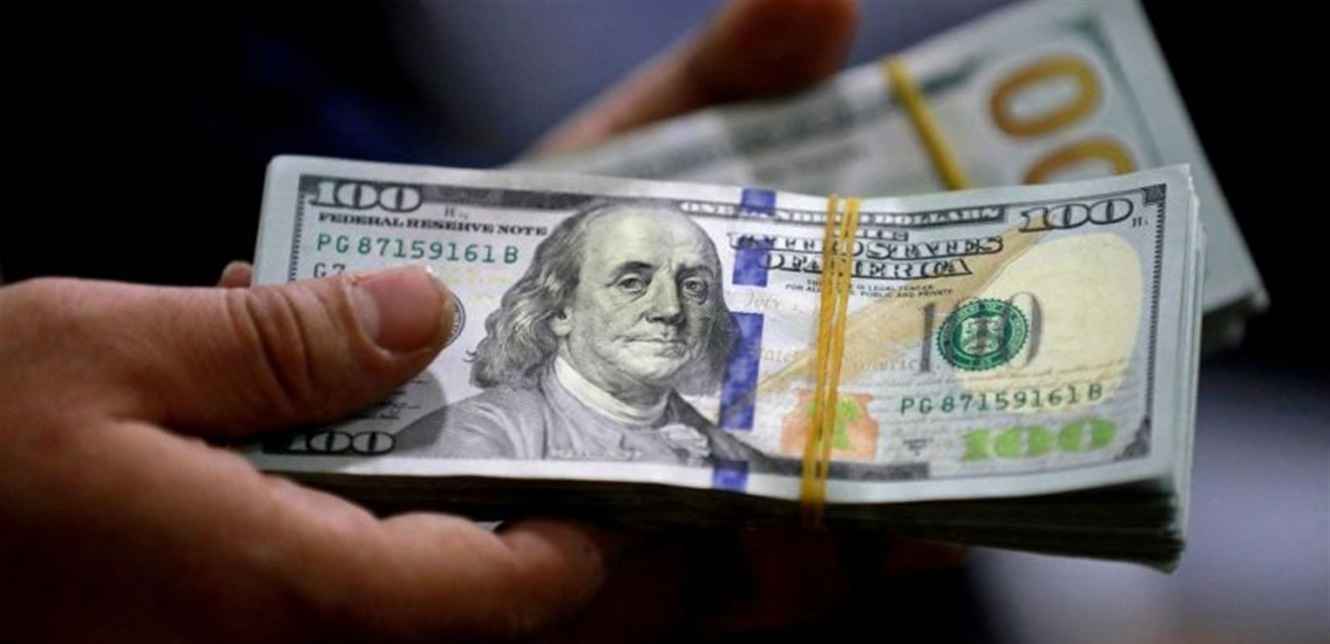
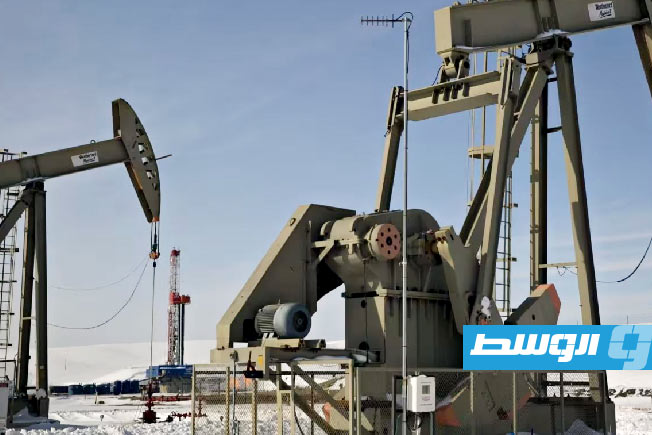
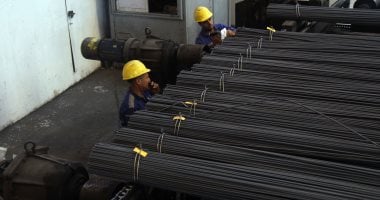
Copper prices are heading for their largest annual increase in over a decade, driven by U.S. tariffs, supply disruptions, and fears of a global shortage, leading to a sharp price surge at the end of the year.
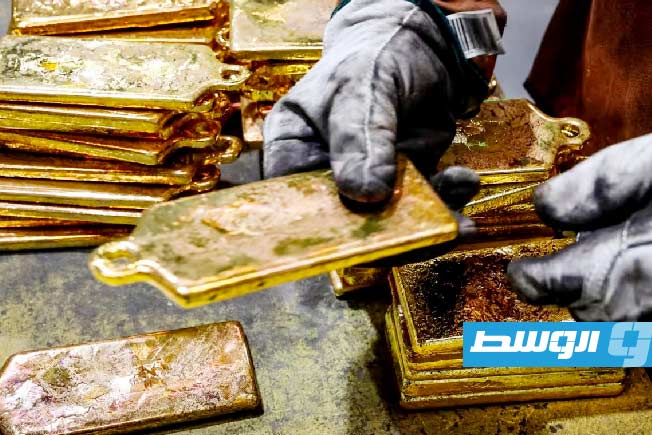
The price of the red metal jumped to a record high exceeding $12,000 per tonne in December, gaining more than a third since the start of 2025. This marks the largest annual jump since approximately 2009, when copper prices rose by more than 140% due to the financial crisis.
Sustained Rise Expected in 2026
Observers expect copper prices to continue their upward trajectory during 2026, predicting that demand for the industrial metal will outstrip supply by around 2030. Demand for copper is increasing due to the shift from fossil fuels to renewable energy sources like solar and wind power, vehicle electrification, and the rapid growth in building data centers to support artificial intelligence.
However, older copper mines are experiencing declining productivity, and bringing new mines into operation is extremely costly and takes years.
It was noted that “continued price increases could push some manufacturers to seek cheaper alternatives or negatively impact demand in areas considered less critical, such as reducing carbon emissions.”
‘The Perfect Storm’
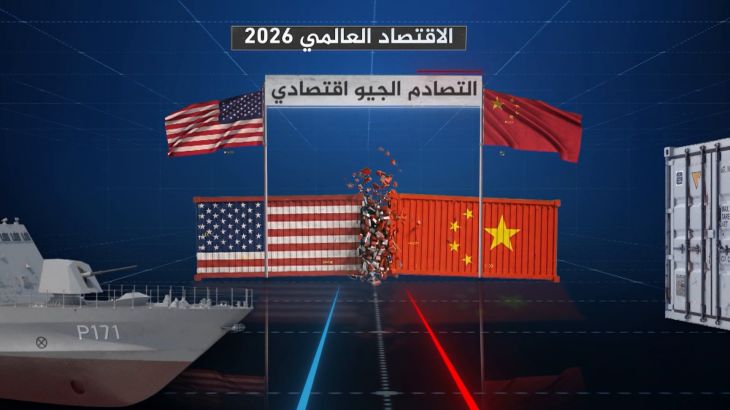
High copper prices are described as part of a “perfect storm” of factors that converged during the year, including easing trade tensions between the United States and China, efforts to broker a peace agreement between Russia and Ukraine, and the repercussions of U.S. tariffs.
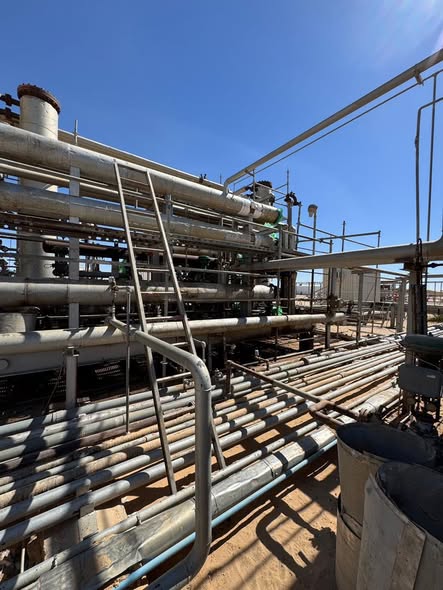
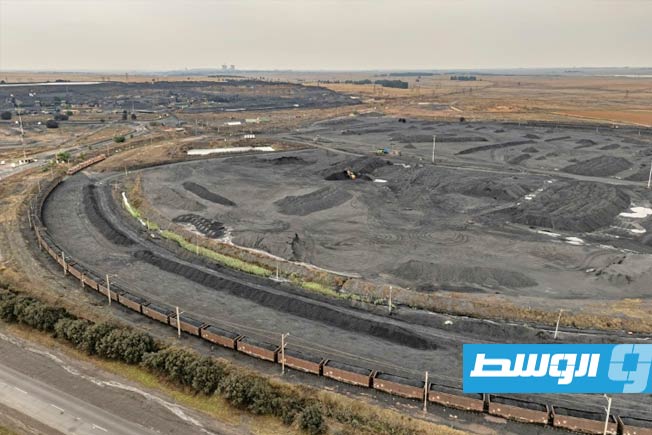
Since last October, London copper prices have recorded a series of record highs, influenced by three incidents at the world’s largest copper mines, which heightened concerns about supply shortages.
However, it was stated that “many market participants are talking about a structural deficit in copper starting from 2026.”
In turn, a copper analyst remarked that “the market is reacting to a state of excessive optimism and supply concerns ignited by an abundance of copper in the United States.”
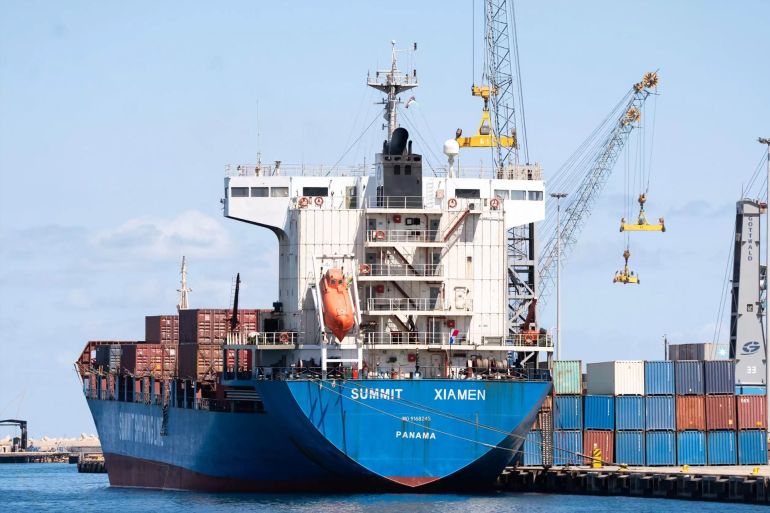
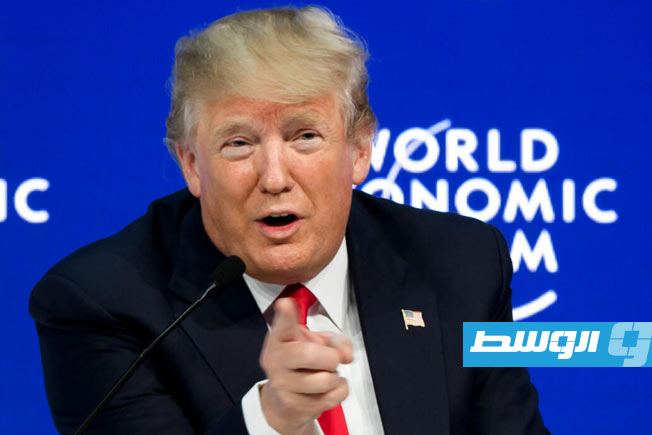
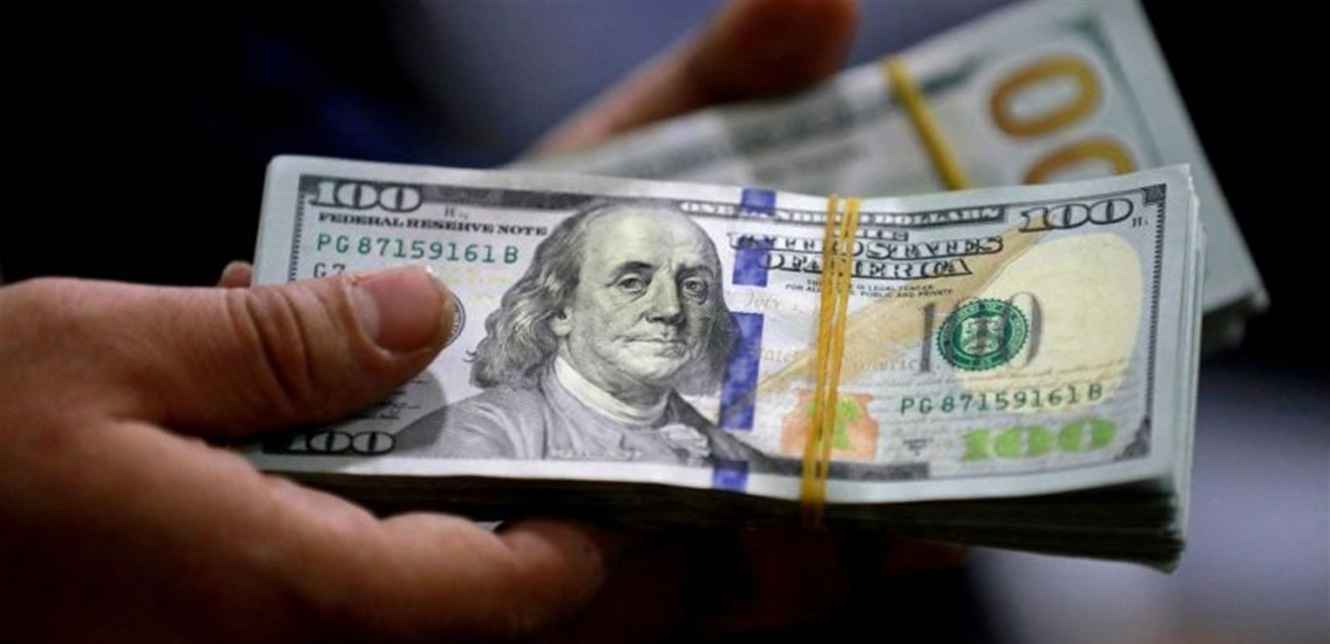
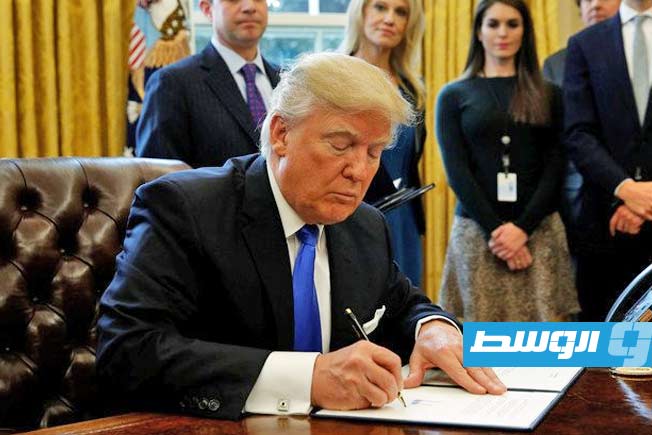
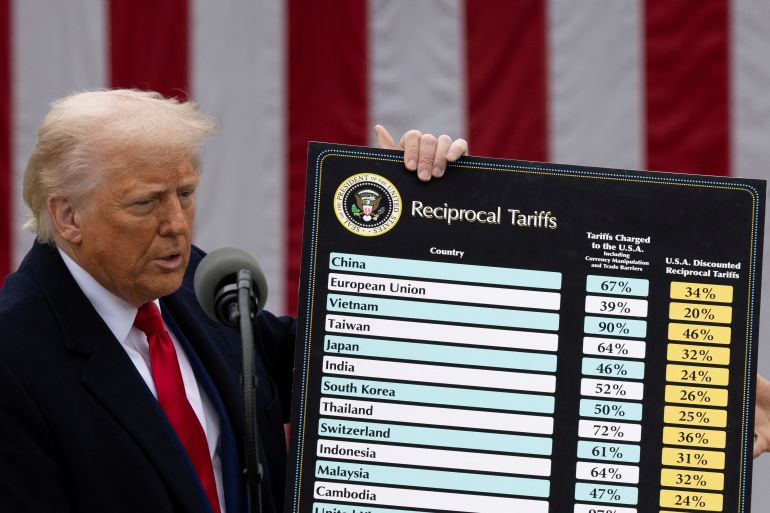
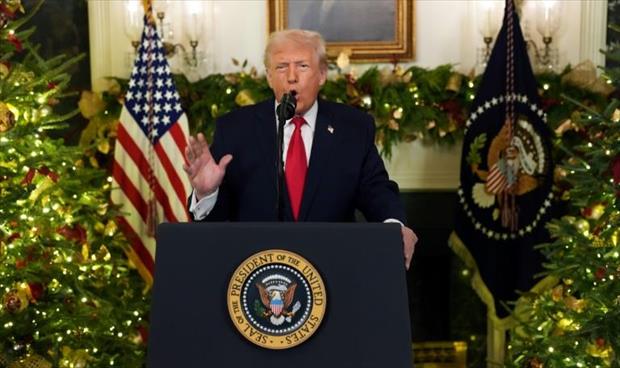
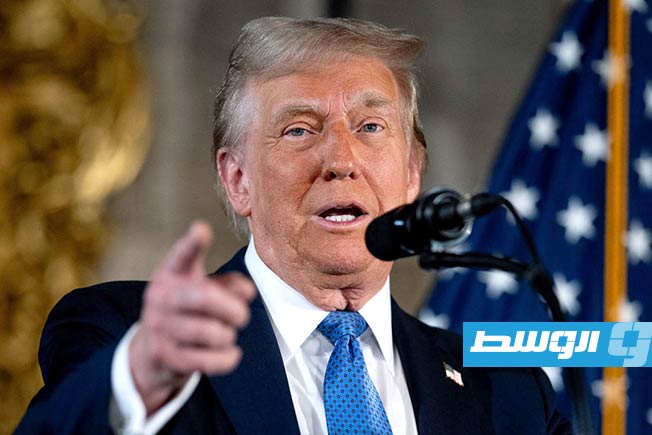
This year also saw massive inflows of copper into the United States, as importers rushed to bring in the metal ahead of the Trump administration’s imposition of tariffs on copper.
Copper
Copper is a naturally occurring metal that has been used by humans for over 10,000 years, with its earliest known smelting dating to around 5000 BCE in the Middle East. Its malleability and conductivity made it fundamental to ancient toolmaking, art, and later, electrical technology, shaping numerous civilizations from the Bronze Age onward.
United States
The United States is a federal republic founded in 1776 after declaring independence from Great Britain, with its modern government established by the Constitution in 1789. Its history is marked by westward expansion, industrialization, and its emergence as a global superpower in the 20th century. The nation is defined by its diverse cultural heritage, stemming from immigration, and its significant influence on global politics, economics, and popular culture.
China
China is one of the world’s oldest continuous civilizations, with a recorded history spanning over 4,000 years. It is home to numerous UNESCO World Heritage sites, such as the Great Wall and the Forbidden City, which reflect its long imperial past and profound cultural traditions.
Russia
Russia is the world’s largest country by area, spanning Eastern Europe and Northern Asia. Its history is marked by the rise and fall of the Tsarist Empire, the establishment of the Soviet Union in the 20th century, and its post-1991 formation as the Russian Federation. The nation is renowned for its vast landscapes, rich literary and artistic traditions, and iconic sites like the Kremlin and Red Square in Moscow.
Ukraine
Ukraine is a country in Eastern Europe with a rich history dating back to the medieval state of Kyivan Rus, which emerged in the 9th century. It has experienced periods of independence as well as foreign rule, most notably as part of the Russian Empire and the Soviet Union, before regaining its sovereignty in 1991.
London
London is the capital of the United Kingdom, founded as a Roman settlement called Londinium nearly two millennia ago. It has since grown into a major global city, historically serving as the centre of the British Empire and a focal point for finance, culture, and politics. Key historical landmarks include the Tower of London, Westminster Abbey, and the Houses of Parliament.