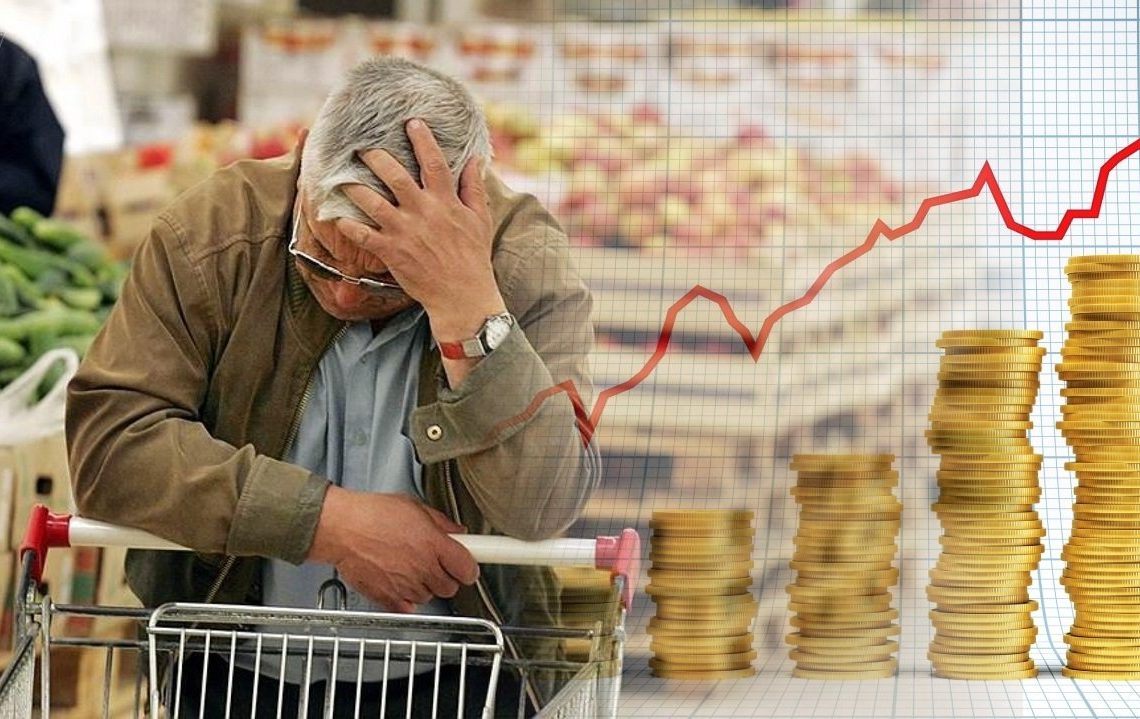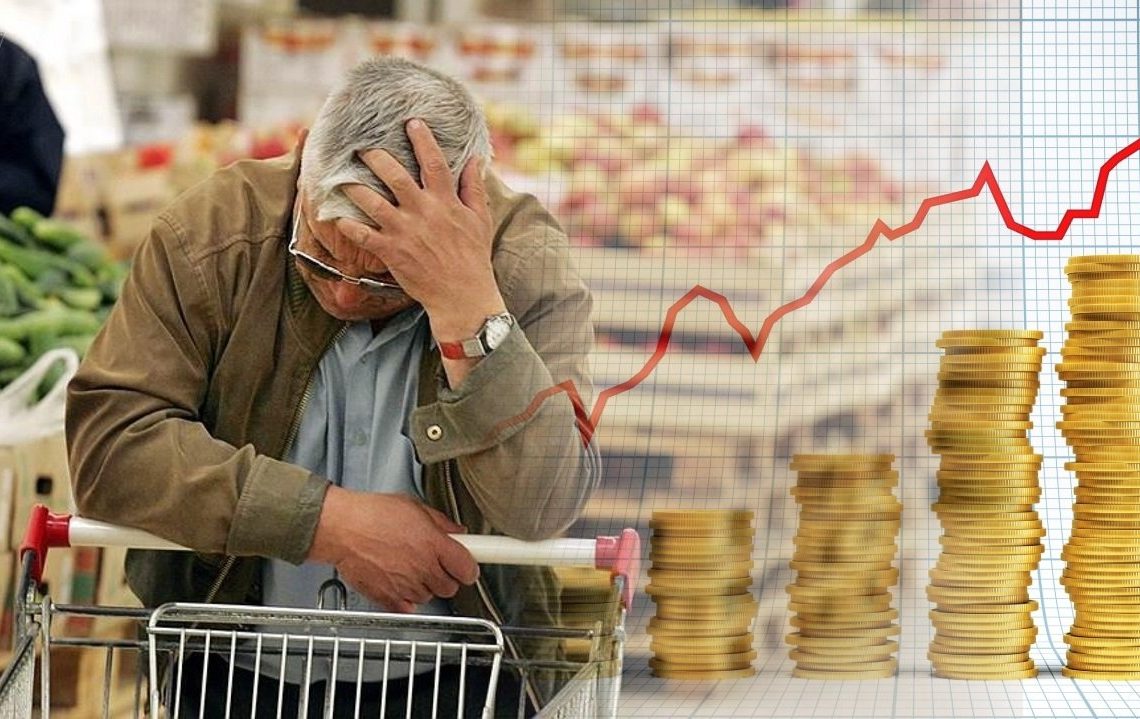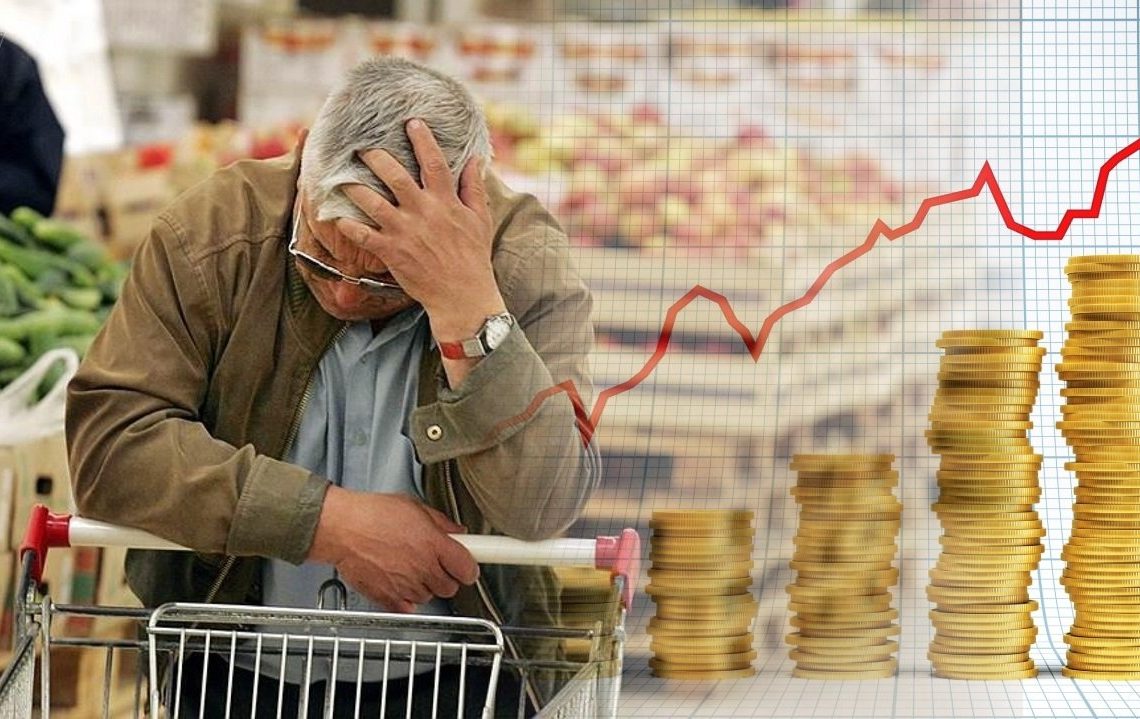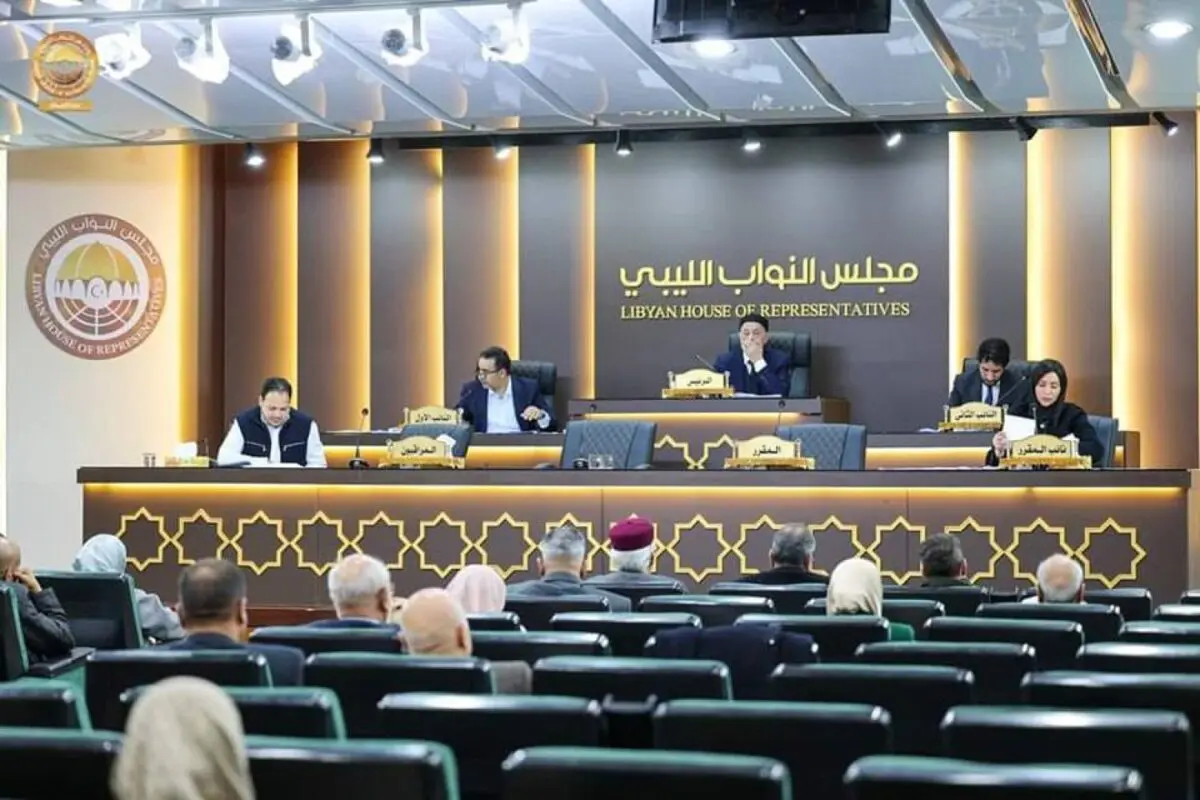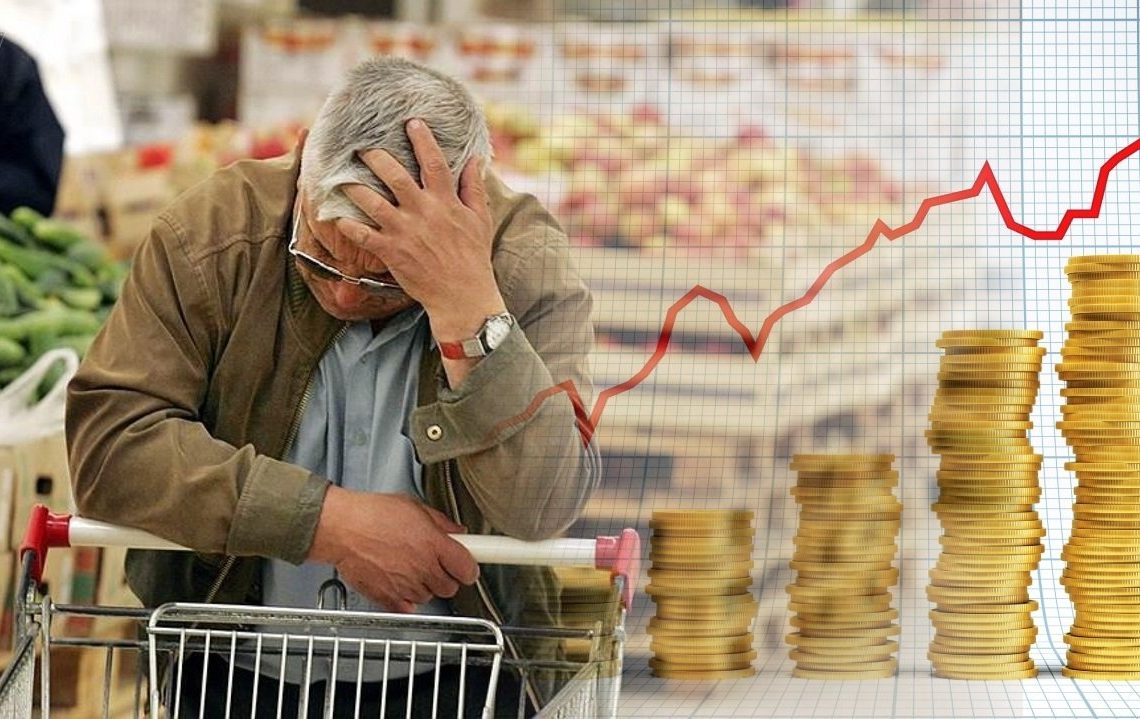
Tripoli – Libyans are facing a new crisis as cooking oil has disappeared from commercial markets just before the start of the holy month of Ramadan, at a time when living pressures on citizens are increasing.
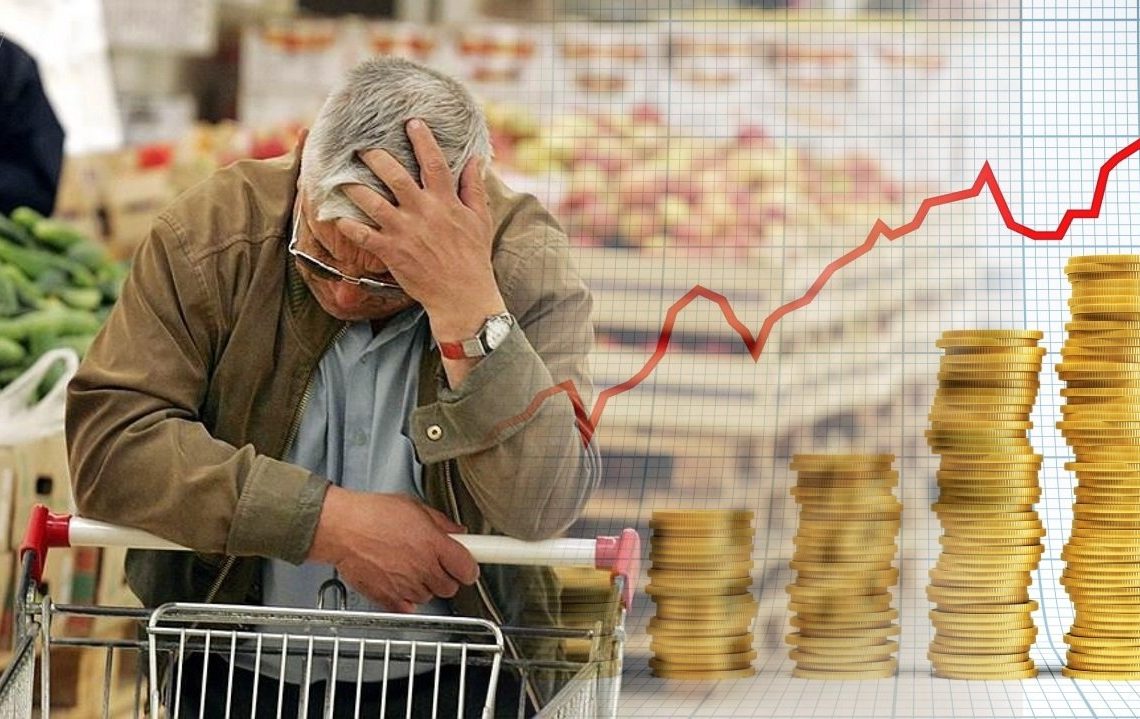
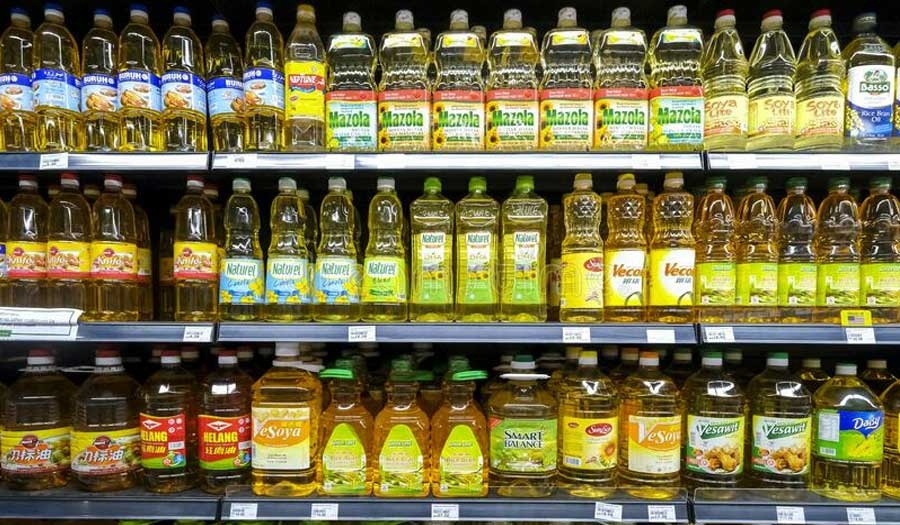
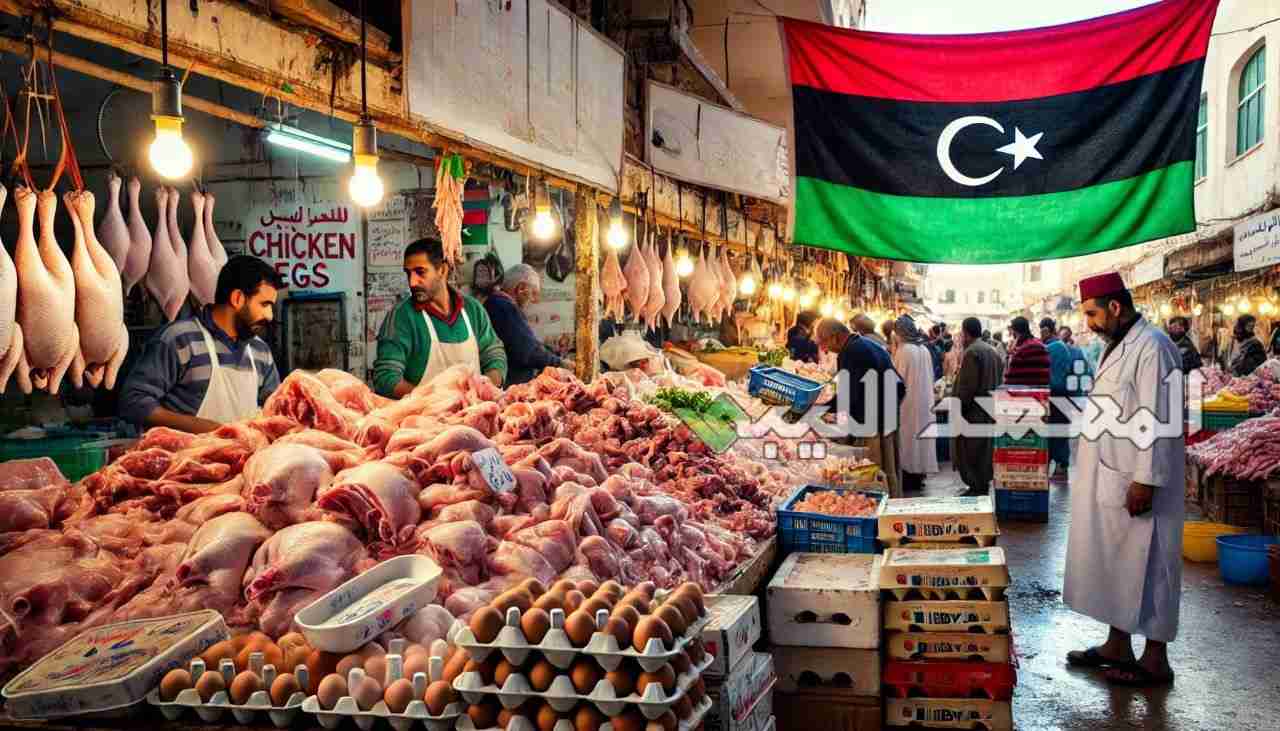
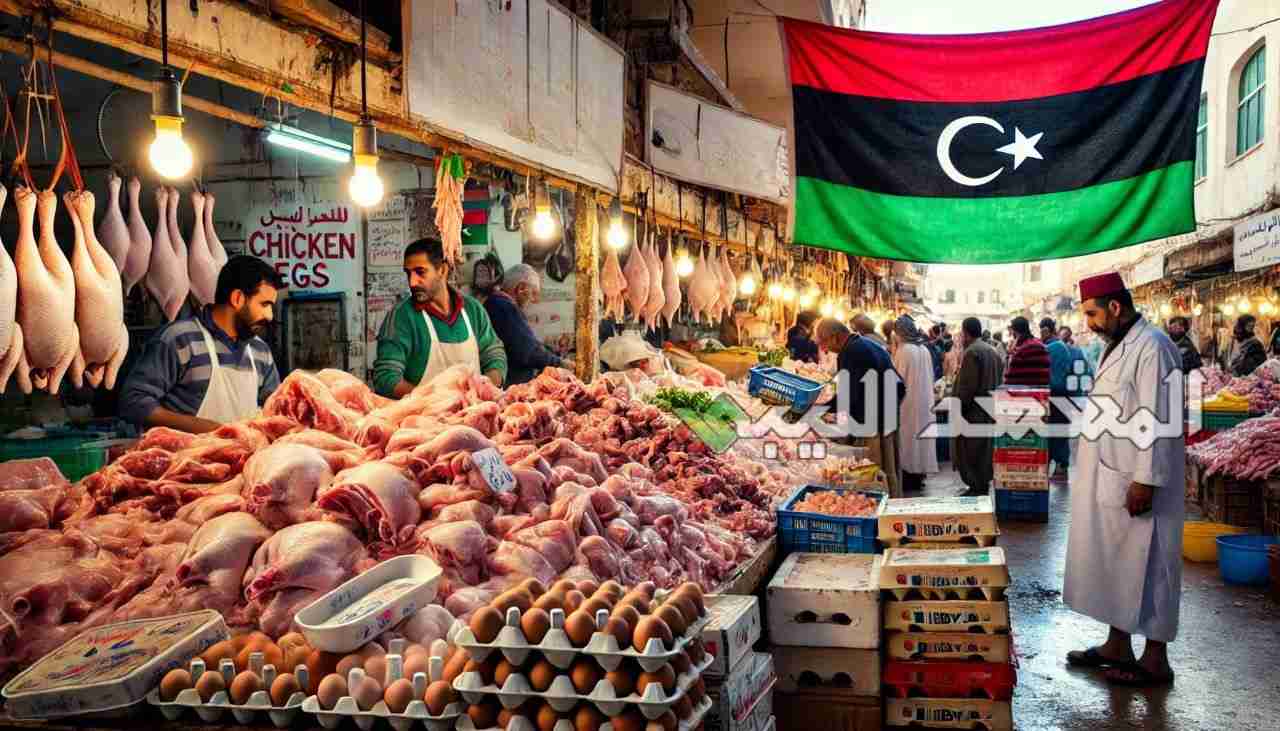
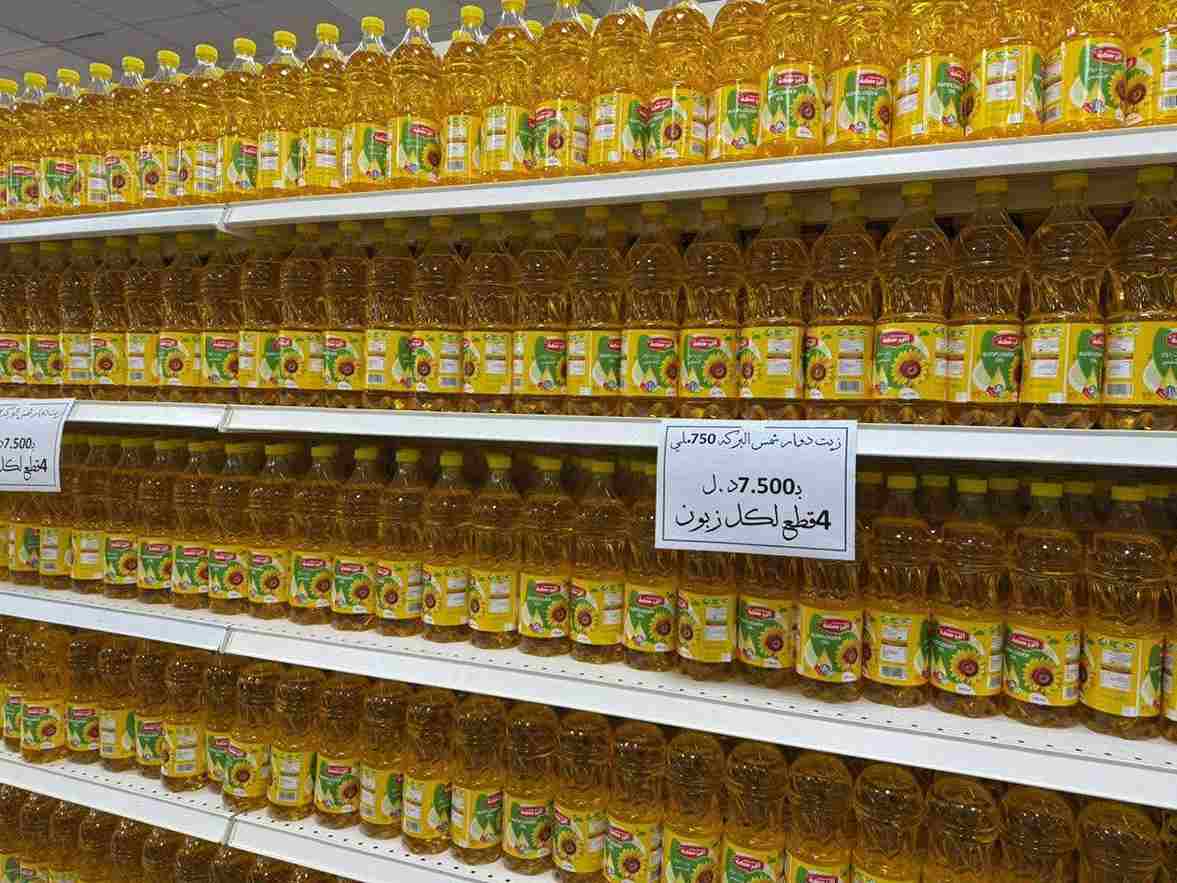
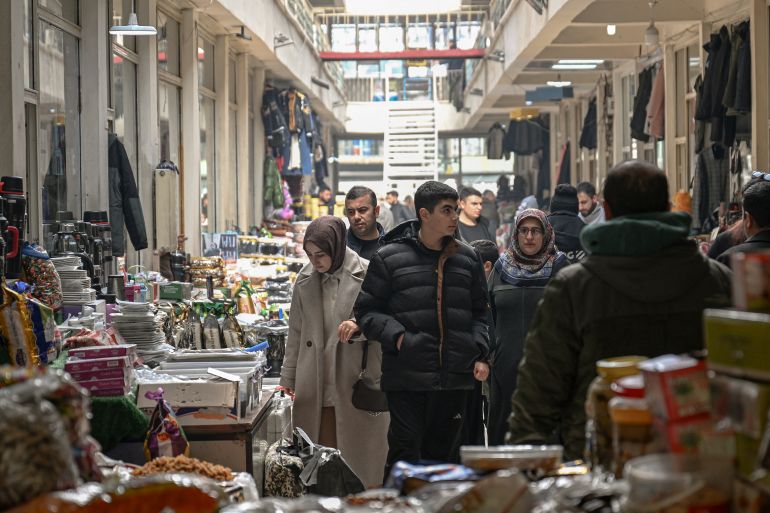
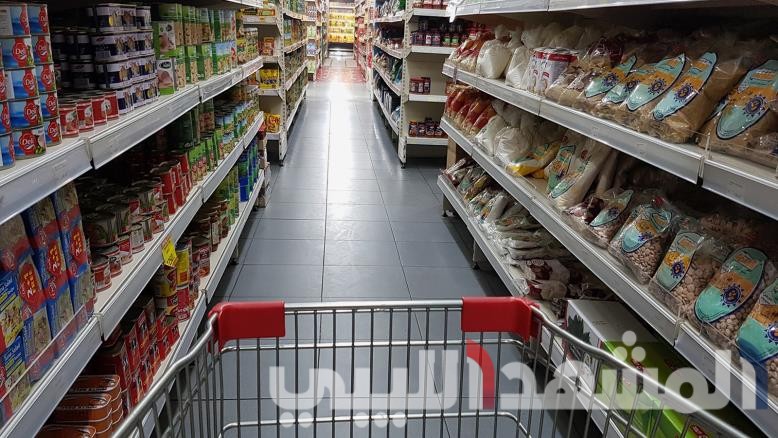
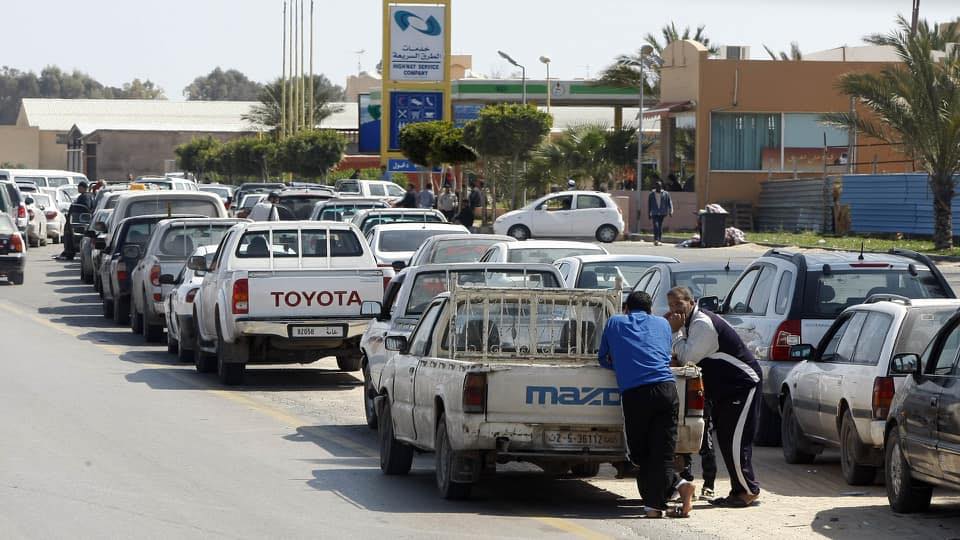
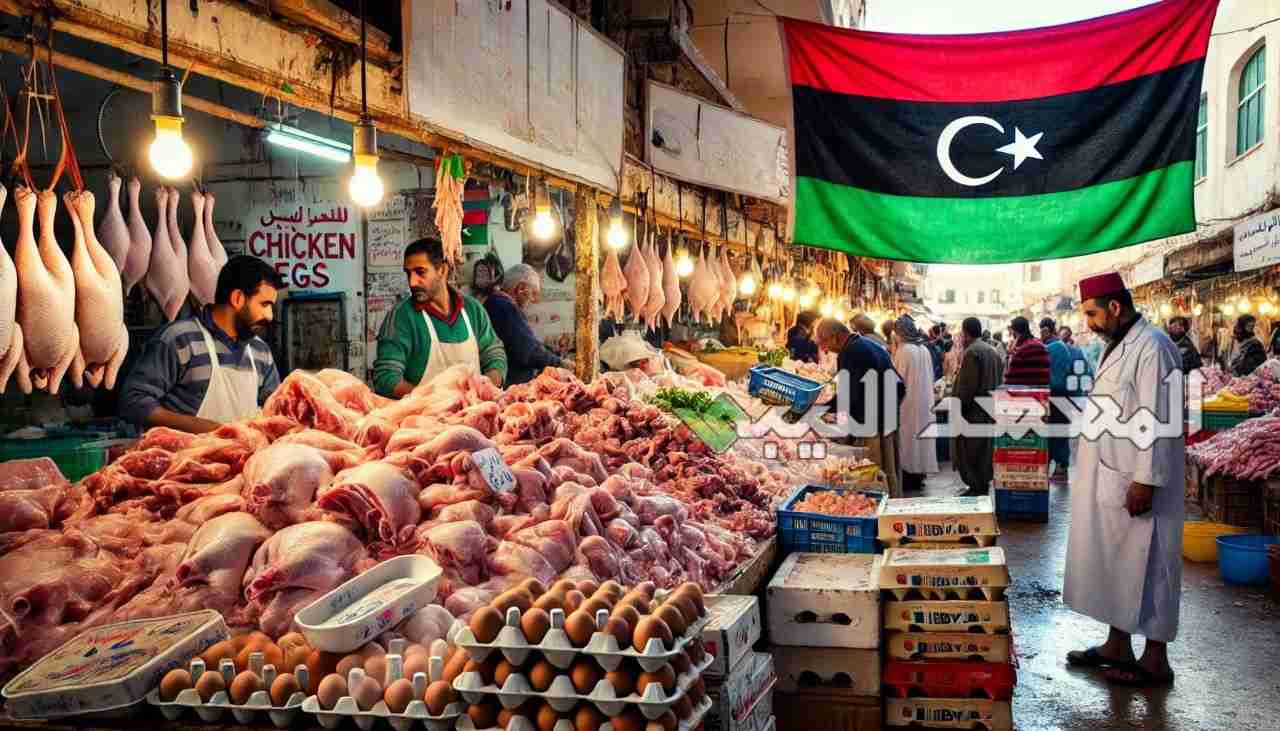
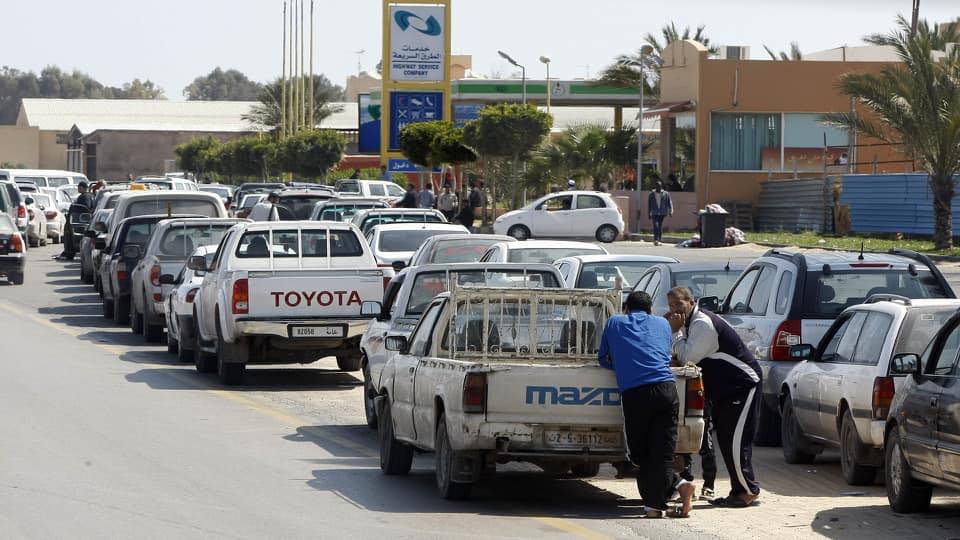
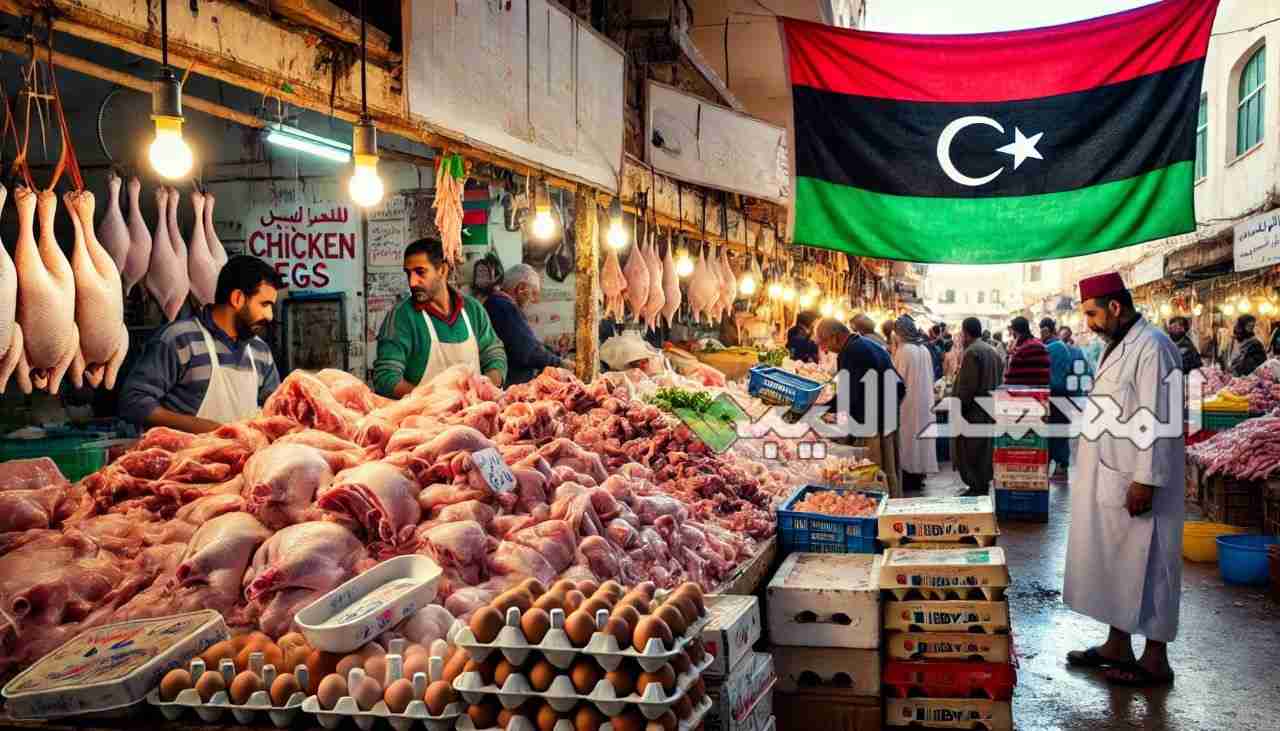
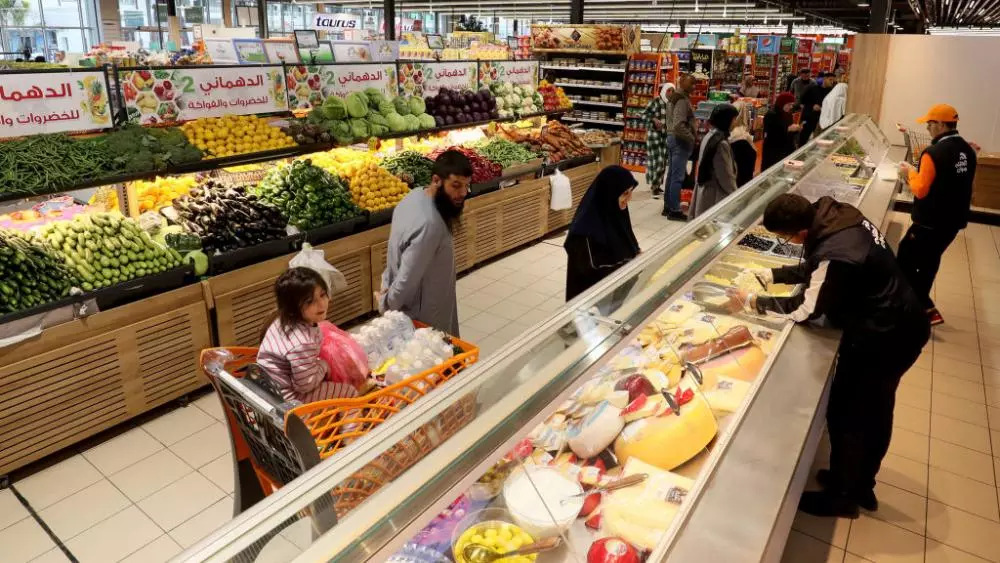
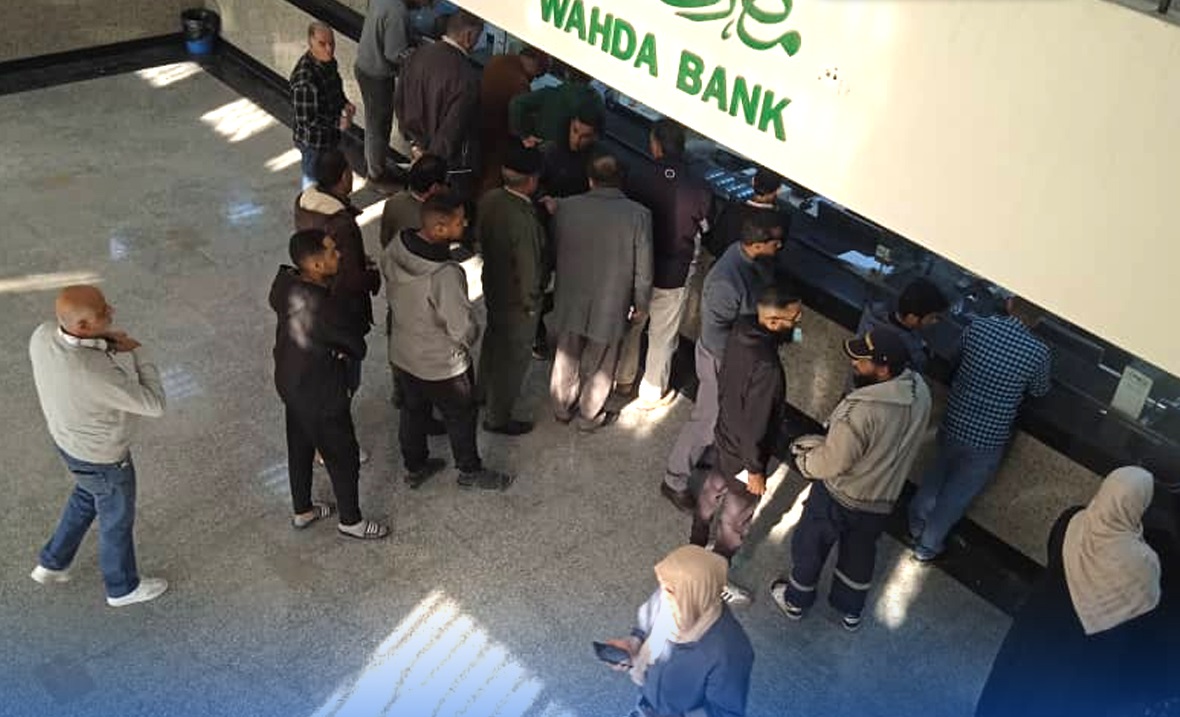
Shelves in stores across a number of cities appear almost empty of this essential commodity, forcing consumers to travel between shops in search of oil containers. They often face restrictions on the quantities they are allowed to purchase, with some stores setting a limit of no more than three containers per person.
The Municipal Guard announced that the maximum sale is four containers per individual, confirming that the decision aims to control prices and limit speculation.
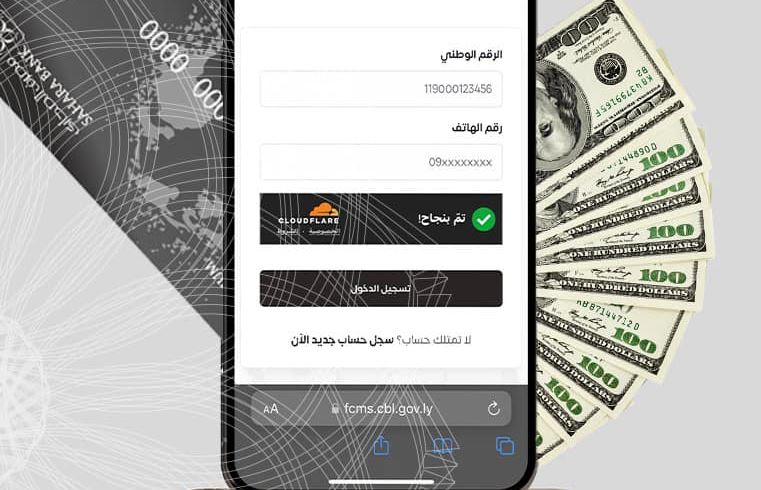
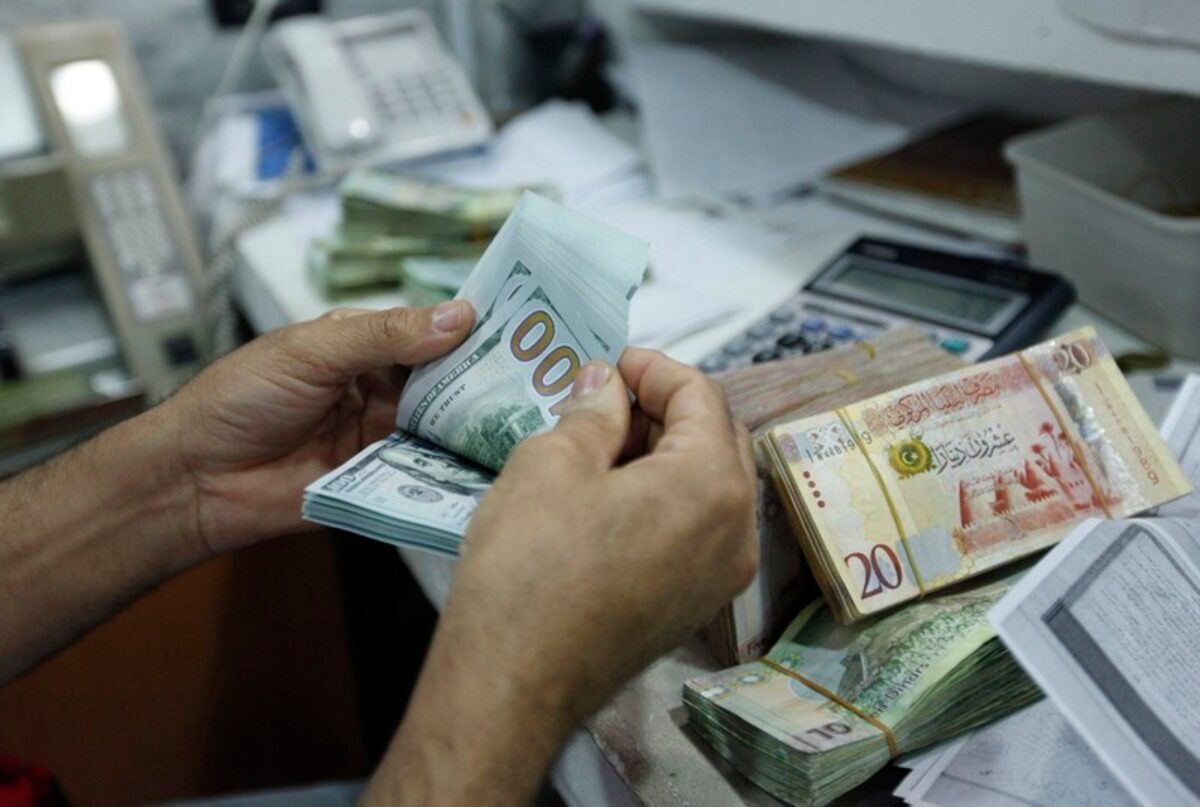
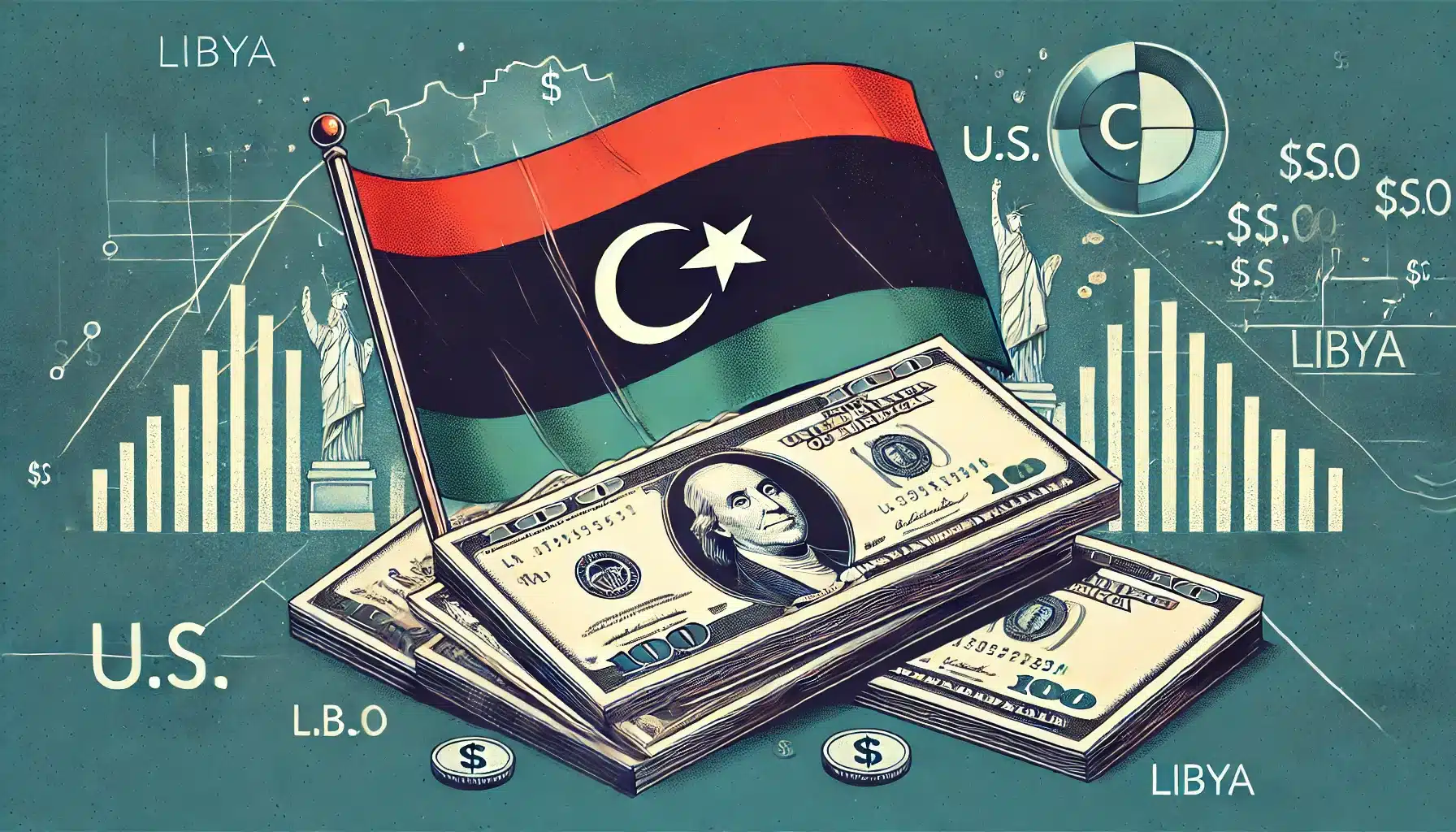
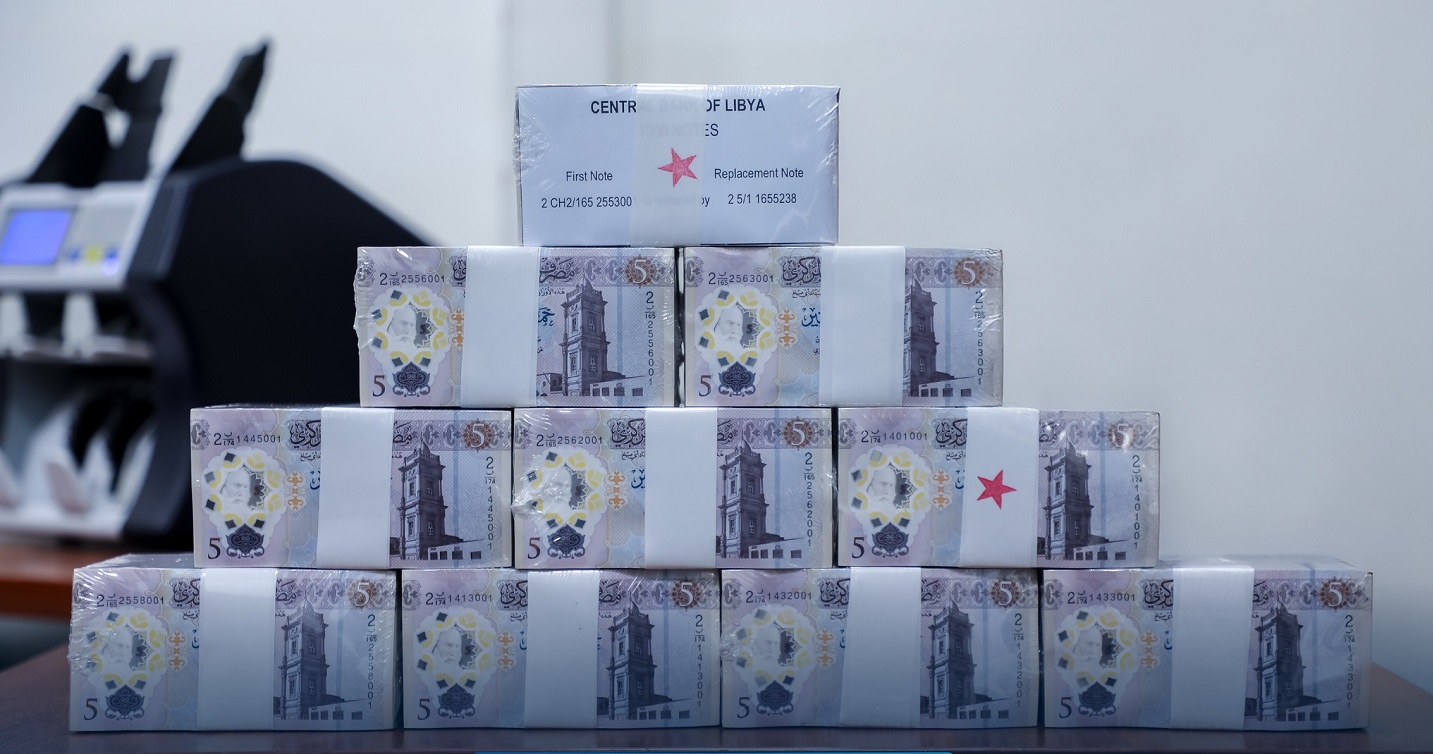
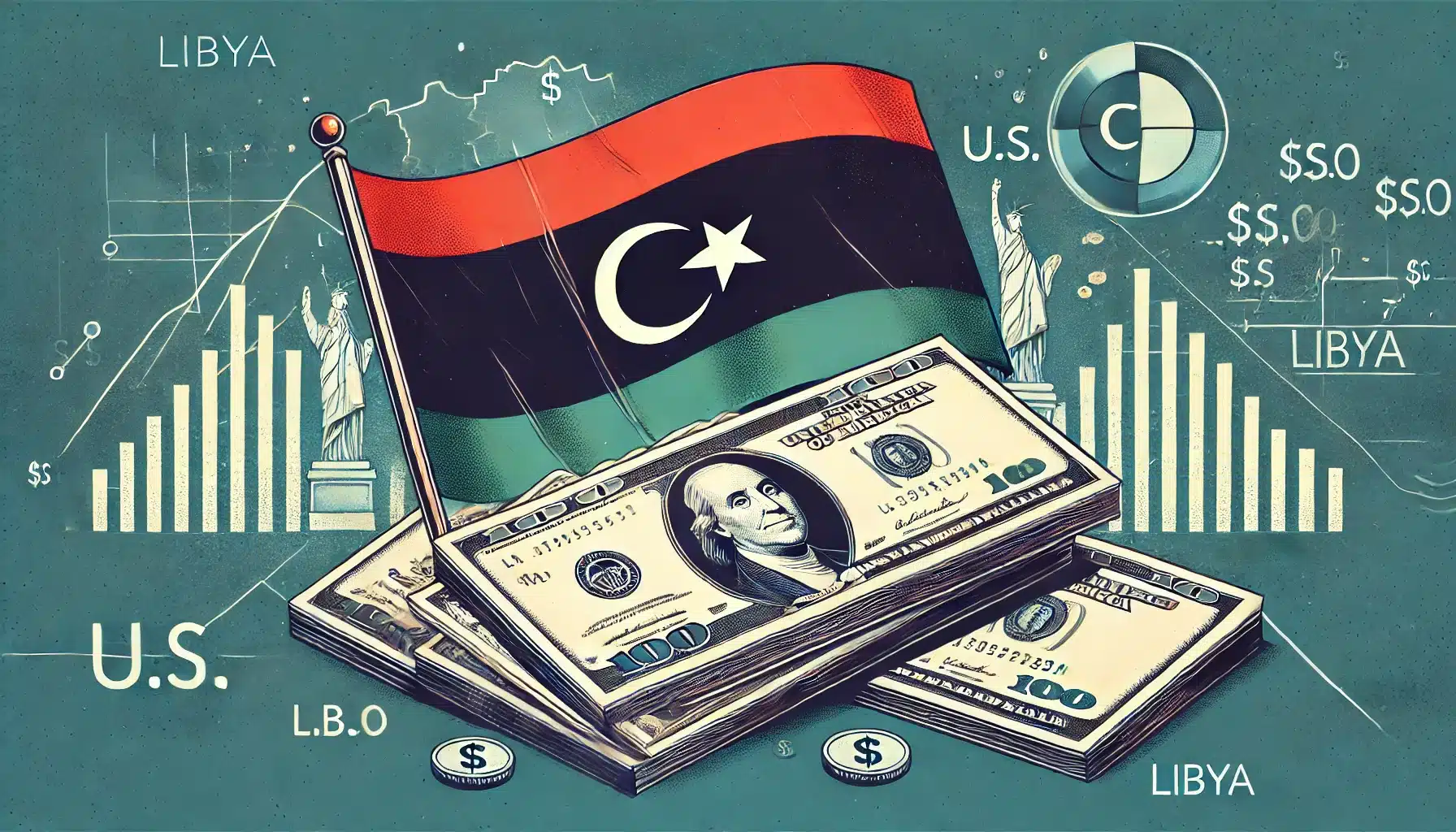
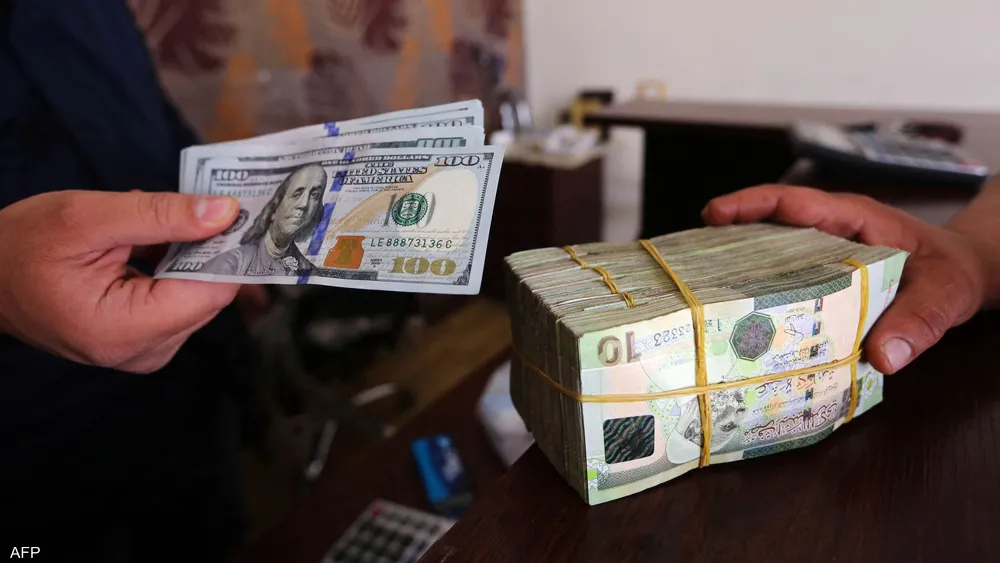
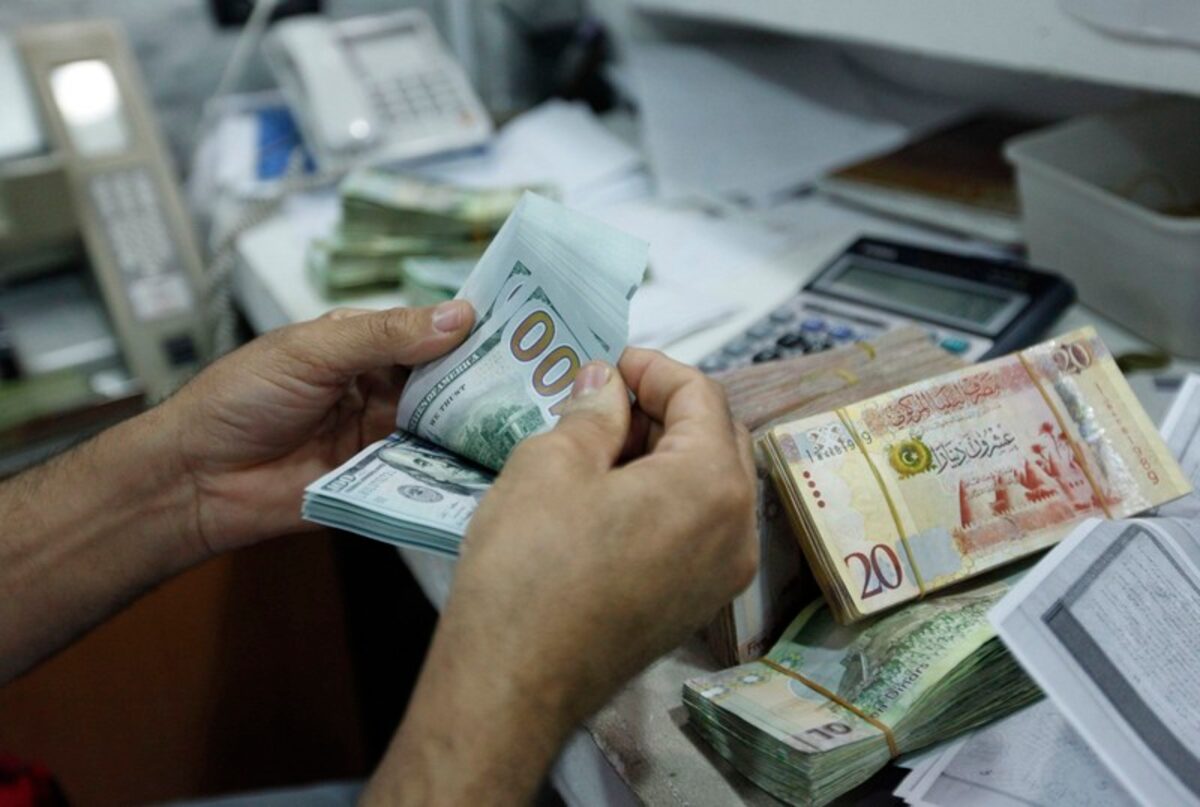
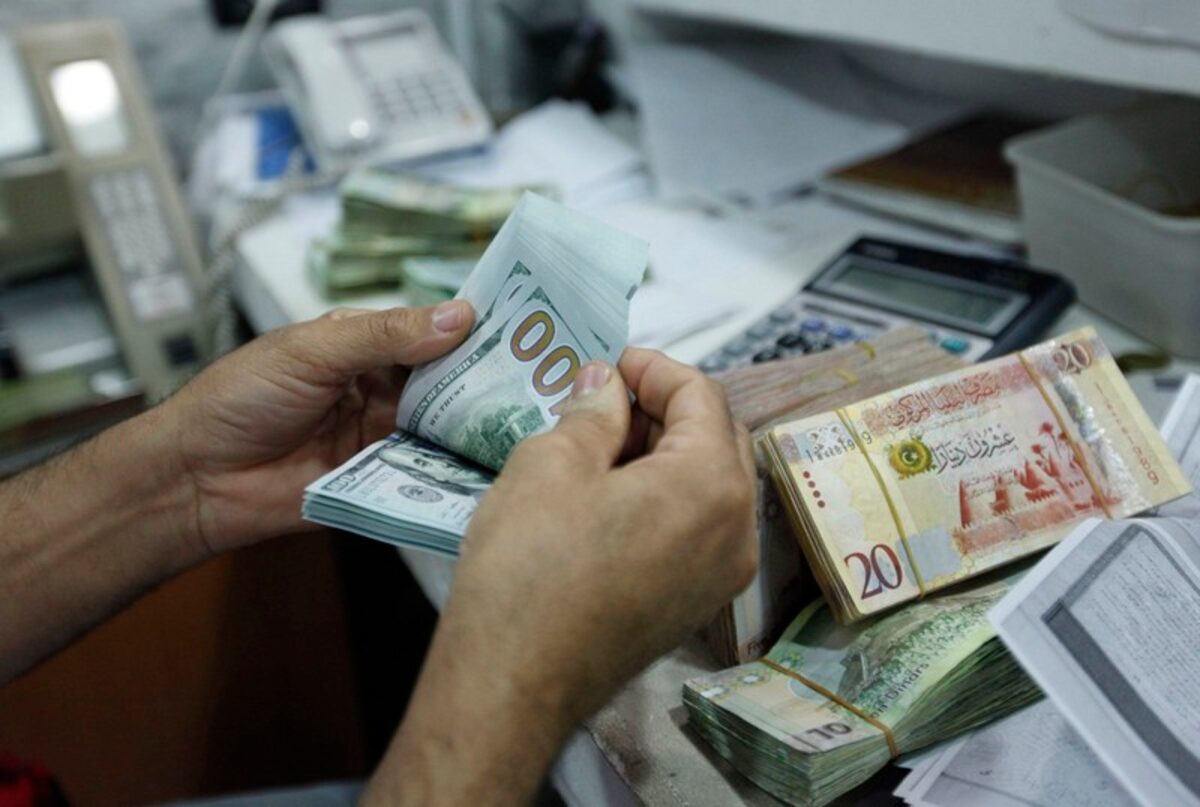
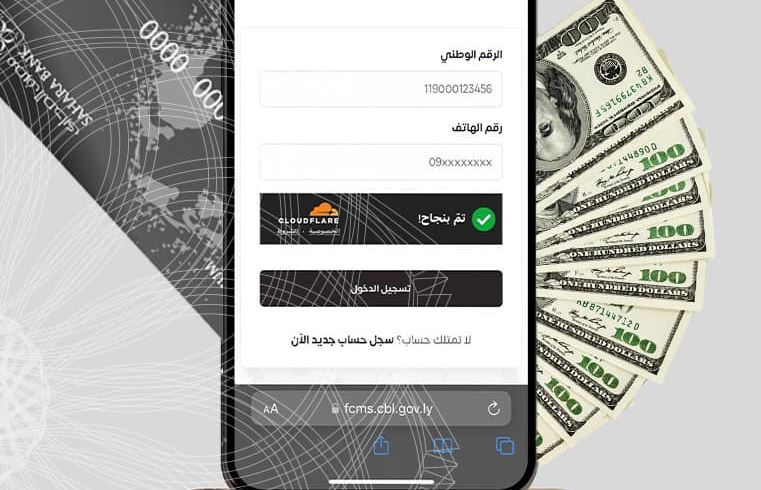
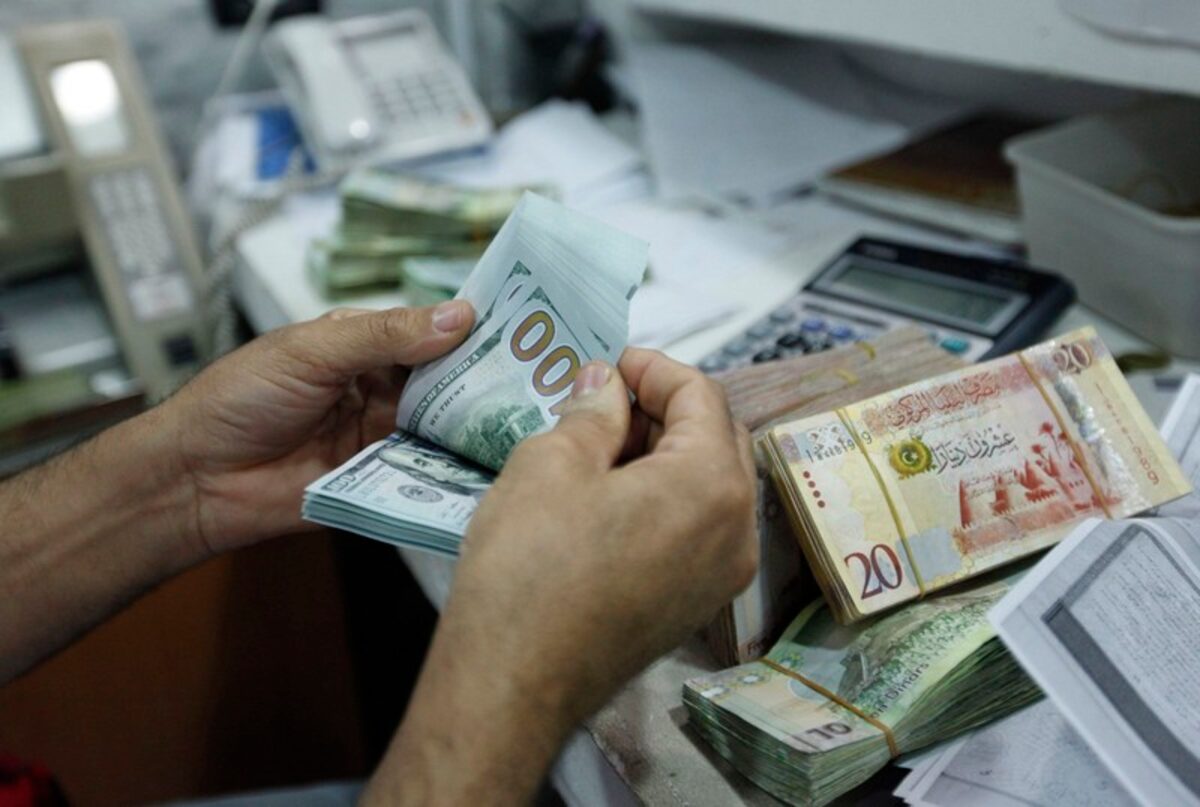
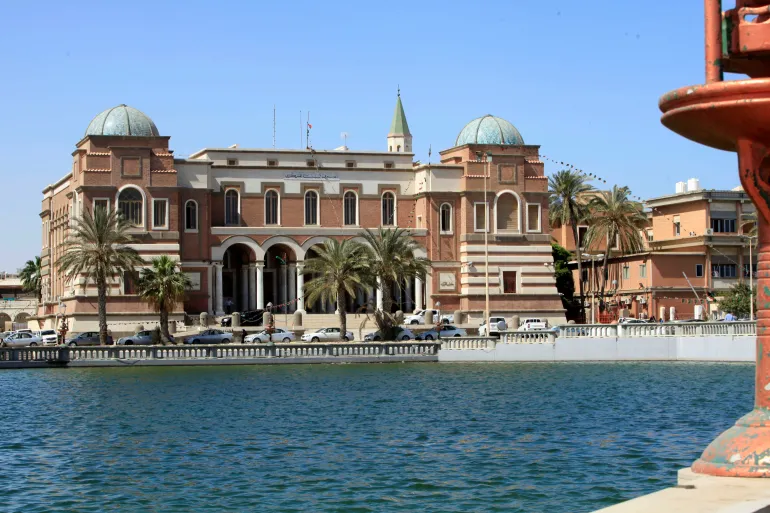
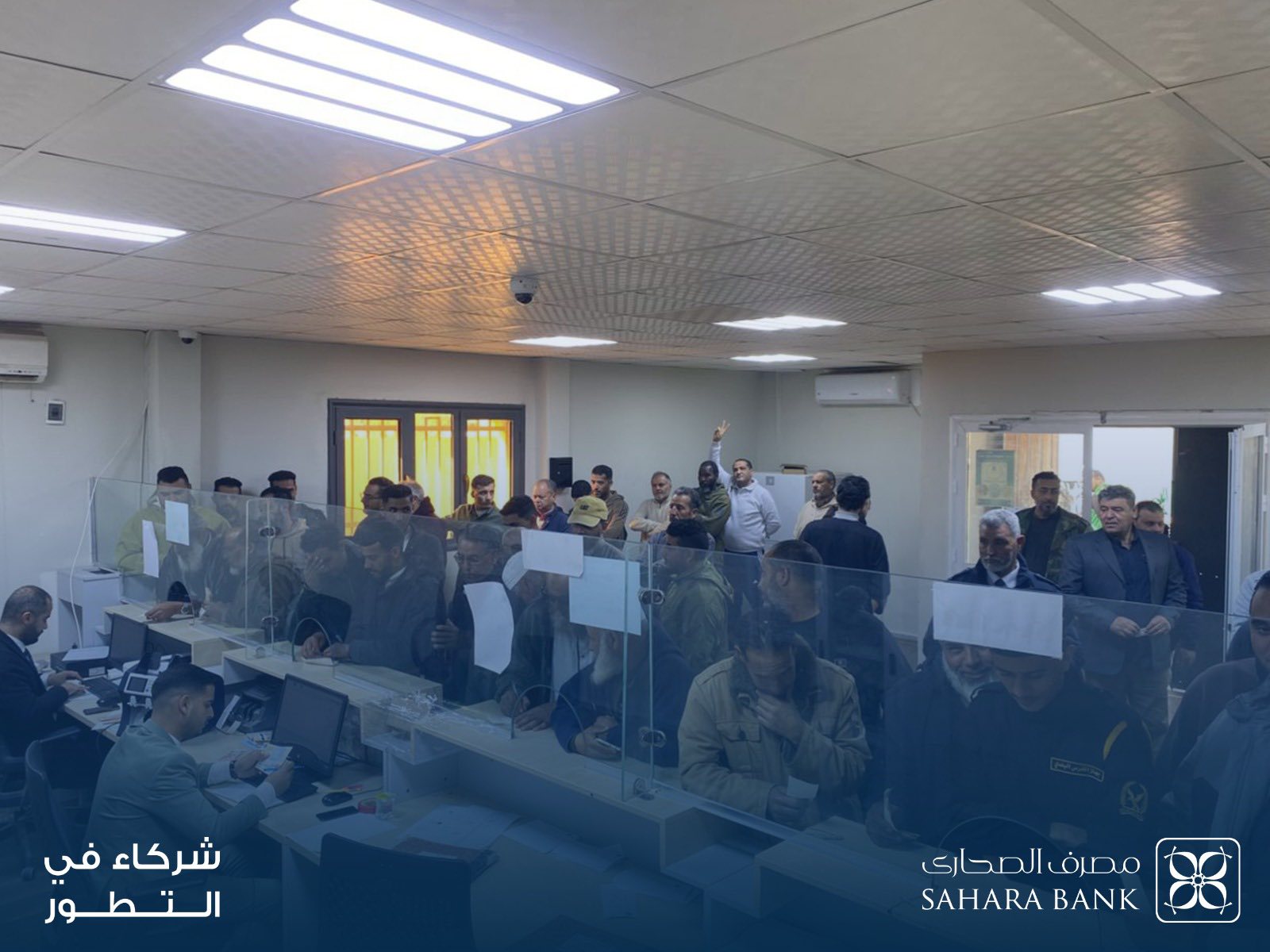
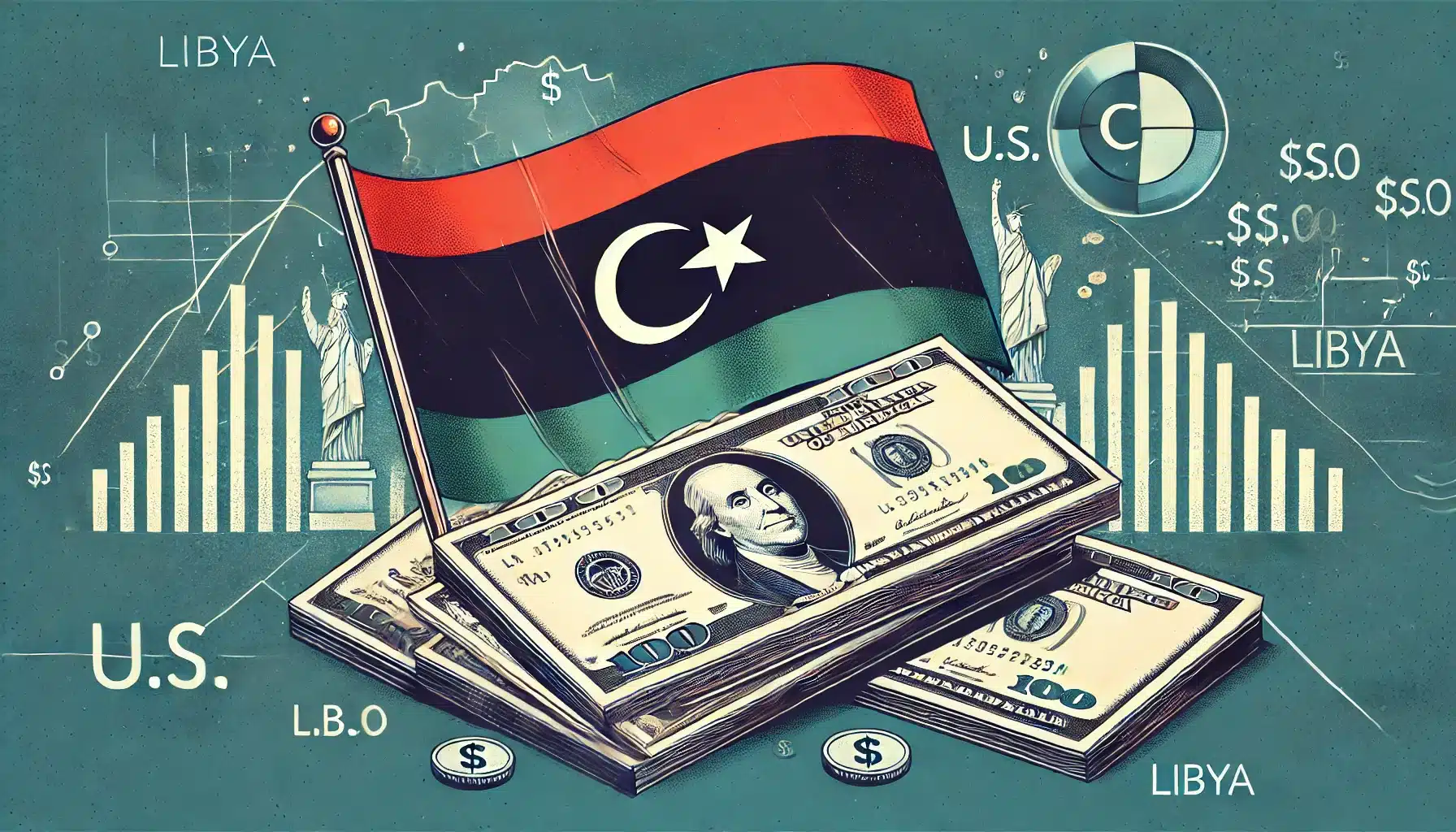
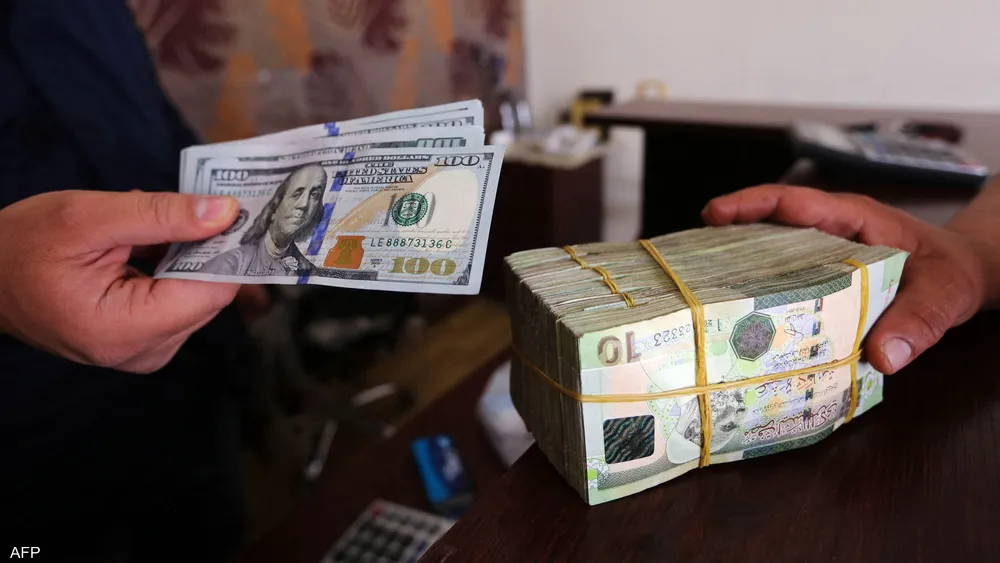
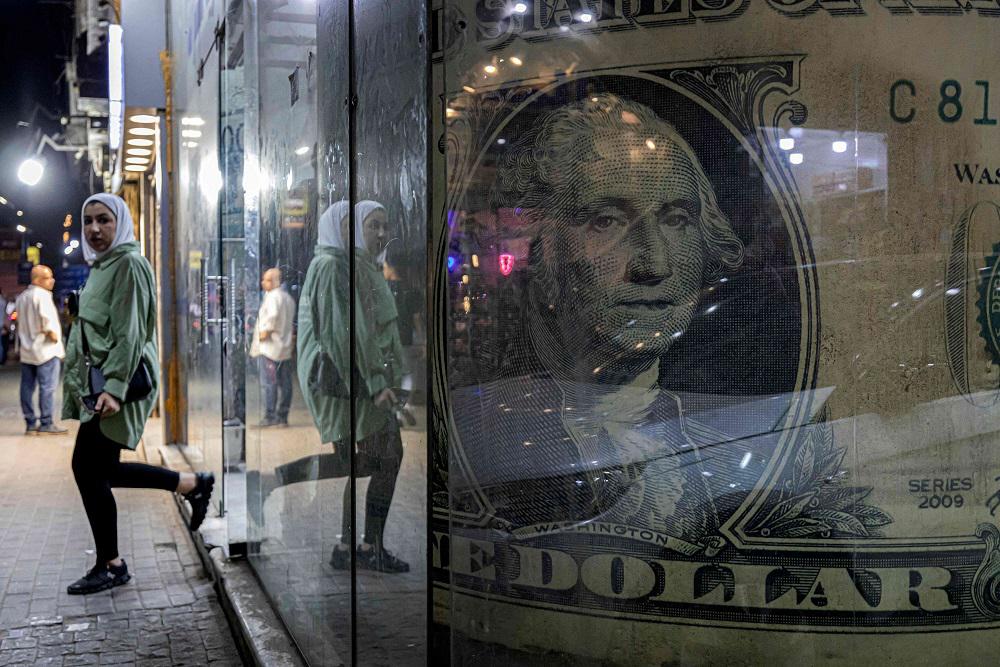
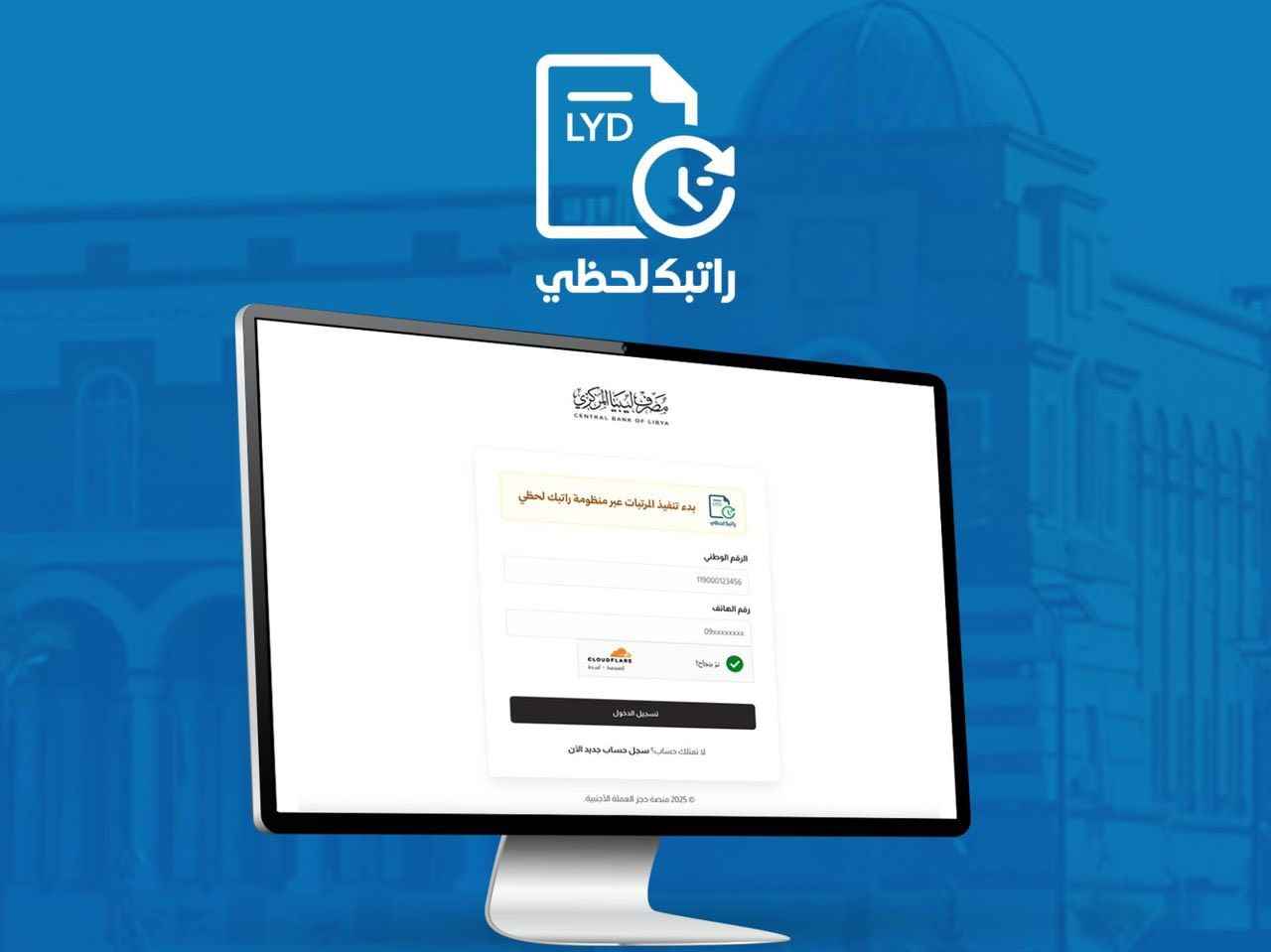
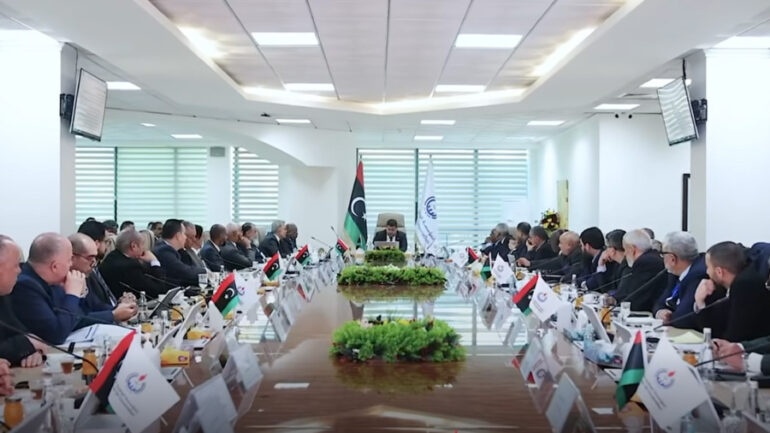
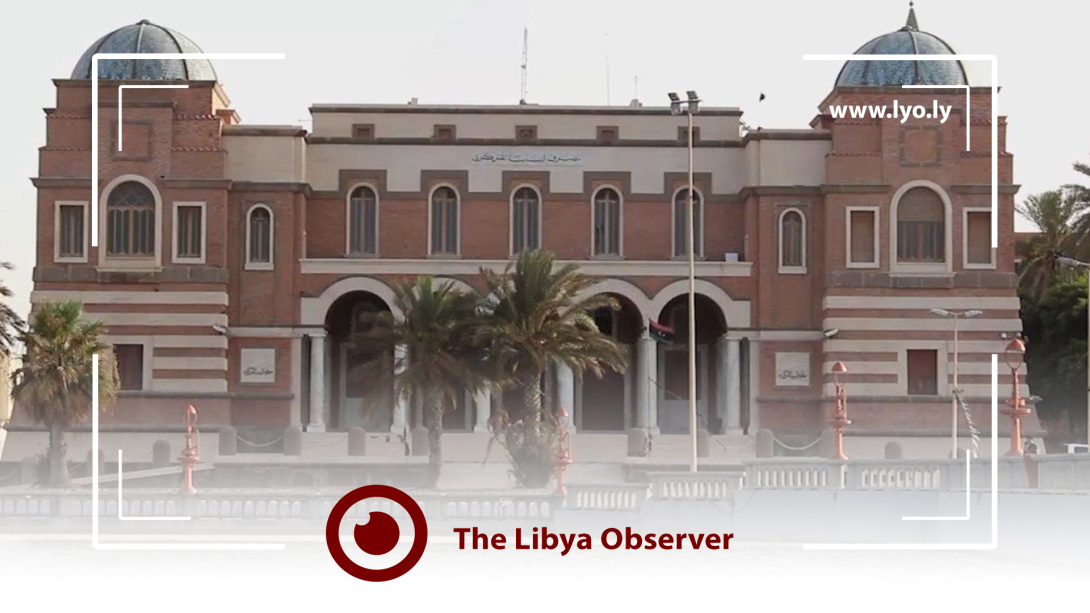
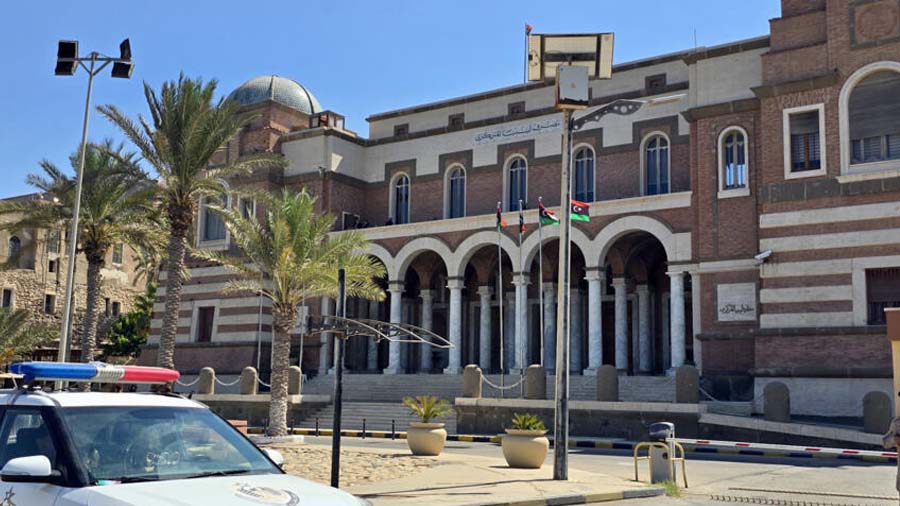
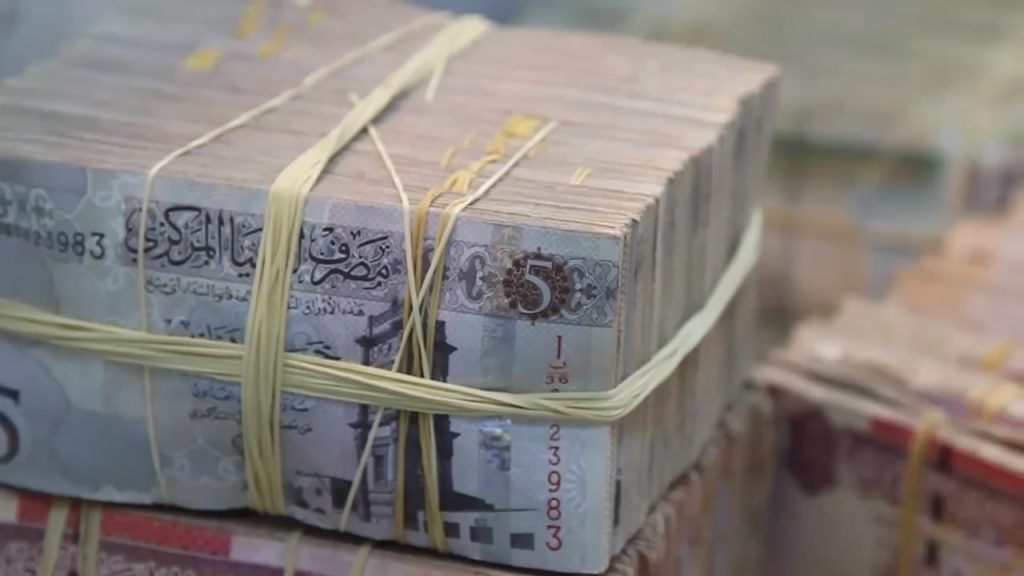
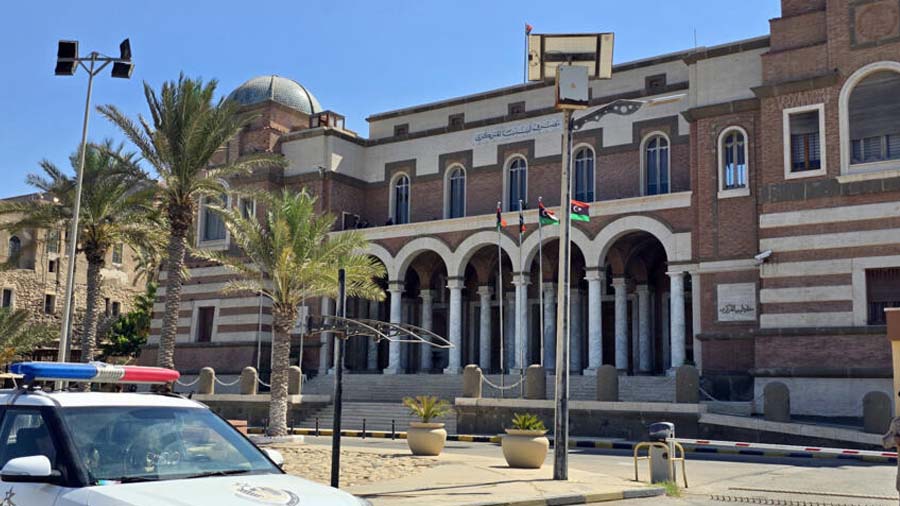
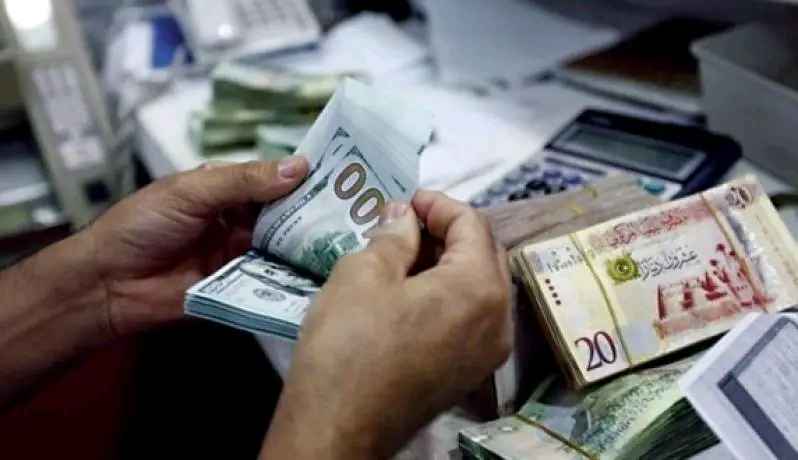
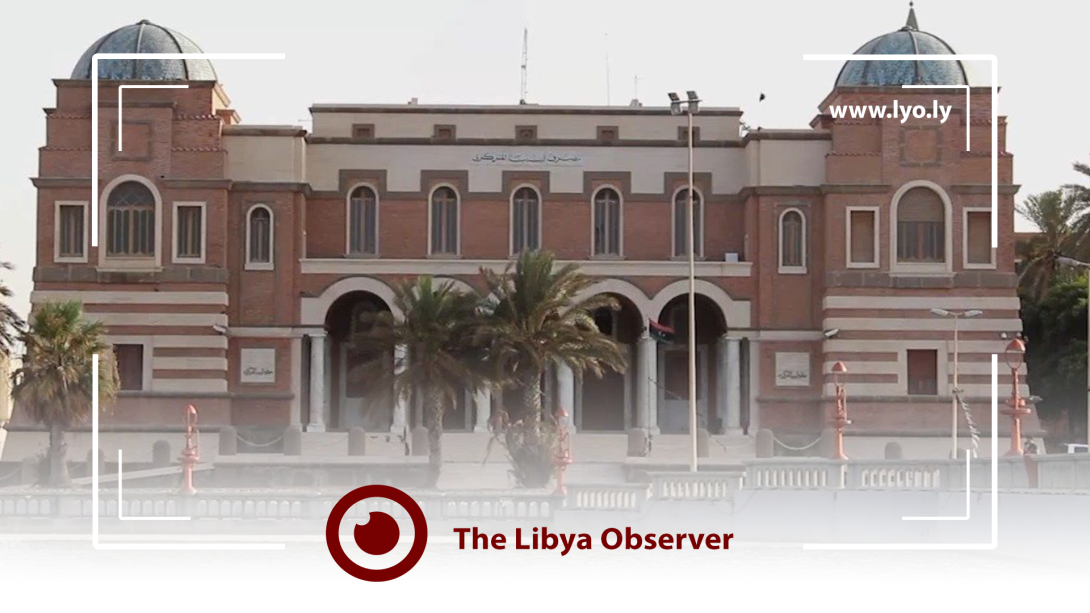
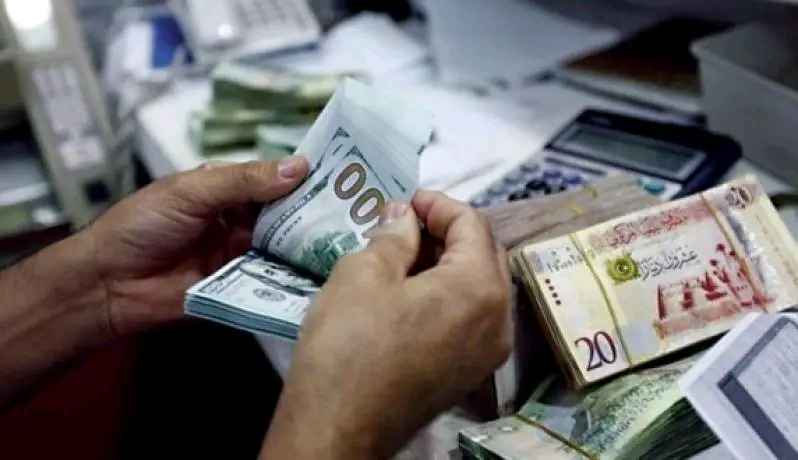
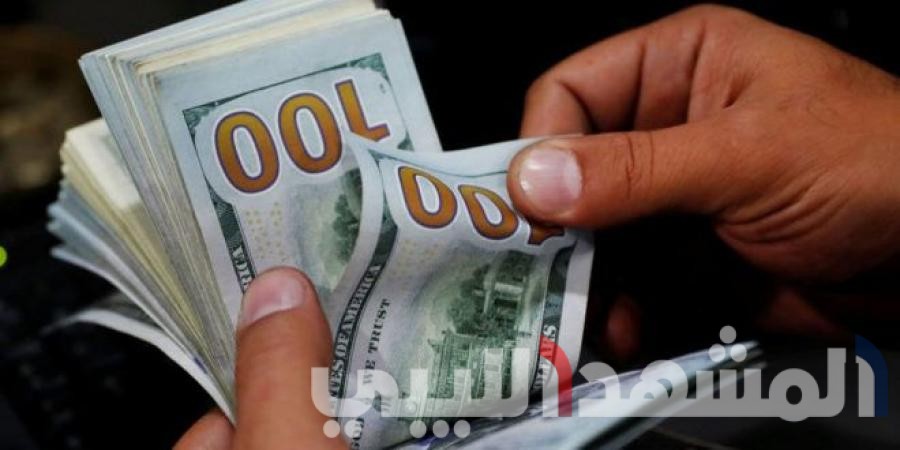
In response, the Ministry of Economy and Trade has taken strict measures. It referred a list of 85 companies to the Central Bank of Libya to suspend the opening of their documentary credits, after they obtained credits worth $130 million without this being reflected in the abundance of oil in the market. It also suspended the credits of five other companies and stopped issuing registration certificates for violating suppliers.
At the beginning of February, the ministry had set the price for an 850-milligram container of oil between 7.5 and 8.75 dinars, pointing to a surplus in quantities supplied during December and January worth $67 million. However, it denied the existence of import bottlenecks, which contradicts consumer complaints.
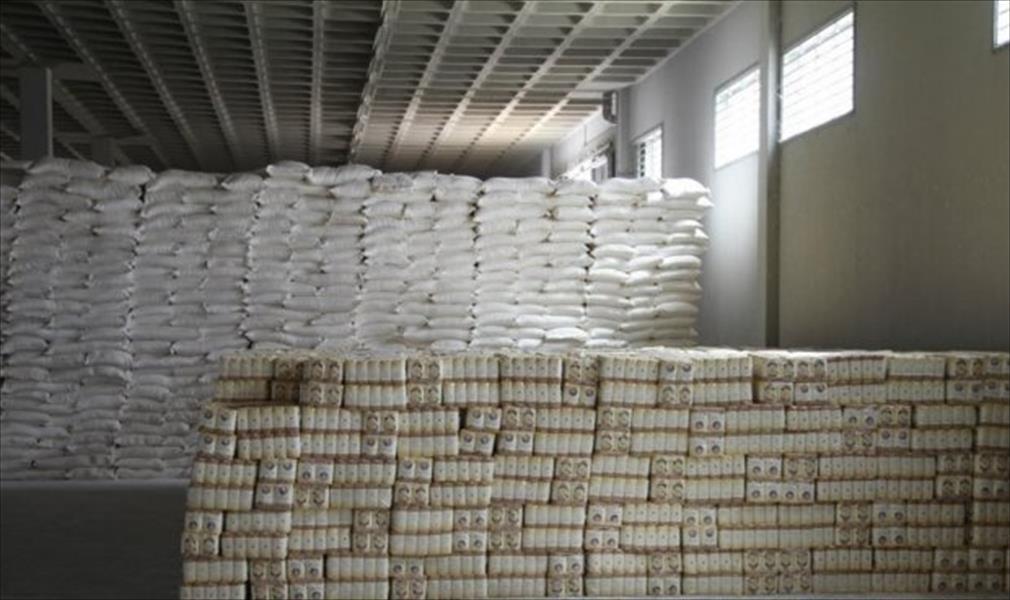
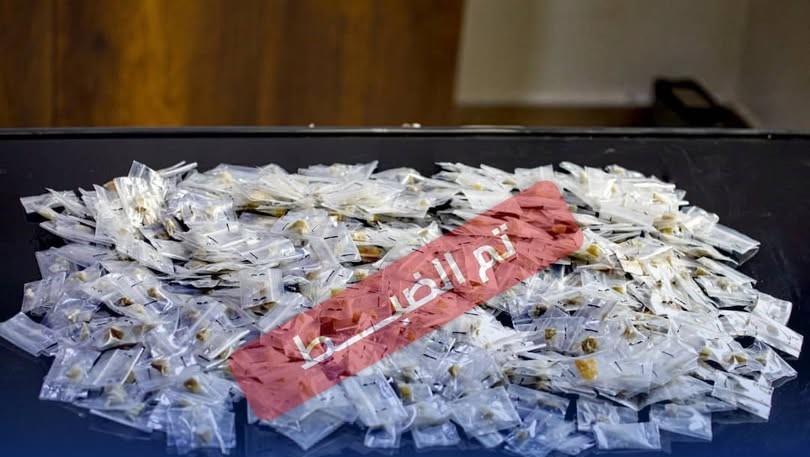
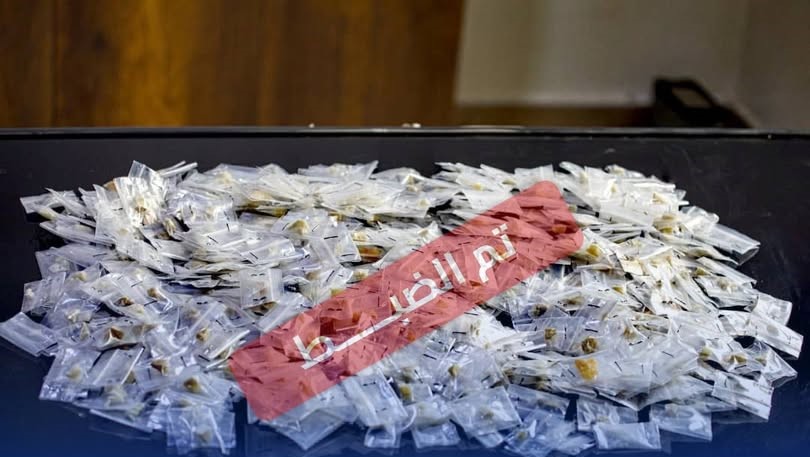
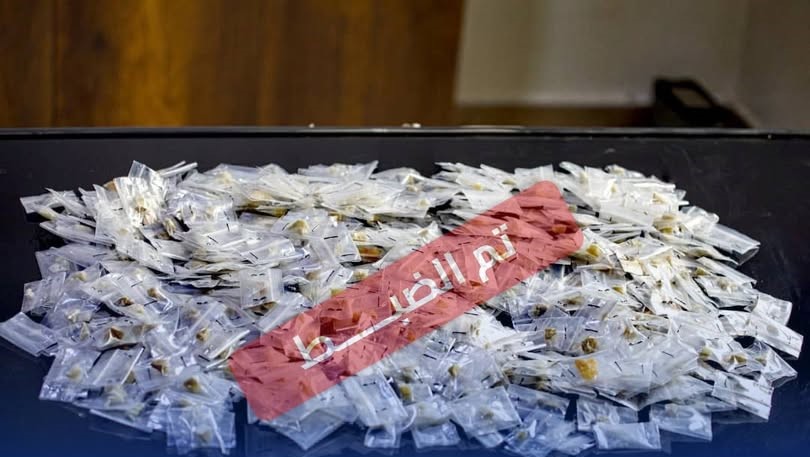
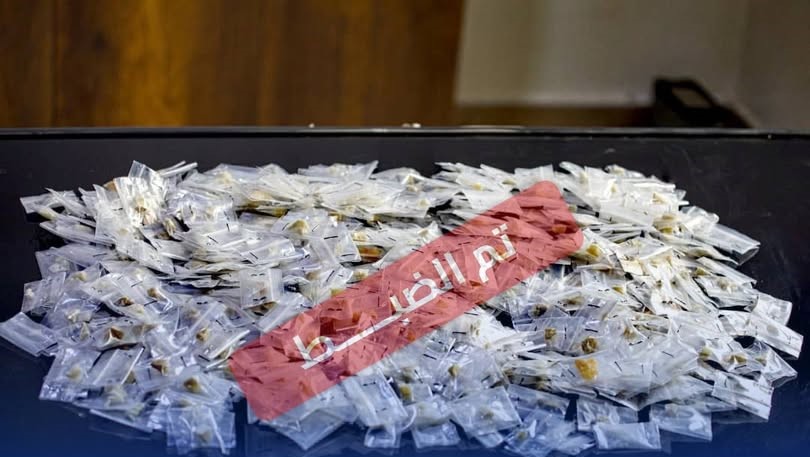
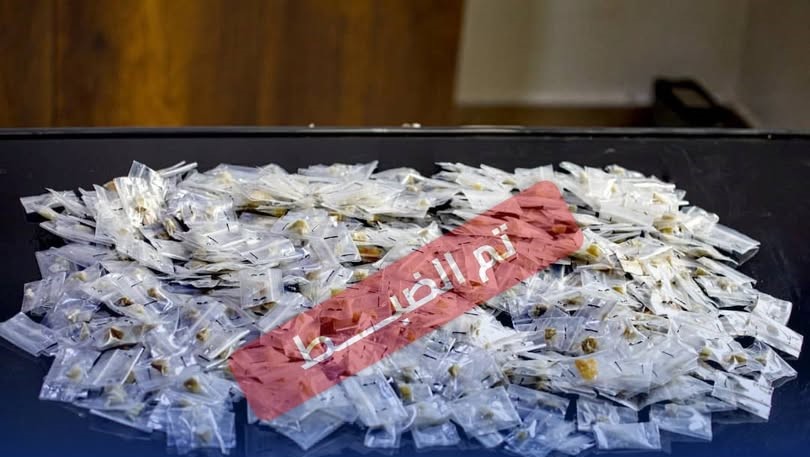
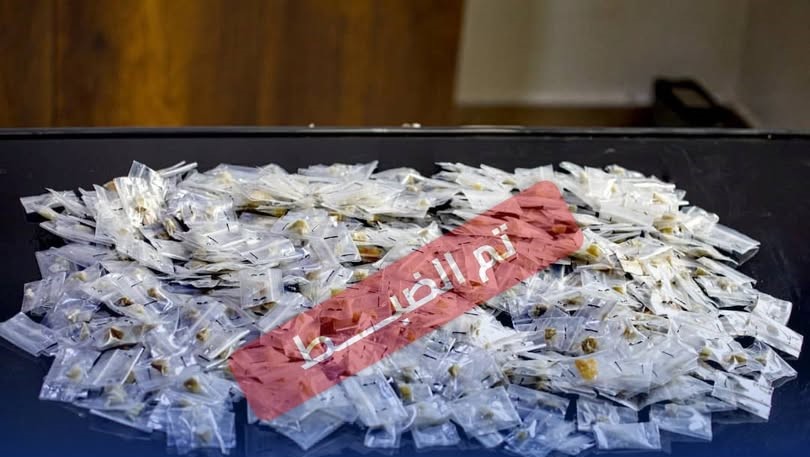
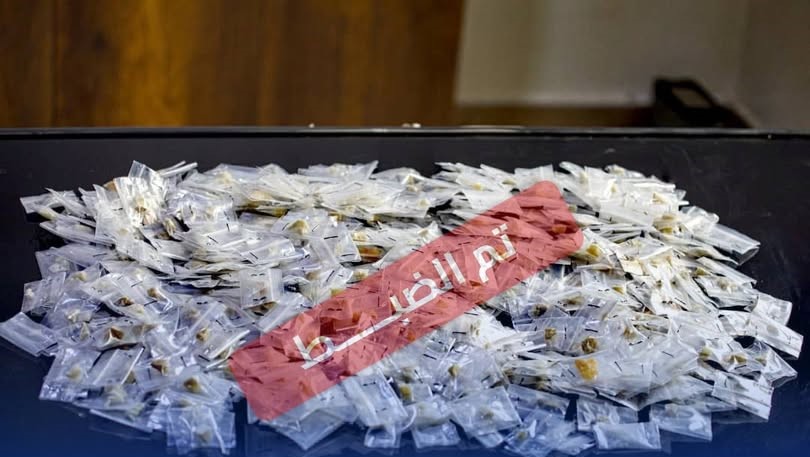
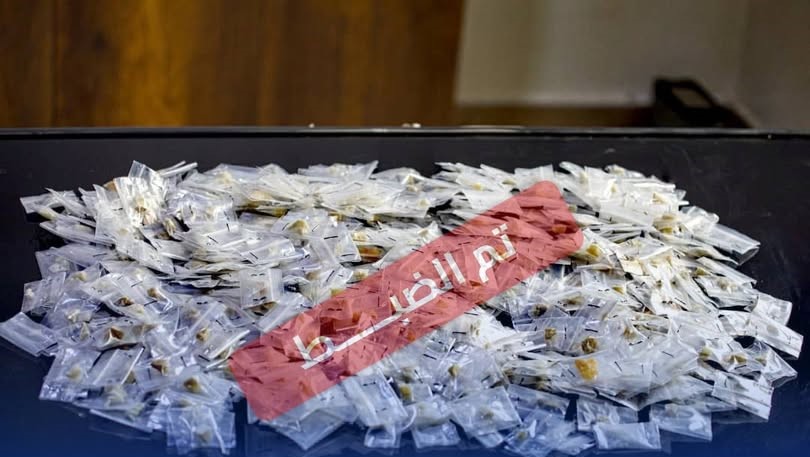
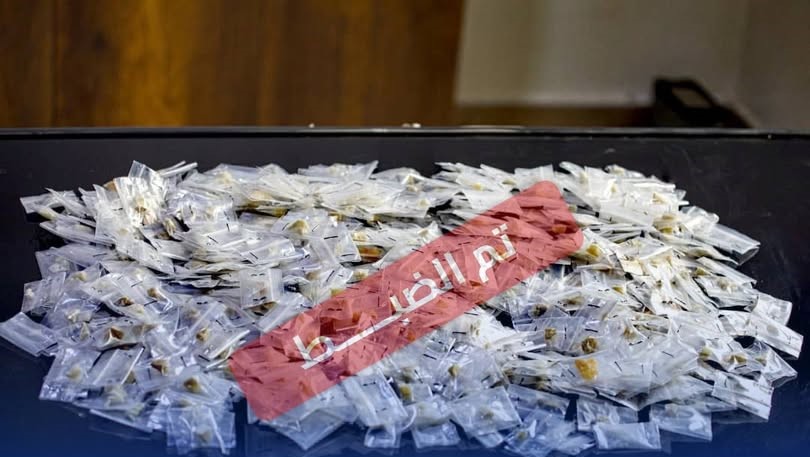
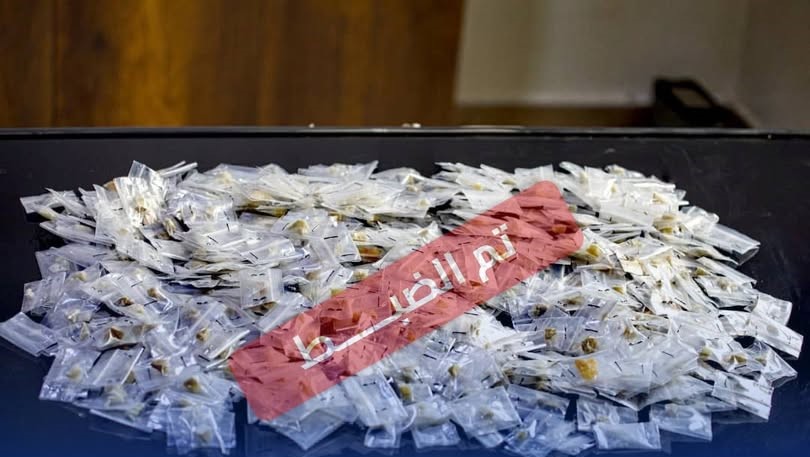
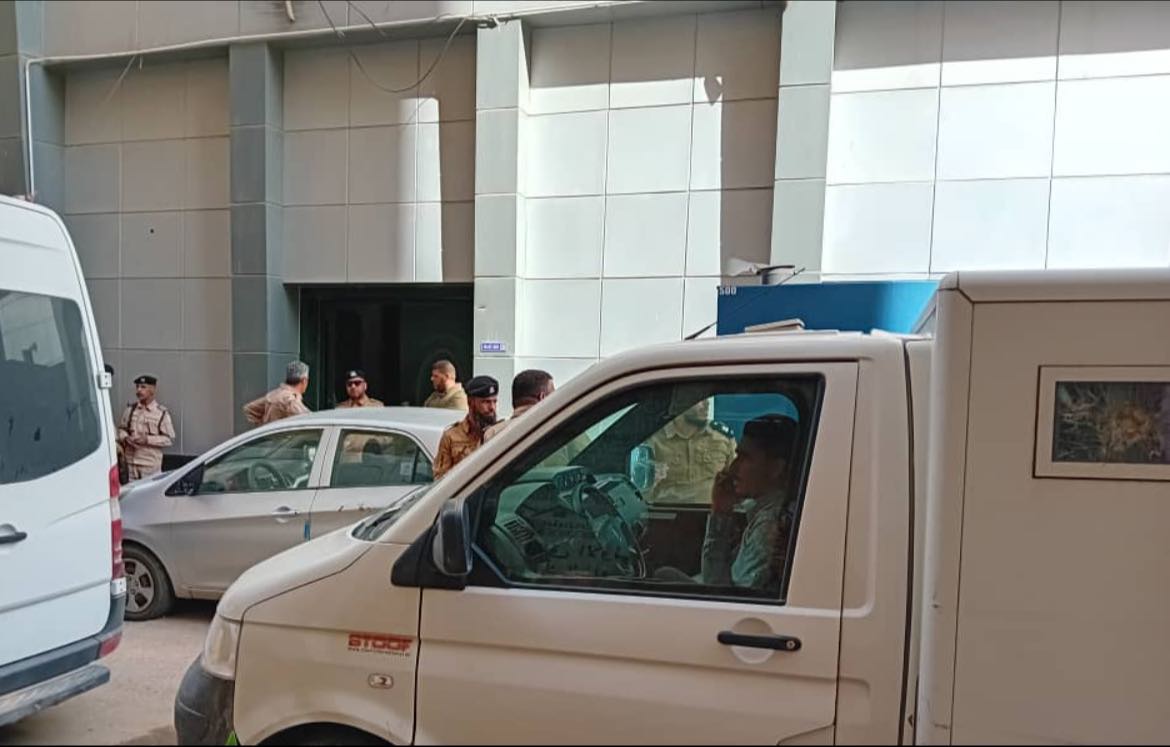
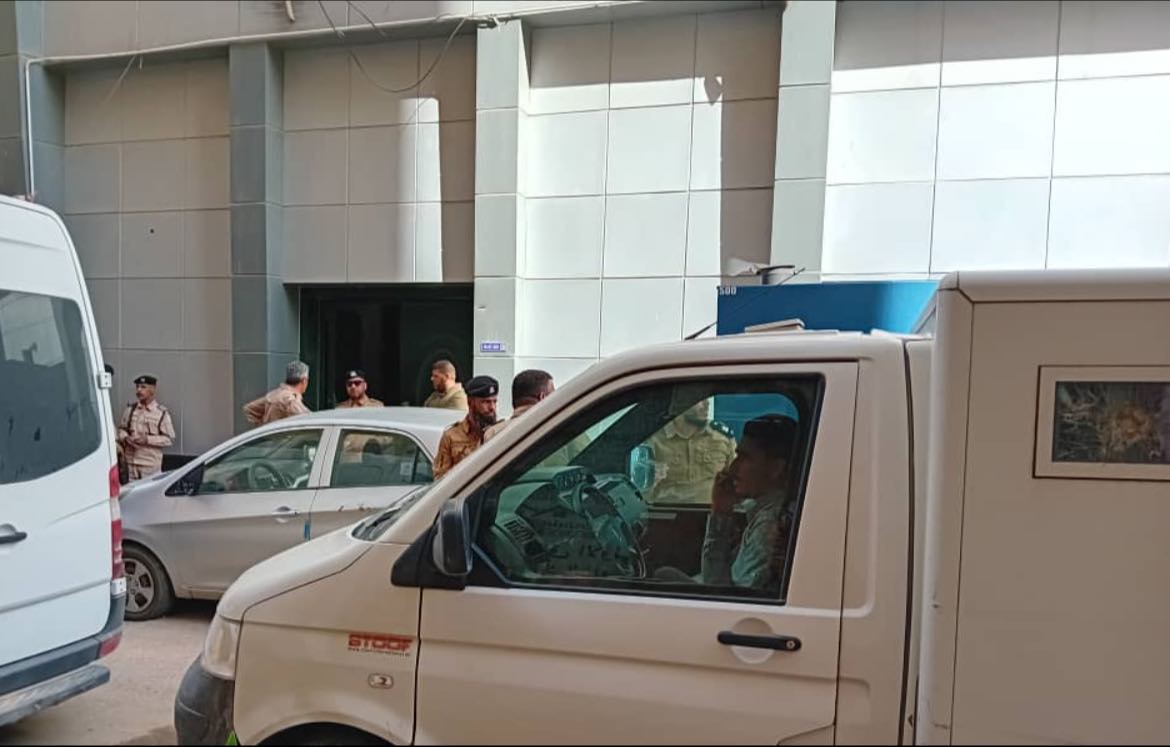
Simultaneously, the Law Enforcement Administration launched an inspection campaign on markets and warehouses, announcing the seizure of stored quantities and the sealing of a number of warehouses with red wax in cooperation with the Municipal Guard, in addition to issuing warnings to other parties.
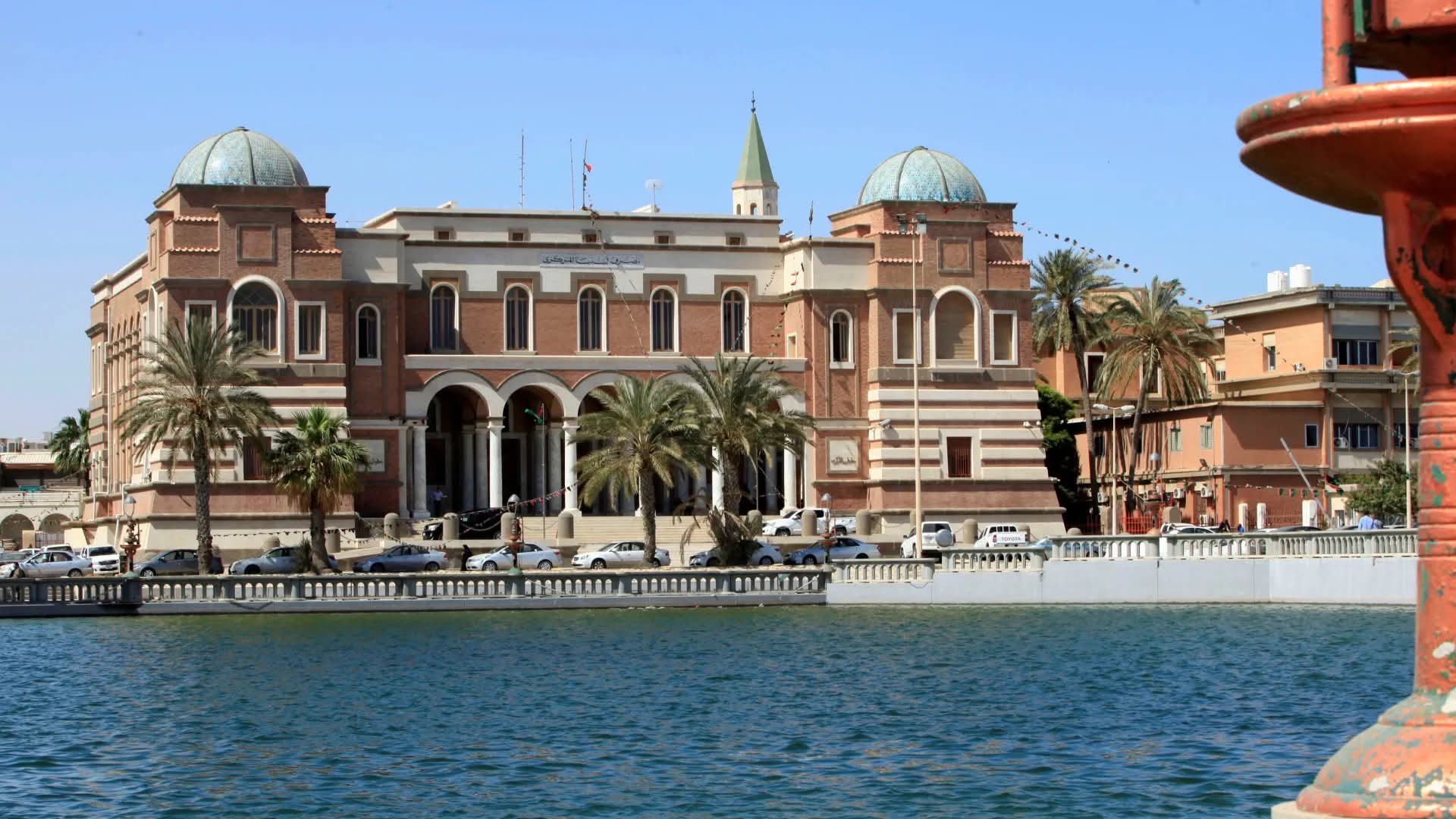
Despite these moves, concerns remain as Ramadan approaches, amid questions about the market’s ability to restore balance and ensure a stable supply of oil. The Central Bank of Libya confirmed that it agreed with suppliers to supply 2.5 million boxes of oil within two weeks, along with credits worth $100 million to supply an additional six million boxes, to be distributed gradually in coordination with the relevant authorities.