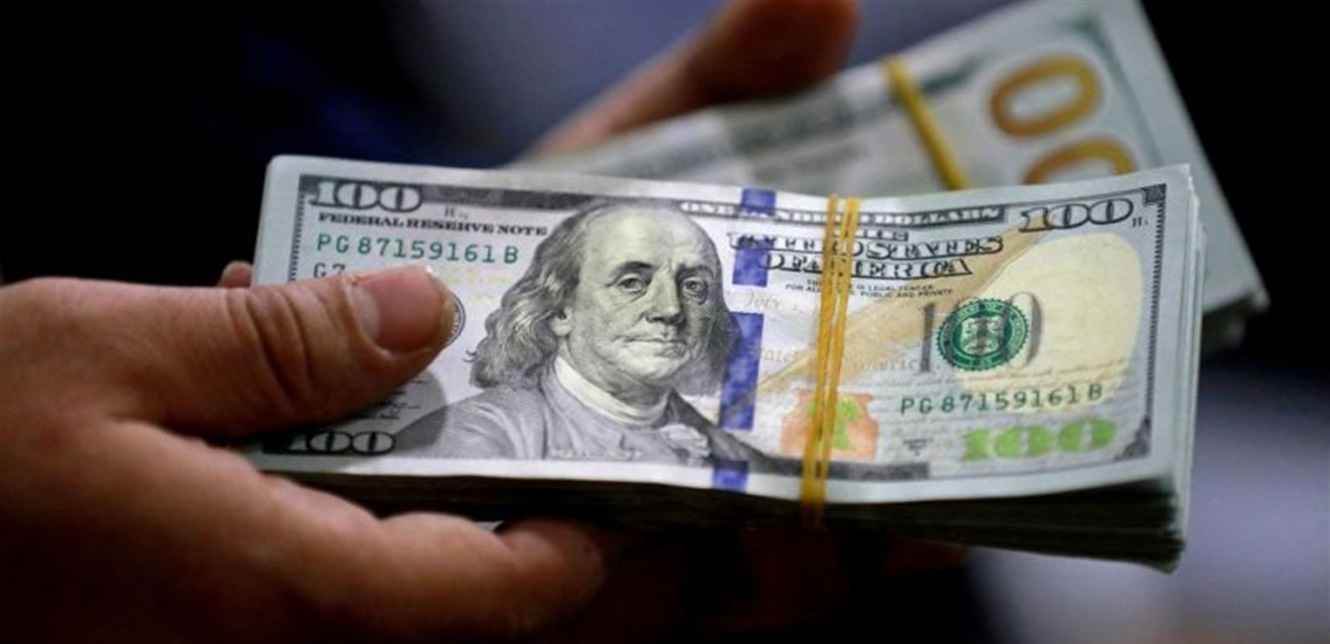
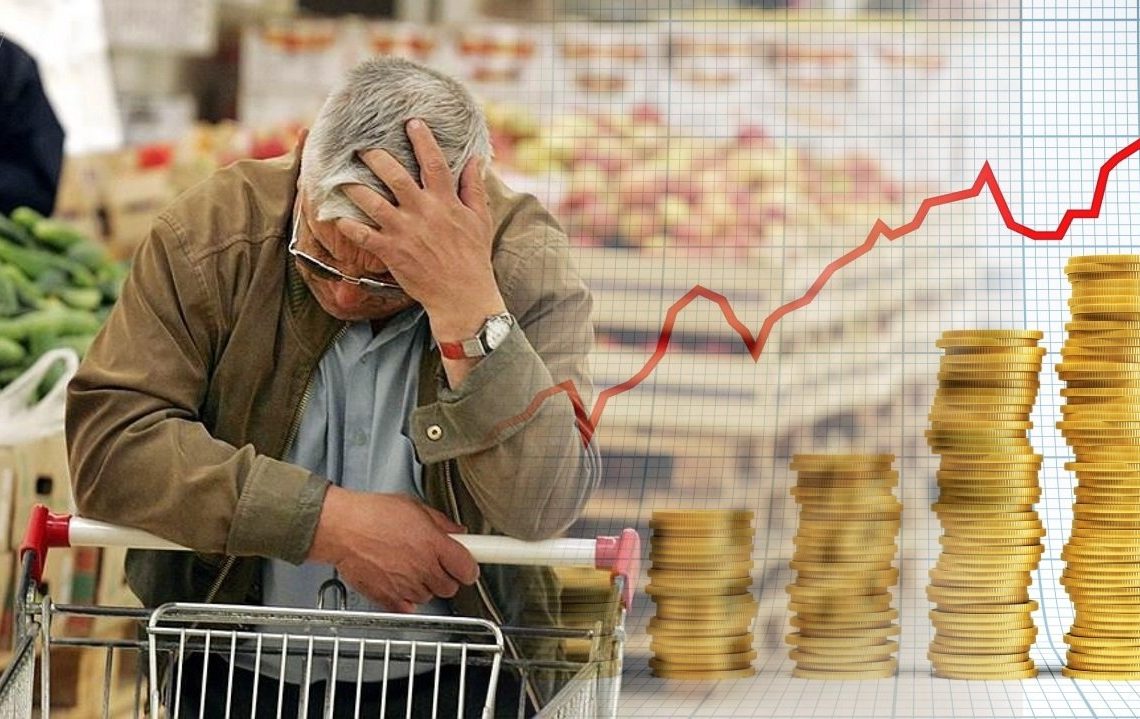
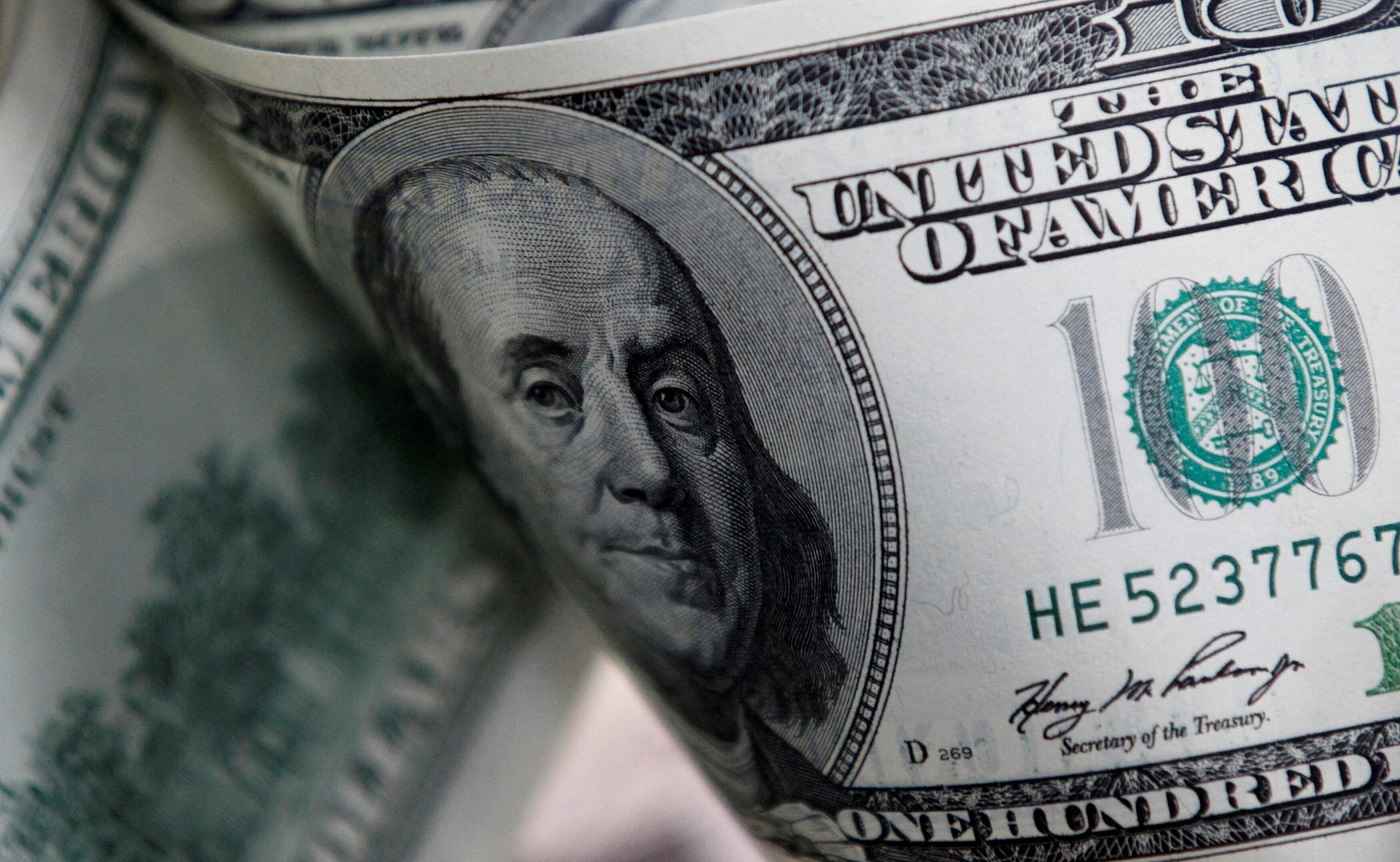
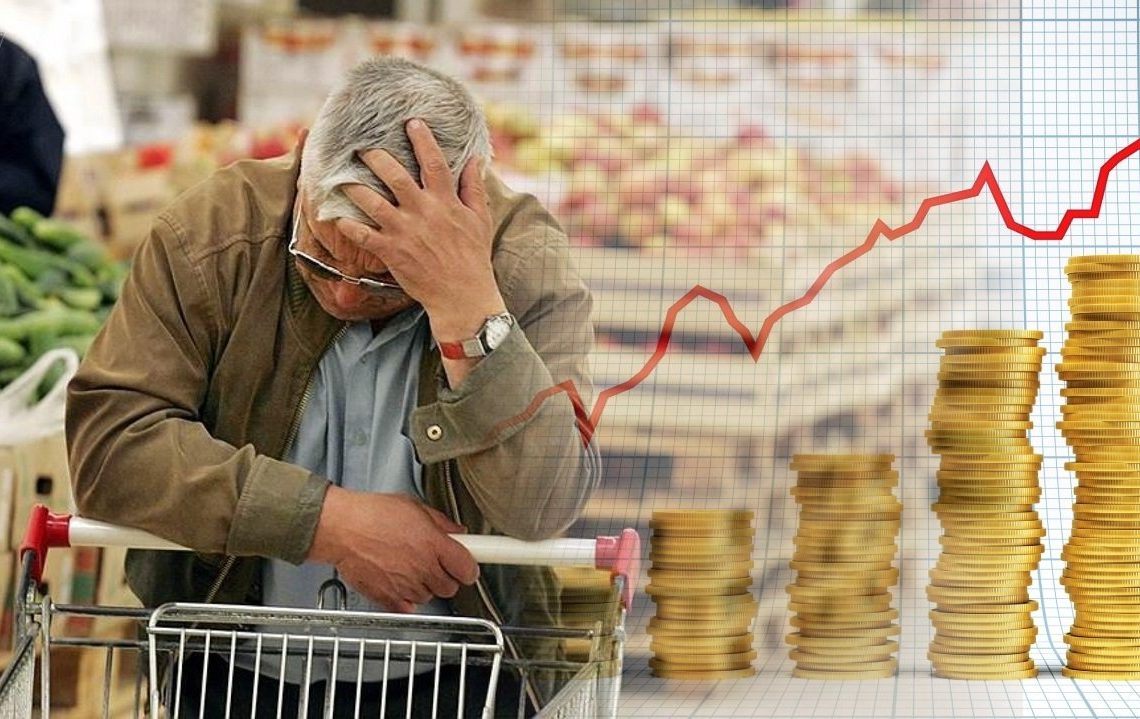
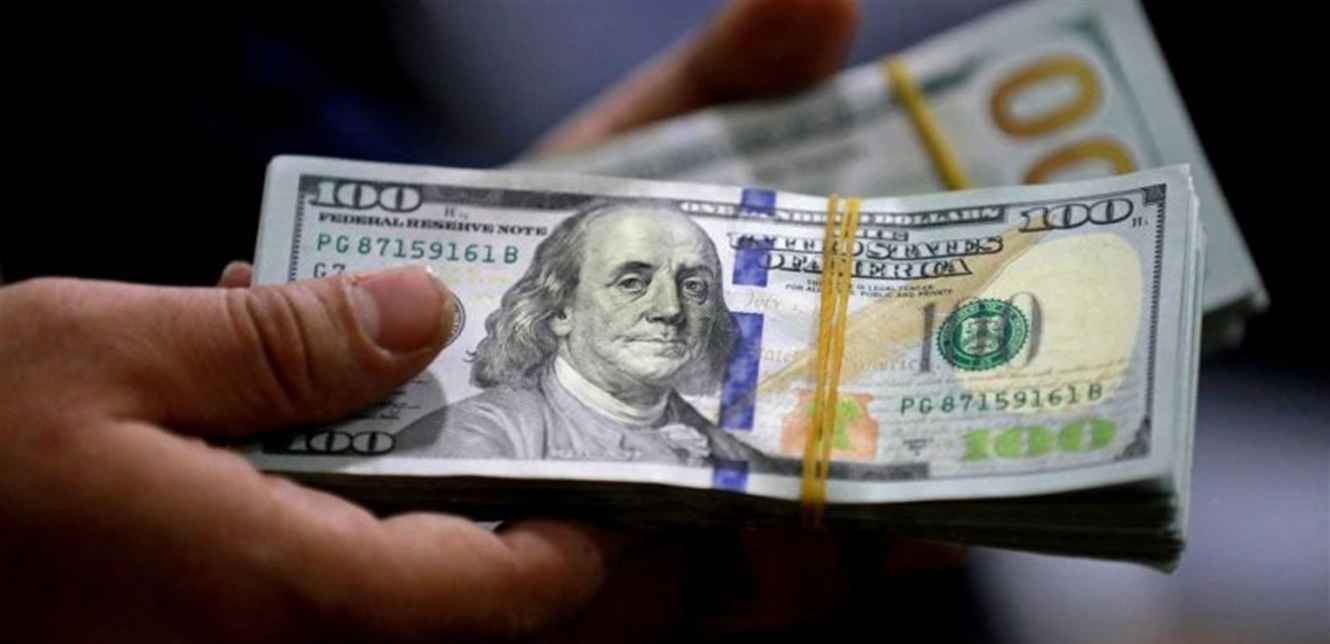
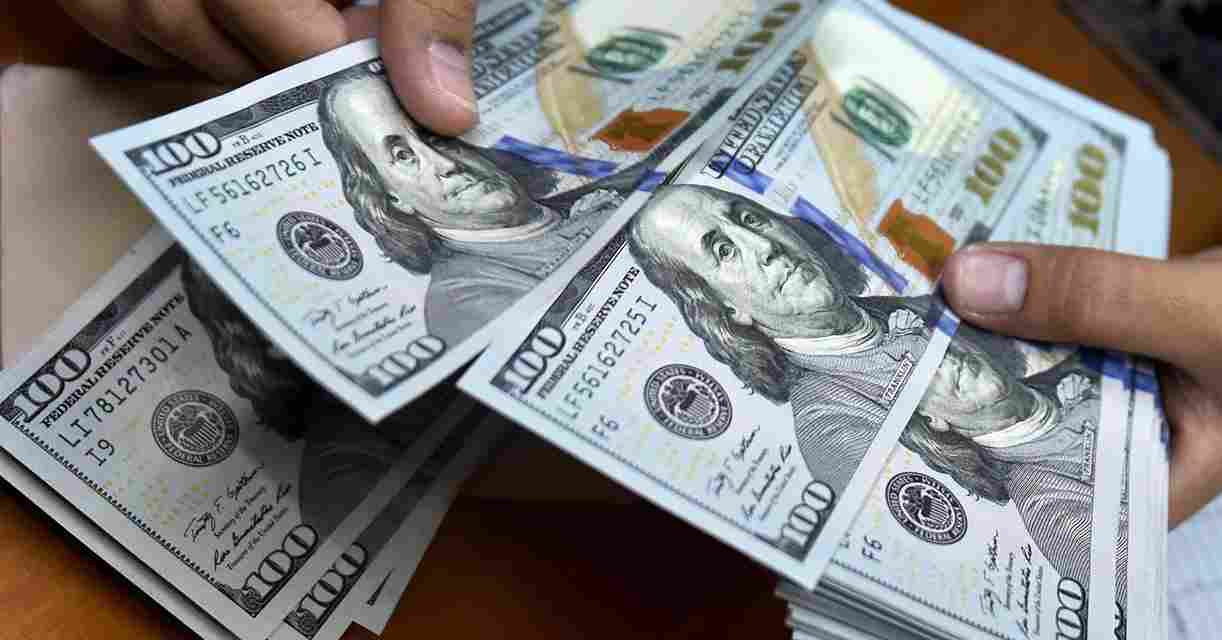
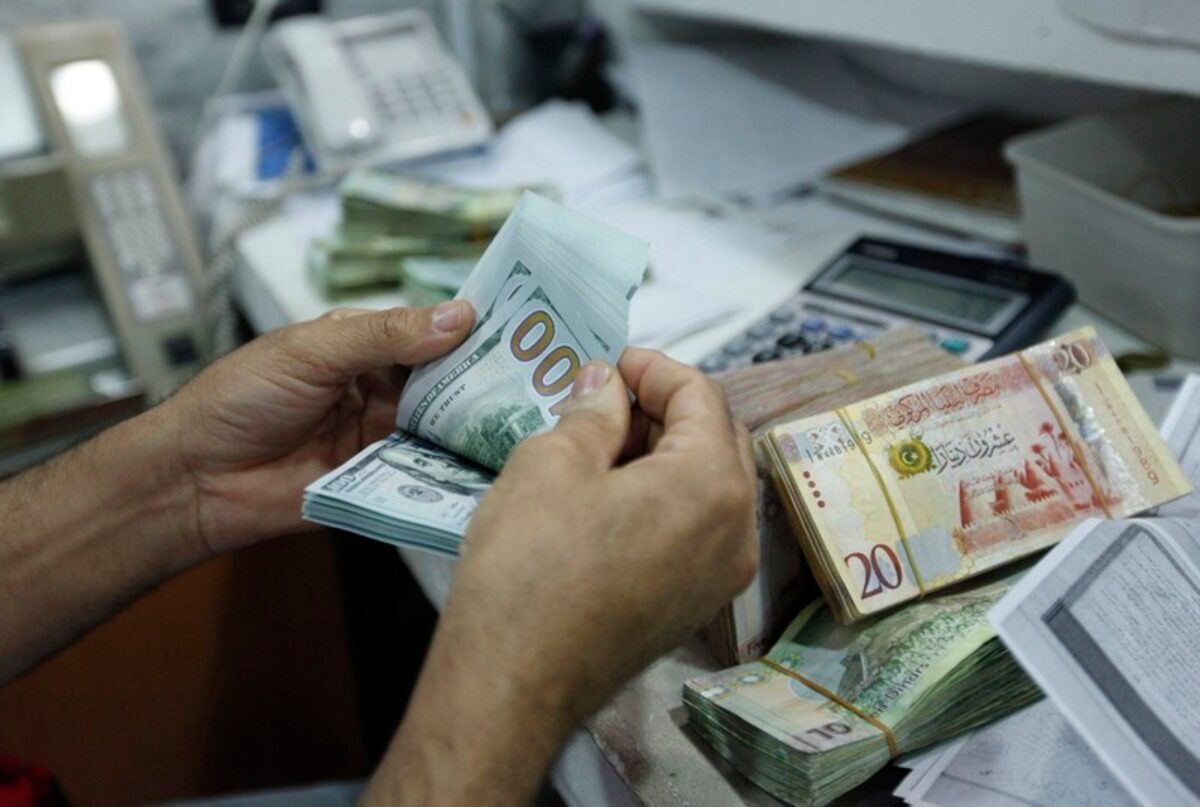
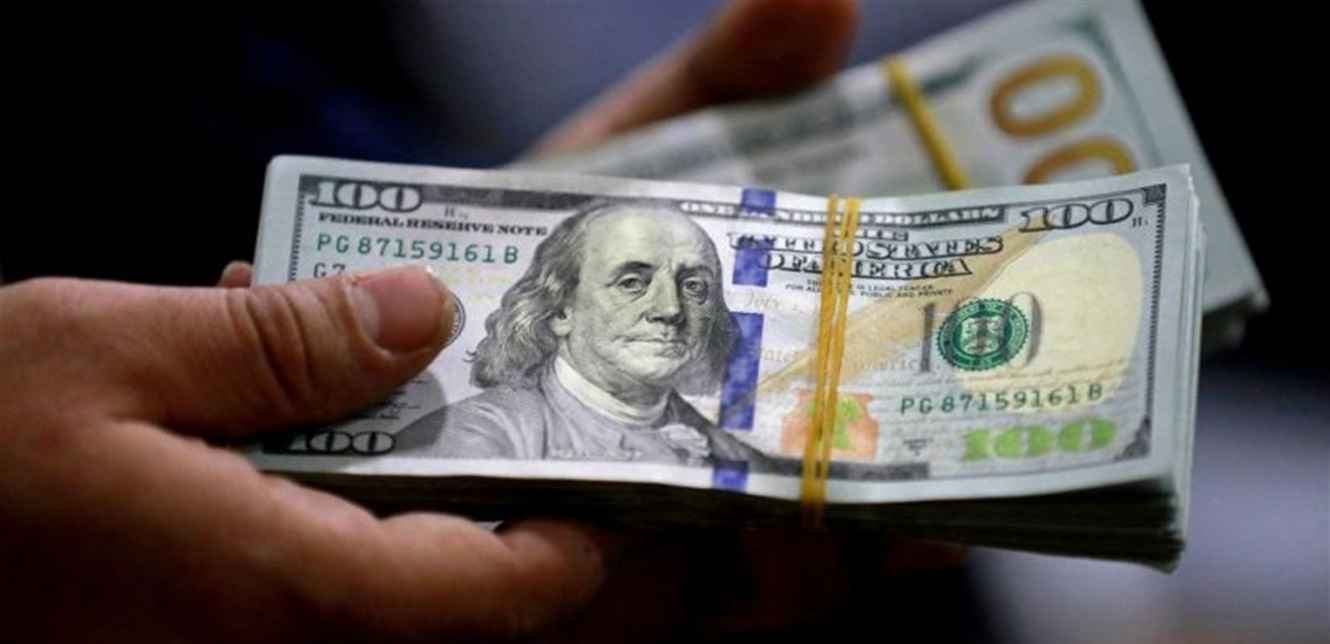
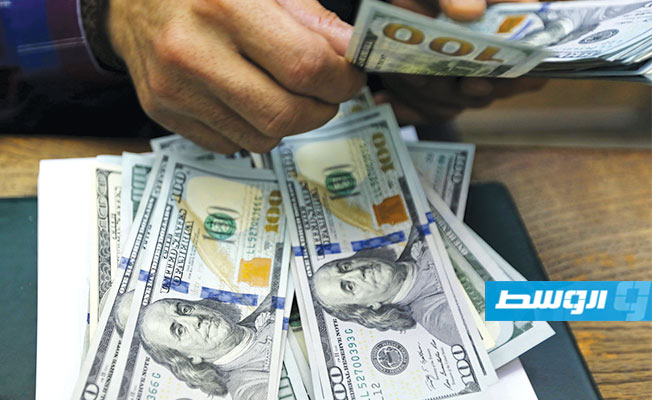
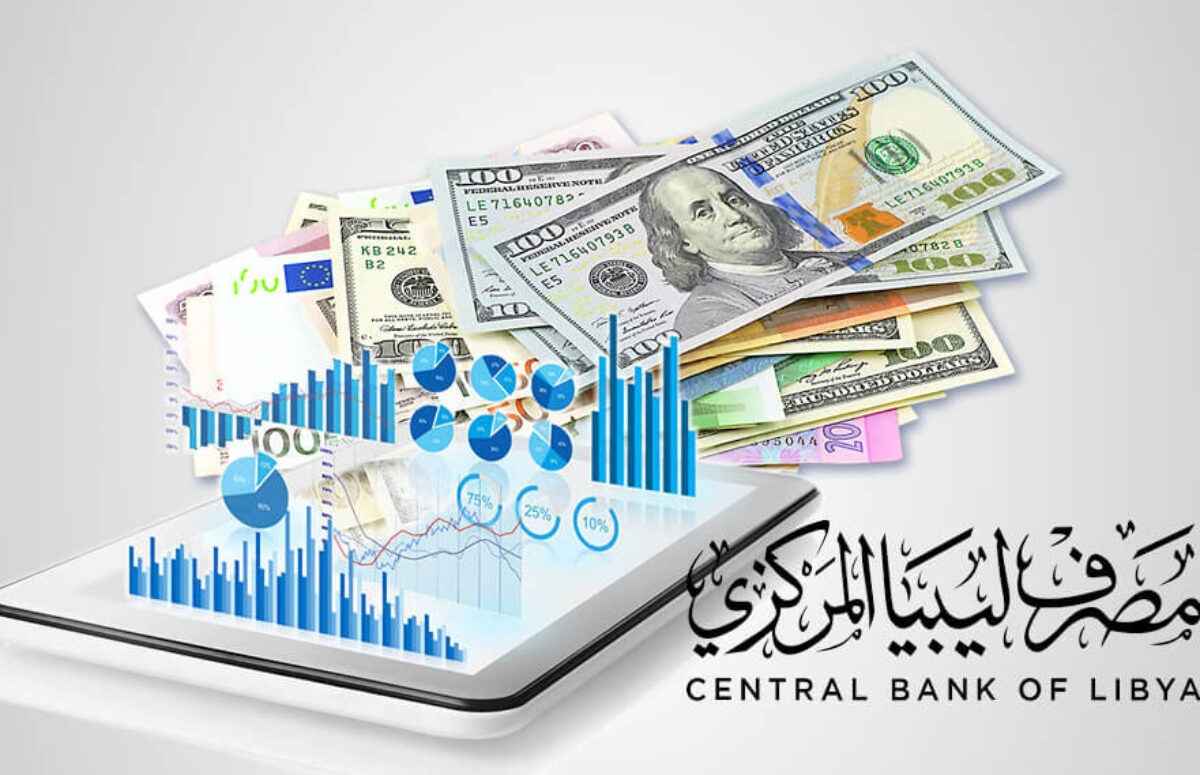
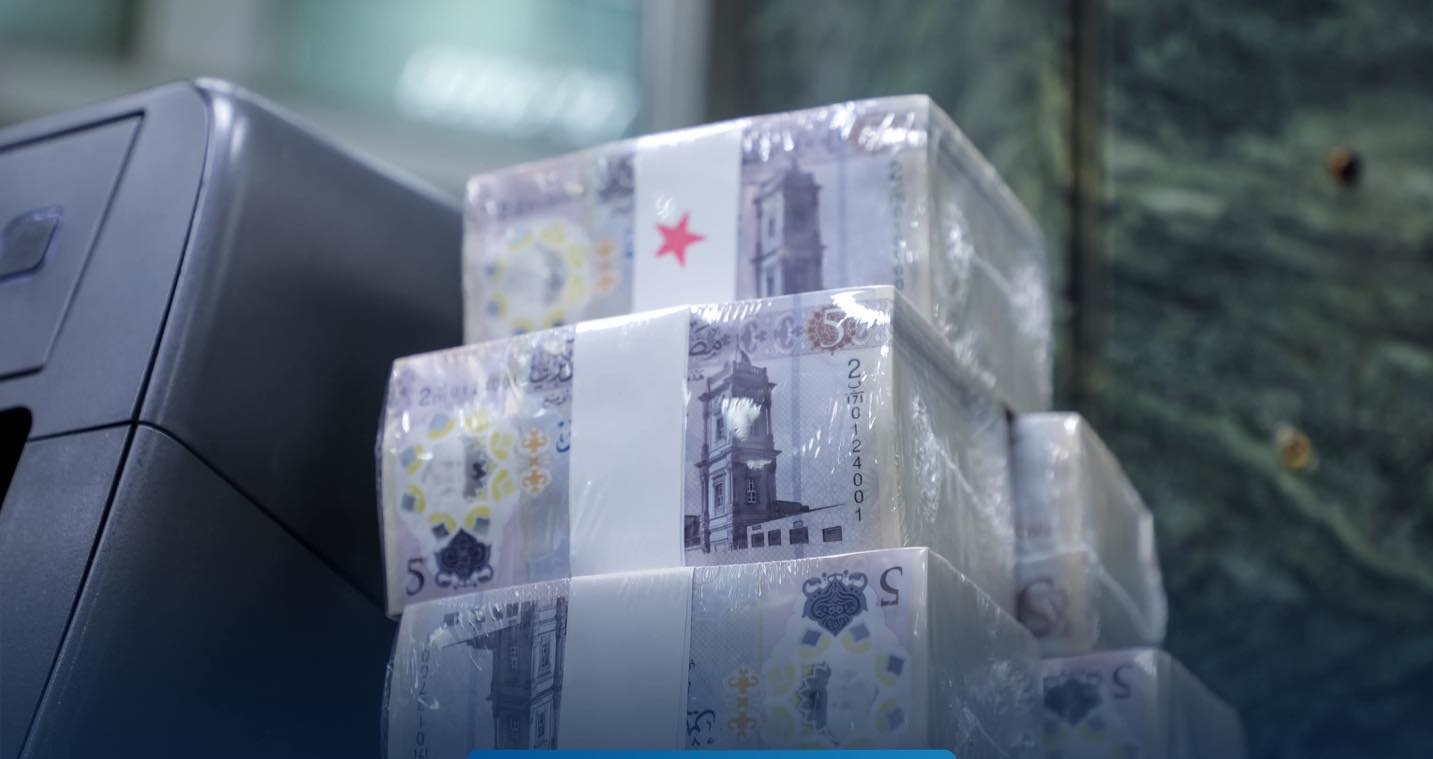
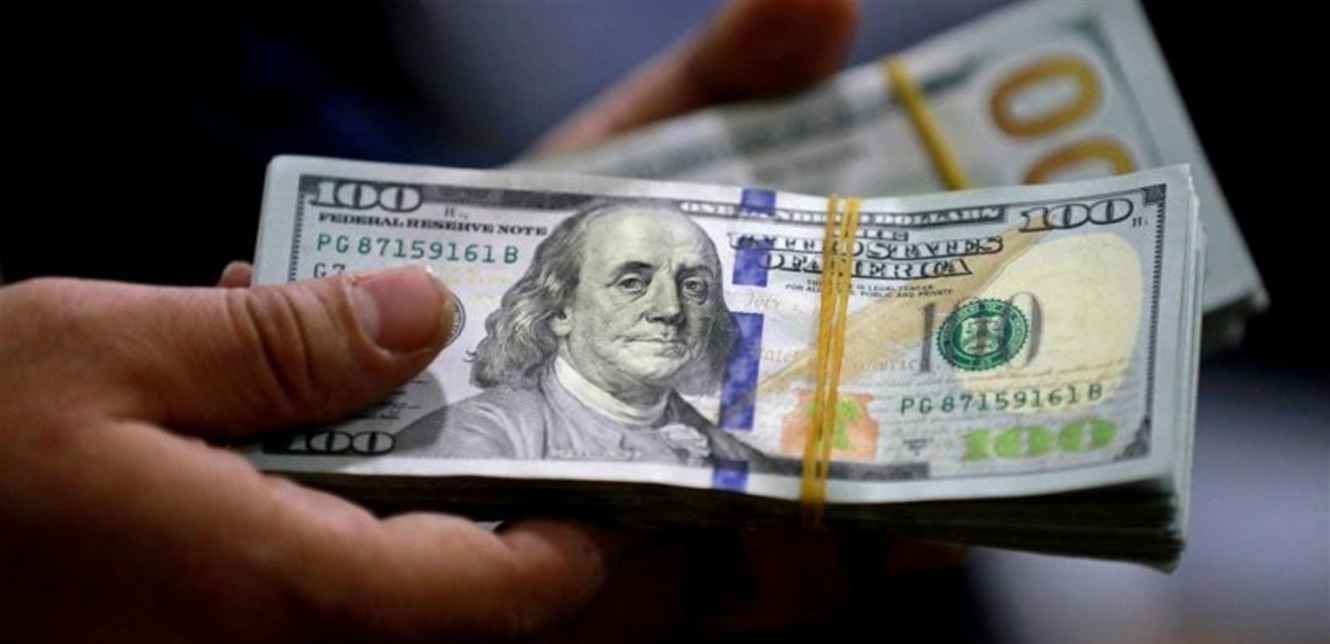
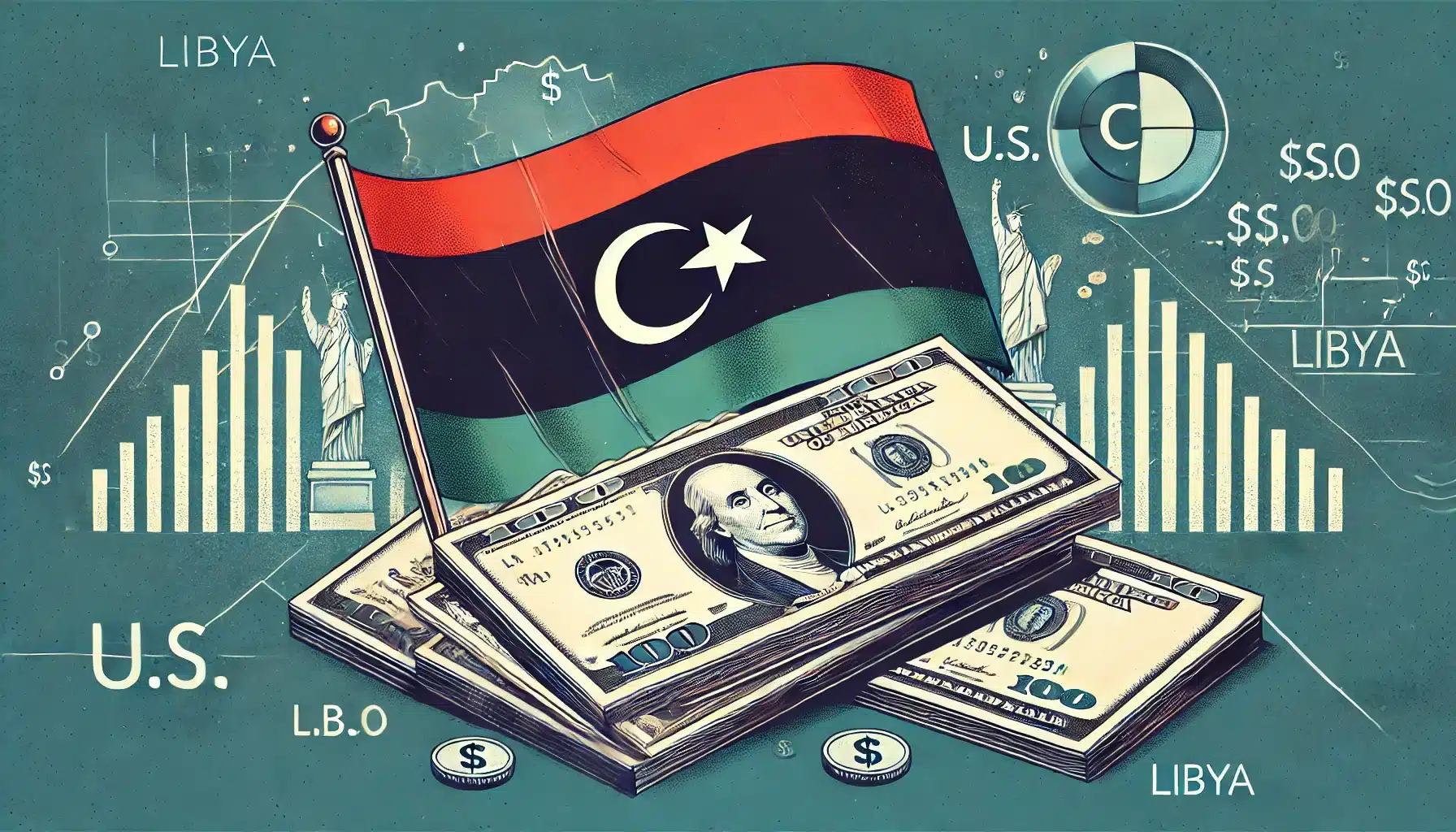
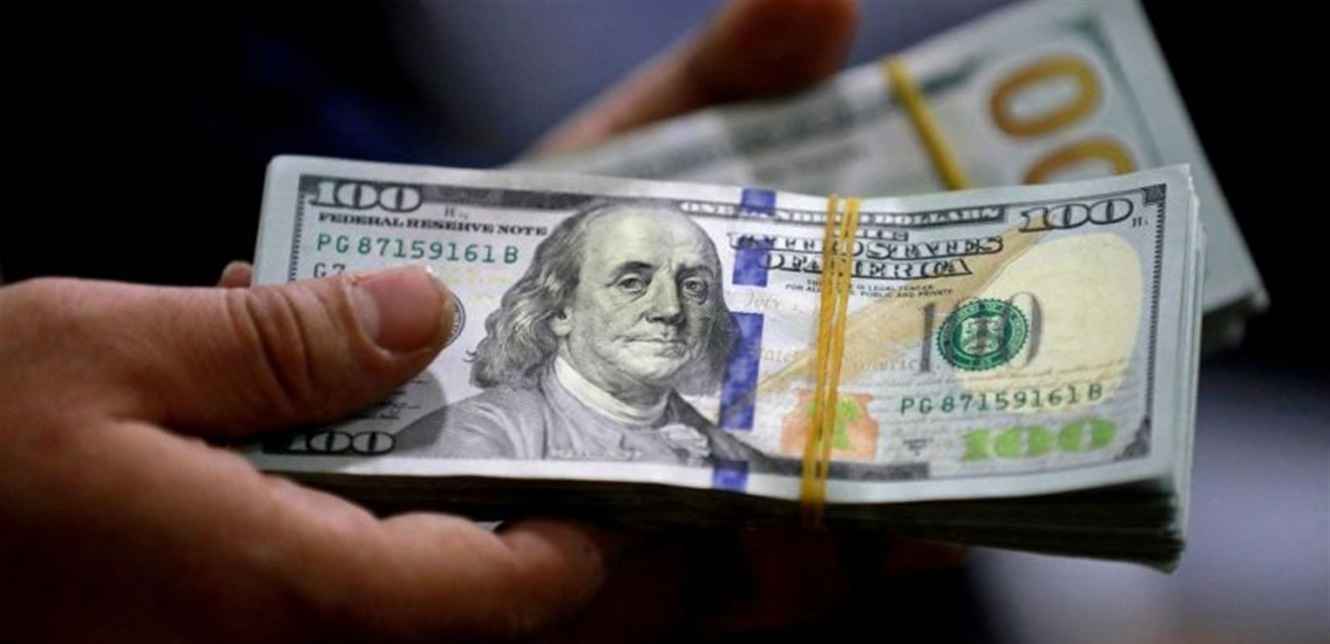
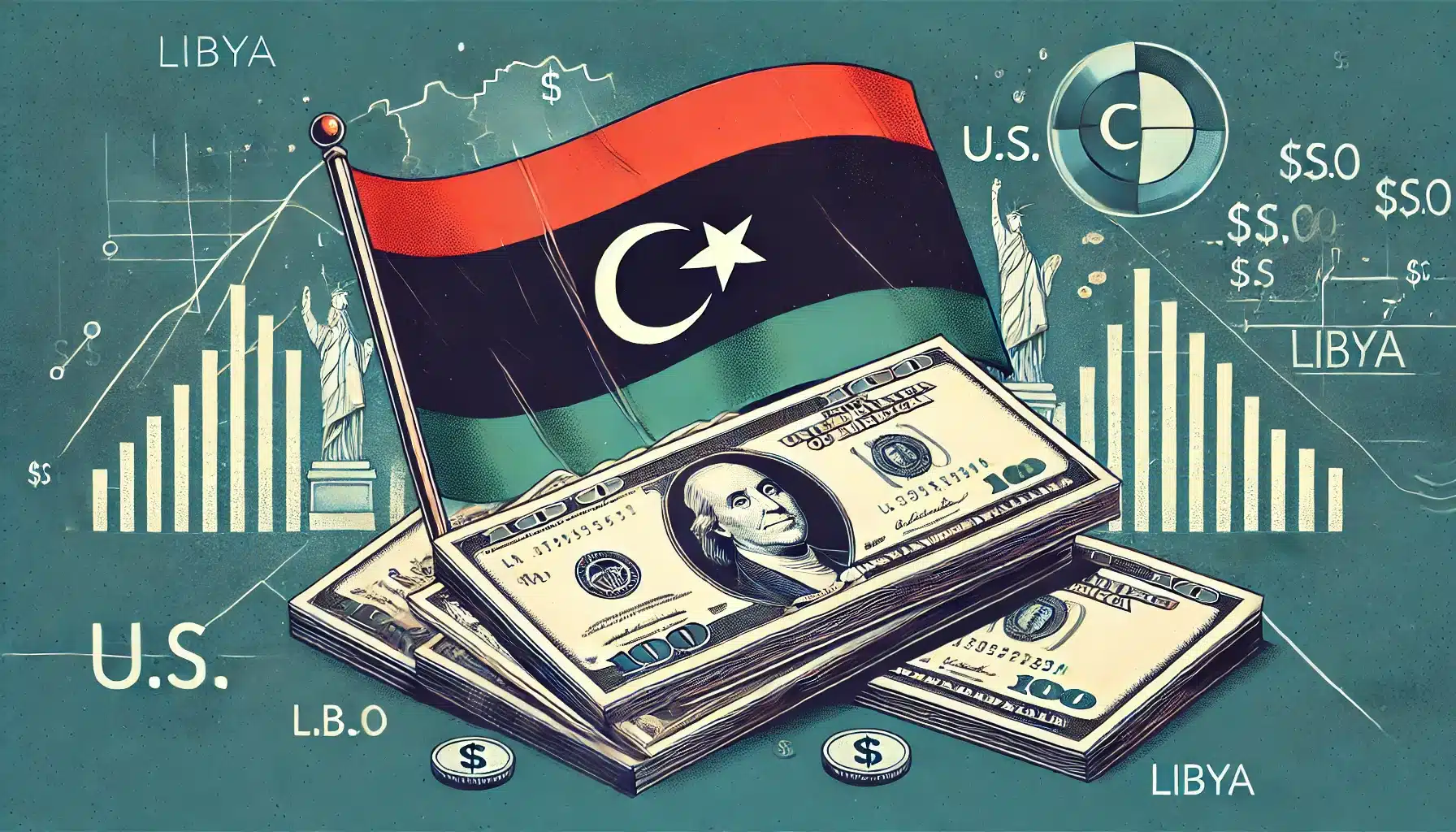
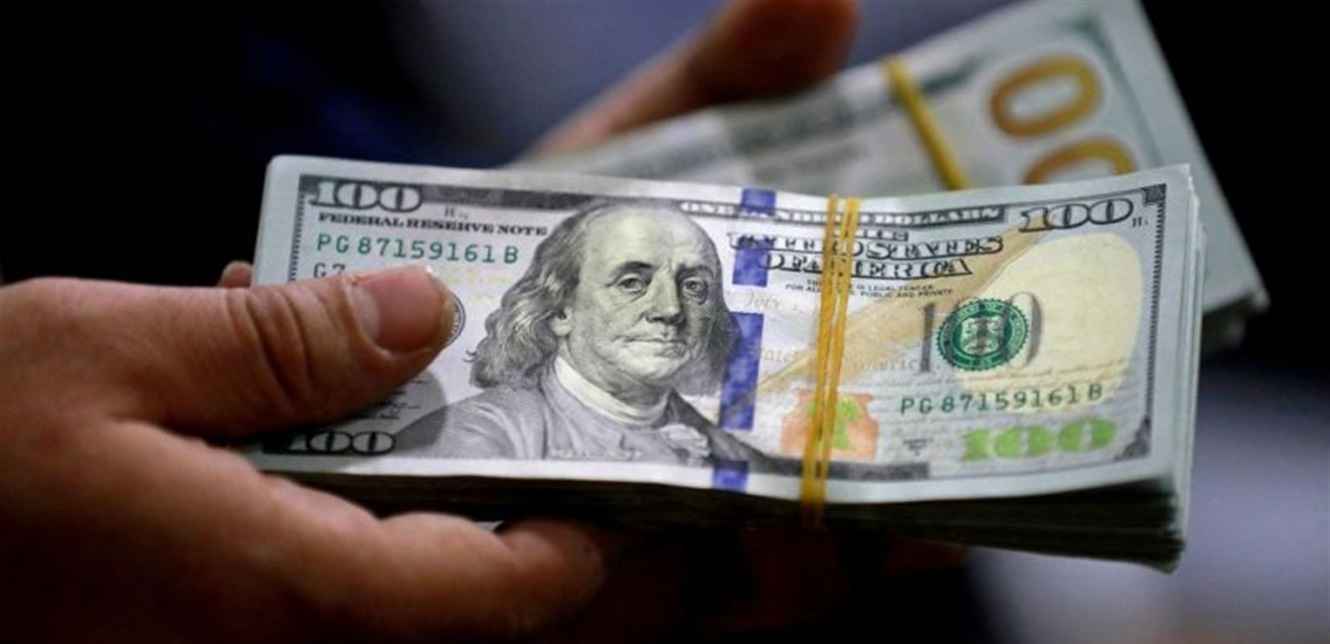
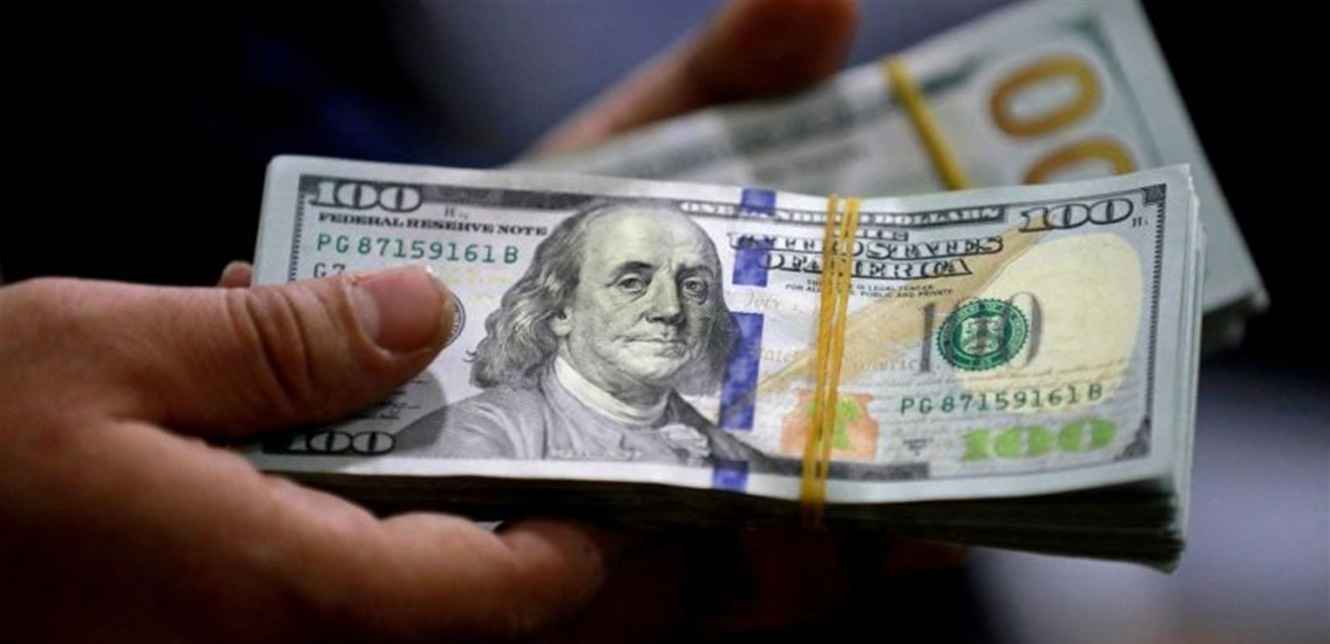
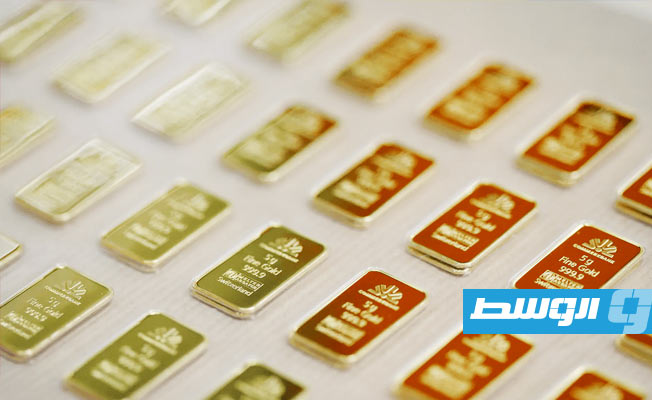
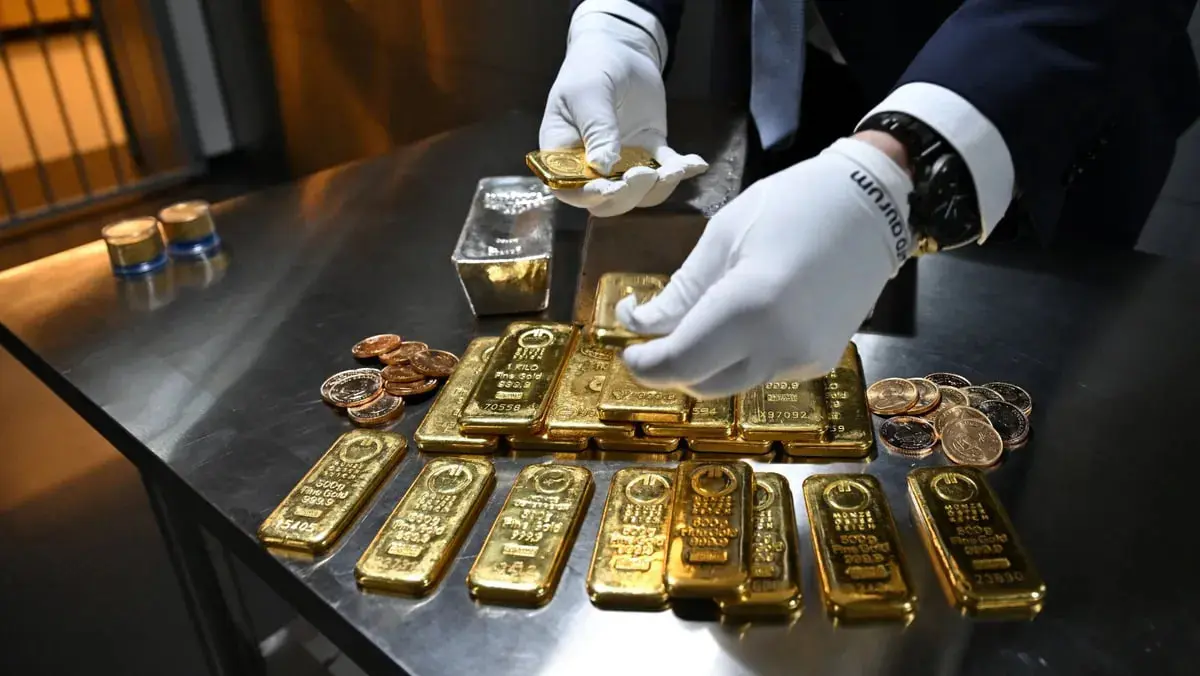
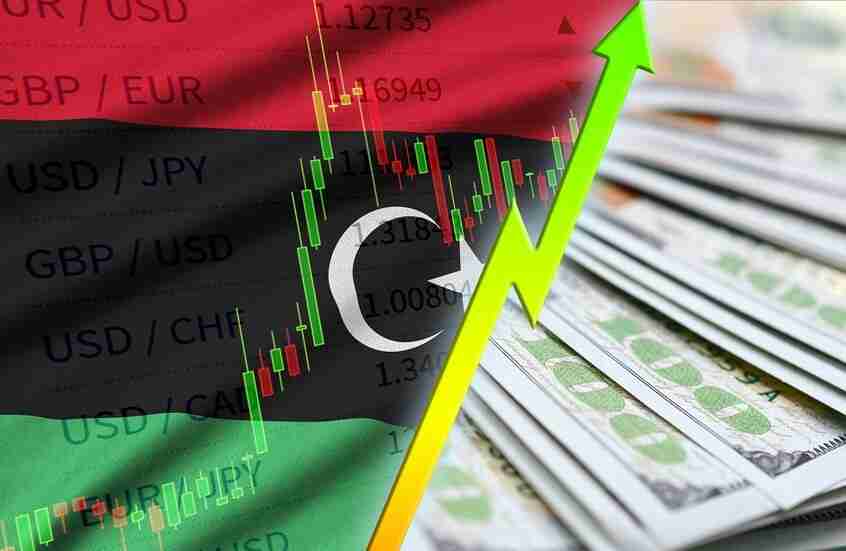
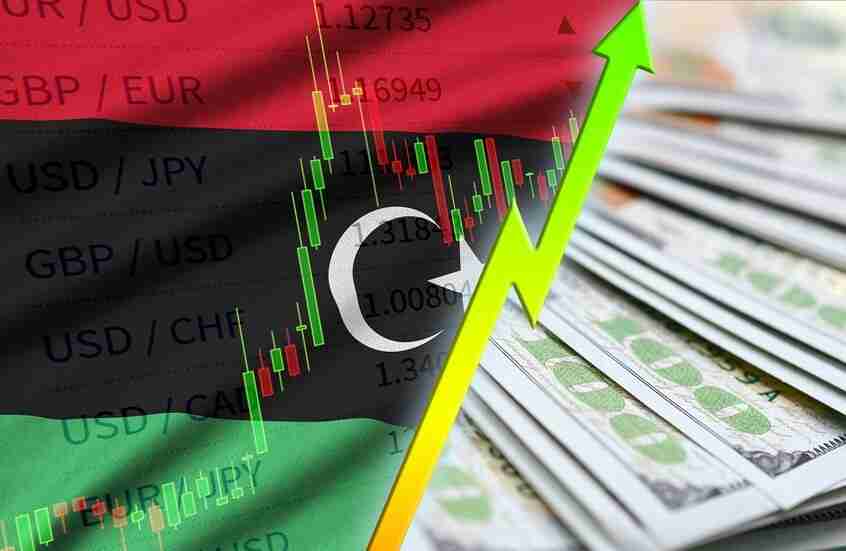
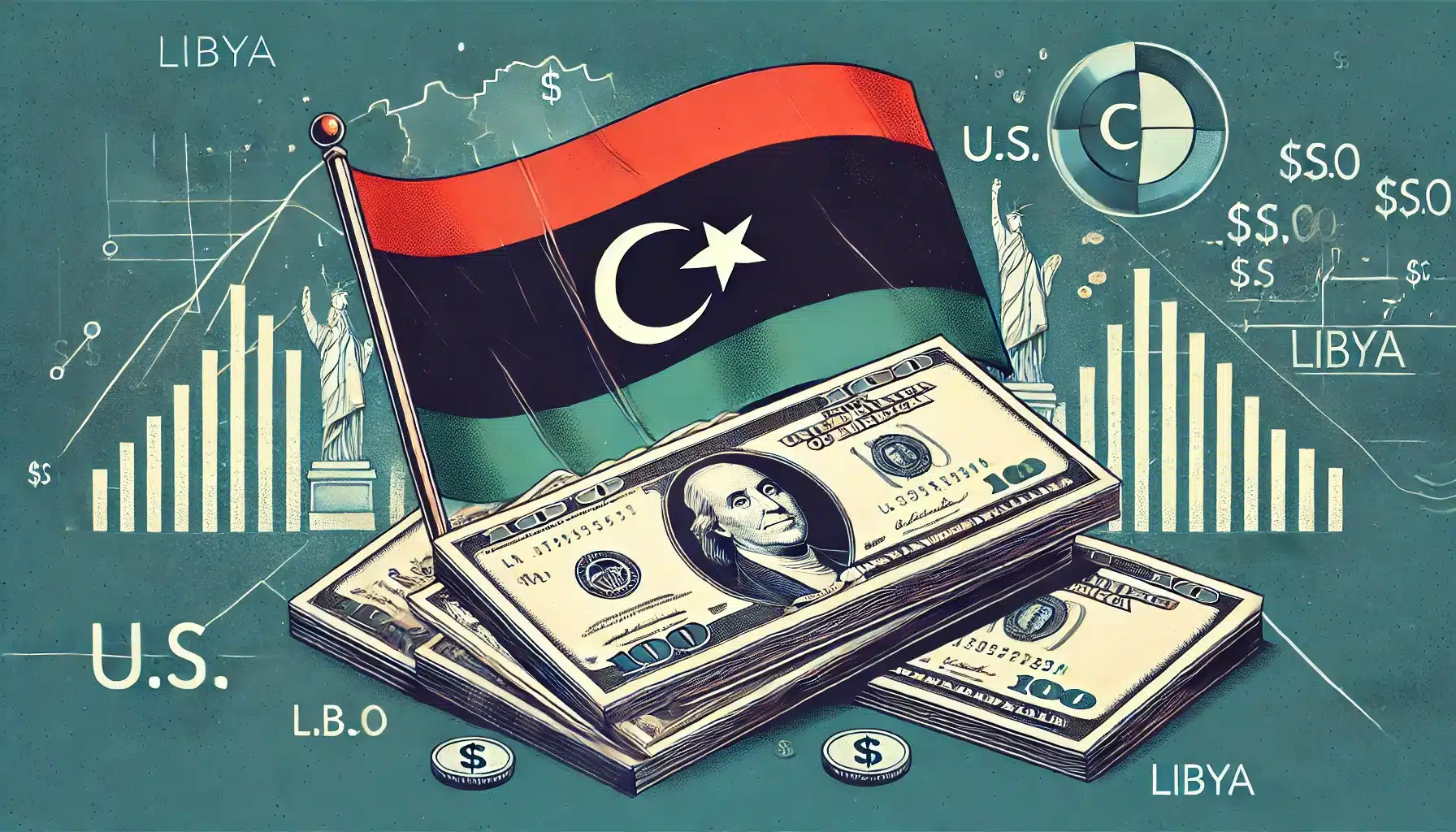
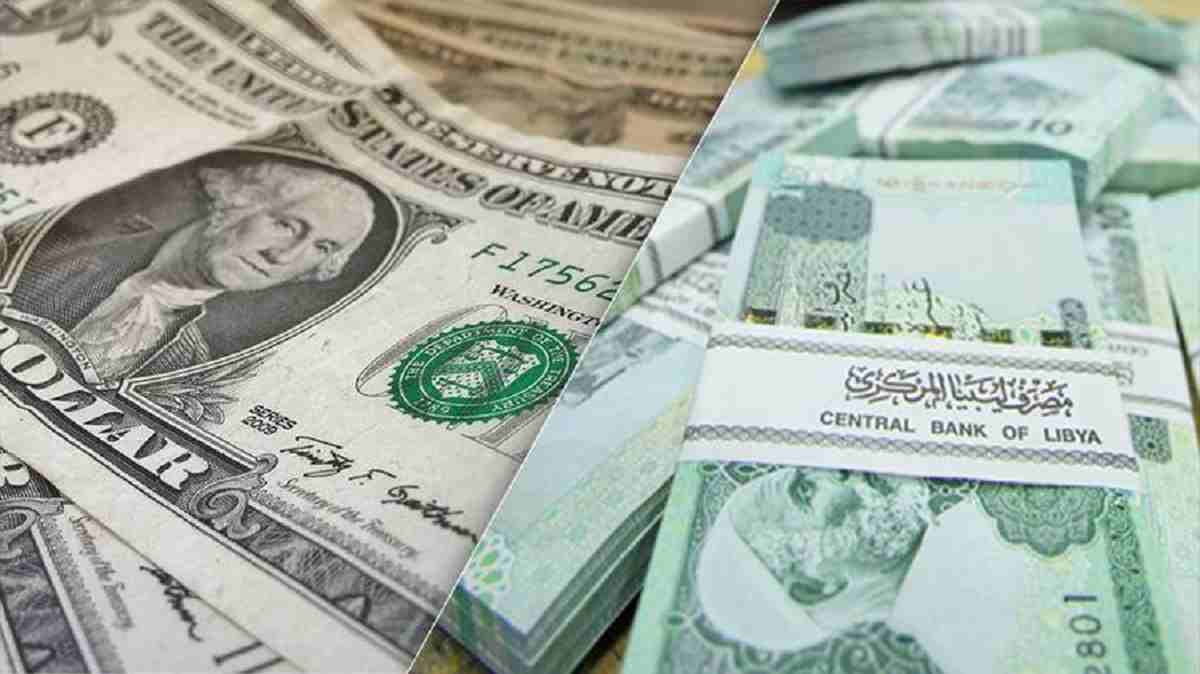
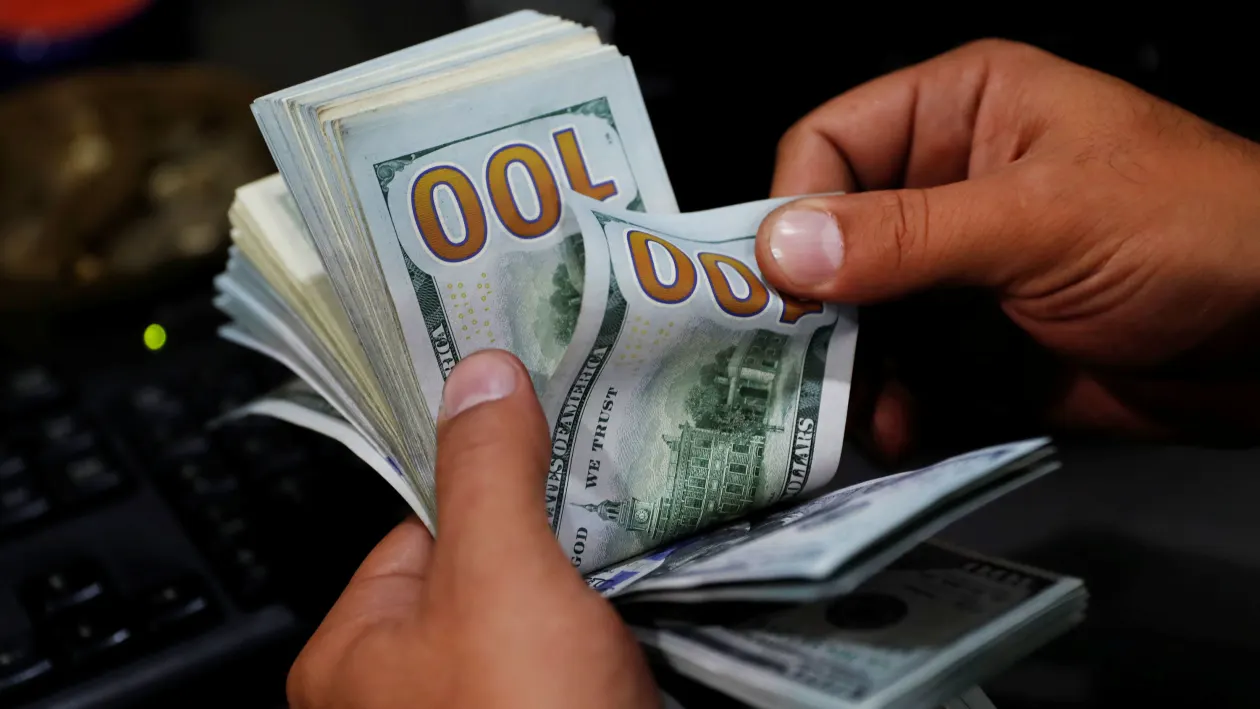
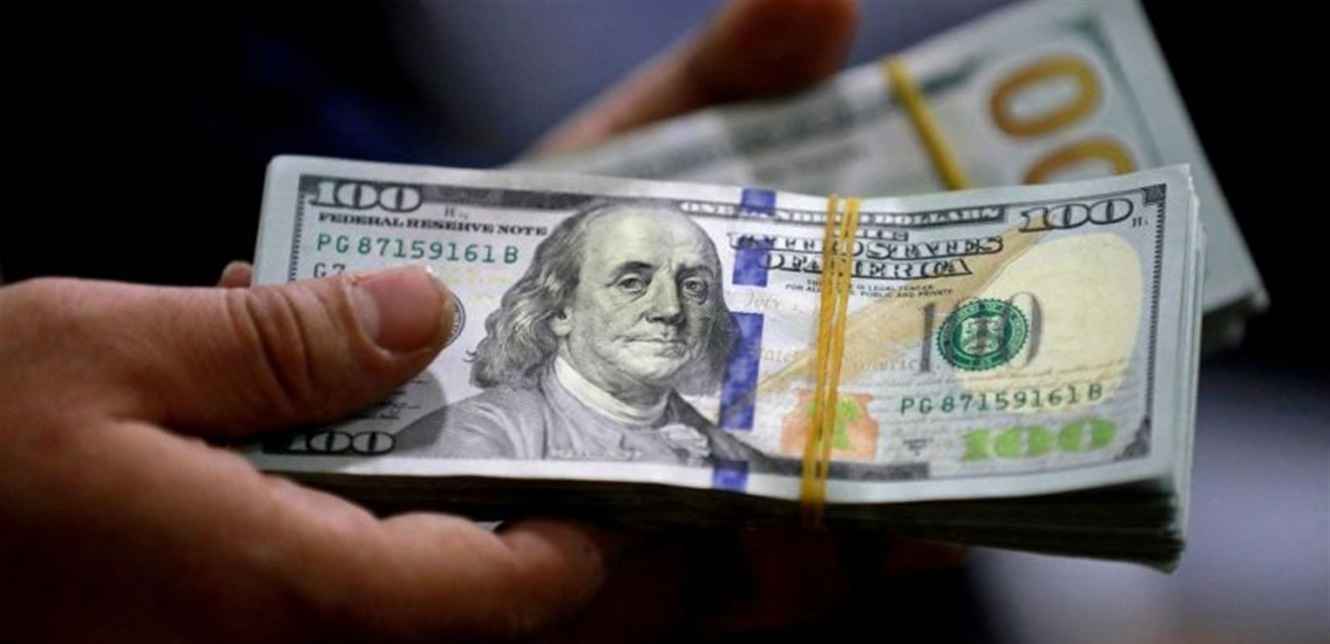
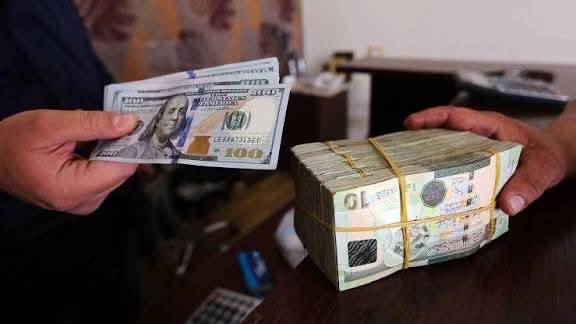
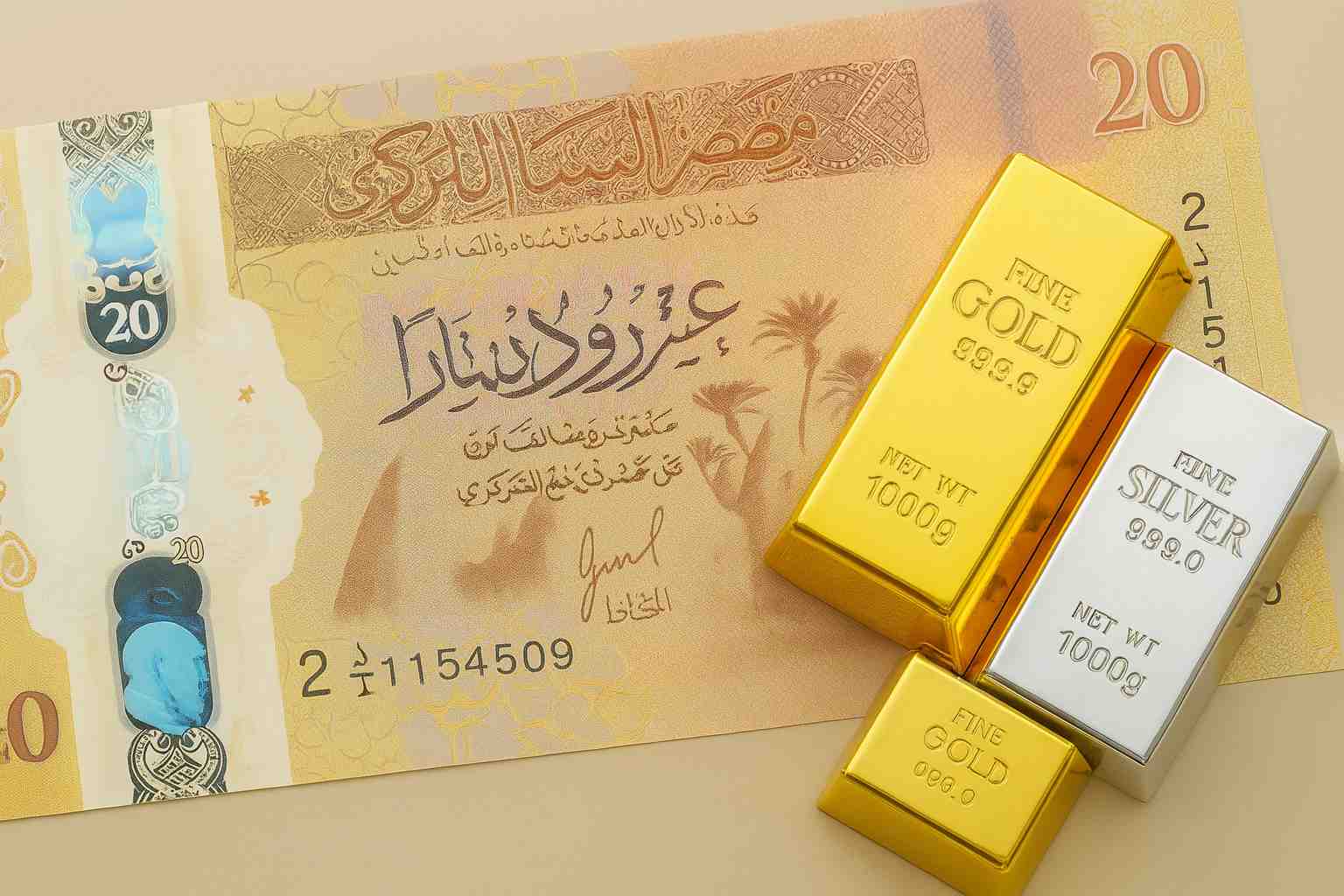
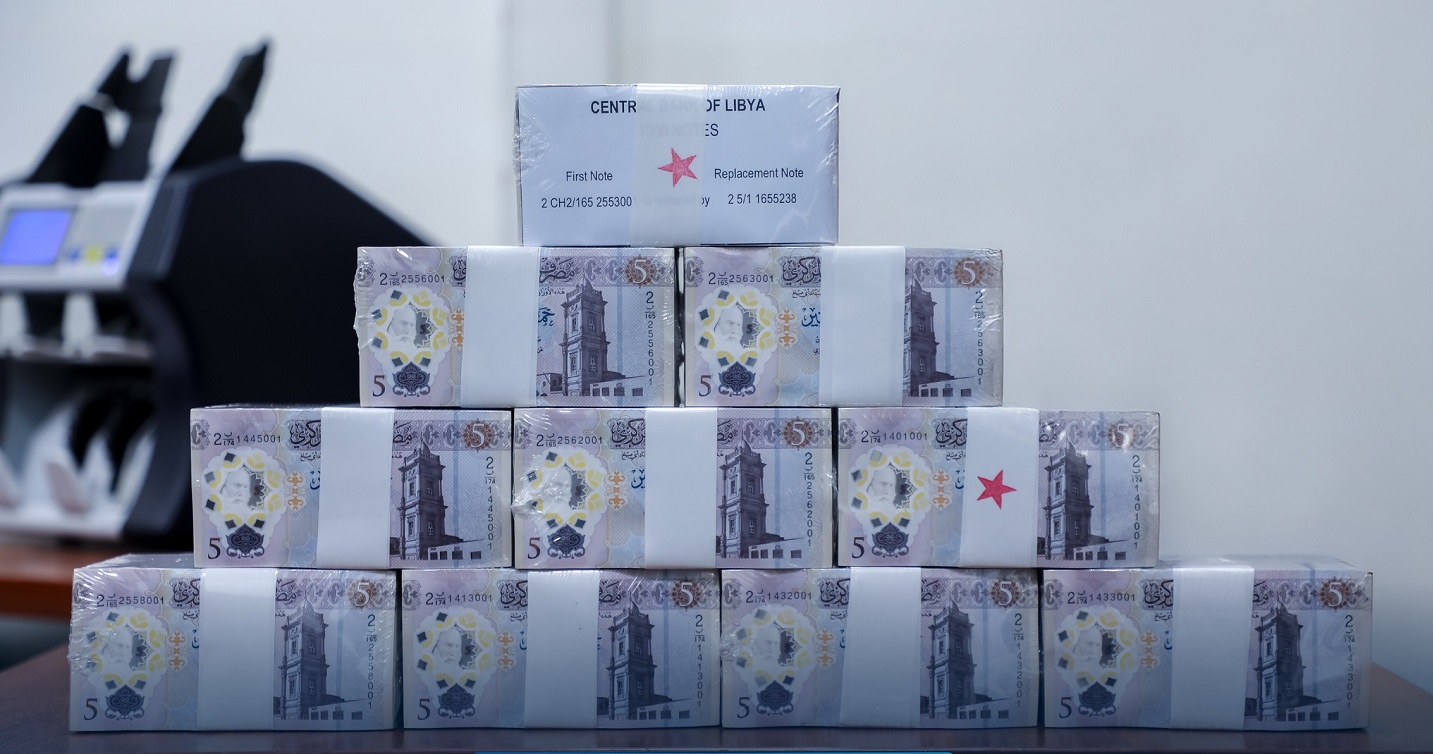
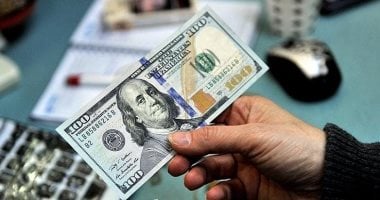
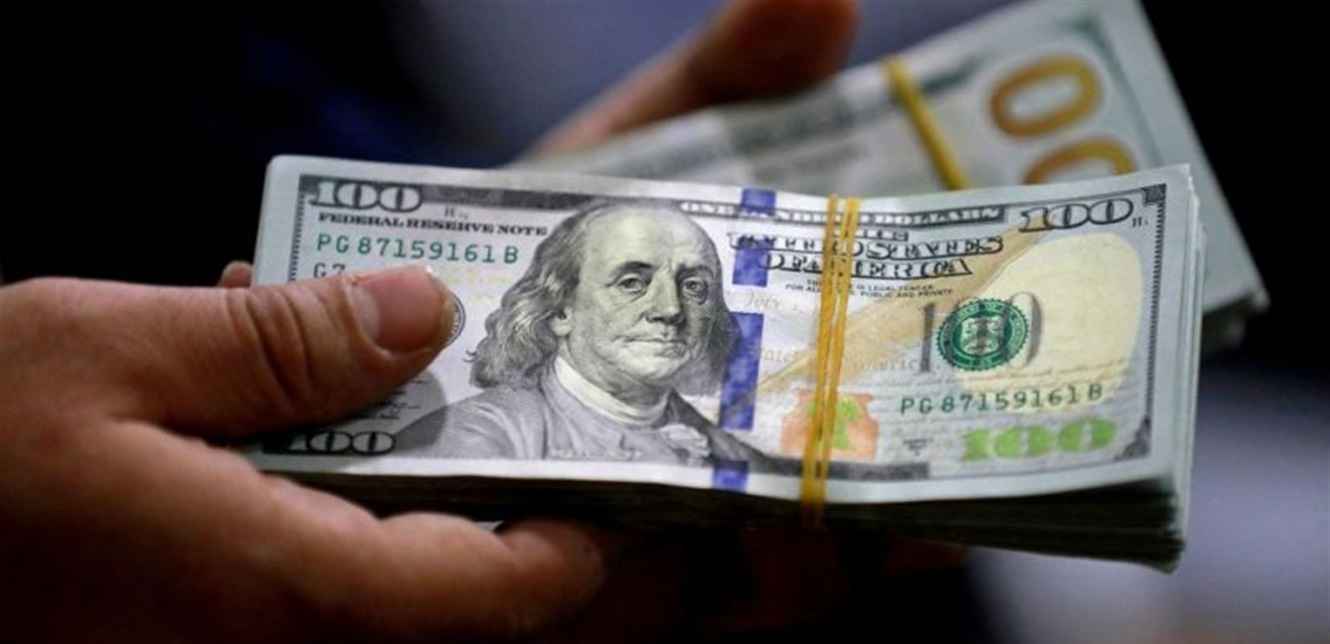
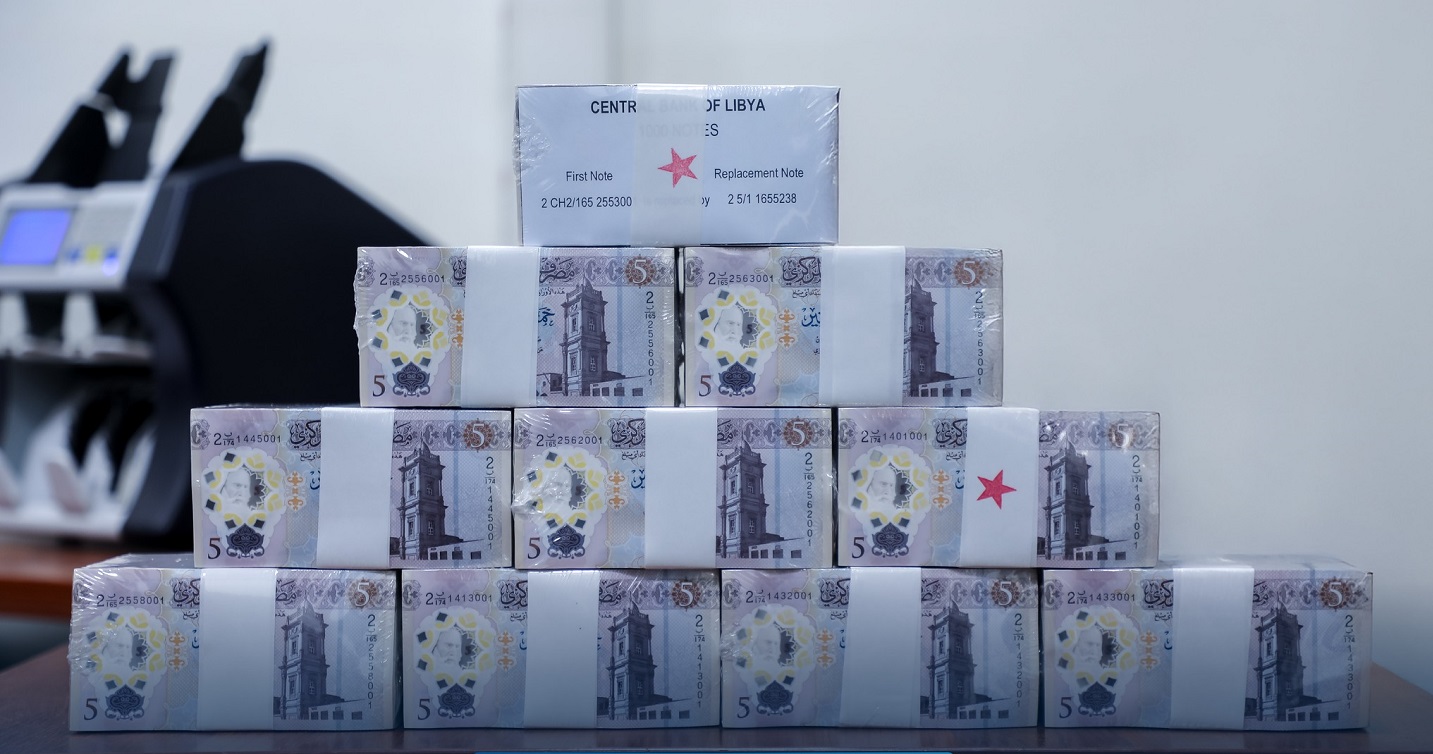
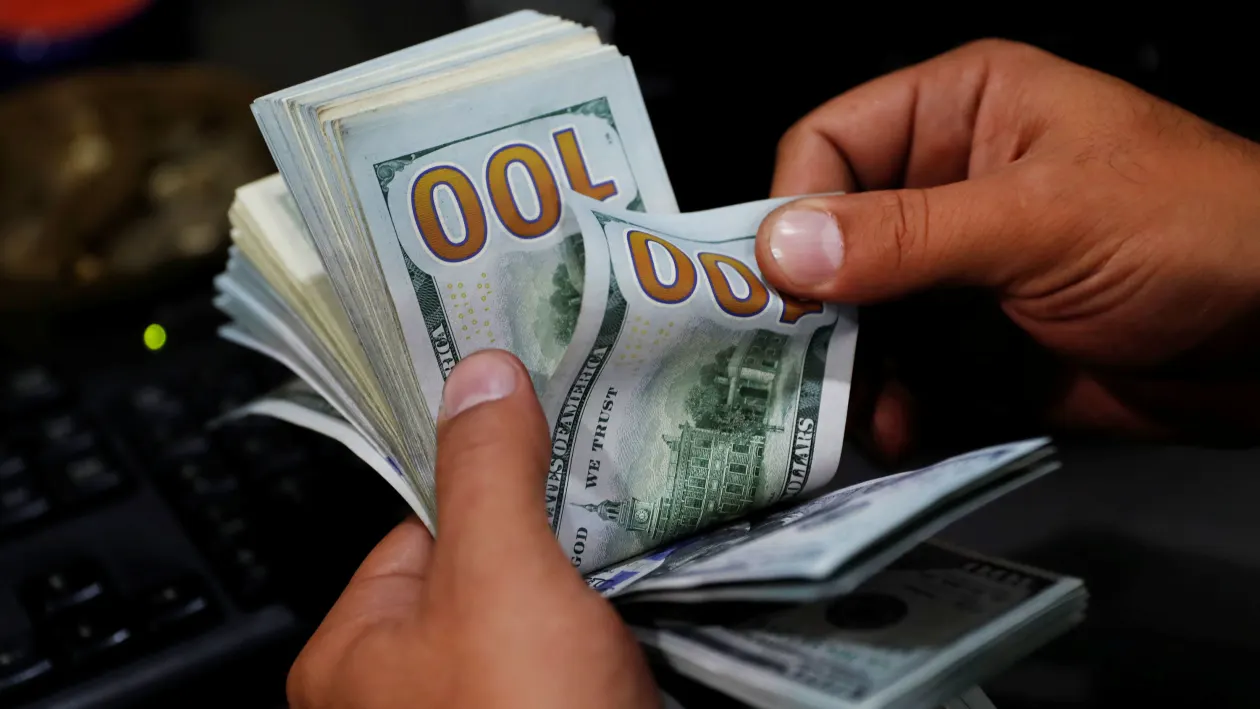
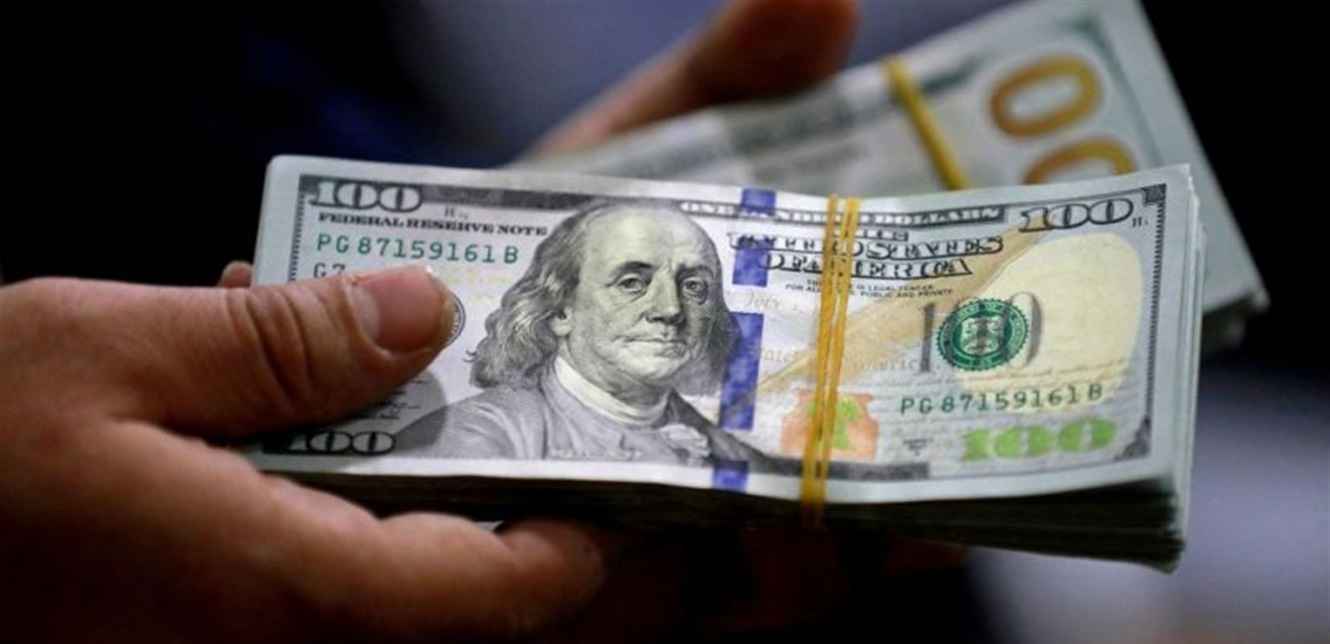
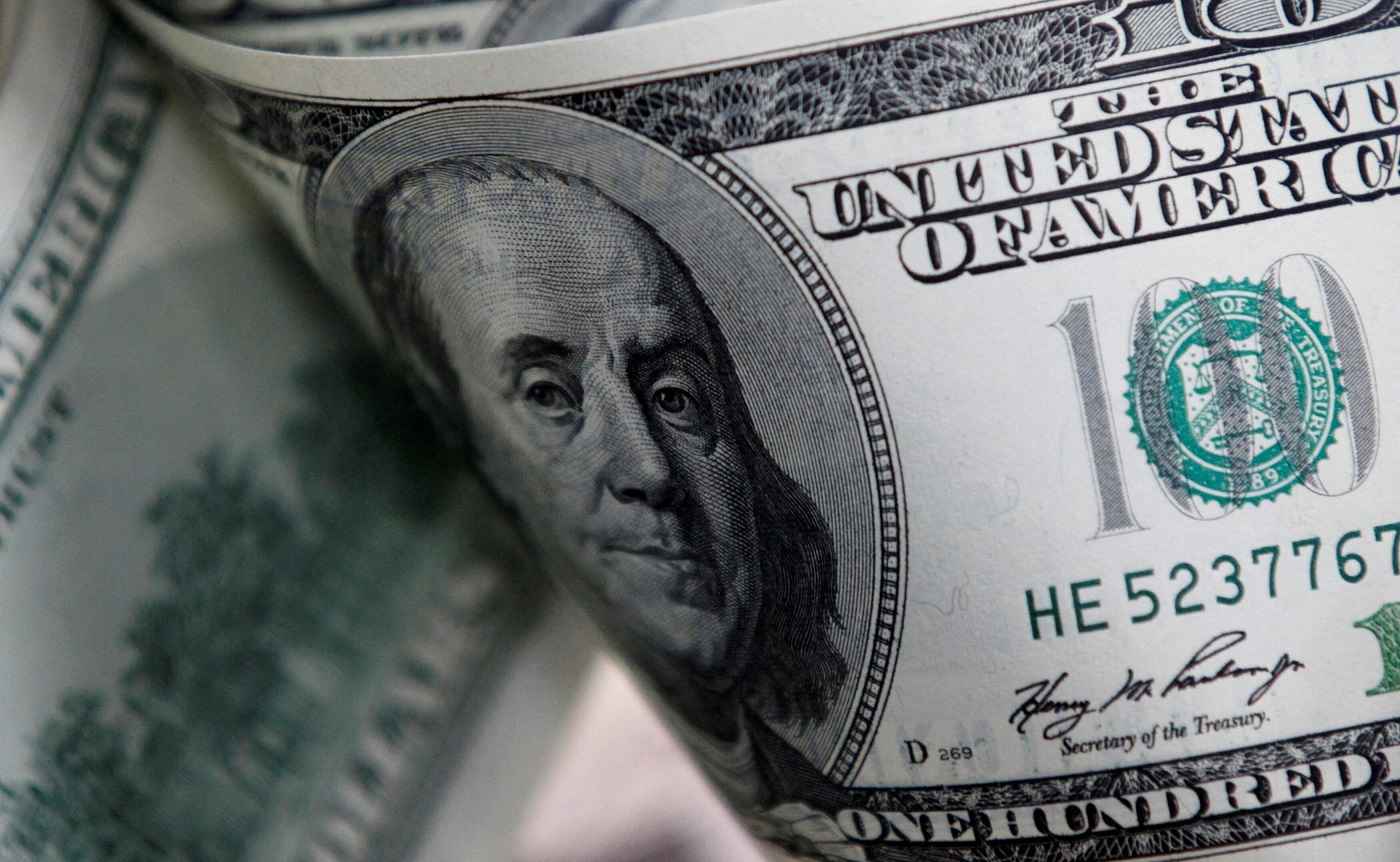
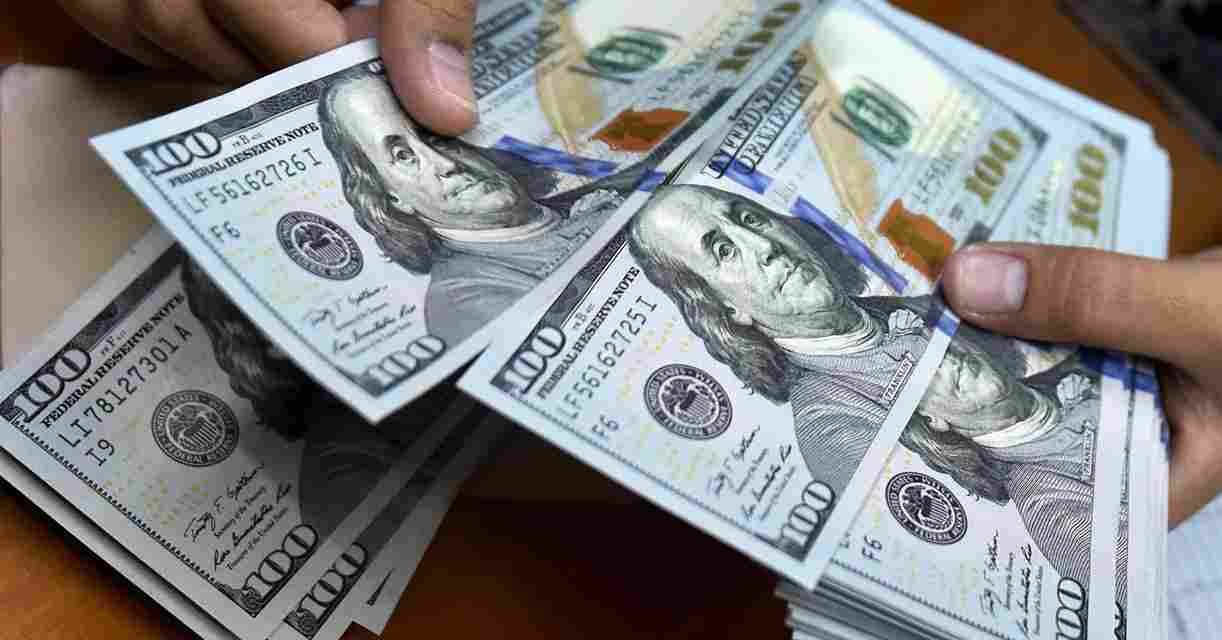
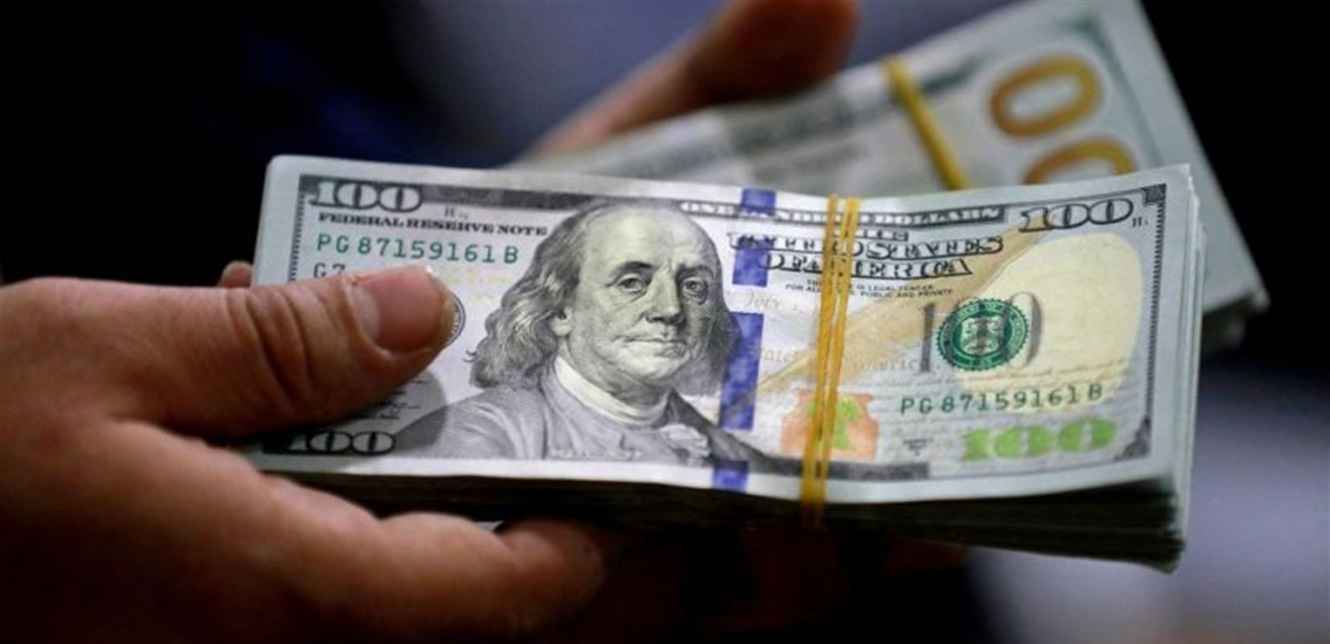
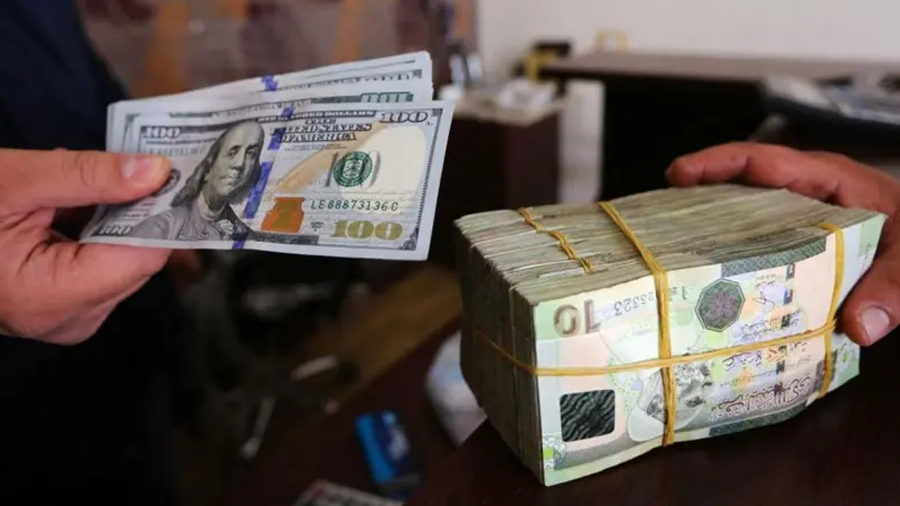
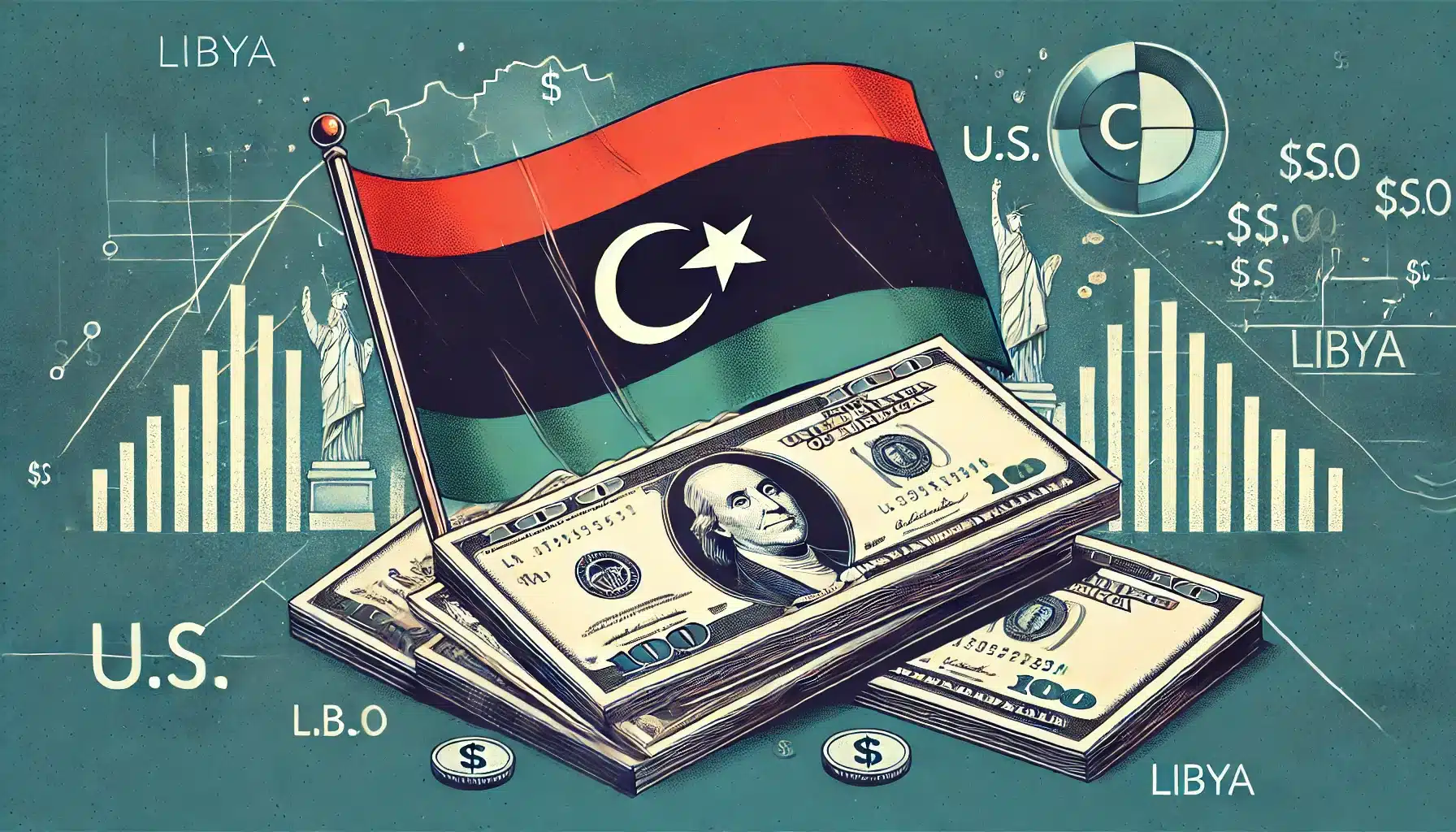
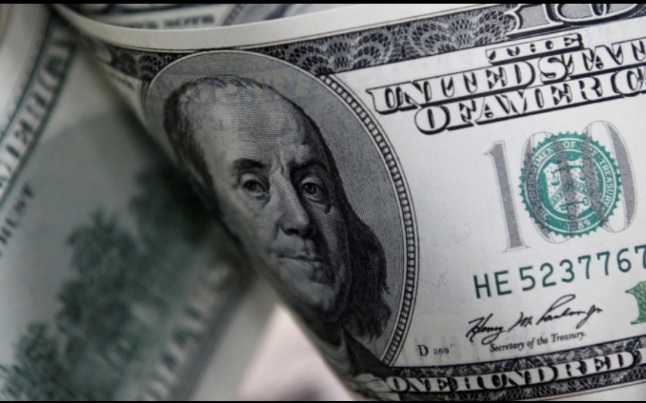
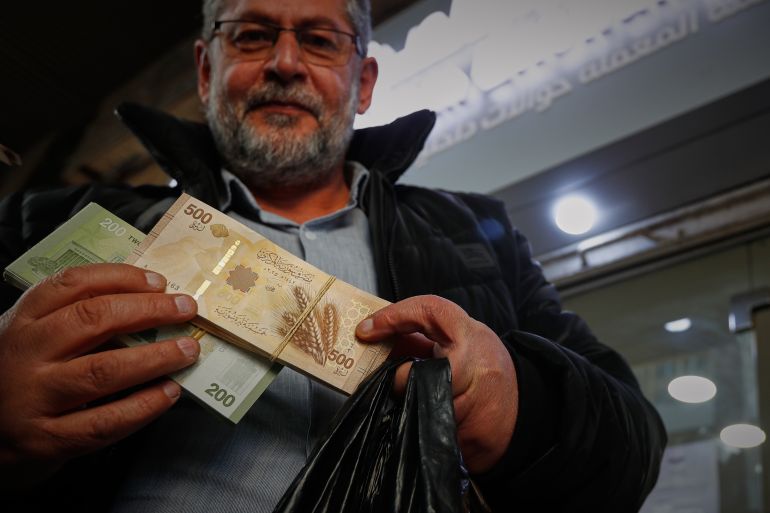
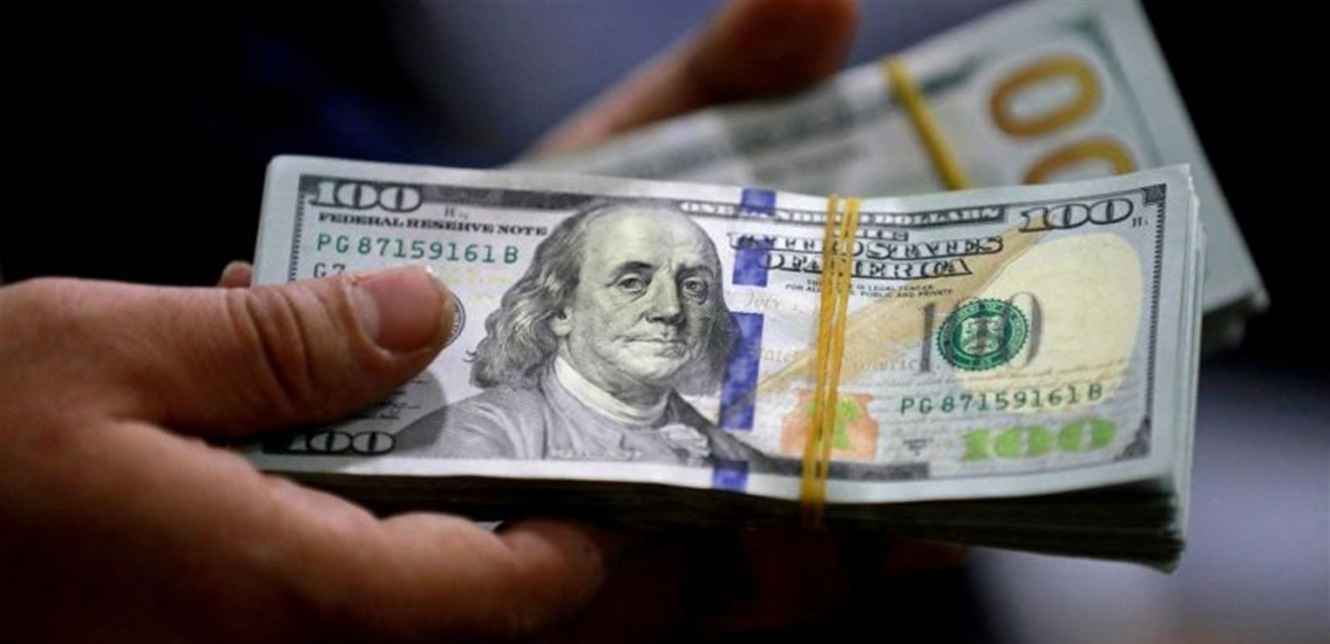
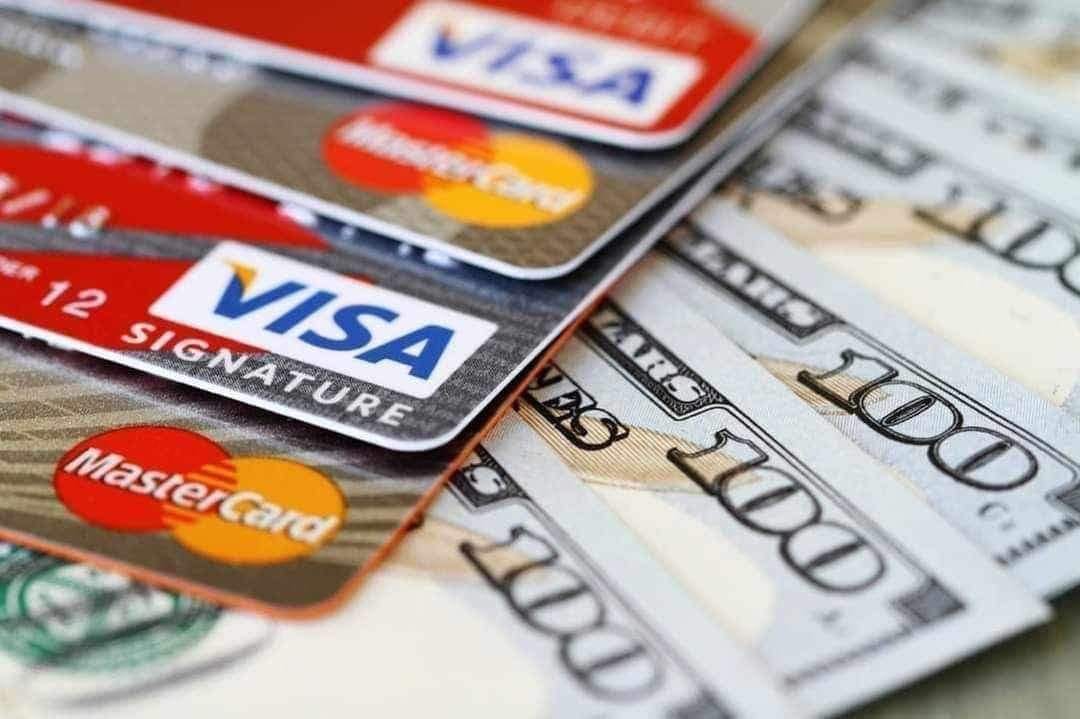
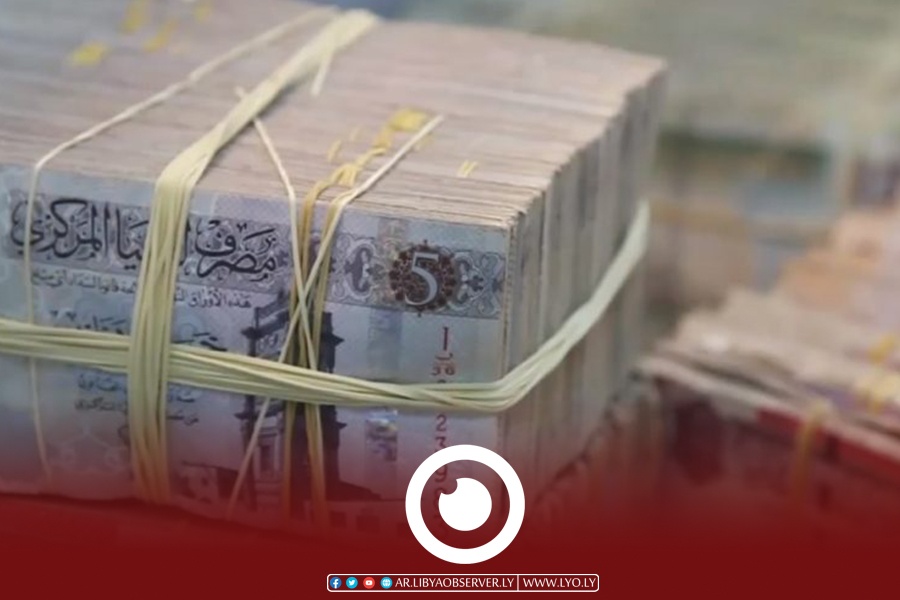
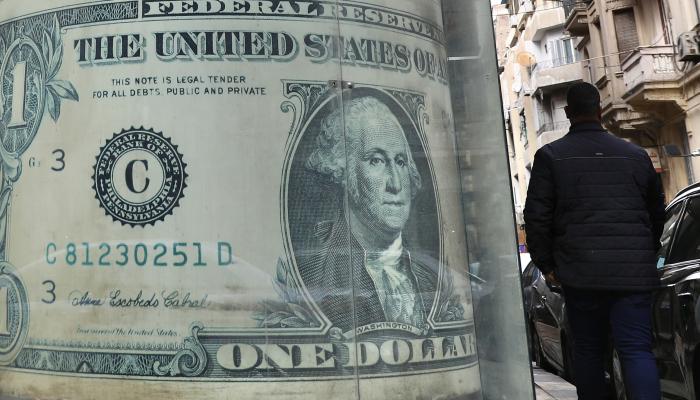
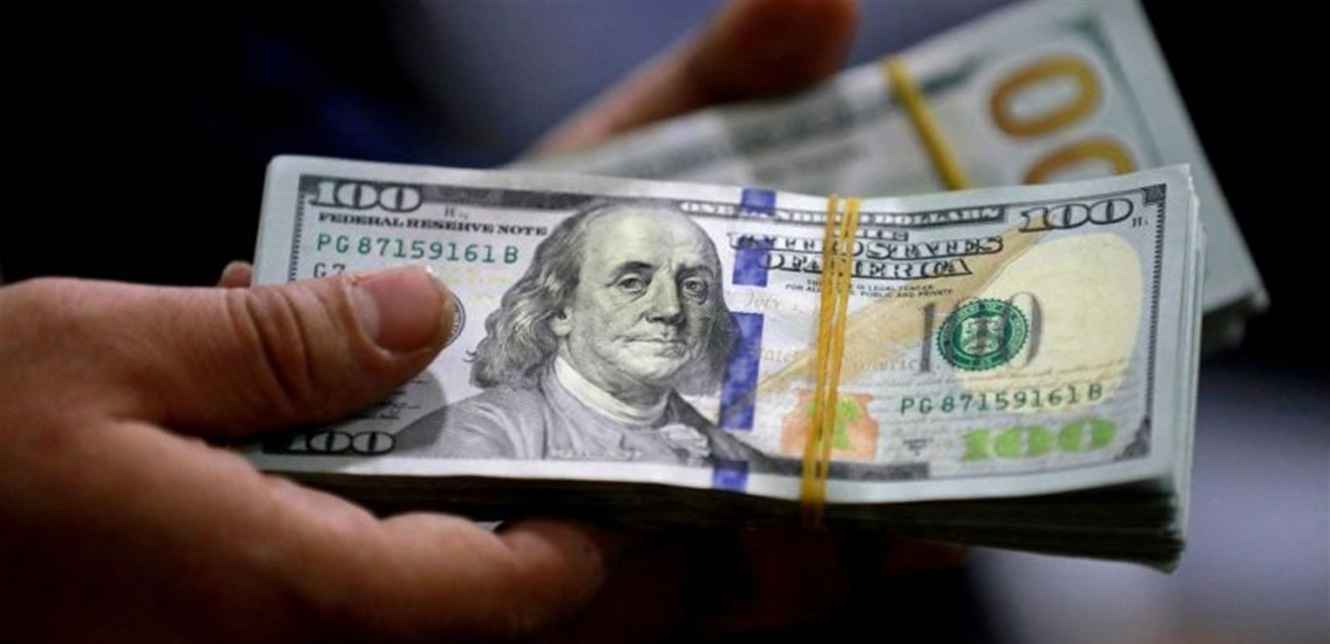
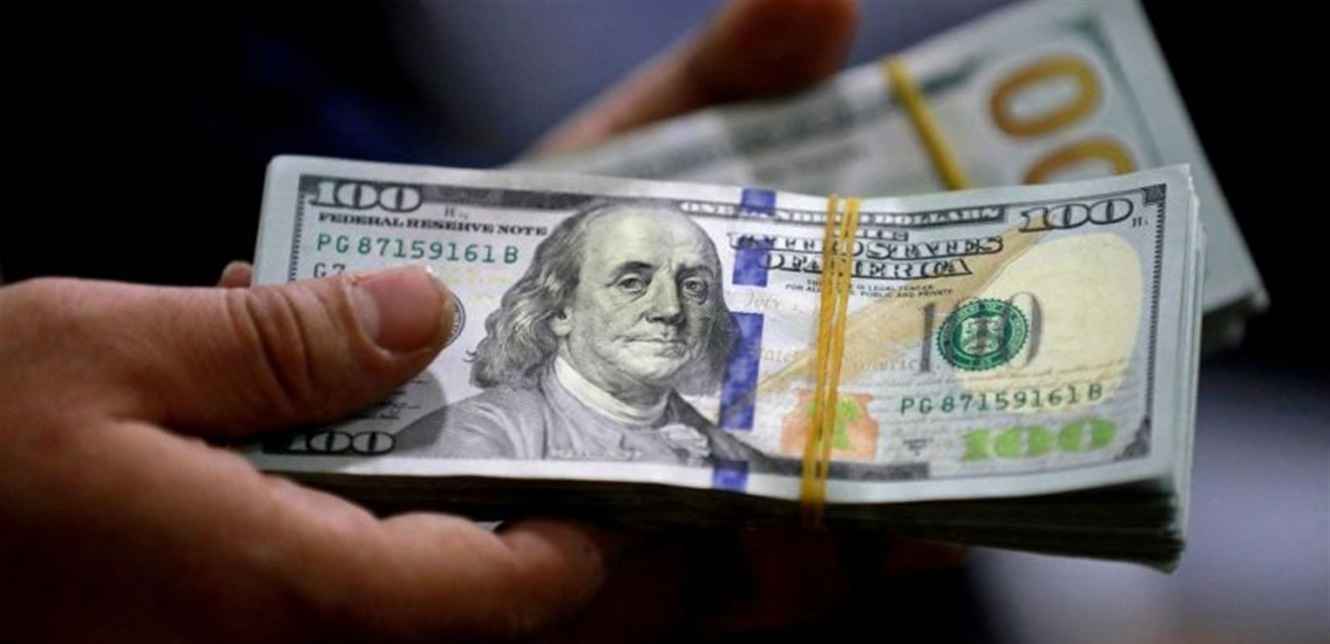
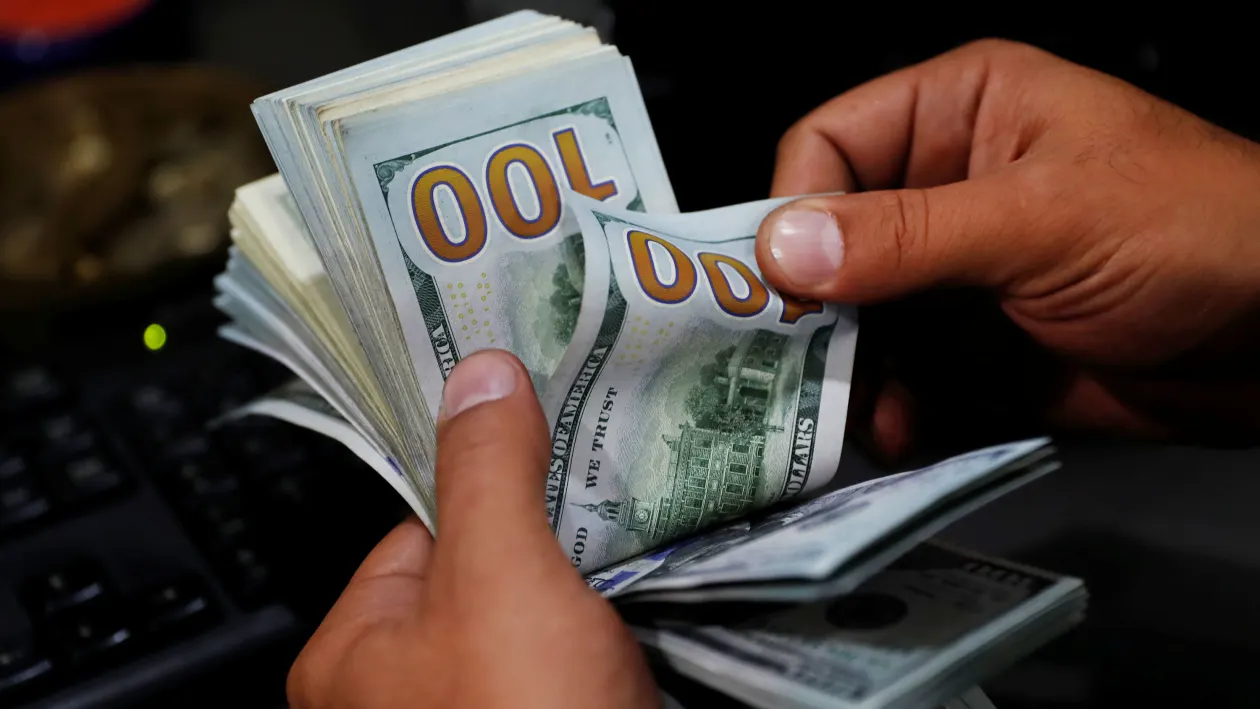
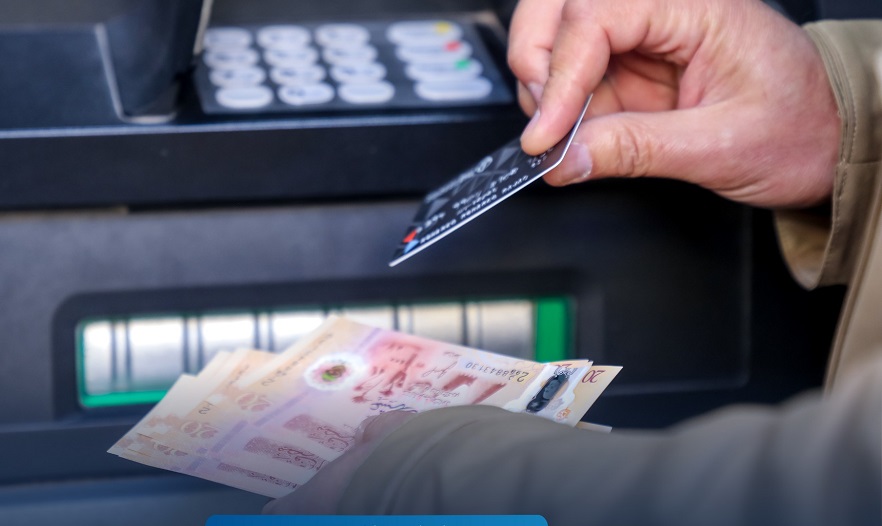
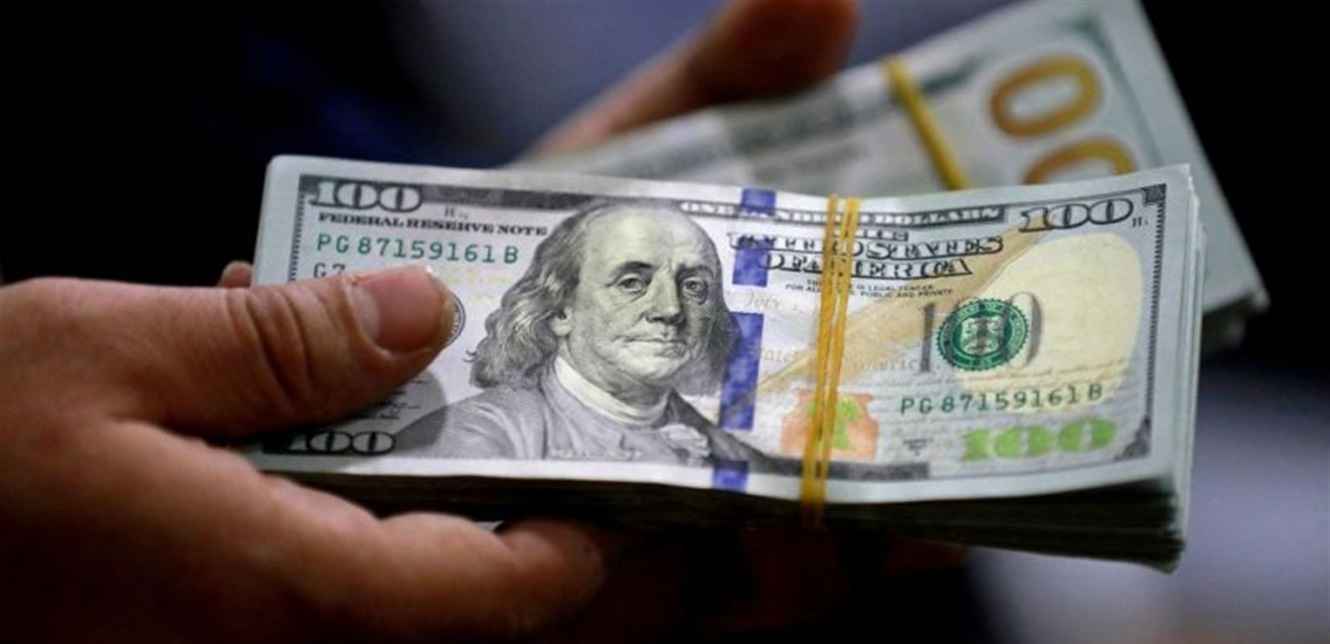
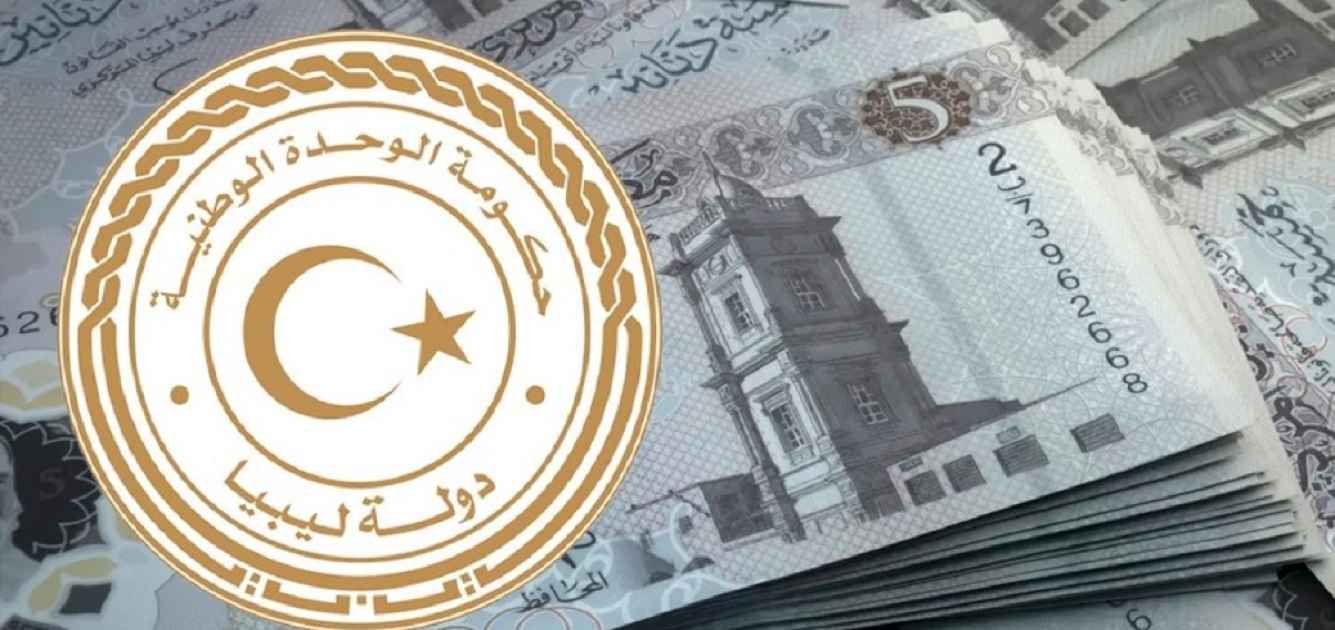
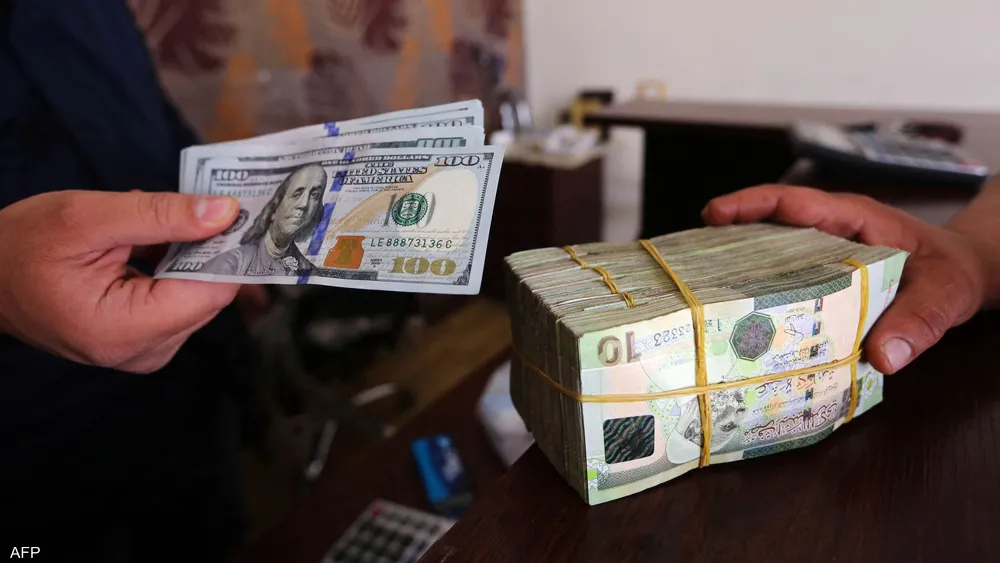
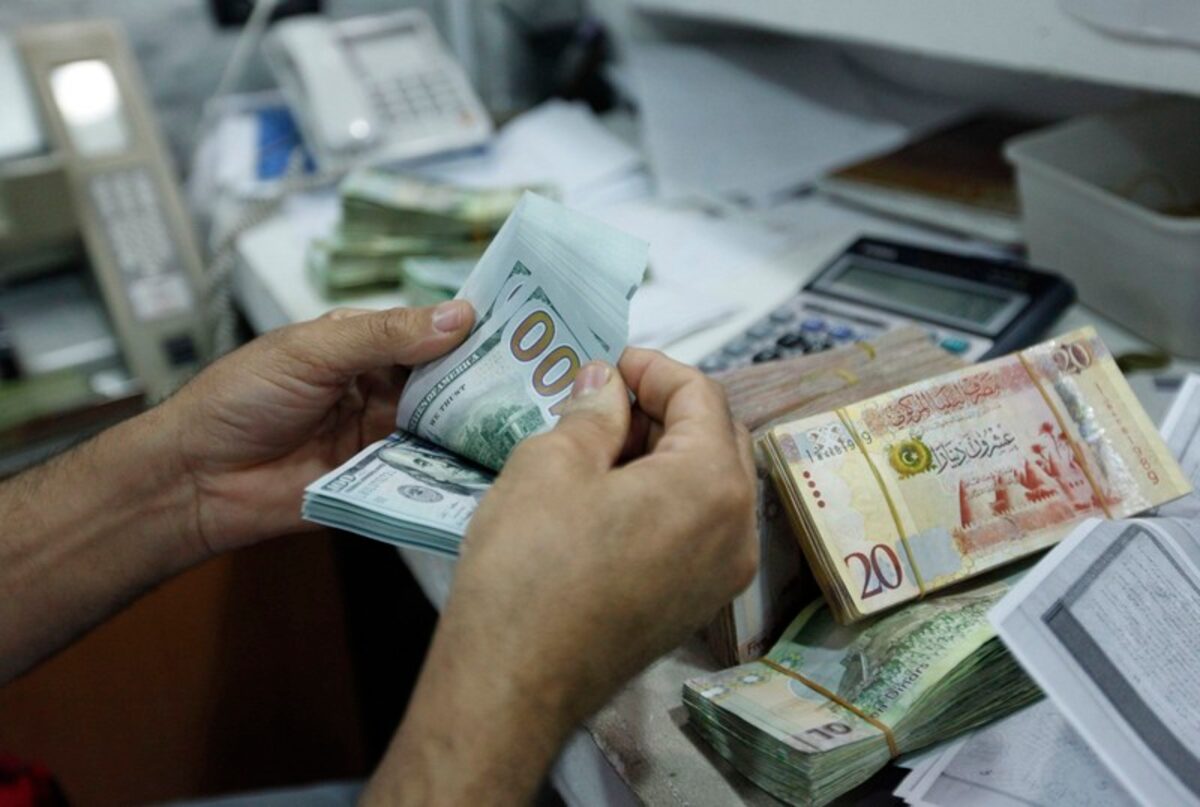
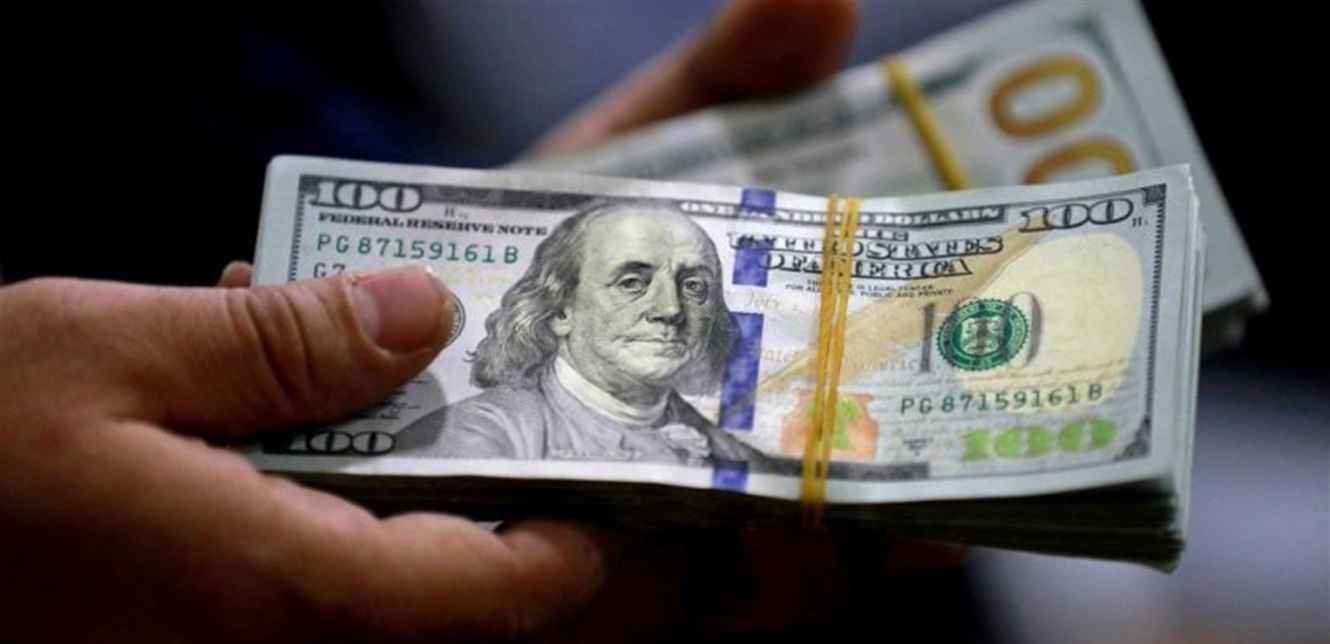
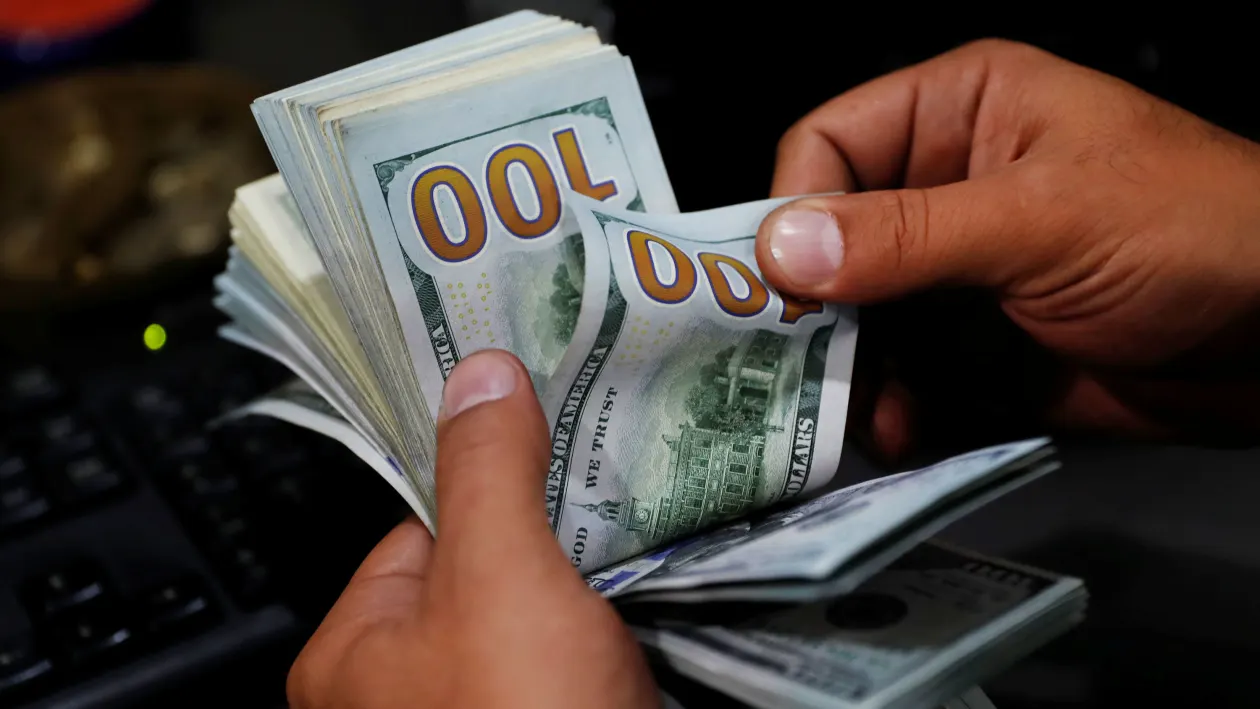
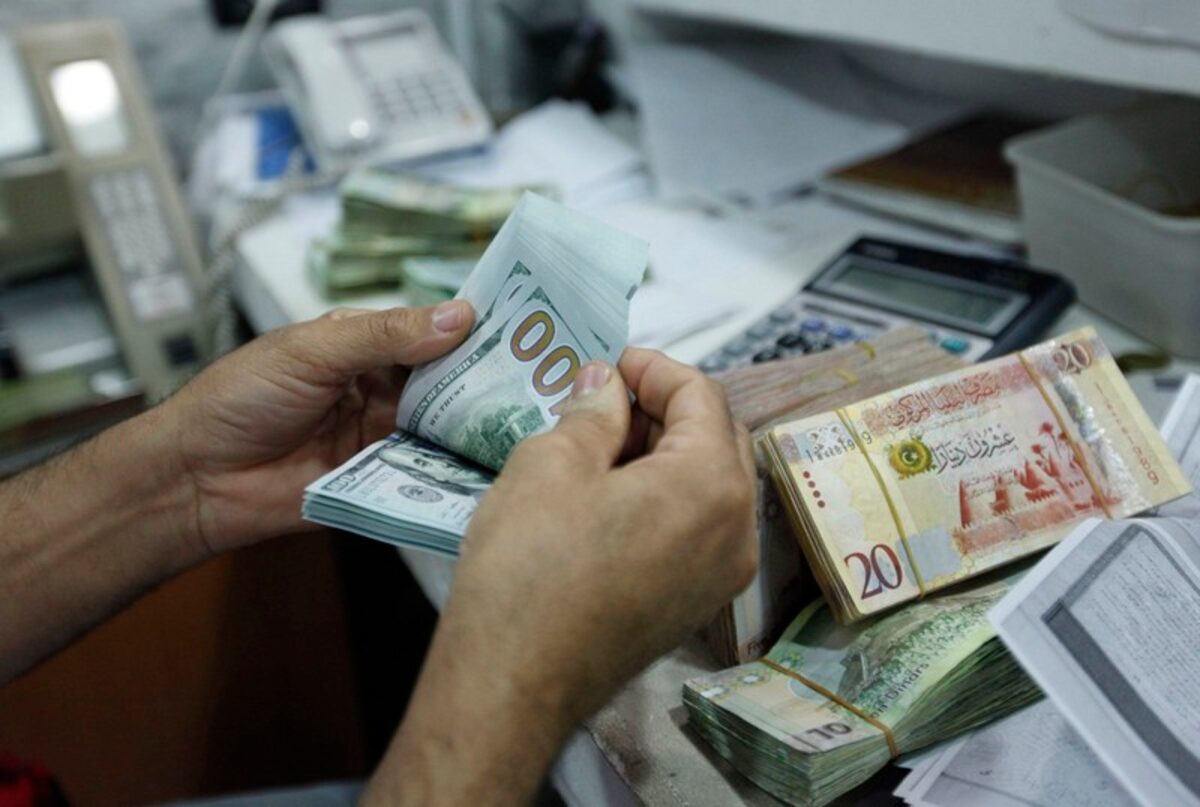
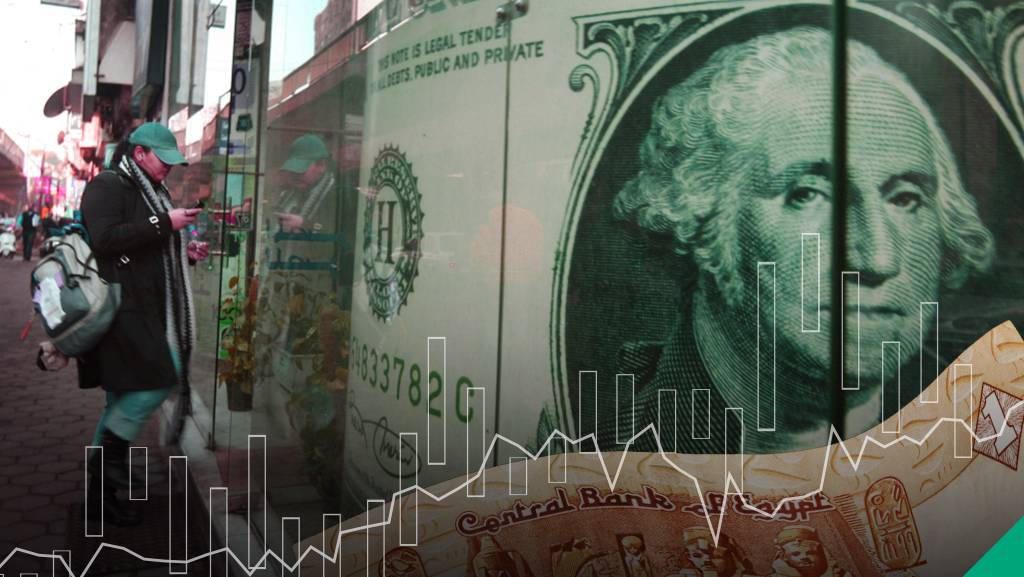
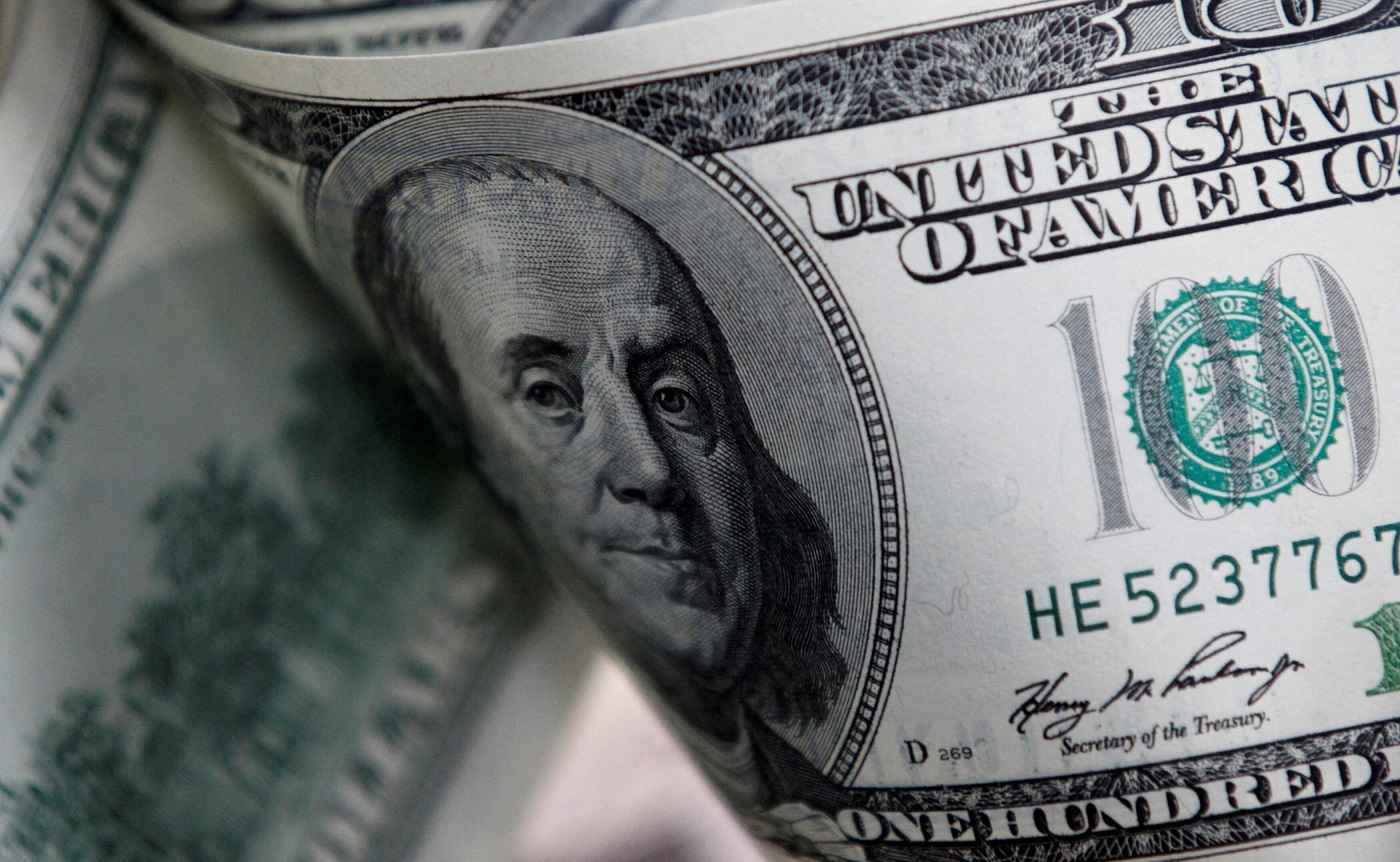
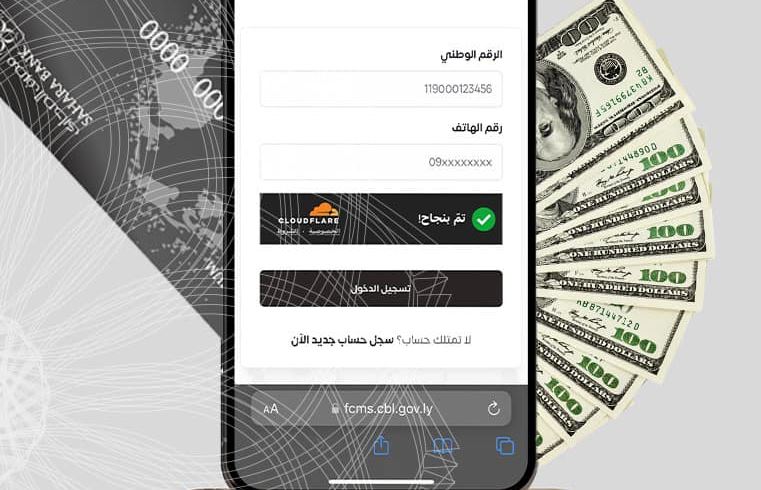
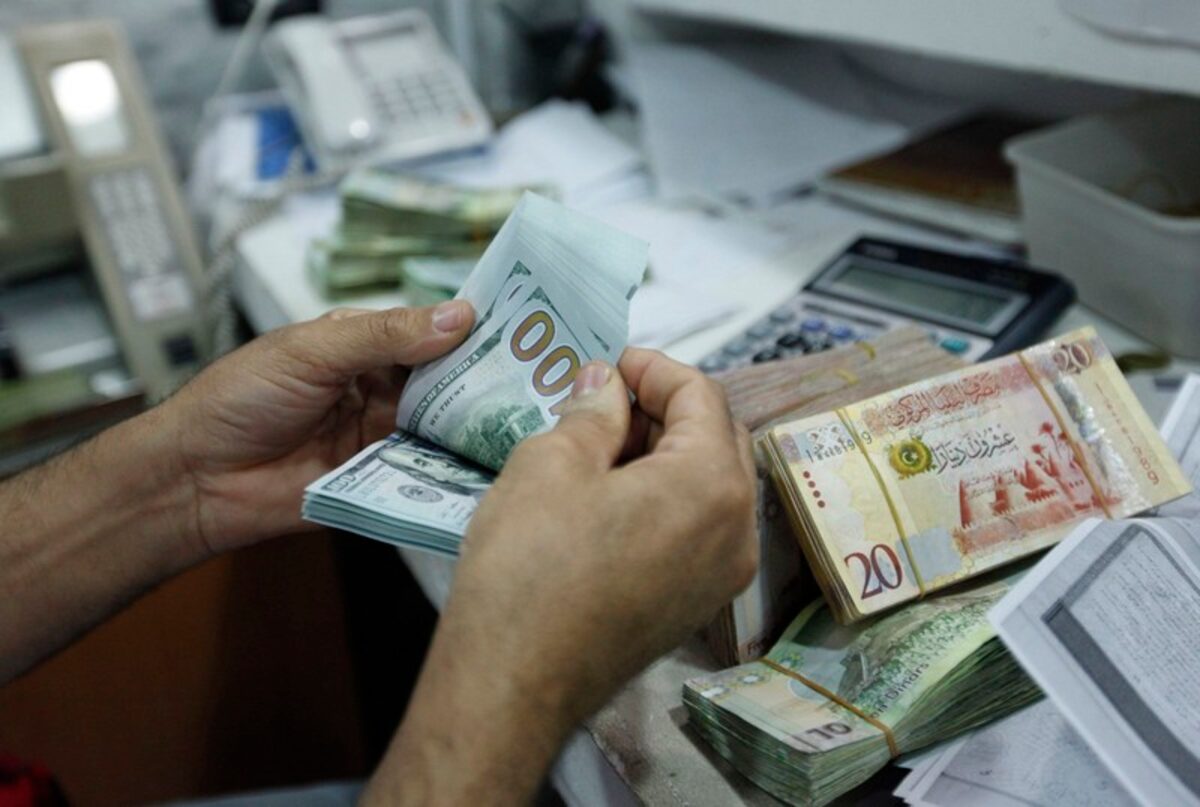
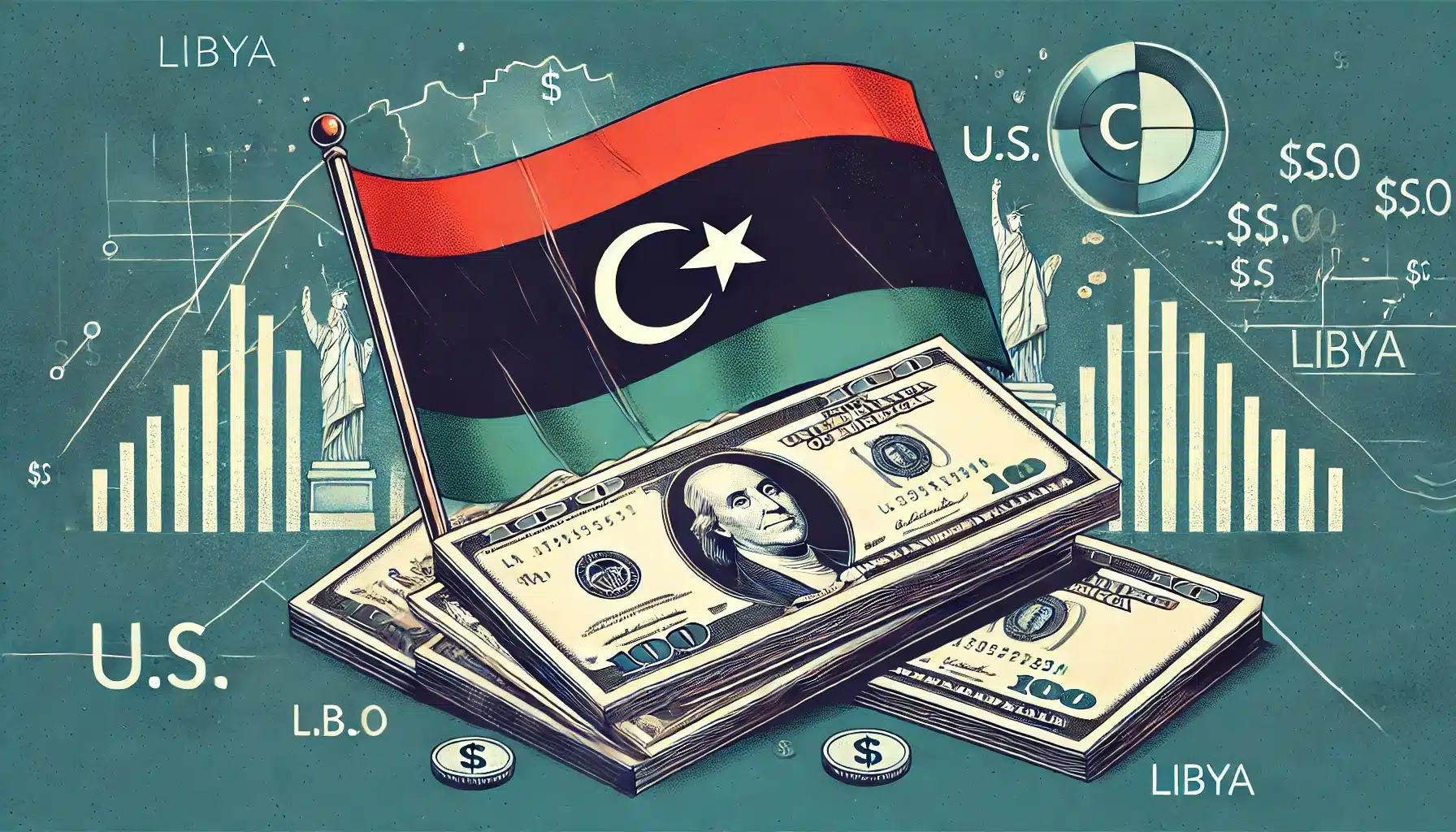
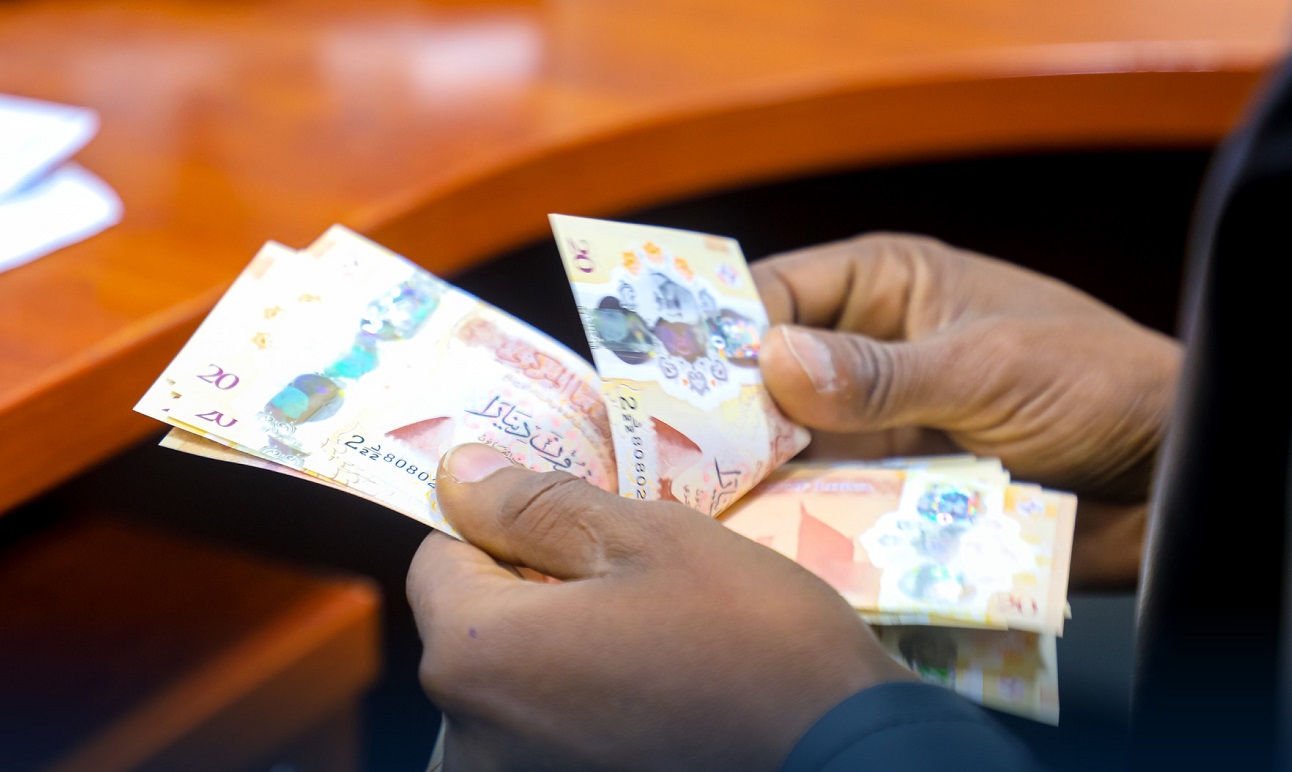
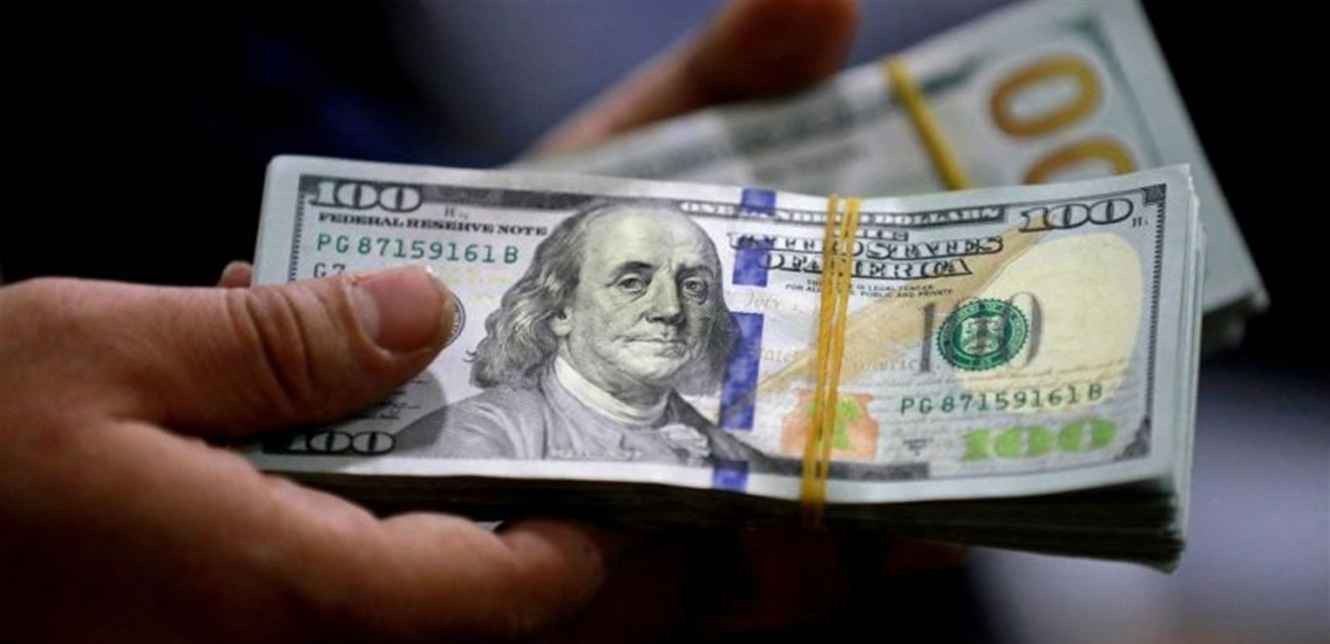
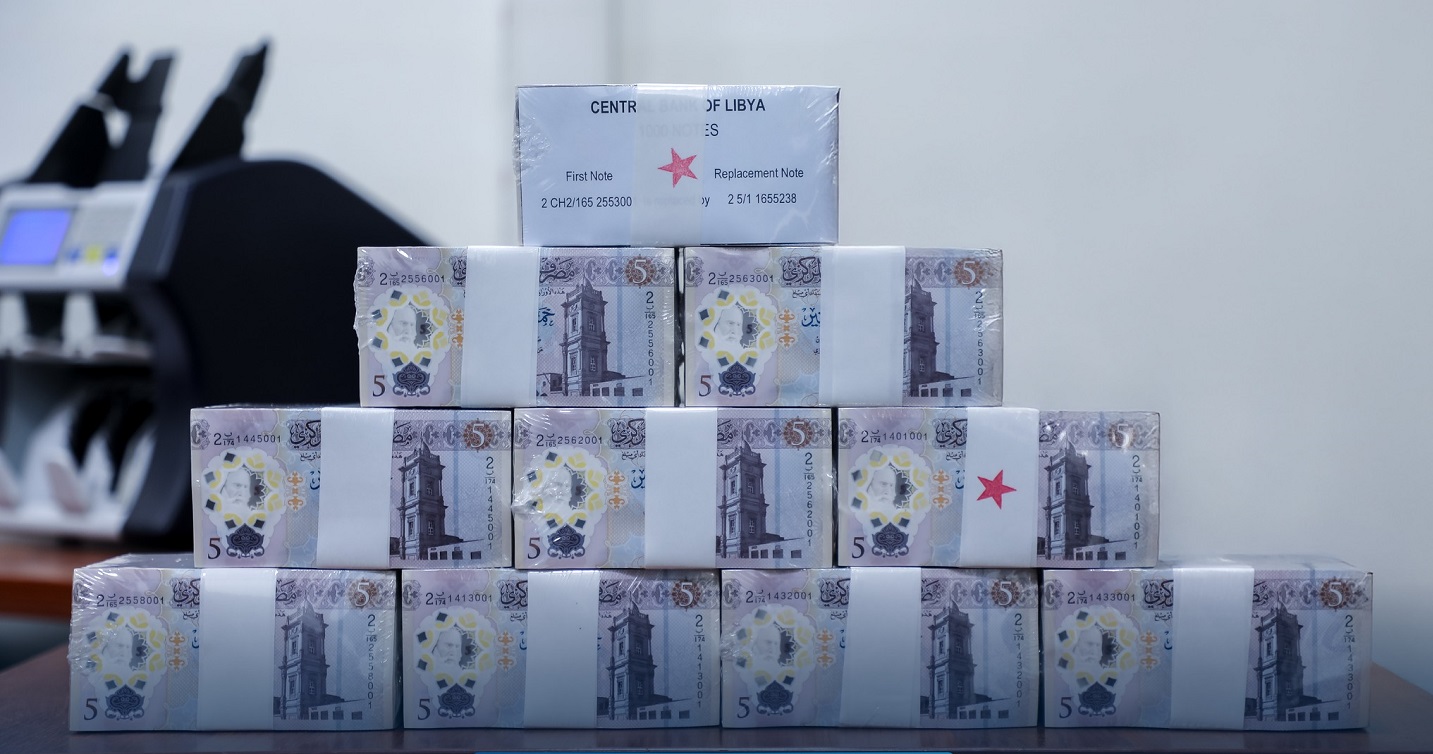
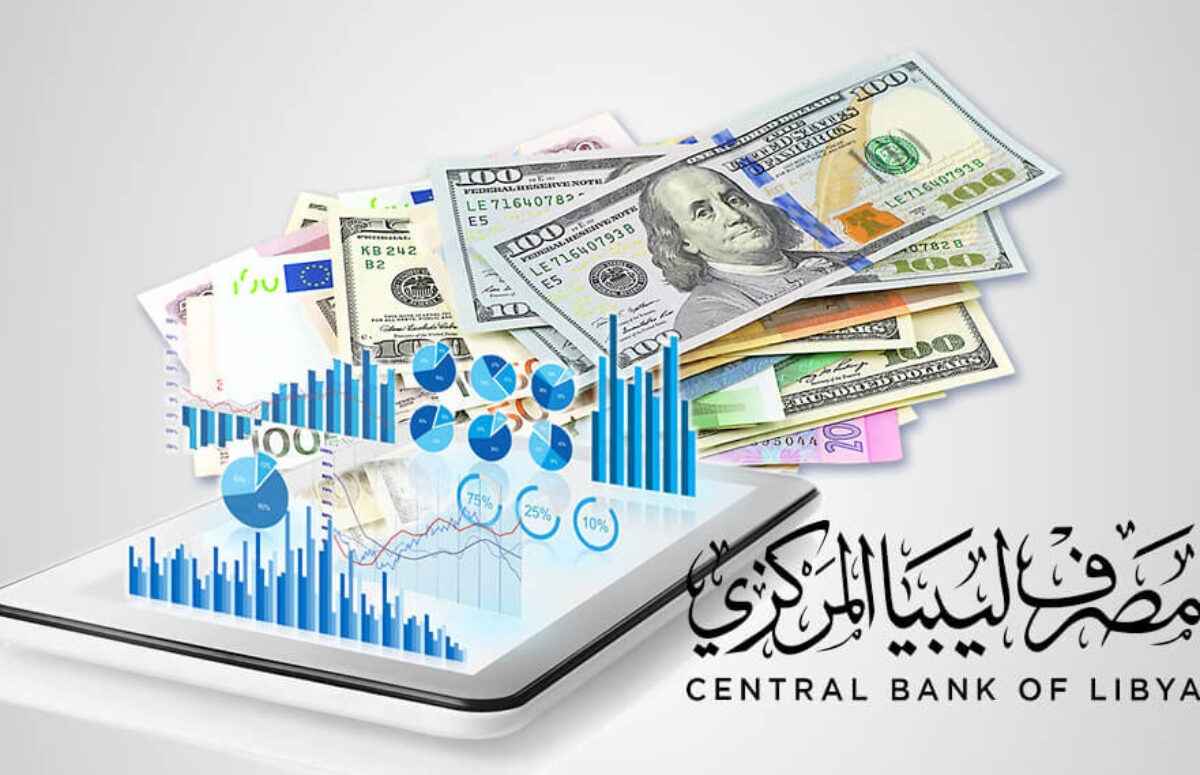
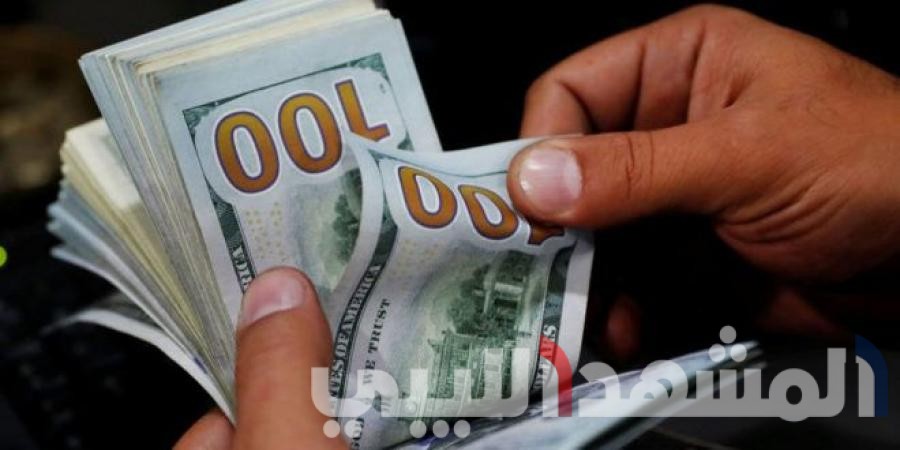
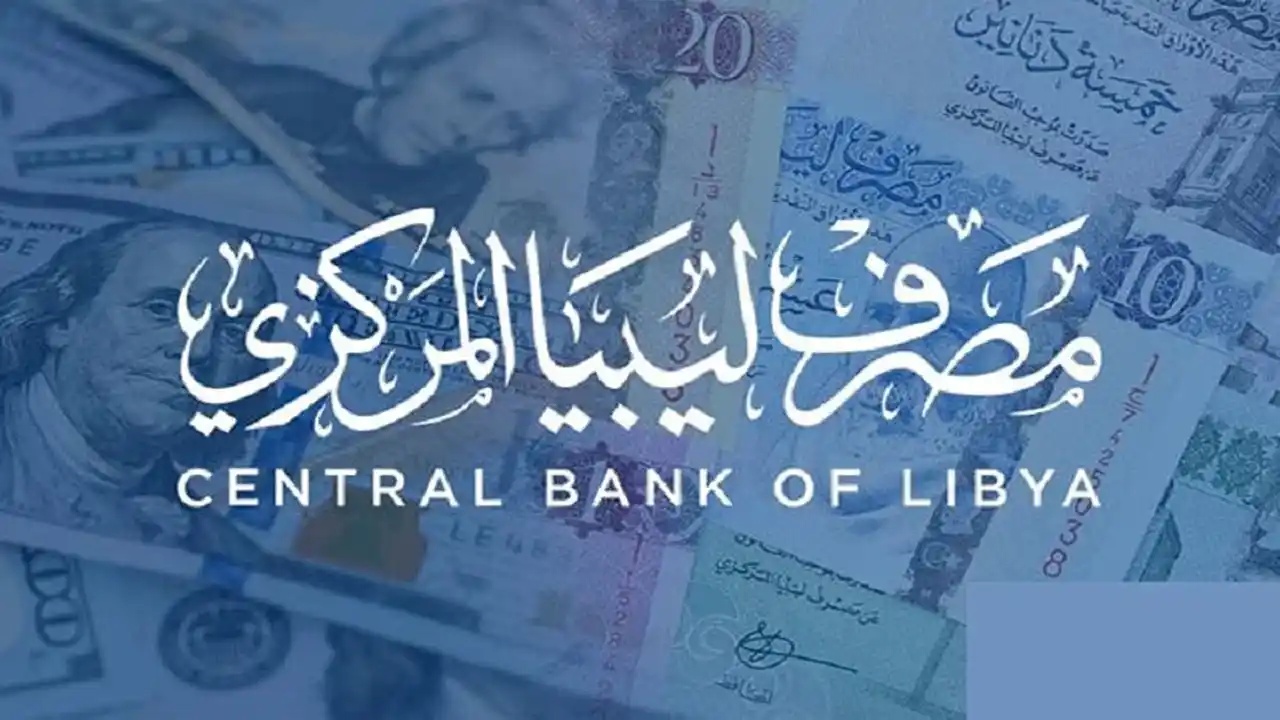
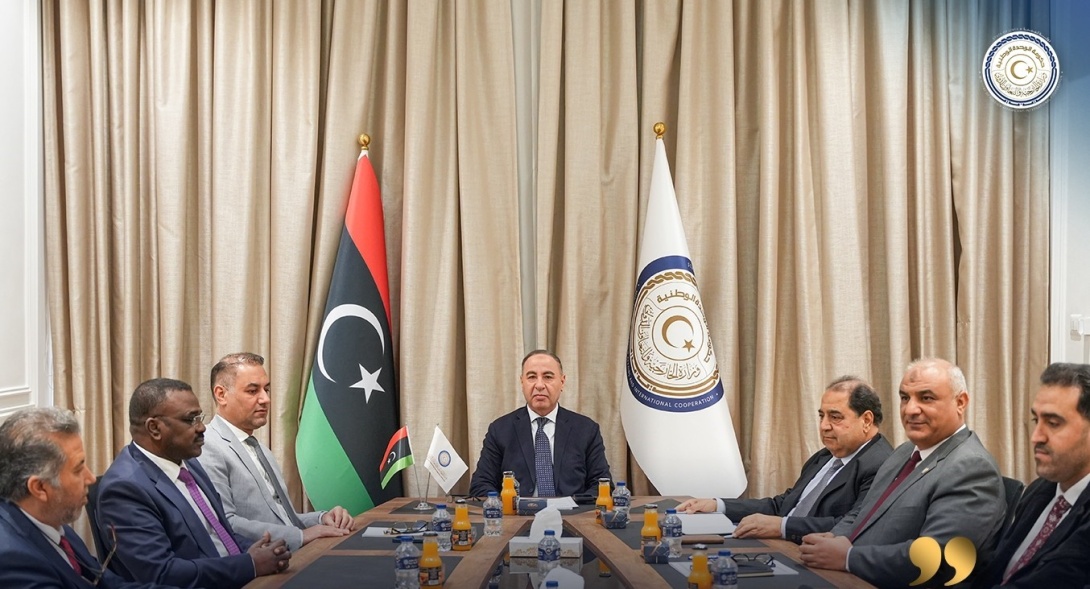
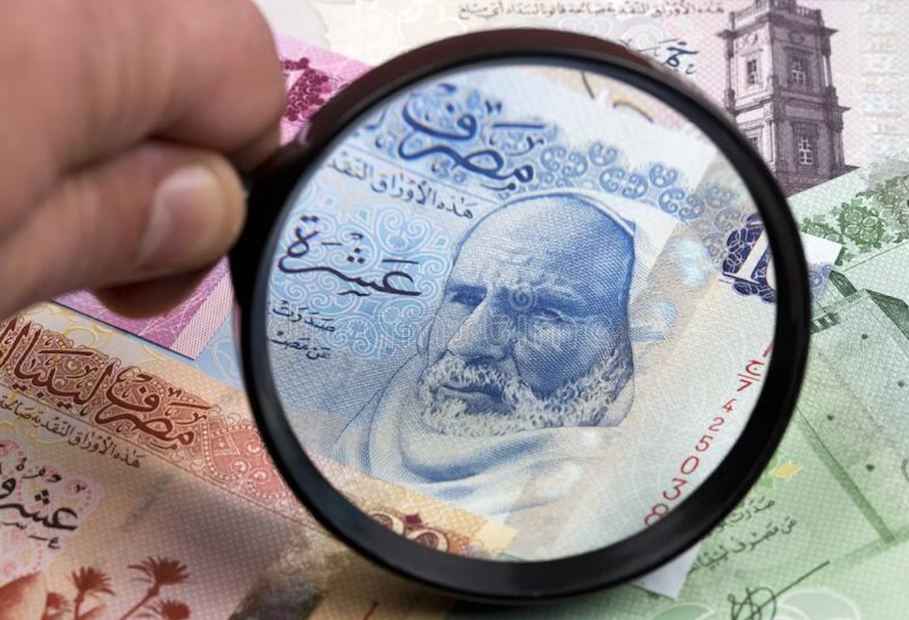
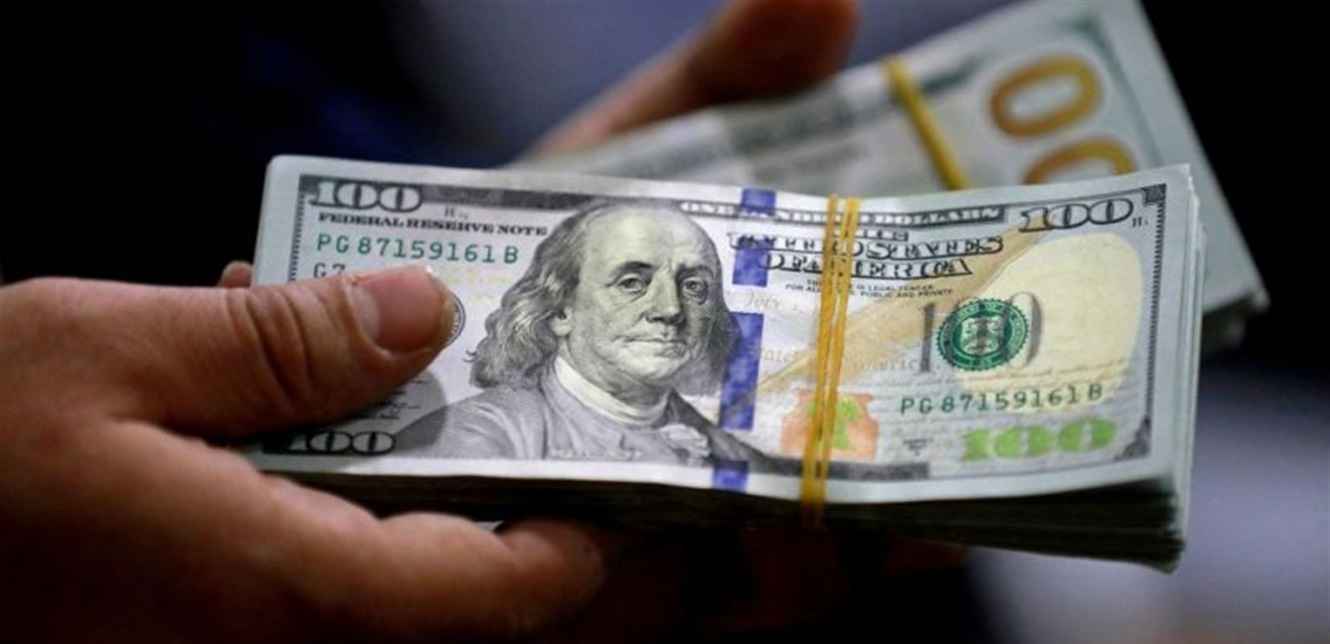
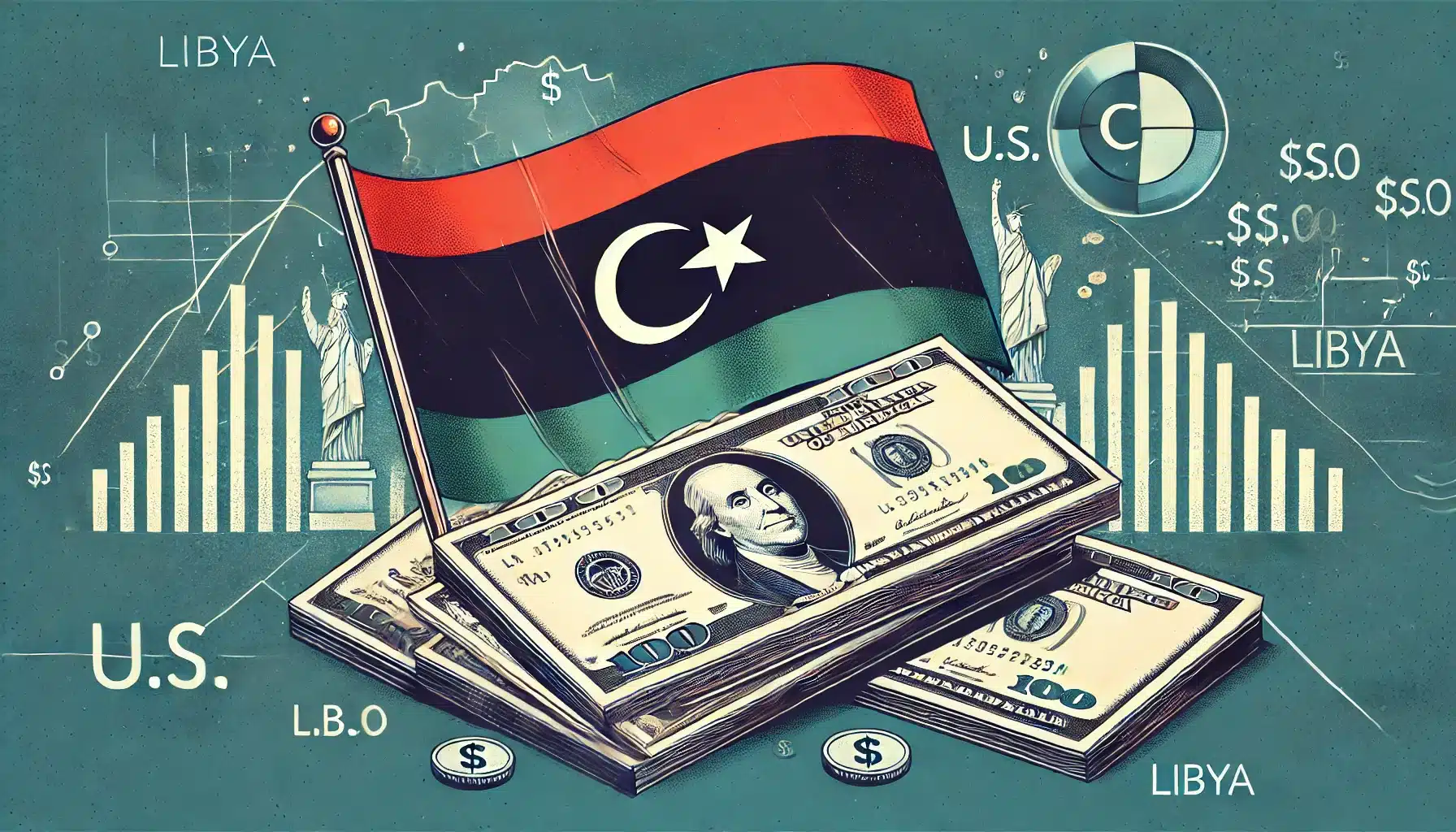
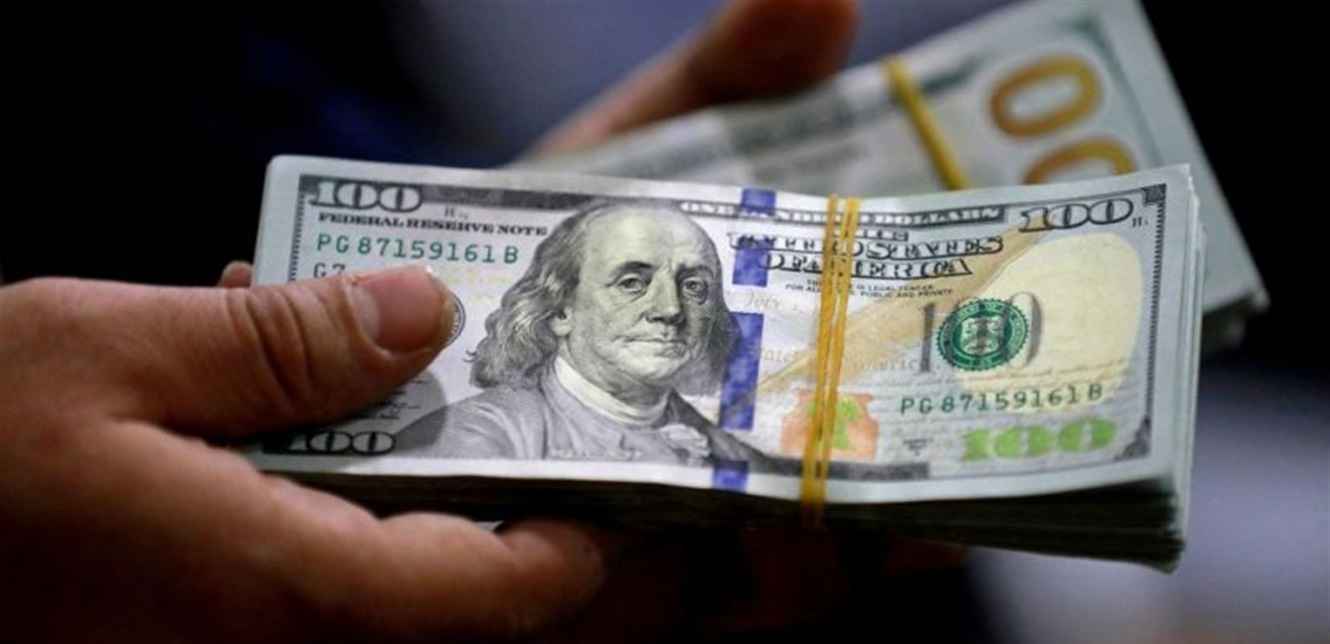
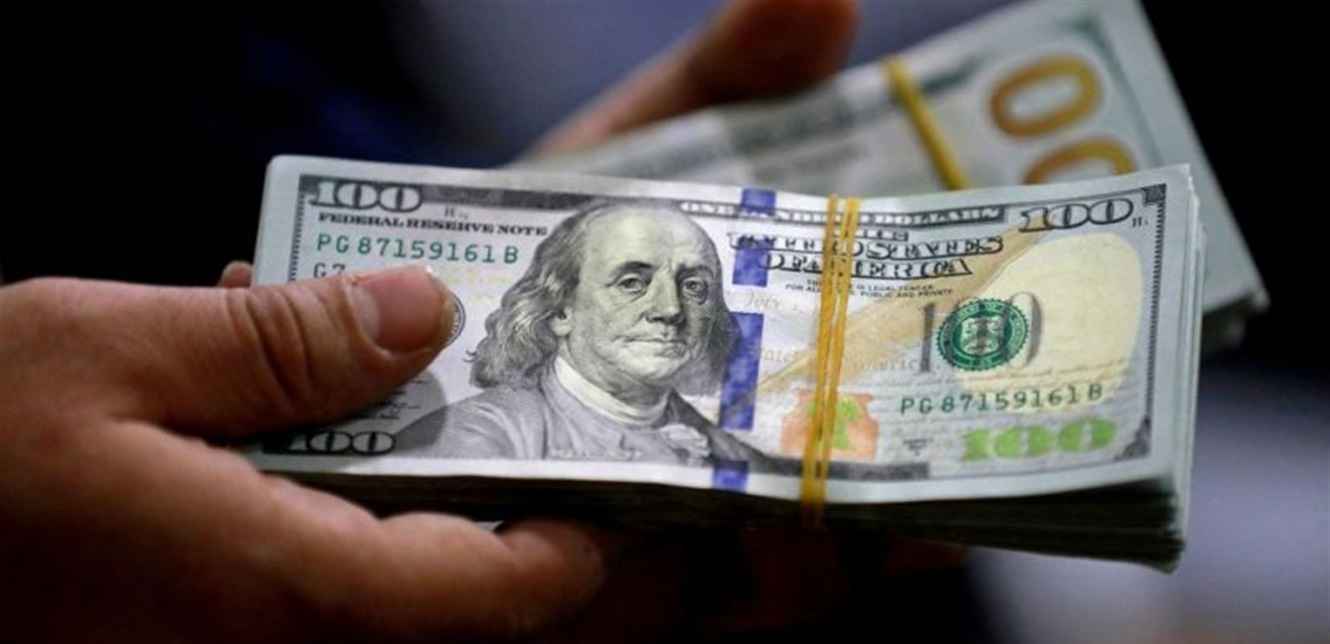
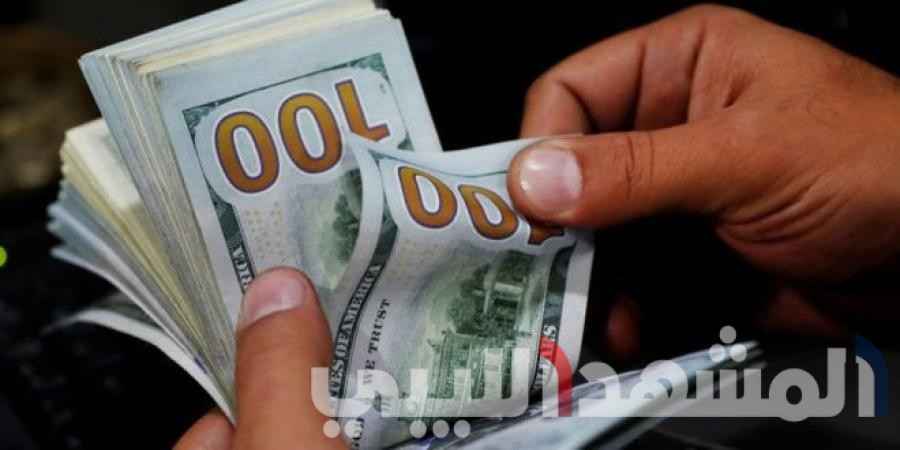
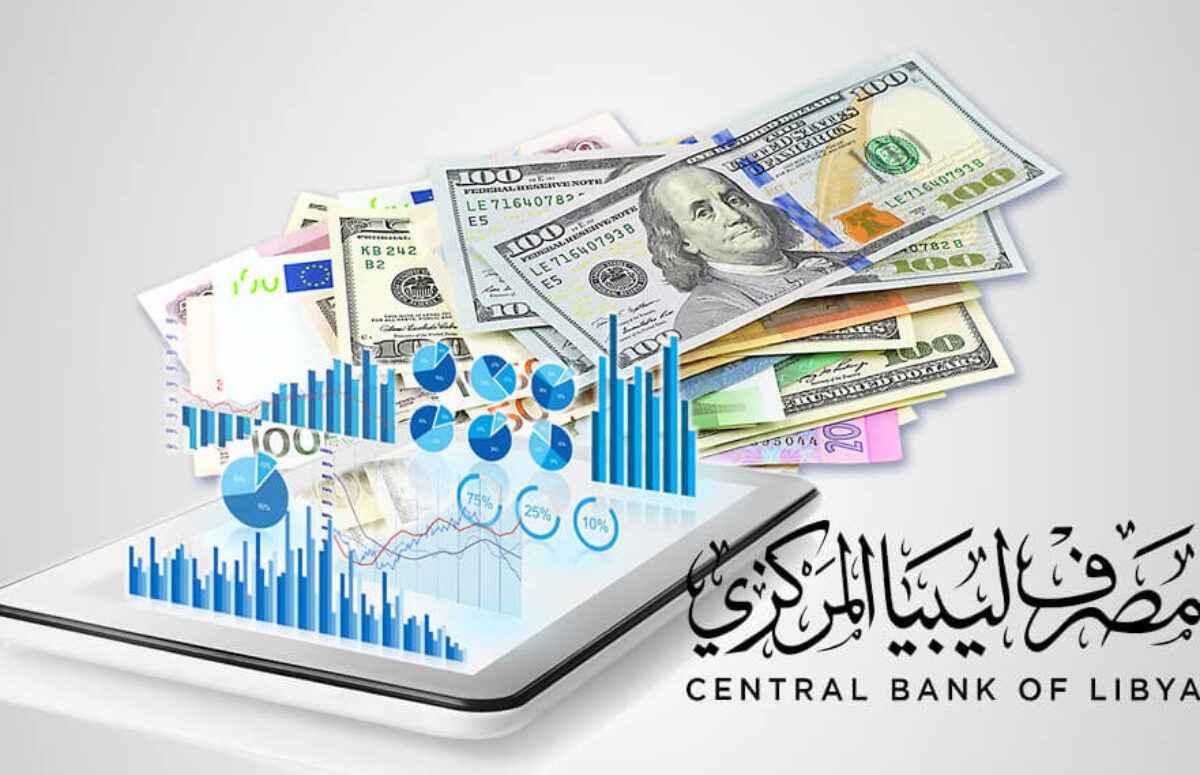
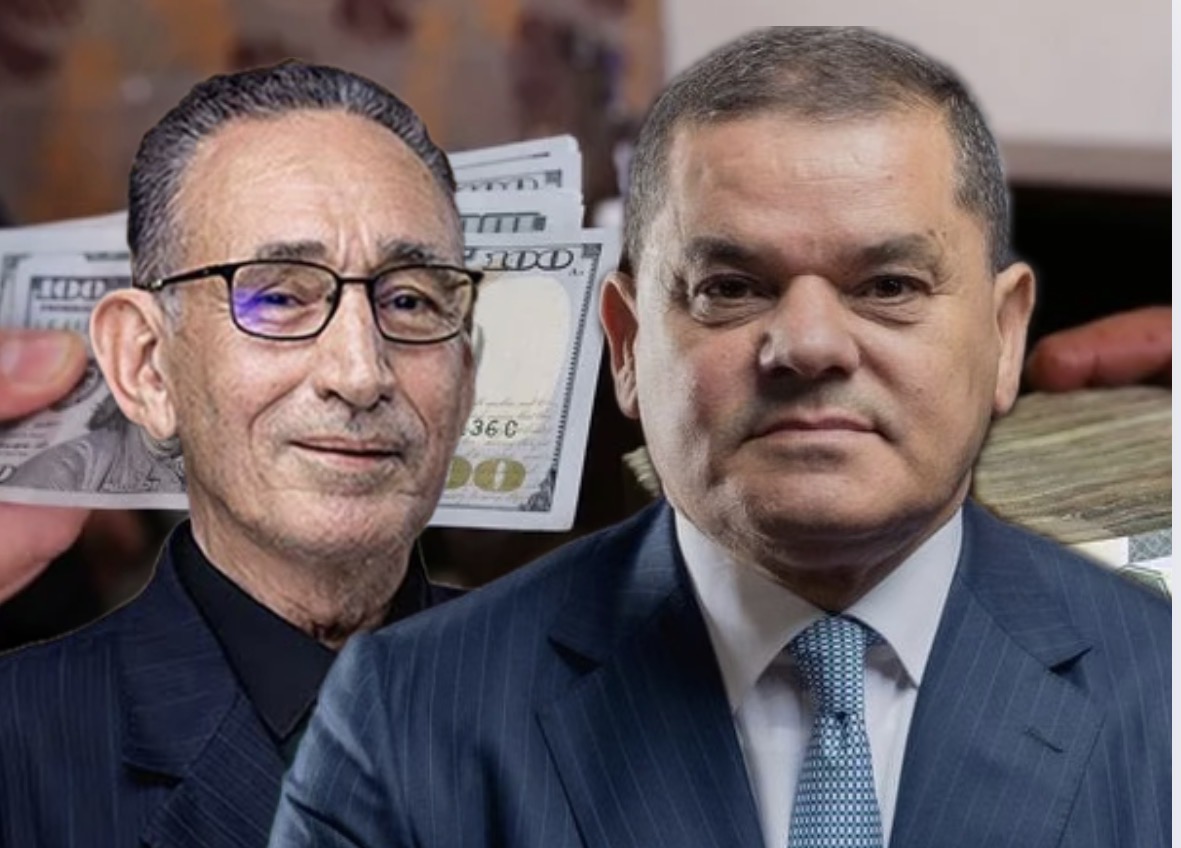
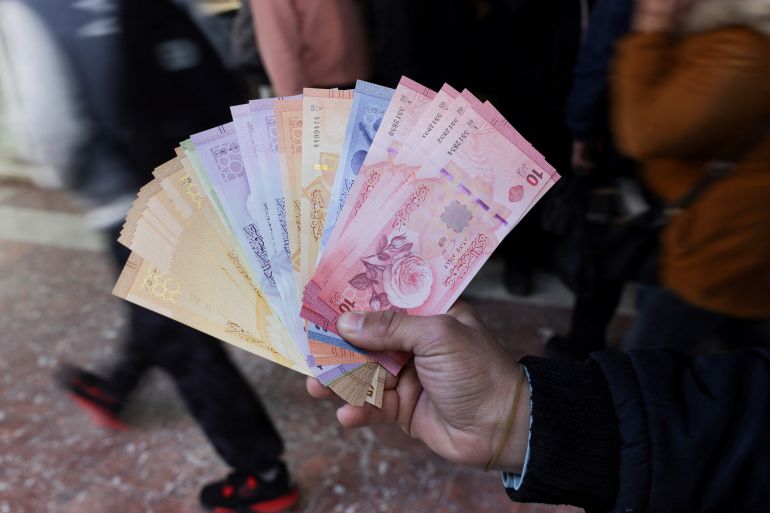
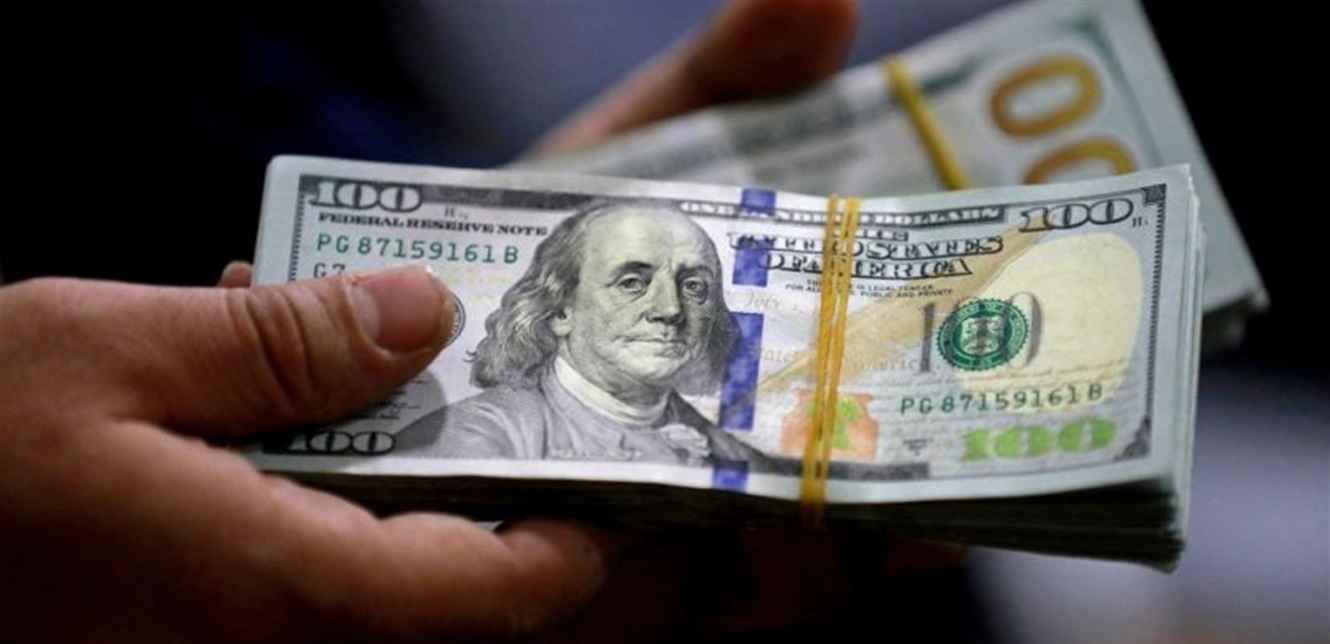
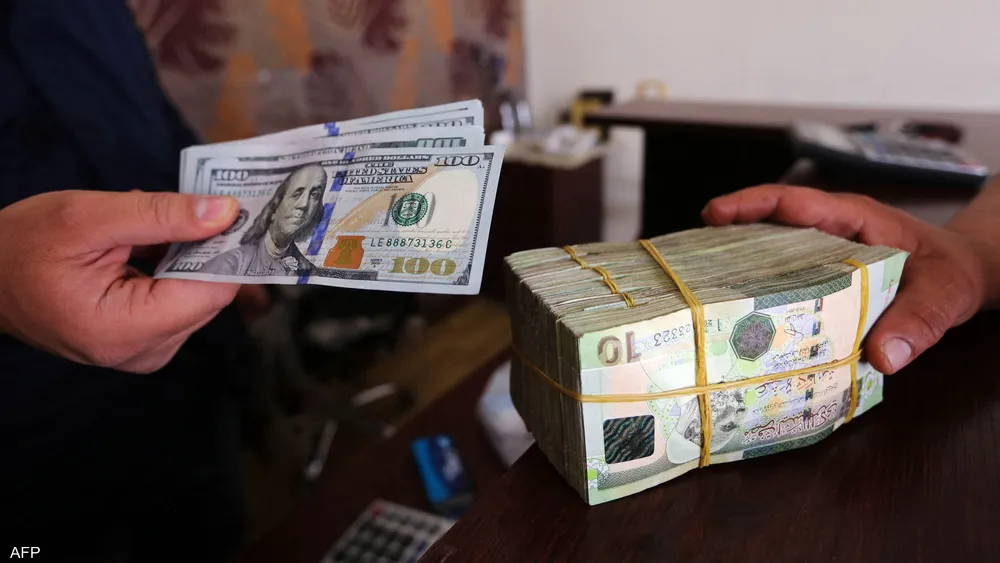
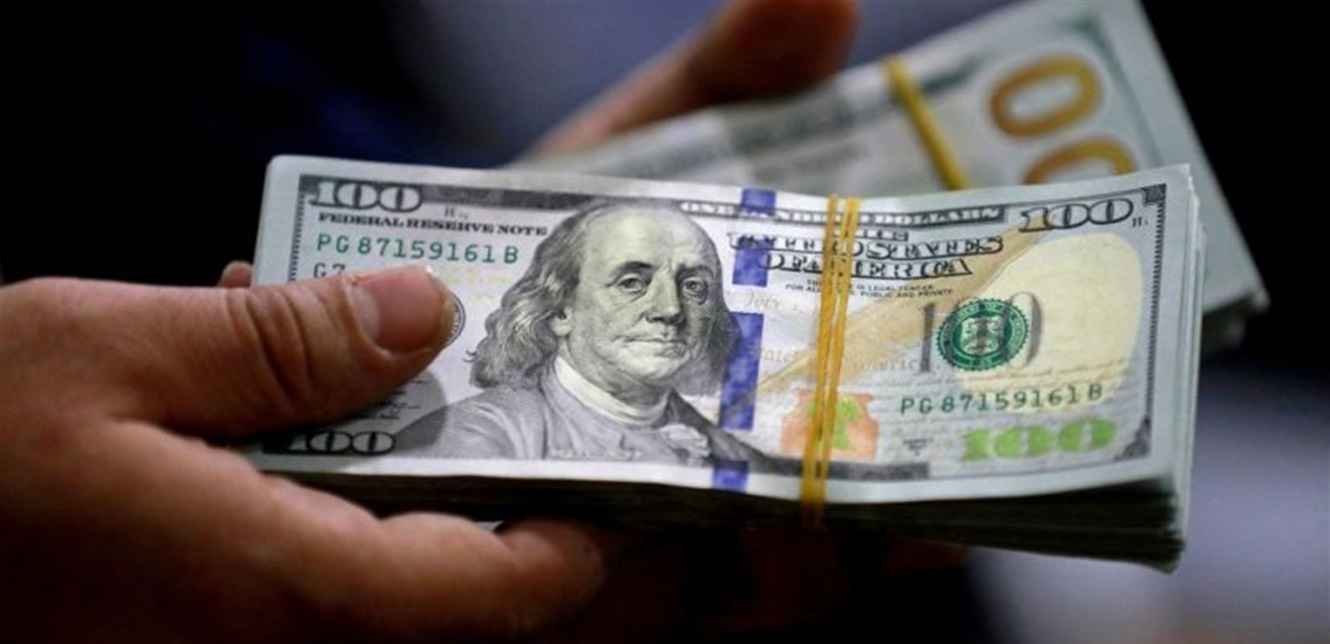
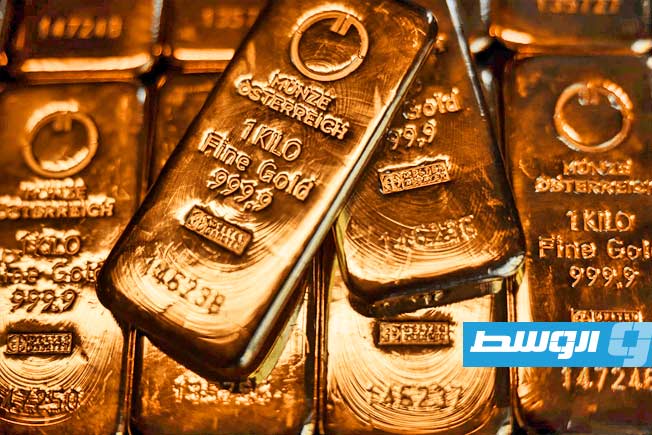
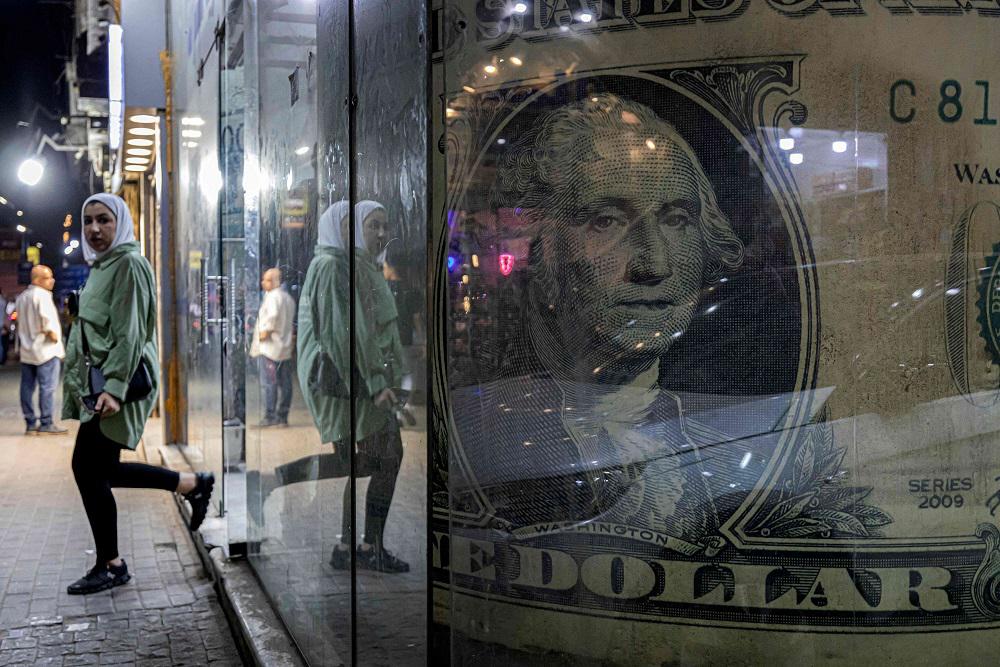
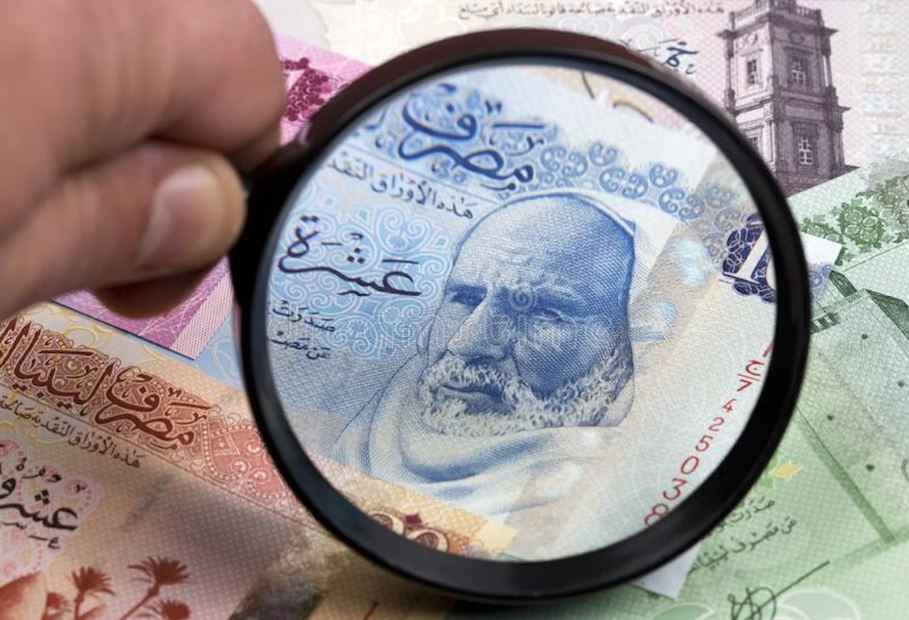
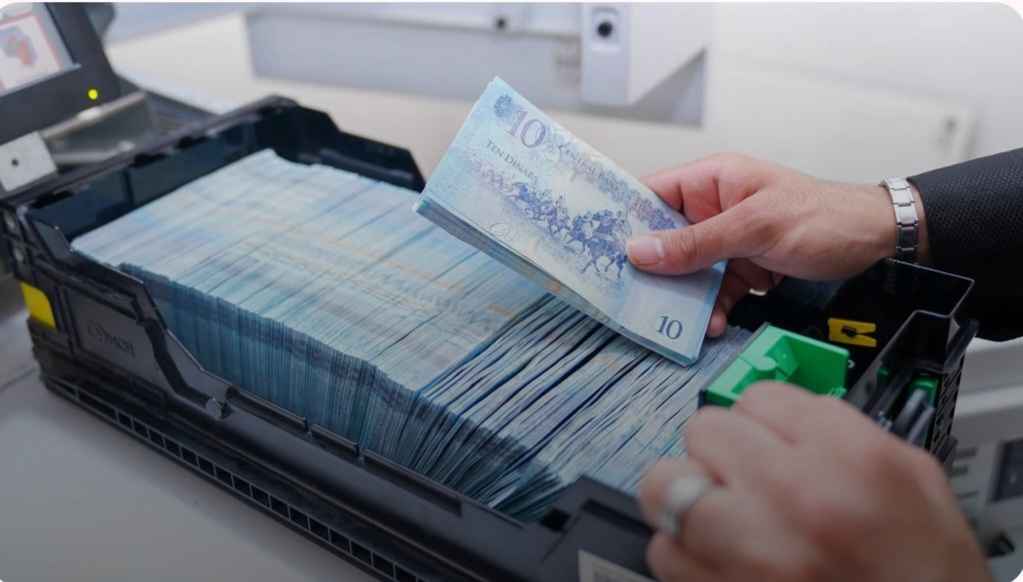
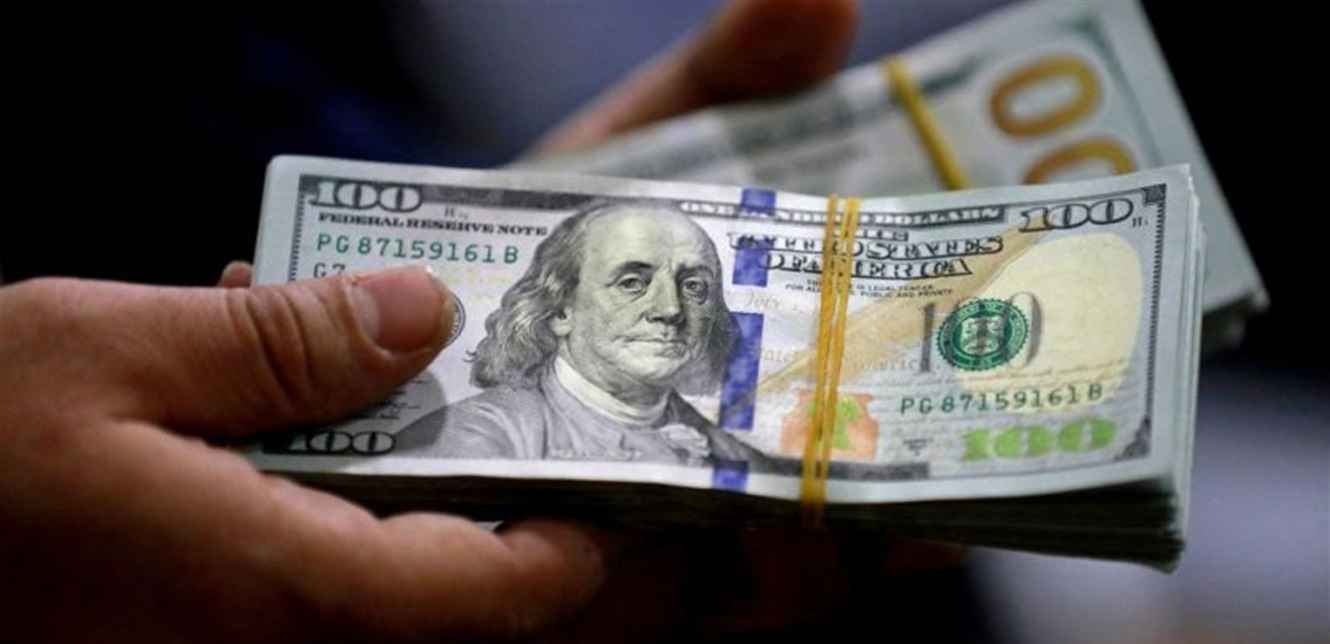
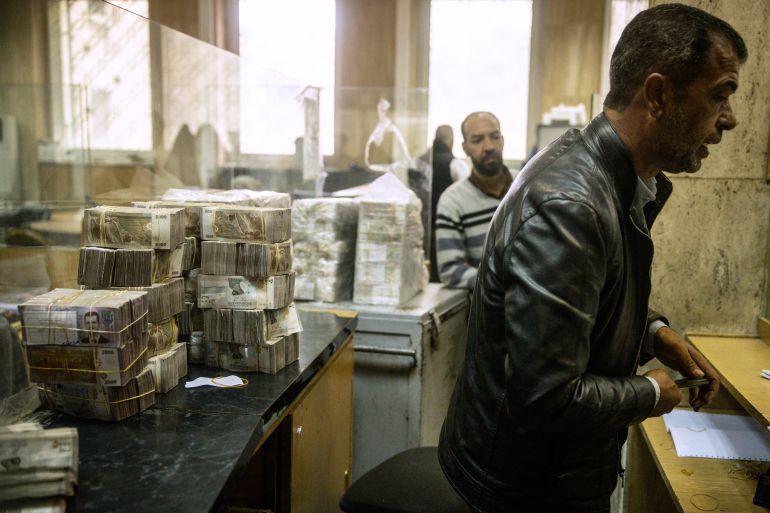
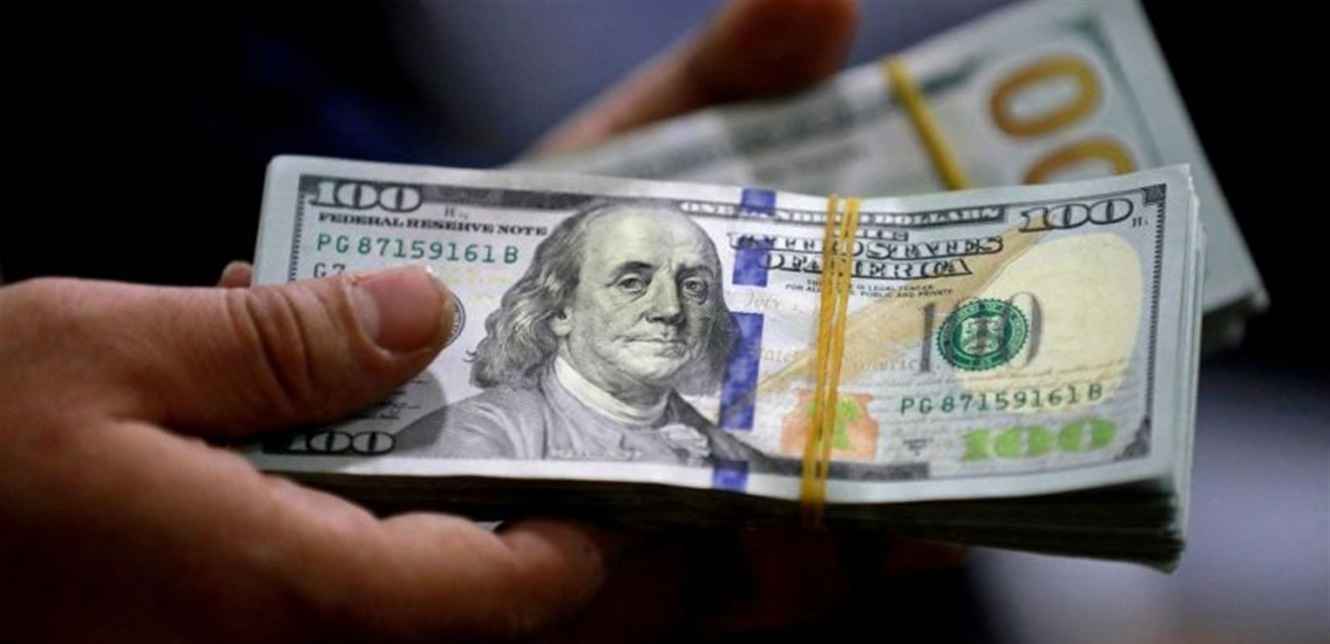
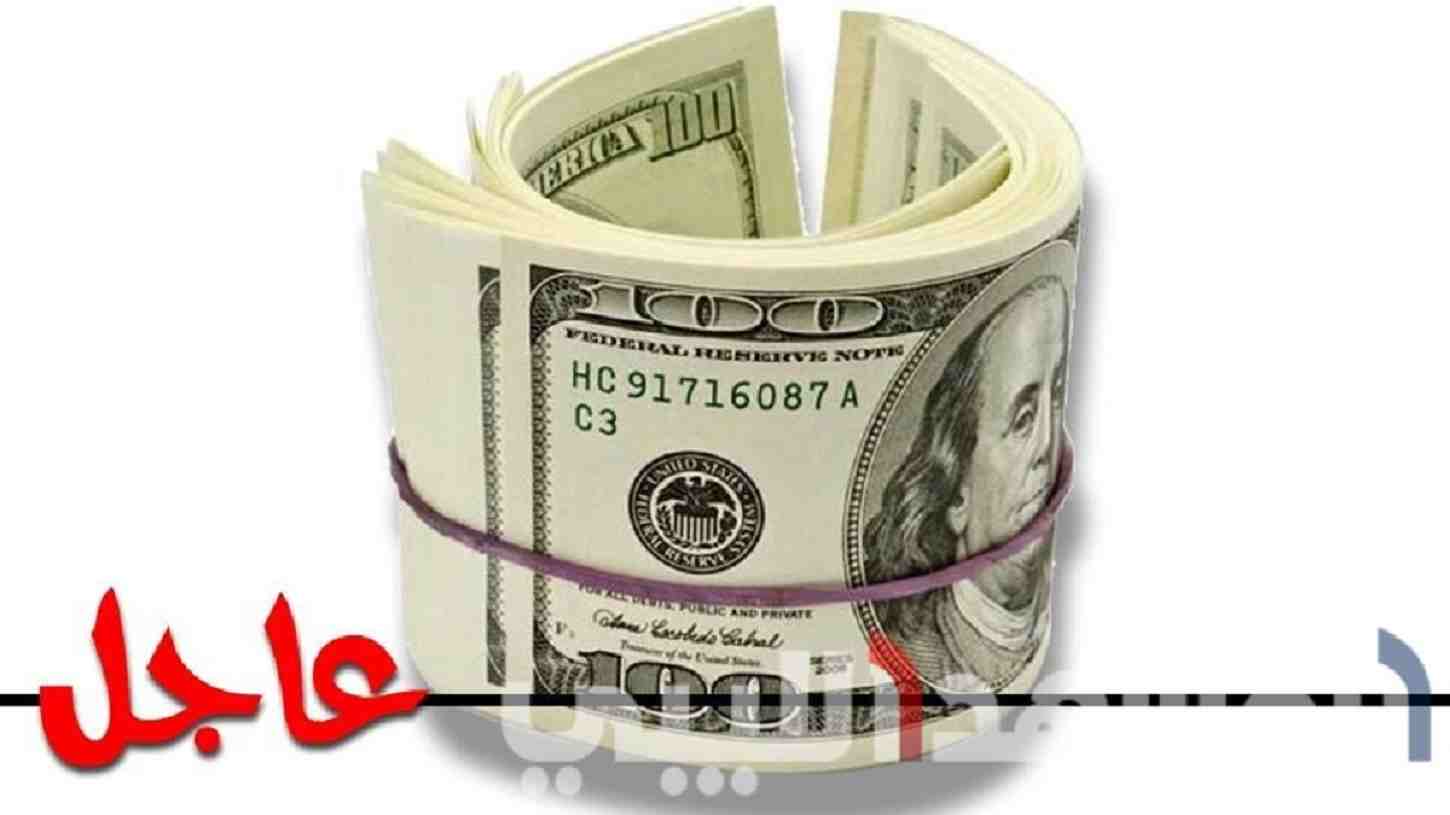
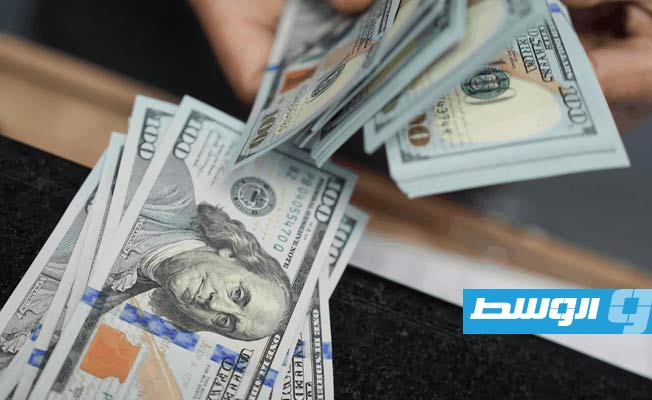
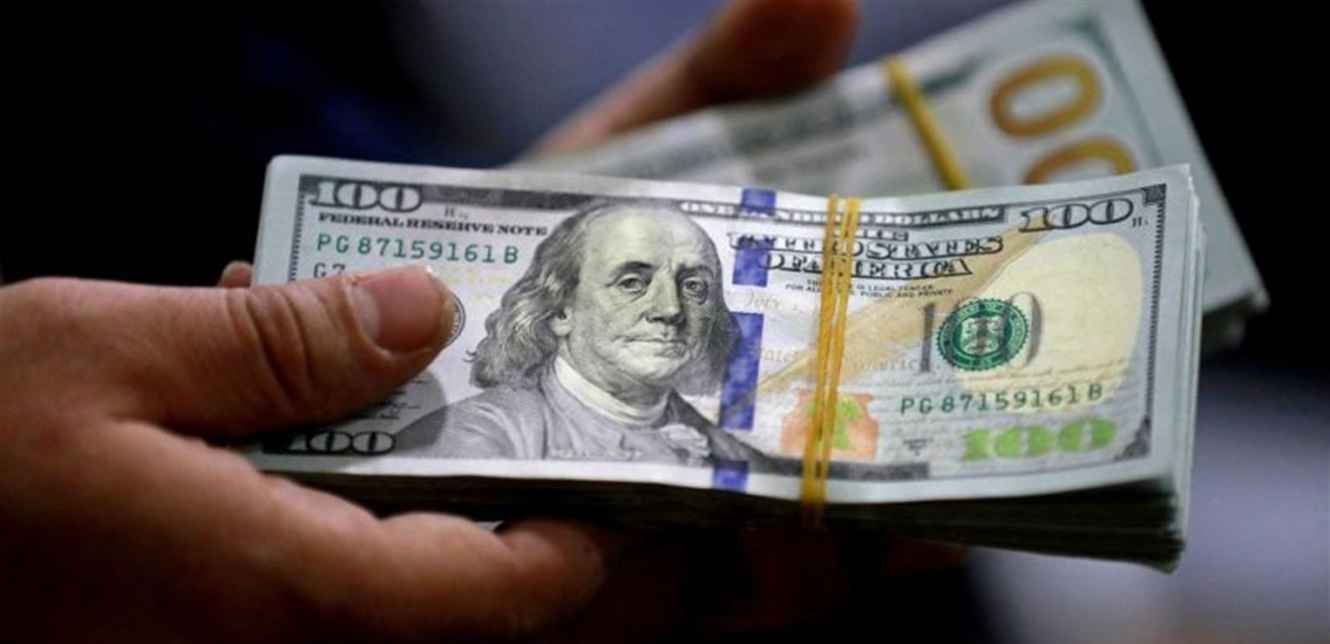
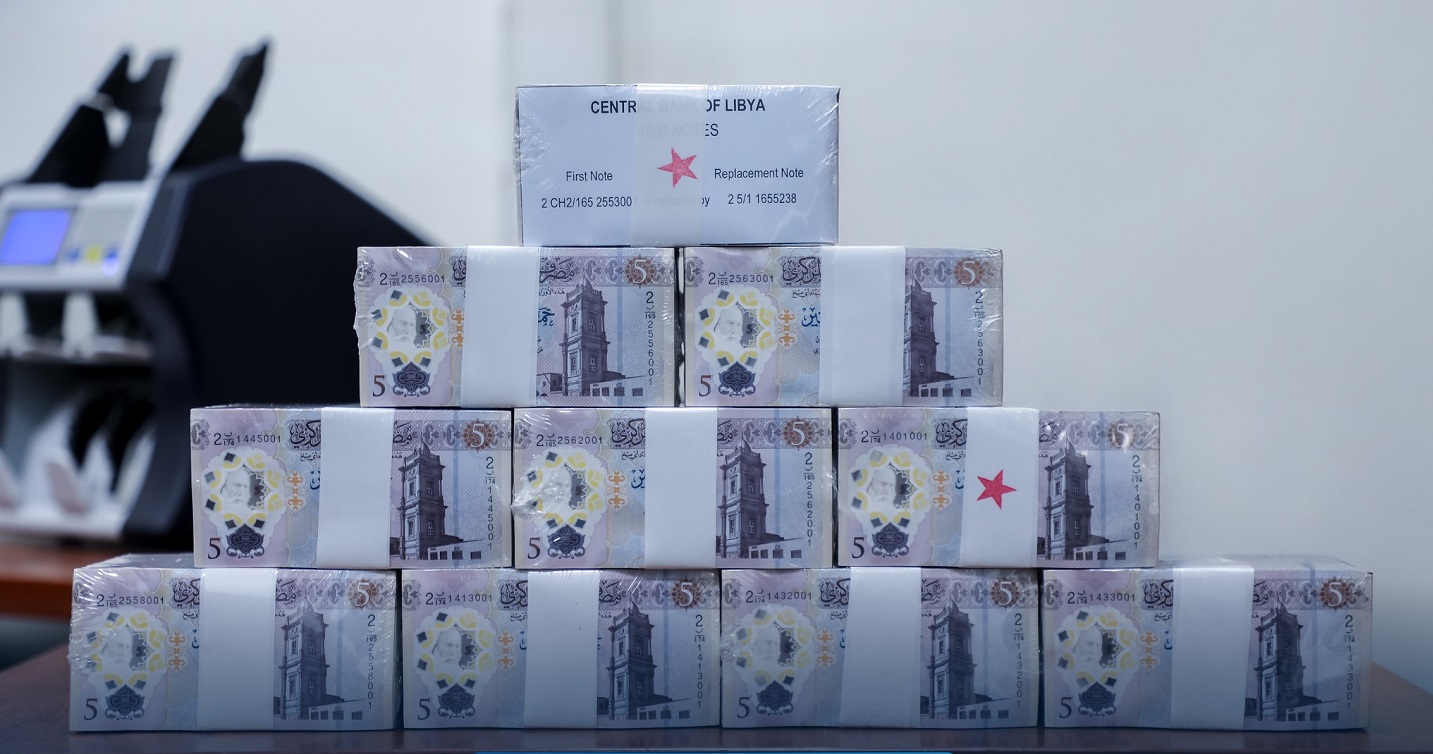
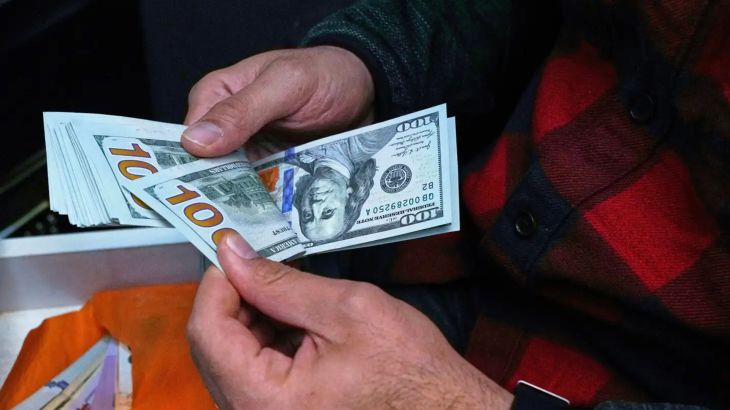
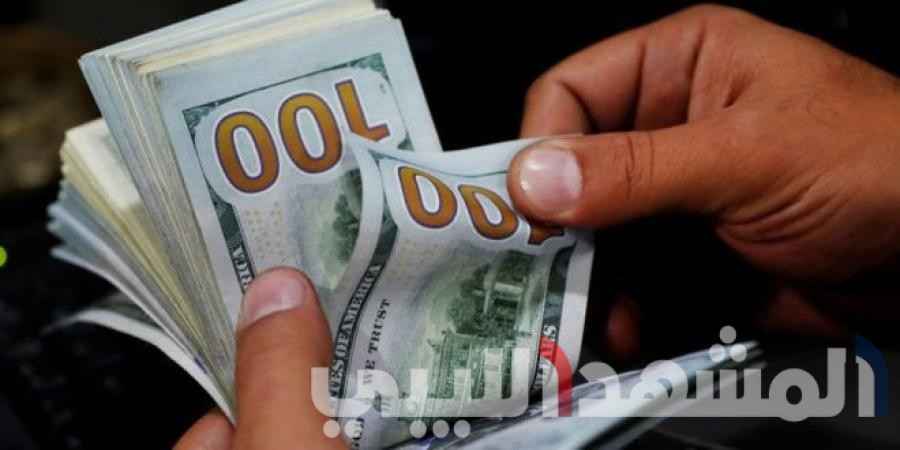
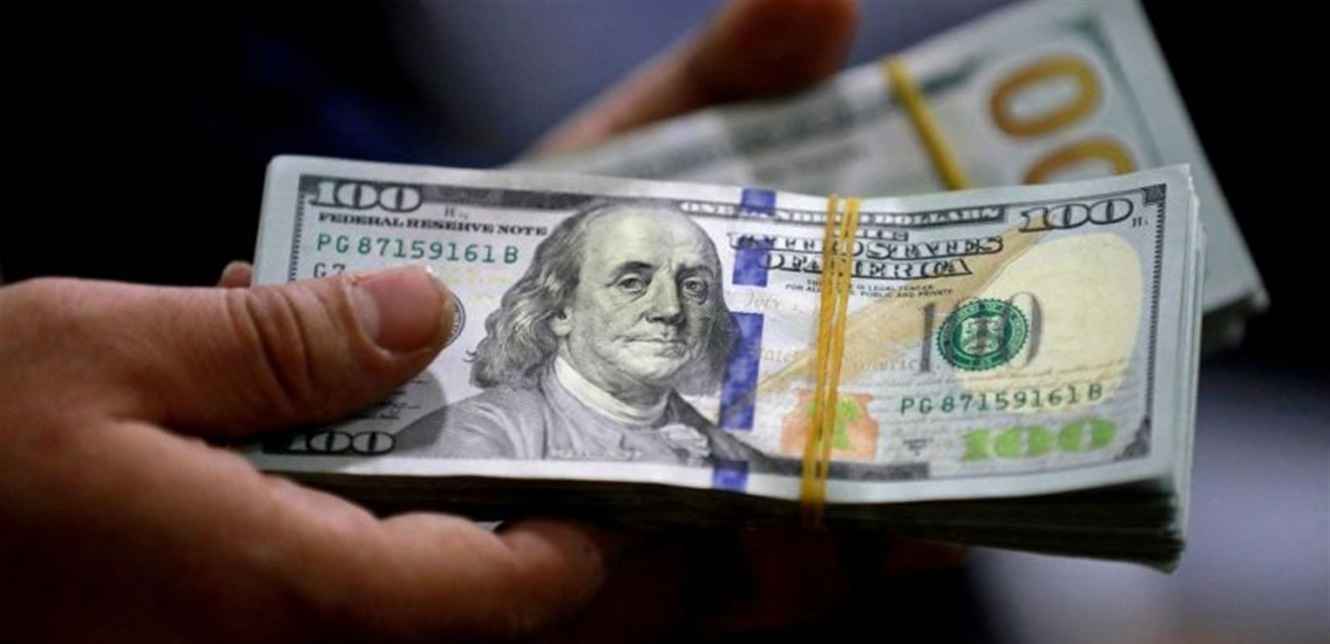
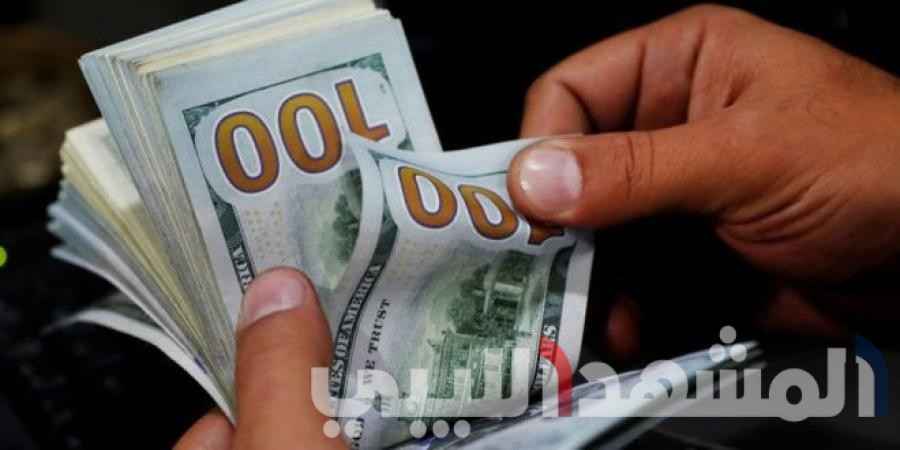
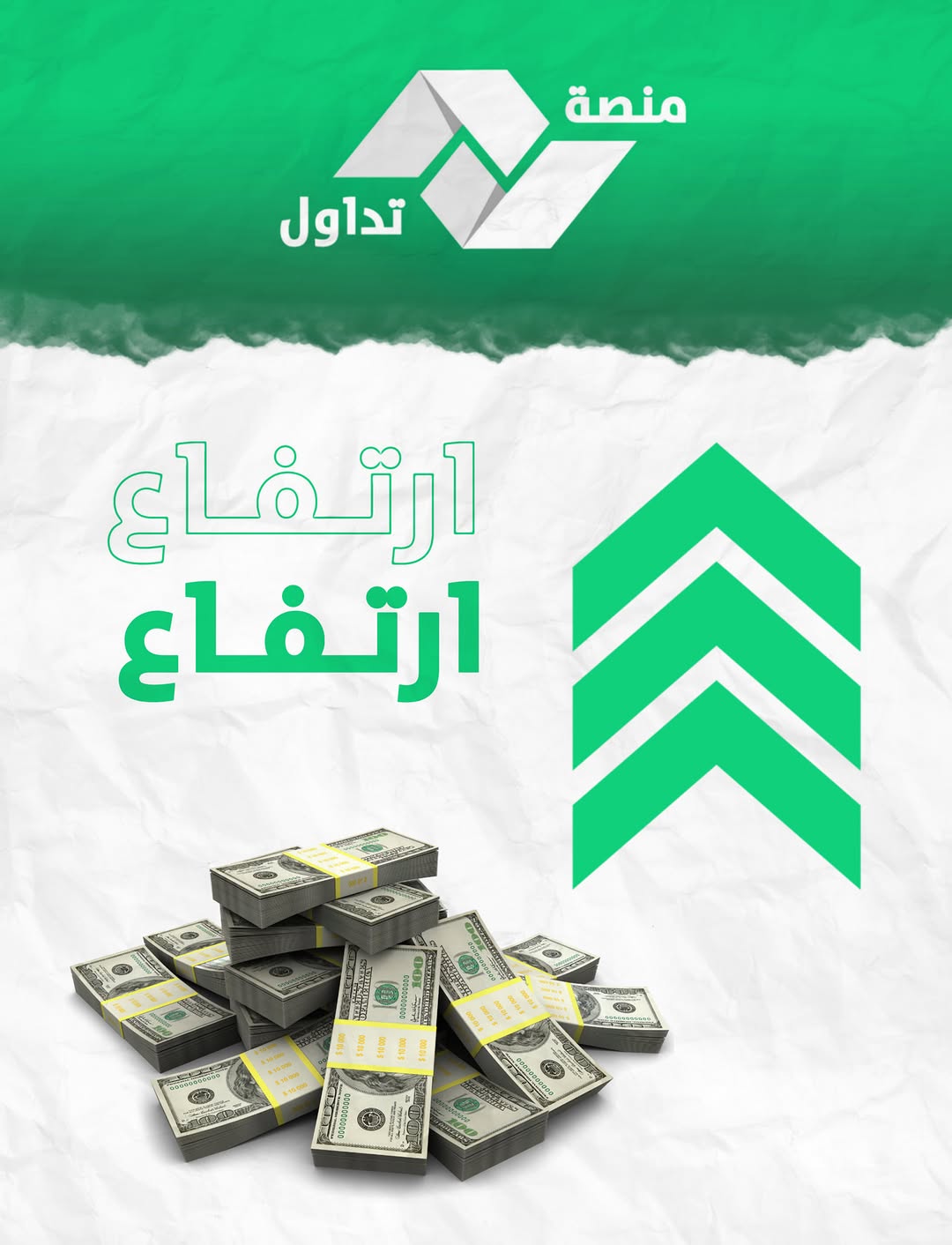
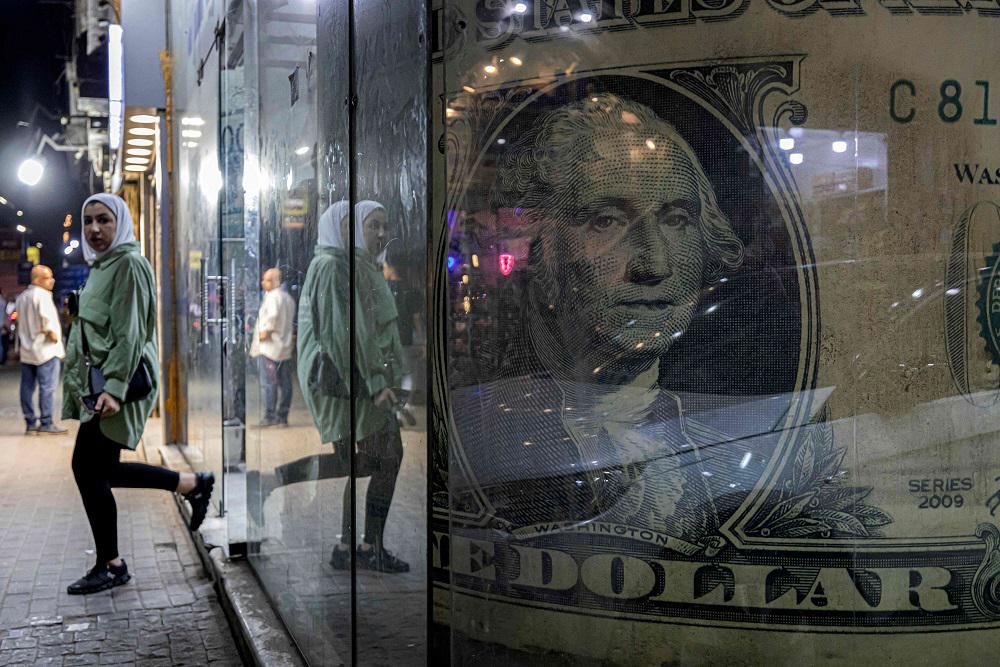
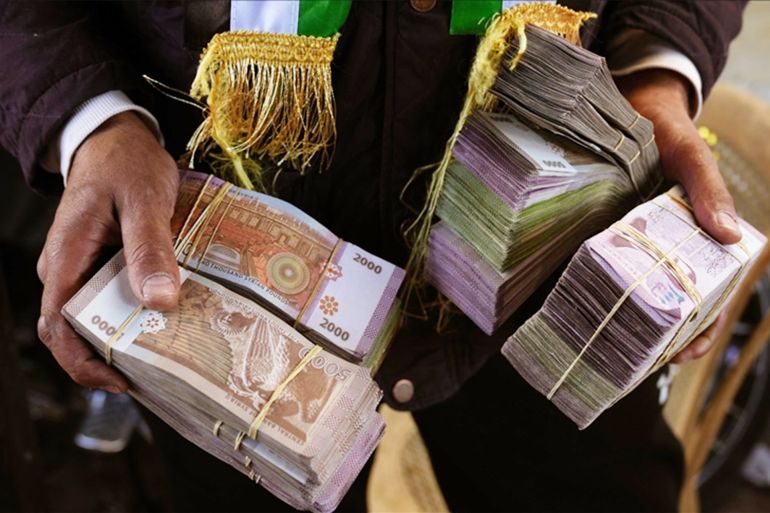
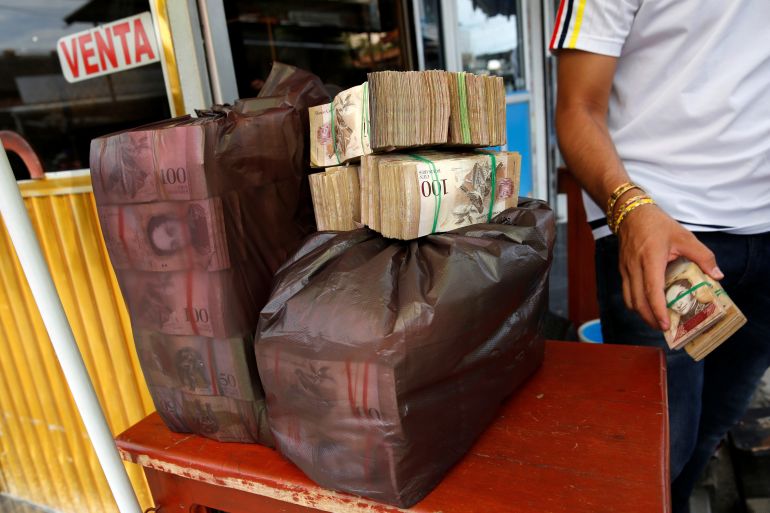
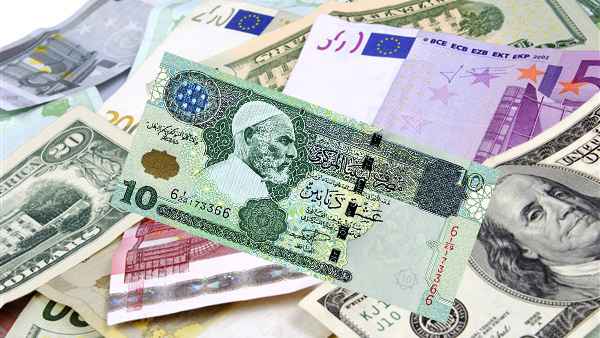
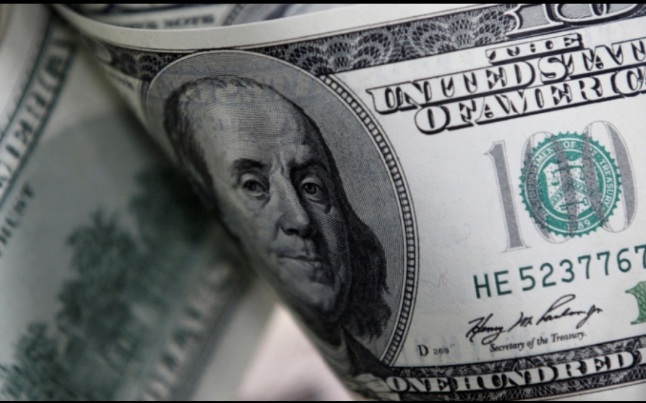
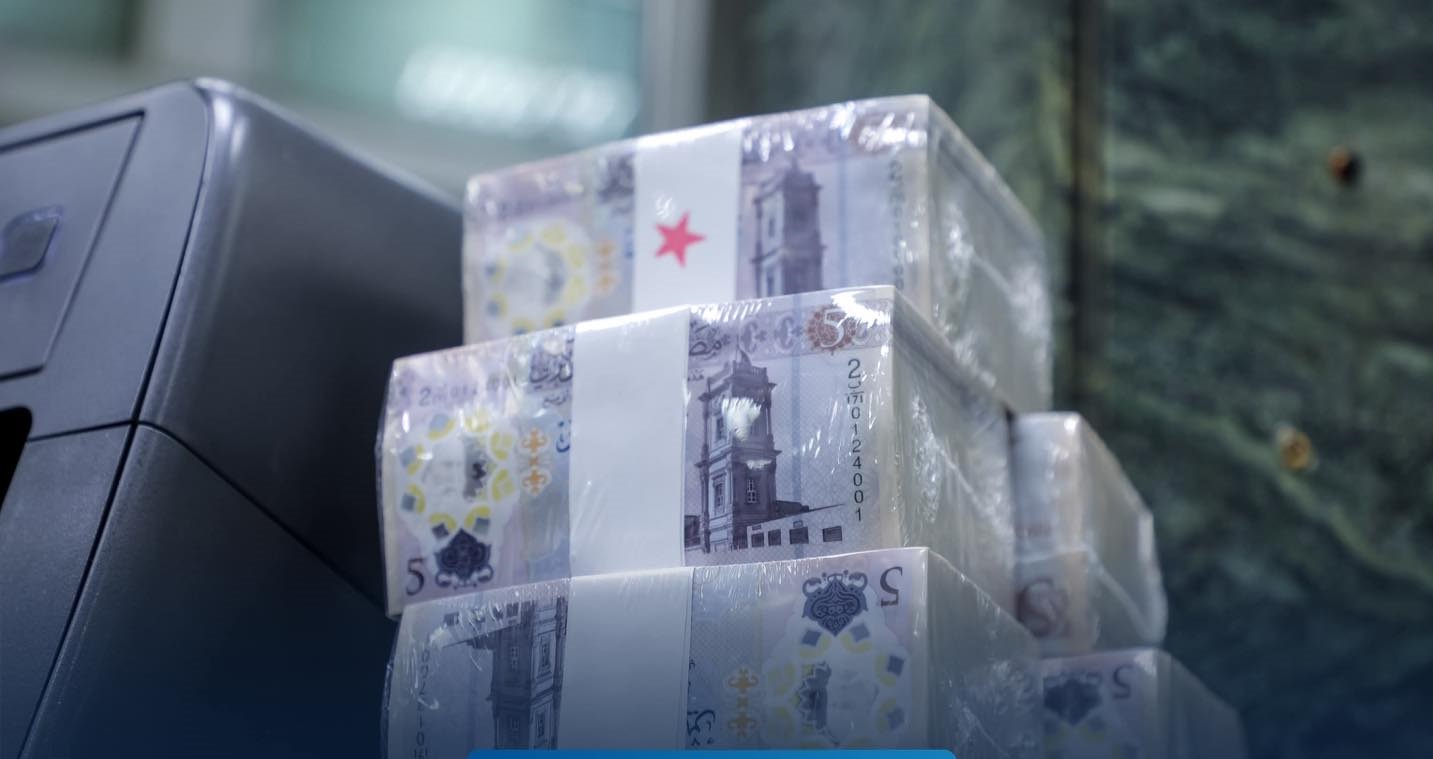
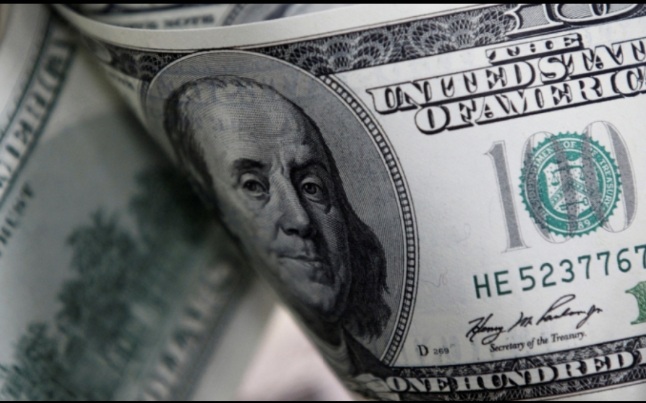
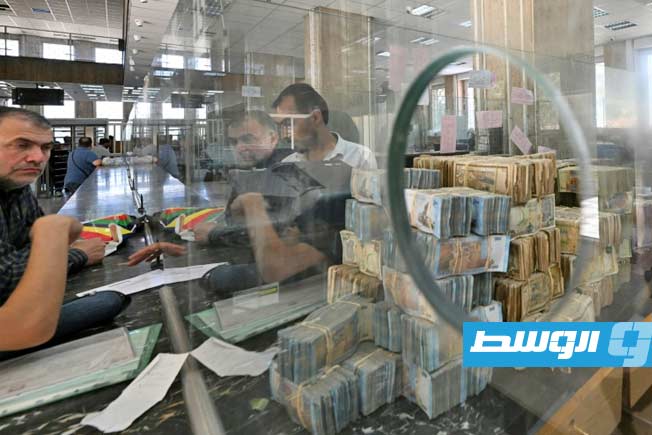
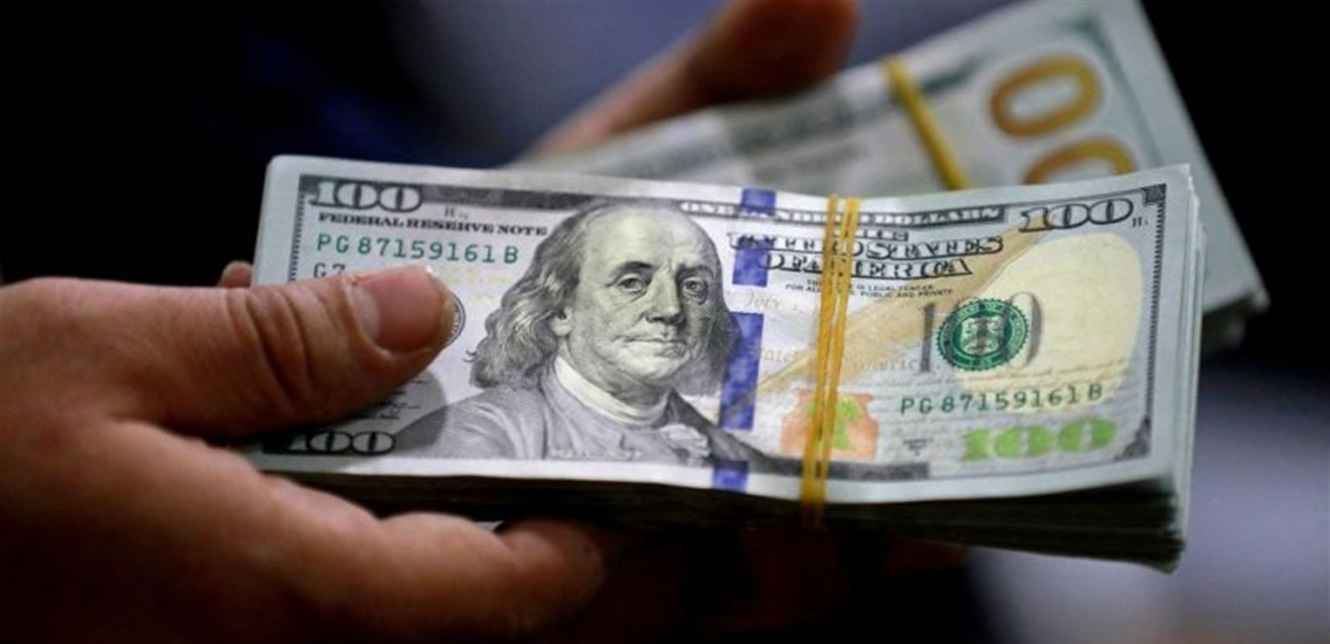
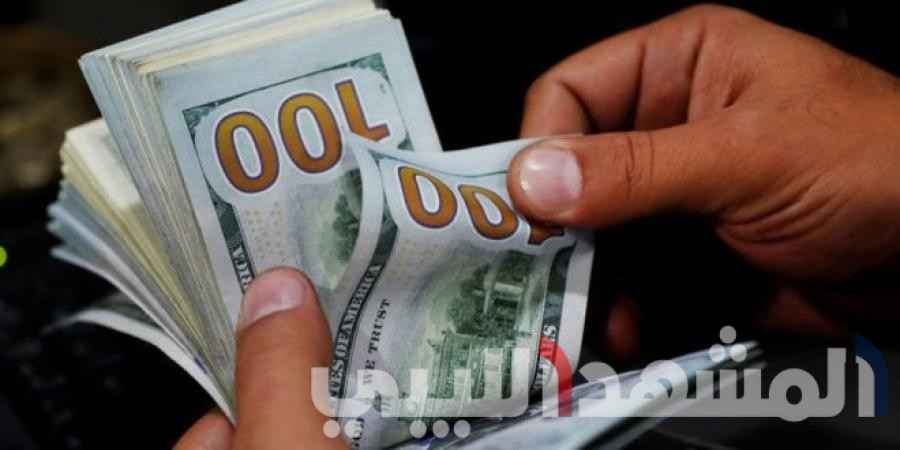
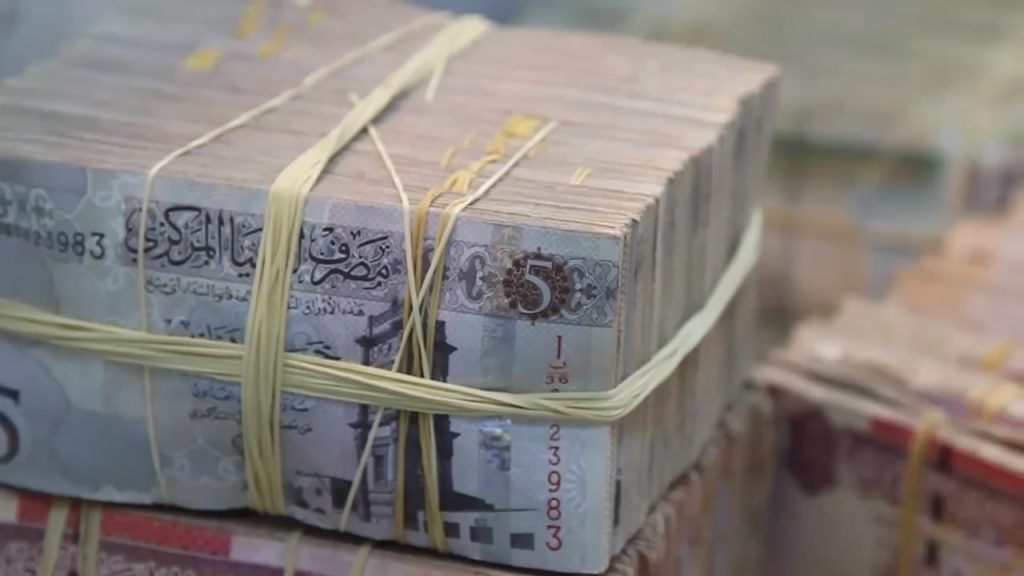
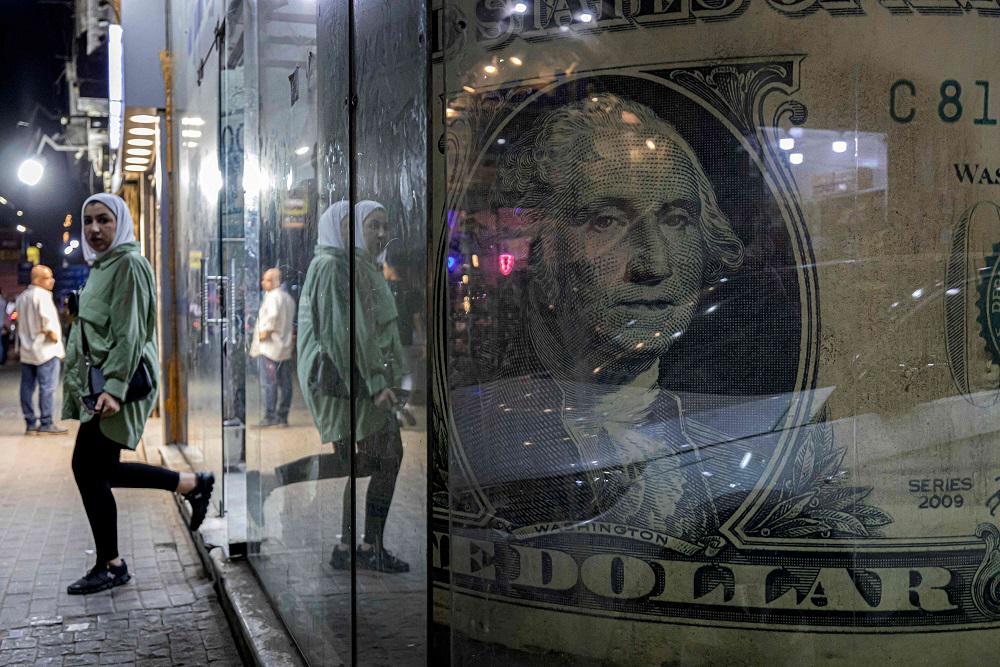
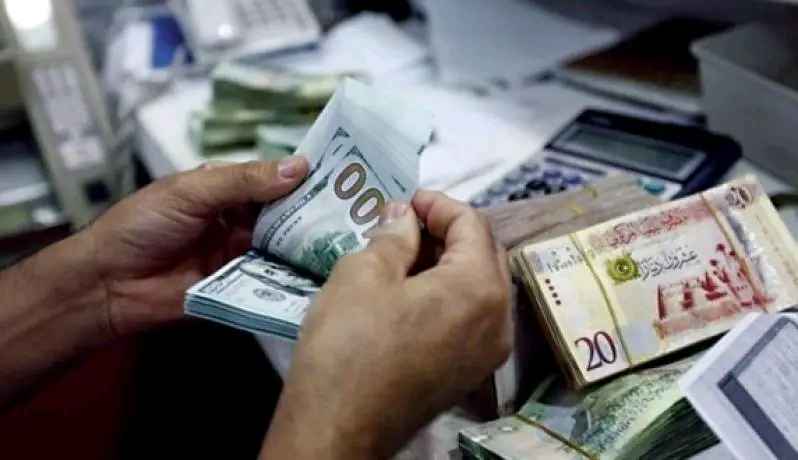
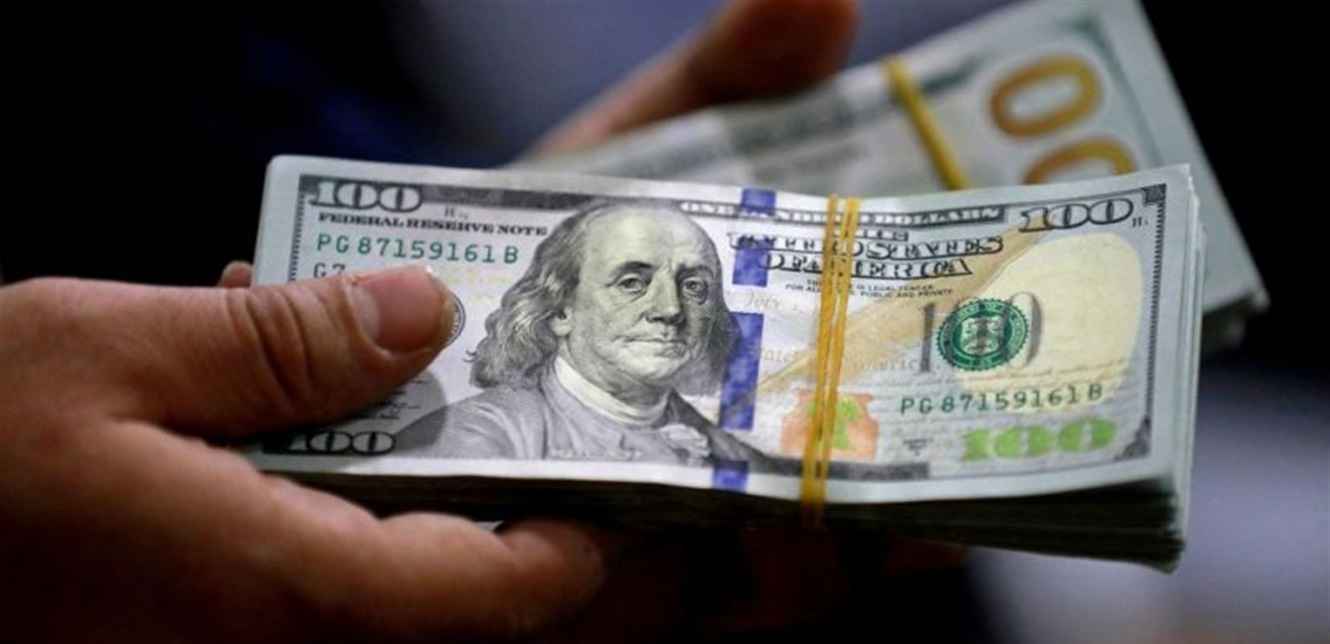
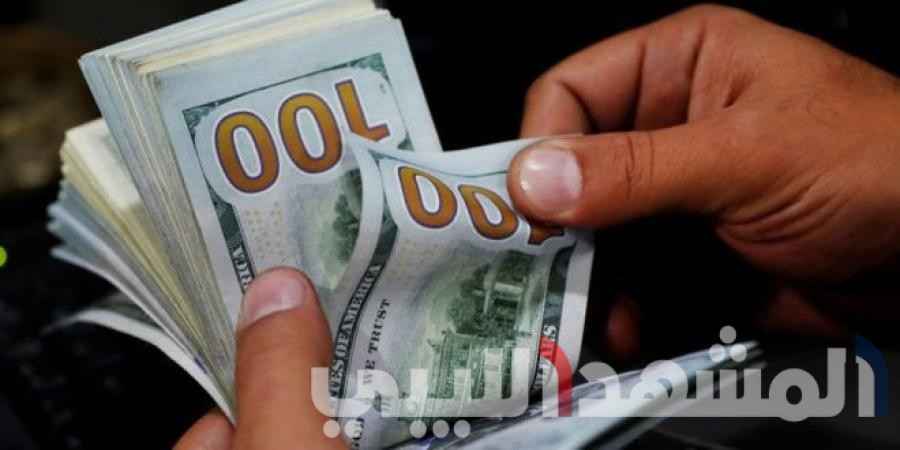
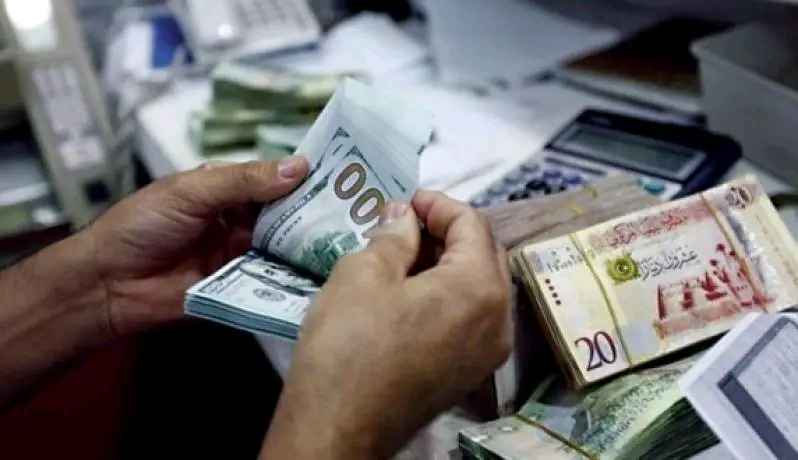
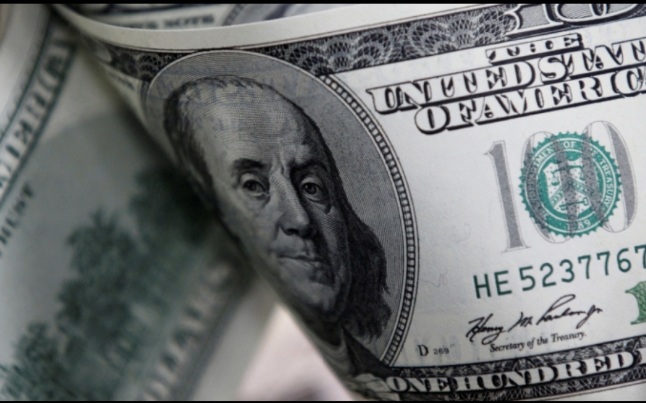
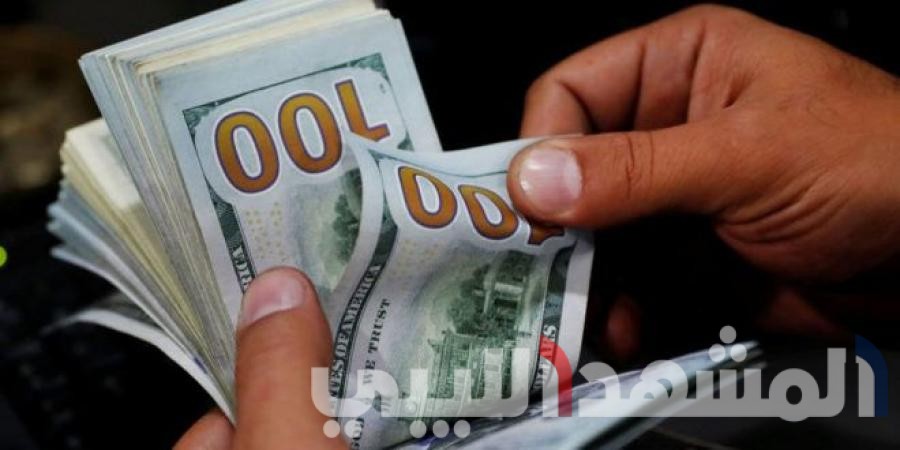
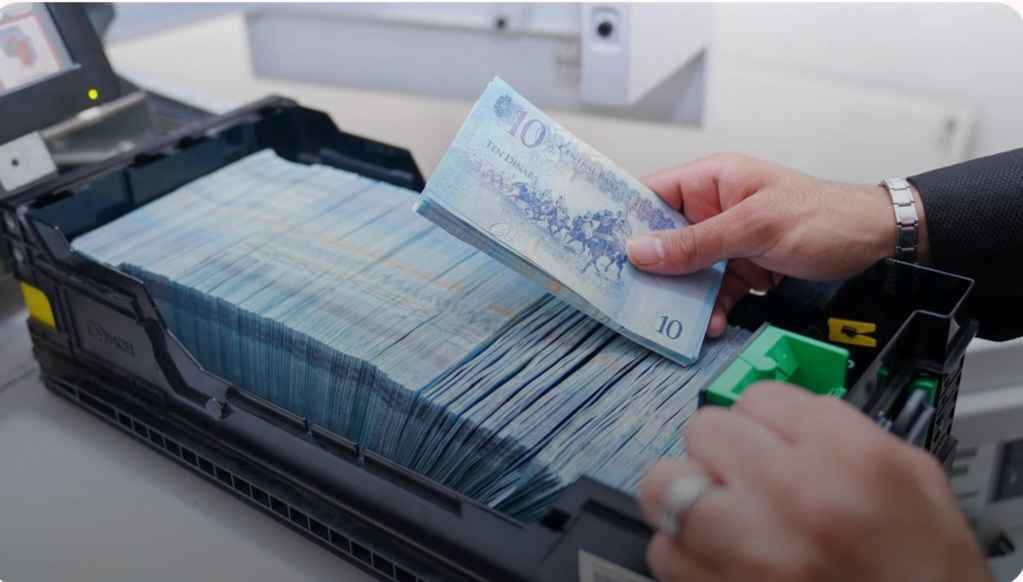
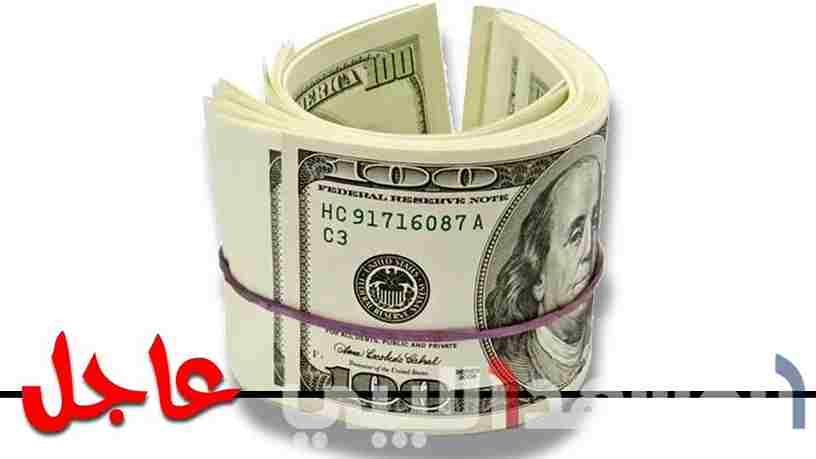
Libya’s currency market witnessed a record and unprecedented surge in the exchange rate of the US dollar against banking checks as trading closed on Monday, February 16, 2026, rising by about 7 qirsh and continuing its upward trajectory influenced by recent decisions issued by the Central Bank of Libya.
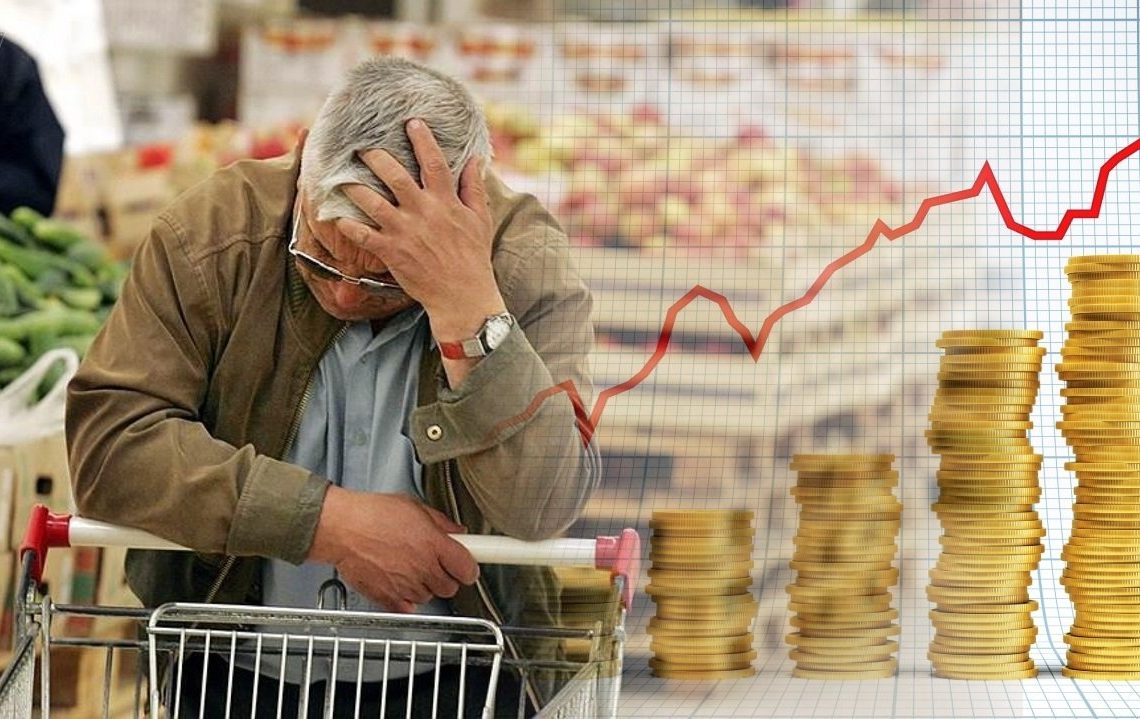
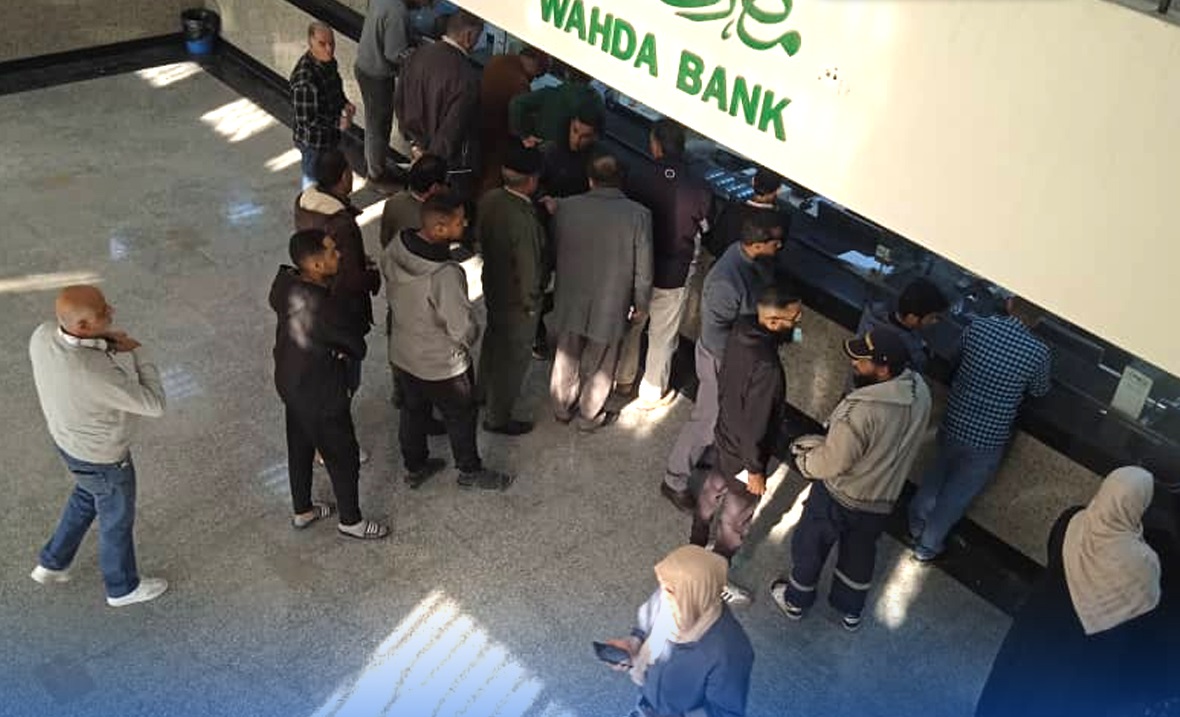
With this increase, prices remained above the 11 dinar barrier for the first time in a decade, driven by increased demand for the dollar and the recent wave of price hikes, while slight differences persisted between bank prices in Tripoli and Benghazi.
📊 Dollar prices in checks at market close
Selling and buying prices at a number of banks were as follows:
| Bank |
Selling Price (Dinar) |
Buying Price (Dinar) |
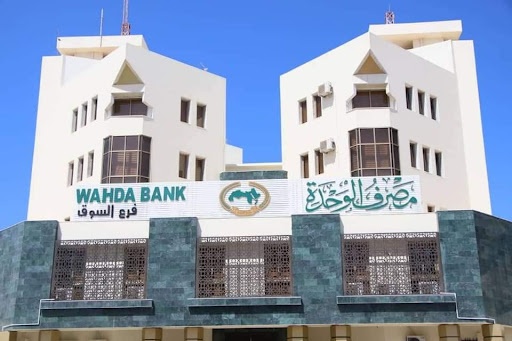
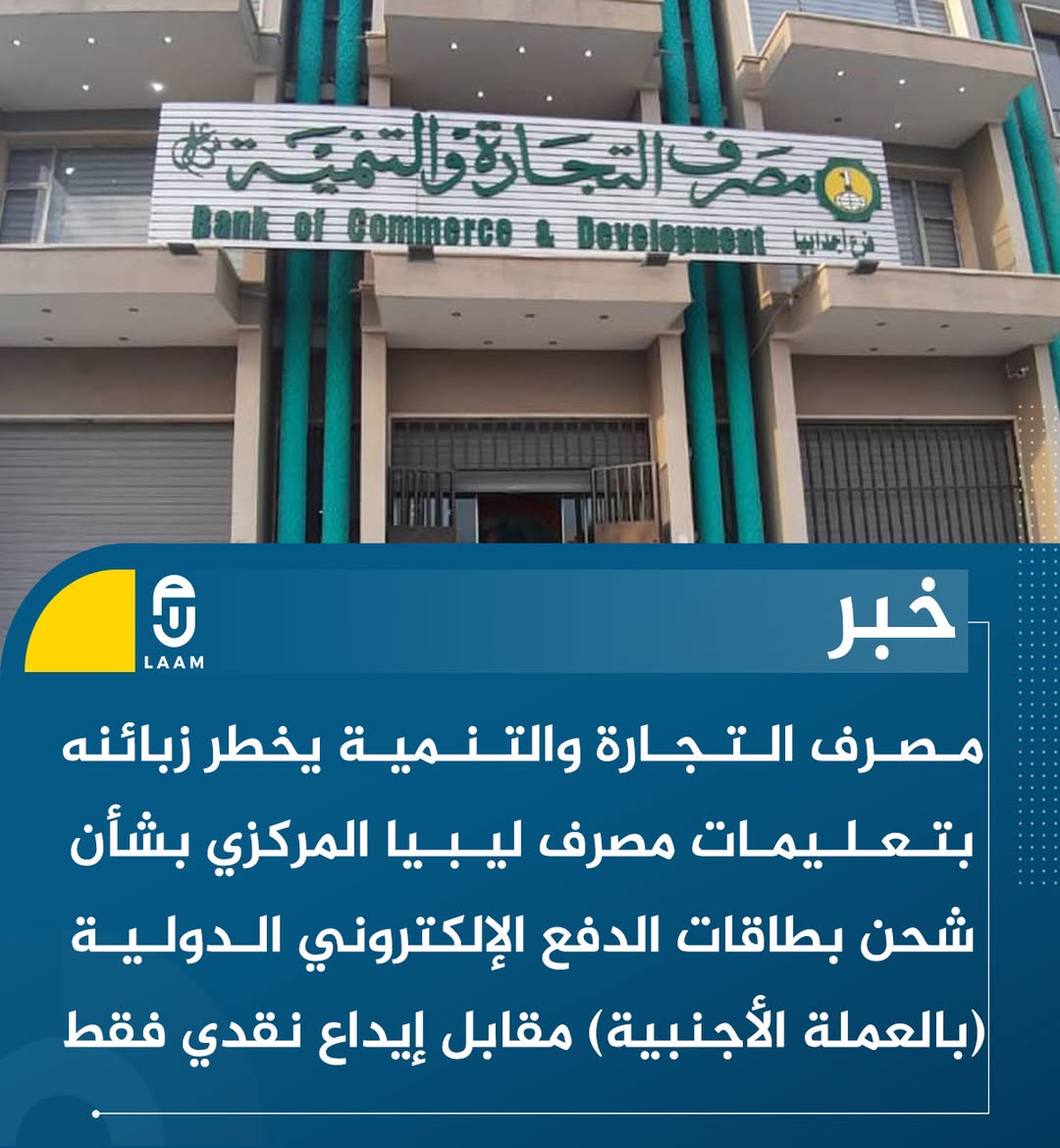
| Trade and Development / Al-Wahda (Tripoli) |
11.100 |
11.0975 |
| Development / Al-Wahda (Benghazi) |
11.100 |
11.0975 |
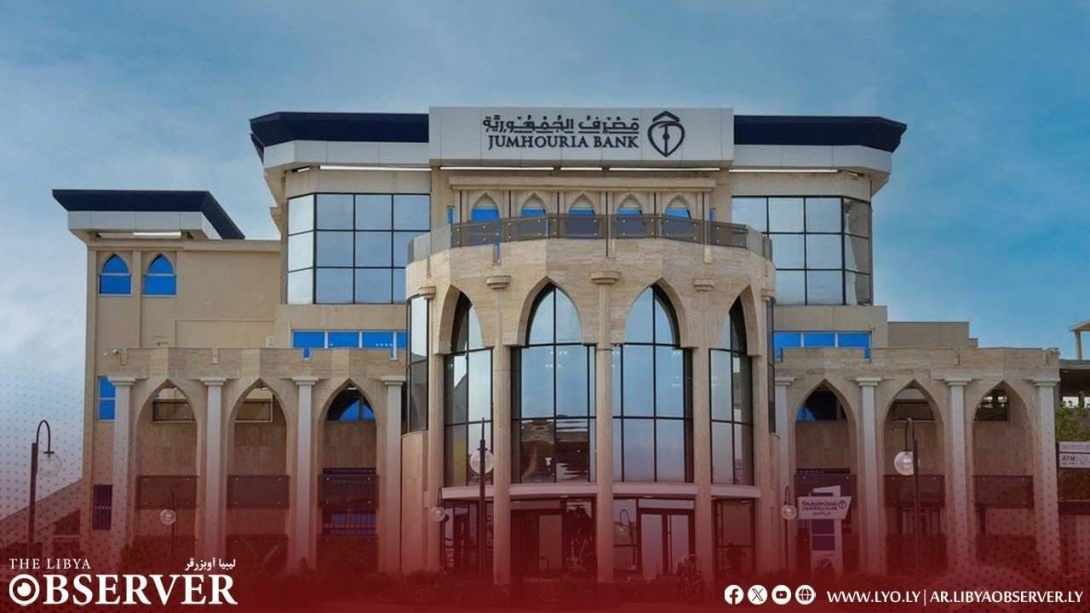
| Al-Jumhouria / National Commercial / Al-Aman |
11.080 |
11.0775 |
| Al-Sahari / Al-Waha / Islamic / North Africa |
11.070 |
11.0675 |
| Al-Muttahid / Al-Nouran / Al-Saray |
11.060 |
11.0575 |
Background of the Movements
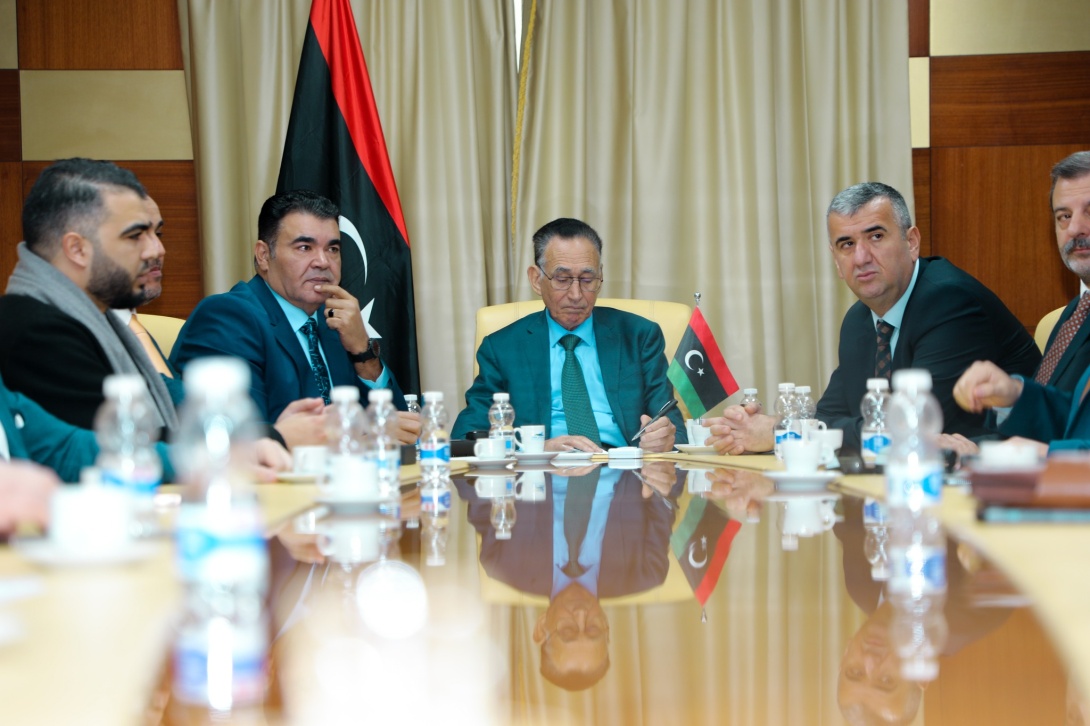
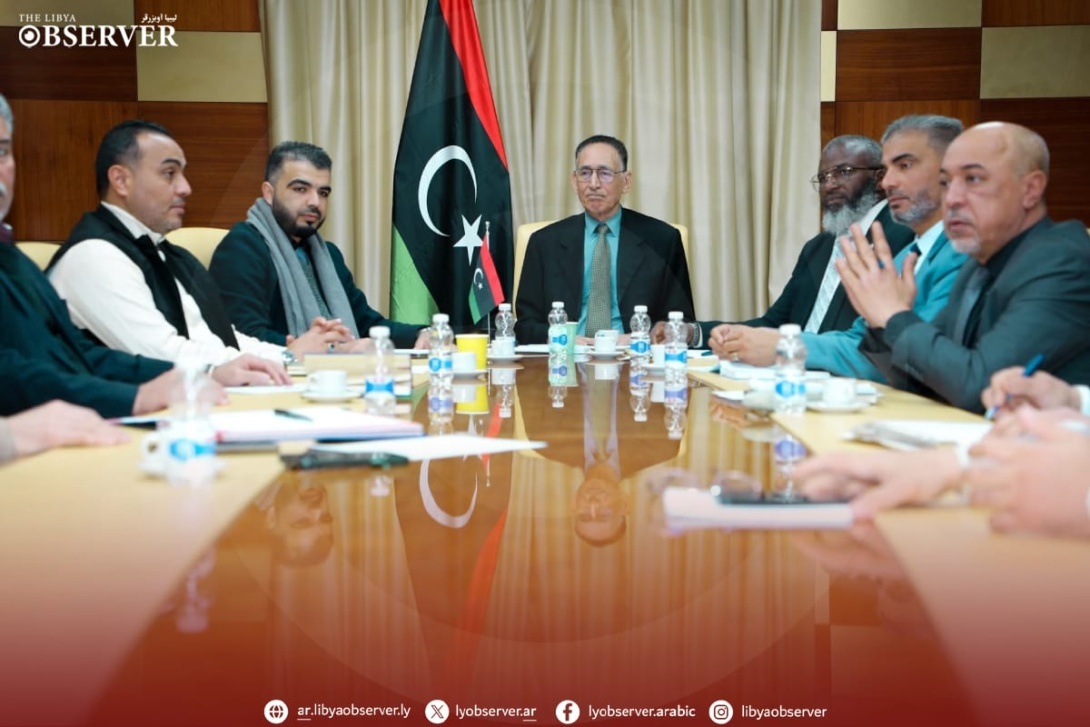
This rise coincides with the Central Bank of Libya’s announcement of a 14.7% devaluation of the dinar against the Special Drawing Rights (SDR) unit, bringing the dinar’s value to 0.1150 SDR instead of 0.1348 SDR. The new official price has stabilized at around 6.40 dinars per US dollar.
This decision is considered one of the key factors that pushed prices in the parallel market to record high levels in recent days.
Libya
Libya is a North African country with a rich history rooted in ancient civilizations like the Phoenicians and Romans, followed by centuries of Arab and Ottoman influence. In the modern era, it was an Italian colony before gaining independence in 1951, later becoming known for Muammar Gaddafi’s lengthy rule from 1969 until the 2011 revolution. Its cultural sites include the well-preserved Roman ruins of Leptis Magna, a UNESCO World Heritage site.
US dollar
The US dollar is the official currency of the United States, established by the Coinage Act of 1792. It evolved from a system based on Spanish milled dollars and has become the world’s primary reserve currency since the Bretton Woods Agreement in 1944.
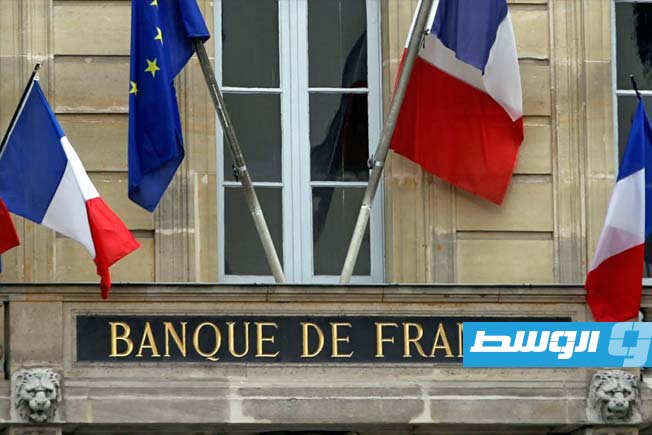
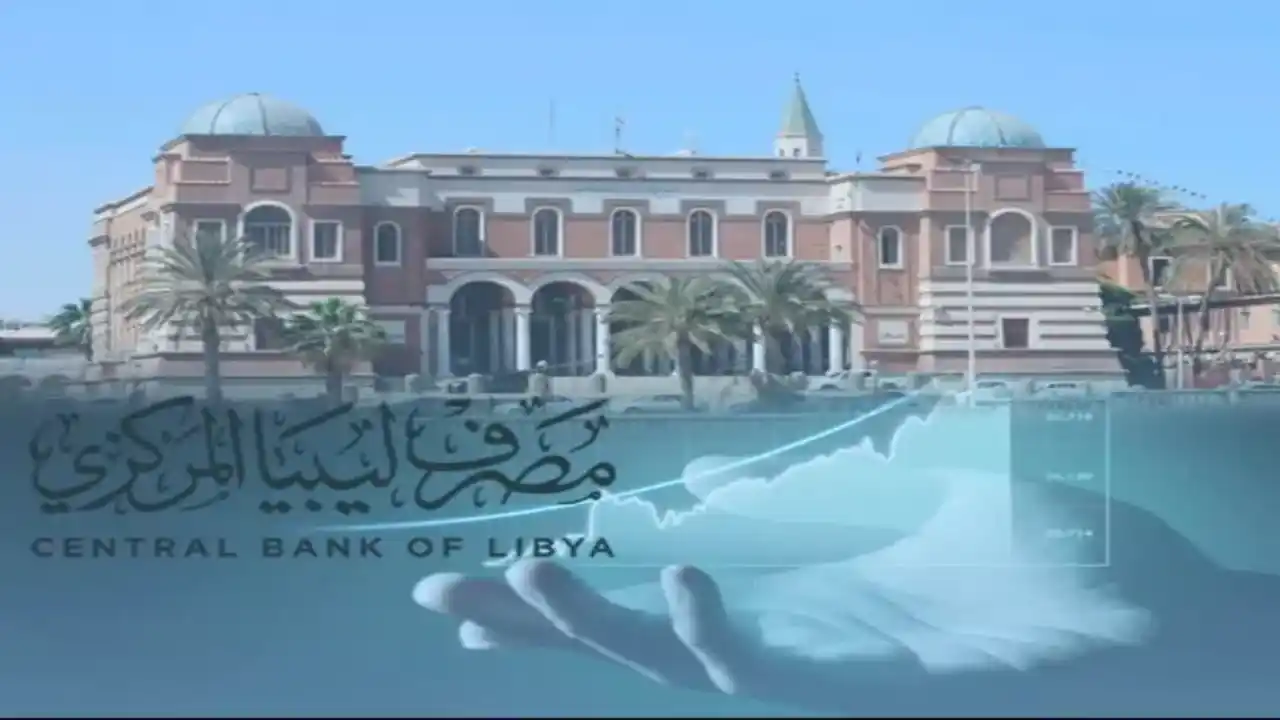
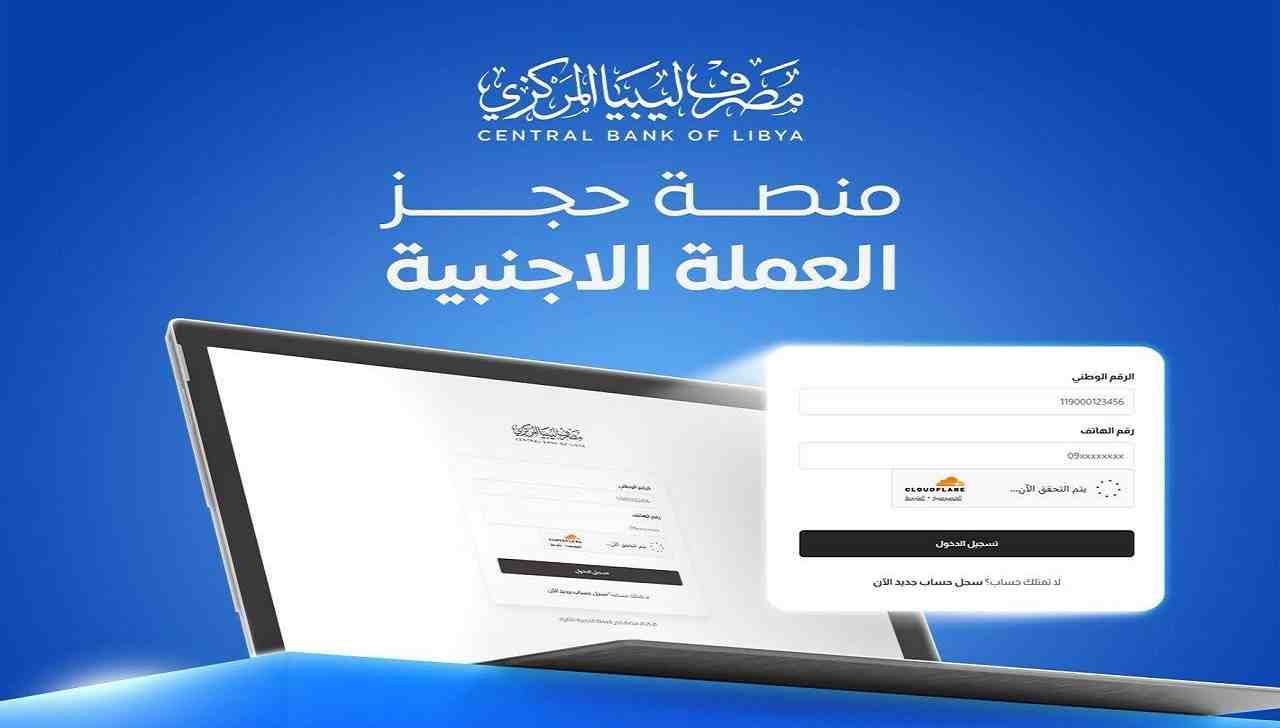
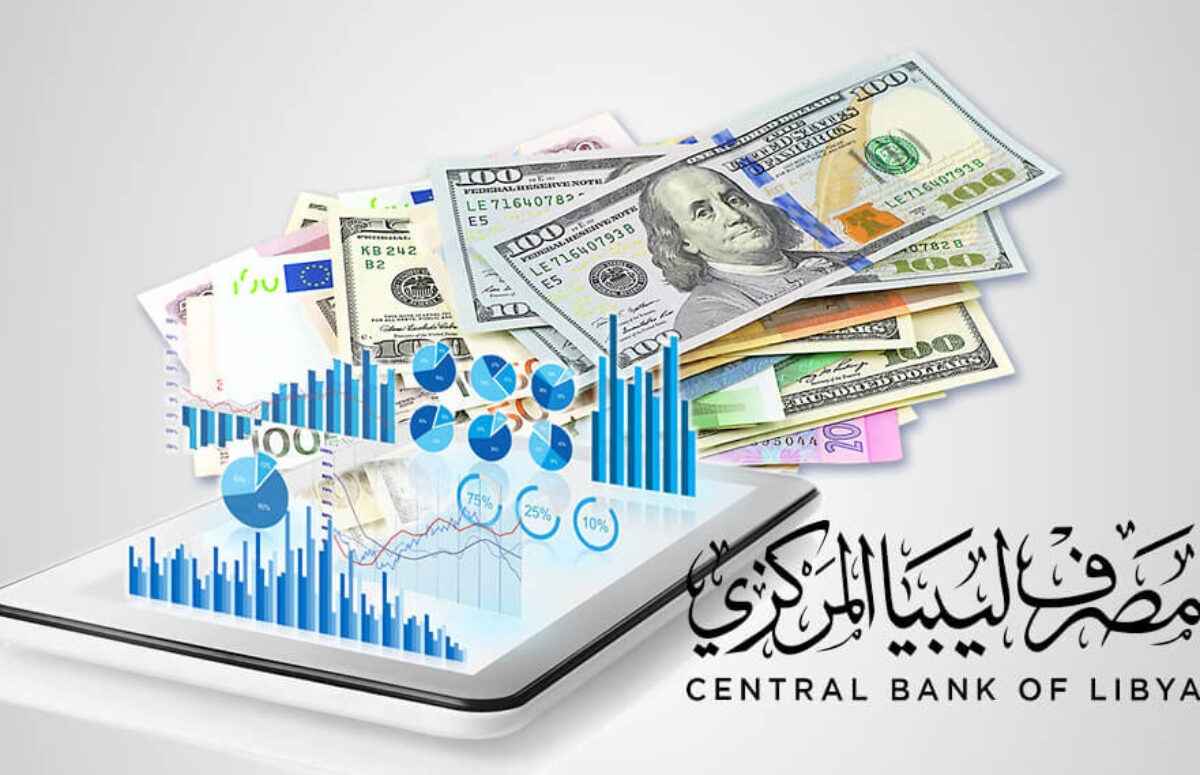
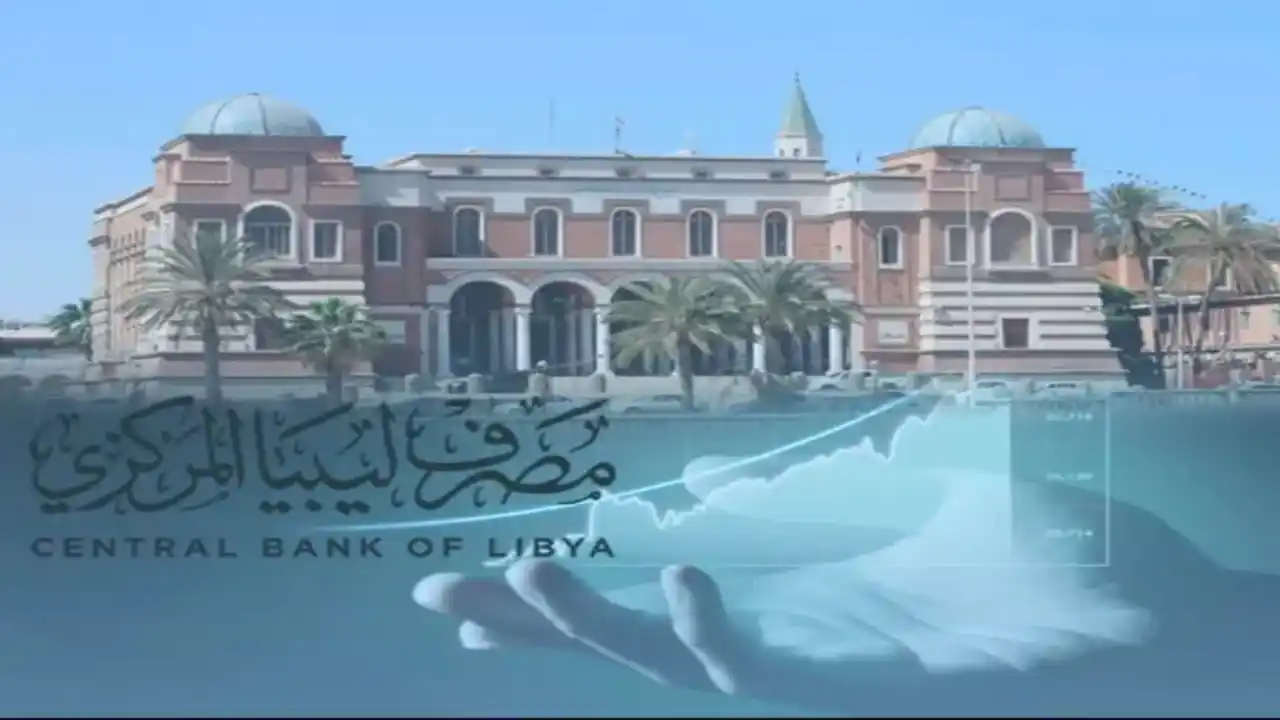
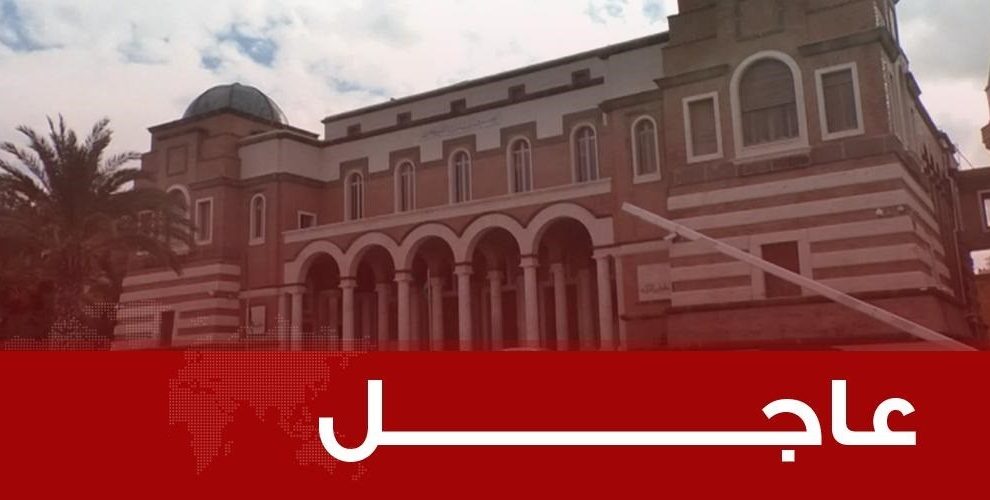
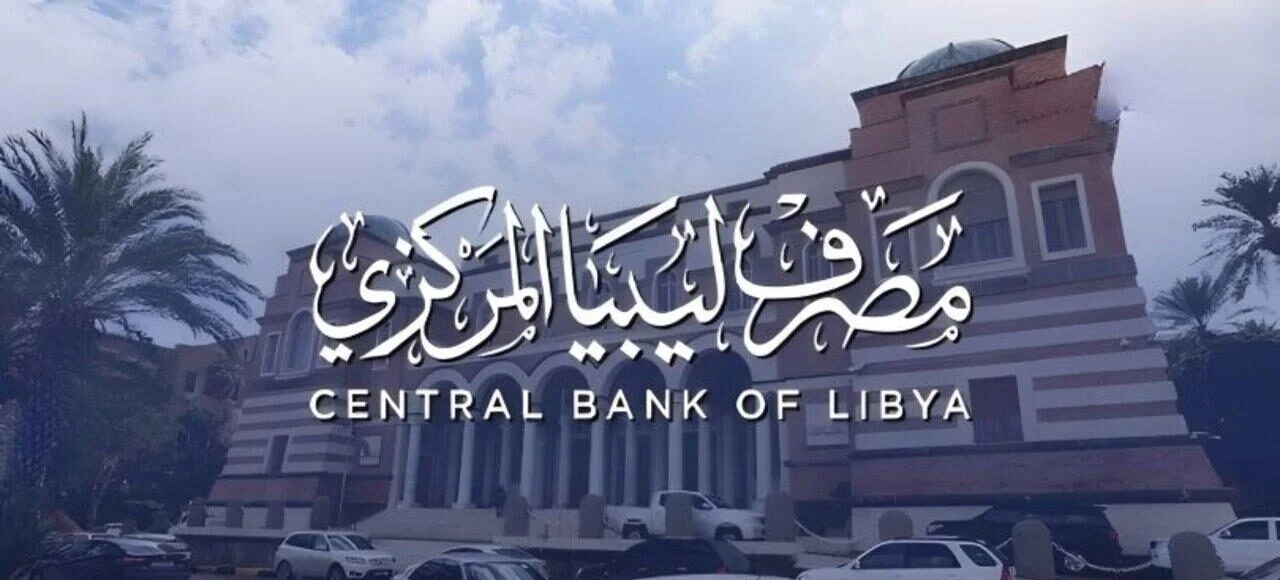
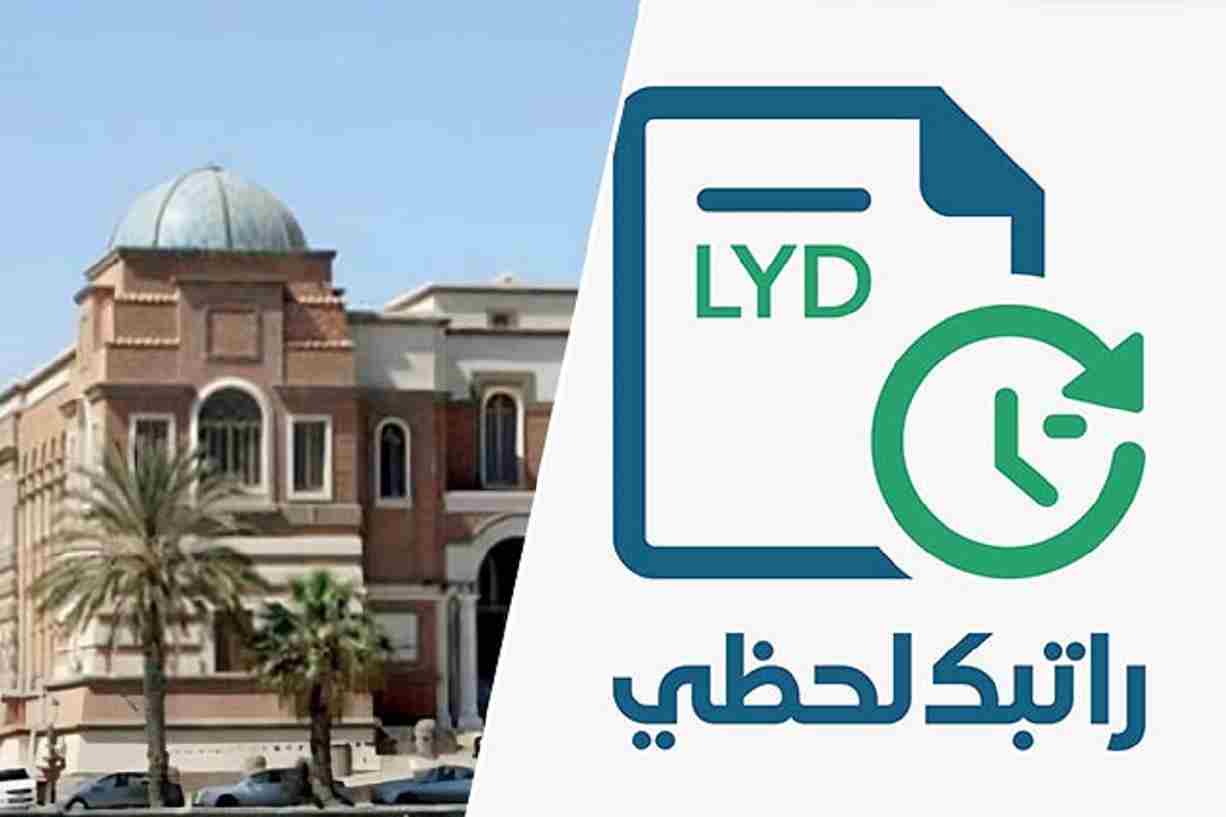
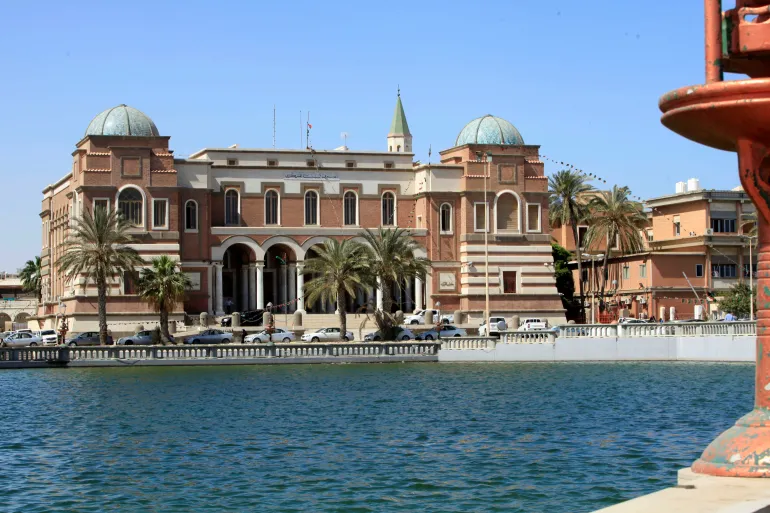
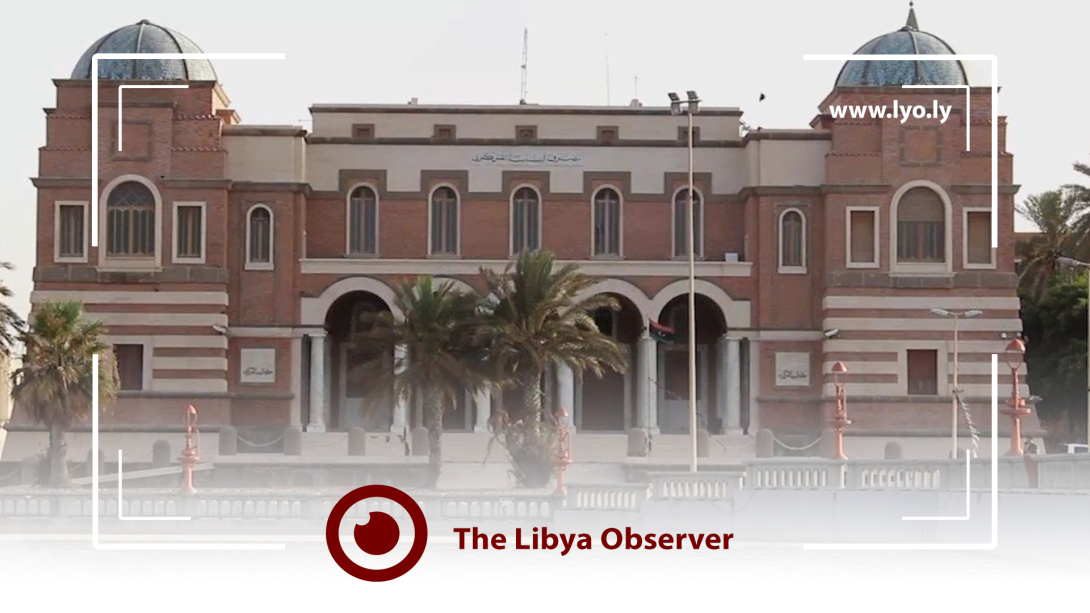
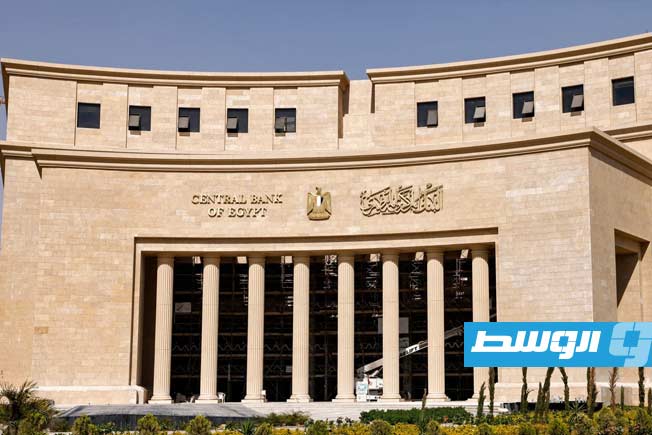
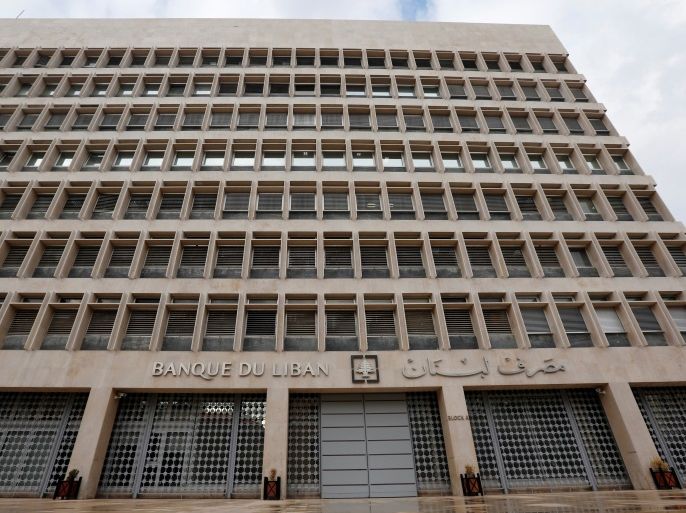
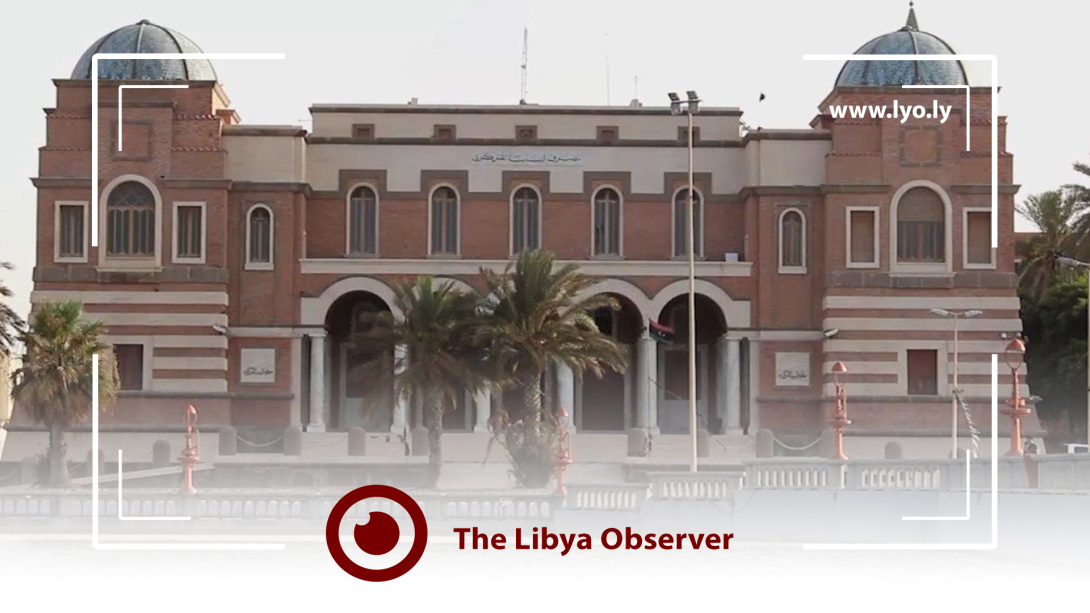
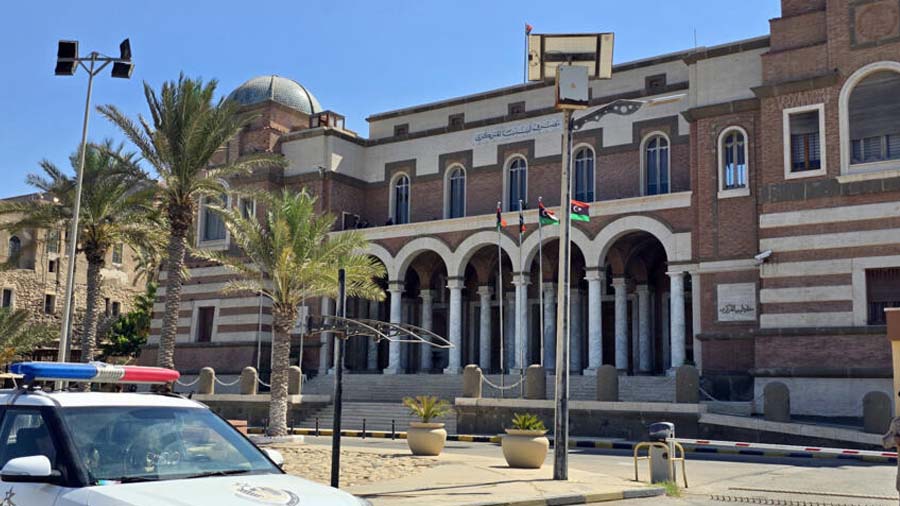
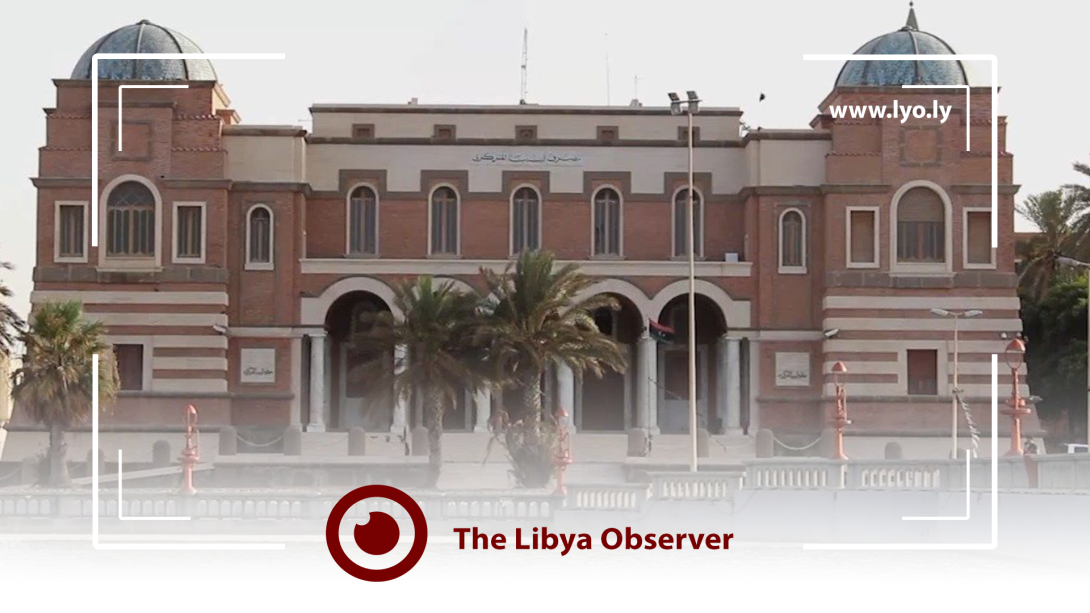
Central Bank of Libya
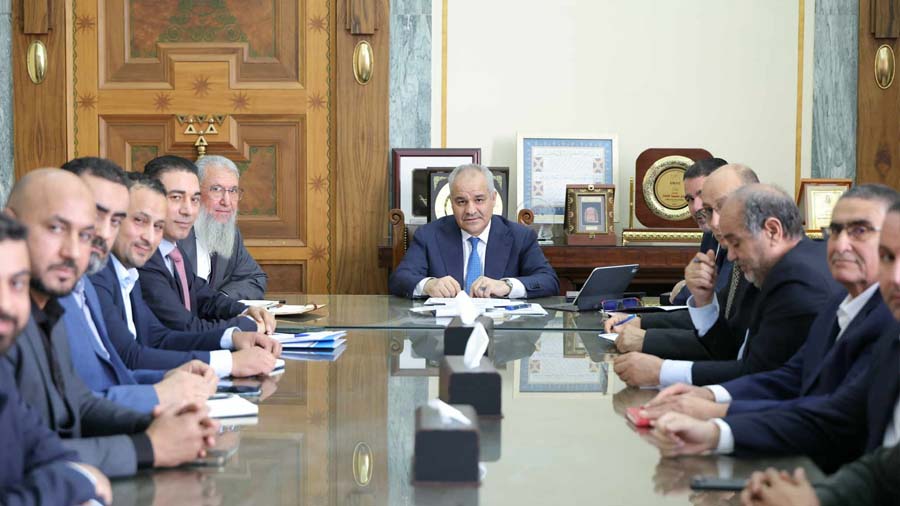
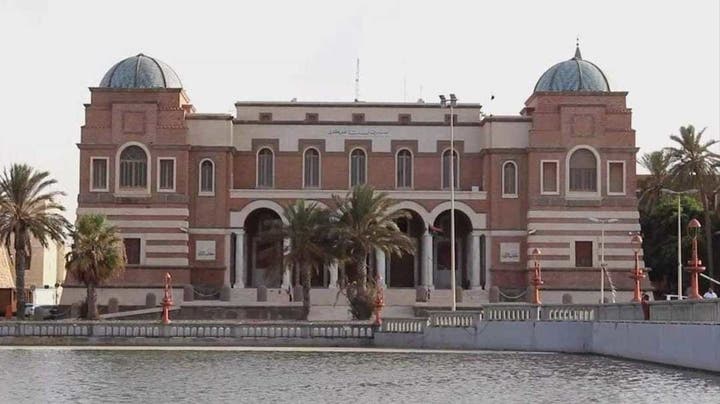
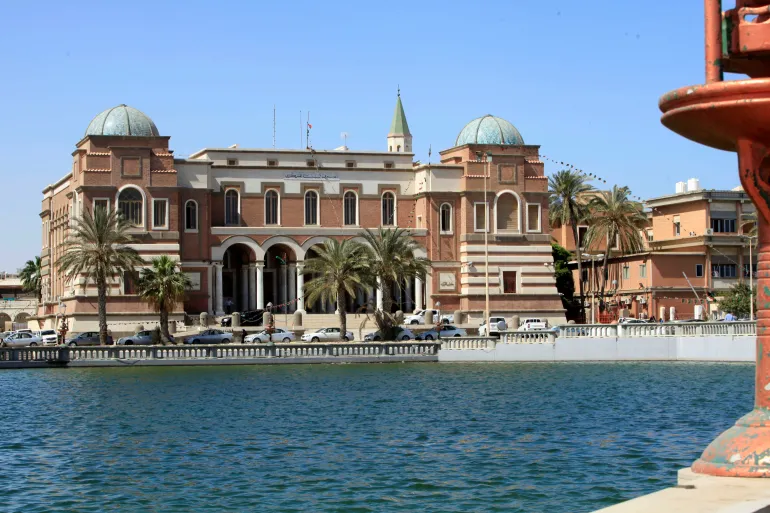
The Central Bank of Libya is the country’s primary monetary authority, established in 1956 to issue currency and manage monetary policy. It has played a critical and often divisive role in Libya’s recent history, with parallel institutions emerging in the east and west during the post-2011 civil conflict.
Tripoli
Tripoli is the capital and largest city of Libya, located on the country’s Mediterranean coast. Historically, it was founded by the Phoenicians in the 7th century BC and has since been ruled by the Romans, Arabs, Ottomans, and Italians, which is reflected in its diverse architecture, such as the ancient Medina and the Red Castle (Assai al-Hamra).
Benghazi
Benghazi is a major city in eastern Libya, historically significant as a center of trade and culture since its founding as the ancient Greek colony of Euesperides. It played a pivotal role in Libya’s modern history, serving as the provisional capital after the 2011 revolution and being the site of a major 2012 attack on a U.S. diplomatic compound.
Trade and Development Bank
The Trade and Development Bank (TDB) is a multilateral, treaty-based financial institution founded in 1985 to foster economic development and regional integration across its member states in Eastern and Southern Africa. It provides financing and advisory services for projects in key sectors like infrastructure, energy, and trade to promote sustainable socioeconomic growth.
Al-Wahda Bank
Al-Wahda Bank is a commercial bank headquartered in Libya, established in 1970 as part of the country’s efforts to develop its national banking sector. It has since grown to become one of the major financial institutions in Libya, with a network of branches providing a range of banking services.
Al-Jumhouria Bank
Al-Jumhouria Bank is a major state-owned commercial bank in Syria, originally established in 1967. It was formed through the nationalization and merger of several private banks, playing a central role in the country’s financial system and economic development.
National Commercial Bank
The National Commercial Bank (NCB) is a major financial institution in Saudi Arabia, founded in 1953. It holds the distinction of being the country’s first licensed bank and has played a central role in the Kingdom’s economic development and modernization.
Al-Aman Bank
Al-Aman Bank is a Jordanian financial institution established in 2010, notable for being the first bank in the country to operate fully under Islamic Sharia principles. It was founded with the aim of providing Sharia-compliant banking services, such as profit-sharing investments and interest-free financing, to the Jordanian market and the wider region.
Al-Sahari Bank
Al-Sahari Bank is a prominent financial institution in Yemen, historically known for its role in facilitating trade and economic activity within the country. It has been a key part of Yemen’s commercial banking sector, though its operations have faced significant challenges due to the ongoing political and economic instability in the region.
Al-Waha Bank
Al-Waha Bank is a financial institution based in Libya, established in 2007 as part of the country’s economic development efforts following the lifting of international sanctions. It operates as a commercial bank, providing a range of services to both individual and corporate clients within the Libyan market.
Islamic Bank
The Islamic Bank is a financial institution that operates in accordance with Sharia (Islamic law), which prohibits interest (riba) and promotes risk-sharing and ethical investments. Its modern history began in the 1970s with the establishment of pioneering institutions like the Islamic Development Bank (1975), aiming to foster economic development in member countries through Sharia-compliant finance. Today, it represents a significant and growing sector within global banking, offering products like profit-sharing agreements and asset-backed financing.
North Africa Bank
The North Africa Bank is a financial institution established to support economic development and integration across North African nations. Its history is tied to regional cooperation efforts, often involving member states like Morocco, Tunisia, and Algeria, to foster investment and stability in the Maghreb region.
Al-Muttahid Bank
Al-Muttahid Bank is a financial institution in Yemen, established in 2013 through the merger of the Yemeni branches of two major banks from the United Arab Emirates, namely Abu Dhabi Islamic Bank and First Gulf Bank. It was created to consolidate operations and strengthen the banking sector in Yemen, operating under Islamic banking principles.
Al-Nouran Bank
Al-Nouran Bank is a financial institution based in Egypt, primarily known for providing Islamic banking services that comply with Sharia principles. It was established to offer an alternative to conventional banking by focusing on profit-sharing and interest-free financial products within the Egyptian market.
Al-Saray Bank
Al-Saray Bank is a historic commercial building located in the heart of Baghdad, Iraq. It was originally constructed in the late 19th century during the Ottoman era and served as a key financial and administrative center, reflecting the city’s importance as a hub of trade and governance.
Special Drawing Rights
Special Drawing Rights (SDR) is an international reserve asset created by the International Monetary Fund (IMF) in 1969 to supplement its member countries’ official reserves. Its value is based on a basket of five major currencies: the U.S. dollar, euro, Chinese renminbi, Japanese yen, and British pound sterling.