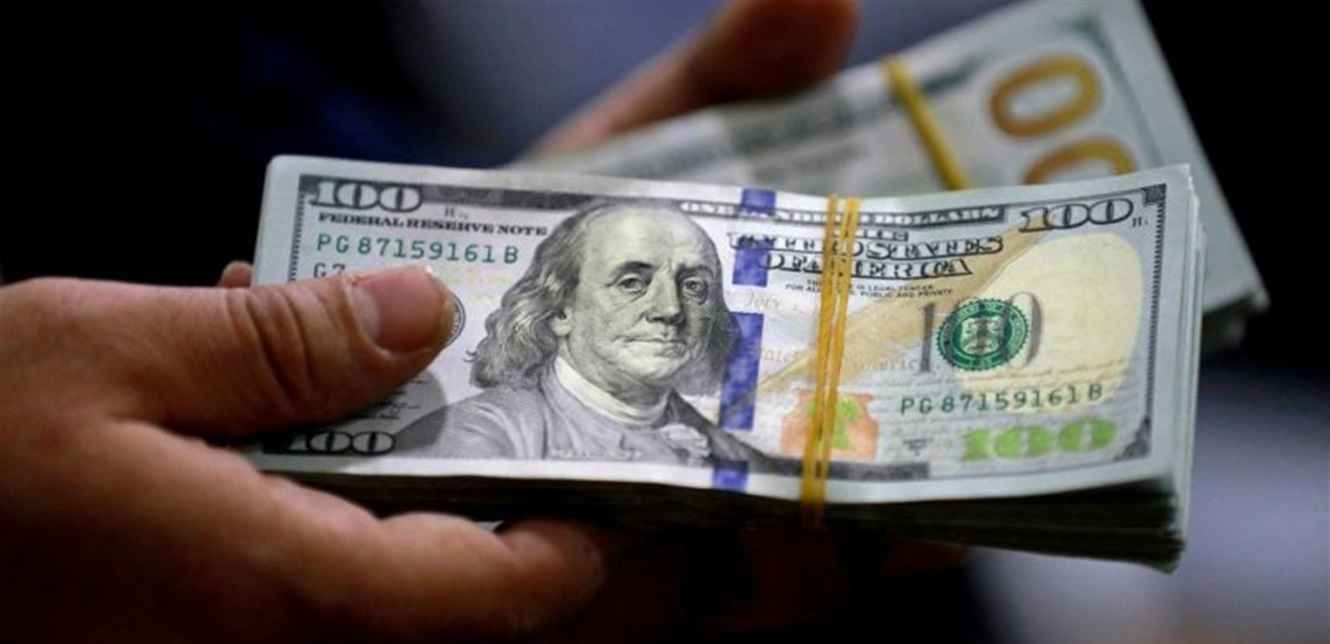
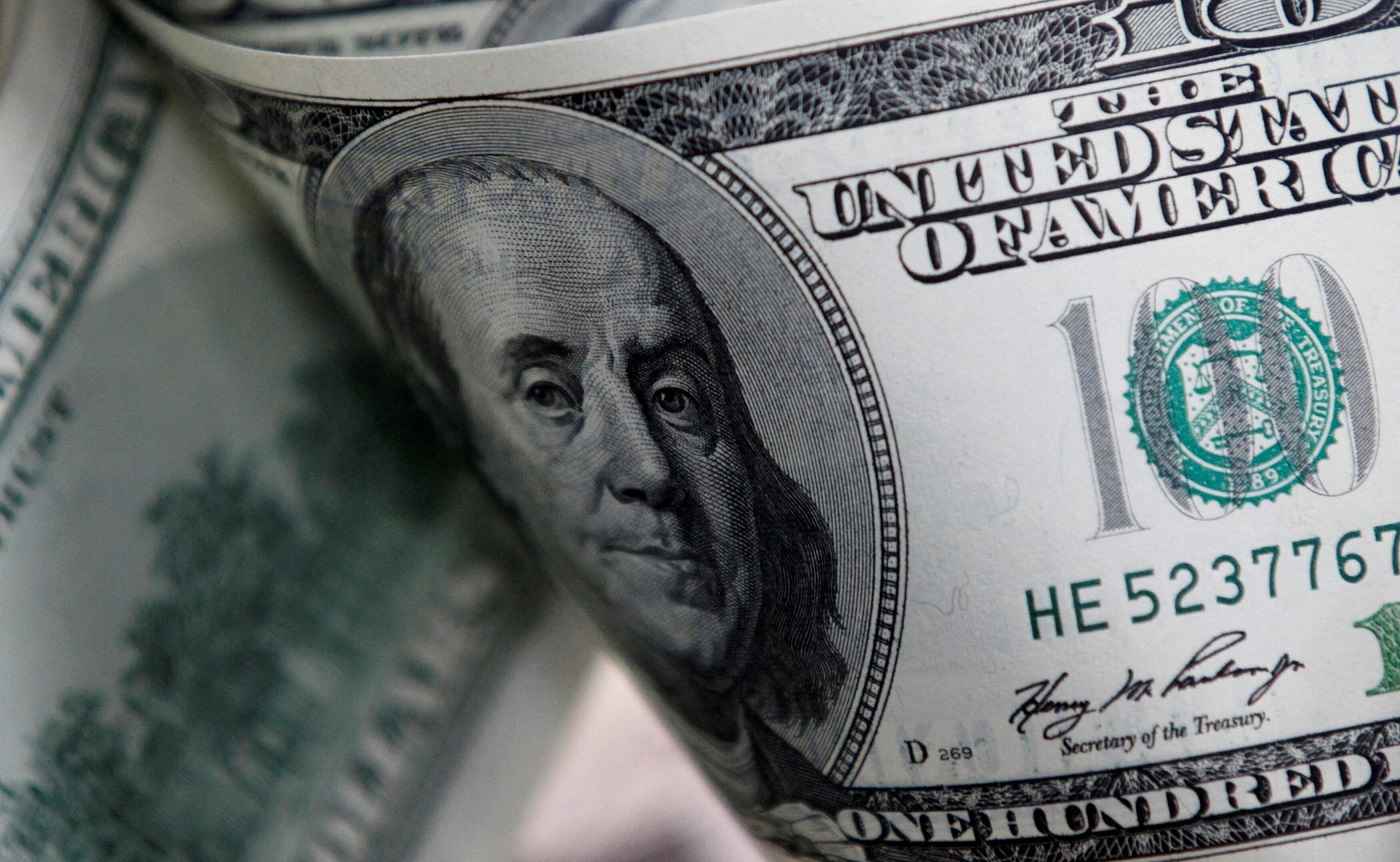
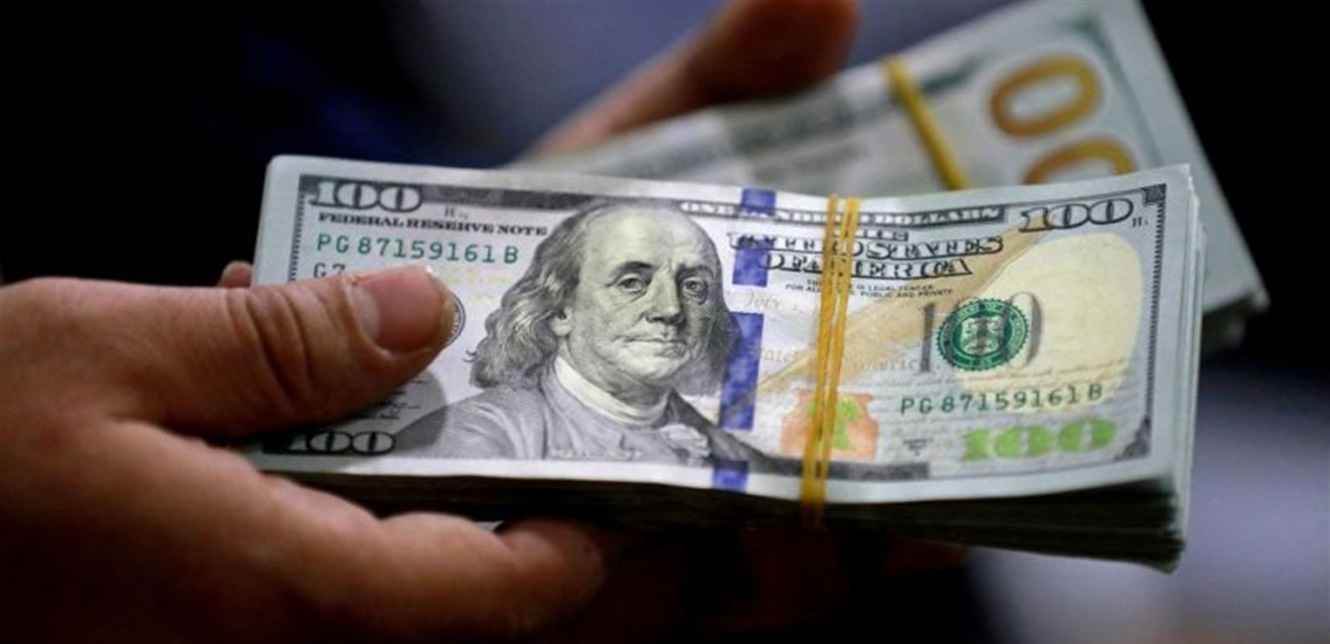
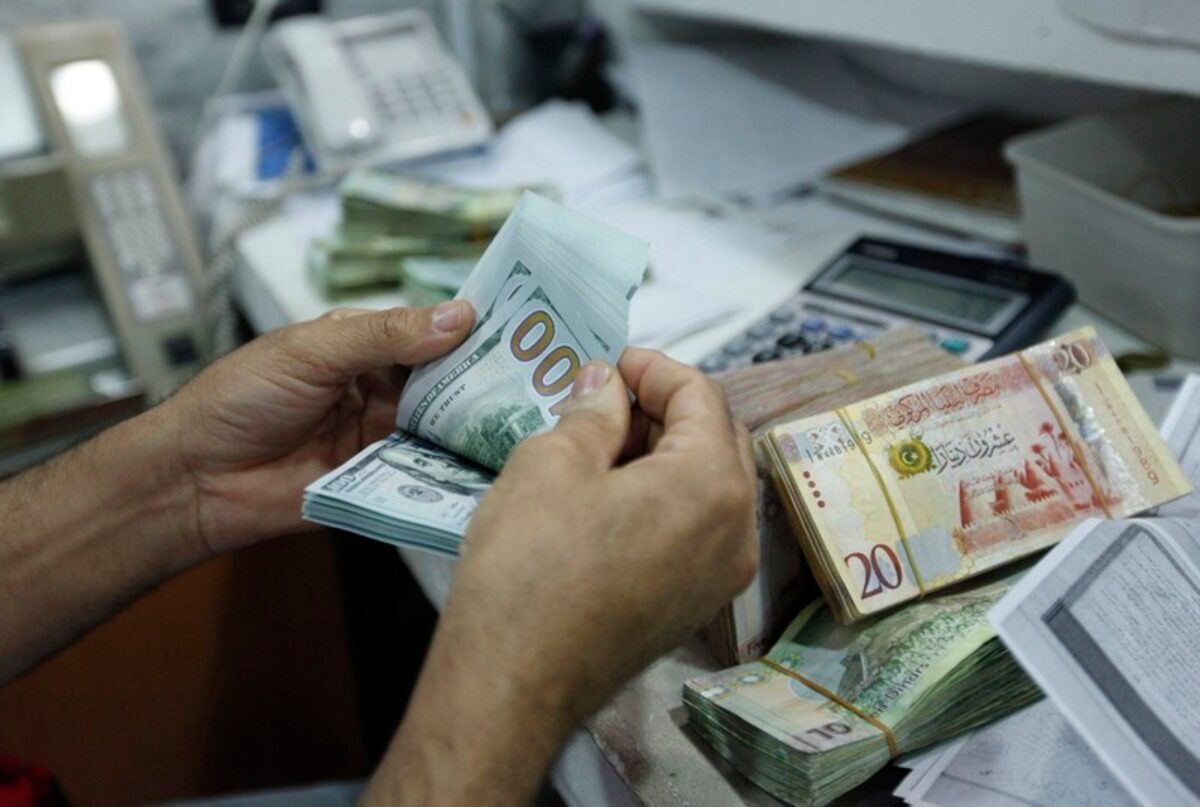
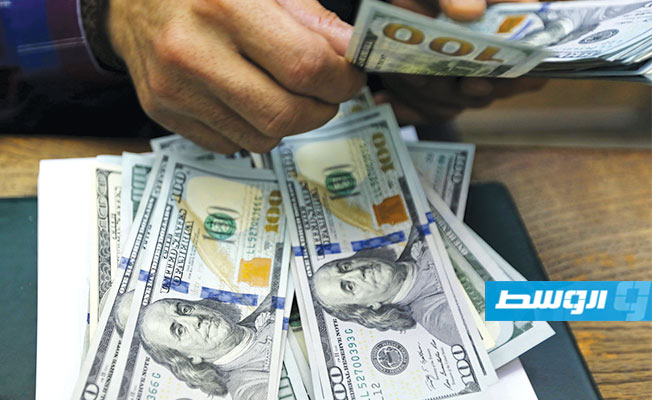
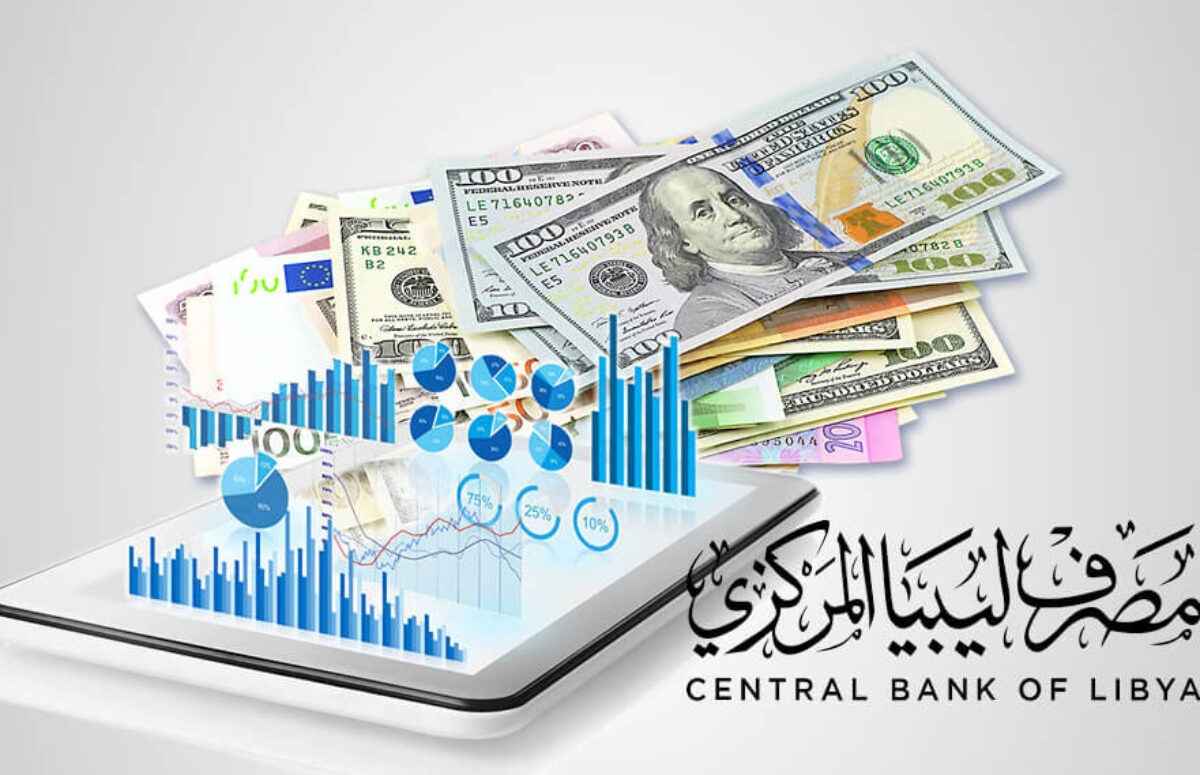
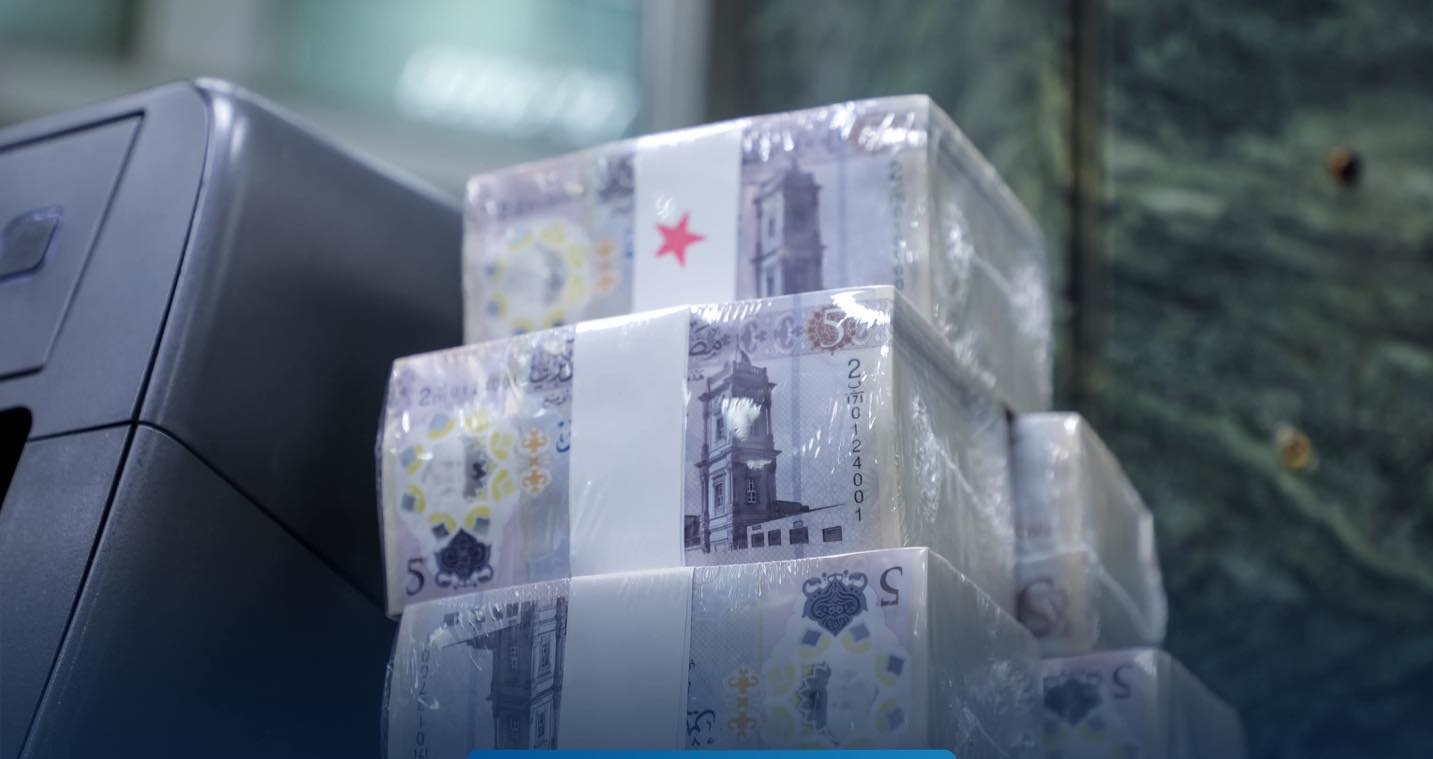
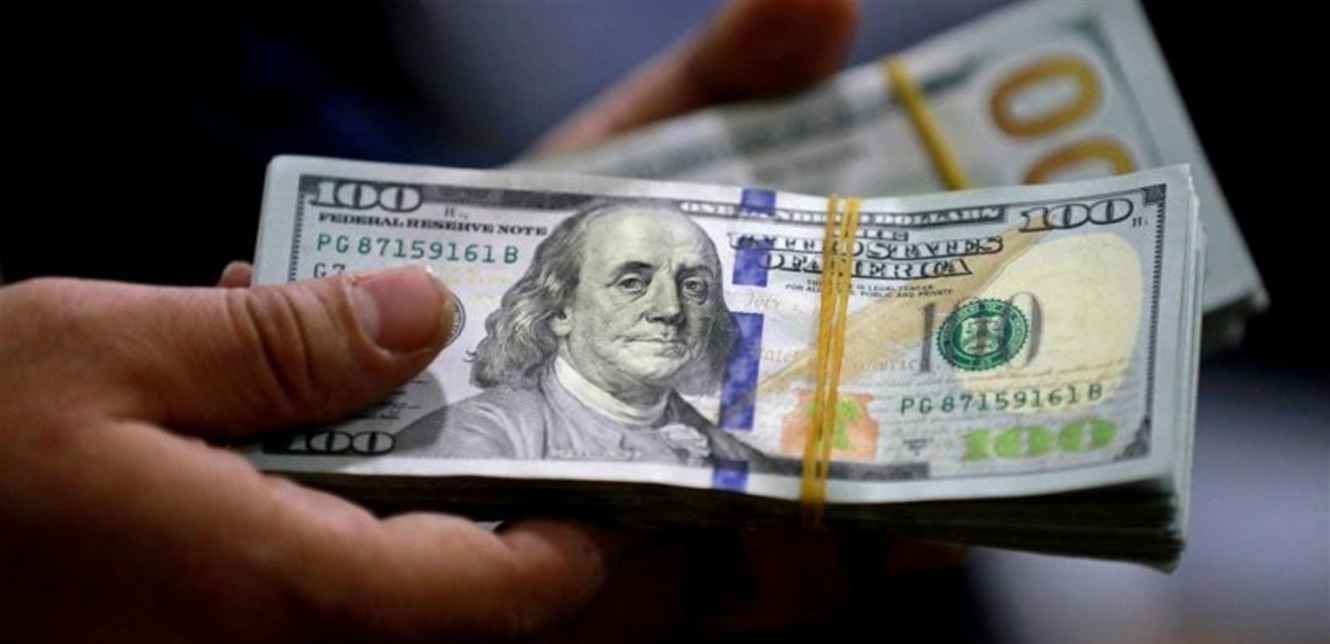
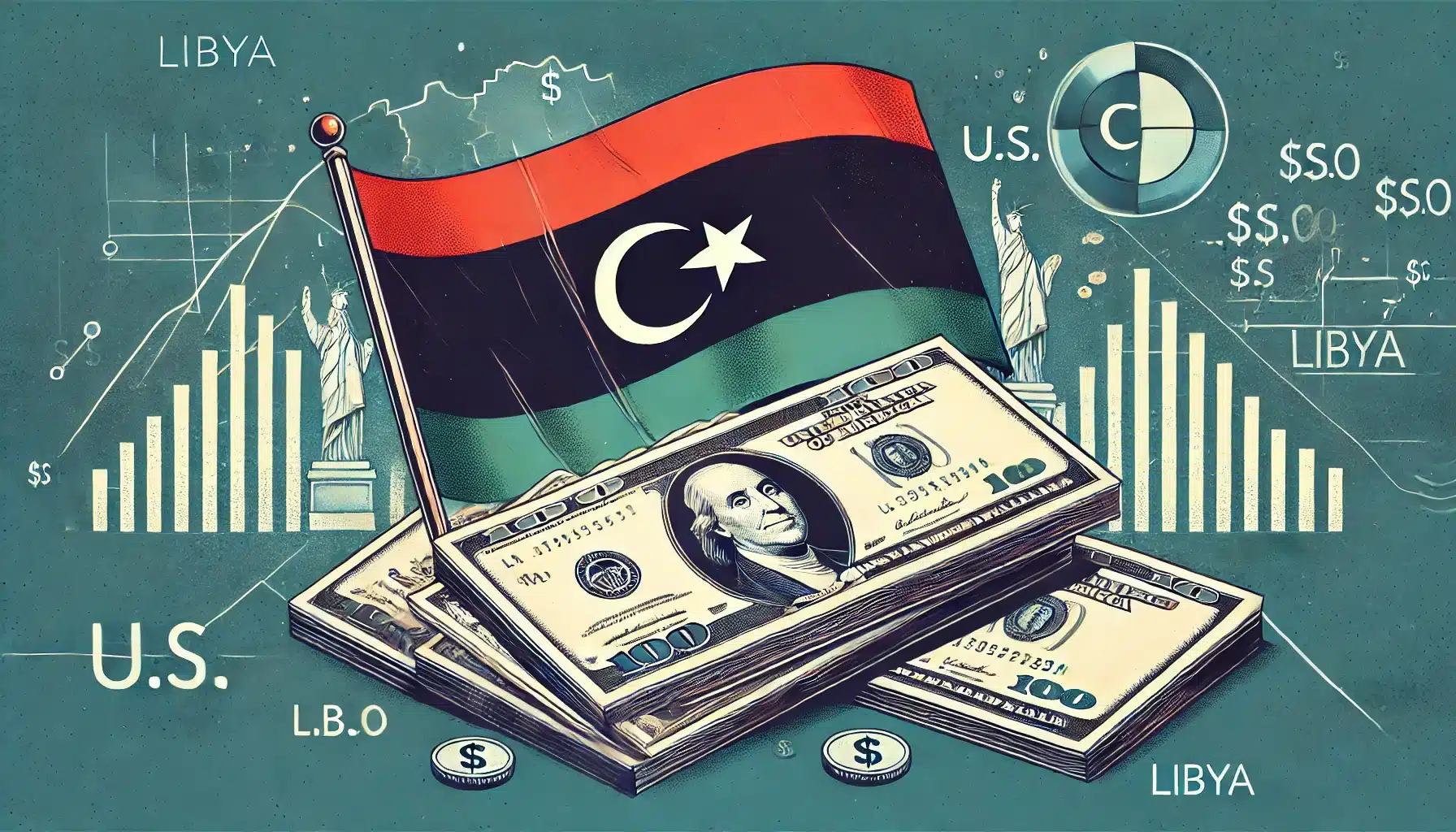
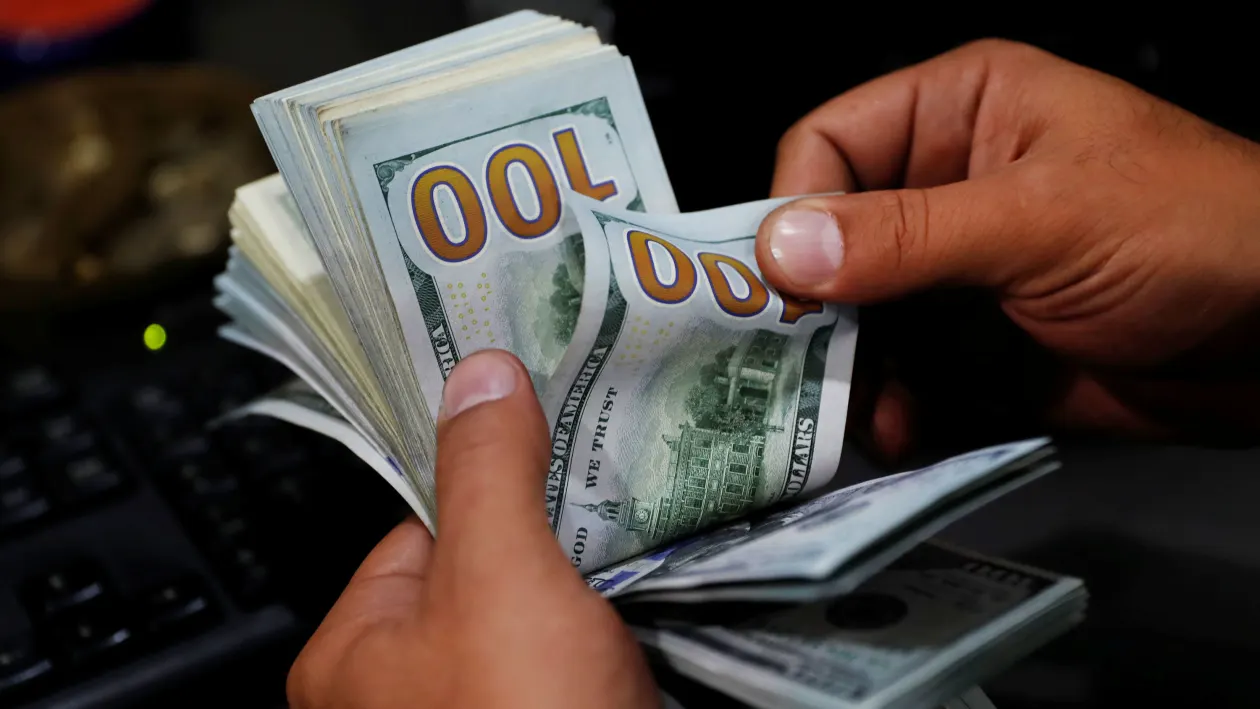
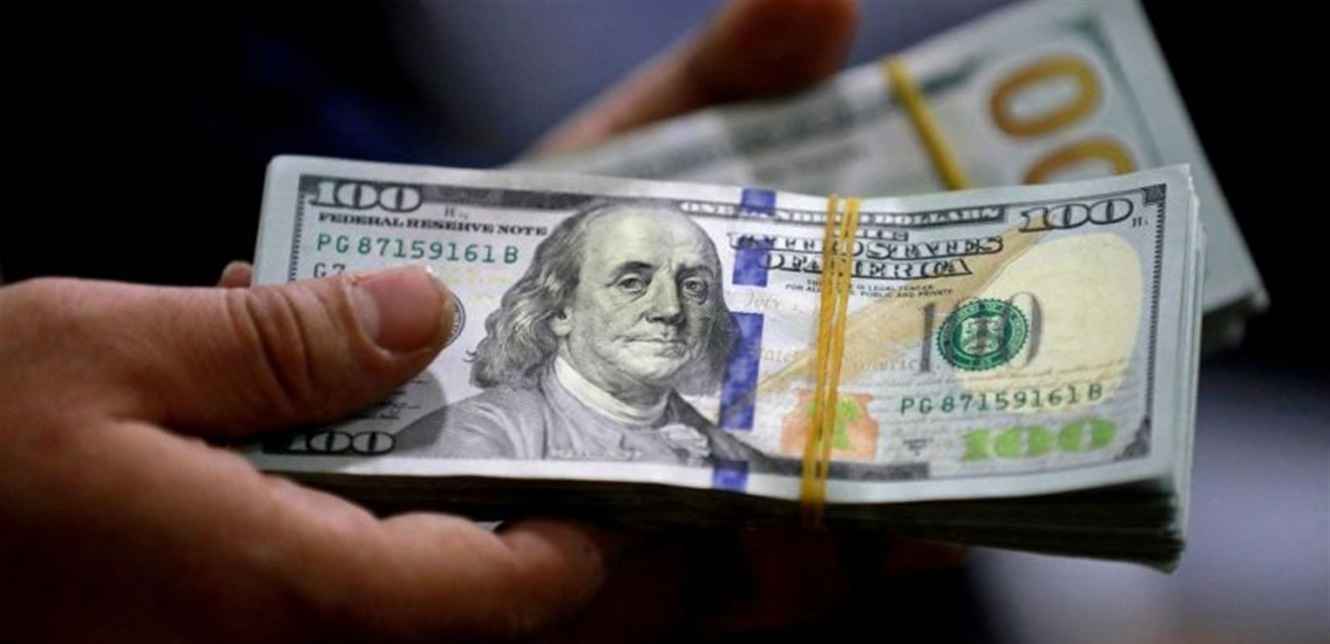
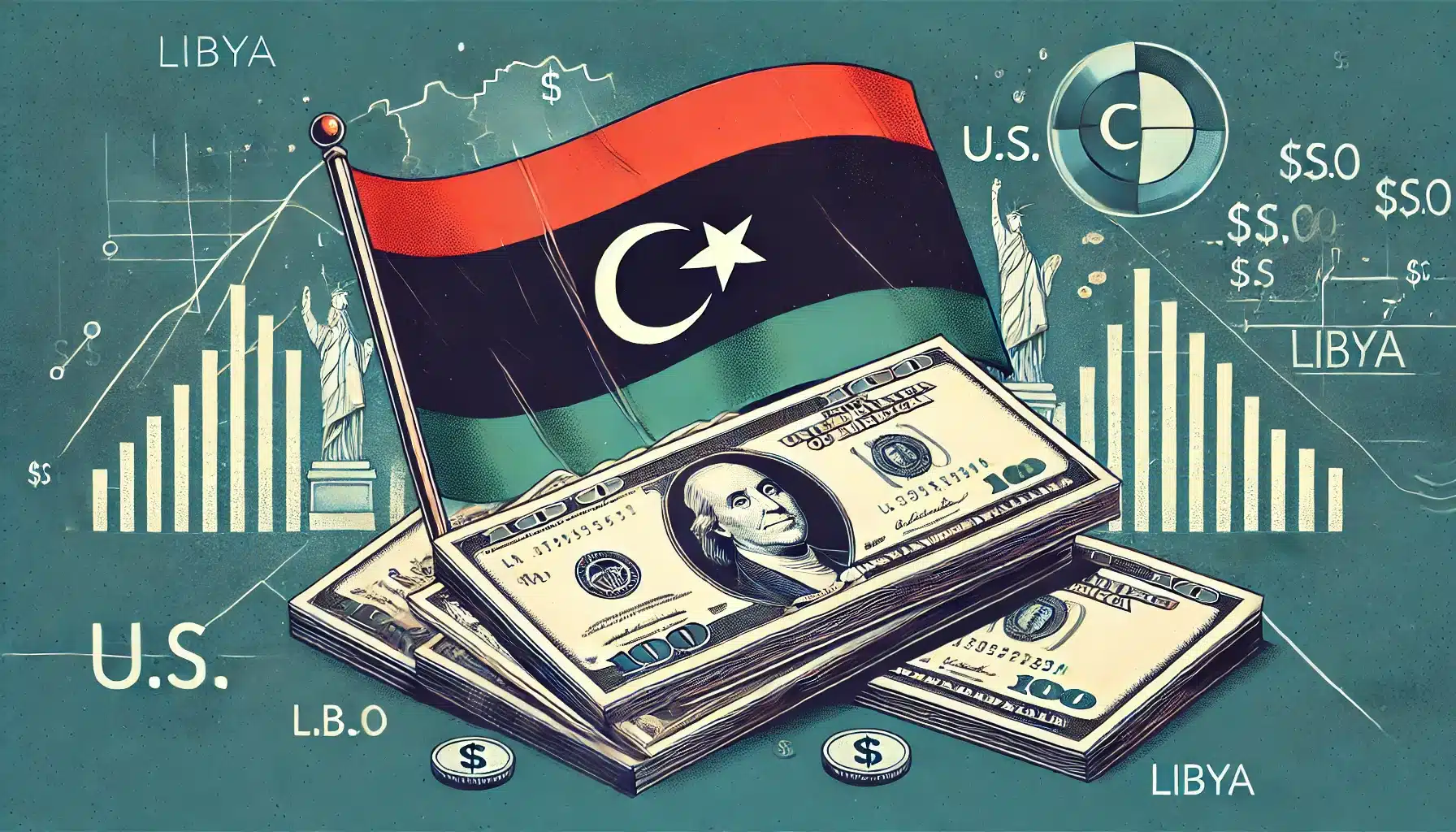
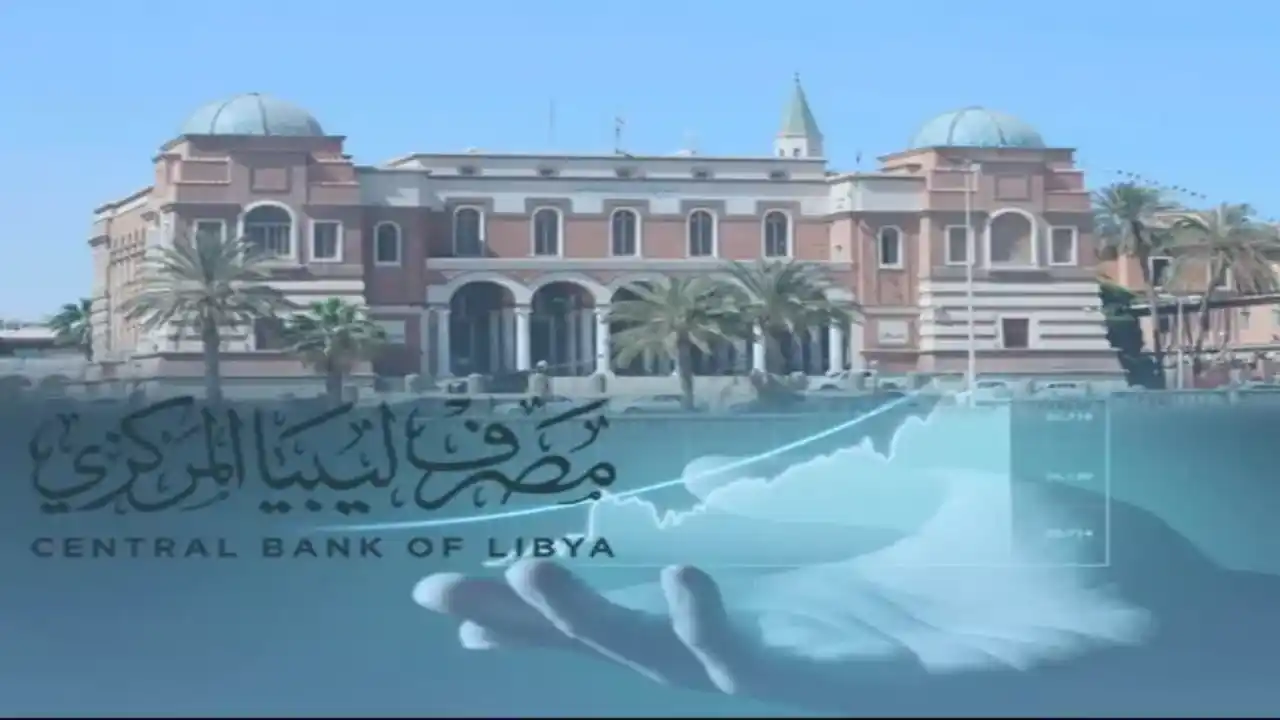
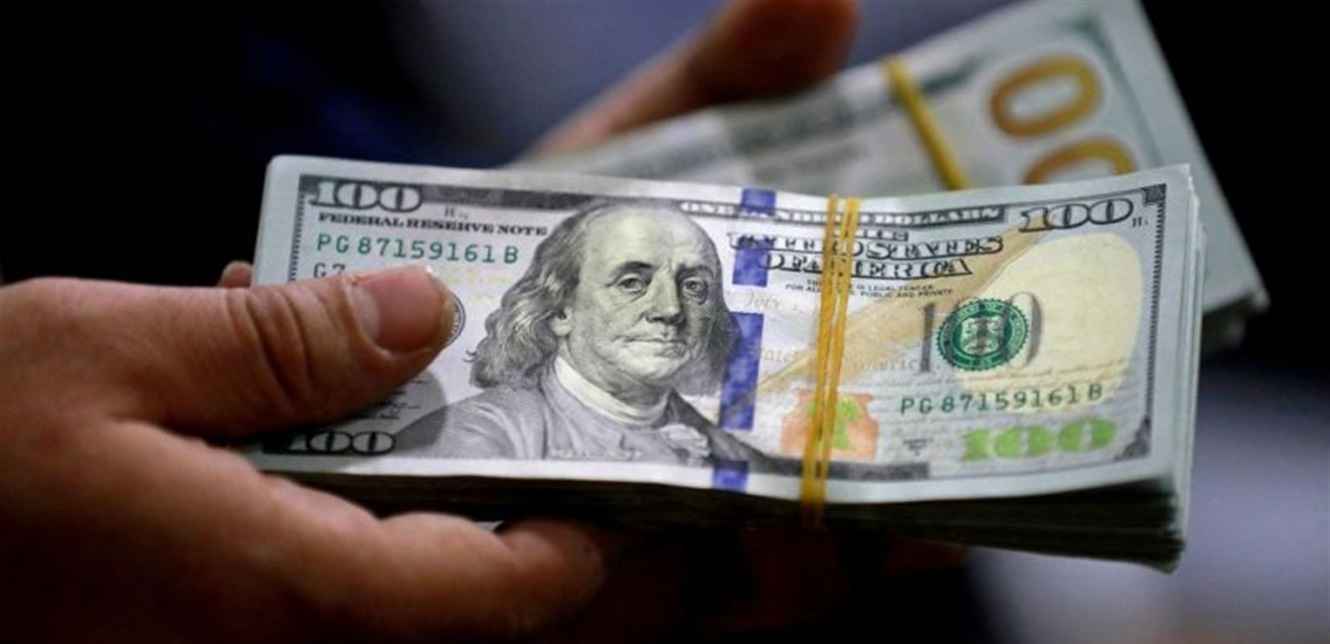
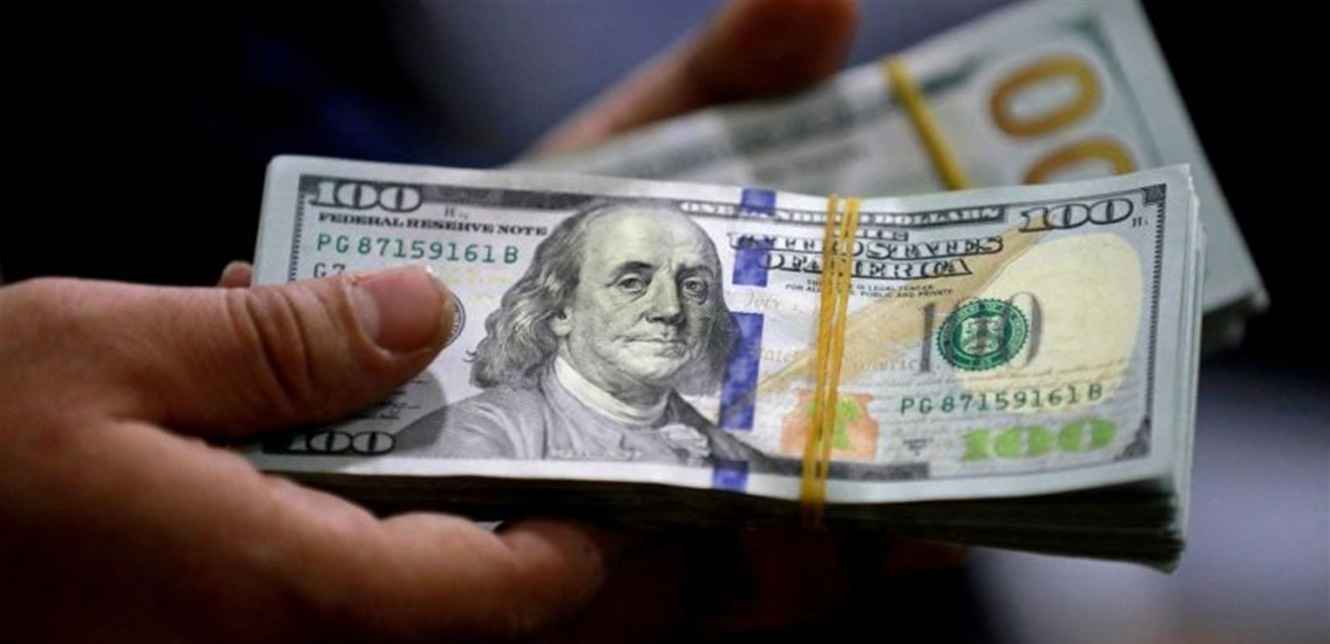
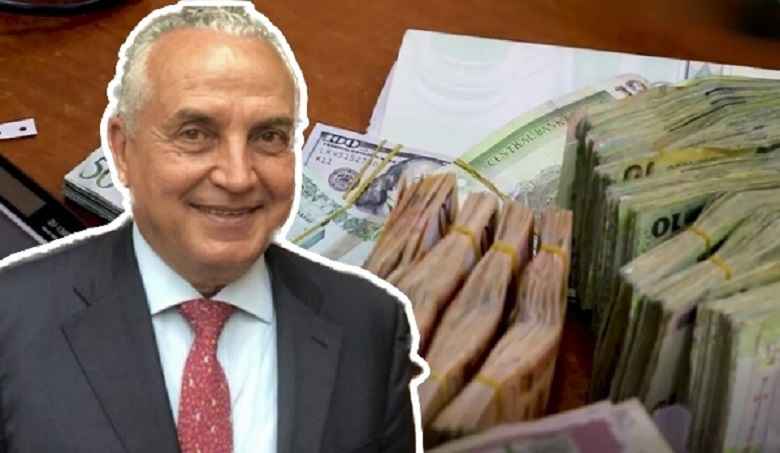
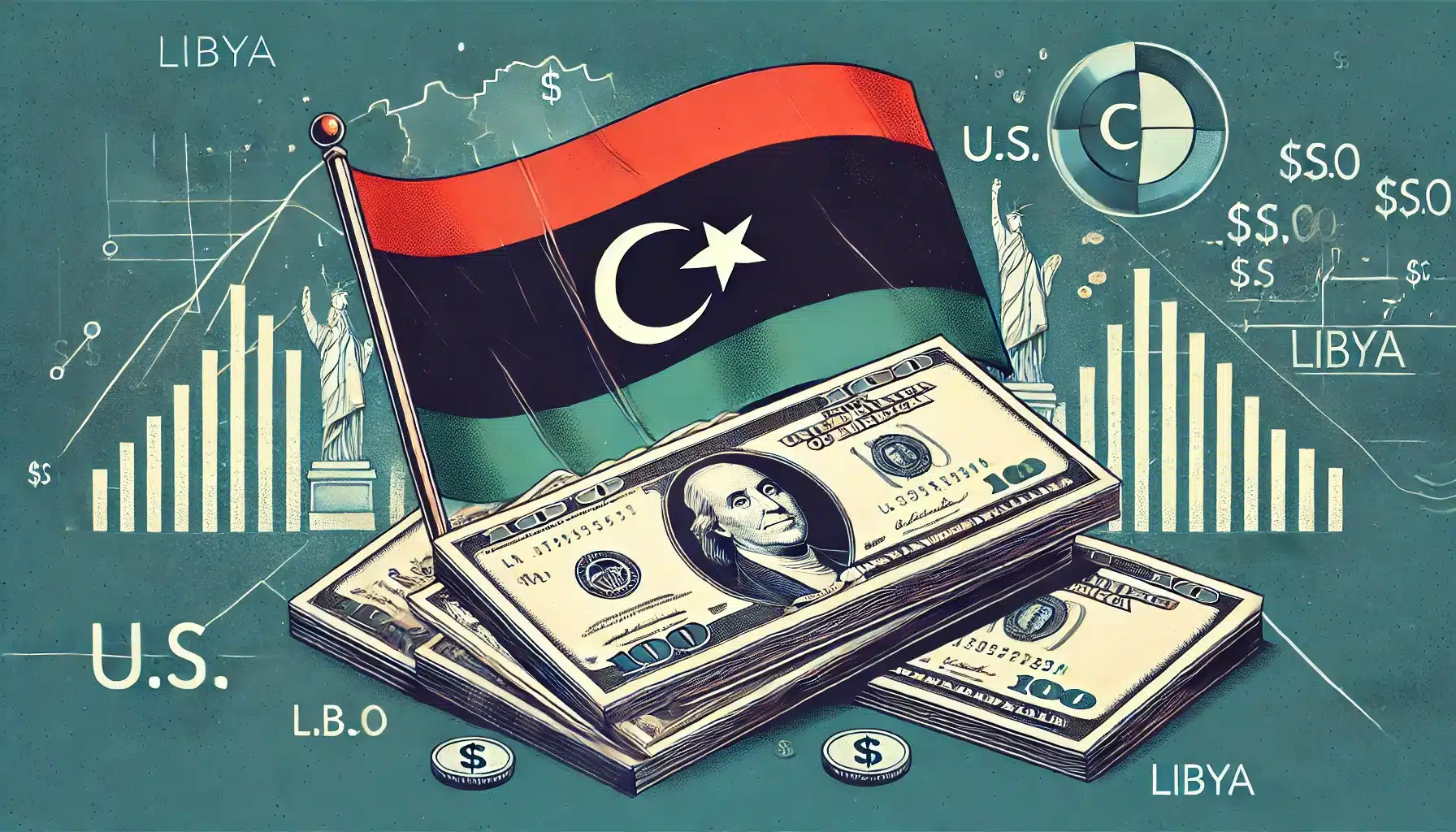
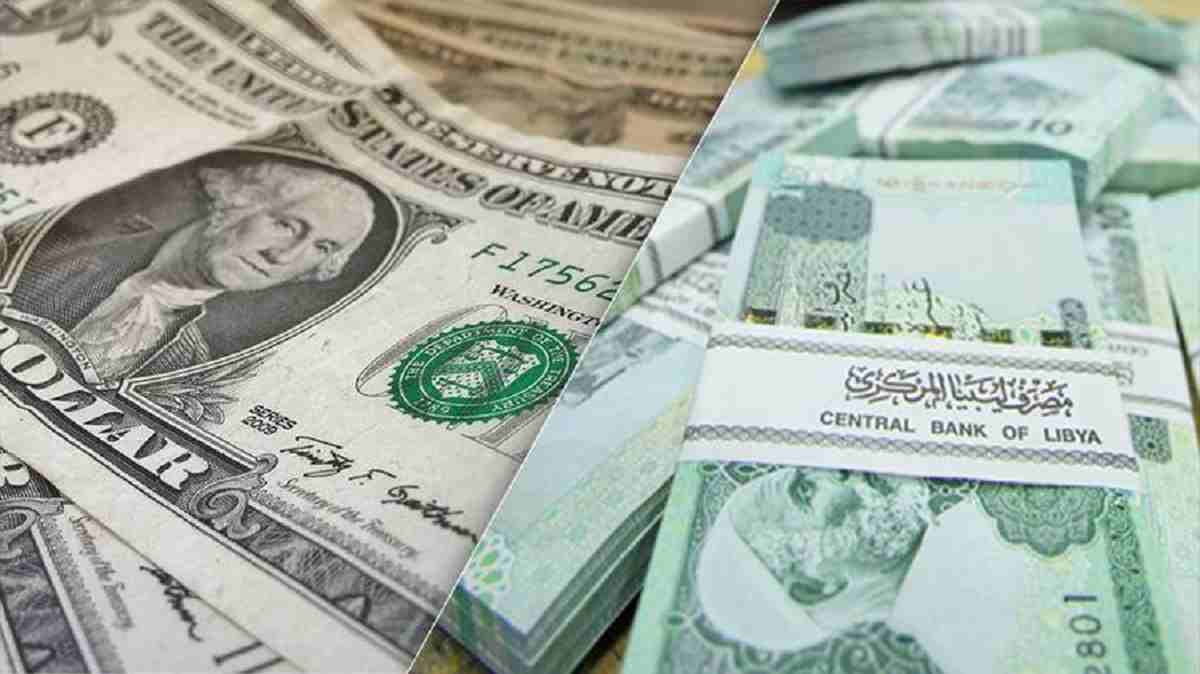
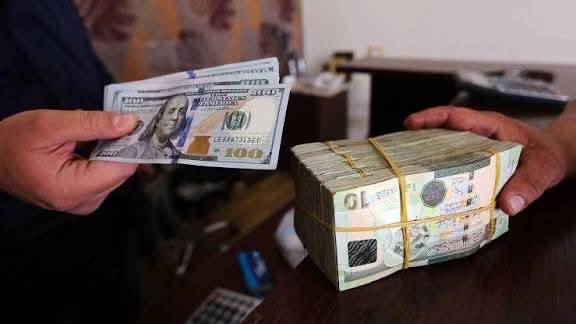
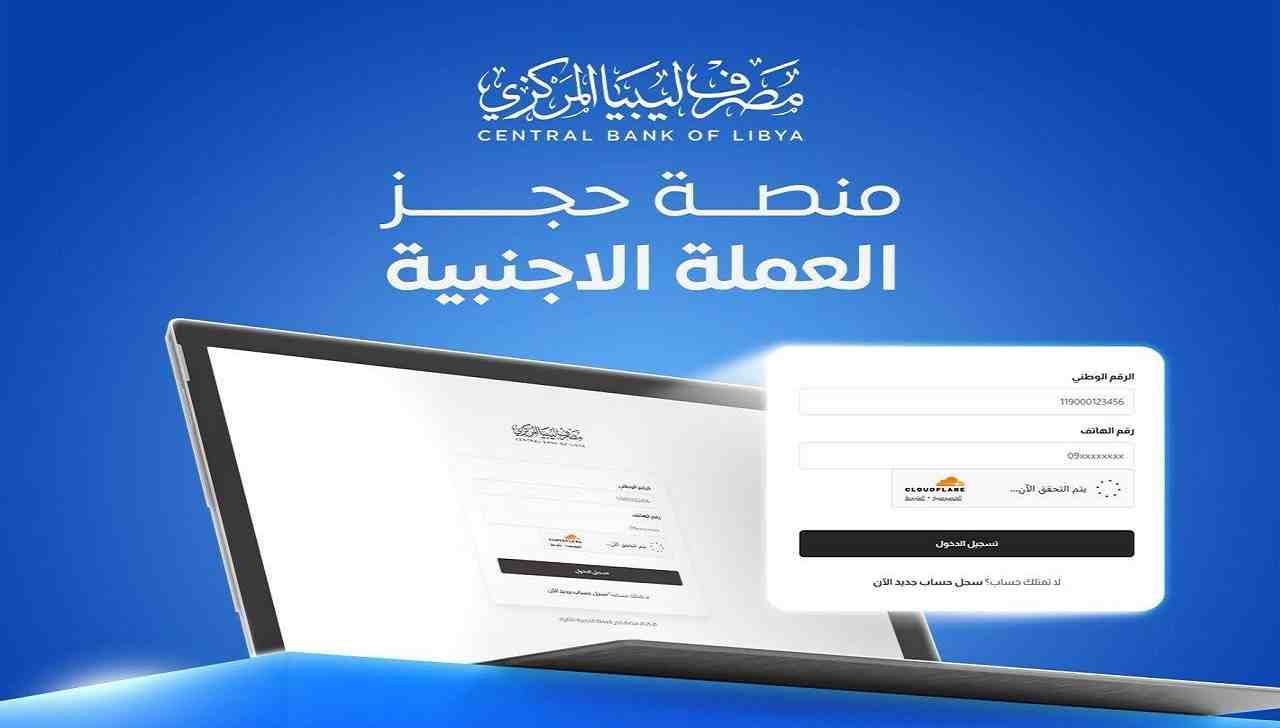
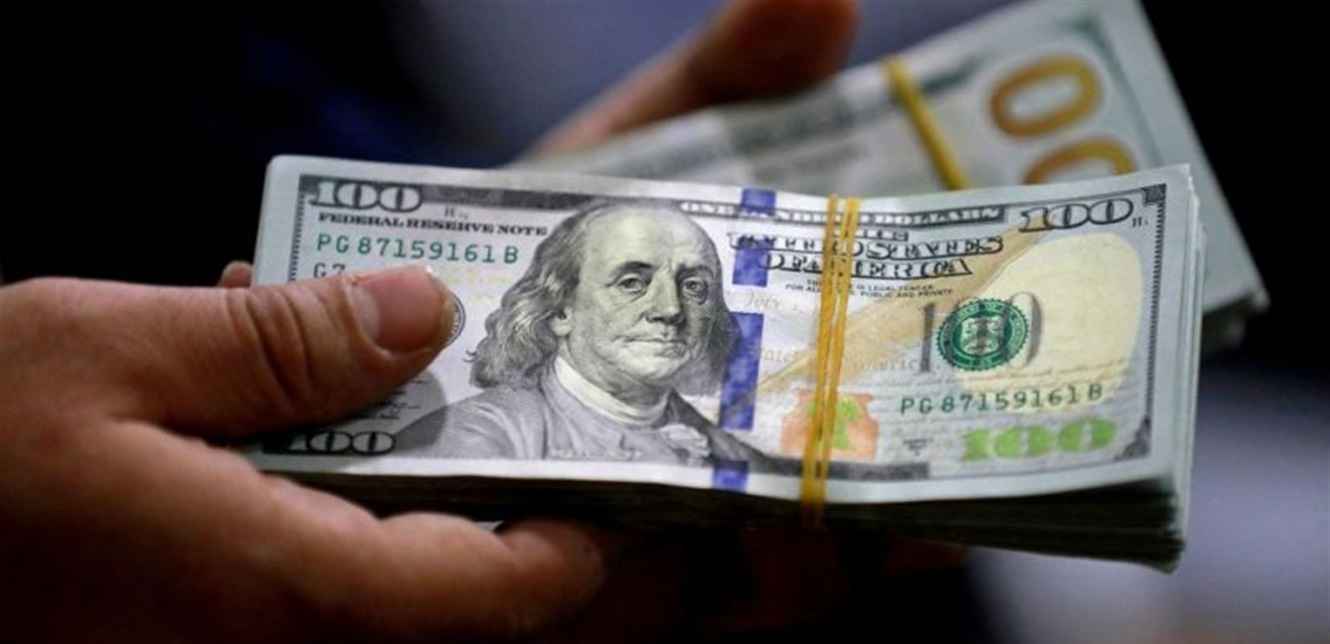
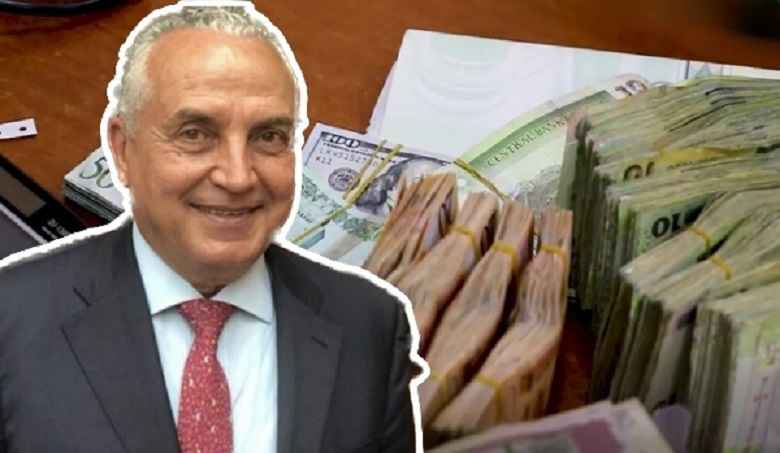
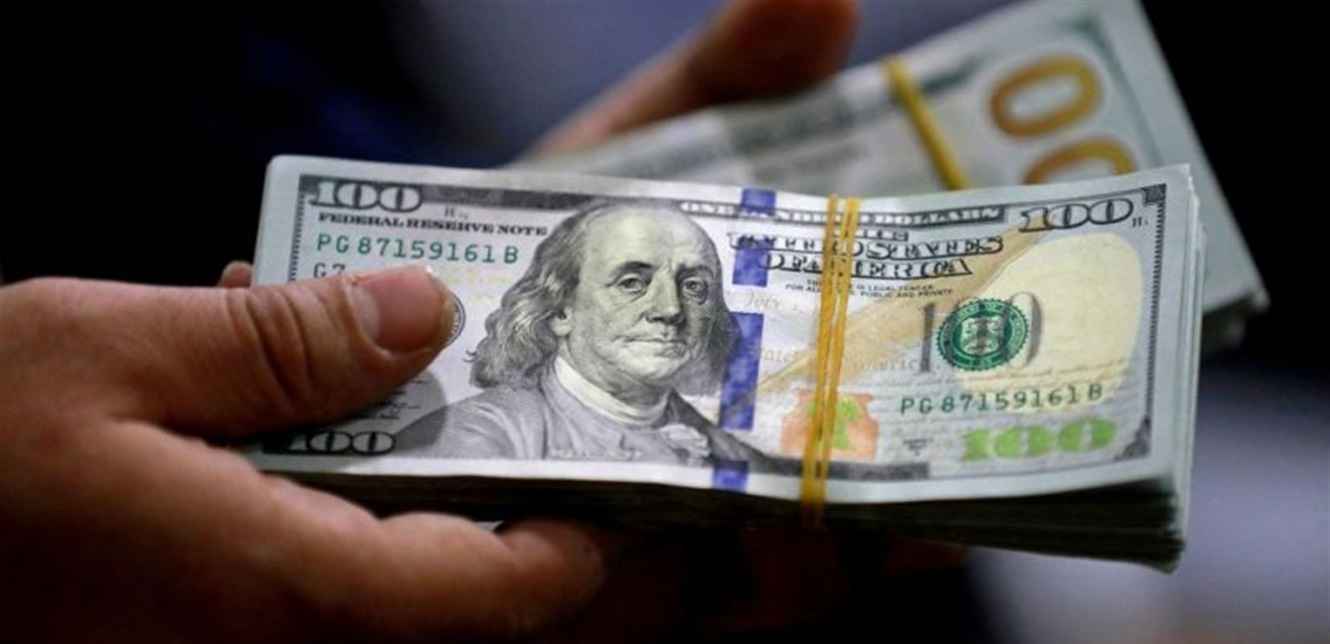
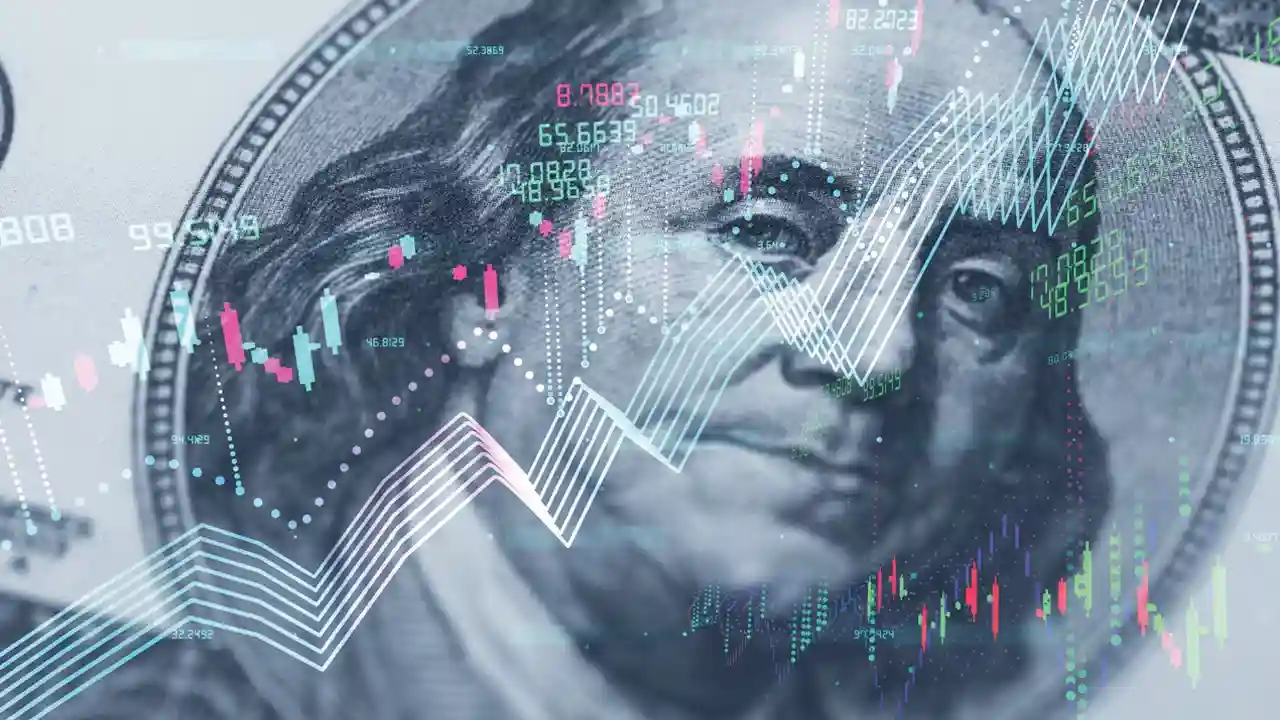
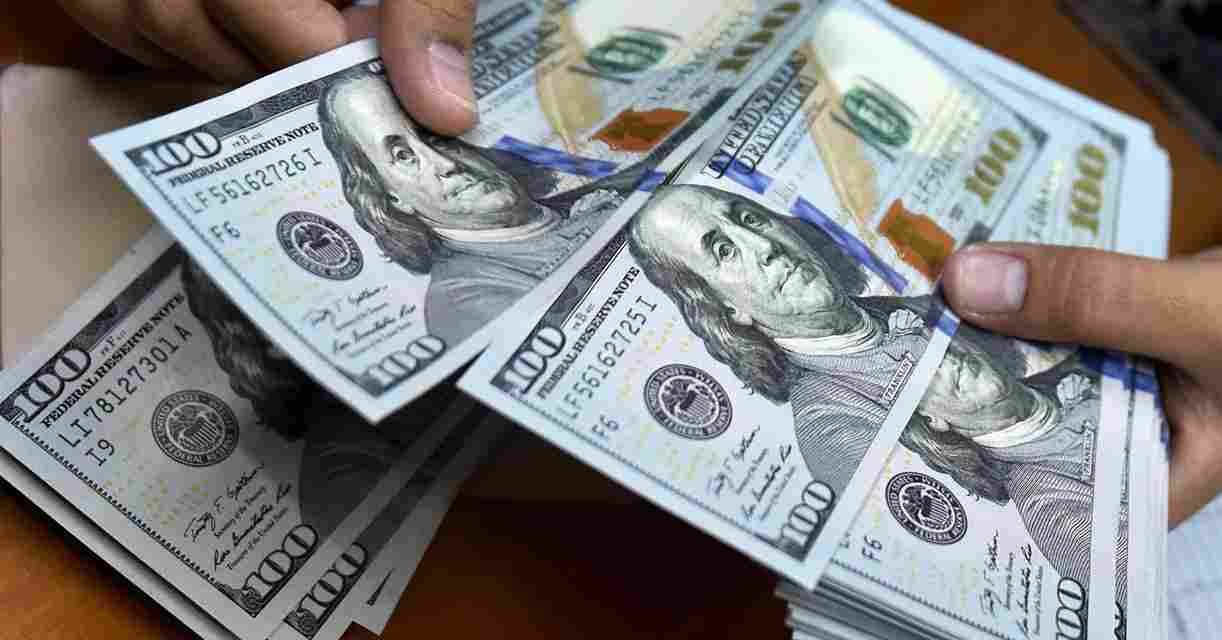
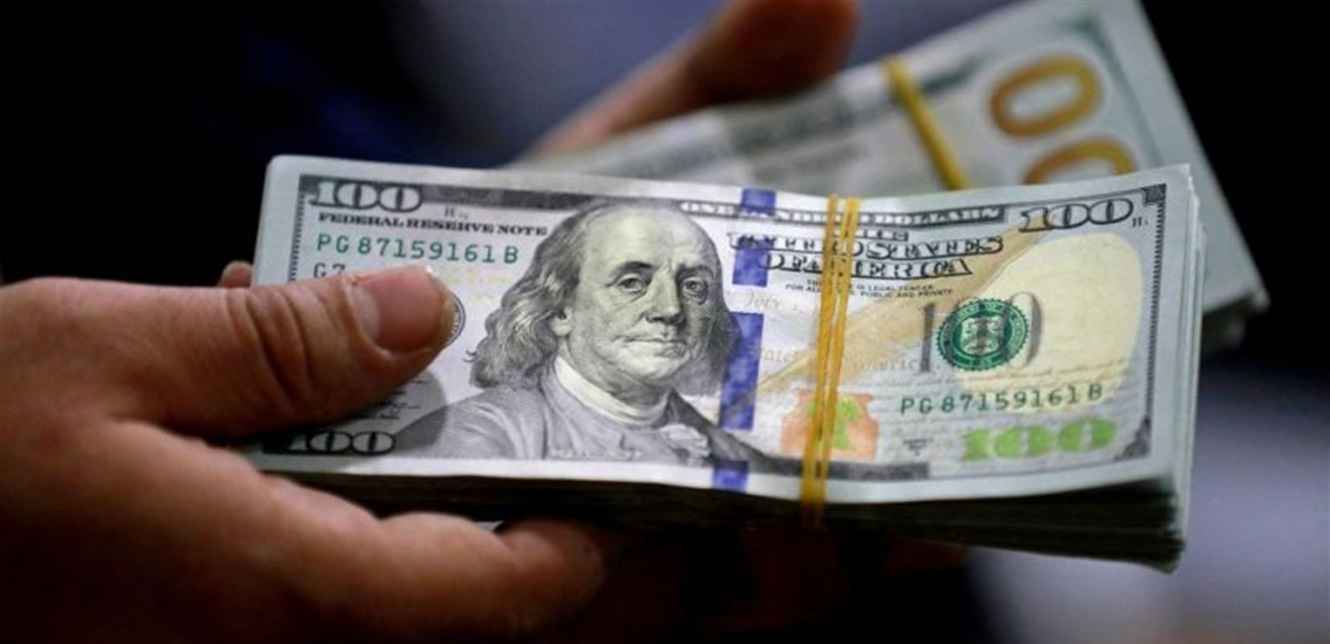
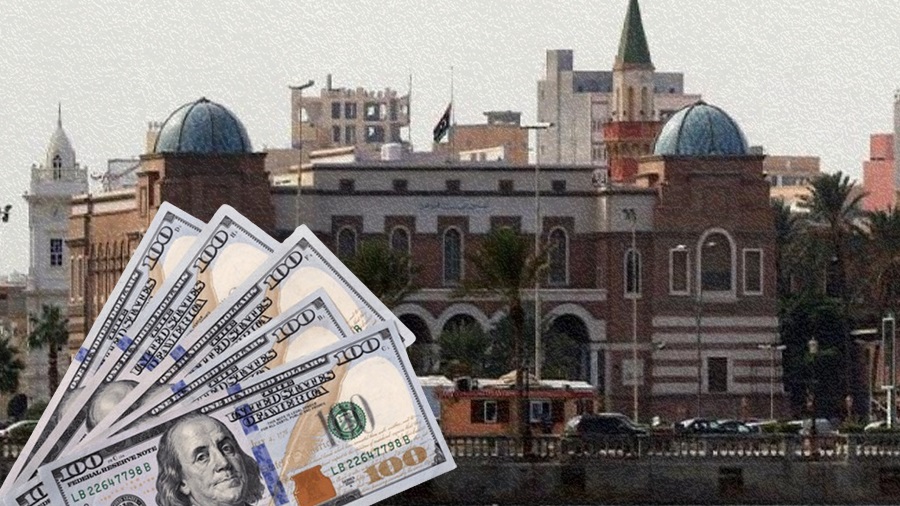
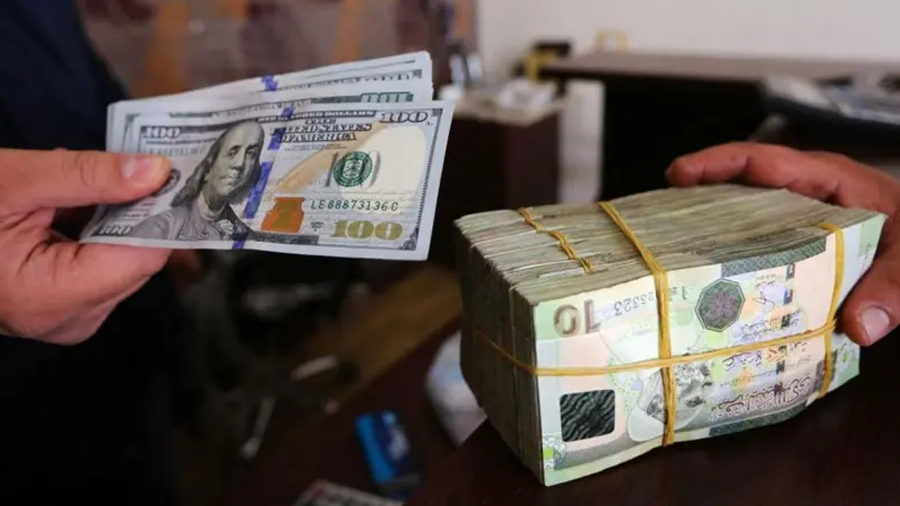
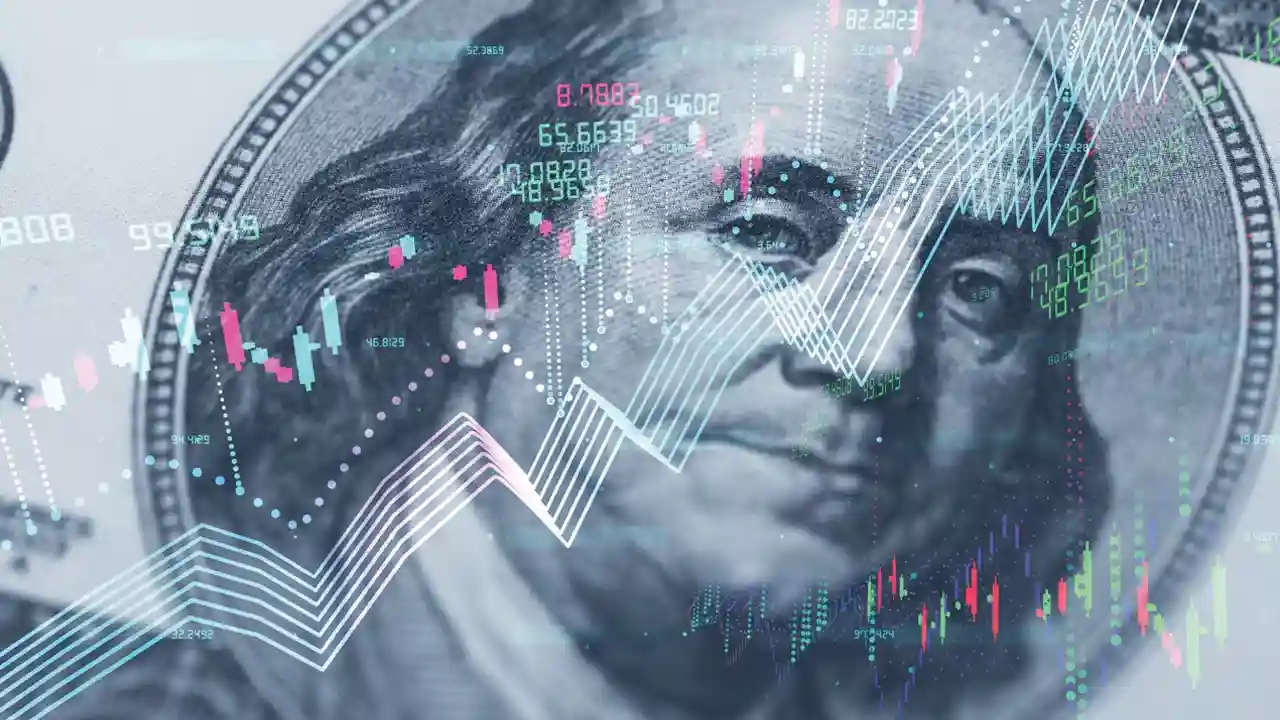
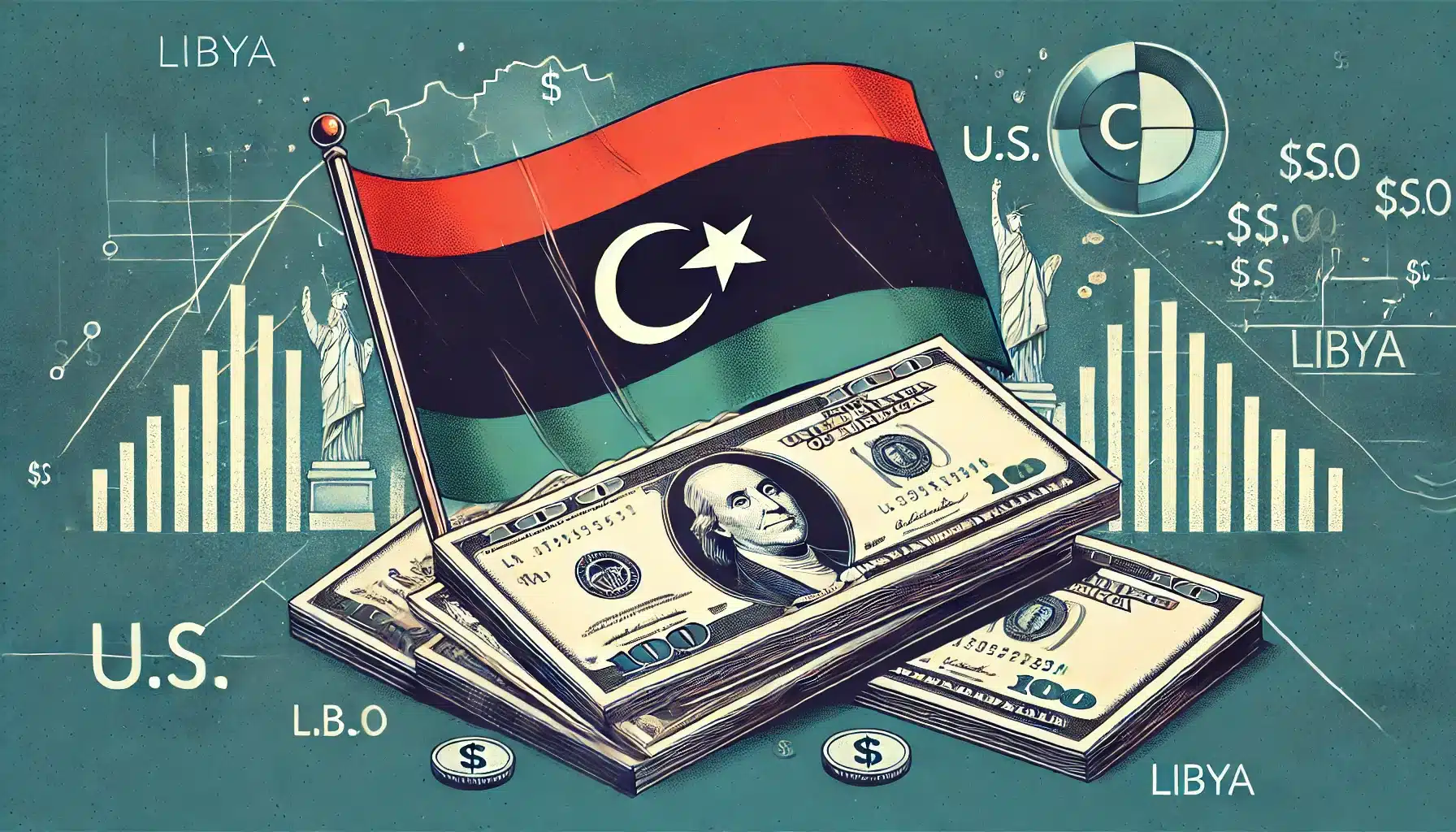
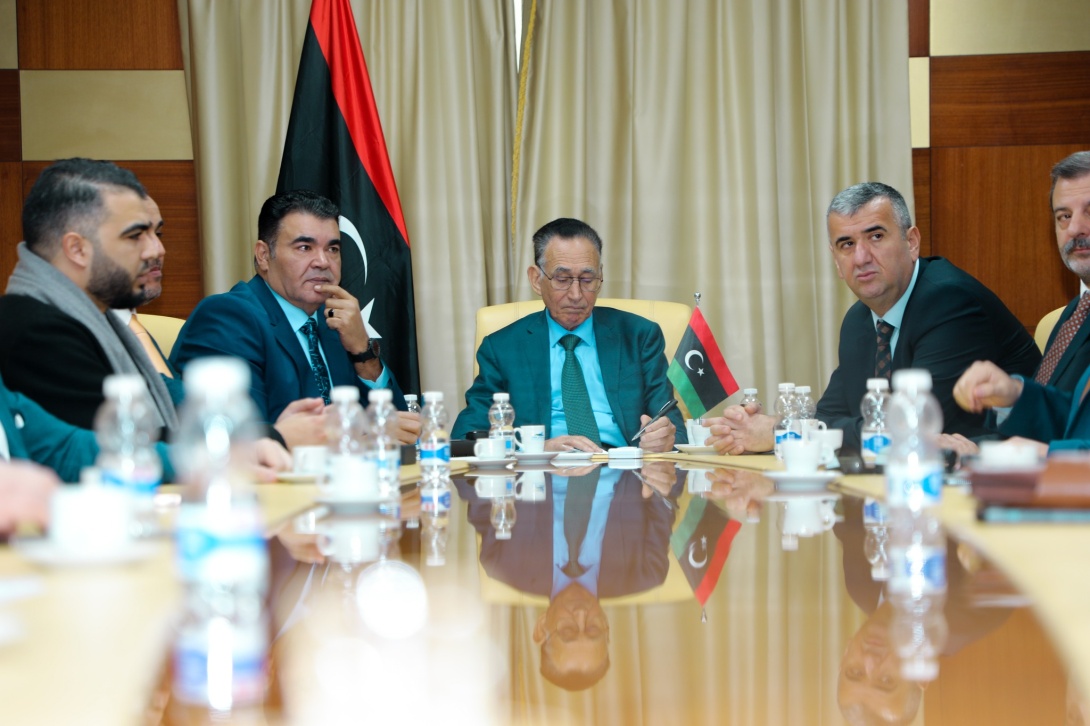
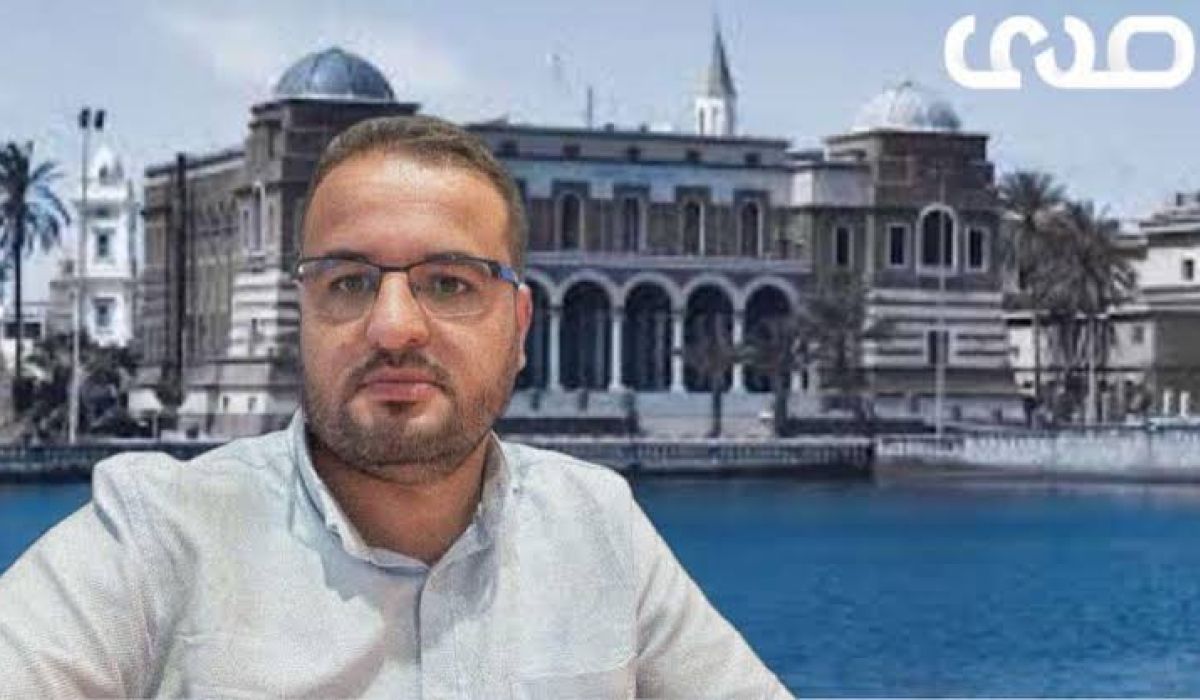
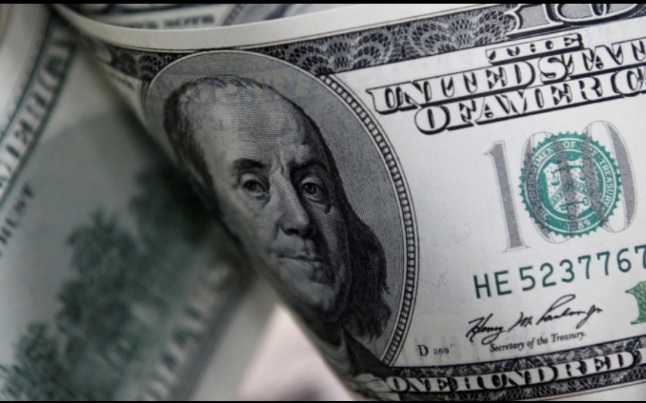
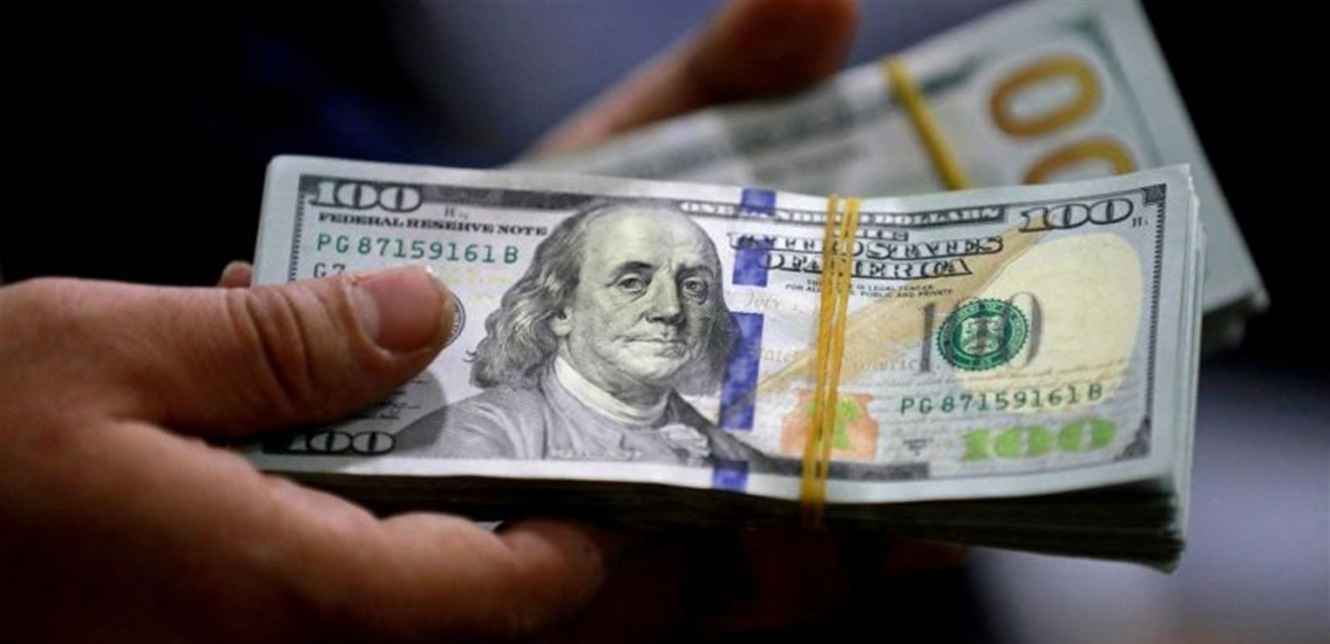
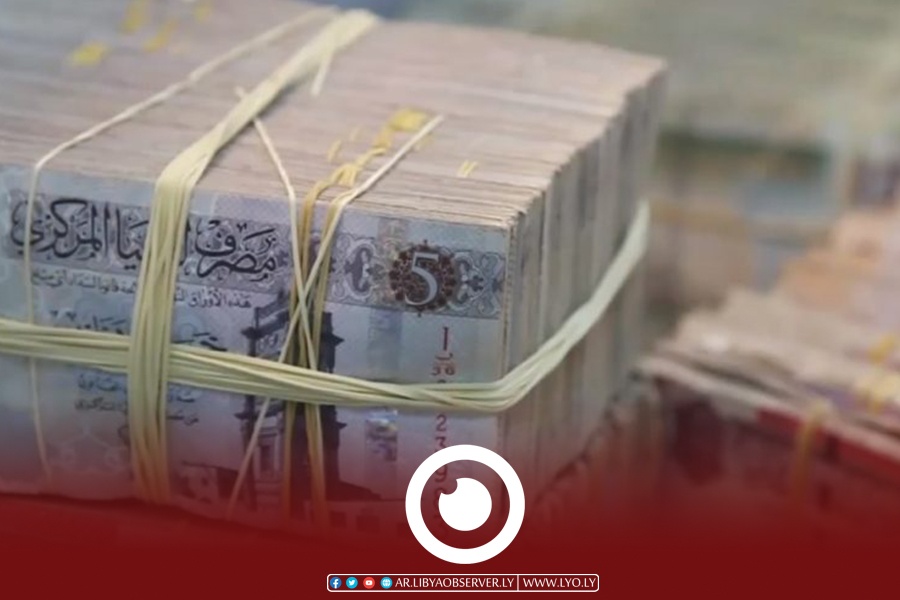
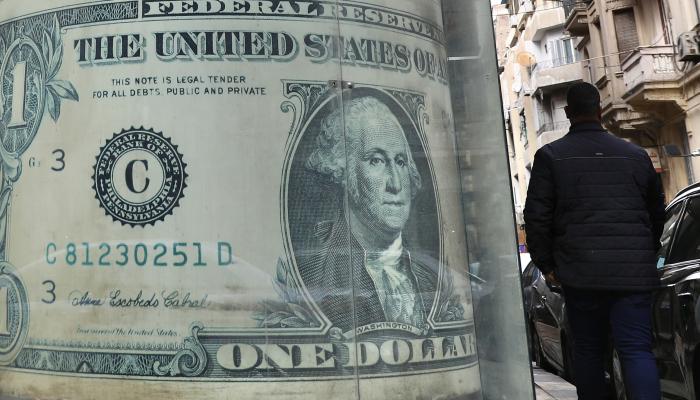
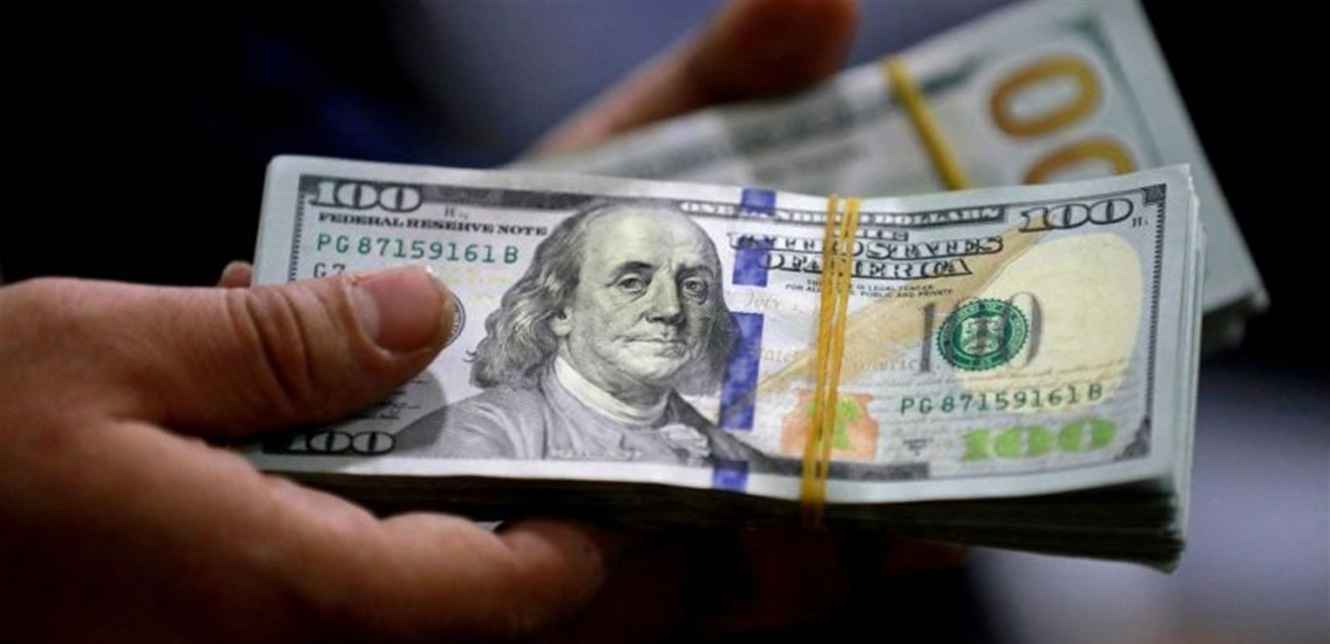
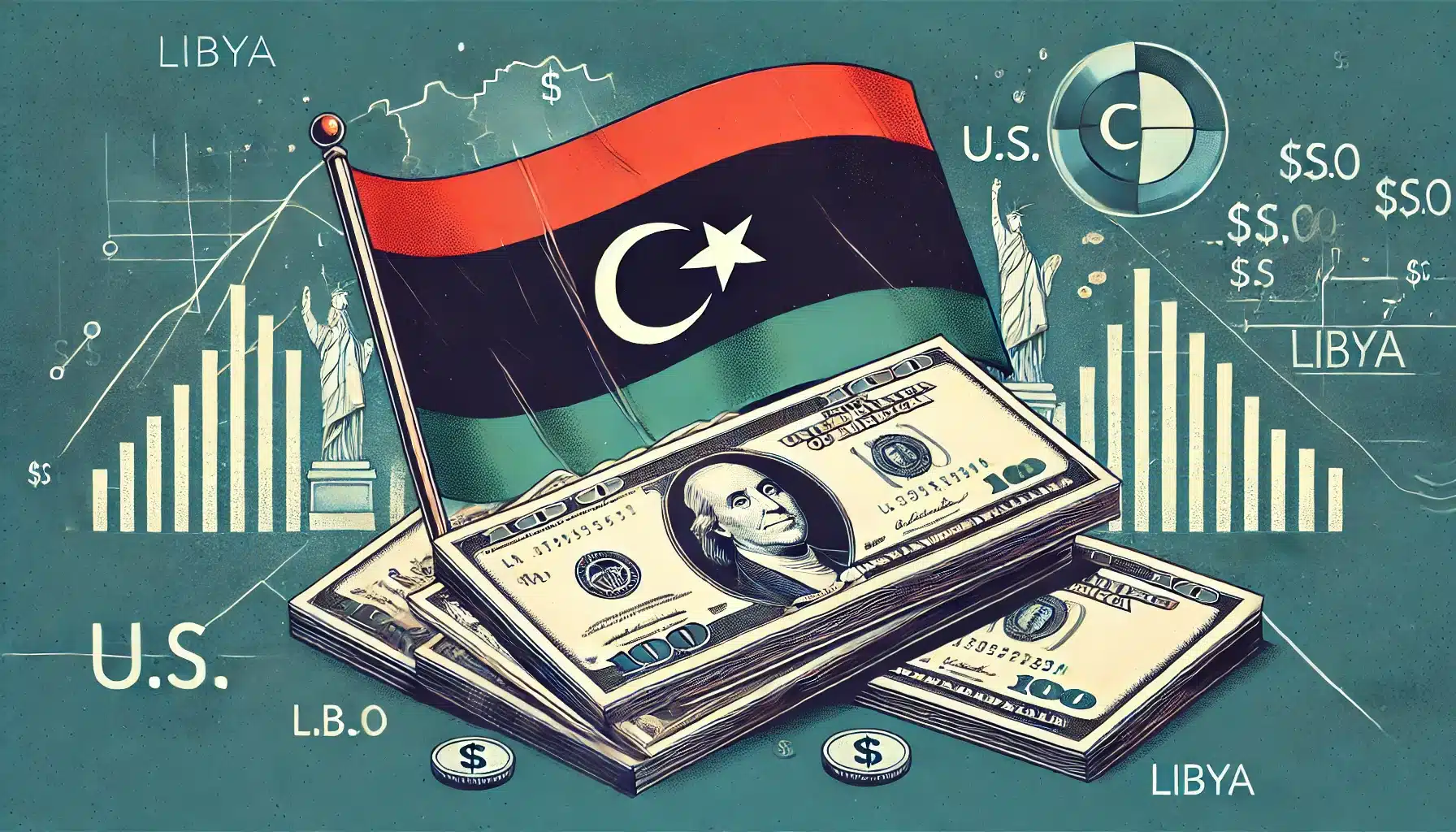
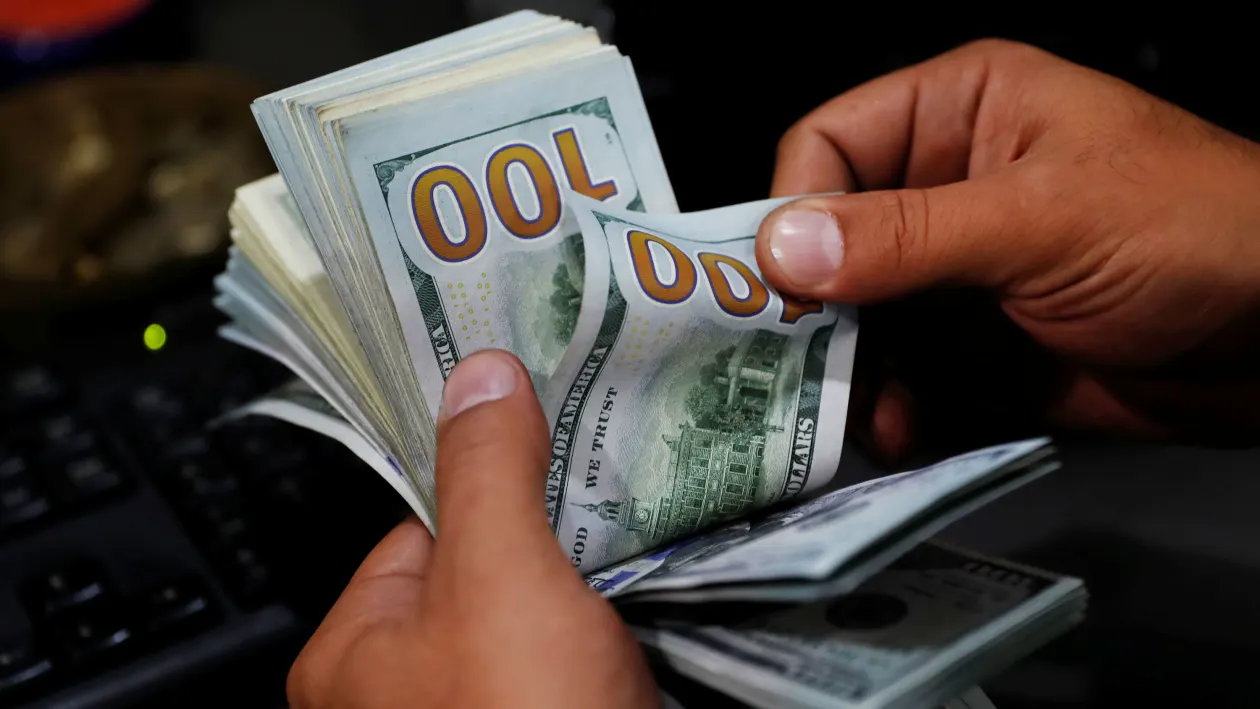
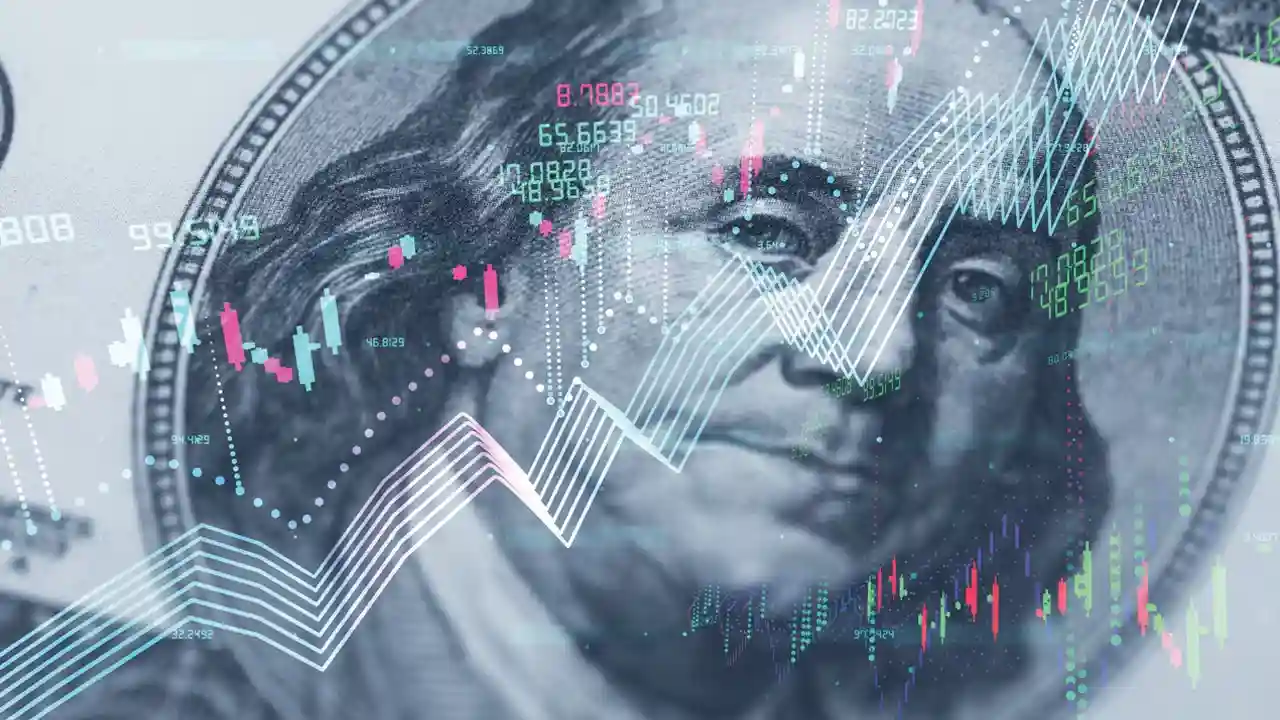
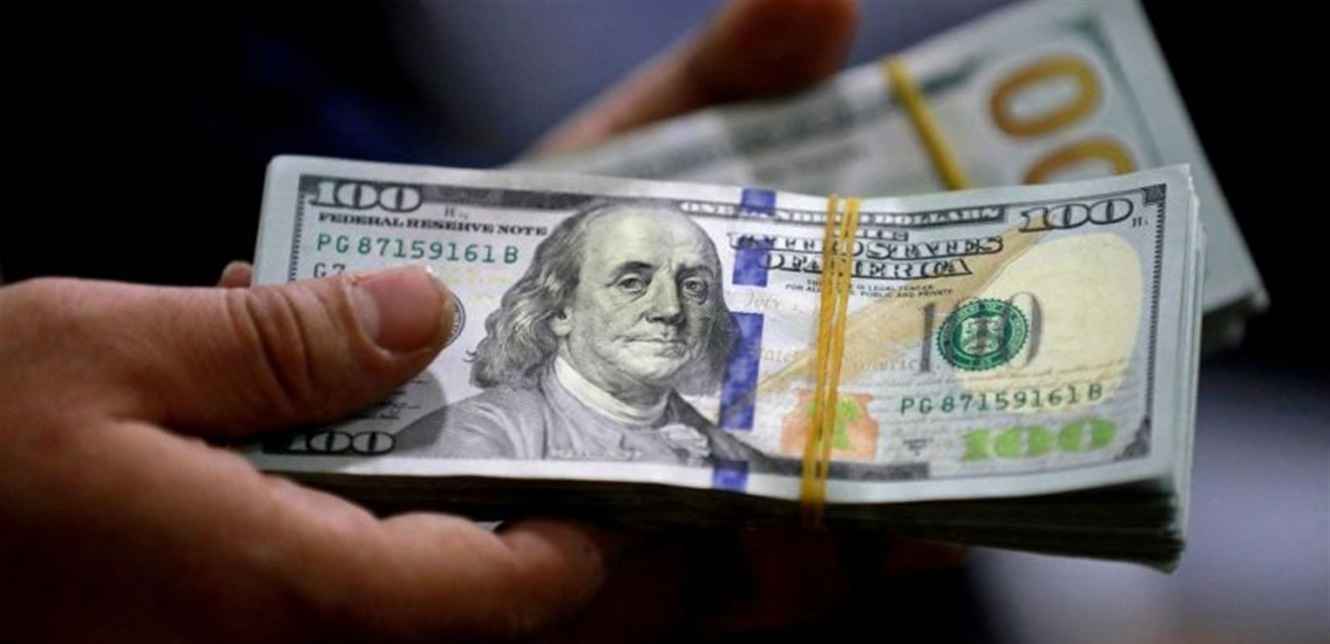
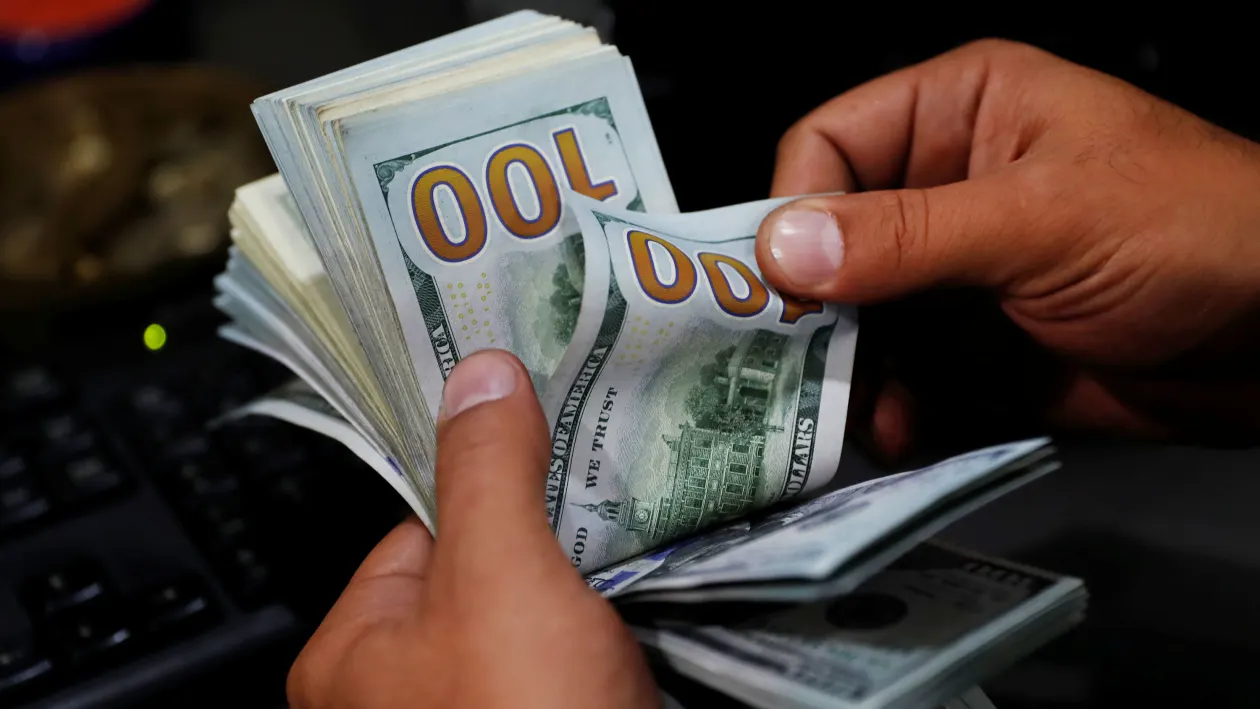
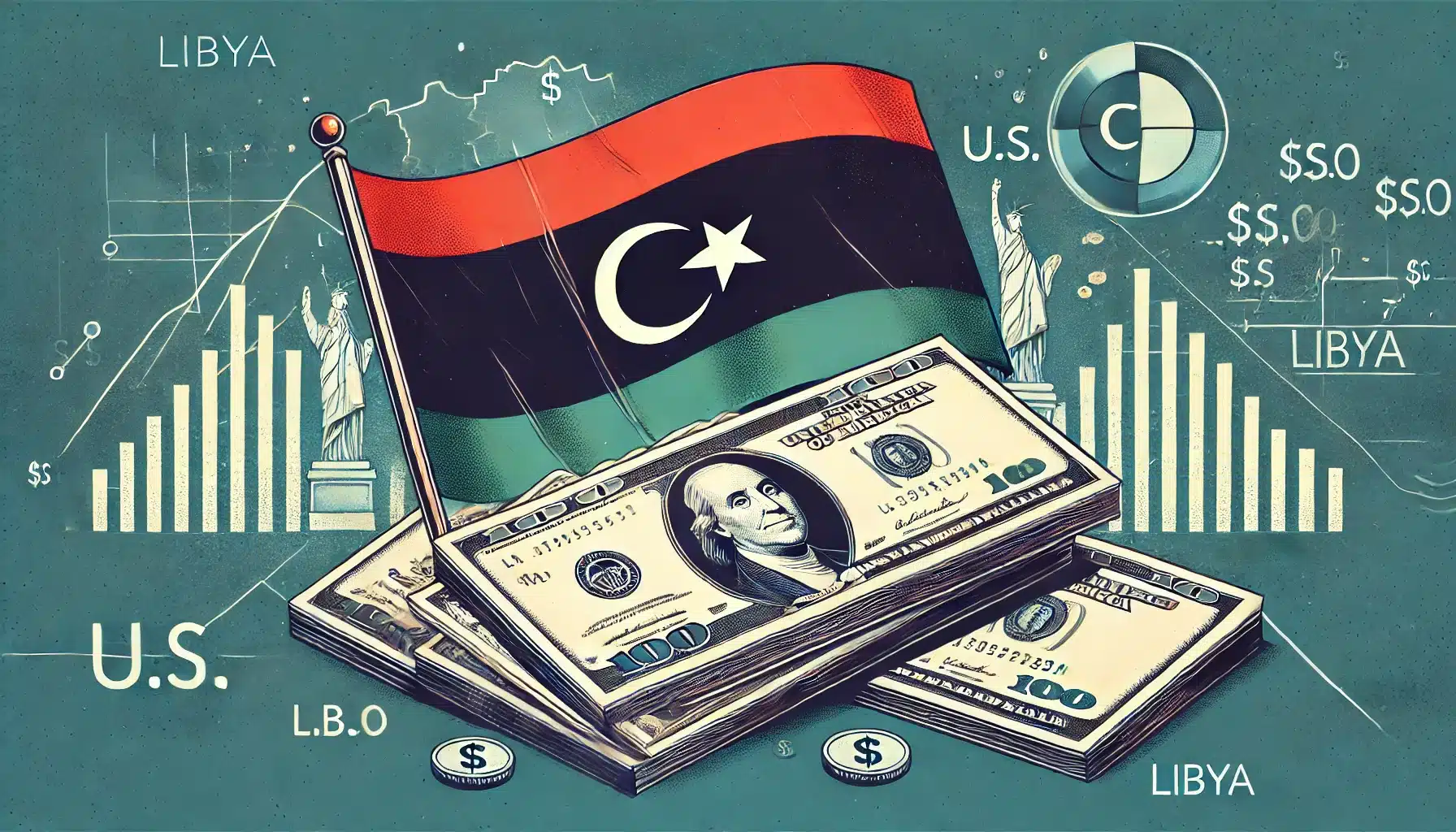
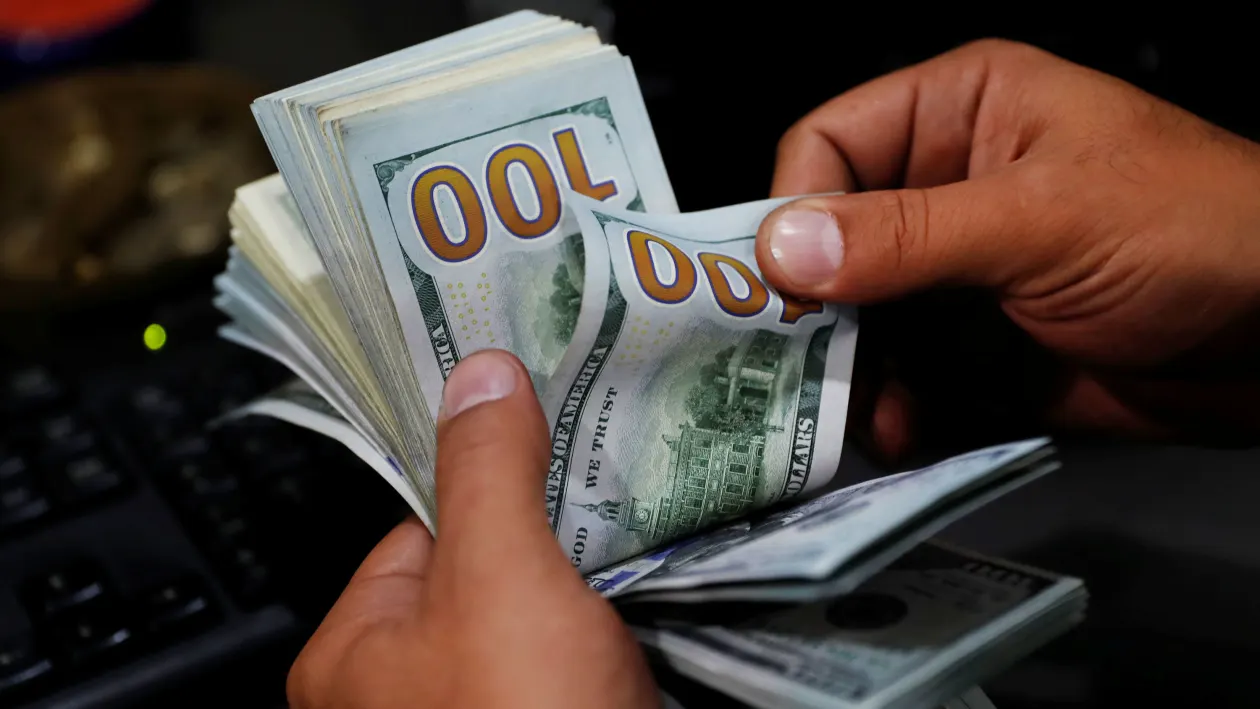
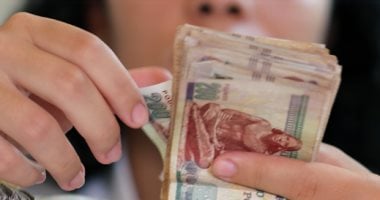
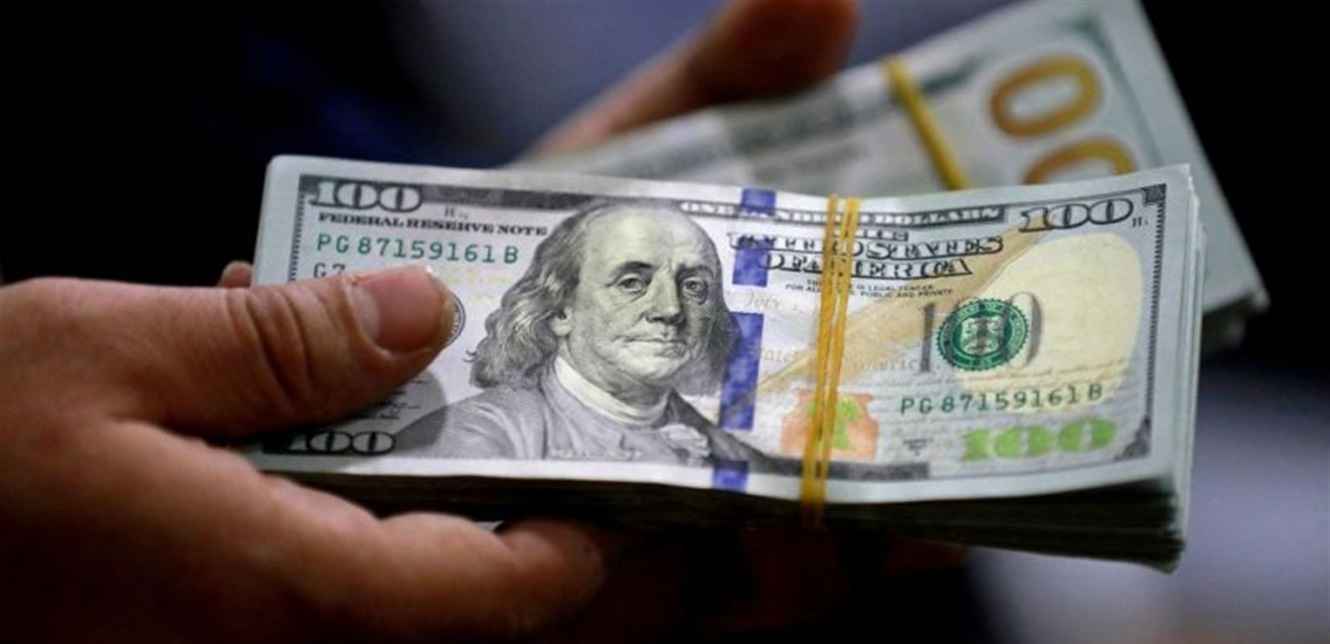
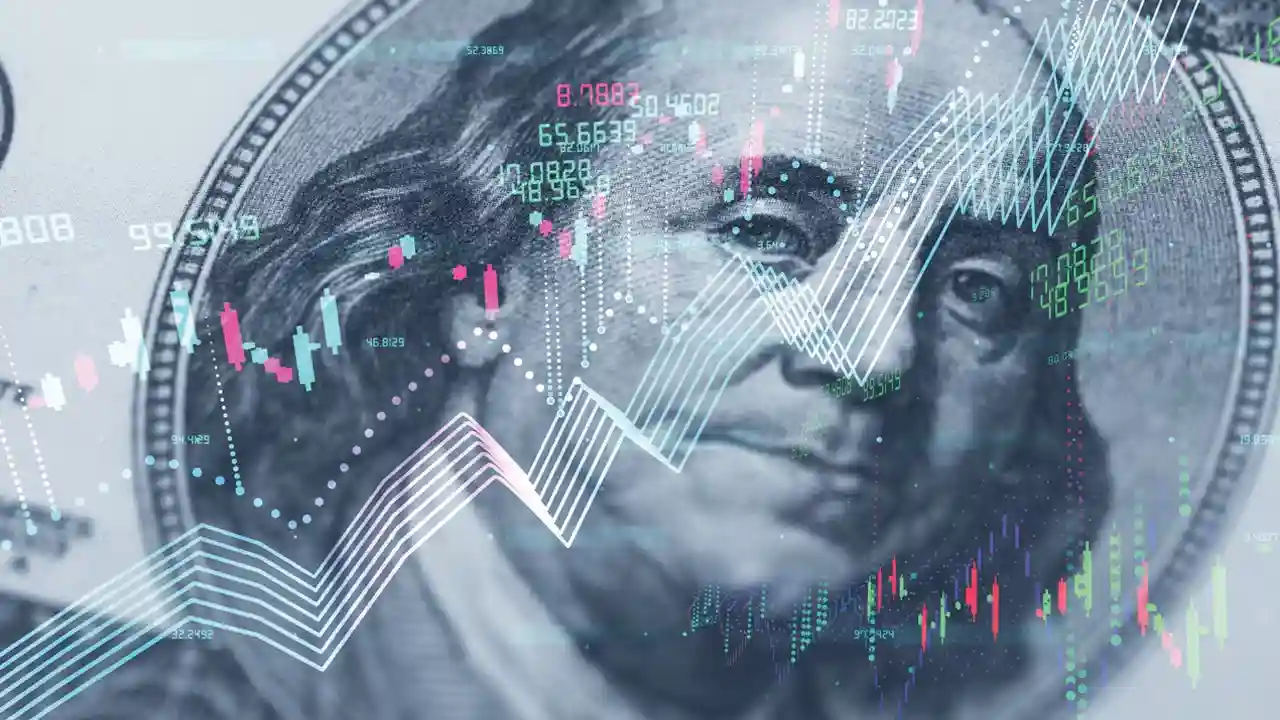
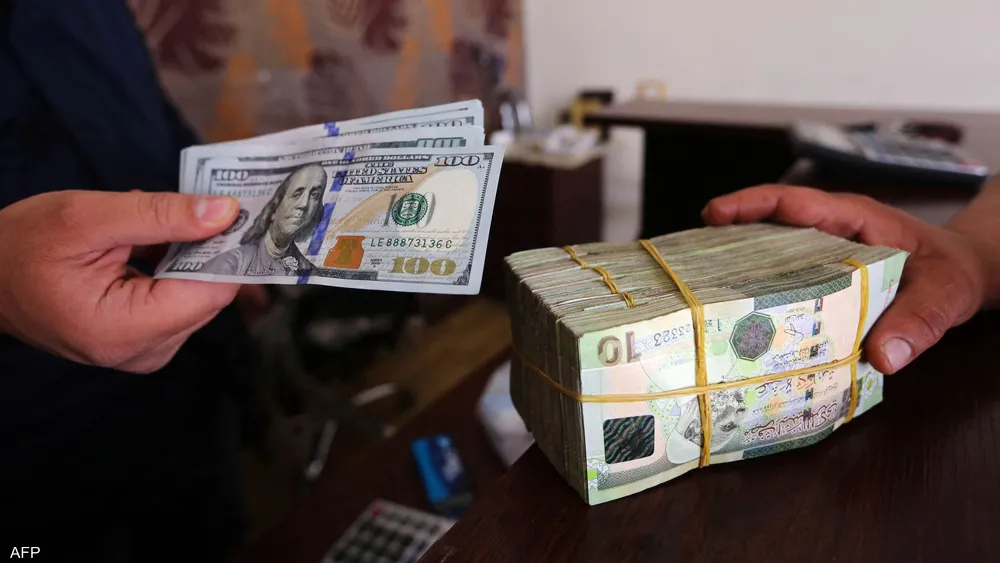
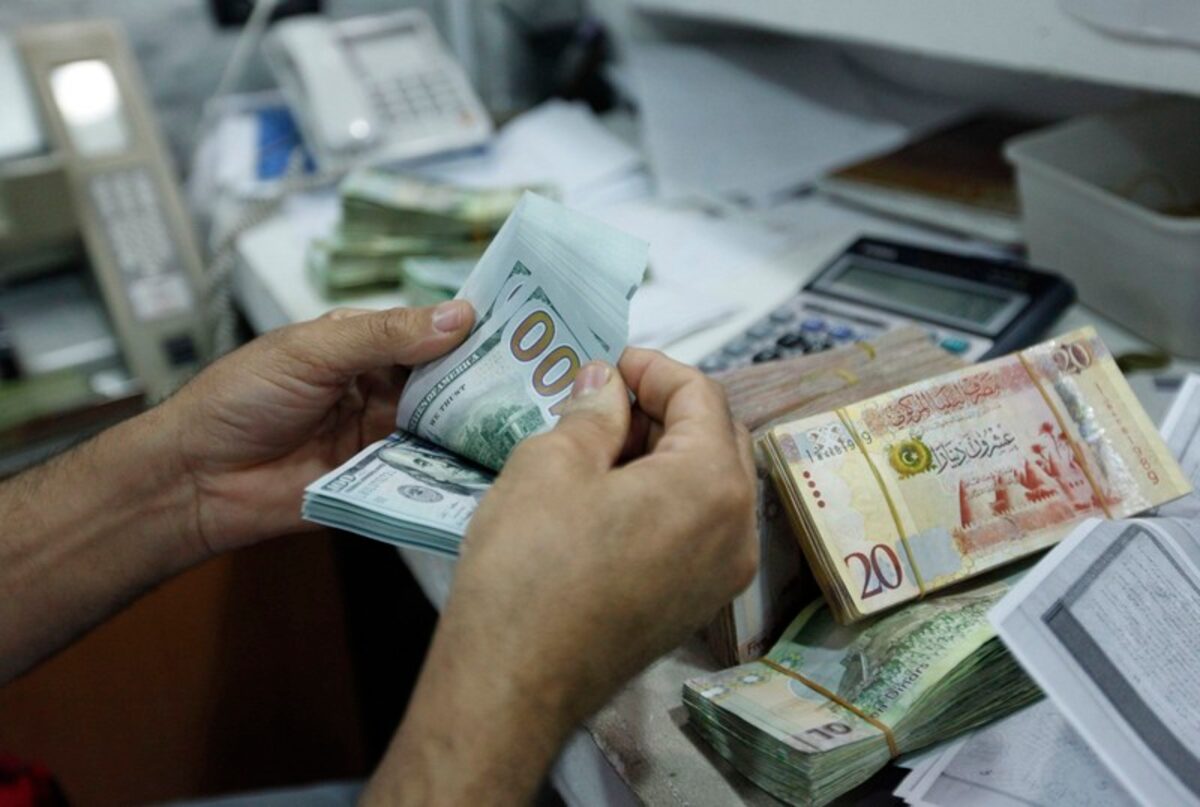
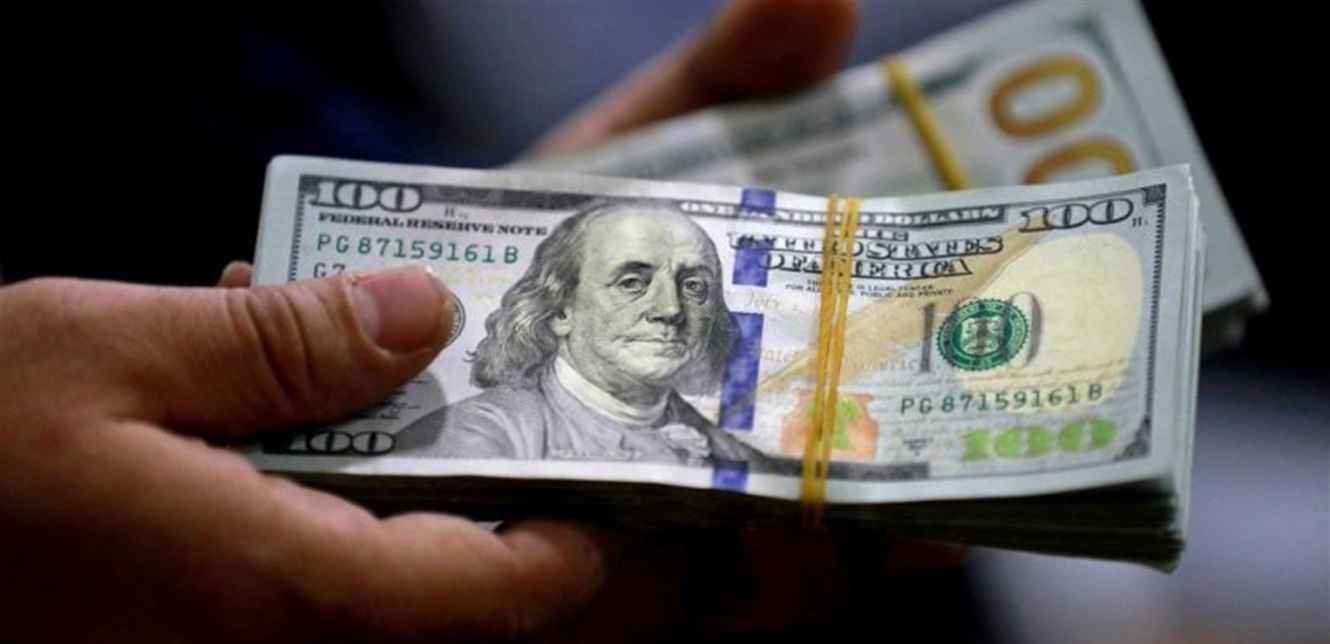
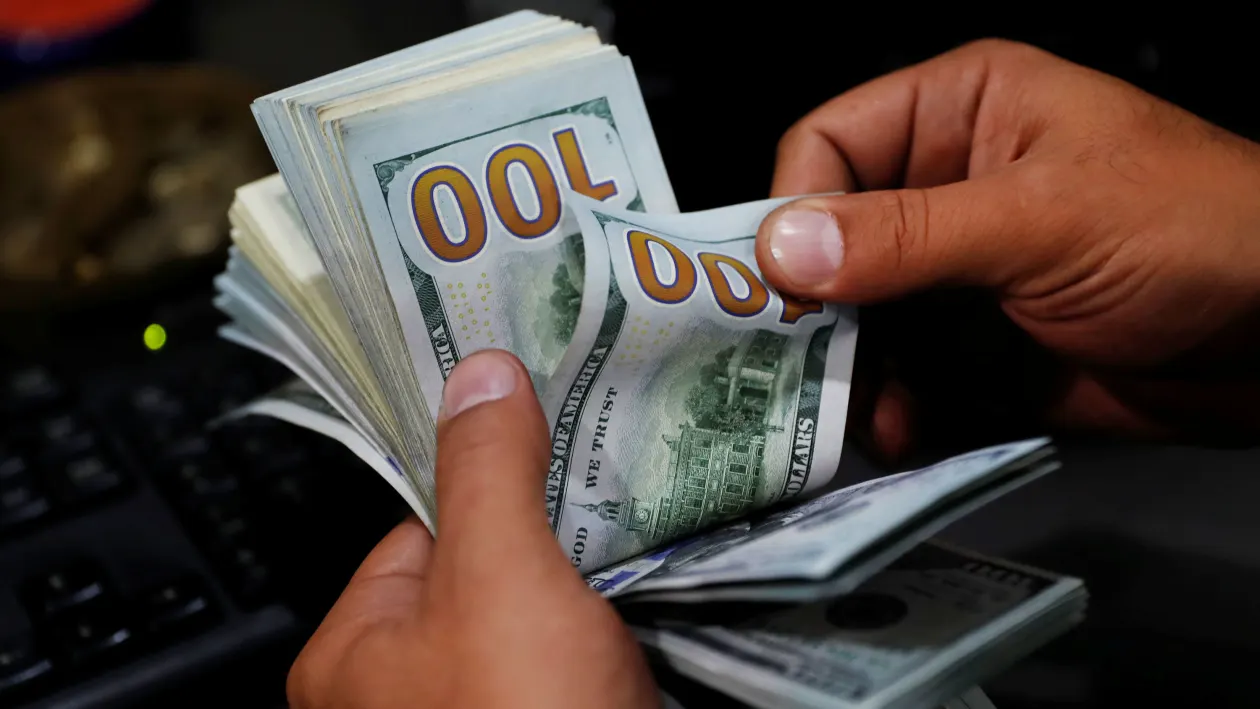
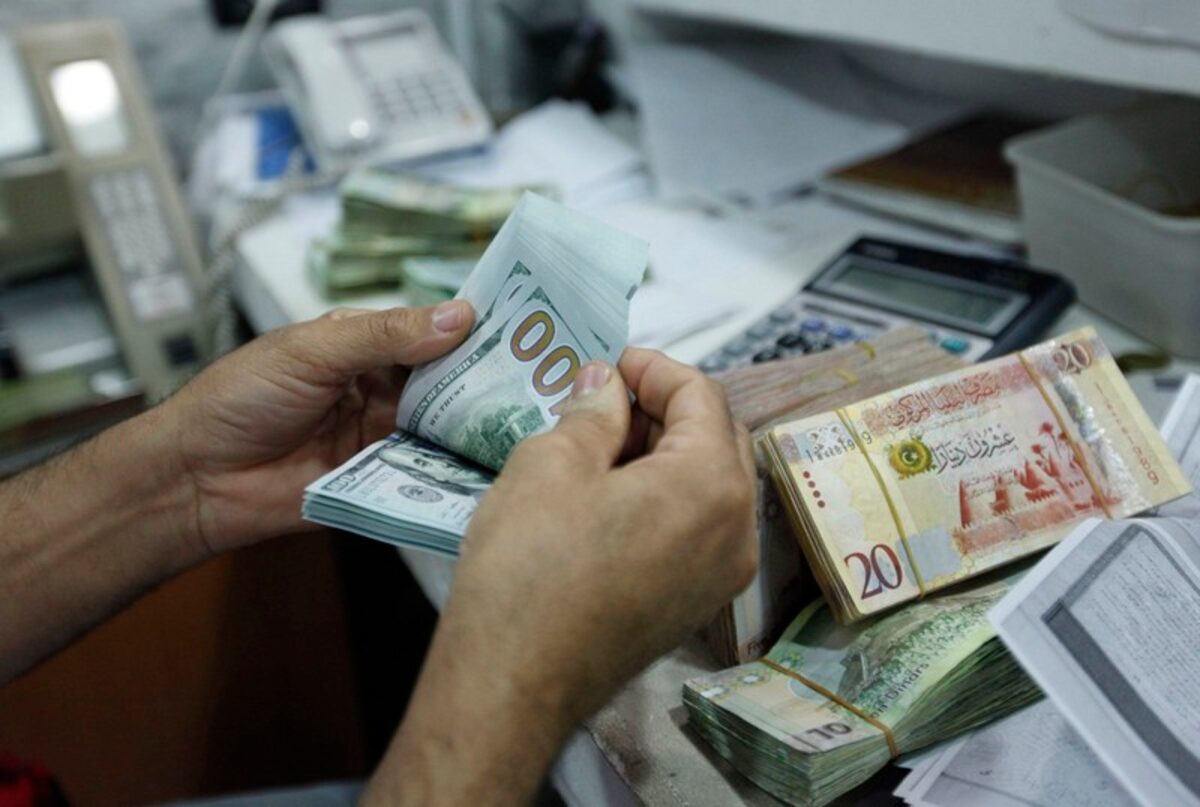
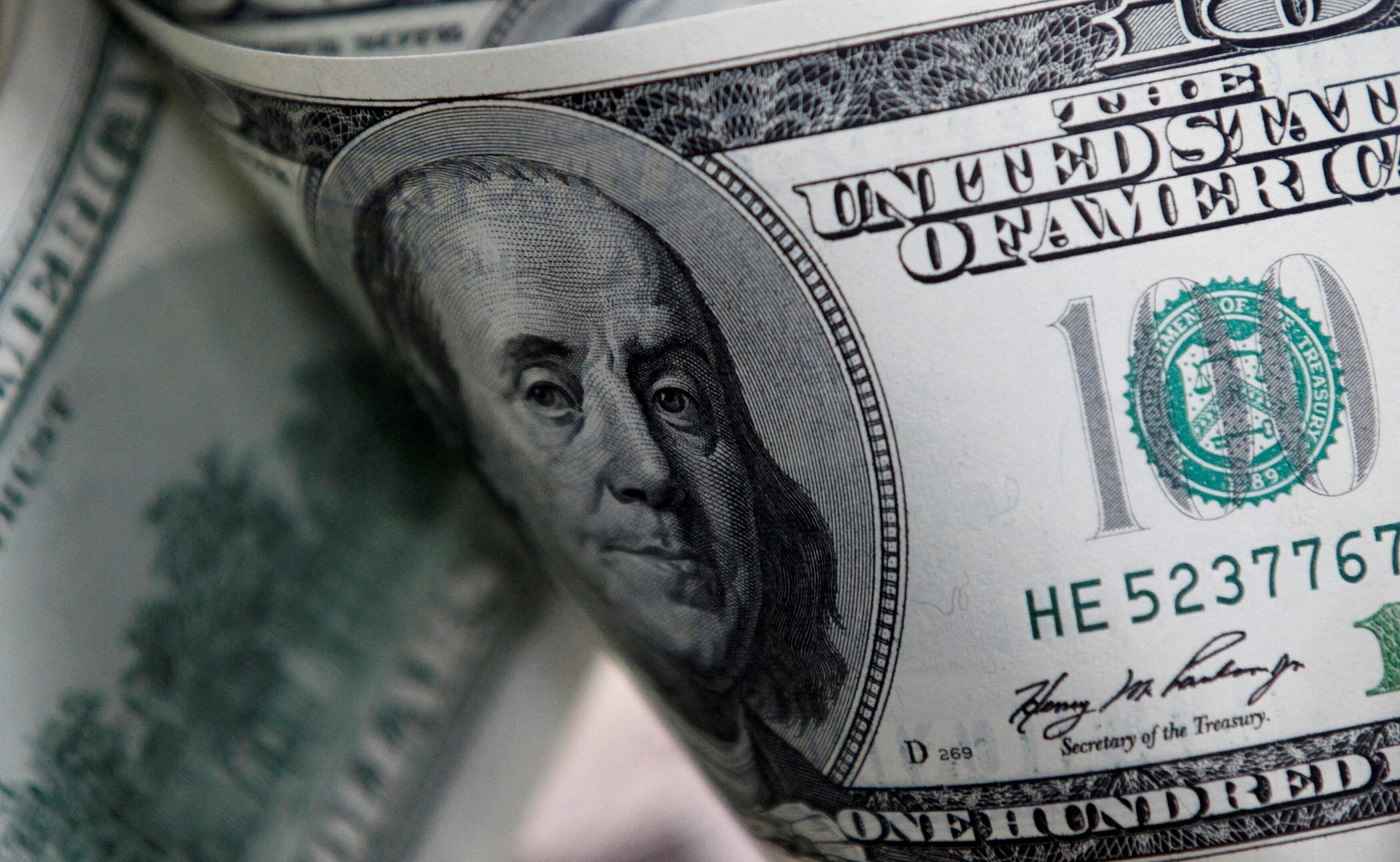
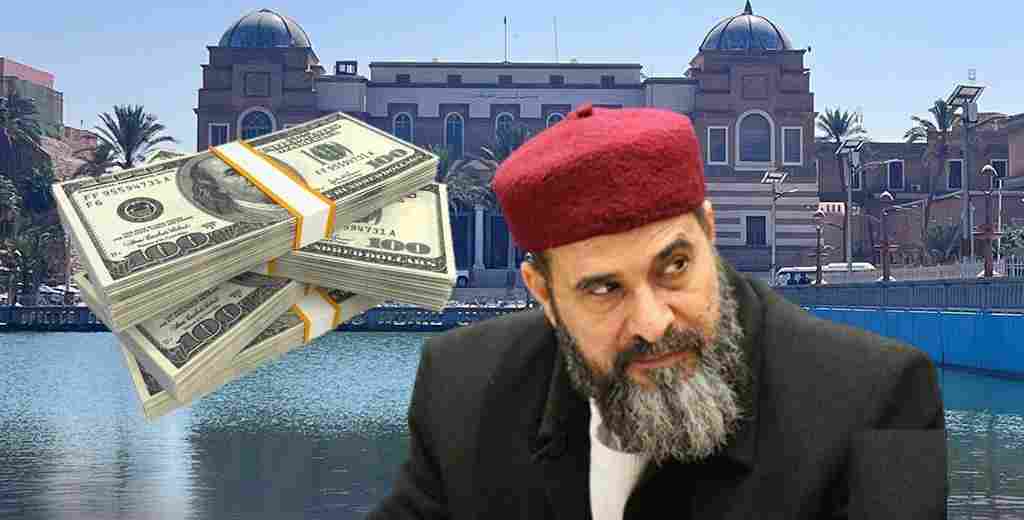
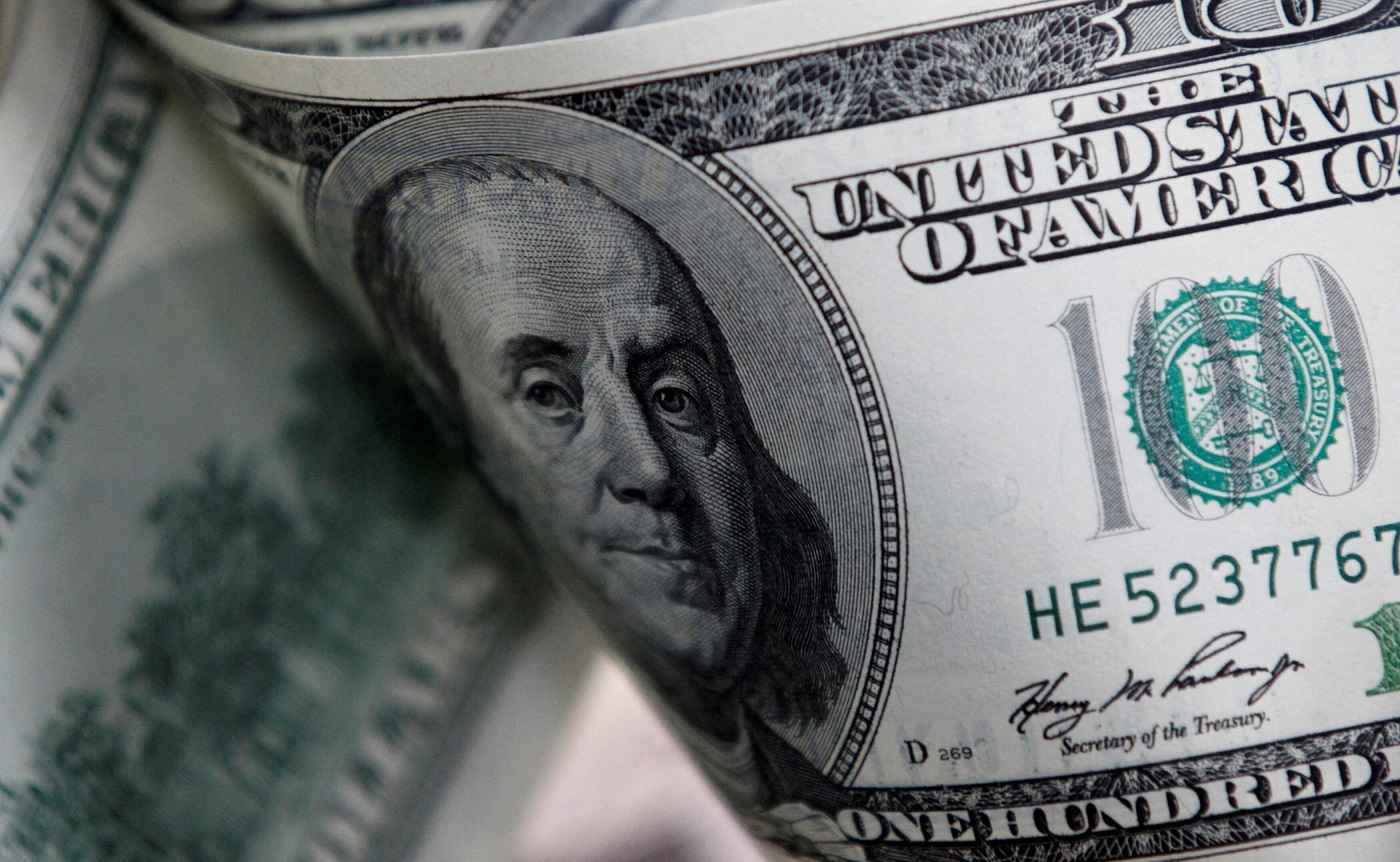
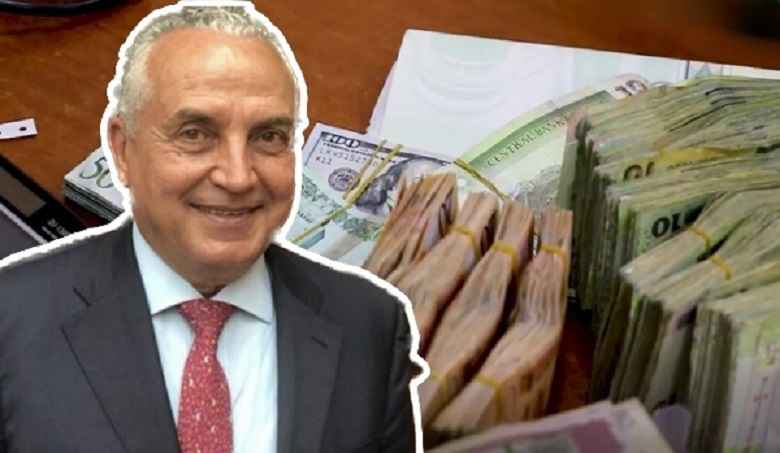
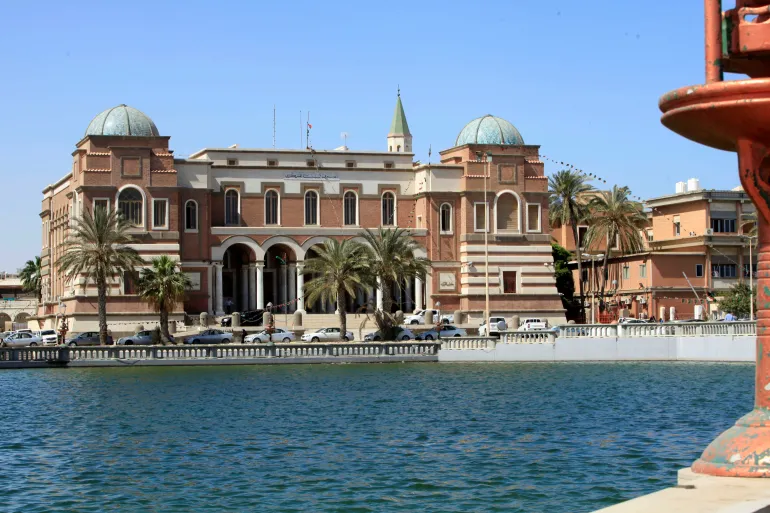
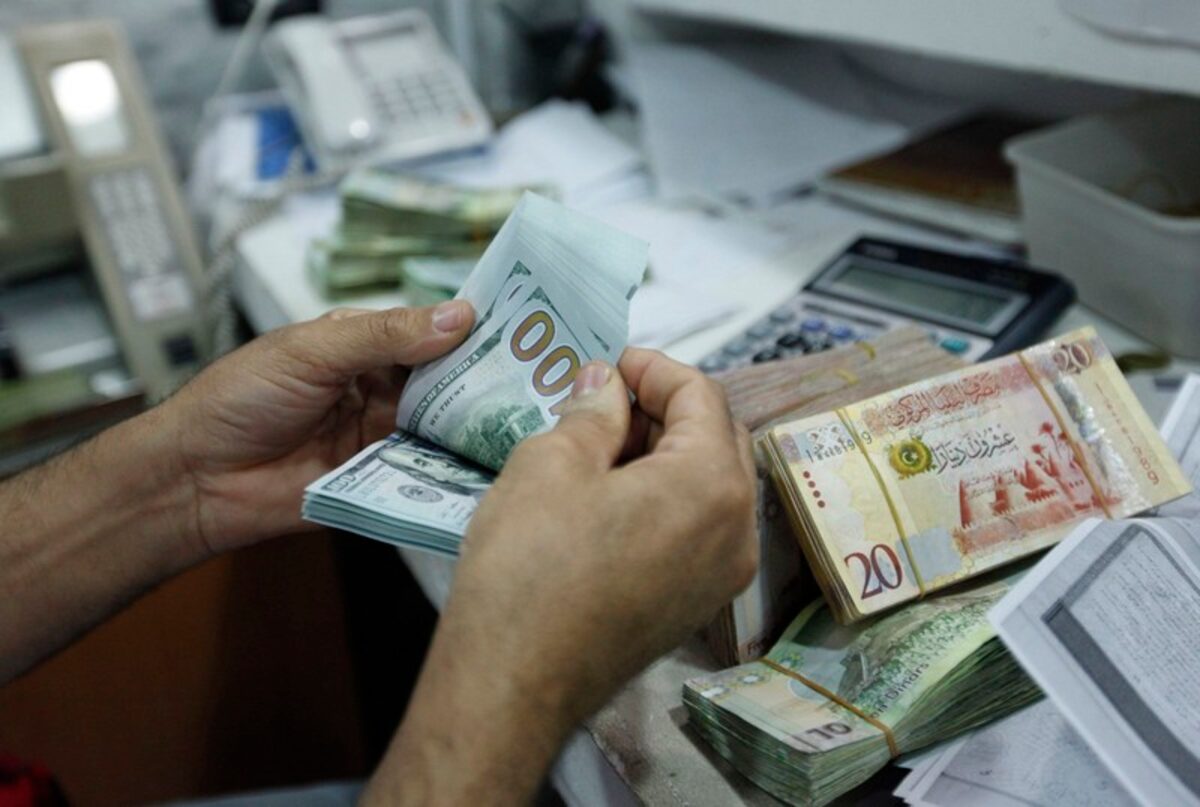
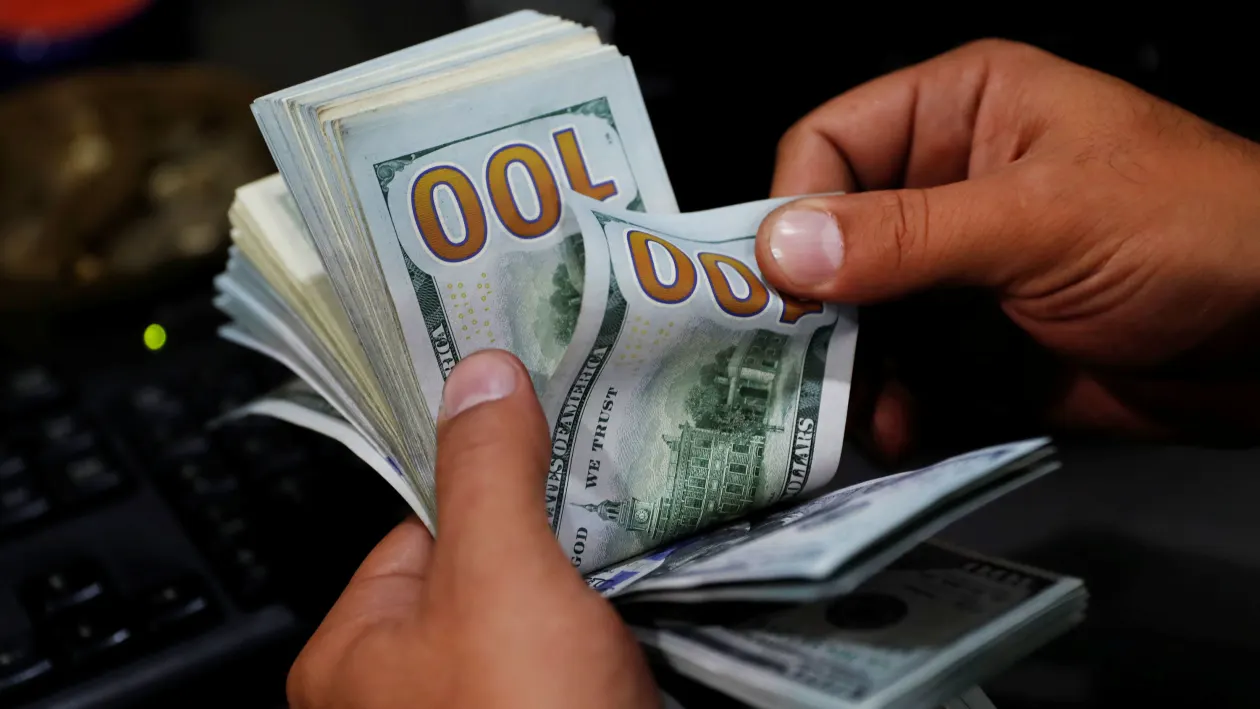
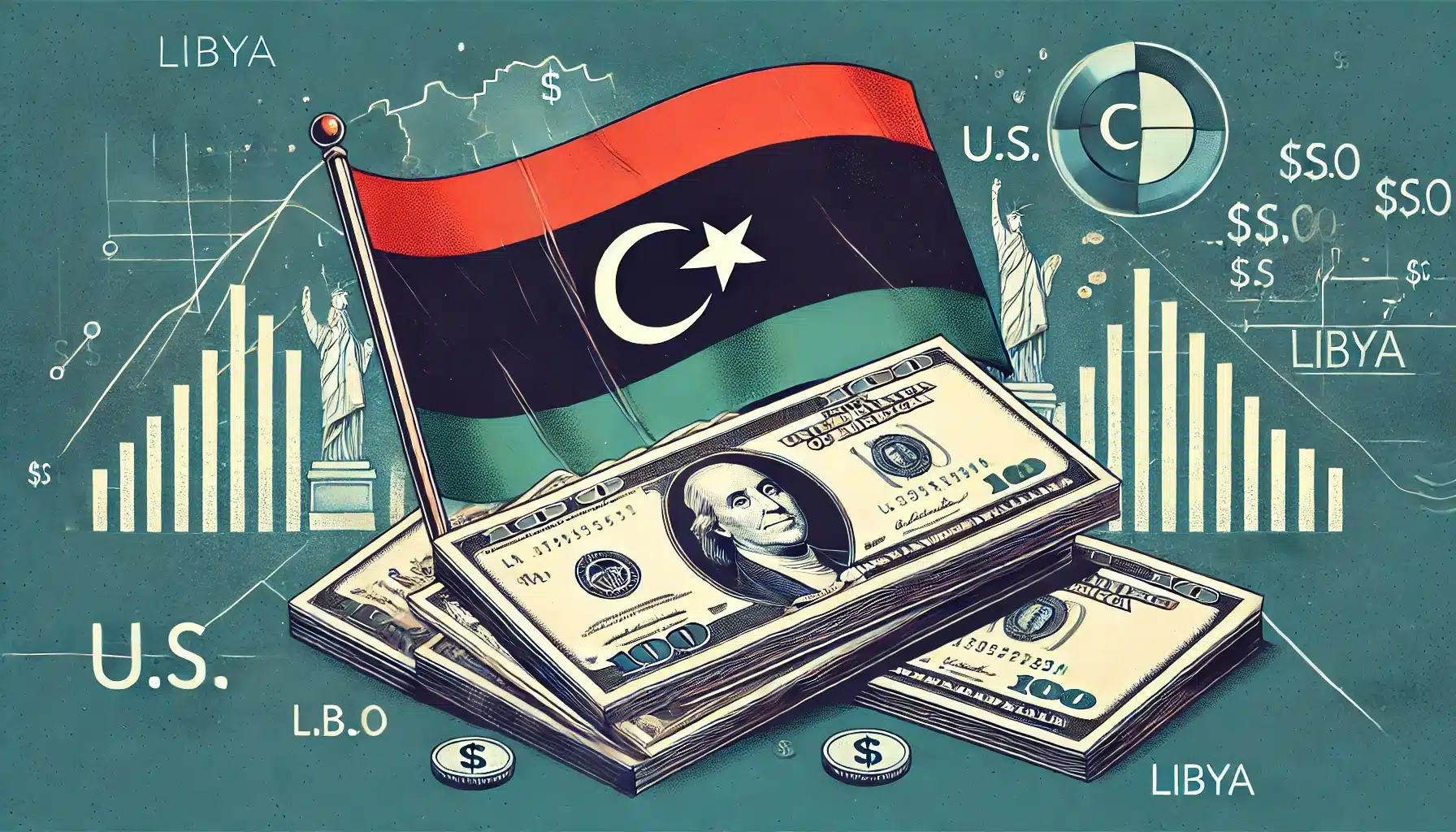
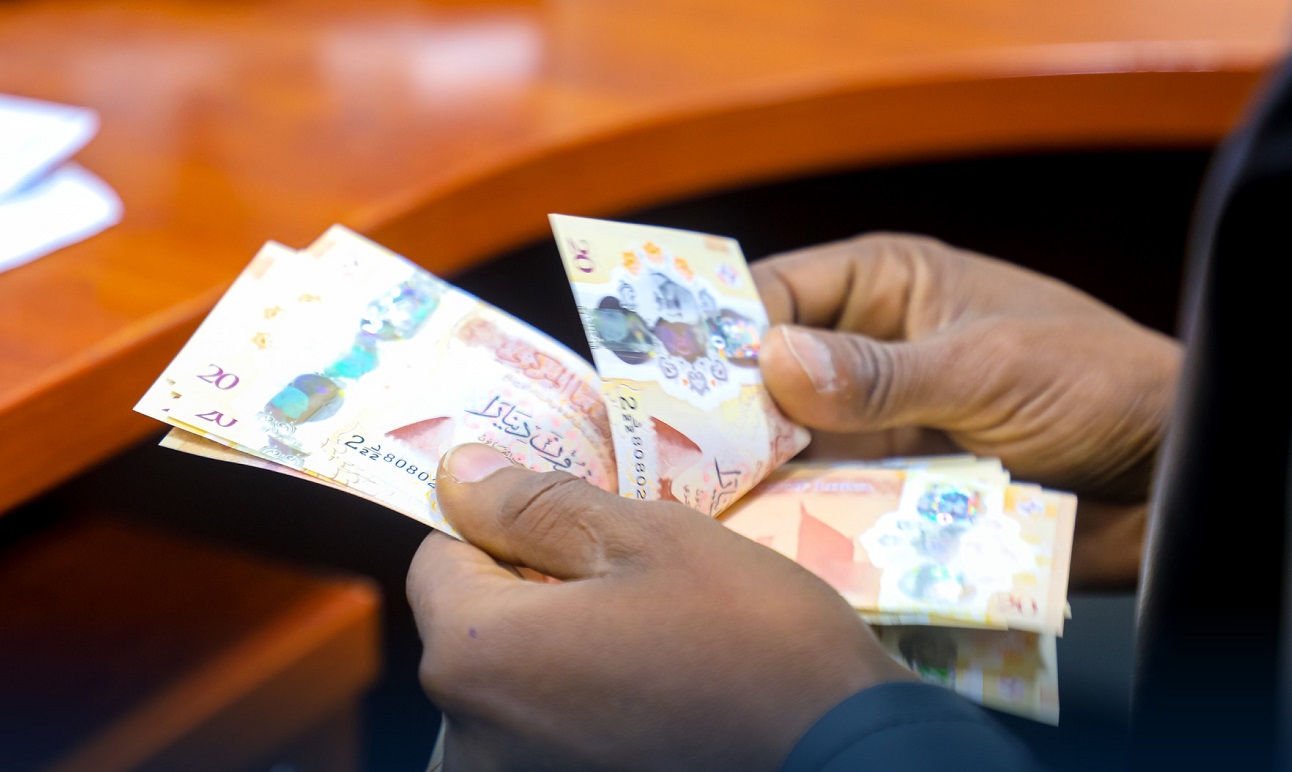
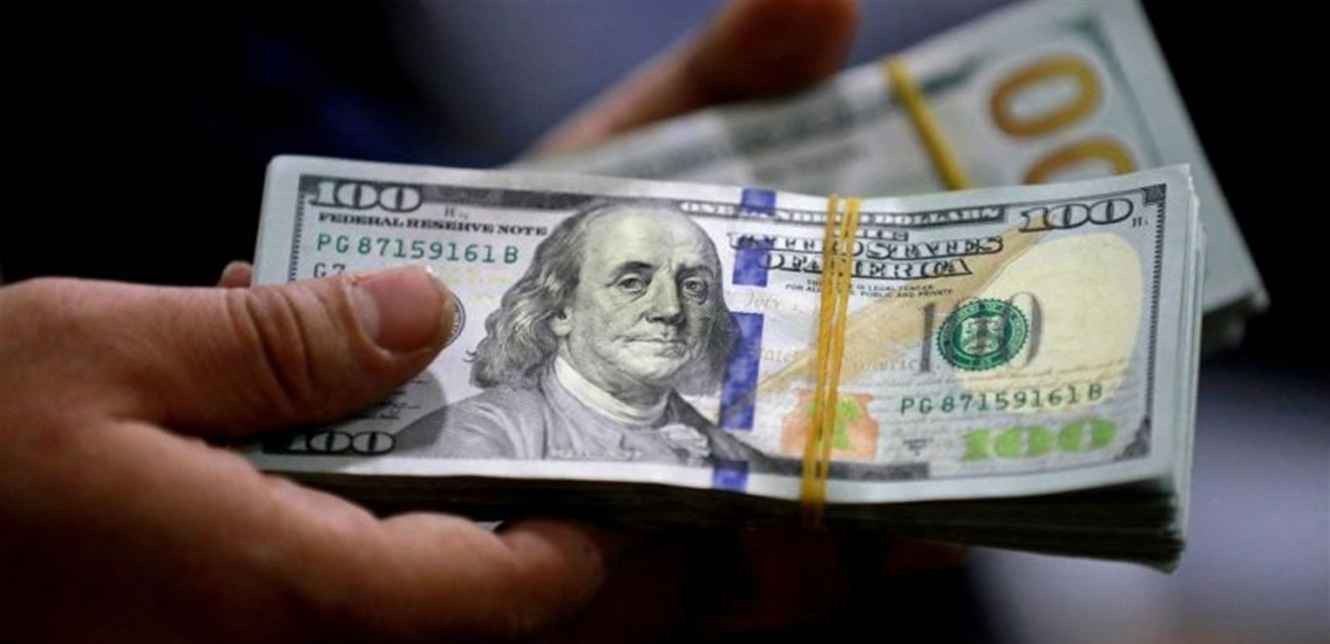
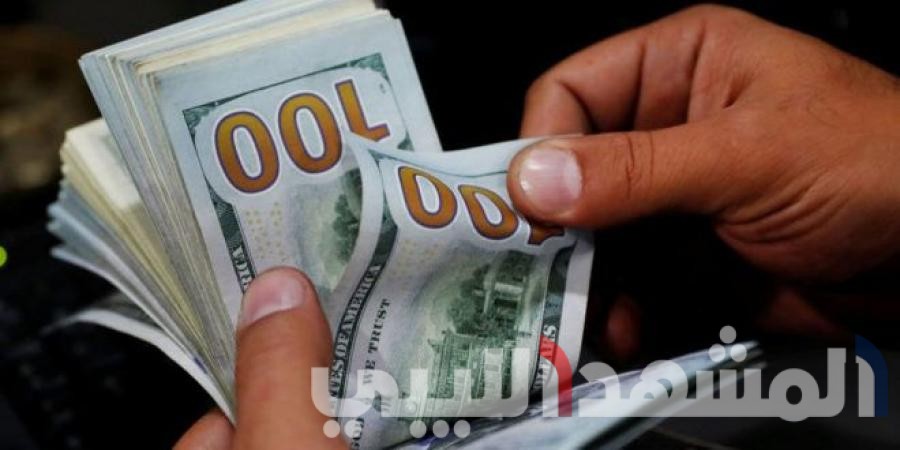
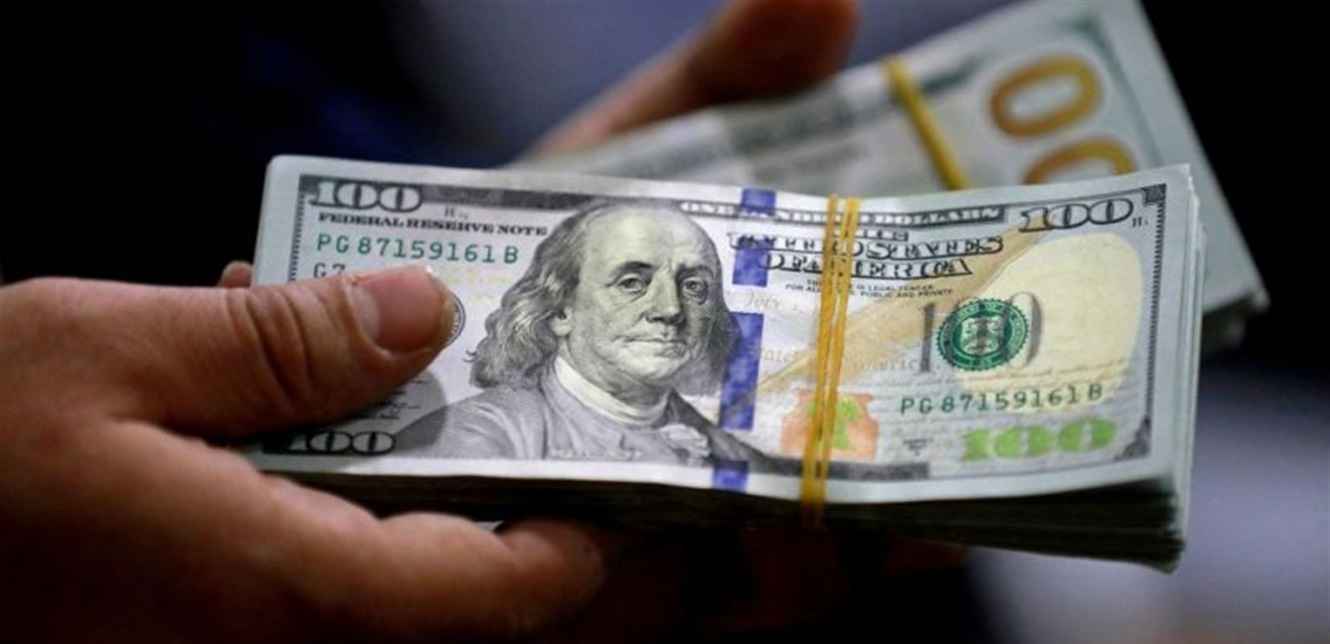
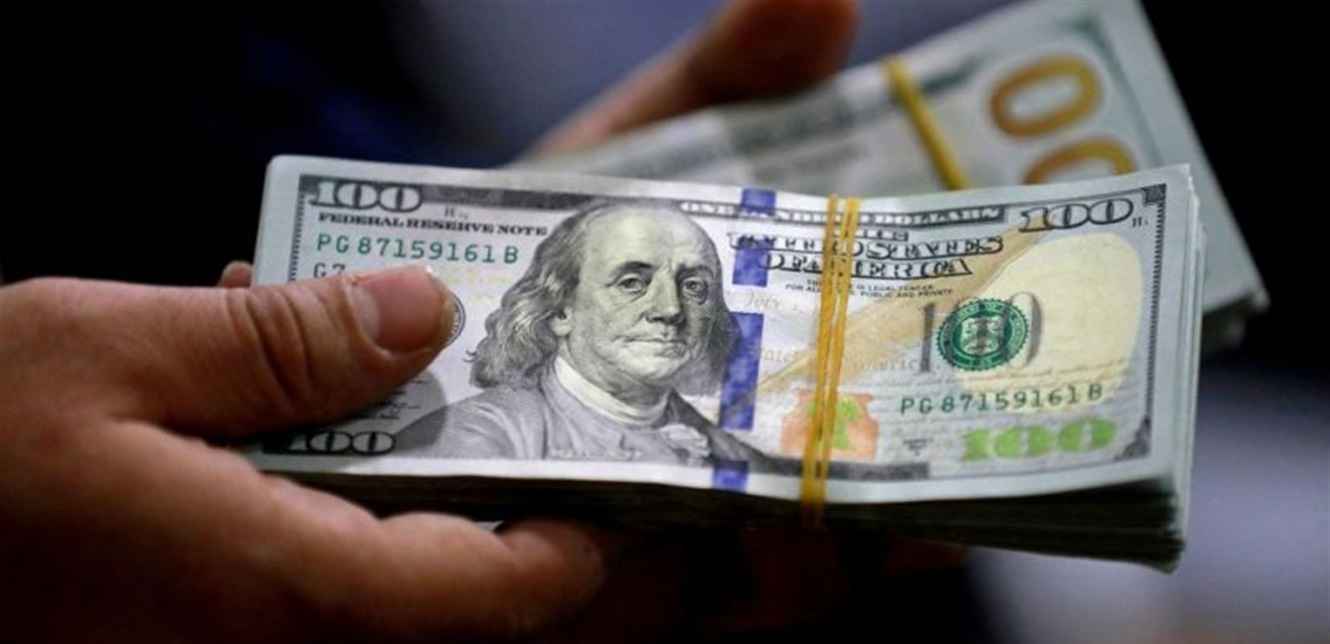
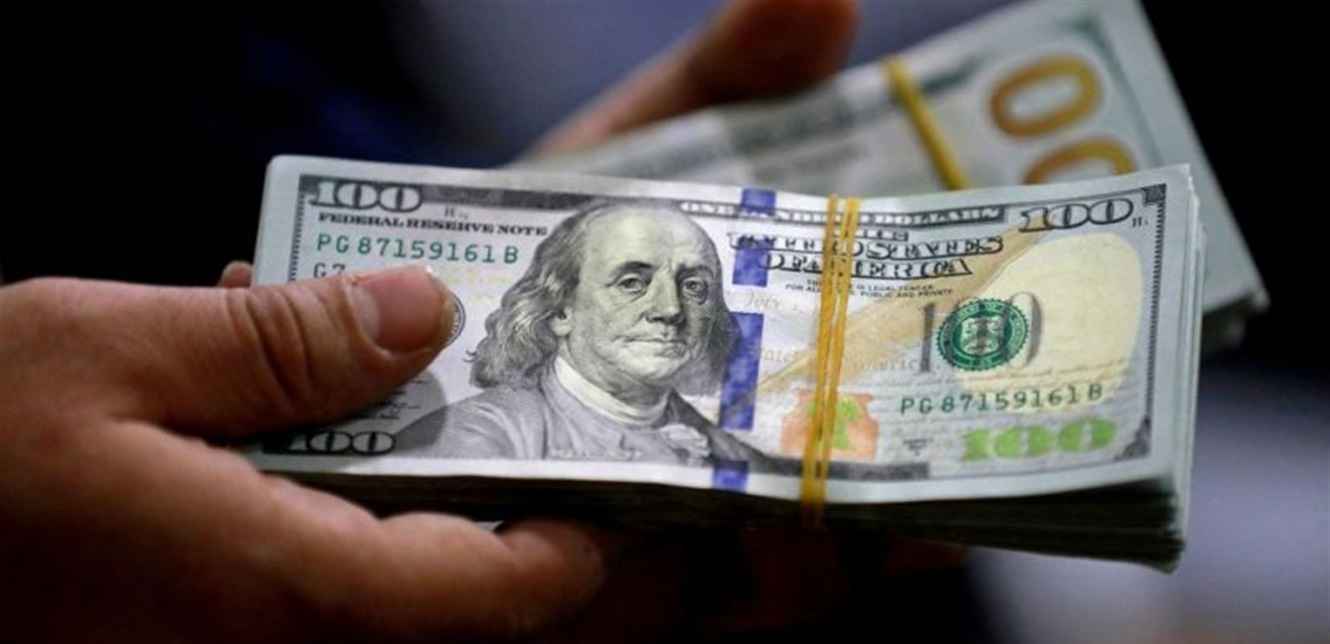
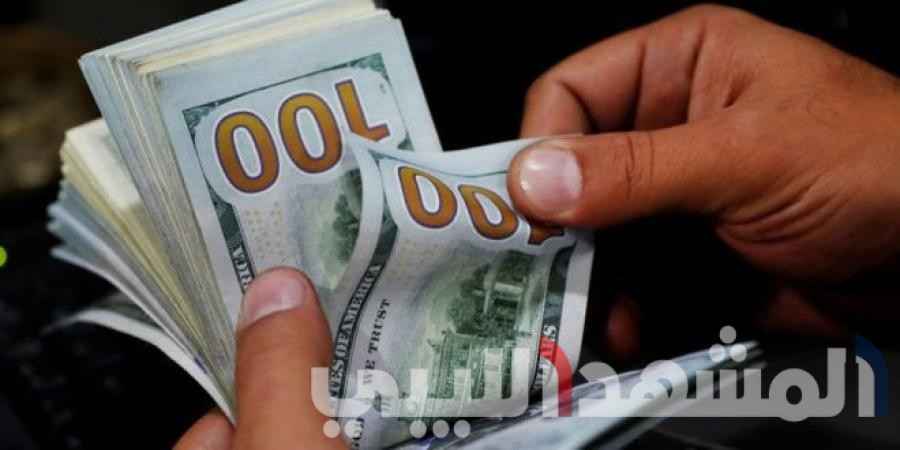
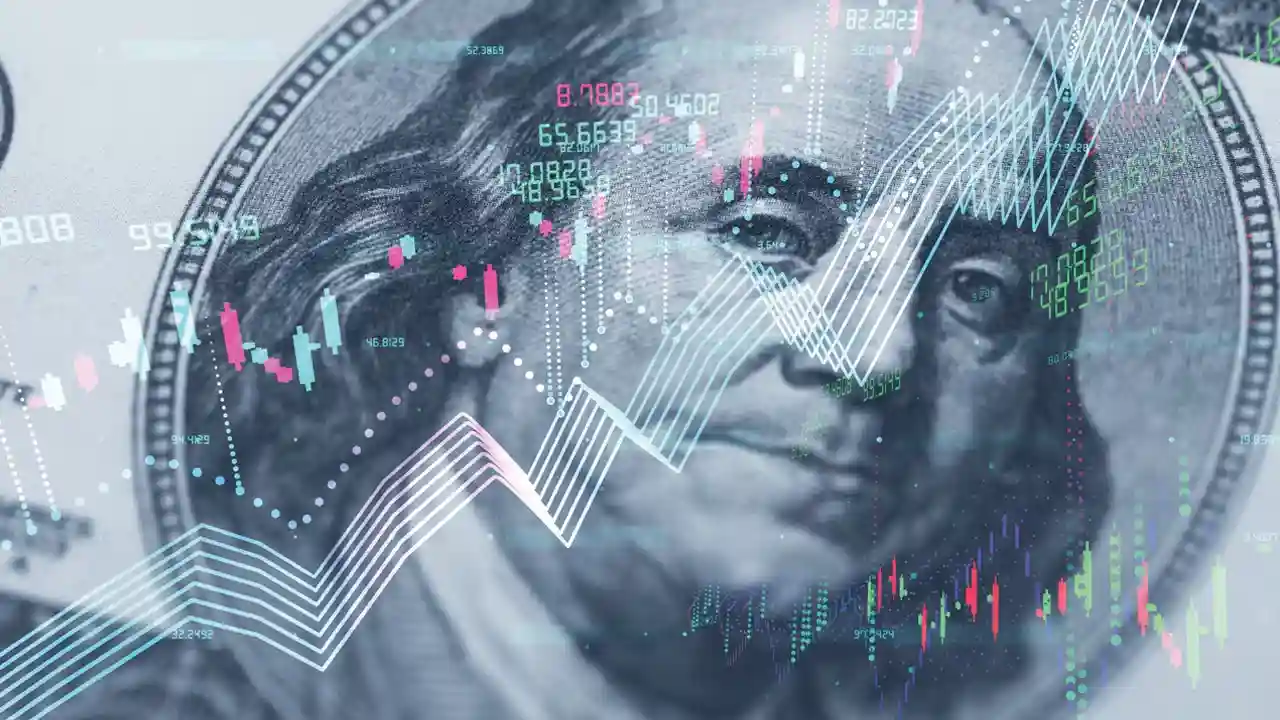
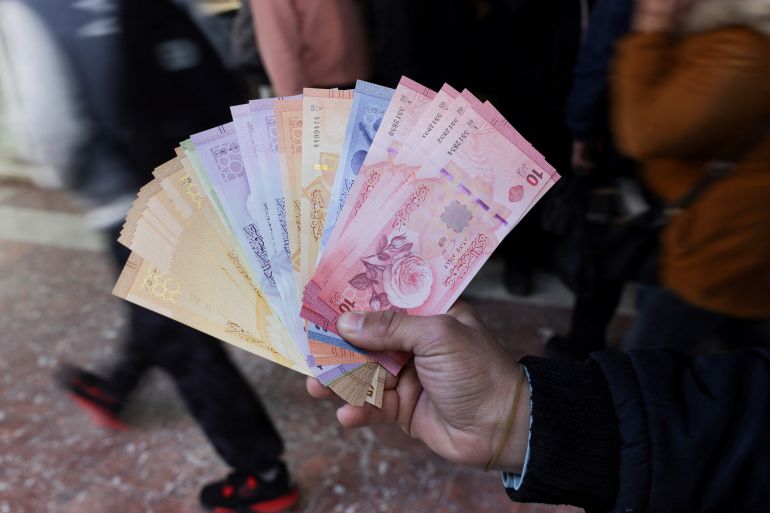
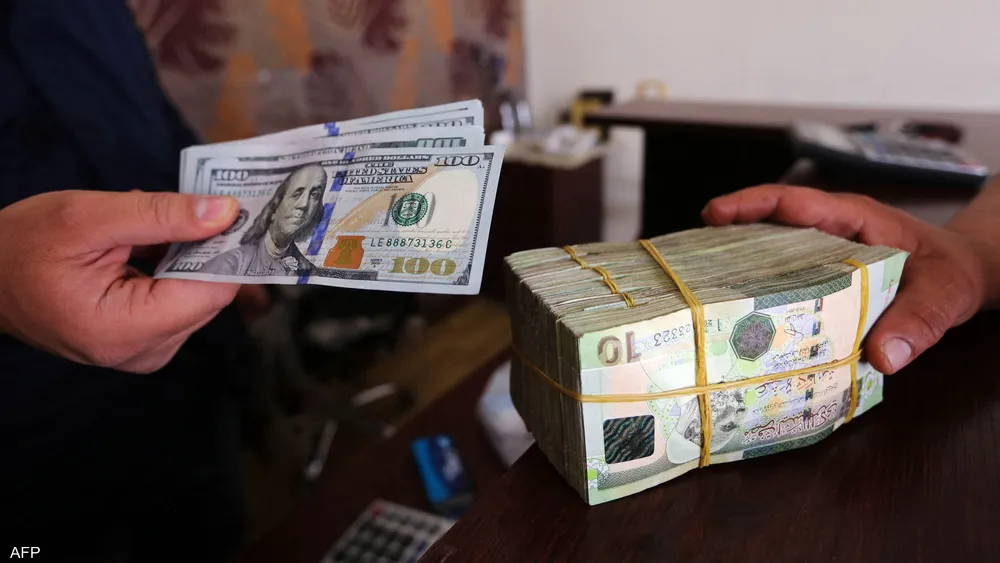
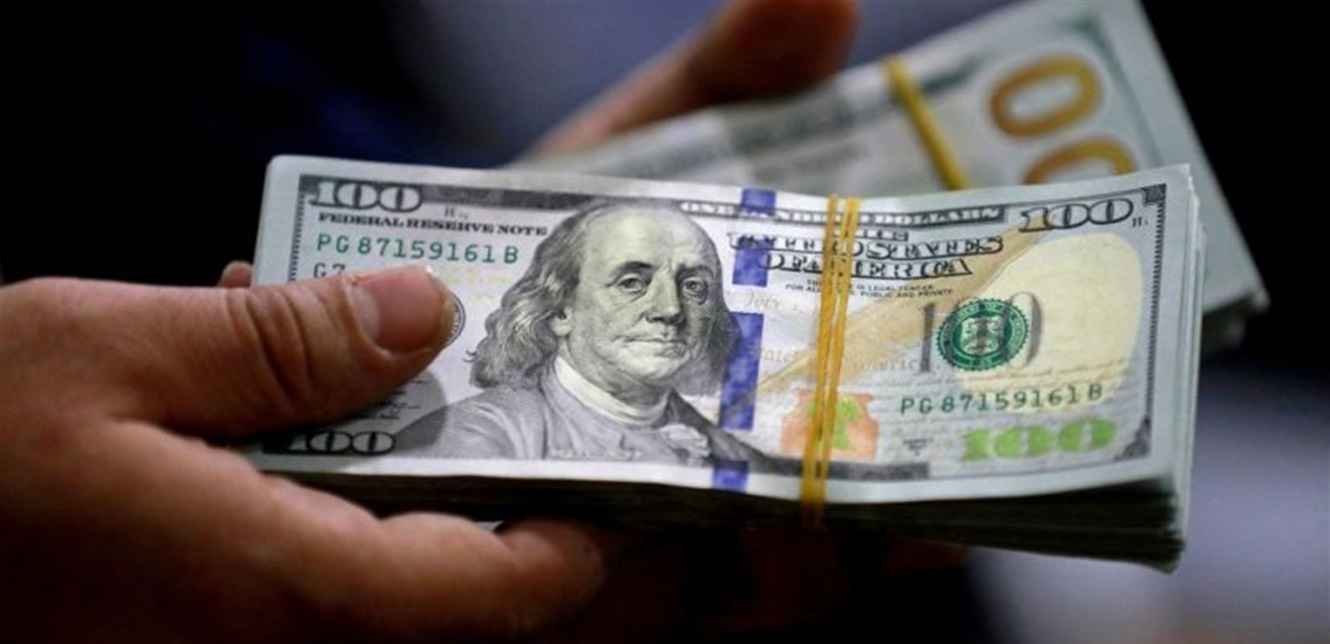
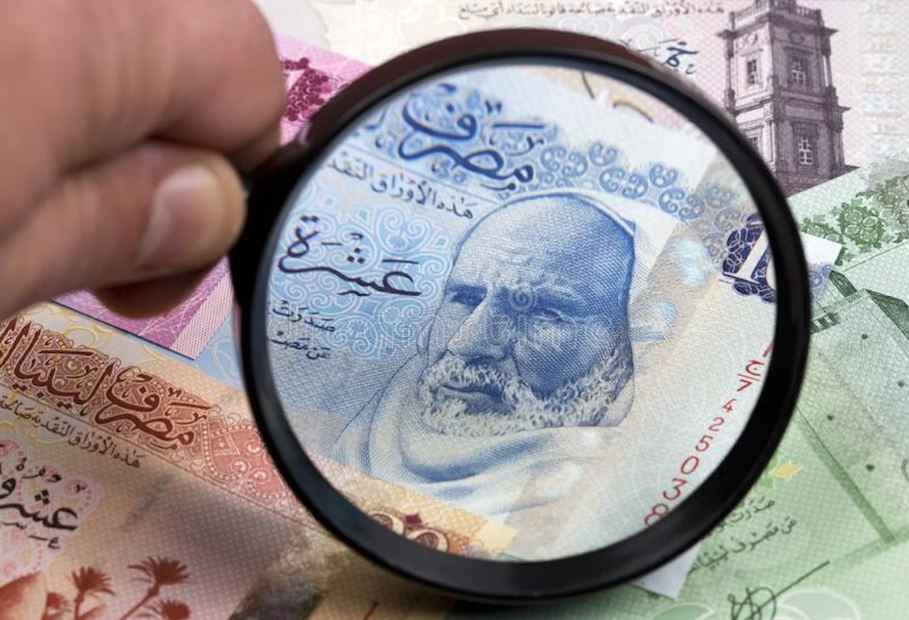
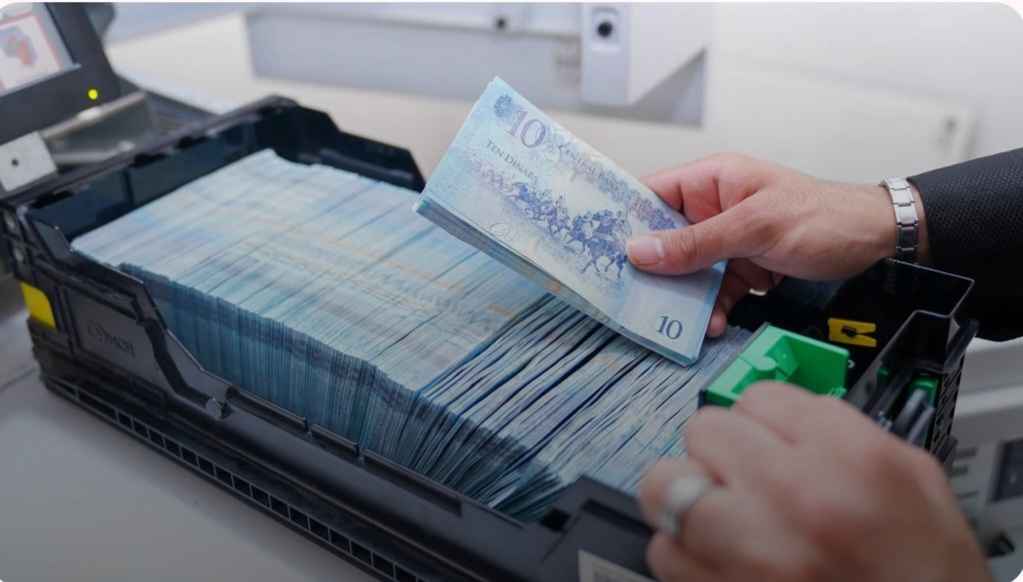
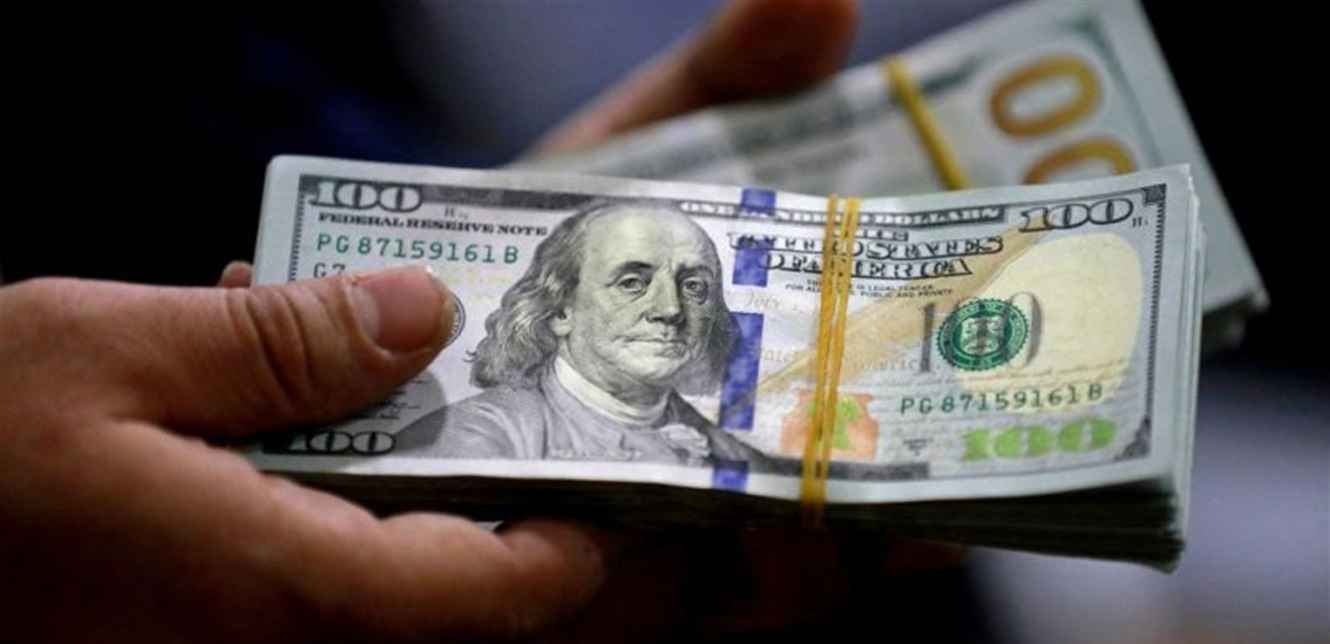
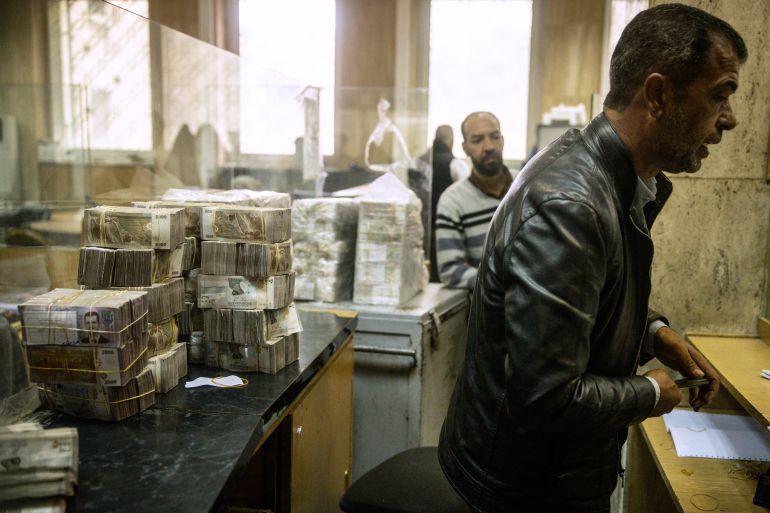
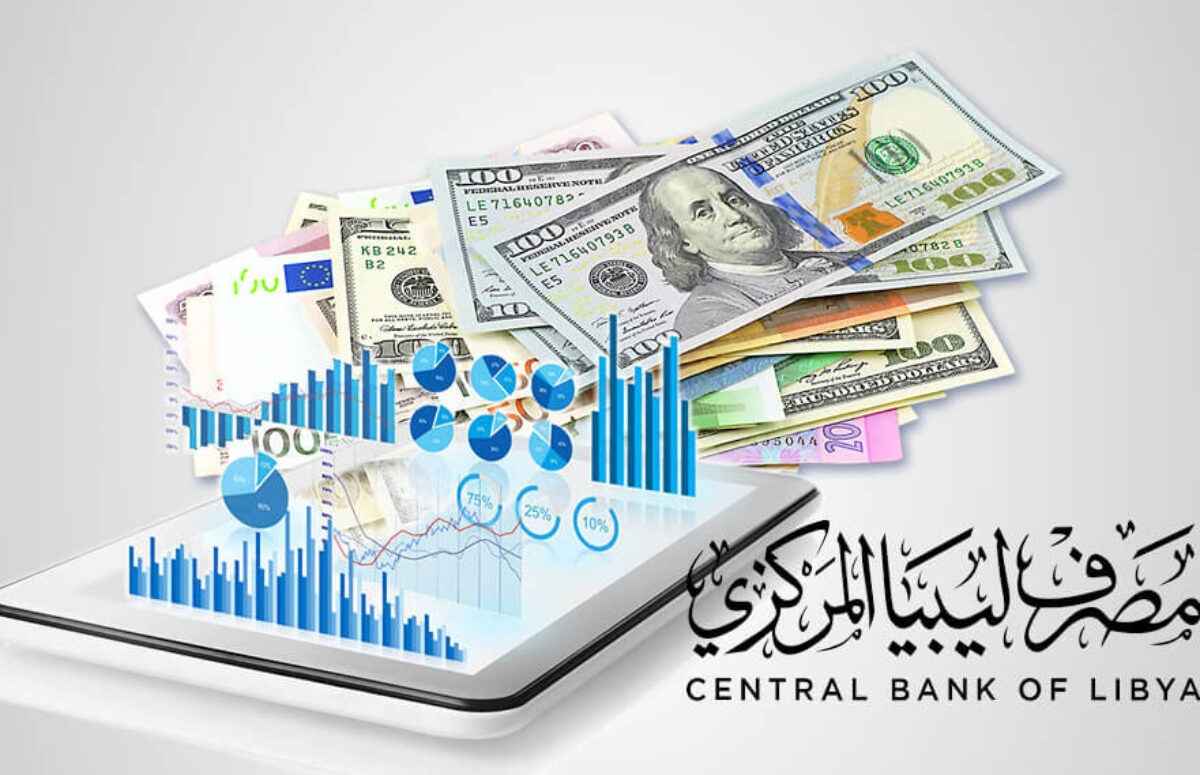
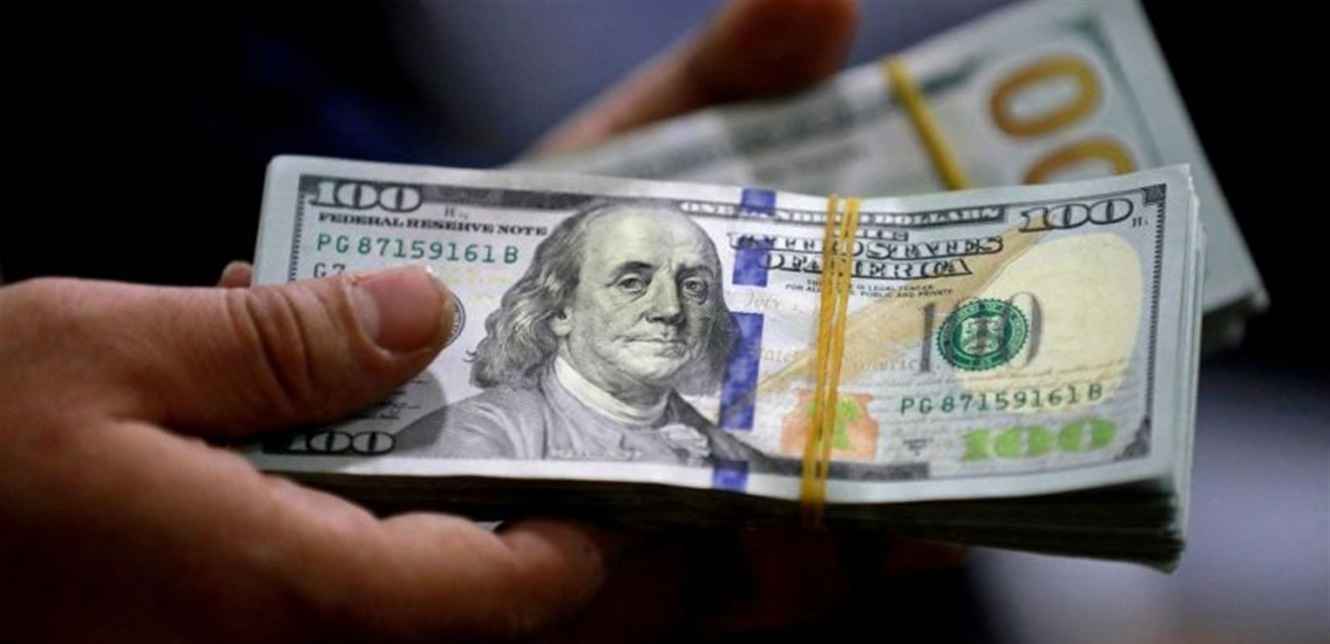
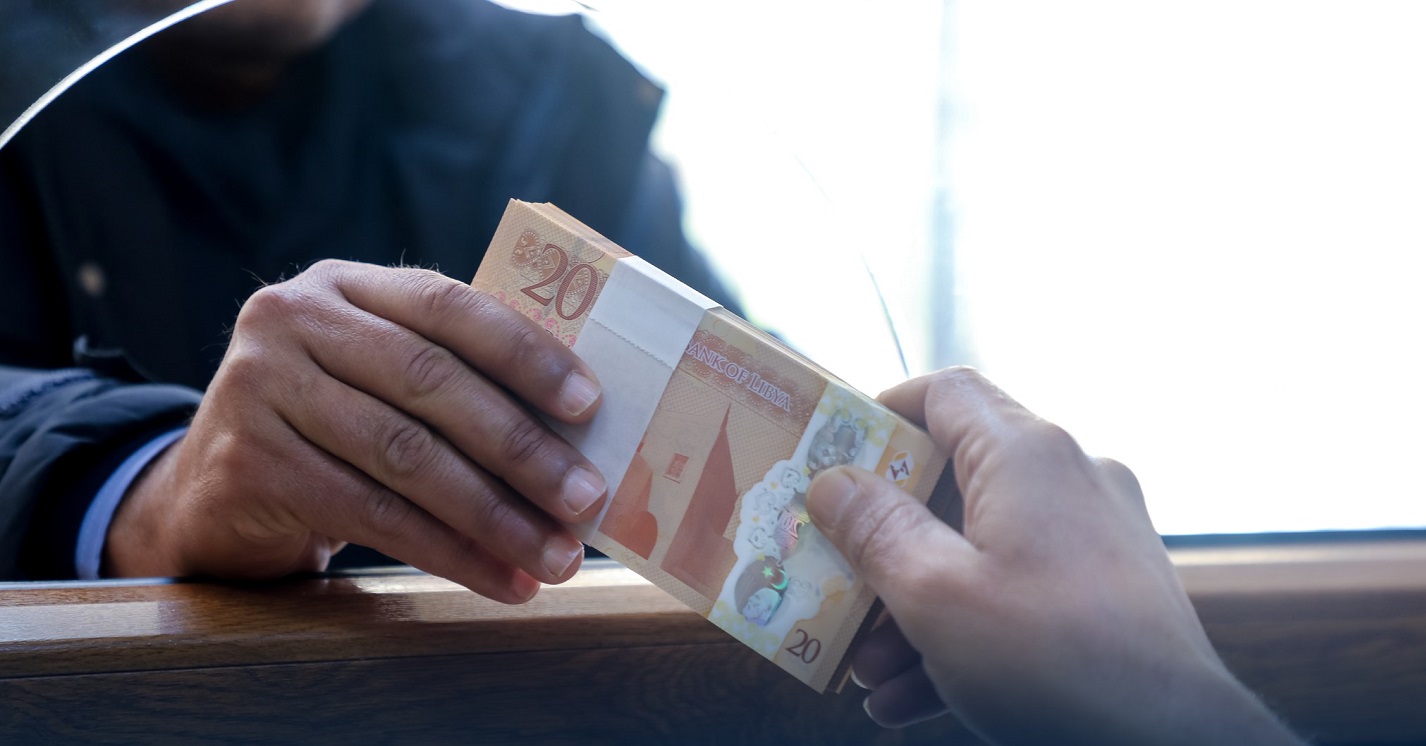
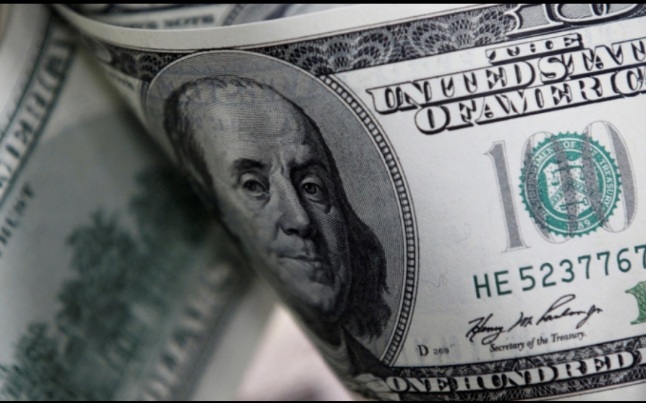
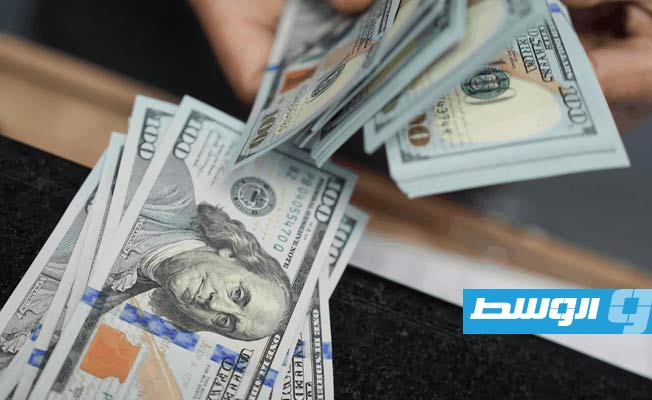
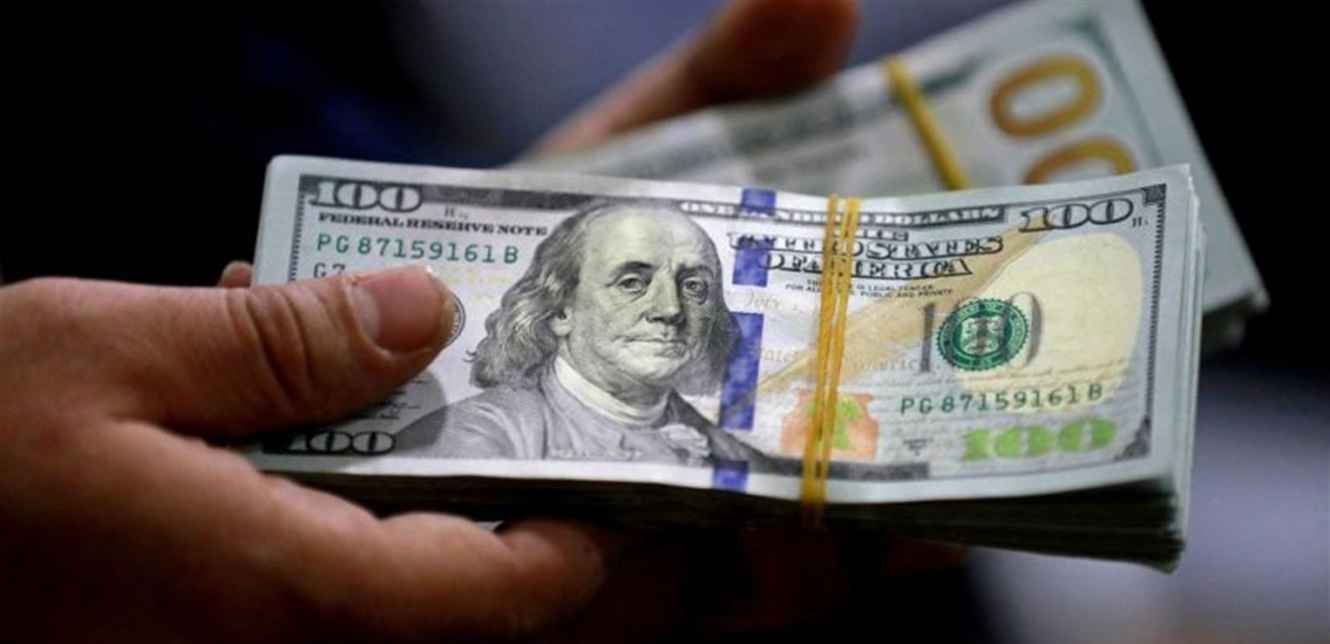
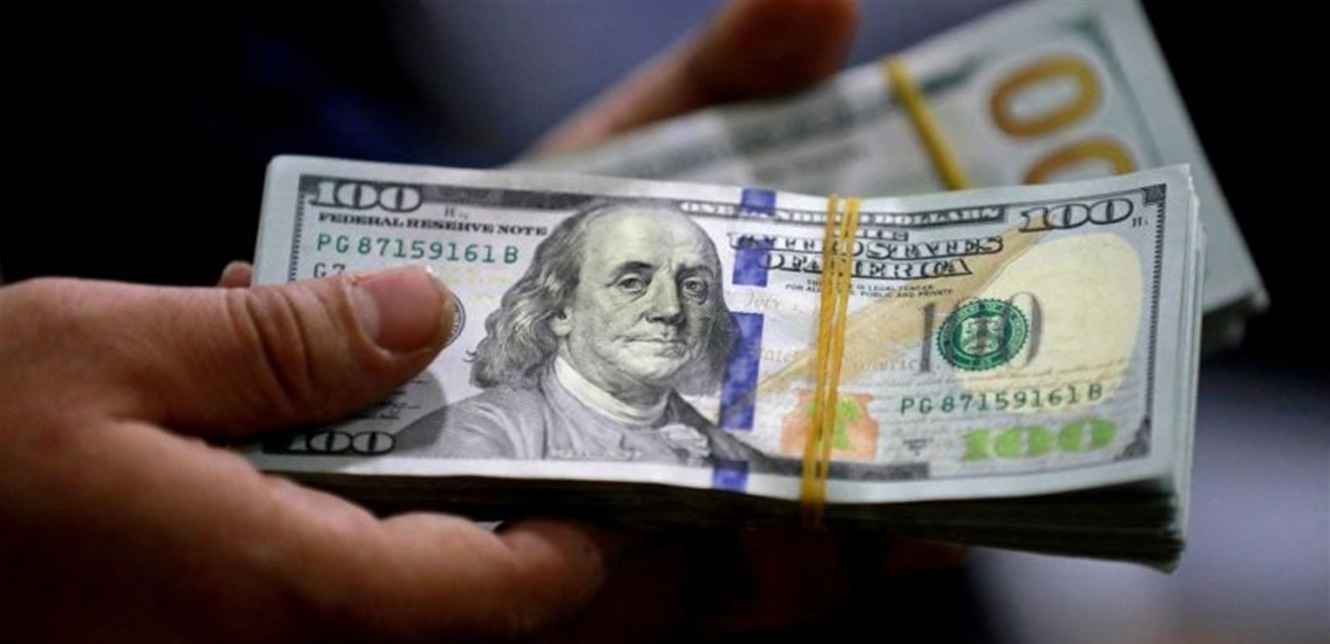
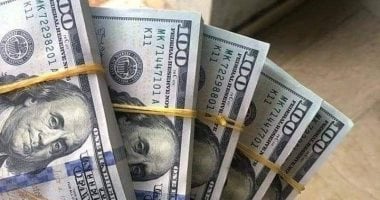
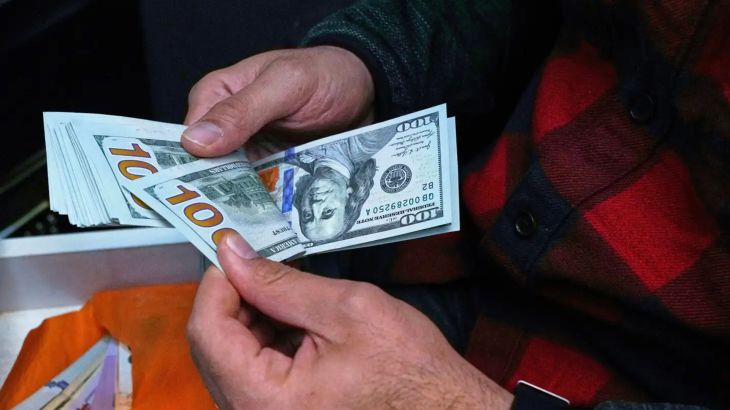
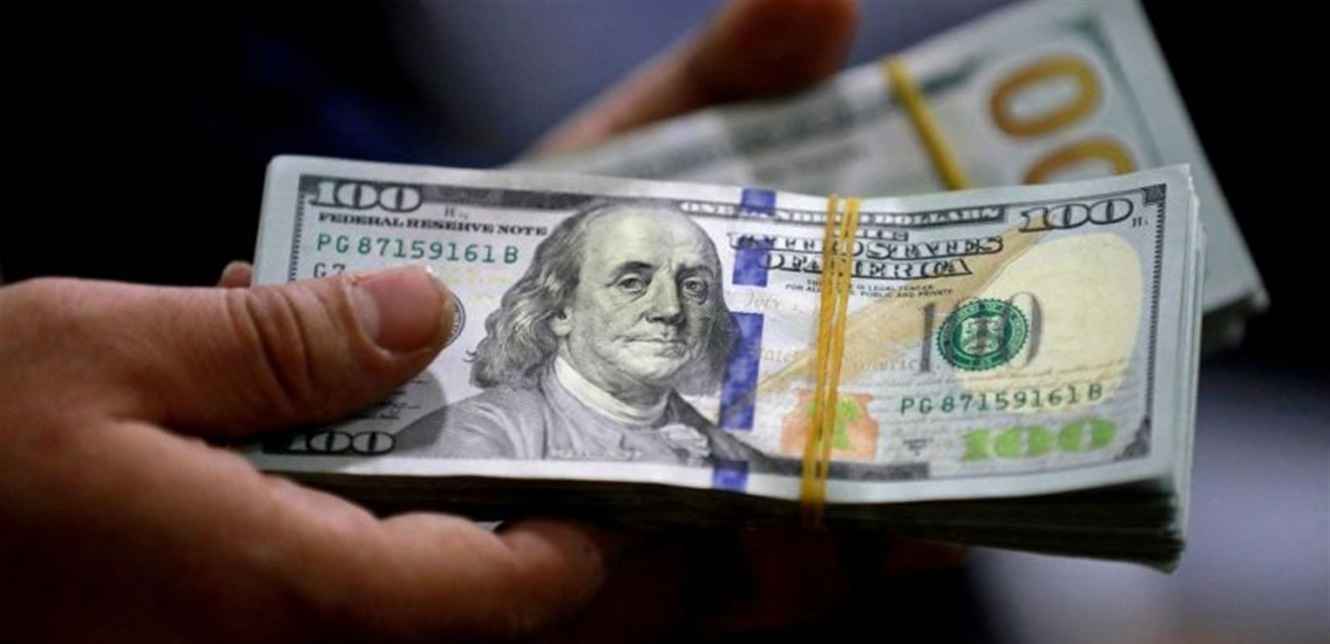
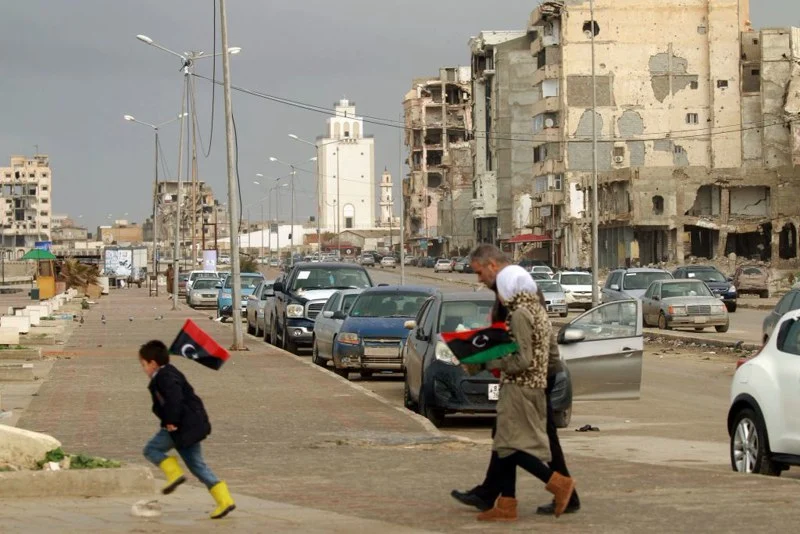
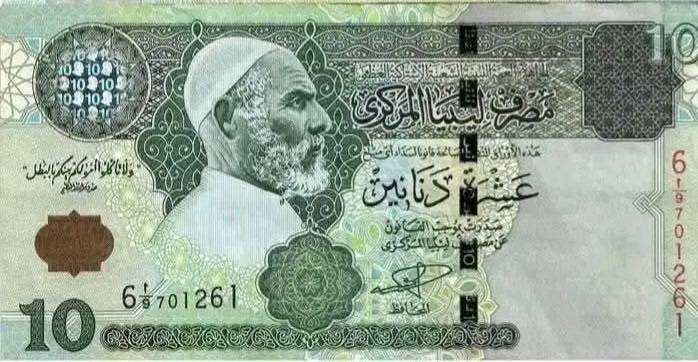
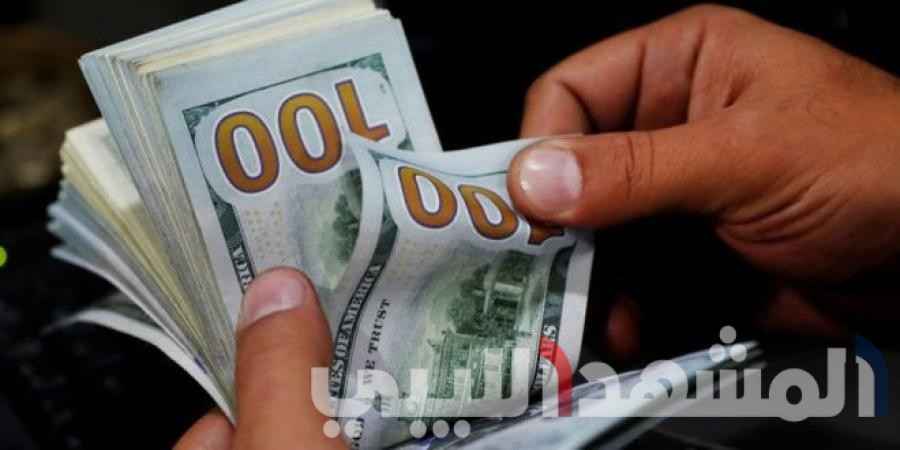
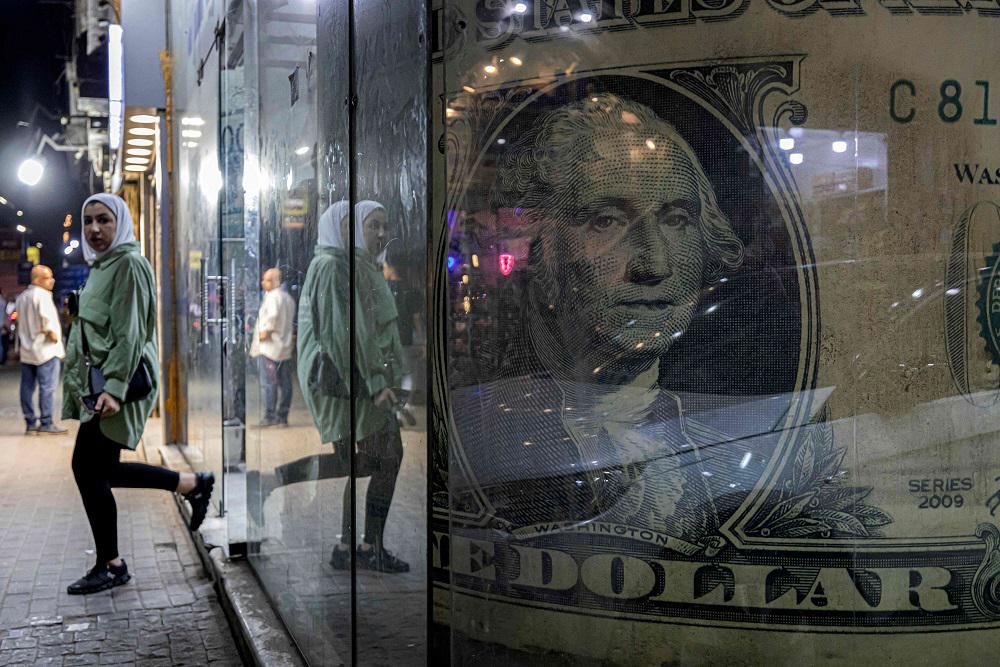
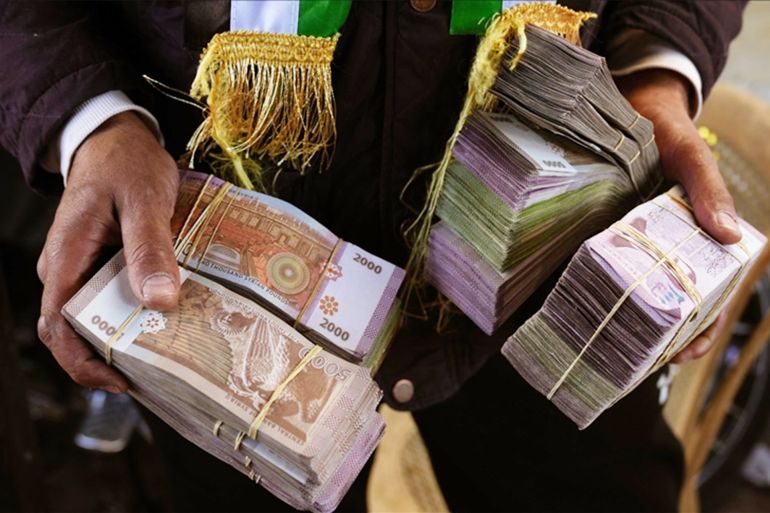
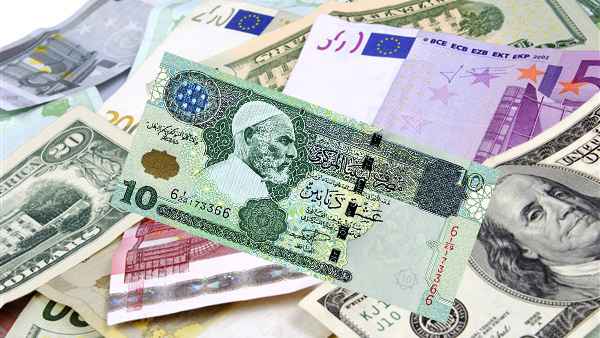
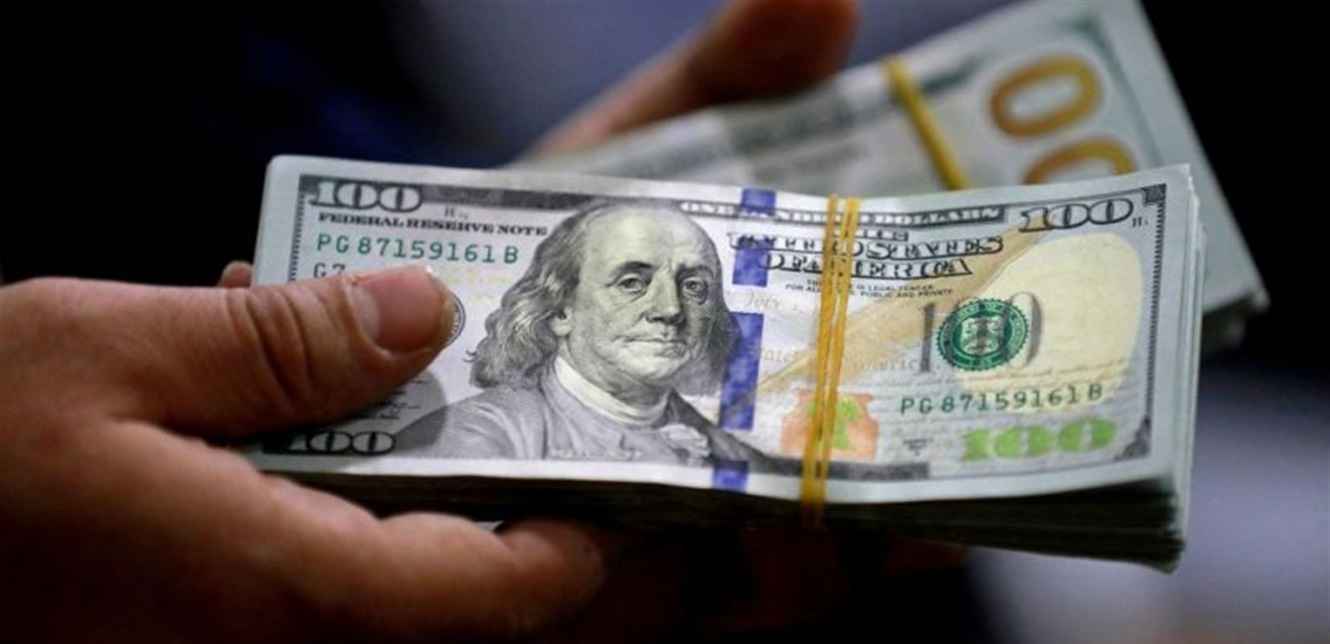
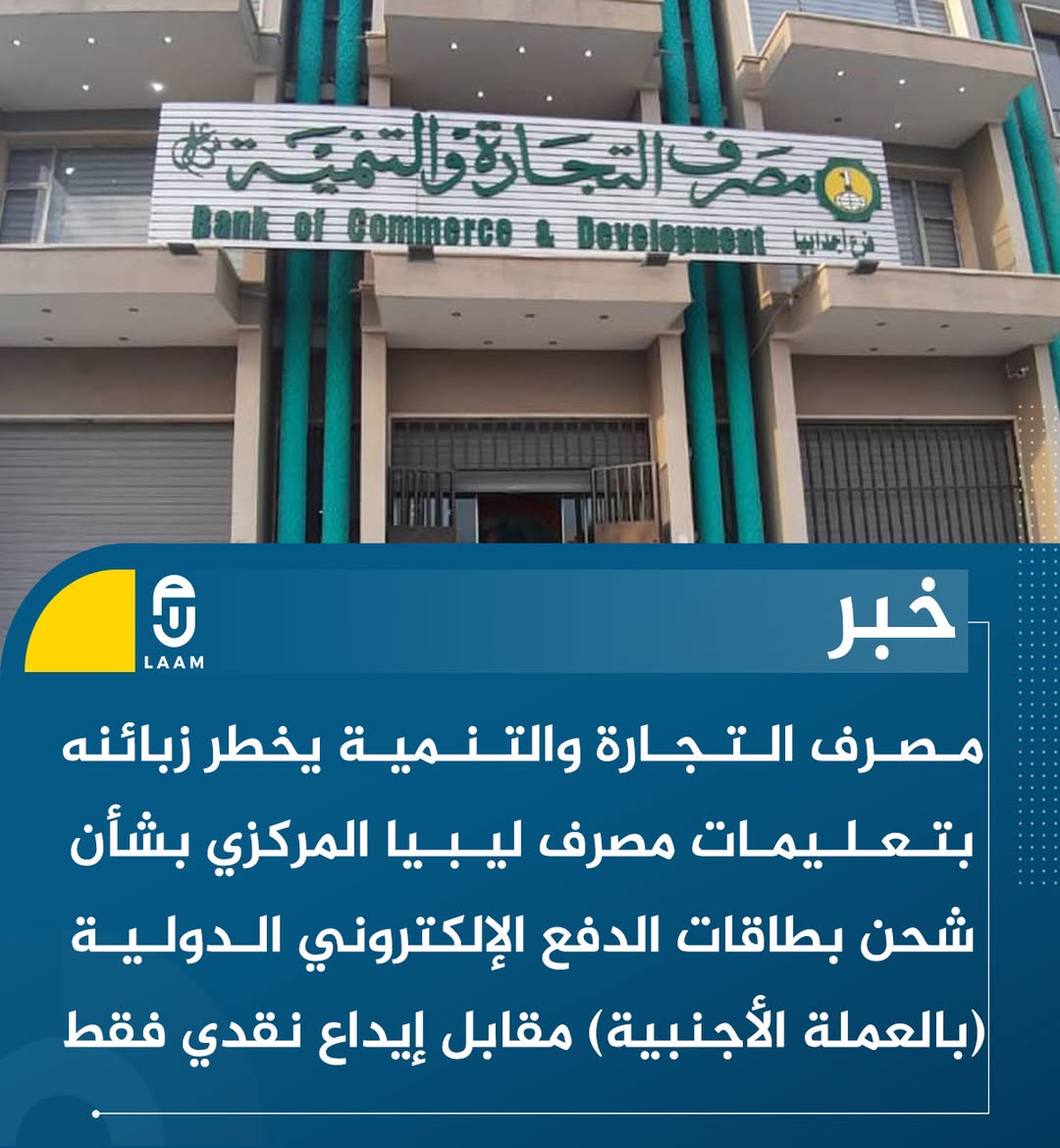
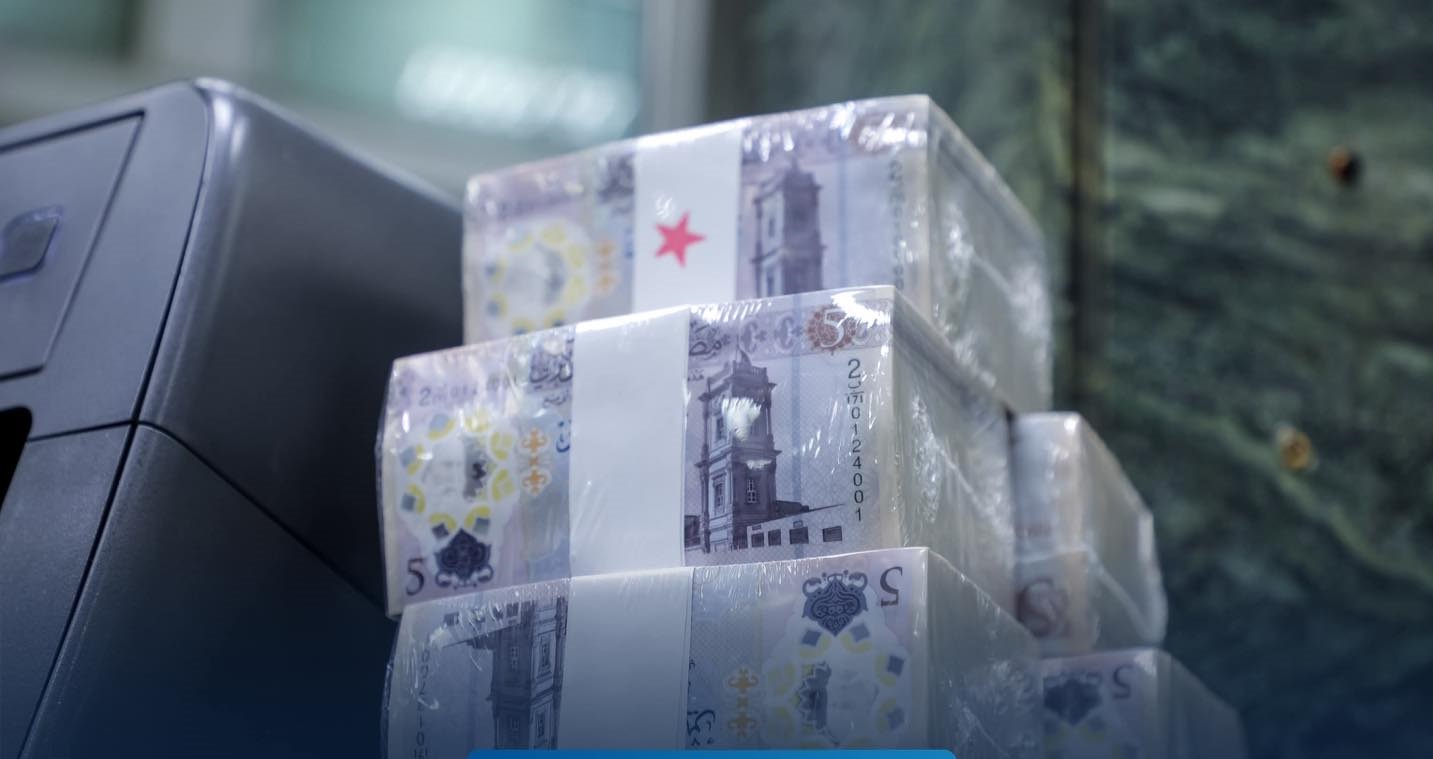
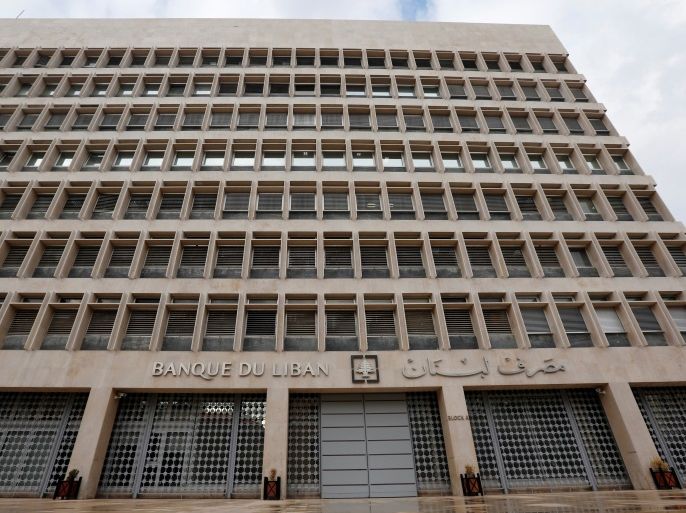
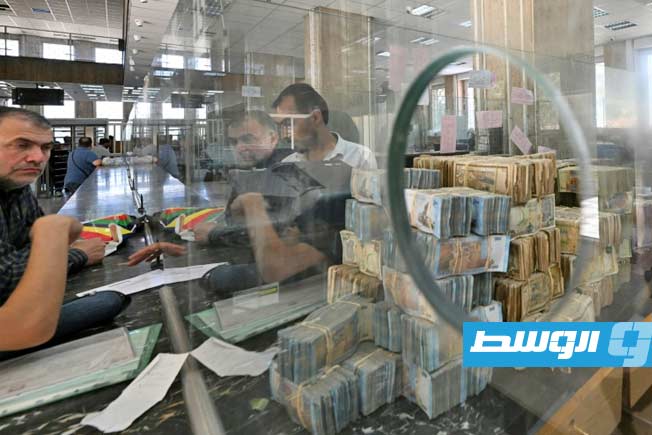
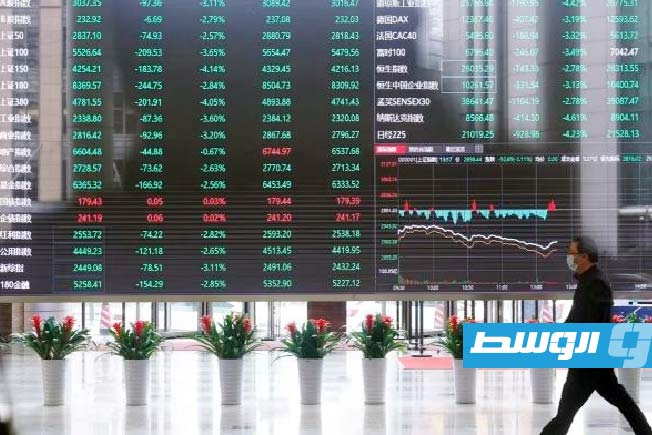
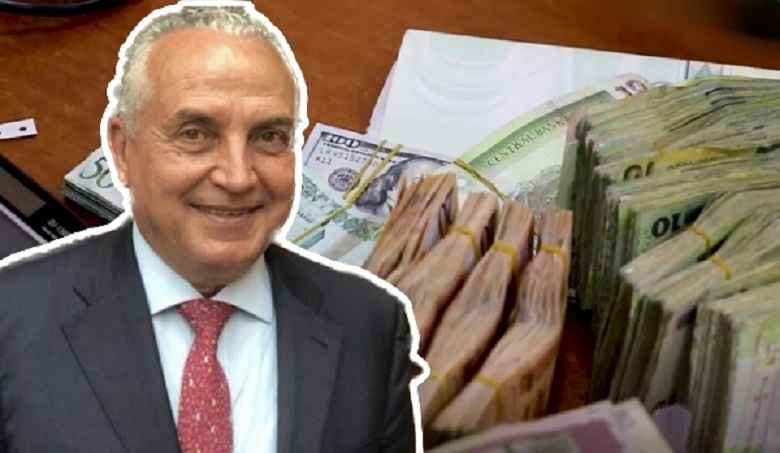
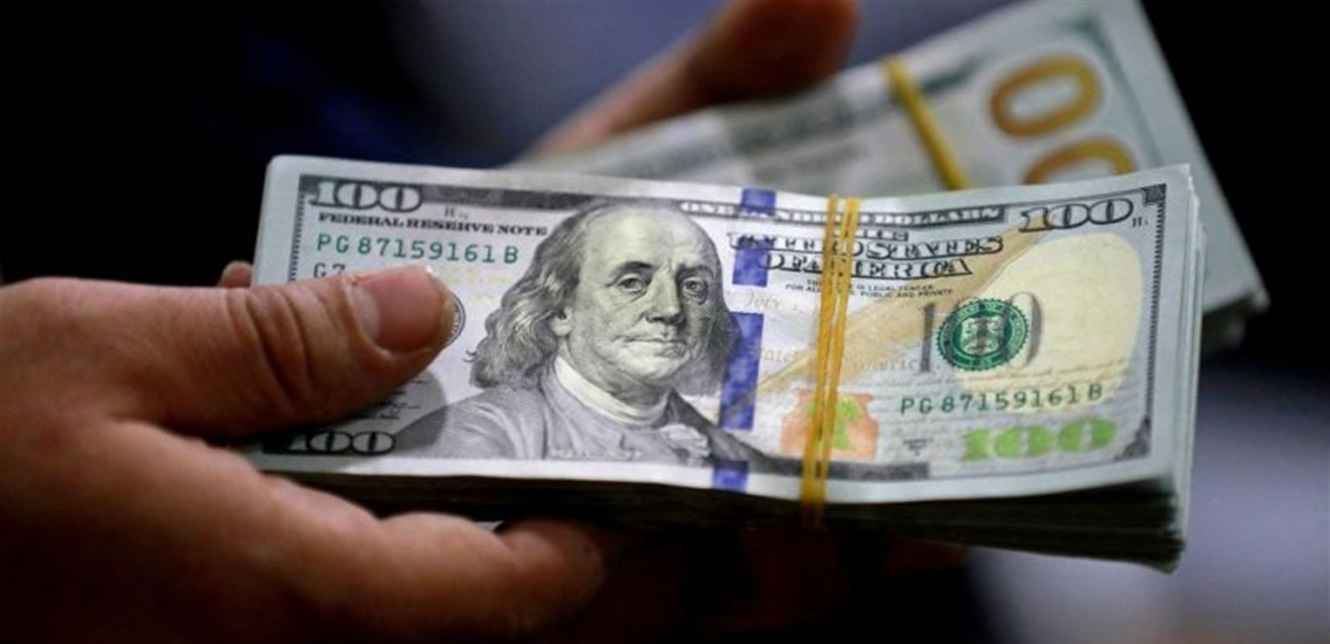
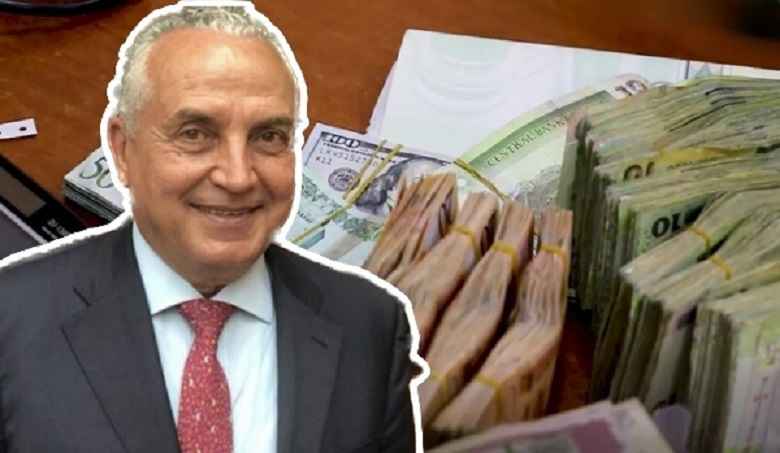
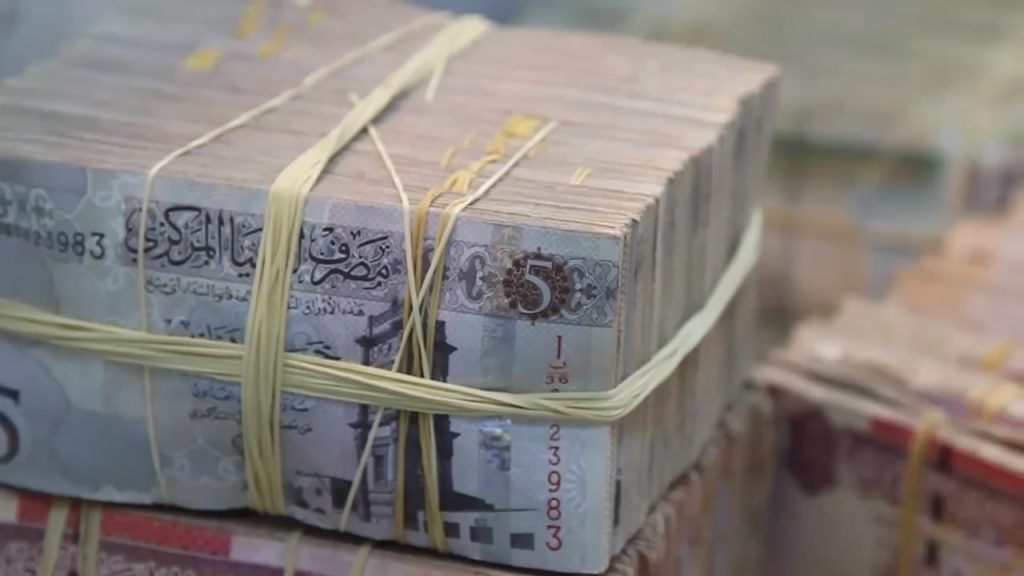
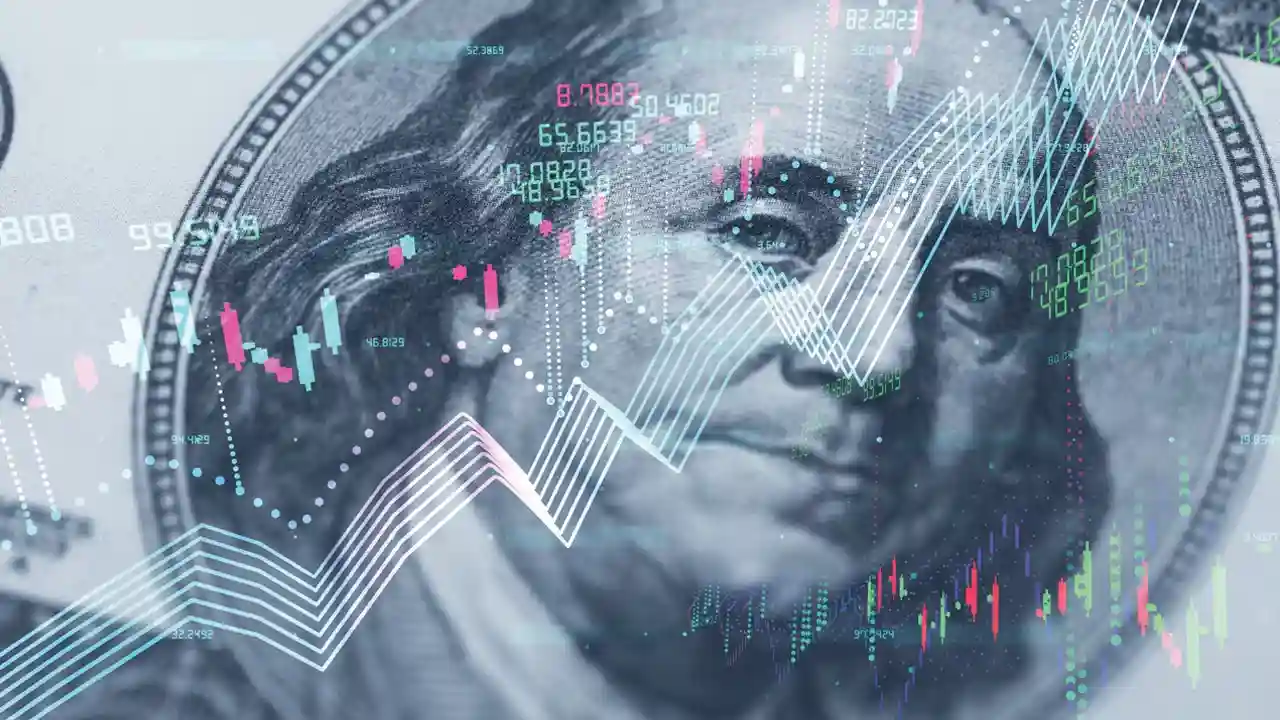
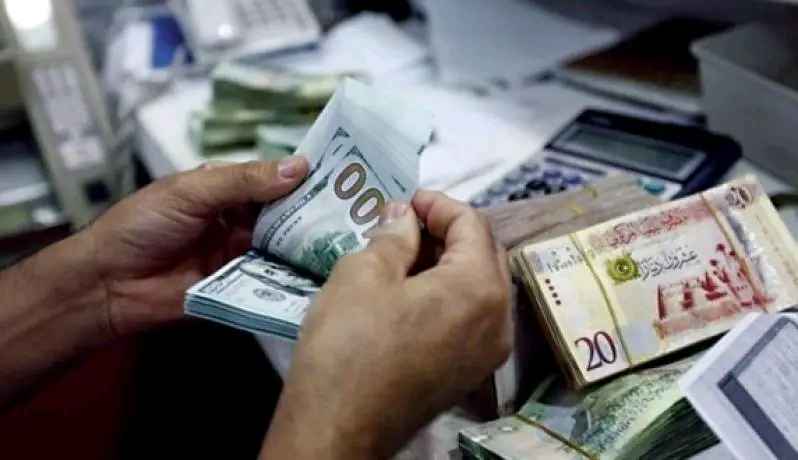
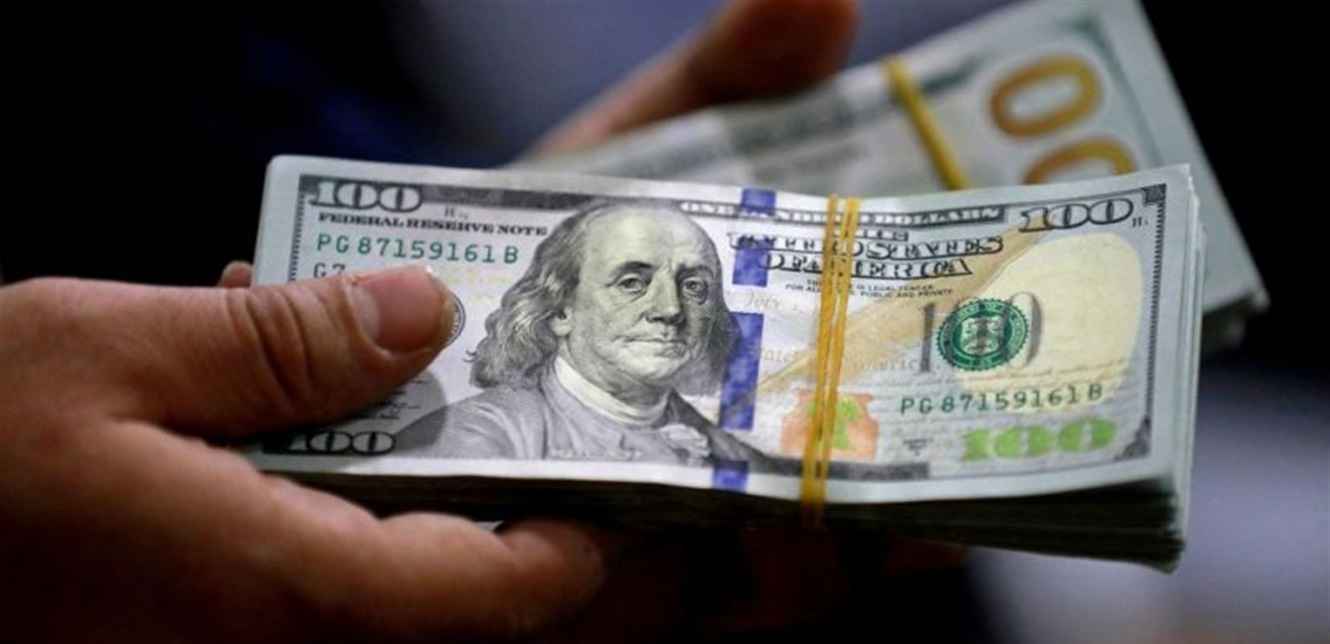
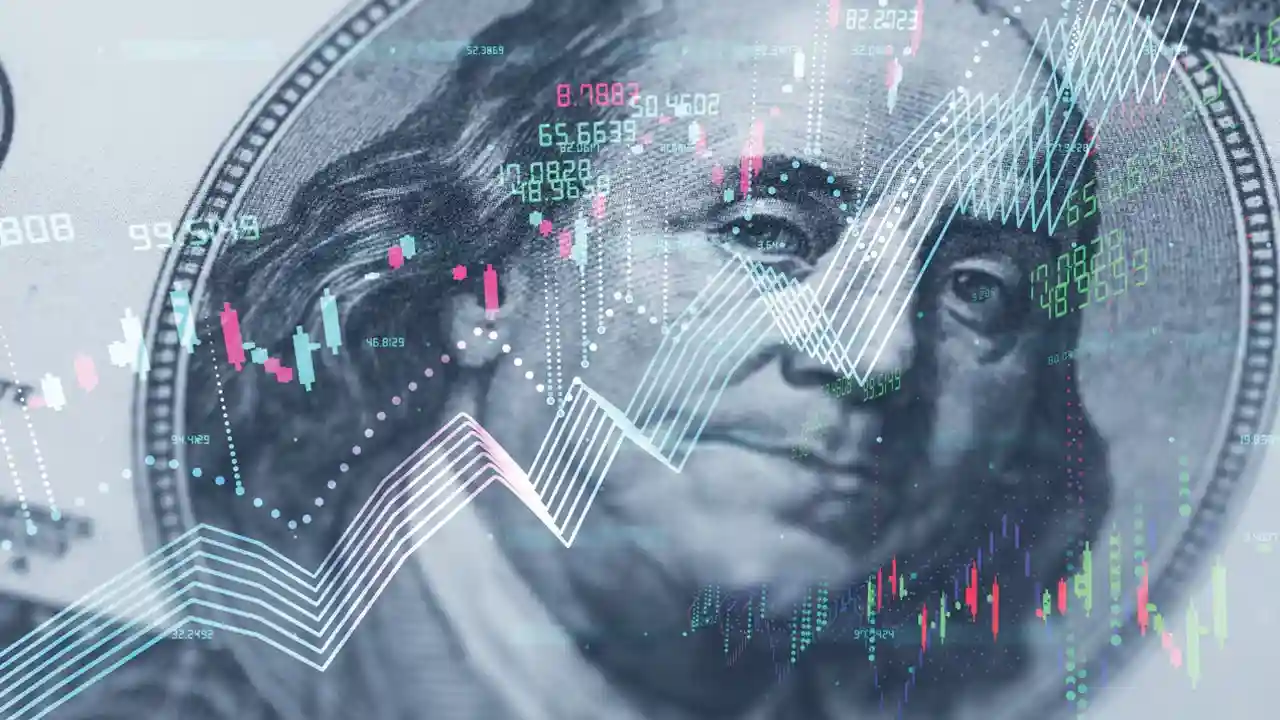
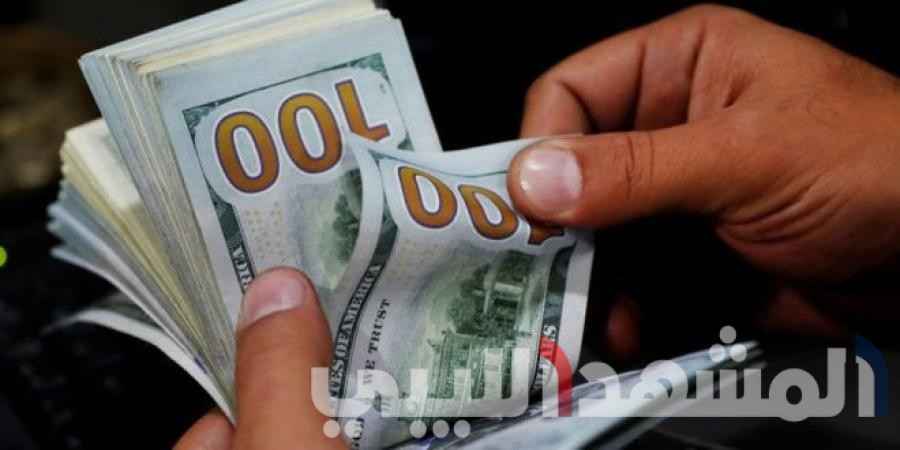
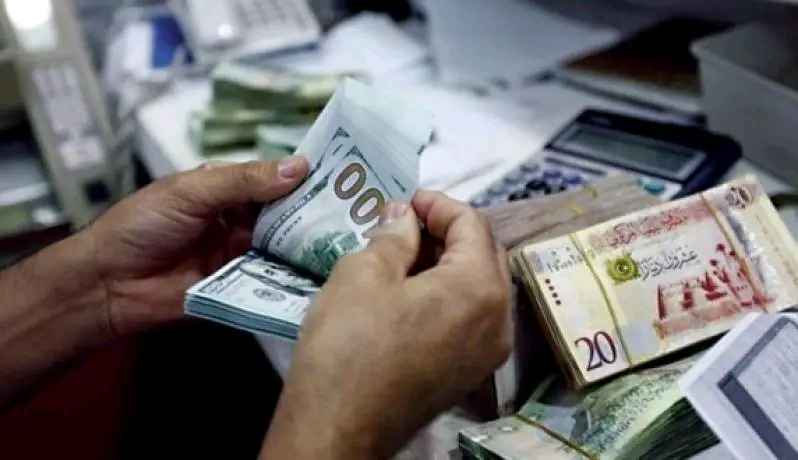
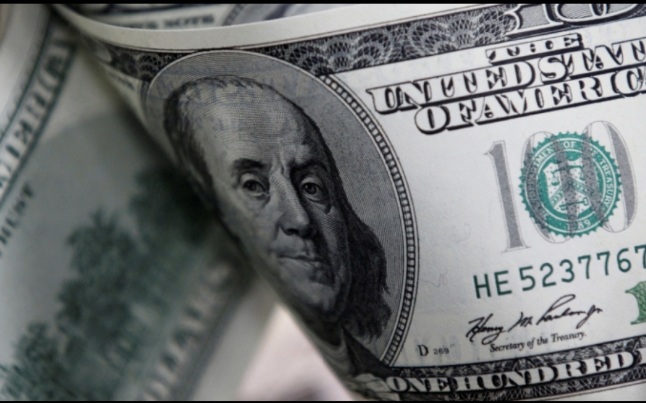
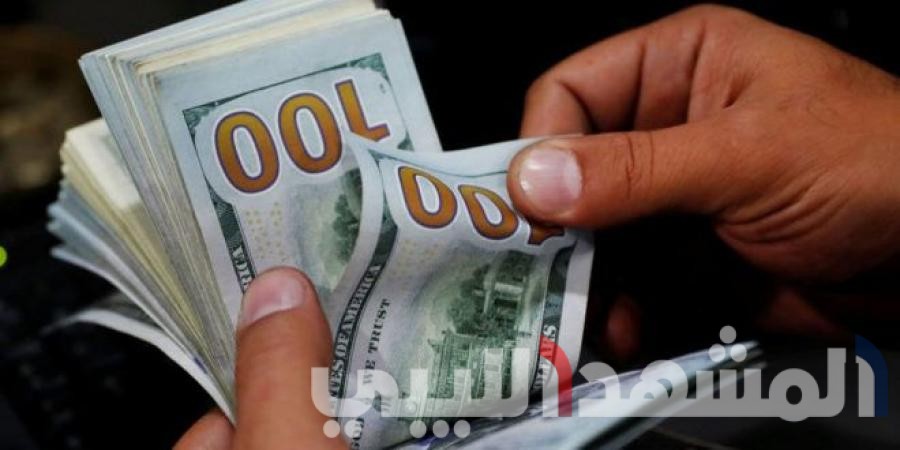
Libya’s currency market, as trading closed on Tuesday, February 3, 2026, saw a continued rise in the exchange rate of the US dollar against bank checks, climbing by approximately 10 qirsh compared to the previous close. This continues its upward trend following a series of recent decisions issued by the Central Bank of Libya.
Despite this increase, the dollar remained above the 10 dinar barrier in most banks, with the slight price difference between banks in Tripoli and Benghazi persisting.
📊 Dollar prices in bank checks at market close
Trading monitoring showed a slight variation between banks in different Libyan cities, with prices as follows:
| Bank |
Sell Price (Dinar) |
Buy Price (Dinar) |
| Commerce & Development / Al-Wehda (Tripoli) |
10.530 |
10.5275 |
| Development / Al-Wehda (Benghazi) |
10.550 |
10.5475 |
| Al-Jumhouria / National Commercial / Al-Aman |
10.500 |
10.4975 |
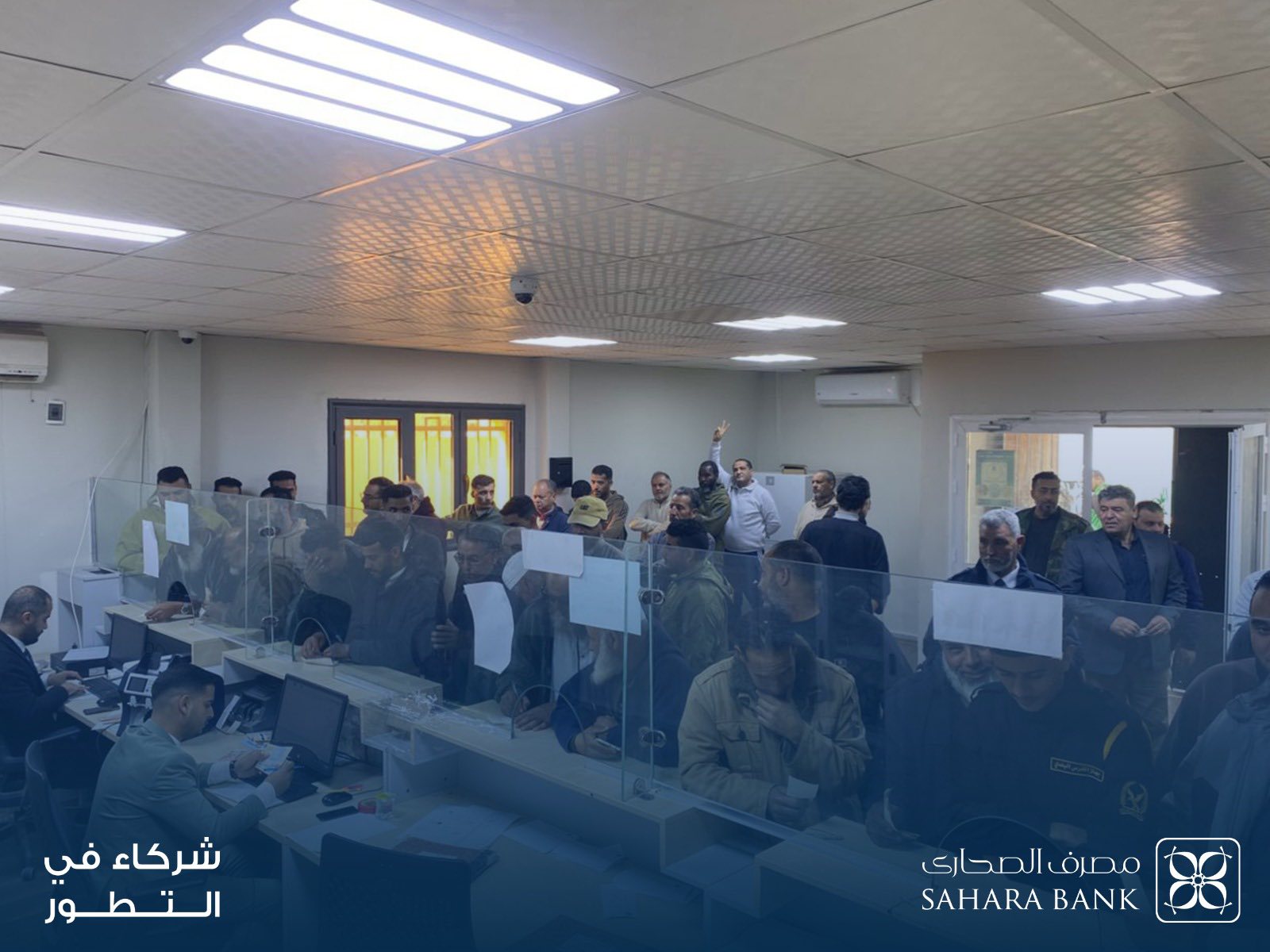
| Al-Sahari / Al-Waha / Islamic / North Africa |
10.490 |
10.4875 |
| Al-Muttahid / Al-Nouran / Al-Saray |
10.480 |
10.4775 |
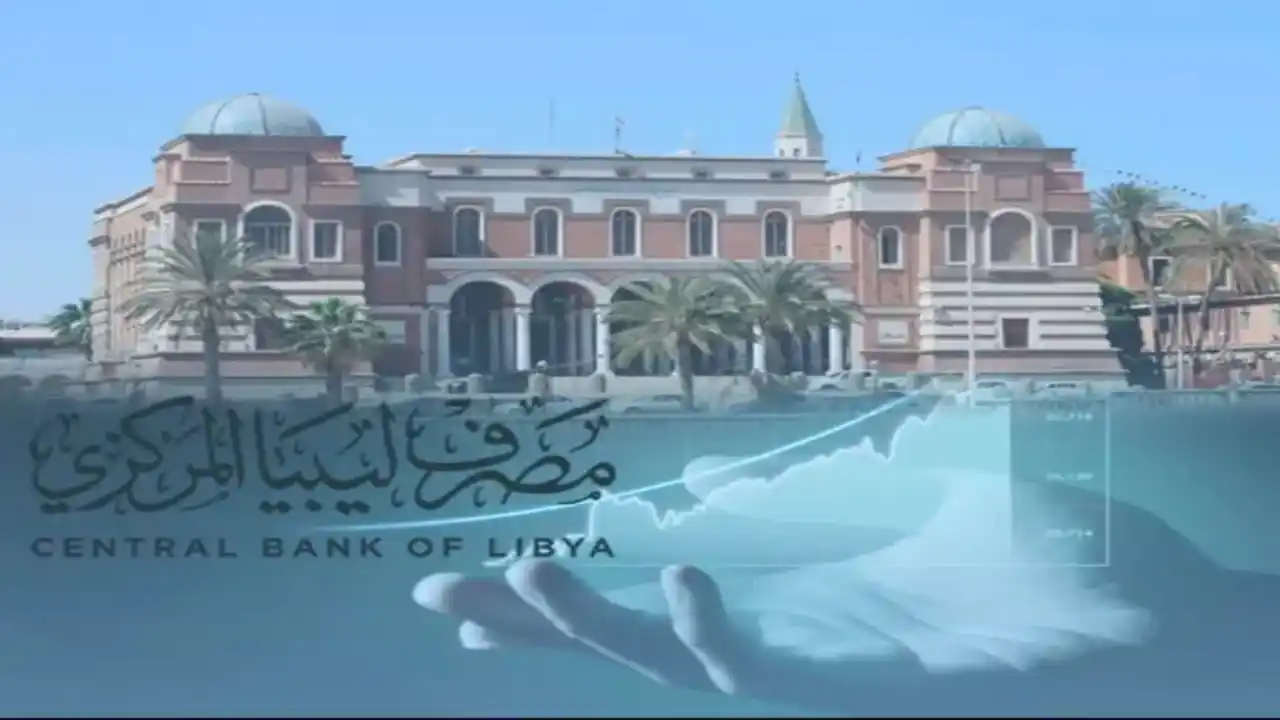
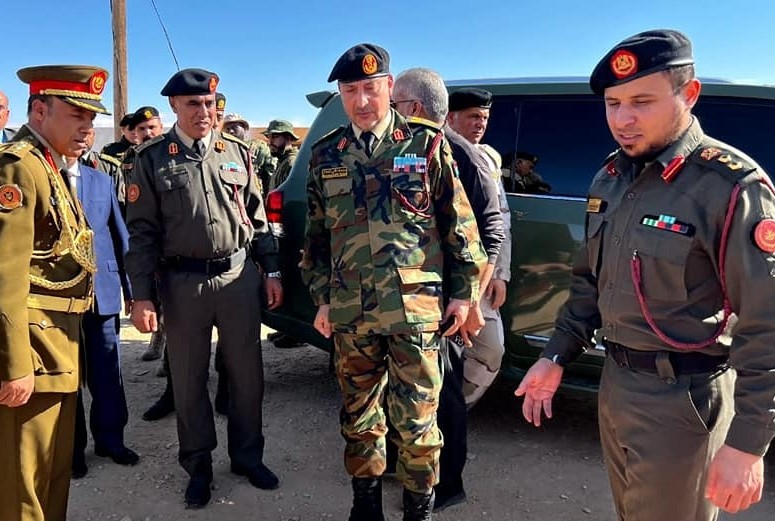
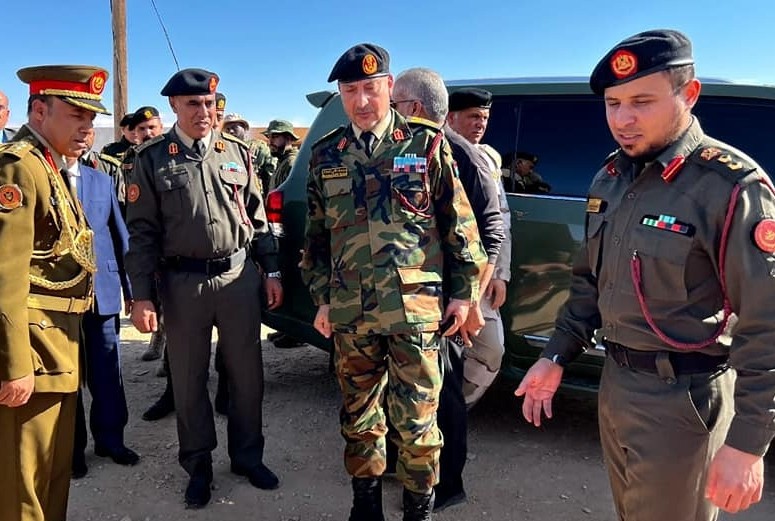
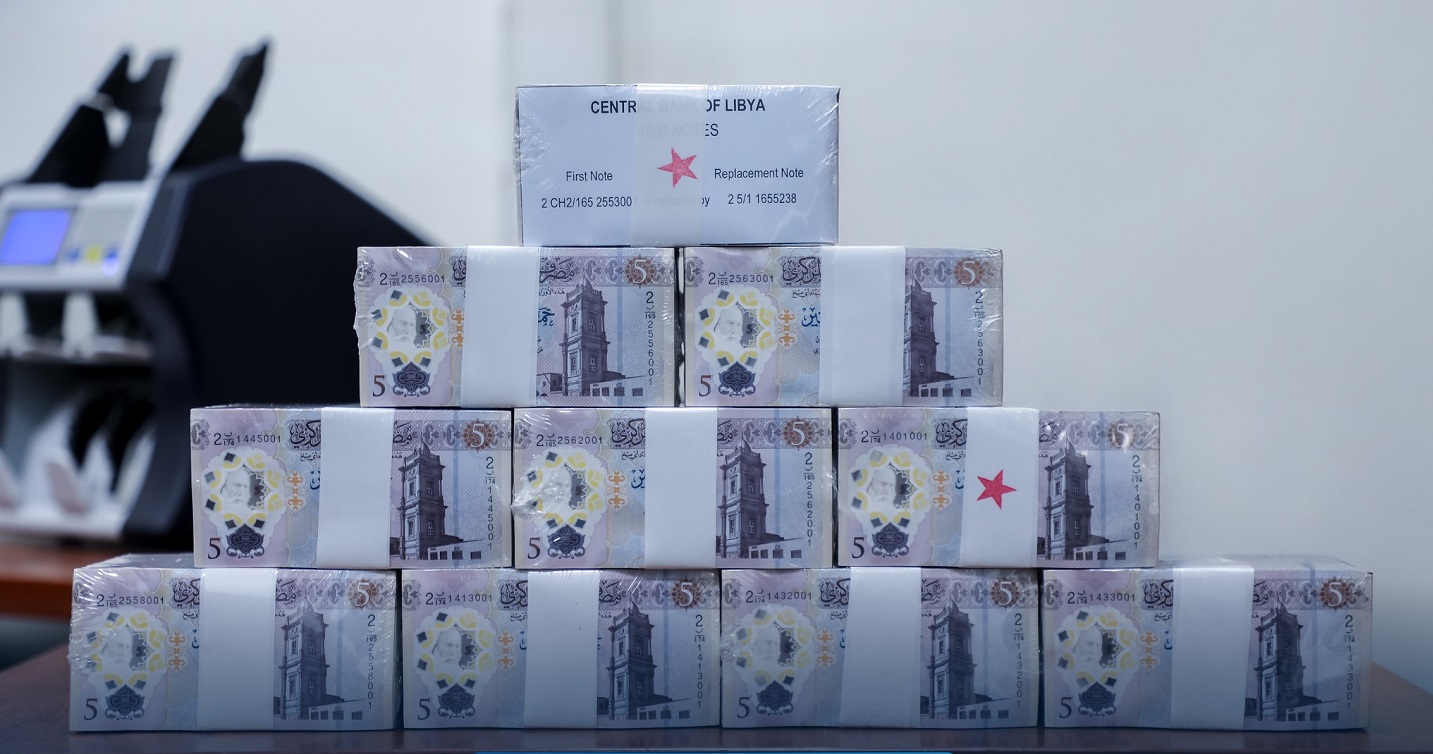
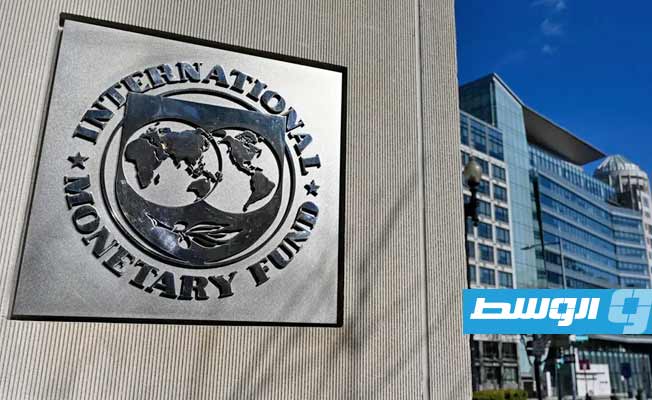
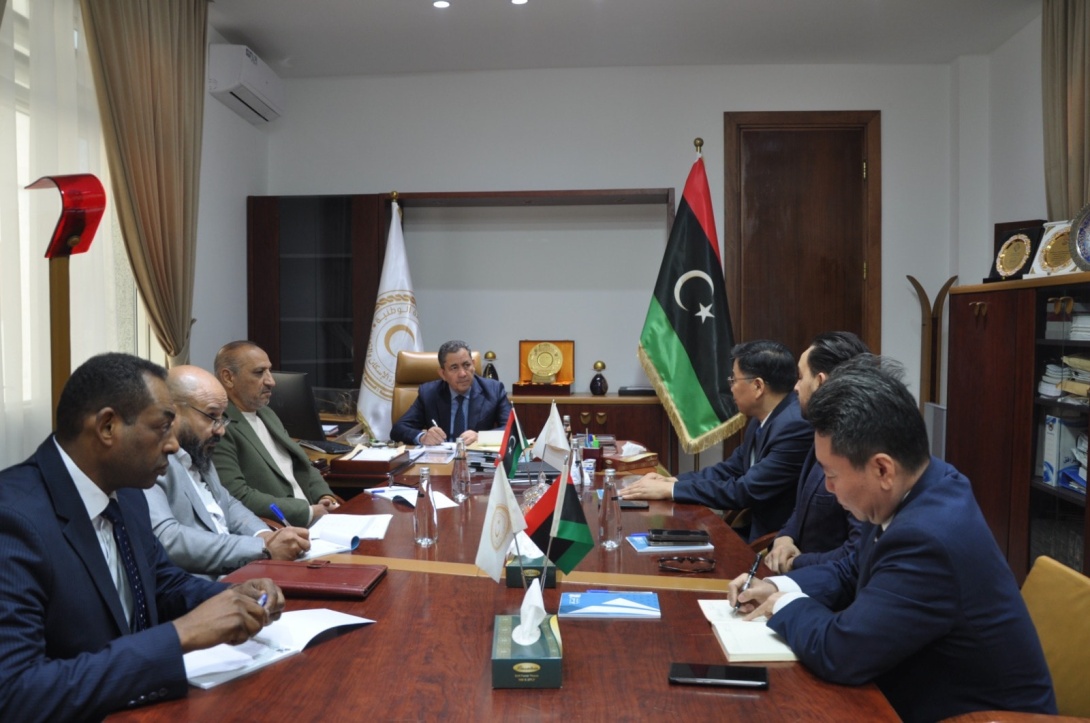
This coincides with the Central Bank of Libya’s announcement of a 14.7% devaluation of the Libyan dinar against the Special Drawing Rights (SDR) unit. The dinar’s value is now 0.1150 SDR units instead of 0.1348 units, with the new official exchange rate stabilizing around 6.40 dinars per US dollar.
Libya
Libya is a North African country with a rich history rooted in ancient civilizations like the Phoenicians and Romans, followed by centuries of Arab and Ottoman influence. In the modern era, it was an Italian colony before gaining independence in 1951, later becoming known for Muammar Gaddafi’s lengthy rule from 1969 until the 2011 revolution. Its cultural heritage includes UNESCO World Heritage sites such as the ancient Greek city of Cyrene and the Roman ruins of Leptis Magna.
US dollar
The US dollar is the official currency of the United States, established by the Coinage Act of 1792. It evolved from a system based on Spanish milled dollars and has become the world’s primary reserve currency since the Bretton Woods agreement in the mid-20th century.
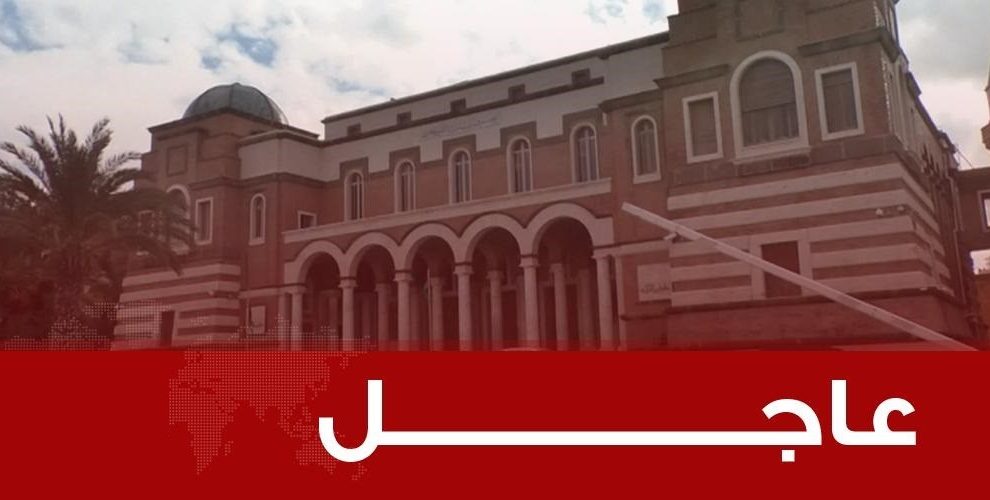
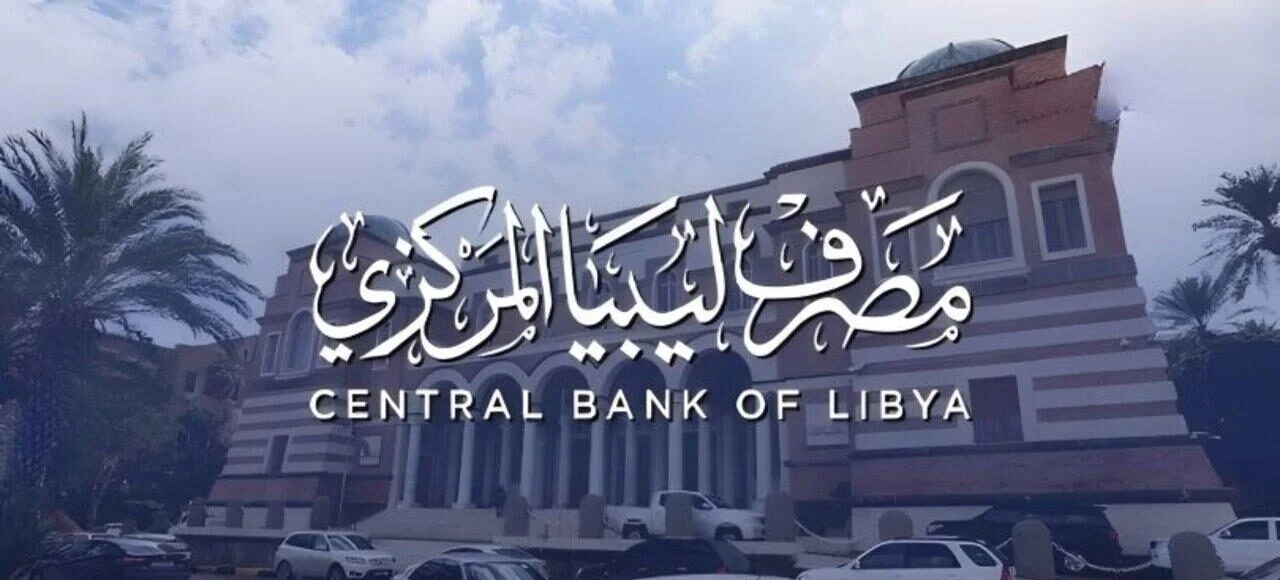
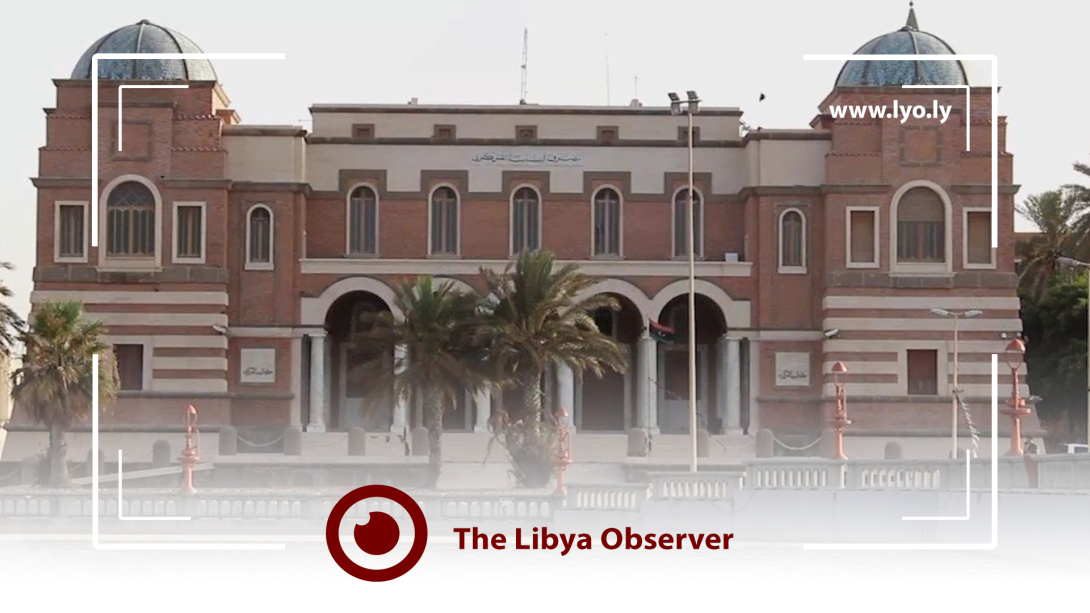
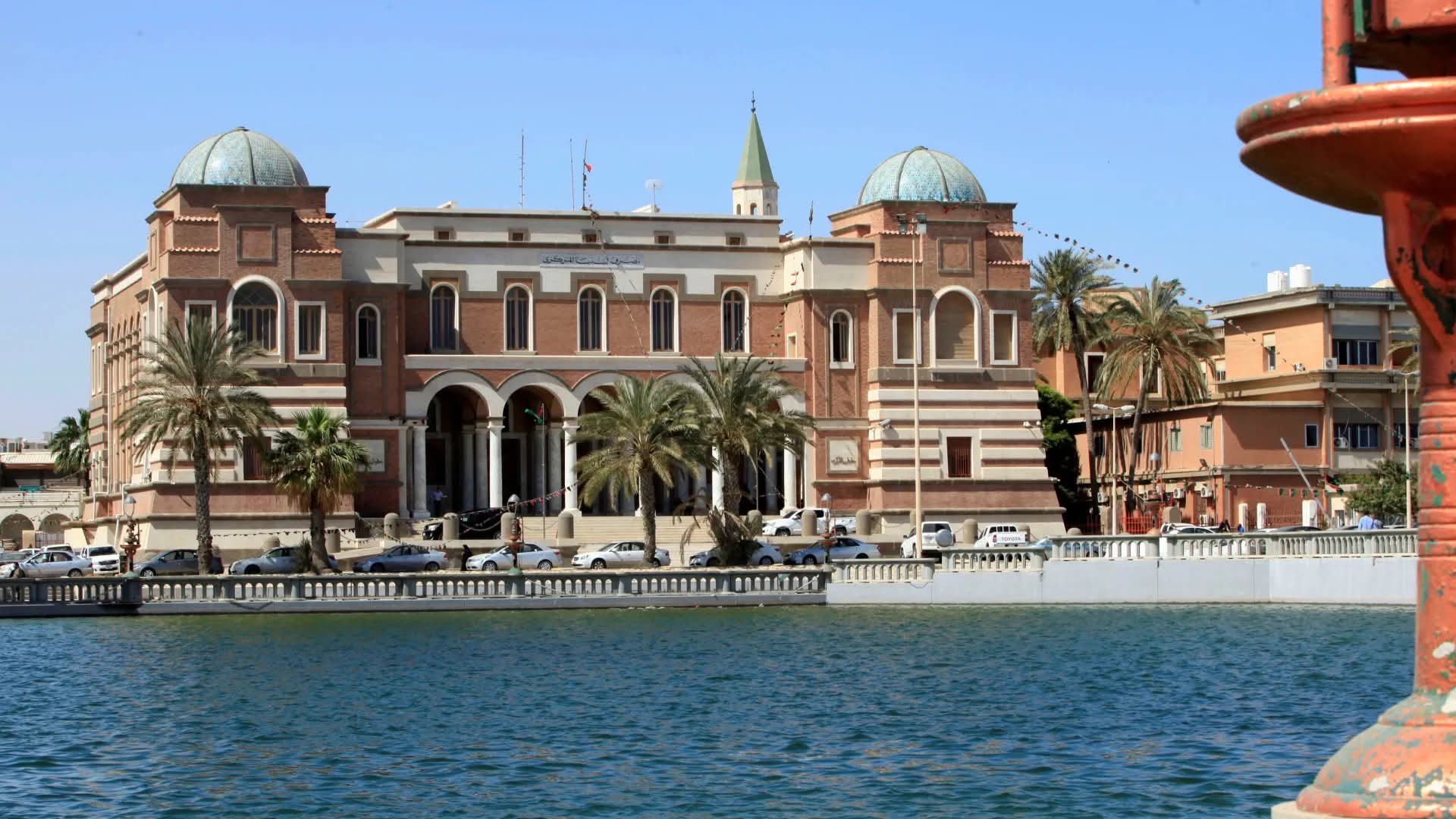
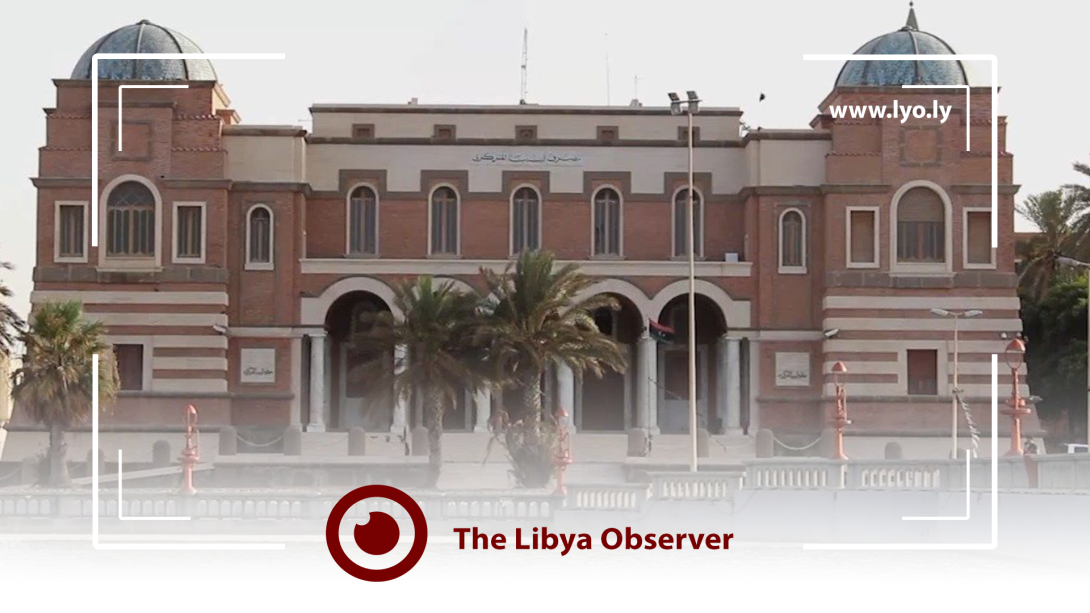
Central Bank of Libya
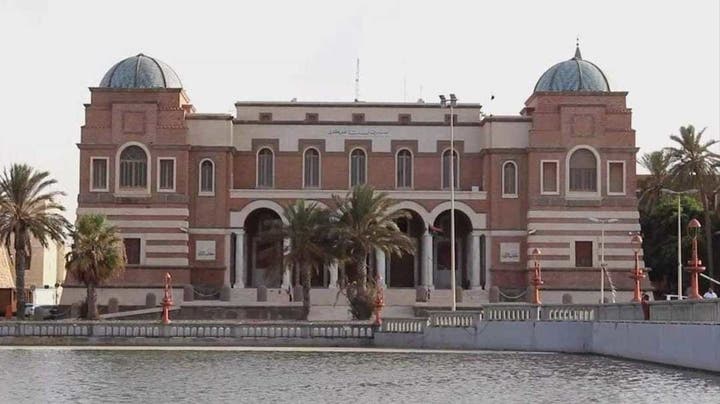
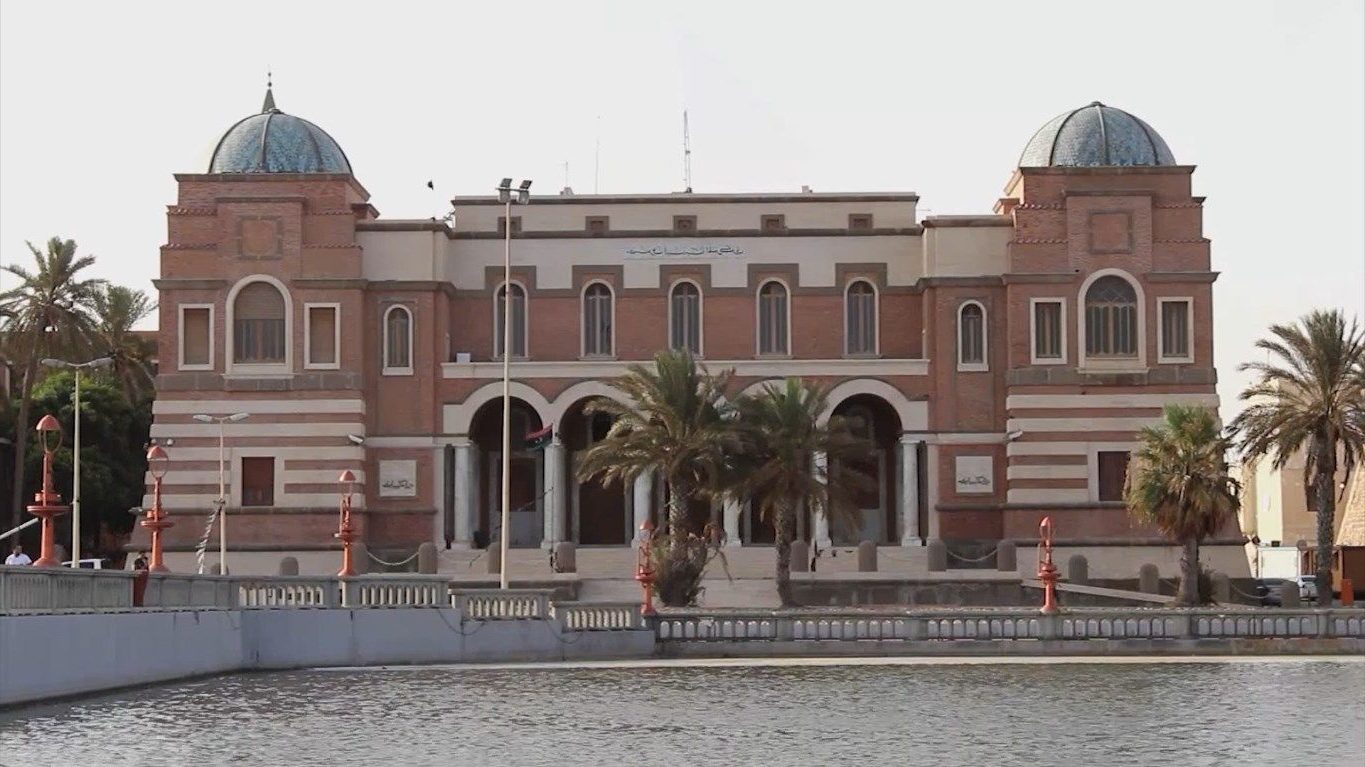
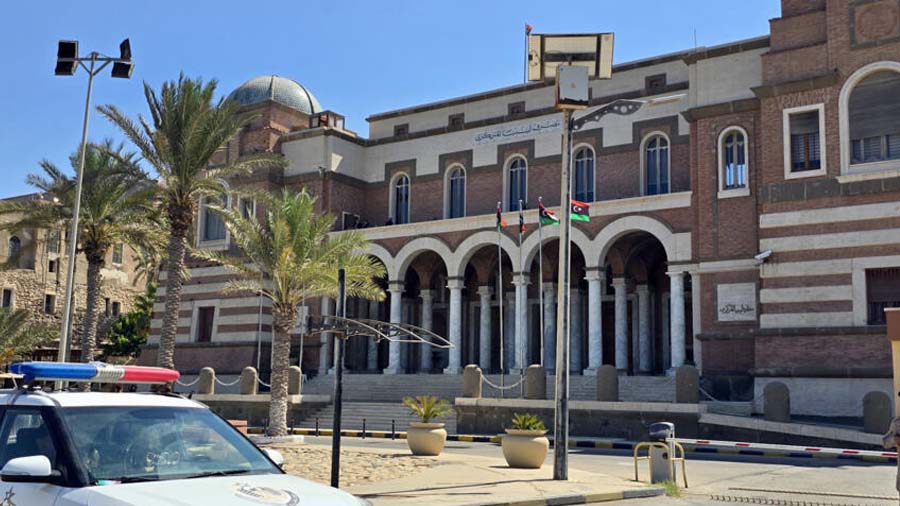
The Central Bank of Libya is the country’s primary monetary authority, established in 1956 to issue currency and manage monetary policy. It has played a critical and often divisive role in Libya’s recent history, with parallel institutions emerging in the east and west during the post-2011 civil conflict.
Tripoli
Tripoli is the capital and largest city of Libya, located on the country’s Mediterranean coast. Historically, it was founded by the Phoenicians in the 7th century BC and has since been ruled by the Romans, Arabs, Ottomans, and Italians, which is reflected in its diverse architecture, such as the ancient Red Castle (Assaraya al-Hamra).
Benghazi
Benghazi is a major city in eastern Libya, historically significant as a center of trade and culture since its founding as the Greek colony of Euesperides. It played a pivotal role in the 2011 Libyan Civil War as a key base for the uprising against Muammar Gaddafi.
Commerce & Development / Al-Wehda (Tripoli)
The Al-Wehda (Unity) area in Tripoli, Libya, is a central commercial and business district that developed significantly in the 20th century, reflecting the city’s modern economic growth. Historically, it became a key hub for commerce and administration, particularly following Libya’s independence and the subsequent oil boom, which transformed Tripoli’s urban landscape.
Development / Al-Wehda (Benghazi)
The Development (Al-Wehda) district in Benghazi, Libya, is a major residential and commercial area that grew significantly in the latter half of the 20th century. Its history is closely tied to the city’s modern expansion and urbanization following Libya’s independence and the discovery of oil.
Al-Jumhouria / National Commercial / Al-Aman
Al-Jumhouria Street, also known as Al-Aman Street, is a major commercial and historical thoroughfare in central Aden, Yemen. Historically, it was the main financial and business district, housing the prominent National Commercial Bank and other key institutions, reflecting the city’s economic importance during the 20th century. Today, it remains a vital, though often affected, hub of activity in the city.
Al-Sahari / Al-Waha / Islamic / North Africa
Al-Sahari, also known as Al-Waha, is an Islamic cultural site in North Africa, historically significant as a key oasis and trading post along ancient trans-Saharan caravan routes. It served as a vital hub for commerce and Islamic scholarship, facilitating the exchange of goods and ideas between North Africa and sub-Saharan regions.
Al-Muttahid / Al-Nouran / Al-Saray
Al-Muttahid, Al-Nouran, and Al-Saray are three prominent squares in the city of Aleppo, Syria. Historically, Al-Saray Square was a central administrative hub named for the government palace (Saray) located there, while these public spaces have long served as key gathering points and landmarks in the city’s urban fabric.
Libyan dinar
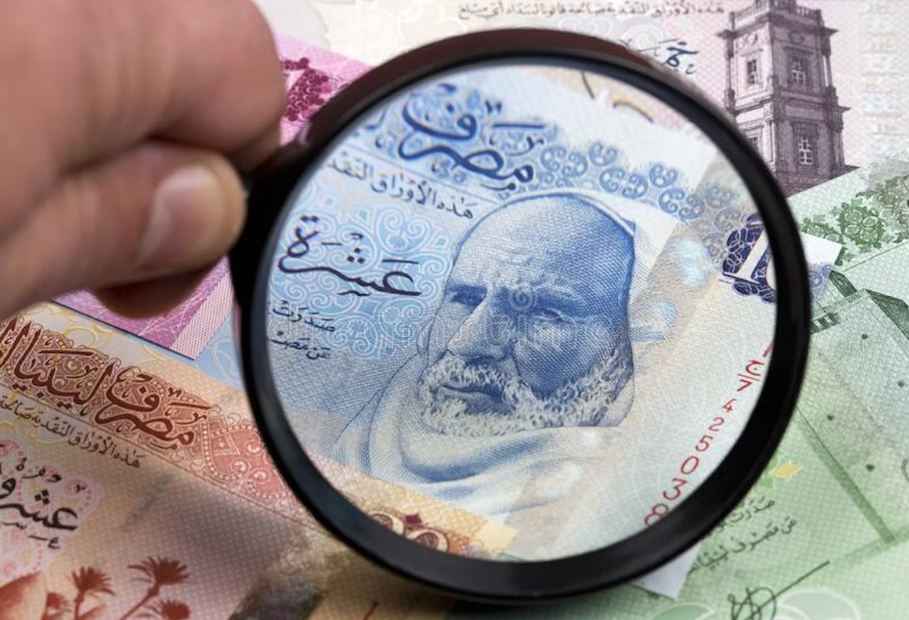
The Libyan dinar is the official currency of Libya, introduced in 1971 to replace the Libyan pound. It was established following the 1969 revolution that brought Muammar Gaddafi to power, marking a shift in the country’s economic identity.
Special Drawing Rights (SDR)
Special Drawing Rights (SDR) is an international reserve asset created by the International Monetary Fund (IMF) in 1969 to supplement its member countries’ official reserves. Its value is based on a basket of five major currencies: the U.S. dollar, euro, Chinese renminbi, Japanese yen, and British pound sterling.