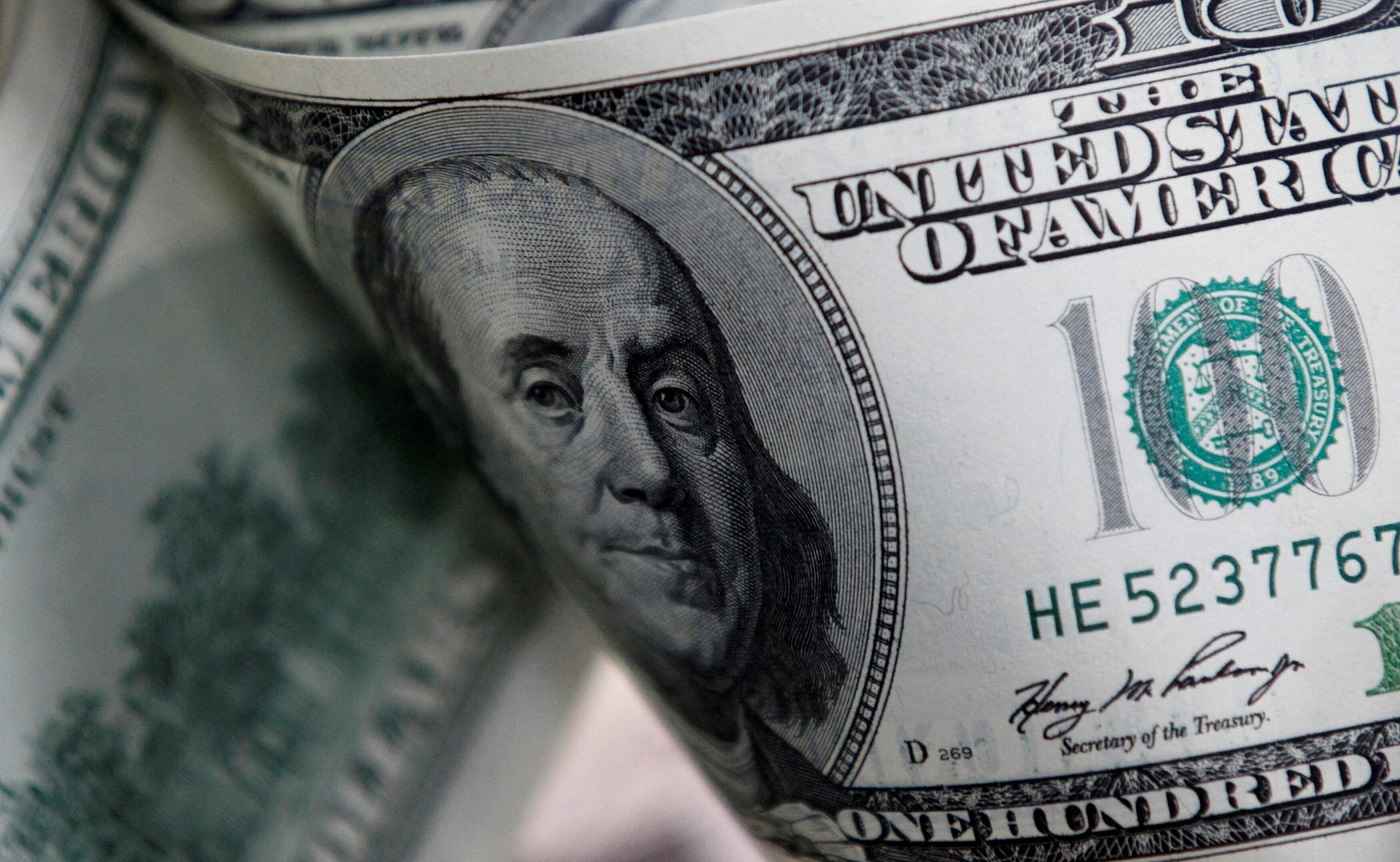
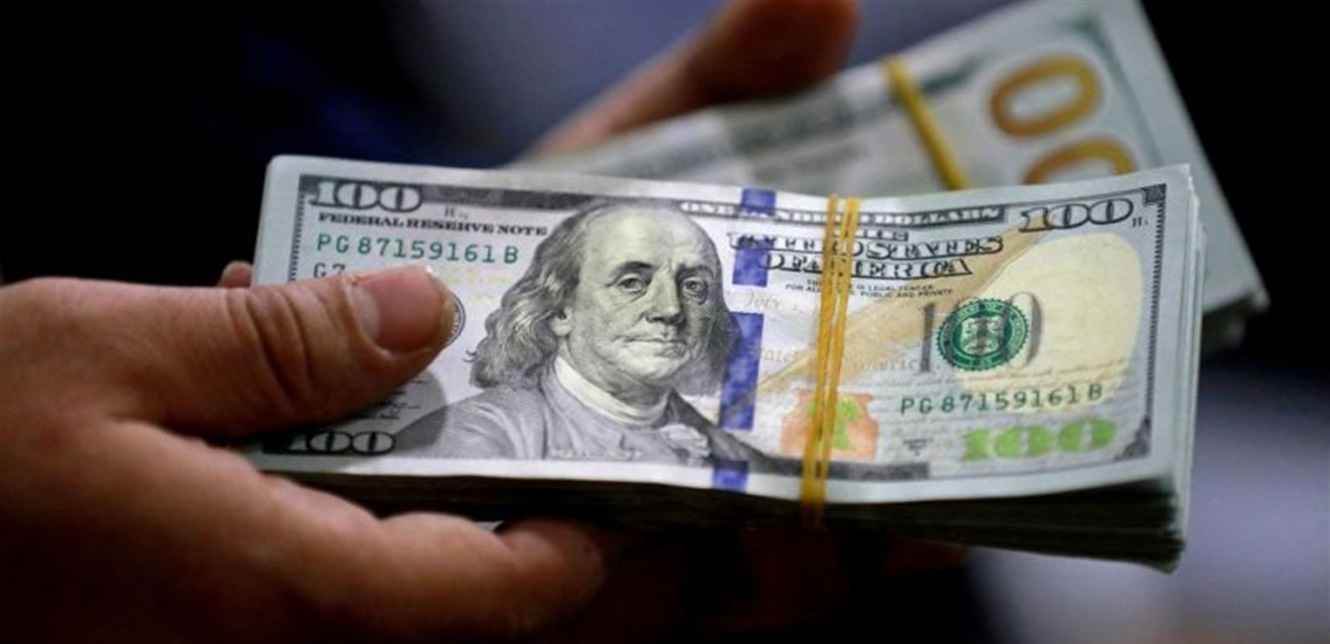
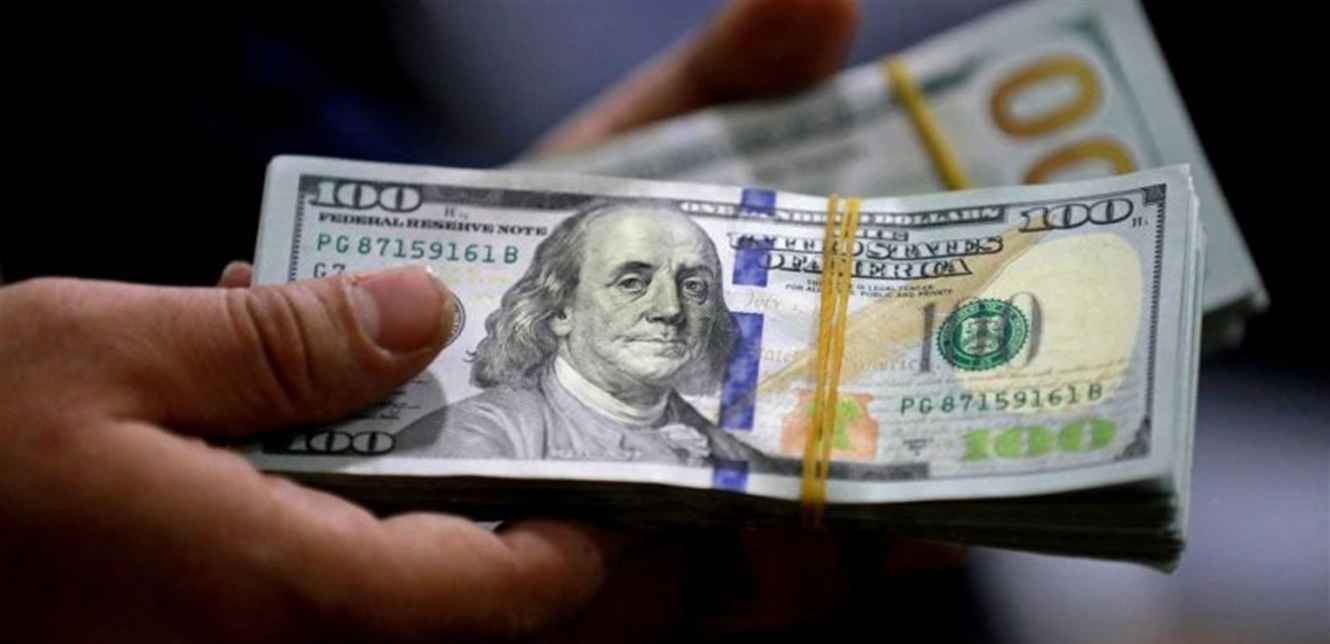
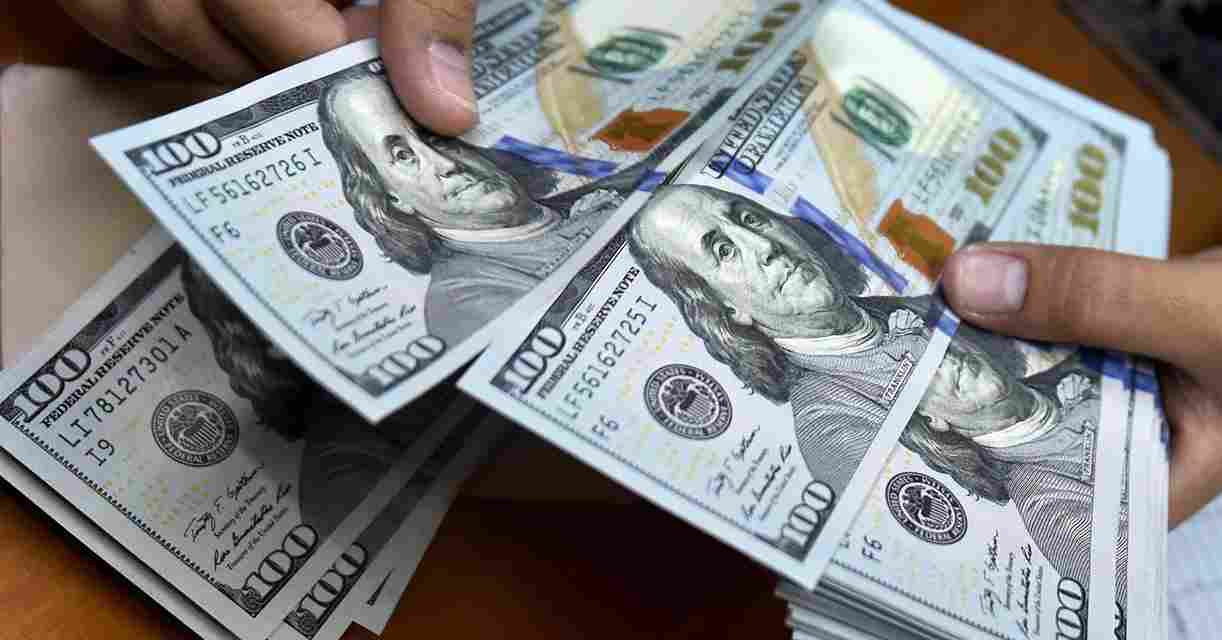
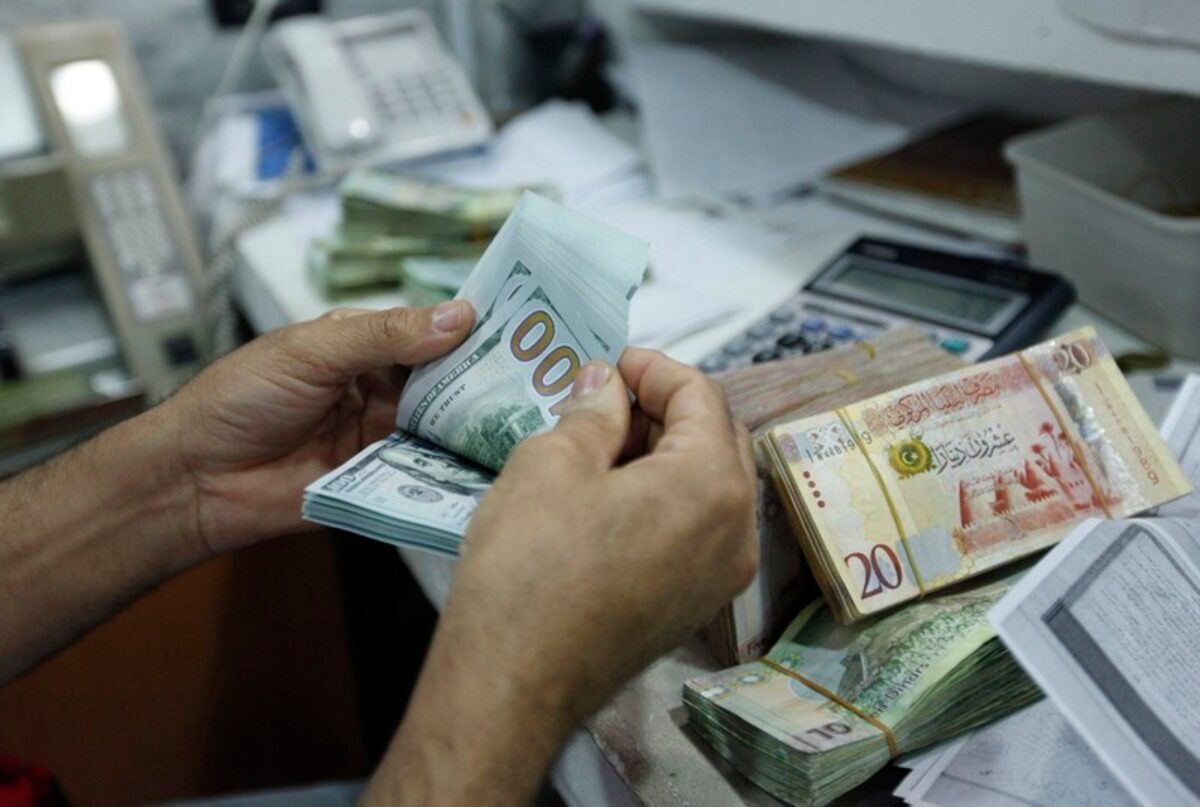
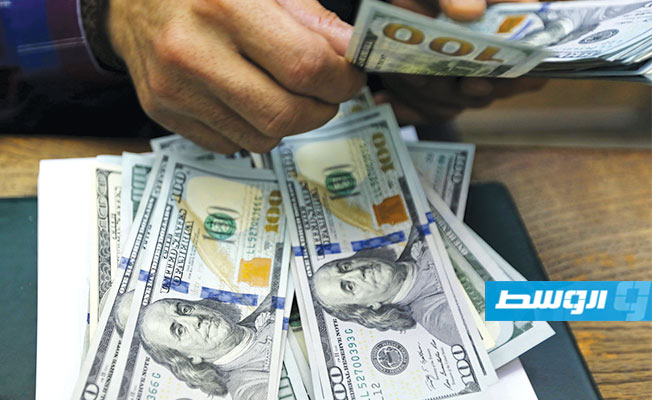
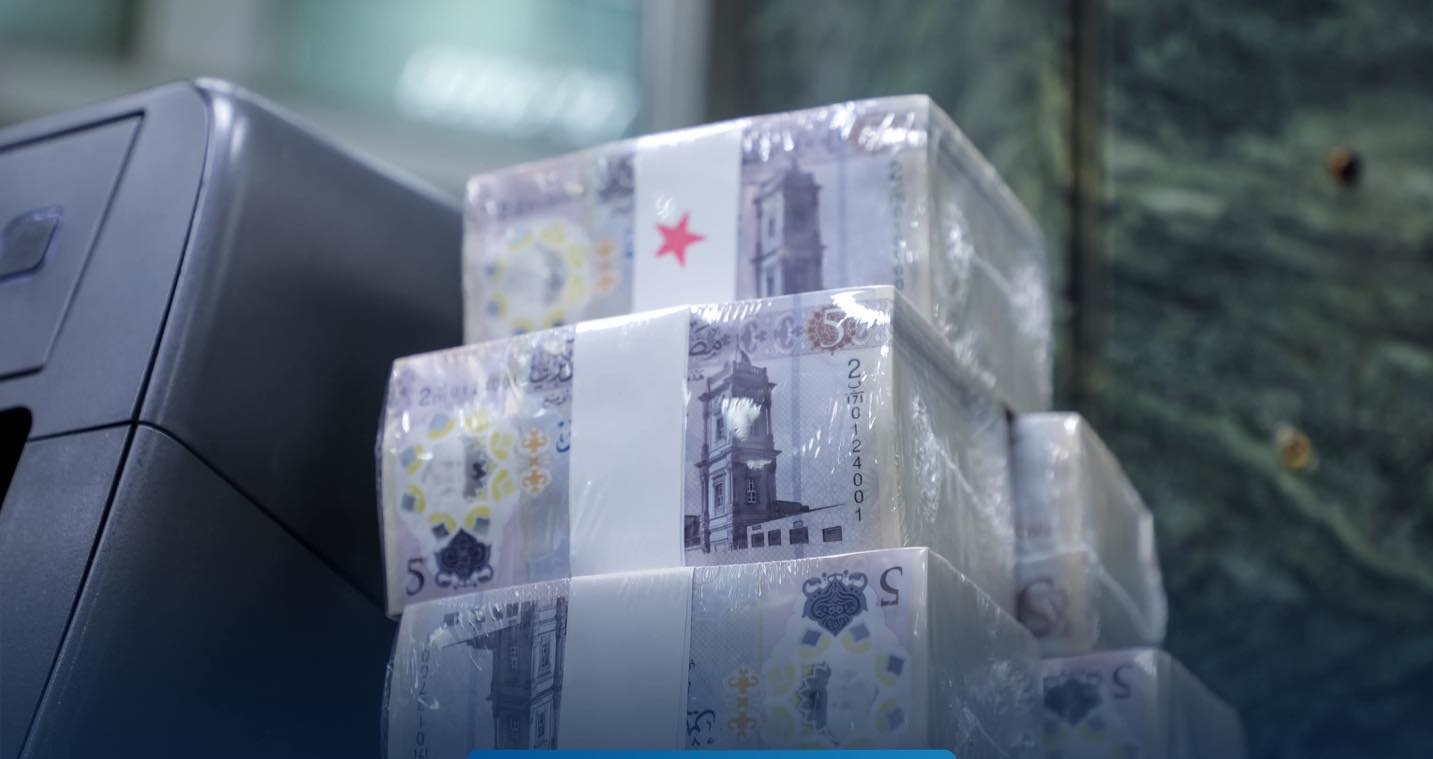
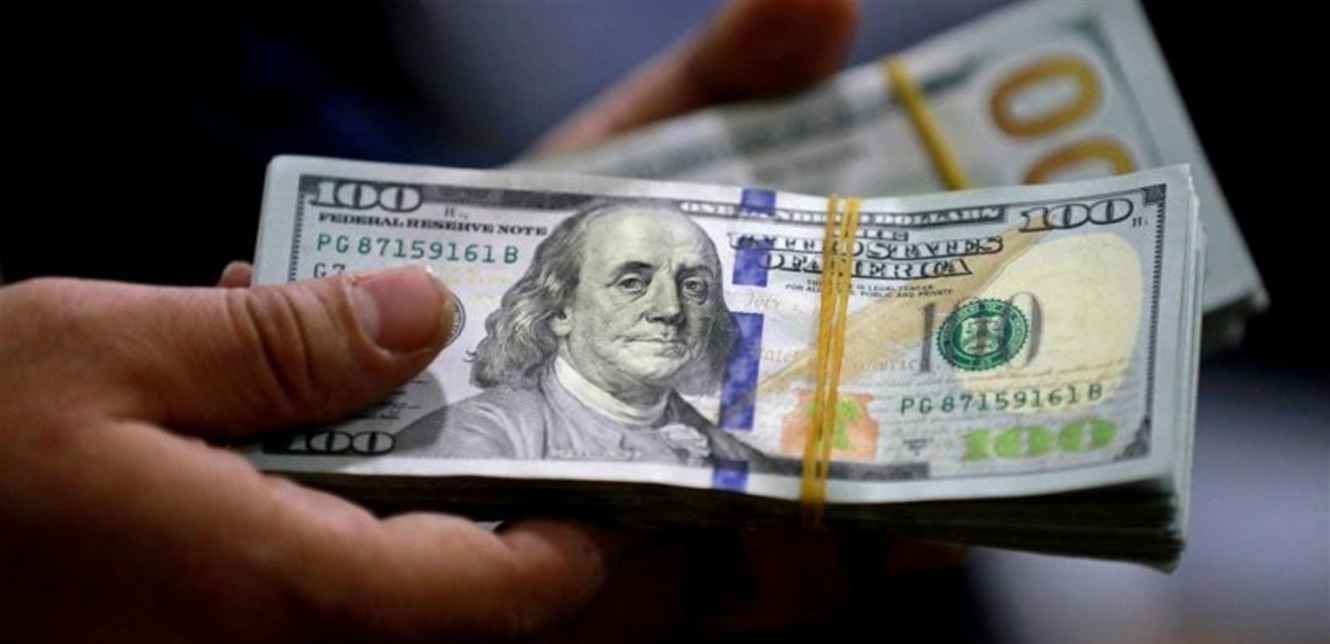
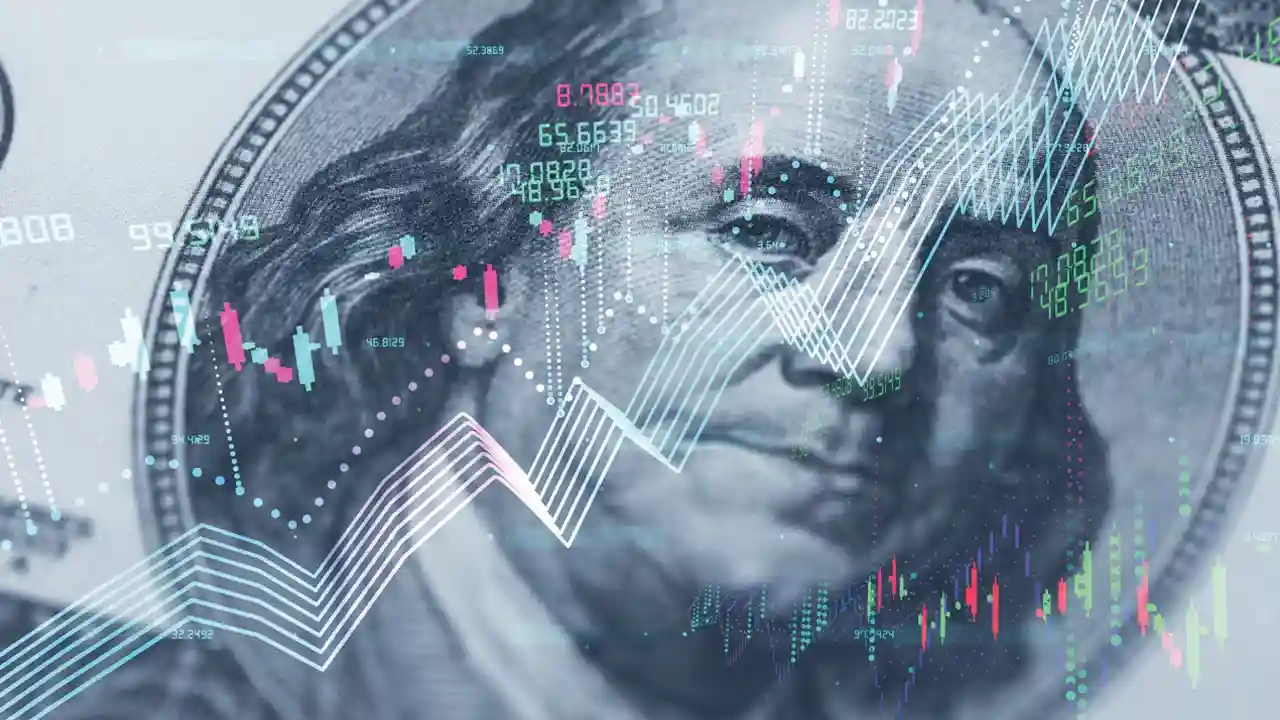
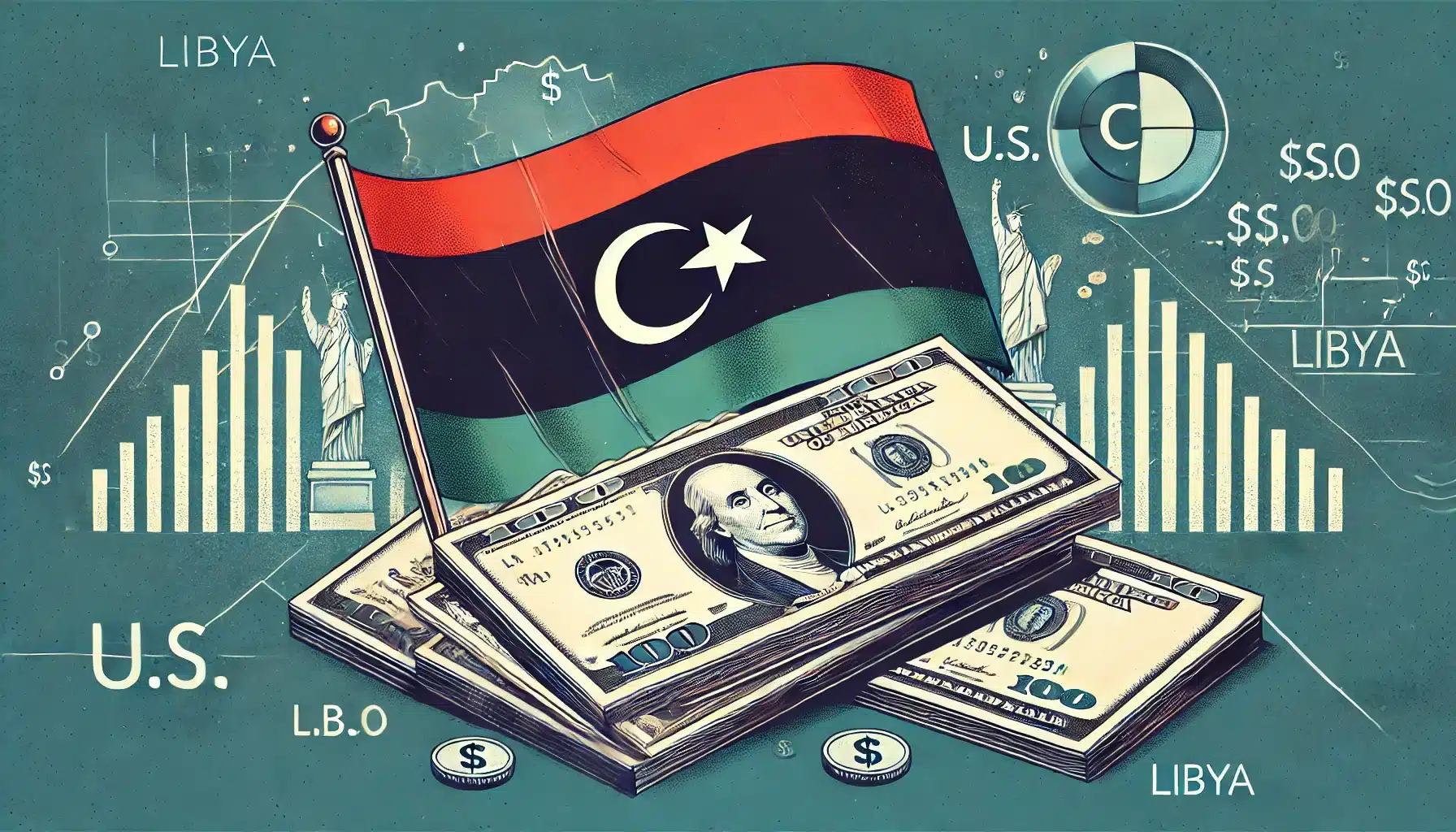
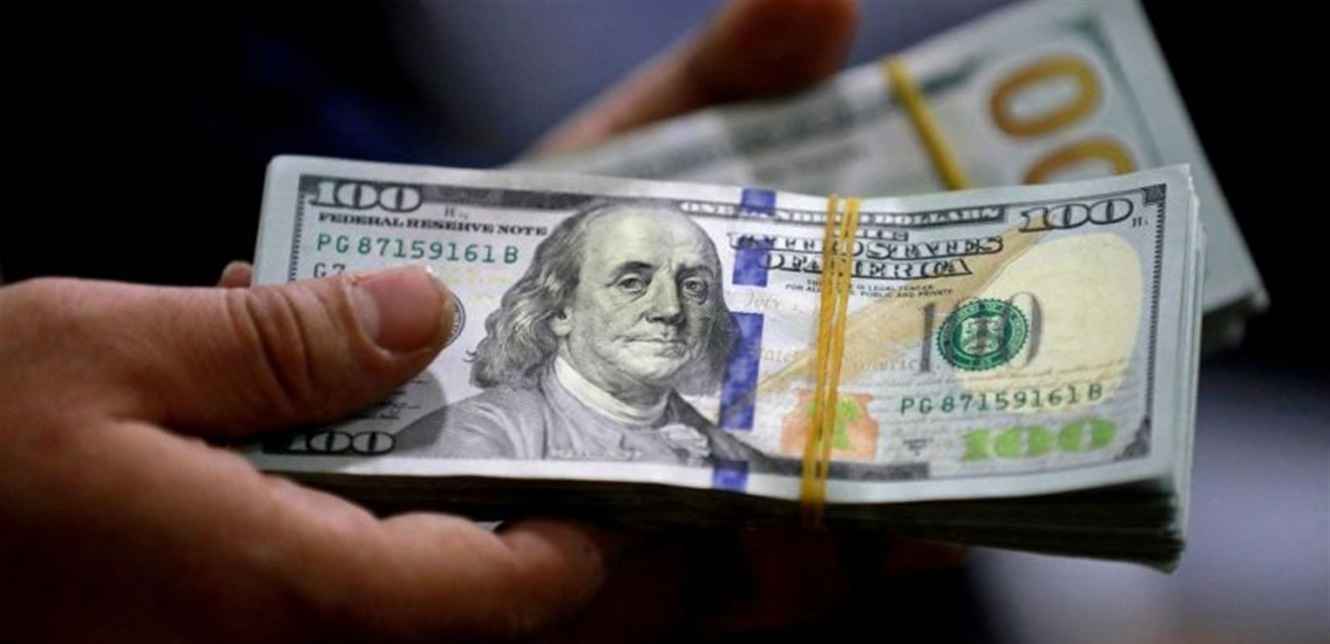
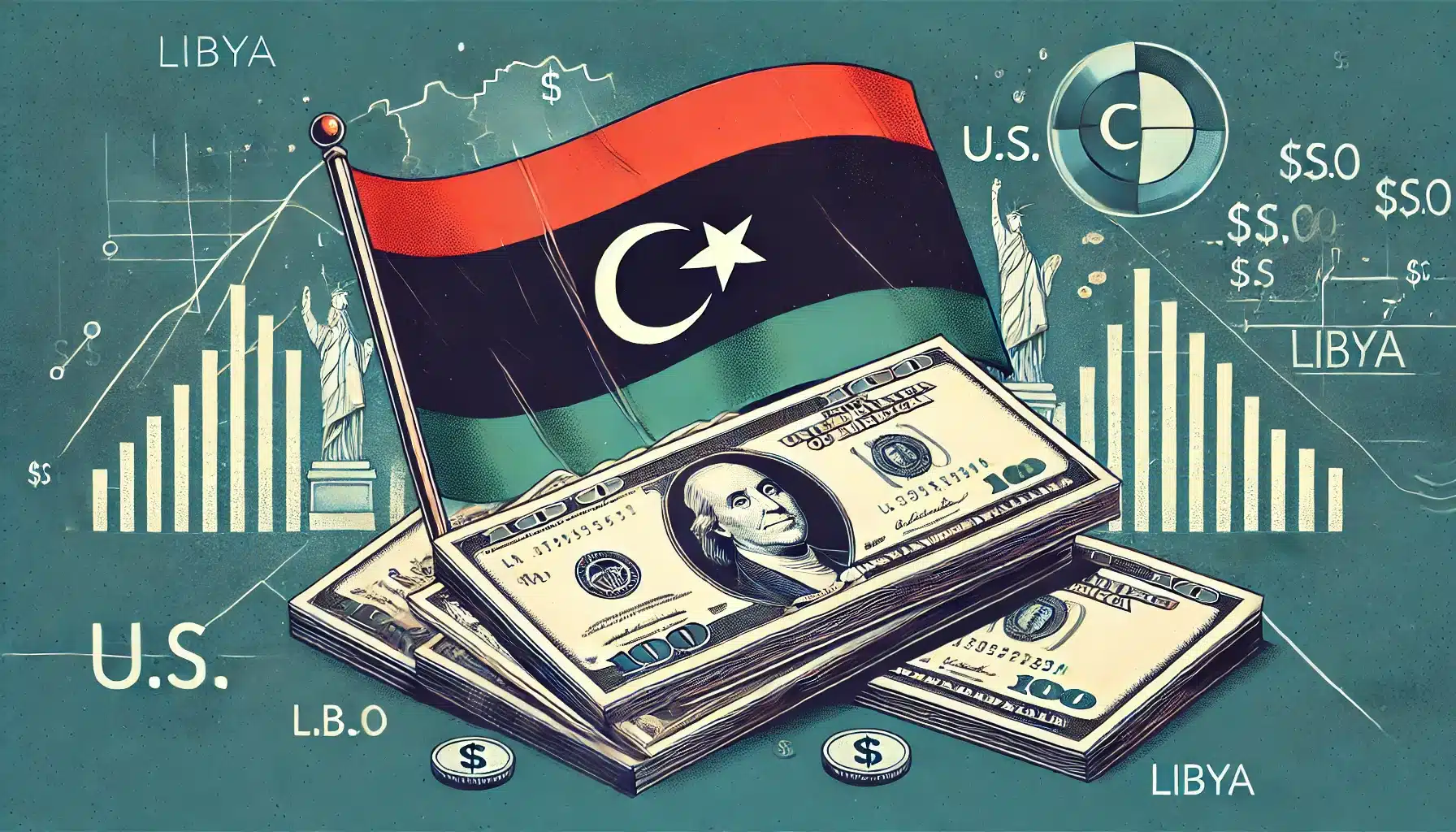
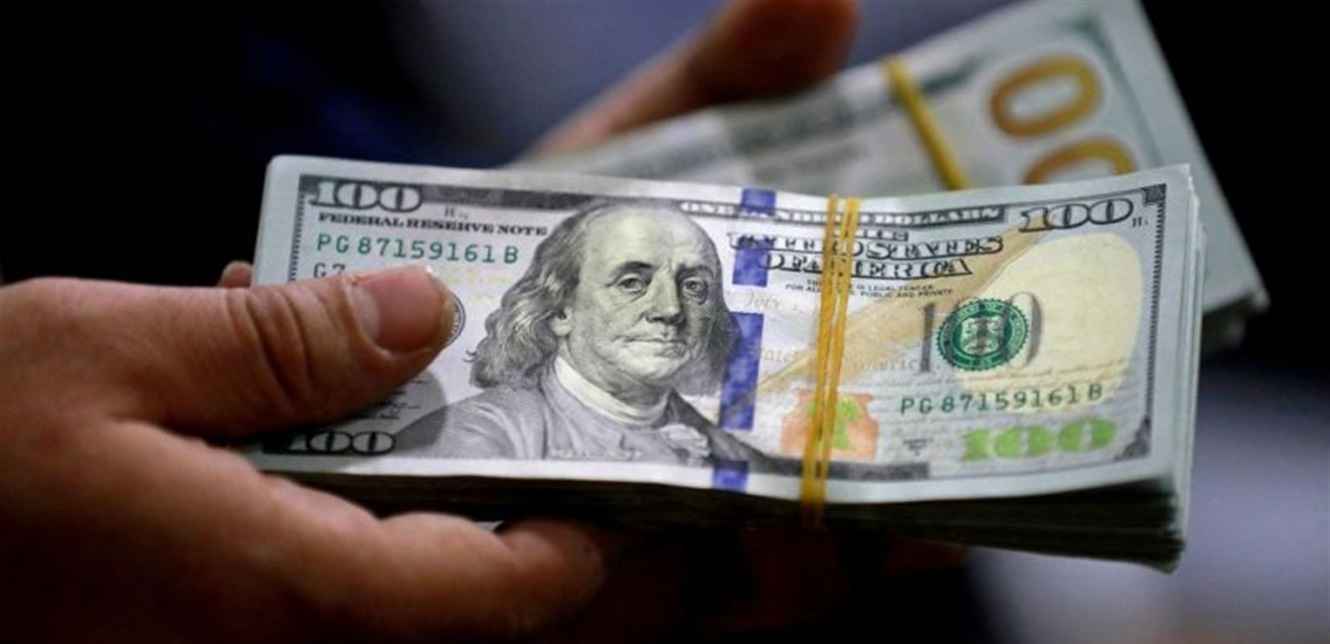
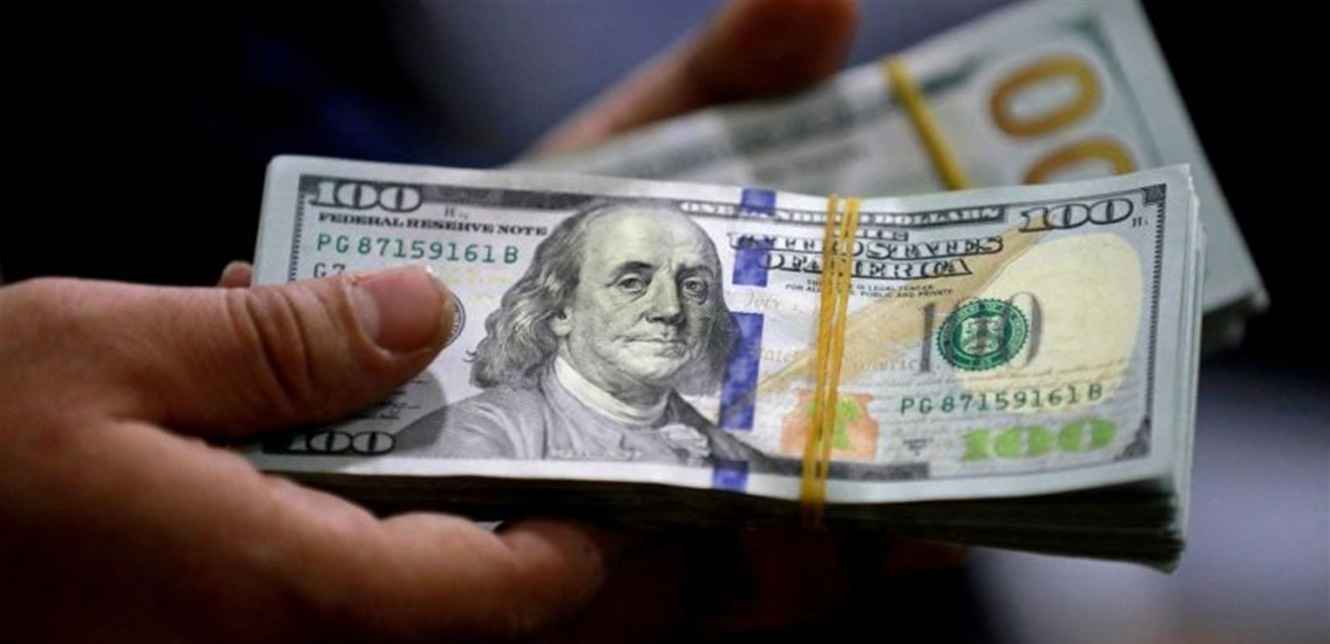
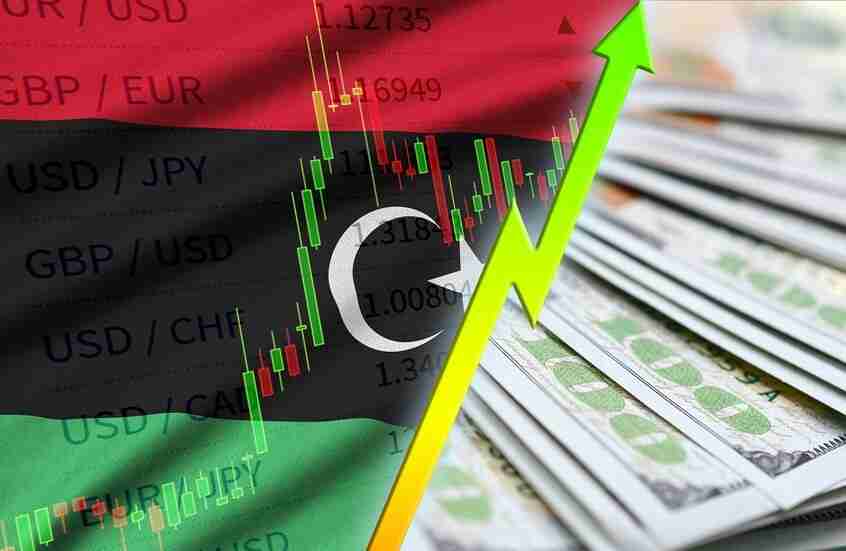
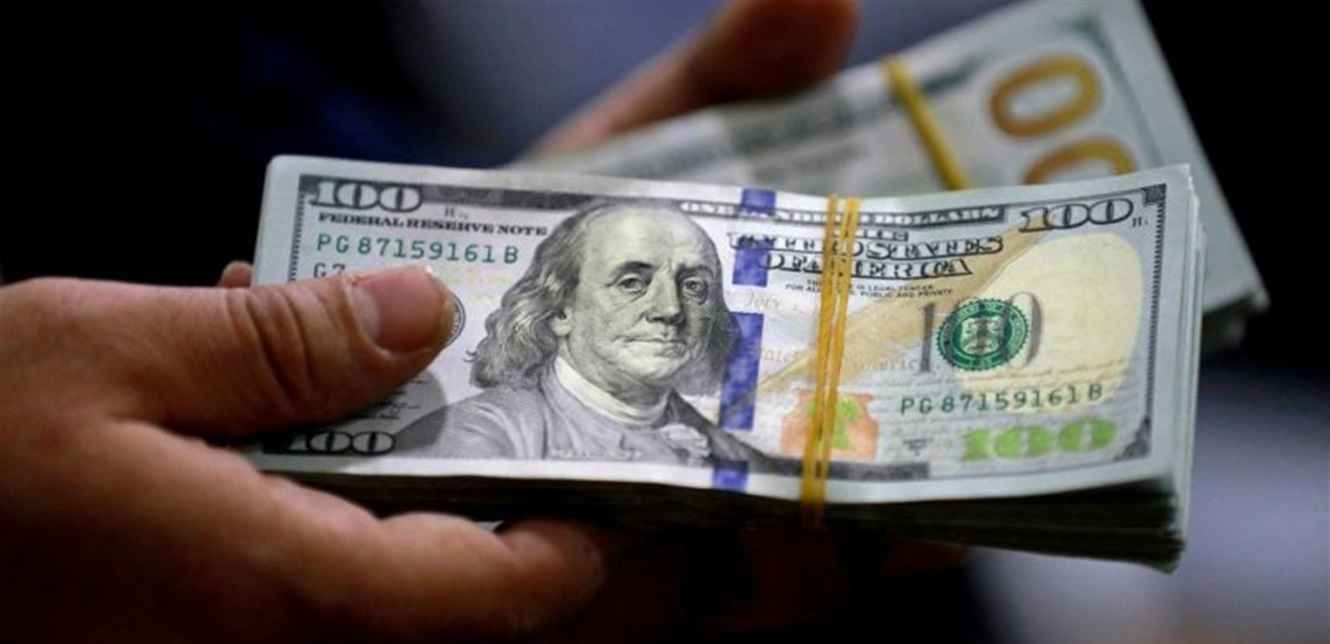
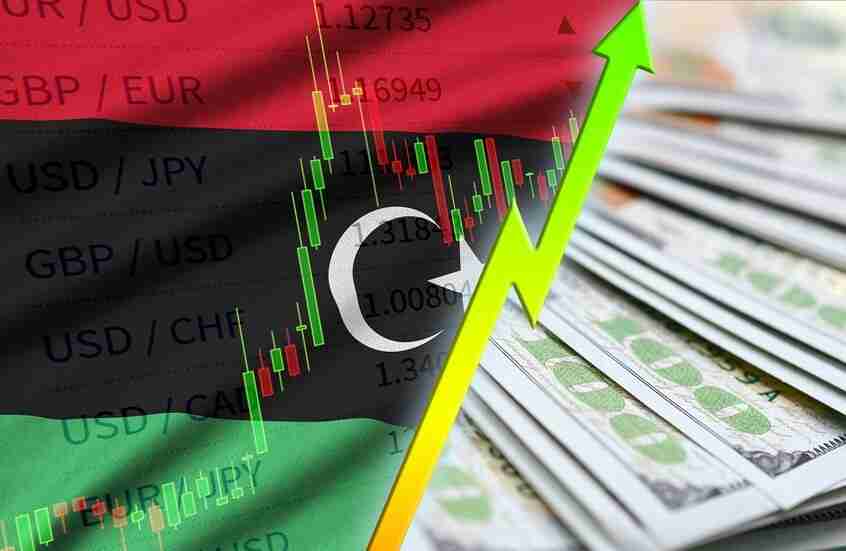
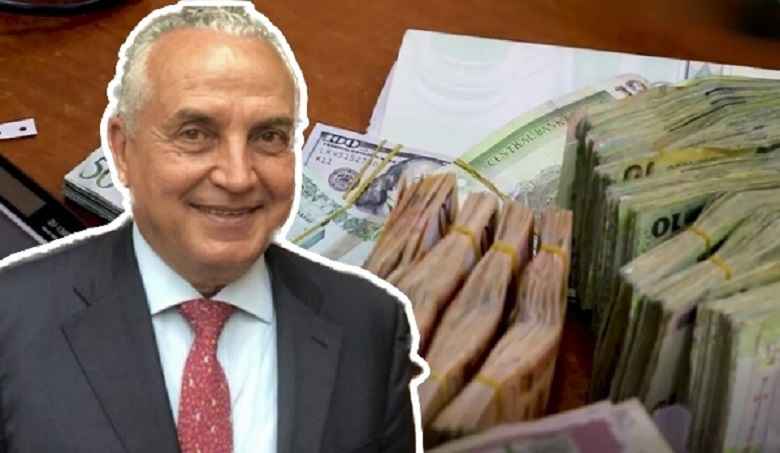
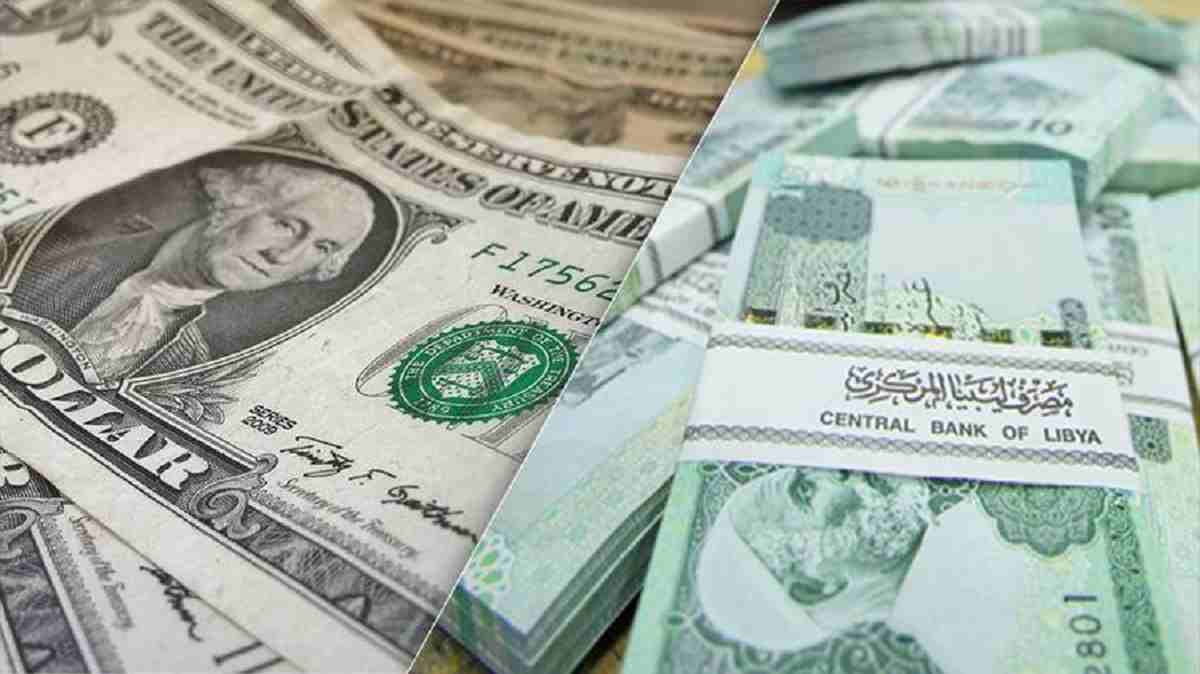
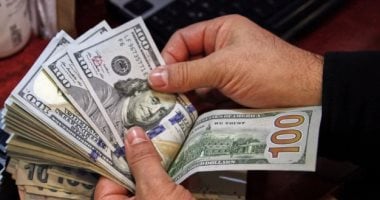
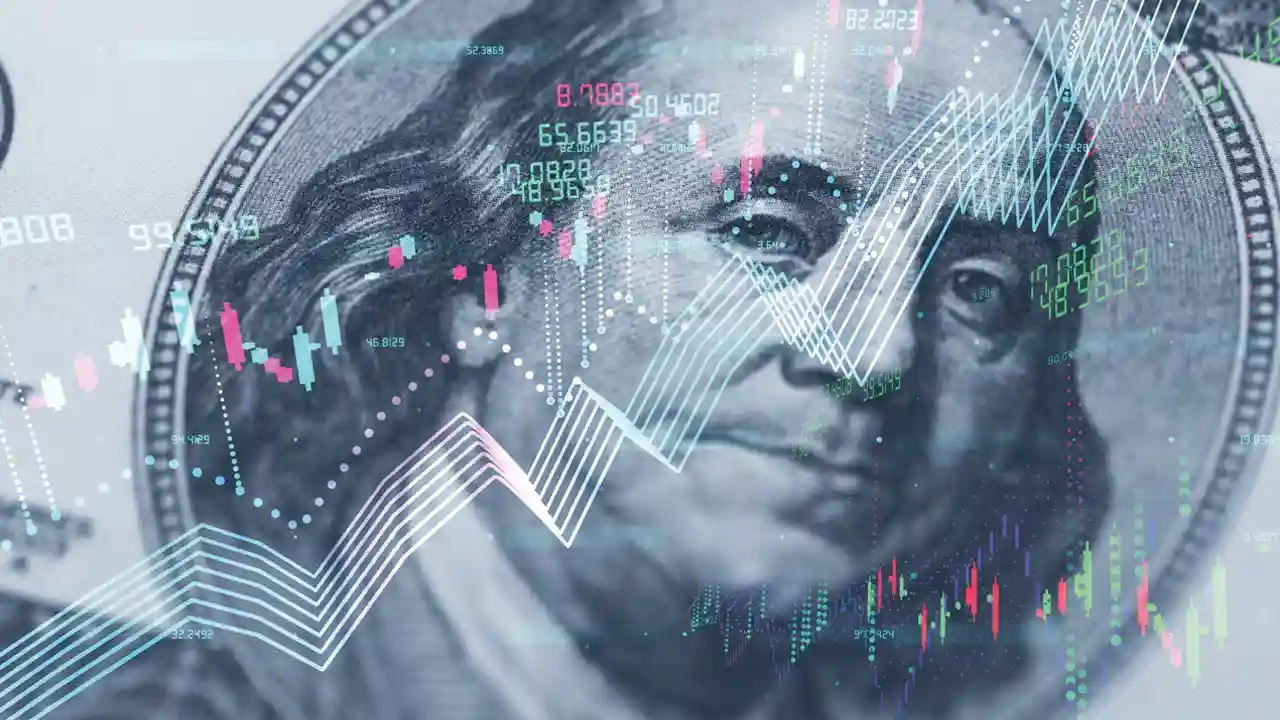
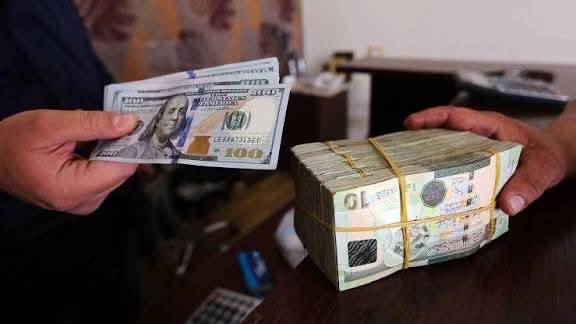
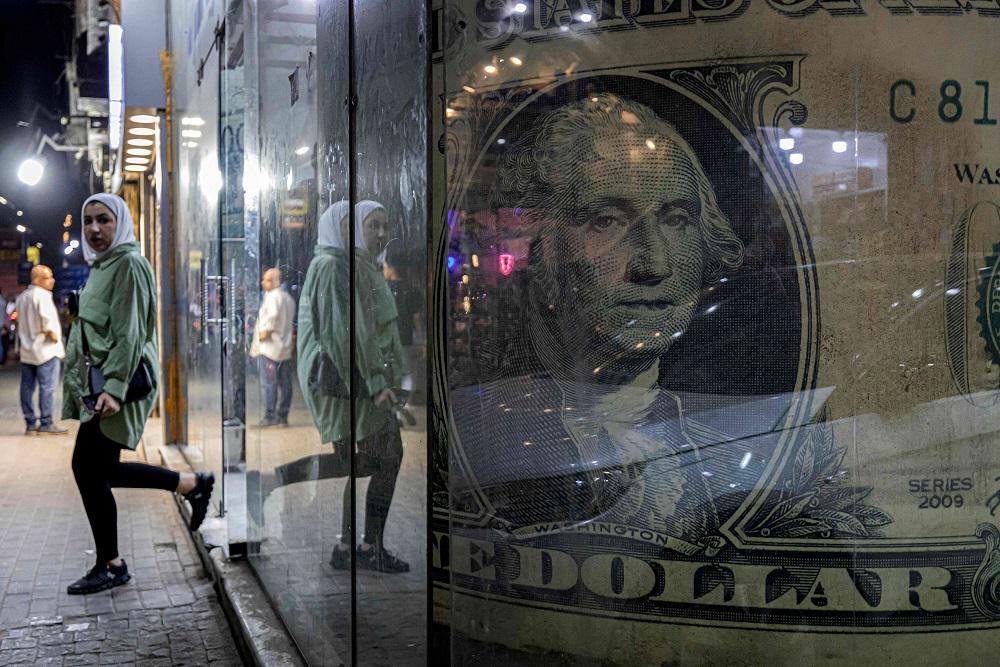
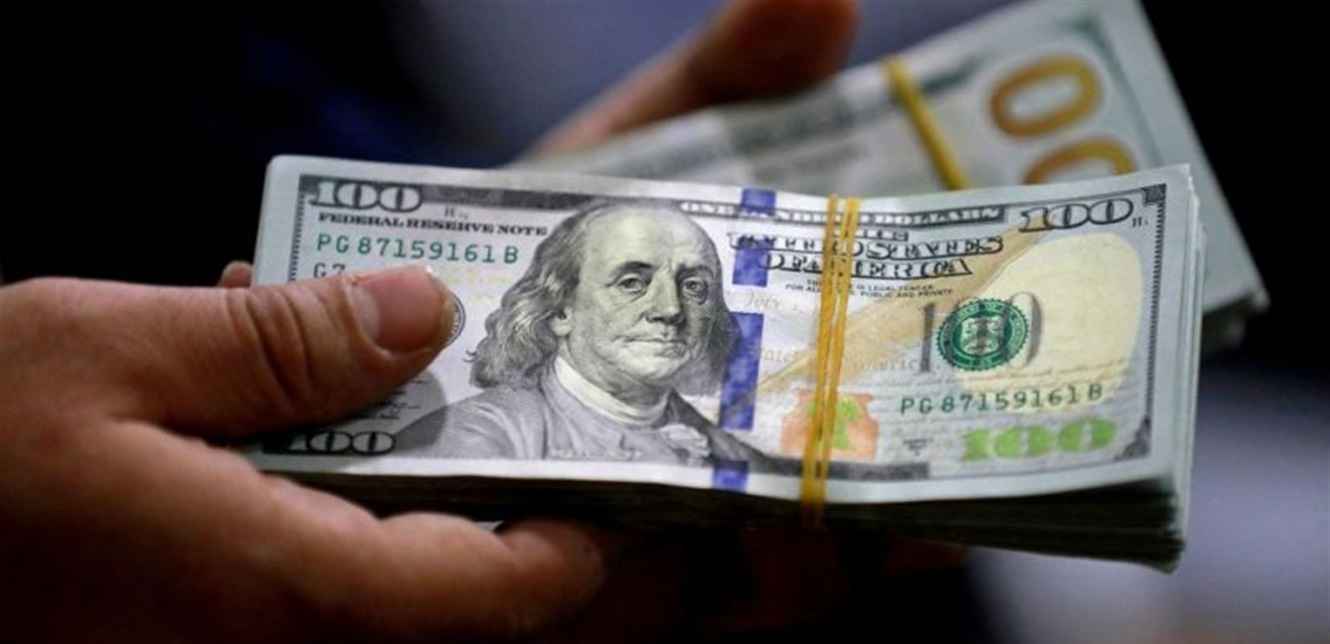
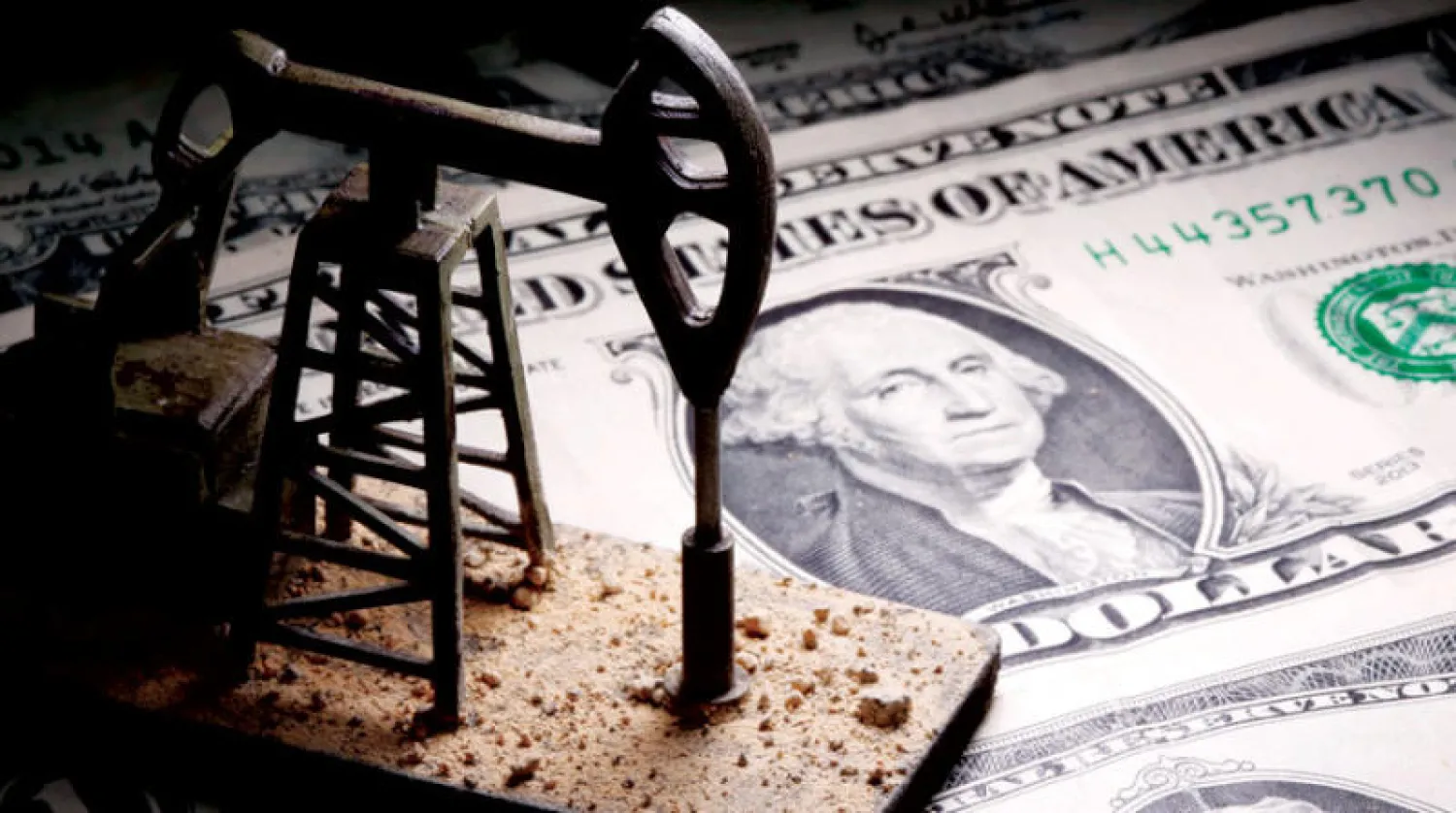
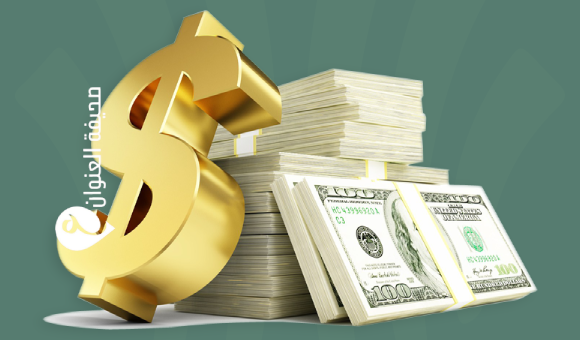
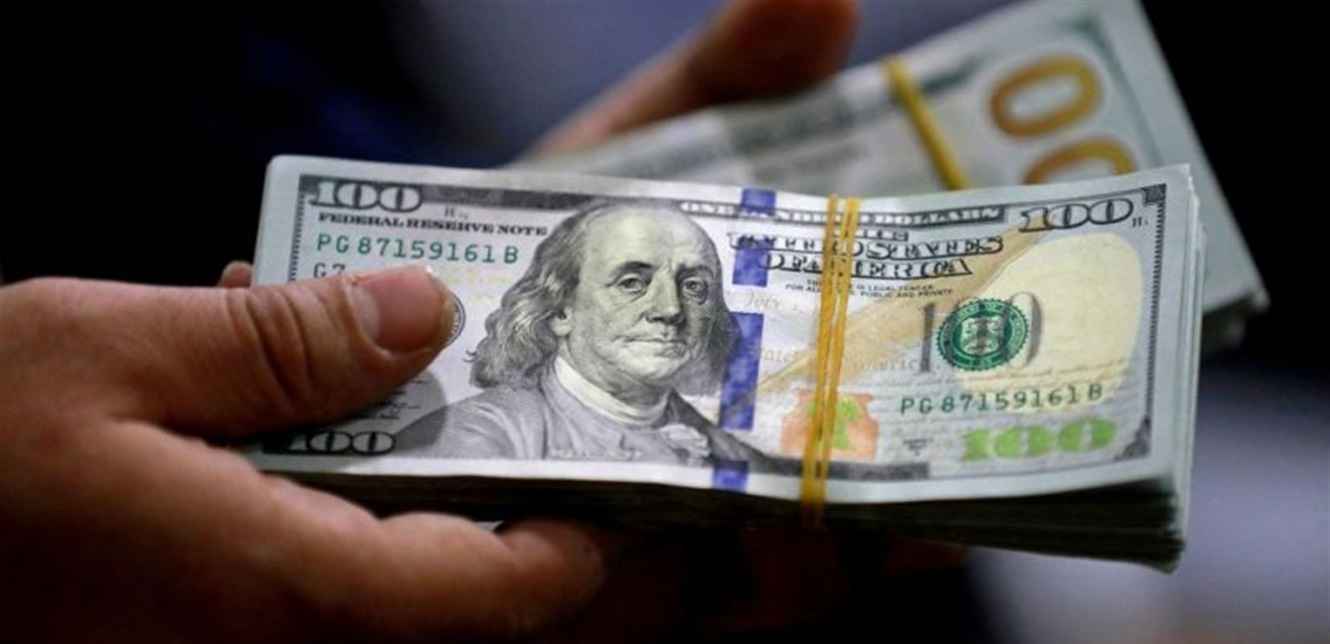
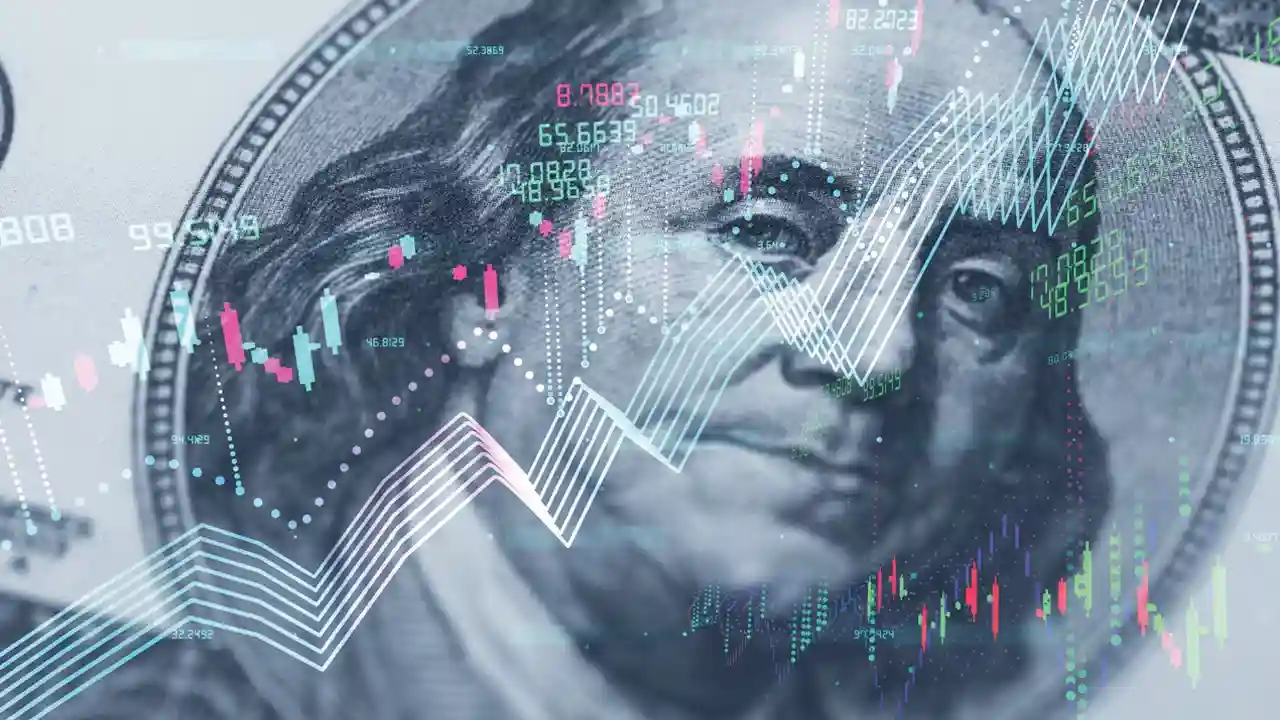
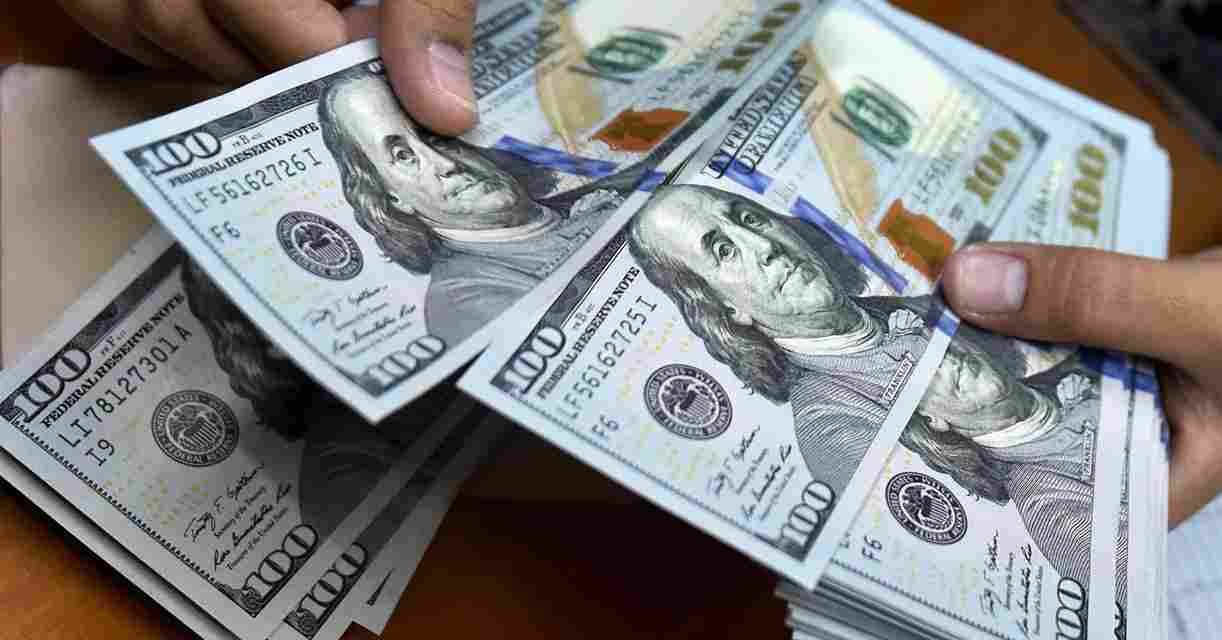
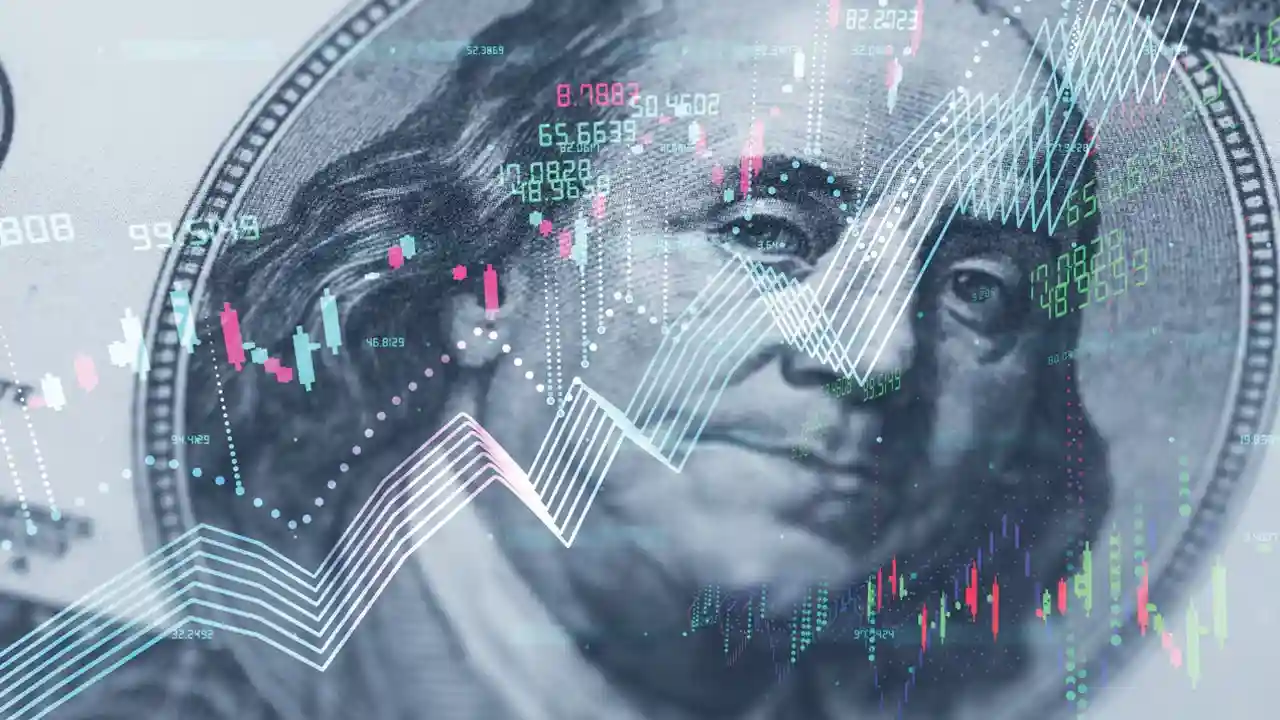
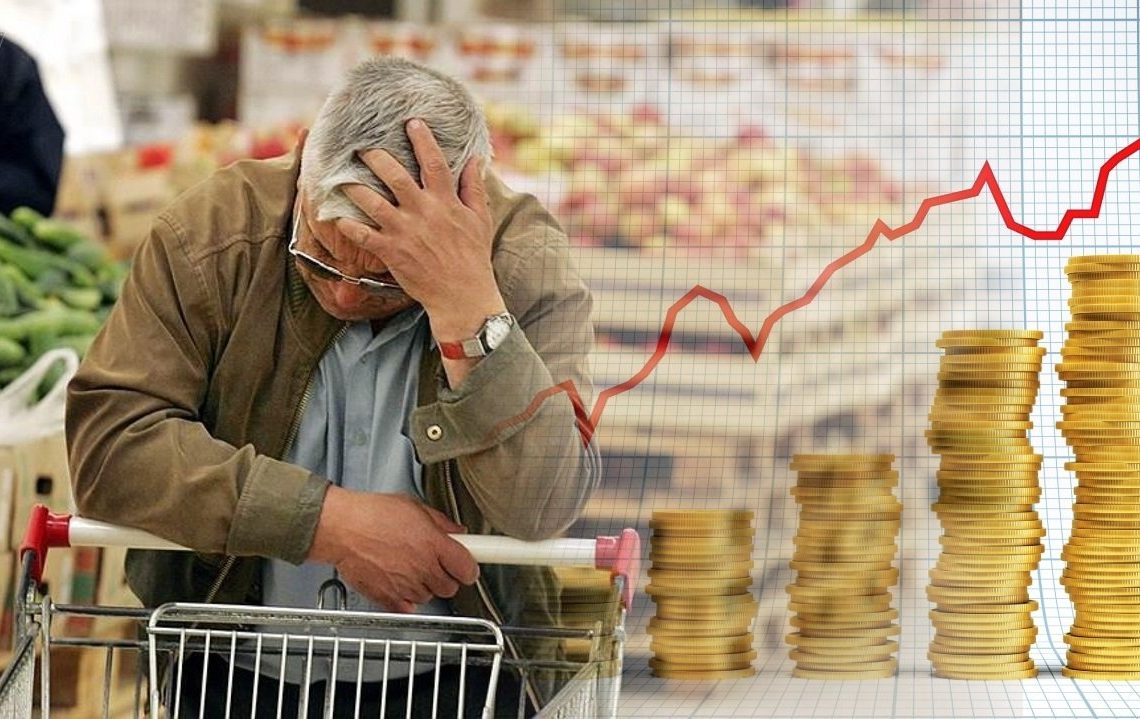
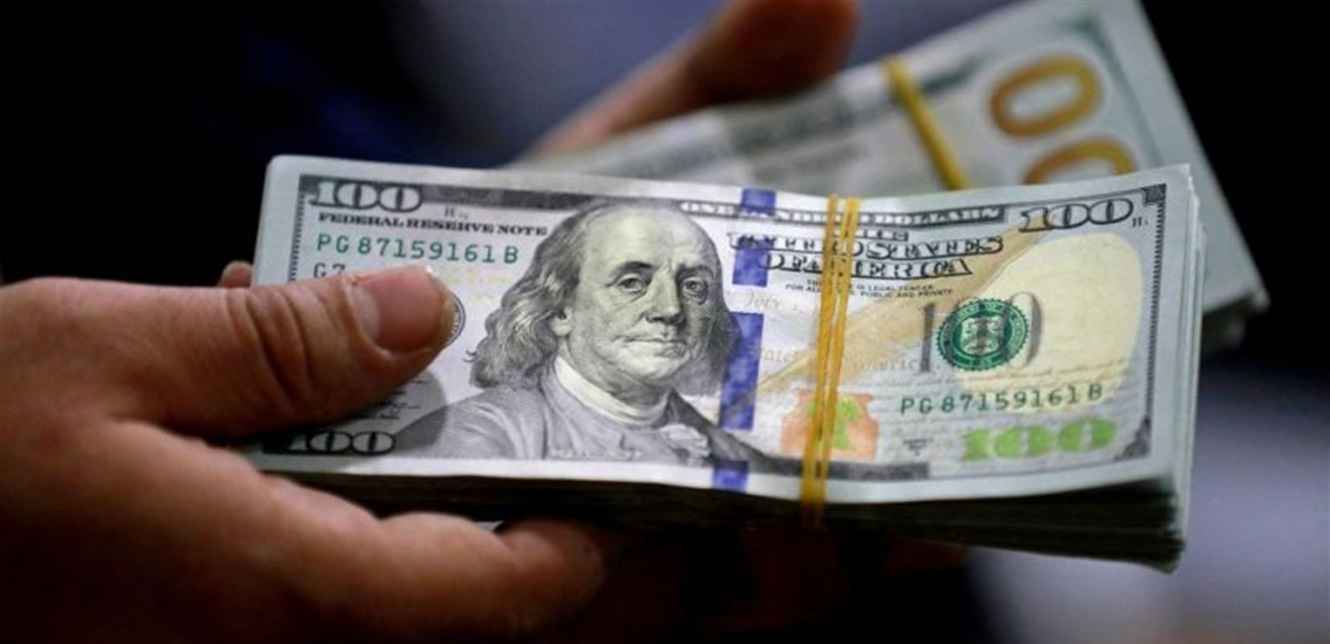
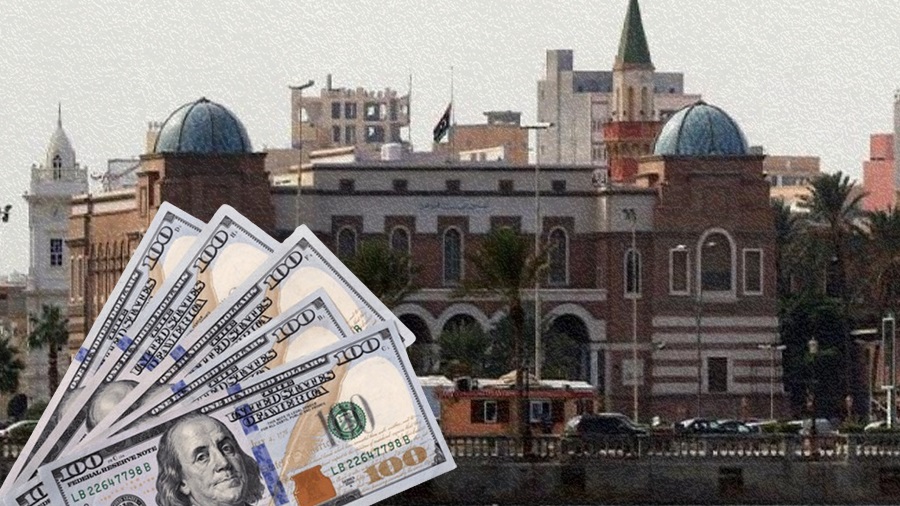
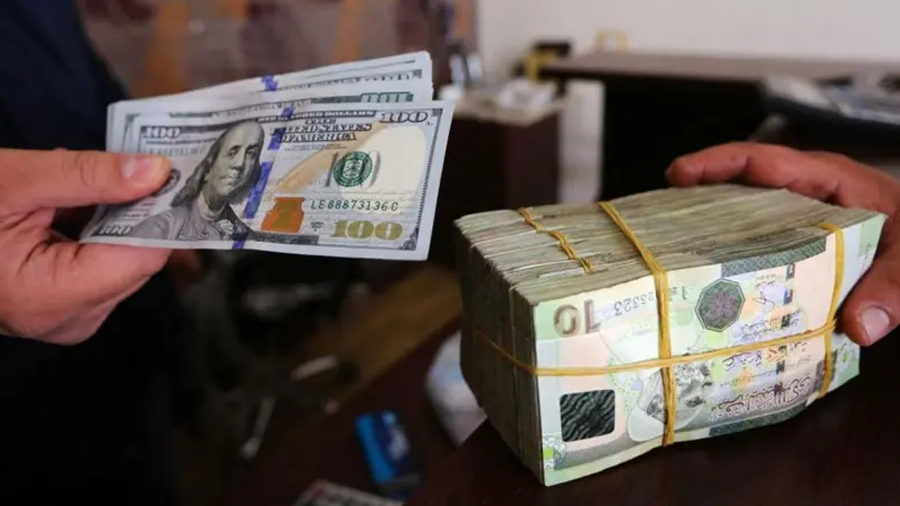
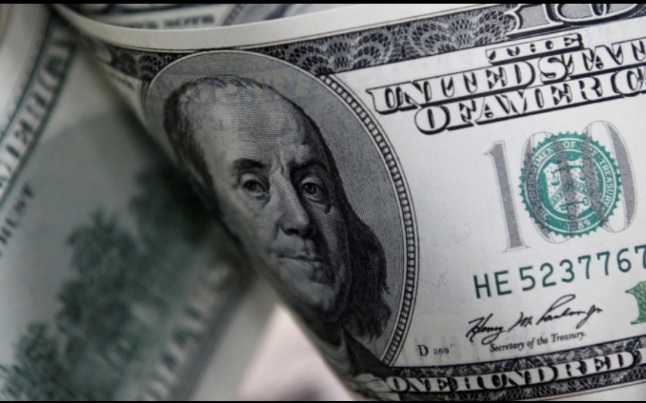
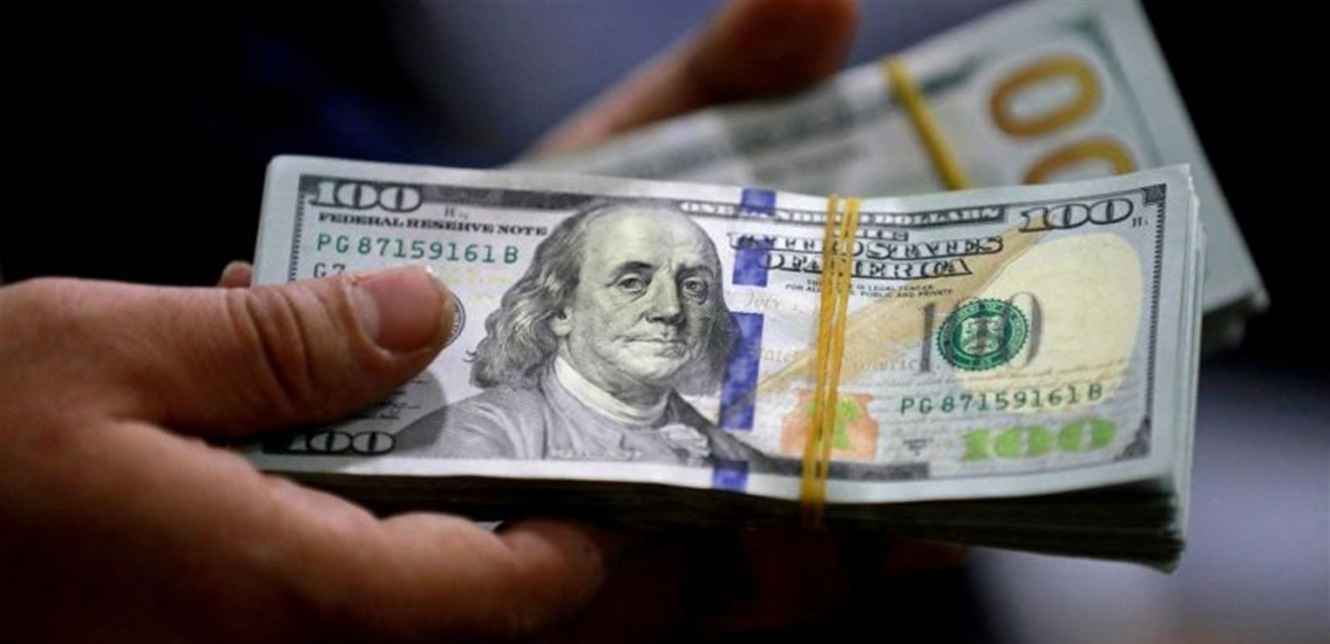
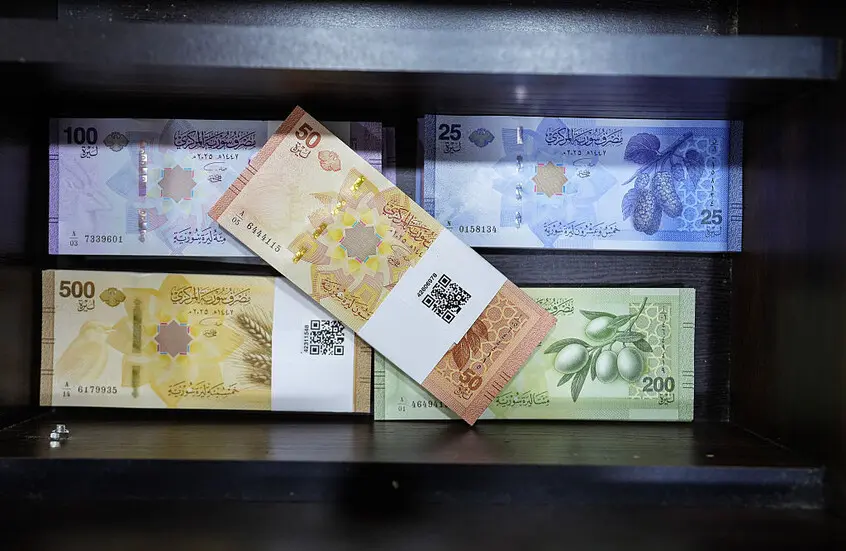
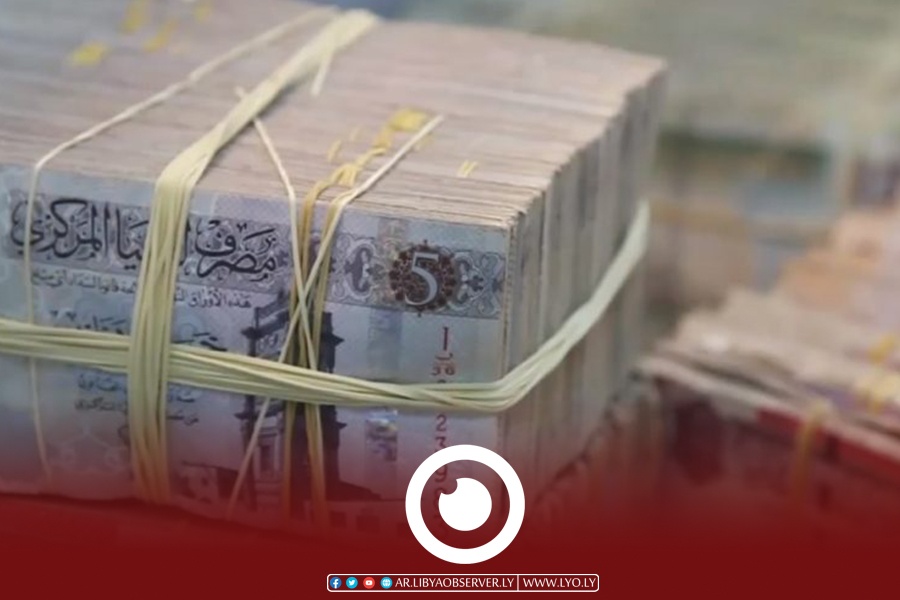
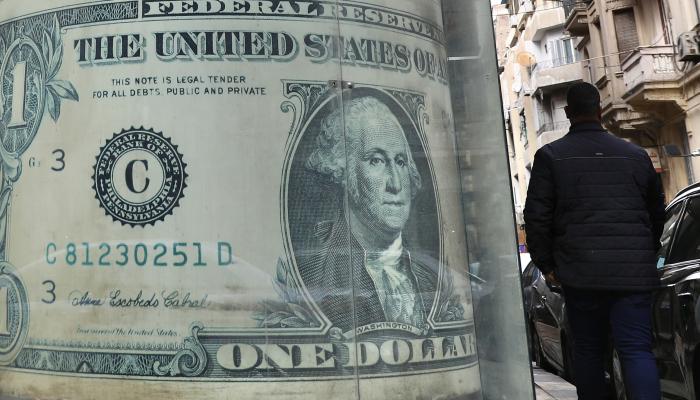
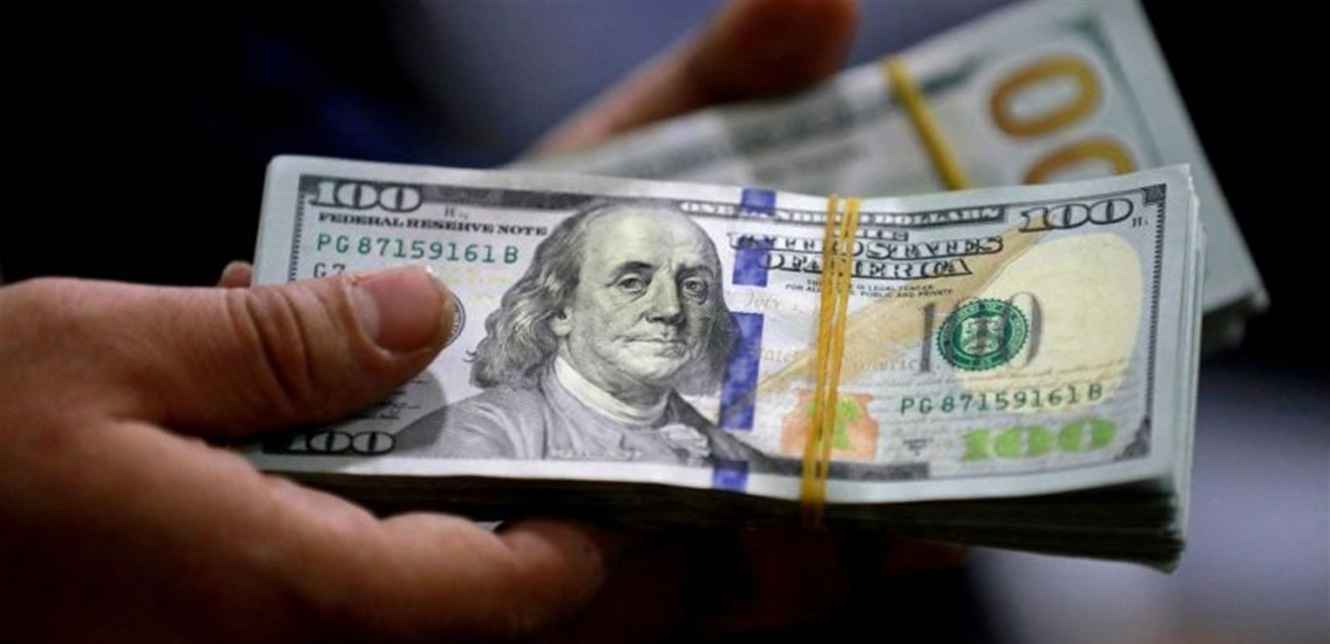
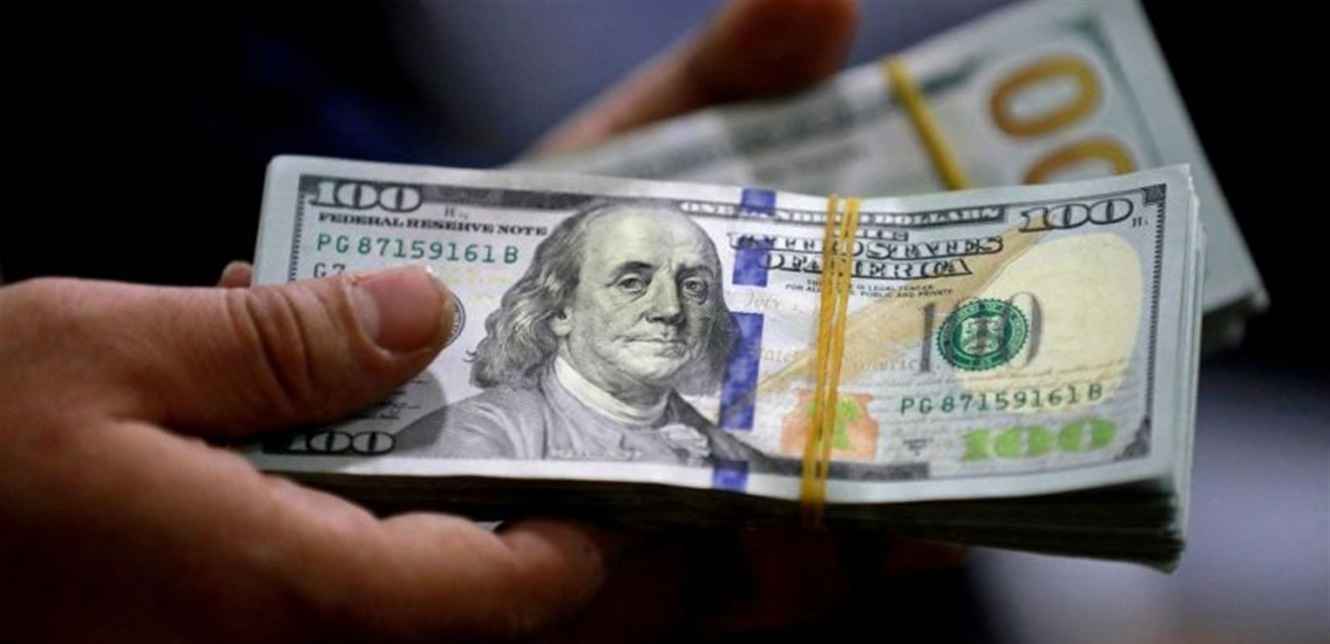
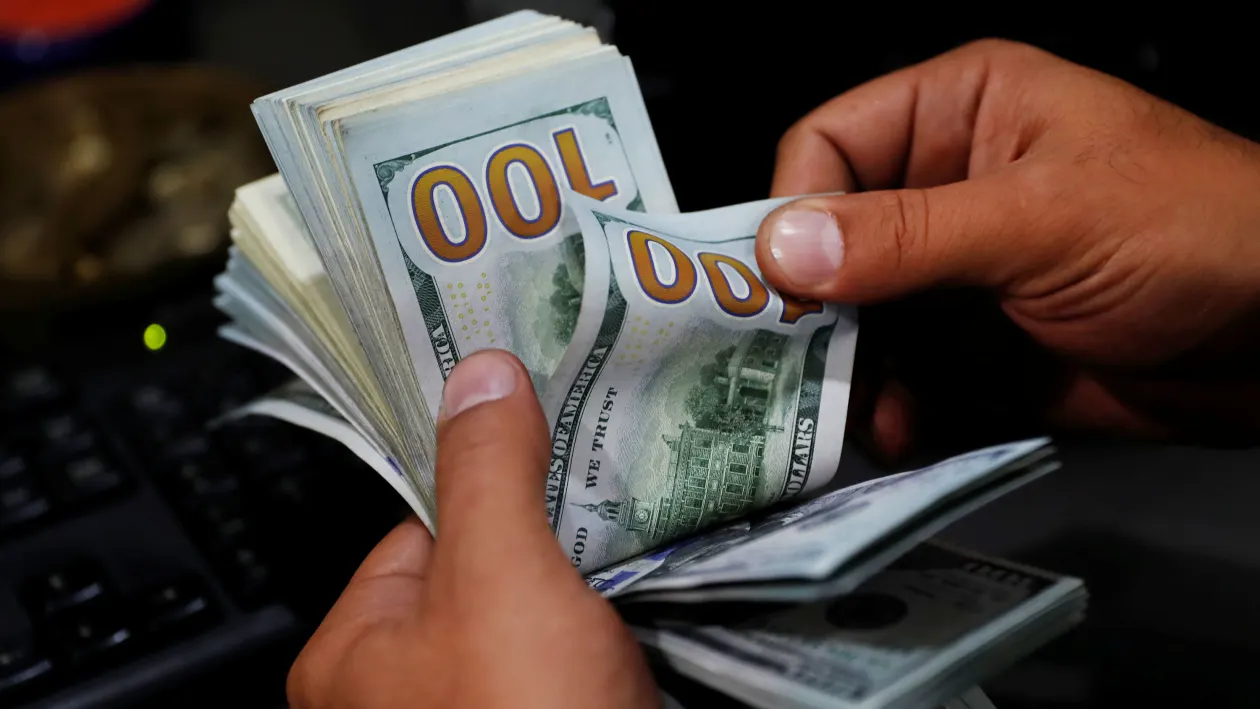
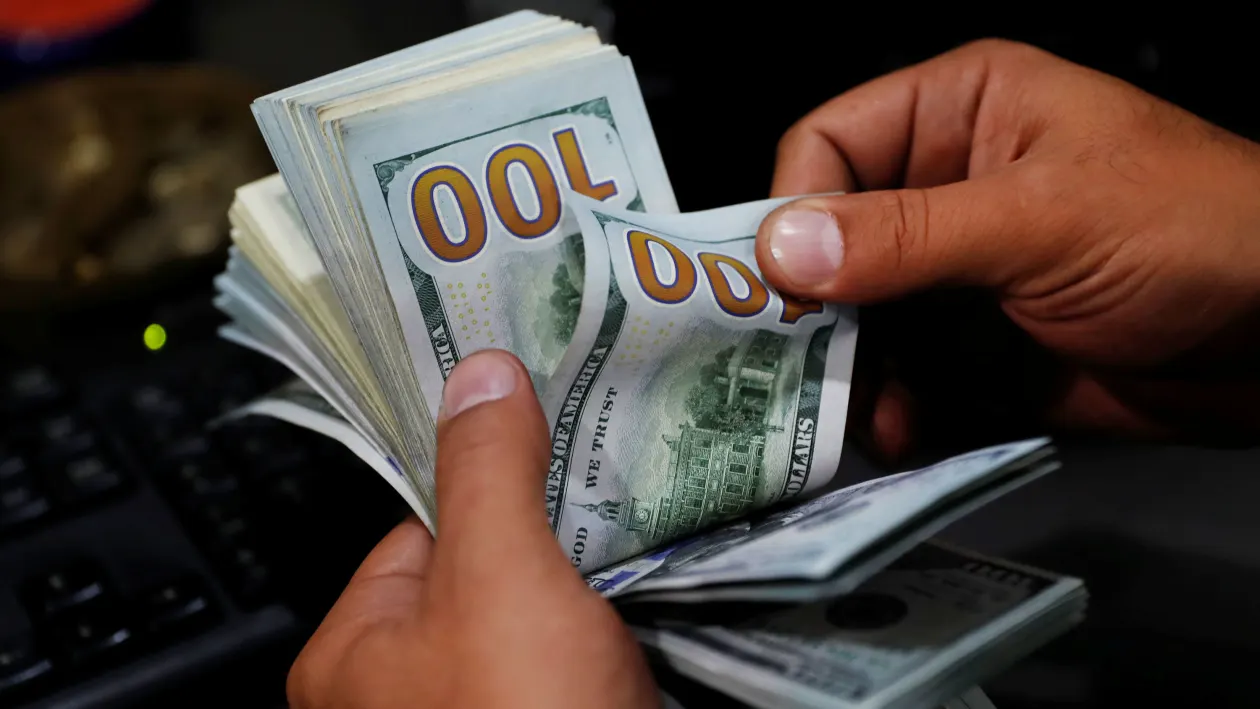
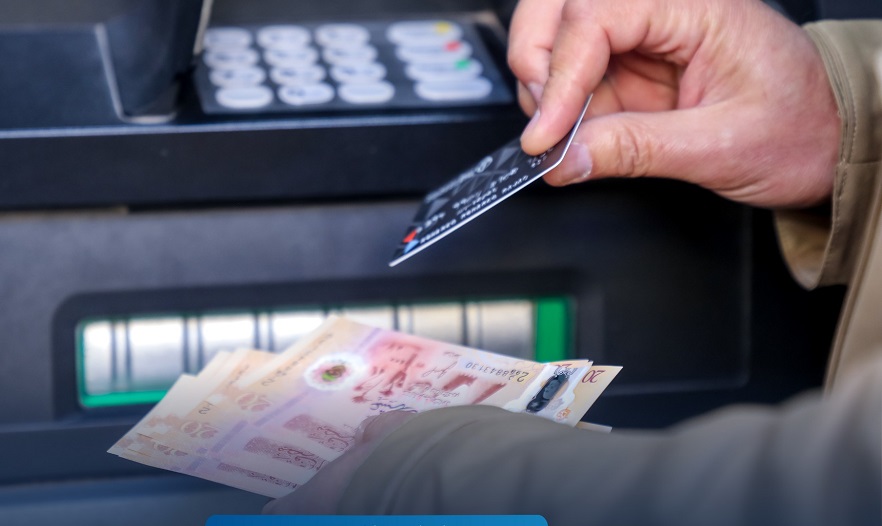
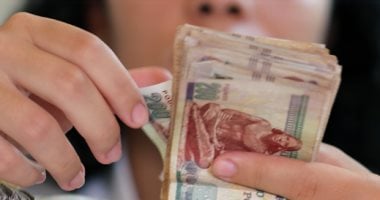
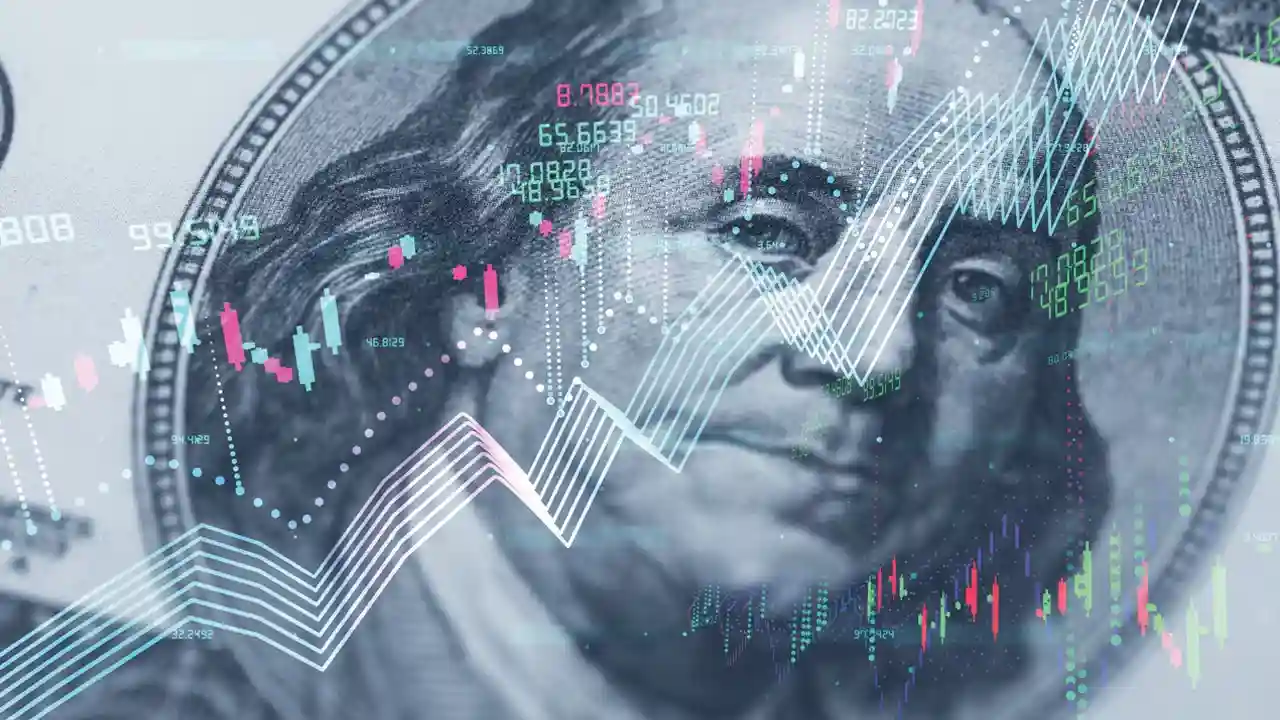
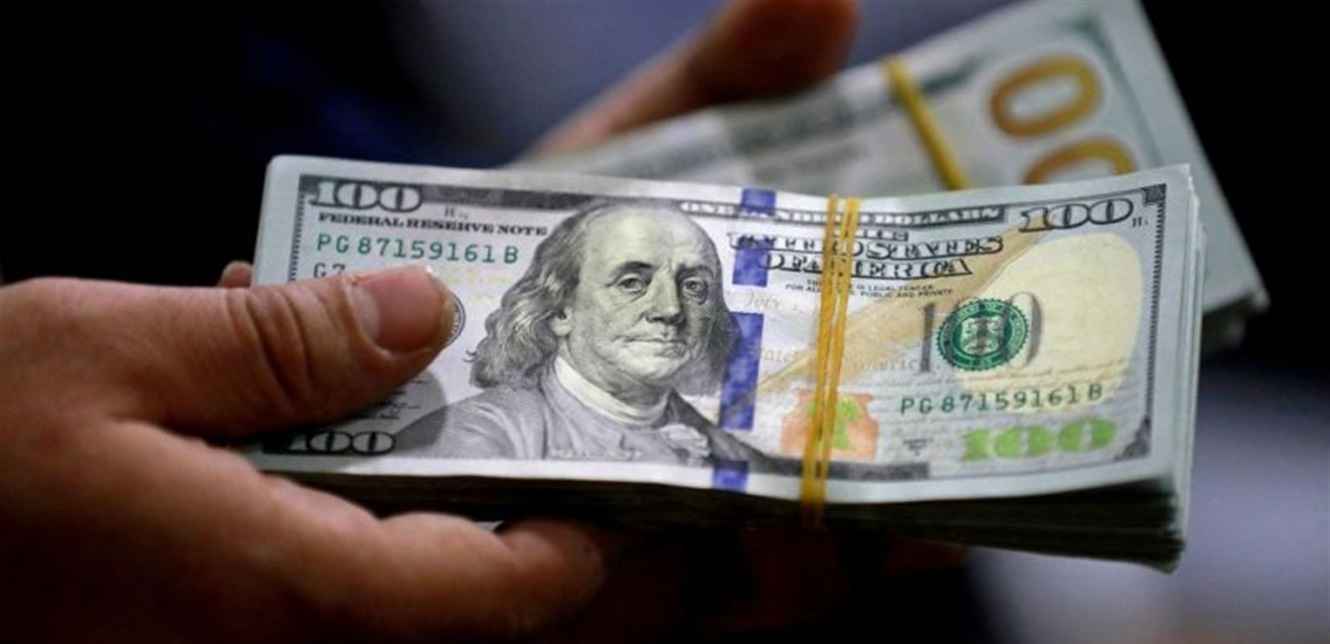
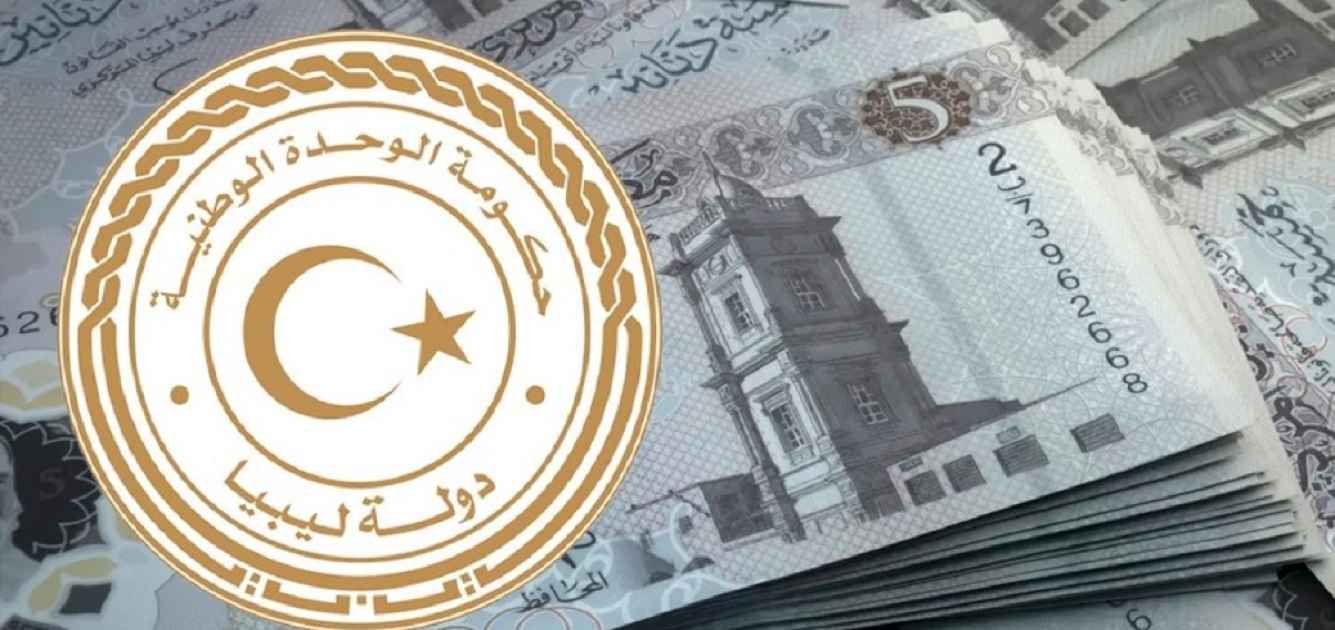
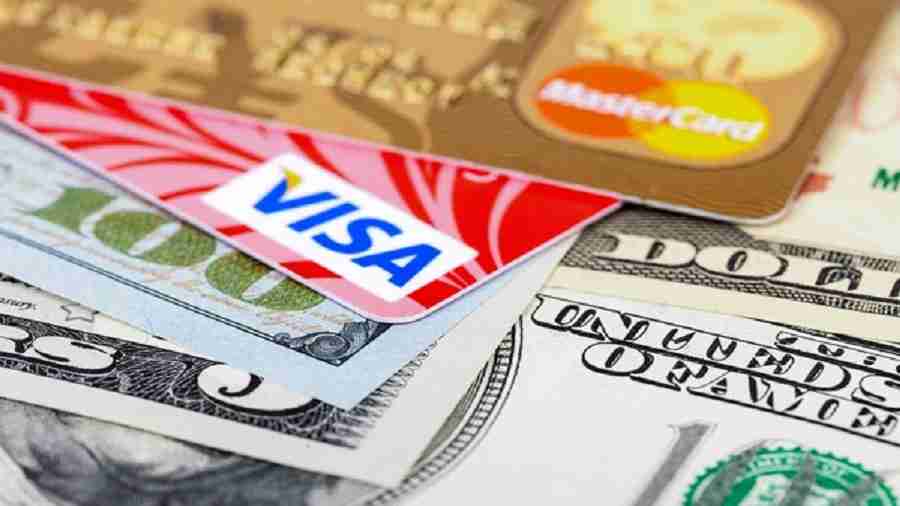
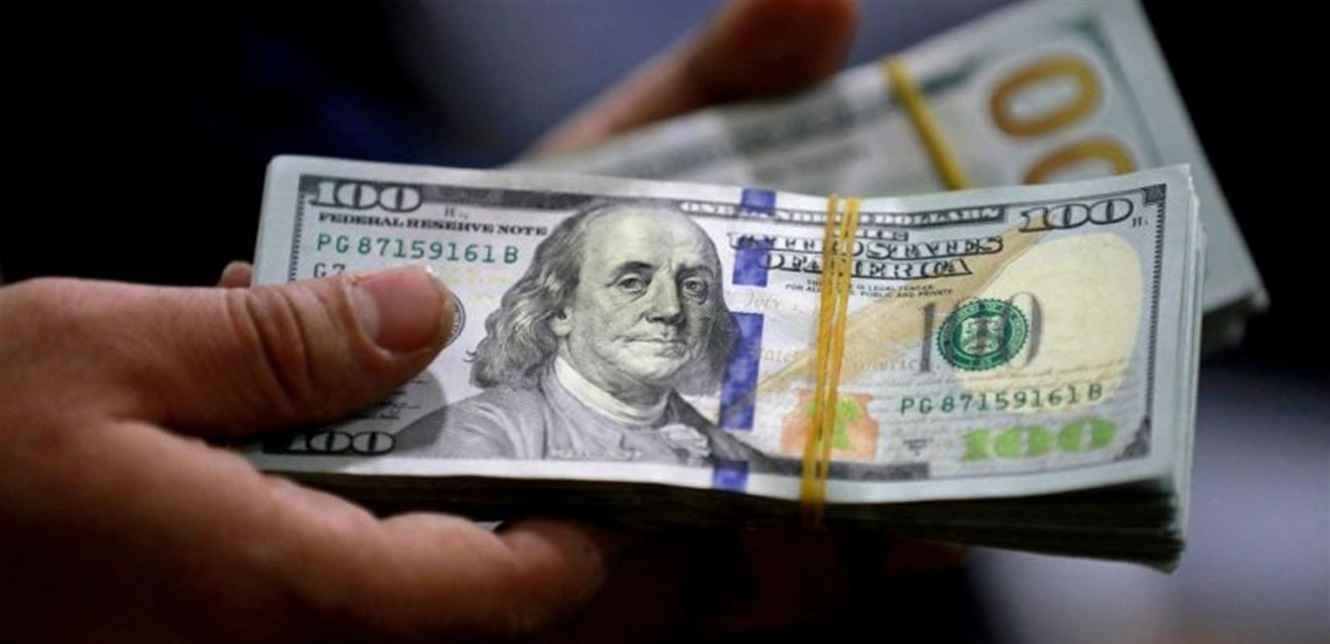
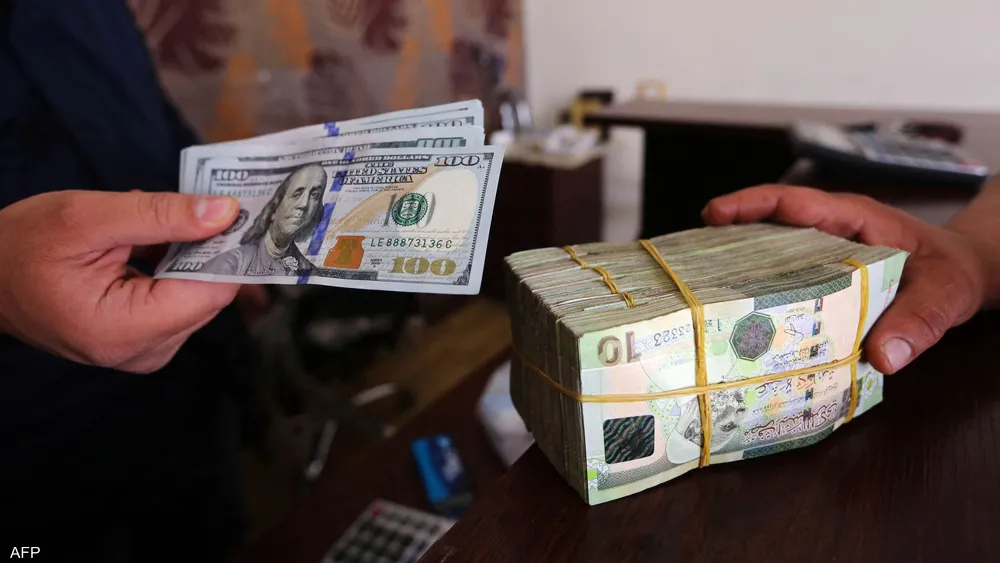
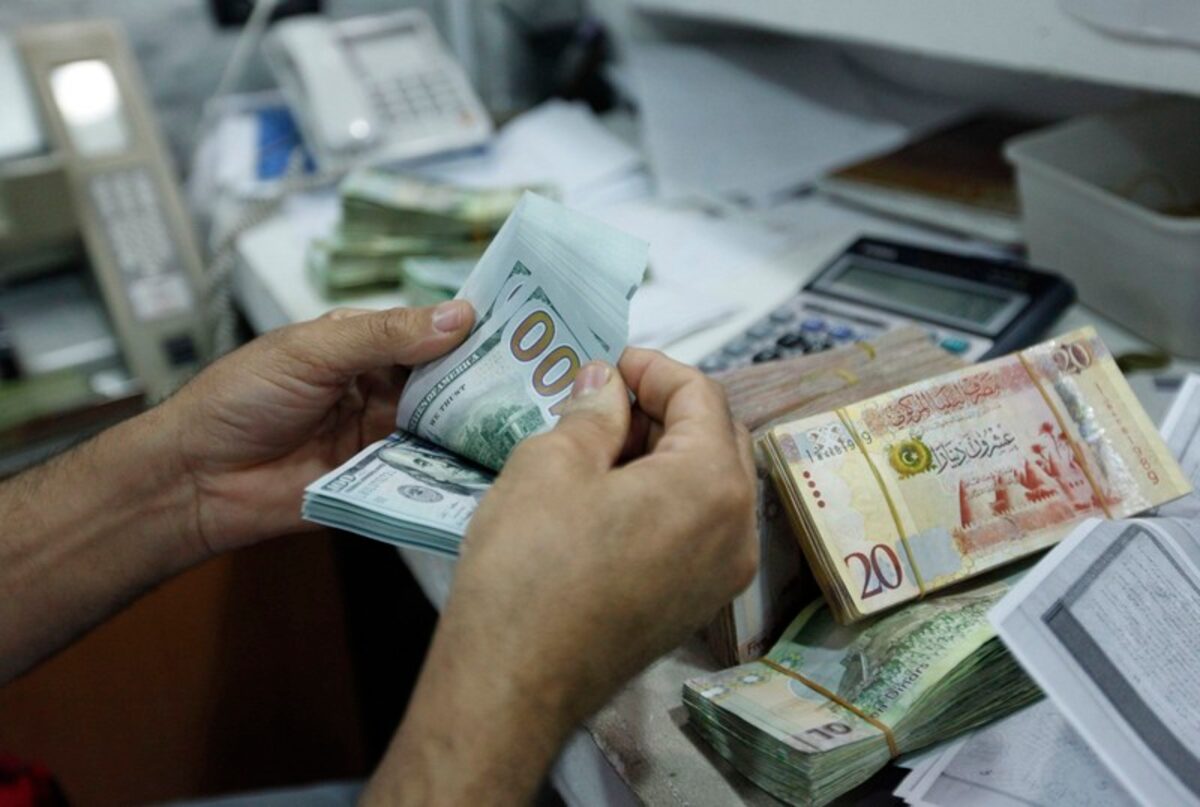
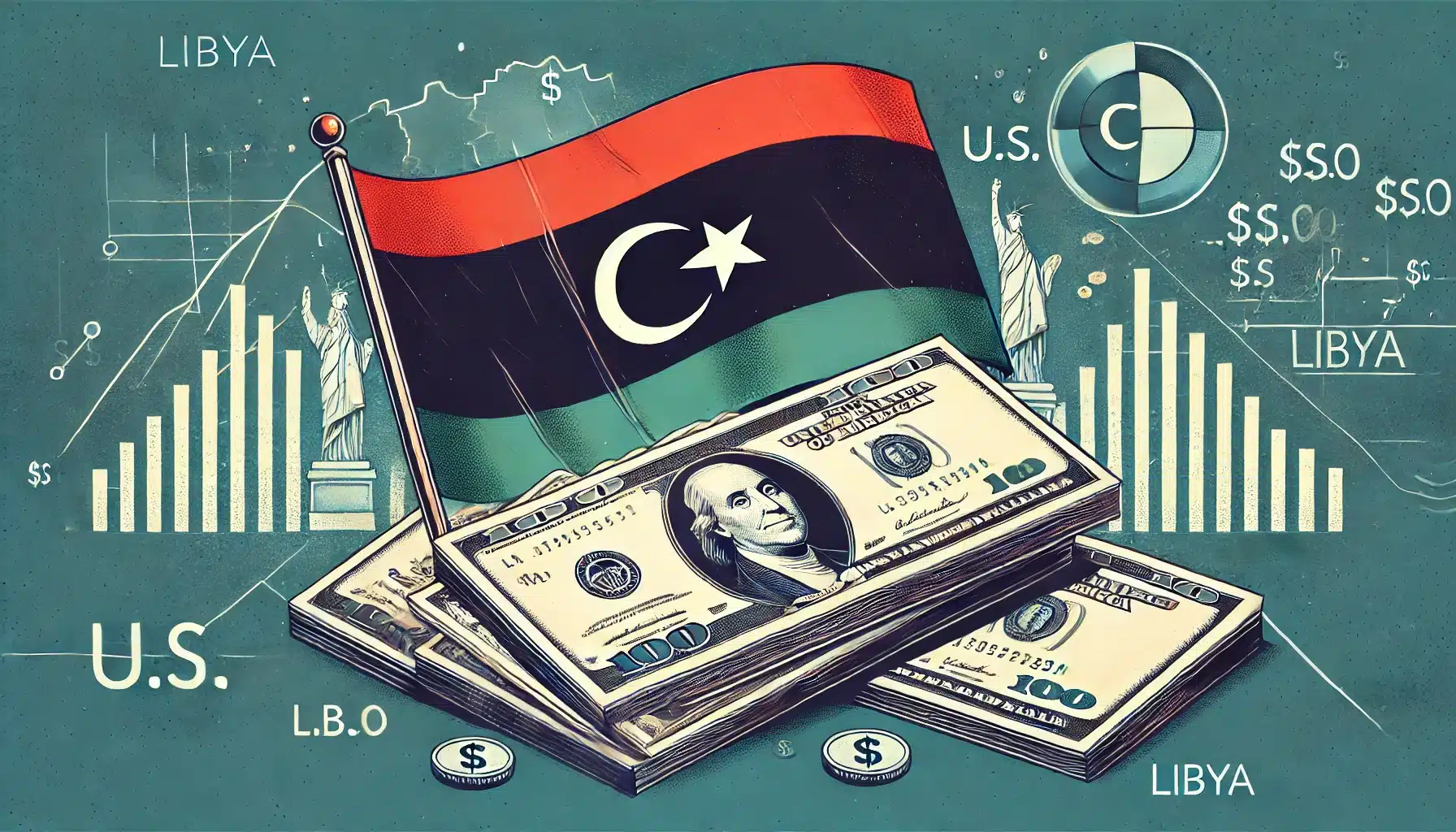
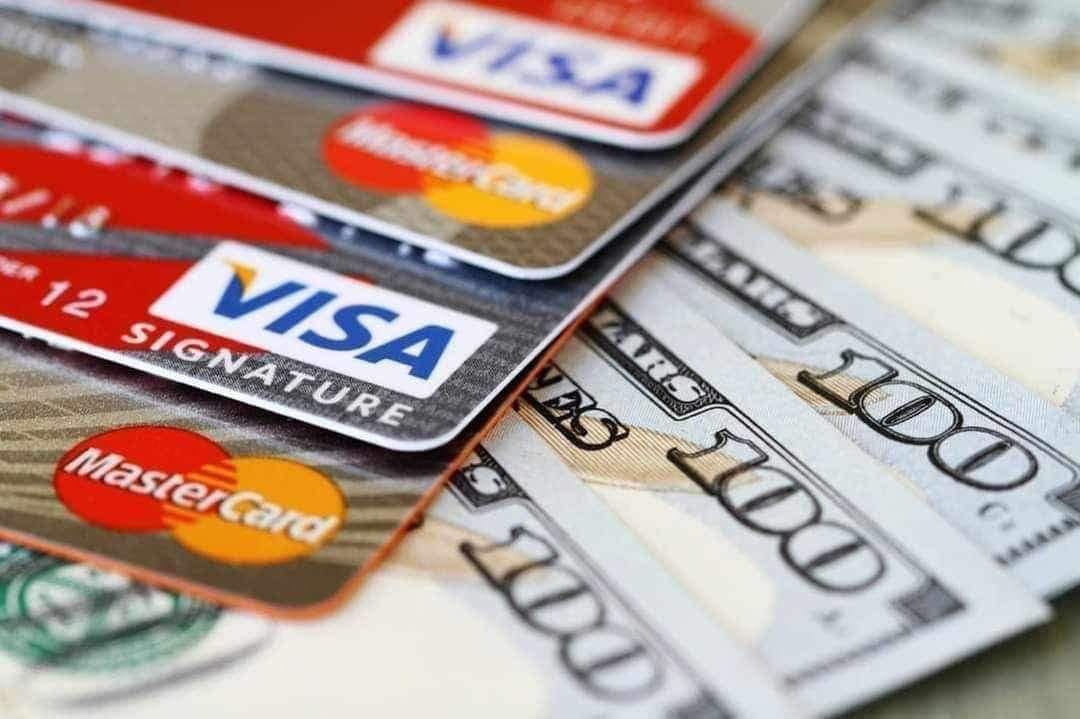
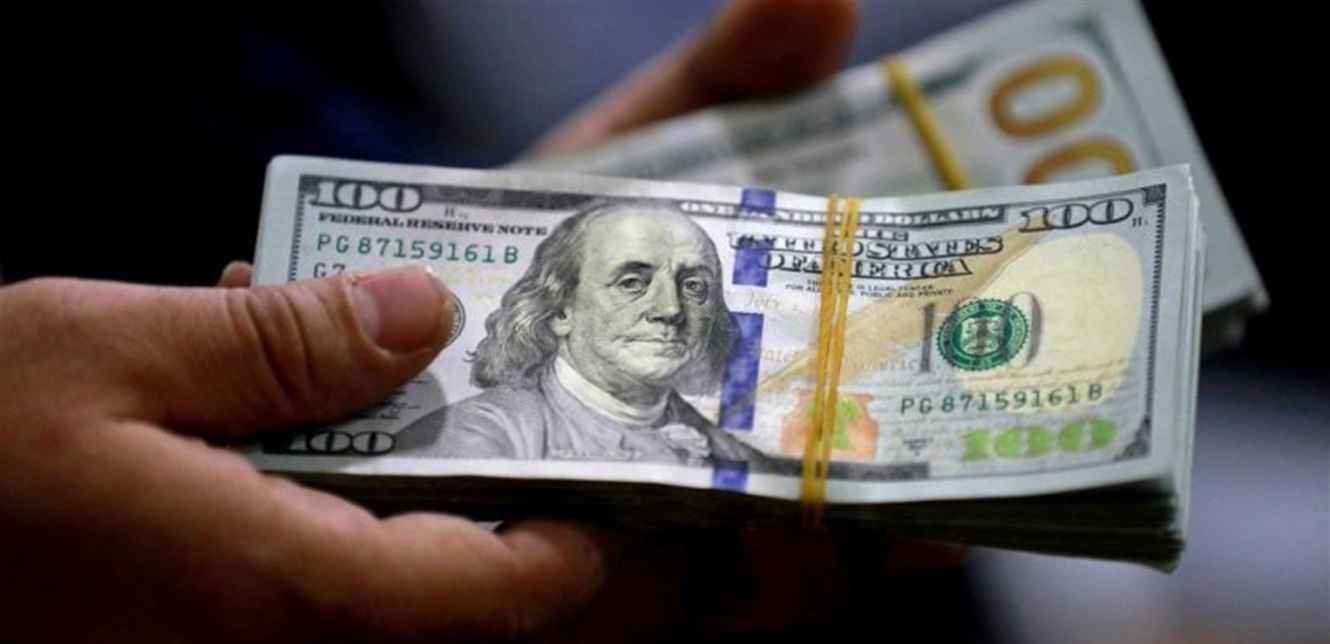
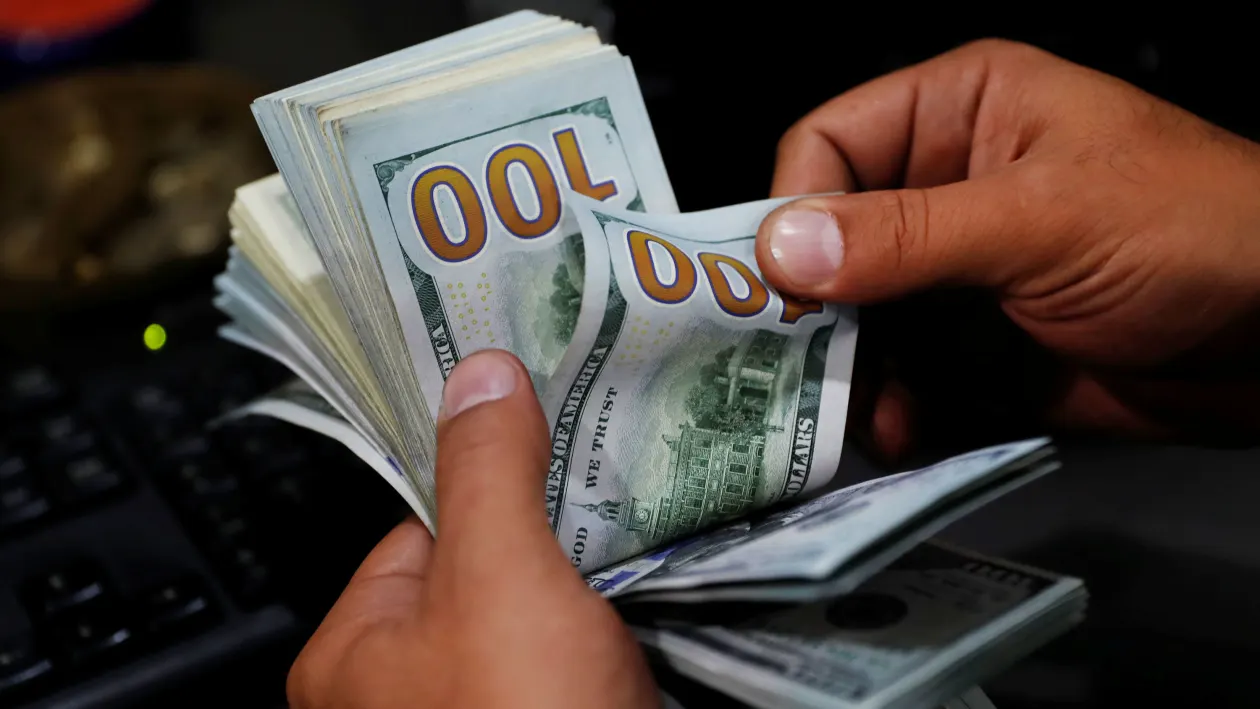
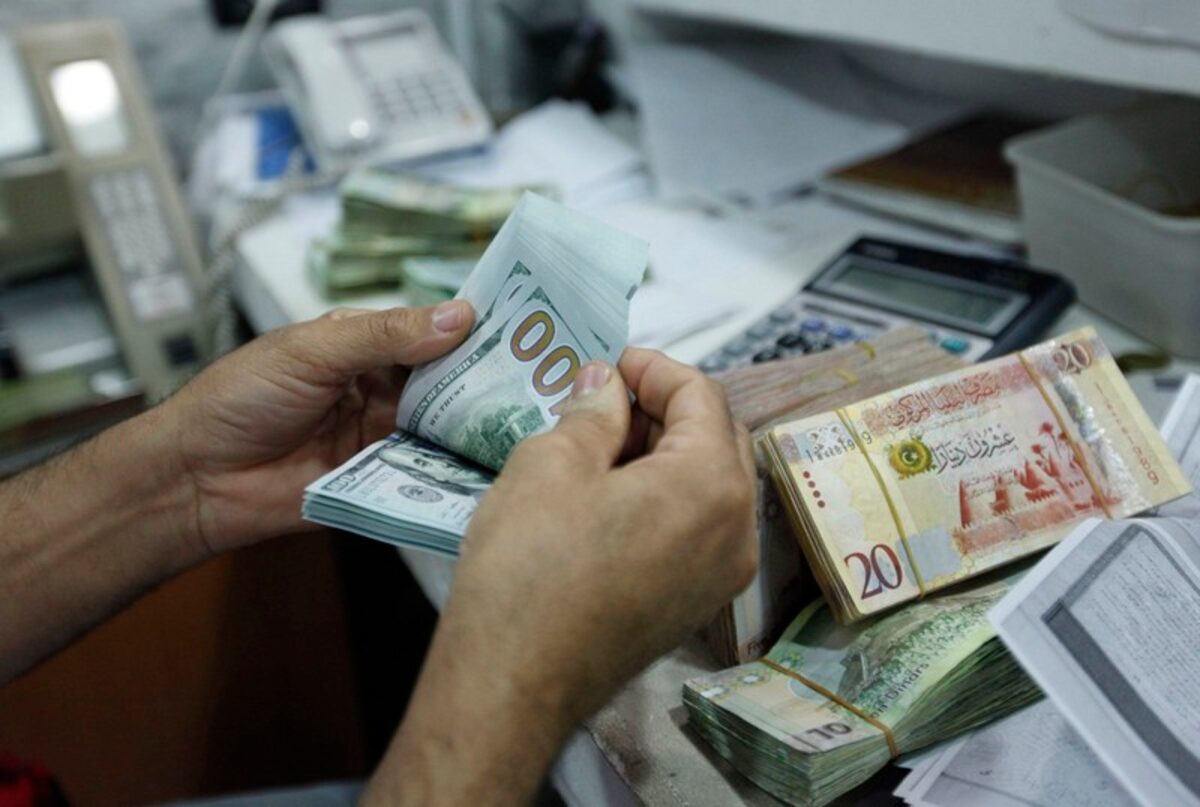
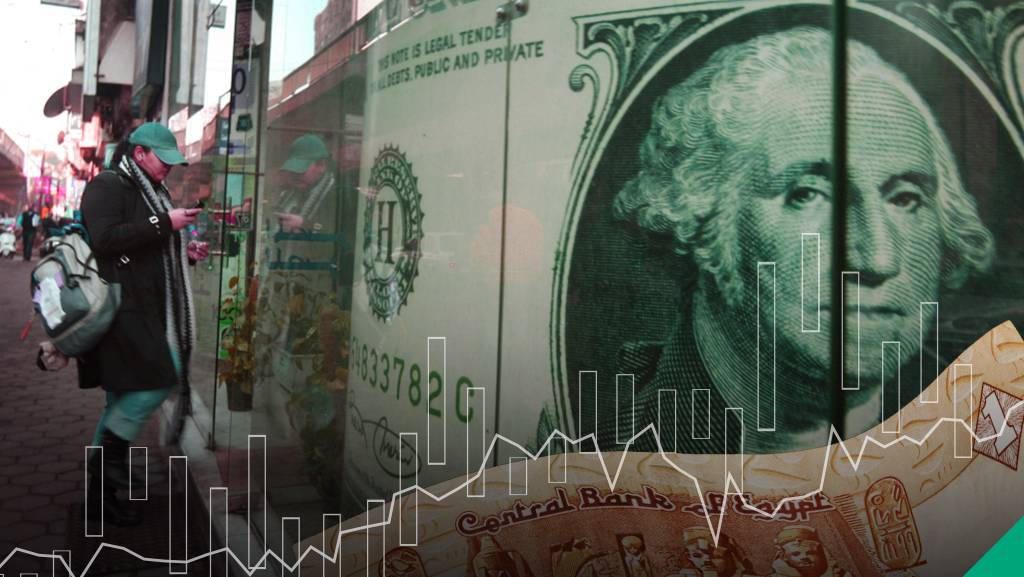
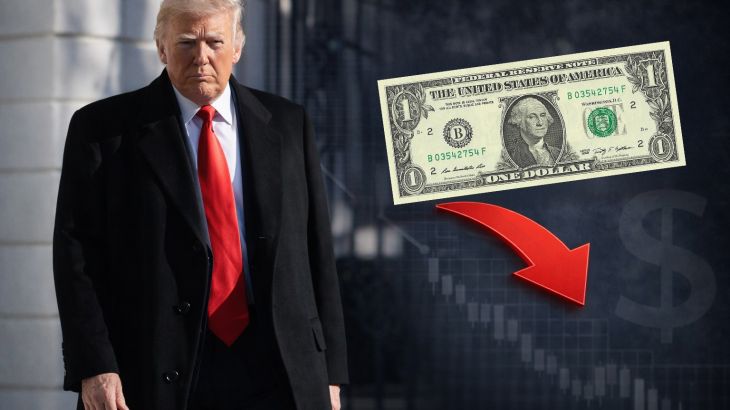
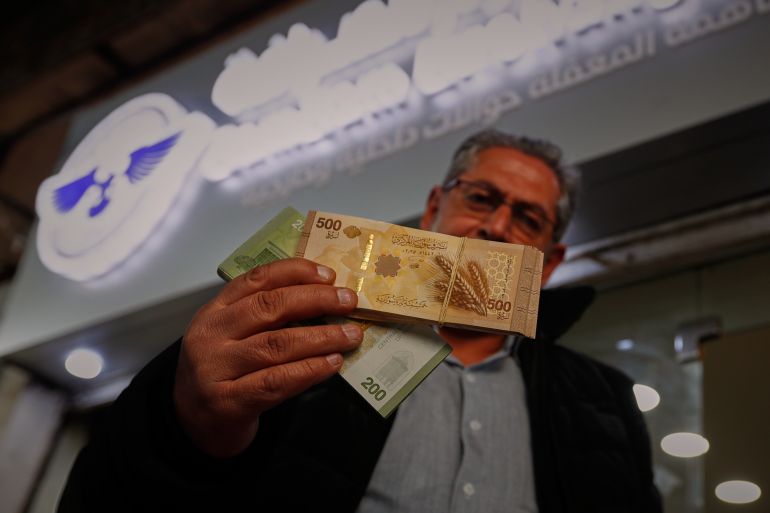
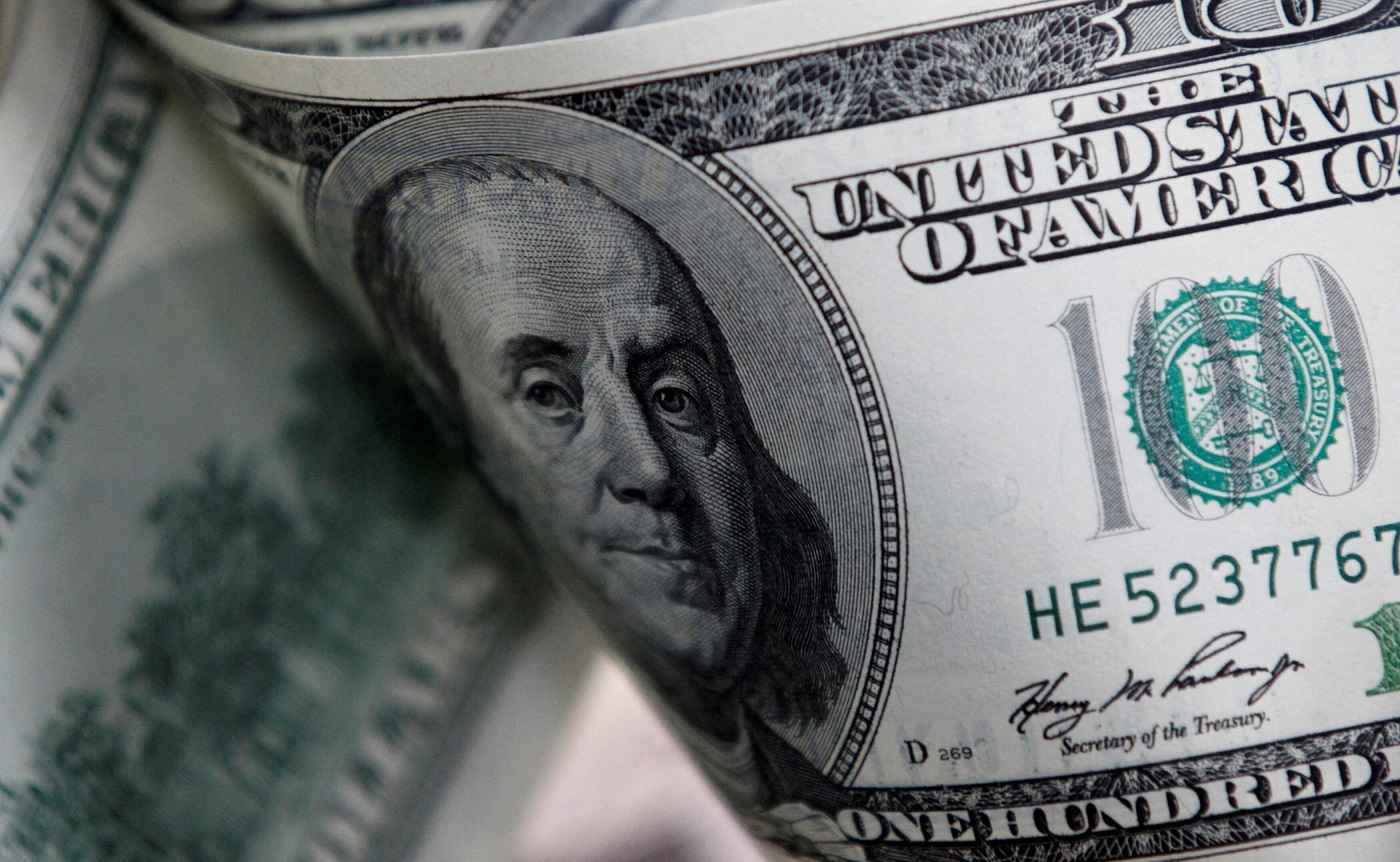
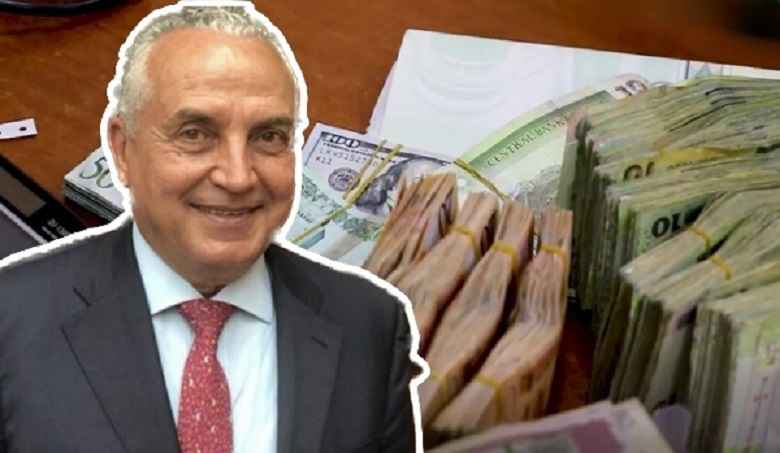
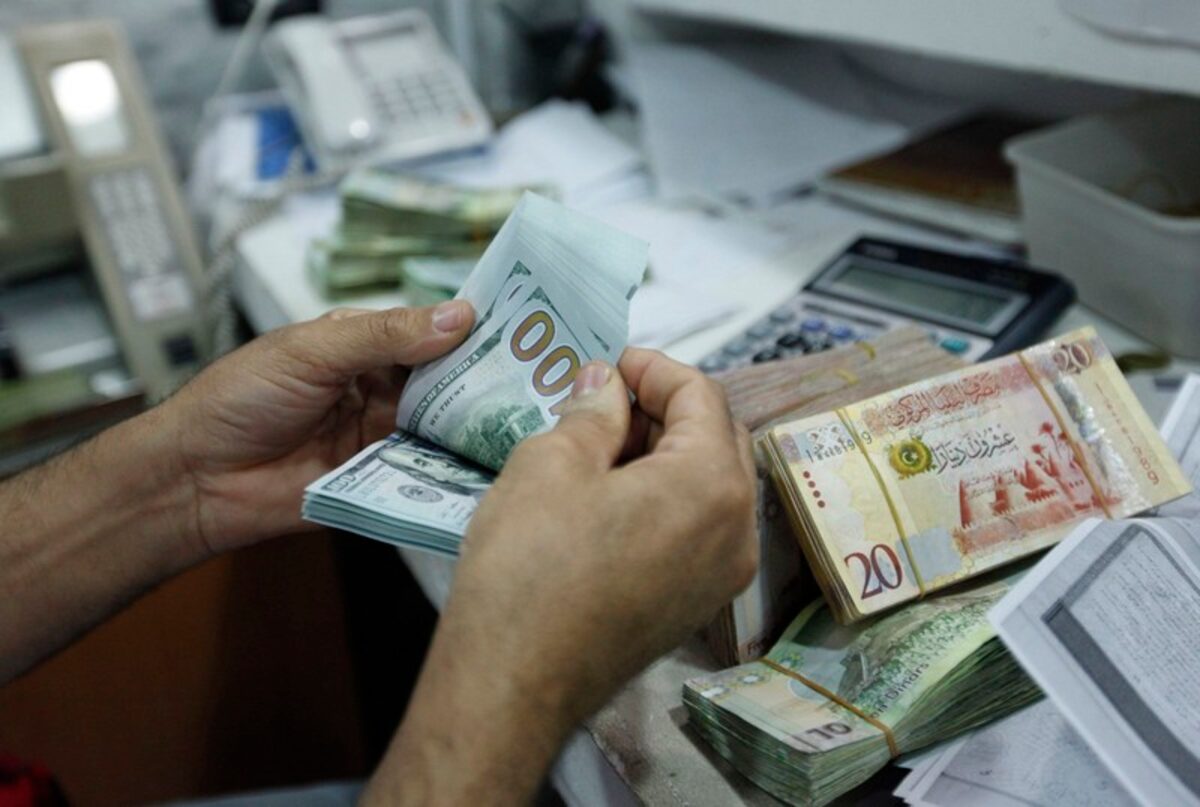
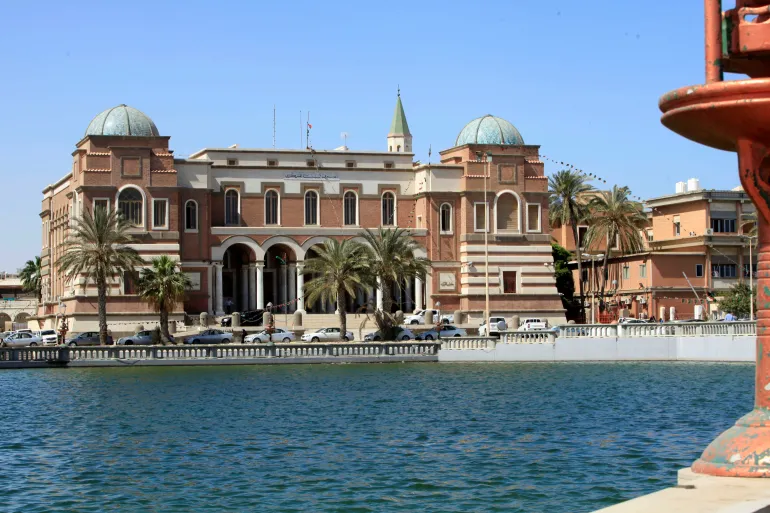
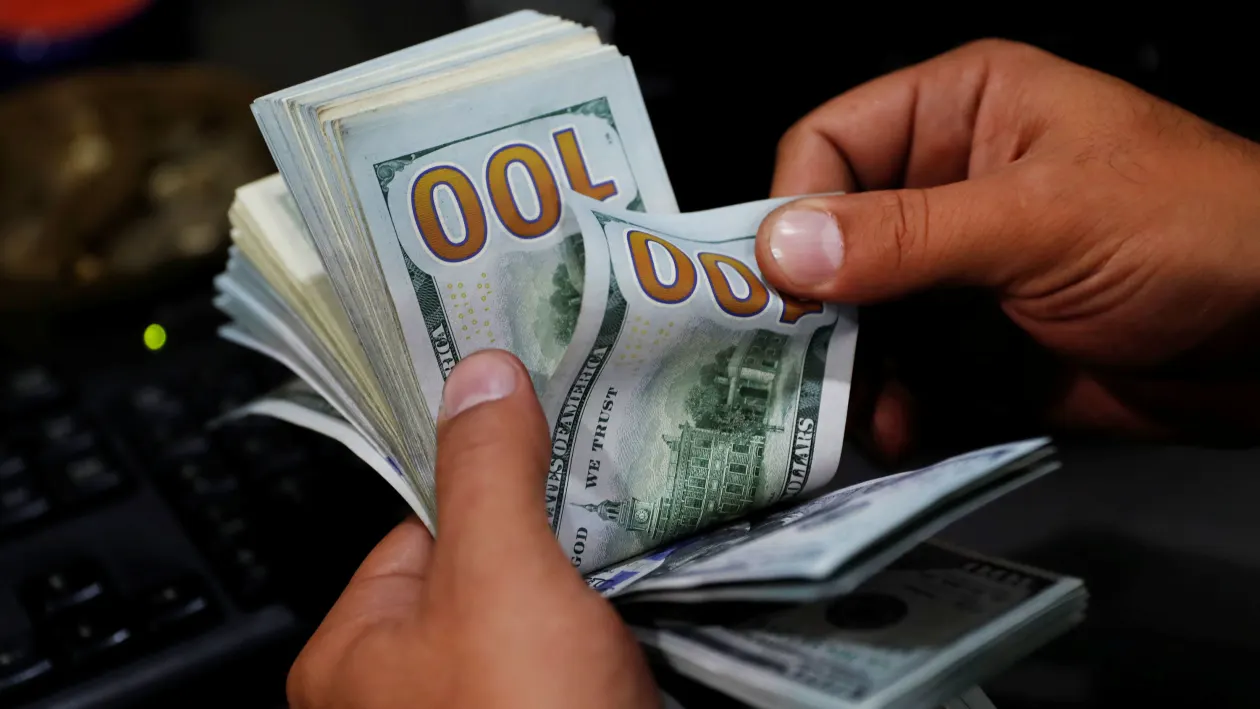
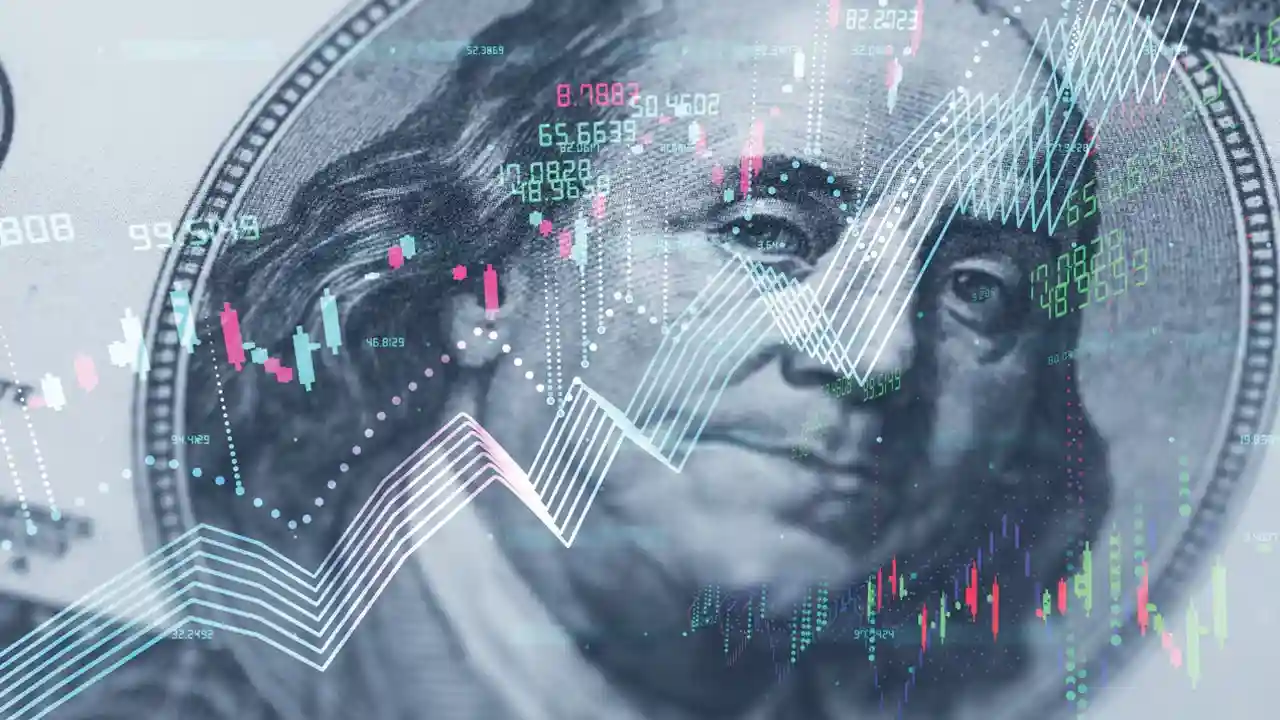
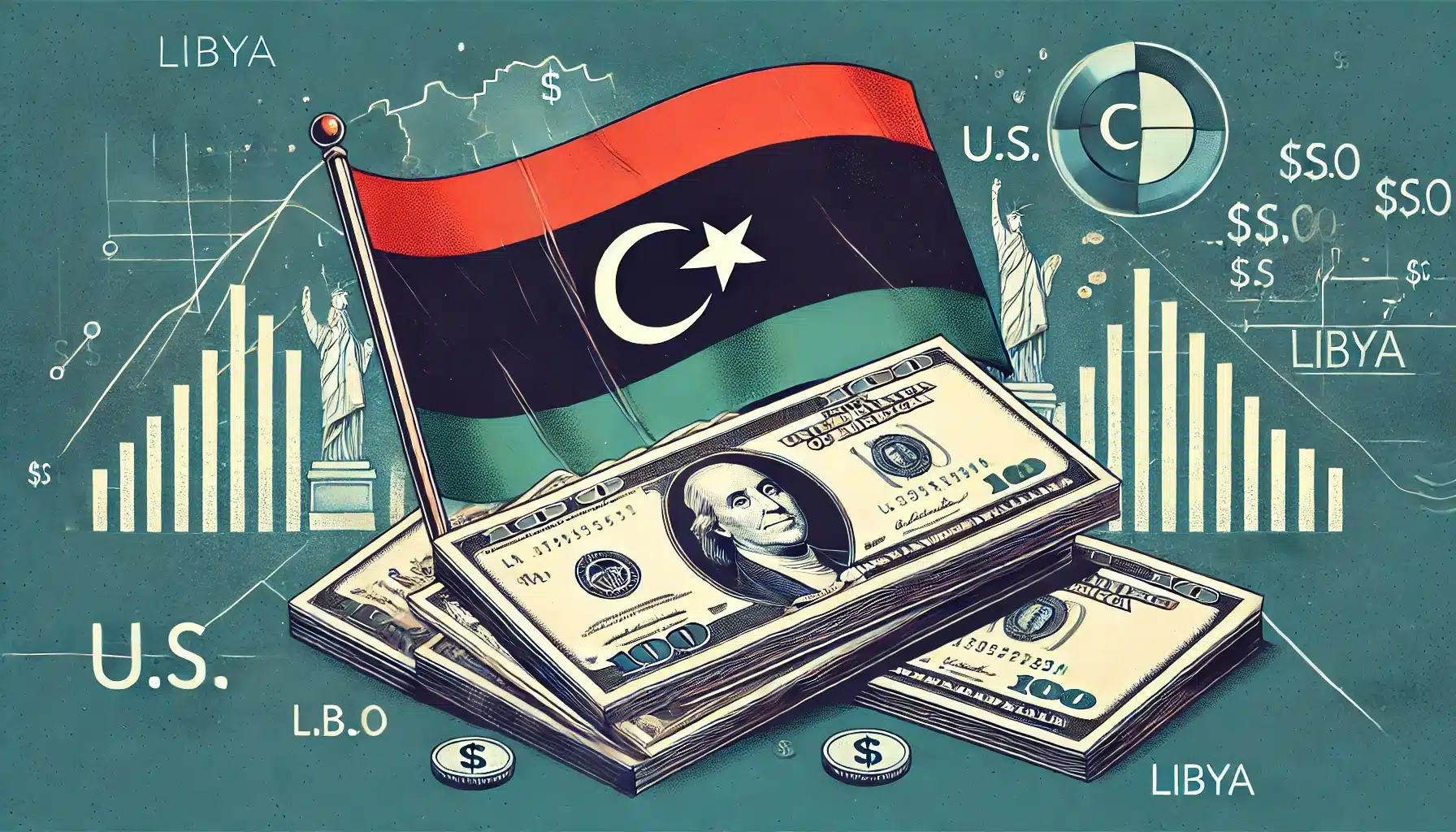
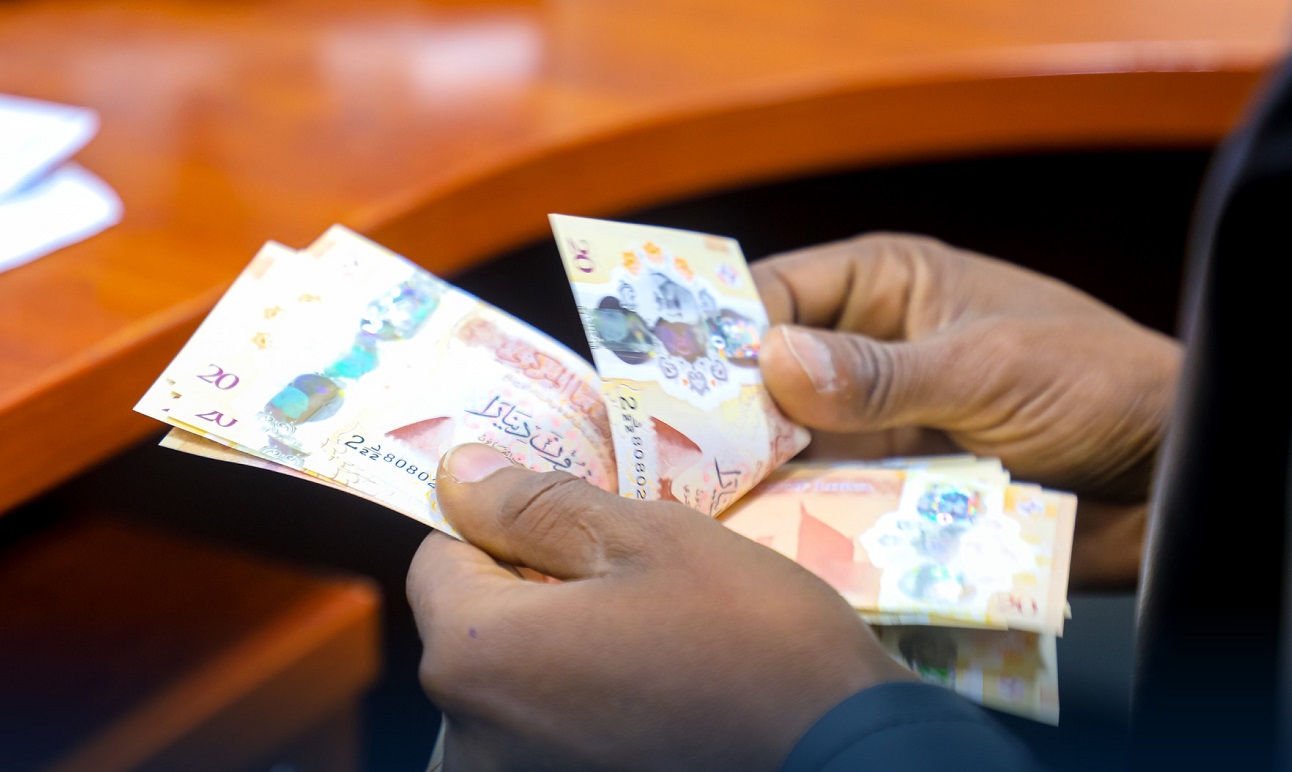
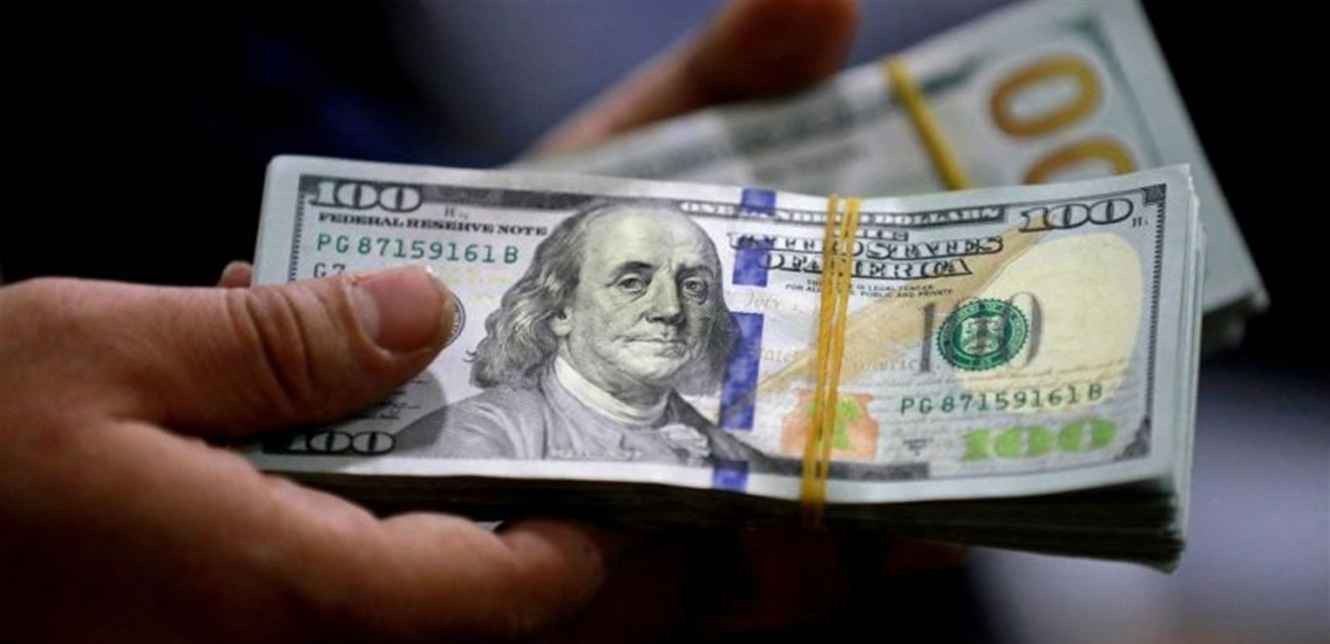
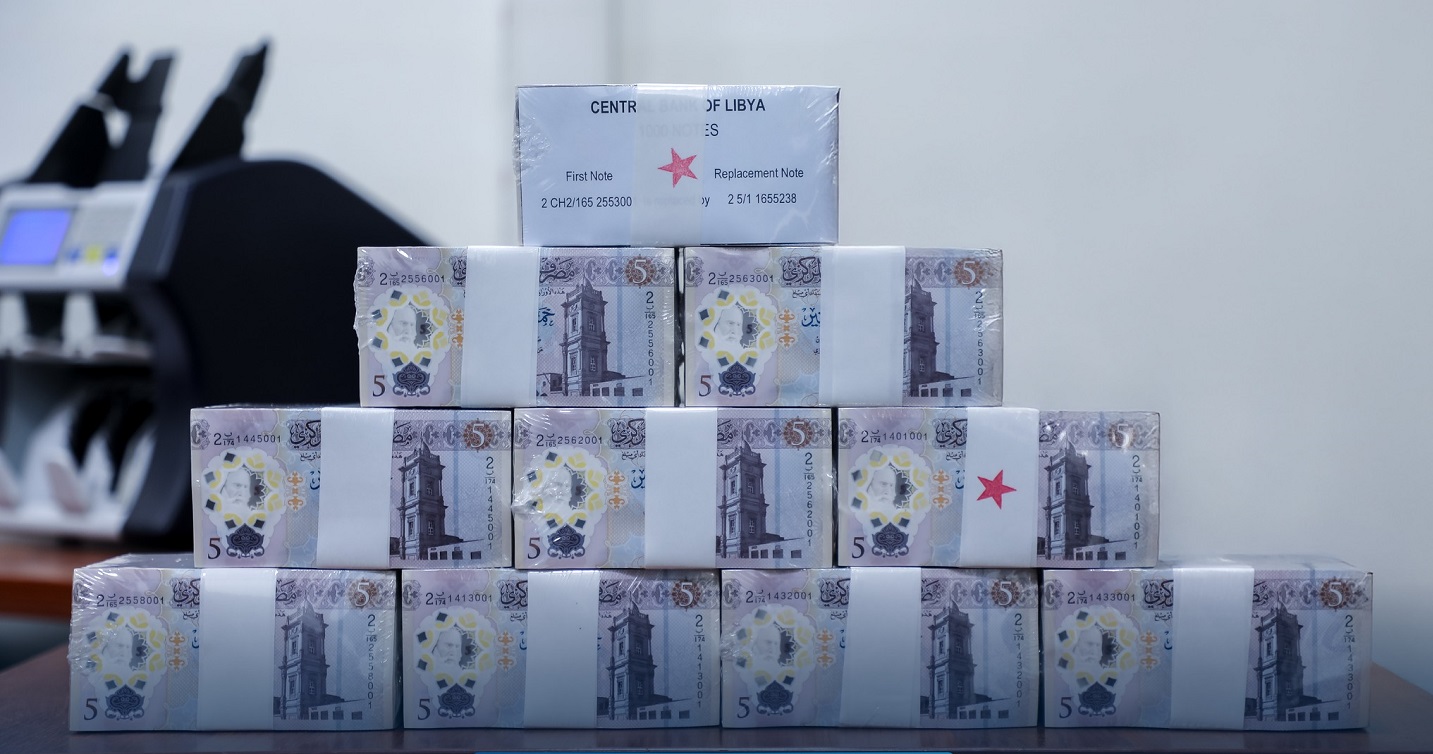
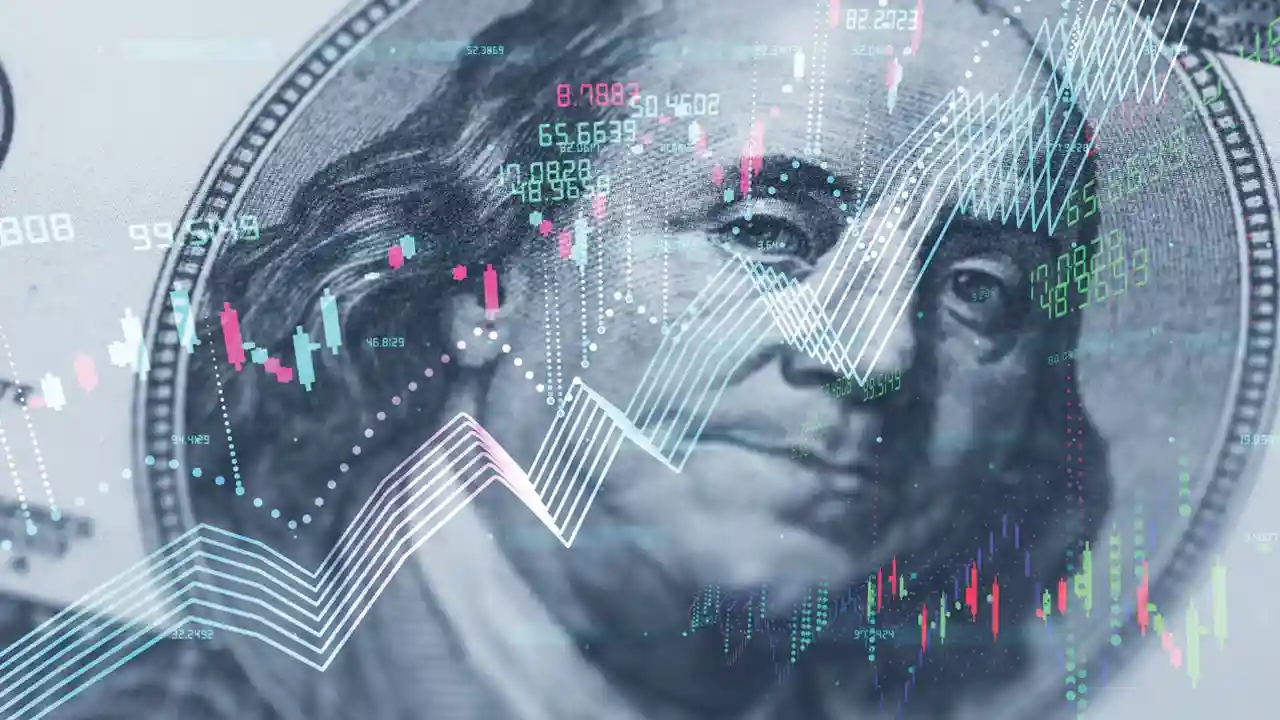
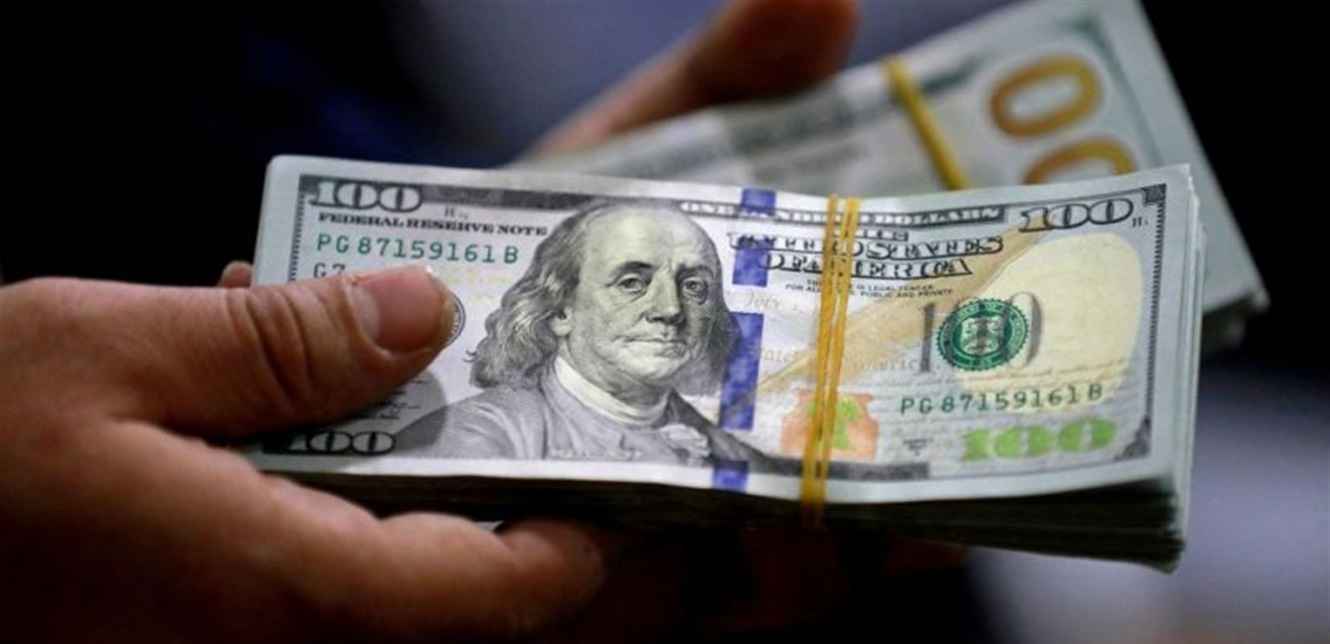
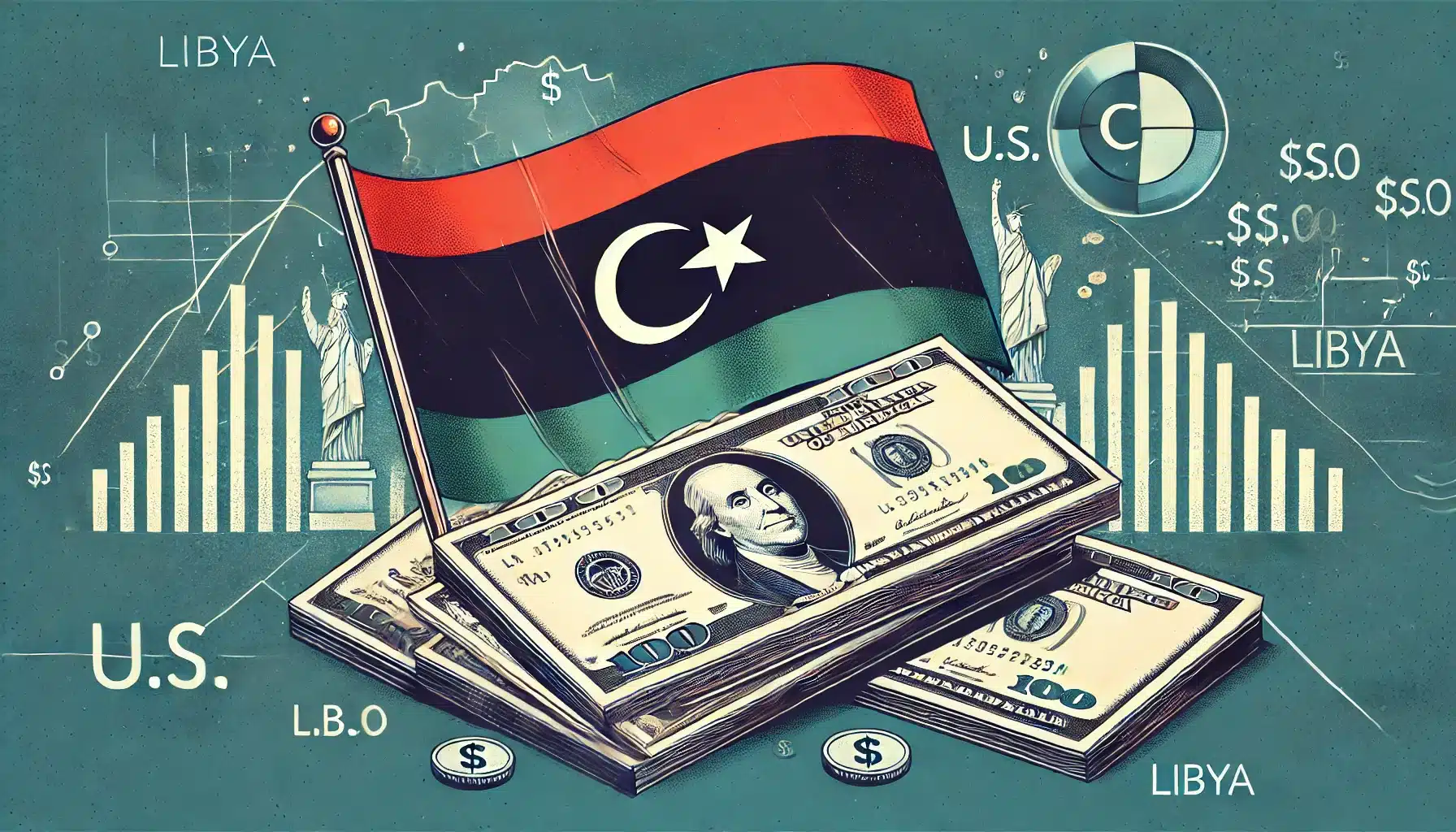
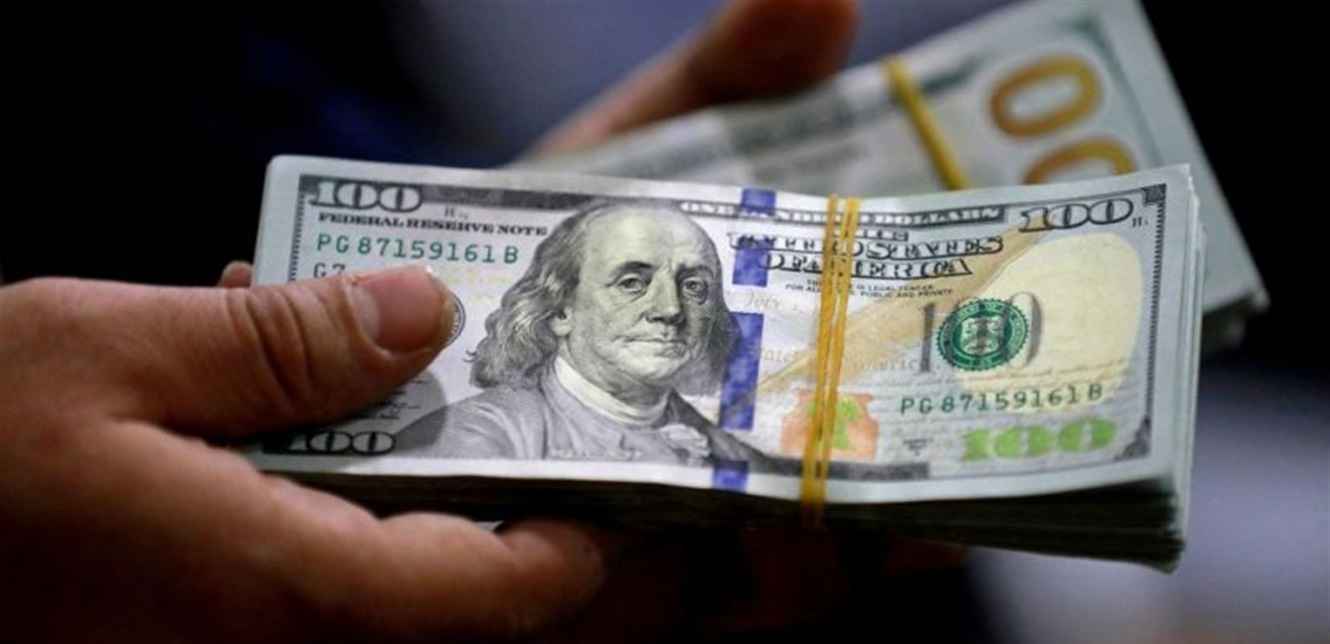
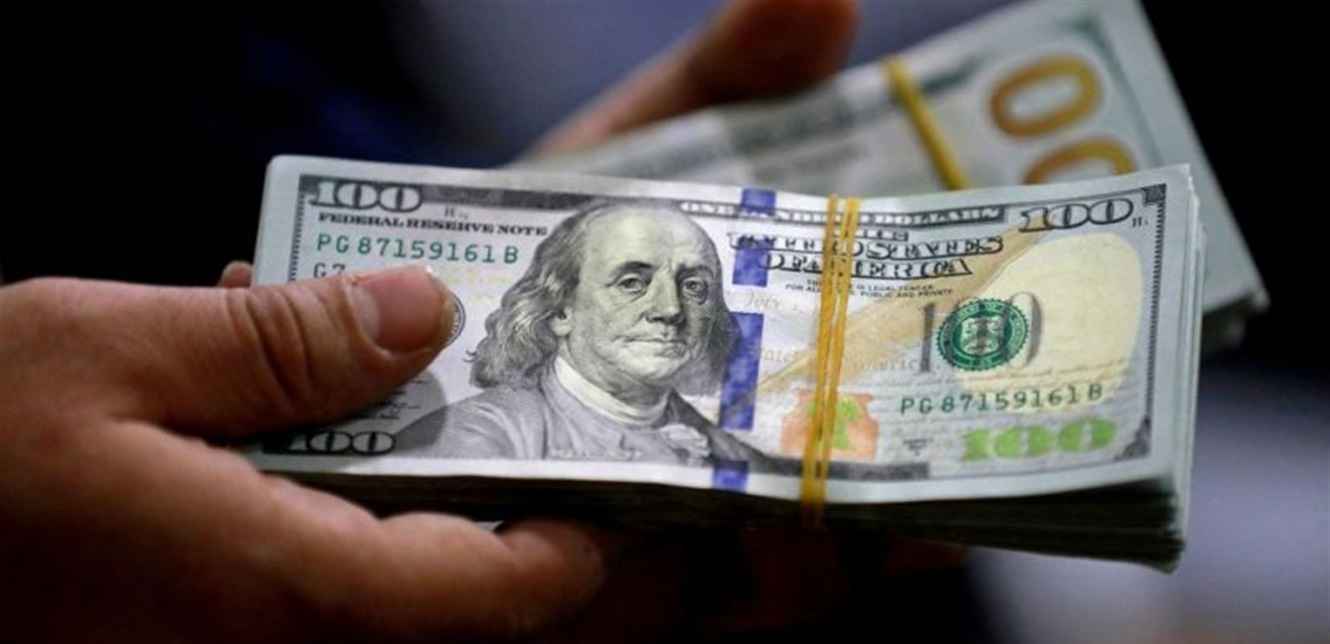
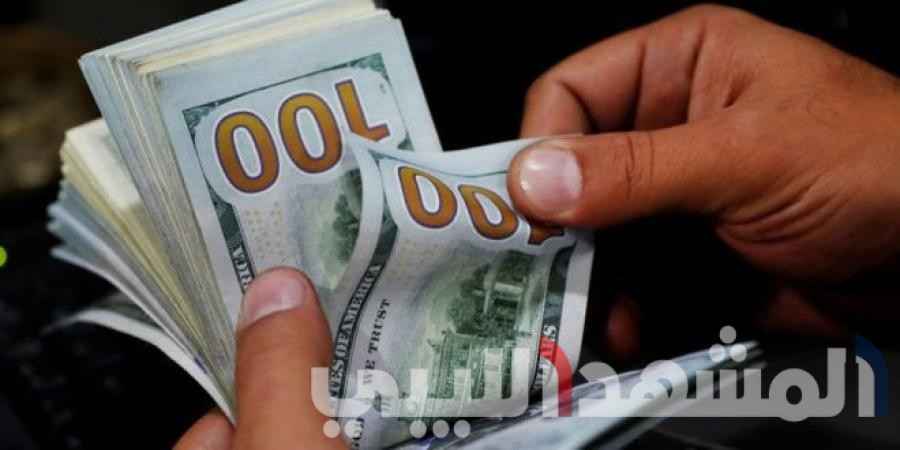
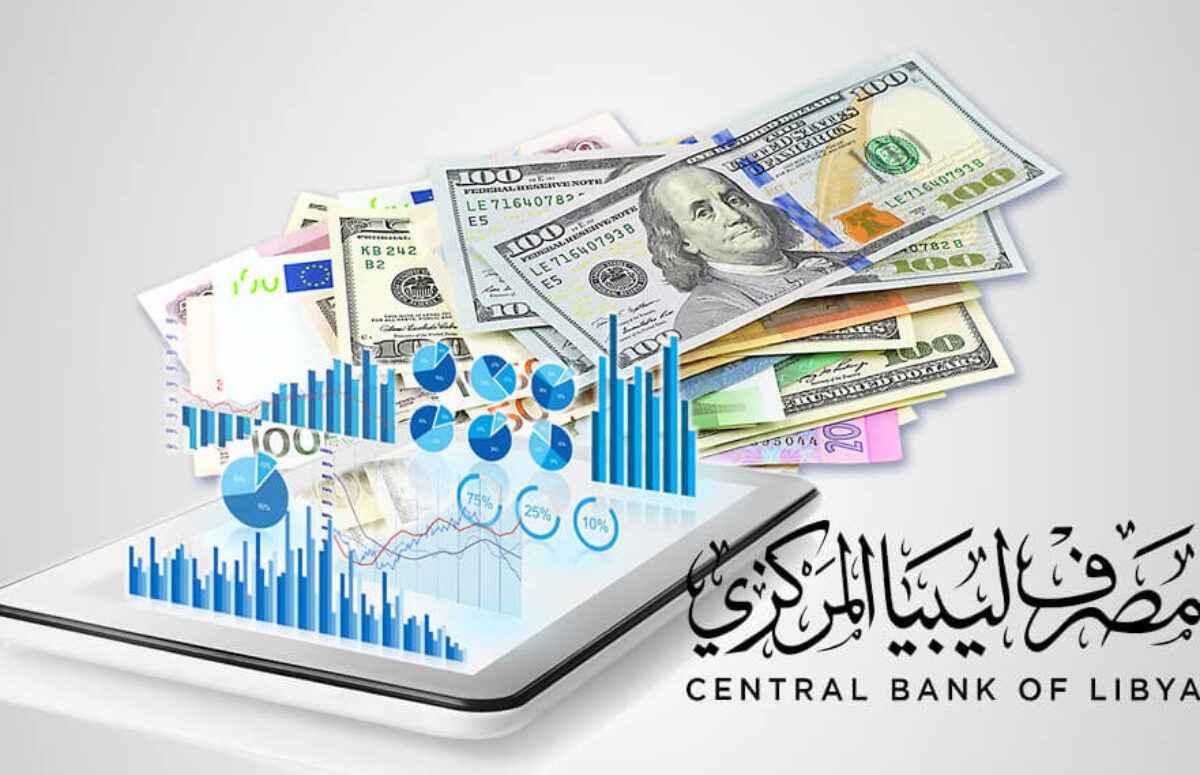
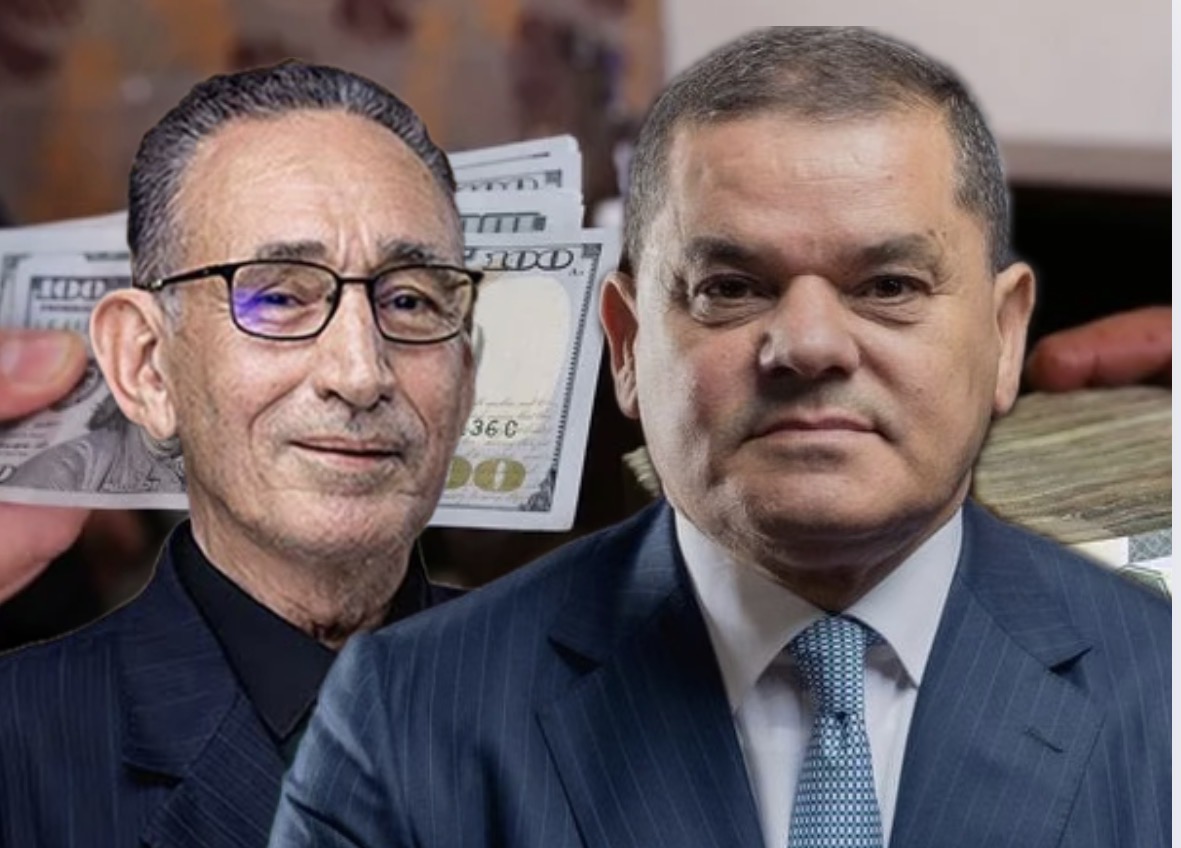
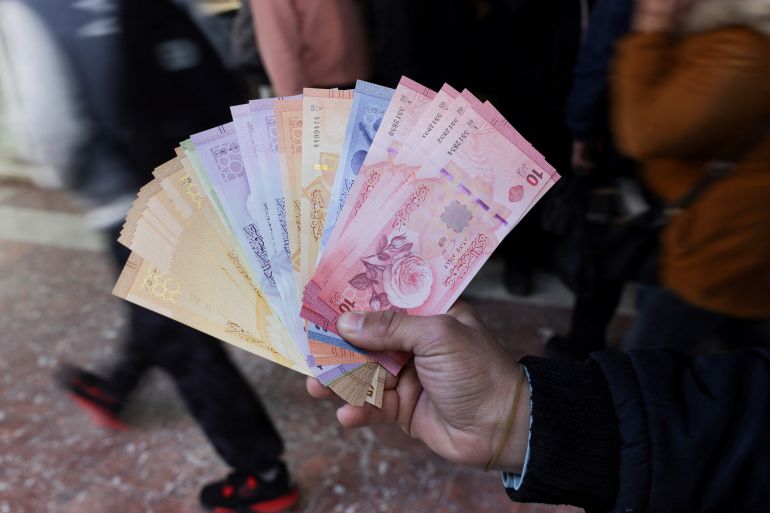
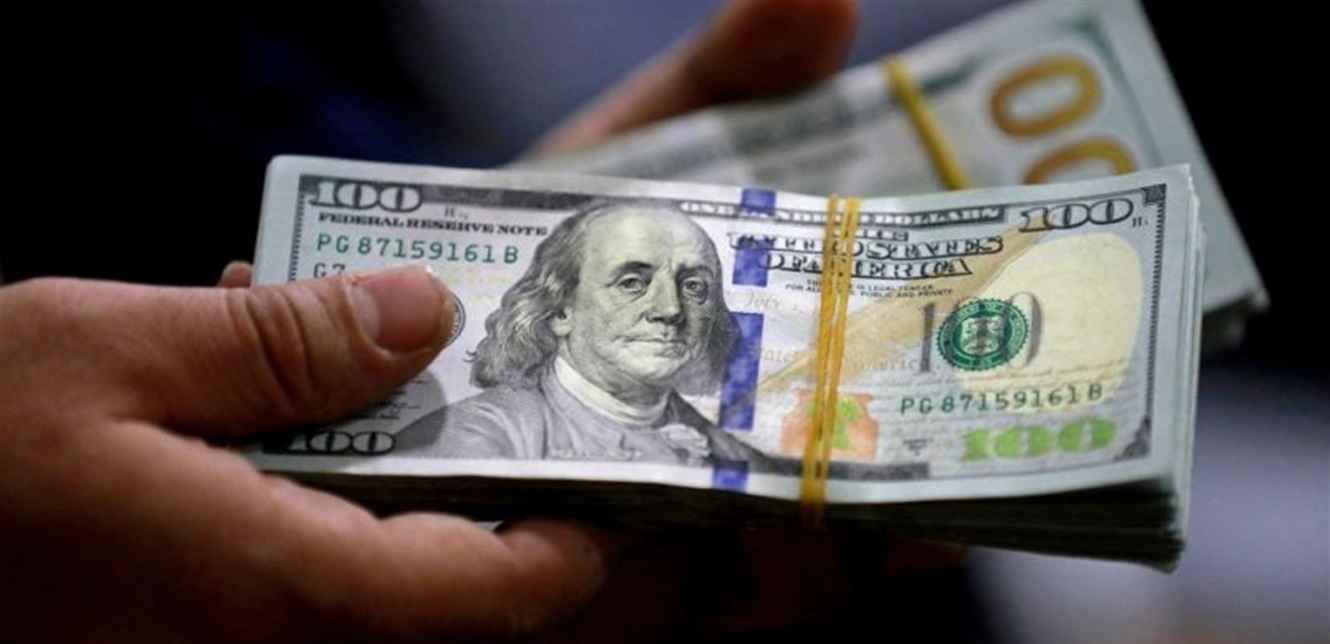
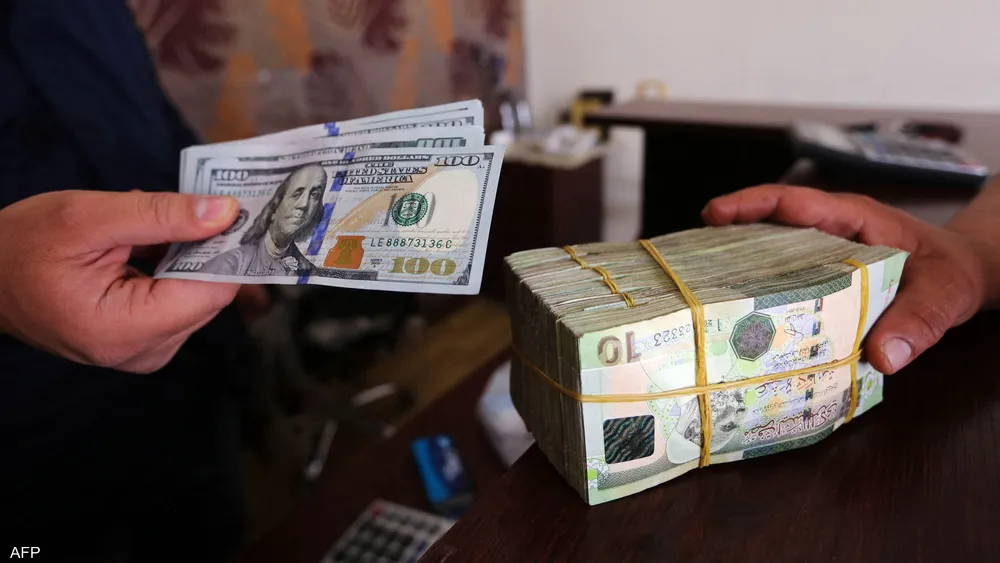
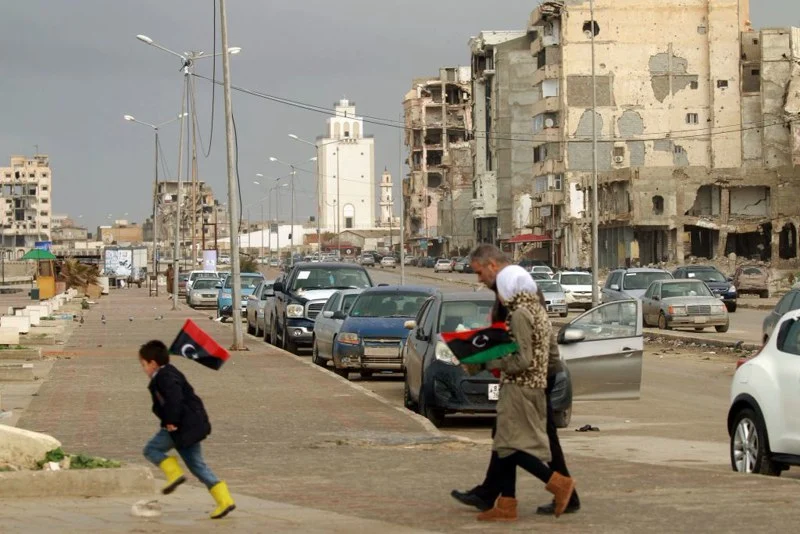
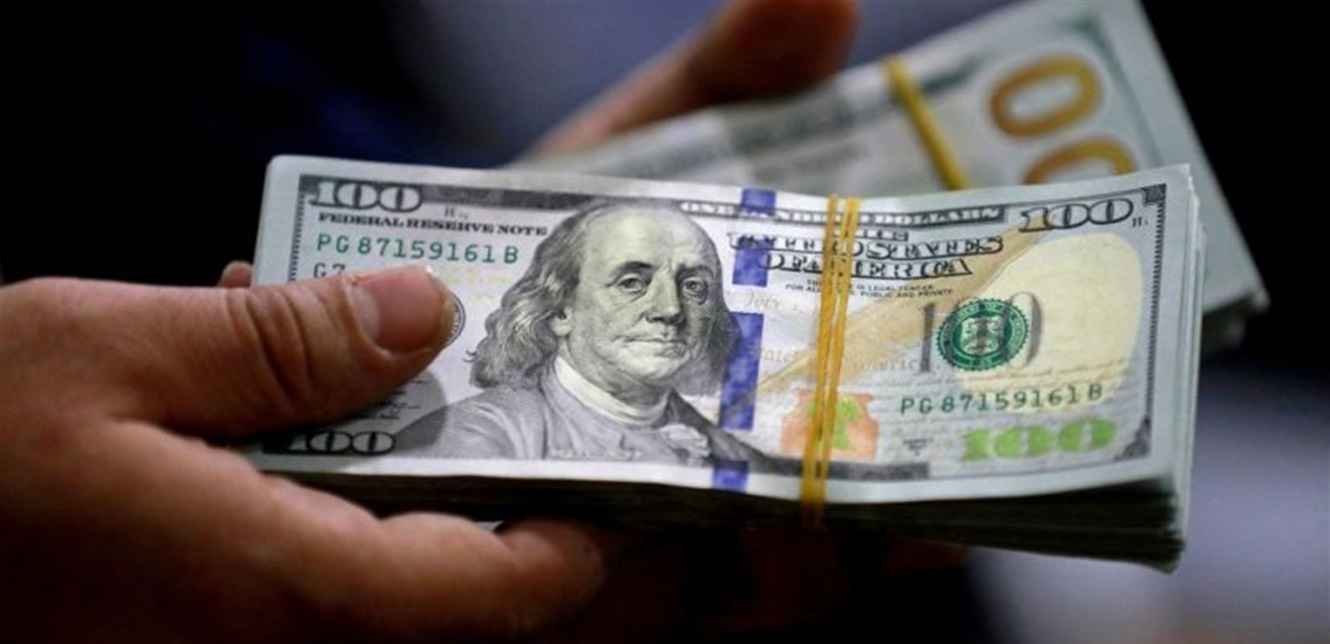
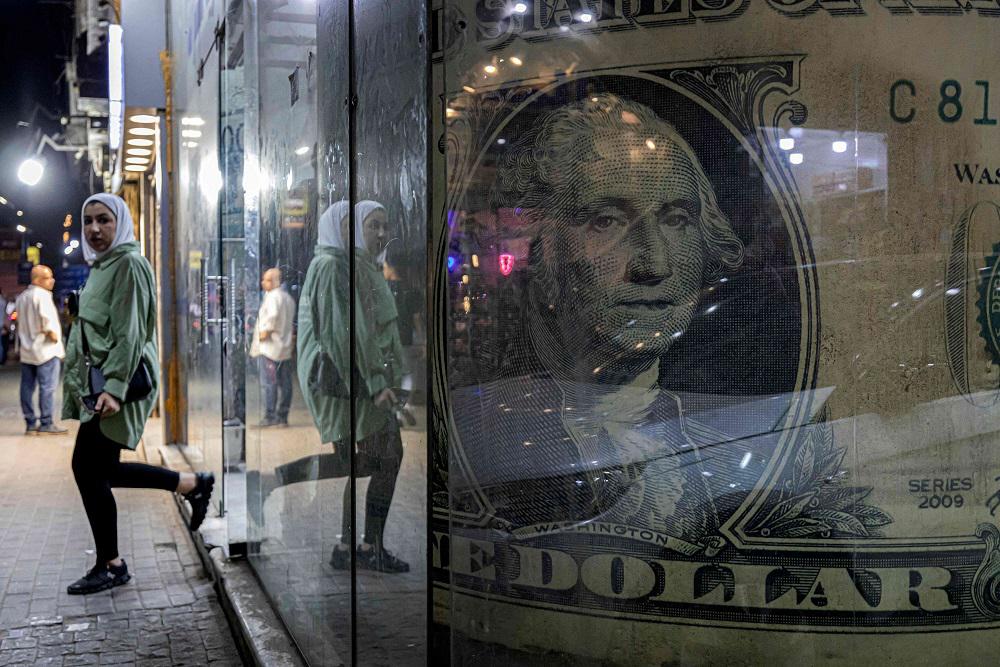
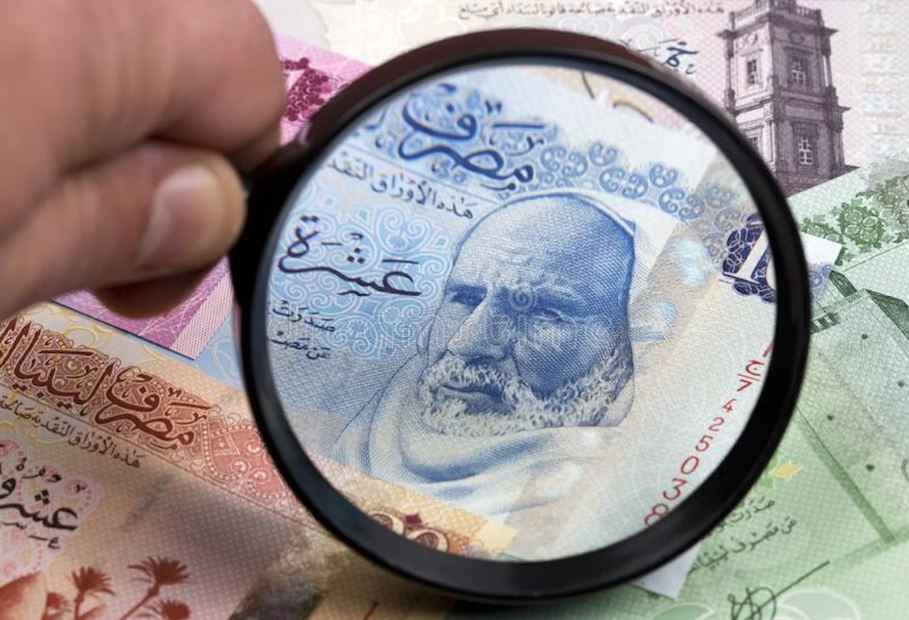
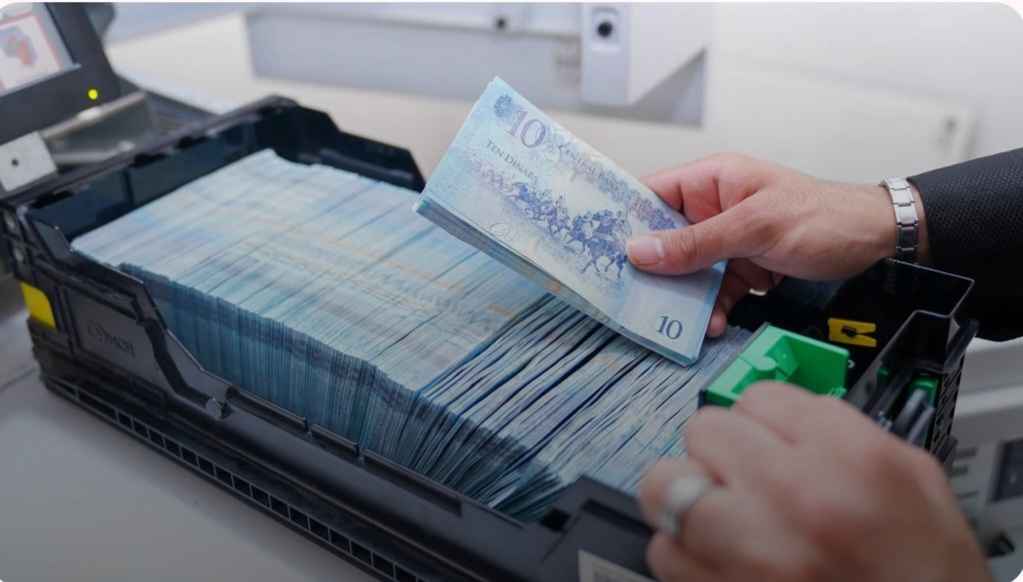
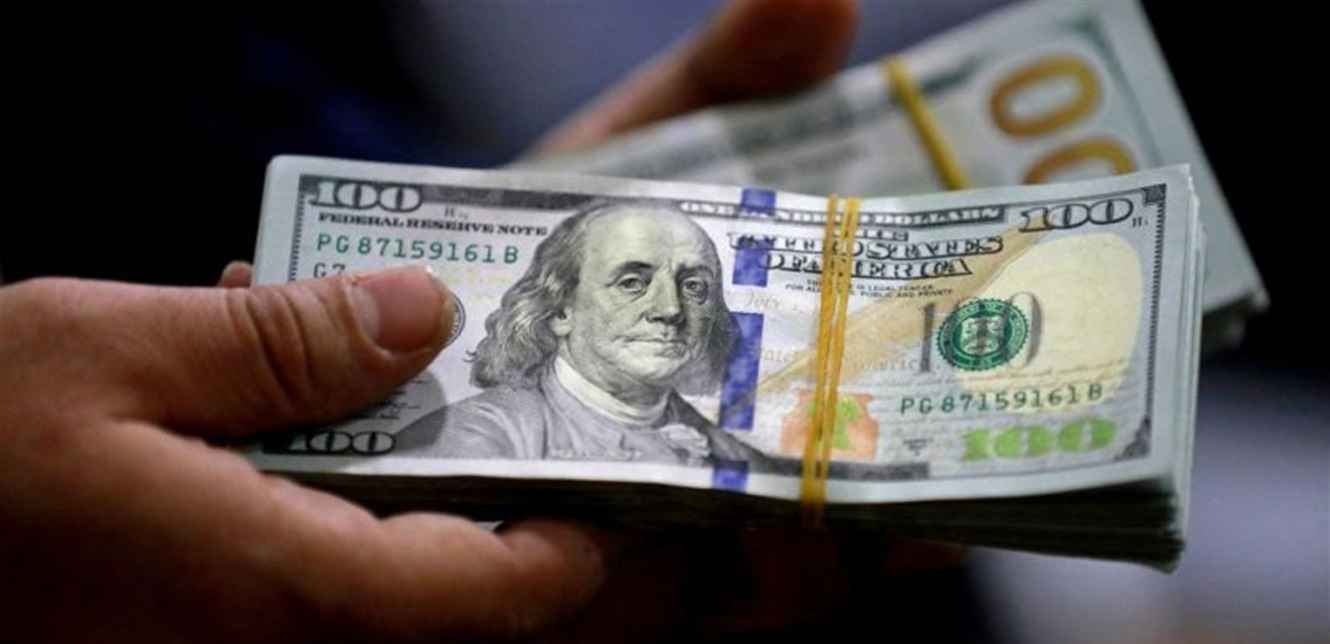
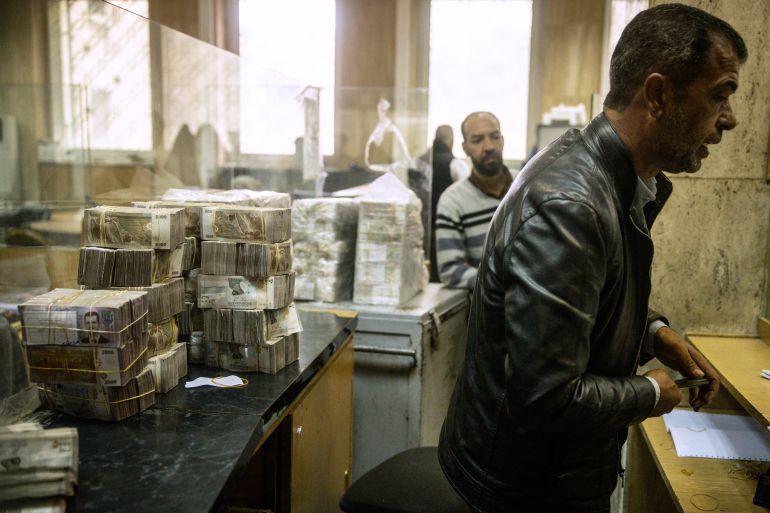
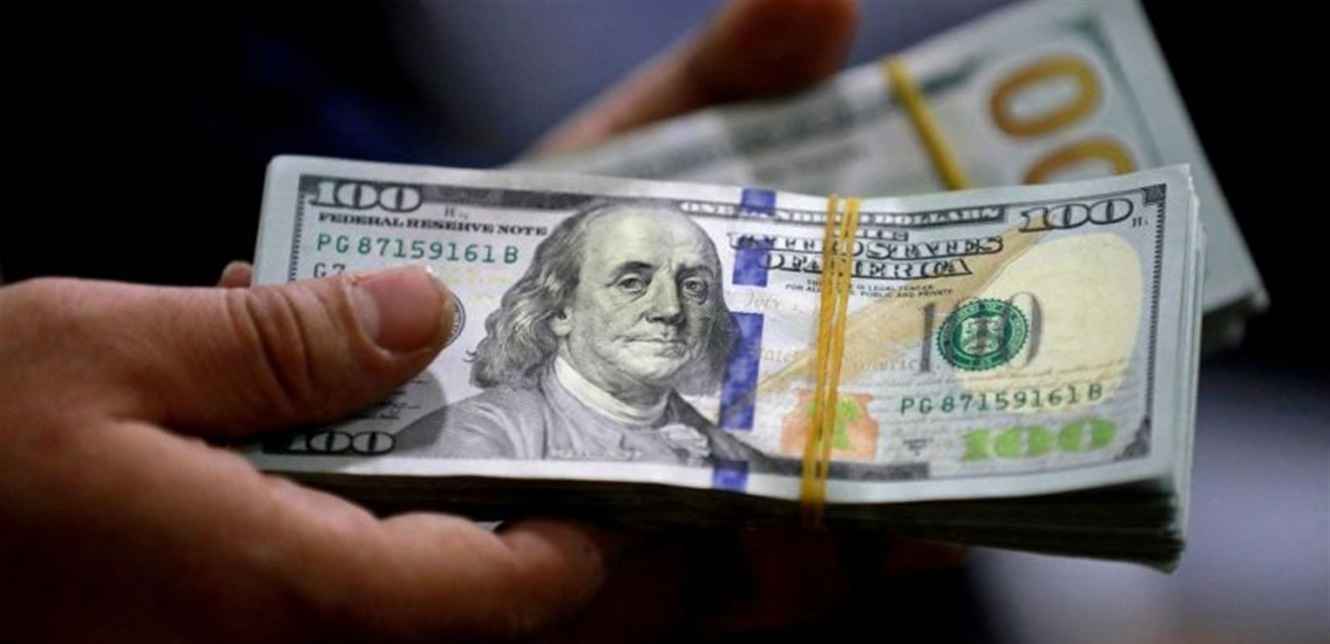
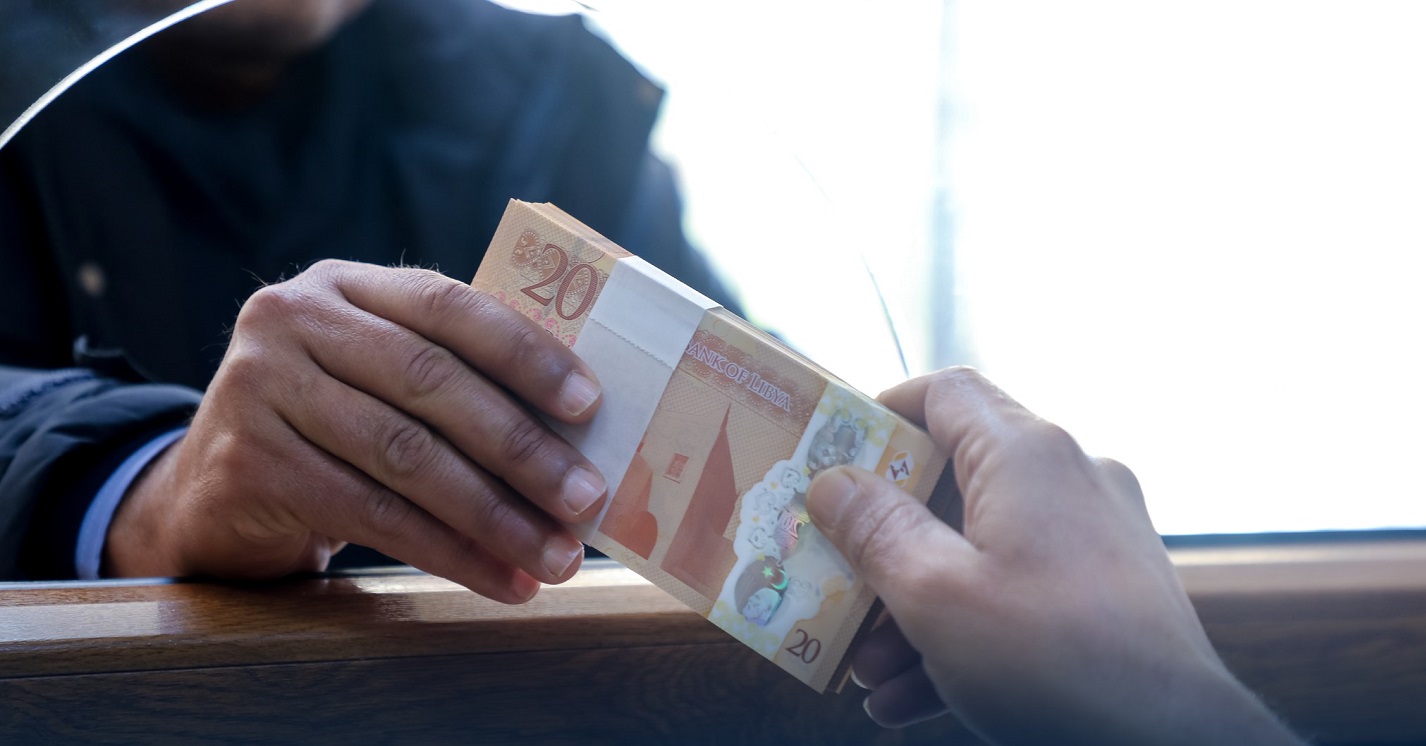
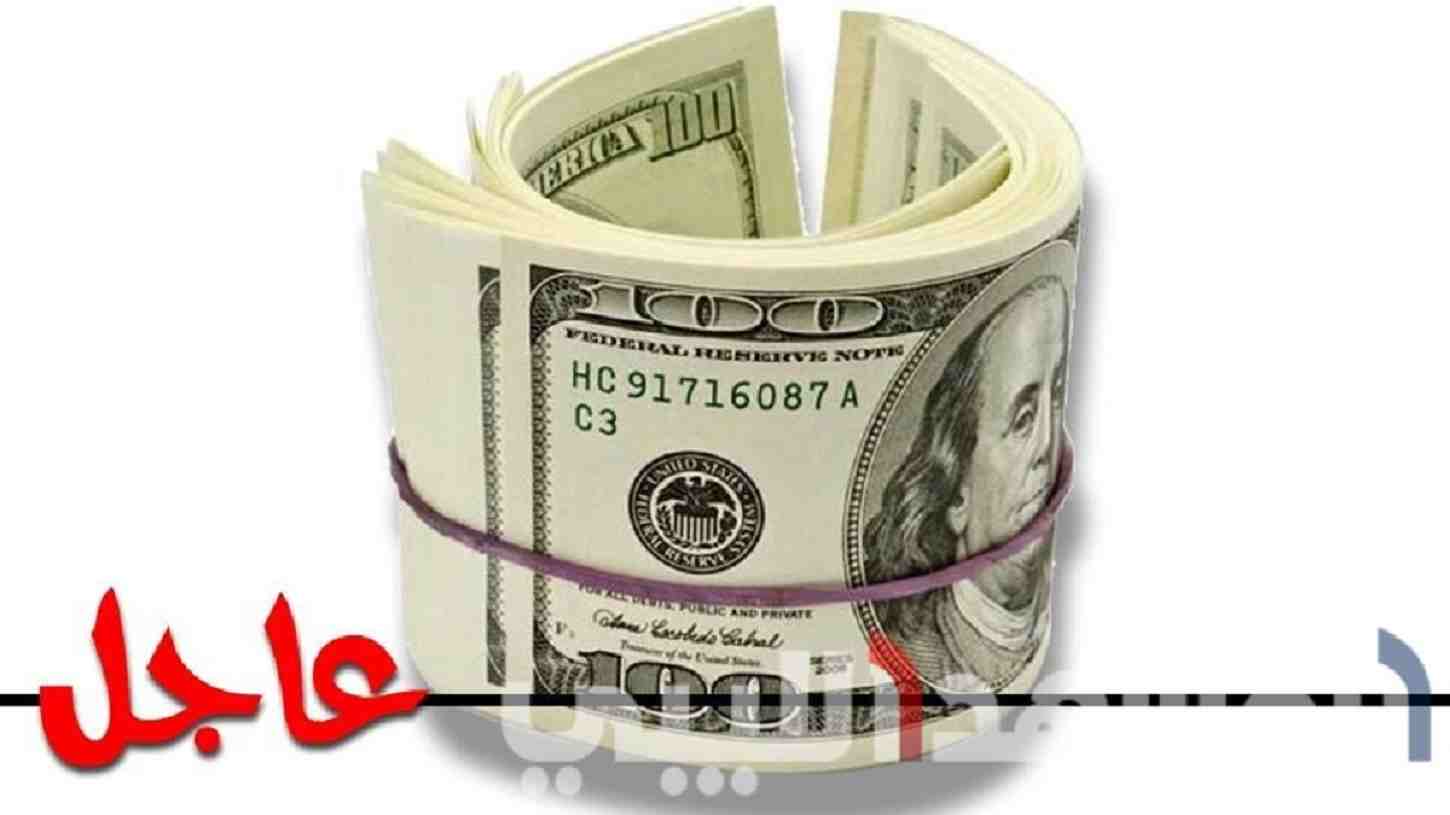
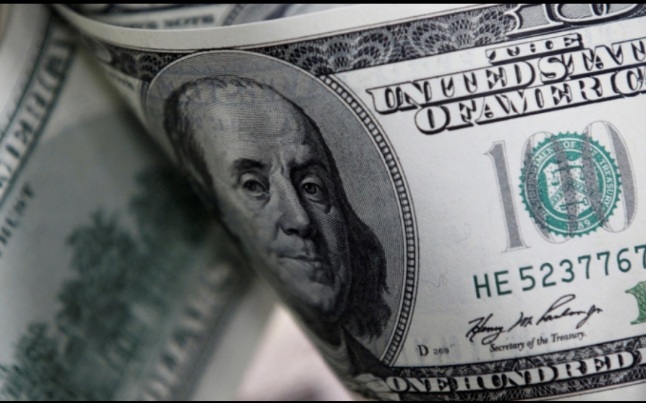
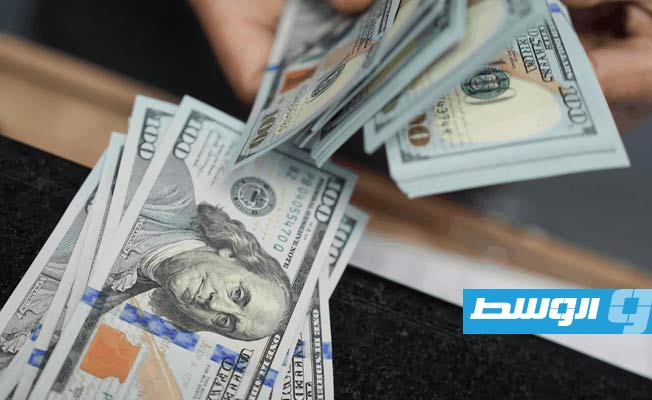
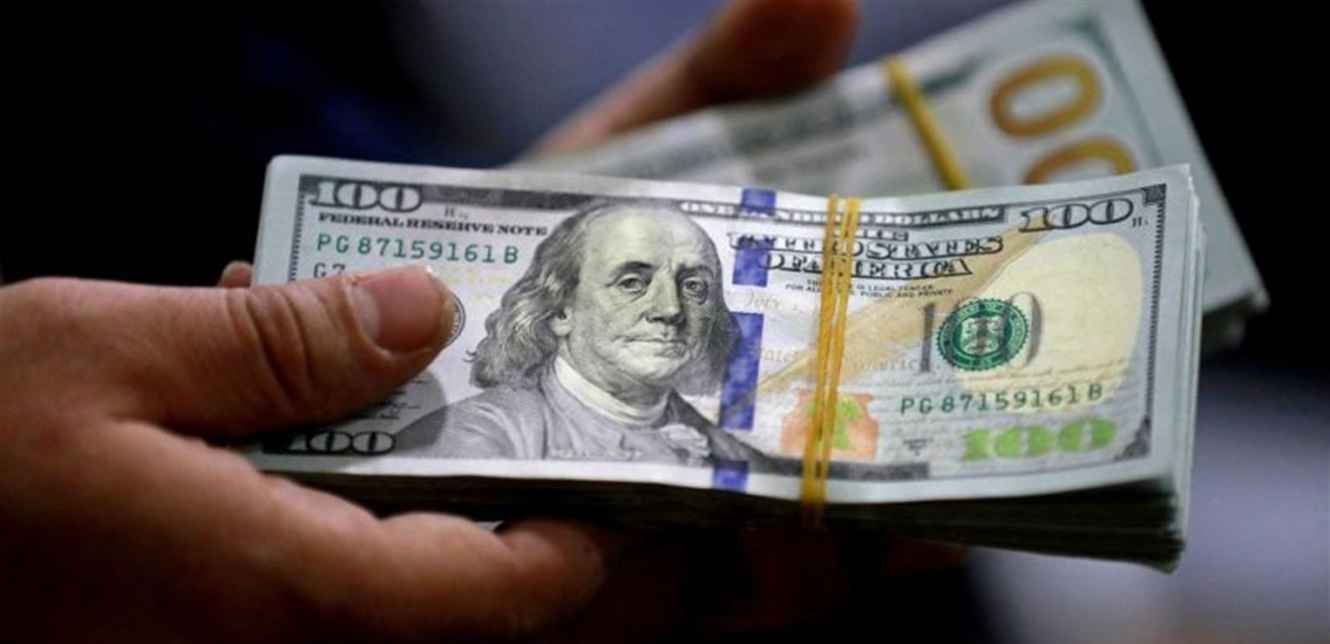
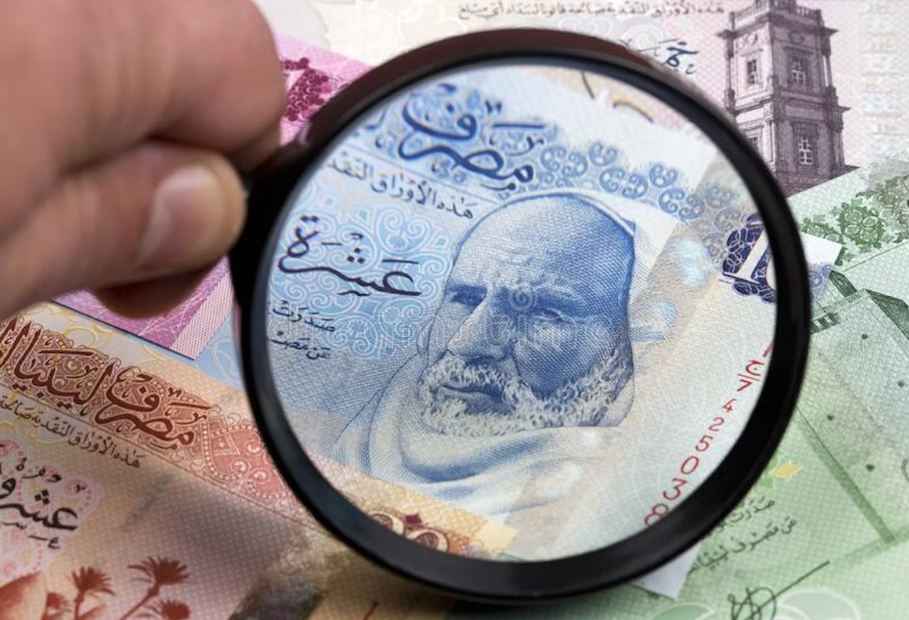
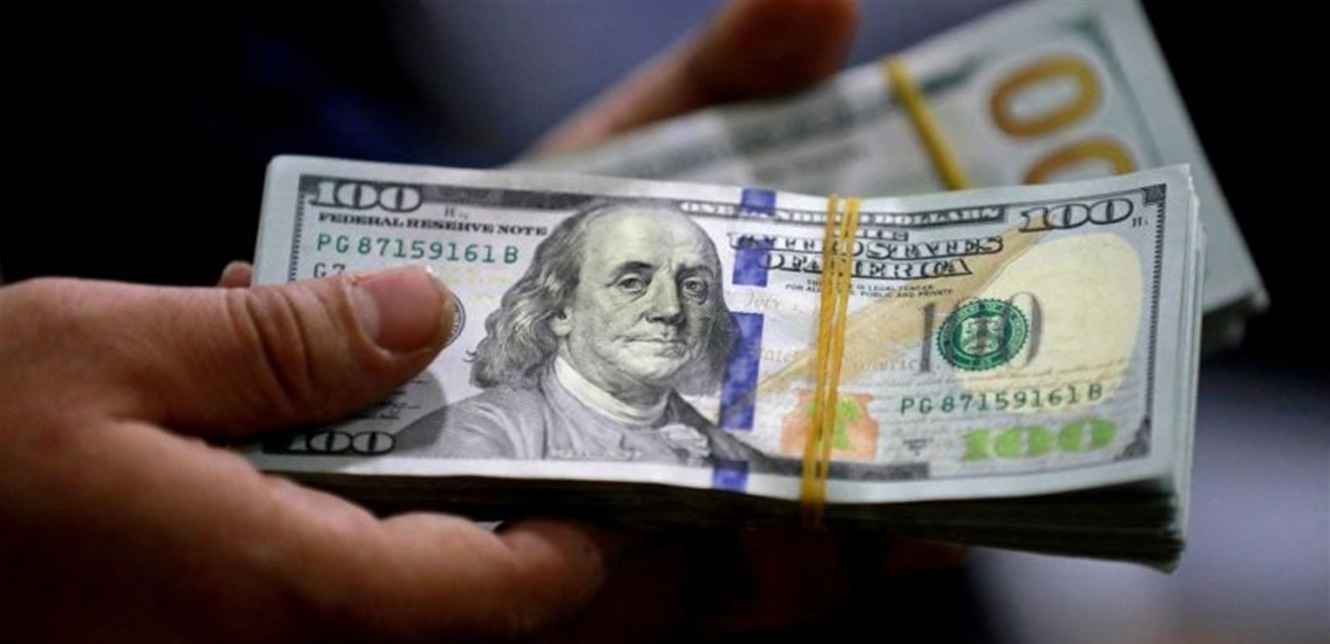
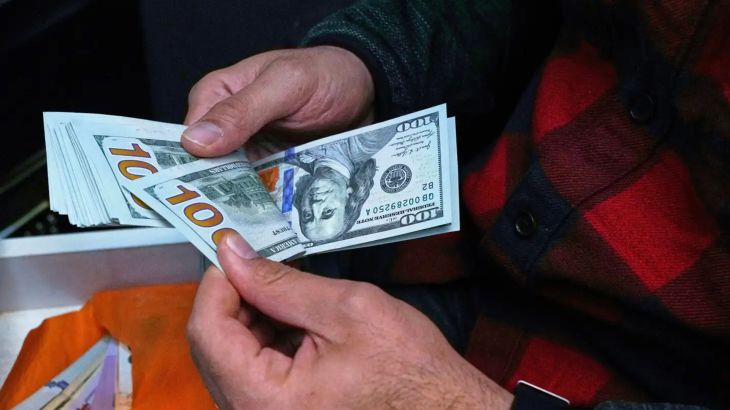
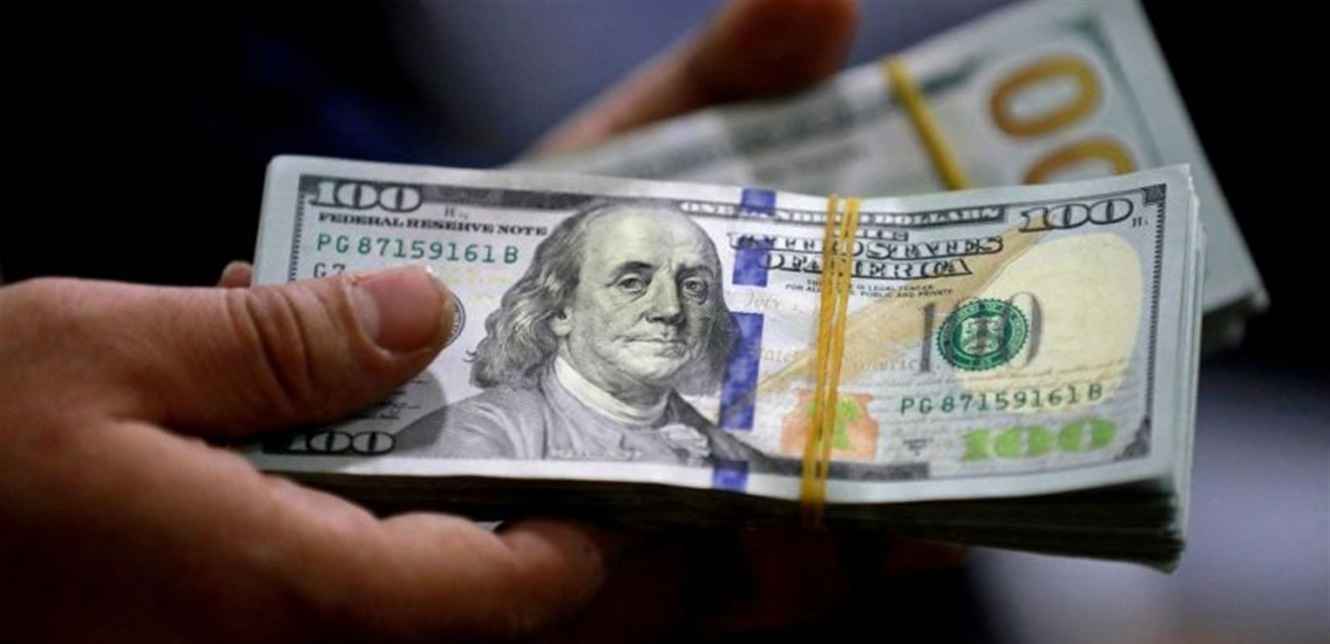
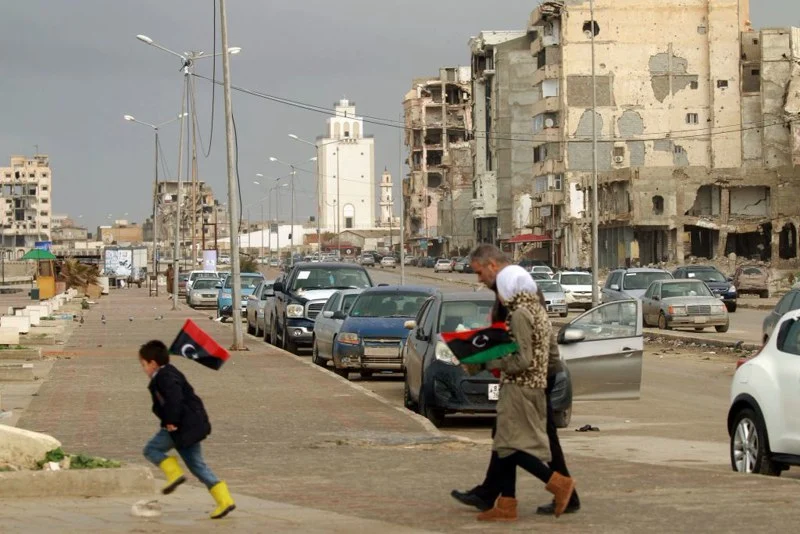
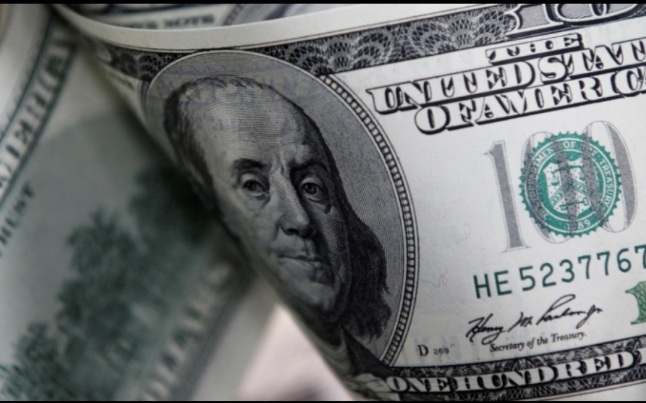
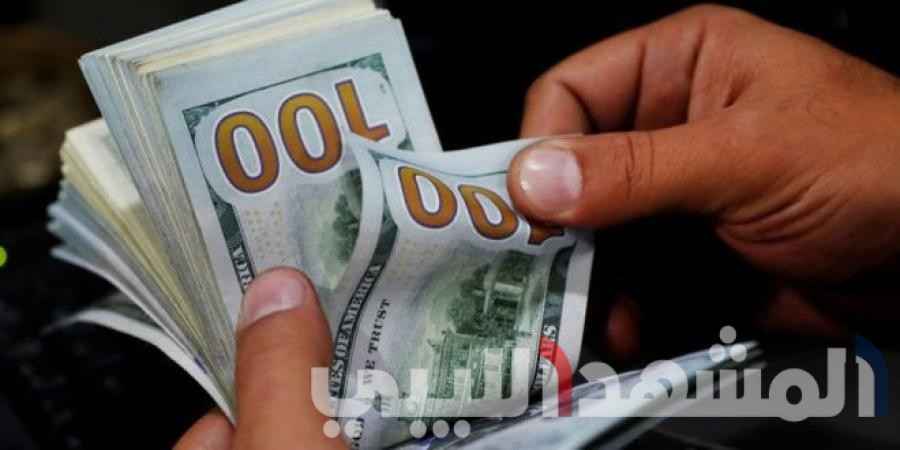
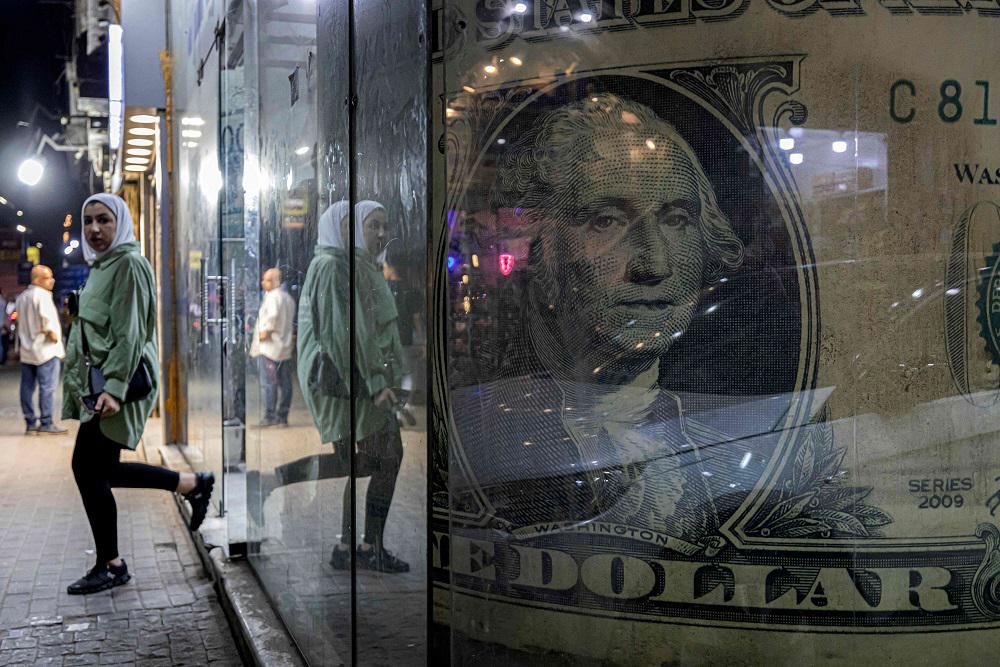
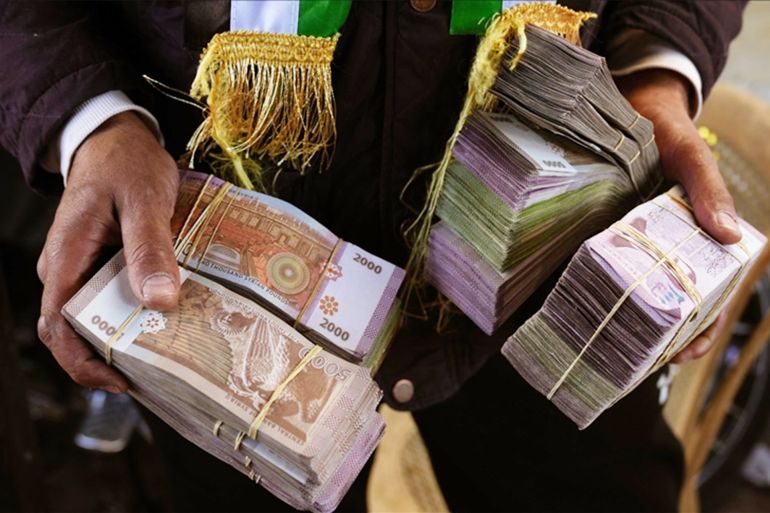
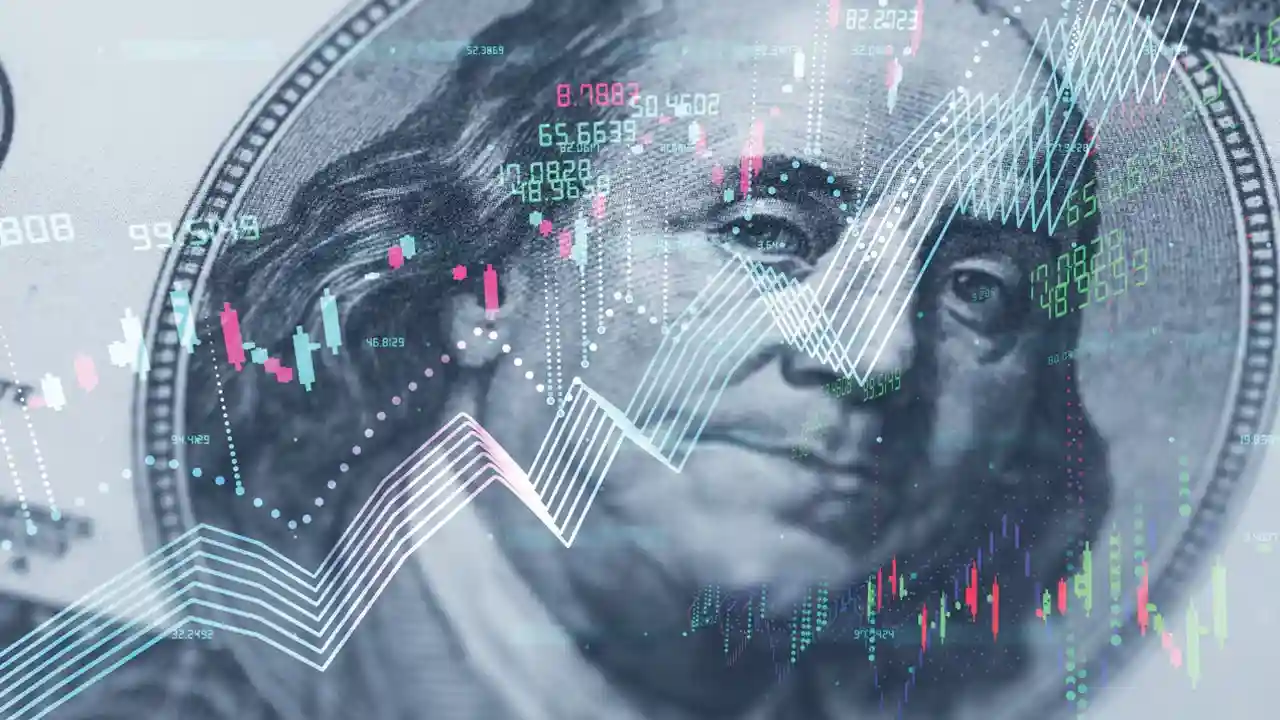
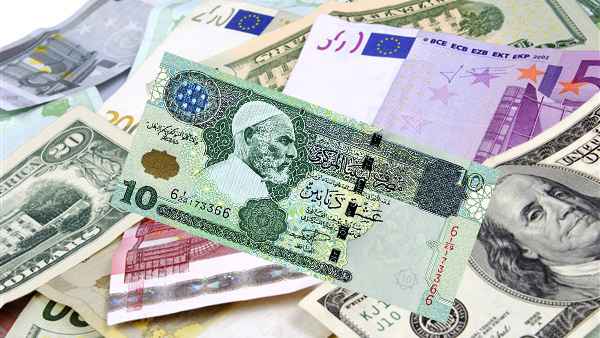
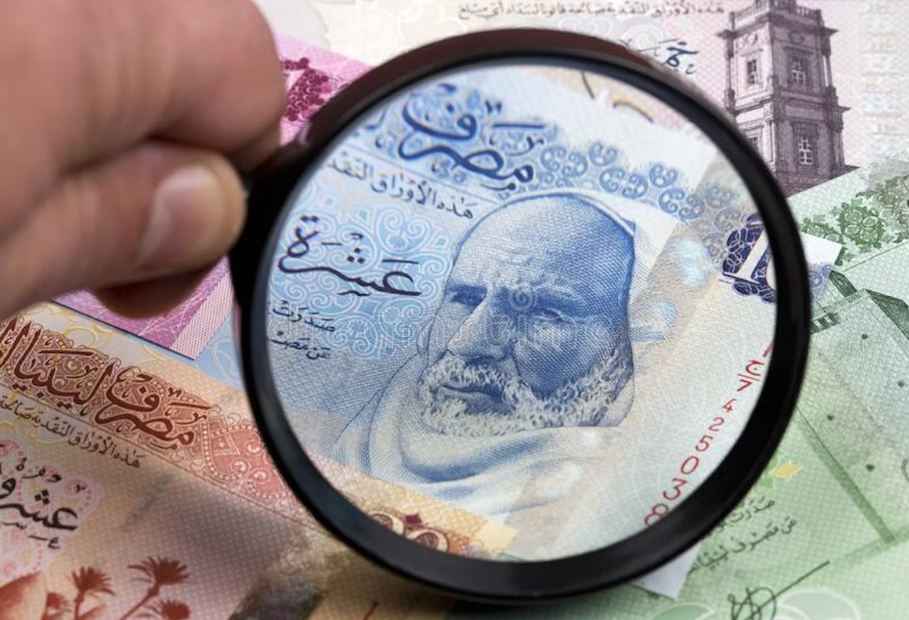
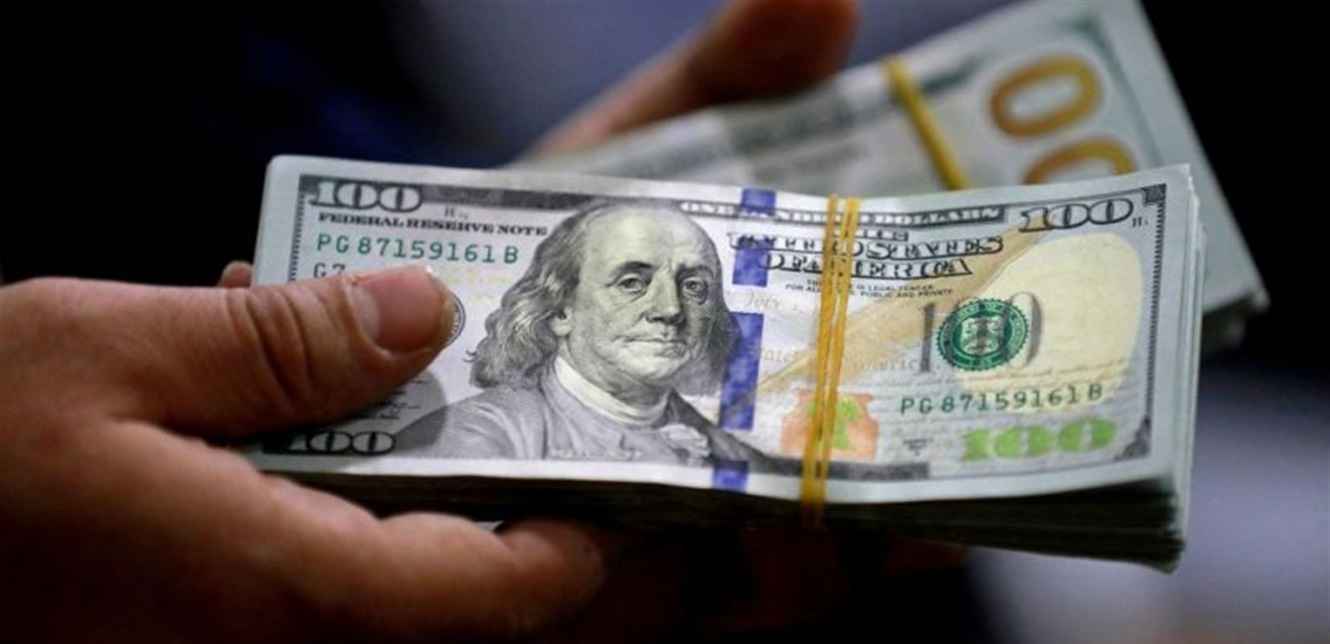
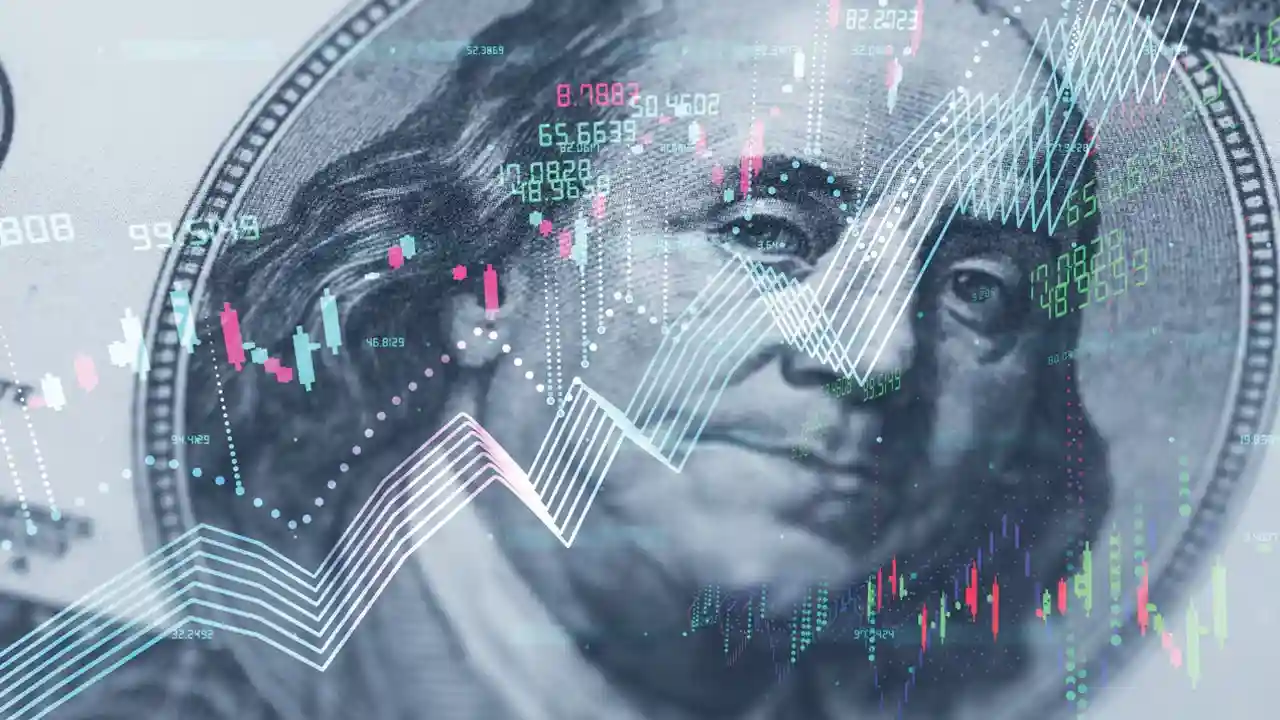
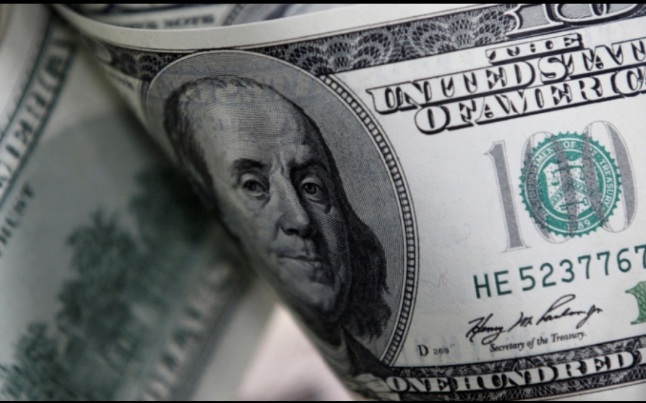
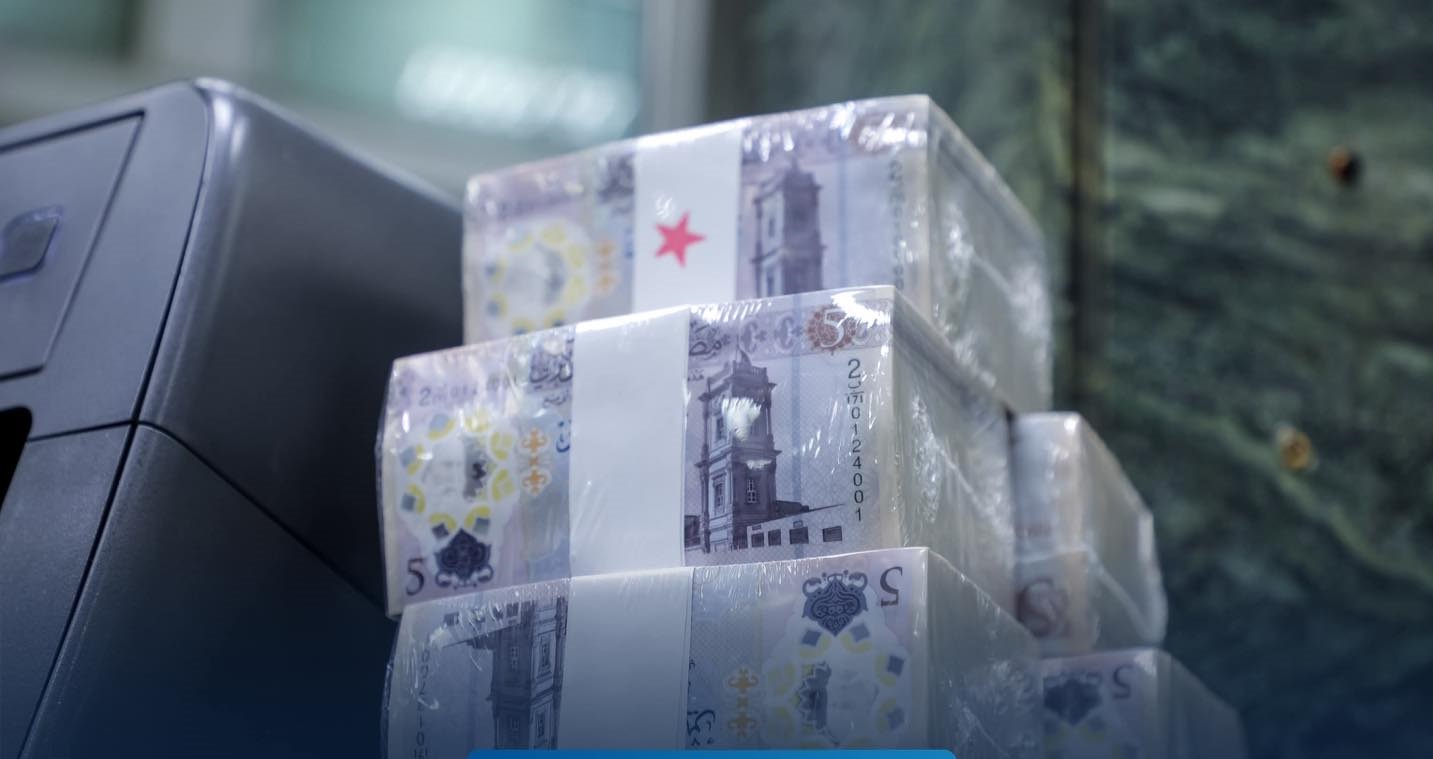
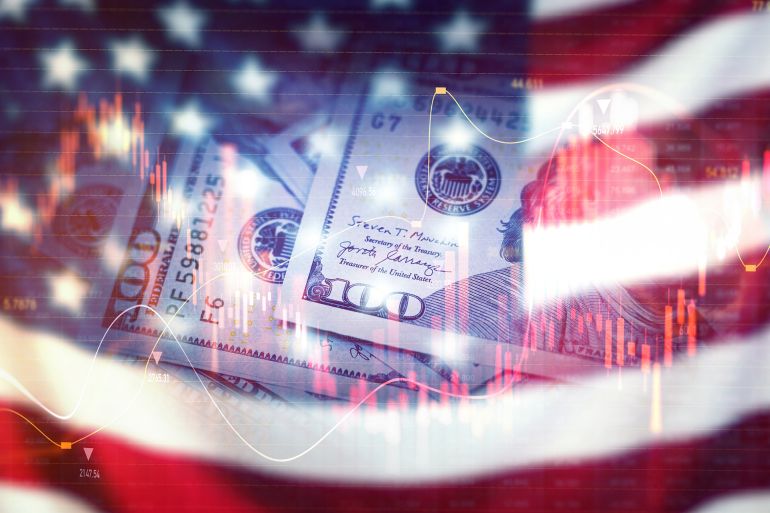
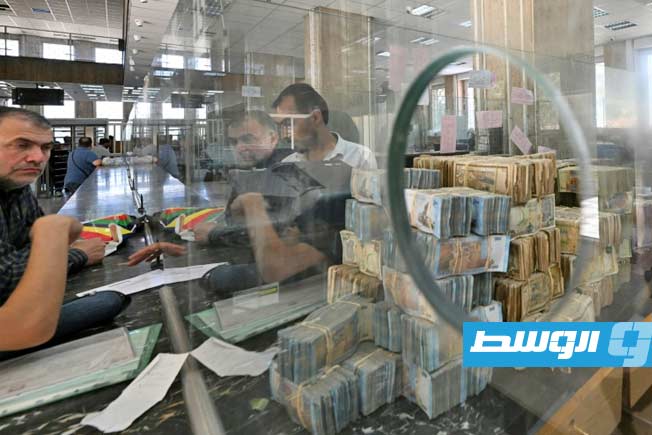
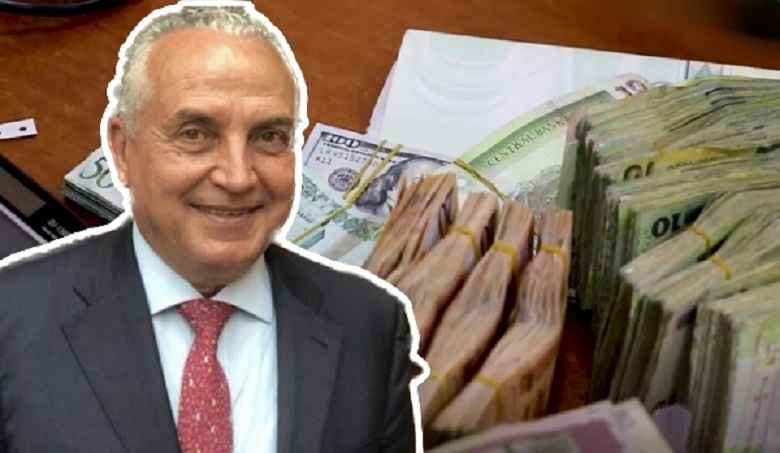
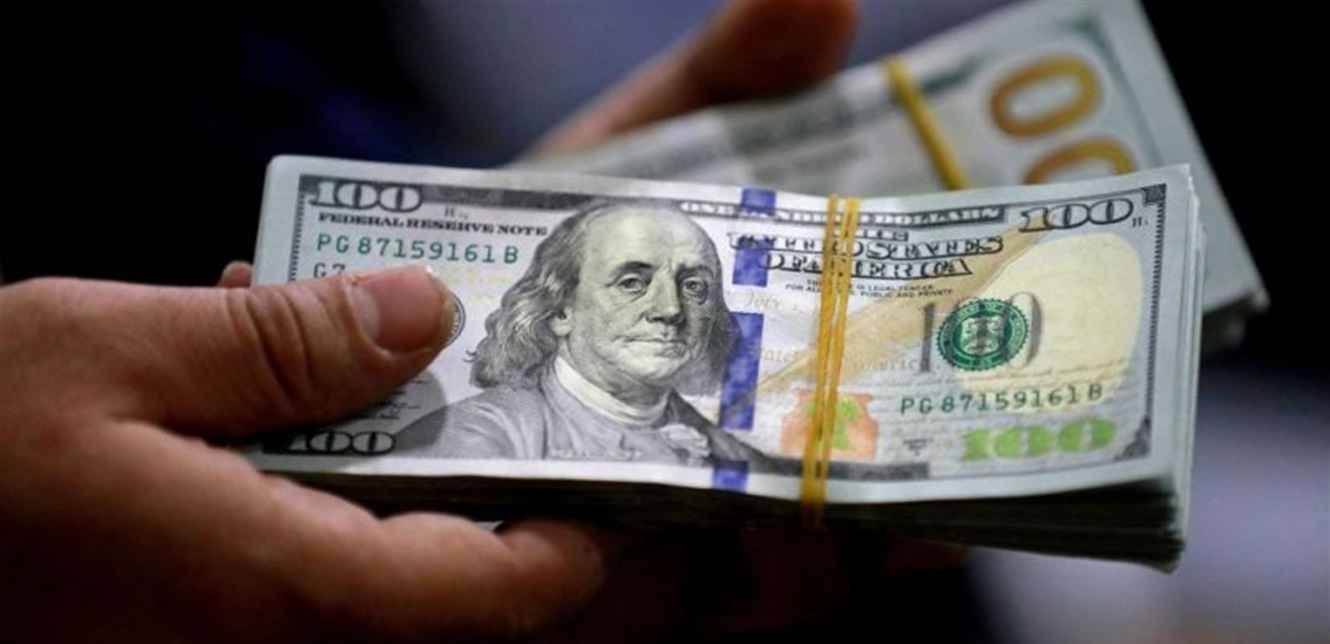
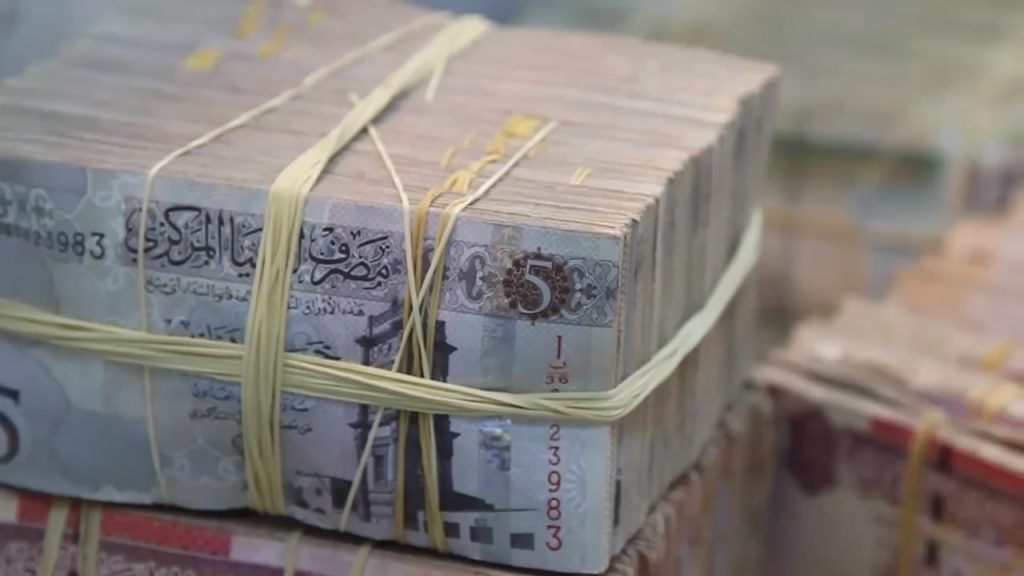
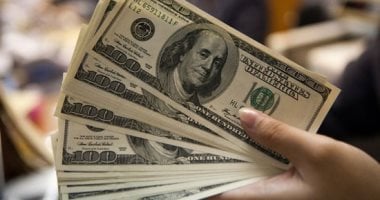
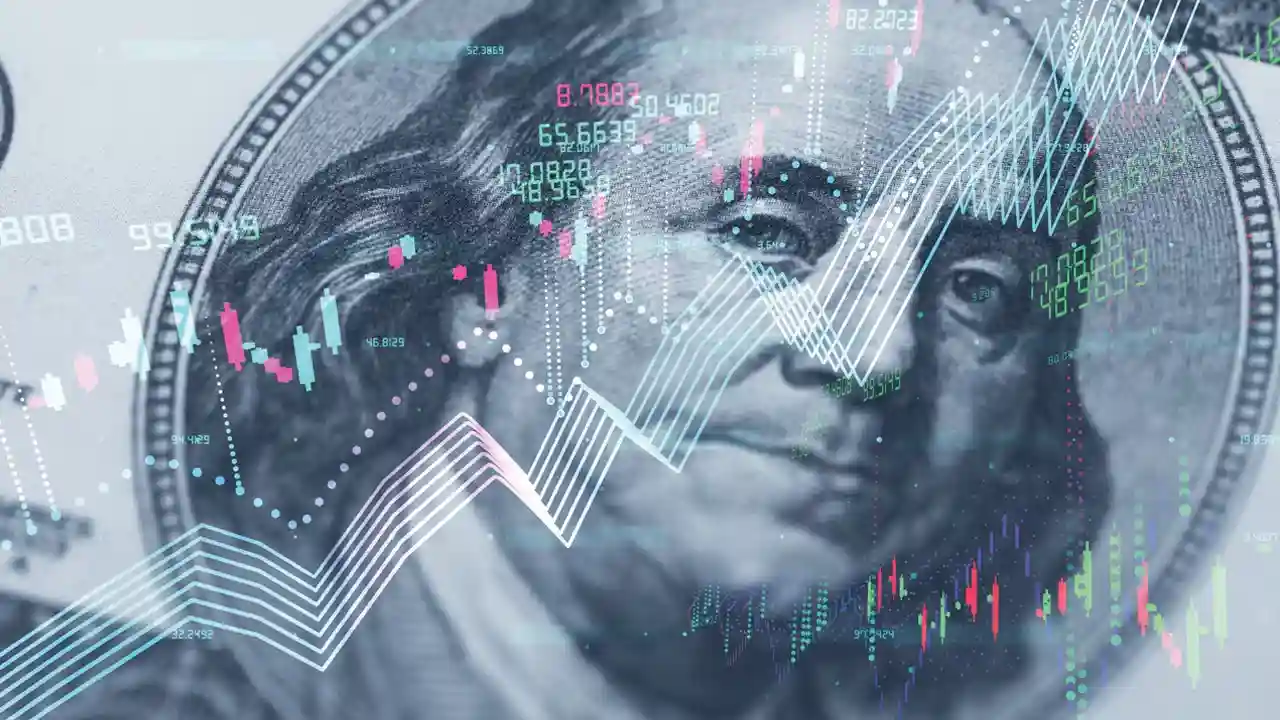
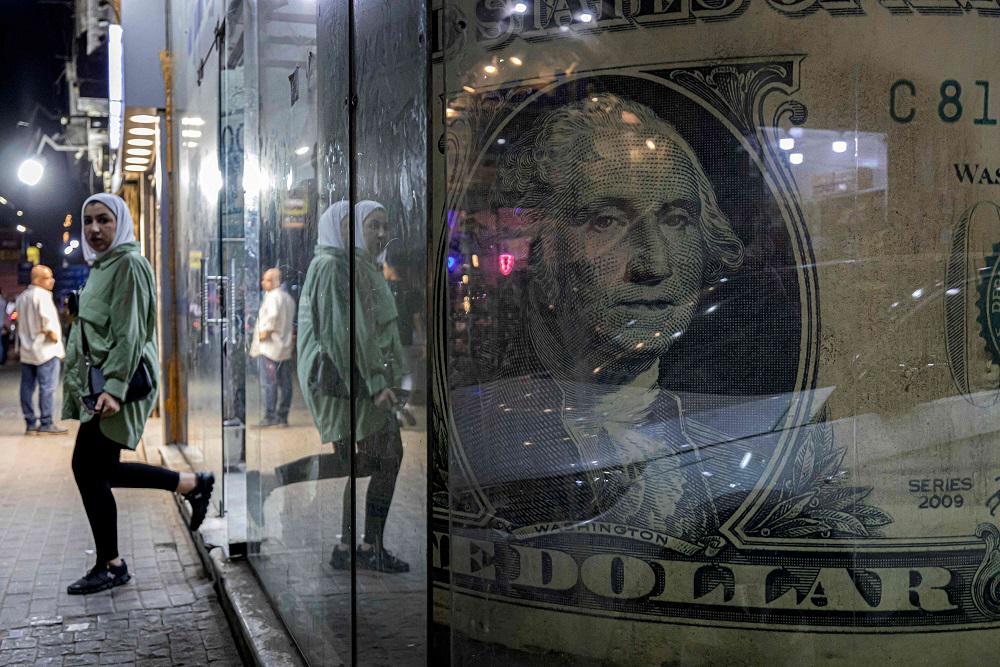
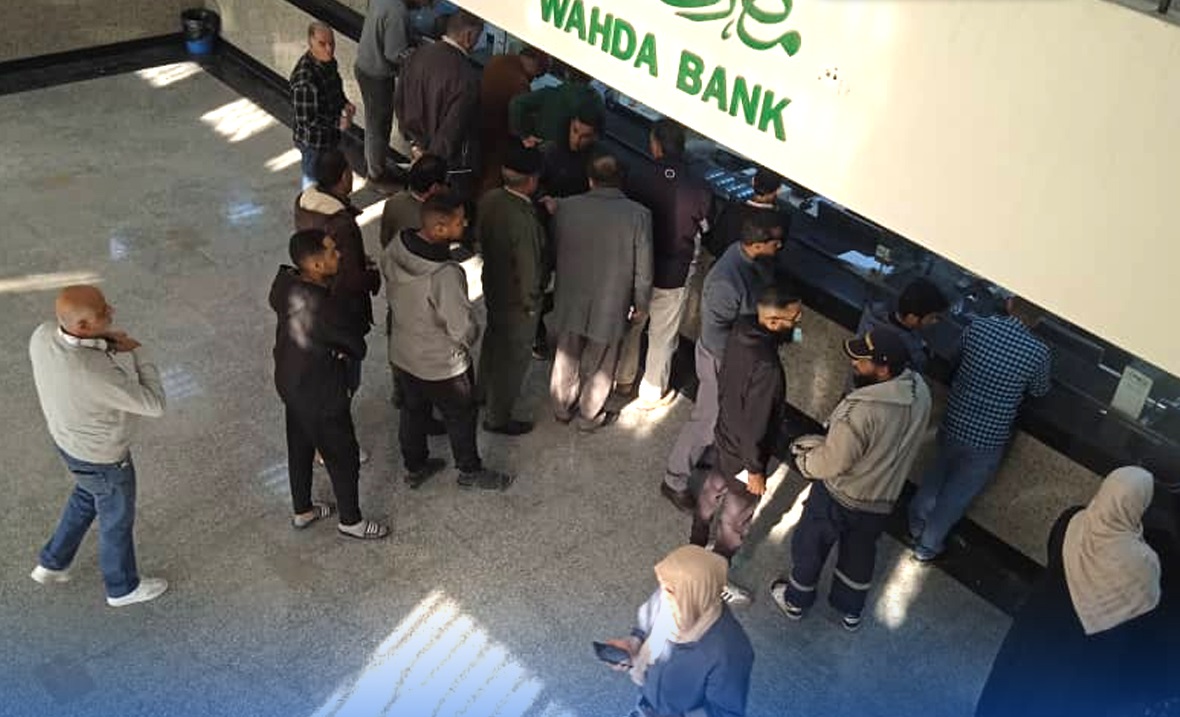
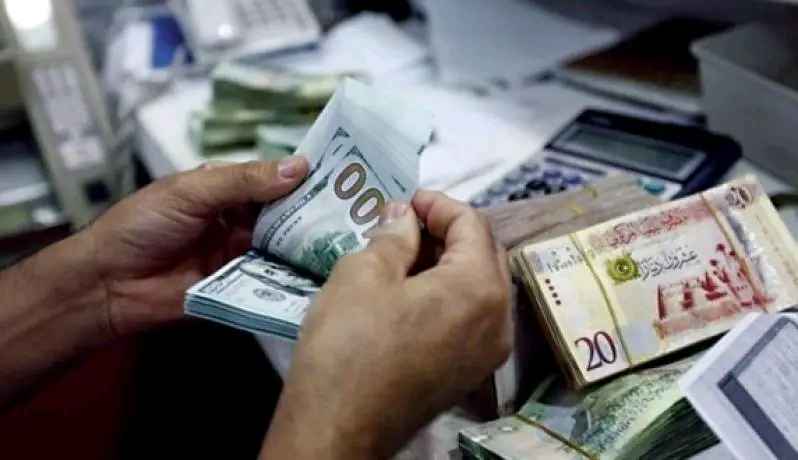
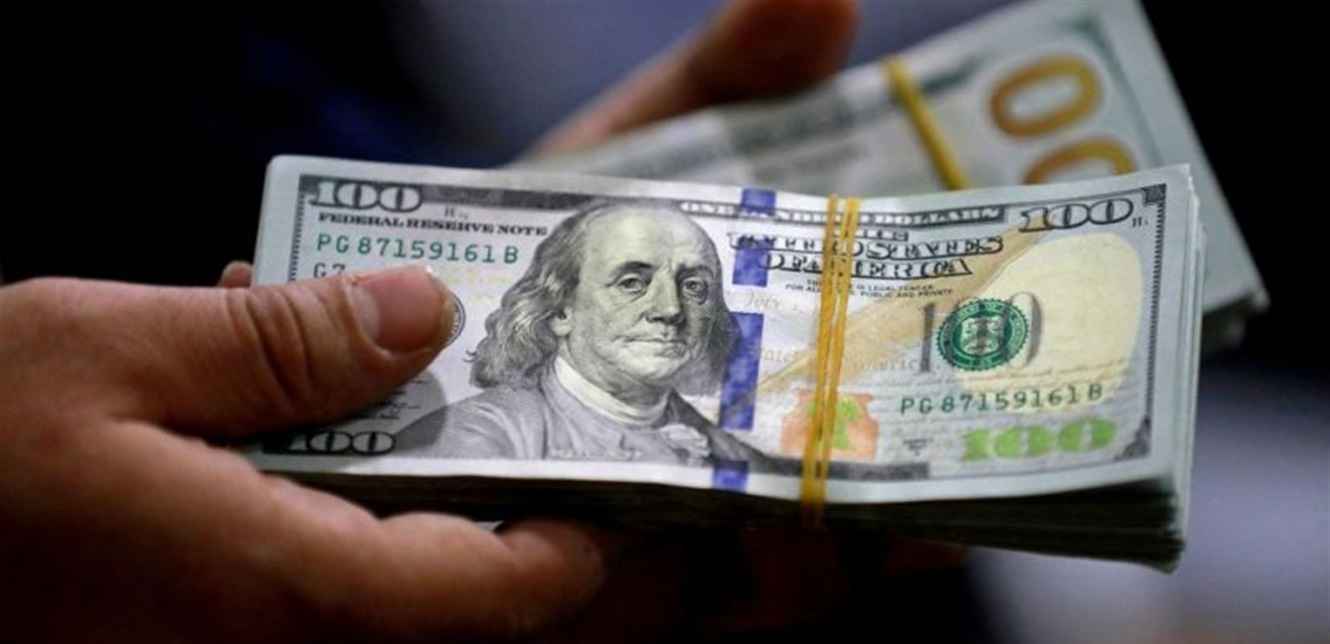
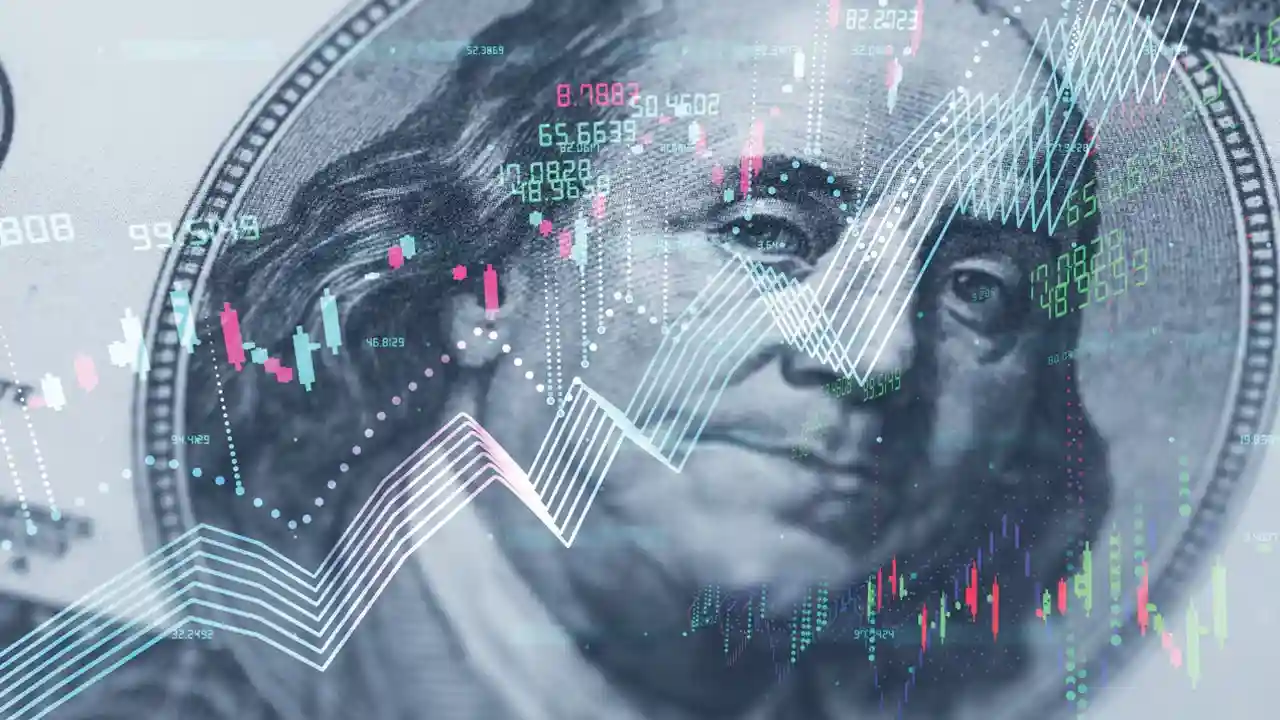
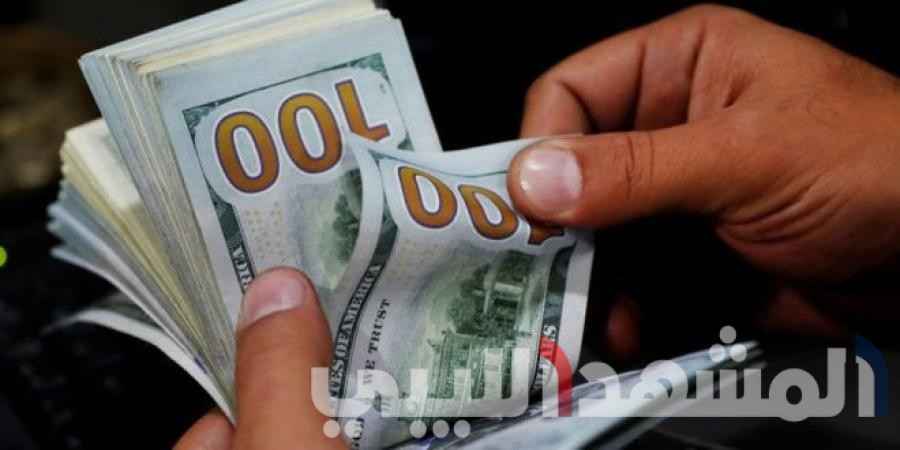
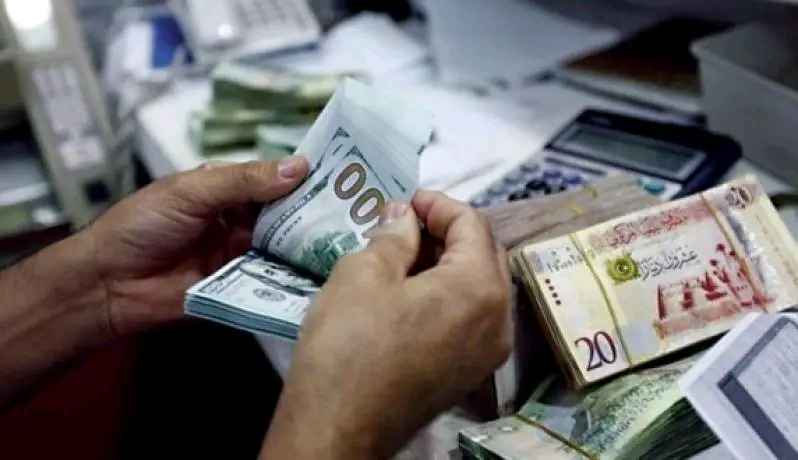
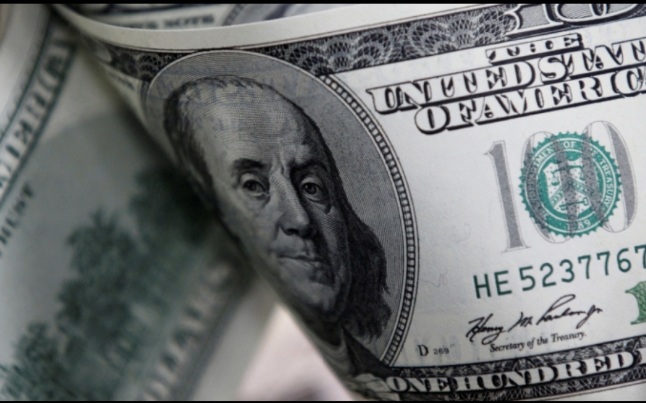
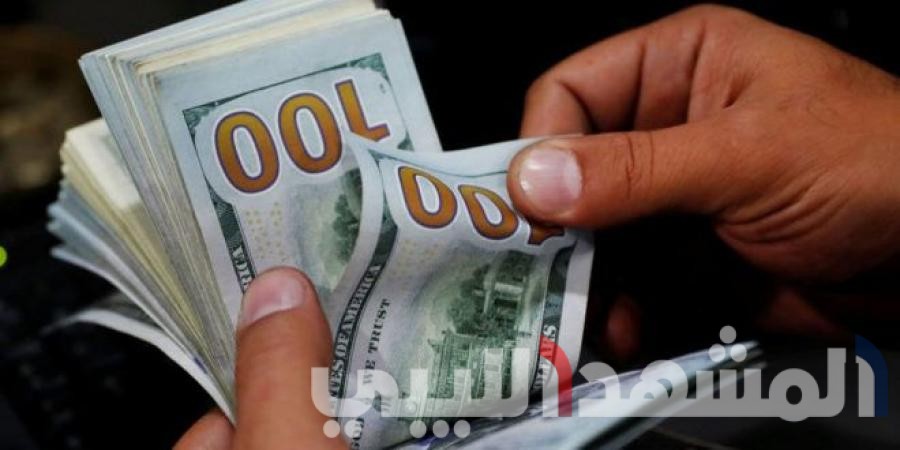
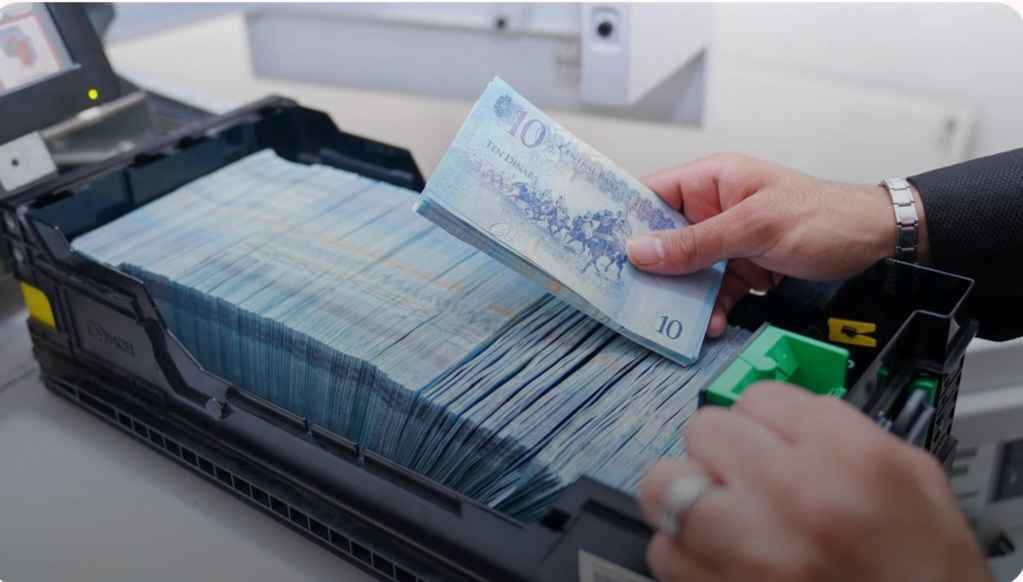
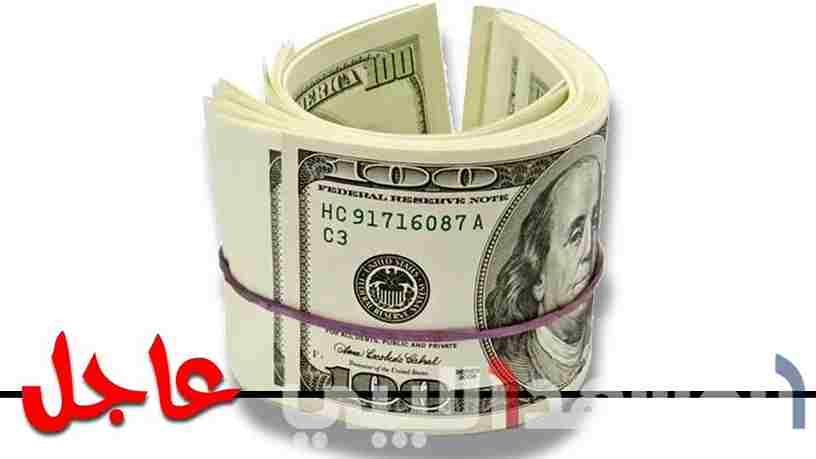
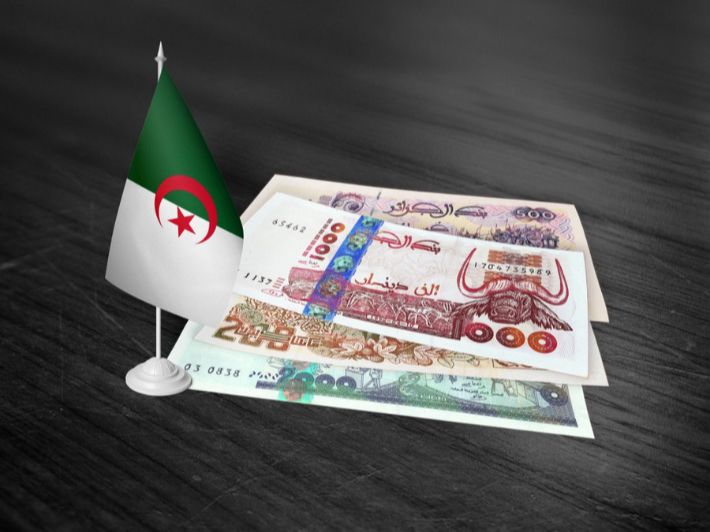
The US dollar recorded a continuous rise against the Libyan dinar in the parallel market during trading on Monday, February 2, 2026, closing in the capital Tripoli at a level of 8.94 dinars, while it recorded a new rise in trading rooms to 8.99 dinars.
In other cities, the closing price in Zliten was 8.95 dinars, while it closed in Benghazi and Ajdabiya at a price of 8.91 dinars, reflecting the continued slight variation between regions.
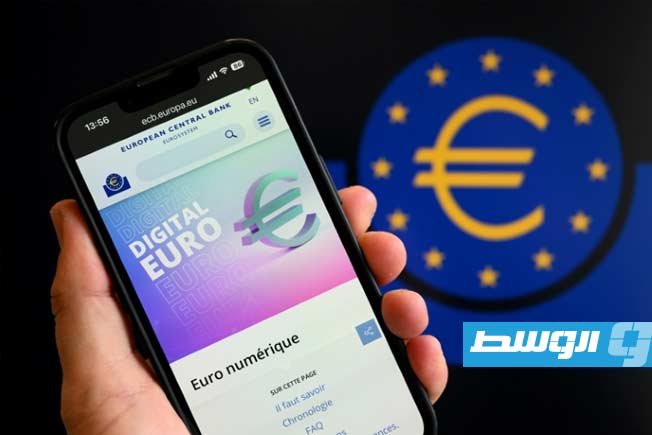
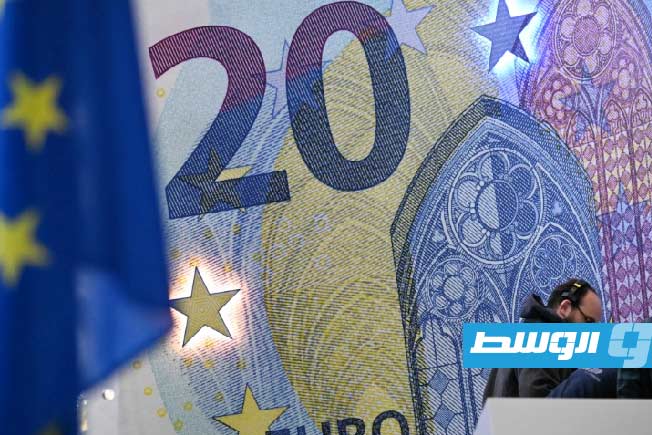
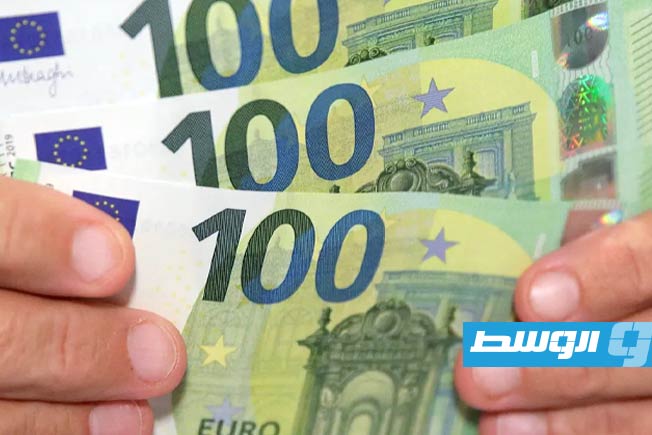
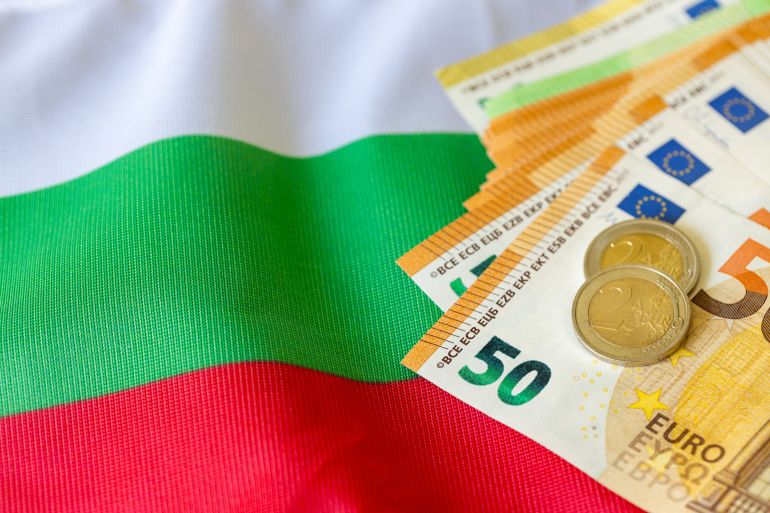
As for other foreign currencies, the euro rose to 10.44 dinars, while the British pound recorded a slight rise to 11.70 dinars, according to what traders and specialized pages on social media reported.
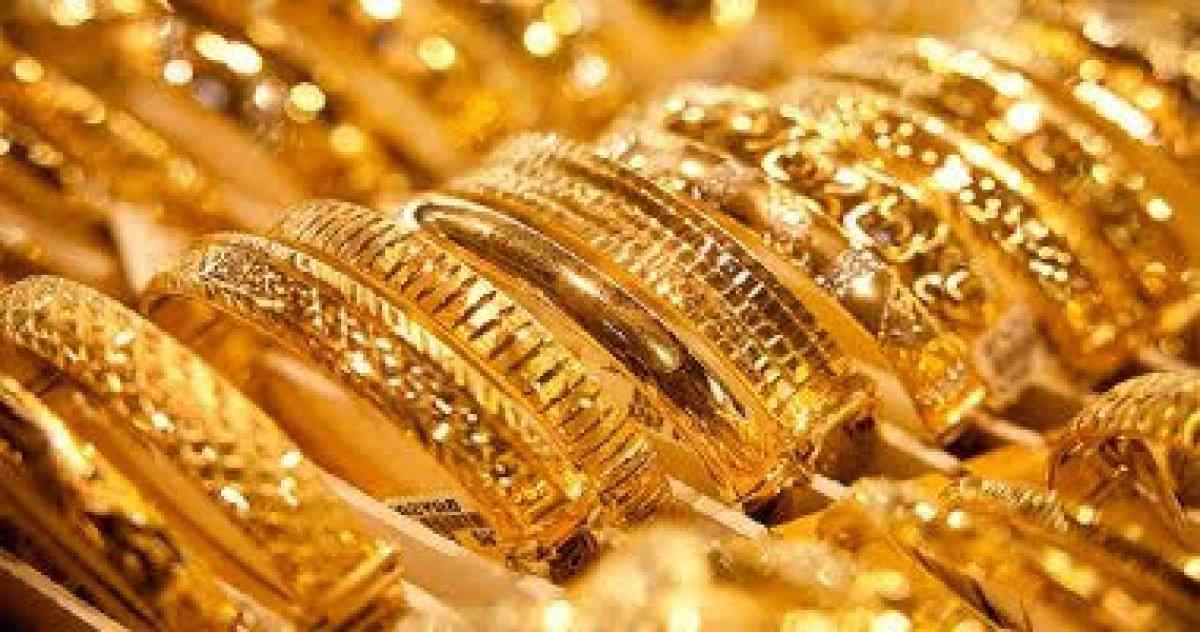
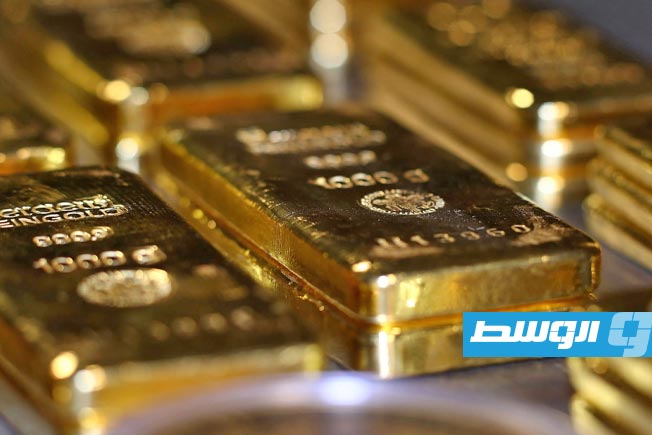
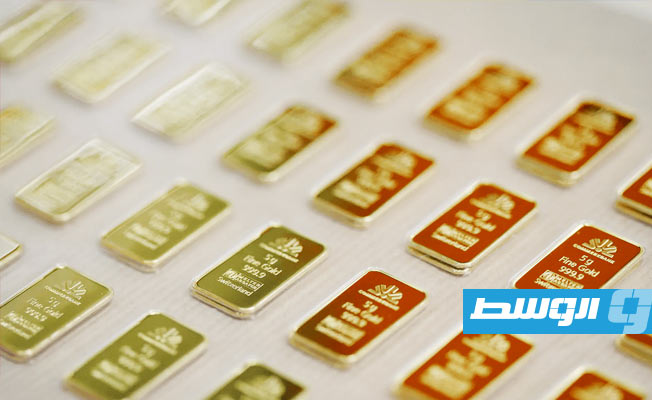
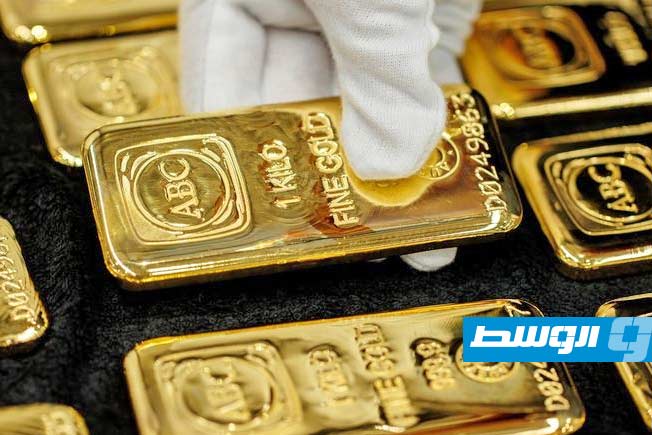
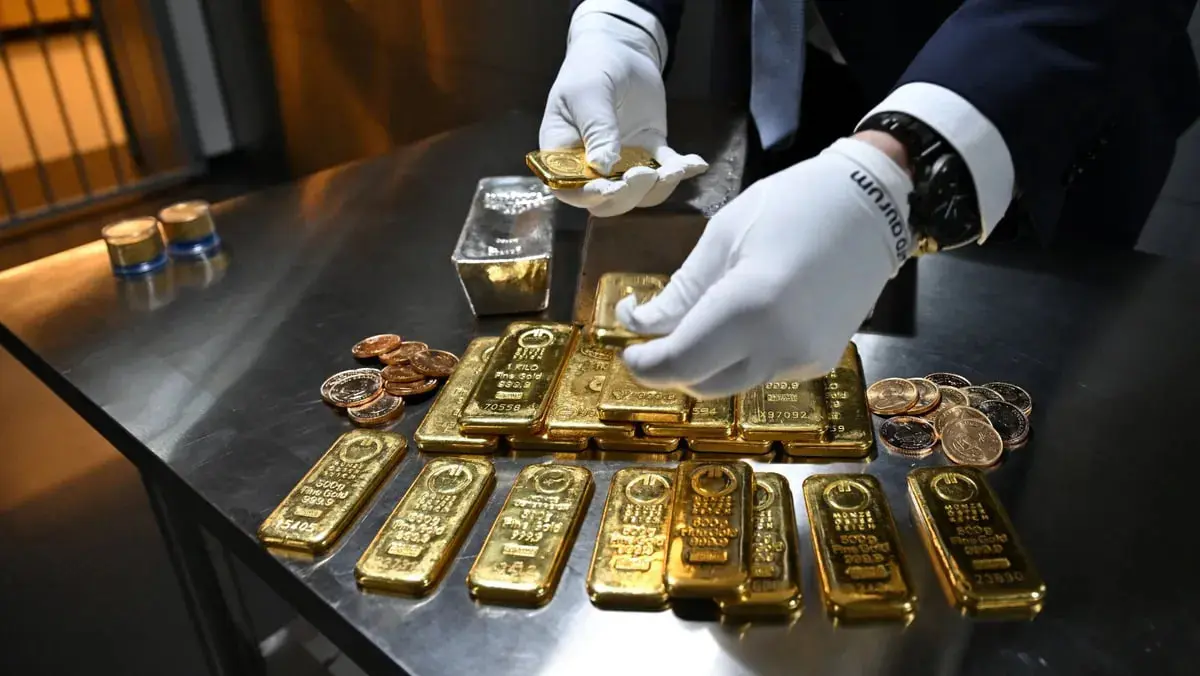
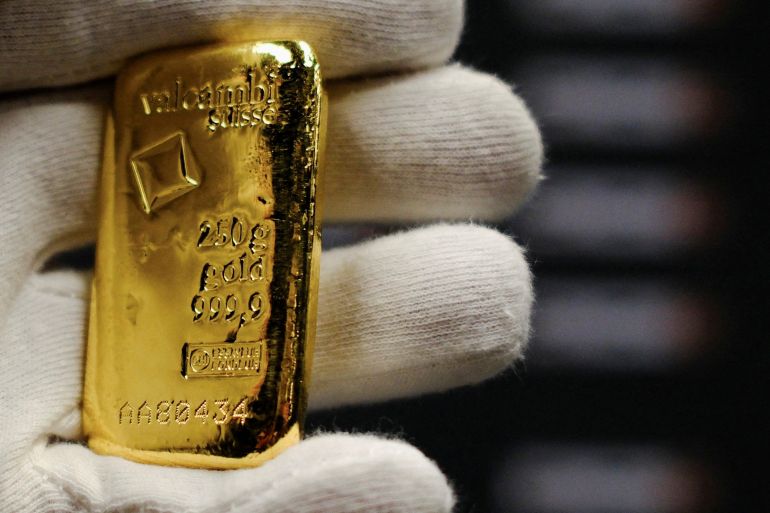
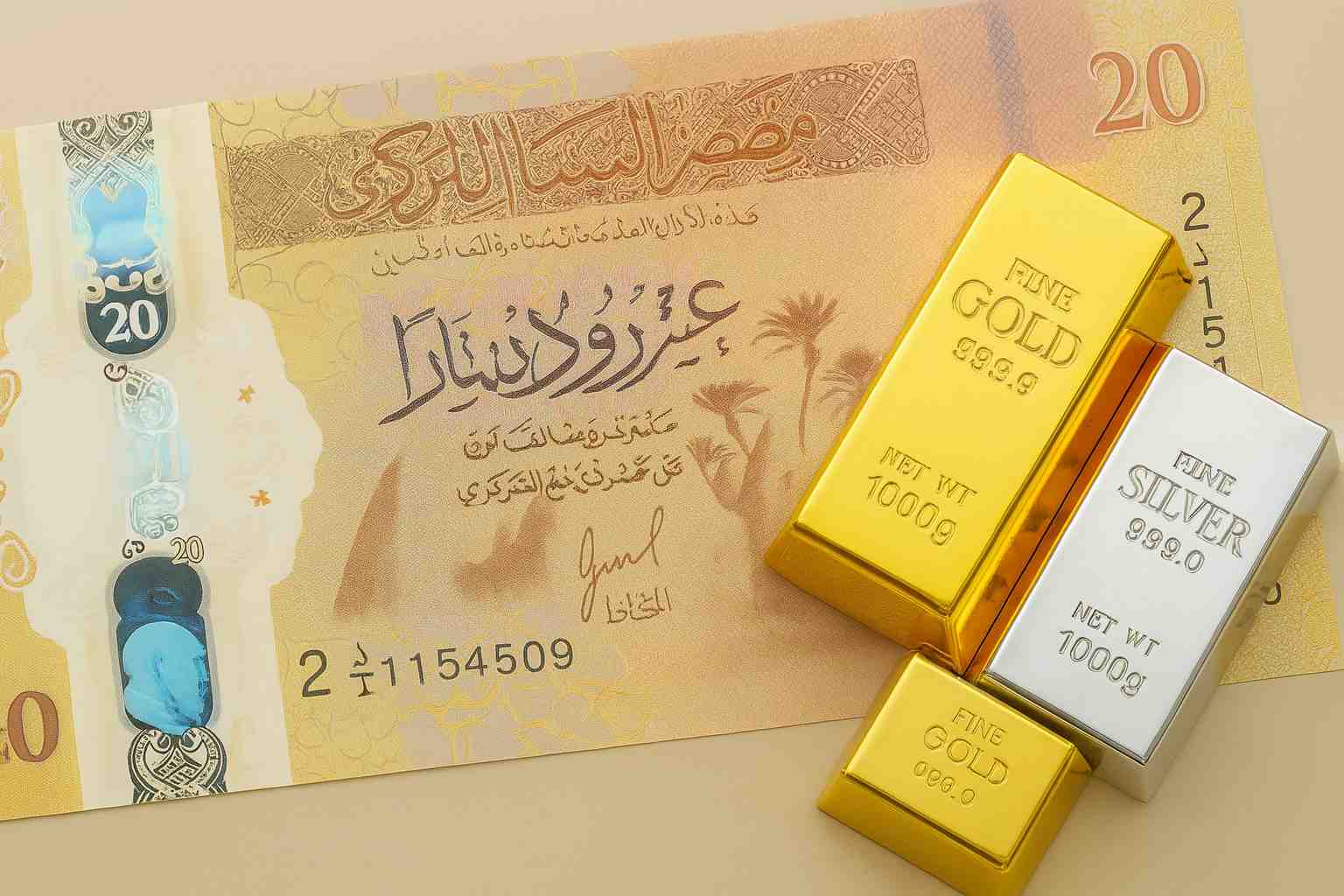
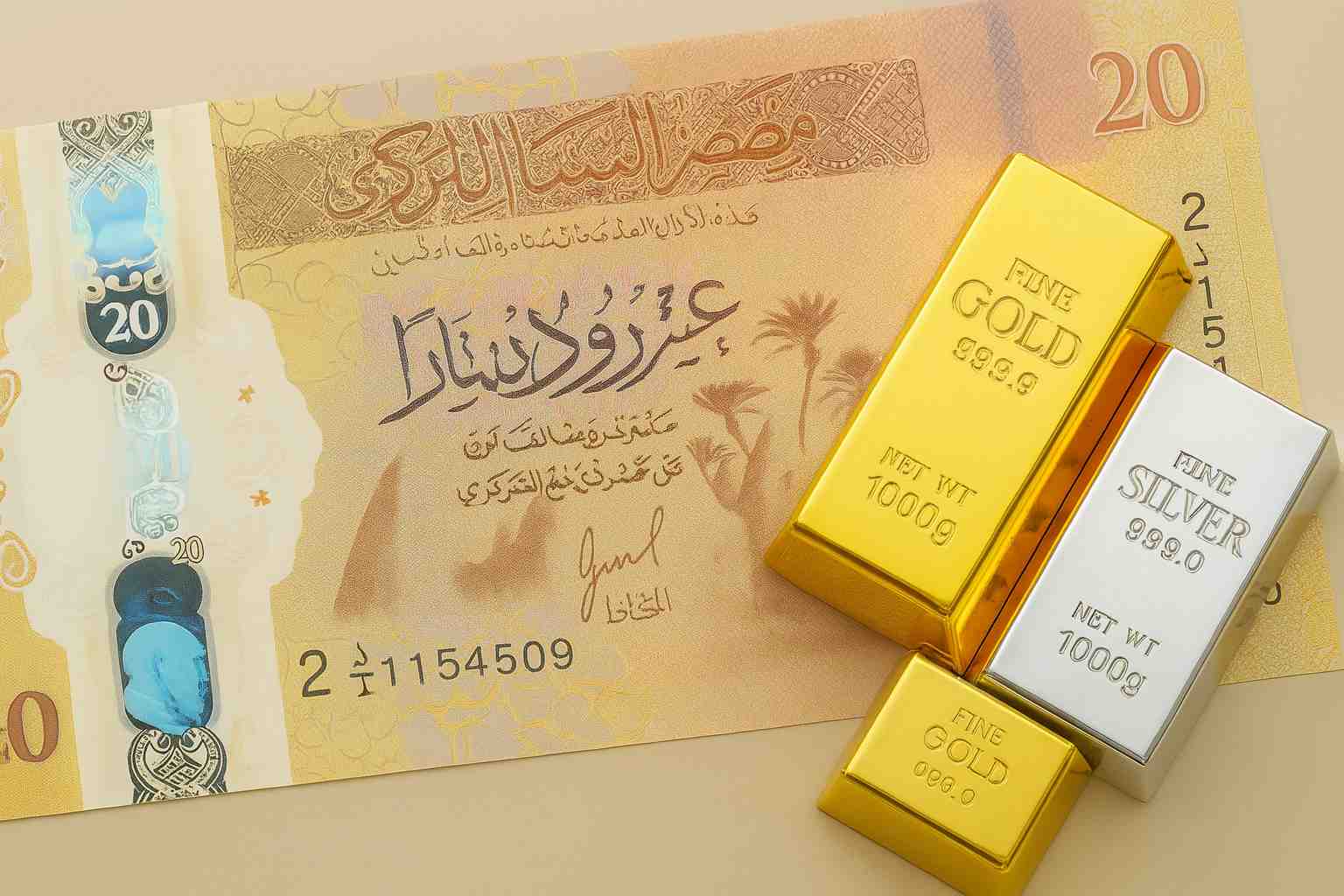
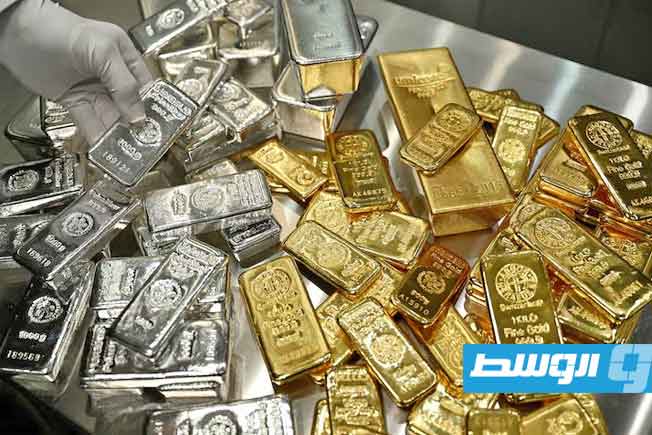
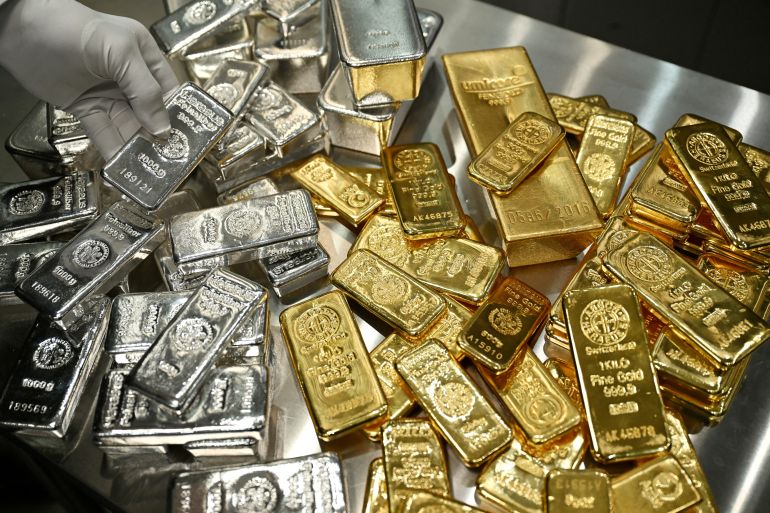
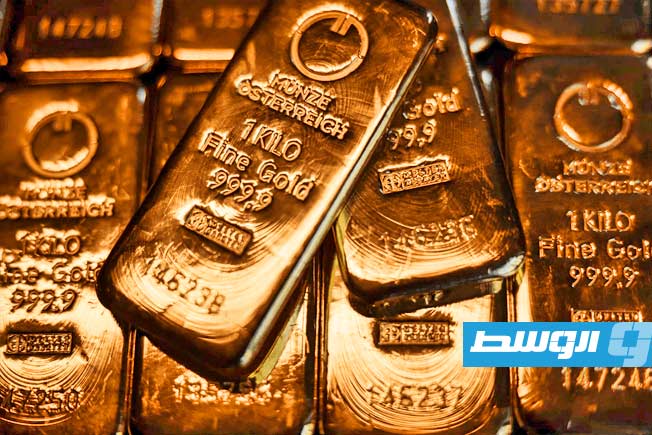
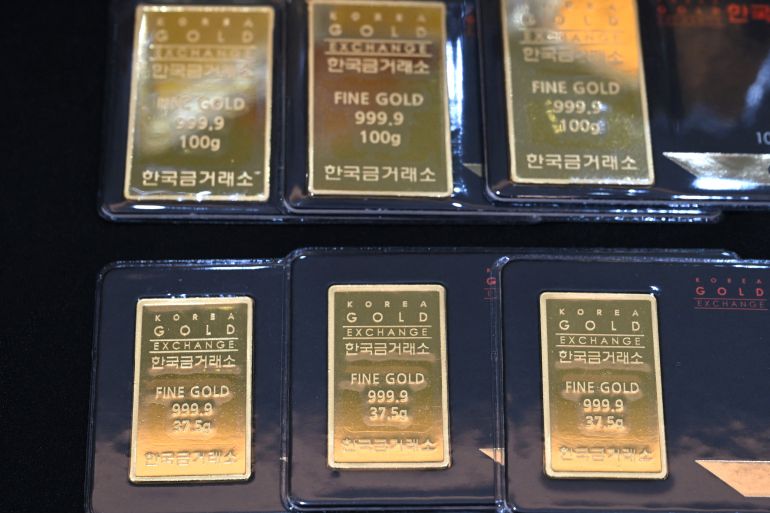
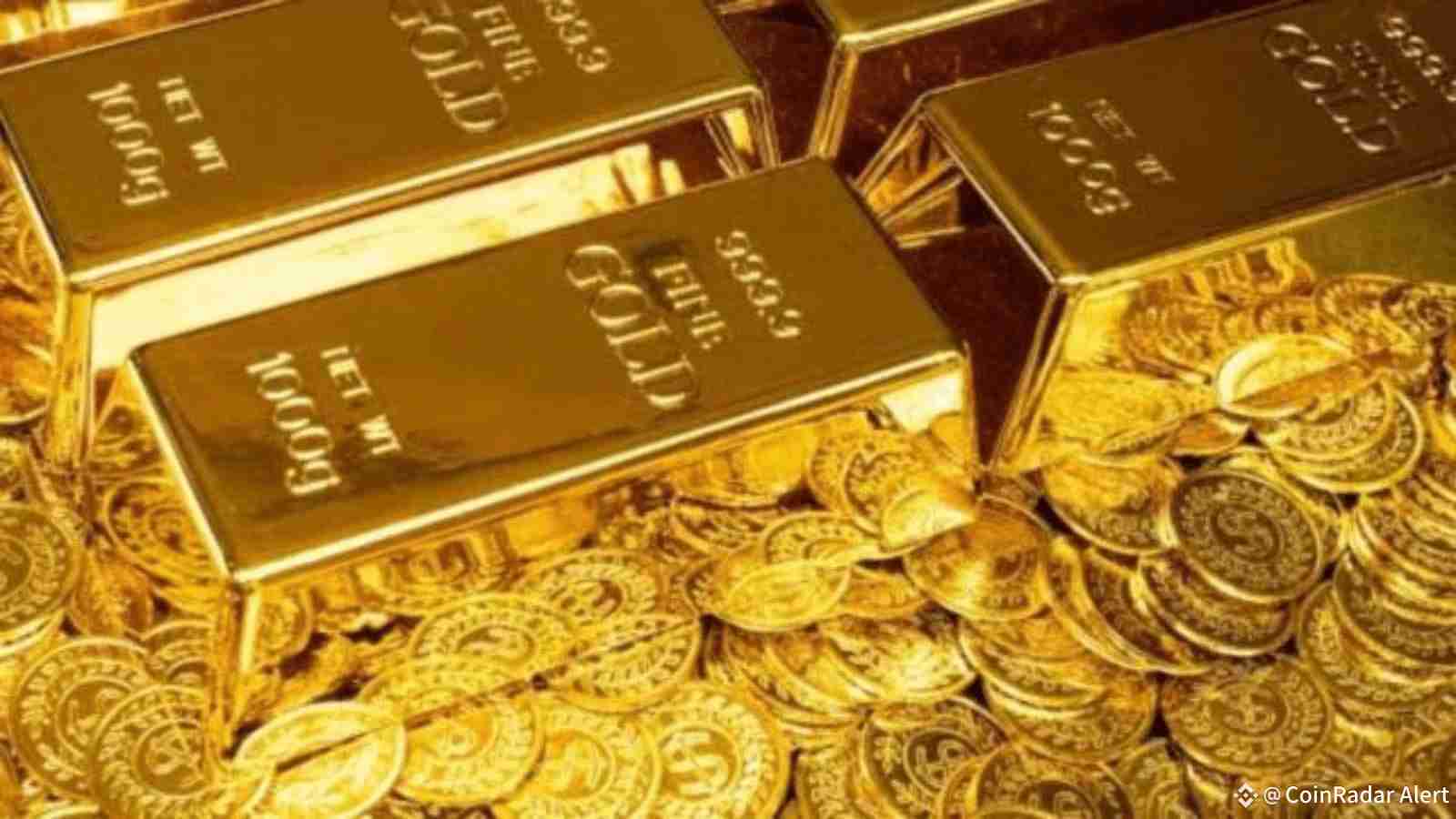
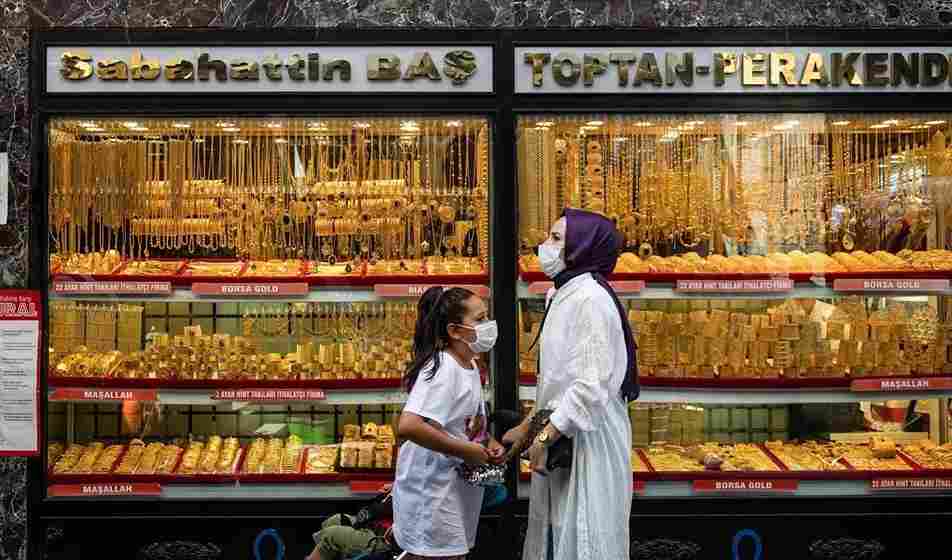
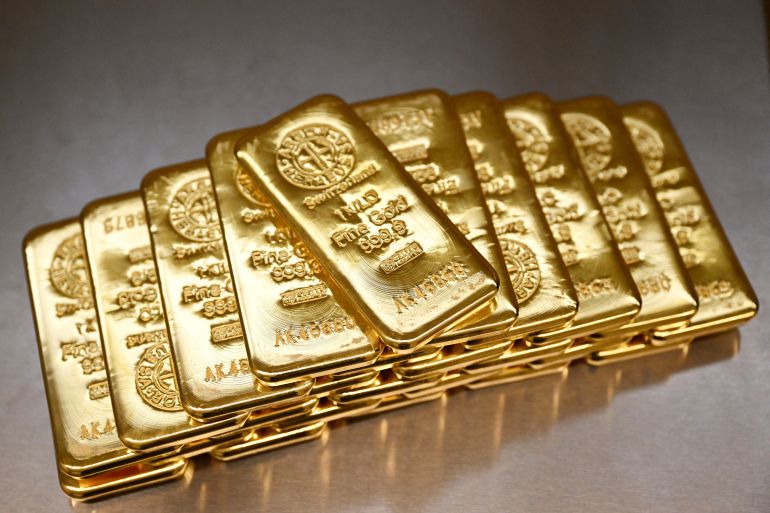
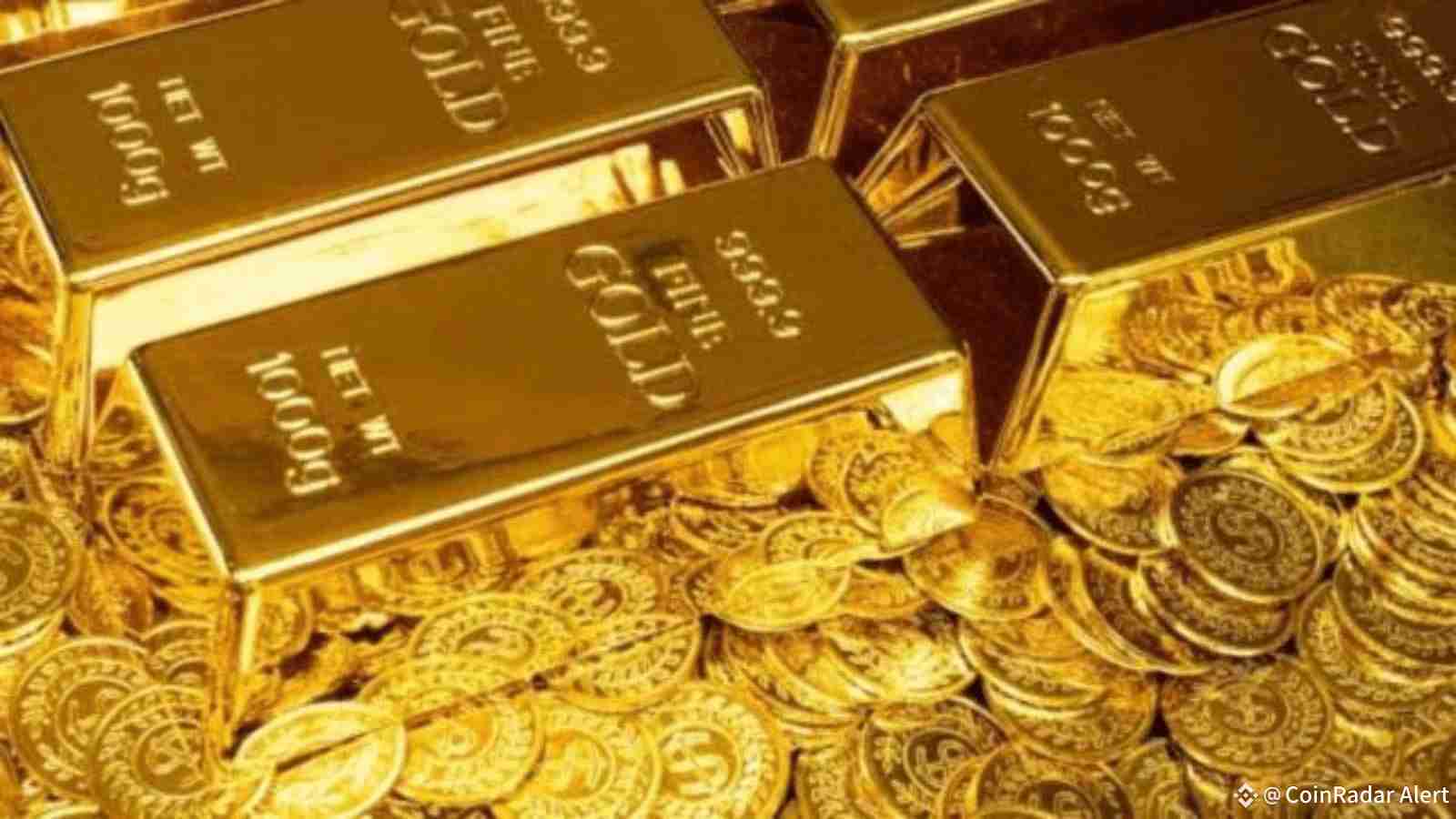
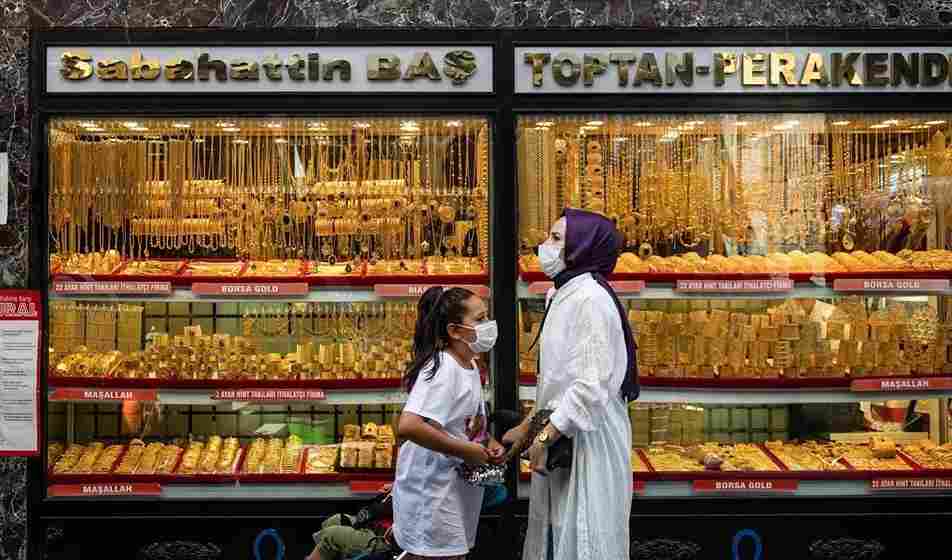
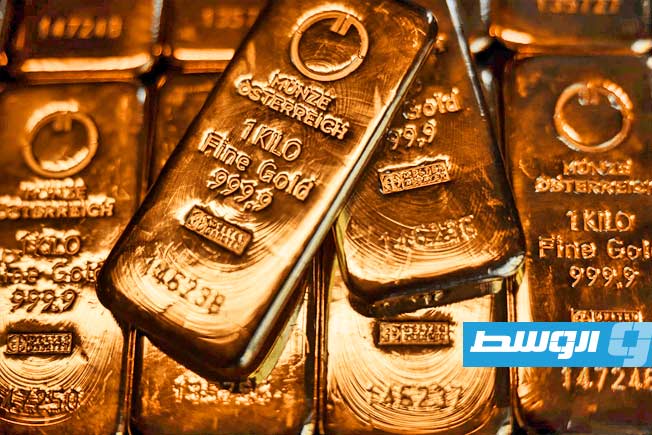
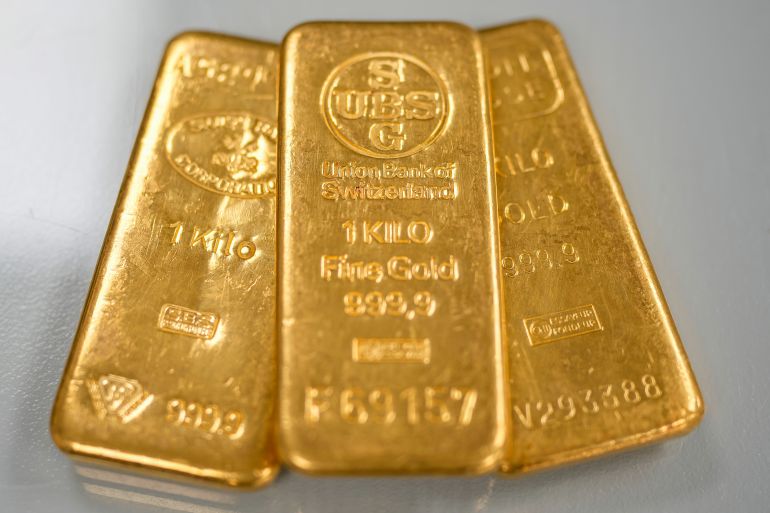
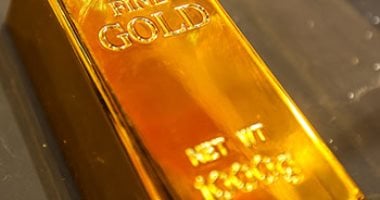
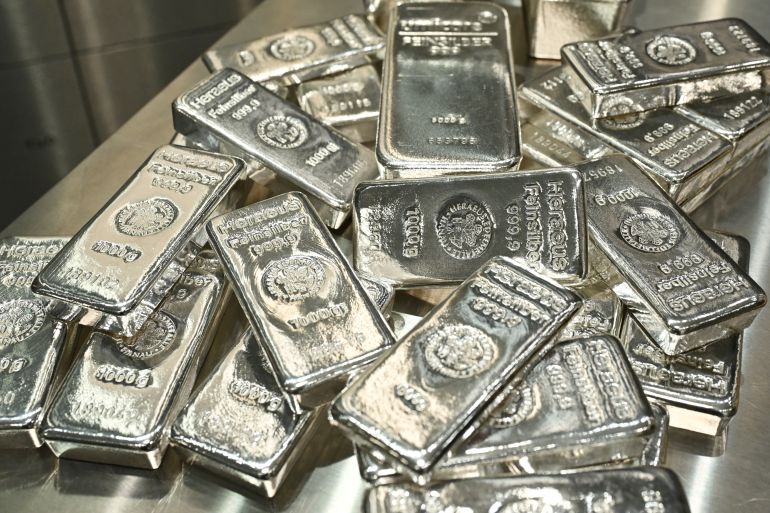
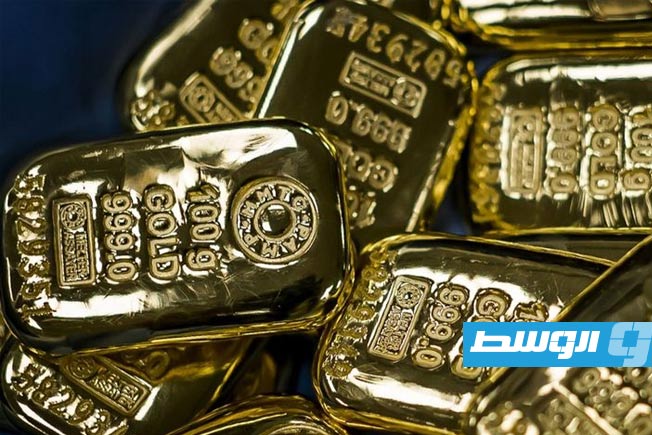
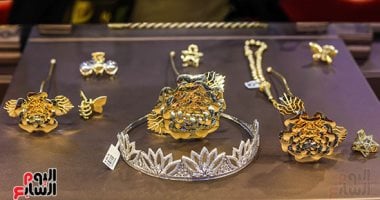
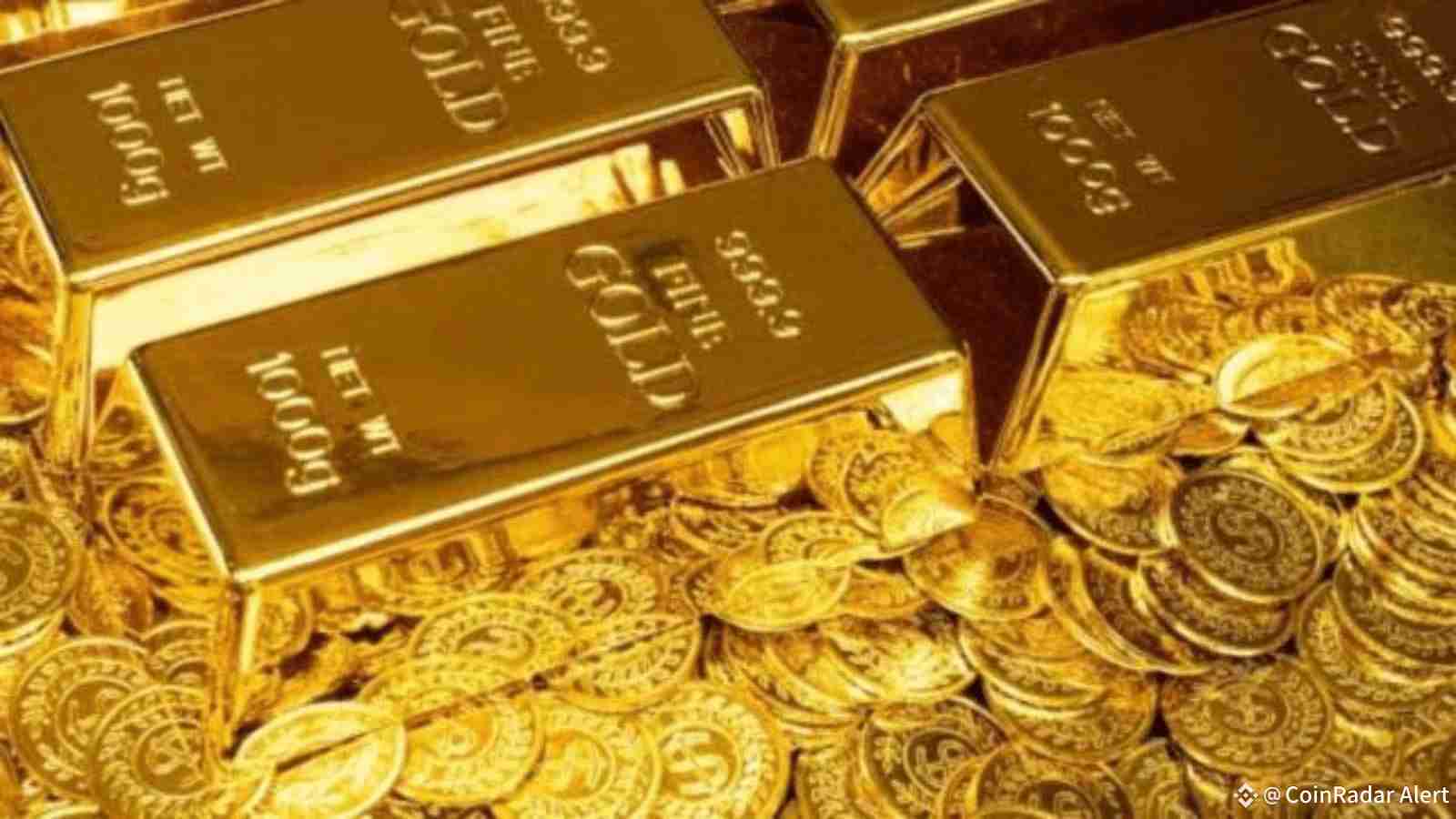
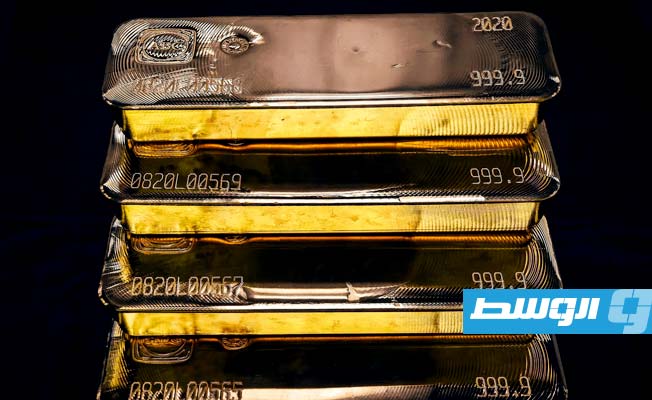
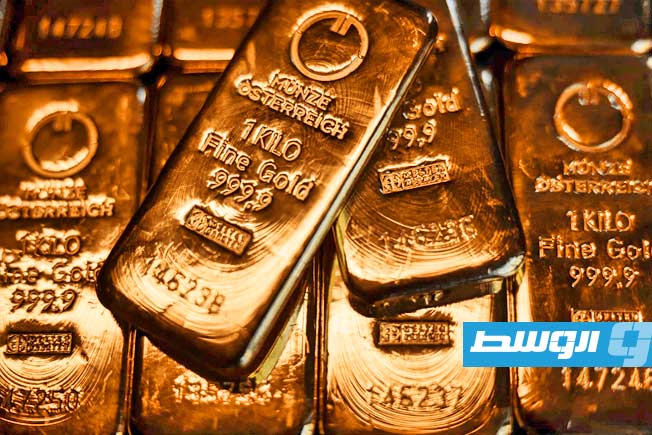
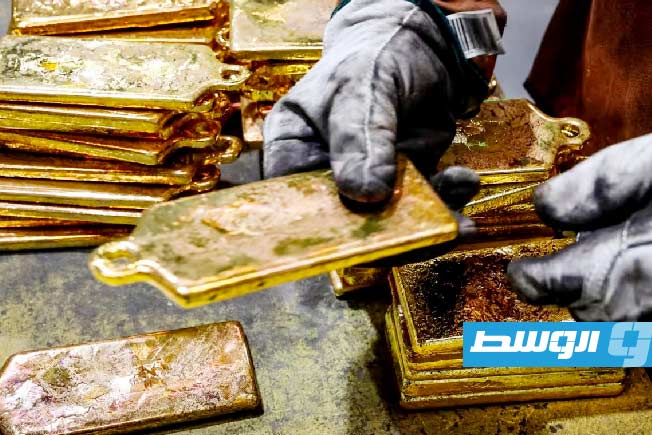
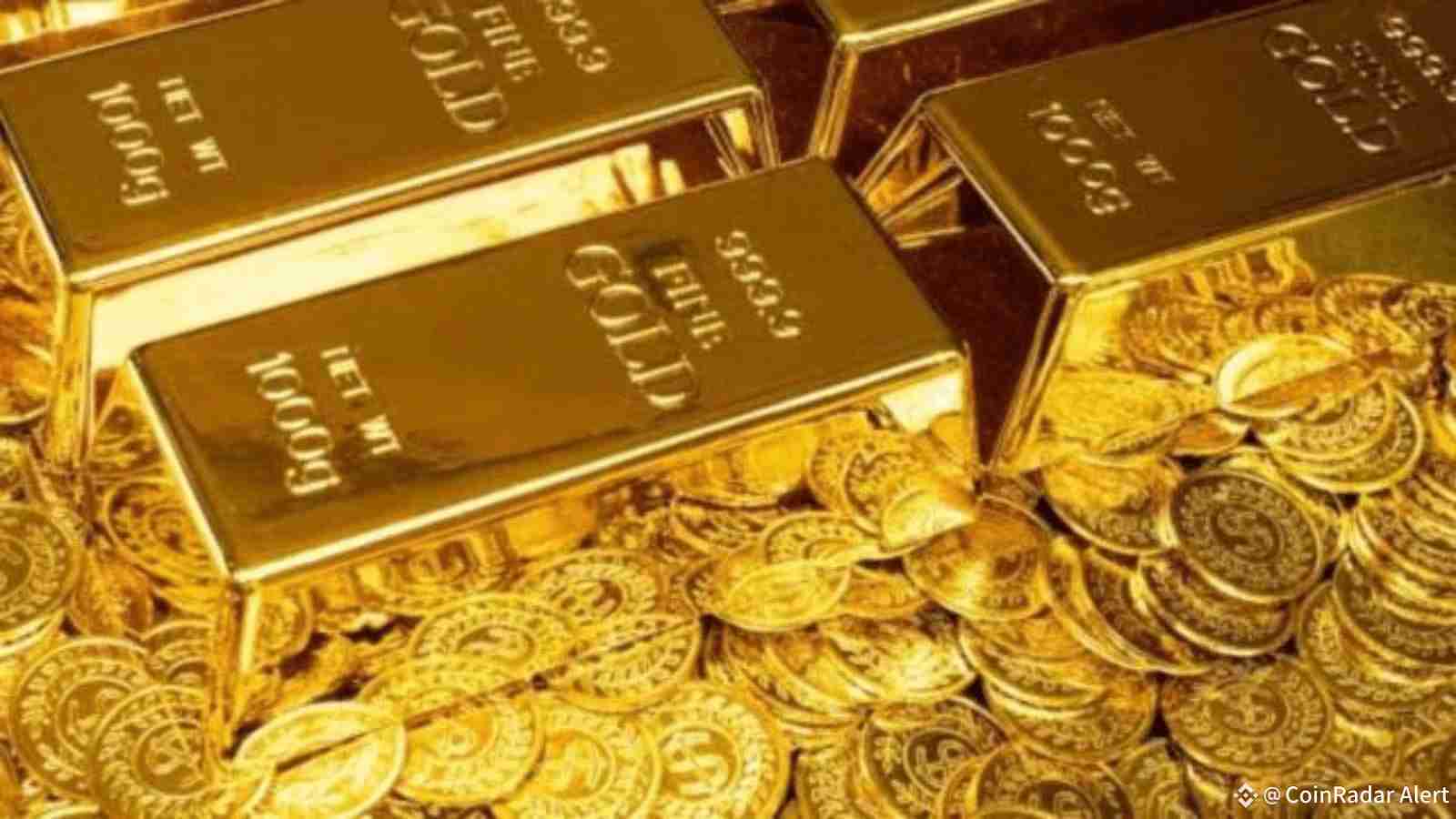
In the precious metals market, the price of an 18-karat gold gram saw an increase to 1020 dinars, while external remittance prices recorded levels higher than cash, as the dollar price for remittances to Turkey reached 8.99 dinars, while Dubai remittances recorded 9.00 dinars.
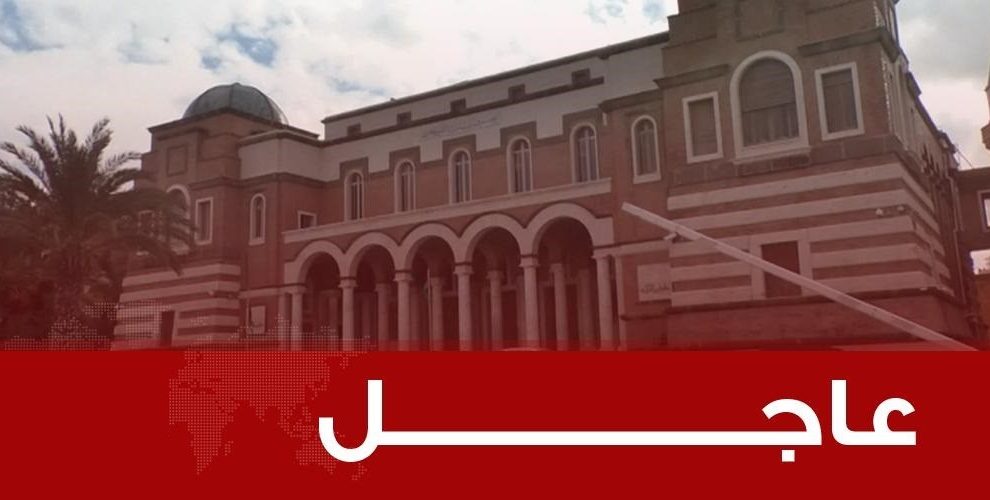
New Adjustment in the Dinar Exchange Rate
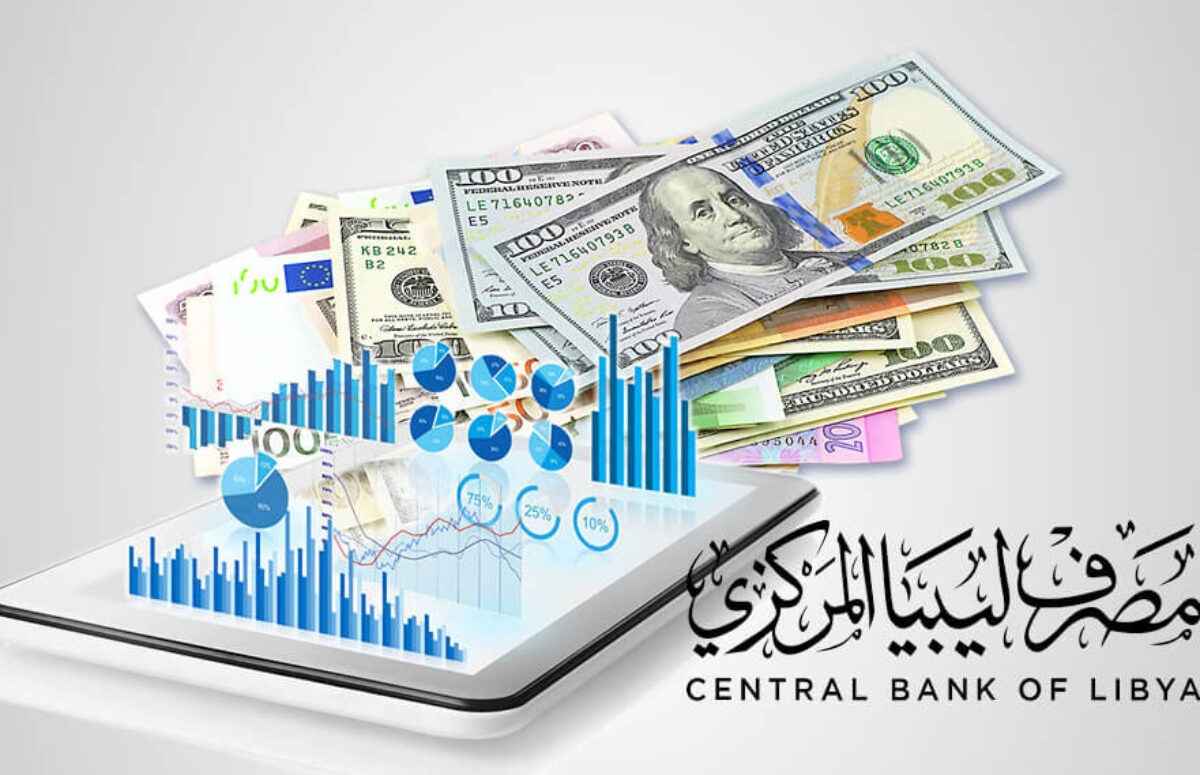
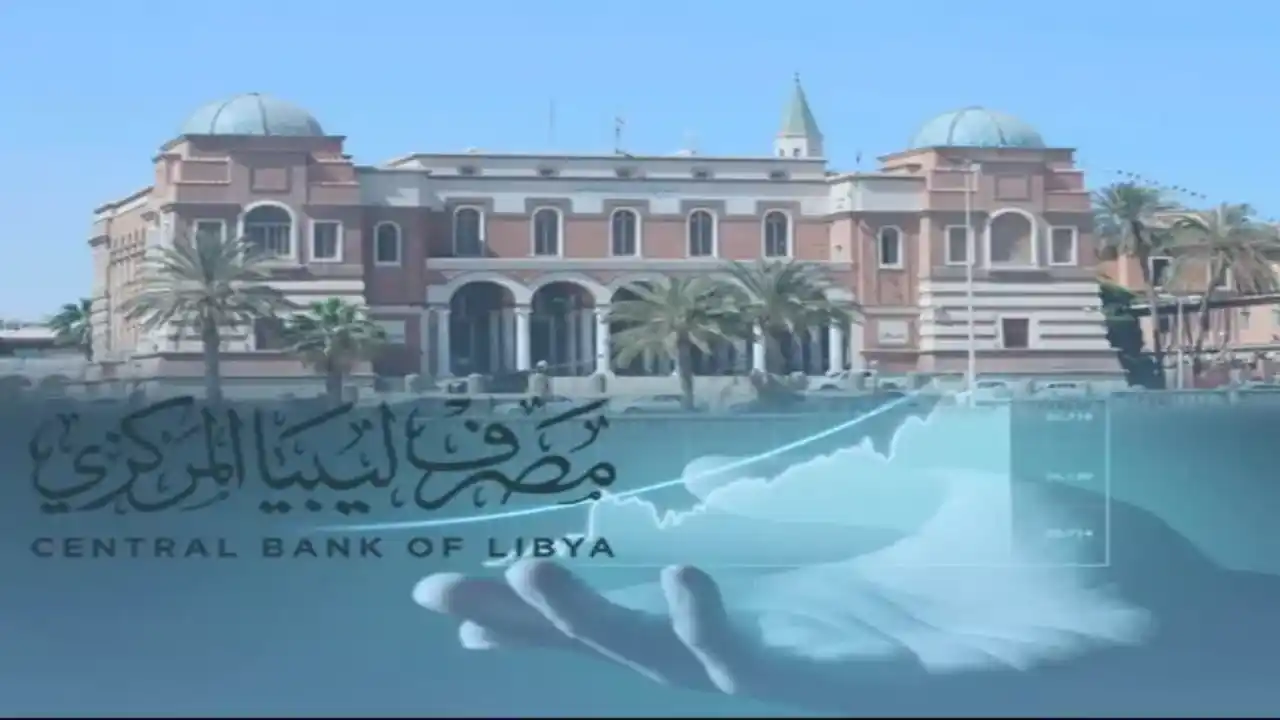
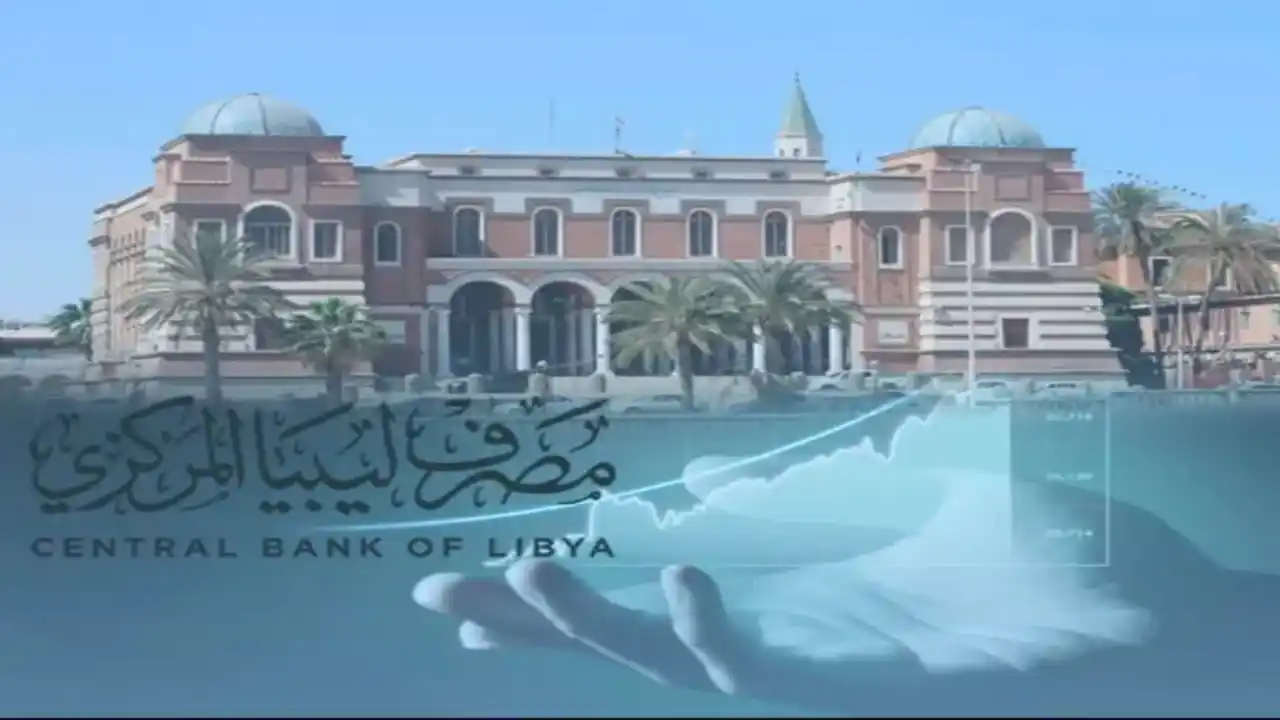
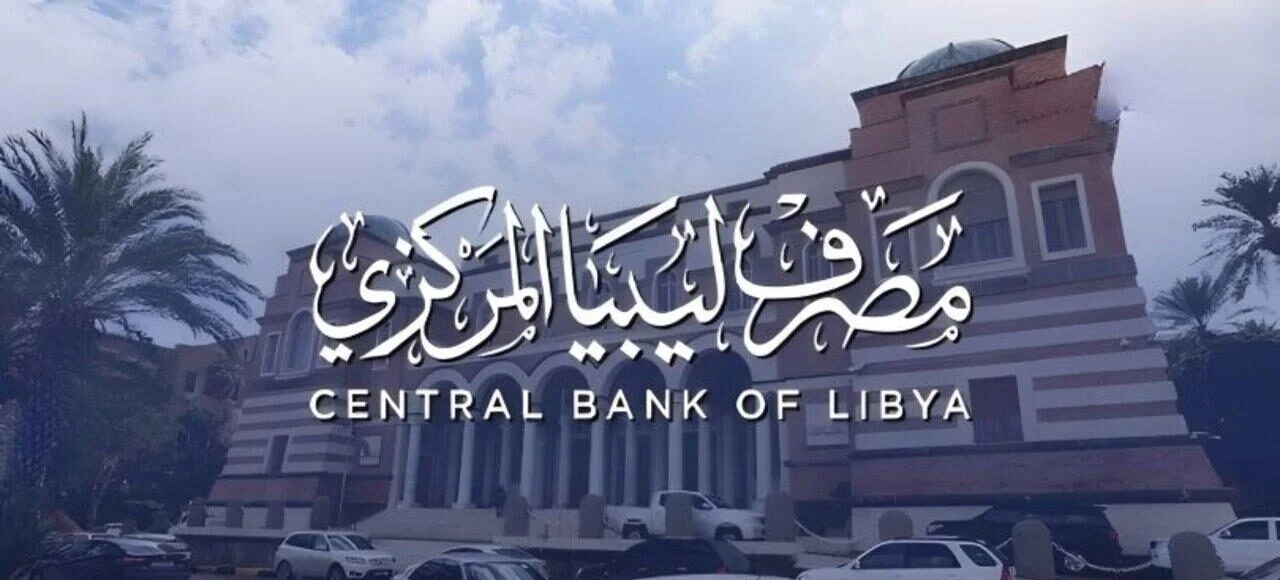
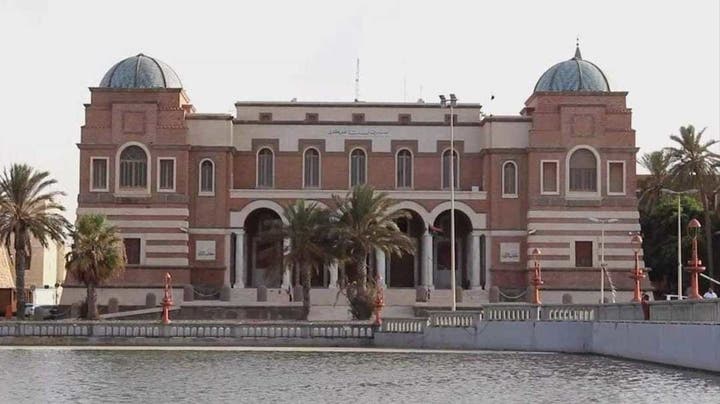
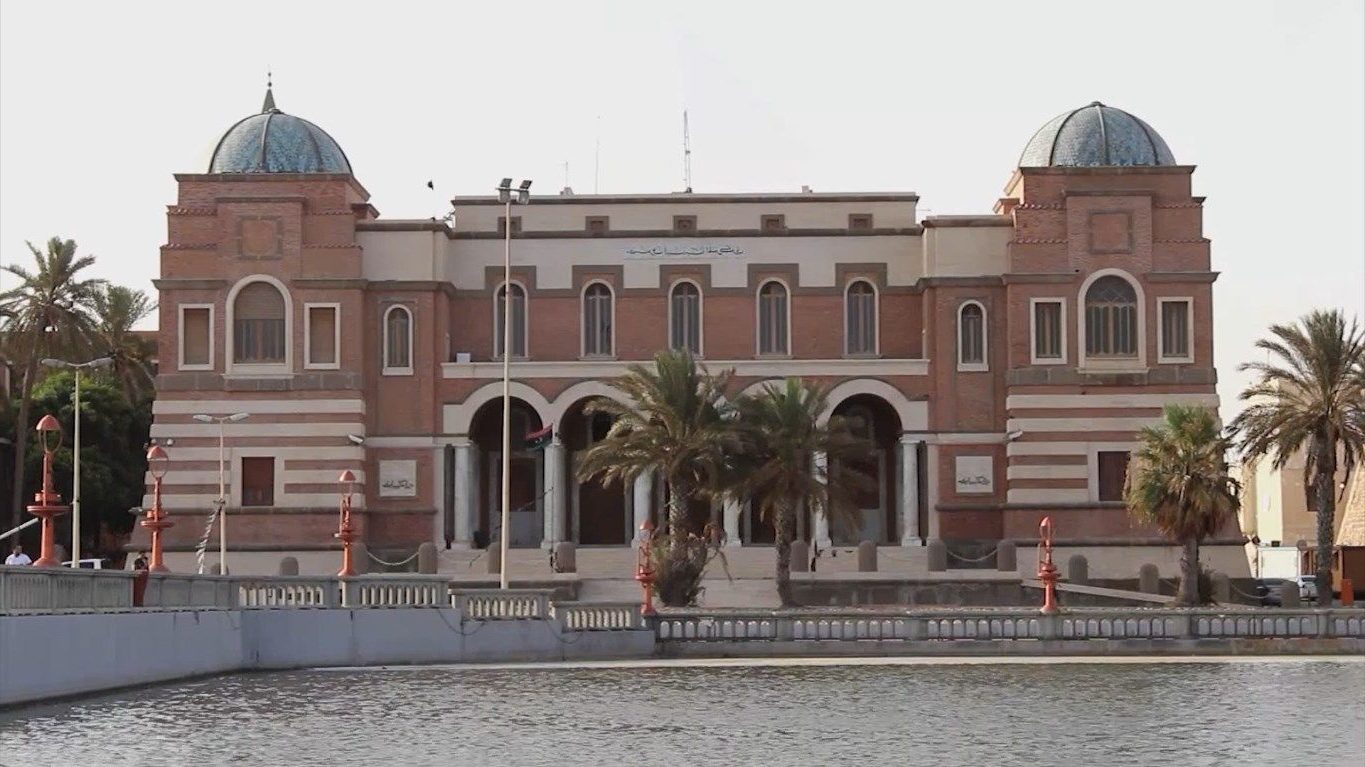
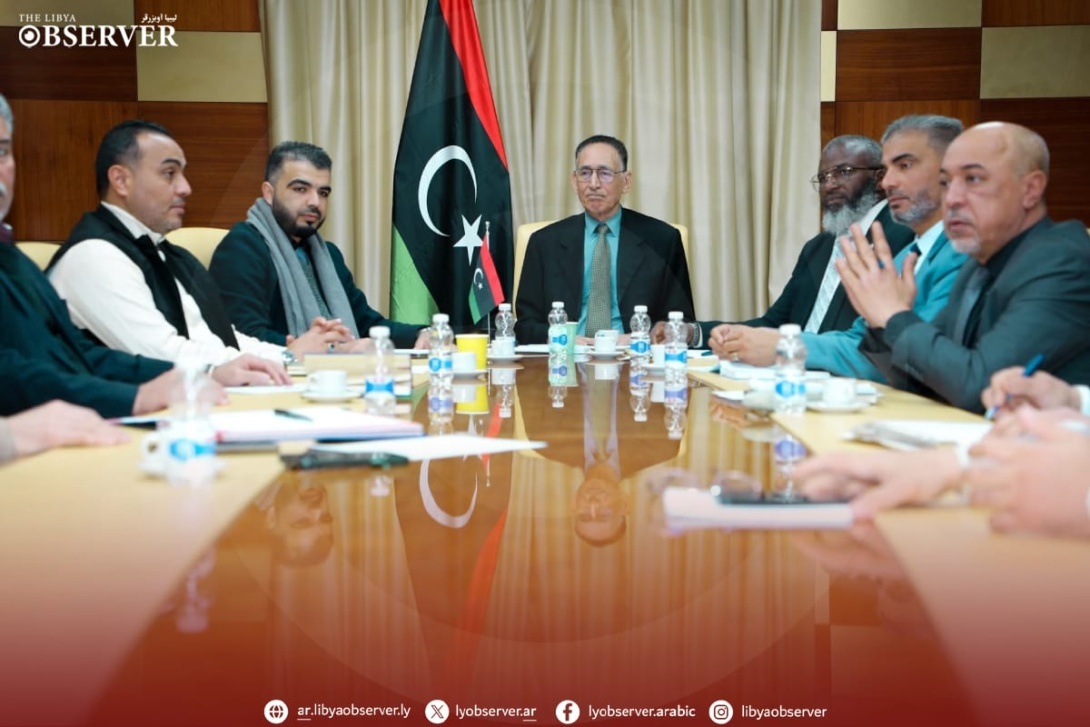
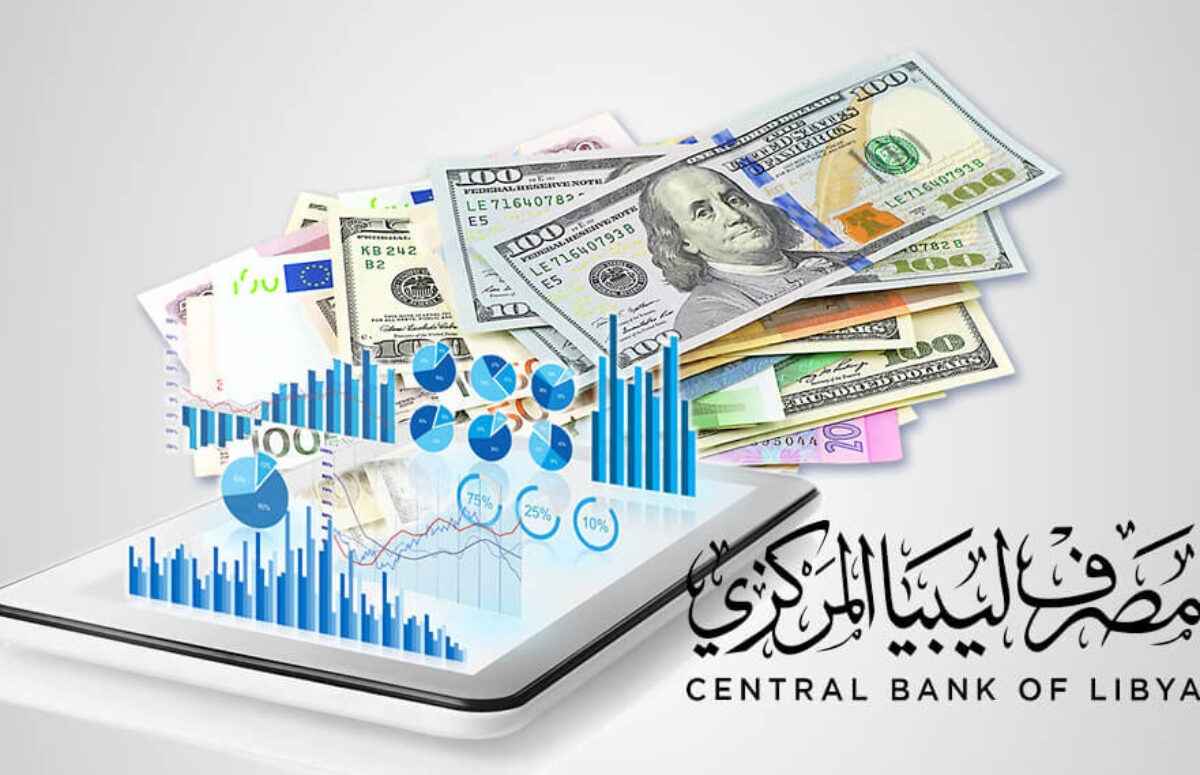
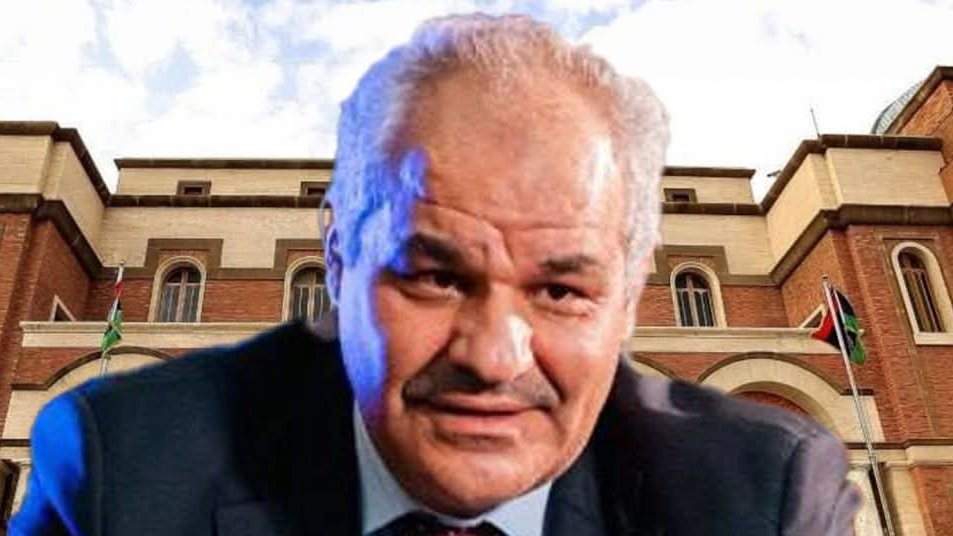
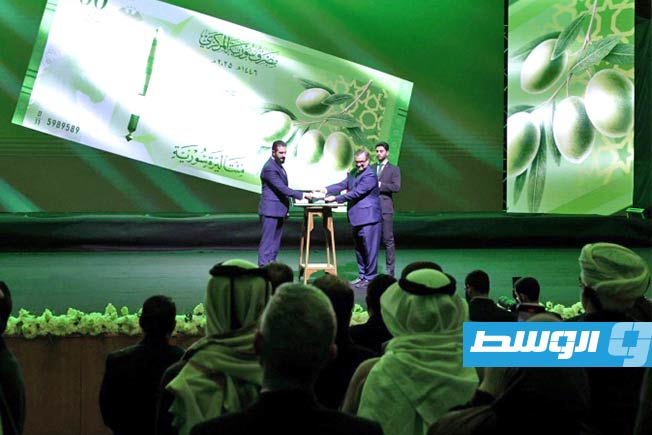
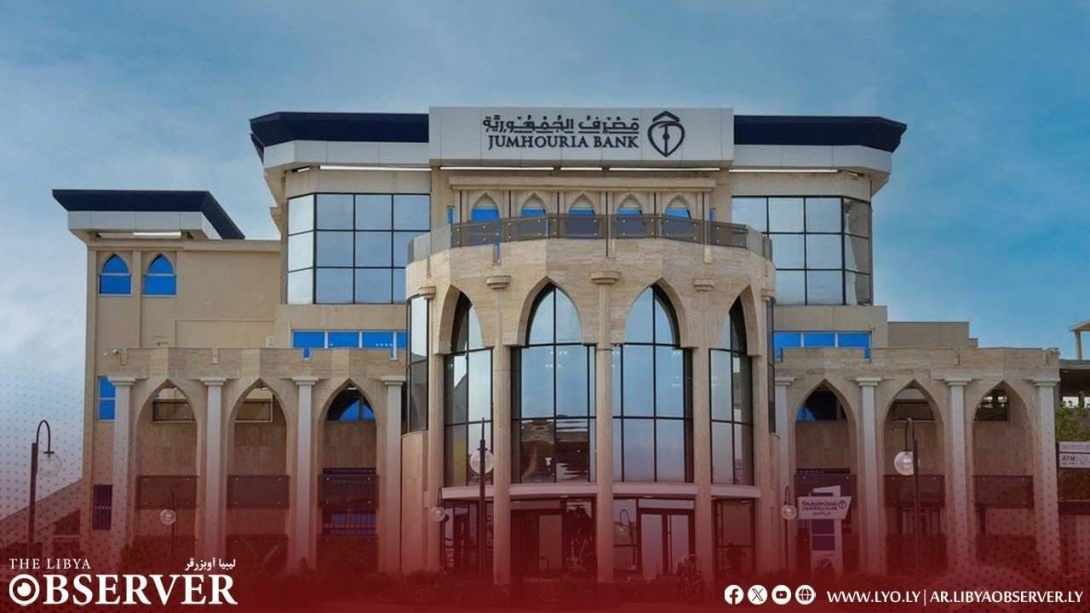
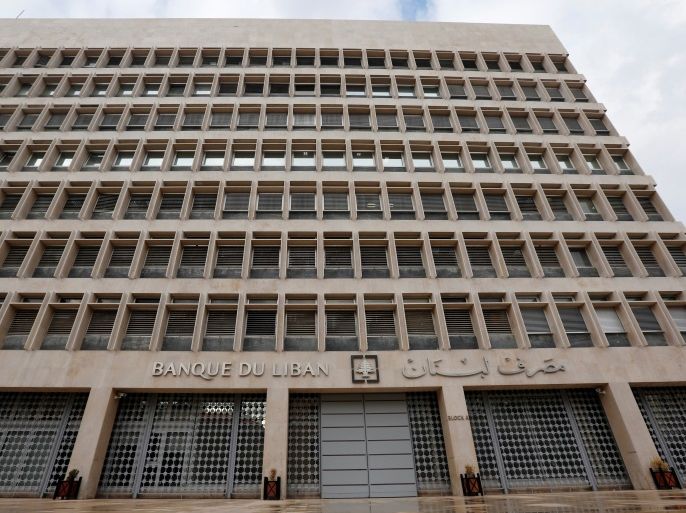
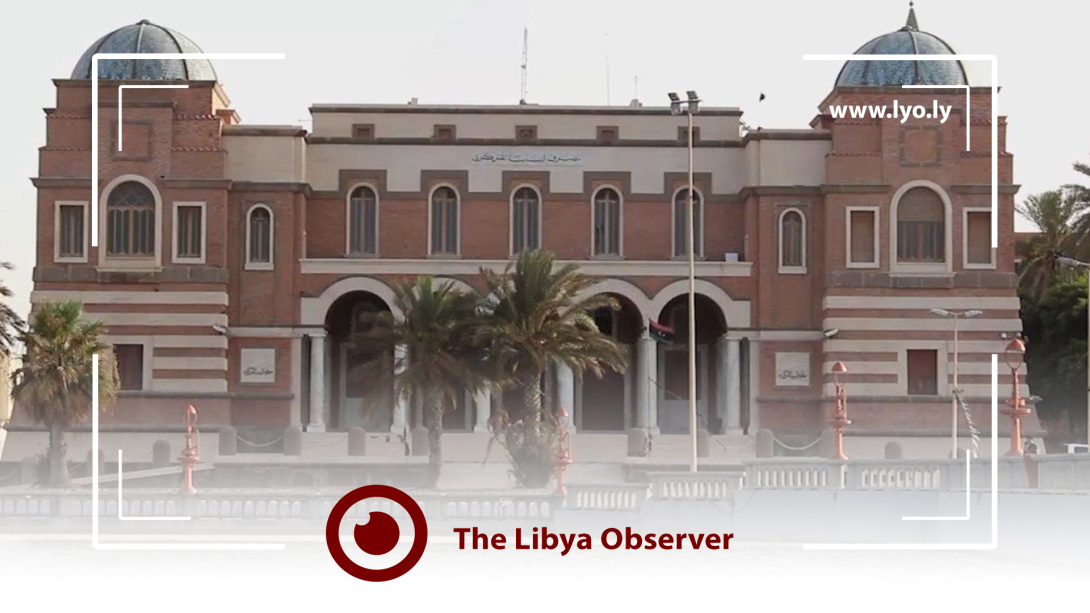
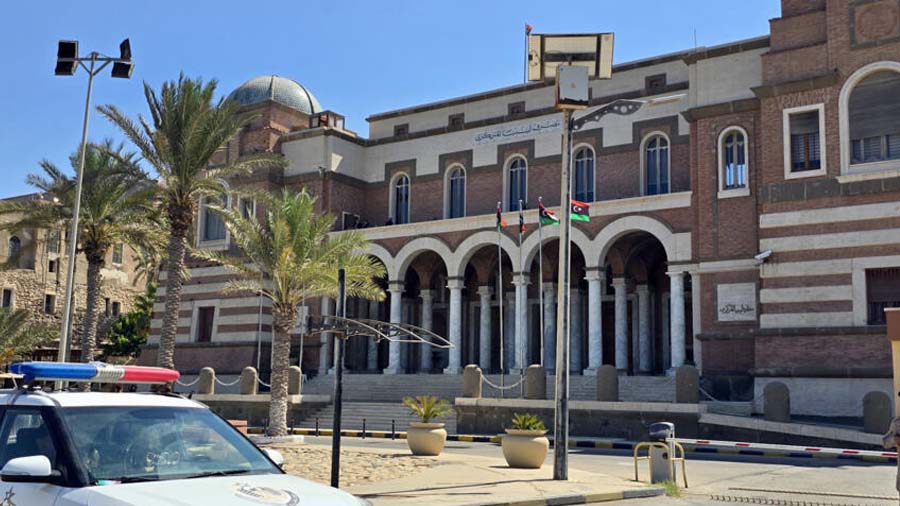
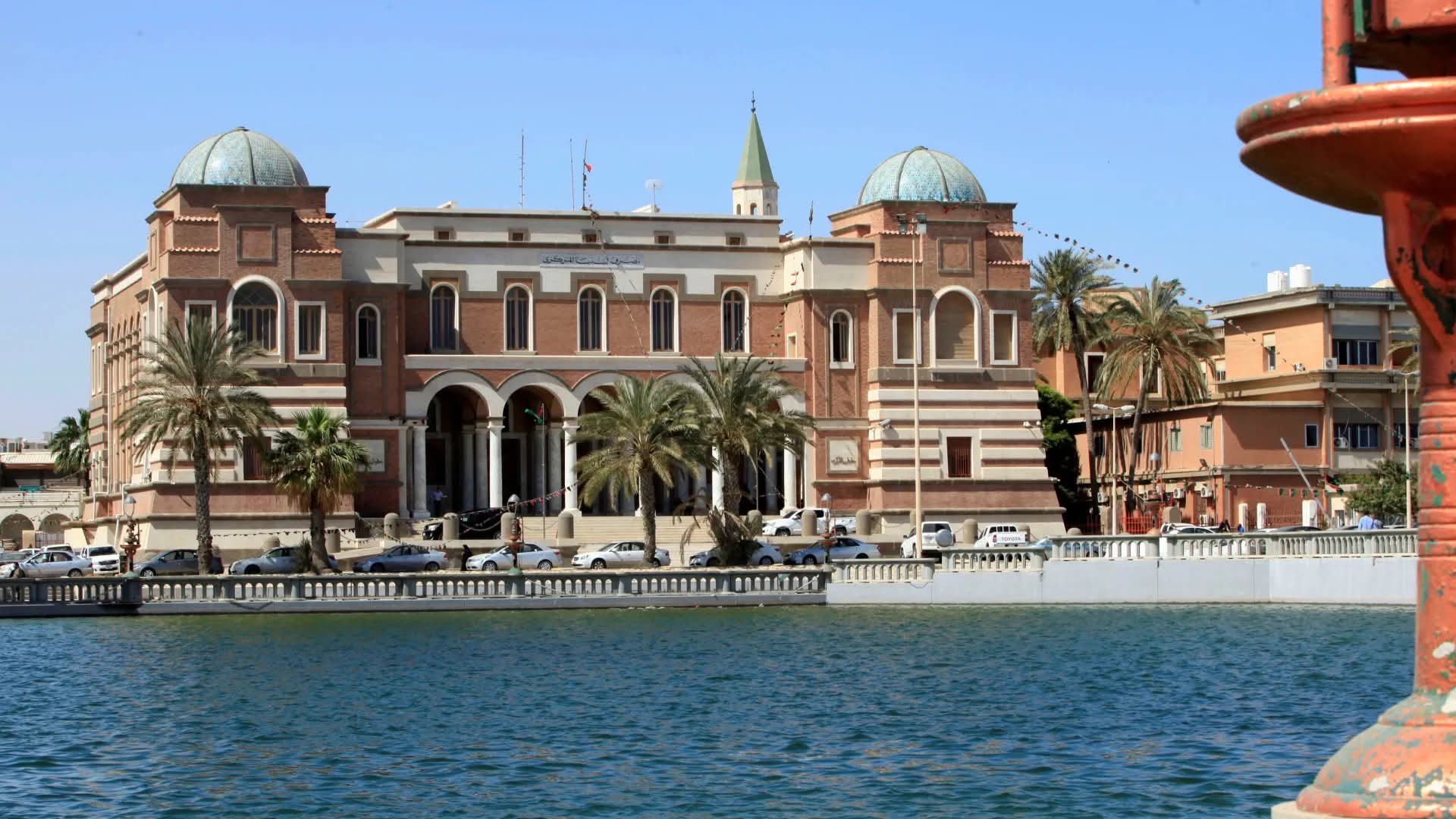
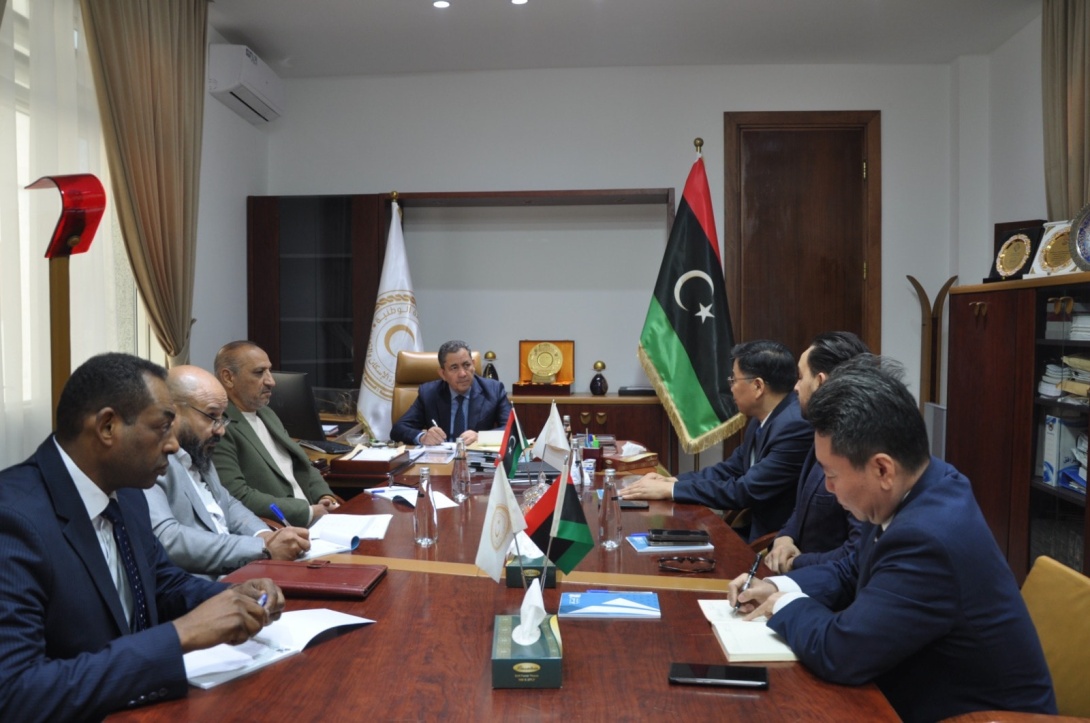
The Central Bank had recently announced a devaluation of the Libyan dinar by 14.7% against the Special Drawing Rights (SDR) unit, making the dinar’s value 0.1150 SDR units instead of 0.1348 units, stabilizing the new official price at approximately 6.40 dinars per US dollar.
US dollar
The US dollar is the official currency of the United States, established by the Coinage Act of 1792. It evolved from a system based on Spanish milled dollars and has become the world’s primary reserve currency since the Bretton Woods agreement in the mid-20th century.
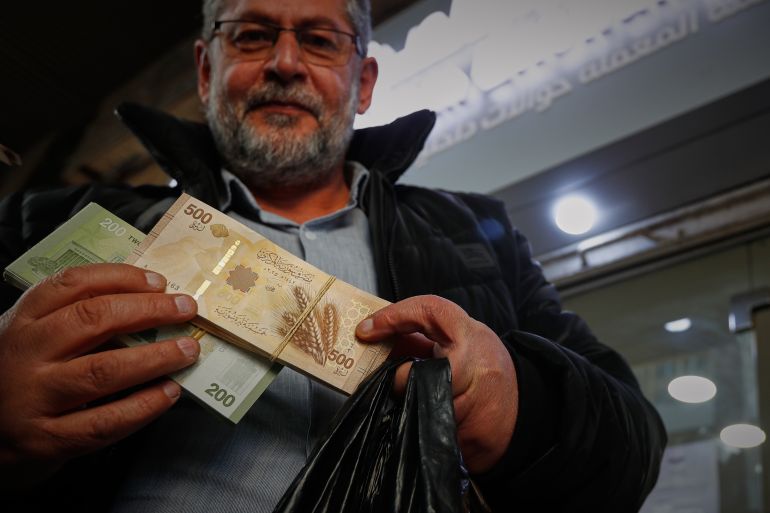
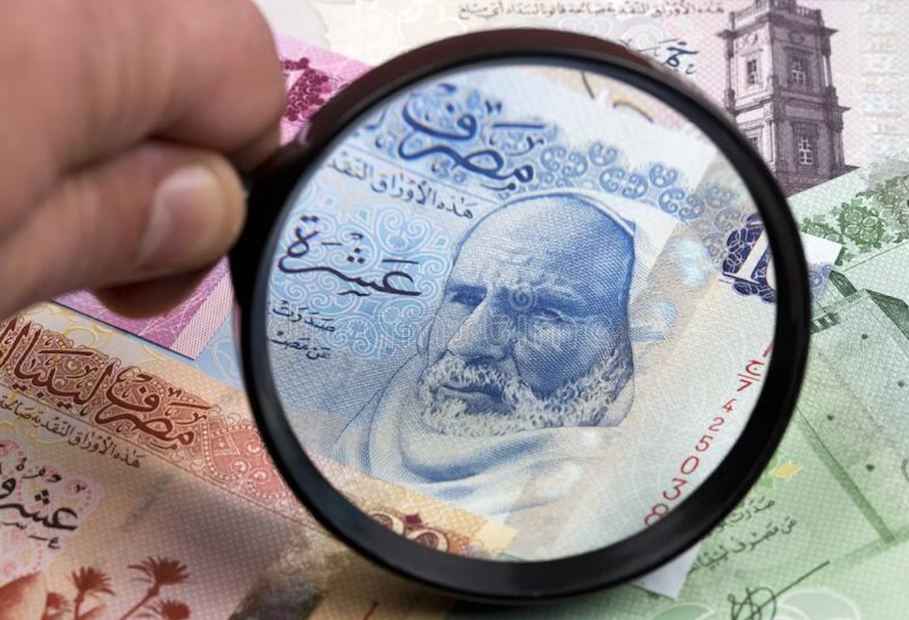
Libyan dinar
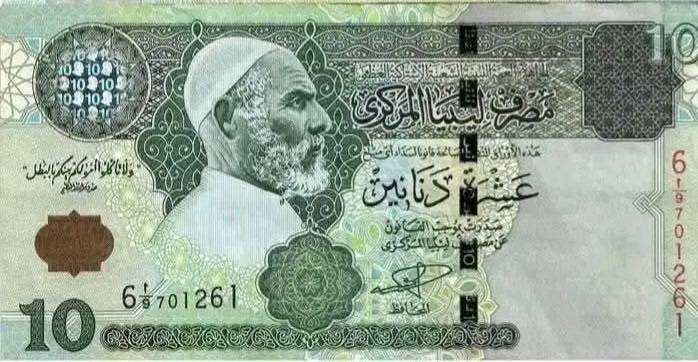
The Libyan dinar is the official currency of Libya, introduced in 1971 to replace the Libyan pound. It was established following the 1969 revolution that brought Muammar Gaddafi to power, symbolizing a move toward economic independence.
Tripoli
Tripoli is the capital and largest city of Libya, located on the country’s Mediterranean coast. Historically, it was founded by the Phoenicians in the 7th century BC and later became a significant Roman city, with its old town, the medina, showcasing a rich history of subsequent Arab, Ottoman, and Italian colonial rule.
Zliten
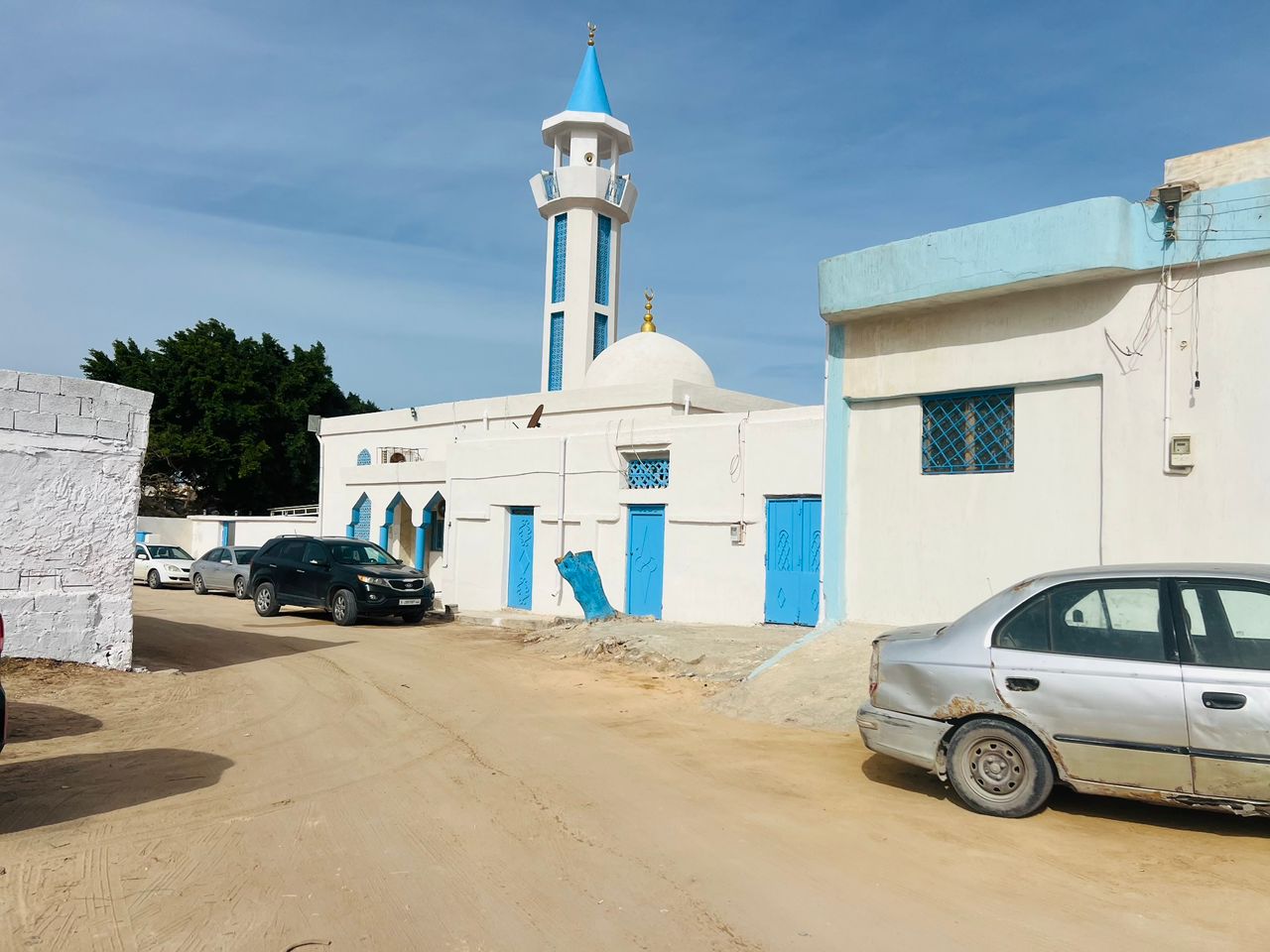
Zliten is a coastal city in northwestern Libya, historically known for the ancient Roman city of Lpcis Minor located nearby. It is also notable for the Zliten Mosque, which dates back to the 10th century and features a distinctive minaret and historic Islamic manuscripts.
Benghazi
Benghazi is a major city in eastern Libya, historically significant as a center of trade and culture since its founding as the Greek colony of Euesperides. It played a pivotal role in the 2011 Libyan Civil War as a key base for the uprising against Muammar Gaddafi.
Ajdabiya
Ajdabiya is a city in northeastern Libya, historically significant as a major crossroads for trans-Saharan trade routes and a center for the Senussi religious movement in the 19th and early 20th centuries. It later became a key strategic location during the 2011 Libyan Civil War.
euro
The Euro is the official currency of the Eurozone, which consists of 20 of the 27 member states of the European Union. It was introduced in non-physical form in 1999 and as physical banknotes and coins in 2002, representing a major step in European economic integration. Its creation was driven by the goal of fostering stability, economic cooperation, and a unified identity within the participating nations.
British pound
The British pound, officially known as pound sterling, is the world’s oldest currency still in use, with origins tracing back to Anglo-Saxon times. It was historically a unit of weight for silver, and its symbol (£) derives from the Latin word *libra*, meaning a unit of weight.
Turkey
Turkey is a transcontinental nation bridging Europe and Asia, with a rich history spanning the Byzantine and Ottoman Empires, the latter of which was succeeded by the modern Republic of Turkey in 1923. Its cultural sites, such as the Hagia Sophia in Istanbul and the ancient ruins of Ephesus, reflect this layered historical legacy.
Dubai
Dubai is a major global city and emirate in the United Arab Emirates, historically known as a small fishing and pearling village. Its modern transformation began with the discovery of oil in the 1960s, but it has since strategically diversified into a hub for tourism, finance, and trade, famous for landmarks like the Burj Khalifa and artificial Palm Islands.
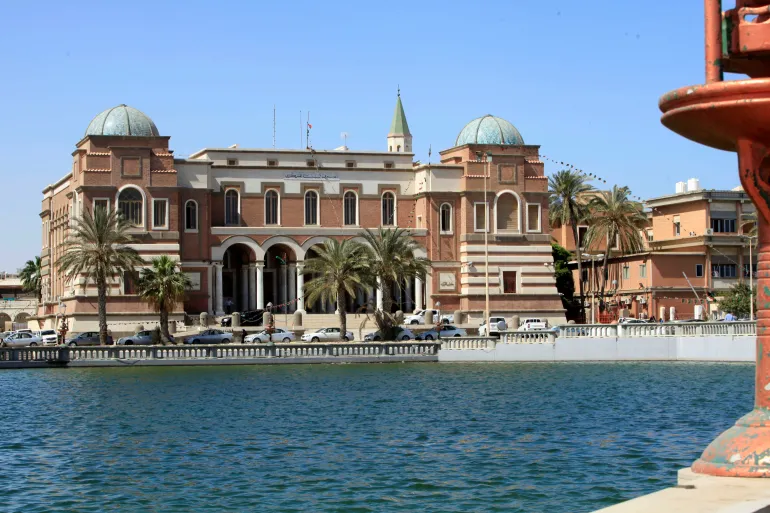
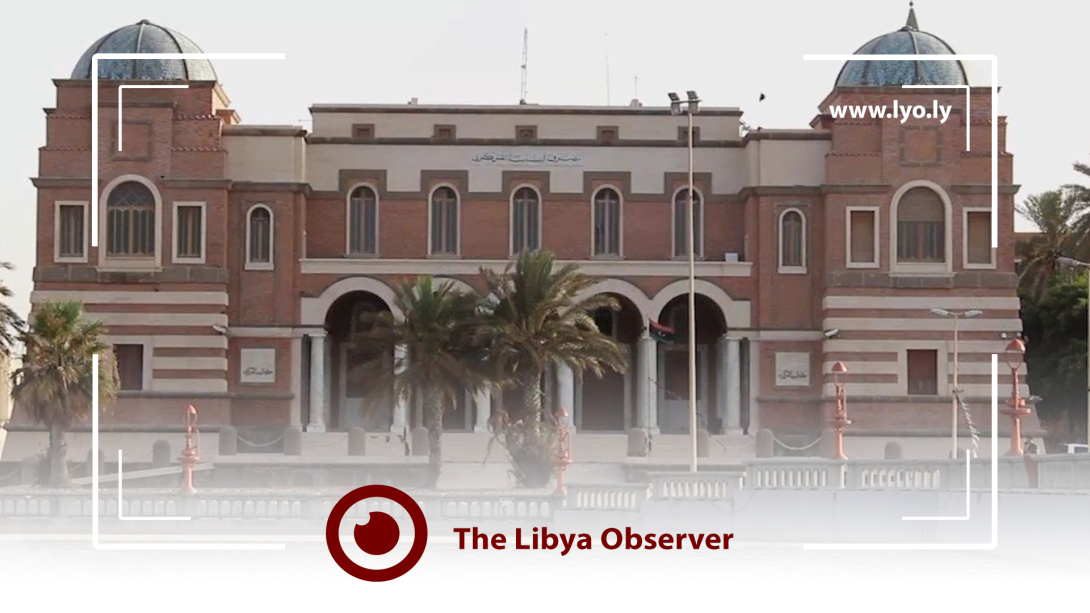
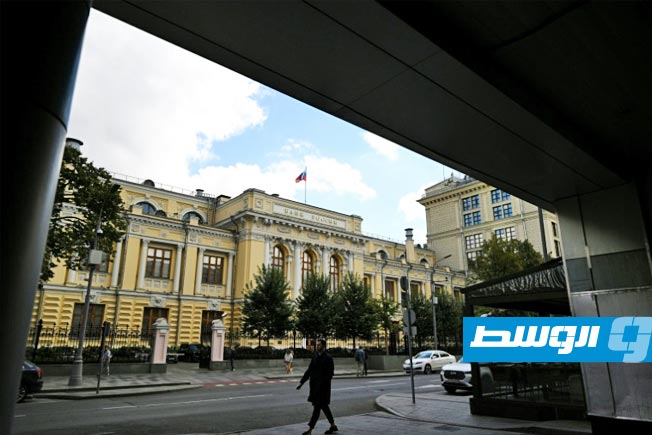
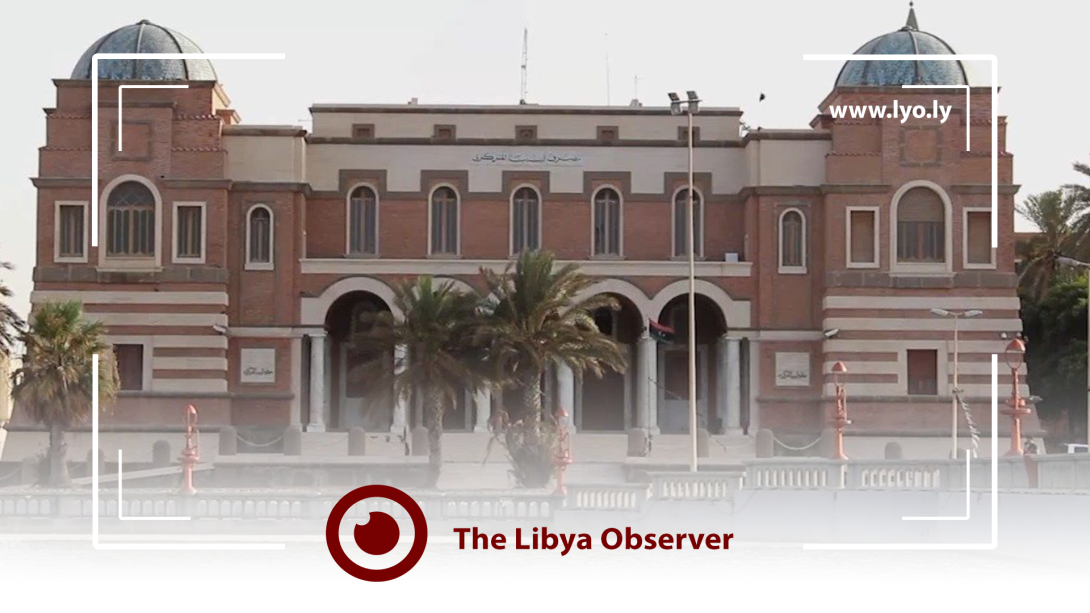
Central Bank
The Central Bank is a nation’s primary monetary authority, responsible for issuing currency and managing monetary policy to ensure economic stability. Historically, such institutions evolved from early banking houses, with Sweden’s Riksbank, founded in 1668, often cited as the world’s oldest central bank. Their modern roles typically include controlling inflation, supervising commercial banks, and acting as a lender of last resort during financial crises.
Special Drawing Rights
Special Drawing Rights (SDR) is an international reserve asset created by the International Monetary Fund (IMF) in 1969 to supplement its member countries’ official reserves. Its value is based on a basket of five major currencies: the U.S. dollar, euro, Chinese renminbi, Japanese yen, and British pound sterling.